

Anime Breaking Barriers with Non-Binary Pronoun Usage

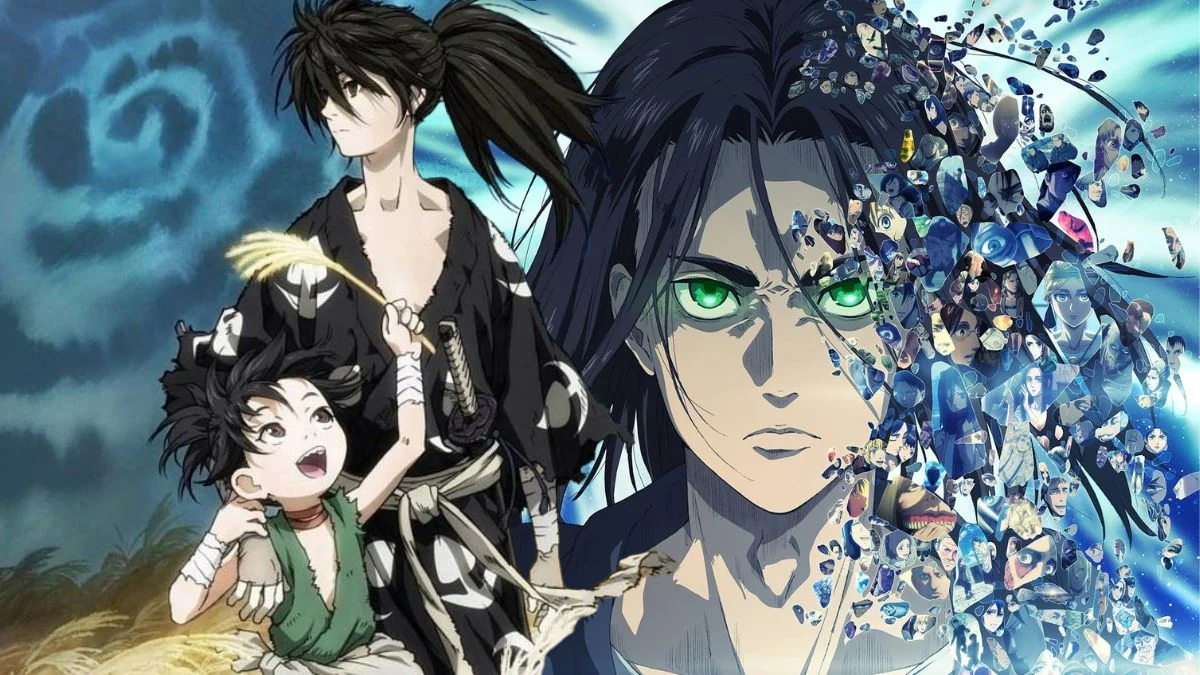


The landscape of Japanese animation frequently explores themes of identity that transcend traditional gender binaries. Characters in these series often challenge societal norms through their appearance, behavior, and specifically their use of pronouns. Creators sometimes utilize the flexibility of the Japanese language to employ neutral terms like “boku” or “watashi” in ways that avoid strict male or female categorization. This narrative approach allows for diverse representation that resonates with audiences seeking characters outside the conventional gender spectrum.
‘Attack on Titan’ (2013–2023)
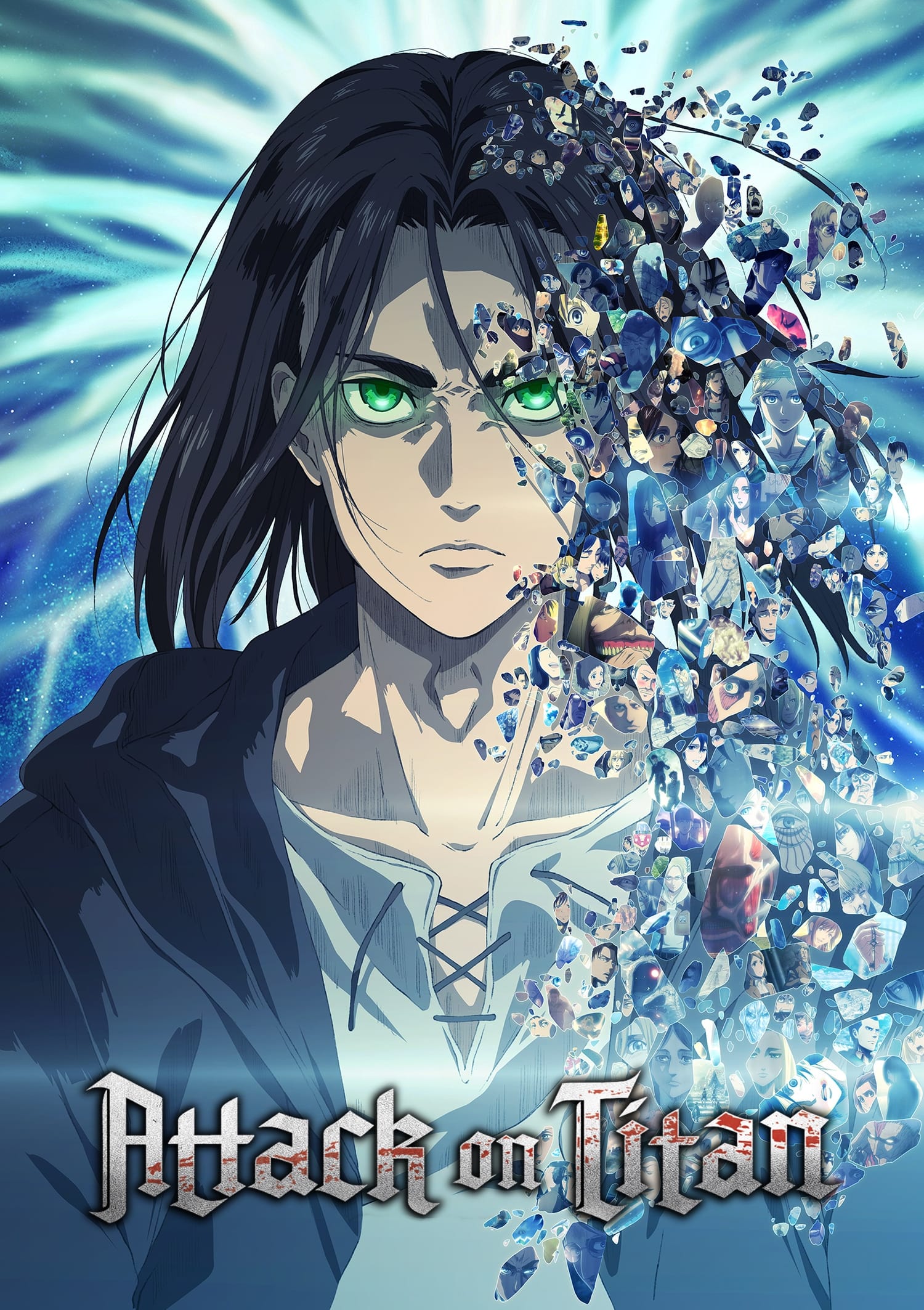
Hange Zoë serves as the eccentric and brilliant Section Commander of the Survey Corps who is obsessed with Titan research. The creator Hajime Isayama famously instructed publishers to avoid gendered pronouns when referring to this character in the manga. While some localized anime adaptations assigned specific pronouns, the original Japanese script maintains a deliberate ambiguity regarding Hange’s gender identity. This decision shifts the audience’s focus entirely to Hange’s scientific intellect and chaotic leadership style rather than their biological sex.
‘Land of the Lustrous’ (2017)
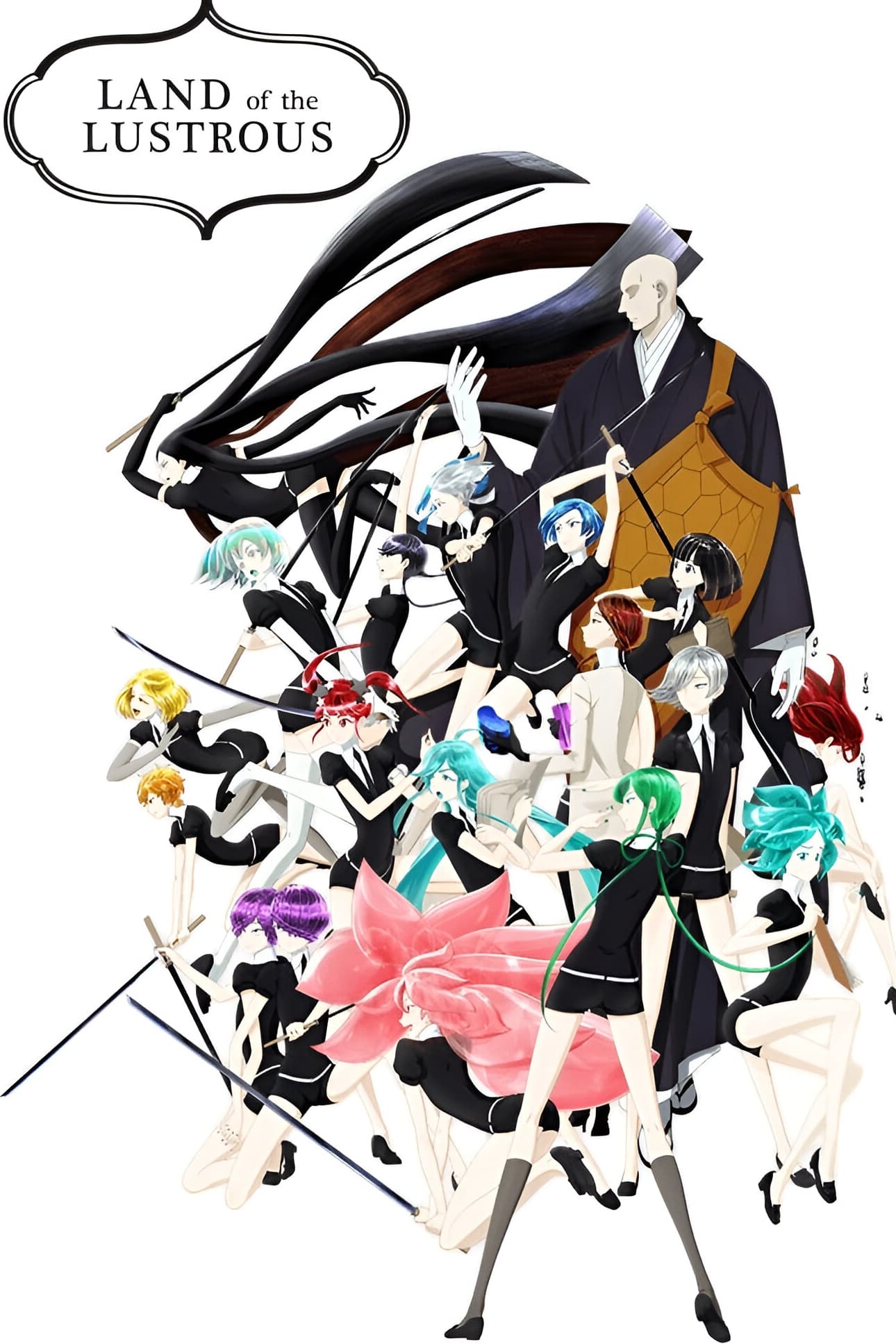
This series features a cast of sentient gemstone lifeforms who inhabit a world devoid of humans. These immortal beings possess feminine appearances but use masculine-leaning or neutral pronouns in the original Japanese dialogue. The English localization often adopts gender-neutral pronouns to reflect their sexless physiology accurately. Phos and the other gems engage in combat and introspection without being bound by human concepts of gender roles.
‘Soul Eater’ (2008–2009)
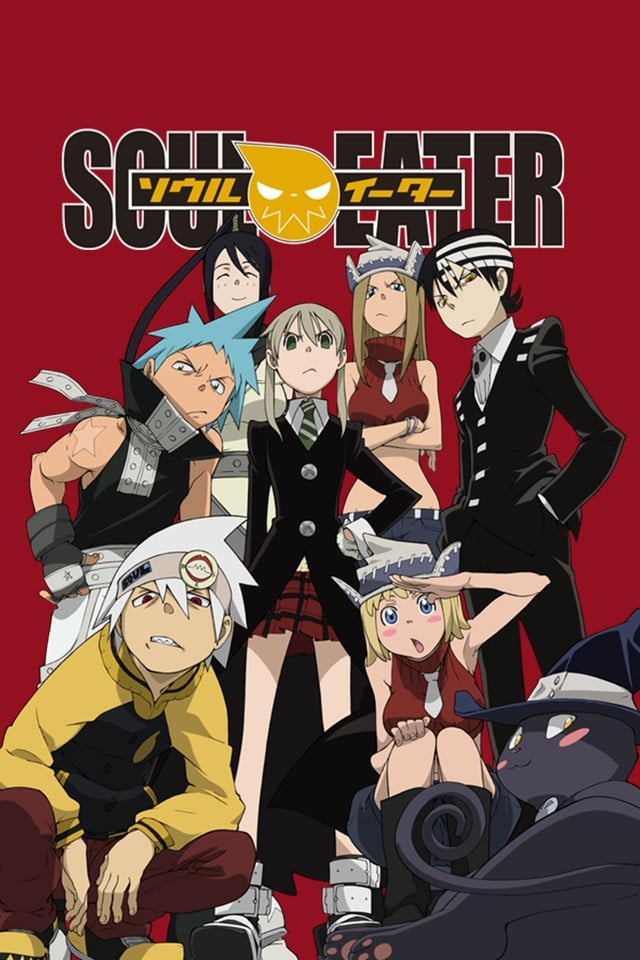
Crona represents one of the most prominent examples of gender ambiguity in mainstream shonen anime. As the child of the witch Medusa, Crona is subjected to horrific experiments and forced to wield the demon weapon Ragnarok. throughout the series, other characters struggle to categorize Crona, and the writing consistently avoids confirming a specific gender. This ambiguity reinforces Crona’s isolation and the tragic nature of their upbringing as a weapon rather than a person.
‘Stars Align’ (2019)
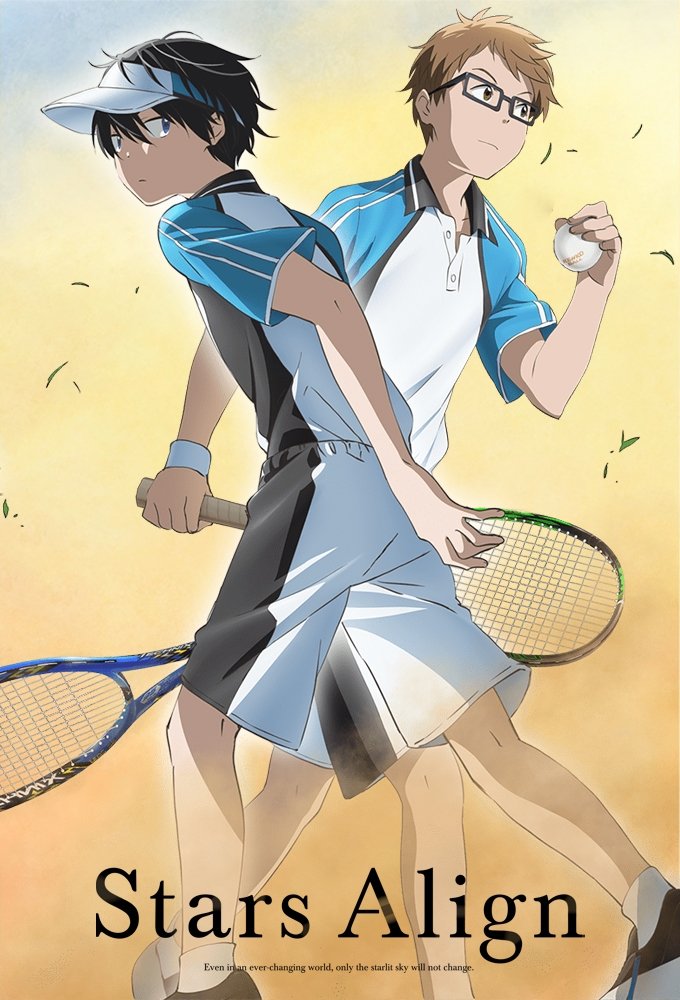
This sports drama stands out for explicitly addressing gender identity through the character Yuu Mashiro. Yuu openly discusses their experience with questioning their gender and expresses discomfort with being categorized as male or female. The dialogue introduces the Japanese term “X-gender” to describe a non-binary identity to the audience. This representation provides a grounded and realistic depiction of a teenager navigating self-discovery within a school setting.
‘Kino’s Journey’ (2003)
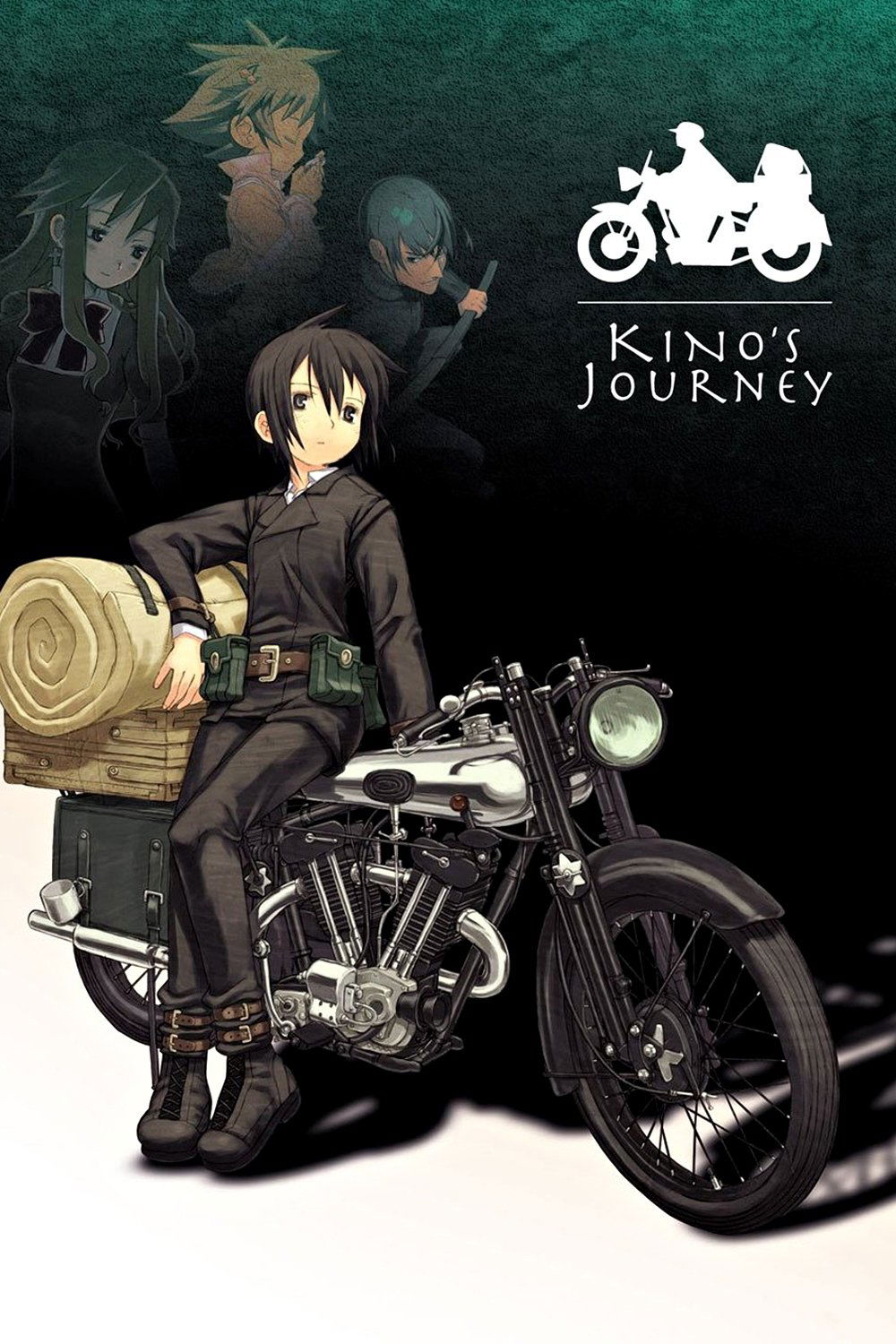
The protagonist Kino travels through different countries with a talking motorcycle named Hermes. Kino utilizes the pronoun “boku,” which is typically used by young males, yet retains a distinctively androgynous appearance and persona. The narrative prioritizes Kino’s role as an observer of the human condition over their gender presentation. Travelers Kino meets often assume a gender, but Kino rarely corrects them or confirms their assumptions.
‘Hunter x Hunter’ (2011–2014)
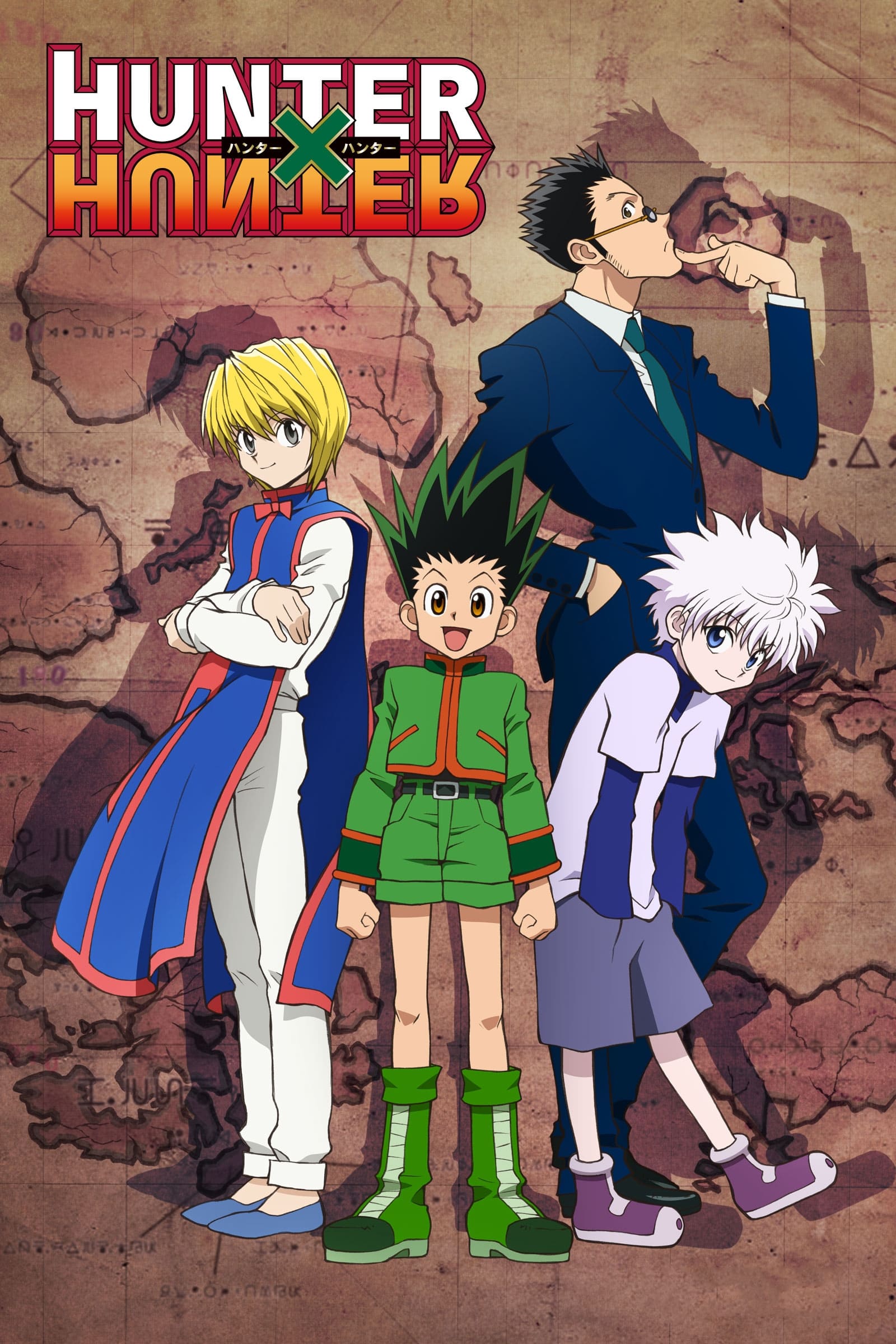
Alluka Zoldyck is introduced as a member of the infamous Zoldyck family of assassins with a complex existence involving a possessive entity named Nanika. While the family refers to Alluka with male pronouns, the protagonist Killua respectfully uses female pronouns and defends her identity. The narrative treats Alluka’s situation with nuance, distinguishing between the family’s rejection and Killua’s unconditional acceptance. This dynamic creates a powerful allegory for identity and the importance of supportive relationships.
‘Steins;Gate’ (2011)
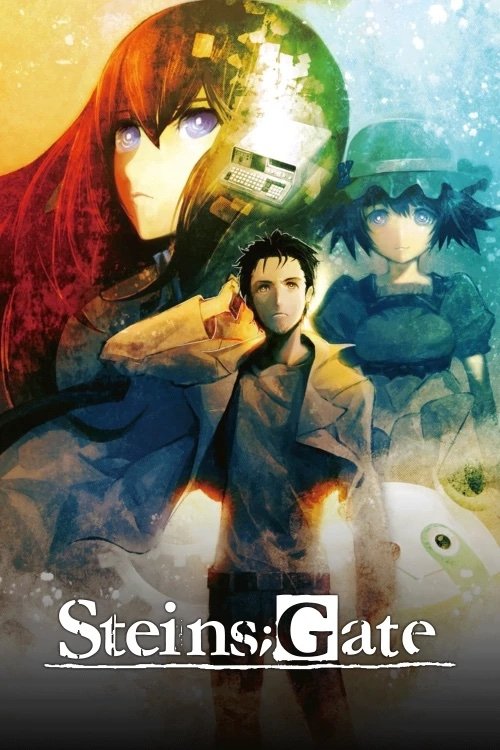
Ruka Urushibara is a shrine maiden who presents physically female but was assigned male at birth. Ruka expresses a profound desire to be a girl and utilizes time travel mechanics to attempt to alter this biological reality. The character’s journey explores the pain of dysphoria and the disconnect between physical appearance and internal identity. Although the conclusion is debated among fans, Ruka remains a significant figure in discussions regarding gender non-conformity in anime.
‘Sailor Moon’ (1992–1997)
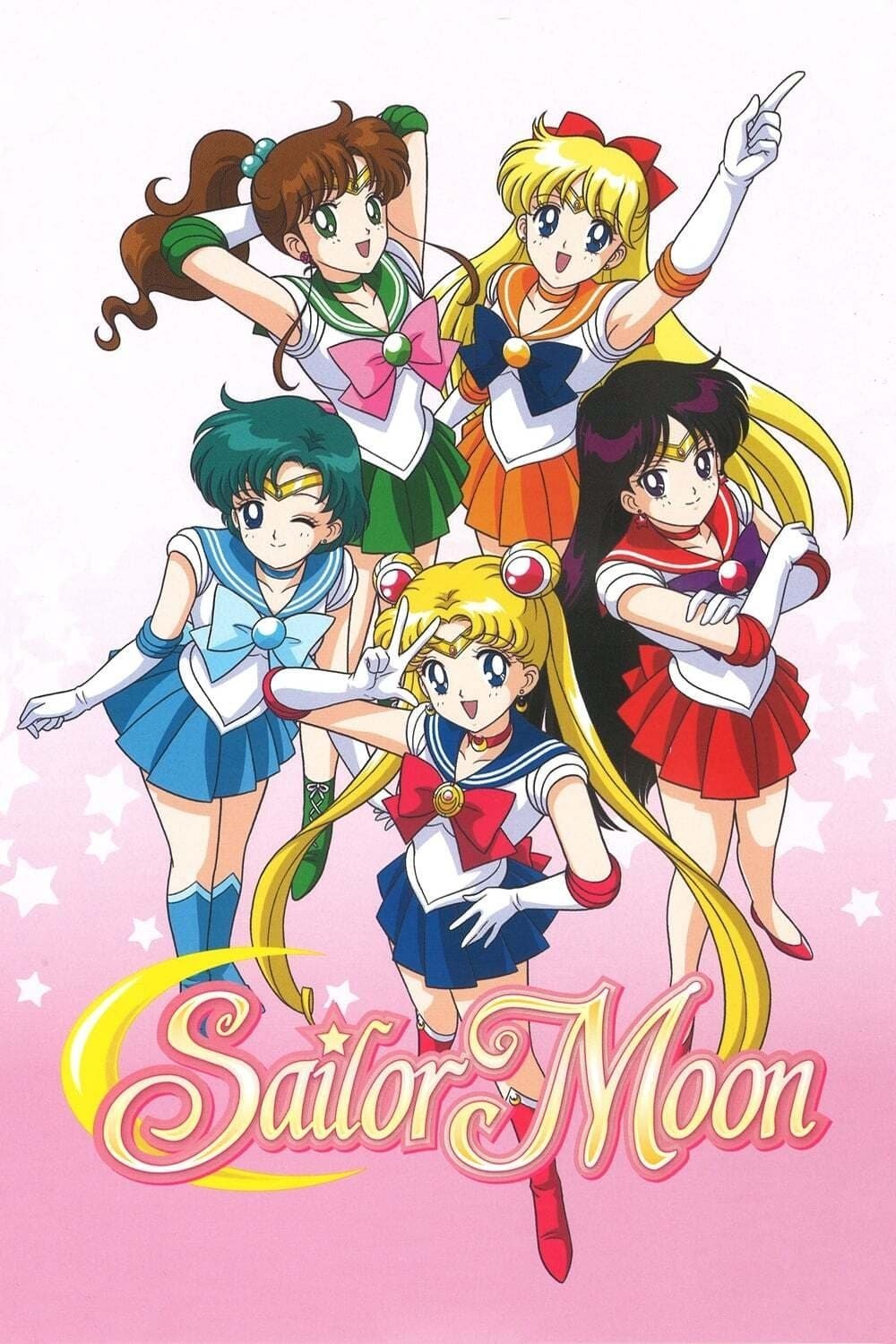
The Sailor Starlights appear in the final season and introduce a unique transformation mechanic involving gender. In their civilian forms, they present as a male boy band, but they transform into female Sailor Guardians to fight. This physical shift challenges the rigidity of magical girl tropes and presents a fluid existence between masculine and feminine presentations. The English localization initially struggled with this concept, but the original intent highlights a distinct fluidity.
‘One Piece’ (1999–Present)
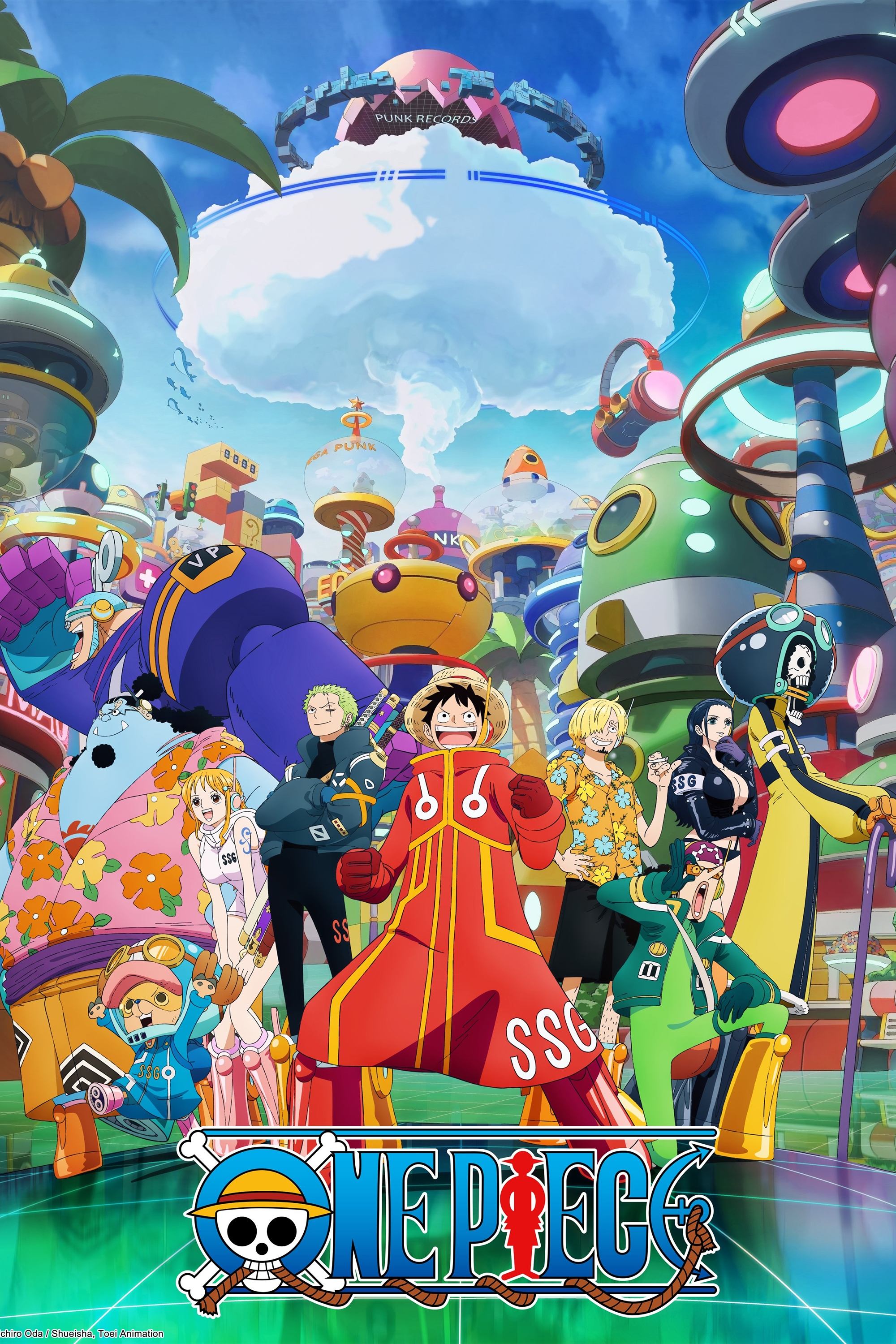
Yamato is the powerful offspring of the Emperor Kaido who identifies as the legendary samurai Kozuki Oden. Yamato uses male pronouns and is referred to as Kaido’s son, despite having a female physiology. Characters within the Straw Hat crew accept this self-identification without hesitation or mockery. Yamato’s determination to inherit Oden’s will supersedes traditional gender expectations within the pirate world.
‘Komi Can’t Communicate’ (2021–Present)
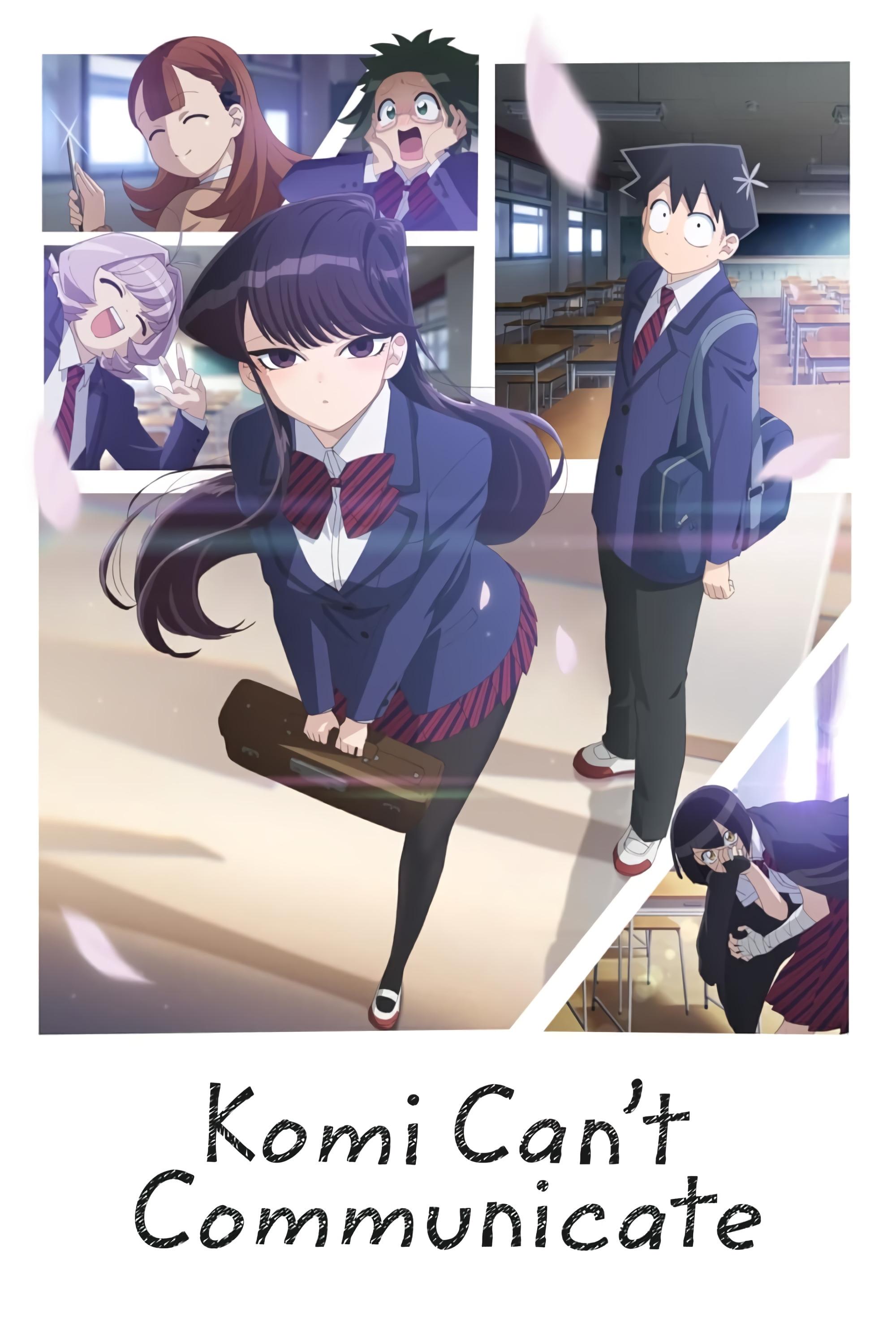
Najimi Osana is a character whose gender is treated as an enigma that defies standard classification. Najimi wears a mix of male and female school uniform components and switches interpersonal dynamics fluidly depending on the situation. The series uses Najimi’s ambiguity for comedy but also establishes that Najimi transcends gender barriers to be friends with everyone. Peers eventually stop trying to categorize Najimi and simply accept their unique presence.
‘Blue Period’ (2021)
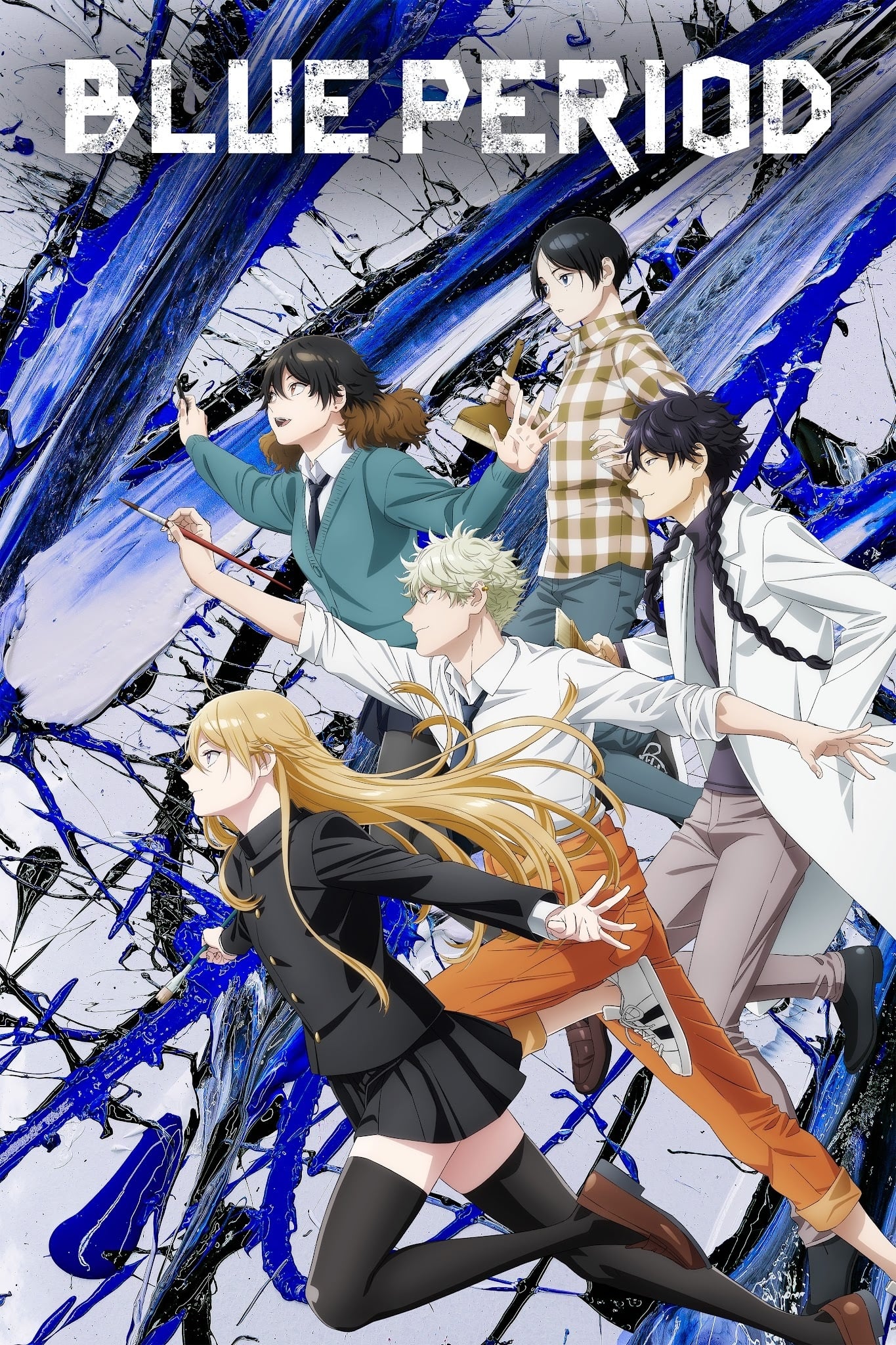
Ryuji Ayukawa, also known as Yuka, is an art student who presents in a feminine manner and rejects the male school uniform. The character deals with significant societal pressure and rejection from family members regarding their gender expression. Yuka’s arc is not played for laughs but focuses on the struggle for acceptance and the desire to be loved for who they are. The narrative treats Yuka’s gender non-conformity as a serious element of their artistic and personal development.
‘Made in Abyss’ (2017–2022)
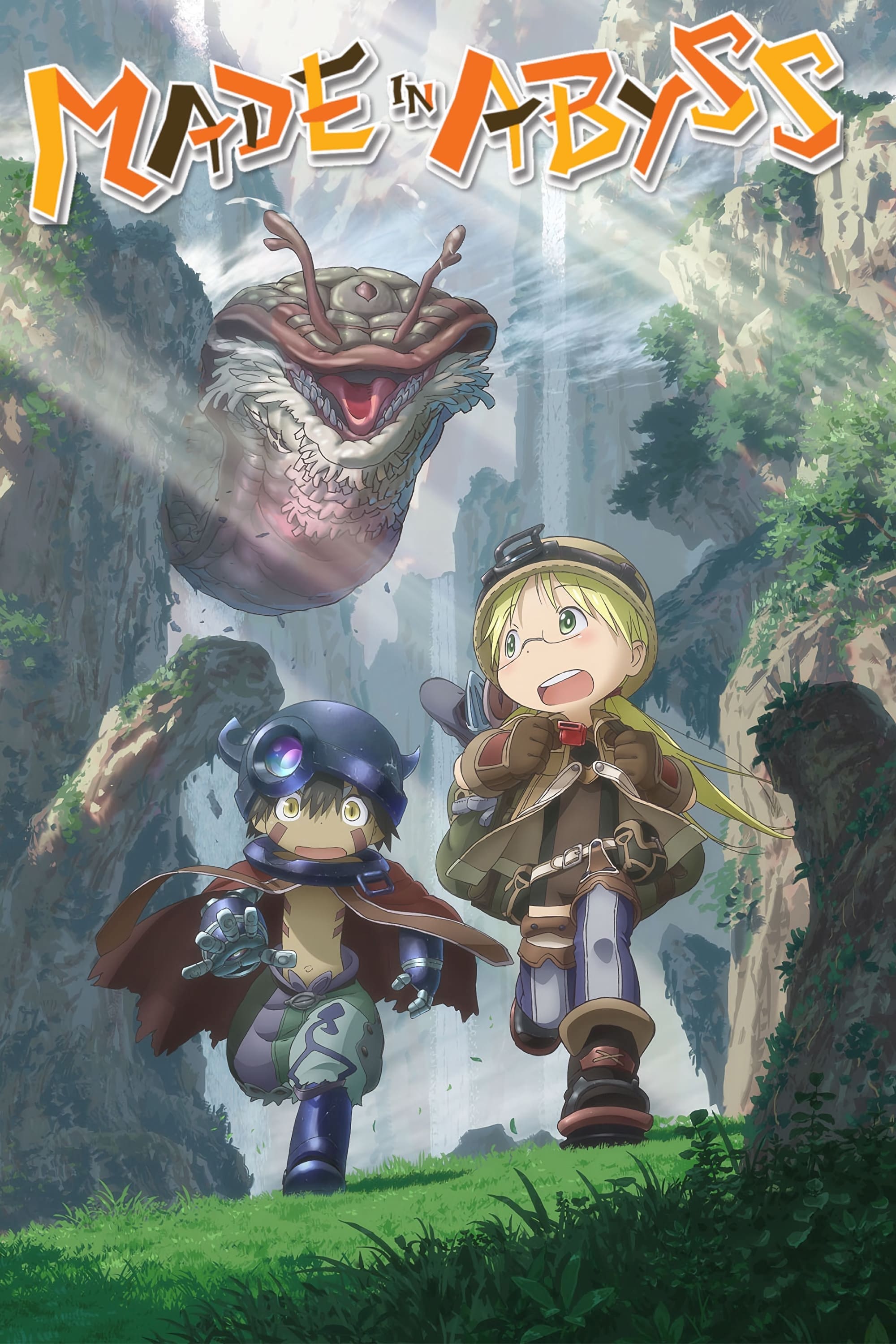
Nanachi is a Hollow who has lost their original human form due to the Curse of the Abyss. Now existing as a furry, rabbit-like creature, Nanachi uses the neutral pronoun “oira” and lacks distinct secondary sexual characteristics. The story focuses on Nanachi’s survival skills, cynical wisdom, and tragic past rather than their gender. This dehumanization by the Abyss ironically allows Nanachi to exist outside of human gender constraints completely.
‘Tokyo Godfathers’ (2003)
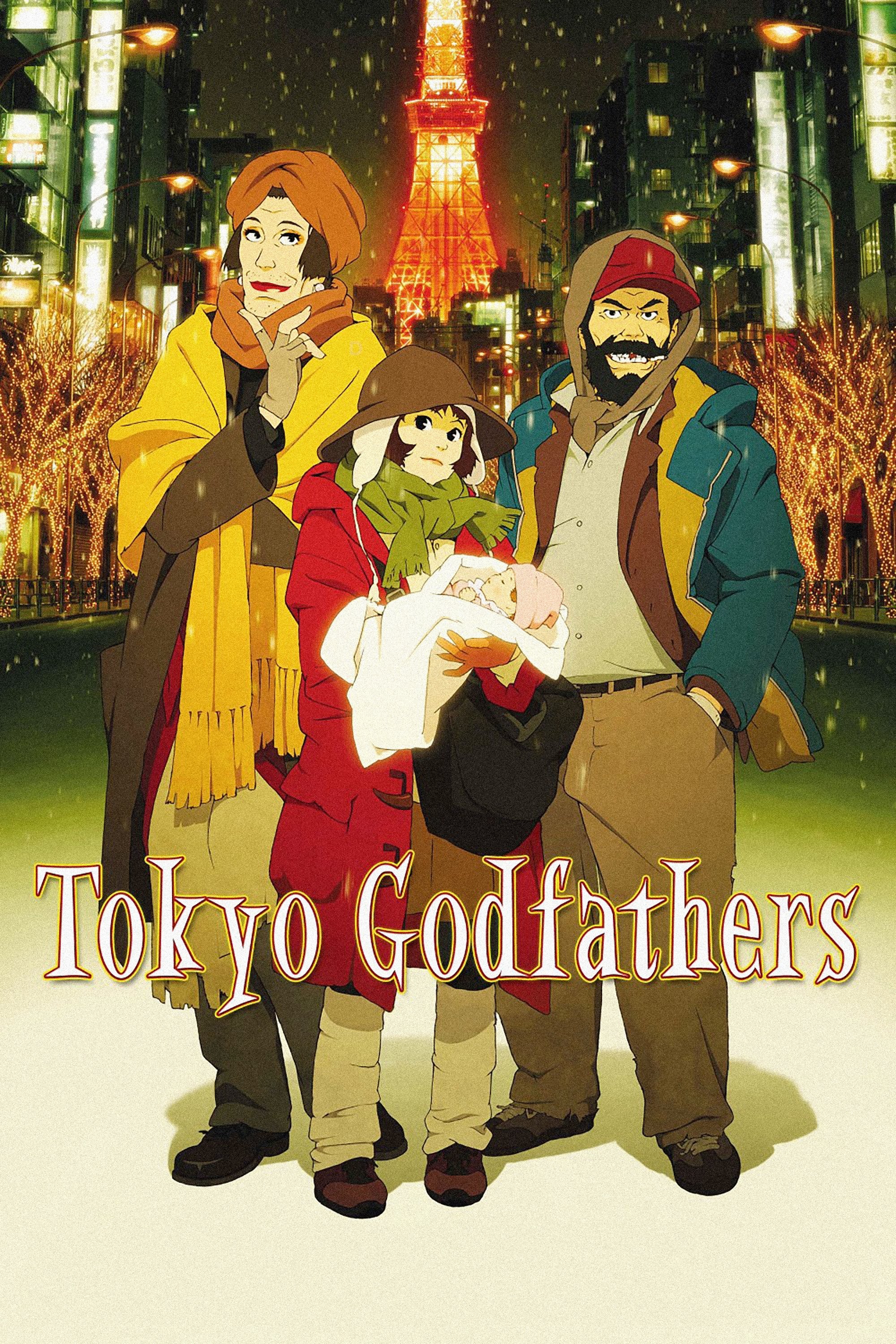
Hana is a homeless transgender woman who serves as one of the three protagonists in this acclaimed film. She consistently demands to be addressed as a mother and a woman, correcting others who misgender her. Hana’s characterization is vibrant and emotional, moving beyond stereotypes to show her maternal instincts and capacity for love. The film portrays her struggle for dignity and family in a society that largely marginalizes her.
‘Gatchaman Crowds’ (2013)

Berg Katze acts as the primary antagonist and is an alien entity who can shapeshift and mimic anyone. Katze displays a personality that fluctuates between masculine and feminine traits without anchoring to either. The character uses this fluidity to sow chaos and manipulate social media interactions. Katze’s lack of a fixed identity serves as a mirror to the anonymity and fluidity of internet culture.
‘Knights of Sidonia’ (2014–2015)
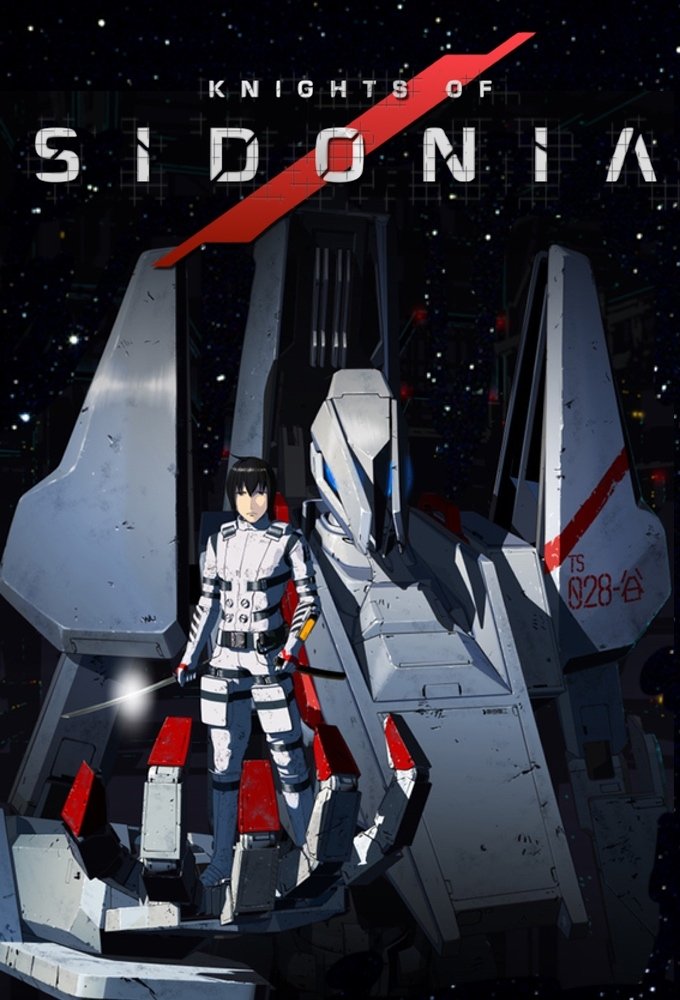
Izana Shinatose belongs to a third gender known as “hermaphrodites” that evolved within the colony ship Sidonia. Individuals of this gender can physically transition to male or female depending on the partner they choose. Izana presents androgynously for much of the series and navigates romantic feelings in a society where gender is mutable. This sci-fi setting allows for a literal exploration of gender fluidity as a biological adaptation.
‘Ouran High School Host Club’ (2006)
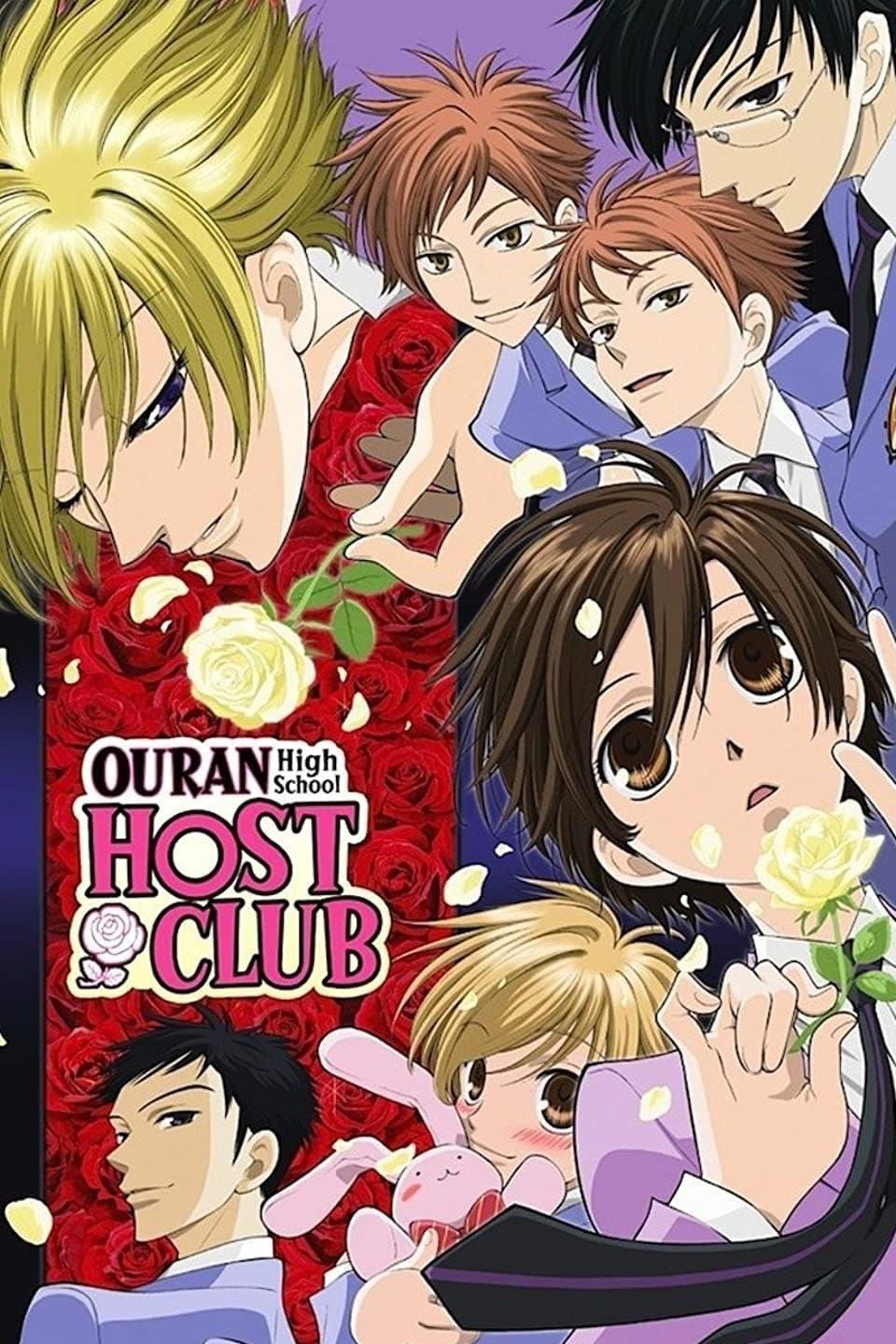
Haruhi Fujioka is a scholarship student who stumbles into a host club and ends up working as a male host to pay off a debt. Haruhi explicitly states that she does not care whether she is recognized as a boy or a girl. This gender apathy sets Haruhi apart from the rest of the cast who are obsessed with gender roles and presentation. The series uses this premise to deconstruct shoujo manga tropes while maintaining Haruhi’s pragmatic worldview.
‘That Time I Got Reincarnated as a Slime’ (2018–Present)
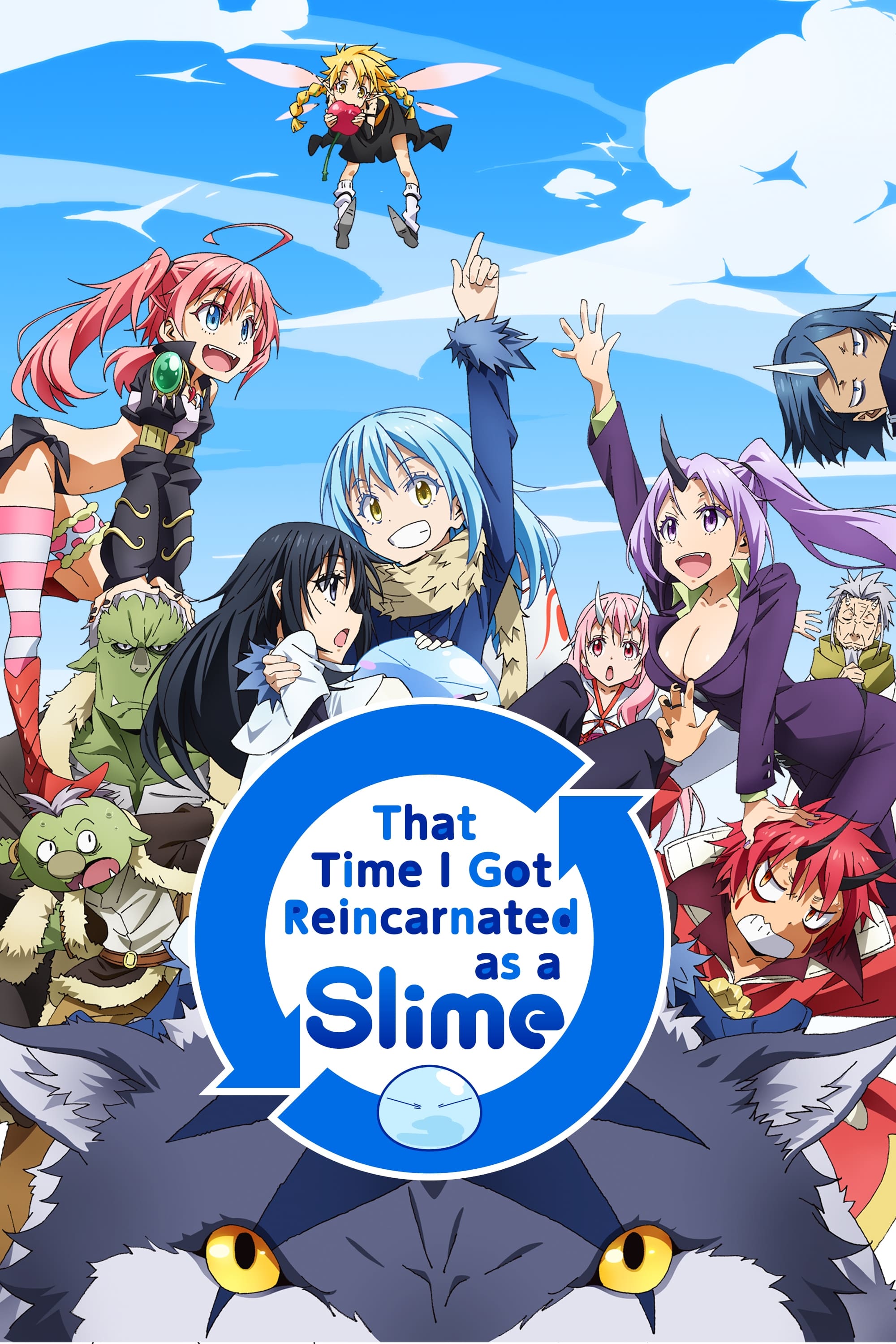
Rimuru Tempest begins life as a human male salaryman but is reincarnated as a genderless slime monster. Upon gaining a human form, Rimuru adopts an androgynous appearance that mimics a female friend but lacks biological sex. Rimuru identifies generally as male in spirit but enjoys the freedom of a body that is not bound by male or female limitations. The character creates a society where their leadership is defined by power and benevolence rather than gender.
‘Fate/Apocrypha’ (2017)
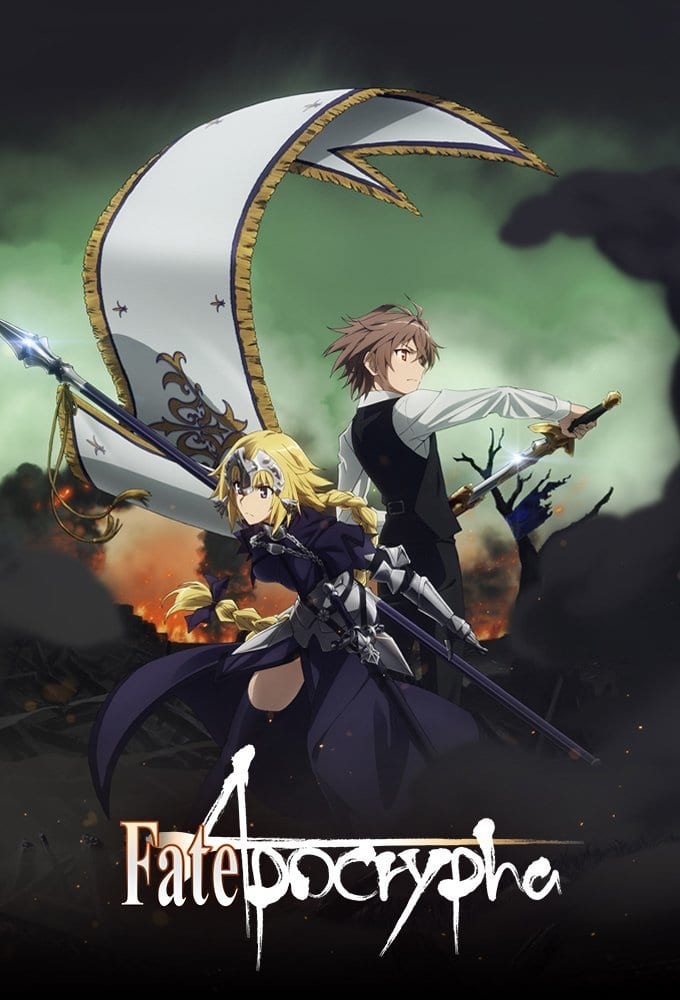
Astolfo, the Rider of Black, is a Heroic Spirit who dresses in flamboyant, feminine clothing and retains a cheerful, carefree attitude. Astolfo does not correct those who mistake him for a girl and enjoys the aesthetic freedom of his appearance. The anime highlights Astolfo’s heroism and loyalty, proving that his presentation does not diminish his capability as a warrior. Historical accuracy is set aside to create a character who embraces gender non-conformity with confidence.
‘Black Butler’ (2008–2014)
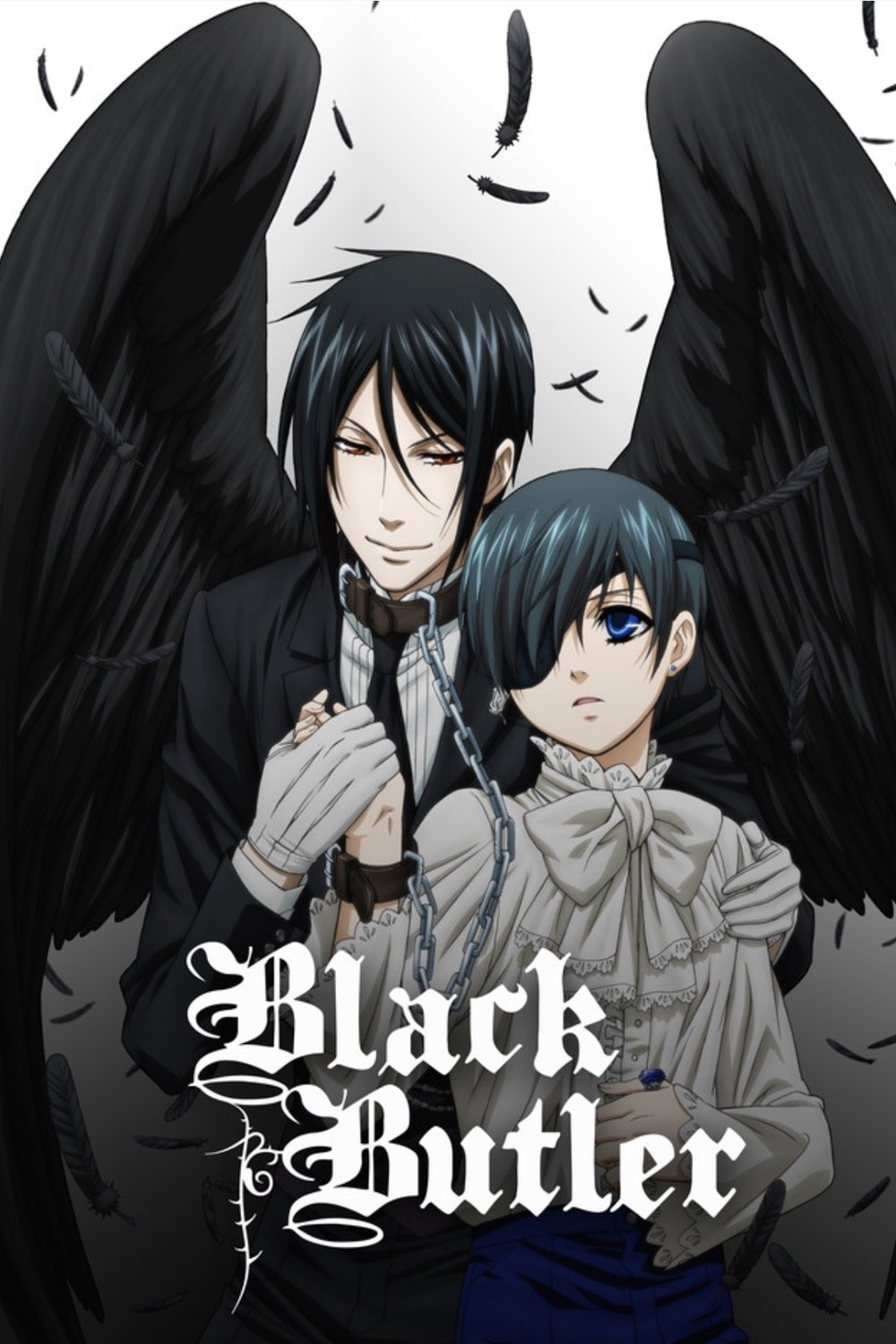
Grell Sutcliff is a Grim Reaper who consistently refers to herself as a woman and uses feminine pronouns in the Japanese script. While the English dubs have varied in their approach, Grell’s behavior indicates a strong identification with femininity. She modifies her reaper scythe and uniform to reflect her personal style and desires. Grell serves as a chaotic force in the series who refuses to conform to the strict, stoic expectations of the Grim Reapers.
‘Tiger & Bunny’ (2011)
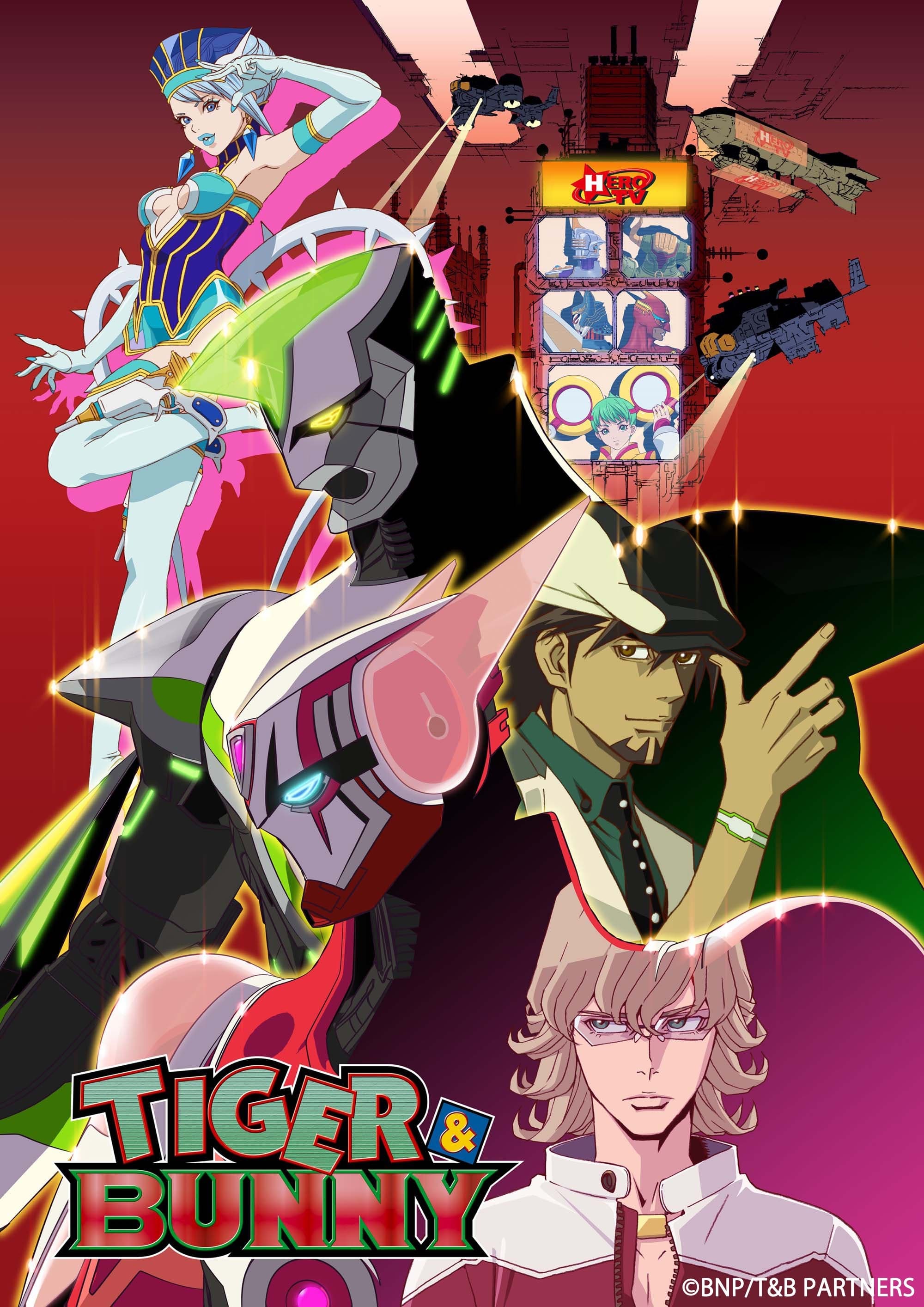
Nathan Seymour, known by the hero alias Fire Emblem, is a highly capable hero who displays effeminate mannerisms and interest in men. The character faces prejudice but eventually asserts a non-binary or gender-fluid identity, stating they are “both” male and female. Fire Emblem creates a corporate empire and commands respect from fellow heroes despite societal judgment. The narrative ultimately frames Nathan’s identity as a source of inner strength and resilience.
‘Princess Jellyfish’ (2010)
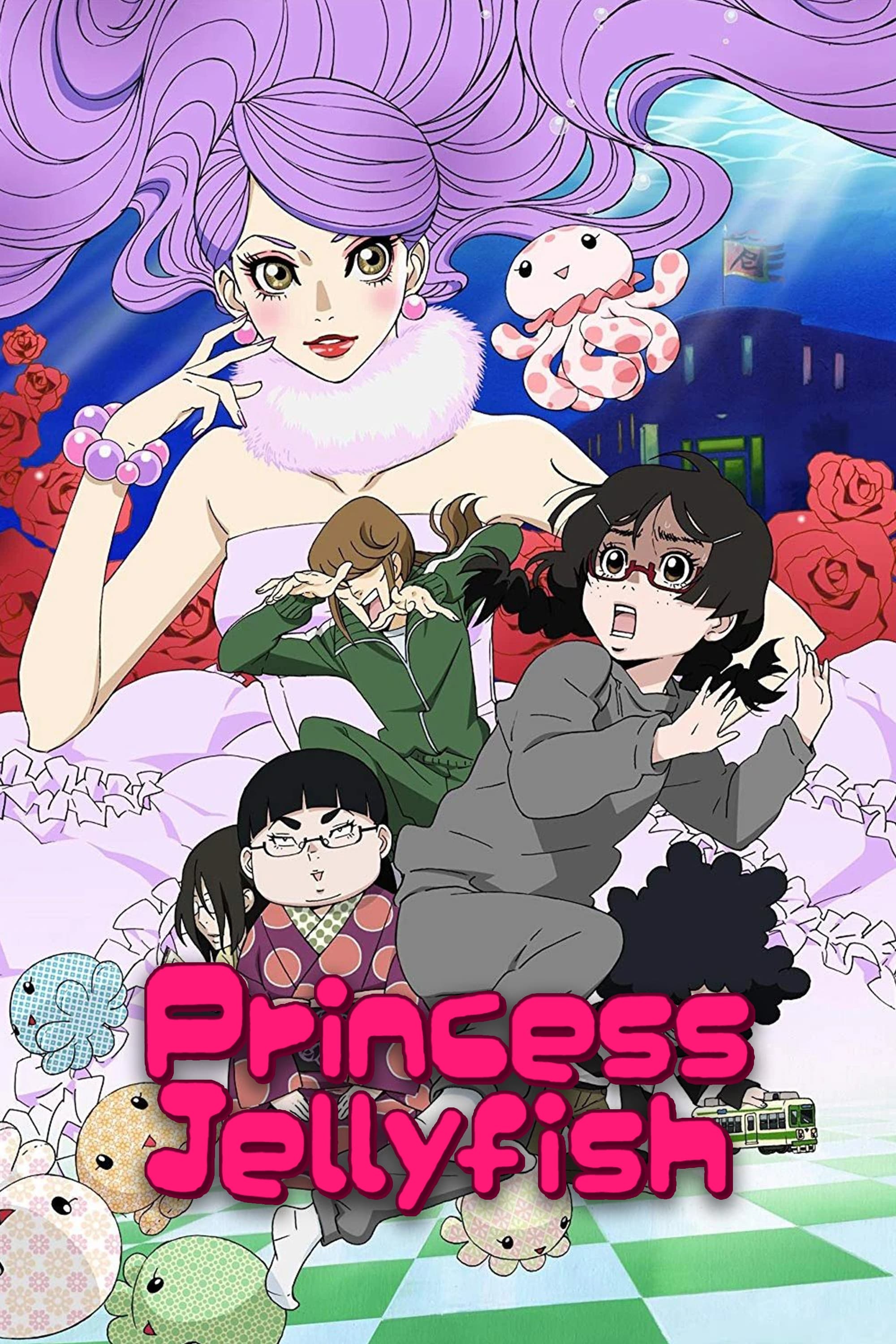
Kuranosuke Koibuchi is the son of a wealthy political family who dresses in drag to escape the suffocating expectations of his lineage. He is heterosexual but feels more comfortable and liberated in women’s fashion. Kuranosuke uses his fashion knowledge to help the socially awkward female protagonists gain confidence. His character challenges the idea that clothing and makeup are exclusively for women or tied to sexual orientation.
‘Stop!! Hibari-kun!’ (1983–1984)
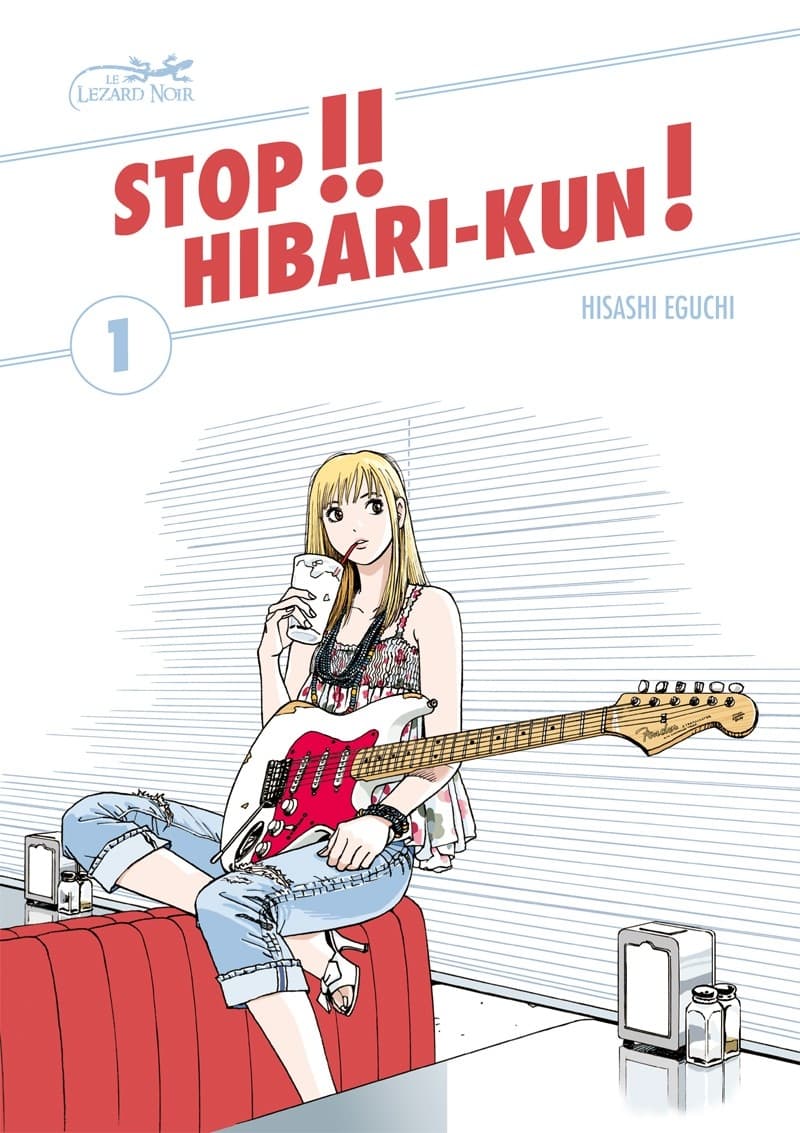
Hibari Ozora is an early example of a transgender character in anime, depicted as a girl assigned male at birth who demands to be treated as female. Despite the era of its release, Hibari is portrayed as competent, attractive, and confident in her identity. The protagonist constantly struggles with his attraction to Hibari due to societal norms, but Hibari remains unbothered. The show was pioneering for giving a lead role to a trans feminine character.
‘Revolutionary Girl Utena’ (1997)
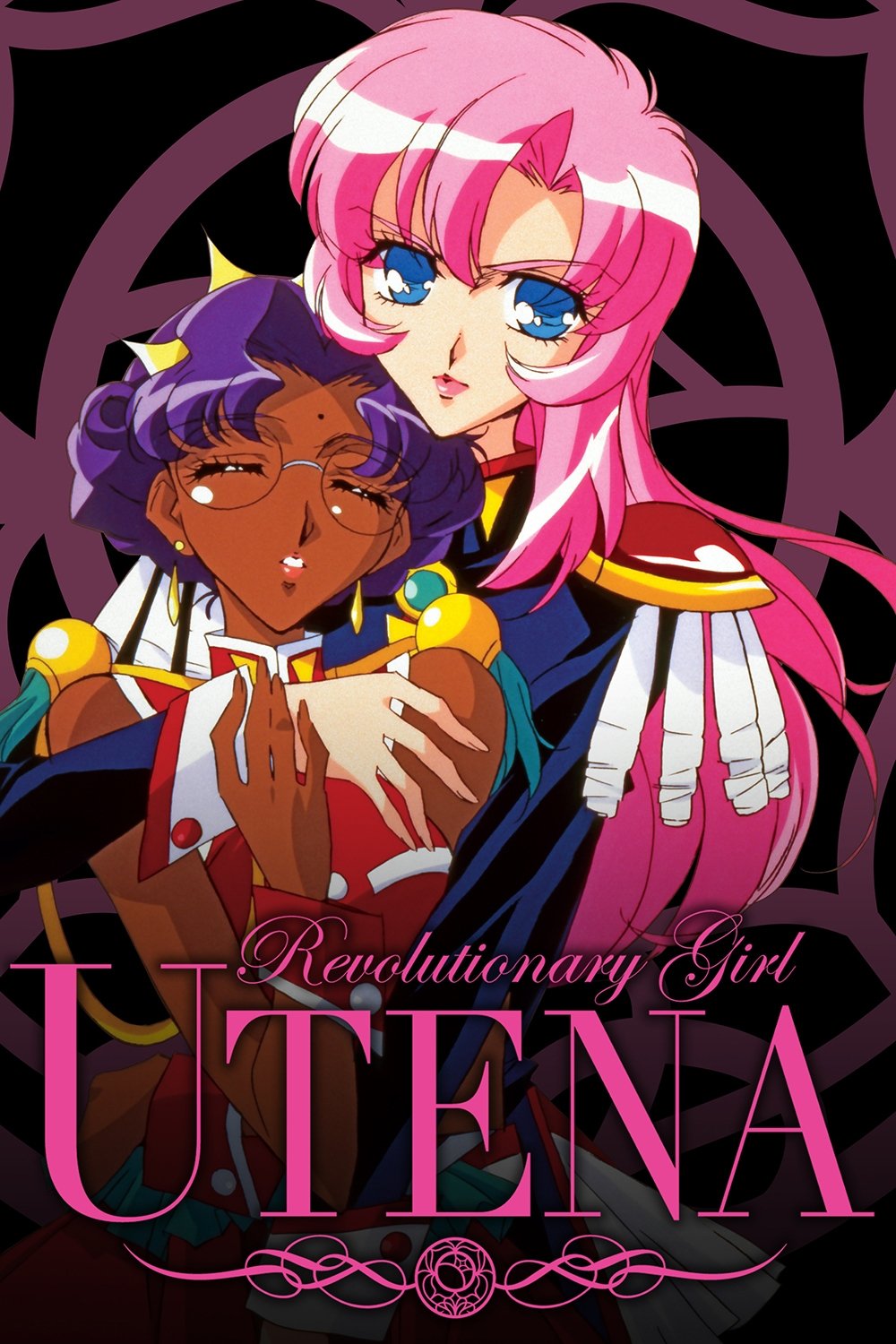
Utena Tenjou decides to become a prince rather than a princess after a childhood encounter. She wears a boys’ uniform at school and engages in duels to protect the Rose Bride. The series is a dense allegorical deconstruction of gender roles, investigating why heroism is traditionally coded as masculine. Utena’s refusal to conform to the role of a damsel drives the central conflict of the narrative.
‘Wandering Son’ (2011)
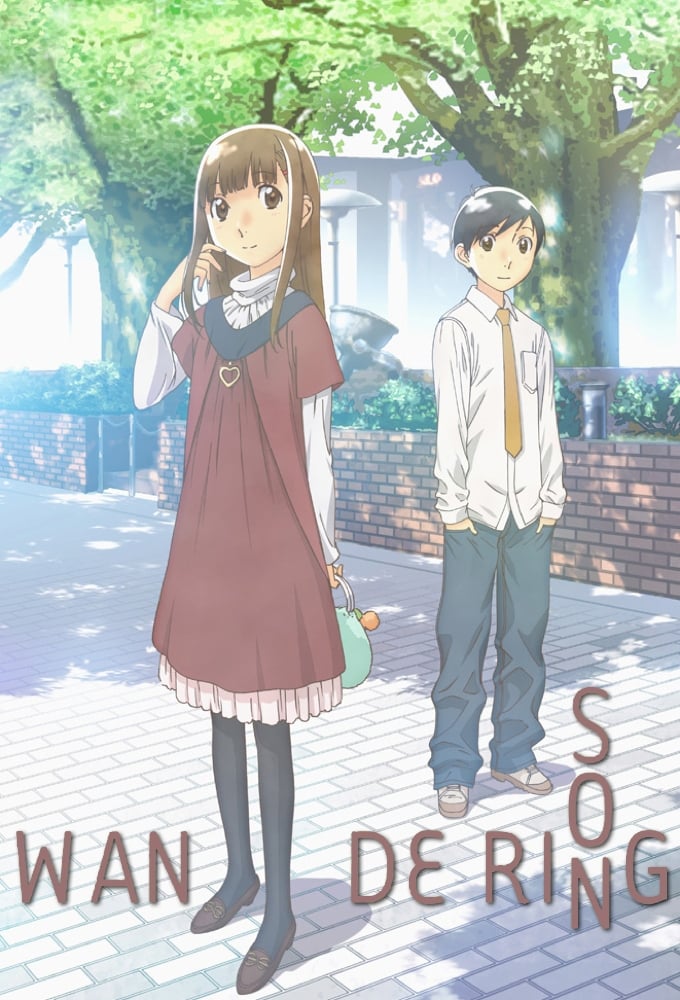
This sensitive drama follows two middle school students, Shuichi Nitori and Yoshino Takatsuki, who desire to be the opposite gender. The anime portrays their journey with a soft, watercolor art style that reflects the fragility of their self-discovery. It avoids sensationalism, focusing instead on the daily anxieties of puberty, school uniforms, and social acceptance. The series is widely praised for its realistic and empathetic depiction of transgender youth.
‘Mobile Suit Gundam 00’ (2007–2009)
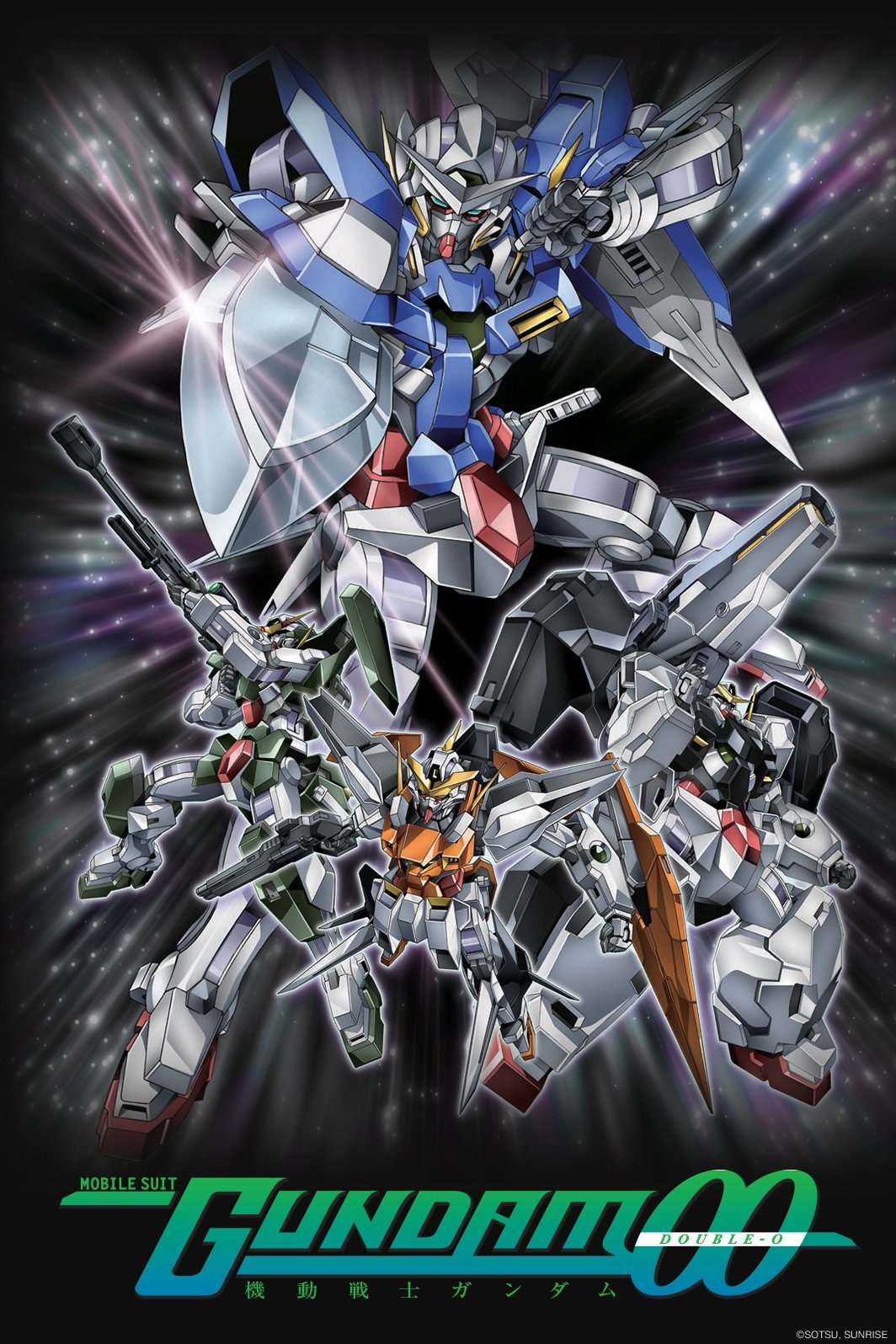
Tieria Erde is a Gundam meister who possesses a unique connection to the supercomputer Veda. Tieria can physically change gender to suit mission requirements and often displays a stoic, almost robotic detachment from gender norms. Later in the series, Tieria’s identity becomes even more fluid as he transfers his consciousness into different bodies. The character emphasizes duty and logic over biological constraints.
‘Le Chevalier D’Eon’ (2006–2007)
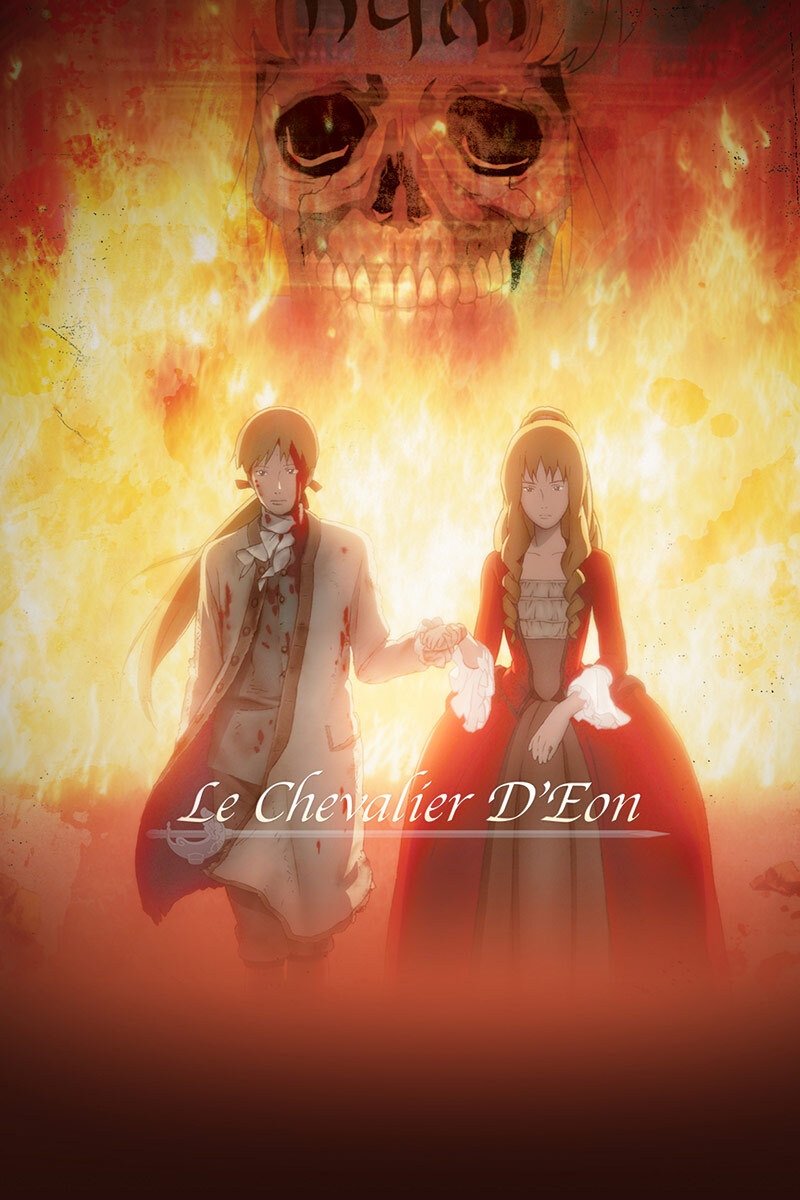
D’Eon de Beaumont is a knight in 18th-century France who becomes possessed by the spirit of his deceased sister, Lia. This possession causes D’Eon to physically transform into a woman at various points in the story. The narrative weaves historical events with supernatural elements, using the dual existence to explore the siblings’ bond. The protagonist must navigate the political court while sharing a body and identity with his sister.
‘Simoun’ (2006)
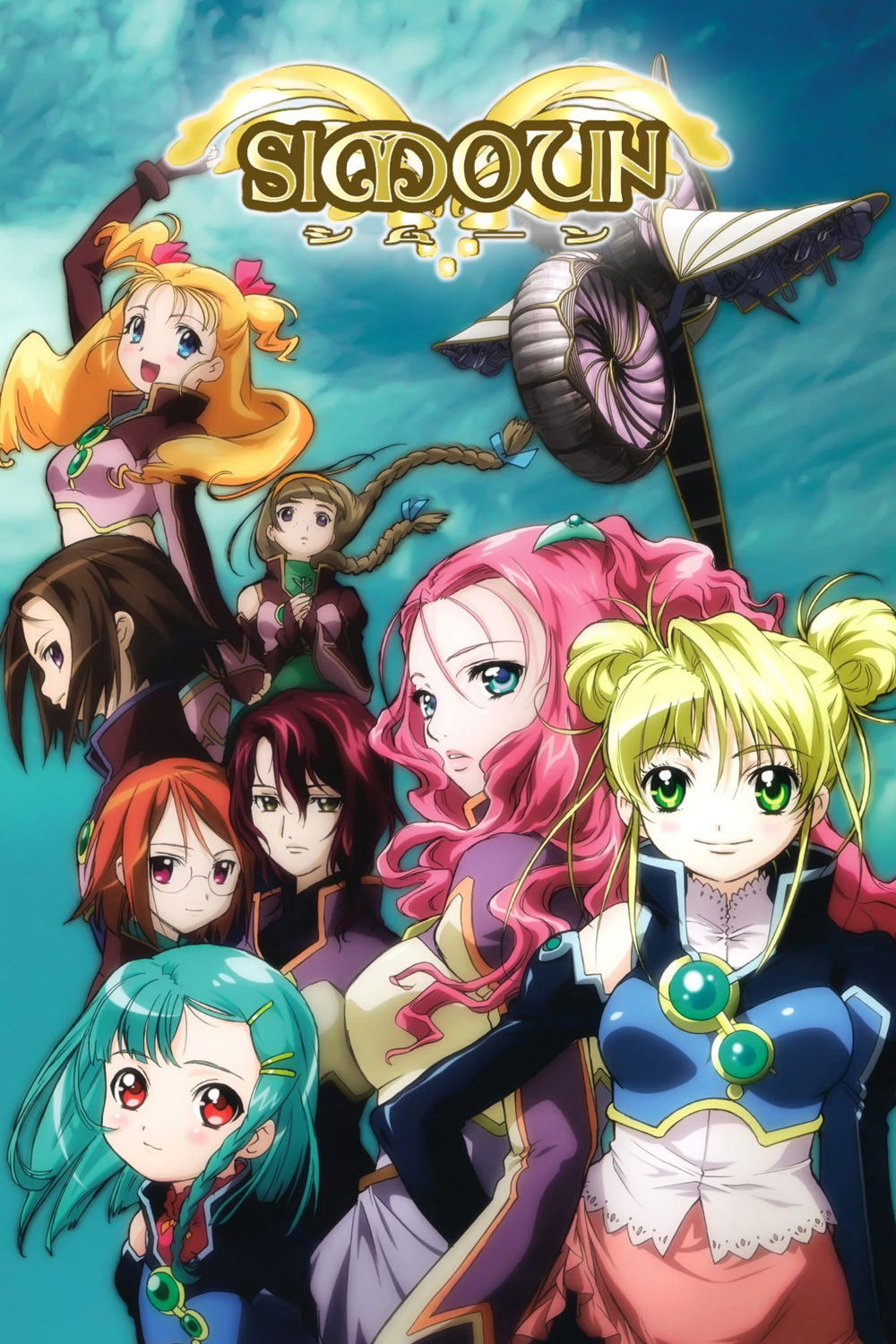
In the theocracy of Simulacrum, everyone is born female and chooses their permanent sex at a sacred spring around age 17. The pilots of the Simoun aircraft, however, remain in a temporary state where they have not yet chosen. This setting allows the characters to explore romance and duty without the pressure of predetermined gender roles. The series questions the necessity of a gender binary in a society that functions perfectly without it during youth.
‘Astra Lost in Space’ (2019)
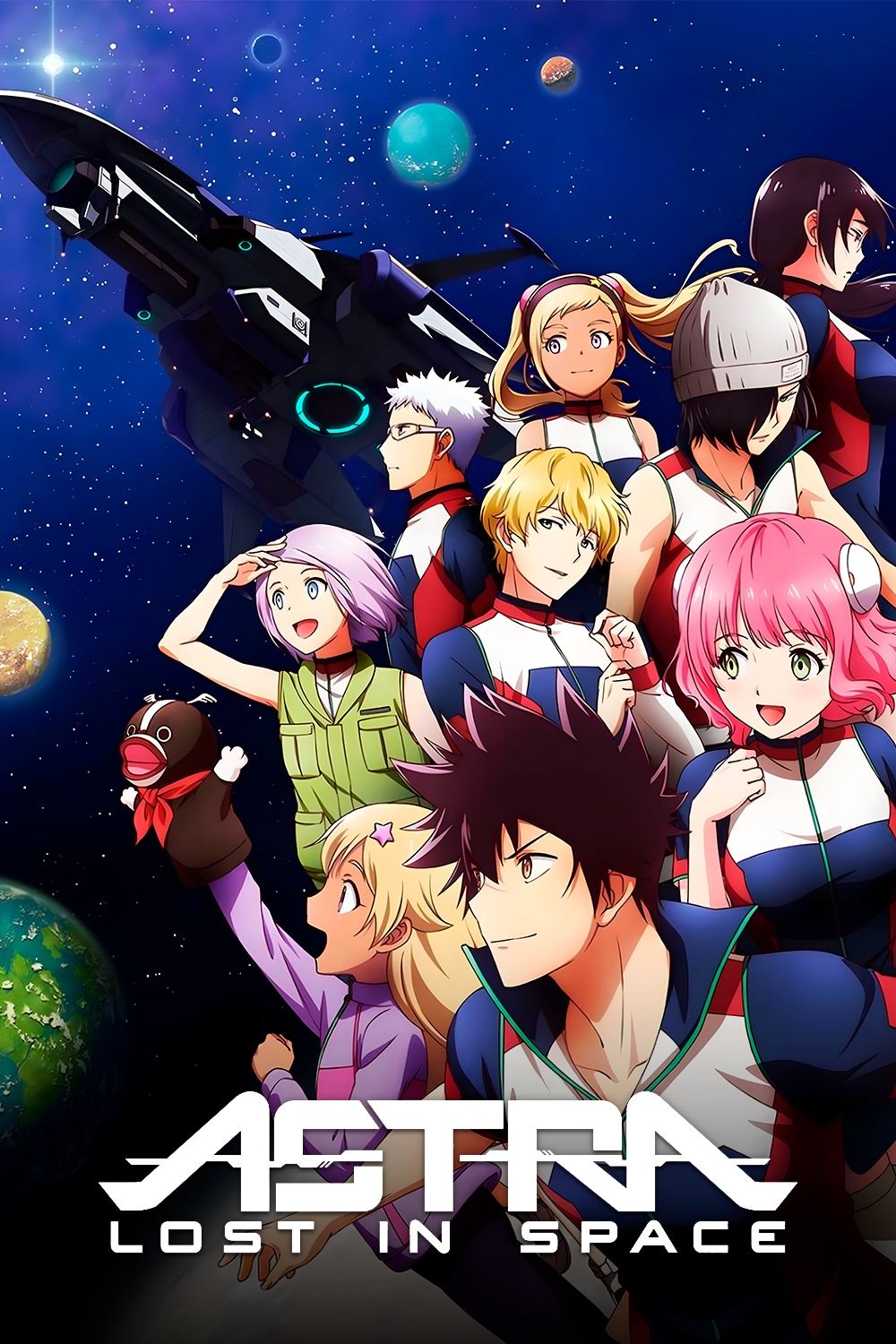
Luca Esposito is a member of a group of students lost in space who reveals he is intersex. Luca explains that his body possesses characteristics of both sexes and that he does not identify strictly as a man or woman. The crew accepts this revelation immediately, and it does not alter their trust in Luca’s abilities. This representation is notable for explicitly using the term intersex and distinguishing it from being transgender.
‘To Your Eternity’ (2021–Present)
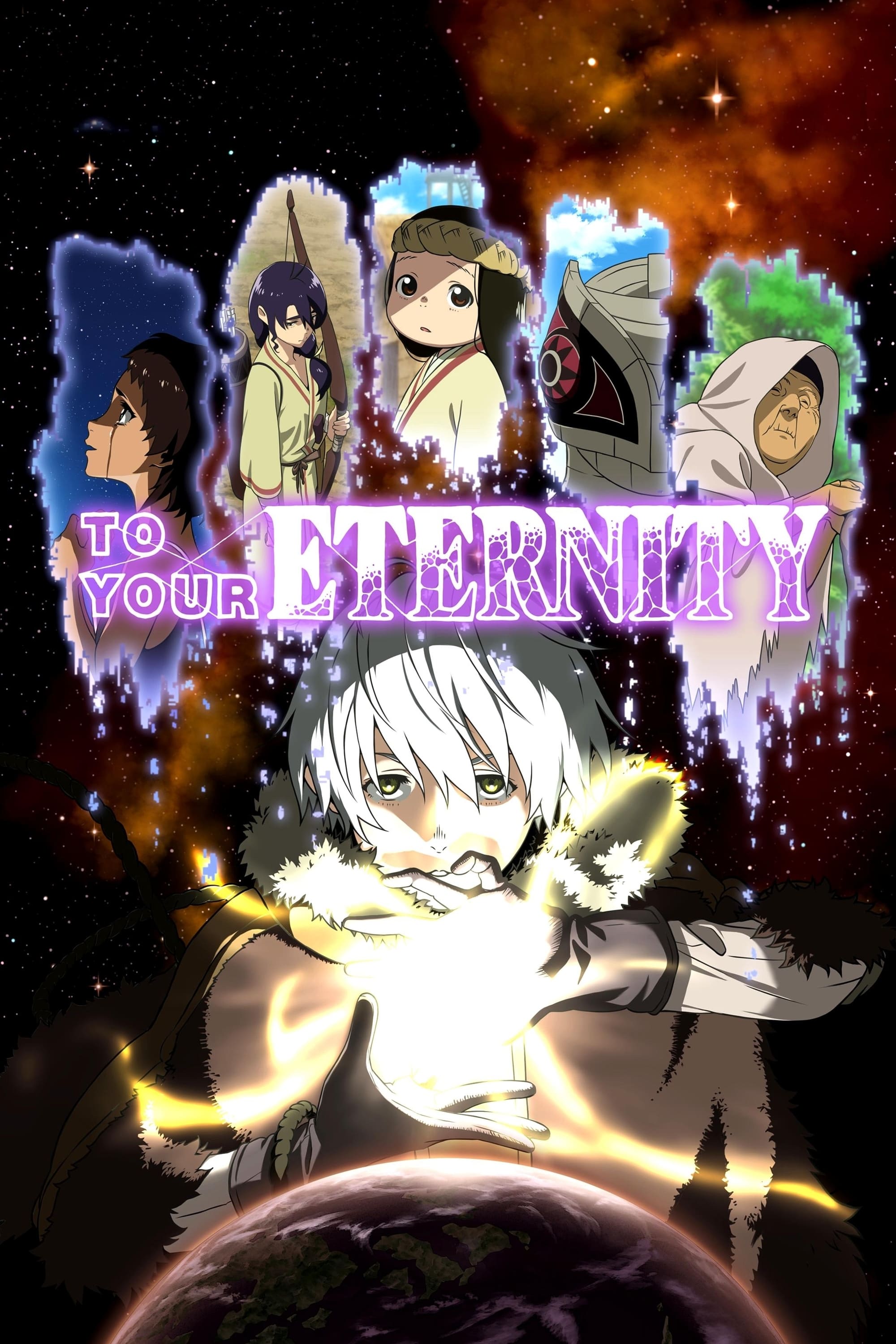
Fushi is an immortal being sent to Earth with the ability to take the form of deceased creatures. Fushi’s primary human form is that of a young boy, but he later acquires the forms of women and elderly people. Fushi lacks a biological sex or gender identity, viewing these forms simply as vessels for survival and connection. The character’s journey is about learning what it means to be human, transcending physical appearance.
‘Cardcaptor Sakura’ (1998–2000)
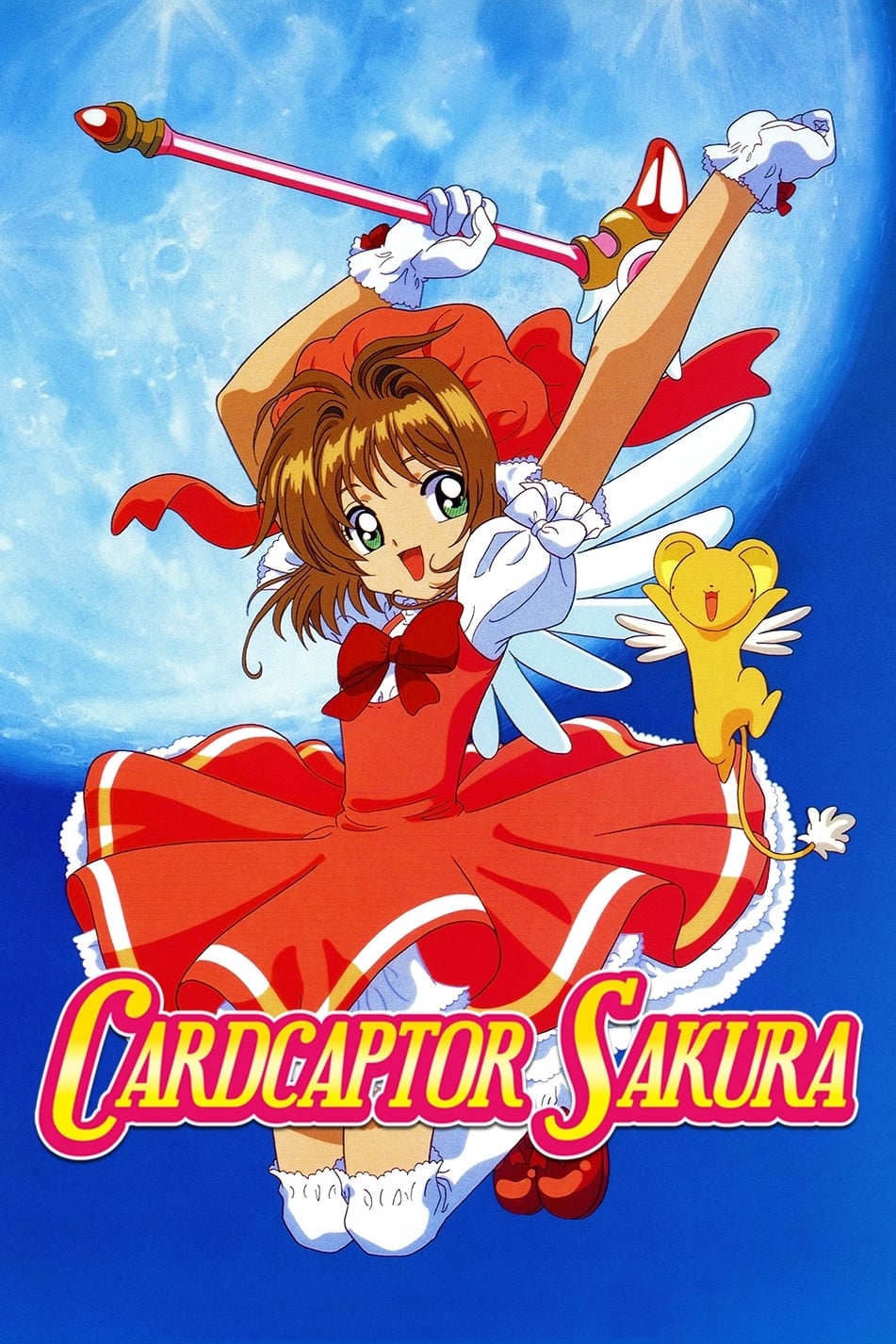
Ruby Moon is a magical entity created by Eriol Hiiragizawa who attends high school alongside the protagonist’s brother. Ruby Moon has no biological sex but prefers to wear female clothing and adopts a feminine persona because “it’s cute.” The character is unconcerned with human gender norms and finds joy in expression rather than categorization. This casual approach fits the show’s broader themes of unconditional and diverse love.
‘Dororo’ (2019)
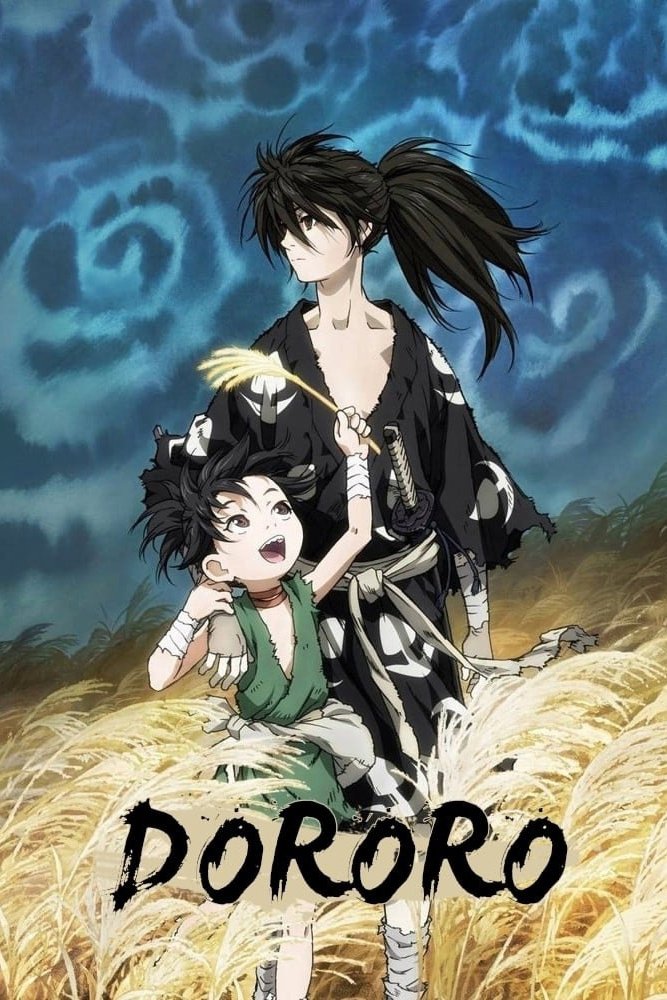
Dororo is a young thief raised as a boy by parents who wanted to protect their child from the hardships faced by women in the Warring States period. While biologically female, Dororo rejects feminine expectations and continues to present as a boy even after the secret is revealed. The character values the freedom of movement and agency that the male presentation affords. Dororo’s bond with Hyakkimaru is built on shared survival rather than gender dynamics.
‘Samurai Flamenco’ (2013–2014)
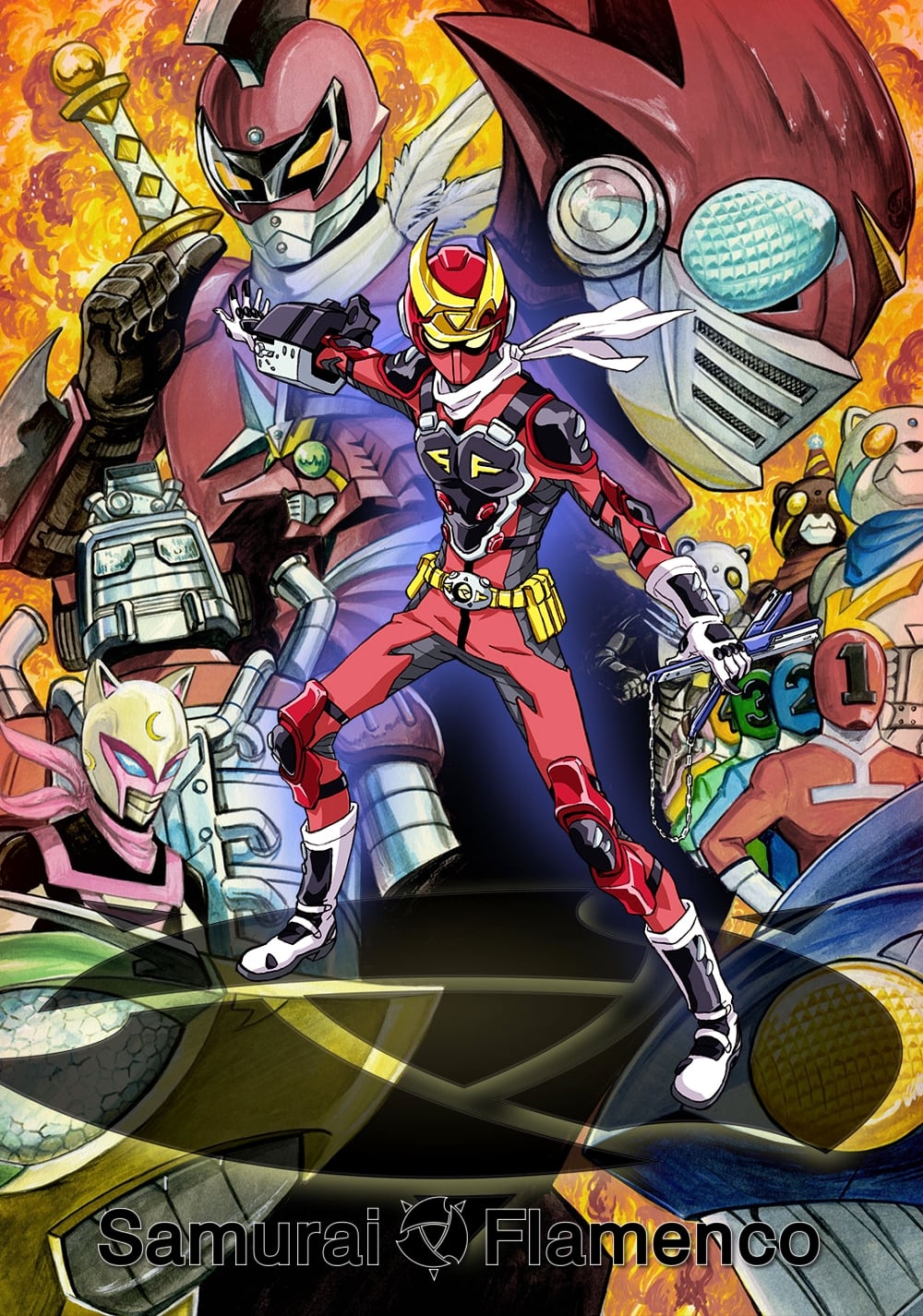
Mari Maya forms a magical girl trio called the Flamenco Girls but is shown to be more complex than her idol persona. The series explores themes of identity performance, and characters grapple with the roles society forces them to play. While not explicitly non-binary, the show deconstructs the gendered expectations of the superhero and magical girl genres. It questions what makes a hero masculine or feminine.
‘Paradise Kiss’ (2005)
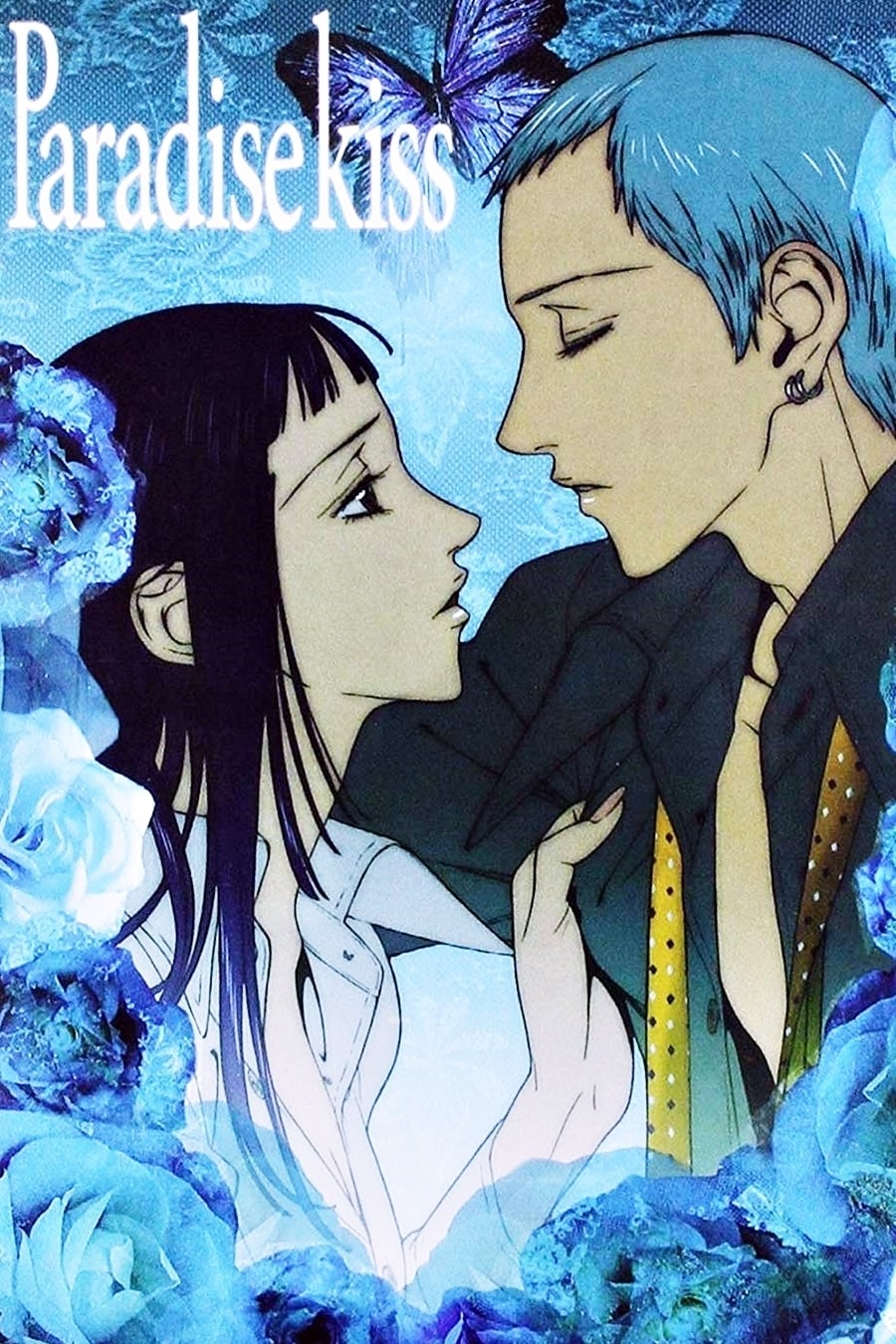
Isabella acts as a mother figure to the members of the fashion design group known as Paradise Kiss. She is a transgender woman who has found acceptance and purpose within the world of high fashion. The story touches on her childhood friendship with George, who made her first dress and validated her identity. Isabella is portrayed as elegant, wise, and integral to the emotional stability of the group.
‘Wonder Egg Priority’ (2021)
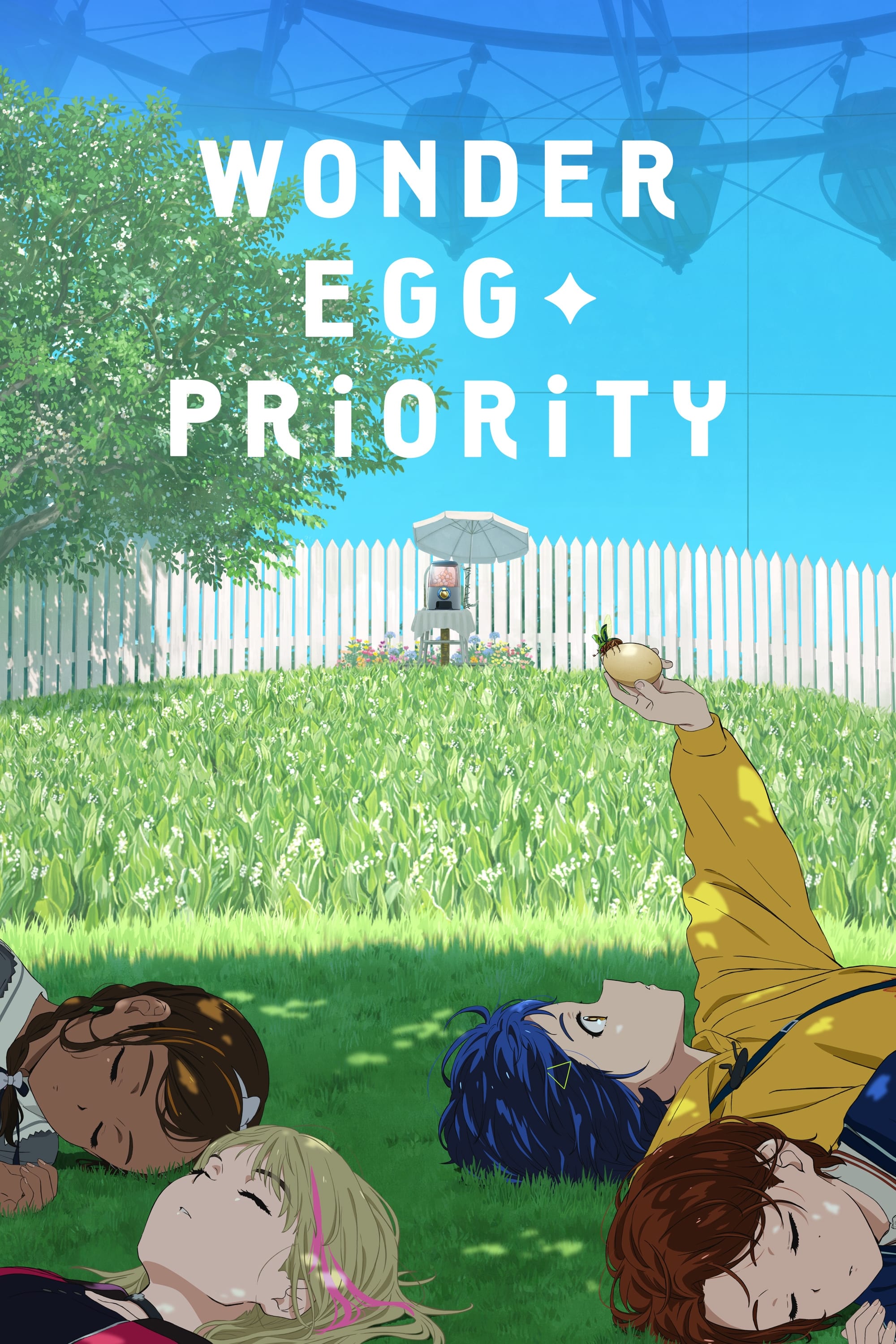
Momoe Sawaki is one of the main protagonists who is constantly mistaken for a boy due to her masculine clothing and height. She struggles with the desire to be seen as a girl while attracting female admirers who view her as a “prince.” The series delves into her internal conflict regarding how society perceives her versus how she wishes to be perceived. Her narrative arc focuses on reclaiming her femininity on her own terms.
‘High Guardian Spice’ (2021)

Snapdragon is a student at the High Guardian Academy who explores a transition of gender identity throughout the series. Snapdragon expresses dissatisfaction with male expectations and finds comfort in feminine magic and friendships. The character engages in conversations about not feeling like a boy and looking for a different path. This inclusion provides a direct narrative about the questioning phase of gender identity.
‘My Hero Academia’ (2016–Present)
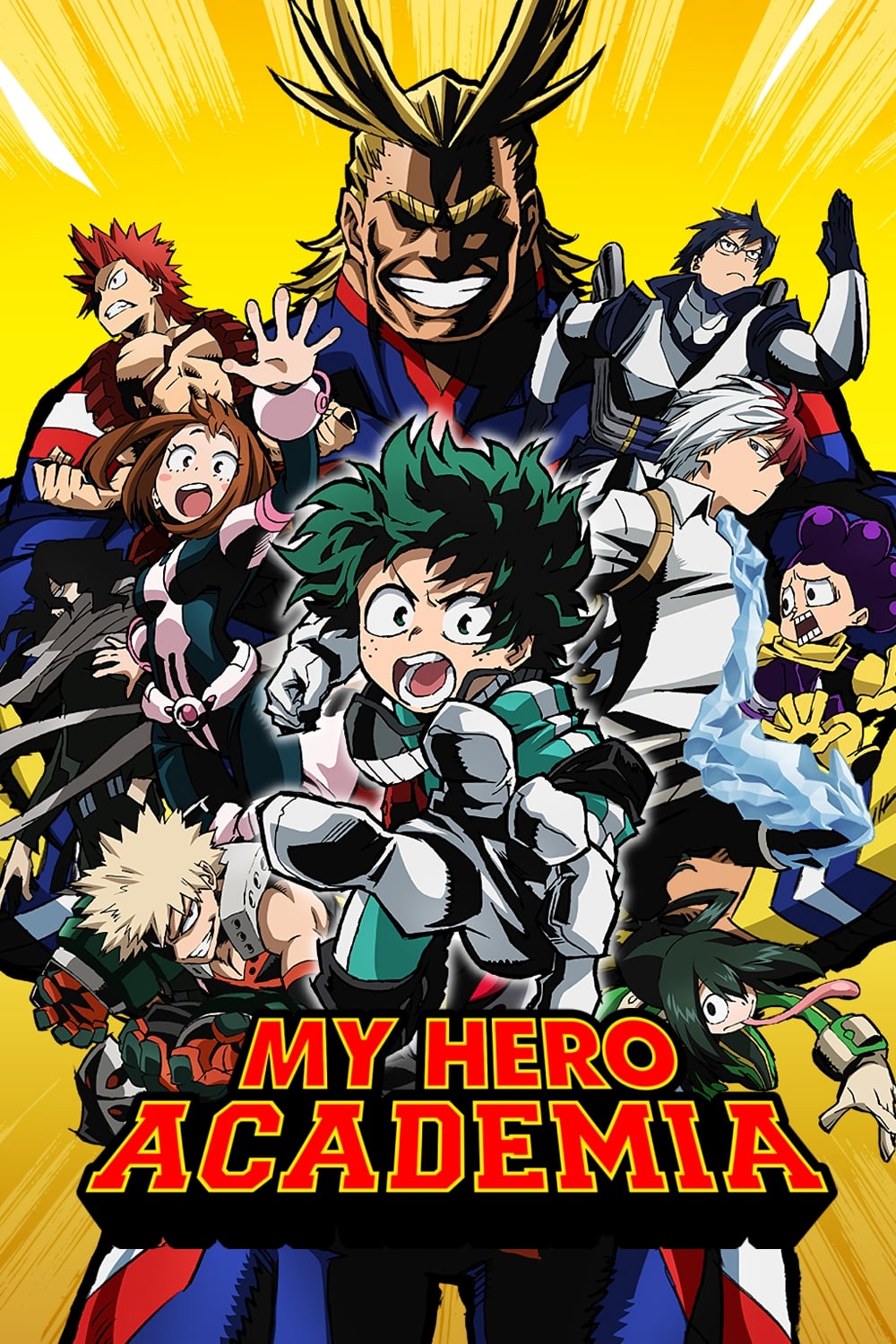
Tiger of the Wild, Wild Pussycats is a professional hero who is a transgender man. He is depicted as muscular and confident, wearing a variation of the team’s uniform that suits his style. Additionally, the villain Magne is a transgender woman, and the League of Villains corrects Overhaul when he misgenders her. These inclusions show gender diversity exists on both sides of the moral spectrum in this superhero society.
Please share which character’s journey resonated with you the most in the comments.