

15 Anime Characters Who Were Never Meant to Be Popular—But Became Icons




Sometimes a supporting role quietly slips into the spotlight. A character introduced for a single arc, a mentor who should have stayed in the background, or even a short lived antagonist can catch on with viewers so strongly that creators rework storylines to keep them around. Popularity polls, merchandise lines, and expanded screen time tell the story even when the original plan did not.
This list looks at characters who were not set up as the face of their series yet ended up shaping it anyway. You will see one time villains who became allies, side characters who received full backstories, and mentors who drew audiences on their own. Each entry focuses on concrete ways their unexpected fame reshaped the shows that introduced them.
Levi Ackerman

Levi enters ‘Attack on Titan’ as the captain of the Special Operations Squad with limited scenes planned around elite missions and short exchanges. Early marketing centered on Eren and the core cadets while Levi’s background remained off screen. The production team later greenlit the ‘No Regrets’ OVA that mapped his underground origins and long partnership with Erwin, a move that followed a surge in fan interest.
Within the main series Levi’s early tactical cameos grew into centerpiece battles and extended dialogue that clarified Survey Corps strategy. Tie in products featured his insignia and cleaning gear motif and official art books documented animation layouts created specifically to showcase his fighting style. The expansion shows how audience demand can redirect attention inside an ensemble.
Hiei
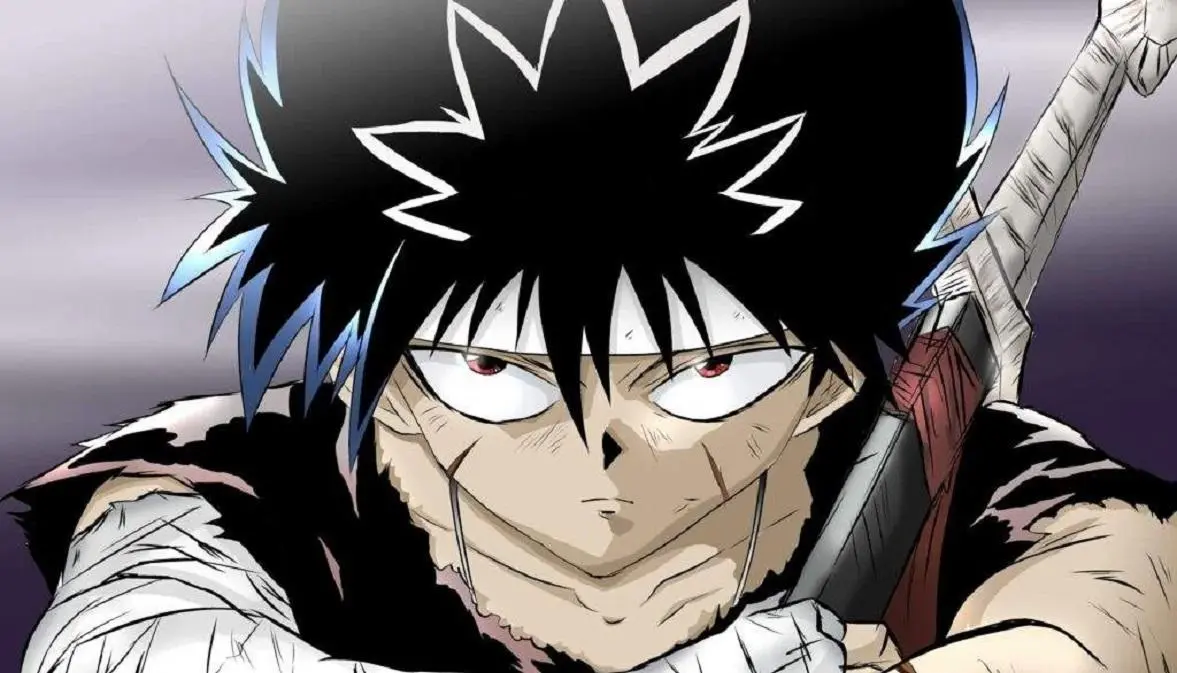
Hiei debuts in ‘Yu Yu Hakusho’ as a thief who opposes Yusuke and manipulates artifacts to outmatch human fighters. The role looked temporary since he is captured soon after introduction. Viewer response to his techniques and terse dynamic with Kurama led the staff to fold him into Team Urameshi for the Dark Tournament and beyond.
From that point Hiei’s Dragon of the Darkness Flame became a recurring set piece with fresh storyboards each time it evolved. Home releases highlighted his fights and guidebooks broke down the training regimen that rebuilt his speed. A character who could have exited after a case file instead became a fixture in every major arc.
Sailor Mercury
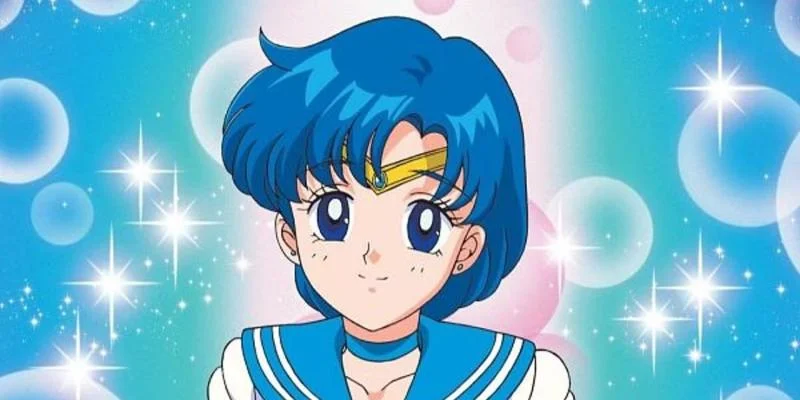
Ami Mizuno joins ‘Sailor Moon’ as the brainy member who supports battles from a distance with analysis. Early episodes framed her as the quiet counterpart to Sailor Moon’s brash energy. Fan mail and magazine polls indicated interest in episodes where Ami faced academic pressure and friendship hurdles, and the production added more character centric chapters as the season progressed.
Music albums gave her solo image songs and toy lines rolled out devices modeled on her visor and handheld computer. Later seasons revisited her growth through placement exams and overseas offers, proving that a support role can anchor serious subplots when viewers ask for more time with the character.
Sesshomaru
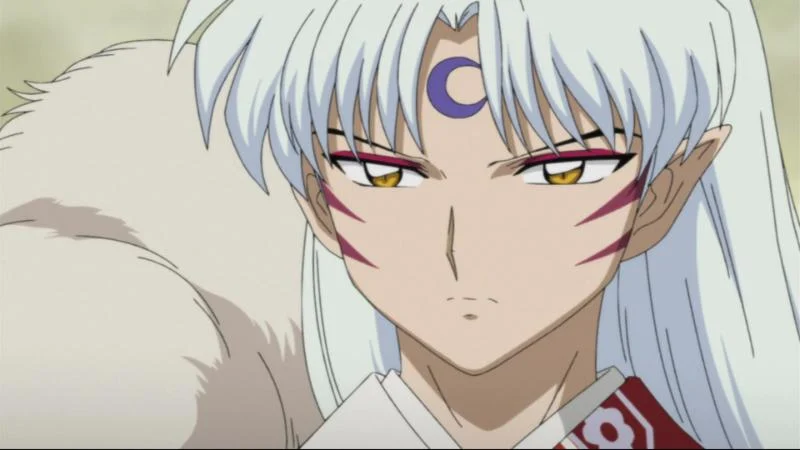
Sesshomaru begins ‘Inuyasha’ as a cold antagonist fixated on power and family relics. The story initially set him up to contrast Inuyasha’s human ties with a strict demon code. As his popularity rose the manga and anime built recurring arcs around Rin and Jaken that traced his changing view of humans and kinship.
Years later the sequel series ‘Yashahime’ placed his daughters at the center of a new narrative, which kept Sesshomaru’s legacy active through flashbacks and mentor beats. Official guides cataloged his evolving weapons and forms, and game adaptations added exclusive moves that matched late series abilities. A character designed to test the hero’s resolve ended up defining the franchise’s next chapter.
Itachi Uchiha
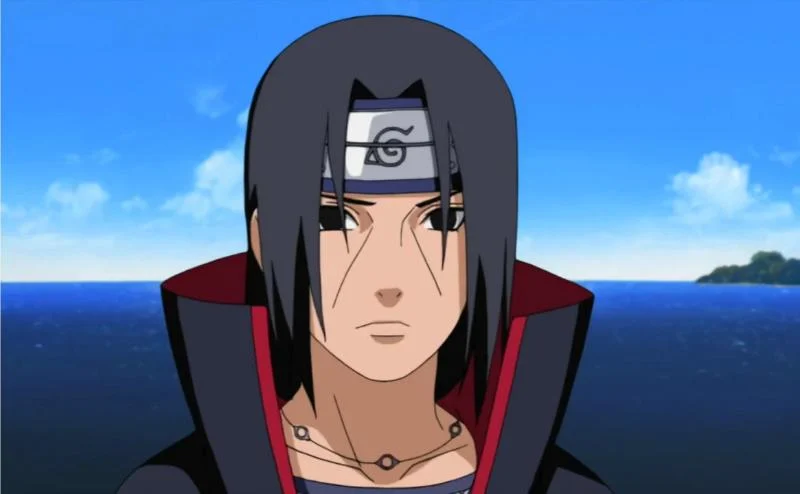
Itachi enters ‘Naruto’ as a prodigy turned criminal who drives Sasuke’s motivation. He is presented through brief appearances and secondhand reports that paint him as unreachable. Continued viewer interest in the Uchiha past led to extended revelations that reframed his mission and alliances, and those chapters were adapted with new animation cuts and inserted scenes.
His rise also produced novels and special episodes that mapped childhood training, covert operations, and final strategies. Trading card sets and game story modes organized entire routes around Itachi’s perspective. A figure meant to be a distant target became a narrative lens for the entire clan storyline.
Shikamaru Nara
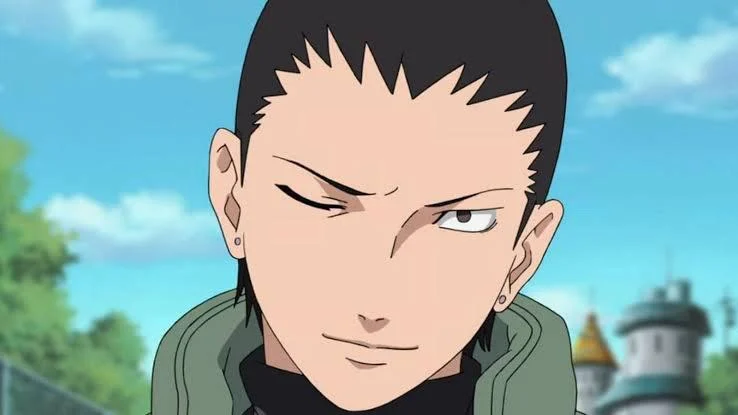
Shikamaru starts in ‘Naruto’ as a laid back strategist who supports louder classmates. Early arcs used him to explain battle plans while others executed them. Performance in fan surveys and the success of his rescue missions encouraged the staff to promote him to chunin early, which legitimized episodes that followed his leadership closely.
Subsequent material explored his work as a planner for the village and later as a key aide in ‘Boruto’, documenting meeting rooms, map boards, and long term defense policies. Light novel adaptations centered on political decisions that only he could carry. A supposed background thinker became the franchise’s operational backbone.
Megumin

Megumin arrives in ‘Konosuba’ as a party member with one signature spell that ends her day after one shot. The gag suggested a limited range inside a comedic group. Audience attachment to her obsession with explosion magic led to an entire prequel story covering her school years in the Crimson Demon village, which then received a full anime adaptation.
Her design drove a wave of figures and costumes while game tie ins coded special effects just for her spell. Later seasons inserted training detours and hometown visits to round out family ties and rivalries. What began as a single joke expanded into a personal journey that could stand on its own.
Satoru Gojo

Gojo first appears in ‘Jujutsu Kaisen’ as a mentor who sets rules and trains the trio. Mentors often fade between student arcs, but Gojo’s technique breakdowns and off duty scenes sparked demand for more of his past. The team adapted prequel material and an early era arc that shows his school rivalry and the origins of key abilities.
Merchandise releases mirrored that shift with figure lines focused on blindfold and no blindfold variants and apparel built around domain motifs. The film ‘Jujutsu Kaisen 0’ placed him in a central role that connected the prequel to the main timeline, confirming that the character could anchor box office and not just classroom scenes.
Power

Power enters ‘Chainsaw Man’ as a devil partner whose temperament complicates basic missions. The early setup casts her as a foil to the lead within a government team. As the story developed her background and bonds, the anime devoted full episodes to her training and recovery and the marketing paired her iconography with the series logo across clothing and accessories.
Art books later documented animators’ acting notes that emphasized posture and gestures unique to her. The production pipeline made space for her scenes even in chapters centered on other hunters, showing how viewer interest can permanently change how an ensemble gets balanced.
Hange Zoe
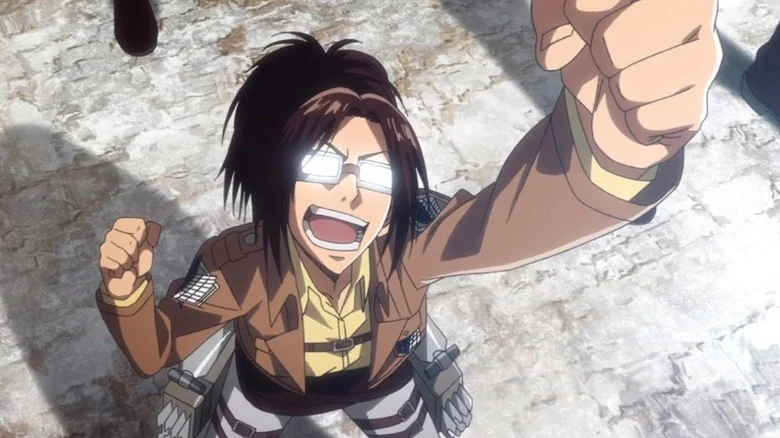
Hange debuts in ‘Attack on Titan’ as a researcher who studies titans with borderline recklessness. Initial appearances play as comic relief between harsh battles. Audience curiosity about experiments and logistics opened the door for mission planning episodes where Hange leads gear testing, supply chain decisions, and diplomacy with outside factions.
As the command structure shifted Hange’s role rose to leadership with entire operations shown from their vantage point. Official timelines clarified lab work, ranks, and inventions credited to Hange, and side stories used expedition logs to fill gaps in the main narrative. A curiosity driven scientist evolved into the corps’ public face.
Kamina
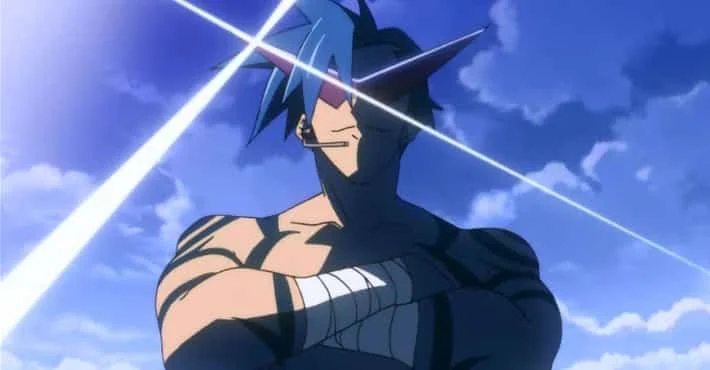
Kamina arrives in ‘Gurren Lagann’ as the impulsive senior partner who pushes Simon out of a sheltered life. The series only needed him to spark an early transformation, yet viewers connected so strongly with his creed that staff preserved his presence through flashbacks, narration cues, and motifs that recur during later fights.
Soundtracks labeled themes with his motto and production notes trace how the team reused camera moves tied to his speeches during the final acts. The character’s short time on screen influenced the show’s visual language long after his exit, which is a clear sign of unexpected staying power.
Kaworu Nagisa
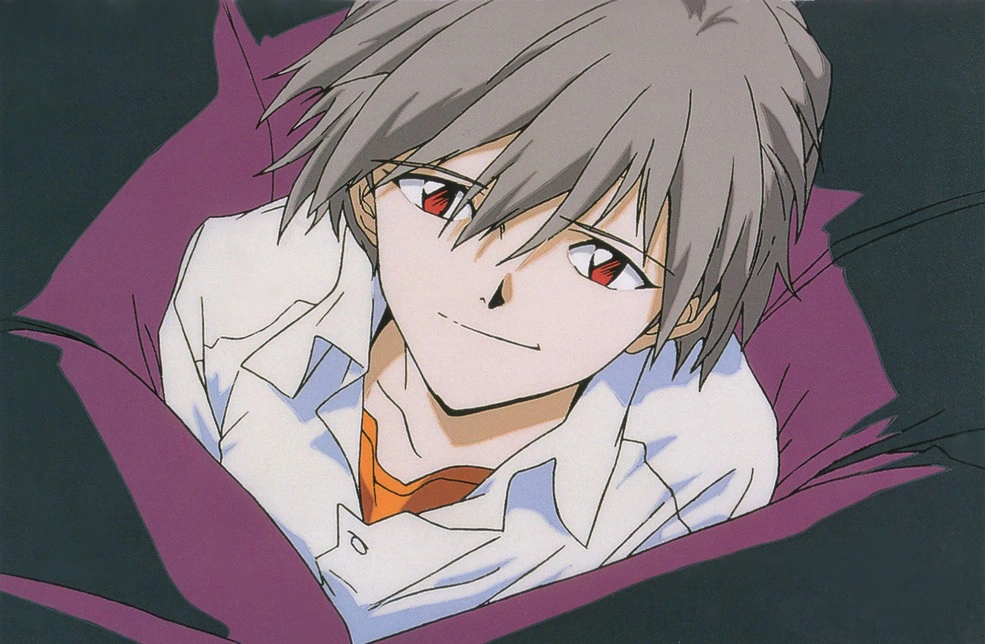
Kaworu appears late in ‘Neon Genesis Evangelion’ with only a handful of scenes in the original broadcast. His limited introduction did not suggest a long future inside the story. The character’s impact led creators to expand his role in later films with new musical sequences, extended conversations, and a revised history that linked him to earlier events.
Music releases highlighted his piano duet and art collections tracked design changes across projects. The franchise eventually used Kaworu as a fulcrum for alternate timelines and thematic callbacks, proof that a brief appearance can reshape how a series revisits its own core ideas.
Roy Mustang
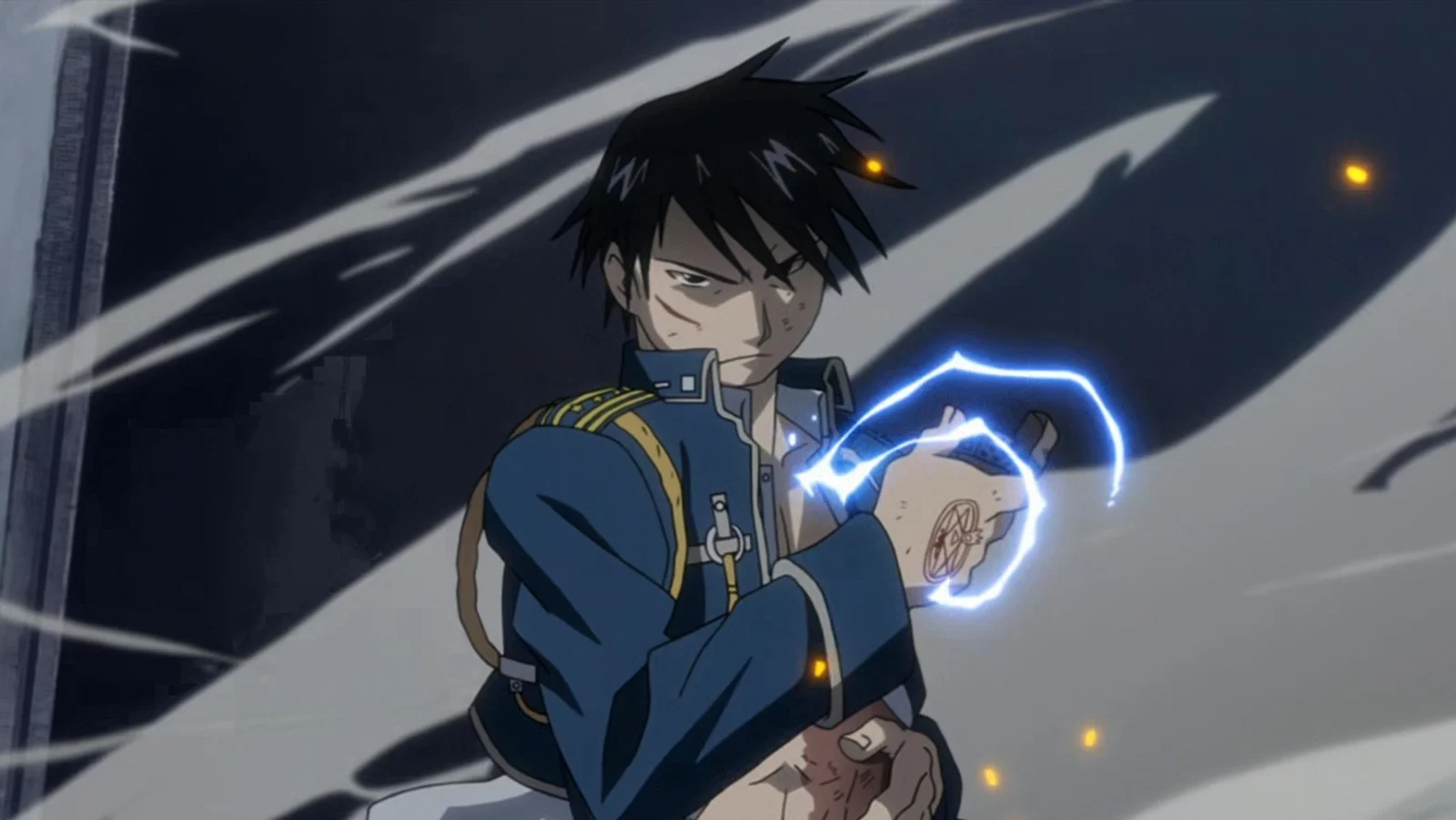
Roy begins ‘Fullmetal Alchemist’ as a superior officer who nudges the Elric brothers toward official channels. Early arcs keep his goals ambiguous and his screen time limited to office scenes. Viewer focus on his methods encouraged the manga and anime to craft full operations around his team, including investigations that eventually expose national level conspiracies.
Production guides describe the gloves and ignition chemistry behind his signature technique and catalog the chain of command that he navigates. Later episodes and chapters let Roy drive reform efforts, giving the series a second axis of conflict that runs parallel to the brothers’ search.
Genos
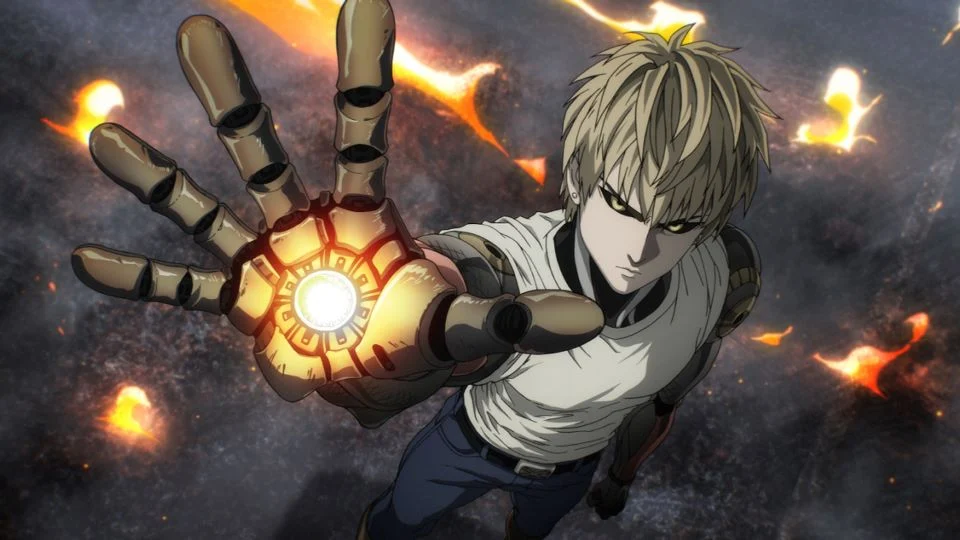
Genos enters ‘One Punch Man’ as a serious disciple who contrasts Saitama’s easygoing approach. He functions at first as a narrative anchor that explains the hero ranking system and stakes. Audience interest in his upgrades led to recurring lab scenes, component lists, and performance tests that map every enhancement.
The anime staged multiple set pieces around his duels, and game adaptations built skill trees that mirror his hardware swaps. Guidebooks and interviews outline his training logs and mission counts, turning a side character into a technical showcase that supports the world’s rules.
Shoto Todoroki
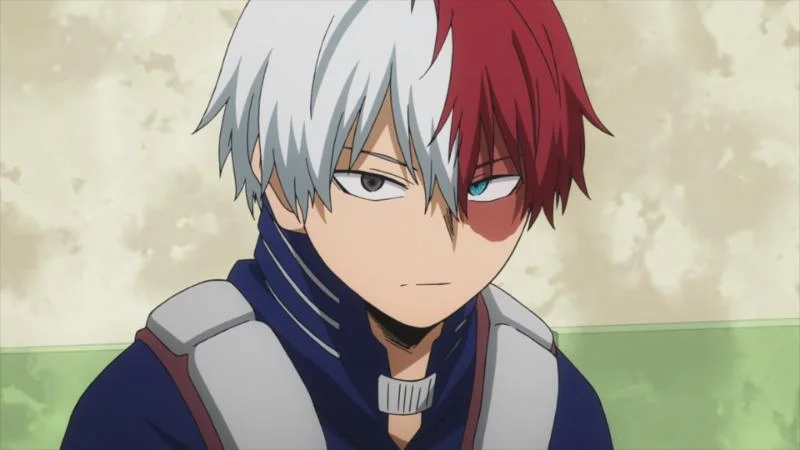
Todoroki starts in ‘My Hero Academia’ as a top student positioned as one of many rivals within Class A. The sports festival arc revealed a family history that deepened his motivation and drew continued attention to his training and recovery. Subsequent seasons dedicated practice arcs and patrols to his development with new costuming details that reflect refined control.
Licensing quickly integrated Todoroki into branding for stage shows, live events, and collaboration cafes, and official statistics updates tracked the growth of his technique each year. What began as one competitor among many became a consistent pillar of the school era storyline.
Share the unexpected breakouts you would add in the comments.