

10 Anime Crossovers That Ignored Canon for Fan-Service Gay Pairings



Crossover events and spinoffs provide a unique opportunity for creators to explore dynamics that are impossible in main canon storylines. These projects often embrace popular fan theories by placing rival characters in domestic or romantic situations. Fan service takes precedence over established lore to cater to devoted shipping communities. The resulting chemistry frequently overshadows the heterosexual pairings found in the source material.
‘Carnival Phantasm’ (2011–2012)

The comedic OVA series brings together the casts of ‘Fate/stay night’ and ‘Tsukihime’ for absurd scenarios. The show frequently places Archer and Lancer in situations that highlight their bickering yet domestic dynamic. Fan favorites like Rin and Saber also receive scenes that cater to shipping preferences over the original visual novel routes. The creators utilized the crossover format to indulge in fan service that would be impossible in the serious source material.
‘Code Geass: Nunnally in Wonderland’ (2012)
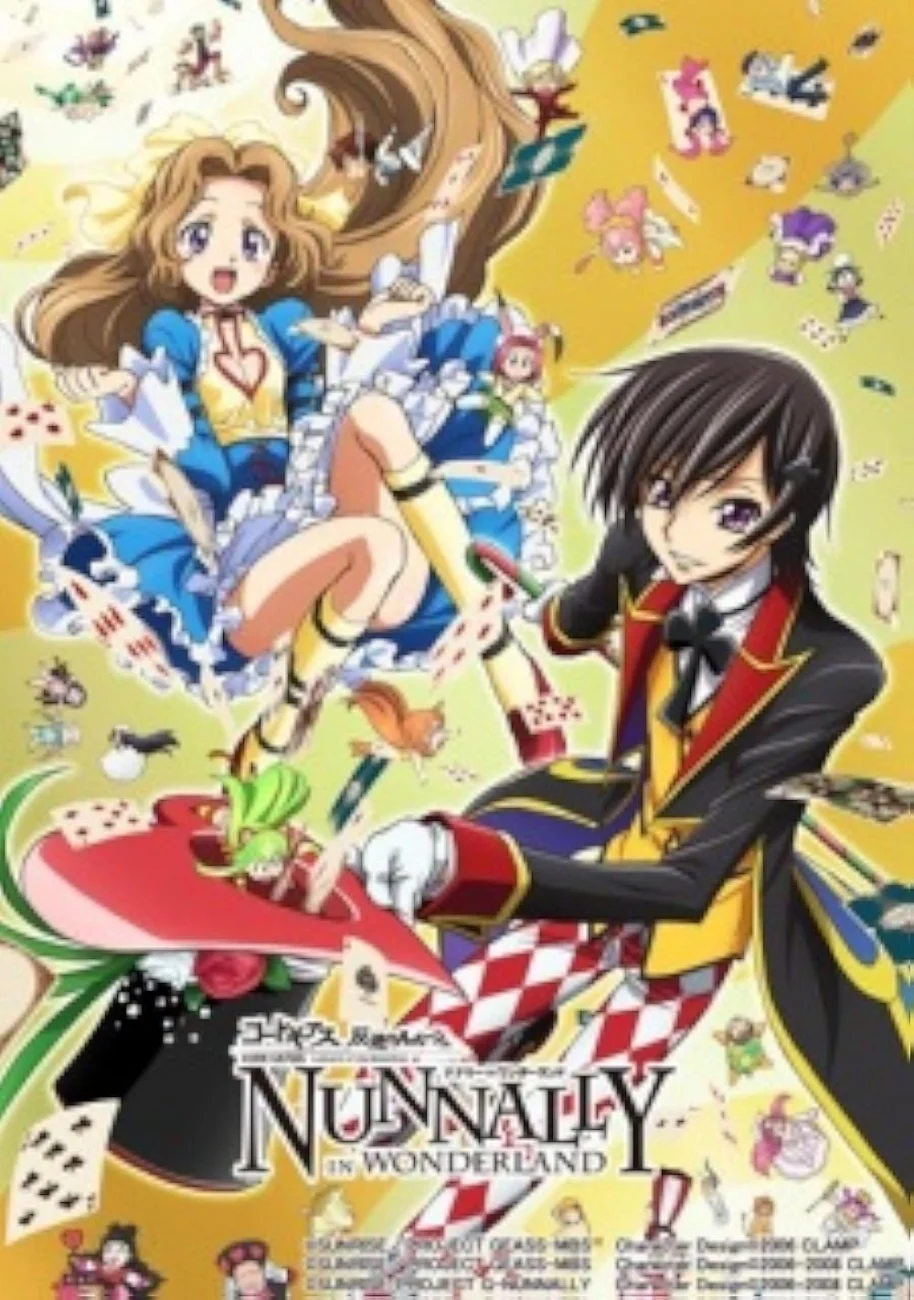
This OVA reimagines the cast of ‘Code Geass’ within a chaotic version of the ‘Alice in Wonderland’ story. Lelouch and Suzaku take center stage in roles that emphasize their complex connection without the burden of political war. The production leans heavily into the homoerotic subtext that fans of the original series frequently analyzed. Official art and scenes from this project prioritize their chemistry over any female love interests.
‘Attack on Titan: Junior High’ (2015)
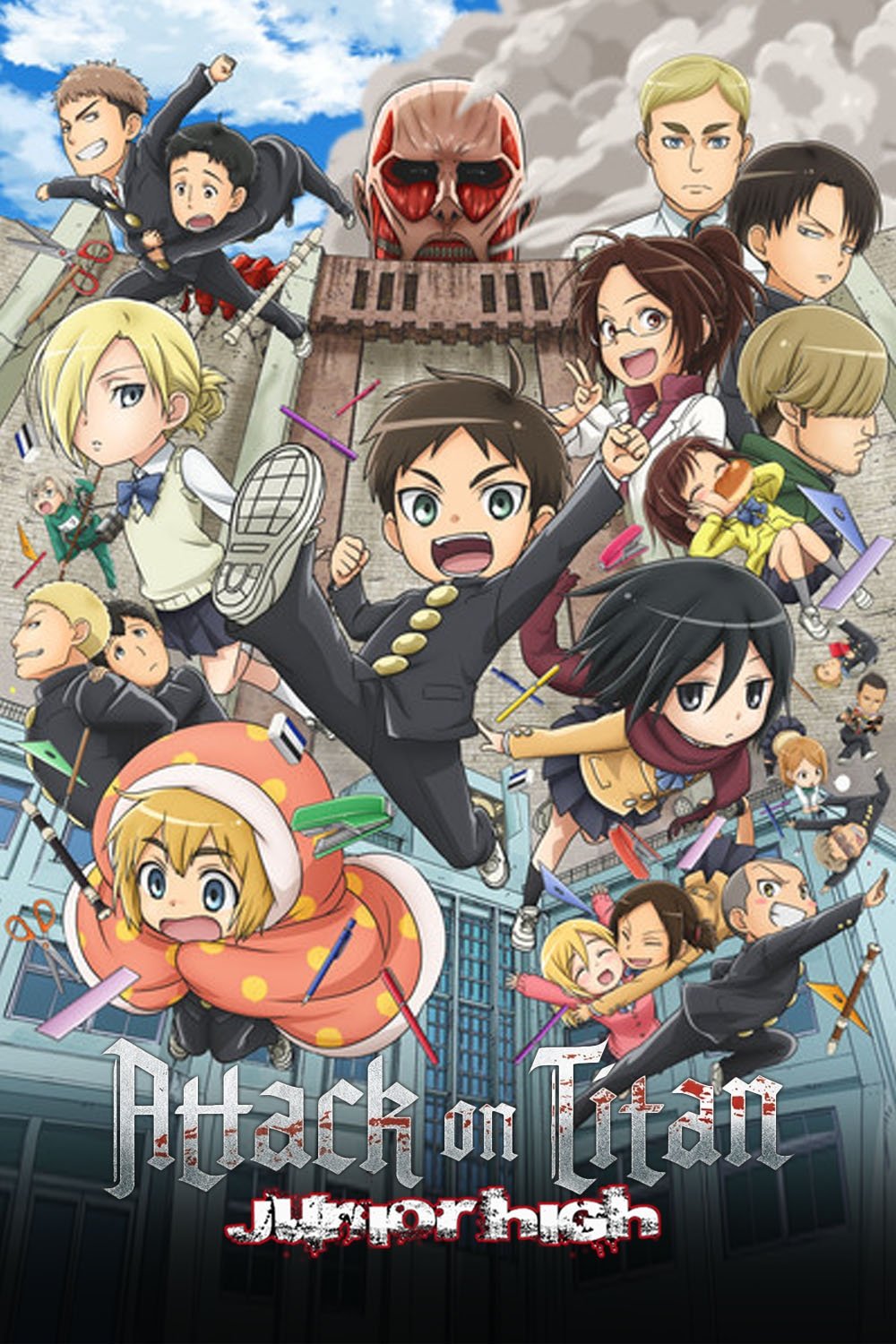
The terrifying Titans are reimagined as school bullies in this parody spinoff series. The lighter tone allows for increased focus on the relationships between male characters like Eren and Armin or Jean and Marco. Several scenes play up the closeness between these pairs for comedic and sentimental effect. The show removes the constant threat of death to explore dynamics that the main series could never prioritize.
‘Gundam Build Fighters’ (2013–2014)
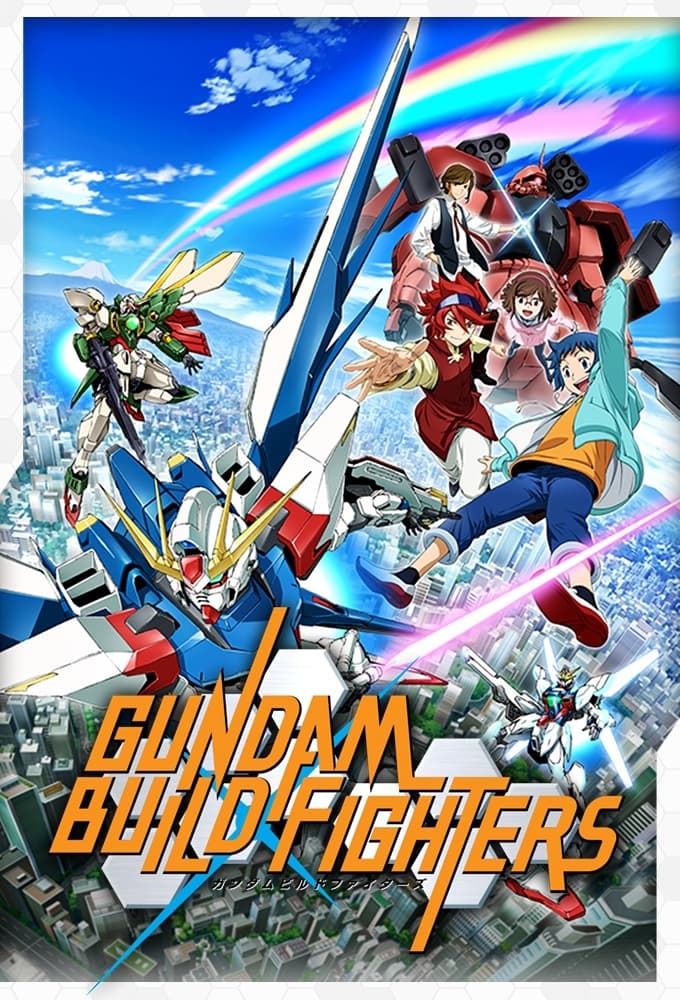
The series acts as a meta-crossover for the entire ‘Gundam’ franchise through the medium of Gunpla battles. Sei Iori and Reiji form a partnership that mirrors romantic tropes more closely than many canon couples in the franchise history. Their sync rates and emotional declarations on the battlefield drive the plot forward. The show prioritizes their bond over the token female love interests who remain on the sidelines.
‘Fate/kaleid liner Prisma Illya’ (2013–2016)
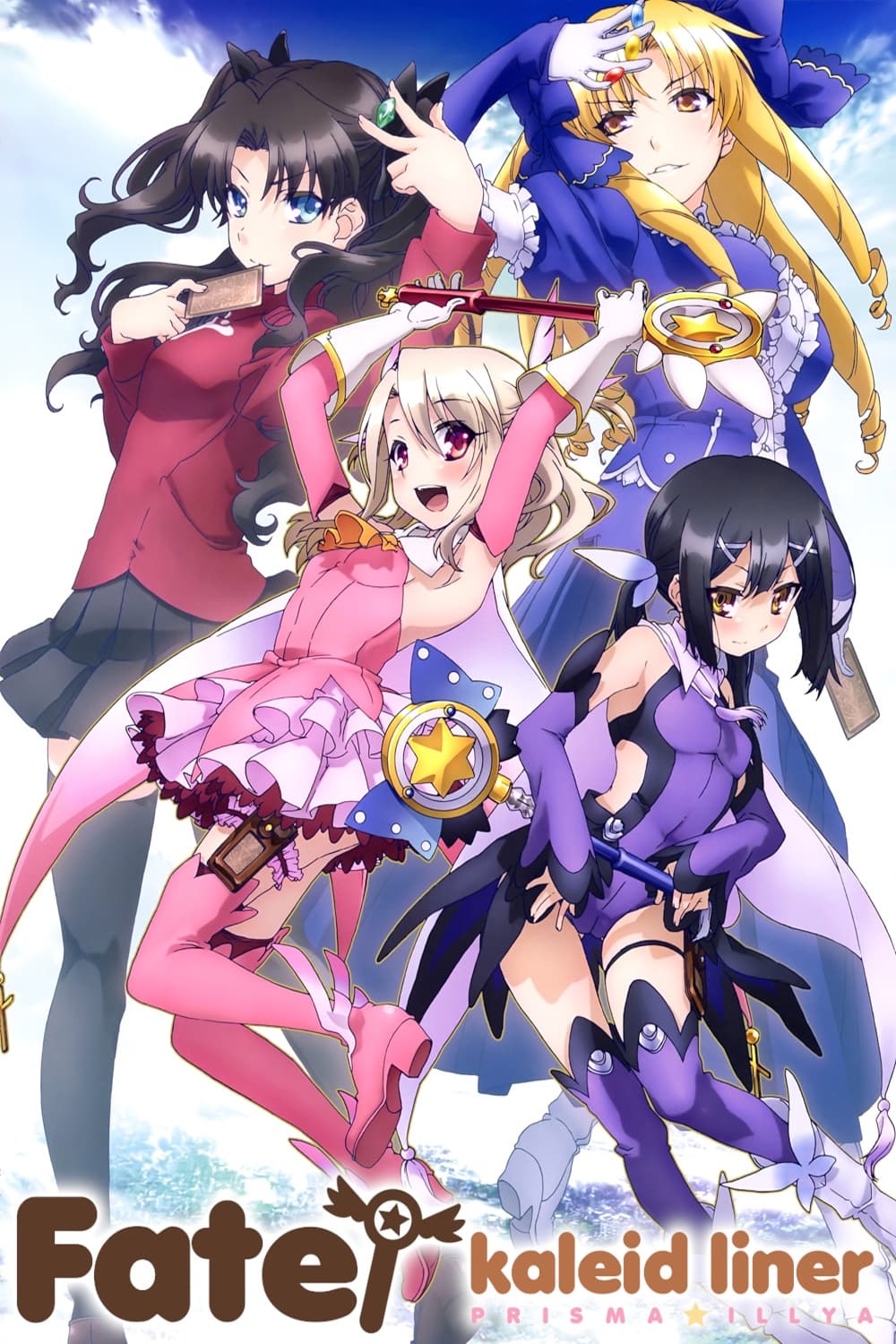
This magical girl spinoff diverges from the grim ‘Fate/stay night’ timeline to focus on Illyasviel von Einzbern. The relationship between Illya and Miyu evolves into the central emotional pillar of the story. While the original canon focuses on Shirou Emiya and his heroines the spinoff highlights the intense devotion between the two girls. The narrative portrays their bond as the key to saving their respective worlds.
‘Naruto Spin-Off: Rock Lee & His Ninja Pals’ (2012–2013)
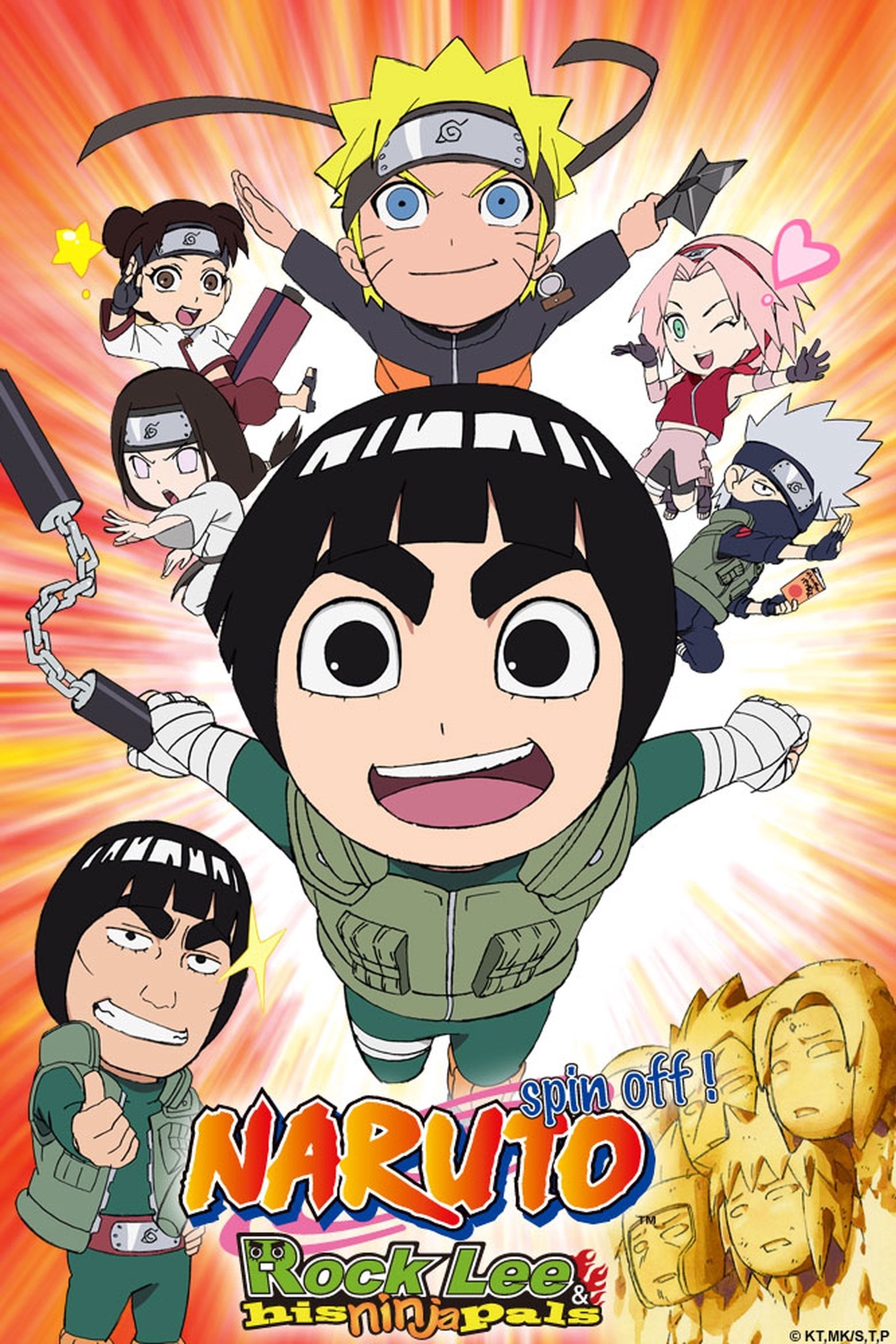
This chibi-style spinoff focuses on comedy and frequently satirizes the main ‘Naruto’ storyline. The creators regularly include skits that mock and celebrate the accidental kiss between Naruto and Sasuke. These segments acknowledge the massive fanbase surrounding the rival pair by giving them ample screen time together. It abandons the serious tone of the ninja war to indulge in playful interactions.
‘Gakuen Basara: Samurai High School’ (2018)
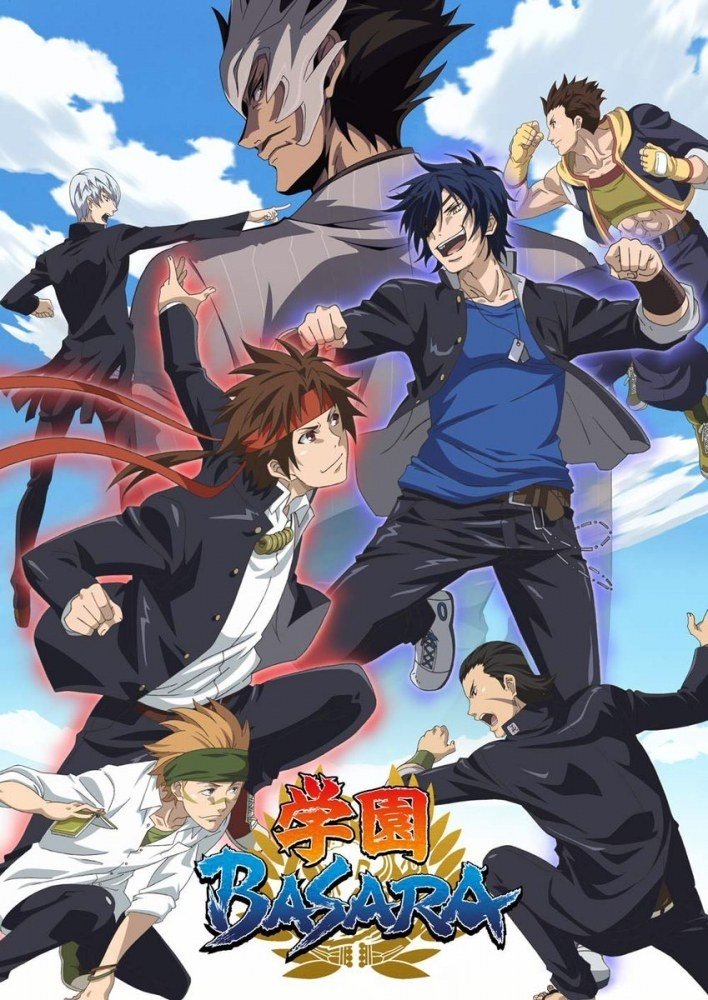
Historical warlords from ‘Sengoku Basara’ become students in this modern-day high school parody. The intense rivalry between Date Masamune and Sanada Yukimura translates into a chaotic but close friendship. The setting removes the war aspect to focus entirely on their competitive obsession. This shift allows the narrative to indulge in the homoerotic subtext present in the main games.
‘Magic Kaito 1412’ (2014–2015)
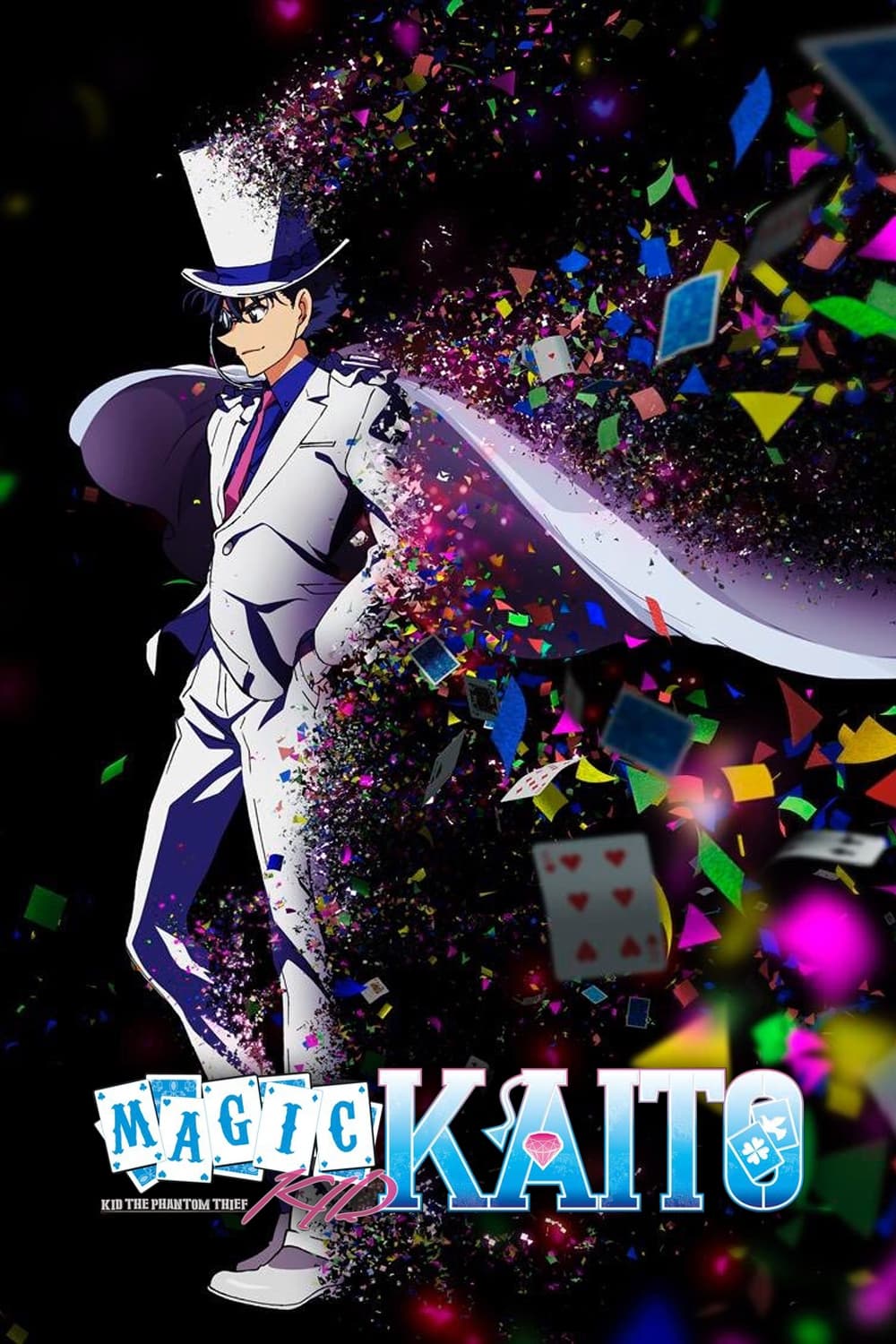
This series runs parallel to ‘Detective Conan’ and features frequent crossovers between Kid and Conan. The Phantom Thief and the detective share a playful rivalry that often resembles a courtship. Their encounters are framed with moonlight and roses rather than standard police procedures. The creators emphasize their intellectual connection above any other relationships in the show.
‘Pokemon Origins’ (2013)
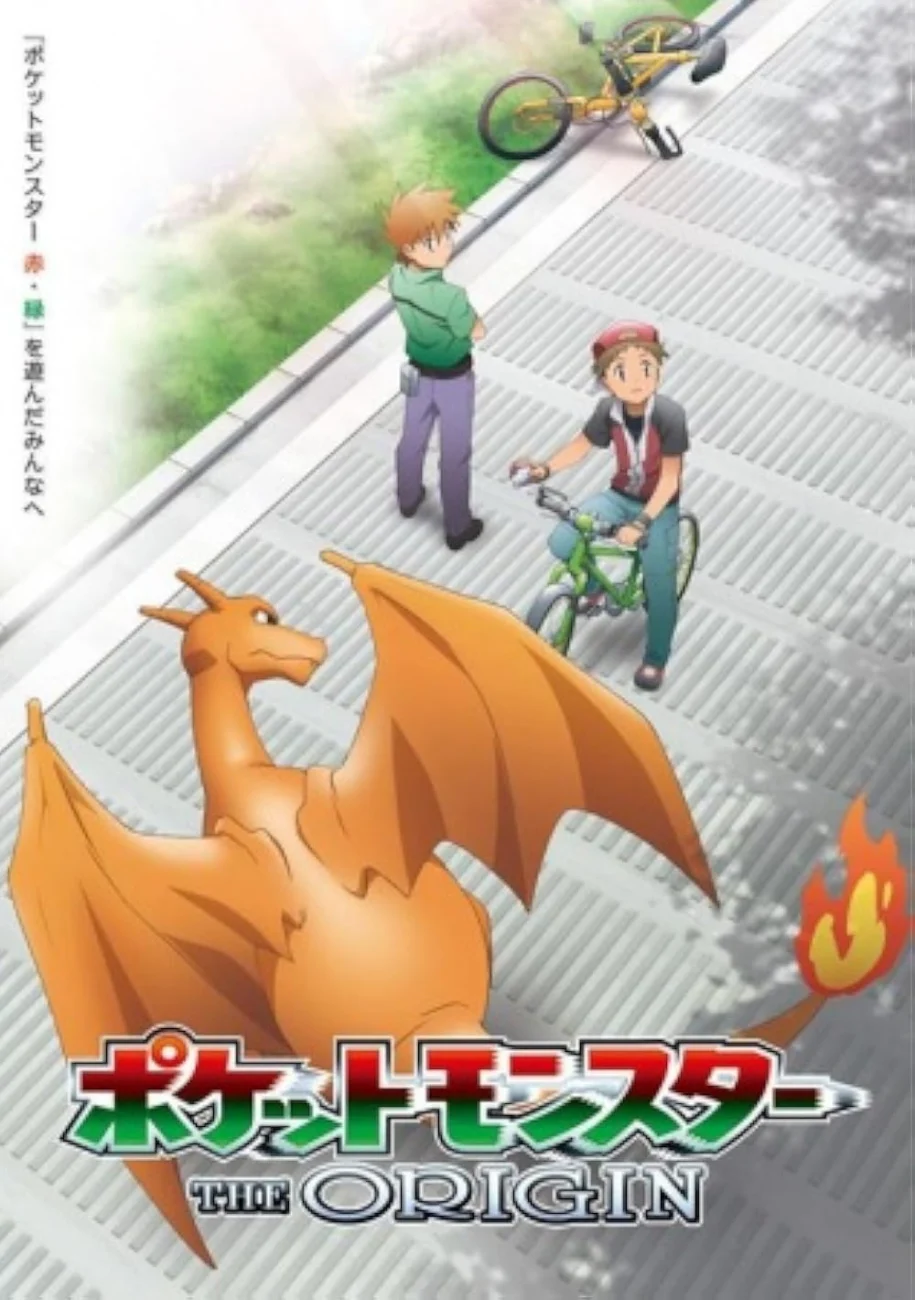
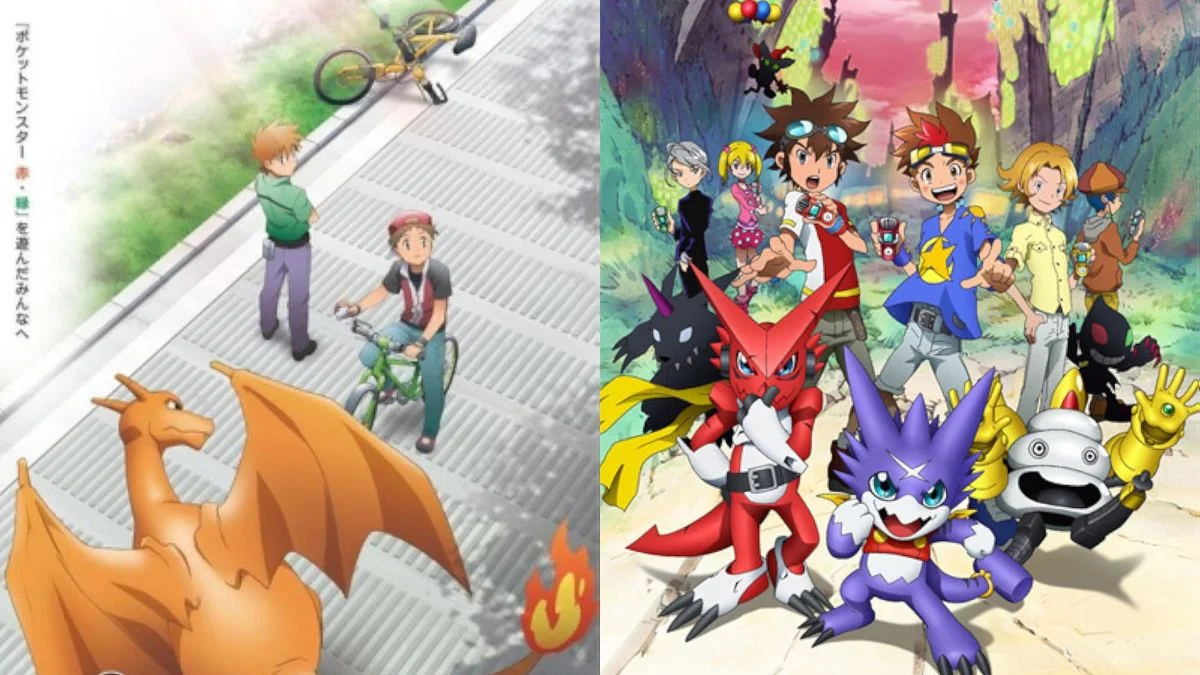
This miniseries retells the original games with a focus on the rivalry between Red and Blue. The narrative strips away the filler of the main anime to highlight the intensity of their bond. Blue is depicted as the sole motivation for Red to become stronger during his journey. The final confrontation emphasizes that their growth relies entirely on their competition with each other.
‘Digimon Xros Wars: The Young Hunters Who Leapt Through Time’ (2011–2012)
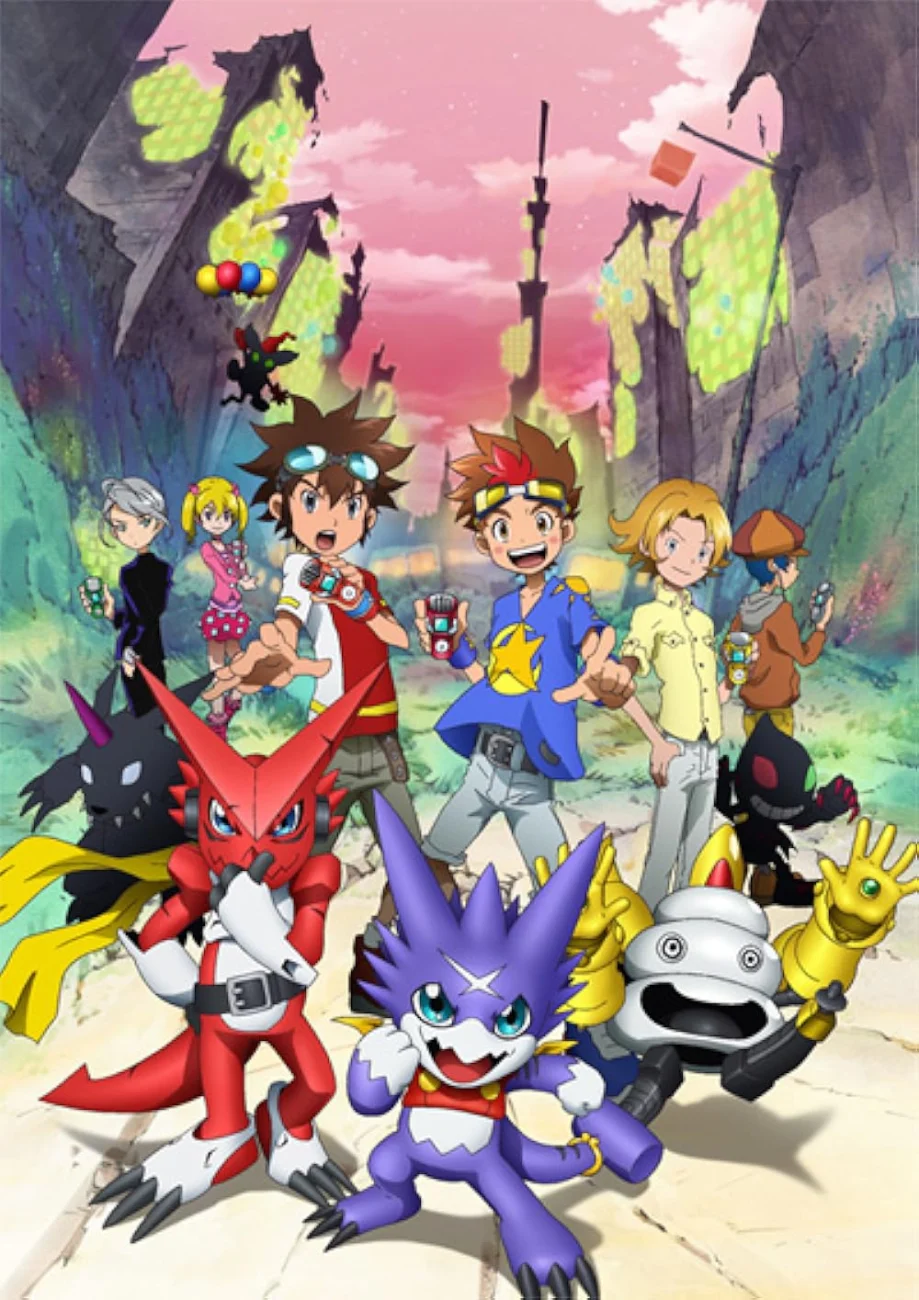
The series finale brings together leaders from all previous ‘Digimon’ seasons. Taiki Kudo and Tagiru Akashi share a mentorship dynamic that often crosses into adoration. The crossover event highlights the strong emotional connections between the male leaders of each generation. Fans noted the lack of focus on female characters in favor of these hero team-ups.
Tell us which crossover couple you thought had the best chemistry in the comments.