

Anime Dubs That Altered LGBTQ+ Moments for “Family Friendly” Reasons



Western localization teams frequently altered Japanese animation to align with strict broadcast standards during the notable anime boom of the 1990s and early 2000s. Distributors often deemed LGBTQ+ themes inappropriate for the target demographic of young children and rewrote entire scripts to remove these elements. Complex romantic relationships between same-sex characters were reimagined as platonic friendships or familial bonds to avoid controversy. These editorial choices resulted in significant narrative shifts that sometimes created confusing plot holes or unintentional subtext.
‘Sailor Moon’ (1992–1997)
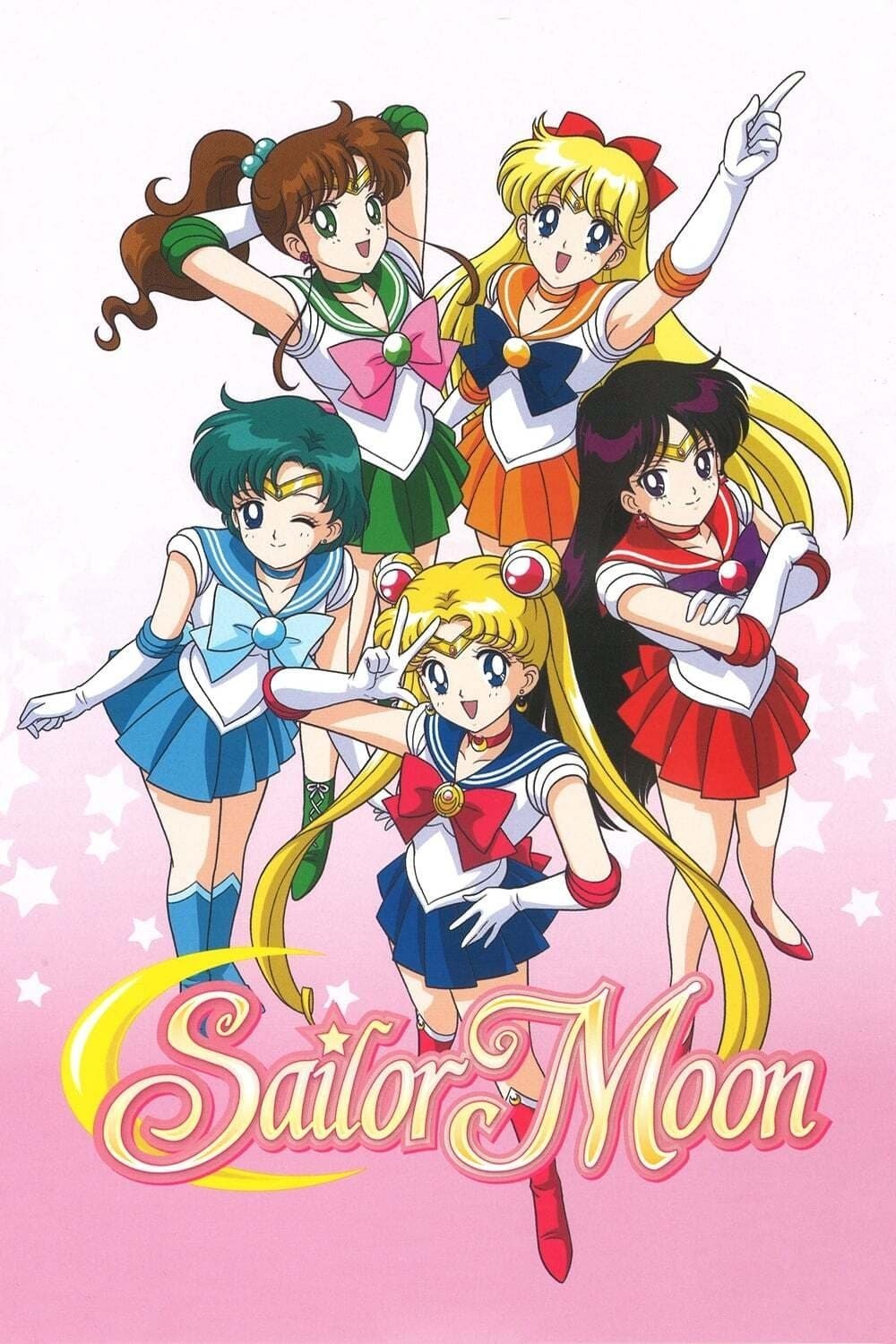
The original English dub by DiC Entertainment heavily altered the relationship between Zoisite and Kunzite to adhere to broadcast standards. While the Japanese version depicted them as a male same-sex couple, the dub changed Zoisite’s gender to female to make the relationship heterosexual. Voice actress Kirsten Bishop provided a feminine voice for the character, and the script referred to Zoisite with female pronouns throughout the first season. This change completely erased the queer representation present in the source material while maintaining the romantic dynamic between the two generals.
‘Pokémon’ (1997–Present)
The episode “Beauty and the Beach” (Episode 18) was banned from the initial US broadcast due to James of Team Rocket participating in a swimsuit beauty pageant. In the original Japanese version, James wore a bikini with large inflatable breasts and taunted Misty about her figure. The English dub eventually released a heavily cut version of the episode years later, but the scenes featuring James in the bikini were completely excised. The alteration was strictly to remove the cross-dressing and sexualized humor deemed inappropriate for Western children.
‘Yu-Gi-Oh! GX’ (2004–2008)

The character Yubel is a duel spirit who shares a chaotic, romantic bond with the protagonist Jaden Yuki and possesses both male and female characteristics in the Japanese version. The 4Kids English dub altered Yubel’s voice and pronouns to present the character exclusively as female. Additionally, the obsessive, romantic nature of Yubel’s love for Jaden was toned down to be more of a possessive friendship or familial bond. This gender assignment was likely done to avoid the complexities of a gender-non-conforming character in a show aimed at young boys.
‘Digimon Frontier’ (2002–2003)
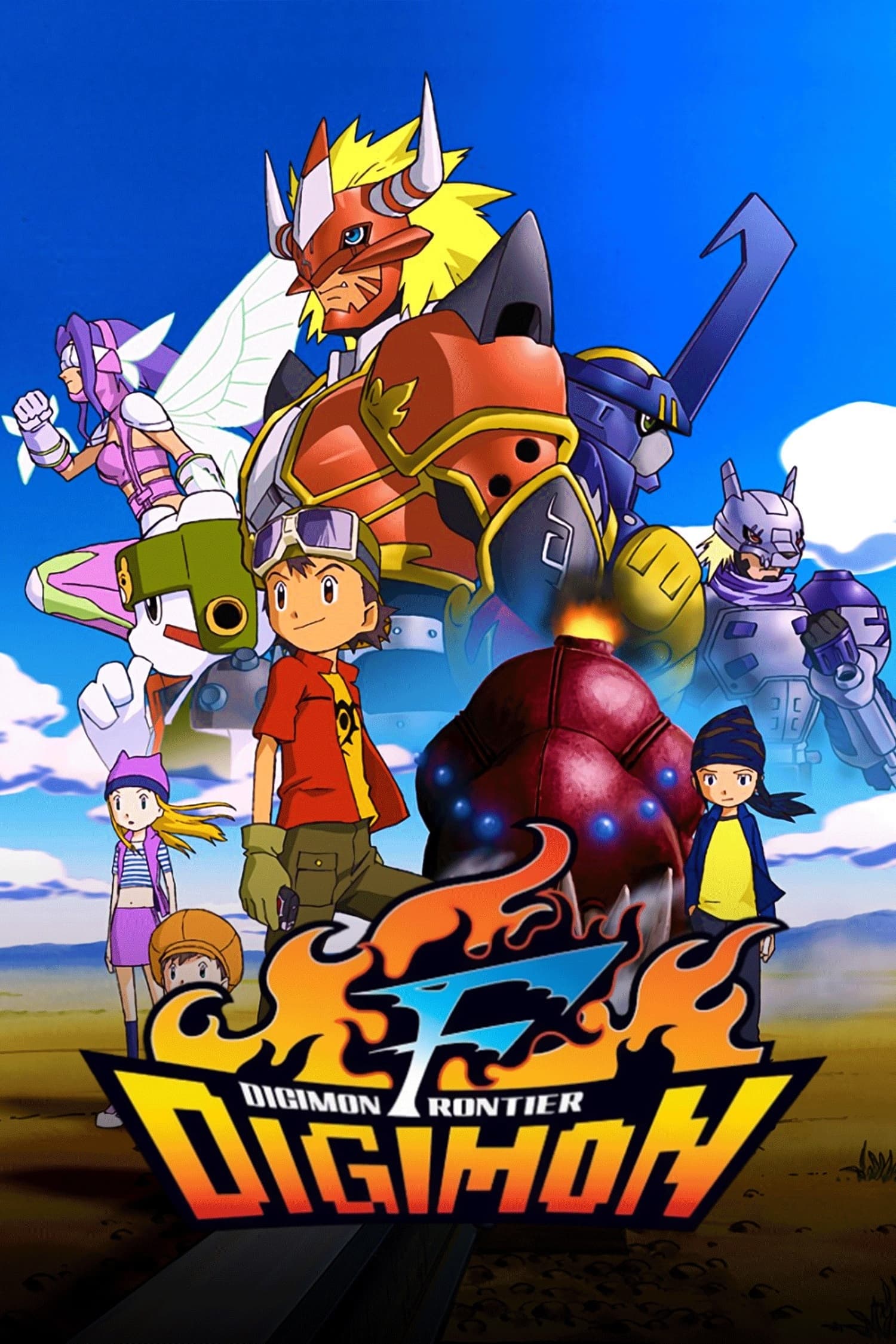
The Royal Knight Crusadermon (LordKnightmon in Japanese) is a male Digimon with a flamboyant personality and effeminate mannerisms in the original version. The English dub cast a female voice actress and referred to Crusadermon as “she,” effectively gender-swapping the character. This decision aligned the character’s pink armor and elegant fighting style with Western gender norms. The change avoided the “campy gay villain” trope often found in anime but erased the character’s original gender presentation.
‘One Piece’ (1999–Present)
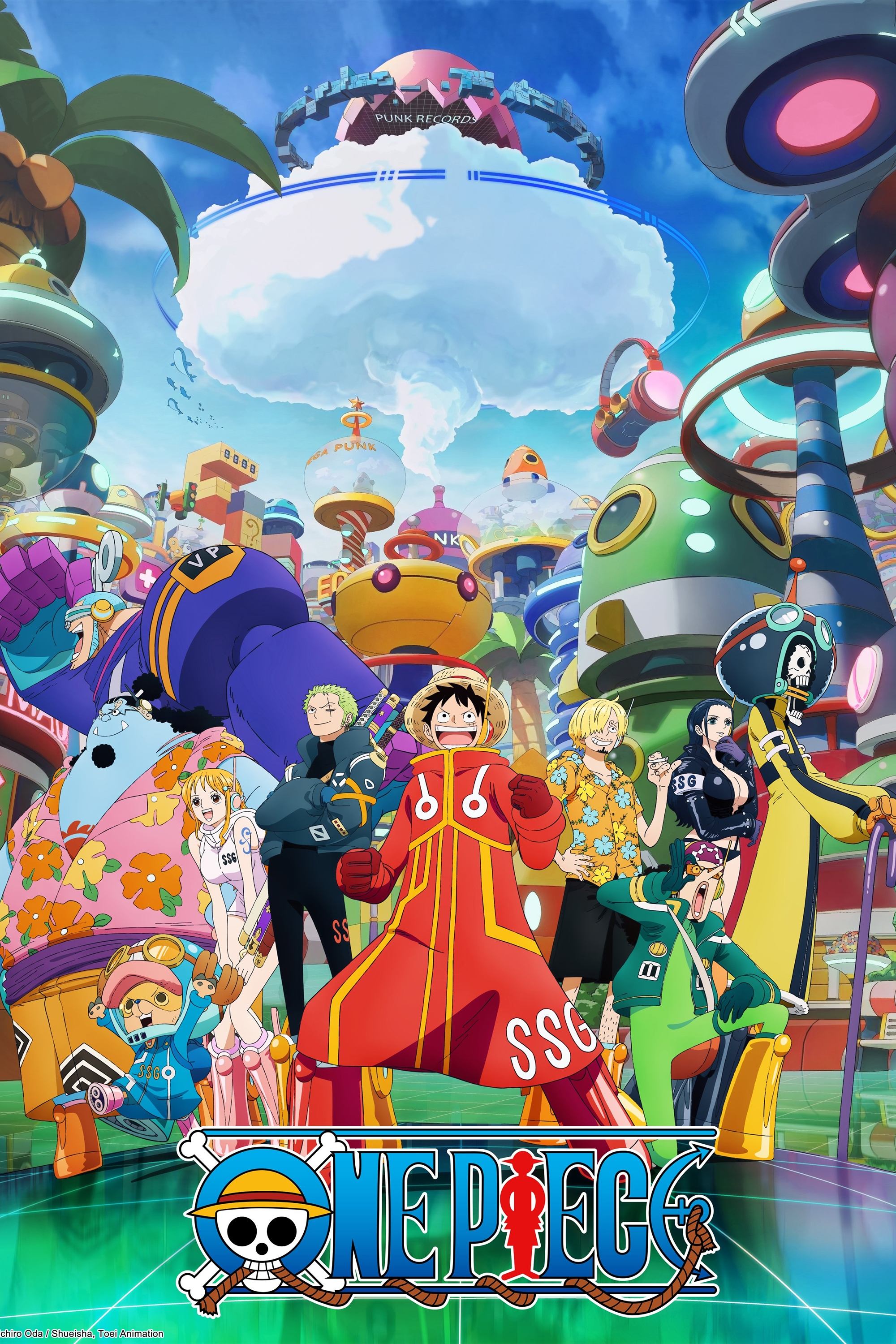
The 4Kids dub of One Piece drastically altered the character Mr. 2 Bon Clay, who is originally an “Okama” (a Japanese term for a cross-dresser or gay man) who utilizes “Okama Kenpo.” The dub changed his fighting style name to “Ballerina Kenpo” and removed the queer cultural references, rewriting his dialogue to focus purely on a campy, theatrical personality. His song “Okama Way” was changed to “Oh Come My Way,” stripping the lyrics of their identity-focused message. These edits were part of 4Kids’ extensive sanitization of the series for Saturday morning cartoons.
‘Battle of the Planets’ (1978)
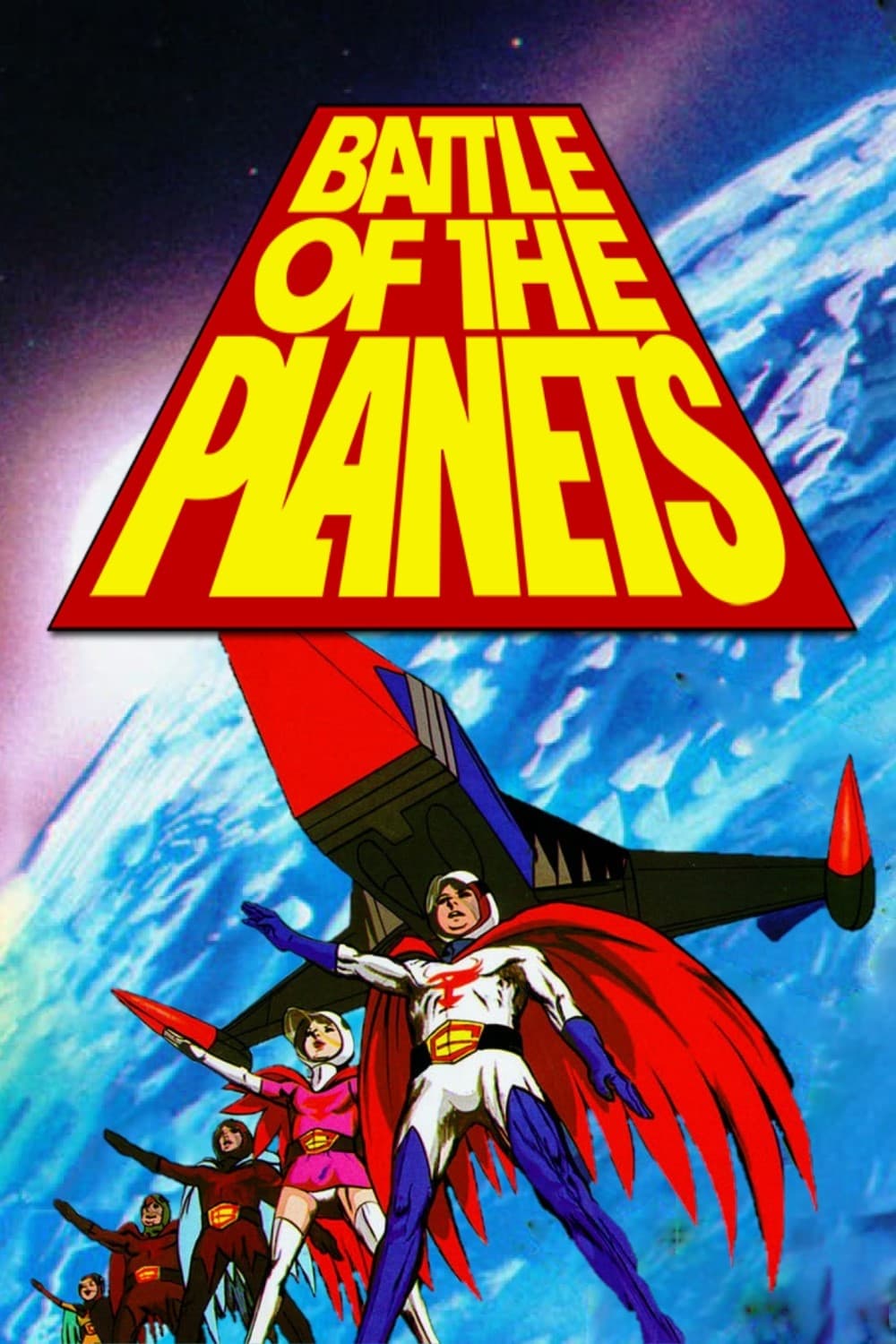
In the original Gatchaman series, the villain Berg Katse was a mutant created from the fusion of fraternal twins, allowing them to switch between male and female forms. The American adaptation, Battle of the Planets, split this character into two separate entities: the male villain Zoltar and his sister, Mala Latroz. This alteration removed the intersex/gender-fluid aspect of the villain’s identity, which was considered too complex or taboo for 1970s American television. The footage of the female form was recontextualized as a distinct character who occasionally appeared to assist Zoltar.
‘Outlaw Star’ (1998)
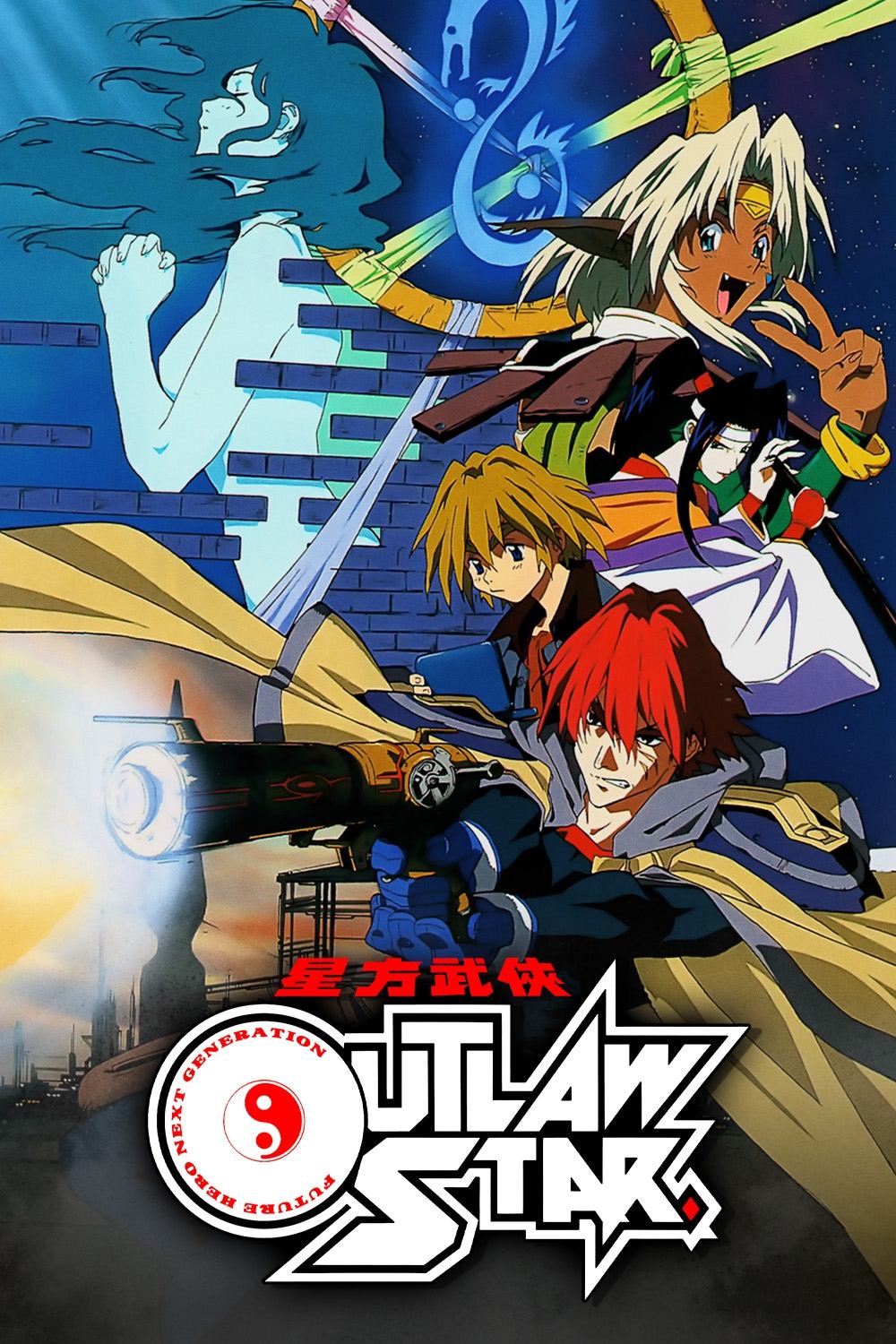
The character Fred Luo is openly gay in the Japanese version and frequently flirts with the protagonist, Gene Starwind. The English dub that aired on Toonami heavily edited these interactions, cutting scenes where Fred made physical advances or explicitly stated his attraction. Dialogue was rewritten to portray Fred’s interest in Gene as purely financial or platonic, minimizing his flamboyant sexuality. Despite the edits, Fred’s mannerisms remained, but the explicit confirmation of his sexuality was removed for the broadcast.
‘Zatch Bell!’ (2003–2006)
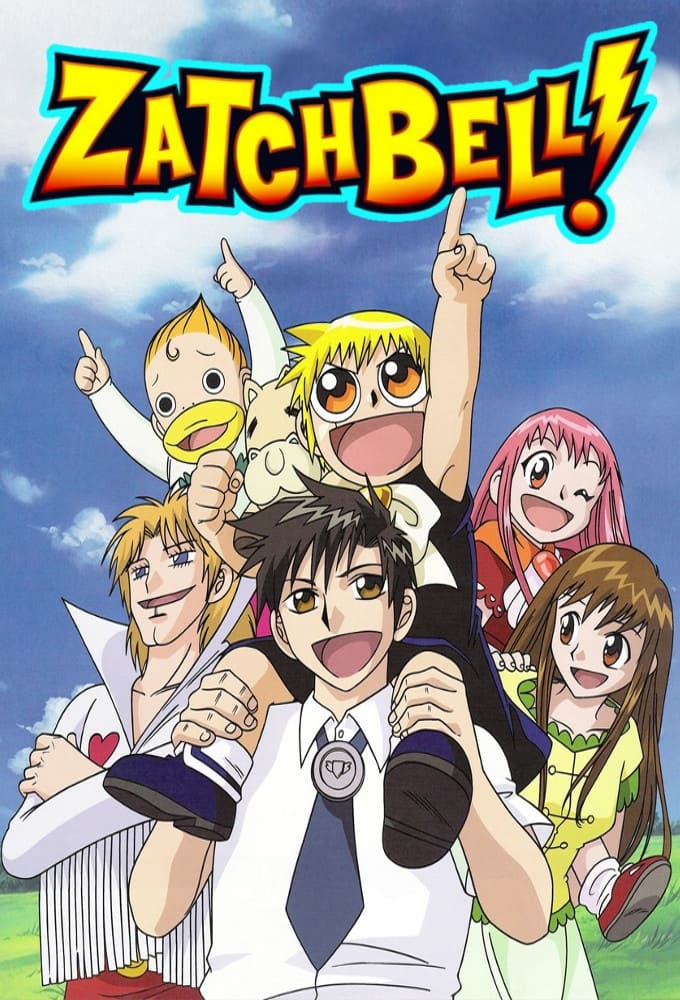
Parco Folgore is a pop star character whose hit song in the Japanese version, “Chichi wo Moge” (Grope the Breasts), was a sexually charged gag song. The English dub completely replaced this with a harmless tune titled “Hey Hey Let’s Dance,” removing all sexual references. Folgore’s bisexual tendencies and predatory behavior were also toned down to make him a goofy, eccentric comic relief character rather than a pervert. These changes sanitized the show significantly to fit the target demographic of young children on Cartoon Network.
‘The Vision of Escaflowne’ (1996)
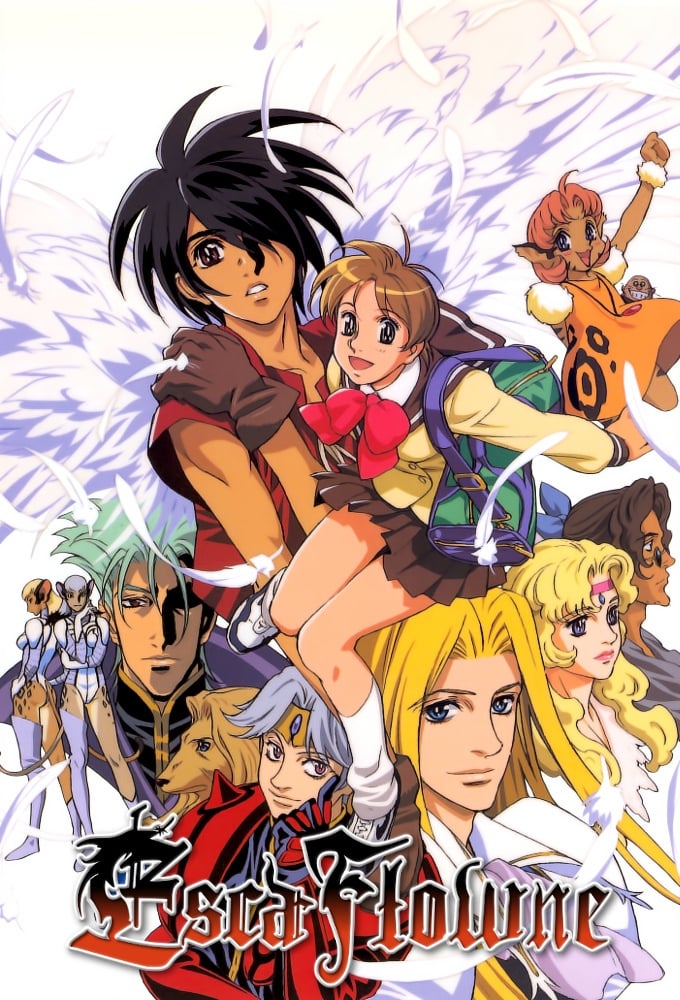
The antagonist Dilandau Albatou is a mentally unstable commander whose true identity is revealed to be Celena, the lost sister of Allen Schezar, magically altered into a male form. In the Bandai broadcast dub, confusion regarding Dilandau’s gender led to inconsistent voice casting and handling of the reveal. While the plot point of the magical gender transformation remained, the dub often downplayed the gender dysphoria and identity confusion elements. The casting of a female voice actor for the male Dilandau in some versions further blurred the lines of the character’s intended gender presentation.
‘Samurai Pizza Cats’ (1990–1991)
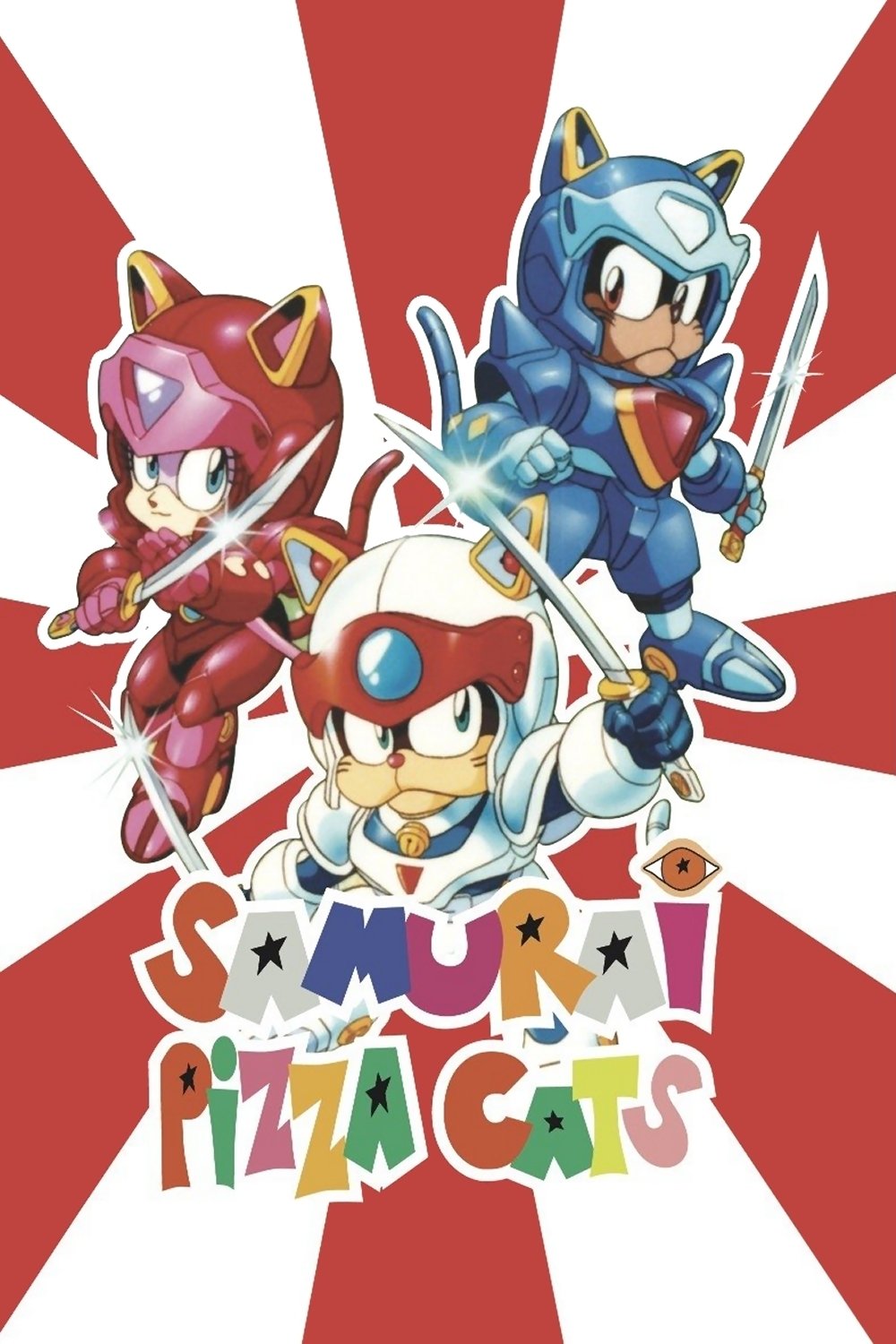
The episode “Gender Bender Butterflies” (Episode 24) deals with a butterfly that causes characters to swap gender roles and act like the opposite sex. This episode was skipped during the show’s initial American broadcast due to its play on gender norms and cross-dressing themes. The humor relied heavily on characters questioning their gender identities, which was deemed too confusing or inappropriate for the time. It was later dubbed for home video release but remained absent from the syndicated TV run.
‘Beyblade’ (2001)
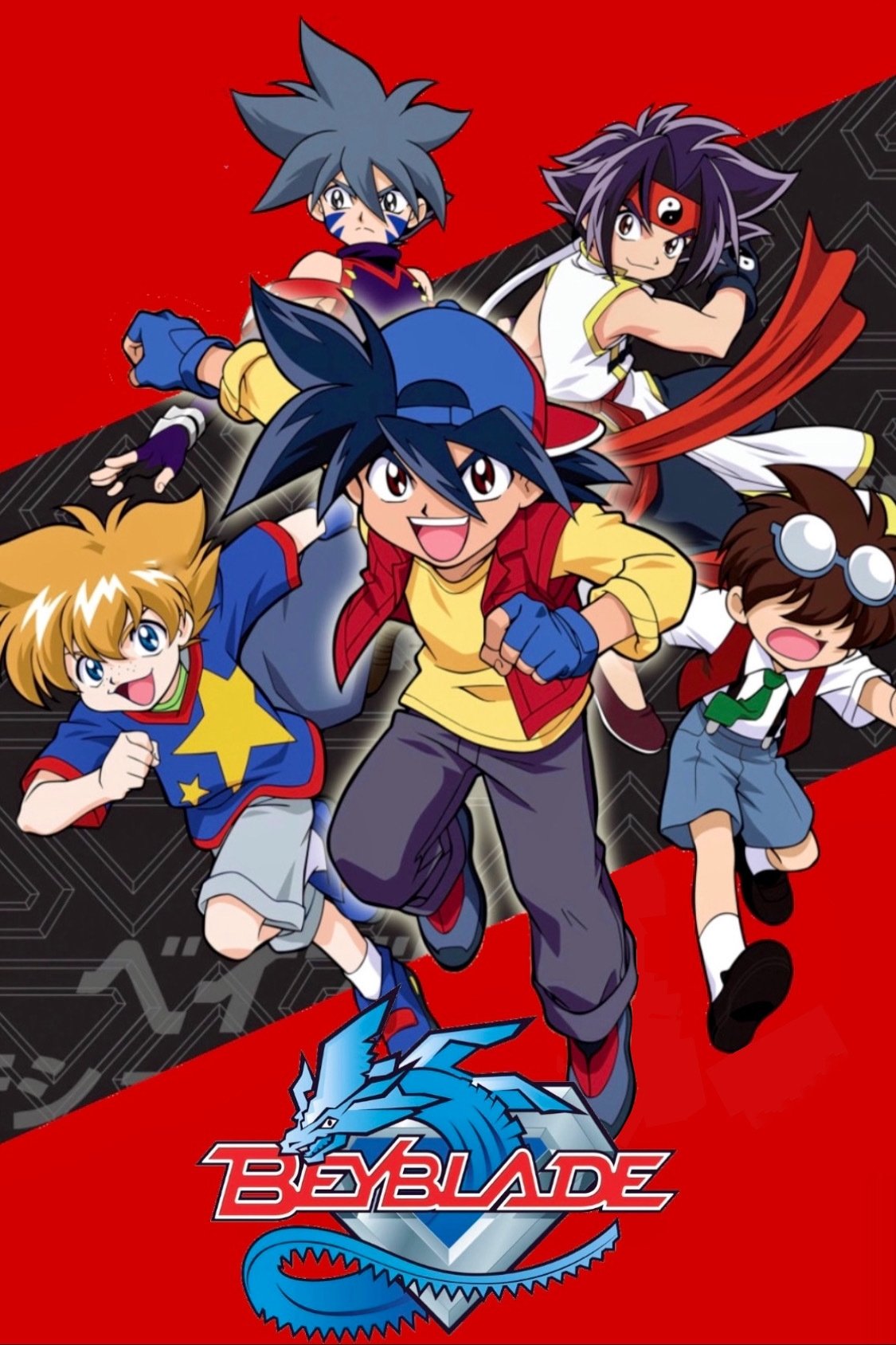
The original series features a scene where the protagonist Tyson Granger is forced to cross-dress as a girl, leading to a comedic moment where he is embarrassed. The English dub removed this sequence entirely, likely to avoid depictions of boys in dresses, which was a common censorship target in the early 2000s. The removal of this scene created a continuity gap and removed a moment of humility and humor for the main character. This type of censorship was consistent with other 4Kids and Nelvana dubs that erased cross-dressing visual gags.
‘Love Live! School Idol Project’ (2013)
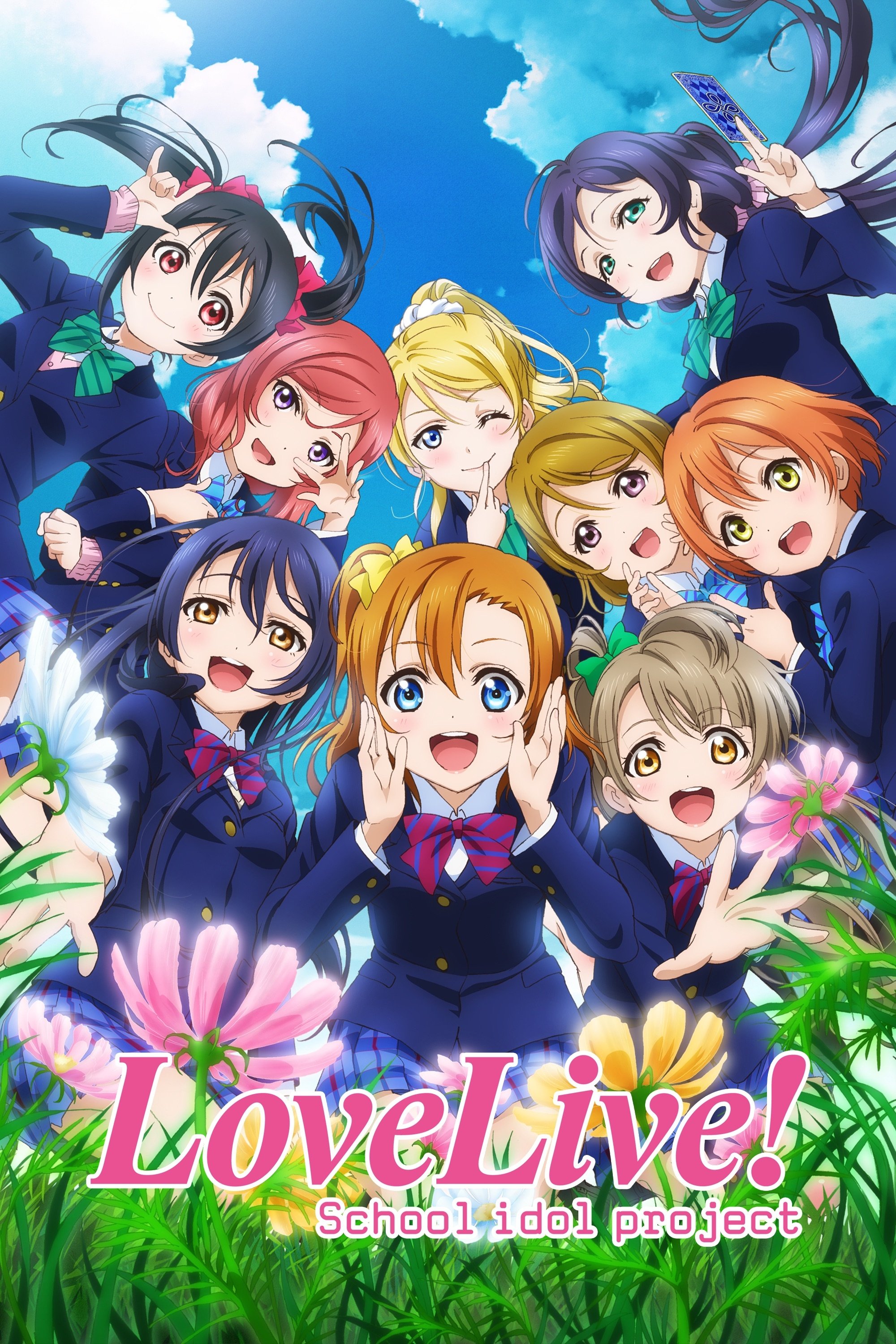
In the English dub, a line referring to the close relationship between characters was localized as “gal pals,” a phrase that has since become an internet meme for erasing lesbian subtext. While the show is known for its heavy yuri (lesbian) subtext between the idols, the dub often framed these interactions as intense platonic friendship. The use of “gal pals” specifically stood out to fans as a dismissive way to categorize the romantic tension. This localization choice reflects a broader trend of downplaying same-sex attraction in “idol” anime franchises.
‘Tenchi Muyo!’ (1992–1995)
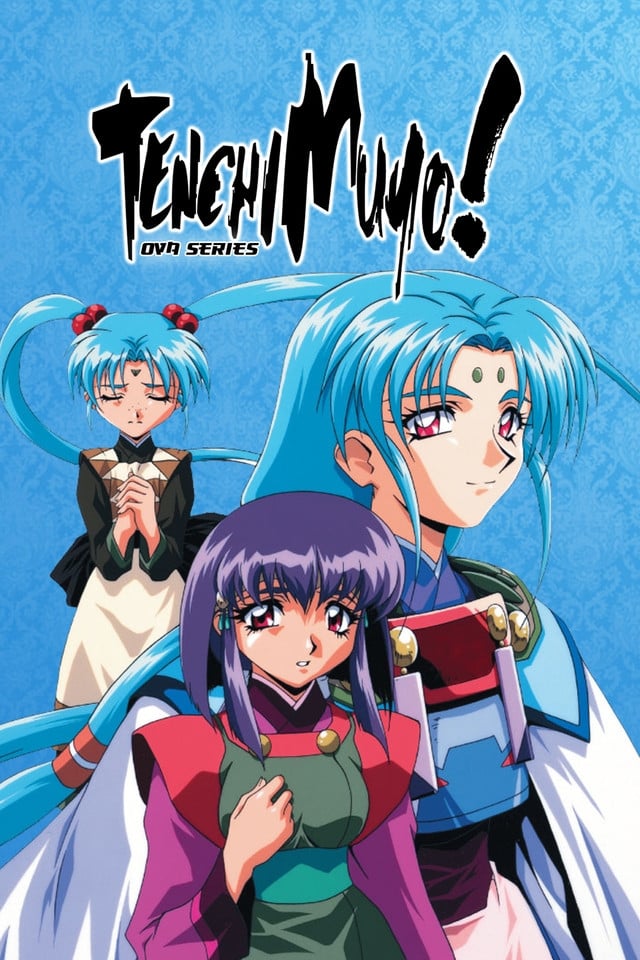
While primarily censored for nudity and alcohol (changing sake to “tea”), the Toonami broadcast also minimized the sexually aggressive nature of Ryoko’s pursuit of Tenchi. Scenes where Ryoko or other female characters made explicit advances or engaged in suggestive touching were cut or re-dialogued. While the show is a harem anime focused on heterosexual attraction, the removal of the female characters’ sexual agency and aggressive desire altered the tone of the relationships. The censorship aimed to make the harem dynamics more wholesome for a teen audience.
‘Mobile Suit Gundam Wing’ (1995–1996)
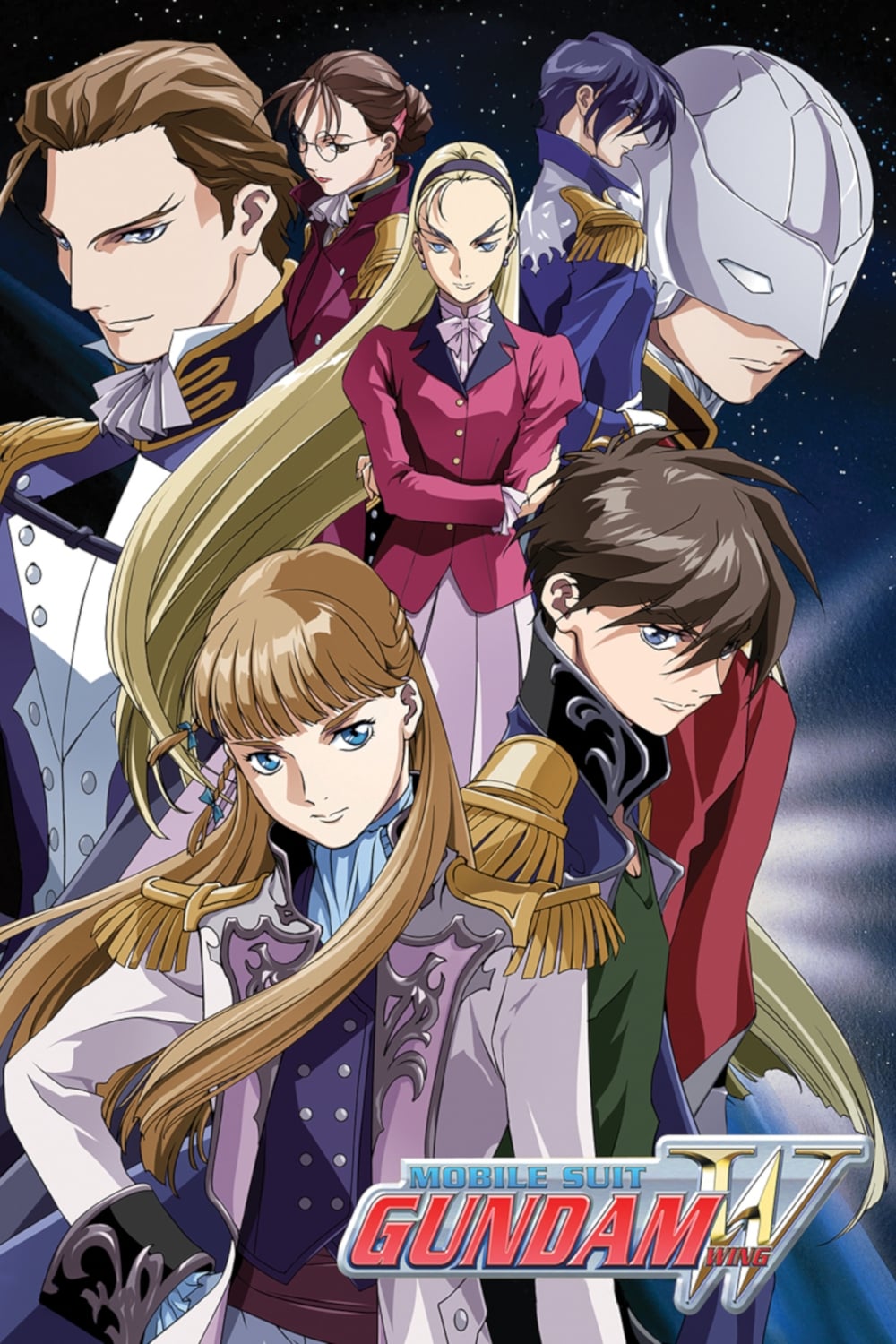
The relationship between Quatre Raberba Winner and Trowa Barton is heavily implied to be romantic in the Japanese fandom, supported by their deep emotional connection. The Cartoon Network dub did not explicitly change them into cousins, but dialogue was often softened to emphasize their bond as “teammates” or “friends.” The censorship in Gundam Wing focused primarily on violence and religious references (changing “God of Death” to “Great Destroyer”), but the emotional intimacy between the male pilots was also kept strictly platonic in the English script.
‘Revolutionary Girl Utena’ (1997)
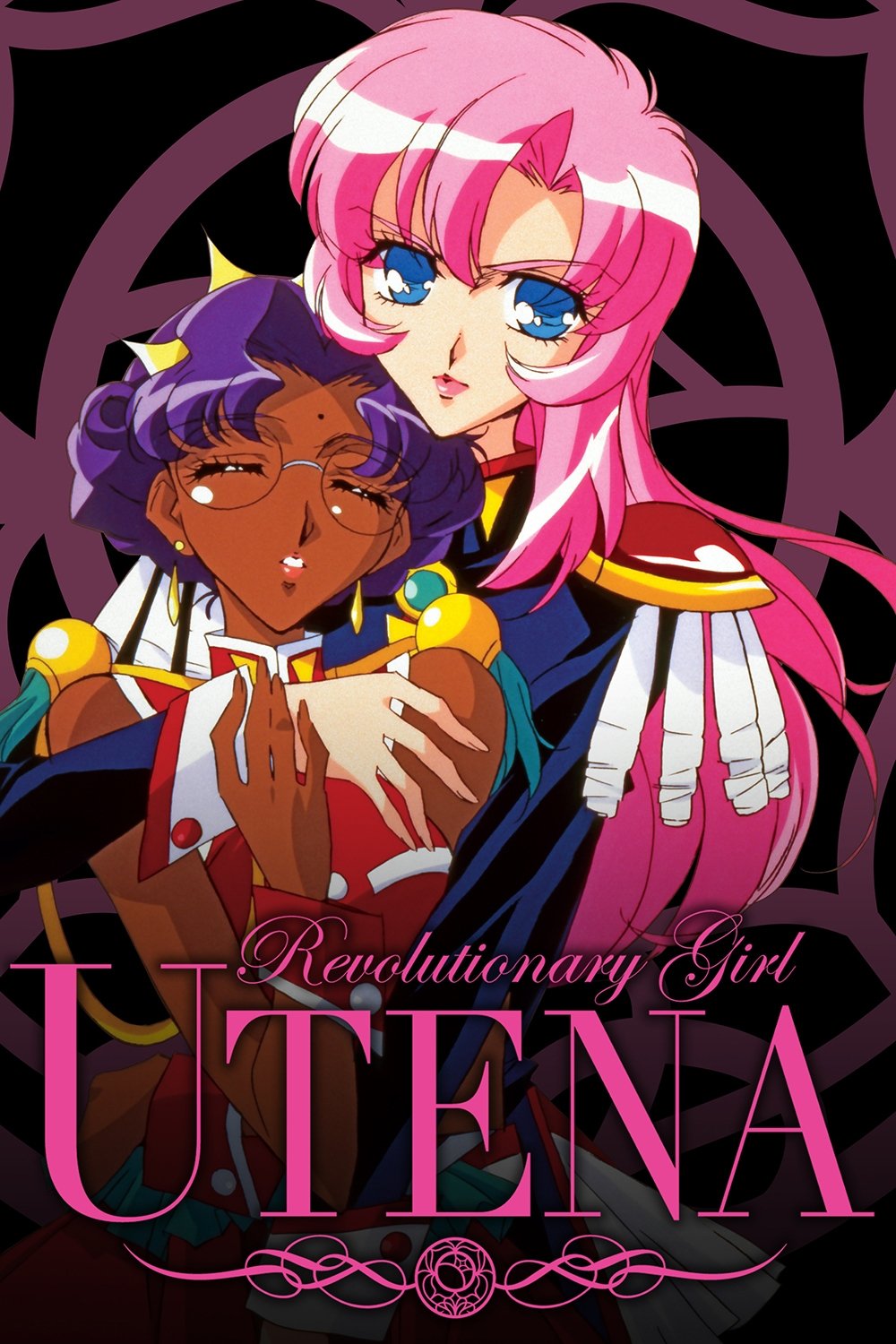
In the English dub of the movie Adolescence of Utena, a climatic kiss between Utena and Anthy was reportedly downplayed in dialogue or context in some releases, though the visual remained. The TV series dub was generally faithful, but marketing often emphasized the action over the deconstructive romance between the two women. The queer themes are central to Utena, making them difficult to excise completely, but distributors often framed the series as a standard magical girl friendship story in promotional materials.
‘Robotech’ (1985)

Adapted from Genesis Climber MOSPEADA, the character Yellow Dancer (Lancer) is a male soldier who disguises himself as a female pop singer. The Robotech dub kept the cross-dressing element as a necessary spy disguise but framed it strictly as a tactical necessity rather than a gender expression. The dialogue often emphasized his masculinity when out of disguise to reassure viewers of his straight male identity. While not fully erased, the nuance of his comfort in the female persona was often glossed over to maintain a “heroic” male archetype.
‘Ranma ½’ (1989–1992)
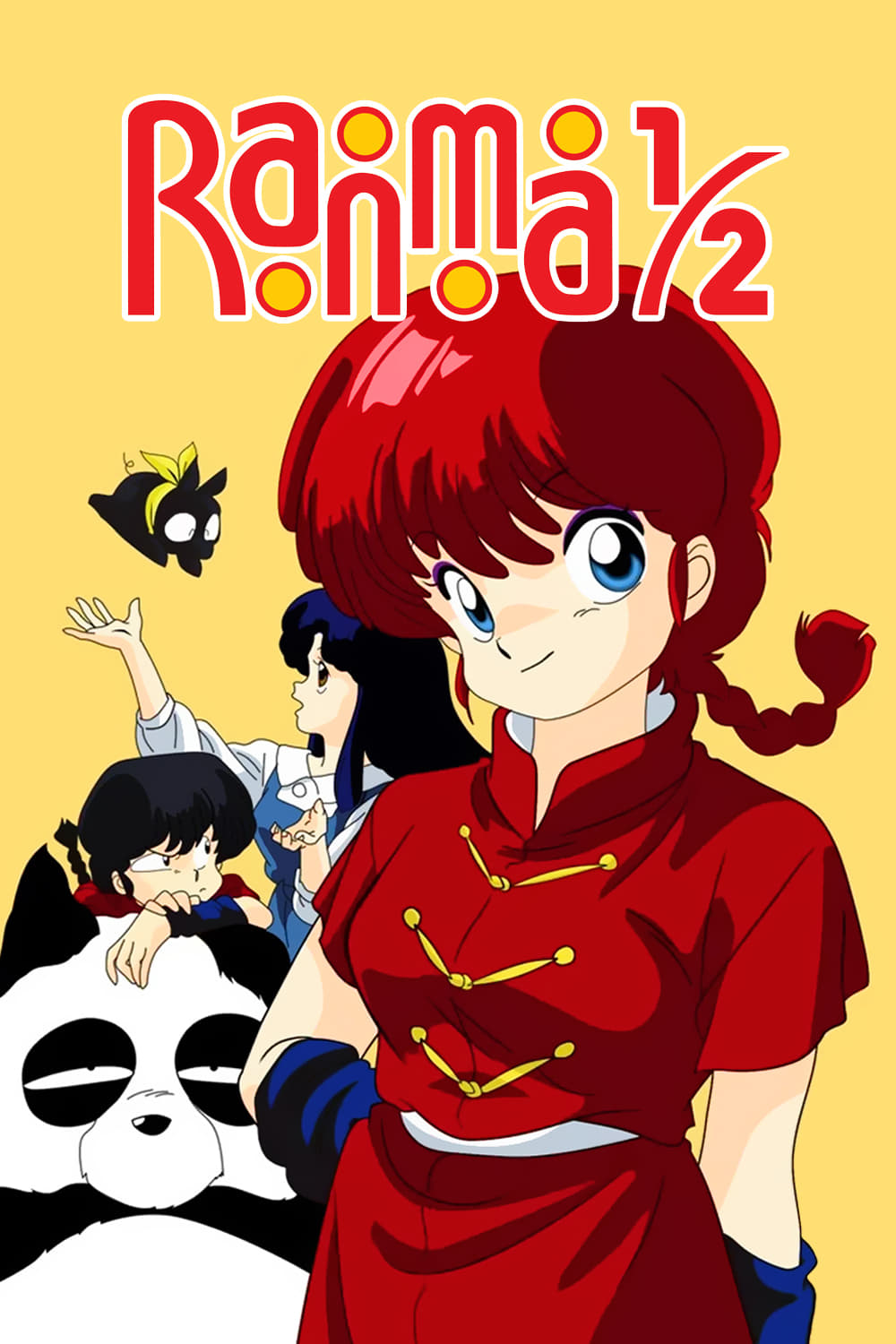
The character Tsubasa Kurenai is a recurring cross-dressing male character who has a crush on Ukyo Kuonji. While the Viz English dub is largely faithful, various international dubs (such as the Spanish version) changed Tsubasa into a cisgender girl to make the crush on Ukyo heterosexual. In the US, broadcast restrictions often required edits to Tsubasa’s scenes to minimize the “confusion” of a boy dating a girl while dressing as a girl. The visual of Tsubasa destroying a mailbox or hiding in disguise was often kept, but the gender identity dialogue was tricky for localizers.
‘Shin Chan’ (1992–Present)
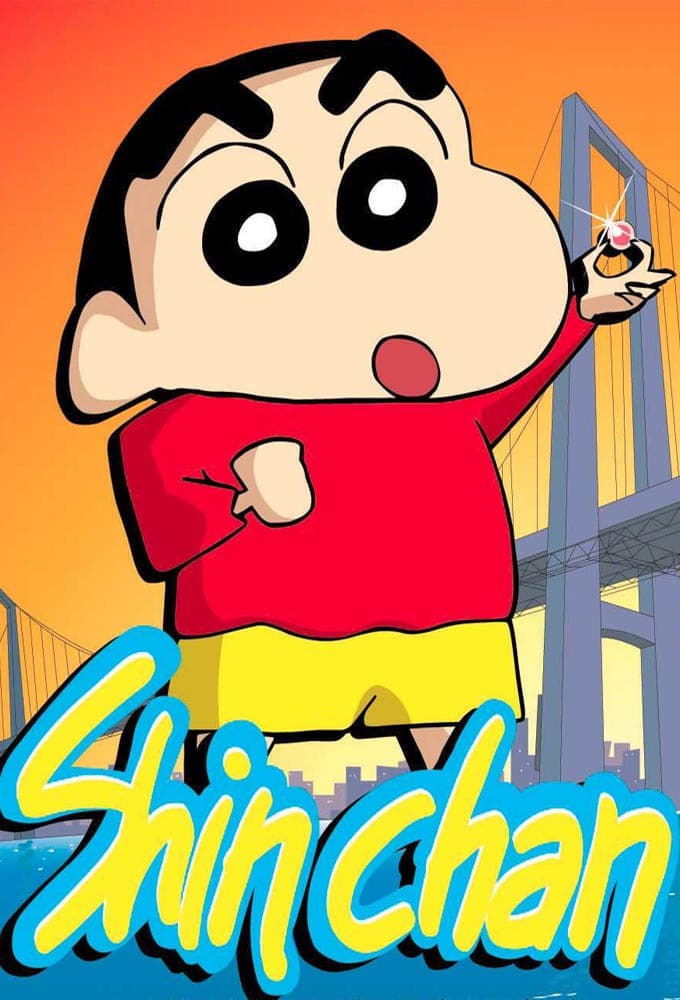
The Funimation dub of Shin Chan famously added edgy, adult humor, including gay jokes, but the earlier Vitello dub attempted to make the show kid-friendly. This earlier dub removed the character of the trans woman (or cross-dressing) landlady/neighbor, or altered her depiction to remove the gender variance. The original Japanese series frequently uses non-conforming gender expression for comedy, which the “family-friendly” dubs excised to avoid explaining the concept to children. The result was a sanitized version of a show originally intended to be raunchy.
‘Yu-Gi-Oh! Duel Monsters’ (2000–2004)
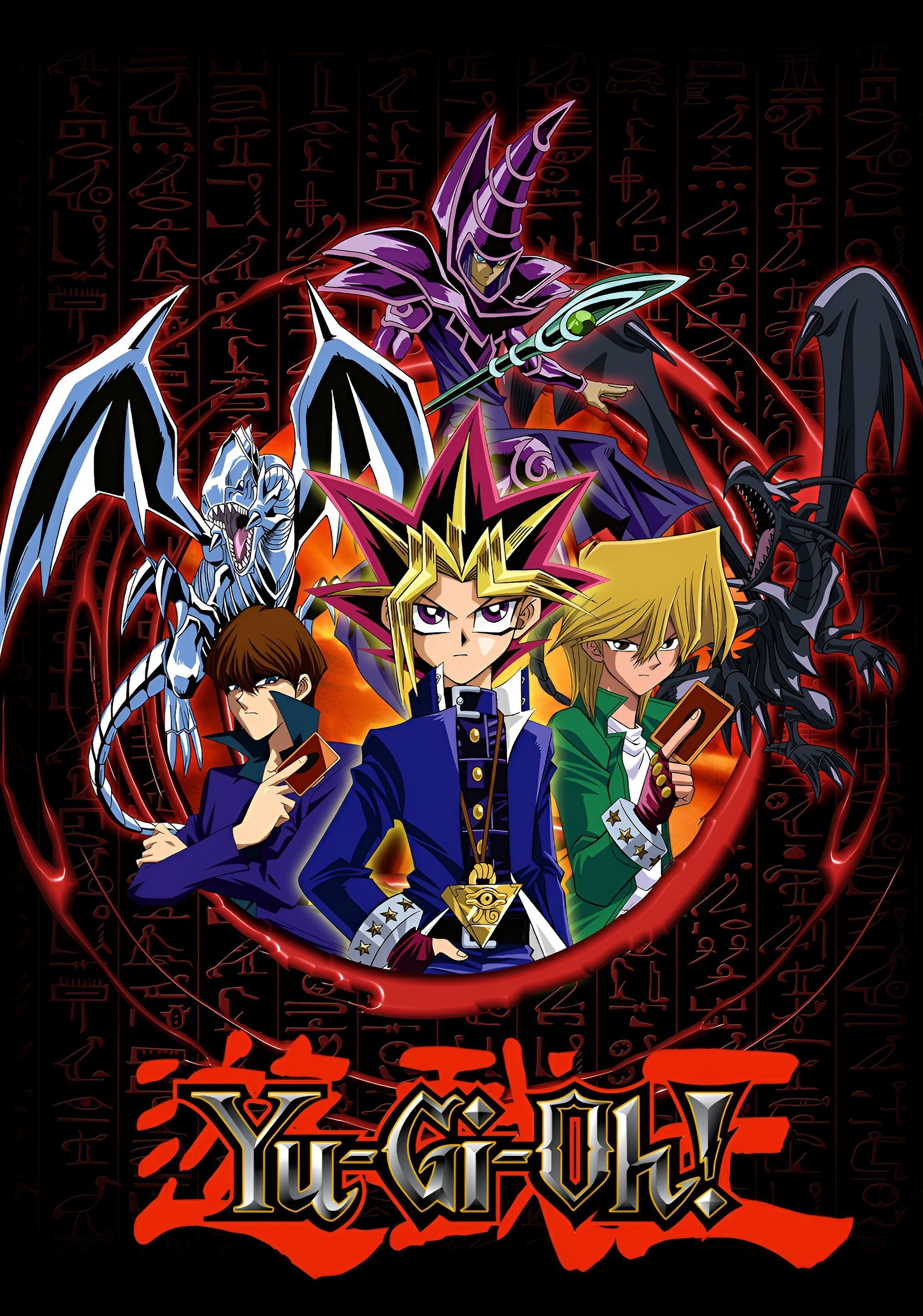
While not an explicit romance, the relationship between Bakura Ryou and his dark alter ego Yami Bakura, as well as Marik Ishtar, contained visual coding often associated with queer villains in anime. The 4Kids dub removed scenes of violence but also altered dialogue to make the villains sound more generic and less flamboyant. Marik’s obsession with the Pharaoh was reframed from a personal, almost sensual fixation to a generic desire for power and world domination. This flattening of motivation removed the “queer-coded villain” subtext present in the Japanese performance.
‘Project A-Ko’ (1986)

In this parody film, the character B-Ko is infatuated with C-Ko and fights the protagonist A-Ko for her affection. Early English adaptations and marketing often framed B-Ko’s motivation as mere rivalry with A-Ko rather than genuine romantic jealousy. While the film is a comedy and the dubs generally kept the obsession for laughs, the specific romantic nature of B-Ko’s desire was often played down as “bullying” or “competitiveness” in summaries and edited versions. The lesboerotic undertones were treated as a joke rather than a character motivation.
‘Digimon Data Squad’ (2006–2007)
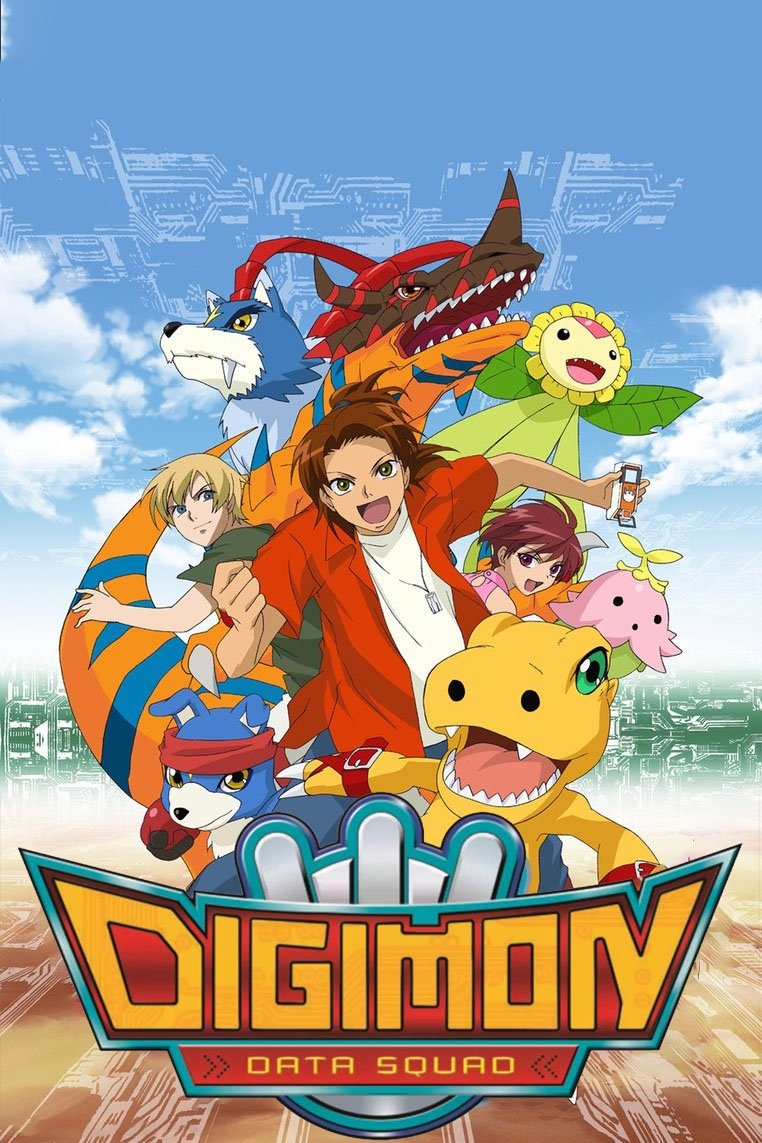
The character LoadKnightmon (a returning Royal Knight species) appears with a distinct personality. While the Frontier dub changed the character to female, Data Squad (Savers) generally treats the Royal Knights as male or gender-neutral entities. However, consistency in dubbing often led to confusion regarding the gender of feminine-coded Digimon like Renamon or LoadKnightmon. In various Digimon dubs, affectionate physical contact between male human characters and male-coded Digimon was often trimmed or dialogue was inserted to fill silences, preventing any “awkward” pauses that could be interpreted as romantic tension.
Would you like to know more about the specific production companies behind these changes? Share your thoughts in the comments.