

Anime Dubs That Changed Gay Scenes to “Keep It Family-Friendly”

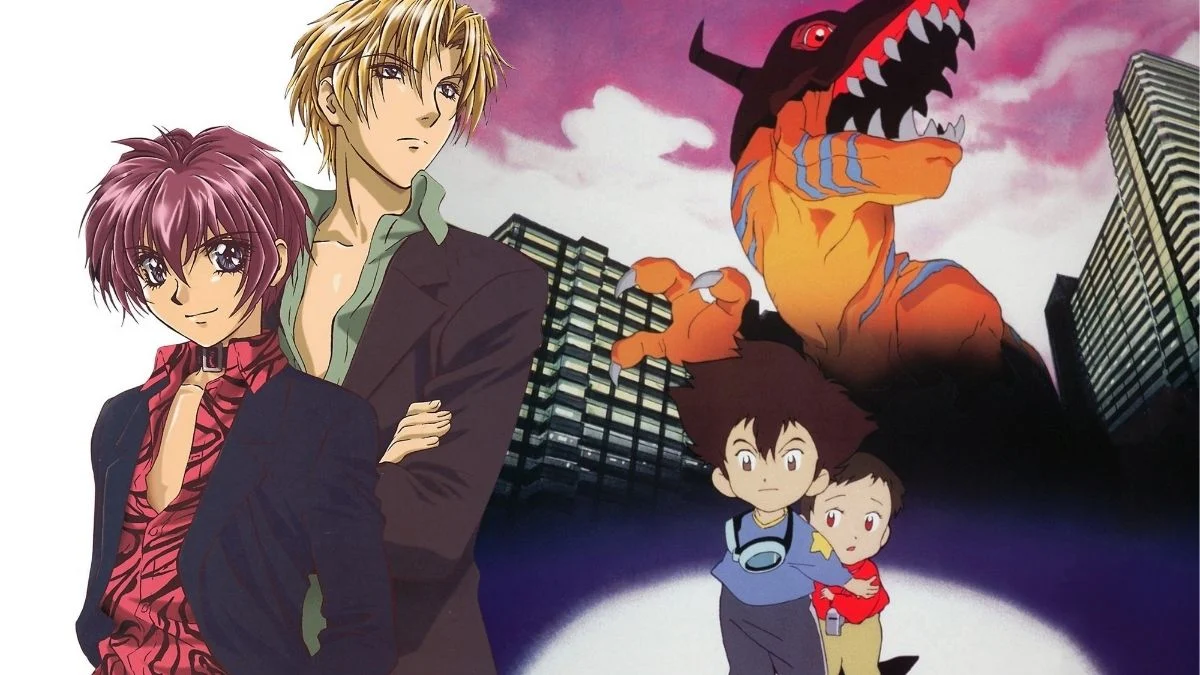


The history of anime localization in the West is filled with instances where romantic subplots and gender identities were significantly altered. During the transition from Japanese broadcasts to international television networks many distributors felt that LGBTQ+ content was not suitable for younger audiences. These changes often involved rewriting scripts to turn romantic partners into siblings or removing mentions of same-sex attraction entirely. While modern dubs tend to prioritize accuracy the legacy of these family-friendly edits continues to influence how older series are remembered by global fans. These modifications reflect the shifting cultural standards of the time and the challenges of adapting diverse content for different markets.
‘Sailor Moon’ (1992–1997)
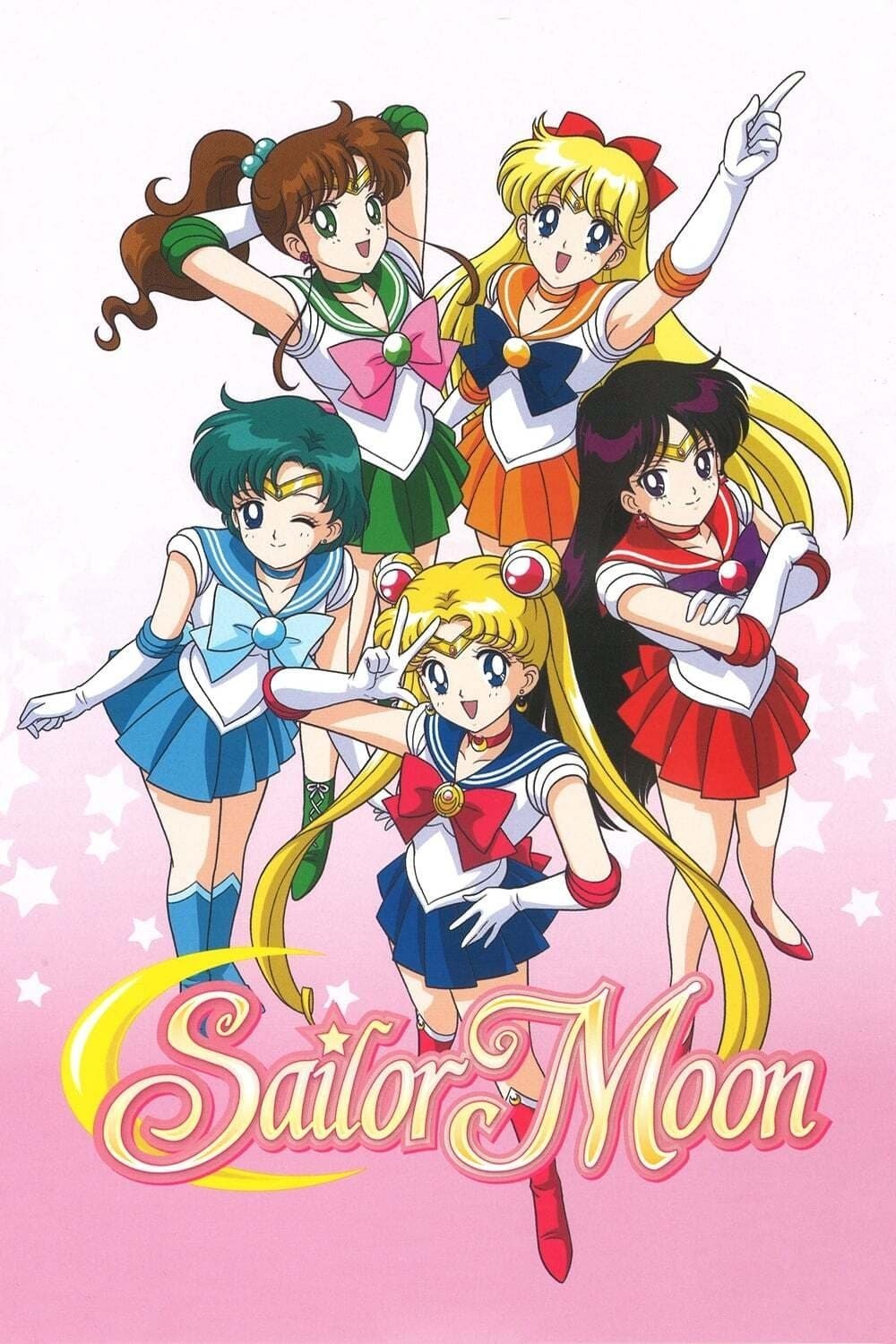
The original English dub by DIC and Cloverway significantly altered the relationship between Sailor Neptune and Sailor Uranus. Instead of being a romantic couple they were rewritten as cousins to satisfy North American broadcasting standards. This change resulted in awkward dialogue because the original animation still depicted them as deeply intimate. Many fans noticed the inconsistency between their physical closeness and their newly assigned familial bond. The dub effectively erased one of the most prominent lesbian relationships in early television history.
‘Cardcaptor Sakura’ (1998–2000)
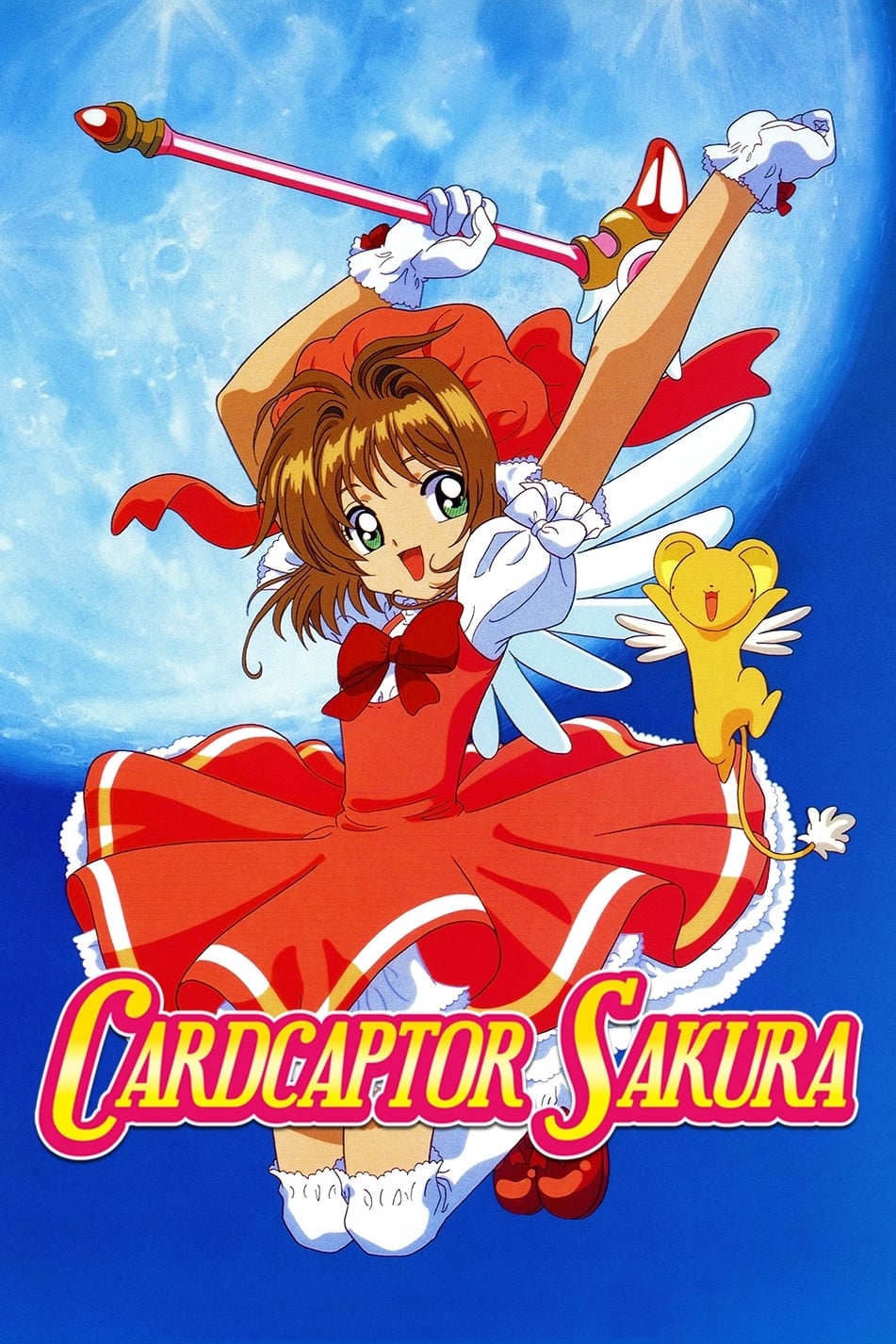
The North American adaptation of ‘Cardcaptor Sakura’ was retitled to ‘Cardcaptors’ and underwent significant editing. Many romantic subplots including the crush that Tomoyo Daidouji had on the protagonist were removed. Touya Kinomoto and Yukito Tsukishiro also had their romantic connection downplayed into a platonic friendship. The editors focused on the action elements to appeal to a male demographic in the United States. These cuts effectively erased several foundational themes present in the source material.
‘Neon Genesis Evangelion’ (1995–1996)
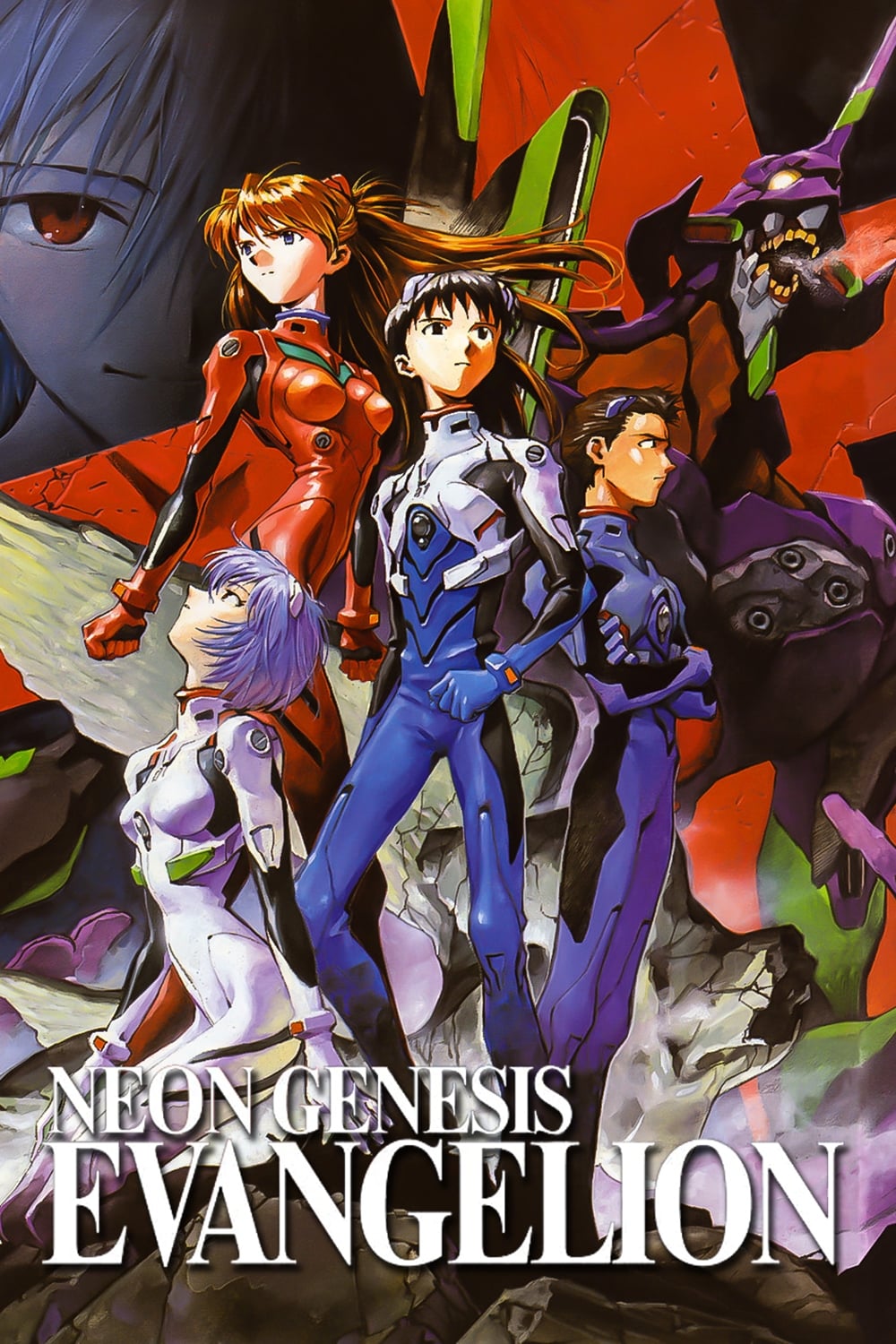
The Netflix redub of ‘Neon Genesis Evangelion’ caused controversy by changing a specific line of dialogue between Kaworu Nagisa and Shinji Ikari. In the original English translation the word love was used to describe Kaworu’s feelings for Shinji. The newer version replaced this with the word like to suggest a more platonic sentiment. This change sparked a debate among viewers regarding the accuracy of translation versus the preservation of queer subtext. It remains a significant point of discussion regarding how modern dubs handle historical content.
‘One Piece’ (1999–Present)
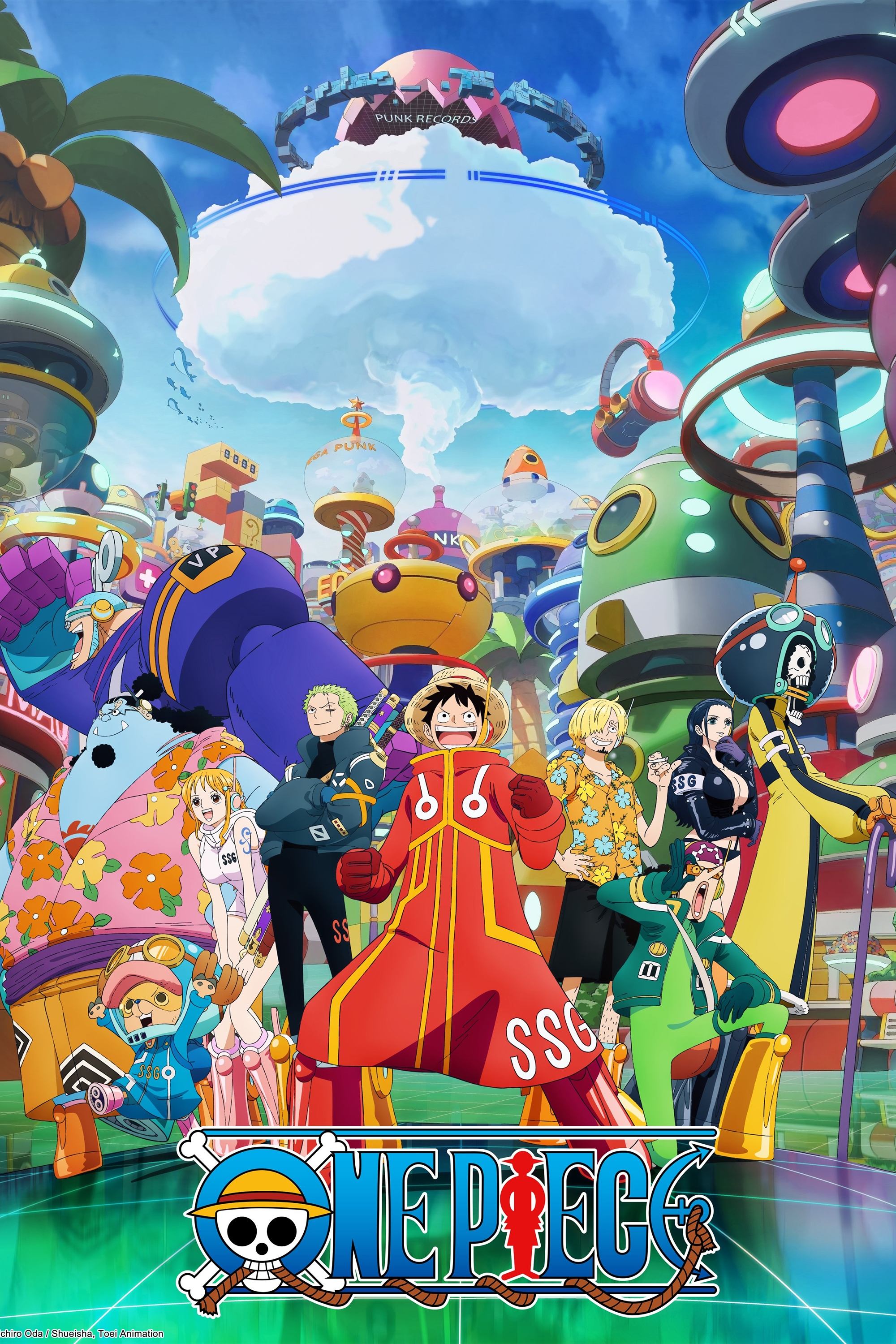
The 4Kids Entertainment version of ‘One Piece’ removed many elements deemed inappropriate for children. This included the character Bon Kurei who was a genderqueer character with a prominent role in the story. His flamboyant nature and references to his dual gender identity were minimized or scrubbed from the script. The dubbing team wanted to avoid topics of sexual orientation and gender nonconformity altogether. This choice altered the depth of the character and his impact on the crew.
‘Yu Yu Hakusho’ (1992–1994)
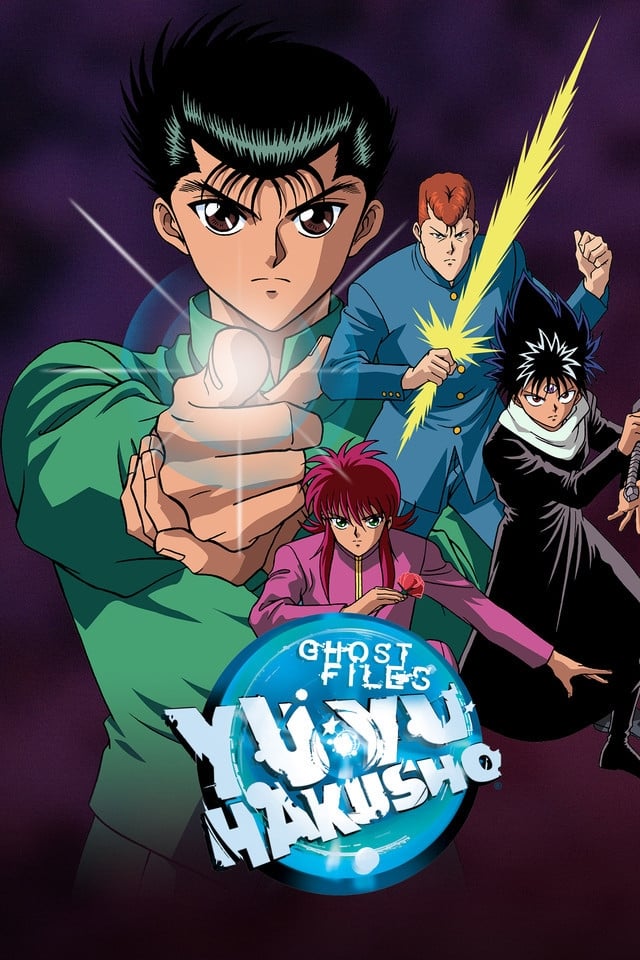
The relationship between the antagonists Itsuki and Shinobu Sensui was heavily modified in the localized version of ‘Yu Yu Hakusho’. Itsuki expresses a deep romantic devotion to Sensui in the original Japanese script. The English dub portrayed their bond as a strictly professional or brotherly partnership to avoid mature themes. This alteration softened the psychological complexity of their shared history and motivations. Many viewers felt this change weakened the impact of the final confrontation.
‘Digimon Adventure’ (1999–2000)
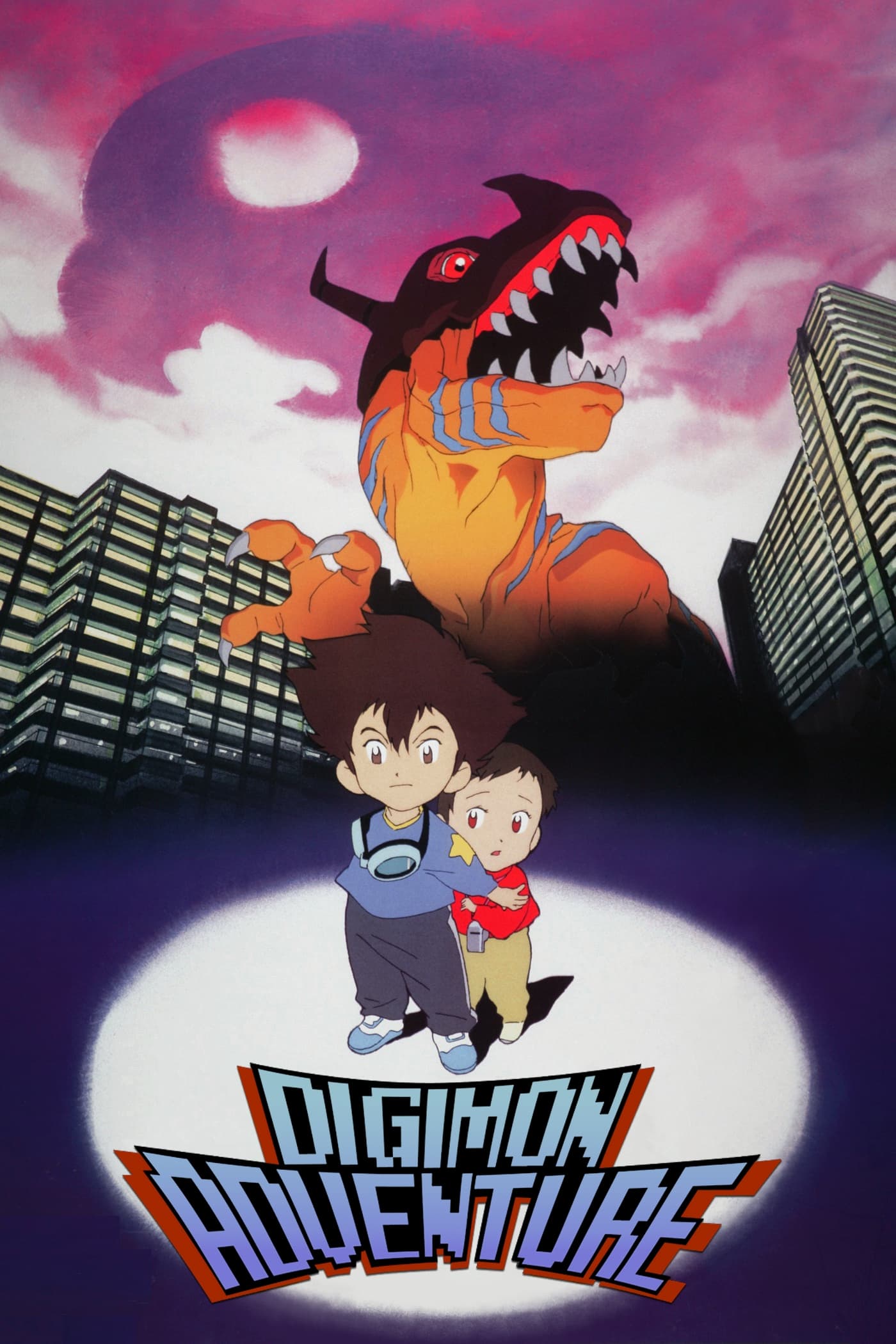
The relationship between certain characters in ‘Digimon Adventure’ was softened during its transition to Western television. This included subtle hints of same-sex attraction that were rewritten as simple friendship. The localization team at Saban aimed to keep the show focused on the adventure and the bond between the children. These changes were part of a broader effort to make the series fit the mold of other Saturday morning cartoons. Consequently many of the original character nuances were lost in translation.
‘Zatch Bell!’ (2003–2006)
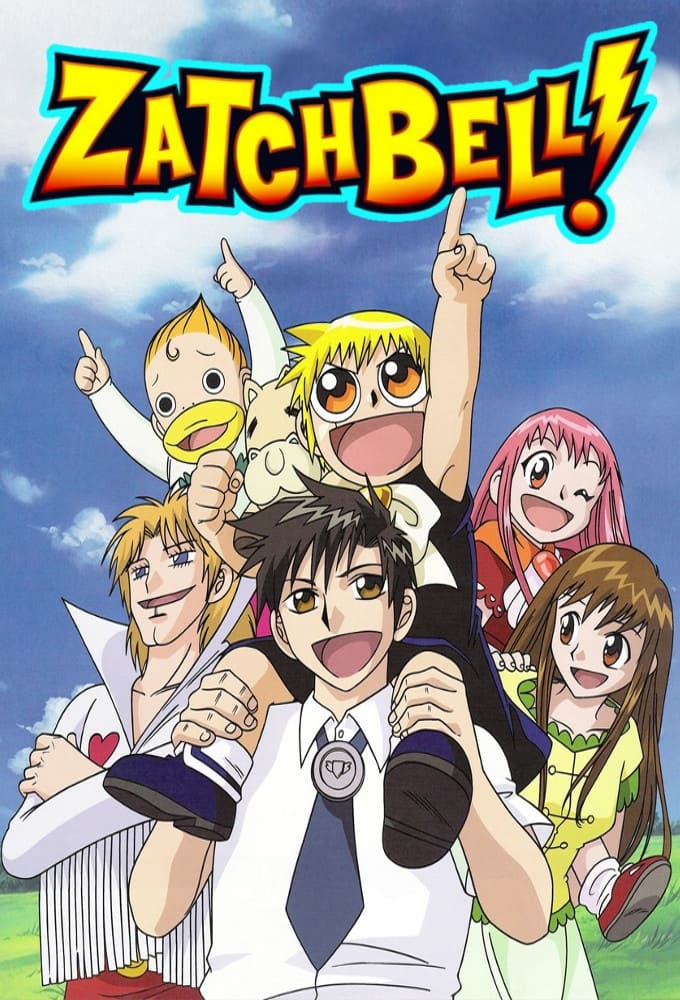
In the localized version of ‘Zatch Bell!’ the character Kanchome and his creator underwent script changes to remove suggestive themes. The original Japanese dialogue included jokes and references that implied a more mature dynamic between certain male characters. The English dubbing team removed these references to ensure the show remained appropriate for a younger audience. This editing process focused on maintaining a purely comedic tone without the original adult subtext. These changes were typical of Viz Media’s approach to children’s programming at the time.
‘Saint Seiya’ (1986–1989)
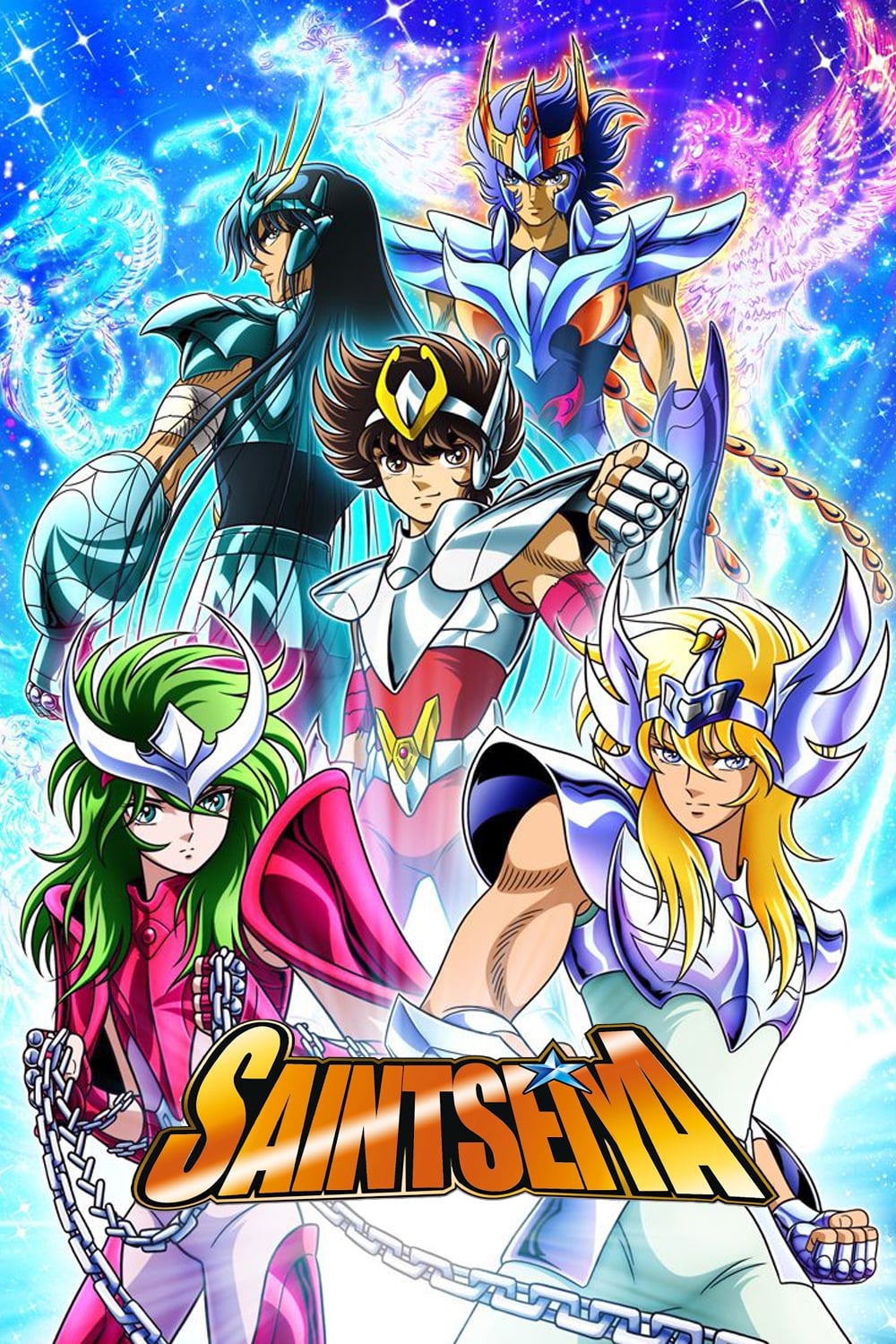
The DiC Entertainment dub of ‘Saint Seiya’ titled ‘Knights of the Zodiac’ significantly edited the personality of Andromeda Shun. In the original series Shun is a sensitive male warrior who often displays traits that challenge traditional masculinity. The English dub added dialogue to make him appear more aggressive and less emotionally expressive. These changes were intended to fit the expectations of a Western audience looking for a standard action hero. This modification suppressed the original character’s unique blend of strength and vulnerability.
‘Tokyo Mew Mew’ (2002–2003)
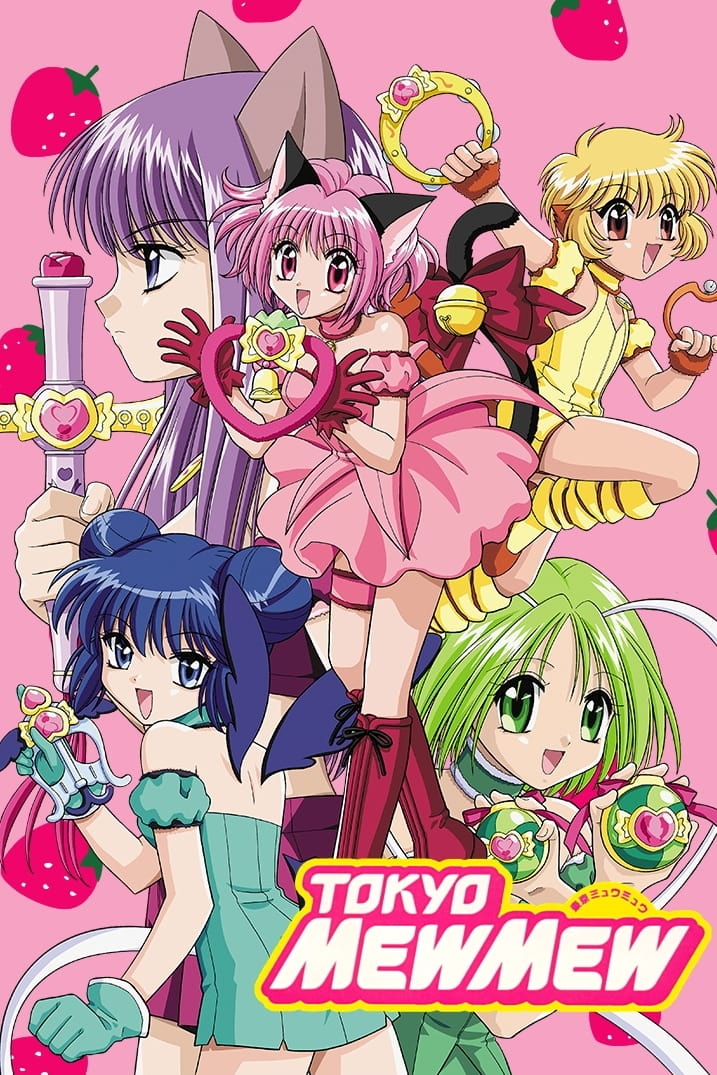
The English adaptation of ‘Tokyo Mew Mew’ known as ‘Mew Mew Power’ removed many of the original romantic subplots. This included scenes where characters displayed same-sex attraction or gender-nonconforming behavior. The localization team edited the footage and rewritten the script to focus on a more simplified narrative of good versus evil. These changes were part of a strategy to make the show fit into a specific broadcast block for young girls. Many fans felt these edits stripped the series of its original charm and complexity.
‘Dragon Ball’ (1986–1989)
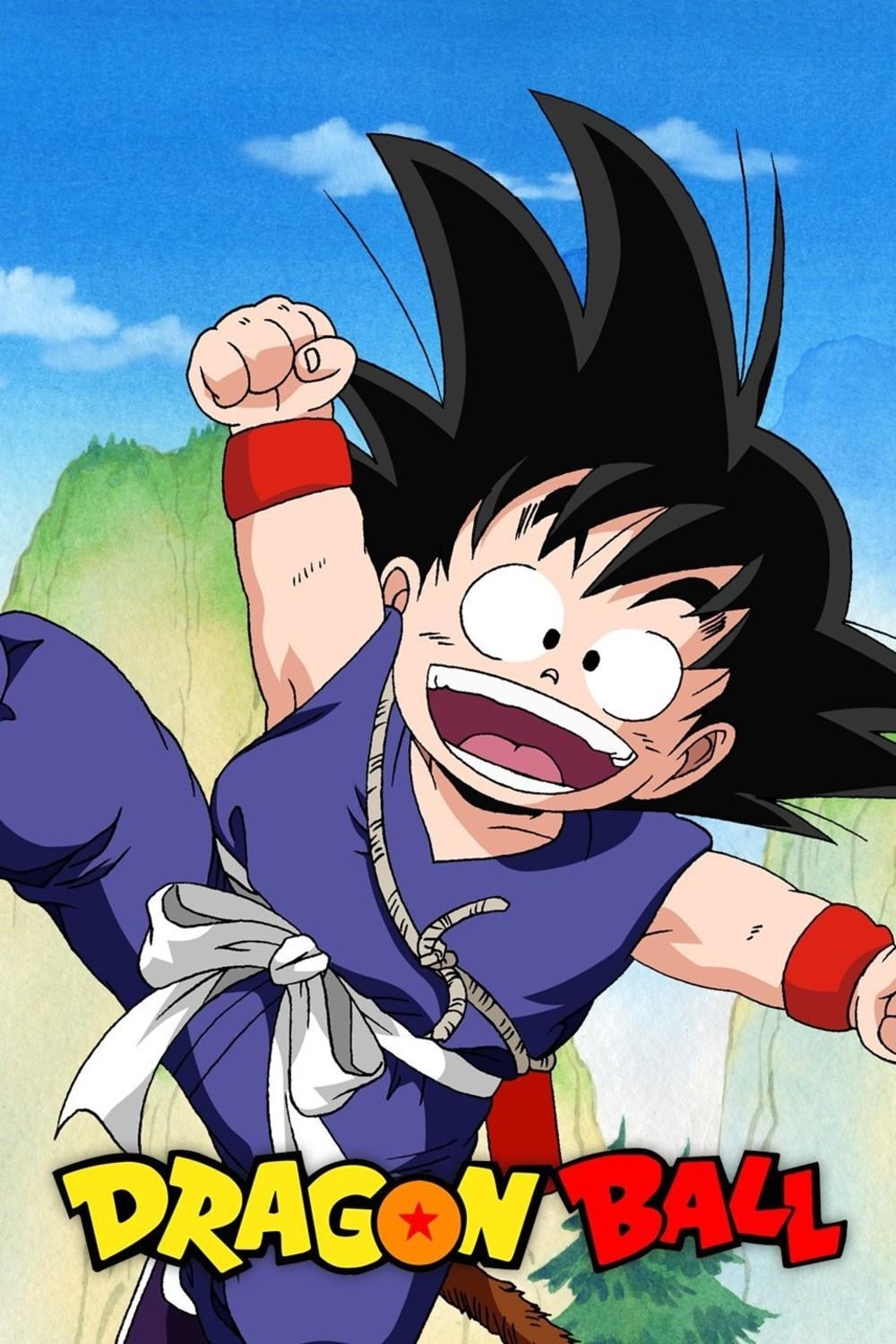
The character General Blue in ‘Dragon Ball’ was originally depicted as a gay man with a distinct personality. In various international dubs his attraction to other men was either mocked or completely removed through script changes. Some localizations attempted to frame his behavior as simple vanity rather than sexual orientation. This change was meant to satisfy censorship boards that viewed any mention of homosexuality as adult content. Consequently the character lost much of his original subtext and motivation.
‘Pokémon’ (1997–Present)

The character James from Team Rocket frequently challenged gender norms in the original version of ‘Pokemon’. Several episodes involving his cross-dressing or flamboyant behavior were edited or banned in the English dub. These changes were made to adhere to strict guidelines regarding gender expression in children’s programming. The localization team often rewrote his lines to remove any suggestion of non-traditional interests. These edits shaped how Western audiences perceived his character for many years.
‘Robotech’ (1985)

In the series ‘Robotech’ which was adapted from ‘Genesis Climber MOSPEADA’ the character Lancer or Yellow Dancer was modified. This character was a male soldier who used a female pop star persona as a disguise. The English dubbing process downplayed the gender-bending aspects of his character to keep the story within traditional boundaries. While the disguise remained the dialogue was adjusted to emphasize the strategic necessity rather than any personal expression. This shift reflected the conservative nature of television syndication in the eighties.
‘Princess Knight’ (1967–1968)

The early English localization of ‘Princess Knight’ struggled with the character Sapphire who possessed both a male and female soul. The dubbing team often simplified this concept by presenting her as a girl who was merely pretending to be a boy for political reasons. The original exploration of gender fluidity and internal conflict was largely minimized in the translated script. This was a common approach for children’s media during that era which favored clear and traditional gender roles. These edits changed the core message of the story for international viewers.
‘Ghost Stories’ (2000–2001)
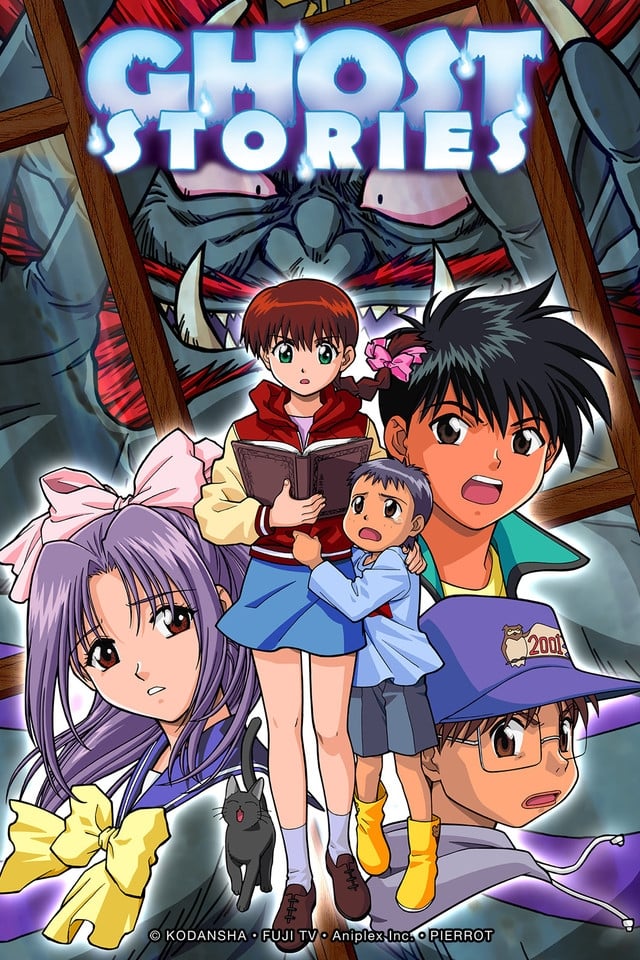
The English dub of ‘Ghost Stories’ is famous for completely rewriting the original script into a comedy. This process involved changing the backgrounds and motivations of several characters including many LGBTQ+ references. While the original was a straightforward horror series the dub added many jokes about sexual orientation that were not present. These additions were intended to make the show appealing to an older audience despite its children’s animation style. The result was a radical departure from the source material and its character dynamics.
‘Magic Knight Rayearth’ (1994–1995)
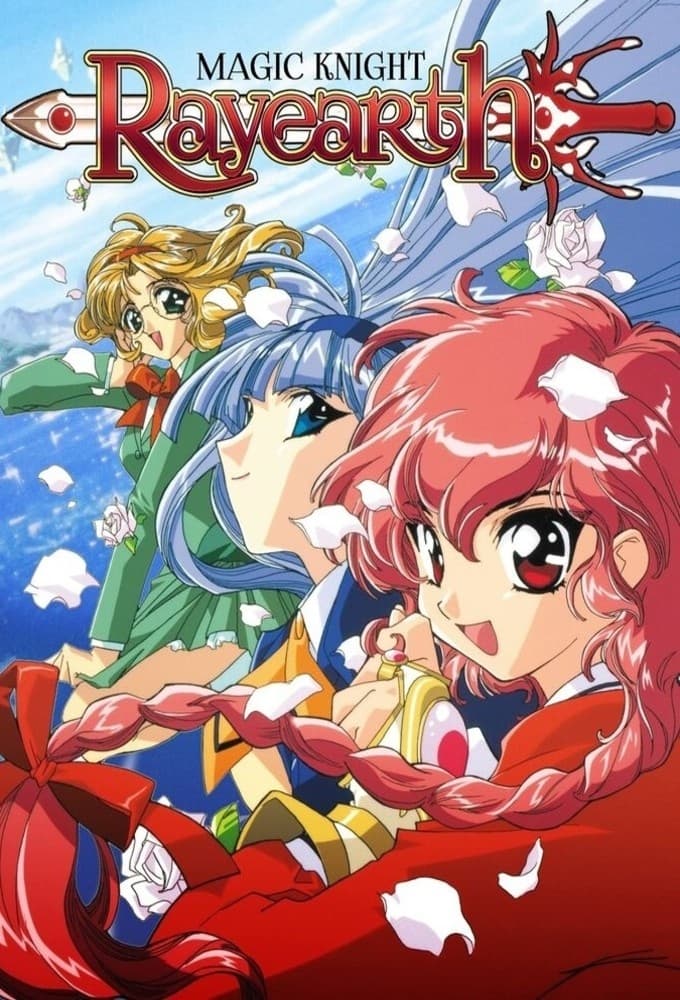
The relationship between the characters Zazu and Eagle Vision was altered in various international dubs of ‘Magic Knight Rayearth’. In the original Japanese version there were clear romantic undertones between these two male characters. The localized scripts often reframed their bond as one of deep loyalty or professional respect. These edits were implemented to avoid showcasing same-sex attraction in a show marketed to young girls. This change affected the emotional resonance of the story’s final chapters.
‘Descendants of Darkness’ (2000)
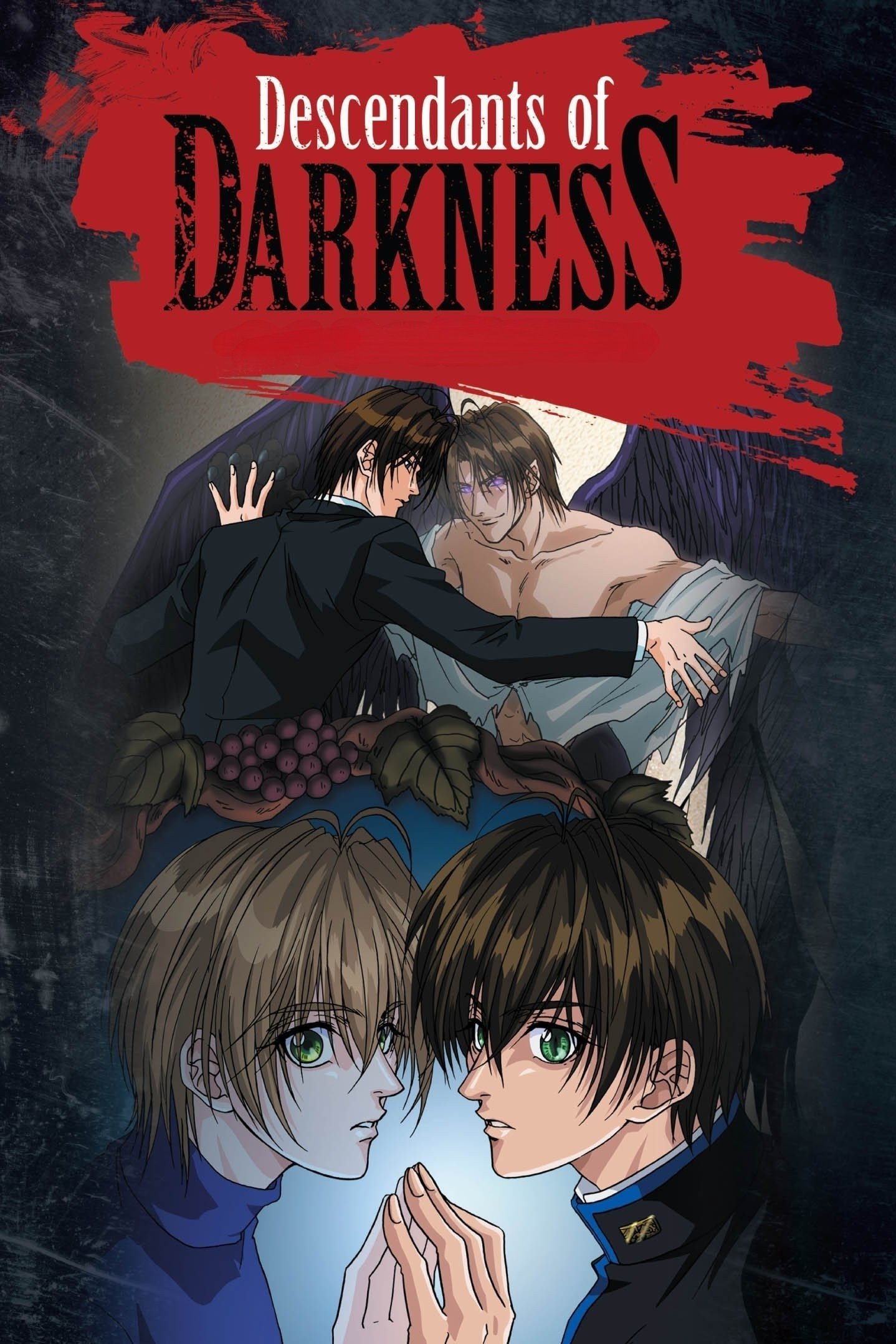
The English localization of ‘Descendants of Darkness’ by Central Park Media underwent script adjustments to tone down its homoerotic subtext. While the series is a supernatural thriller it contains significant romantic tension between its male leads. The dubbing process often used more platonic language to describe their relationships and motivations. This was done to ensure the series could be sold to a wider demographic in the North American market. These modifications were common for titles with beautiful male characters during the early two thousands.
‘Loveless’ (2005)
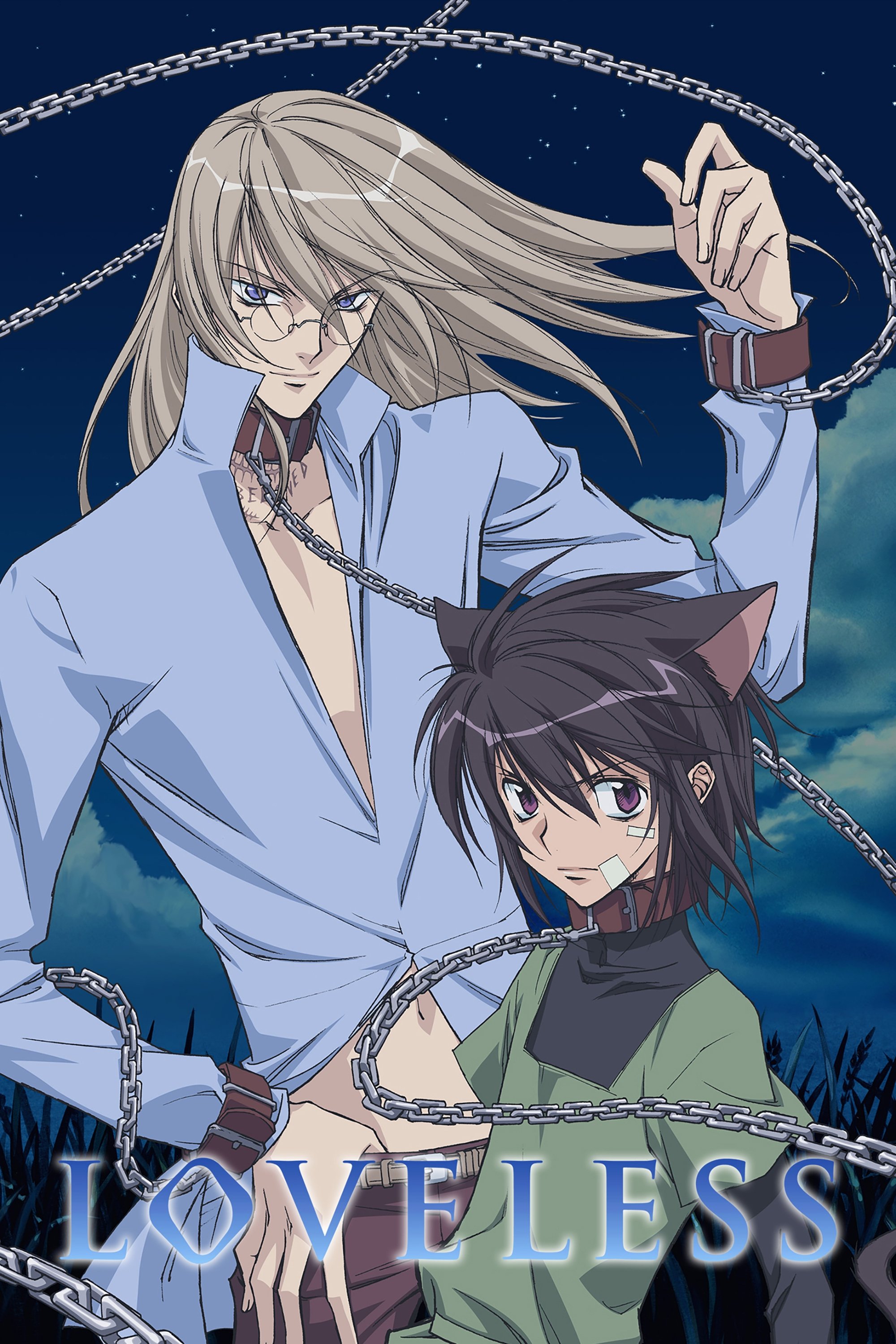
The series ‘Loveless’ deals with complex themes of devotion and identity that were simplified in some international releases. While the show is naturally centered on bonds between male characters the localized scripts often used safer terminology. These edits were meant to frame the show as a standard supernatural drama rather than one with queer themes. The localization teams aimed to avoid any potential pushback from broadcast regulators or parents. This resulted in a version of the series that lacked some of its original emotional intensity.
‘Vampire Knight’ (2008)
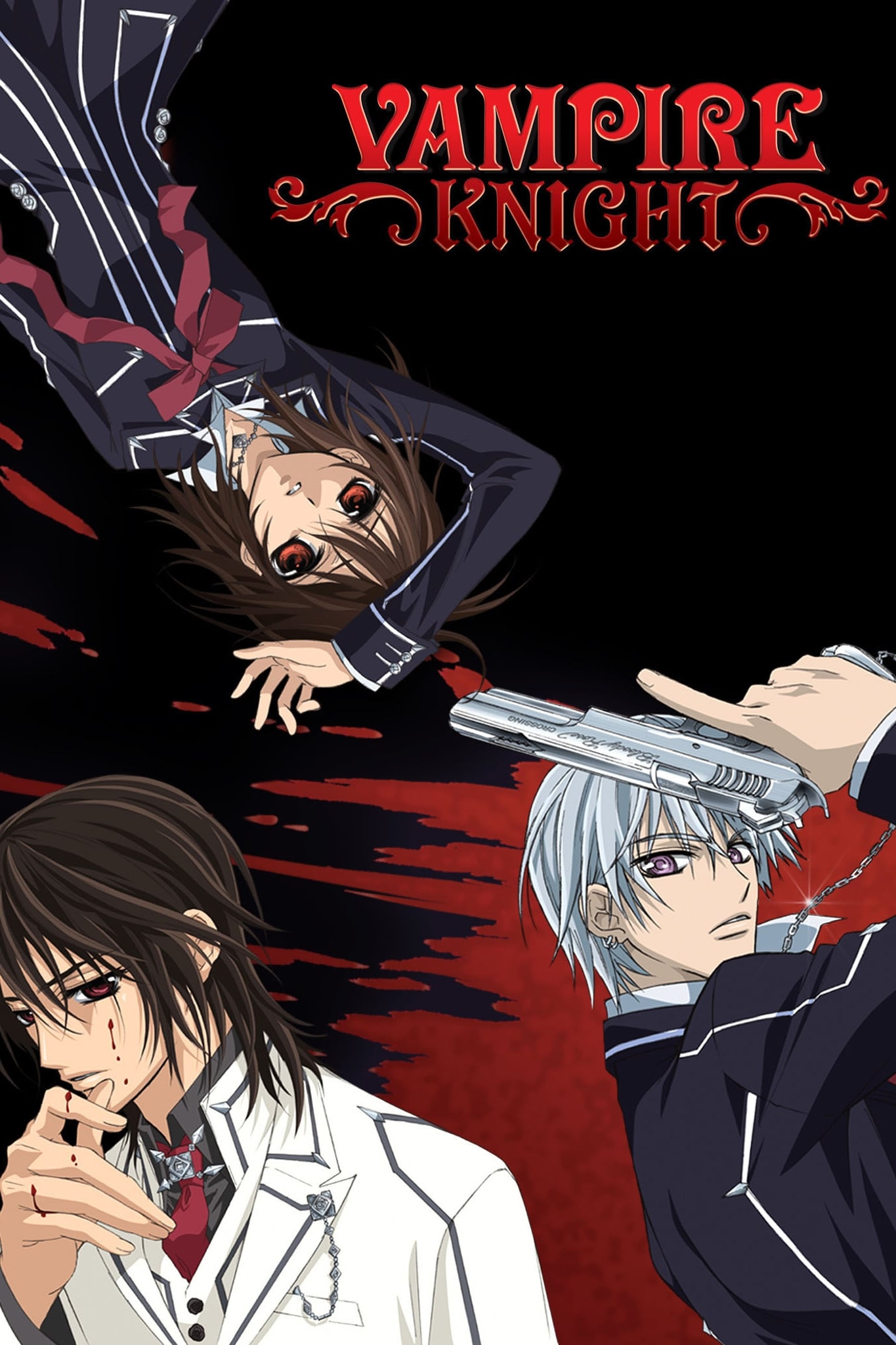
In the dub of ‘Vampire Knight’ certain interactions between the male vampires were adjusted to appear less intimate. The original Japanese script featured dialogue that suggested deep and sometimes romantic connections between male characters. The English version often replaced these lines with more aggressive or competitive dialogue. These changes were intended to maintain a more traditional gothic romance aesthetic for the female protagonist. This alteration changed the way the secondary male characters were perceived by the audience.
‘Black Butler’ (2008–2010)
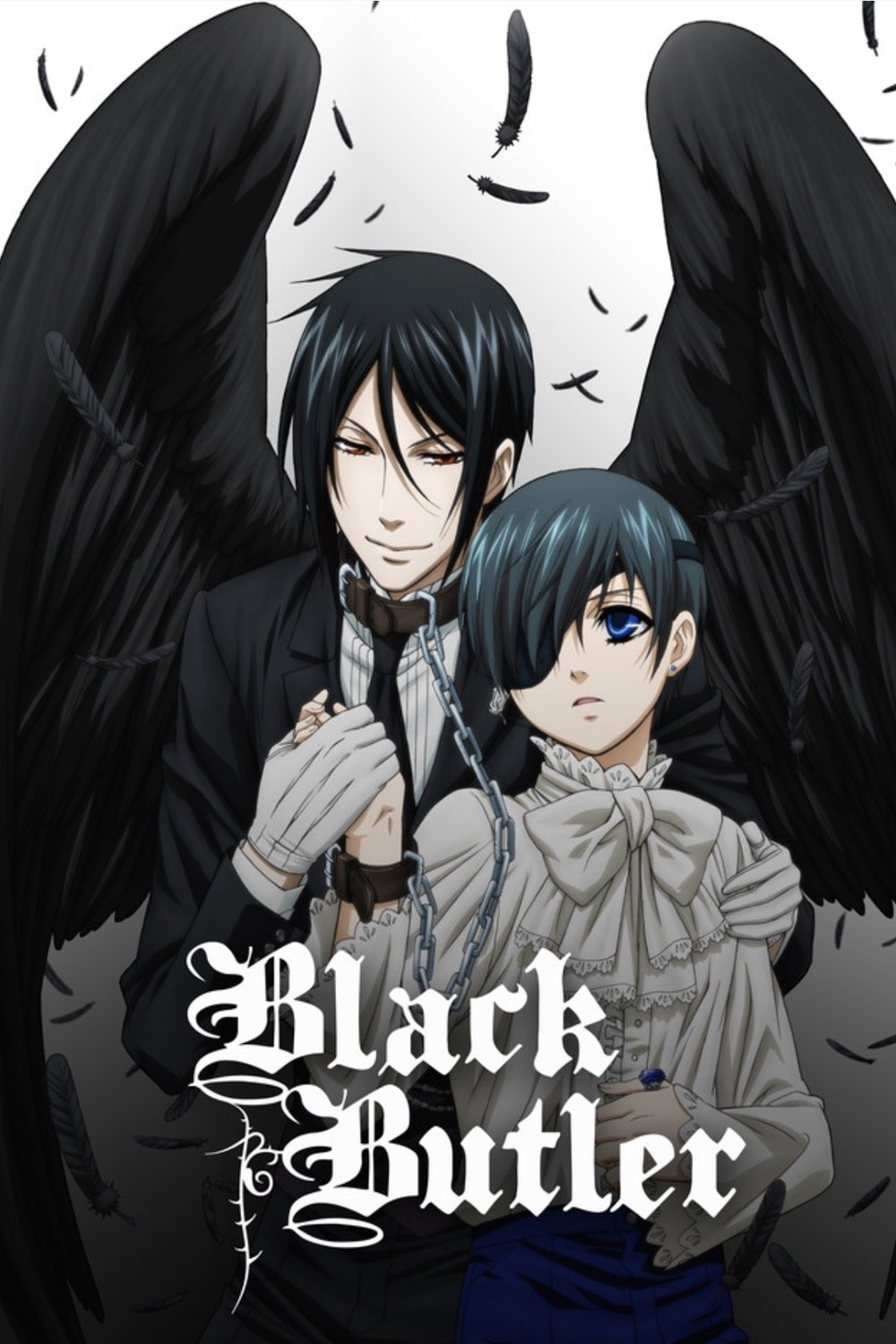
The character Grell Sutcliff in ‘Black Butler’ is known for her flamboyant personality and her attraction to the lead character Sebastian. In some early localizations the dialogue was adjusted to treat her identity as a joke or a delusion. The English dubbing process often struggled with how to represent a character who openly expressed interest in other men. While later versions became more accurate the initial edits were designed to keep the show within established norms for mainstream media. These choices influenced the characterization of one of the show’s most popular figures.
‘Patalliro!’ (1982–1983)
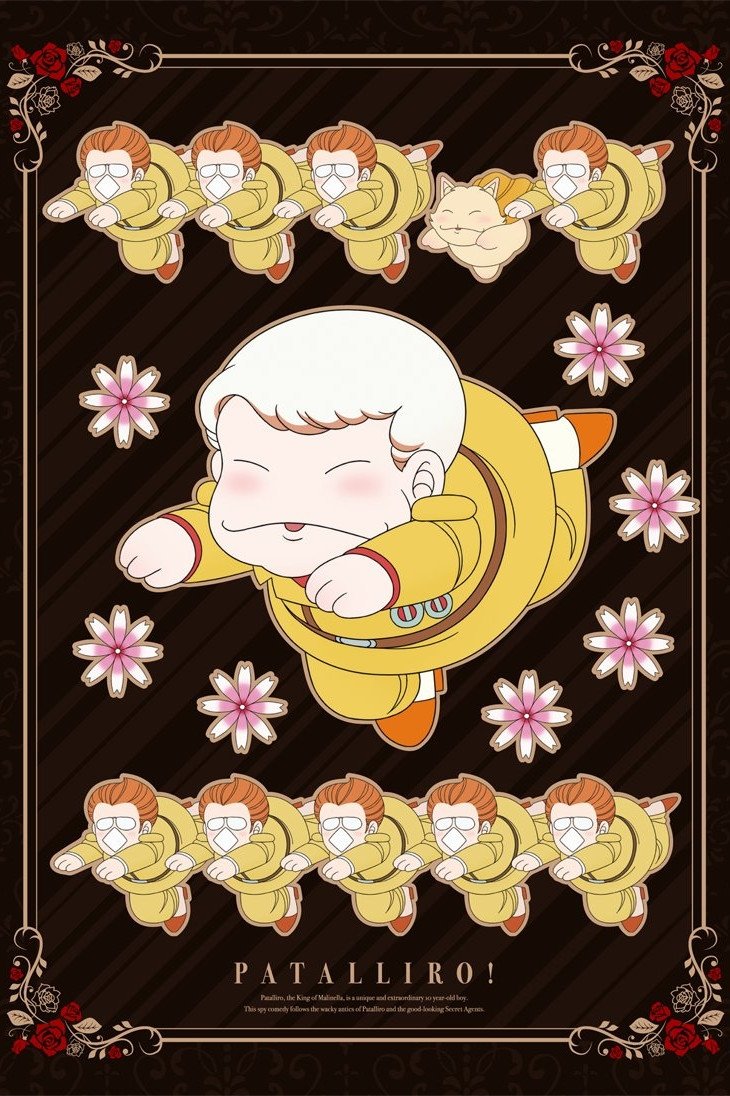
The classic series ‘Patalliro!’ was one of the first to feature openly gay characters in a comedic setting. When the show was considered for various international markets the gay themes were often seen as a barrier. Localized versions or proposals frequently suggested rewriting the characters to remove their sexual orientation. This was typical of the era when such themes were considered strictly adult content regardless of the show’s tone. As a result the series remained largely unchanged only in its original cultural context.
‘Stop!! Hibari-kun!’ (1983–1984)
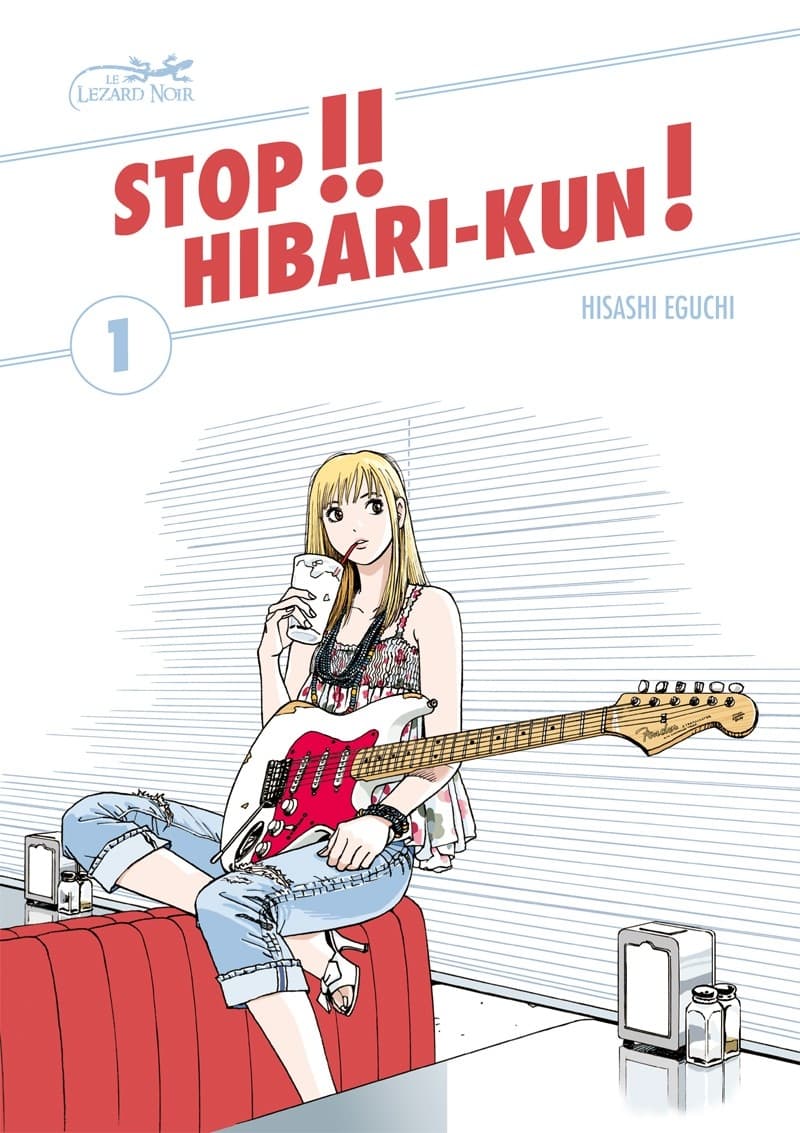
The series ‘Stop!! Hibari-kun!’ focuses on a transgender protagonist which was a revolutionary concept at the time. Any attempts to localize the series in the eighties involved significant script changes to frame the character’s identity as a gag. The localization teams wanted to avoid the reality of the character’s gender identity to keep the show family-friendly. These changes would have fundamentally altered the message of the series regarding acceptance and identity. This is why the show saw limited release in many conservative international markets.
‘Revolutionary Girl Utena’ (1997)
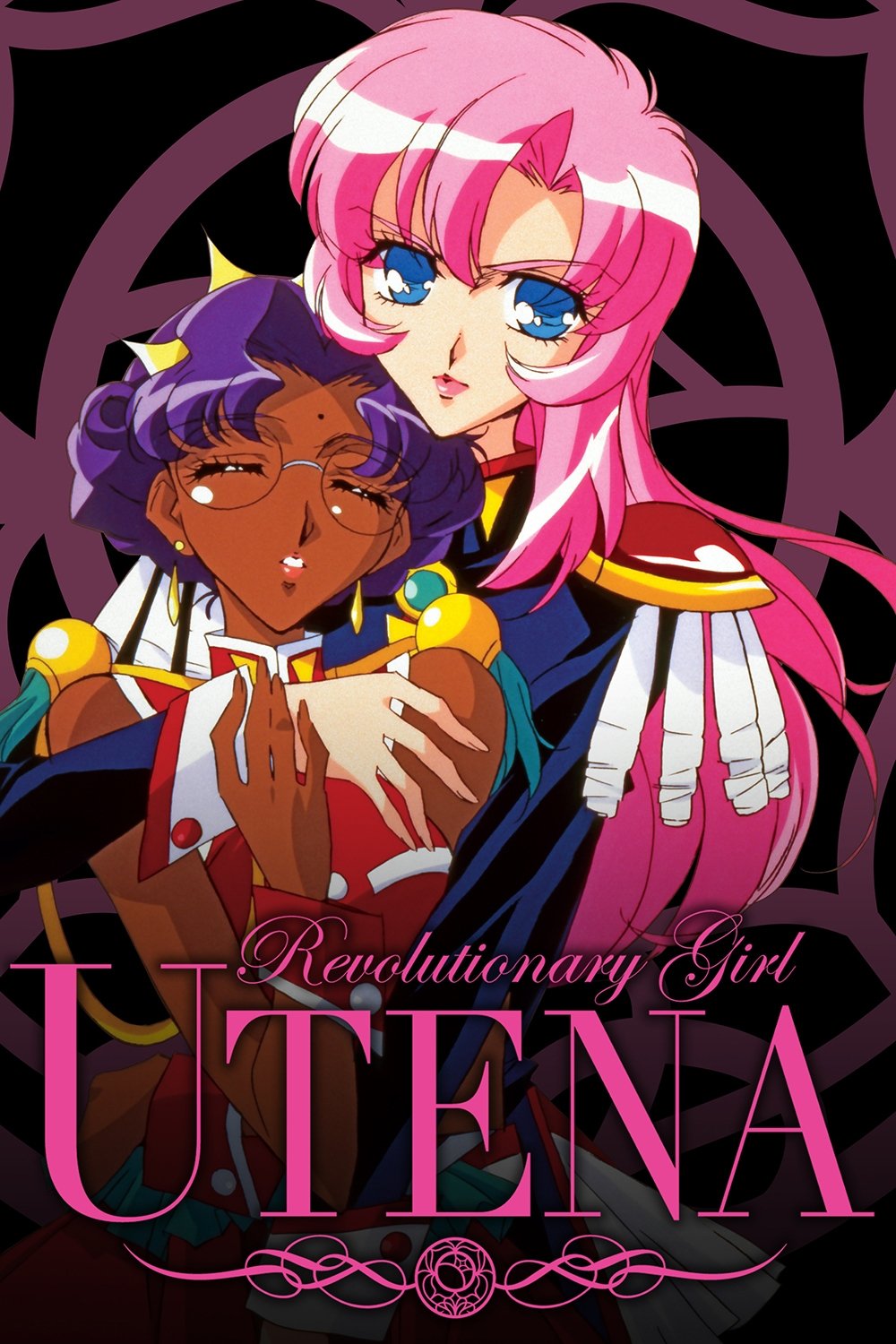
The iconic series ‘Revolutionary Girl Utena’ features numerous LGBTQ+ relationships that were subject to editing in early international broadcasts. Some dubs attempted to rewrite the romantic bond between Utena and Anthy as a strictly platonic friendship. The dialogue was often modified to remove references to same-sex attraction or gender-nonconforming ideals. These changes were intended to protect younger viewers from themes that were deemed too mature. However these edits ultimately undermined the revolutionary nature of the show’s narrative.
‘Cyborg 009’ (2001–2002)
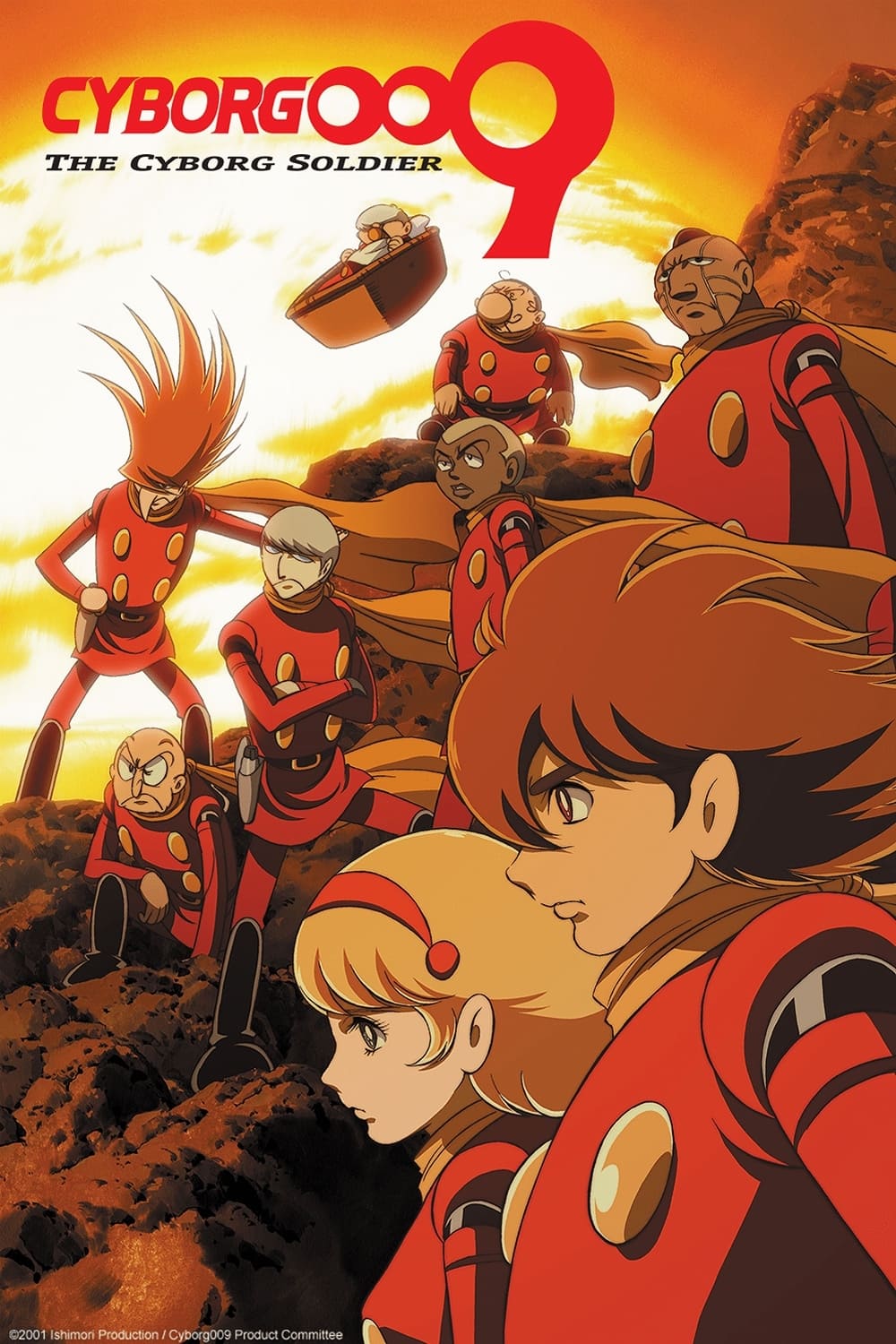
In the 2001 version of ‘Cyborg 009’ the relationship between certain male characters was sanitized for Western television. The English dubbing process often removed subtle romantic cues or changed intimate dialogue into generic expressions of friendship. These edits were intended to keep the show focused on the science fiction action rather than interpersonal drama. The localization team aimed to make the series accessible to a young male audience in North America. This resulted in a loss of character depth compared to the original Japanese production.
‘Ouran High School Host Club’ (2006)
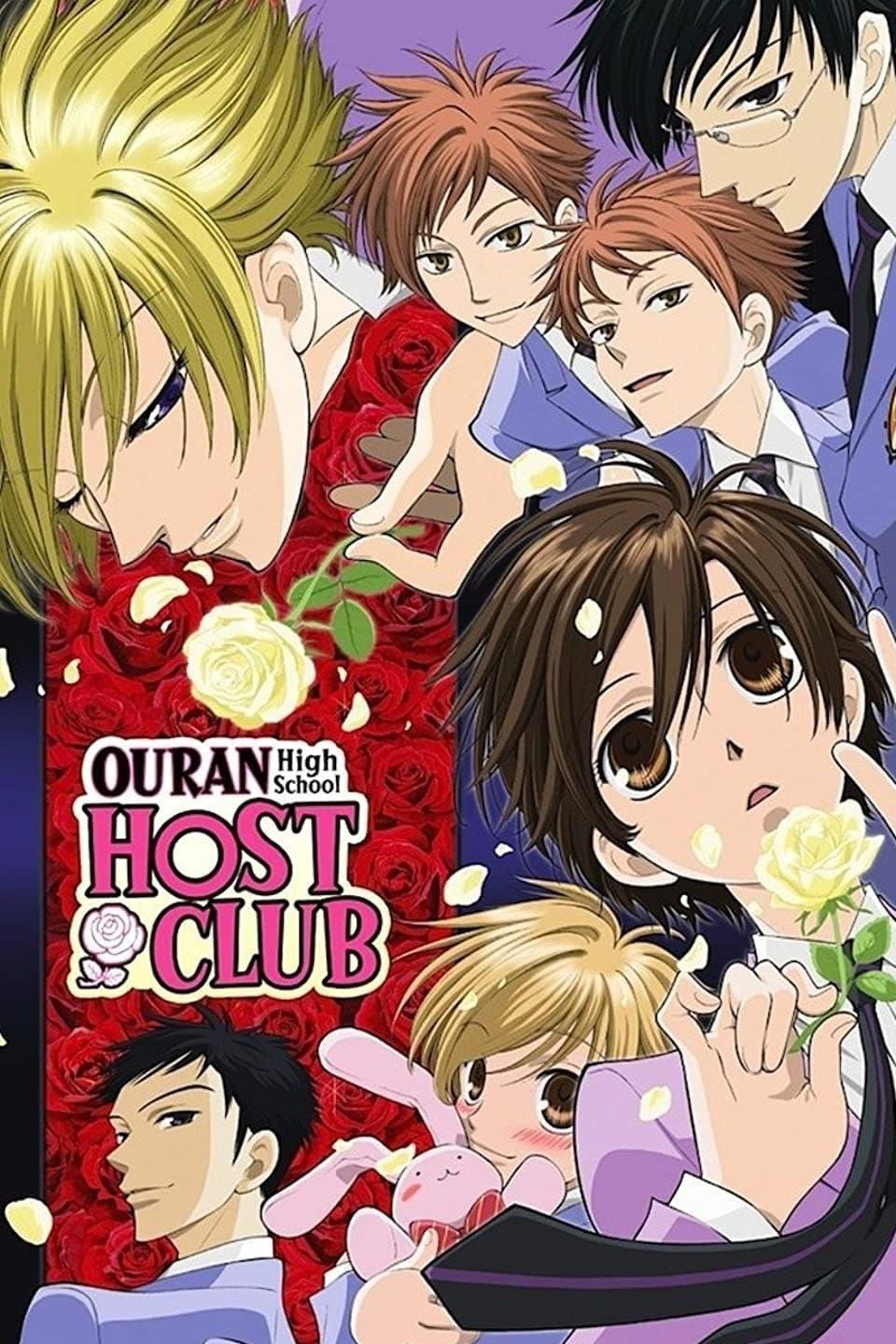
The English dub of ‘Ouran High School Host Club’ generally stayed faithful but made minor adjustments to certain character identities. The character Haruhi’s father who is a cross-dresser was described in ways that softened his identity for a Western audience. Some international localizations went further by rewriting his character to be less prominent or by changing his backstory entirely. These edits were meant to avoid topics of gender nonconformity in a show that was otherwise seen as a lighthearted comedy. The changes reflected the varying comfort levels of different cultures with queer representation.
‘Blue Exorcist’ (2011)
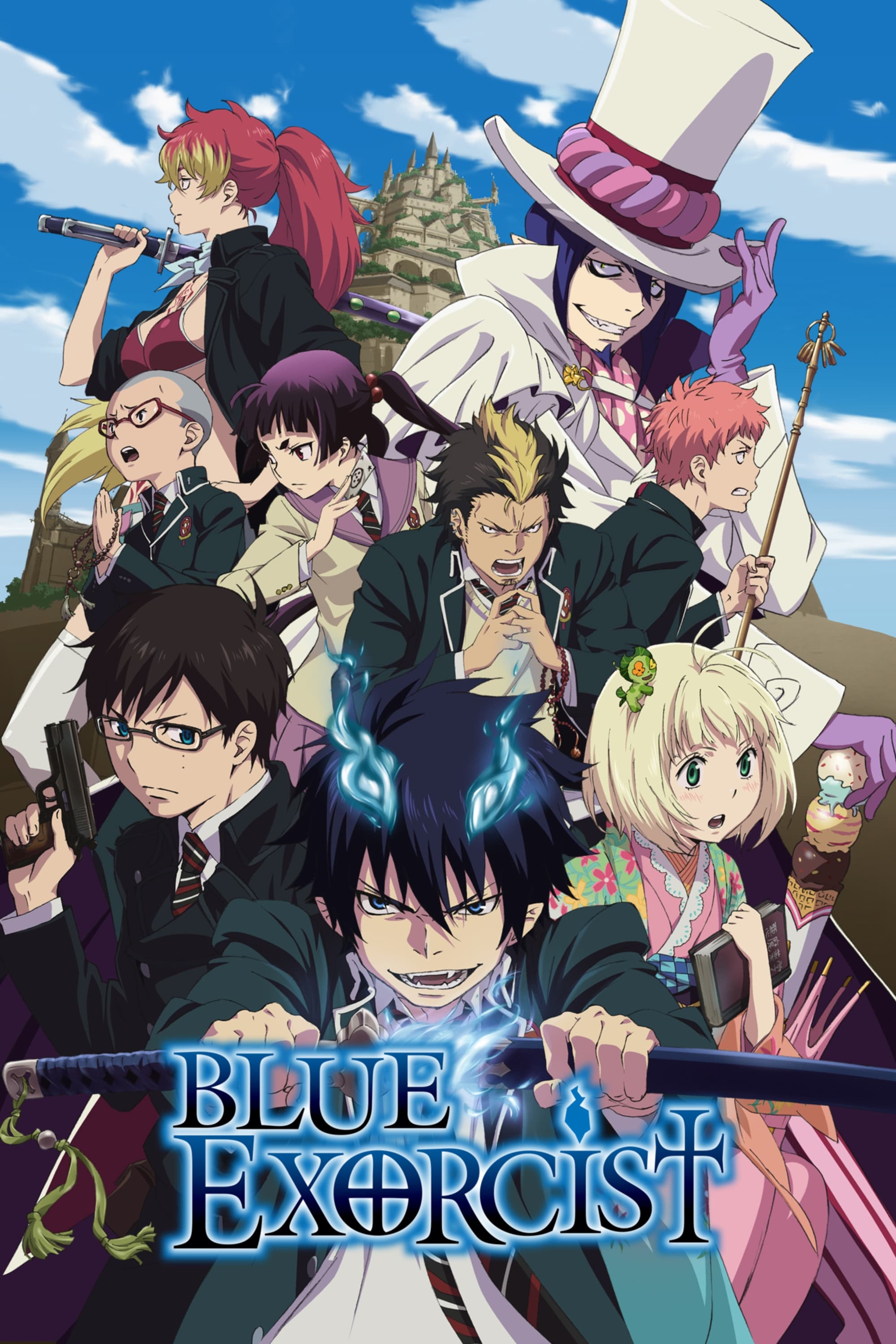
In the localization of ‘Blue Exorcist’ certain dialogue between male characters was adjusted to remove romantic subtext. The original Japanese version contained lines that hinted at more than just a professional rivalry between some of the exorcists. The English dubbing team opted for more traditional action-oriented dialogue to keep the show focused on its supernatural plot. These changes were subtle but served to keep the series within the expectations of a teenage male demographic. This type of script polishing is common in modern action-heavy anime.
‘Gravitation’ (2000–2001)
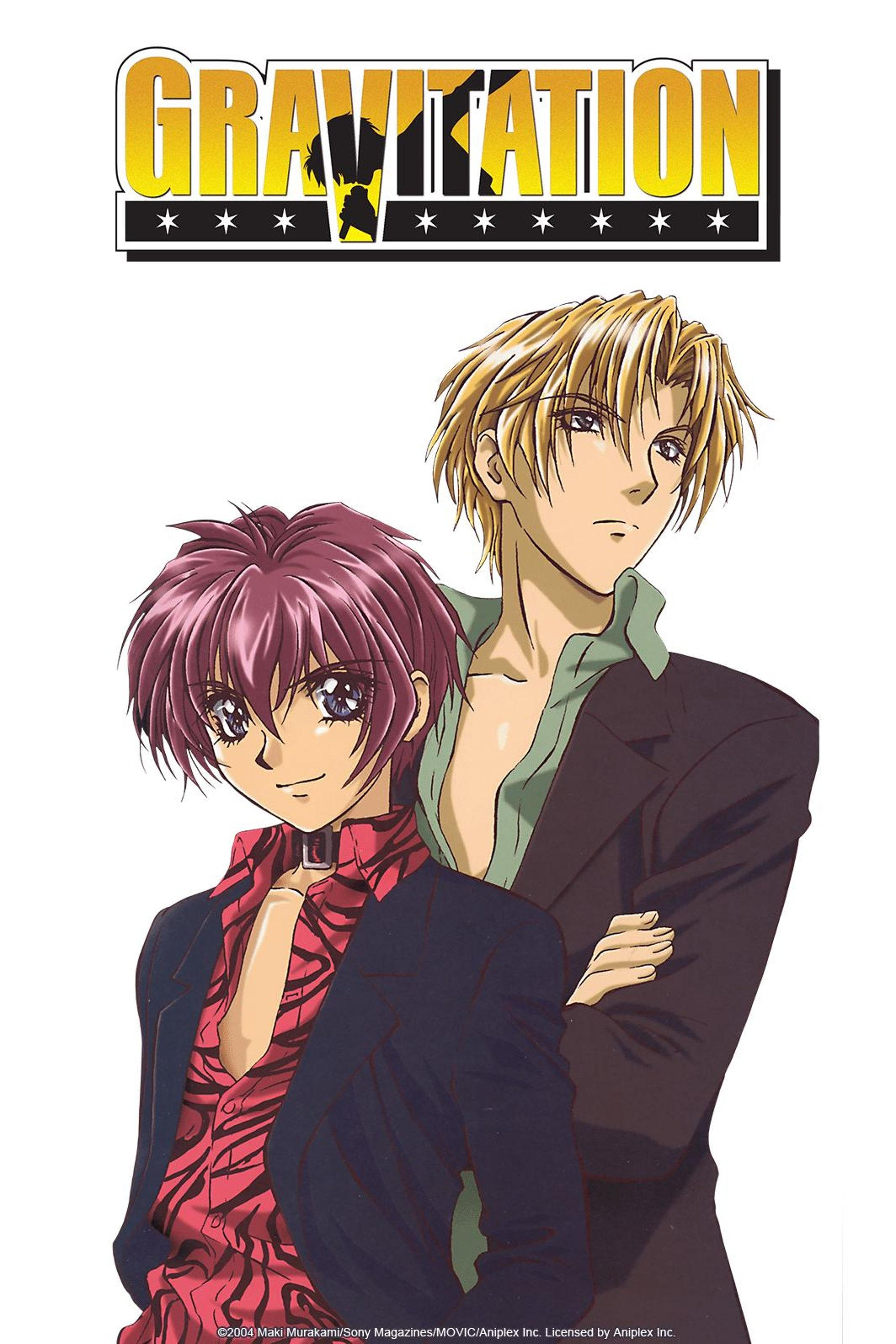
The series ‘Gravitation’ is a romance between two men that faced challenges during its international release. While the core relationship remained some localizations edited the more intimate scenes or softened the dialogue. These changes were intended to lower the maturity rating of the show for broadcast or retail. The localization teams focused on the musical aspects of the show to market it to a broader audience. These edits often diminished the emotional weight of the central romance for viewers in certain regions.
‘Devilman’ (1972–1973)
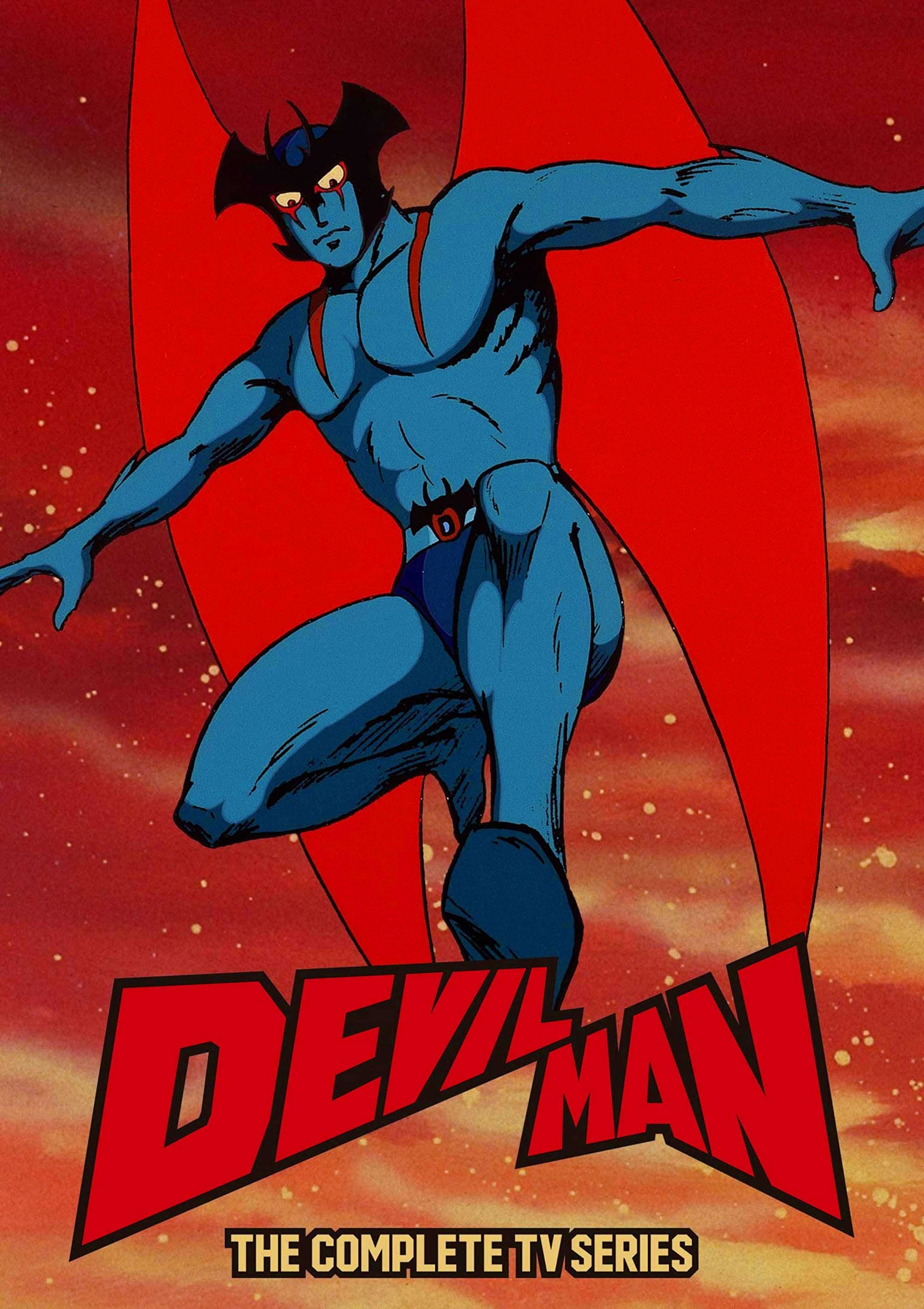
The early adaptations of ‘Devilman’ featured several themes of identity and attraction that were scrubbed for international audiences. Localized versions often removed any mention of the complex bonds between the male leads that could be interpreted as romantic. The focus was shifted entirely to the horror and action elements to fit the standards of the time. These changes were necessary for the show to be aired on television networks that had strict policies against non-traditional relationships. This censorship altered the legacy of one of anime’s most influential stories.
Share your thoughts on these classic anime localization changes in the comments.