

Anime Dubs That Removed All the Queer Subtext Fans Loved



Localizing anime for international audiences often involves making significant changes to dialogue and character dynamics to fit different cultural standards. These adjustments frequently impact characters who exhibited queer traits or shared romantic connections with members of the same sex in the original Japanese versions. Fans often notice when these elements are altered through script rewrites or complete character re-imaginings. Understanding how these changes occurred provides insight into the history of international media distribution.
‘Sailor Moon’ (1992–1997)
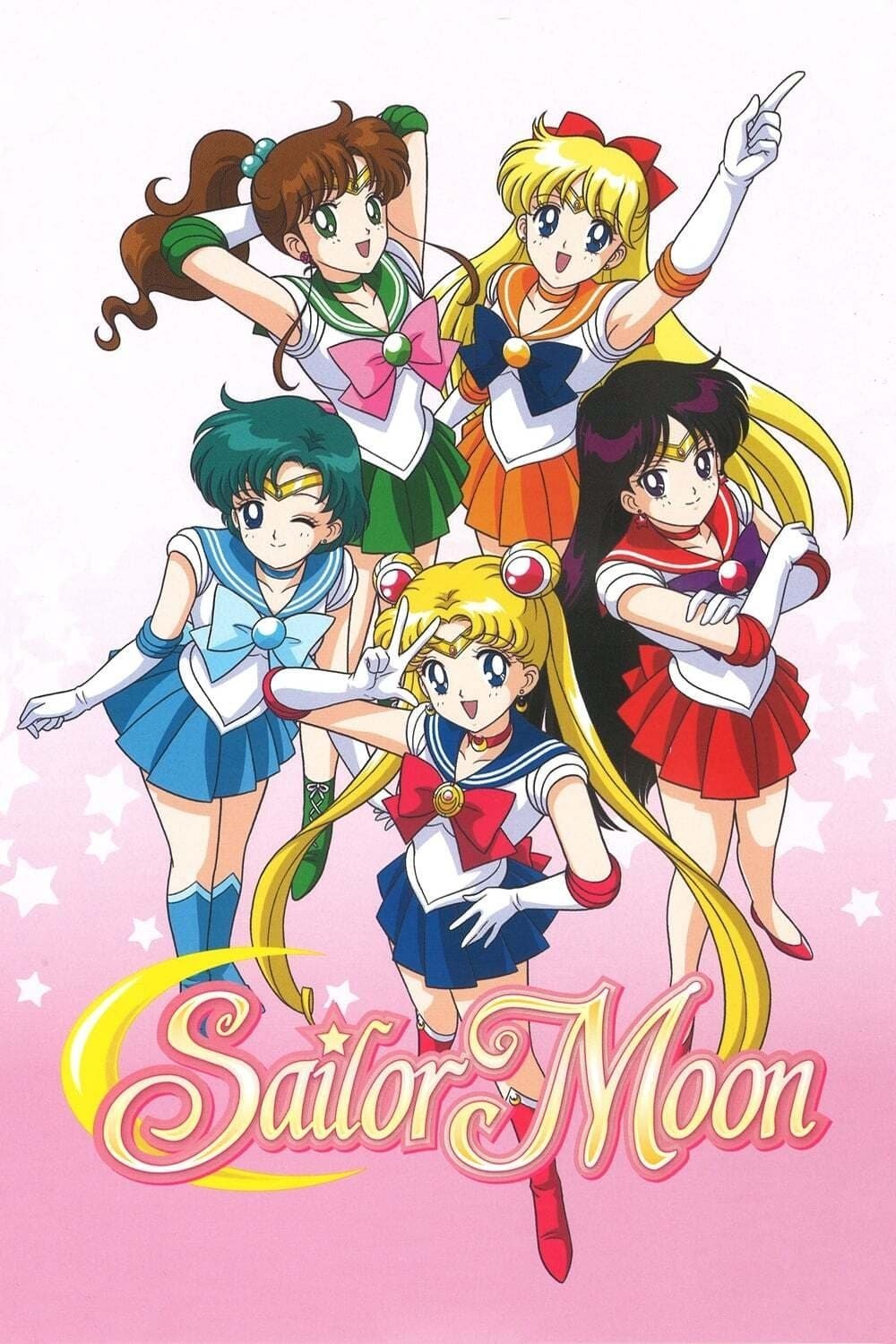
In the original Japanese version ‘Sailor Moon’ features a committed romantic relationship between Sailor Uranus and Sailor Neptune. The initial English localization famously rebranded the two characters as cousins to explain their constant closeness and living arrangements. This change resulted in awkward dialogue choices that attempted to mask their clear romantic bond during various emotional scenes. Many viewers noted that the cousin explanation created more confusion than the original dynamic.
‘Cardcaptor Sakura’ (1998–2000)
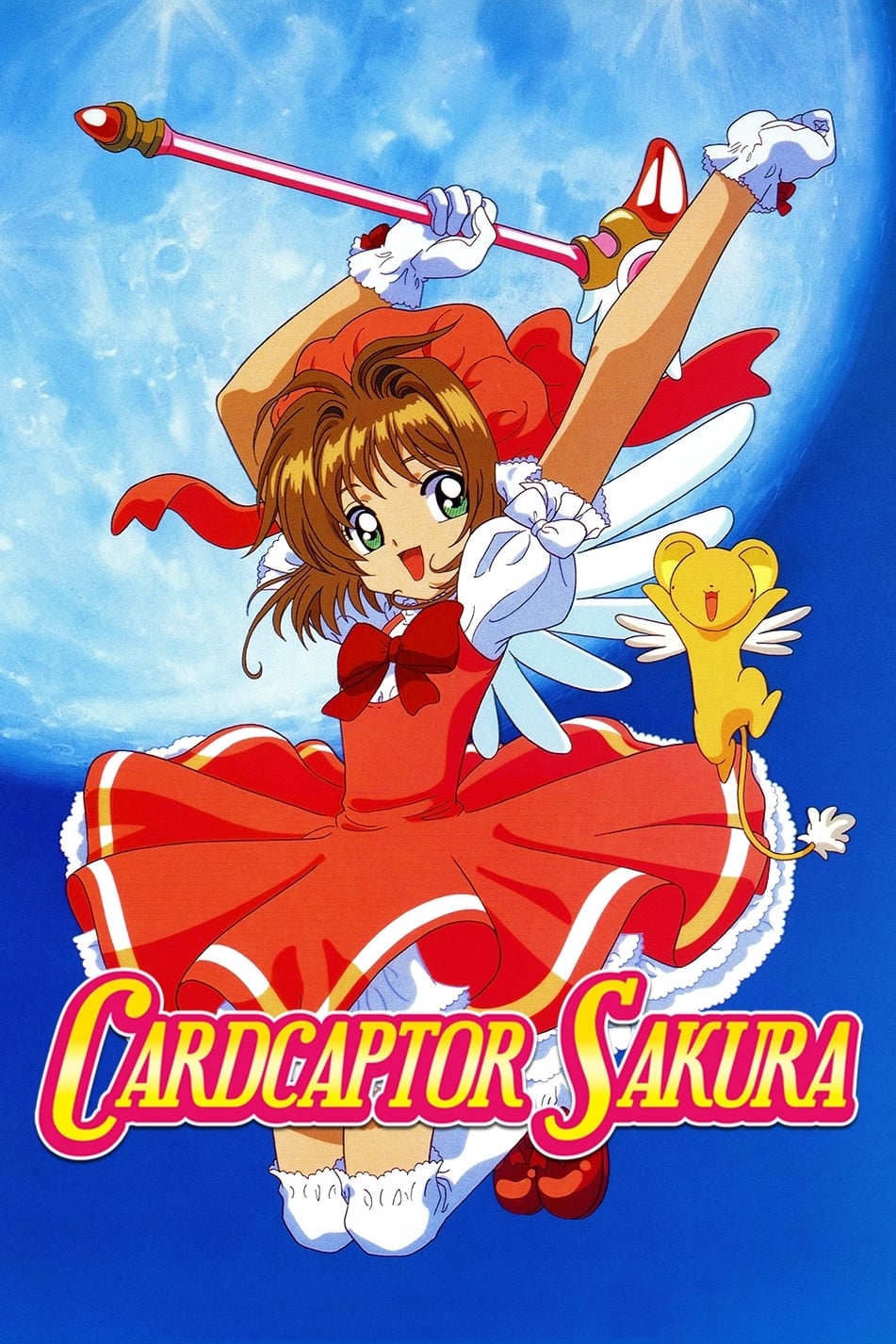
The relationship between Touya Kinomoto and Yukito Tsukishiro is explicitly romantic in the source material and original anime. The English dub edited these interactions to portray the two characters as platonic best friends while removing scenes that showcased their deeper affection. Similar edits occurred with Syaoran Li whose initial attraction to Yukito was rewritten as a purely magical reaction. These changes significantly altered the emotional depth of the supporting cast.
‘Neon Genesis Evangelion’ (1995–1996)
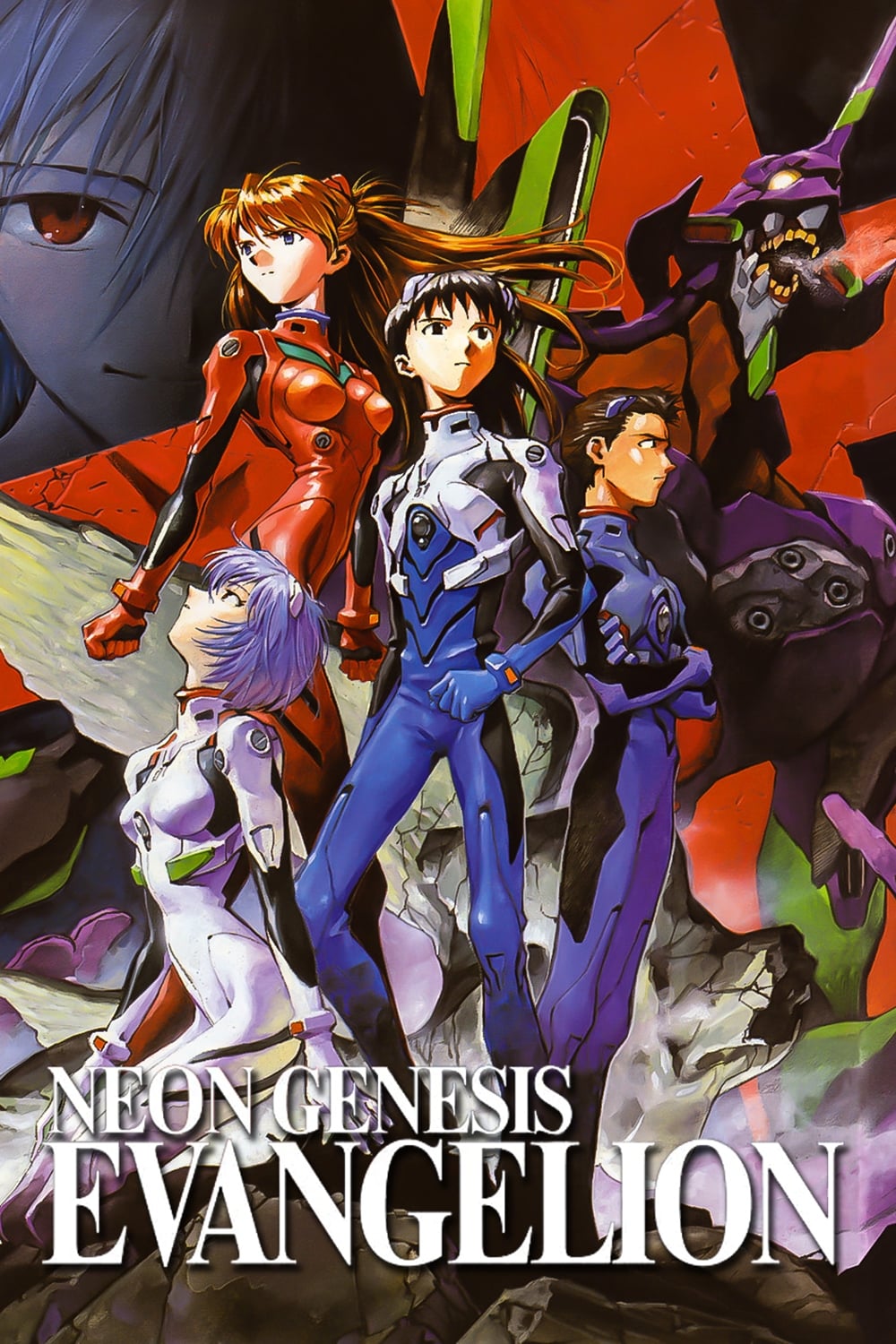
The character Kaworu Nagisa shares a brief but pivotal connection with Shinji Ikari that includes a clear confession of love in the Japanese script. Various localizations replaced the word love with terms like grace or like to diminish the romantic nature of their encounter. This change sparked widespread debate among the community regarding the preservation of the original emotional intent. The relationship remains a central topic of discussion for those analyzing the character development of the protagonist.
‘Revolutionary Girl Utena’ (1997)
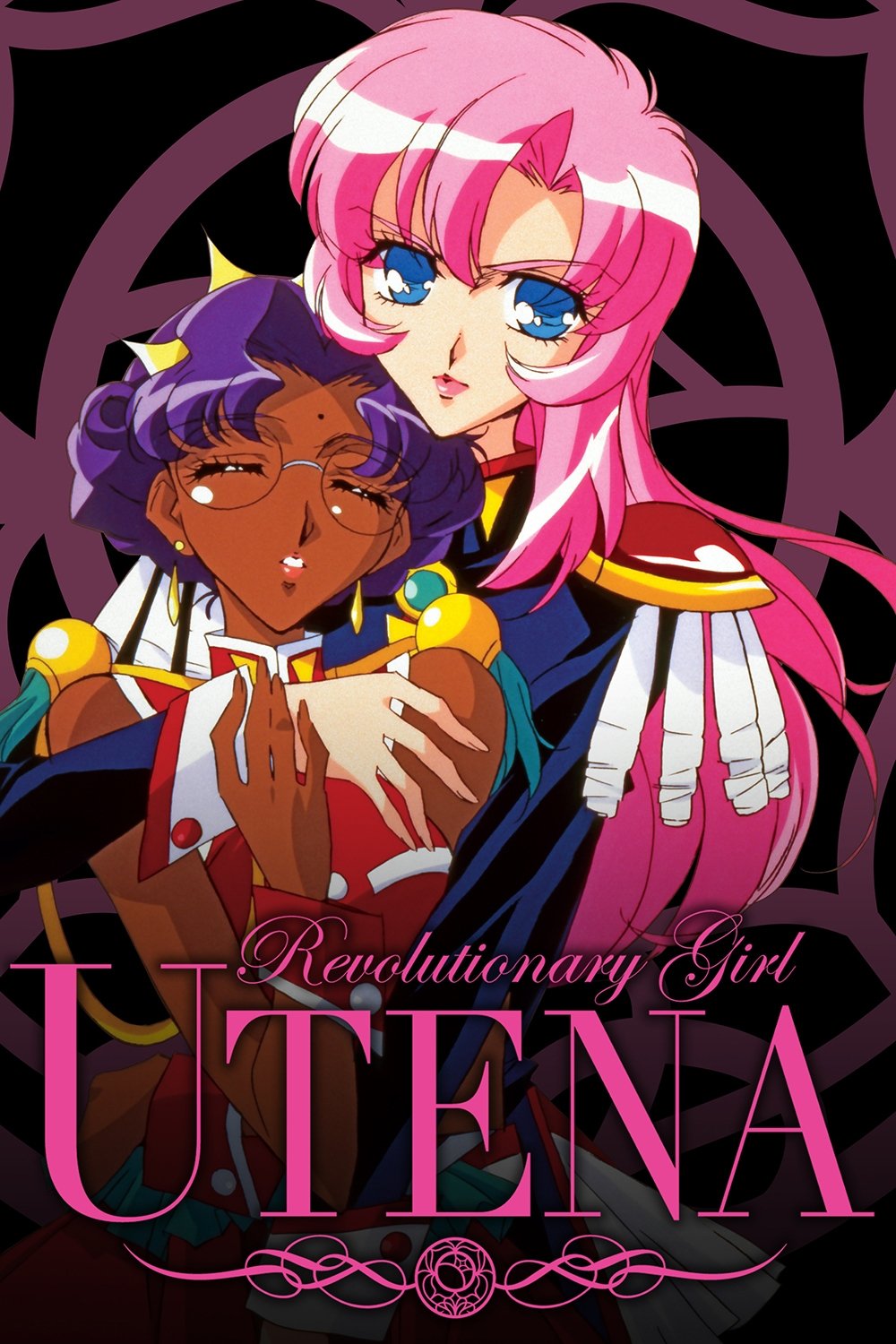
This series explores complex themes of gender and sexuality through the relationship between Utena Tenjou and Anthy Himemiya. Early English translations and marketing materials often downplayed the romantic subtext in favor of a more traditional friendship narrative. Dialogue was sometimes adjusted to remove the intimacy shared between the female leads during their most vulnerable moments. Despite these changes the visual metaphors of the series continued to convey the intended queer themes to many viewers.
‘Yu Yu Hakusho’ (1992–1994)
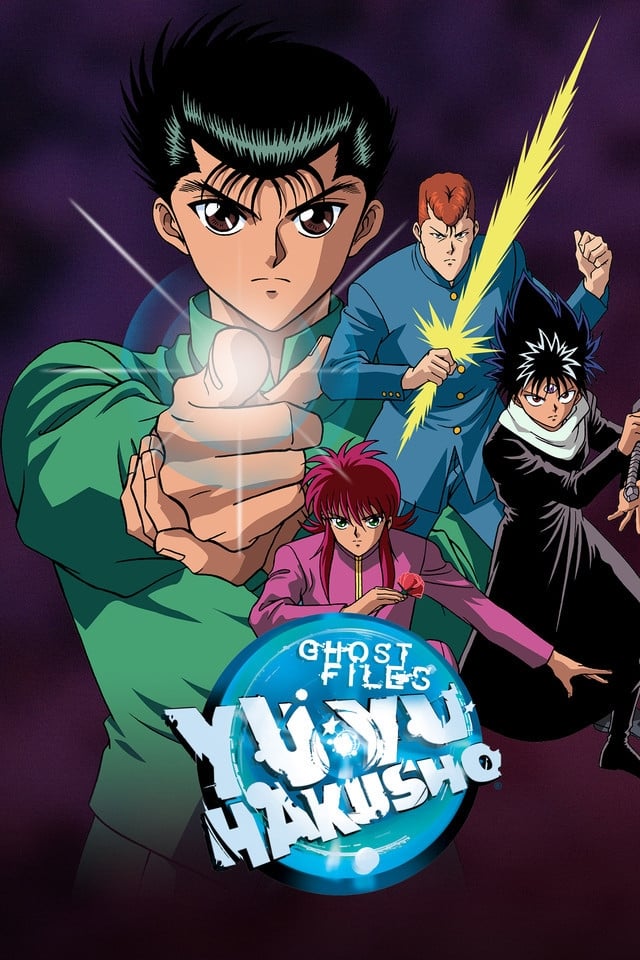
The villainous duo Itsuki and Shinobu Sensui possess a deep and multifaceted bond that is heavily coded as romantic in the original Japanese version. The English dub reframed their connection as a fanatical loyalty or a partnership based on shared ideological goals. Itsuki’s more intimate lines regarding his devotion to Sensui were often softened to appear more platonic in nature. This shift impacted the audience perception of the tragic motivations behind the characters’ actions.
‘Tokyo Mew Mew’ (2002–2003)
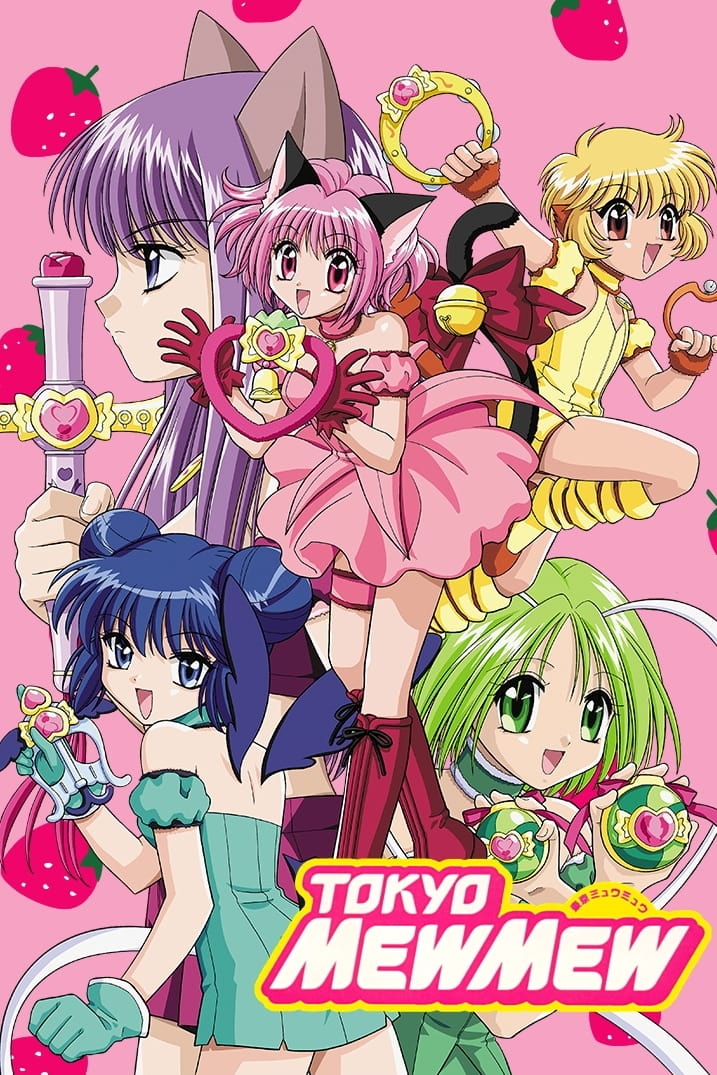
The English localization known as ‘Mew Mew Power’ made several changes to the personalities and backstories of the main cast. While the original version included various hints of queer subtext among certain characters the dub leaned into a more standard magical girl format. Character dynamics were simplified to focus almost exclusively on heterosexual romance and teamwork. These modifications effectively removed the more nuanced social commentary present in the Japanese scripts.
‘Shin Chan’ (1992–1997)
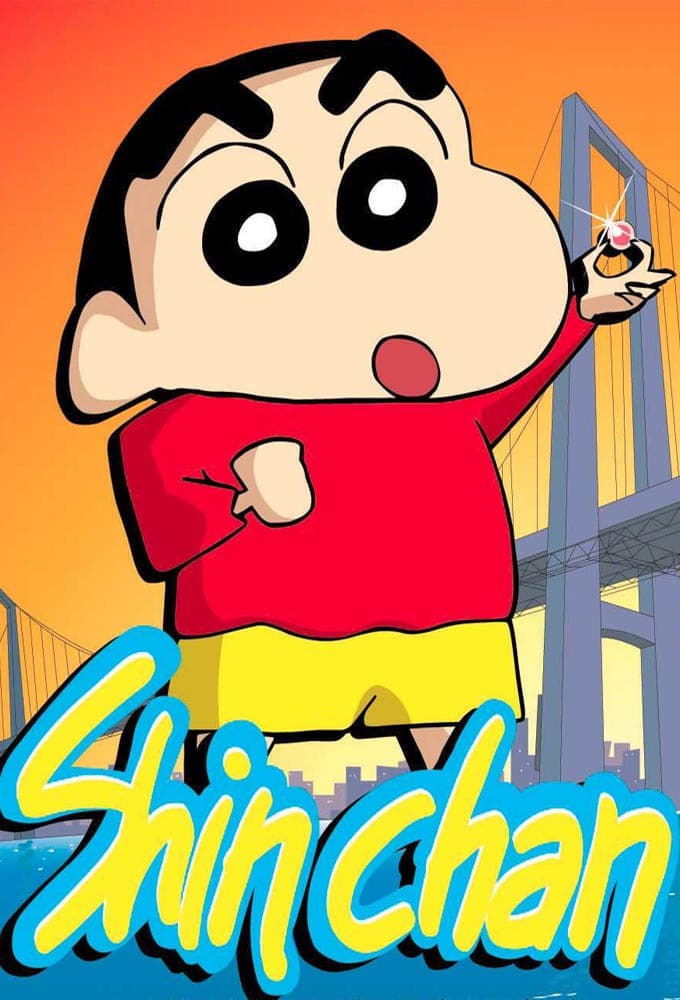
The long running comedy series features numerous recurring characters who challenge traditional gender norms and exhibit queer behaviors. Different English dubs have handled these characters by either exaggerating them into caricatures or rewriting them entirely to remove queer context. Some versions opted to make the jokes about general eccentricity rather than specific identity. This resulted in a loss of the specific cultural humor found in the original Japanese broadcast.
‘Ouran High School Host Club’ (2006)
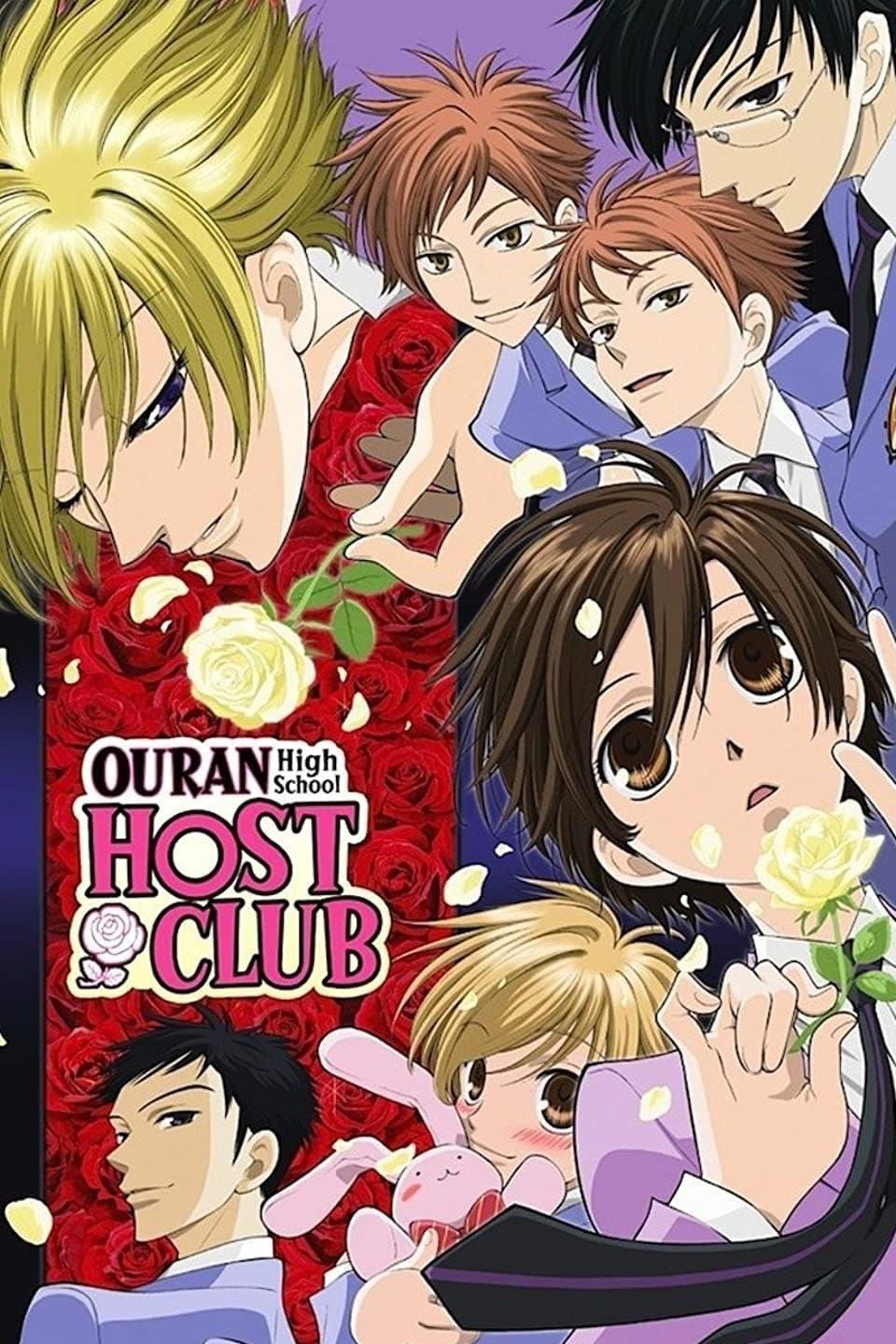
Haruhi Fujioka’s father Ryoji is a bisexual man who works at a cross dressing bar in the original series. The English localization sometimes struggled with the terminology used to describe his identity and profession. While his character remained largely intact the nuances of his experiences were occasionally lost in translation. Some viewers felt that the dub prioritized comedic elements over the genuine representation of a queer parent.
‘Zatch Bell!’ (2003–2006)
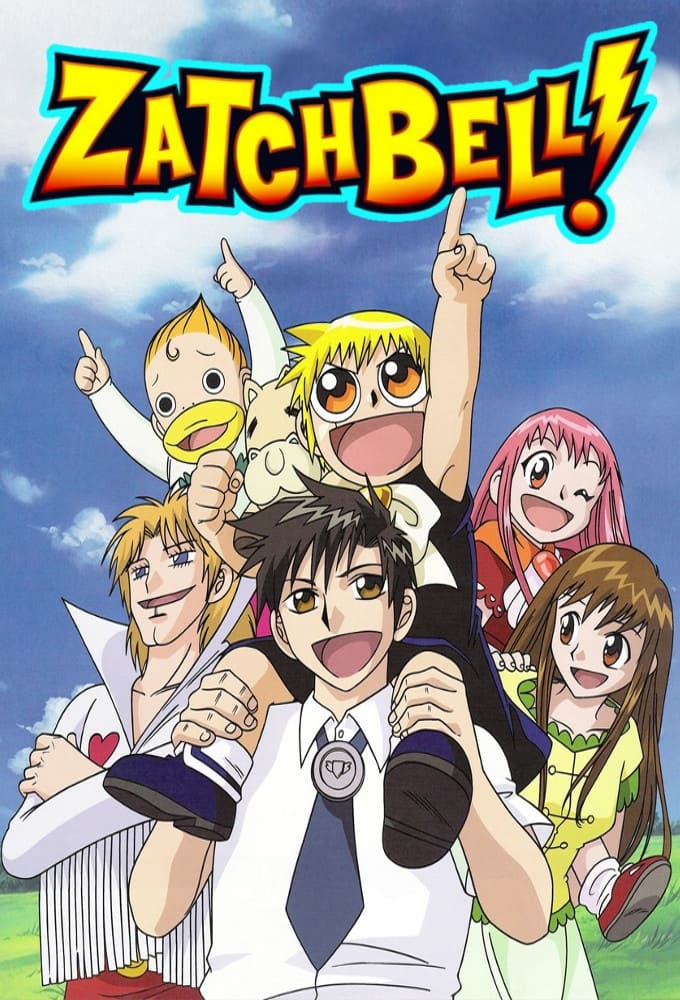
In the original Japanese production the character Parco Folgore and his songs contain lyrics that touch upon diverse attractions. The English dub sanitized many of these lyrics and removed visual gags that were deemed inappropriate for a younger Western audience. This included the removal of scenes involving characters who displayed feminine traits or non-traditional interests. These edits changed the overall tone of the character’s comedic relief segments.
‘Ghost Stories’ (2000–2001)
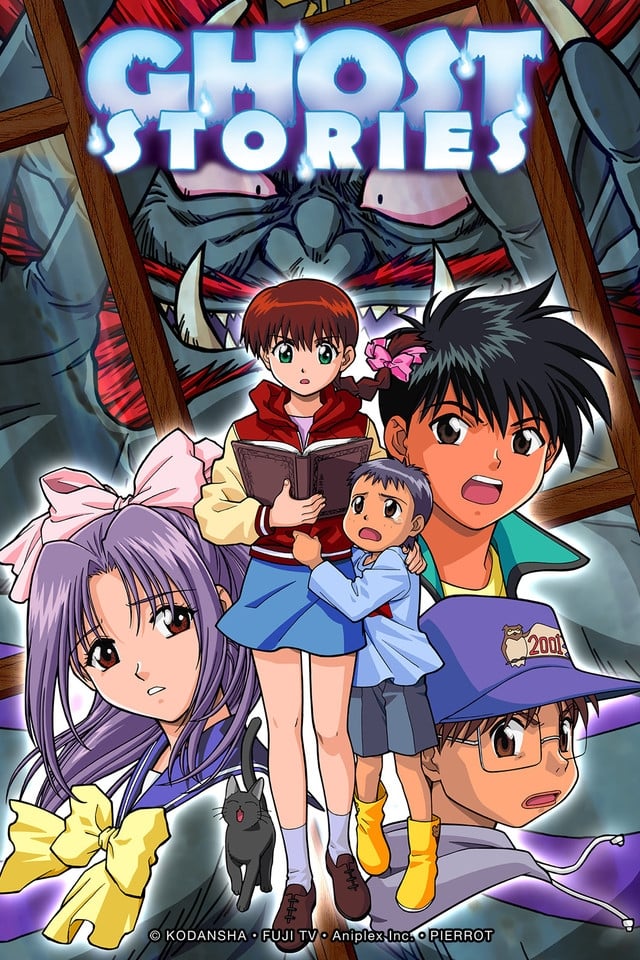
The English dub of this series is famous for taking extreme creative liberties with the script and turning it into a comedy. In the process the voice actors and writers inserted numerous jokes about sexuality that did not exist in the original Japanese dialogue. While the original version was a standard horror show the dub frequently used queer identities as punchlines or character traits. This transformation removed the sincerity of the original production while creating an entirely different viewing experience.
‘Mobile Suit Gundam Wing’ (1995–1996)
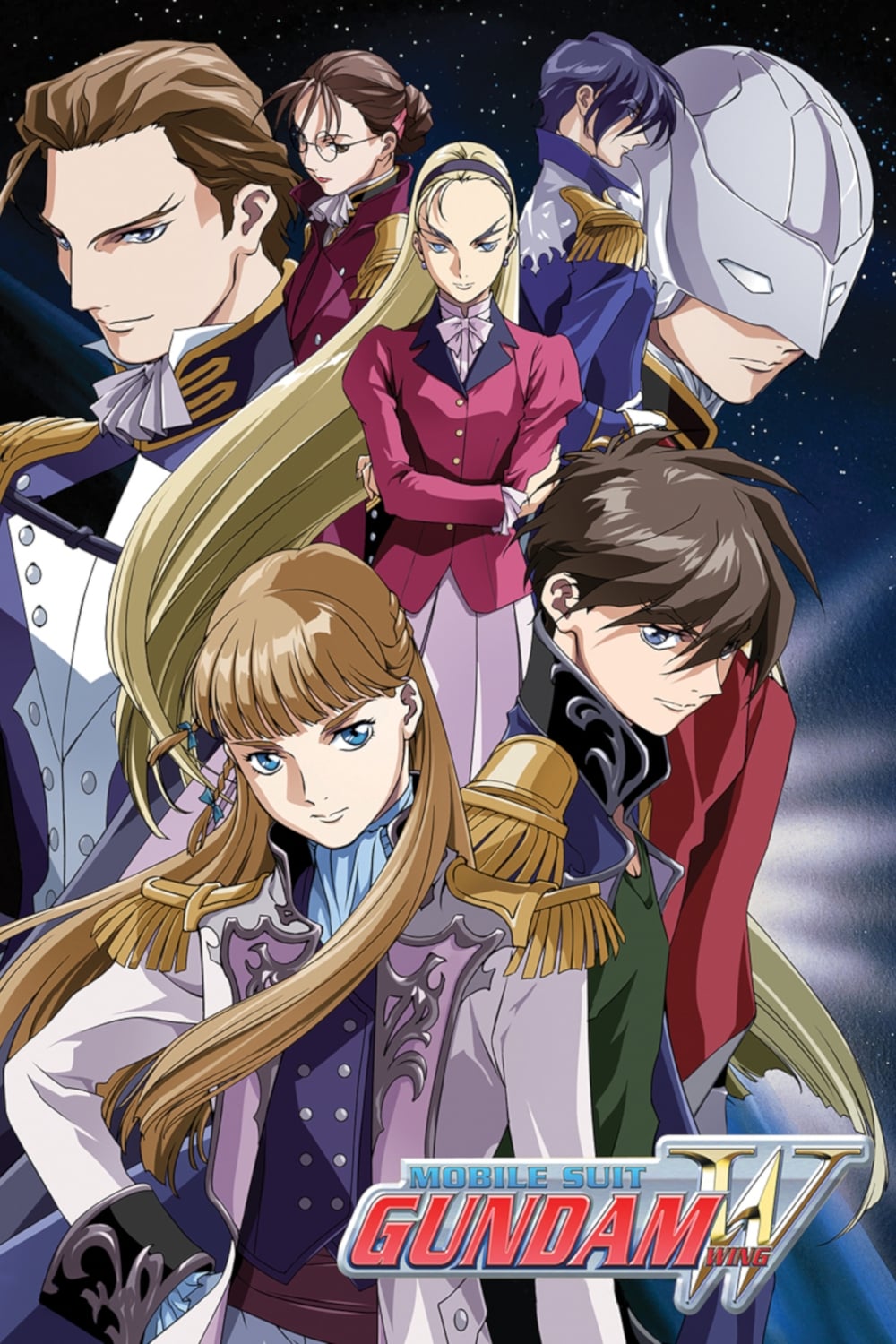
In ‘Gundam Wing’ the bond between pilots Trowa Barton and Quatre Raberba Winner is portrayed with a high degree of emotional sensitivity. The English dub often emphasized their roles as comrades in arms and minimized the softer moments of their partnership. Dialogue that suggested a unique and exclusive connection was often replaced with more standard military jargon. This shift encouraged a more platonic interpretation of their relationship among international audiences.
‘Mobile Suit Gundam’ (1979–1980)
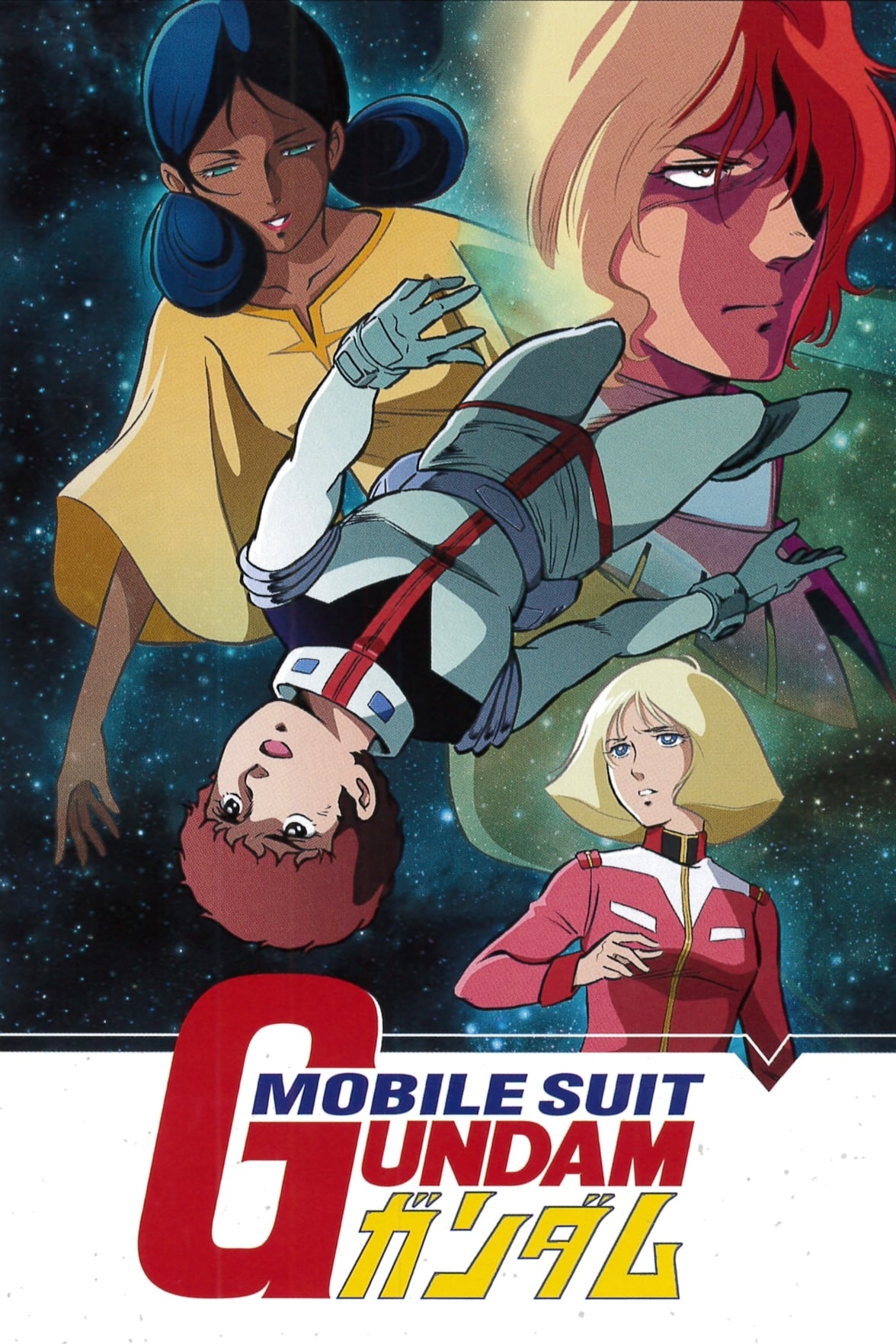
The rivalry between Amuro Ray and Char Aznable has long been a subject of fan discussion regarding its underlying romantic tension. Early English localizations and adaptations often focused strictly on the military conflict and political intrigue of the Universal Century. By prioritizing the action and technical aspects the scripts sometimes overlooked the personal obsession that defined their relationship. This shift in focus made the two characters appear as simple enemies rather than complex rivals with a shared history.
‘Princess Knight’ (1967–1968)

As a foundational work in the magical girl genre this series features a protagonist born with both a male and female heart. The English localization often simplified the gender dynamics to fit a more conventional story about a girl pretending to be a boy for an inheritance. The philosophical and emotional struggles regarding gender identity were often glossed over in favor of the adventure plot. This resulted in a version that felt less revolutionary than the original Japanese concept.
‘Dragon Ball’ (1986–1989)
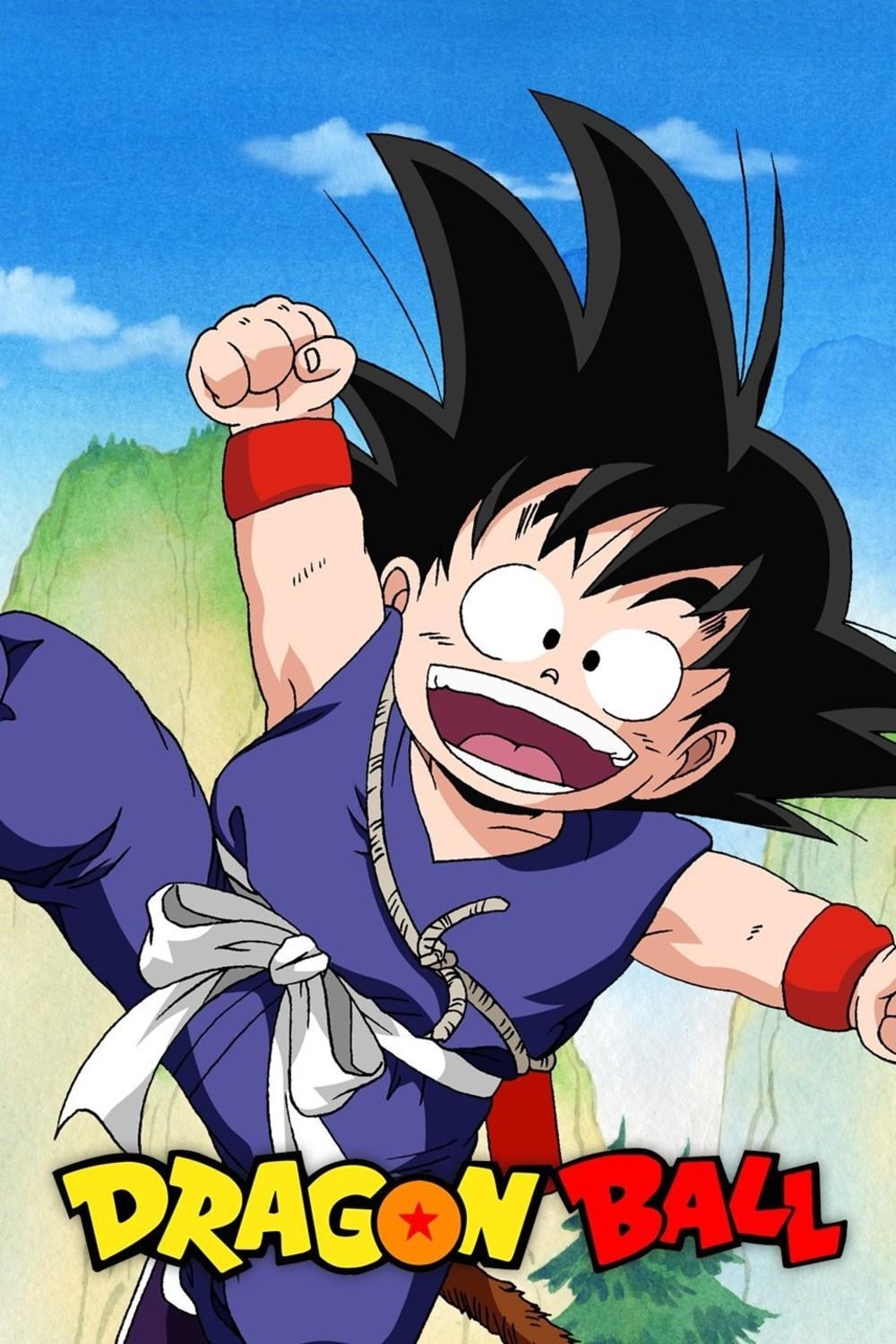
The character General Blue is a prominent villain who is clearly depicted as a gay man in the original manga and anime. The English dub often downplayed this by making him appear more like a stereotypical neat freak or an obsessive soldier. His specific lack of interest in women was portrayed as a quirk rather than a defined sexual orientation. This change served to sanitize the character for Western television standards during the late nineties.
‘Digimon Adventure’ (1999–2000)
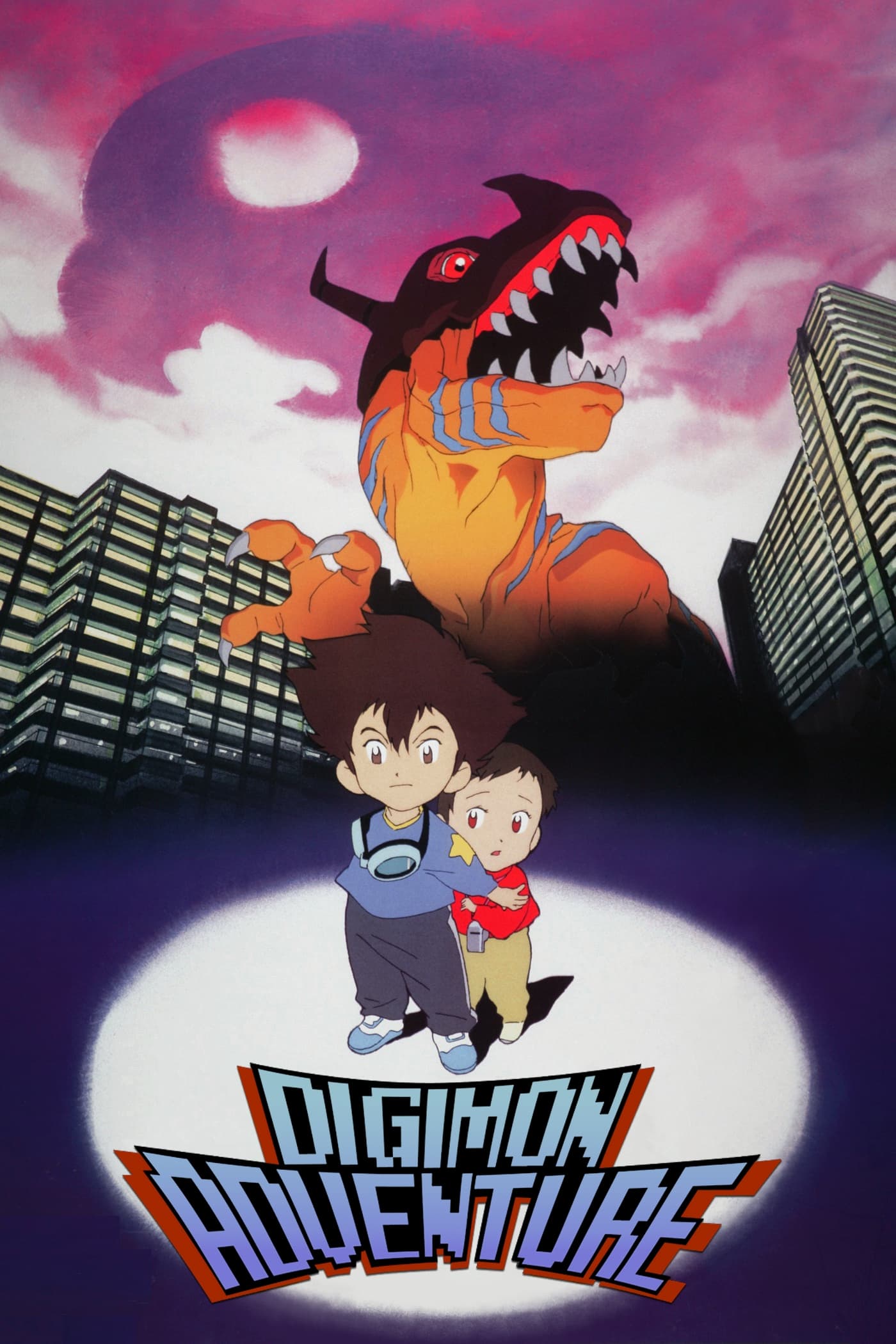
The friendship between characters like Tai and Matt or Sora and Mimi frequently contained moments of emotional intimacy that fans identified as queer coded. The English dub often replaced these moments with banter or jokes to maintain a more action oriented tone. Many of the quiet and reflective scenes that built these relationships were shortened for time or changed in the script. These adjustments impacted how the audience perceived the maturity and complexity of the children’s bonds.
‘Pokémon’ (1997–2023)
James of Team Rocket is well known for his flamboyant personality and frequent cross dressing in the early seasons of the Japanese version. Several episodes containing these elements were either banned or heavily edited before they could air in the United States. His dialogue was also adjusted to fit a more traditional bumbling villain archetype while removing hints about his non-conforming identity. These edits limited the scope of his character expression compared to the original broadcast.
‘Magic Knight Rayearth’ (1994–1995)
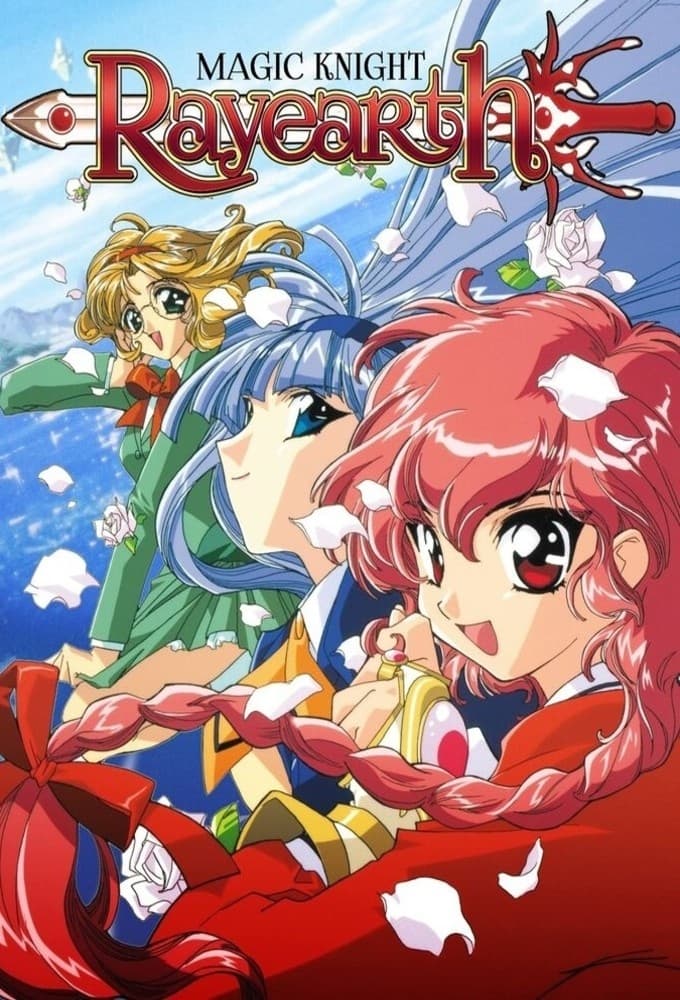
The characters Eagle Vision and Lantis share a relationship in the second season that is portrayed with significant romantic weight in the original version. The English dub edited their interactions to appear more like a professional rivalry or a tense friendship. Lines that indicated deep affection were often replaced with dialogue about duty and combat. This change removed the emotional stakes of their final encounters for many viewers who were familiar with the source material.
‘Dirty Pair’ (1985)
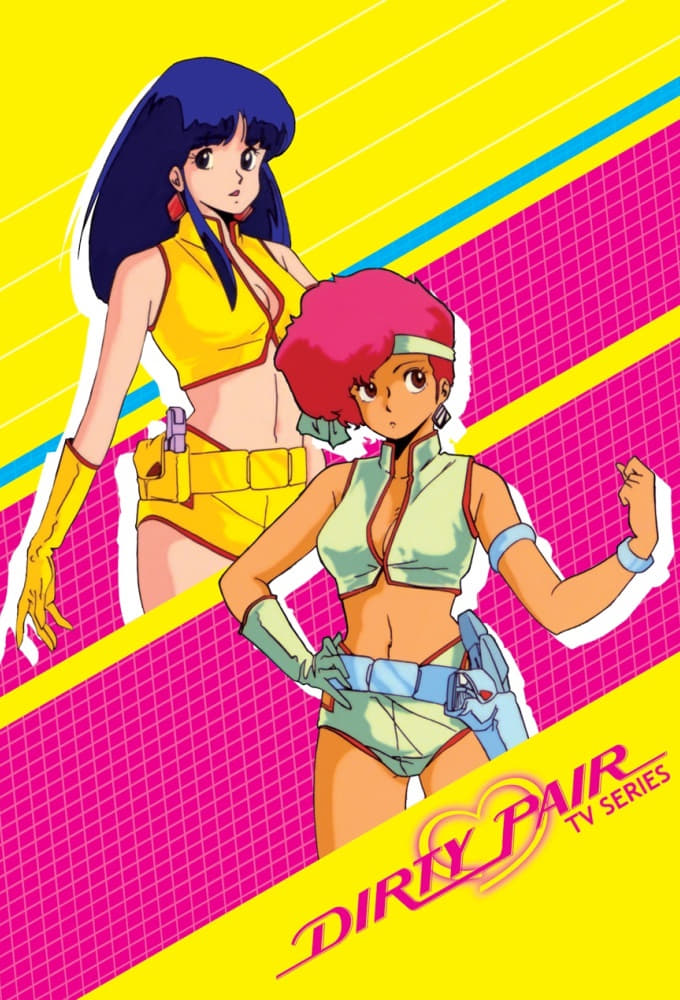
The close relationship between Kei and Yuri is central to the series and often leans into romantic subtext throughout their adventures. English localizations have sometimes characterized them as more antagonistic toward each other than they were in the Japanese scripts. By focusing on their arguments the dubs obscured the deeper mutual devotion that defines their partnership. This change in dynamic affected the overall tone of their shared journey through the galaxy.
‘Ranma ½’ (1989–1992)
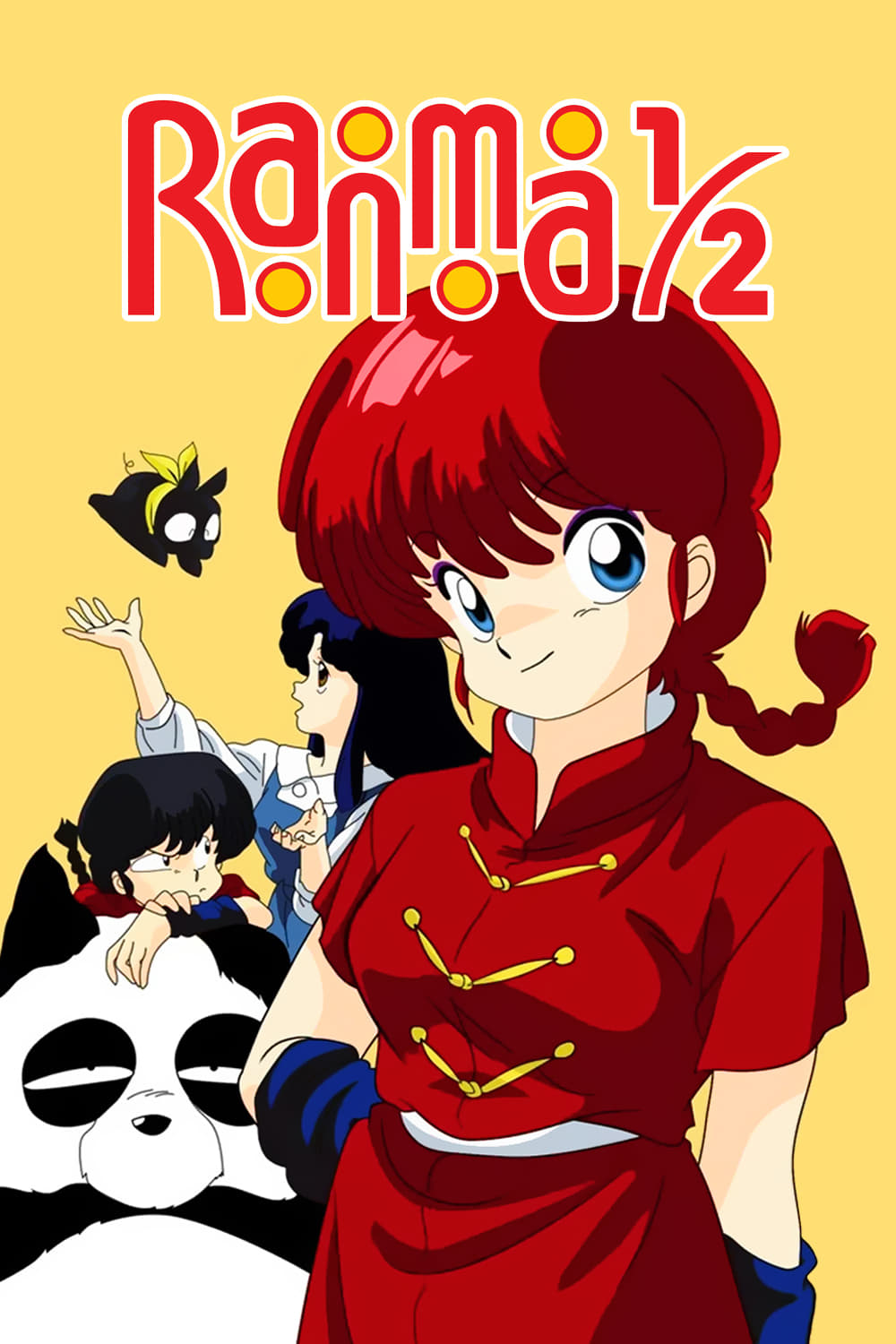
This series revolves around a protagonist who switches between male and female forms and explores the resulting social complications. While the show is a comedy the English localization often leaned heavily into slapstick rather than the nuanced questions of identity. Some of the queer subtext involving secondary characters who fall in love with Ranma’s various forms was simplified. This approach prioritized the humor of the situation over the characters’ genuine emotional confusion.
‘Voltron: Defender of the Universe’ (1984–1985)

The American version of this series made drastic changes to the story and character motivations to make it suitable for children. This included the removal of any mature themes and the restructuring of character relationships that had queer undertones. Characters who had complex and potentially romantic bonds were turned into simple teammates with very little personal history. The resulting show was much lighter in tone and lacked the interpersonal depth of the original Japanese series.
Share your thoughts on these anime localization changes in the comments.