

Anime Dubs That Straightened Out Obvious Queer Relationships



For decades the process of localizing anime for international audiences often involved significant changes to character dynamics and romantic subplots. Many of these alterations specifically targeted queer relationships to make the content more acceptable for different cultural standards or broadcast regulations. These changes ranged from complete erasures of romantic intent to the reassignment of character genders and familial roles. While modern dubs tend to be more faithful to the original Japanese intent many classic series still carry the legacy of these creative adjustments. This list explores the various ways that English localizations have historically modified or obscured the queer identities of beloved characters.
‘Sailor Moon’ (1992–1997)
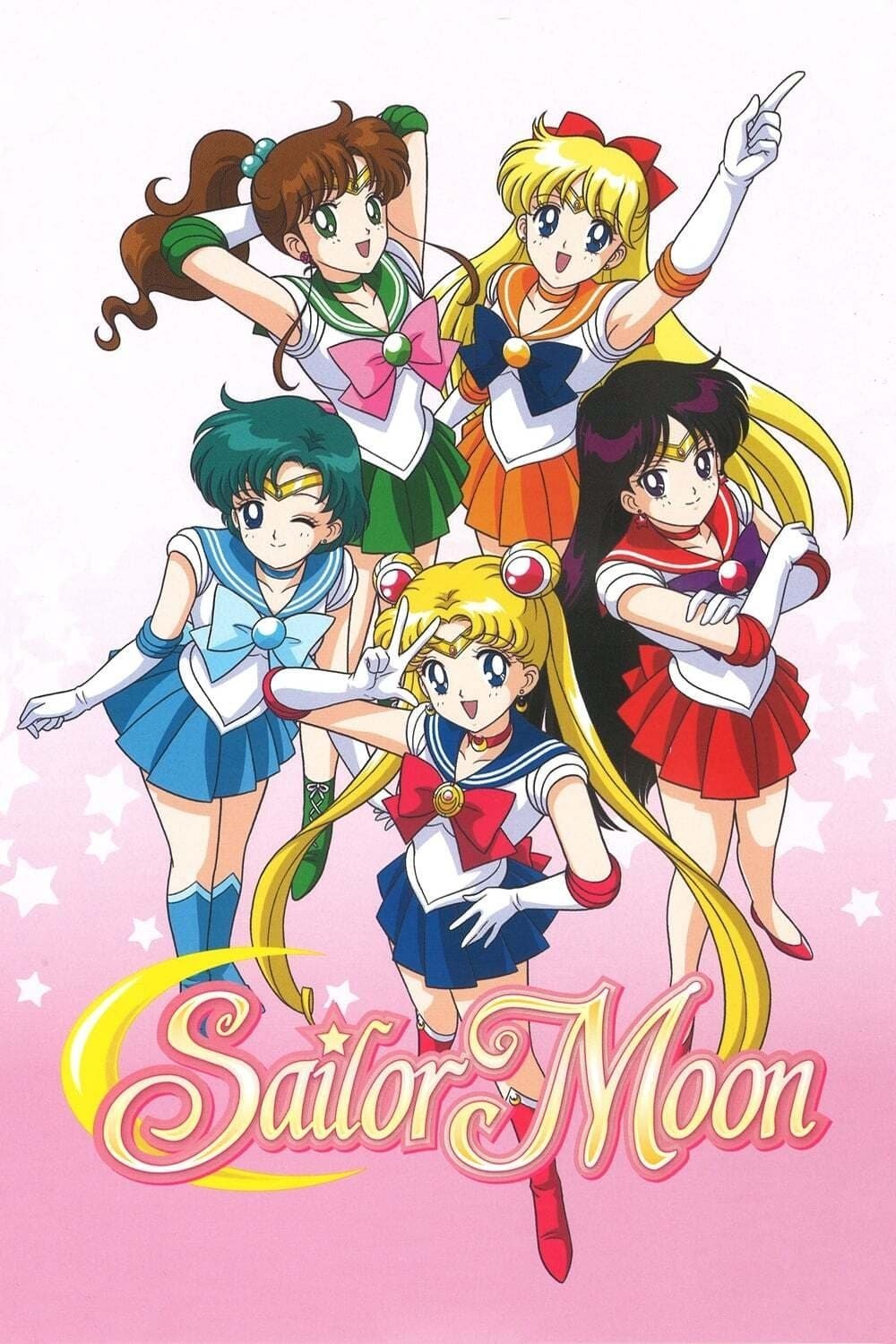
During the first two seasons of the original dub the villainous characters Zoisite and Kunzite underwent a significant change. Zoisite was cast as a female character in the English version to maintain a heterosexual dynamic with Kunzite. In the original Japanese script both characters were male and were depicted as romantic partners. This change required a voice actress and specific script adjustments to hide their original identities. It was a common tactic in early anime dubbing to avoid showing same sex couples on screen.
‘Cardcaptor Sakura’ (1998–2000)
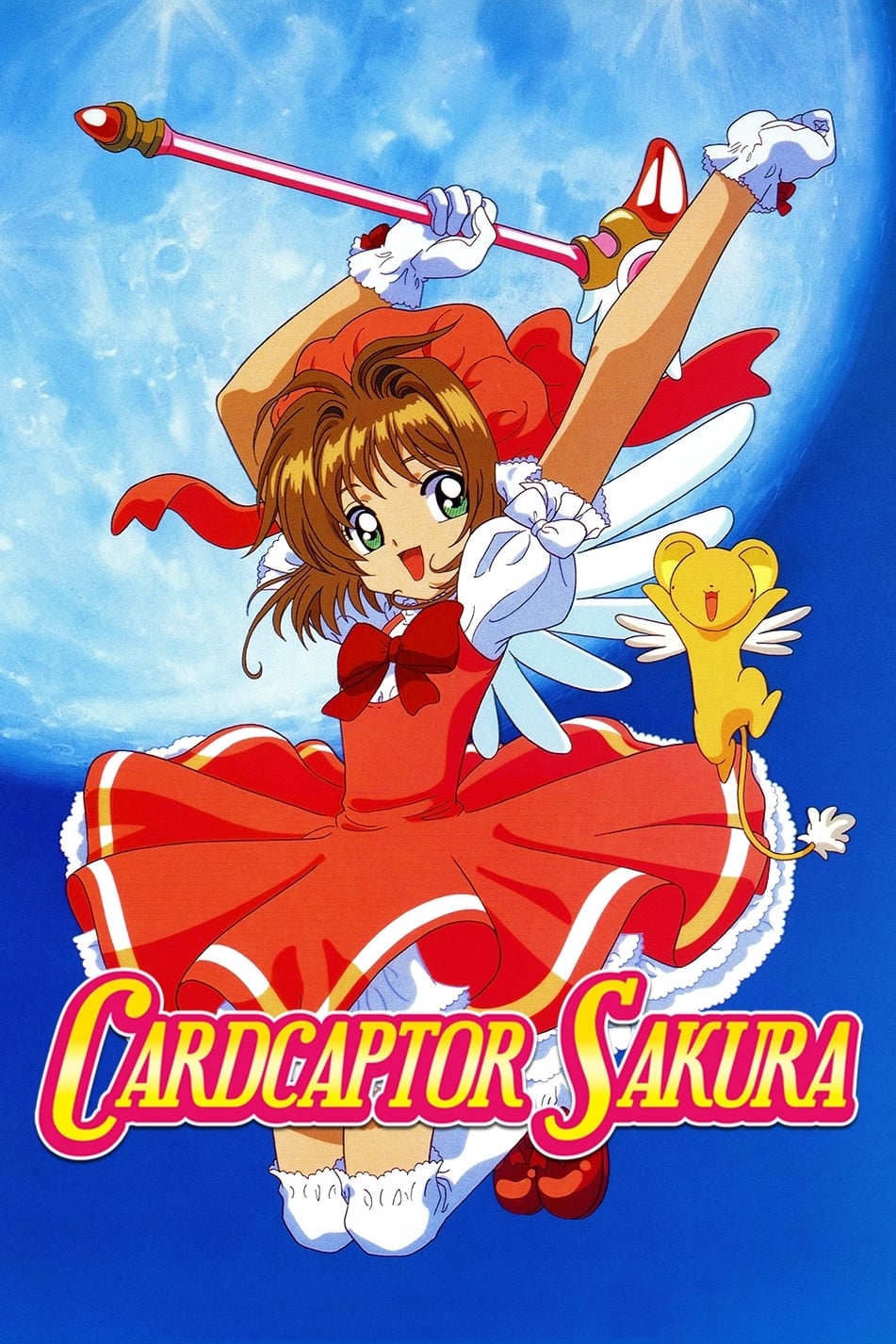
The English adaptation titled ‘Cardcaptors’ significantly reduced the emotional bond between the characters Touya and Yukito. In the original series their deep affection for one another is explicitly romantic and central to the plot. The dub edited out many of their shared scenes and altered their dialogue to imply they were merely best friends. This removal of subtext changed the mature emotional core of the series for Western viewers. Most of the romantic tension was completely scrubbed from the localized script.
‘Neon Genesis Evangelion’ (1995–1996)
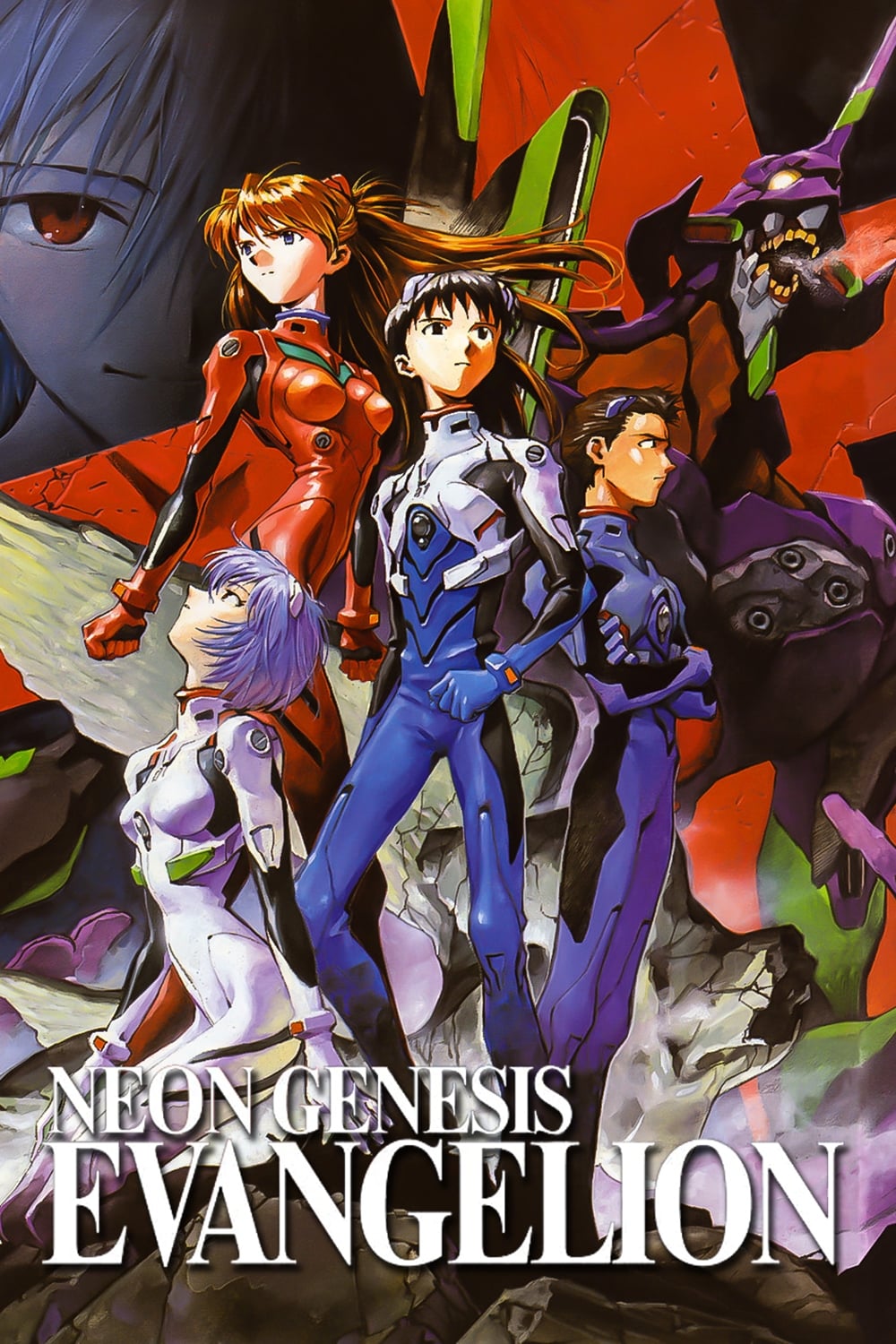
The 2019 redub of this landmark series sparked controversy regarding the relationship between Shinji Ikari and Kaworu Nagisa. A famous line where Kaworu tells Shinji he loves him was changed to a more platonic expression of liking him. This change altered the perceived intimacy of their connection during a pivotal moment in the story. Many fans felt the new translation diminished the romantic weight of their interactions. The update highlighted how even modern localizations can soften queer subtext through specific word choices.
‘Yu-Gi-Oh! GX’ (2004–2008)

Jesse Anderson and Jaden Yuki share an intense bond that many fans interpret as romantic due to their chemistry and mutual devotion. The English localization softened much of the emotional dialogue between them to emphasize a competitive friendship. Scenes where they express profound care for one another were often rewritten with jokes or banter. This shift was intended to fit the show into the standard action adventure mold for young boys. The result was a noticeable reduction in the emotional stakes of their partnership.
‘Tokyo Mew Mew’ (2002–2003)
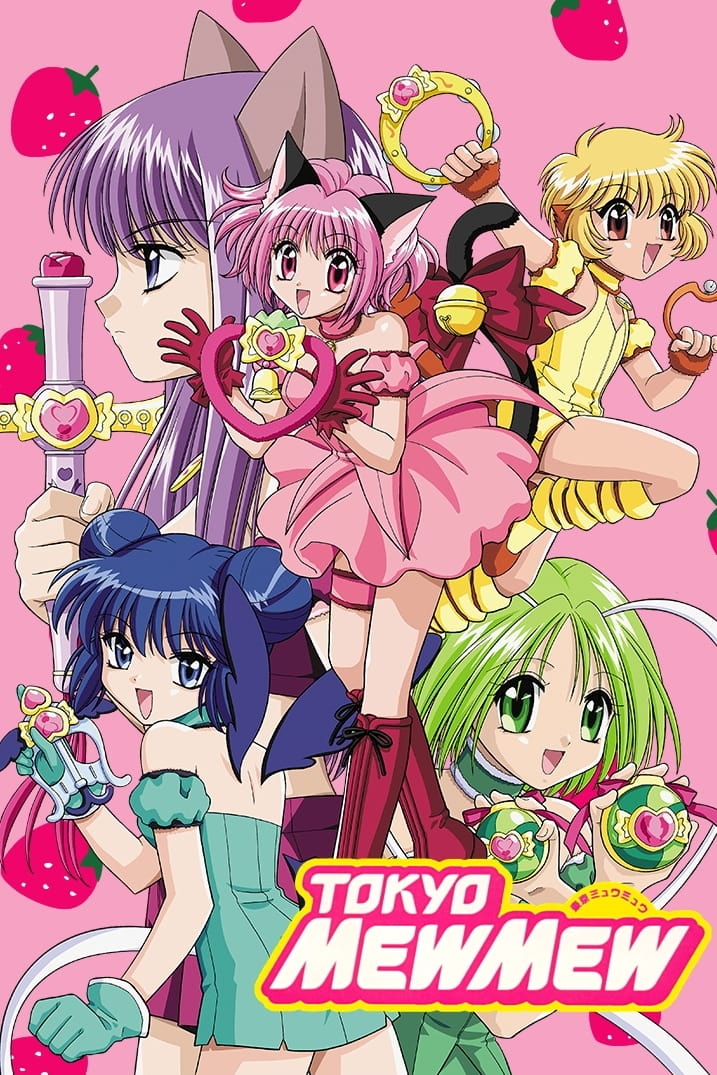
In the English version known as ‘Mew Mew Power’ many of the queer elements involving the character Zakuro were removed. The original series features a young girl named Nanami who has a very clear crush on Zakuro. The dub altered these interactions to make Nanami appear more like a starstruck fan of a famous model. This change effectively erased the representation of a young girl exploring her sexuality through admiration of an idol. The localization prioritized a more traditional idol and fan relationship over the original queer subtext.
‘Revolutionary Girl Utena’ (1997)
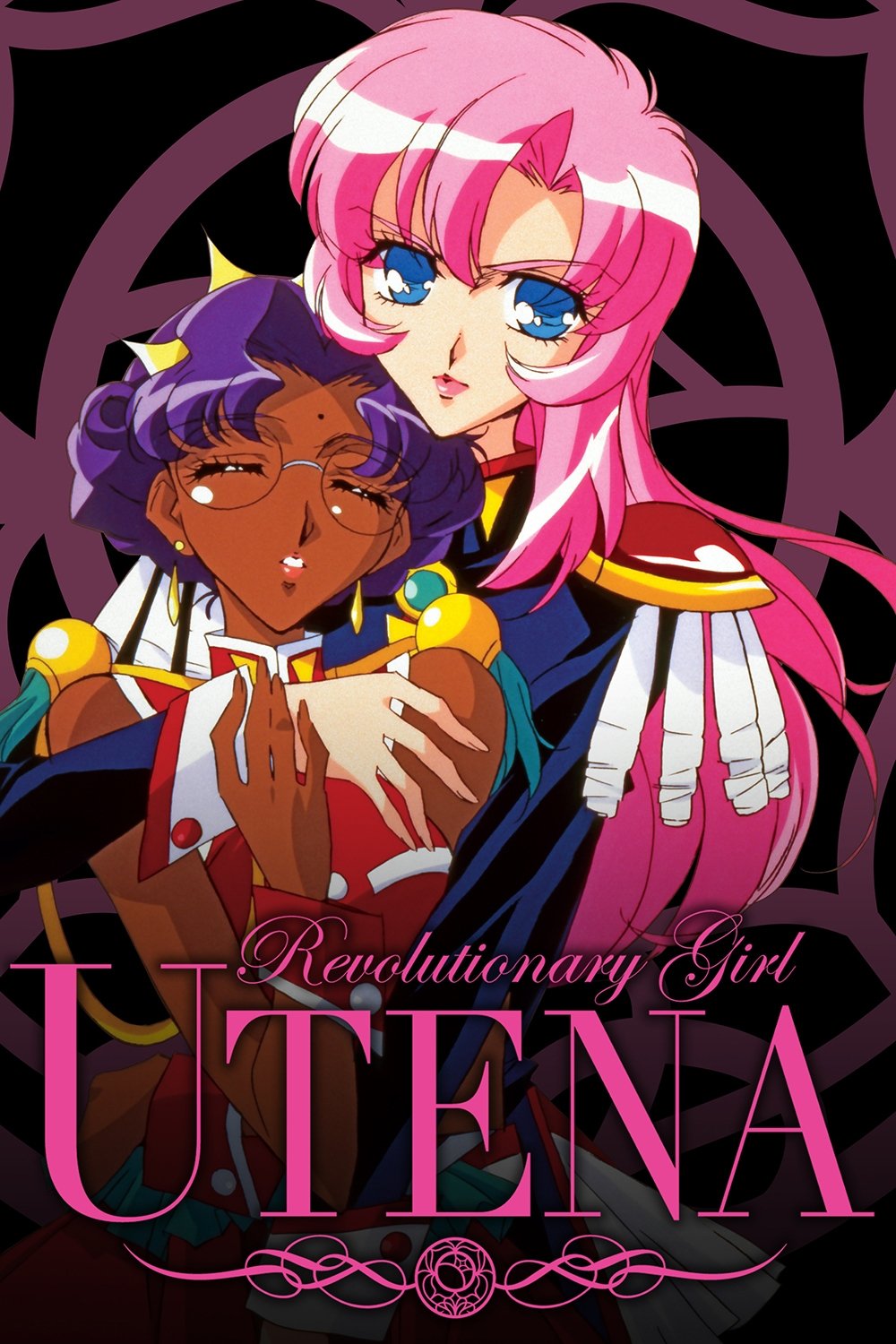
This series is famous for its surrealism and the central romance between Utena and Anthy. While the dub generally kept the plot intact it often softened the romantic nature of their dialogue in the early episodes. Some localizations of the show across different regions used more ambiguous terms to describe their relationship. The physical intimacy and symbolic marriage between the two leads were occasionally downplayed in promotional materials. Despite this the core themes of the series made it difficult to fully straighten the relationship.
‘Naruto’ (2002–2007)
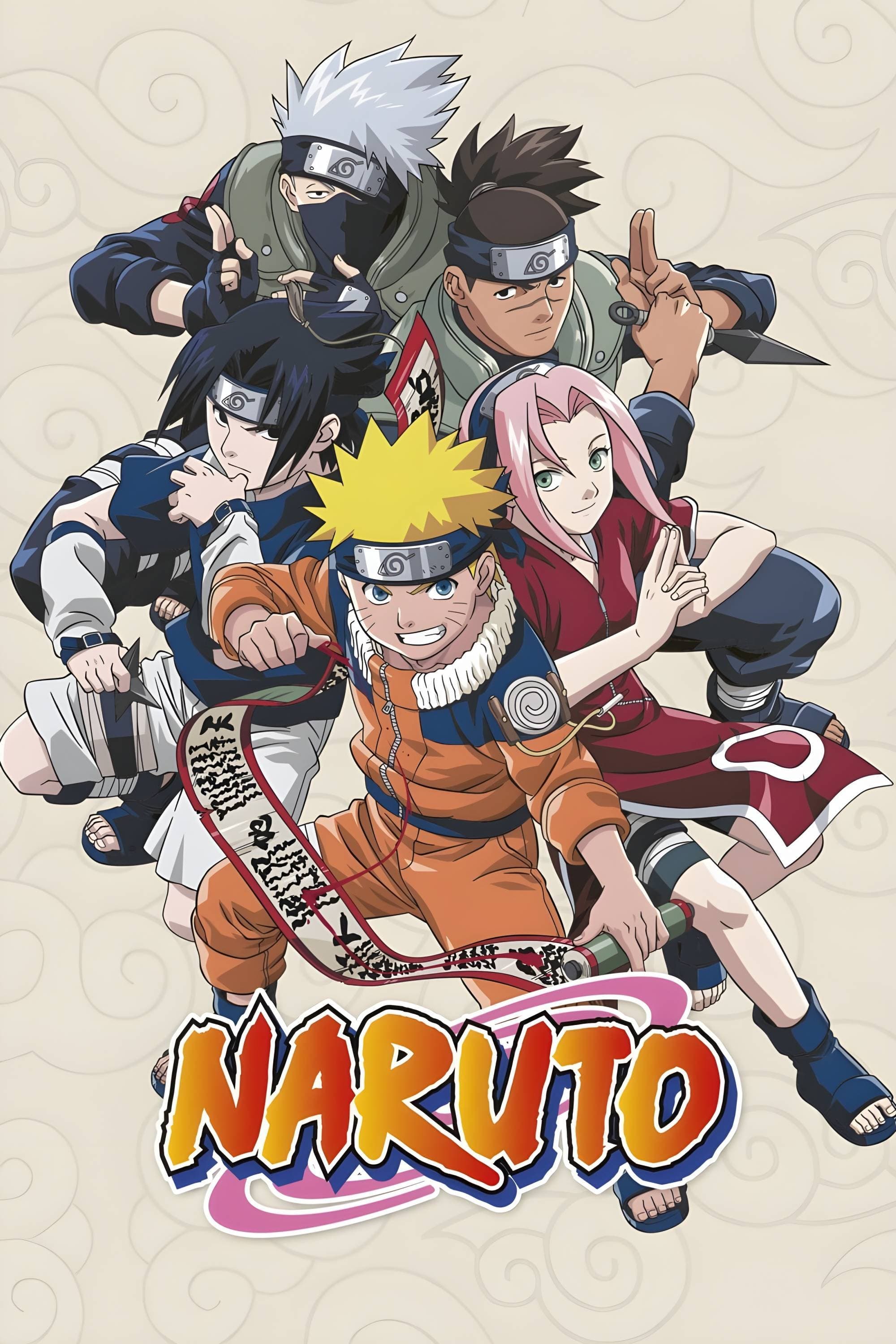
The character Haku is introduced as a beautiful boy who often confuses other characters regarding his gender. In the English dub some of the nuances of Haku’s relationship with Zabuza were simplified to a purely master and apprentice dynamic. While their bond is undeniably deep the original Japanese script implies a level of devotion that borders on romantic. The dub occasionally leaned into the confusion about Haku’s appearance for comedic effect rather than exploring the character’s identity. This effectively sidelined the queer subtext present in their tragic storyline.
‘Ouran High School Host Club’ (2006)
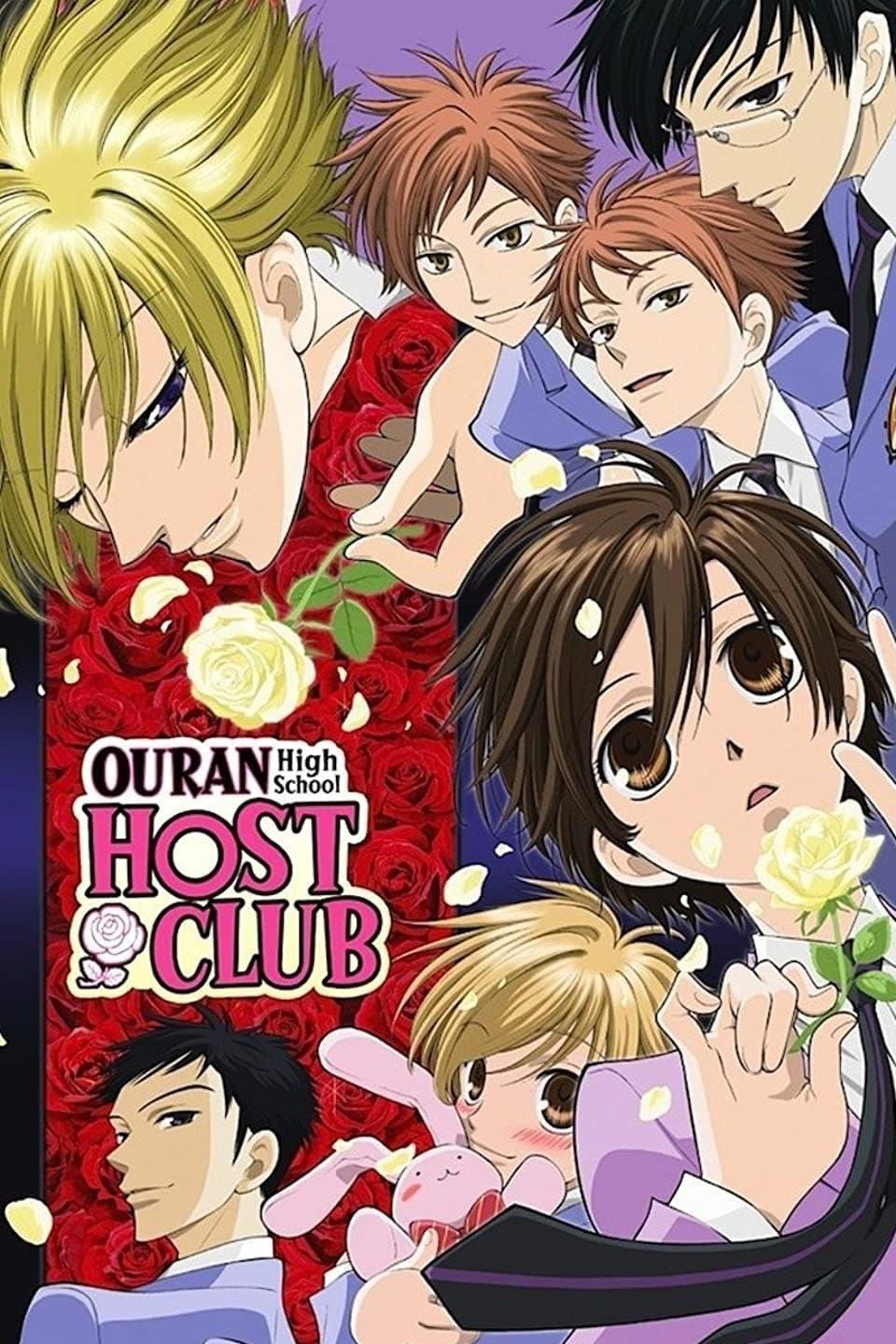
The character Ryoji is the father of the protagonist and is a bisexual man who works as a crossdressing entertainer. The English dub is relatively faithful but some of the specific cultural nuances of his identity were lost in translation. Some dialogue was adjusted to make his lifestyle seem more like a quirky job rather than a fundamental part of his identity. While the show remains progressive the dub sometimes uses humor to distance the character from serious queer representation. This framing can lead viewers to overlook the character’s actual history and experiences.
‘Saint Seiya’ (1986–1989)
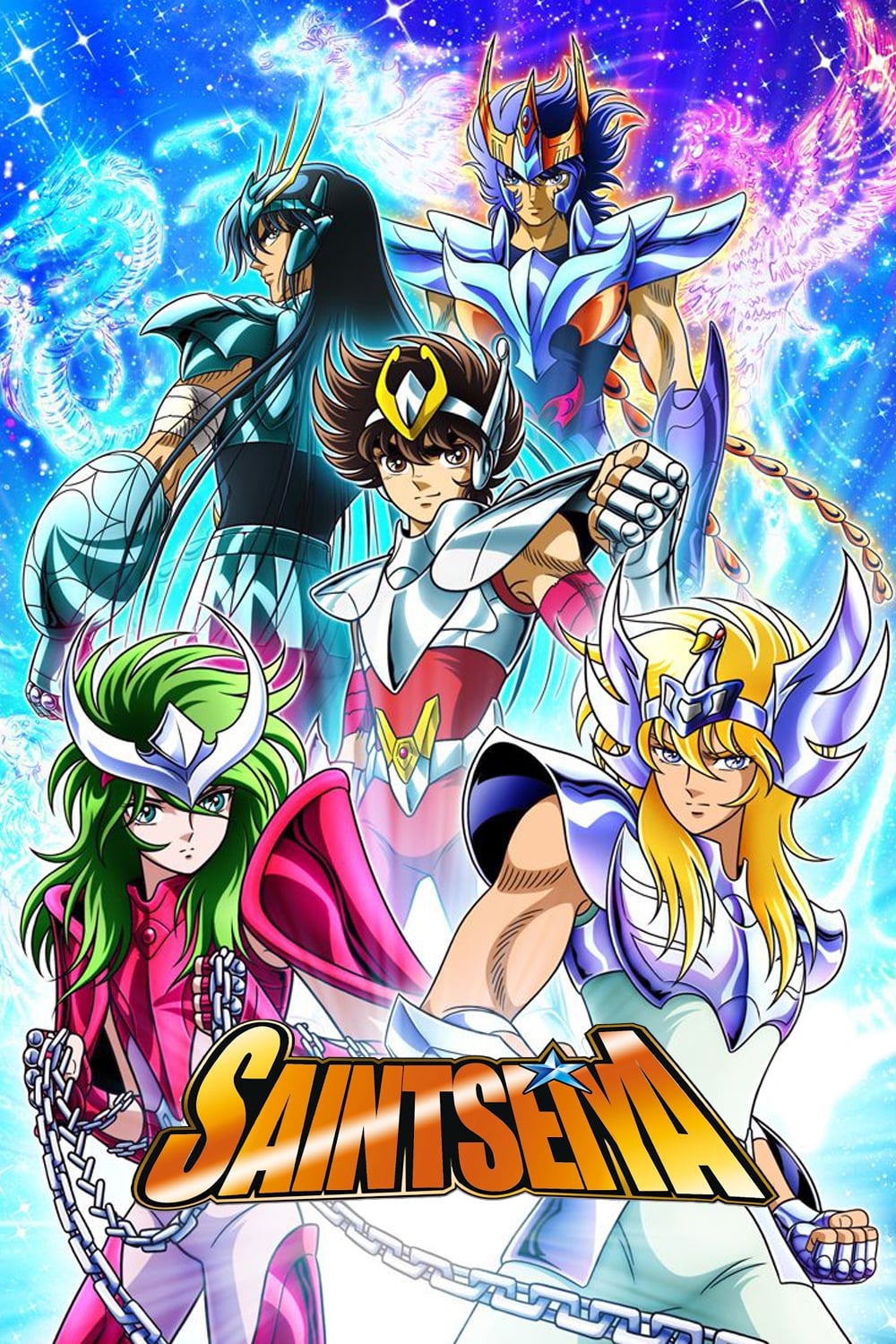
Andromeda Shun is a character known for his gentle nature and pink armor which challenged traditional masculine tropes in the eighties. In the English localization titled ‘Knights of the Zodiac’ many of his scenes were edited to make him appear more aggressive. His emotional connection with other male characters was often downplayed in favor of traditional action hero banter. A more recent adaptation even changed the character into a girl to avoid having a feminine male lead. This choice directly erased the original character’s subversion of gender norms.
‘Robotech’ (1985)

This series was a combination of three different anime including ‘Genesis Climber MOSPEADA’ which featured the character Lancer. Lancer is a male soldier who spends much of the series living and performing as a female singer named Yellow Dancer. The English dub often treated this as a simple disguise for espionage rather than exploring the character’s comfort with gender fluidity. The emotional depth of Lancer’s dual life was frequently glossed over in favor of the overarching war plot. This simplified a pioneering example of gender nonconformity in early television anime.
‘Princess Knight’ (1967–1968)

The protagonist Sapphire was born with both a male and female heart and is raised as a prince to inherit a kingdom. Early English versions of the show often struggled to explain Sapphire’s dual nature and the romantic complications it caused. The script frequently emphasized the male persona as a disguise while downplaying the character’s inherent gender complexity. This removed much of the philosophical questioning present in the original work by Osamu Tezuka. The result was a more straightforward adventure story that lacked the original’s exploration of identity.
‘Battle of the Planets’ (1978–1980)
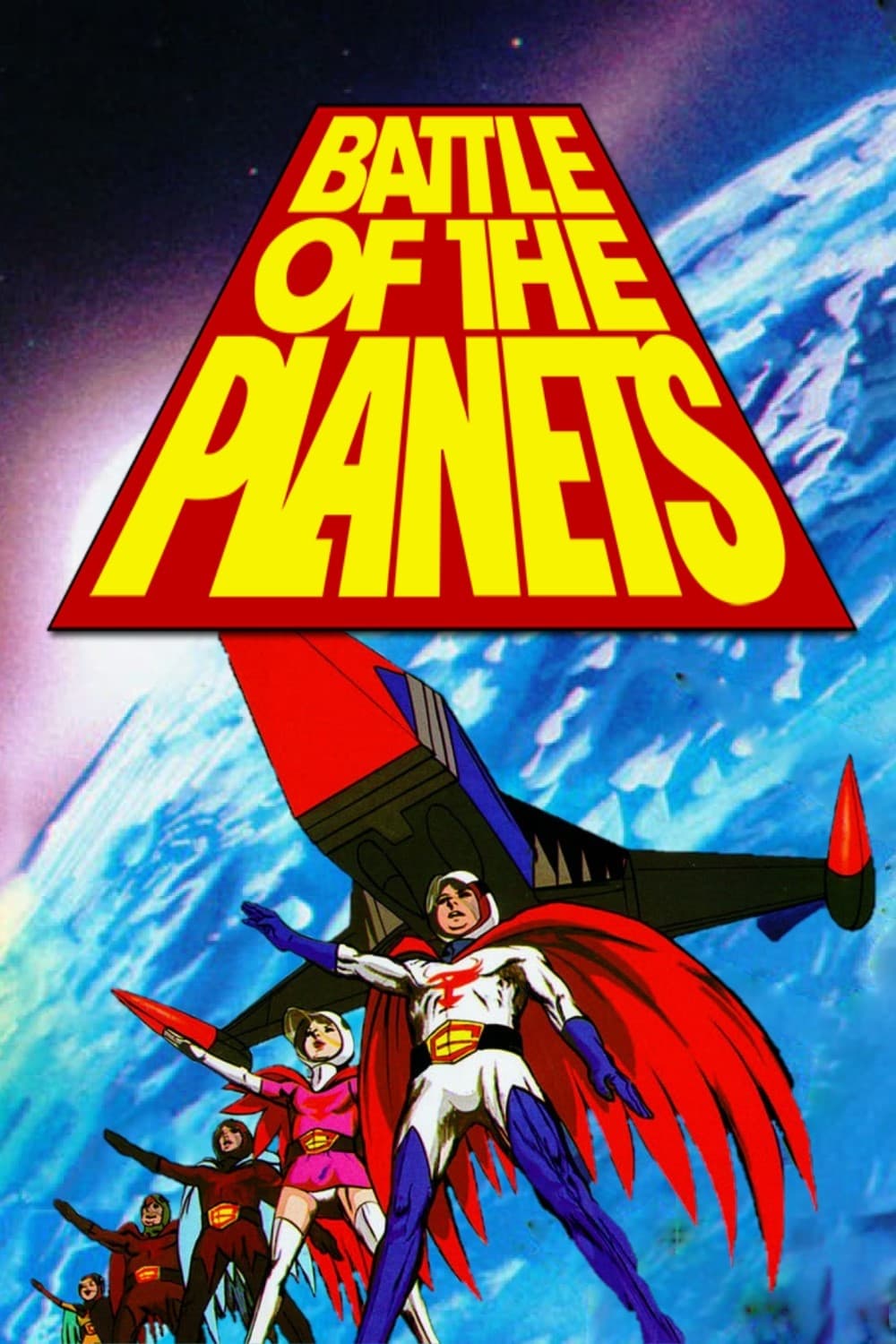
The villainous character Zoltar was originally a being that could switch between male and female forms in the Japanese series ‘Gatchaman’. The English dub removed this aspect by depicting Zoltar as a man and his female form as a separate sister character. This completely erased the queer and gender fluid nature of the original antagonist. By splitting the character in two the dub avoided any complicated questions about gender and biology. This change was typical for cartoons aimed at children in the late seventies.
‘One Piece’ (1999–Present)
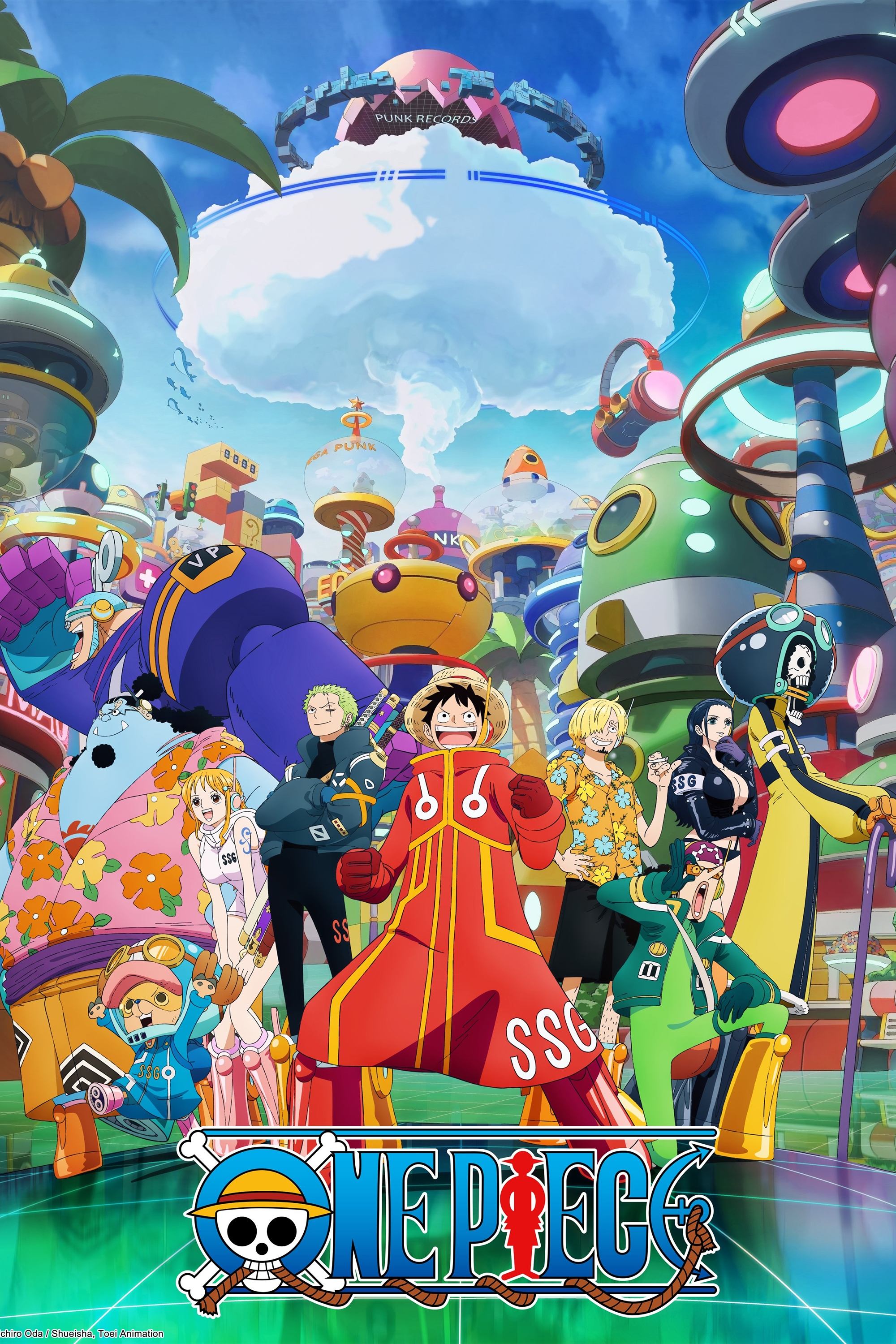
The early 4Kids dub of this series was notorious for its heavy censorship and changes to character identities. Characters like Bon Kurei who embrace a flamboyant and gender nonconforming lifestyle were significantly altered. Much of the dialogue regarding their philosophy of life was replaced with generic pirate dialogue or bad puns. This removed the representation of the Okama culture which is a significant part of the original Japanese series. The localization aimed to make the characters less provocative for a younger Western demographic.
‘Dragon Ball’ (1986–1989)
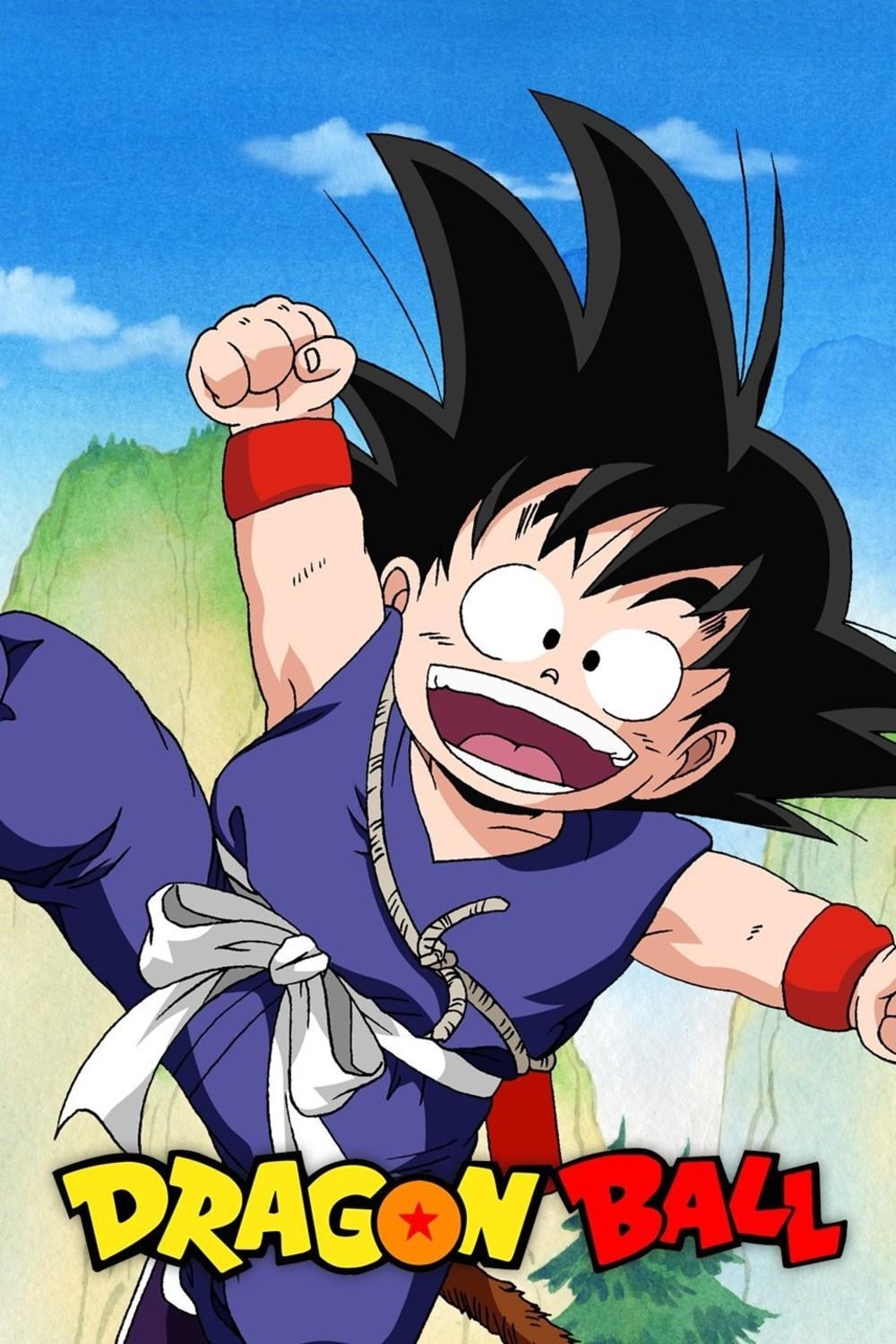
General Blue is a high ranking officer in the Red Ribbon Army who is clearly depicted as a gay man in the original series. The English dub removed several of his more overt character traits and lines that highlighted his attraction to men. His obsession with his own beauty was kept but the romantic context was largely scrubbed away. This made the character feel like a generic narcissistic villain rather than a specific queer archetype. This was a common practice in the eighties to sanitize villains for television.
‘Fullmetal Alchemist’ (2003–2004)
The character Envy is an artificial human who lacks a specific gender and frequently shifts appearances. While the dub keeps this ambiguity many fans noted that the English script often used masculine pronouns exclusively. In the original Japanese text Envy’s gender is left entirely undefined and the character uses gender neutral language. The choice to gender the character in the dub subtly shifted how audiences perceived Envy’s identity. This simplified a complex character into a more standard male antagonist role.
‘Black Butler’ (2008–2010)
Grell Sutcliff is a Grim Reaper who explicitly identifies as a woman and has a strong romantic interest in the protagonist Sebastian. The English dub often portrays Grell’s feelings as a comedic exaggeration or a delusional obsession. While the voice performance is iconic it sometimes leans into the stereotypical flamboyant villain trope. Some of the more sincere moments regarding Grell’s identity and desire were played for laughs. This can obscure the fact that Grell is a trans character within the context of the story.
‘My Hero Academia’ (2016–Present)
The villain Magne is a trans woman whose identity is respected by her teammates in the League of Villains. In the initial English dubbing some characters used the wrong pronouns for her which caused frustration among fans. While this was eventually corrected in later versions it highlighted the difficulties of translating gendered language accurately. The nuance of her character’s struggle and the support she received from her peers was briefly muddled. This instance showed how even modern dubs can struggle with queer identities initially.
‘Hunter x Hunter’ (2011–2014)
Alluka Zoldyck is a character whose gender identity is a point of contention within her own family. Her brother Killua is the only one who correctly identifies her as a girl while others use cold and masculine terms. The English dub had to carefully navigate these linguistic differences to maintain the emotional impact of Killua’s support. Some early translations were inconsistent with pronouns which softened the clear distinction between Killua’s love and his family’s cruelty. The character remains a powerful example of trans representation despite these localization hurdles.
‘Steins;Gate’ (2011)
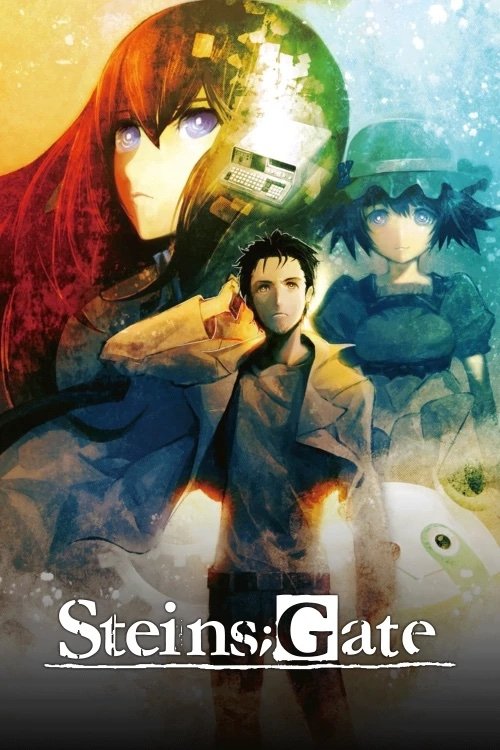
Luka Urushibara is a character who expresses a deep desire to be a girl and has romantic feelings for the protagonist Okabe. The English dub frequently uses the term dude to refer to Luka which adds a layer of irony to her struggle. While the show explores her identity through a time travel plot the dub sometimes leans more into the comedic shock of her biological sex. This can distract from the genuine sadness and longing that the character experiences throughout the series. The localization often prioritizes Okabe’s perspective over Luka’s internal conflict.
‘Bleach’ (2004–2012)
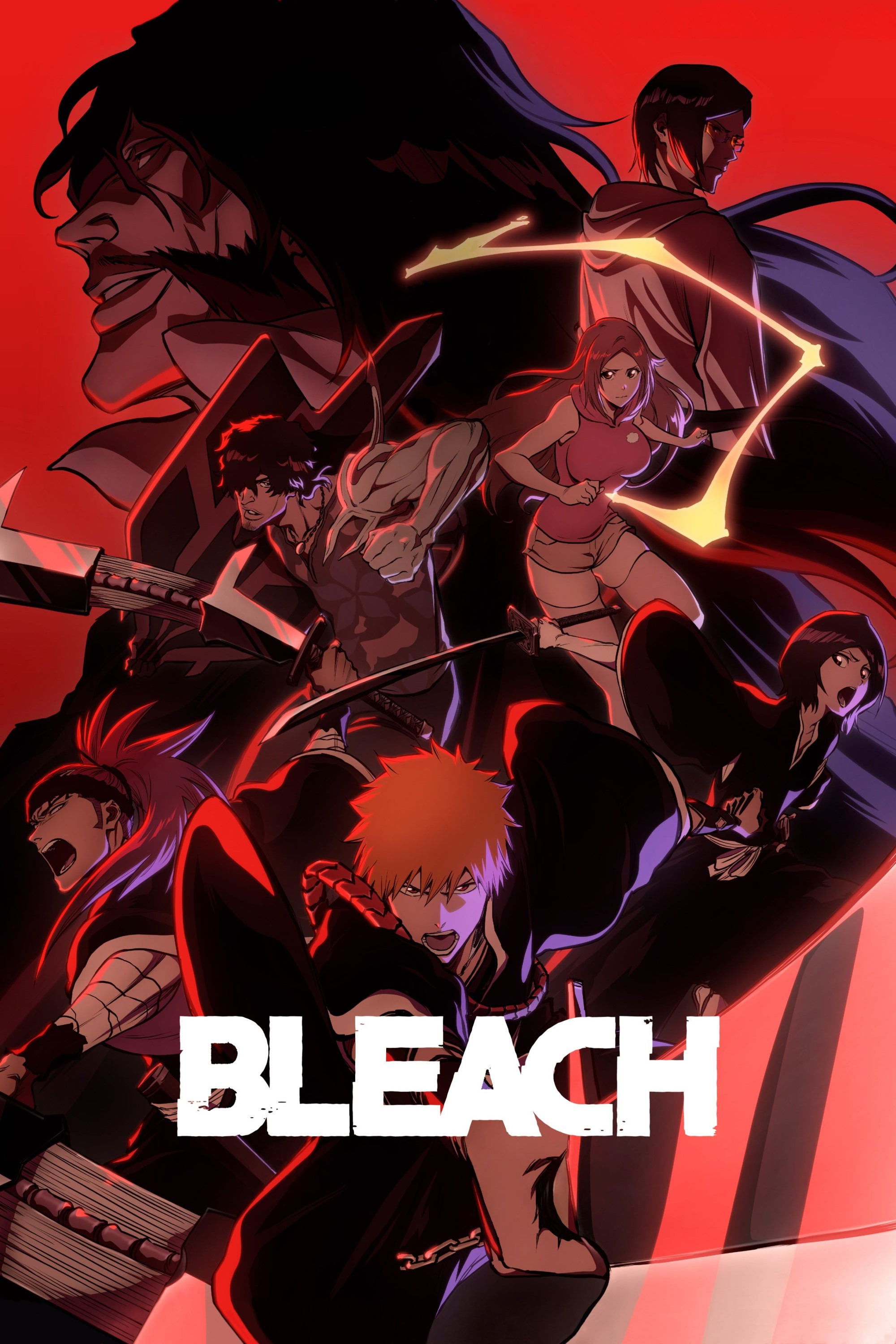
Giselle Gewelle is a character with the ability to control others using her blood and her gender identity is revealed during a battle. The English localization of the manga and anime had to deal with the harsh way other characters reacted to this revelation. Some of the dialogue was softened to avoid being overly offensive while still conveying the antagonistic nature of the scene. This change slightly altered the tone of the interaction between the characters. The complexity of Giselle’s identity was somewhat overshadowed by the supernatural elements of the story.
‘Pokémon’ (1997–Present)

The character James of Team Rocket has a long history of crossdressing and defying gender norms throughout the series. Many episodes featuring these traits were either heavily edited or banned entirely from the English broadcast. This prevented Western audiences from seeing James’s more flamboyant and gender fluid moments. His relationship with Jessie was often framed as more strictly professional or platonic to avoid any unconventional vibes. These cuts removed a significant layer of character depth that made James a fan favorite in Japan.
‘Sonic X’ (2003–2005)

The relationship between the characters Topaz and Rouge the Bat had many romantic undertones in the original Japanese version. They shared intimate moments and a deep emotional bond that was noticeably toned down in the English dub. Their dialogue was rewritten to focus more on their professional partnership as a soldier and a spy. Scenes that depicted them as a couple were edited to look like simple friendship. This removed a rare example of a queer human and anthropomorphic character dynamic.
‘Shaman King’ (2001–2002)
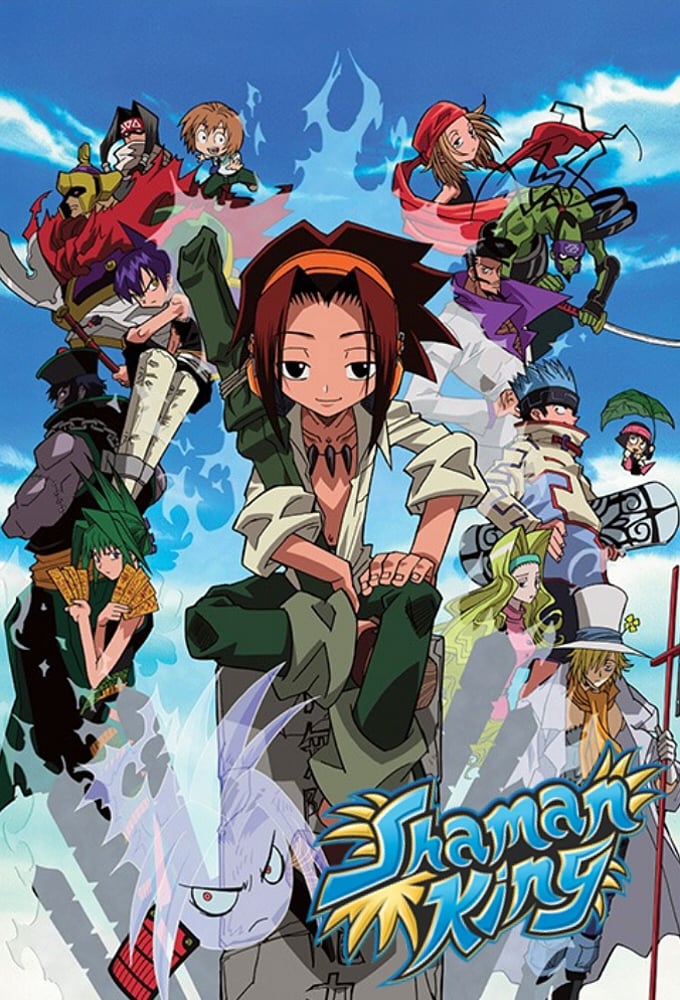
The character Ren Tao has an intense and competitive relationship with the protagonist Yoh that carries significant subtext. The English dub often emphasized their rivalry while stripping away some of the more emotional and vulnerable dialogue. This was a common tactic in early 2000s shonen anime to keep the focus on action and fighting. The deep respect and affection Ren develops for Yoh were framed in a much more traditional masculine way. This prevented the audience from fully grasping the emotional complexity of their bond.
‘Ghost Stories’ (2000–2001)
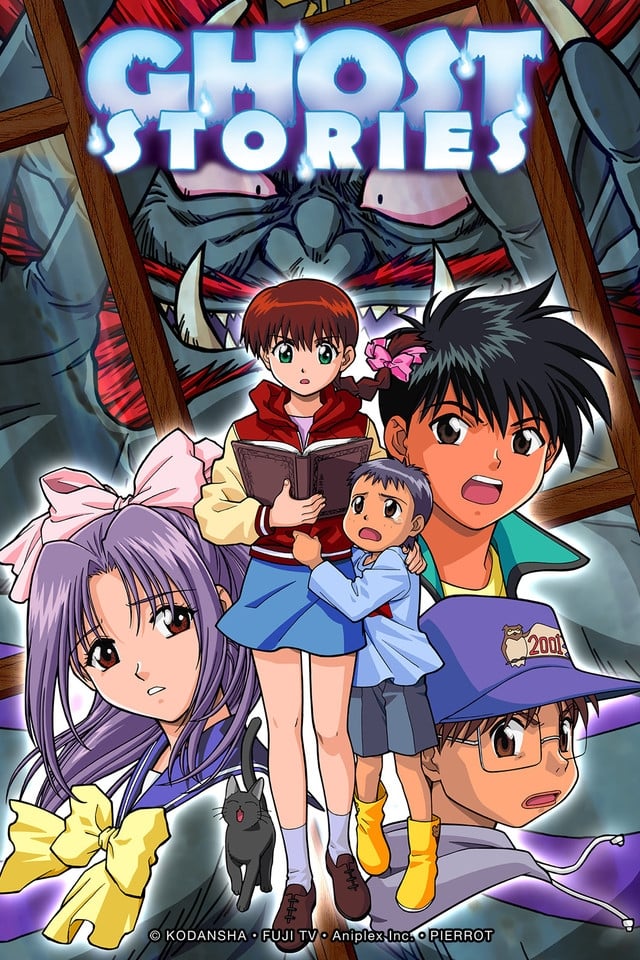
The English dub of this series is famous for completely rewriting the script into a dark comedy. In doing so the voice actors added many jokes that referenced queer stereotypes and changed character motivations. One character was given a background that involved a repressed attraction to the protagonist. While the original series was a straightforward horror show the dub created entirely new queer dynamics for comedic effect. This didn’t necessarily straighten relationships but it fundamentally altered the intended representation.
‘Magic Knight Rayearth’ (1994–1995)
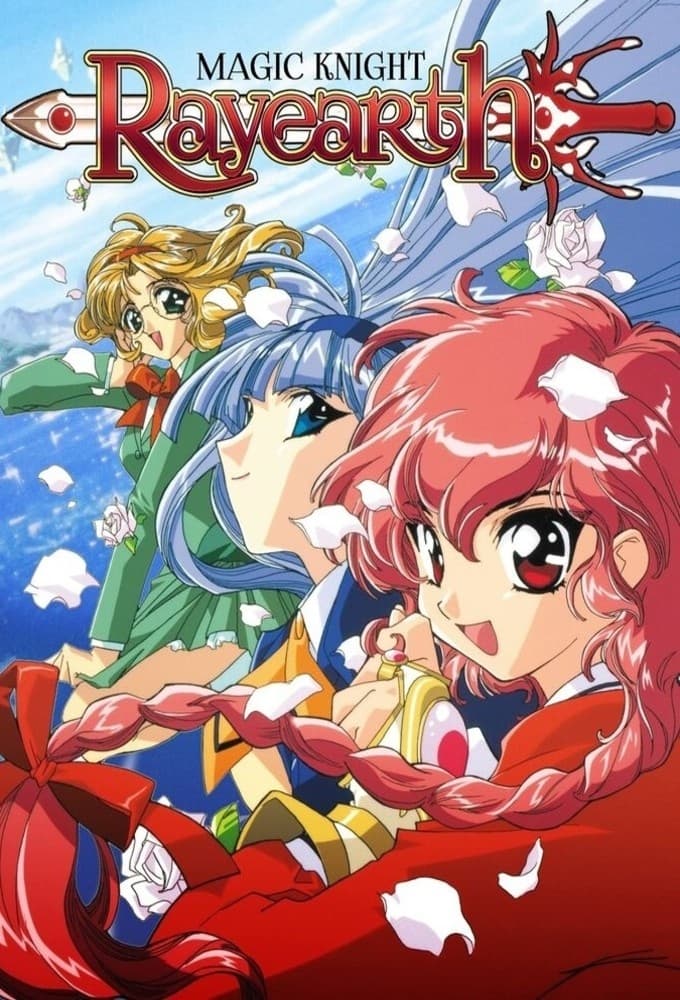
Eagle Vision is a character who has a very close and ambiguous relationship with his subordinate Lantis. In the original Japanese version their bond is portrayed with a level of intimacy that suggests romantic feelings. The English dub significantly downplayed this connection by emphasizing their professional roles. Much of the soft dialogue between them was replaced with more stoic or mission focused lines. This change removed the tragic romance that was a highlight of the original story’s second arc.
‘Gravitation’ (2000–2001)
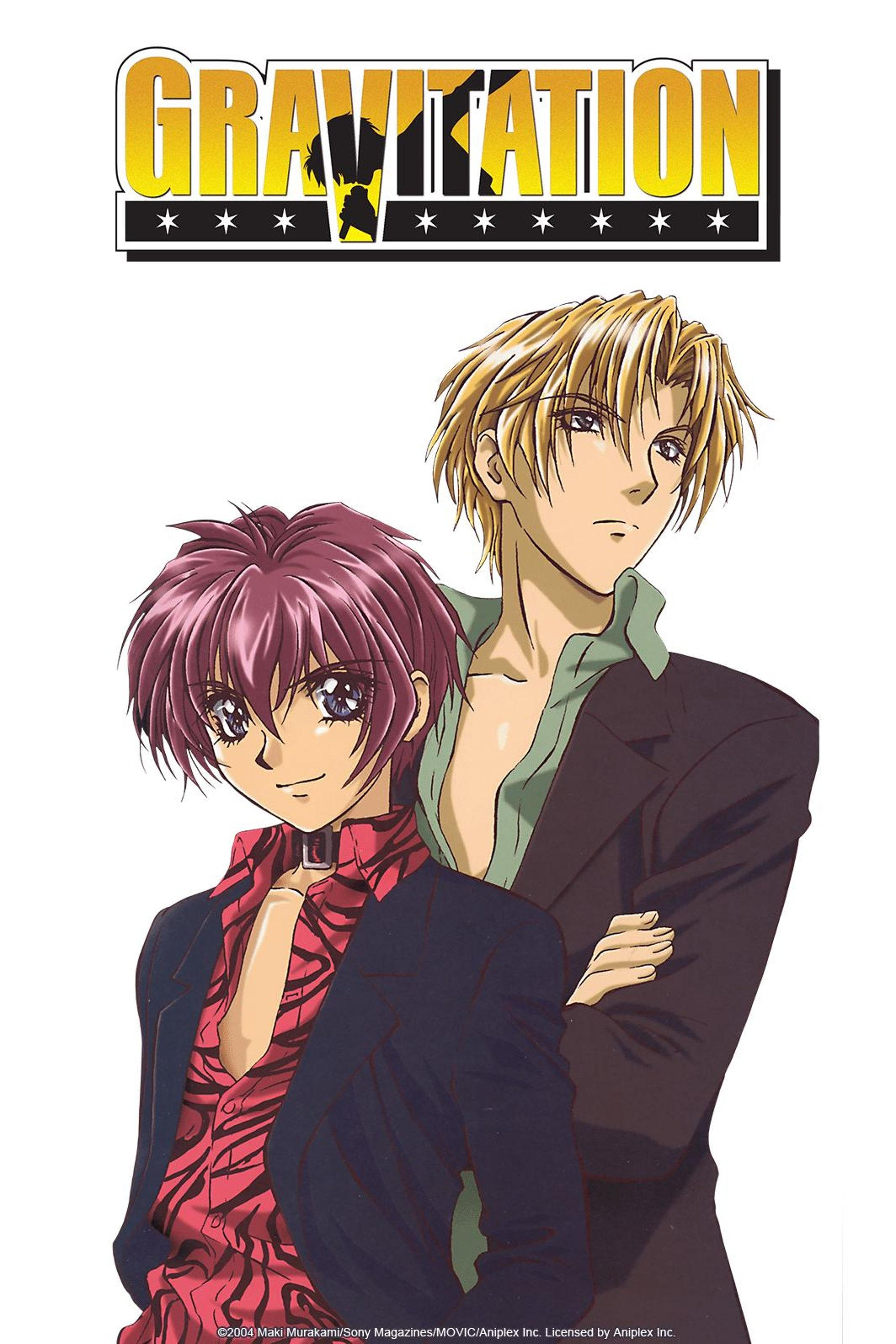
As a series specifically about a romance between two men the dub could not remove the relationship entirely. However the English script often softened the language used by the characters to describe their feelings. Terminology like love was sometimes replaced with terms like care or obsession in specific scenes. The dub also leaned into the comedic elements of the story to distance it from its more dramatic romantic core. This was a way to make the content feel less heavy for international audiences.
‘No. 6’ (2011)
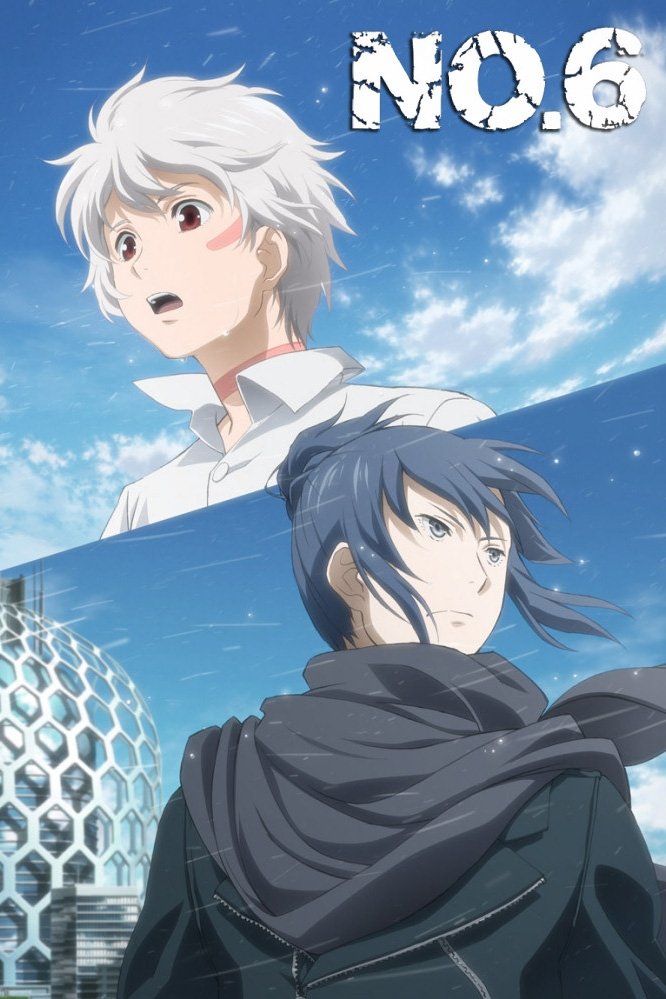
The relationship between Shion and Nezumi is a profound bond that moves from friendship to a deep romantic connection. The English dub handled the story well but some fans noted that certain dialogue choices felt less intimate than the original text. The specific way they addressed each other was sometimes generalized in a way that lost the unique closeness of their dynamic. While the central kiss remains intact the buildup was slightly more ambiguous in English. This subtle shift altered the emotional pacing of their growing romance.
‘Banana Fish’ (2018)
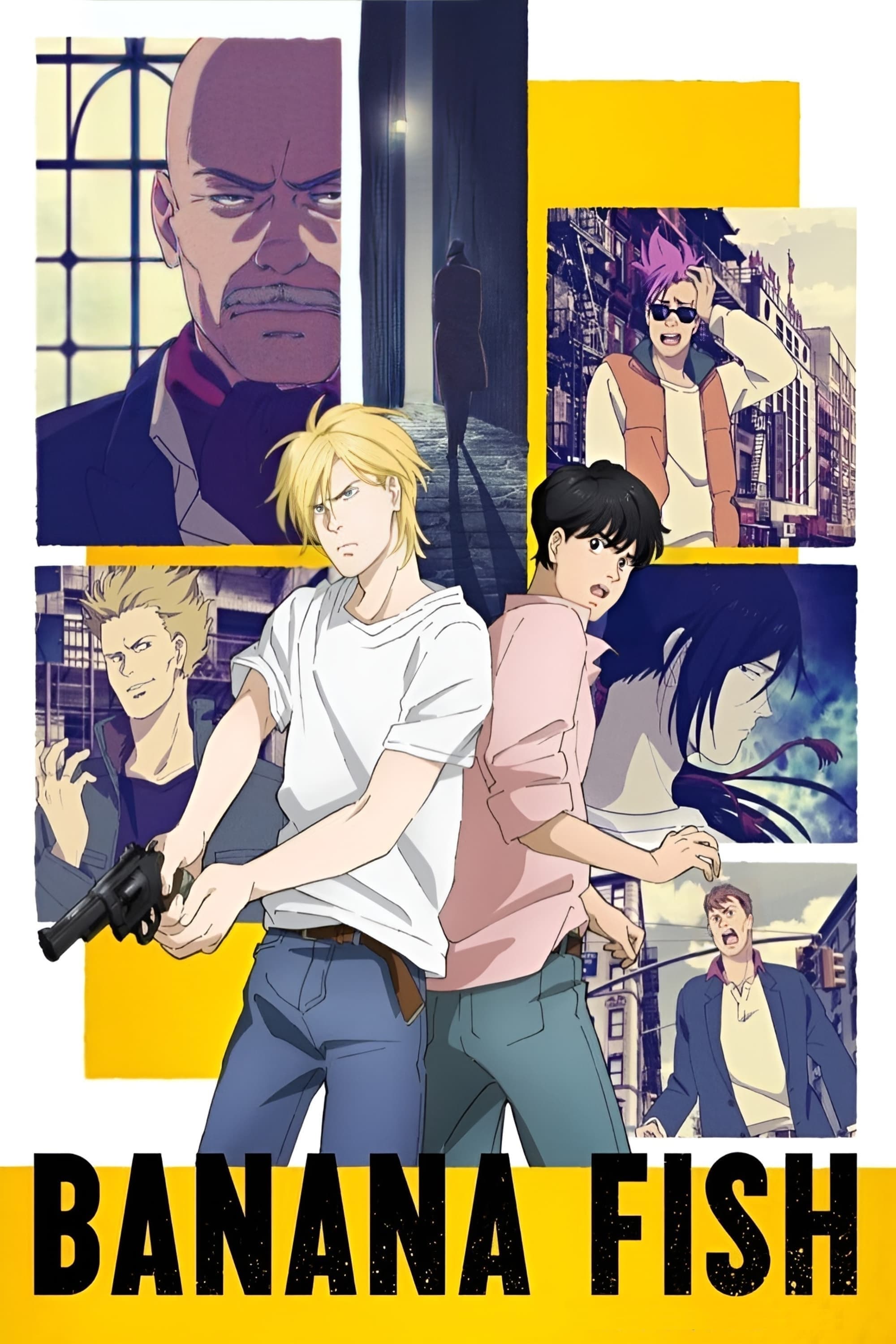
The bond between Ash Lynx and Eiji Okumura is the emotional heart of this gritty crime drama. The English localization faced the challenge of translating a relationship that is never explicitly labeled but is clearly romantic. Some script choices leaned more into the soulmate aspect without using traditionally romantic language. This was a faithful approach but it still left room for some viewers to interpret their bond as platonic. The nuances of their physical affection were kept but the dialogue remained carefully balanced.
‘Given’ (2019)
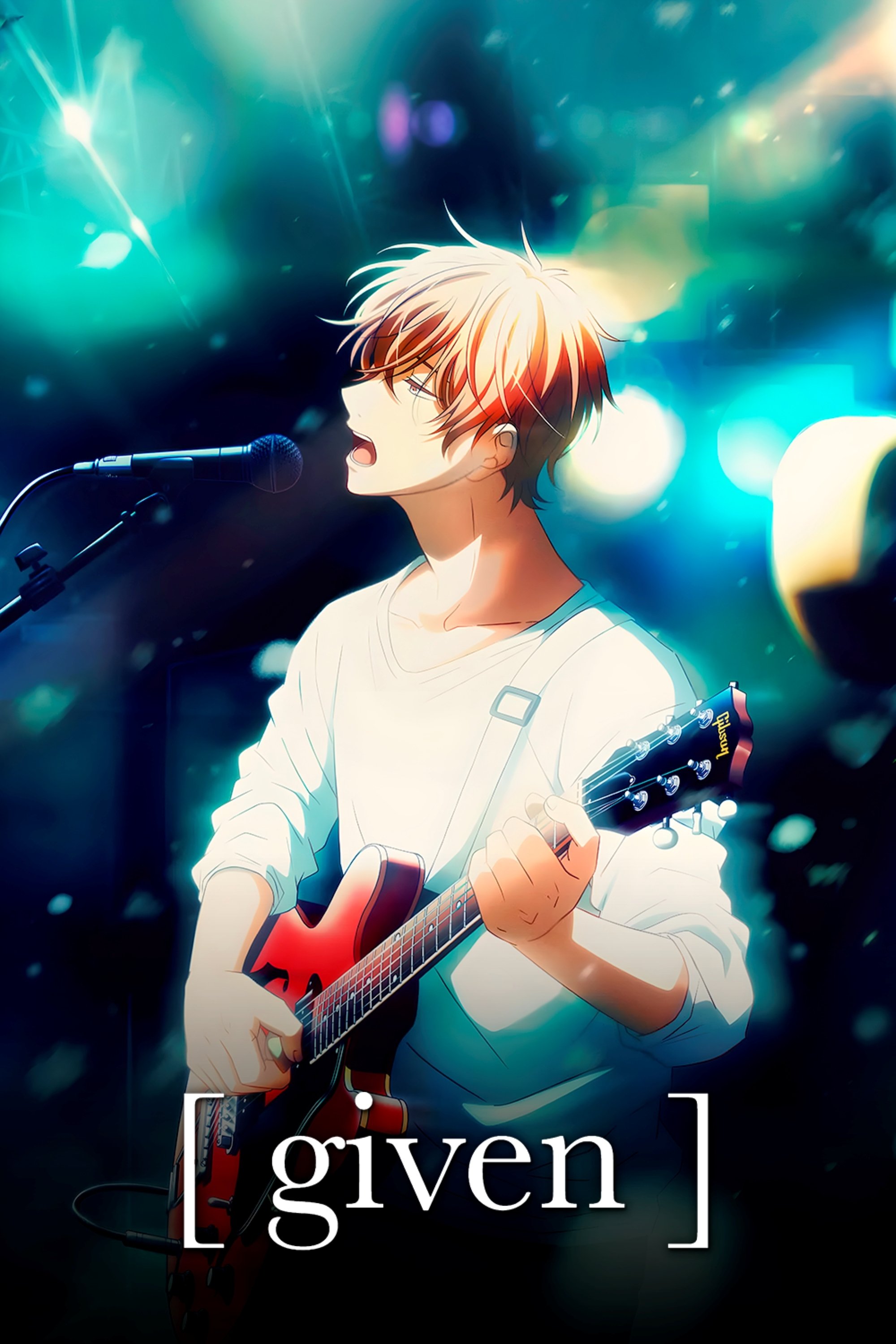
This music focused series depicts a tender and realistic romance between two high school boys. The localization had to deal with the raw emotional honesty of the characters’ feelings for each other. Some of the internal monologues were slightly adjusted to fit English speaking patterns which changed the tone of certain scenes. The way the characters discussed their past queer relationships was handled with care but some nuances were lost. It remains a high point for modern dubbing but still showcases the difficulties of translating queer emotion.
‘Bloom Into You’ (2018)
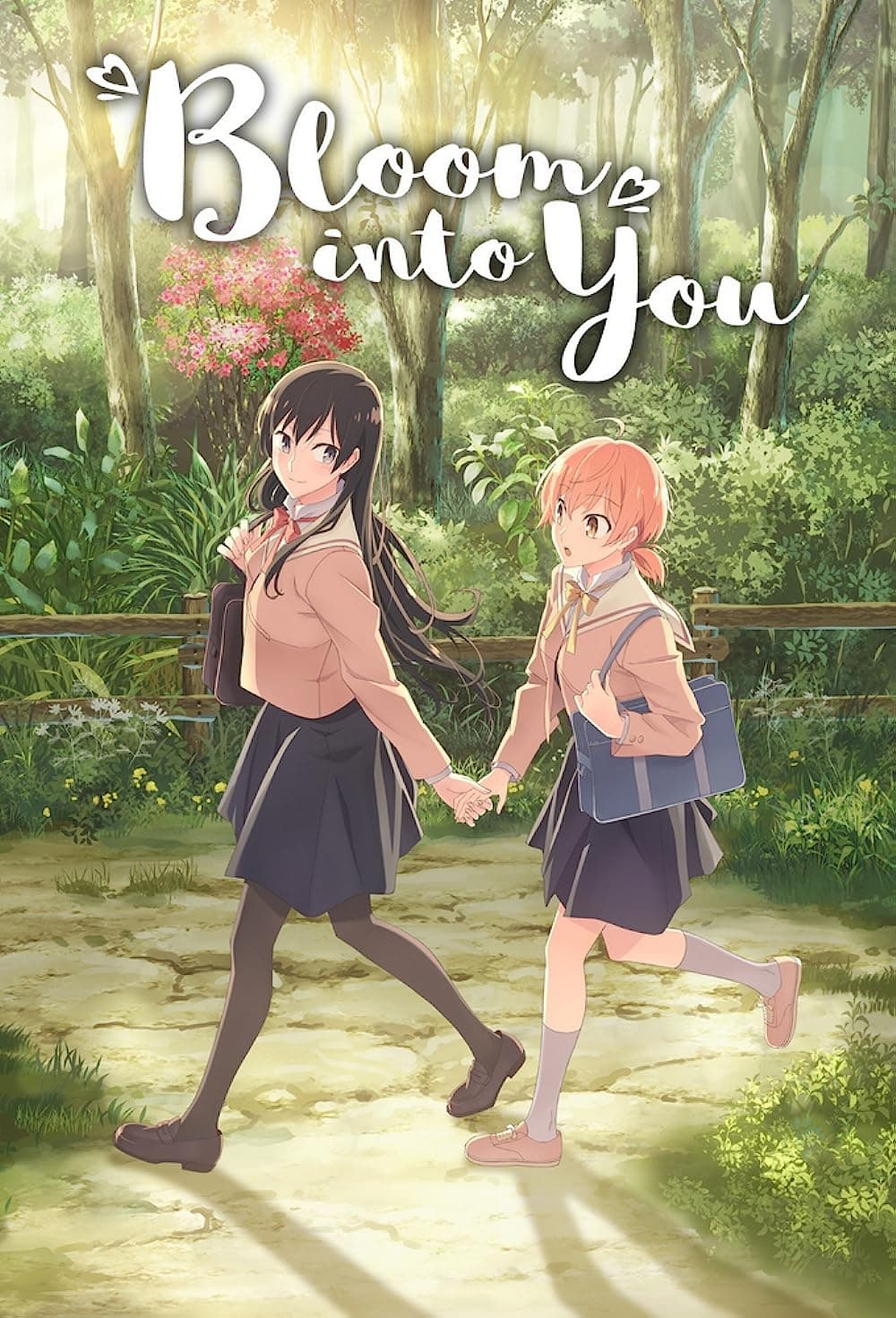
This series explores a young girl’s journey to understand her own lack of romantic feelings and her eventual attraction to another girl. The English dub had to navigate the very specific and philosophical dialogue regarding the nature of love. Some terms were simplified which slightly changed the intellectual depth of the characters’ conversations. The relationship between the two leads was kept central but the dub sometimes made it feel like a more standard romance. This minimized the unique exploration of the asexual and aromantic spectrums present in the original.
‘Citrus’ (2018)

This series depicts a complicated and often controversial romance between two stepsisters. The English dub leaned heavily into the dramatic and sensational aspects of the relationship. Some of the more quiet and reflective moments regarding their queer identities were overshadowed by the show’s intense pacing. The localization choices often prioritized the shock value of the premise over the internal struggles of the girls. This resulted in a version of the story that felt more like a melodrama than a character study.
‘Antique Bakery’ (2008)
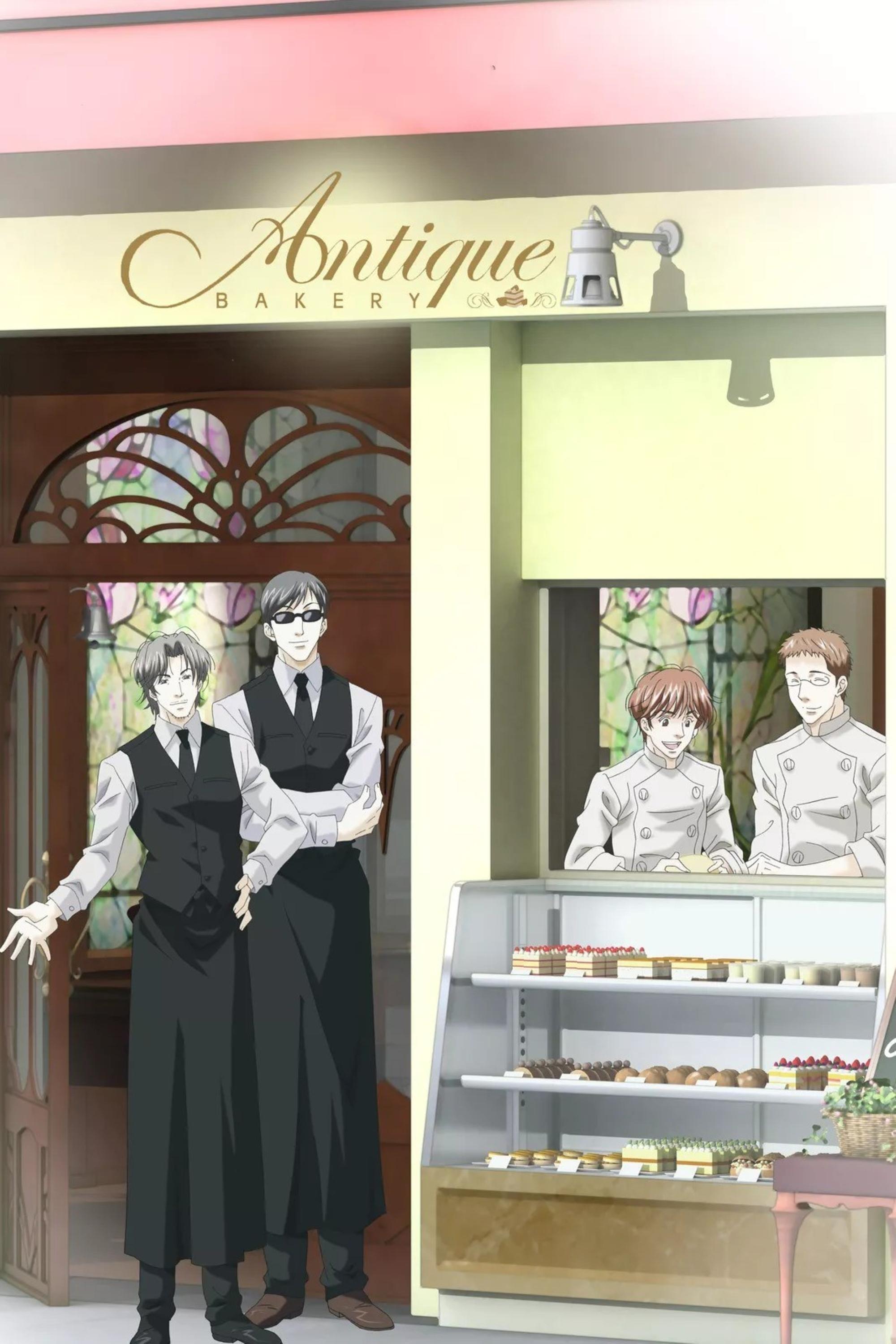
One of the main characters is a gay pastry chef who is described as having demonic charm because he can attract any man. The English localization had to handle his past rejections and his open sexuality as a central plot point. Some of the dialogue regarding his experiences in the gay community was simplified for a general audience. While the character remained openly queer the dub occasionally played his charm for laughs rather than exploring his actual perspective. This shift softened the reality of the character’s life.
‘Simoun’ (2006)
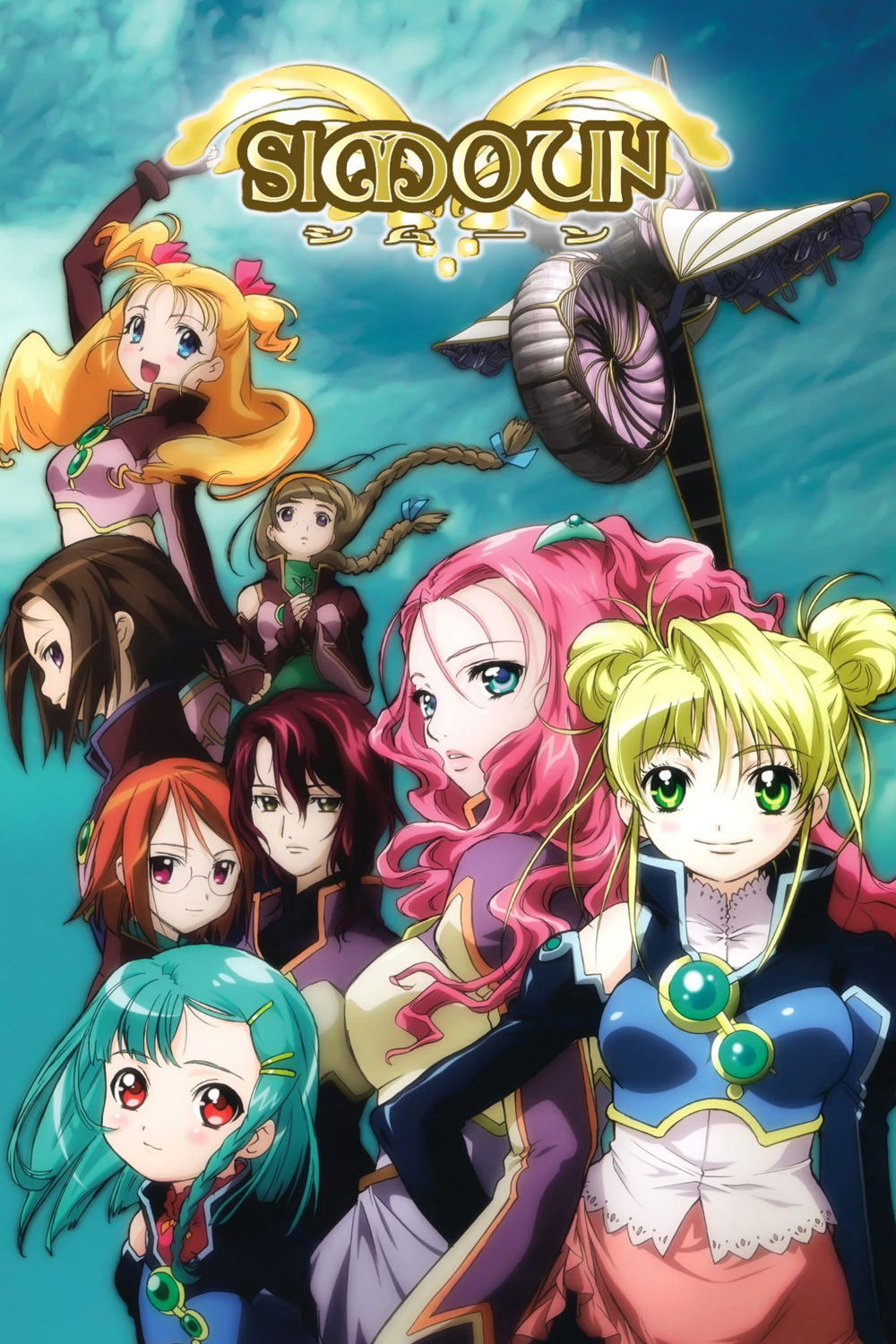
The characters in this world are all born female and choose their permanent gender at a specific coming of age ceremony. This premise leads to a variety of queer relationships and gender identities throughout the series. The English localization faced a massive challenge in translating the unique pronouns and social structures of this world. Some of the complexity was lost as the dub tried to make the concepts more accessible to viewers. This often resulted in a more binary understanding of the characters’ identities than was intended.
‘Wandering Son’ (2011)
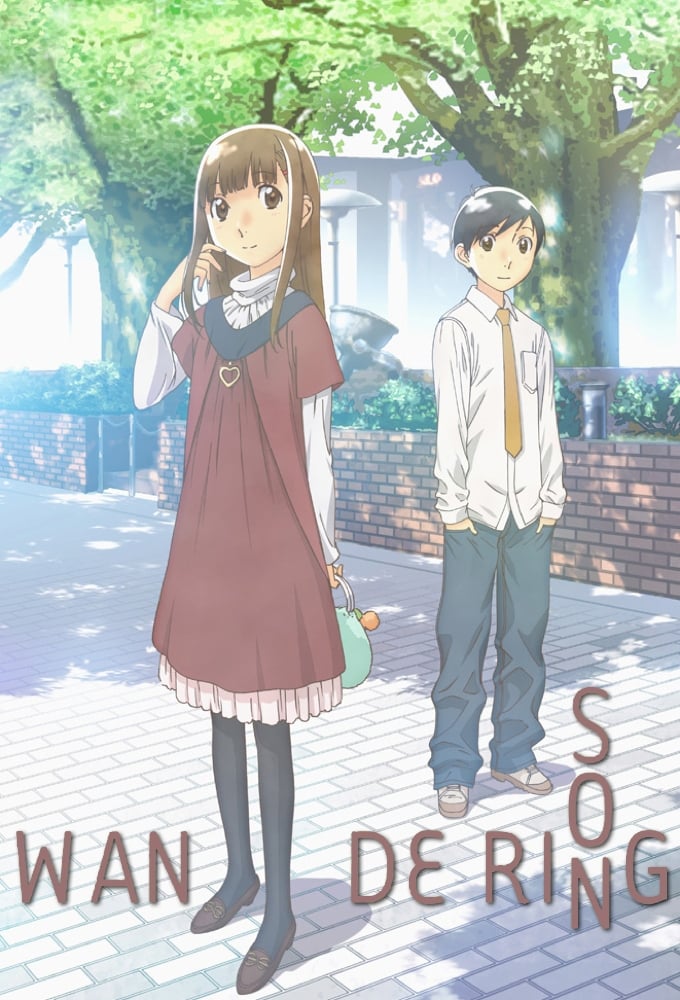
This series is a sensitive exploration of gender identity featuring two young protagonists who are trans. The English subtitled versions were very careful but the localized dialogue in various regions struggled with the terminology. Terms used to describe the characters’ feelings were sometimes replaced with more vague or clinical language. This made the characters’ personal journeys feel more distant and less intimate for the viewer. The removal of specific cultural markers for gender also flattened the narrative.
‘Stars Align’ (2019)
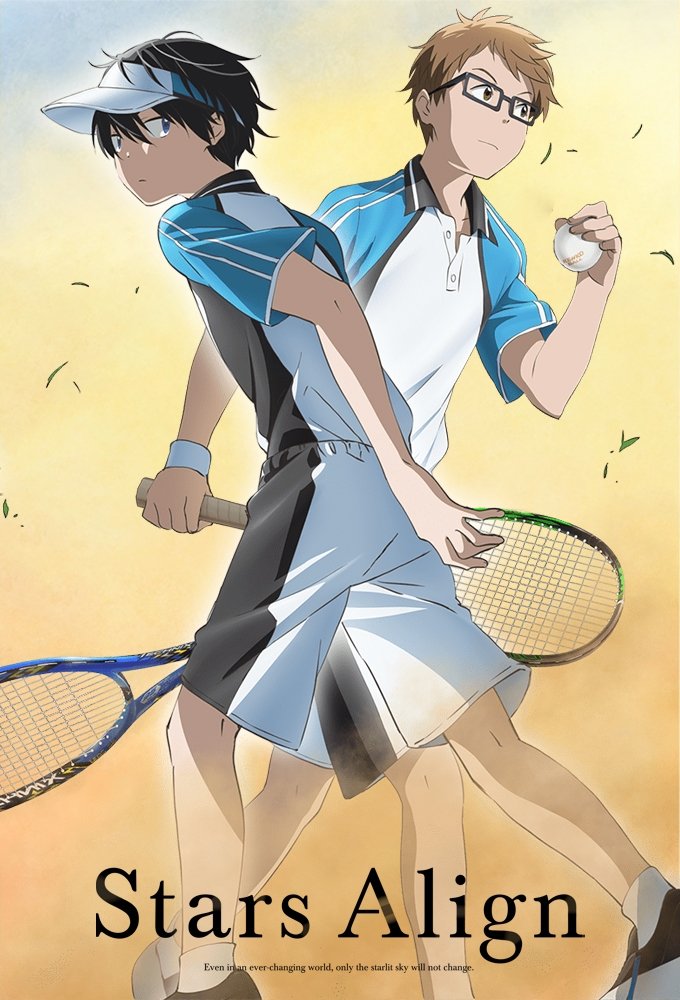
One of the supporting characters in this sports anime explicitly comes out as non-binary or gender questioning. The English dub was praised for its handling of the scene but the surrounding dialogue sometimes missed the mark. Other characters’ reactions were occasionally softened or made more generic in the English script. This changed the impact of the character’s brave moment and the social reality they faced. The localization showed the progress being made in dubbing while also highlighting the remaining gaps.
‘Wonder Egg Priority’ (2021)
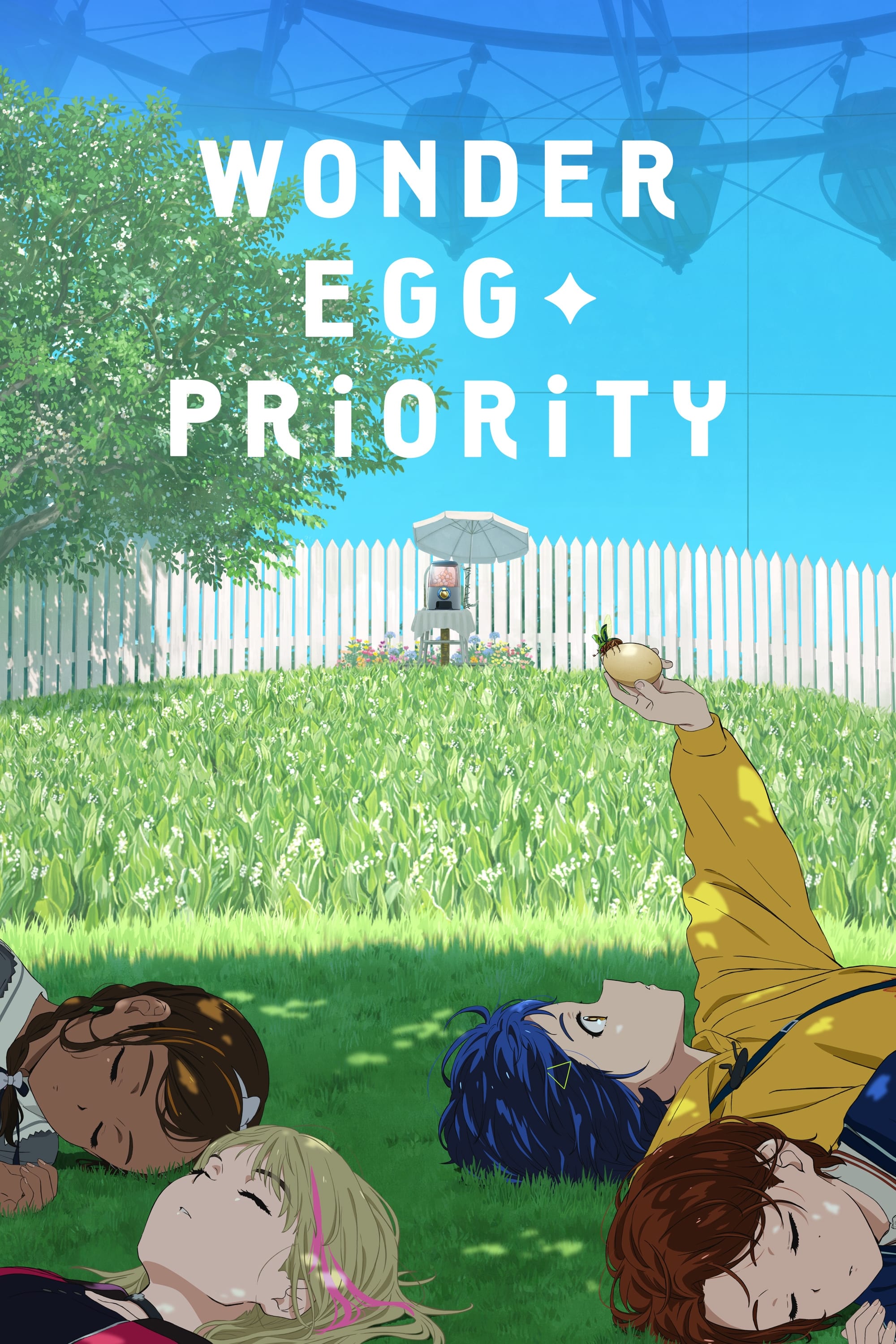
The character Momoe struggles with the fact that she is often mistaken for a boy and has a complicated relationship with her own femininity. The English dub had to convey her internal conflict and her attraction to girls with great care. Some of the dialogue regarding her gender expression was adjusted to flow better in English but lost some of its raw edge. The specific way she rejects traditional gender roles was sometimes framed as a simple style choice. This minimized the character’s profound exploration of queer identity.
‘Sk8 the Infinity’ (2021)
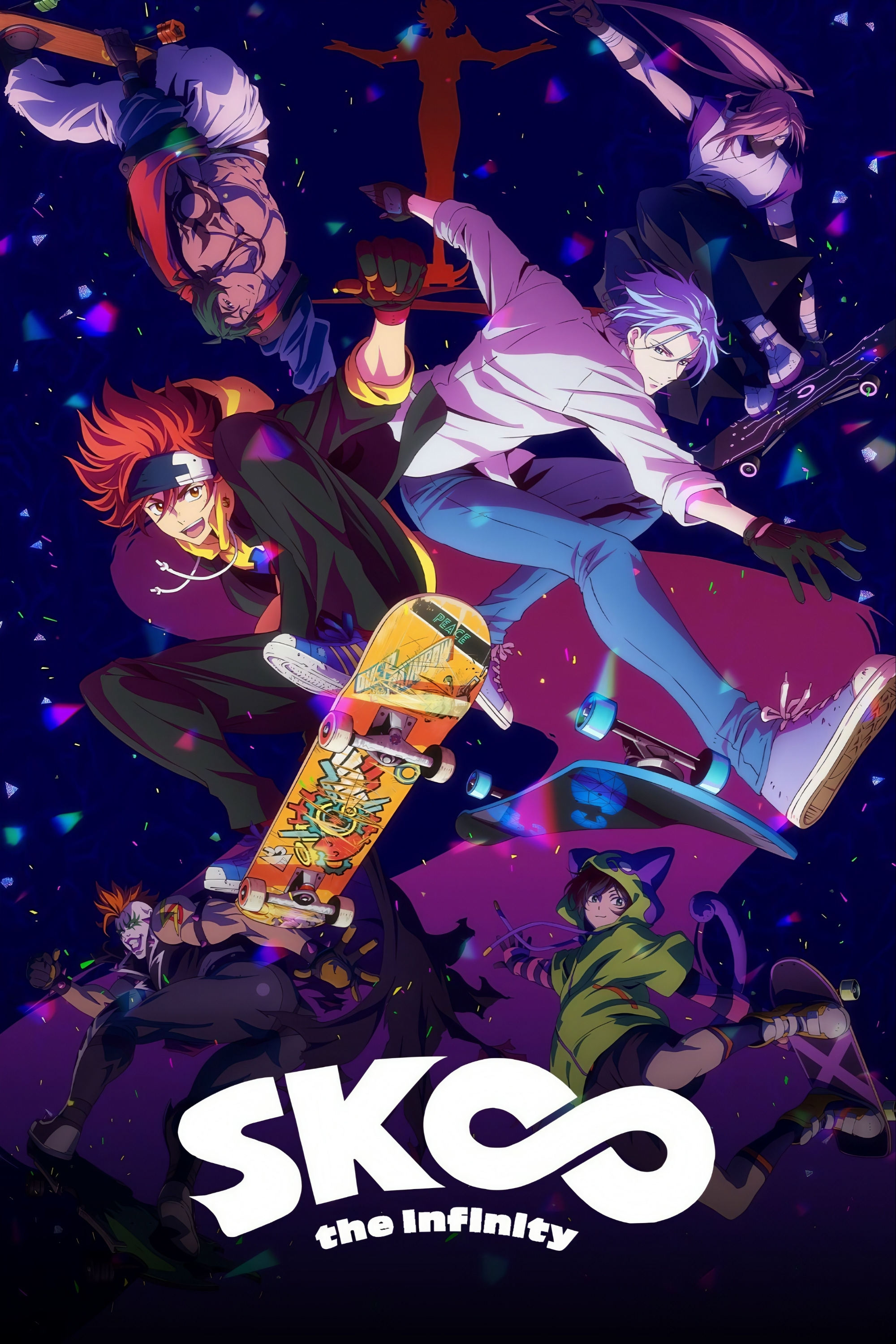
The character Langa has several lines in the original Japanese version that strongly imply he is falling in love with his friend Reki. The English dub opted for a slightly different approach by making the dialogue more focused on their shared passion for skating. While their bond is still incredibly close some of the more romantic phrasing was replaced with friendship terminology. This created a debate among fans about the intent of the localization versus the original script. It remains a prominent example of how modern dubs handle intense male bonds.
‘Blue Exorcist’ (2011)
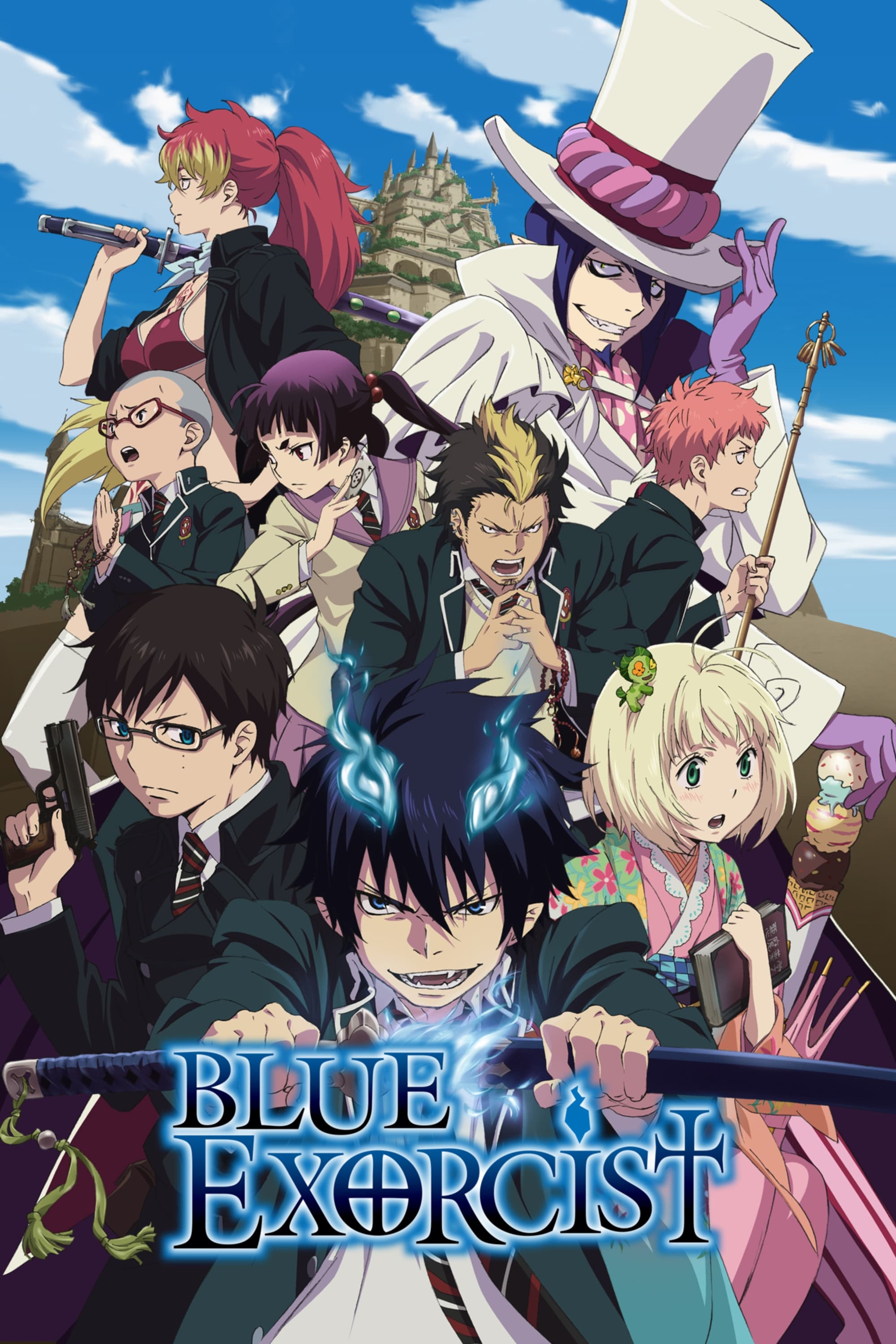
The character Shura Kirigakure has a backstory and personality that hints at a more complex sexuality than is often portrayed. The English dub tends to lean into her role as a fanservice character or a tough mentor. Some of her more vulnerable or ambiguous interactions with female characters are downplayed in favor of action. This simplifies her character into a more traditional female archetype in a shonen series. The result is a loss of the queer subtext that many fans of the original manga noted.
‘JoJo’s Bizarre Adventure’ (2012–Present)
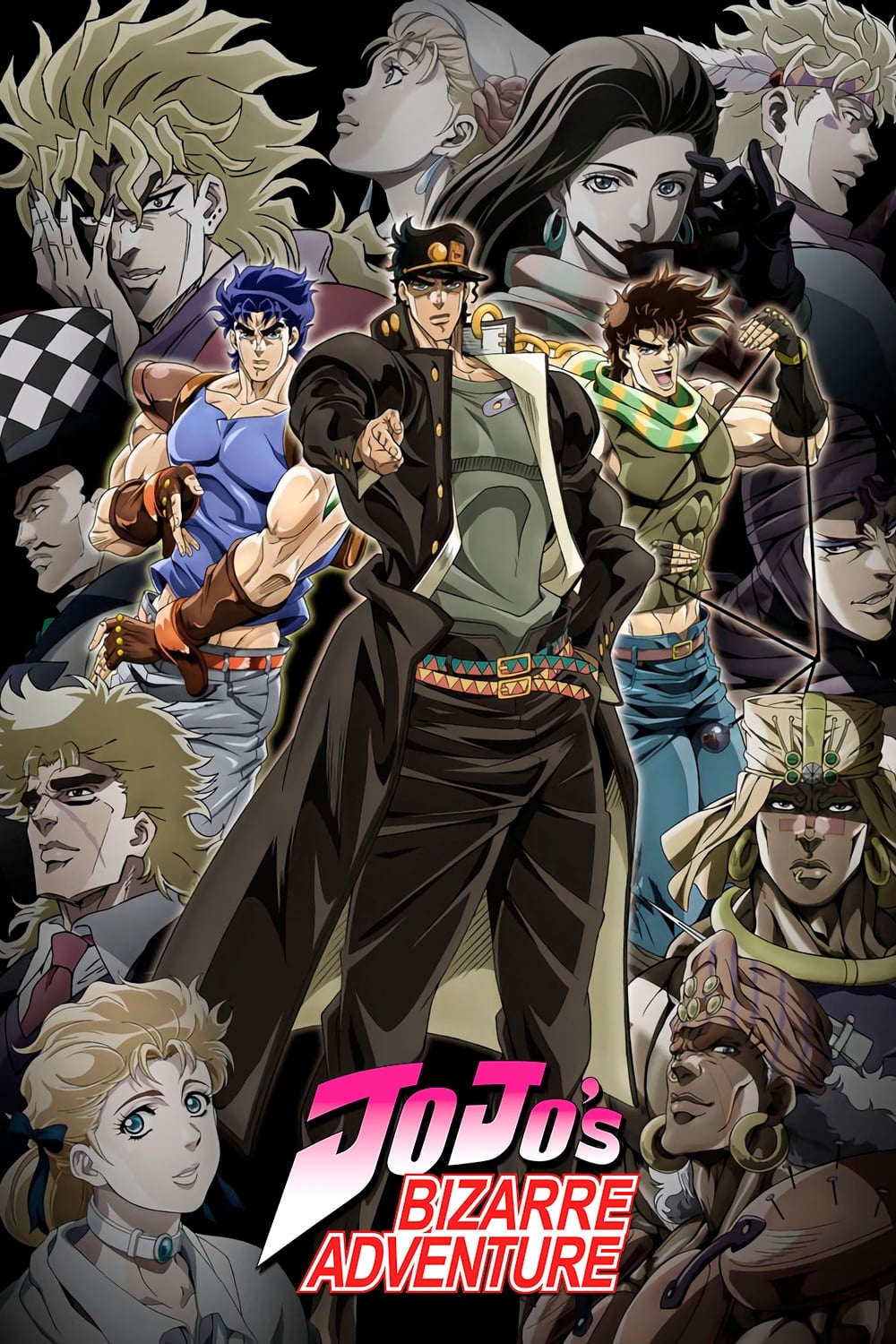
The ‘Golden Wind’ arc features two villains named Squalo and Tiziano who have a very intimate and clearly romantic partnership. The English dub kept their interactions largely intact but some of the more affectionate lines were adjusted. The physical closeness between them was maintained but the dialogue was made slightly more tactical. This subtle shift in the script focused on their role as assassins rather than their identity as a couple. It showed how dubbing can maintain the visual queer elements while softening the verbal ones.
Please share your thoughts on these changes and any others you have noticed in the comments.