

10 Anime Festivals Celebrating Lesbian Folklore Heroes

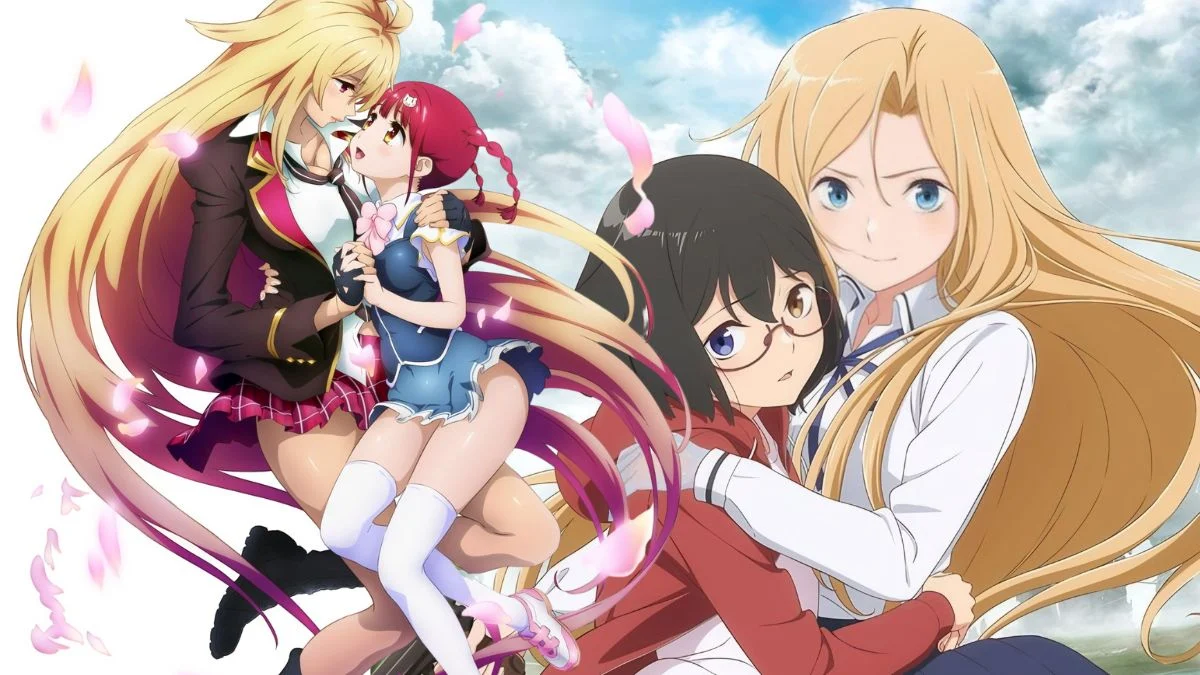


Anime often intertwines traditional mythology with modern storytelling to create compelling narratives about romance and destiny. Many series utilize the backdrop of cultural festivals or ritualistic settings to explore relationships between female protagonists inspired by folklore figures. These stories frequently feature shrine maidens, spirits, and legendary beings who navigate their feelings amidst supernatural conflicts. The following titles showcase how Japanese animation celebrates lesbian themes through the lens of ancient legends and festive traditions.
‘Revolutionary Girl Utena’ (1997)
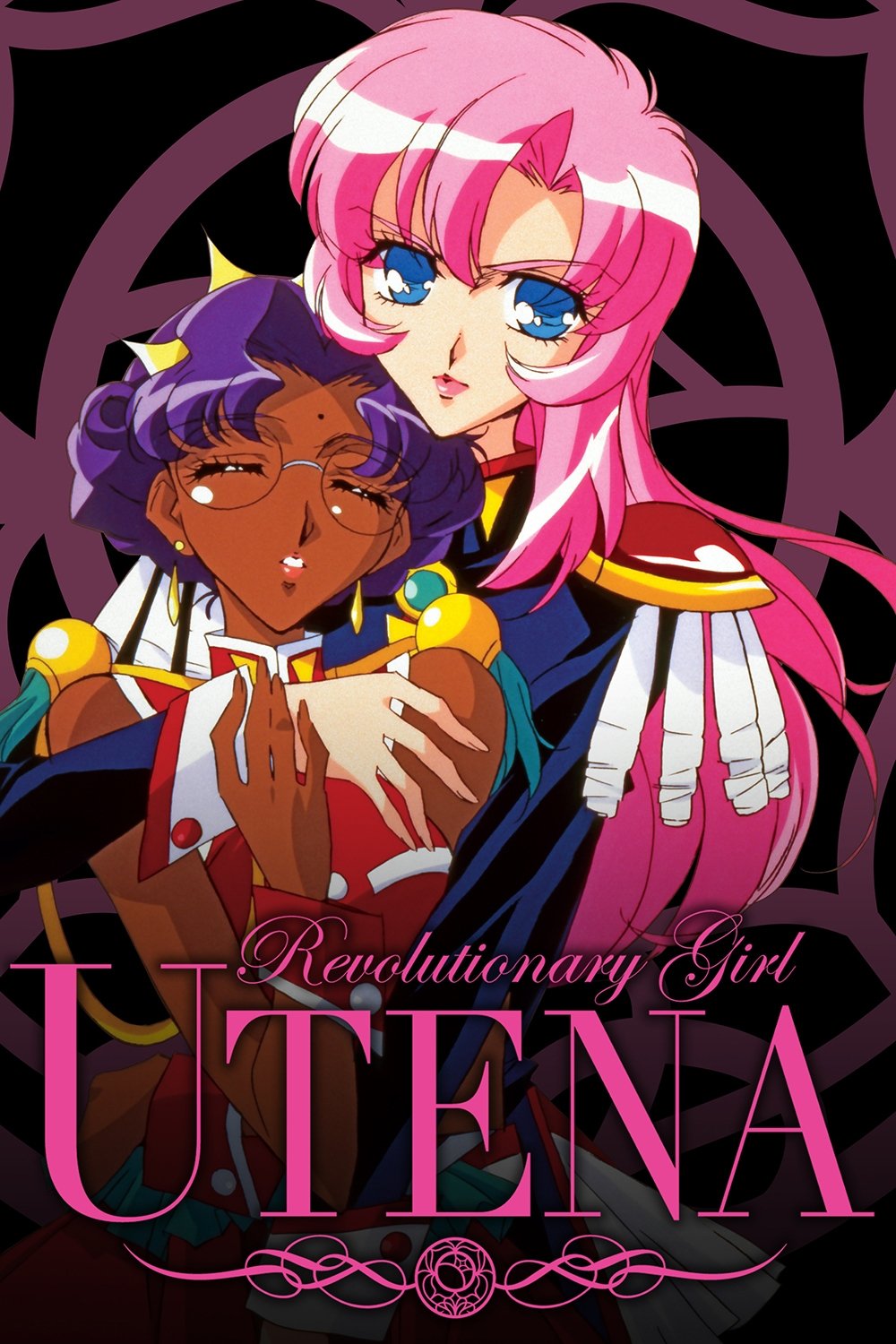
Utena Tenjou challenges traditional gender roles by adopting the princely archetype to save the Rose Bride. The series utilizes surrealist imagery and fairy tale tropes to deconstruct the genre of magical girl anime. Duelists compete in ritualistic sword fights that resemble a ceremonial festival of emotional turmoil. The folklore of the prince and the witch serves as the central mythos for the developing romance between Utena and Anthy.
‘Miss Kobayashi’s Dragon Maid’ (2017)
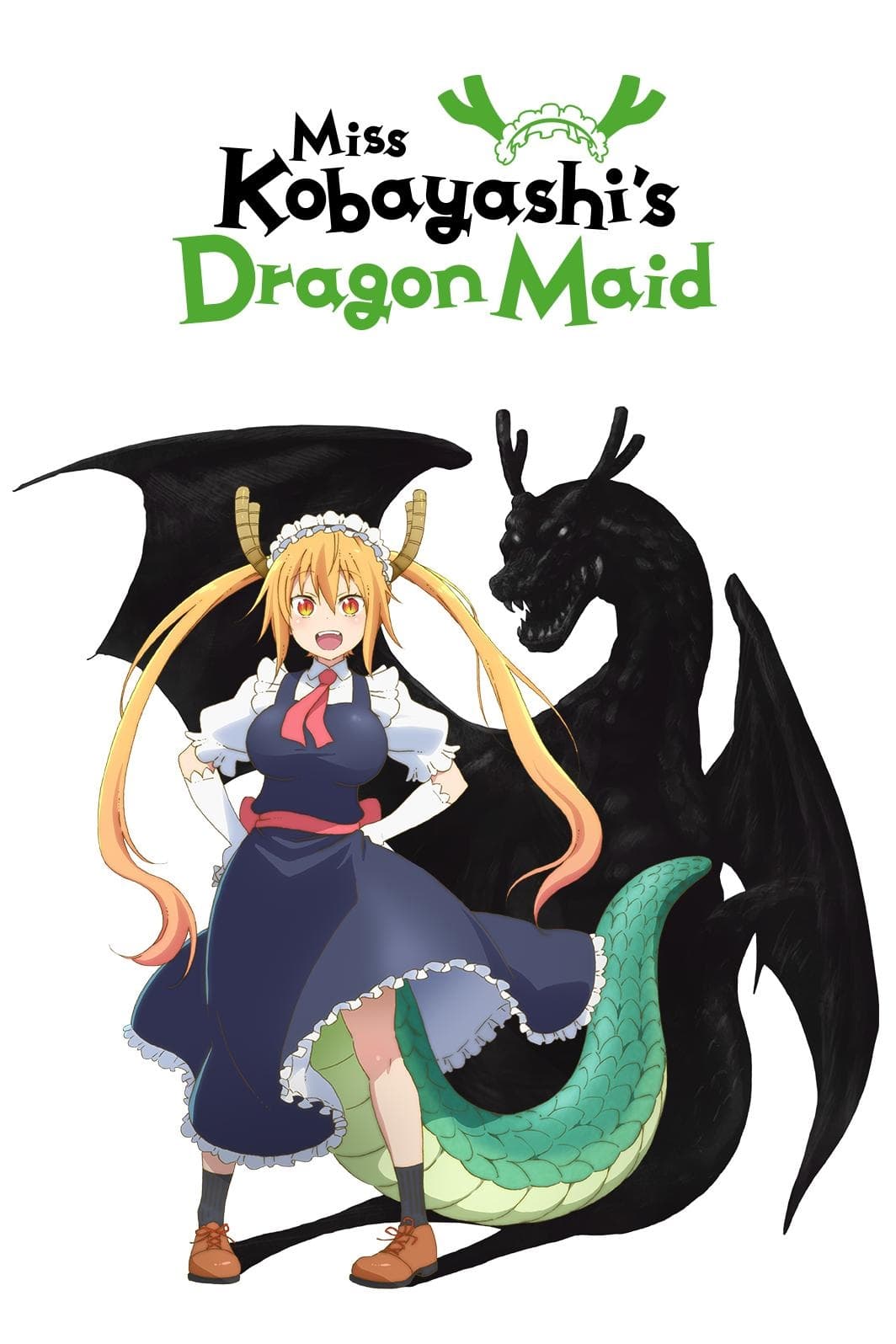
A powerful dragon named Tohru transforms into a human maid to serve the office worker who saved her life. The series juxtaposes the mundane world with high fantasy elements drawn from various mythologies. Several episodes feature the characters attending traditional Japanese summer festivals where they wear yukatas and watch fireworks. The relationship between Kobayashi and Tohru highlights the union between the human world and the realm of folklore creatures.
‘Konohana Kitan’ (2017)
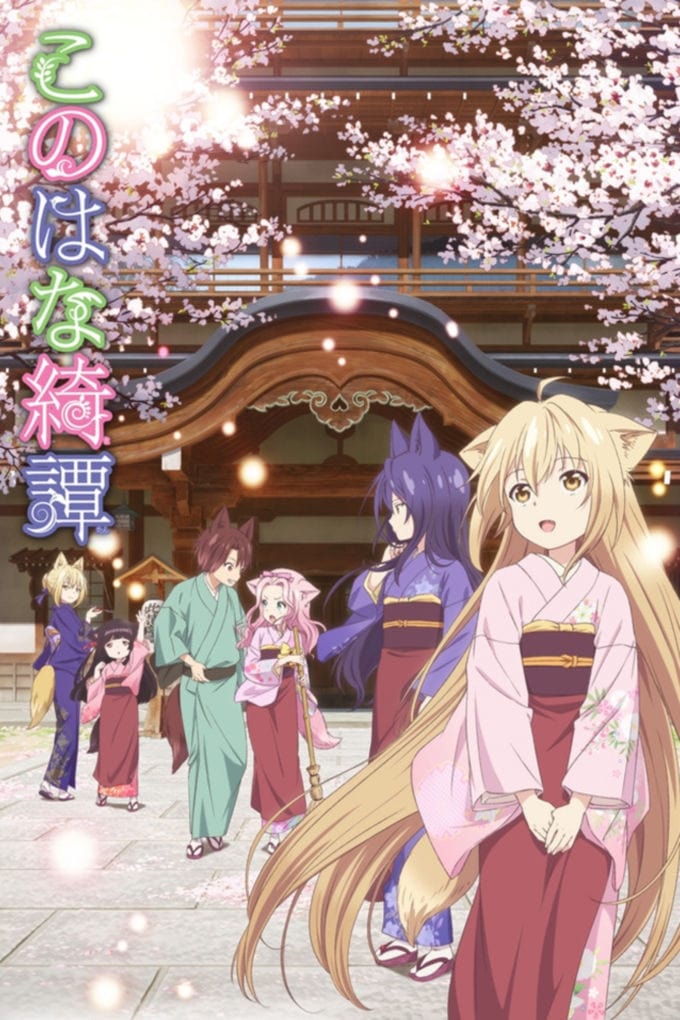
This series takes place at a traditional hot springs inn located between the human world and the spirit world. Fox spirit protagonist Yuzu learns the art of hospitality while attending to various gods and mythical creatures. The narrative frequently incorporates Japanese folklore and Shinto legends into its heartwarming episodic stories. The bond between Yuzu and Satsuki develops amidst the festive atmosphere of the bustling inn.
‘The Demon Girl Next Door’ (2019)
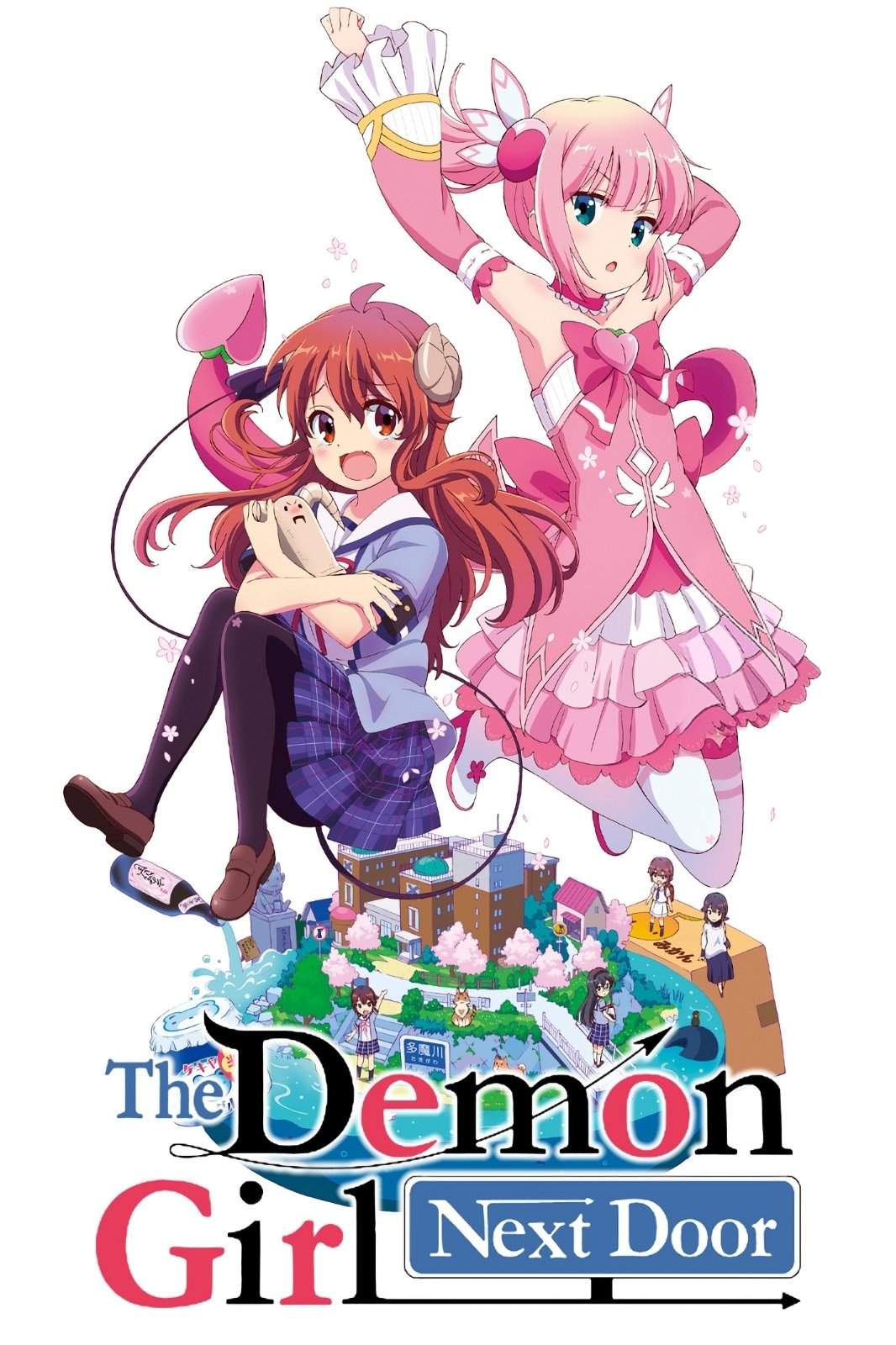
Yuko Yoshida awakens to her heritage as a succubus and is tasked with defeating a local magical girl. The story subverts the traditional conflict between demons and light clan warriors by turning it into a comedic slice-of-life friendship. Traditional festivals serve as key settings where Yuko attempts to fulfill her ancestral duties while growing closer to her supposed enemy. The series playfully adapts Mesopotamian and Japanese folklore to suit its lighthearted tone.
‘Izetta: The Last Witch’ (2016)
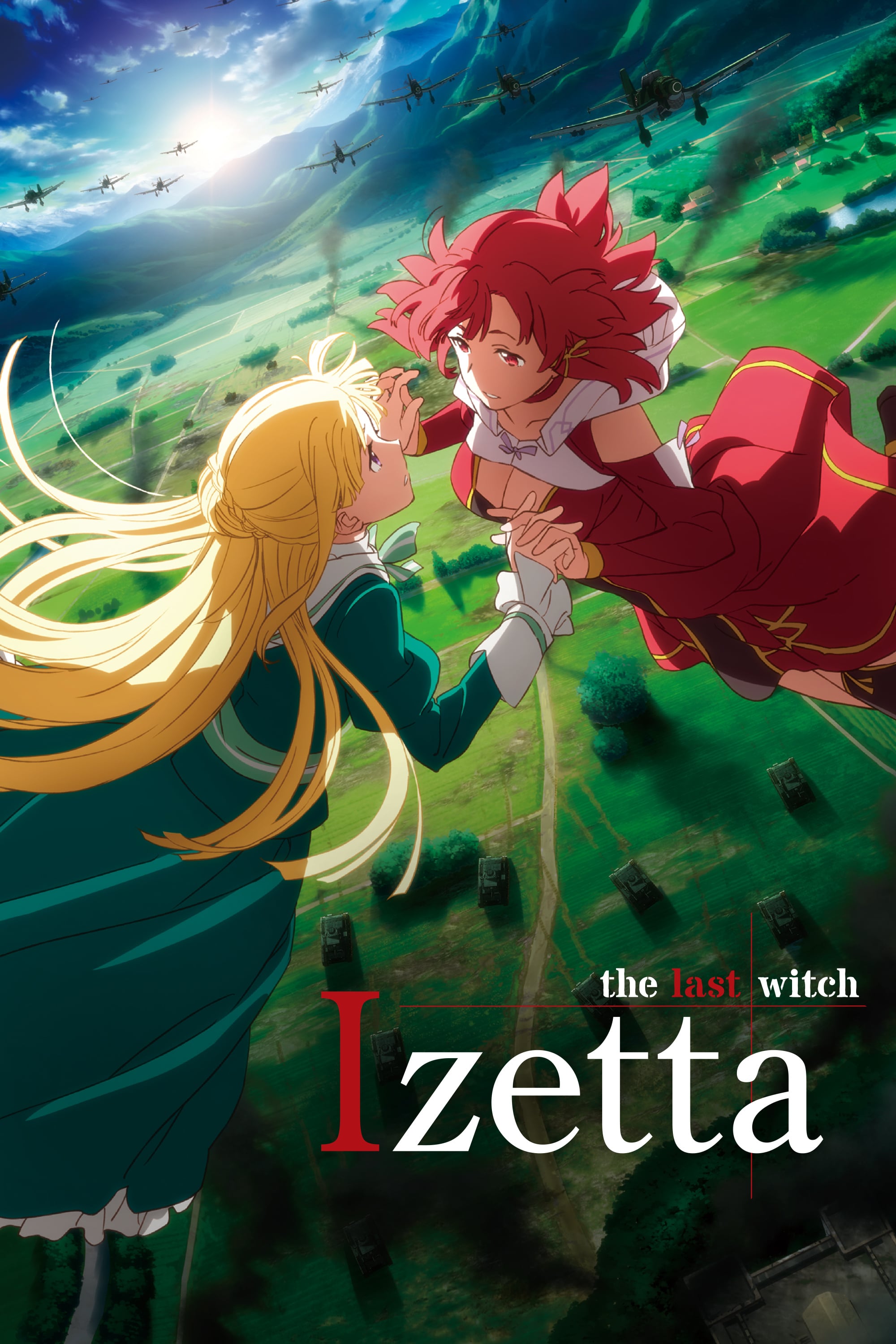
The last surviving member of a clan of witches pledges her magic to protect a princess during an alternate version of World War II. Izetta uses her powers based on European folklore to fight tanks and planes in defense of the fictional Alpine nation of Eylstadt. The bond between the witch and the princess drives the political and military action of the series. Public celebrations and royal ceremonies frame the tragic burden of the magical heroine.
‘Otherside Picnic’ (2021)
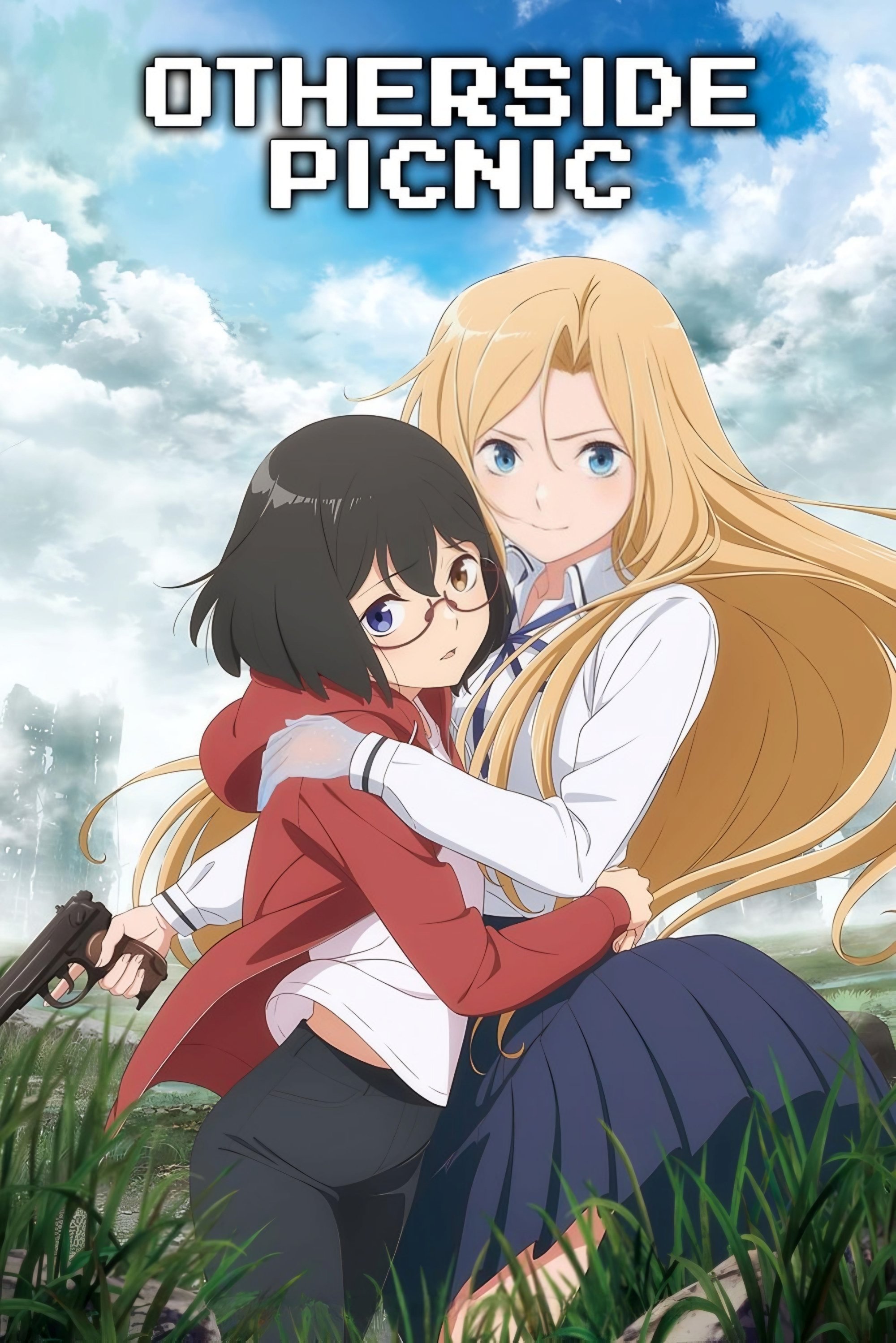
Sorawo and Toriko explore a dangerous alternate dimension filled with manifestations of internet folklore and urban legends. They encounter creatures like the Kunekune and Hasshaku-sama while deepening their reliance on one another. The series blends horror elements with a slow-burn romance as the women navigate the surreal landscape. Traditional festivals and rituals are often twisted into terrifying encounters within the Otherworld.
‘Simoun’ (2006)
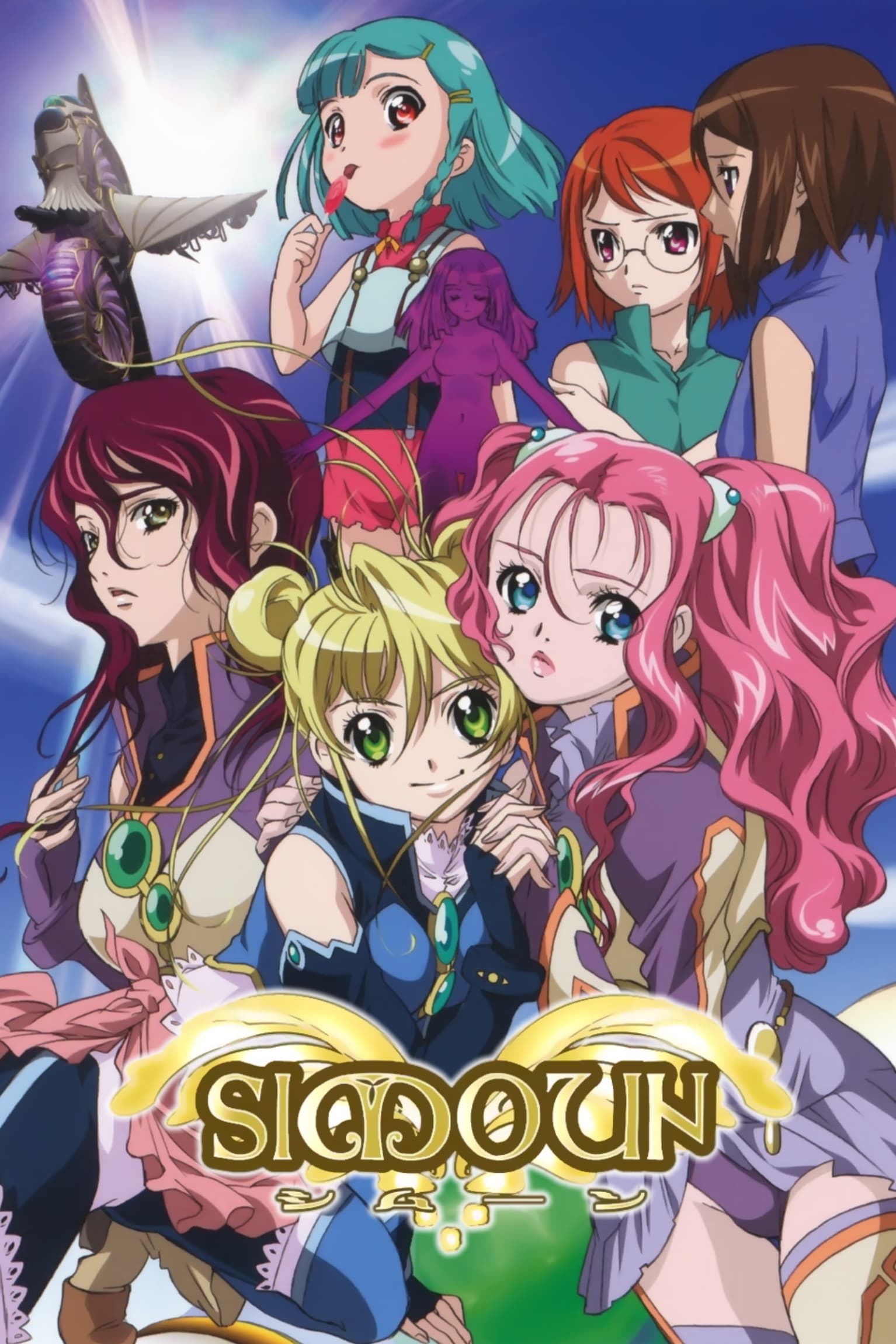
Young priestesses pilot ancient flying machines known as Simoun to defend their theocratic nation. Everyone is born female in this society and must choose their permanent gender at a sacred spring during a coming-of-age festival. The story explores themes of gender, war, and romance through its unique mythological setting. The rituals performed by the pilots are central to both the operation of their machines and their personal relationships.
‘Urara Meirocho’ (2017)
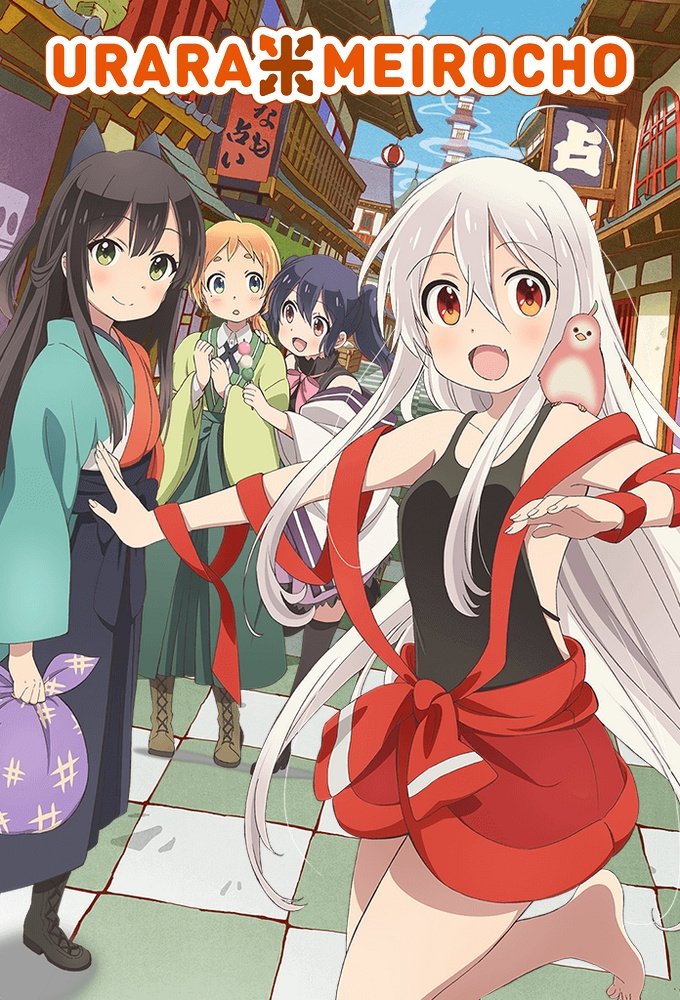
Girls from all over the country travel to Labyrinth Town to become top-ranking diviners. The protagonist Chiya was raised in the mountains and possesses a wild nature that contrasts with the disciplined traditions of the town. Festivals and examinations serve as major plot points where the girls demonstrate their spiritual abilities. The series celebrates the folklore of fortune-telling and animal spirits in a vibrant setting.
‘Flip Flappers’ (2016)

Cocona and Papika adventure through the world of Pure Illusion to collect magical fragments. Each episode explores different genres and psychological landscapes inspired by fairy tales and folklore. The transformation sequences and magical battles serve as a visual celebration of the bond between the two leads. The narrative structure mimics the dreamlike logic of oral traditions and myths.
‘Valkyrie Drive: Mermaid’ (2015)

Girls infected with a virus are transported to an isolated island where they can transform into weapons or wield them. The setting incorporates names and concepts from Norse and Celtic mythology to explain the supernatural abilities of the cast. The partnership between the weapon and the wielder is treated as an intimate ritual necessary for survival. The series focuses on the liberation of the characters through their romantic and physical connections.
Tell us which of these folklore-inspired anime series is your favorite in the comments.