

Anime Fillers That Were Actually Good (Just Kidding, They Sucked)



Filler episodes serve as temporary stories designed to bridge the gap while the original manga continues its publication. These arcs often lack the depth and character development found in the primary narrative of the show. Fans frequently struggle with these segments because they can disrupt the pacing of an otherwise exciting series. This list highlights fifty instances across popular anime where original television content failed to meet the expectations of the audience.
‘Naruto’ (2002–2007)
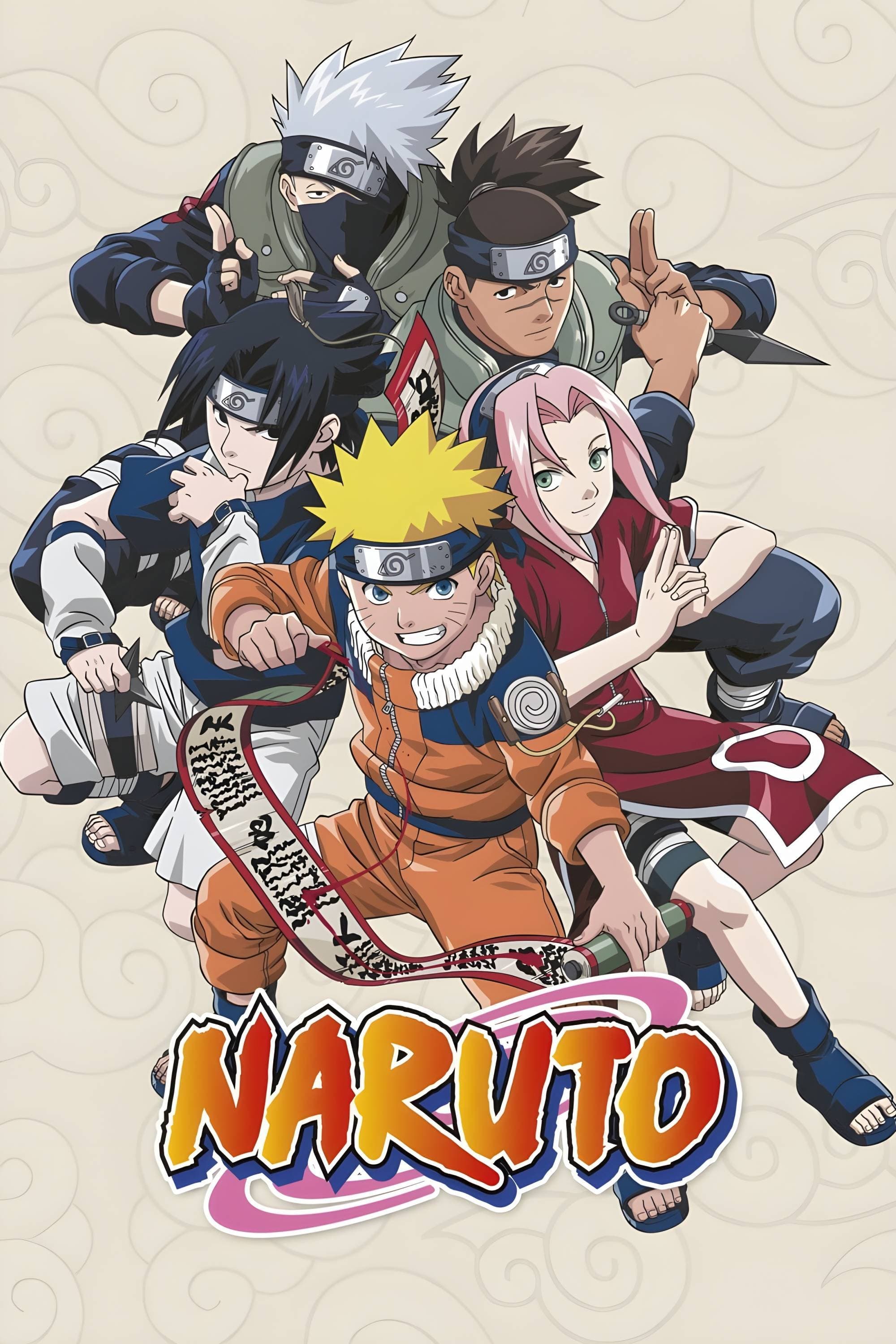
The original ‘Naruto’ series is famous for a massive block of filler episodes that lasted for nearly two years. These stories followed the young ninja on various missions that had no impact on the main plot or his eventual training. Many fans find the Land of Tea segment particularly frustrating because it halted the tension surrounding the departure of Sasuke Uchiha. The repetitive nature of these stories caused many viewers to stop watching until the sequel series began.
‘Bleach’ (2004–2012)
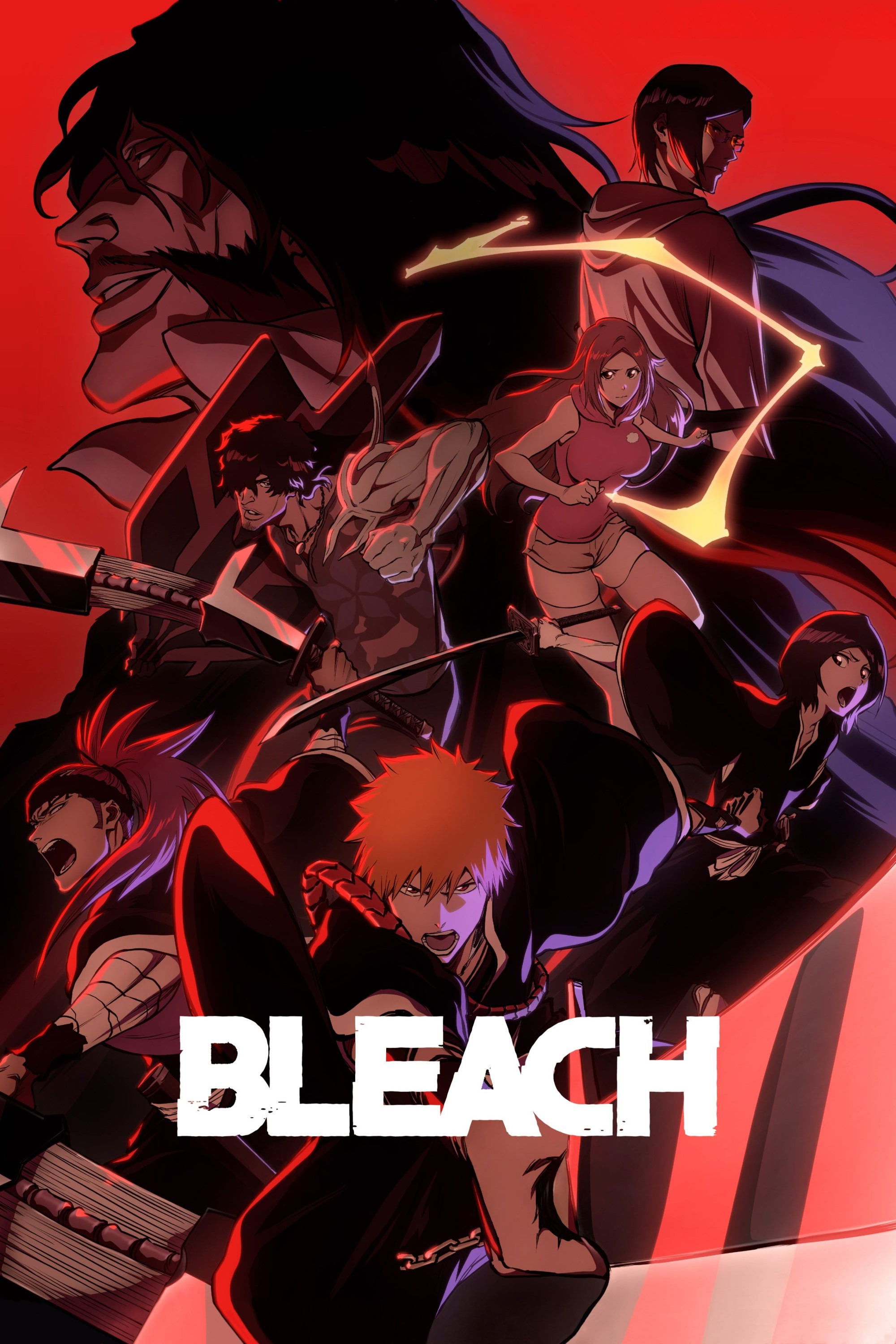
‘Bleach’ is notorious for its long and intrusive filler arcs that often appeared in the middle of intense battles. The Bount arc introduced a group of immortal beings who consumed souls to gain power and longevity. This storyline lasted for dozens of episodes and lacked the high energy of the Soul Society saga. Many people feel that the sudden shifts away from the main conflict damaged the overall flow of the series.
‘One Piece’ (1999–Present)
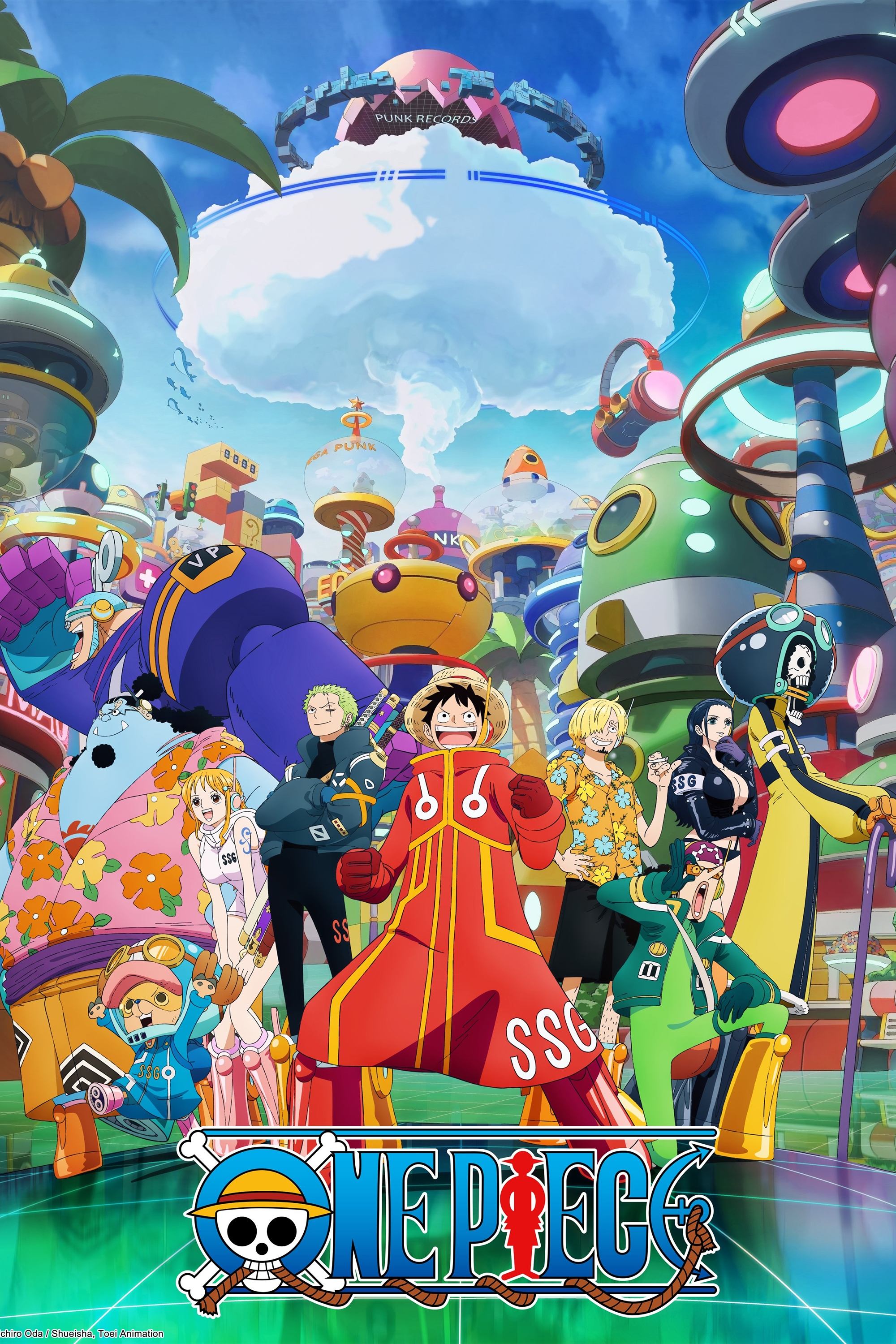
‘One Piece’ generally avoids large amounts of filler but the Warship Island arc is a notable exception. This early story involved a girl named Apis and a small dragon that required the help of the Straw Hat crew. While the adventure was charming it contradicted later events in the series regarding the discovery of dragons. Most fans recommend skipping this segment to stay consistent with the lore of the manga.
‘Dragon Ball Z’ (1989–1996)

The Garlic Jr. Saga in ‘Dragon Ball Z’ takes place while Goku is still absent following the battle on Namek. This arc features a villain from the first movie who attempts to take over the Earth using a mystical mist. Without the presence of the main protagonist the stakes felt significantly lower to many viewers. The storyline is often ignored by the community because it does not align with the power scaling of the series.
‘Fairy Tail’ (2009–2019)
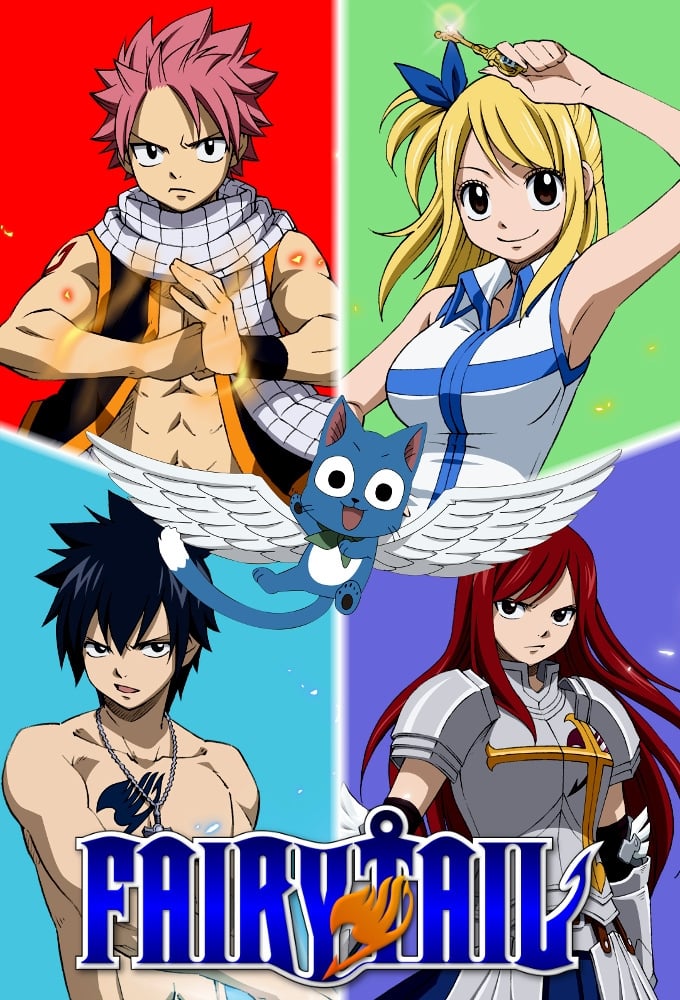
The Daphne arc in ‘Fairy Tail’ is frequently cited as one of the weakest segments in the entire show. It involves a strange woman who creates artificial dragons to attack the city of Magnolia. The character of Daphne was found to be annoying by many fans due to her repetitive dialogue and lack of clear motivation. This short arc is usually skipped by those who want to get back to the more important guild conflicts.
‘Boruto: Naruto Next Generations’ (2017–2023)

‘Boruto: Naruto Next Generations’ contains a significant amount of anime original content that many classify as filler. The Cho Cho arc is often mentioned as a particularly slow point in the series that focuses on a shallow romance plot. Many fans were disappointed that the show spent several weeks on this story instead of focusing on the looming threat of the Otsutsuki. These episodes are seen as a distraction from the main development of the new generation.
‘Sailor Moon’ (1992–1997)
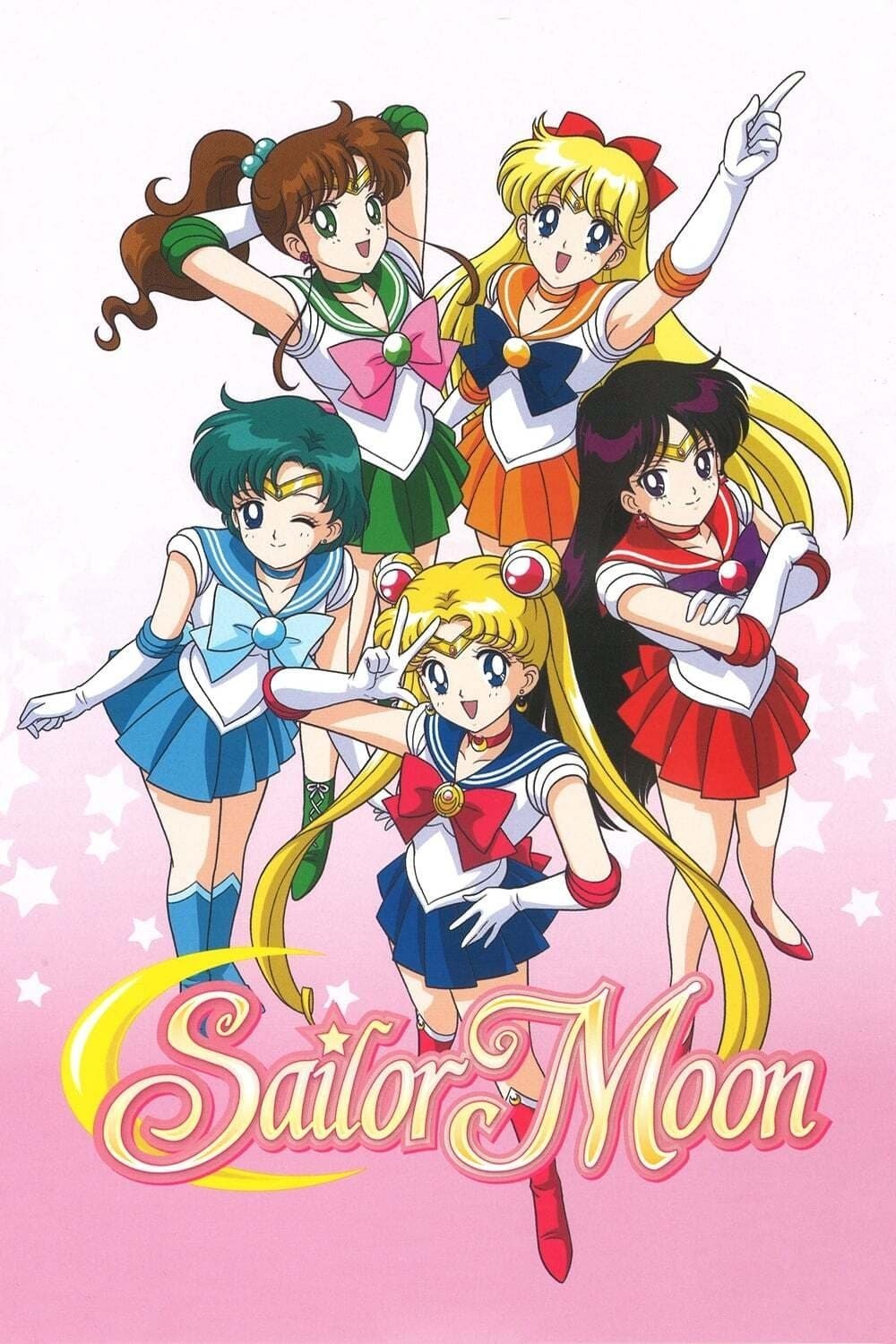
The Doom Tree arc was created for the ‘Sailor Moon’ anime to allow the manga creator more time to finish the next major story. It introduced two aliens named Alan and Ann who collected energy for a giant tree. While it provided some extra screen time for the Sailor Guardians it felt like a repetitive version of previous battles. Many viewers prefer to skip straight to the Black Moon Clan storyline instead.
‘Black Clover’ (2017–2021)

‘Black Clover’ utilized a training arc to wait for the manga to produce more chapters before the final showdown. This period involved the characters visiting different regions to improve their magic skills through minor challenges. While the intentions were good the execution felt like a series of disconnected episodes with very little progression. Fans were eager to see the invasion of the Spade Kingdom instead of these slow paced lessons.
‘Pokémon’ (1997–2023)
The Decolore Islands arc occurred at the end of the Black and White era as Ash Ketchum traveled back to Kanto. These episodes consisted of various standalone adventures on a boat that lacked a cohesive narrative goal. Many fans felt that this segment dragged on for too long without providing meaningful growth for the characters. It served primarily as a way to fill time before the transition to the Kalos region.
‘Yu-Gi-Oh! Duel Monsters’ (2000–2004)
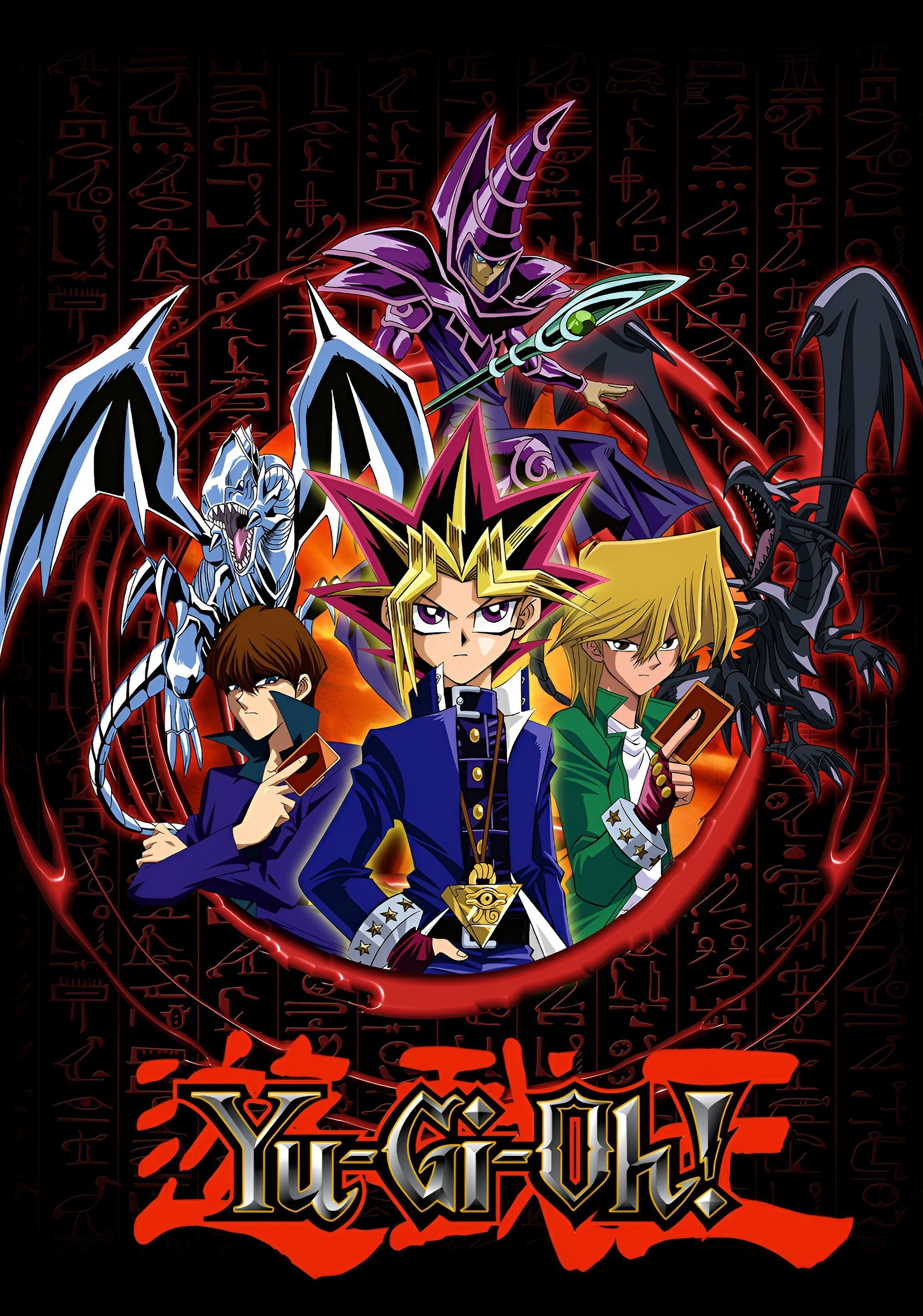
The Virtual World arc in ‘Yu Gi Oh Duel Monsters’ famously interrupted the Battle City finals. This diversion forced the characters to engage in a series of digital card games that had little impact on the main tournament. Many viewers found the sudden change of setting and stakes to be confusing and poorly timed. The narrative eventually returned to the original story but the momentum of the tournament was already lost.
‘Detective Conan’ (1996–Present)
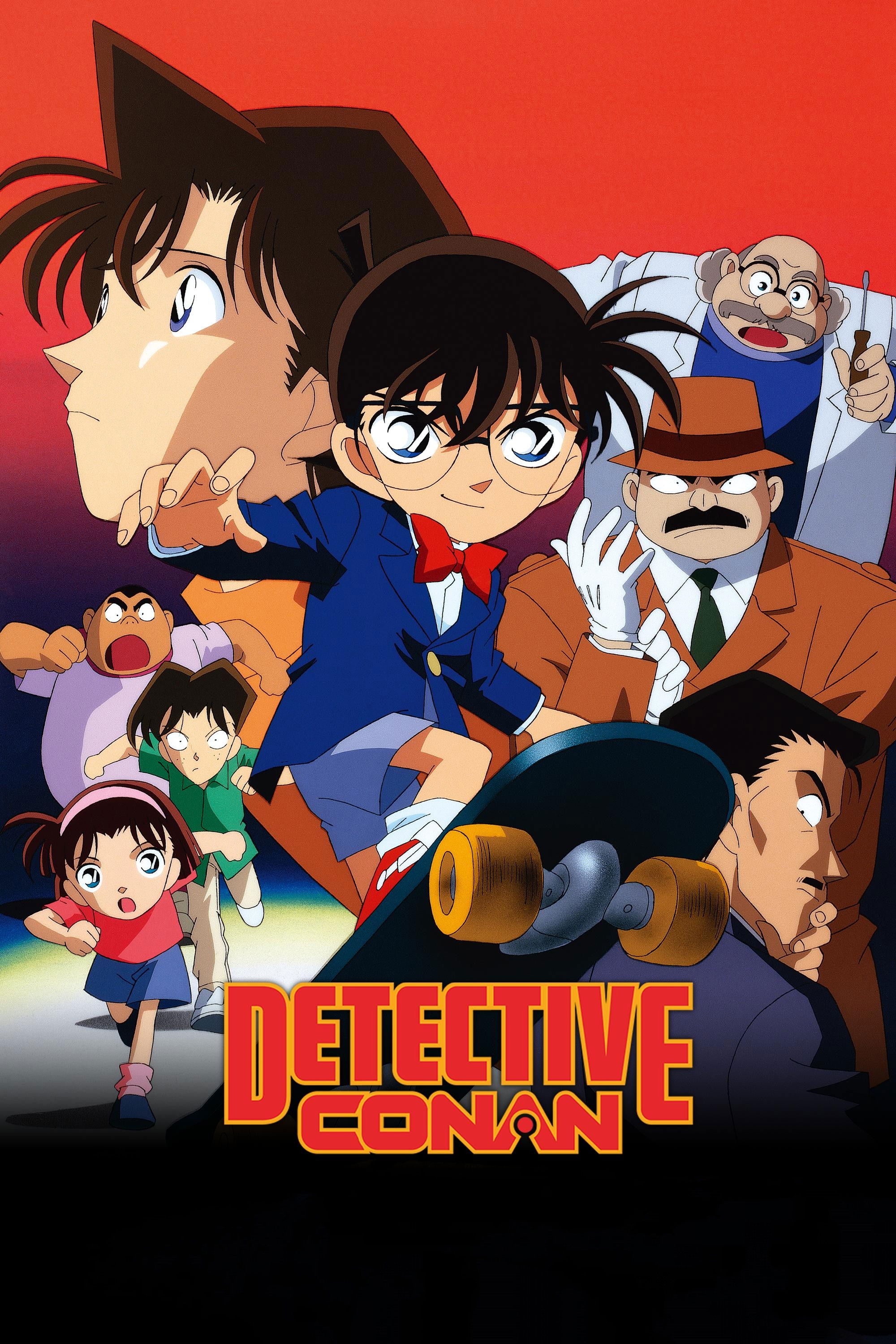
‘Detective Conan’ features hundreds of television original episodes that are not based on the manga cases. These stories often follow a very predictable formula where a minor mystery is solved within twenty minutes. Because these episodes do not progress the mystery of the Black Organization they are often viewed as fluff. Long time fans usually look for a guide to skip these episodes and focus only on the core plot.
‘Rurouni Kenshin’ (1996–1998)
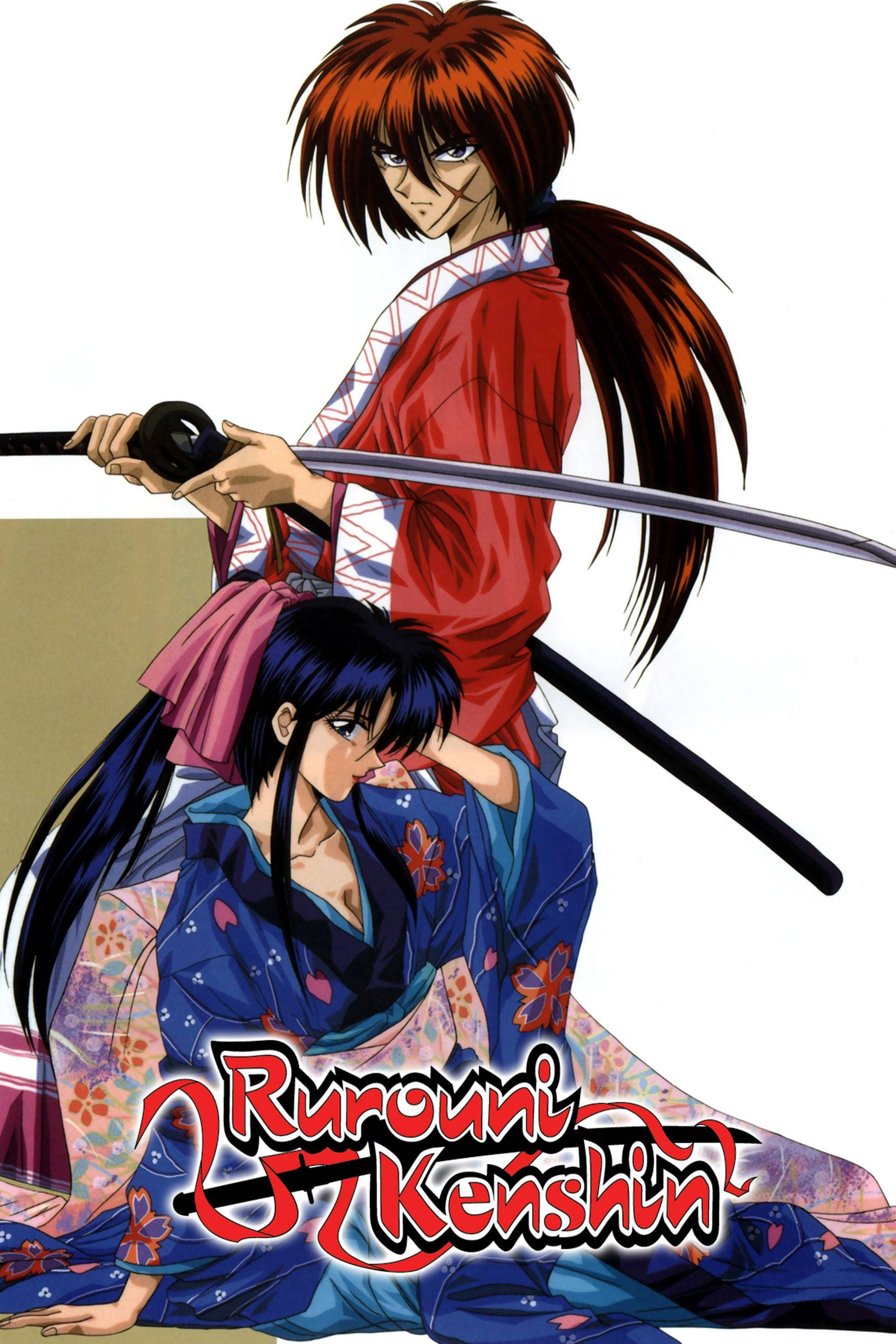
The final third of the original ‘Rurouni Kenshin’ anime consists entirely of filler because the show caught up to the manga. The Feng Shui arc is particularly criticized for its supernatural elements that did not fit the grounded tone of the series. These episodes led to a decline in ratings which eventually caused the show to be cancelled before the final manga arc could be animated. Most fans suggest watching the original video animations instead of these filler episodes.
‘Saint Seiya’ (1986–1989)
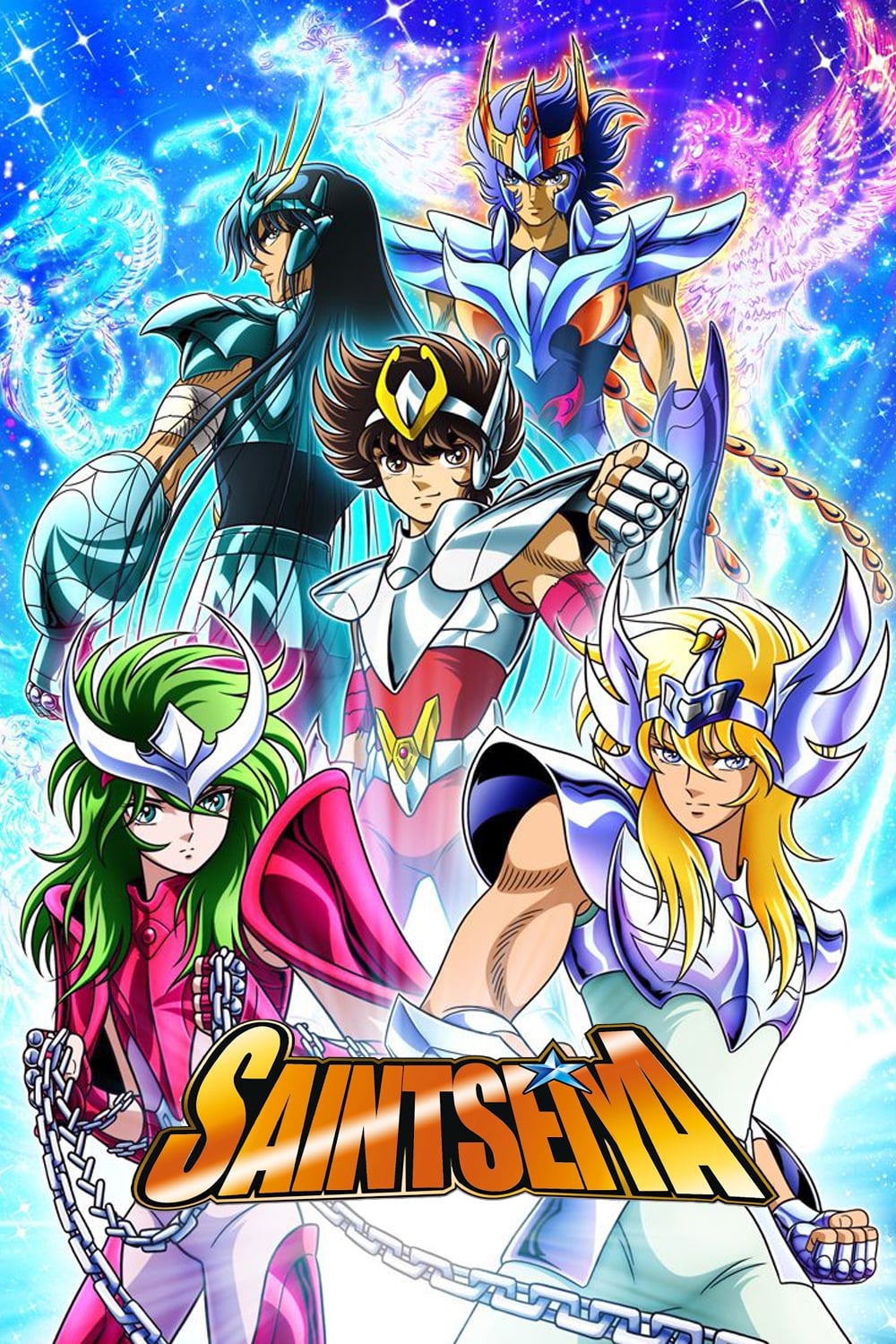
The Asgard arc in ‘Saint Seiya’ is an anime original story that takes place after the Sanctuary battle. While the animation and music were high quality the plot was not written by the original author. It features the Saints fighting against the God Warriors in the frozen north to save Athena. Even though some fans enjoy this arc it is technically filler that delays the arrival of the Poseidon story.
‘Blue Exorcist’ (2011)
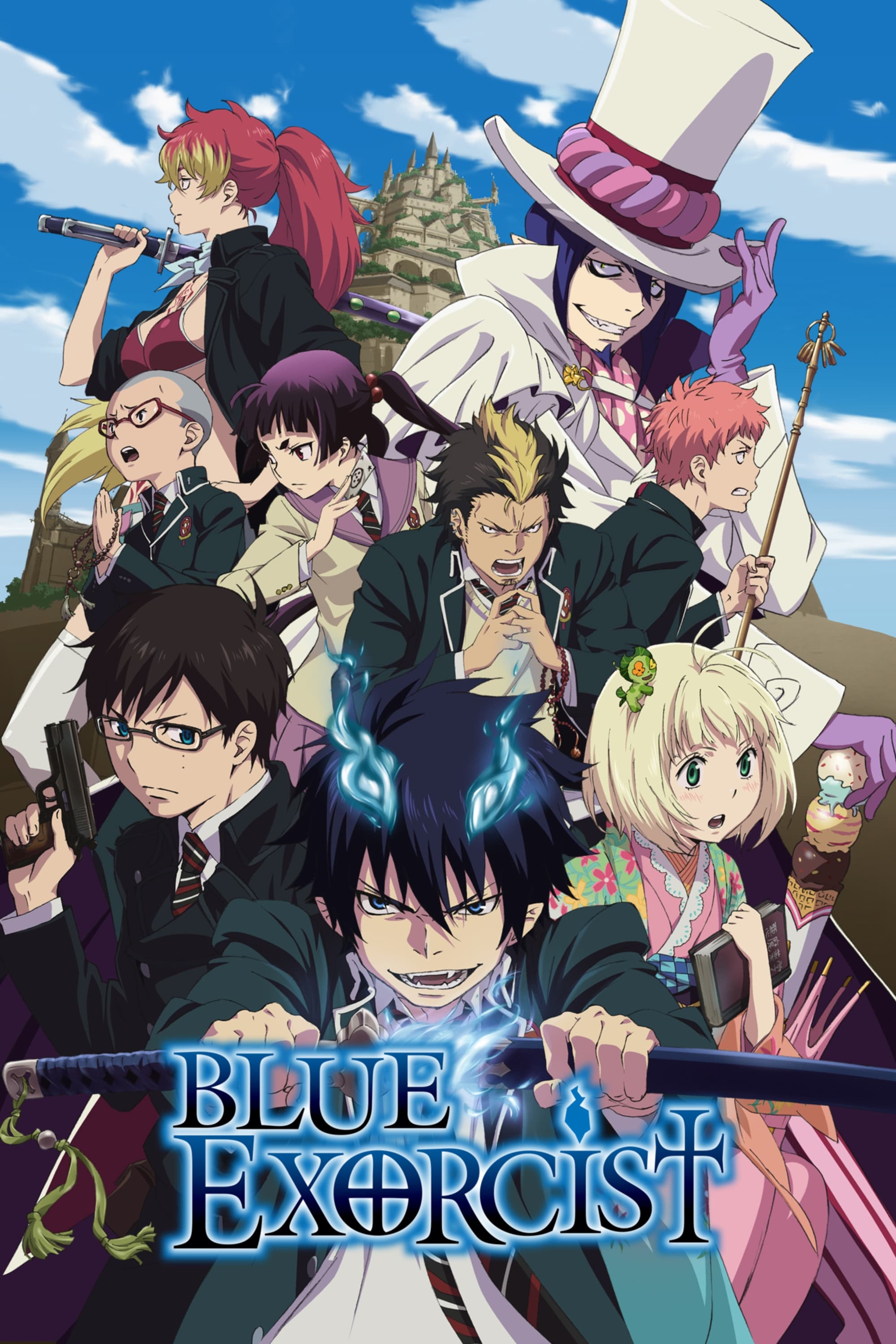
The first season of ‘Blue Exorcist’ diverted from the manga about halfway through its run. The writers created an original ending that involved a massive battle with Satan that felt out of place. This caused significant confusion when a second season was released years later that ignored the filler ending. Fans now advise newcomers to stop watching at a specific episode to avoid the non canon conclusion.
‘Soul Eater’ (2008–2009)
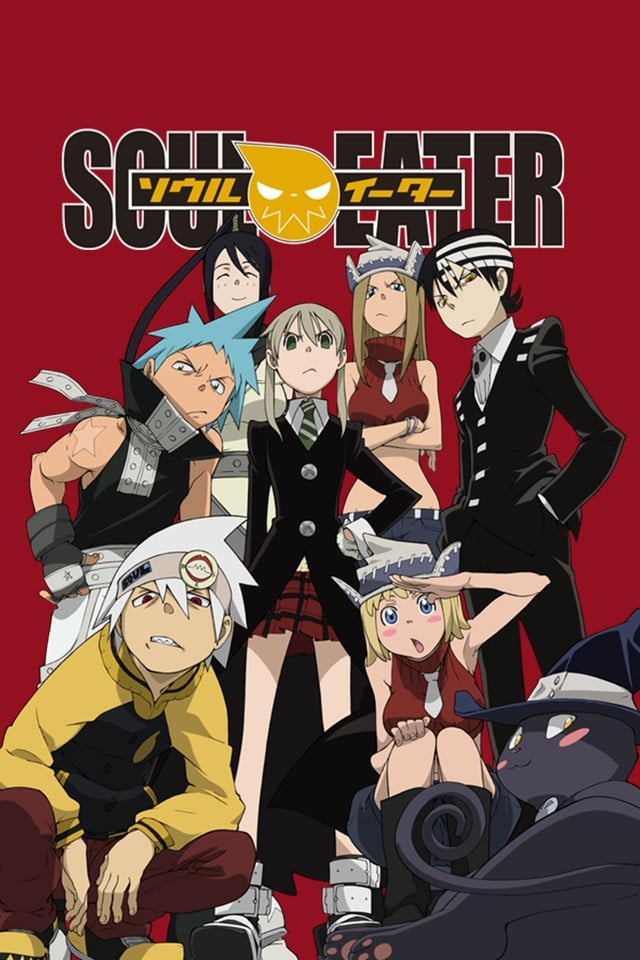
‘Soul Eater’ began as a faithful adaptation but eventually moved into original territory for its final act. The battle against the Kishin was handled differently than in the manga and featured a resolution based on the power of courage. Many fans felt that this ending was too simplistic compared to the complex themes of the source material. The series remains a target for requests for a reboot that follows the manga until the end.
‘Tokyo Ghoul’ (2014–2015)
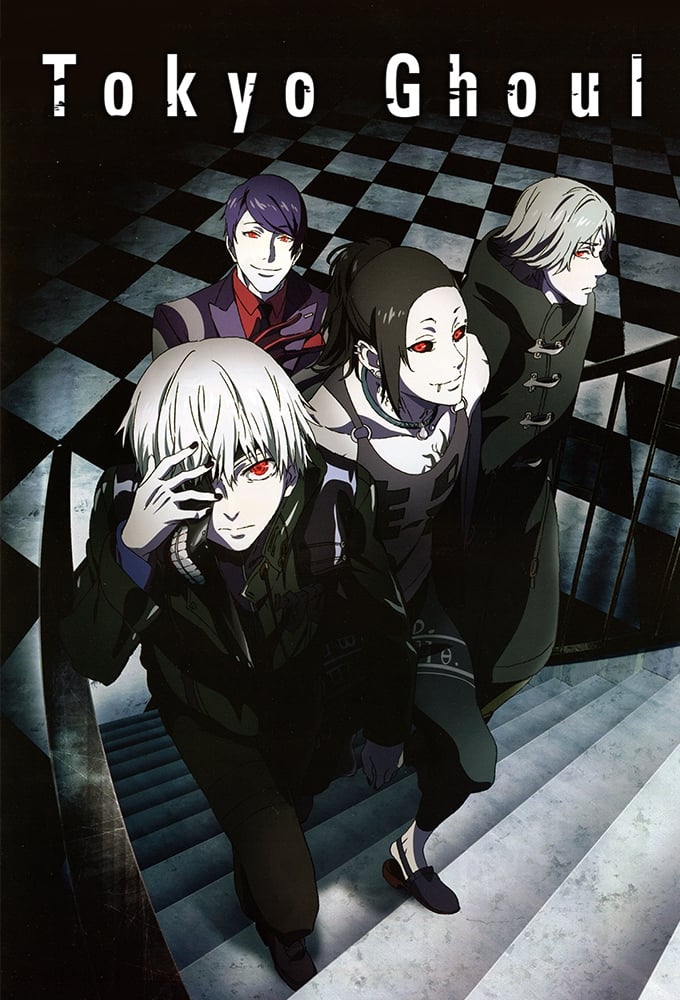
The second season of ‘Tokyo Ghoul’ followed an original path where the protagonist joined the organization that had previously kidnapped him. This departure from the manga caused a great deal of confusion among the audience. Many people feel that the anime original plot lacked the emotional depth and logic of the original writing. It is often cited as a reason why the subsequent seasons felt disjointed and hard to follow.
‘The Promised Neverland’ (2019–2021)
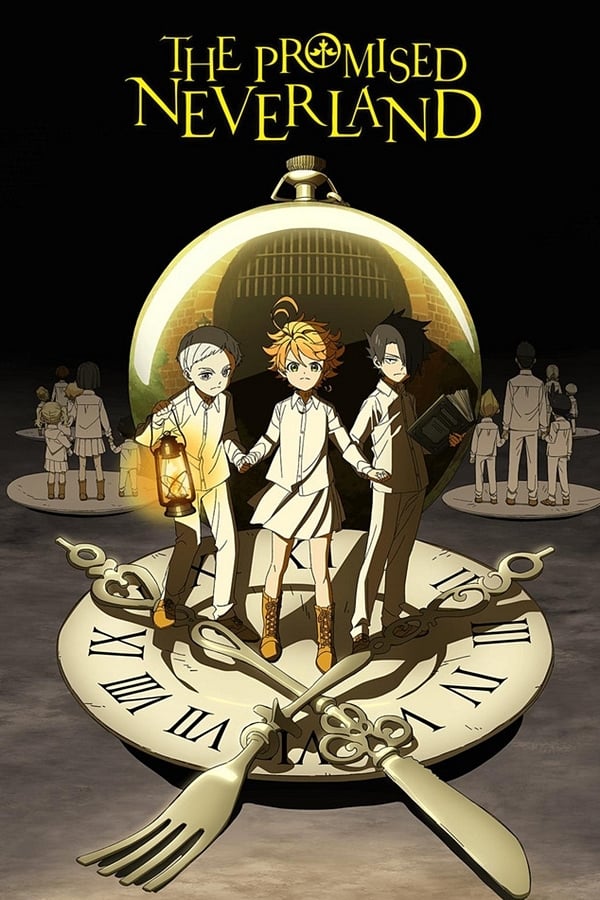
The second season of ‘The Promised Neverland’ is widely criticized for moving away from the manga source material. The producers decided to compress hundreds of chapters into a handful of episodes while adding original scenes. This choice removed many of the most beloved characters and story beats that fans were eager to see animated. The resulting finale felt rushed and failed to provide a satisfying conclusion to the intense series.
‘Gintama’ (2006–2018)
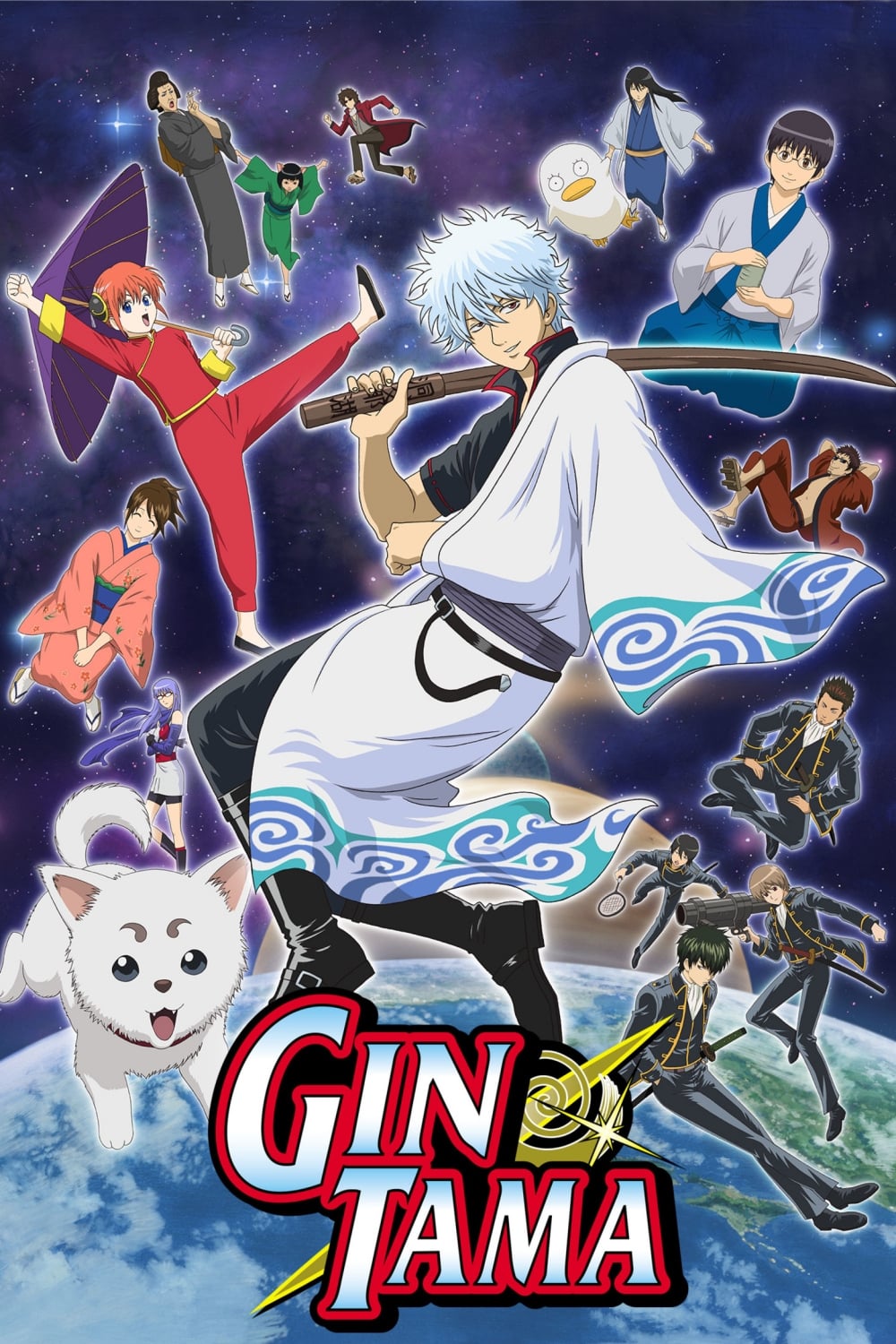
‘Gintama’ often uses filler episodes to mock the very concept of filler in the anime industry. While these episodes can be funny they sometimes focus on very niche topics that do not appeal to a broad audience. Some segments involve the characters just sitting around talking about their own lack of budget or ideas. While this fits the comedic tone it can still feel like a waste of time for those wanting more action.
‘Beelzebub’ (2011–2012)
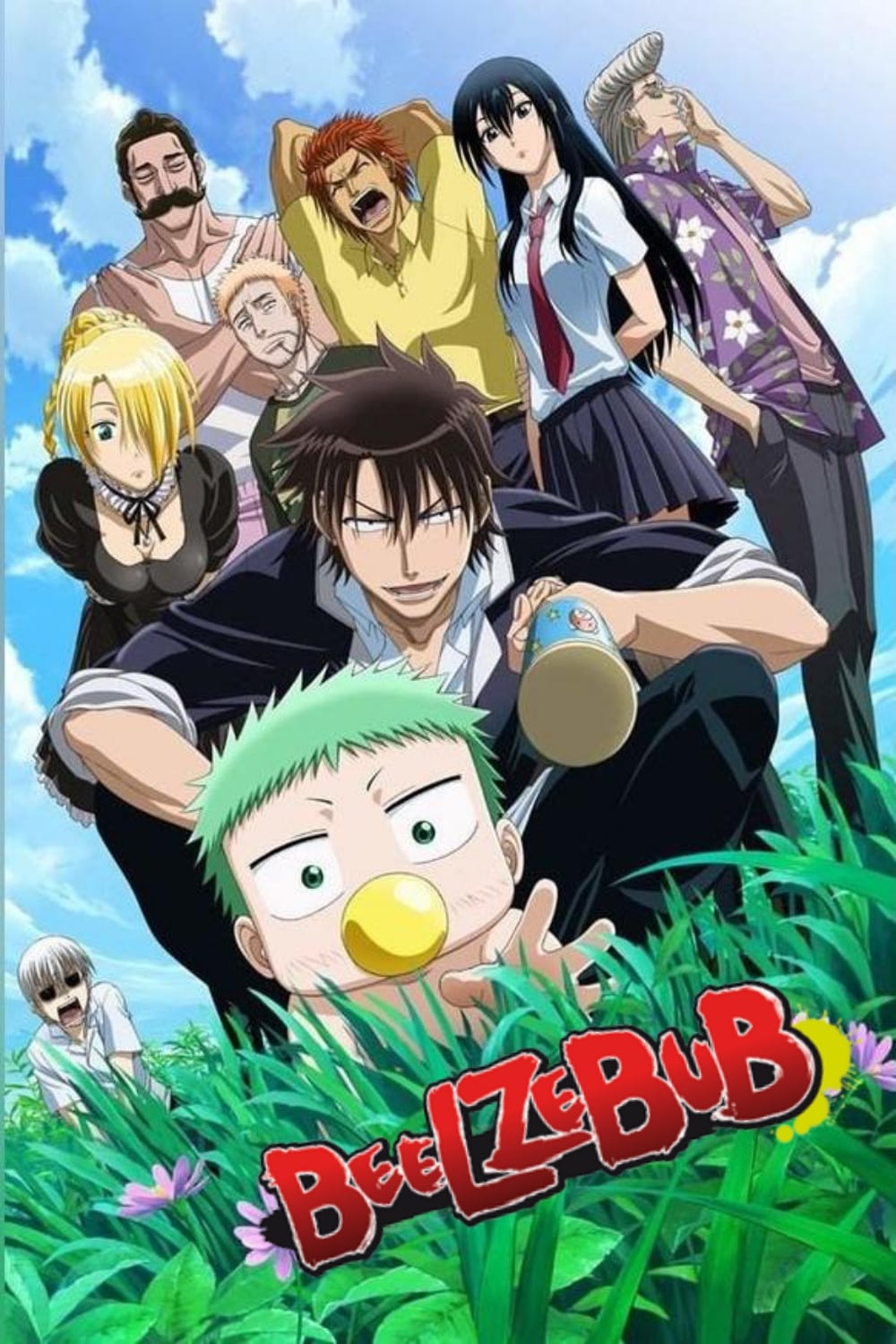
The ‘Beelzebub’ anime ended its run with several filler episodes that did not provide a proper conclusion to the story. These episodes involved the main characters engaging in silly competitions that had no weight. Because the manga continued for much longer the anime felt incomplete and unsatisfying. Fans were left wishing for a more faithful adaptation of the later demonic wars.
‘Shaman King’ (2001–2002)
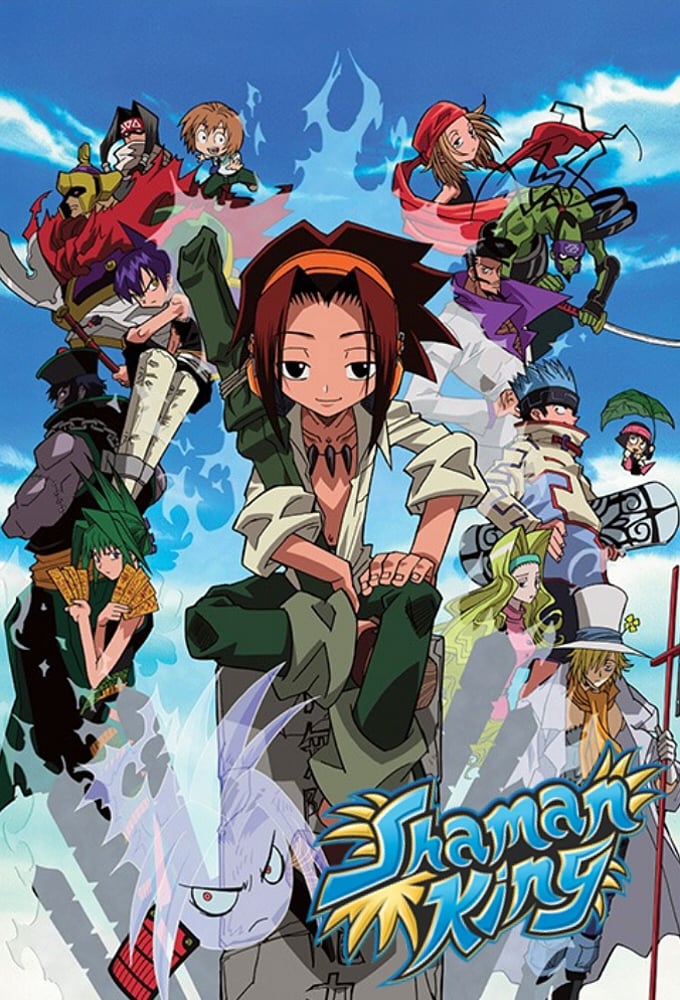
The original 2001 version of ‘Shaman King’ eventually ran out of manga chapters to adapt. The writers created an original ending where the tournament concluded in a way that differed from the author’s vision. This led to a less impactful final battle and character development that felt forced. A more recent adaptation was produced specifically to correct these changes and follow the manga accurately.
‘Akame ga Kill!’ (2014)

‘Akame ga Kill!’ reached a point where the manga was still ongoing while the anime was nearing its end. The creators decided to kill off several main characters in the anime who actually survived in the source material. This created a very dark and definitive ending that many fans found to be unnecessary. The divergence makes it difficult for any future projects to continue from where the first series left off.
‘Claymore’ (2007)
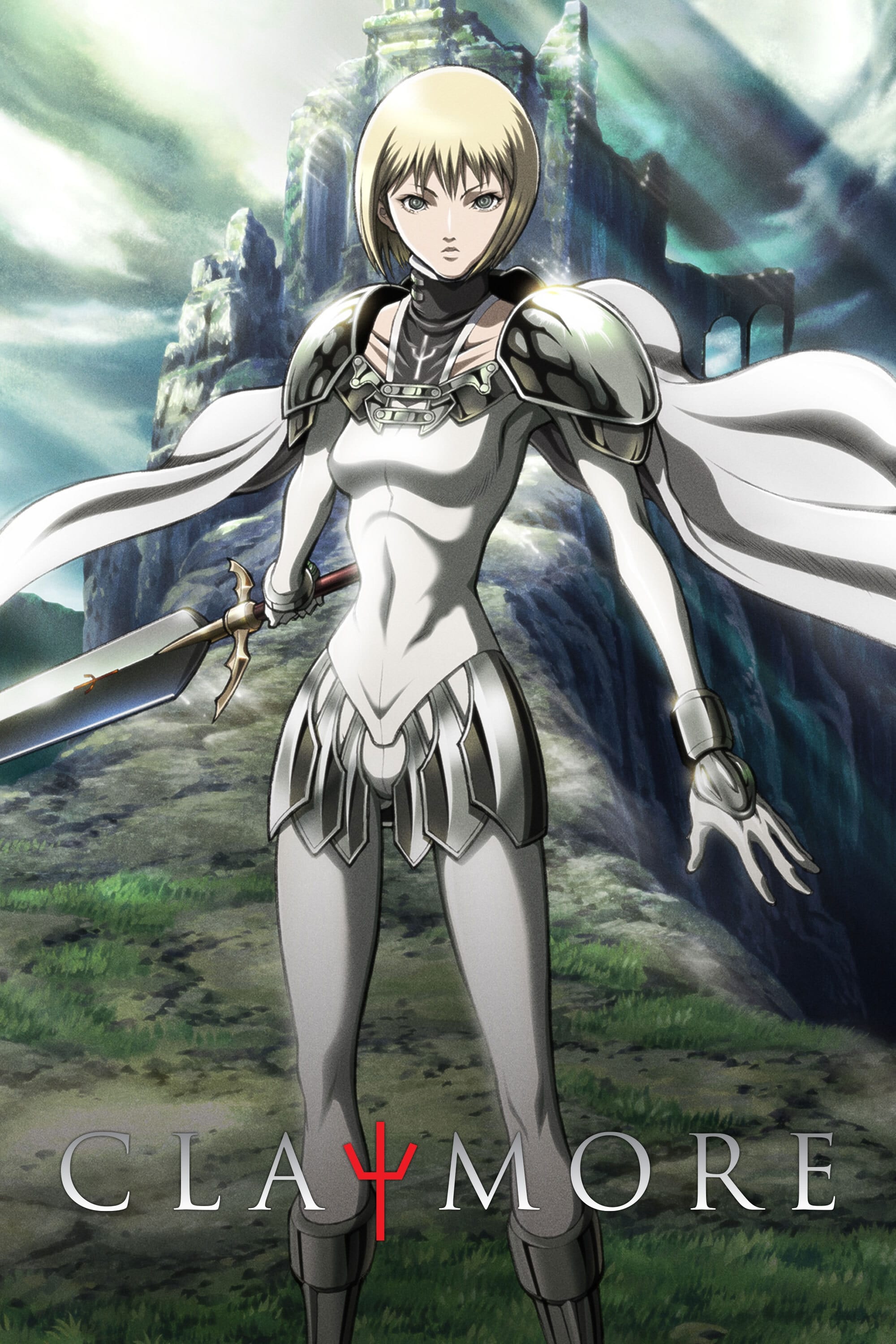
The ‘Claymore’ anime followed the manga closely until the very end when it introduced a new confrontation. This battle was meant to provide closure to the series even though the manga was far from over. The change meant that the protagonist never reached her full potential as seen in the later chapters. Many viewers were left wanting more after the abrupt and non canon ending.
‘Hellsing’ (2001–2002)
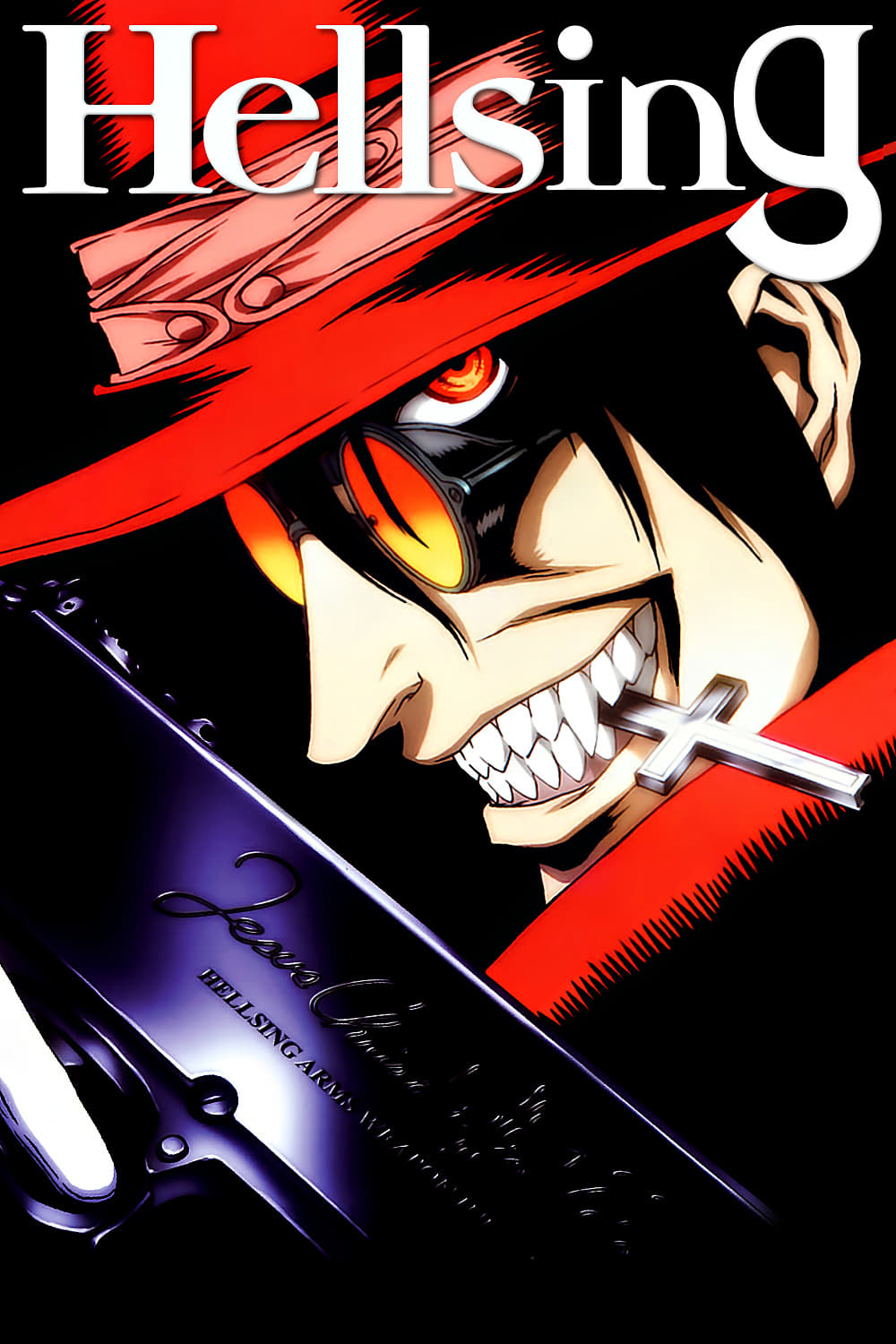
The first ‘Hellsing’ anime series moved away from the manga very early in its production. It introduced original villains and a plot that did not involve the major organization seen in the source material. This version is often ignored in favor of ‘Hellsing Ultimate’ which is a faithful adaptation of the entire story. The original series is now viewed mostly as a curiosity with an inferior storyline.
‘Fullmetal Alchemist’ (2003–2004)
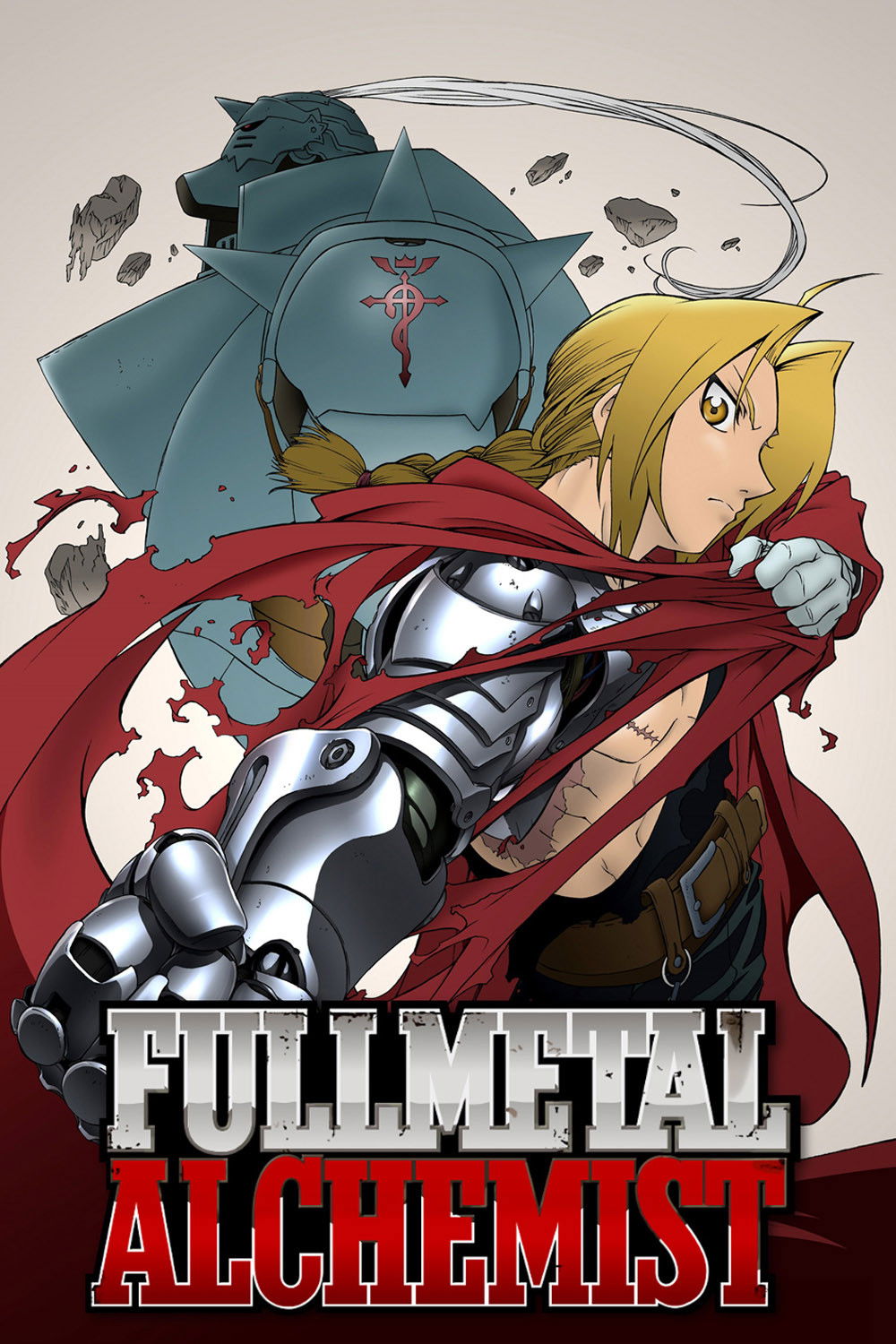
The 2003 version of ‘Fullmetal Alchemist’ is a unique case where the second half of the series is almost entirely original content. The creators worked with the author to craft a different ending since the manga was not finished. While the series is still highly regarded many fans prefer the more consistent world building of the manga. This led to the creation of ‘Fullmetal Alchemist Brotherhood’ which followed the original story perfectly.
‘Dragon Ball’ (1986–1989)
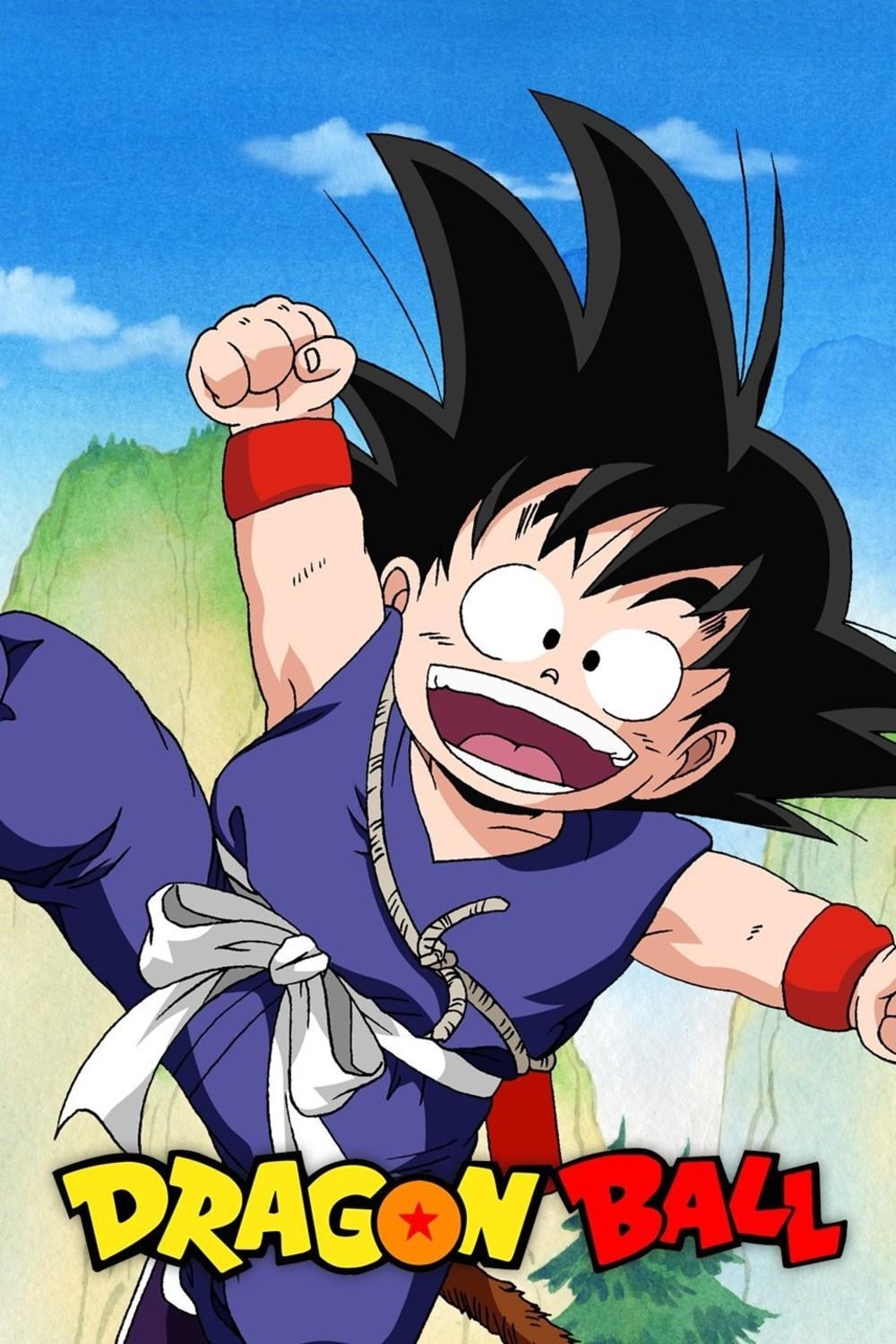
The original ‘Dragon Ball’ featured several filler arcs such as the Wedding Dress arc at the very end. This story followed Goku and Chi Chi as they tried to put out a magical fire to save her father’s castle. It was a slow paced adventure that felt like a distraction after the high stakes battle with Piccolo. Many fans view it as an unnecessary addition before the jump to the next series.
‘Inuyasha’ (2000–2004)

‘Inuyasha’ had many filler episodes where the characters chased after minor demons that had no connection to the main villain Naraku. These episodes often repeated the same jokes and character dynamics without offering any progress. The repetitive search for Shikon Jewel shards became a common complaint among those watching the show weekly. Eventually a final act series was produced to cut out the fluff and finish the story.
‘Trigun’ (1998)
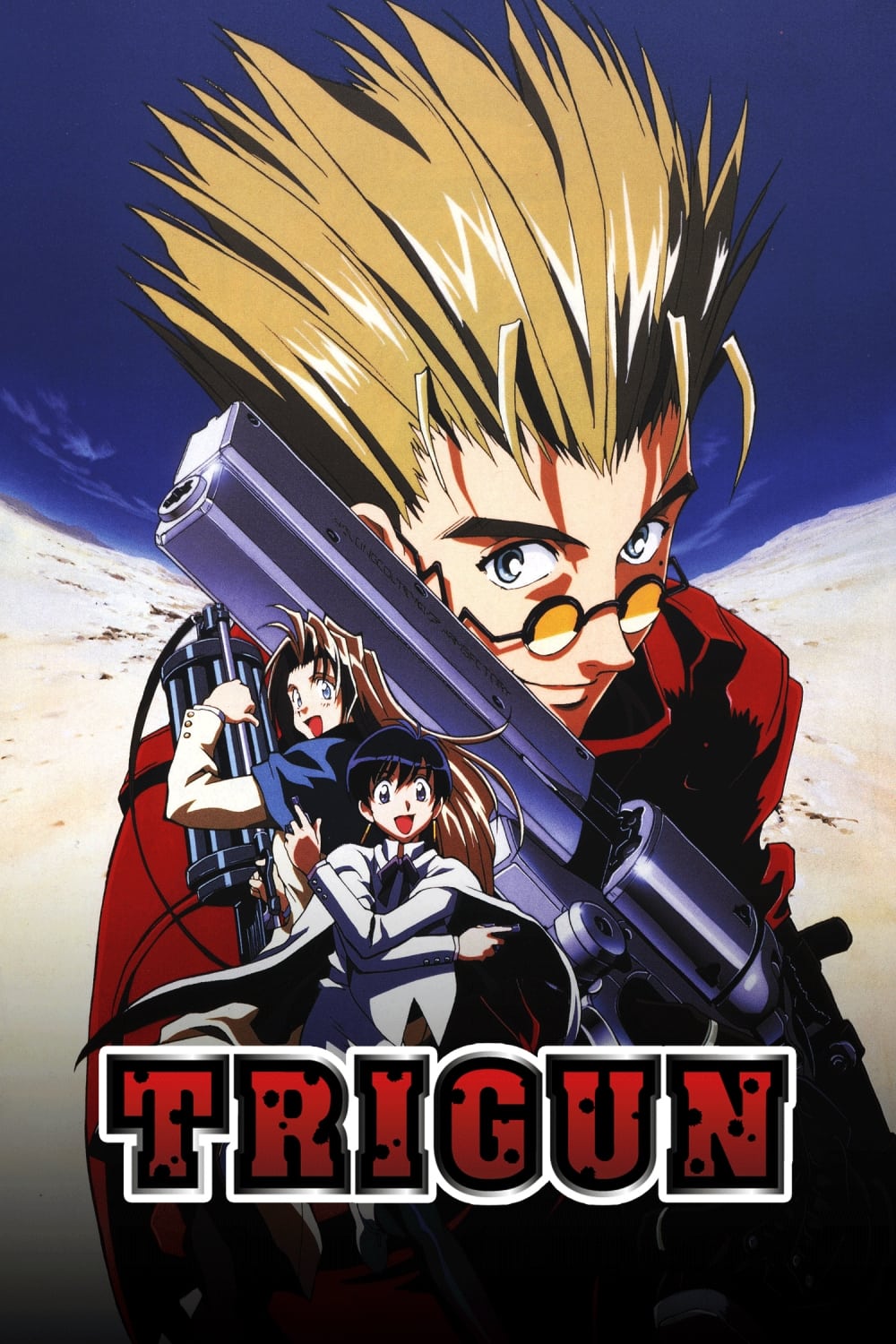
The original ‘Trigun’ anime had to create several original episodes because the manga was on hiatus during production. These episodes focused on Vash the Stampede helping various towns with minor problems. While these stories highlighted his pacifist nature they did not contribute to the overall mystery of his past. The later episodes eventually returned to the core plot but the filler felt somewhat disconnected.
‘Blue Dragon’ (2007–2008)
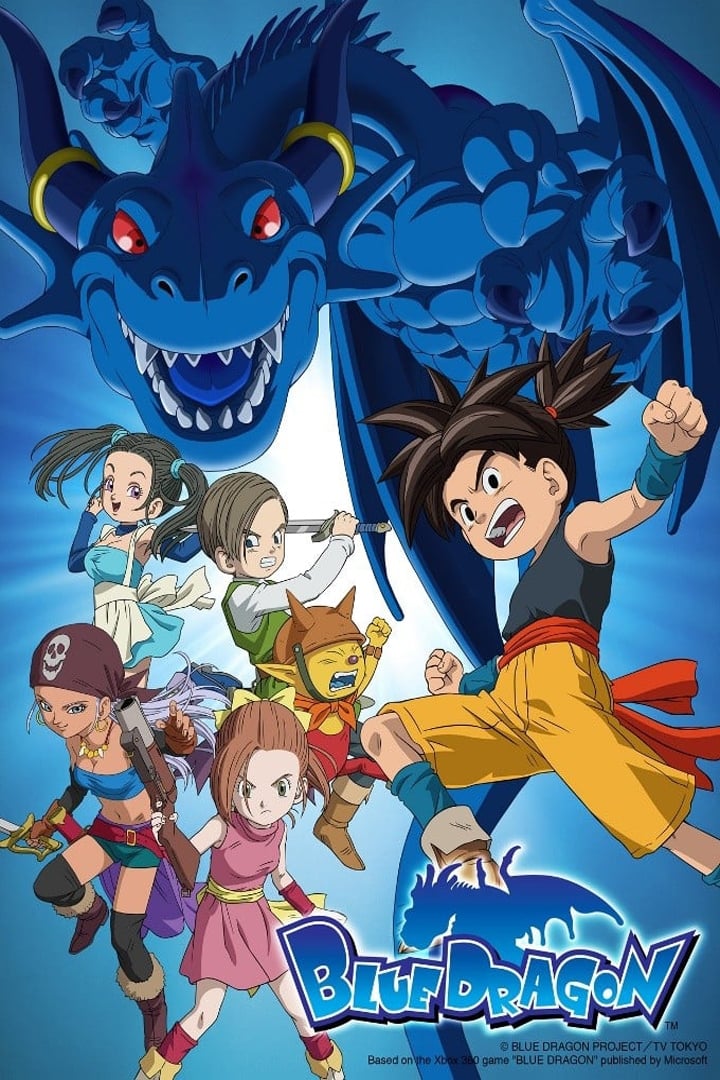
‘Blue Dragon’ is based on a video game and contains many episodes that were added purely for length. These segments often involved the characters wandering through forests and fighting generic monsters. The lack of significant plot development in these episodes made the series feel much longer than it needed to be. Most viewers found that the story could have been told in half the time.
‘D.Gray-man’ (2006–2008)
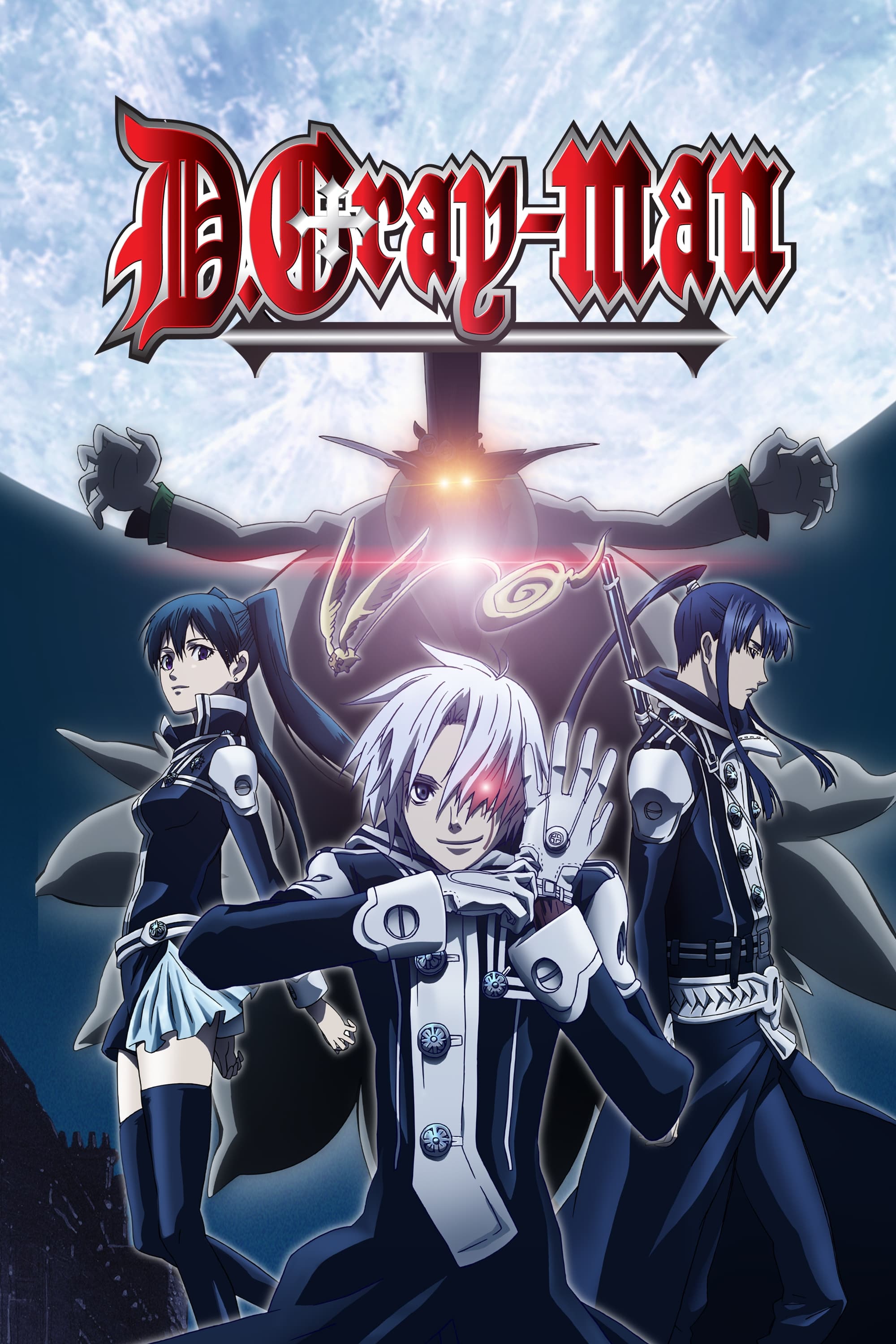
The first ‘D.Gray-man’ anime included various original missions for the Exorcists that were not in the manga. These episodes often lacked the dark and gothic atmosphere that made the source material famous. Because the anime ended before the manga was finished these filler stories did not lead to a satisfying conclusion. Fans had to wait many years for a continuation that followed the real plot.
‘Twin Star Exorcists’ (2016–2017)
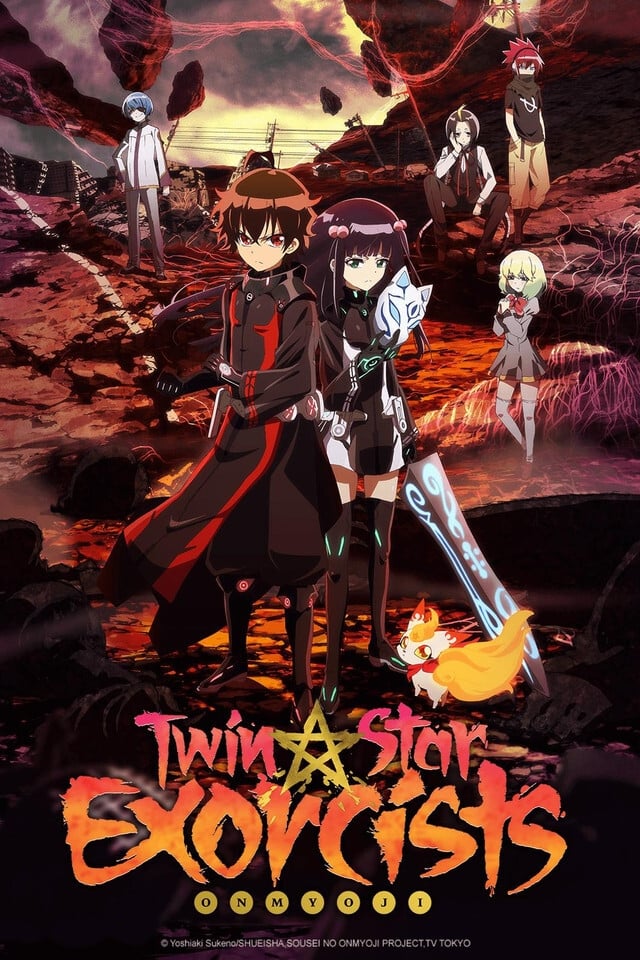
‘Twin Star Exorcists’ is a series that changed its plot significantly after the first few episodes. The anime introduced an entirely original storyline that replaced the events of the manga. This decision was met with mixed reviews as many fans wanted to see the original battle for the future of the exorcists. The filler content made the anime feel like an entirely different show from the source material.
‘World Trigger’ (2014–2016)
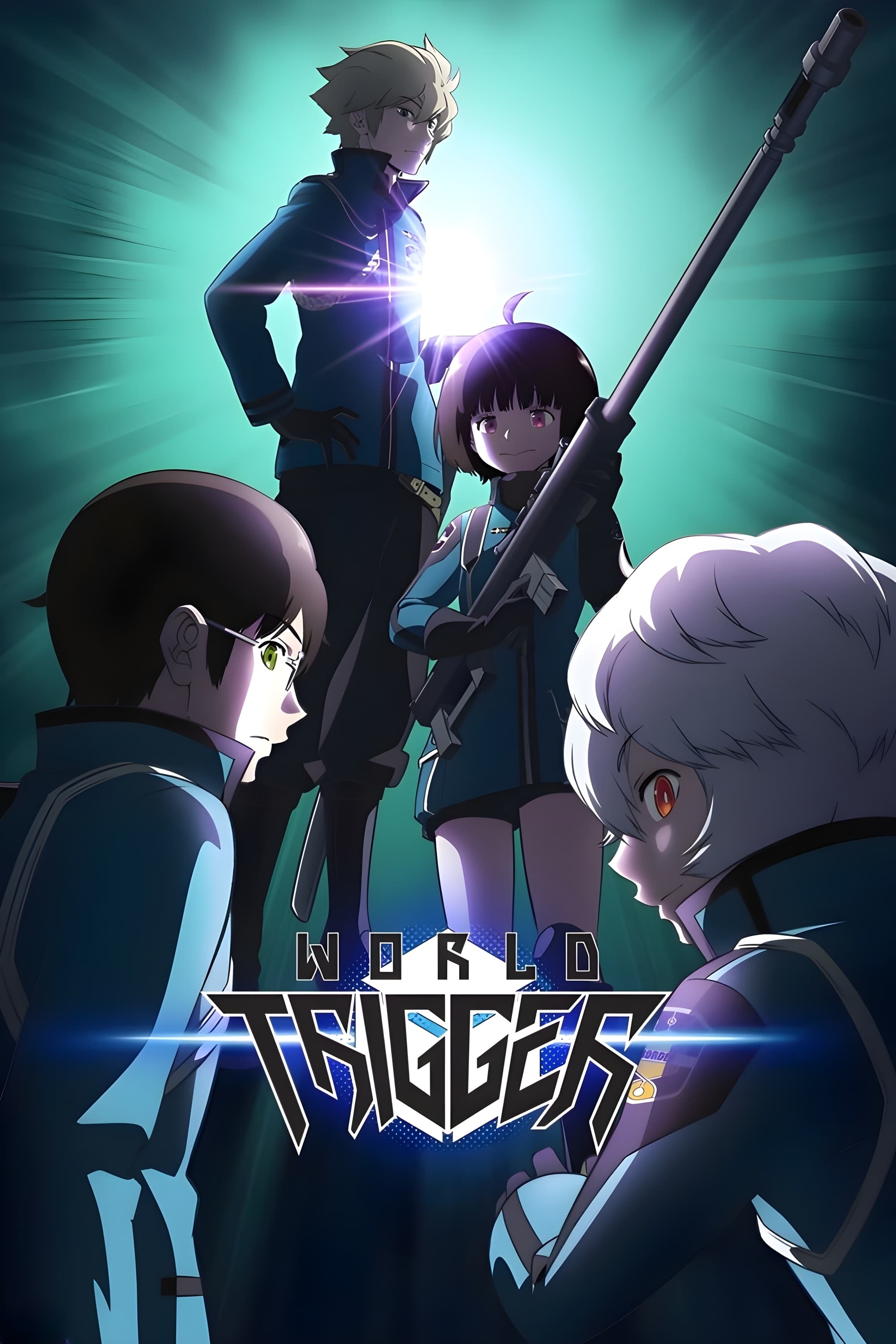
The first season of ‘World Trigger’ included a massive filler arc called the Fugitive arc. This story introduced new characters and a conflict that was not present in the manga. Many fans found this arc to be much slower and less strategic than the original battles. When the show returned for a second season it completely ignored these events to follow the manga again.
‘Toriko’ (2011–2014)
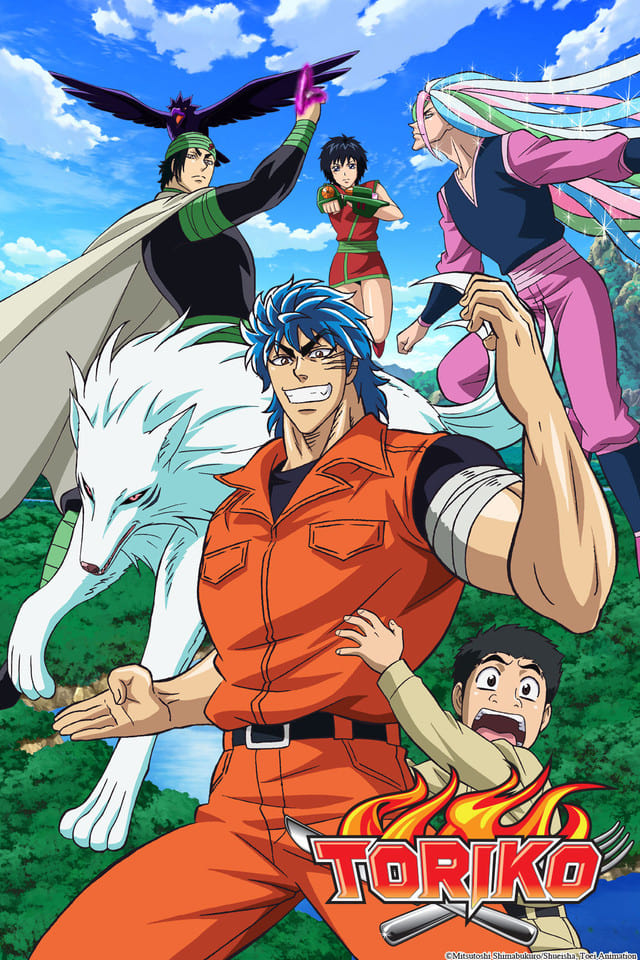
‘Toriko’ often featured crossover episodes and original filler content that distracted from the gourmet hunting theme. The anime also changed the ending to be less violent and more suitable for a younger audience. This resulted in a finale that felt very different from the epic conclusion of the manga. Fans of the source material were disappointed by the lack of faithfulness in the adaptation.
‘Seraph of the End’ (2015)
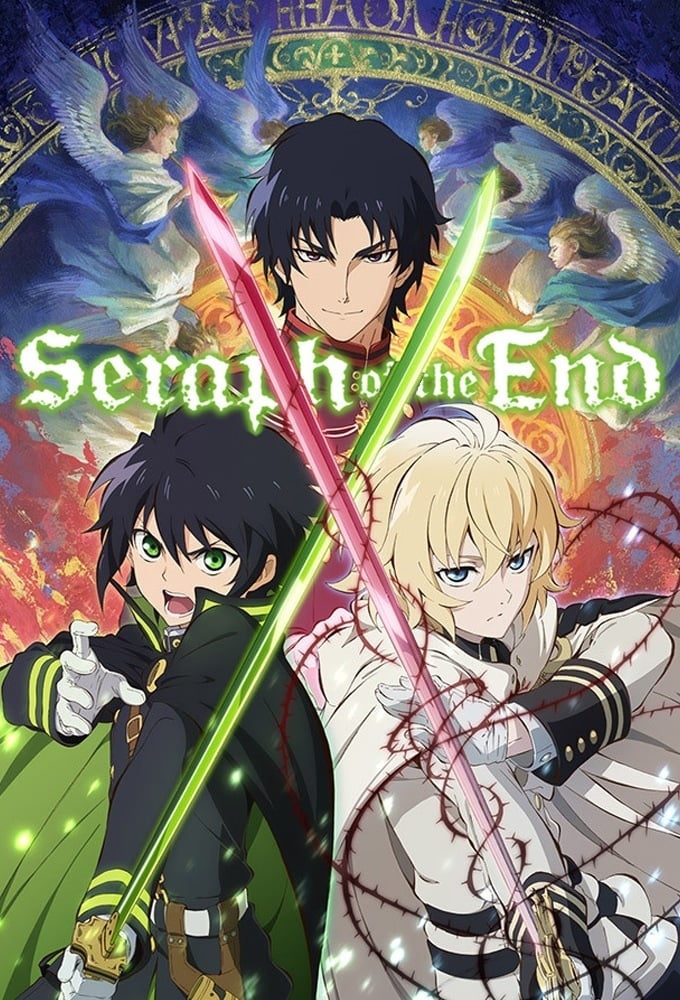
The ‘Seraph of the End’ anime ended with an original battle that was not in the manga at the time. This gave the series a temporary conclusion while the author continued the story. Because the manga took a very different path later the anime ending is now considered non canon. Fans are still waiting for a third season that might fix these inconsistencies.
‘Rosario + Vampire’ (2008)
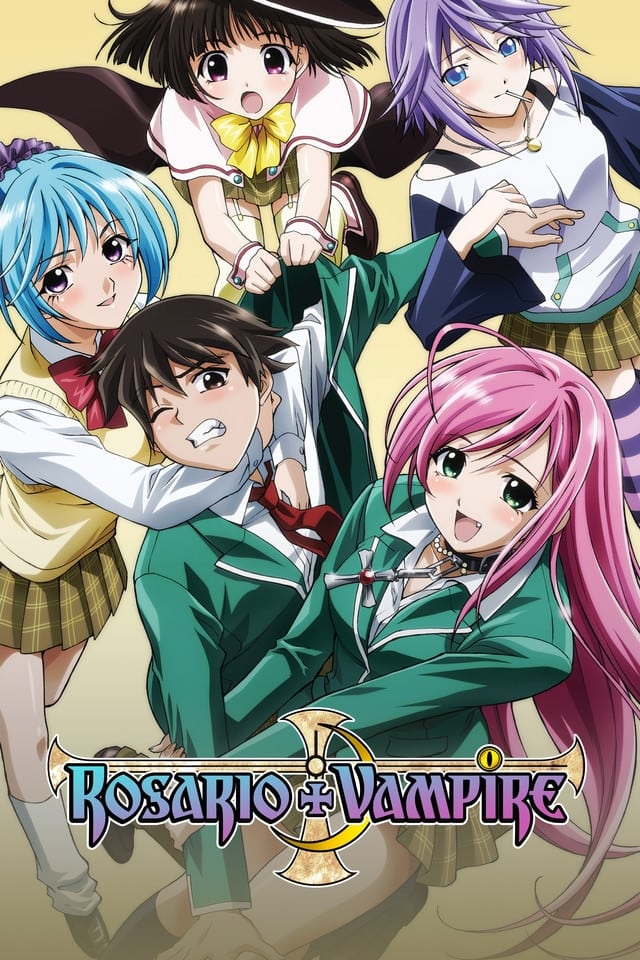
The ‘Rosario + Vampire’ anime transformed a dark action manga into a generic harem comedy with lots of filler. Each episode followed a repetitive monster of the week format that ignored the overarching plot. This led to a complete lack of character growth for the protagonist compared to his manga counterpart. Fans of the original story were very unhappy with the focus on fan service over substance.
‘Elfen Lied’ (2004)

‘Elfen Lied’ is a short series that diverged from its source material to create a definitive ending. This involved original scenes and a resolution to the conflict that was much simpler than the manga. The change meant that many interesting side characters were never fully explored. Most viewers recommend reading the manga to get the full story behind the mysterious Diclonius.
‘Deadman Wonderland’ (2011)
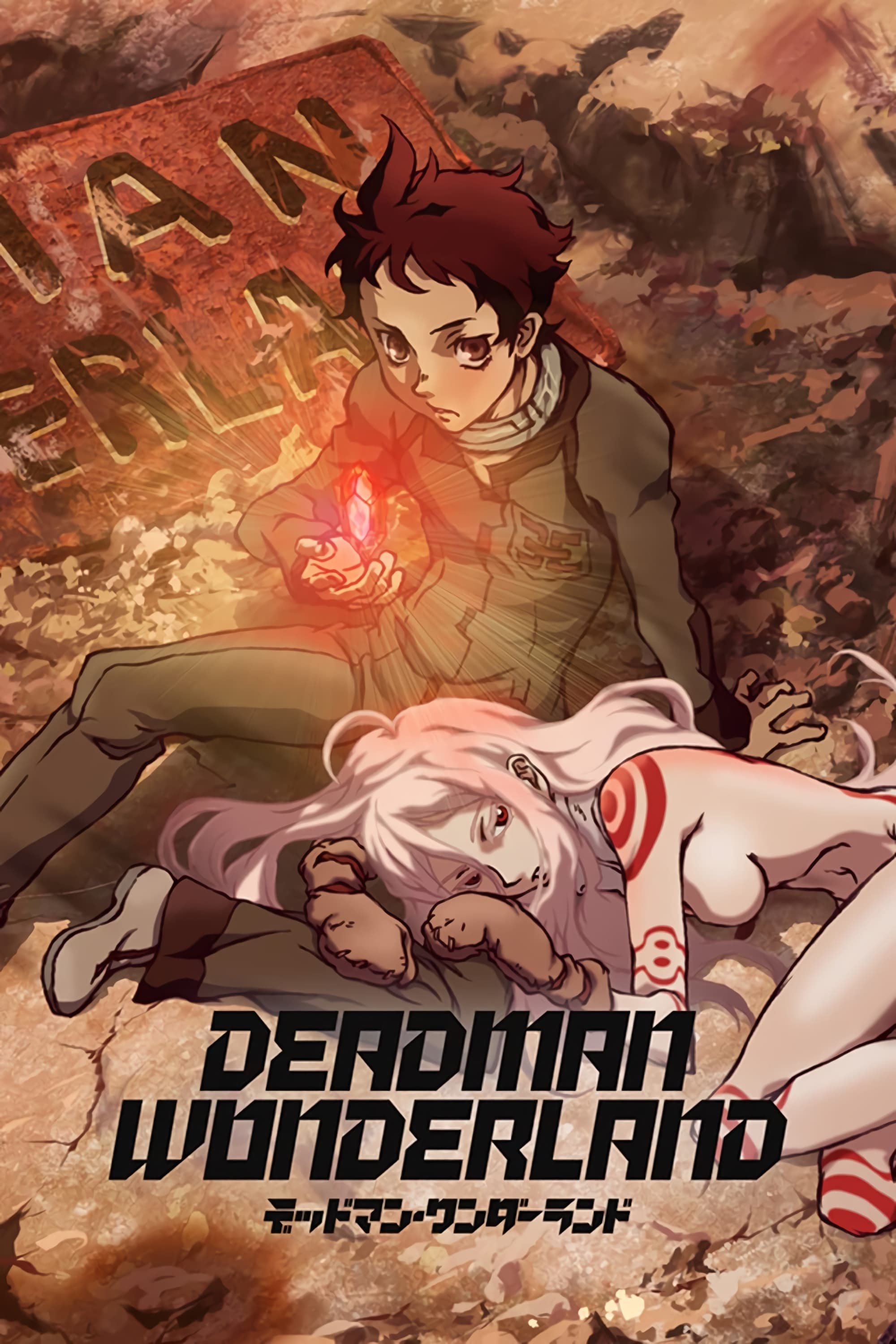
The ‘Deadman Wonderland’ anime cut out several important characters from the manga to fit its short run. This created a story that felt incomplete and left many questions unanswered. Because these characters were essential for the later plot a second season became impossible to produce. The series remains a frustrating experience for those who wanted a complete adaptation.
‘Gantz’ (2004)
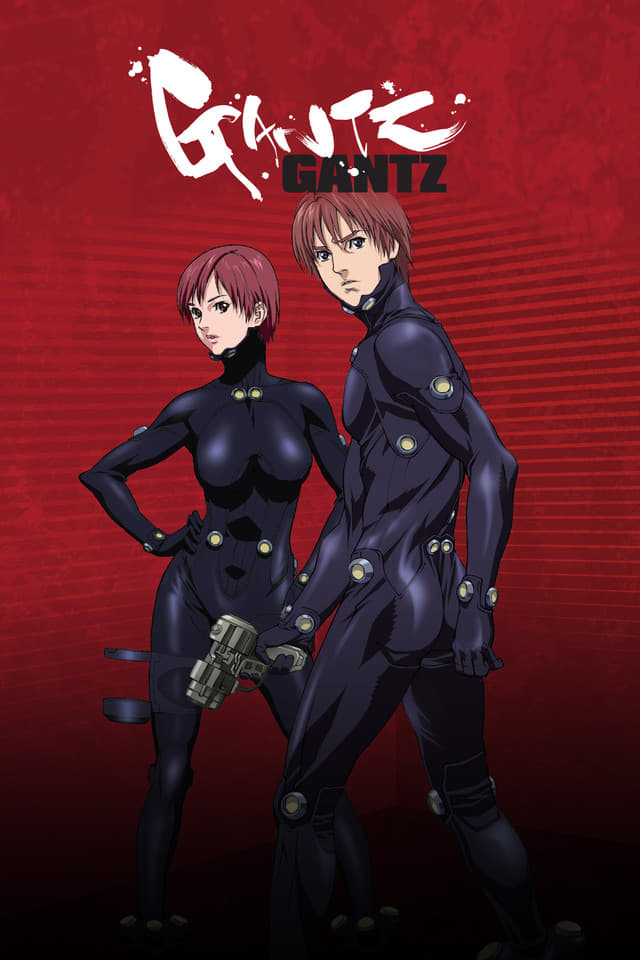
The ‘Gantz’ anime followed the manga until the final mission where it took a completely original turn. This ending was confusing and lacked the psychological depth of the rest of the series. It attempted to explain the mysterious black sphere in a way that did not satisfy most viewers. The manga eventually provided a much more epic and detailed explanation for the events.
‘Fruits Basket’ (2001)
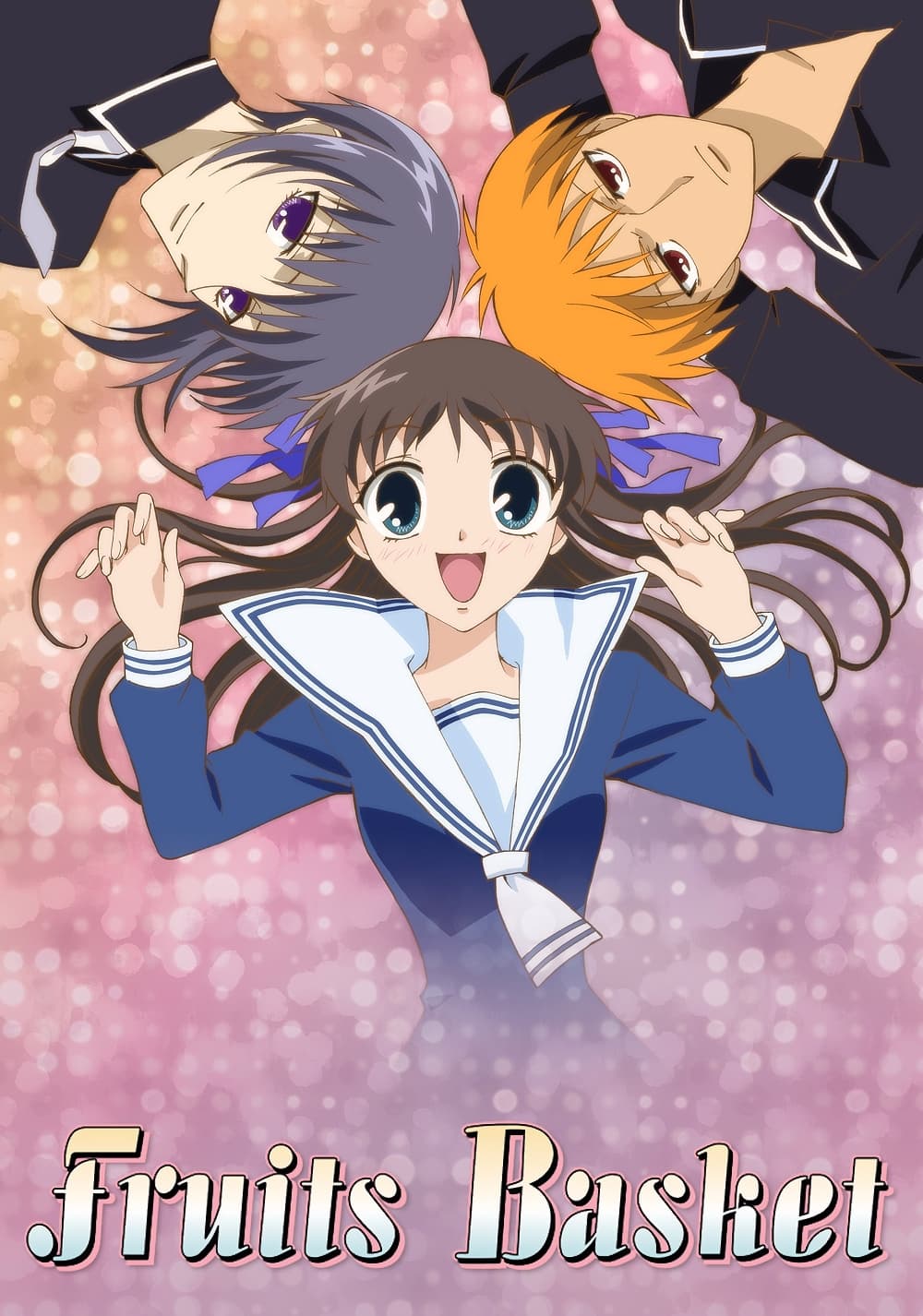
The original 2001 ‘Fruits Basket’ anime featured an original ending because the manga was still in its early stages. This version omitted many of the darker elements and tragic backstories that were later revealed. The focus was kept on the romantic comedy aspects which made it feel less impactful. A complete reboot was eventually made to tell the entire story from beginning to end.
‘Rave Master’ (2001–2002)
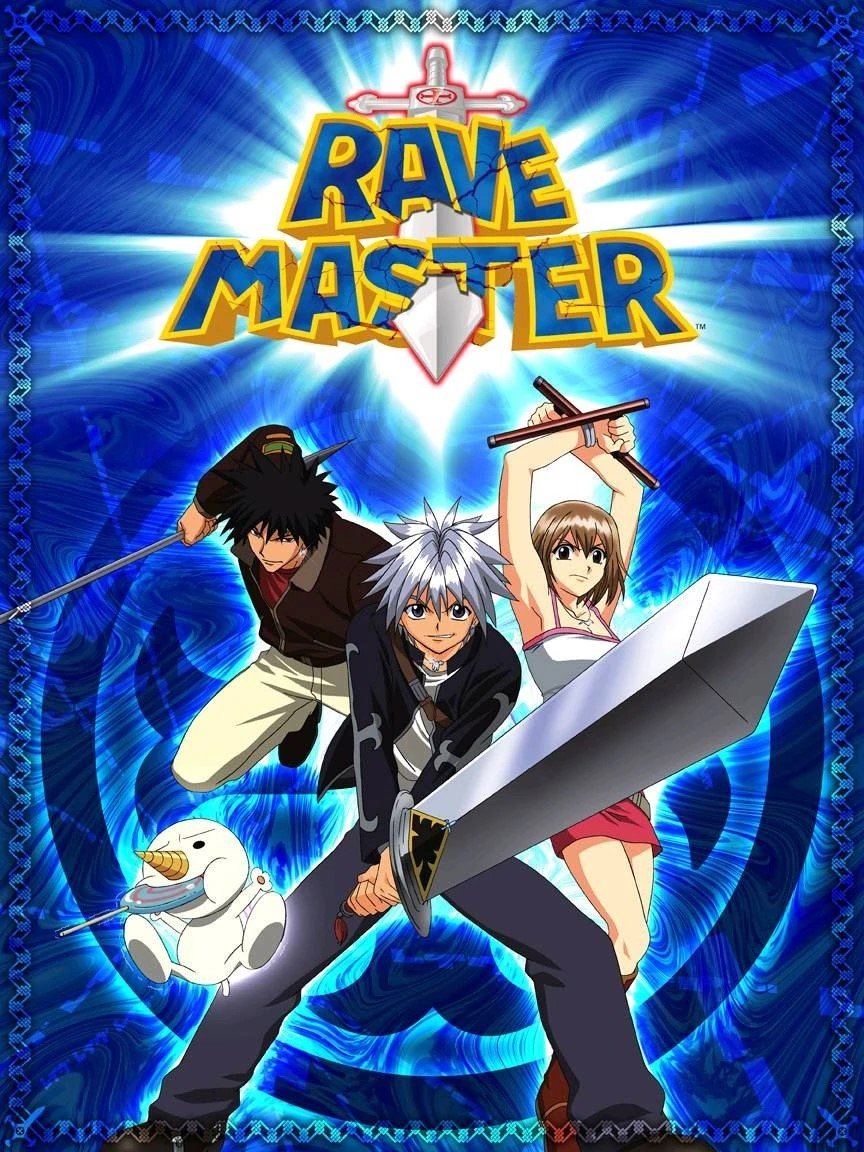
‘Rave Master’ was cancelled before it could reach the end of its manga source material. The final episodes included filler elements to try and wrap up some of the smaller plot points. This left the main mystery of the Rave stones and the villain unresolved for anime viewers. Many fans were forced to switch to the manga to see how the journey actually ended.
‘Slam Dunk’ (1993–1996)
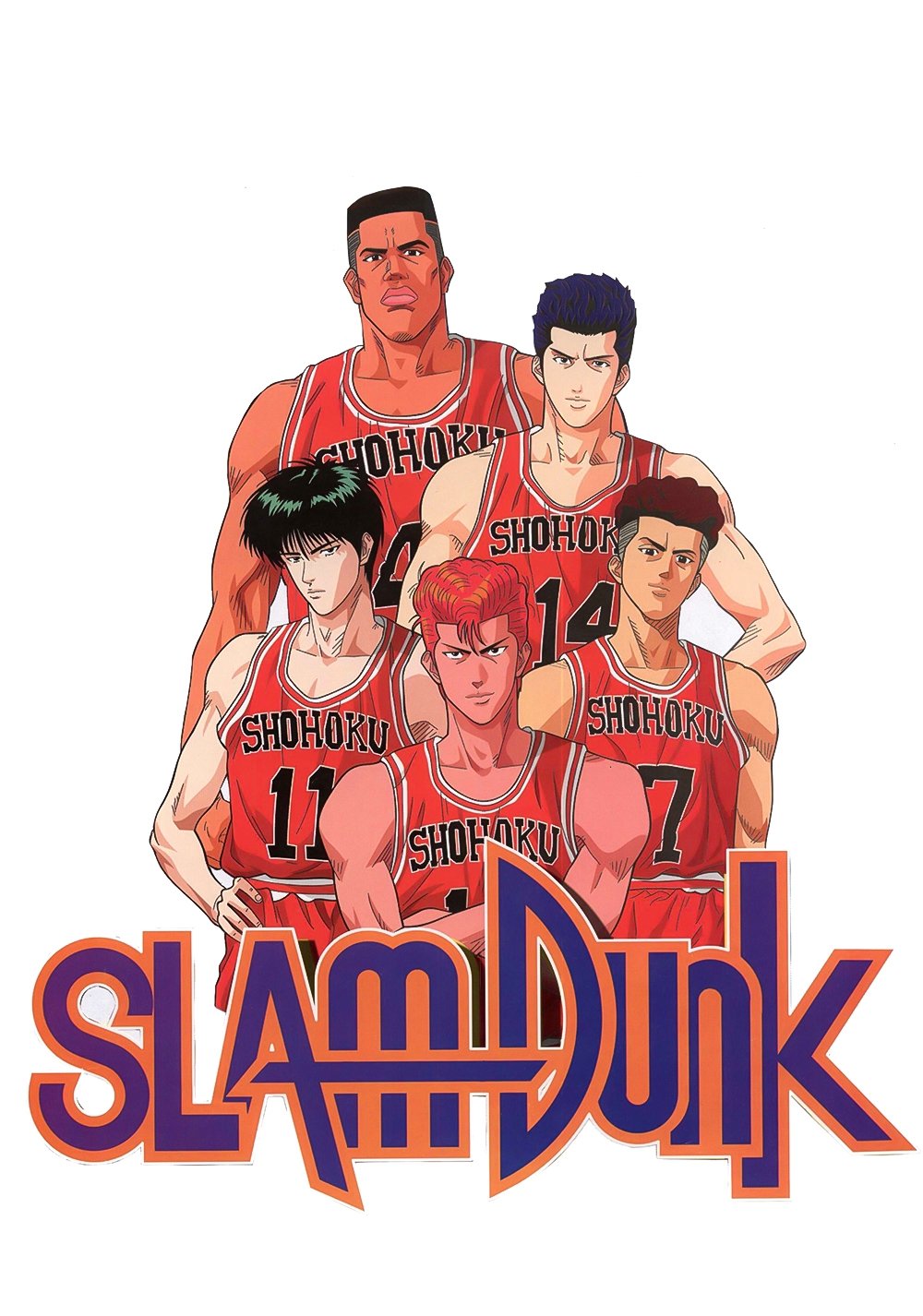
The ‘Slam Dunk’ anime ended with a filler match against an all star team instead of the national tournament. This was a huge disappointment for fans who had followed the team for over a hundred episodes. The intense matches from the final manga chapters were never animated in the original run. It took many years for a movie to finally bring the true conclusion to the screen.
‘Great Teacher Onizuka’ (1999–2000)
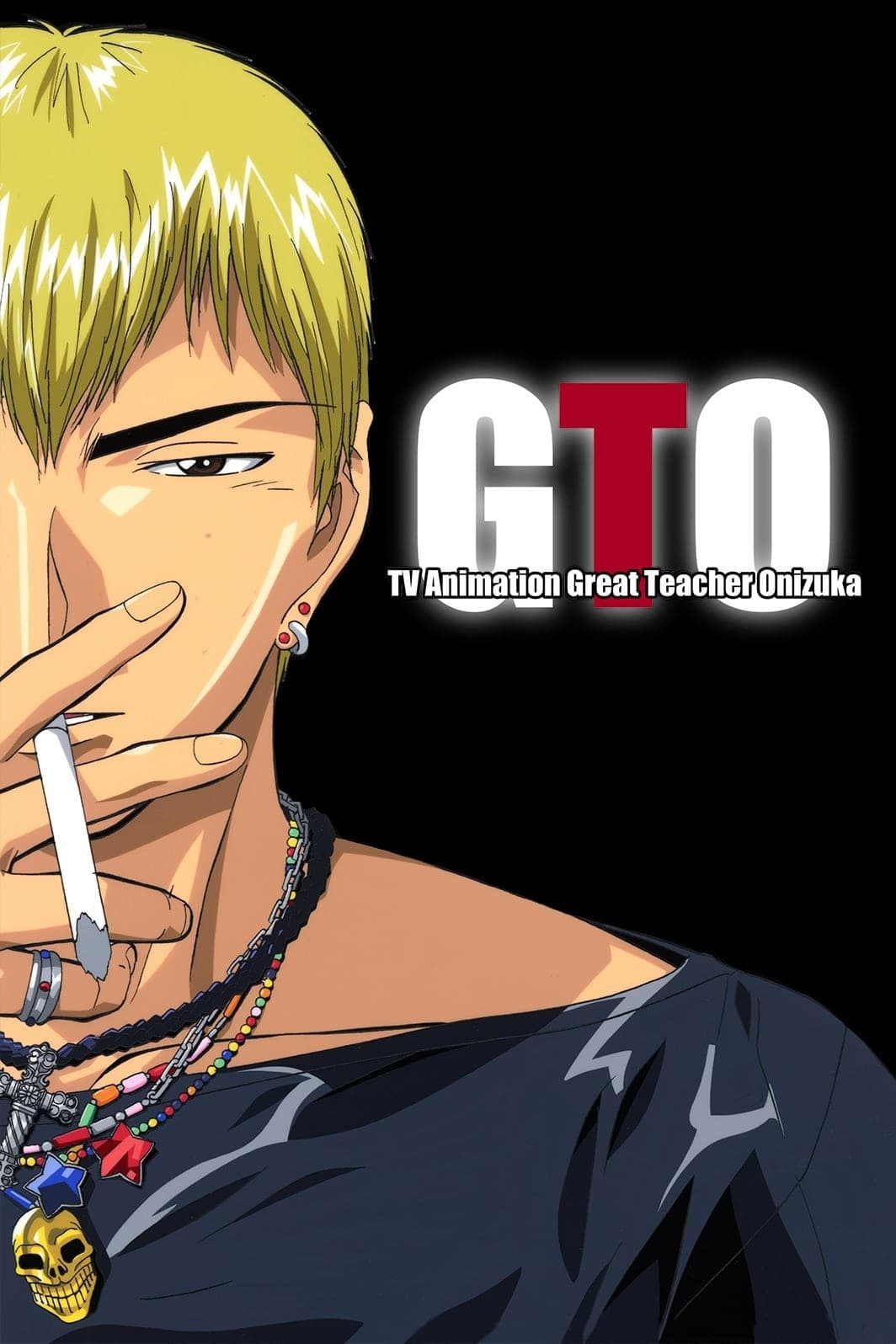
The ‘Great Teacher Onizuka’ anime ended with an original storyline where the protagonist has to save the school from a corrupt board member. While it highlighted his unique teaching methods it replaced the actual ending from the manga. The manga continued for much longer and featured even more outrageous adventures. The anime version feels like a watered down conclusion to a very wild story.
‘Eyeshield 21’ (2005–2008)
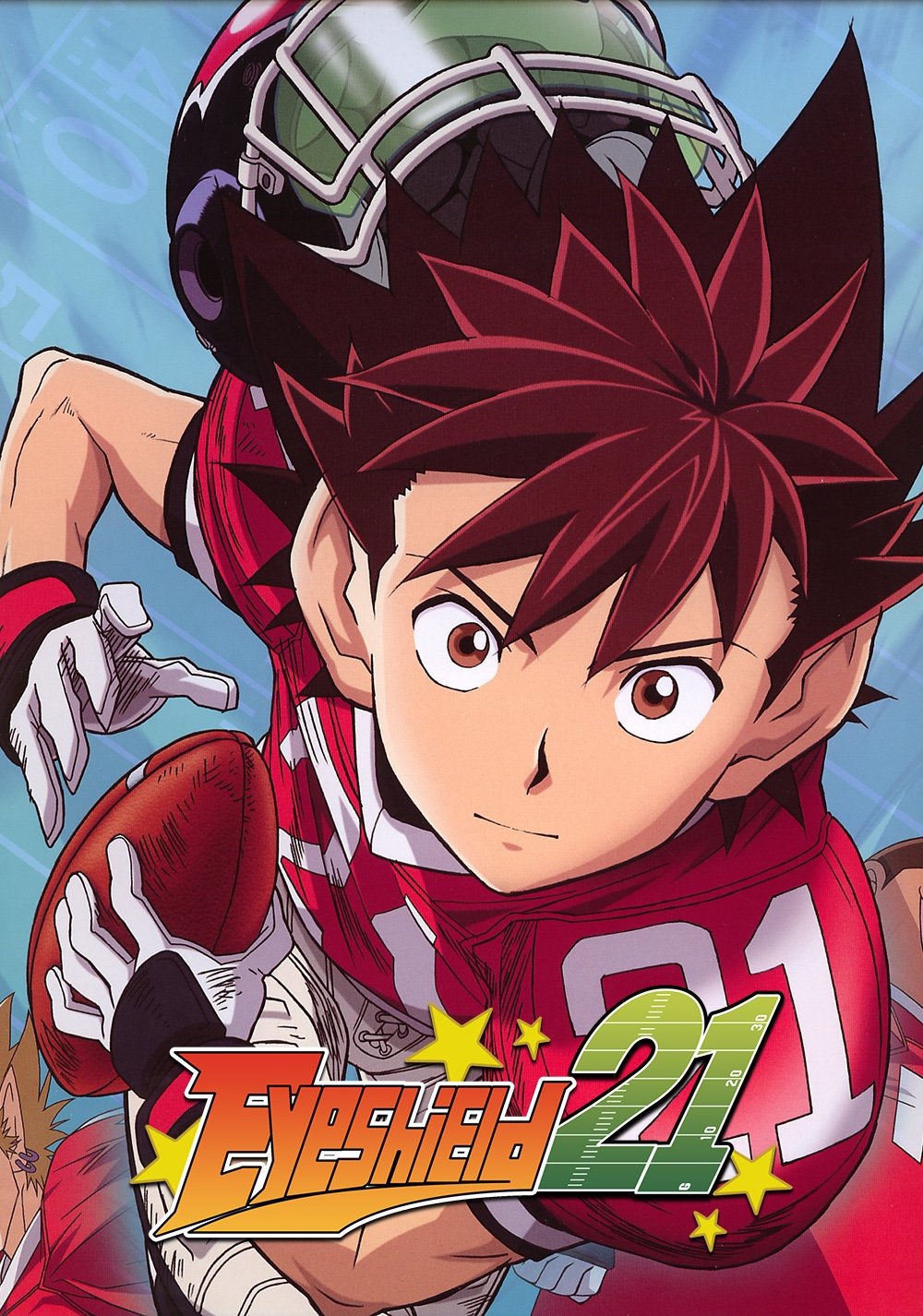
‘Eyeshield 21’ included several filler episodes where the characters played against weak teams or engaged in silly training. These episodes slowed down the progression toward the Christmas Bowl which was the ultimate goal. The anime also ended before the most important matches of the series could take place. Fans of the sports genre often find the anime to be a poor representation of the manga’s intensity.
‘Sonic X’ (2003–2004)
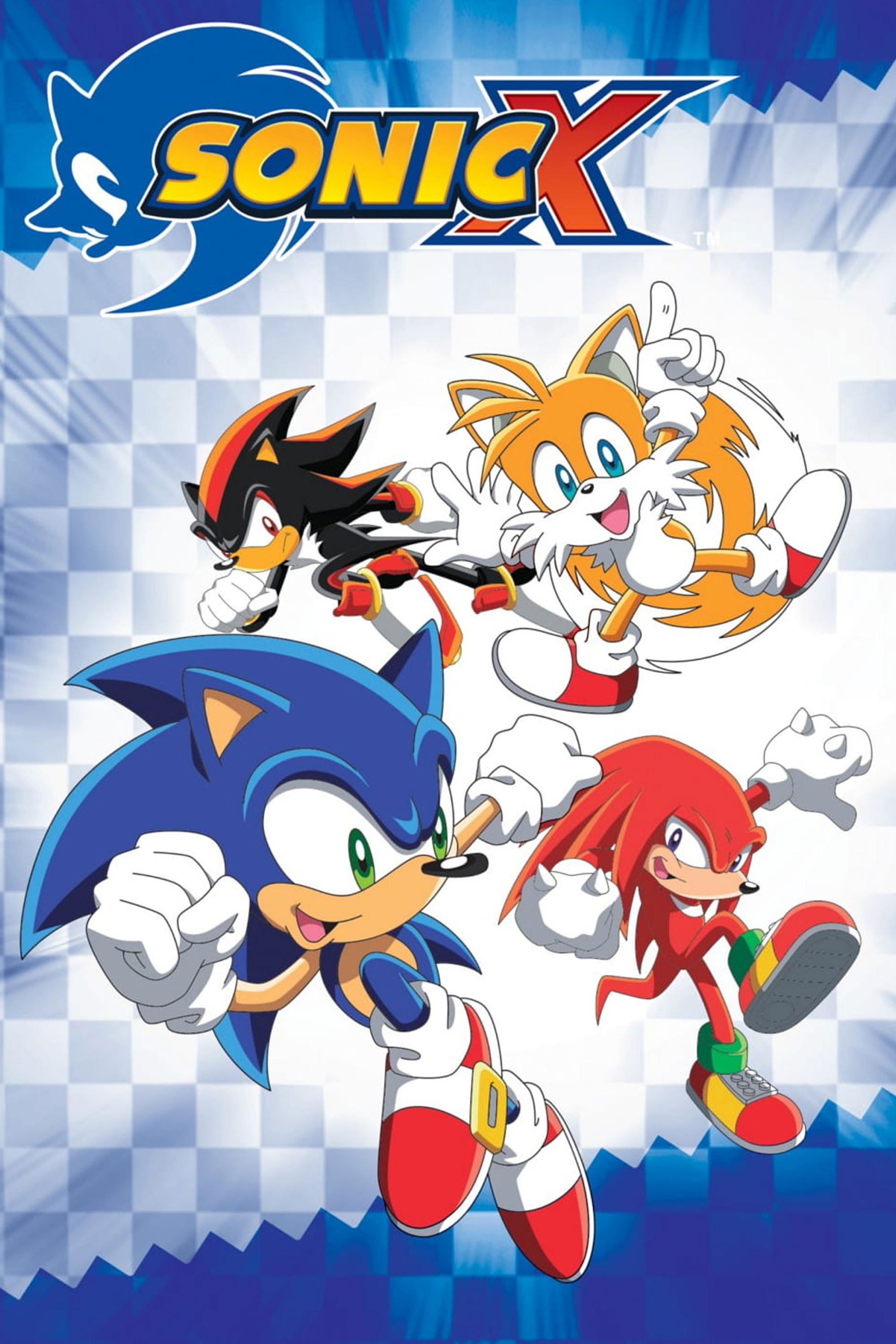
‘Sonic X’ features an entire season that is original content not based on any of the video games. This arc took the characters into space to fight a new robotic threat called the Metarex. Many fans felt that this storyline was too long and did not fit the established tone of the Sonic universe. The focus on original human characters also frustrated many viewers who wanted more of the classic cast.
‘Black Butler’ (2008–2010)
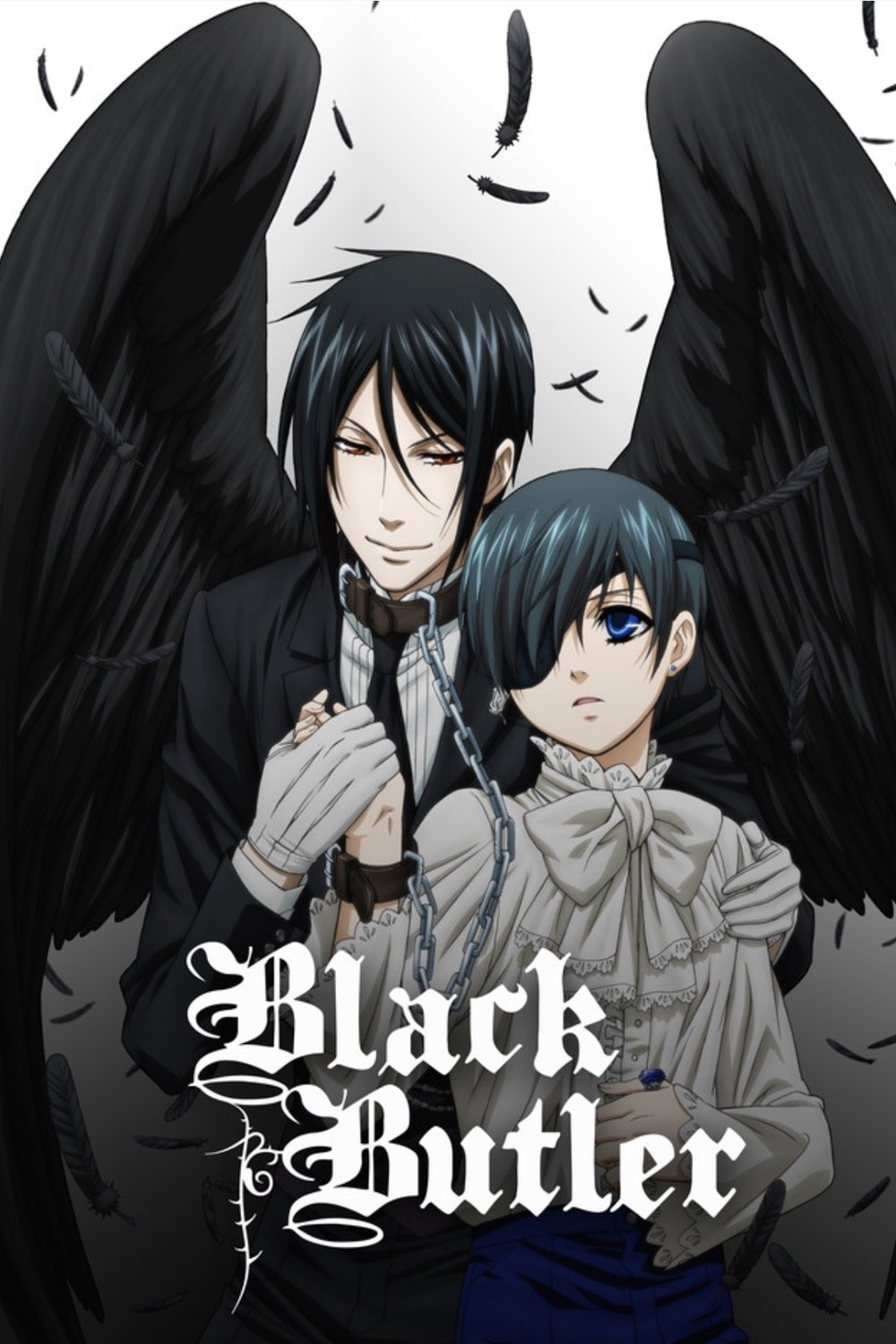
The second season of ‘Black Butler’ is entirely filler and introduces a new master and butler pair. This story ignored the conclusion of the first season and created a very different dynamic. Many fans found the new characters to be unlikable and the plot to be unnecessarily cruel. The series eventually went back to follow the manga with several movies and specials that ignored this season entirely.
Tell us which of these filler arcs made you want to skip ahead in the comments.