

Top 20 Anime For All Ages




Finding anime that works for everyone in the room is easier when you know which titles mix clear storytelling with universal themes. The entries below span movies and series that younger viewers can follow and older viewers can appreciate, with straightforward plots, approachable characters, and clean presentation.
Each pick includes simple details like what it is about, who made it, and when and where it ran. You will find notes on episode counts, studios, awards, and content focus so you can decide what fits your next family watch session without guesswork.
‘My Neighbor Totoro’ (1988)
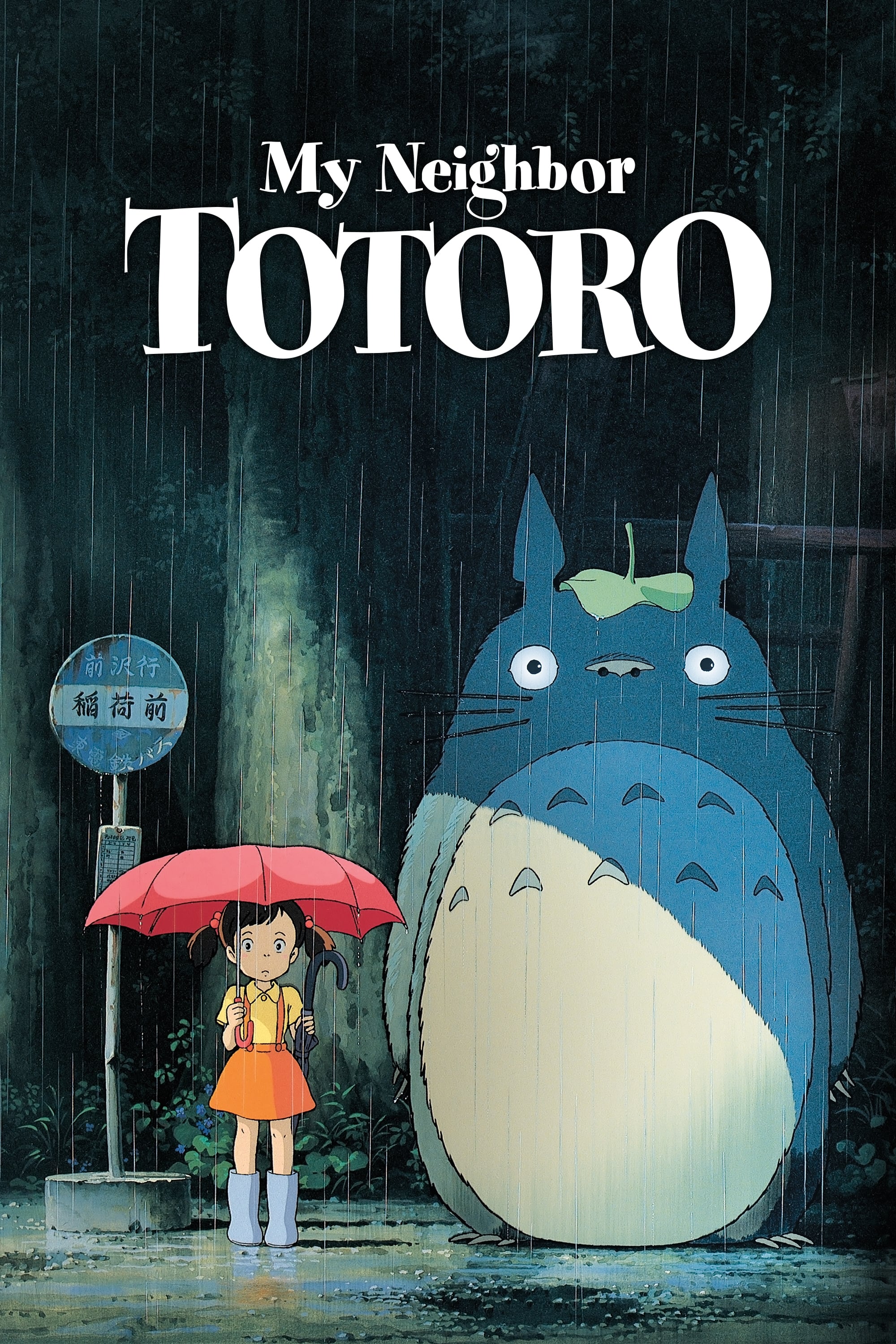
This Studio Ghibli film from director Hayao Miyazaki follows sisters Satsuki and Mei during a move to rural Japan where they meet a forest spirit called Totoro. The story is set in the late 1950s and centers on everyday life, gentle fantasy elements, and a few magical creatures including the Catbus.
Totoro became the Studio Ghibli mascot and the film’s hand drawn animation uses soft color palettes and quiet scenes that emphasize nature. The Japanese release came through Toho and multiple English dubs exist, which helps with accessibility for younger audiences.
‘Kiki’s Delivery Service’ (1989)
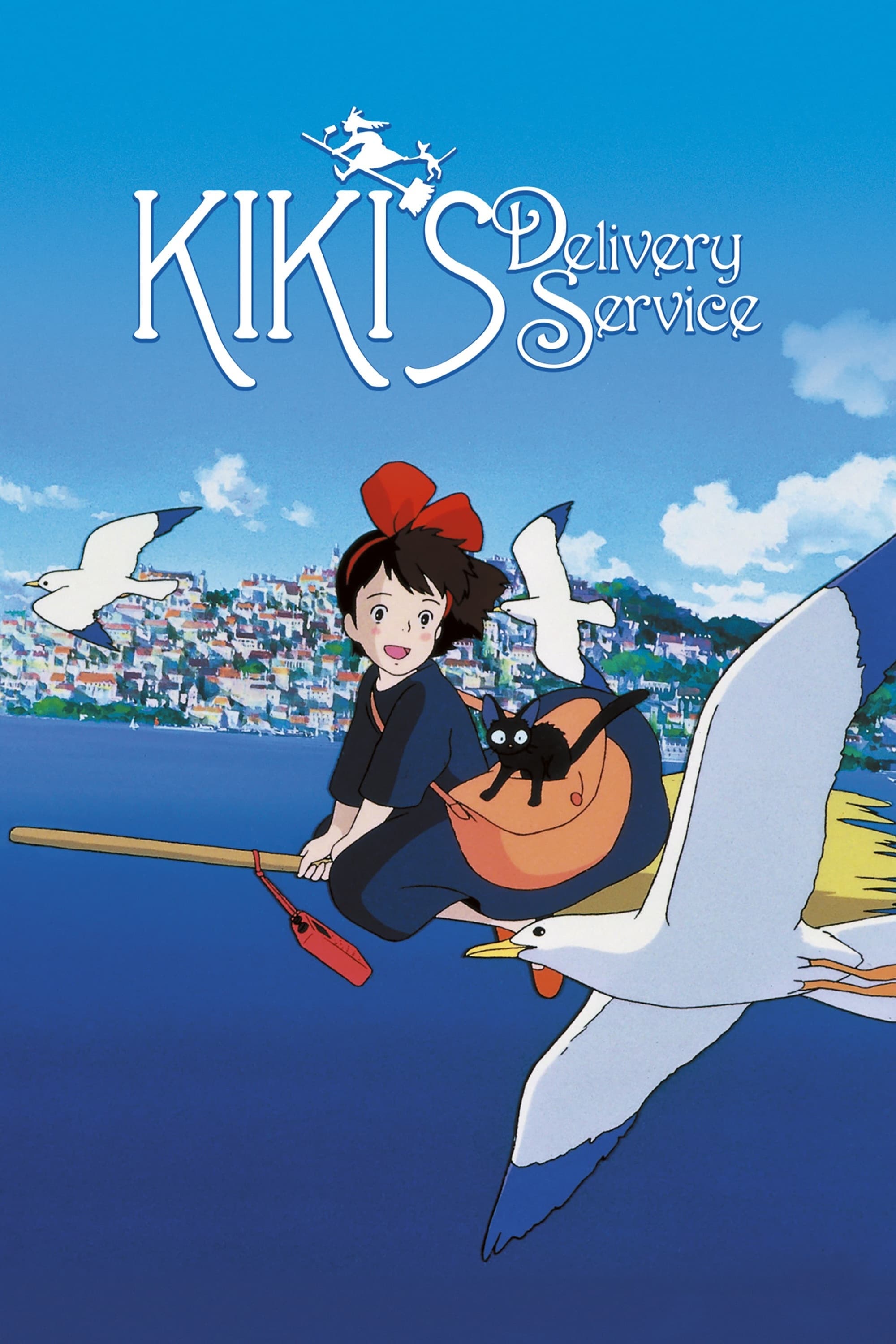
This adaptation of Eiko Kadono’s novel features a young witch in training who starts a small delivery service with her black cat companion. The city setting blends European influences and modern conveniences, and the story focuses on responsibility, work, and community.
The film was produced by Studio Ghibli with direction by Hayao Miyazaki and a score by Joe Hisaishi. It received a wide international home release under different distributors, and its straightforward narrative makes it easy to follow in either subbed or dubbed formats.
‘Spirited Away’ (2001)
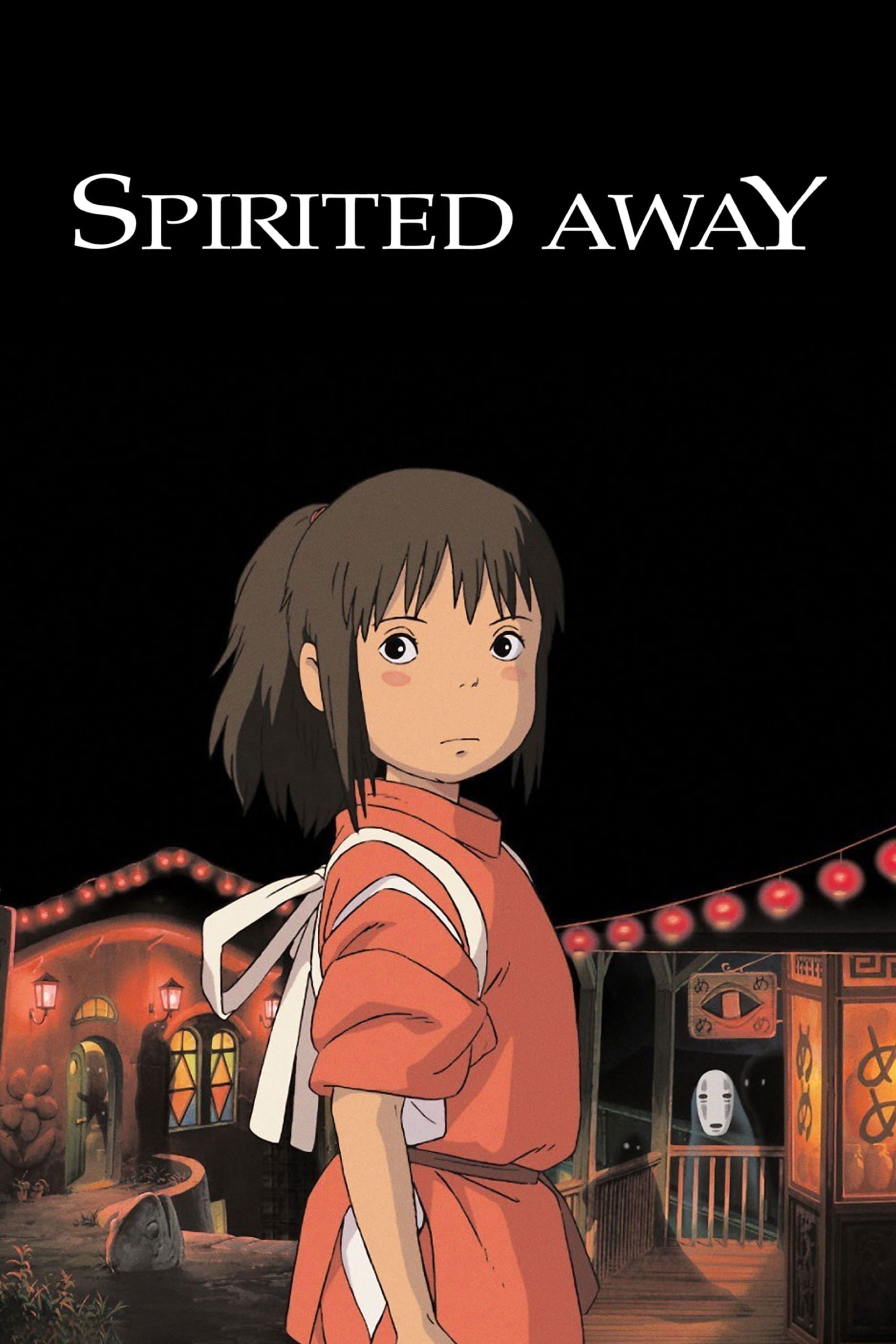
The story follows a girl named Chihiro who enters a bathhouse for spirits where she must work to free her parents. The setting introduces yokai folklore, a name stealing contract, and a sequence of tasks that move the plot forward in clear steps.
Directed by Hayao Miyazaki and produced by Studio Ghibli, the film won the Academy Award for Best Animated Feature. It held major box office records in Japan for many years and remains widely available in dubbed and subtitled versions.
‘Ponyo’ (2008)
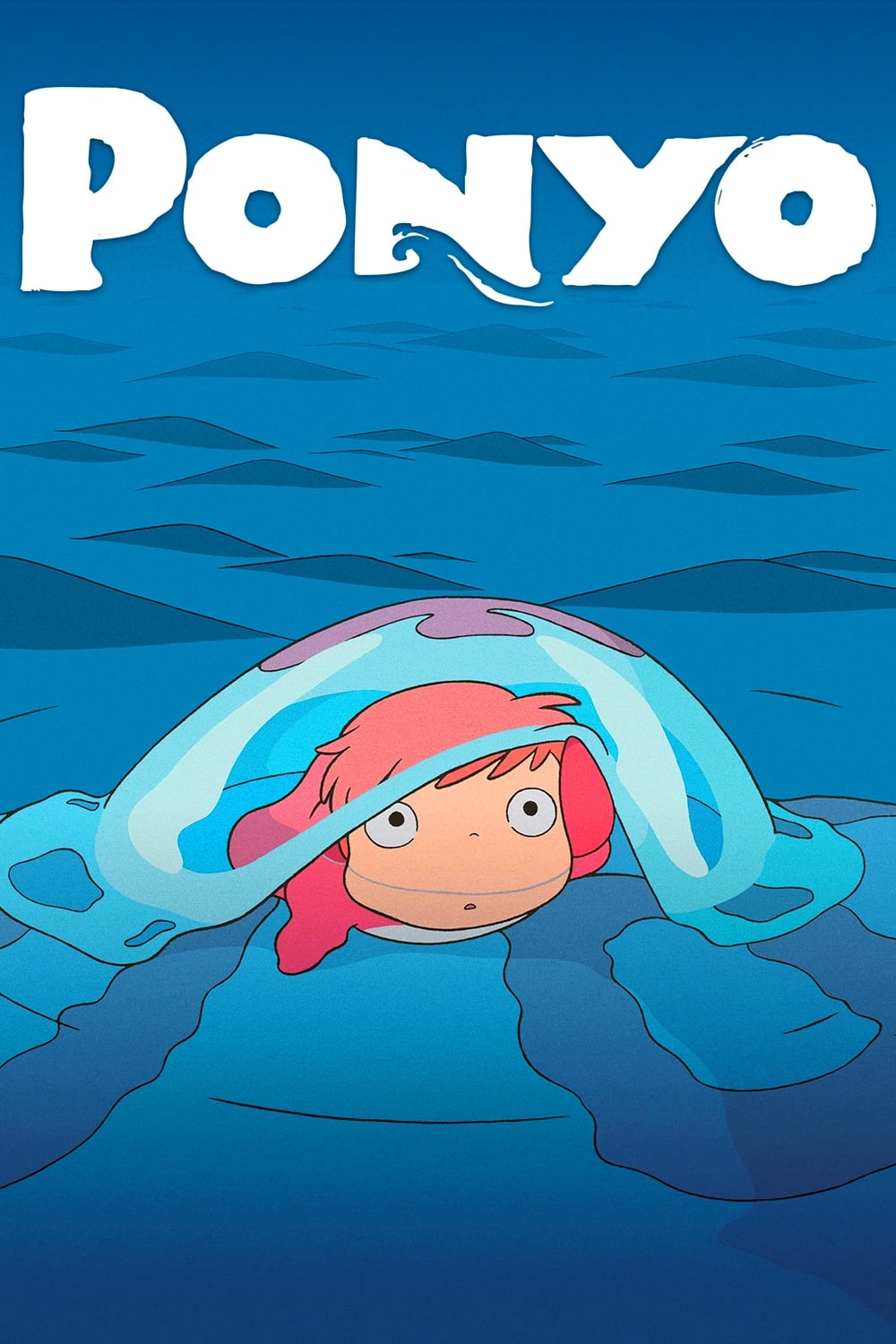
This ocean themed adventure follows a goldfish who wishes to become human after meeting a boy named Sosuke. The narrative uses simple stakes like rising seas and family separation, which lets younger viewers track events without complex exposition.
Studio Ghibli produced the film with hand drawn water effects across many shots. The music by Joe Hisaishi features recurring motifs tied to characters, and international releases offered multiple dubs that keep dialogue straightforward for new viewers.
‘Howl’s Moving Castle’ (2004)
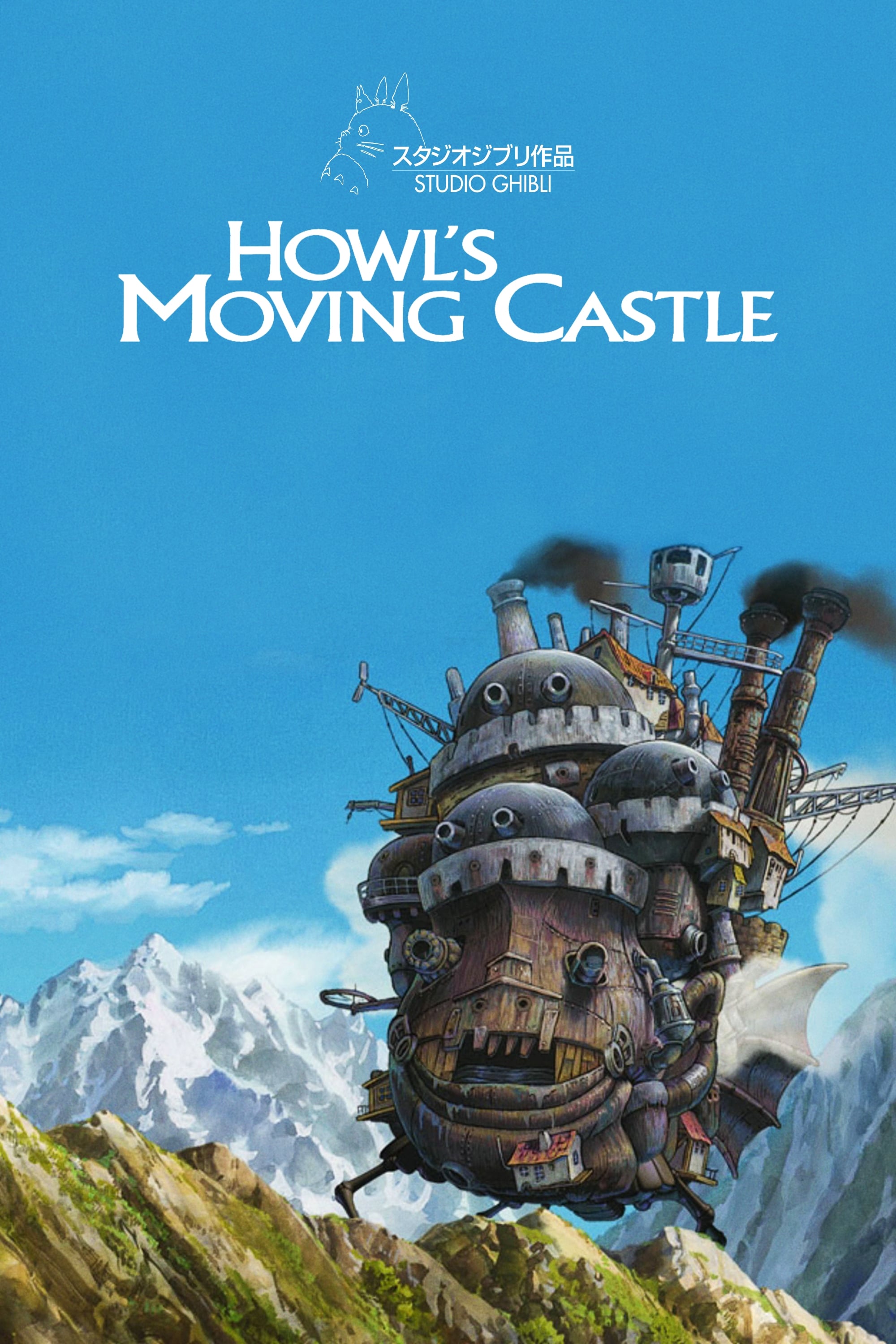
Based on the novel by Diana Wynne Jones, this film follows a hat shop worker named Sophie who is cursed and then meets a wizard named Howl and a fire demon named Calcifer. The moving castle setting gives the story a simple travel structure that progresses through visits to towns and countrysides.
Studio Ghibli produced the film with direction by Hayao Miyazaki. The movie received an Academy Award nomination for animated feature and has multiple home video editions with both language tracks, which makes family viewing simple to set up.
‘The Cat Returns’ (2002)
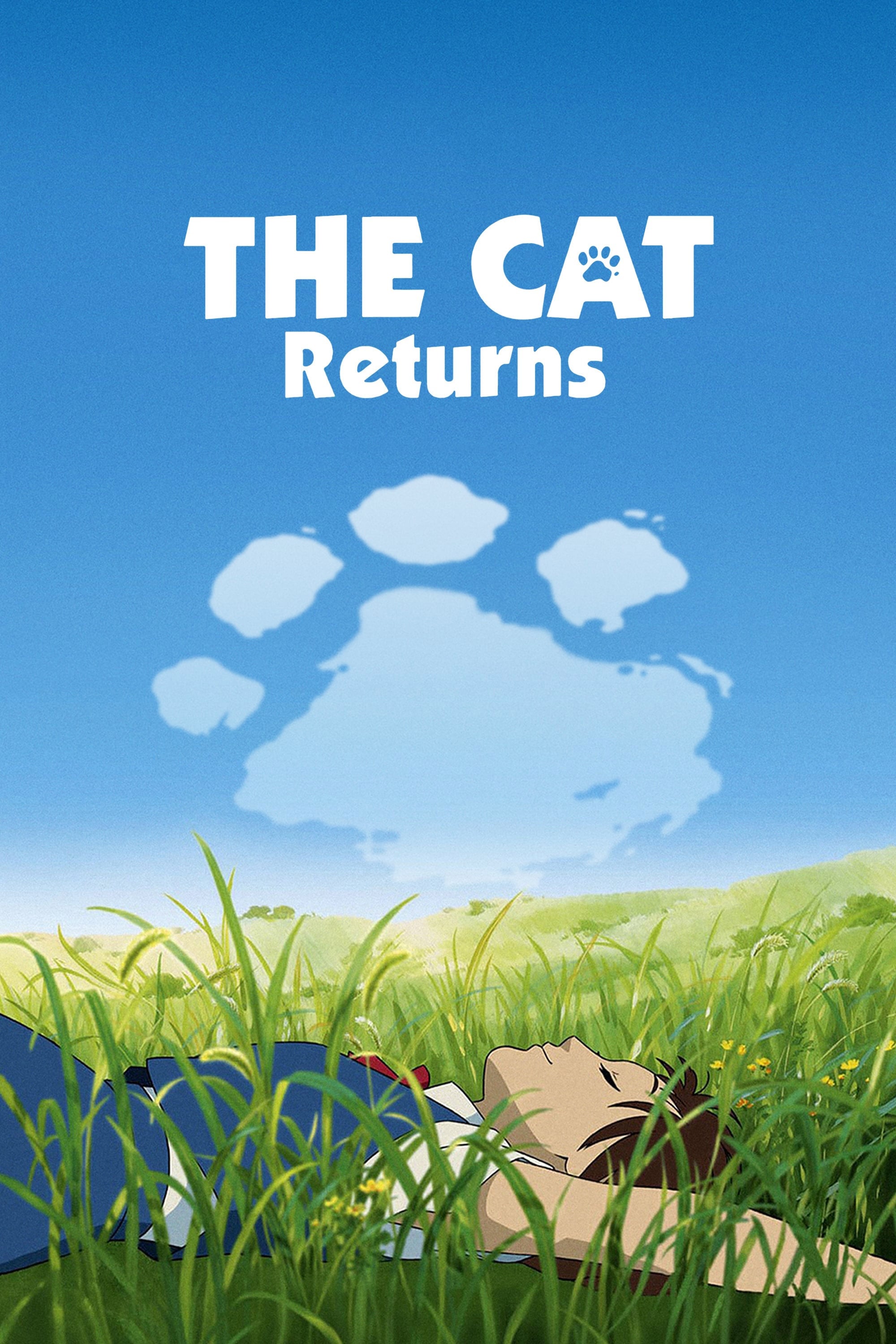
This light fantasy follows a student named Haru who saves a cat and is invited to a kingdom of cats. The plot moves through a rescue and an escape with the help of the Baron, a character also seen in a related Ghibli film.
Directed by Hiroyuki Morita and produced by Studio Ghibli, the film runs under ninety minutes, which suits shorter viewing windows. The tone stays playful and the animation favors clear staging that keeps action easy to follow.
‘The Secret World of Arrietty’ (2010)
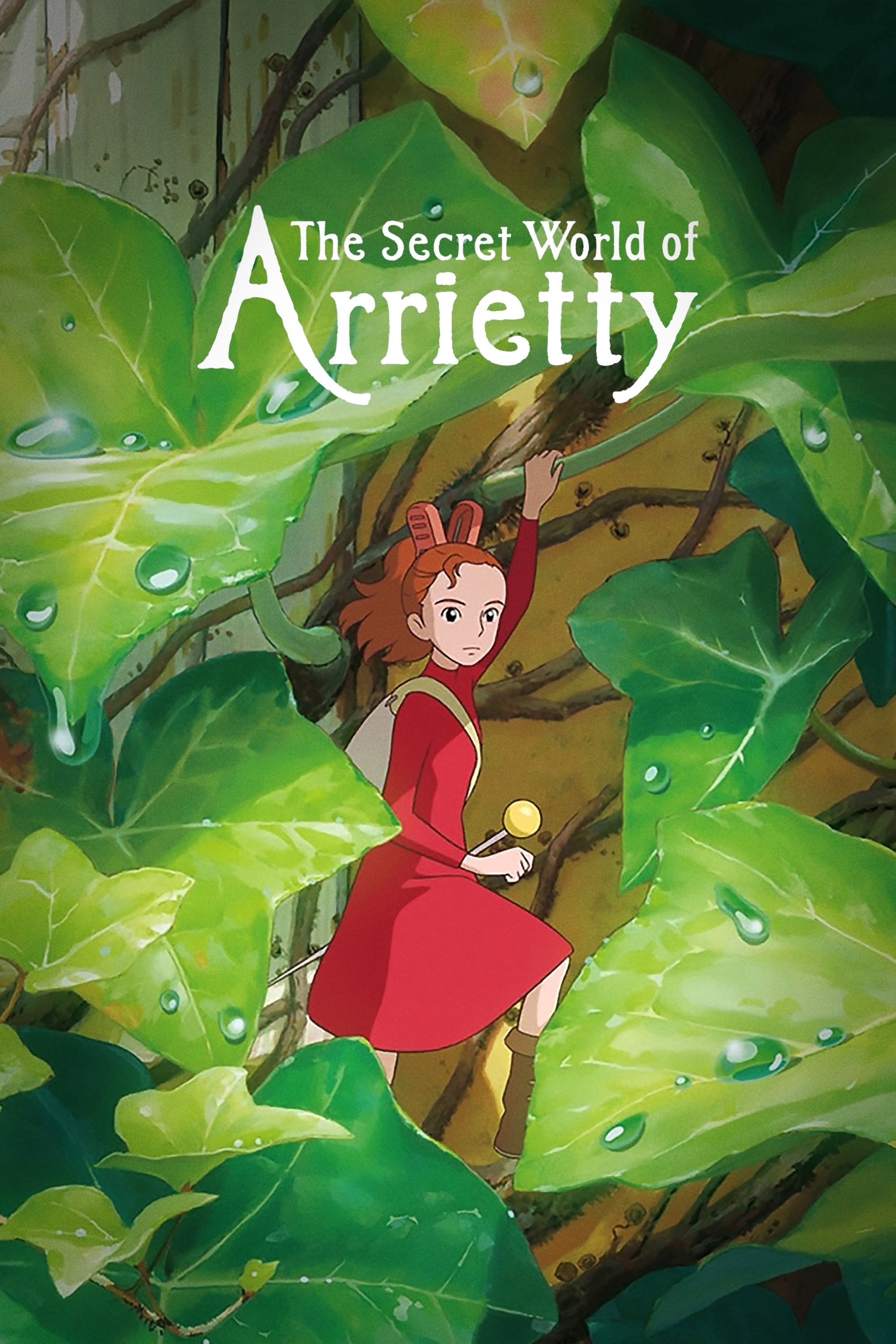
Adapted from Mary Norton’s book series, this film tells the story of tiny people who live under a house and borrow small items to survive. The viewpoint shifts between Arrietty and a human boy, which helps explain the scale differences through simple scenes and dialogue.
Directed by Hiromasa Yonebayashi at Studio Ghibli, the production uses detailed backgrounds to show everyday objects at tiny scale. The film released under the title ‘The Secret World of Arrietty’ in some regions and includes distinct English dubs.
‘From Up on Poppy Hill’ (2011)
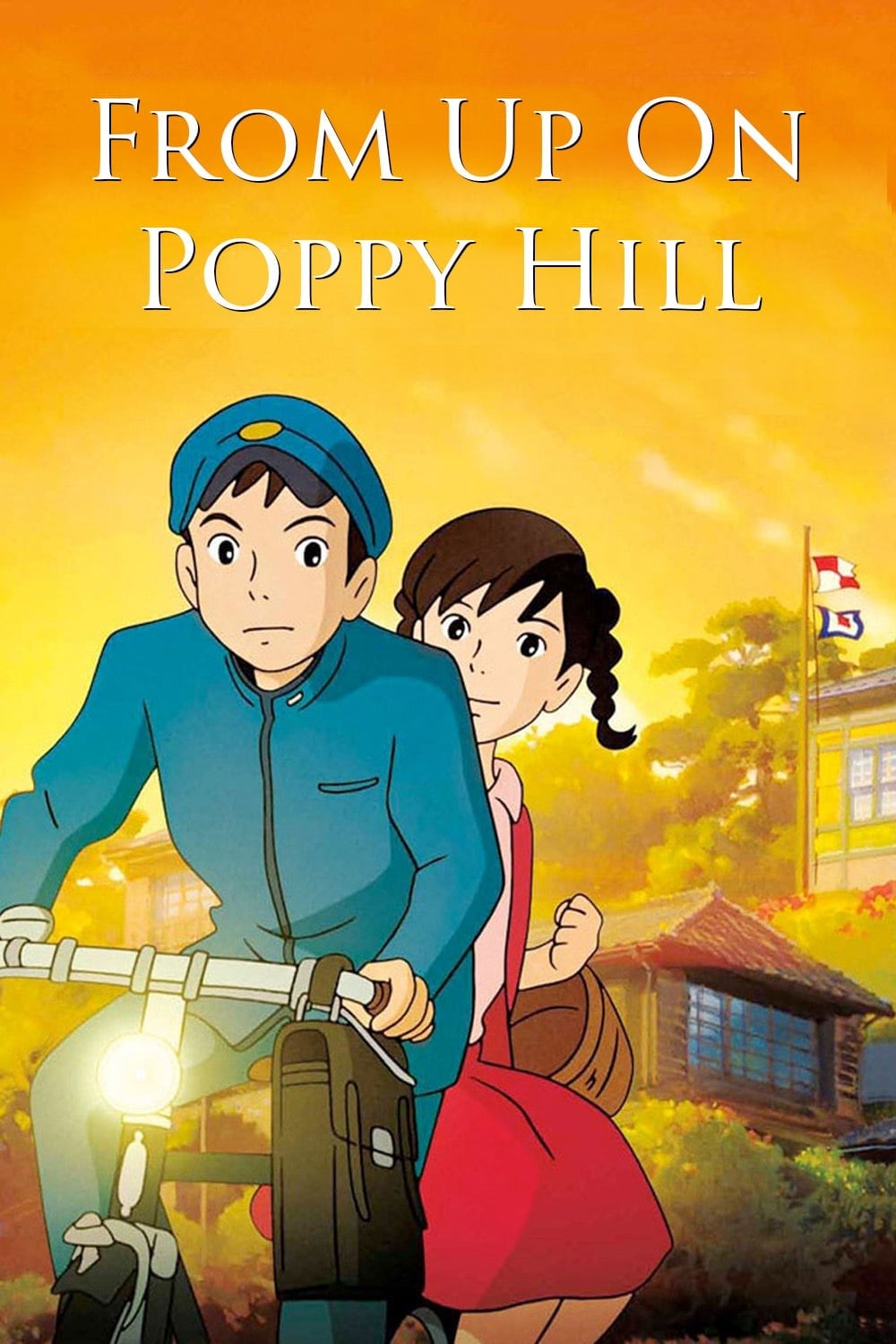
Set in Yokohama in the early 1960s, this story follows students working to save their school clubhouse while dealing with family history. Maritime signal flags and daily routine scenes anchor the plot in clear period details.
Directed by Goro Miyazaki with a screenplay contribution from Hayao Miyazaki, the film features songs and signage from the era, which creates a gentle history lesson through background art. The run time fits a single sitting and the pacing favors conversation driven scenes.
‘Doraemon’ (2005–present)
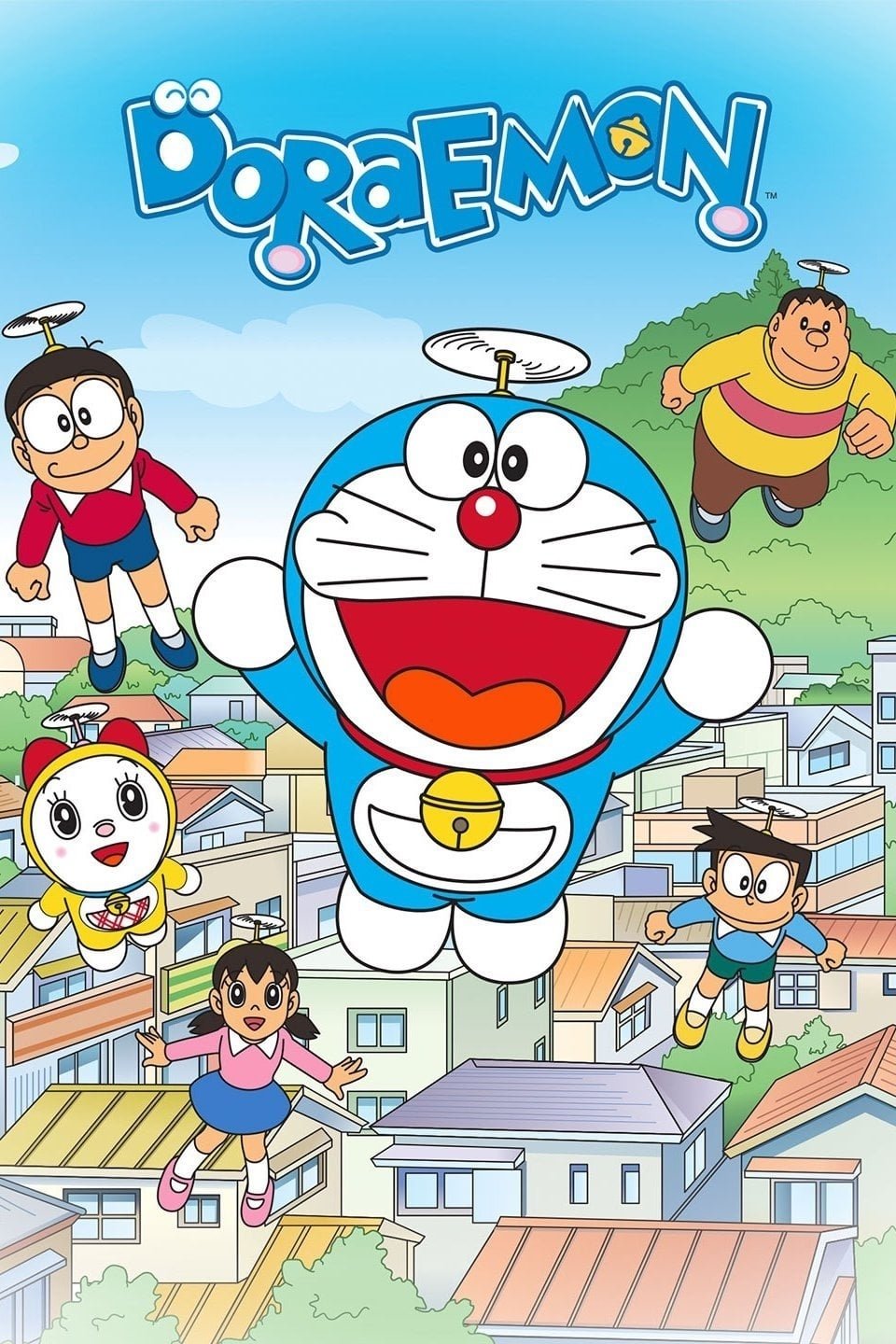
This long running series centers on a robotic cat from the future who helps a boy named Nobita with gadgets pulled from a four dimensional pocket. Episodes usually present a problem, a gadget, and a lesson from the outcome, which keeps the format predictable and easy to follow.
The 2005 reboot airs on TV Asahi in Japan and comes from Shin Ei Animation. There are many feature films and specials connected to the series, and international regions often provide localized dubs and simple language aimed at young viewers.
‘Pokemon’ (1997–present)

Based on the video game series, this franchise began with a trainer named Ash and later introduced new leads in recent seasons. Each episode focuses on travel, creature encounters, battles, and gym goals, which keeps the structure consistent across regions and generations.
The animation studio OLM has produced the series with TV Tokyo as the original broadcaster. Movies, specials, and multiple dubbed tracks exist, and merchandise plus card game tie ins help new viewers connect characters and creatures by name.
‘Cardcaptor Sakura’ (1998–2000)
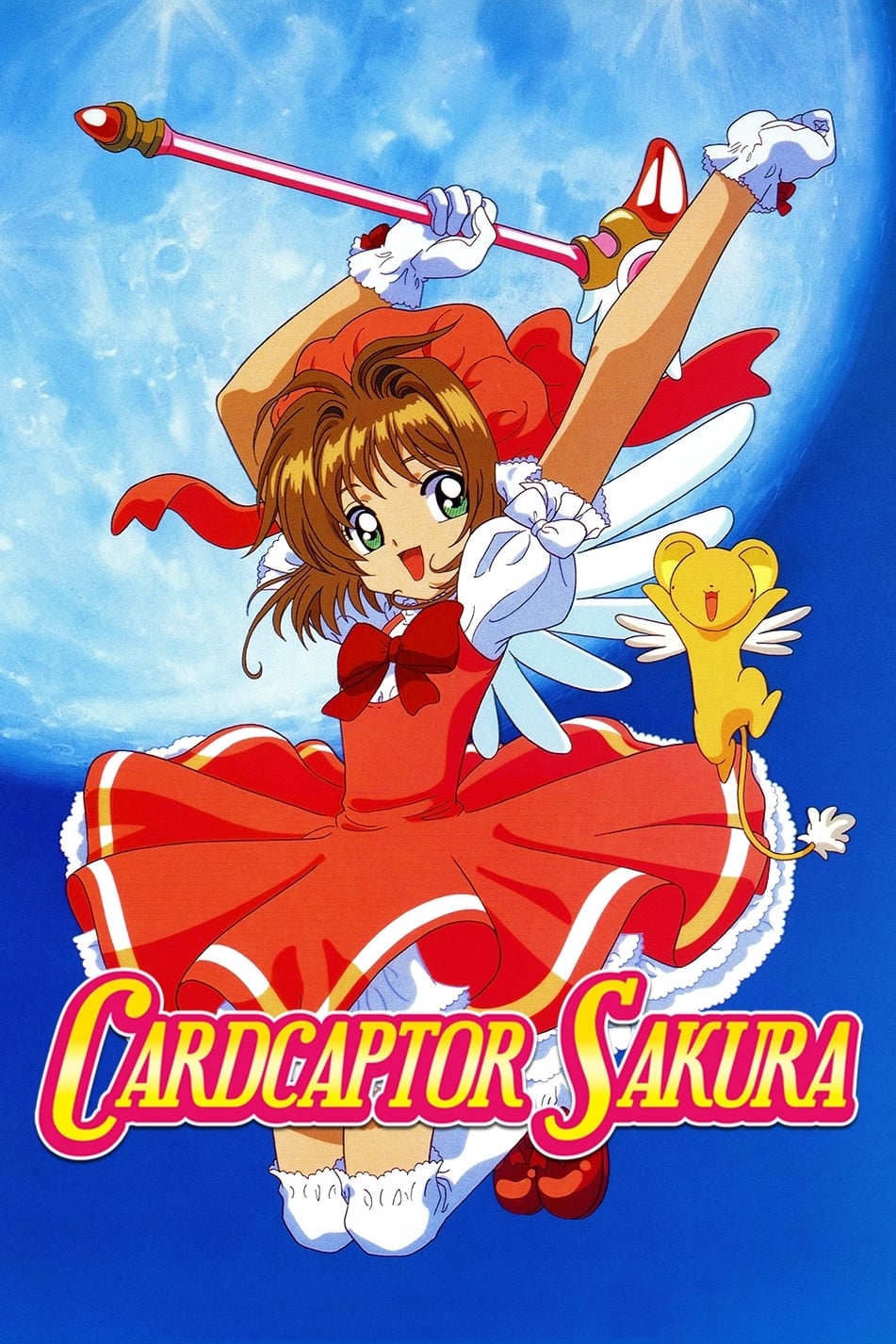
Adapted from the CLAMP manga, this series follows Sakura Kinomoto as she releases magical cards and must retrieve them. Episodes combine school life with a capture mission format, which makes progression clear from one card to the next.
Animated by Madhouse, the original television run spans seventy episodes and two films, with a later sequel titled ‘Cardcaptor Sakura Clear Card’. Broadcasts and home releases in many regions offer both language tracks, and the music cues signal card types and powers.
‘Little Witch Academia’ (2017)
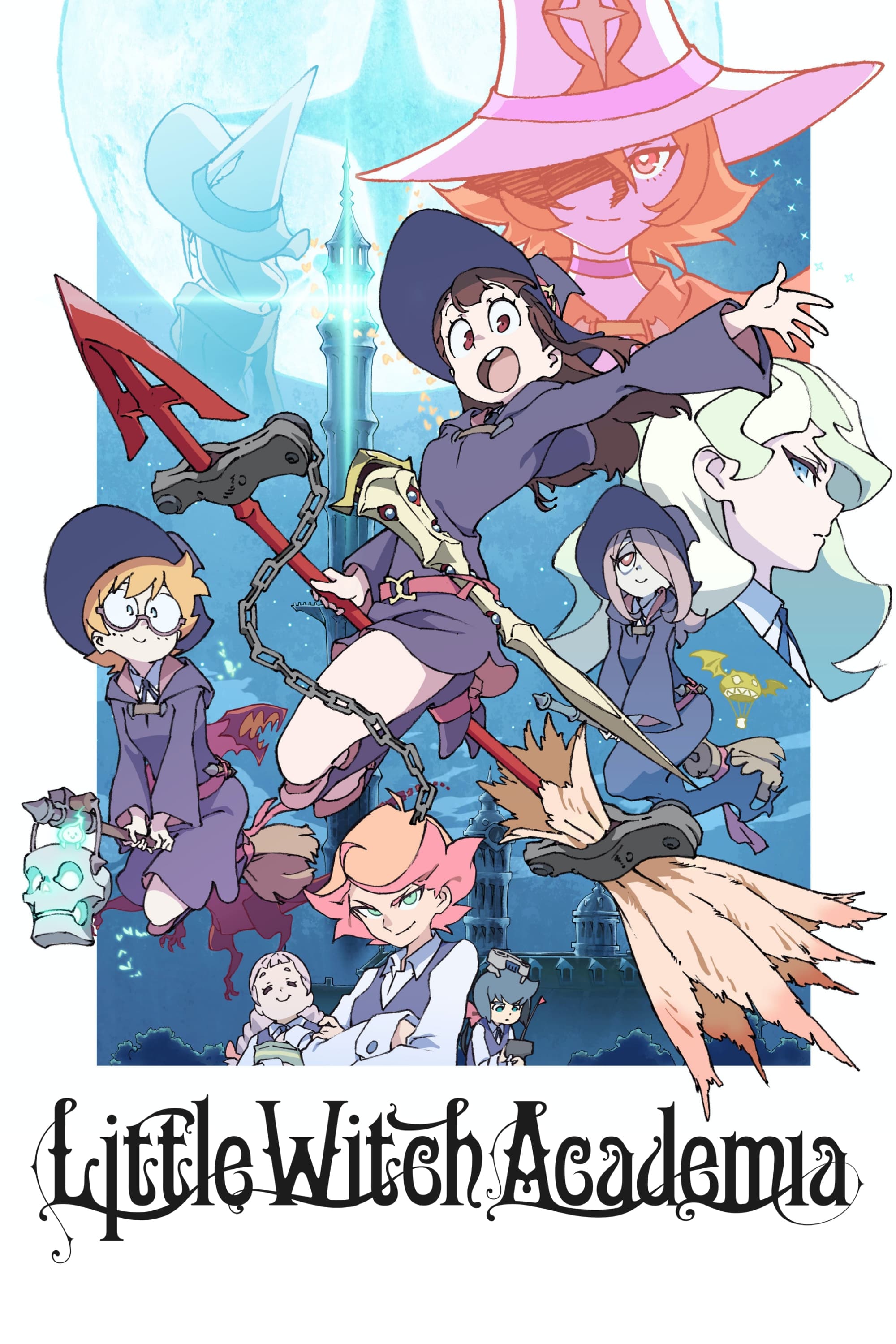
This series from Studio Trigger follows Atsuko Kagari as she enrolls at Luna Nova Magical Academy and works through classes and school events. Episodic tasks include flight practice, potion work, and field trips, which keeps the setting and goals easy to grasp.
The show runs for twenty five episodes and builds on two earlier projects that introduced the world and characters. The production uses bold character animation and clear visual gags that read well for mixed age groups.
‘Haikyu!!’ (2014–2020)
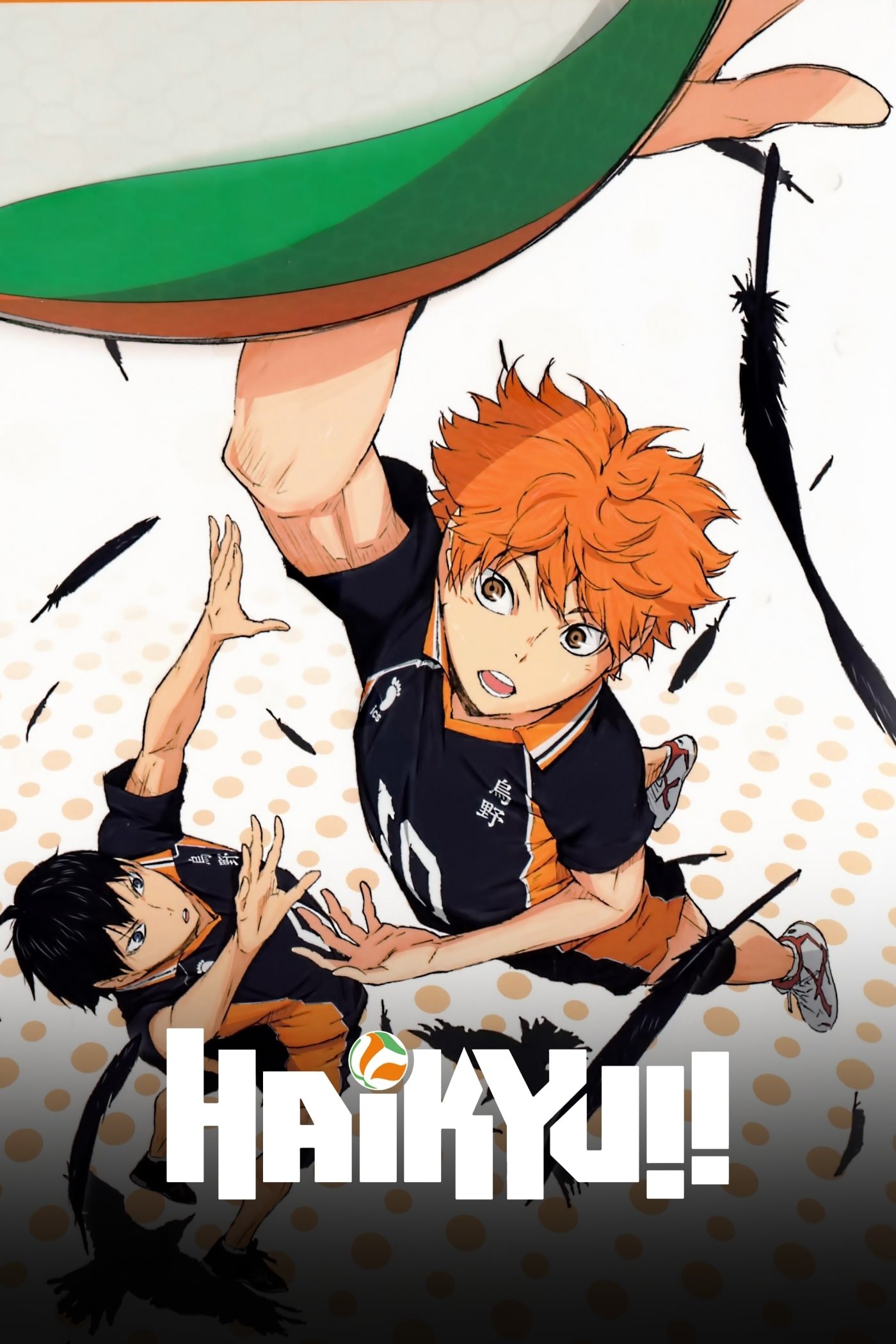
This sports series focuses on the Karasuno High volleyball team with practice arcs, training camps, and official matches. Rules and positions are explained through dialogue and on screen text, which makes the sport accessible to newcomers.
Produced by Production I G, the television run covers multiple seasons and national tournament rounds. The soundtrack supports rallies with steady tempo tracks and the cast list features recurring rivals whose names and schools are repeated for clarity.
‘Hikaru no Go’ (2001–2003)
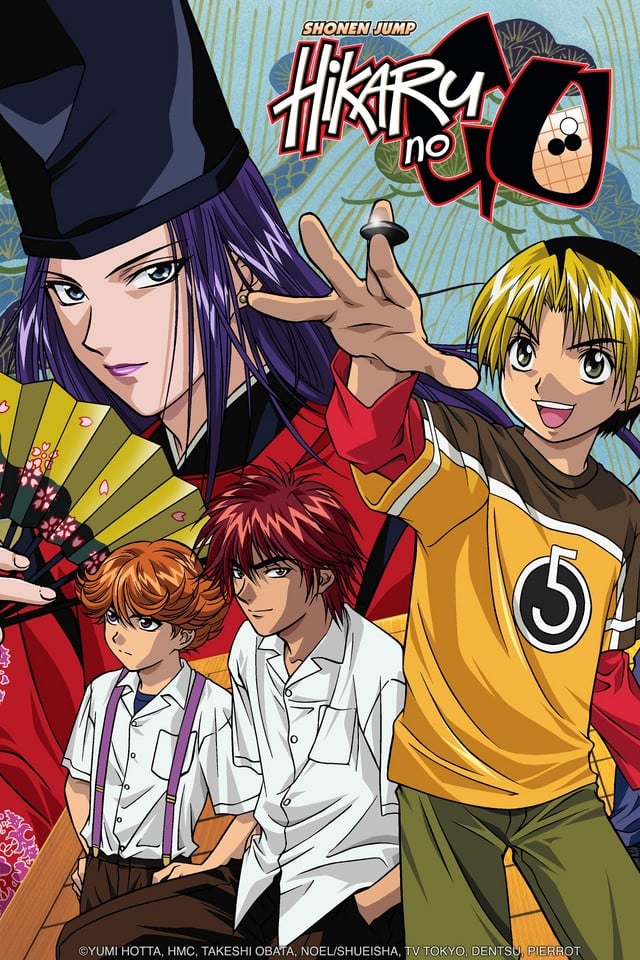
The plot follows a student who encounters the spirit of a Go master and learns the board game through matches and study. Episodes show the rules step by step with commentary bubbles and match records, so viewers can follow progress without prior knowledge.
Animated by Studio Pierrot and adapted from the manga by Yumi Hotta with art by Takeshi Obata, the series contributed to a rise in interest in Go among young players. Official releases include guide material and terminology that support learning.
‘Polar Bear Cafe’ (2012–2013)
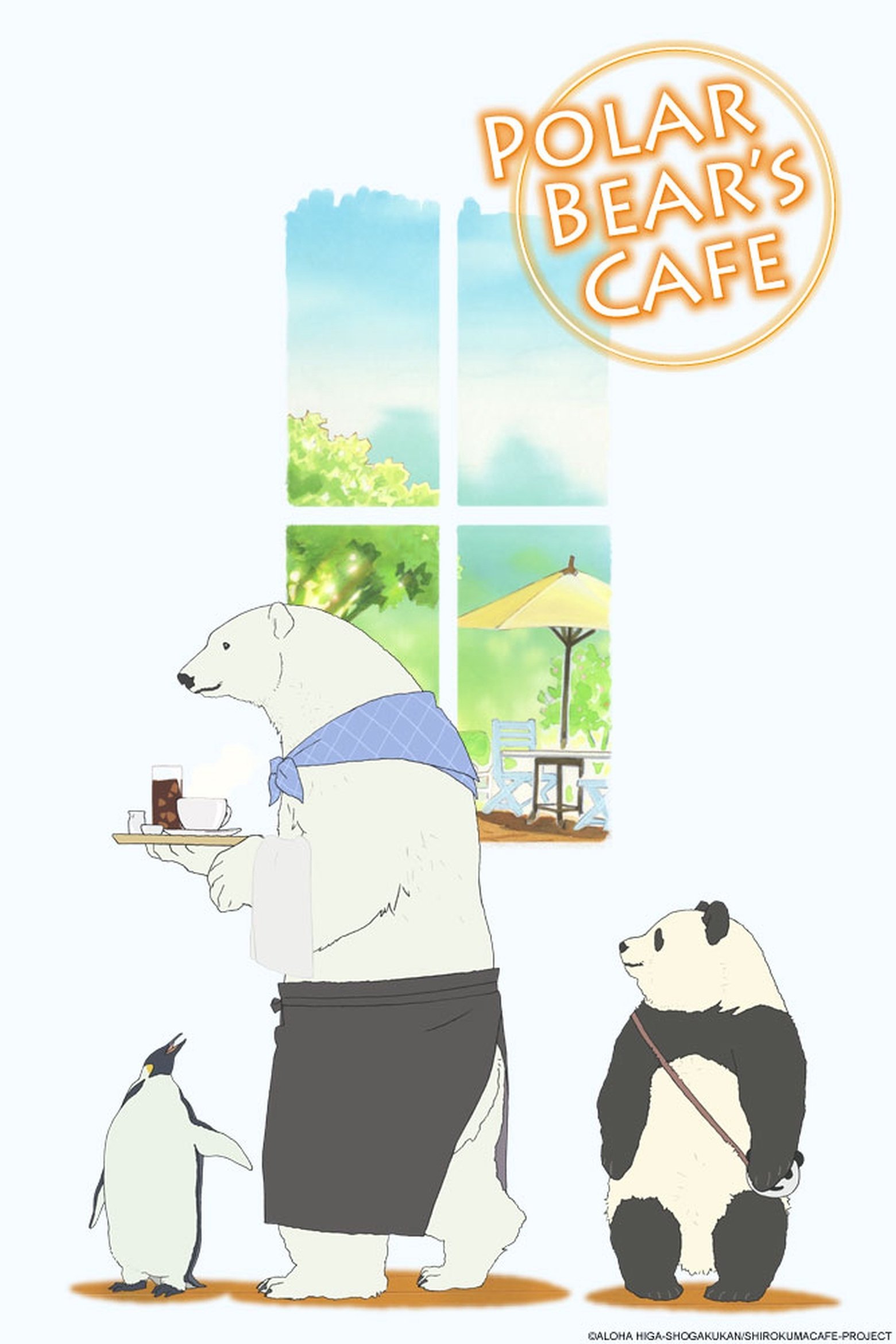
This slice of life comedy features a polar bear who runs a cafe, a panda who visits often, and a penguin who comments on daily events. Each episode centers on work shifts, menu items, and errands around the neighborhood.
Produced by Studio Pierrot, the series aired on TV Tokyo and totals fifty episodes. The dialogue uses simple wordplay and short skits, which helps language learners and young viewers pick up repeated phrases.
‘Chi’s Sweet Home’ (2008–2009)
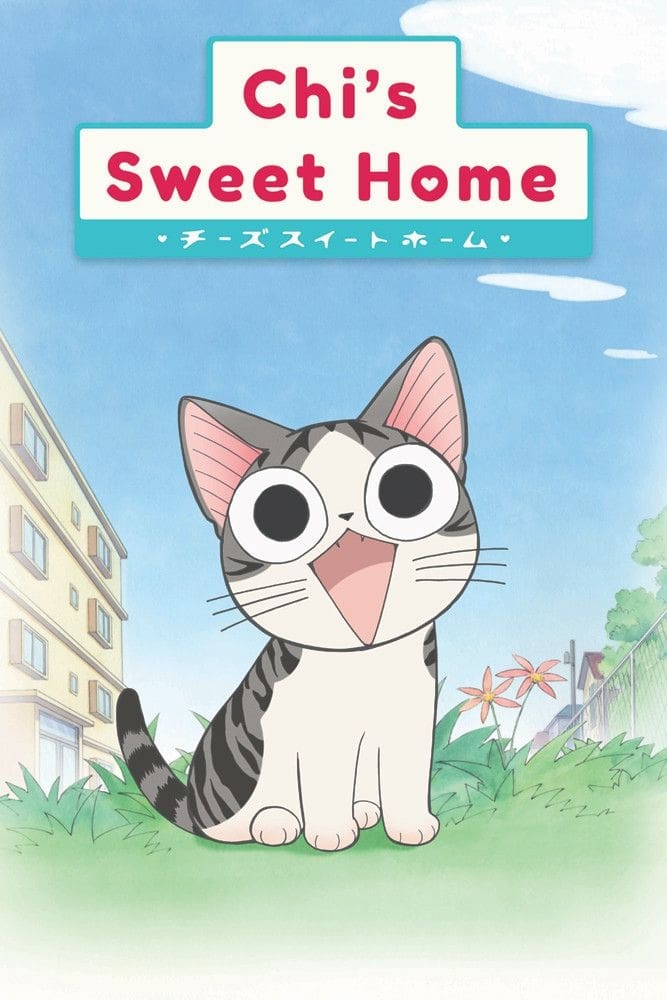
This series follows a kitten who gets separated from her mother and finds a new home with a family. Episodes are very short and present small everyday discoveries such as toys, baths, and naps.
Animated by Madhouse, the show aired in two seasons with over one hundred micro episodes and later continued with a computer animated sequel. The format suits quick viewing sessions and the vocabulary is simple and repetitive.
‘Sweetness & Lightning’ (2016)
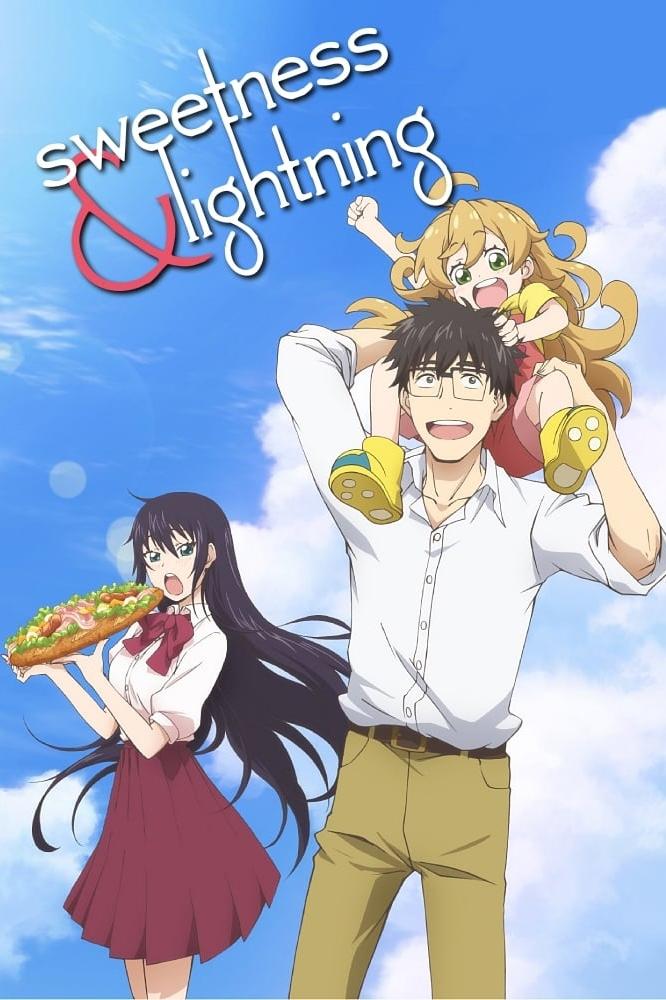
A single father learns to cook for his daughter with help from a high school student, and each episode features one recipe. Steps are demonstrated in kitchen scenes that show ingredients, utensils, and basic techniques.
The series comes from TMS Entertainment and adapts the manga by Gido Amagakure in twelve episodes. Home releases often include clean opening and ending sequences that make it easy to replay songs for younger viewers who like routine.
‘Barakamon’ (2014)
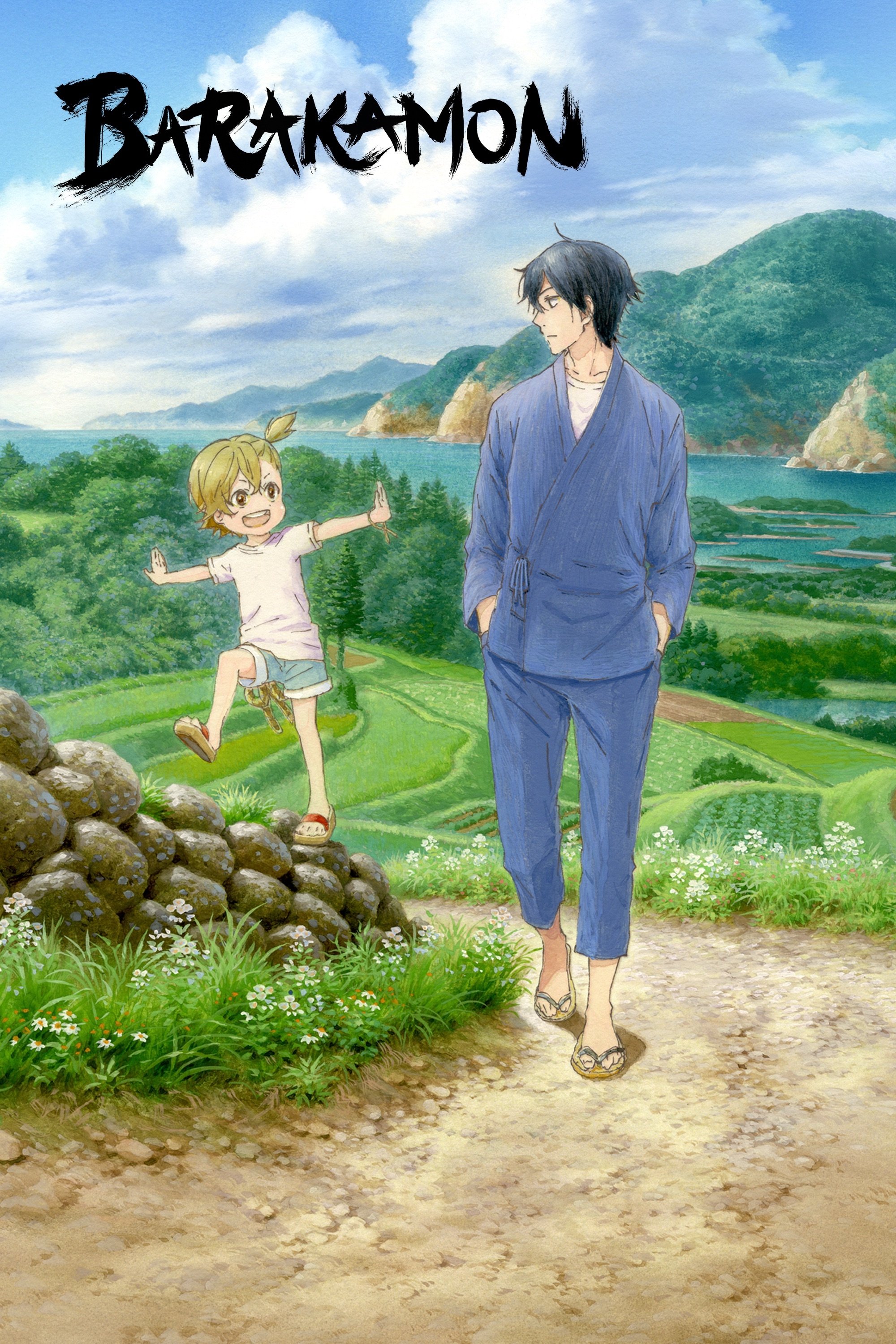
A young calligrapher moves to a small island community and works on his craft while helping local kids with activities. Episodes alternate between village events and practice sessions, which keeps the focus on everyday skills and cooperation.
Produced by Kinema Citrus, the series adapts the manga by Satsuki Yoshino in a single cour. A related prequel titled ‘Handa kun’ explores the main character’s school years, which offers additional context without required viewing order.
‘Silver Spoon’ (2013–2014)

This school drama takes place at an agricultural high school where students learn dairy work, crop management, and animal care. Episodes show tasks like milking schedules, feed mixing, and budget planning, which adds real world detail to class scenes.
A 1 Pictures produced the adaptation of Hiromu Arakawa’s manga across two seasons. The show uses season specific arcs that match farming calendars, so families can pair viewing with visits to local farms or gardens for hands on context.
‘A Place Further than the Universe’ (2018)
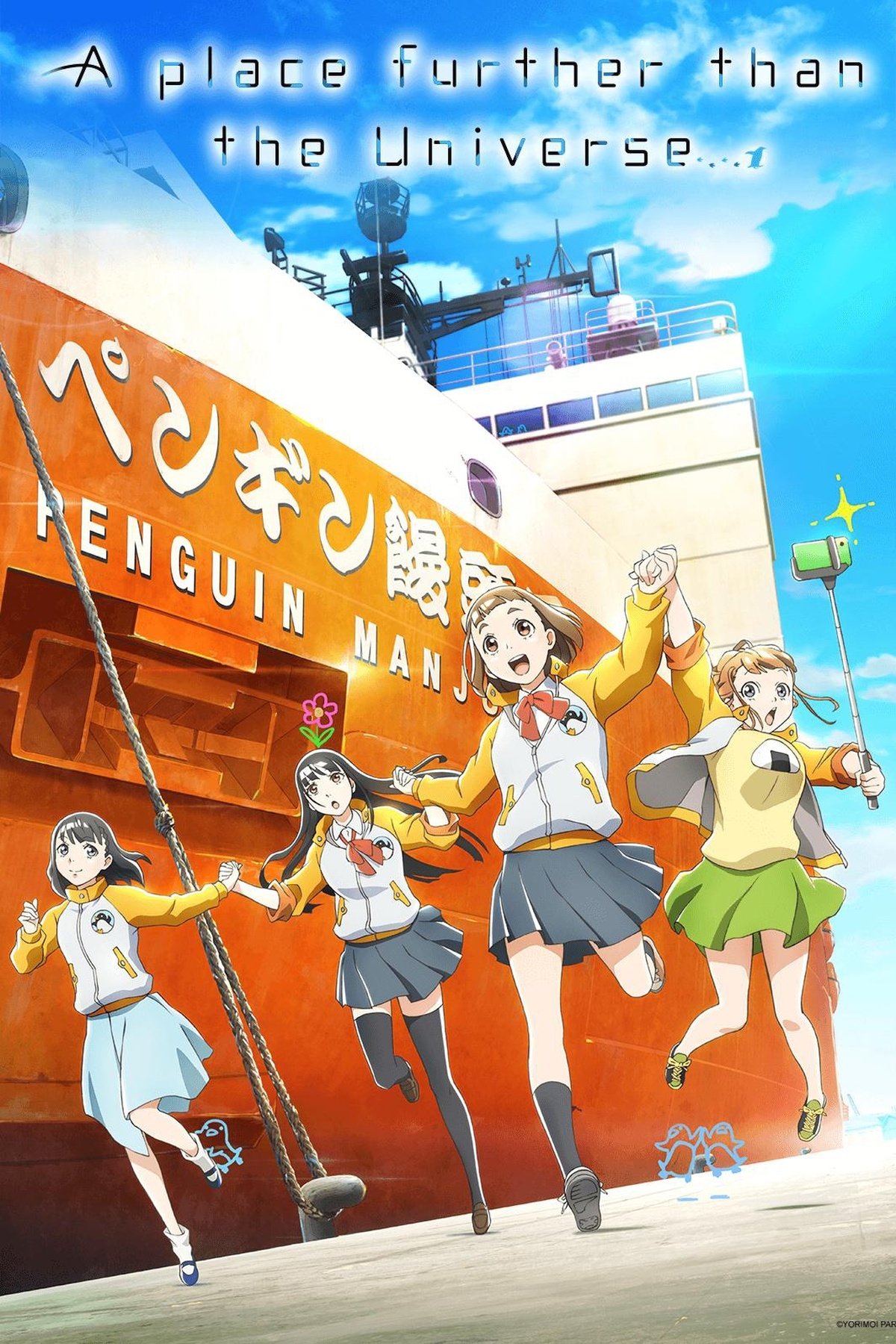
Four students decide to join an expedition to Antarctica and prepare through training and fundraising. The story moves through planning, departure, and life aboard a research vessel, which introduces geography and science topics in simple terms.
Animated by Madhouse, the series runs for thirteen episodes with an original script by writer Jukki Hanada and direction by Atsuko Ishizuka. Background art features maps, charts, and station layouts that help explain locations and routes.
Share your favorite all ages anime picks in the comments so everyone can build a watch list that works for the whole family.