

Anime Movies That Fans Claim Are “Too Disturbing” for Modern Audiences

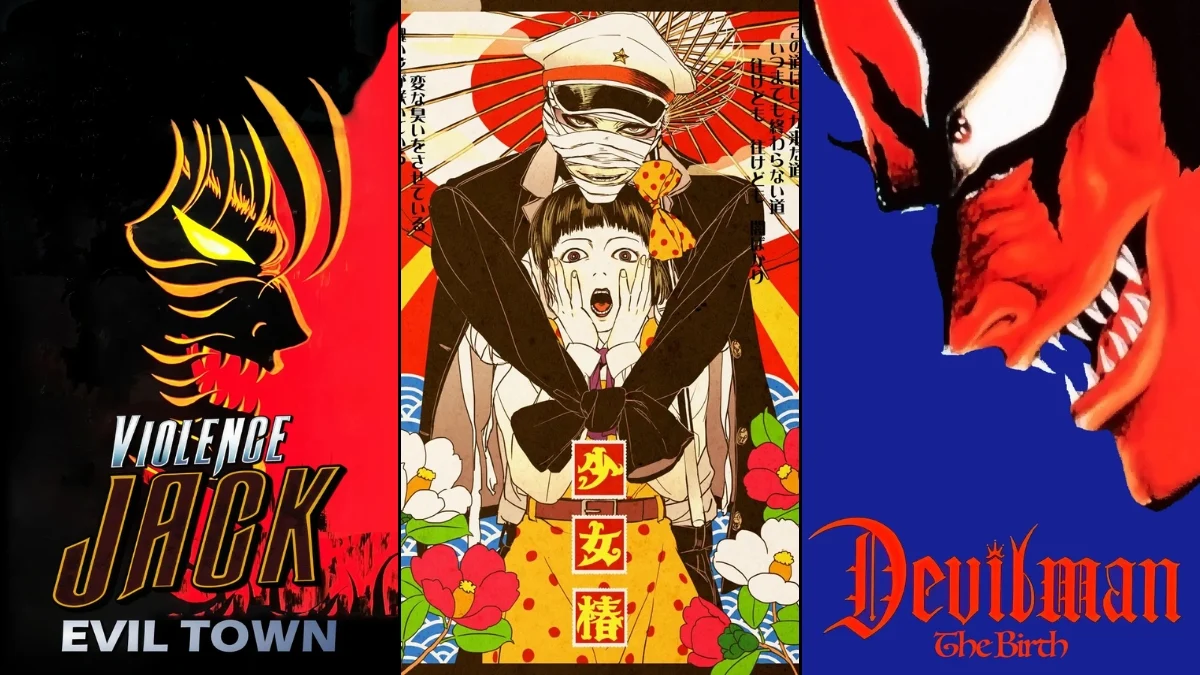


Anime has long been a medium that pushes the boundaries of storytelling, often venturing into territory that mainstream Western animation traditionally avoids. Throughout the late 20th century, creators experimented with extreme psychological horror, visceral violence, and grim social commentary that remains provocative to this day. Many of these titles were released directly to home video, allowing them to bypass the strict censorship often associated with television broadcasts. While some are celebrated as masterpieces of the genre, others are remembered primarily for their ability to unsettle and disturb audiences through unflinching or surreal content.
‘Midori’ (1992)
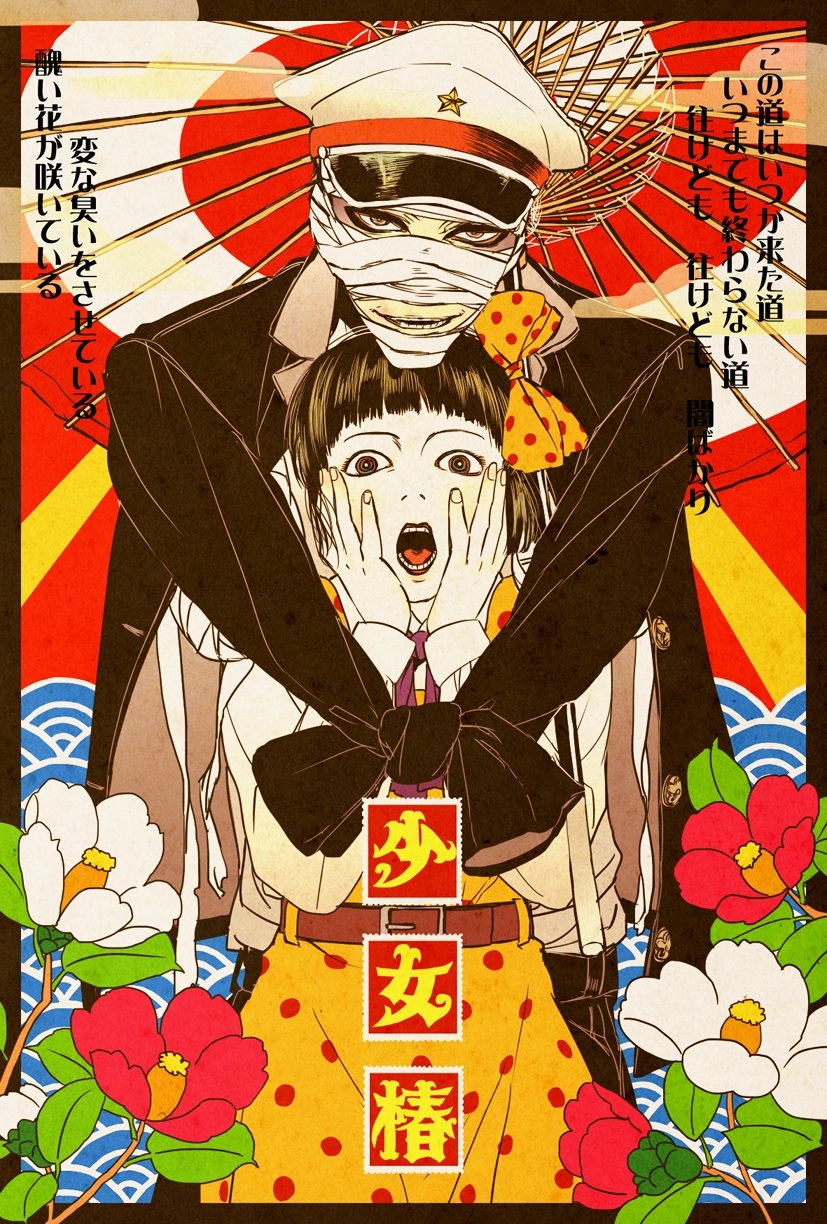
This film, also known as ‘Shojo Tsubaki’, follows a young girl who joins a traveling circus after the death of her mother. The narrative explores themes of exploitation and suffering within a grotesque and surreal environment. Due to its graphic content and nihilistic tone, the film was banned in Japan for several years and remains difficult to source legally. Its visual style is intentionally jarring, reflecting the dark and unsettling nature of the source material. It is frequently cited as one of the most controversial animated films ever produced.
‘Grave of the Fireflies’ (1988)
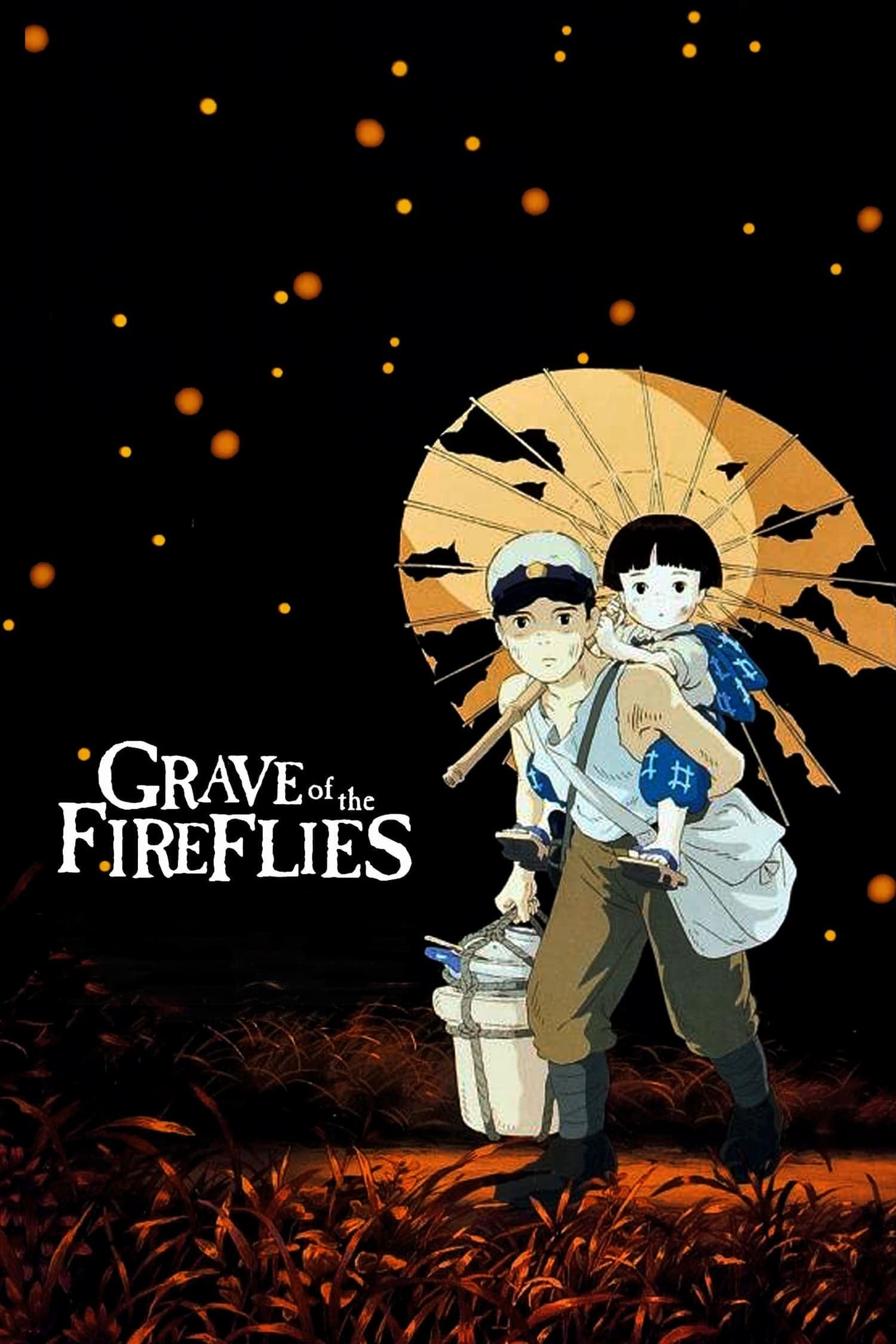
Directed by Isao Takahata, this Studio Ghibli production depicts the struggle for survival of two siblings during the final months of World War II. The film focuses on the devastating impact of war on civilians, specifically children caught in the crossfire of poverty and starvation. Many viewers find the realistic portrayal of suffering and the lack of a hopeful resolution to be emotionally overwhelming. It is widely considered one of the most powerful and heartbreaking war films in cinematic history. The film’s honesty regarding the consequences of conflict remains its most disturbing feature for modern viewers.
‘Perfect Blue’ (1997)
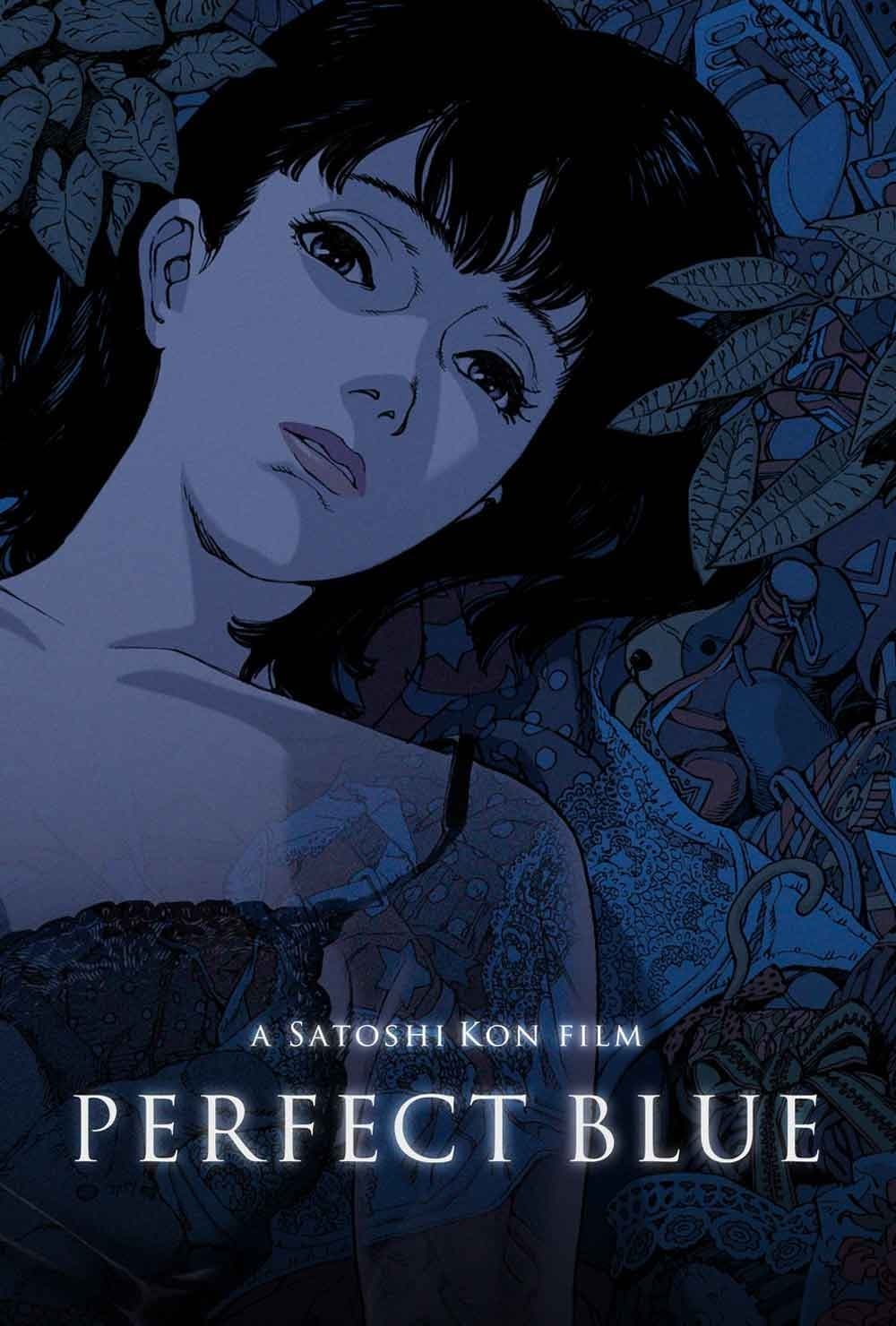
Satoshi Kon’s directorial debut is a psychological thriller that examines the blurred lines between reality and delusion. The story follows a pop idol who transitions into acting, only to be stalked by an obsessed fan and haunted by her own past persona. It features intense sequences of psychological breakdown and graphic violence that challenge the viewer’s perception. The film’s exploration of identity and the dark side of fame continues to resonate with modern audiences. Many fans find its depiction of a character losing her grip on reality to be deeply unsettling.
‘Genocyber’ (1994)
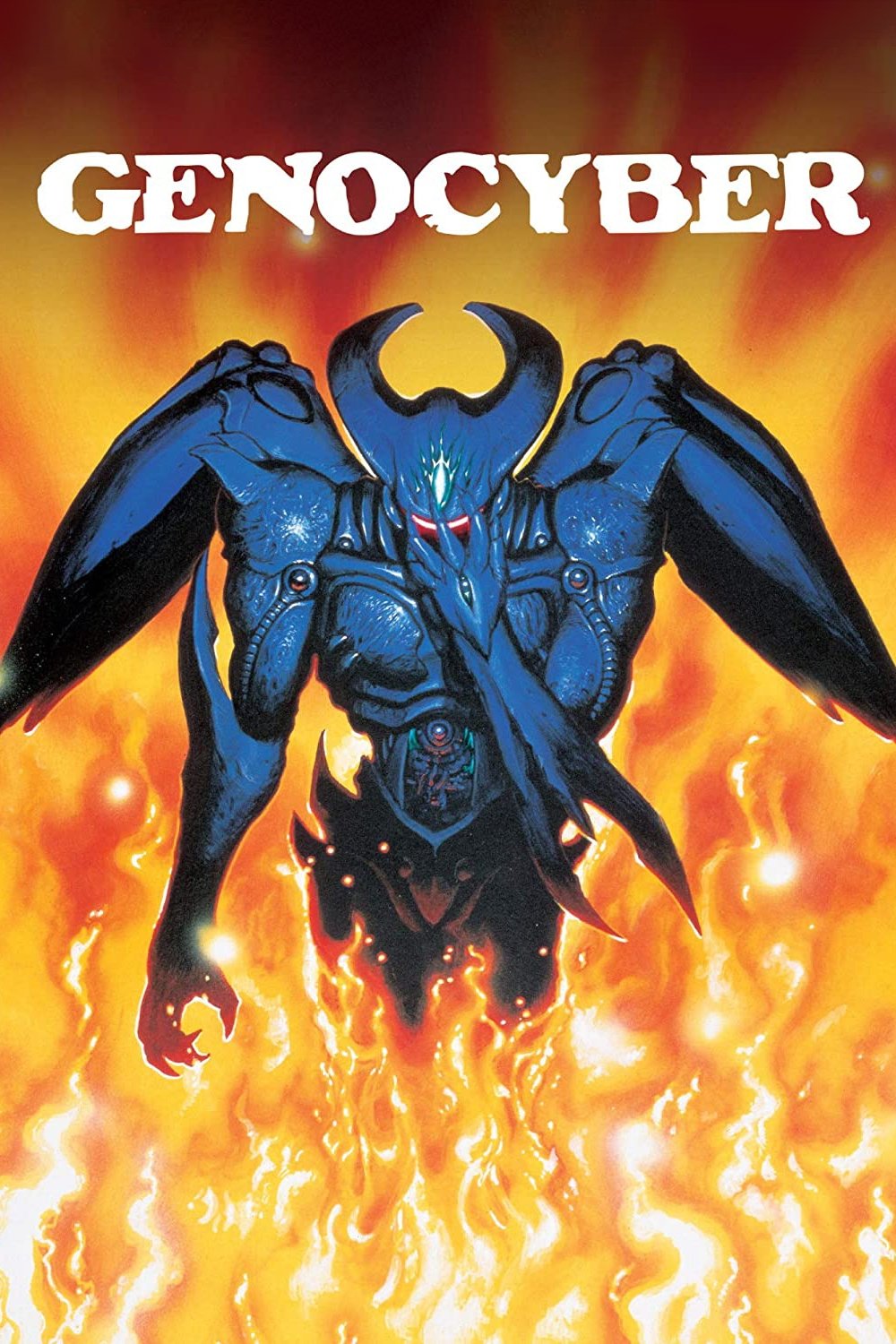
This series is widely recognized for its extreme levels of mechanical and biological body horror. The plot centers on the creation of a powerful biological weapon and the subsequent destruction it causes across the globe. It depicts high-intensity violence and visceral transformations that push the boundaries of the animated medium. Many fans consider its graphic nature to be far beyond the standards of contemporary mainstream animation. The film serves as a prominent example of the “cyberpunk horror” subgenre that flourished in the 1990s.
‘Barefoot Gen’ (1983)
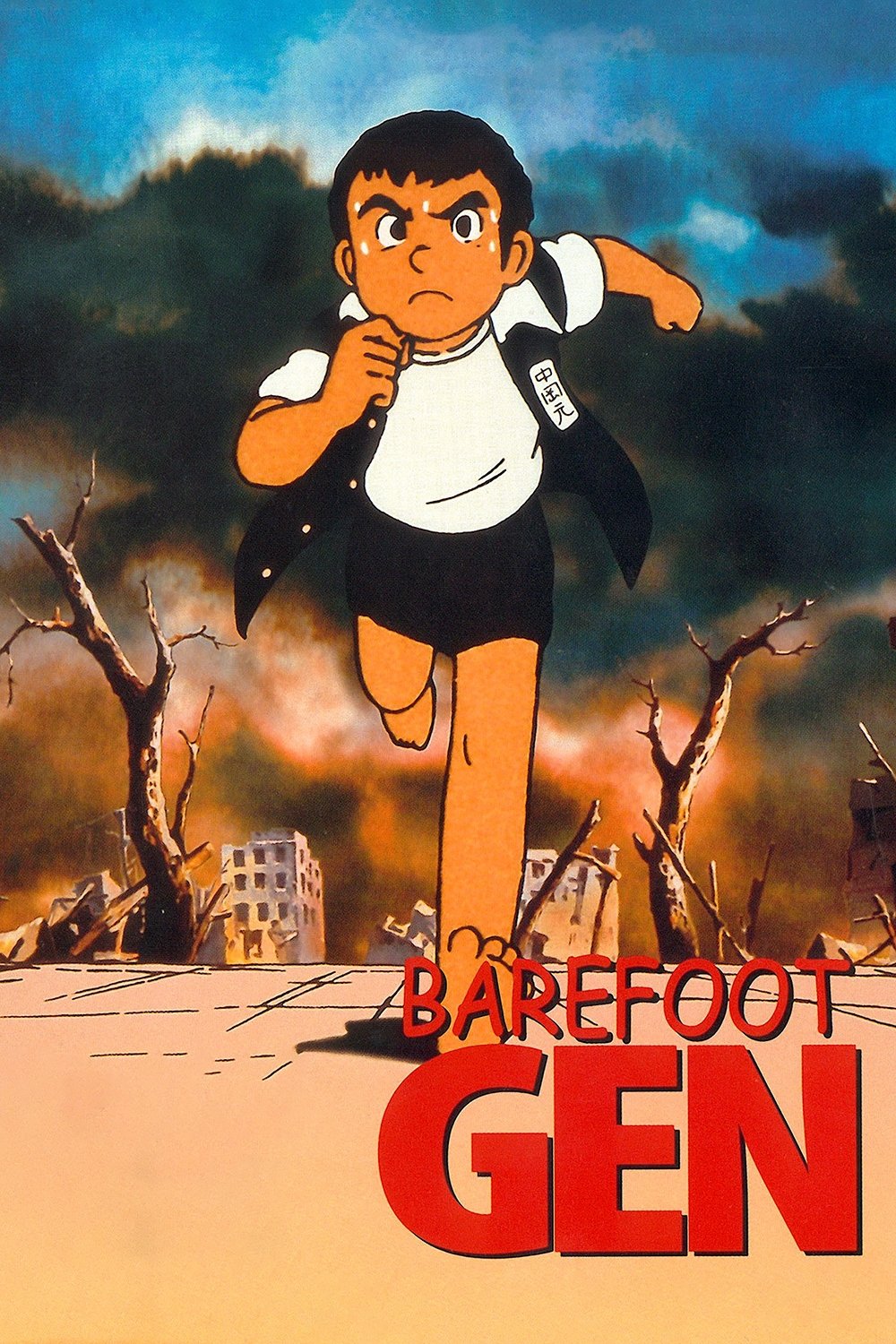
Based on the semi-autobiographical manga by Keiji Nakazawa, this film provides a harrowing look at the atomic bombing of Hiroshima. It portrays the immediate aftermath of the explosion with unflinching detail, focusing on a young boy named Gen and his family. The graphic depictions of the effects of radiation and the collapse of society are intended to serve as a stark anti-war message. It remains a significant historical document and a challenging viewing experience due to its raw honesty. The scene depicting the actual blast is often cited as one of the most disturbing moments in animation.
‘Belladonna of Sadness’ (1973)
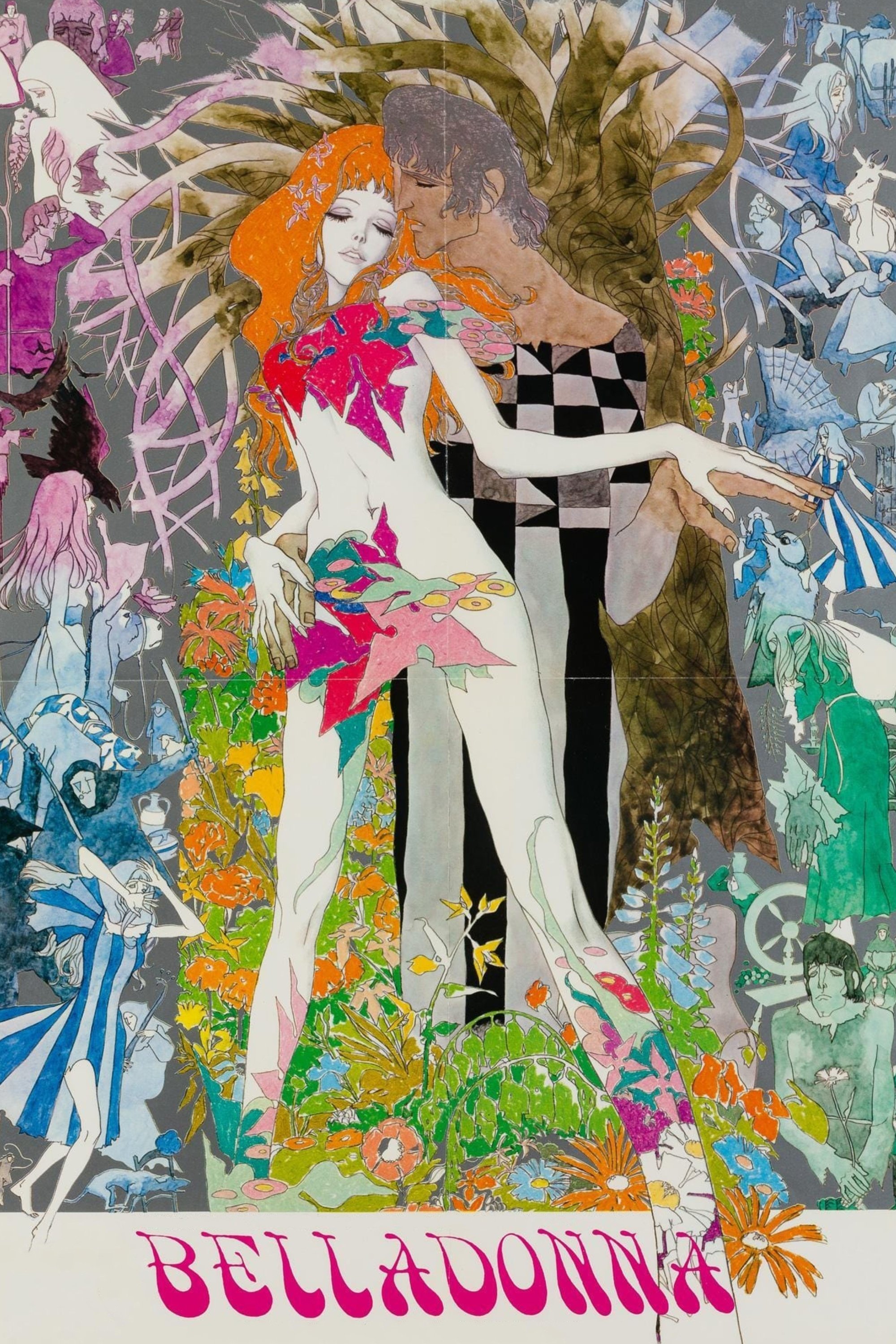
This avant-garde film uses watercolor-style animation and still frames to tell a story inspired by the history of witchcraft. It explores themes of trauma, revenge, and societal oppression through a highly stylized and psychedelic lens. The film includes numerous scenes of intense psychological and physical suffering that were highly provocative at the time of its release. Its unique aesthetic and mature subject matter make it a cult classic that continues to unsettle viewers. The film’s experimental nature often leaves a haunting impression on those who watch it.
‘Wicked City’ (1987)
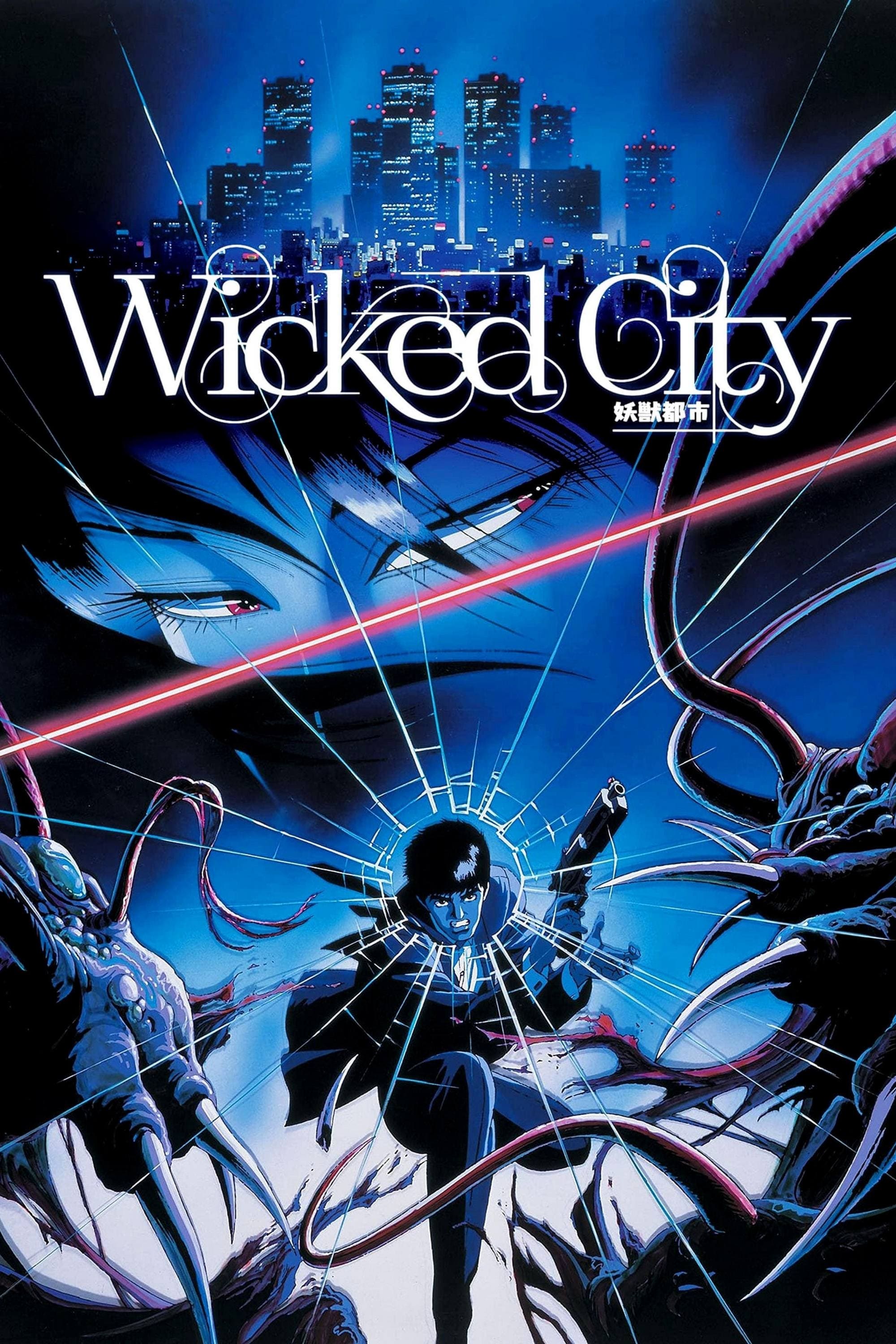
Directed by Yoshiaki Kawajiri, this film is set in a world where a secret peace treaty exists between the human world and a demon dimension. The story follows two agents tasked with protecting a diplomat to ensure the treaty is successfully renewed. It is characterized by its dark, neo-noir atmosphere and frequent scenes of graphic supernatural violence. The film’s visceral imagery and adult themes have led to its reputation as a cornerstone of late-80s dark anime. Modern audiences often find its blend of horror and mature content to be particularly intense.
‘Violence Jack: Evil Town’ (1988)
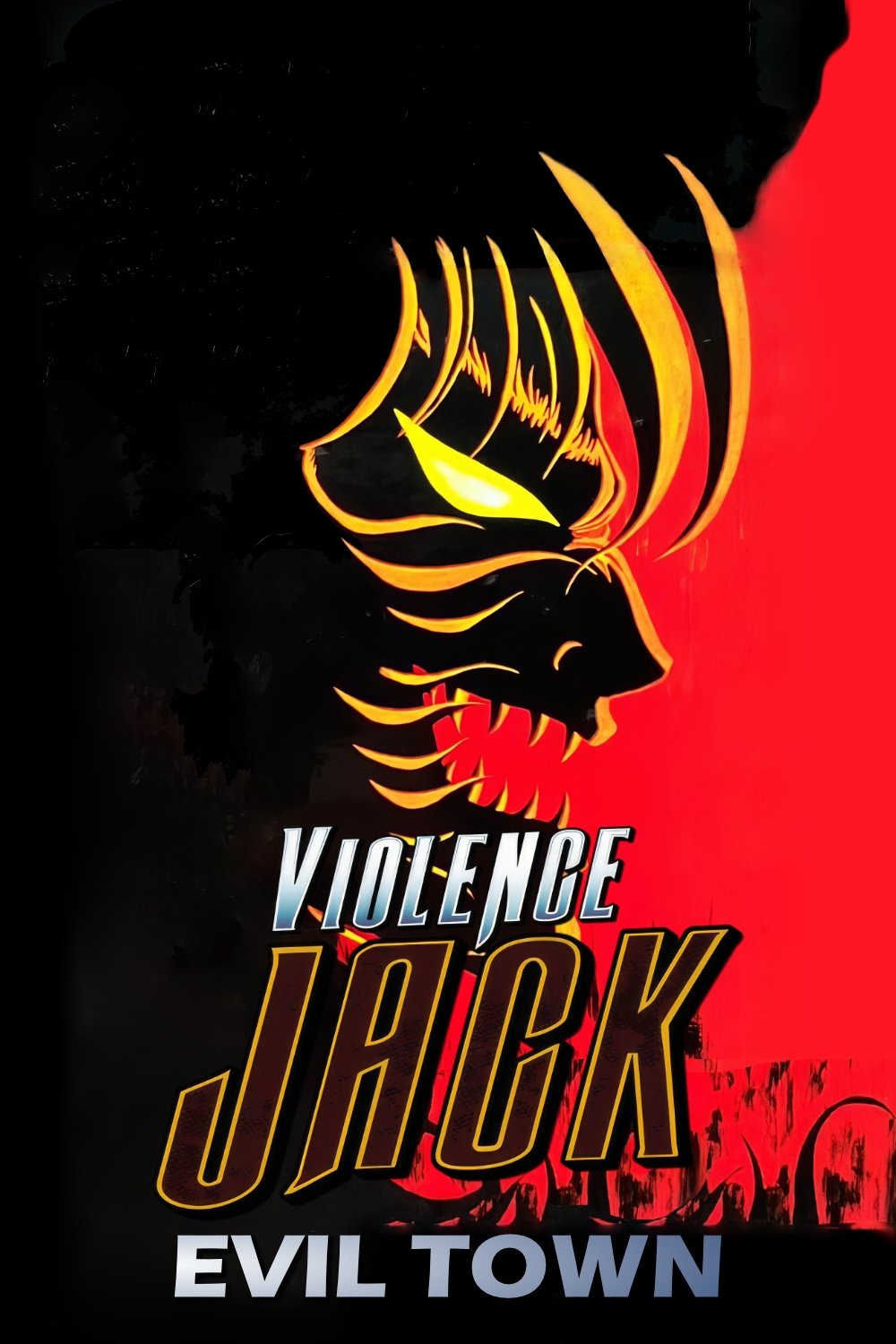
Part of a series based on Go Nagai’s manga, this entry is set in a post-apocalyptic underground city where society has completely broken down. It depicts a brutal struggle for survival among various factions, often involving extreme cruelty and visceral combat. The film’s grim atmosphere and focus on the darker aspects of human nature make it a difficult watch for many. It is often cited as a prime example of the explicit content prevalent in the 1980s direct-to-video market. The lack of traditional heroes adds to the overall sense of despair throughout the film.
‘Kite’ (1998)

This film focuses on a young orphaned girl who is trained to be an assassin by corrupt detectives. It is known for its high-quality animation which stands in stark contrast to its extremely controversial and graphic subject matter. The narrative delves into themes of exploitation and systemic corruption within a bleak urban setting. Due to its explicit content, many versions of the film have been heavily edited or censored for various international releases. Its portrayal of a vulnerable protagonist forced into a violent lifestyle remains a point of significant discussion.
‘Neon Genesis Evangelion: The End of Evangelion’ (1997)

Serving as an alternative ending to the ‘Neon Genesis Evangelion’ television series, this film explores the psychological collapse of its central characters. It features surreal and apocalyptic imagery that depicts the end of humanity in a visceral and disturbing manner. The film’s focus on existential dread and deep-seated trauma provides a stark contrast to traditional giant robot narratives. Its complex themes and graphic depictions of psychological breaks continue to spark intense debate among fans. Many viewers find the film’s final act to be one of the most unsettling sequences in the genre.
‘Urotsukidōji: Legend of the Overfiend’ (1989)
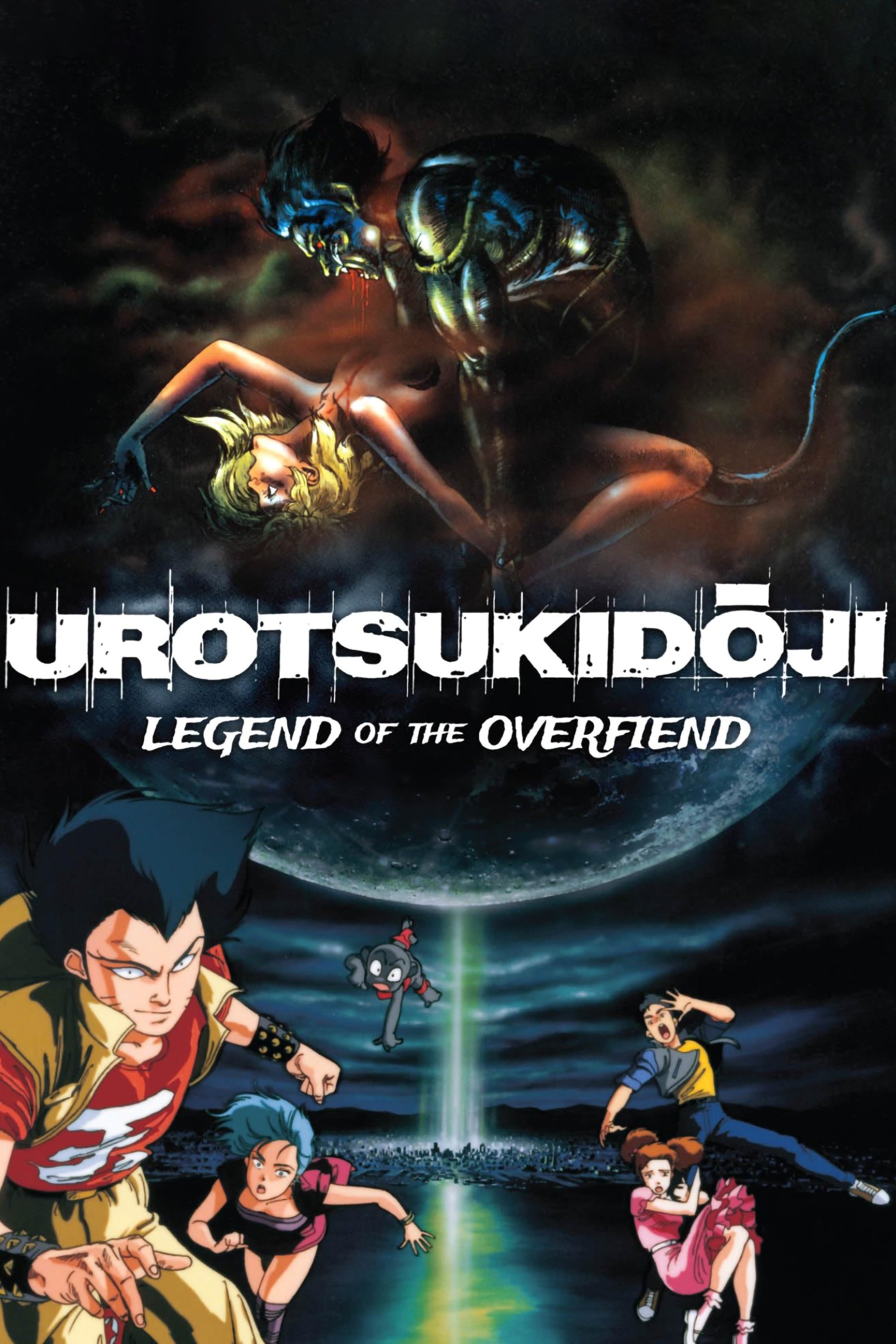
This production is often credited with popularizing the “tentacle horror” genre and features high levels of graphic content. The story revolves around the search for a supreme being who will unite the human, demon, and man-beast worlds. It is notorious for its extreme violence and explicit themes that are considered far outside the norm for modern broadcast standards. While it has a cult following, it is frequently labeled as one of the most disturbing titles in anime history. The film’s influence on the horror genre is significant, albeit highly controversial.
‘Ninja Scroll’ (1993)
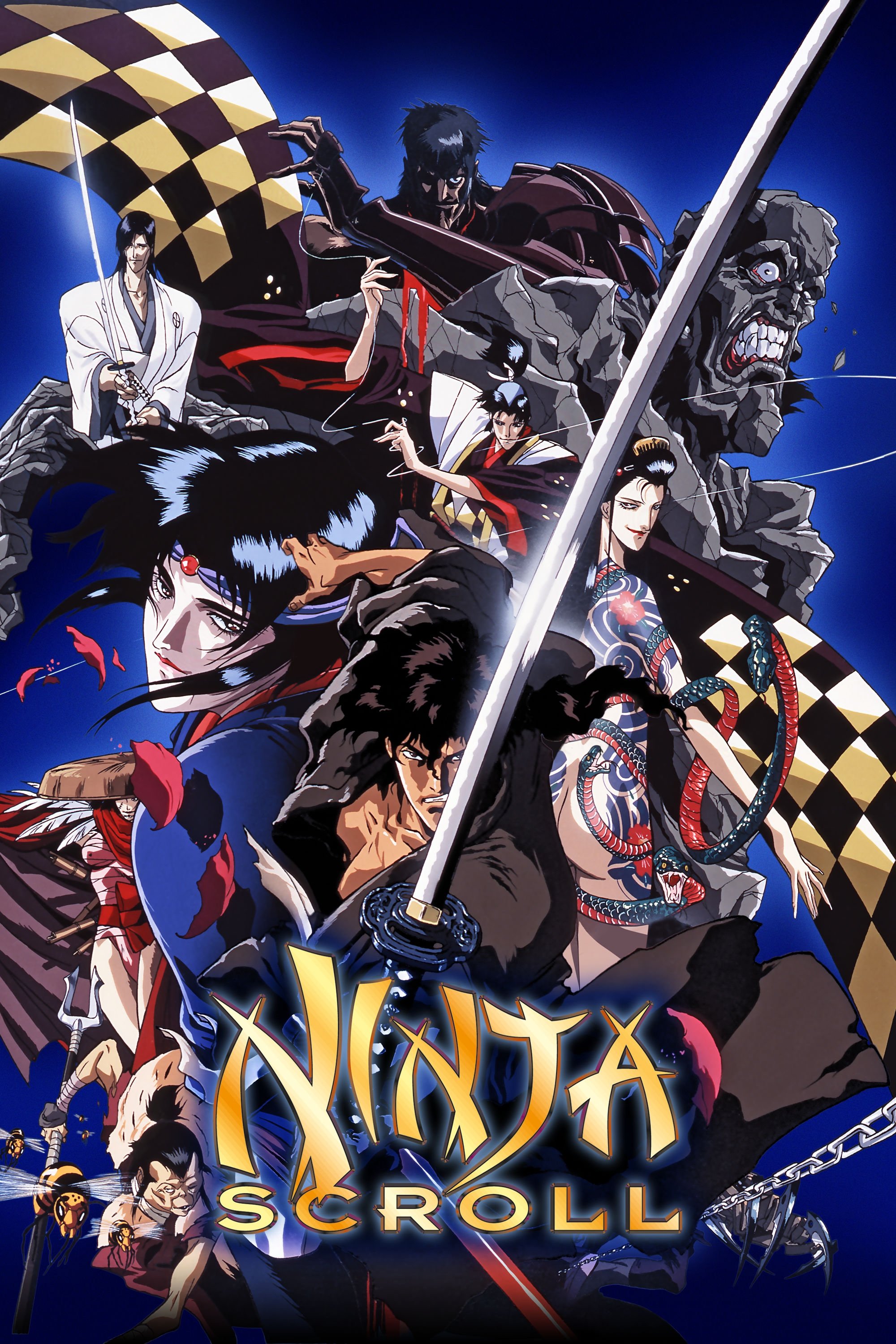
Set in feudal Japan, this film follows a mercenary swordsman who becomes entangled in a conspiracy involving supernatural ninjas. It is celebrated for its fluid animation and choreographed action sequences, but it also contains significant graphic violence and mature themes. The antagonists are often depicted in grotesque forms, contributing to the film’s dark and oppressive tone. It remains a landmark title in the action-horror subgenre of the 1990s. The visceral nature of the battles and the bleak world-building are often cited by fans as being particularly intense.
‘Angel’s Egg’ (1985)
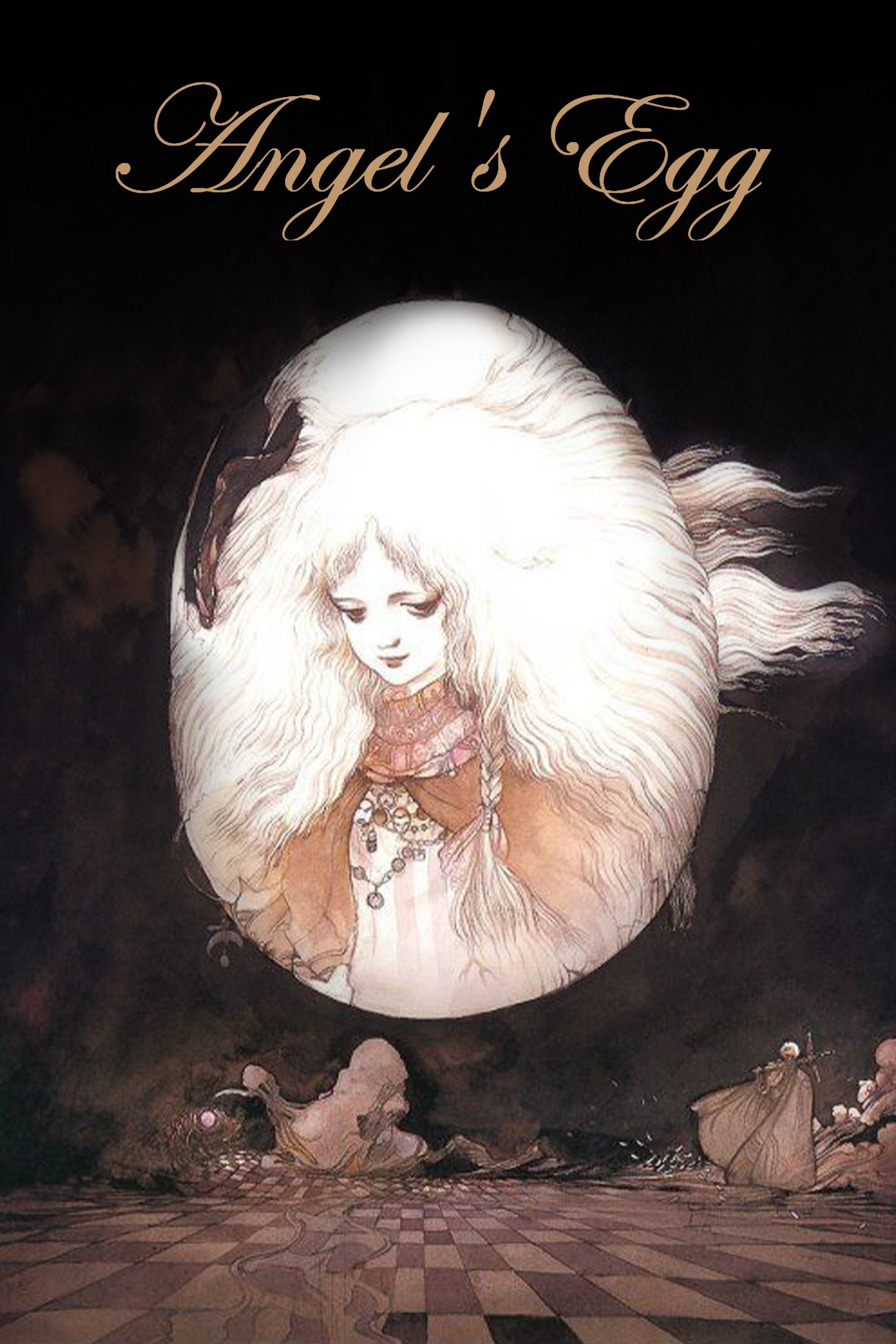
Directed by Mamoru Oshii, this film is a surreal, largely wordless exploration of faith and existentialism in a desolate world. It follows a young girl carrying a large egg through a gothic, dreamlike landscape haunted by shadows. The film’s eerie atmosphere and slow-paced, unsettling imagery create a sense of profound unease for the viewer. Its lack of a clear narrative and focus on haunting visuals make it a unique and often disturbing experience. The film is often described as a beautiful yet nightmarish vision of desolation.
‘Akira’ (1988)
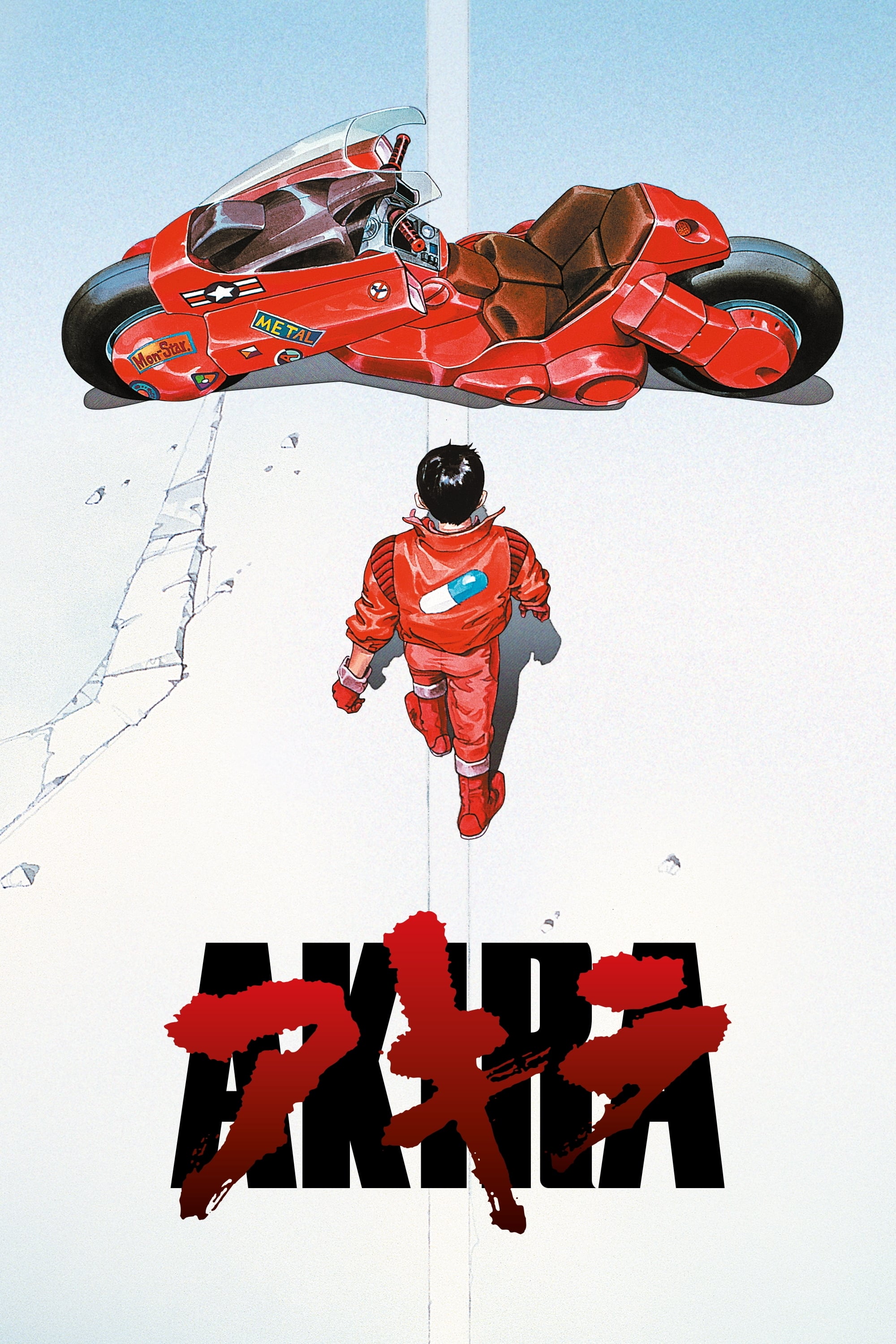
This cyberpunk masterpiece is set in Neo-Tokyo following a psychic explosion that triggered World War III. The plot focuses on a biker gang member who gains uncontrollable telekinetic powers, leading to a massive physical and mental transformation. The film’s climax features iconic body horror sequences where the human form is grotesquely distorted. Its depiction of societal decay and secret scientific experimentation remains a benchmark for the genre. The sheer scale of the destruction and the visceral nature of the mutations continue to impact new audiences.
‘Jin-Roh: The Wolf Brigade’ (1999)

Written by Mamoru Oshii, this film takes place in an alternate 1950s Japan where a member of a paramilitary police unit becomes haunted by his actions. It is a somber political thriller that explores themes of dehumanization and the loss of innocence within a police state. The film is known for its gritty realism and several scenes of intense, cold-blooded violence. Its bleak outlook on society and the human condition leaves a lasting and unsettling impression. The metaphor of the wolf among sheep is used to great and disturbing effect throughout the story.
‘Cat Soup’ (2001)
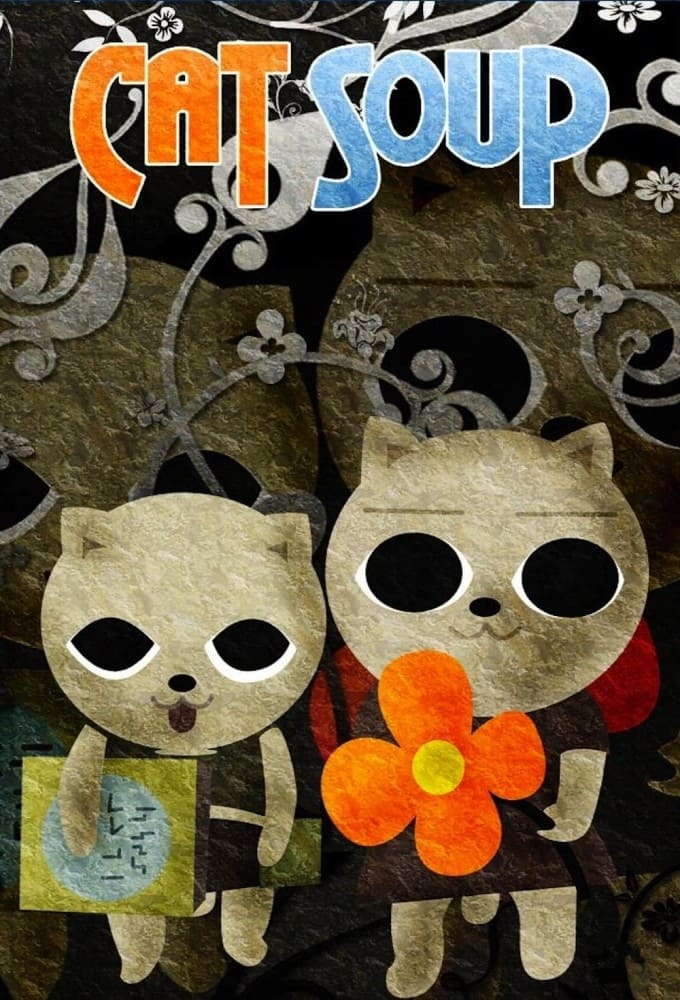
This short film is a surrealist journey featuring a young kitten trying to recover his sister’s half-lost soul. The narrative is filled with abstract, nightmarish imagery and dark humor that defies conventional logic. It explores themes of death, circularity, and the cruelty of nature in a way that is both whimsical and deeply disturbing. The film’s lack of dialogue forces the viewer to focus entirely on its unsettling and often bizarre visual metaphors. Many fans find the film’s casual attitude toward mortality and transformation to be particularly eerie.
‘Paprika’ (2006)
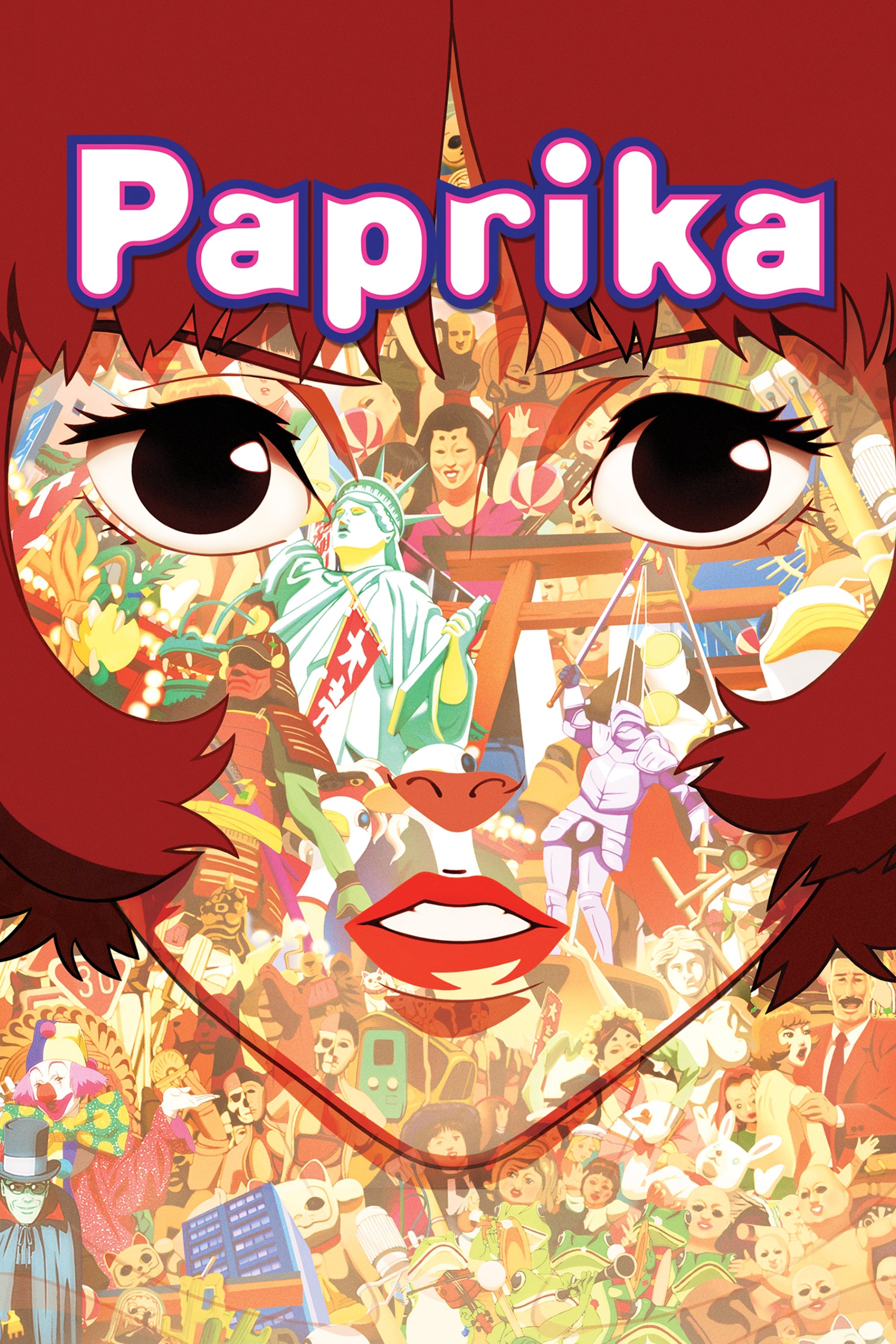
Satoshi Kon’s final feature film depicts a future where a device allows therapists to enter their patients’ dreams. When the device is stolen, the dream world begins to merge with reality, leading to chaotic and disturbing hallucinations. The film’s vibrant but unsettling visuals explore the depths of the subconscious and the loss of individuality. Its rapid-fire imagery and reality-bending sequences can be highly disorienting and psychologically taxing. The film is often cited for its ability to create a sense of waking nightmare through animation.
‘Devilman – Volume 1: The Birth’ (1987)

This adaptation of Go Nagai’s work tells the story of a young man who merges with a demon to fight against an ancient race of monsters. The film is known for its visceral depictions of demonic transformations and the brutal slaughter of both humans and demons. It establishes a dark, hopeless tone that carries through the entire franchise’s various iterations. The graphic nature of the combat and the grotesque character designs are hallmarks of its era’s horror animation. Many fans consider it a foundational piece of dark supernatural storytelling.
‘Blood: The Last Vampire’ (2000)
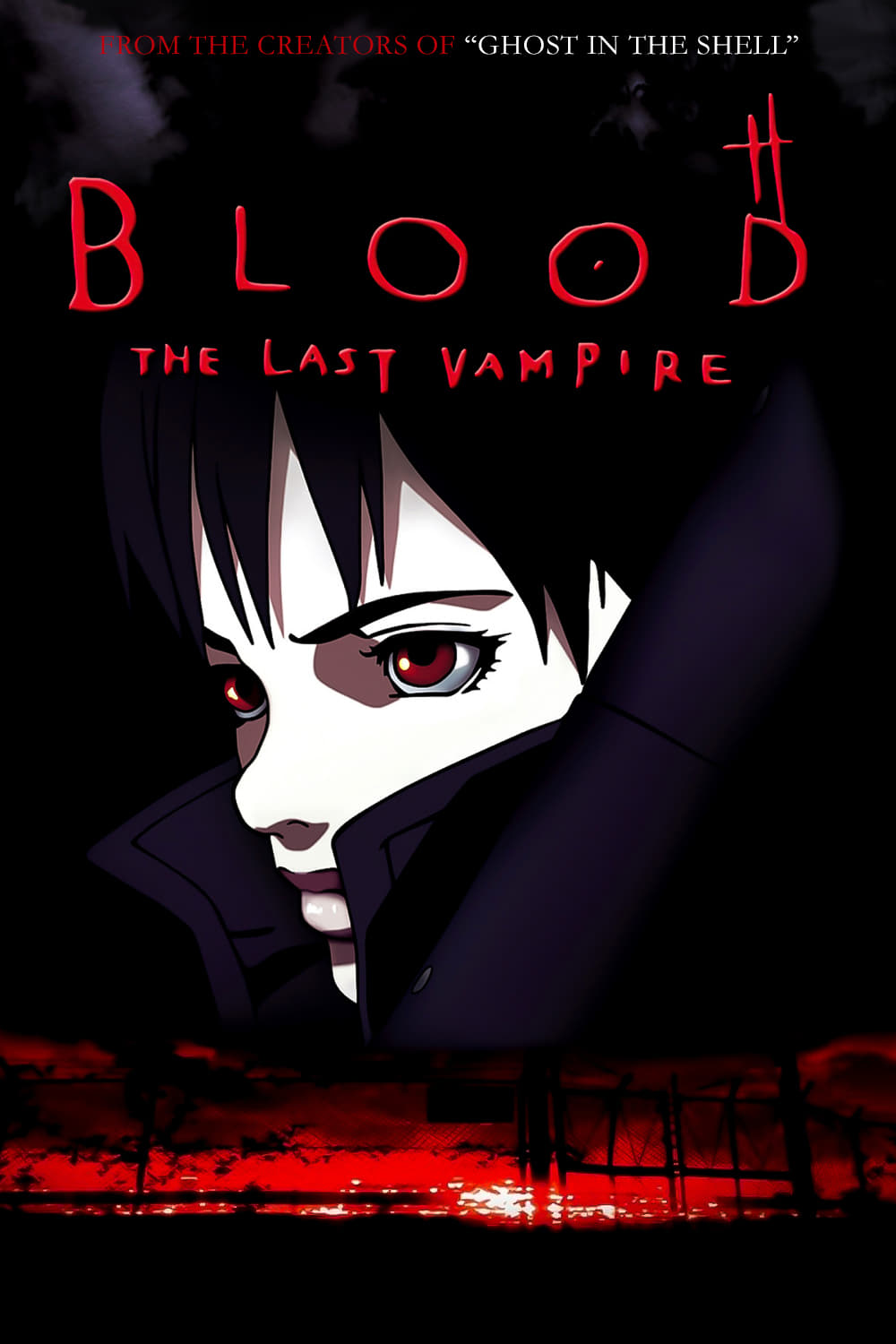
Set at a US Air Force base in Japan, the film follows a girl named Saya who hunts shapeshifting creatures known as Chiropterans. It is notable for its use of digital animation and its dark, cinematic lighting that enhances its horror elements. The film features high levels of realistic violence as Saya dispatches her targets with a katana. Its short runtime and intense focus on action and bloodletting make it a concentrated experience in supernatural horror. The cold, clinical efficiency of the protagonist’s violence is often described as unsettling.
‘Lily C.A.T.’ (1987)
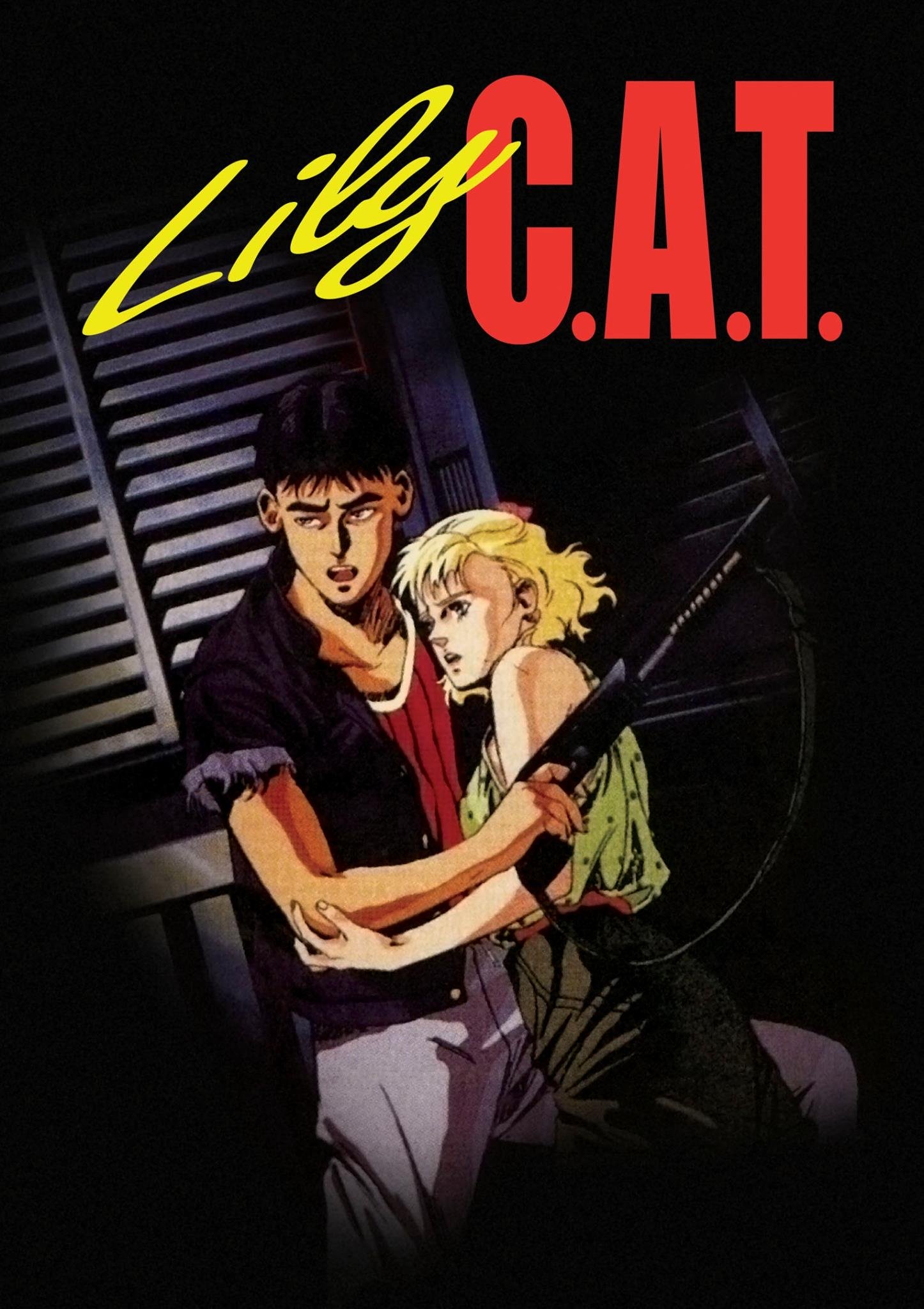
This science fiction horror film follows a space crew that inadvertently brings a lethal alien organism aboard their ship. As the crew members are picked off one by one, the film utilizes body horror elements reminiscent of classic Western horror films. The organism mutates and takes over the bodies of its victims in graphic and unsettling ways. It captures the tension and dread of deep-space isolation combined with visceral biological threats. The film’s focus on infection and physical transformation remains a chilling example of 80s space horror.
Tell us which of these films you found the most challenging to watch in the comments.