

Anime Openings That Are Famous For Being Terrible



Anime openings serve as the first impression for an audience and establish the tone for the entire series. While many openings become iconic masterpieces of music and animation, others gain notoriety for their questionable choices. These sequences often feature jarring visuals or music that fails to match the themes of the story. From poorly localized dub versions to low budget original productions, these openings remain memorable for the wrong reasons. Fans frequently discuss these examples as legendary instances of creative missteps in the industry.
‘One Piece’ (1999–Present)
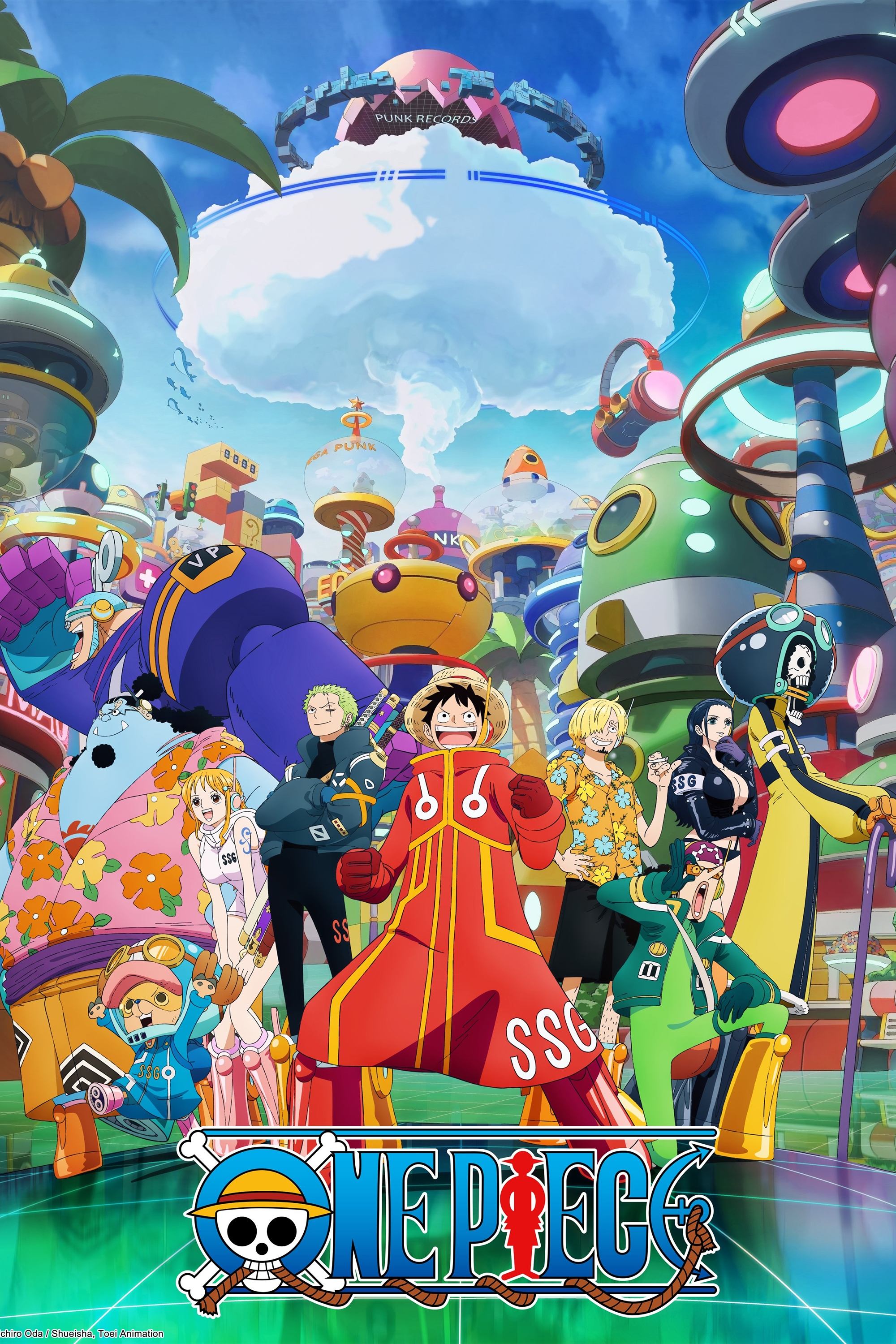
The localized version of this series introduced a rap song that replaced the original Japanese music. This track attempts to introduce the main characters while explaining the central quest for the legendary treasure. Many viewers find the lyrics and the vocal delivery to be poorly suited for the spirit of the show. It utilizes a variety of sound effects and repetitive phrases that became infamous among the fan base. The visuals consist of recycled clips that lack the high quality animation found in later seasons.
‘Naruto’ (2002–2007)

The German broadcast of this popular ninja series features an original song that is widely considered bizarre. The lyrics focus heavily on the concept of being a ninja and use repetitive vocal patterns. Fans often point to the heavy electronic beat and strange phrasing as reasons for its poor reputation. This opening has gained a cult following due to how significantly it differs from the emotional Japanese tracks. It remains one of the most frequently cited examples of localization choices gone wrong.
‘Dragon Ball GT’ (1996–1997)
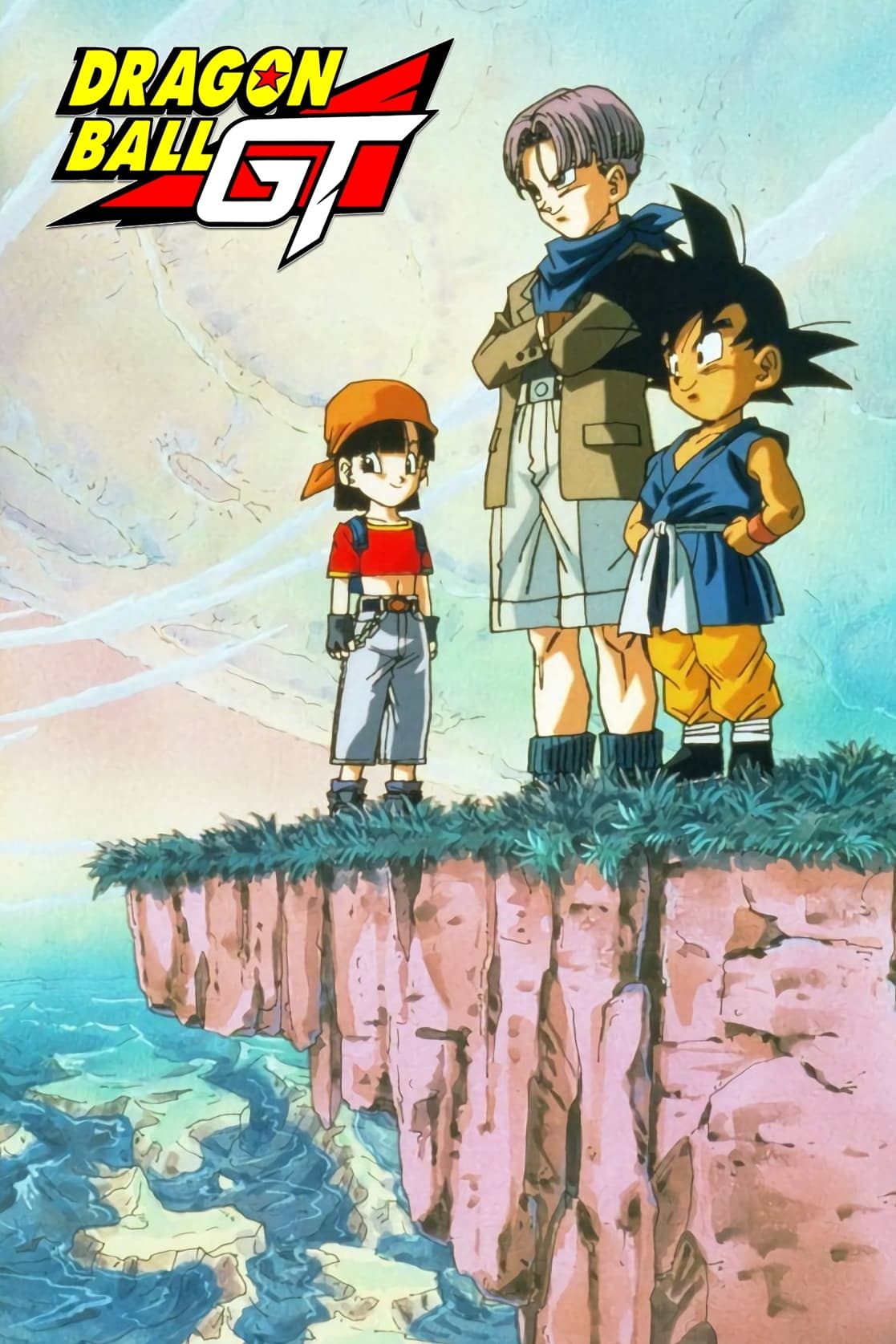
The English dub version of this series replaced the melodic Japanese opening with a rap song called Step into the Grand Tour. This track features a heavy industrial beat and aggressive vocals that many felt did not fit the adventure theme. The lyrics focus on the search for the dragon balls but lack the charm of the original compositions. While some nostalgic fans enjoy it, the majority of the community views it as a major departure from the tone of the franchise. The gritty presentation contrasts sharply with the vibrant and colorful animation of the show.
‘Berserk’ (1997–1998)
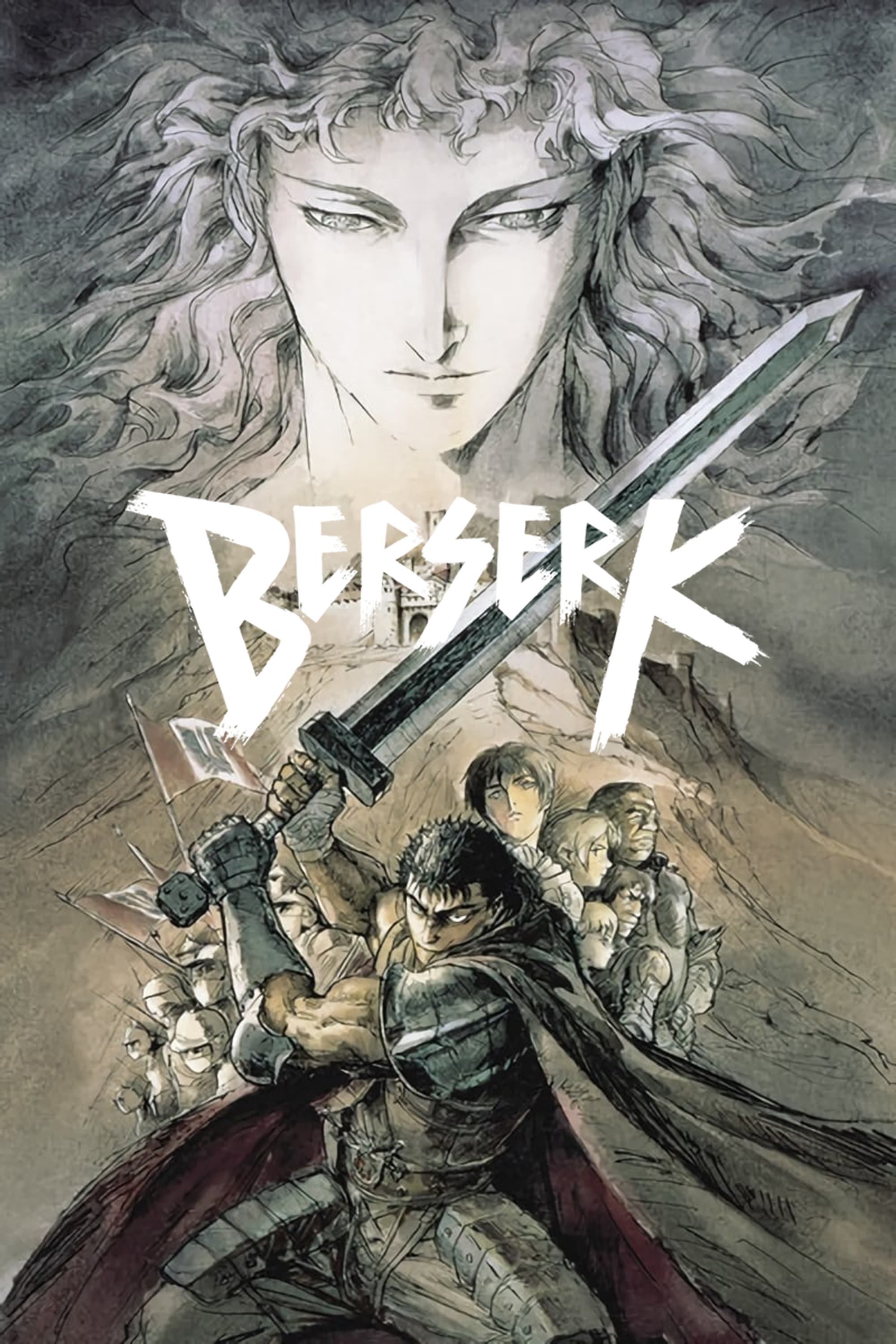
The opening song titled Tell Me Why is often criticized for its English lyrics and soft rock style. While the song itself has a certain charm, it feels out of place for a dark fantasy series about brutal warfare and demons. The vocal performance is sometimes described as amateurish and the grammar in the lyrics is notably awkward. Despite the serious nature of ‘Berserk’, this opening provides a strangely upbeat and confusing introduction. It has become a beloved meme within the community because of its unique contrast with the content of the episodes.
‘Death Note’ (2006–2007)
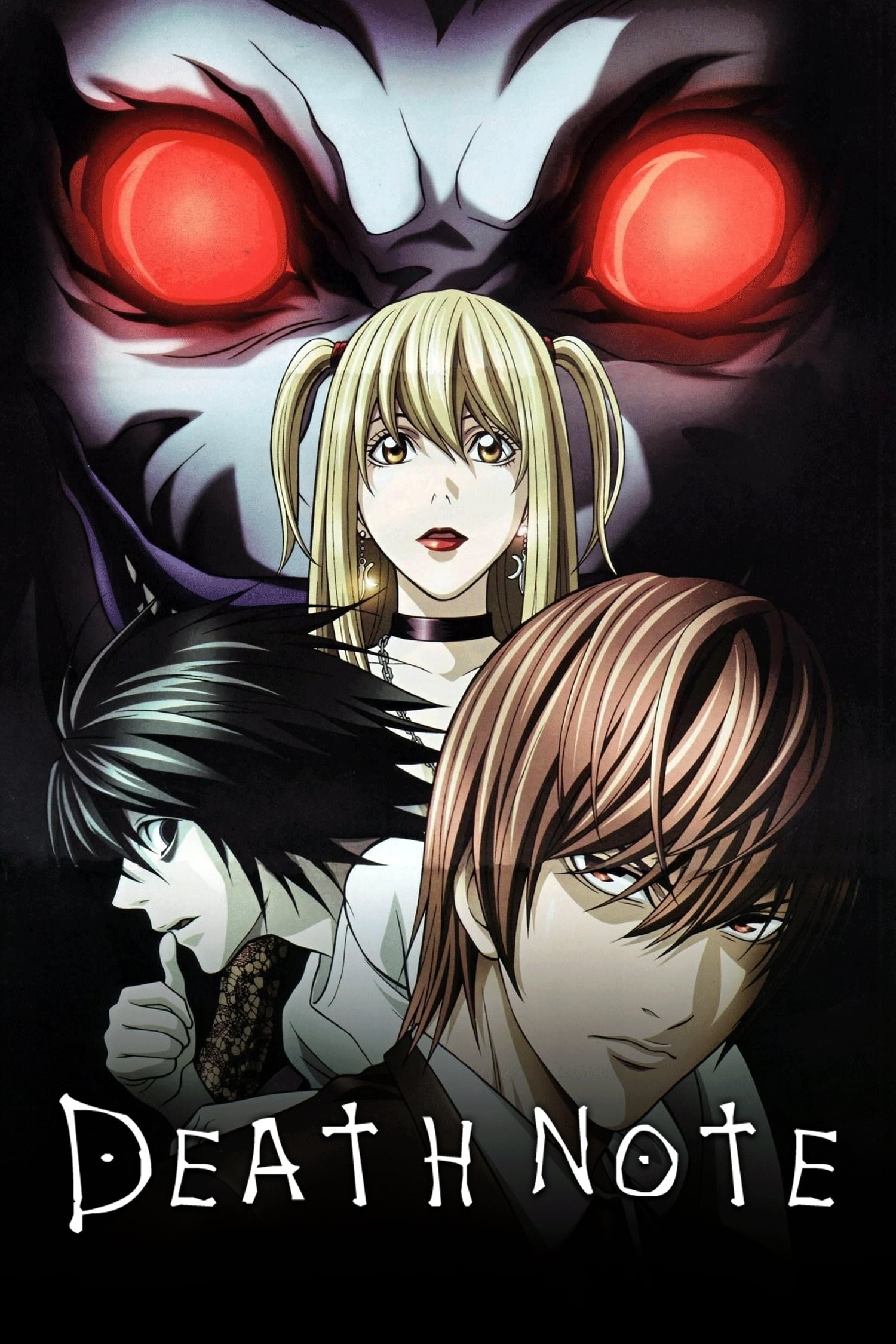
The second opening of this psychological thriller features a heavy metal song that surprised many viewers. The track involves intense screaming and chaotic instrumentation that represents the descent into madness of the main character. Many fans felt the shift from the atmospheric first opening was too jarring and unpleasant to listen to. The visuals accompanying the music are fast and flashing which can be overwhelming for some audiences. It remains a polarizing piece of media that is often cited as one of the most divisive openings in anime history.
‘Ex-Arm’ (2021)
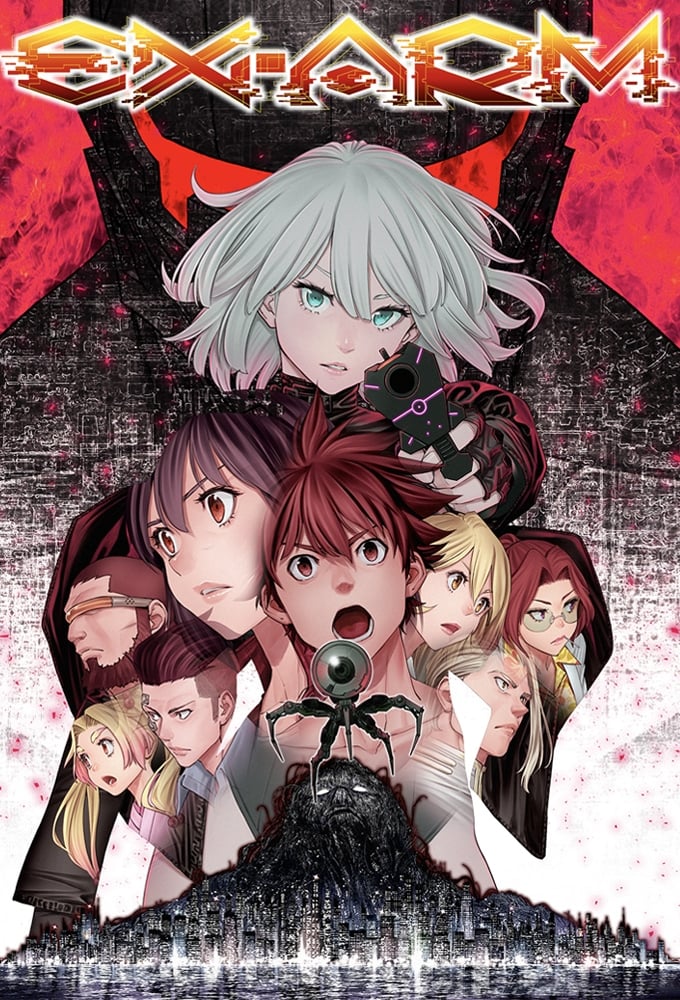
This series became famous for its technical flaws and the opening sequence is no exception. The animation features poorly integrated three dimensional models that move in an unnatural and stiff manner. The lighting and textures often look unfinished and clash with the two dimensional backgrounds. Viewers criticized the lack of polish and the overall amateur appearance of the visuals. This opening is frequently used as an example of the visual issues that plagued the entire production.
‘Pupa’ (2014)
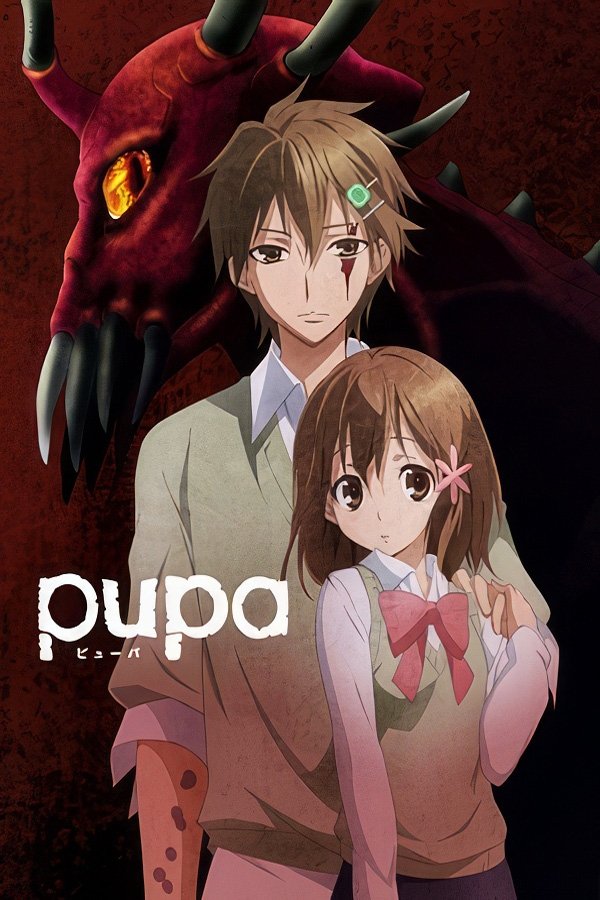
The opening for this short form horror series is criticized for its abstract and disturbing imagery that many found unappealing. The song is very short and fails to build a cohesive melody or atmosphere. The visuals feature biological themes and grotesque transformations that intended to shock the audience. However, the low production value and confusing direction made it a target for mockery. It is often remembered more for its strange aesthetic choices than for its actual quality.
‘Gibiate’ (2020)
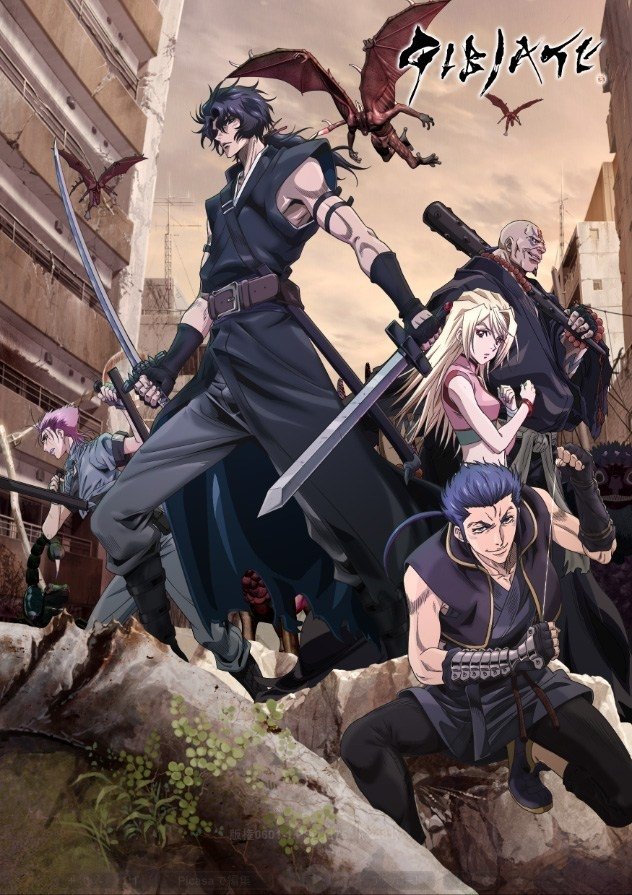
The opening for this action series features a blend of traditional Japanese music and modern rock that some found disjointed. The main criticism stems from the visual presentation which includes stiff character models and awkward transitions. Many viewers felt the animation quality did not meet the standards of a modern production. The sequence fails to create excitement for the survival story it is supposed to introduce. It is often cited as a modern example of a disappointing introduction to a high profile project.
‘Hand Shakers’ (2017)
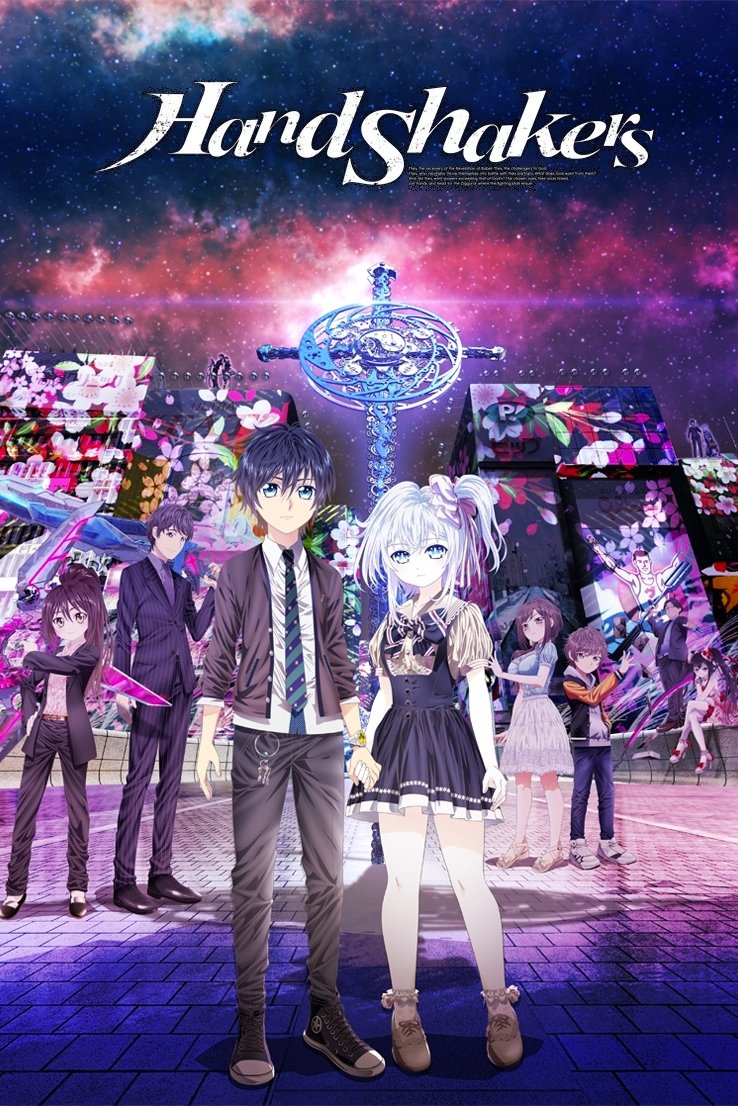
The visual style of this opening is notorious for its excessive use of bright colors and digital filters. The camera work is constantly moving and spinning which many viewers found nauseating and difficult to follow. The animation attempts to be stylish but ends up looking cluttered and overproduced. The music is a fast paced track that adds to the sensory overload of the sequence. It is widely considered one of the most visually unappealing openings in the industry due to its lack of restraint.
‘Mega Man’ (1994–1995)
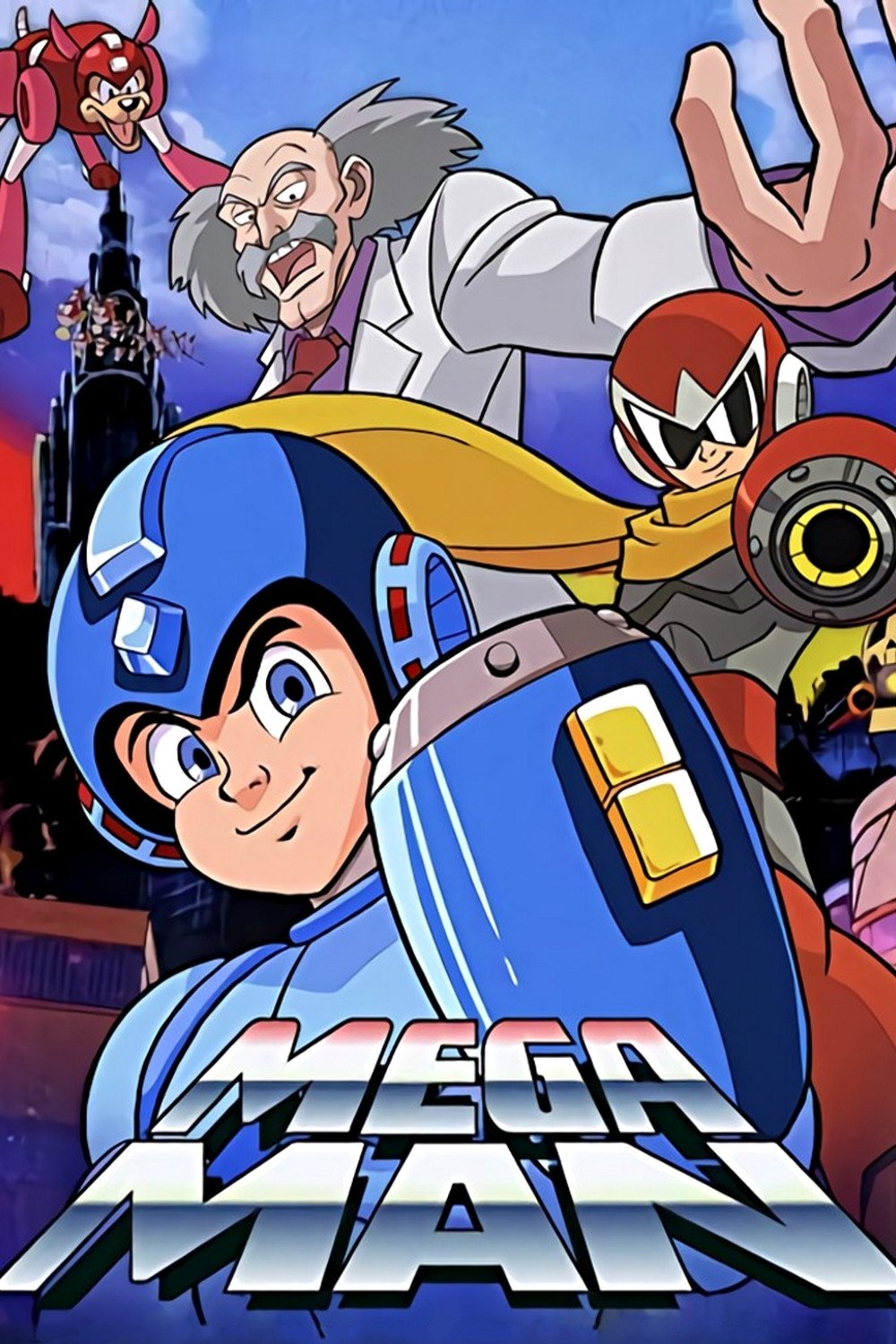
The North American opening for this animated series features a repetitive theme that many found annoying. The lyrics consist almost entirely of the title of the show shouted over an electronic beat. The animation is a montage of action clips that lack a cohesive narrative or artistic direction. While it has some nostalgic value for those who grew up in the nineties, it is objectively simple and repetitive. It stands in stark contrast to the catchy and more complex music found in the original games.
‘Sonic X’ (2003–2005)
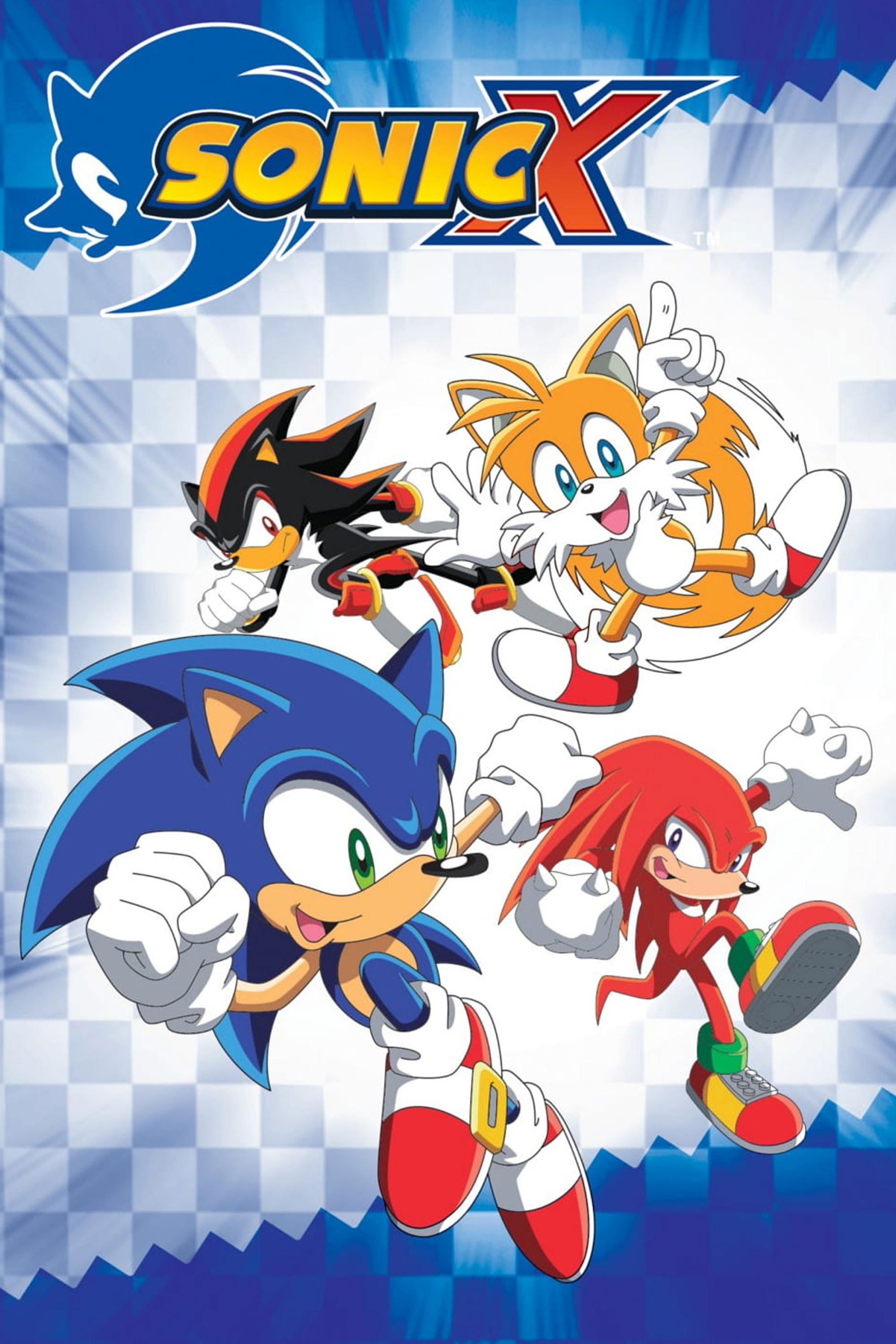
The English opening known as Gotta Go Fast is famous for its high energy but repetitive nature. The lyrics are very basic and focus on the speed of the main character without much depth. Many viewers find the rock vocals to be a bit grating after multiple listens. The visuals use a lot of stock footage and simple transitions that do not showcase high quality animation. It remains a well known example of an opening that prioritizes a simple hook over musical complexity.
‘Shaman King’ (2001–2002)
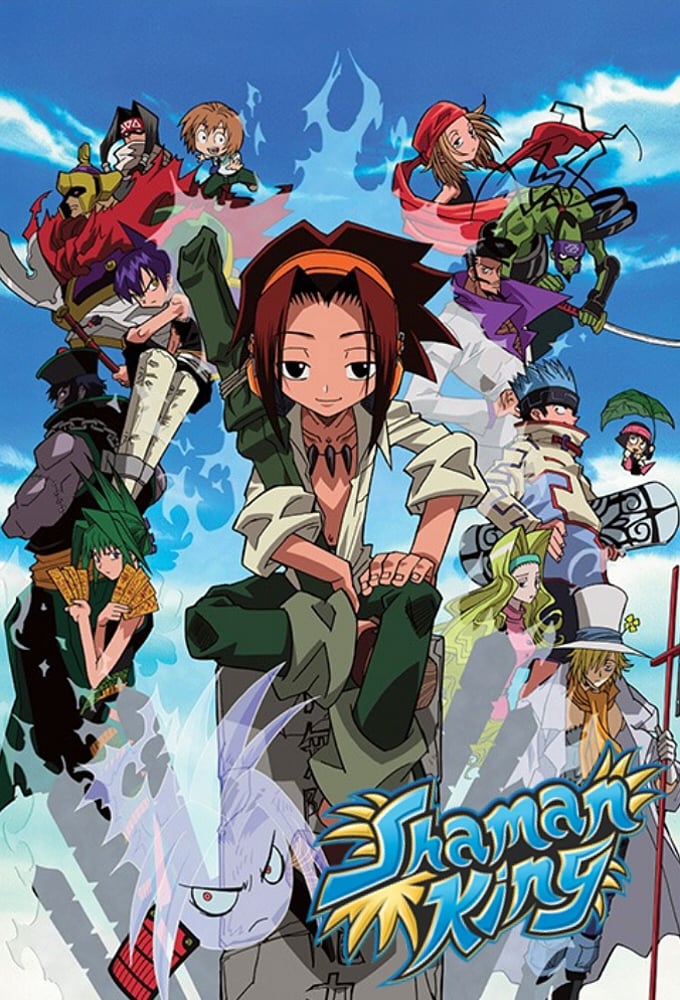
The 4Kids localized opening for this series is another example of a Western adaptation trying too hard to be edgy. It features a rock song with lyrics that explain the plot in a very literal and uninspired way. The vocal performance is aggressive and lacks the nuance found in the original Japanese tracks. Fans of the source material often point to this opening as a sign of the many changes made during the localization process. It has become a staple in discussions about the era of localized anime theme songs.
‘Ultimate Muscle: The Kinnikuman Legacy’ (2002–2004)

The English opening for this wrestling themed anime uses a heavy rock style with repetitive lyrics. It focuses on the strength of the main character and his legacy in a very loud and boisterous manner. Many viewers found the constant shouting in the vocals to be a bit much for a weekly introduction. The visuals are a standard mix of action shots that do not stand out in terms of quality. It is often remembered as a loud and somewhat obnoxious example of early two thousands localization.
‘Beast Wars: Transformers’ (1996–1999)
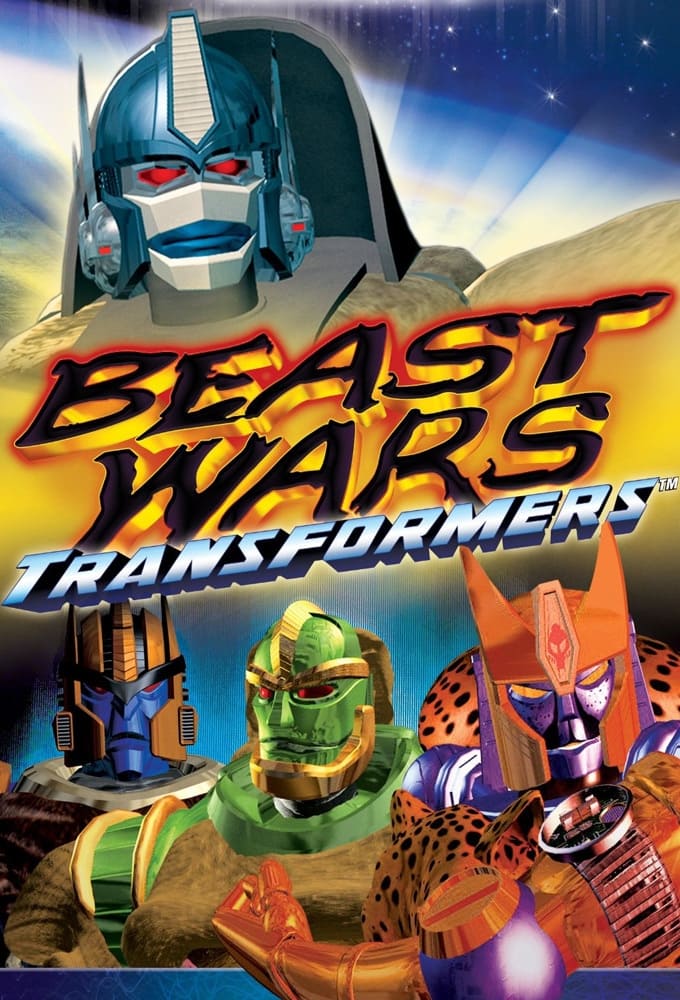
The Japanese opening for this computer animated series is known for being completely different from the Western version. It features an upbeat pop song and colorful graphics that make the show look like a lighthearted adventure. The tone of the opening clashes with the often serious and dramatic nature of the story episodes. Fans of the franchise find the change to be baffling and unintentionally hilarious. The animation in the opening also highlights the early limitations of three dimensional graphics in television.
‘Speed Racer’ (1967–1968)
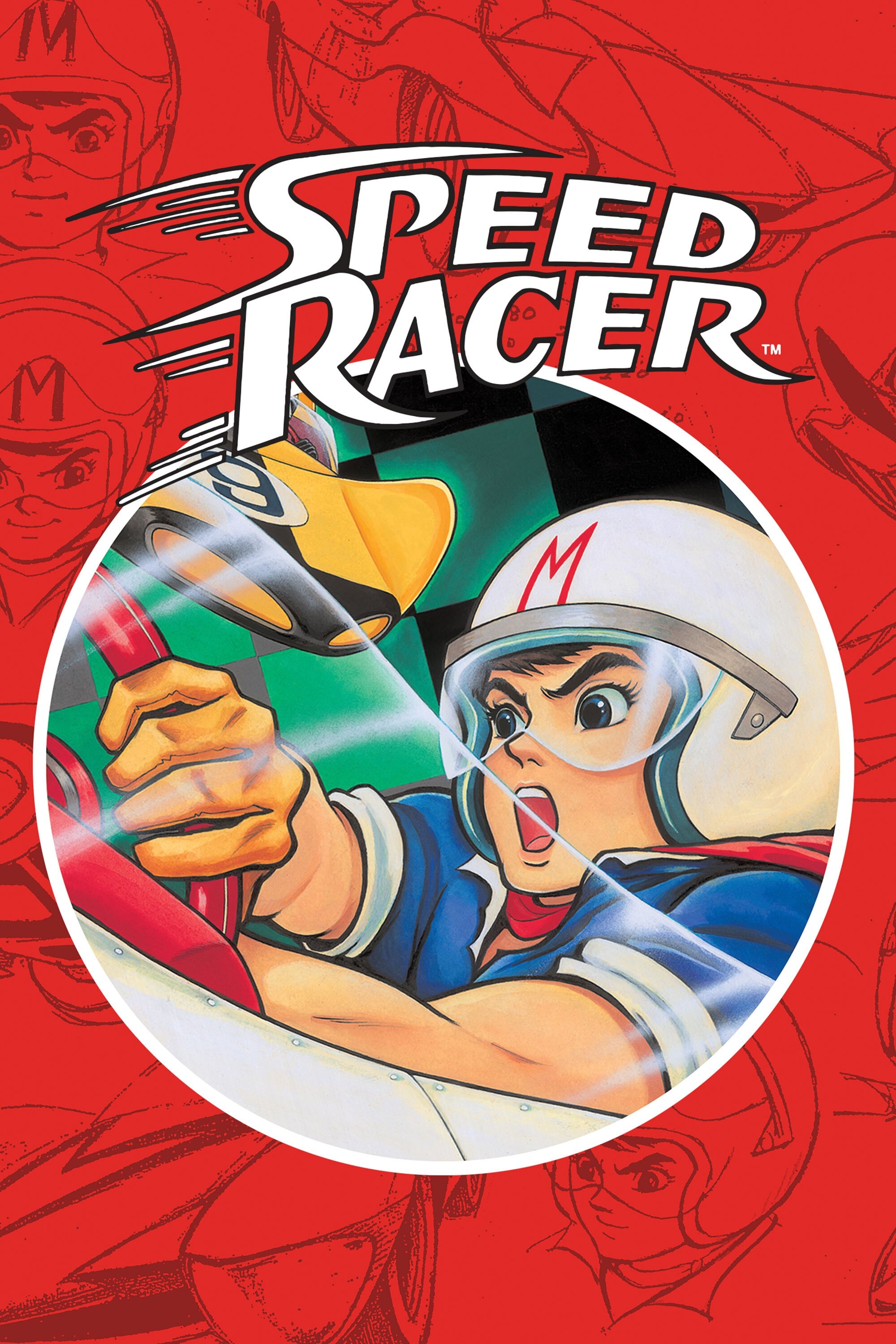
The English opening for this classic series is iconic but often criticized for its repetitive nature and simple melody. The song consists of a basic horn section and lyrics that mostly repeat the name of the lead character. While it fits the era of its production, modern audiences often find it to be dated and somewhat irritating. The animation features a lot of recycled frames and static backgrounds that are typical for the late sixties. It is a historical piece of media that shows how much the industry has evolved since its inception.
‘Psychic Wars’ (1991)
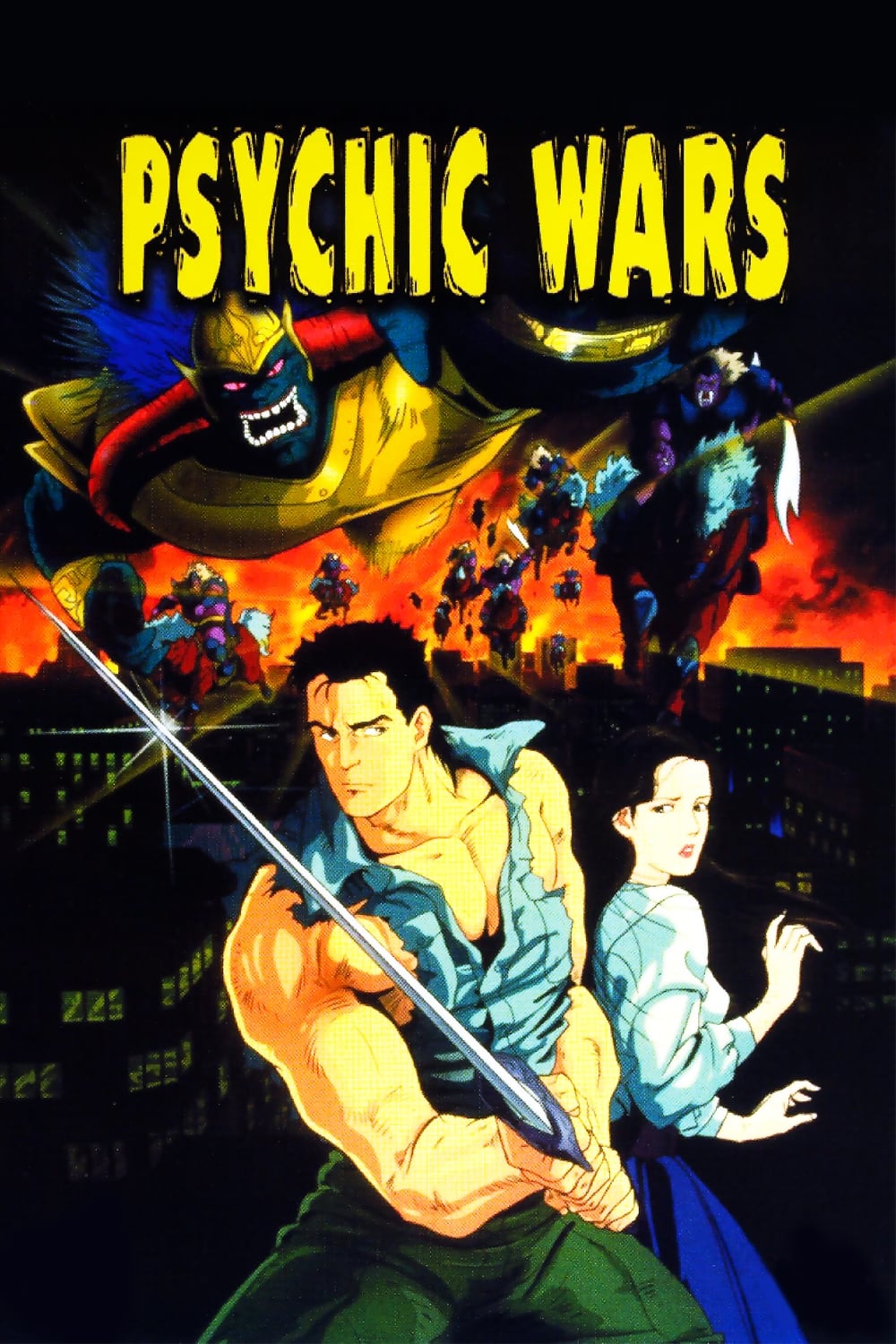
The opening for this original video animation is known for its low production values and uninspired music. The sequence features a lot of dark and muddy colors that make it difficult to see what is happening. The animation is limited and the characters often look stiff and lifeless. The song is a standard rock track that does not leave a lasting impression on the listener. It is a product of its time that fails to stand out among the many better productions of the nineties.
‘Skelter+Heaven’ (2004)
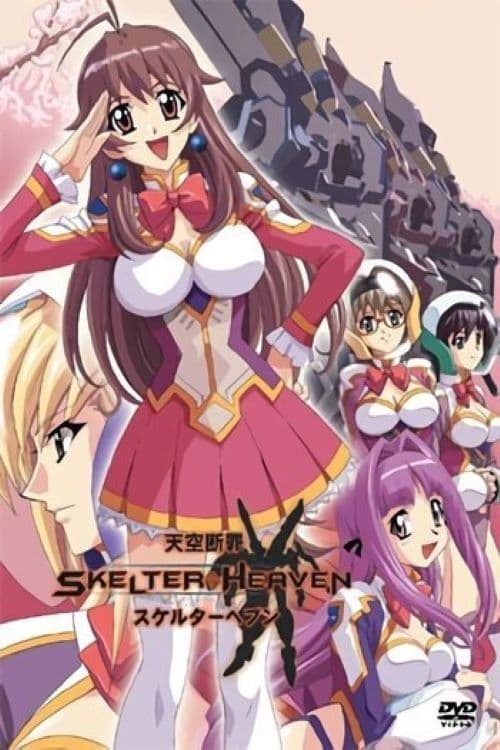
This series is widely considered one of the worst anime ever made and the opening reflects that reputation. It features incredibly poor computer generated imagery that looks like early video game graphics. The movements are awkward and the character models lack detail or expressive qualities. The music is a generic electronic track that does not help the poor visual presentation. It is often watched by fans of the medium specifically to see how bad it can get.
‘Mars of Destruction’ (2005)
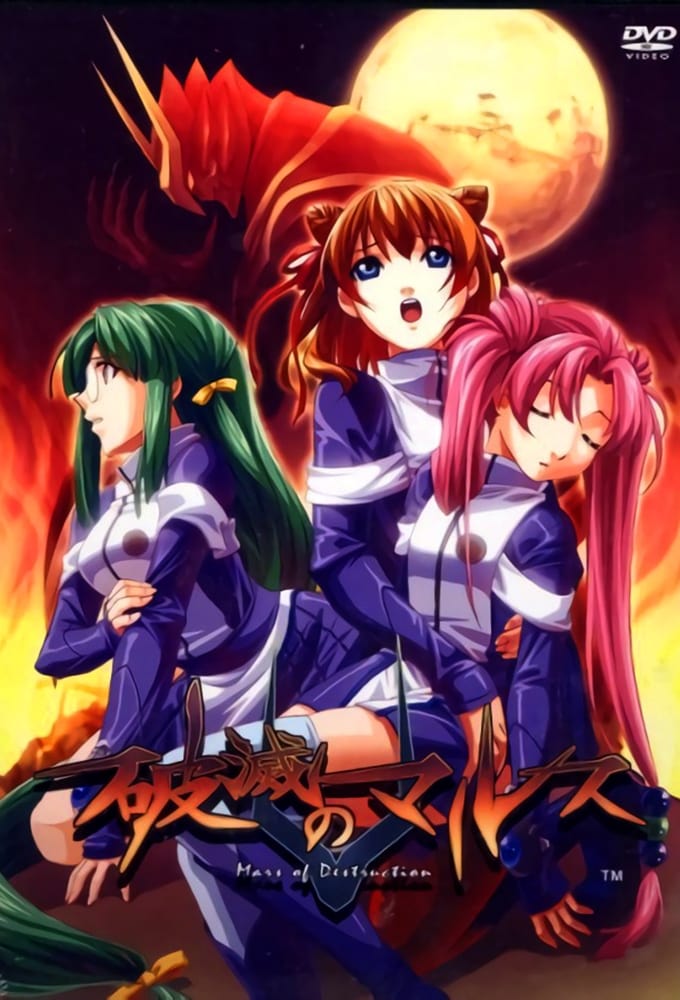
The opening for this single episode production is known for its amateurish animation and lack of direction. It features a lot of static images and very simple transitions that suggest a very low budget. The music is a dramatic orchestral track that feels far too serious for the poor quality of the visuals. Many viewers find the entire sequence to be unintentionally funny due to its lack of polish. It is a well known example of a project that failed on almost every technical level.
‘Vampire Holmes’ (2015)
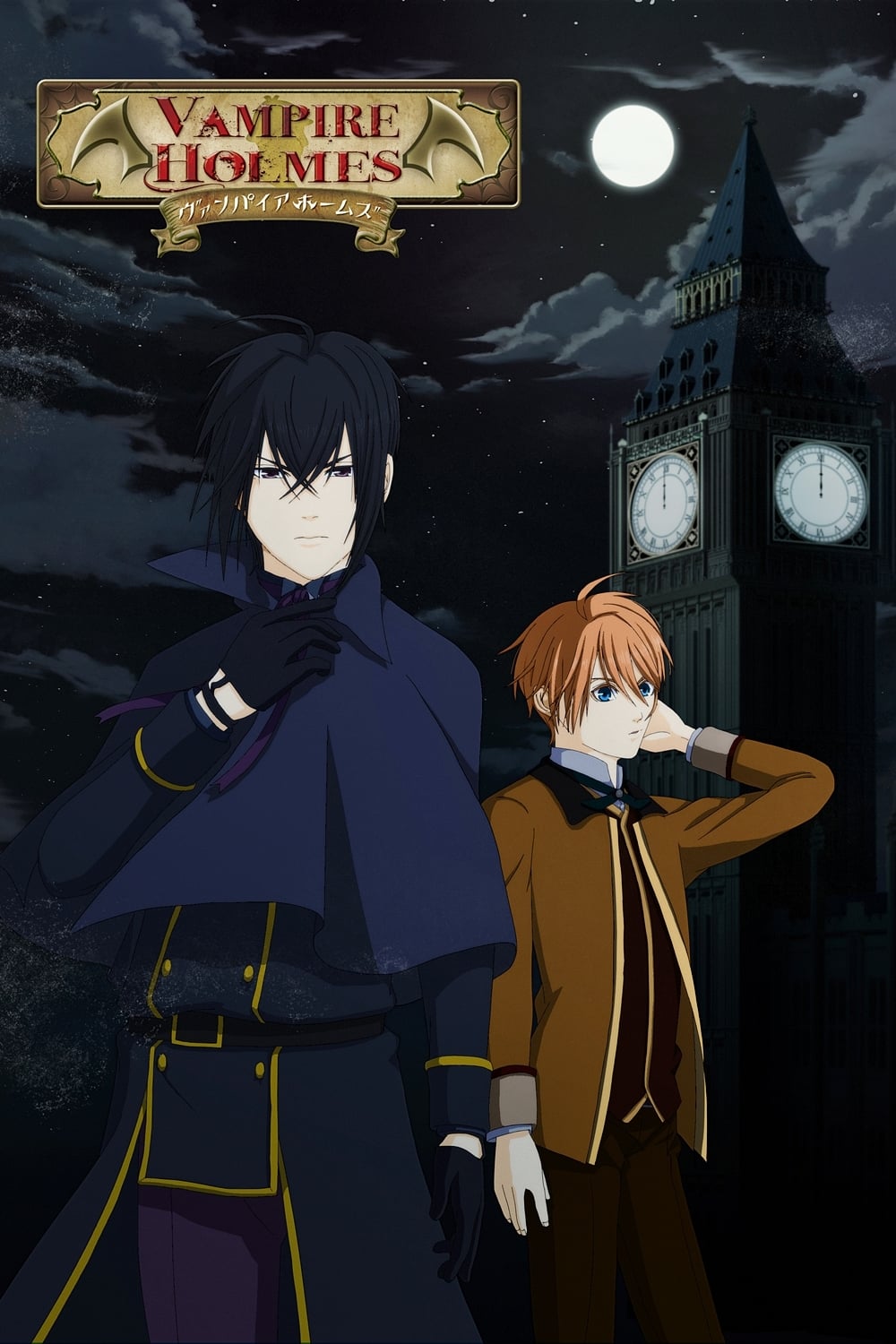
The opening for this series is often mocked for its simplistic animation and strange character designs. It features a lot of repetitive motions and limited frames that make the characters look like puppets. The song is a strange pop track that does not fit the mystery or vampire themes of the story. Many fans were confused by the lack of effort put into the visual presentation of the show. It remains one of the lowest rated anime series on many community databases.
‘Flowers of Evil’ (2013)
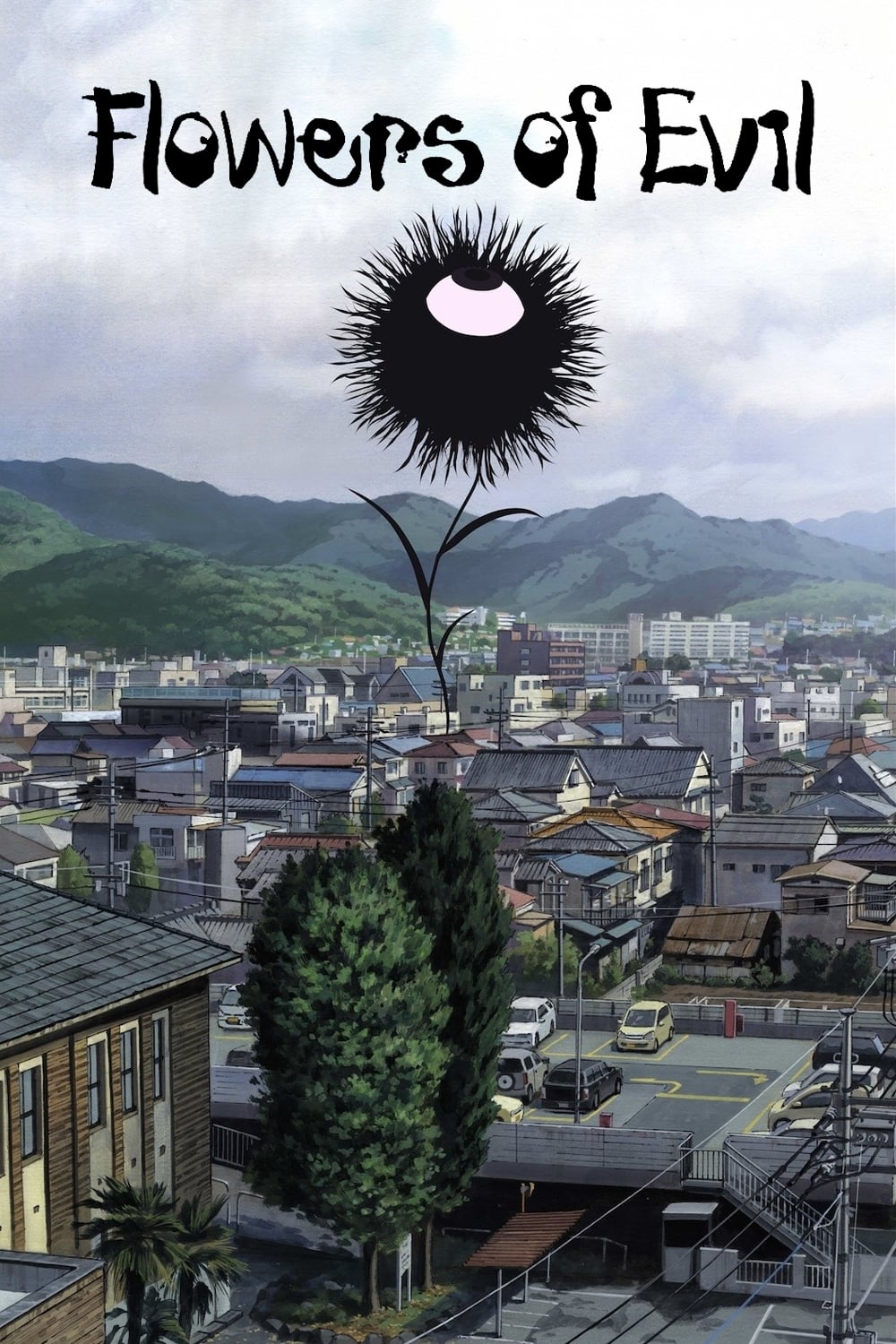
The opening for this series uses a rotoscoping technique that was very controversial among fans. Many viewers found the realistic yet slightly distorted look of the characters to be unsettling and ugly. The music is an eerie and experimental track that adds to the uncomfortable atmosphere of the sequence. While it was an intentional artistic choice, it alienated a large portion of the audience who preferred traditional animation. It is frequently discussed as an example of an experimental style that failed to gain widespread acceptance.
‘Divine Gate’ (2016)
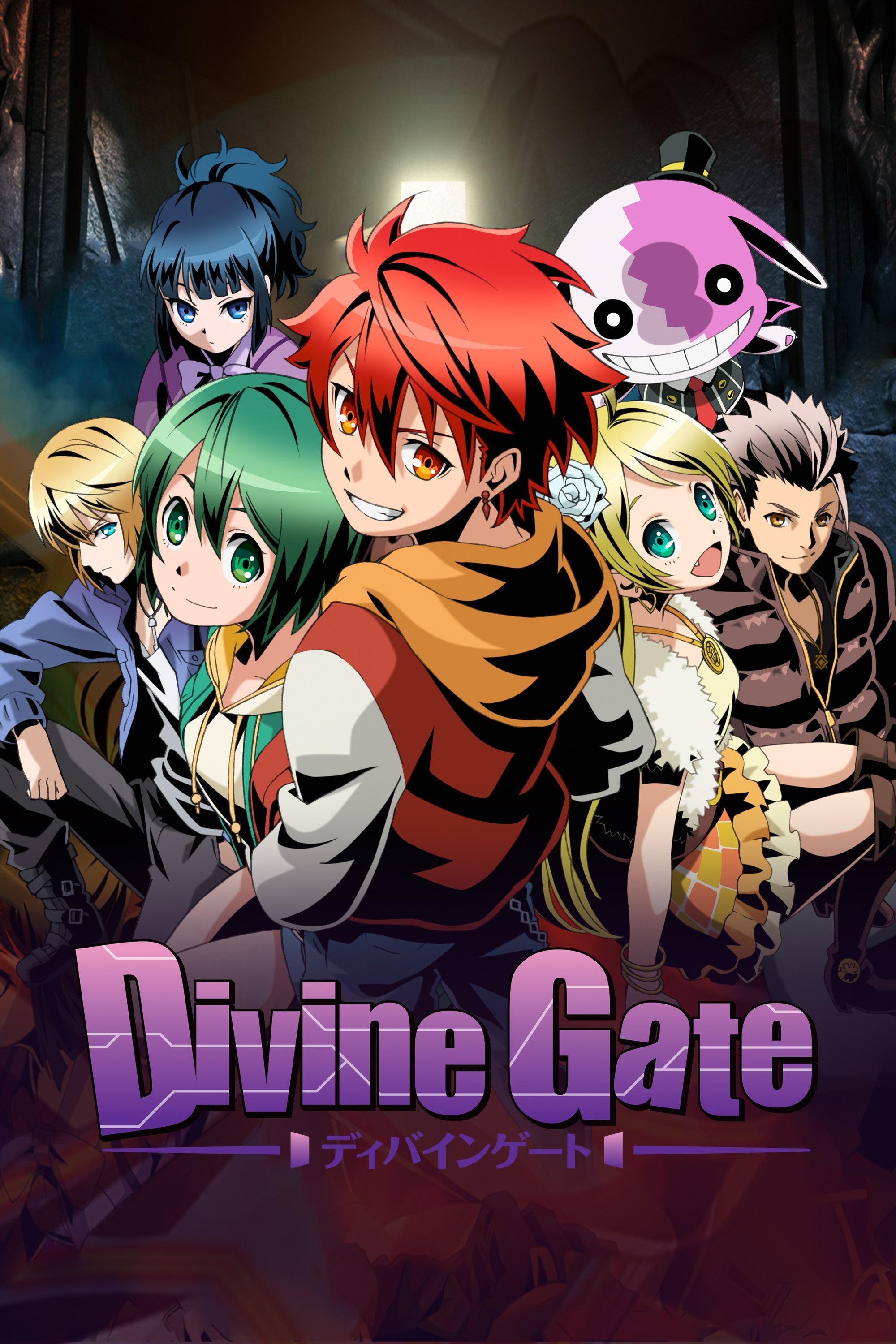
The opening for this series is criticized for its cluttered visuals and lack of a cohesive art style. It features a lot of text and symbols appearing on the screen which many found distracting and unnecessary. The animation is fast paced but often looks messy and disorganized. The music is a standard rock song that does not do much to save the confusing visual presentation. It is often cited as an example of a modern opening that tries to do too much at once.
‘W’z’ (2019)
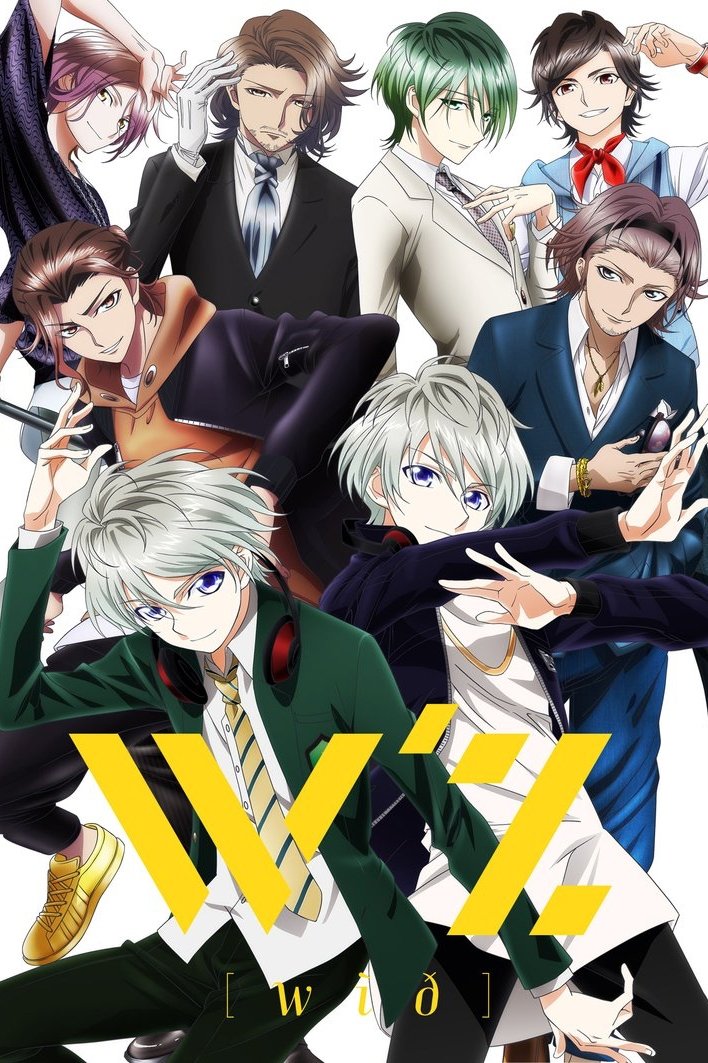
Similar to other works from the same studio, this opening features an overwhelming amount of visual effects. The use of bright neon colors and constant camera movement can make it very difficult to watch comfortably. Many viewers found the aesthetic to be garish and lacking in artistic restraint. The animation often feels like it is trying to hide its flaws behind a layer of digital filters. It remains a polarizing example of a certain style of digital animation in the industry.
‘Kingdom’ (2012–2013)
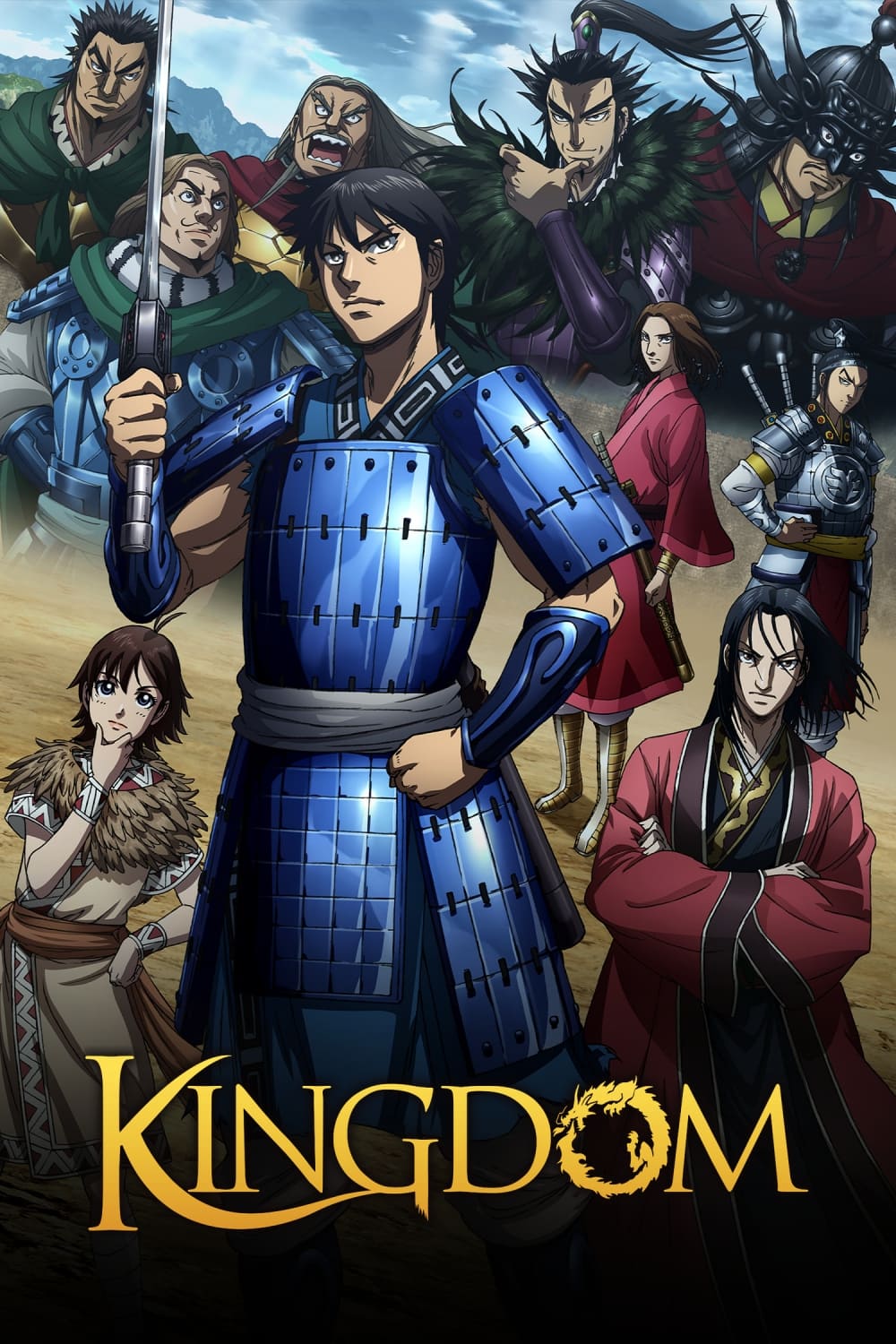
The first opening of this historical epic is often criticized for its early use of three dimensional animation. The character models are very stiff and do not blend well with the backgrounds or other two dimensional elements. Many fans of the manga were disappointed by the low visual quality of the introduction to such a grand story. The movement in the action scenes looks unnatural and lacks the impact needed for a war series. Later seasons significantly improved the animation but the first opening remains a point of criticism.
‘Shadow Skill’ (1998)
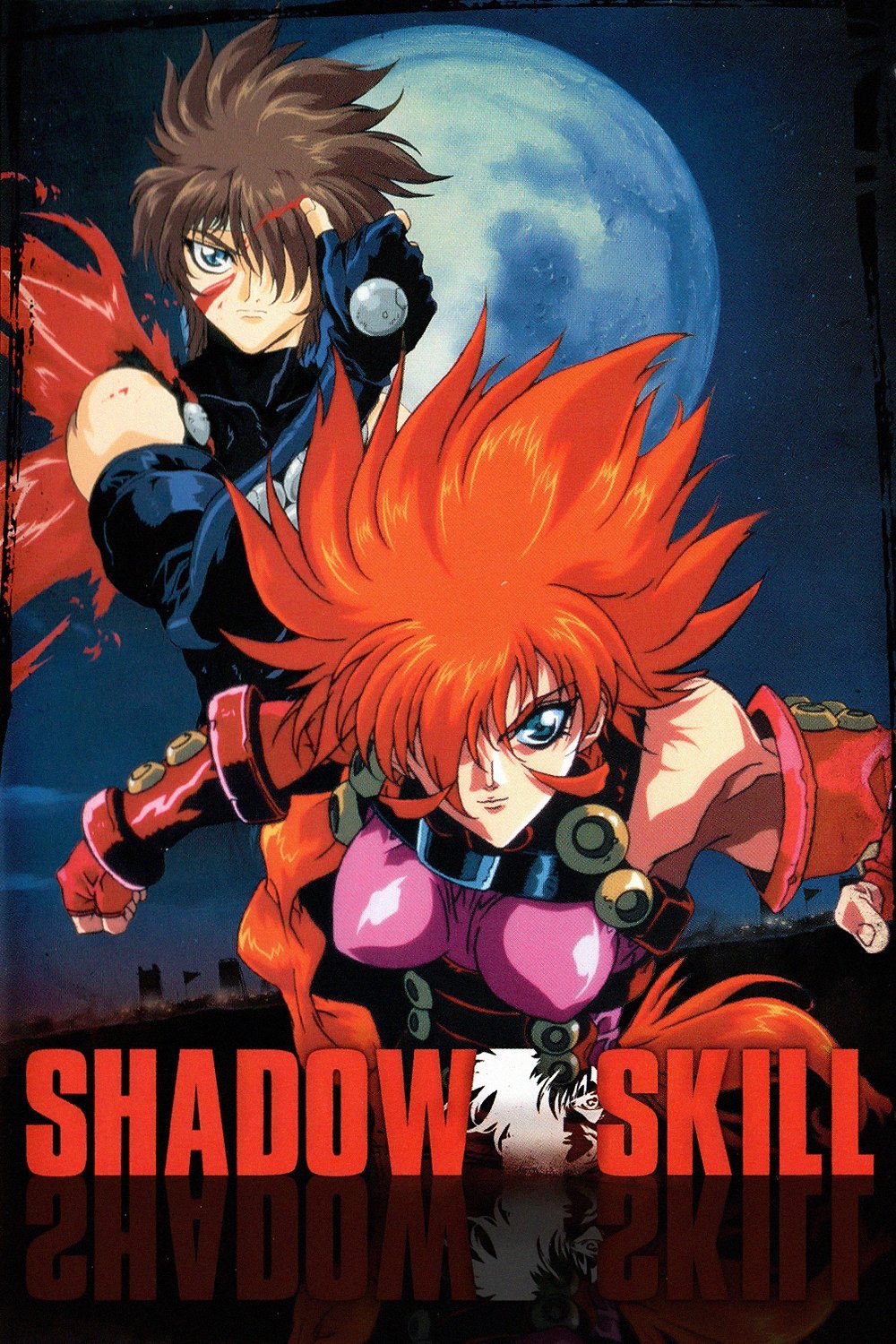
The opening for this series is known for its strange musical choices and low budget animation. The song has a very unconventional structure and vocal style that many listeners found off putting. The visuals feature a lot of dark environments and characters that are often shrouded in shadows to hide limited animation. Many viewers find the editing to be slow and the sequence lacks energy. It is a lesser known example of an opening that failed to capture the audience’s interest.
‘Rave Master’ (2001–2002)
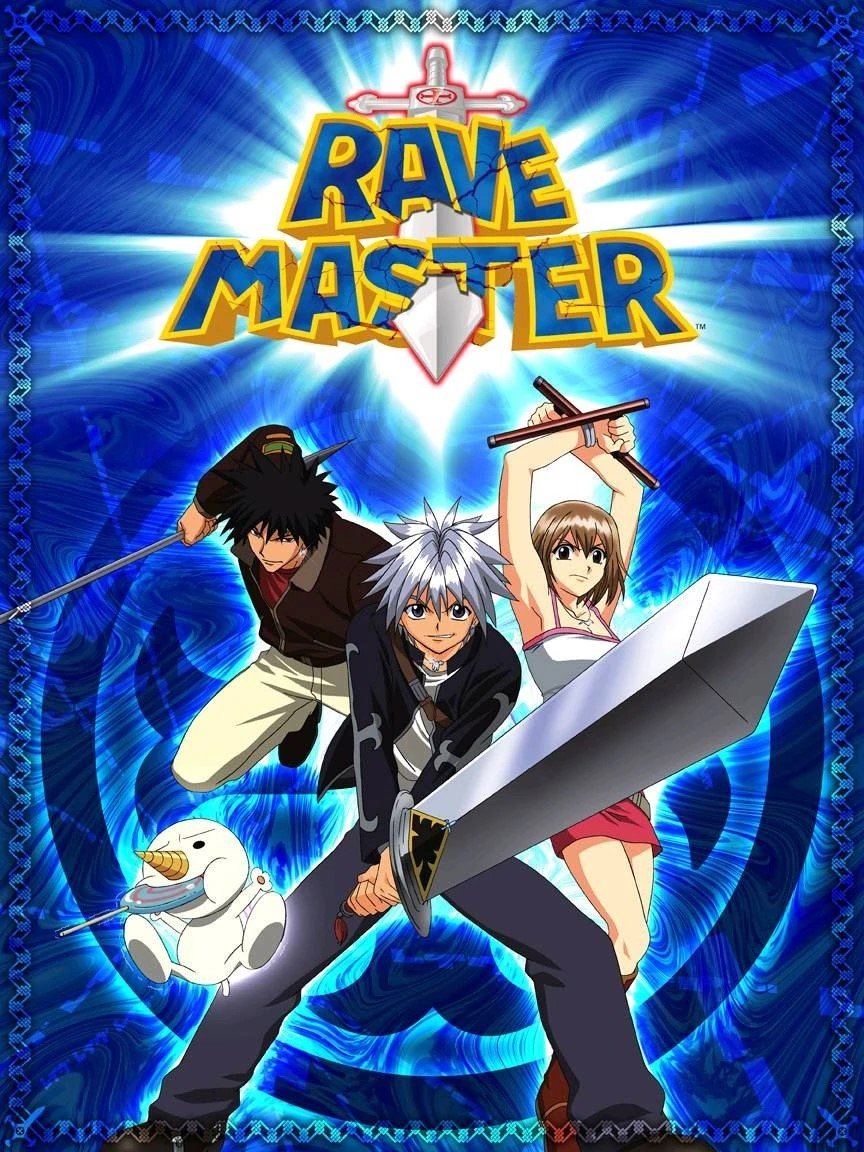
The English opening for this adventure series replaced the original music with a generic rock song. The lyrics are simple and the vocal performance is typical of early two thousands Saturday morning cartoons. Many fans of the manga felt the new music did not match the fantasy setting or the emotional tone of the journey. The visuals are a standard montage of scenes from the show that do not offer anything unique. It is often compared unfavorably to the more melodic and themed Japanese openings.
‘Baki the Grappler’ (2001)
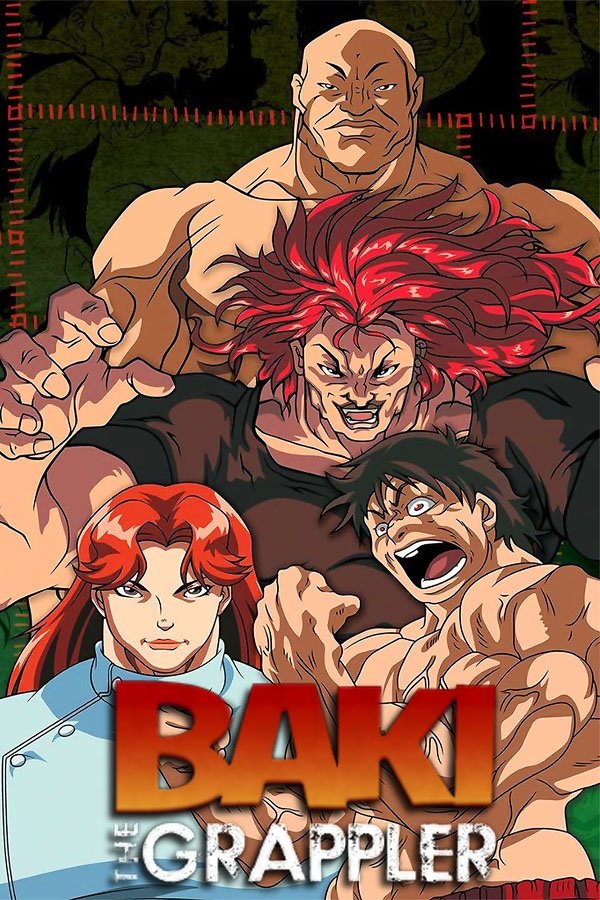
The first opening of this martial arts series features an incredibly strange and experimental song. The vocals are very high pitched and the melody is erratic which many viewers found grating. The animation is a mix of stylized still images and limited movement that looks dated. Fans often find the combination of the weird music and the muscular character designs to be a bizarre experience. It has gained a reputation as one of the most unusual and polarizing openings of its era.
‘Twinkle Nora Rock Me!’ (1985)
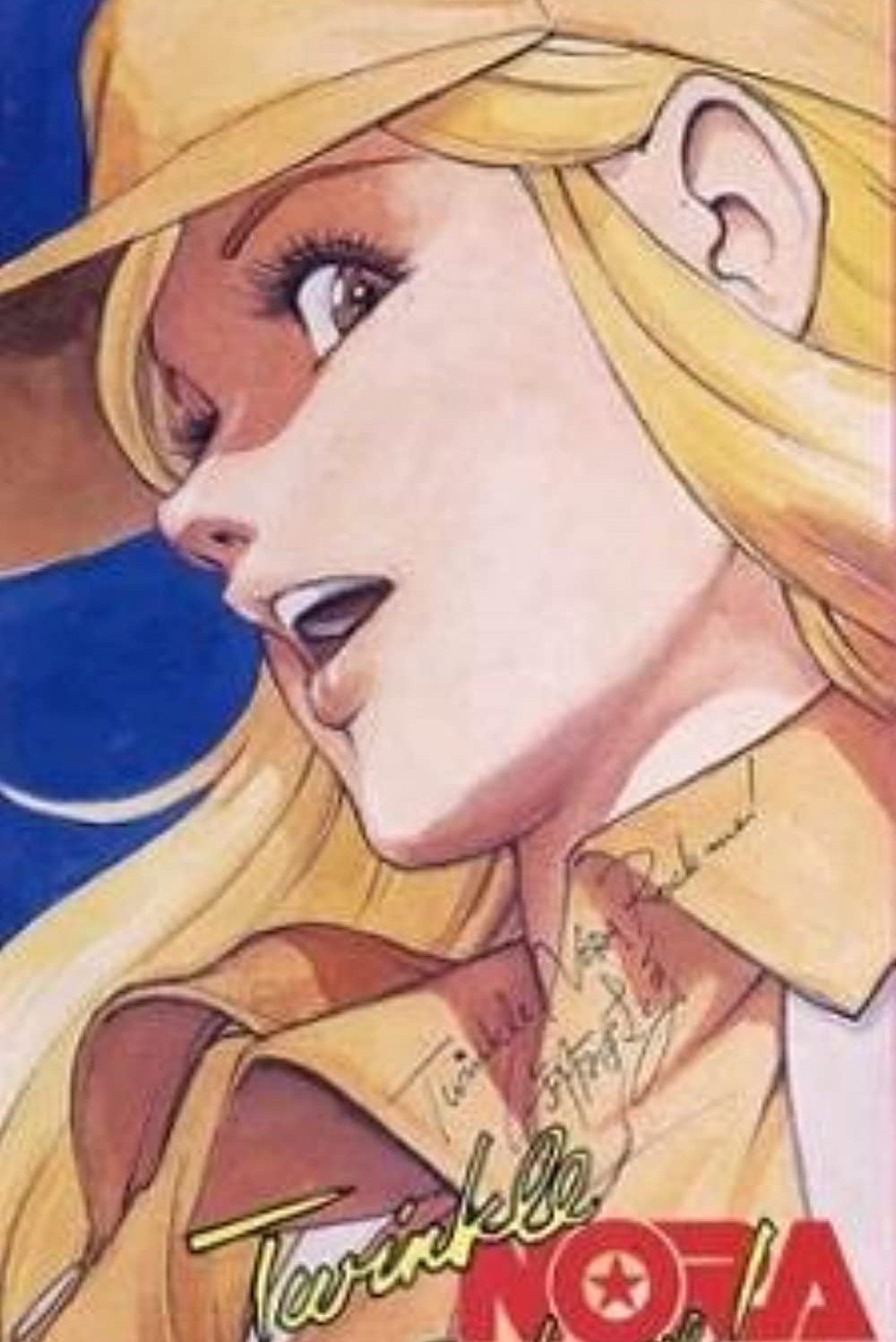
This original video animation is legendary for its disastrous production quality and the opening is no exception. The animation is almost non existent with characters barely moving across the screen. The music is a low quality track that sounds like it was recorded with very poor equipment. Many viewers find the lack of basic animation principles like weight and fluidity to be shocking. It is a historical example of a project that was released despite being clearly unfinished.
‘The Reflection’ (2017)

This series features a very distinct art style inspired by American comics but many found it unappealing in motion. The opening sequence looks very flat and the character movement is incredibly limited. Many viewers felt the lack of shading and detail made the characters look like paper cutouts. The music is a synth pop track that feels out of place with the superhero theme of the show. It is an experimental style that many fans felt did not work well as a television animation.
‘Record of Ragnarok’ (2021)
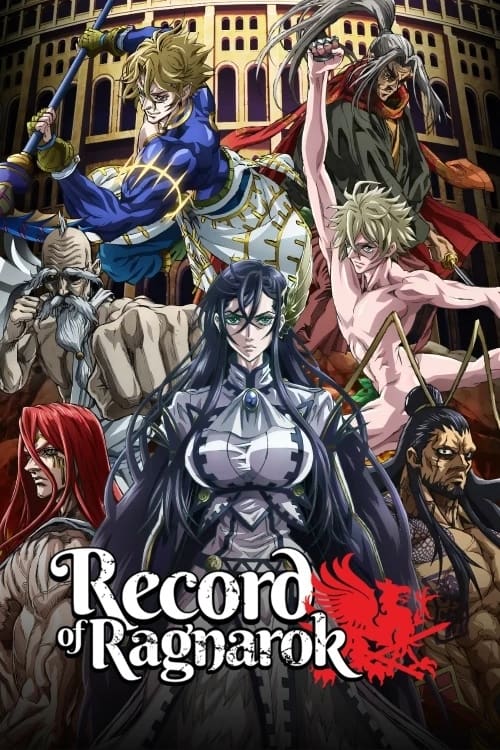
The opening for this series was heavily criticized for its use of static images during what should have been dynamic fight scenes. Many fans were disappointed that the legendary battles were presented as a series of colored manga panels. The lack of actual animation made the sequence feel cheap and rushed for such a high profile adaptation. While the music was generally well received the visual presentation was seen as a major failure. It is frequently cited as one of the most disappointing openings of recent years.
Share your thoughts about these infamous anime openings in the comments.