

Anime Plots That Predicted Future Events Frighteningly Well




Anime has a long history of playing with near-future tech and social shifts, and sometimes those “what ifs” end up looking a lot like tomorrow’s headlines. From virtual idols to AR glasses and social credit–style governance, several series mapped out developments that would later land in the real world. Below are fifteen standout examples where story ideas, gadgets, and worldbuilding lined up uncannily with how technology and society evolved.
‘Akira’ (1988)
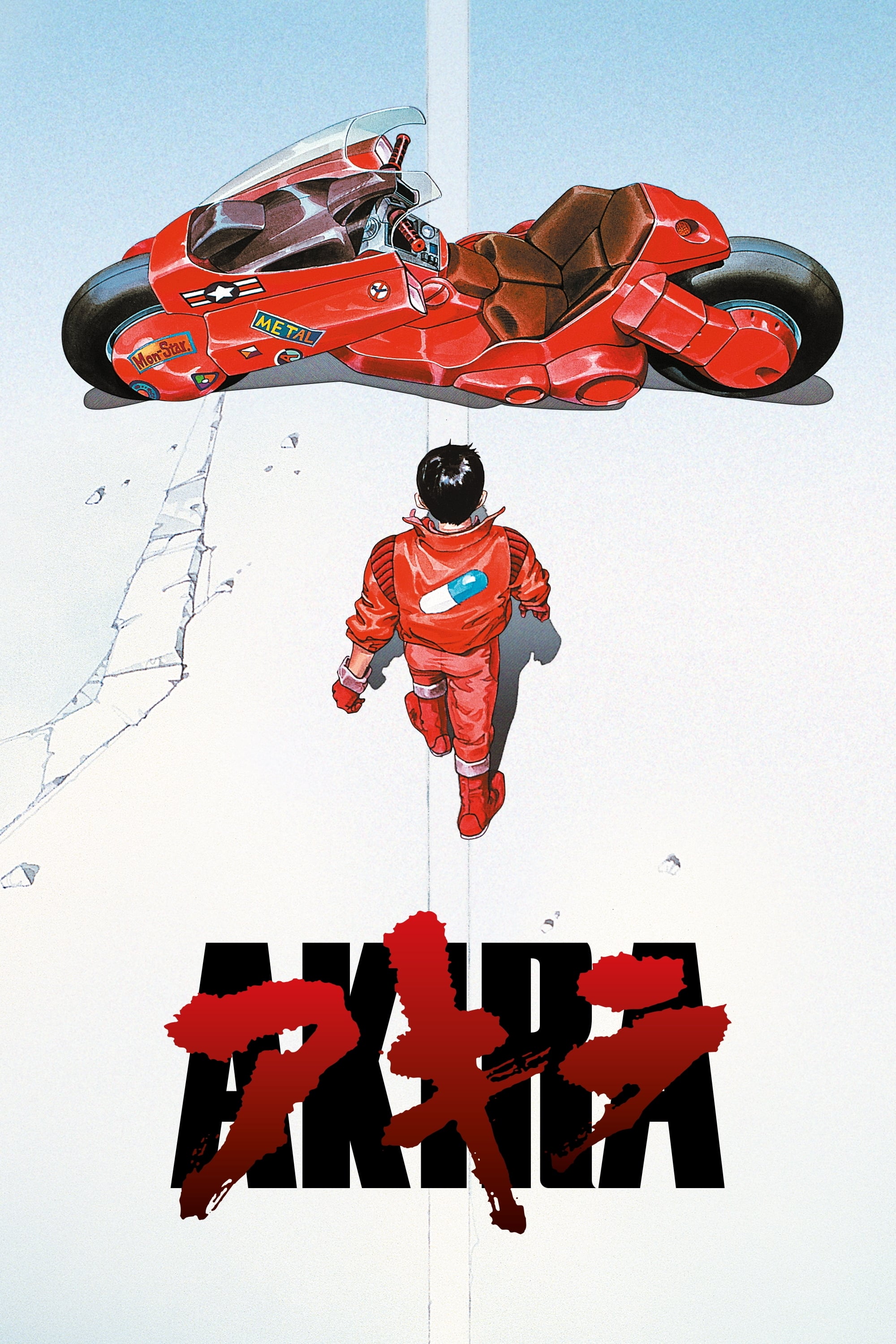
Katsuhiro Otomo’s film centers on a Neo-Tokyo hurtling toward a massive sporting event called the 2020 Olympics, complete with public protests and worries about cost overruns and redevelopment. The movie’s cityscape shows aggressive urban renewal and anti-Olympic graffiti years before Tokyo won the real 2020 bid. Its imagery of biker gangs and youth unrest tracked with later concerns about policing and protest during large-scale events. The film also popularized the “Neo-Tokyo 2020” motif that resurfaced widely as the Games approached.
‘Serial Experiments Lain’ (1998)

The series imagines “the Wired,” a pervasive network that dissolves the boundary between online and offline identity. Characters use always-connected devices, anonymous boards, and message leaks that affect real-world reputations—elements that arrived with widespread social media, doxxing, and real-time chat platforms. Lain’s school rumor mill works like viral posts and group chats that can escalate quickly. The show also hints at data brokers and shadowy organizations shaping narratives through the network.
‘Ghost in the Shell: Stand Alone Complex’ (2002–2003)
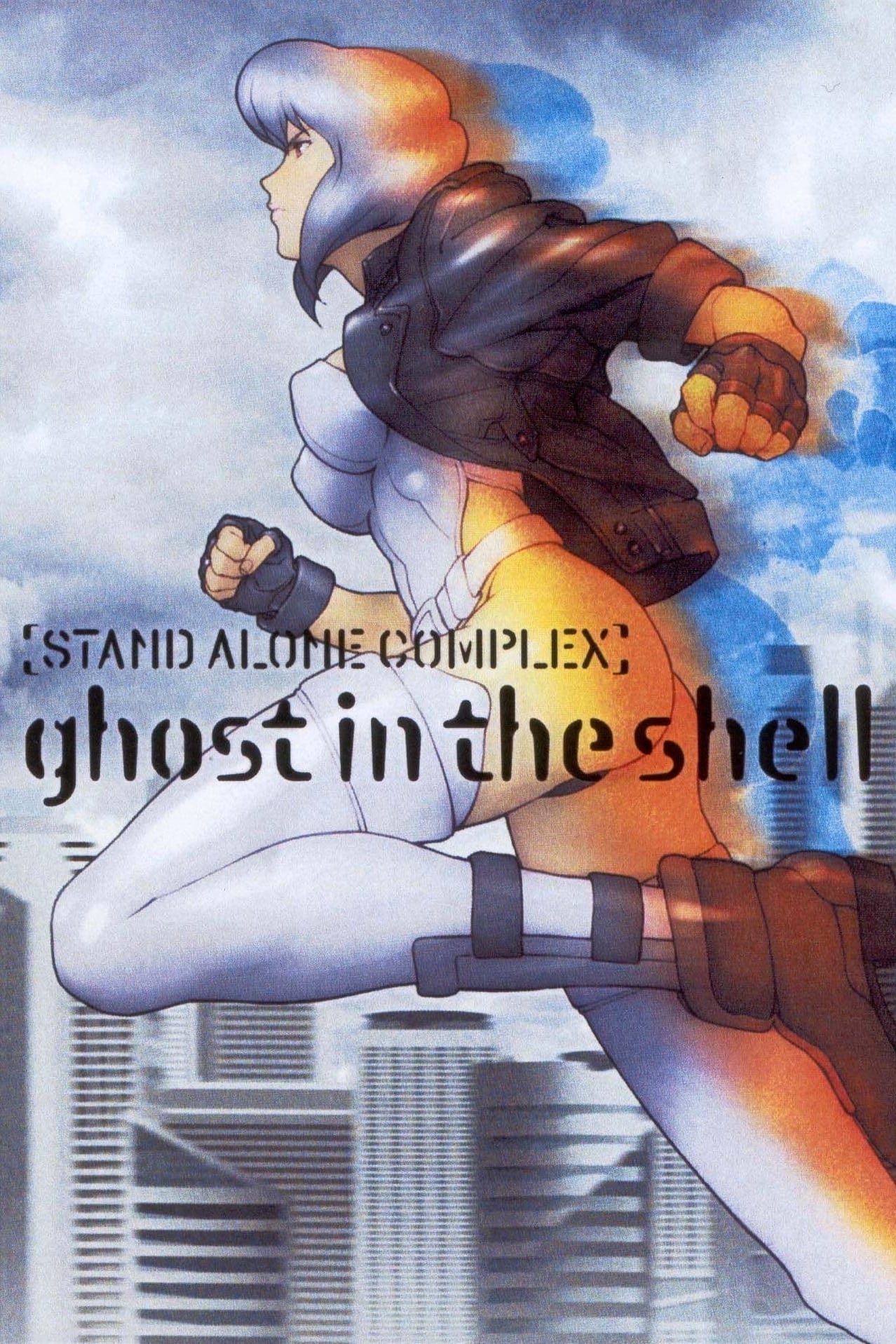
Set in a hyper-connected society, the series depicts cyberattacks that hijack cameras, prosthetics, and household networks—anticipating botnets, IoT exploits, and ransomware hitting critical services. “Stand Alone Complex” describes copycat phenomena spreading memetically without a single mastermind, a dynamic now familiar in online challenges and coordinated inauthentic behavior. Face-spoofing, voice manipulation, and forged footage appear as routine tactical tools, echoing real concerns about deepfakes. Policing depends on network forensics and threat-intel sharing across agencies, much like modern cyber operations.
‘Den-noh Coil’ (2007)

This near-future story puts kids in AR glasses that overlay pets, items, and hazards onto city streets, effectively predicting location-based AR games and head-mounted displays. It explores mapping glitches, spoofed objects, and “dead zones,” problems that mirror later issues with GPS drift and AR occlusion. Neighborhood economies spring up around virtual items, not unlike digital collectibles. The show also treats digital safety as a community concern, foreshadowing parental controls and AR safety guidelines.
‘Summer Wars’ (2009)

The film’s “OZ” platform bundles payments, identity, utilities, and entertainment into one social network, so a major hack cascades into real-world service failures. This anticipated how outages or compromises at large platforms and cloud providers can disrupt payments, logistics, and public services. The plot shows account takeovers leading to traffic chaos and infrastructure mishaps, aligning with later worries about IoT security. Family members coordinate across generations via the platform, prefiguring how video calls and group apps became lifelines during crises.
‘Eden of the East’ (2009)

A mysterious smartphone can order goods, move funds, and summon services through an AI concierge—years before mainstream mobile wallets, ride-hailing, and voice assistants became common. The story highlights granular location services and instant procurement that looks a lot like modern on-demand ecosystems. It also links data trails to political influence, foreshadowing debates about micro-targeting and campaign tech. The ease of spending large sums through a single device mirrors today’s friction-light fintech.
‘Macross Plus’ (1994–1995)

The OVA introduces Sharon Apple, a virtual idol who draws real-world crowds and performs “live” despite being an artificial performer. That framework anticipated computer-generated pop stars, hologram concerts, and VTuber culture. The media industry in the story leans into fully produced digital personalities and parasocial fandom. Performance tech and stagecraft blur the line between physical shows and synthesized acts, much like later arena spectacles built around virtual performers.
‘Planetes’ (2003–2004)
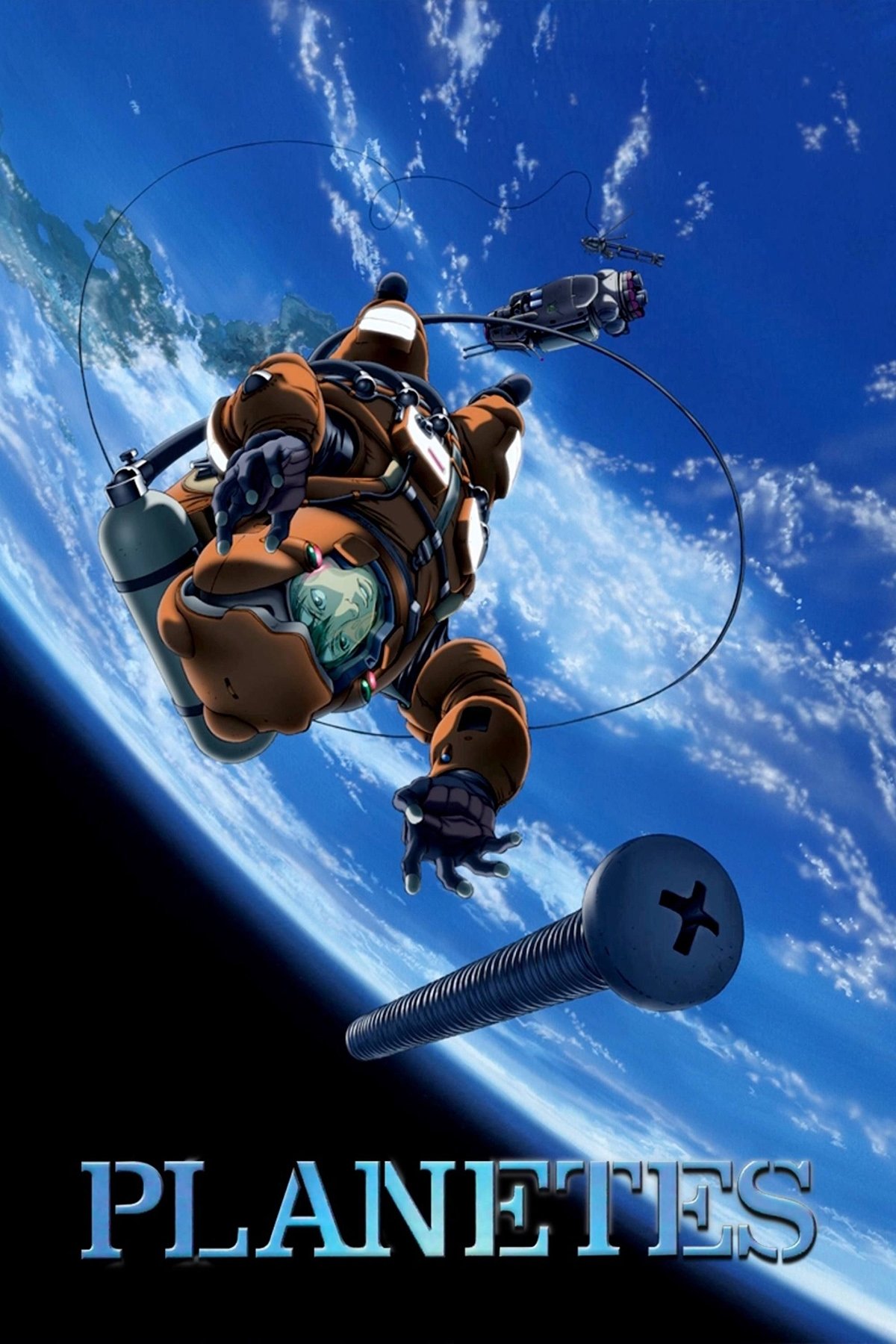
This hard-SF series focuses on orbital debris collection and the risks of chain-reaction collisions in space, a scenario widely discussed today as Kessler Syndrome. It portrays international standards, insurance issues, and private contractors handling cleanup—paralleling the rise of commercial spaceflight and debris-removal proposals. The show details satellite servicing, EVA procedures, and regulatory disputes that resemble modern policy debates. It also treats space junk as both a business and a safety imperative, a conversation that accelerated with megaconstellations.
‘Psycho-Pass’ (2012–2019)

Set under the Sibyl System, the series depicts algorithmic scoring that influences employment, policing, and daily freedoms, mirroring later real-world experiments in risk scoring and predictive analytics. It shows ambient cameras and biometric scans feeding centralized profiles, akin to modern facial recognition networks. The story examines how threshold scores trigger interventions, paralleling discussions about bias and opacity in automated decision systems. City planning and crowd control rely on real-time behavioral telemetry, much like smart-city pilots.
‘Sword Art Online’ (2012–2014)

The plot revolves around full-dive VR, but it also nails trends that later defined consumer VR: motion-tracked headsets, haptics, and concerns about safety and “VR sickness.” It imagines persistent online worlds with thriving creator economies and guild management tools that resemble modern MMO and metaverse features. The series connects healthcare monitoring to head-mounted devices, anticipating wearable telemetry integrations. Esports-style sponsorships and streamed boss raids echo how gaming events later blended broadcast and participatory culture.
‘Doraemon’ (1979–2005)

Across many episodes and gadgets, the franchise repeatedly showcases pocket devices for instant video calls, universal translation, and home fabrication. These concepts line up with smartphones, real-time translation apps, and consumer 3D printers. Wearable tools for remote learning and telepresence appear as everyday items, foreshadowing remote class setups and smart home accessories. The series also normalizes voice-activated helpers and context-aware tools long before they became household tech.
‘Patlabor 2: The Movie’ (1993)

The film features unmanned aircraft, network exploits, and media manipulation used to provoke a military crisis in a major city. It anticipates tactical drones, electronic warfare against civilian networks, and information operations shaping public perception. Urban policing struggles with mixed civilian-military jurisdictions and chain-of-command confusion, issues that later surfaced in real emergency coordination. The narrative shows how a few networked systems can escalate into city-wide paralysis without widespread physical destruction.
‘Paprika’ (2006)

This story centers on a device that records and projects dreams, but it also floods Tokyo with intrusive, animated ad imagery that behaves like layered AR. Its parade of living billboards and context-blending visuals foreshadows mixed-reality advertising and filter-driven media that overlays public spaces. The plot explores privacy questions around captured mental states, echoing later concerns about biometric and affective data. It also ties therapeutic tech to consumer misuse, a pattern seen with many dual-use innovations.
‘Tokyo Magnitude 8.0’ (2009)
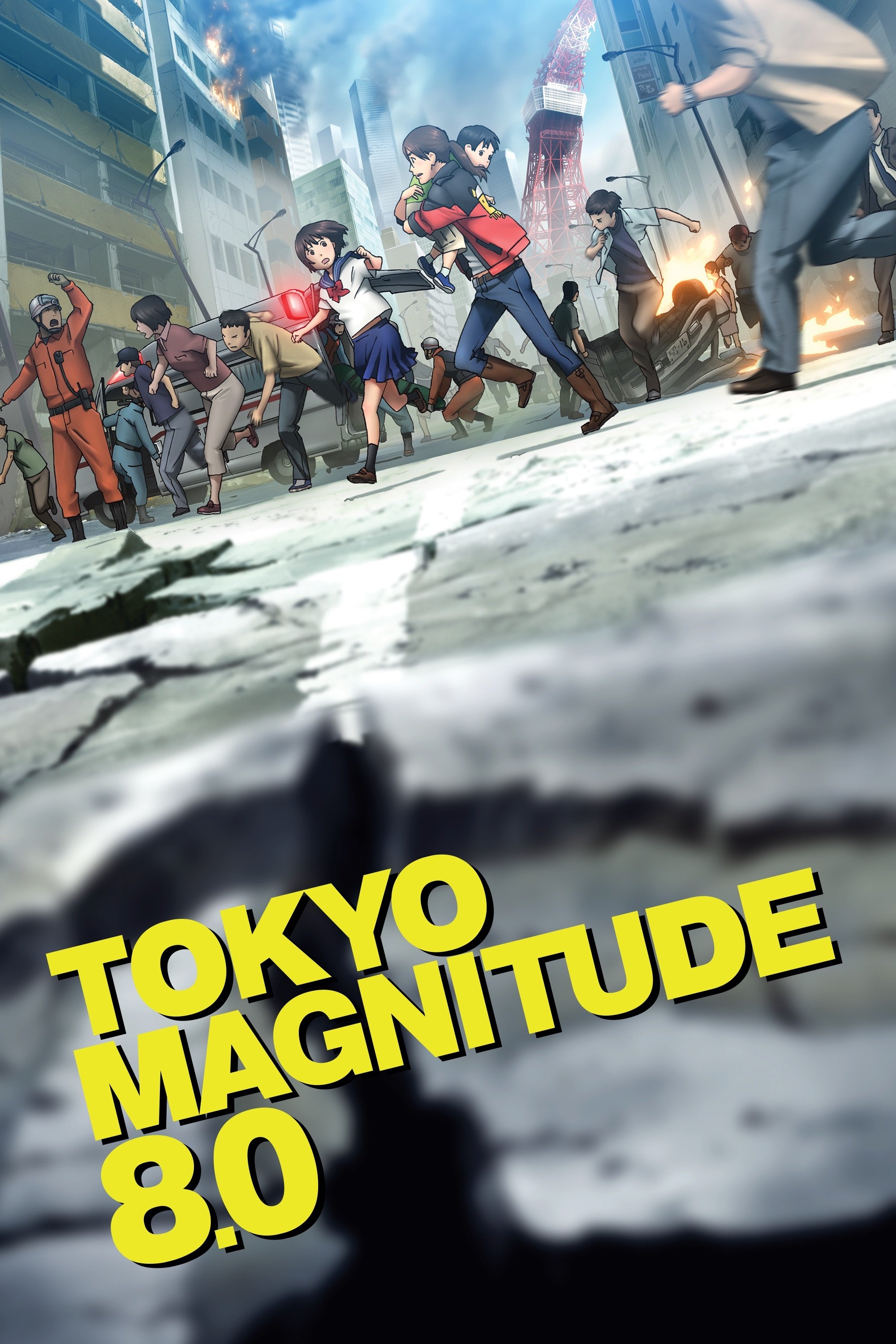
The series models a realistic post-quake Tokyo, showing how families rely on mobile messaging, GPS, and ad-hoc shelters after infrastructure failures. It depicts emergency broadcasts and municipal triage plans that resemble later disaster-response playbooks. The show’s focus on pedestrian evacuations across bridges and through damaged districts matches real urban resilience planning. It also demonstrates how logistics corridors and public spaces become lifelines when transit halts.
‘Tiger & Bunny’ (2011)

Set in a city where heroes are sponsored by brands and compete for ratings on a live broadcast, the series anticipates influencer culture, real-time engagement metrics, and overlay ads. Hero suits display shifting logos like dynamic jersey sponsorships, echoing modern esports and streaming integrations. Plot points revolve around algorithm-driven popularity and monetized heroics, much like creator-economy incentives. It also showcases second-screen chatter shaping narratives in-episode, presaging social streams that steer live programming.
‘No. 6’ (2011)

The walled-city setting uses biometric gates, health screenings, and automated checkpoints that determine citizen movement. It depicts quarantine blocks and health-pass logic enforced by scanners—mechanisms later mirrored in various access-control systems. The show links centralized records to social status and housing eligibility, echoing modern debates around digital IDs. Street-level sensors and drones manage crowd flows and enforce curfews, mapping closely to smart-city control visions.
If you have another eerie anime “called it” moment we should add, drop your pick in the comments!