

Anime Plots That Were Completely Altered for International Audiences



The history of anime distribution in international markets is often defined by significant creative interventions designed to make content more accessible to local viewers. During the late 20th and early 21st centuries, production companies frequently edited scripts, merged unrelated shows, and censored visual content to align with broadcast standards and cultural expectations. These changes often resulted in entirely new storylines or character motivations that differed drastically from the original Japanese intent. Understanding these alterations provides insight into the evolution of global media consumption and the complexities of cross-cultural adaptation.
‘Robotech’ (1985)
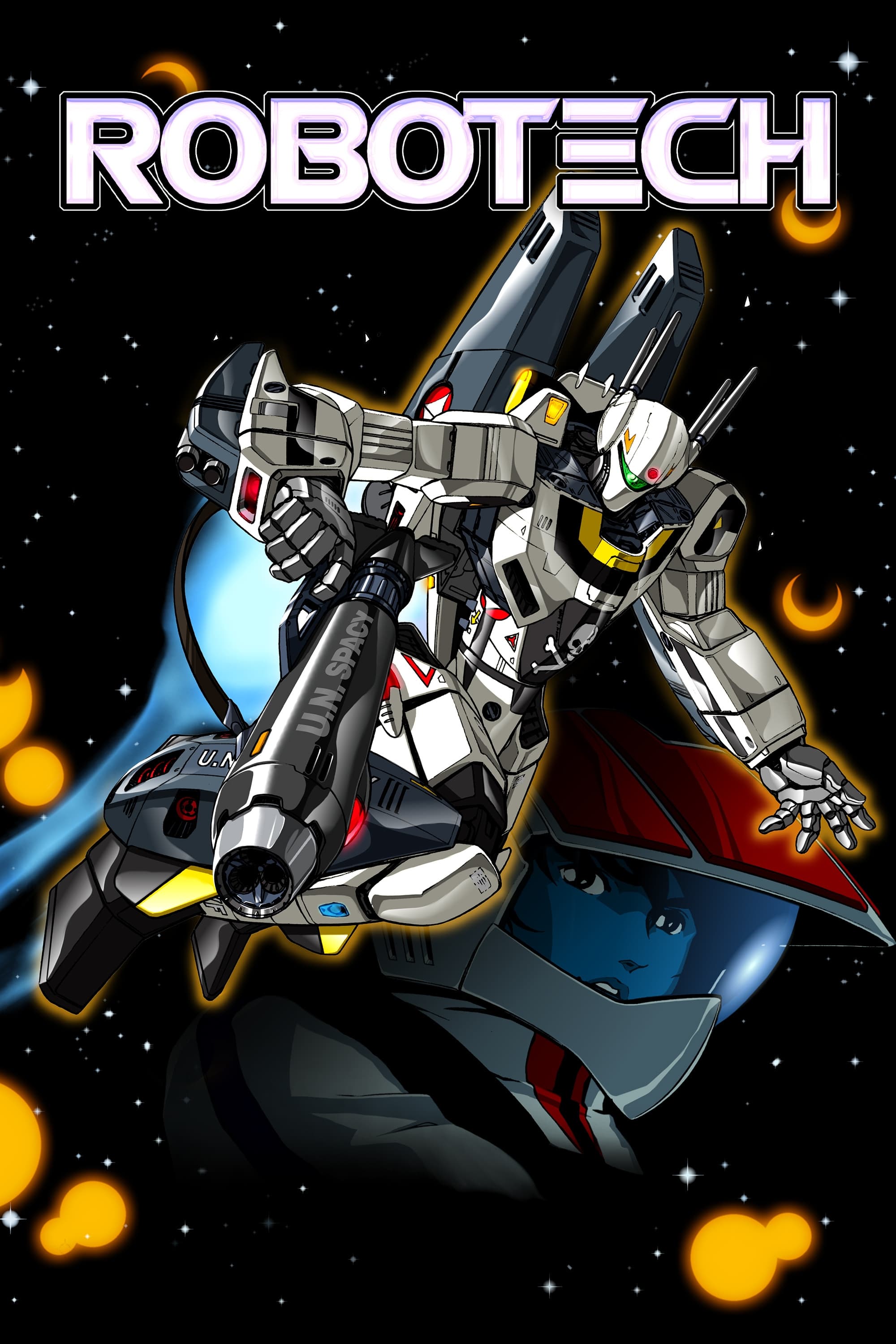
In order to meet the minimum episode count for US syndication, three unrelated anime series were combined into one continuous narrative. ‘The Super Dimension Fortress Macross’, ‘The Super Dimension Cavalry Southern Cross’, and ‘Genesis Climber MOSPEADA’ were edited to share a unified history of “Protoculture.” This adaptation created new character links and a generational saga that did not exist in the original Japanese scripts. The resulting show became a cornerstone of early Western anime fandom despite its departure from the source material.
‘Voltron: Defender of the Universe’ (1984–1985)

This series followed a similar path to other early localizations by combining two unrelated Japanese shows into one franchise. The “Lion Voltron” segments were adapted from ‘Beast King GoLion’, while the “Vehicle Voltron” segments came from ‘Armored Fleet Dairugger XV’. To maintain continuity, the English script invented connections between the two separate universes and their respective pilots. Many violent scenes from ‘Beast King GoLion’, including character deaths, were removed or rewritten to suggest the characters survived.
‘Sailor Moon’ (1995–2000)
The original English dub by DiC and Cloverway introduced significant changes to the relationships and identities of the core characters. Most notably, the romantic relationship between Sailor Uranus and Sailor Neptune was rewritten to portray them as cousins, which created narrative inconsistencies in their interactions. Additionally, characters like Zoisite and Fish Eye were changed from male to female to avoid depicting same-sex attractions. Cultural references were frequently replaced with localized slang and food names to suit North American audiences.
‘Pokémon’ (1997–Present)

In this long-running series, 4Kids Entertainment made numerous changes to make the Japanese cultural setting feel more like a general Western environment. One of the most famous examples involved renaming traditional rice balls, or onigiri, as “donuts” or “eclairs” to avoid confusing young viewers. Violent scenes and certain Pokémon designs deemed culturally insensitive were also removed or altered in various episodes. These localizations extended to character names and the removal of Japanese text from background signs and posters.
‘One Piece’ (1999)
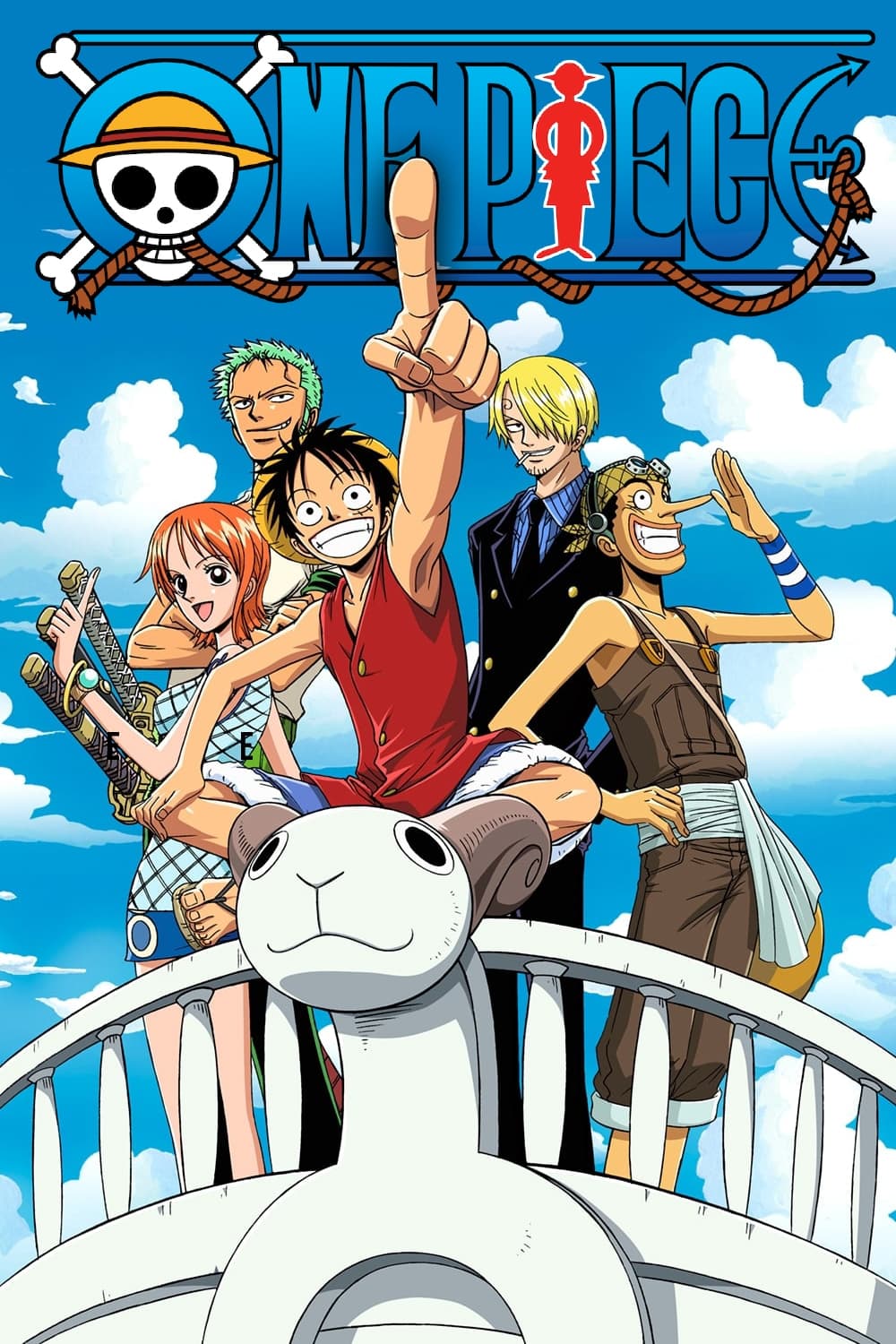
The 4Kids version of this pirate epic is notorious for its extensive censorship of adult themes and violence. Sanji’s signature cigarette was digitally replaced with a lollipop, and weapons like guns were transformed into spring-loaded hammers or water pistols. Entire story arcs were removed to speed up the pacing, which led to significant plot holes later in the series. The dialogue was also rewritten to include a heavy amount of puns and simplified motivations for the main cast.
‘Cardcaptor Sakura’ (1998)
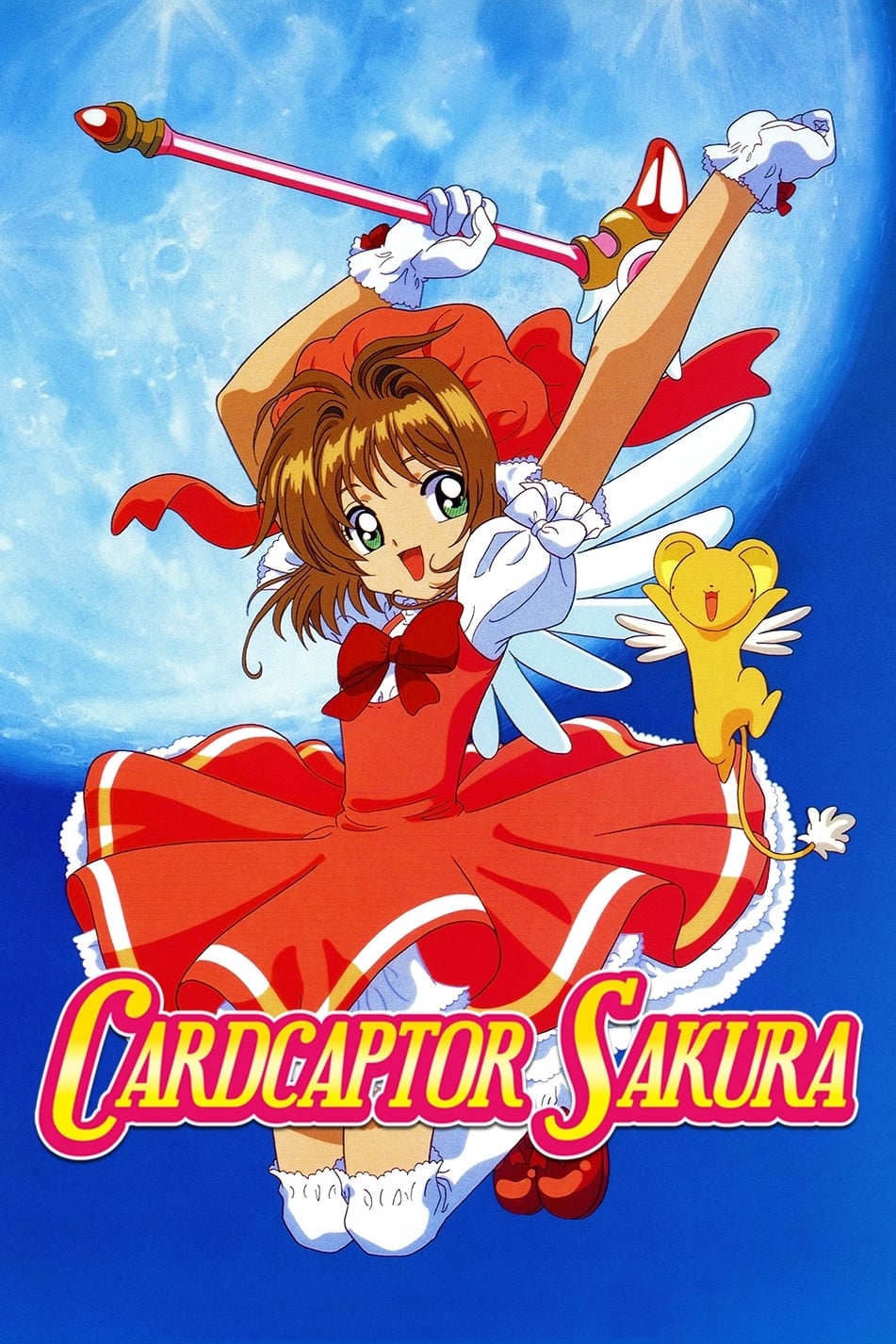
The English adaptation of ‘Cardcaptor Sakura’ attempted to shift the target demographic by making the show more appealing to young boys. Producers re-edited the series to place a greater emphasis on the male character Li Syaoran, even beginning the US run with his first appearance rather than the actual first episode. Romance-heavy subplots and character development beats were excised to focus primarily on the action elements of capturing the cards. This resulted in a version that was much shorter and less character-driven than the original 70-episode run.
‘Battle of the Planets’ (1978–1980)
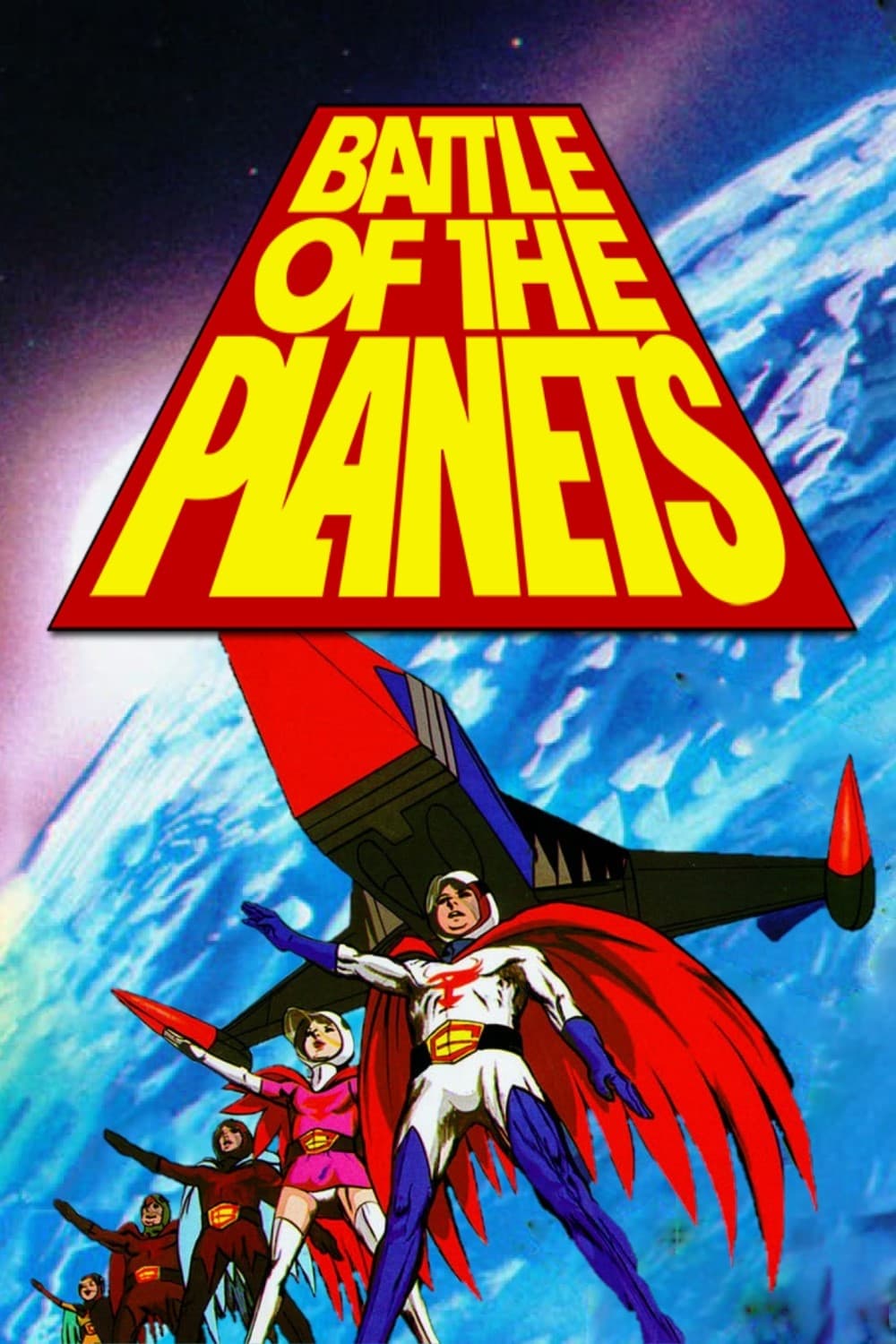
This adaptation of ‘Science Ninja Team Gatchaman’ included major structural changes to tone down the original’s violence. To fill gaps left by cut footage, the producers added a new character named 7-Zark-7, a robot who provided narration and comic relief. The setting was changed from Earth to various planets throughout the galaxy to justify the science-fiction elements. These changes effectively turned a dark, environmentalist war story into a more traditional space opera for children.
‘Nausicaä of the Valley of the Wind’ (1985)
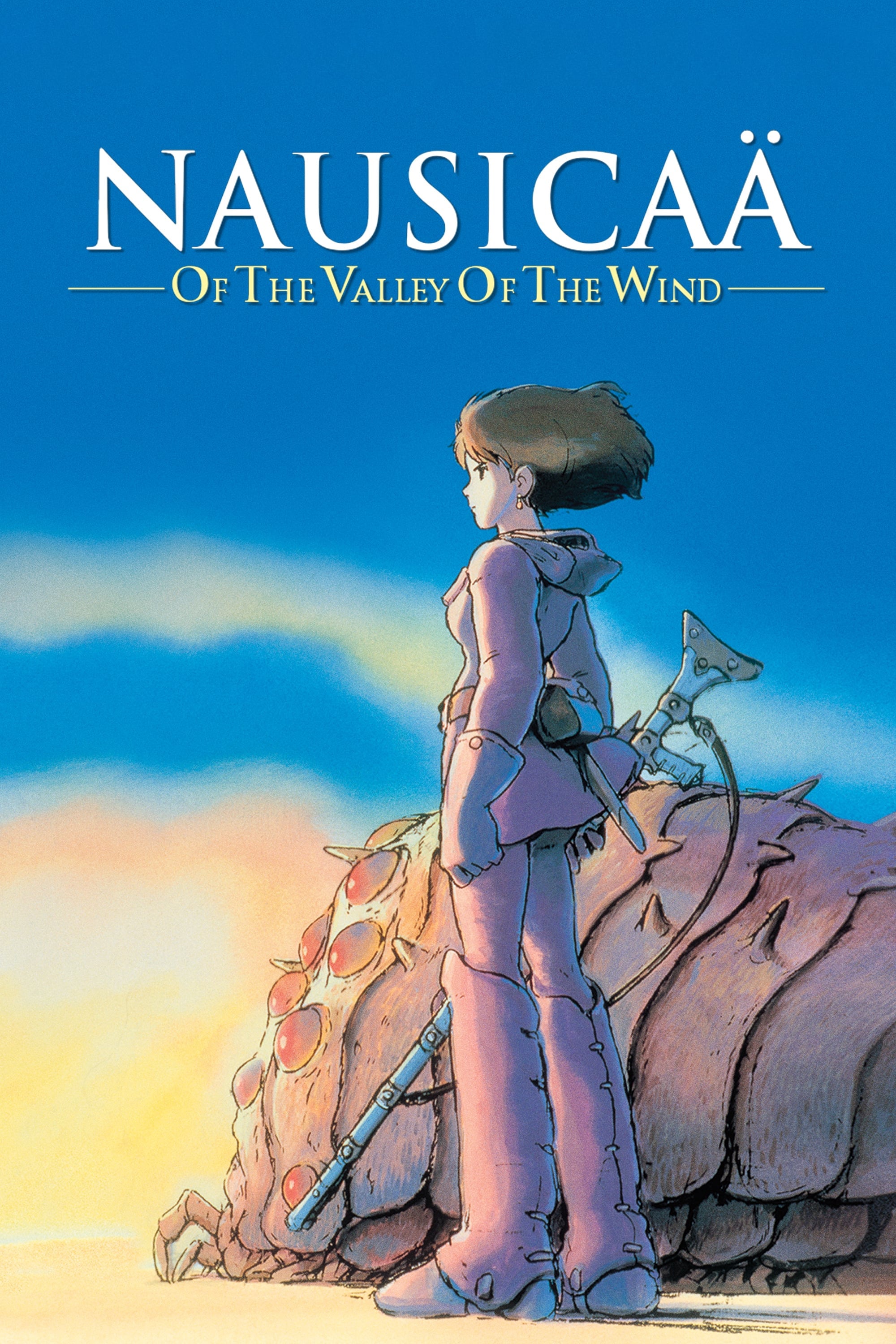
This heavily edited version of Hayao Miyazaki’s ‘Nausicaä of the Valley of the Wind’ significantly altered the film’s complex environmental message. Approximately 22 minutes of footage were cut to simplify the plot and increase the focus on action. The voice acting and script changes shifted the tone toward a more standard “good versus evil” narrative, ignoring the original’s nuanced portrayal of conflict. This release famously prompted Studio Ghibli to adopt a strict “no cuts” policy for all future international distributions.
‘Yu-Gi-Oh! Duel Monsters’ (2000)
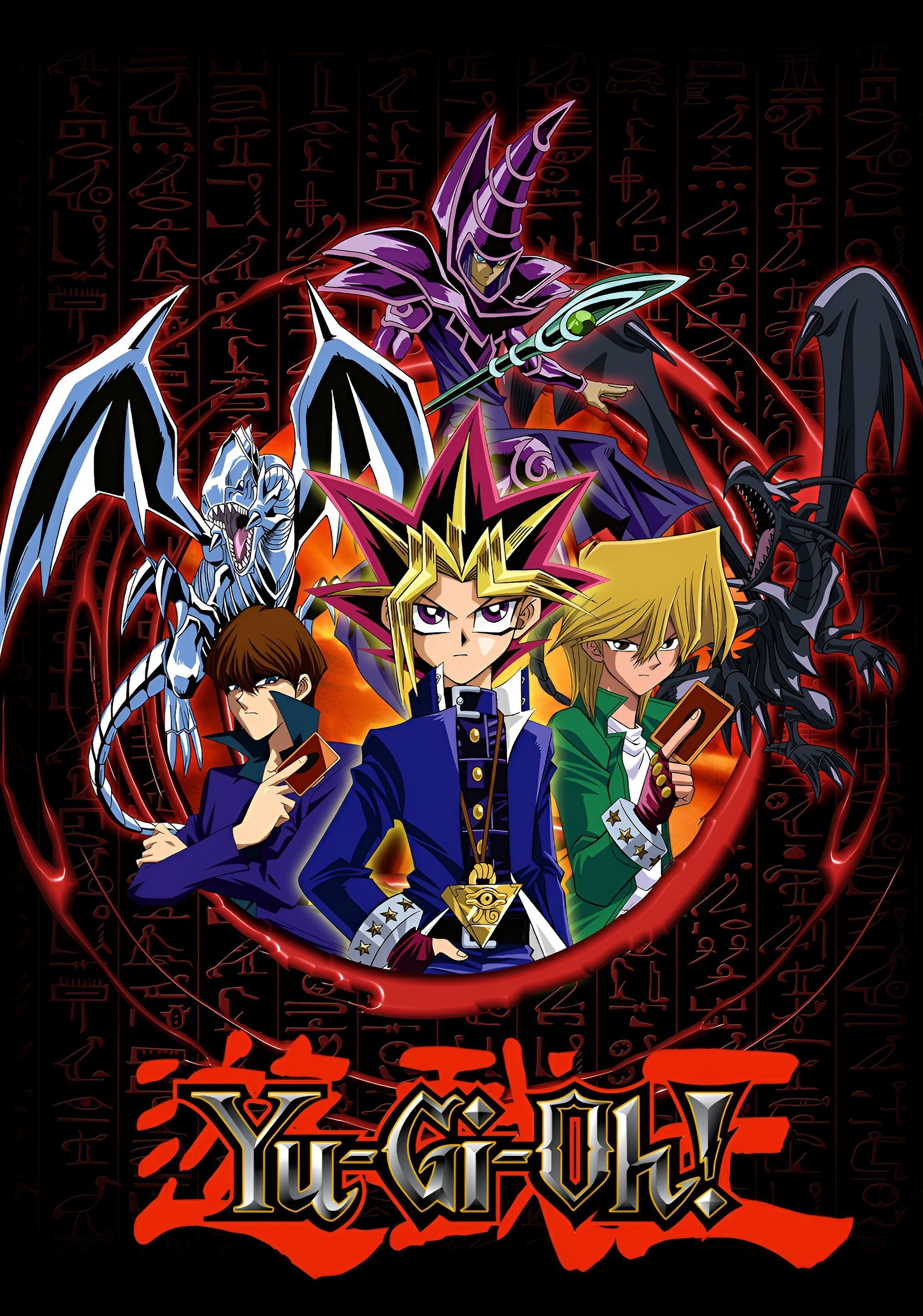
To comply with broadcasting standards, 4Kids Entertainment invented the concept of the “Shadow Realm” to replace the concept of death. Whenever a character lost their soul or was killed in the original Japanese version, the English dub stated they were merely being sent to an alternate dimension. Visual edits were also frequent, including the removal of guns and the alteration of card art to remove religious symbols. These changes fundamentally shifted the stakes of the high-stakes card games depicted in the show.
‘Samurai Pizza Cats’ (1990)
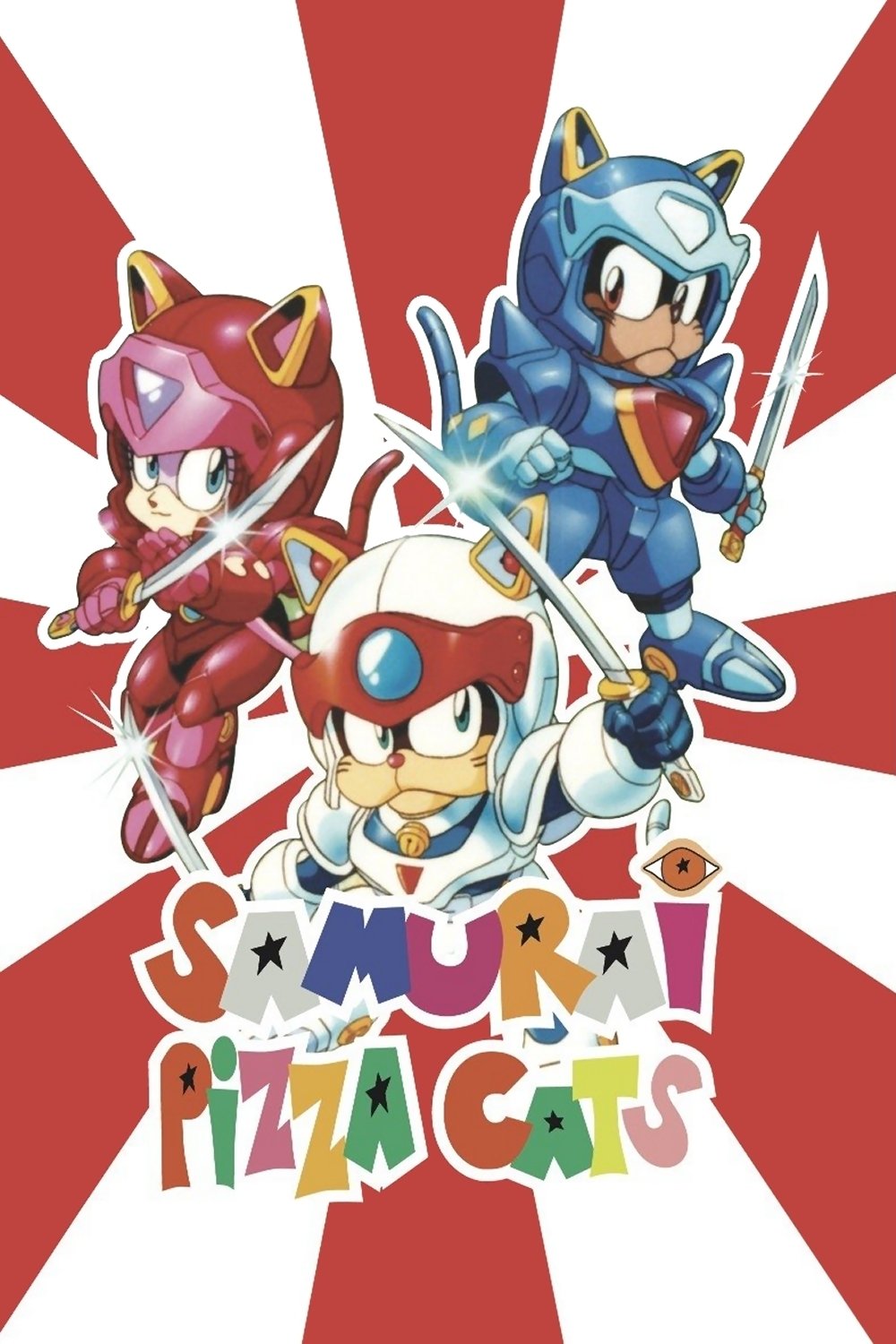
The localization of ‘Kyatto Ninden Teyandee’ is unique because the English writers were reportedly never given the original Japanese scripts. Faced with a lack of information, the production team decided to write an entirely new, self-referential comedy script based on the visual action. The original plot was replaced with a sarcastic, fourth-wall-breaking narrative that poked fun at the show’s own tropes. This approach turned a standard action series into a cult classic comedy in English-speaking regions.
‘Ghost Stories’ (2000)
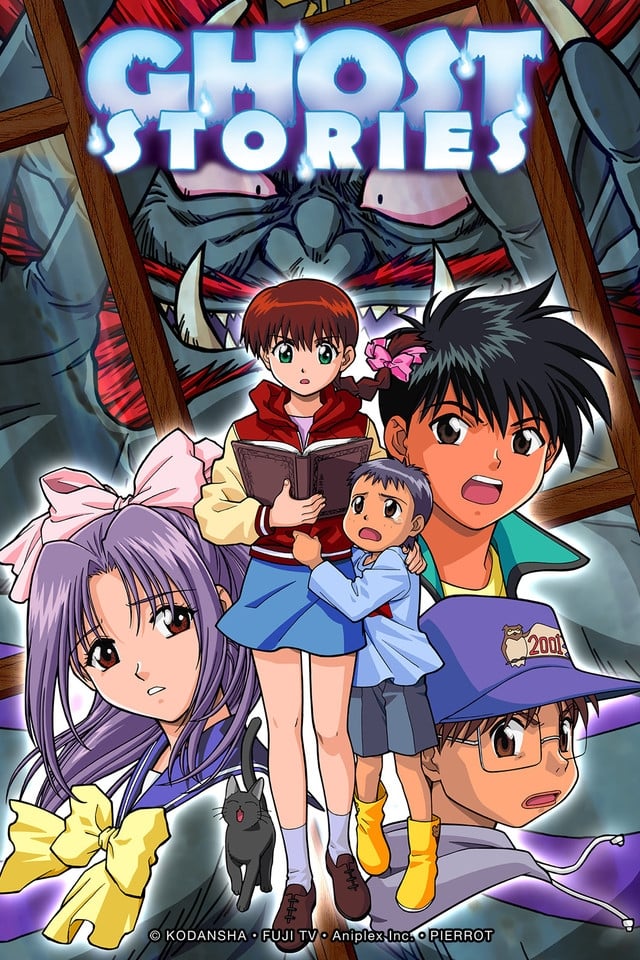
The English dub of ‘Gakkou no Kaidan’ is famous for abandoning the source material’s serious horror tone in favor of a dark, satirical comedy. After the original show performed poorly in Japan, the studio gave ADV Films creative freedom to rewrite the script entirely for the US market. The voice actors recorded a script filled with pop culture references, crude humor, and meta-commentary on the anime industry. While the visual animation remained the same, the story and character personalities became unrecognizable from the Japanese version.
‘Shin chan’ (1992)
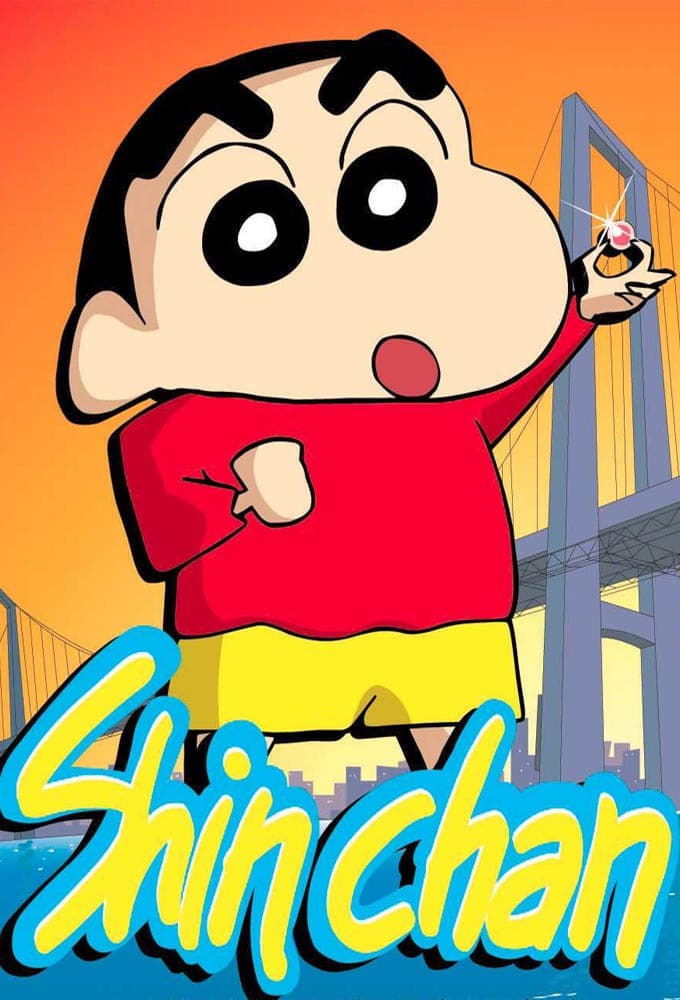
While ‘Crayon Shin-chan’ is a long-running family sitcom in Japan, the Funimation dub transformed it into an adult-oriented comedy. The script was rewritten to include political satire, sexual humor, and pop culture references targeted at older teenagers and adults. The character dynamics were shifted to be more cynical and aggressive than their original counterparts. This adaptation effectively changed the show’s genre from a “misunderstood child” comedy to a provocative parody.
‘Speed Racer’ (1967–1968)
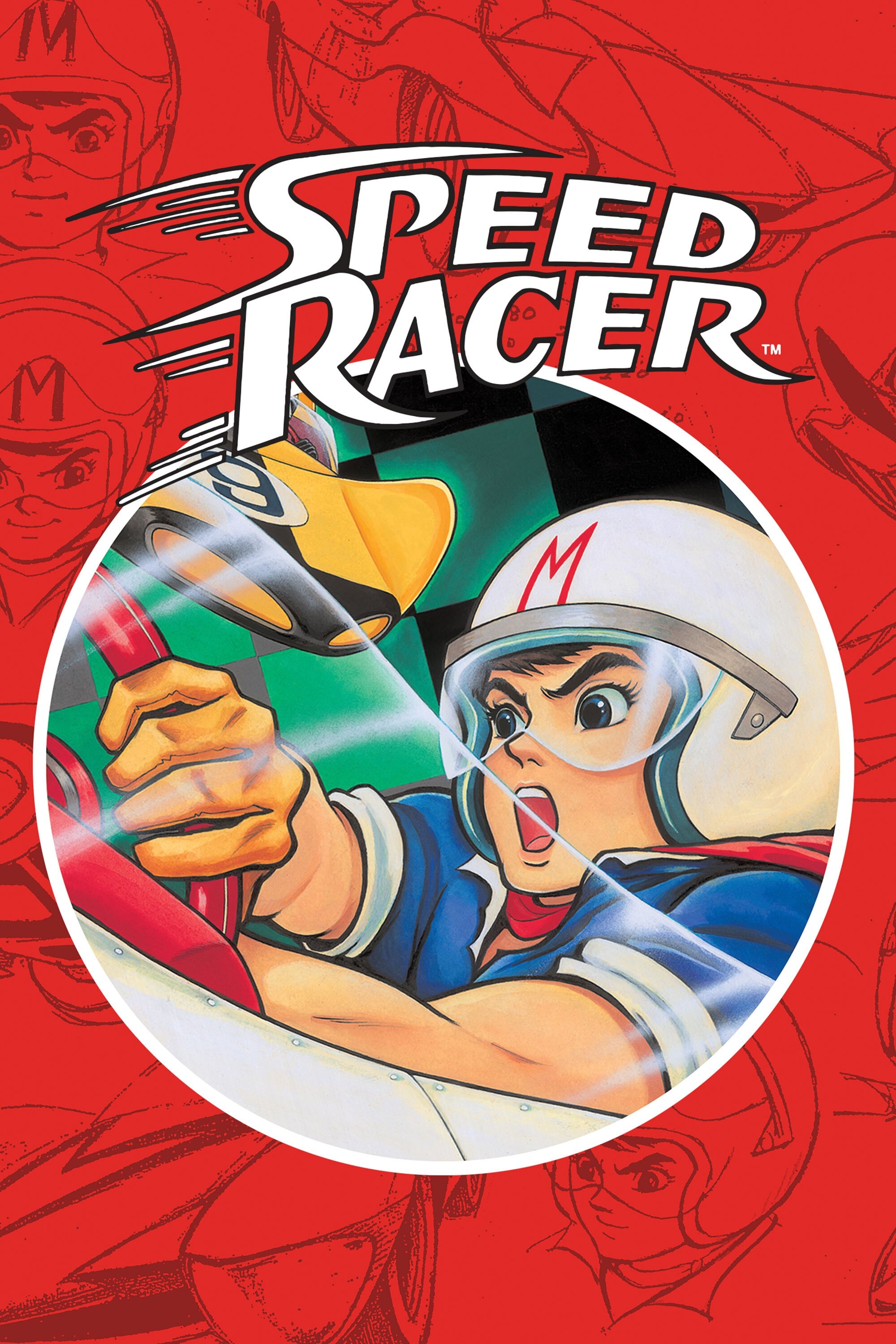
As one of the earliest anime imports to the United States, ‘Mach GoGoGo’ underwent significant localization to hide its Japanese origins. Characters were given Western names like Speed, Trixie, and Pops Racer, and the setting was presented as an American-style racing circuit. The dialogue was famously delivered at a rapid pace to match the original lip flaps, which were timed for the faster Japanese language. These changes were so successful that many Western viewers did not realize the show was Japanese for decades.
‘Macron 1’ (1986)
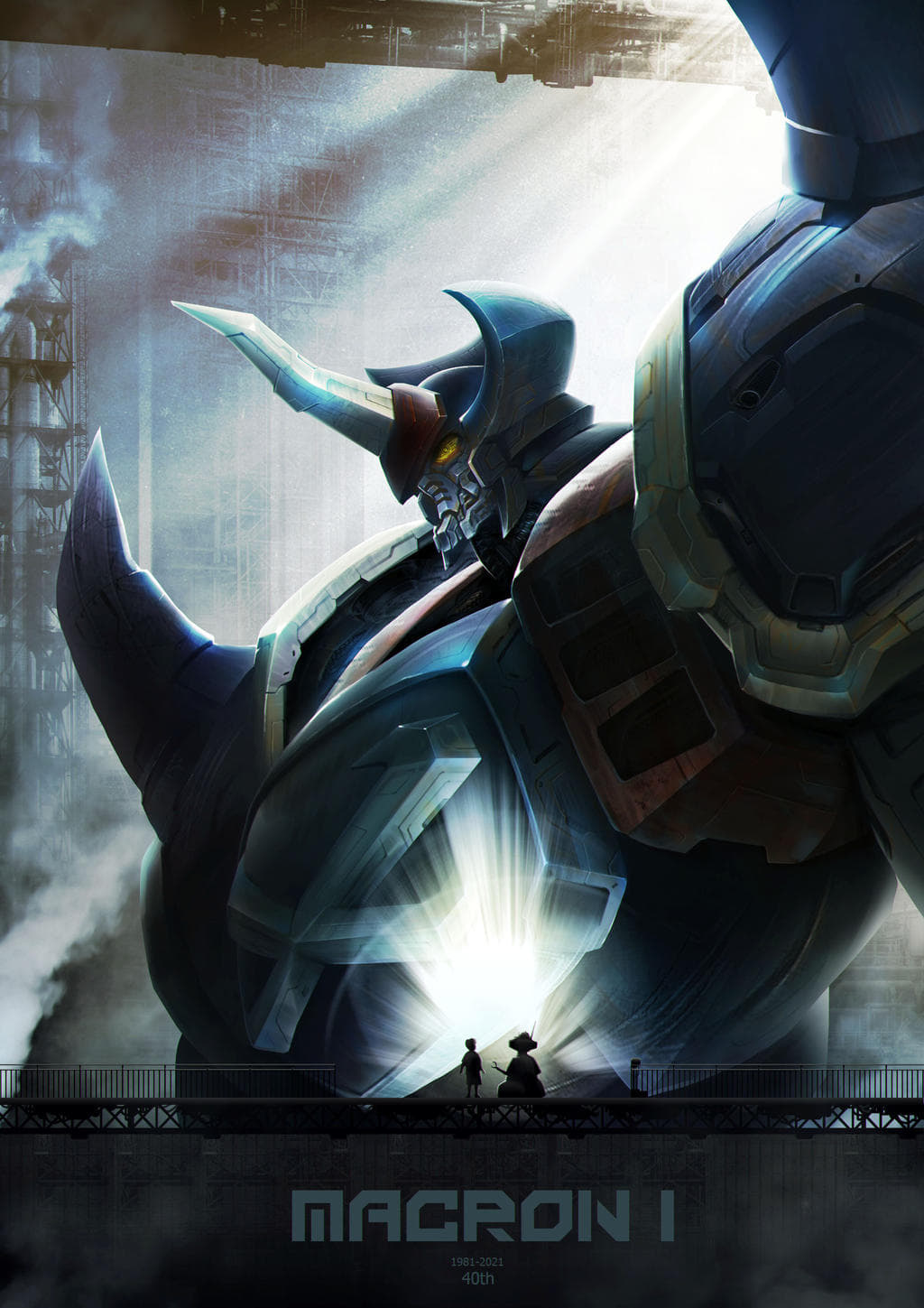
This series combined footage from ‘Sengoku Majin GoShogun’ and ‘Srungle’ to create a new narrative for the US market. The adaptation added a subplot involving a pilot from Earth who is transported into a digital world, which was not present in either source anime. It also featured a prominent soundtrack of Top 40 pop hits from the 1980s to appeal to American viewers. The result was a patchwork story that used the robot action of the original shows to tell an entirely different tale.
‘Star Blazers’ (1974)
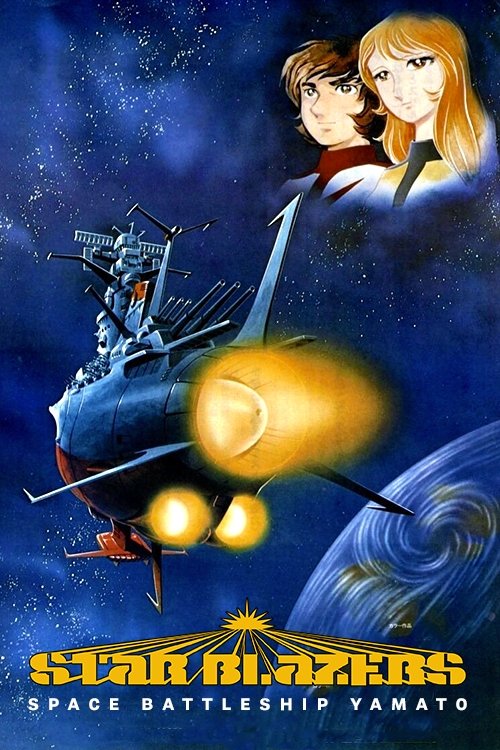
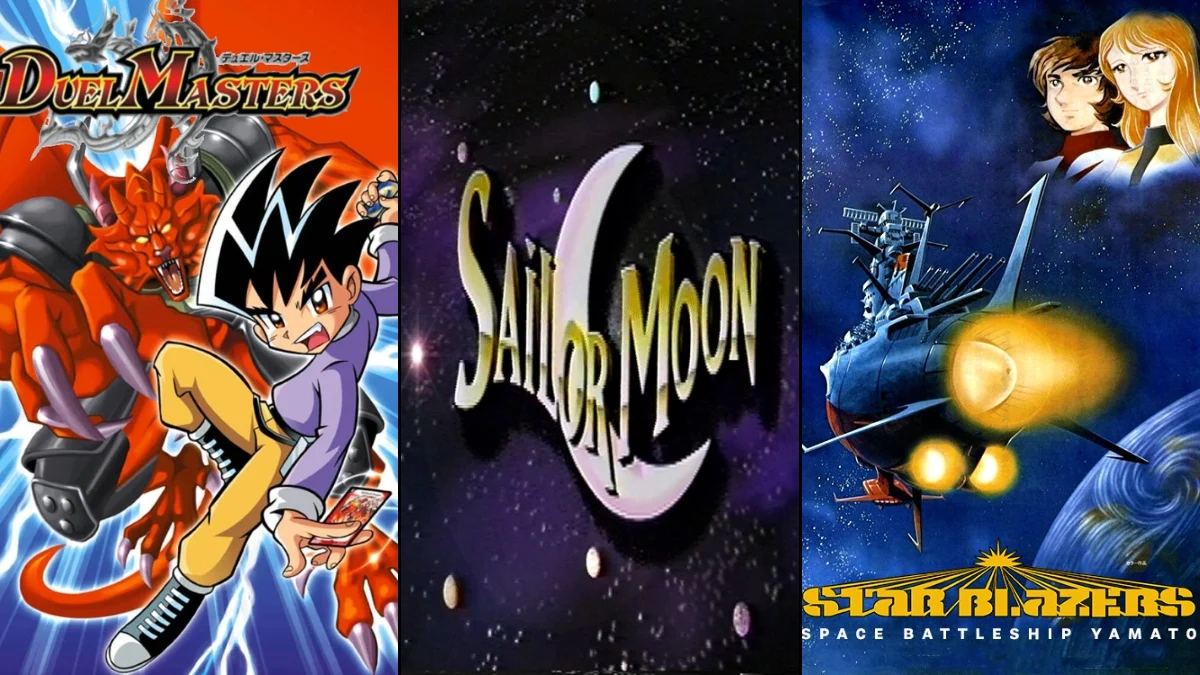
The localization of ‘Space Battleship Yamato’ involved changing the names of the ship and the characters to sound more Western. The iconic ship ‘Yamato’ was renamed the ‘Argo’, and the protagonist Susumu Kodai became Derek Wildstar. The script also removed direct references to World War II history and replaced them with more generic science-fiction terminology. Despite these changes, the series retained its serialized format and complex stakes, which was revolutionary for American television at the time.
‘Tokyo Mew Mew’ (2002)
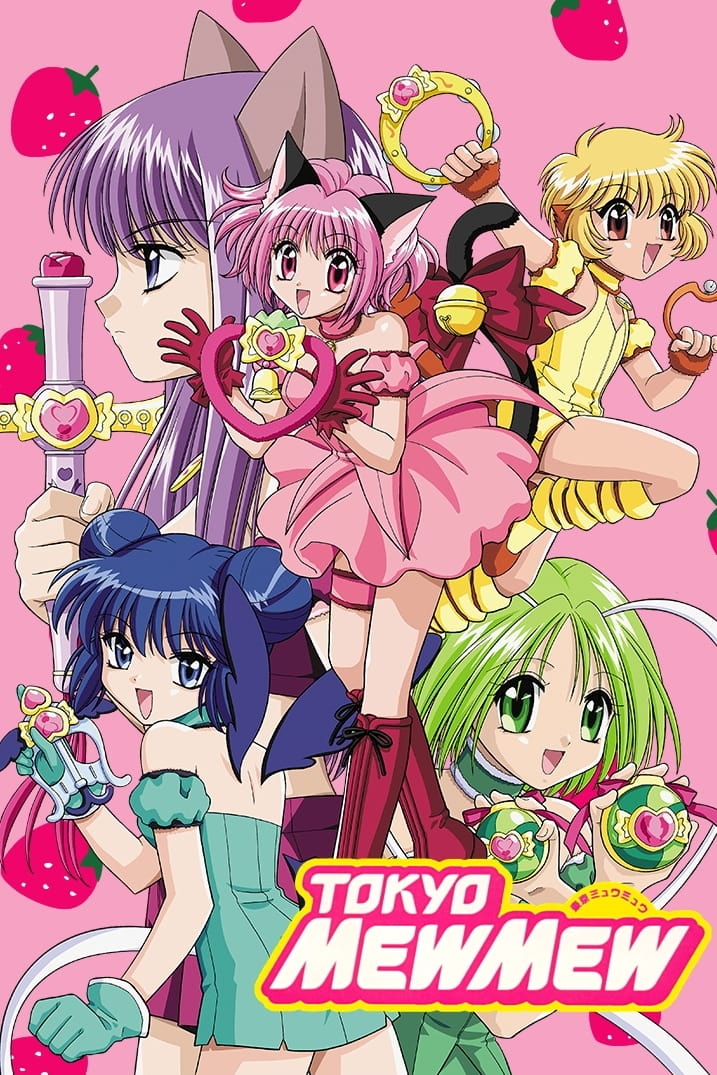
Based on ‘Tokyo Mew Mew’, this localization by 4Kids Entertainment heavily edited the story to fit a “magical girl” brand for Western girls. Character names were changed to “snack-themed” names like Zoey, Corina, and Bridget, and the setting was moved from Tokyo to an unnamed American city. Several episodes were skipped entirely, and the soundtrack was replaced with pop songs. The environmental message of the original was largely downplayed in favor of focus on fashion and teamwork.
‘Glitter Force’ (2012)
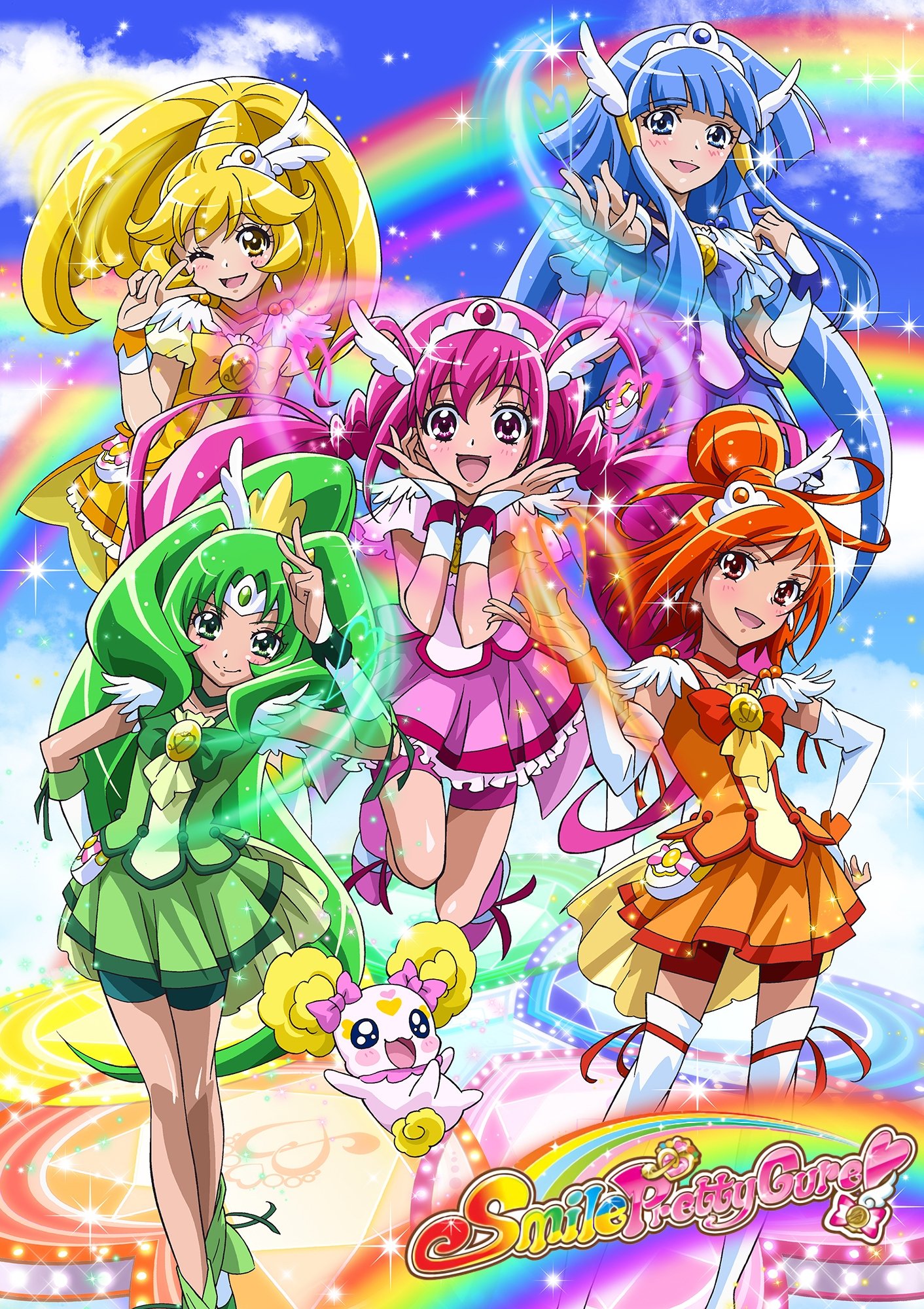
This Netflix localization of ‘Smile PreCure!’ reduced the original episode count by removing several chapters deemed too Japanese or too slow-paced. Character names were changed, and the setting was Americanized, with Japanese signs being digitally altered. The theme music and internal terms for transformations were also completely rebranded to create a new “Glitter Force” identity. These changes sought to create a standalone brand that was disconnected from the long-running ‘Pretty Cure’ franchise.
‘Initial D’ (1998)
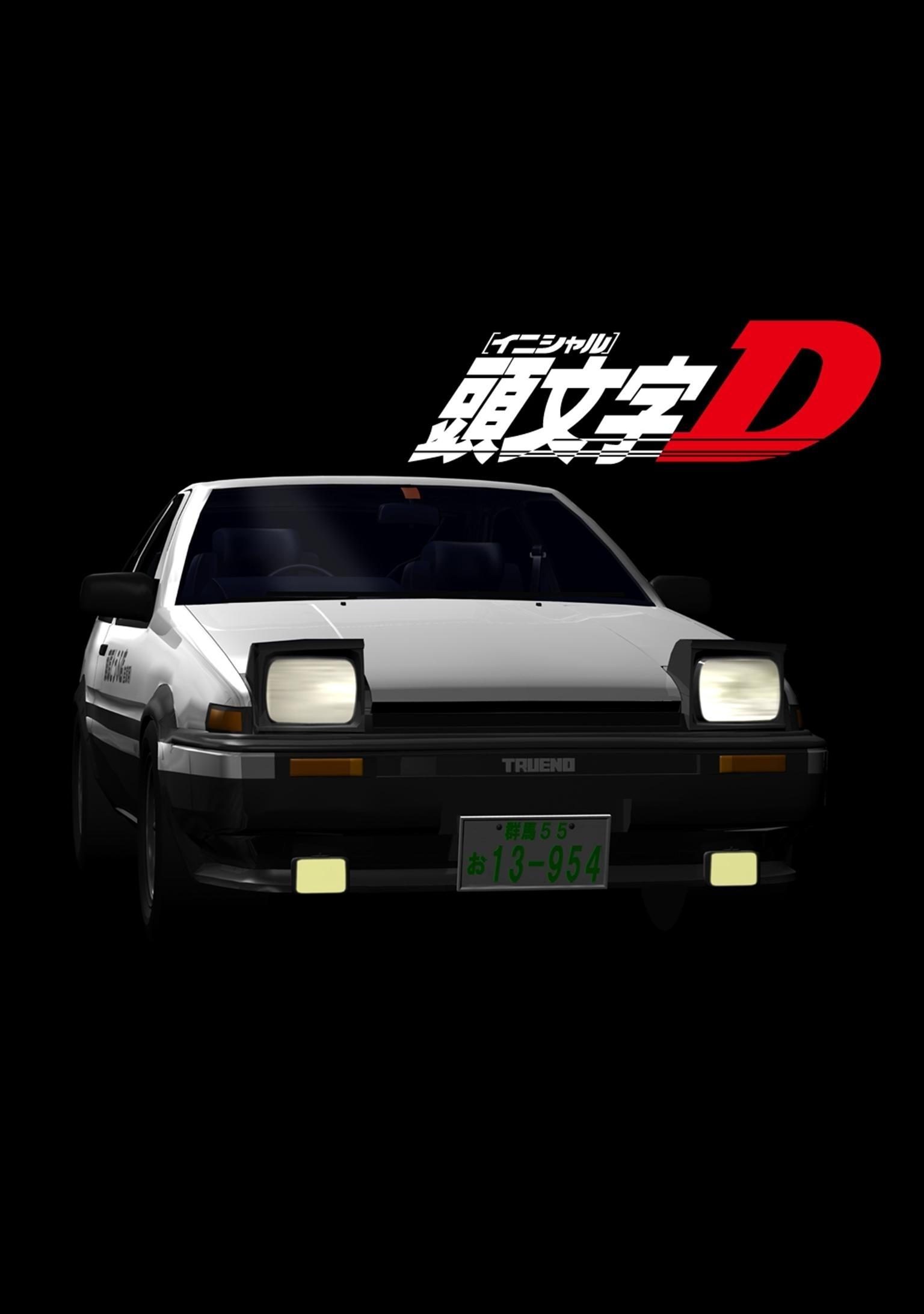
Tokyopop’s localization of this street racing anime was highly controversial among fans for its heavy-handed “Americanization.” The original Eurobeat soundtrack was replaced with hip-hop music, and characters were given names like Tak and Iggy. Cultural references to Japanese mountain passes and car culture were simplified or renamed to fit a Western context. The goal was to market the series to the “tuner” car scene in the United States, but the changes were largely rejected by the existing fanbase.
‘Duel Masters’ (2002)
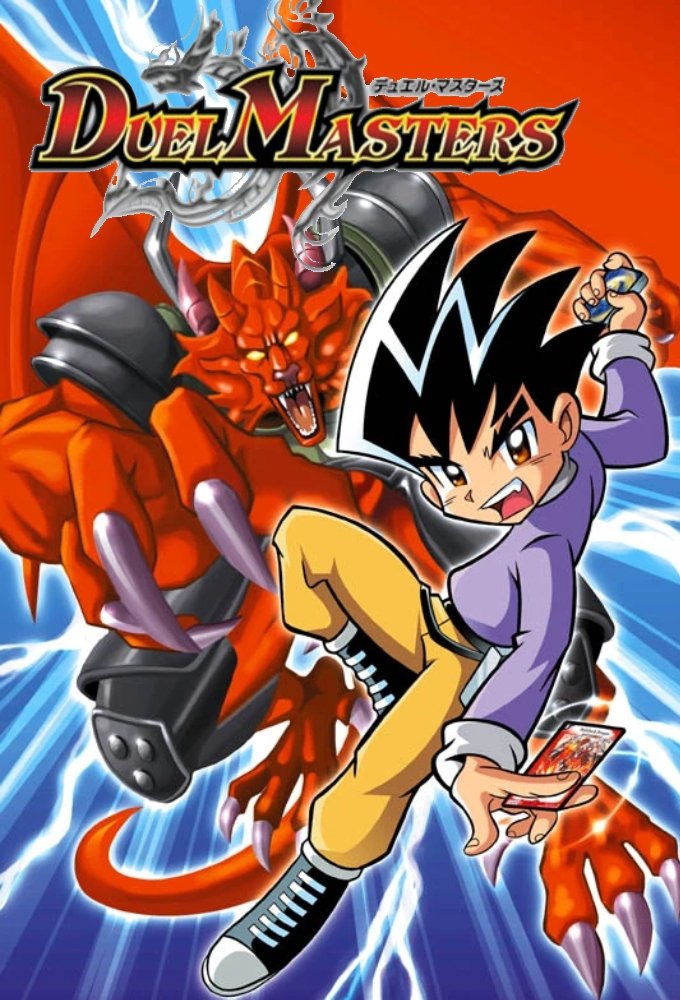
Similar to the ‘Ghost Stories’ dub, ‘Duel Masters’ was rewritten as a self-aware parody of the trading card game genre. The English script ignored the serious plot of the original Japanese version in favor of jokes about the absurdity of children’s card games. Characters frequently broke the fourth wall and commented on the low quality of the animation or the repetitive nature of the plot. This gave the series a unique identity in the West that was completely separate from its Japanese origins.
‘Ronin Warriors’ (1988)
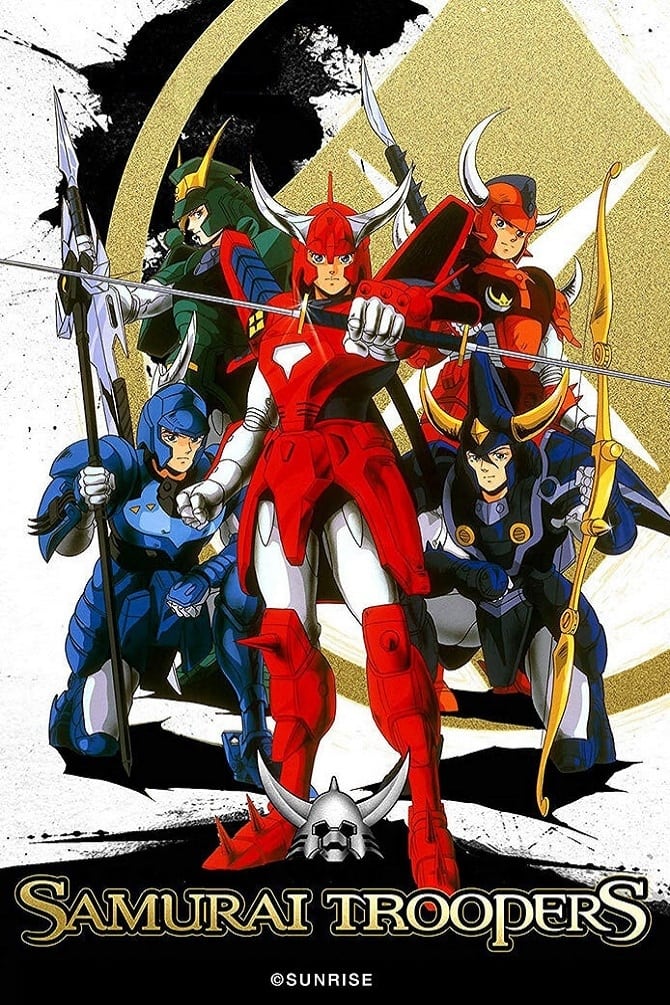
The localization of ‘Yoroiden Samurai Troopers’ changed the names of the protagonists and their mystical armors to sound more heroic in English. The story’s heavy foundations in Buddhist mythology and Japanese history were simplified to make the show more accessible to Western children. Plot points regarding the origin of the armors were rewritten to focus on a more standard battle between light and darkness. These edits helped the show fit into the 1990s trend of “sentai-style” action series in the United States.
‘Digimon: Digital Monsters’ (1999–2003)
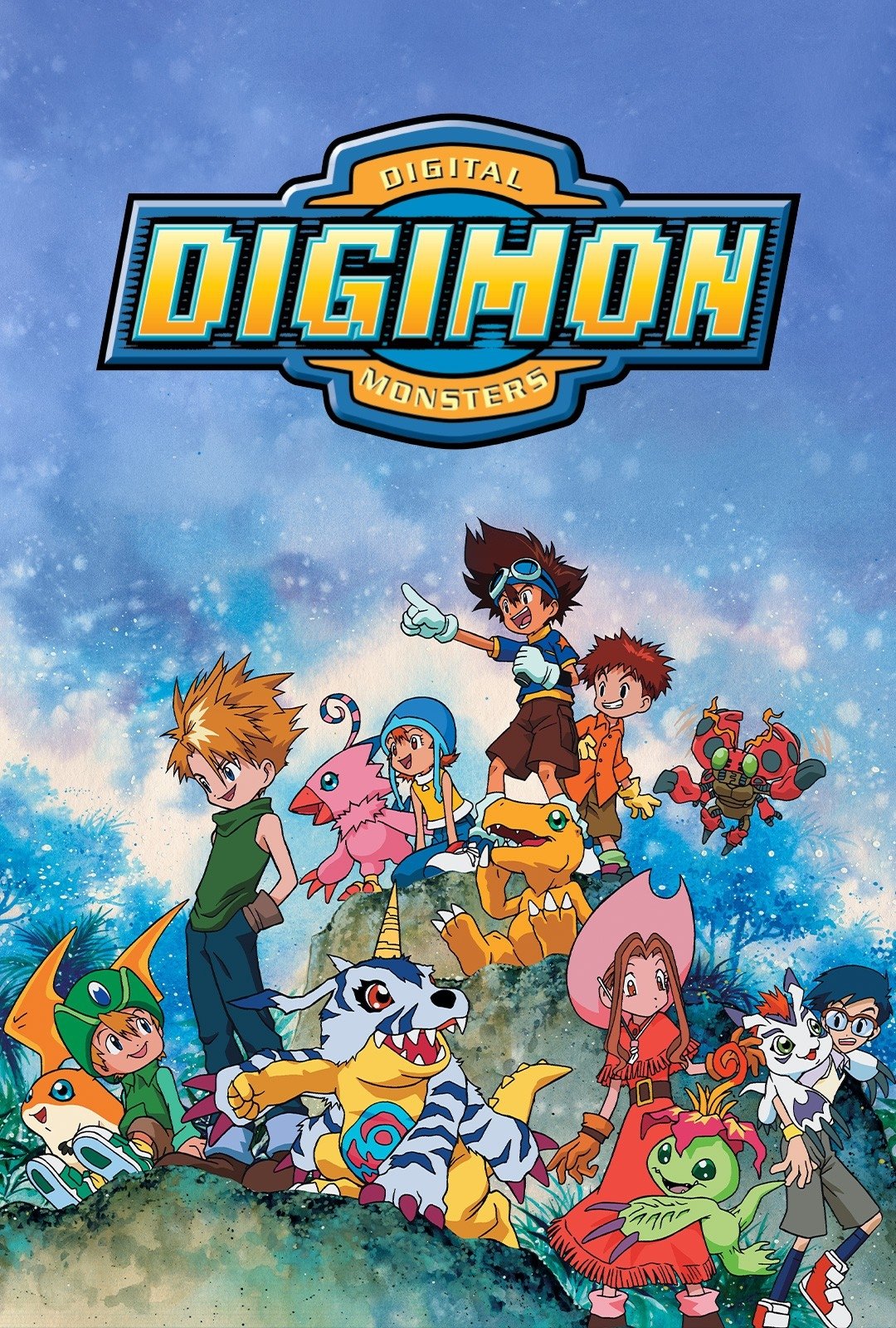
While the general plot of ‘Digimon’ remained intact, the English dub added a significant amount of humor and verbal filler. Saban Entertainment’s script included constant puns and jokes that were not present in the more serious Japanese original. The Western release of ‘Digimon: The Movie’ was also a major alteration, as it spliced three separate Japanese films into one confusing narrative. This required the creation of a new subplot involving a character named Willis to link the different timelines together.
‘G-Force: Guardians of Space’ (1986–1987)

This was another attempt to localize ‘Science Ninja Team Gatchaman’, following ‘Battle of the Planets’. Unlike the previous version, this edit removed the robot 7-Zark-7 and stayed closer to the original visuals, though the violence was still censored. The dialogue was rewritten to be more “action-heavy,” and character names were changed once again. It represents one of many attempts to find a successful way to present the same Japanese footage to Western audiences.
‘Dragon Ball’ (1986)
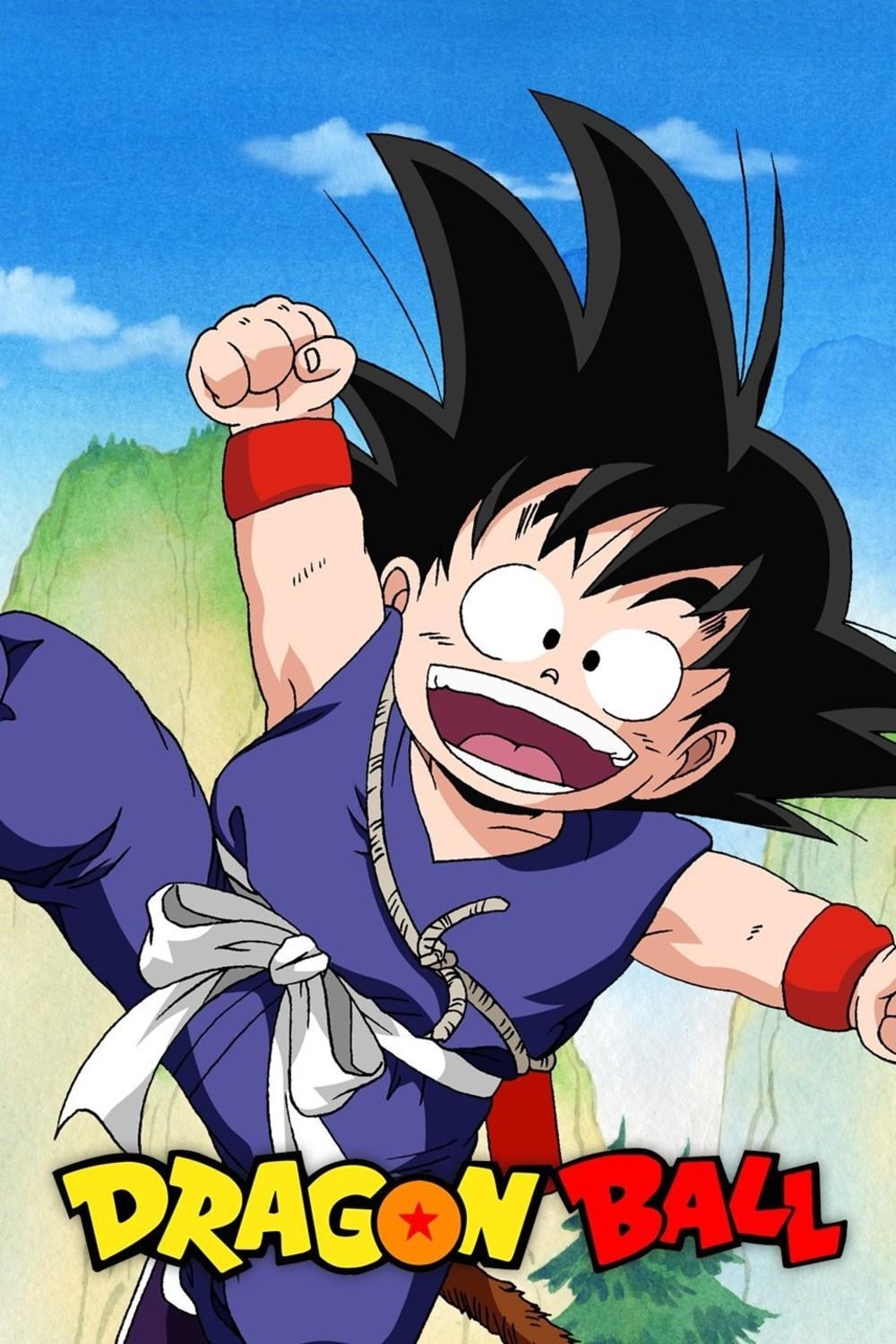
The early localization efforts for the original ‘Dragon Ball’ series by Harmony Gold and later Funimation involved significant changes to the names and tone. In the Harmony Gold “Lost Dub,” Goku was renamed Zero and Krillin was renamed Bongo. When Funimation first began dubbing ‘Dragon Ball Z’, they initially edited out graphic violence and replaced the score with synth-rock music. The concept of the “Home for Infinite Losers” was created to avoid mentioning Hell, mirroring the “Shadow Realm” changes in other series.
‘Shaman King’ (2001)
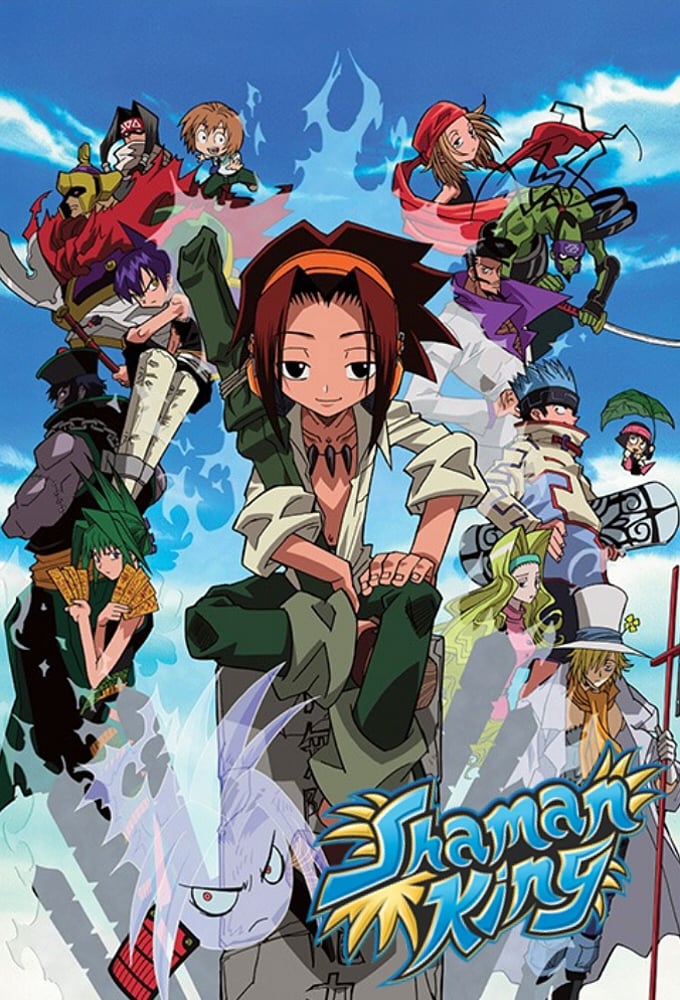
The 4Kids dub of the 2001 ‘Shaman King’ series censored many of the show’s spiritual and religious themes. References to “spirits” were sometimes changed to “aliens” or “forces,” and depictions of death were downplayed. Visual edits were also common, such as the removal of blood and the modification of traditional Japanese weaponry. The script also changed the nature of the Shaman Fight to seem more like a sanctioned tournament rather than a mystical battle for the fate of the world.
‘Sonic X’ (2003–2006)
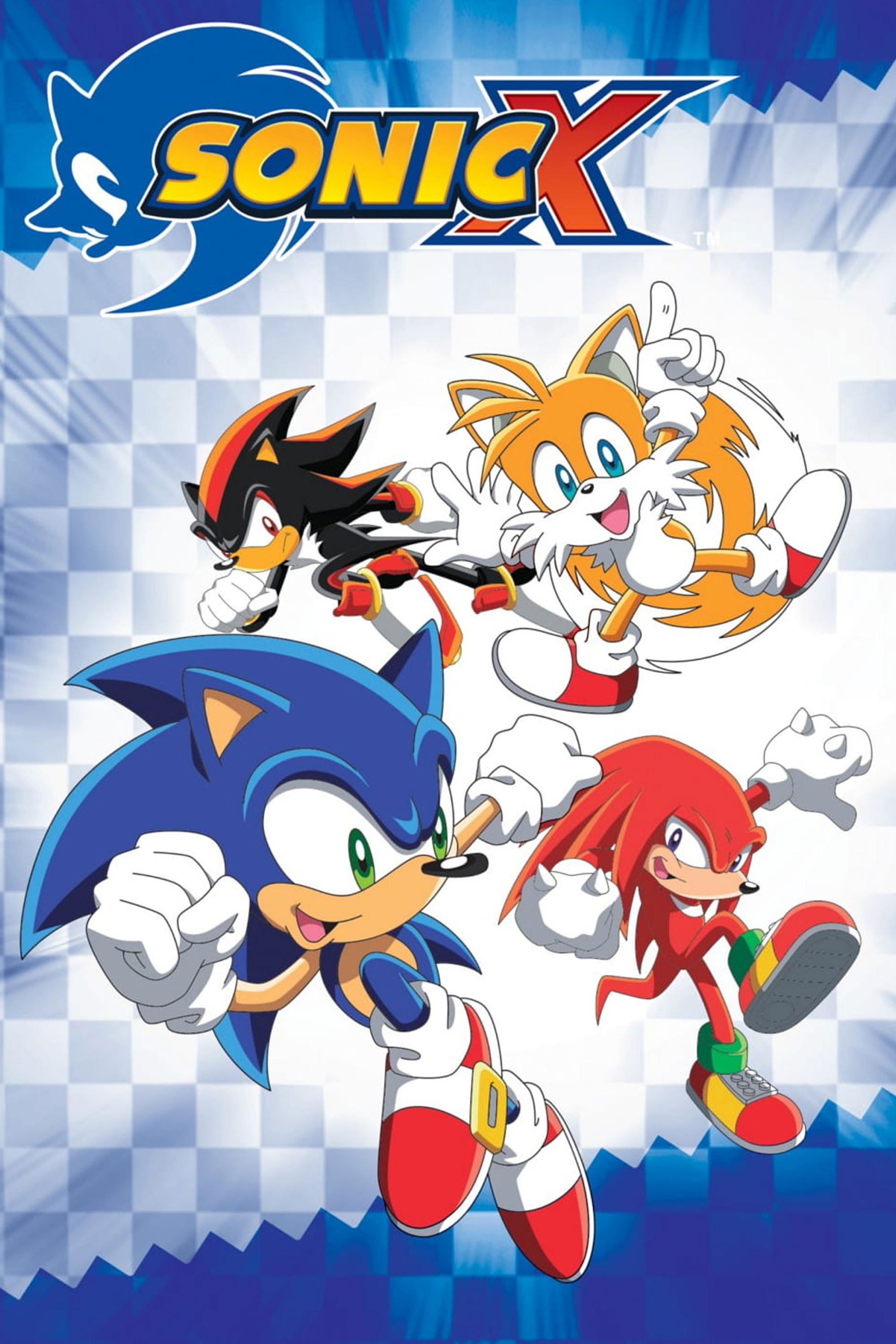
Produced by 4Kids Entertainment, the English version of ‘Sonic X’ removed several scenes of intense action and character peril. In the original version, certain characters were shown in much darker situations, including scenes where Sonic’s life was at risk in ways deemed too intense for US children. The dialogue was also modified to remove minor swearing and to increase the frequency of comedic banter. Many of the original Japanese musical tracks were replaced with a new Western-composed score.
‘Ultimate Muscle: The Kinnikuman Legacy’ (2002–2004)

This localization of ‘Kinnikuman Nisei’ embraced a comedic, pun-filled tone to match the absurd nature of its wrestling characters. Many of the cultural jokes rooted in Japanese history or food were replaced with American pop culture references. The English script also invented new backstories for the various “Muscle League” members to make them more distinct for Western viewers. Despite the edits, it remained one of the more faithful 4Kids localizations due to the inherently wacky nature of the source material.
‘Fighting Foodons’ (2001)
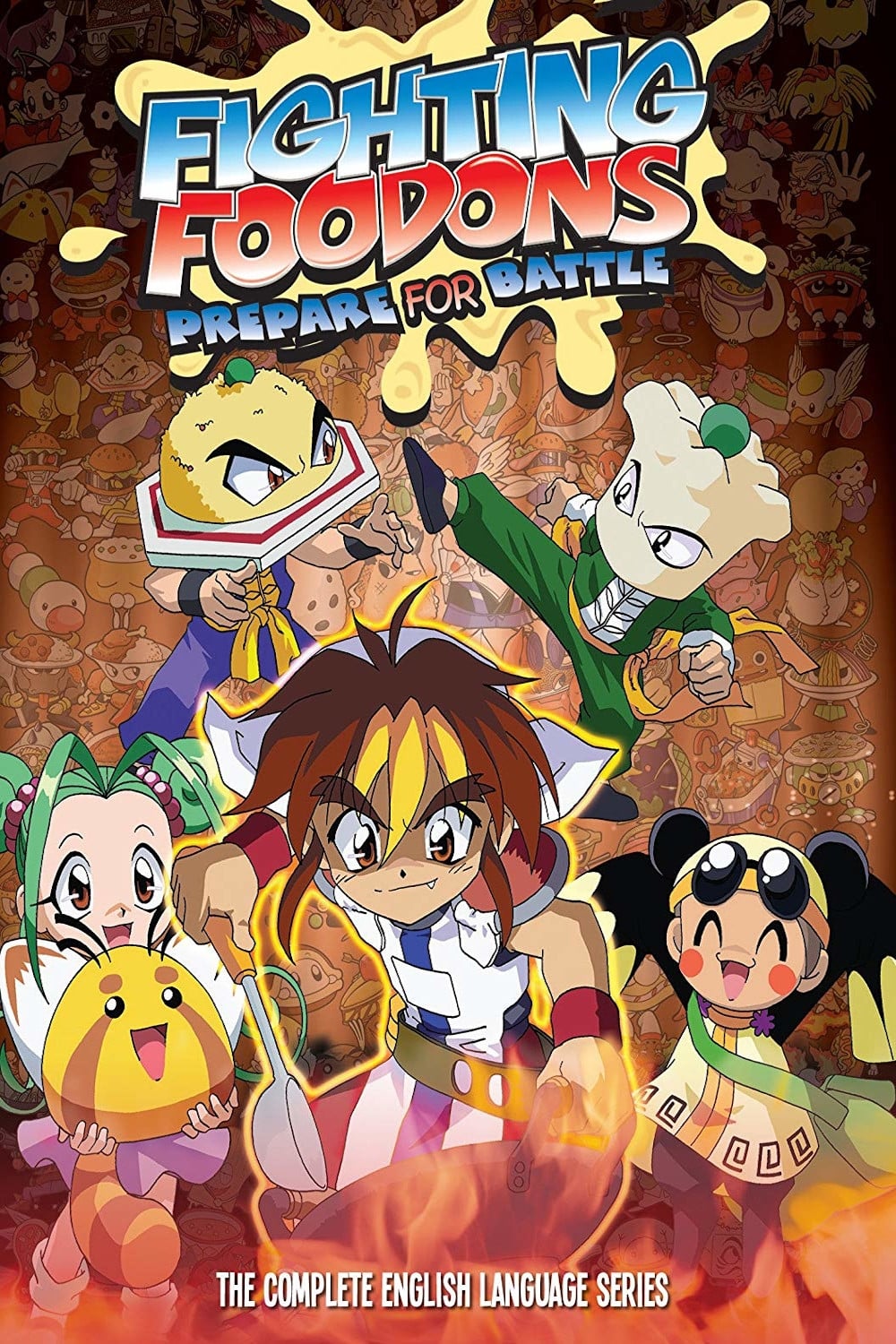
Based on ‘Bistro Recipe’, this series featured a plot where chefs create monsters out of food. The localization changed nearly every character name and the names of the food monsters to include puns based on Western cuisine. The plot was simplified to focus on the competitive battle aspect, mirroring the popularity of ‘Pokémon’. Cultural nuances regarding Japanese cooking and traditional dishes were largely replaced with broader, more generic food categories.
‘Medabots’ (1999)
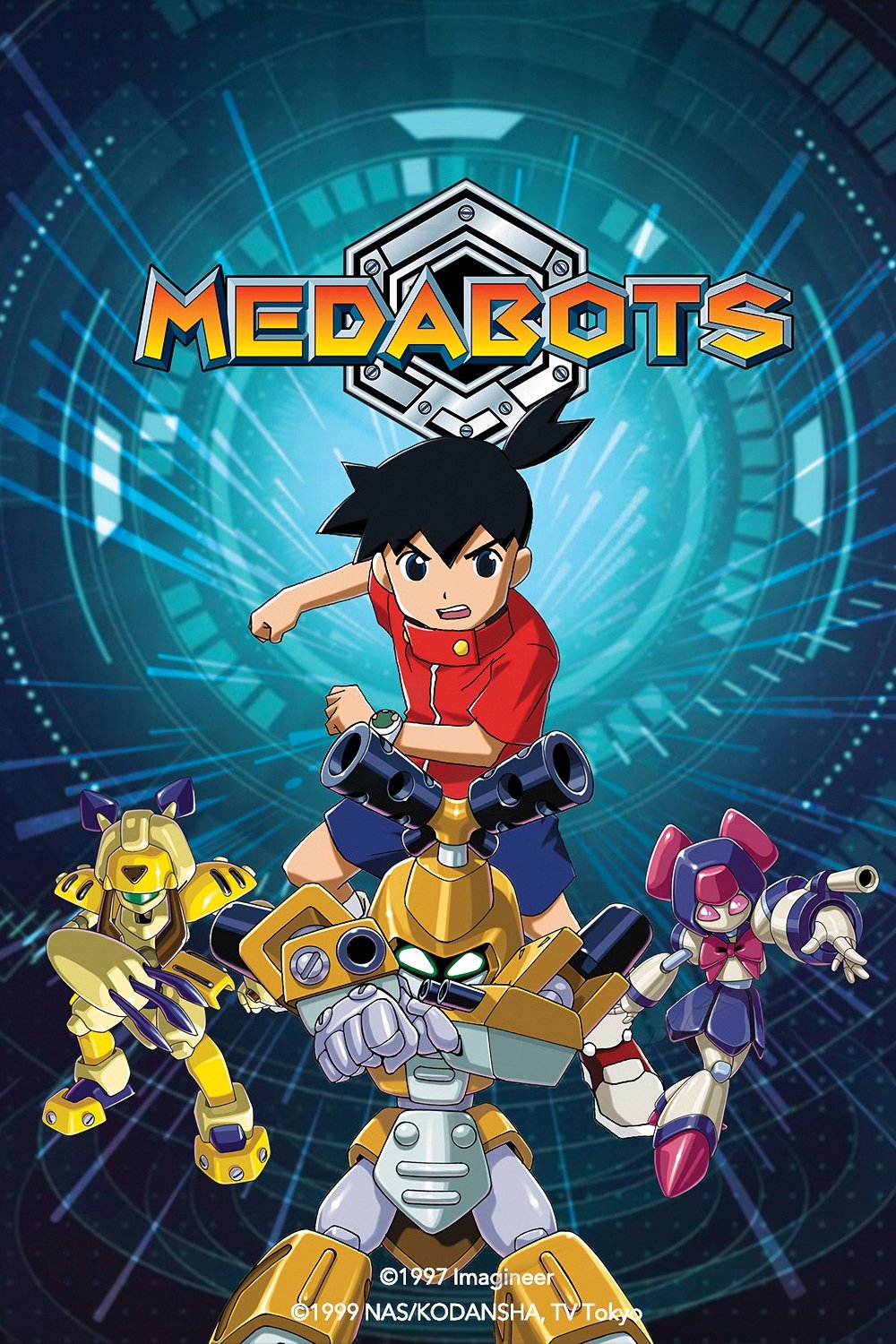
The English adaptation of ‘Medarot’ changed the tone of the series by emphasizing the humor and the “buddy-cop” relationship between Ikki and Metabee. While the core plot of robots battling in tournaments remained, the dialogue was filled with sarcastic remarks and localized slang. Some of the more mature character motivations were softened to fit a Saturday morning cartoon demographic. The English version also utilized a brand-new electronic soundtrack that differed significantly from the Japanese score.
‘Rave Master’ (2001)
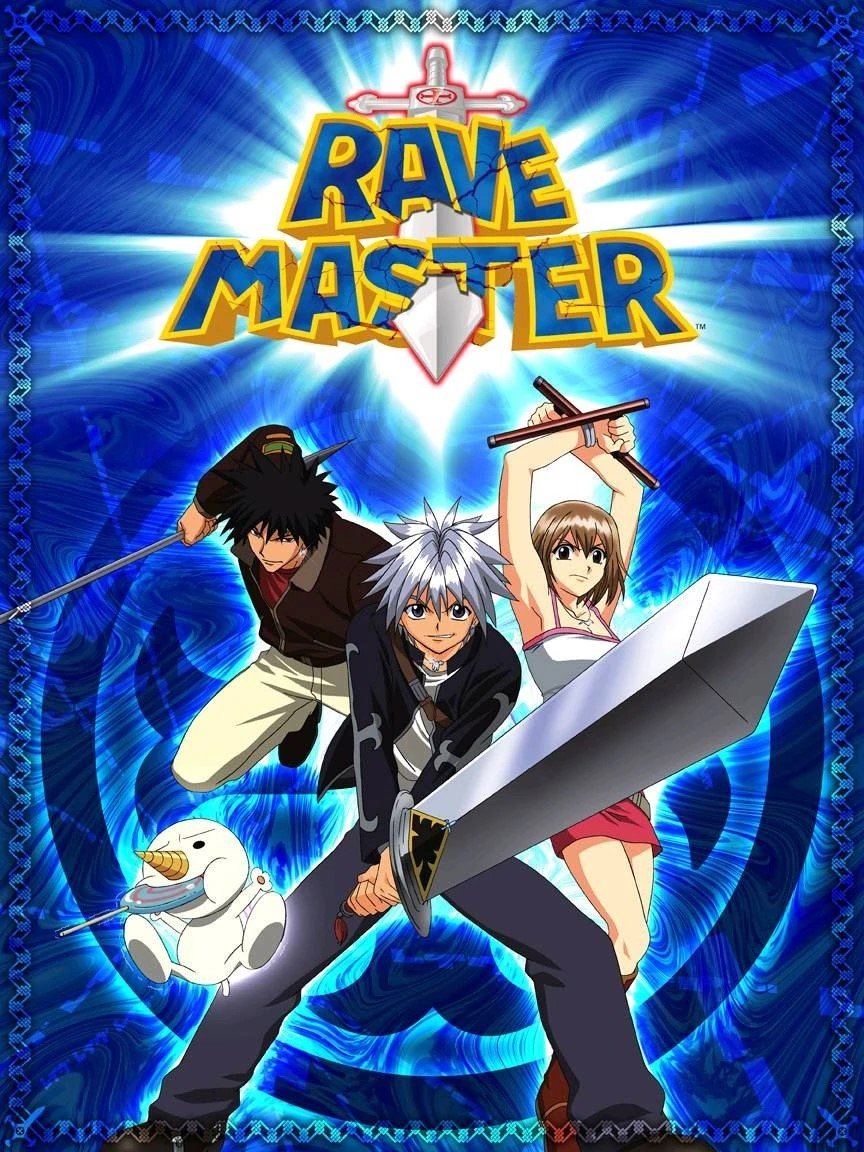
When ‘Groove Adventure Rave’ was localized as ‘Rave Master’, the script was altered to emphasize the fantasy-action elements over the original’s darker subplots. Several instances of violence were trimmed, and certain character names were adjusted for easier pronunciation. The English version also added more comedic relief to the journey of Haru Glory and his companions. These changes were aimed at capturing the same audience that had made ‘Dragon Ball Z’ a success in the West.
‘The Vision of Escaflowne’ (1996)
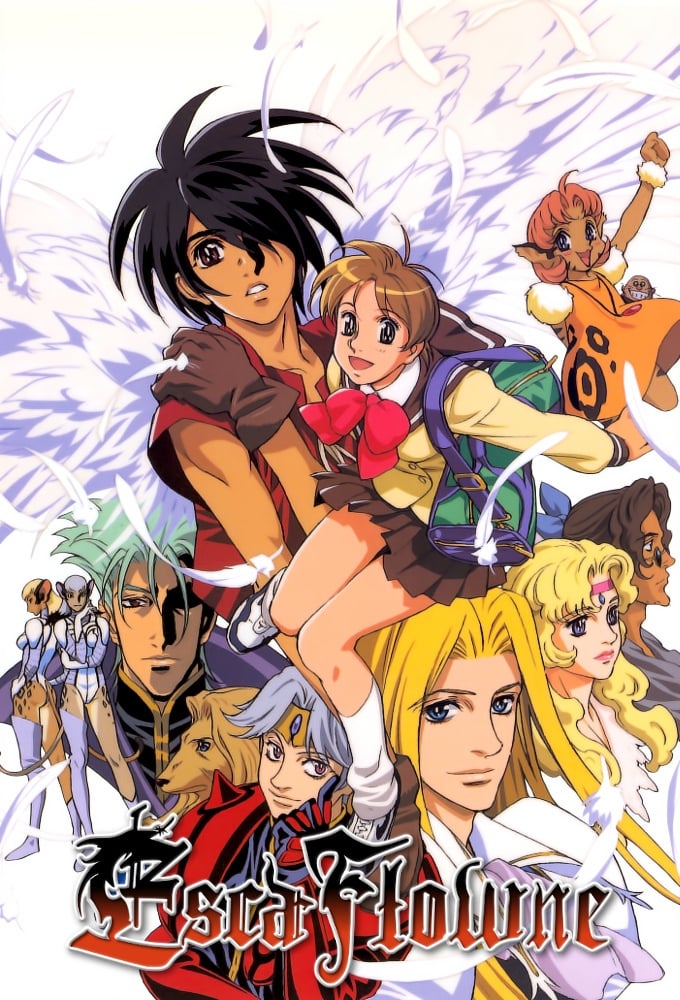
The Fox Kids broadcast of ‘The Vision of Escaflowne’ was heavily edited to make the show appear more action-oriented and male-focused. The first episode of the series was skipped in the initial broadcast, effectively removing the female lead’s introduction and the emotional setup of the story. Many of the romantic elements and psychological themes were cut to prioritize the giant robot battles. These edits were so significant that the show was pulled from the air before the full season could be completed.
‘Zatch Bell!’ (2003)
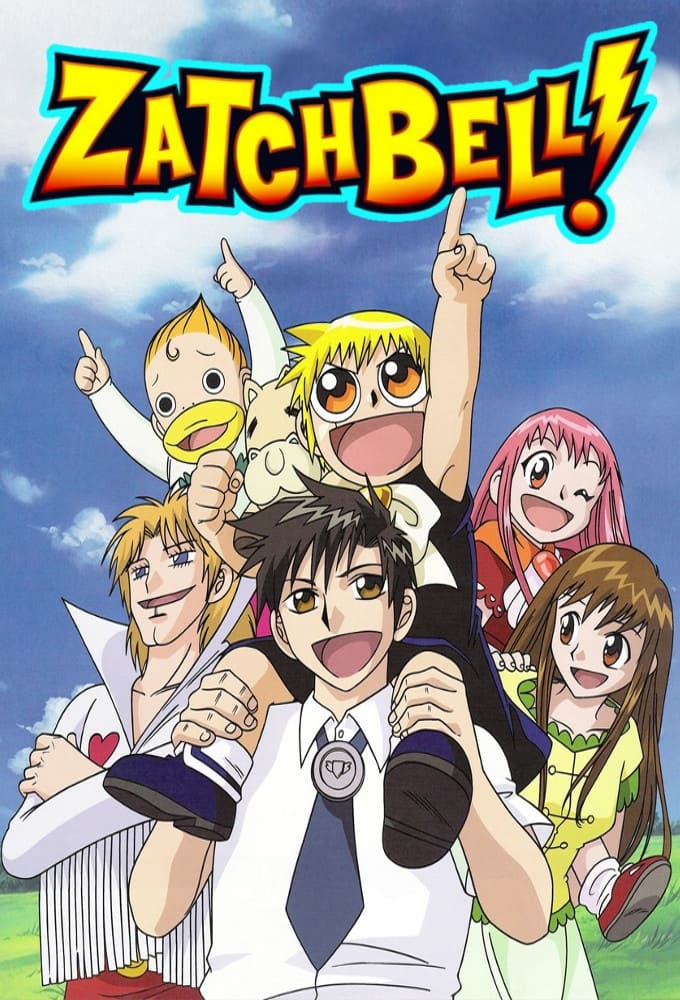
The localization of ‘Konjiki no Gash Bell!!’ involved several visual and narrative edits to comply with standards for children’s television. Violence was toned down, and scenes showing characters in extreme pain were shortened or removed. The name of the main magical book was changed, and the spells were given new English names that often differed from their literal Japanese translations. Despite these edits, the show retained much of its emotional core regarding the friendship between humans and the mamodo beings.
‘Bobobo-bo Bo-bobo’ (2005–2007)
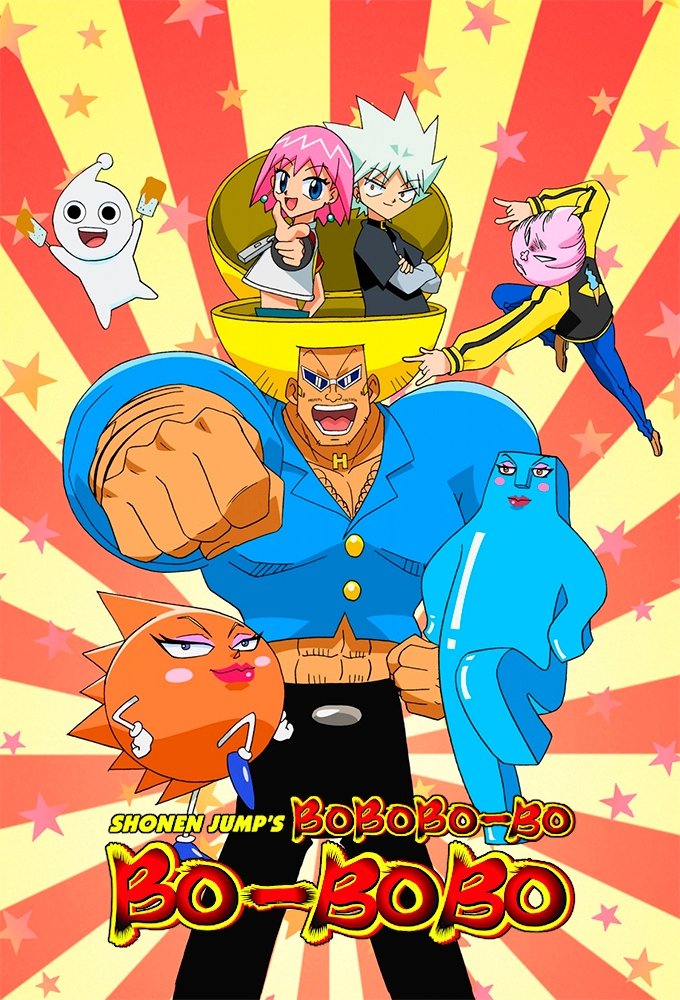
This series is famous for its surrealist humor, which is heavily based on Japanese puns and linguistic jokes. The English localization team had to rewrite large portions of the dialogue because the original jokes simply did not translate. They replaced Japanese cultural references with Western ones, such as jokes about American celebrities and television shows. The result was a show that maintained the chaotic energy of the original but with an entirely different comedic vocabulary.
‘Saint Seiya’ (1986)
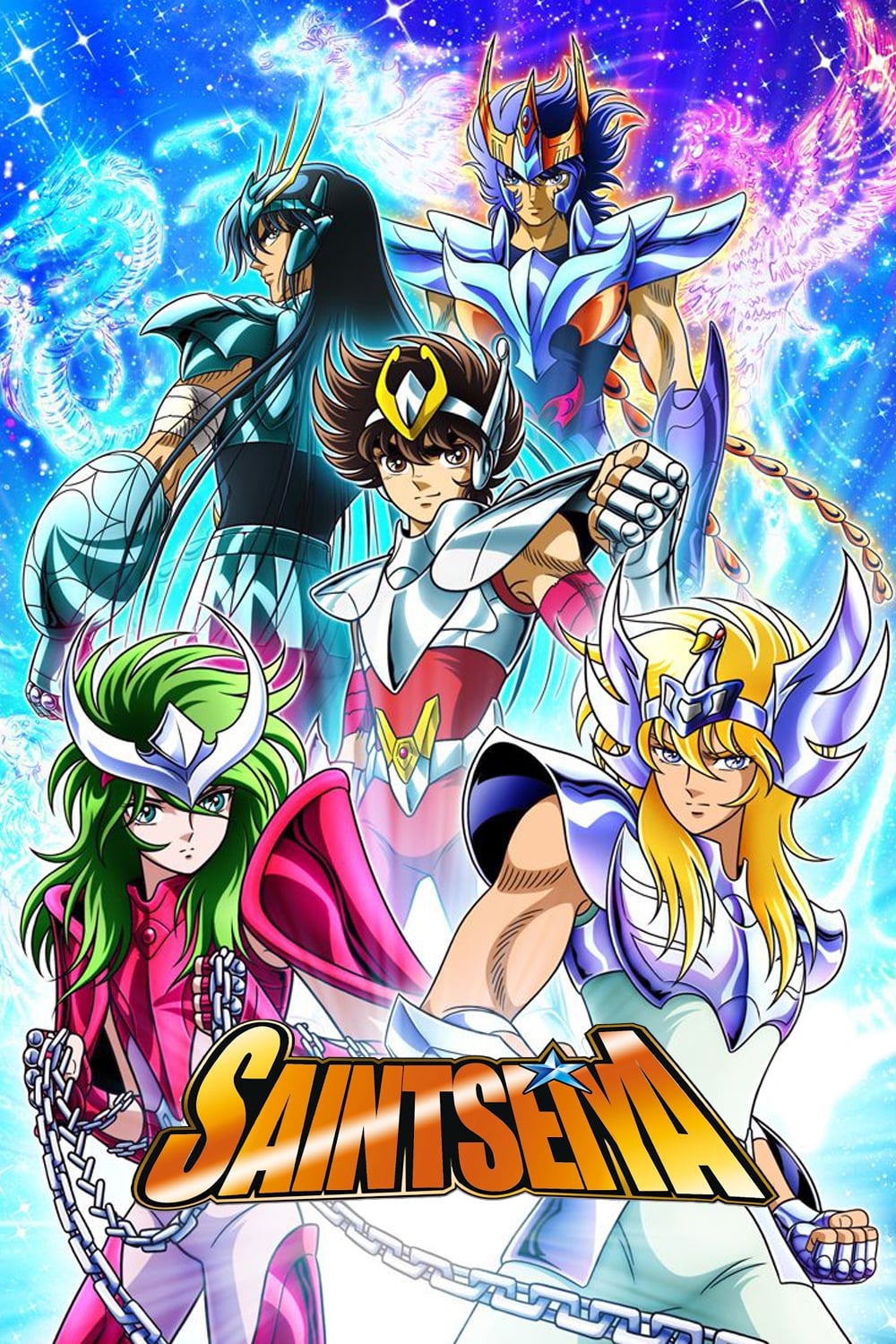
The DiC Entertainment dub of ‘Saint Seiya’ attempted to modernize the 1980s series for a 2000s audience. This included a new rock-inspired theme song and the digital recoloring of blood to look like blue energy or “ichor.” Entire episodes were removed to speed up the arrival of the core action sequences. The names of the special moves and many of the characters were also changed to sound more like modern superhero titles.
‘Superbook’ (1981–1982)
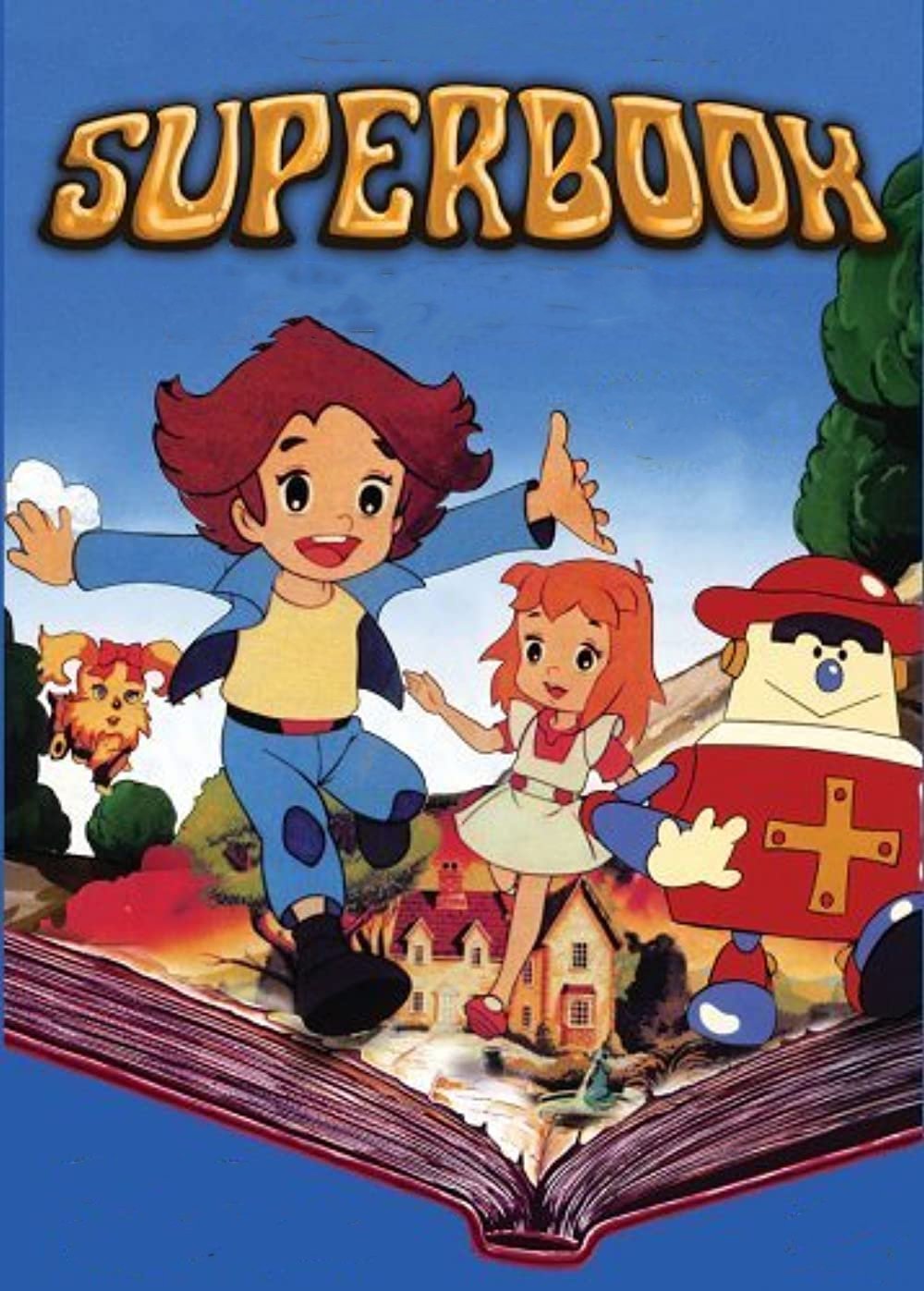
Originally produced by Tatsunoko Production in Japan, ‘Animated Parent and Child Theatre’ was created as a Christian-themed series. When it was localized for the United States as ‘Superbook’, the framework of the story was adjusted to focus more on its educational and religious value for Sunday morning audiences. The English version became a staple of religious broadcasting, downplaying its Japanese origin entirely. It represents a rare case where the original Japanese production was specifically intended for international export and adaptation.
‘The Flying House’ (1982–1983)
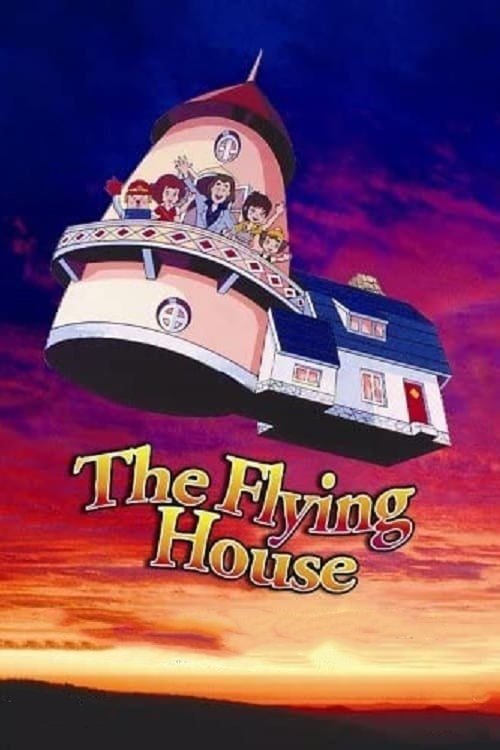
Like ‘Superbook’, ‘Tokei Jikake no Oretachi’ was localized as ‘The Flying House’ for Western markets. The story follows a group of children and a robot who travel back in time to biblical eras. The English version focused on the moral lessons of each episode, often adjusting the dialogue to be more in line with specific Western theological interpretations. The animation remained identical, but the narrative context was firmly repositioned for a different cultural audience.
‘Unico in the Island of Magic’ (1983)
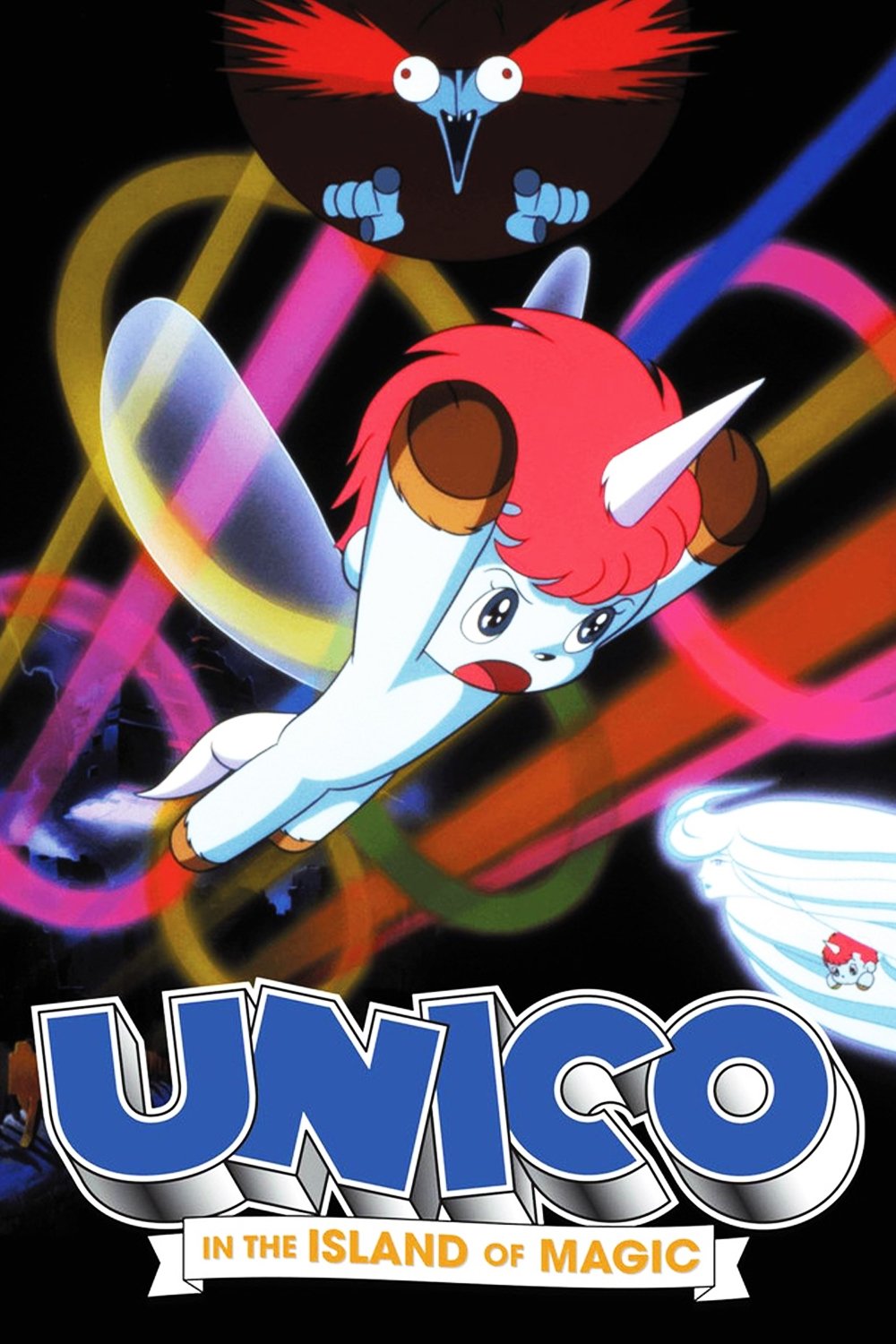
The English release of this Osamu Tezuka film underwent several edits to its visual and audio presentation. Certain scenes that were considered too frightening or surreal for young Western children were trimmed or softened. The script was also adjusted to simplify the motivations of the villain, Kuruku, and the history of the magical island. These changes were common for standalone anime films being distributed as “family features” in the early 1980s.
‘MegaMan NT Warrior’ (2002)
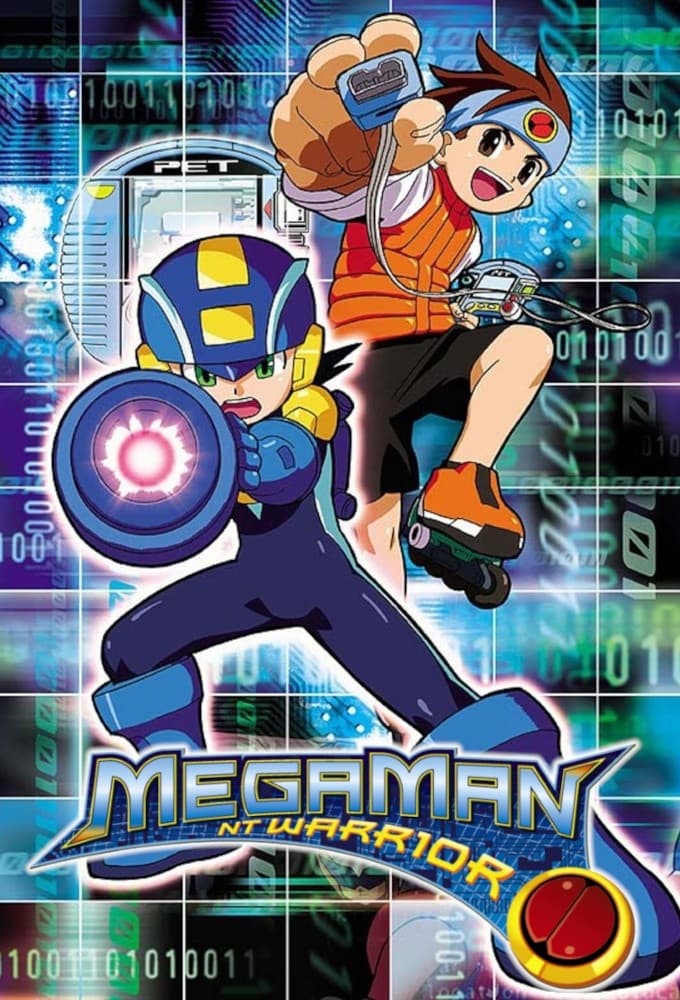
The localization of ‘Rockman.EXE’ saw several changes to the names of the “NetNavis” and their human operators to match the ‘Mega Man’ video game localized names. The concept of the “PET” devices and the digital world was explained using more Westernized computer terminology. Violent impacts in the digital battles were often censored with flash effects or removed entirely. Additionally, some episodes involving Japanese cultural festivals or specific local traditions were omitted from the international run.
‘Beyblade’ (2001–2005)
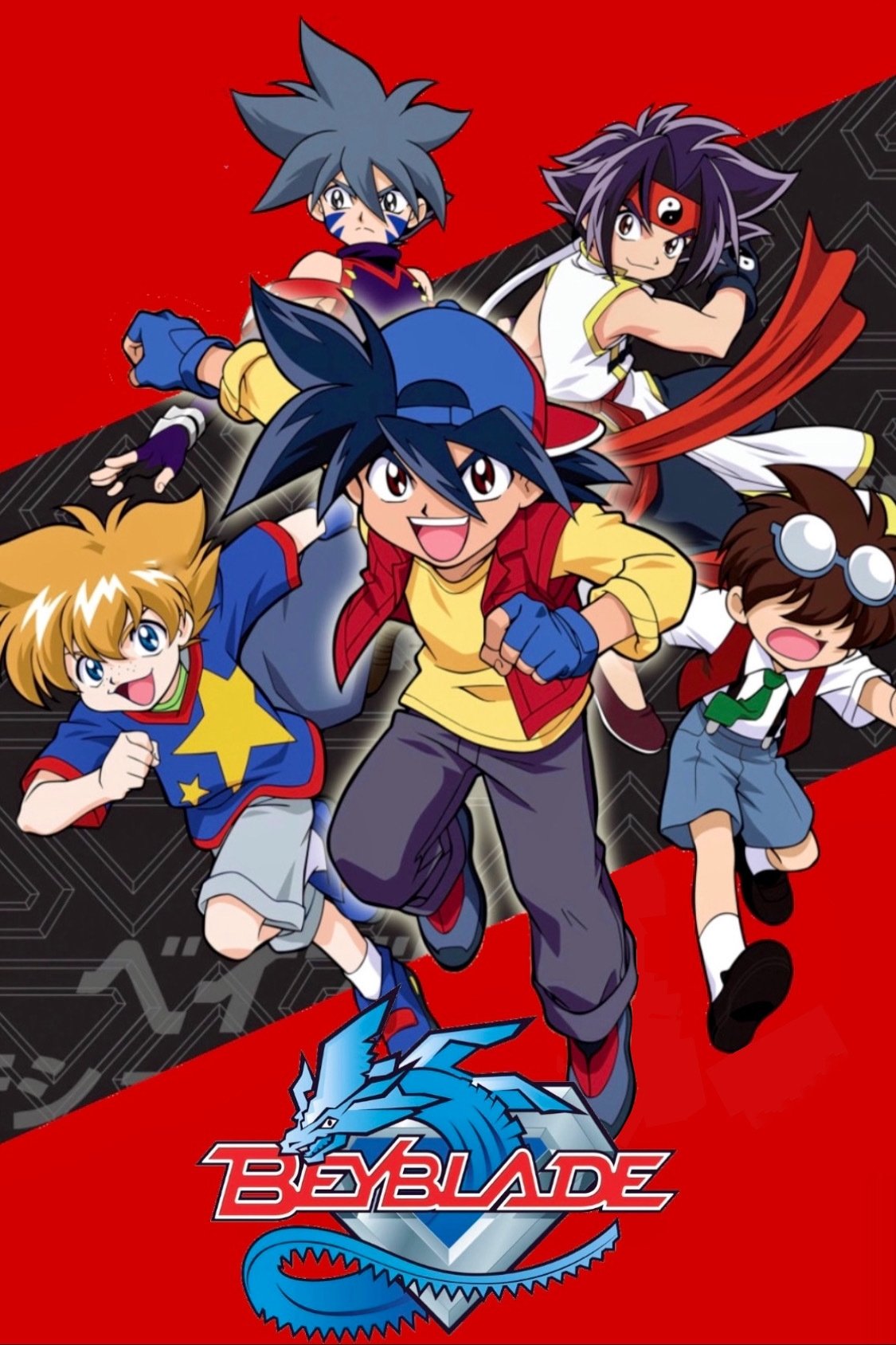
While the core plot of competitive top-spinning remained the same, the English dub added a narrator to explain the rules and build excitement. The script was rewritten to include much more dialogue during the battles, filling silence with character commentary and puns. The original Japanese soundtrack was replaced with a more aggressive rock and techno score to suit the “extreme sports” marketing of the toy line in the West. Character backstories were also simplified to focus on their roles as members of the Bladebreakers team.
‘Monster Farm’ (1999–2001)
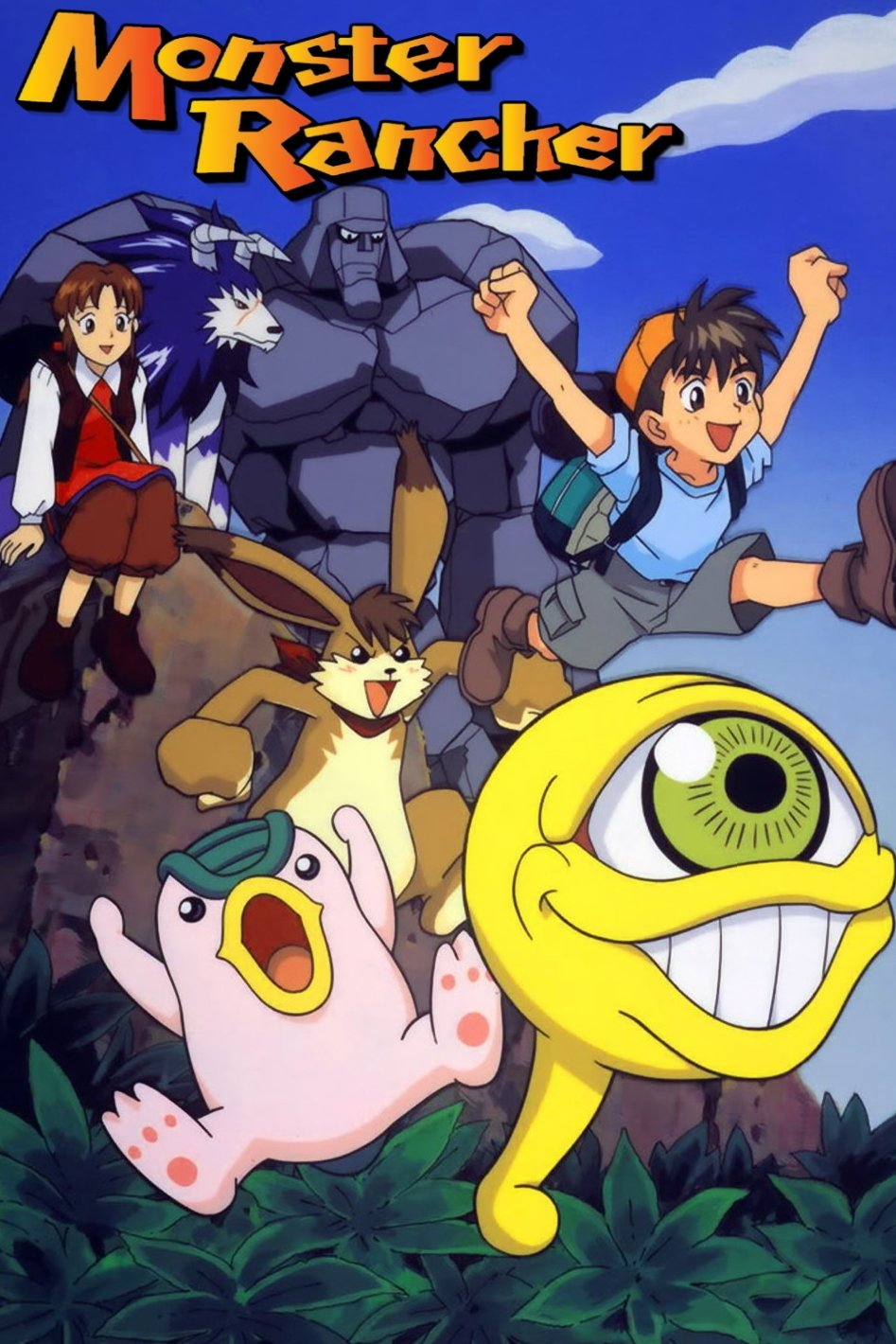
This localization of ‘Monster Farm’ changed the names of the monsters to match their counterparts in the ‘Monster Rancher’ video game series. The dialogue was adjusted to be more lighthearted, although the show’s occasionally dark tone was largely preserved compared to other localizations of the era. The English version also introduced a new opening theme that emphasized the “gotta catch ’em all” style of monster-collection series. Cultural references, particularly those involving food, were localized for American viewers.
‘Flint: The Time Detective’ (1998)
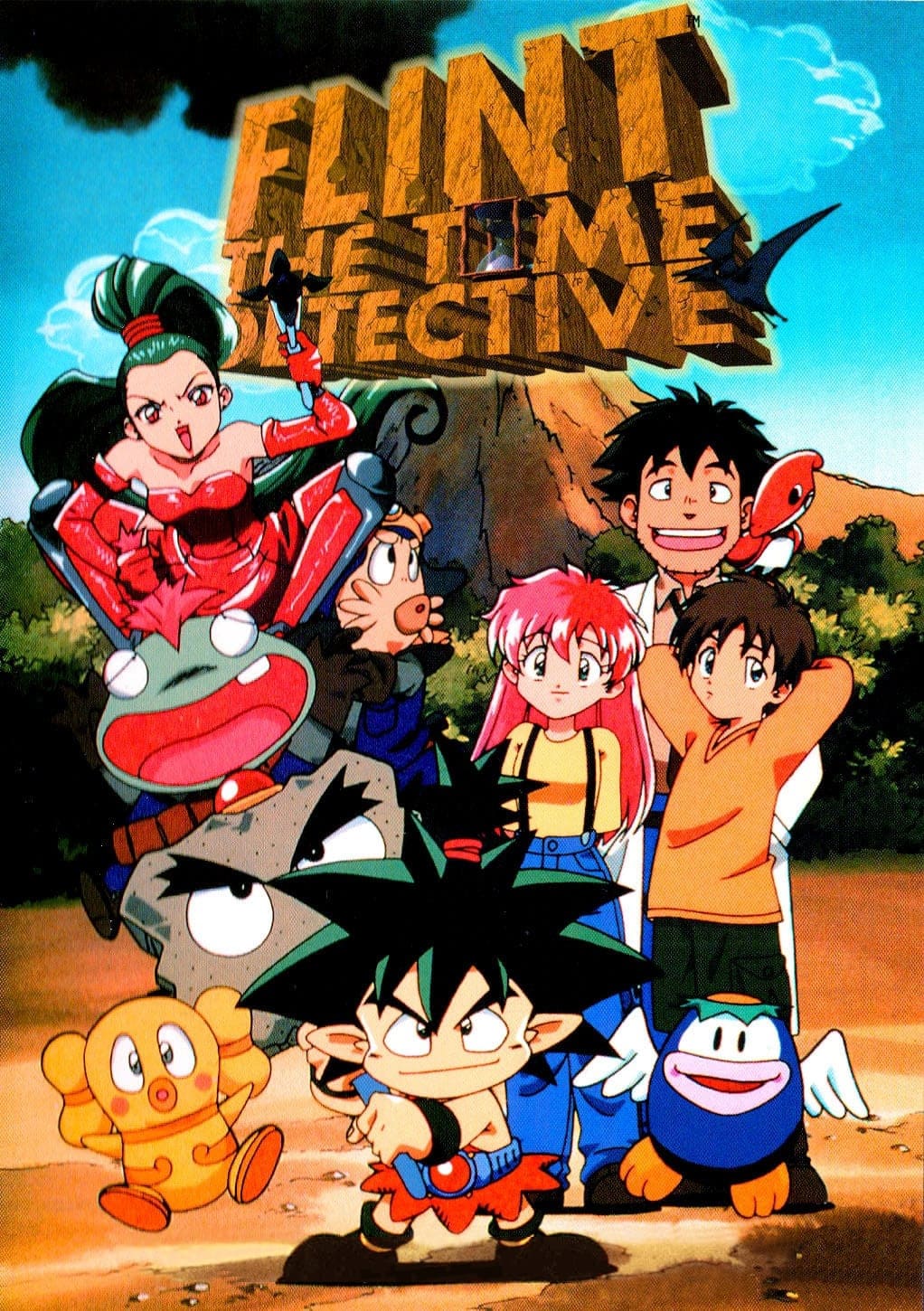
Based on ‘Genshi Shounen Ryu’, this series was localized with a focus on comedy and fast-paced adventure. The names of the “Time Shifters” were changed to puns or descriptive English words that highlighted their powers. The script added a significant amount of humor that was not present in the original Japanese version. This adaptation was part of the late-1990s wave of series that sought to capitalize on the popularity of creature-based adventure shows.
‘Glitter Force Doki Doki’ (2013)
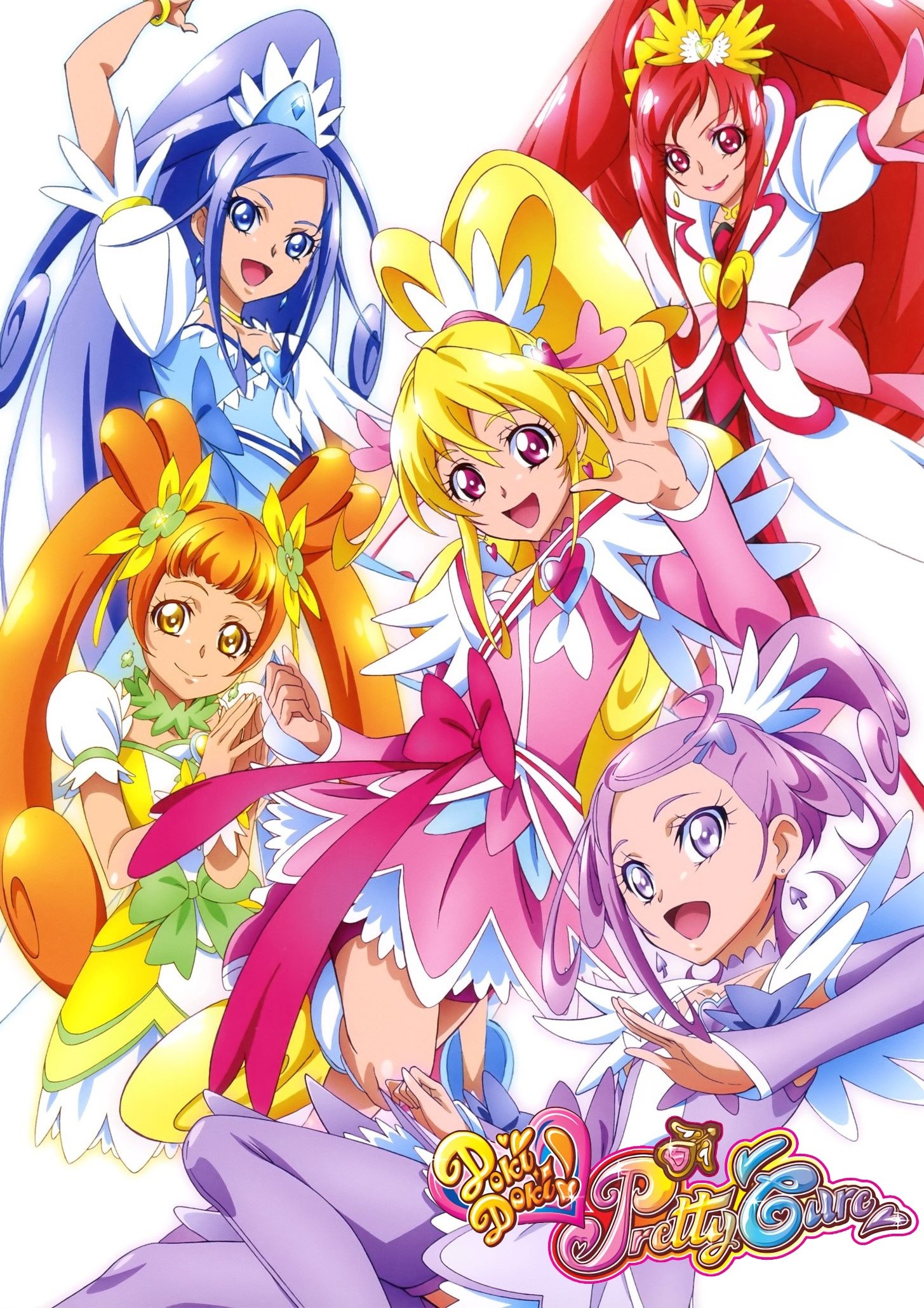
This localization of ‘DokiDoki! PreCure’ was even more heavily edited than the first ‘Glitter Force’ series. Saban Brands removed nearly 20 episodes of the original 49-episode run, significantly altering the pacing and character development. Key plot points regarding the origins of the magical kingdom and the true identity of certain characters were simplified or changed entirely. This resulted in a condensed version of the story that focused almost exclusively on the final confrontation.
‘Kirby: Right Back at Ya!’ (2001)
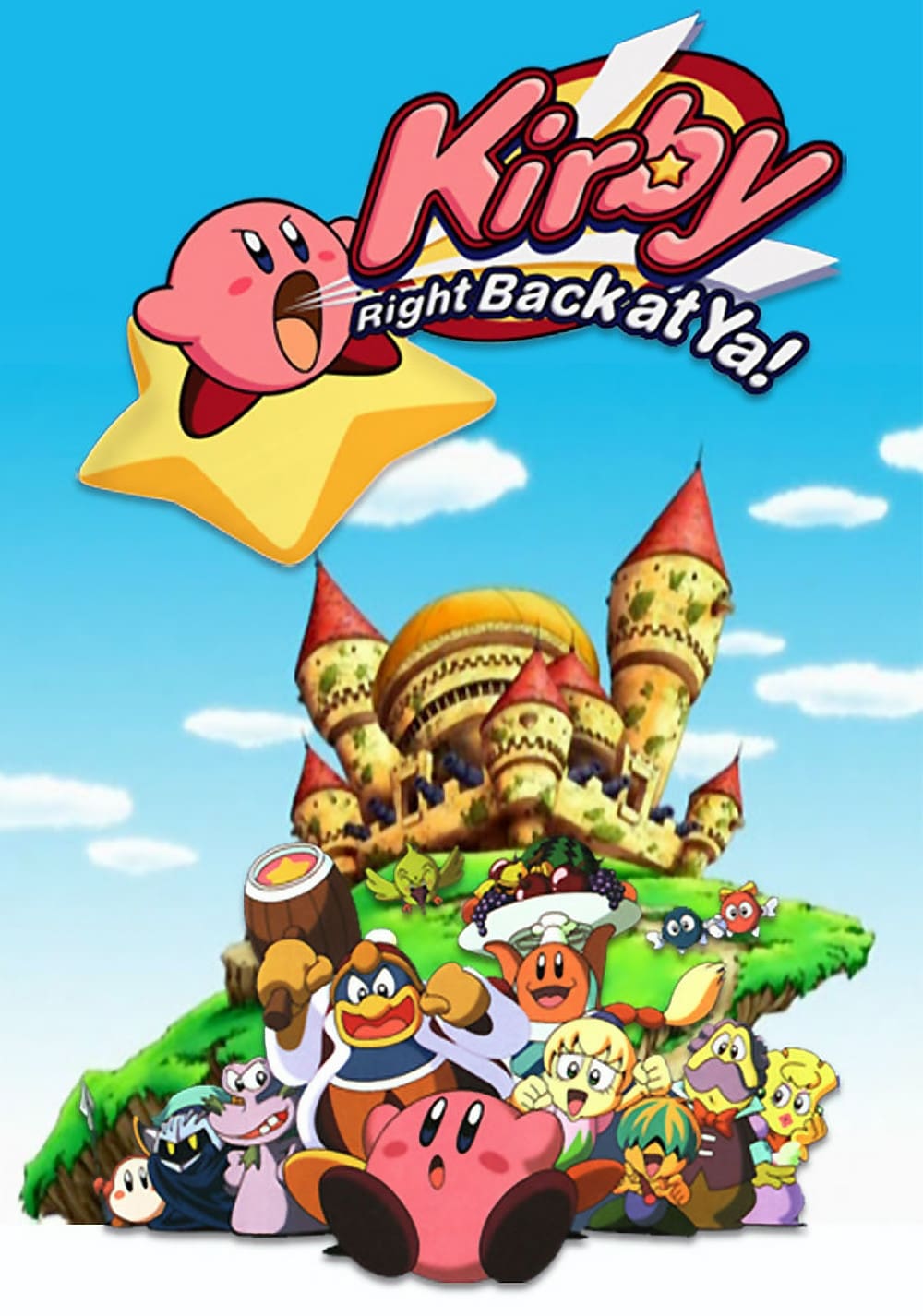
The localization of ‘Hoshi no Kirby’ by 4Kids Entertainment included several visual edits to remove Japanese text and culturally specific items. Characters like King Dedede and Escargoon were given southern US or other regional accents to add more personality to the English dub. Some of the original’s more satirical elements, which poked fun at the anime industry and politics, were softened for a younger audience. The orchestral Japanese score was also replaced with a new, jazz-inspired soundtrack.
‘Viewtiful Joe’ (2004)
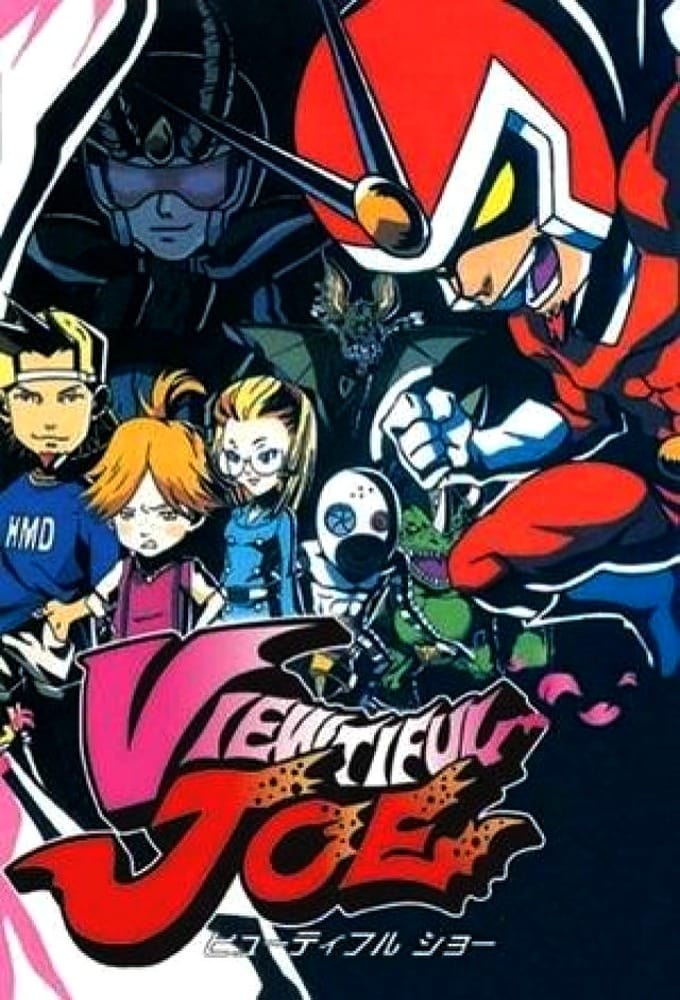
Based on the video game series, this anime was localized with significant changes to the dialogue to make it more similar to a Western superhero cartoon. The English script added more “catchphrases” and simplified the motivations of the villains in Movie Land. Cultural references to Japanese cinema and tokusatsu films were often replaced with references to American Hollywood movies. These changes were intended to make the stylized world of the show more relatable to American children.
‘F-Zero: GP Legend’ (2003)
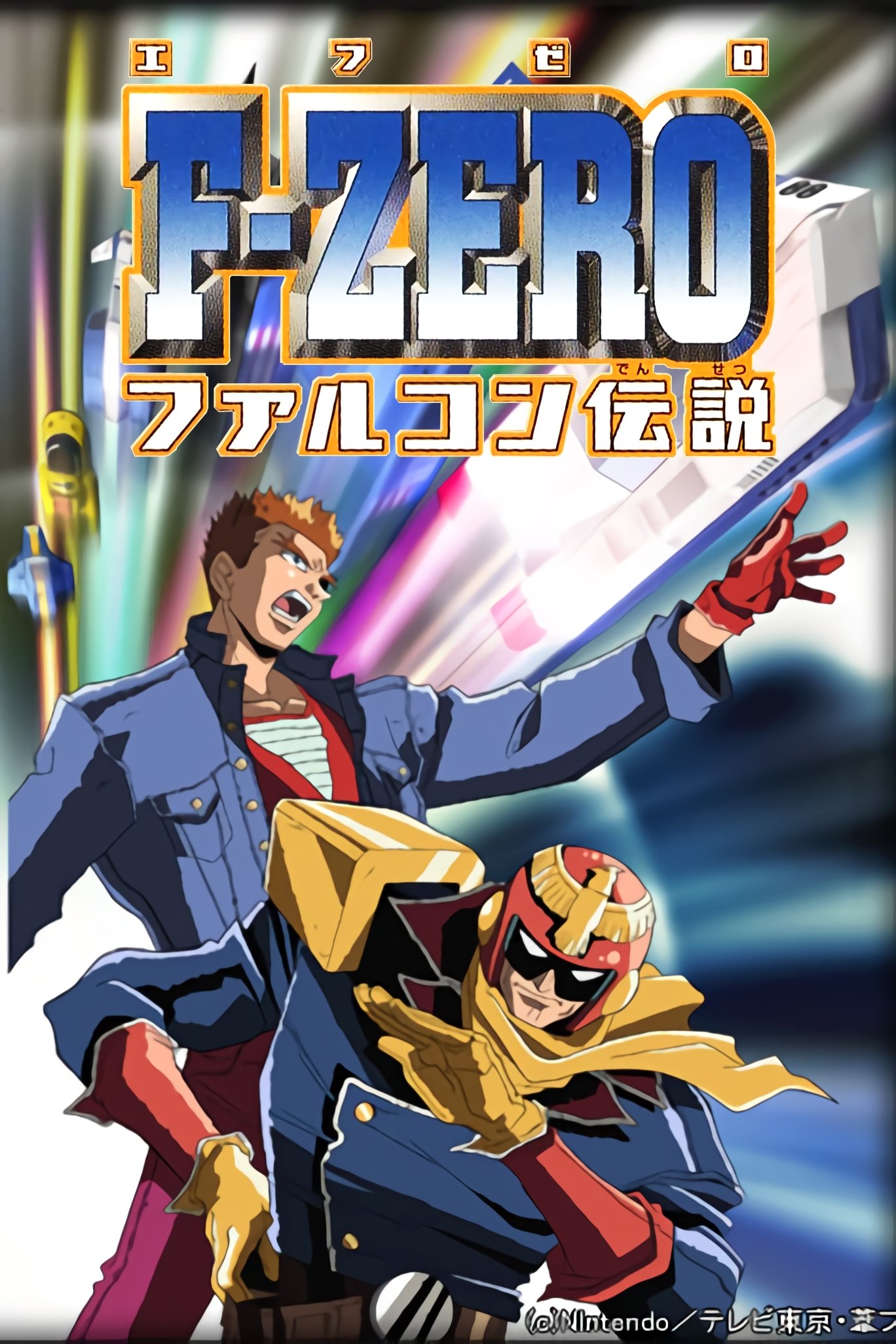
The localization of this racing series involved renaming several characters to match the international versions of the ‘F-Zero’ games. The script was rewritten to focus more on the “galactic police” aspect of the story, downplaying some of the more complex political intrigue found in the original. As with many 4Kids productions, the music was completely replaced, and the violence in the racing crashes was edited for safety standards. The series was also cancelled in the US before all episodes could air.
‘Dinozaurs’ (2000)
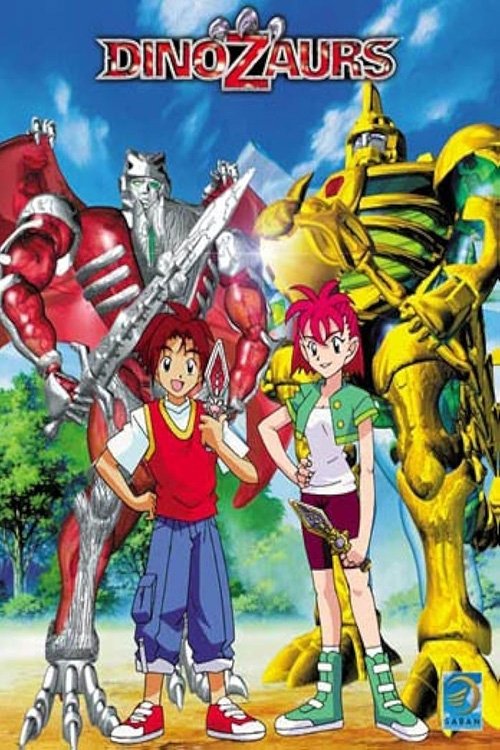
This series, known as ‘Dinozone’ in Japan, was localized with a heavy emphasis on its toy line. The English version changed the names of the prehistoric warriors and their enemies to sound more aggressive and marketable. Much of the original philosophical dialogue about the nature of life and evolution was replaced with standard “battle-cry” scriptwriting. The localization also changed the music to a more heroic, orchestral score typical of Western action cartoons.
‘Daigunder’ (2002)
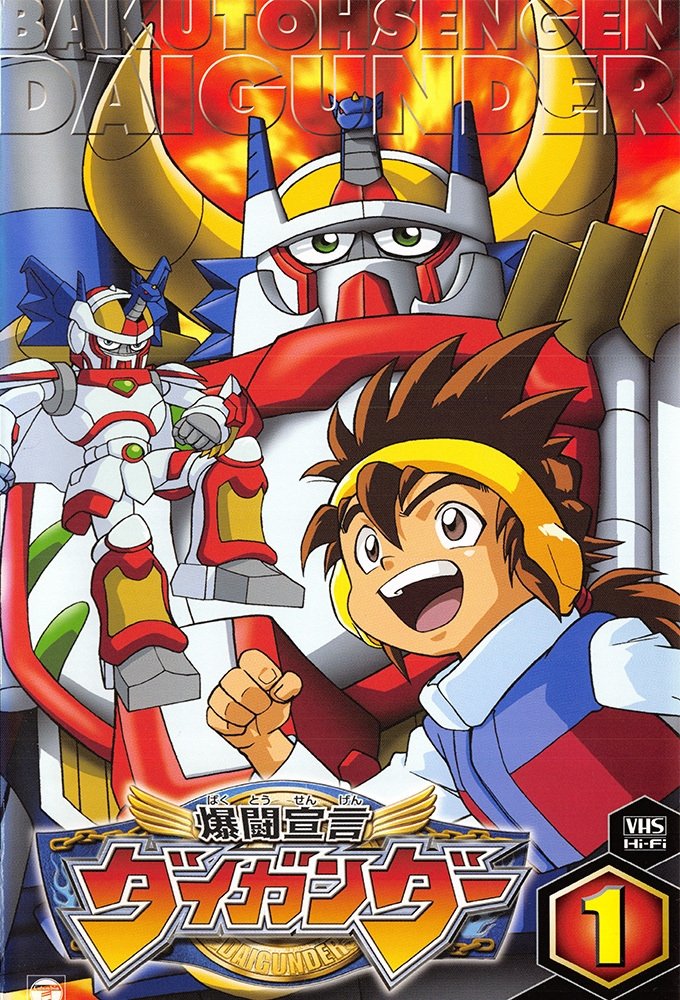
‘Bakutou Sengen Daigunder’ was localized for the US market with several changes to the terminology of the robot battles. The English script added more humor and verbal interactions between the human characters and their robot partners. Some of the more repetitive battle sequences were trimmed to keep the pacing fast for a half-hour time slot. The overall plot about a tournament of robots was kept, but the stakes were framed in a more traditional Western “good versus evil” context.
‘Mon Colle Knights’ (2000)

The localization of ‘Rokumon Tengai Mon Colle Knights’ transformed the series into a high-energy comedy. The English script was filled with breaking-the-fourth-wall jokes and pop culture references that were entirely absent from the original Japanese version. Character names were changed to puns, and the romance between the leads was played more for laughs than drama. This adaptation took a standard fantasy-adventure and turned it into a precursor to the “gag dub” style that would later become popular.
Share your memories of watching these localized versions and tell us which changes you found most surprising in the comments.