

Anime Remakes That Gender-Swapped Villains and Confused the Fandom

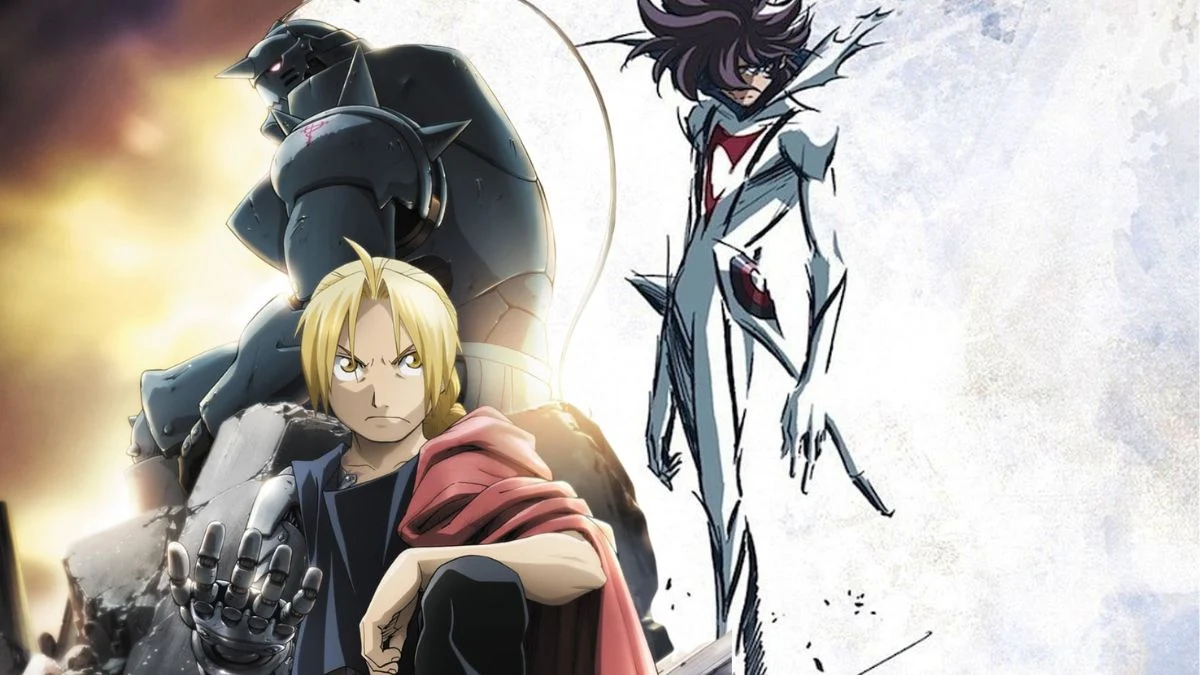


Remaking a classic series often involves updating character designs and plot points to suit modern sensibilities. One of the most controversial changes involves altering the gender of established villains from previous adaptations or source materials. These shifts frequently spark intense debates among longtime fans who grew up with specific interpretations of these characters. The following list highlights instances where remakes or reboots changed the gender of key antagonists.
‘Sailor Moon Crystal’ (2014–2016)
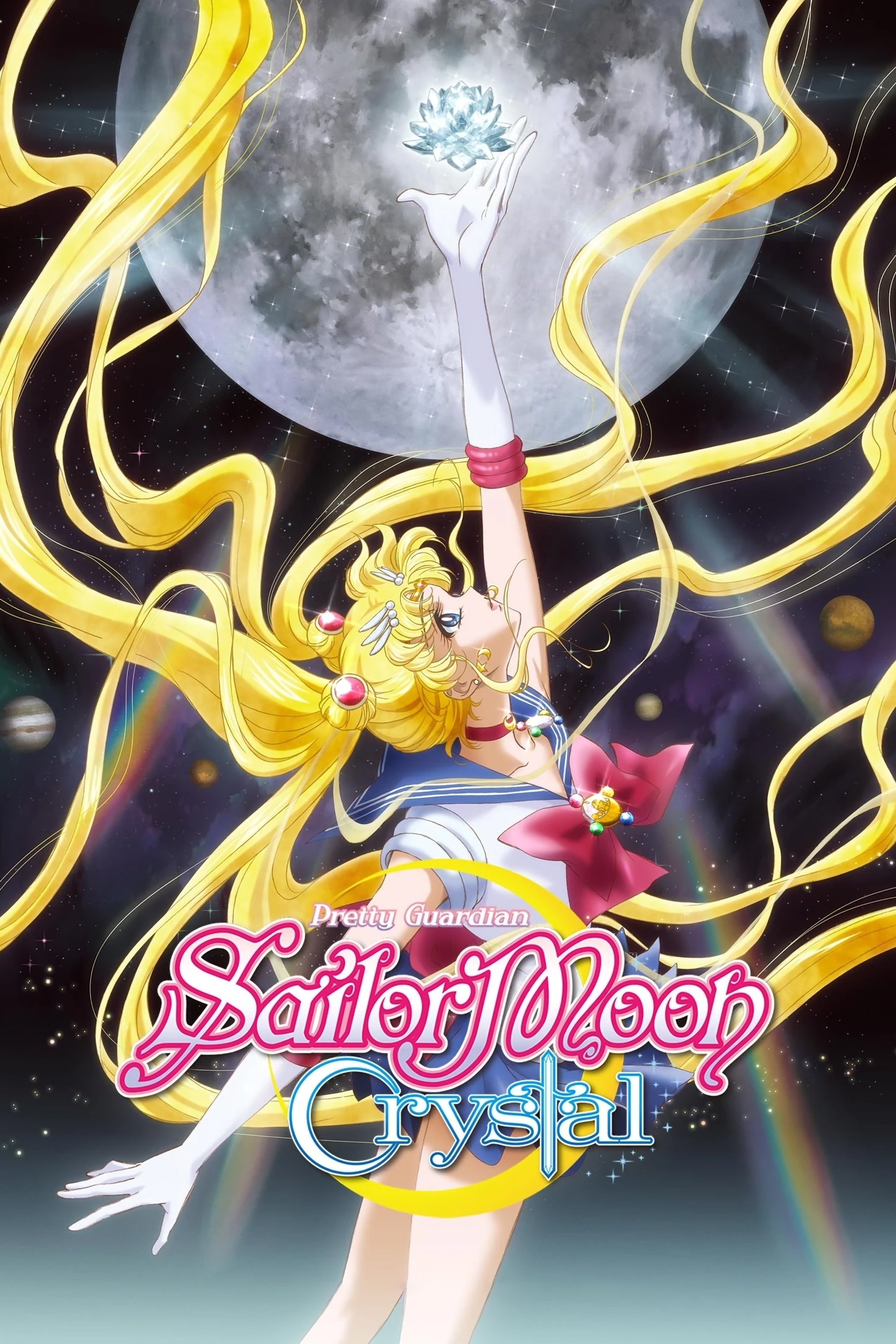
Zoisite appears as a male character in this modern adaptation which aligns more closely with the original manga. This change confused western audiences who were accustomed to the nineties English dub that portrayed the character as female to avoid a same sex relationship. The restoration of his original gender fundamentally altered the dynamic he shared with Kunzite during the first story arc. Fans of the original television series often find the transition back to the source material depiction jarring.
‘Devilman Crybaby’ (2018)
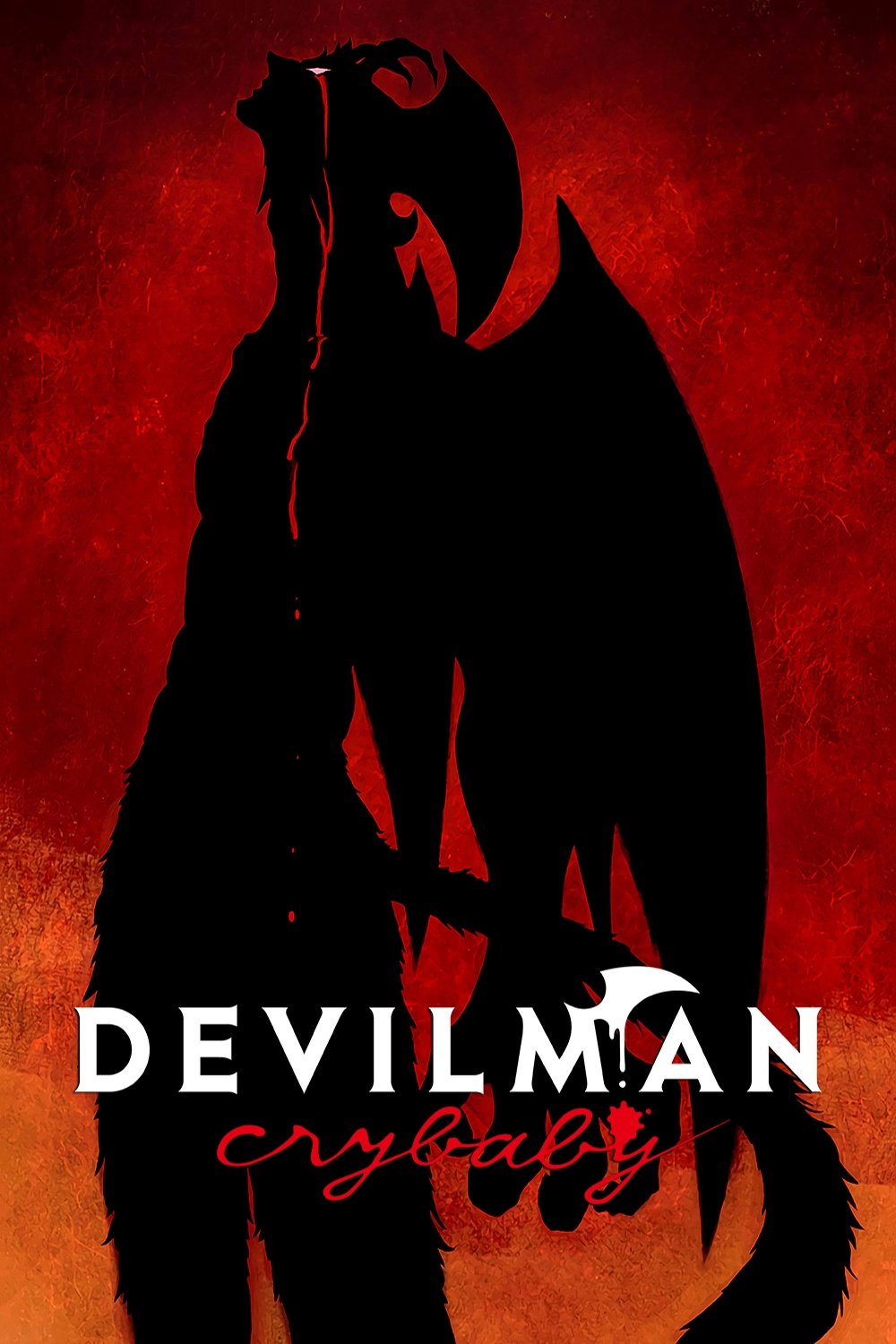
The modern reimagining of the classic Go Nagai story presents the primary antagonist Ryo Asuka with a more fluid gender identity than previous versions. While the character was traditionally depicted as male the updated aesthetic and narrative choices emphasize a more androgynous or intersex nature. This shift aligns with the metaphysical themes of the story regarding the true form of the fallen angel Satan. Many viewers found the updated visuals to be a significant departure from the more masculine designs of the eighties and nineties.
‘Gatchaman Crowds’ (2013–2015)

This reimagining of the classic seventies series introduces a version of Berg Katze that challenges traditional gender norms. The character is portrayed as an alien entity that takes on various forms and uses feminine pronouns while maintaining a flamboyant male appearance. This departure from the original masked villain caused confusion among fans of the legacy ‘Science Ninja Team Gatchaman’ franchise. The remake focuses on the psychological impact of the villain rather than simple physical combat.
‘Fullmetal Alchemist: Brotherhood’ (2009–2010)
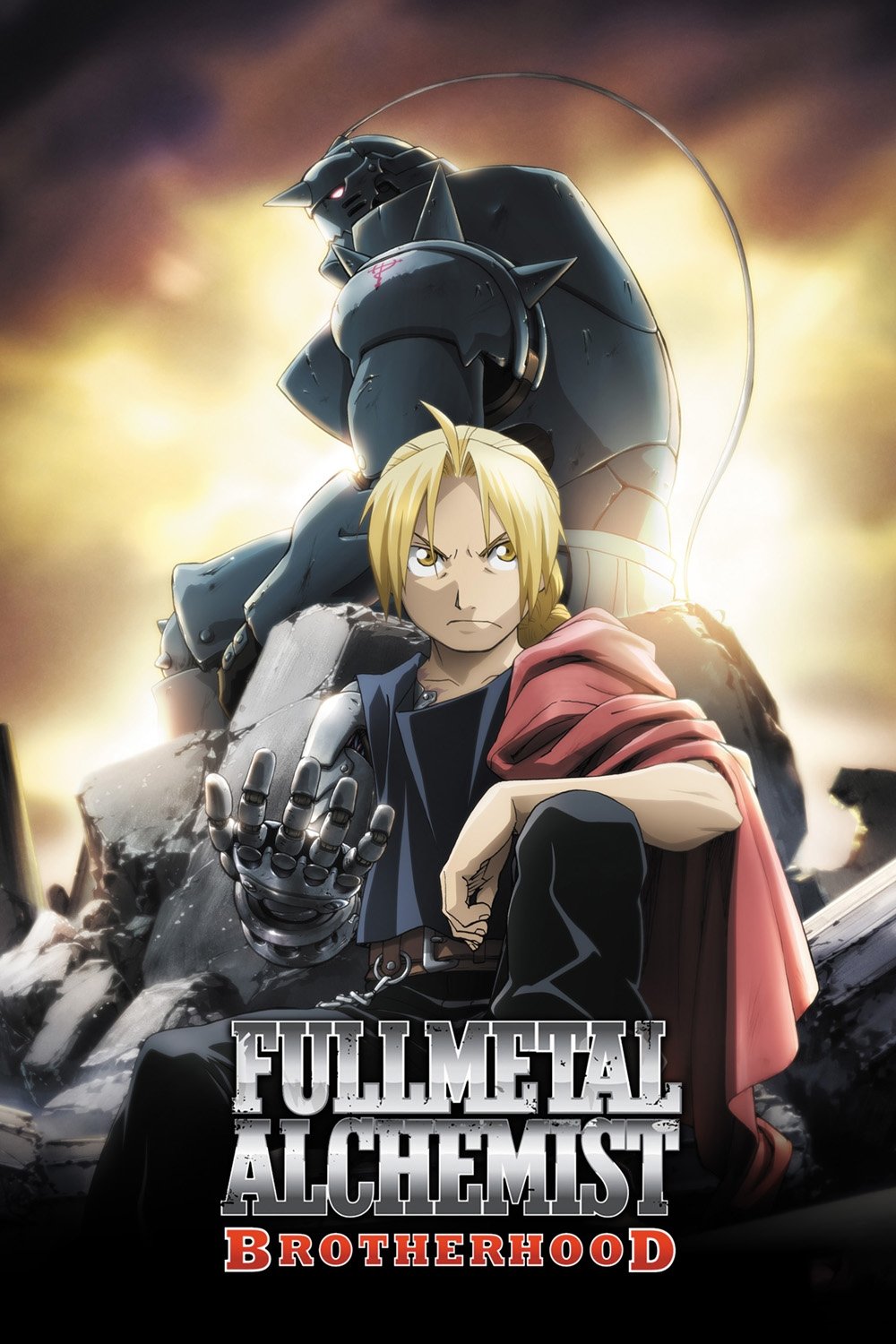
While the character of Envy is consistently genderless across most media the vocal performances and characterizations vary significantly between the two major anime series. In the later remake the character possesses a more masculine energy while maintaining an androgynous appearance that fits their shapeshifting nature. Fans often debate the gender identity of the homunculus because the original series and manga provide conflicting visual cues. The ambiguity is a central part of the character design intended to reflect the sin of envy.
‘Fruits Basket’ (2019–2021)
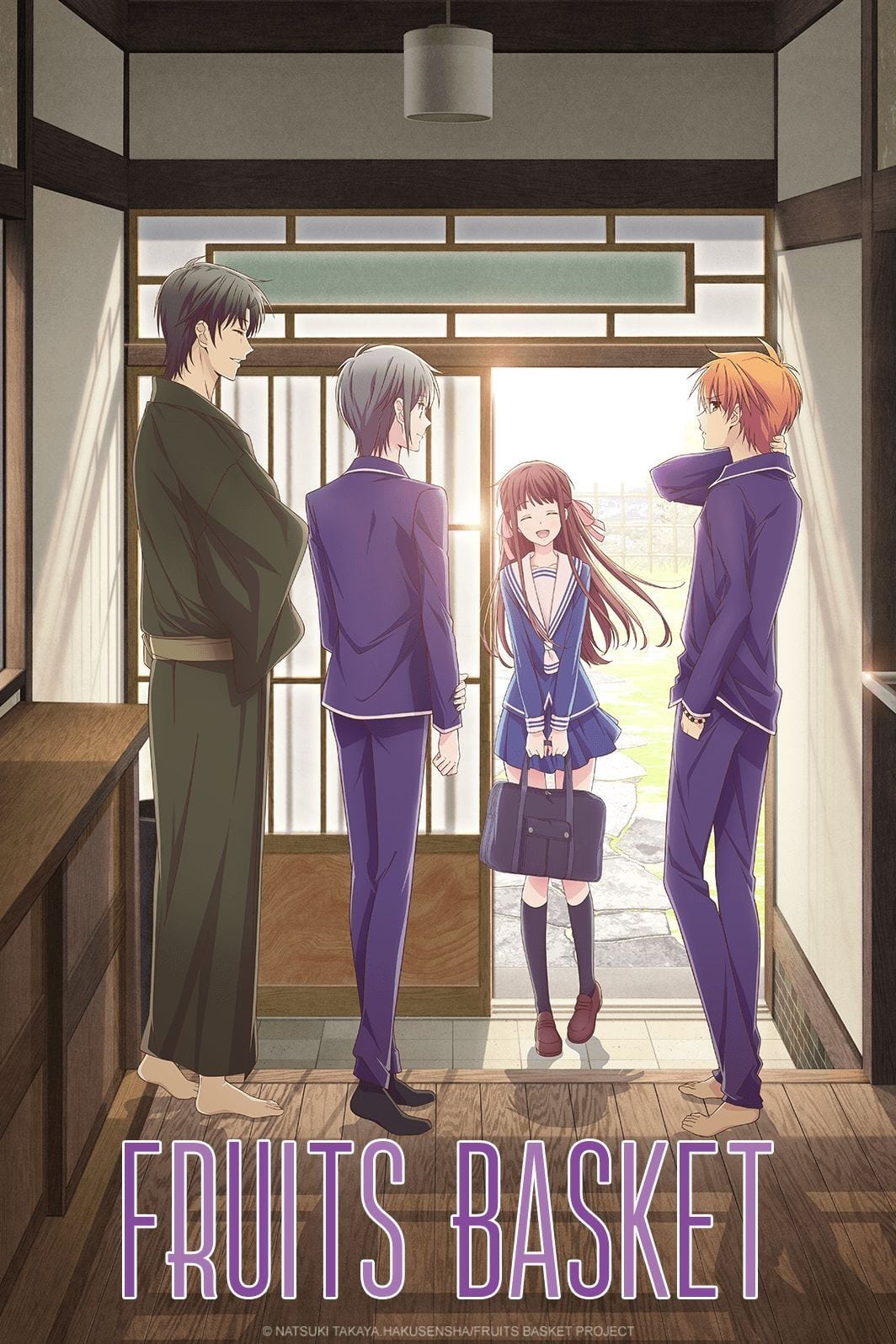
The head of the Sohma family Akito is revealed to be biologically female in this faithful remake of the manga. This revelation contrasts with the earlier television adaptation where the character was definitively portrayed as male. The change is central to the plot as it explains many of the underlying traumas and motivations of the Zodiac members. New viewers and those only familiar with the first anime were often shocked by the narrative shift regarding the primary antagonist.
‘Dororo’ (2019)
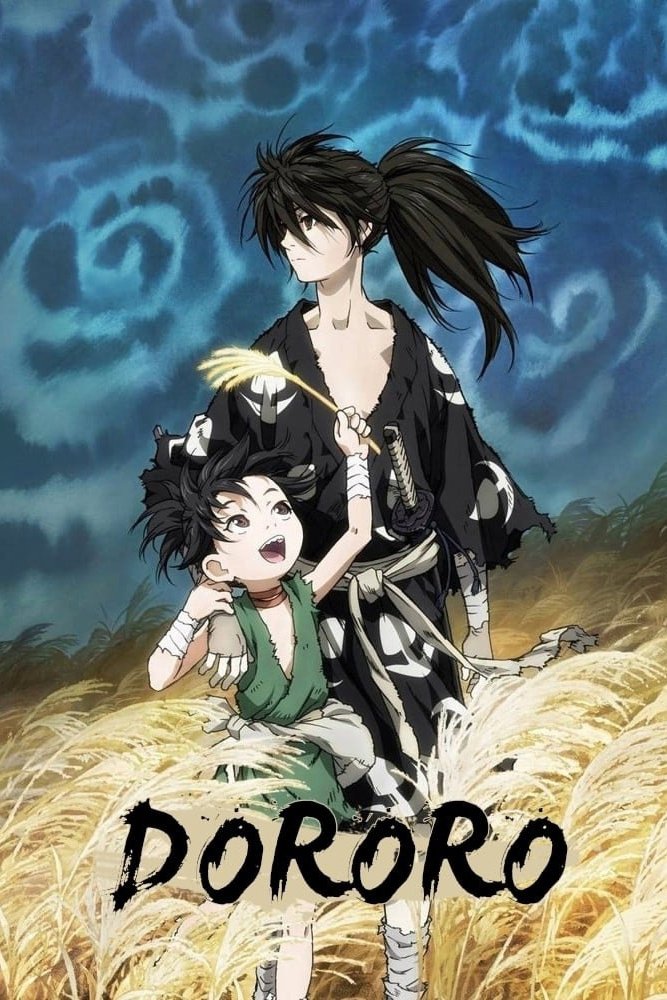
The modern remake of Osamu Tezuka classic work features several demons and secondary antagonists with altered designs. One specific instance involves the depiction of the demon that stole the skin of Hyakkimaru which takes on a more feminine form in certain sequences compared to the sixties version. These aesthetic updates serve to modernize the folk horror elements of the story for a new generation. The ambiguity of some spirits creates a sense of unease that the original black and white series could not achieve.
‘Cutie Honey Universe’ (2018)
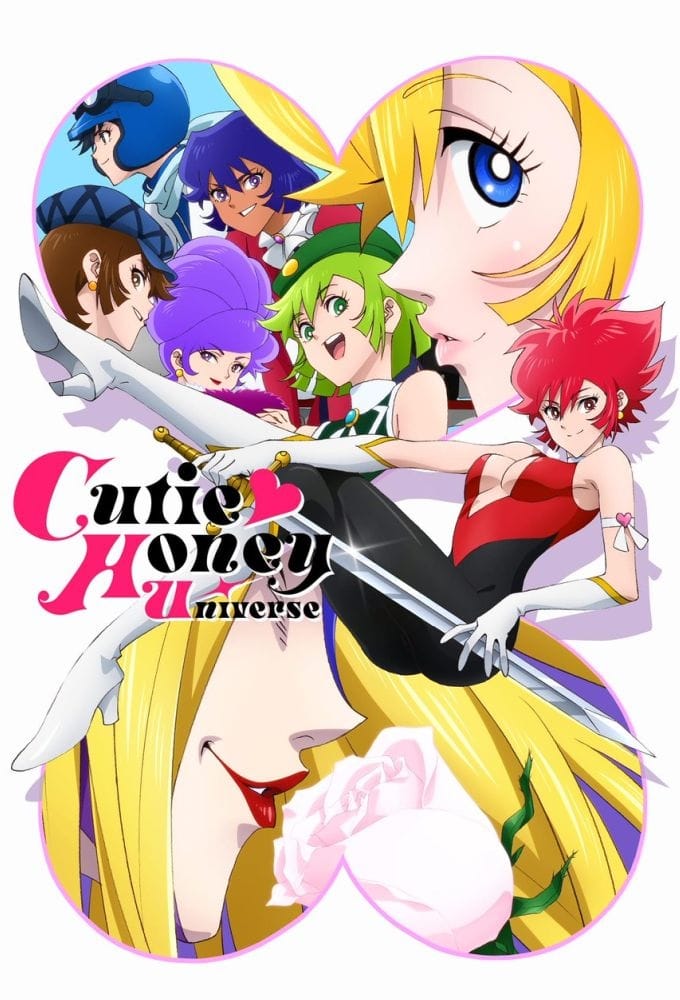
Sister Jill is the primary antagonist who leads the Panther Claw organization in this remake of the classic franchise. While the character has always been female her presentation and interactions with other villains have evolved through different reboots. In this version the focus on her obsessive and romanticized villainy creates a different dynamic than the campier versions of the past. Fans often compare her modern look to the more traditional designs from the seventies and nineties.
‘Saint Seiya: Knights of the Zodiac’ (2019–2022)
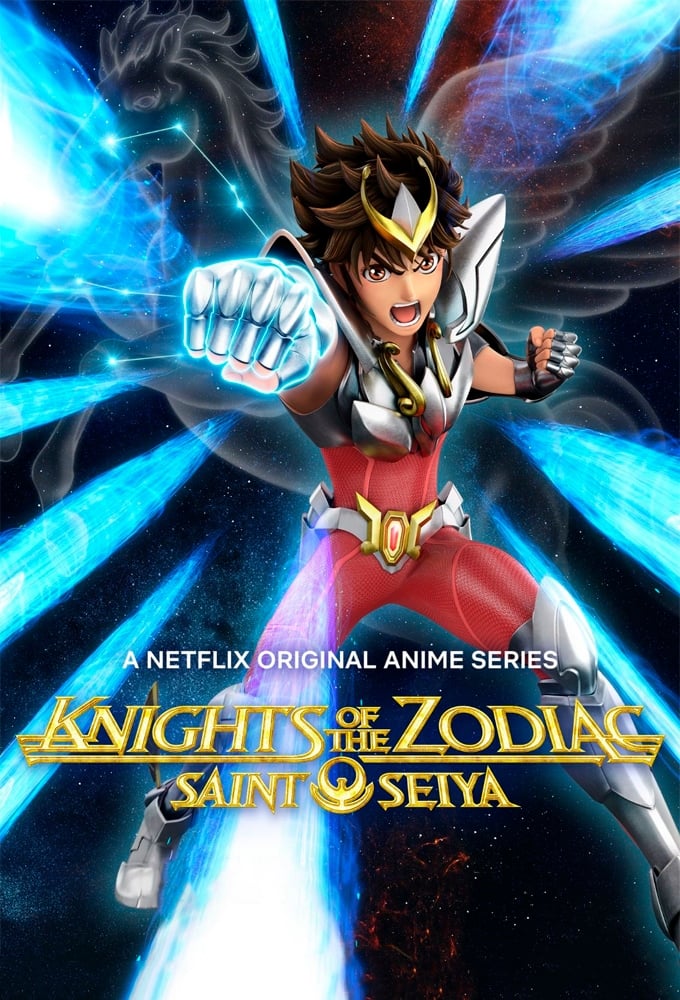
In this CGI remake several silver saints and secondary antagonists appear as women instead of the male characters from the original eighties series. This decision was part of a broader effort to introduce more diversity into the ranks of the powerful warriors serving the gods. Longtime fans of the franchise were often confused by the sudden shift in character identity for established figures like Scorpio Milo. The update remains one of the most discussed changes in the history of the classic series.
‘Hellsing Ultimate’ (2006–2012)

The character of Schrödinger is depicted as a young boy with feminine features which creates confusion regarding his identity within the Millennium organization. This faithful adaptation of the manga highlights the androgynous nature of the antagonist more effectively than the original series. His design is meant to be unsettling and reflect the chaotic nature of his supernatural abilities. Many fans have debated his gender for years due to the visual style of the creator.
‘Kamen Rider Black Sun’ (2022)
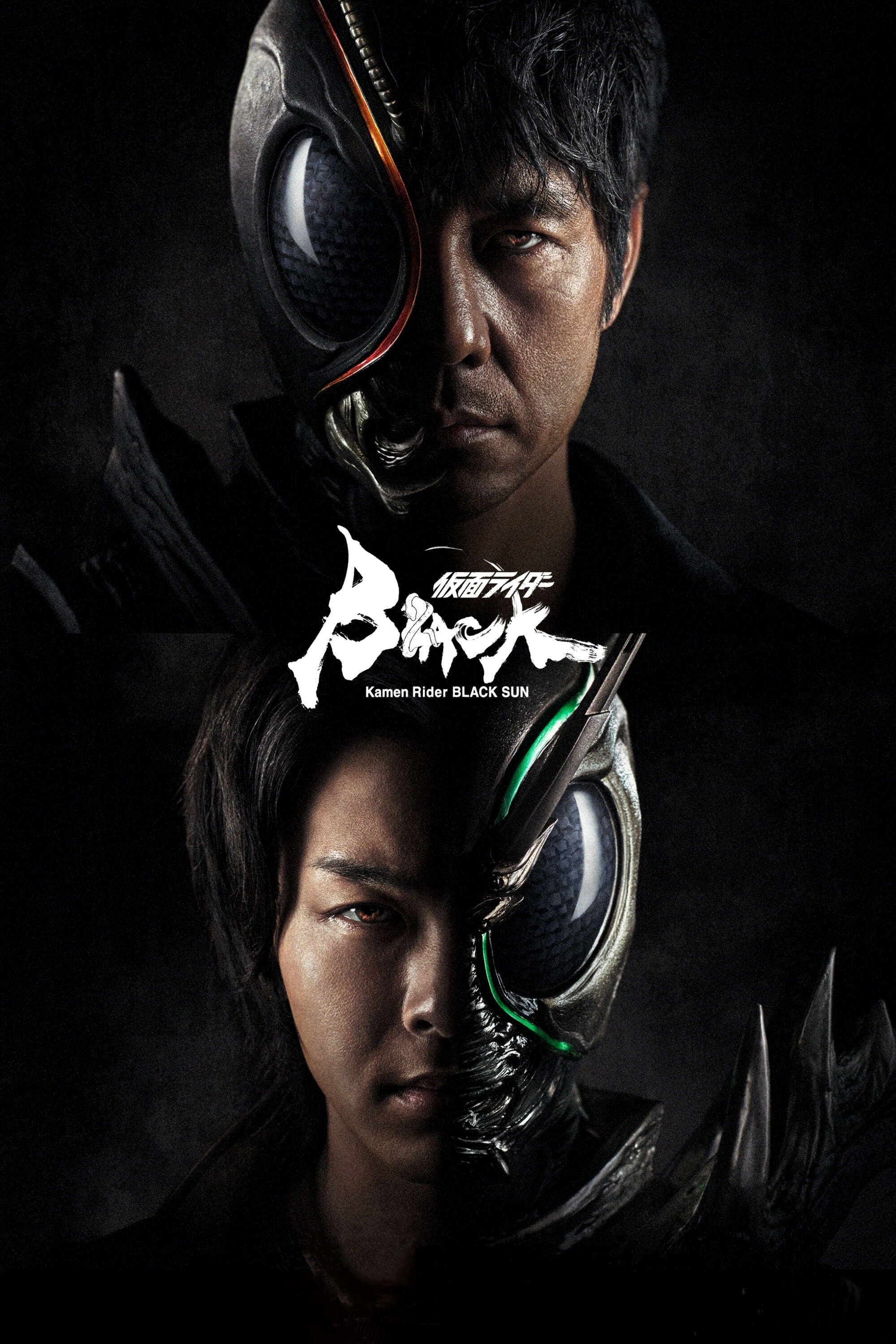
This mature reimagining of the classic tokusatsu series features several kaijin villains with updated genders. The leadership of the Gorgom organization includes members who were male in the eighties series but appear as female or non binary characters here. These changes are intended to reflect a more complex political landscape within the narrative. Longtime fans of the original live action and manga series often find these reinterpretations to be the most shocking aspect of the reboot.
‘Fate/Apocrypha’ (2017)
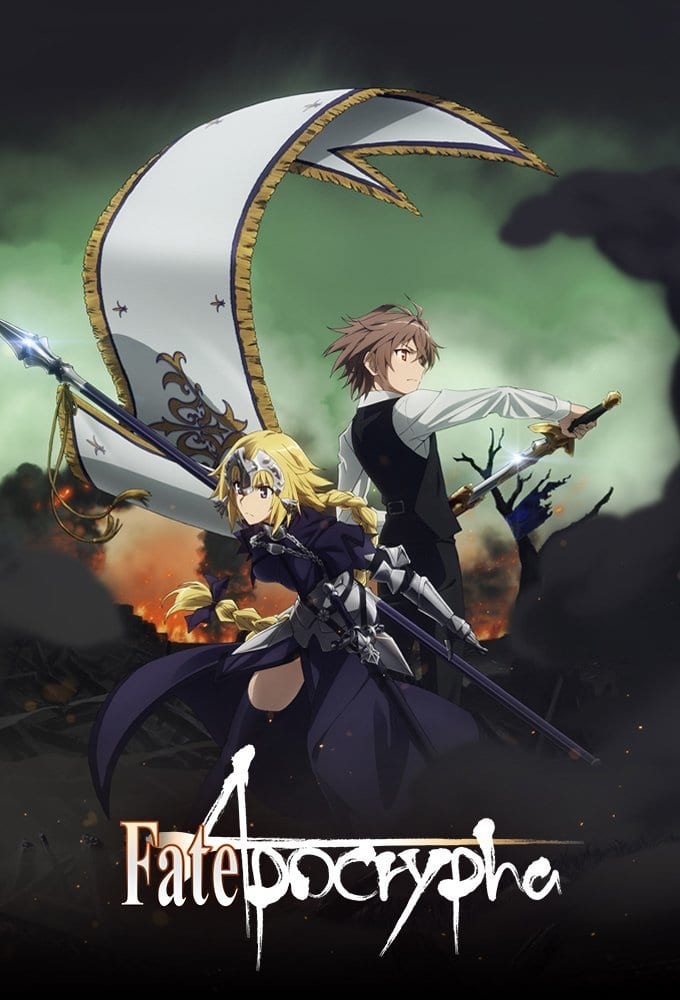
Mordred is the son of King Arthur who appears as a female knight in this alternative retelling of the Holy Grail War. The character serves as a primary antagonist for several factions and is fueled by a desire to surpass her father. The gender swap is explained through the magical lore of the series which often reimagines historical figures. Fans frequently discuss the implications of her lineage and how it affects her motivations as a warrior.
‘Fate/Grand Order Absolute Demonic Front: Babylonia’ (2019–2020)
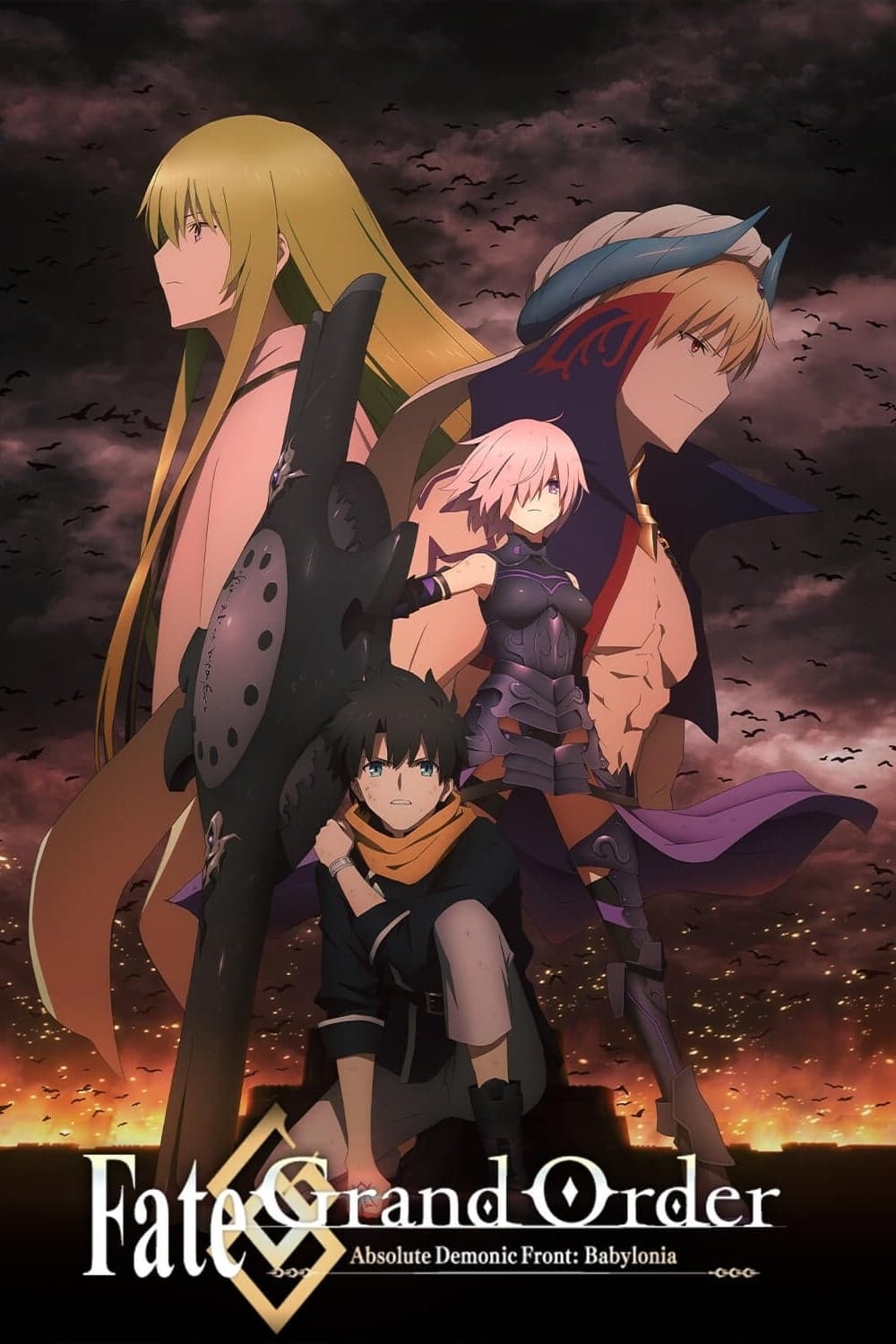
The ancient hero Gilgamesh is joined by various historical figures like Quetzalcoatl who is traditionally a male deity but appears as a woman here. She acts as a powerful antagonist before eventually joining the side of the protagonists. This reimagining of Mesoamerican mythology caused confusion among those familiar with the original legends. The series is known for its creative liberty when it comes to the gender of mythic beings and historical icons.
‘Drifters’ (2016)
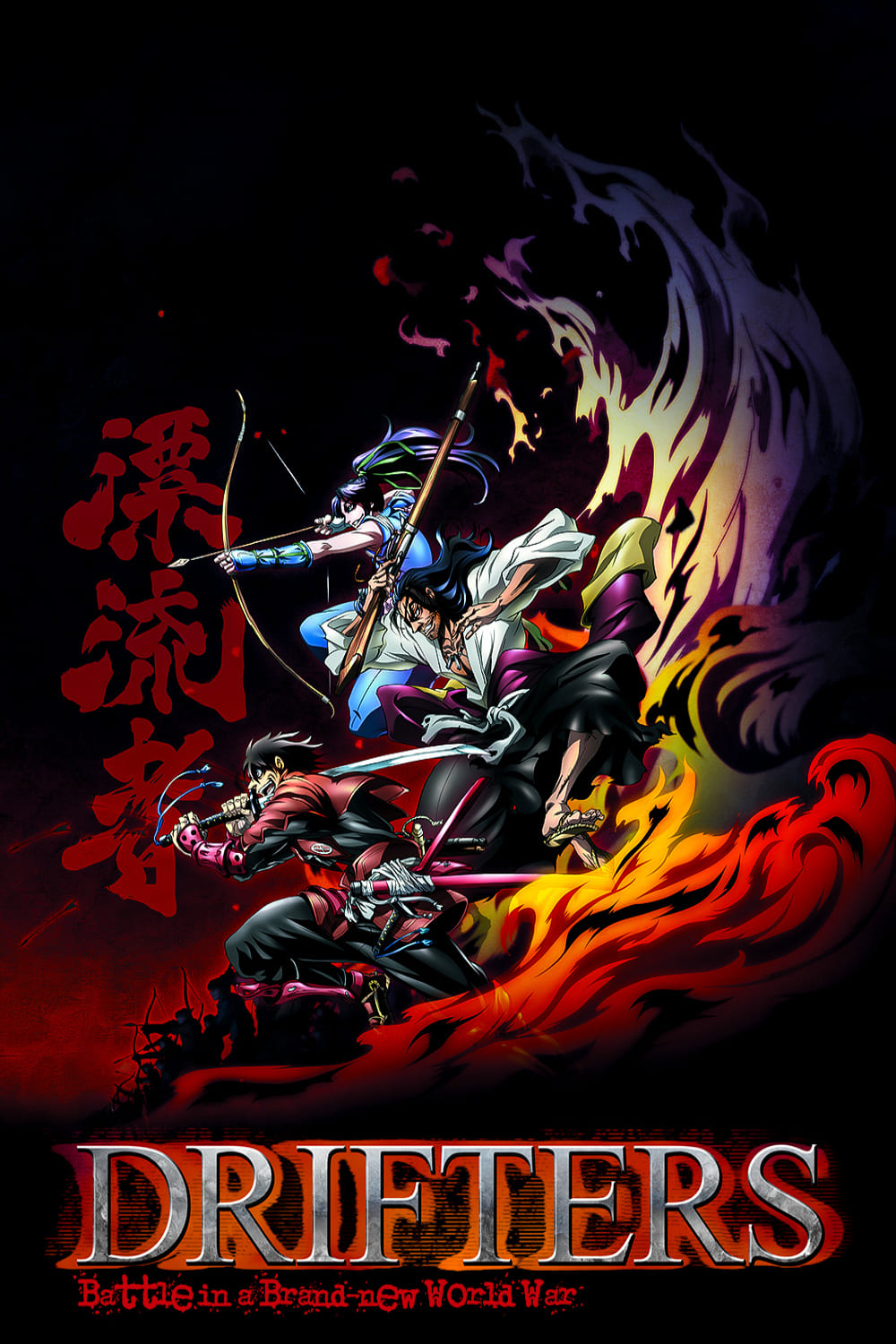
This series features various historical figures who are brought to a fantasy world to fight as either heroes or villains. Joan of Arc is depicted as a vengeful and powerful antagonist who has been gender swapped from her historical counterpart in terms of her aggressive and supernatural presentation. While she was biologically female in history the anime portrays her with a more masculine and terrifying combat style. Her transformation into a pyromaniac villain provides a dark twist on her traditional image.
‘Trigun Stampede’ (2023)
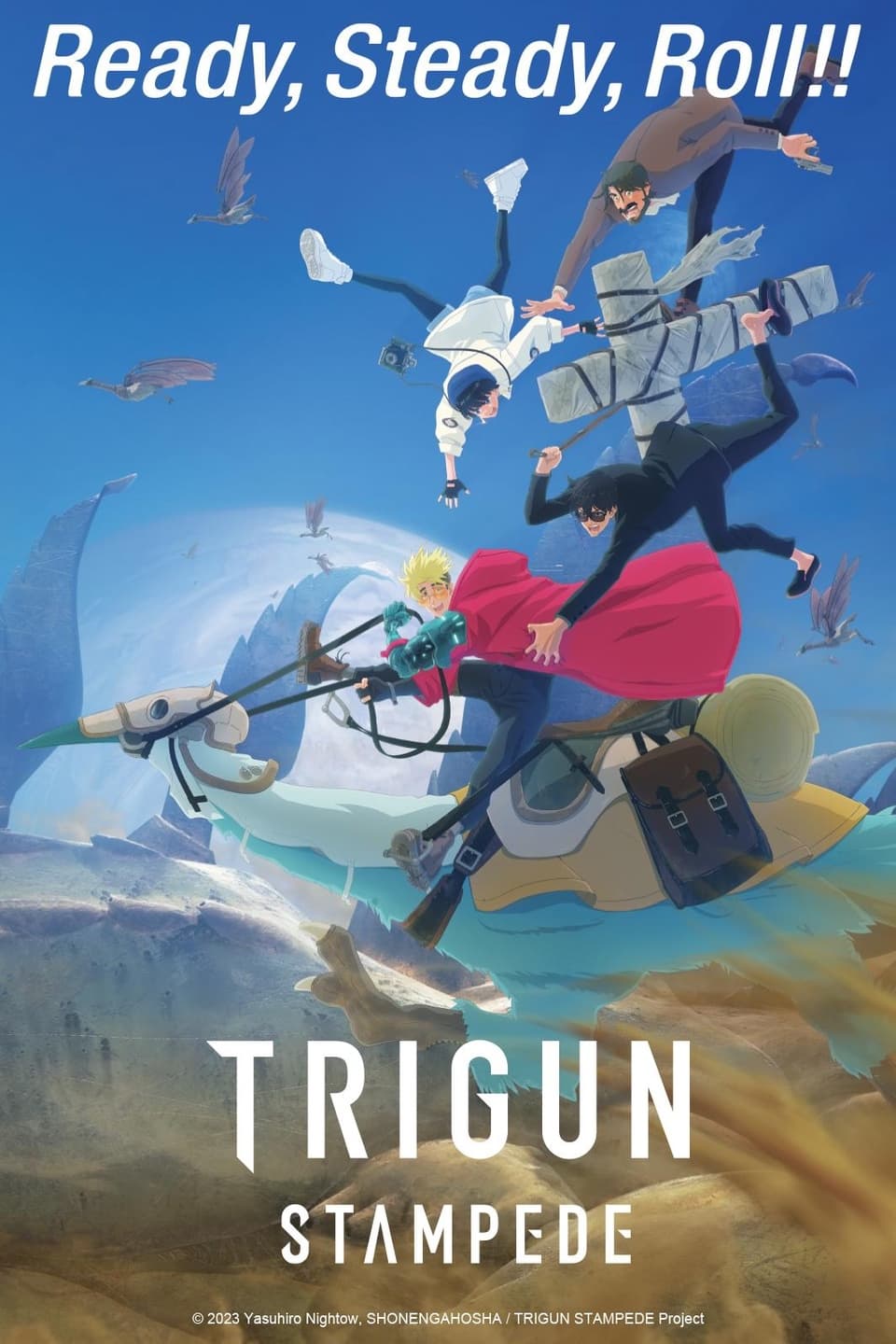
The character Zazie the Beast undergoes a significant redesign in this modern reimagining of the classic space western. While the character was male in the original manga and anime the new version is depicted with a more feminine or non binary appearance. This change reflects the alien nature of the character who acts as an observer and antagonist for the Gung Ho Guns. Fans of the nineties series were surprised by the drastic shift in visual style and characterization.
‘Spriggan’ (2022)
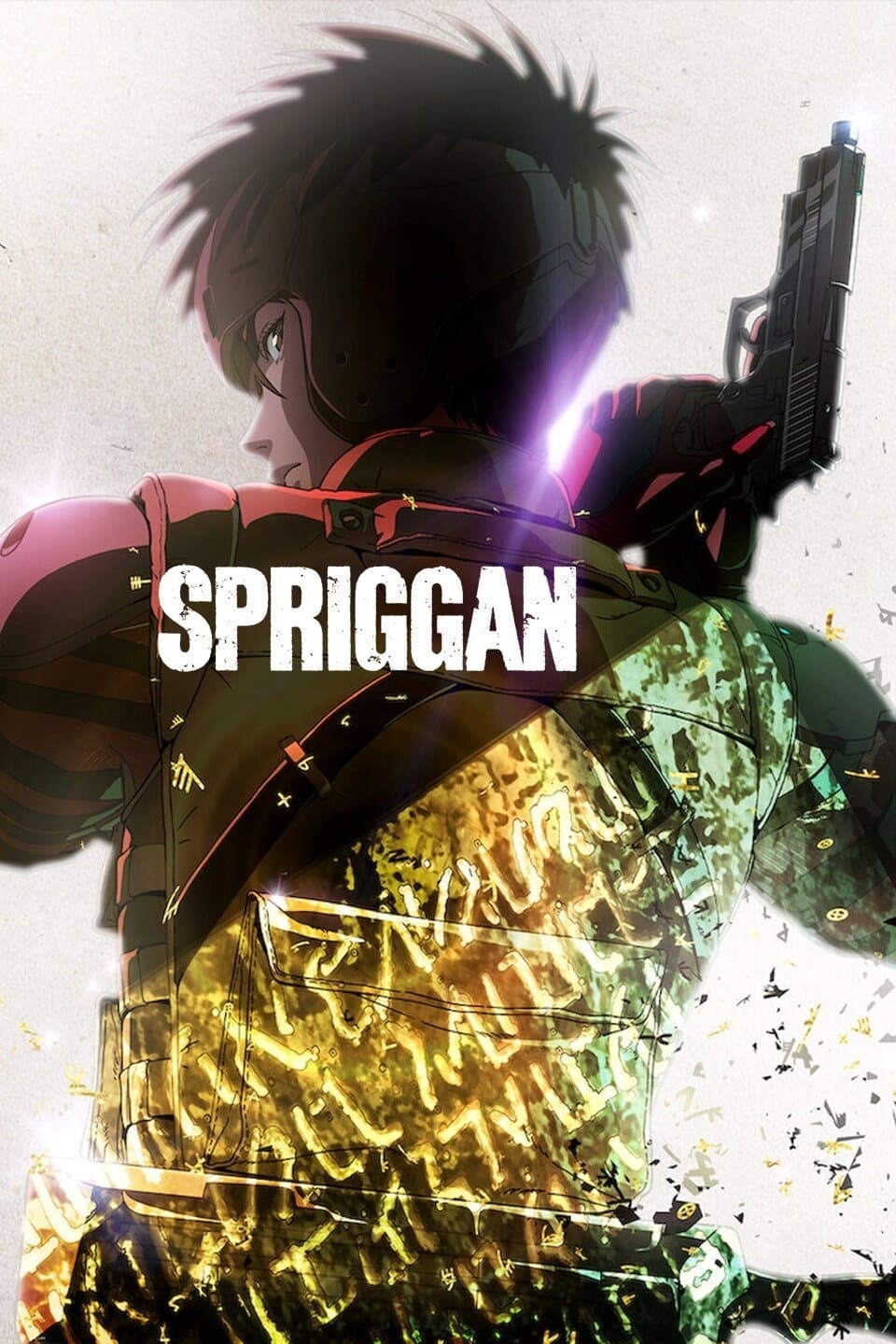
The modern remake of this classic action series features several cybernetically enhanced villains who have been redesigned. Some characters who appeared as standard male soldiers in the nineties film now possess more varied gender expressions or backgrounds. This adds a layer of diversity to the antagonistic forces that the protagonist must overcome. The high octane action sequences remain the focus despite these character updates.
‘Urusei Yatsura’ (2022–2024)
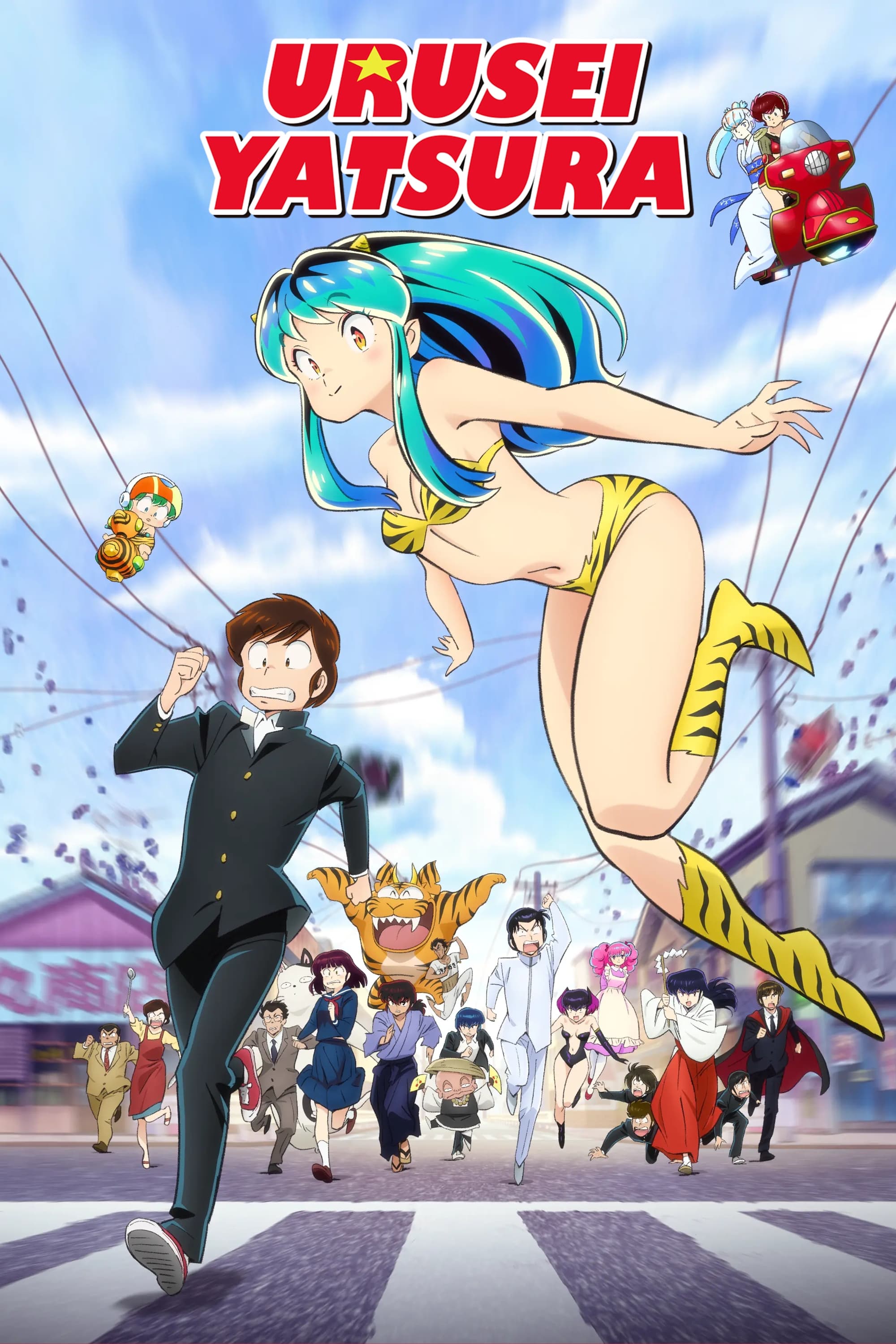
The reboot of this iconic comedy series features numerous alien antagonists and rivals who visit Earth. Some of the minor villains who appeared in the original eighties run have been updated with modern designs that sometimes blur gender lines. These changes reflect the evolution of character design in the decades since the first adaptation. Fans enjoy spotting the differences between the classic and modern versions of these quirky characters.
‘Hunter x Hunter’ (2011)
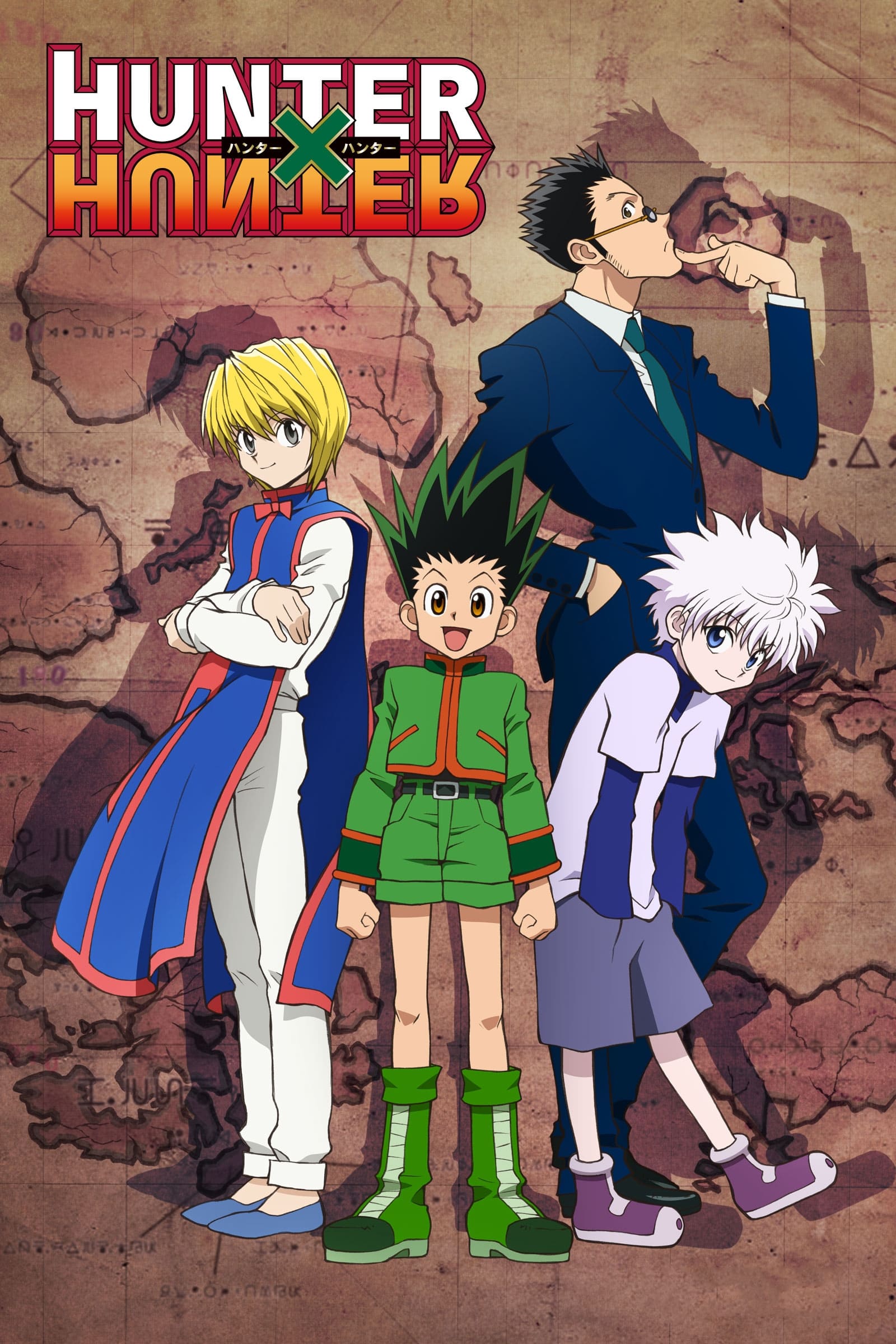
The antagonist Neferpitou is a member of the Chimera Ant Royal Guard whose gender is intentionally left ambiguous by the creator. In the modern remake the character possesses a more feminine silhouette and facial structure compared to the depictions in the manga and early games. This design choice led to widespread confusion and debate among fans regarding the correct pronouns for the character. The lethal nature of the villain remains a constant source of tension regardless of their physical presentation.
‘GeGeGe no Kitaro’ (2018–2020)
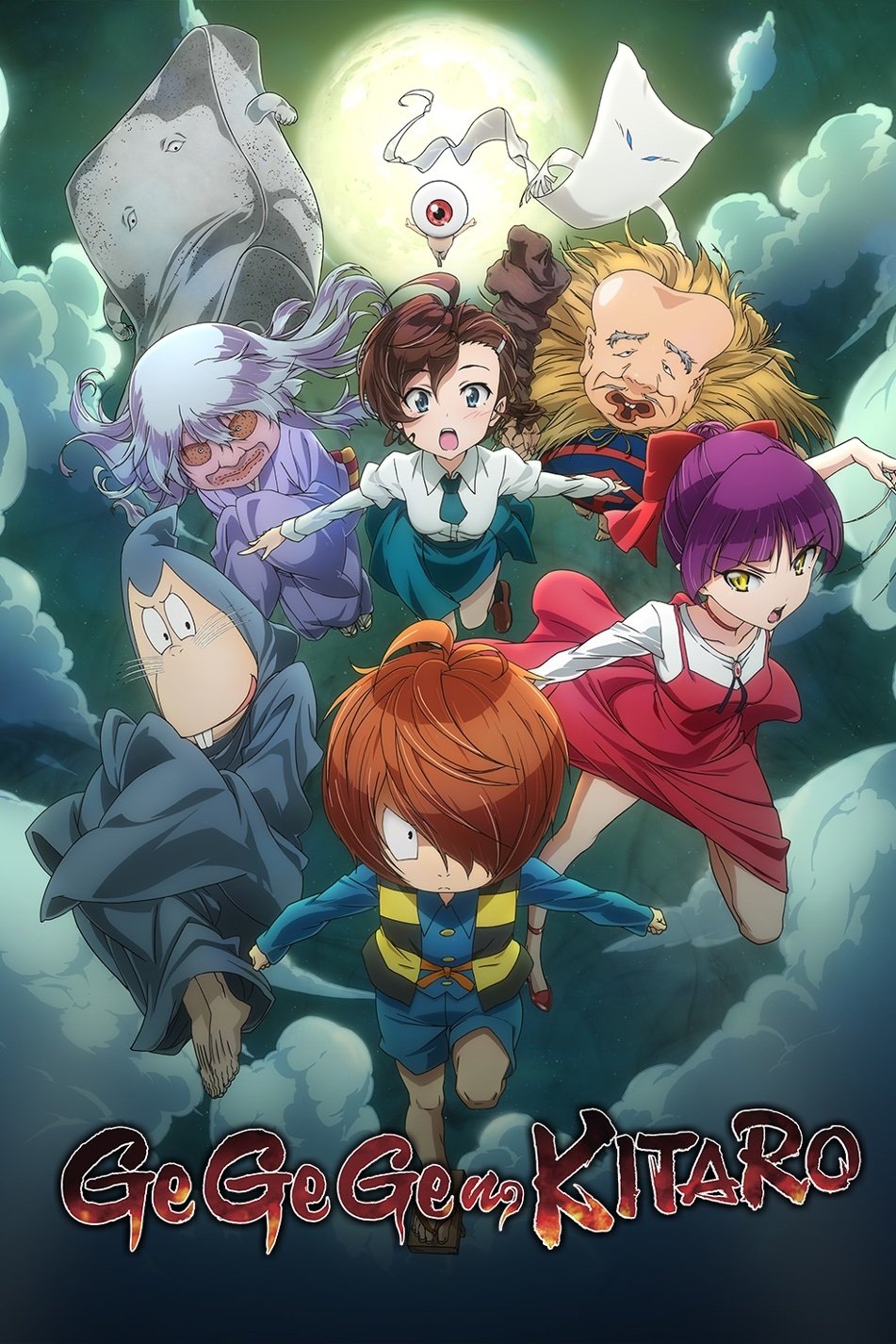
This sixth adaptation of the classic franchise features several recurring yokai villains with updated genders. Characters who were traditionally male in the sixties and seventies versions have been reimagined as female to provide a fresh perspective. These updates allow the series to explore modern social themes while staying true to its supernatural roots. The fandom often discusses how these changes affect the dynamics between the yokai and the human world.
‘Getter Robo Arc’ (2021)
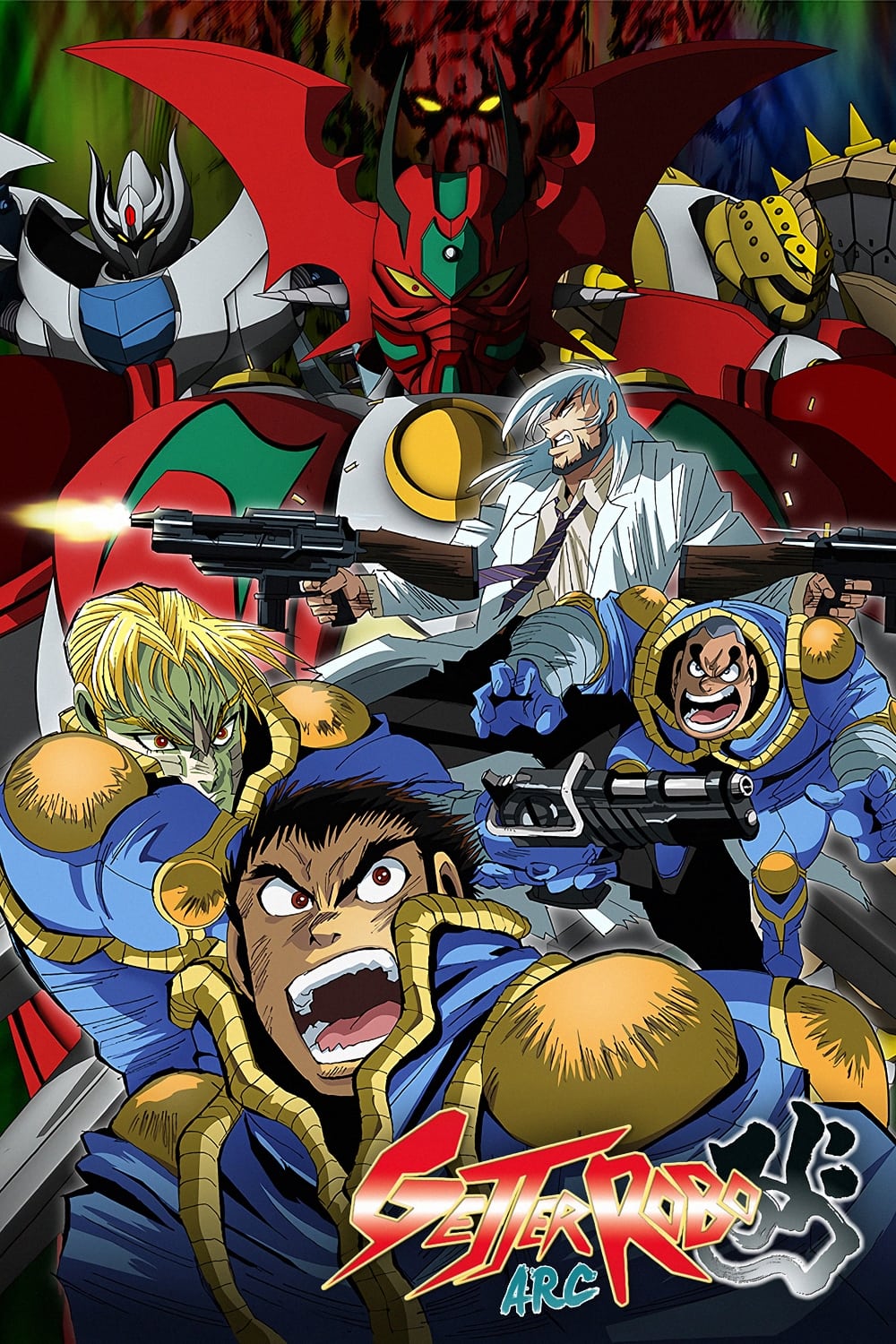
The long awaited adaptation of the final chapter in the Getter Robo saga features several dinosaur empire villains. Some of these antagonists have been redesigned with traits that appear more feminine or androgynous compared to the original seventies series. These visual updates reflect the evolved art style of the late Ken Ishikawa. Fans of the classic mecha genre often find these changes to be a bold step for the franchise.
‘Mazinger Z: Infinity’ (2017)
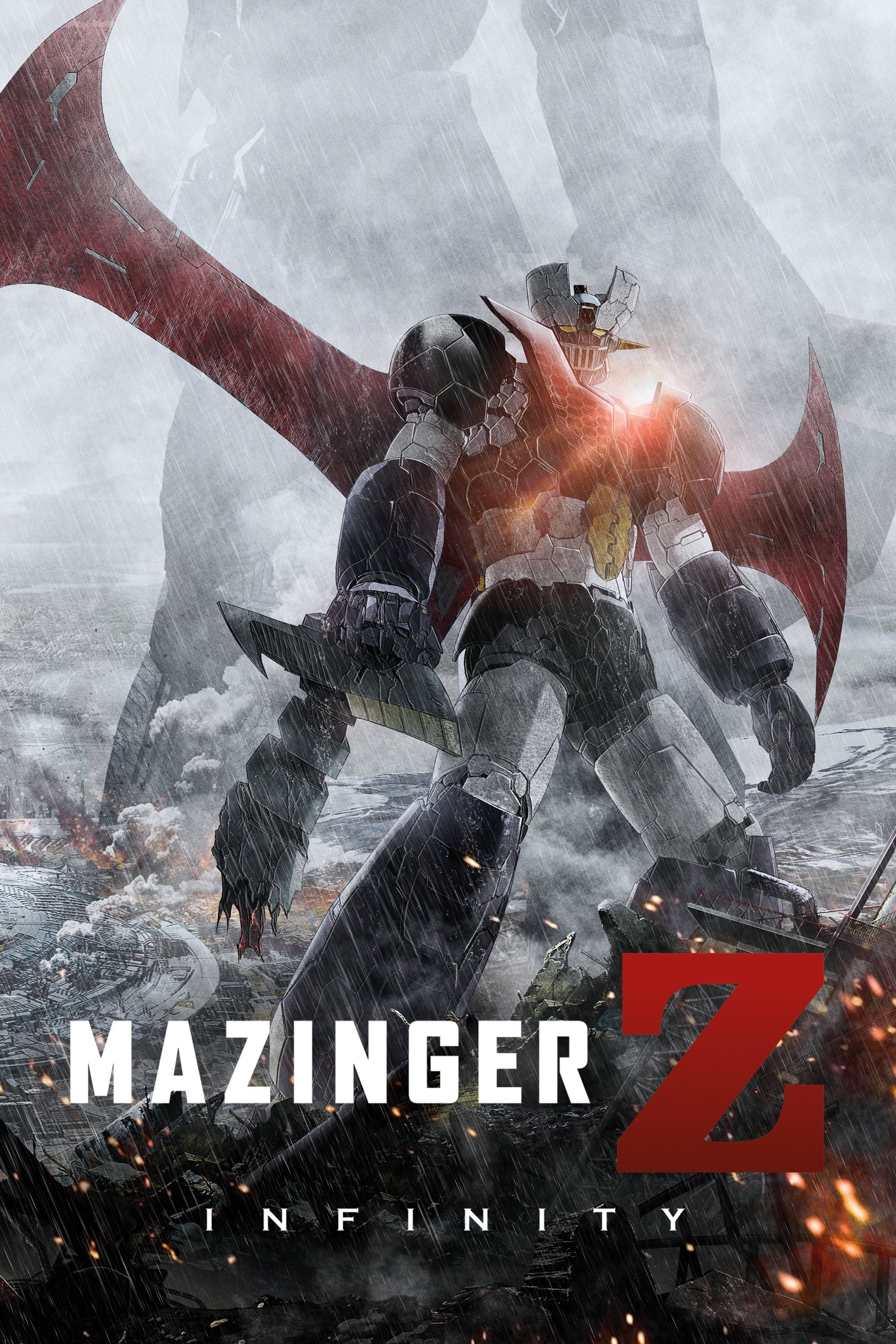
Baron Ashura is a classic villain who is literally split down the middle with one male half and one female half. The modern film adaptation uses updated animation to highlight this unique duality more vividly than ever before. This character has always been a source of fascination and confusion for audiences due to their composite nature. The remake pays homage to this iconic design while integrating it into a modern cinematic experience.
‘Casshern Sins’ (2008–2009)
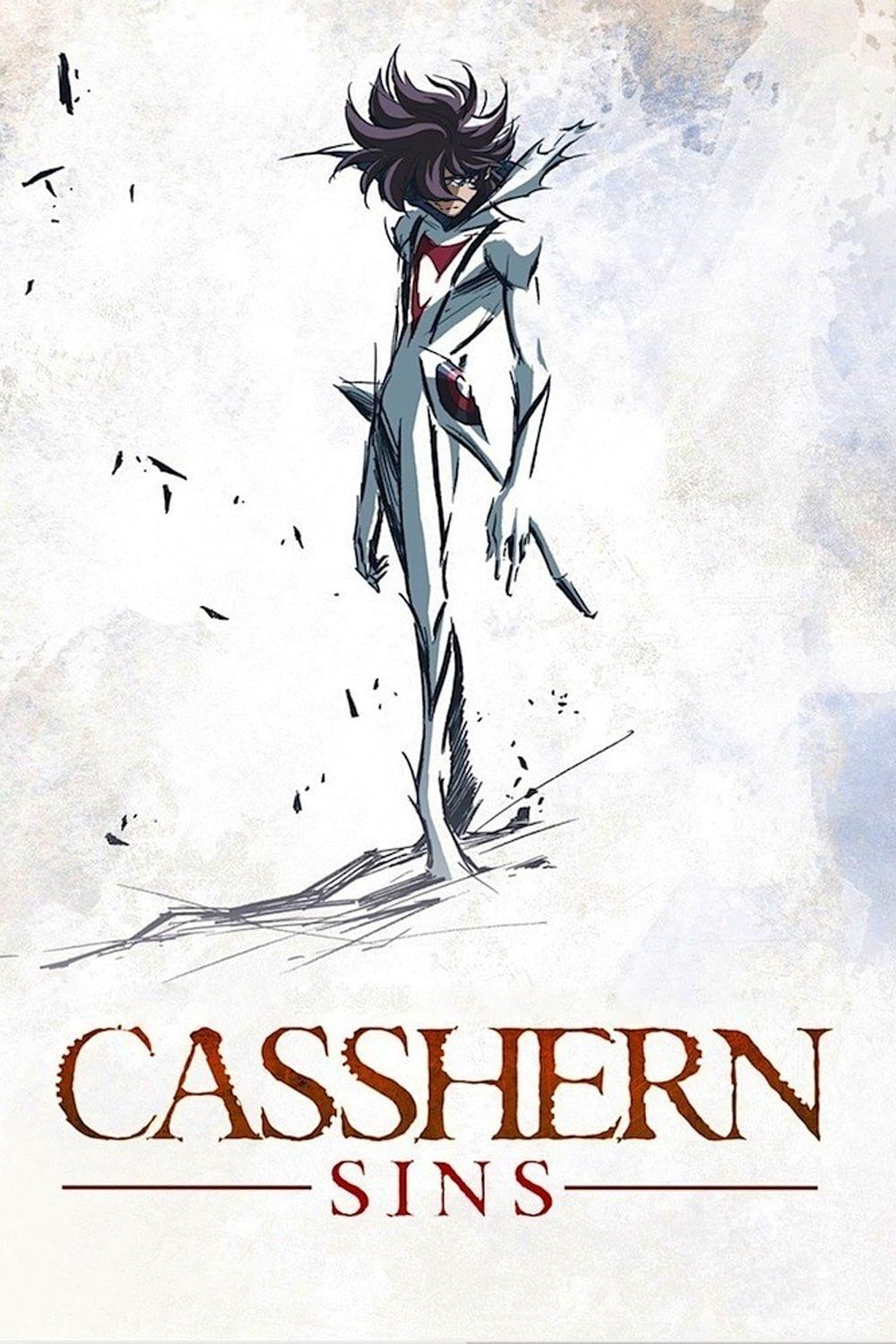
This dark reimagining of the seventies superhero series features several robotic antagonists who have been gender swapped. The character of Leda is a prominent example of a villain who wields significant influence over the decaying world. Her role is more expanded and complex than the female villains found in the original ‘Neo-Human Casshern’. The series is praised for its atmospheric storytelling and reimagined character archetypes.
‘The Legend of the Galactic Heroes: Die Neue These’ (2018–2024)
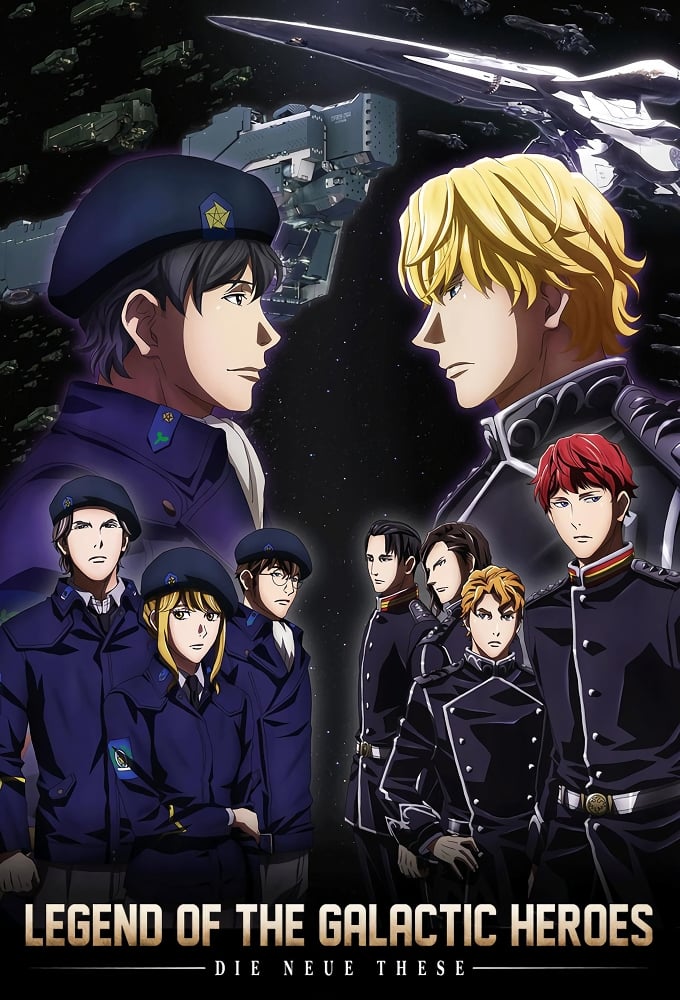
The remake of this space opera features a vast cast of characters who have been given modern visual updates. Some of the political and military antagonists have been redesigned to look more youthful and androgynous than their eighties counterparts. This change was intended to appeal to a newer generation of anime fans. Longtime viewers sometimes struggle to reconcile these new designs with the more rugged looks of the original series.
‘Blade of the Immortal’ (2019)
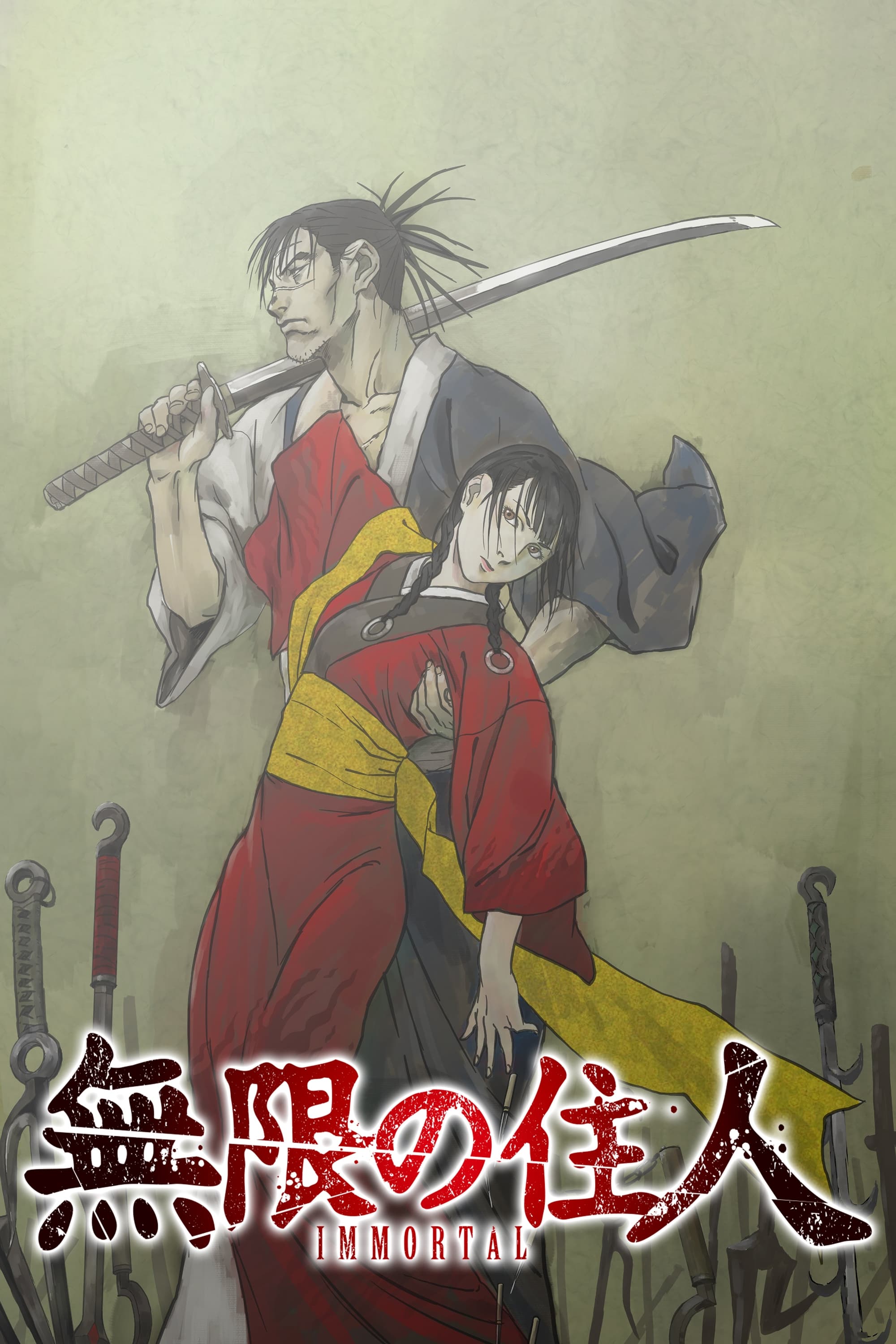
The modern adaptation of this gritty samurai manga features various members of the Itto ryu who have been redesigned. Some secondary antagonists who were more traditionally masculine now possess features that blur the lines of gender. This adds to the eclectic and dangerous feel of the rival sword school led by Anotsu Kagehisa. Fans appreciate the faithful yet visually updated approach to the source material characters.
Share your thoughts on these villainous character changes in the comments.