

Anime Remakes That Turned Strong Female Characters Into Damsels



The animation industry frequently revisits classic titles to introduce beloved franchises to a modern audience with updated visuals and audio. Fans often anticipate these reboots will enhance the original experience by resolving plot inconsistencies or expanding character development. A surprising trend in some of these adaptations involves the significant regression of female characters who were once portrayed as independent and powerful. Studios occasionally rewrite these capable figures into passive roles to shift focus toward male protagonists or to align with different demographic trends. This narrative choice transforms iconic warriors and leaders into damsels who exist primarily to advance the stories of others.
‘Dragon Ball Super’ (2015–2018)

Videl undergoes a drastic transformation from a fierce martial artist into a passive housewife in this continuation. The daughter of Mr. Satan previously taught herself how to fly and fought crime with enthusiasm. This series relegates her to a domestic role where she rarely engages in combat or strategic planning. Her narrative purpose shifts entirely to supporting Gohan and caring for their daughter Pan.
‘Trigun Stampede’ (2023)
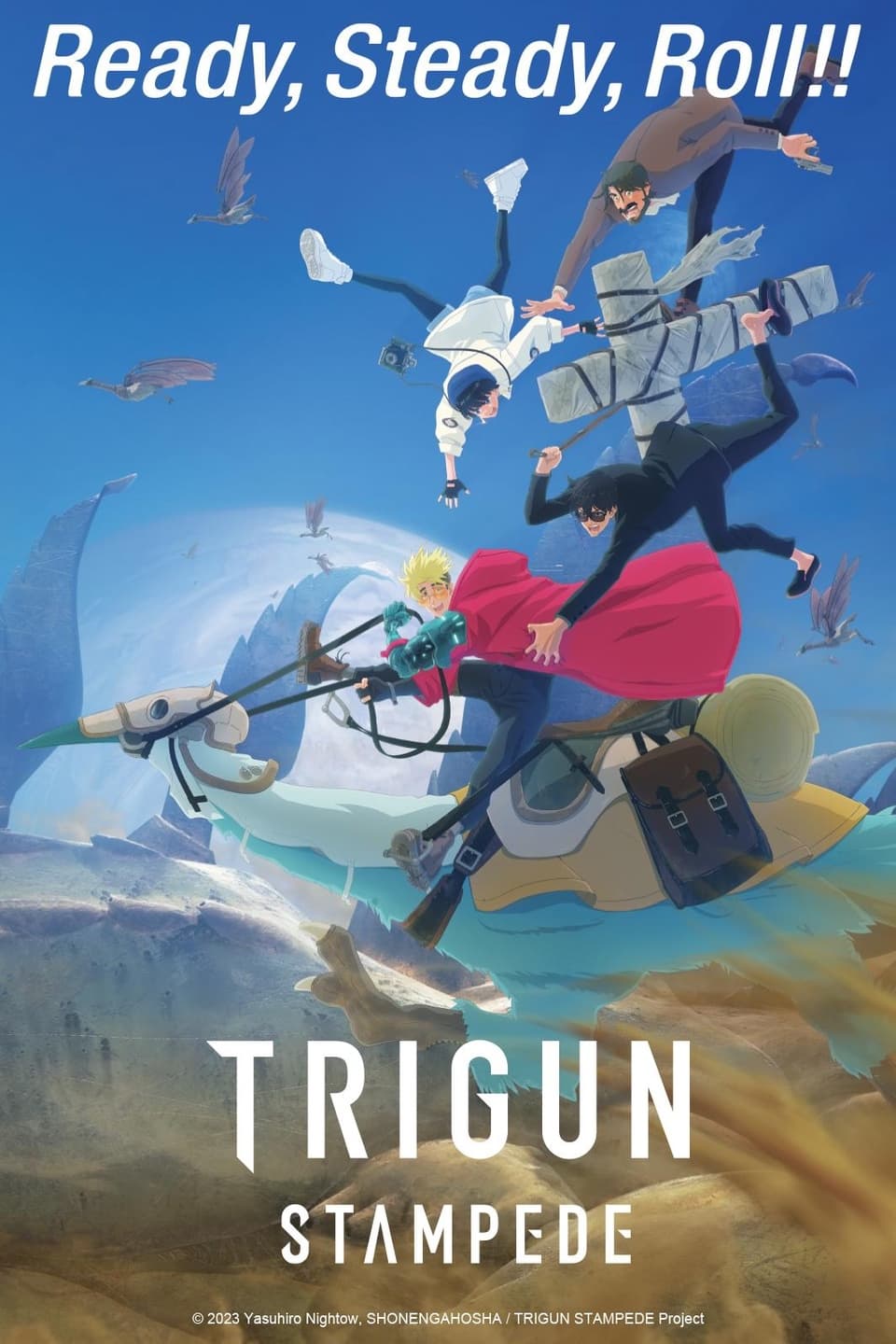
Meryl Stryfe appears in this reboot with a completely different profession and personality compared to the 1998 anime. She changes from a hardened insurance agent who packs heavy weaponry to a naive rookie reporter. The original version depicted her as a competent leader who could intimidate threats with her hidden derringers. This adaptation strips away her combat agency and positions her as a less experienced sidekick to Vash.
‘Boruto: Naruto Next Generations’ (2017–2023)

Anko Mitarashi once stood out as a dangerous and agile special jonin during the Chunin Exams of the original series. This sequel reimagines her as a retired teacher who has lost her edge and physical agility. The narrative treats her former darkness and combat prowess as a thing of the past. She largely exists in the background to comment on the new generation rather than participating in high-stakes battles.
‘Sailor Moon Crystal’ (2014–2015)
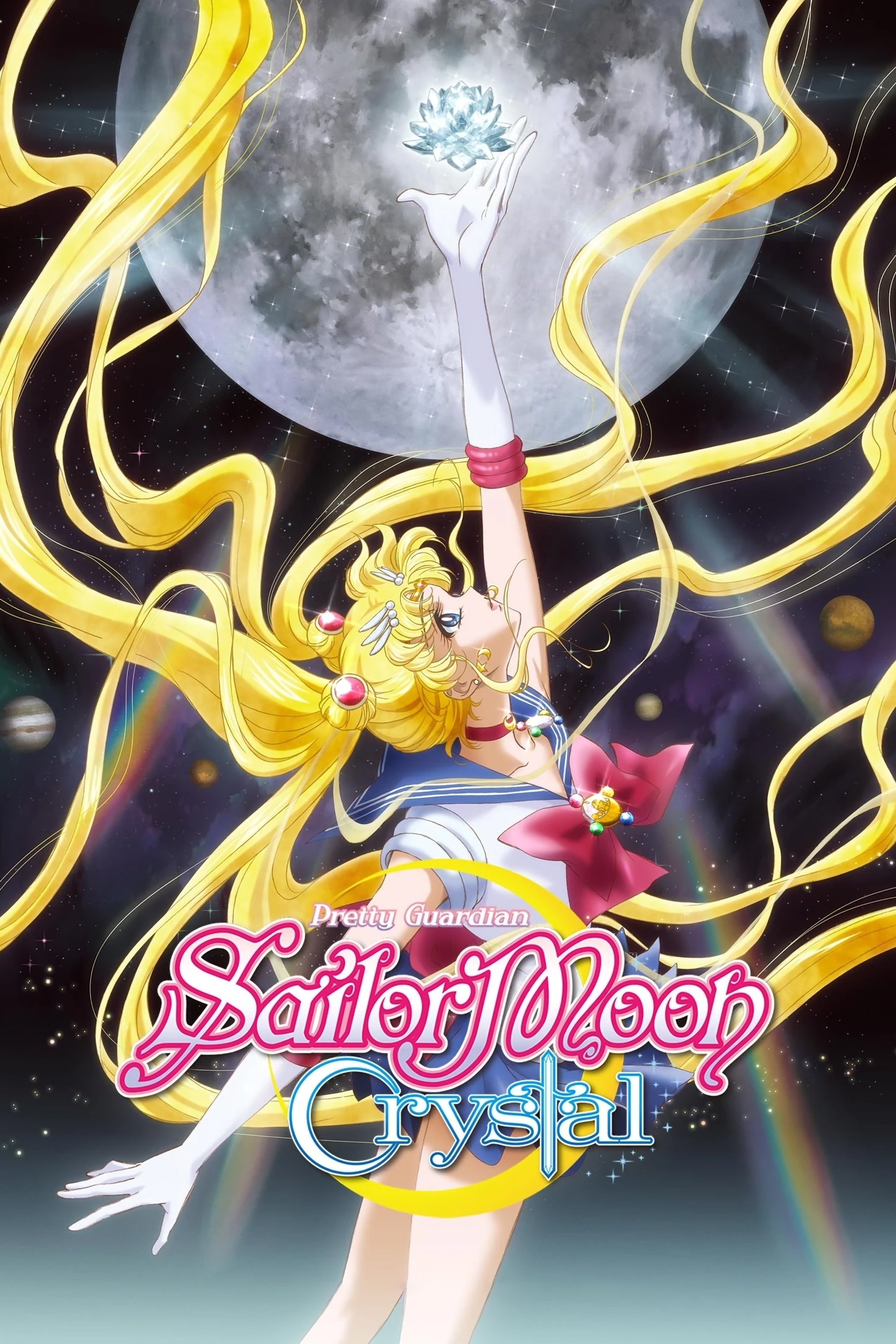
Rei Hino loses the fiery temper and ambitious leadership qualities she displayed in the 1990s adaptation. The original anime expanded her character beyond the manga source material to make her a distinct foil to Usagi. This faithful retelling reverts her to the stoic and mysterious shrine maiden found in the comics. The removal of her assertive personality makes her feel less dynamic within the group dynamic.
‘Ghost in the Shell: SAC_2045’ (2020–2022)
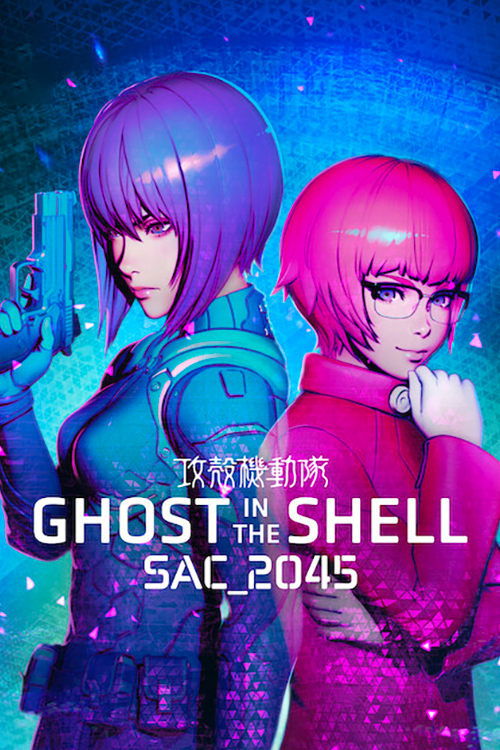
Major Motoko Kusanagi receives a visual and tonal overhaul that many critics felt diminished her imposing presence. The 3D animation style renders her with softer features and doll-like proportions compared to her gritty look in previous iterations. Her commanding aura often takes a backseat to the focus on action spectacle and team dynamics. This version frames her less as a philosophical force of nature and more as a standard action protagonist.
‘Bubblegum Crisis Tokyo 2040’ (1998–1999)
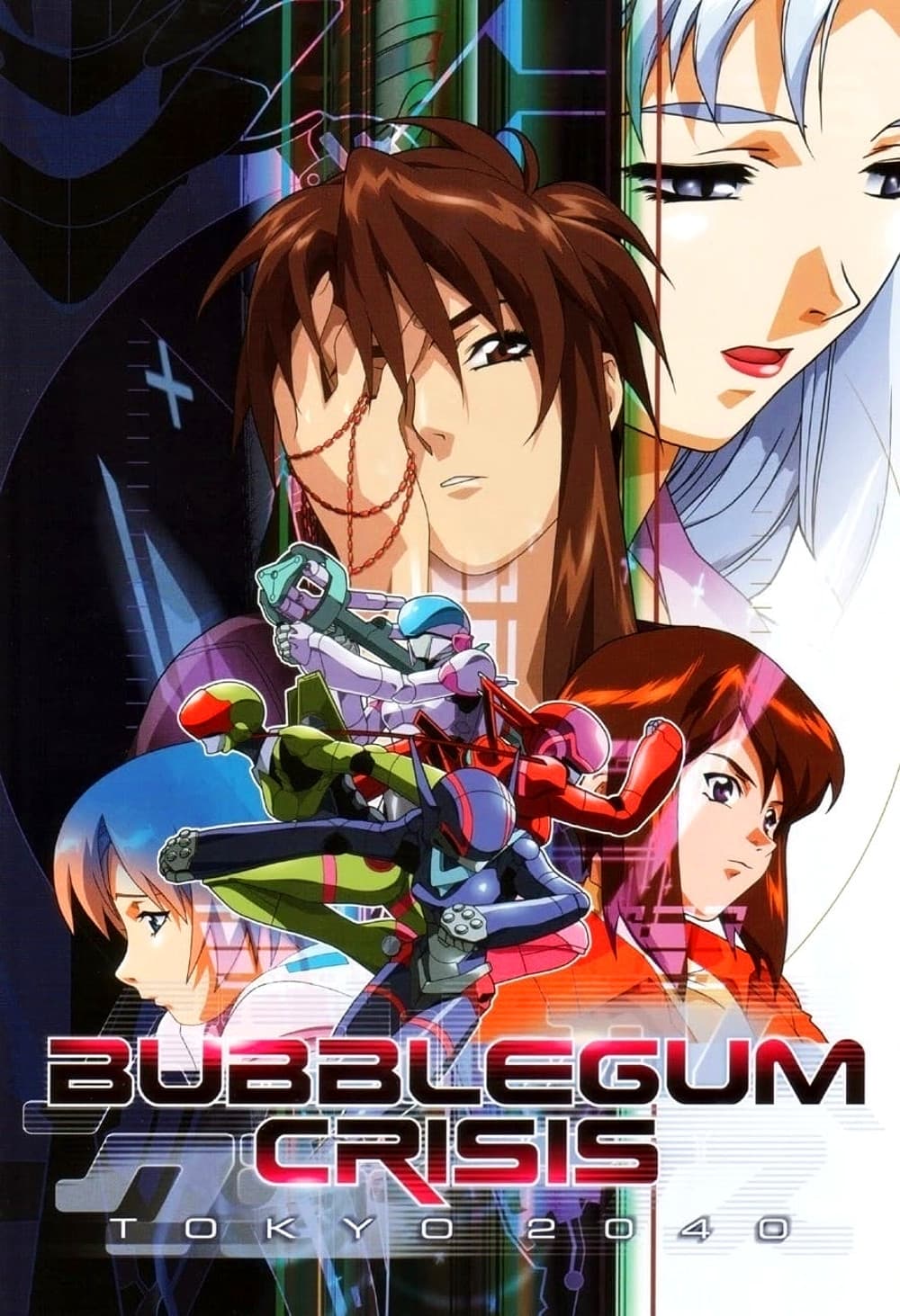
Priss Asagiri serves as the rock vocalist and biker of the Knight Sabers with a gritty edge in the original OVAs. This TV remake softens her character design and integrates her more into a standard team dynamic. She loses some of the lone wolf independence that defined her appeal in the cyberpunk original. The narrative forces her into more melodramatic situations that compromise her tough exterior.
‘Digimon Adventure:’ (2020–2021)

Sora Takenouchi often finds herself sidelined in favor of the series protagonist Taichi throughout this reboot. The original series gave her significant emotional arcs regarding her mother and her role as the team matriarch. This version reduces her screen time and simplifies her Crest of Love into generic support. She frequently requires rescuing or backup in situations where her original counterpart would have stood her ground.
‘Fullmetal Alchemist: Brotherhood’ (2009–2010)
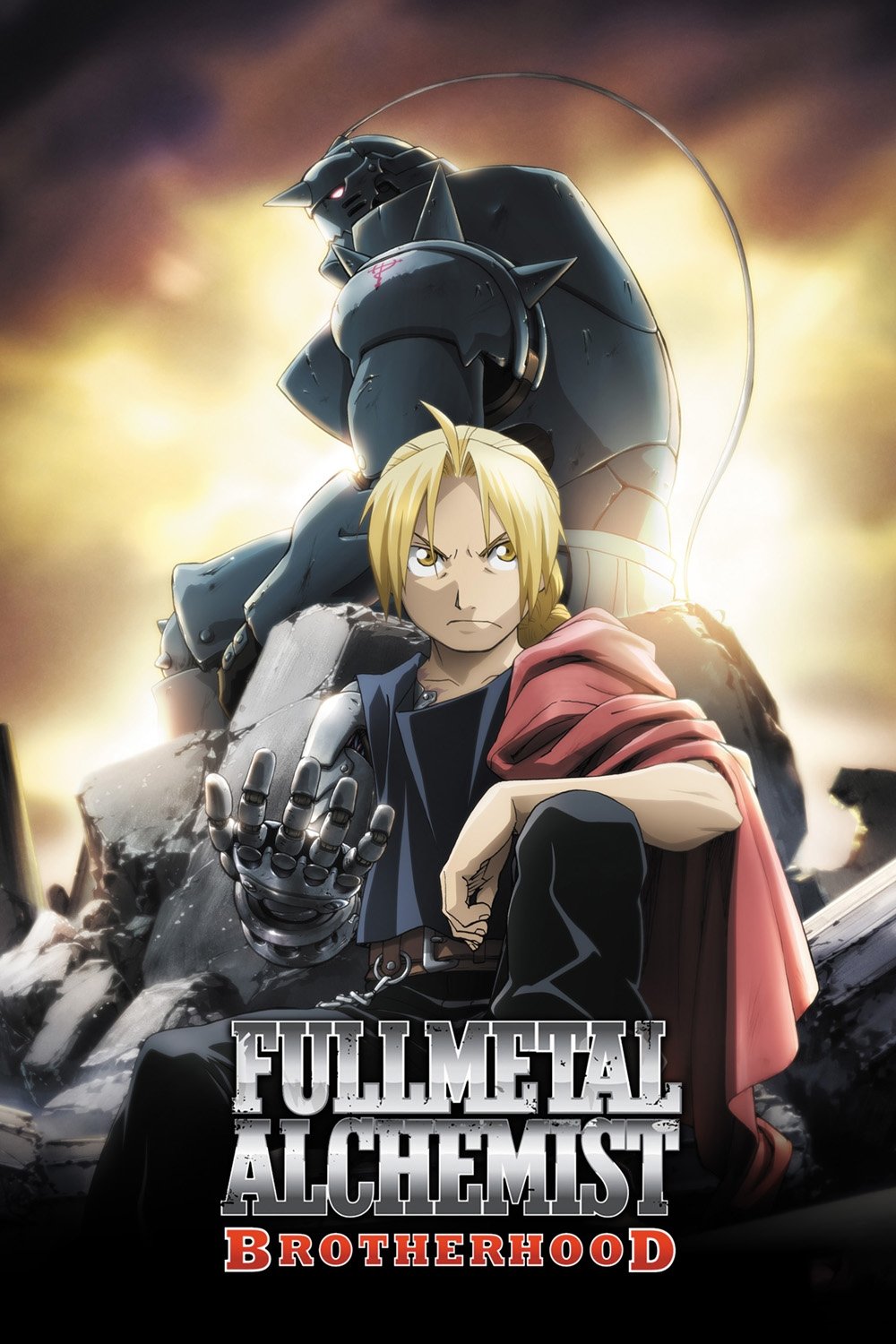
Lust serves as a primary antagonist with her own agenda and complex motivations in the 2003 anime adaptation. The 2009 series follows the manga strictly and kills her off relatively early in the story. Her role changes from a central villain who manipulates the plot to a formidable but temporary obstacle. She functions more as a plot device for Roy Mustang’s development rather than a fully realized character.
‘Yu-Gi-Oh! Arc-V’ (2014–2017)
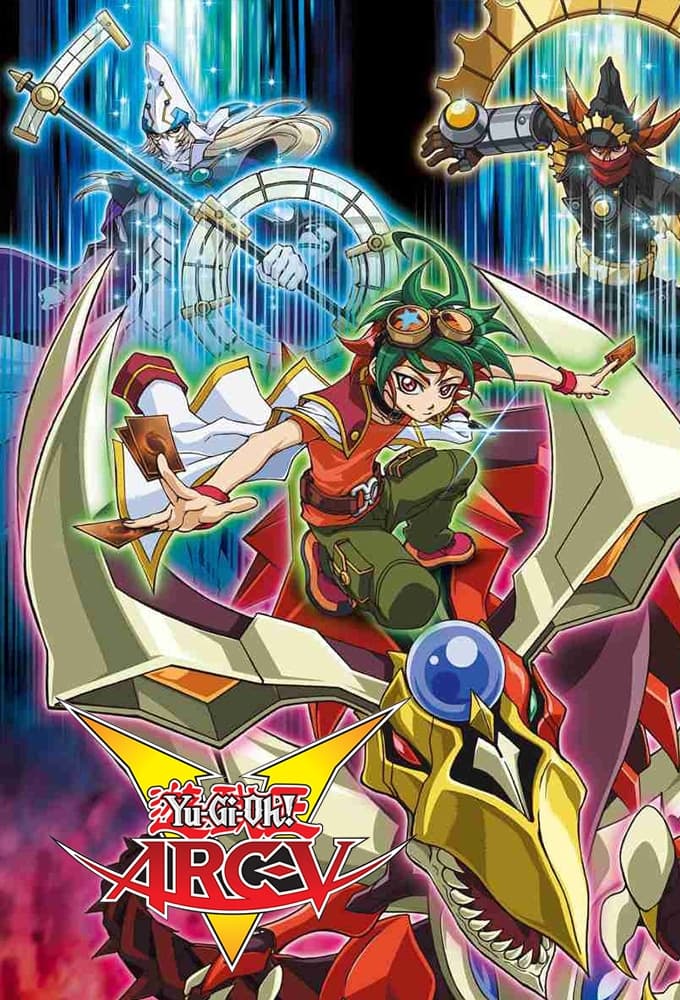
Alexis Rhodes returns as a legacy character from the GX generation but lacks her former duel dominance. Her win record and deck strength suffer significantly compared to her role as the Queen of Obelisk Blue. The writers position her primarily to support the male leads rather than granting her independent victories. She spends much of her screen time captured or losing duels to demonstrate the power of new villains.
‘Berserk’ (2016–2017)
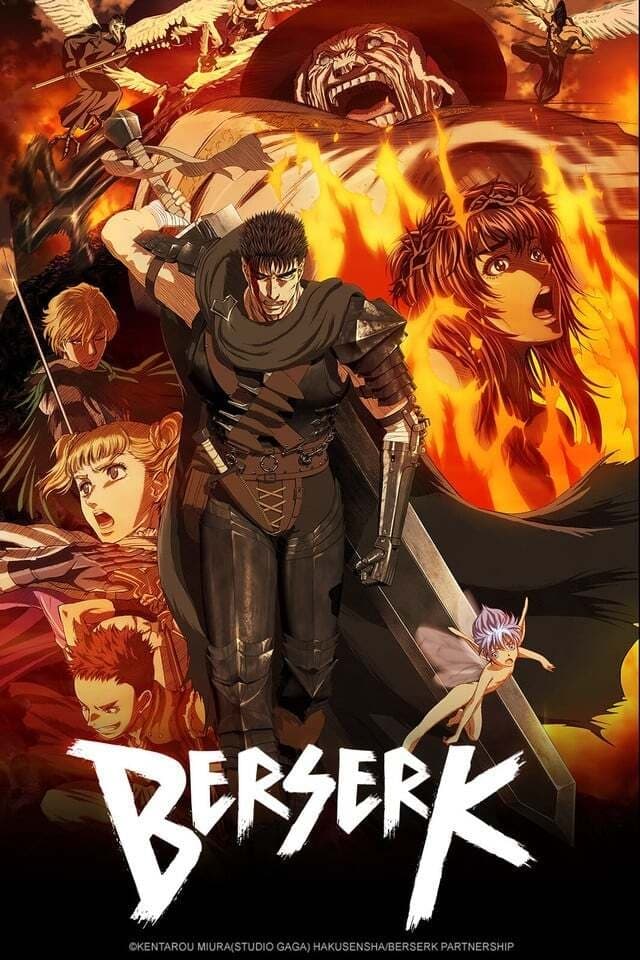
Casca spends the entirety of this adaptation in a regression state known as the Eclipse outcome. While this aligns with the manga narrative the anime adaptation lacks the nuance of her Golden Age portrayal. Viewers only see her as a helpless victim who must be carried and protected by Guts. The series offers no flashbacks or context to display the formidable warrior she used to be.
‘Gunslinger Girl: Il Teatrino’ (2008)
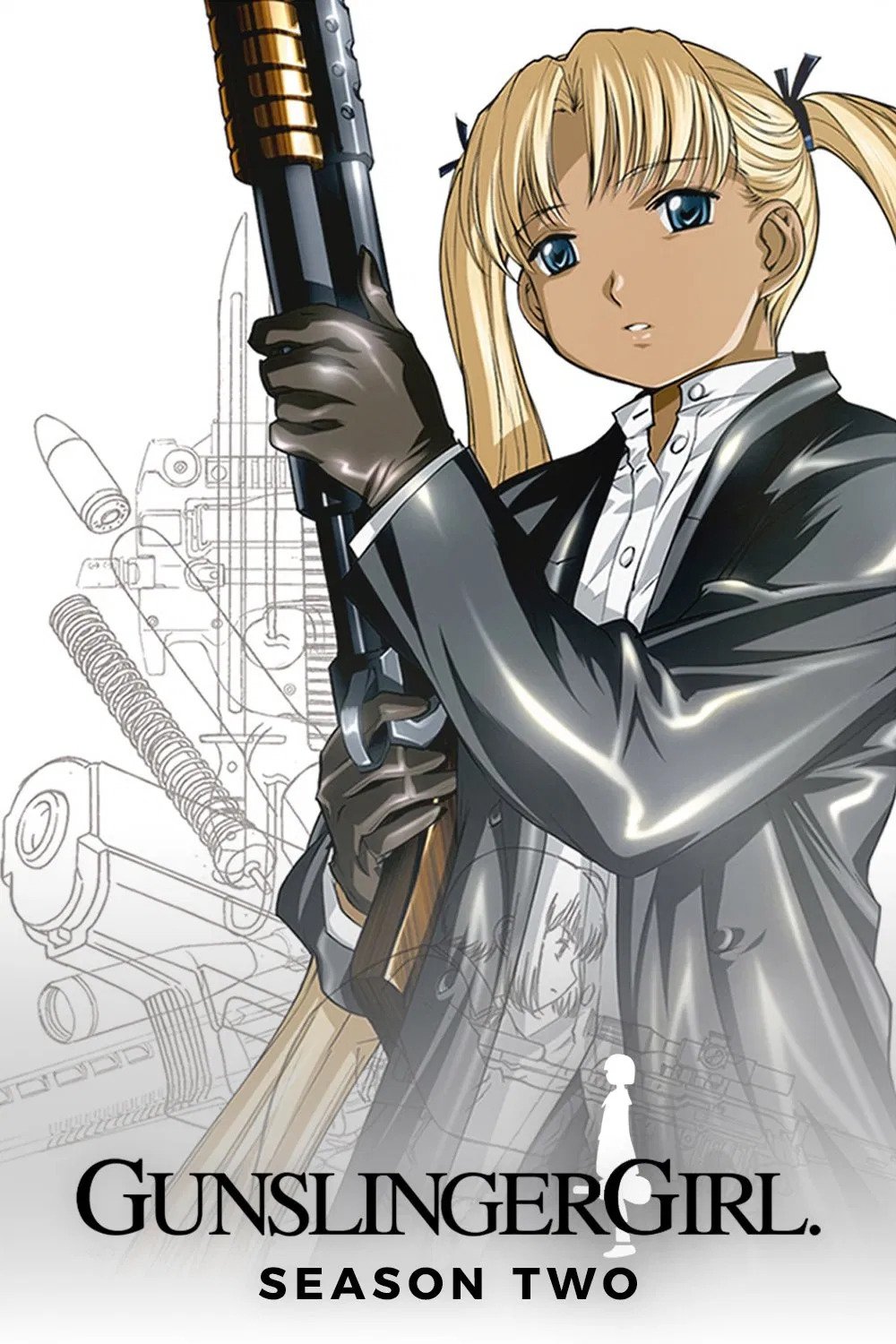
Triela and the other cyborg girls undergo a visual and tonal shift that emphasizes their vulnerability over their lethality. The first season presented them as tragic but highly efficient killing machines with a gritty art style. This sequel adopts a brighter and softer aesthetic that makes the girls appear more like traditional moé characters. The action scenes frame them with less weight and intensity than the previous installation.
‘Powerpuff Girls Z’ (2006–2007)

Buttercup transforms from the toughest fighter of the original trio into a magical girl with a hammer. The anime format requires the girls to use transformation sequences and magical items rather than inherent superpowers. This change dilutes the raw physical aggression that defined her character in the Western cartoon. She worries more about fashion and boys in this version than simply punching monsters.
‘Guyver: The Bioboosted Armor’ (2005–2006)

Mizuki Segawa plays the role of the standard damsel in distress throughout most of this faithful adaptation. The series adheres closely to the manga structure which leaves her with little to do but wait for rescue. Modern audiences found her lack of agency frustrating compared to other contemporary female leads. She serves primarily as a hostage to motivate the protagonist Sho to fight harder.
‘Cutie Honey Universe’ (2018)
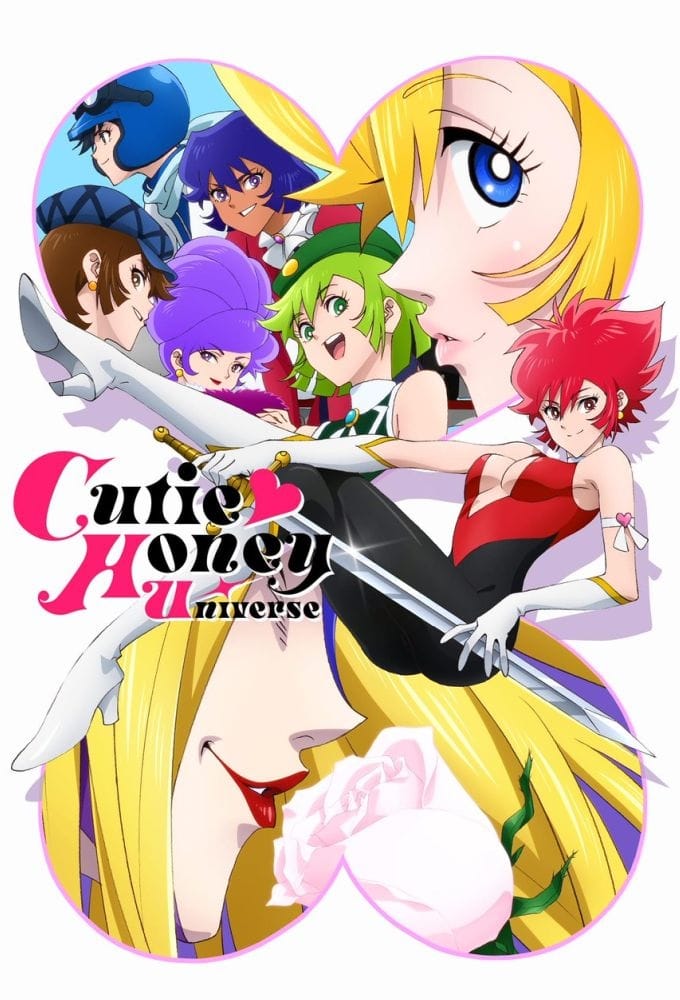
Honey Kisaragi appears less formidable in this anniversary project compared to the high-octane OVAs of the past. The series focuses heavily on the tragedy and victimization of her character rather than her triumph. Her transformations feel less like weapons of empowerment and more like costume changes for visual appeal. The villains frequently overpower her in ways that strip her of her usual confident dominance.
‘FLCL Progressive’ (2018)
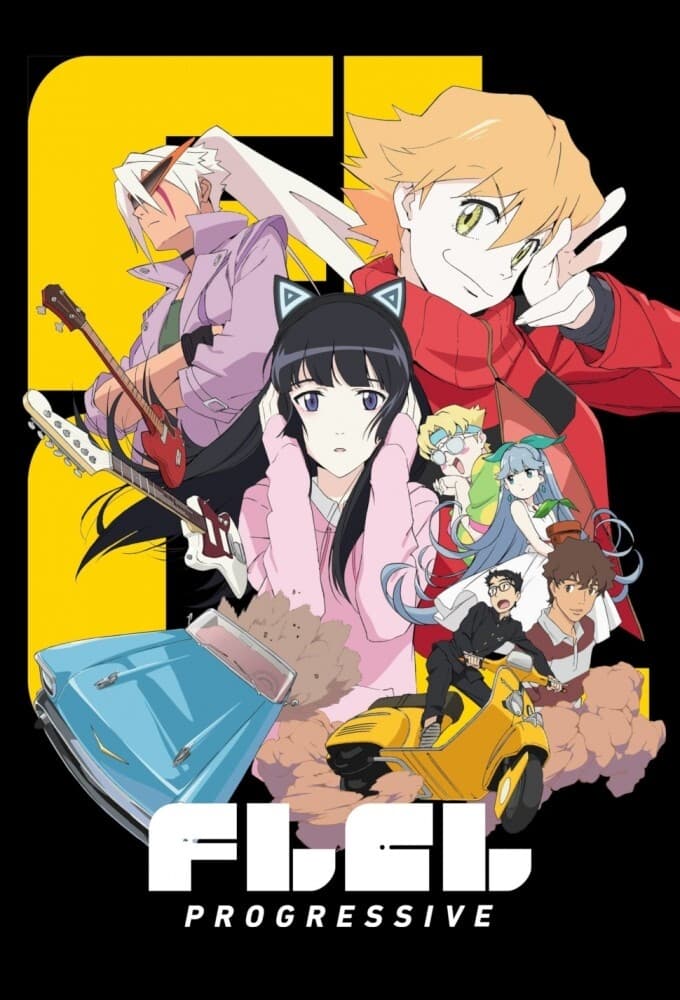
Haruko Haruhara returns without the mysterious and unstoppable energy she commanded in the original OVA. The sequel attempts to explain her motivations and humanize her in ways that weaken her role as a force of nature. She spends more time failing and being outsmarted by other characters. The script reduces her from a chaotic catalyst to a more traditional antagonist with petty grievances.
‘Kino’s Journey -the Beautiful World- the Animated Series’ (2017)

Kino is a marksman and traveler who observes the world with a neutral and philosophical gaze. The 2017 adaptation shifts the focus slightly toward action and creates a different atmosphere around her journey. Some critics felt the new direction made her seem more like a generic action hero than a stoic observer. The subtle strength of her character is overshadowed by the need for flashier gunplay sequences.
‘Sorcerous Stabber Orphen’ (2020)

Cleao Everlasting acts as a spirited partner who frequently contributes to battles in the 1990s anime adaptation. The 2020 remake adheres closer to the light novels where Orphen handles almost all combat duties. This leaves Cleao standing on the sidelines offering commentary rather than physical support. Her reduction in combat utility makes her feel more like baggage than a teammate.
‘Record of Lodoss War: Chronicles of the Heroic Knight’ (1998)
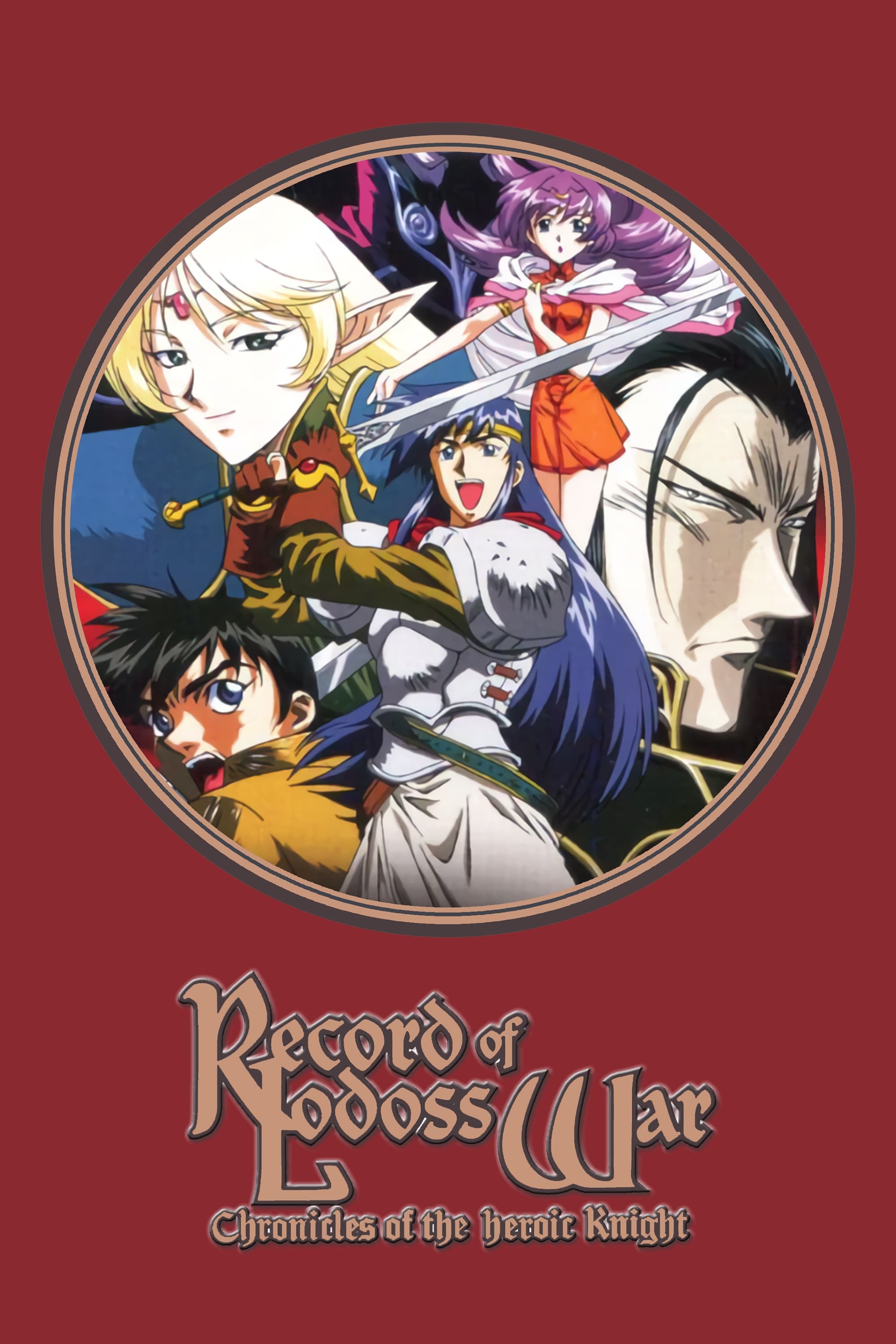
Deedlit the High Elf is significantly less active in this TV series compared to her portrayal in the OVA. The OVA showcased her swordplay and magic as vital to the survival of the party. The TV series sidelines her narrative importance to focus on new characters like Spark. She often stands by Parn’s side without contributing the decisive actions she was known for previously.
‘Baki’ (2018–2020)
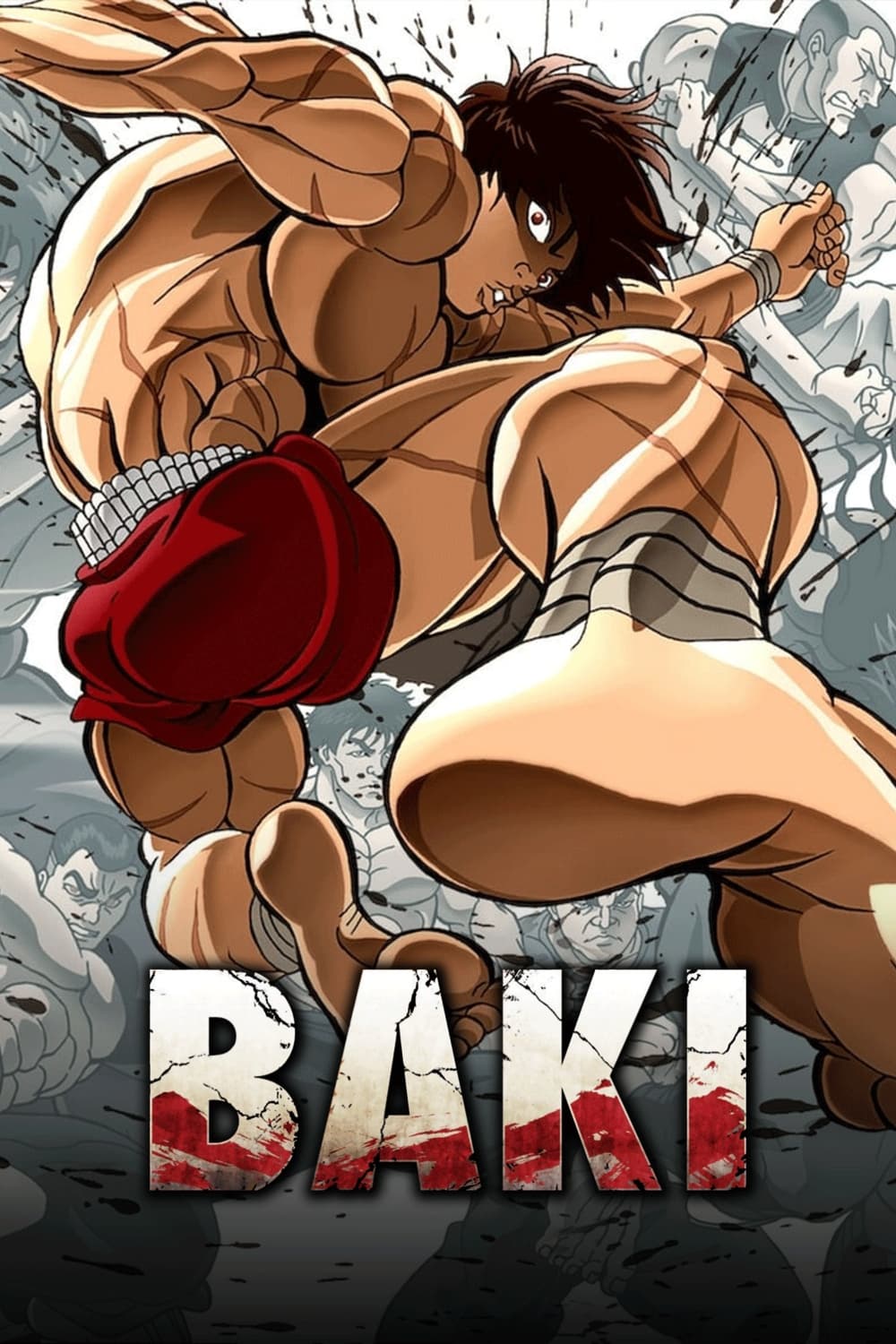
Kozue Matsumoto begins the series as a grounding force for Baki with a strong will. As the series progresses she fades into the background and eventually disappears from the narrative almost entirely. The show prioritizes muscle-bound combat above all else leaving no room for her character development. She transitions from a crucial emotional pillar to a non-existent presence.
‘Shaman King’ (2021–2022)
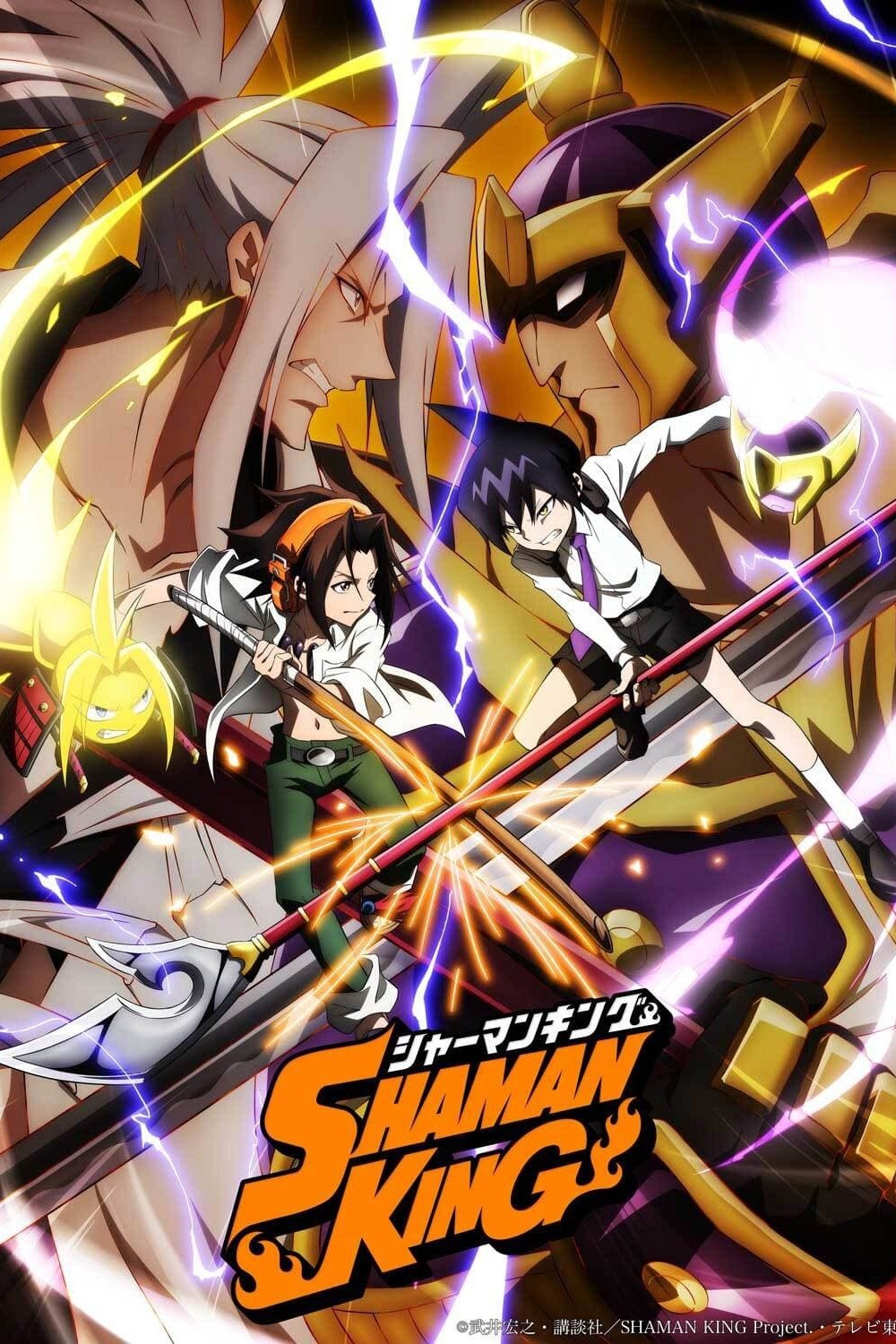
Anna Kyoyama remains a powerful medium but loses the expanded screen time she enjoyed in the 2001 adaptation. The earlier anime created filler arcs that allowed her to showcase her abilities and dominance more frequently. The rapid pacing of the remake keeps her strictly to her manga role which involves long periods of absence. Her imposing presence feels rushed and less impactful due to the accelerated storytelling.
‘Rurouni Kenshin’ (2023)
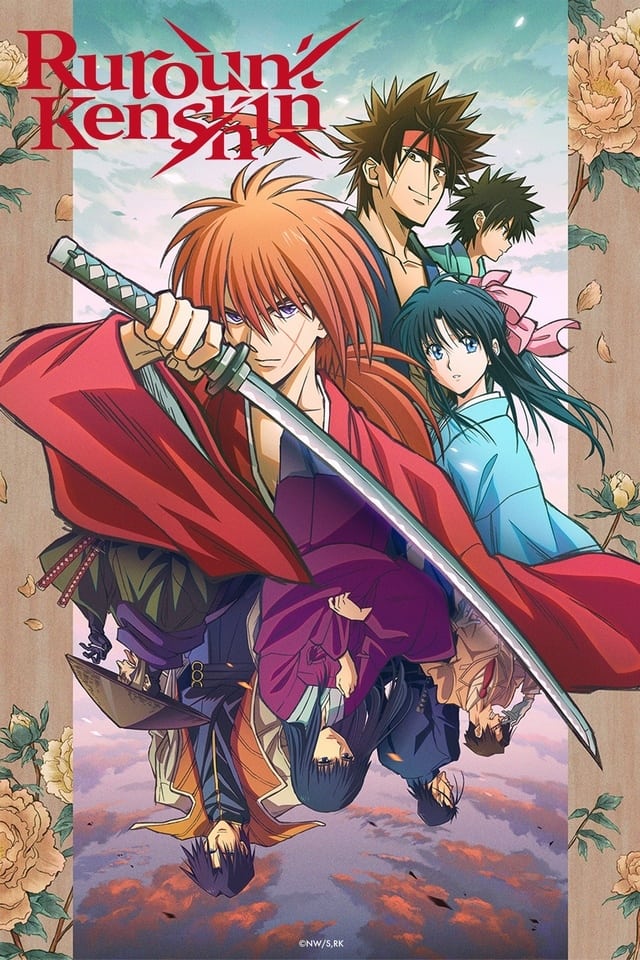
Kaoru Kamiya is faithfully adapted as the assistant instructor who struggles to keep up with the supernatural killers in the series. The modern animation style highlights the gap between her skills and the main villains more sharply than the 90s anime. She frequently ends up as a hostage to raise the stakes for Kenshin. Her role as a damsel is a core part of the source material that the remake preserves without modernization.
‘Saint Seiya: Knights of the Zodiac’ (2019–2020)
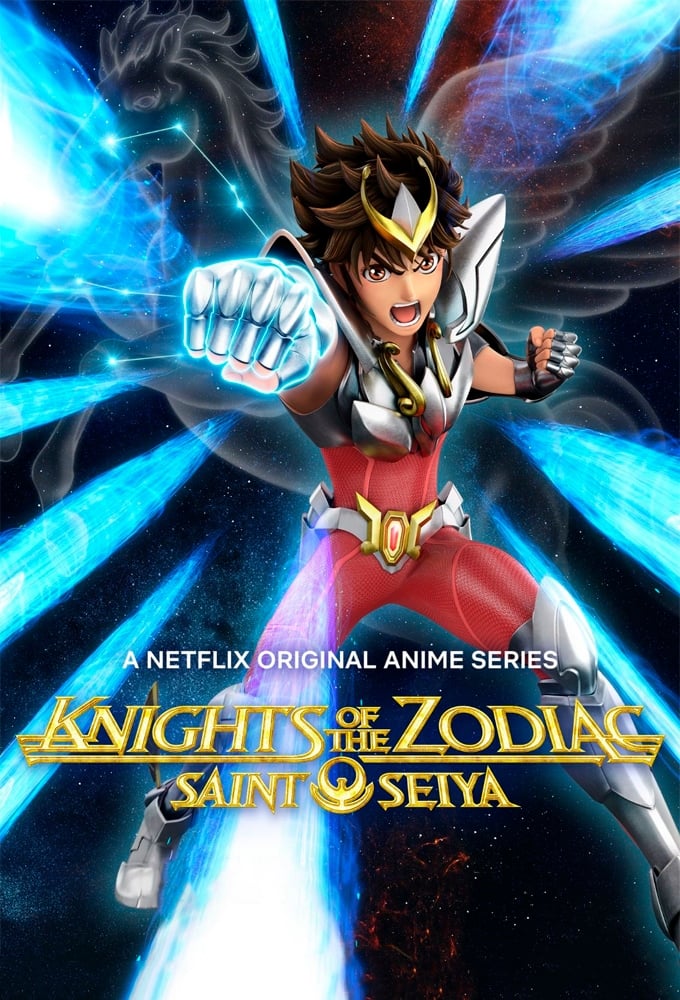
Sienna (Athena) suffers from a lack of agency that persists even in this modern CGI reimagining. The writers attempted to modernize the setting but kept her role as a passive objective for the heroes to protect. She spends the majority of the Sanctuary arc unconscious or in need of saving. The adaptation failed to give her the proactive leadership qualities modern audiences expect from a goddess.
‘Astro Boy’ (2003–2004)
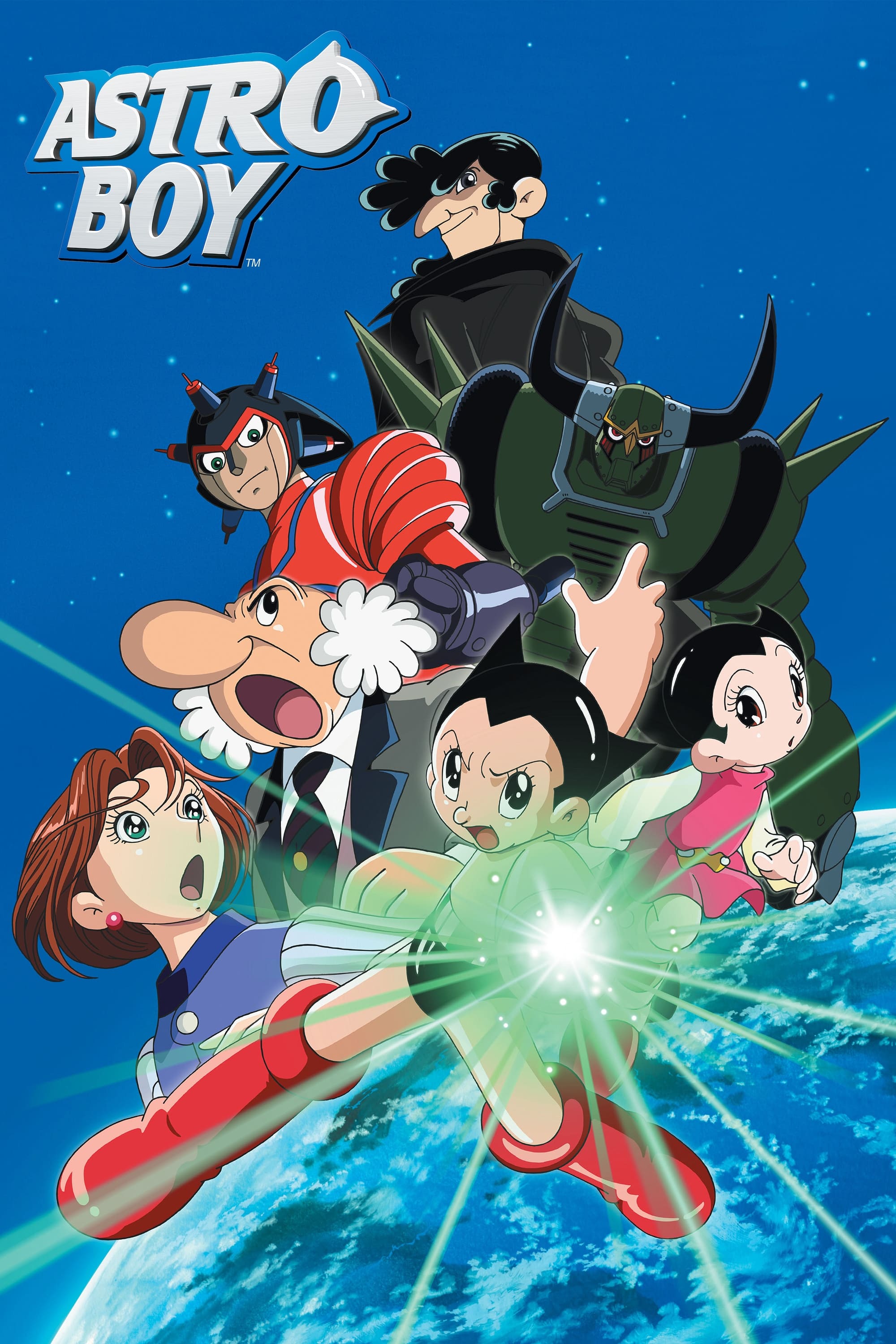
Uran is created as a robotic sister to Astro Boy with a focus on innocence and empathy. This version depicts her as significantly more naive and prone to getting into trouble than her 1980s counterpart. She often requires Astro to intervene when she misjudges humans or other robots. Her ability to defend herself is downplayed to highlight Astro’s role as her protector.
‘Yatterman’ (2008)
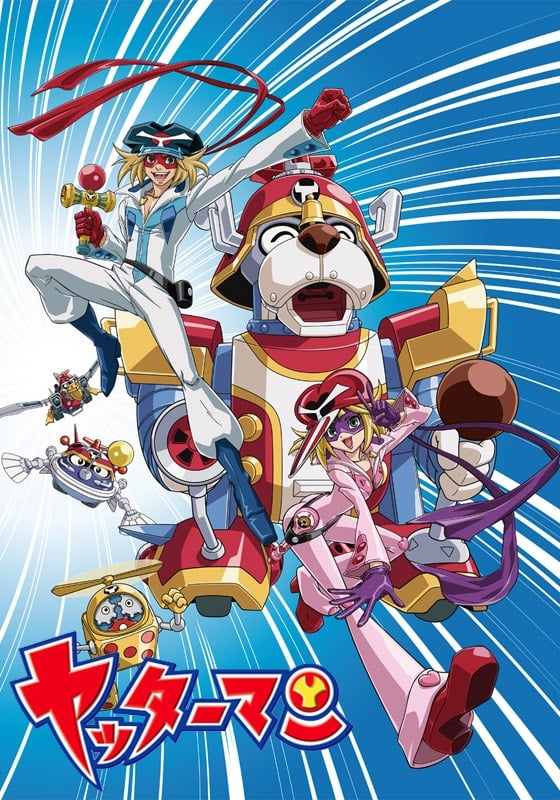
Doronjo serves as the iconic villainess leader of the Dorombo gang. This remake leans heavily into the comedic incompetence of her trio rather than their threat level. While she was never a serious villain her portrayal here focuses more on slapstick humiliation. The show emphasizes her failure and ragged clothing after explosions as a running gag.
‘Devilman Crybaby’ (2018)
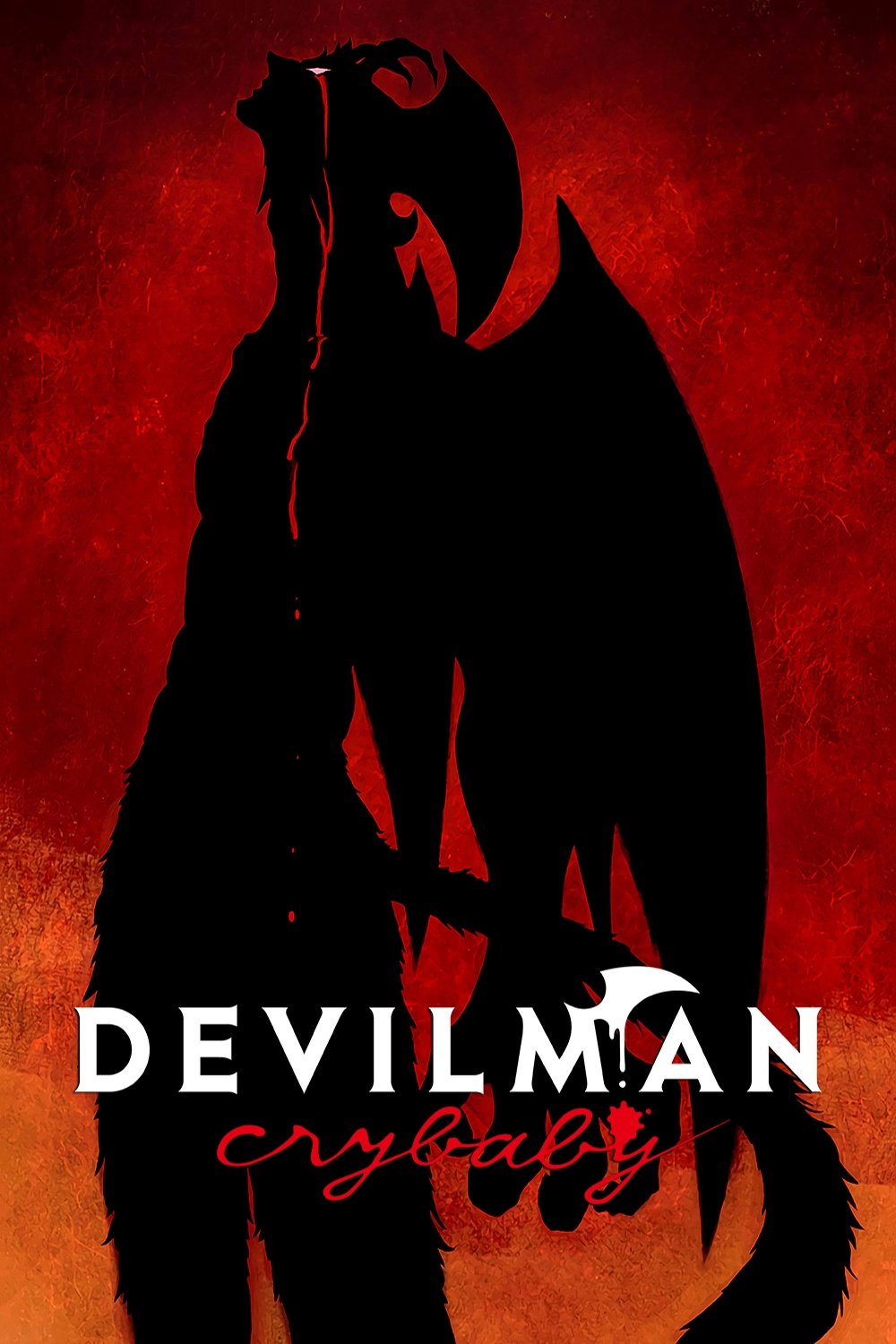
Miki Makimura is a compassionate and fast track runner who believes in the good of humanity. Despite her moral strength she is brutally victimized by a mob to further the protagonist’s descent into despair. The narrative uses her horrific death as a motivating tool for Akira rather than allowing her to survive or fight back effectively. Her agency is ultimately cut short to serve the tragic themes of the story.
Do you agree with this list or did we miss a character who deserved better? Share your thoughts in the comments.