

Anime Series Accused of Queer-Baiting Without Real Representation, Ranked

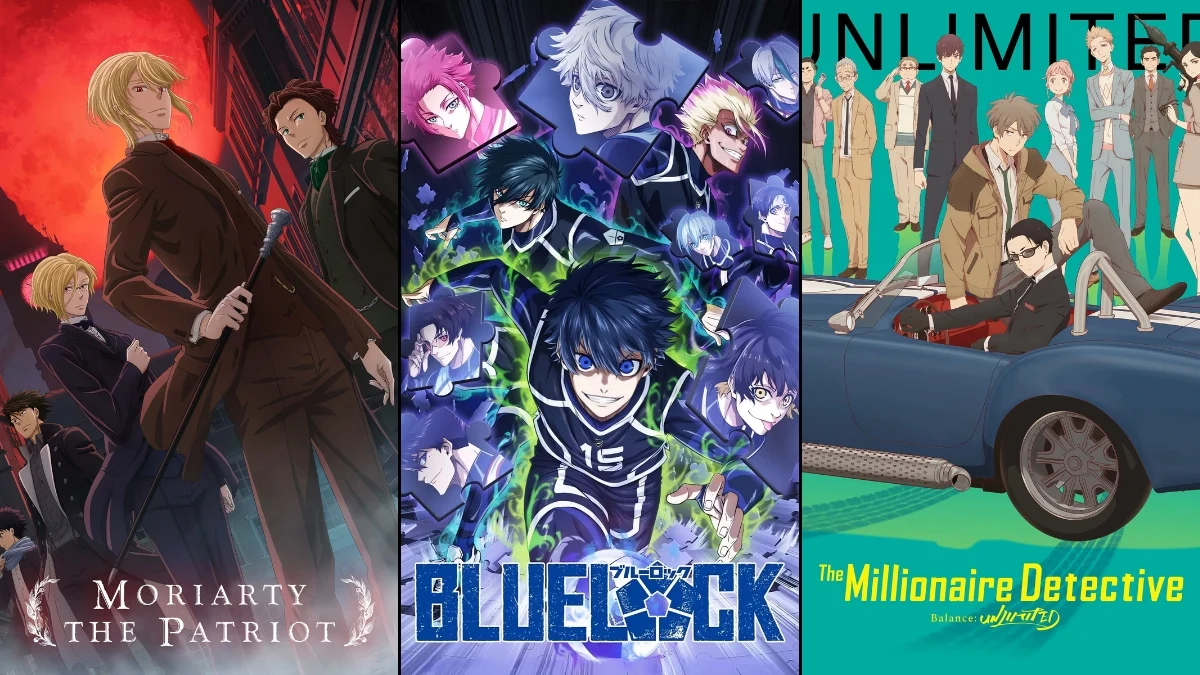


The practice of queer-baiting in the anime industry has become a significant topic of discussion among global audiences. It occurs when creators utilize homoerotic subtext, intimate framing, or suggestive marketing to attract LGBTQ+ viewers without ever confirming these relationships in the story. While many of these series are celebrated for their production quality, the lack of definitive narrative follow-through often leads to accusations of using queer identity for commercial gain. This list examines high-profile anime that have been scrutinized for maintaining a heteronormative status quo despite heavy queer coding.
‘Blue Lock’ (2022–2023)

‘Blue Lock’ centers on an aggressive soccer training camp designed to create the world’s best egoist striker. The series features highly stylized character interactions and intense, emotionally charged dialogue between its male leads. Fans frequently point to the intimate framing of these rivalries as a form of queer-coding used to engage a specific demographic. Despite the suggestive nature of some scenes, the story remains strictly focused on athletic ambition and individual competition. The absence of romantic subplots for any character keeps these dynamics firmly in the realm of subtext.
‘K-On!’ (2009–2010)

‘K-On!’ follows the daily activities of the Light Music Club at Sakuragaoka High School. The series is built on the strong friendships between the five main girls, often utilizing “moe” aesthetics to emphasize their closeness. Specific character pairings, such as Ritsu and Mio, are frequently highlighted with tropes typical of romantic comedies. However, the show avoids any explicit romantic development, opting to keep the narrative focused on “cute girls doing cute things.” This strategy allows the series to appeal to a wide audience while sidestepping actual queer representation.
‘Love Live! School Idol Project’ (2013–2014)
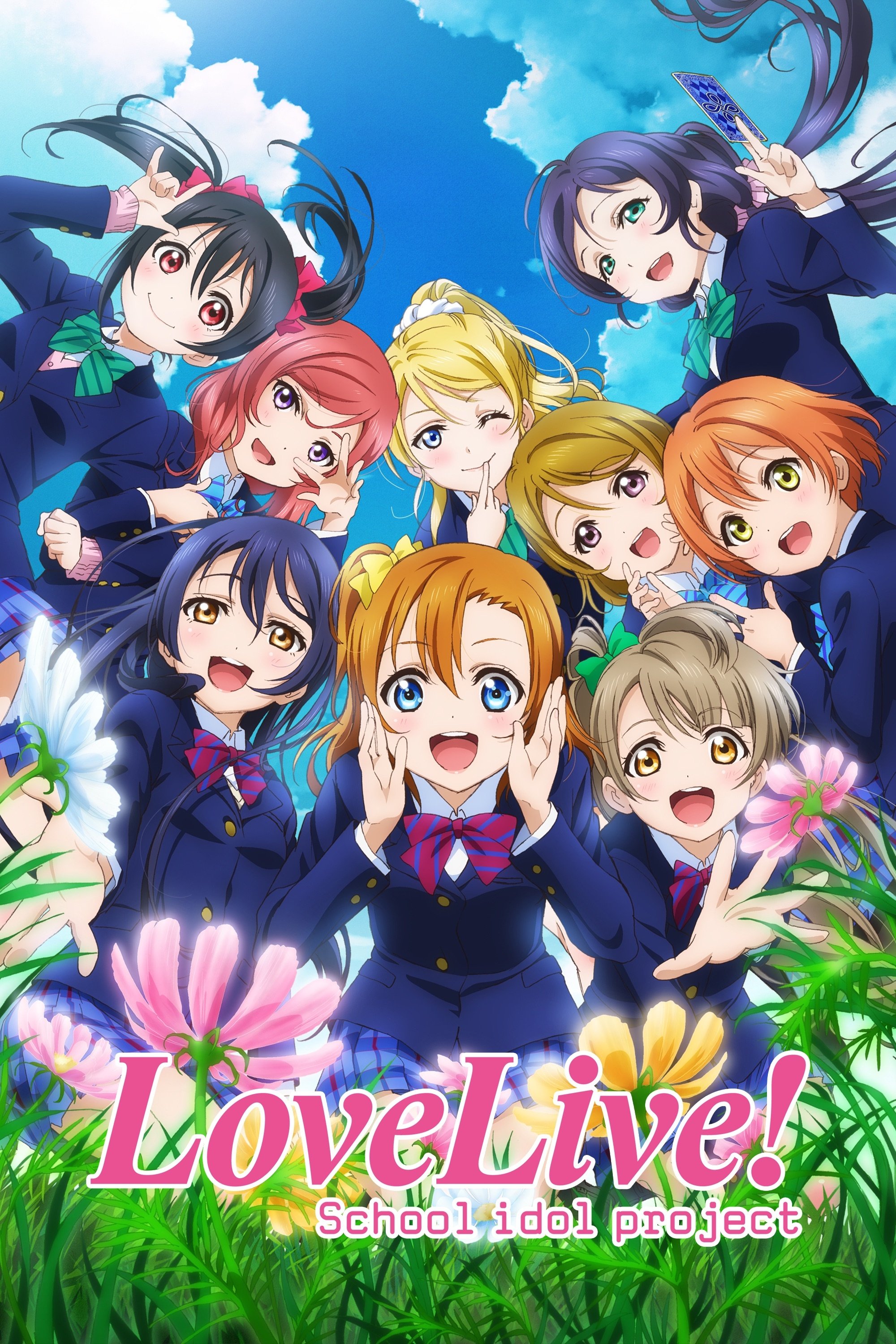
‘Love Live! School Idol Project’ focuses on a group of high school girls who become idols to save their school from closing. The series features a large ensemble cast with various interlocking friendships that fans often interpret through a romantic lens. Official art and certain episodes lean into these “ships,” providing just enough subtext to fuel speculation without confirming any relationships. This approach is common in idol media, where maintaining character availability is seen as a marketing necessity. Consequently, the series is often cited as a prime example of strategic queer-baiting within the idol subgenre.
‘A Certain Scientific Railgun’ (2009–2020)
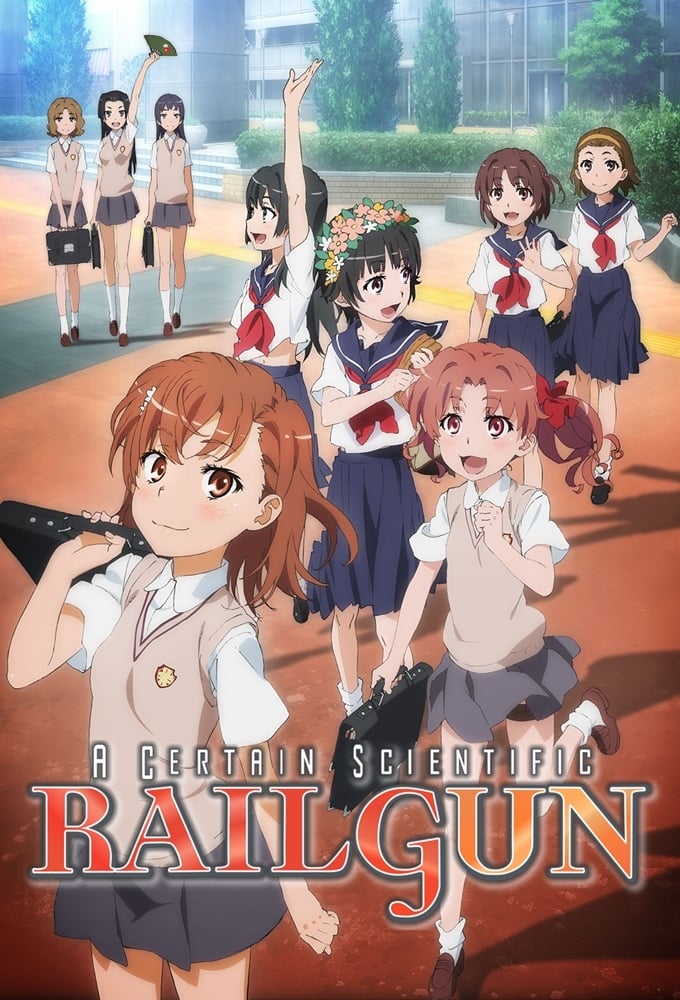
‘A Certain Scientific Railgun’ is a spin-off focused on Mikoto Misaka, one of the most powerful espers in Academy City. A major recurring element is the character Kuroko Shirai’s intense and often physical attraction to Mikoto. This dynamic is primarily used for comedic relief, with Kuroko’s advances being played as over-the-top or inappropriate. By framing same-sex attraction as a joke or a character quirk, the series avoids treating it as a legitimate form of representation. This treatment of queer themes has been a frequent point of criticism for fans seeking more serious portrayals.
‘Little Witch Academia’ (2017)
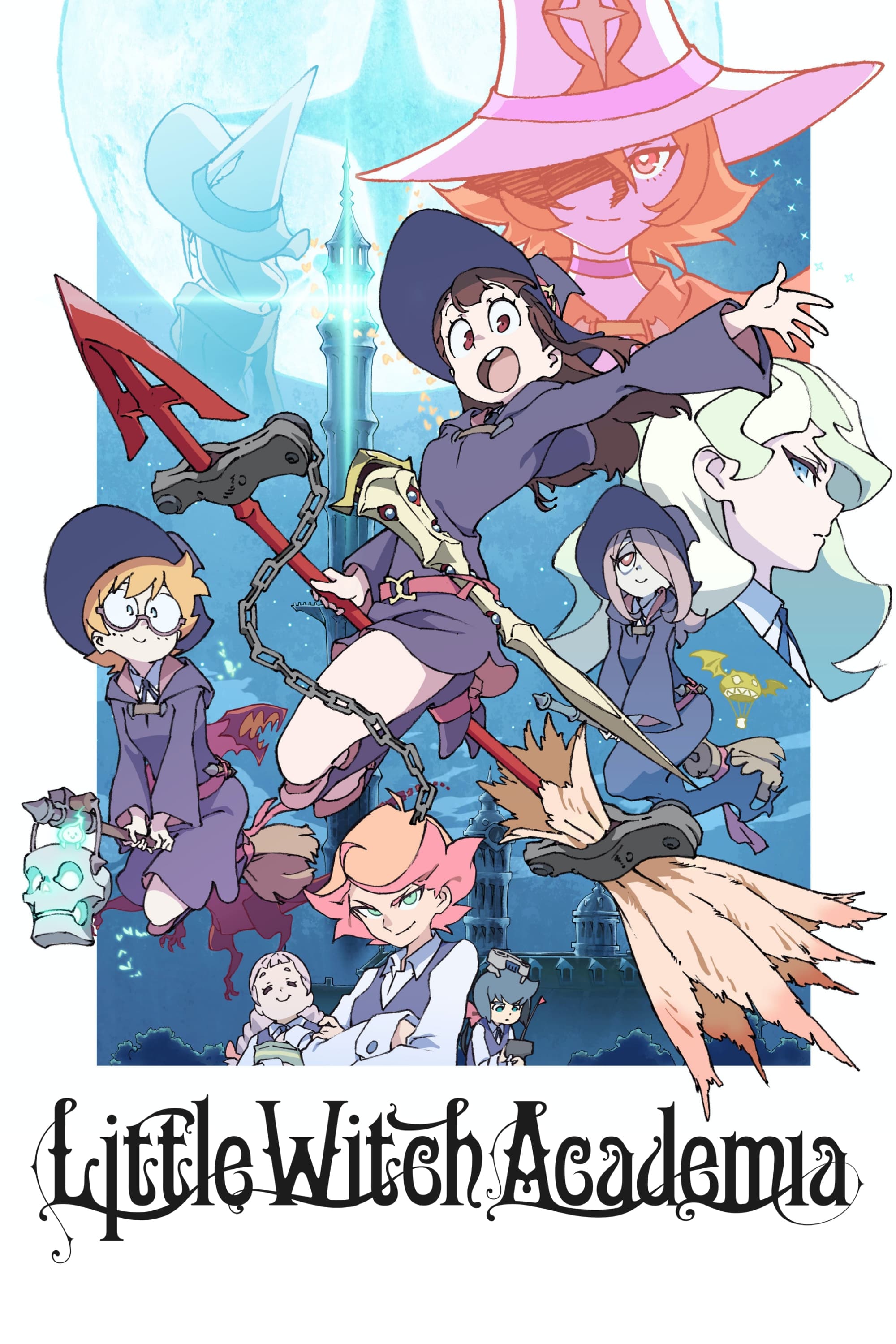
‘Little Witch Academia’ follows Akko Kagari’s journey at Luna Nova Magical Academy as she strives to become a witch. The relationship between Akko and her rival Diana Cavendish undergoes significant development, evolving from animosity to deep mutual admiration. Many fans noted the romantic parallels in their journey, particularly in the final episodes of the series. While members of the production staff have expressed personal support for the pairing, the anime itself remains strictly platonic. This gap between creator intent and the final televised product has led to the series being included in baiting discussions.
‘Tsurune’ (2018–2023)
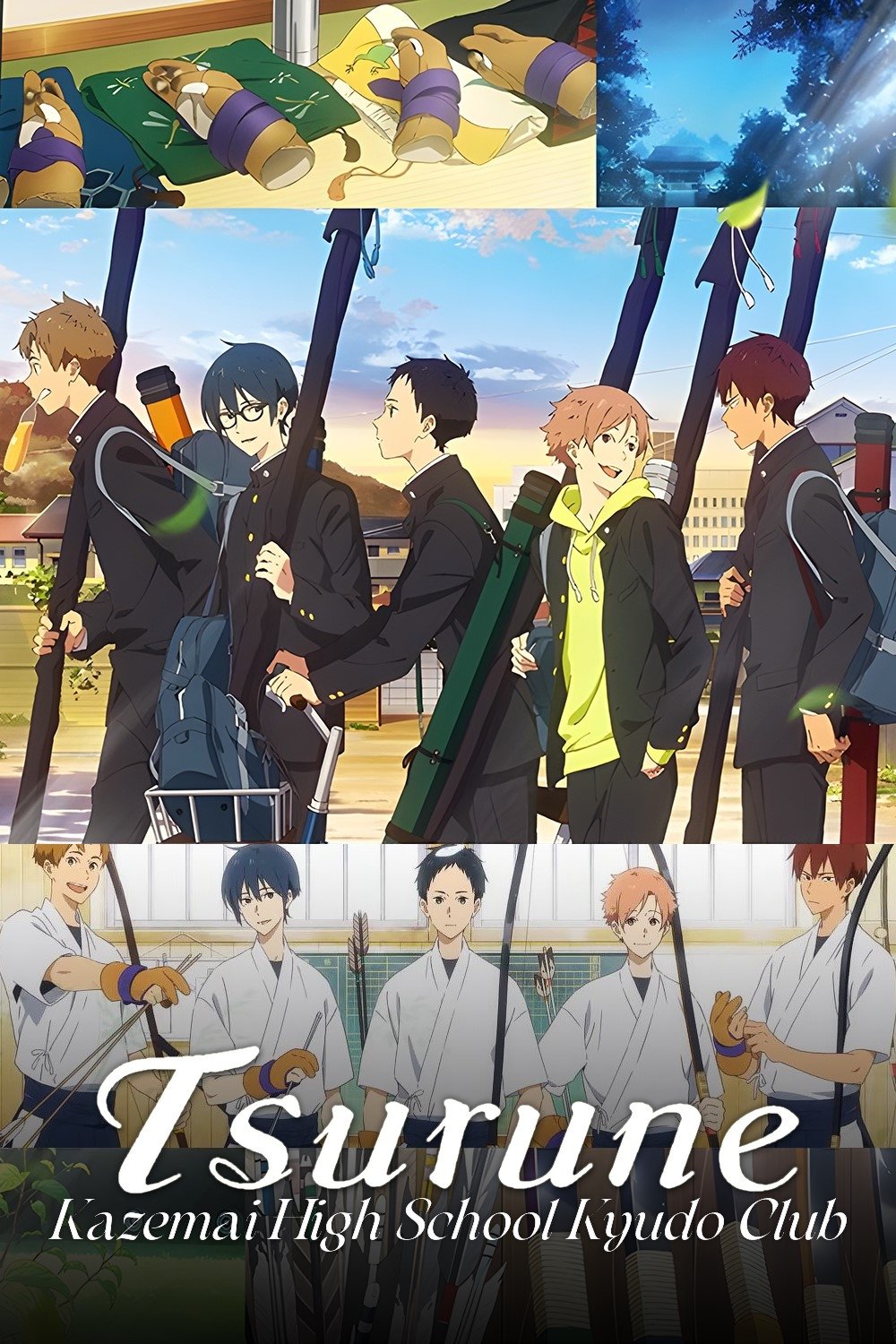
‘Tsurune’ is a sports anime produced by Kyoto Animation that focuses on the traditional Japanese art of archery. The series emphasizes the emotional bonds between the protagonists, using soft lighting and intimate close-ups to convey their connection. The relationship between Minato and his teammate Shu is particularly laden with history and tension that many fans interpreted as romantic. Despite the high level of emotional intimacy, the narrative remains centered on the sport and personal recovery. The aesthetic choices are frequently viewed by critics as a way to attract fans of the “shonen-ai” genre without committing to actual representation.
‘Wonder Egg Priority’ (2021)
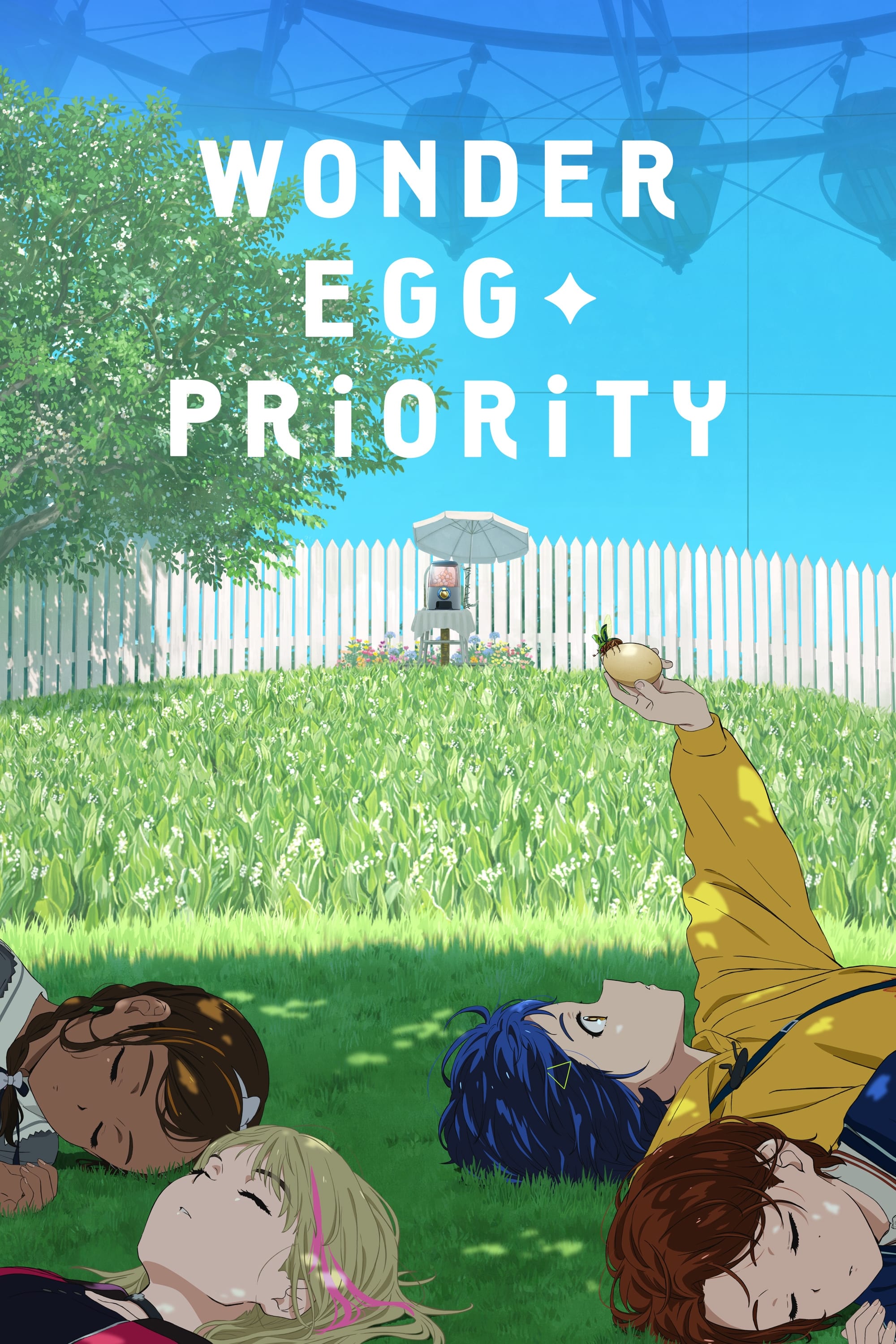
‘Wonder Egg Priority’ follows four girls who battle monsters in a dream world to save friends they have lost to suicide. The show initially gained praise for its handling of identity, including a character, Momoe, who deals with being perceived as a boy. However, the narrative trajectory for these themes became widely criticized following the series finale and special episode. Many viewers felt that the queer-coded elements were discarded in favor of a confusing and unrelated science-fiction plot. This perceived abandonment of inclusive themes left many fans feeling that the representation was used primarily for initial engagement.
‘Buddy Daddies’ (2023)

‘Buddy Daddies’ is an original anime about two professional assassins who end up raising a young girl together. The show’s premise and marketing heavily leaned into the “two dads” trope, drawing comparisons to other popular found-family narratives. Throughout the series, the two men share domestic responsibilities and form a cohesive family unit that mimics a romantic partnership. Despite the structural setup, the show clarifies that their bond is purely platonic and professional. This led to accusations of baiting, as the show utilized a romantic family framework without validating the central relationship.
‘Moriarty the Patriot’ (2020–2021)
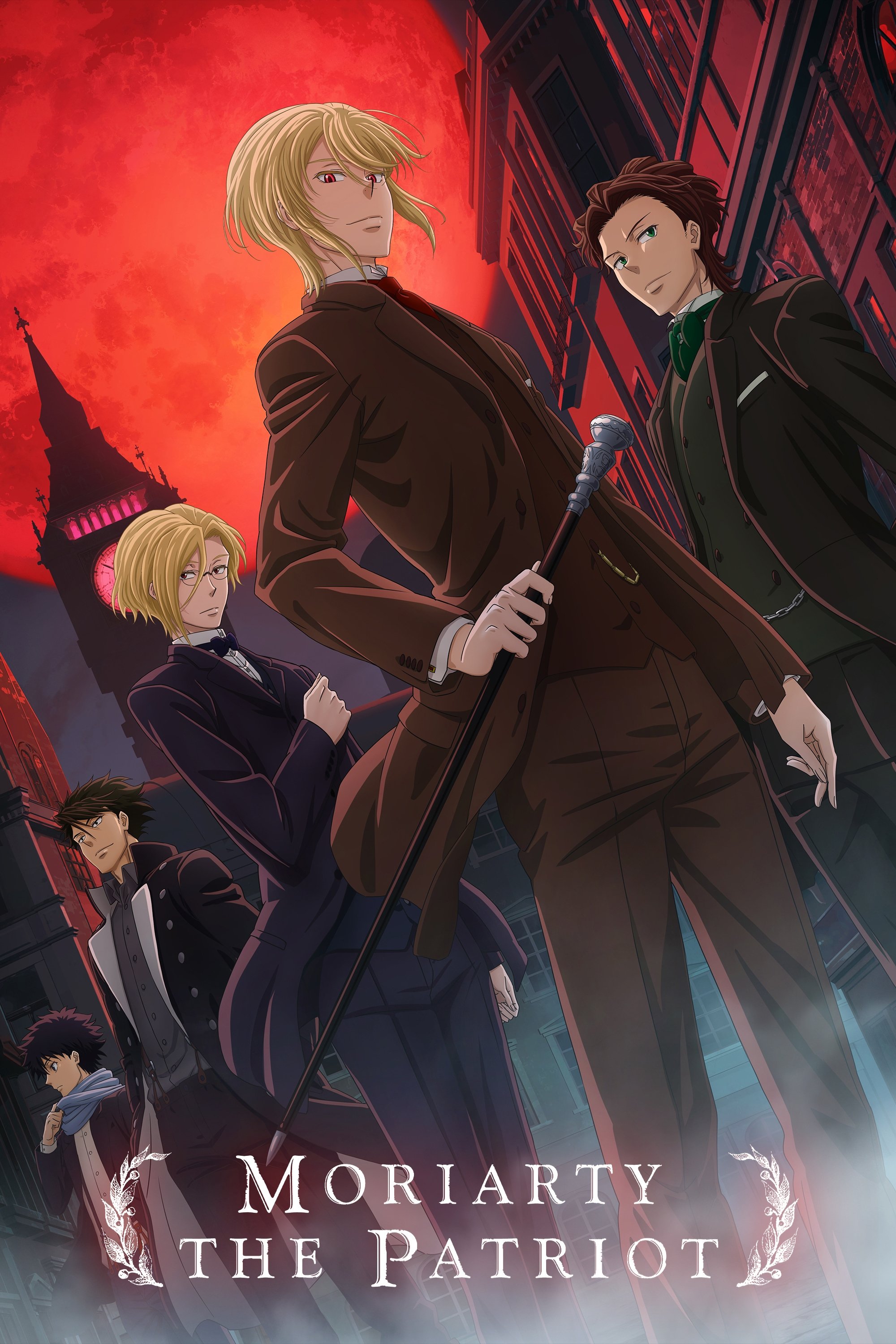
‘Moriarty the Patriot’ reimagines the Sherlock Holmes stories from the perspective of William James Moriarty. The intellectual and emotional bond between William and Sherlock is the driving force behind the series’ climax. Their interactions are filled with dramatic tension and declarations of mutual understanding that mirror romantic devotion. Despite the soulmate-like framing of their relationship, it is never officially recognized as anything other than a singular, obsessive rivalry. The series benefits from the aesthetic of their connection while keeping the queer elements purely subtextual.
‘The Case Study of Vanitas’ (2021–2022)

‘The Case Study of Vanitas’ follows a human doctor and a vampire as they work together in 19th-century Paris. The series is known for its sensual visual style and the physically close interactions between its two male leads. While both characters have female love interests, the most intense emotional scenes occur between Vanitas and Noé. This creates a complex dynamic where the show flirts with homoeroticism while maintaining a heterosexual canon. Fans have criticized this approach as a way to appeal to multiple demographics without offering genuine representation.
‘Bungo Stray Dogs’ (2016–2023)
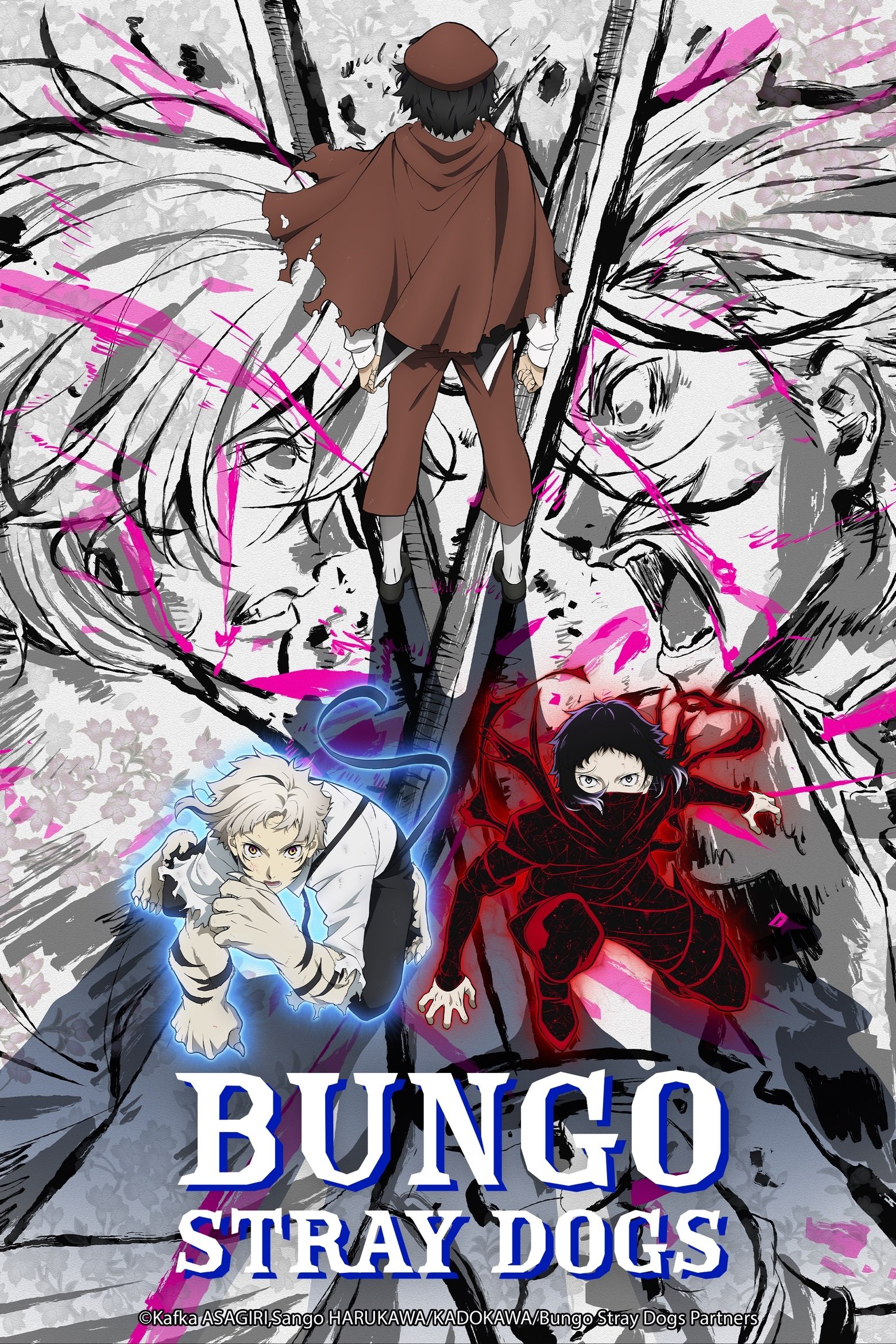
‘Bungo Stray Dogs’ features a cast of characters named after famous literary figures, all possessing supernatural powers. The series relies heavily on the complex, often dark relationships between these men to drive its plot and character drama. The pairing of Dazai and Chuuya is particularly popular due to their antagonistic yet inseparable bond. While the anime provides plenty of material for fan interpretation, it avoids any definitive statements on their sexuality. This allows the show to profit from “shipping” culture while remaining a standard action “seinen” series.
‘Haikyu!!’ (2014–2020)
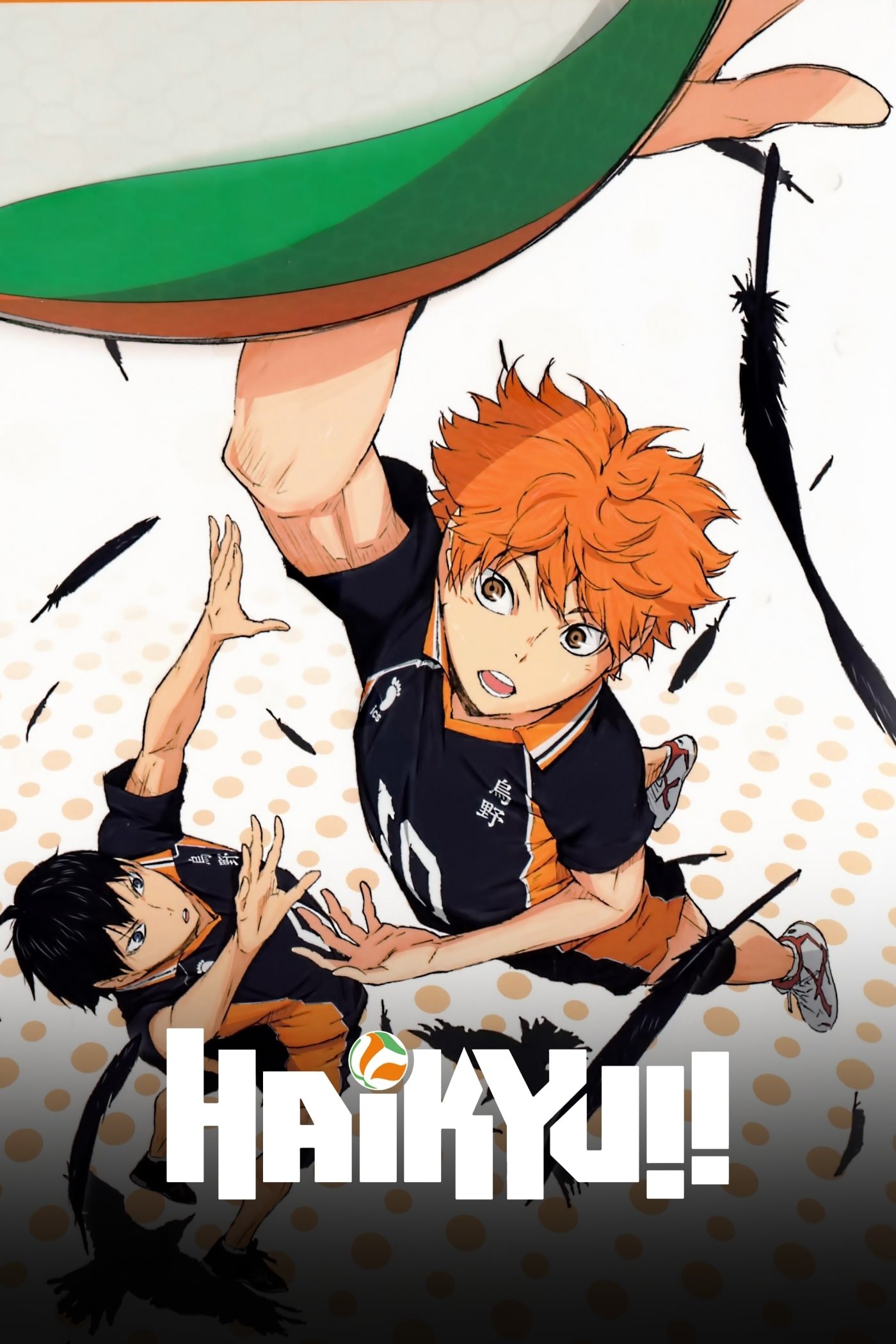
‘Haikyuu!!’ is a popular volleyball anime that focuses on teamwork and the drive to win. The relationship between Hinata and Kageyama is one of the most celebrated partnerships in modern anime. The series spends significant time on their mutual reliance and the way they complete each other on the court. While their bond is centered on sports and friendship, official marketing often uses suggestive imagery to target specific demographics. This discrepancy between the grounded story and the fanservice-heavy promotion is a common point of contention among viewers.
‘Black Butler’ (2008–2024)
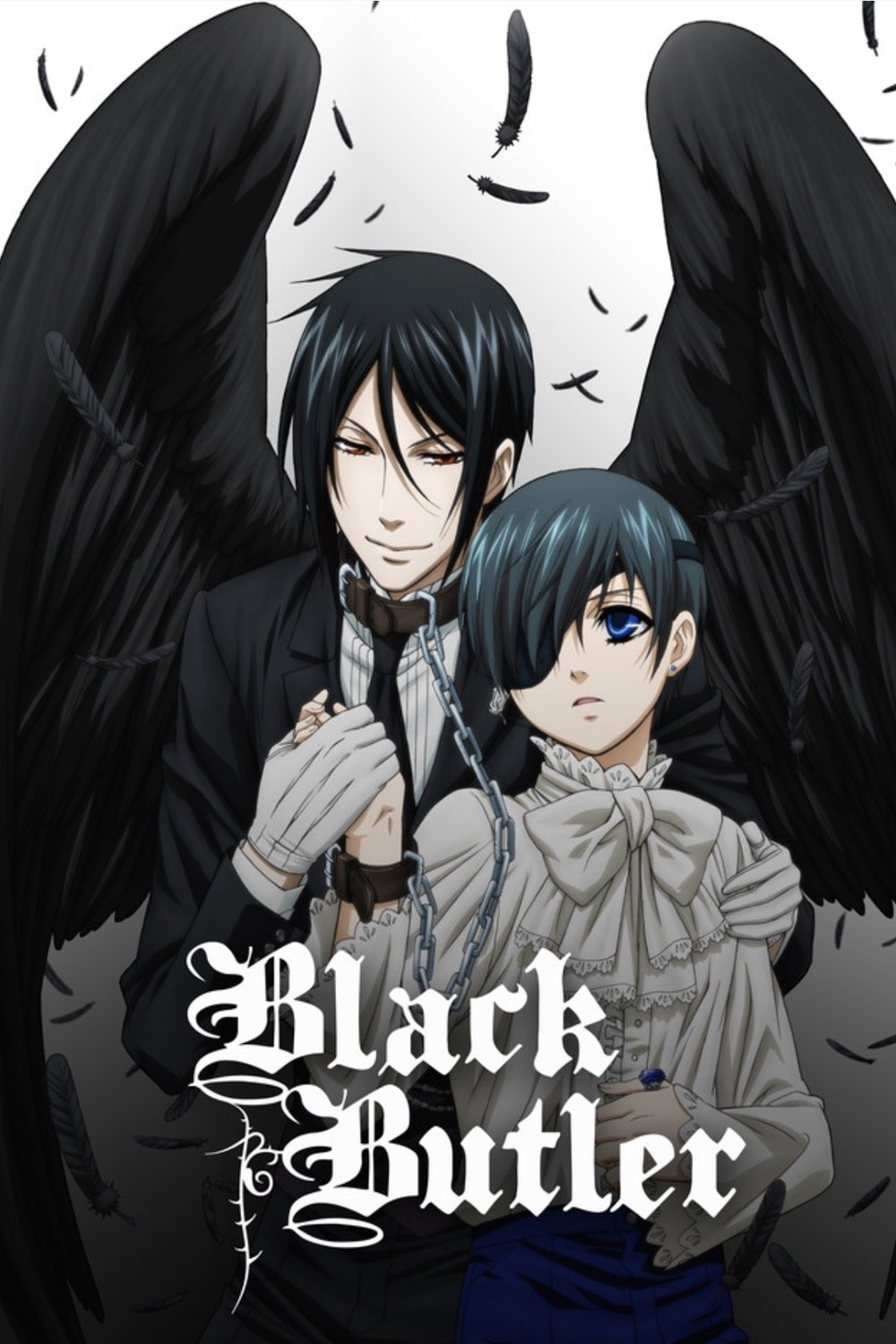
‘Black Butler’ tells the story of Ciel Phantomhive and his demonic butler, Sebastian, who seeks to consume Ciel’s soul. The gothic setting and the power dynamic between the two characters are frequently presented with romantic or erotic undertones. The series uses this tension to create a specific atmosphere that has attracted a large LGBTQ+ and female following over the years. However, the nature of their demonic contract precludes any healthy or genuine romantic representation within the canon. The show’s reliance on these dark, suggestive themes is often cited as a form of queer-coding that avoids actual labels.
‘Lycoris Recoil’ (2022)
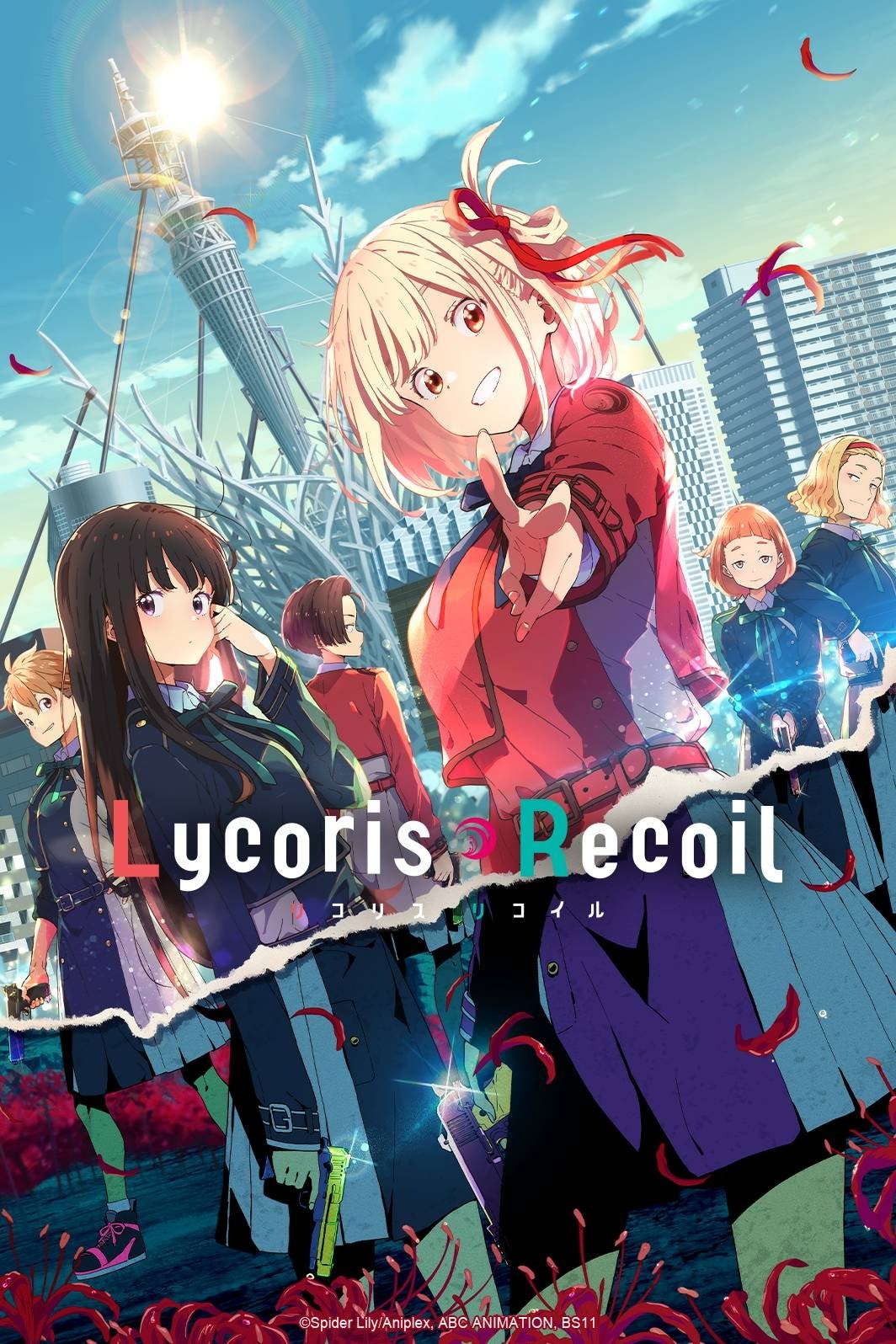
‘Lycoris Recoil’ centers on two teenage girls working for a secret counter-terrorism organization. The chemistry between the leads, Chisato and Takina, is the emotional heart of the show and follows many romance tropes. Fans were particularly drawn to their intimate conversations and the way they changed each other’s worldviews. Despite the overwhelming subtext, the series concluded without confirming their relationship as romantic. This led to a divided response, with some fans feeling the show baited a “yuri” audience to ensure its commercial success.
‘The Millionaire Detective – Balance: UNLIMITED’ (2020)
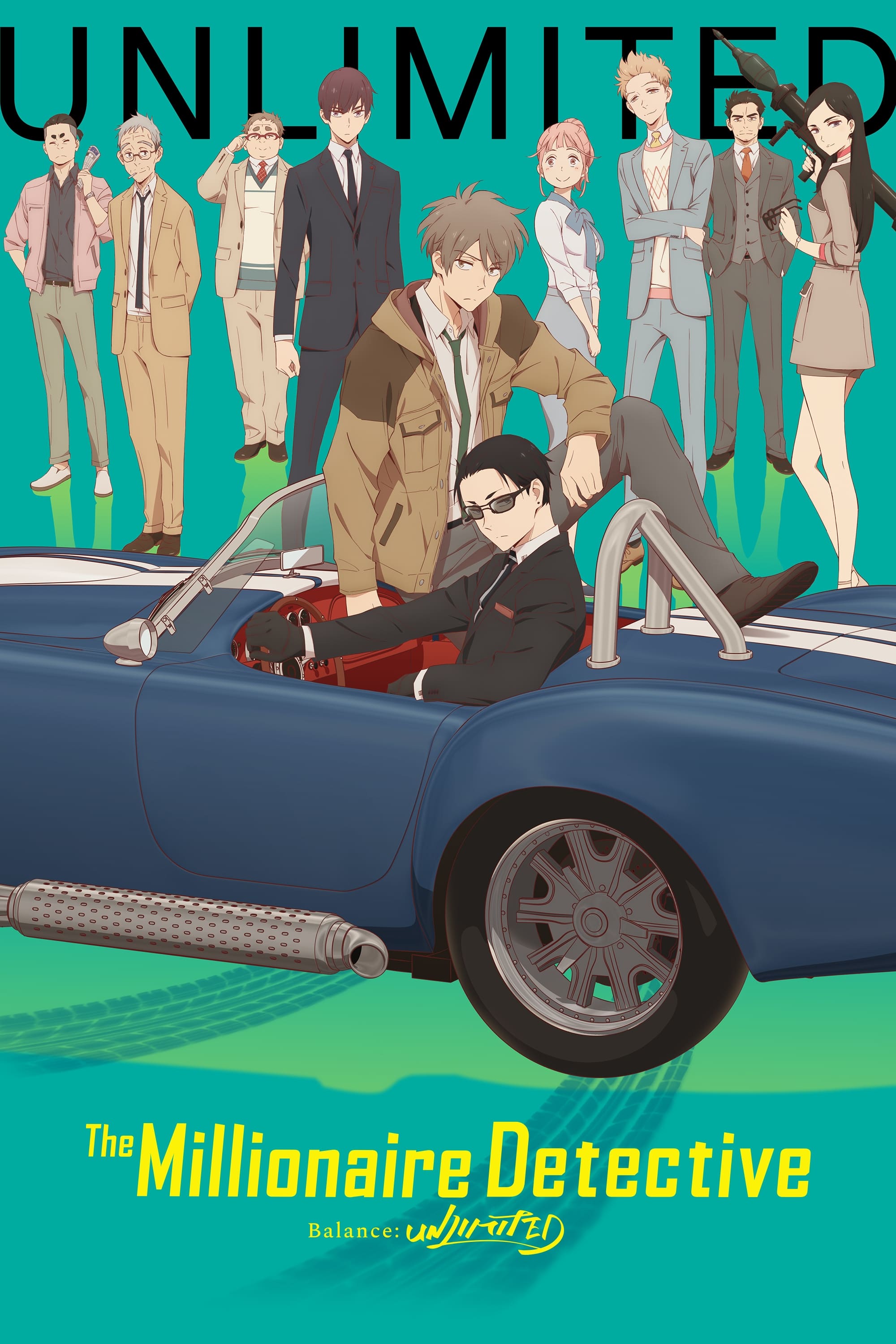
‘The Millionaire Detective Balance: Unlimited’ follows the partnership between a wealthy detective and his more grounded partner. The show’s opening sequence and promotional materials emphasized a sleek, homoerotic aesthetic to generate initial hype. Many viewers expected the series to explore the romantic potential of this “odd couple” dynamic. Instead, the narrative focused entirely on the procedural mystery, leaving the leads’ relationship strictly platonic throughout the season. This was viewed by many as a case of using queer-coded aesthetics without intending to deliver representation.
‘Sk8 the Infinity’ (2021)
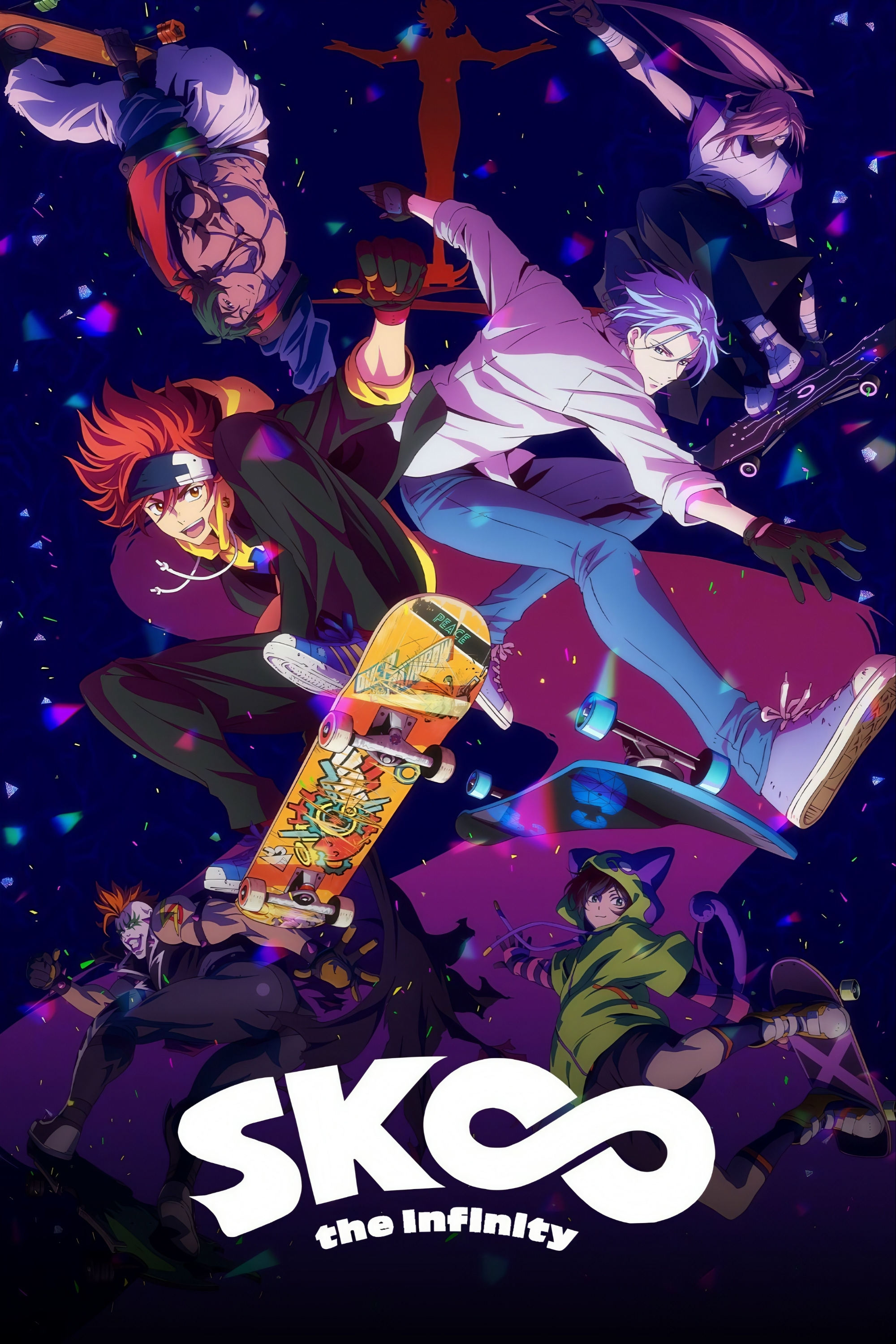
‘Sk8 the Infinity’ is an original anime about the world of underground skateboarding competition. The story focuses on the bond between Reki and Langa, whose friendship is depicted using visual language common in romance anime. Langa’s realization of his feelings for Reki is framed as a literal “spark” that mirrors a romantic epiphany. Despite these heavy-handed cues, the show concludes with the two characters remaining best friends. The creators’ use of romantic metaphors for a platonic friendship is a frequent topic in baiting debates.
‘Seraph of the End’ (2015)
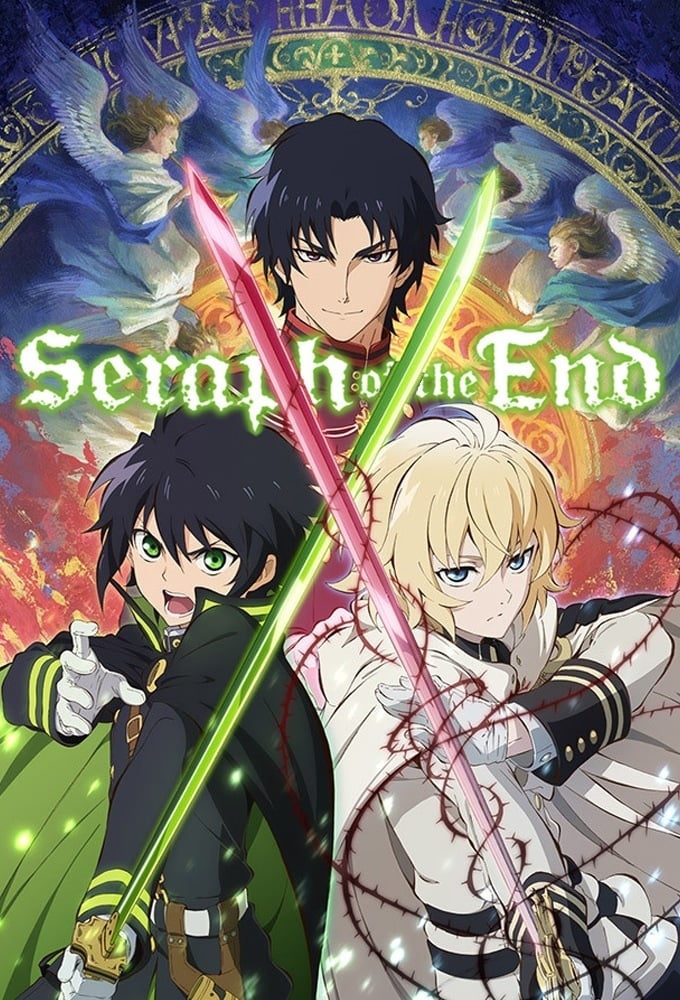
‘Seraph of the End: Vampire Reign’ follows Yuuichirou’s quest to save his childhood friend Mikaela from a vampire-dominated society. Mikaela’s devotion to Yuuichirou is the central motivation for his character and is often described with romantic weight. The anime adaptation preserves this intensity, featuring scenes of profound emotional and physical vulnerability between the two men. However, the show never acknowledges these feelings as romantic within the context of the main plot. This refusal to label a clearly prioritized same-sex bond is a common point of criticism regarding the series’ representation.
‘Yuri!!! on Ice’ (2016)
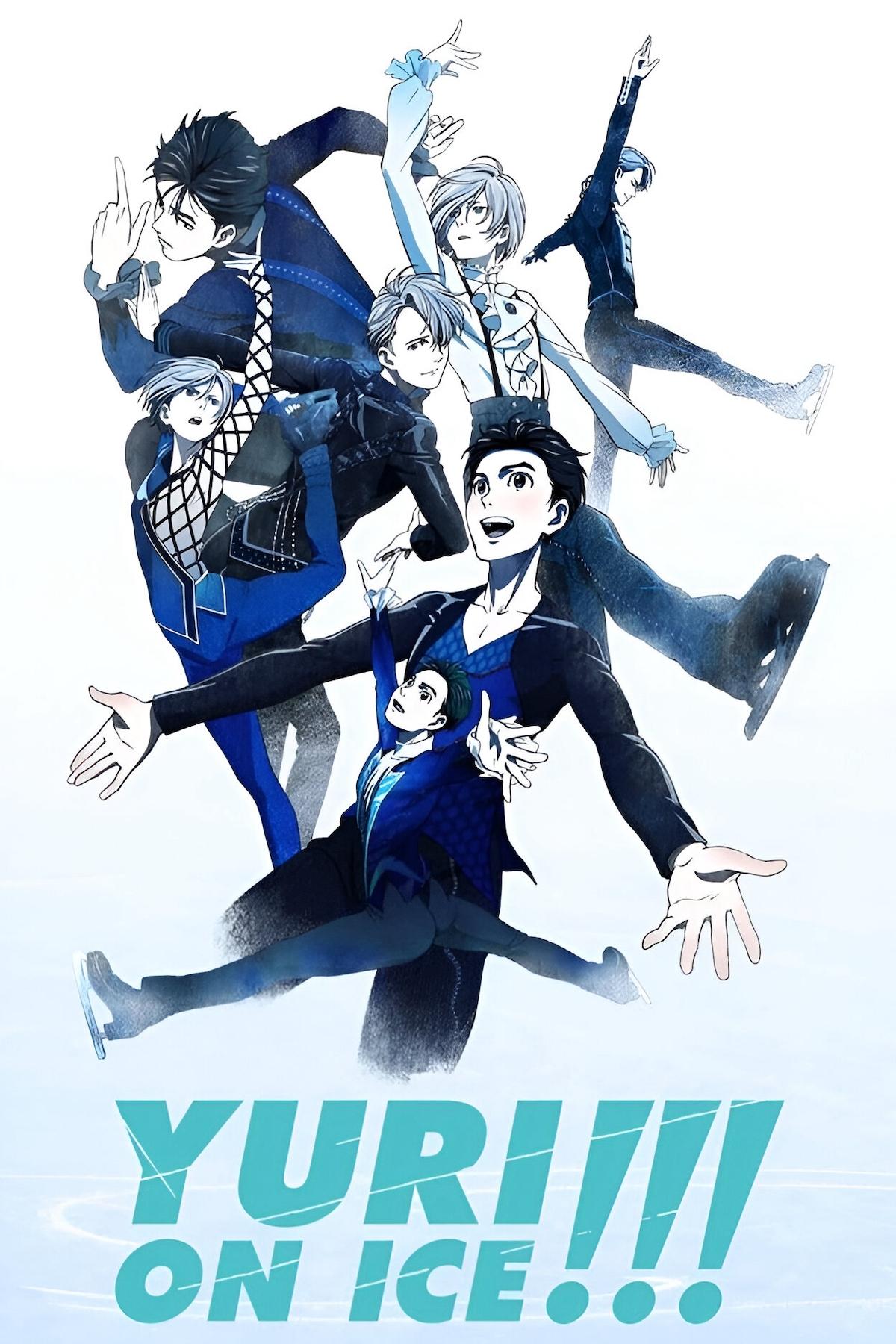
‘Yuri!!! on Ice’ follows the professional and personal relationship between figure skater Yuri Katsuki and his idol, Victor Nikiforov. The series is frequently accused of baiting because the production team visually obscured a pivotal kiss scene behind a character’s arm. This decision, combined with the lack of an explicit verbal confirmation of their romantic status, left the representation in a state of ambiguity. While the show is more progressive than many of its peers, its hesitation to be fully explicit remains a point of frustration for fans. The narrative is often cited as a missed opportunity for clear LGBTQ+ visibility in mainstream anime.
‘Free! – Iwatobi Swim Club’ (2013)
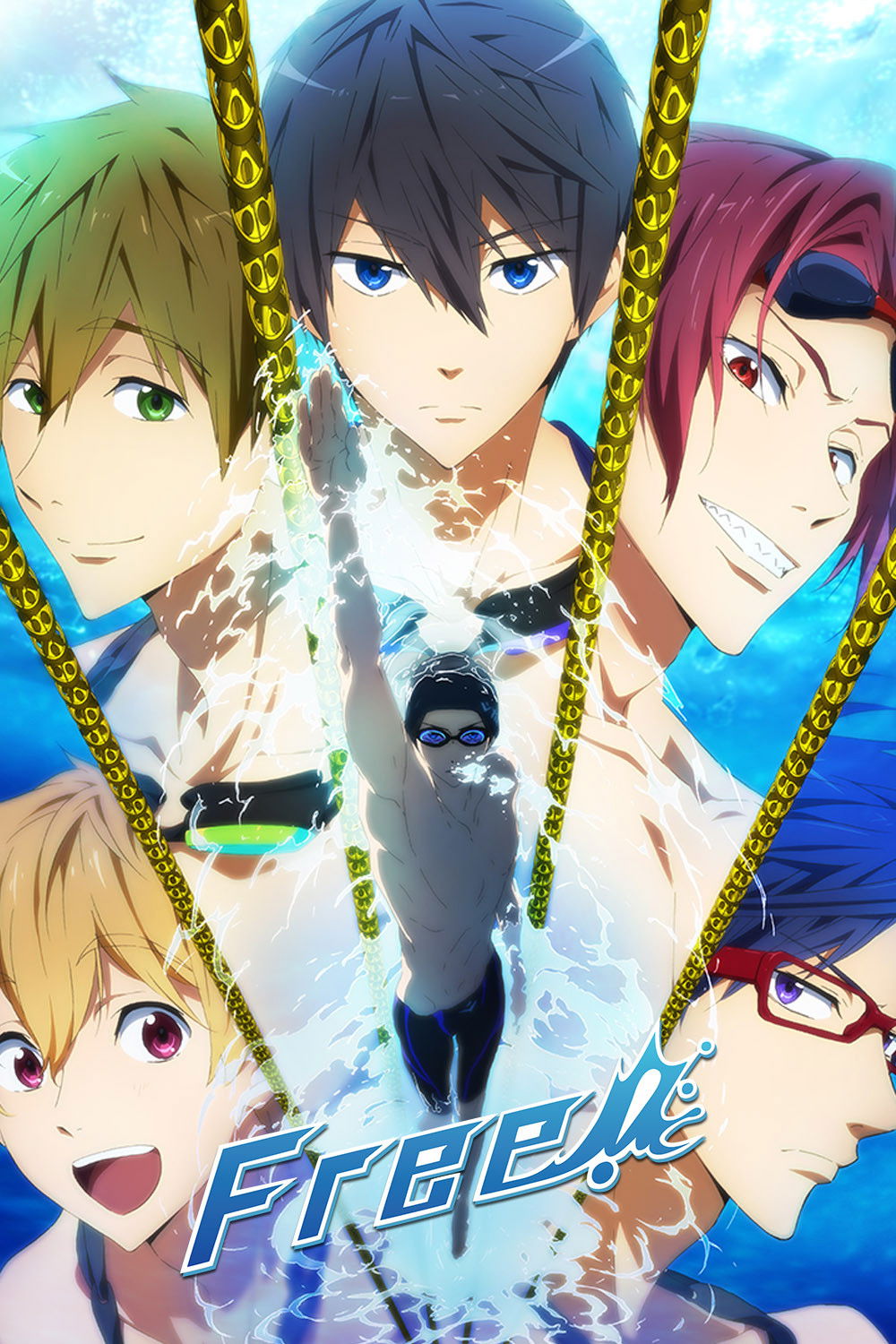
‘Free! – Iwatobi Swim Club’ is a sports anime known for its focus on the relationships between high school swimmers. The show became famous for its high-quality animation of the male form and the intense emotional bonds between characters like Haruka and Rin. The series frequently placed these characters in situations that mirrored romantic conflicts, such as jealousy and deep pining. Despite the pervasive homoerotic tension, the series never allowed any of these relationships to become canon. This sparked a long-standing conversation about the commodification of male intimacy for a specific audience.
‘Sound! Euphonium’ (2015–2024)
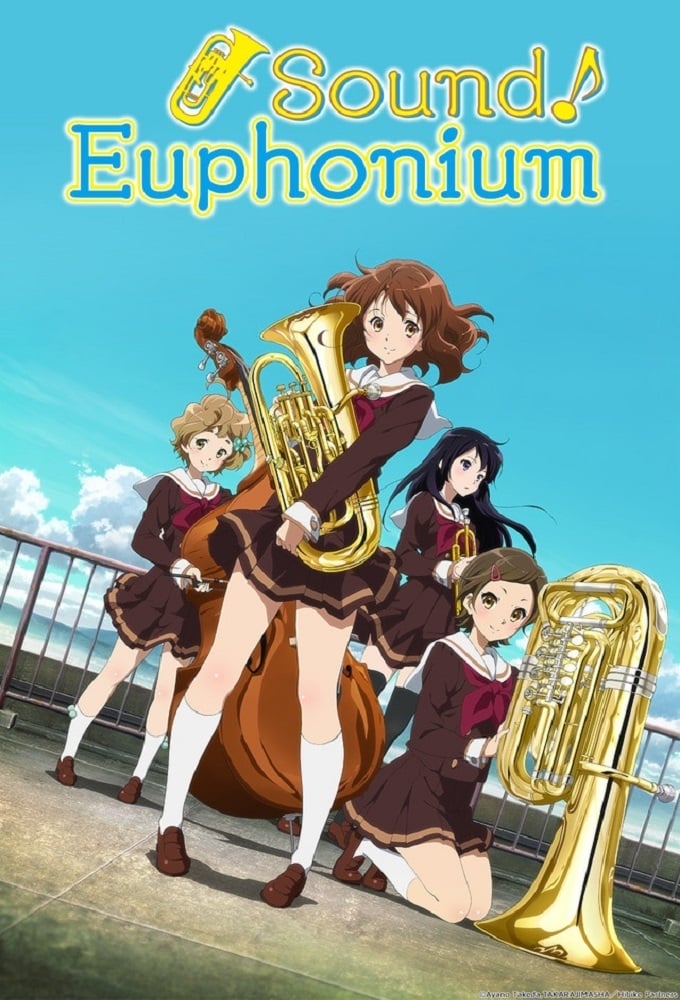
‘Sound! Euphonium’ focuses on the members of a high school concert band as they aim for the national championships. The relationship between Kumiko Oumae and Reina Kousaka is one of the most famous examples of queer-baiting in the medium. The show utilizes intimate lighting, suggestive dialogue, and shared secrets to build a bond that many viewers interpreted as romantic. Ultimately, the story focuses on the characters’ heterosexual interests, reframing the previous intimacy as a deep platonic friendship. This contrast between visual storytelling and the final narrative outcome remains a significant point of discussion regarding the series.
Share your thoughts on these instances of subtext versus representation in the comments.