

Anime Series Blending Poetry Into Battle Dialogues

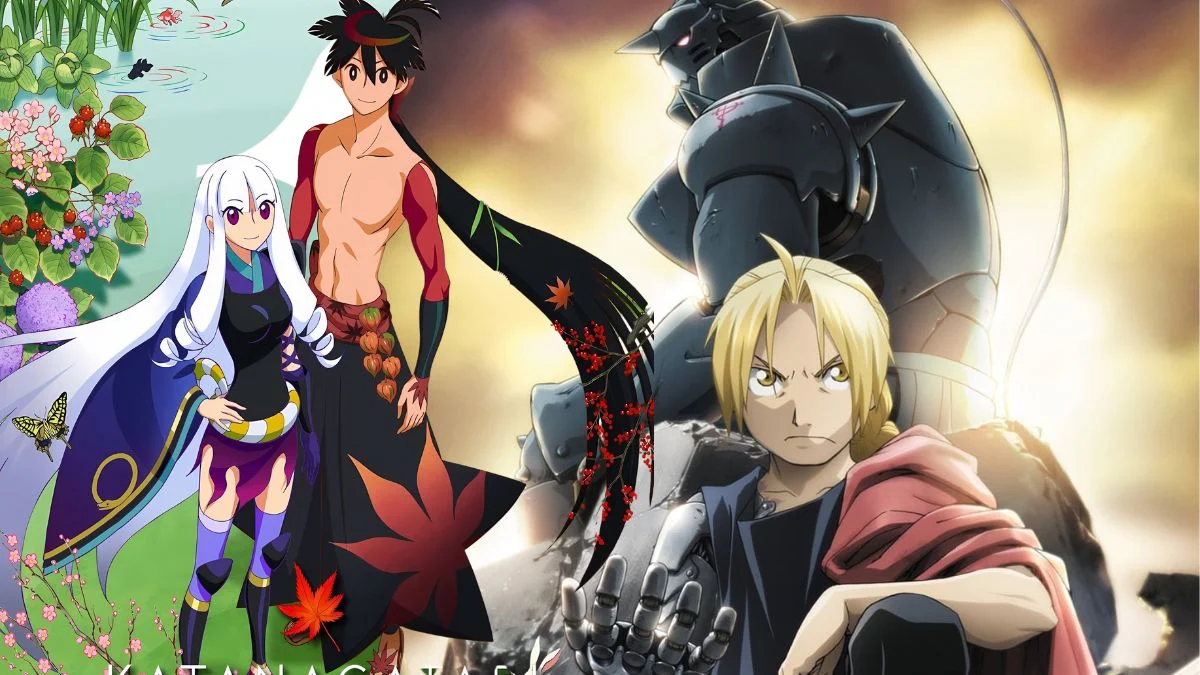


Anime has a unique ability to turn combat into a form of high art where words cut just as deep as swords. Many series elevate their fight scenes by incorporating poetic chants and philosophical debates directly into the action. The characters in these shows often recite intricate verses or incantations to unlock their hidden powers. This narrative device adds a rhythmic and lyrical quality to otherwise violent confrontations. The following series masterfully combine literature and language with kinetic animation to create unforgettable battles.
‘Bleach’ (2004–2012)
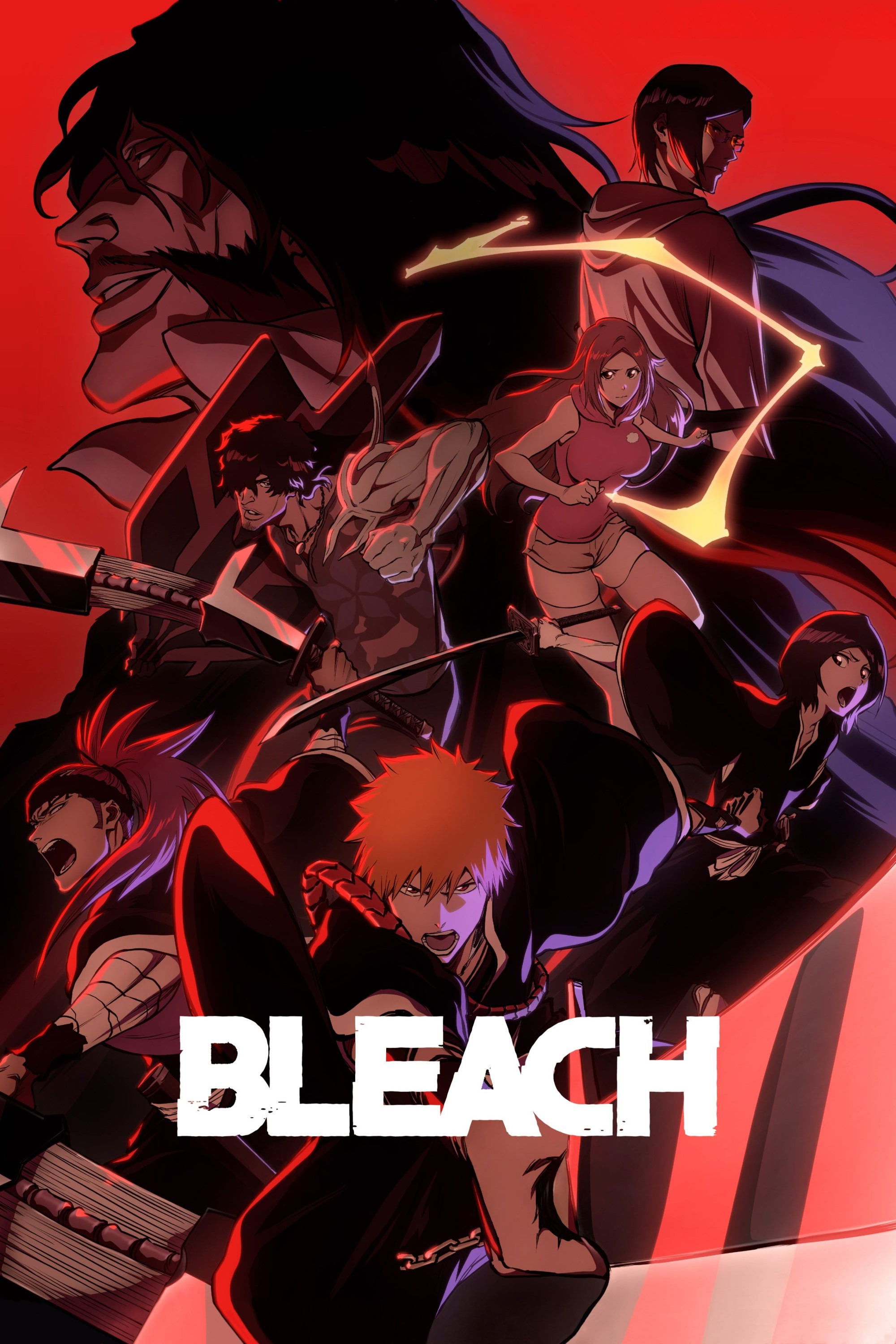
This shonen giant is famous for the poetic incantations used by Soul Reapers to release their Zanpakuto. Characters recite specific verses that describe the essence of their spirit energy before unleashing devastating attacks. Tite Kubo wrote these chants to reflect the personality of the wielder and the specific nature of their weapon. The combination of calligraphy in the manga and the voice acting in the anime turns every release command into a stanza of destruction.
‘Bungo Stray Dogs’ (2016–Present)
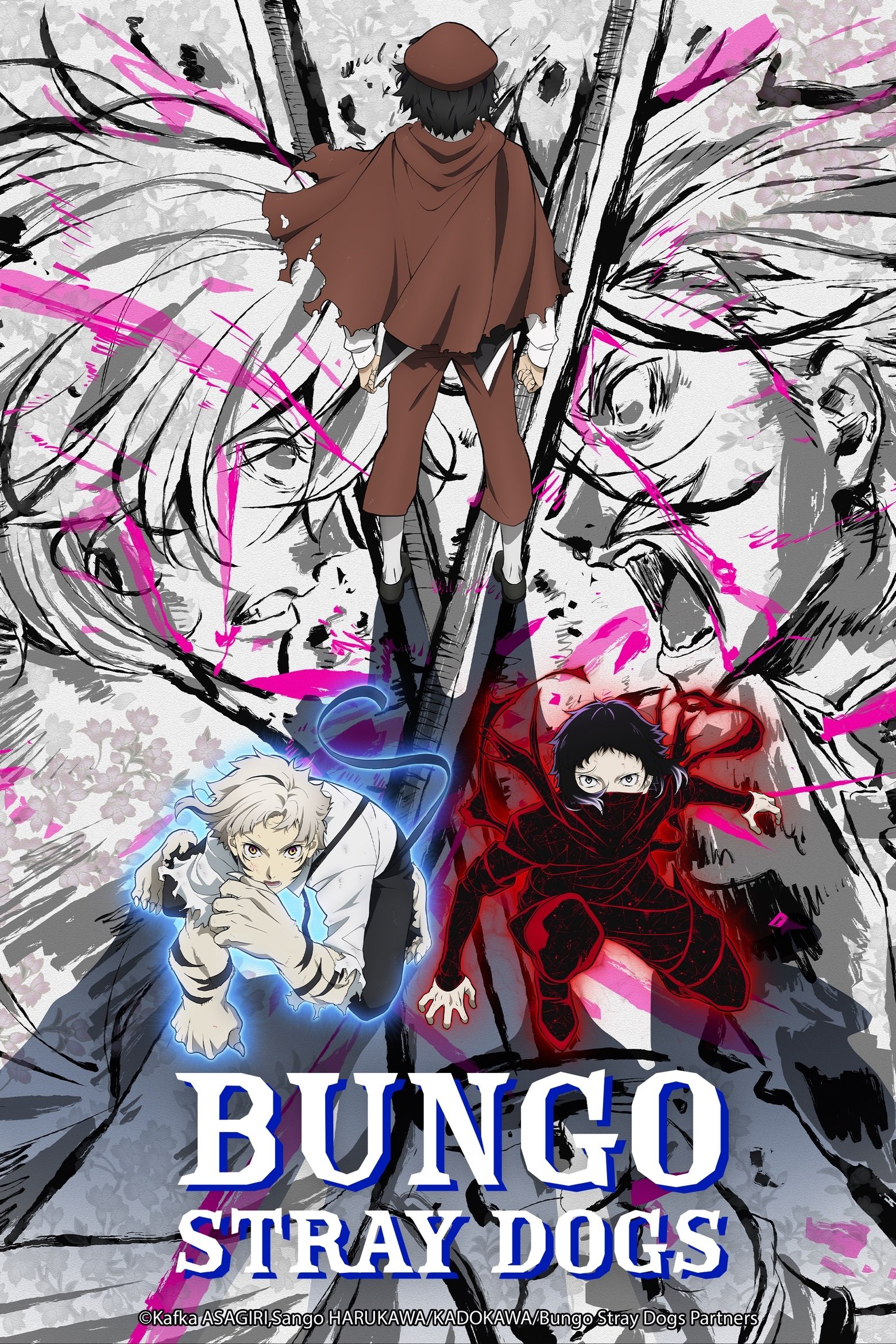
Every major character in this series is named after a famous author and possesses a power named after a literary work. The battles operate as clashes of philosophy where the combatants quote lines or embody the themes of the books they represent. ‘Bungo Stray Dogs’ treats the written word as a literal weapon that can reshape reality or summon beasts. Viewers enjoy a layer of intellectual depth as the dialogue references classic literature during high-stakes duels.
‘Fate/Zero’ (2011–2012)
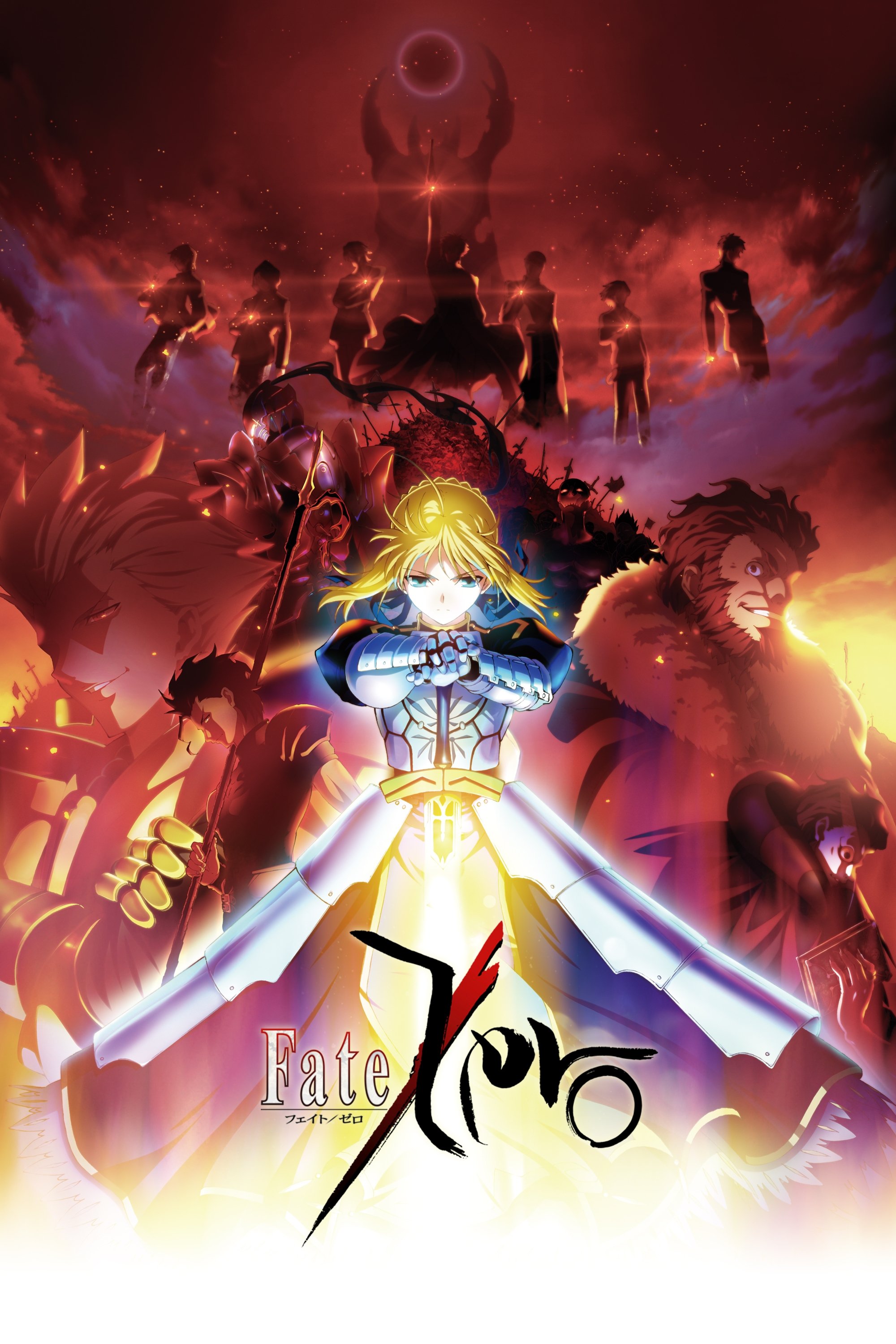
The Holy Grail War features historical spirits known as Servants who announce their Noble Phantasms with grandeur. These ultimate attacks are often preceded by epic speeches that declare the legend and mythos of the hero. Rider specifically delivers rousing monologues about the nature of kingship that sound like ancient oral poetry. The script elevates standard action tropes into a Shakespearean tragedy full of regal dialogue.
‘JoJo’s Bizarre Adventure’ (2012–Present)
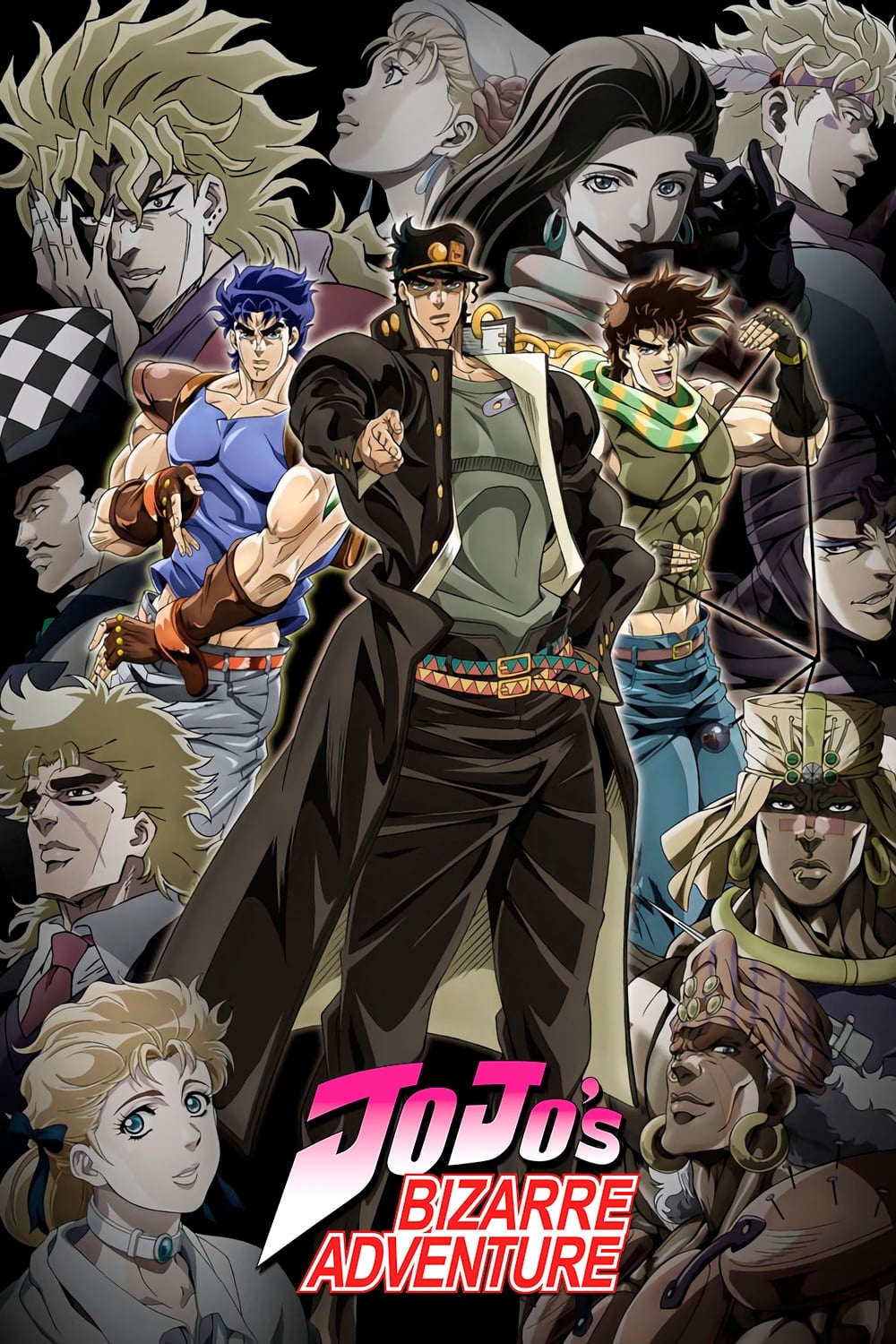
Characters in this multigenerational saga engage in battles that are as much about posturing and declarations as they are about physical strikes. The dialogue is flamboyant and rhythmic with villains often delivering soliloquies about fate and time. Each Stand user names their attacks with musical references that add a lyrical layer to the bizarre combat. ‘JoJo’s Bizarre Adventure’ turns the shouting of attack names into a stylistic art form.
‘Hellsing Ultimate’ (2006–2012)

The conflict between the Hellsing Organization and Iscariot is drenched in religious fanaticism and gothic horror. Alexander Anderson recites scripture and biblical verses while throwing bayonets at his demonic enemies. His dialogue turns the violence into a twisted form of prayer that highlights his zealous madness. ‘Hellsing Ultimate’ uses these holy recitations to contrast sharply with the bloody carnage on screen.
‘Revolutionary Girl Utena’ (1997)
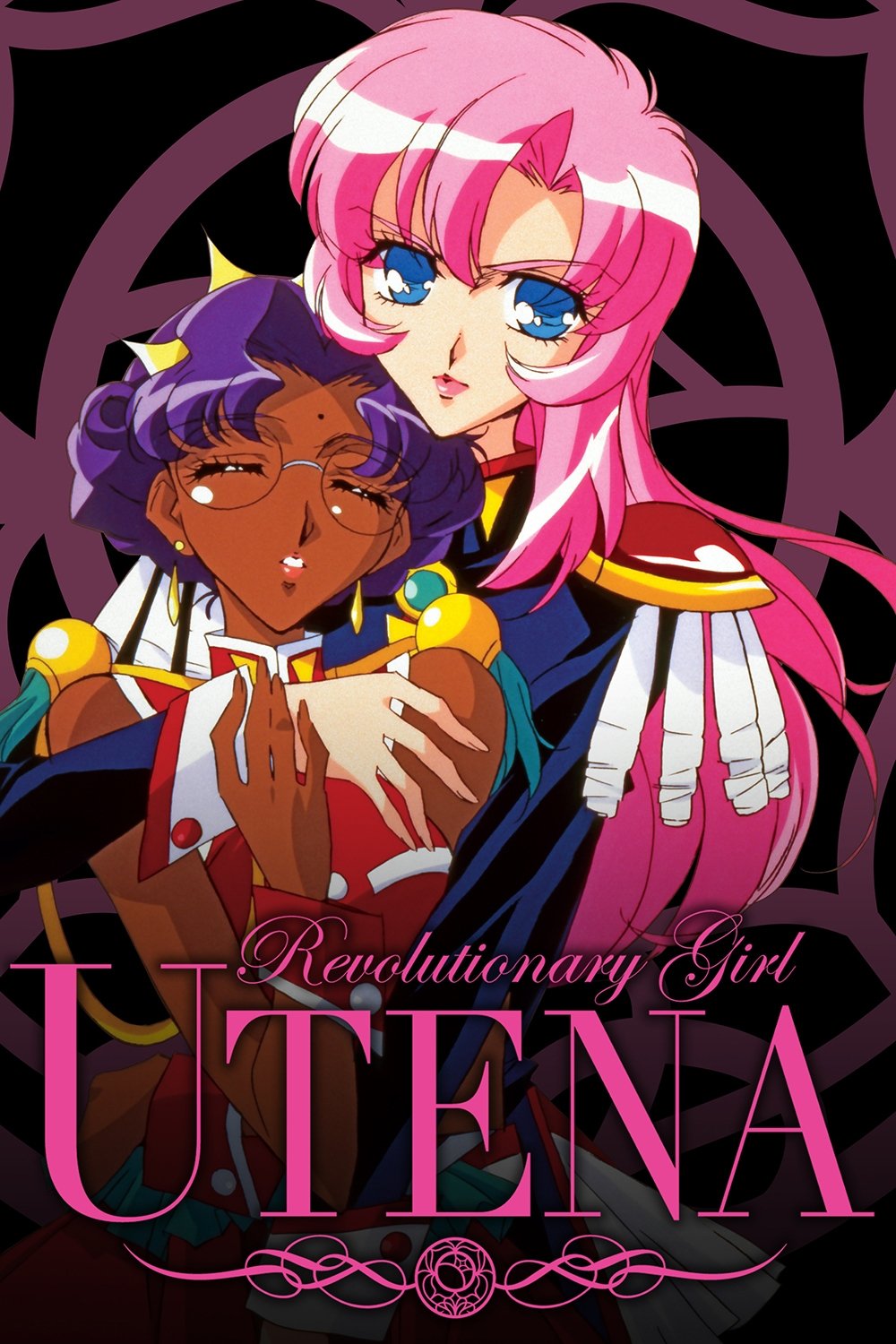
The duels in Ohtori Academy are surreal metaphors for adolescence and revolution. Before and during the sword fights the student council members speak in cryptic metaphors about breaking the world’s shell. The shadow girl plays usually precede these battles to provide an allegorical context to the upcoming struggle. ‘Revolutionary Girl Utena’ ensures that every clash of swords is framed by dialogue that reads like avant-garde theater.
‘Revue Starlight’ (2018)
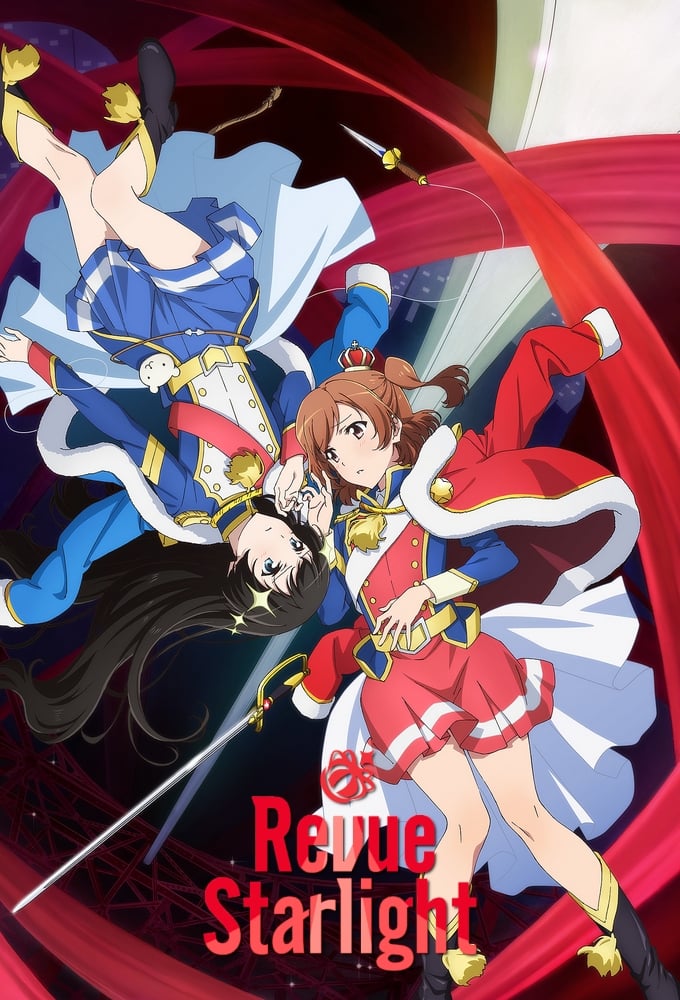
The combatants in this series are stage girls who fight in an underground audition to become the Top Star. They sing and recite lines about their passion for the stage while engaging in choreographed swordplay. The battles are literally musicals where the lyrics reflect the inner turmoil and ambitions of the fighters. ‘Revue Starlight’ seamlessly merges the art of performance with the intensity of a weaponized duel.
‘Demon Slayer: Kimetsu no Yaiba’ (2019–Present)
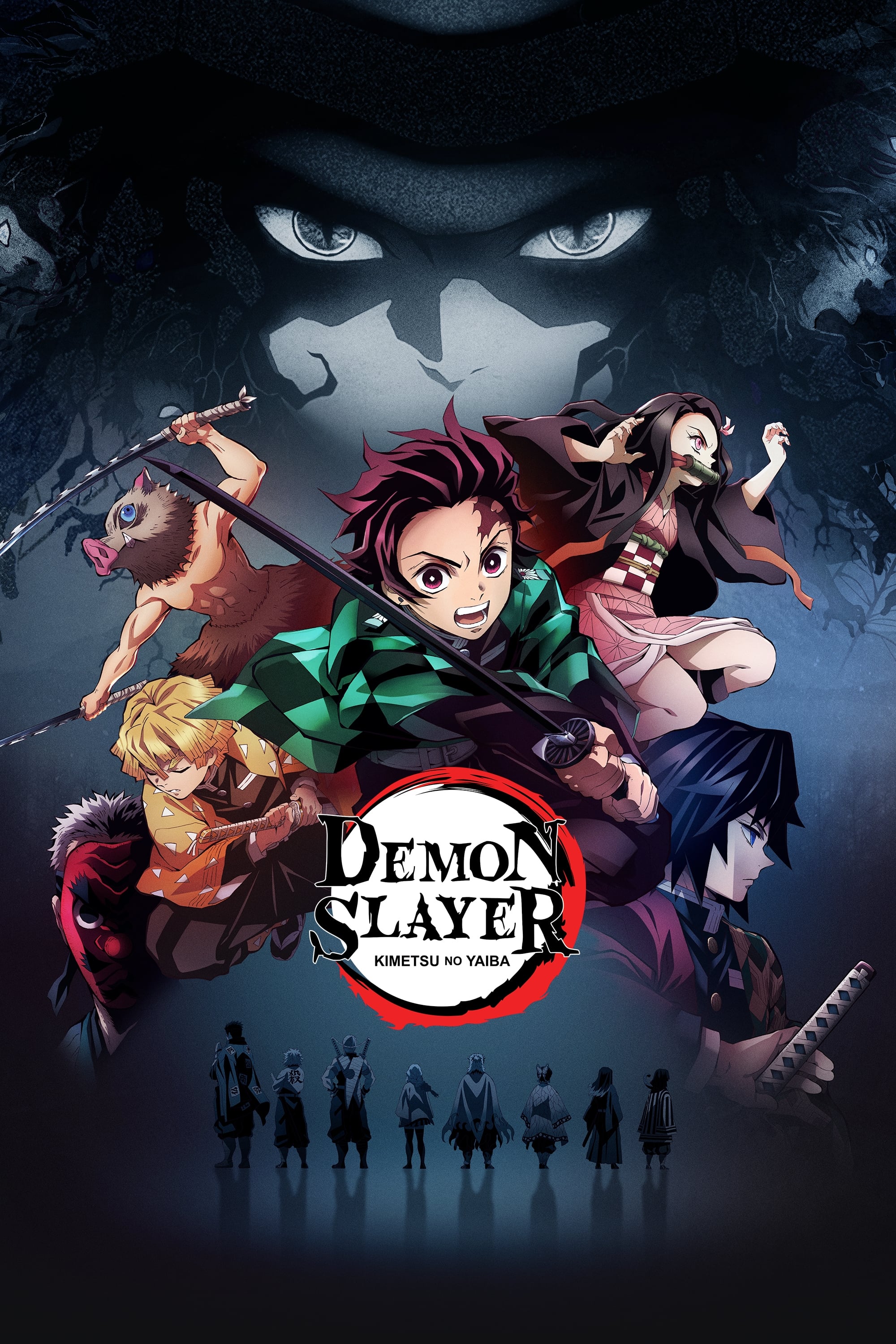
Swordsmen use Breathing Styles that are visualized through beautiful elemental imagery and poetic names. Tanjiro Kamado executes techniques like the Dance of the Fire God which turns his movements into a fluid ceremony. The names of the forms often evoke nature and tranquility despite the violence of decapitating demons. ‘Demon Slayer’ uses this aesthetic to make sword fighting feel like a traditional art form.
‘Saint Seiya’ (1986–1989)
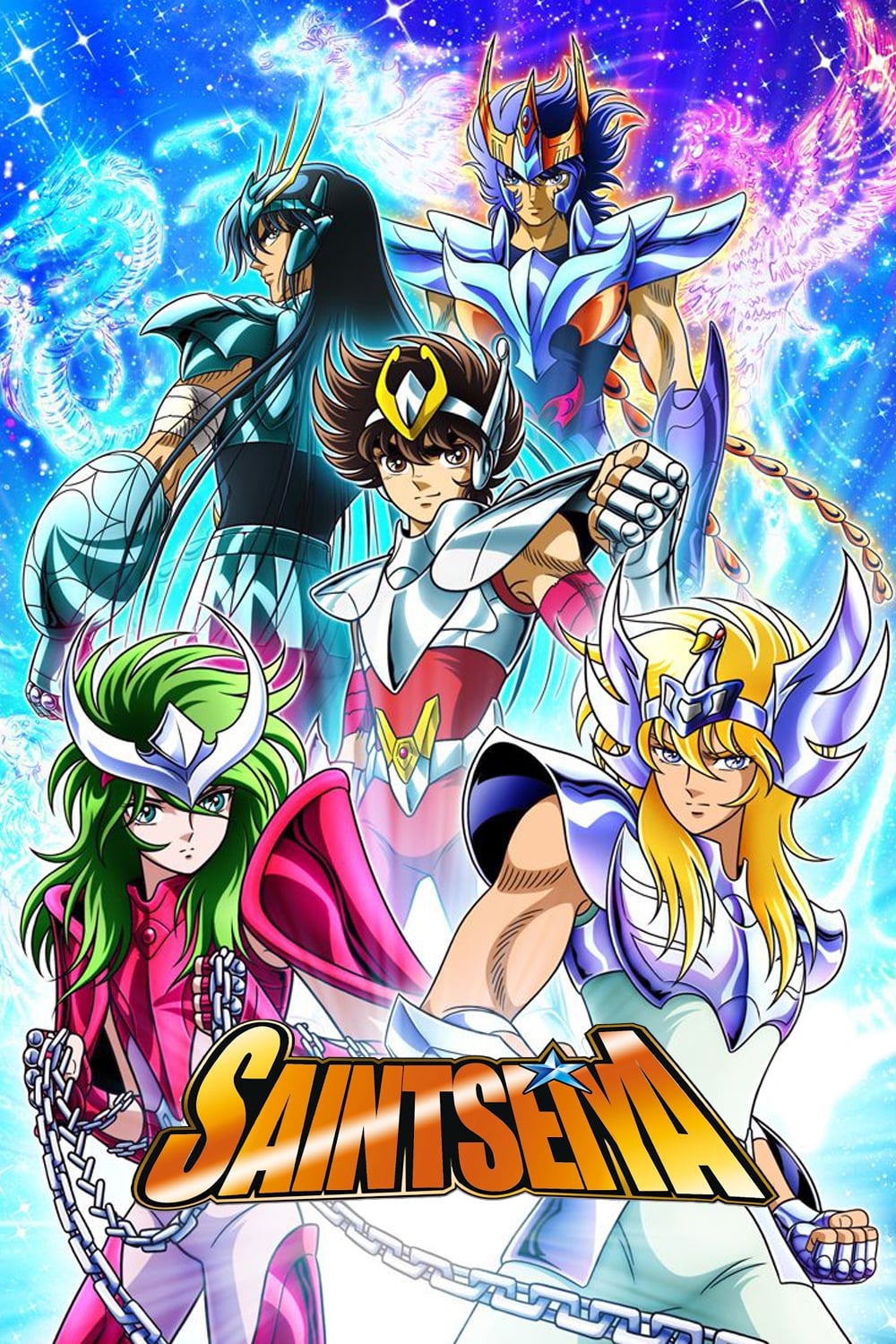
The Saints of Athena channel their Cosmos to perform attacks based on the constellations they represent. They frequently explain the mechanics of their techniques using astronomical and mythological metaphors before striking. These proclamations of power affirm their burning will and dedication to their goddess. The dialogue in ‘Saint Seiya’ is melodramatic and grand in a way that mimics Greek epics.
‘Rurouni Kenshin’ (1996–1998)
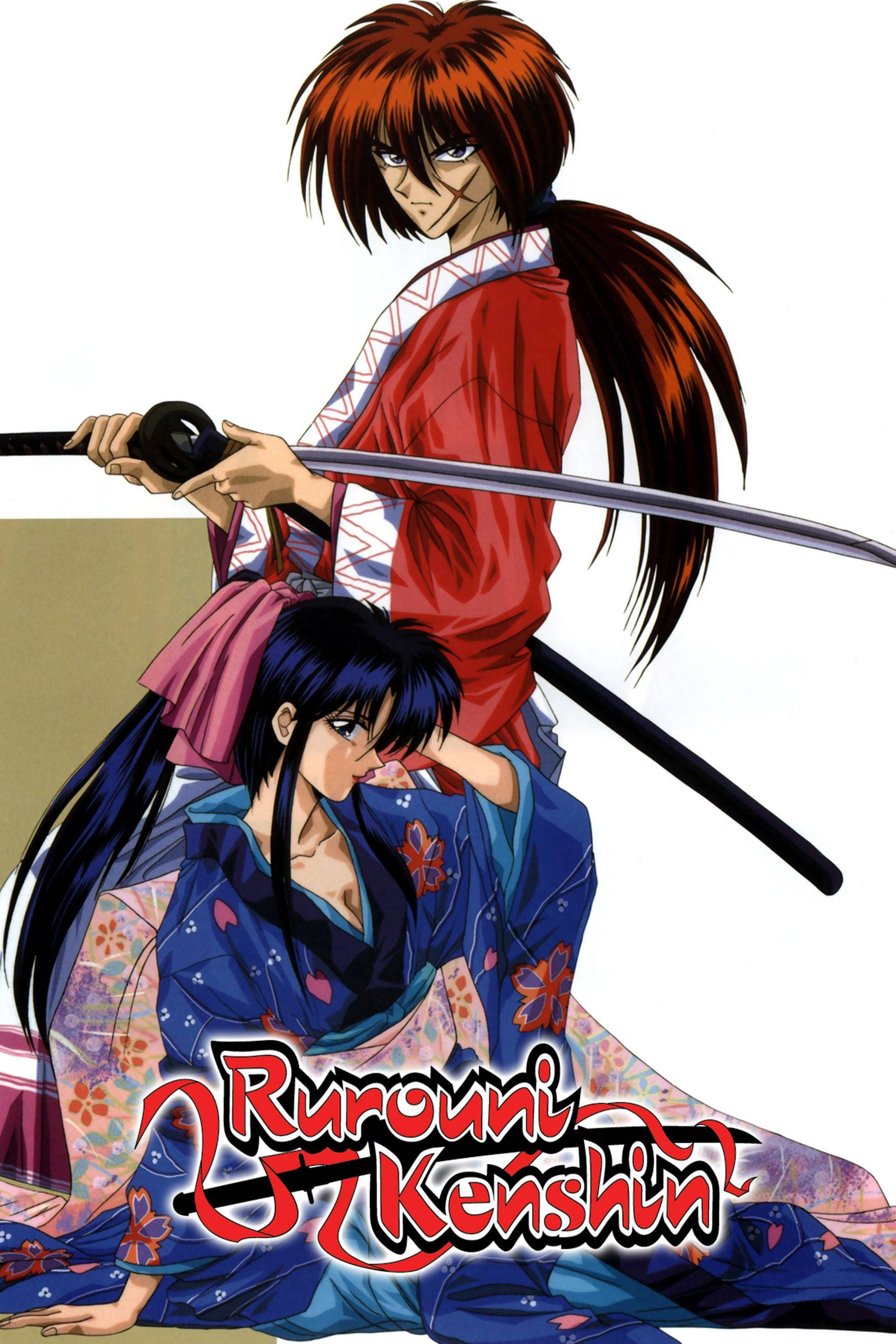
Techniques in the Hiten Mitsurugi style are named with elaborate kanji that describe the movement in poetic terms. Kenshin Himura often explains the philosophy behind his non-lethal swordplay during the heat of battle. The names of the moves paint a picture of dragons and natural disasters to intimidate opponents. This focus on the naming convention elevates the swordplay into a disciplined martial philosophy.
‘Katanagatari’ (2010)
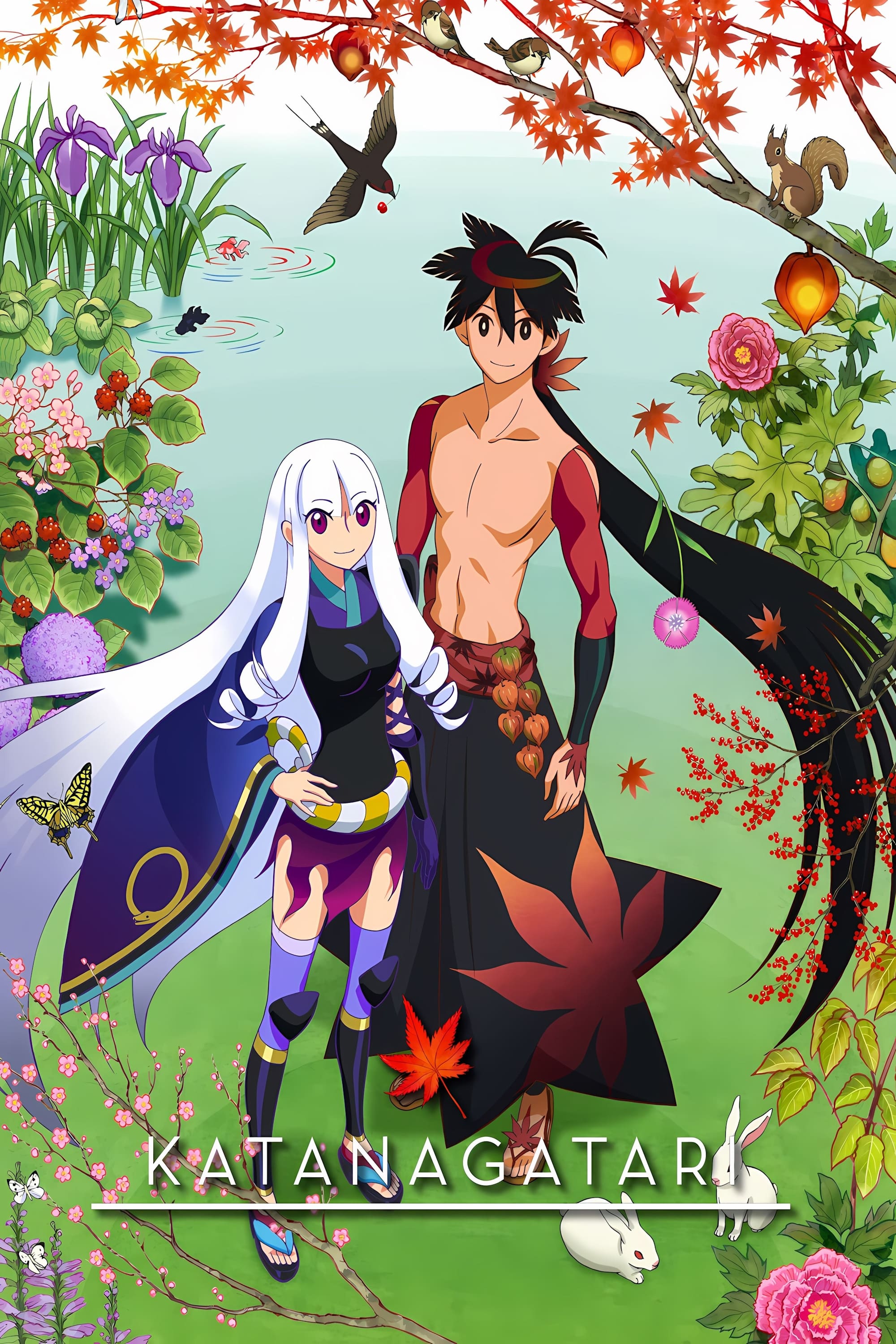
This series focuses heavily on dialogue where the conversations are just as important as the physical strikes. The protagonist and his strategist travel Japan to collect swords while engaging in verbal sparring with their owners. The script writer Nisio Isin is known for wordplay that gives the battles a rhythmic and intellectual pacing. ‘Katanagatari’ deconstructs the idea of a fight by placing the emphasis on the history and emotions behind the weapons.
‘Jujutsu Kaisen’ (2020–Present)
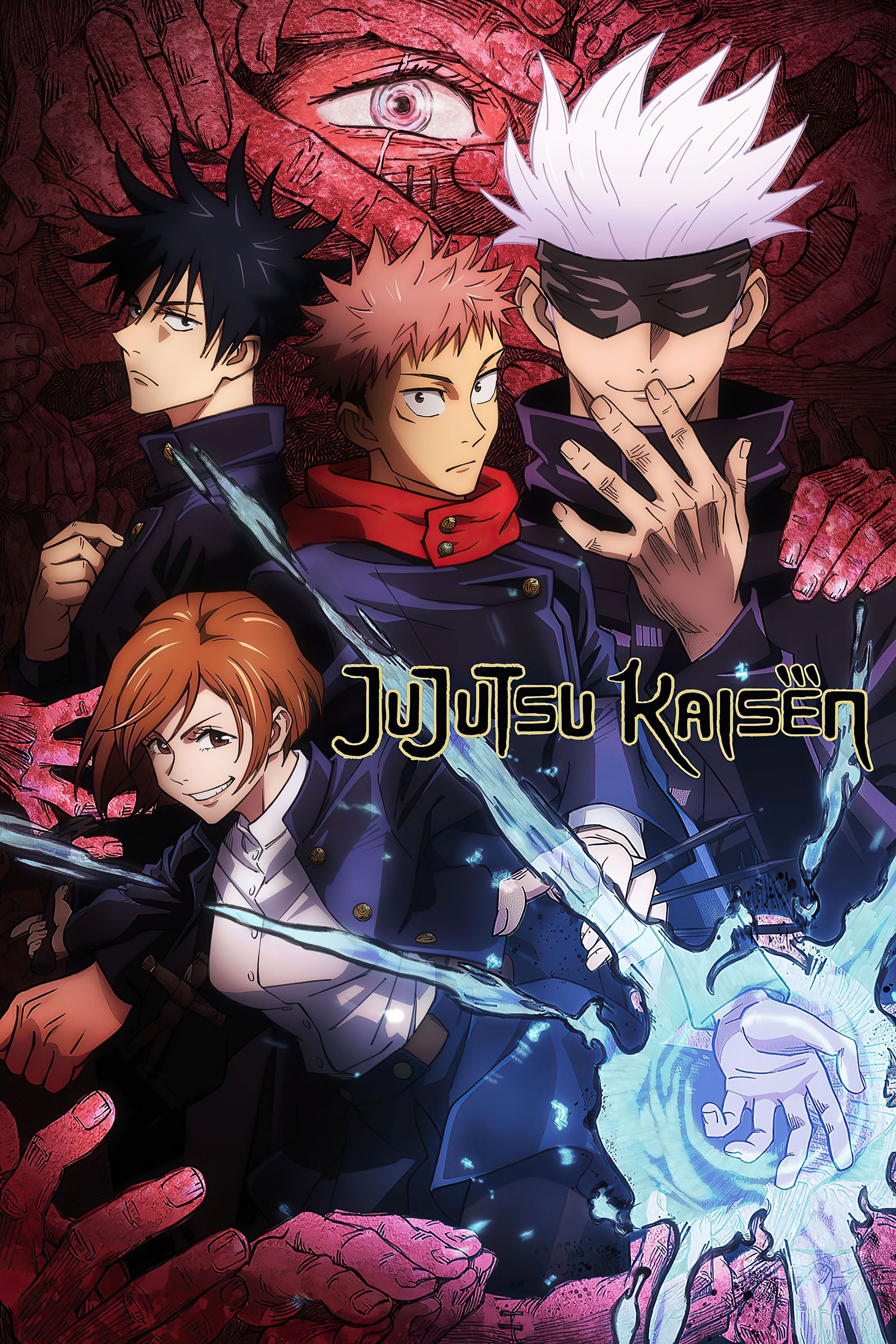
Sorcerers use Cursed Energy to perform techniques that often require verbal triggers or complex explanations. The pinnacle of sorcery is the Domain Expansion which is activated by a specific hand sign and a poetic name. These domains manifest the user’s innate mental landscape into a physical reality. ‘Jujutsu Kaisen’ blends modern horror aesthetics with traditional Buddhist terminology in its battle system.
‘Gurren Lagann’ (2007)
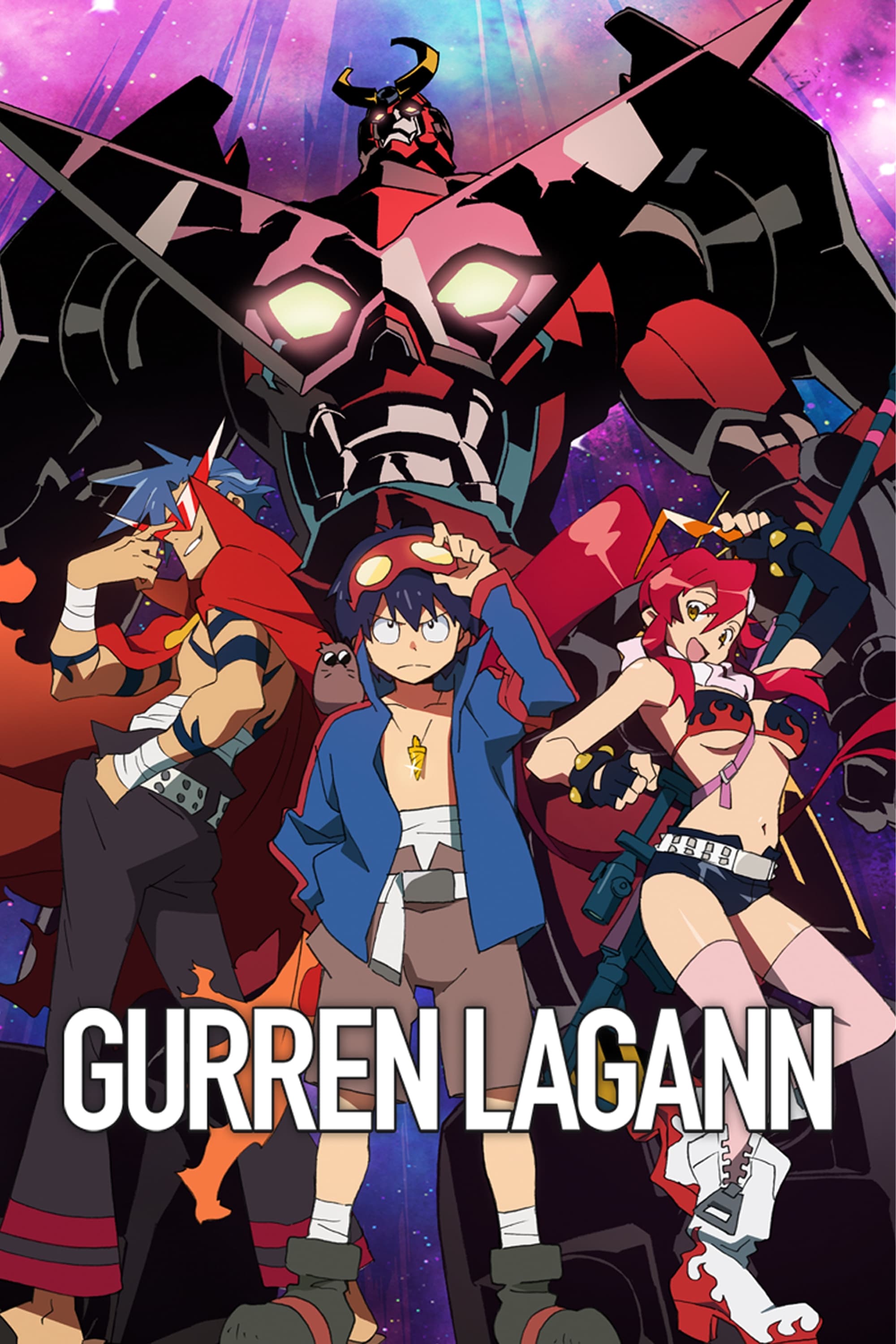
Kamina and Simon pilot their mecha using the power of Spiral Energy which is fueled by their fighting spirit and willpower. Their speeches about piercing the heavens and kicking reason to the curb are iconic rallying cries. The dialogue functions as a source of energy that defies the laws of physics through sheer confidence. ‘Gurren Lagann’ proves that passionate words can literally alter the fabric of the universe.
‘Kill la Kill’ (2013–2014)
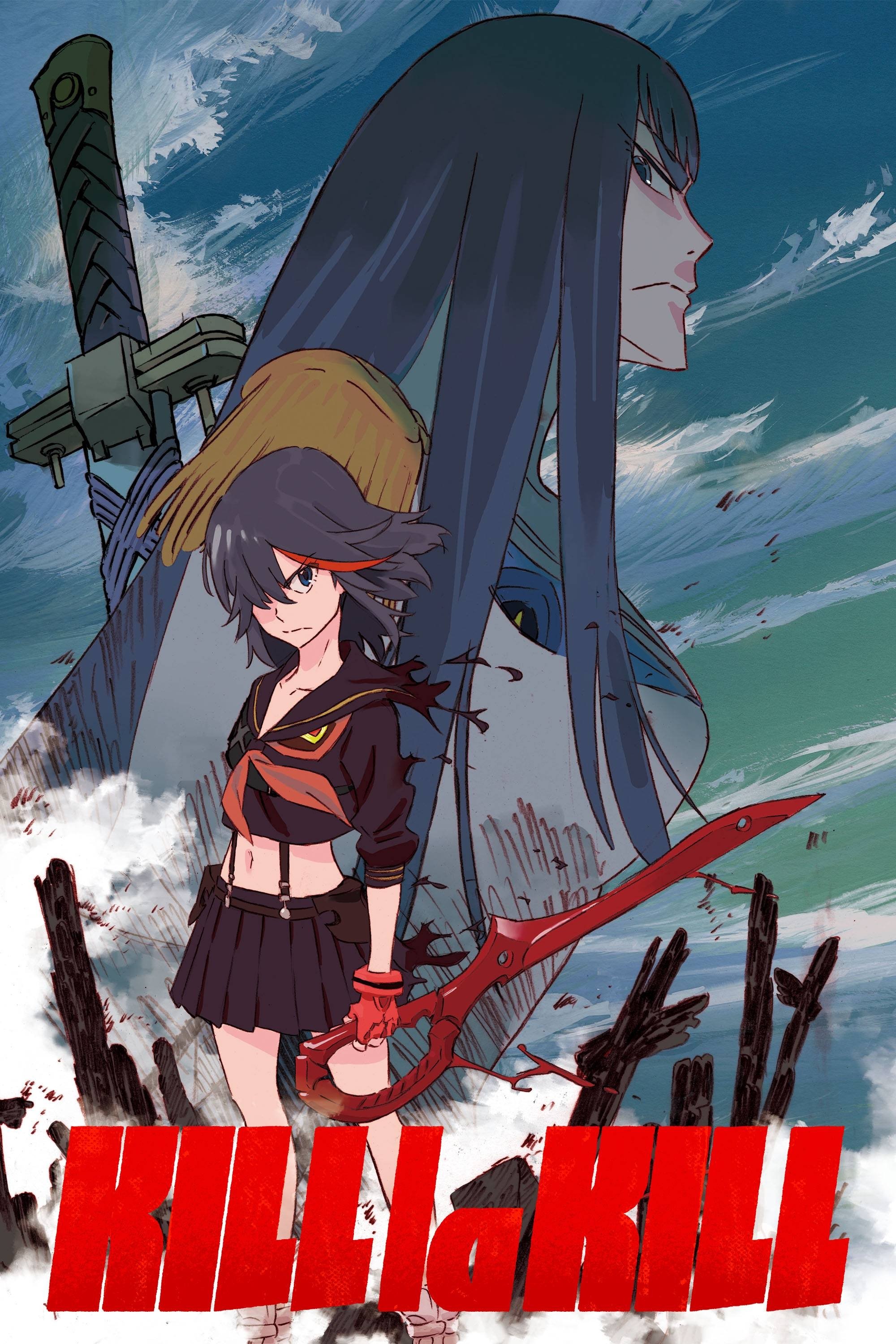
Characters in this frenetic show scream their ideologies while wearing sentient clothing that grants them superpowers. Satsuki Kiryuin delivers authoritarian speeches from high places that frame the battles as a clash of wills. The names of the attacks and the visual text on screen create a loud and bombastic atmosphere. ‘Kill la Kill’ treats every skirmish as a theatrical performance where the dialogue is shouted for maximum effect.
‘Soul Eater’ (2008–2009)
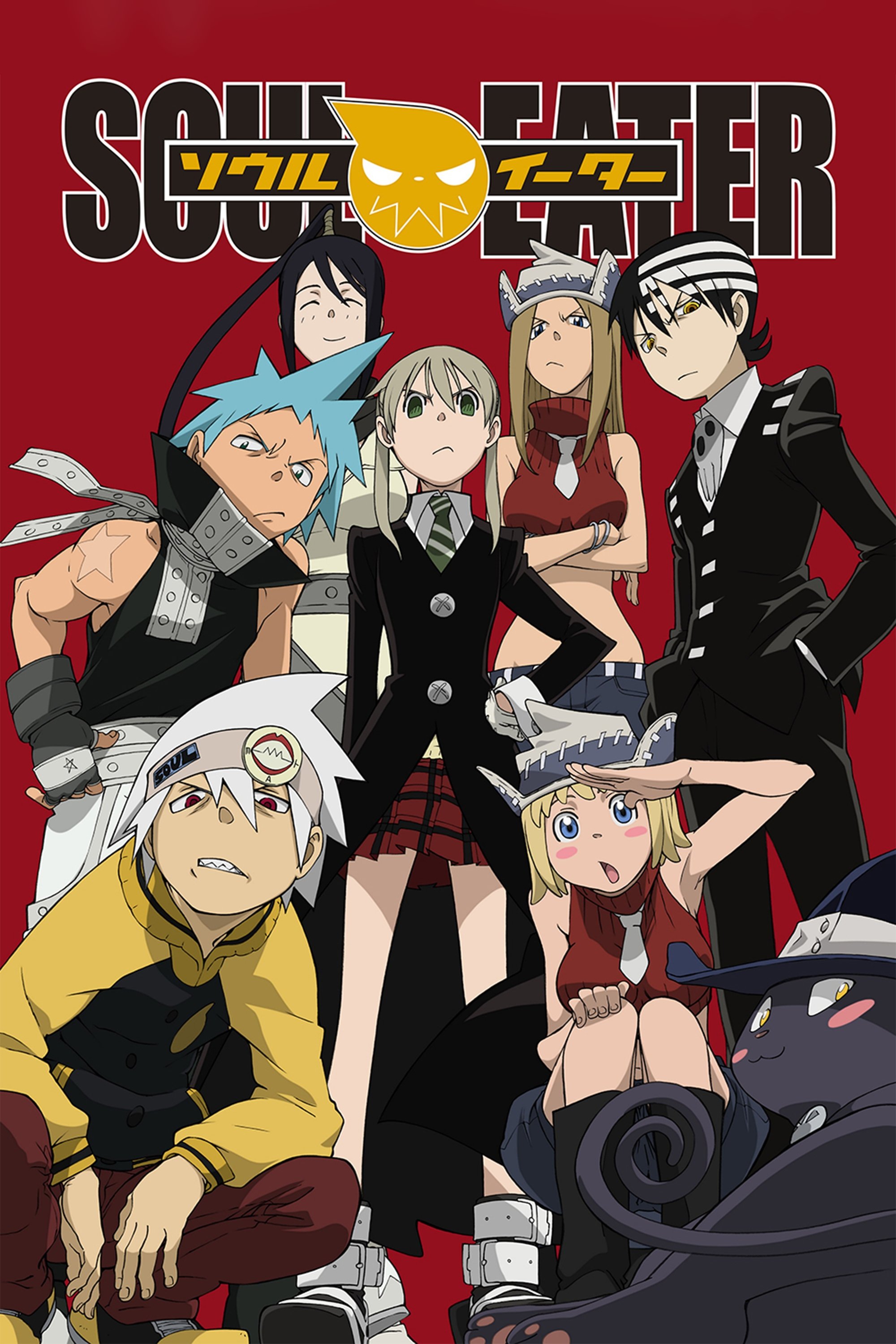
The concept of Soul Resonance allows meisters and their weapon partners to synchronize their wavelengths through mutual understanding. Maka Albarn often speaks to the soul of her opponent to understand their madness or despair during a fight. The technique names often reference sound or music which fits the resonance theme. ‘Soul Eater’ visualizes the internal emotional dialogue of the characters as a key part of the combat.
‘Fire Force’ (2019–2020)
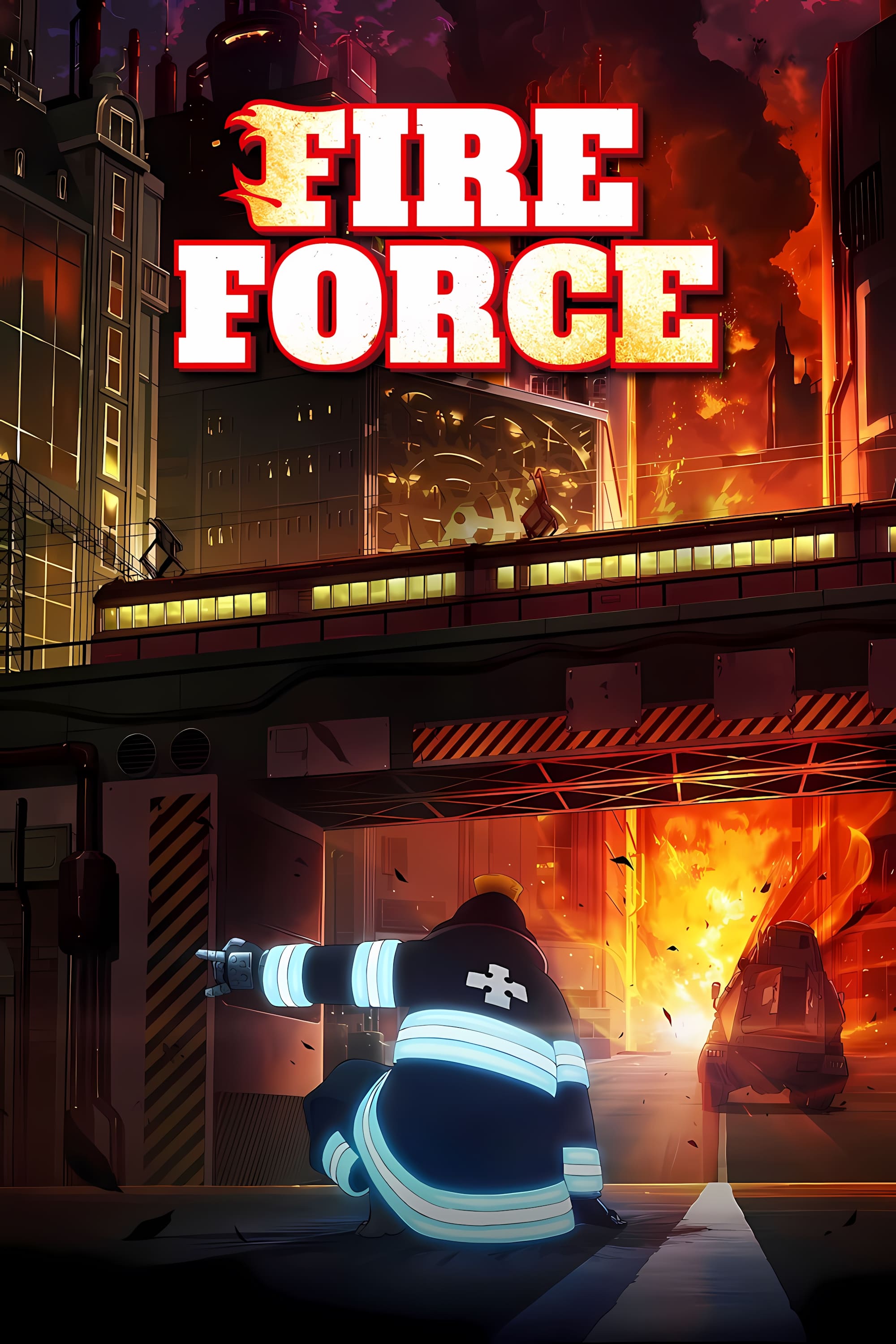
Special Fire Force soldiers fight Infernal demons while a sister from the church offers a prayer for the soul’s salvation. The repeated recitation of the prayer creates a solemn rhythm amidst the explosive fire battles. This ritualistic aspect turns the job of firefighting into a holy duty to guide souls to the afterlife. ‘Fire Force’ contrasts the destructive nature of fire with the calming words of the religious rites.
‘Noragami’ (2014–2015)
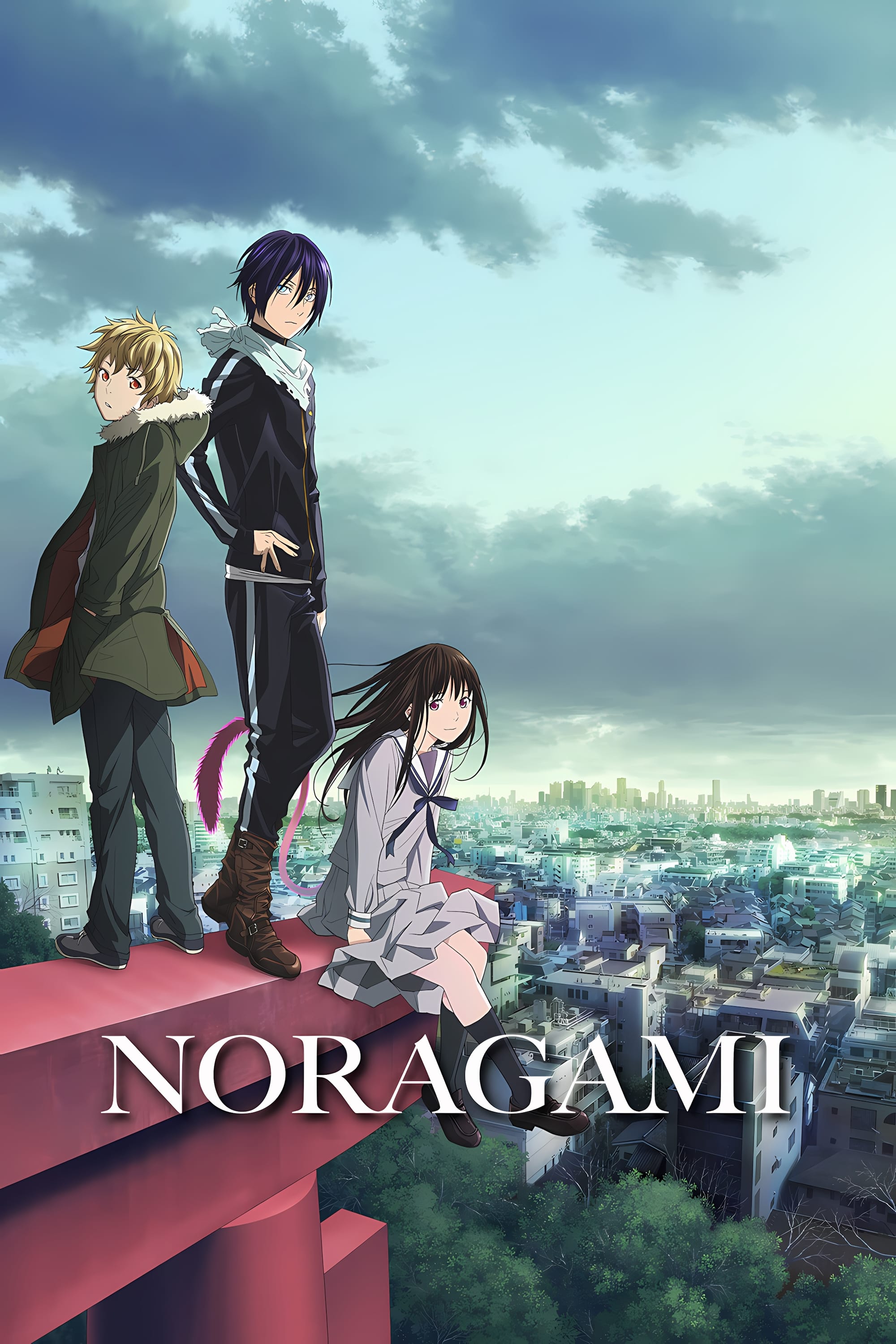
The god Yato uses a Regalia weapon to sever the ties between the human world and corrupt spirits. He chants a specific cleansing spell that commands the impurity to be expelled and destroyed. The repetition of this exorcism chant establishes a ritualistic tone for every major encounter. ‘Noragami’ roots its action in Shinto concepts and the power of names.
‘Blue Exorcist’ (2011)
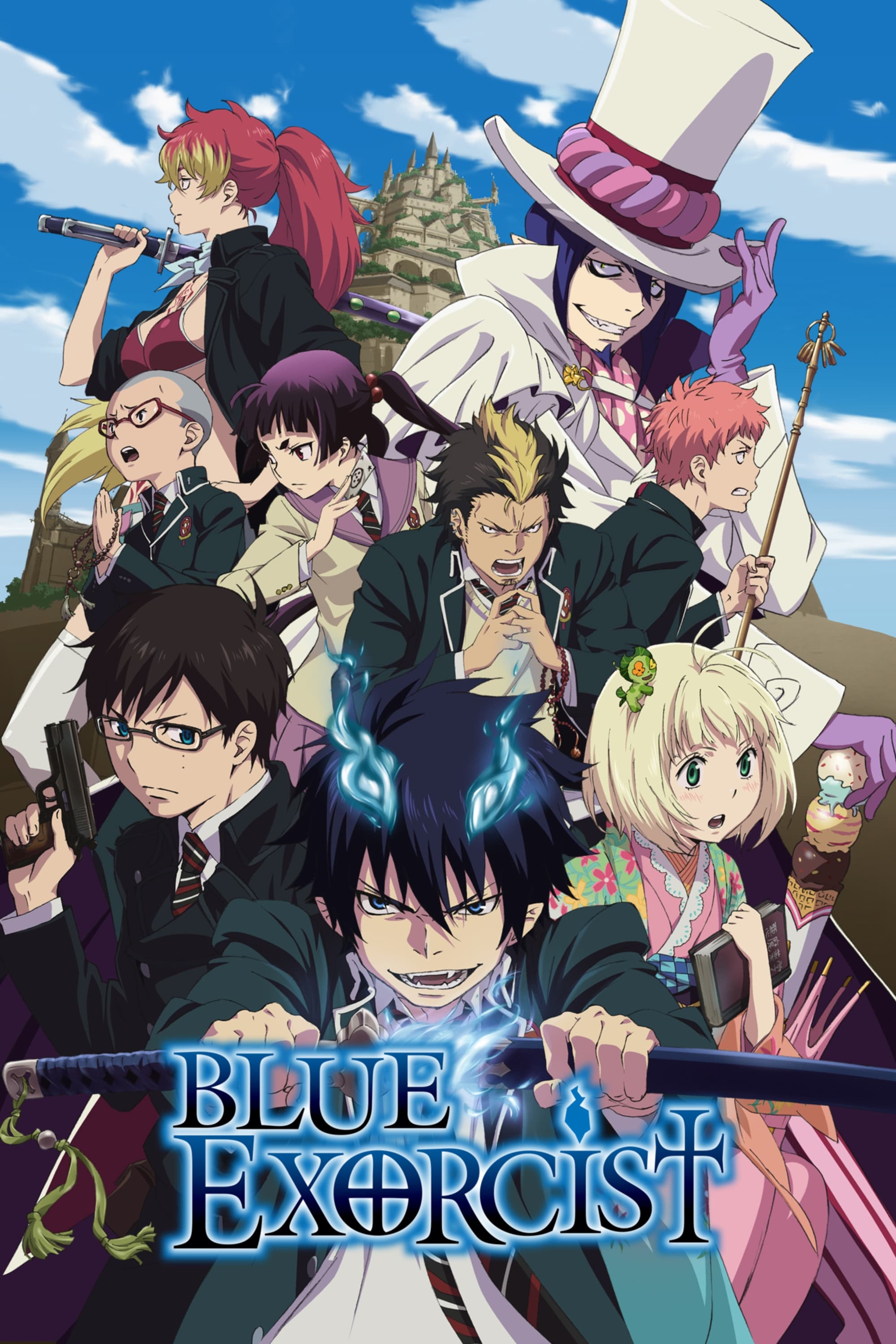
Exorcists in this series recite verses from the Bible and other holy texts to weaken demons. The battles often involve the protagonist and his allies chanting in unison to create barriers or summon help. The use of scripture as a direct offensive weapon adds a layer of gothic mysticism to the fights. ‘Blue Exorcist’ highlights the power of faith and the spoken word against supernatural evil.
‘Seraph of the End’ (2015)
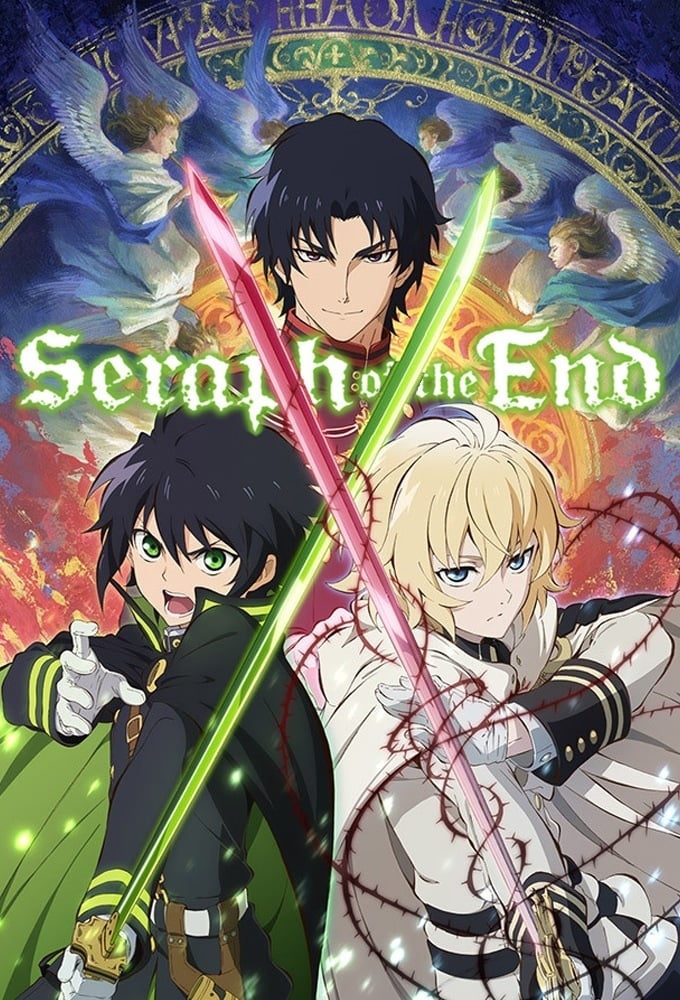
Soldiers use Cursed Gear weapons that house powerful demons who they must converse with to draw out power. The protagonists constantly battle for control over their own minds while exchanging barbs with the demons in their weapons. Activating the weapons involves calling out to the demon which blurs the line between master and servant. The dialogue explores the cost of power and the erosion of humanity.
‘The Case Study of Vanitas’ (2021–2022)

Vanitas uses a grimoire to cure vampires of their curse by reading their true names and rewriting their formulas. The process involves him reciting the malnomen and the true name in a theatrical display of magic. These scenes are animated with floating text and clockwork gears that visualize the complexity of the spell. ‘The Case Study of Vanitas’ turns the act of healing into a dramatic and visually poetic confrontation.
‘Black Clover’ (2017–2021)

Mages in the Clover Kingdom use grimoires that contain spells specific to their magical attribute. The casting of high-level magic involves declaring the name of the spell which often references myths or natural phenomena. Characters frequently debate their moral standings and class differences while blasting each other with magic. ‘Black Clover’ uses these verbal declarations to emphasize the growth and determination of the mages.
‘A Certain Magical Index’ (2008–2019)
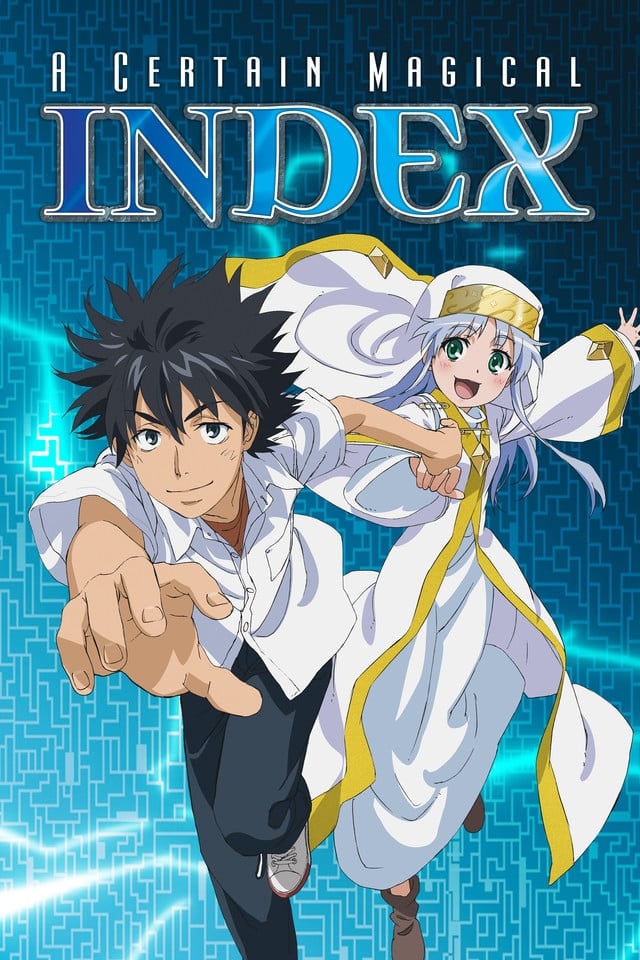
Magicians in this setting use complex theories and religious symbolism to construct their spells. Battles are frequently interrupted by detailed explanations of the idol theory or runic logic governing the attacks. The protagonist Touma counters these supernatural powers with arguments that deconstruct the delusions of his enemies. ‘A Certain Magical Index’ mixes occult terminology with fast-paced urban fantasy action.
‘Shakugan no Shana’ (2005–2012)
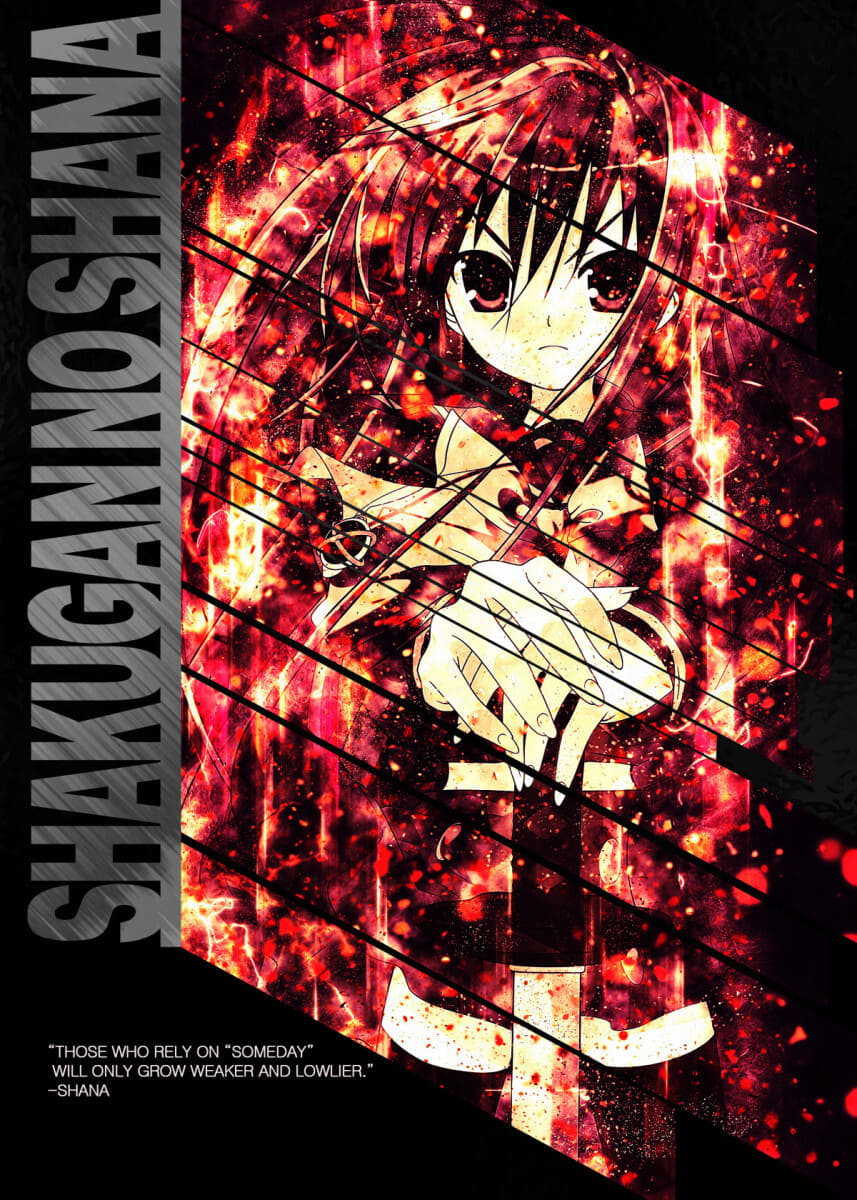
Flame Hazes fight denizens of the Crimson Realm using spells that require specific incantations. The names of the characters and their titles are often poetic descriptions of their fire abilities. Battles involve a mix of swordplay and magical chanting that emphasizes the duty of the Flame Haze. The series uses a distinct terminology that gives the dialogue a fantasy literature feel.
‘Sailor Moon’ (1992–1997)
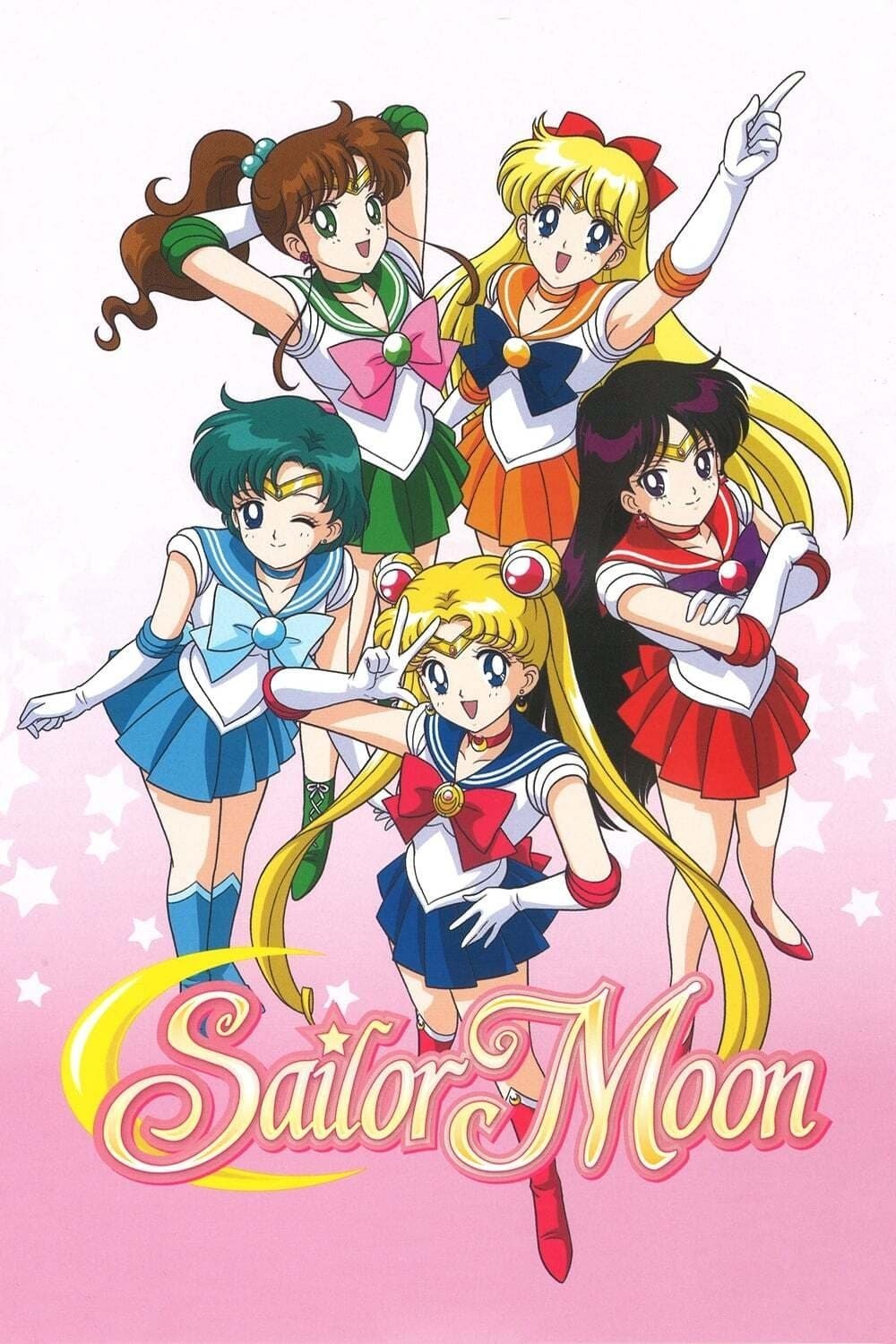
The Sailor Guardians are iconic for their transformation phrases and attack names that invoke planetary power. Sailor Moon frequently delivers a speech about punishing evil in the name of the moon before engaging the enemy. These stock footage sequences and repeated lines serve as a ritual that fans memorize and anticipate. The show established the standard for magical girl battle dialogue.
‘Cardcaptor Sakura’ (1998–2000)
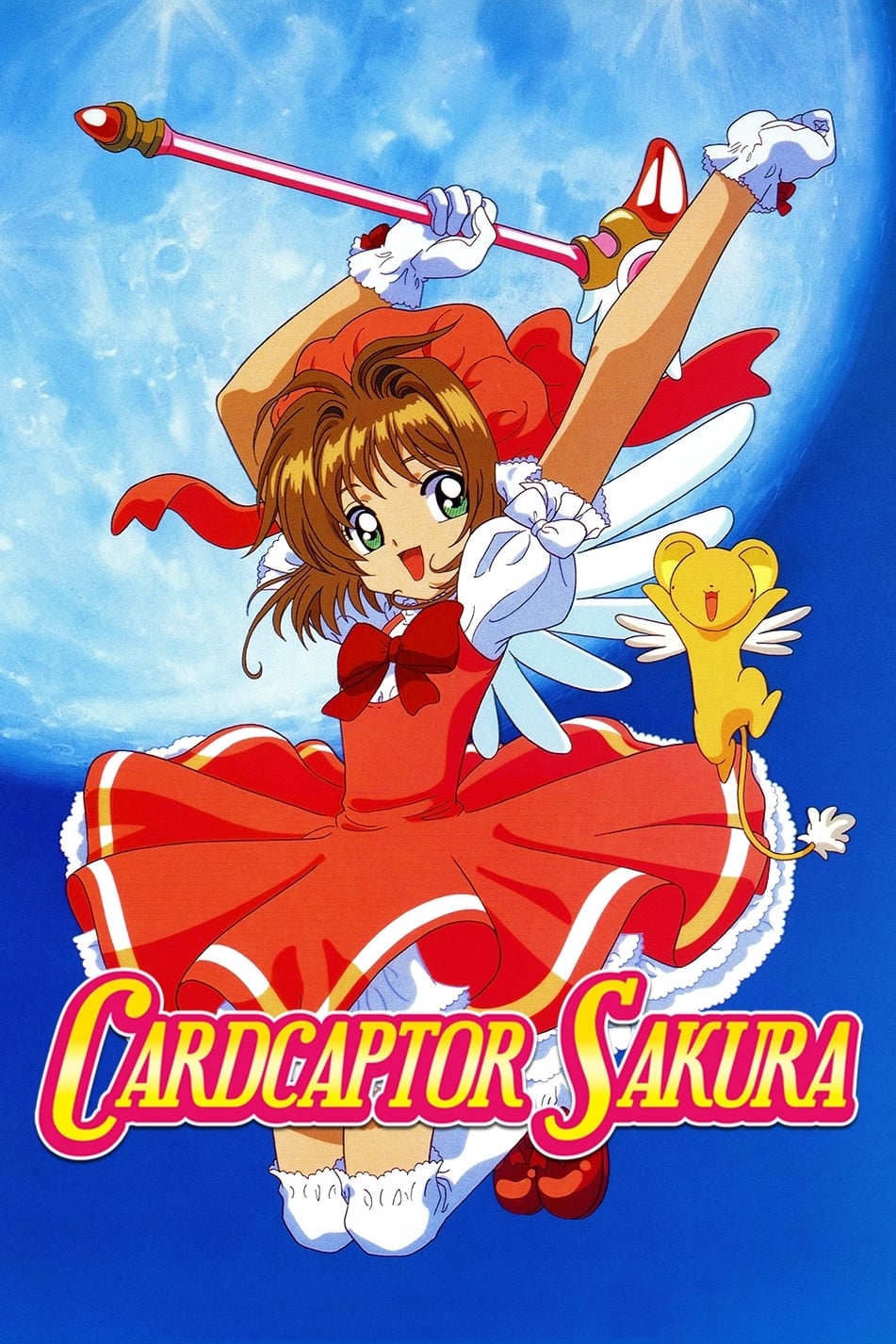
Sakura Kinomoto captures Clow Cards by reciting a spell that commands the key to release its power. She must identify the nature of the card and use the appropriate counter-magic while speaking the incantation. The gentle yet firm delivery of her lines emphasizes her growth as a magician. ‘Cardcaptor Sakura’ focuses on the harmony between the user and the magic rather than violent conflict.
‘Fullmetal Alchemist: Brotherhood’ (2009–2010)
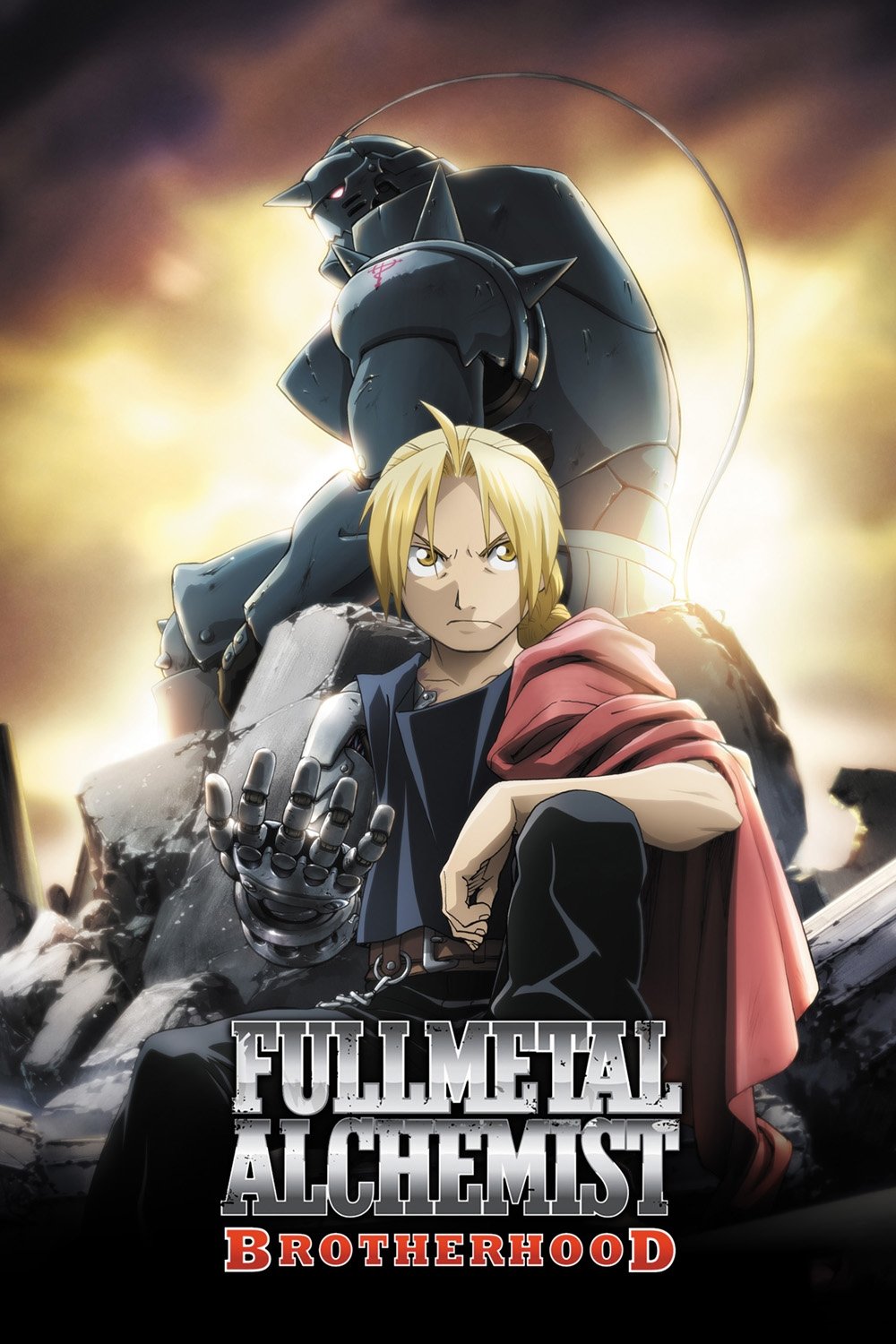
Alchemy is a science that operates on the law of equivalent exchange which characters often cite during combat. The ideological battles between Edward Elric and the Homunculi are just as intense as the physical alchemy duels. Villains like Father and Truth speak in philosophical riddles about the nature of god and humanity. The dialogue grounds the fantastical elements in a strict logical and moral framework.
‘Hunter x Hunter’ (2011–2014)
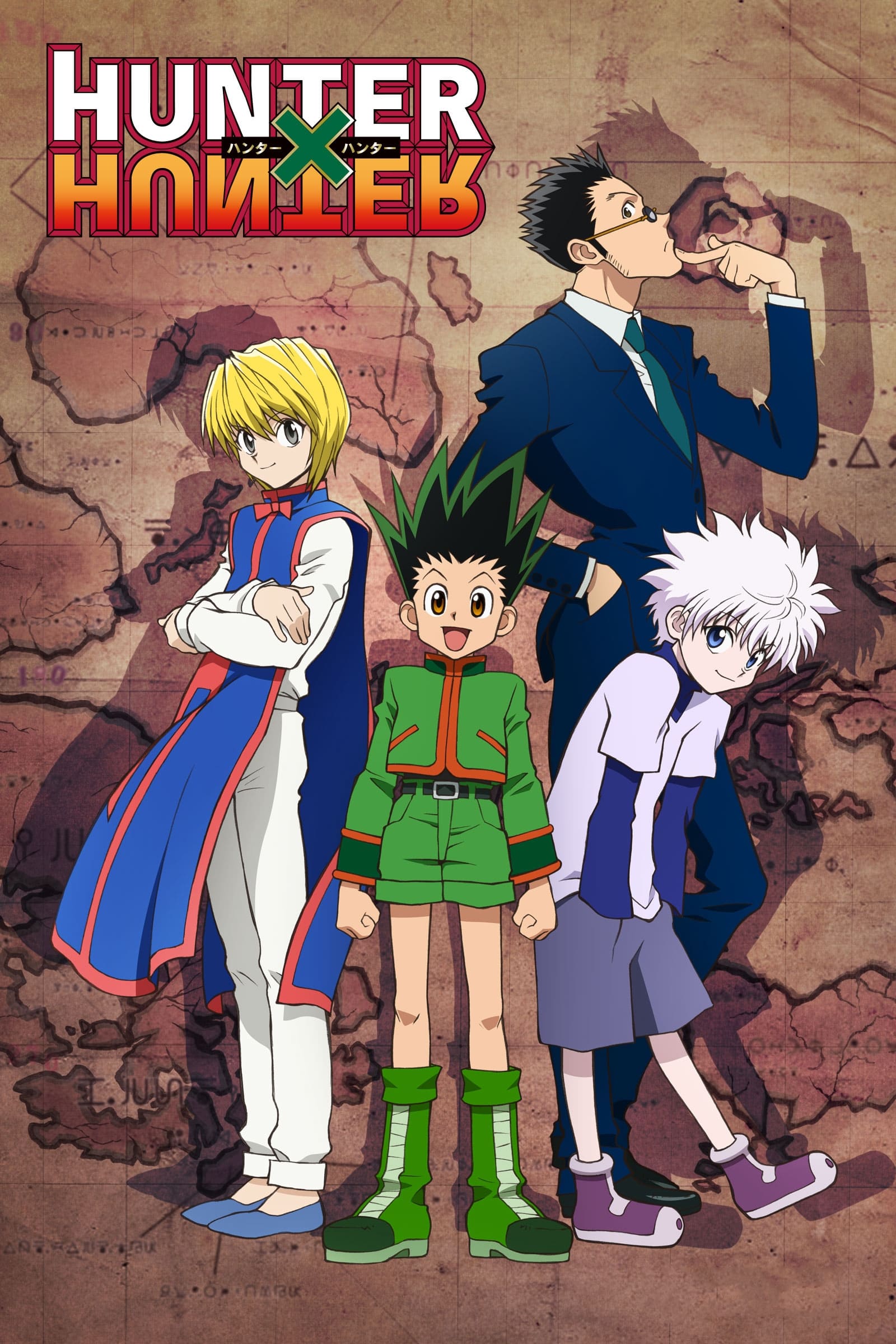
Nen battles are complex strategic encounters where characters explain their conditions and limitations. The Chimera Ant arc features a narrator who describes the psychological state of the fighters in poetic detail. Netero’s final battle involves a prayer-like motion that must be performed faster than sound. ‘Hunter x Hunter’ elevates tactical exposition into a form of storytelling art.
‘Samurai Champloo’ (2004–2005)
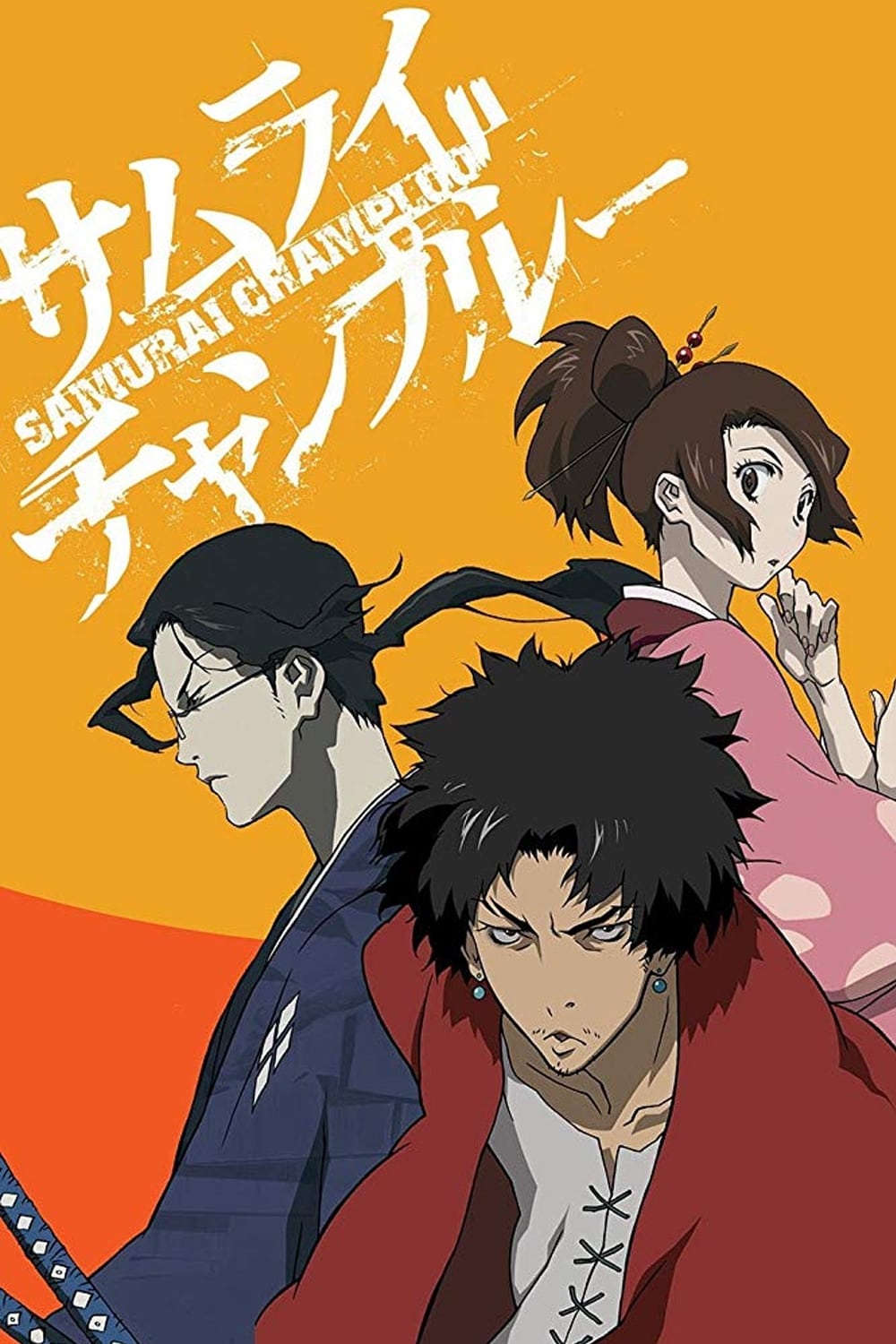
The sword fighting in this series is choreographed to the beat of a lo-fi hip-hop soundtrack. While not always spoken the rhythm of the animation creates a visual poetry that mimics the flow of breakdancing. Mugen and Jin represent two different styles of movement that converse with each other through steel. The show relies on visual rhythm rather than complex chants to achieve its poetic effect.
‘Afro Samurai’ (2007)
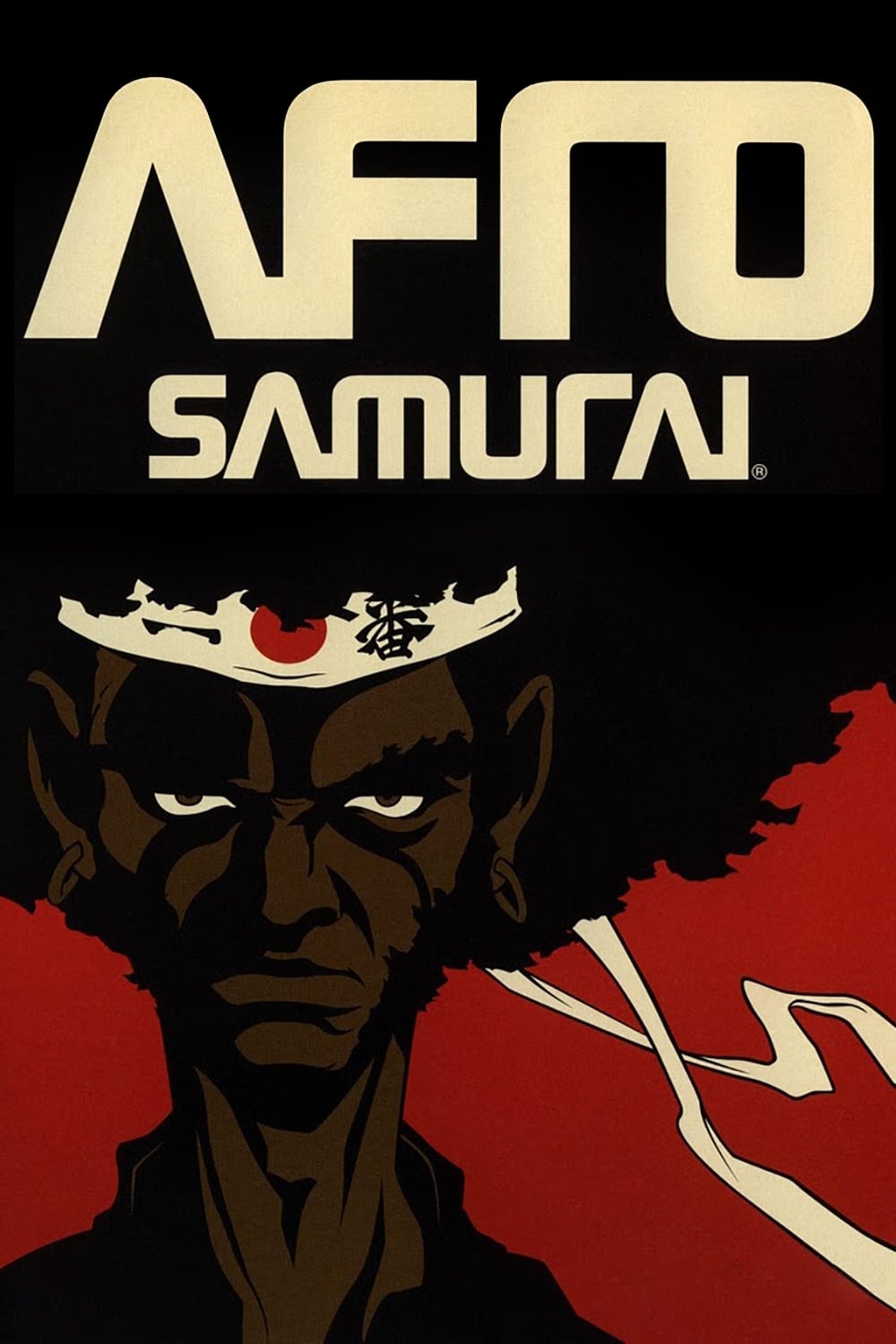
The dialogue in this series is sparse but impactful with characters speaking in haiku-like brevity or street slang. The action flows like a bloody ballet where the silence is as important as the sound of the blade. Ninja Ninja provides a running commentary that acts as the internal monologue of the protagonist. ‘Afro Samurai’ blends traditional samurai aesthetics with modern linguistic swagger.
‘Basilisk’ (2005)
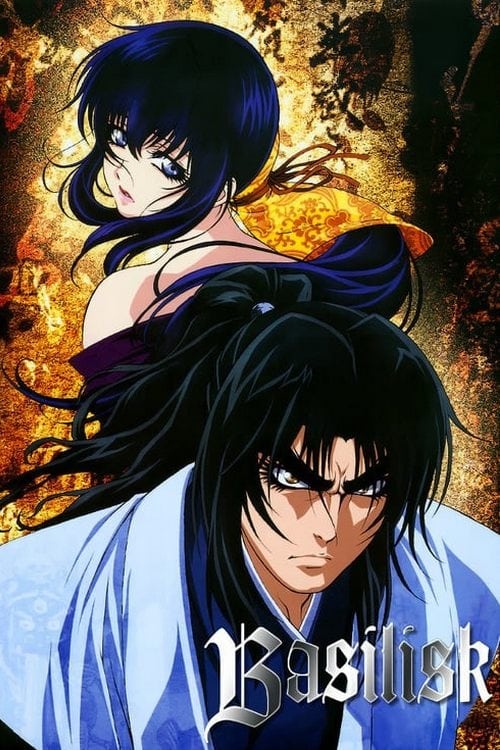
Two warring ninja clans possess grotesque and supernatural abilities that they unleash in a tragic battle royale. The characters often recite their devotion to their clan or their lover before dying in dramatic fashion. The techniques are named with archaic terms that reflect the historical setting. ‘Basilisk’ is a tragic romance where the battle dialogue serves as a farewell to life.
‘Mononoke’ (2007)
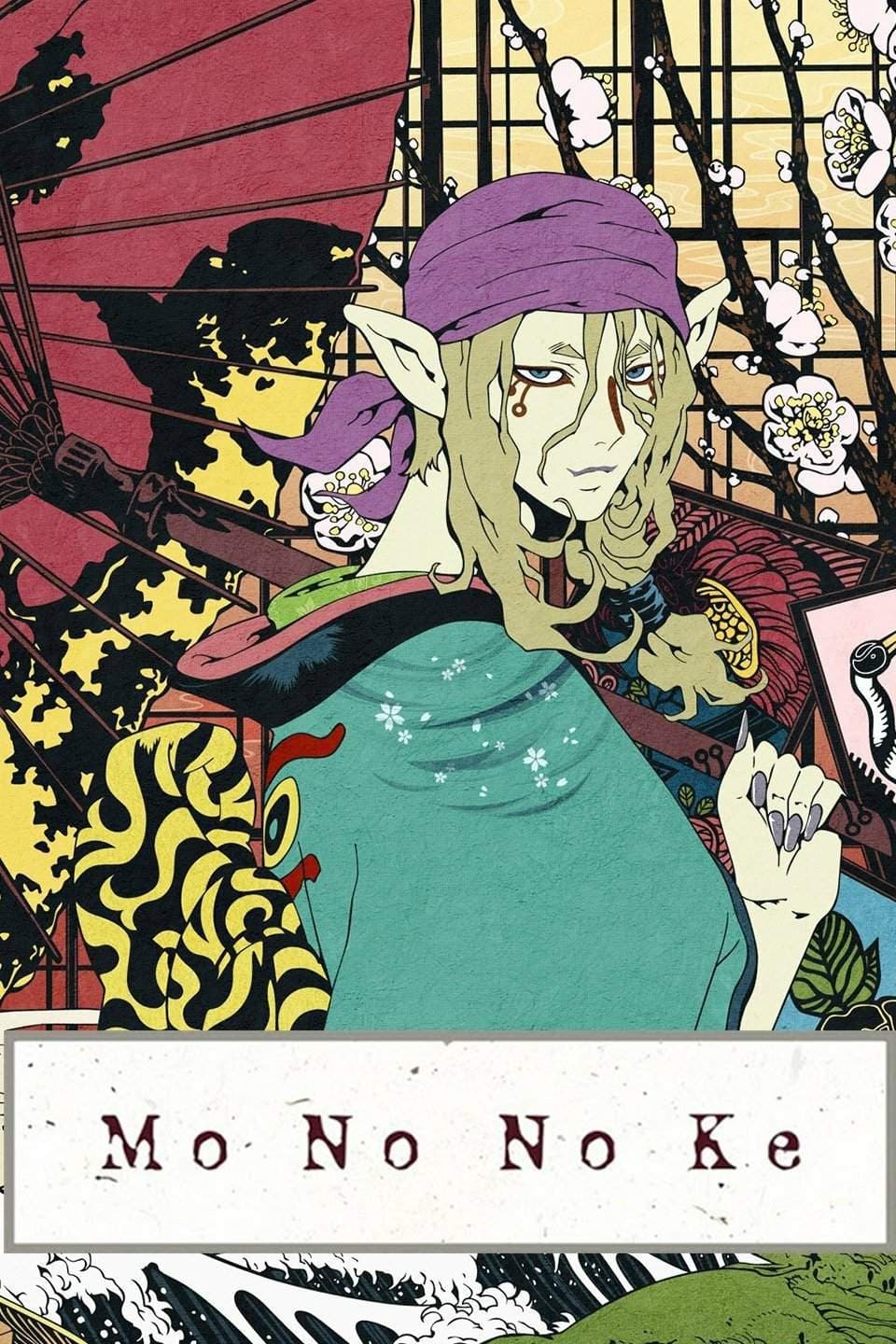
The Medicine Seller cannot exorcise a spirit until he learns its Form, Truth, and Reason. The battles are investigative conversations where he probes the supernatural entity to reveal the tragedy that created it. The visual style is like a moving painting and the dialogue is theatrical and slow. ‘Mononoke’ turns the exorcism genre into a psychological mystery solved through words.
‘Land of the Lustrous’ (2017)
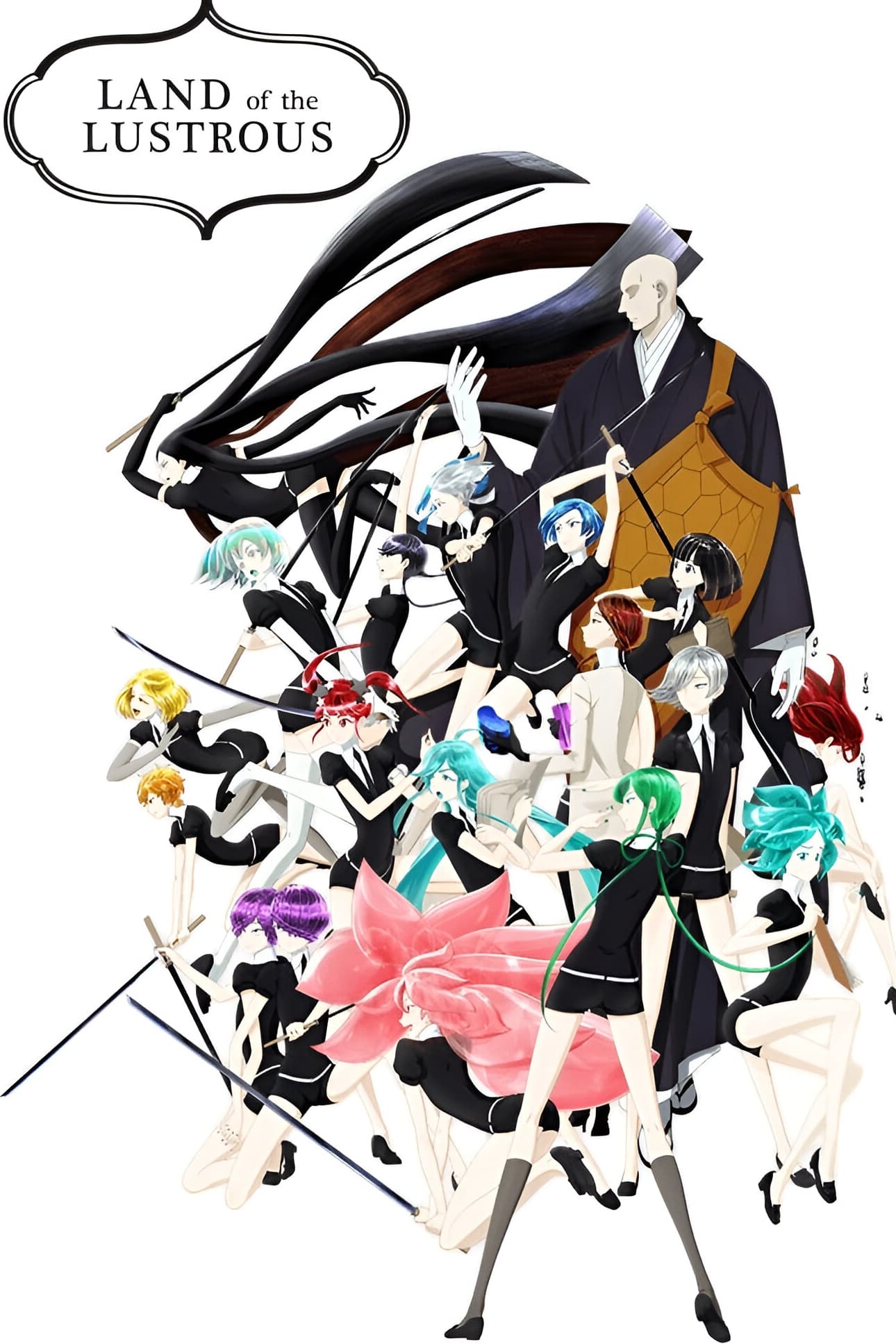
The Gem people fight against the Lunarians in battles that are ethereal and silent but visually poetic. When dialogue occurs it often touches on Buddhist themes of nothingness and the nature of the self. The shattering of the Gems is depicted with a beauty that contrasts with the horror of their dismemberment. ‘Land of the Lustrous’ uses the fragility of its characters to create a melancholic battle atmosphere.
‘Princess Tutu’ (2002–2003)
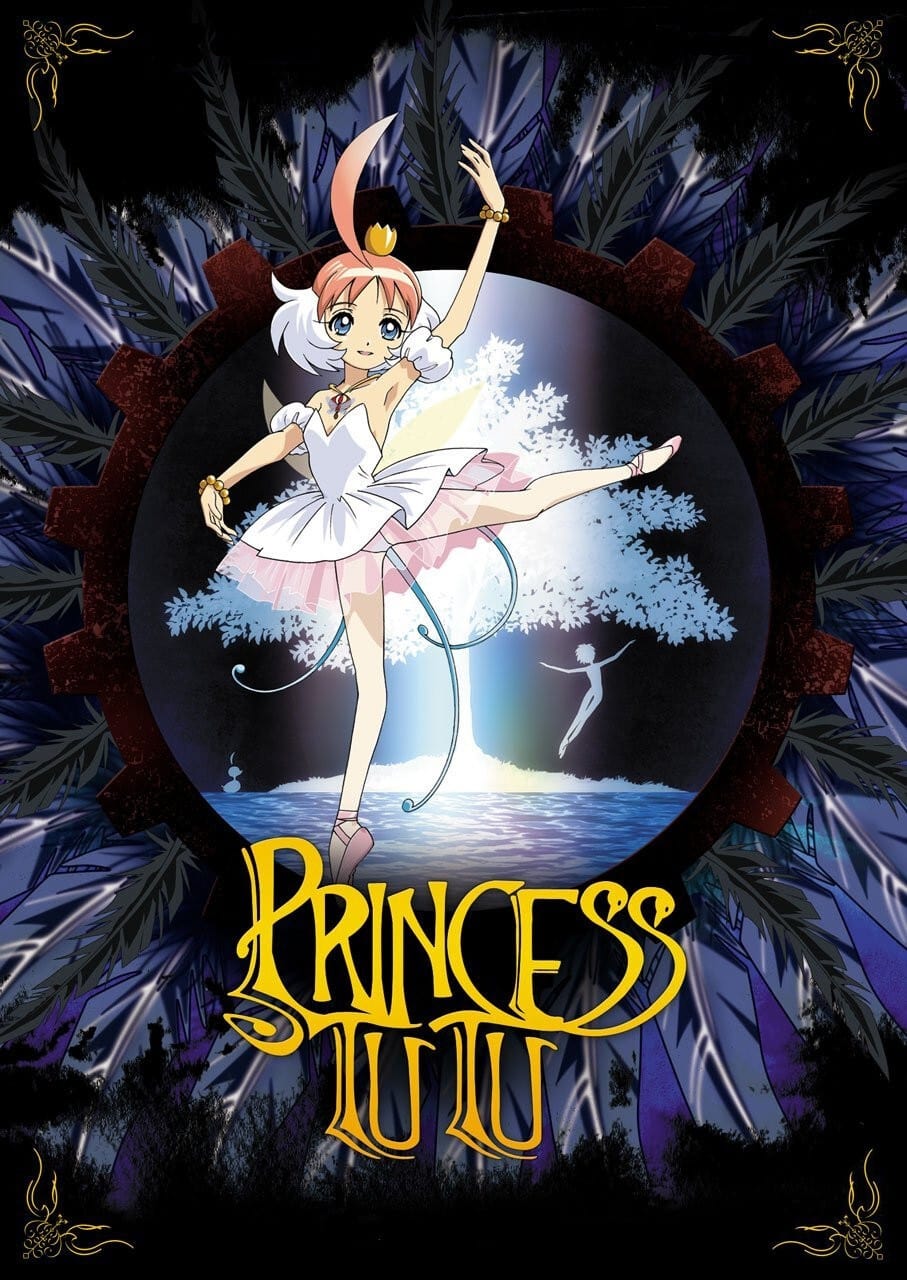
Battles in this series are literal ballet performances where the protagonist dances to resolve conflict. Ahiru uses dance to communicate feelings and restore the shattered heart shards of the Prince. The dialogue is fairy-tale-esque and focuses on narrative roles and breaking destiny. ‘Princess Tutu’ replaces violence with artistic expression and emotional honesty.
‘Star Driver’ (2010–2011)
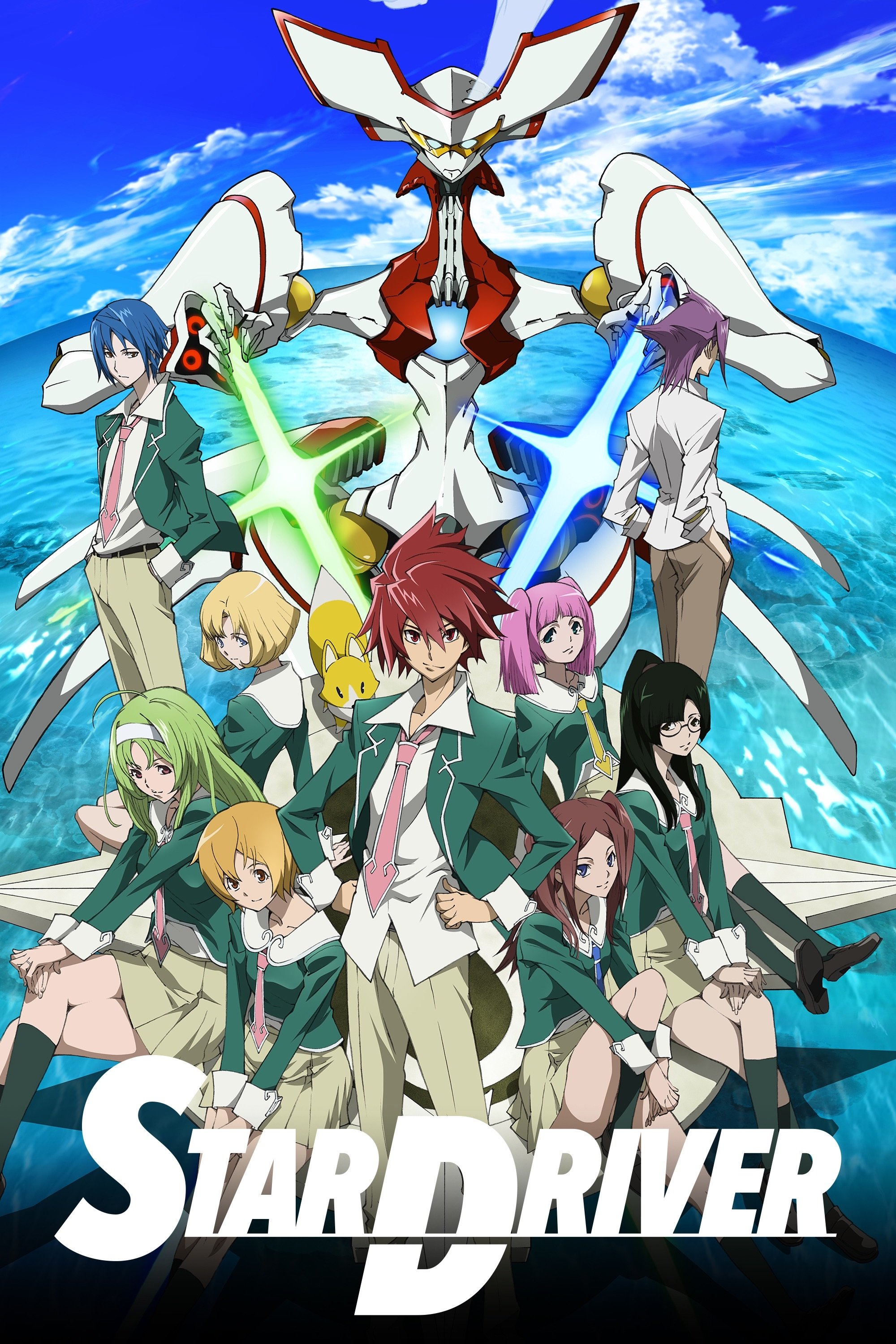
The Galactic Pretty Boy Takuto enters the fray with a dramatic entrance speech and poses that defy embarrassment. He shouts names like Apprivoise while summoning his mecha in a sequence filled with glitter and glass. The attacks have names that sound like star constellations or French phrases. ‘Star Driver’ embraces the campiness of the genre to create a spectacle of words and colors.
‘Kyousougiga’ (2013)
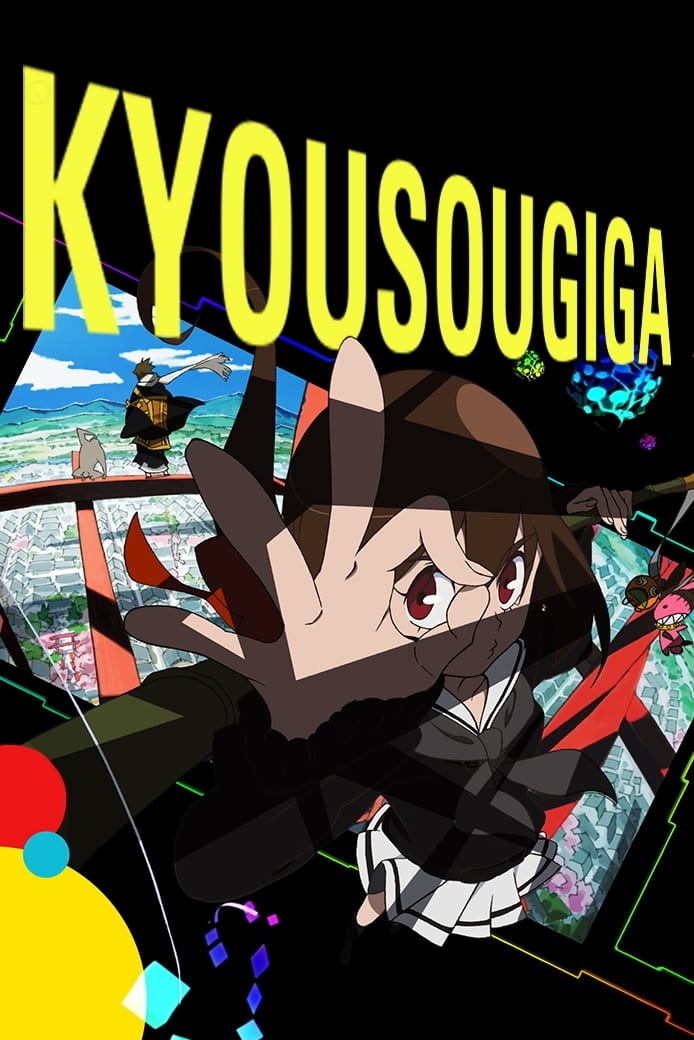
This series is a visual riot where the action is frenetic and the dialogue is steeped in family drama and Lewis Carroll references. Koto fights with a giant hammer while demanding answers about her family’s past. The setting of the Looking Glass City allows for battles that defy logic and rely on emotional outbursts. ‘Kyousougiga’ is a celebration of chaos where words and punches fly with equal abandon.
‘Flip Flappers’ (2016)

Papika and Cocona travel to Pure Illusion worlds where they transform into magical girls to fight abstract monsters. The battles are psychedelic trips where the dialogue shifts to match the genre of the specific dimension. Attacks are often shouted in unison emphasizing the connection between the two leads. ‘Flip Flappers’ uses visual metaphors and shouted commands to explore the psychology of its heroines.
‘Deadman Wonderland’ (2011)
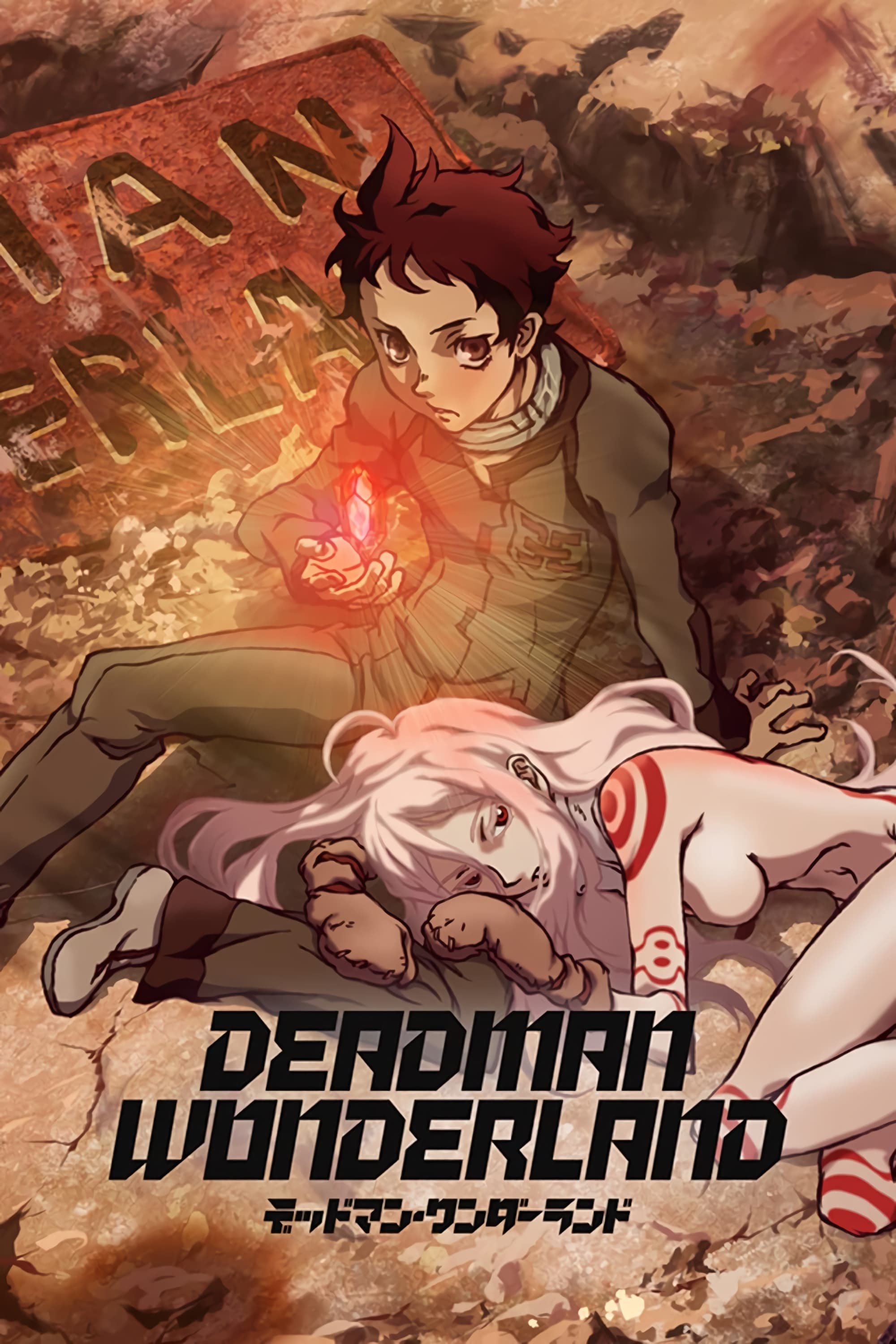
Prisoners use their own blood as weapons with attacks named after musical or flower motifs. Ganta’s Ganta Gun and Crow’s Invisible Black are shouted with desperate energy in the gladiatorial arena. The names of the Branches of Sin add a layer of dark artistry to the gore. ‘Deadman Wonderland’ styles its violence with a punk rock aesthetic and naming convention.
‘Tokyo Ghoul’ (2014)
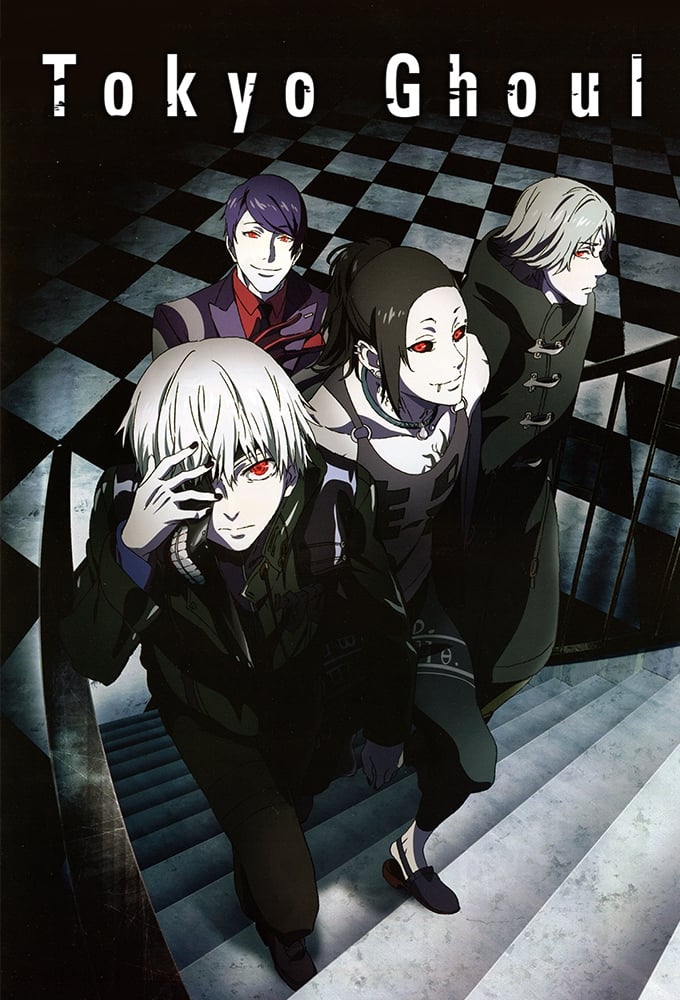
Ghouls manifest Kagune which are biological weapons that reflect their predatory nature. Kaneki often quotes literature or engages in introspection about his lost humanity while fighting. The tragedy of the ghouls is expressed through dialogue that questions the justice of the world. ‘Tokyo Ghoul’ mixes visceral horror with a somber literary tone.
‘The Seven Deadly Sins’ (2014–2021)
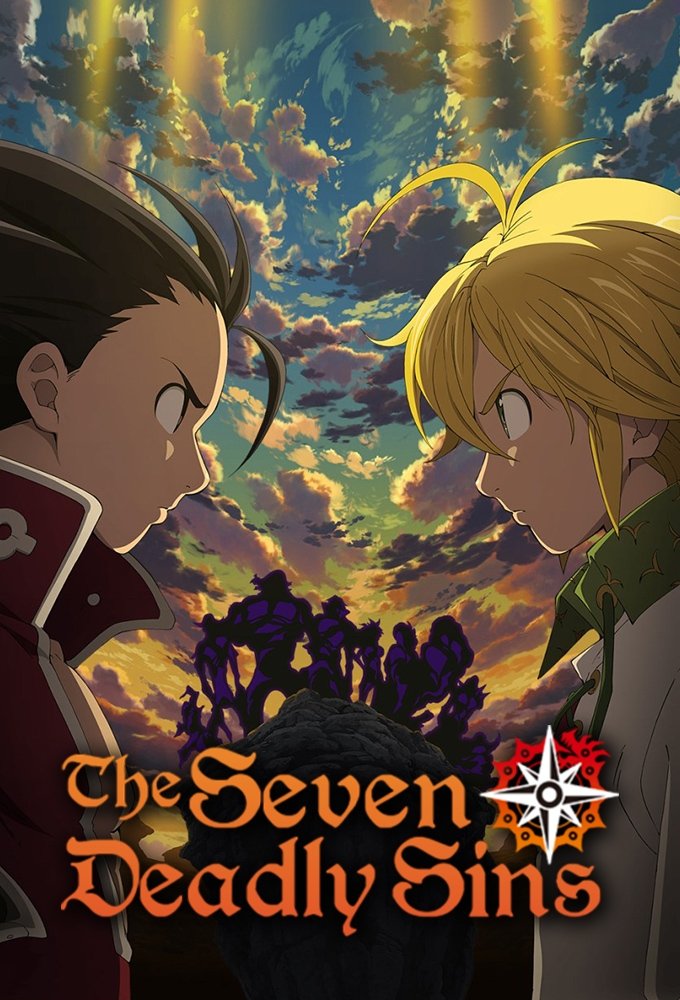
The Sins use magical abilities with names that sound like legends from Arthurian myth. Escanor recites poetry about the sun and his own pride while dominating his opponents. The attacks are announced with a grandeur that fits the high fantasy setting. ‘The Seven Deadly Sins’ leans into the epic scale of its battles with equally epic verbal declarations.
‘Fairy Tail’ (2009–2019)
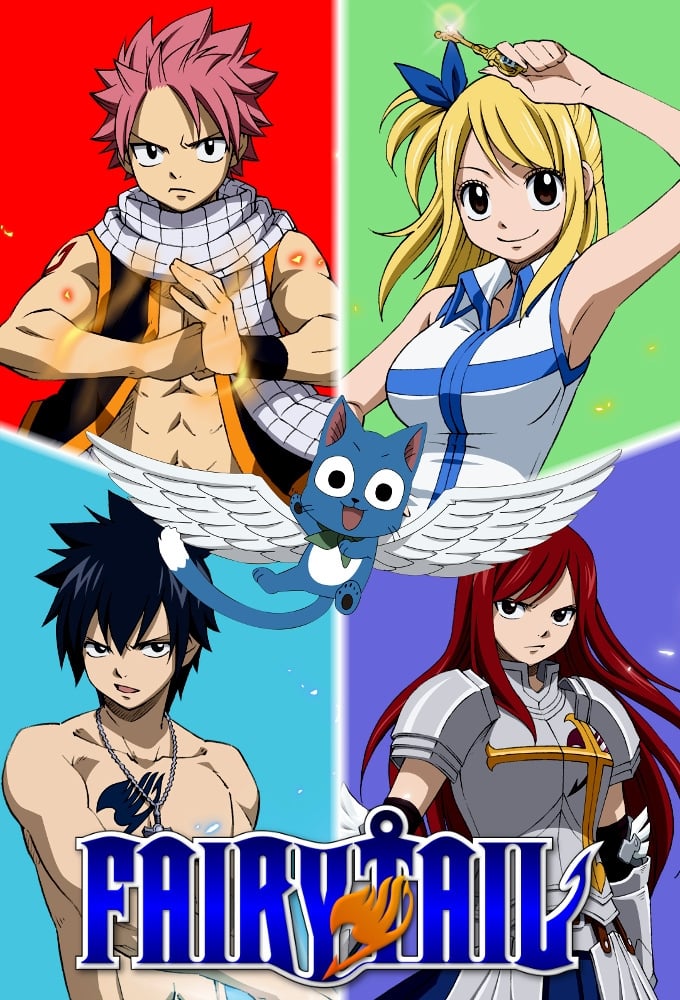
Magic in this guild is fueled by the power of friendship and emotions which characters loudly proclaim. Natsu Dragneel shouts the names of his Dragon Slayer magic attacks which combine elements with dragon body parts. The casting of spells involves magic circles and distinctive sound effects that serve as a prelude to the attack. ‘Fairy Tail’ champions the shonen trope of shouting one’s feelings to gain power.
‘Record of Grancrest War’ (2018)
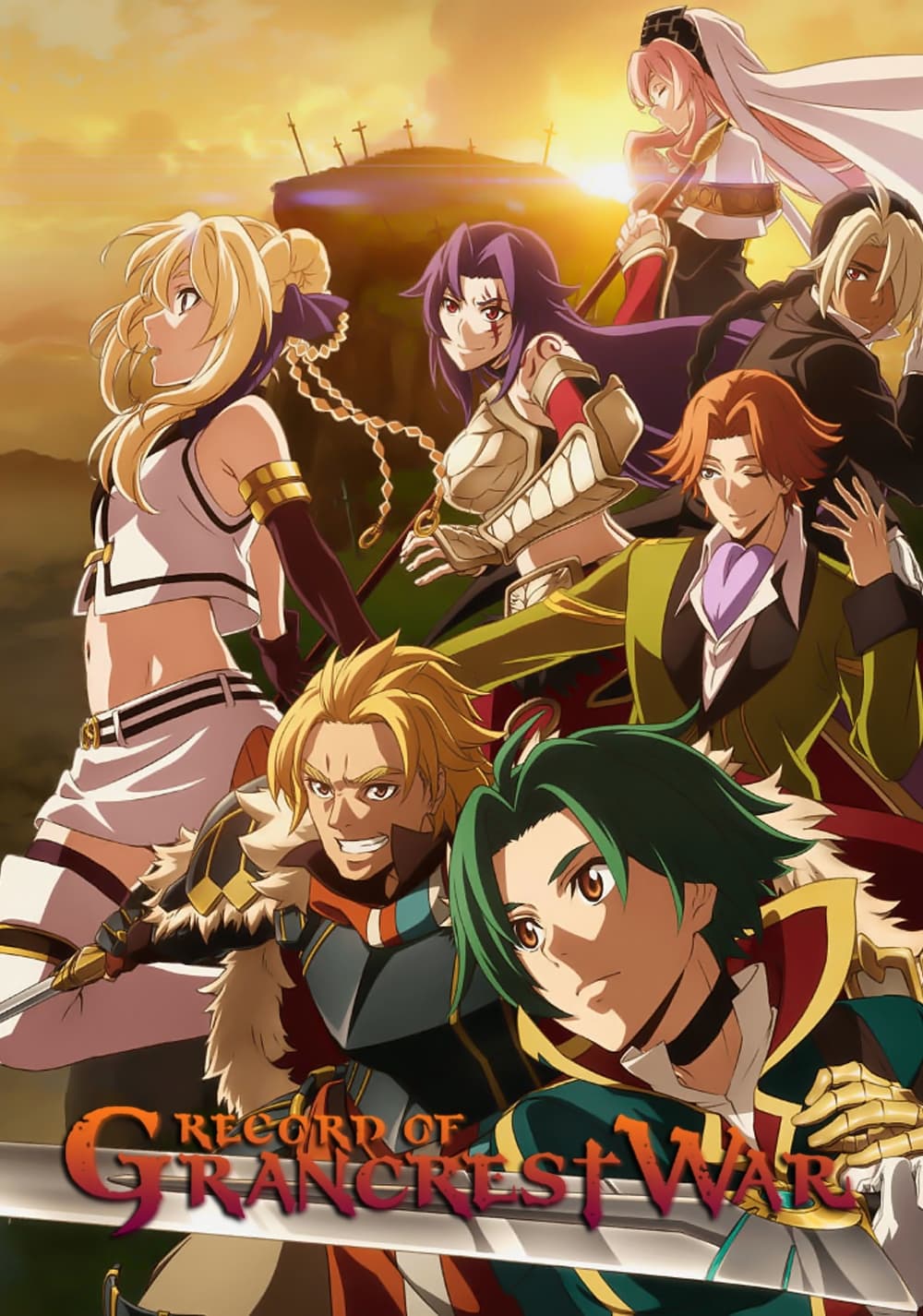
Lords use Crests to command chaos and bring order to the land through large-scale battles. Characters declare their allegiance and their vision for the future while leading armies. The dialogue focuses on the responsibilities of nobility and the burden of the Crest. ‘Record of Grancrest War’ frames its action within the context of a high fantasy political drama.
‘Drifters’ (2016)
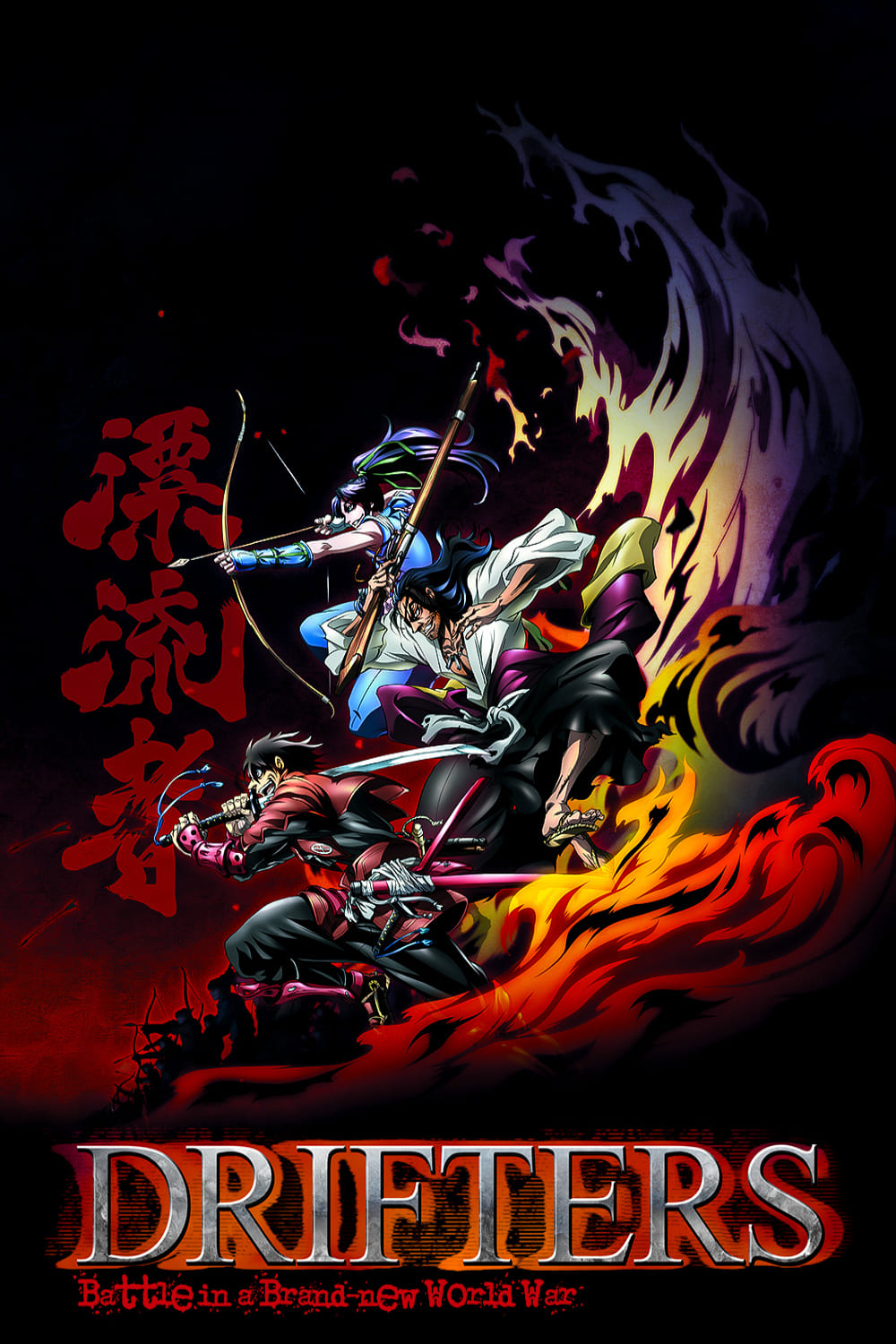
Historical figures from different eras and cultures are summoned to fight in a fantasy war. Oda Nobunaga and Toyohisa Shimazu use archaic Japanese dialects and quote military strategy during combat. The clash of different historical philosophies adds a layer of depth to the bloodshed. ‘Drifters’ delights in the juxtaposition of samurai honor codes against fantasy savagery.
‘Re:Creators’ (2017)
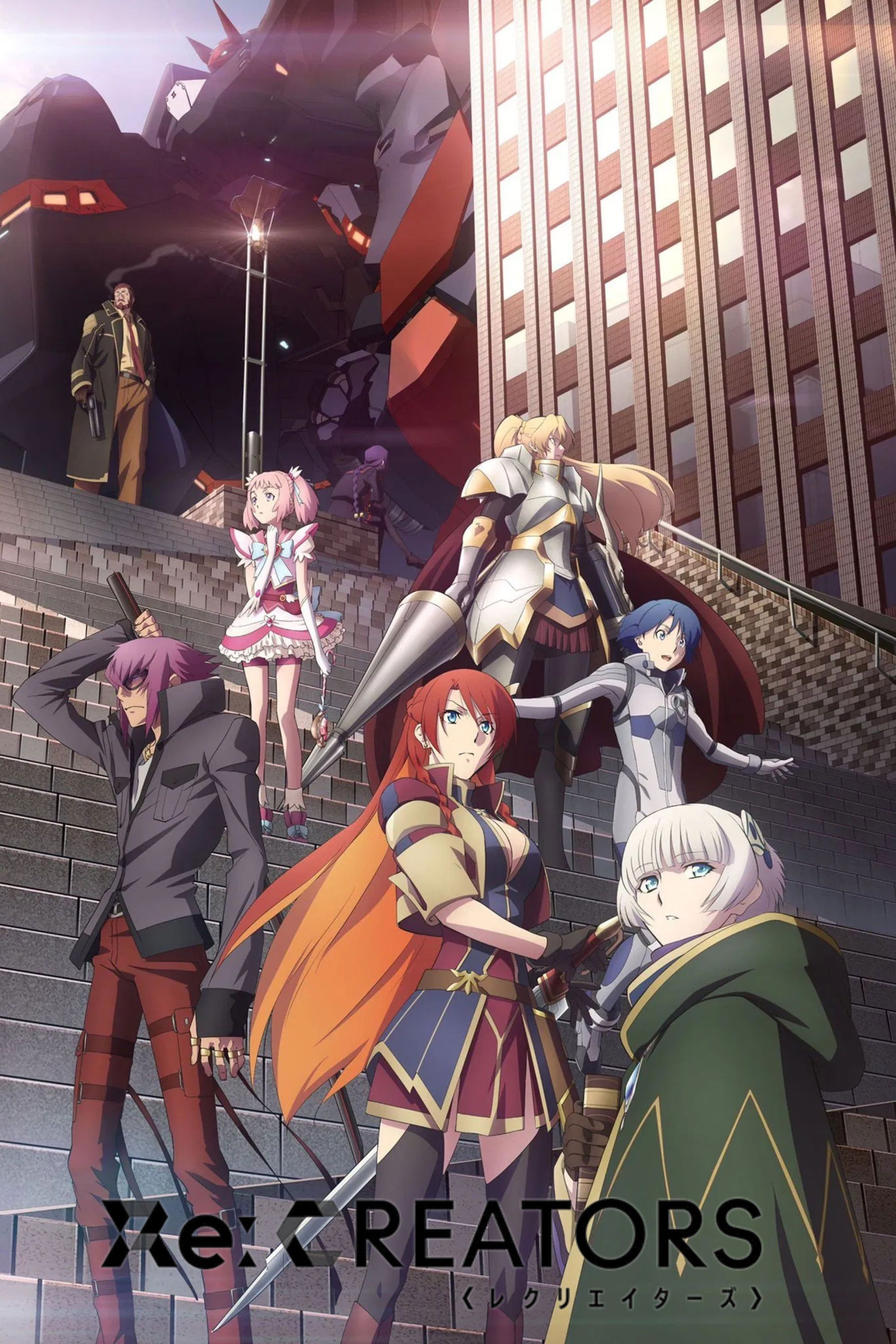
Characters from fictional stories manifest in the real world and fight while discussing their creators and story arcs. Altair uses abilities based on fan fiction and audience approval which she explains in meta-fictional monologues. The battles are debates about the nature of storytelling and the relationship between author and creation. ‘Re:Creators’ uses combat as a vehicle for literary criticism.
Tell us which anime battle chant is your favorite in the comments.