

Anime Series Pulled From Streaming Services For Offensive Political Overtones

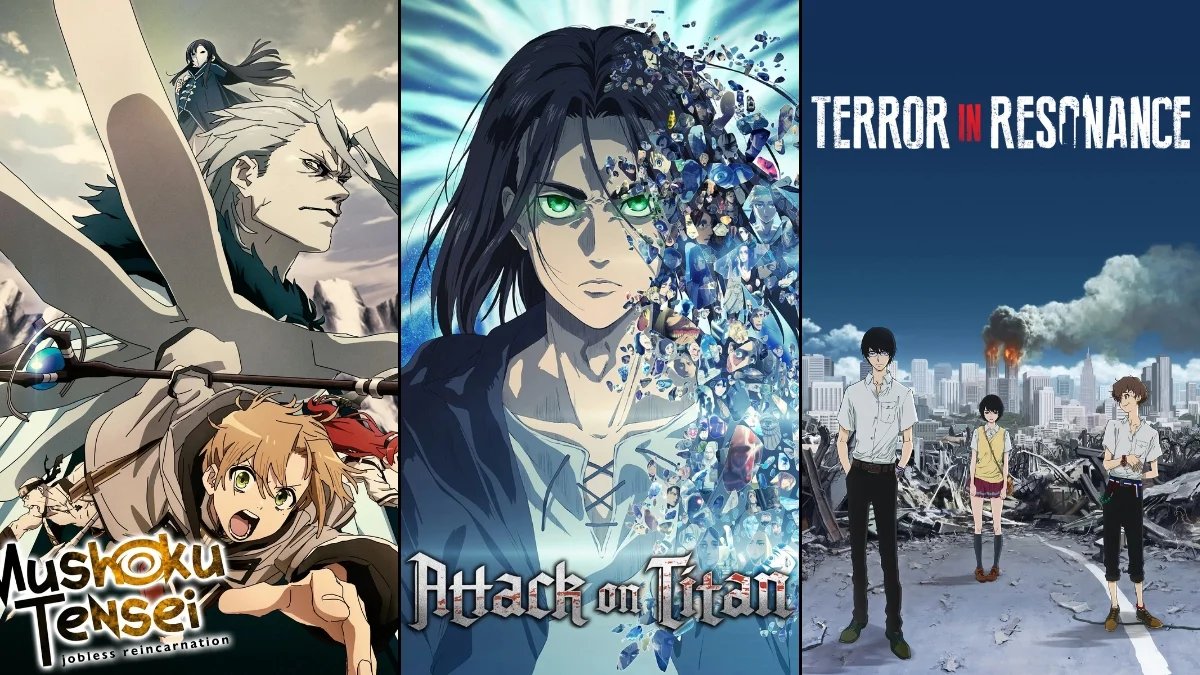


The intersection of global entertainment and regional political standards often leads to significant censorship and the removal of content from digital platforms. While anime is a worldwide phenomenon, various series have been pulled from streaming services due to themes perceived as politically subversive, historically offensive, or socially destabilizing. These actions are frequently driven by government mandates or intense public pressure aimed at preserving specific cultural and diplomatic values. The following list highlights several prominent anime series that have faced such restrictions on streaming services across various international markets.
‘My Hero Academia’ (2016–)
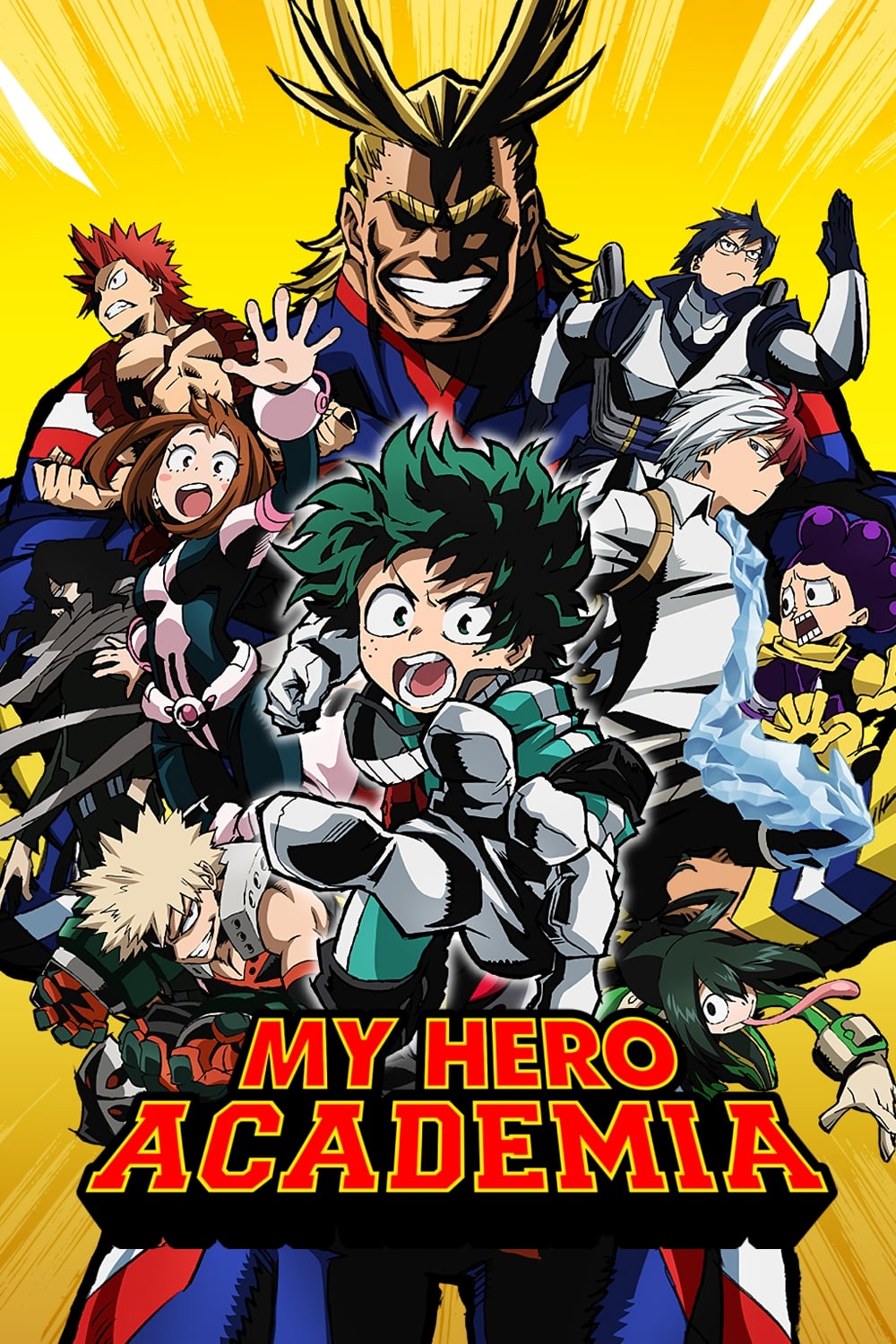
The superhero series ‘My Hero Academia’ was removed from major Chinese streaming platforms like Bilibili and Tencent in early 2020. This action followed a controversy surrounding the name of a character, Maruta Shiga, who was a doctor conducting human experiments. The term “Maruta” refers to the code name for victims of Unit 731, a covert biological and chemical warfare research unit of the Imperial Japanese Army during World War II. Both the author and the publisher issued formal apologies and renamed the character to Kyudai Garaki in all subsequent releases.
‘Attack on Titan’ (2013–2023)
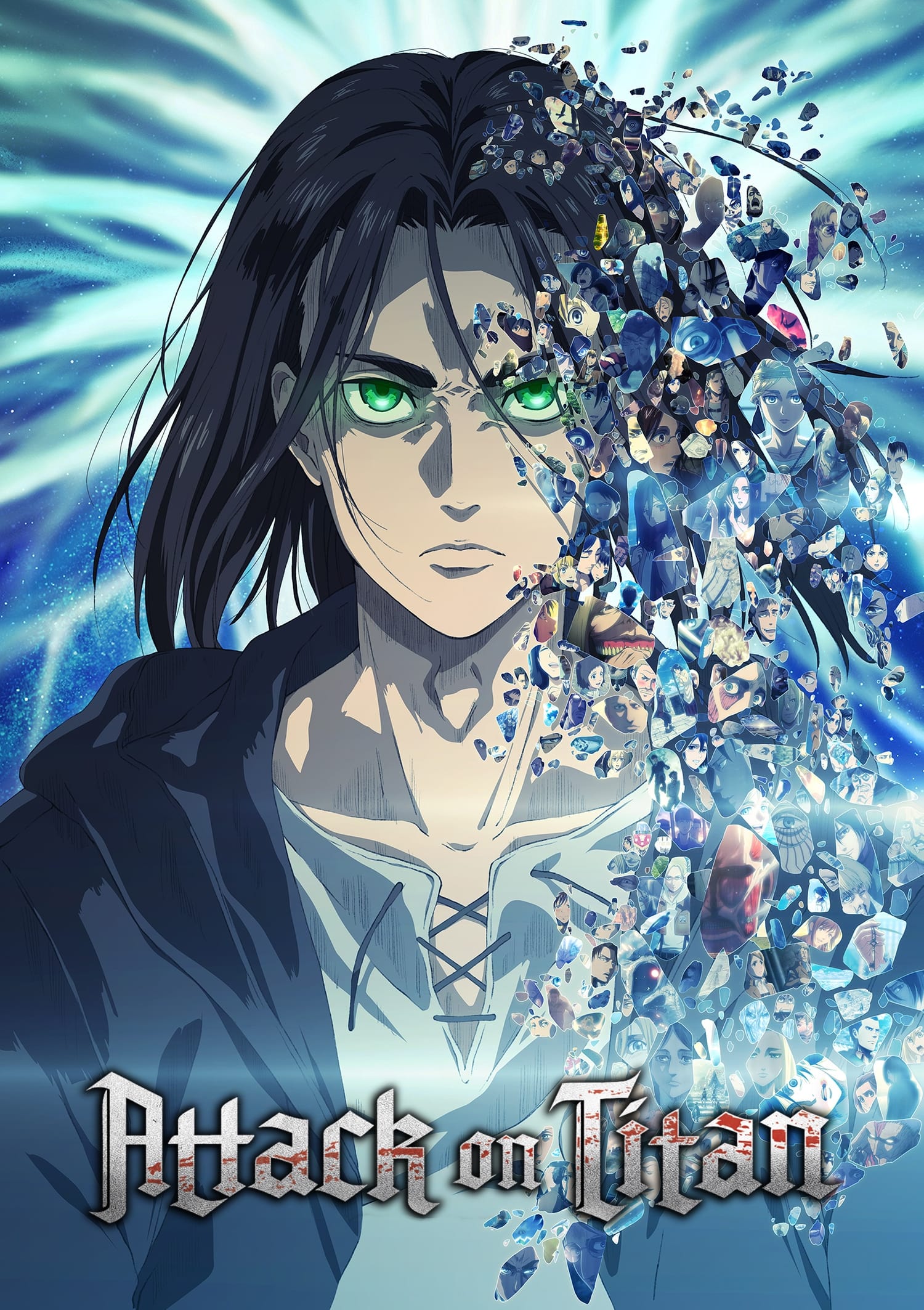
In 2015, the Chinese Ministry of Culture officially blacklisted ‘Attack on Titan’, leading to its removal from all domestic streaming sites. The government cited the show’s focus on violence and rebellion as a threat to public morality and social stability. Additionally, critics in several Asian countries pointed toward alleged fascist subtext and historical parallels within the narrative. The series remains unavailable on mainstream platforms in China despite its global popularity.
‘Death Note’ (2006–2007)
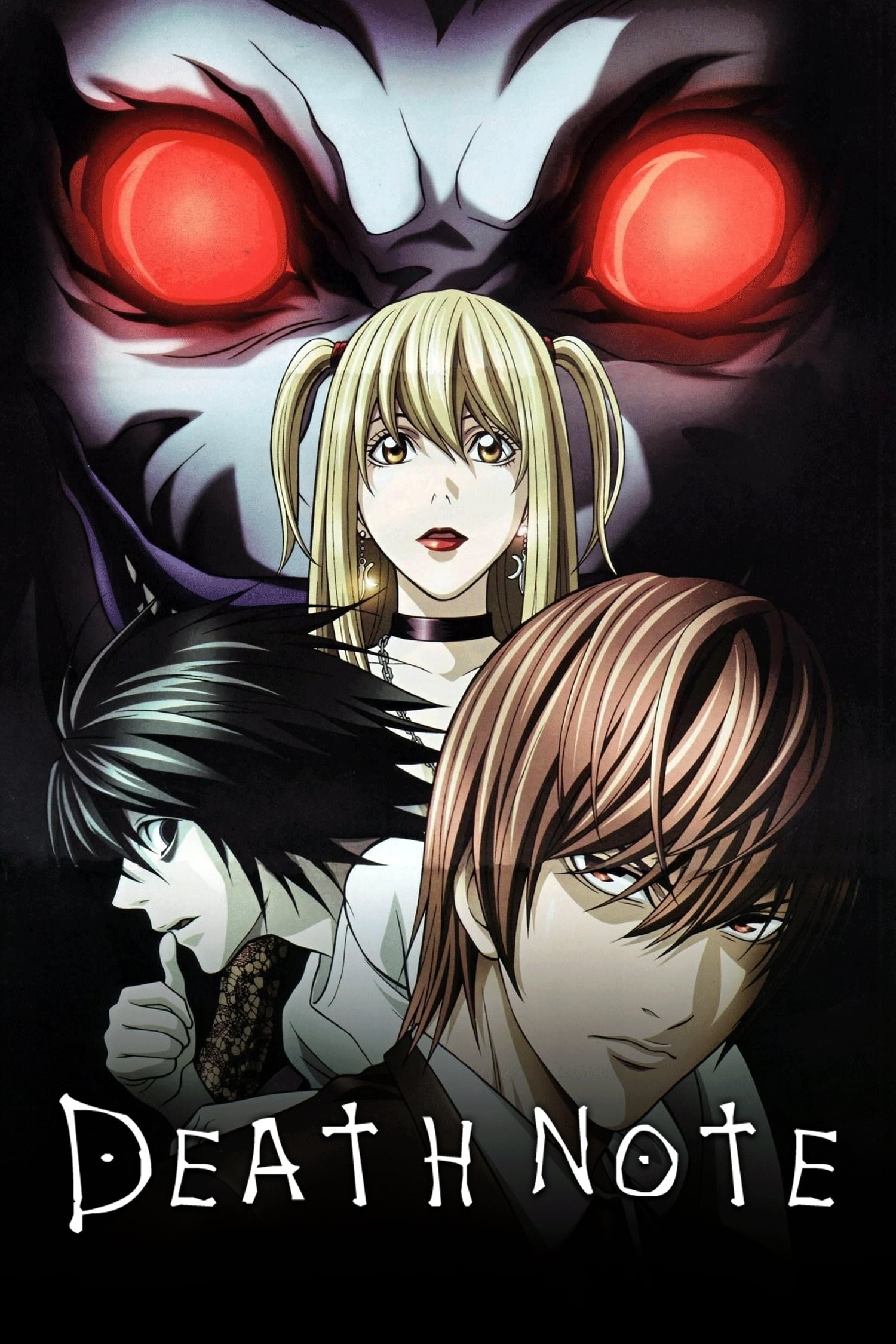
‘Death Note’ tells the story of a student who discovers a notebook capable of killing anyone whose name is written in it. The series was banned in China and subsequently removed from streaming services to prevent children from imitating the protagonist’s actions. Authorities expressed concern that the show promoted a dark worldview and disrupted social order. Similar restrictions were seen in parts of Russia, where courts ruled that the series could be harmful to the mental health of minors.
‘Hetalia’ (2009–2010)
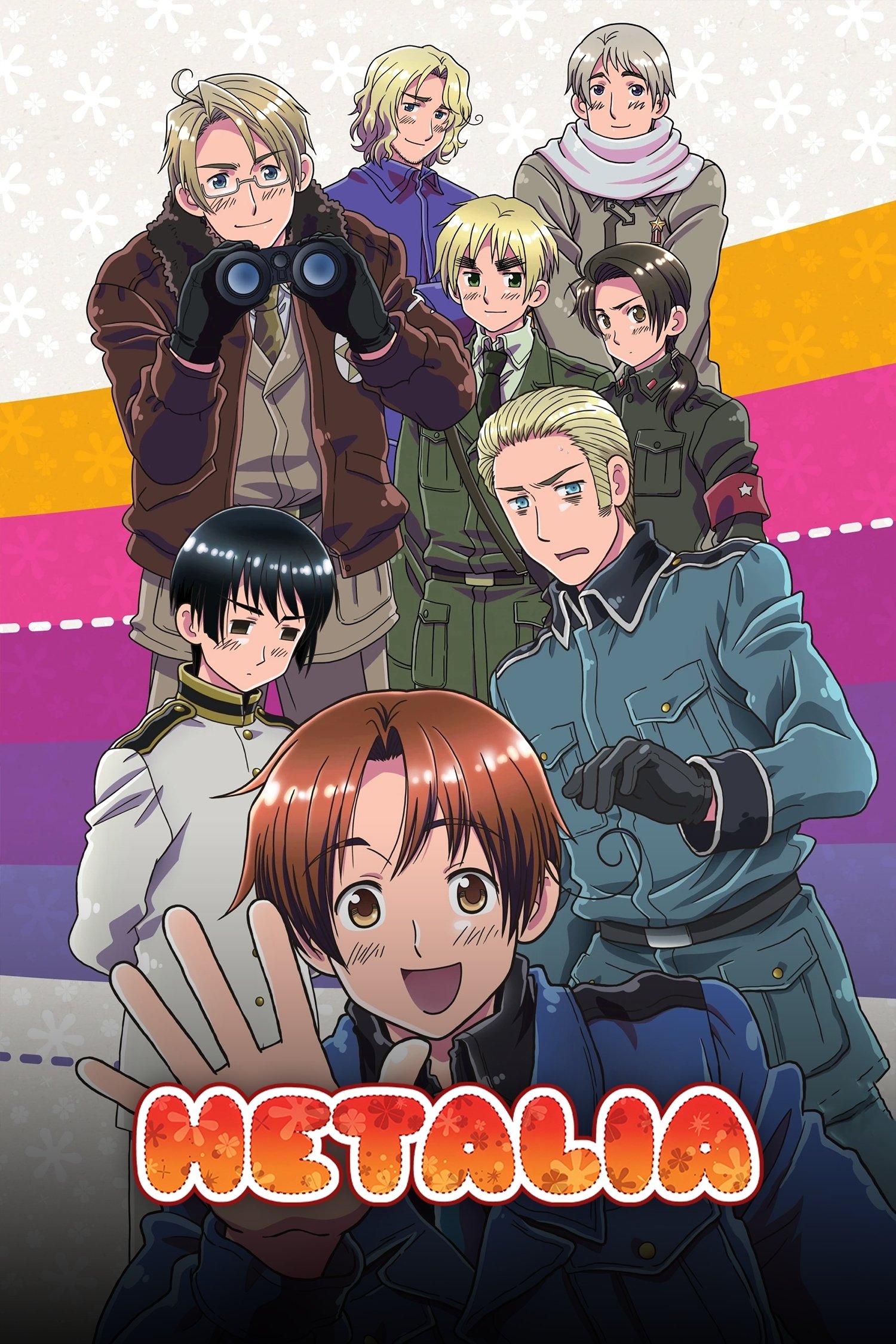
The satirical series ‘Hetalia: Axis Powers’ personifies various nations and explores historical events through their interactions. It faced significant backlash in South Korea due to the portrayal of the Korean character, which critics labeled as offensive and historically inaccurate. Following a series of formal protests and diplomatic tension, the Japanese broadcaster Kids Station canceled its scheduled airing. The show was also removed from or restricted on various regional streaming platforms to avoid further political friction.
‘Mushoku Tensei: Jobless Reincarnation’ (2021–)

‘Mushoku Tensei: Jobless Reincarnation’ was pulled from the Chinese streaming giant Bilibili shortly after its debut in 2021. While the platform cited “technical reasons” for the removal, the move followed a massive backlash regarding the show’s moral content and themes. High-profile influencers and users criticized the series for its depiction of social values that were deemed incompatible with local standards. The controversy led to a broader discussion about the regulation of imported media and the influence of online fan communities on streaming availability.
‘Record of Ragnarok’ (2021–)
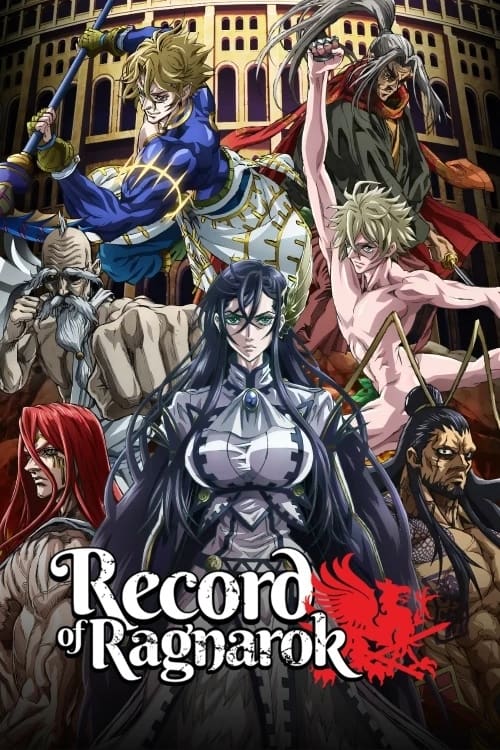
The action series ‘Record of Ragnarok’ features a tournament where humans fight gods to save humanity from extinction. In 2021, Netflix removed the series from its Indian library prior to its scheduled release. This decision was made following concerns raised by religious organizations regarding the depiction of the deity Shiva. The portrayal was seen by some as trivializing a sacred figure, leading to potential political and social unrest.
‘Code Geass: Lelouch of the Rebellion’ (2006–2008)
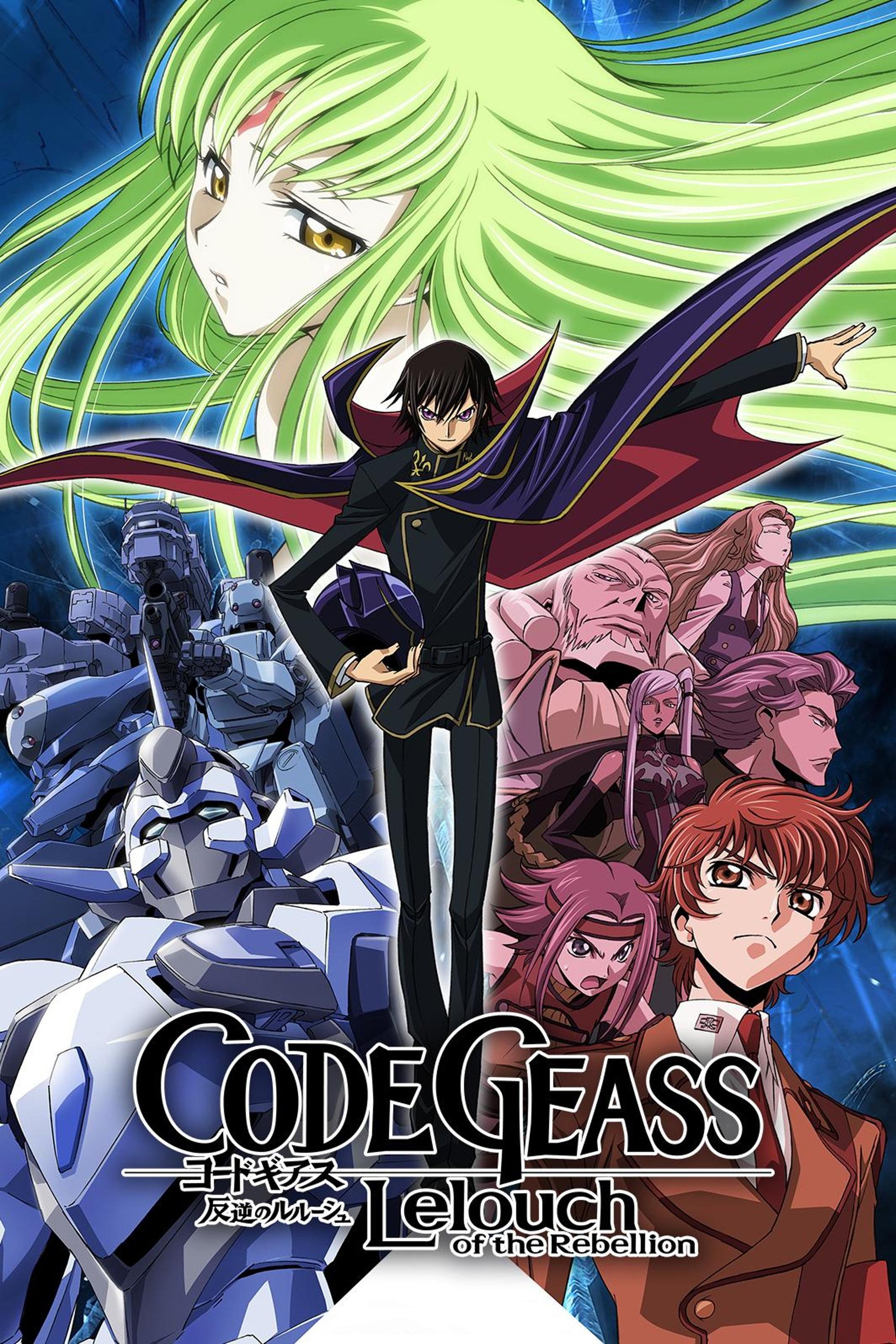
‘Code Geass’ focuses on a deposed prince who leads a rebellion against an oppressive global superpower using a mysterious power called Geass. The series was included in a list of titles banned by the Chinese Ministry of Culture for streaming. The government’s concerns centered on themes of armed revolution and the overthrow of established authority. As a result, the show was removed from legal streaming sites across mainland China to comply with state regulations on “improper” content.
‘Tokyo Ghoul’ (2014–2018)
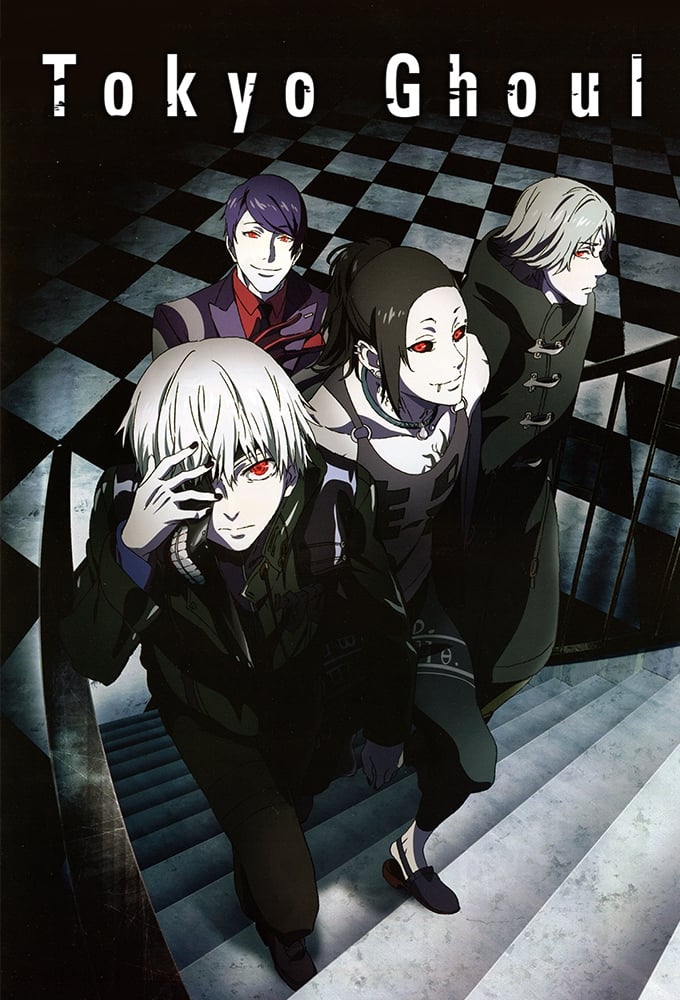
The dark fantasy series ‘Tokyo Ghoul’ was banned from Chinese streaming platforms as part of a 2015 crackdown on violent and anti-social media. Authorities argued that the depiction of cannibalistic creatures and graphic violence could lead to juvenile delinquency. The ban was part of a larger initiative to protect the healthy development of youth by purging content with negative social influences. Consequently, fans in the region lost access to the series on official streaming services.
‘Assassination Classroom’ (2015–2016)
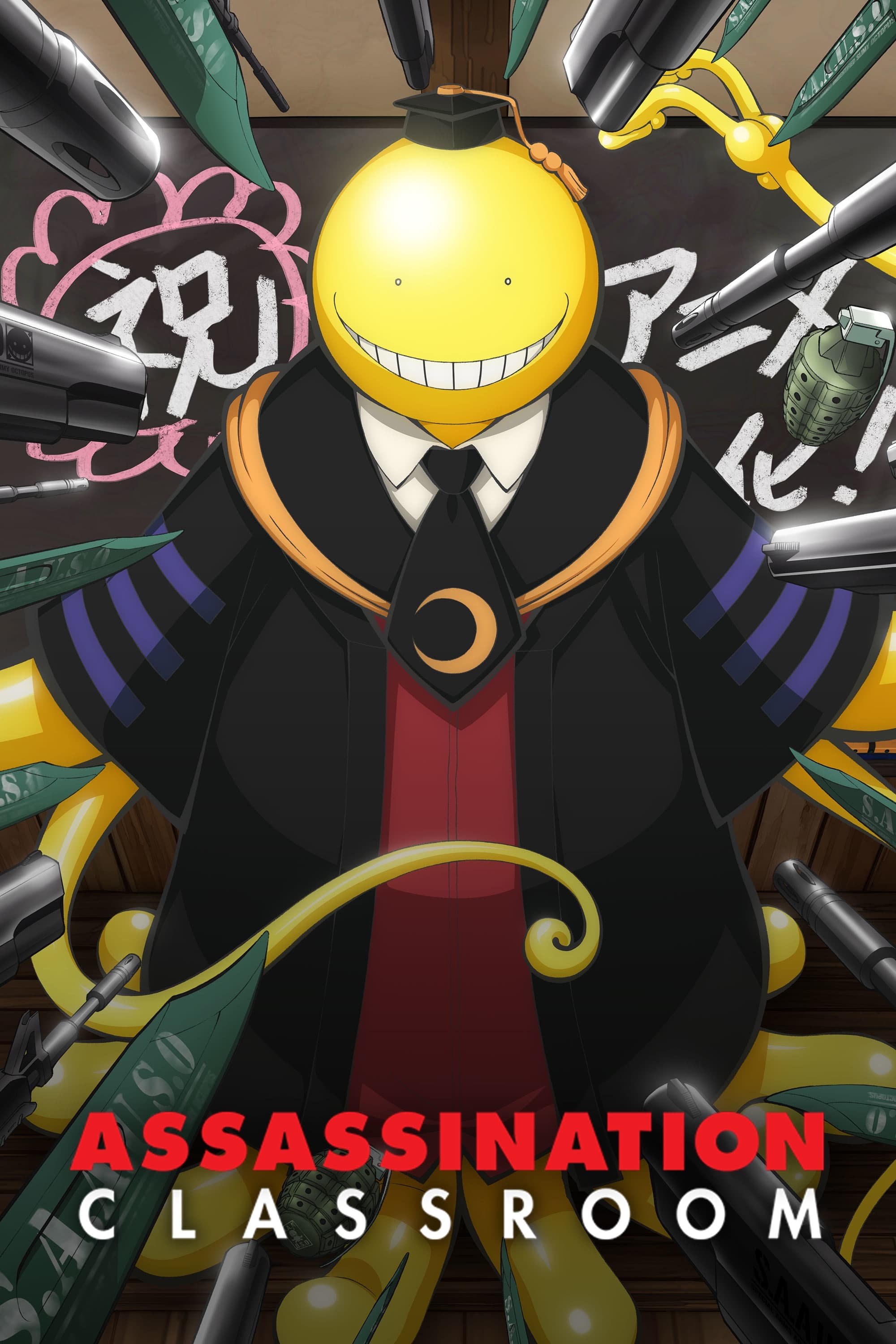
‘Assassination Classroom’ involves a group of middle school students tasked with killing their alien teacher to save the Earth. Despite its comedic elements, the series was banned from streaming in China for its perceived harmful premise. Regulators were concerned that the depiction of students attacking a teacher undermined the sanctity of the education system and encouraged violence. The title was scrubbed from legal platforms to align with national standards for educational and moral themes.
‘Psycho-Pass’ (2012–2019)
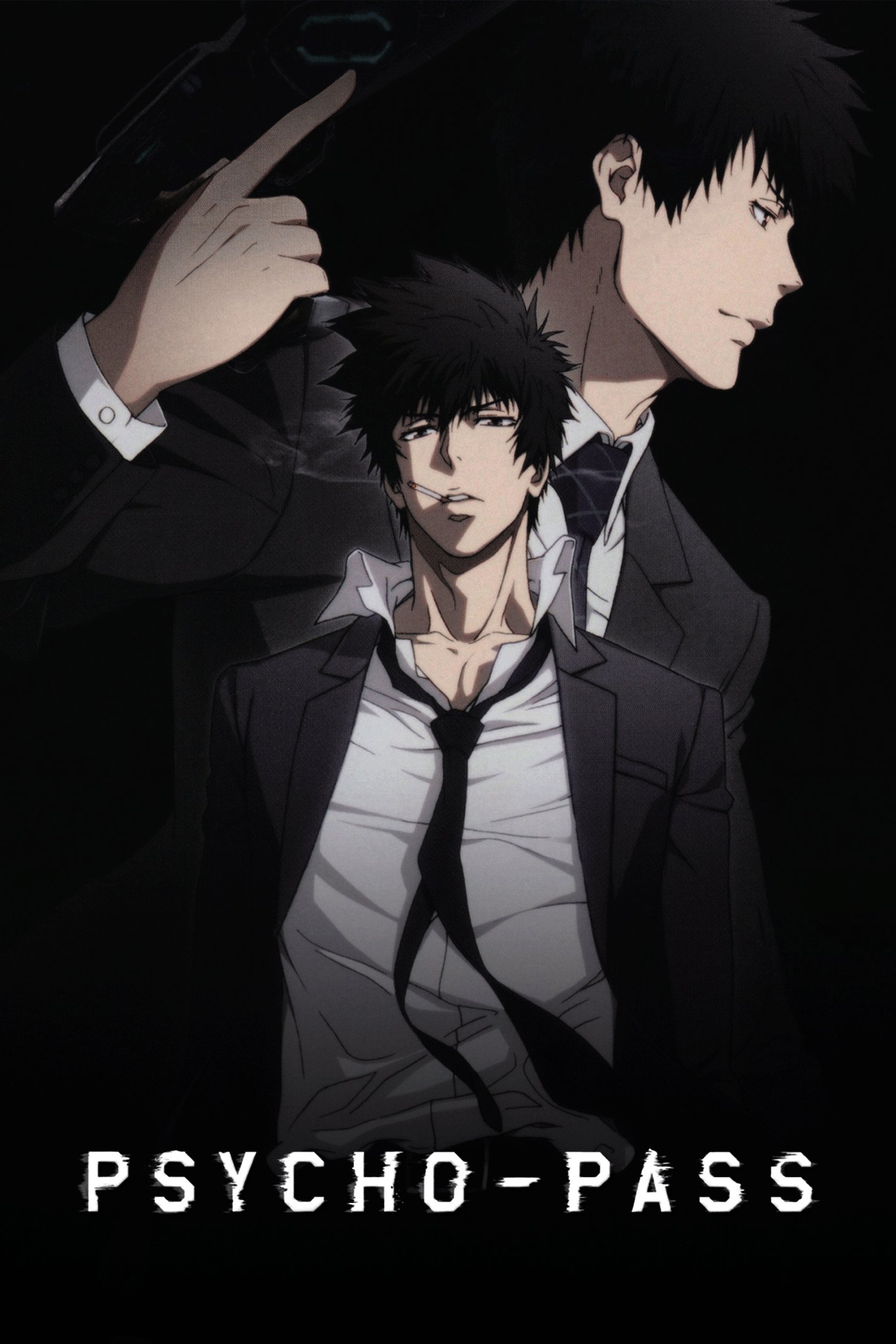
The cyberpunk thriller ‘Psycho-Pass’ explores a future where a computerized system judges citizens’ criminal intent. The series was removed from Chinese streaming platforms due to its themes of state surveillance and political dissent. Authorities viewed the critique of an authoritarian system as potentially subversive or inciting to the public. This removal was part of the 2015 mass ban of thirty-eight anime titles categorized as promoting unlawful ideologies.
‘Terror in Resonance’ (2014)
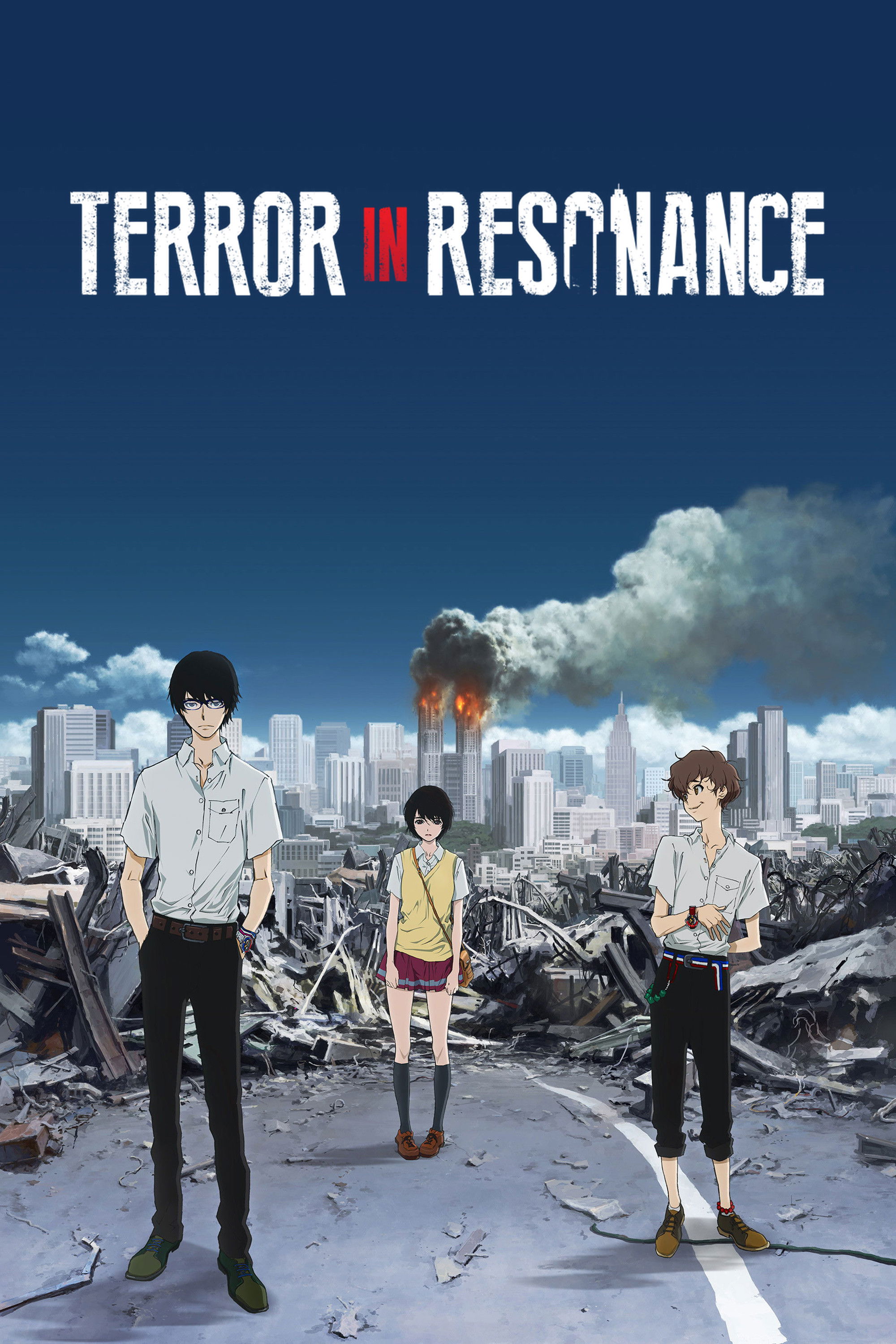
‘Terror in Resonance’ follows two teenagers who carry out a series of strategic bombings in Tokyo to expose a government conspiracy. The show was banned and removed from streaming services in China for its explicit depiction of terrorist acts. Regulators argued that the narrative glorified criminal behavior and provided a blueprint for social disruption. The ban reflected the state’s zero-tolerance policy toward media that portrays the destabilization of public order.
‘Sword Art Online II’ (2014)

While the first season of ‘Sword Art Online’ remained largely accessible, the “Phantom Bullet” arc of the second season faced restrictions. This specific portion of the series was pulled from Chinese streaming sites for its focus on gun violence and anti-social behavior. The Ministry of Culture identified the arc as part of a list of titles that violated standards for acceptable digital entertainment. This led to the fragmentation of the series’ availability on major platforms within the country.
‘Deadman Wonderland’ (2011)
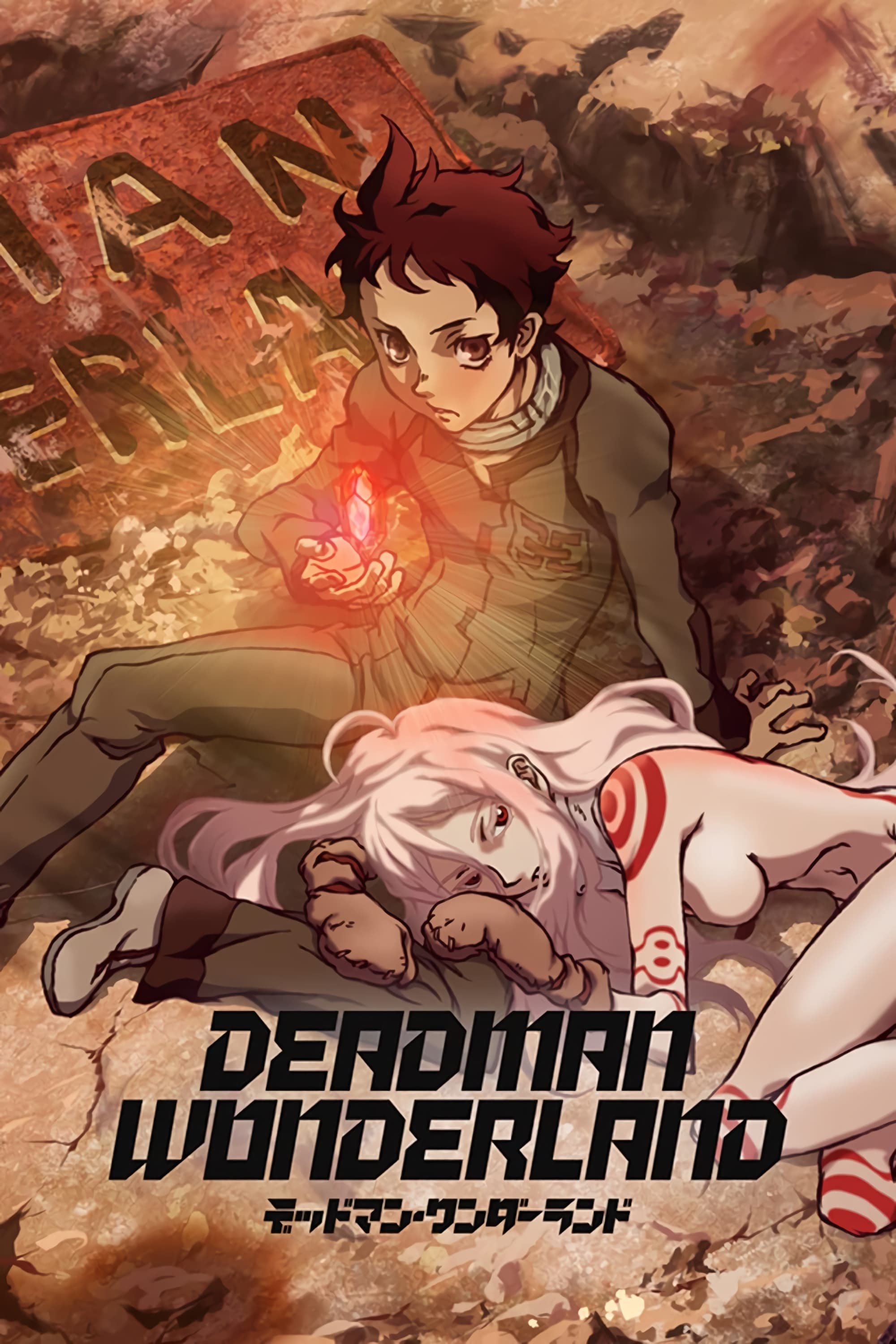
‘Deadman Wonderland’ depicts a high school student framed for mass murder and sent to a privatized prison theme park. The series was included in the 2015 Chinese ban of thirty-eight anime titles, resulting in its immediate removal from streaming. Government officials cited the show’s extreme violence and the portrayal of a corrupt state-controlled system as reasons for the ban. The series remains blacklisted on official digital distribution channels in mainland China.
‘Black Butler’ (2008–2014)
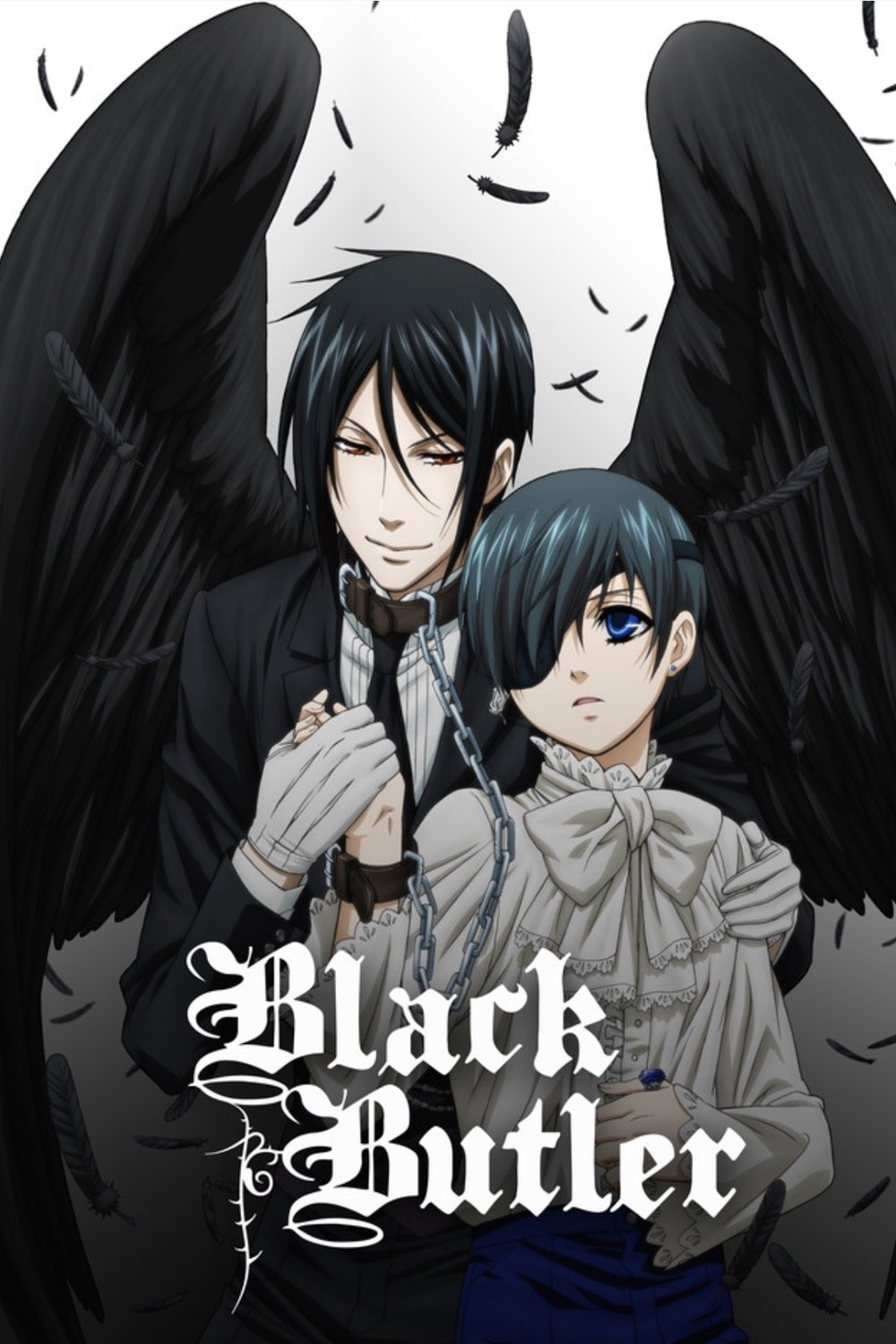
The supernatural series ‘Black Butler’ follows a young earl and his demonic butler in Victorian England. It was removed from Chinese streaming platforms after being categorized as content that spreads violence, obscenity, and criminal activities. The move was part of a broader government effort to regulate the types of foreign media available to domestic audiences. Critics of the ban pointed to the show’s themes of vengeance and dark morality as the likely triggers for its removal.
‘Hellsing’ (2001–2002)
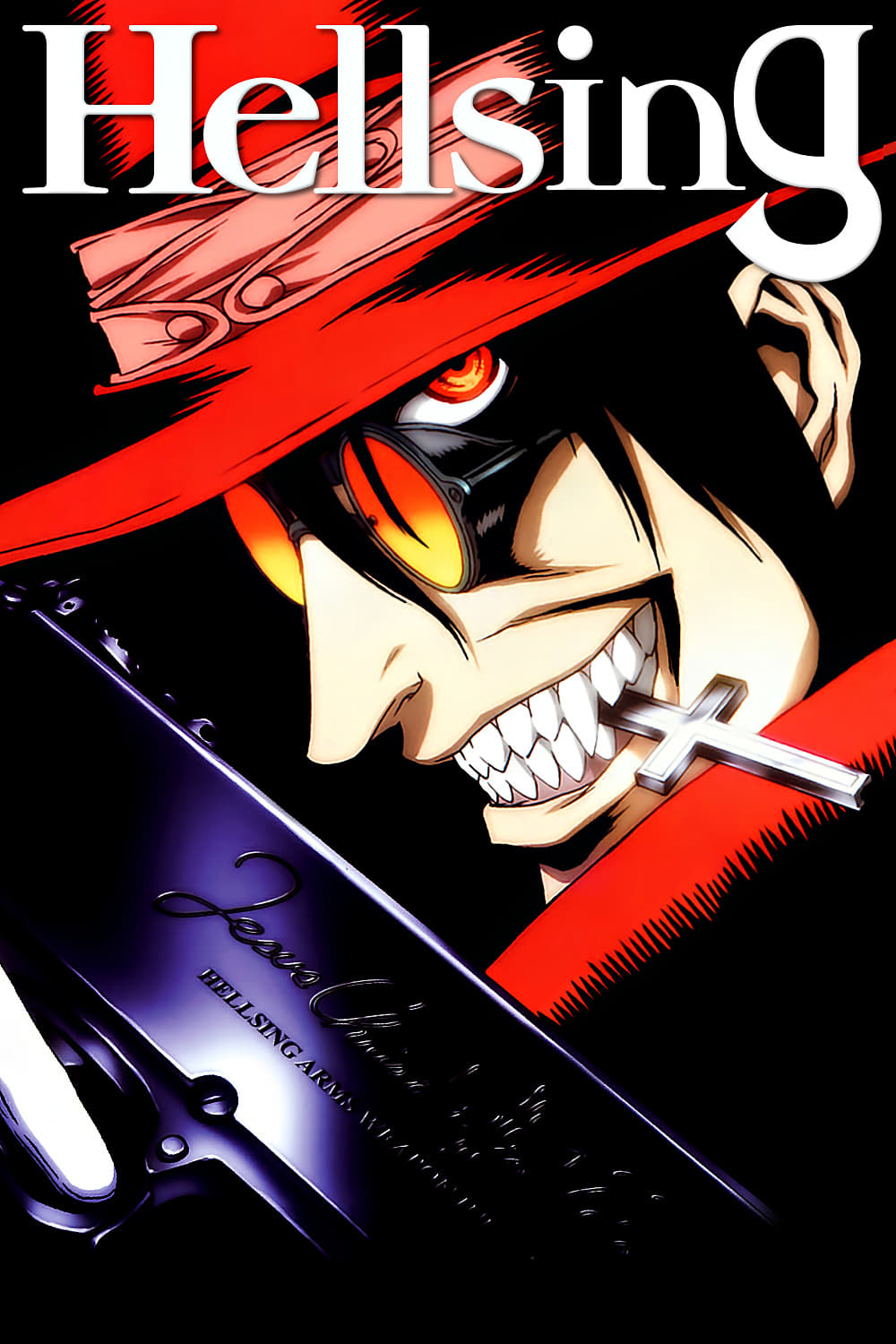
‘Hellsing’ centers on a secret organization that uses vampires to fight supernatural threats against the British Empire. The series was banned from Chinese streaming services for its combination of religious imagery and intense, graphic violence. Authorities claimed that the content could lead to societal disharmony and was unfit for general consumption. This led to its removal from all licensed platforms in the region during the 2015 purge of foreign animation.
‘Saga of Tanya the Evil’ (2017)
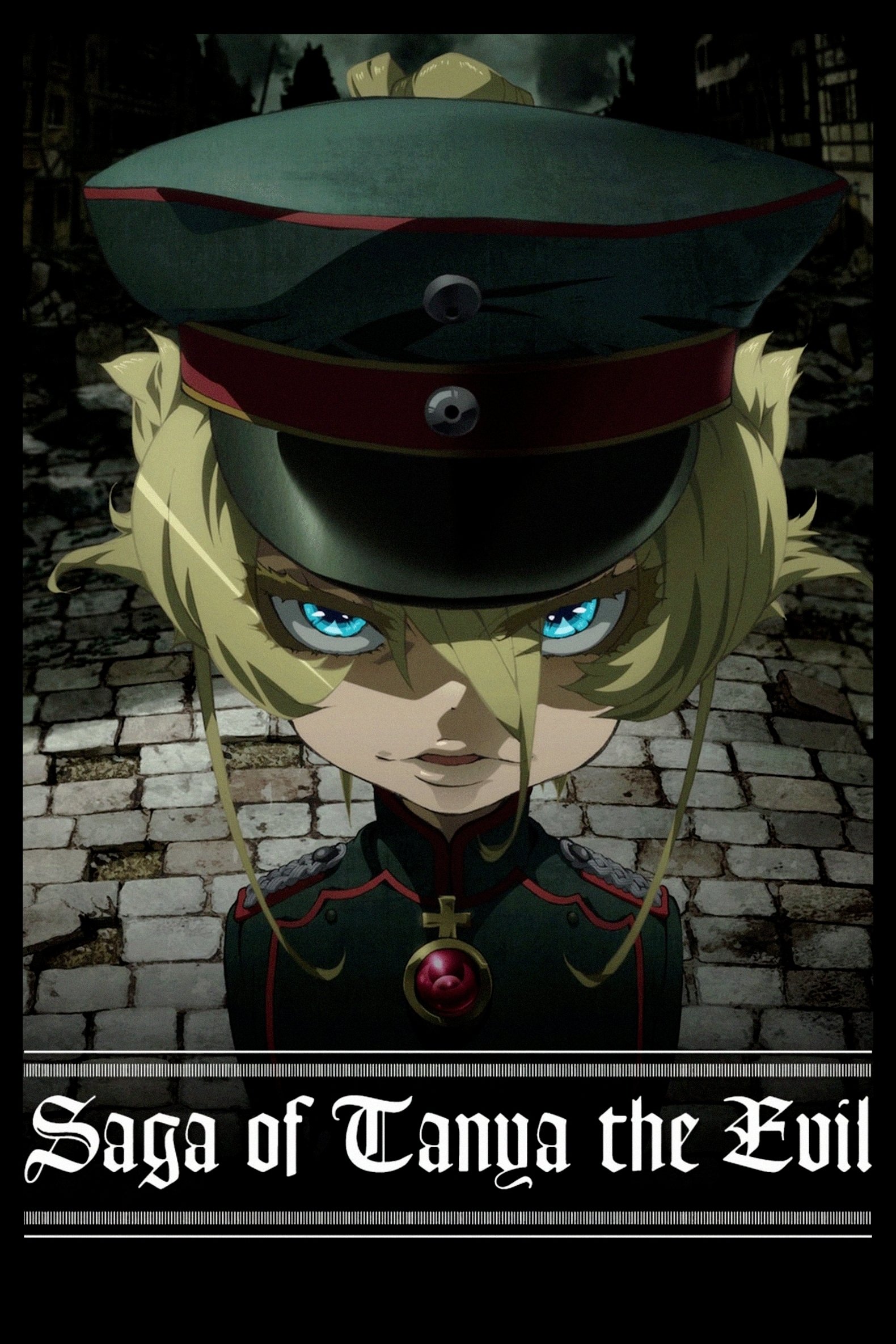
‘The Saga of Tanya the Evil’ features a salaryman reincarnated as a young girl who becomes a ruthless military officer in an alternate world war. The series has faced restrictions and removals in countries like Russia and China due to its militaristic overtones. Regulators expressed concern that the show glorified warfare and displayed ideologies deemed inappropriate for younger audiences. These political sensitivities resulted in the series being inaccessible on various regional streaming libraries.
‘Death Parade’ (2015)
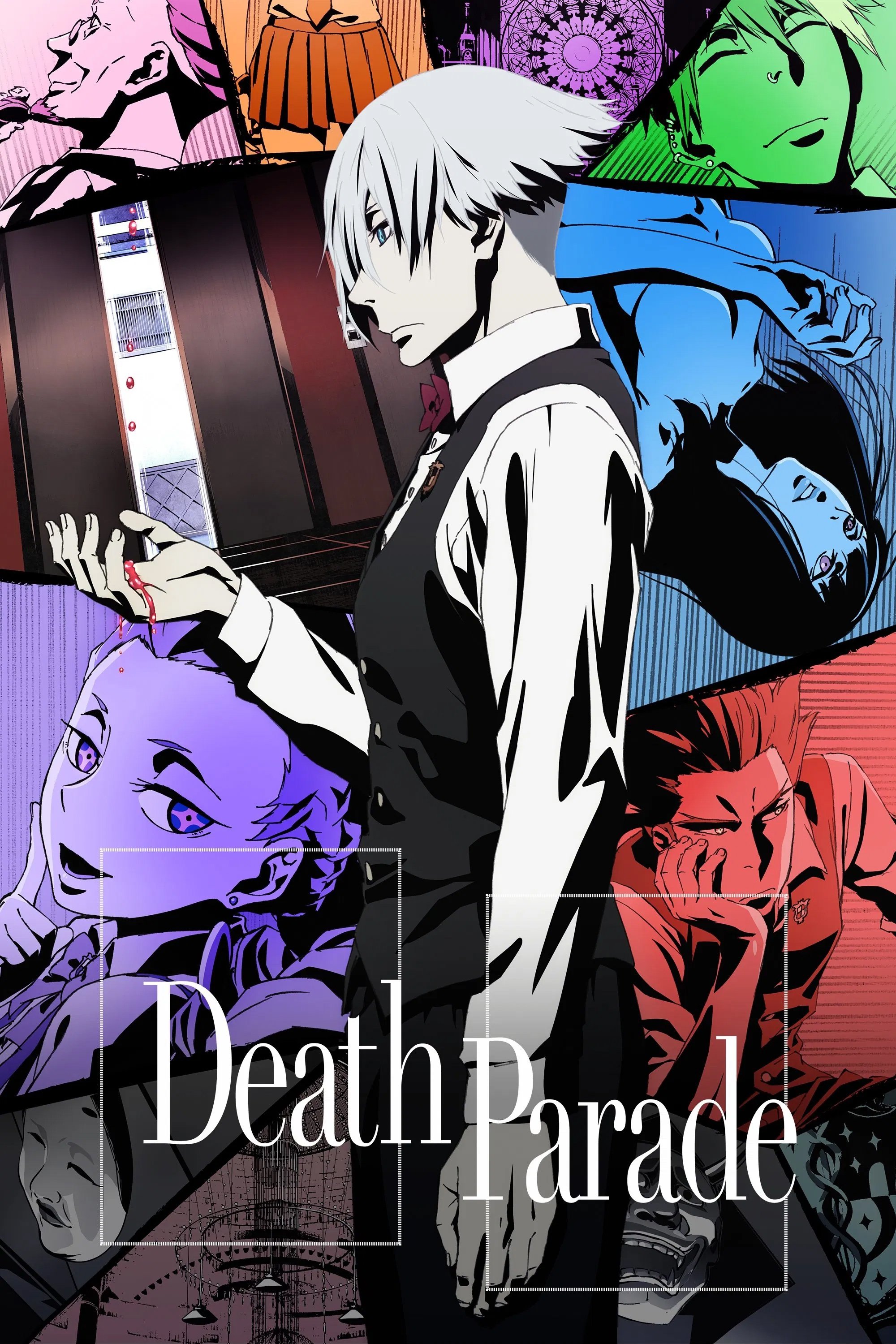
‘Death Parade’ focuses on an arbiter who judges the souls of the deceased through high-stakes games. The series was removed from Chinese streaming sites because its depiction of the afterlife and moral judgment conflicted with state-approved cultural values. The Ministry of Culture listed the title as improper, leading to its removal from Bilibili and other major services. The show’s exploration of the darker aspects of human nature was deemed a potential threat to social stability.
‘Parasyte -the maxim-‘ (2014–2015)
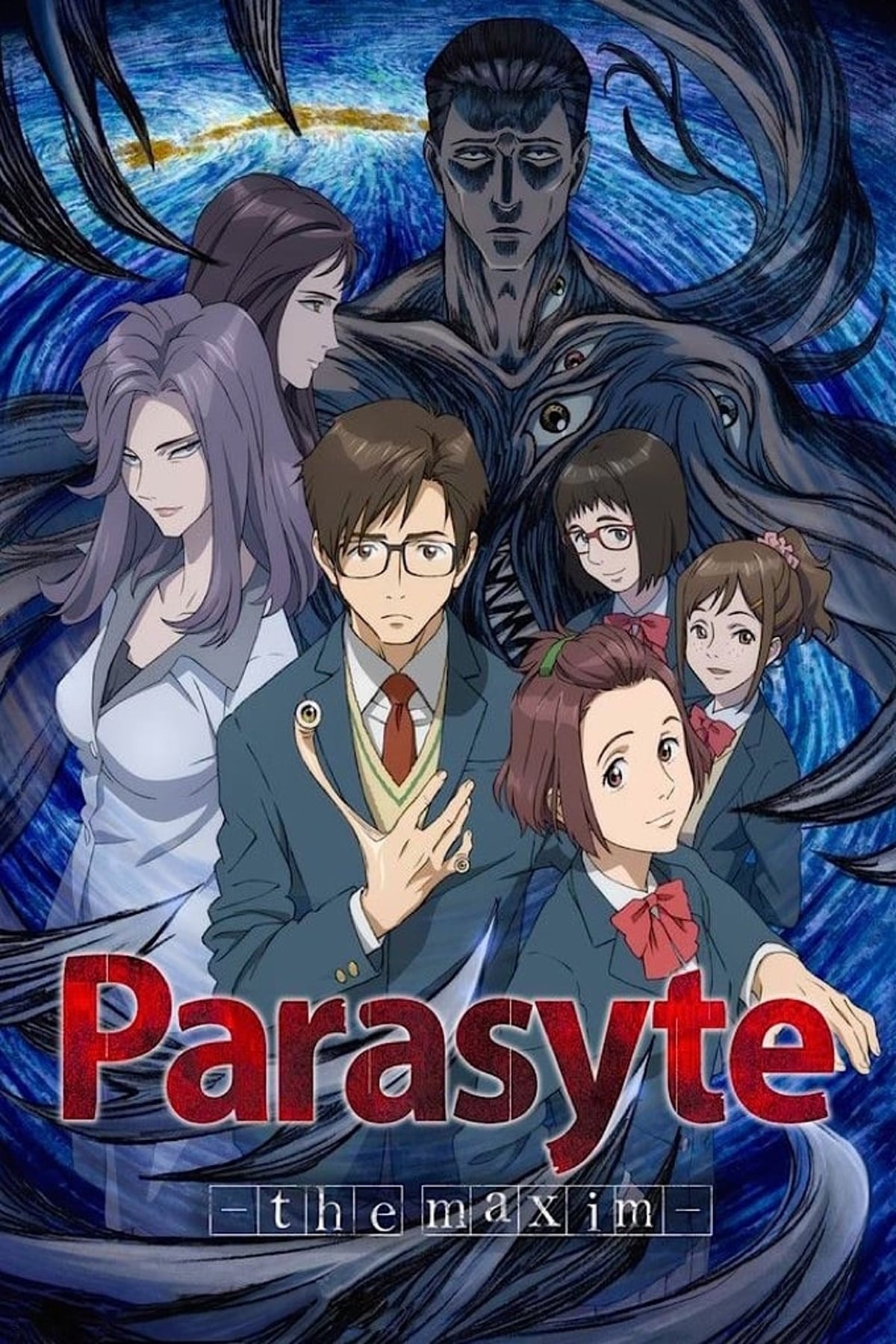
‘Parasyte -the maxim-‘ explores the conflict between humans and alien parasites that take over human bodies. The show was banned in China for its macabre content and themes of social alienation. It was included in the list of thirty-eight titles that were forcibly removed from all domestic streaming platforms in 2015. The ban was justified by regulators as a necessary step to curb the spread of unhealthy and violent foreign media.
‘Elfen Lied’ (2004)

‘Elfen Lied’ is known for its high levels of graphic violence and its exploration of psychological trauma and discrimination. The series has been banned and pulled from streaming in mainland China for its perceived nihilistic and anti-social themes. The government cited the show’s potential to negatively influence the psychological well-being of the youth as the primary reason for the restriction. It remains one of the most strictly regulated titles in the history of imported anime in the region.
‘High School of the Dead’ (2010)
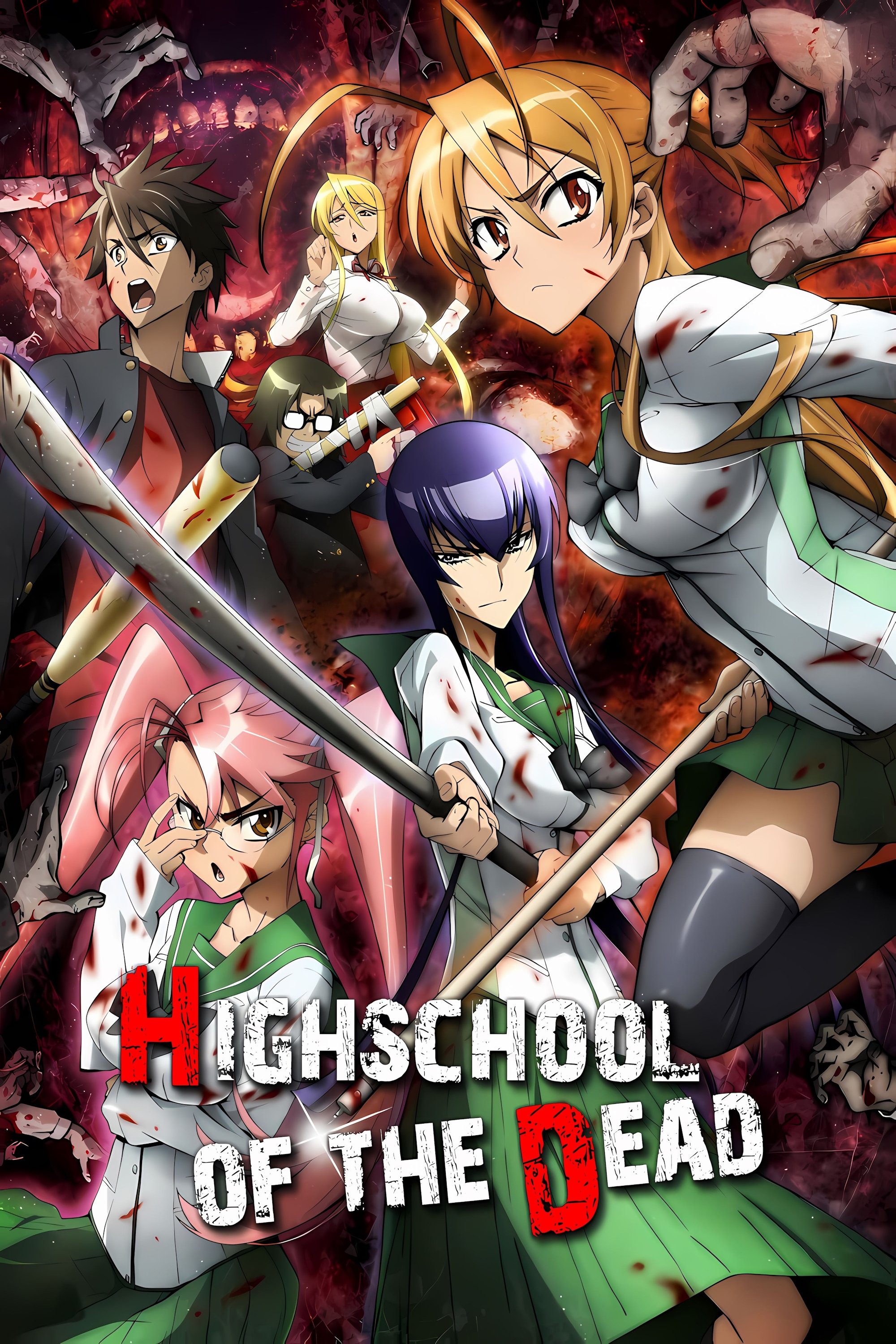
The zombie-apocalypse series ‘High School of the Dead’ follows a group of students fighting to survive a societal collapse. It was banned in China for its blend of extreme violence and vulgar content that was seen as undermining public morality. The series was pulled from all legal streaming services as part of the 2015 initiative to sanitize the domestic internet. Authorities argued that the show’s focus on lawlessness and social decay posed a risk to the preservation of public order.
Share your perspective on the intersection of anime and international political censorship in the comments.