

Anime Series That Are Secretly Masterpieces Despite Poor Reviews

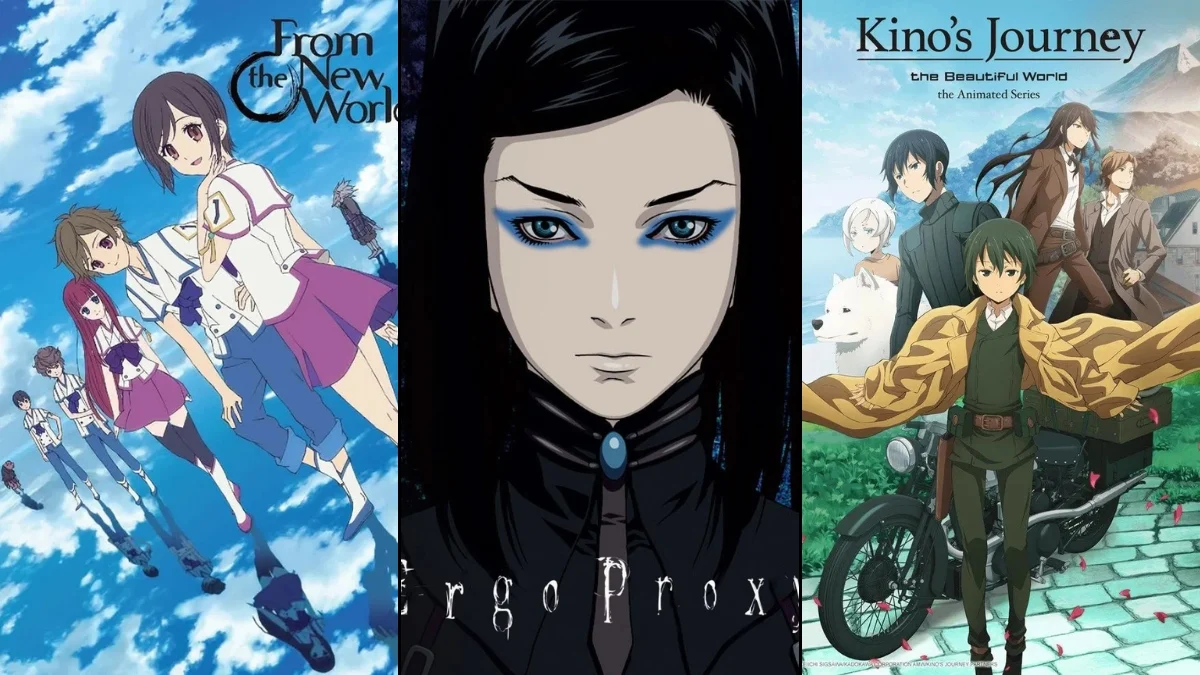


Anime reception is often dictated by initial visual impressions or immediate narrative satisfaction, sometimes causing complex works to be overlooked or dismissed. Many series that received poor reviews upon release were later reconsidered for their thematic depth, experimental animation, or unique structural choices. These titles frequently challenge genre conventions, leading to a disconnect between critical expectations and the creator’s vision. By examining these polarizing entries, audiences can discover hidden gems that offer profound storytelling beyond their controversial reputations.
‘Flowers of Evil’ (2013)
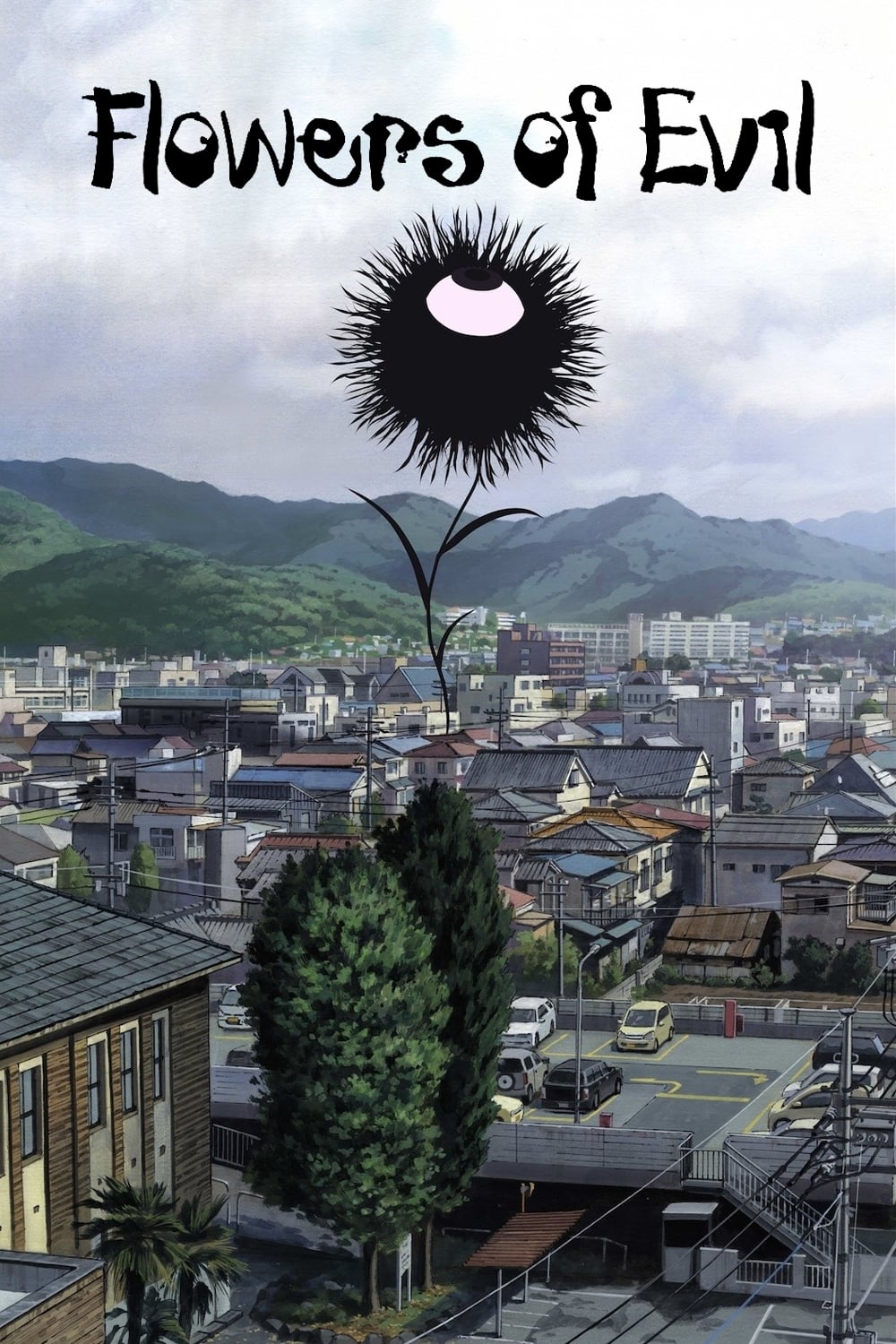
This adaptation of Shūzō Oshimi’s manga utilizes rotoscoping to create a stark, unsettling visual style. The story follows Takao Kasuga, a middle school student who is blackmailed by a classmate after he steals the gym clothes of his crush. It explores themes of adolescent angst, voyeurism, and the loss of innocence in a provincial town. Critics initially panned the series for its departures from traditional anime aesthetics. However, the unique animation style serves the psychological tension and uncomfortable realism of the narrative.
‘Texhnolyze’ (2003)
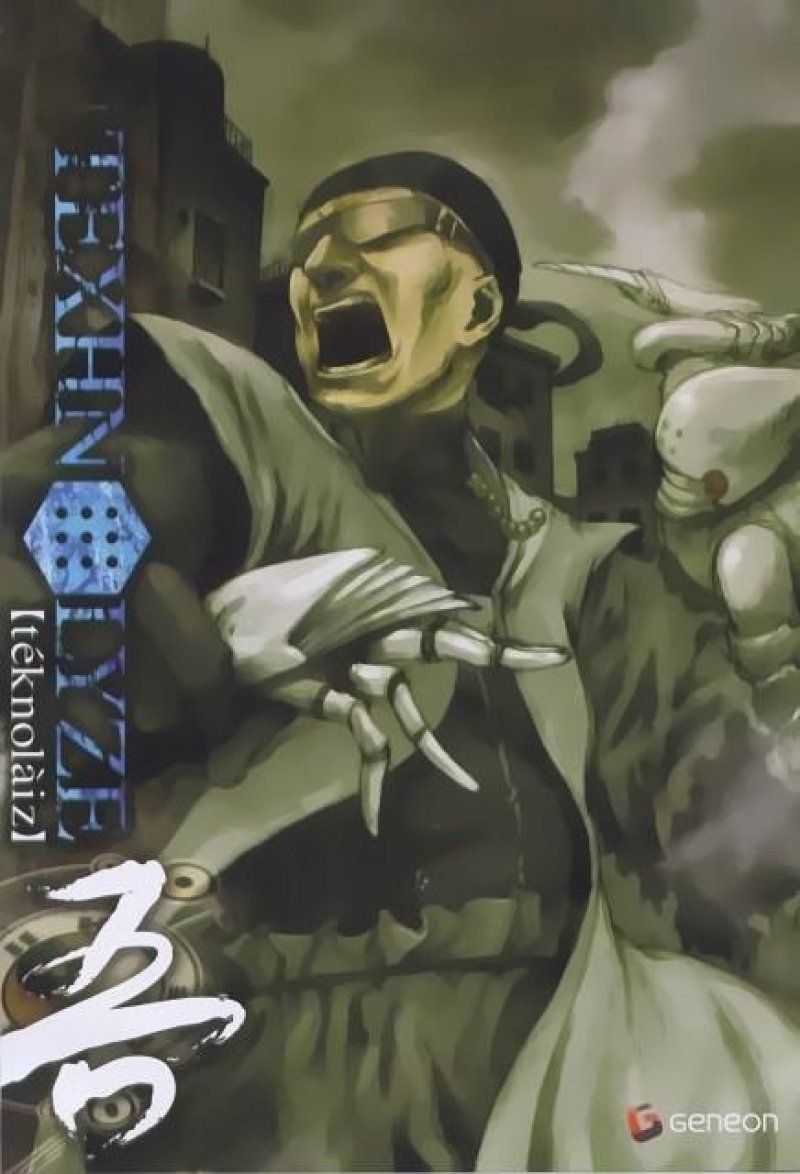
In the underground city of Lukuss, various factions fight for control over the decaying urban landscape. The story centers on Ichise, a prize fighter who loses limbs and receives experimental prosthetic technology. This series is known for its minimal dialogue and an exceptionally bleak tone that explores nihilism and human evolution. While initial reception was polarized due to its slow pacing and oppressive atmosphere, it is noted for its philosophical depth. The animation was handled by Madhouse, featuring a distinct, desaturated visual style.
‘Ergo Proxy’ (2006)
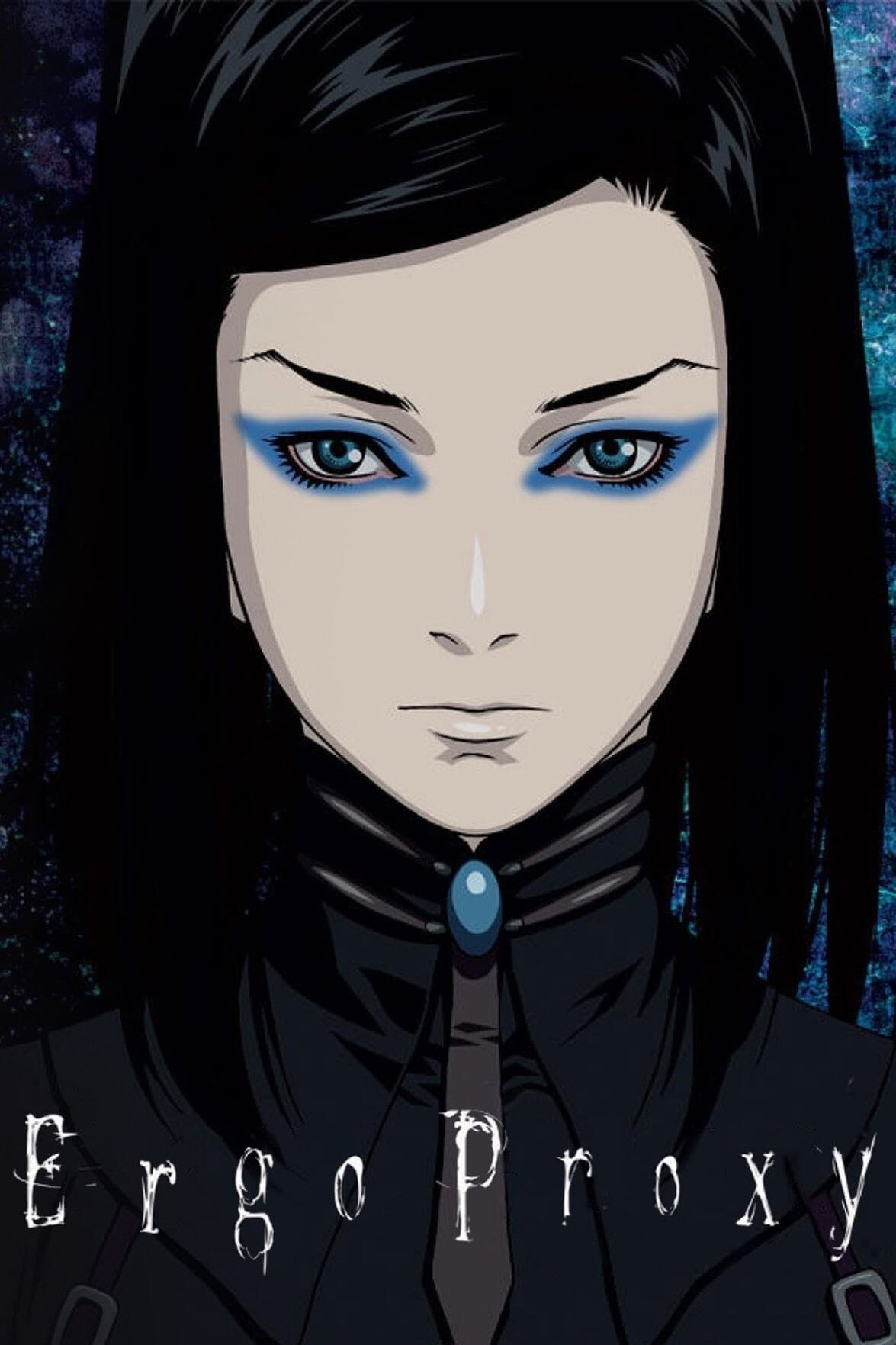
Set in a post-apocalyptic future, citizens live in the domed city of Romdo where androids called AutoReivs assist humans. Re-l Mayer investigates a series of murders committed by androids infected with a virus that grants them self-awareness. The series incorporates elements of philosophy, Gnosticism, and psychological thriller tropes. Critics often criticized the show for being overly dense or pretentious in its delivery of high-concept ideas. Despite this, it remains a significant work for its intricate world-building and character development.
‘Speed Grapher’ (2005)
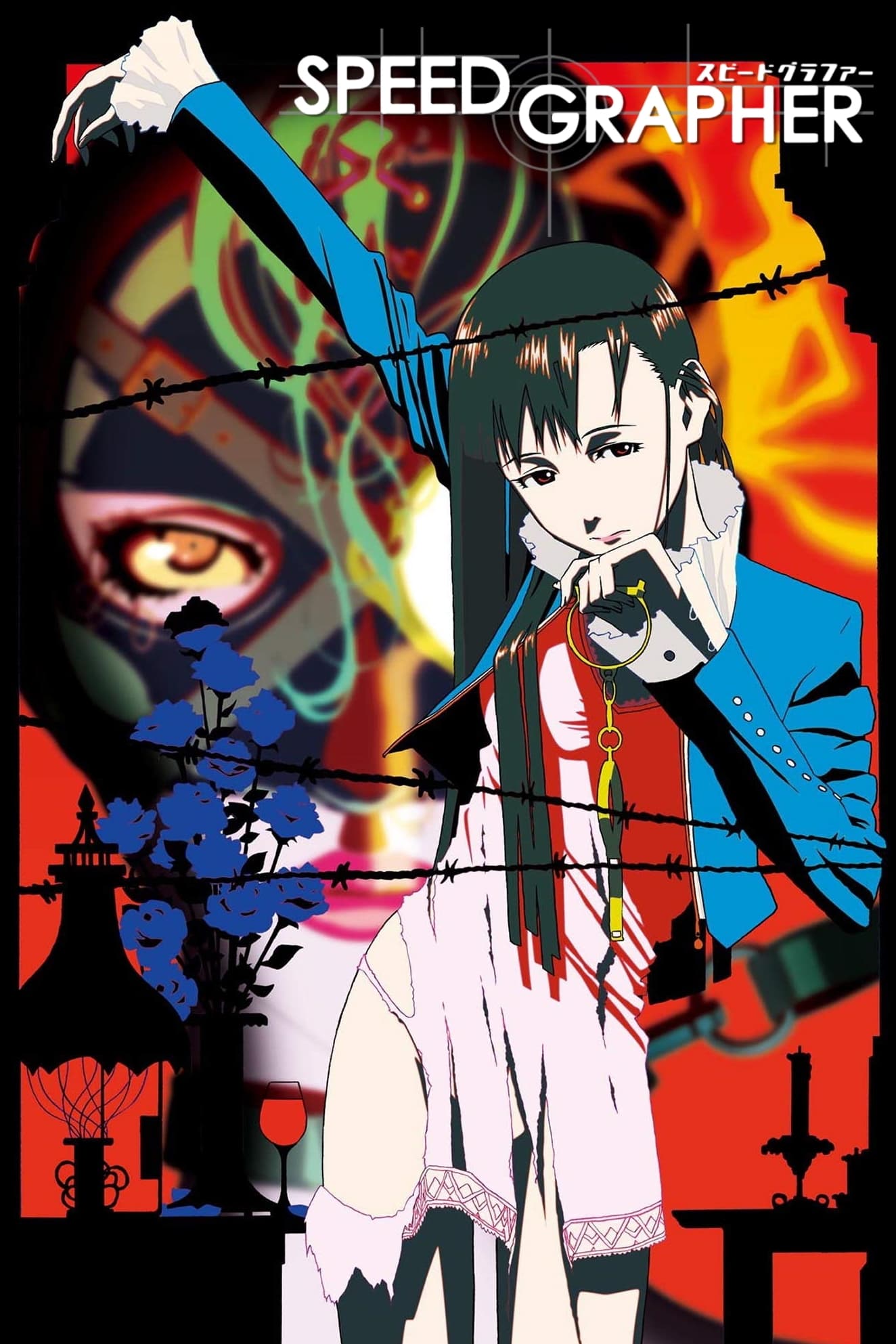
The story follows a former war photographer named Saiga who discovers a secret club for the Tokyo elite. After an encounter with a mysterious girl named Kagura, he gains the ability to make anything he photographs explode. The series critiques late-stage capitalism and moral corruption through a dark, supernatural lens. Many reviewers found the graphic content and sexual themes to be excessive or distasteful during its original run. It has since been recognized for its bold social commentary and unique premise.
‘Noein: To Your Other Self’ (2005–2006)

This science fiction series involves a conflict between two future timelines, La’cryma and Shangri-La. Haruka and her friend Yuu are caught in the middle of a battle for the “Dragon Torque,” a power that can decide the fate of existence. The show is notable for its experimental animation, which shifts styles frequently to depict different dimensions. Some critics found the visual inconsistency off-putting and the plot overly complicated. It is now appreciated for its ambitious narrative and emotional core.
‘Casshern Sins’ (2008–2009)
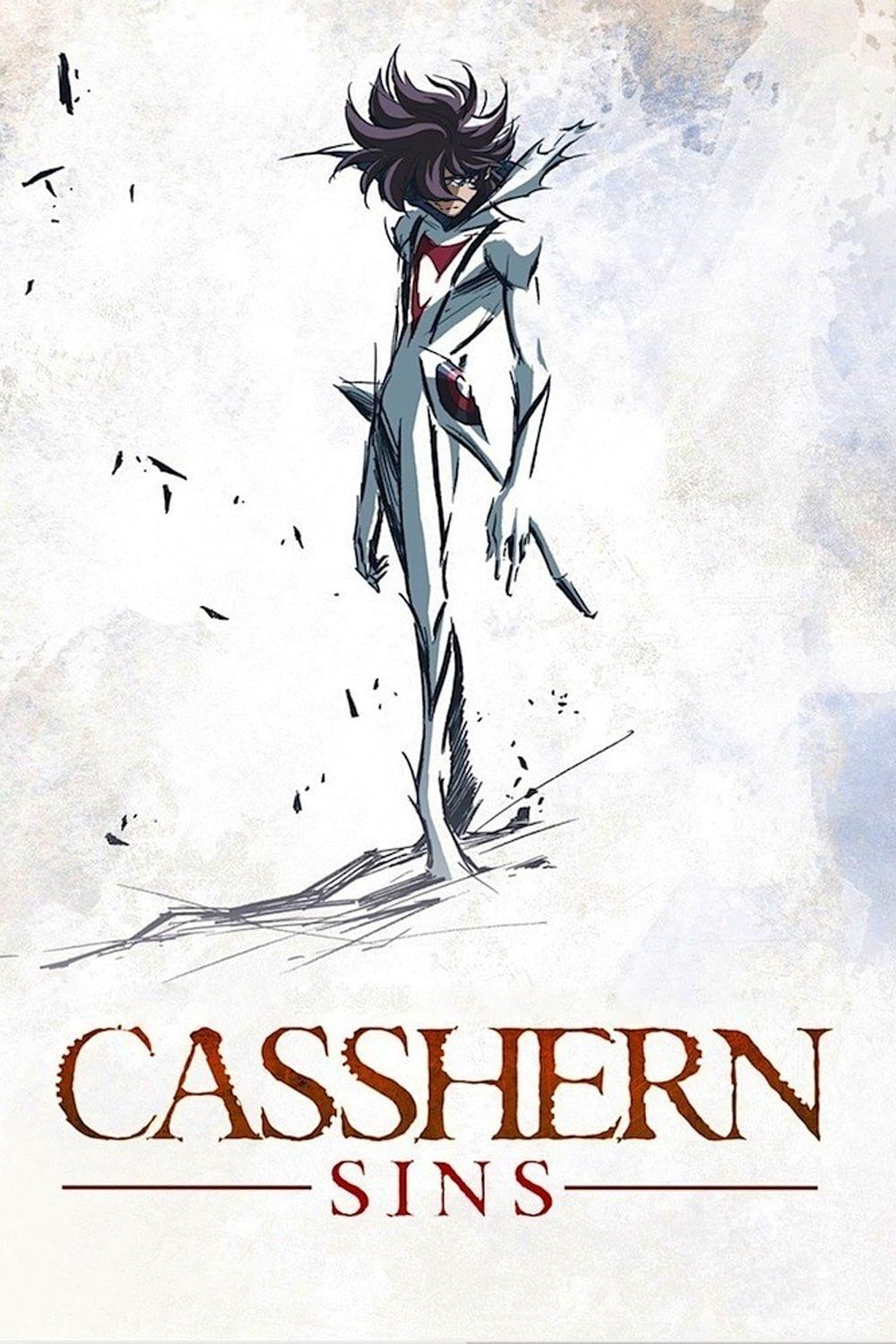
In a world where humanity has been nearly wiped out by robots, a cyborg named Casshern wanders a dying land. The setting is defined by “The Ruin,” a slow decay affecting both mechanical and biological life. Casshern has no memory of his past, including his role in the assassination that triggered the apocalypse. Early reviews cited the show as too depressing and repetitive in its episodic structure. Modern perspectives highlight its melancholy beauty and existential questions regarding mortality and purpose.
‘Kyousougiga’ (2013)
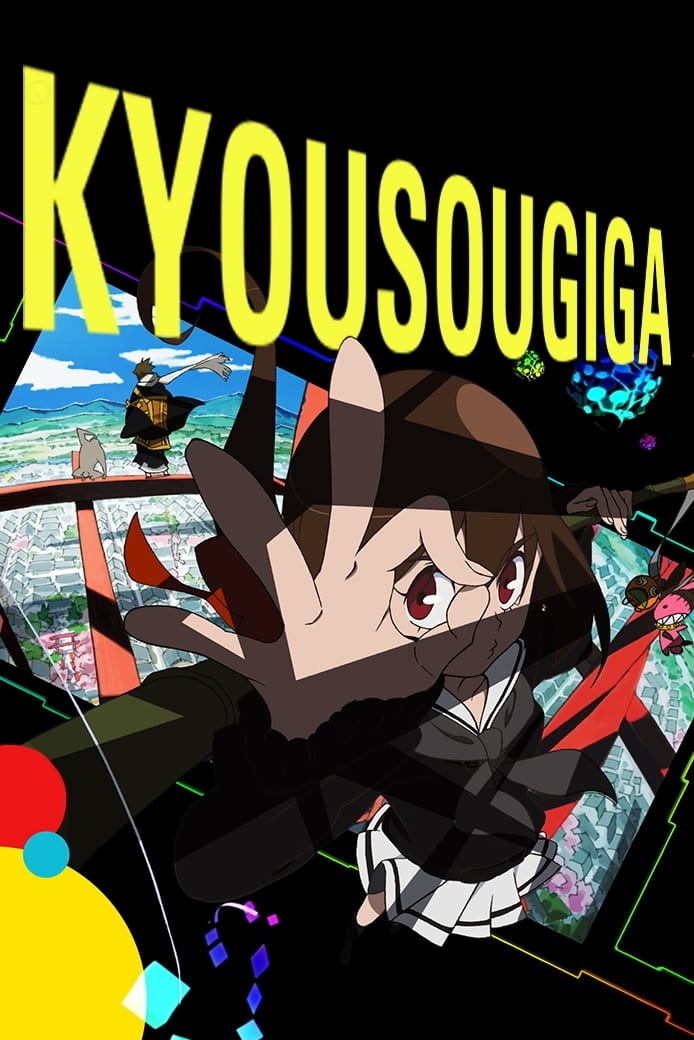
This series takes place in the “Mirror Capital,” a version of Kyoto where humans and spirits coexist in a chaotic harmony. Koto, a young girl with a giant hammer, arrives in the city looking for her mother and disrupts the established order. The narrative is non-linear and relies heavily on visual metaphors and Buddhist symbolism. Initial audiences found the fast-paced editing and surreal plot difficult to follow. It is now regarded as a visual masterpiece that explores family bonds in a highly original way.
‘Sonny Boy’ (2021)
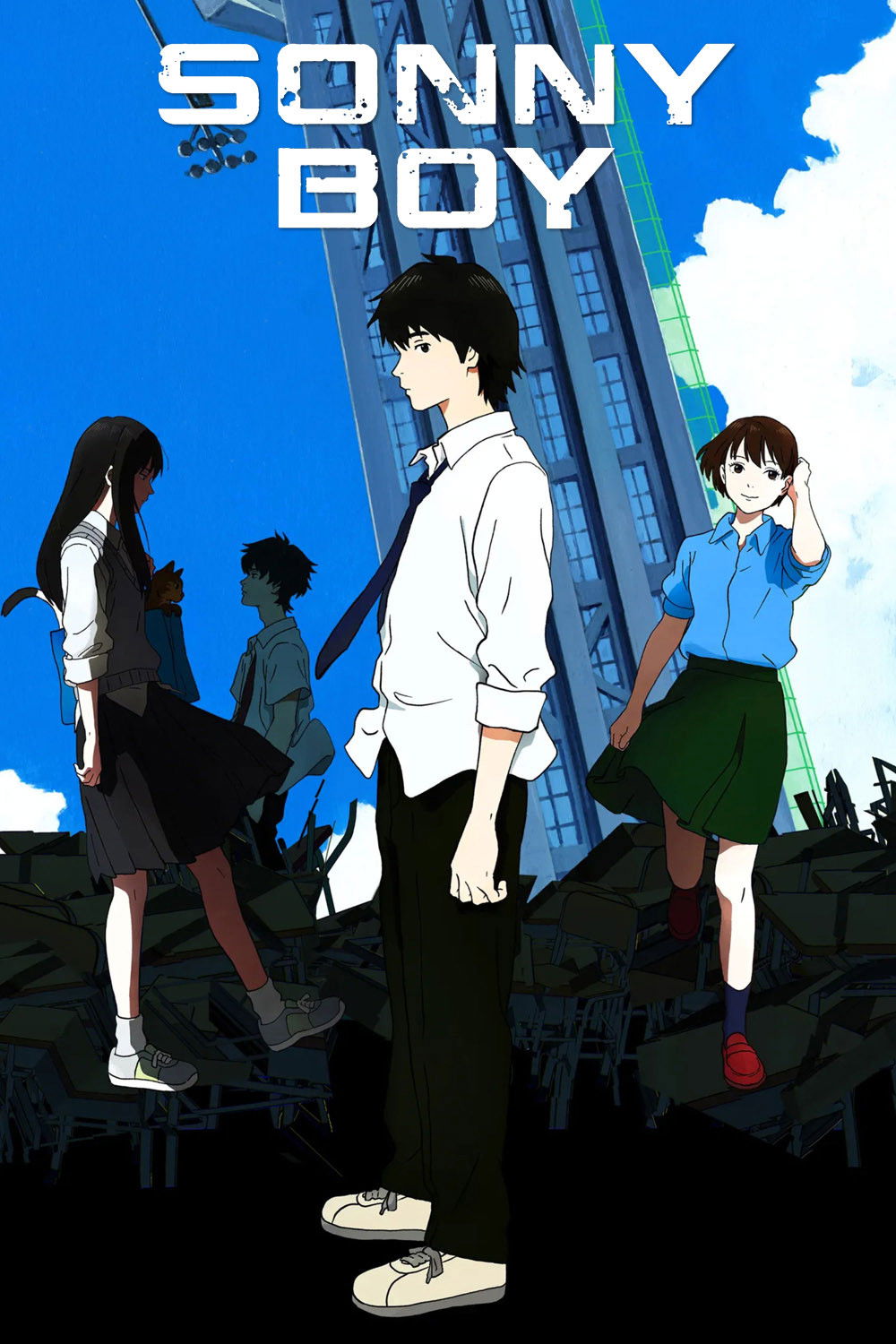
A group of high school students is suddenly transported to a void where they must navigate drifting dimensions. Each student develops unique supernatural abilities, leading to internal power struggles and social fractures. The series avoids traditional exposition, opting for an abstract and metaphorical storytelling approach. This led to mixed reviews from viewers expecting a standard survival action show. The series is distinguished by its unconventional art direction and profound meditation on growing up.
‘Boogiepop Phantom’ (2000)
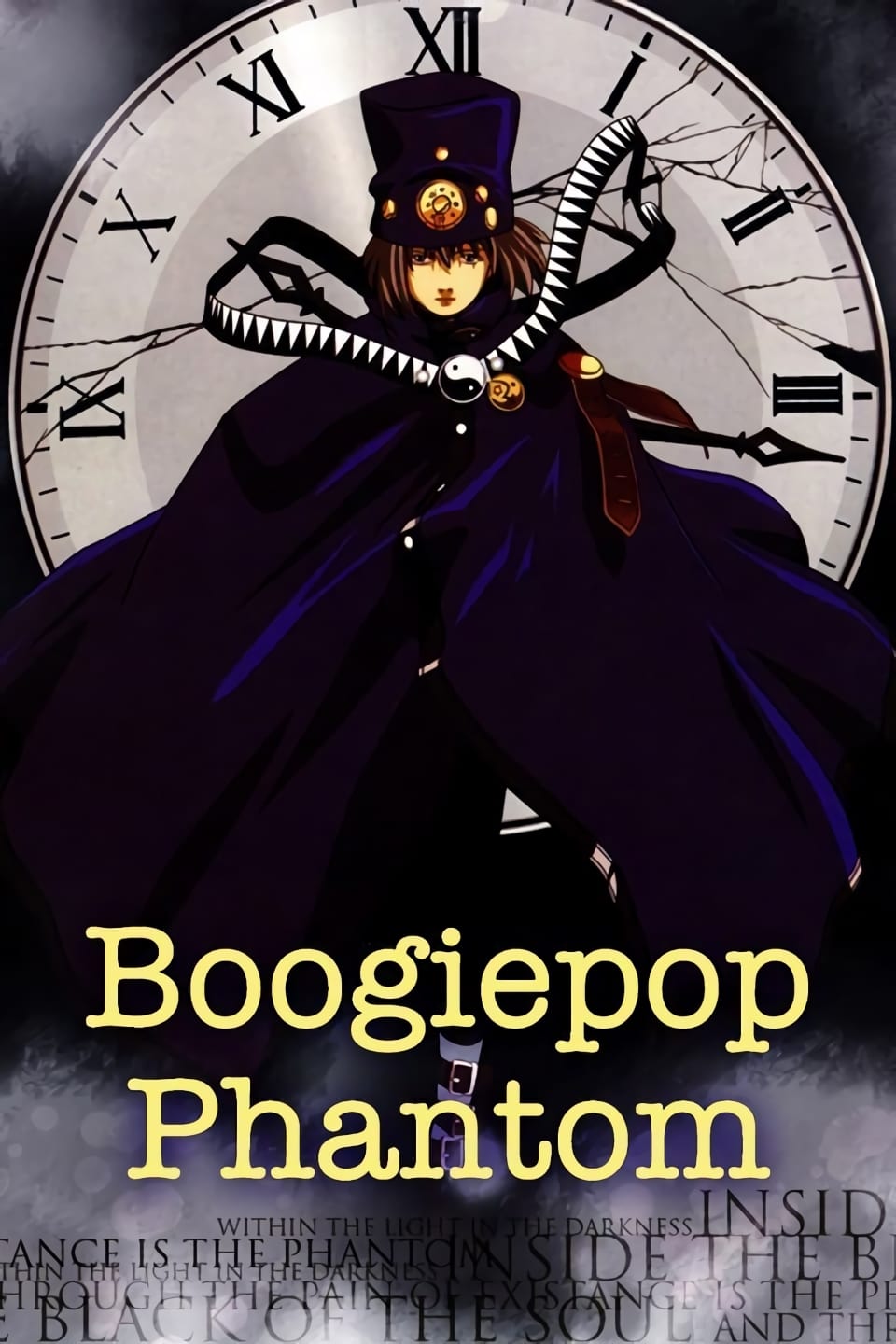
Following a pillar of light appearing in the sky, a series of disappearances and murders occur in a modern Japanese city. The story is told through multiple perspectives, often repeating events from different angles to build a complete picture. It uses a sepia-toned palette and distorted audio to create an atmosphere of psychological dread. Critics initially found the non-linear structure and muted visuals too confusing or slow. It is now considered a landmark in the psychological horror genre for its complex narrative layers.
‘Gantz’ (2004)
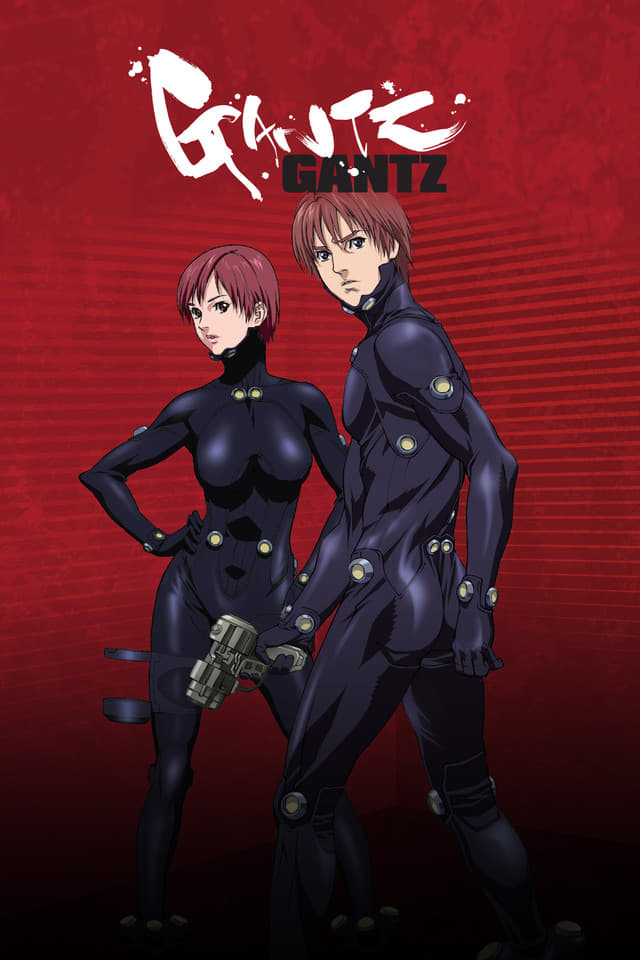
Two teenagers die in a subway accident and find themselves in a room with a mysterious black sphere that forces them to hunt aliens. The series is infamous for its extreme violence, sexual content, and nihilistic worldview. Many critics panned the adaptation for its production values and the way it diverged from the manga’s ending. Despite these criticisms, the show effectively captures a sense of urban isolation and the dark side of human nature. It remains a cult favorite for its uncompromising intensity.
‘Penguindrum’ (2011)
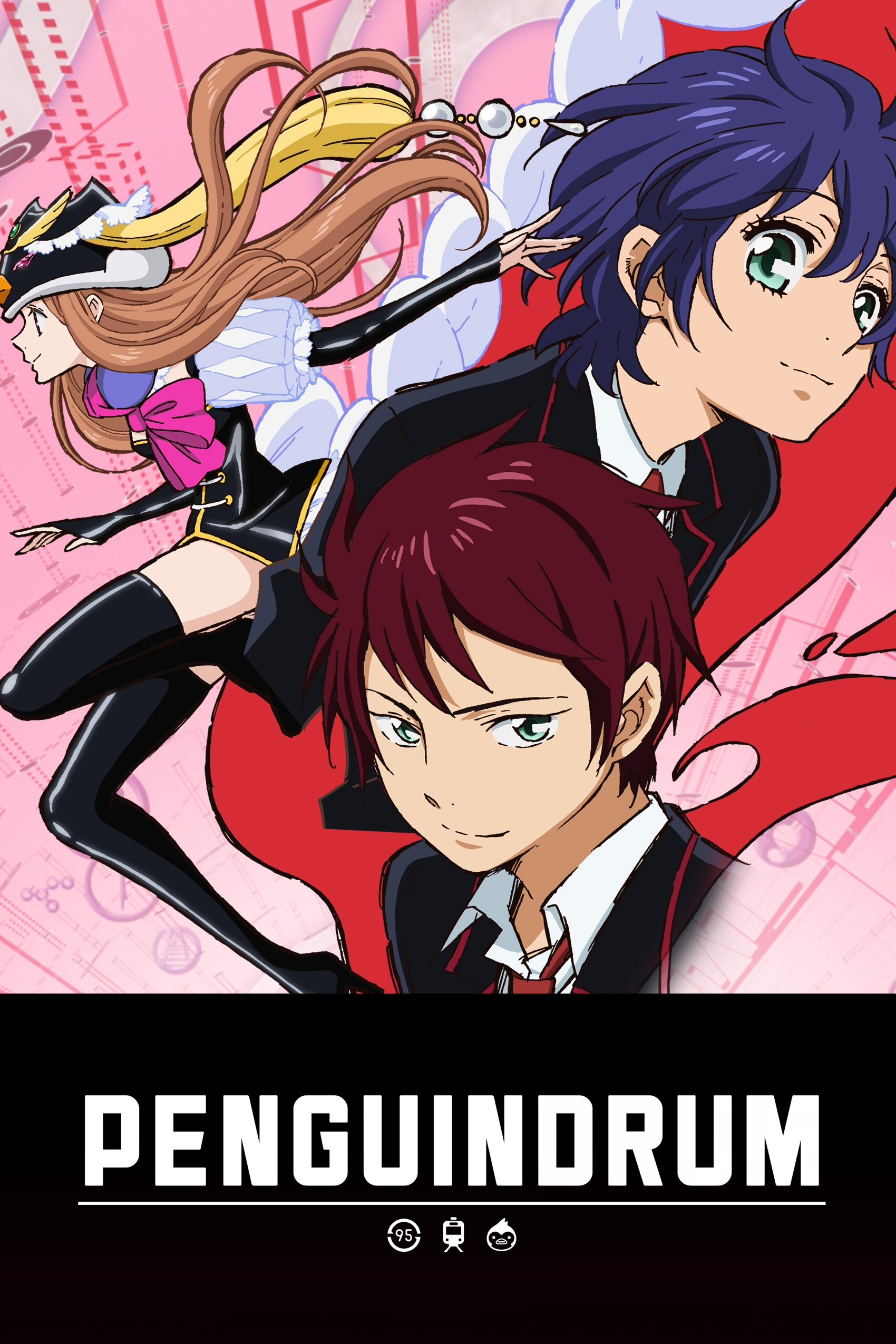
Three siblings live together in a world governed by fate, where a magical hat preserves the life of the youngest sister. To keep her alive, the brothers must search for a mysterious item known as the Penguindrum. The series is heavily laden with symbolism, referencing Japanese history and social issues like the 1995 sarin gas attack. Many viewers were polarized by the sudden shifts from whimsical comedy to tragic drama. It is now praised for its intricate metaphorical framework and thematic complexity.
‘From the New World’ (2012–2013)
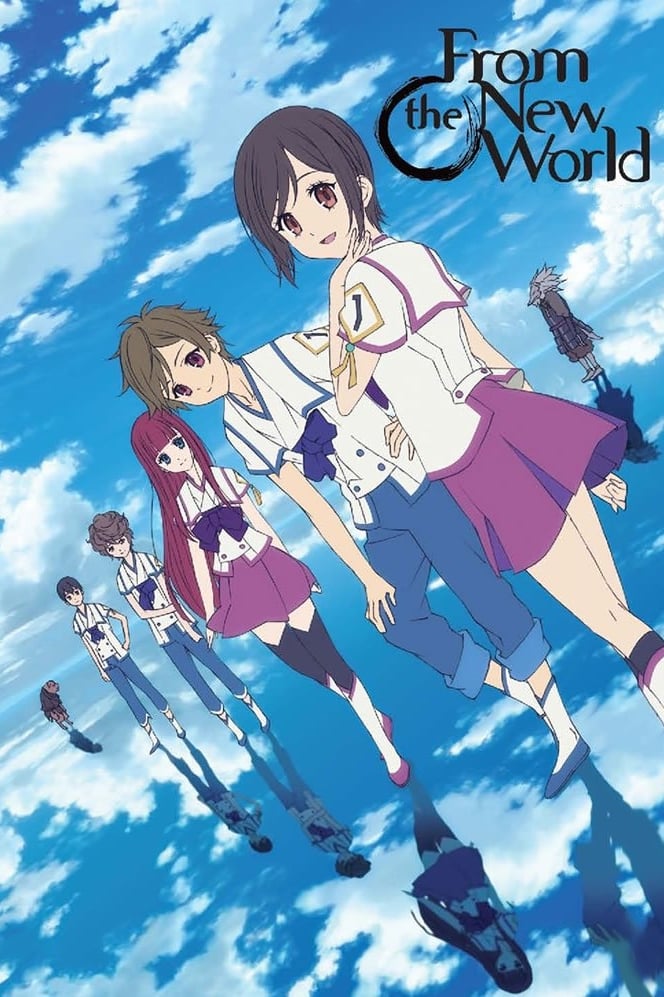
Set a thousand years in the future, humans have developed telekinetic powers and live in isolated, seemingly utopian villages. A group of children discovers the dark history behind their society and the biological manipulation of the “queerats.” The series suffered from inconsistent animation quality in certain episodes, leading to early negative feedback. However, the world-building and gradual escalation of stakes are considered among the best in speculative fiction. It is a rigorous exploration of ethics, evolution, and social control.
‘Fantastic Children’ (2004–2005)
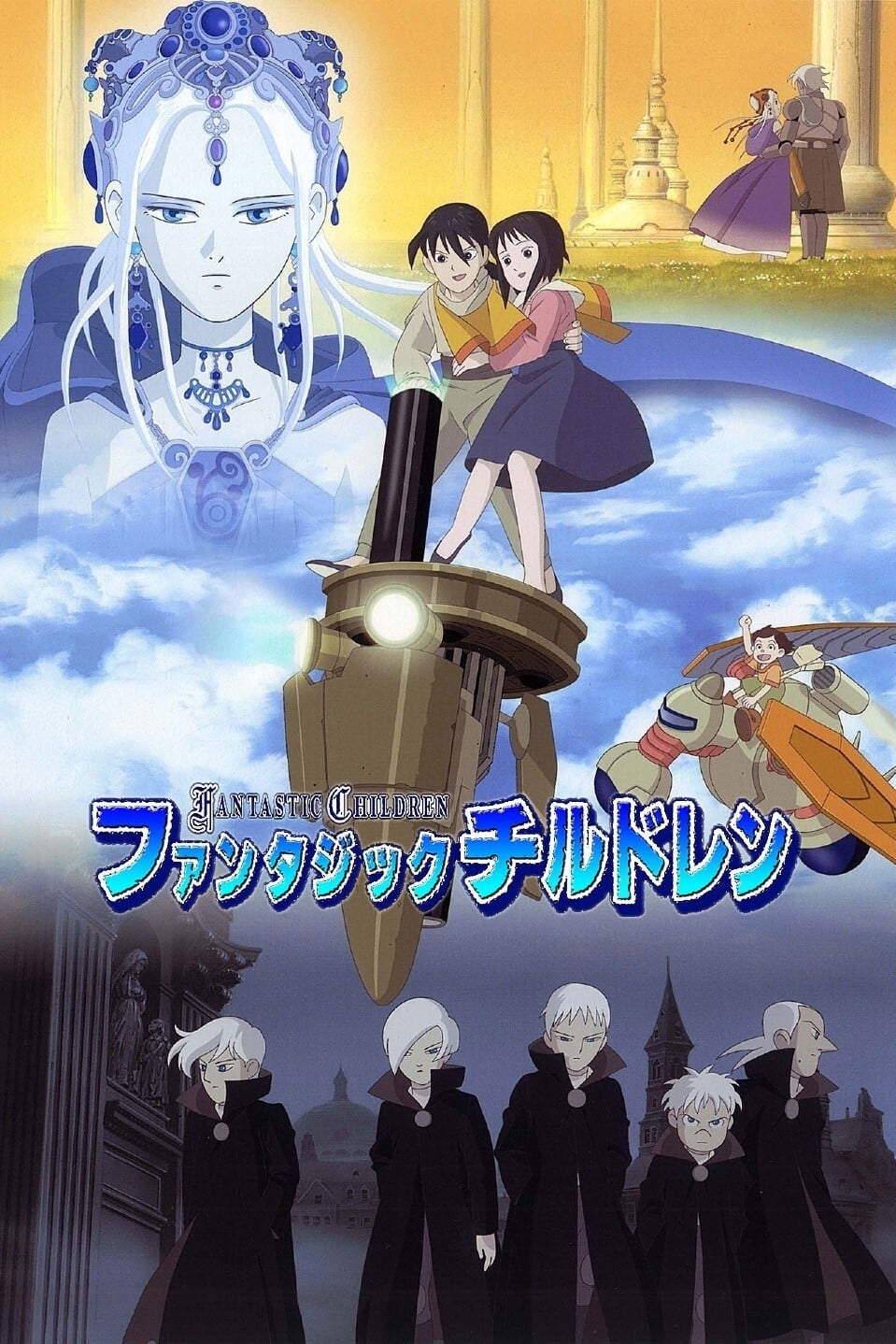
A group of white-haired children has been seen throughout different periods of history, appearing to never age. The plot follows Tohma, a boy who gets caught up in their centuries-long quest to return to their home planet. The art style is reminiscent of older European children’s literature, which was a point of criticism for those used to modern anime. The story is a dense tapestry of reincarnation, science fiction, and mystery. It is often cited as a hidden masterpiece for its emotional payoff and detailed lore.
‘Infinite Ryvius’ (1999–2000)
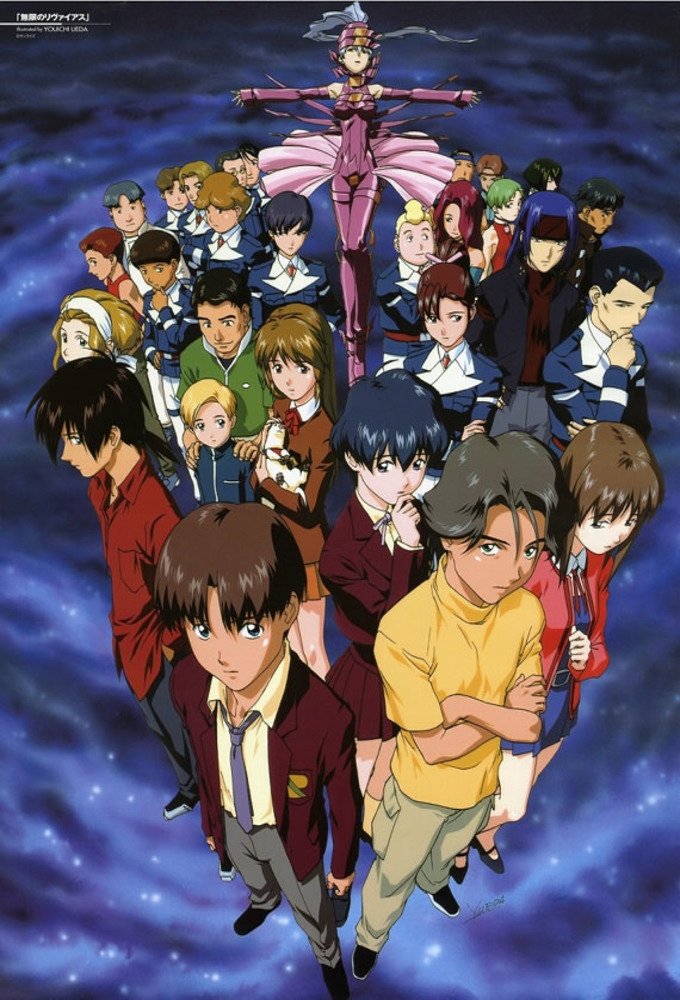
A group of cadets is stranded on a massive spaceship called the Ryvius after their training station is destroyed. With no adults on board, the teenagers must establish their own social order and survive attacks from outside forces. The series is a grim psychological study of group dynamics and political collapse, similar to ‘Lord of the Flies’. Some critics found the constant character conflict and lack of traditional heroism frustrating. It is highly valued for its realistic portrayal of trauma and adolescent psychology.
‘The Big O’ (1999–2003)
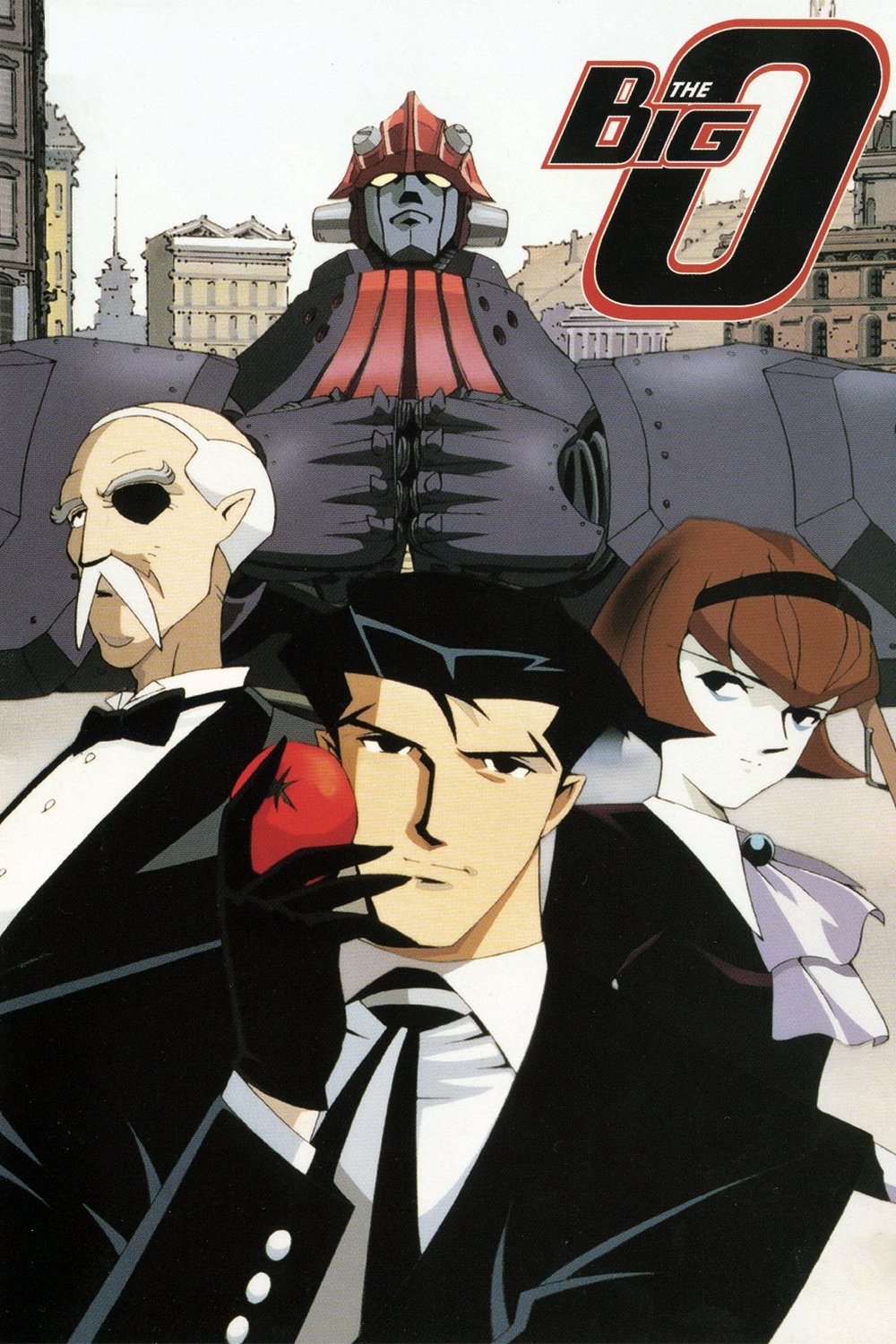
In Paradigm City, everyone lost their memories forty years ago due to an unknown event. Roger Smith, a professional Negotiator, uses a giant robot called the Big O to resolve disputes and fight mechanical threats. The show blends noir aesthetics with giant robot action and Western comic book influences. It was initially unsuccessful in Japan and faced criticism for its cryptic ending. However, its stylish presentation and philosophical mysteries earned it a significant international following.
‘Wolf’s Rain’ (2003)
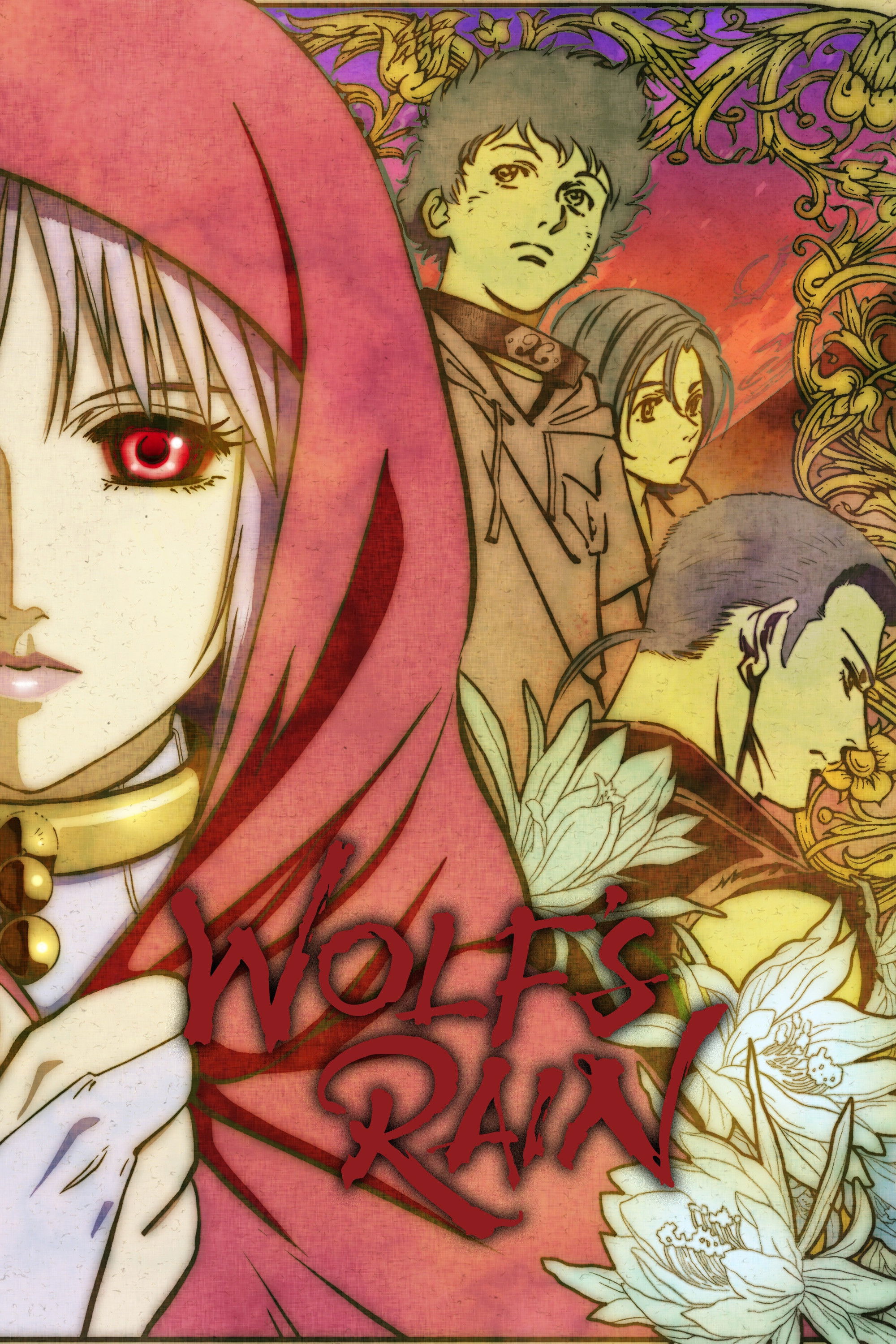
In a dying world, wolves are believed to be extinct, though they actually hide among humans by using illusions. A pack of wolves follows the scent of the Lunar Flower to find Paradise before the world ends. The series received mixed reviews specifically regarding its four recap episodes that aired during its original run. Critics also debated the abstract nature of the final OVA episodes. Despite these hurdles, it is celebrated for its poetic storytelling and beautiful soundtrack by Yoko Kanno.
‘RahXephon’ (2002)
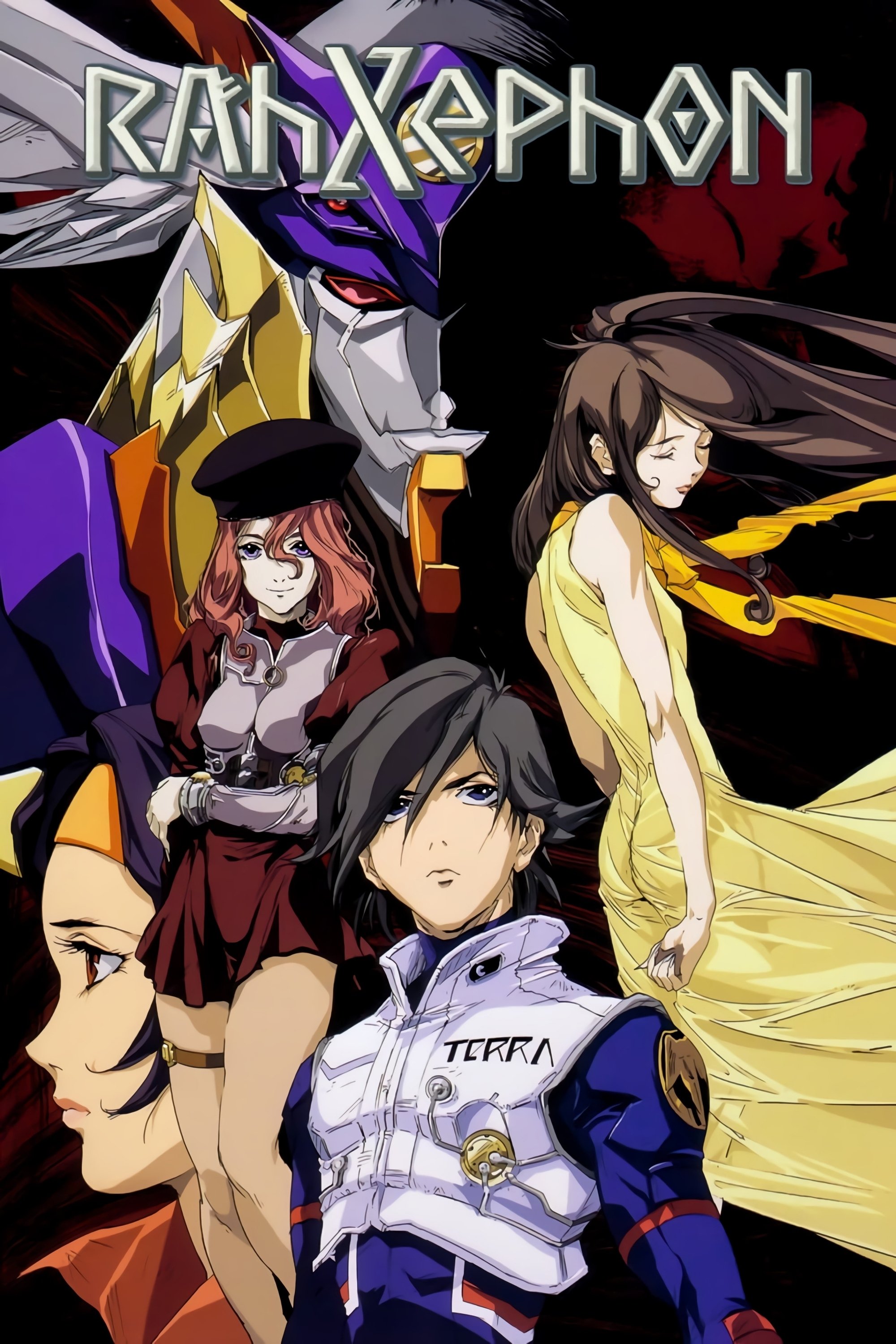
Ayato Kamina lives in Tokyo Jupiter, a city encased in a time-distorting barrier where he believes the rest of the world has been destroyed. When he discovers a giant mechanical construct called RahXephon, he is thrust into a war between humans and the Mu. The series was frequently compared unfavorably to ‘Neon Genesis Evangelion’ during its release. Over time, it has been recognized for its own merits, including its focus on music, art, and indigenous motifs. The narrative emphasizes character growth and the importance of self-identity.
‘Princess Tutu’ (2002–2003)
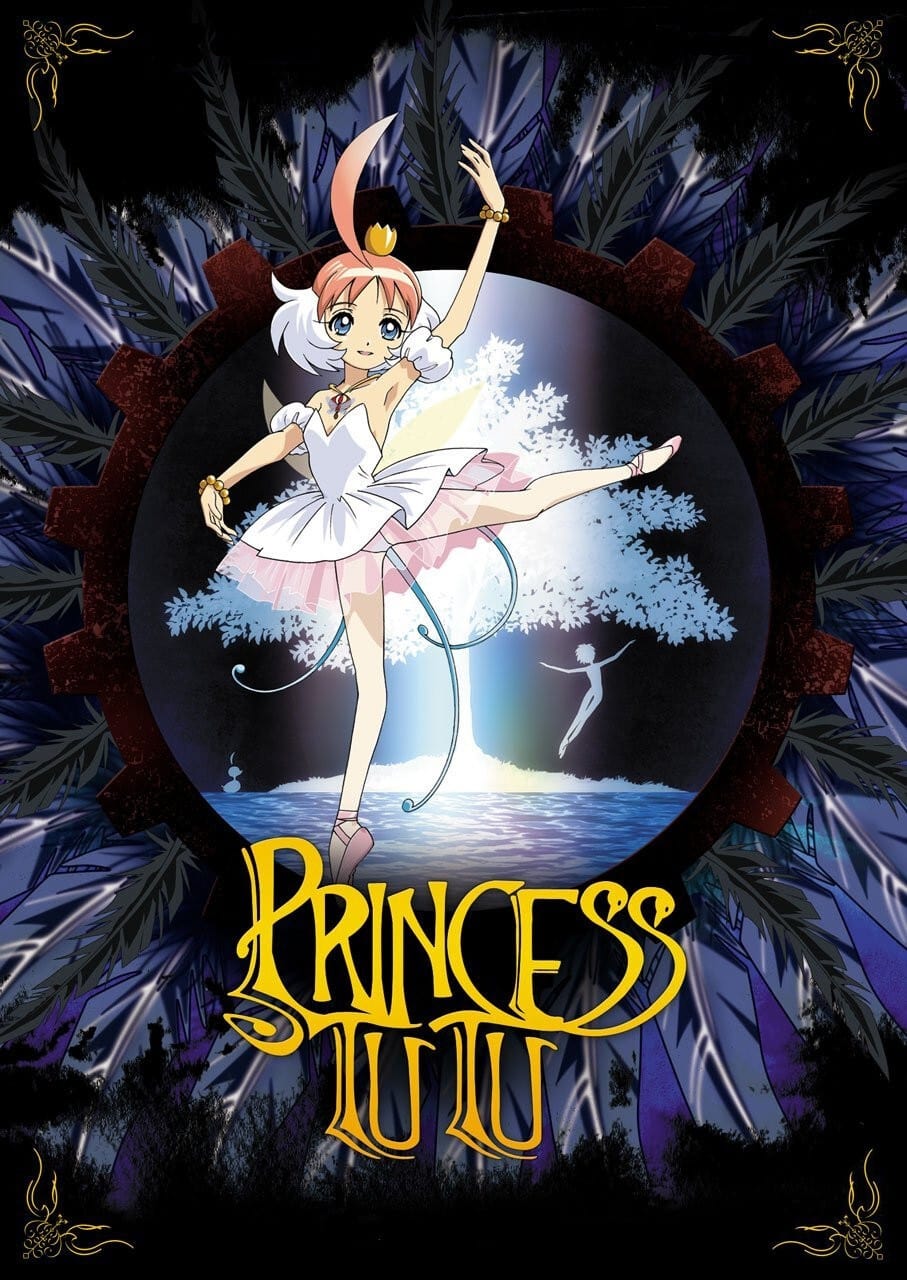
A duck is transformed into a girl named Ahiru to help a prince recover the fragments of his shattered heart. While it appears to be a standard magical girl show, it quickly evolves into a meta-narrative about fate and storytelling. The series uses classical ballet and orchestral music as central elements of its structure. Many critics dismissed it early on due to its title and perceived target audience. It is now lauded as a brilliant deconstruction of fairy tales and character agency.
‘Simoun’ (2006)
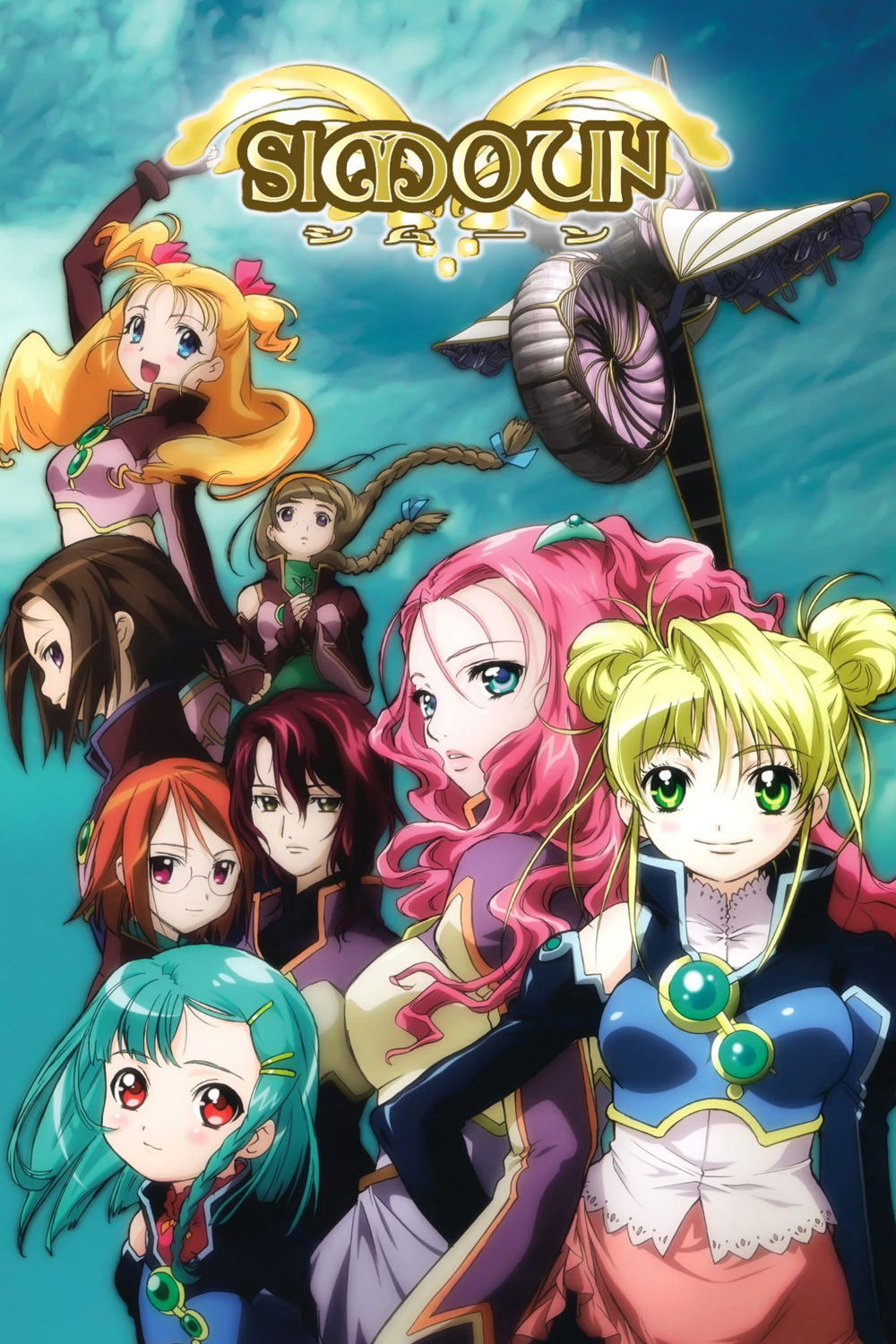
In a world where everyone is born female and chooses their gender at a sacred spring, pilots fly ancient aircraft called Simoun. The story focuses on the “Sybyllae” pilots during a time of war between nations over technology and religion. The show was often overlooked or criticized for its heavy use of “yuri” elements and its unique art style. However, the series offers a sophisticated exploration of gender identity, faith, and political ethics. Its character arcs are considered deeply moving and well-realized.
‘Shigurui: Death Frenzy’ (2007)
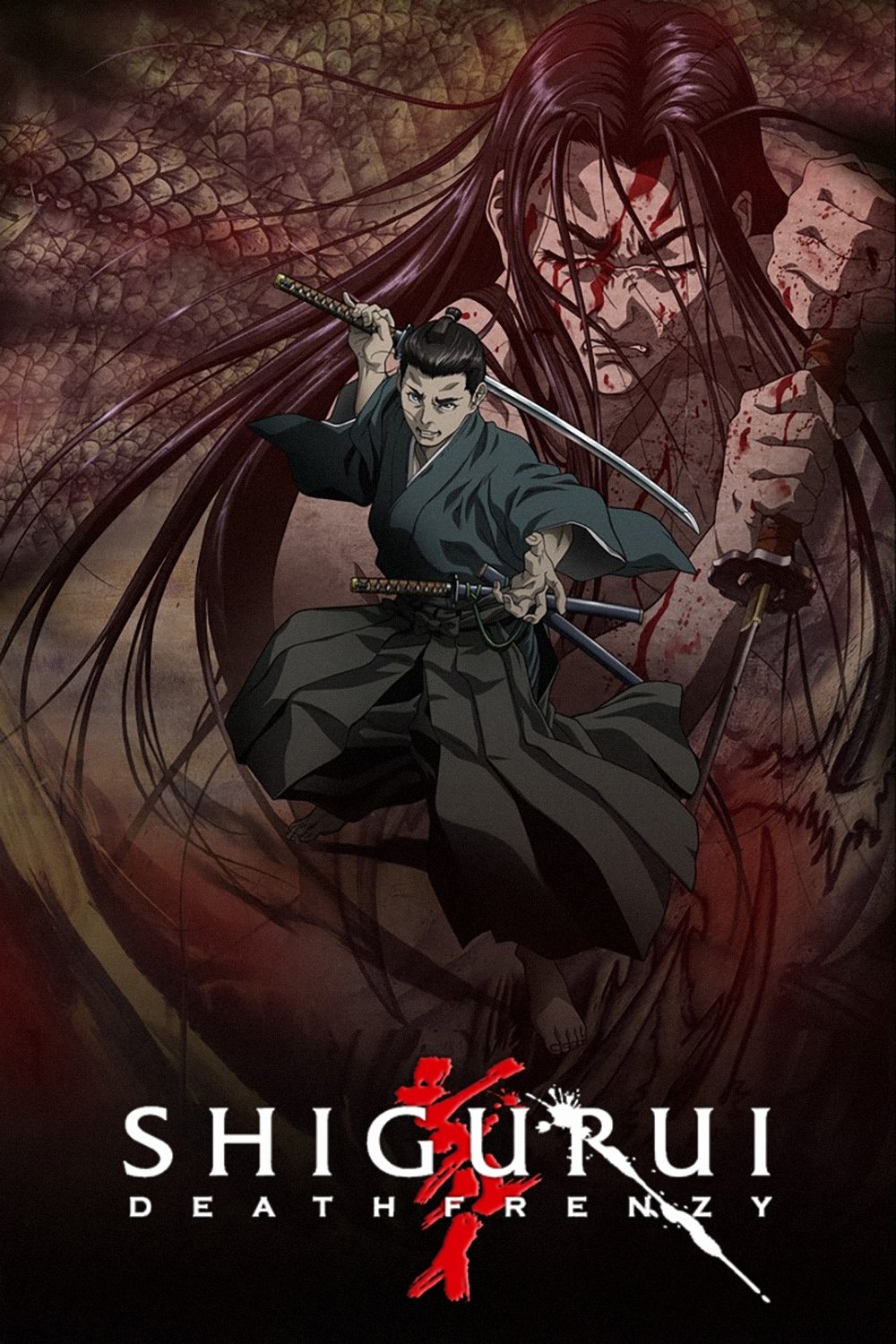
During the Edo period, a lord organizes a tournament where warriors fight with real swords rather than wooden ones. The plot follows the bitter rivalry between two swordsmen, Fujiki Gennosuke and Irako Seigen. The series is noted for its hyper-realistic violence and focus on the grotesque physical toll of combat. Many viewers were repelled by its graphic nature and slow, deliberate pacing. It is appreciated by others for its historical accuracy and its critique of the samurai code.
‘Hyouge Mono’ (2011–2012)
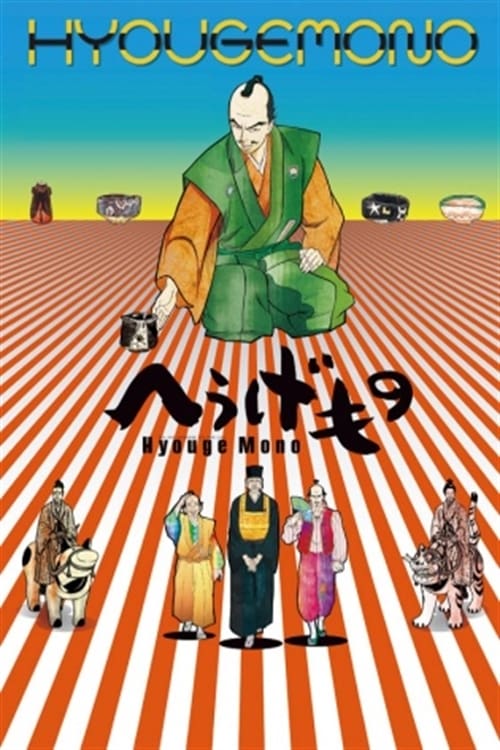
This historical drama follows Furuta Sasuke, a vassal of Oda Nobunaga who is obsessed with the art of the tea ceremony. The narrative balances political intrigue and military conflict with the protagonist’s pursuit of aesthetic perfection. The character designs are exaggerated, featuring intense facial expressions that some viewers found distracting. The show provides a unique perspective on the Sengoku period, focusing on culture rather than just warfare. It is considered a masterpiece of niche storytelling and character study.
‘Sarazanmai’ (2019)
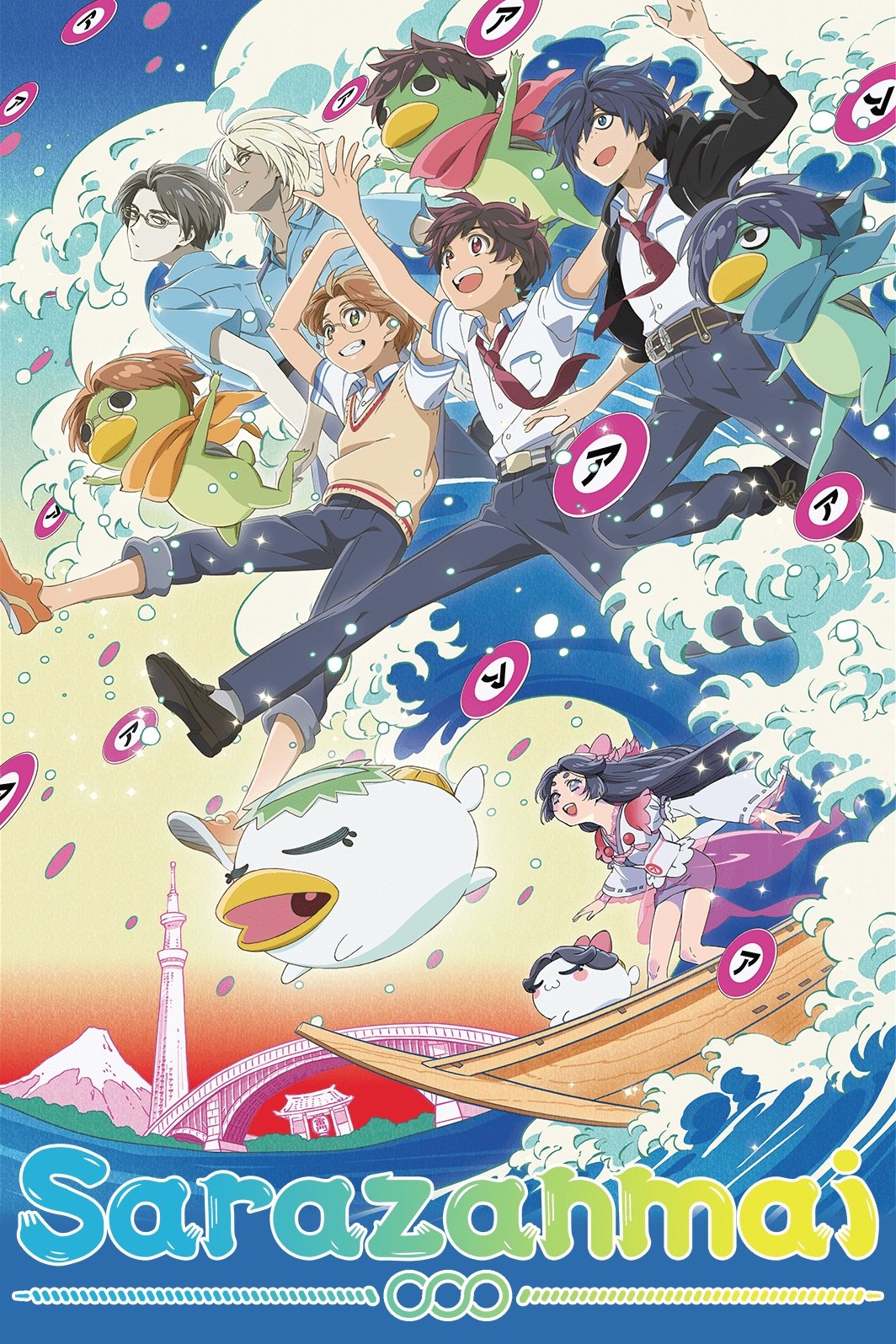
Three middle school boys are transformed into kappas by a mythical prince and must collect “Shirikodama” to grant their wishes. The series uses surreal imagery and repetitive musical sequences to explore themes of connection and desire. Its bizarre premise and explicit metaphors led to a divisive reception among mainstream audiences. Beneath its strange exterior, the show offers a poignant look at modern social isolation and human relationships. It is a signature work from director Kunihiko Ikuhara.
‘Japan Sinks: 2020’ (2020)
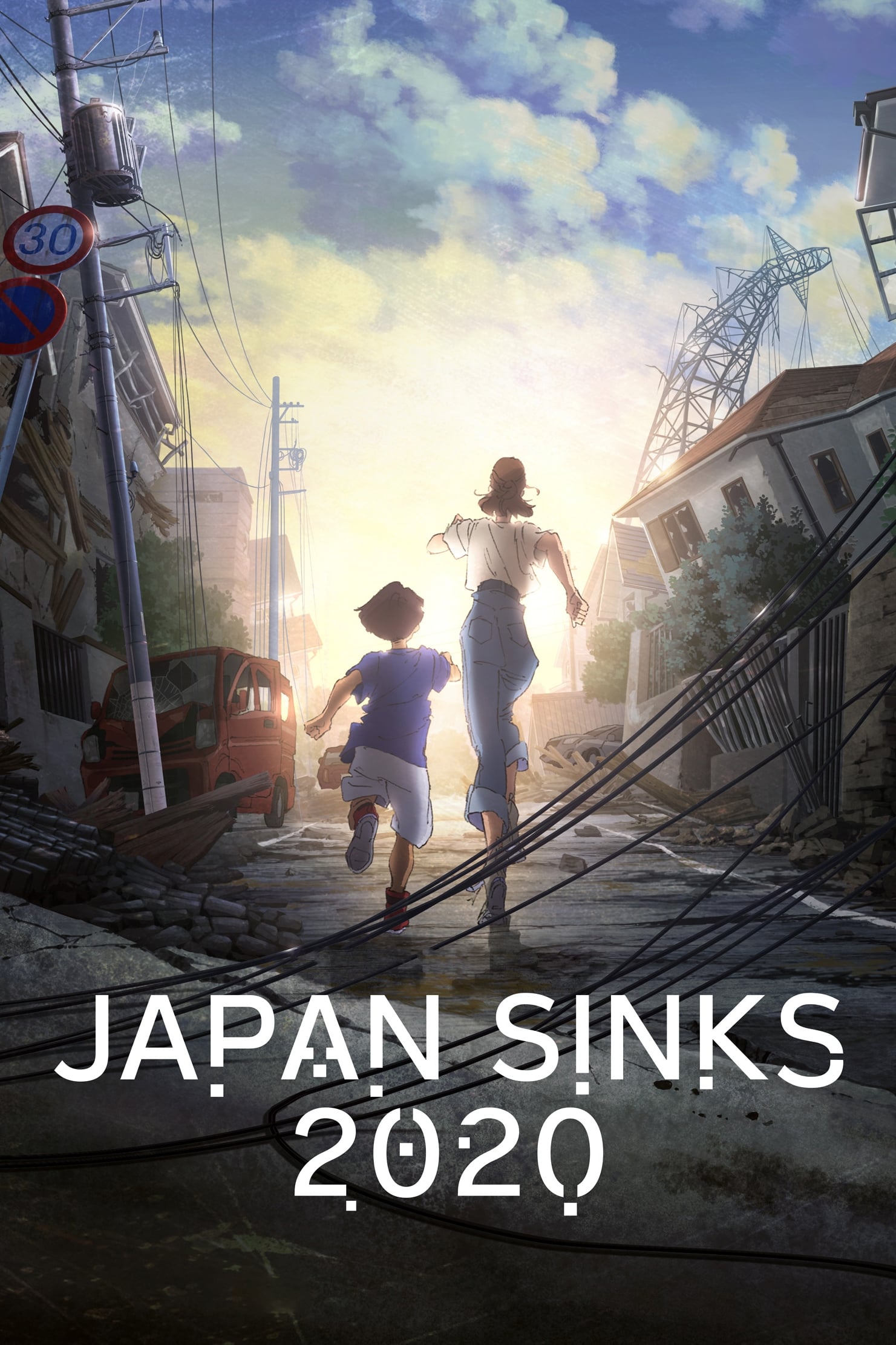
Following a series of devastating earthquakes, the Mutoh family attempts to survive as the Japanese archipelago begins to sink. The series focuses on the realistic and often brutal challenges of disaster survival and displacement. It received harsh reviews for its erratic tone and sudden character deaths that some found jarring. However, the show is a bold attempt to modernize a classic story while tackling national identity and resilience. It presents a raw, unfiltered look at tragedy and hope.
‘Occultic;Nine’ (2016)
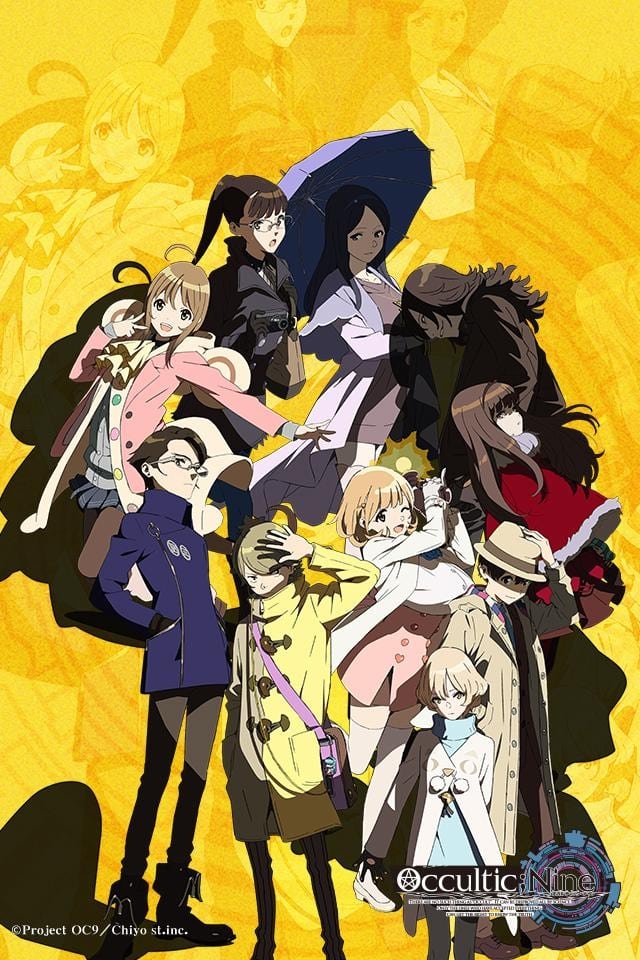
The story follows a high school boy who runs a blog about the paranormal and gets caught in a massive conspiracy involving ghosts and science. The series is known for its incredibly fast dialogue and frantic pacing, which many viewers found overwhelming. This style was intended to mimic the chaotic nature of internet culture and information overload. While criticized for its presentation, the mystery is tightly written and eventually links all its disparate threads. It offers a unique sensory experience unlike most traditional anime.
‘Concrete Revolutio’ (2015–2016)
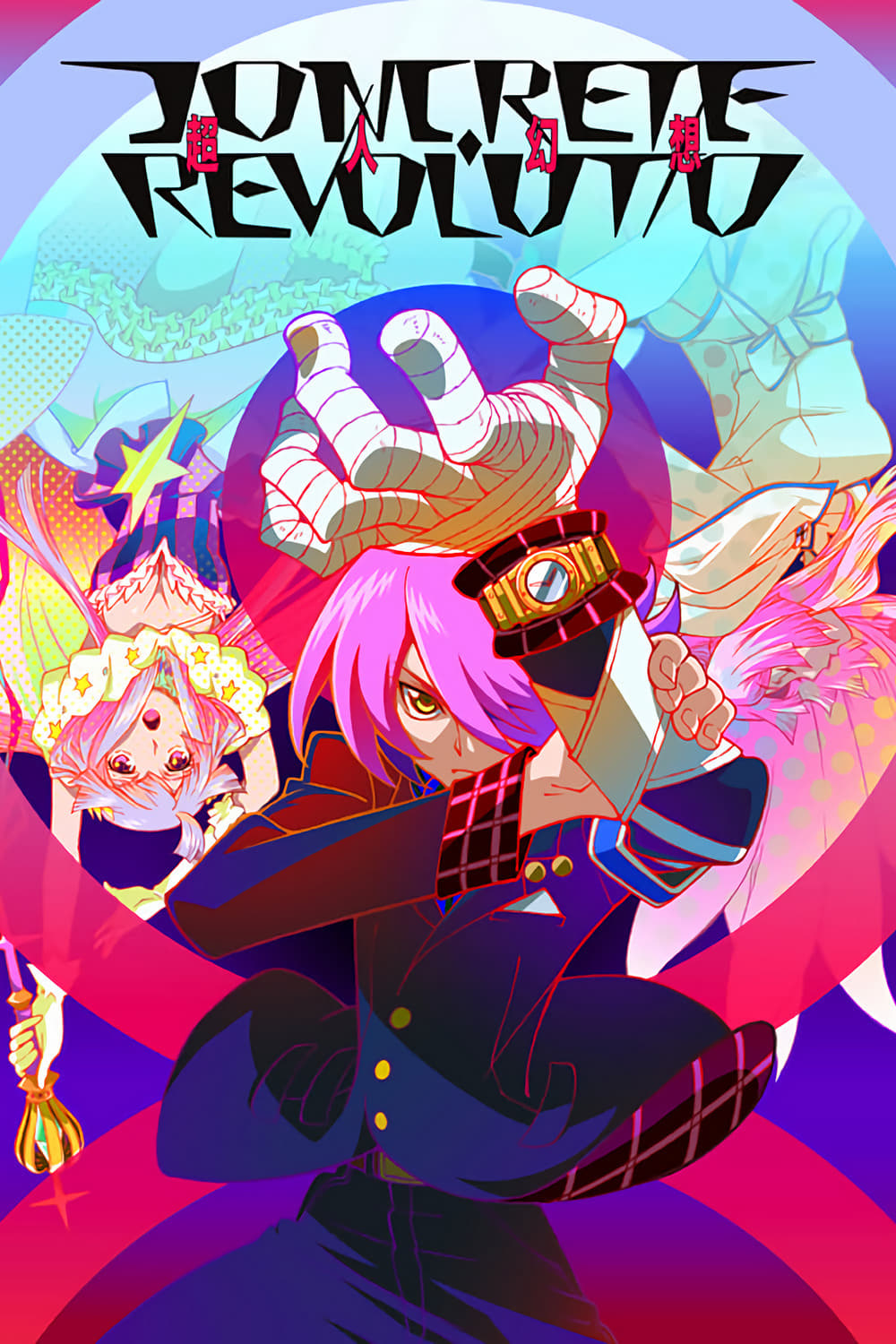
In an alternate history, various “superhumans” such as aliens, robots, and magical girls exist alongside humans. The Superhuman Bureau is tasked with managing these individuals, but the protagonist eventually rebels against the organization. The series features a non-linear timeline that jumps between different decades to show the shifting public perception of heroes. Critics found the structure confusing and the political themes too dense. It is now valued for its colorful art and its complex examination of justice and heroism.
‘Punch Line’ (2015)
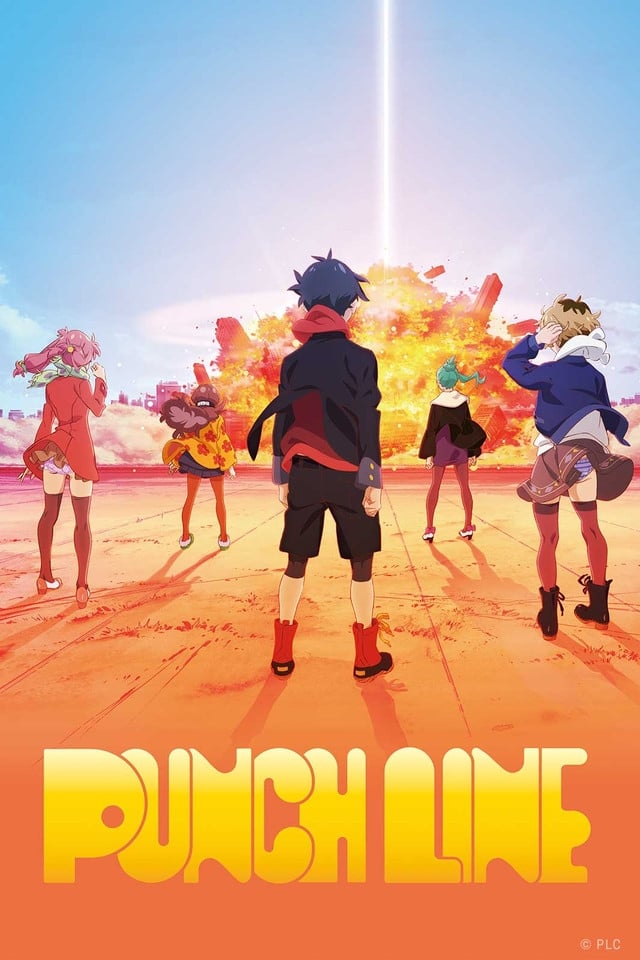
Yuta Iridatsu’s soul is separated from his body, and he must find a way to return while living in a house full of girls. The show initially presents itself as a comedy focused on fanservice, which led to poor early reviews. However, the plot eventually shifts into a complex science fiction story involving time travel and global stakes. The early episodes are full of clues that only make sense in the latter half of the series. It is a prime example of a show that subverts expectations through careful planning.
‘Gatchaman Crowds’ (2013–2015)

This reimagining of the classic ‘Gatchaman’ series focuses on Hajime Ichinose, a girl who joins a team of heroes powered by “NOTE” devices. The show explores how social media and gamification can be used to solve real-world problems. Many fans of the original were unhappy with the radical shift in tone and the neon-colored art style. Despite this, the series is highly regarded for its optimistic and modern take on the superhero genre. It offers a thoughtful critique of traditional heroism versus collective action.
‘Samurai Flamenco’ (2013–2014)
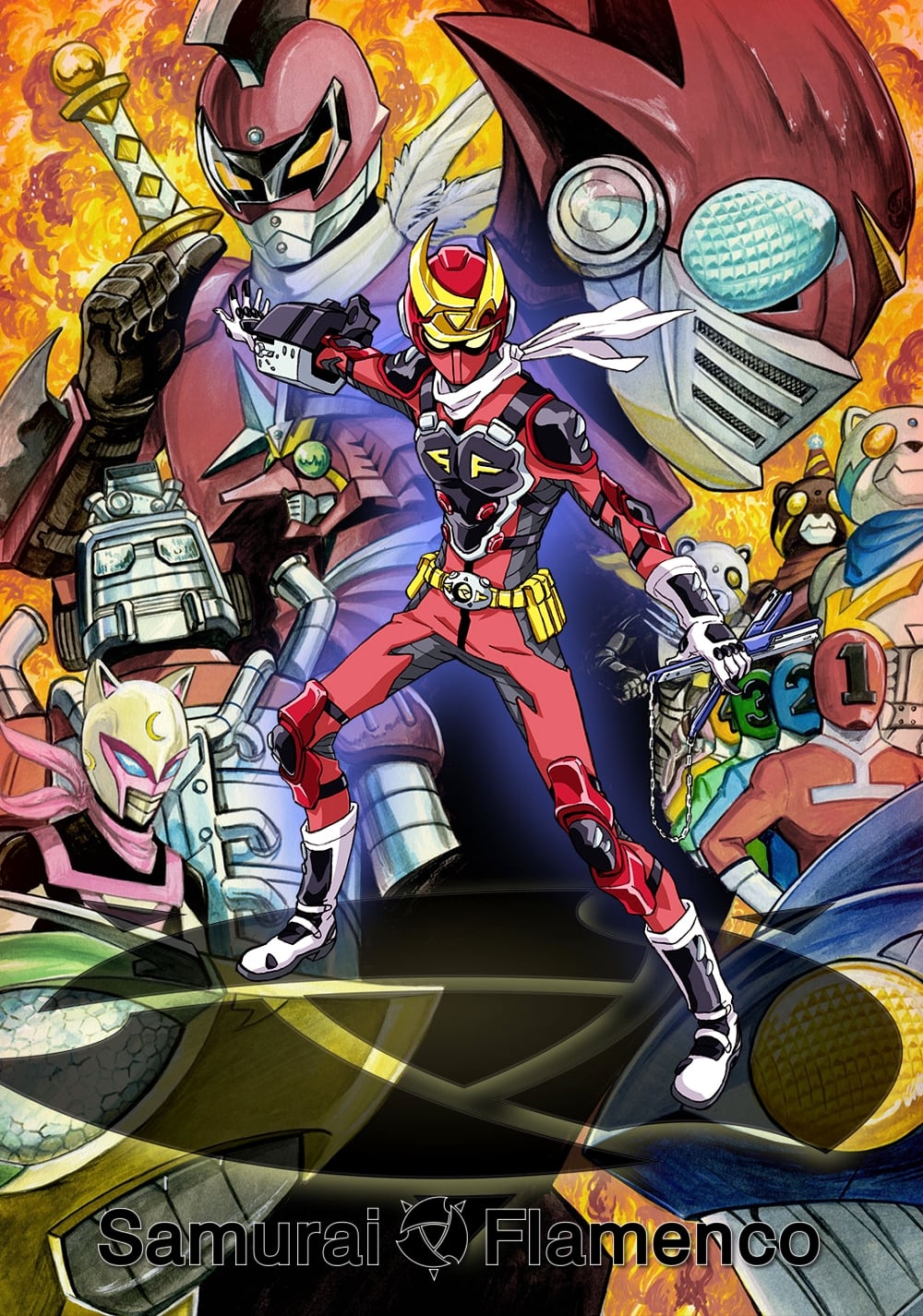
Masayoshi Hazama is a male model who decides to become a real-life superhero despite having no special powers. The series starts as a grounded comedy-drama but undergoes several drastic genre shifts that shocked audiences. These transitions include elements of “sentai,” alien invasions, and metaphysical battles. Some viewers felt the show lost its way during these transitions, leading to mixed reviews. However, the series serves as a heartfelt love letter to the history of Japanese hero media.
‘KADO: The Right Answer’ (2017)
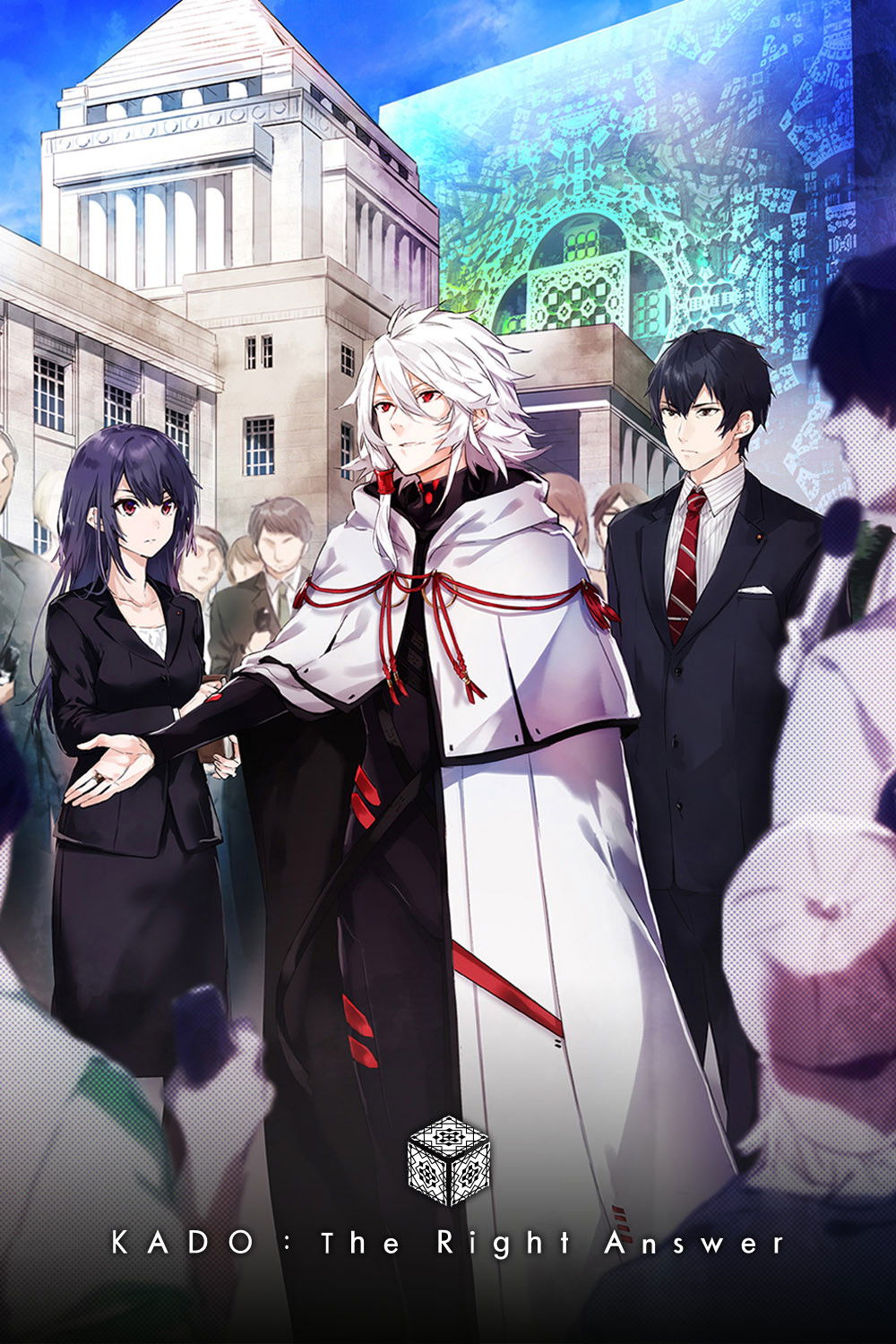
A mysterious cube lands in Japan, and an extradimensional being named Yaha-kui zaShunina emerges to negotiate with humanity. The series focuses on the diplomatic and societal impacts of introducing advanced alien technology. The use of CGI animation and the controversial nature of the final episodes led to polarized feedback. Proponents of the show praise its unique focus on negotiation and the philosophical questions it raises about human progress. It remains one of the most distinct science fiction titles of its decade.
‘Scum’s Wish’ (2017)
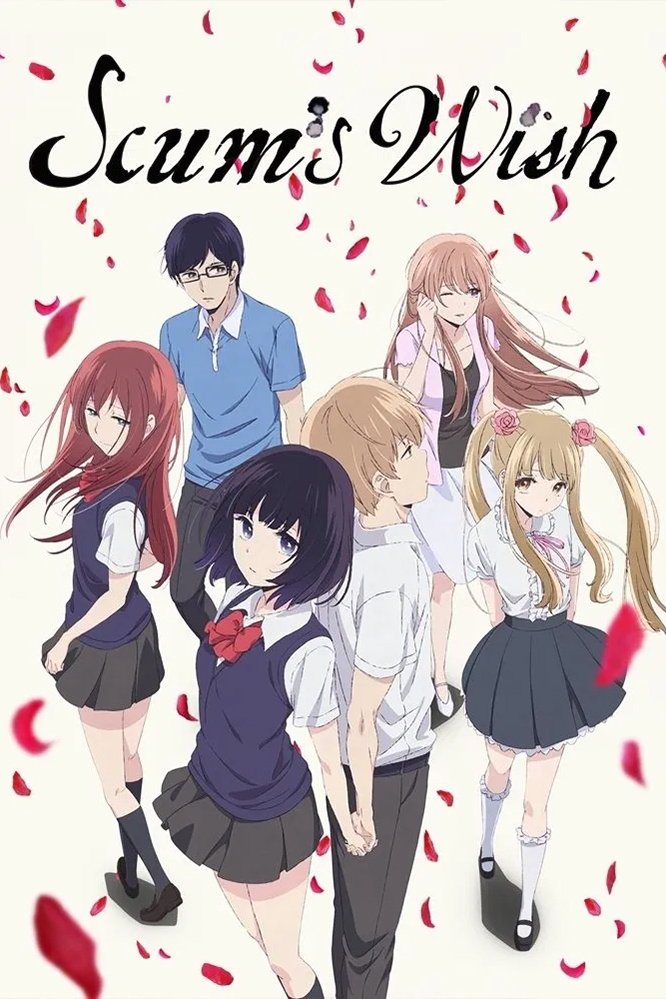
Two high school students enter into a fake relationship to cope with their unrequited feelings for other people. The series is a cynical and sexually frank exploration of emotional manipulation and loneliness. It was heavily criticized for its dark tone and the unlikable nature of its main characters. Unlike traditional romance anime, it avoids idealism in favor of psychological realism. It is a well-crafted drama that captures the messy and often painful side of adolescent desire.
‘[C] The Money of Soul and Possibility Control’ (2011)
!['[C] The Money of Soul and Possibility Control' (2011)](https://image.tmdb.org/t/p/original/wYr2SAWynWi2N4mLCzmHkVici0w.jpg)
In a world where the economy is failing, selected individuals are invited to the Financial District to duel for their future. The battles involve “Assets” that represent the person’s potential, and losing can result in losing one’s life or family. The series was criticized for its complicated economic metaphors and dated CGI visuals. However, it is a rare anime that attempts to tackle the mechanics of global finance and the ethics of capitalism. It provides a unique narrative about the value of the future versus the present.
‘Fractale’ (2011)

In a future where society is managed by a system called Fractale, people live through avatars and basic needs are provided. A boy named Clain meets a girl who holds the key to the system’s eventual collapse. The series was famous for its director’s public claims that it would save anime, which led to a backlash when it didn’t meet massive commercial success. Reviews were mixed regarding the world-building and pacing. It is nonetheless a visually charming and intellectually curious series about the dangers of total automation.
‘Tsuritama’ (2012)
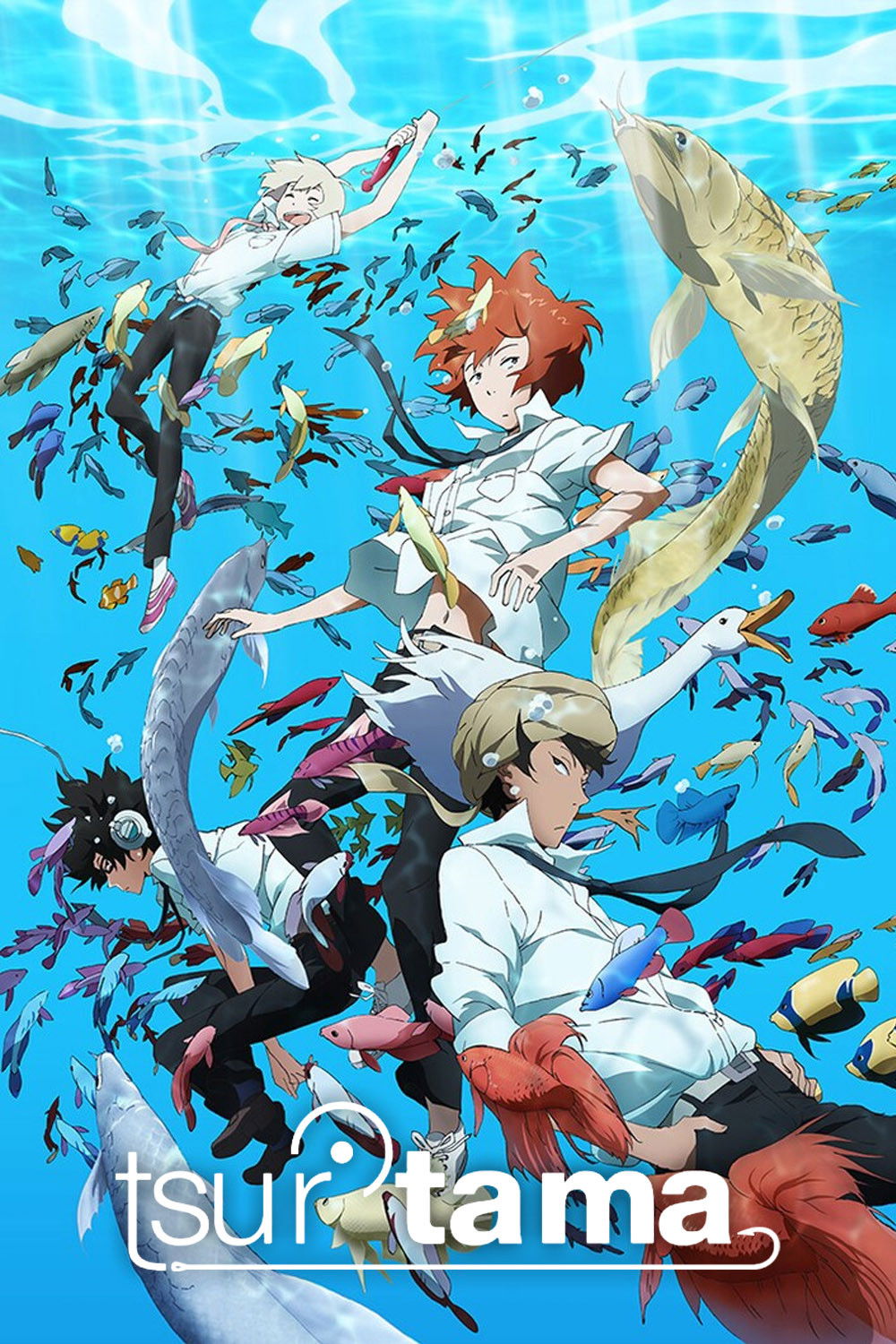
Yuki is an socially anxious boy who moves to Enoshima and is forced into fishing by an alien named Haru. The show uses vibrant colors and an eccentric tone to tell a story about friendship and saving the world from an underwater threat. Many viewers found the premise too light or strange to take seriously during its initial broadcast. Over time, it has been recognized for its sensitive portrayal of anxiety and its heartwarming character growth. The animation by A-1 Pictures is consistently bright and imaginative.
‘Kaiba’ (2008)
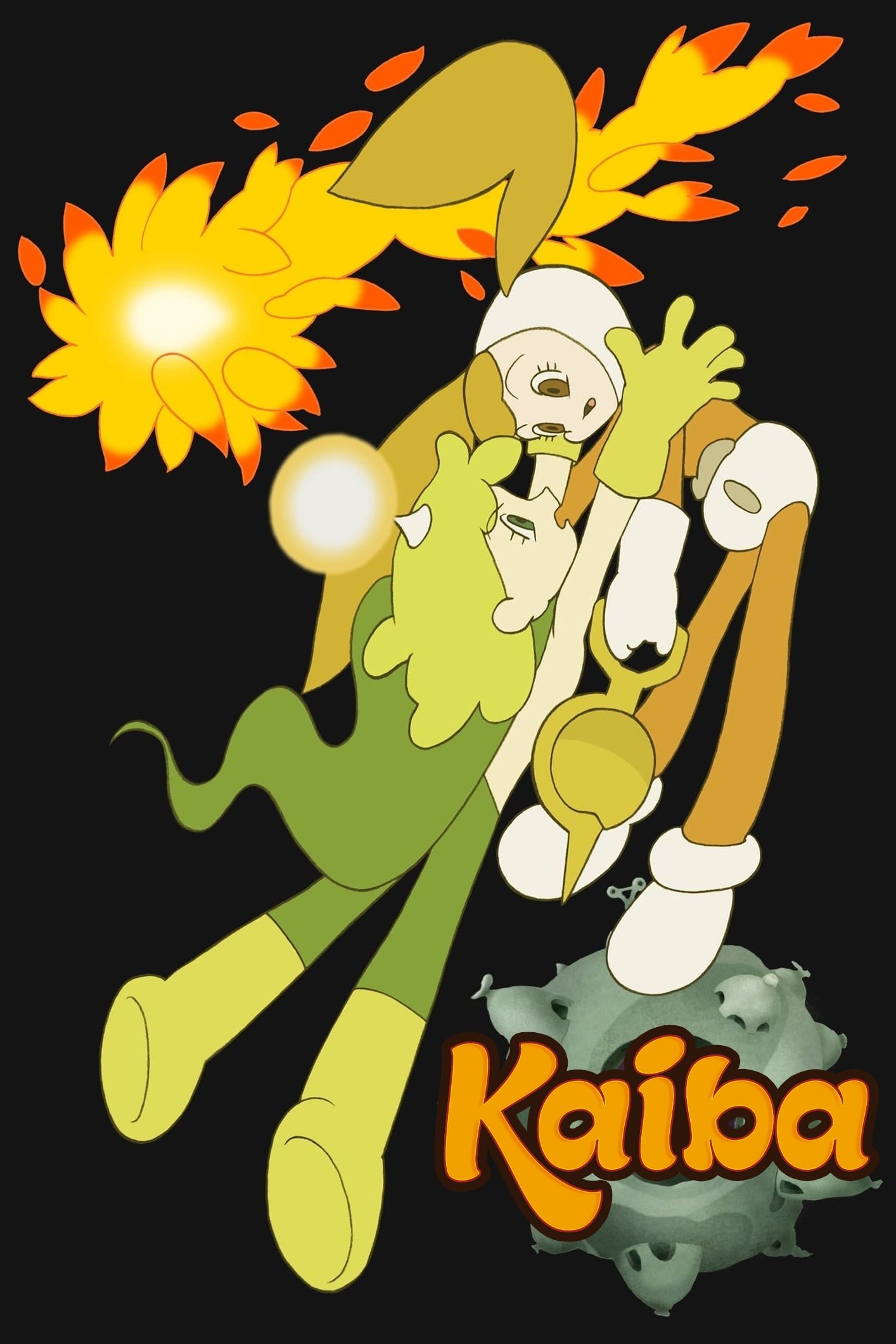
In a world where memories can be stored on chips and bodies are interchangeable, Kaiba wakes up with no memories and a hole in his chest. He travels through space to find his identity and understand the dystopian society he lives in. The art style is inspired by 1930s Western animation, which was a barrier for many traditional anime fans. This aesthetic choice contrasts sharply with the mature and often tragic themes of the story. It is a profound exploration of identity, love, and the value of human experience.
‘Flip Flappers’ (2016)

Cocona and Papika travel to various dimensions known as “Pure Illusion” to collect mysterious fragments. Each dimension features a different art style and genre, ranging from horror to mecha. The series relies on visual storytelling and abstract themes rather than a straightforward plot, which led to a lukewarm reception from some critics. However, the creativity on display in every episode is considered top-tier within the industry. It is a celebratory work of animation that rewards multiple viewings.
‘Humanity Has Declined’ (2012)
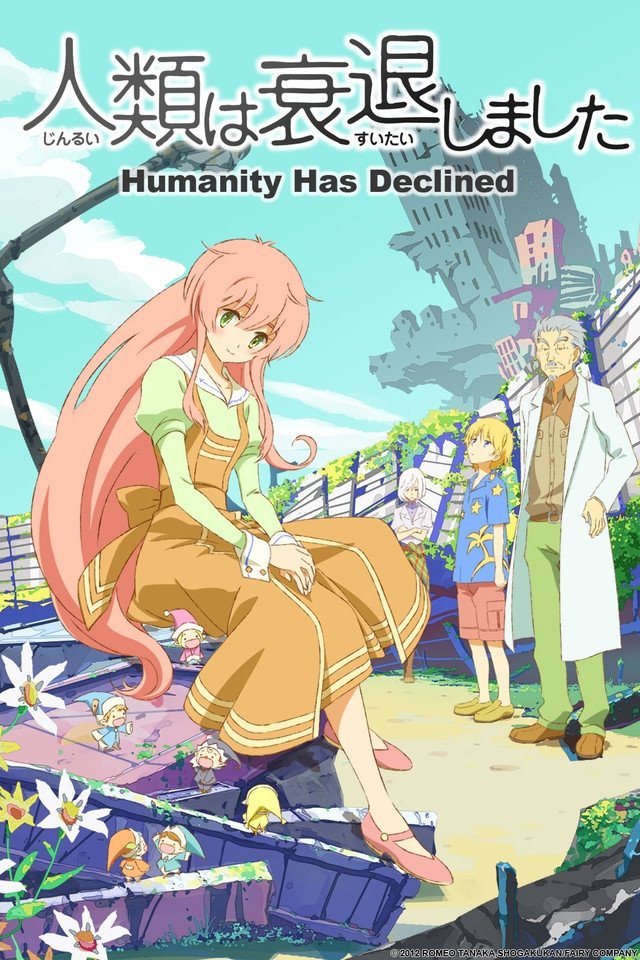
In a post-apocalyptic world where humans are shrinking in numbers, the planet is inherited by small, highly intelligent fairies. The protagonist acts as a mediator between the fairies and the remaining humans. The series uses a pastel-colored art style to mask its incredibly dark and satirical humor. Some viewers were put off by the episodic nature and the cynical tone of the narrative. It is now viewed as a brilliant piece of social satire that uses fantasy to critique human folly.
‘Arakawa Under the Bridge’ (2010)
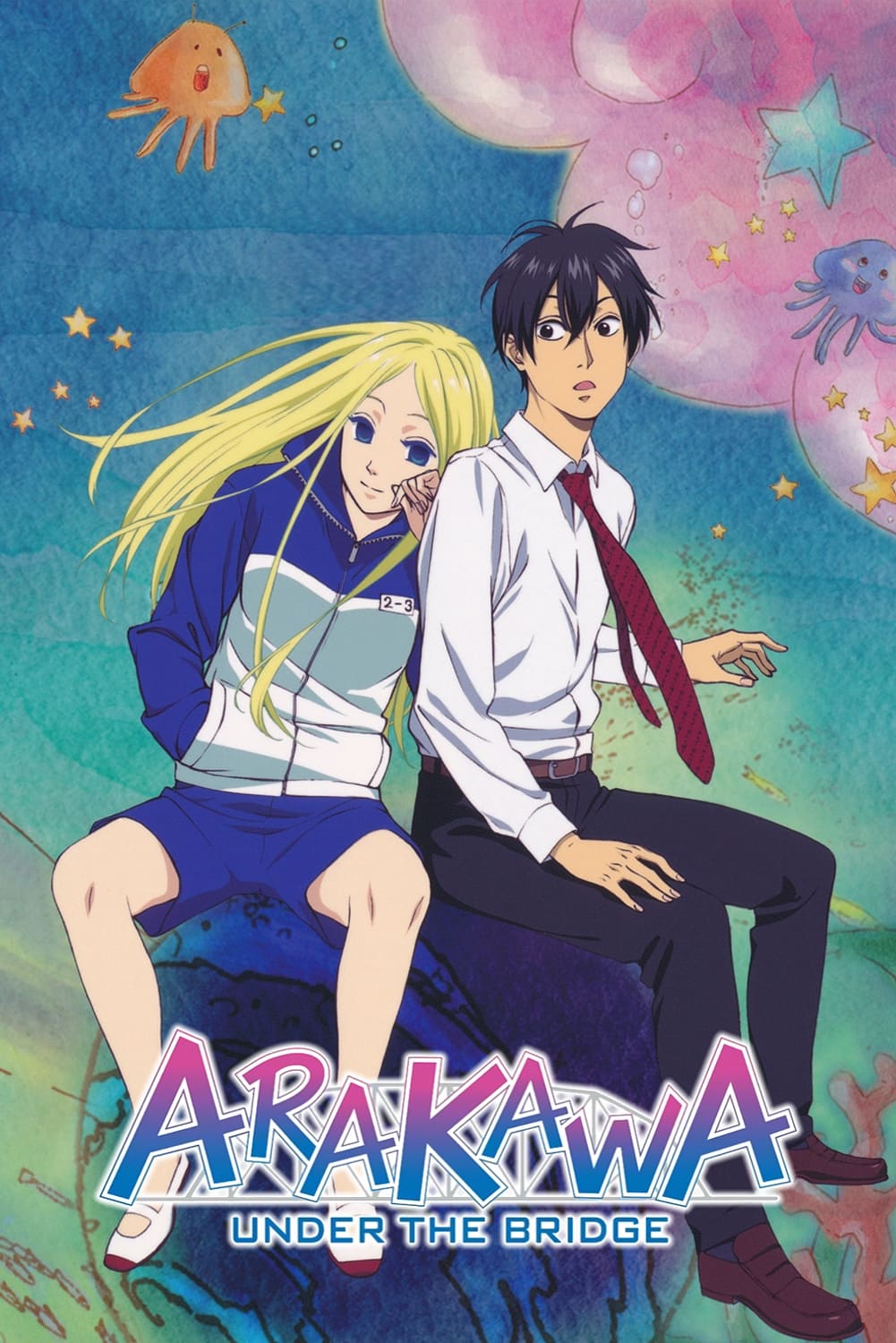
A wealthy young man named Kou is saved from drowning by a girl who claims to be from Venus and lives under a bridge. To repay his debt, he agrees to live with her and the other eccentric residents of the riverbank. The show’s surreal humor and SHAFT-style direction were polarizing for those who prefer grounded comedy. However, the series is a touching exploration of found family and the rejection of societal norms. It features a standout cast of characters and creative visual gags.
‘Kino’s Journey -the Beautiful World- the Animated Series’ (2017)
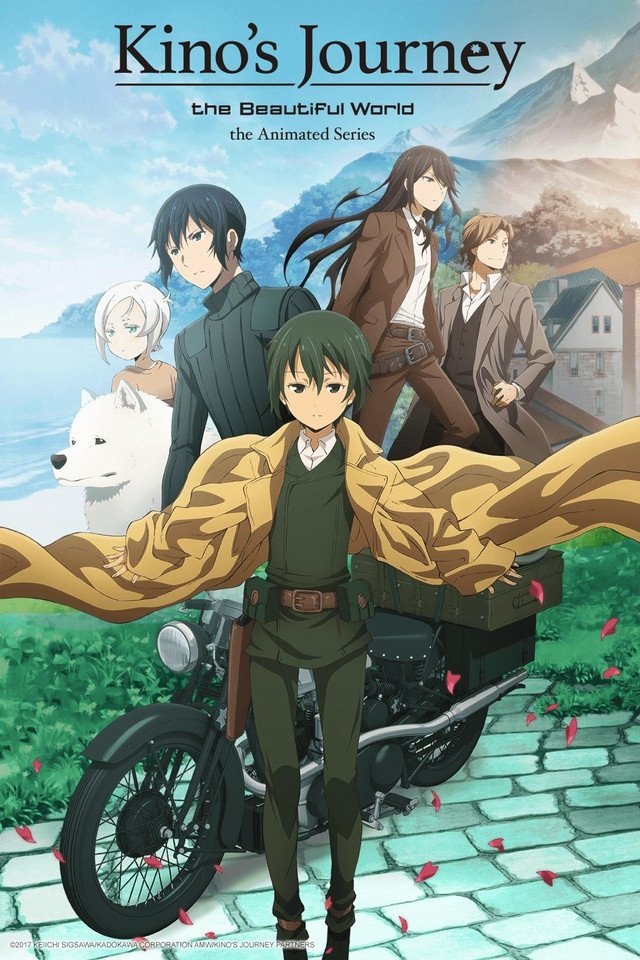
A traveler named Kino and a talking motorcycle named Hermes visit various countries, staying in each for only three days. Each country has a unique social or political system that serves as a fable about human nature. The 2017 adaptation received mixed reviews when compared to the 2003 original, specifically regarding its brighter art style and selection of stories. Despite the comparisons, the series remains an effective and thought-provoking anthology. It offers a modern look at the timeless philosophical questions posed by the source material.
‘Babylon’ (2019–2020)
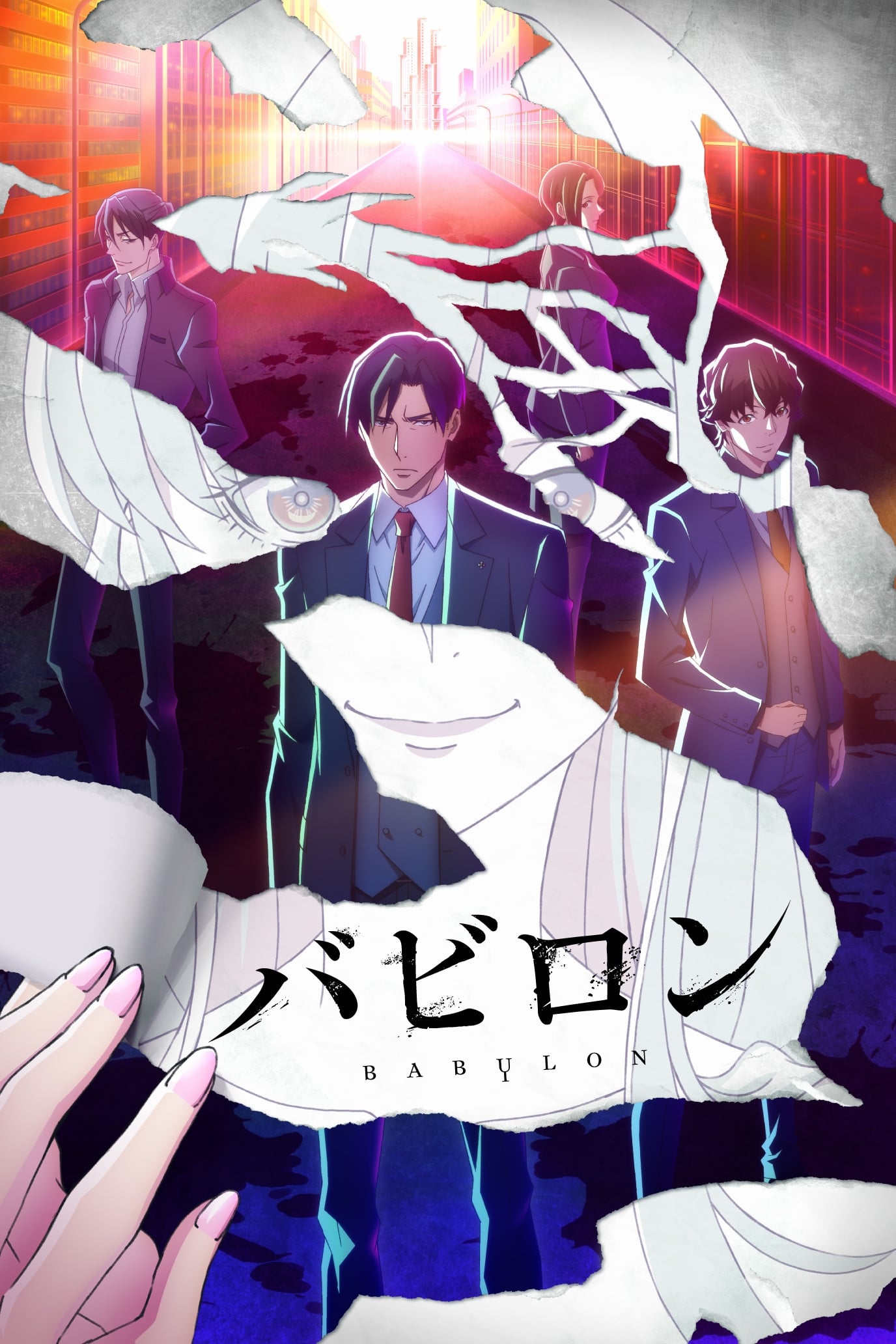
A public prosecutor investigates a pharmaceutical scandal that evolves into a massive conspiracy involving a new law for “legalized suicide.” The show is a psychological thriller that deals with the morality of life and death. The first half was highly praised, but the second half’s shift into metaphysical territory led to a drop in review scores. Critics found the ending to be controversial and difficult to digest. Nevertheless, the series is a daring and uncomfortable look at the ethics of autonomy and political power.
‘The Lost Village’ (2016)
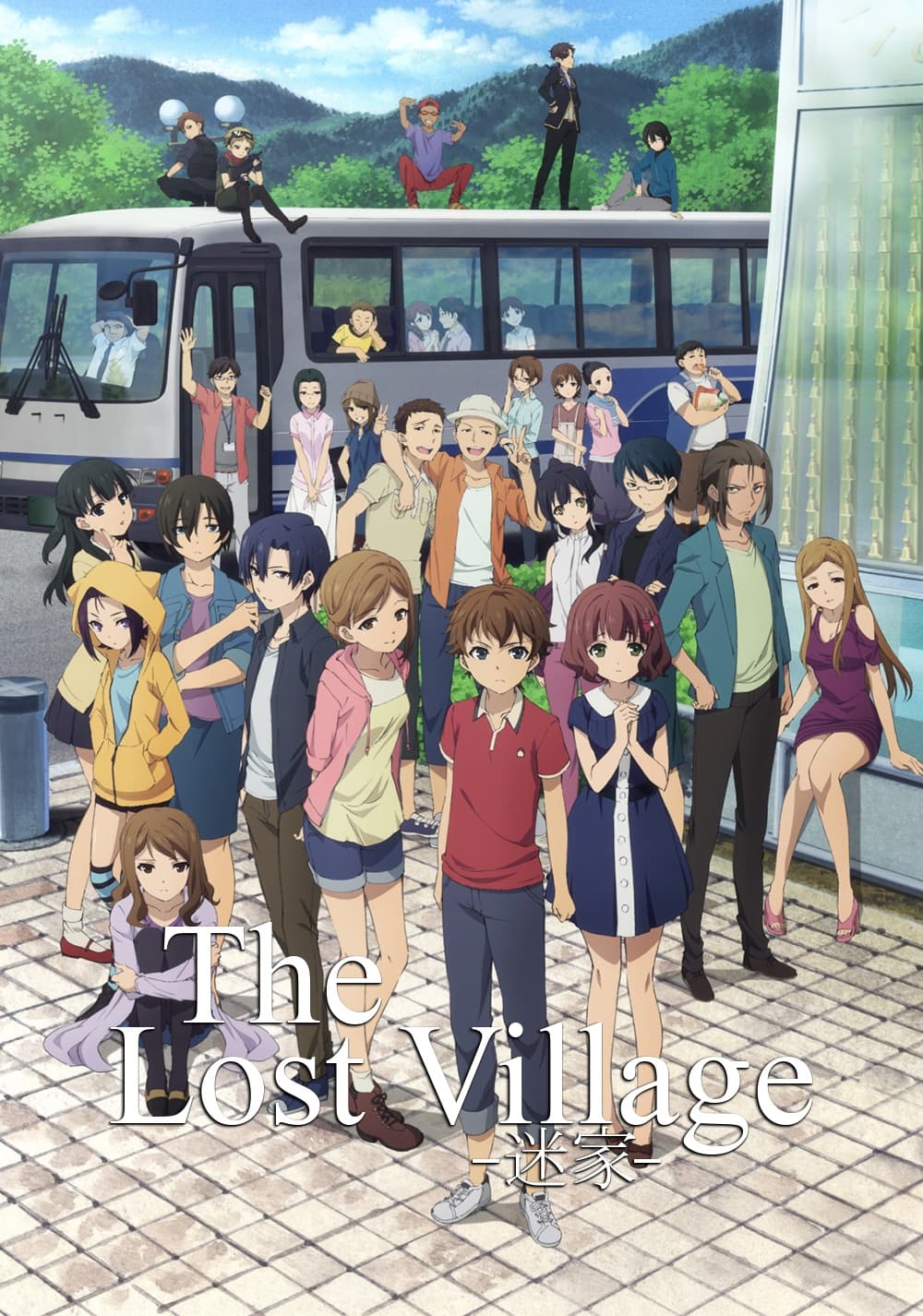
A group of people joins a bus tour to find a mythical village where they can start their lives over. Upon arrival, they are haunted by physical manifestations of their past traumas. The series was widely panned for its confusing tone, which oscillated between horror and absurdist comedy. Some viewers have since re-evaluated the show as a deliberate satire of horror tropes and internet culture. Its unpredictability and bizarre character interactions make it a unique, if polarizing, viewing experience.
‘INUYASHIKI LAST HERO’ (2017)
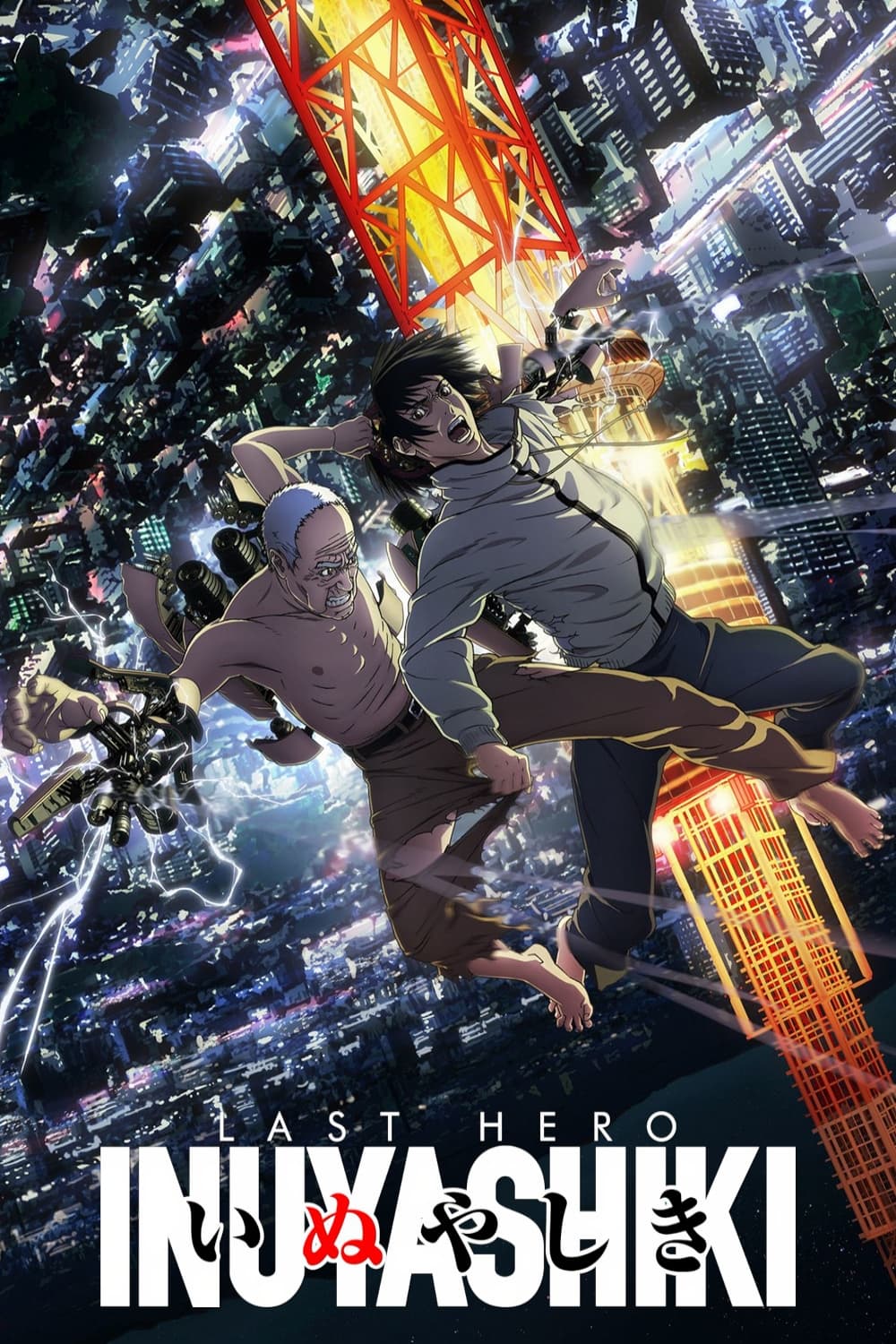
An elderly man and a teenager are transformed into powerful cyborgs after an encounter with an alien craft. While the old man uses his powers to help people, the teenager becomes a mass murderer. The series was criticized for its heavy use of 3D models and its graphic depictions of violence. Despite the visual criticisms, the show is a powerful character study about empathy and the nature of humanity. It presents a stark contrast between two generations and their responses to absolute power.
‘Wonder Egg Priority’ (2021)
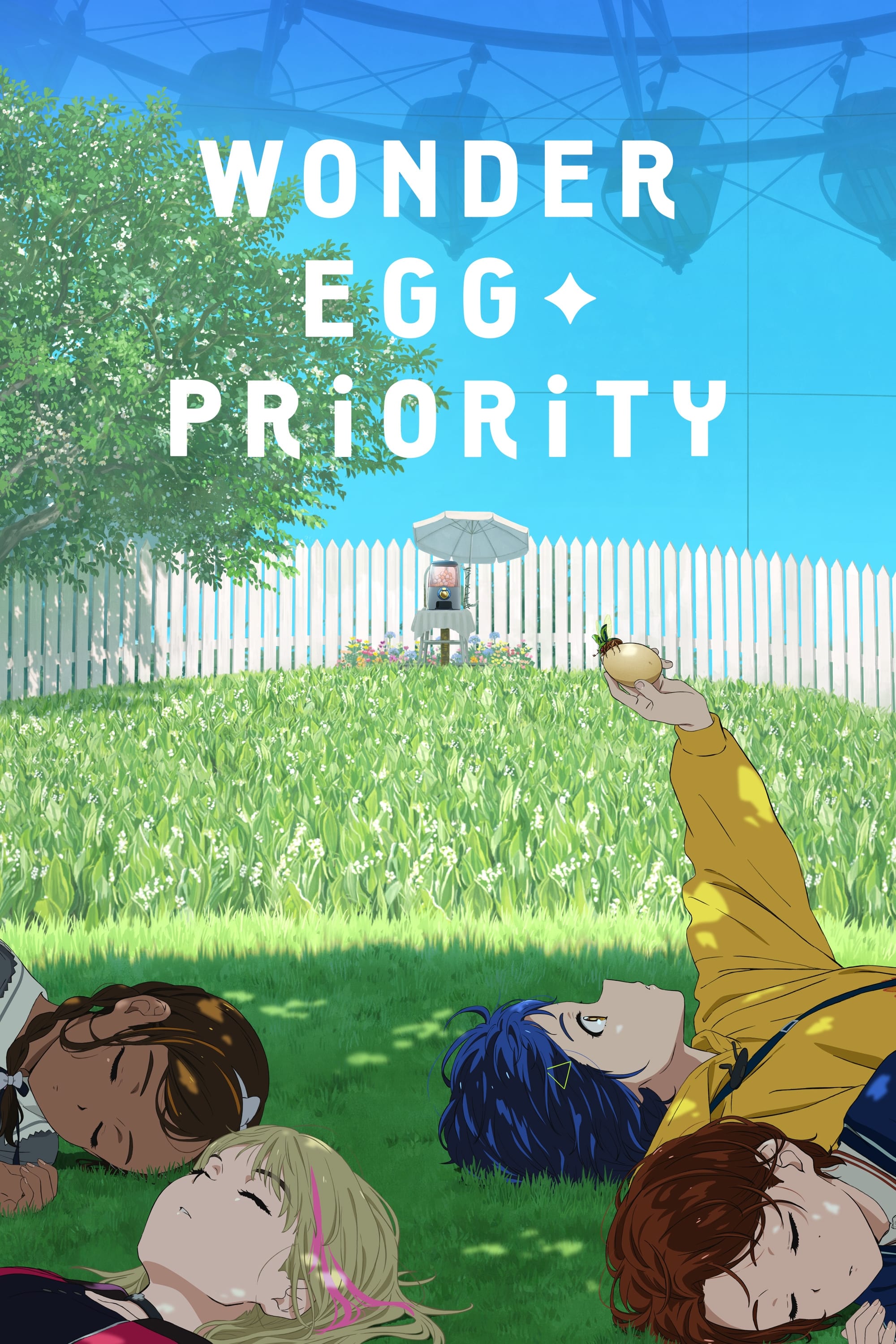
Ai Ohto protects “Wonder Eggs” in a dream world to save the souls of people who committed suicide. The series was initially a critical darling for its beautiful animation and sensitive handling of social issues. However, production issues led to a recap episode and a delayed finale that many fans found unsatisfying. This caused a significant drop in its overall rating and reputation. Viewed as a whole, the series remains an ambitious and visually stunning exploration of adolescent trauma and support systems.
‘Guilty Crown’ (2011–2012)
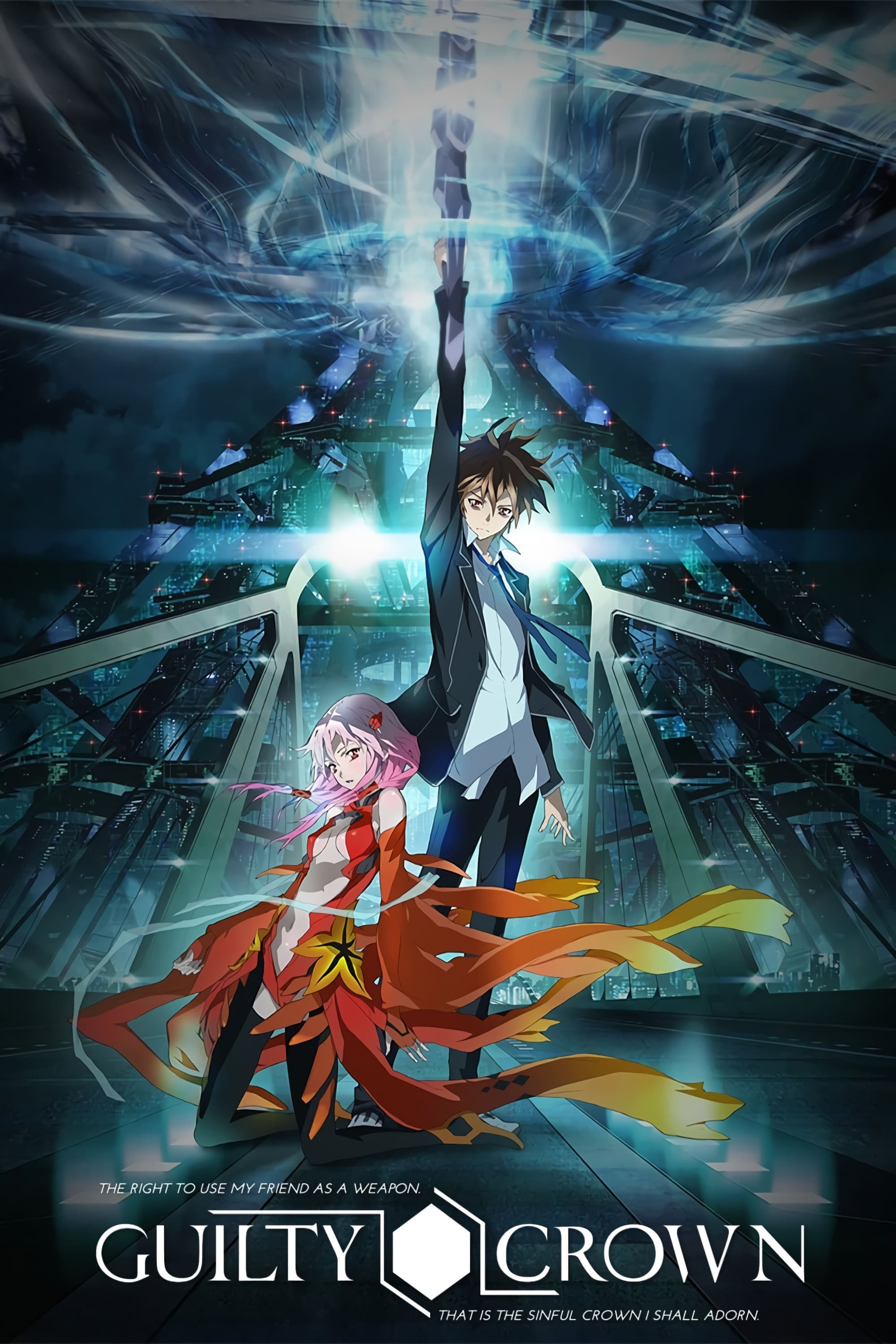
In a near-future Japan under the control of an international organization, a boy gains the “Power of Kings” to draw weapons out of people’s hearts. The show features high-quality animation by Production I.G and a soundtrack by Hiroyuki Sawano. It was heavily criticized for its plot holes and similarities to other popular mecha series. However, the show is noted for its technical polish and high-concept action sequences. It remains a visually impressive entry that explores themes of leadership and sacrifice.
‘Aldnoah.Zero’ (2014–2015)
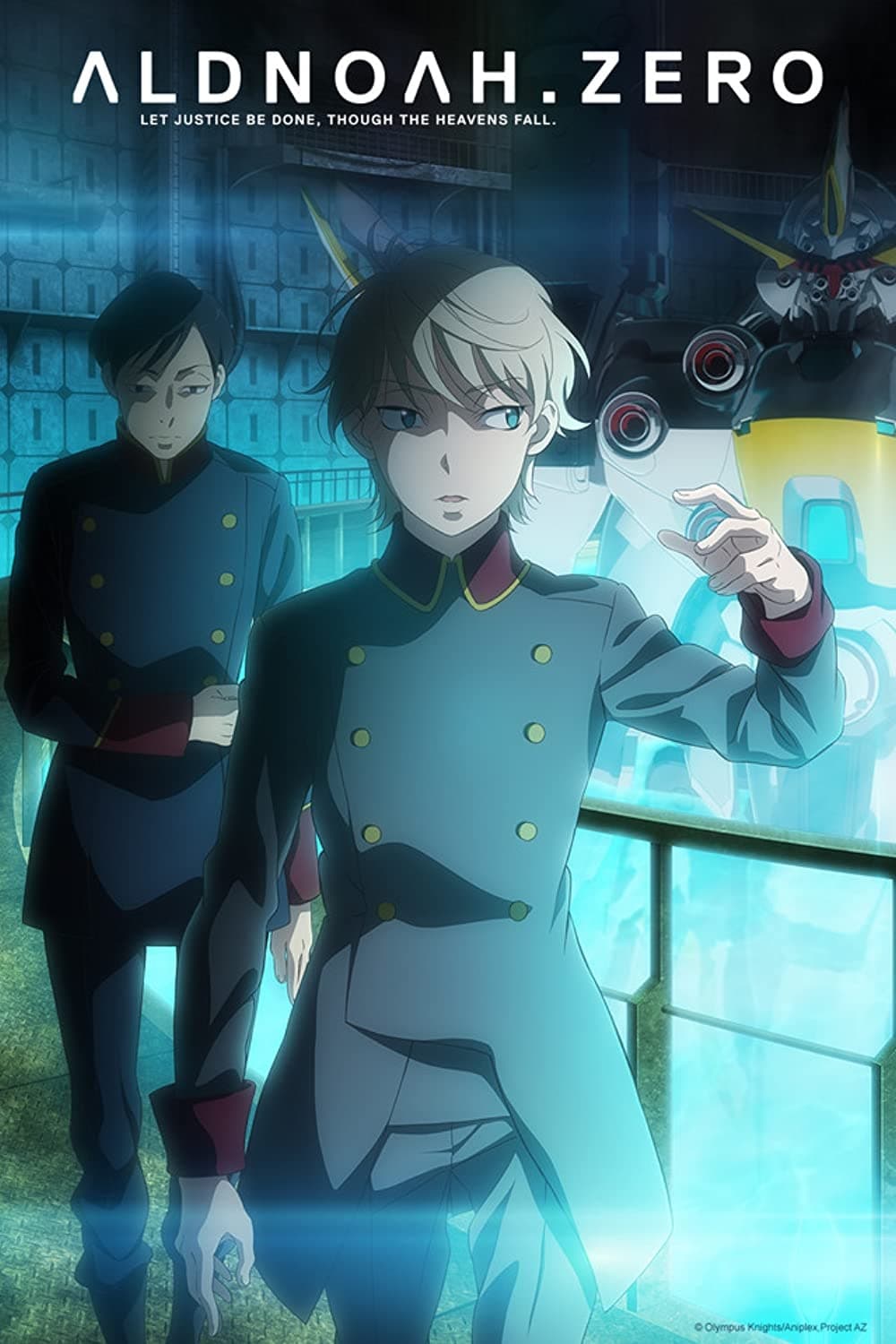
A war breaks out between Earth and a technologically advanced Martian colony that uses giant robots called Kataphrakts. The protagonist, Inaho, uses logic and standard equipment to take down superior Martian technology. The first season was well-received, but the second season faced severe criticism for its character development and narrative choices. Critics felt the resolution of certain plot points undermined the stakes established early on. Despite this, the tactical battles and musical score remain highly regarded by fans of the genre.
‘Pet’ (2020)
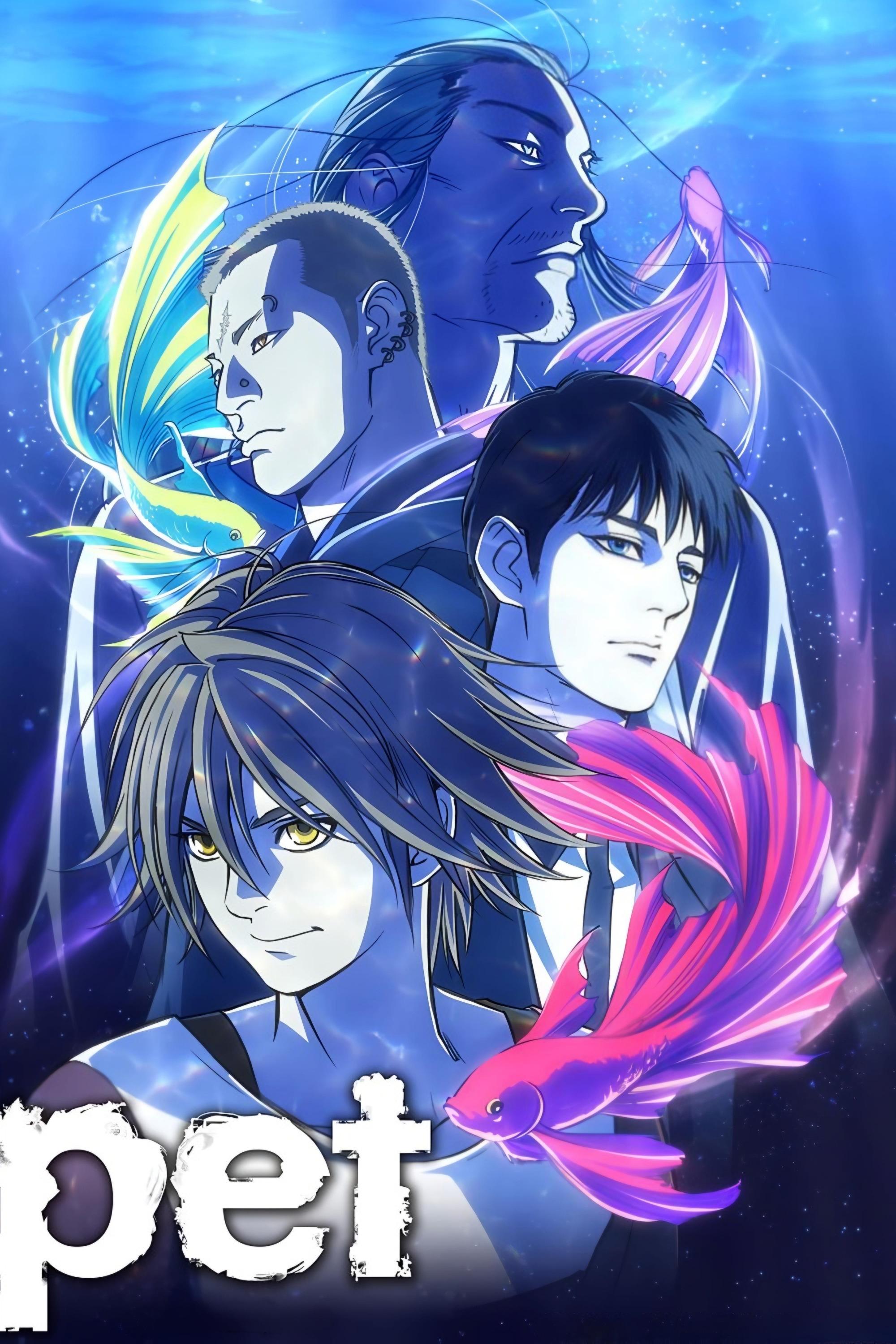
Special individuals with the ability to enter people’s minds and manipulate their memories are used by criminal organizations. The story focuses on the emotional bonds between these “pets” and their handlers as they navigate a dangerous underworld. The series had a rocky start with critics due to its confusing first episode and unconventional character designs. As the plot progresses, it becomes a deeply psychological drama about the fragility of human memory and trust. It is an underrated gem for those who enjoy complex, character-driven mysteries.
Share your own favorite misunderstood anime series in the comments.