

Anime Series That Censored Controversial Scenes for Western Audiences

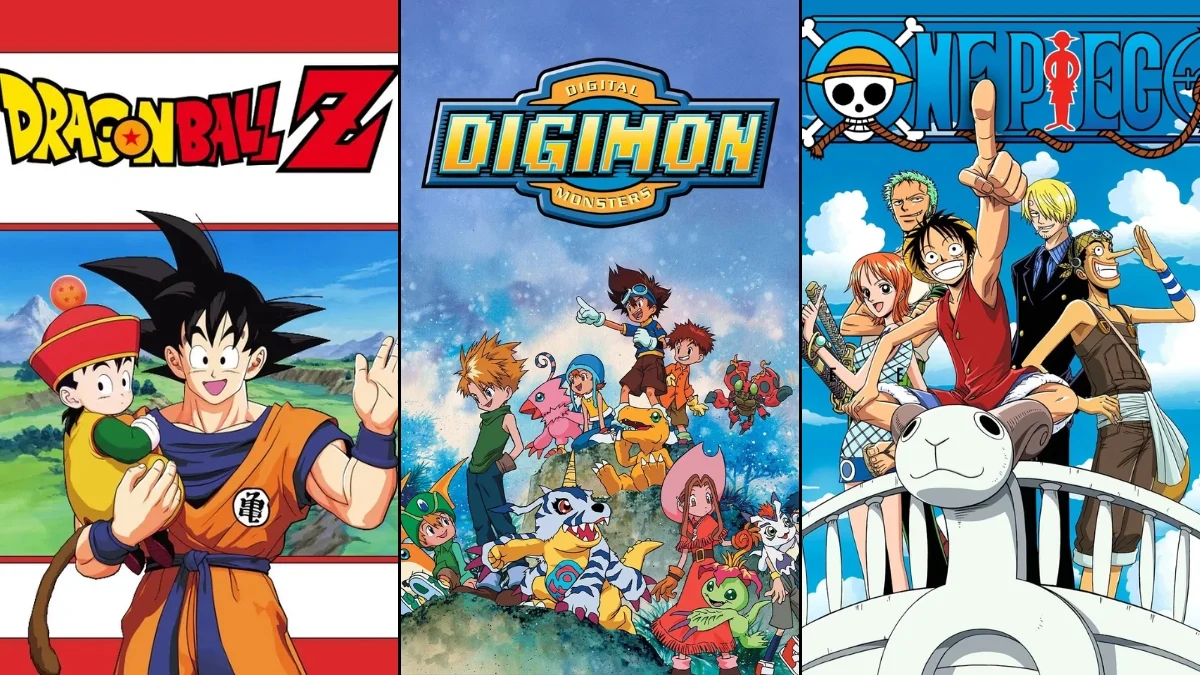


For decades, anime has crossed international borders to reach a global audience, but this transition often comes with significant modifications. Western distributors and networks frequently alter content to comply with local broadcast regulations, cultural sensitivities, or target demographic expectations. From removing instances of tobacco use to rewriting romantic relationships entirely, these changes have sparked discussions among fans regarding the preservation of original artistic intent. The following series represent some of the most notable examples of anime that underwent censorship during their journey to the West.
‘Sailor Moon’ (1992–1997)
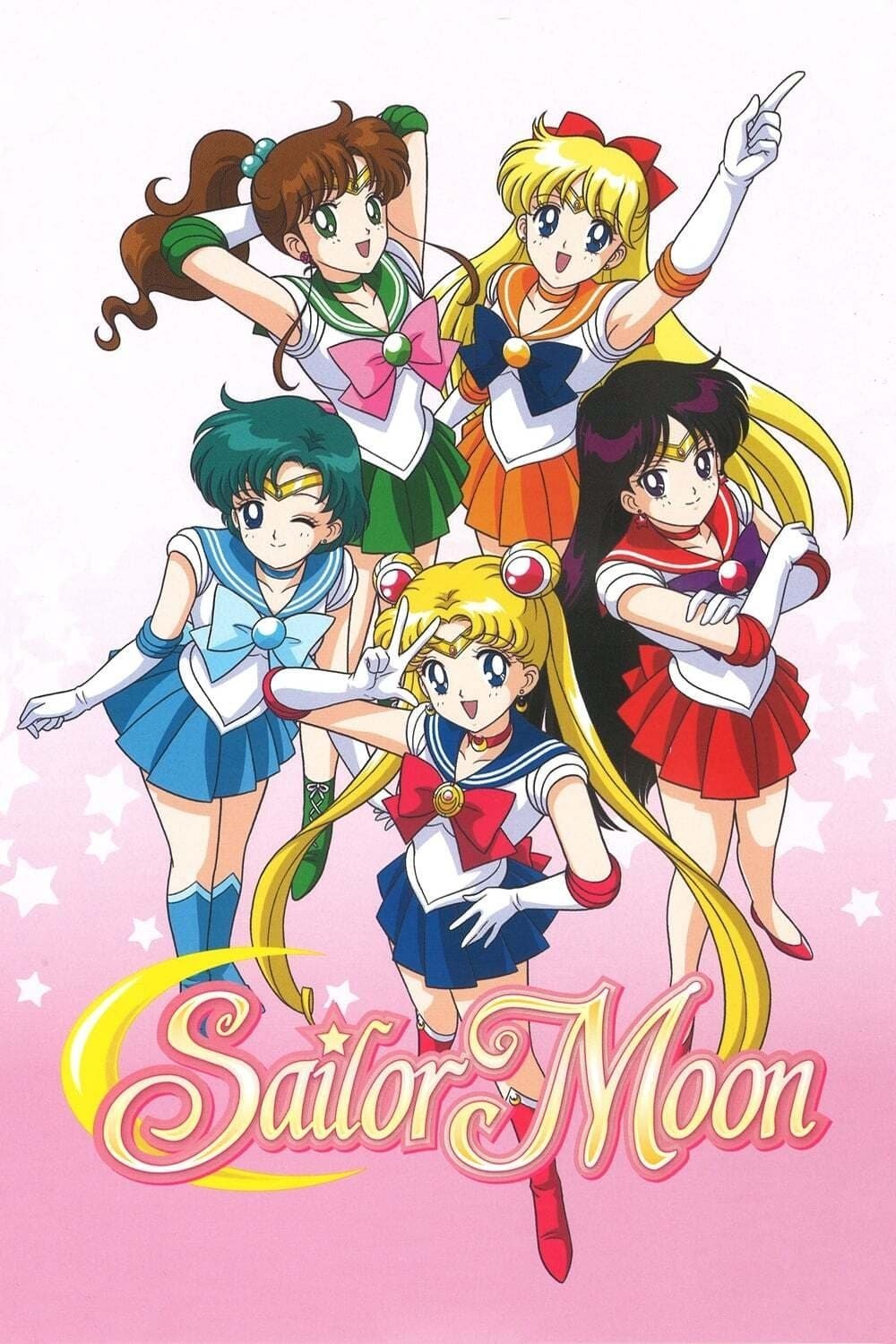
The original English dub of ‘Sailor Moon’ famously altered the relationship between Sailor Uranus and Sailor Neptune. To avoid portraying a same-sex couple, the localization team presented the two characters as cousins in the script. Other changes included changing the gender of the villain Zoisite from male to female to maintain a heterosexual dynamic with Kunzite. Visual edits were also common, such as the removal of brief instances of nudity during the characters’ transformation sequences. These modifications aimed to align the show with North American television standards of the 1990s.
‘Pokémon’ (1997–Present)
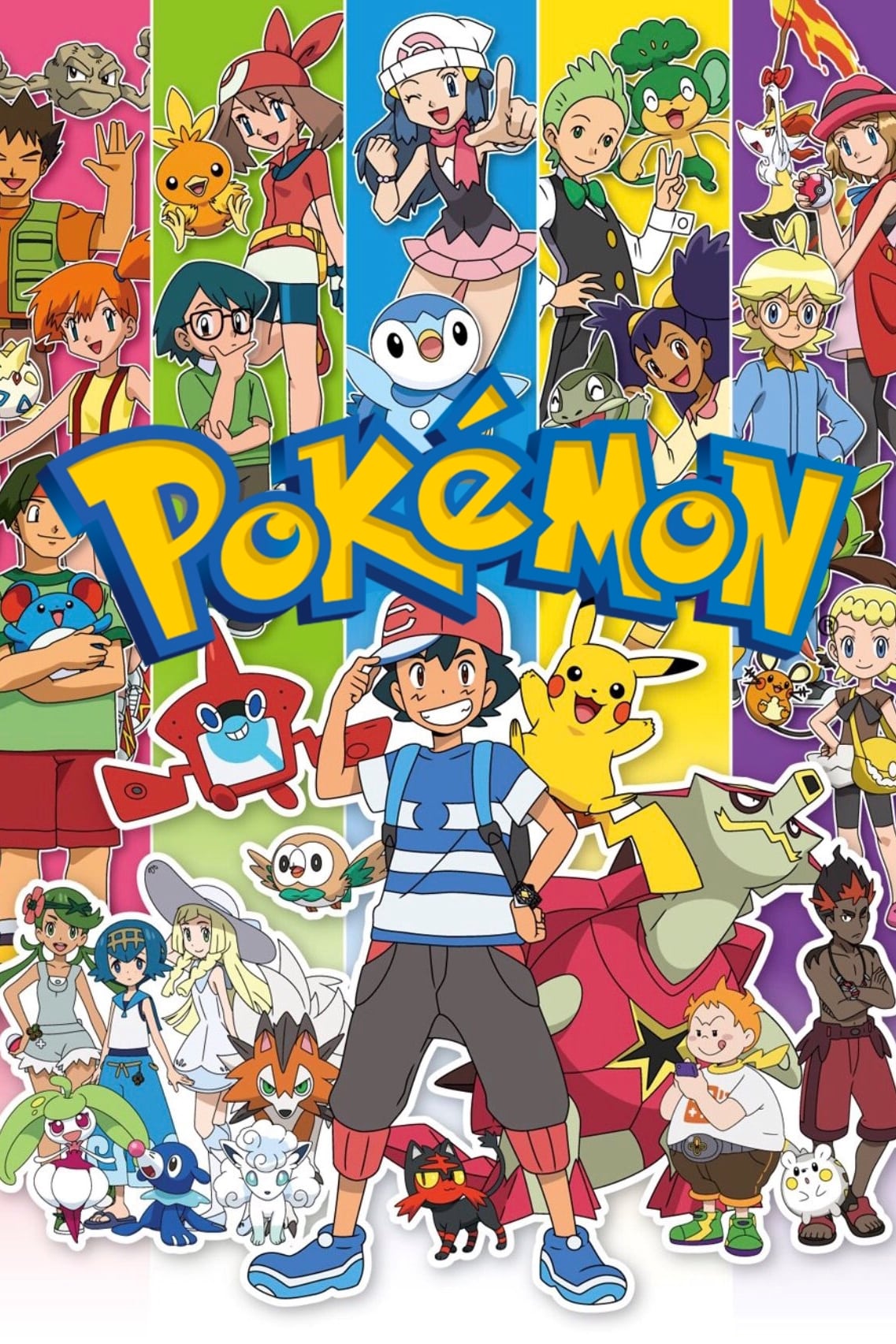
Certain episodes of ‘Pokémon’ were completely banned from Western broadcasts due to controversial content. The episode ‘The Legend of Dratini’ was pulled because it featured a character pointing a functional revolver at the protagonists. Another episode, ‘Beauty and the Beach’, was edited to remove scenes of a male character wearing inflatable prosthetic breasts for a beauty pageant. The design of the Pokémon Jynx was also altered in later iterations due to concerns regarding racial caricatures. These decisions were made to ensure the show remained appropriate for its young target demographic.
‘One Piece’ (1999–Present)
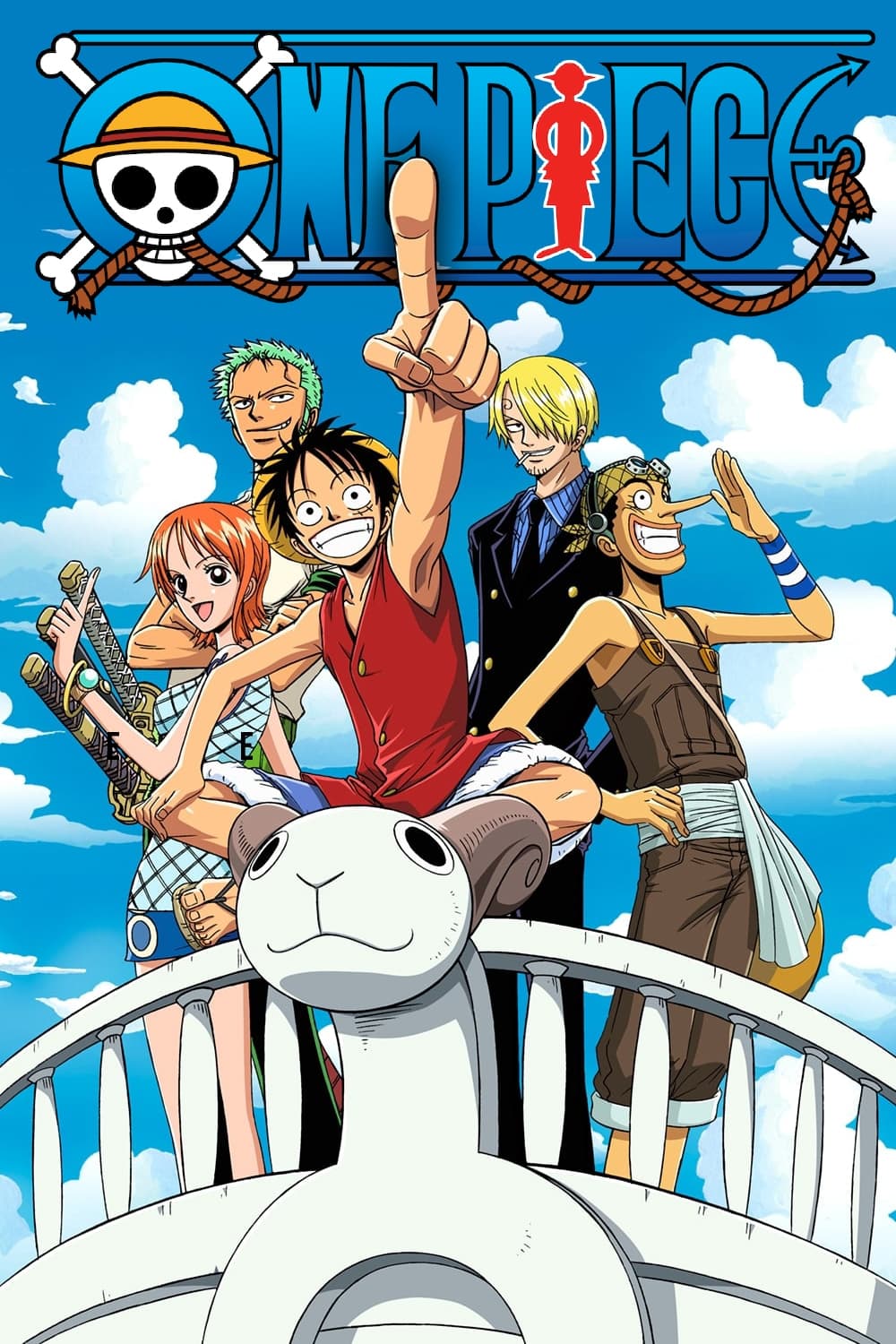
During the 4Kids localization of ‘One Piece’, significant alterations were made to character habits and weaponry. Sanji’s signature cigarette was digitally replaced with a lollipop to adhere to broadcast regulations regarding tobacco use. Firearms were modified to look like colorful toys, and a scene involving a gun held to a character’s head was replaced with a spring-loaded hammer. These changes were intended to make the series accessible to a much younger demographic than the original Japanese target audience. Additionally, references to wine and ale were frequently relabeled as juice or water.
‘Dragon Ball Z’ (1989–1996)

Localization of ‘Dragon Ball Z’ in the late 1990s involved substantial censorship of violence and religious themes. References to the afterlife were sanitized by replacing Hell with the Home For Infinite Losers, or H.F.I.L. Blood was digitally removed from fight scenes, and characters who had died were edited to remove their halos. These adjustments were part of an effort to market the high-action series to children on networks like Cartoon Network. Despite these edits, the show retained its core popularity and eventually saw uncut releases.
‘Cardcaptor Sakura’ (1998–2000)
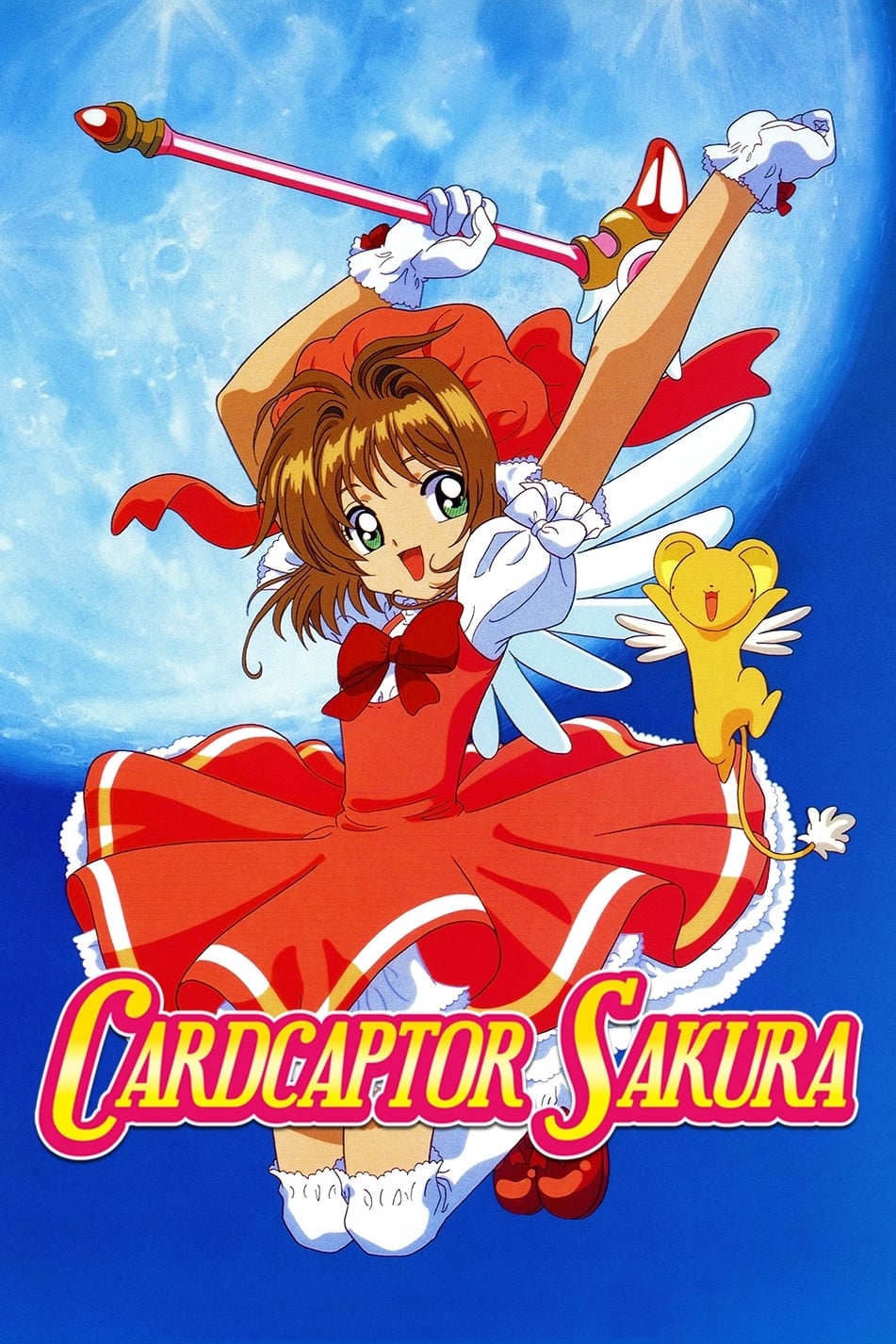
The Western adaptation of ‘Cardcaptor Sakura’, retitled ‘Cardcaptors’, underwent significant restructuring to appeal to a male audience. Many episodes were aired out of order, and the first several episodes were skipped to focus more on action. Subplots involving same-sex attraction and romantic feelings between students and adults were systematically removed through script changes. These edits drastically altered the character development and central themes found in the original Japanese version. The localization focused primarily on the magical battles rather than the interpersonal relationships.
‘Yu-Gi-Oh! Duel Monsters’ (2000–2004)
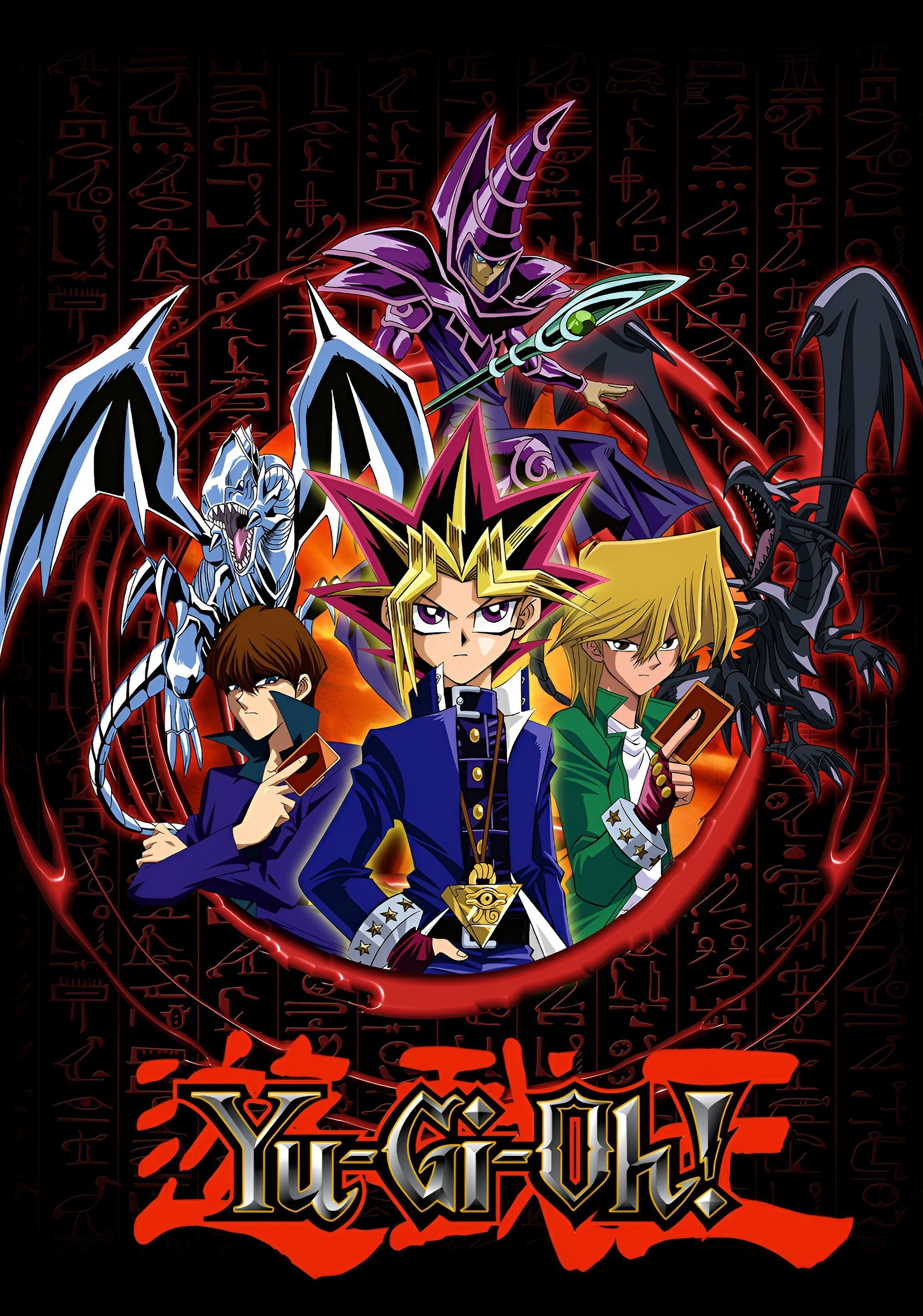
To minimize depictions of death, the English dub of ‘Yu-Gi-Oh! Duel Monsters’ introduced the concept of the Shadow Realm. Whenever a character lost a high-stakes duel, the dialogue stated they were sent to this alternate dimension rather than dying. Visible weapons, such as knives and guns, were digitally erased or transformed into less threatening objects like glowing energy. Even scenes of physical violence, such as a character being struck, were often replaced with still frames or bright flashes of light. These changes allowed the show to maintain a TV-Y7 rating for American audiences.
‘Naruto’ (2002–2007)

During the early broadcast of ‘Naruto’ on Western television, producers frequently edited out scenes featuring significant amounts of blood. Characters shown using tobacco or consuming alcohol had those substances digitally altered or the scenes removed entirely. Some instances of intense physical violence between young characters were shortened to meet broadcast guidelines for children’s programming. Certain suggestive humor and cultural references that were deemed inappropriate for the target demographic were also omitted. These edits were standard for the Toonami era of anime distribution.
‘Tokyo Mew Mew’ (2002–2003)
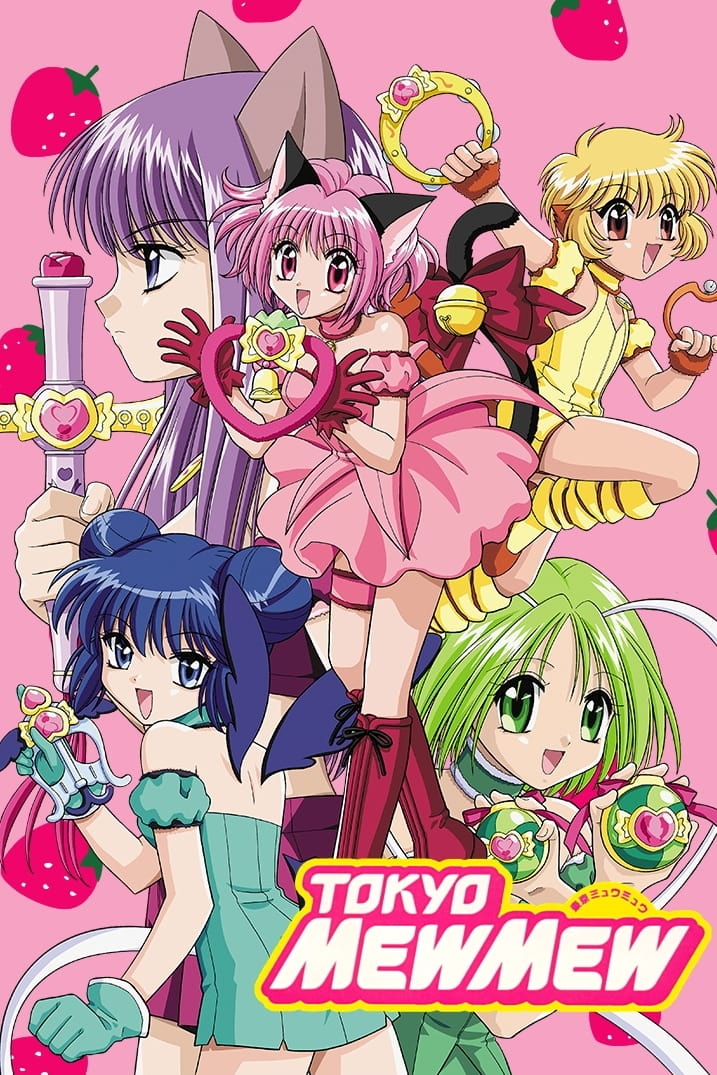
The series ‘Tokyo Mew Mew’ was rebranded as ‘Mew Mew Power’ for its North American television debut. Producers removed Japanese cultural elements, such as traditional food and landmarks, to make the show feel more localized to a Western setting. Several episodes were skipped entirely, leading to significant gaps in the narrative and character arcs. The script was rewritten to include more Western slang and to change the personalities of the main characters to fit archetypes common in American teen media. This version ended prematurely before completing the full story.
‘Glitter Force’ (2012–2013)
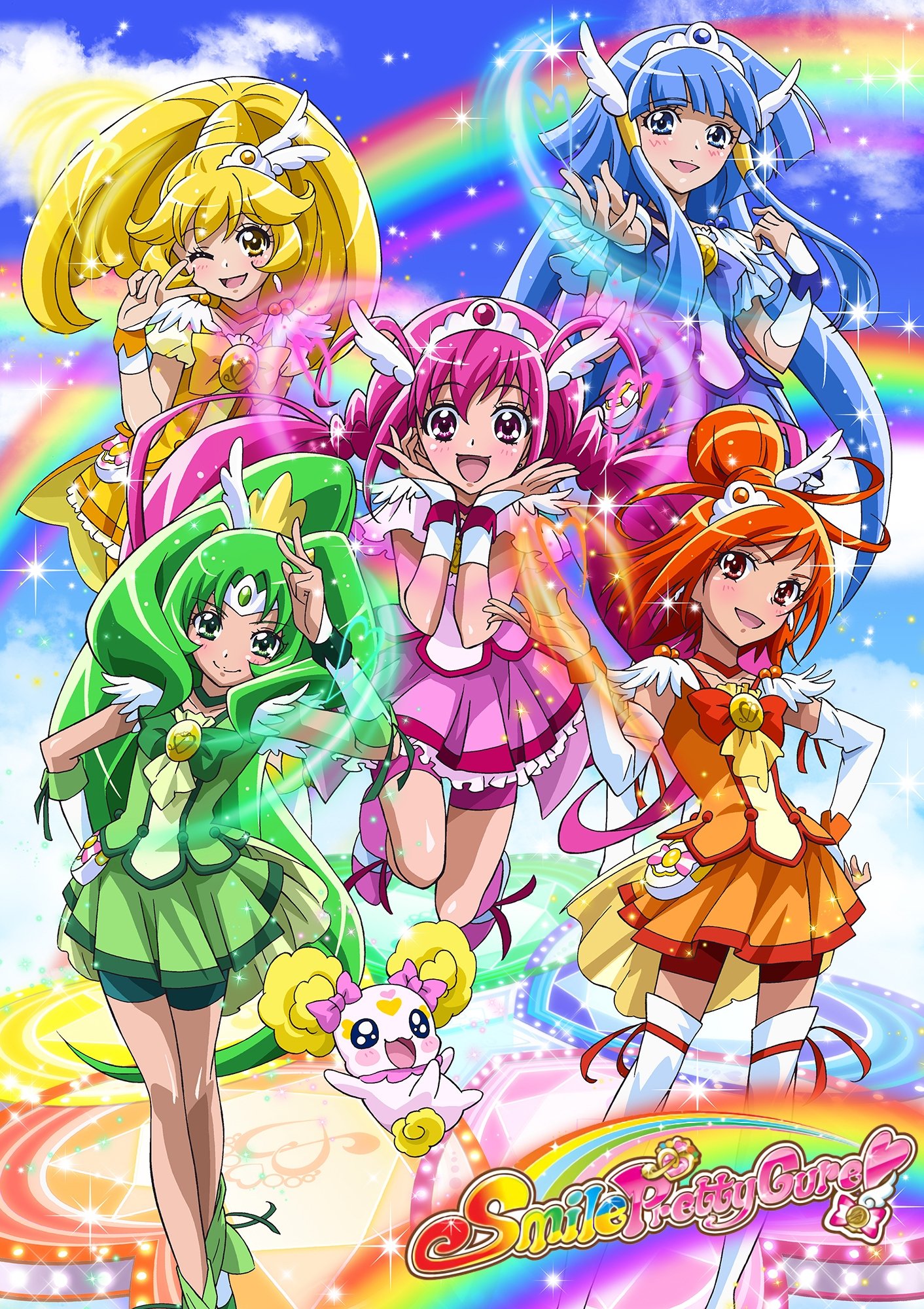
‘Smile PreCure!’ was heavily edited for its Western debut as the Netflix original series ‘Glitter Force’. Several episodes were entirely omitted from the Western release, reducing the total episode count from 48 down to 40. Scenes featuring Japanese cultural elements, such as traditional festivals and food, were often cut or replaced with Western equivalents. Character names and the entire musical score were also completely overhauled to appeal to a broader international audience. This localization strategy aimed to present the show as a brand-new Western production.
‘Sonic X’ (2003–2005)
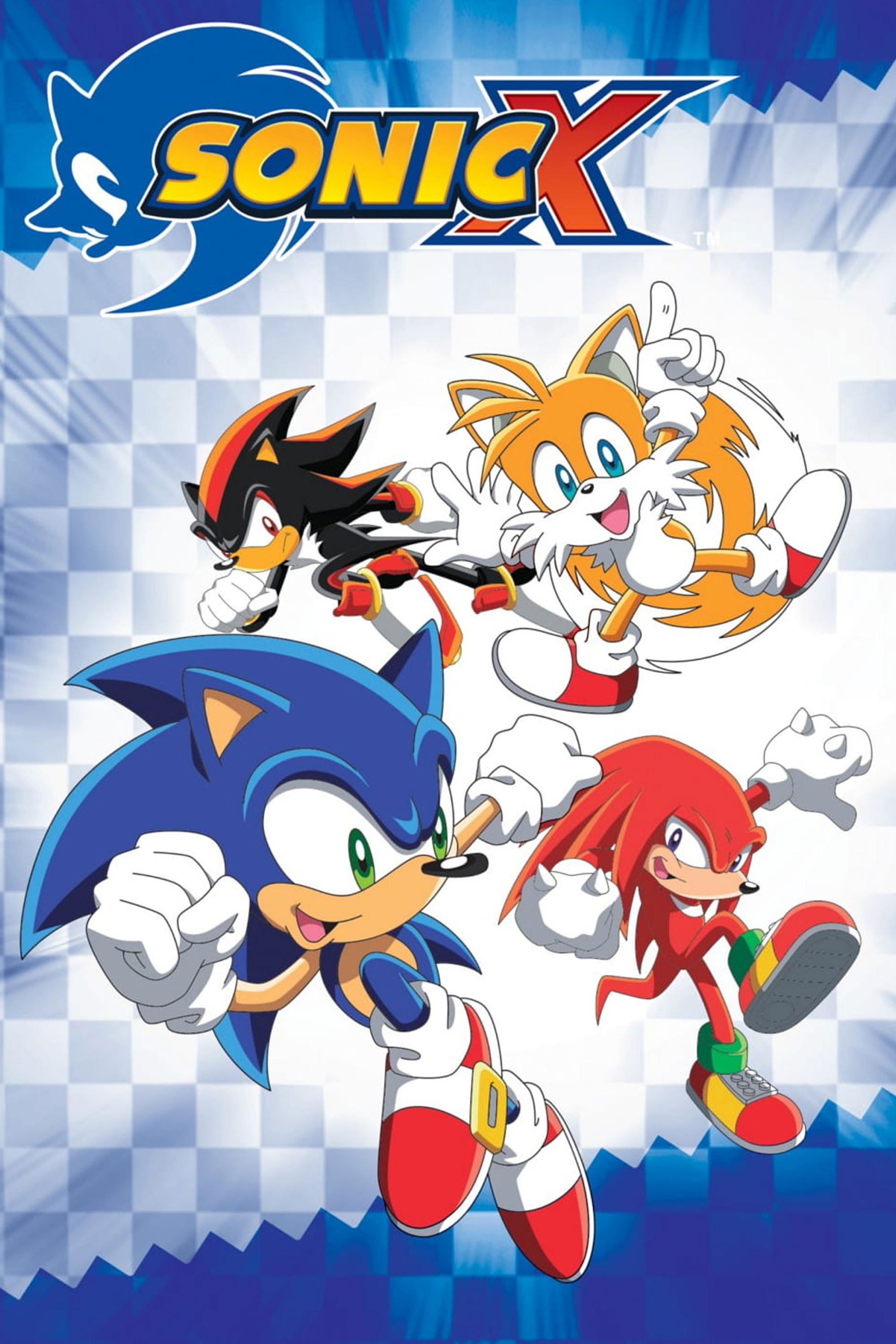
In the localization of ‘Sonic X’, several scenes were modified to reduce the impact of violence and remove adult references. Signs containing Japanese text were frequently replaced with English text or generic graphics to globalize the setting. A scene featuring a character drinking wine was altered to appear as though they were consuming a non-alcoholic beverage. Violent impacts and weapons were often softened with digital effects to comply with standard television ratings for children. These changes were consistent with the editorial policies of 4Kids Entertainment at the time.
‘Shaman King’ (2001–2002)
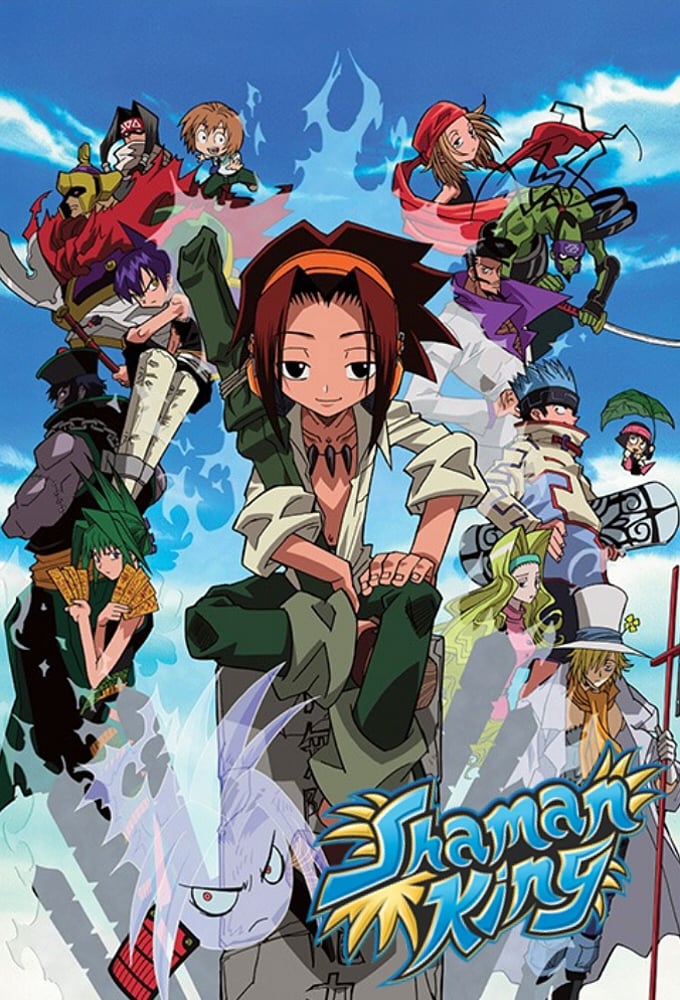
The 2001 adaptation of ‘Shaman King’ saw numerous changes to religious symbols and weaponry during its English localization. Crosses and other religious iconography were often digitally erased or modified to look like generic geometric shapes. Firearms were replaced with energy blasters, and scenes showing characters in peril were sometimes shortened. These changes were implemented to ensure the show could be broadcast in a morning time slot on mainstream networks. The script also removed direct references to death, opting for more vague terminology.
‘Digimon Adventure’ (1999–2000)
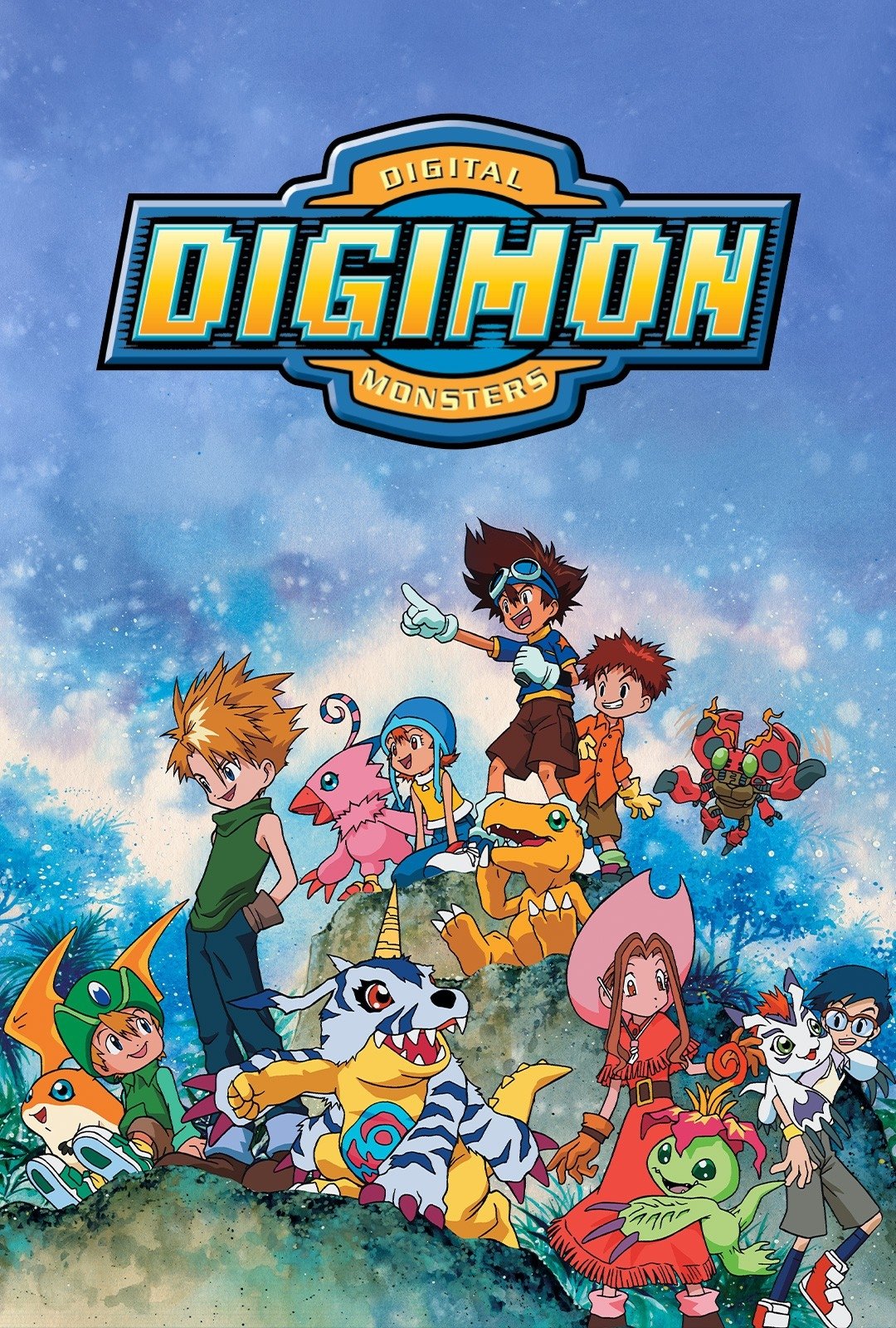
‘Digimon Adventure’ underwent various changes during its translation for Western television audiences. References to Japanese mythology and religion were frequently altered or replaced with more familiar Western concepts. Scenes involving physical discipline, such as a character being slapped by a parent, were edited out of the broadcast version. The localization also added frequent jokes and puns to the dialogue to lighten the tone of more serious moments. These adjustments were meant to align the show with the tone of other popular Saturday morning cartoons.
‘Tenchi Muyo!’ (1992–1995)
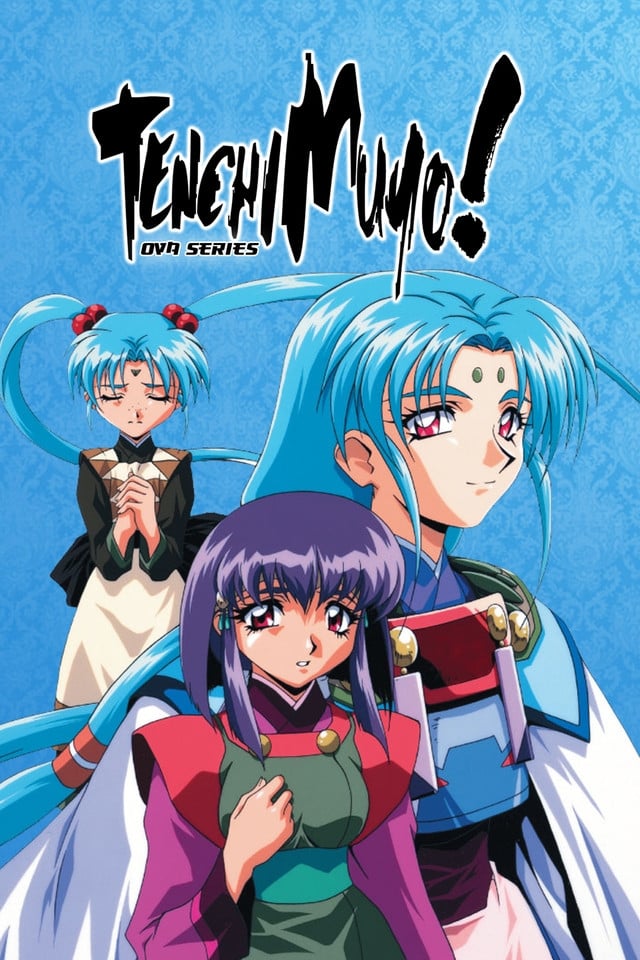
When ‘Tenchi Muyo!’ premiered on American television, it faced strict editing requirements to fit the Toonami broadcast block. Scenes featuring brief nudity or suggestive content were digitally altered or completely removed. Dialogue was rewritten to eliminate references to alcohol, often replacing it with tea or soda. Despite these changes, the series remained popular, eventually leading to more faithful uncut releases on home video. The television version served as many fans’ first introduction to the harem genre.
‘Shin Chan’ (1992–Present)
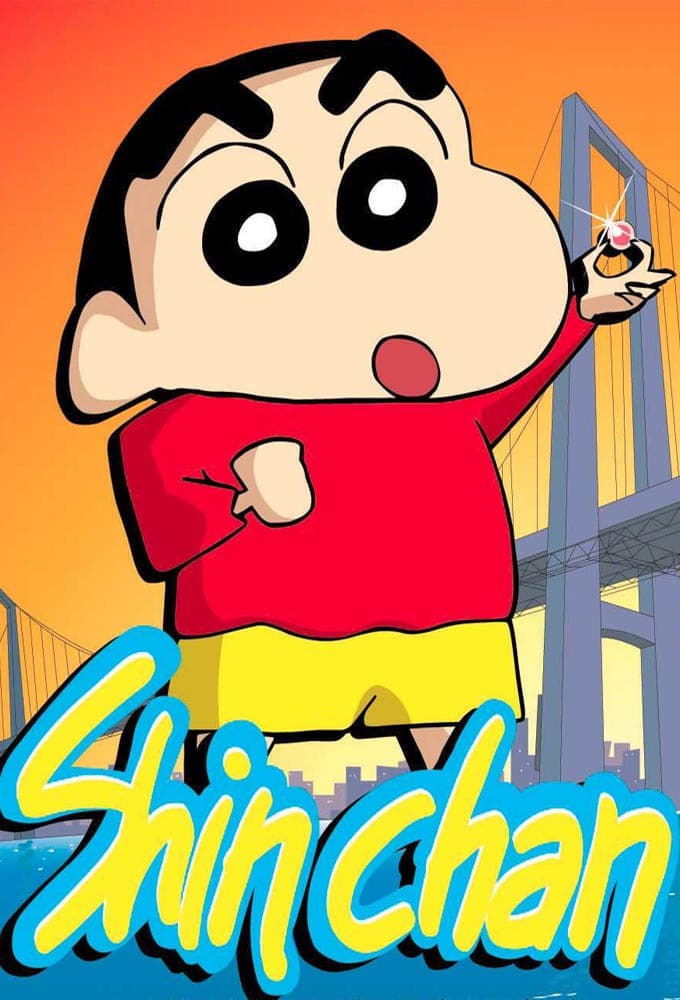
The localization history of ‘Crayon Shin-chan’ includes several versions with varying levels of censorship. Early attempts at a Western release heavily edited the protagonist’s crude behavior and visual gags involving his body. In contrast, the later Adult Swim version by Funimation kept much of the humor but completely rewrote the dialogue for a mature audience. The original Japanese version’s reliance on specific wordplay and cultural context often made literal translation difficult, prompting these creative liberties. Each version reflected the specific standards of its respective network.
‘Robotech’ (1985)

‘Robotech’ was a pioneering anime localization that combined three unrelated series into a single 85-episode epic. This process required significant editing of the original footage to ensure a cohesive plot across the different shows. Scenes with high levels of violence and character deaths were often cut or modified to meet 1980s broadcast standards. These changes created a unique narrative that differed significantly from the source materials ‘The Super Dimension Fortress Macross’, ‘Southern Cross’, and ‘Genesis Climber MOSPEADA’. It remains a controversial yet influential example of anime localization.
Share your memories of these edited anime versions in the comments.