

Anime Series That Fans Boycotted Over Forced Hetero Endings



Anime fans are known for their deep emotional investment in character relationships and narrative development. When a series builds years of subtext or queer coding only to conclude with a heterosexual pairing many viewers feel betrayed by the sudden shift. These creative choices often result in organized boycotts social media protests and a lasting decline in the popularity of the franchise. The following list explores several prominent anime that faced significant backlash for their forced heterosexual endings.
‘Voltron: Legendary Defender’ (2016–2018)
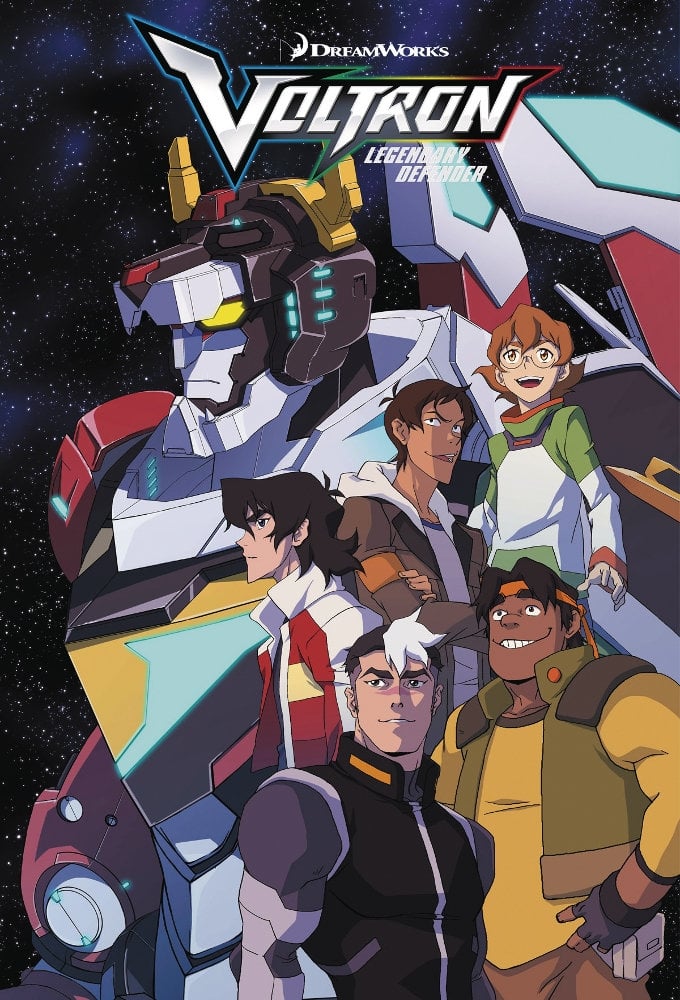
The series finale sparked massive controversy when Shiro was shown marrying a background character in a brief epilogue. Many viewers felt this was a shallow attempt at representation that ignored years of character development. The backlash resulted in online petitions and a significant portion of the fandom abandoning the franchise entirely. Fans argued that the hetero normative conclusion felt tacked on to avoid committing to a more meaningful queer narrative. This remains one of the most cited examples of queerbaiting in modern animation.
‘Naruto Shippūden’ (2007–2017)
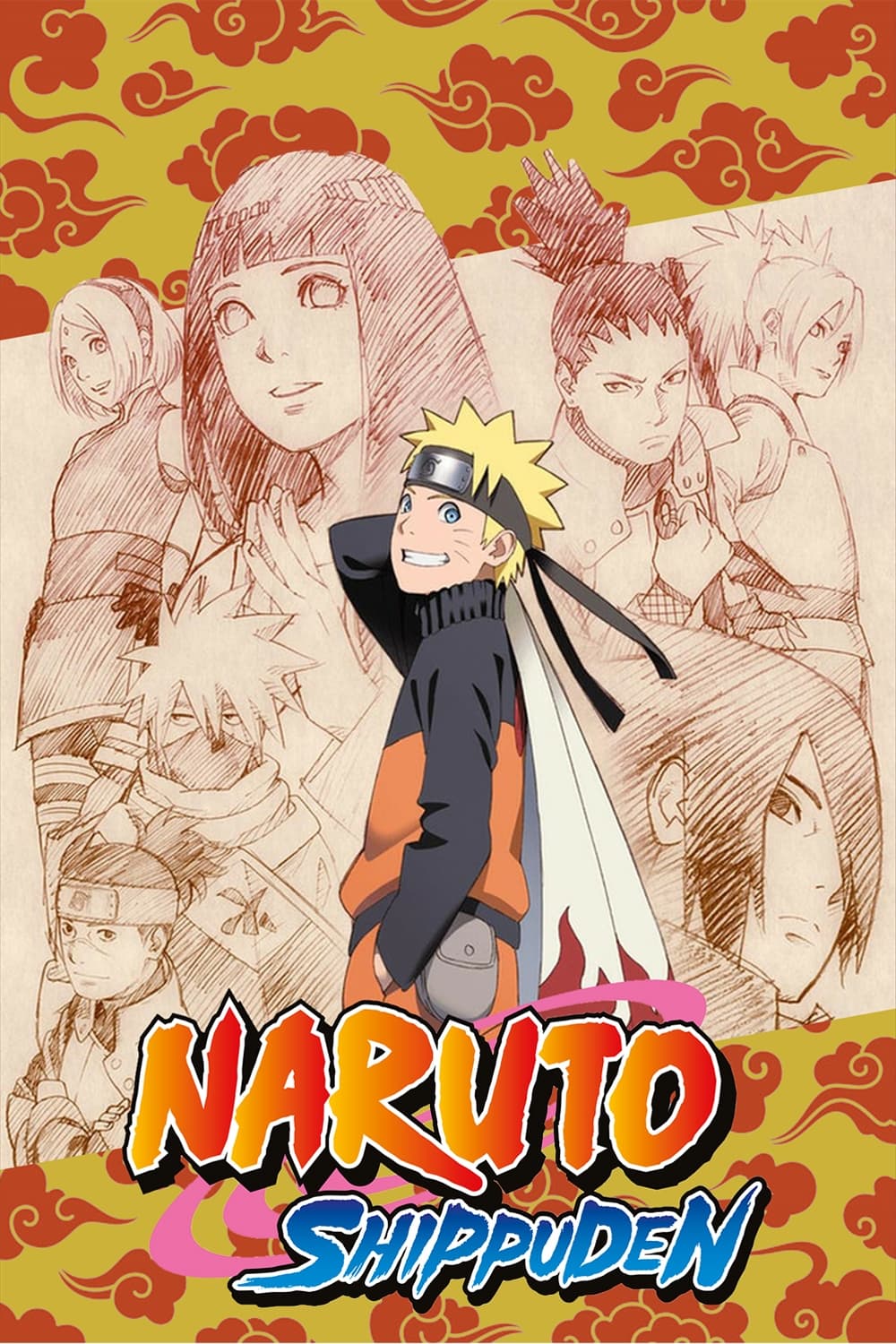
The conclusion of this long running series saw the titular character marry Hinata Hyuga while his rival Sasuke Uchiha married Sakura Haruno. A vocal segment of the audience felt these pairings were forced to facilitate the ‘Boruto’ sequel. Many fans had spent years following the emotional bond between Naruto and Sasuke and viewed the ending as a dismissal of that connection. This led to social media boycotts and intense debates regarding the necessity of traditional family structures in shonen anime. The transition to the new generation was overshadowed for many by these specific creative choices.
‘Bleach’ (2004–2012)
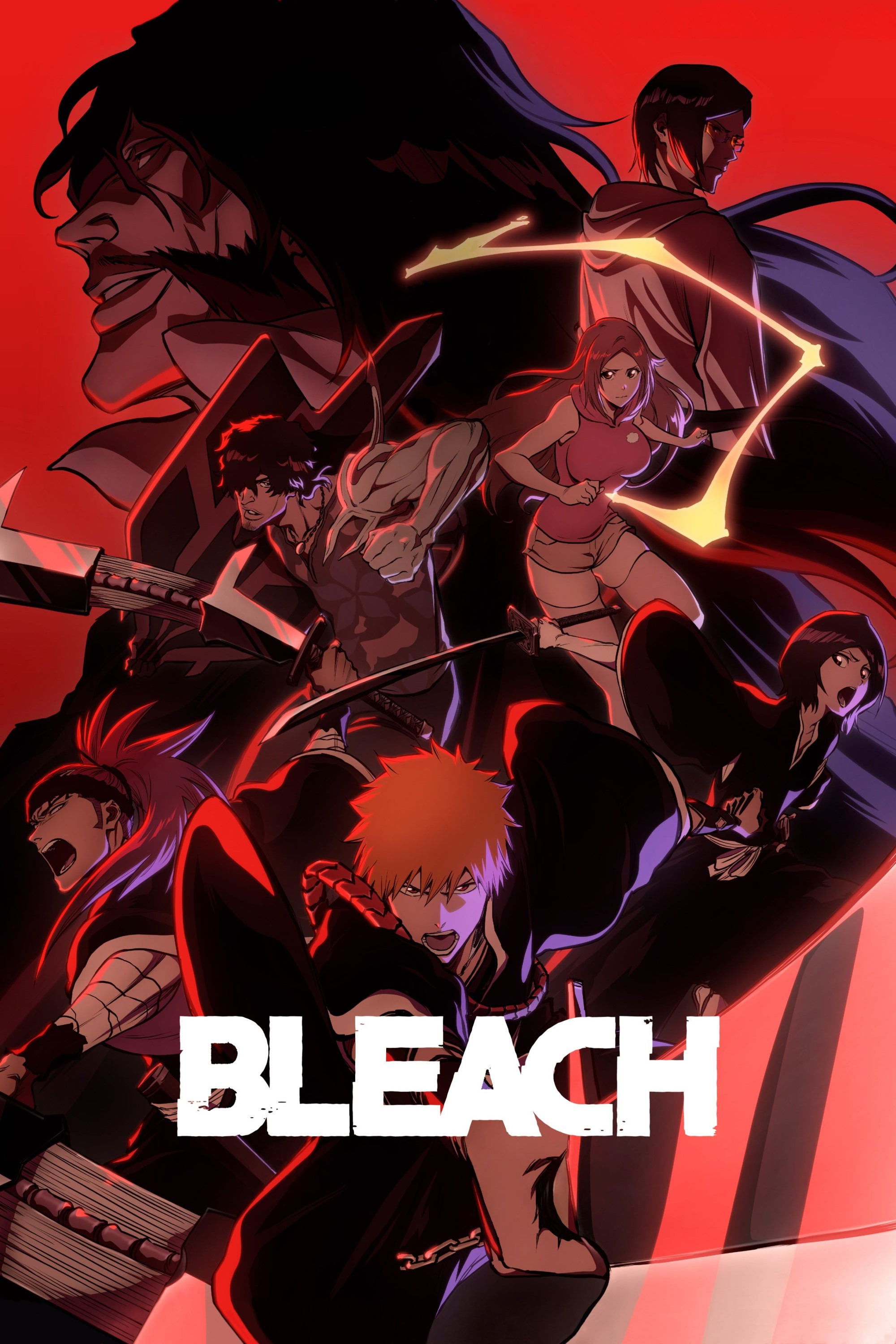
The conclusion of the ‘Bleach’ manga and its subsequent anime adaptations left many fans feeling frustrated. Ichigo Kurosaki ending up with Orihime Inoue instead of Rukia Kuchiki prompted some viewers to burn their collections in protest. Critics of the ending argued that the romantic developments felt rushed and lacked the necessary build up compared to other established friendships. The resulting boycott of new materials reflected a deep dissatisfaction with how the character arcs were resolved. This event is often cited as a prime example of fan driven shipping wars impacting a legacy.
‘Evangelion: 3.0+1.0 Thrice Upon a Time’ (2021)
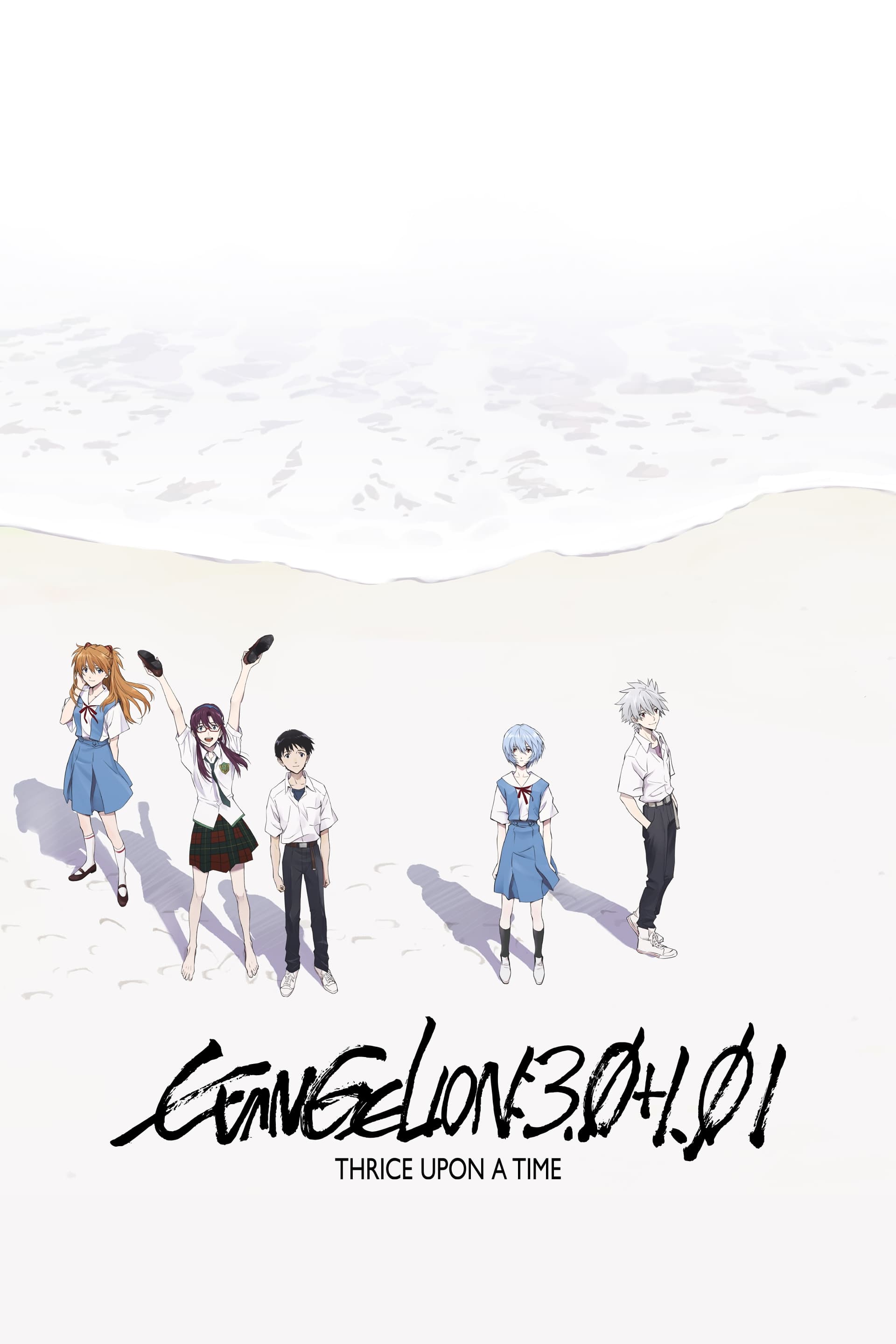
The final film in the ‘Rebuild of Evangelion’ series introduced a romantic resolution that surprised many longtime followers. Shinji Ikari ending up with Mari Illustrious Makinami was seen as a forced choice that ignored established connections with other primary characters. Online communities expressed their anger through social media campaigns and negative reviews of the production. Many argued that the pairing lacked narrative weight and served only to provide a clean break from the past. This creative decision remains a polarizing subject among the global audience.
‘Attack on Titan’ (2013–2023)
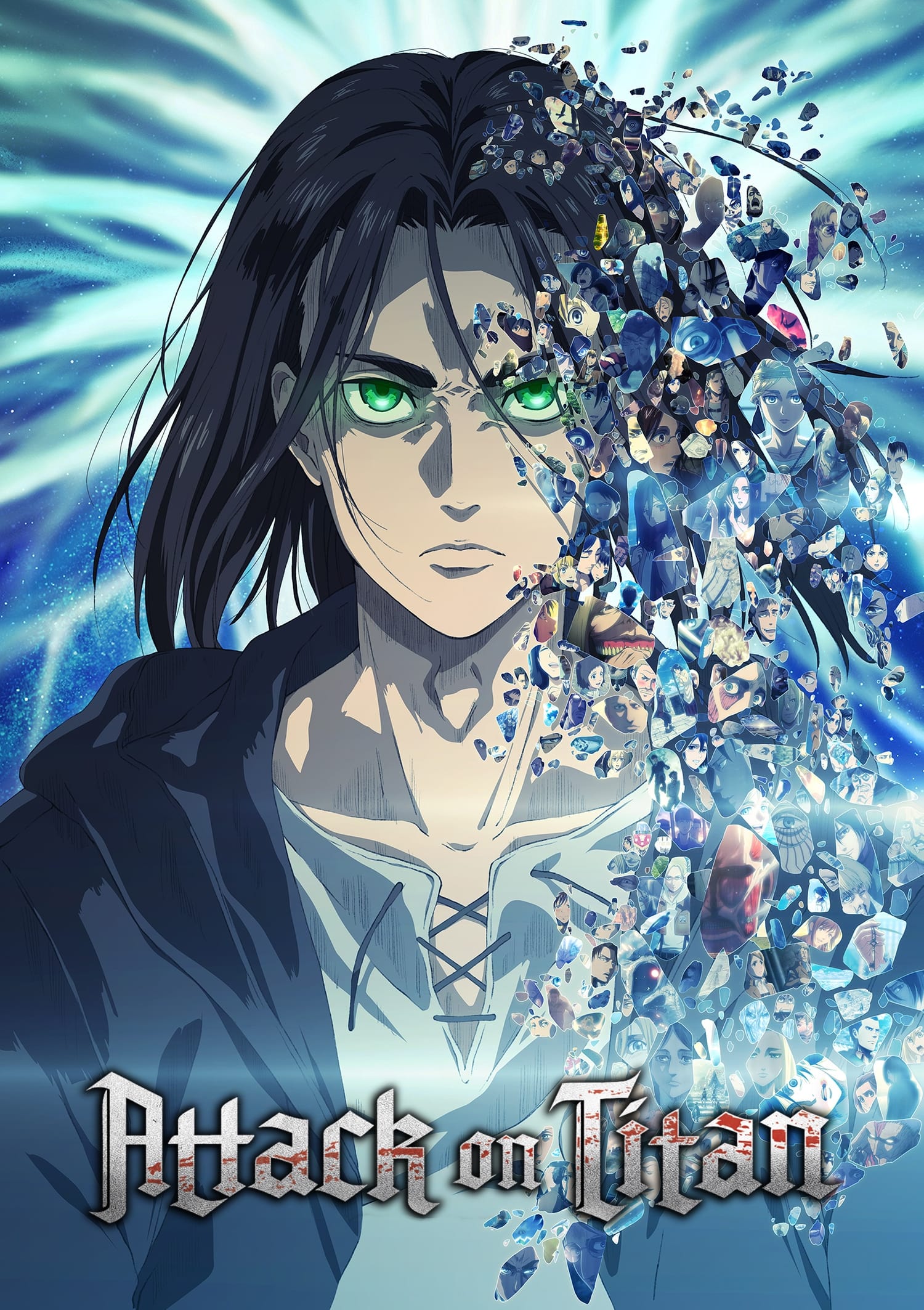
The final chapters of the story and their animated counterparts drew criticism for the romantic fates of the survivors. Many fans were upset by the implication of Mikasa Ackerman moving on to a traditional family life after the death of the protagonist. This led to significant online discourse and some groups organizing to promote fan made alternative endings. The focus on traditional romantic resolutions was perceived by some as a mismatch for the show’s darker themes. These debates have continued to influence how the series is viewed by its global community.
‘The Devil is a Part-Timer!’ (2013–2023)
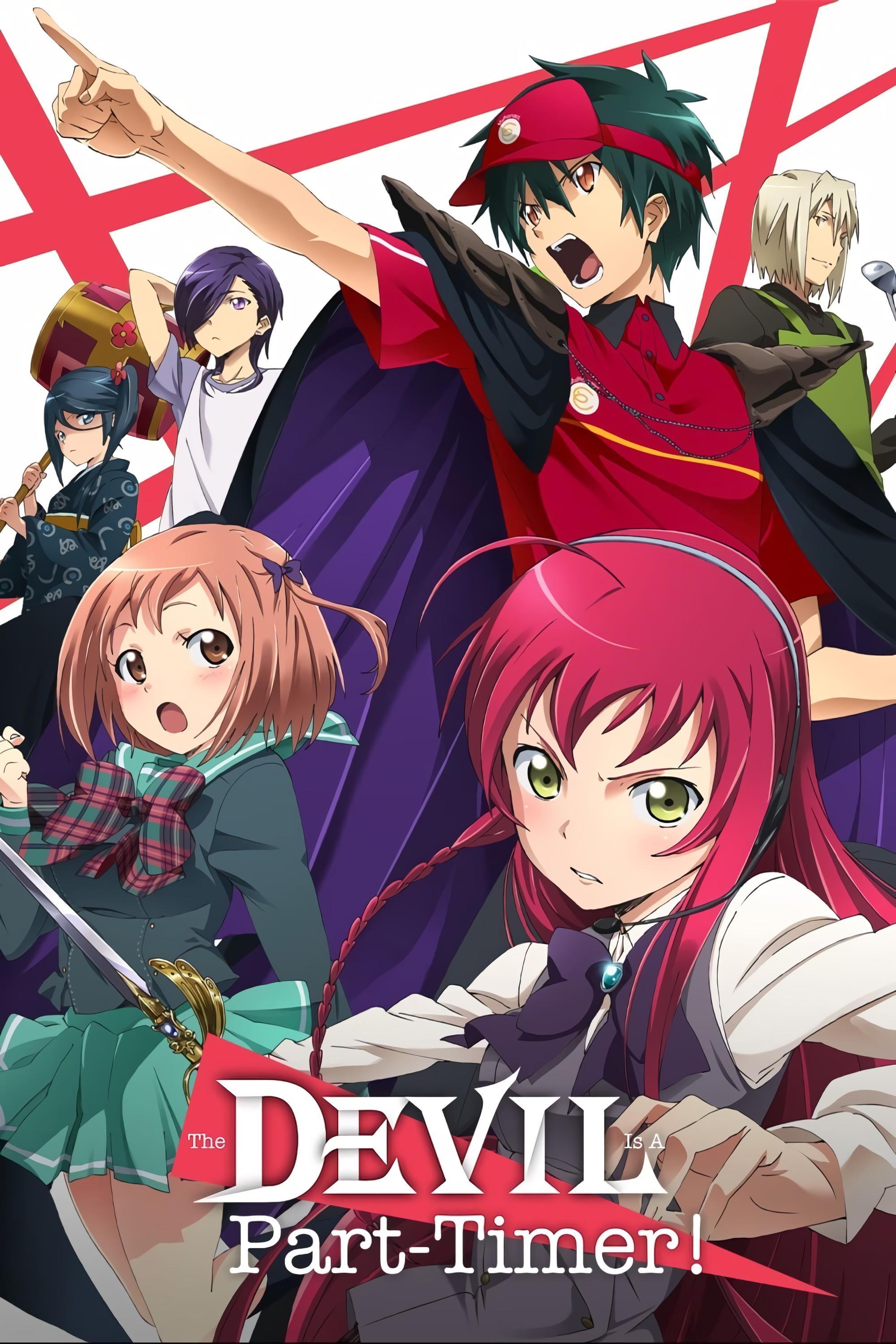
Although the anime took years to return for a second season the light novel ending had already soured the experience for many. The protagonist Sadao Maou choosing Chiho Sasaki over Emi Yusa resulted in a massive wave of boycotts and negative feedback. Fans felt that the development was forced and invalidated the complex relationship between the Demon Lord and the Hero. This dissatisfaction translated into lower sales and a general decline in fan enthusiasm for the animated continuation. The choice of a traditional ending over more nuanced possibilities continues to frustrate the community.
‘Usagi Drop’ (2011)
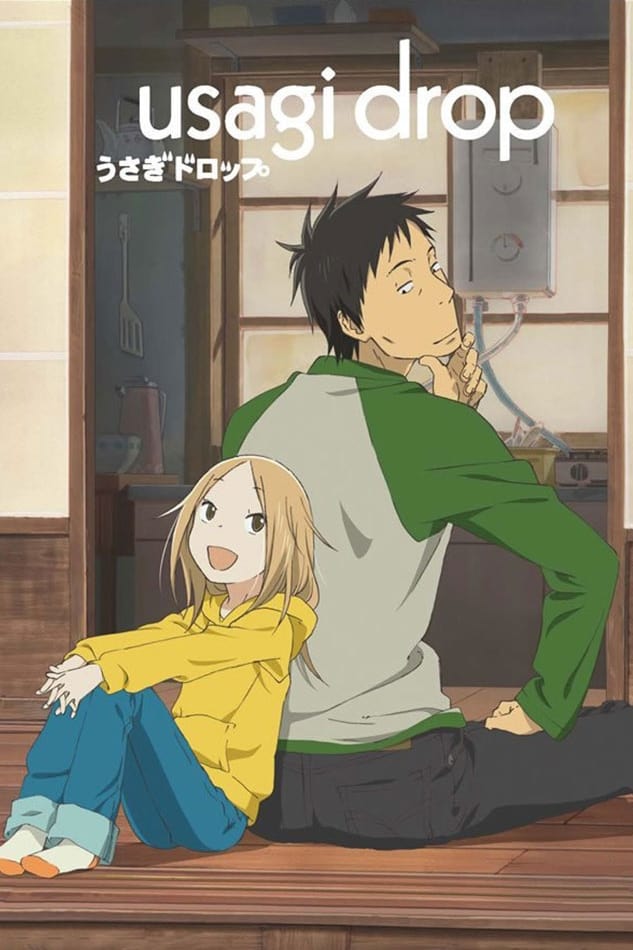
The ‘Usagi Drop’ anime is beloved for its heartwarming portrayal of fatherhood and personal growth. However the discovery of the original manga ending which featured a controversial romantic shift between the adoptive father and daughter led to a massive boycott of the source material. Fans of the animated series felt that this shift was unnecessary and destroyed the wholesome nature of the original premise. The backlash was so strong that most viewers now treat the anime and manga as entirely separate entities. This serves as a warning about the impact of radical tonal shifts in a story.
‘Banana Fish’ (2018)
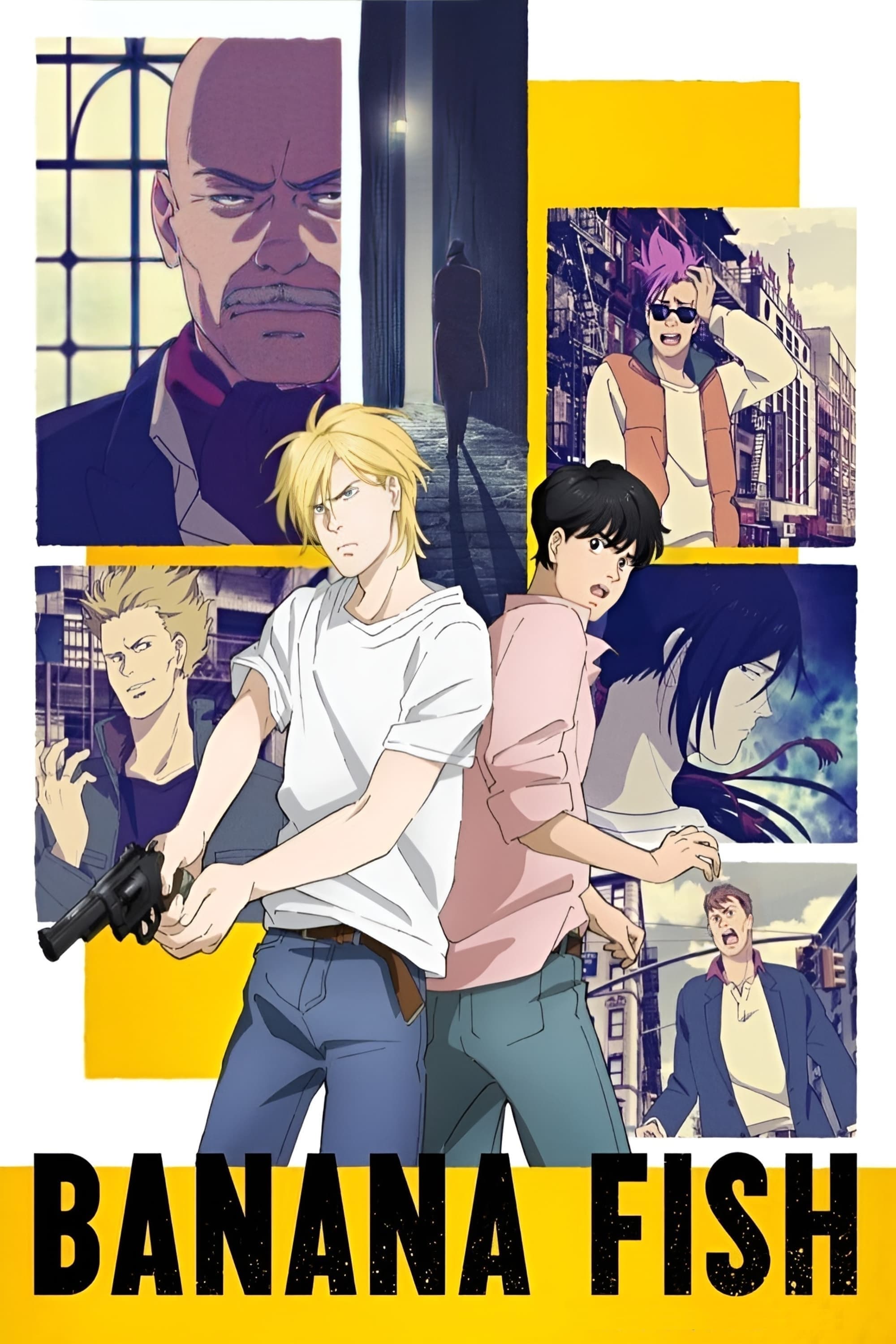
This adaptation of a classic manga dealt with themes of trauma and deep companionship between Ash Lynx and Eiji Okumura. Fans were disappointed when official materials and the anime ending avoided explicitly labeling the relationship as romantic despite the depth of the source material. The decision to frame their bond in a more platonic or tragic light led to accusations of erasing the queer themes of the story. Boycotts of certain merchandise and promotional events occurred as a result of this perceived watering down. The series remains highly regarded but the handling of its central romance continues to be a point of contention.
‘Free!’ (2013–2021)
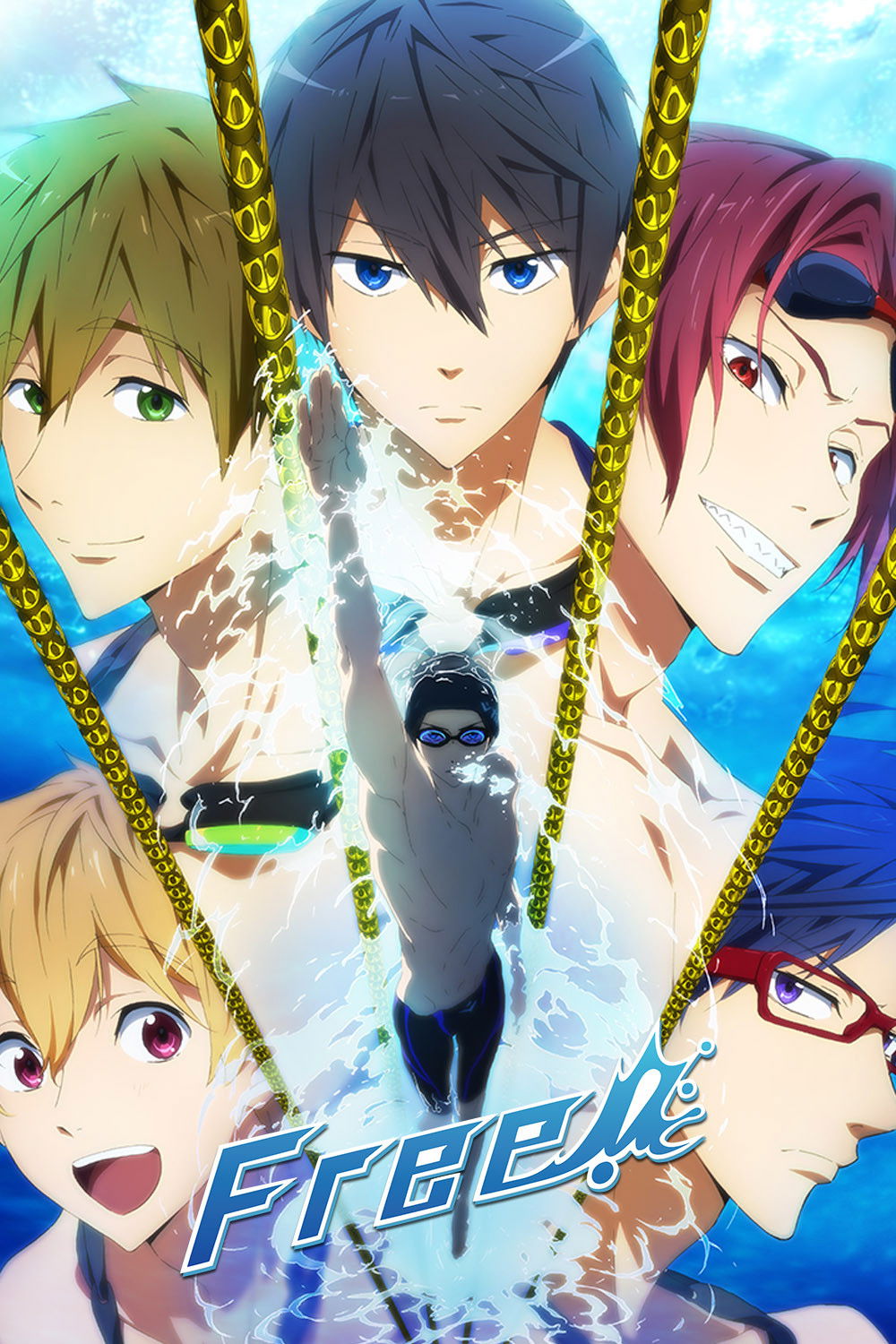
‘Free!’ became a sensation for its focus on the relationships between a group of male competitive swimmers. As the series progressed through various sequels fans felt the narrative forced heterosexual side plots to distract from the main dynamics. The conclusion of the final films left many viewers feeling that the central bonds were never fully validated. This led to a cooling of fan interest and organized social media protests against the studio’s direction. The balance between fan service and genuine storytelling remained a difficult issue throughout the run.
‘Kuroko’s Basketball’ (2012–2015)
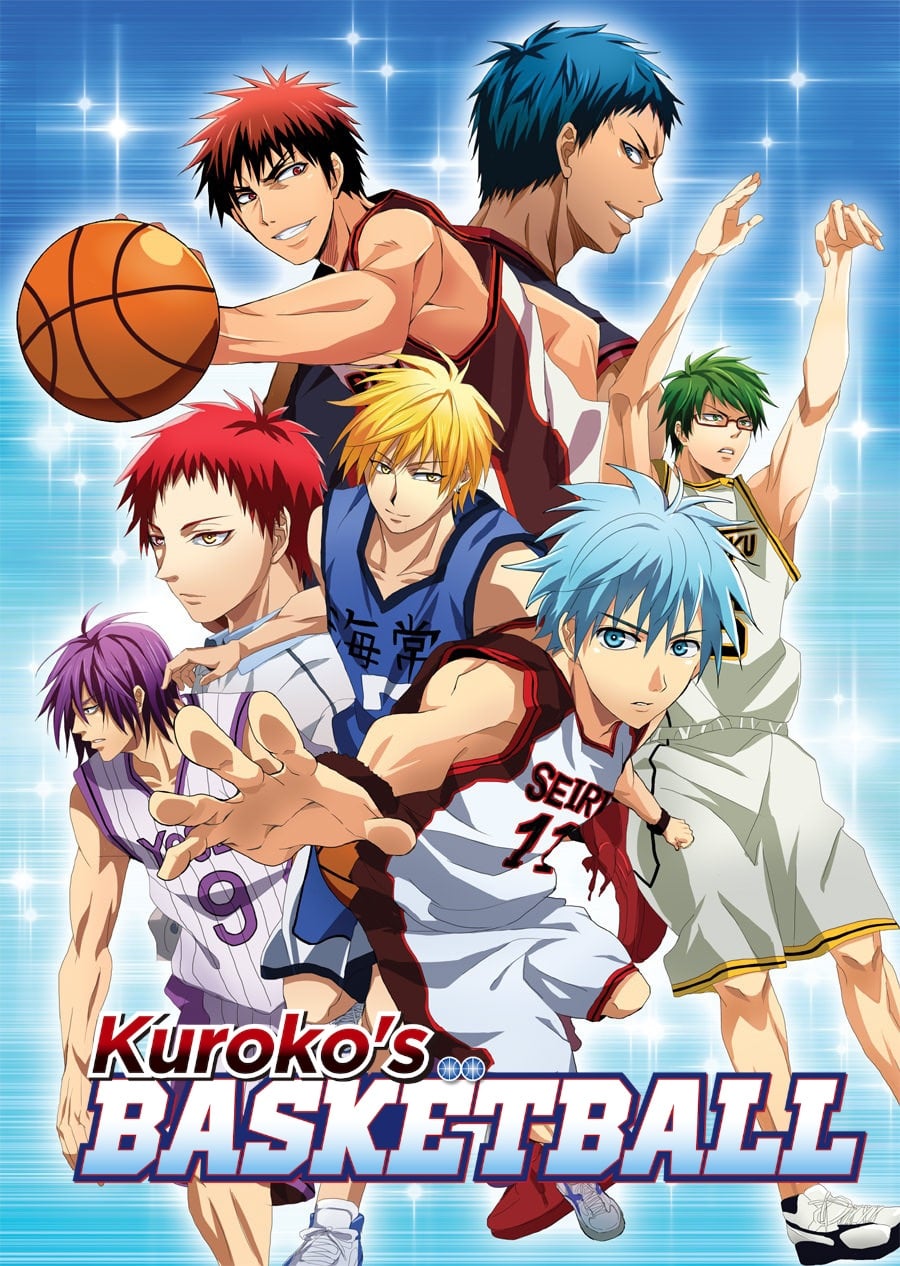
The focus of this sports anime was the intense partnership between Tetsuya Kuroko and Taiga Kagami. Fans expressed frustration when supplemental materials and the final movie introduced heterosexual romantic interests that felt disconnected from the plot. Many viewed these additions as a forced attempt to appeal to a broader demographic at the expense of character focus. The backlash included boycotts of specific magazines and intense online criticism of the creator’s choices. This reaction demonstrated the strong desire for sports anime to prioritize its core character relationships.
‘Seraph of the End’ (2015)
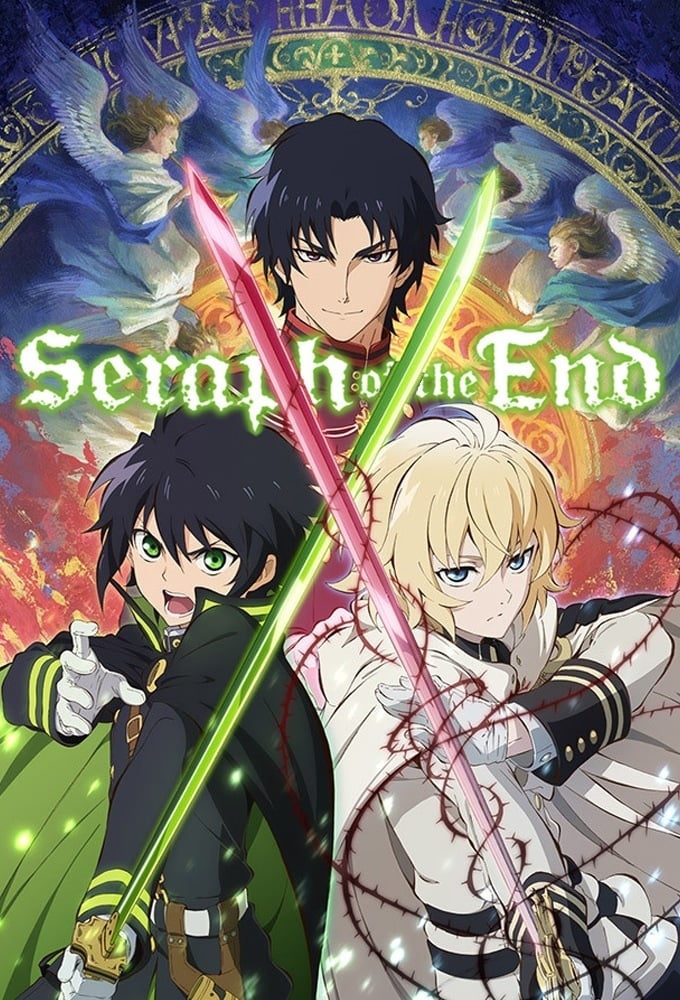
This series gained a large following due to the complex relationship between Yuuichiro Hyakuya and Mikaela Hyakuya. As the story progressed in the manga and anime fans grew weary of forced heterosexual subplots involving other squad members. The perceived avoidance of the central queer coded bond led to a decline in fan engagement and various online boycotts. Viewers argued that the narrative suffered when it tried to adhere to traditional romance tropes. The series remains a frequently discussed example of missed potential in character writing.
‘Blue Exorcist’ (2011–2024)
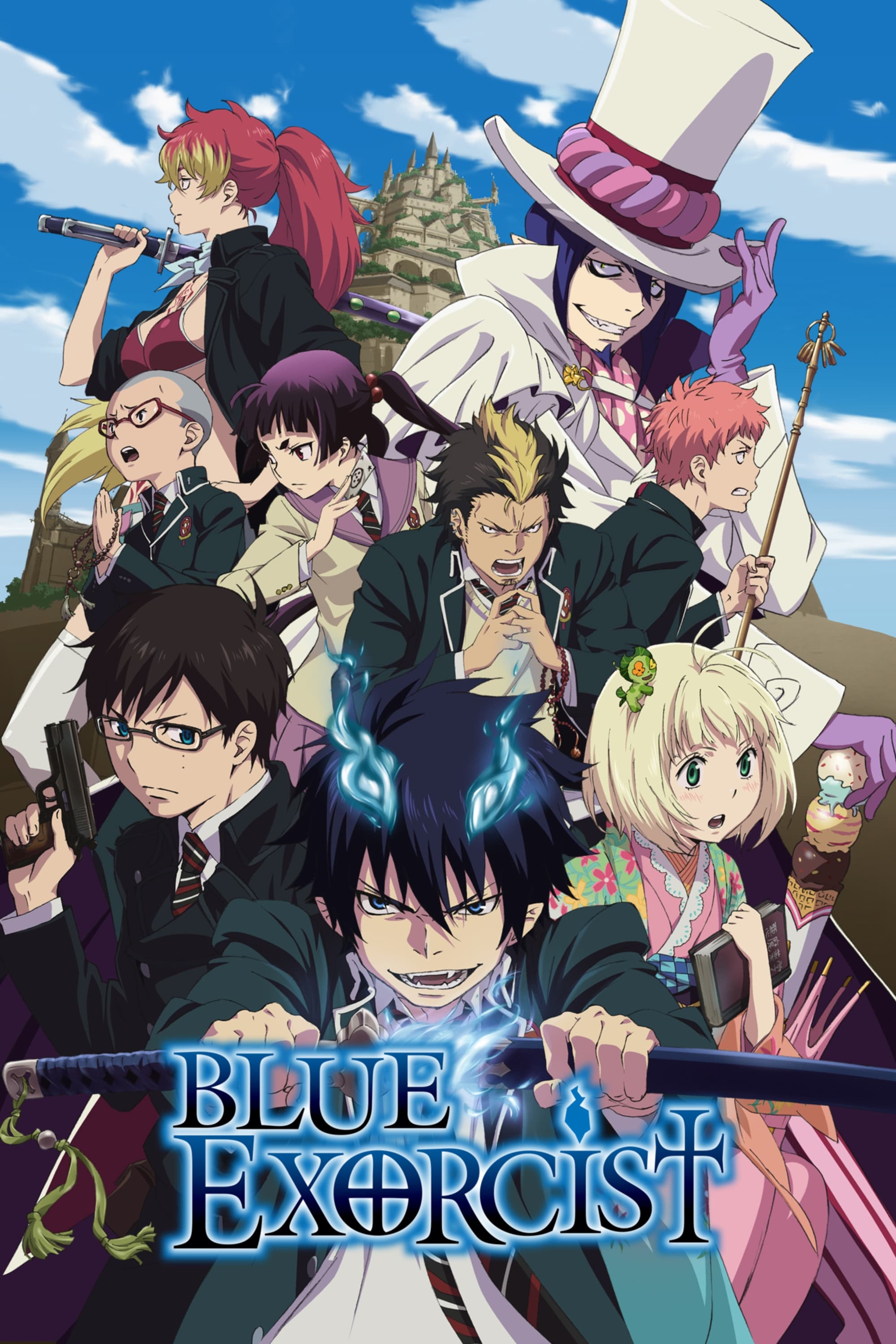
The initial run of ‘Blue Exorcist’ and its subsequent revivals have faced criticism over the romantic direction for Rin Okumura. Some fans felt that the emphasis on his feelings for Shiemi Moriyama was forced into the story to meet shonen expectations. This resulted in a segment of the fandom moving away from the series and boycotting official polls. The tension between the supernatural plot and the romantic elements often left viewers divided on the quality of the show. These discussions have persisted through multiple seasons and movie releases.
‘Black Butler’ (2008–2024)
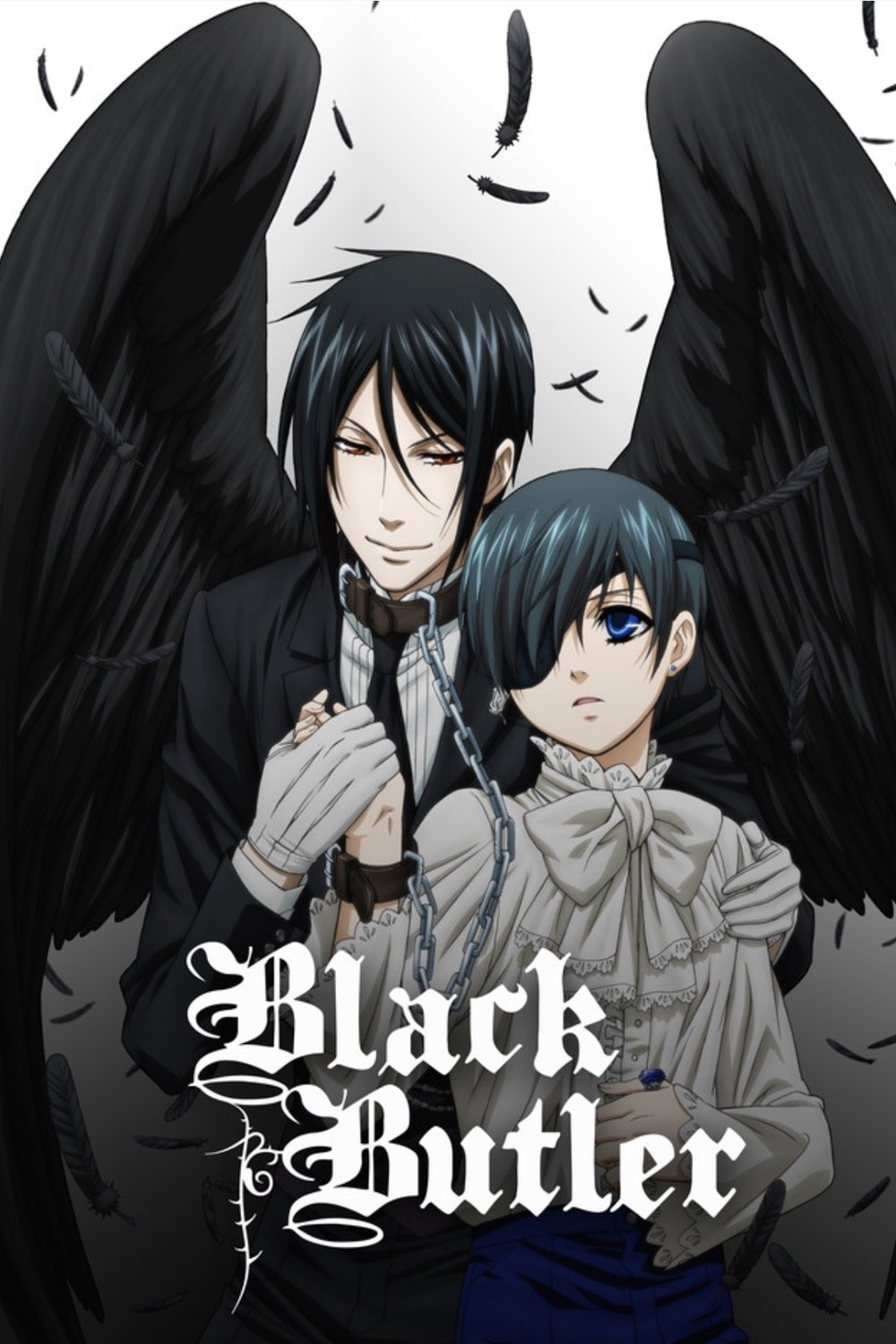
The dynamic between Ciel Phantomhive and Sebastian Michaelis has always been the main draw for this gothic series. Fans have frequently criticized the inclusion of certain romantic arcs as forced heterosexual elements that slow the plot. This has led to boycotts of specific story arcs and heated debates within the international fan community. Critics argue that the series often teases more complex dynamics only to retreat into safer traditional tropes. The ongoing nature of the series means these fan concerns are regularly revisited with each new season.
‘Sk8 the Infinity’ (2021)
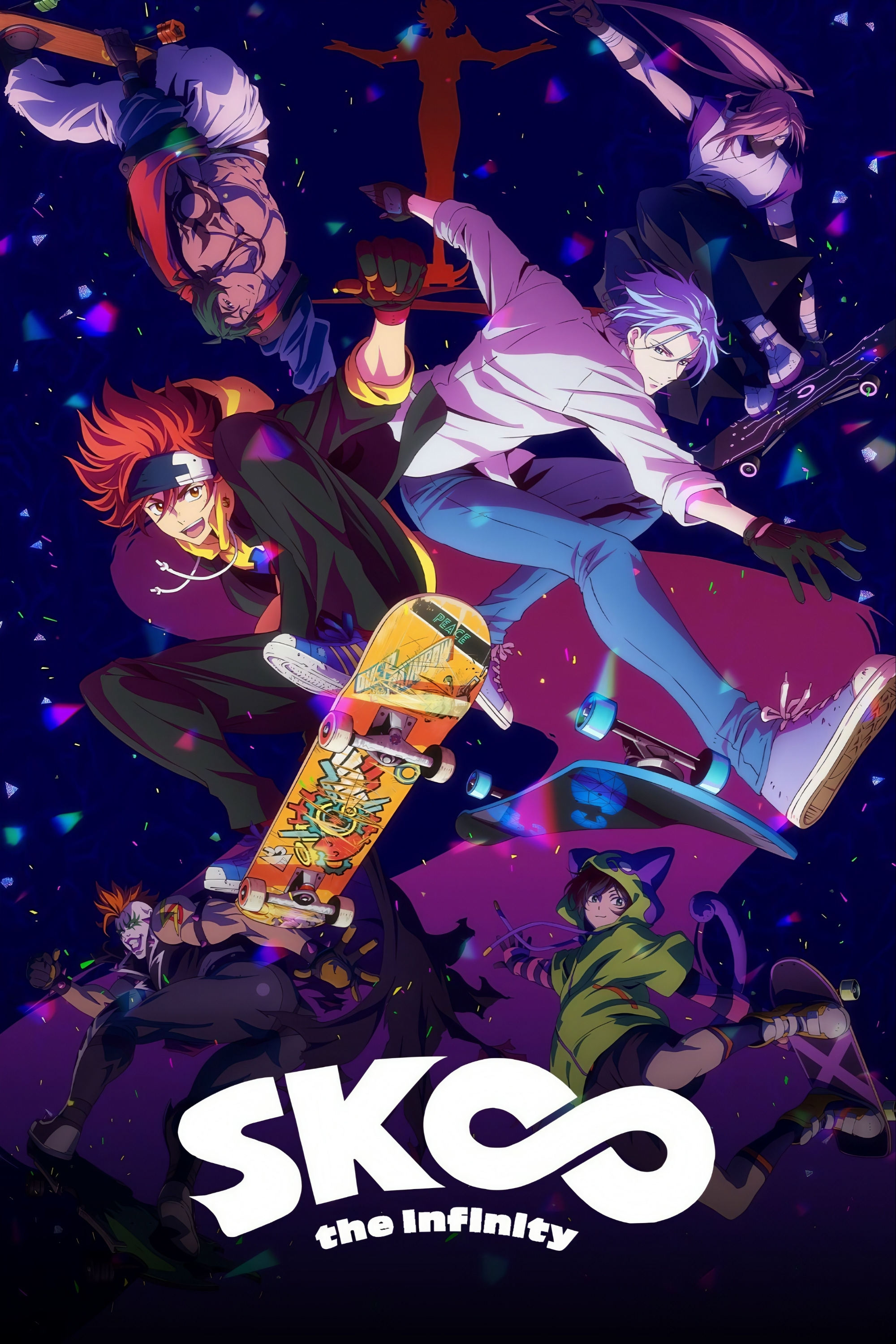
This original anime about skateboarding culture was praised for its vibrant characters and close friendships. However many fans grew concerned that the continuation would introduce forced heterosexual pairings to the main cast. These fears led to preemptive social media campaigns and a vow to boycott if the central bond was sidelined. The community remained vocal about their desire for the show to maintain its focus on the primary male relationships. This proactive stance by the fandom shows how modern audiences engage with character development.
‘No. 6’ (2011)
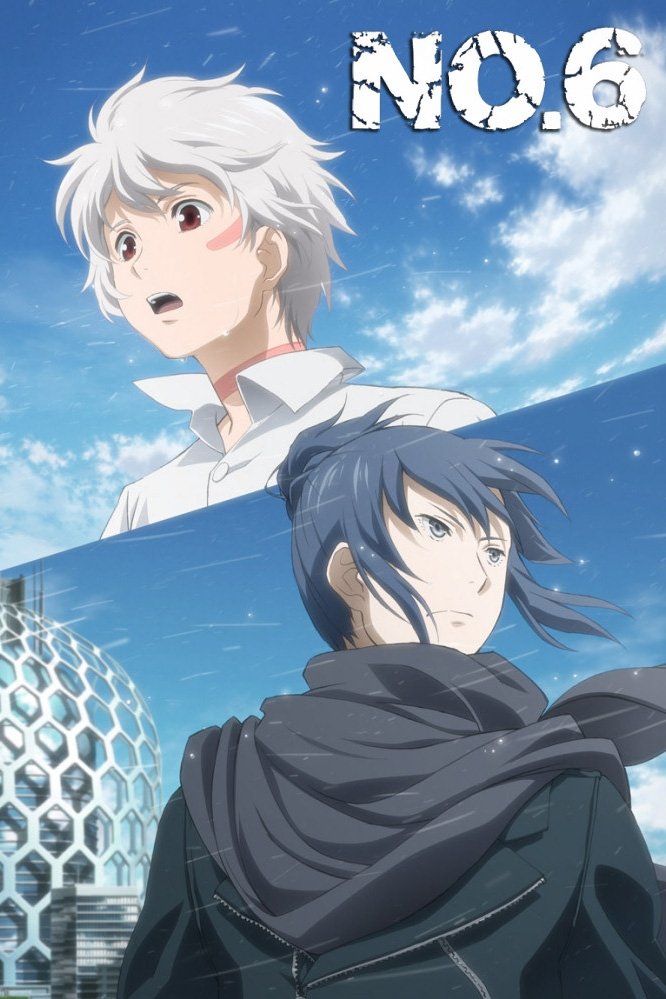
Based on a series of novels ‘No. 6’ follows the relationship between Shion and Nezumi in a dystopian future. The anime adaptation was criticized for downplaying the romantic nature of their bond in favor of a more ambiguous or platonic ending. This led to a boycott of the home video releases by fans who wanted a more faithful representation of the source material. Many argued that the changes felt like a forced attempt to make the story more palatable for general audiences. The series is still remembered for its strong start but the finale remains a point of disappointment.
‘Stars Align’ (2019)
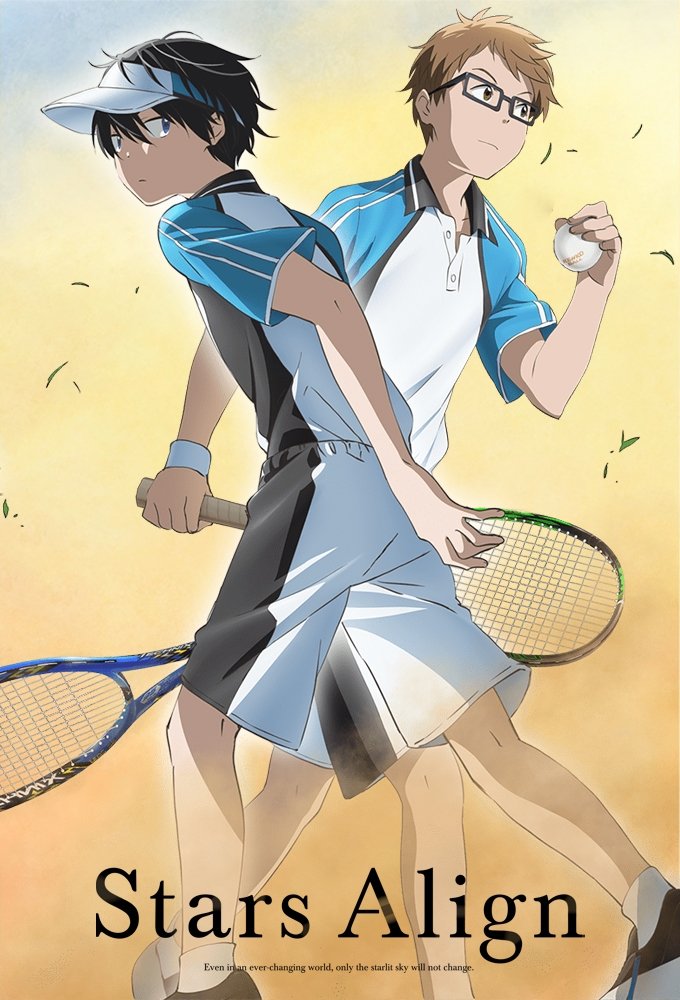
This sports drama dealt with many serious real world issues including gender identity and family abuse. Fans were worried that the abruptly cut production would result in a forced heterosexual resolution for its diverse cast. The lack of a proper conclusion led to a community led movement to support the creator while boycotting the production committee’s decisions. Viewers wanted the nuanced portrayals of identity to be honored rather than simplified for a quick ending. The situation serves as a reminder of the struggles faced by original anime productions.
‘Promare’ (2019)
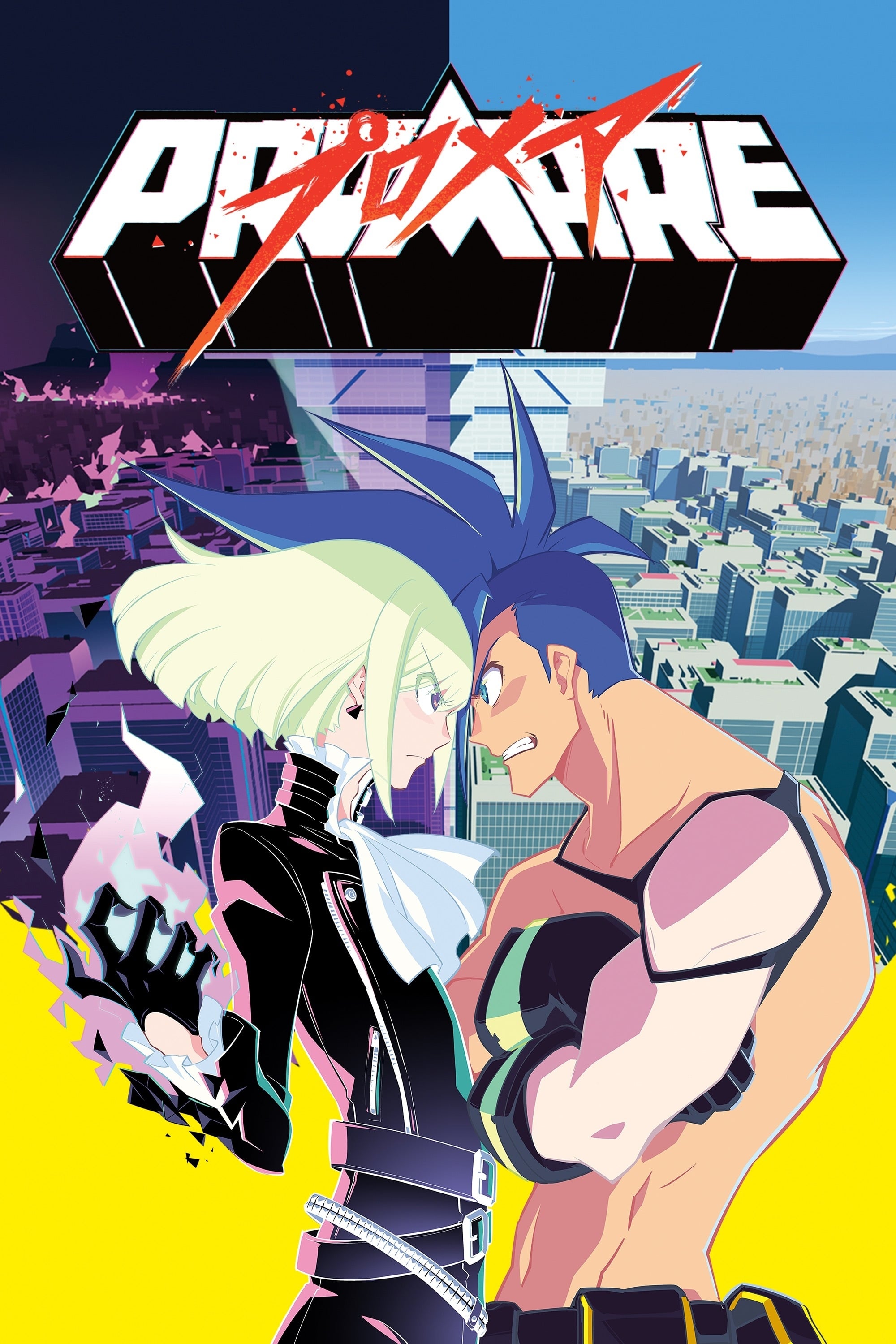
This high octane film focused on the relationship between Galo Thymos and Lio Fotia. While the film was a hit some fans boycotted official merchandise due to the lack of an explicit romantic confirmation in the script. They felt that the chemistry between the leads was being used for marketing while the ending remained safely non committal. This sparked a larger conversation about the ethics of using queer subtext without providing a definitive conclusion. Despite the controversy ‘Promare’ remains a visually stunning and popular entry in the genre.
‘Mobile Suit Gundam: Iron-Blooded Orphans’ (2015–2017)

The final episodes of this ‘Gundam’ installment were met with significant pushback regarding the ultimate fate of the main characters. Many fans felt the introduction of a traditional domestic ending for the survivors was a forced attempt to provide a safe resolution. This led to a notable decline in fan participation in official forums and a boycott of certain merchandise. Viewers argued that the show’s gritty tone was undercut by the sudden shift toward conventional family structures. The conclusion remains a divisive topic among enthusiasts of the franchise.
‘Aldnoah.Zero’ (2014–2015)
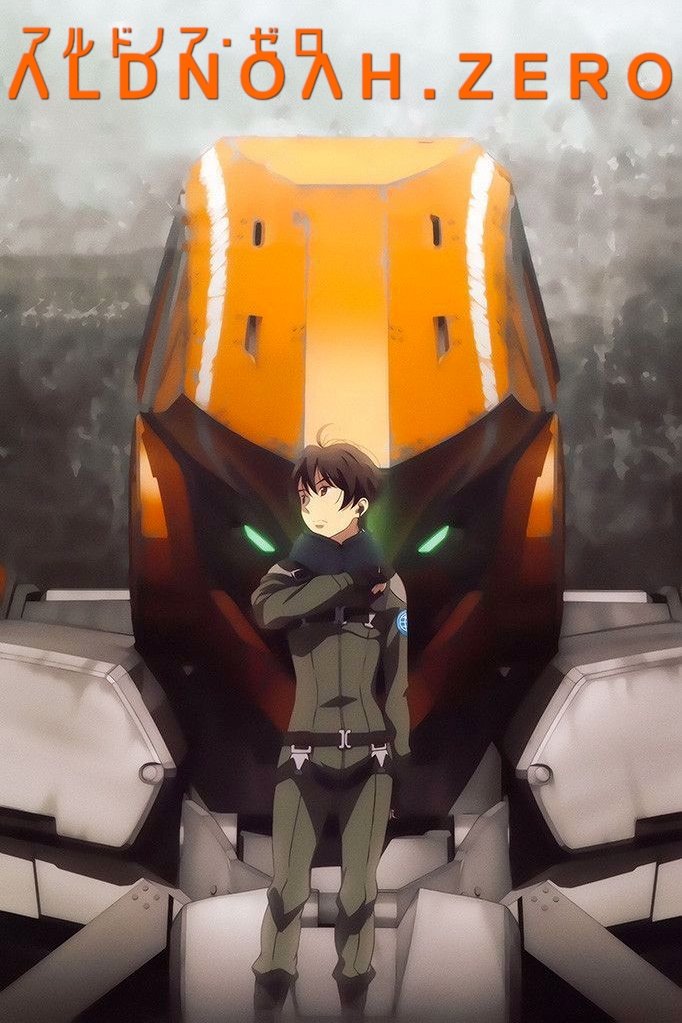
The conclusion of this mecha series remains one of the most controversial moments in recent history. Fans were outraged when the female lead chose to marry a minor character with very little screen time throughout the series. This led to widespread boycotts and a significant collapse of the show’s popularity in international markets. Many viewers felt that the ending was a forced heterosexual resolution that ignored the intense rivalry and bond between the two male protagonists. The fallout from this finale continues to serve as a cautionary tale for writers.
‘Darling in the Franxx’ (2018)
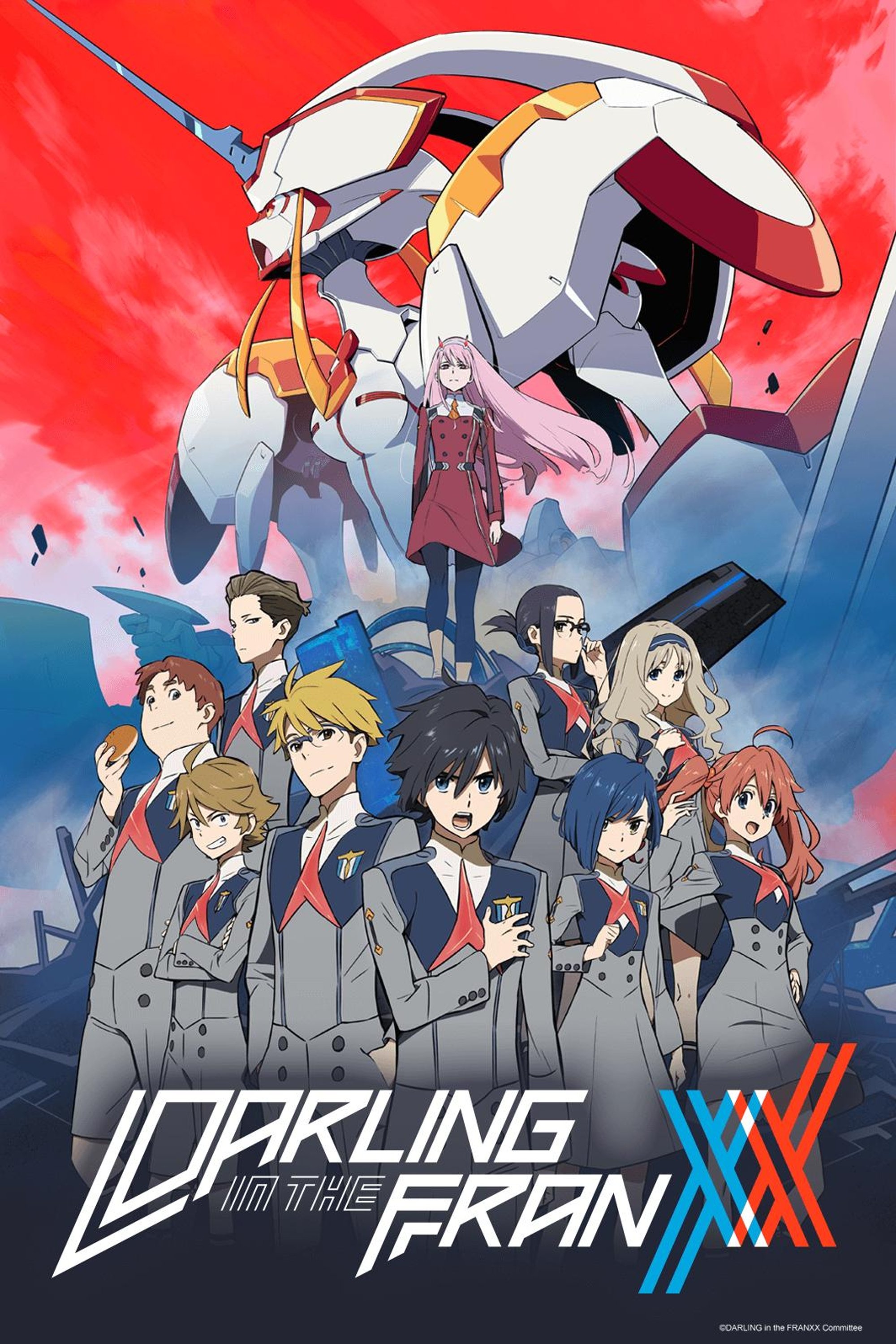
The final episodes of this science fiction series shifted focus toward a message of biological procreation and traditional family units. Many fans found this development to be forced and a departure from the more fluid themes established earlier in the show. The emphasis on heterosexual pairing as the primary way to save humanity led to vocal boycotts and negative reviews. Viewers criticized the ending for being heavy handed and dismissive of other relationship types. This conclusion remains one of the most polarizing finales in recent anime history.
Share your own thoughts on these controversial anime finales in the comments.