

Anime Series That Fans Called Out for Ableist Villain Tropes




The representation of disability in anime has often relied on problematic tropes that equate physical or mental impairments with moral corruption. Many viewers have expressed concern over the way series use these characteristics to make antagonists appear more sinister or tragic. These recurring patterns suggest that a person who is not able bodied or neurotypical is inherently broken or dangerous. Critics argue that such portrayals can have real world consequences for how disabled individuals are perceived in society. This list examines several anime series where fans have called out the use of ableist villain tropes in character design and storytelling.
‘Fullmetal Alchemist: Brotherhood’ (2009–2010)
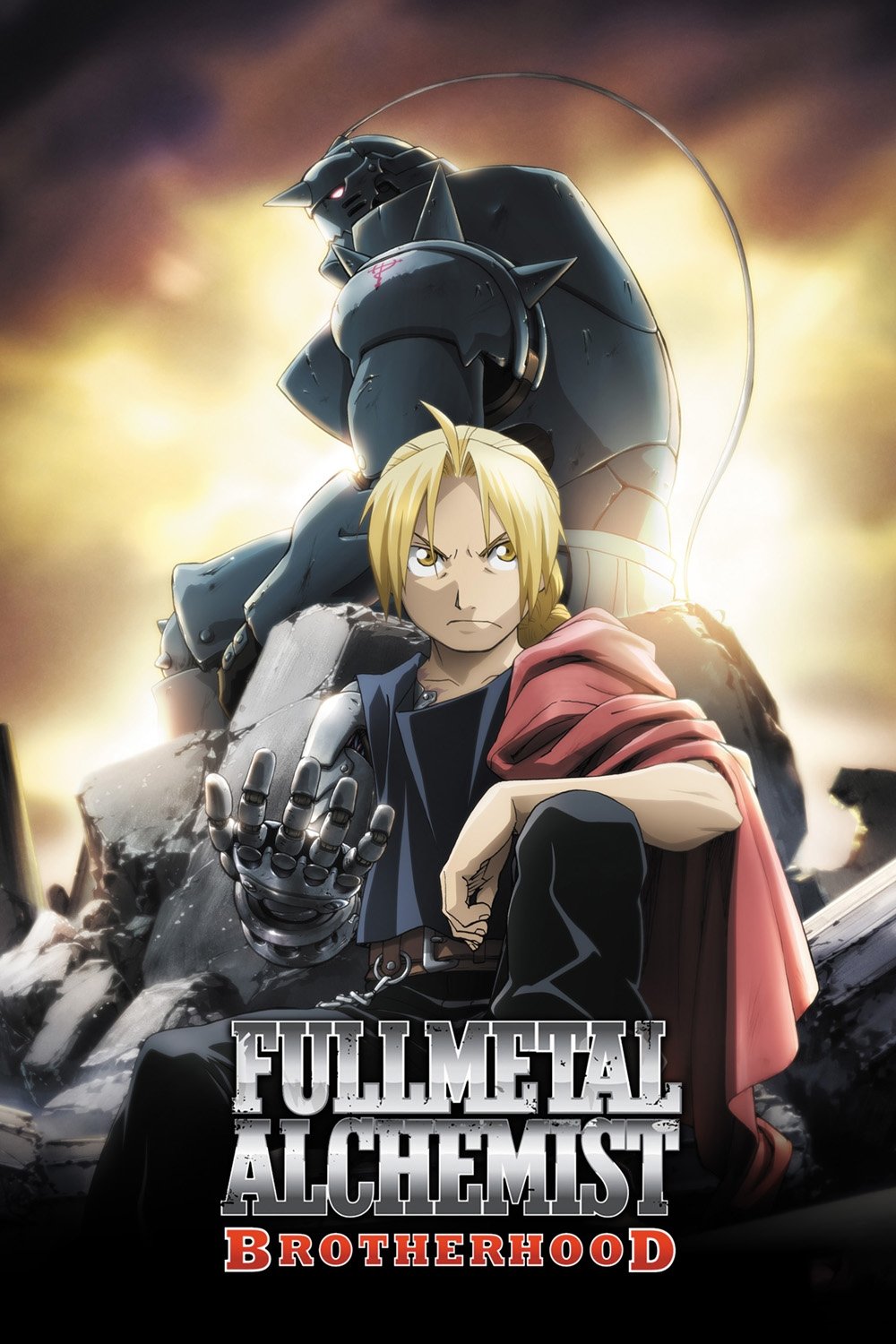
Fans have often discussed how the primary antagonists in ‘Fullmetal Alchemist: Brotherhood’ are defined by their physical differences or unnatural bodies. The character of Father and the Homunculi are depicted as artificial beings whose lack of a true human form contributes to their disregard for life. The narrative frequently uses the loss of limbs or physical suffering as a central theme tied to the hubris of the characters. Critics point out that the series frames the pursuit of physical wholeness as a journey toward moral enlightenment. This creates a dichotomy where physical imperfection is closely linked to spiritual or ethical failure.
‘My Hero Academia’ (2016–Present)
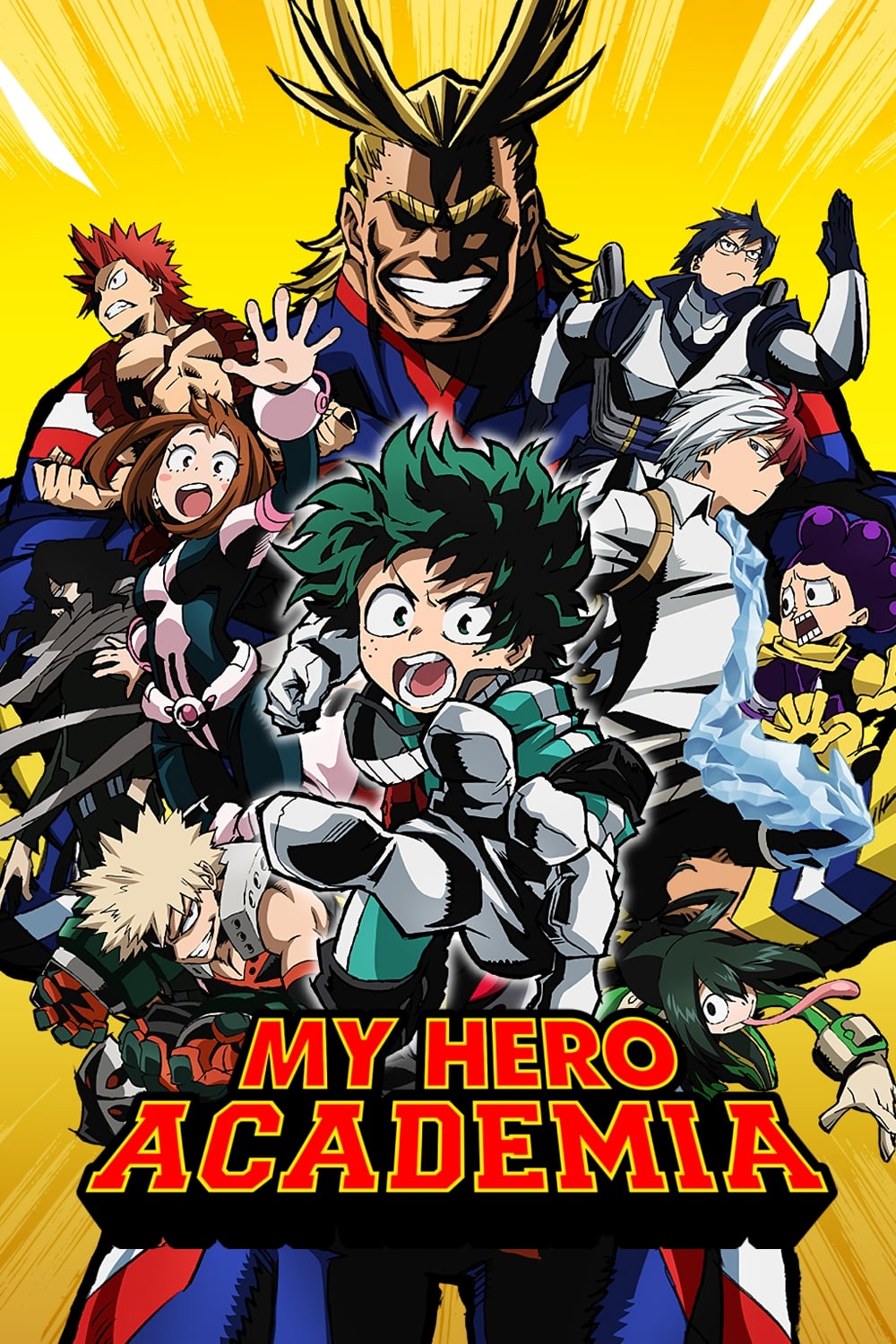
The narrative of ‘My Hero Academia’ frequently utilizes physical scarring and mental illness as a way to signify a character’s villainous turn. Shigaraki Tomura is often depicted with visible skin conditions that the story links to his inner turmoil and destructive power. Overhaul is another example who demonstrates extreme obsessive behaviors that are used to highlight his lack of empathy. Fans have noted that these traits often suggest a correlation between physical or mental differences and moral corruption. This design choice can alienate viewers who feel that disability should not be used as a shorthand for evil.
‘Demon Slayer: Kimetsu no Yaiba’ (2019–Present)
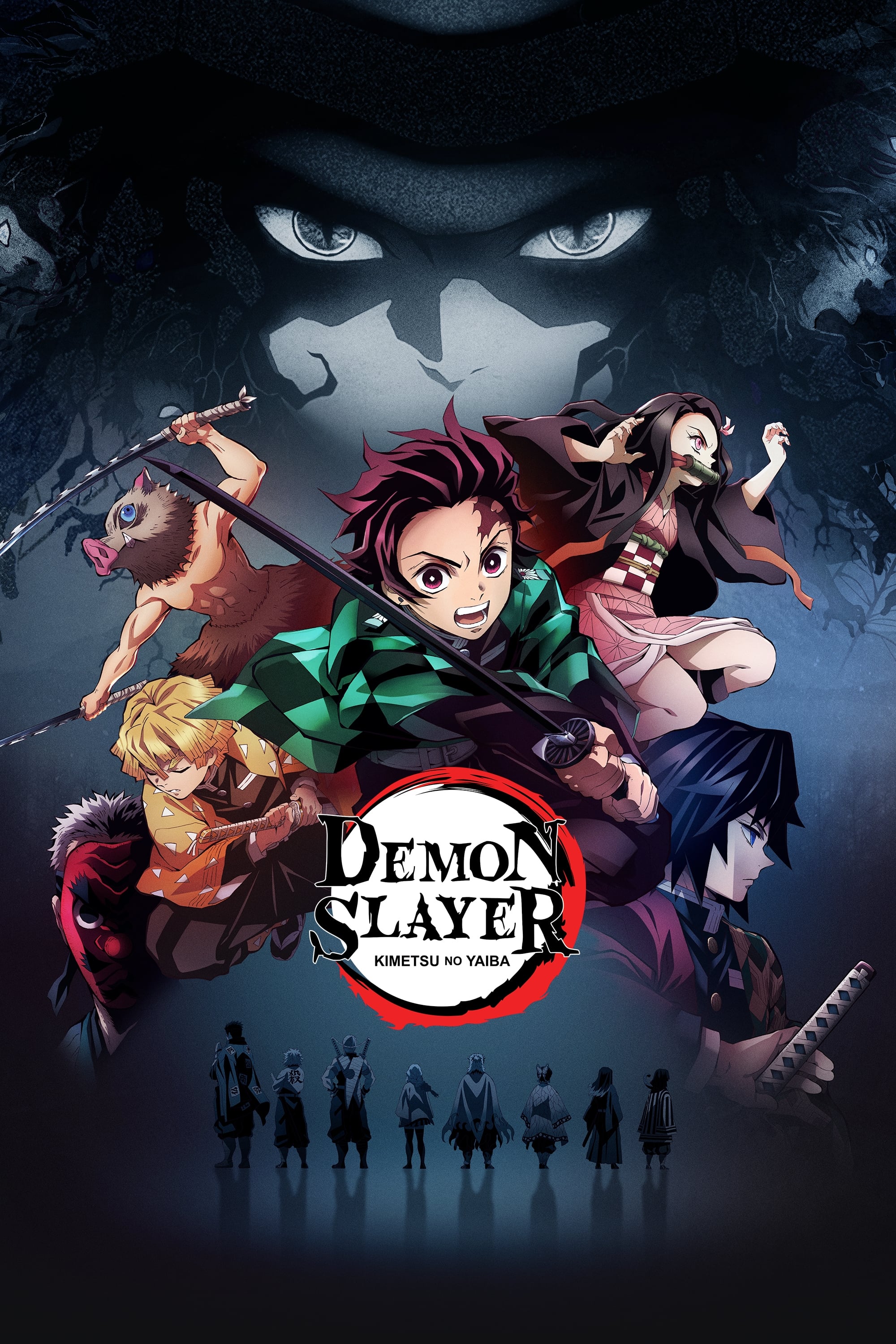
Muzan Kibutsuji is introduced in ‘Demon Slayer: Kimetsu no Yaiba’ as a character whose entire villainous trajectory begins with a terminal illness. His fear of death and his search for a cure lead him to commit horrific acts against humanity for centuries. This plot point has been criticized for portraying the desire to overcome a chronic condition as a source of inherent evil. Many viewers argue that it reinforces the idea that people with chronic illnesses are desperate or dangerous. The series continues this trend by giving several demons backstories rooted in their past physical vulnerabilities.
‘Berserk’ (1997–1998)
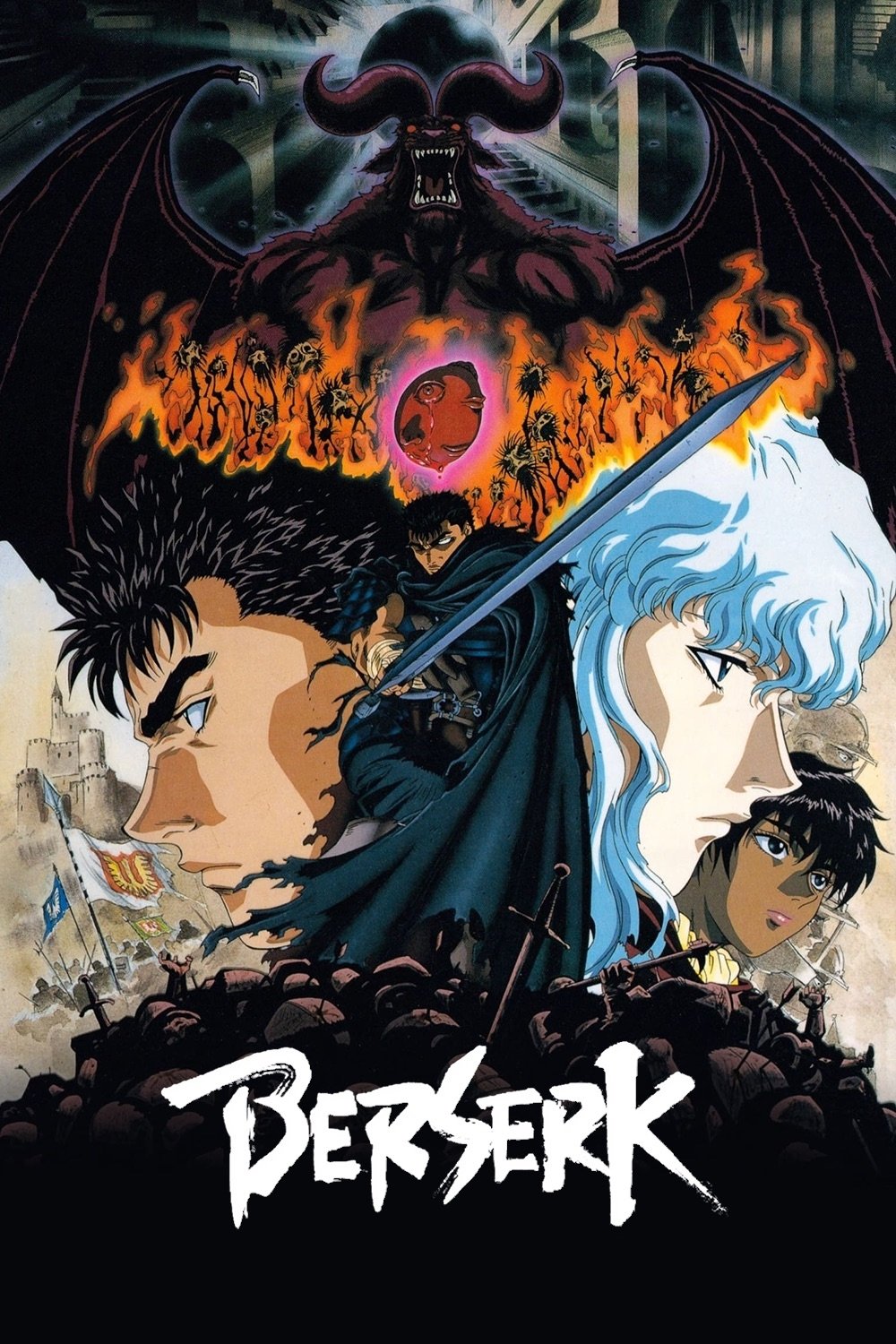
The character Griffith undergoes a dramatic transformation after being subjected to torture that leaves him physically disabled and unable to speak. His decision to sacrifice his comrades is framed as a direct result of his inability to cope with his new physical limitations. Fans have called out ‘Berserk’ for suggesting that a loss of physical ability is a fate worse than death or a valid reason to turn toward darkness. This narrative arc reinforces the idea that disabled people are prone to resentment and betrayal. It uses disability as a catalyst for a descent into absolute villainy.
‘Sword Art Online’ (2012–2014)

The antagonists in ‘Sword Art Online’ often display behaviors that the series links to mental instability or perceived psychological defects. Villains like Sugou Nobuyuki are characterized by extreme obsessions and predatory behaviors that are framed as signs of an unstable mind. The narrative frequently uses these traits to ensure the audience views the character as irredeemable and grotesque. Fans have argued that this relies on lazy stereotypes that equate mental health struggles with a lack of moral restraint. This approach simplifies the complexities of psychology into a black and white moral struggle.
‘Code Geass: Lelouch of the Rebellion’ (2006–2008)
While Nunnally is a sympathetic character her role in ‘Code Geass: Lelouch of the Rebellion’ is often criticized for being a plot device defined by her blindness and paralysis. The villains of the series frequently use her physical state to justify their own beliefs about strength and the survival of the fittest. Many viewers find that the depiction of disability in the show is used to elicit pity rather than to provide complex characterization. The show has been called out for using these traits to heighten the emotional stakes without giving the characters true agency. This approach often reinforces harmful stereotypes about the limitations of people with disabilities.
‘Tokyo Ghoul’ (2014–2015)
In ‘Tokyo Ghoul’ the character Jason is a villain whose brutality is explained through his history of trauma and resulting mental health issues. The series depicts his psychosis as a source of his sadistic tendencies and desire to inflict pain on others. This framing has been criticized for suggesting that survivors of trauma are destined to become monsters themselves. Fans have noted that the visual representation of his mental state is used to make him appear more terrifying to the audience. Such portrayals can stigmatize mental health conditions by linking them directly to violence.
‘Death Note’ (2006–2007)
The characters of Near and Mello in ‘Death Note’ are often discussed in the context of neurodivergent traits that are framed as eccentricities or obsessions. While they are not traditional villains their behaviors are frequently contrasted with the standard social norms to highlight their outsider status. Some fans have pointed out that these traits are used to make the characters appear cold or detached from human emotion. This can be seen as a form of ableism that suggests neurodivergent individuals lack the capacity for empathy. The narrative uses these quirks to signify their genius at the expense of their humanity.
‘Re:Zero -Starting Life in Another World-‘ (2016–Present)

Petelgeuse Romanee-Conti is a prominent antagonist in ‘Re:Zero -Starting Life in Another World-‘ who is defined by his erratic and self harming behaviors. The series uses his mental instability to create a character who is both horrifying and unpredictable. His physical mannerisms and speech patterns are coded as signs of a broken mind that has lost all touch with reality. Critics argue that this portrayal uses mental illness as a spectacle for horror and entertainment. It reinforces the harmful trope that people with severe mental health conditions are inherently violent or unstable.
‘Inuyasha’ (2000–2004)

The primary antagonist Naraku in ‘Inuyasha’ is a being composed of various parts who is often depicted as having a fragile or incomplete body. His constant need to absorb others and reshape his form is presented as a sign of his corrupt and parasitic nature. Fans have noted that his lack of a stable physical identity is used to reflect his lack of a moral center. This imagery suggests that a cohesive and able body is a sign of goodness while a fragmented one is a sign of evil. The series frequently associates his physical transformations with his deceptive and malicious personality.
‘Bleach’ (2004–2012)
In ‘Bleach’ the character Nnoitra Gilga possesses an obsession with strength that is rooted in his fear of being seen as weak or inferior. His character design includes multiple arms and a hollow hole that signify his unnatural and incomplete existence. The narrative frames his quest for power as a desperate attempt to overcome his inherent defects as a hollow. Critics have called out this dynamic for suggesting that physical differences lead to a toxic need for dominance. This trope links physical variations with a psychological obsession that drives the characters toward destruction.
‘Black Butler’ (2008–2010)
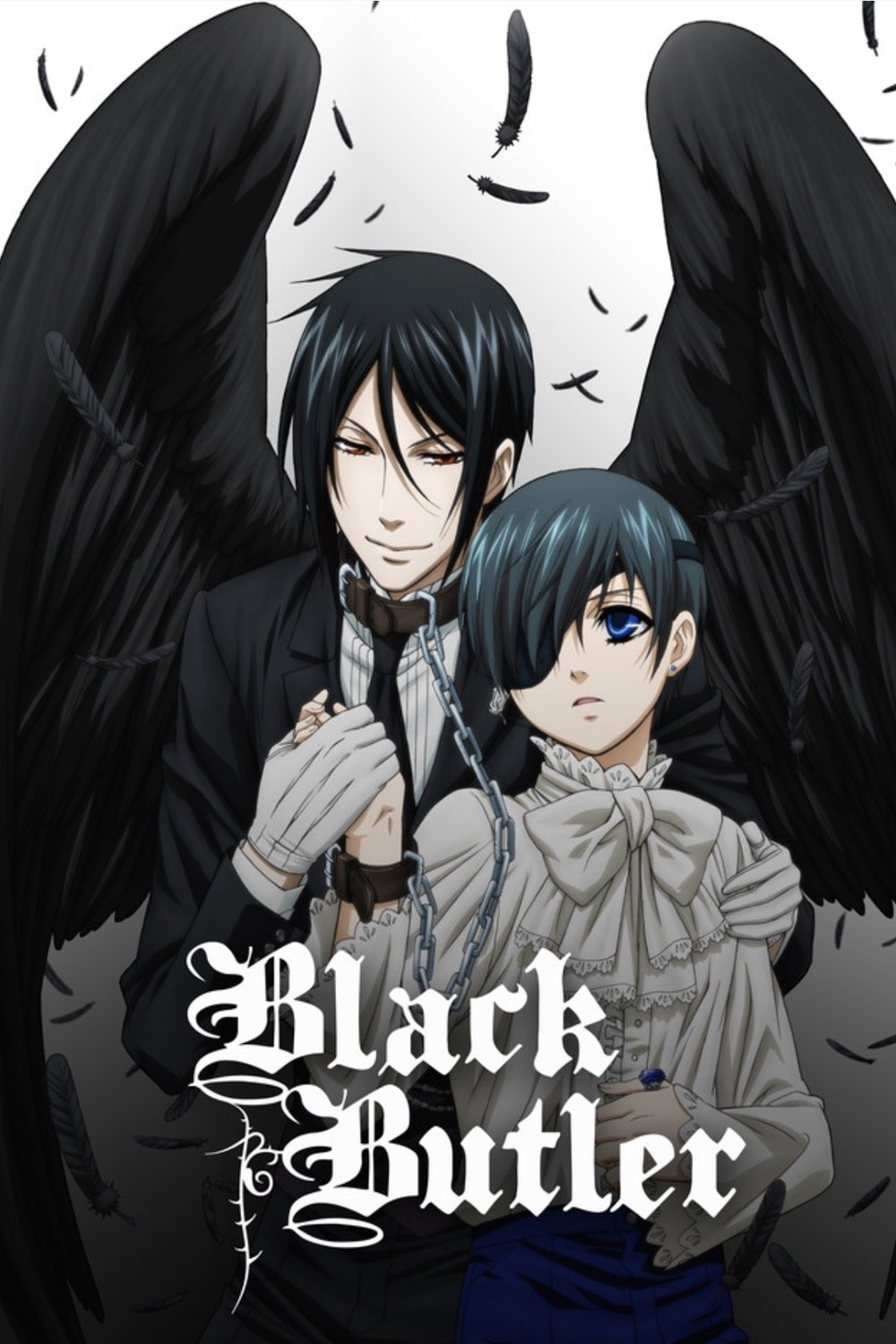
The circus arc of ‘Black Butler’ features several characters with physical disabilities who are framed as tragic and eventually villainous figures. These characters are used by the narrative to create a sense of pity that is later subverted by their participation in horrific crimes. Fans have criticized the show for suggesting that their disabilities make them easy targets for manipulation or naturally inclined toward a life of crime. The visual focus on their prosthetic limbs and scars is used to emphasize their status as societal outcasts. This framing can be seen as reinforcing the idea that disability leads to a damaged moral compass.
‘Jojo’s Bizarre Adventure’ (2012–Present)
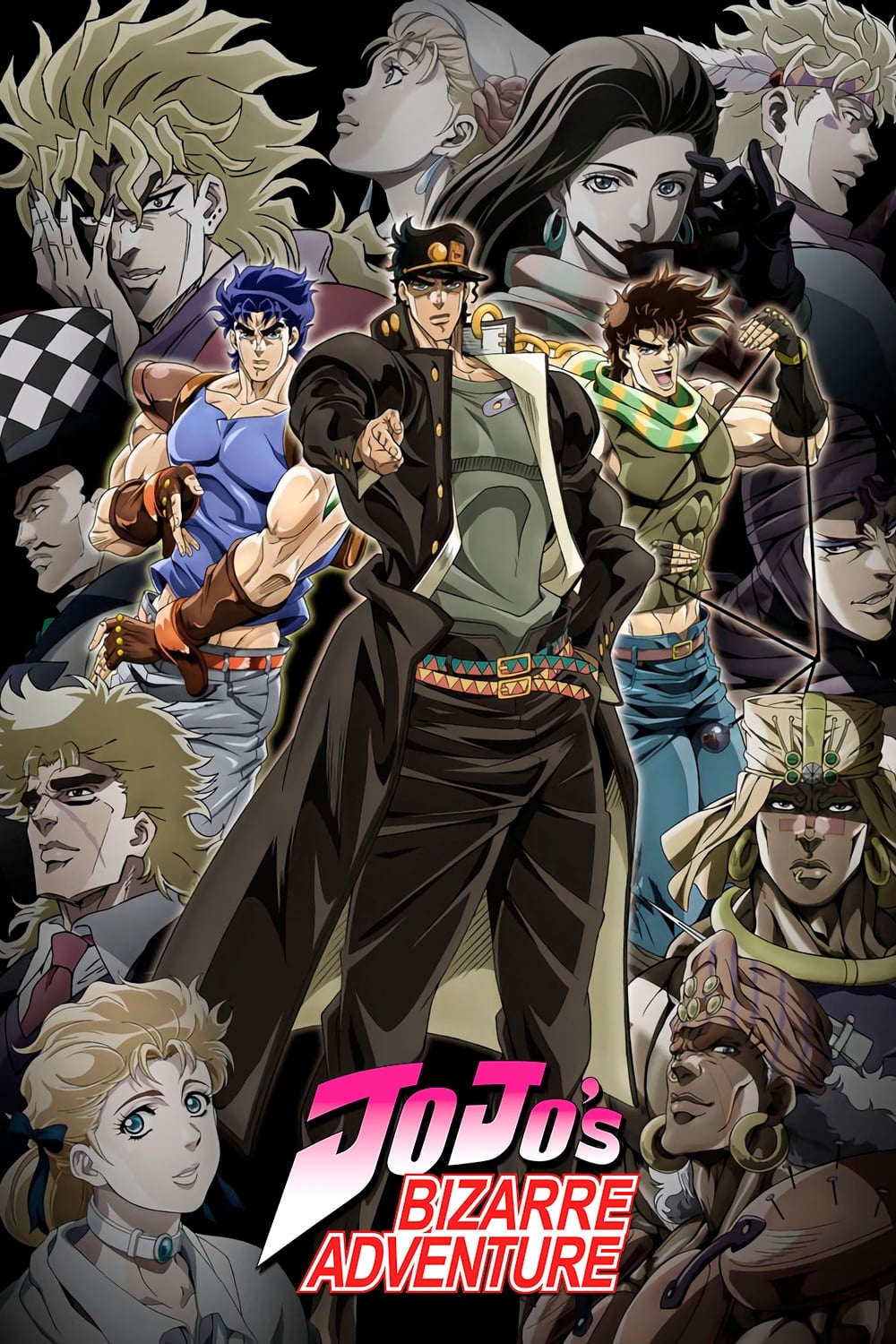
Throughout the various parts of ‘Jojo’s Bizarre Adventure’ several villains are depicted with physical impairments or mental health conditions that are linked to their evil nature. Characters like Polpo or various stand users are often shown with exaggerated physical traits that signal their moral decay. The series frequently uses these features to create a sense of the grotesque and to make the antagonists stand out as abnormal. Some viewers have argued that this style of character design relies on the idea that physical beauty is a sign of virtue. This results in a world where disability is frequently used as a marker for the villain of the week.
‘Made in Abyss’ (2017–2022)
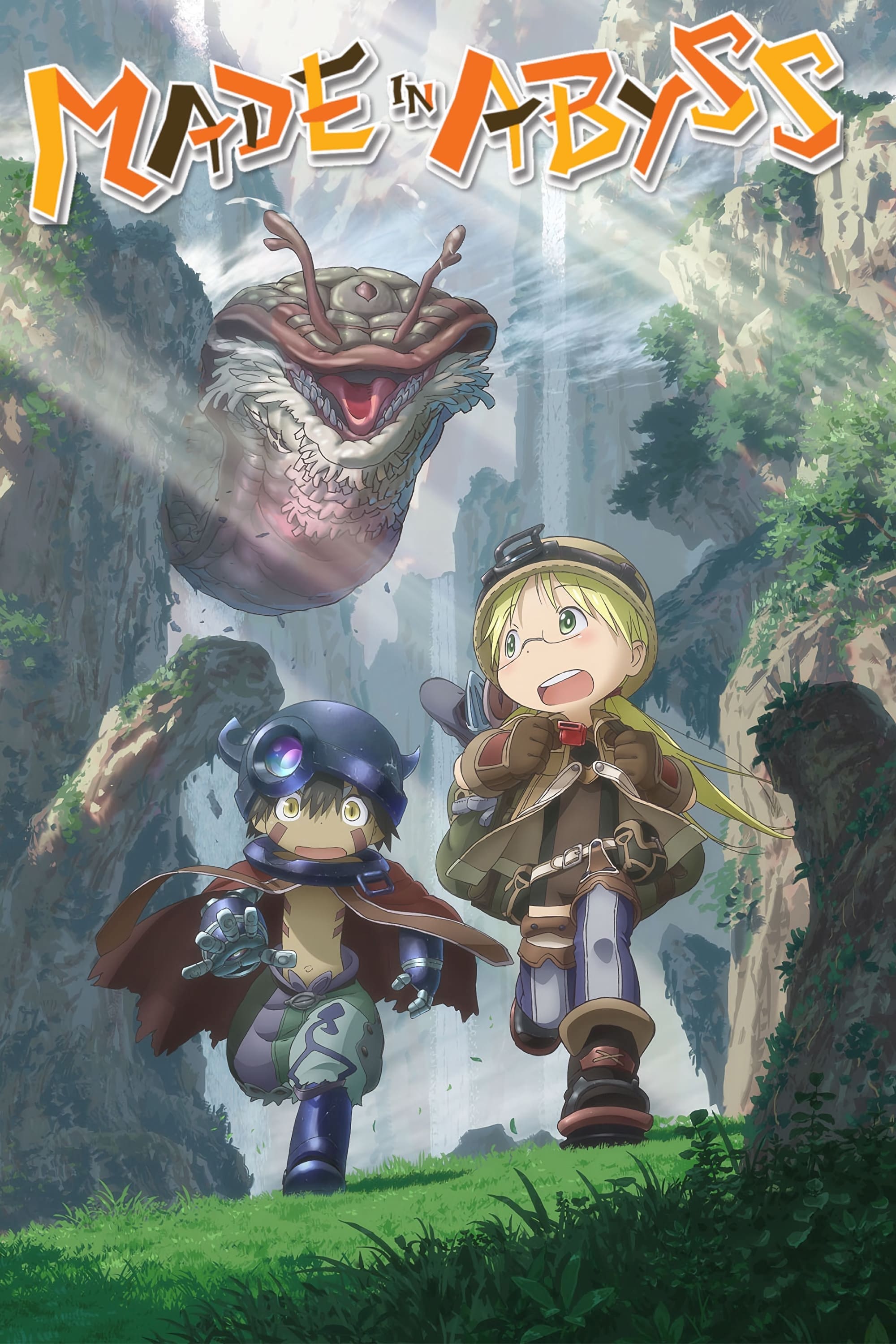
The character Bondrewd in ‘Made in Abyss’ is an antagonist who performs unethical experiments on children that often result in horrific physical deformities. The series uses the resulting physical states of these children to shock the audience and demonstrate the cruelty of the villain. Critics have pointed out that the show uses disability and deformity primarily for body horror and emotional manipulation. The victims are often stripped of their humanity and reduced to their physical conditions to serve the narrative. This approach has been called out for its insensitive handling of physical trauma and impairment.
‘The Promised Neverland’ (2019–2021)
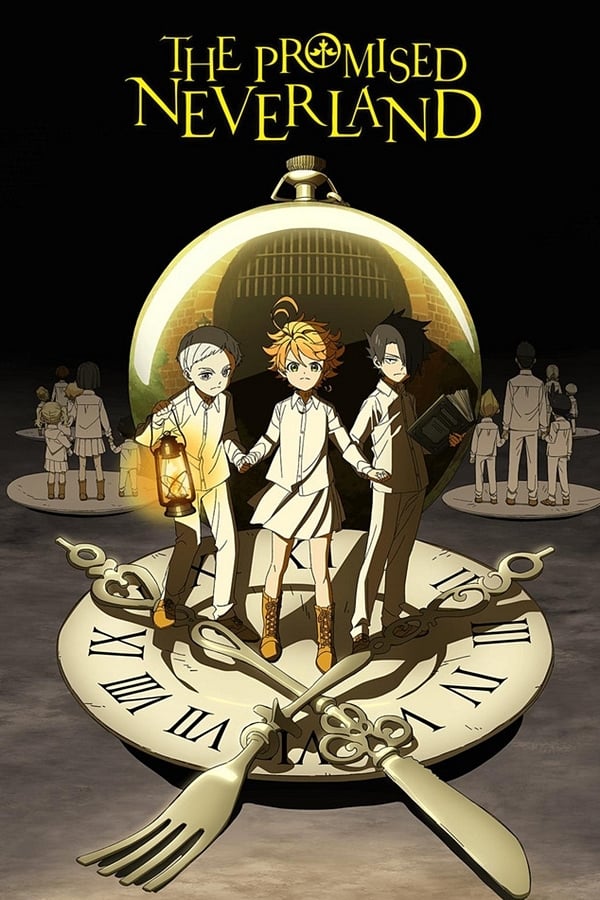
Peter Ratri is a villain in ‘The Promised Neverland’ who views his status as a normal human as a reason to dominate those he perceives as inferior. The narrative touches on themes of eugenics and the value of human life based on physical and mental capabilities. While the protagonists fight against this system the series often uses the villains to voice ableist ideologies without sufficient critique. Fans have noted that the focus on genetic perfection as a goal for the antagonists reinforces harmful societal standards. This creates a story where the threat is directly tied to the devaluation of those with perceived defects.
‘Elfen Lied’ (2004)
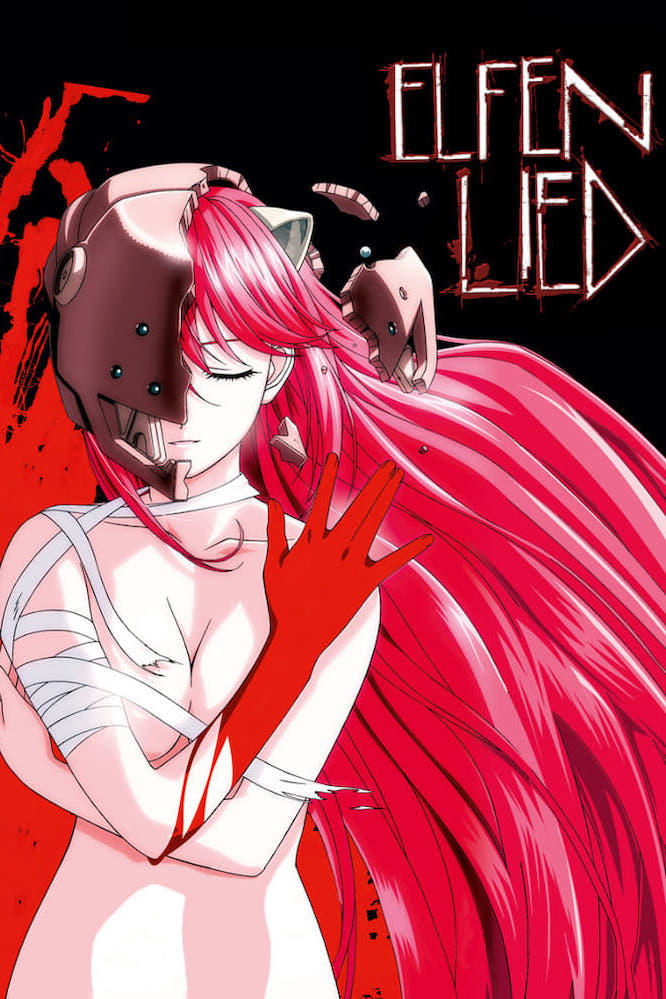
The series ‘Elfen Lied’ features characters with multiple personalities and severe psychological trauma that drive the central conflict. Lucy is often depicted as a victim whose mental health struggles lead to uncontrollable bursts of extreme violence. Critics have argued that the show uses dissociative identity disorder as a gimmick for a gore filled horror story. This portrayal suggests that people with complex mental health conditions are ticking time bombs of aggression. The narrative link between her trauma and her lethality has been a major point of criticism for its ableist implications.
‘Danganronpa: The Animation’ (2013)
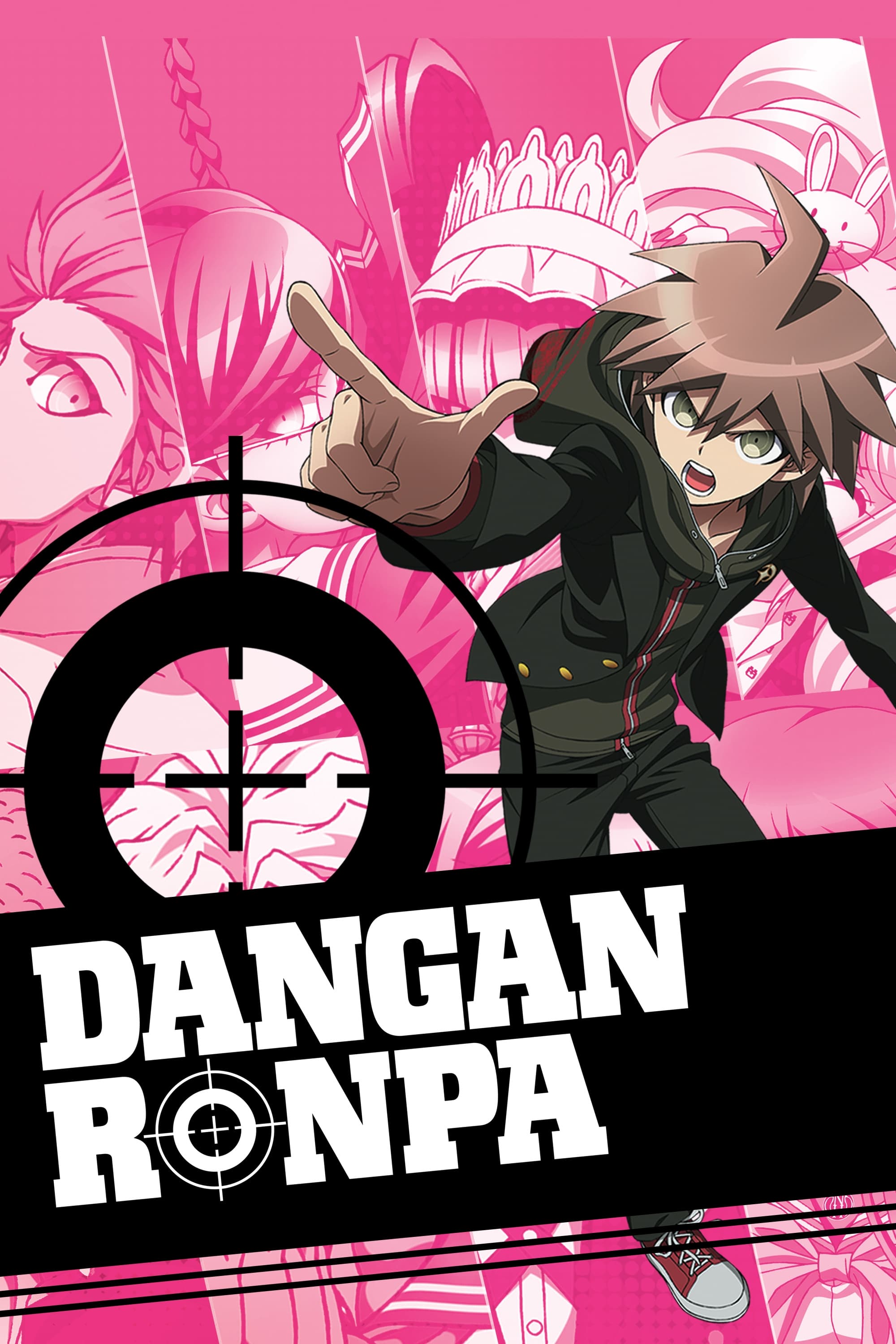
In ‘Danganronpa: The Animation’ the character Touko Fukawa is portrayed as having a second personality that is a serial killer. This depiction of dissociative identity disorder has been widely criticized by fans for being highly inaccurate and harmful. The series uses her mental health condition to create a twist that frames her as a dangerous and unstable individual. This trope reinforces the stigma that people with personality disorders are inherently murderous or unpredictable. The character design and behavior are used for comedic and shock value at the expense of sensitive representation.
‘Soul Eater’ (2008–2009)
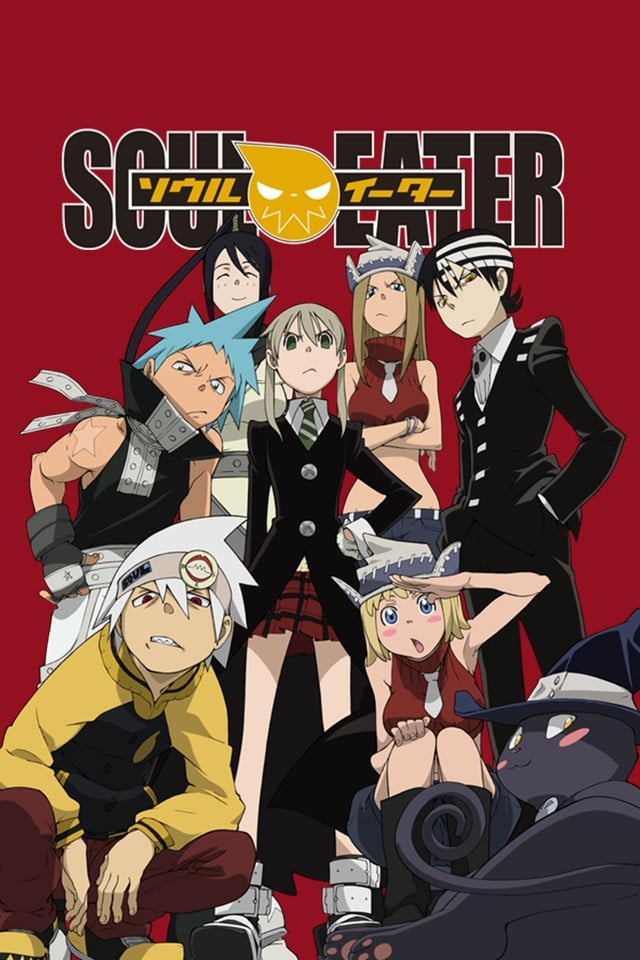
Asura is the primary antagonist in ‘Soul Eater’ and is the literal embodiment of madness and paranoia. The series depicts his mental state as a contagious force that threatens to consume the entire world. This personification of mental illness as a global threat has been noted by fans for its ableist undertones. It suggests that mental instability is something to be feared and eradicated rather than understood. The visual representation of his madness is used to create a sense of horror that frames mental health struggles as a monstrous entity.
‘Attack on Titan’ (2013–2023)
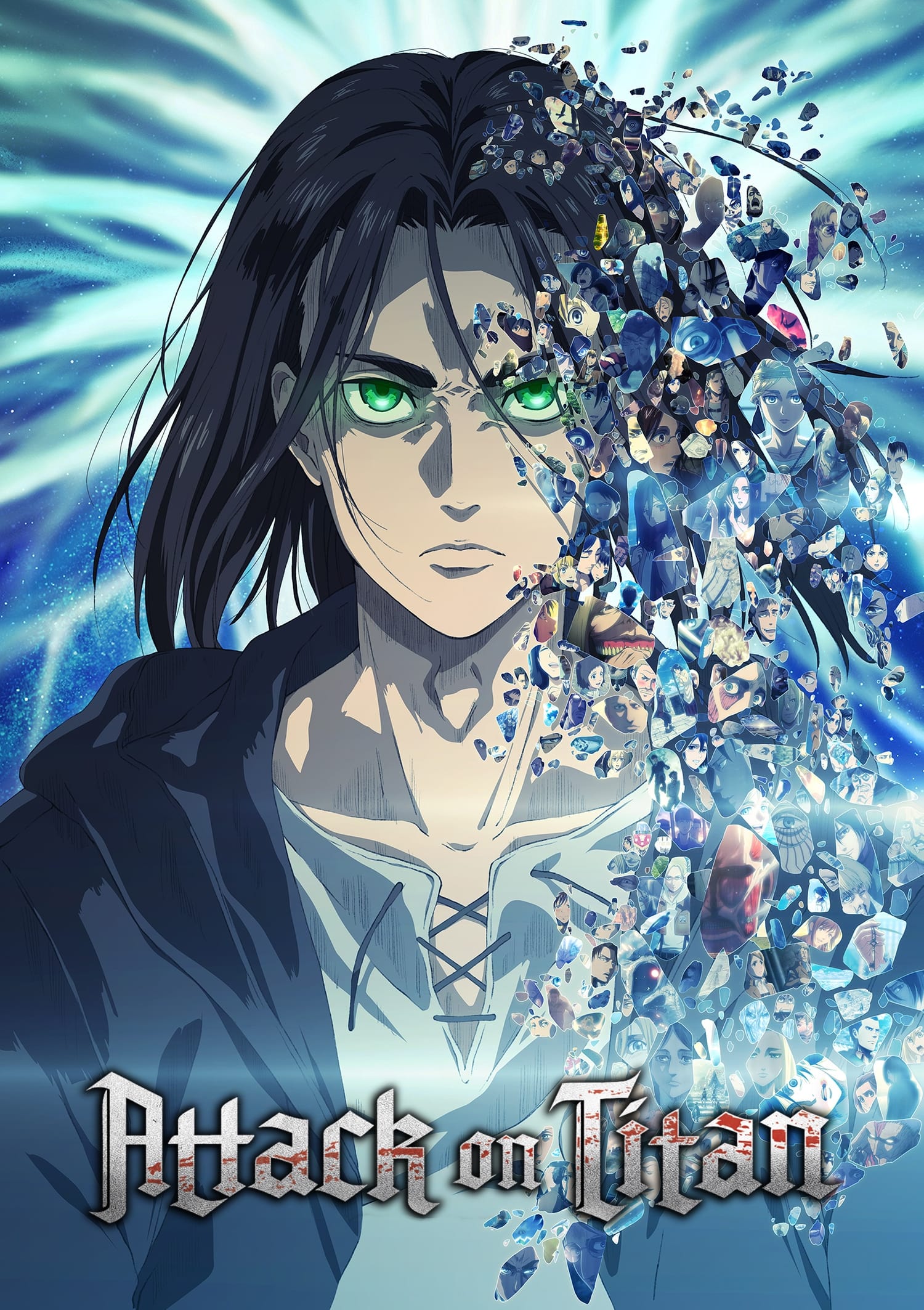
Zeke Yeager is a character in ‘Attack on Titan’ whose ultimate plan involves the forced sterilization of his own race to end their suffering. This narrative arc delves into themes of eugenics and the idea that certain lives are not worth living because of their inherent nature. Many viewers have called out this storyline for reflecting ableist and eugenics based philosophies. The characters debate the value of existence in a way that often suggests that being born with certain traits is a tragedy. This focus on the elimination of a group for the sake of global peace has been a deeply controversial aspect of the series.
‘Bungo Stray Dogs’ (2016–Present)
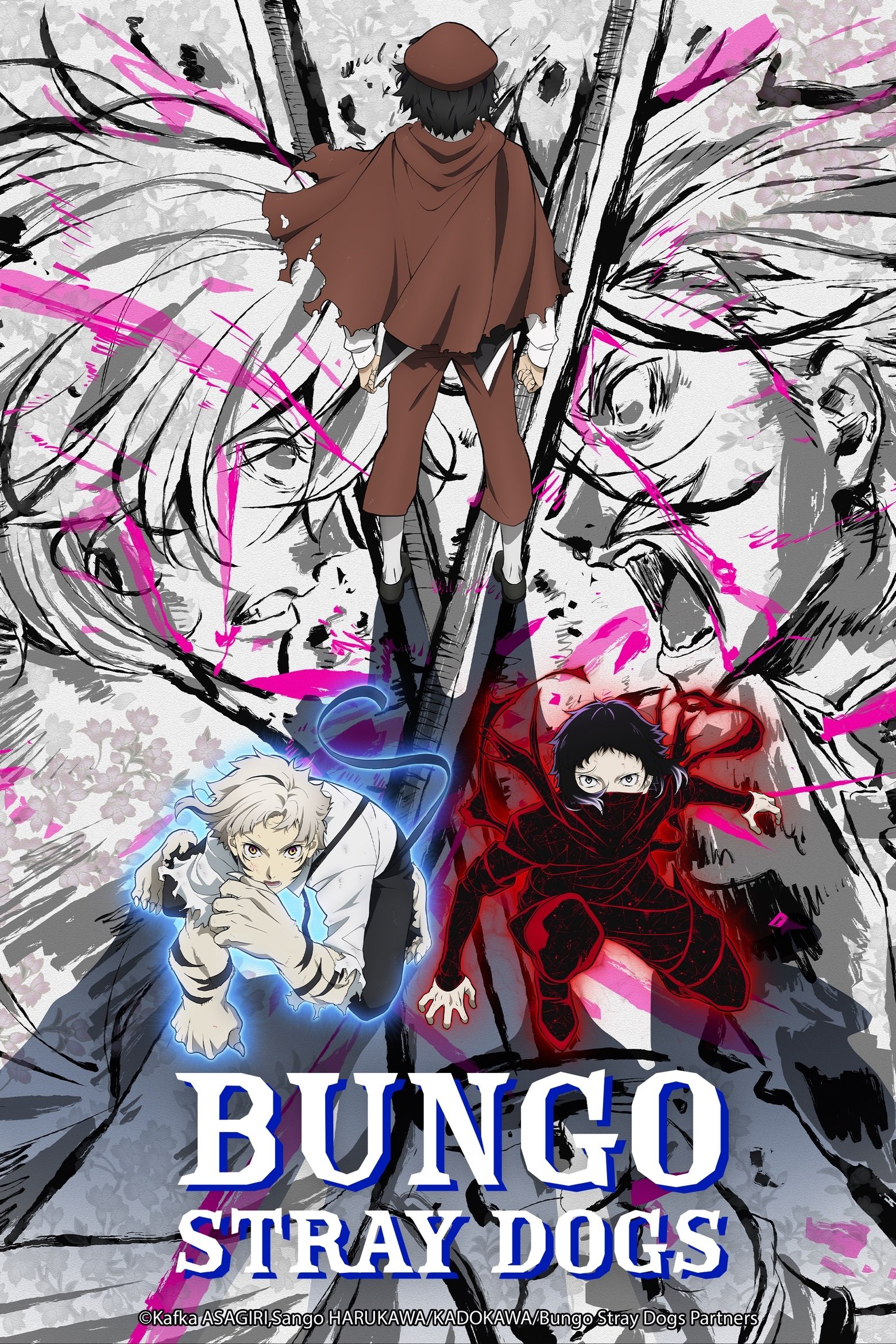
The antagonist Fyodor Dostoevsky in ‘Bungo Stray Dogs’ is often depicted as a frail and sickly individual who possesses immense intellectual power. The series uses his physical weakness to make his cold and calculating nature seem even more threatening to the other characters. This trope of the sickly mastermind often implies that a lack of physical strength leads to a dangerous obsession with control and manipulation. Critics have pointed out that this relies on the idea that disability or illness must be compensated for by extreme or malicious cleverness. This framing prevents the character from being viewed outside of his physical condition.
‘A Certain Scientific Accelerator’ (2019)
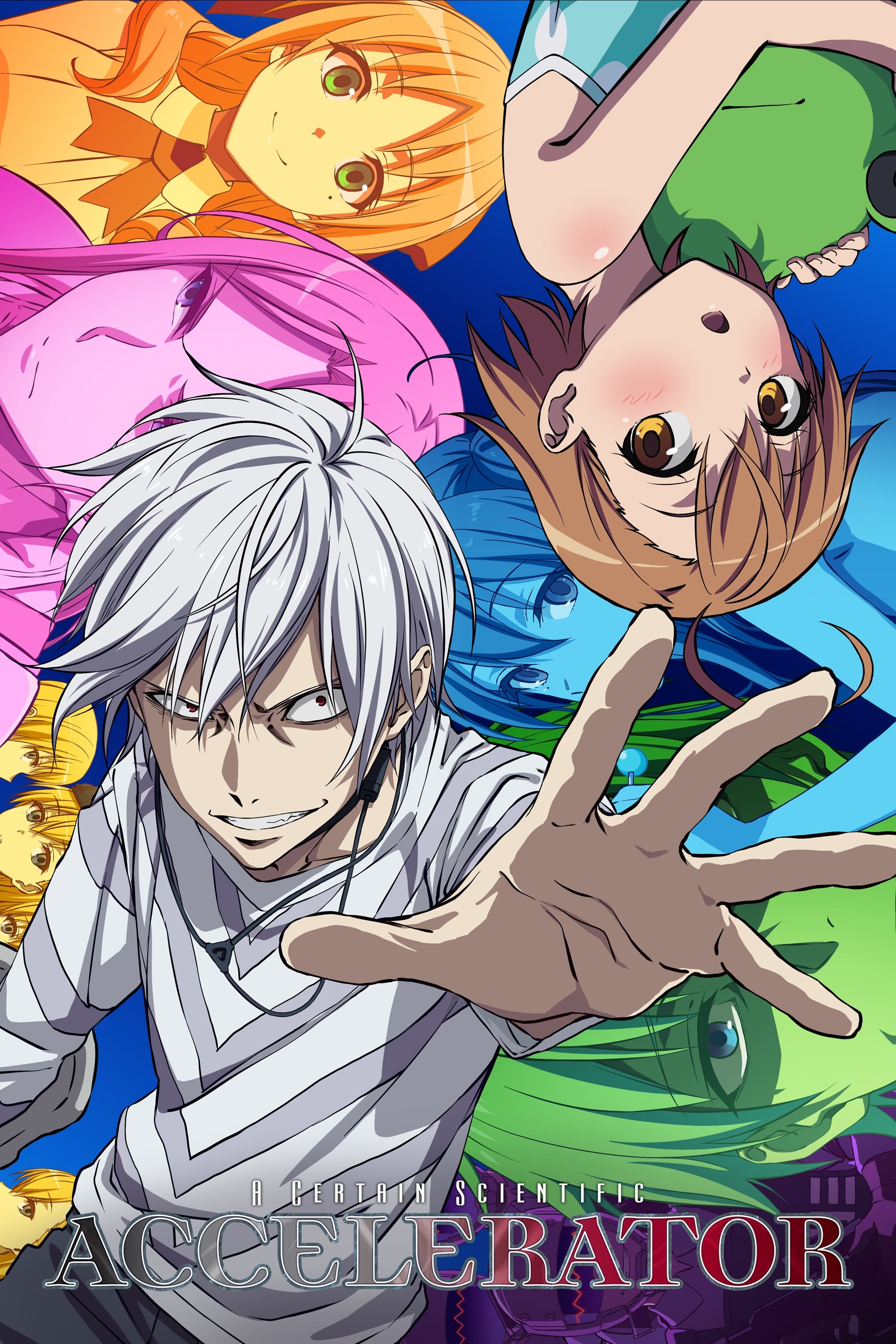
Accelerator is a character who uses a cane and a specialized device to compensate for his brain damage and physical limitations. While he acts as a protagonist in this spin off he was originally introduced as a brutal villain whose power made him arrogant. The series frequently links his physical state to his past crimes and his ongoing struggle for redemption. Some fans argue that his disability is used as a form of karmic punishment for his previous actions. This suggests that his physical condition is a visible mark of his former moral failings.
‘Mob Psycho 100’ (2016–2022)
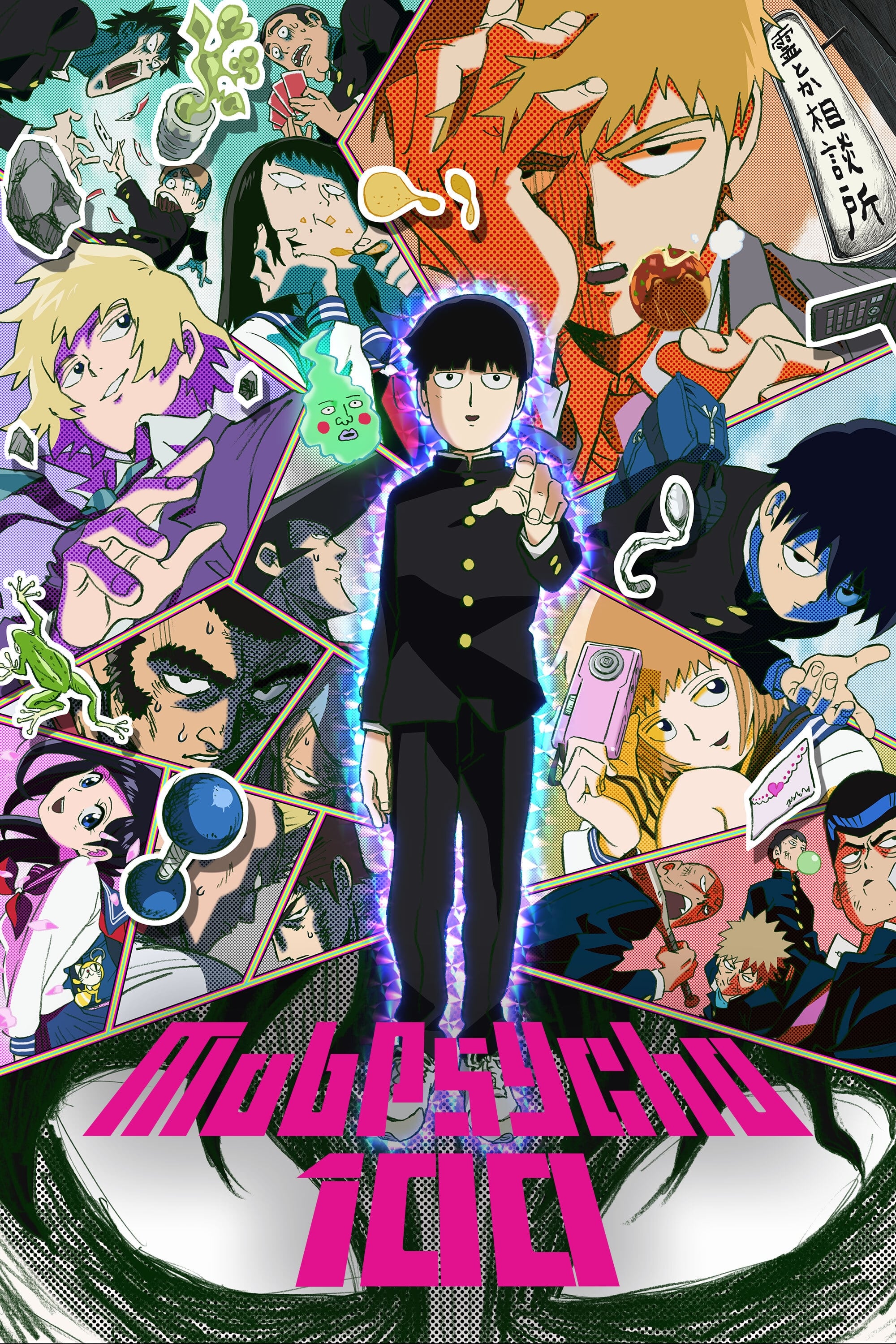
In ‘Mob Psycho 100’ the leader of the Claw organization Suzuki is a man who believes his superior psychic abilities make him a god among humans. The series explores how his obsession with power leads to the neglect of his family and the harm of others. Critics have noted that the villains in the show are often characterized by their lack of emotional regulation or psychological stability. This framing suggests that those who cannot control their internal states are a danger to society. The narrative resolution often involves forcing these characters to conform to societal norms of mental and emotional behavior.
‘Vinland Saga’ (2019–2023)

In ‘Vinland Saga’ the transformation of Prince Canute from a timid and fragile youth to a cold and calculating king is a major plot point. The series often uses his initial physical and emotional vulnerability to explain his later descent into ruthless political manipulation. Critics suggest that the show frames his growth as a rejection of his perceived weaknesses. This narrative suggests that to be an effective leader one must abandon traits associated with vulnerability or sensitivity. The connection between his newfound strength and his loss of humanity is a recurring theme that fans have analyzed for ableist subtext.
‘Monster’ (2004–2005)

Johan Liebert is a character in ‘Monster’ whose villainy is often discussed in the context of his traumatic childhood and psychological state. The series depicts him as a sociopath who lacks any sense of empathy or human connection. This portrayal has been criticized for using psychopathy as a shorthand for ultimate evil without exploring the realities of mental health. Fans have noted that the narrative uses his coldness and mental detachment to create a sense of dread. This reinforces the idea that individuals with certain personality disorders are inherently dangerous and beyond help.
‘Psycho-Pass’ (2012–2019)
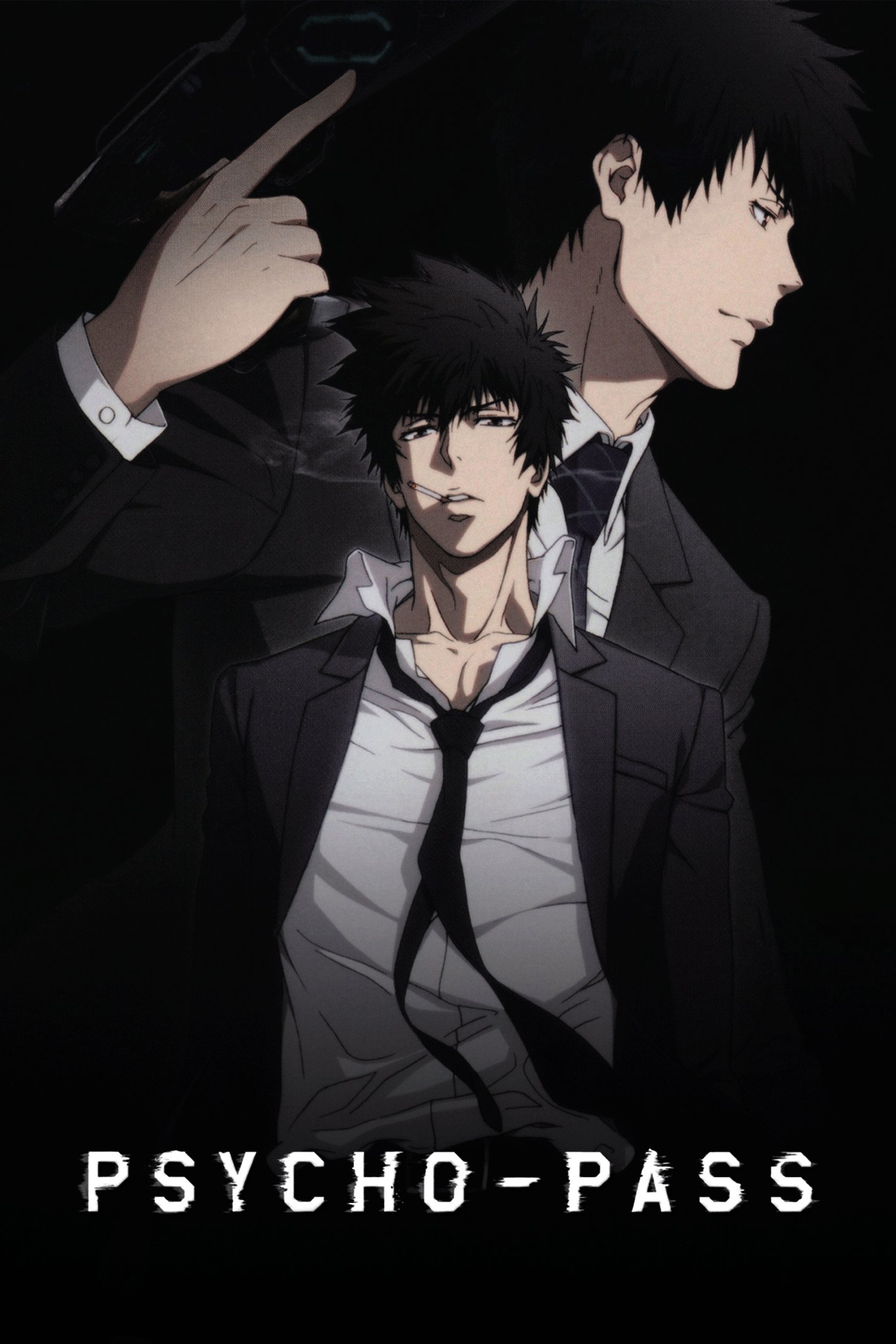
The world of ‘Psycho-Pass’ is governed by a system that measures the mental stability of citizens to predict their potential for crime. Characters like Makishima Shogo are asymptomatic individuals who do not register on the system despite their horrific actions. This narrative setup relies on the idea that mental health can be quantified and used to segregate society into safe and dangerous individuals. Critics have called out the show for its focus on mental state as a determinant of human value and freedom. The story frequently uses those who fall outside the mental norm as the primary sources of societal chaos.
‘Blue Exorcist’ (2011–2017)

In ‘Blue Exorcist’ the character Satan and his various offspring are often associated with physical deformities or unstable mental states. The narrative frames their demonic nature through their inability to maintain a stable or healthy human form. This visual coding suggests that a corrupted soul will inevitably manifest as a corrupted or disabled body. Fans have pointed out that this link between the supernatural and physical disability is a common but harmful trope. It reinforces the idea that physical health is a reflection of spiritual or moral purity.
‘Fire Force’ (2019–2020)

Haumea is an antagonist in ‘Fire Force’ who is characterized by her extreme erratic behavior and lack of emotional control. She often exhibits symptoms that the audience may associate with severe mental health conditions. The series uses her instability to make her one of the most unpredictable and dangerous members of the White Clad. Some fans have criticized this for being another example of using mental illness as a way to create a scary villain. Her behavior is often played for shock value or to emphasize the chaotic nature of the antagonists.
‘Black Clover’ (2017–2021)

The character Patry in ‘Black Clover’ is driven by a deep sense of trauma and a desire for revenge that leads to the possession of another body. The series explores how his past suffering has twisted his worldview and made him a threat to the kingdom. Critics have noted that his villainy is framed as an inability to move past his mental and emotional scars. This narrative suggests that trauma is a corrupting force that naturally leads to destruction if not cured. The focus on his internal brokenness as the cause of his evil actions has been a point of discussion among viewers.
‘Dr. Stone’ (2019–2023)
In ‘Dr. Stone’ the character Hyoga believes in a world where only the mentally and physically superior should be allowed to survive. This social Darwinist philosophy is the core of his villainous motivation throughout the series. The show uses his beliefs to set him in opposition to the protagonists who value all human life. Fans have pointed out that the inclusion of such themes highlights the prevalence of ableist ideologies in villainous motivations. While the show ultimately rejects his views it still gives a platform to the idea that some people are inherently more valuable than others.
‘Fruits Basket’ (2019–2021)

Akito Sohma is a character whose physical health is often portrayed as fragile and whose emotional state is highly unstable. Her role as the antagonist is defined by the trauma she inflicts on her family members to keep them close to her. Many viewers have called out ‘Fruits Basket’ for linking her villainy to her own isolation and perceived physical weakness. The narrative often frames her abusive behavior as a result of her own broken nature. This can be seen as an ableist trope that suggests suffering and illness naturally breed malice.
‘Mobile Suit Gundam’ (1979–1980)
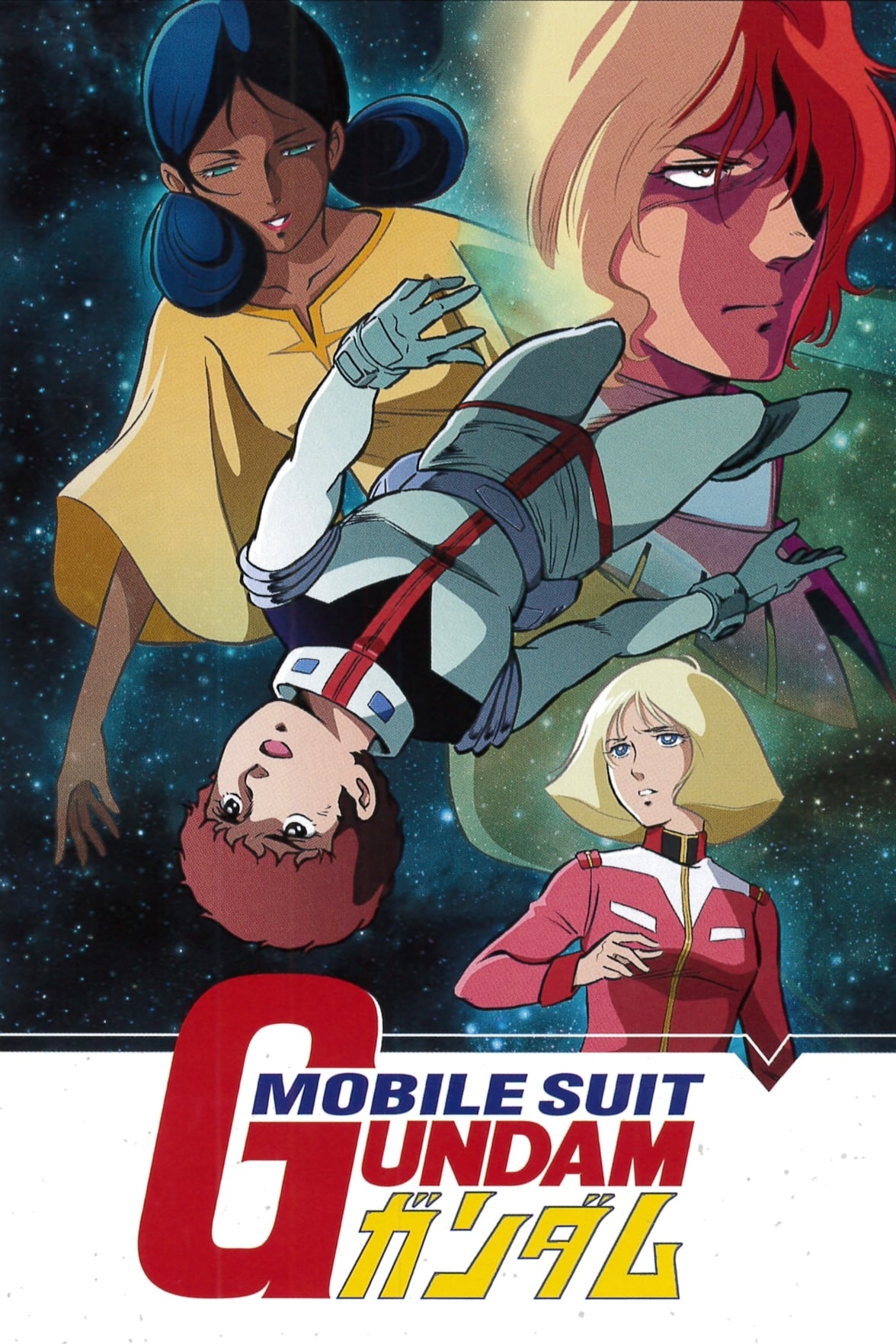
Char Aznable is a famous antagonist who frequently wears a mask to hide his identity and a scar that he received in the past. The series uses this physical marker to symbolize his hidden motives and his past trauma. This visual coding suggests that a physical blemish is a sign of a character who is hiding something or who is morally compromised. Critics have argued that the use of masks and scars in ‘Mobile Suit Gundam’ contributes to a long history of ableist design in the genre. It frames physical differences as something that must be concealed or that indicates a secret darkness.
‘Sailor Moon’ (1992–1997)
The character of Sailor Galaxia is an antagonist whose power is often depicted as a form of corruption that physically alters her appearance. The series uses the contrast between her original form and her corrupted state to show her fall from grace. This transformation often includes changes that make her look less human or more grotesque to the viewer. Fans have noted that this reinforces the idea that evil has a specific physical look that is separate from health and beauty. The narrative uses these visual changes to signal to the audience that she is no longer a hero.
‘Cowboy Bebop’ (1998–1999)

Mad Pierrot is a villain in ‘Cowboy Bebop’ who is the result of a failed scientific experiment that left him with the mind of a child in a powerful adult body. The series uses his mental state to create a character who is both pitiable and terrifying in his unpredictable violence. His lack of standard cognitive function is presented as the primary reason for his dangerous nature. Critics have called out this episode for its insensitive portrayal of mental disability as a source of horror. It suggests that a person who does not have adult mental capabilities is a threat to those around them.
‘Neon Genesis Evangelion’ (1995–1996)
Gendo Ikari is an antagonist whose cold and distant personality is often linked to his inability to connect with others on an emotional level. The series explores his psychological depths and reveals a man who is deeply scarred by his past losses. Many fans have analyzed his character in the context of neurodivergent traits and social detachment. Some argue that his portrayal frames these traits as a source of his villainy and his willingness to sacrifice humanity. This narrative choice suggests that a lack of typical social bonding is a sign of a dangerous or immoral person.
‘Devilman Crybaby’ (2018)
Ryo Asuka is a character whose lack of human emotion and empathy is the central factor in his eventual role as the primary antagonist. The series contrasts his cold logic with the intense emotions of the protagonist to highlight his inhumanity. Critics have pointed out that this framing relies on the trope that individuals who process emotions differently are inherently lacking in goodness. His detachment is used to justify his destructive actions toward the human race. This portrayal can be seen as an ableist depiction of emotional and social differences.
‘Yu-Gi-Oh! Duel Monsters’ (2000–2004)
Marik Ishtar is a villain whose motivations are rooted in his traumatic childhood and the physical pain he endured during a ritual. This trauma leads to the creation of a second personality that is purely malicious and destructive. The series uses this depiction of a split personality to explain his violent actions and his desire for power. Fans have criticized the show for its inaccurate and stigmatizing portrayal of mental health conditions. It suggests that trauma and mental illness are the primary drivers of evil behavior in the story.
‘One-Punch Man’ (2015–2019)
The Monster Association in ‘One-Punch Man’ features many villains whose monstrous forms are the result of their own obsessions or physical changes. The series often uses these grotesque designs to signal that these characters have lost their humanity and their place in society. Some viewers have argued that the focus on physical abnormality as a sign of monstrosity is a form of visual ableism. The narrative equates physical perfection and strength with the heroes while the villains are often depicted as deformed. This creates a clear visual divide between what the story considers good and bad.
‘Deadman Wonderland’ (2011)
Toto Sakigami is an antagonist who is often depicted as having a fragile physical appearance despite his immense power. The series uses his physical state to create a sense of unease and to show how he has been altered by the environment of the prison. His mental stability is also frequently questioned as he displays erratic and cruel behaviors. Critics have pointed out that ‘Deadman Wonderland’ uses these traits to make him a more effective and creepy villain. This approach links physical and mental differences with a sense of the uncanny and the dangerous.
‘Dororo’ (2019)
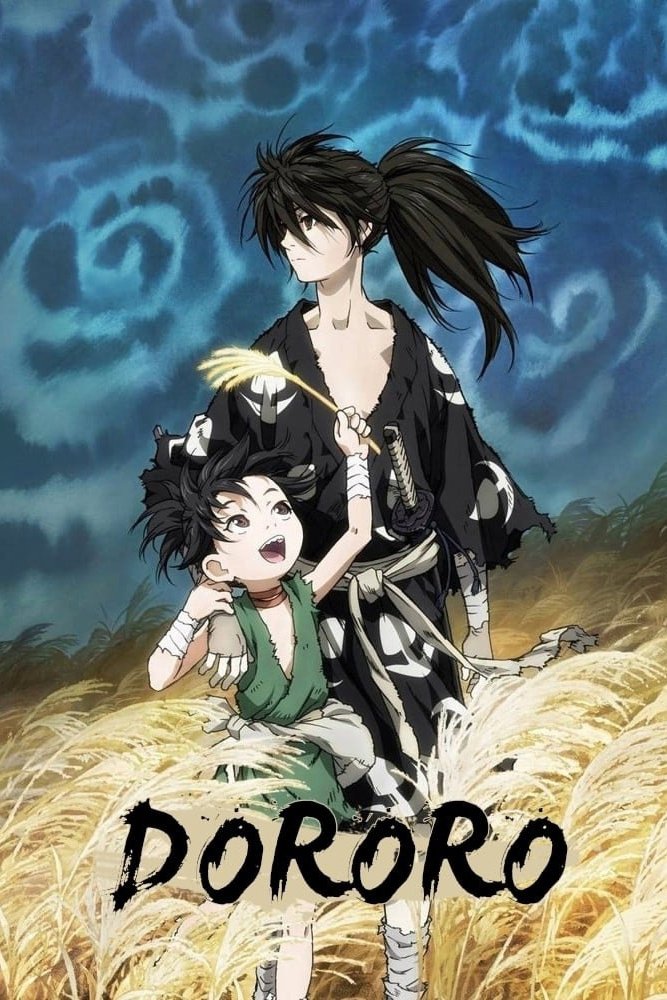
In ‘Dororo’ the antagonist Daigo Kagemitsu sacrifices his son’s body parts to demons to ensure the prosperity of his land. The entire plot revolves around the protagonist who is born without limbs or senses and must hunt demons to regain them. While the protagonist is a hero the narrative has been criticized for framing his original state as a horrific tragedy that must be fixed. The villains are those who believe that his physical state is a necessary price for their own success. This setup often places the focus on the horror of disability rather than the character’s personhood.
‘Hunter x Hunter’ (2011–2014)

Genthru is a villain in ‘Hunter x Hunter’ who is characterized by his cold and calculating nature and his willingness to kill for his goals. The series depicts him as a man who has no regard for the lives or physical well being of others. Some fans have discussed how the series uses mental and emotional detachment to signify his status as a threat. His character is framed as being fundamentally different from the more empathetic protagonists. This creates a narrative where the lack of typical emotional response is a key indicator of a villain.
‘The Rising of the Shield Hero’ (2019–Present)
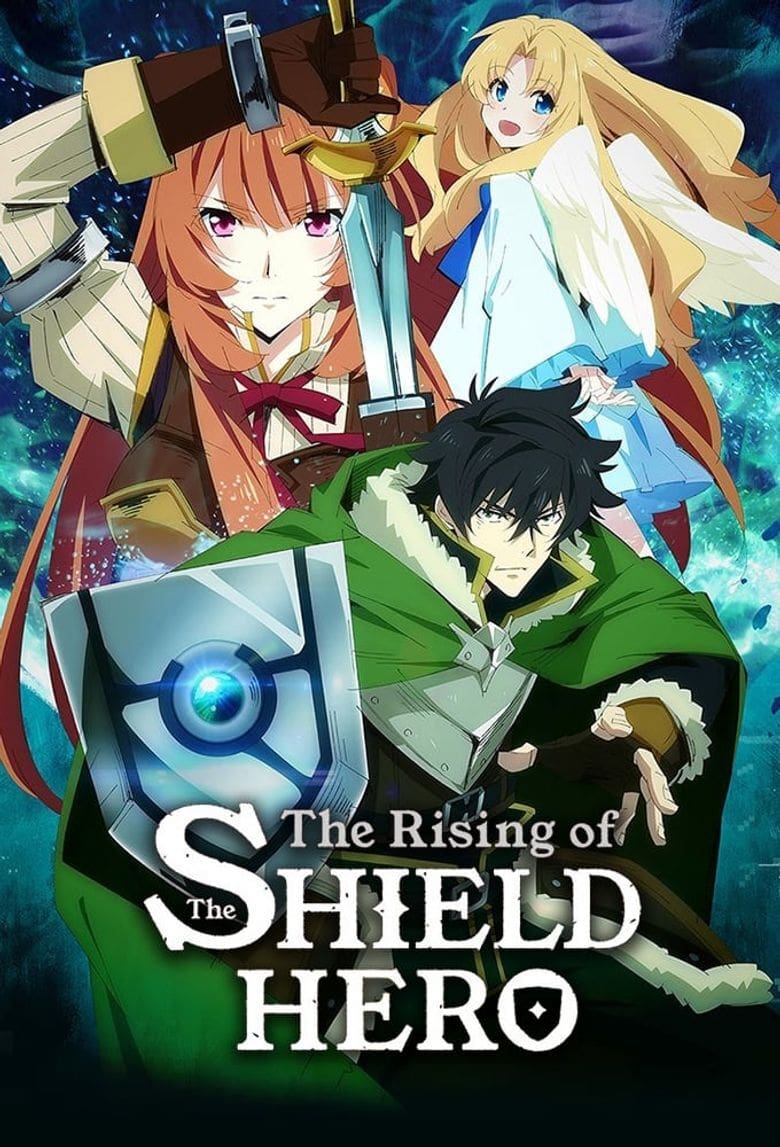
The character Kyo Ethnina is an antagonist who views people as nothing more than biological resources to be used for his experiments. The narrative depicts his lack of empathy and his obsession with scientific perfection as signs of his evil nature. Critics have pointed out that this relies on the trope of the mad scientist who lacks human feeling. This portrayal often suggests that individuals who do not fit social emotional norms are prone to cruelty. The series uses his detachment to make him an easy character to hate.
‘Terror in Resonance’ (2014)
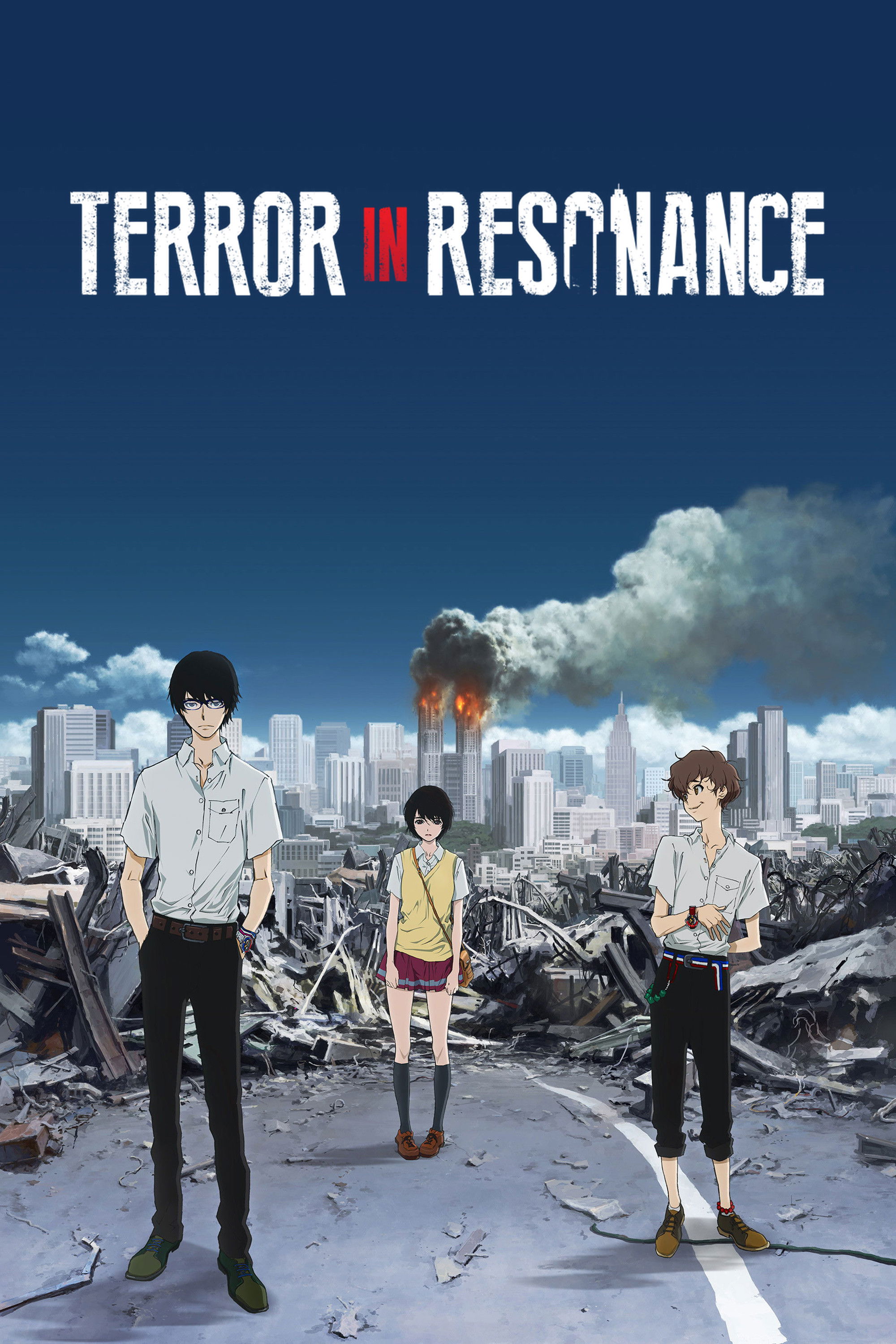
Five is an antagonist in ‘Terror in Resonance’ whose history of medical experimentation has left her with physical and mental scars. The series uses her past trauma to explain her obsession with the protagonists and her destructive actions. Many viewers have called out the show for using her suffering as a way to create a tragic but dangerous character. Her behavior is often framed as a direct result of the damage done to her mind and body. This reinforces the idea that trauma and disability inevitably lead to a path of destruction.
What are your thoughts on how these anime series handle disability and villainy in the comments?