

Anime Series That Fans Say Went Too Far with Stereotypical Gay Tropes

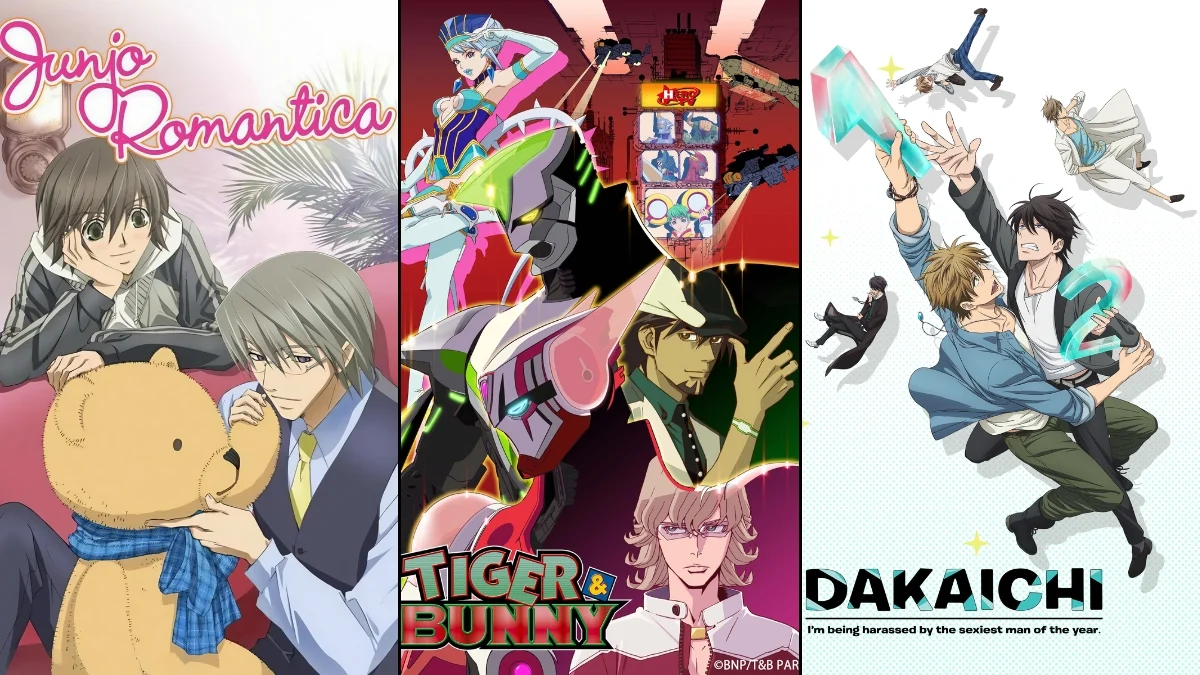


The portrayal of LGBTQ+ characters in anime has evolved significantly over the decades but many series continue to rely on controversial or outdated tropes. Fans often critique these depictions for leaning into harmful stereotypes such as the predatory antagonist or the overly submissive partner. While some viewers enjoy these stories for their entertainment value others argue that they reinforce misconceptions about queer relationships and identities. This list examines several anime series that have faced backlash for their use of specific gay tropes throughout their broadcast history.
‘Junjo Romantica’ (2008–2015)
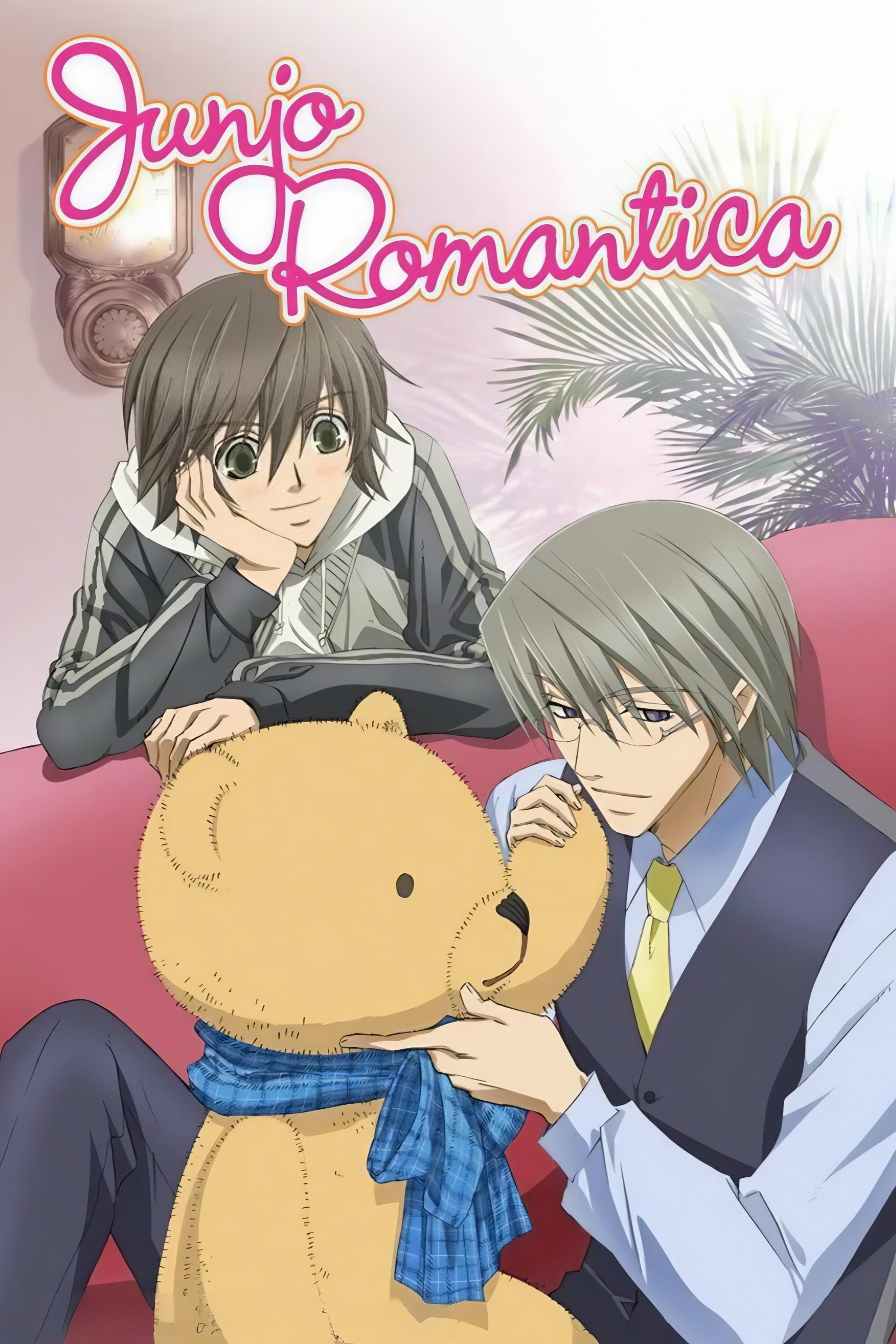
The plot follows the interconnected lives of three male couples who struggle with their romantic feelings and personal growth. Fans often criticize the series for its heavy reliance on the seme and uke dynamic which dictates strict dominant and submissive roles. The main couple features an older man who is often portrayed as overly aggressive and persistent toward his younger partner. Many viewers argue that this dynamic creates an unbalanced power structure that feels outdated by modern standards. The series remains a staple of the genre despite these recurring critiques about its formulaic approach to relationships.
‘Sekai Ichi Hatsukoi: The World’s Greatest First Love’ (2011)

This anime explores the high stakes world of shoujo manga publishing through the lens of several professional men. Similar to other works by the same creator it utilizes rigid archetypes to define the personalities and physical statures of its characters. Fans have noted that the repeated use of non-consensual advances as a plot device is a recurring issue across its multiple seasons. The narrative often centers on one character refusing the other until they are eventually worn down by persistence. This specific trope is seen by many as a problematic representation of how healthy relationships should function.
‘Super Lovers’ (2016–2017)
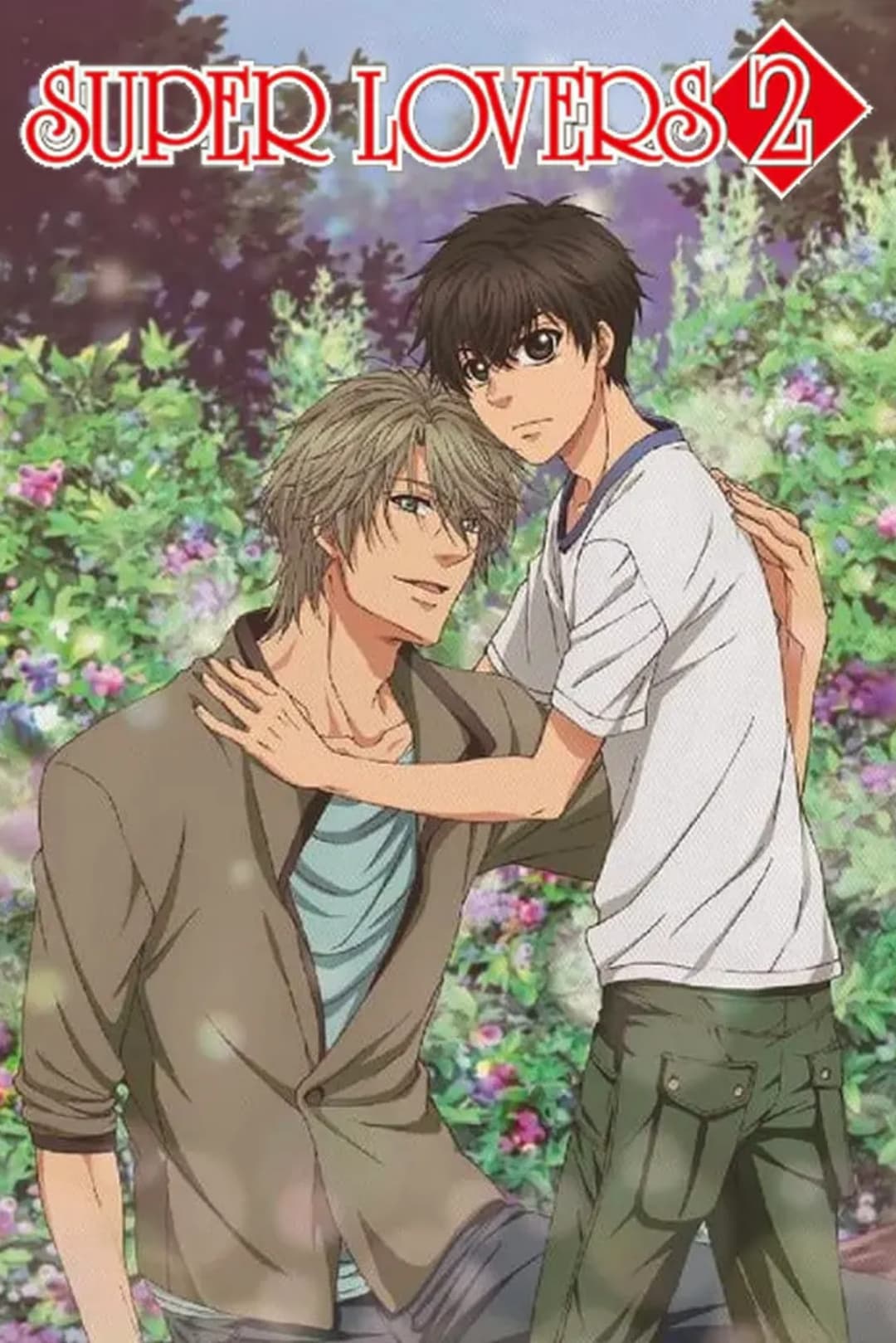
The story involves a teenager who moves from Canada to Japan to live with his older brother and their younger adopted siblings. Critics frequently highlight the uncomfortable age gap and the nature of the relationship between the two main brothers. The show relies on the idea of a younger character being groomed for a future romantic role which many fans find highly controversial. While the series attempts to balance these themes with slice of life elements the central romance remains a point of contention. Its depiction of family dynamics mixed with romantic pursuit often crosses the line for many viewers.
‘Loveless’ (2005)
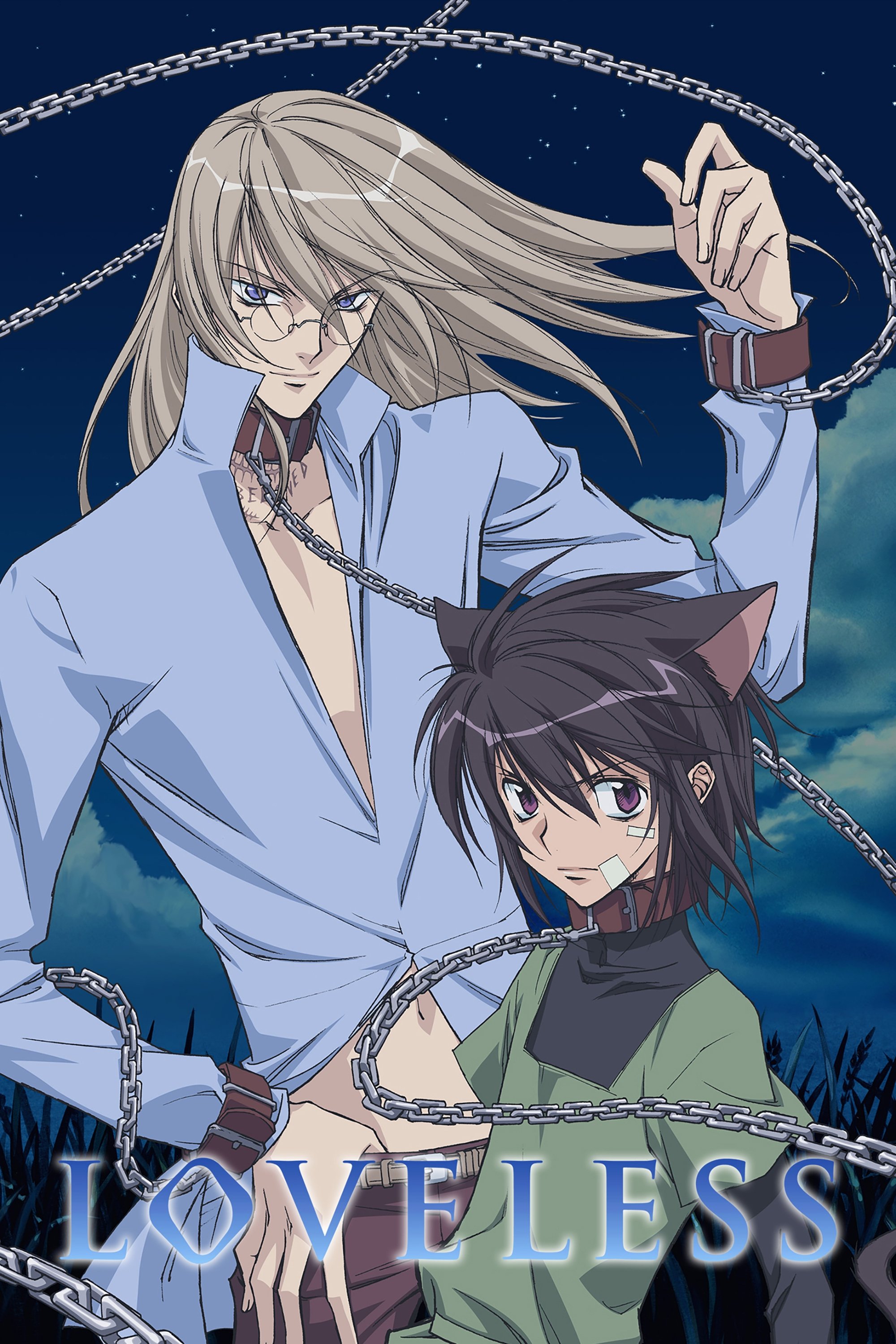
In this series characters possess animal ears and tails that they lose once they reach adulthood or lose their virginity. The relationship between the two protagonists is often scrutinized because of the significant age difference and the power imbalance between them. Fans point out that the older character often manipulates the younger one under the guise of protecting him in a magical battle system. The series uses these supernatural elements to justify behaviors that many consider predatory in a realistic context. This blend of fantasy and grooming tropes has made the show a difficult watch for some audiences.
‘Gravitation’ (2000–2001)
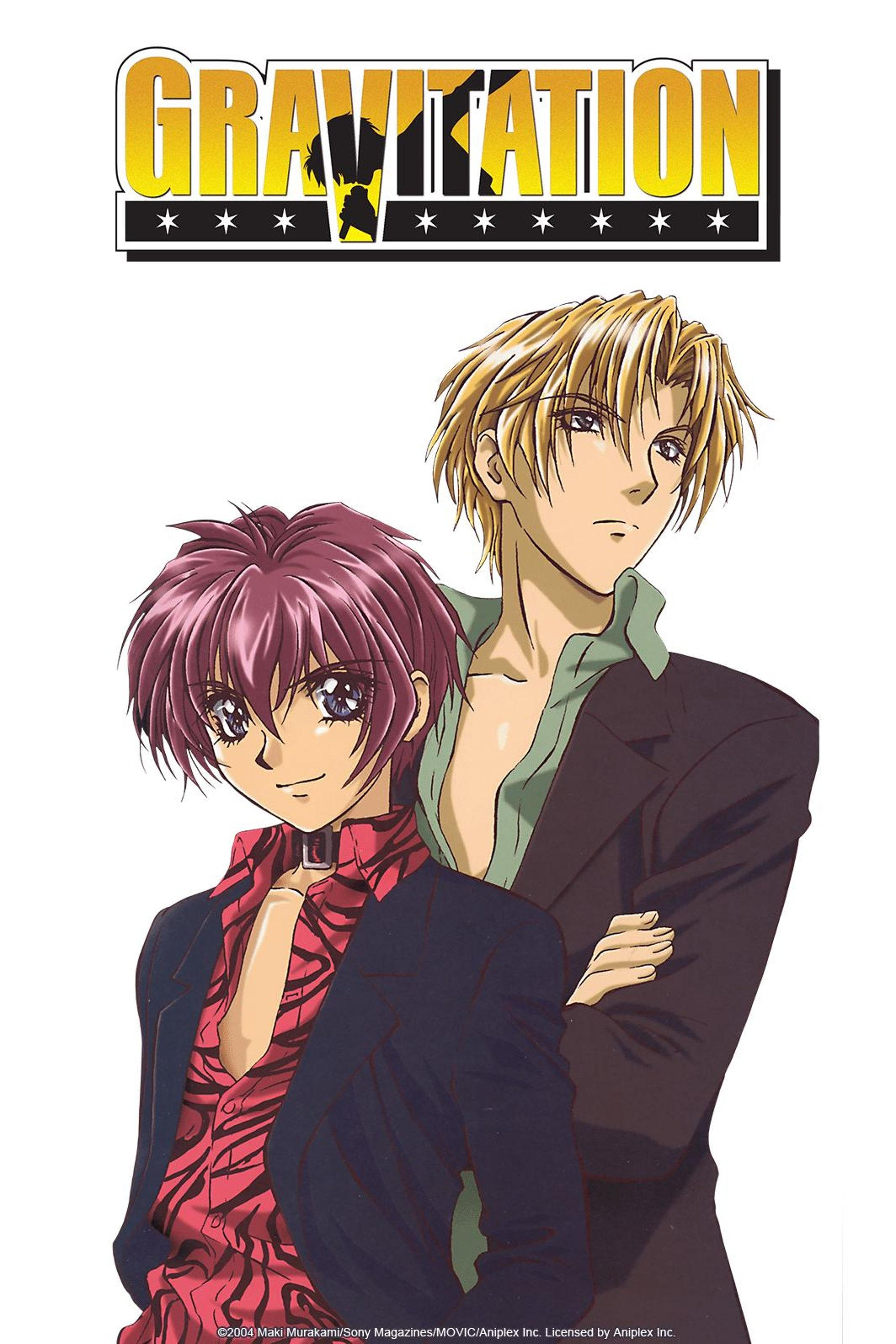
A young aspiring singer named Shuichi falls for a cold and distant novelist who critiques his song lyrics. The novelist is portrayed as emotionally abusive and frequently dismissive of the protagonist’s feelings throughout the series. Fans argue that the show romanticizes a toxic dynamic where the younger man constantly seeks approval from an uncaring partner. The series also leans into the trope of the flamboyant and hyperactive gay man which some find to be a caricature. Despite its popularity in the early 2000s the show is now often viewed through a more critical lens.
‘Tiger & Bunny’ (2011)
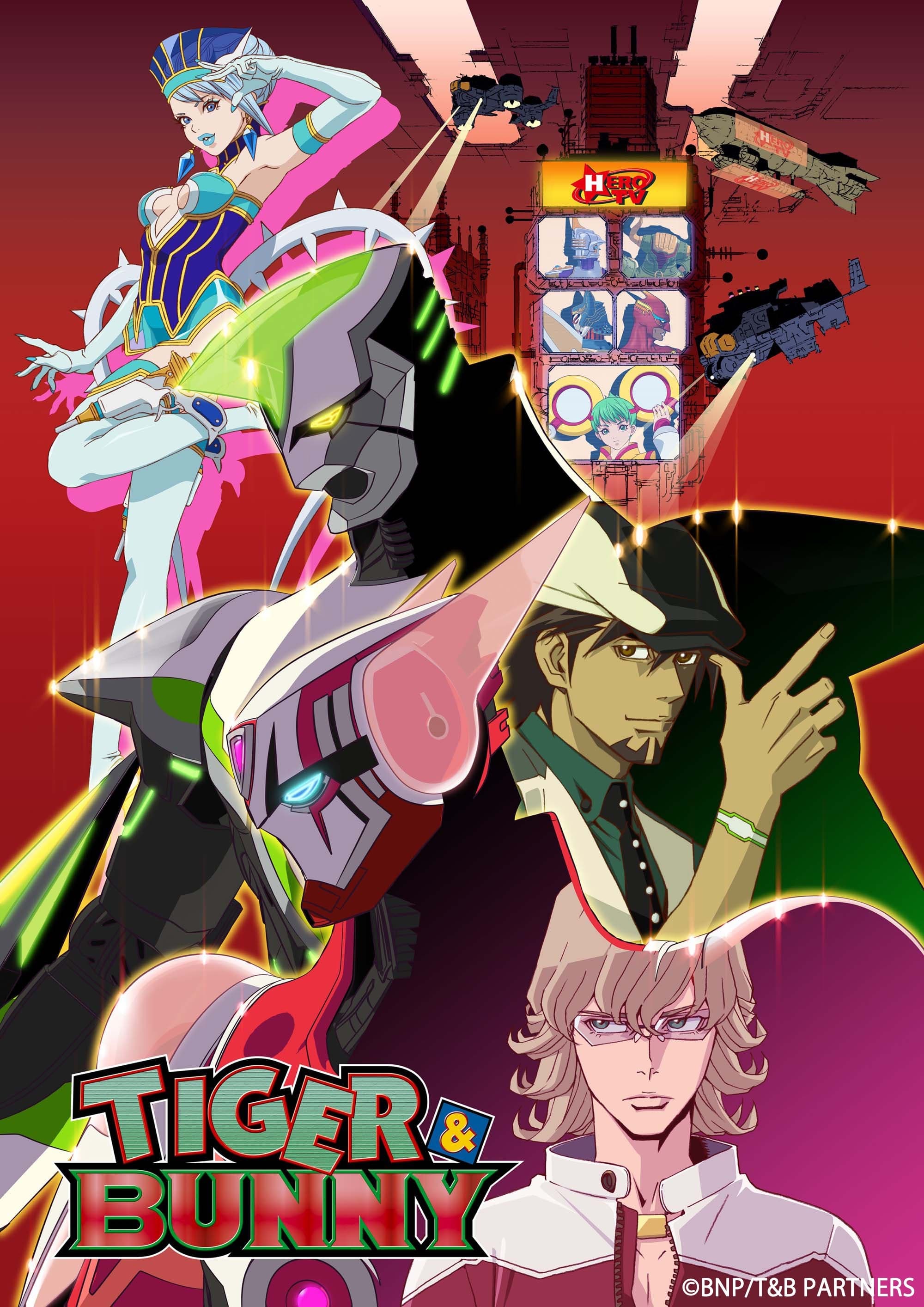
While primarily a superhero series it features a character named Nathan Seymour who also goes by the hero name Fire Emblem. The character is often criticized for being a collection of every flamboyant and predatory gay stereotype imaginable. Nathan frequently makes unwanted physical advances on other male heroes for comedic effect which many fans find regressive. Although the series attempts to give the character depth in later seasons the initial portrayal remains a sticking point for many. This depiction is often cited as an example of how westernized stereotypes can manifest in Japanese media.
‘One Piece’ (1999–Present)
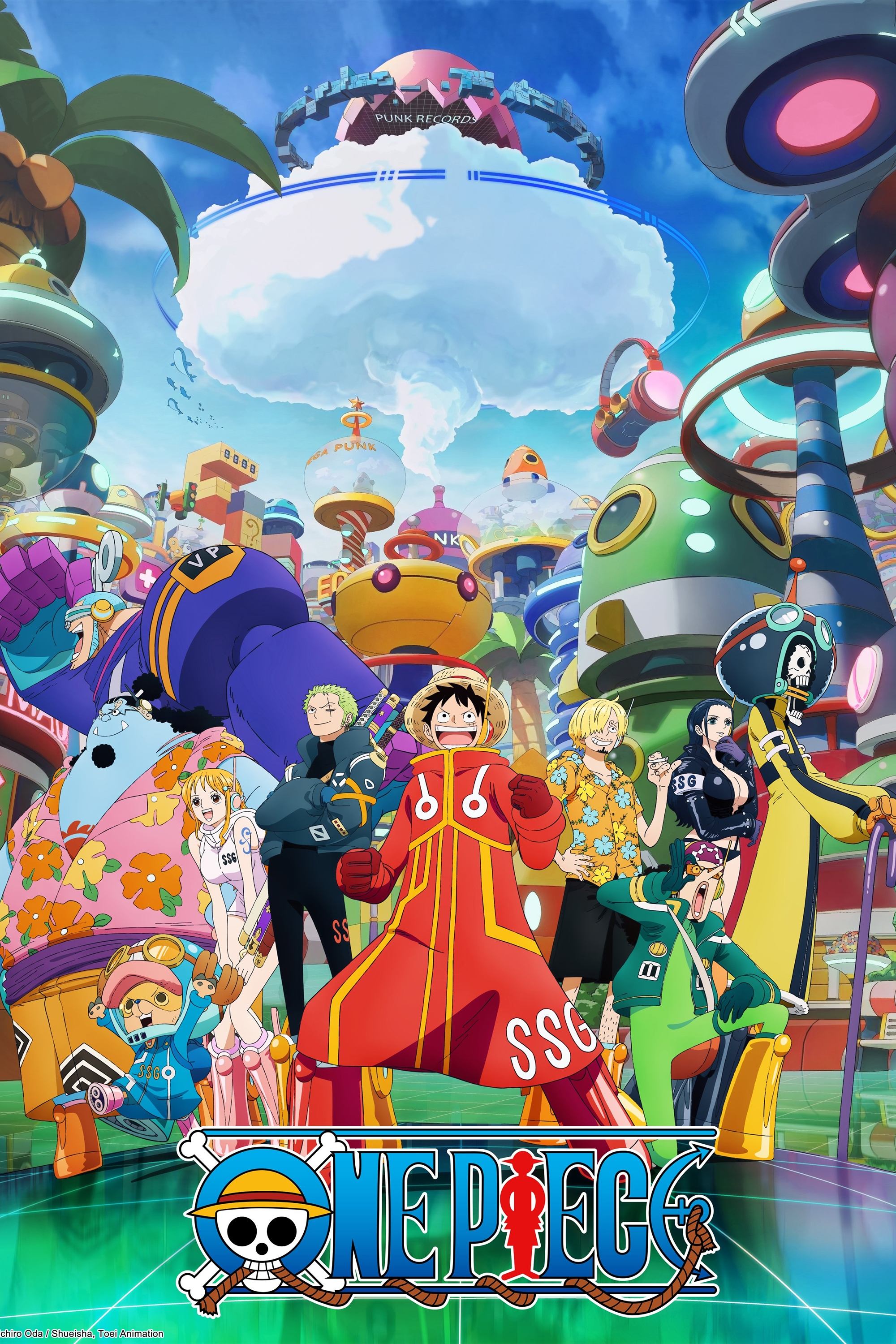
The long running adventure series introduced the Okama characters who reside on Momoiro Island and participate in various battles. Many fans have expressed discomfort with how these characters are visually designed and how they behave toward the protagonist Sanji. The narrative uses the okama as a source of comedy by having them relentlessly chase Sanji during his training period. This portrayal is often seen as a crude caricature that mixes various queer identities into a single punchline. While some appreciate the strength of characters like Ivankov the general depiction of the group remains a subject of intense debate.
‘Black Butler’ (2008–2014)
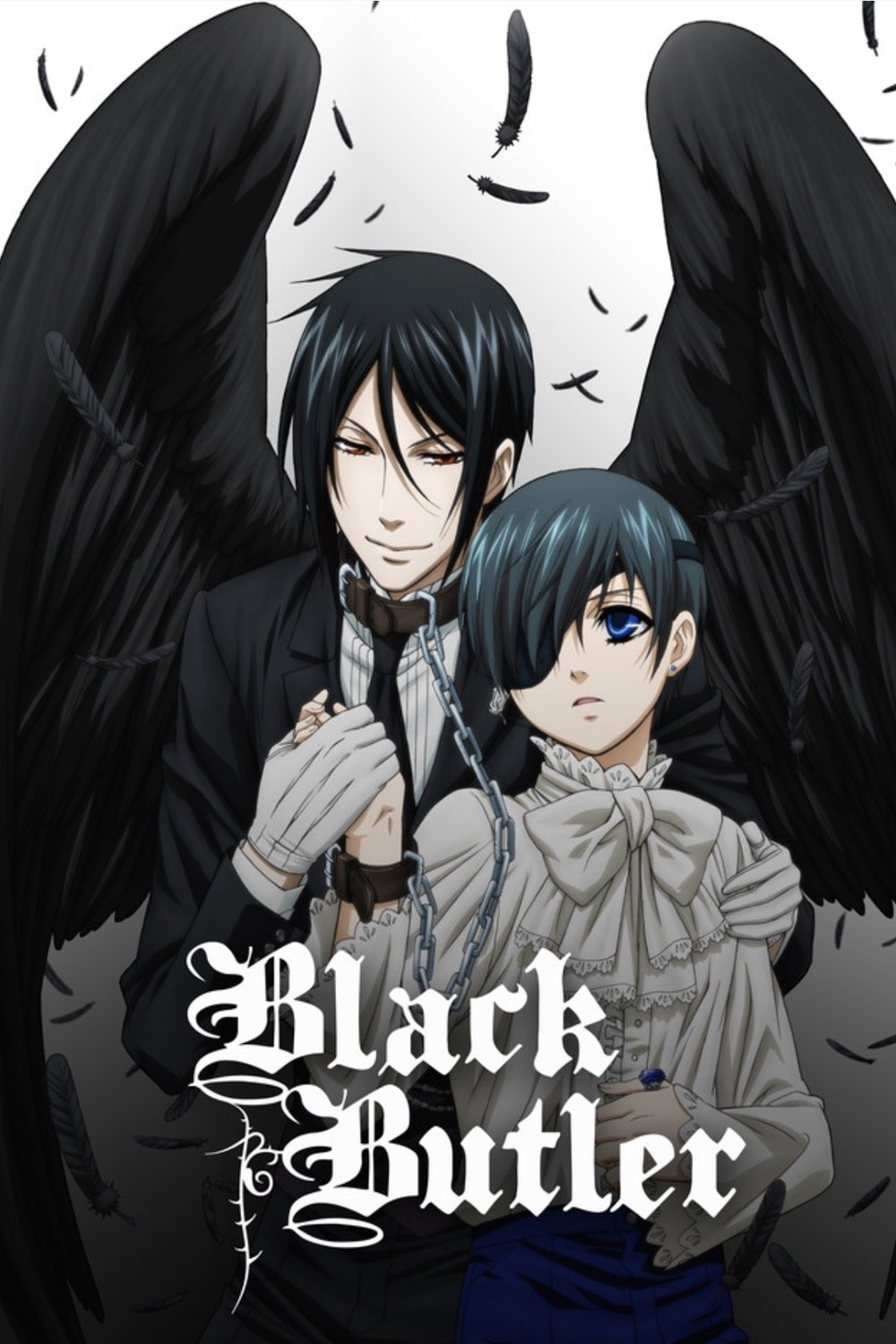
The character Grell Sutcliff is a grim reaper who displays an obsessive and often violent infatuation with the protagonist Sebastian. Grell is frequently portrayed as a flamboyant and unstable individual whose sexuality is tied to their villainous or unpredictable nature. Fans point out that this follows the old trope of the queer coded antagonist who is both dangerous and hypersexualized. The character’s constant pursuit of Sebastian is played for dark laughs but often feels reductive to some viewers. This depiction has led to many discussions about the thin line between flamboyant personality and harmful stereotype.
‘Ai no Kusabi’ (1992–2012)
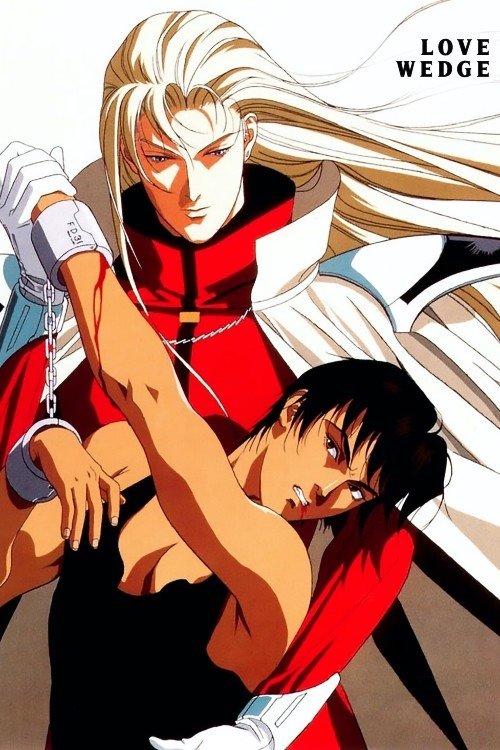
Set in a futuristic society where social status is determined by hair color the story explores a master and slave relationship. The series is known for its extreme power dynamics and the lack of agency given to the lower class protagonist. Fans often argue that the show goes too far by romanticizing a relationship built entirely on captivity and coercion. The explicit nature of the OVA versions highlights the physical dominance that is central to the plot. It is frequently cited as a definitive example of the dark and often problematic origins of the boys love genre.
‘Sex Pistols’ (2010)
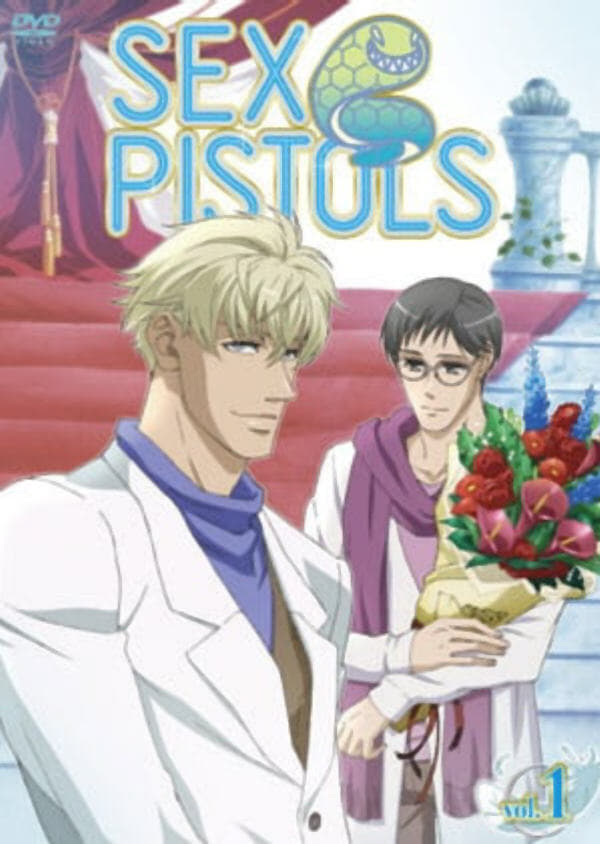
This anime features a hidden world of humans who have evolved from animals and can produce offspring through specific biological matches. The series is criticized for its bizarre premise that often equates sexual attraction with primal animal instincts. Fans find that the tropes used here reduce gay relationships to a matter of breeding and biological necessity rather than emotional connection. The power structures within the various animal hierarchies often lead to scenarios involving forced pairings. This focus on biological determinism is seen by many as a strange and unnecessary trope.
‘DAKAICHI -I’m being harassed by the sexiest man of the year-‘ (2018)
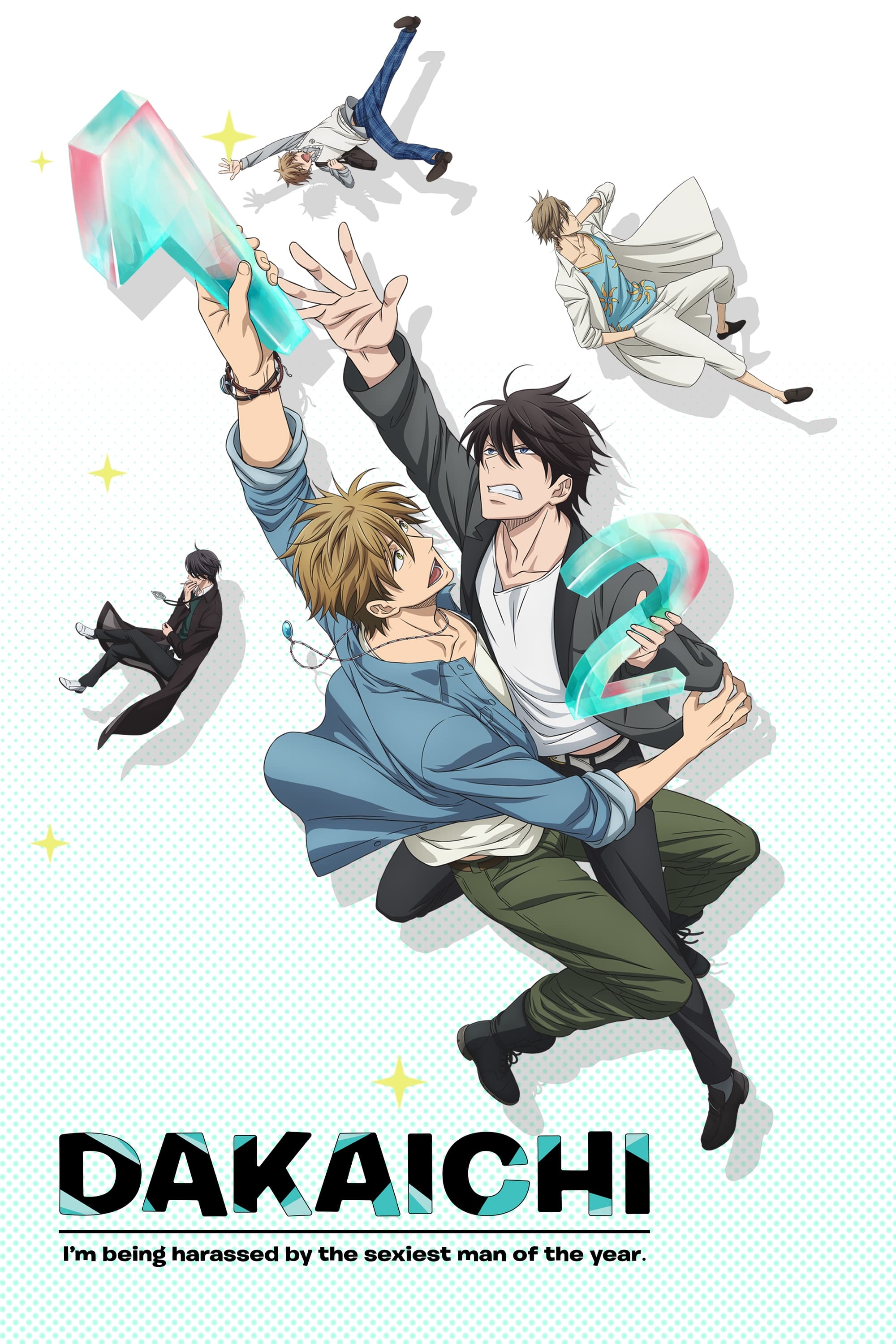
The plot follows a veteran actor who is usurped in a popularity poll by a newcomer who then blackmails him into a relationship. Many viewers find the initial premise of blackmail and non-consensual filming to be highly problematic for a romantic comedy. The series often plays these elements for fanservice while ignoring the serious implications of the antagonist’s actions. Fans argue that the show reinforces the idea that consent is negotiable if the pursuer is attractive enough. This specific trope has caused a significant divide between those who enjoy the drama and those who find it offensive.
‘Maiden Rose’ (2009)
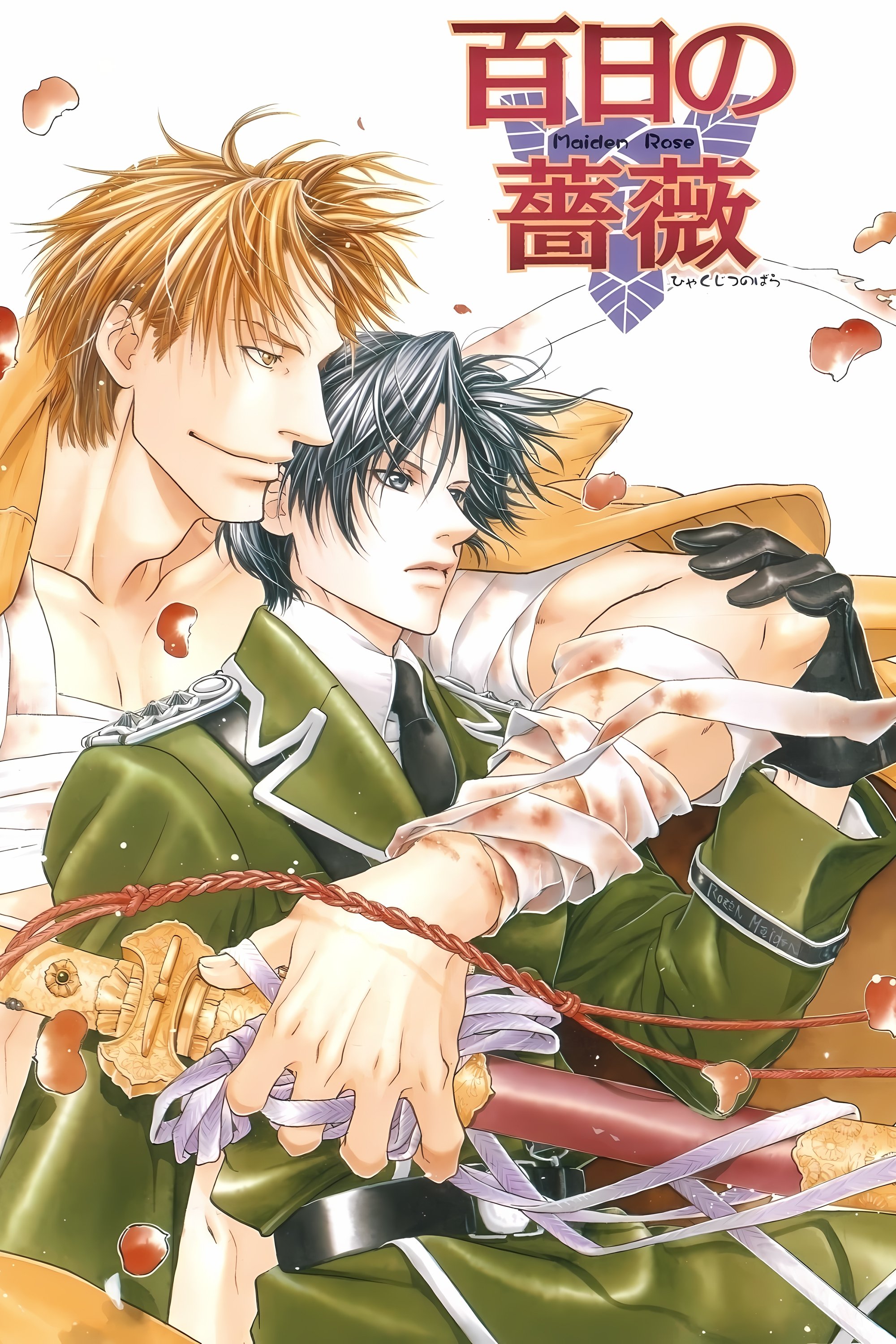
The story takes place during a fictional war and centers on a commander and his knight who share a complex past. Fans criticize the series for its intense scenes of sexual violence that are used to establish dominance within the relationship. The narrative suggests that the trauma inflicted by one partner is a form of deep passion or loyalty. Many viewers find this conflation of abuse and romance to be one of the most extreme examples of the genre going too far. The grim tone and graphic content make it a controversial title even among seasoned fans of the genre.
‘Finder Series’ (2015)
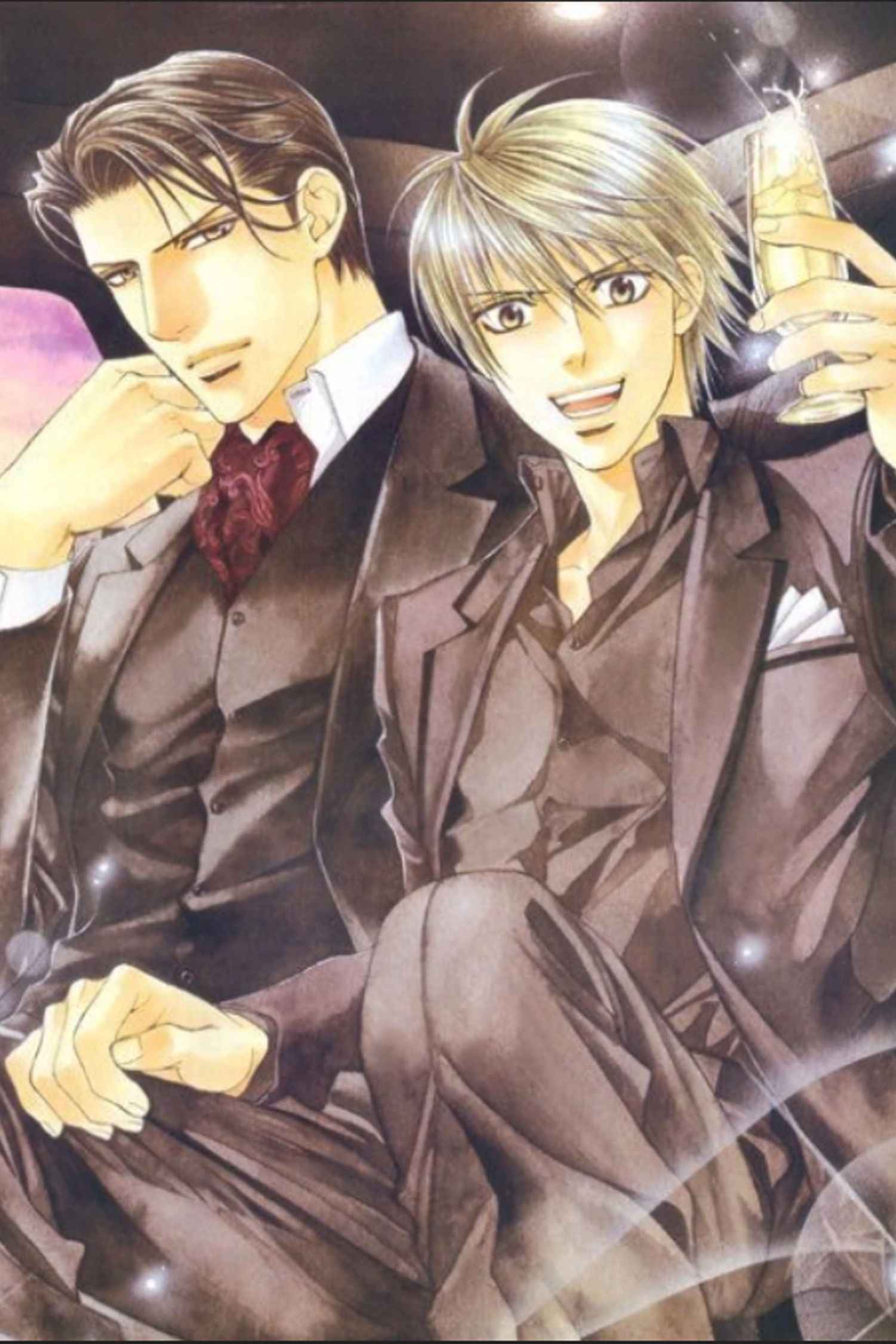
This series focuses on a freelance photographer who gets entangled with a powerful crime lord after taking a secret photo. The relationship is defined by extreme violence and sexual coercion as the photographer is essentially held captive. Fans point out that the series leans heavily into the dark fantasy trope where the protagonist eventually falls for his captor. The lack of healthy boundaries or mutual respect is a major point of criticism for those looking for genuine representation. It remains one of the most prominent examples of the toxic relationship trope in anime.
‘Hitorijime My Hero’ (2017)
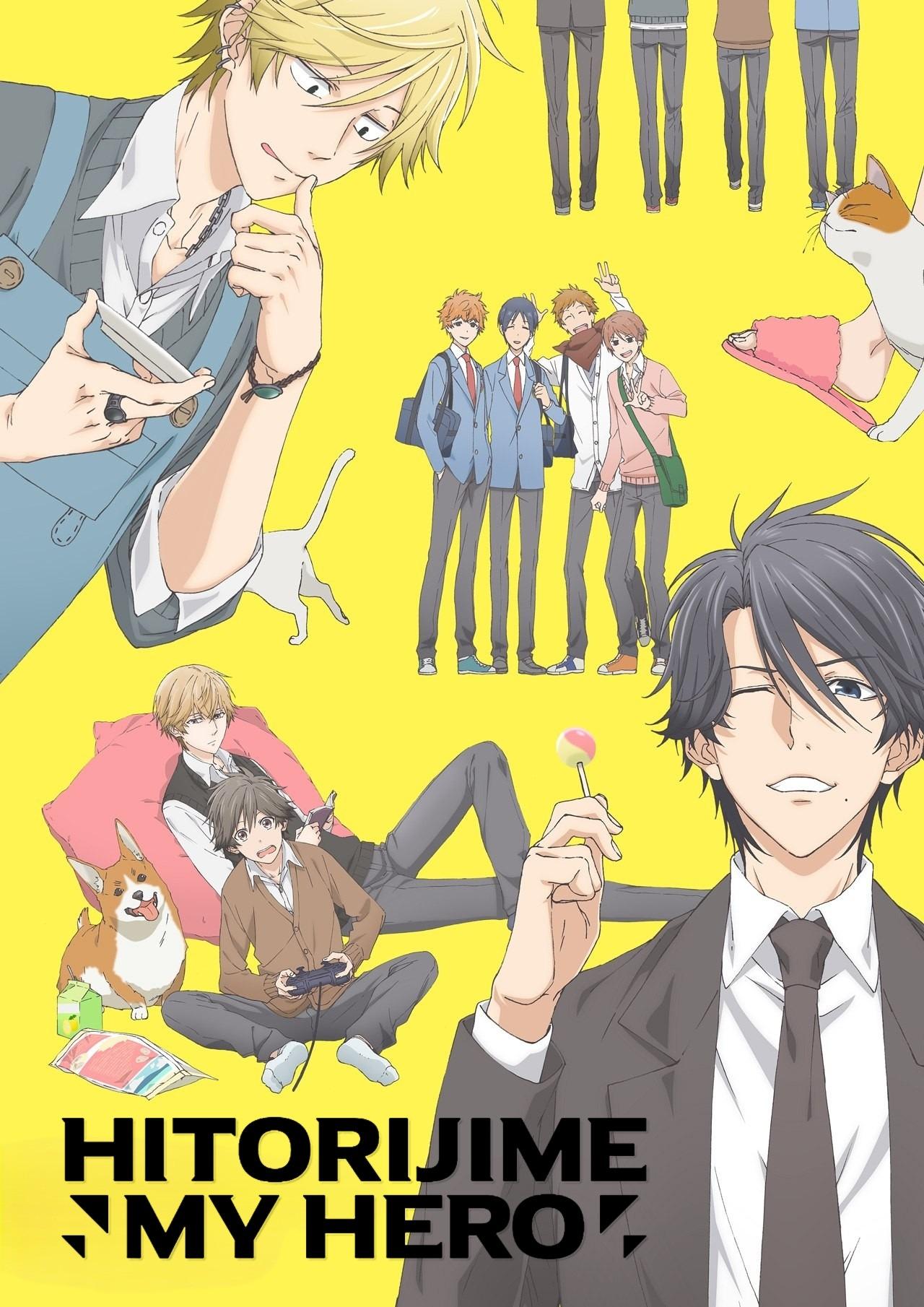
The narrative revolves around a delinquent teenager and his teacher who also happens to be a skilled street fighter. While the show tries to be a softer romance fans are often bothered by the student and teacher dynamic combined with the age gap. The power imbalance inherent in their professional relationship is frequently glossed over in favor of romantic tension. Some viewers feel that the show normalizes inappropriate boundaries between mentors and their charges. This trope is a recurring issue that many fans feel the industry needs to move away from.
‘Ouran High School Host Club’ (2006)
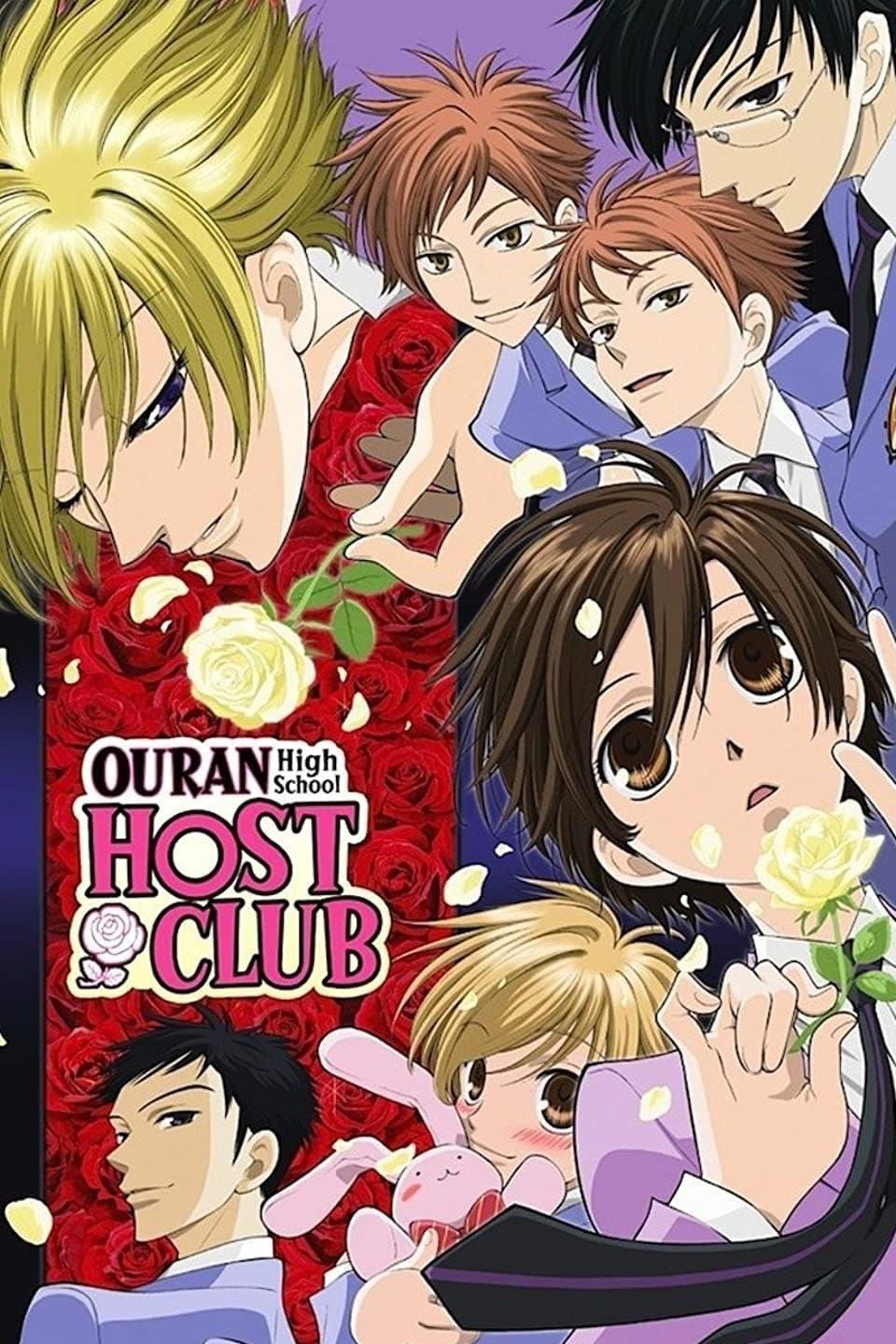
While largely a parody of shoujo tropes the character Ranka who is the protagonist’s father is sometimes seen as a mixed bag. Ranka is a cross dresser who works at a bar and is often used as a source of eccentric comedy. Some fans argue that while the show is progressive for its time it still utilizes the flamboyant gay man trope for laughs. The way other characters react to his gender expression can sometimes lean into dated comedic territory. Despite the show’s overall popularity this specific characterization remains a topic of modern critique.
‘Spiritpact’ (2017–2018)
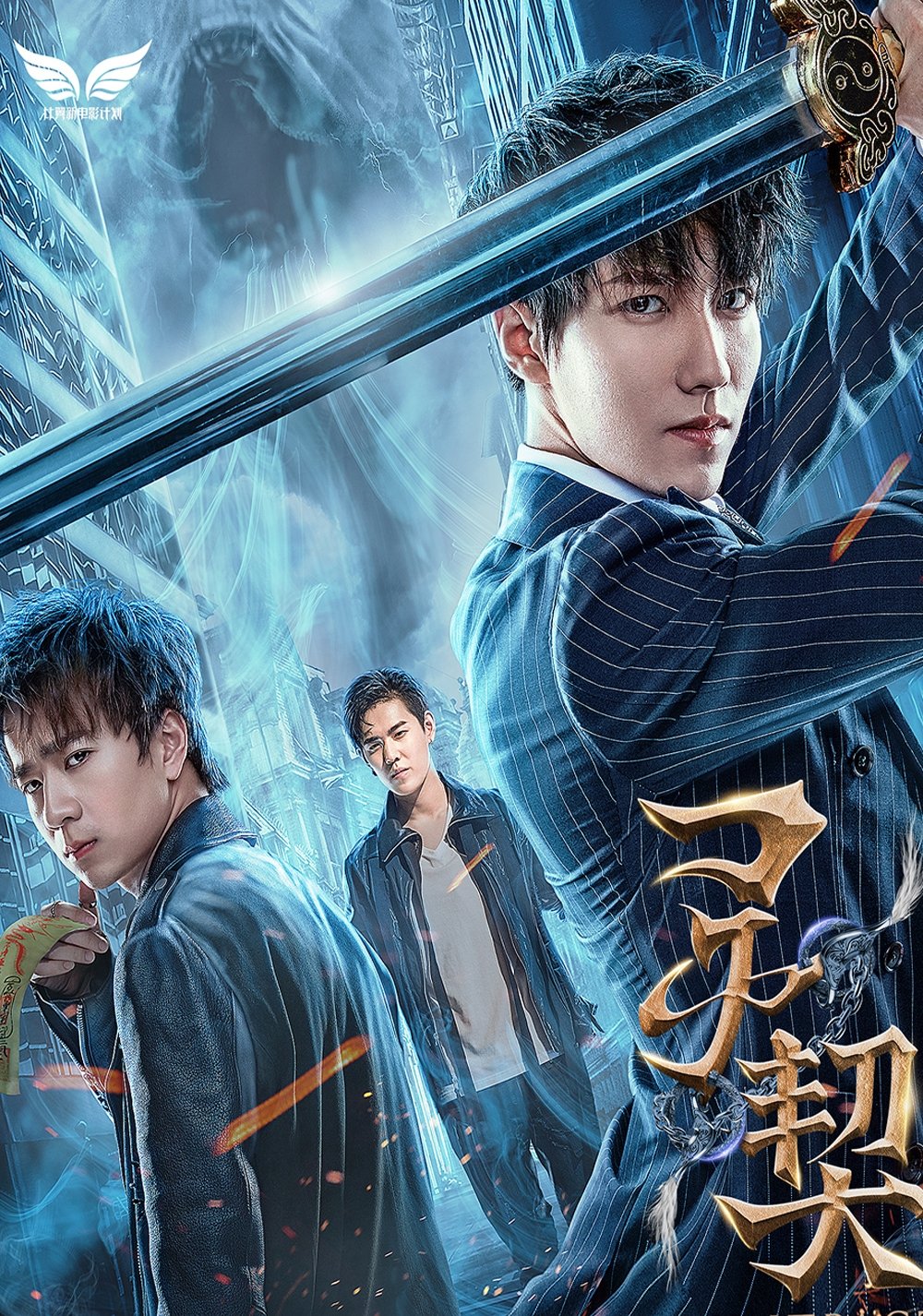
The story follows a young man who dies and becomes the spirit shadow of an exorcist to stay in the world of the living. Fans have noted that the relationship between the two leads is often defined by physical aggression and shouting rather than actual development. The series uses the trope of the bickering couple but takes it to an extreme where it feels more like constant harassment. Many viewers find that the comedy derived from this tension is repetitive and relies on old fashioned archetypes. The lack of meaningful communication between the characters is a frequent complaint from the audience.
‘Tight-rope’ (2012)
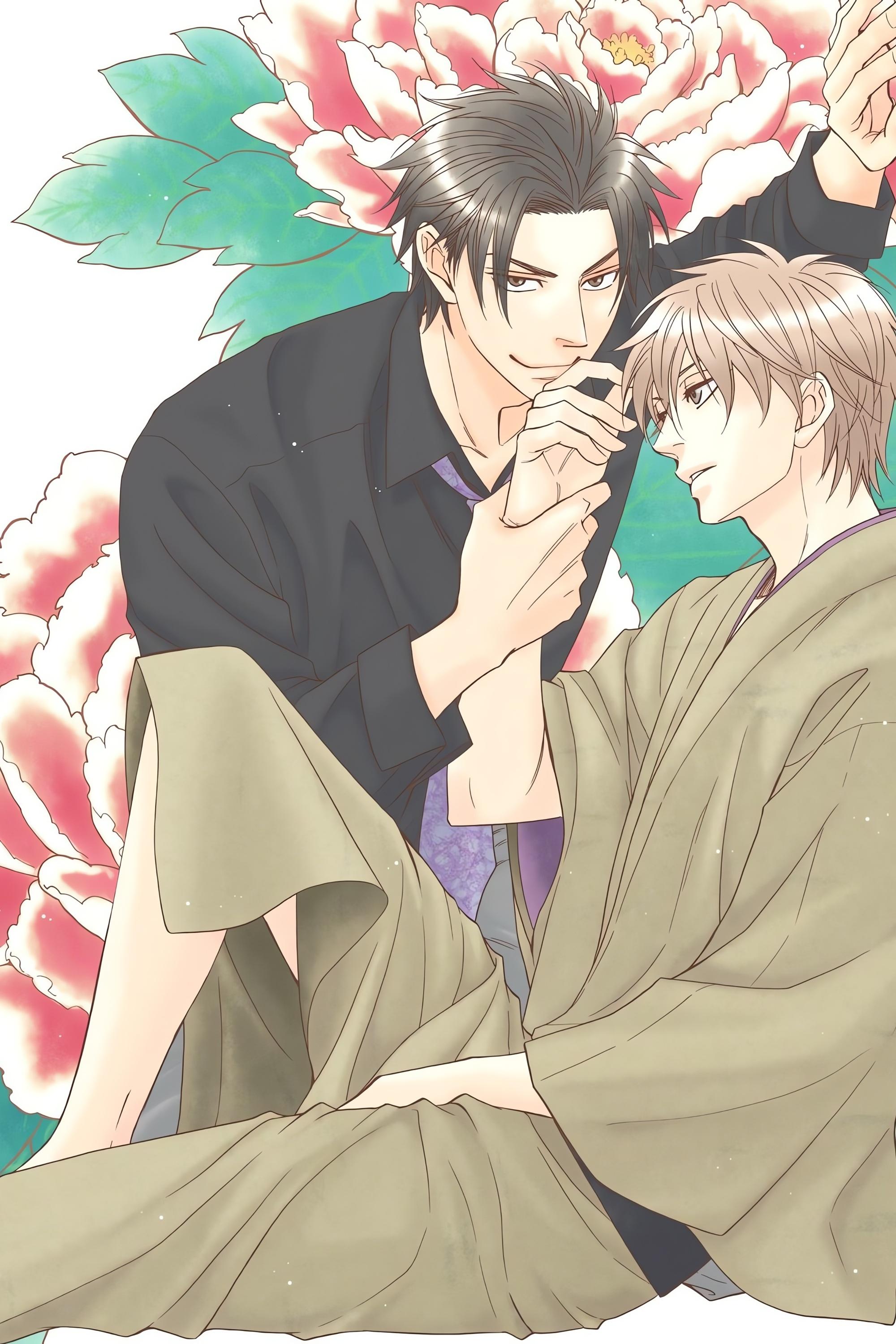
This short series follows the childhood friends and heirs to rival Yakuza families as they navigate their feelings for each other. Critics argue that the series relies too much on the trope of using violence and Yakuza culture to mask a lack of emotional depth. The characters often resolve their issues through physical force or impulsive actions that mimic stereotypical masculine aggression. Fans feel that the story is too brief to move past these basic tropes into something more substantial. The resulting narrative feels like a collection of genre clichés rather than a unique story.
‘Hybrid Child’ (2014–2015)
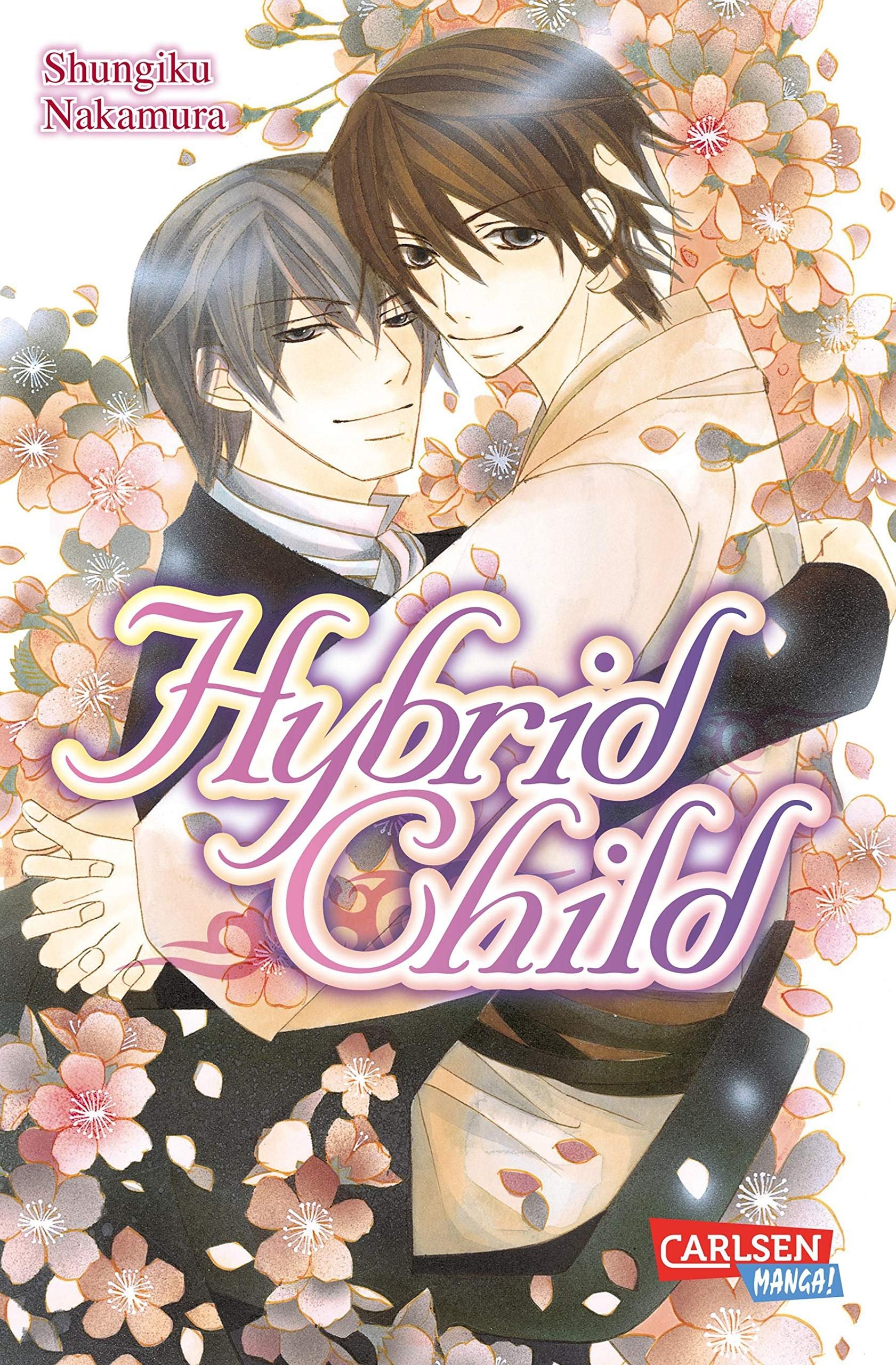
The series features androids known as Hybrid Children that grow based on the love and care they receive from their owners. Fans find the concept of a romantic relationship between a creator and a being they literally raised to be highly problematic. The power dynamic is intrinsically skewed as the Hybrid Child is designed to be dependent on their owner for growth. This literalization of the grooming trope is seen as a disturbing element of an otherwise emotional story. Many viewers find the central premise difficult to separate from these controversial themes.
‘Vassalord.’ (2013)
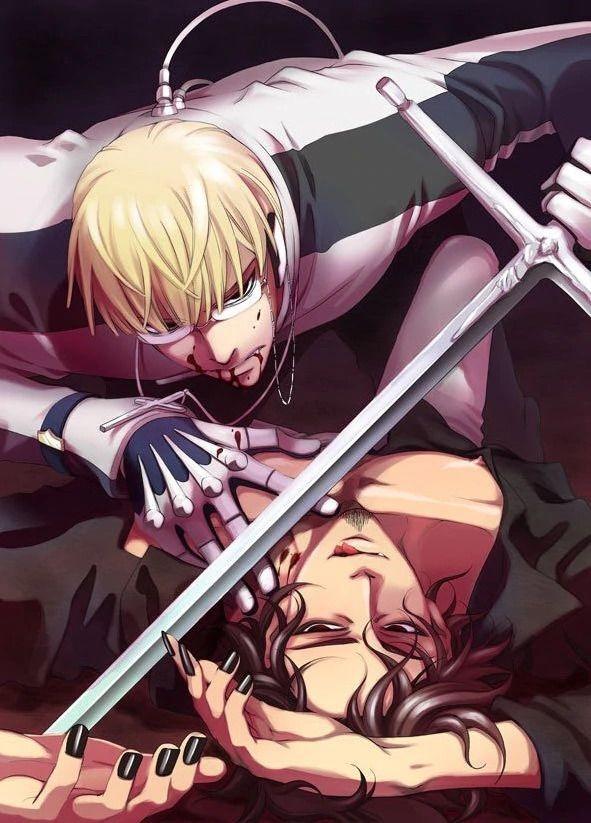
The plot centers on two vampires who share a complicated bond involving blood drinking and religious conflict. Fans point to the series for its use of the masochistic trope where one character constantly suffers for the pleasure of the other. The relationship is depicted as a cycle of pain and dependency that is framed as a romantic destiny. Critics argue that this glamorization of suffering is a tired trope that adds little to the actual character development. The focus on stylized violence over healthy interaction is a common critique of the series.
Share your thoughts on these controversial anime tropes and which series you think handled representation the best in the comments.