

Anime Series That Sparked Global Debates Over Sensitive Cultural Themes

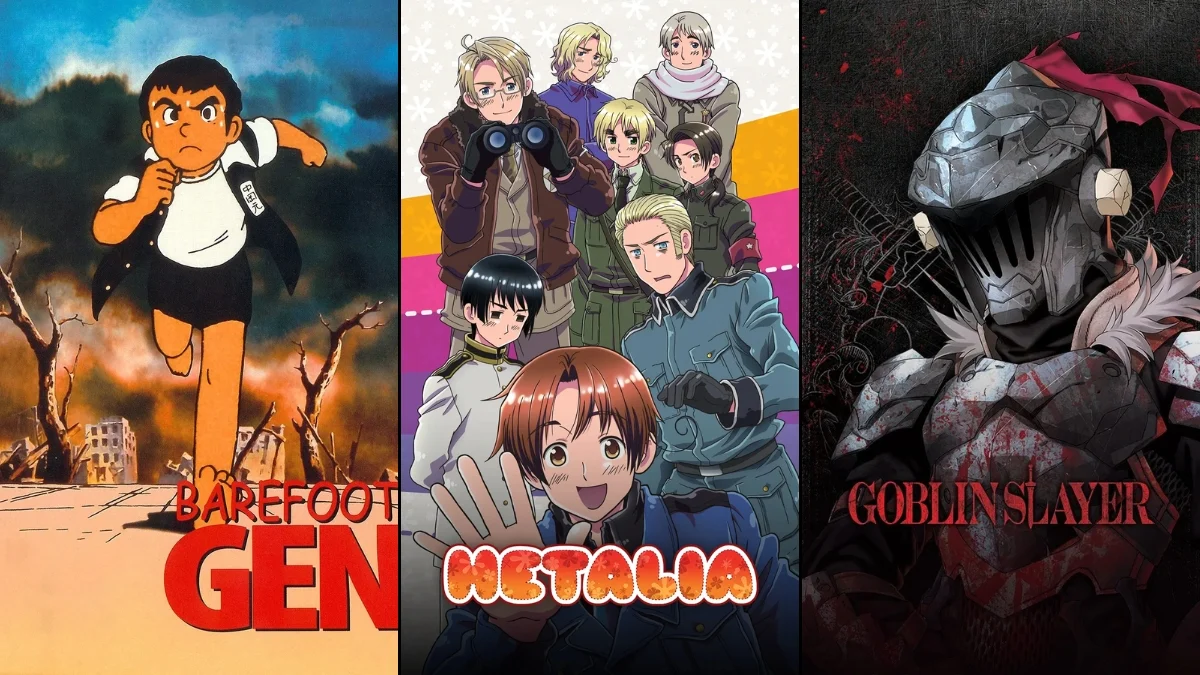


Anime has evolved from a niche medium into a global cultural force, often pushing the boundaries of storytelling by addressing complex and controversial topics. While many series are celebrated for their artistic depth, some have ignited intense international debates due to their portrayal of historical events, religious symbols, or social issues. These discussions often highlight the cultural differences in how sensitive themes are perceived across different regions. By examining these instances, audiences can better understand the intersection of media, ethics, and global politics.
‘Barefoot Gen’ (1983)
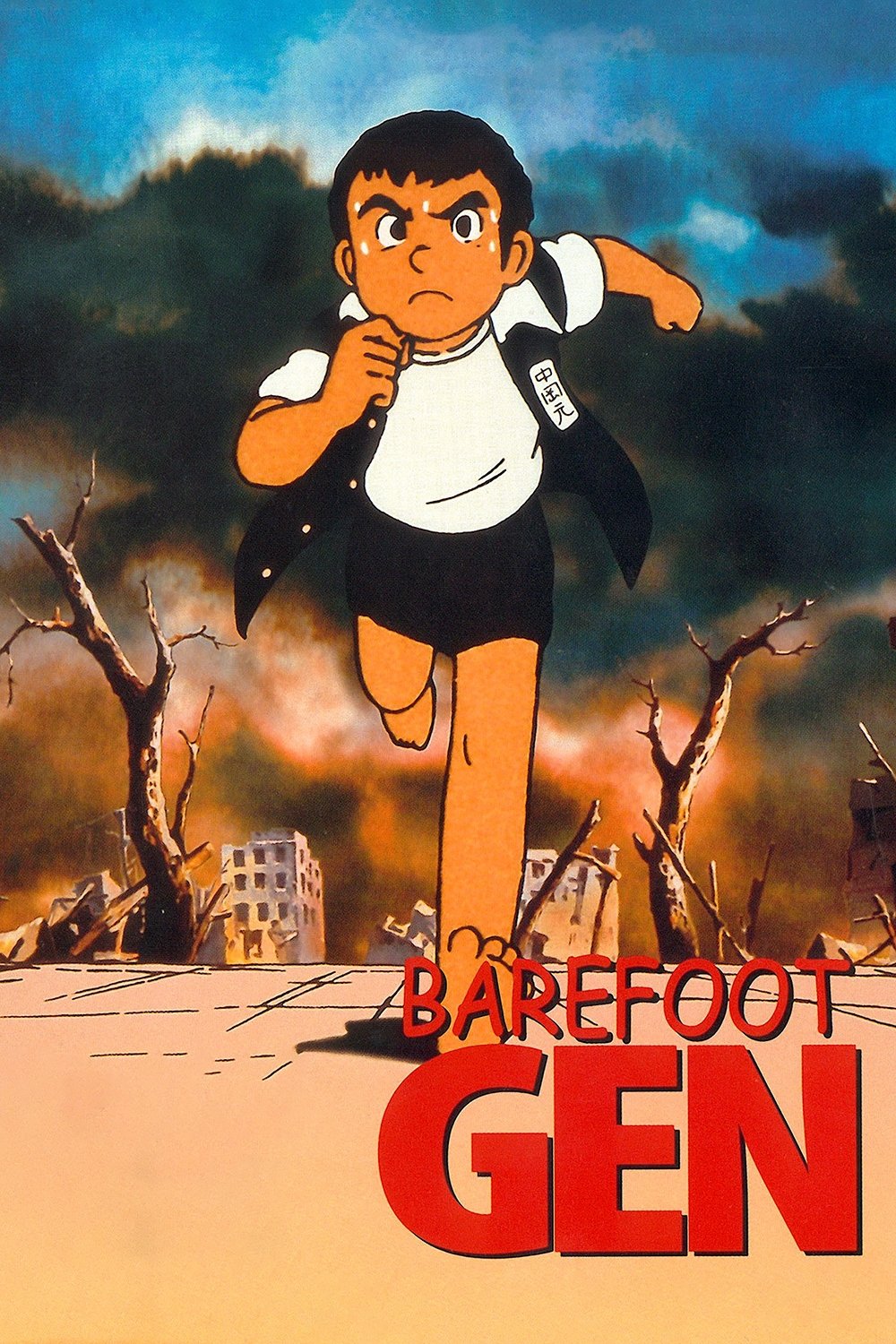
This film provides a harrowing account of the Hiroshima bombing through the eyes of a young boy struggling to survive the aftermath. It sparked significant debates regarding the necessity of showing such graphic historical trauma to children within educational settings. While some educators praise its commitment to peace education, others have criticized the extreme intensity of its visuals as being too distressing for younger audiences. The film remains a cornerstone in international discussions about how Japan addresses its wartime history and the legacy of nuclear warfare.
‘Grave of the Fireflies’ (1988)
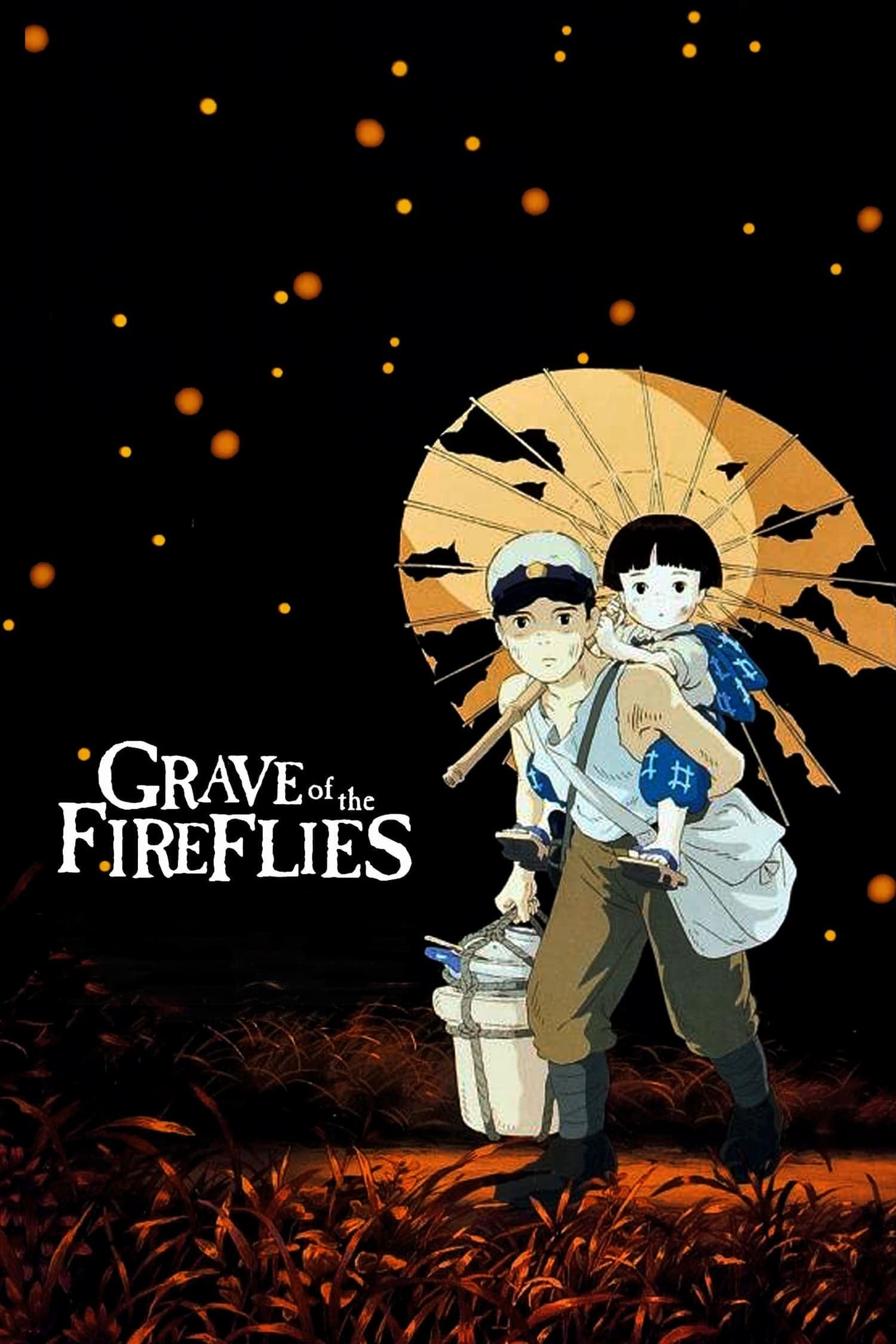
Director Isao Takahata depicted the tragic struggle of two siblings during the final months of World War II, focusing on the human cost of the conflict rather than the combat itself. The film led to international academic discussions about whether its primary message was one of anti-war sentiment or a critique of the protagonist’s pride and social apathy. It is frequently cited in global cinema studies when discussing the portrayal of victimhood and the responsibilities of the individual during national crises. The somber tone and realistic depiction of starvation continue to provoke dialogue about the consequences of nationalism.
‘Neon Genesis Evangelion’ (1995–1996)
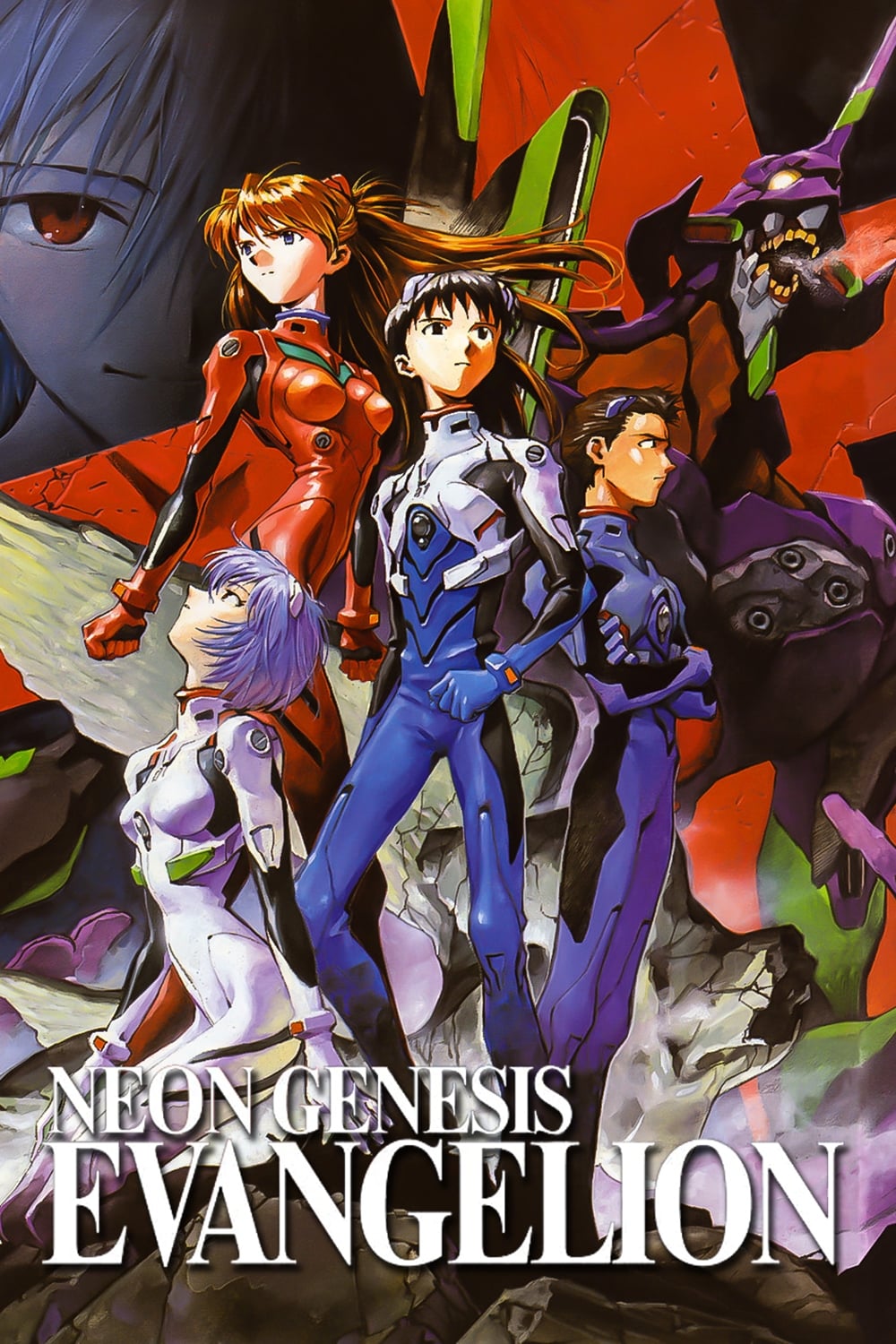
This series utilized extensive Judeo-Christian iconography and terminology to explore psychological trauma, existentialism, and the nature of the soul. The use of religious imagery for aesthetic and dramatic purposes rather than theological ones sparked debates among Western audiences regarding cultural appropriation and religious sensitivity. Fans and scholars frequently analyze how ‘Neon Genesis Evangelion’ recontextualized sacred symbols to build a secular, post-modern narrative about human connection. It remains a primary example of how cross-cultural themes can be interpreted in vastly different ways depending on the viewer’s religious background.
‘Pokémon’ (1997–Present)
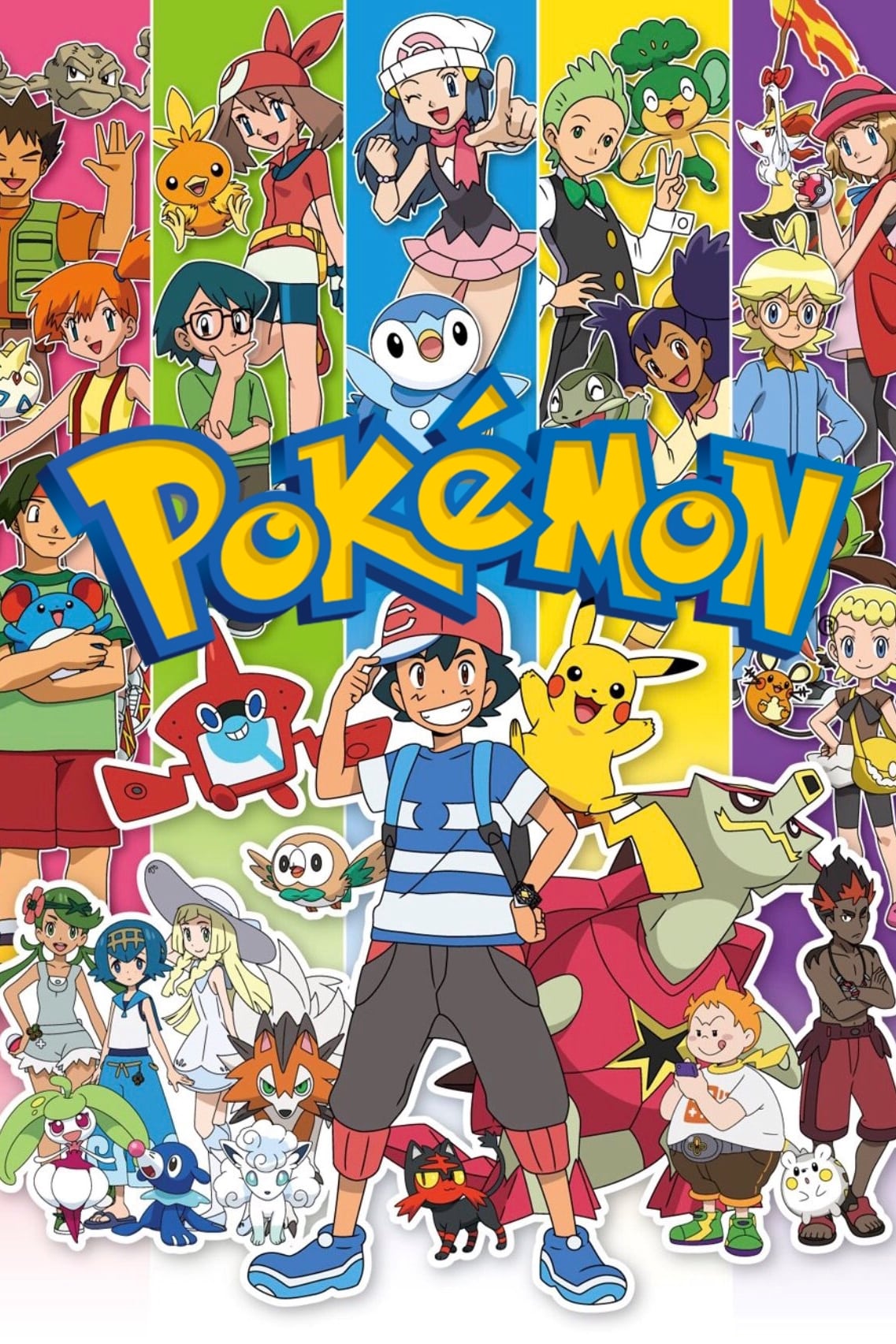
The global phenomenon faced significant international backlash due to the original character design of the creature Jynx, which many critics argued resembled blackface caricatures. This sparked an intense debate on racial sensitivity and the importance of localized character adjustments in global media distribution. In response to the outcry, Nintendo and The Pokémon Company eventually recolored the character’s skin to purple in later games and episodes of ‘Pokémon’. The incident serves as a key case study in the challenges of distributing visual media with culturally specific tropes to a diverse global audience.
‘Ghost in the Shell: Stand Alone Complex’ (2002–2005)
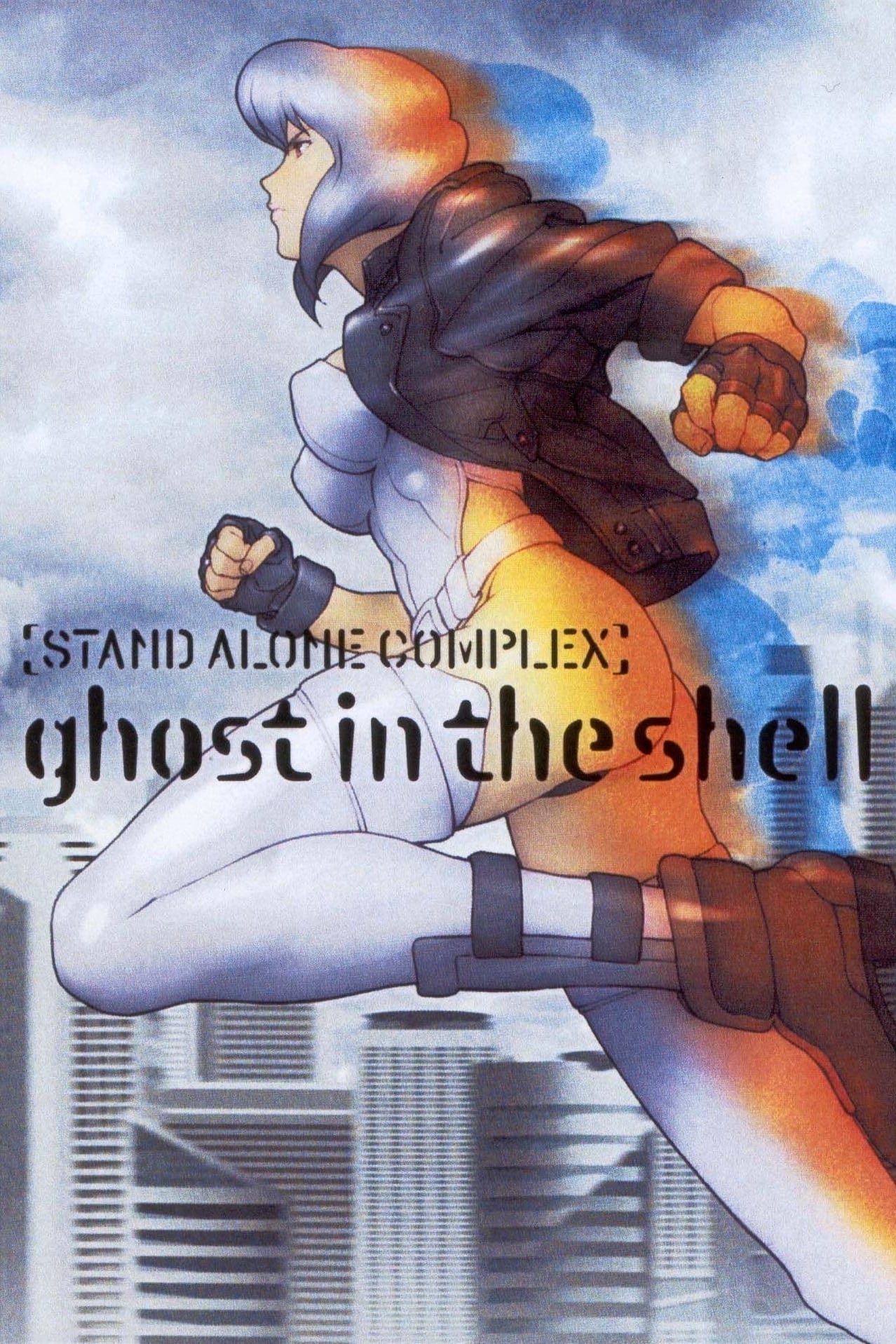
This series explores deep philosophical questions about the human soul and the ethical implications of a hyper-connected, cybernetic society. It sparked global debates about the ethics of transhumanism and the potential loss of individual identity in an age dominated by digital surveillance. Critics and futurists often use ‘Ghost in the Shell: Stand Alone Complex’ as a framework for discussing the legal and moral dilemmas posed by emerging technologies. The series continues to be a focal point for discussions on the intersection of artificial intelligence and fundamental human rights.
‘Death Note’ (2006–2007)
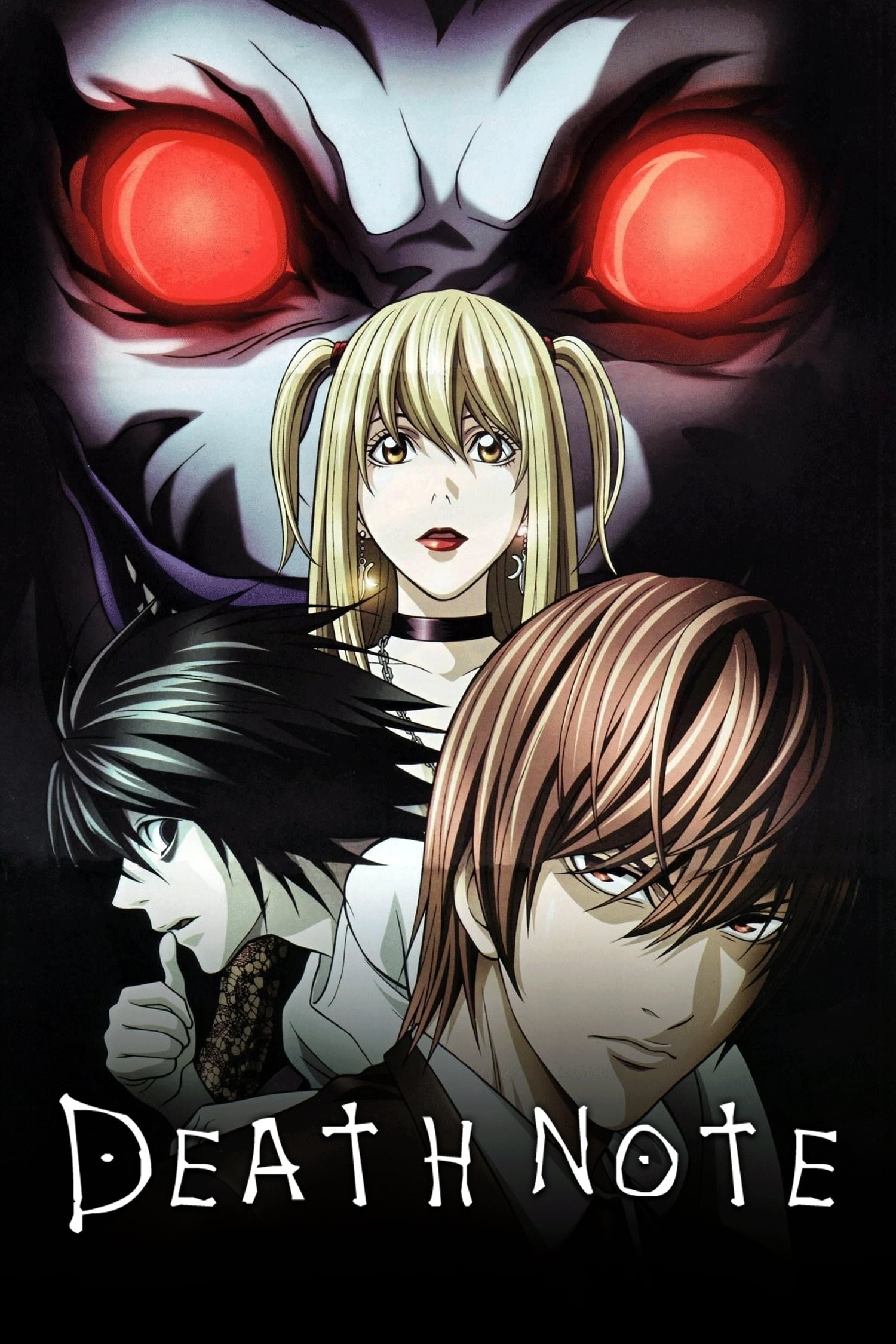
The story of a high school student who gains the power to kill anyone whose name he writes in a notebook prompted serious real-world safety concerns across several continents. In countries such as China and the United States, debates erupted over the influence of ‘Death Note’ after students were found creating their own versions of the book containing names of classmates. These incidents led to widespread discussions about the impact of media on youth behavior and the ethics of portraying vigilante justice in fiction. The series remains a central point of reference in debates regarding media censorship and the boundaries of artistic freedom.
‘Hetalia’ (2009–2010)

This series personifies nations involved in World War II as comedic characters, leading to a major diplomatic and social controversy in South Korea. Protesters argued that ‘Hetalia: Axis Powers’ trivialized historical atrocities and misrepresented the historical relations between Japan and its neighbors. The intensity of the public outcry led to the cancellation of the show’s broadcast in South Korea and a general re-evaluation of how historical conflicts are parodied. This instance remains a prominent example of how humor can intersect painfully with sensitive national histories and unresolved international tensions.
‘Psycho-Pass’ (2012–2013)
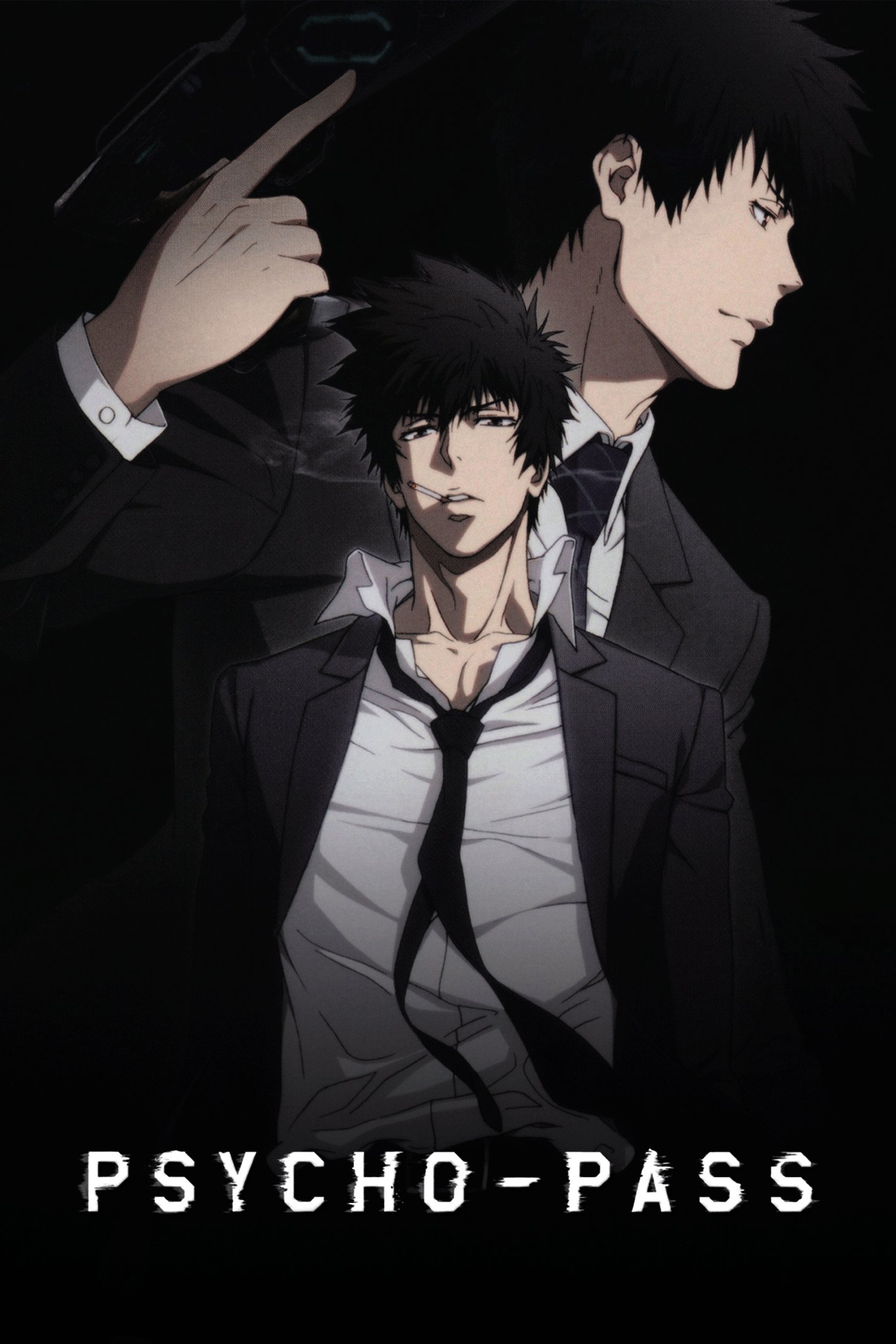
Set in a future where a computerized system can predict criminal intent, ‘Psycho-Pass’ raises profound questions about the ethics of preemptive justice and authoritarianism. It sparked global debates regarding the balance between public safety and individual privacy in an increasingly data-driven and surveilled world. Philosophers and legal experts have noted the series’ parallels to modern predictive policing technologies and the risks of algorithmic bias. The show continues to be cited in academic and social discussions about the moral cost of maintaining a “crime-free” society.
‘Attack on Titan’ (2013–2023)
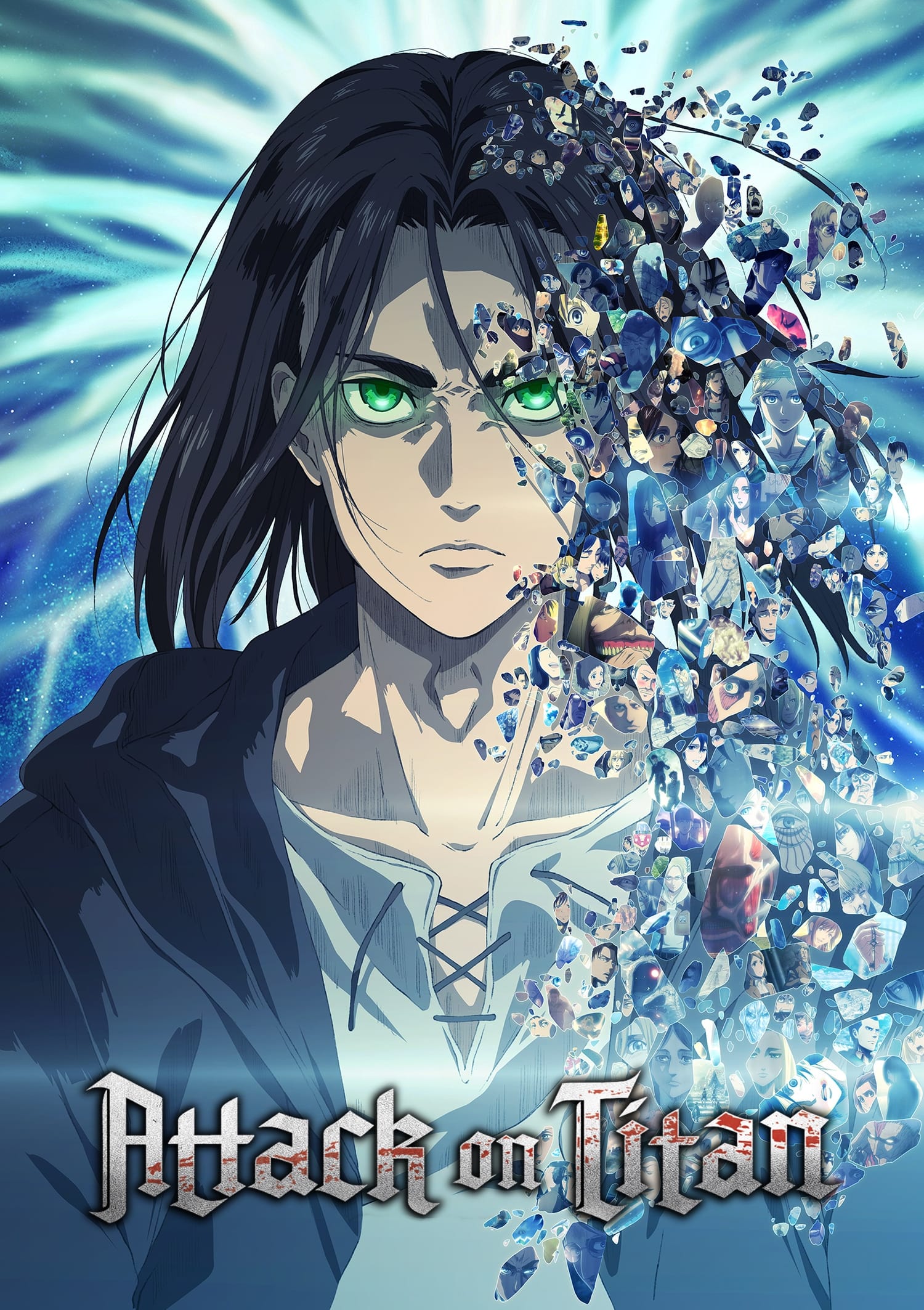
The narrative of ‘Attack on Titan’ delves into complex themes of cyclical hatred, nationalism, and the justification of war in the face of survival. It sparked intense global debates over its use of imagery that some viewers and critics interpreted as having fascist or anti-Semitic subtexts. Conversely, many defenders argue the series is a deliberate deconstruction of those very ideologies, intended to warn against the dangers of militarism and historical revisionism. The widely differing interpretations illustrate the show’s ability to mirror diverse political anxieties and historical traumas across different cultures.
‘Golden Kamuy’ (2018–Present)

This series is widely noted for its detailed and respectful portrayal of the Ainu, the indigenous people of Hokkaido, Japan. It sparked international discussions about the importance of accurate cultural representation and the preservation of endangered languages and customs in popular media. The production team collaborated with Ainu linguists and cultural experts to ensure authenticity, which set a new standard for portraying minority groups in anime. This positive debate highlighted how mainstream entertainment can serve as an effective tool for global cultural education and the visibility of indigenous histories.
‘Goblin Slayer’ (2018)

The premiere episode of ‘Goblin Slayer’ caused an immediate global debate due to its graphic depiction of sexual violence within a fantasy setting. Many viewers and critics questioned whether such content was necessary for the plot or if it served merely as gratuitous shock value to grab attention. In response to the backlash, major streaming platforms added content warnings and age ratings to the series, sparking further discussion about transparency in content labeling. The controversy remains a landmark moment in the ongoing debate over the boundaries of the dark fantasy genre and viewer expectations.
‘The Rising of the Shield Hero’ (2019)
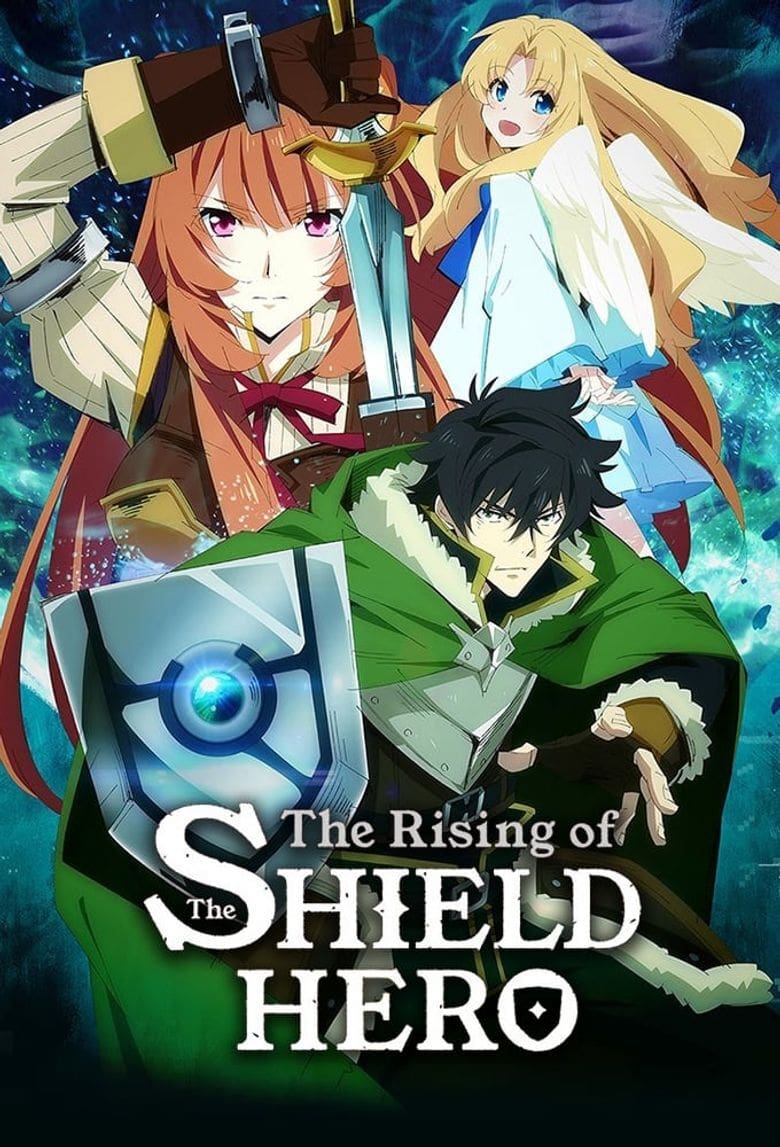
This series became the center of a heated debate in Western media due to an early plot point involving a false accusation of sexual assault. Critics argued the narrative played into harmful real-world tropes, while defenders pointed to the fictional context of the protagonist’s betrayal and subsequent redemption arc. The discourse highlighted significant cultural divides in how sensitive social issues are handled in entertainment across different international markets. ‘The Rising of the Shield Hero’ became a polarizing example of the friction between traditional Japanese storytelling tropes and contemporary global social critiques.
‘Mushoku Tensei: Jobless Reincarnation’ (2021–Present)

The series sparked widespread controversy over its protagonist, whose perverted behavior and morally questionable past life are central to his character arc. Global debates ensued regarding whether a narrative should feature a “reprehensible” lead and if a character’s eventual growth can justify their earlier problematic actions. In China, ‘Mushoku Tensei: Jobless Reincarnation’ faced a ban from a major streaming platform following significant public outcry over its content. This situation emphasized the varying global standards for what is considered acceptable protagonist behavior and the limits of the “redemption” trope in fantasy narratives.
Please share your thoughts on these controversial themes and how they were handled in the comments.