

Anime Series That Sparked Significant Backlash Over Controversial Storylines



While animation is often viewed as a medium for all ages, the anime industry frequently explores mature themes that challenge social norms and viewer sensibilities. Some series have pushed these boundaries to the point of inciting widespread public outcry, leading to censorship, cancellations, and intense online debates. These controversies often arise from the depiction of sensitive interpersonal relationships, graphic violence, or the handling of delicate historical and social issues. As global audiences grow, the tension between creative expression and cultural expectations continues to shape how these stories are received and distributed worldwide.
‘Goblin Slayer’ (2018)
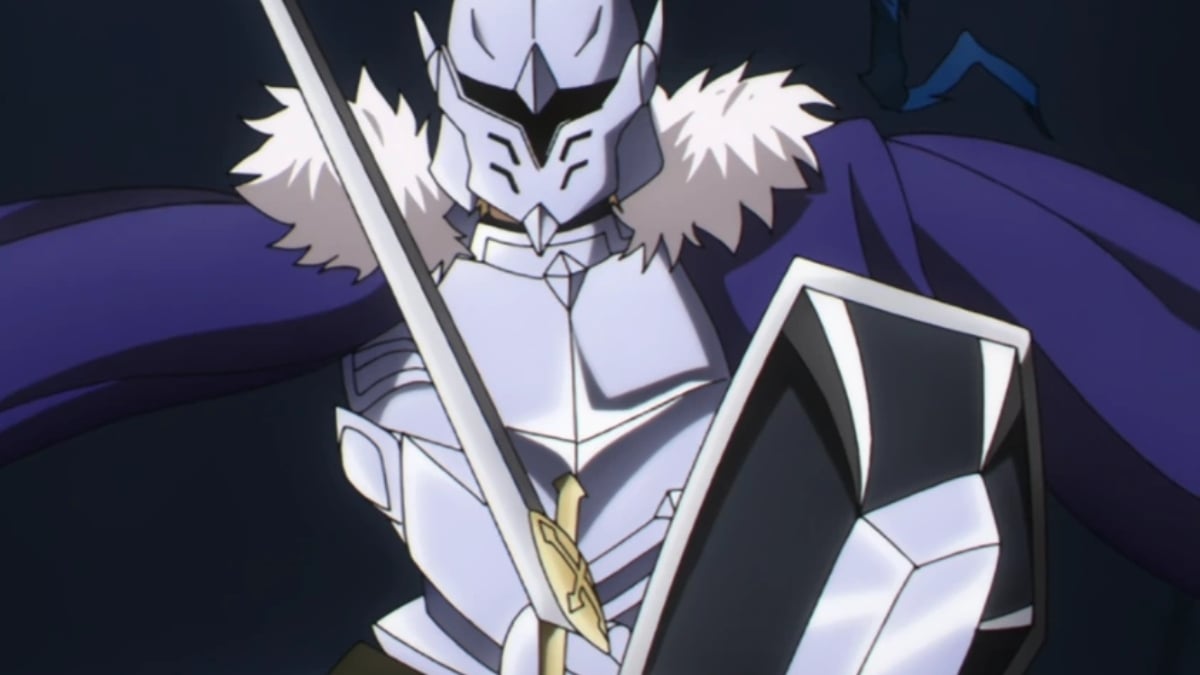
The premiere of ‘Goblin Slayer’ caused an immediate wave of controversy due to its graphic depiction of violence and assault. Many viewers were caught off guard by the tonal shift from a standard fantasy setting to a dark and brutal narrative. This led to a public discussion regarding the lack of content warnings on streaming platforms at the time of the release. Following the backlash, services like Crunchyroll implemented maturity ratings and advisory notices for the series. The show continued its run but remained a focal point for debates on shock value in media.
‘Redo of Healer’ (2021)

‘Redo of Healer’ is widely considered one of the most controversial anime releases in recent years due to its revenge-driven plot involving extreme trauma. The series follows a healer who undergoes horrific abuse before resetting time to exact brutal vengeance on his tormentors. Most mainstream streaming platforms refused to host the show, and it faced condemnation from various advocacy groups. Even in Japan, the broadcast was restricted to specific late-night time slots with significant censorship. Its focus on non-consensual acts as a means of retribution remains its most criticized element.
‘Interspecies Reviewers’ (2020)
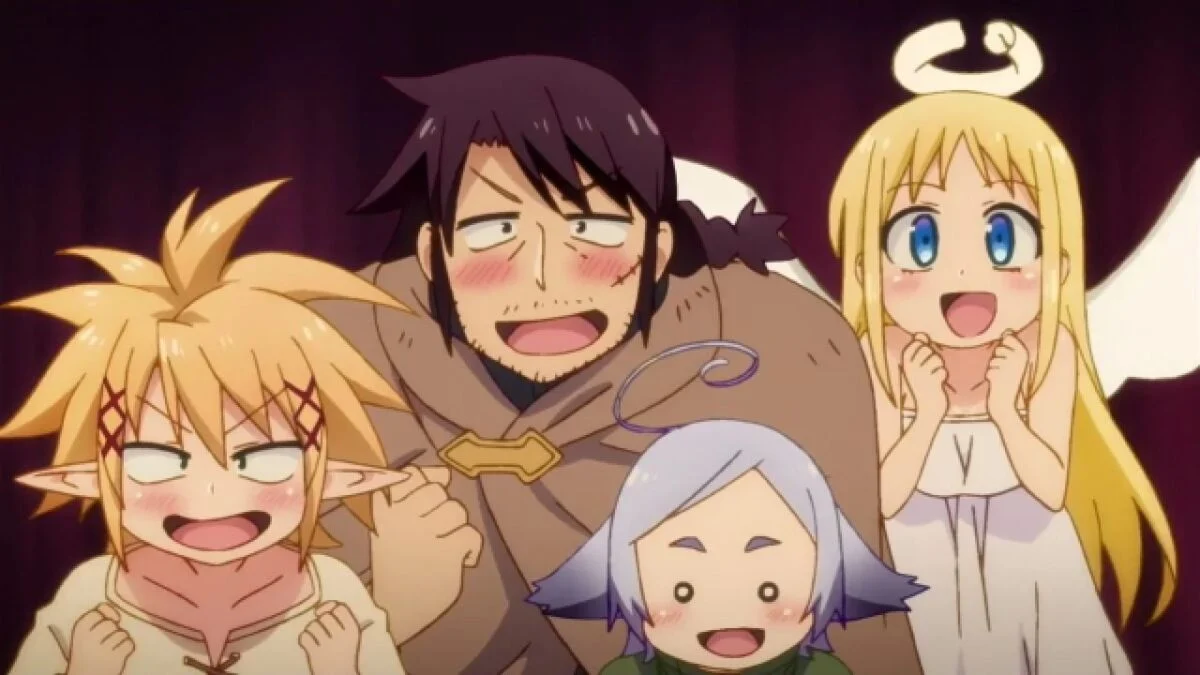
The broadcast history of ‘Interspecies Reviewers’ was cut short on several platforms due to the explicit nature of its premise. The story revolves around adventurers who visit and review various fantasy-themed adult establishments. After airing just a few episodes, Funimation removed the series from its library, stating that it fell outside their standards. Tokyo MX also ceased broadcasting the show, leading to its cancellation on multiple television networks. The controversy centered on whether the content was too explicit for standard broadcast television.
‘Mushoku Tensei: Jobless Reincarnation’ (2021)

‘Mushoku Tensei: Jobless Reincarnation’ faced a massive backlash in China that resulted in the series being pulled from the popular streaming site Bilibili. Critics and viewers took issue with the protagonist’s inappropriate behavior and the depiction of his inner thoughts. A prominent Chinese influencer’s negative review further fueled the fire, leading to a campaign against the show’s moral stance. While the series is praised for its production quality, the character’s early actions have remained a point of contention for international audiences. The incident highlighted the impact of cultural values on the global distribution of anime.
‘The Rising of the Shield Hero’ (2019)
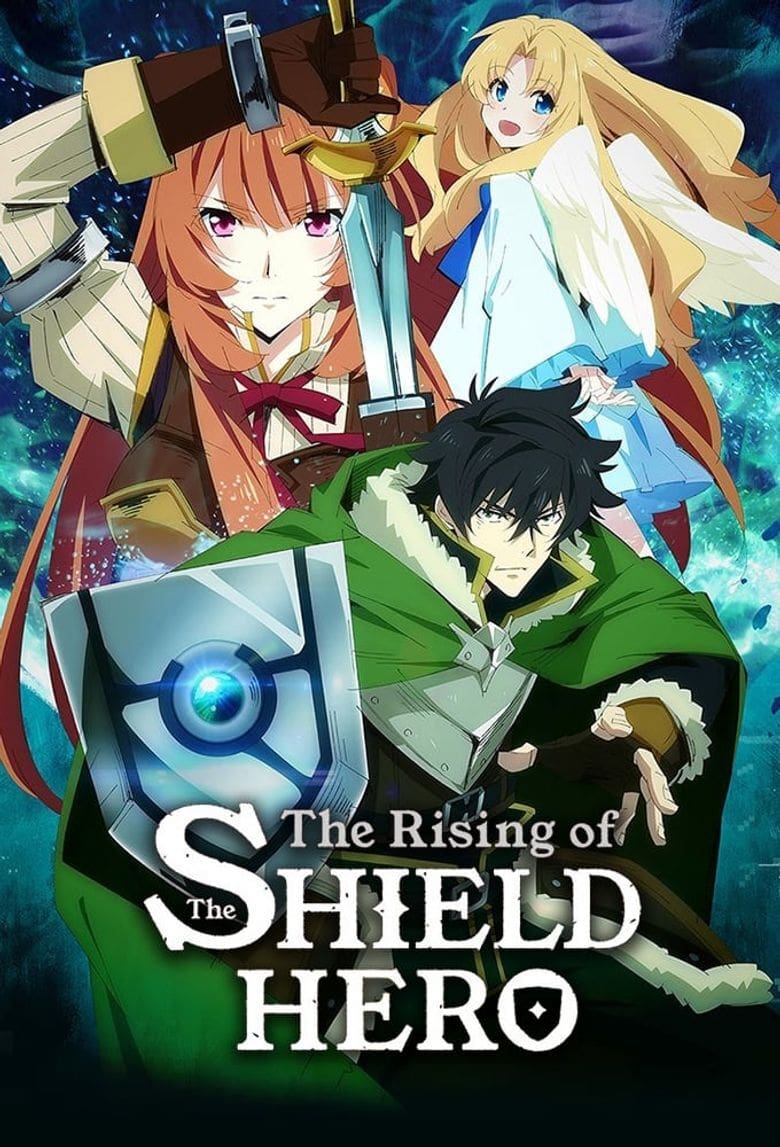
The first episode of ‘The Rising of the Shield Hero’ sparked a heated debate among Western critics and viewers regarding its primary plot catalyst. The story begins with the protagonist being falsely accused of a serious crime, which serves as the motivation for his cynical worldview. Some commentators argued that the use of a false accusation narrative was insensitive and relied on harmful tropes. Others defended the show, claiming it was a necessary element of the character’s development within the “isekai” genre. Despite the initial friction, the series maintained a high viewership and continued for multiple seasons.
‘School Days’ (2007)
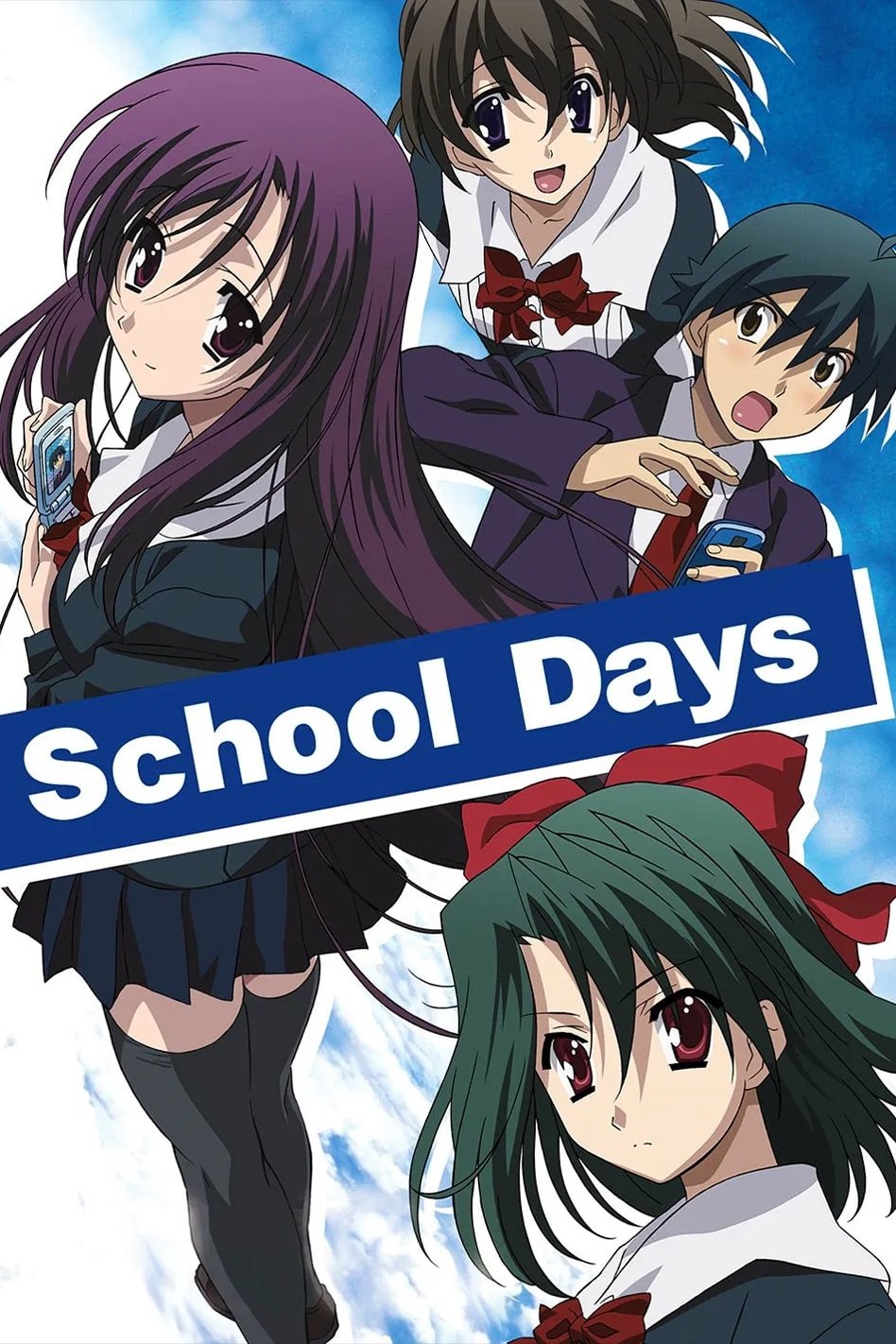
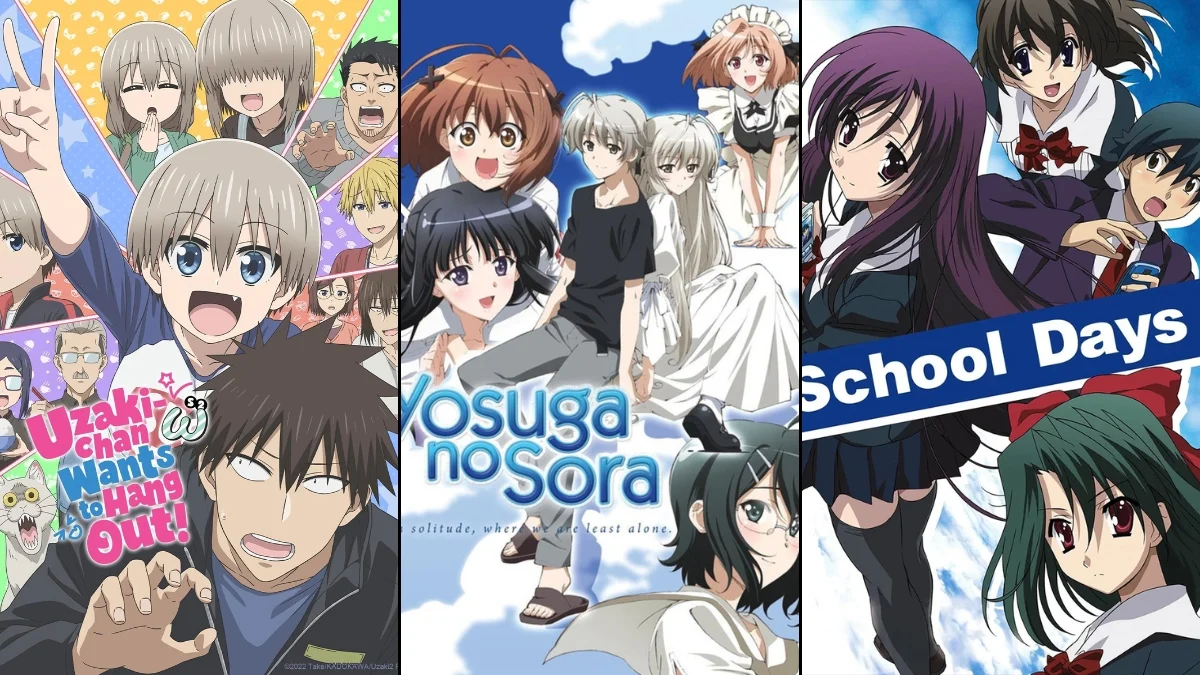
‘School Days’ is infamous for a finale that deviated sharply from the typical expectations of a high school romance. The series follows a complicated love triangle that devolves into obsession, betrayal, and eventually, extreme violence. The final episode was famously delayed in Japan due to a real-life violent incident that mirrored the show’s themes. During the delay, the network broadcasted peaceful scenery of a boat, which led to the “Nice Boat” internet meme. The show remains a controversial example of subverting the “harem” genre through a dark and psychological lens.
‘Hetalia’ (2009–2010)
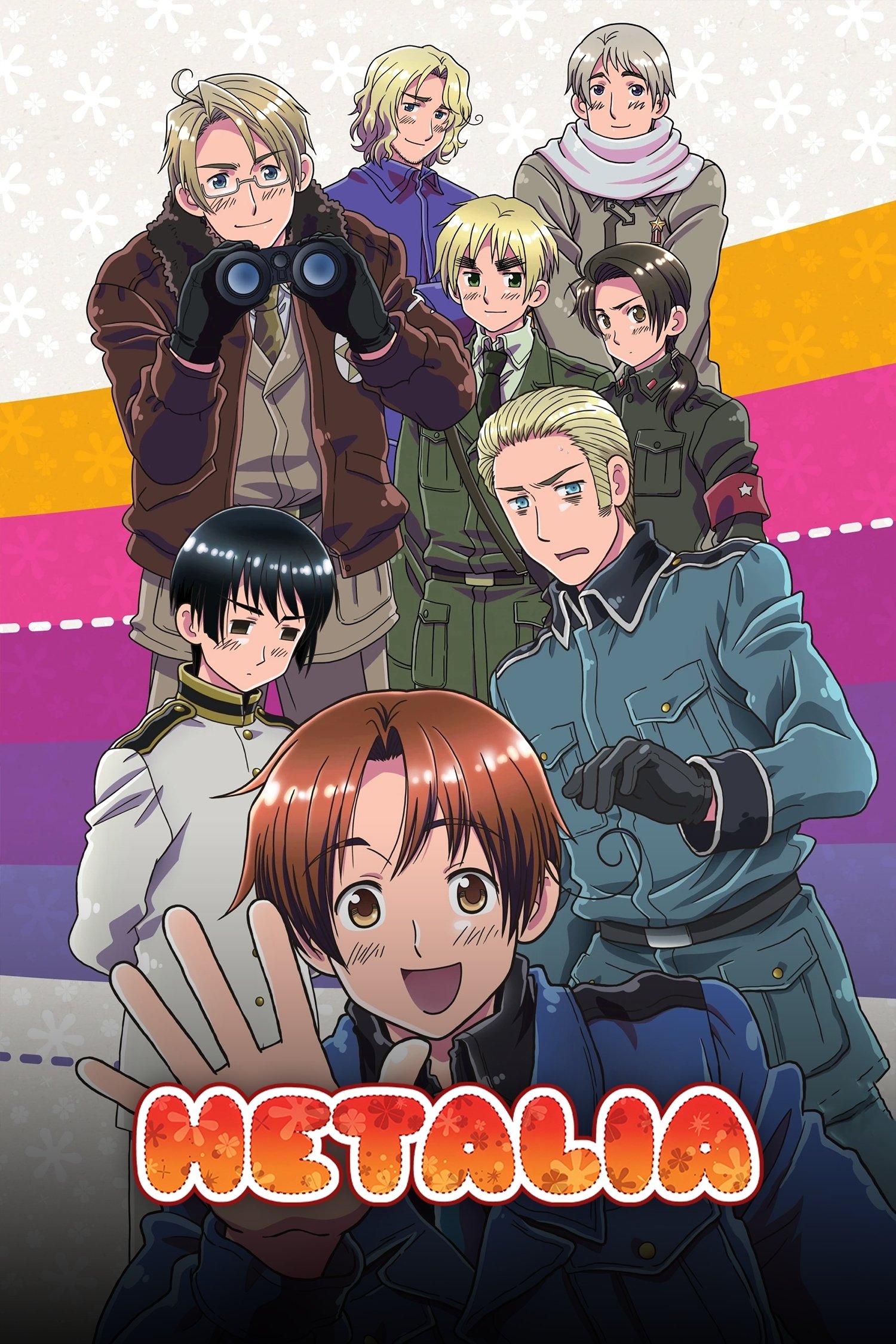
The personification of nations in ‘Hetalia: Axis Powers’ led to significant diplomatic and social tension, particularly in South Korea. Protesters argued that the depiction of the character representing Korea was offensive and historically inaccurate. The backlash grew to the point where petitions were signed, and a formal complaint was lodged against the broadcast. Consequently, the Kids Station channel in Japan canceled its planned television airing of the series. While the show continued as an original net animation, it remains a cautionary tale about using sensitive history for comedy.
‘Kodomo no Jikan’ (2007)
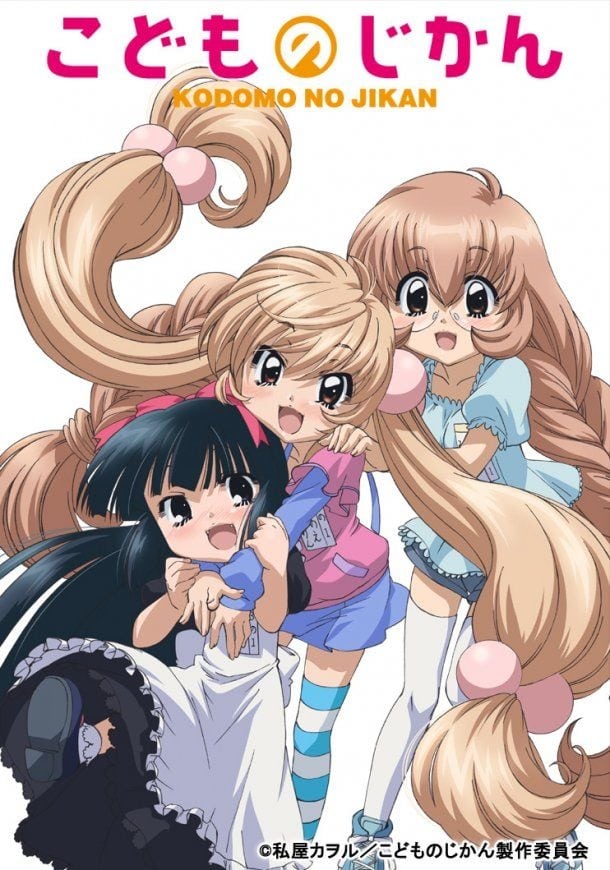
‘Kodomo no Jikan’ generated international controversy for its portrayal of a romantic fixation between a young student and her elementary school teacher. While the manga was initially licensed for North American release, the publisher eventually canceled it due to concerns over the content. The anime adaptation faced similar hurdles, with many critics labeling the subject matter as entirely inappropriate for any audience. Various scenes were heavily censored or removed in different regions to comply with local laws and moral standards. The series is often cited in discussions regarding the boundaries of fictional storytelling involving minors.
‘Made in Abyss’ (2017)
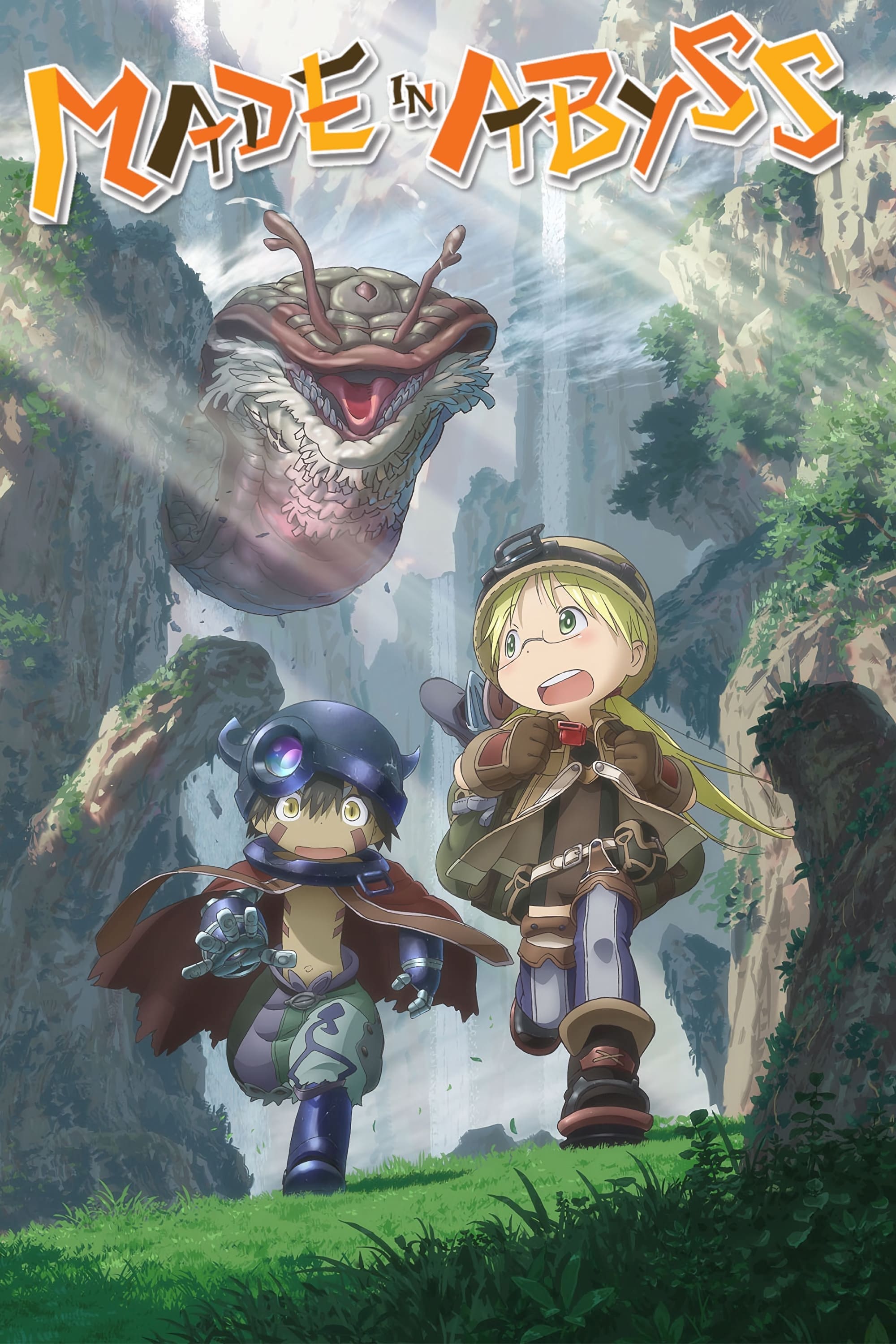
Despite its soft art style and sense of adventure, ‘Made in Abyss’ has been criticized for the graphic suffering inflicted upon its young protagonists. The series features scenes of intense physical and psychological trauma that many viewers found disturbing given the ages of the characters. While the show is a critical success known for its world-building, certain creative choices by the author have led to accusations of unnecessary cruelty. These elements have sparked ongoing debates about the ethics of depicting child endangerment in dark fantasy media. The contrast between the aesthetic and the content remains the show’s most polarizing feature.
‘Uzaki-chan Wants to Hang Out!’ (2020–2022)
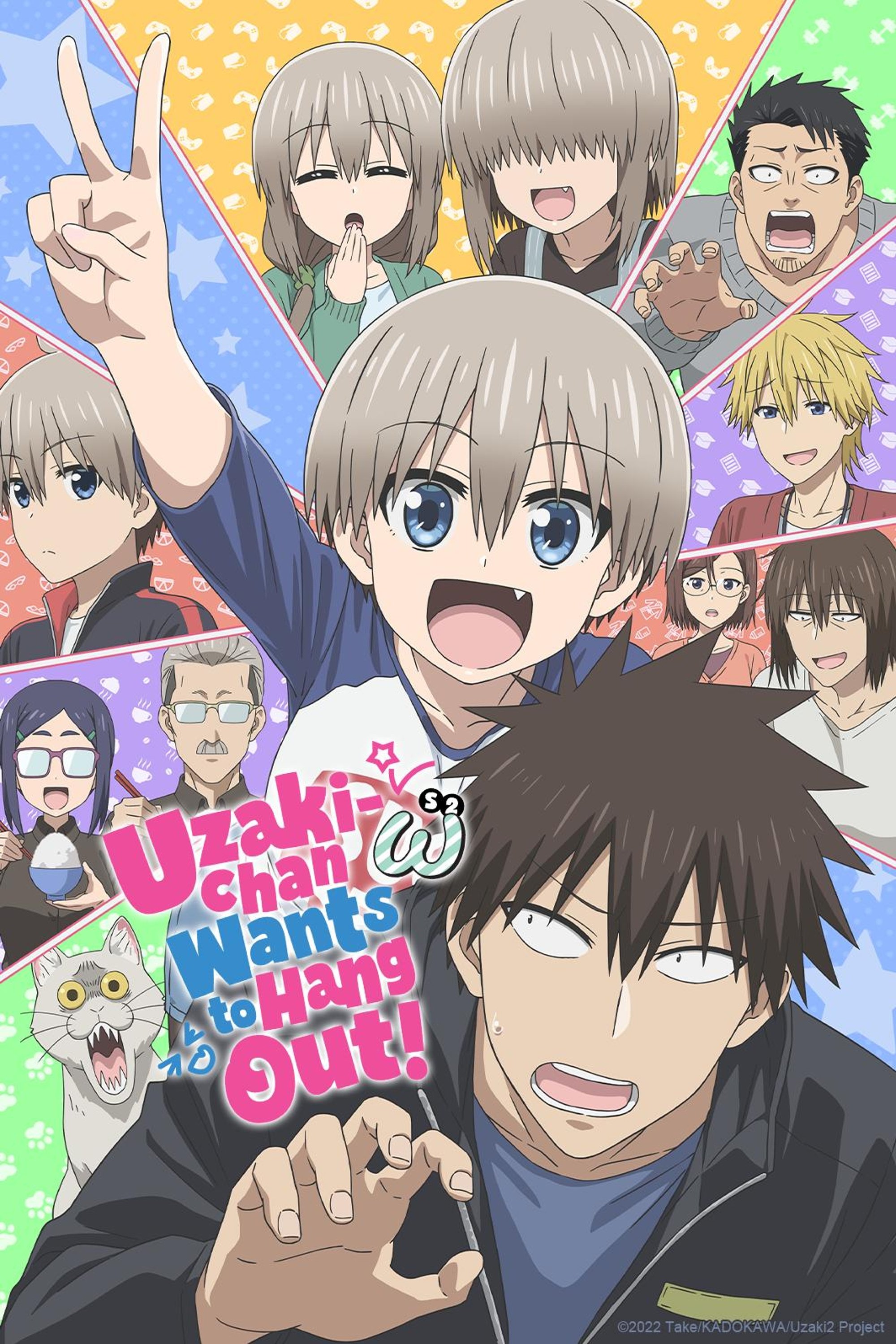
The controversy surrounding ‘Uzaki-chan Wants to Hang Out!’ focused primarily on the character design of the female lead, Hana Uzaki. The debate intensified when the Japanese Red Cross used the character for a blood drive promotional poster. Critics argued that the design was overly sexualized and inappropriate for a public health campaign. This led to a viral social media conflict between those who defended the artistic freedom of the creator and those who called for more modest public representations. The incident became a significant moment in the discussion of how anime aesthetics intersect with real-world public spaces.
‘【OSHI NO KO】’ (2023–Present)
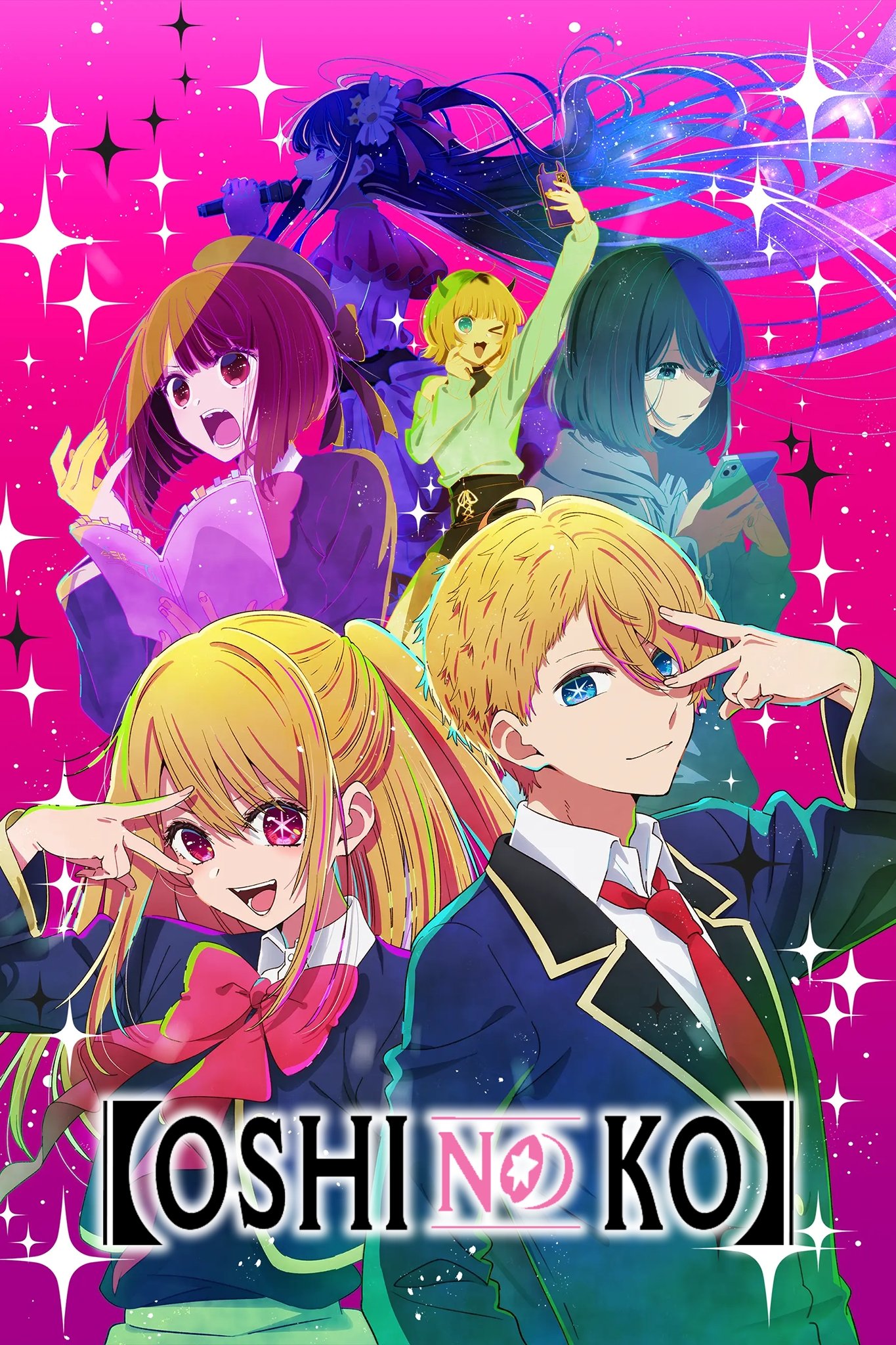
A specific story arc in ‘Oshi no Ko’ drew heavy criticism for its perceived similarities to the real-life tragedy of professional wrestler Hana Kimura. The episode depicted a character facing intense cyberbullying after a reality television incident, which mirrored the events leading to Kimura’s passing. Kimura’s mother publicly criticized the series, stating that the timing and the handling of the theme were insensitive to the family’s grief. The production team maintained that the story was intended to highlight the dangers of online harassment. However, the emotional proximity to a real event caused a major rift among the fanbase.
‘The Seven Deadly Sins’ (2014–2021)
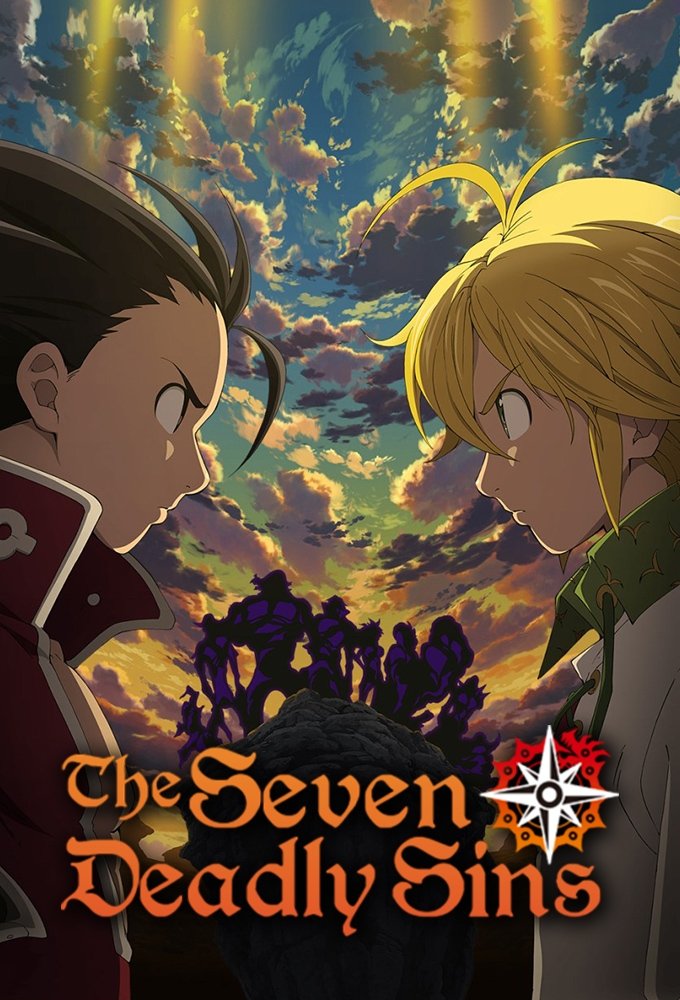
‘The Seven Deadly Sins’ has faced consistent criticism regarding the behavior of its protagonist, Meliodas, toward the female lead, Elizabeth. Throughout the early parts of the series, Meliodas frequently engages in unwanted physical contact that is framed as comedic relief. Many viewers and critics found these scenes to be a normalization of harassment, leading to negative reviews in the West. While the show is a major commercial hit globally, these specific character interactions remain a point of significant backlash. Over time, the frequency of these gags decreased, but the initial controversy still colors the series’ reputation.
‘Yosuga no Sora’ (2010)
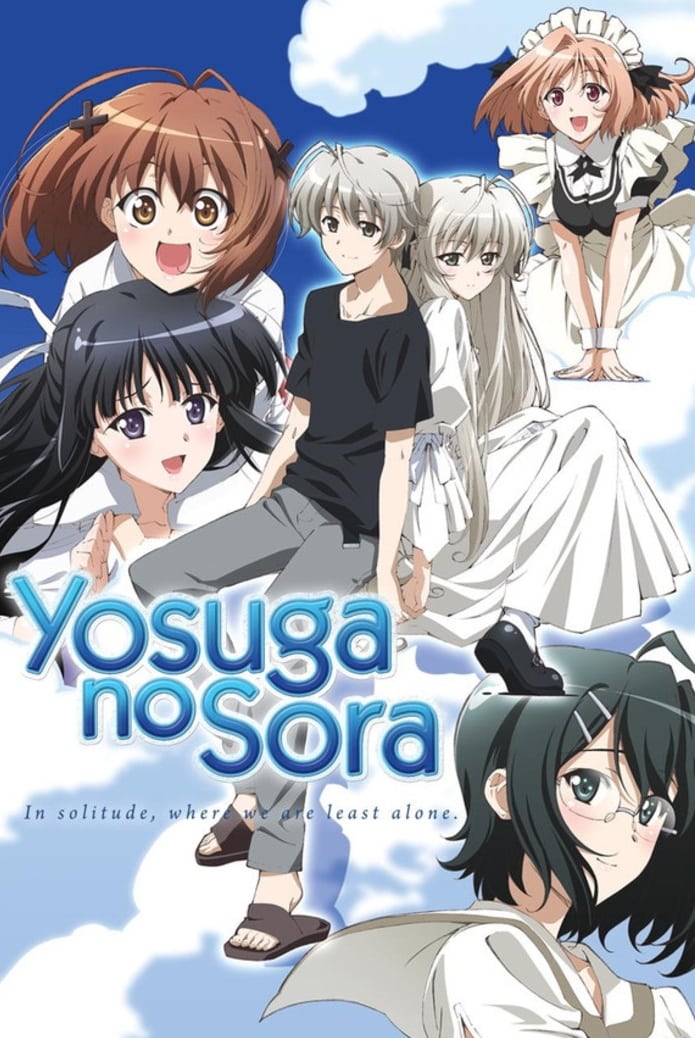
The adaptation of ‘Yosuga no Sora’ is known for its “multi-route” storytelling, but the final arc caused widespread outrage and censorship. This concluding segment depicts a romantic relationship between twin siblings, which many found to be a violation of broadcast standards. While the show aired on the premium channel AT-X, it was heavily restricted elsewhere and faced condemnation from various moral committees. The explicit nature of the relationship pushed the series into a category of niche media that is rarely seen on mainstream television. It remains a prime example of the “taboo” themes that occasionally surface in the anime industry.
‘Pupa’ (2014)
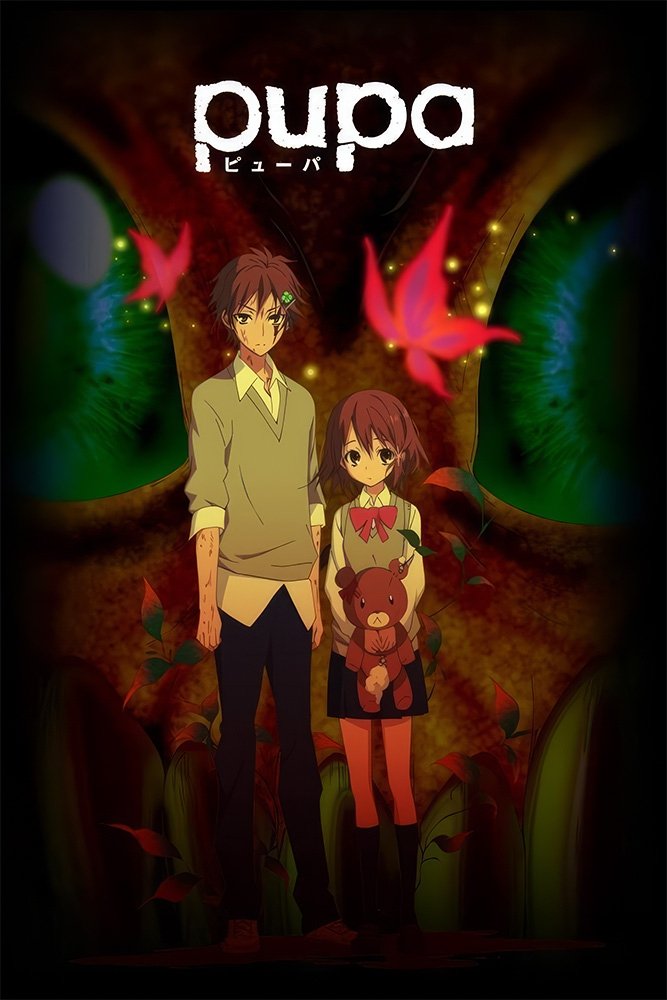
‘Pupa’ was highly anticipated as a horror series, but its depiction of a sibling relationship involving cannibalistic themes led to immediate controversy. The story follows a brother who allows his monster-infected sister to feed on his flesh to survive. Due to the disturbing nature of these scenes, the television broadcast was subject to extreme censorship, with large portions of the screen blacked out. The resulting episodes were only four minutes long, leaving many fans disappointed and others repulsed by the remaining content. The series is frequently mentioned as a failure in balancing shock-horror with acceptable broadcast limits.
Please share your thoughts on these anime controversies in the comments.