

Anime Series That Were Banned for Depicting Controversial Religious Beliefs and Practices

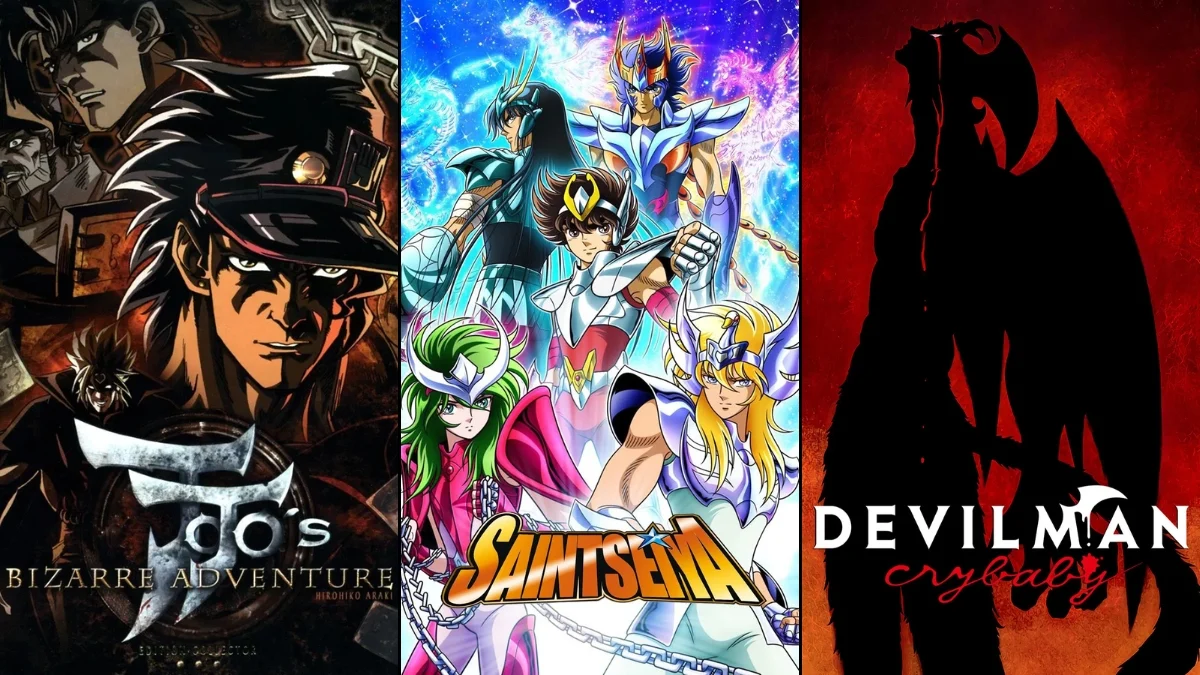


The medium of anime frequently explores complex themes, including spirituality, mythology, and organized religion, which can sometimes lead to international controversy. While many series incorporate religious elements for artistic or narrative purposes, certain depictions have been deemed offensive or inappropriate by various governments and religious organizations. These conflicts often result in official bans, recalls, or the removal of content from streaming platforms to comply with local laws and cultural standards. From the use of sacred texts in fictional settings to the portrayal of deities in combat, the following series faced significant legal and social challenges due to their religious content.
‘Magical Princess Minky Momo’ (1982–1983)
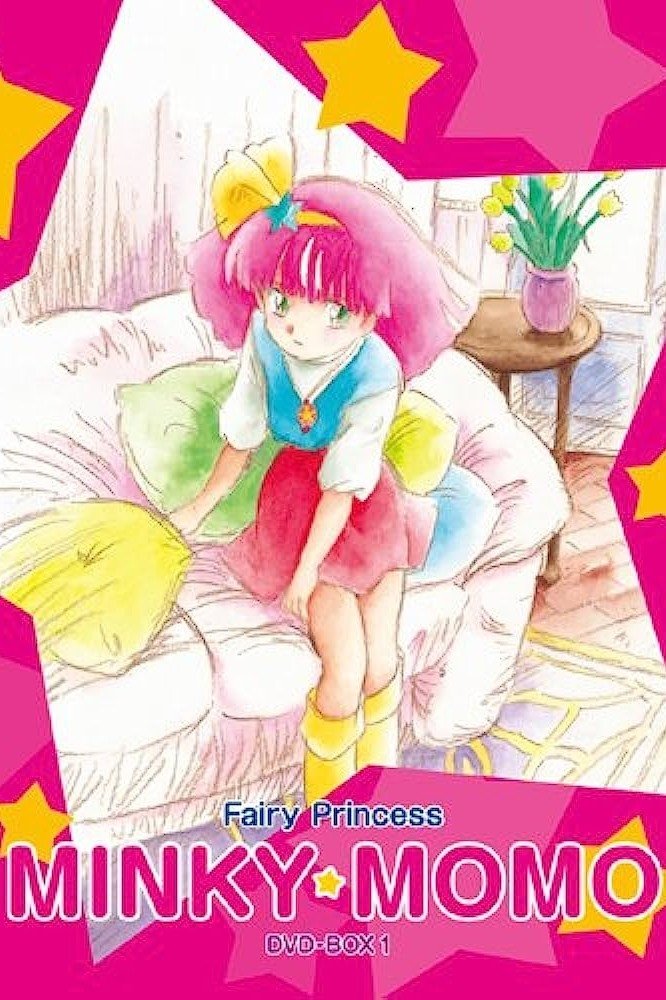
This early magical girl anime follows a princess from a fairy-tale land who comes to Earth to restore people’s dreams. In the 1980s, Saudi Arabia issued an official ban on the series because the concept of magic was equated with sorcery. Under local religious interpretations, the depiction of supernatural powers not derived from a divine source was strictly prohibited. This ban set a precedent for how many other anime series featuring witchcraft or supernatural abilities would be handled in the region. Consequently, ‘Magical Princess Minky Momo’ became a notable example of early cross-cultural conflict in anime distribution.
‘Saint Seiya’ (1986–1989)
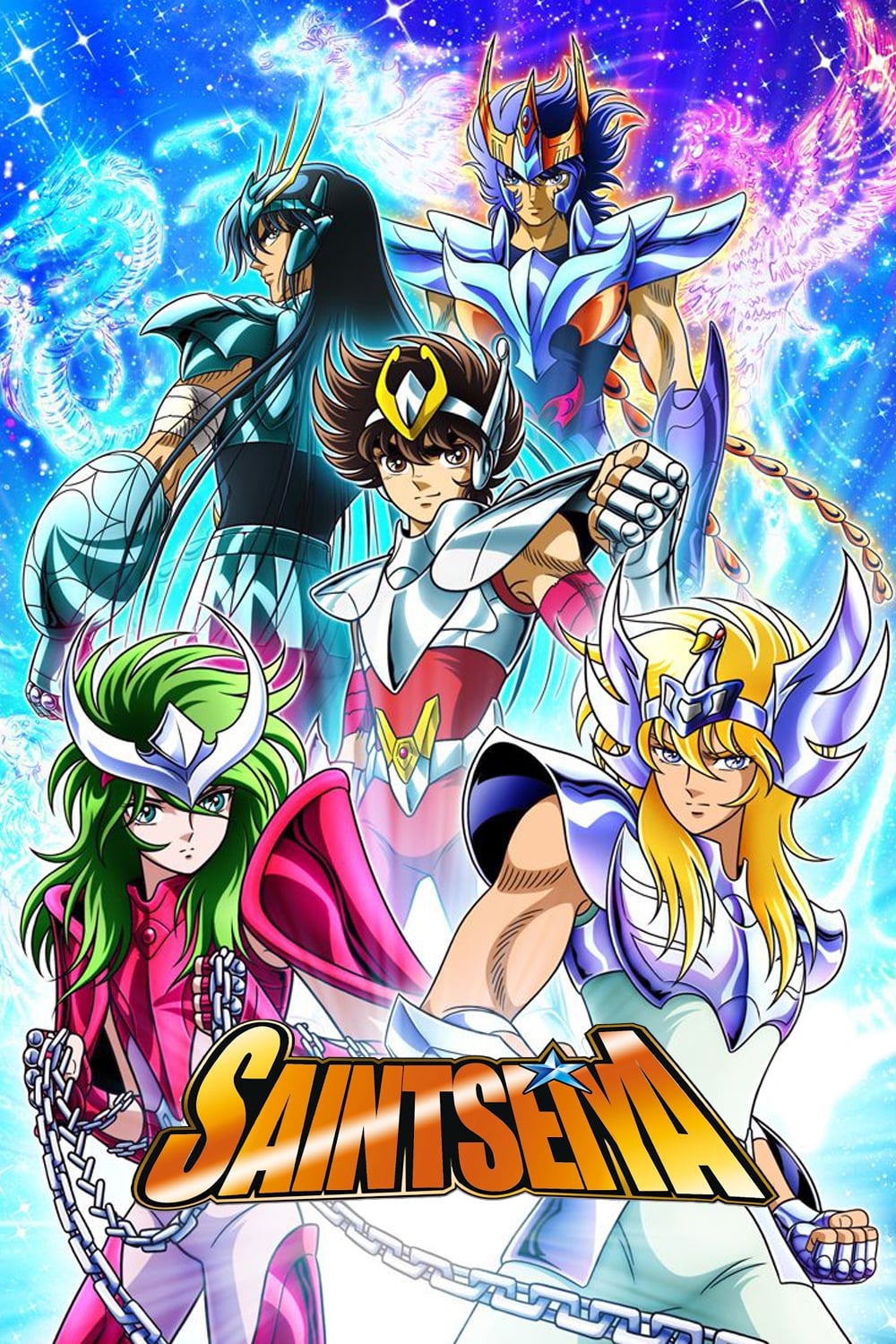
The narrative centers on a group of warriors known as Saints who draw power from constellations to protect the goddess Athena. Because the series heavily features polytheistic Greek mythology and depicts humans serving multiple deities, it was banned in several Middle Eastern countries. Religious regulators argued that the show promoted idolatry and polytheistic beliefs, which were incompatible with local monotheistic traditions. Even the armor, known as Cloths, was sometimes viewed as having religious significance that caused concern among censors. These restrictions limited the show’s reach despite its massive success in other international markets like Latin America and Europe.
‘Dragon Ball’ (1986–1989)
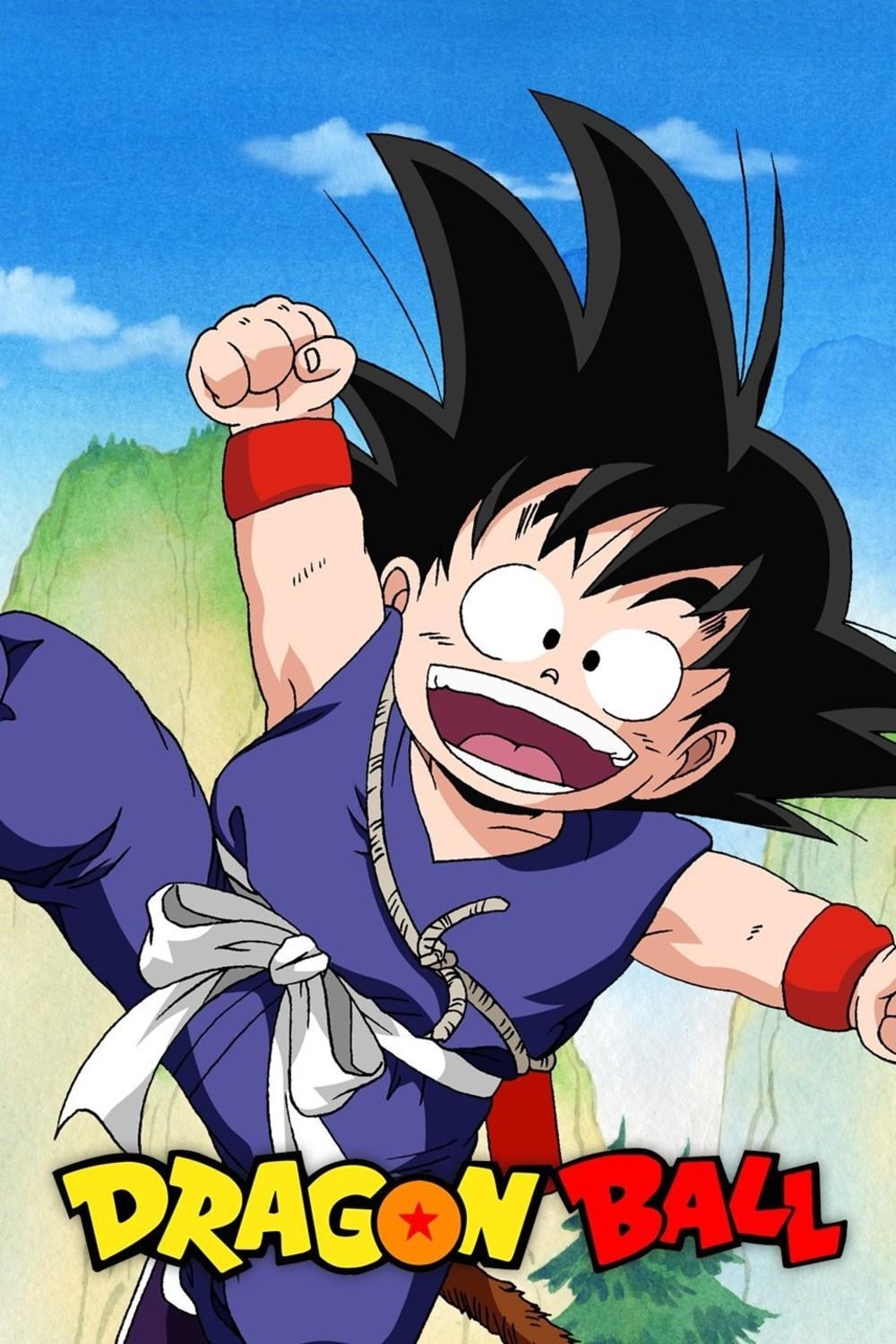
This iconic series follows the adventures of Son Goku as he searches for magical orbs that can grant any wish. While globally popular, it faced bans in several countries because its depiction of gods and the afterlife was considered sacrilegious. Specifically, religious authorities in some territories objected to characters like Kami and King Kai, who occupy positions of divine authority. The concept of a human-like character possessing the power of a deity further fueled these controversies. As a result, certain episodes or the entire franchise were pulled from airwaves in strict religious markets to prevent perceived blasphemy.
‘JoJo’s Bizarre Adventure’ (1993–2002)
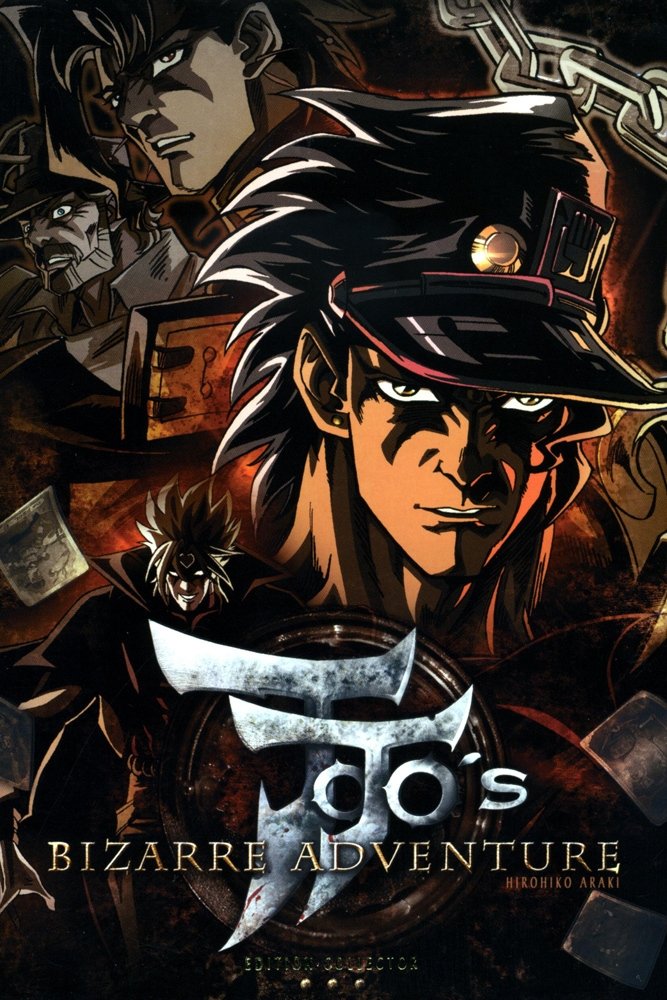
The original video animation project of ‘JoJo’s Bizarre Adventure’ faced a major international crisis due to a specific scene in its later episodes. In the sequence, the villain DIO is seen reading a book that was clearly identified as the Quran while he plans an assassination. This depiction led to a massive protest from Islamic communities who found the association between the holy text and a murderous vampire to be deeply offensive. In response, the studio halted distribution of the series and the manga worldwide to edit out the controversial content. This event remains one of the most high-profile instances of religious controversy in the history of the anime industry.
‘Pokémon’ (1997–Present)
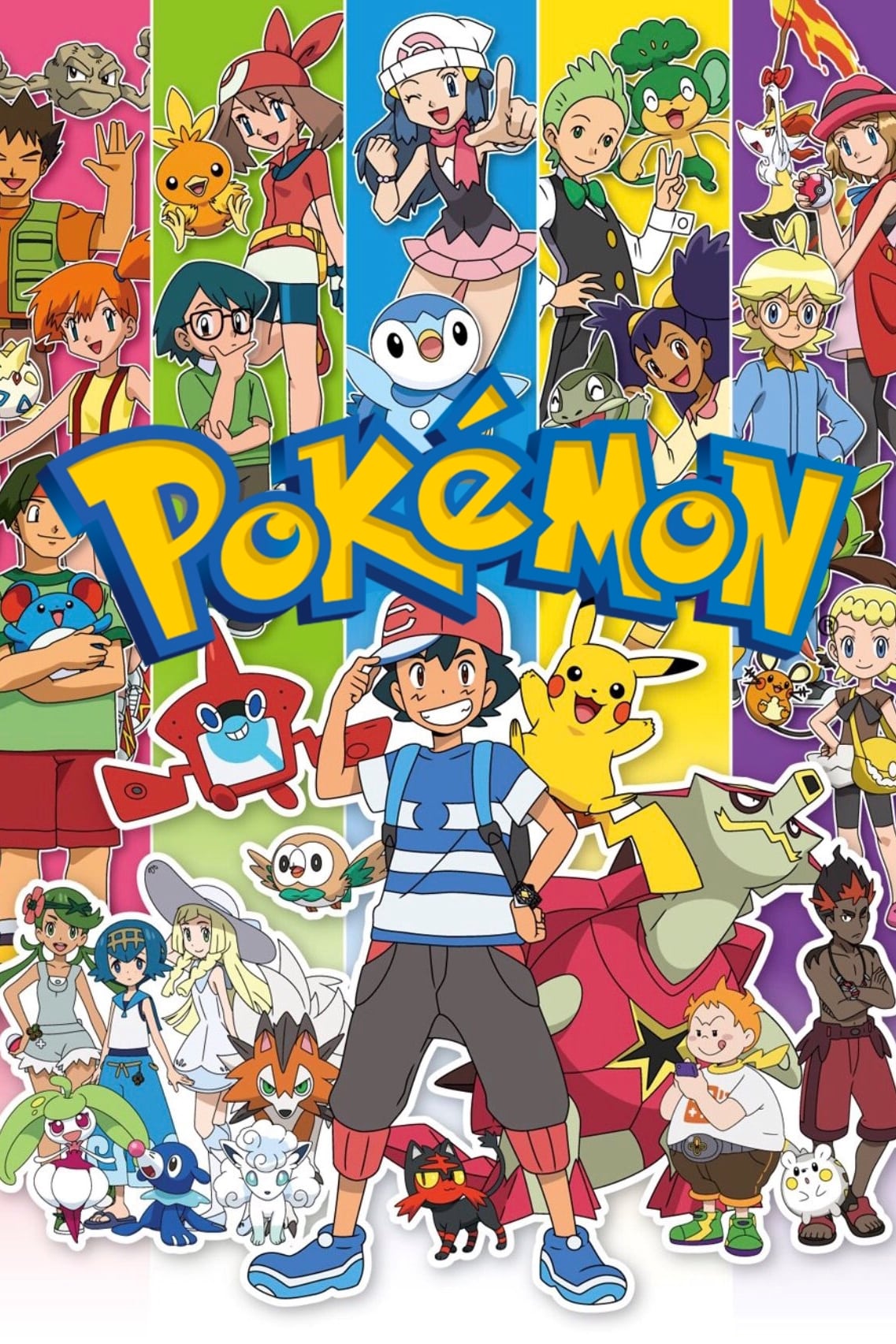
This global phenomenon was banned in Saudi Arabia and several other Middle Eastern nations following a religious decree in the early 2000s. The ban was based on several religious objections, including the claim that the series promoted the theory of evolution, which contradicted creationist beliefs. Furthermore, symbols found on the game cards were interpreted by some as being associated with Zionism. Authorities also expressed concern that the game encouraged gambling, which is strictly forbidden under Islamic law. Although some restrictions have since been lifted, the initial ban significantly impacted the brand’s presence in the region for years.
‘Yu-Gi-Oh! Duel Monsters’ (2000–2004)
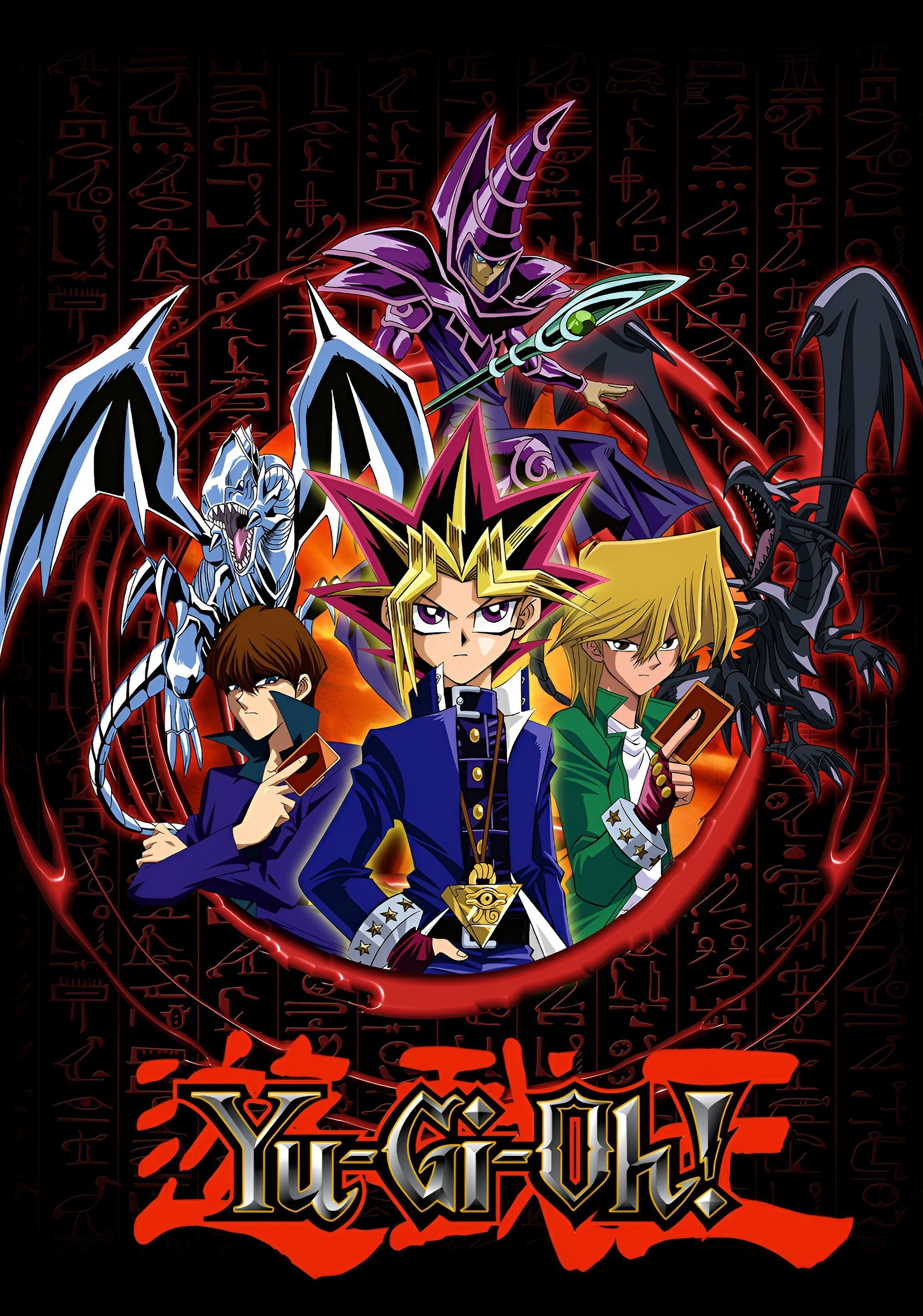
The series revolves around a card game that has its origins in ancient Egyptian occult practices and magic. In 2001, Saudi Arabia’s High Council of Religious Scholars issued a fatwa against the franchise, leading to a nationwide ban. The council cited the use of religious symbols, such as the six-pointed star and the Christian cross, on the cards as a primary reason for the decision. Additionally, the themes of magic and the supernatural concepts presented in the series were deemed harmful to the beliefs of children. This ban extended to both the animated show and the physical trading card game in several territories.
‘Inuyasha’ (2000–2004)

The story follows a young girl who is transported to the Sengoku period where she meets a half-demon. Due to its focus on Shinto traditions, reincarnation, and various demonic entities, the series faced heavy censorship and localized bans in parts of the Middle East. Some countries restricted the series, viewing its spiritual themes as contradictory to specific monotheistic teachings. The portrayal of supernatural beings and sacred objects was deemed inappropriate for the target audience in these conservative regions. This resulted in a significantly altered or entirely restricted viewing experience for fans in those locations compared to Western markets.
‘Death Note’ (2006–2007)
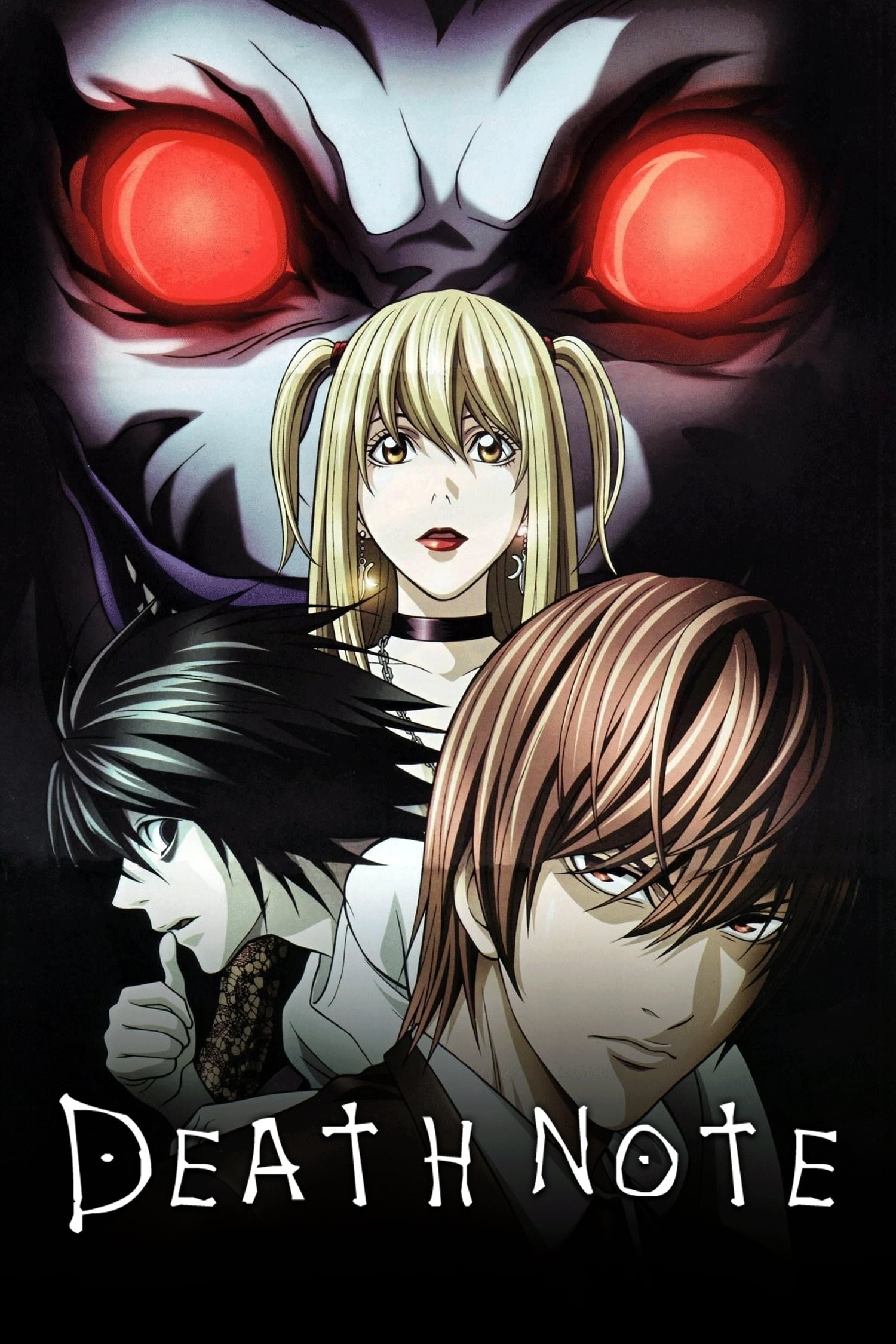
This psychological thriller focuses on a high school student who gains the power to kill anyone by writing their name in a supernatural notebook. The series was banned in China by the Ministry of Culture because it was believed to promote superstition and controversial religious beliefs. Officials were concerned that the depiction of Shinigami, or death gods, would have a negative influence on the spiritual development of young people. Additionally, the dark themes of absolute justice and the occult were seen as a threat to social order and public morality. The ban remains in place, making the series unavailable on official Chinese streaming platforms.
‘Hellsing Ultimate’ (2006–2012)
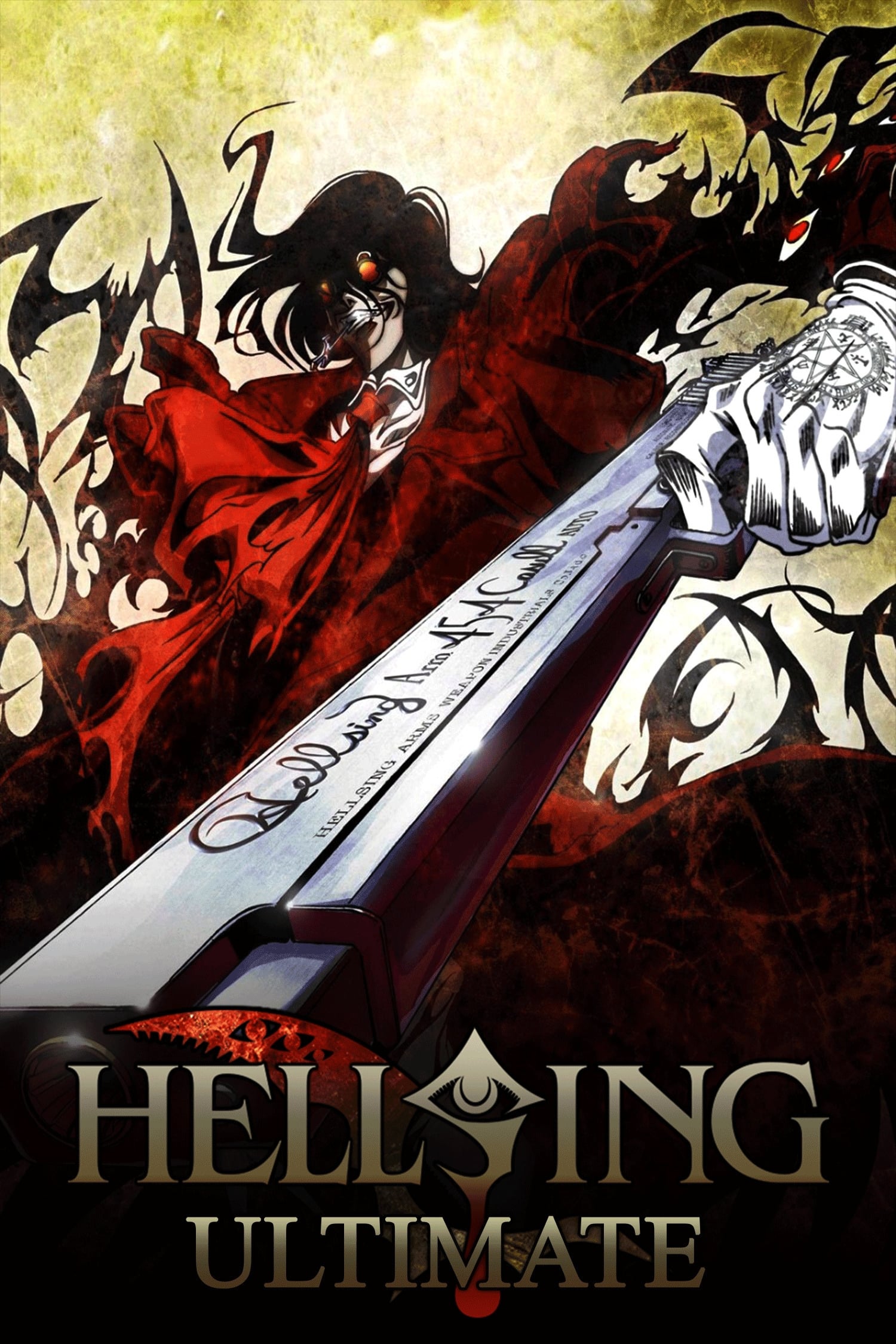
This series follows the Hellsing Organization, which protects the British Empire from supernatural threats using the vampire Alucard. It features a fictionalized version of the Vatican’s Iscariot Organization, leading to intense and violent depictions of religious warfare. Due to the bloody and often villainous portrayal of these religious factions, the series was heavily censored or banned in several international markets. Critics pointed out that the use of sacred crosses and vestments during scenes of extreme carnage was highly offensive to many believers. These controversial elements have limited the show’s availability on mainstream television in several conservative regions.
‘High School DxD’ (2012)
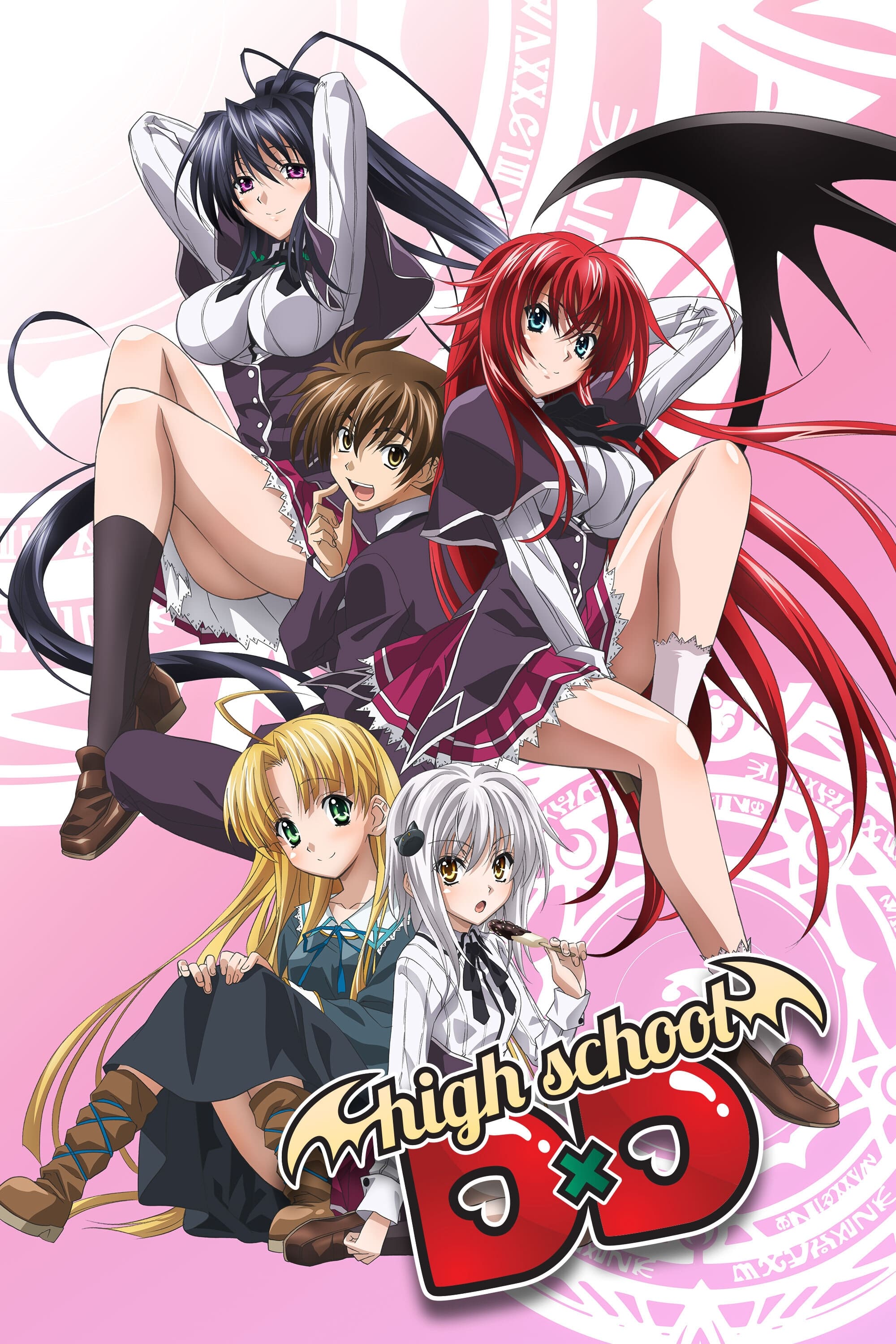
This series is set in a world where angels, fallen angels, and devils coexist and engage in a long-standing war. It was banned in several conservative countries due to its irreverent treatment of religious figures and the sexualization of theological archetypes. Critics argued that the show’s use of religious terminology and symbols in a suggestive context was inherently blasphemous. The presence of characters representing high-ranking biblical figures led to immediate censorship or total bans on broadcast in specific Middle Eastern territories. As a result, the series is strictly restricted in many regions that maintain high standards for religious depictions in media.
‘Devilman Crybaby’ (2018)
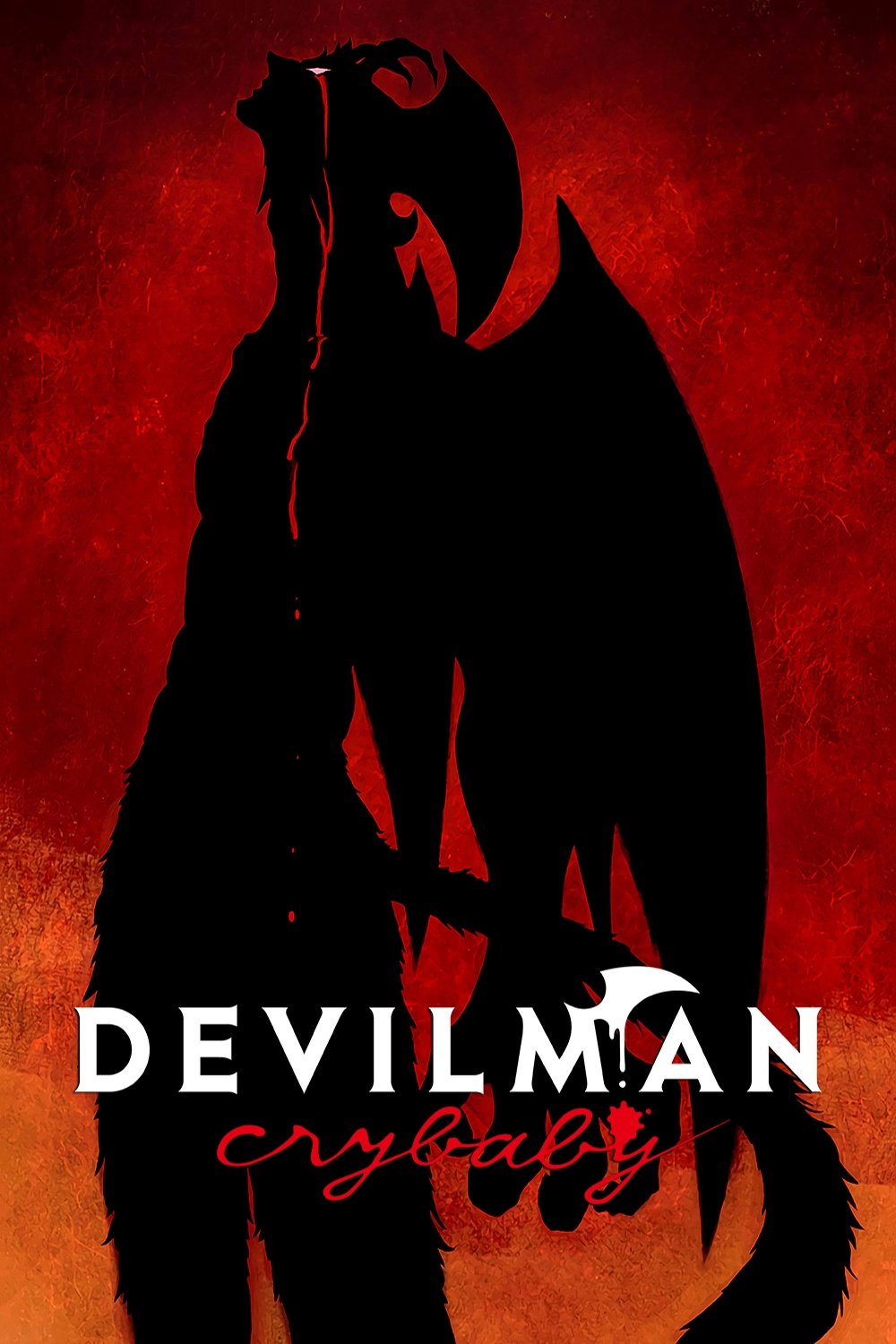
This modern adaptation of the classic manga explores a world being overrun by demons as the apocalypse draws near. The series includes intense religious imagery, including distorted versions of Christian rituals and a reimagining of the fall of Satan. Because of its explicit content and the portrayal of an uncaring or absent divine force, it was restricted or banned in several countries with strict religious laws. Regulators often cited the show’s satanic themes and its bleak interpretation of theological prophecy as reasons for the restriction. Its uncompromising approach to faith and morality makes it one of the most controversial religious-themed anime of the decade.
‘Record of Ragnarok’ (2021)
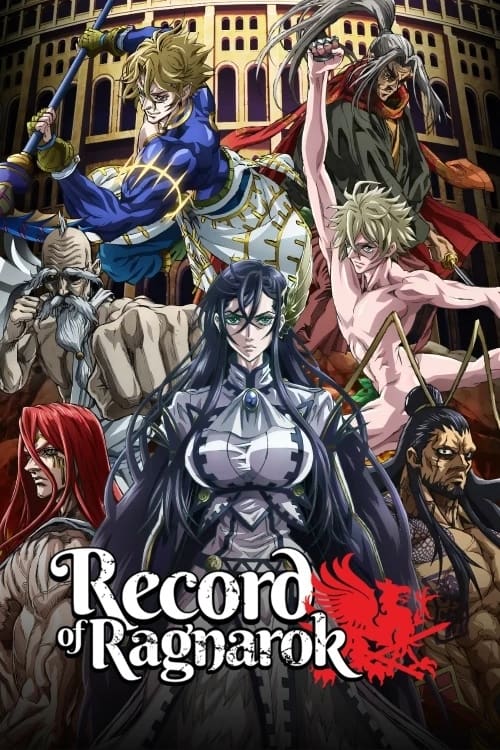
The series depicts a grand battle between humanity’s greatest heroes and gods from various world mythologies. Netflix decided to remove the anime from its Indian library shortly before its scheduled release due to the portrayal of the deity Shiva. The Hindu god is shown as a powerful fighter in the tournament, which many religious groups found to be a derogatory and inaccurate representation. Protests argued that turning a revered god into a mere character for combat entertainment was a violation of religious sanctity. This proactive removal by the streaming service served to prevent a larger legal battle under local laws regarding religious offense.
Tell us which of these anime controversies surprised you the most by sharing your thoughts in the comments.