

Anime Series That Were Boycotted for Their Portrayal of Gender Roles



The landscape of modern animation frequently intersects with evolving social standards, leading to significant friction regarding the depiction of men and women. Several anime series have faced organized boycotts or removal from streaming platforms due to their controversial handling of gender dynamics and traditional roles. These controversies often stem from depictions of sexual violence, the objectification of female characters, or the reinforcement of toxic behavioral patterns. Understanding these instances provides insight into the ongoing dialogue between creative expression and global audience expectations in the entertainment industry.
‘Mushoku Tensei: Jobless Reincarnation’ (2021–)

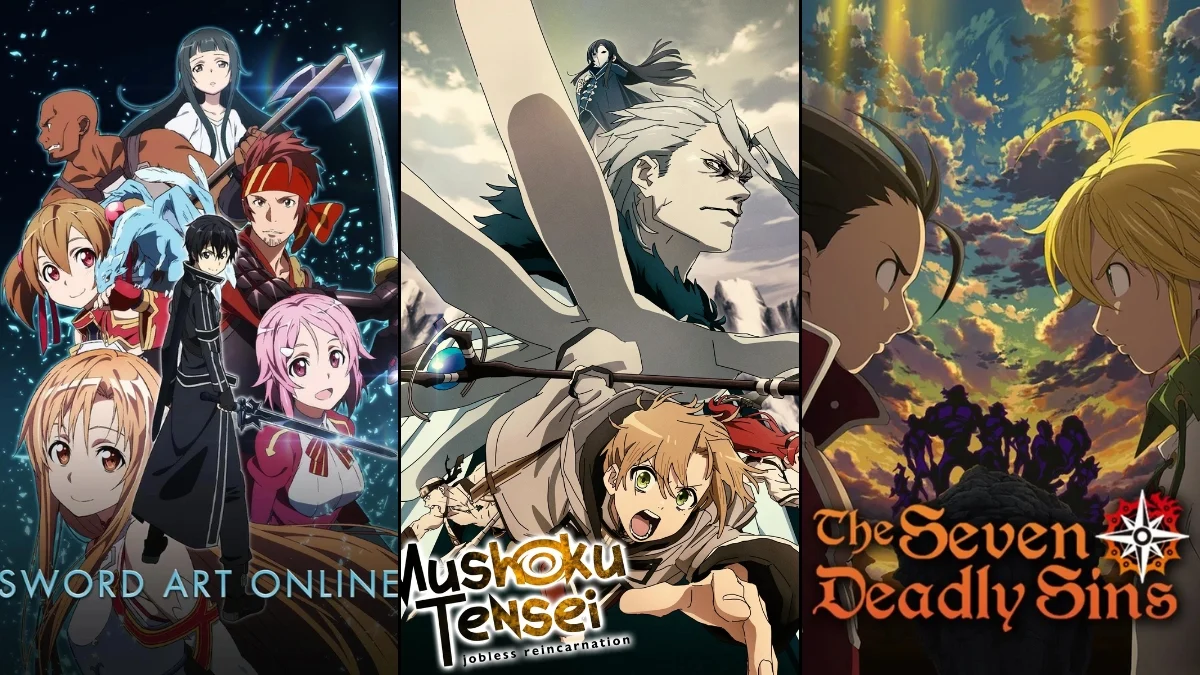
The series follows a thirty-four-year-old shut-in who is reincarnated into a fantasy world as a gifted child named Rudeus. It faced a significant boycott in China, leading to its removal from the streaming platform Bilibili following complaints about the protagonist’s predatory behavior toward women. Critics argued that ‘Mushoku Tensei: Jobless Reincarnation’ promoted misogynistic values by depicting the lead character’s perversions as acceptable personality traits. The backlash highlighted a divide between fans who appreciate the character’s growth and viewers who found the gender dynamics inherently offensive. This controversy resulted in a major loss of viewership in one of the anime’s largest international markets.
‘The Rising of the Shield Hero’ (2019–)
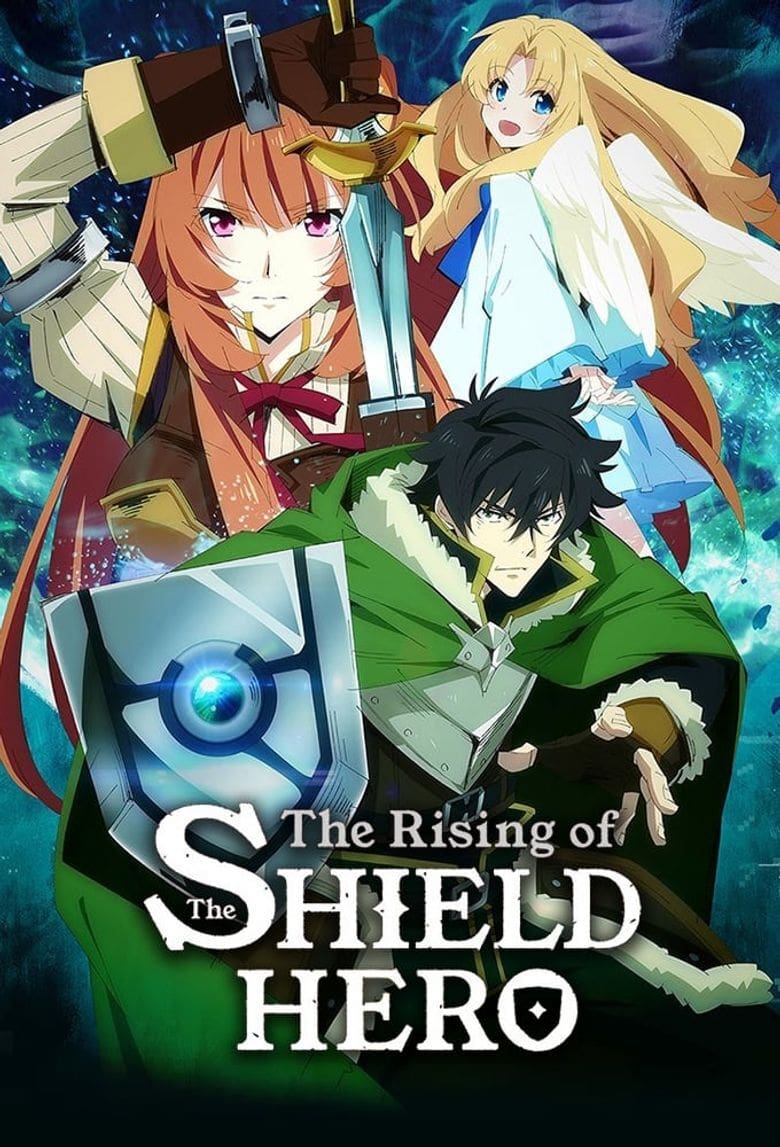
This isekai series begins with the protagonist, Naofumi Iwatani, being falsely accused of sexual assault by a princess in a fantasy kingdom. This plot point sparked immediate calls for a boycott from several Western critics who argued the show utilized a harmful trope regarding false rape allegations. The controversy centered on the depiction of the primary female antagonist as a manipulative figure whose main weapon was her gender. Despite the intense backlash, ‘The Rising of the Shield Hero’ maintained a large following, though it remains a focal point for discussions on gendered power dynamics. The series’ initial focus on the protagonist’s subsequent distrust of women further fueled the debate over its underlying themes.
‘Redo of Healer’ (2021)

Focusing on a hero who rewrites time to take revenge on his abusers, ‘Redo of Healer’ became one of the most controversial releases in recent history. The anime features graphic depictions of sexual violence and the enslavement of female characters, leading to widespread boycotts and the refusal of major streaming services to host the content. Many viewers and critics condemned the series for framing sexual assault as a justifiable tool for retribution and character motivation. The extreme nature of the gender-based violence led to its censorship or total banning in several international territories. It remains a primary example of how far a series can push gender-related content before facing institutional rejection.
‘Goblin Slayer’ (2018–)
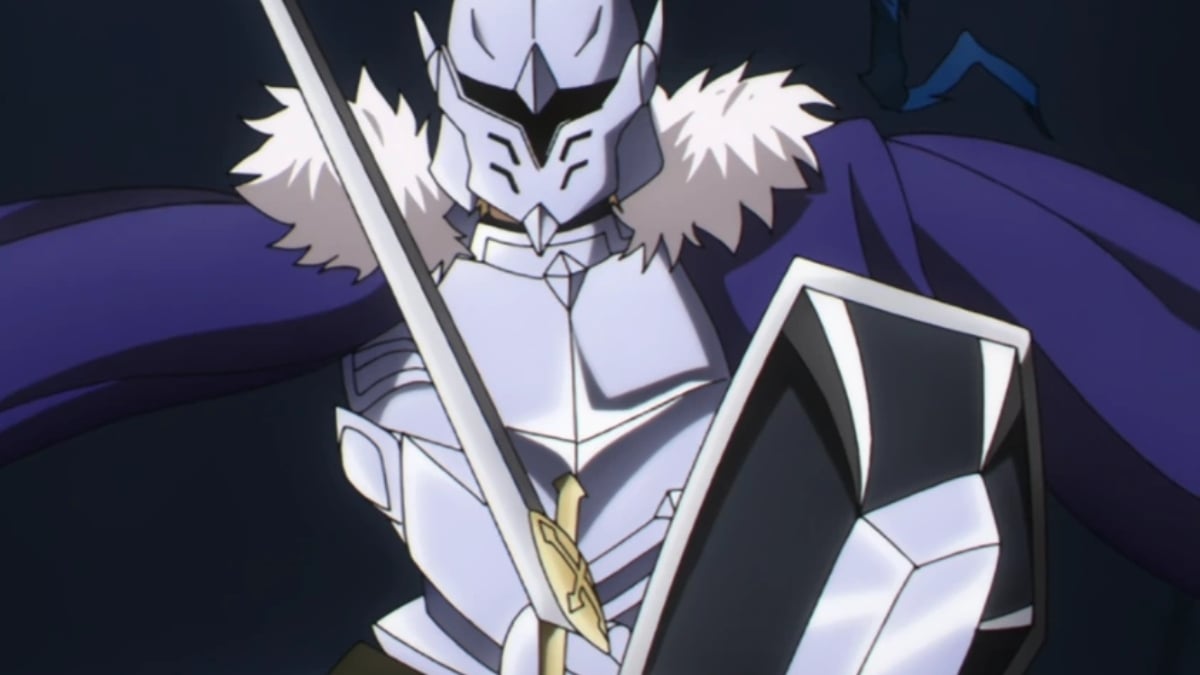
The premiere of ‘Goblin Slayer’ caused an immediate uproar due to a graphic scene depicting the sexual assault of a female character by monsters. This led to organized calls for a boycott and demands for streaming platforms to implement strict content warnings for the series. Critics argued that the use of such violence against women served only as a shock tactic to establish the dark tone of the fantasy world. The portrayal of female adventurers as vulnerable targets for sexual trauma became a central point of contention in the global anime community. While the series continued its run, the initial controversy significantly impacted its reputation regarding its treatment of female characters.
‘Uzaki-chan Wants to Hang Out!’ (2020–2022)
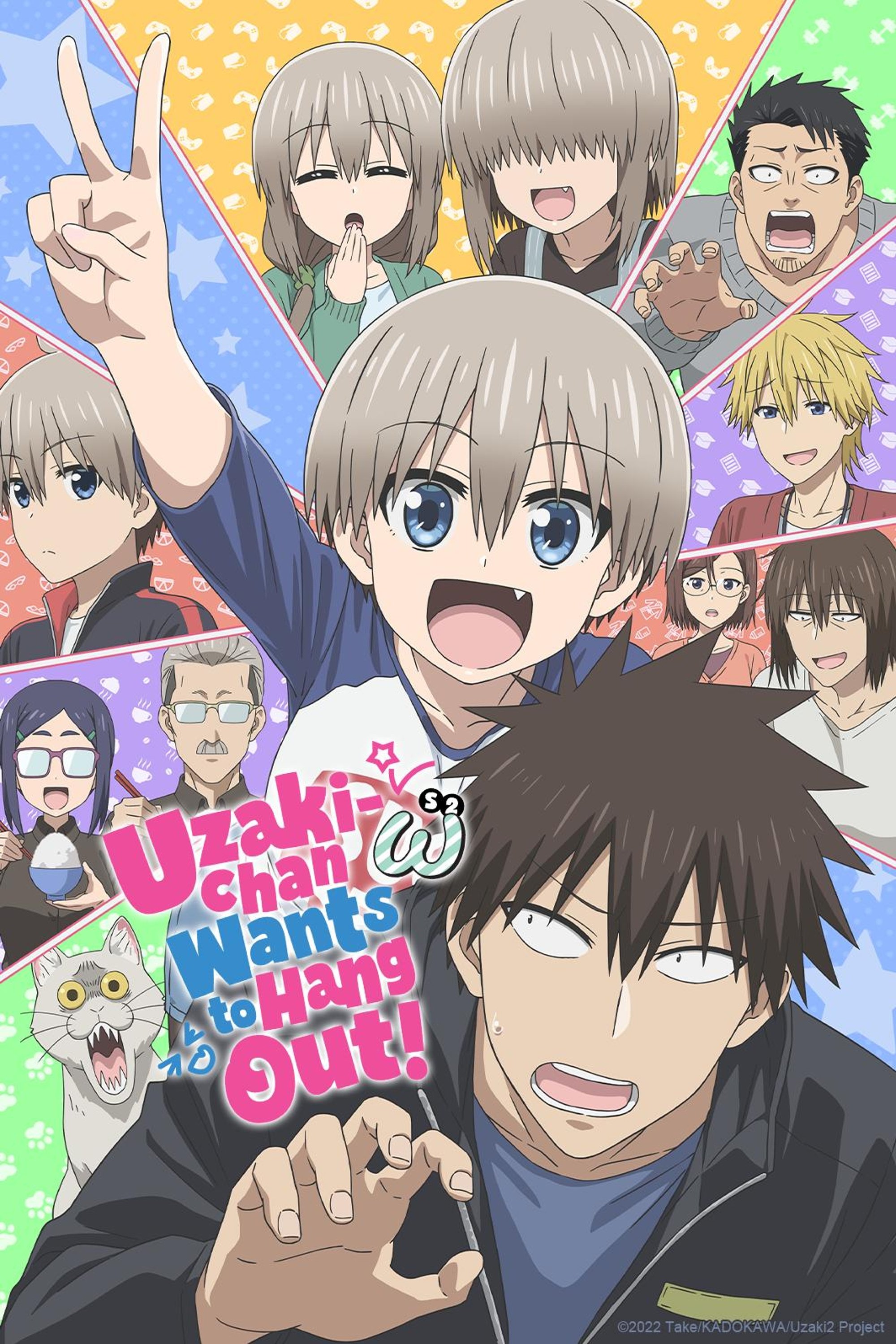
This slice-of-life comedy focuses on the interactions between a college student and his energetic underclassman, Hana Uzaki. The series faced a boycott in Japan and online backlash concerning Uzaki’s character design, which some critics deemed hyper-sexualized and unrealistic for her age. This controversy escalated when the Japanese Red Cross used the character for a blood donation campaign, leading to public protests over the sexualization of women in public service advertisements. Supporters of ‘Uzaki-chan Wants to Hang Out!’ argued it was merely a specific artistic style, while detractors claimed it reinforced harmful gender stereotypes. The incident sparked a national conversation in Japan about the visibility of such character tropes in official collaborations.
‘Interspecies Reviewers’ (2020)
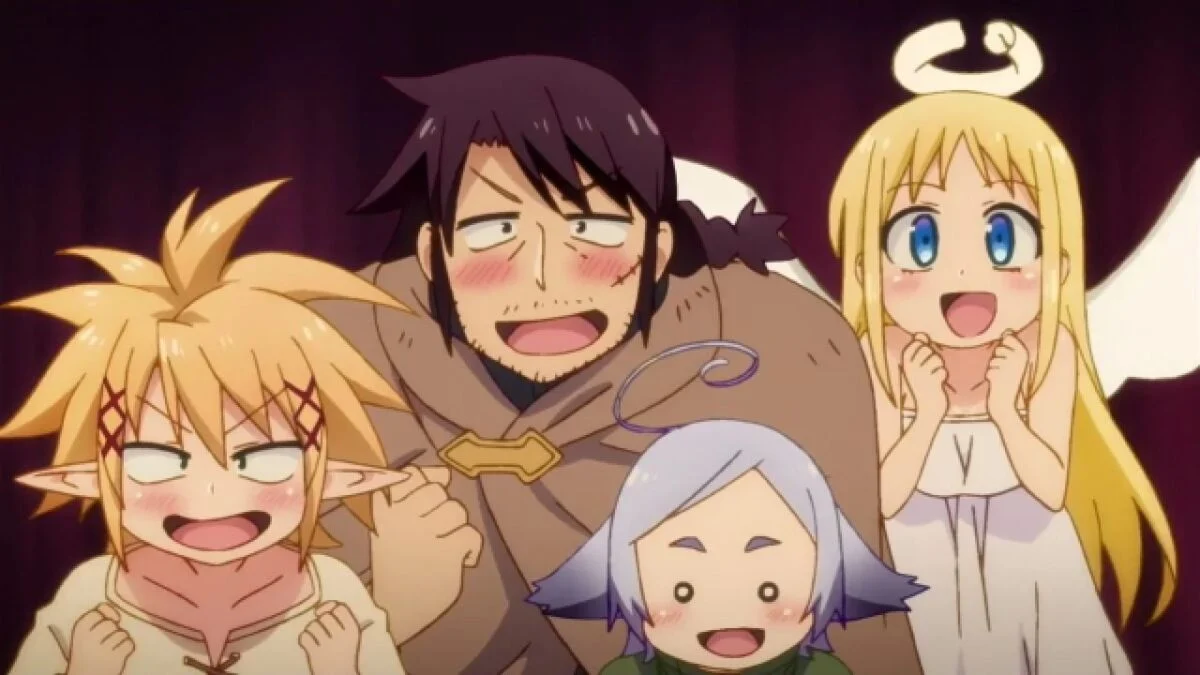
This series follows a group of adventurers who visit and review various fantasy-themed brothels. Due to its explicit focus on sex work and the objectification of different fantasy races, it was dropped by Funimation, Amazon Prime, and several Japanese television stations mid-broadcast. The boycott was largely driven by the content’s proximity to pornography and its treatment of female characters as commercial products. Critics pointed out that ‘Interspecies Reviewers’ pushed the boundaries of televised anime regarding gendered commerce and sexual situations. Its removal from mainstream platforms highlighted the limits of what major distributors are willing to broadcast regarding adult-oriented gender roles.
‘The Seven Deadly Sins’ (2014–2021)
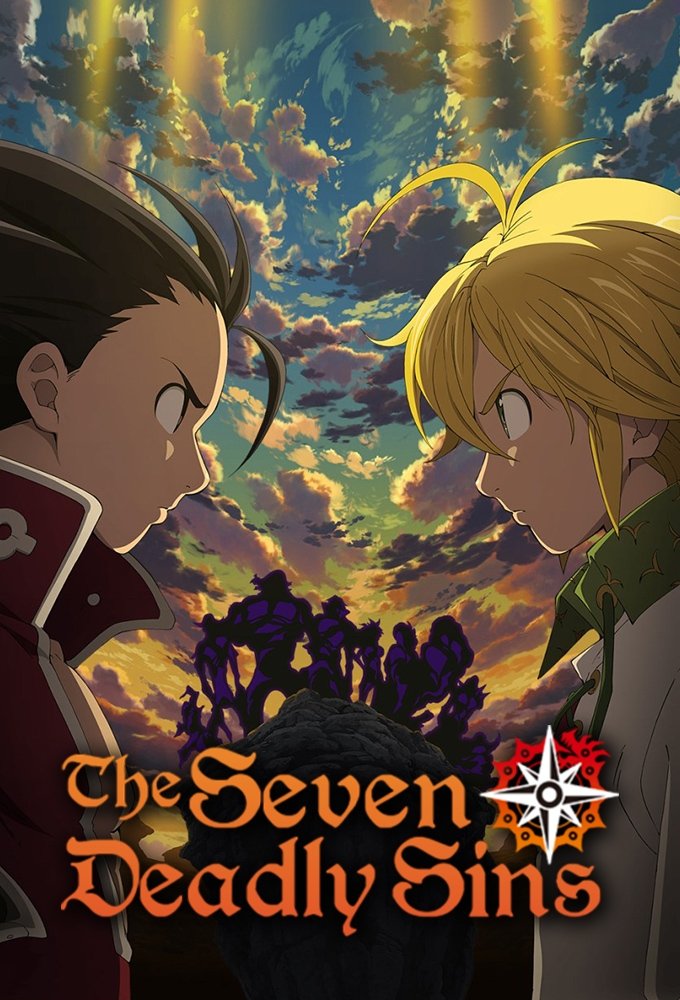
While popular globally, ‘The Seven Deadly Sins’ has faced consistent criticism and boycott threats due to the actions of its protagonist, Meliodas. The character frequently engages in non-consensual groping and sexual harassment of the female lead, Elizabeth, which is often framed as lighthearted comic relief. Many viewers argued that this behavior trivializes sexual harassment and promotes a toxic standard for male-female interactions in media aimed at younger audiences. The disparity between Meliodas’ heroism and his treatment of women remained a point of friction throughout the show’s entire run. This has led to the series being frequently cited in broader discussions about the normalization of gender-based harassment in shonen anime.
‘Fire Force’ (2019–2020)
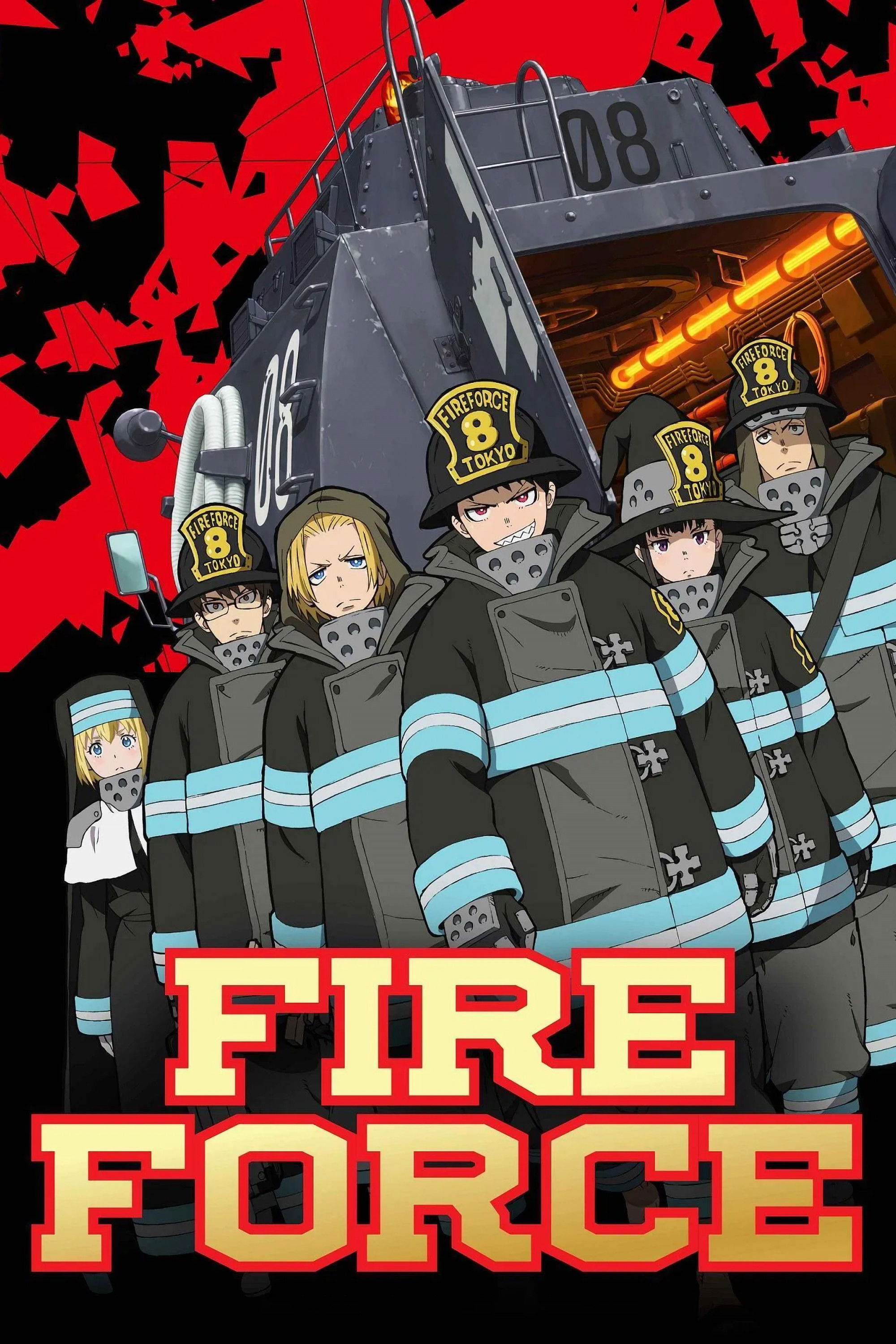
‘Fire Force’ tells the story of specialized firefighting units dealing with supernatural human combustion. However, the character Tamaki Kotatsu became a lightning rod for controversy due to her “Lucky Lecher Lure” trope, which causes her to be stripped or placed in sexualized positions during serious battles. Fans and critics organized boycotts and social media campaigns against the show, claiming this trope undermined the female characters’ agency and narrative importance. The frequent interruption of high-stakes action for fan service was viewed by many as a regression in gender portrayal. Despite the backlash, the trope remained a recurring and divisive element of the series through its second season.
‘Food Wars! Shokugeki no Soma’ (2015–2020)
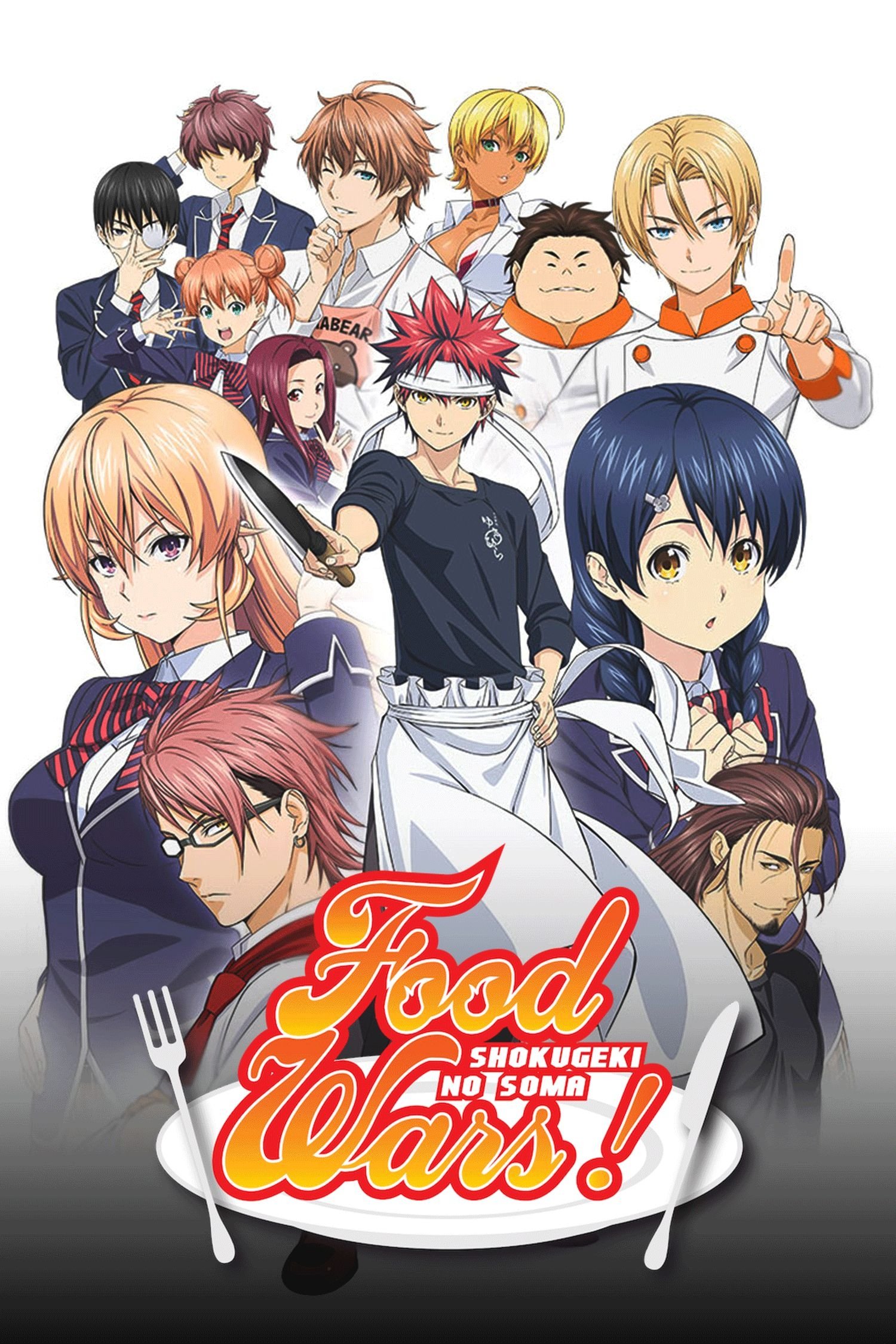
This culinary-themed anime is famous for its “foodgasms,” where characters react to delicious food with metaphorical nudity and sexualized imagery. While both genders are featured in these scenes, the early seasons faced boycotts from viewers who found the sexualization of female characters to be disproportionate and voyeuristic. Critics argued that ‘Food Wars! Shokugeki no Soma’ relied on the objectification of its female cast to maintain engagement, distracting from the technical cooking narrative. This led to significant debate regarding the “ecchi” genre and its impact on how female characters are perceived in competitive environments. The series eventually toned down these elements in later arcs, though the reputation of its early portrayal persists.
‘Sword Art Online’ (2012–)

Despite its massive commercial success, ‘Sword Art Online’ has been the subject of numerous boycotts regarding its repetitive treatment of women. The series frequently places its main female characters in “damsel in distress” roles, often involving threats of sexual assault to motivate the male protagonist, Kirito. Specifically, the ‘Fairy Dance’ arc and scenes in ‘Alicization’ were heavily criticized for using sexual violence as a recurring plot device for male character development. Critics argue that this pattern strips female characters of their established power and agency for the sake of the lead’s narrative arc. This ongoing criticism has made the series a symbol for traditional and often criticized gender tropes in the modern isekai genre.
‘My Hero Academia’ (2016–)
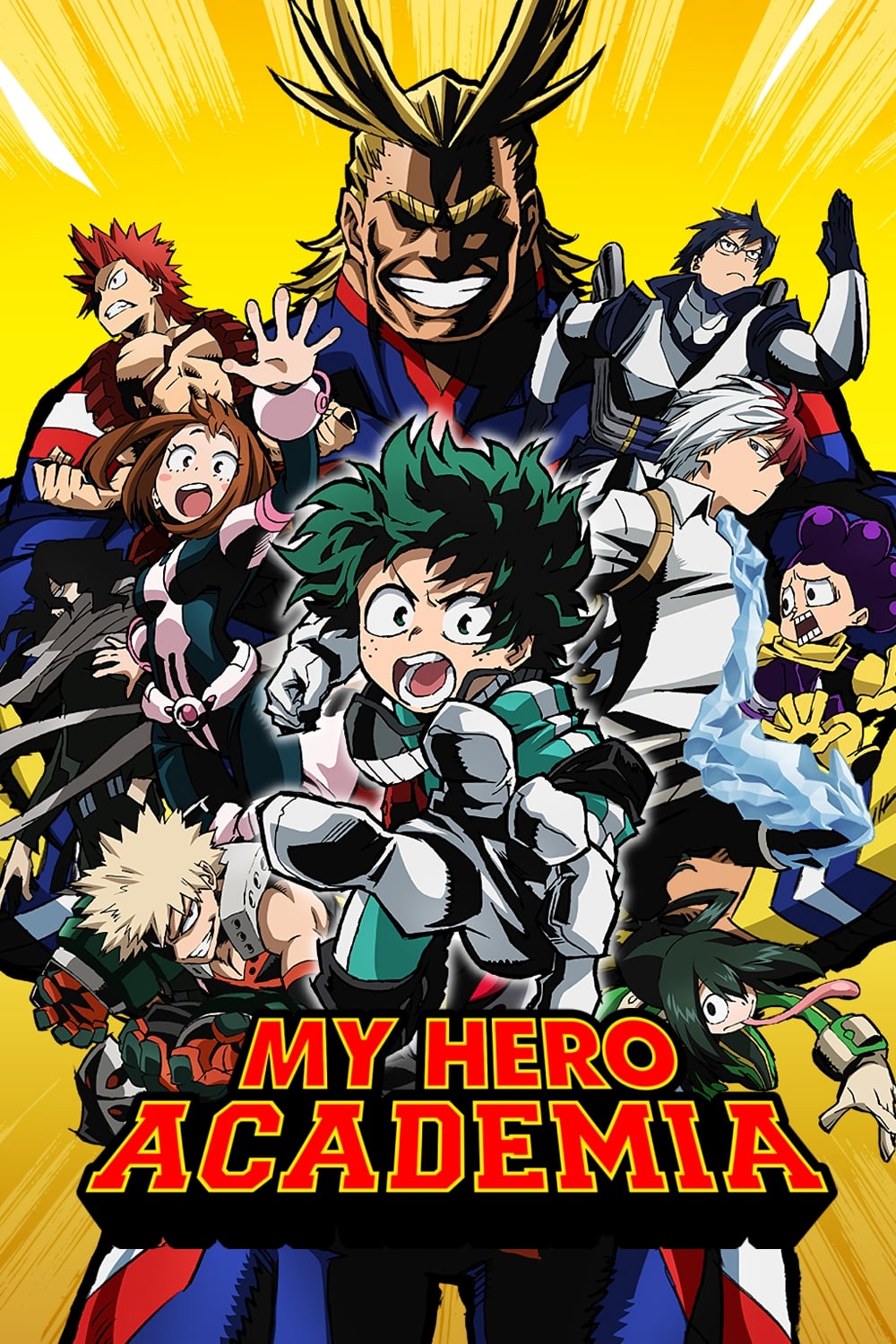
As one of the world’s most popular anime, ‘My Hero Academia’ has faced boycotts and backlash from fans regarding the sexualization of its teenage female characters. The designs of characters like Momo Yaoyorozu and Midnight have been criticized for being unnecessarily revealing, leading to petitions and calls for character redesigns. Additionally, some segments of the audience have boycotted the series over the perceived sideline of female heroes in favor of their male counterparts during major plot arcs. The controversy also extends to the character Mineta, whose pervasive harassment of female classmates is often used as a comedic element. These issues have led to heated debates within the fandom about gender equity and appropriate character design.
‘Don’t Toy with Me, Miss Nagatoro’ (2021–2023)
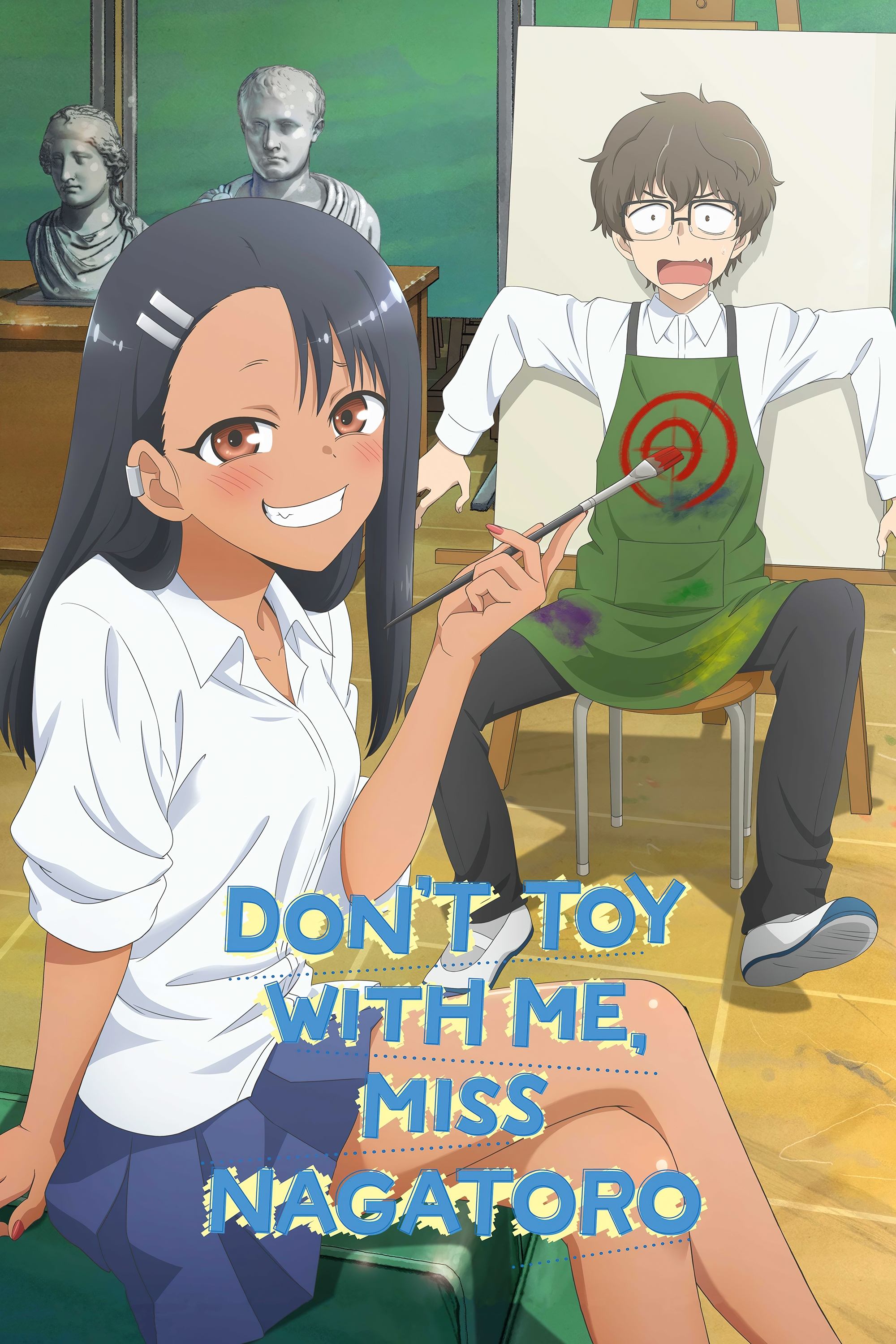
Before its official release, ‘Don’t Toy with Me, Miss Nagatoro’ faced pre-emptive boycott calls due to the manga’s depiction of aggressive bullying. The dynamic between the female lead, Nagatoro, and her male senior was criticized as promoting a toxic and abusive relationship under the guise of romantic tension. Critics argued that the series flipped traditional gender roles only to replace them with a different form of interpersonal harassment. While the anime adaptation softened some of these elements, the initial backlash centered on the perceived normalization of emotional abuse within gendered social hierarchies. It remains a polarizing title for its unique and controversial approach to character interaction and social boundaries.
‘Harem in the Labyrinth of Another World’ (2022)
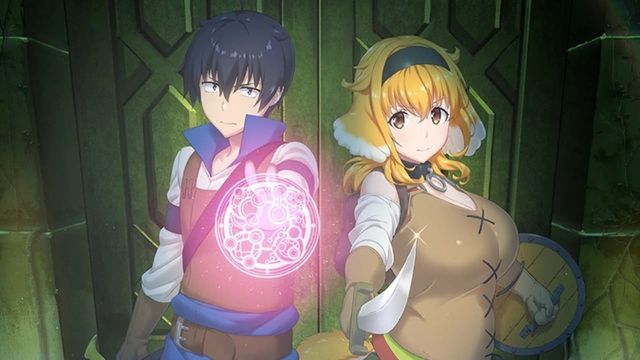
This series follows a young man who enters a fantasy world and begins purchasing female slaves to form a specialized adventuring party. The core premise involving the commercial trade of women led to immediate boycotts and criticism from various international audiences. Critics pointed out that ‘Harem in the Labyrinth of Another World’ glamorizes slavery and reduces its female characters to literal property with no autonomy. The lack of critical framing for these gender dynamics caused many platforms to restrict its visibility or face subscriber backlash. The series is often cited as a prominent example of the “slave harem” subgenre that has drawn increasing ire from global viewers.
‘Prison School’ (2015)
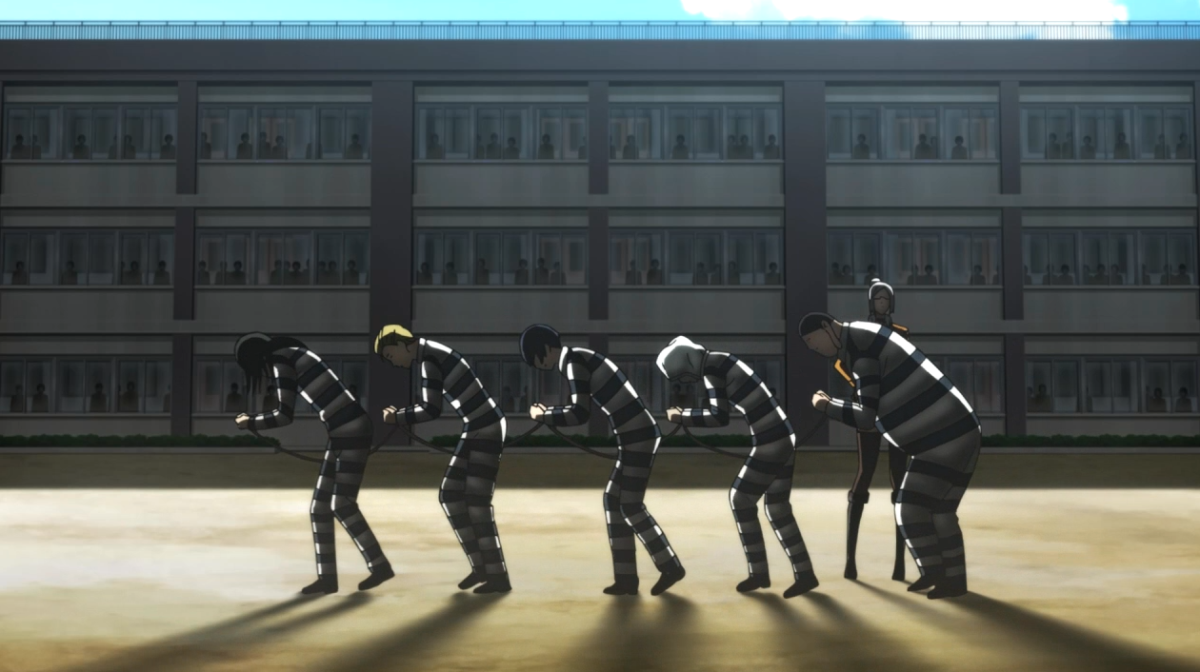
‘Prison School’ is an ecchi comedy set in a formerly all-girls school that has just begun admitting male students. The series was boycotted by groups who found its portrayal of gendered power dynamics to be grotesque and offensive to both men and women. The female characters are depicted as hyper-aggressive, authoritarian figures who frequently subject the male leads to physical abuse and public humiliation. Simultaneously, the show’s intense focus on the physical attributes of the women led to accusations of blatant objectification. The extreme caricatures and the focus on non-consensual sexual scenarios made it a highly divisive title that faced significant pushback during its original run.
‘BASTARD‼ -Heavy Metal, Dark Fantasy-‘ (2022–2023)
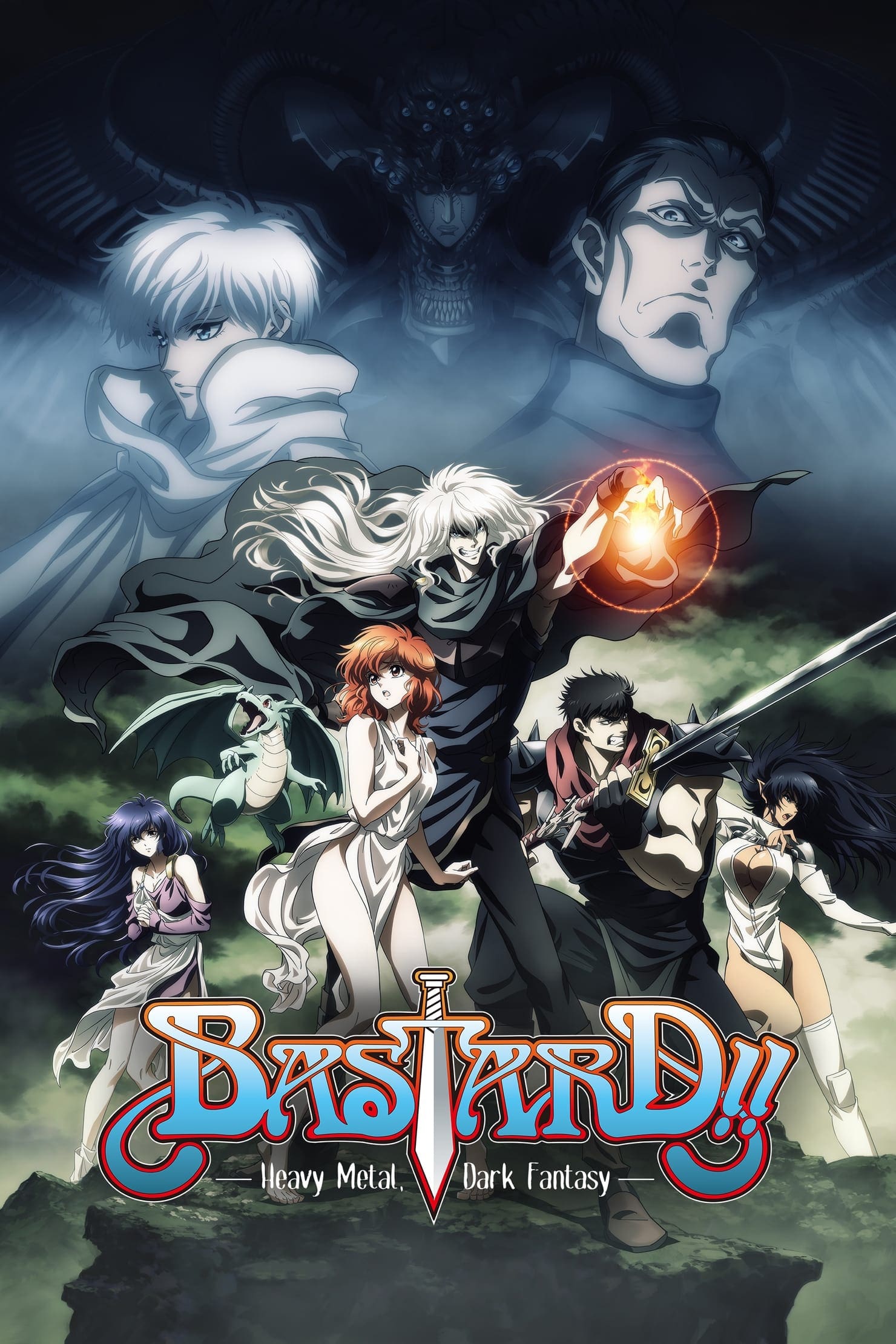
This revival of a classic manga series features a hyper-masculine protagonist, Dark Schneider, who is often depicted as a “conqueror” of women. The series faced modern boycotts and criticism for its “retro” gender roles, which many found outdated and misogynistic in a contemporary context. The frequent depiction of women as submissive prizes or objects of the lead character’s lust was a primary point of contention for many viewers. Critics argued that ‘Bastard!! Heavy Metal, Dark Fantasy’ failed to update its narrative or characters to reflect modern sensibilities regarding female agency. The show’s reliance on these traditional tropes highlighted the tension between nostalgic content and modern social expectations.
Please share which of these controversies most impacted your view of the anime industry in the comments.