

Anime Series That Were Canceled for Being Too Dark and Violent



The world of Japanese animation is known for pushing the boundaries of storytelling, but occasionally, productions cross a line that broadcasters and censors are unwilling to tolerate. Whether due to extreme graphic violence, nihilistic themes, or unfortunate timing with real-world events, several anime have faced the ultimate consequence of being pulled from the air or discontinued entirely. These cancellations highlight the delicate balance between creative expression and the strict standards of television and distribution regulations. From legendary original video animations that were banned internationally to modern series that were gutted mid-production, these titles remain infamous for their controversial content.
‘Ninja Resurrection’ (1997–1998)
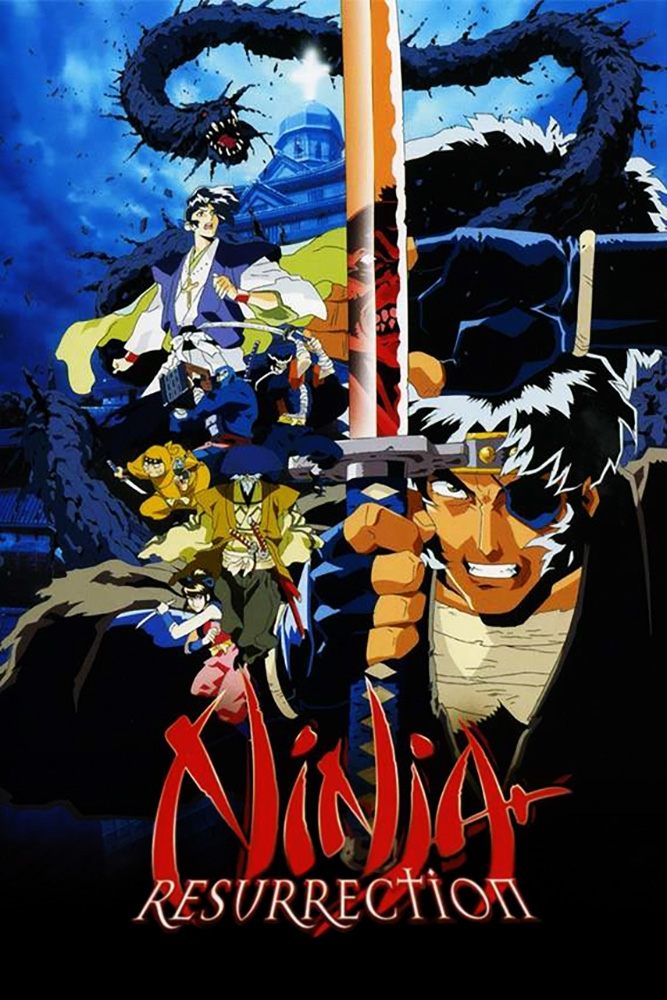
This series was originally intended to be a multi-part adaptation of the same source material that inspired the ‘Ninja Scroll’ franchise. However, production was abruptly halted after only two episodes were released to the public. The extreme graphic violence and religious controversy surrounding the depiction of historical figures led to its premature end. Fans of the series were left with an unfinished narrative that never received a proper conclusion. This production serves as a notable example of how hyper-violence can alienate both distributors and mainstream audiences.
‘Genocyber’ (1994)
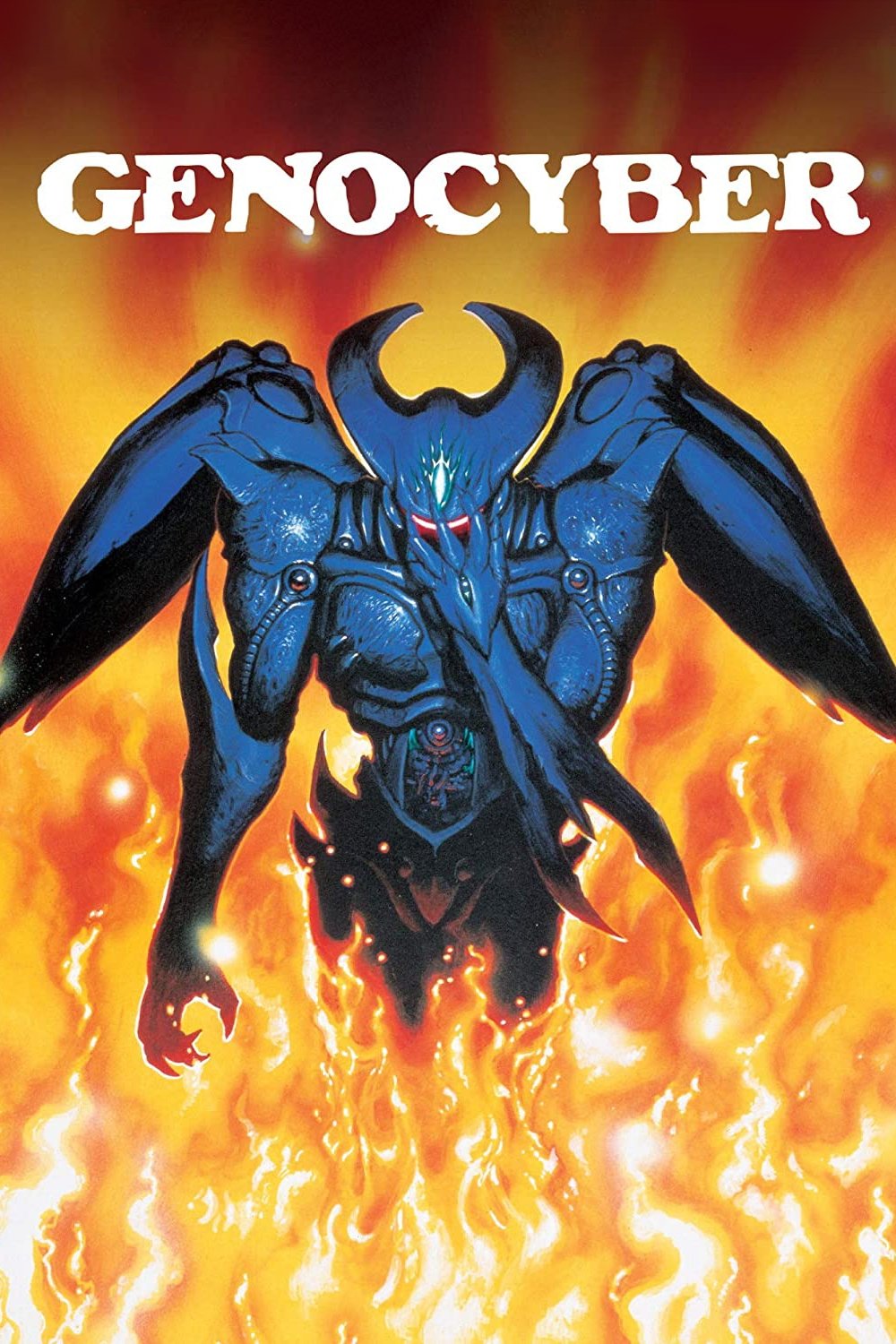
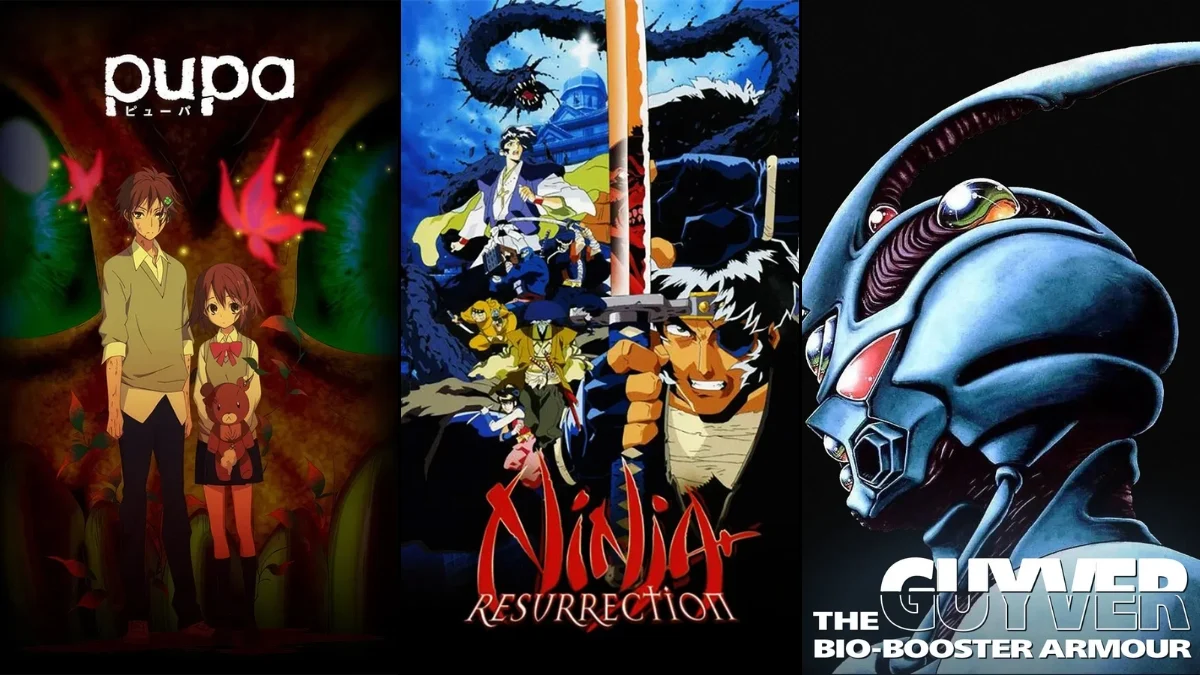
This OVA series is widely recognized for featuring some of the most extreme body horror and gore in the history of the medium. Although it established a dedicated cult following, the production was discontinued after only five episodes were completed. The decision to stop the series was heavily influenced by the negative reaction to its nihilistic tone and graphic depictions of collateral damage. As a result, many of the complex plot threads involving the titular bio-weapon were never resolved. The series remains a benchmark for the limitations of the 1990s direct-to-video market.
‘Pupa’ (2014)
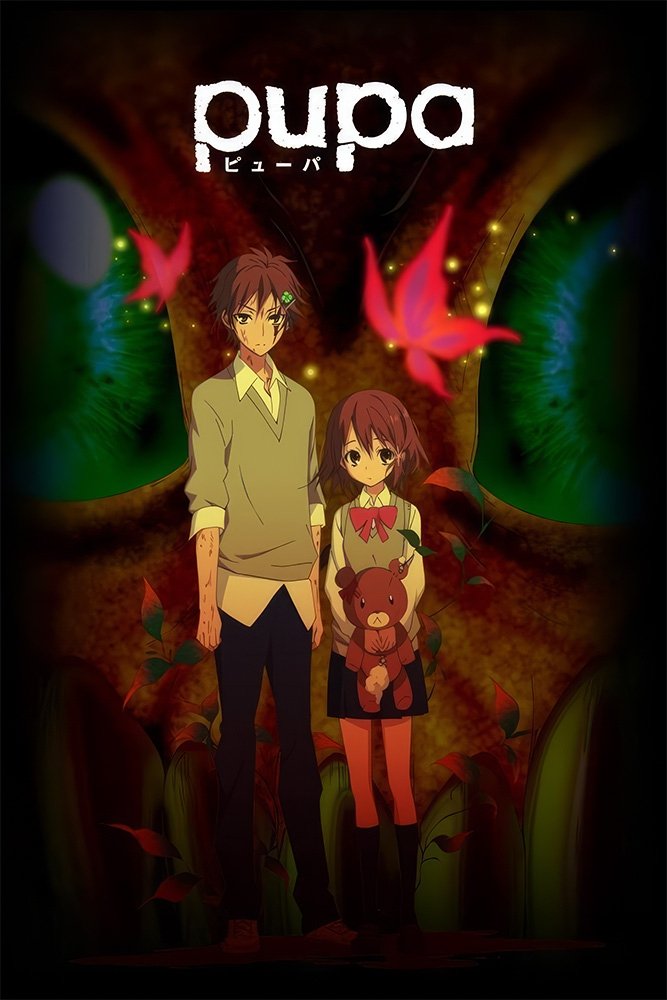
This adaptation of a psychological horror manga was plagued by production delays and significant censorship hurdles from its inception. Originally intended as a standard-length television series, it was eventually reduced to four-minute shorts to comply with broadcast regulations regarding its cannibalistic themes. The extreme violence and dark subject matter meant that much of the original story had to be excised or heavily blurred. This resulted in a fragmented final product that many fans considered a shell of the intended work. The series stands as a primary example of a production being gutted due to its graphic nature.
‘Excel Saga’ (1999–2000)
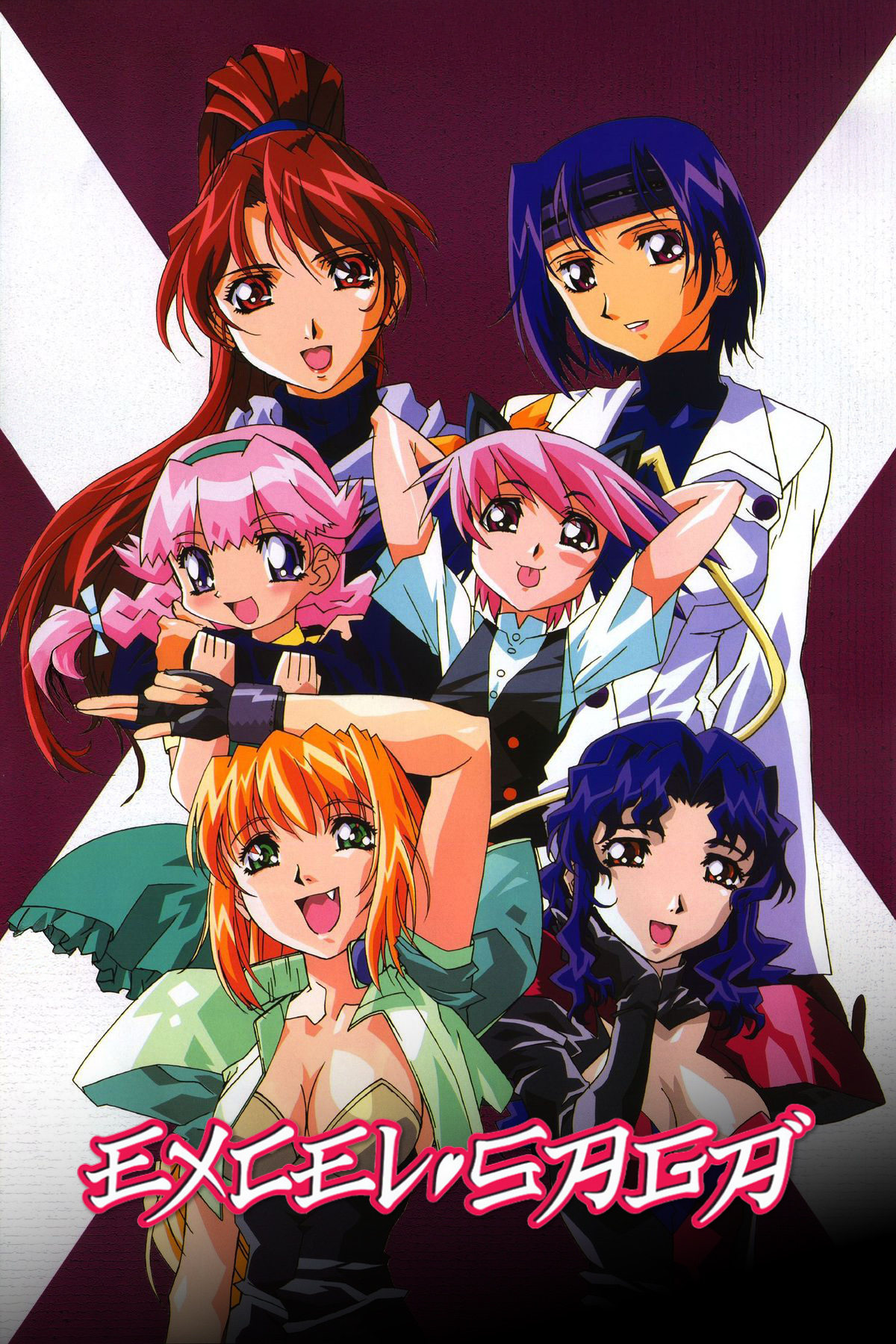
The final episode of this experimental comedy series was titled “Going Too Far” and was created with the specific intent of being banned from television. The creators included excessive amounts of violence and obscene material that intentionally violated Japanese broadcast standards of the time. Consequently, the episode was never aired during the original TV run and was only made available on home video releases. This deliberate act of defiance highlighted the strict limitations placed on televised anime content in the late 1990s. The episode remains a legendary piece of anime history for its purposeful pursuit of a ban.
‘School Days’ (2007)
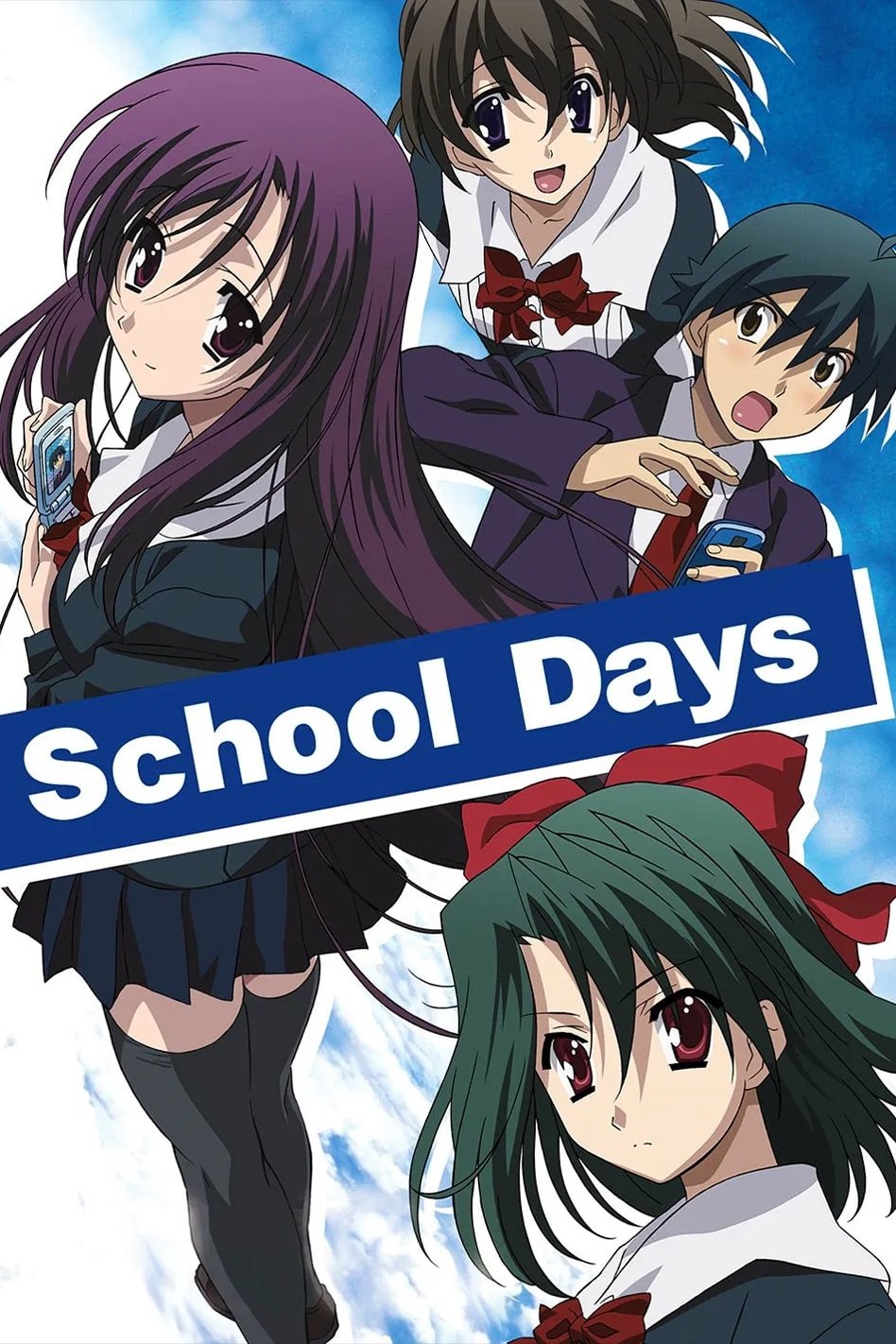
The broadcast of this series finale was famously canceled by several television stations just hours before it was scheduled to air. This decision was made in response to a real-life violent crime in Japan that shared uncomfortable similarities with the events depicted in the episode. In place of the finale, stations aired generic footage of scenery, leading to the creation of the “Nice Boat” internet meme. While the episode was eventually released on home media, the incident fundamentally changed how broadcasters handle dark content involving youth violence.
‘Gantz’ (2004)
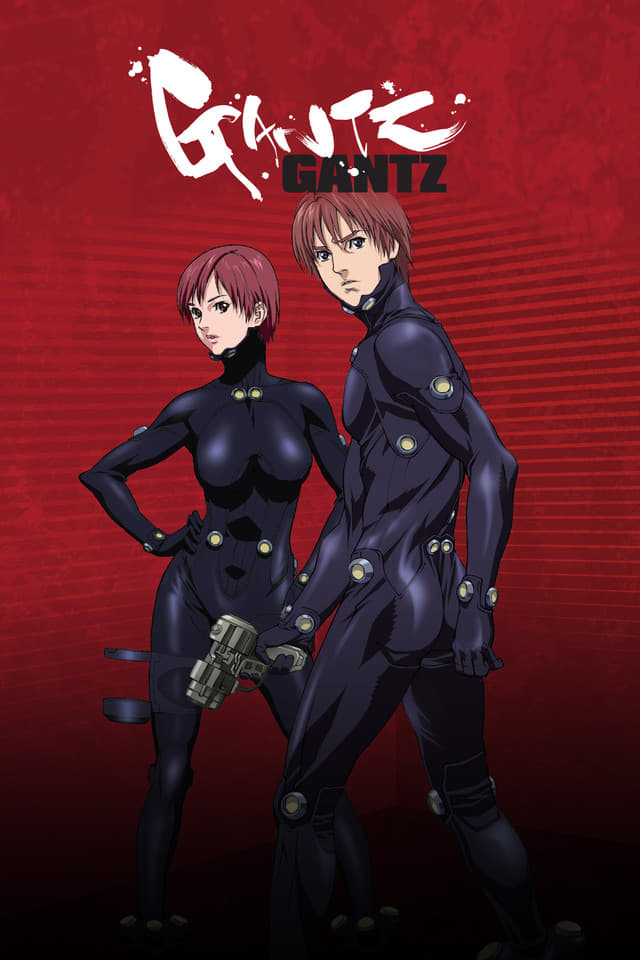
The television adaptation of this dark sci-fi manga faced constant scrutiny from broadcasters due to its visceral gore and themes of social decay. To maintain its slot on Fuji TV, the production team had to implement heavy censorship that often obscured large portions of the screen during action sequences. Eventually, the discrepancy between the manga’s graphic content and what was allowed on television led to the series ending with an original, non-canonical finale. This departure from the source material prevented a full adaptation of the manga’s later, significantly darker story arcs.
‘Violence Jack’ (1986–1990)
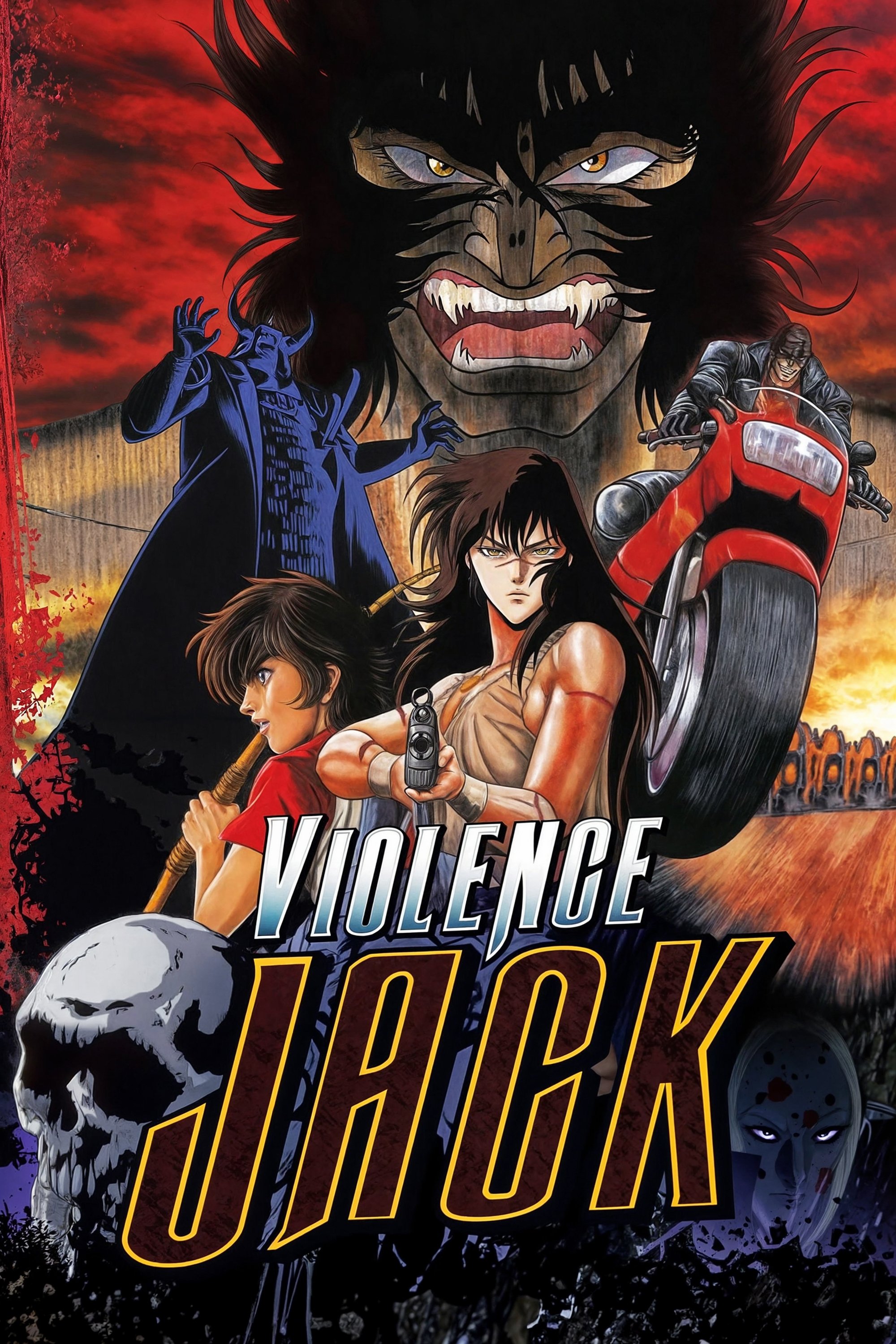
Based on the works of Go Nagai, this series of OVAs became notorious for its depiction of a post-apocalyptic wasteland defined by extreme brutality and social collapse. Various installments of the series were banned in several countries, including Australia and parts of Europe, due to their hyper-violent content. These legal challenges and the controversy surrounding the show’s dark themes contributed to a lack of further installments beyond the third volume. It remains one of the most frequently censored anime properties in international markets.
‘Kite’ (1998)

This two-part OVA series gained international notoriety for its combination of stylized action and highly graphic violence involving young protagonists. The controversial nature of its content led to the series being banned or heavily edited in multiple international territories to meet local distribution laws. Even the domestic Japanese releases faced significant challenges regarding the explicit nature of certain action scenes. The production of a follow-up was significantly delayed and tonally altered to avoid similar censorship issues that plagued the original.
‘Mezzo Forte’ (2000)
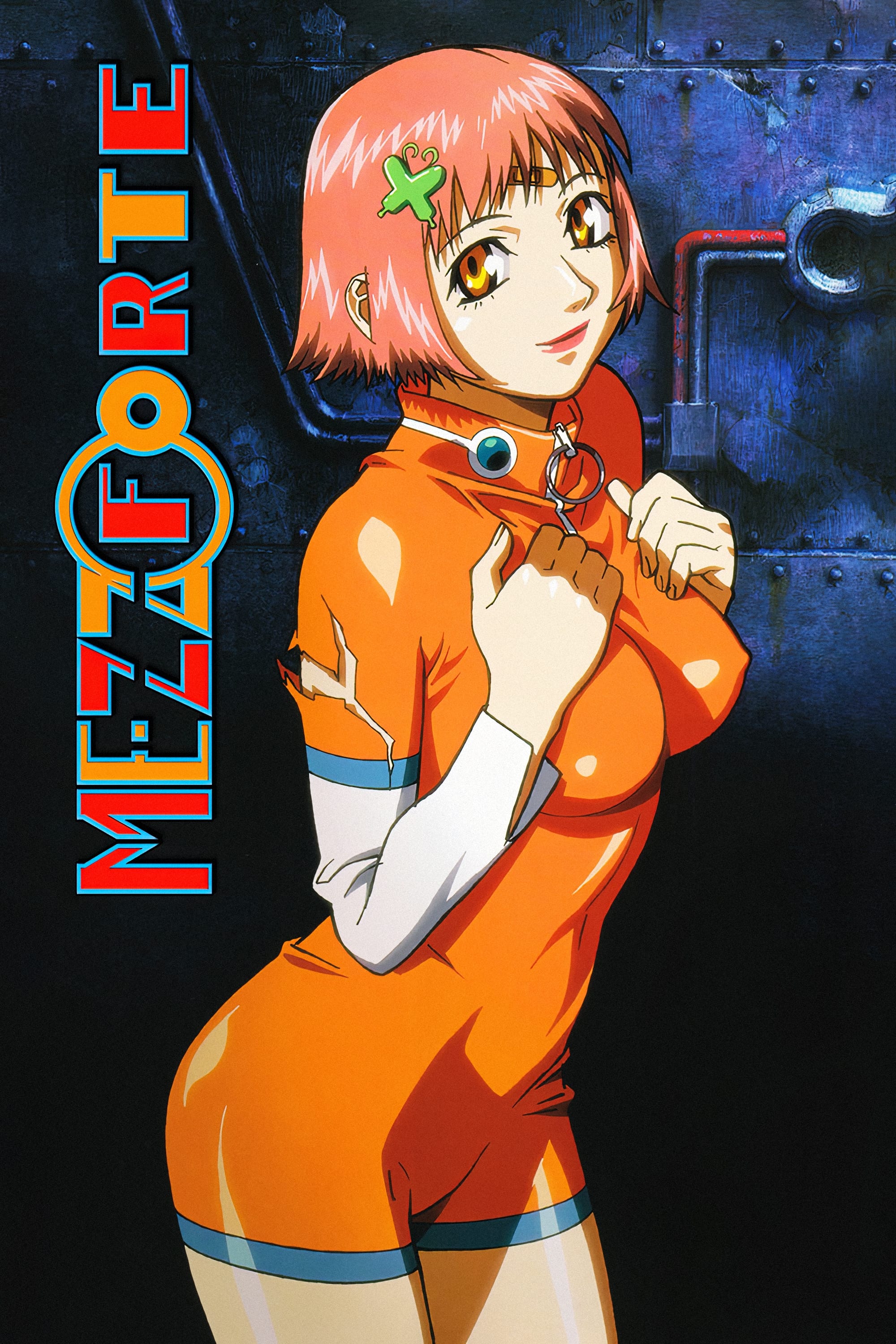
Created by the same director as ‘Kite’, this series blended high-octane action with graphic content that pushed the limits of the OVA format. The original version was subject to significant cuts and bans in various global markets to comply with strict rating boards. These hurdles made it difficult for the series to find a stable broadcast home or consistent international distribution. A later television sequel was eventually produced with a significantly lighter tone to ensure it could be aired without further legal or broadcast incidents.
‘The Guyver: Bio-Booster Armor’ (1989–1992)
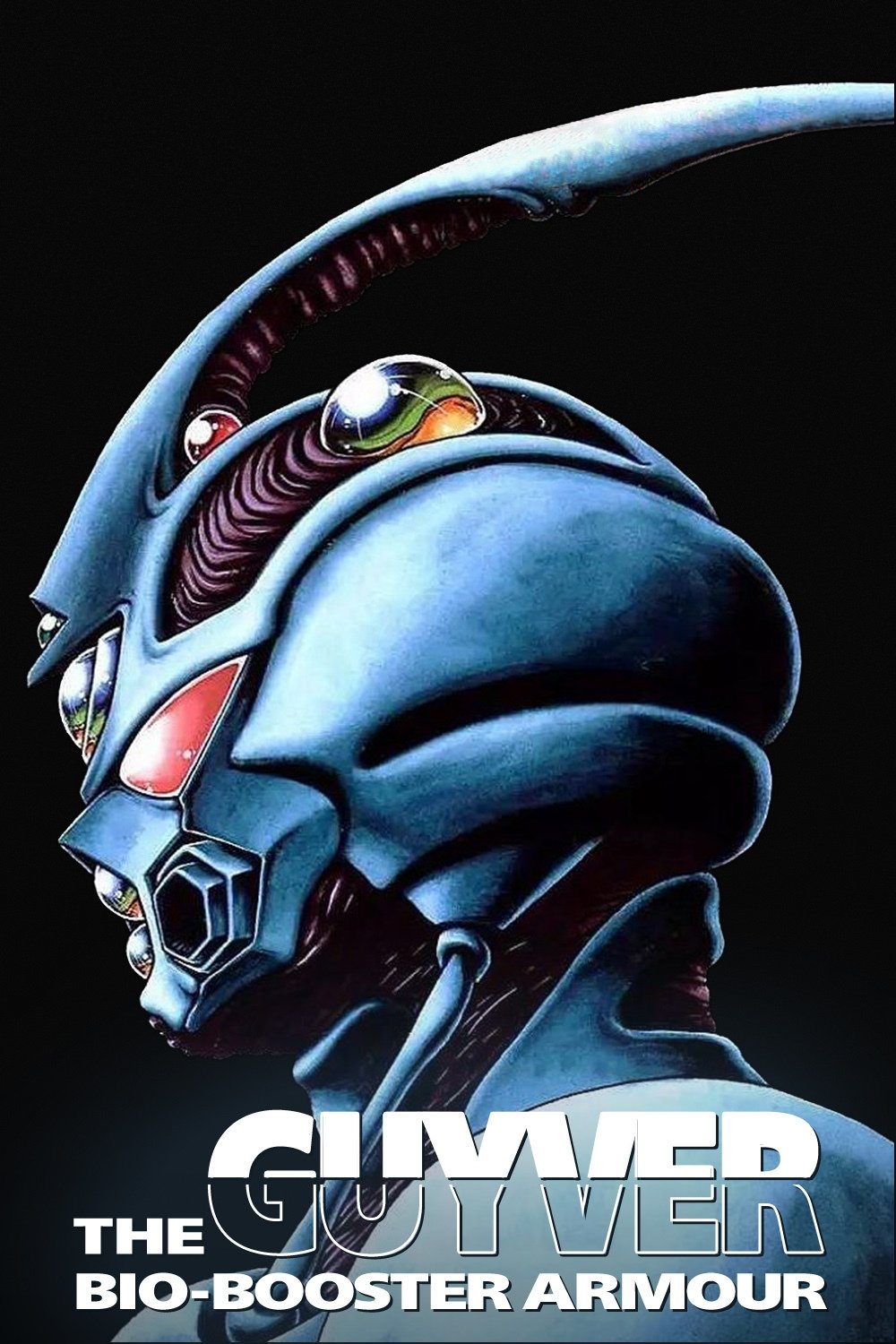
This adaptation of the long-running manga series was intended to provide a comprehensive look at the conflict between Sho Fukamachi and the Cronos Corporation. However, production stopped after 12 episodes, leaving the story unfinished at a critical juncture. While financial issues played a role, the high cost of animating the series’ detailed gore and biological horror was a major factor in its discontinuation. The series was eventually rebooted years later, but the original 1989 run remains a cult classic that never reached its intended conclusion.
‘Shigurui: Death Frenzy’ (2007)
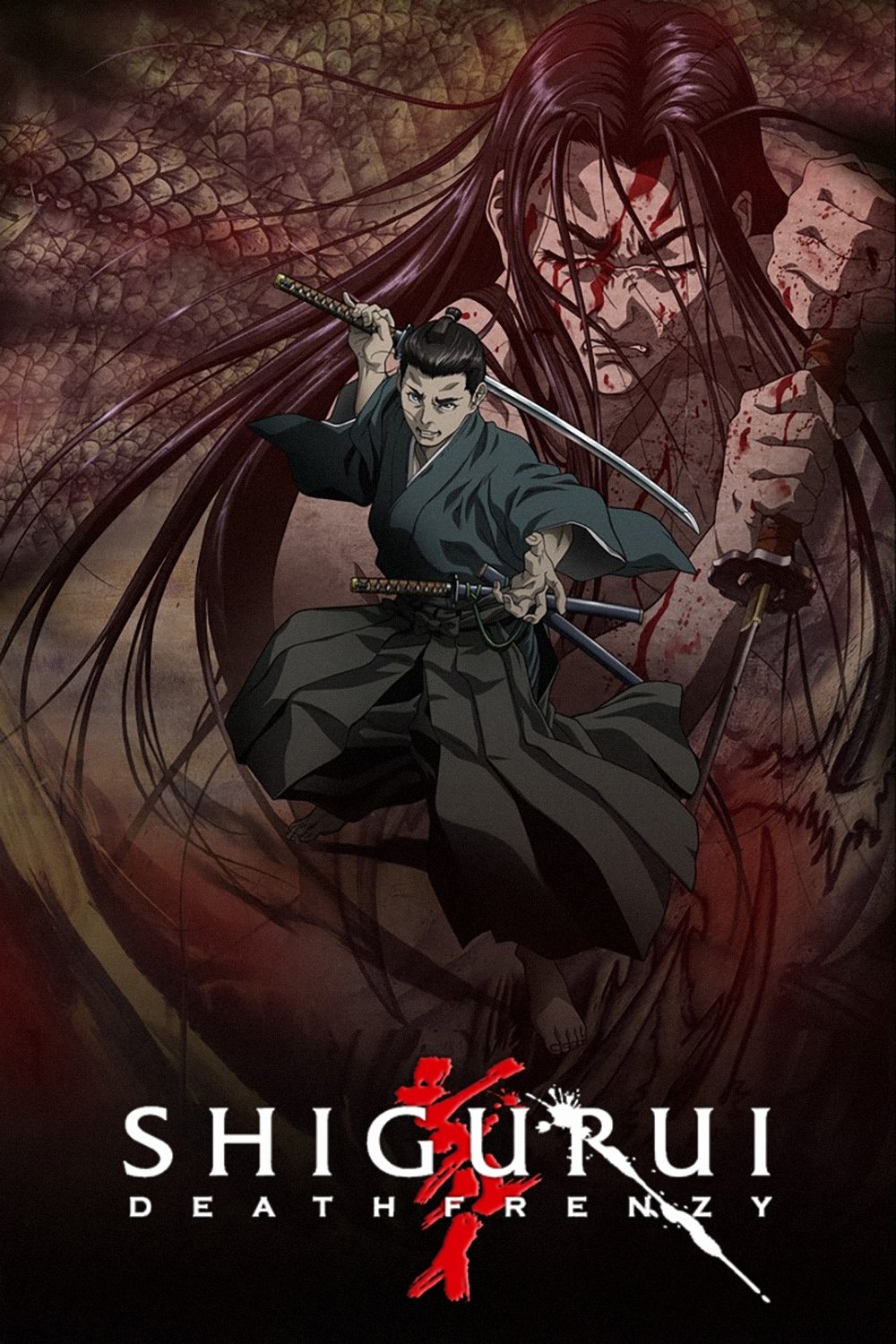
This series is noted for its hyper-realistic and brutal depiction of samurai combat during the Edo period. Despite its high production values and critical acclaim, the show only adapted a small portion of the manga before production was halted. The extreme visceral gore and disturbing psychological themes made it difficult for the series to maintain a regular television slot. As a result, the narrative ends abruptly, and no further episodes were commissioned to conclude the rivalry between the two main protagonists.
‘Devilman’ (1987–1990)

This OVA series was intended to be a definitive adaptation of Go Nagai’s seminal manga, which is famous for its apocalyptic violence and nihilism. While the first two installments were praised for their visceral horror, the production was stopped before reaching the story’s legendary climax. The increasingly dark and graphic nature of the content, combined with rising production costs, prevented the completion of the intended trilogy. This left fans waiting for decades until a modern streaming platform finally produced a complete adaptation of the ending.
Tell us in the comments which of these canceled series you think deserved a full adaptation.