

Anime Series That Were Canceled or Censored for Their Portrayal of LGBTQ+ Characters

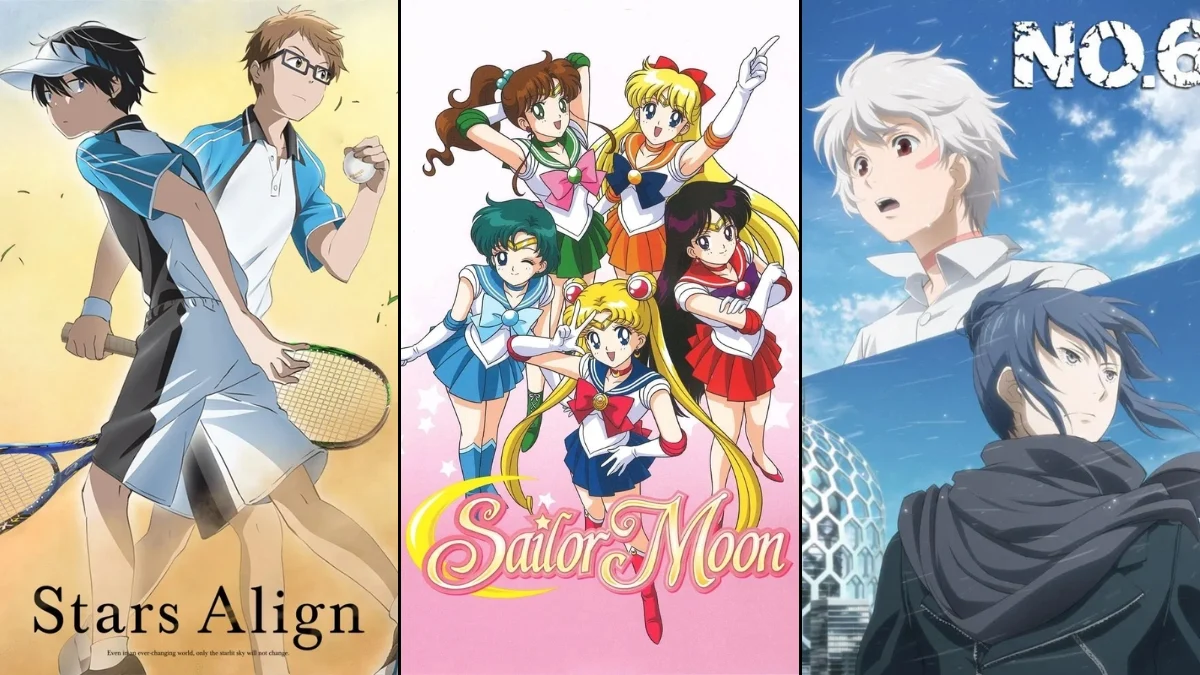


The portrayal of LGBTQ characters in anime has a long and complex history, often marked by significant resistance from broadcasters and production committees. While many series have successfully navigated these themes, others have faced abrupt cancellations, severe censorship, or international bans due to their inclusive narratives. These instances often reflect the cultural and political climates of the time, revealing the challenges creators face when depicting diverse identities. From truncated broadcast runs to localized edits that erased queer relationships entirely, these series highlight the ongoing struggle for representation in the animation industry.
‘Stars Align’ (2019)
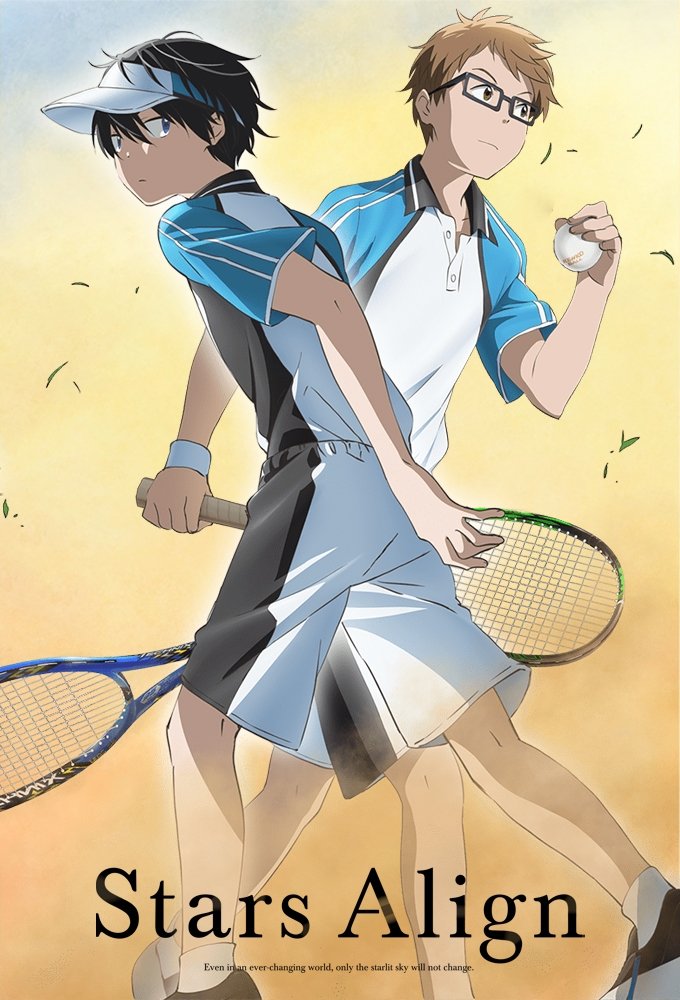
This sports anime gained significant attention for its sensitive portrayal of a non-binary character and a transgender mother. Despite its critical acclaim and unique approach to the genre, the production was abruptly cut from its planned 24 episodes to just 12. Director Kazuki Akane confirmed that the sudden reduction in the episode count left the story with a massive, unresolved cliffhanger. The decision was largely attributed to late-stage financial shifts, which many fans and industry observers linked to the show’s refusal to shy away from complex gender and identity themes.
‘Sailor Moon’ (1992–1997)
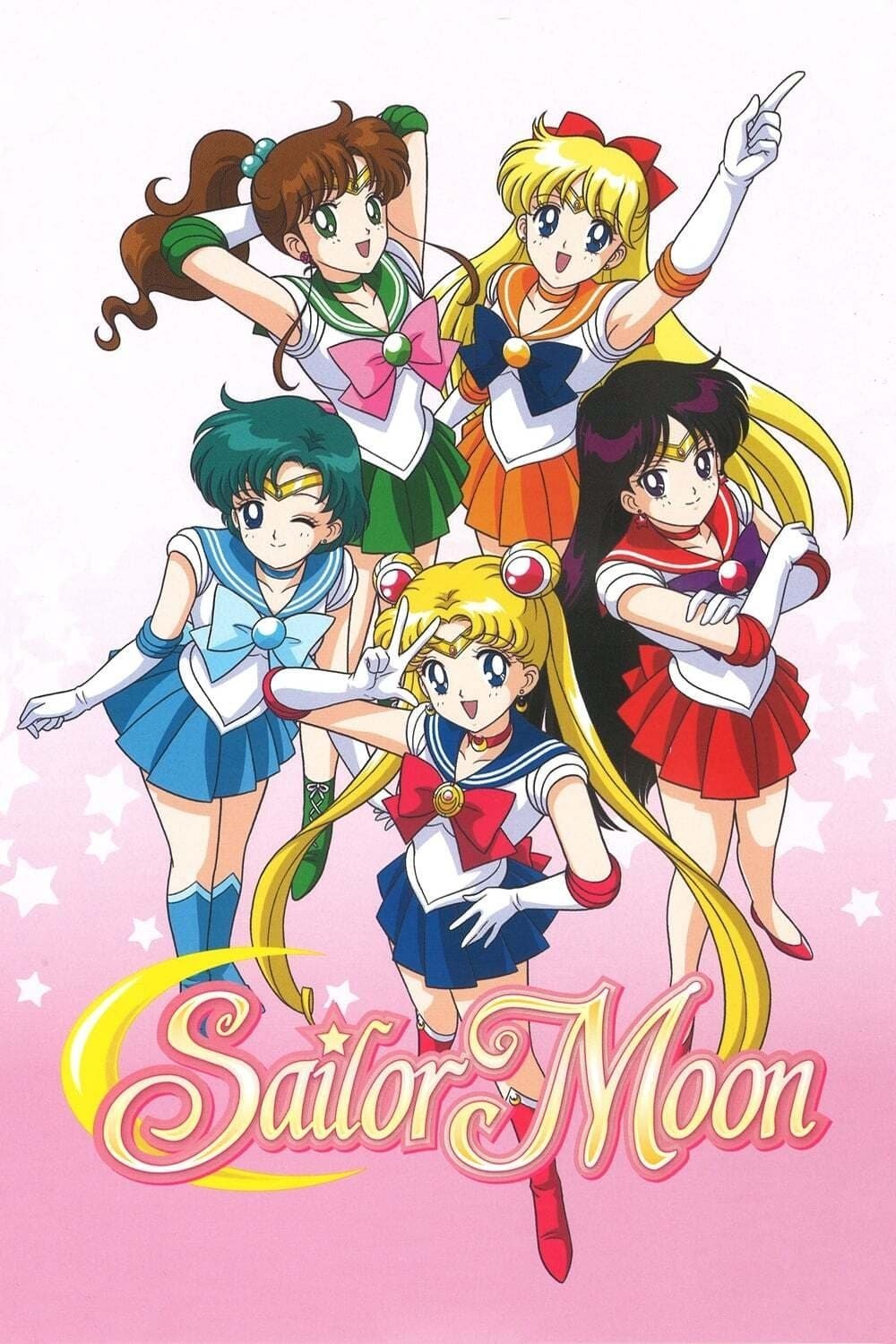
While the original Japanese run of this iconic series was a success, it faced an effective cancellation of its LGBTQ identities in numerous international markets. In the North American 1990s dub, the romantic relationship between ‘Sailor Uranus’ and ‘Sailor Neptune’ was altered to make the two characters cousins. This change was implemented to remove same-sex attraction, leading to confusing dialogue and the eventual removal of several key episodes from the broadcast. This heavy censorship was a direct response to the inclusion of queer protagonists in a show marketed toward children.
‘Cardcaptor Sakura’ (1998–2000)
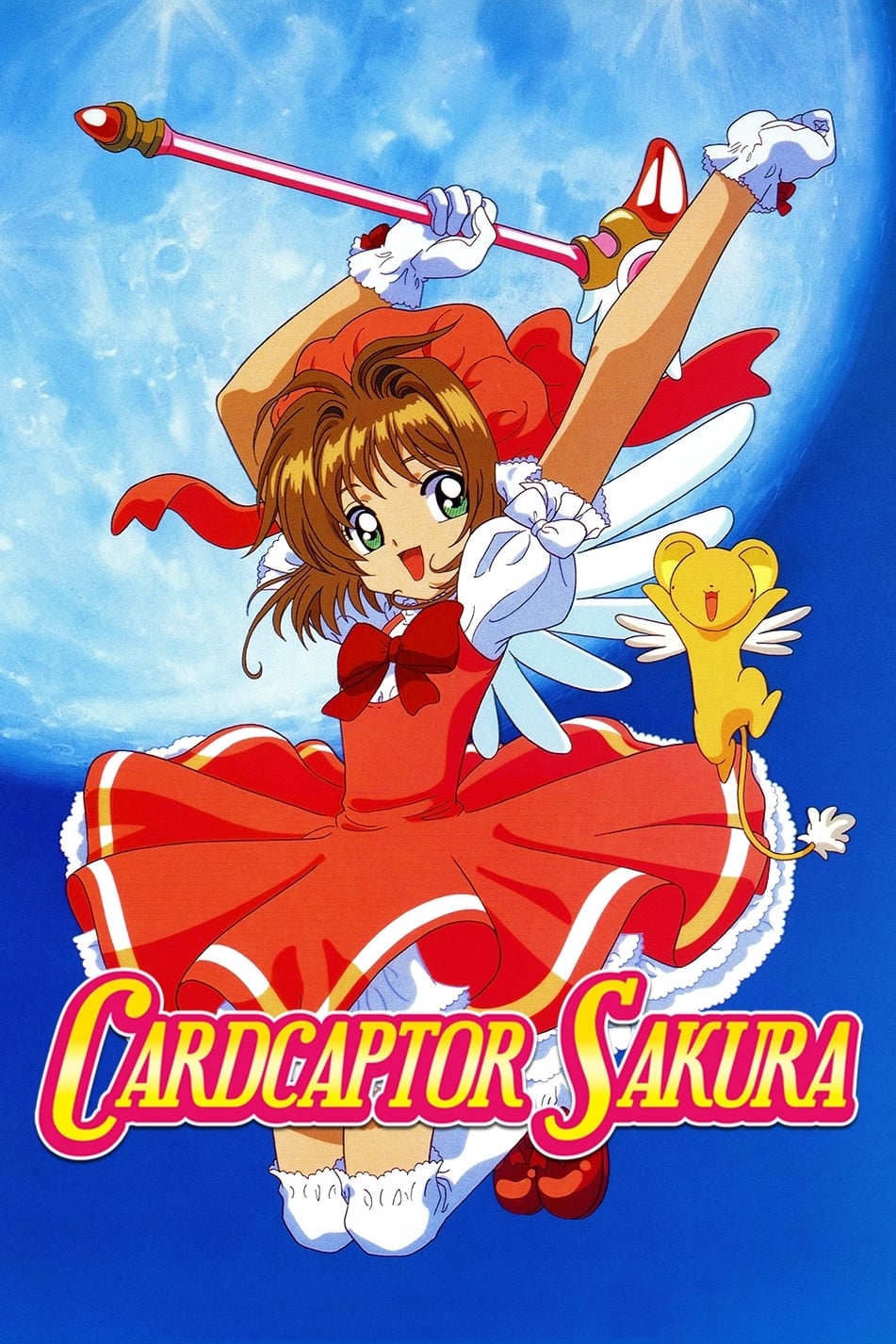
The localized North American version of this series, titled ‘Cardcaptors’, was canceled before it could complete its intended broadcast run. Kids’ WB heavily edited the series to remove several romantic subplots, including the crush that ‘Li Syaoran’ had on ‘Yukito’. By attempting to turn a magical girl series into a boy-centric action show and stripping away the queer romance, the network alienated the original audience and caused the show to fail. This removal of essential LGBTQ elements ultimately led to the series being pulled from the airwaves.
‘The Founder of Diabolism’ (2018–2021)
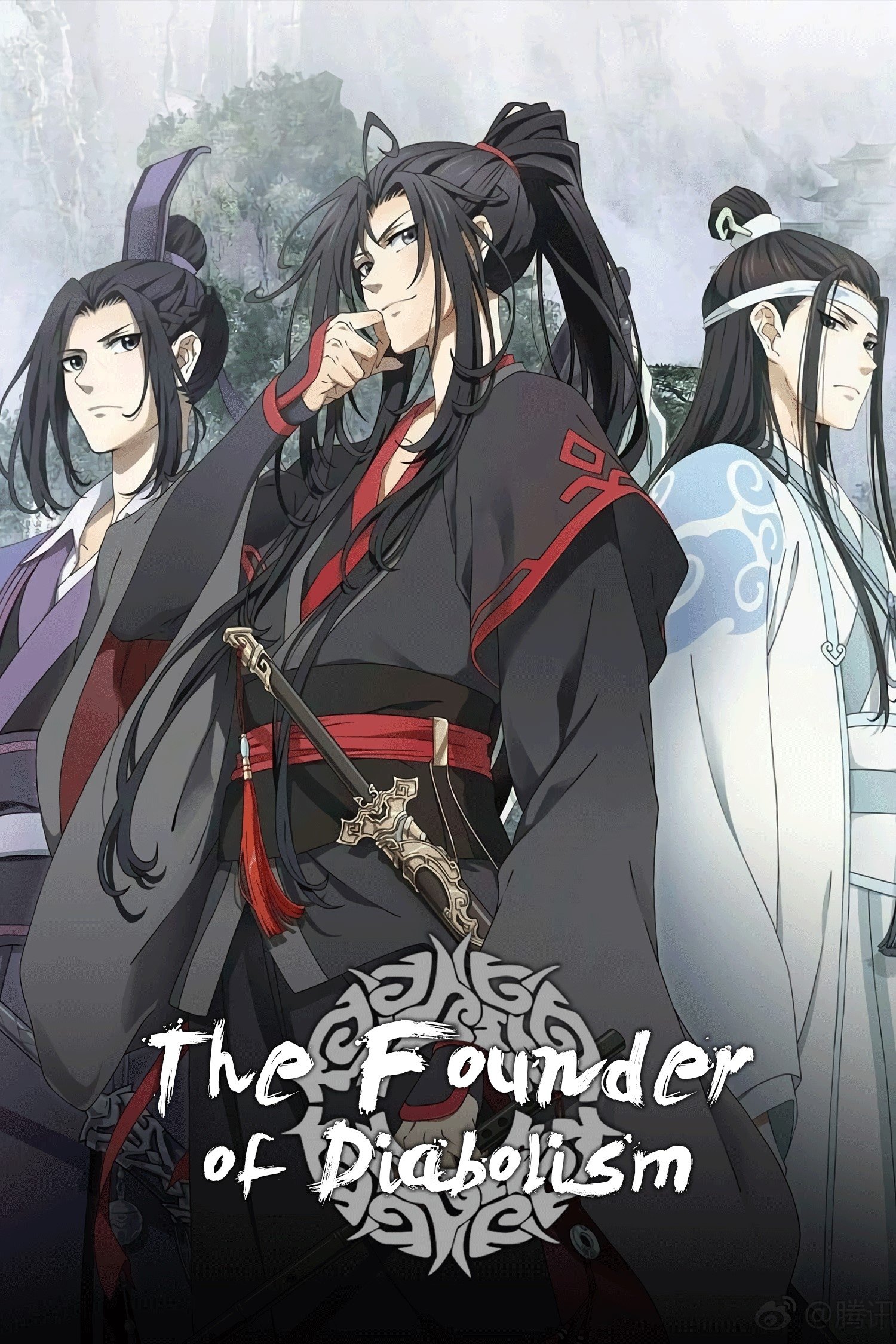
This series, also known as ‘The Grandmaster of Demonic Cultivation’, has faced significant distribution hurdles due to its depiction of a central male-male romance. Following increased government regulation in China regarding “danmei” content, the series saw episodes edited or entirely removed from various streaming platforms. The crackdown targeted “effeminate” character designs and same-sex themes, making further faithful adaptations within the country nearly impossible. This climate of censorship effectively halted the momentum of the franchise’s animated expansion in its home territory.
‘Wandering Son’ (2011)
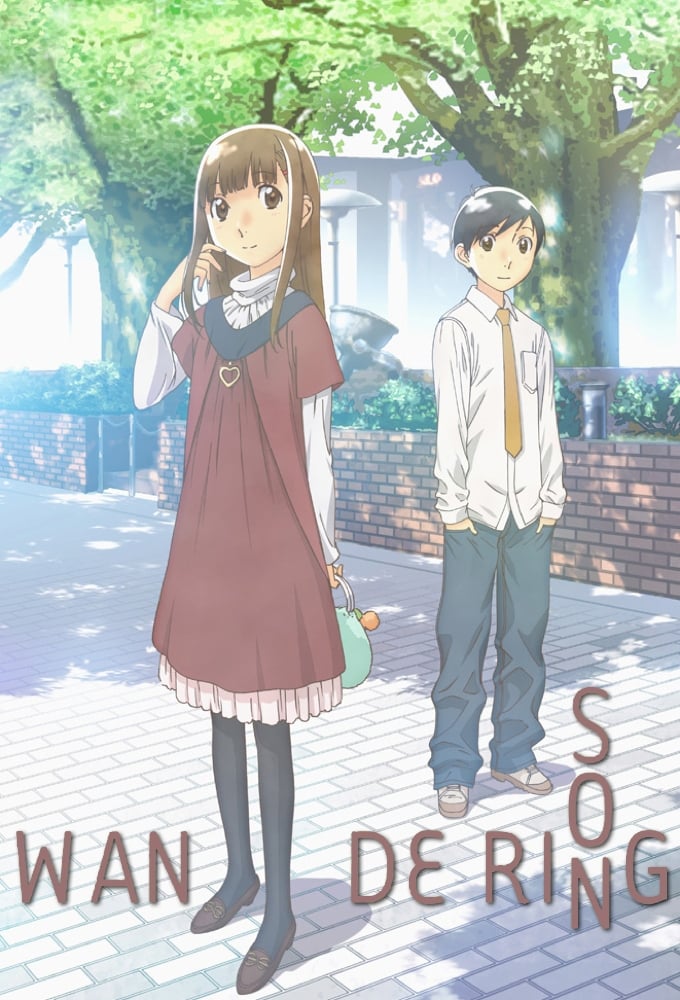
This series is notable for its focused exploration of transgender youth, following two middle school students struggling with their gender identities. Despite receiving high praise for its maturity and realism, the series was cut short and ended after only 11 episodes. The broadcast omitted several early chapters of the manga that delved deeper into the protagonists’ transitions and social struggles. The truncated run was widely seen as a result of the conservative media environment and the perceived “niche” appeal of its LGBTQ themes at the time.
‘Zetsuai 1989’ (1992–1996)
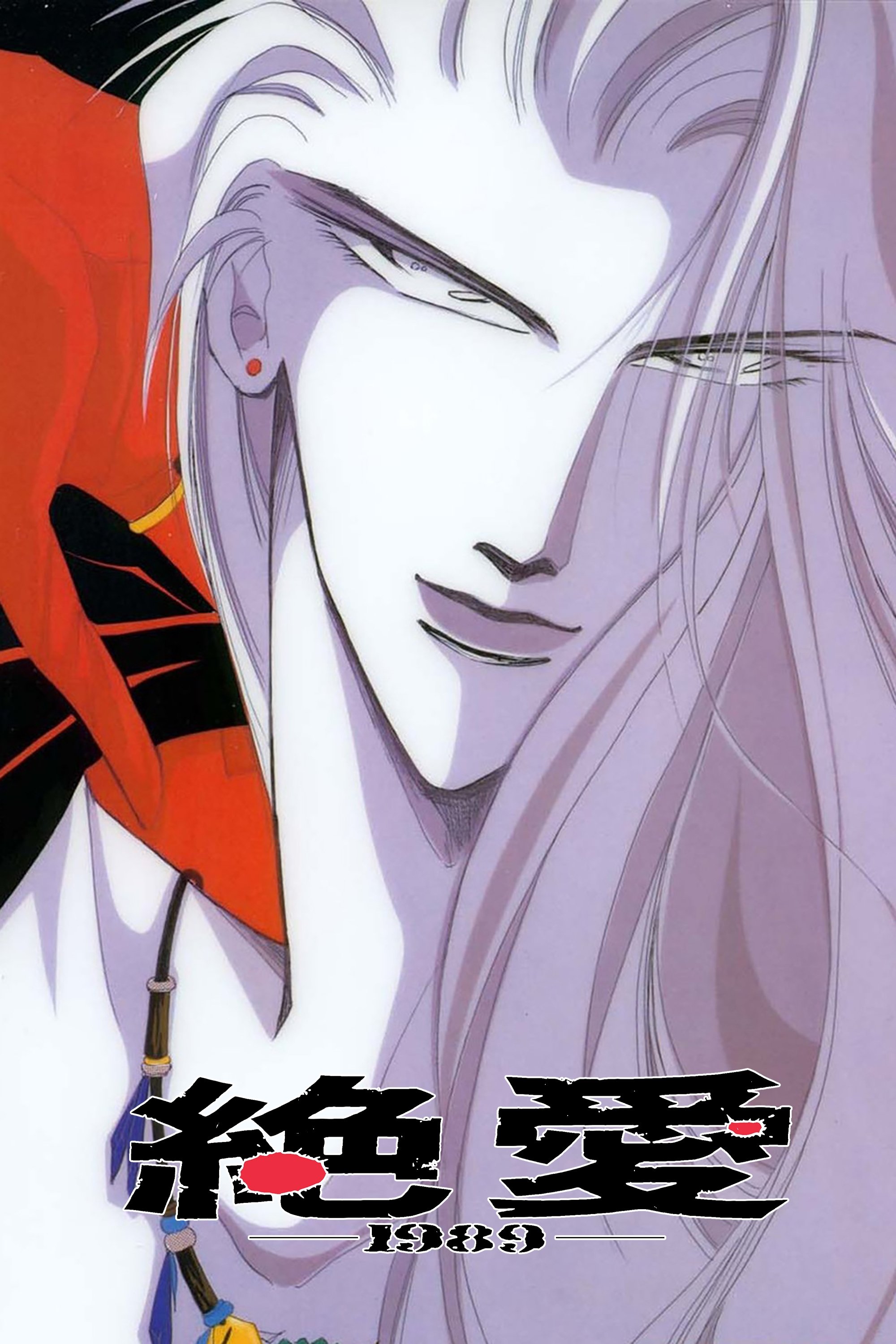
This series became a landmark for the “yaoi” genre but faced severe backlash and bans in various international territories. Its graphic and intense portrayal of a toxic male-male relationship led it to be banned in Australia and the United Kingdom under strict media classification laws. Regulators classified the content as unsuitable for home viewing, effectively canceling its legal distribution in those regions for years. The series remains a controversial example of early queer-coded anime that was deemed too extreme for mainstream international markets.
‘No. 6’ (2011)
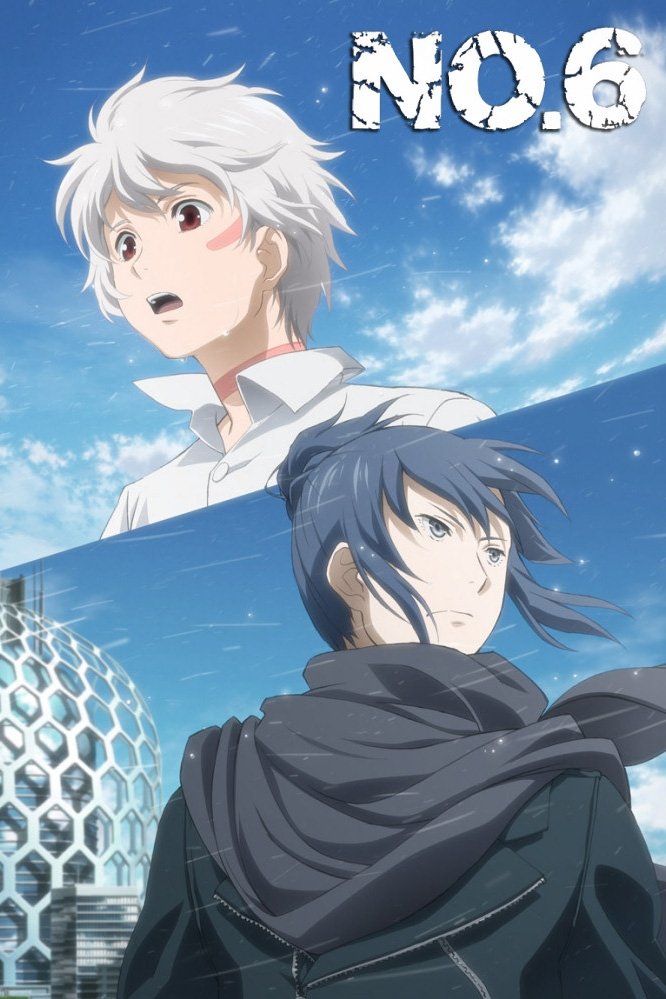
This dystopian series explores the deep bond between two young men, which eventually evolves into a romantic relationship. While the original novels provided a slow-burn romance, the anime adaptation was condensed into a brief 11-episode format that significantly rushed the character development. Many fans pointed out that the production felt truncated, likely due to the risks associated with the source material’s overt queer themes in a mainstream timeslot. This compression effectively canceled the chance for a faithful, long-form adaptation of the complex narrative.
‘Loveless’ (2005)
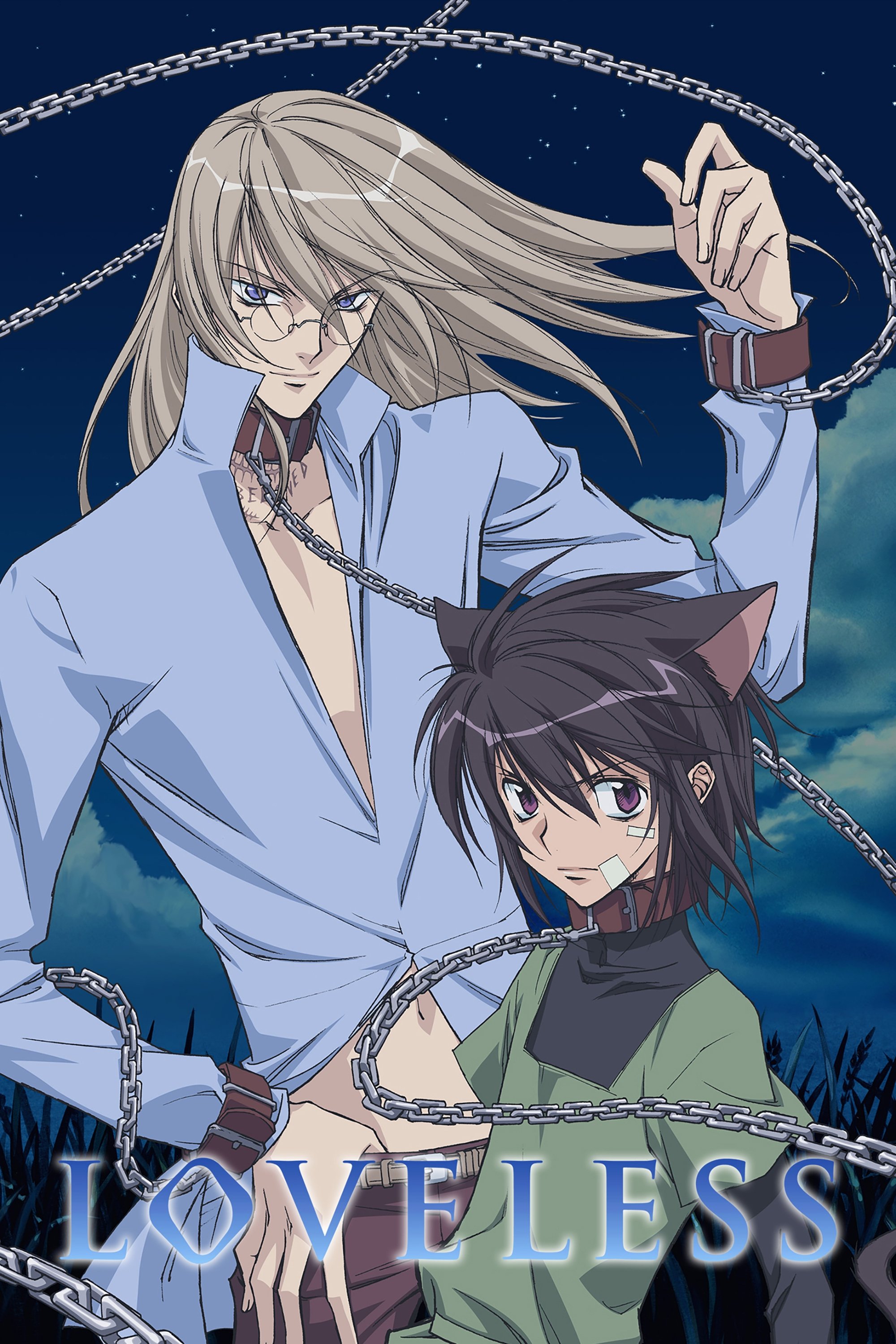
This series features a complex and often controversial relationship between two male characters, set in a world where physical traits change with age. The anime adaptation was halted after a single 12-episode season, leaving the central mystery and romance entirely unresolved. The decision not to continue the series was influenced by the controversy surrounding the nature of the “fighter and sacrifice” bond. The show’s production stalled permanently as networks and sponsors grew wary of the themes depicted in the original source material.
‘Gravitation’ (2000–2001)
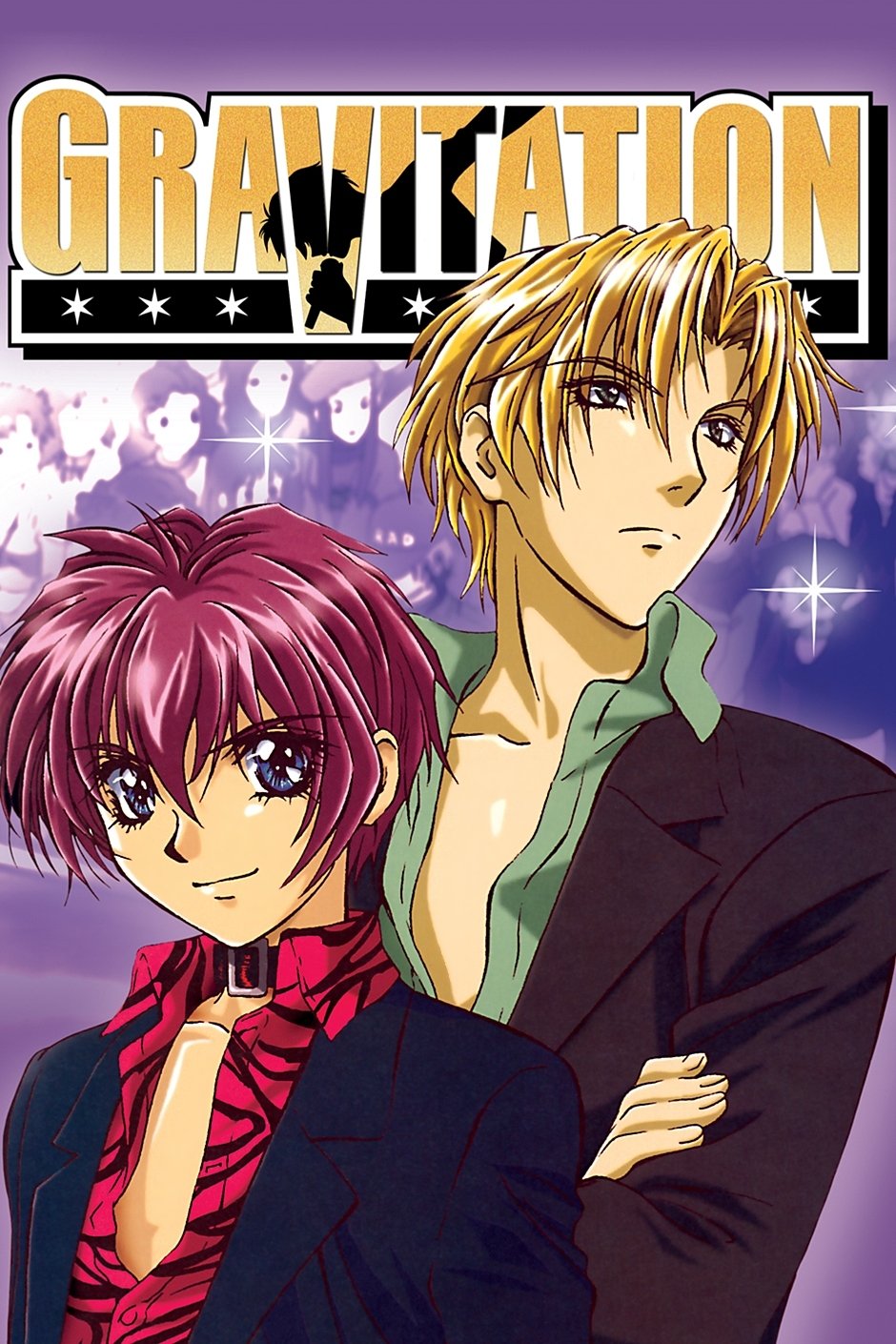
This classic “shounen-ai” series follows a singer’s quest for fame and his relationship with a cold, distant novelist. While the series was popular in Japan, its broadcast on North American television was cut short and eventually canceled on certain networks. Broadcasters were uncomfortable with the physical intimacy between the two male leads, leading to episodes being skipped or heavily edited. These broadcast difficulties ensured that the show never gained a significant foothold in the mainstream Western television market during its initial run.
‘Whispered Words’ (2009)
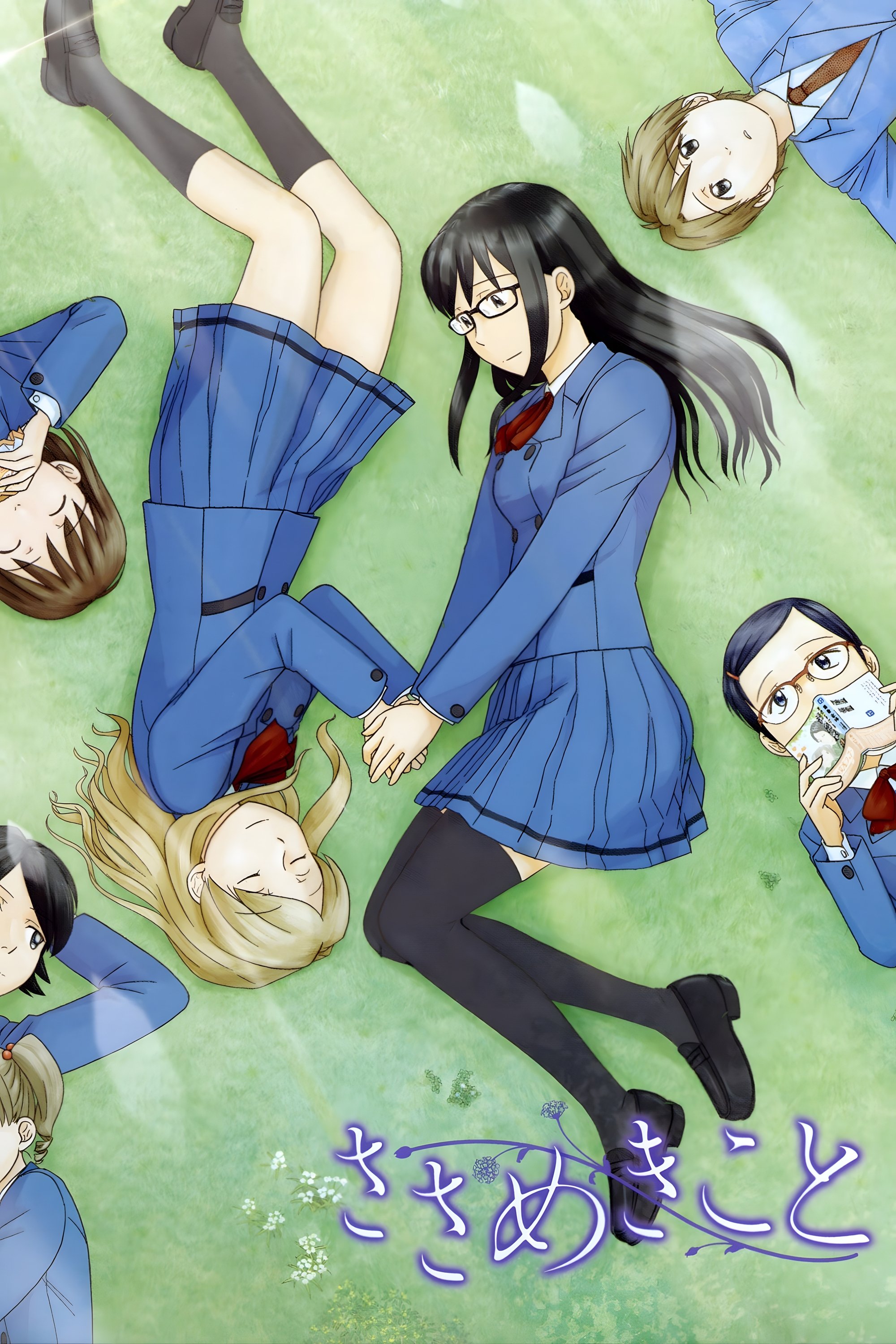
This “yuri” series tells the story of a high school girl who is deeply in love with her best friend. Despite having a loyal fan base and a popular manga source, the anime was canceled after just one season, leaving the majority of the story unadapted. The production was halted as investors were reportedly hesitant to fund a series that focused so heavily on the internal struggles of lesbian teenagers. This lack of financial support for realistic LGBTQ narratives resulted in the story remaining unfinished on screen.
‘Sweet Blue Flowers’ (2009)
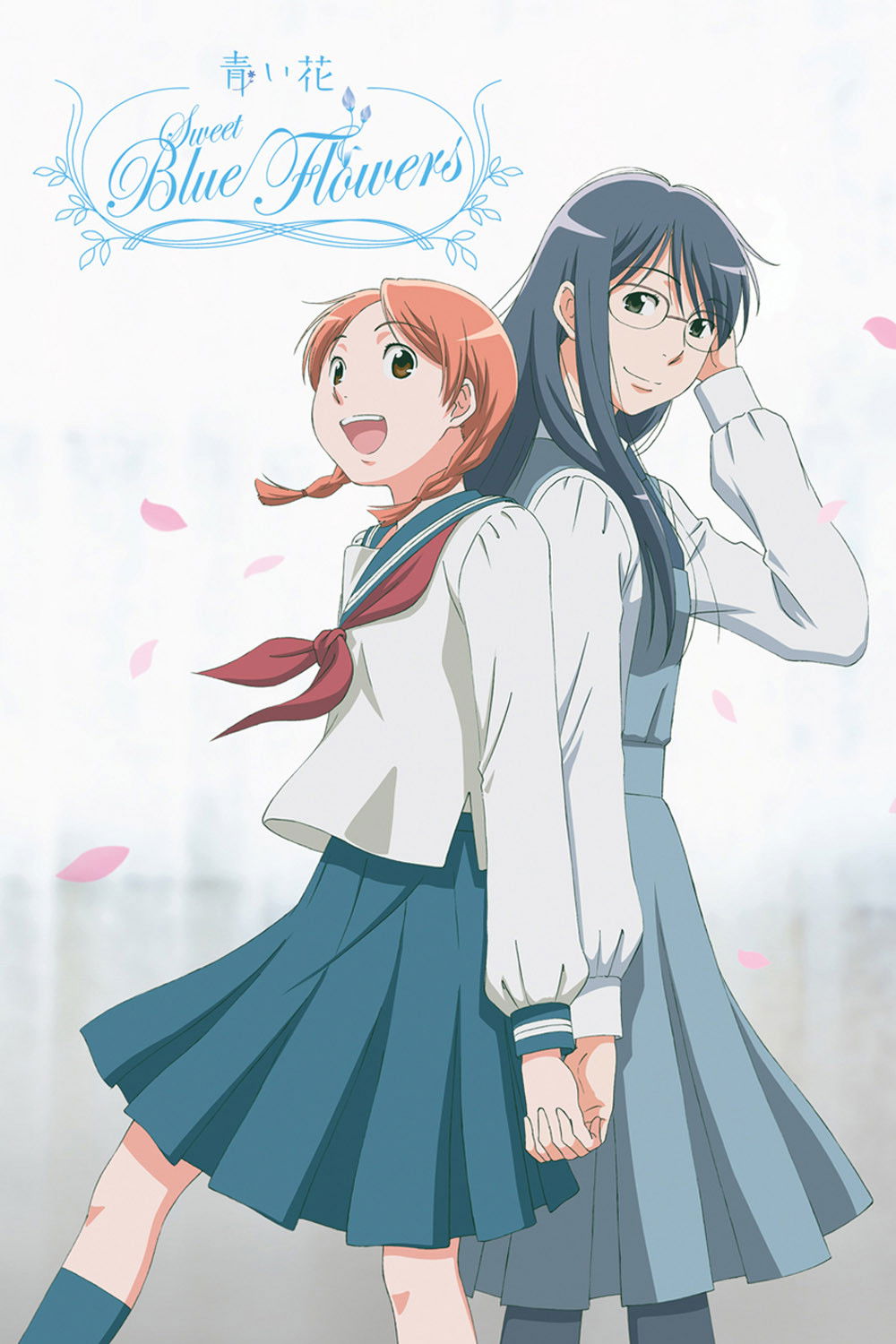
Also known as ‘Sweet Blue Flowers’, this series was praised by critics for its delicate and honest portrayal of young women discovering their sexuality. However, the anime suffered from low television ratings in Japan, which led to the cancellation of any future seasons or installments. Producers at the time cited the “niche” nature of the story as a primary reason for its commercial failure. The refusal to market the show to a broader audience contributed to the premature end of this landmark LGBTQ series.
‘Yuri!!! on Ice’ (2016)
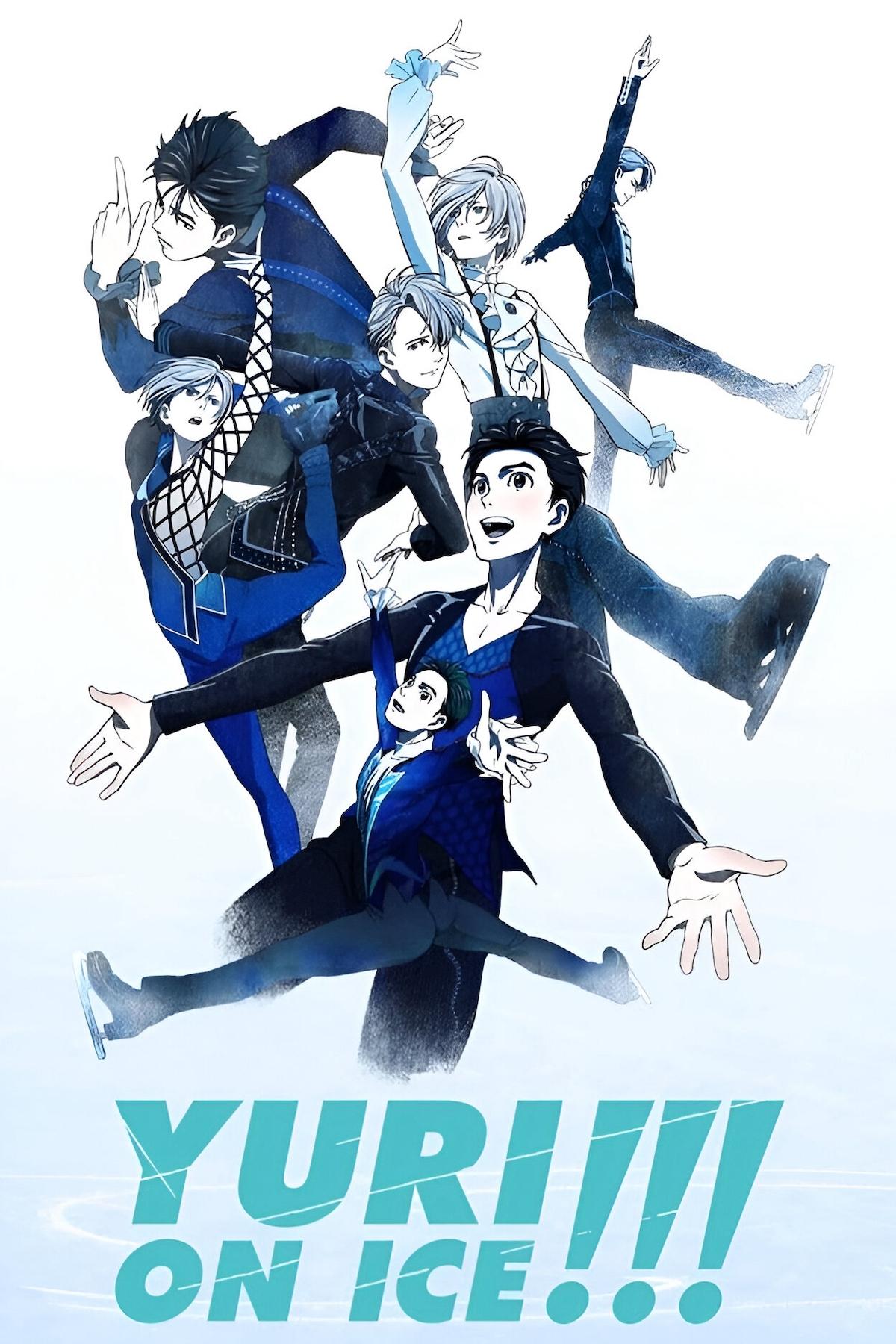
Although the original series was a massive global hit, the franchise faced a permanent setback with the cancellation of its highly anticipated prequel film, ‘Ice Adolescence’. MAPPA officially announced the cancellation in 2024 after years of production delays and relative silence from the studio. Many industry analysts suggest that the central gay romance made the project difficult to finance for international theatrical releases in more conservative markets. The loss of the film marked a disappointing end for a franchise that had broken significant ground for LGBTQ representation.
Please share which of these anime series you believe deserved a full, uncensored adaptation in the comments.