

Anime Series Where Dark-Skinned Characters Got Lighter in New Seasons



The evolution of animation technology and changing artistic preferences often lead to visual shifts in long running anime franchises. One of the most frequently discussed changes among fans is the lightening of skin tones for characters who were originally depicted with darker complexions. This phenomenon can occur when a series transitions from traditional cel animation to digital production or when a new studio takes over the project. These updates sometimes aim to match the original manga art more closely or to fit modern aesthetic trends that favor brighter and more vibrant colors. This list explores several anime where characters saw their skin tones significantly brightened in newer seasons or remakes.
‘One Piece’ (1999–Present)
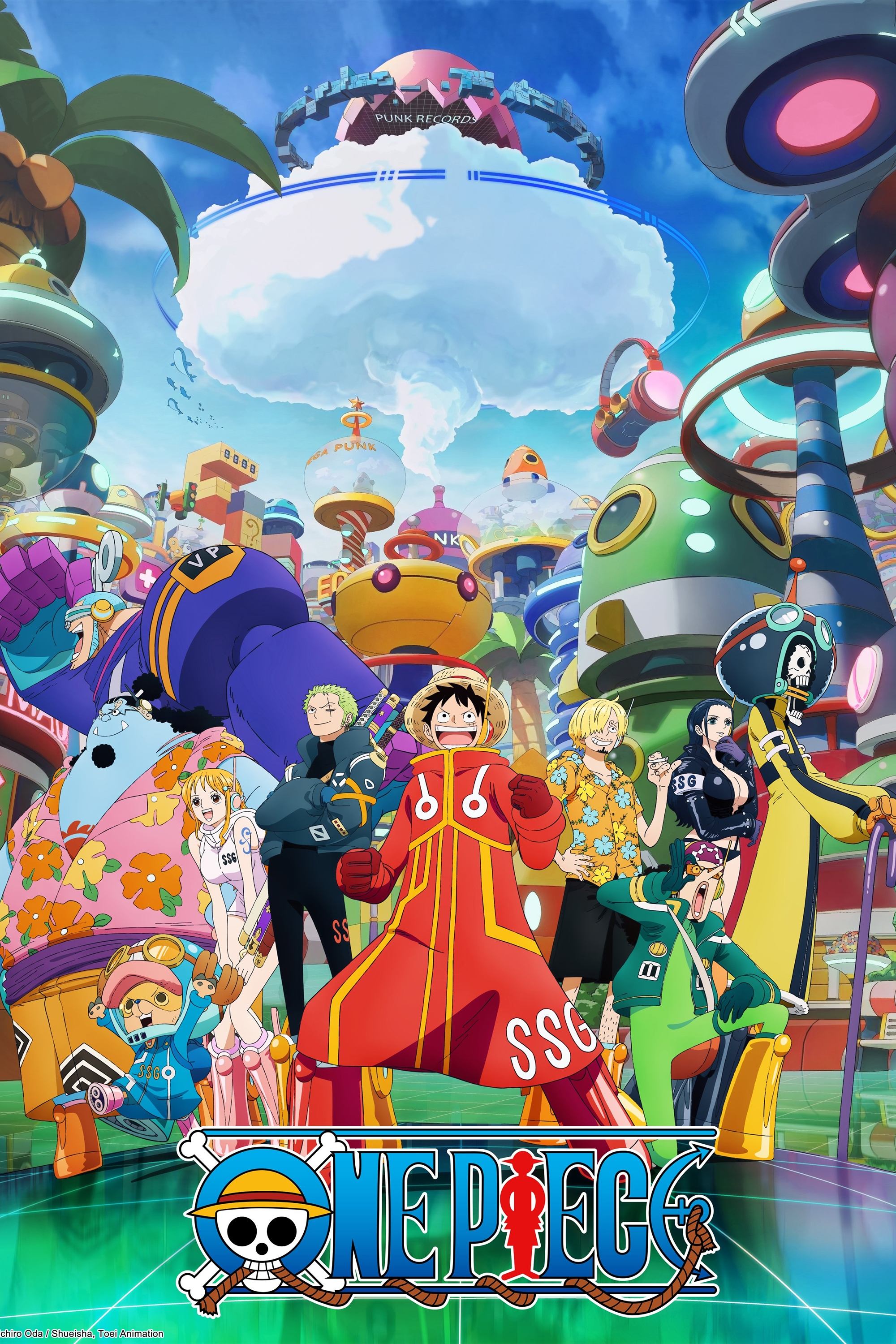
Nico Robin is perhaps the most famous example of an anime character whose skin tone lightened significantly over time. In the early episodes she possessed a sun kissed tan that many fans associated with her archaeological background and desert origins. Following the two year time skip the production team adjusted her design to more closely reflect the original manga art. This resulted in a much paler complexion that persists in the current story arcs.
‘Bleach’ (2004–2023)
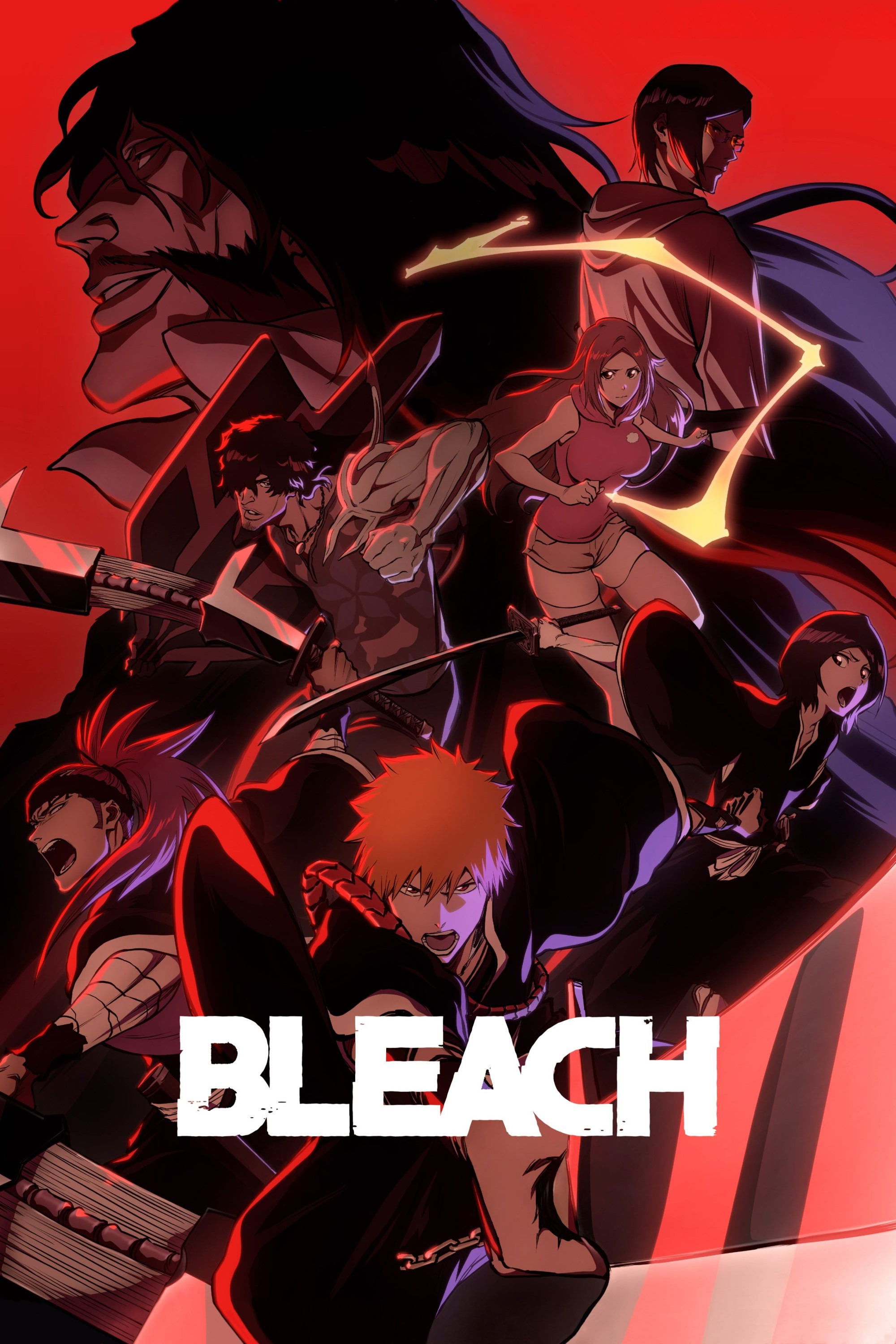
The character Yoruichi Shihoin has always been celebrated for her dark skin and powerful presence. When the series returned for the Thousand Year Blood War arc many fans pointed out that her skin appeared several shades lighter than in the original run. This change is partly due to the high contrast digital lighting and modern color palettes used by the current animation team. Other characters like Tier Harribel also saw their skin tones brightened during the transition to the newest season.
‘Dragon Ball Super’ (2015–2018)

Uub is the reincarnation of Kid Buu and originally appeared at the end of the previous series with a deep brown complexion. In recent iterations and promotional material for the franchise his skin tone has shifted toward a much lighter tan. This modification has been a point of contention for long time viewers who appreciated the diverse character designs of the original creator. The updated art style focuses on more vibrant colors which often washes out the darker pigments seen in the classic era.
‘Shaman King’ (2021–2022)
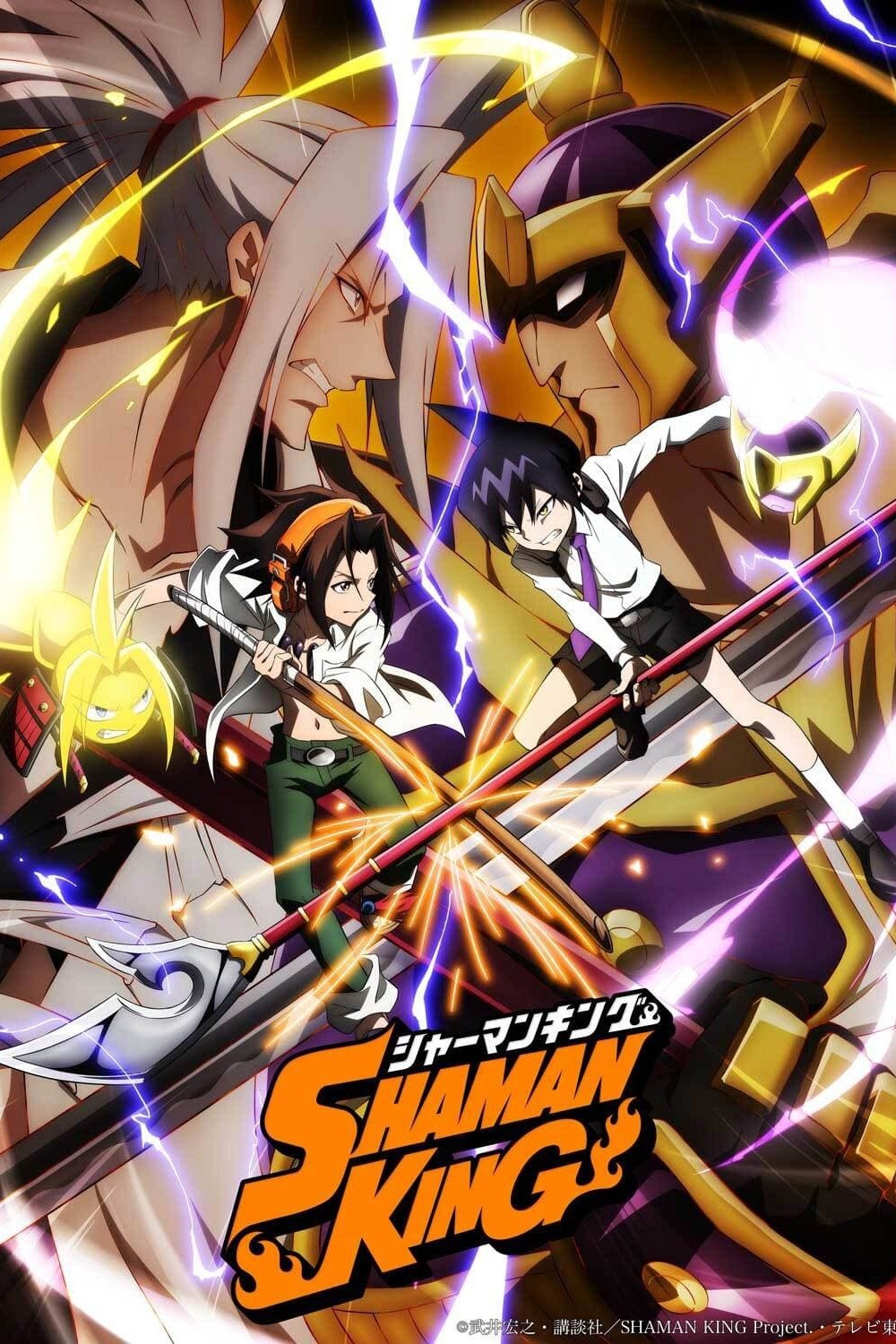
The character Chocolove McDonell underwent a significant design overhaul in the recent reboot compared to the 2001 adaptation. While the original version featured a very dark skin tone the new series presents him with a much lighter brown hue. This change was accompanied by adjustments to his facial features to address past criticisms of his original character design. The studio opted for a modernized aesthetic that altered many of the visual traits established in the early two thousands.
‘Sailor Moon Crystal’ (2014–2016)
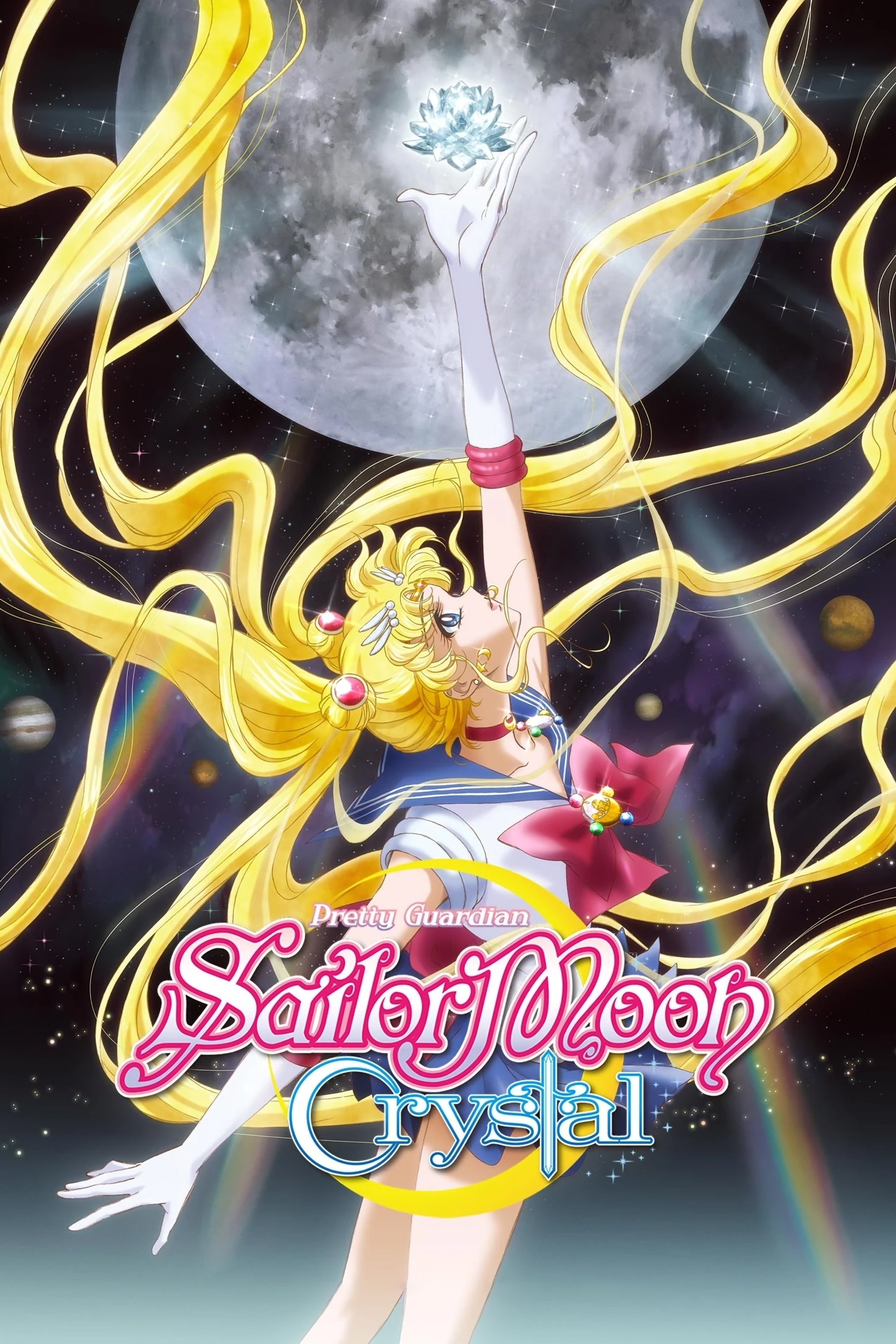
Setsuna Meioh was depicted with a dark and mysterious skin tone in the original nineties anime. When the franchise was rebooted for the modern era her complexion was lightened to match the rest of the cast. Many fans felt that this change stripped the character of one of her most defining visual characteristics. The newer series aimed for a more faithful adaptation of the manga art which traditionally featured lighter tones for all the sailor guardians.
‘Hunter x Hunter’ (2011–2014)
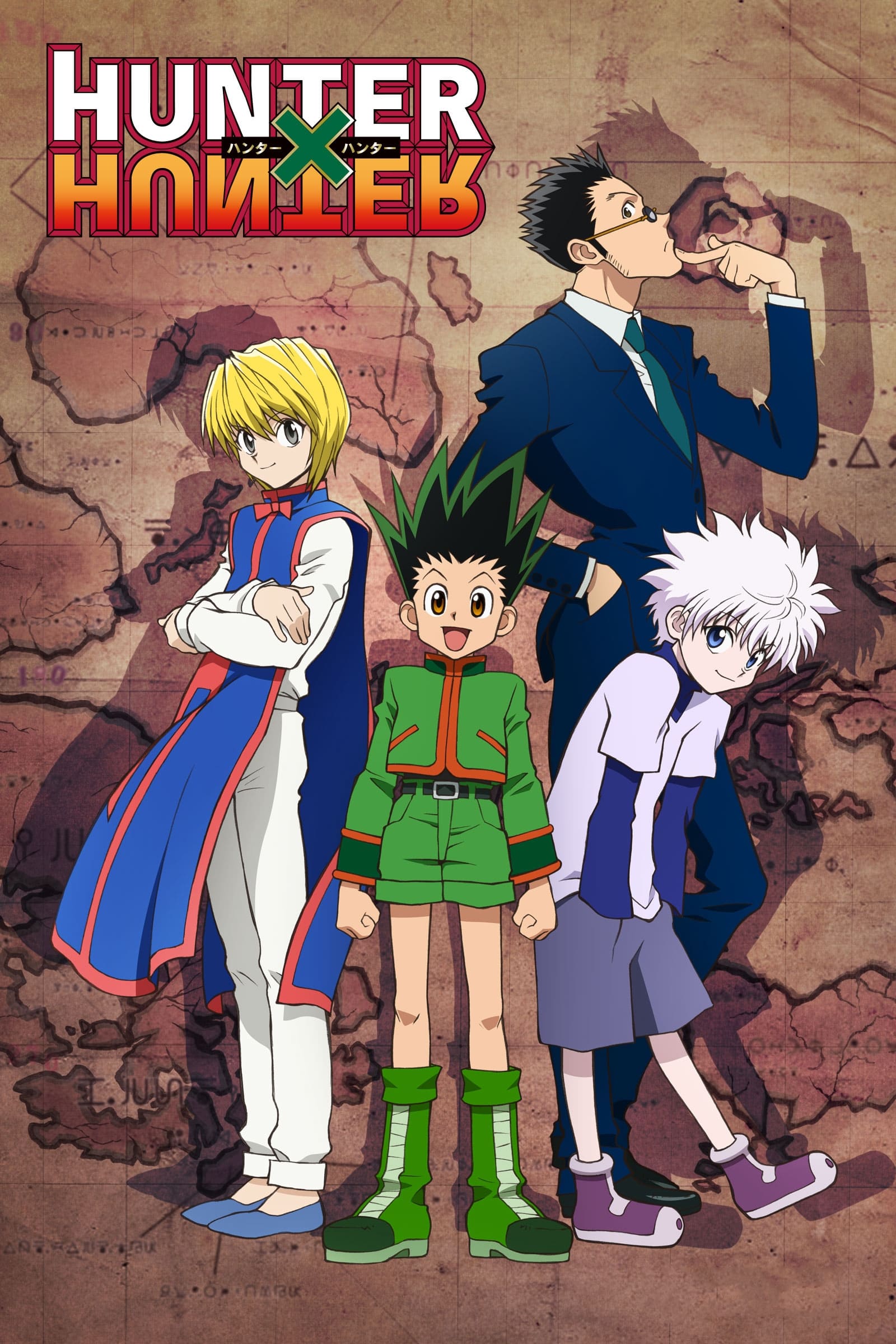
Geretta was a minor antagonist in the Hunter Exam arc who originally had a very dark complexion in the 1999 version. The 2011 reboot changed his skin tone to a much lighter shade while also redesigning his overall outfit. This shift was part of a broader artistic direction that favored a brighter and more saturated color scheme for the entire world. Some viewers felt that the newer design lacked the gritty feel of the original hand drawn animation.
‘Fruits Basket’ (2019–2021)
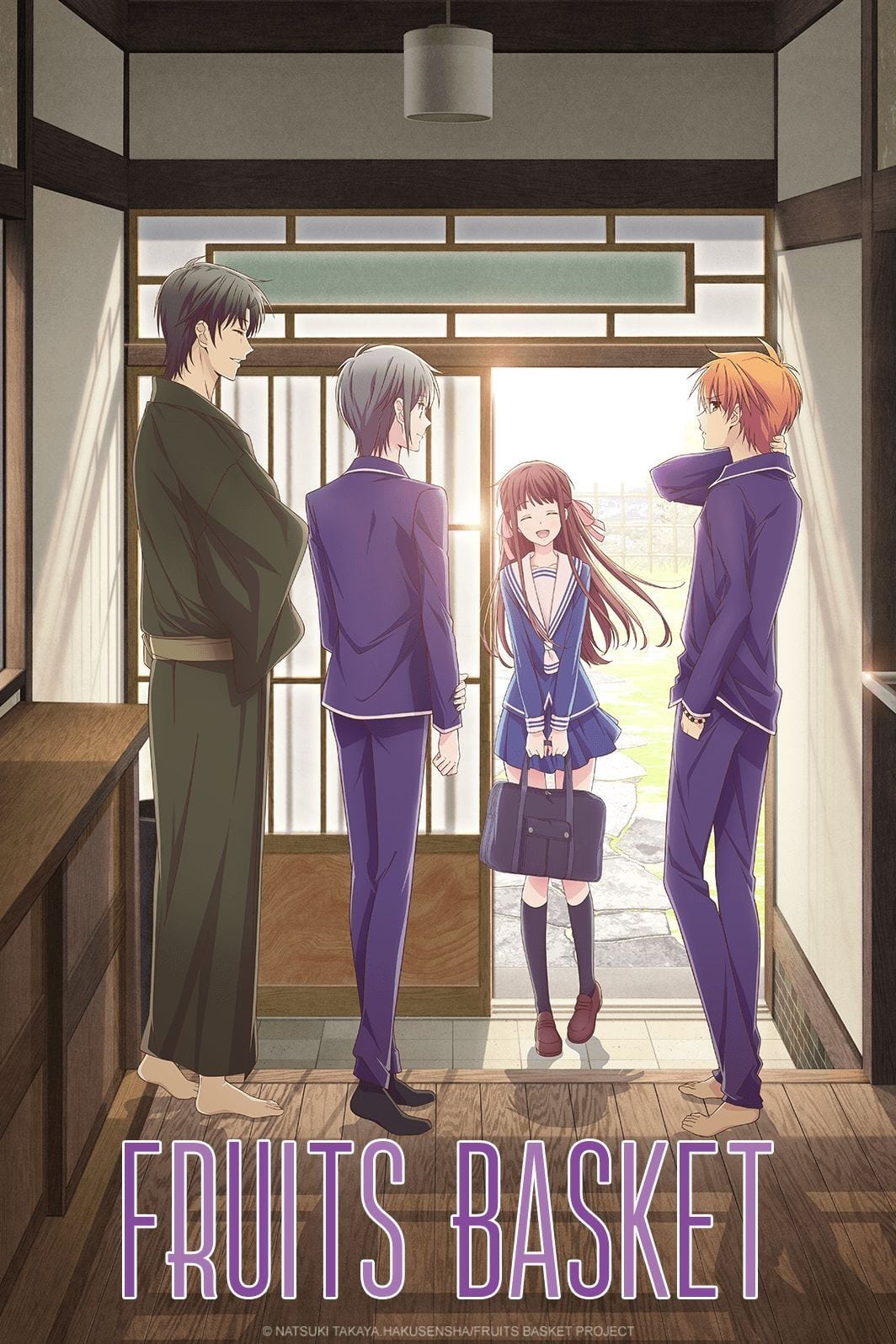
Akito Sohma is a character whose design changed substantially between the 2001 and 2019 adaptations. In the earlier version Akito often appeared with a deeper and more shadowed skin tone to emphasize a menacing presence. The reboot opted for a much paler and more delicate look to align with the character’s updated narrative role. This change reflects the shift in art style toward the more ethereal and light focused aesthetic of modern shojo anime.
‘Fullmetal Alchemist: Brotherhood’ (2009–2010)
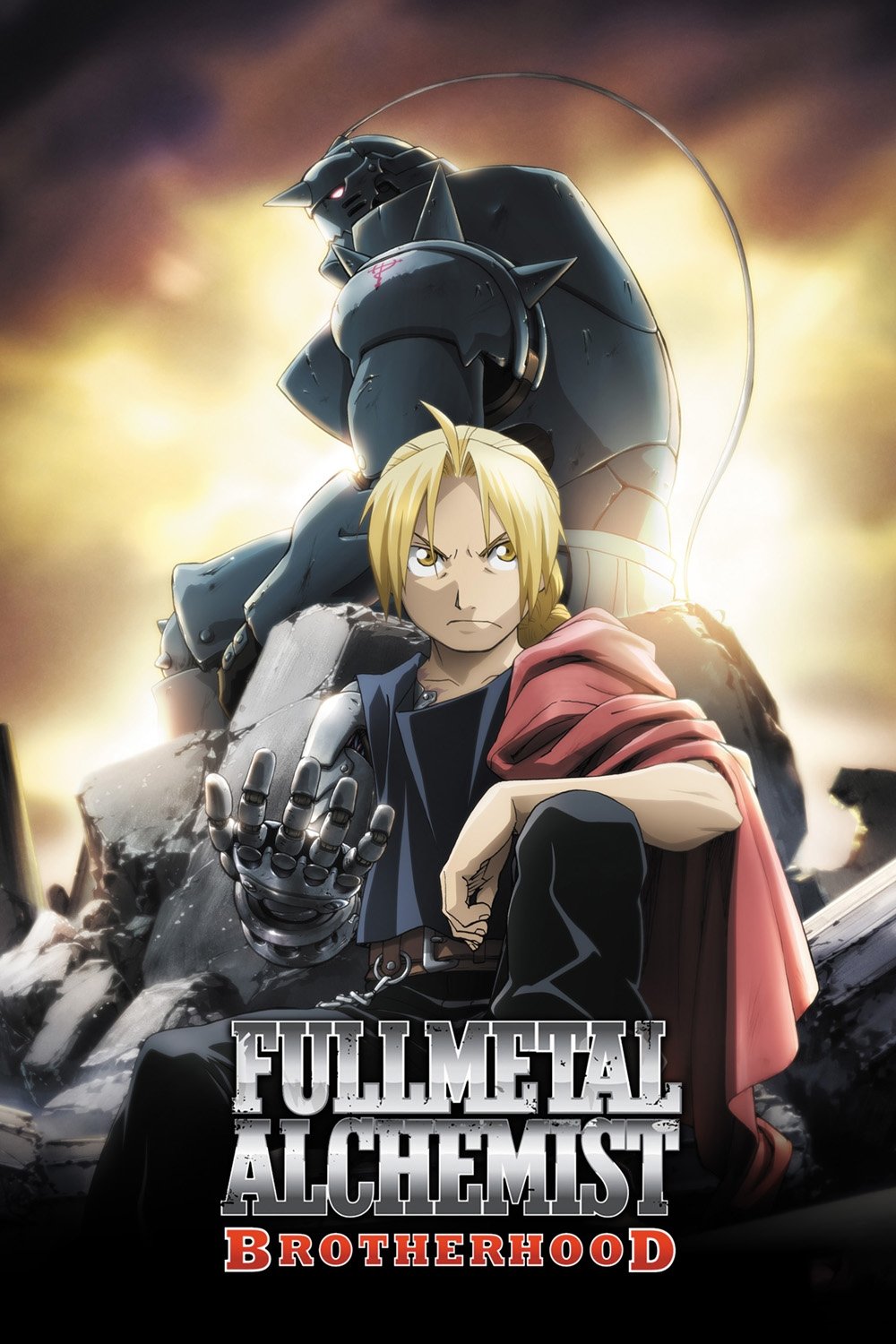
Scar is a prominent Ishvalan character whose skin tone is a key part of his ethnic identity within the story. In the 2003 adaptation he was often drawn with a very deep brown skin tone that contrasted sharply with the Amestrian characters. The 2009 reboot lightened his skin significantly and moved his color palette toward a more reddish tan. This change was consistent across all Ishvalan characters in the newer series which aimed for a different visual interpretation of the manga.
‘Yu-Gi-Oh! Duel Monsters‘ (2000–2004)
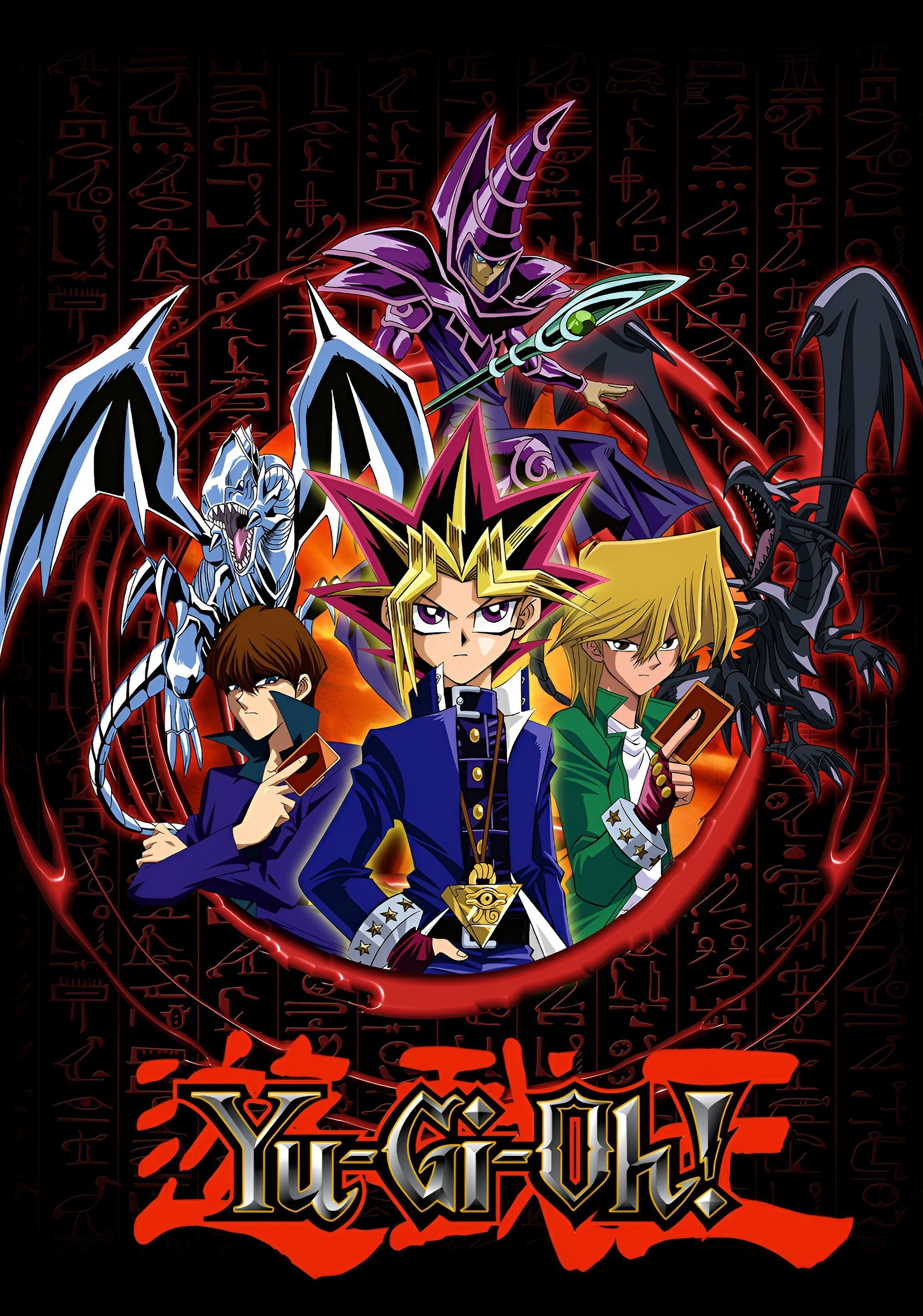
Marik Ishtar and his sister Ishizu were introduced with dark skin that highlighted their Egyptian heritage. In later seasons and the subsequent movie releases their complexions often appeared much lighter than during their initial introduction. This was particularly evident when the production moved toward more digital coloring techniques in the final story arcs. The shift in tone sometimes made the characters look very different from their original appearances in the early Battle City episodes.
‘JoJo’s Bizarre Adventure’ (2012–2022)
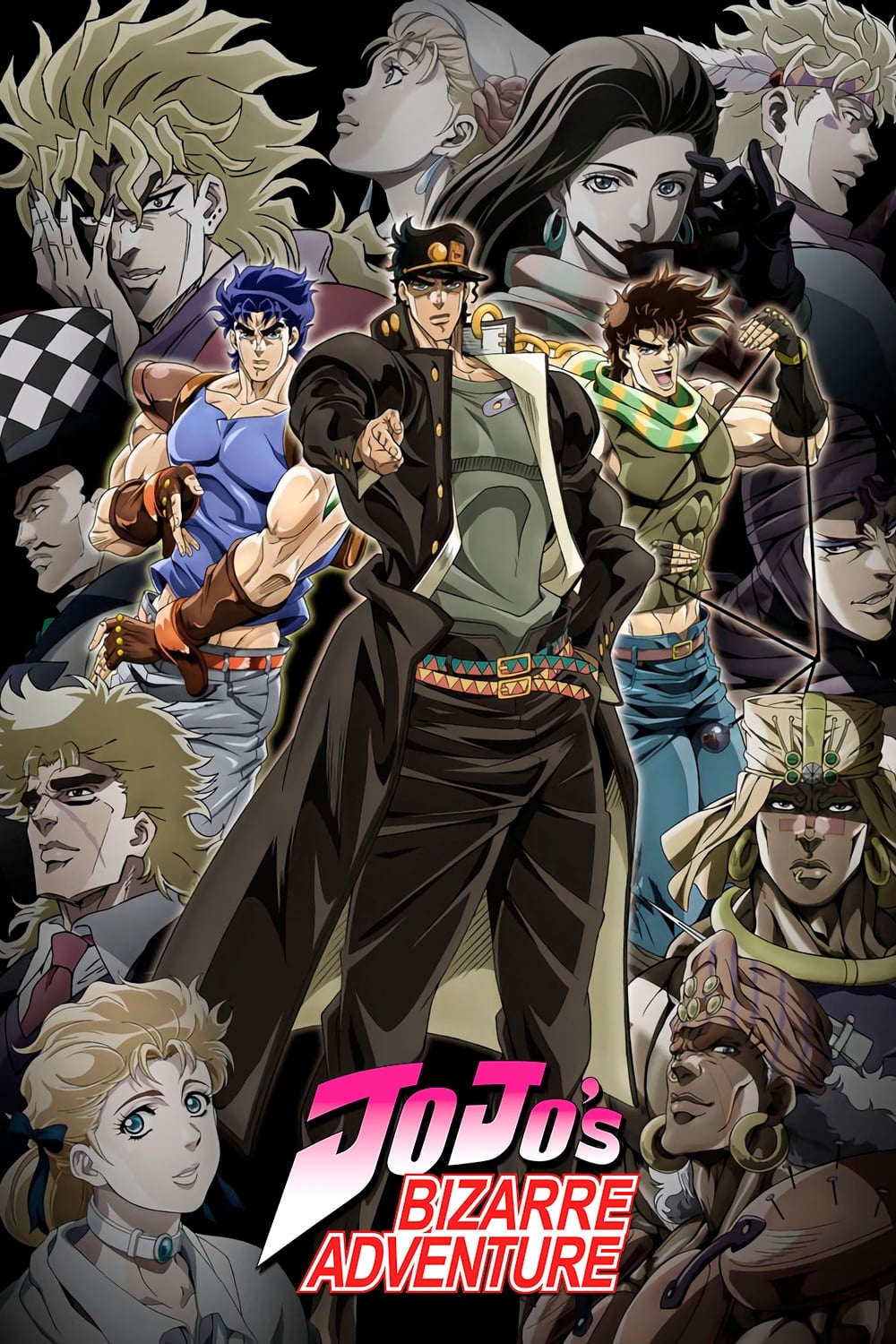
Muhammad Avdol is a fan favorite character whose appearance has varied across different animated adaptations. In the nineties video episodes his skin was depicted with a rich and dark brown tone that felt grounded in his Egyptian roots. The 2014 television series lightened his complexion considerably and gave him a more orange or tan hue. This stylistic choice was consistent with the vibrant and hyper saturated color world of the modern adaptations.
‘Urusei Yatsura’ (2022–2024)
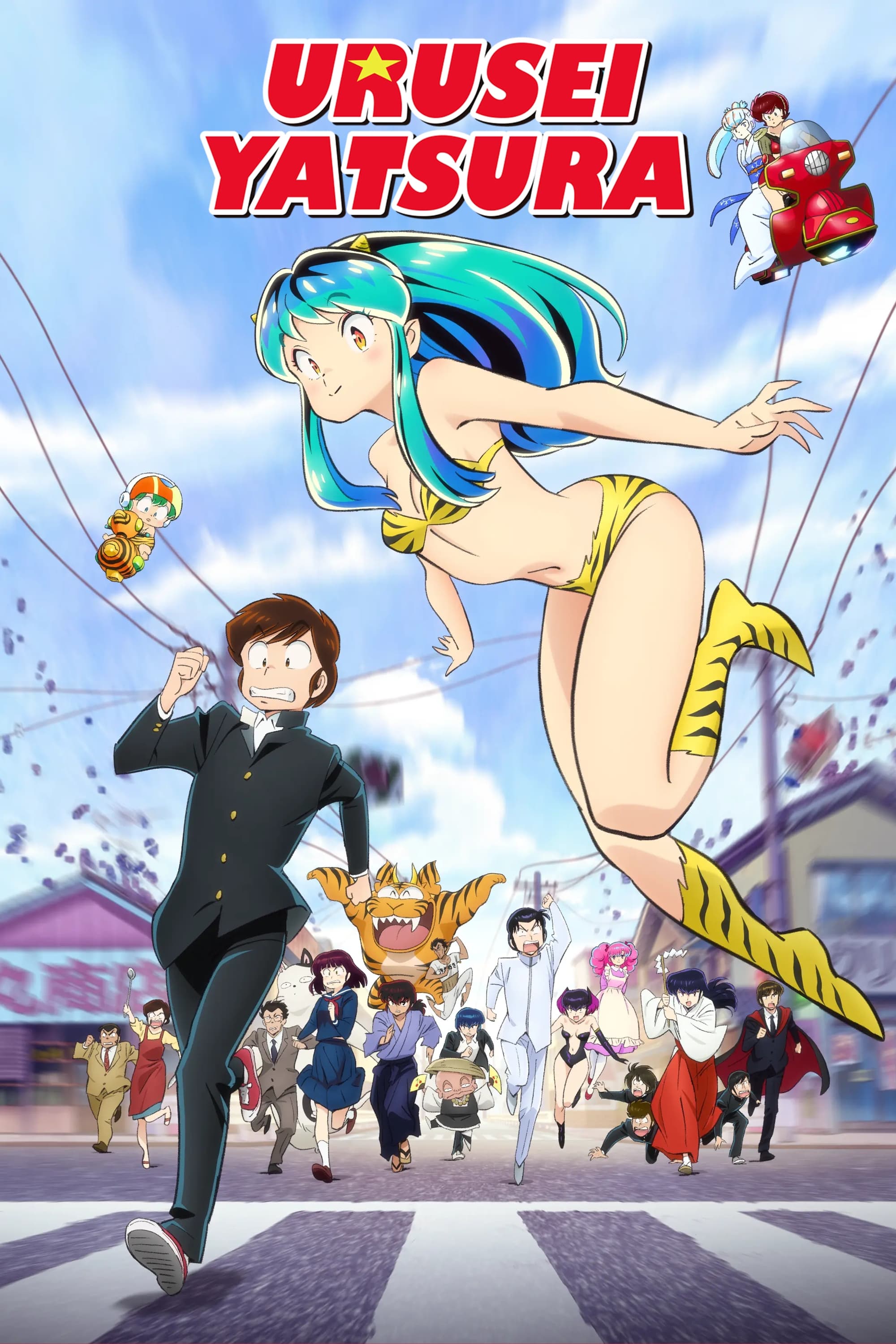
The iconic character Lum and her friend Benten were often drawn with tanned skin in the original eighties run. The recent reboot has opted for a much paler color palette for almost the entire cast including the alien visitors. This transition from cel animation to modern digital production resulted in a much cleaner and brighter look for the characters. While the new style is visually stunning some fans miss the darker tones that added variety to the original character lineup.
‘Tokyo Mew Mew New’ (2022–2023)
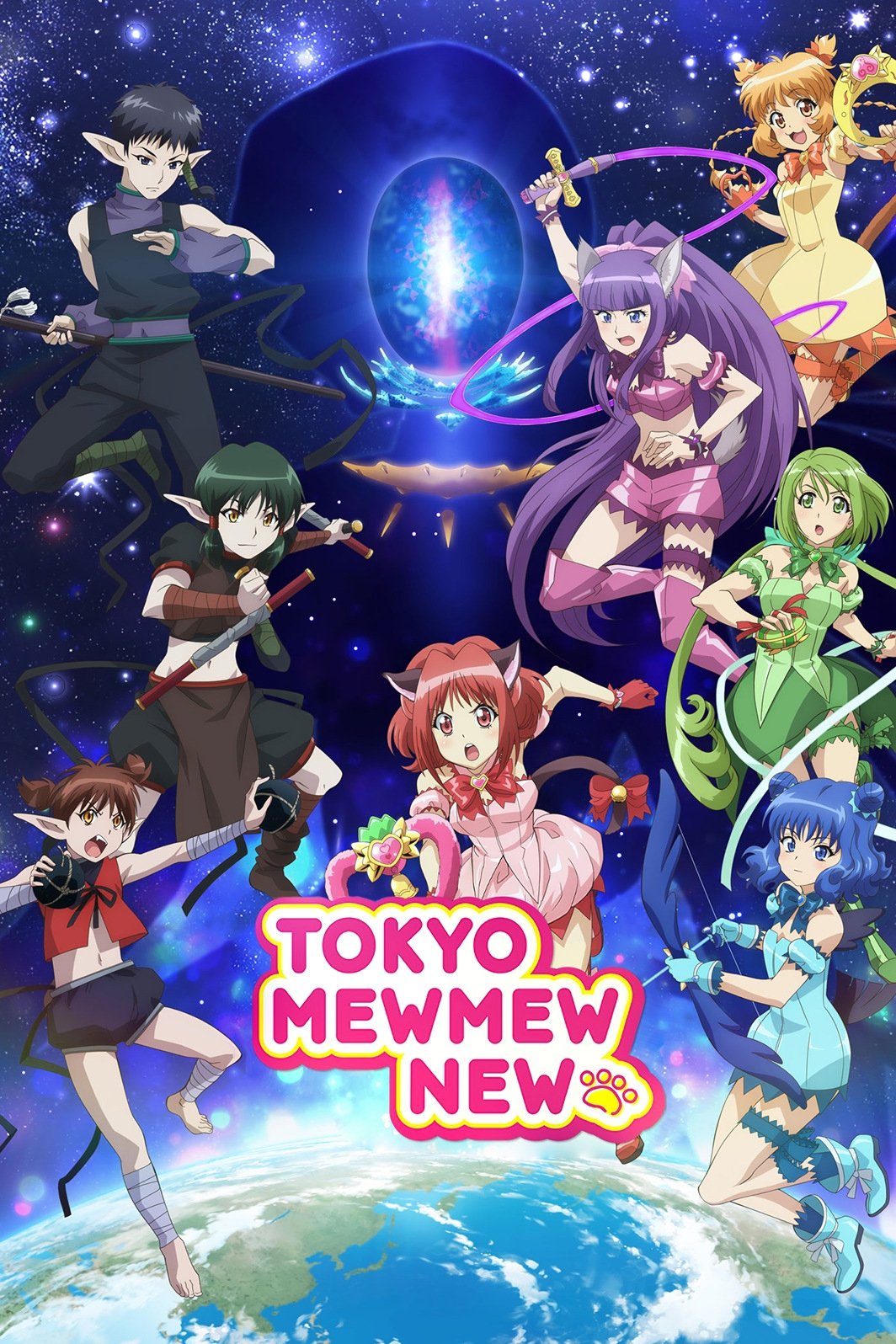
The 2022 reboot of this magical girl classic introduced a completely new art style and color palette. Characters who had a subtle tan or darker features in the 2002 original were given much lighter and more pastel skin tones. This aesthetic shift aligns with current trends in the magical girl genre which favor soft and bright visuals. The update aimed to appeal to a new generation of viewers but changed many of the distinct visual markers from the previous era.
‘Higurashi: When They Cry – Gou’ (2020–2021)
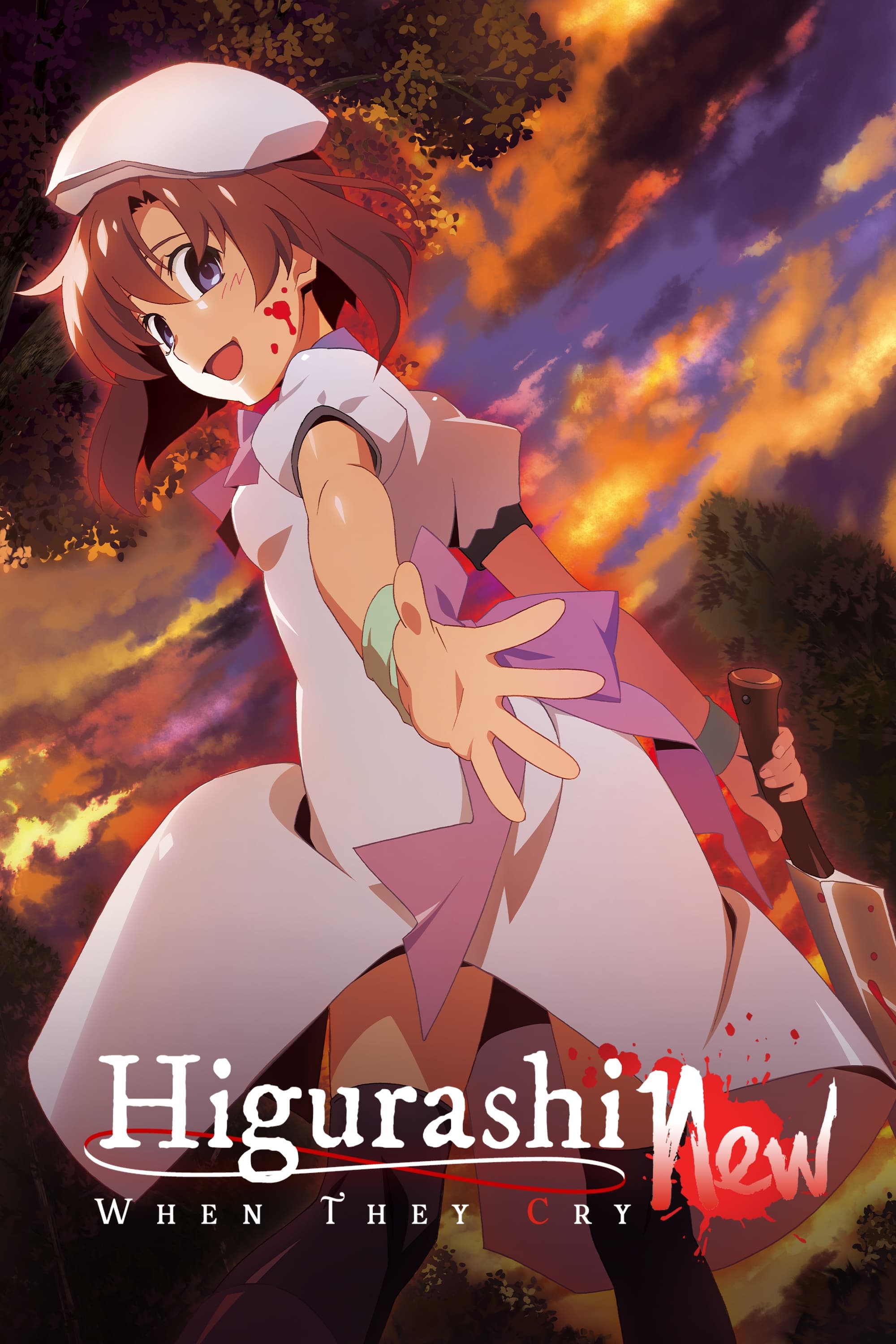
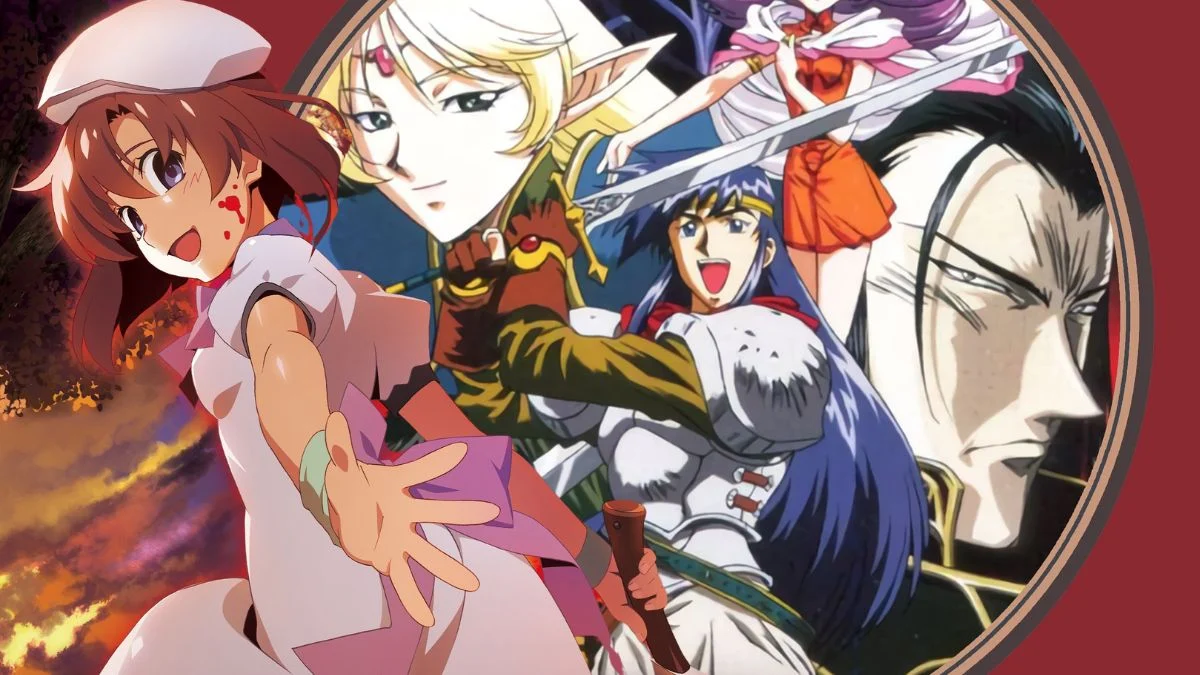
The newer seasons of this psychological horror series featured a drastic departure from the original character designs. While the 2006 series used more muted and varied skin tones the new production opted for a very bright and uniform look. This resulted in characters appearing much paler and more polished than they did in the gritty original run. The high definition digital coloring created a contrast that made the dark themes of the show feel even more unsettling.
‘Hellsing Ultimate’ (2006–2012)

Integra Hellsing was often depicted with a striking tan in the original 2001 television series. When the series was rebooted as an original video animation her complexion was lightened to a much paler shade. This change was intended to align her design more closely with the manga art created by Kouta Hirano. The newer version emphasized her icy and authoritative personality through a more desaturated and cool color palette.
‘Record of Lodoss War: Chronicles of the Heroic Knight’ (1998)
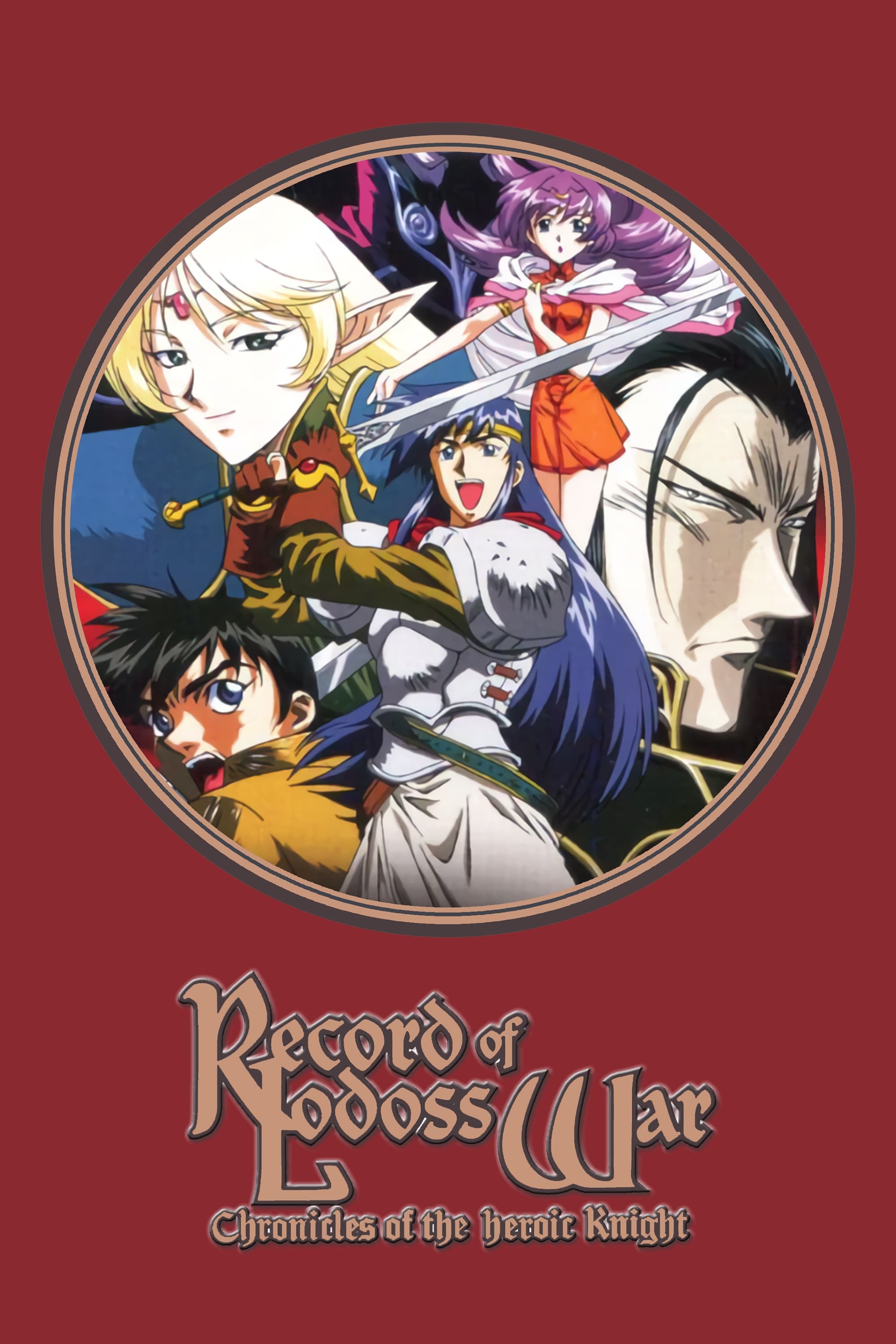
This television series followed an earlier production and introduced several changes to the character designs. Many of the fantasy races and heroes who had tanned or darker skin in the original were depicted with lighter complexions in the television run. This was often attributed to a lower production budget and a change in the lead character designers. The shift resulted in a less distinct visual separation between the various cultures featured in the story.
‘Boruto: Naruto Next Generations’ (2017–2023)

Killer Bee is a legendary ninja who was always depicted with dark skin and a powerful build in the original series. In the newest era his skin tone has often appeared lighter and less vibrant during his occasional appearances. This shift is part of the overall change in the digital coloring style used for the sequel series. The newer episodes use a flatter and brighter aesthetic that often diminishes the richness of character complexions.
‘That Time I Got Reincarnated as a Slime’ (2018–2024)
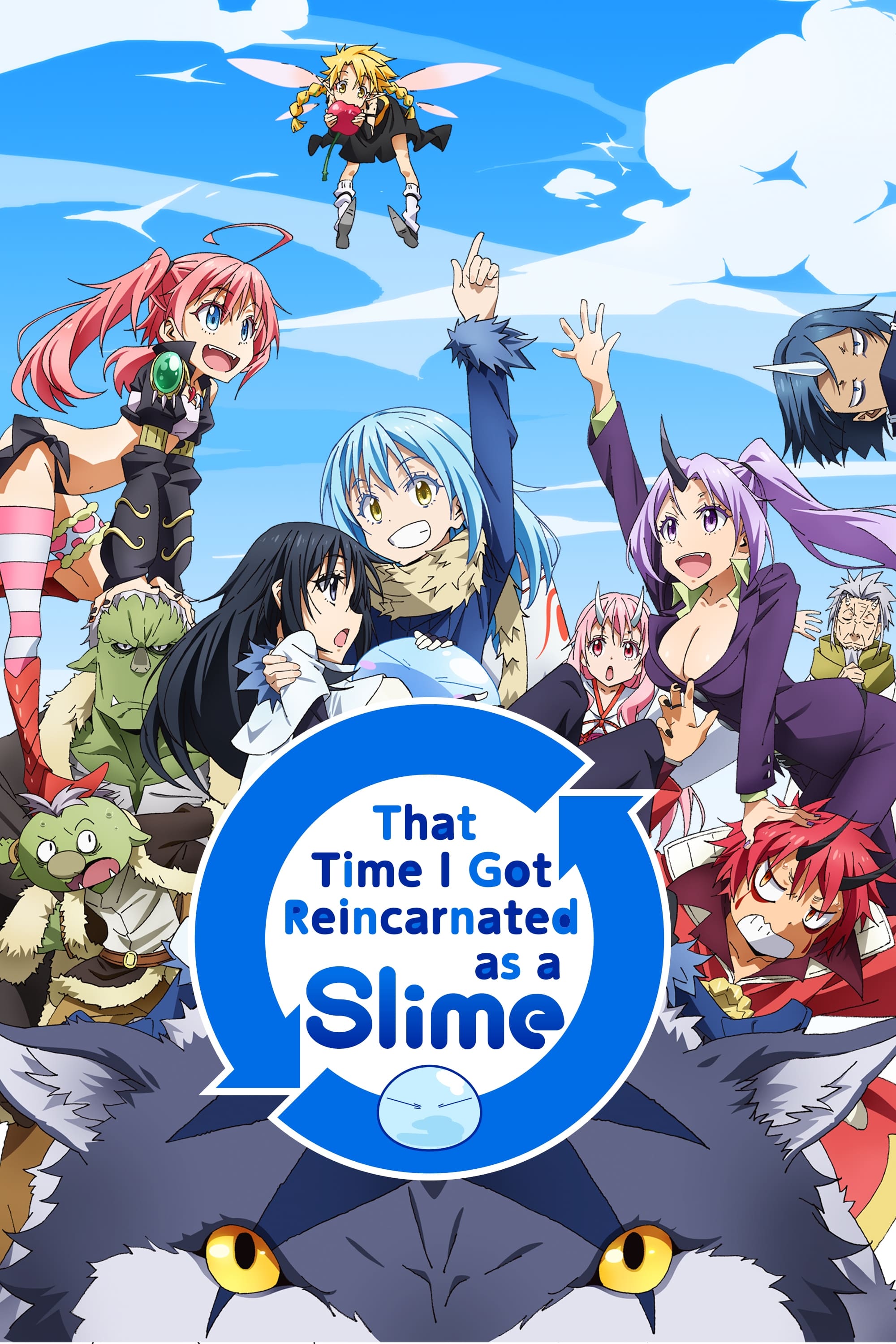
The various monster races in this series often undergo transformations that change their physical appearance. In newer seasons some of the characters who originally had darker or more rugged skin were given much lighter and more humanoid features. This transition is part of their evolution within the story but it also aligns with a shift toward a more polished art style. The result is a cast that appears increasingly uniform in skin tone as the seasons go by.
‘The Rising of the Shield Hero’ (2019–2023)
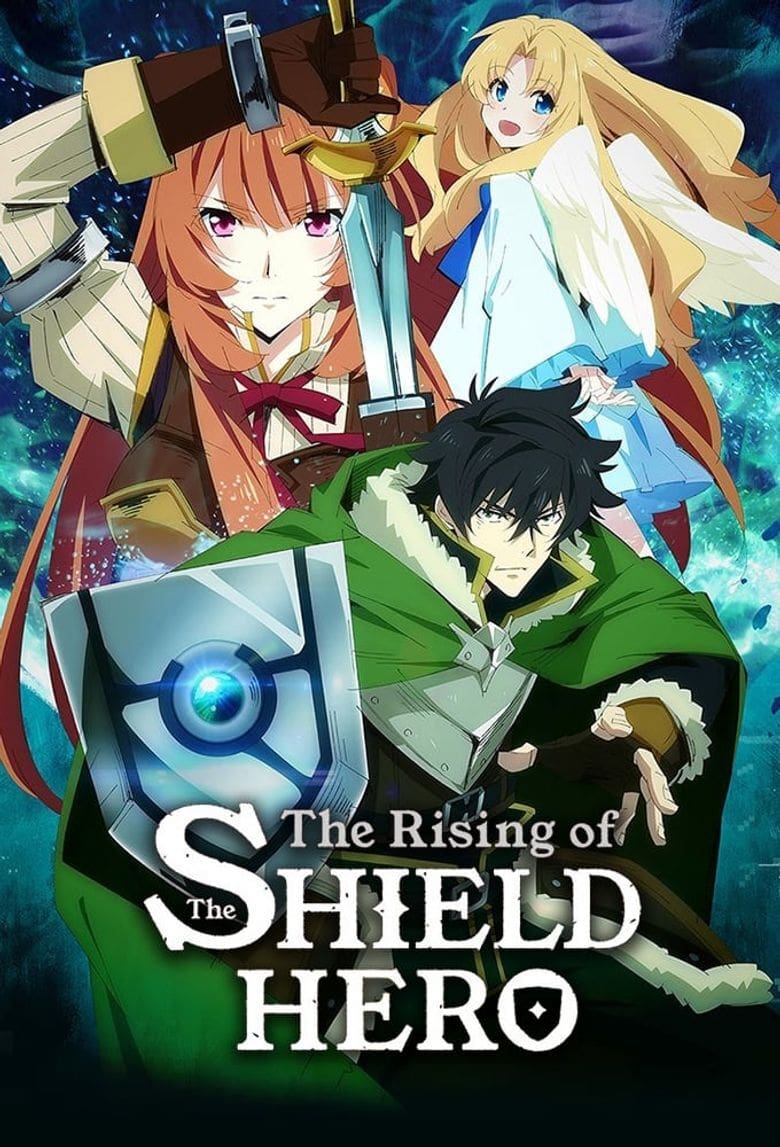
The second and third seasons of this series introduced new characters and updated the look of the existing cast. Some of the demi human characters who previously had darker fur or skin tones were depicted with lighter complexions in the newer episodes. This was part of a general move toward a more bright and colorful visual presentation for the series. The change was noted by viewers who felt the original season had a more distinct and varied color palette.
‘Saint Seiya Omega’ (2012–2014)
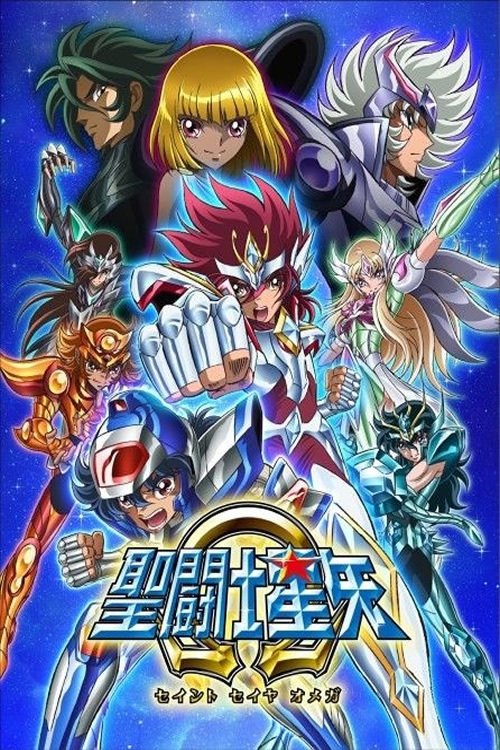
This sequel series introduced a brand new art style that was very different from the classic eighties original. Returning characters who were originally depicted with tanned and rugged skin appeared with much lighter and softer features. The new series aimed for a more modern and sleek look that prioritized bright colors and flowing lines. This resulted in a cast that looked significantly more uniform in complexion than the original warriors.
‘Bungo Stray Dogs’ (2016–2023)
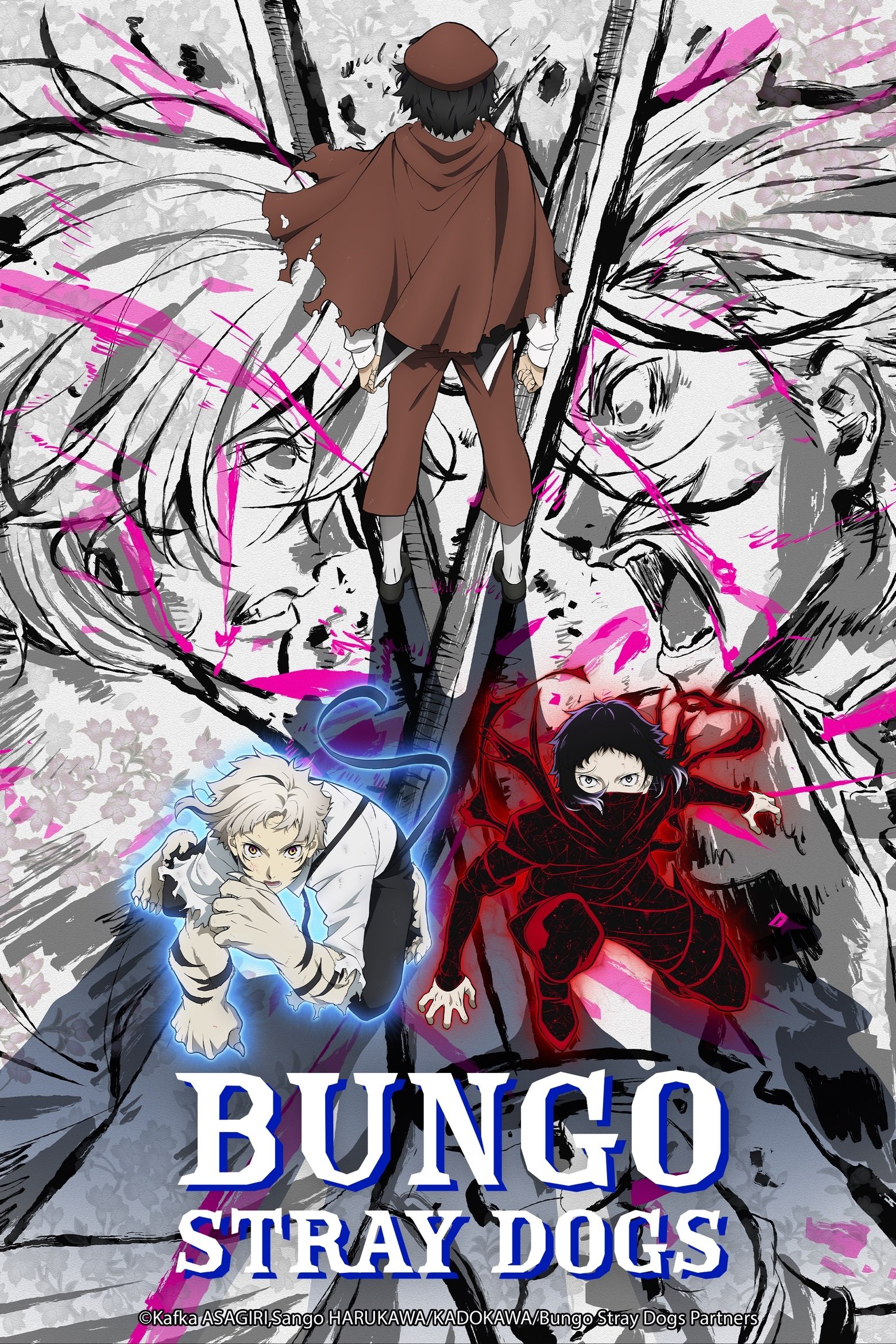
The fourth season of this series featured several flashback arcs that introduced younger versions of the main cast. During these sequences and the contemporary episodes many viewers noticed that the skin tones appeared much paler than in the first season. This was part of an overall shift in the show’s artistic direction toward a more cinematic and high contrast look. The result was a series of characters who appeared much more fair than they did in the early episodes.
‘Aria the Avvenire’ (2015–2016)
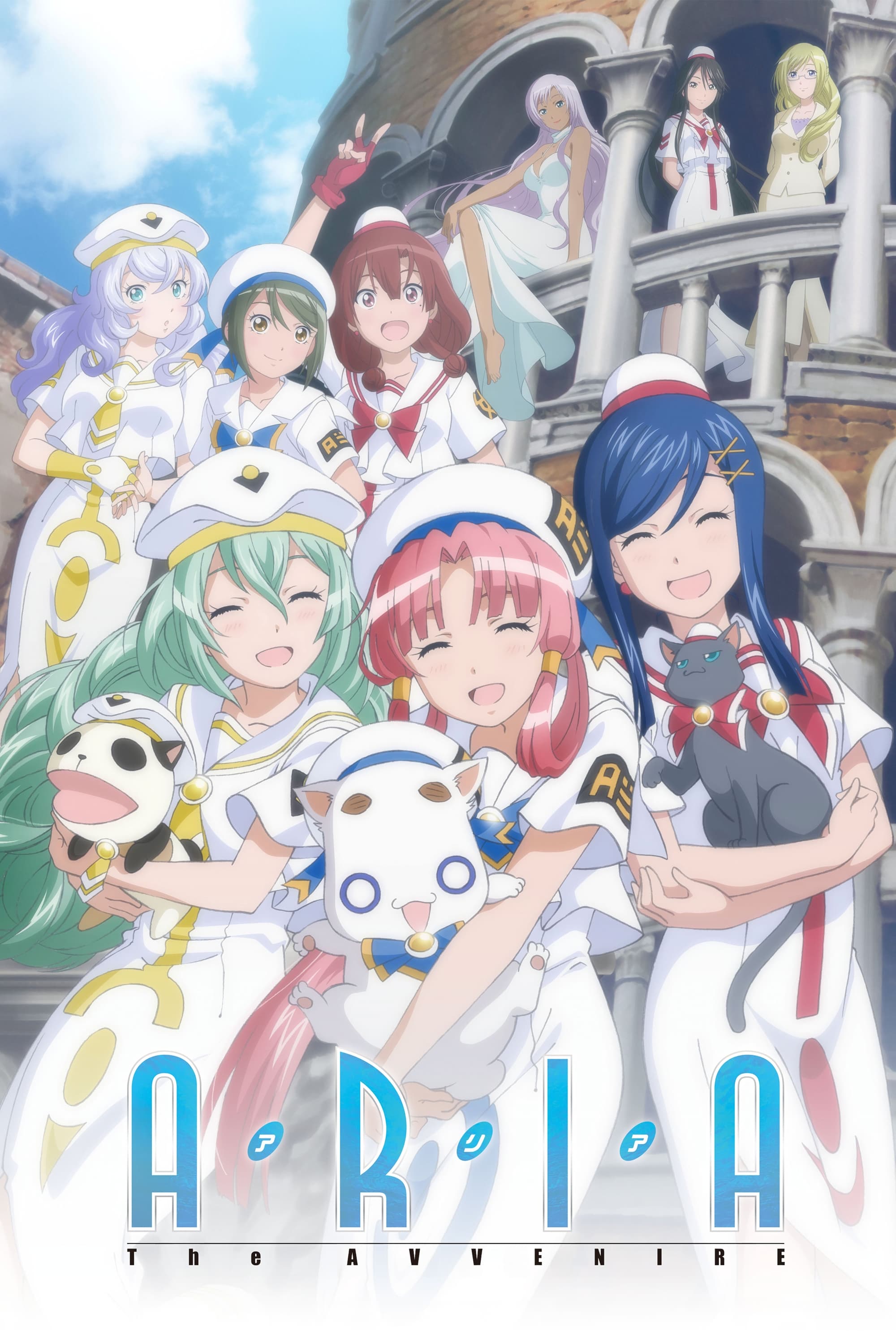
The anniversary specials for this series updated the character designs for a modern audience. The warm and tanned skin tones that were common in the original trilogy were replaced with much lighter and more ethereal tones. This aesthetic choice was meant to emphasize the dreamy and peaceful atmosphere of the story. The update succeeded in creating a beautiful visual experience but noticeably changed the appearance of the beloved cast.
‘Gintama’ (2006–2018)
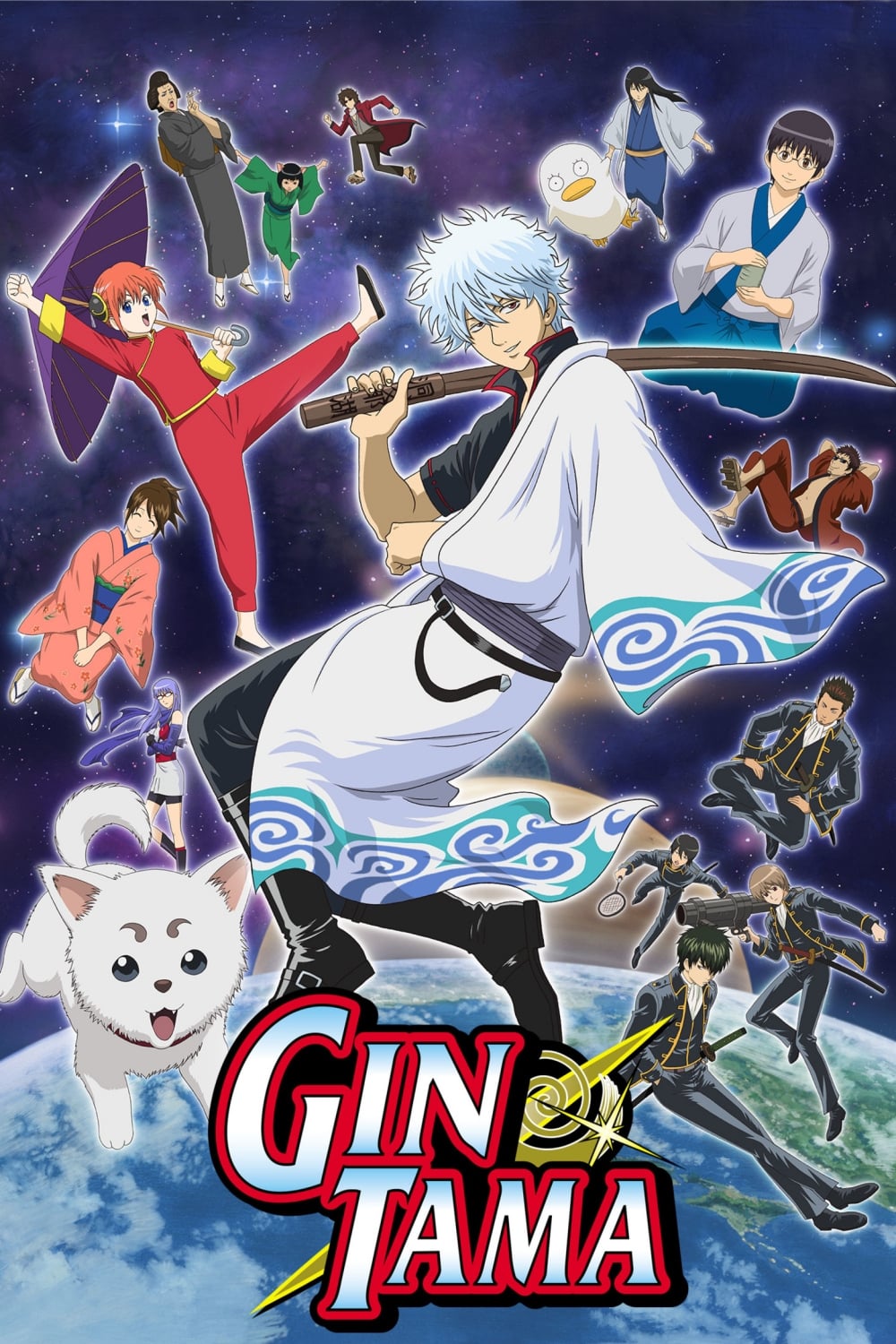
As the long running comedy series moved through different seasons and production cycles the art style evolved. Early episodes featured a more grounded and varied color palette for the citizens of the city. In the newer seasons the characters were often drawn with much lighter and more uniform skin tones to match modern digital standards. This shift became even more pronounced in the final movie and the special episodes that concluded the franchise.
Please share which of these character design changes surprised you the most in the comments.