

Anime Series Where Fans Revolted Over ‘Modern’ LGBTQ+ Updates

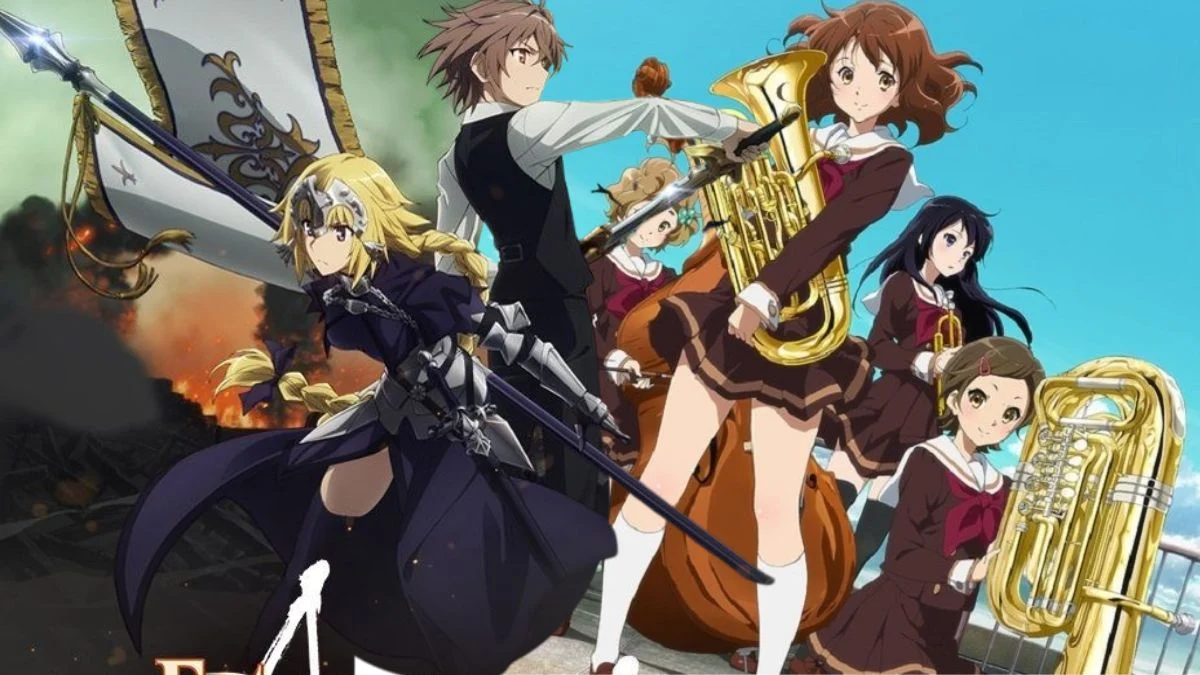


Anime localization and production choices have increasingly become a battleground for cultural debates between studios and international fanbases. Changes to scripts during the translation process or updated characterizations in remakes often spark intense backlash from viewers who prefer strict adherence to the original Japanese source material. These controversies frequently center on the inclusion of modern terminology, gender identity politics, or the alteration of relationships to fit Western standards. The following series experienced significant fan revolts specifically regarding how LGBTQ+ themes were handled, updated, or localized.
‘Miss Kobayashi’s Dragon Maid’ (2017)
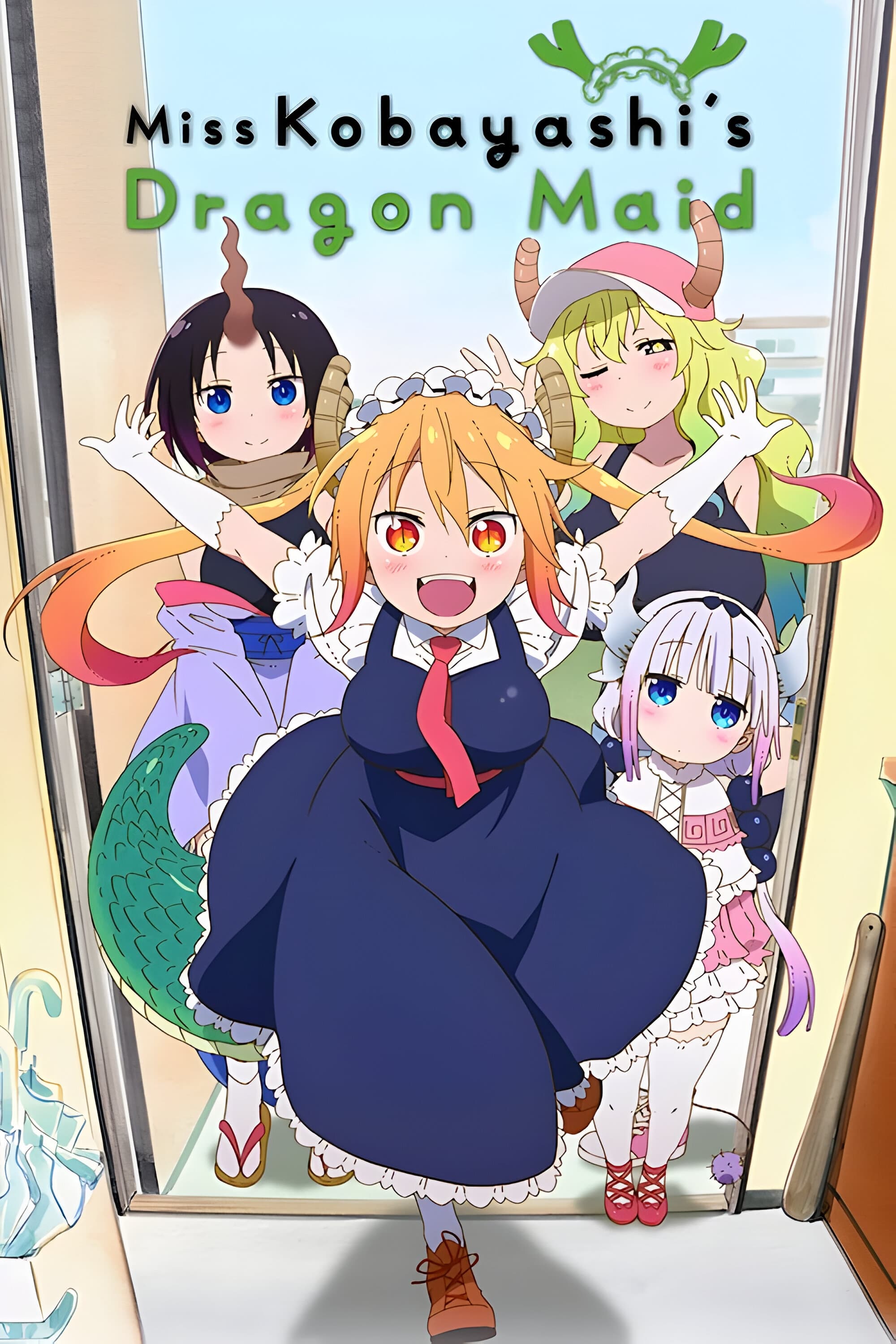
The English dub of this popular slice-of-life series became the center of a massive controversy regarding localization liberties. Fans expressed outrage when the character Lucoa used the term patriarchy in a line that originally referenced her body type in the Japanese script. Viewers accused the localization team of inserting modern political agendas into the show where they did not exist. This specific change fueled a long-lasting debate about whether localizers should adapt scripts for Western sensibilities or translate them literally. The backlash was so severe that it is still frequently cited in discussions about anime censorship.
‘Mobile Suit Gundam: The Witch from Mercury’ (2022–2023)
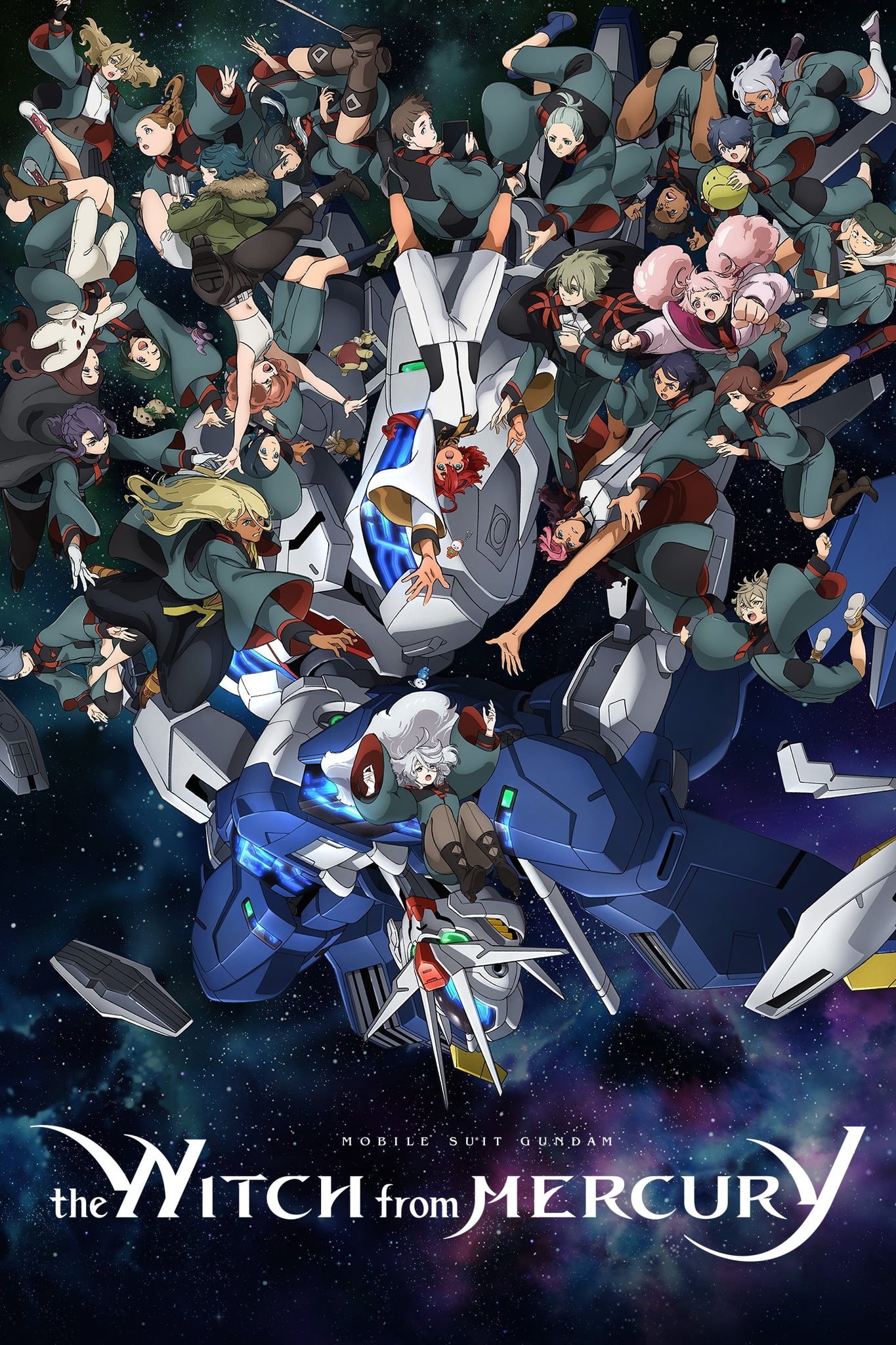
This series featured a central relationship between two female protagonists named Suletta and Miorine. Fans celebrated the apparent marriage between the characters in the finale until a statement from Bandai Namco described the relationship as open to interpretation. This statement caused an immediate revolt among global fans and Japanese viewers who felt the studio was erasing the canonical queer representation depicted on screen. The backlash eventually led to an implicit retraction and the physical release of the series maintained the original marriage implications. It highlighted the friction between corporate conservatism and modern storytelling.
‘One Piece’ (1999–Present)
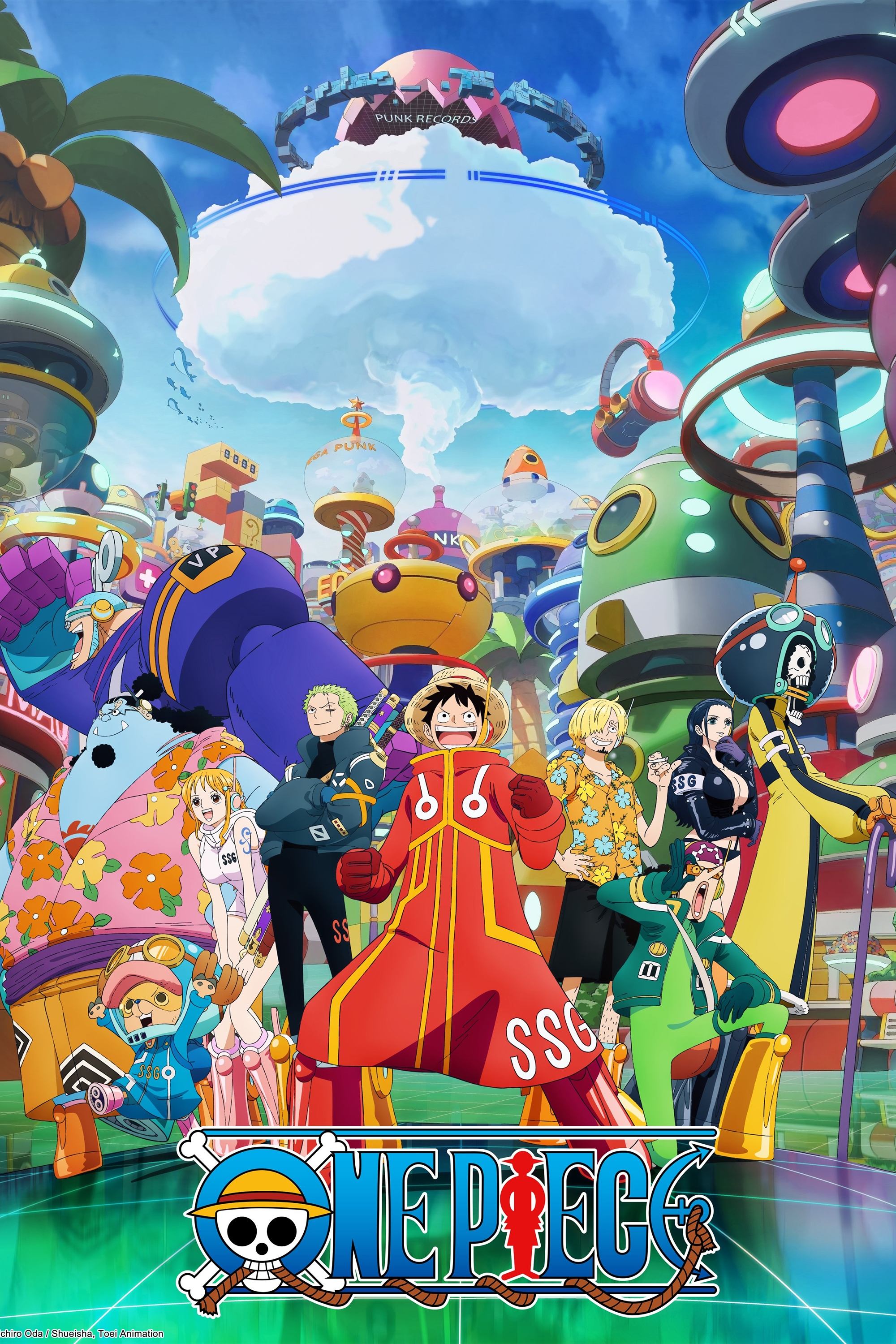
The introduction of the character Yamato in the Wano Country arc sparked a fierce debate regarding gender identity. Yamato identifies as the male samurai Oden and uses male pronouns within the series despite being biologically female. One segment of the fanbase embraced Yamato as a transgender man while another segment insisted the character was merely roleplaying a historical figure. Inconsistent marketing materials and merchandise descriptions further confused the issue and intensified the arguments online. The division persists as one of the most heated identity debates in the franchise history.
‘Saint Seiya: Knights of the Zodiac’ (2019–2020)
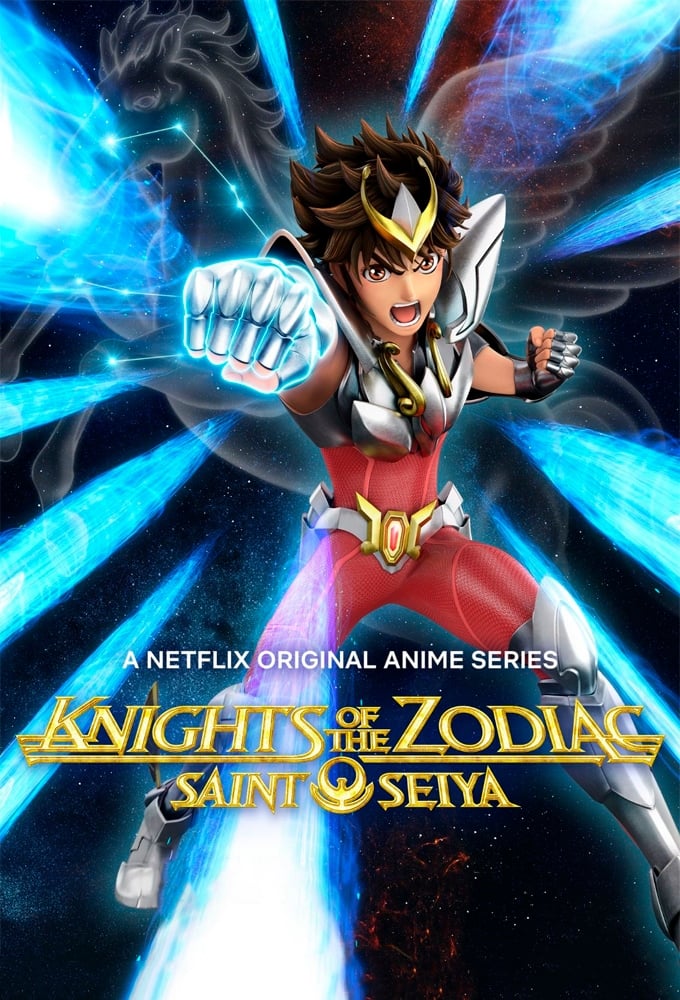
The Netflix adaptation of this classic shonen franchise made a drastic change to the main cast that infuriated long-time fans. The production team changed the character Shun from a male Saint known for his gentle nature into a female character named Shaun. The writer stated the change was made to update the gender balance of the team. Fans argued this decision undermined the original progressive message that a male hero could be sensitive and pacifistic without being female. The backlash dominated the discourse surrounding the show’s release.
‘High Guardian Spice’ (2021)

Although produced by Crunchyroll as an original series it is often categorized within anime discourse due to its platform and style. The show faced overwhelming negativity for its heavy-handed inclusion of LGBTQ+ themes and what fans perceived as low production quality. Viewers criticized the writing for prioritizing modern identity politics over coherent storytelling and character development. The backlash was exacerbated by the marketing campaign which focused heavily on the diversity of the writers rather than the content of the show. It remains one of the most controversial productions in the streaming service’s history.
‘My Hero Academia’ (2016–Present)
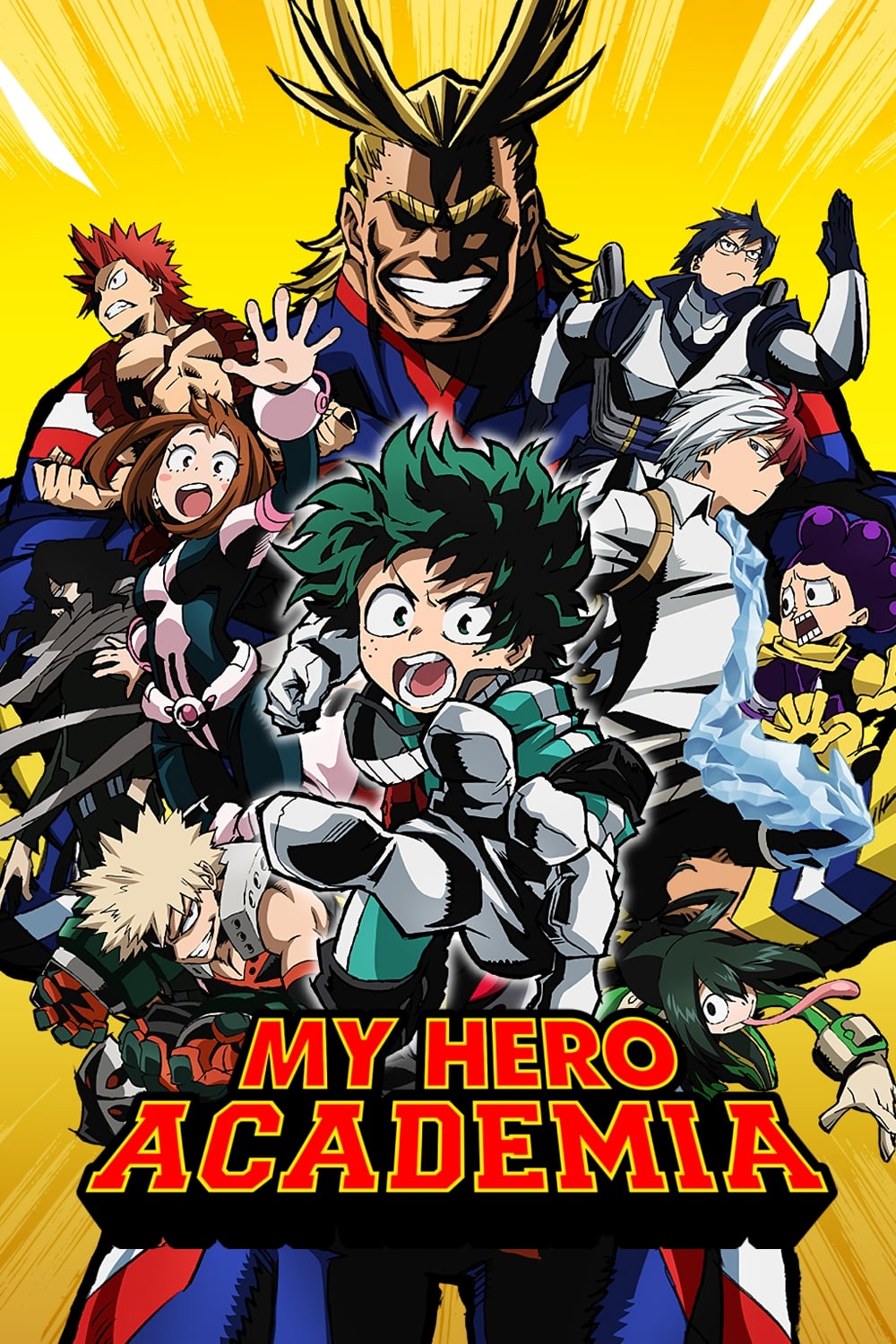
Several localization choices regarding gender identity have caused friction within the fanbase of this superhero juggernaut. Fans debated the handling of the villain Magne and the pronouns used by the character Tiger which vary between different translations. Further controversy arose when certain subtitles for the character Toga led to arguments about bisexuality erasure. Localization teams faced scrutiny for how they adapted the Japanese dialogue to fit Western understandings of gender norms. These incidents highlighted the difficulty of translating cultural nuances regarding identity.
‘Cowboy Bebop’ (2021)
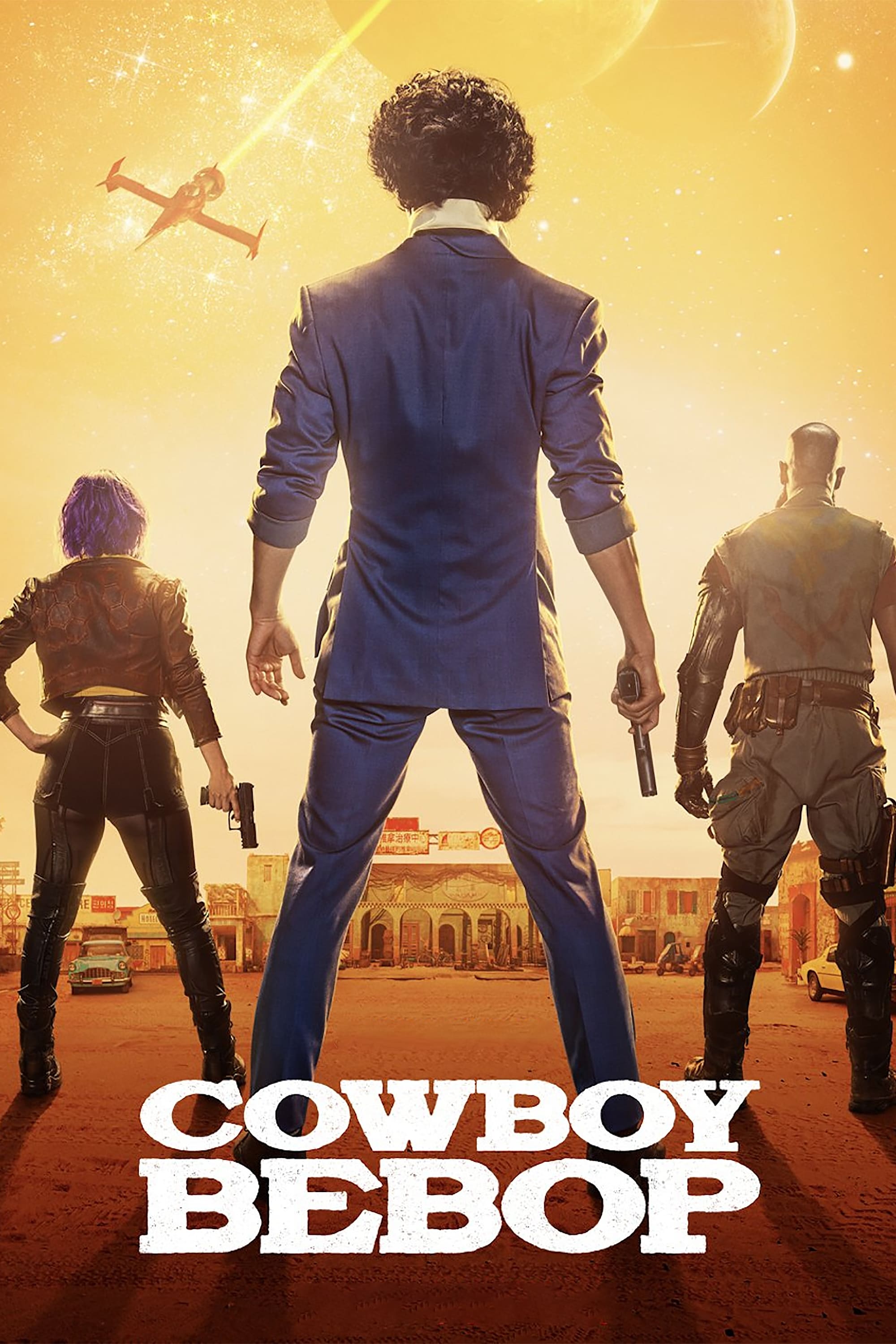
While this was a live-action adaptation the backlash came primarily from the devoted anime fanbase. Fans expressed disappointment over the portrayal of the character Gren who was updated to be explicitly non-binary with a new tavern owner role. Critics felt the change altered the tragic backstory and nuanced gender presentation of the original anime character. The showrunner’s comments dismissing fan concerns further ignited the controversy. The cancellation of the series shortly after release was partly attributed to this disconnect with the core audience.
‘Voltron: Legendary Defender’ (2016–2018)
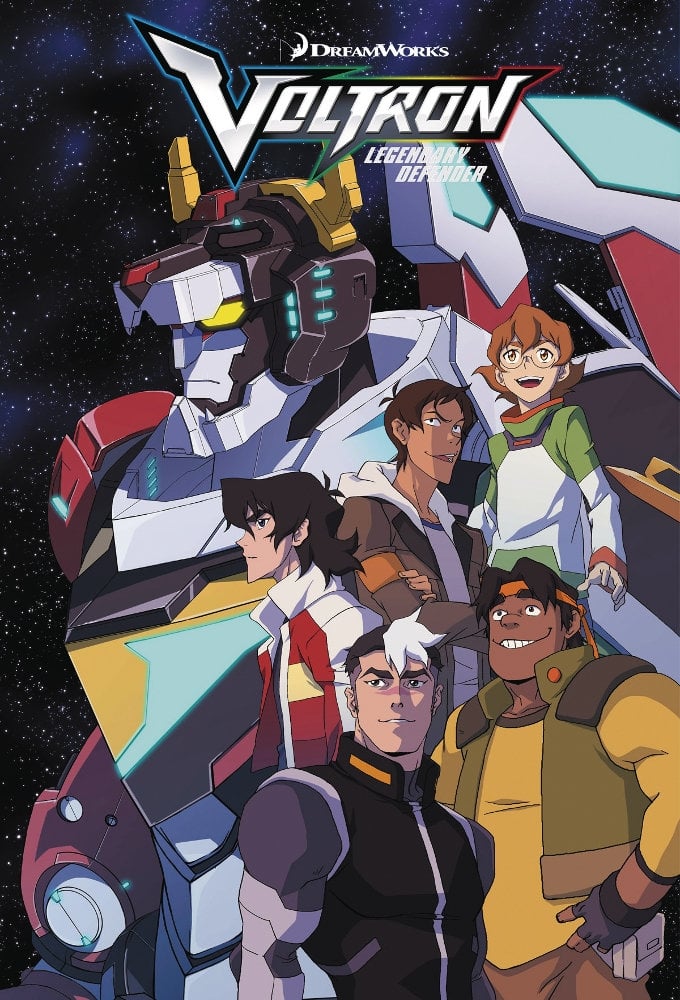
The studio promised significant LGBTQ+ representation leading up to the final seasons of this series. Fans revolted when the character Shiro was revealed to have a male fiancé who was then killed off almost immediately. Viewers accused the show of utilizing the harmful buried gays trope after marketing the series as progressive. The backlash was so intense that the creators had to issue public apologies regarding the narrative decision. This event changed how fanbases engage with studio promises of representation.
‘RWBY’ (2013–Present)
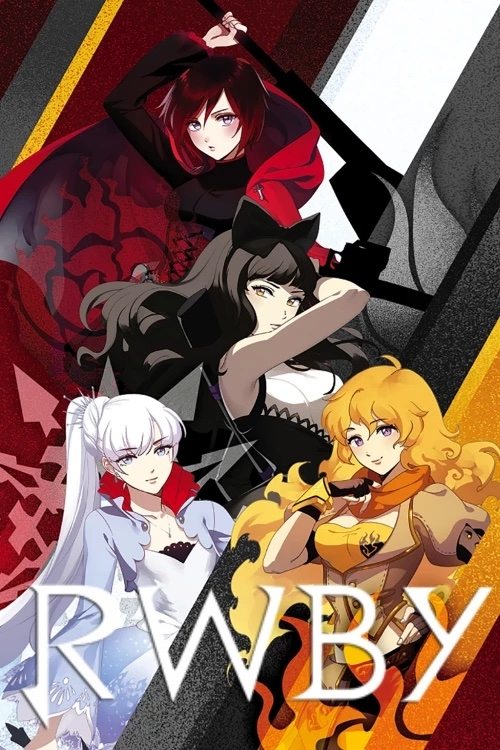
The slow-burn romance between main characters Blake and Yang became a massive point of contention as it moved toward canonization. While many shippers rejoiced others accused the writers of pandering to fans solely to maintain interest in the aging series. Detractors claimed the relationship lacked proper buildup and was inserted to satisfy modern diversity quotas. The discourse became so toxic that it fractured the fanbase into opposing camps. The writers insisted the romance was planned from the beginning despite the accusations.
‘Attack on Titan’ (2013–2023)
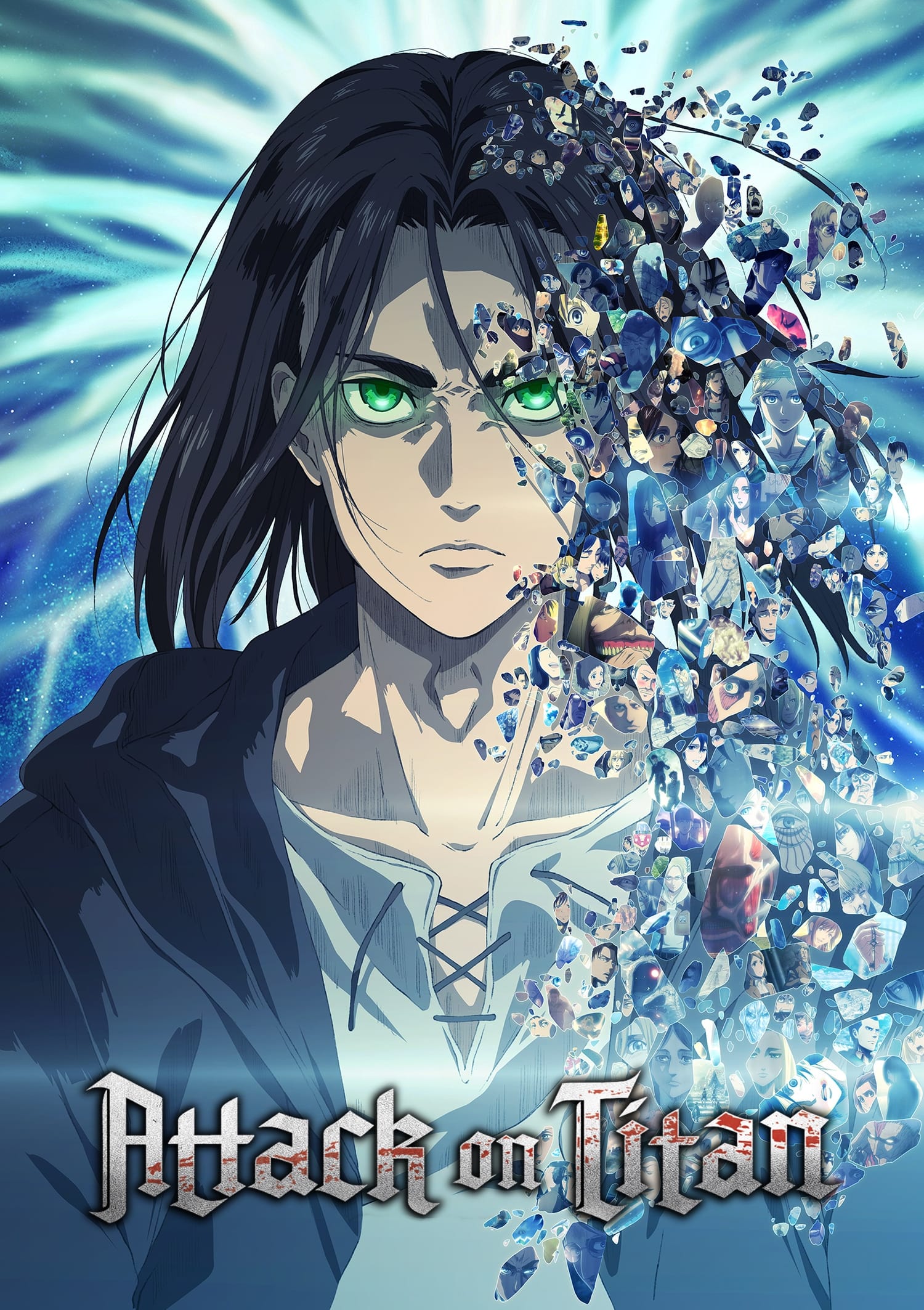
The character Hange Zoe is depicted with ambiguous gender in the original manga and the author instructed not to confirm a specific sex. The anime adaptation faced challenges in localization where English requires gendered pronouns unlike Japanese. Fans frequently revolted when subtitles or dubs assigned female pronouns to Hange. Purists argued that using gendered language erased the author’s original non-binary intent for the character. This led to inconsistent portrayals across different media releases and merchandise.
‘Re:Zero – Starting Life in Another World’ (2016–Present)

The character Felix Argyle creates constant debate regarding gender identity and expression. The anime portrays Felix as a male who dresses in female clothing while the light novels offer more complex internal monologues. Western fans often interpret the character as trans while many Japanese fans view Felix as an crossdresser. Heated arguments erupt whenever a localization choice leans too heavily toward one interpretation. The nuance of the character is frequently lost in the translation battles online.
‘Hunter x Hunter’ (2011–2014)
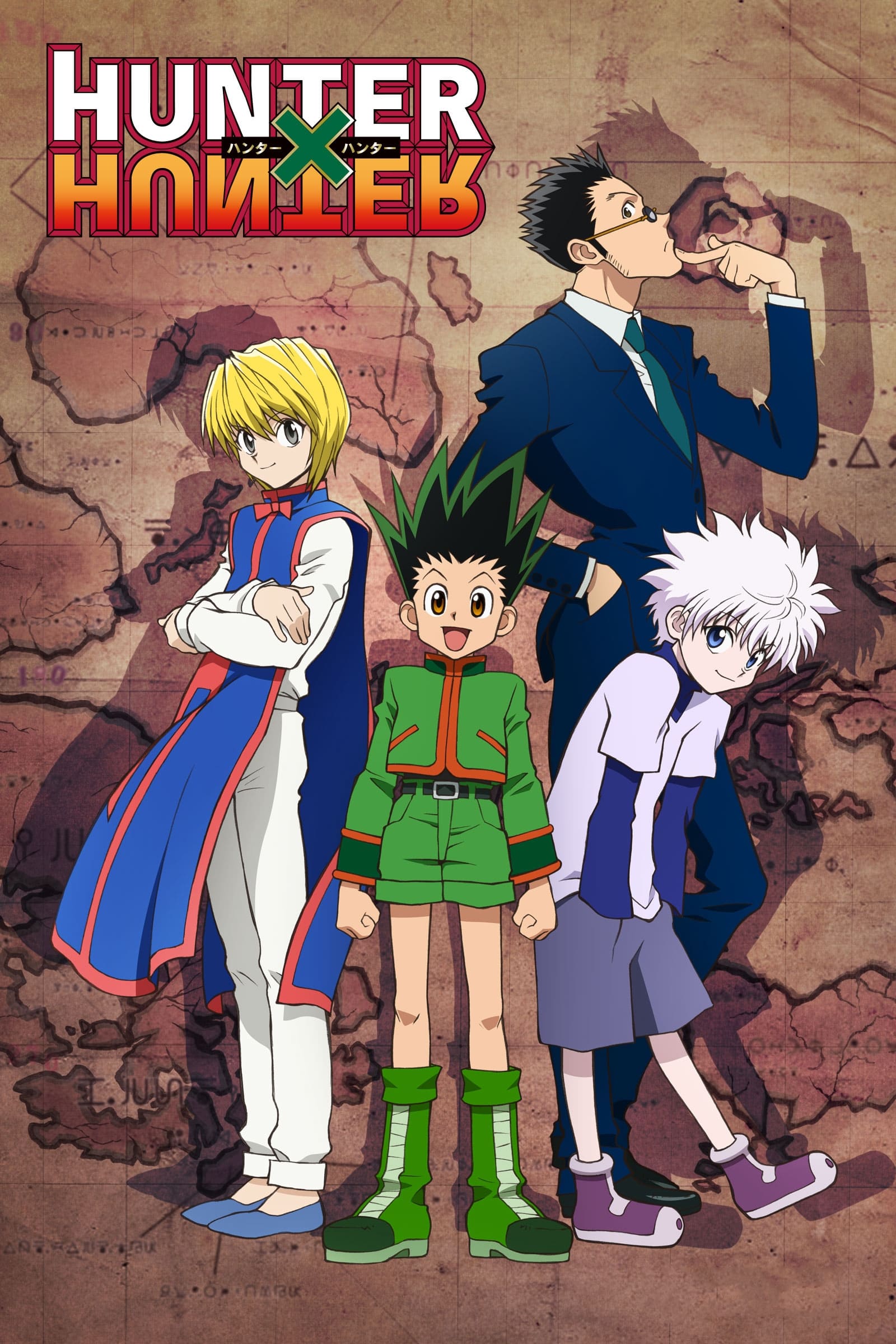
The introduction of Alluka Zoldyck brought complex family dynamics regarding gender into the spotlight. Killua refers to Alluka as a girl while other family members use male pronouns and refer to Alluka as an object. Fans debated whether the mistreatment was an explicit allegory for transphobia or a supernatural plot device. Disputes often arise in comment sections regarding the correct pronouns to use for the character. The emotional weight of the storyline made the localization of these terms critical and contentious.
‘Stars Align’ (2019)
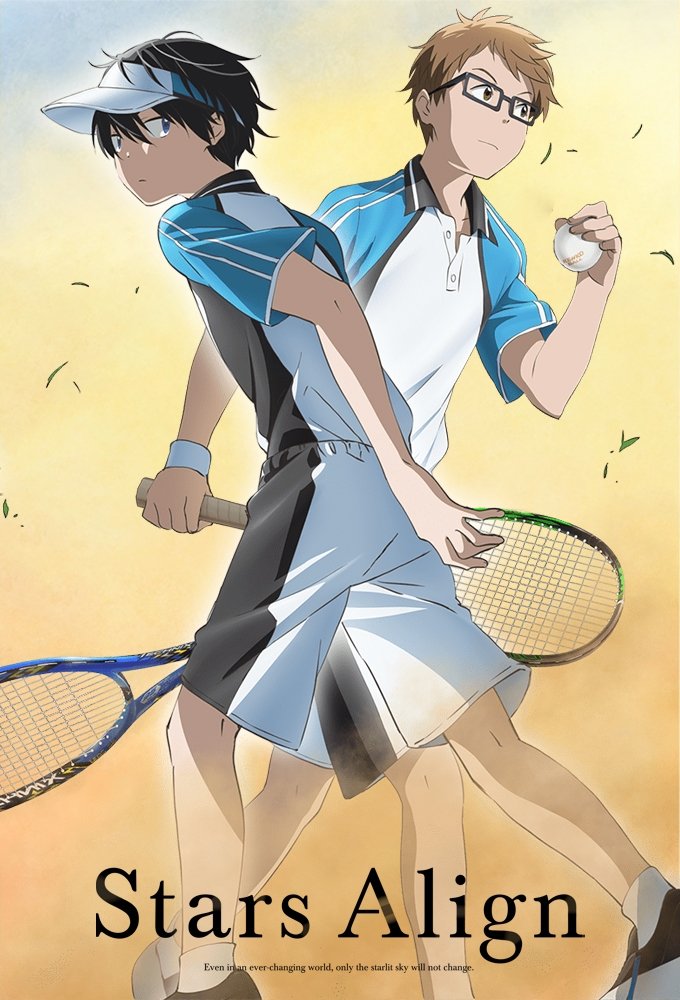
This sports anime featured a direct explanation of X-gender or non-binary identities by the character Yu. While some praised the educational nature of the scene others felt it was a forced lecture that disrupted the narrative flow. Detractors labeled the dialogue as unnatural and criticized it for sounding like a textbook definition rather than organic conversation. The backlash focused on the execution of the scene rather than the inclusion itself. It highlighted the challenge of integrating modern terminology into character dialogue.
‘Komi Can’t Communicate’ (2021–Present)
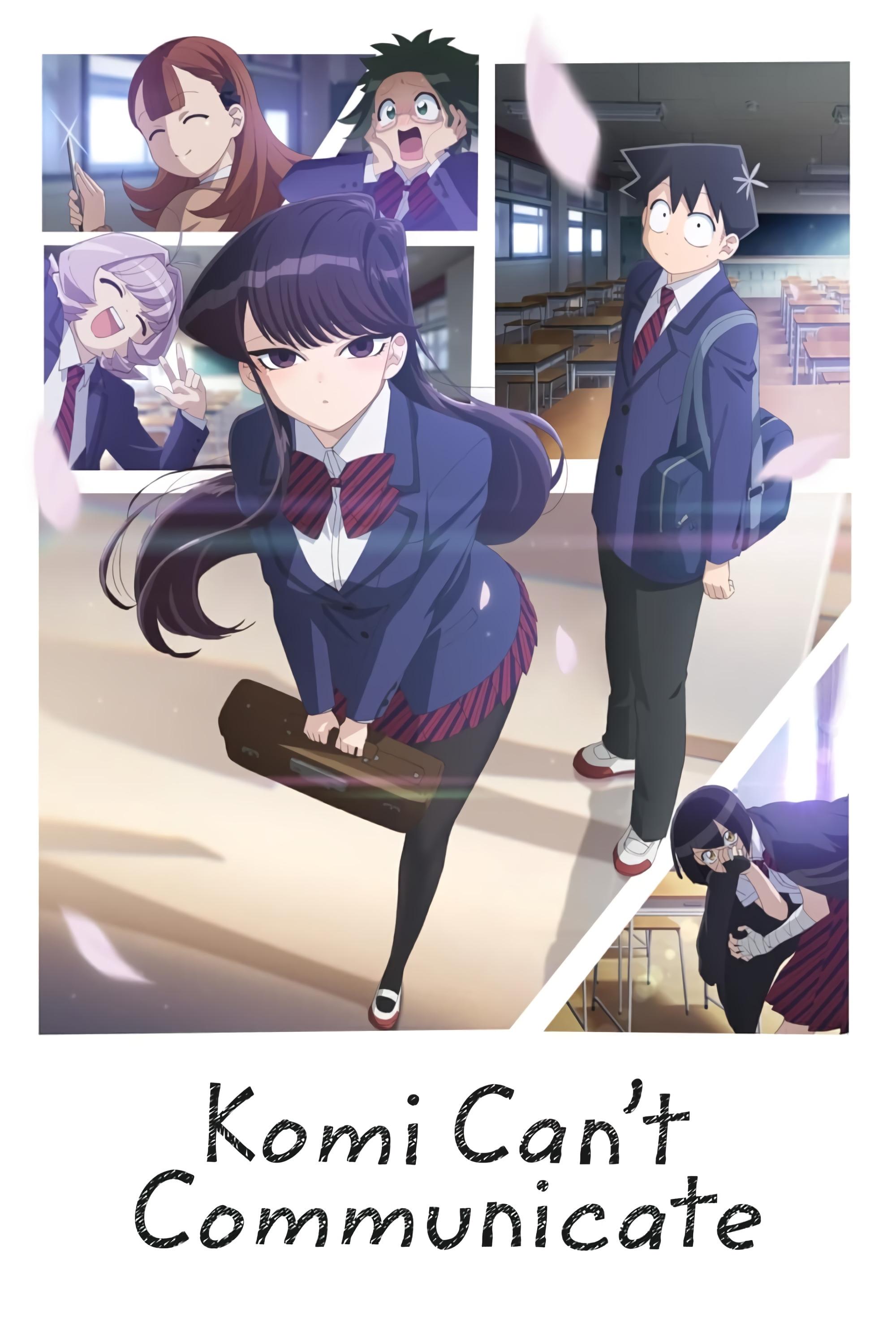
The character Osana Najimi is designed to be a person of ambiguous gender who switches presentation based on the situation. Localization teams struggled with pronoun usage leading to fans criticizing the use of he or she in subtitles. Some adaptations attempted to use they or avoid pronouns entirely which sparked complaints about grammatical awkwardness. The running gag of Najimi’s unknown gender became a flashpoint for serious debates about non-binary representation. Fans continue to correct each other on the proper way to refer to the character.
‘Lycoris Recoil’ (2022)
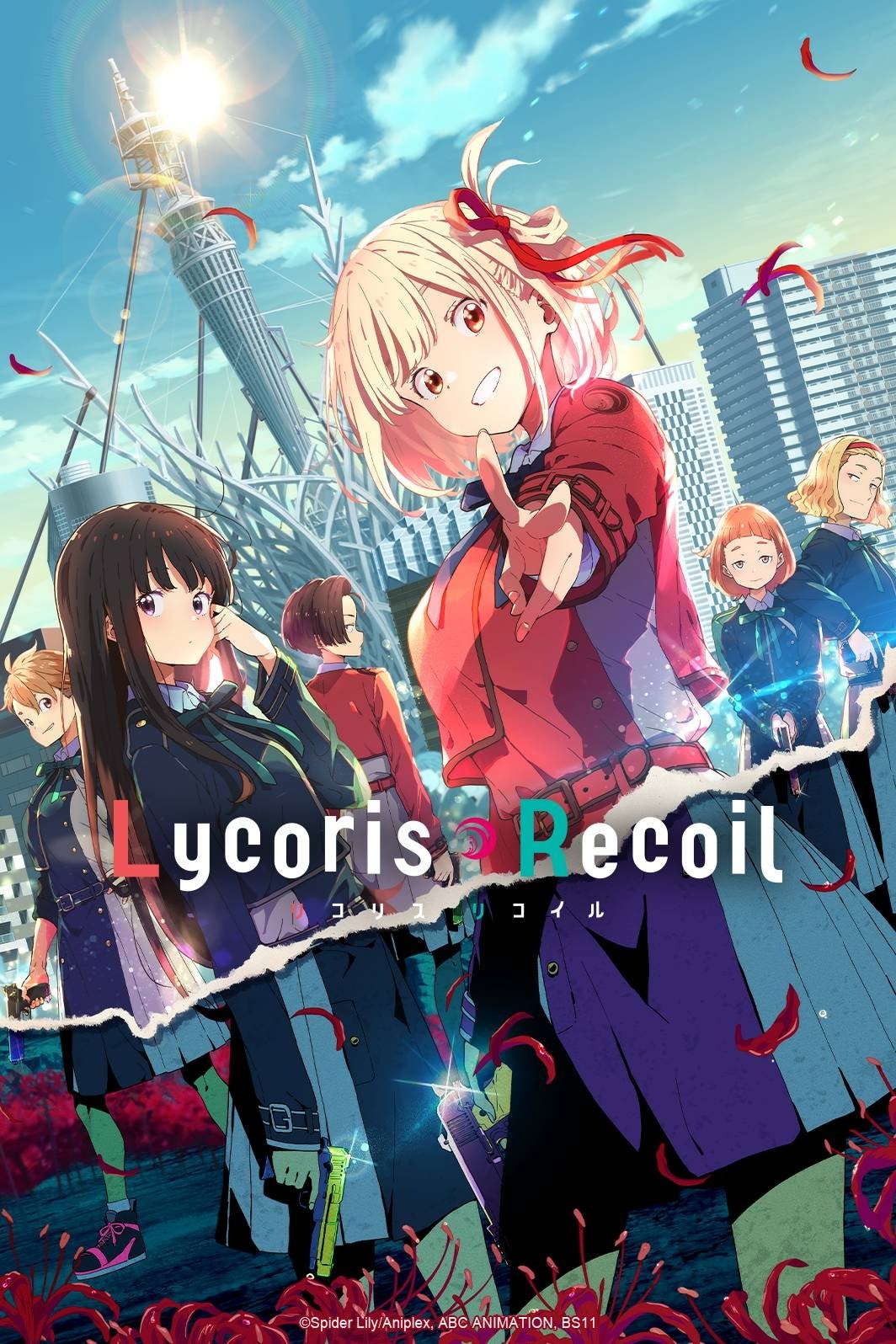
The anime was heavily marketed with visuals suggesting a romantic relationship between the two female leads. Fans revolted after the finale when the show declined to confirm a romantic connection effectively leaving it as subtext. Viewers accused the studio of queer-baiting to sell merchandise without committing to an actual LGBTQ+ storyline. The backlash was fueled by the contrast between the promotional material and the actual script. This incident renewed discussions about the industry’s reliance on ambiguous relationships.
‘Fate/Apocrypha’ (2017)
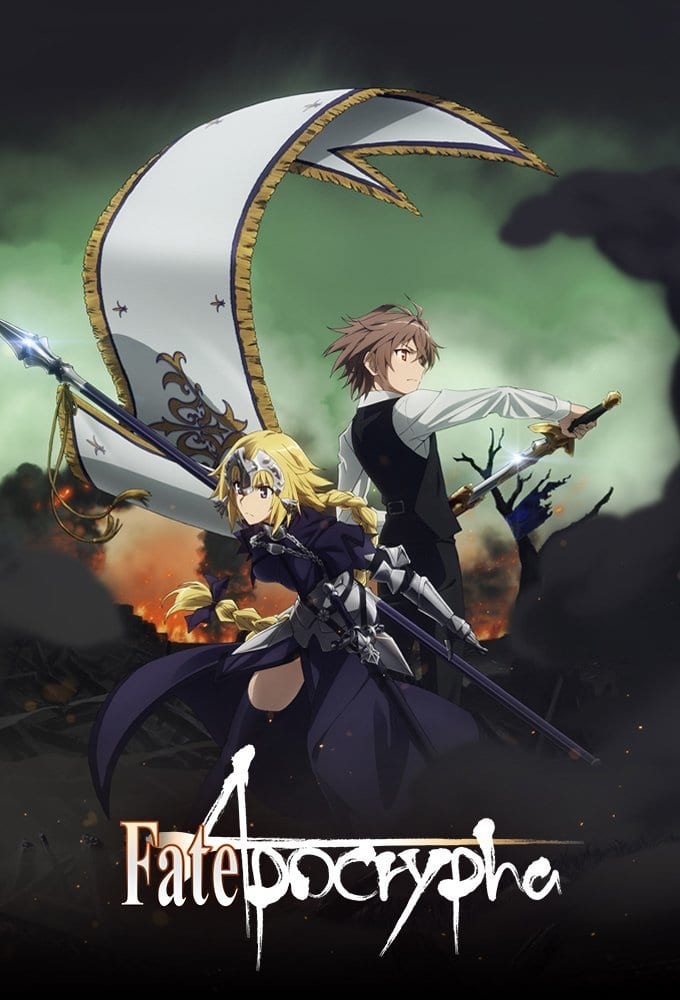
The character Astolfo is one of the most popular figures in the franchise and presents strictly as female while identifying as male. The localization of Astolfo’s dialogue and the jokes surrounding his gender often upset fans on both sides of the spectrum. Some viewers felt the anime relied too heavily on outdated trap tropes while others grew tired of the constant discourse surrounding his identity. The character has become a symbol for the confusion between crossdressing and transgender identity in anime culture. Discussions about Astolfo frequently devolve into arguments about localized terminology.
‘Love Stage!!’ (2014)

The English dub of this boys-love anime faced criticism for casting choices and script changes. Fans complained that the voice direction played into offensive stereotypes rather than providing a genuine romance. The adaptation was accused of making the characters sound like caricatures which alienated the target audience. Viewers felt that the localization did not take the genre seriously and treated it as a joke. This backlash highlighted the need for authentic representation in dubbing productions.
‘Prison School’ (2015)
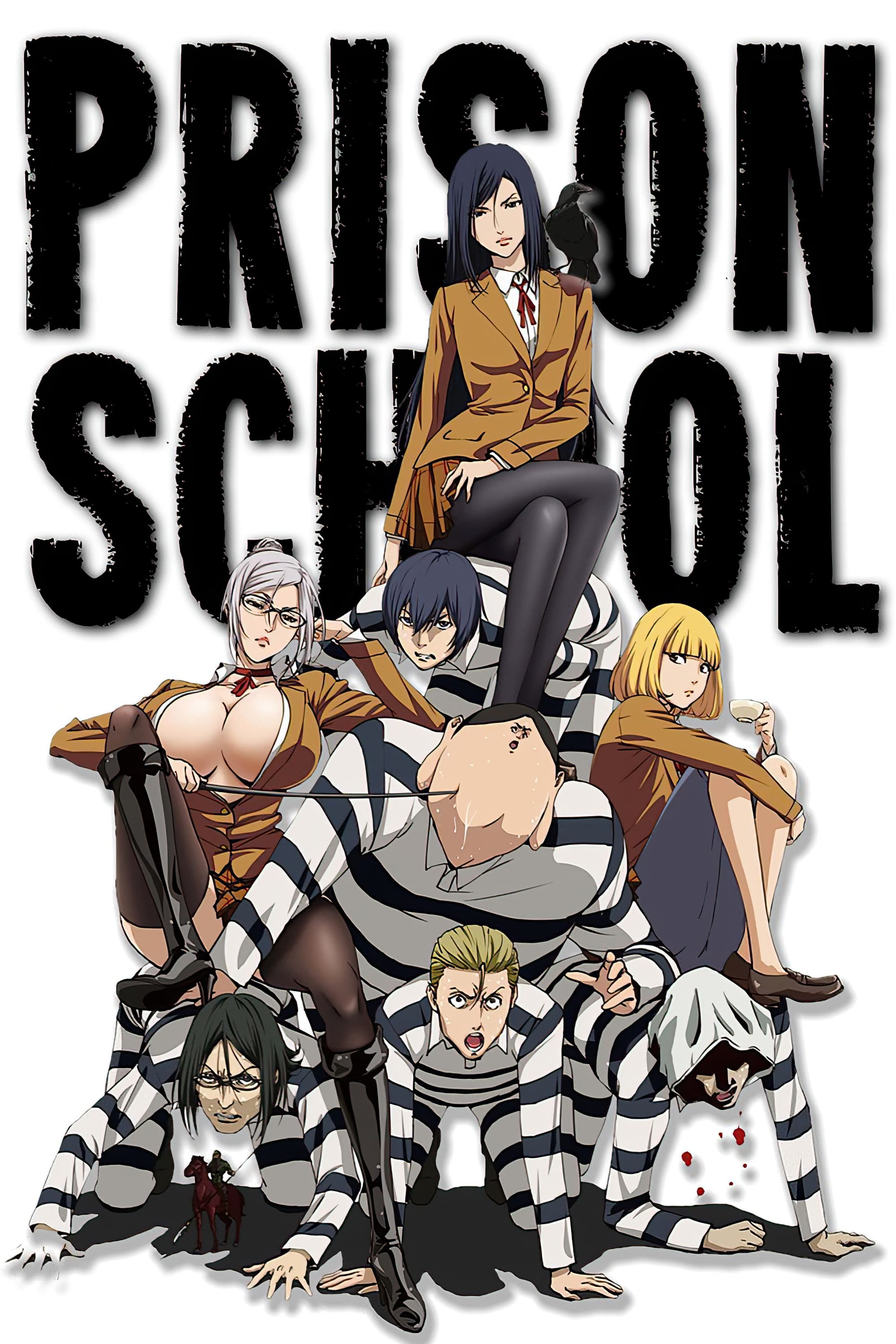
The Funimation dub for this series included a line referencing the GamerGate controversy which caused an immediate fan revolt. While not strictly an LGBTQ+ update the backlash set the precedent for rejecting modern western politics in anime scripts. The line was seen as a direct attack on the audience and a deviation from the source material. This incident is frequently grouped with other localization controversies regarding identity politics. It remains a primary example cited by fans who oppose localized script changes.
‘Hazbin Hotel’ (2024)
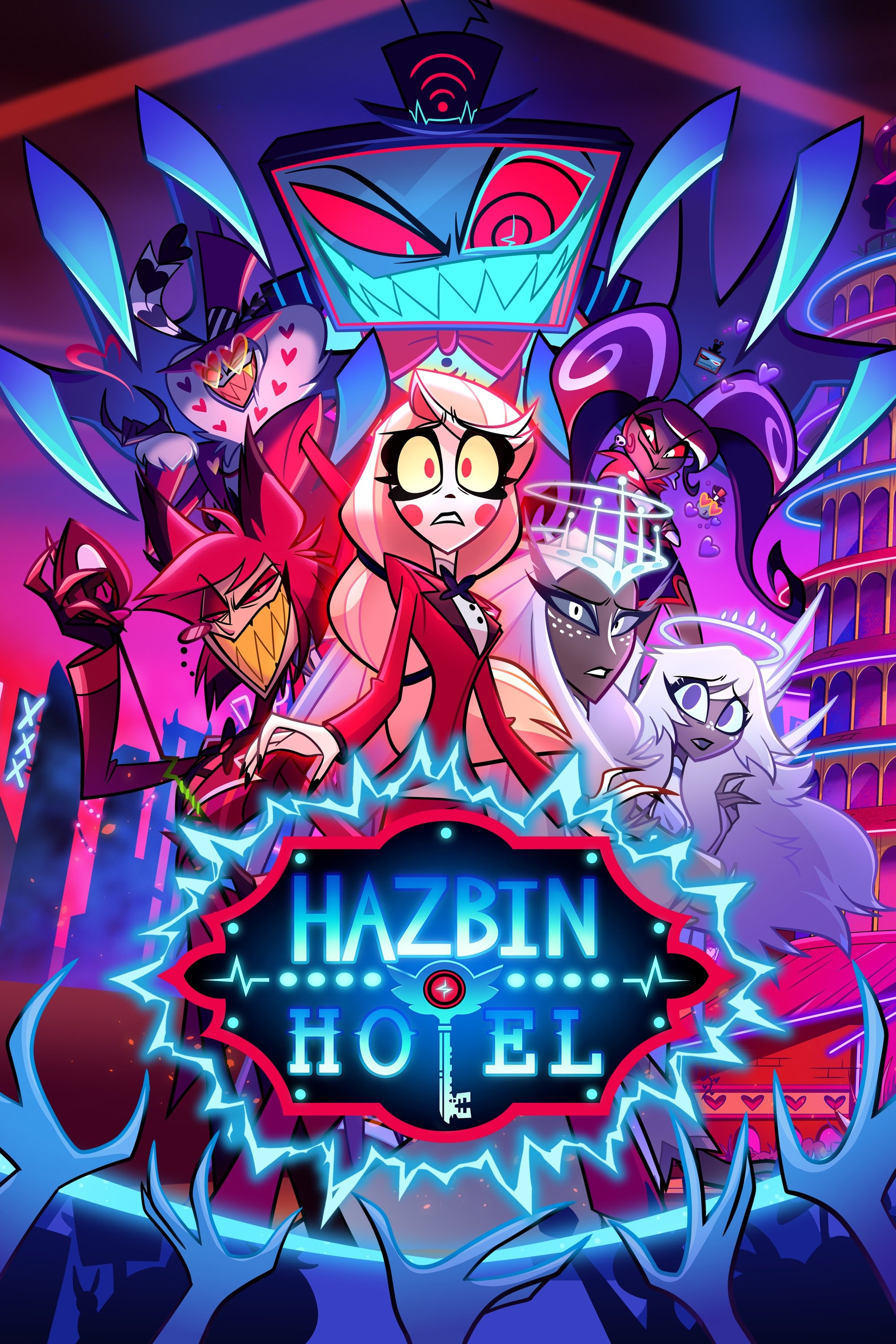
Although an American production the show is deeply entrenched in anime aesthetics and discourse. The series faced backlash for its depiction of queer relationships in Hell and the specific character designs. Some detractors argued the representation was stereotypical while others were upset by the mere presence of the themes. The discourse surrounding the show mirrored the intensity of anime localization wars. It highlighted the global cross-pollination of animation fandoms and culture war debates.
‘Bloom Into You’ (2018)
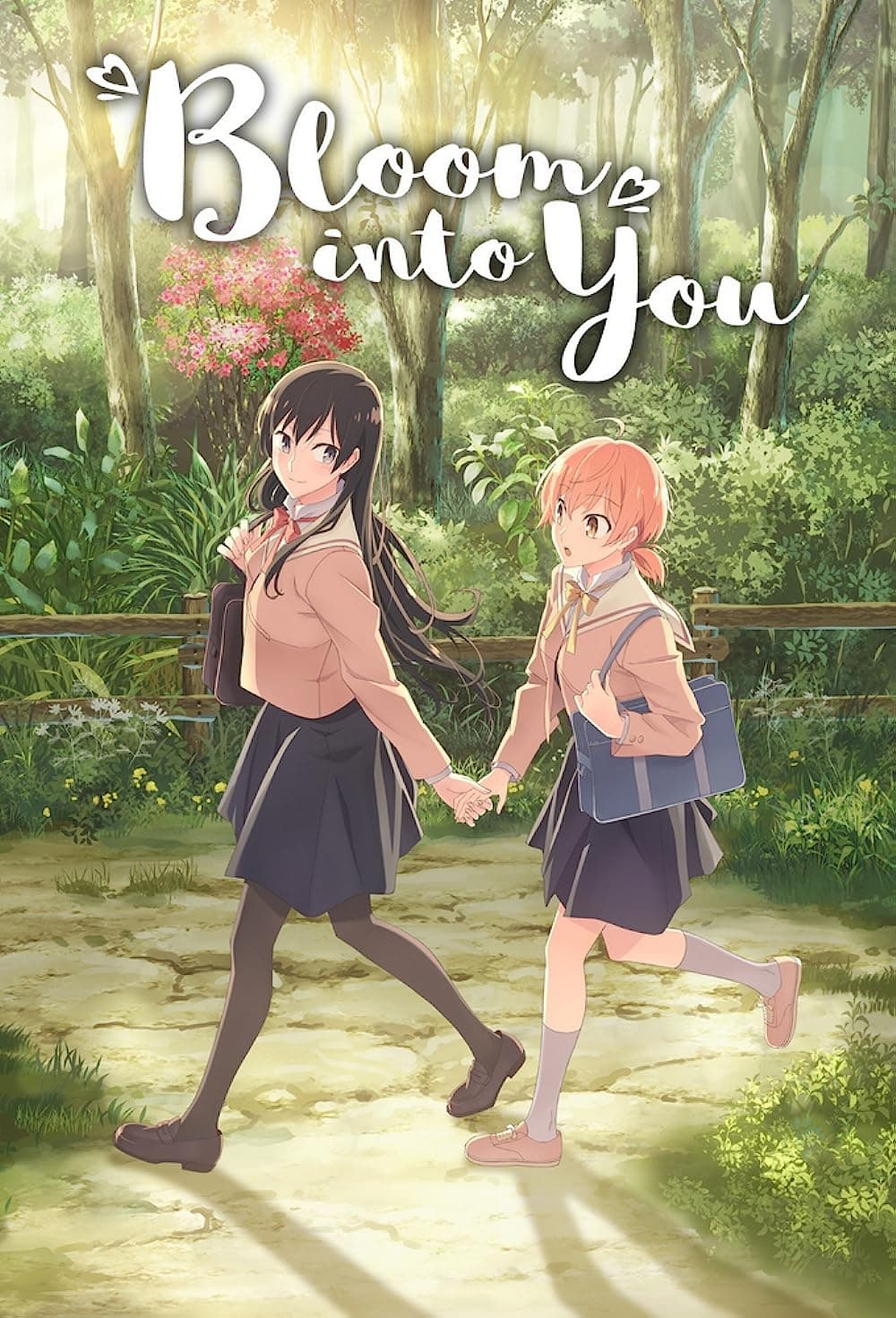
While critically acclaimed the anime faced some backlash regarding the pacing and the adaptation of the sexual tension. Fans of the manga felt the anime toned down certain aspects of the physical intimacy to make it more palatable for broadcast. The debates centered on whether the adaptation was too conservative in its depiction of the lesbian relationship. Viewers wanted a more explicit confirmation of the romance similar to the source material. The lack of a second season to finish the story further frustrated fans wanting complete representation.
‘Cardcaptor Sakura: Clear Card’ (2018)
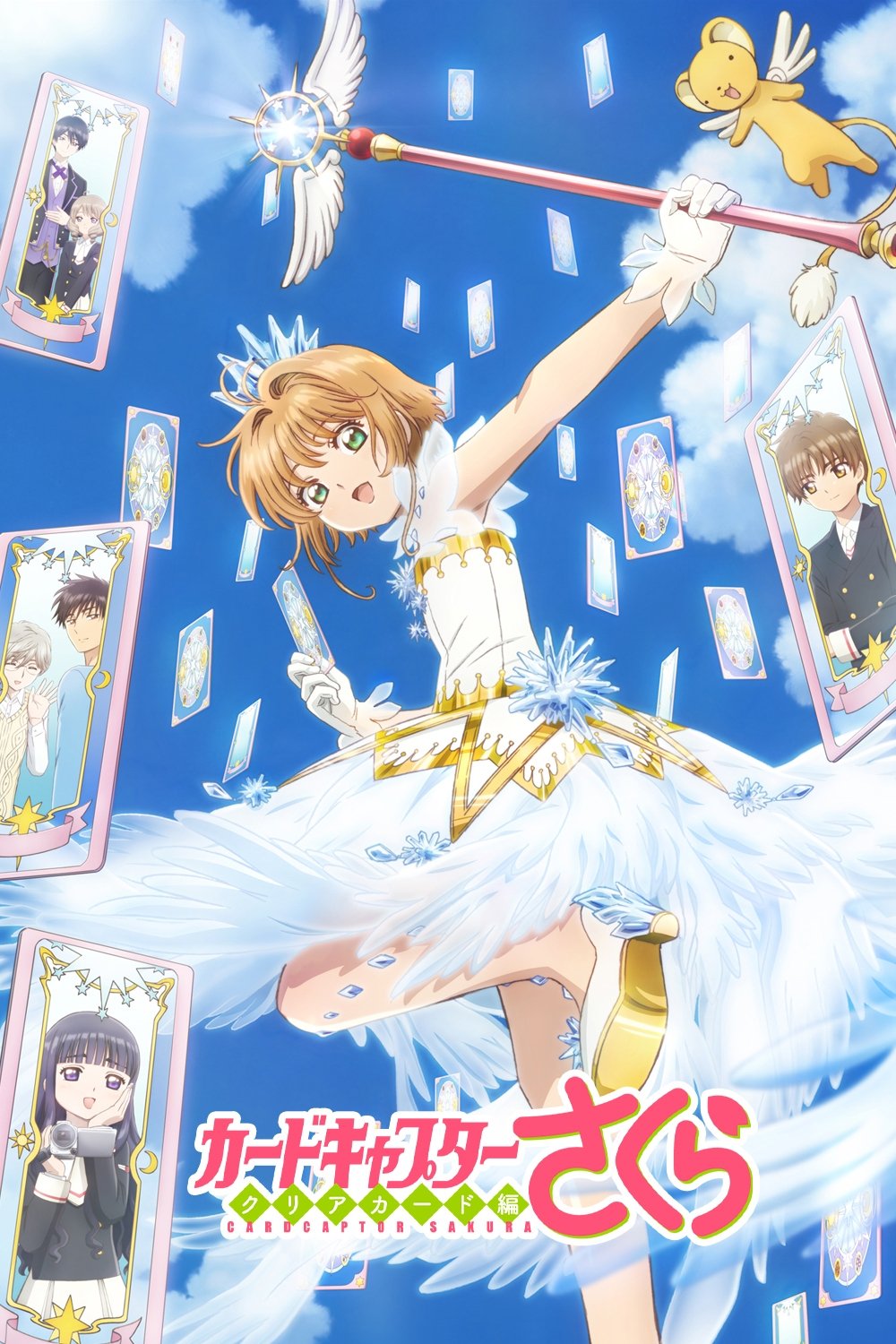
The sequel to the classic magical girl series modernized several relationships that were ambiguous in the 90s. Some fans felt the updates to the dynamic between Toya and Yukito were handled clumsily in the localization. Changes in the dub script regarding their affection for each other sparked comparisons to the censored versions of the past. Viewers scrutinized every line to ensure the romance was not being erased or altered. The nostalgia for the original series heightened sensitivity to any modern changes.
‘Sk8 the Infinity’ (2021)
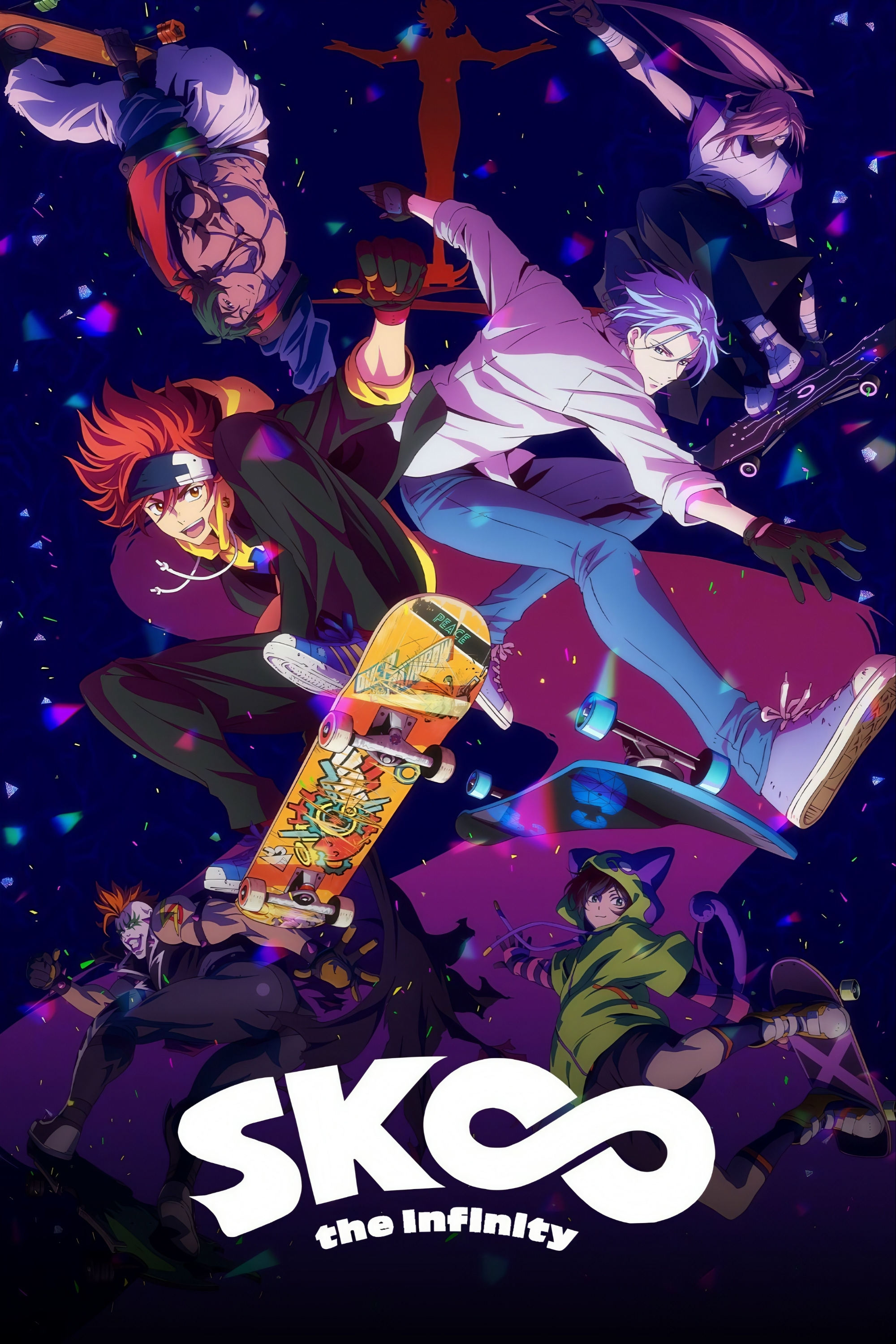
The English dub of this skateboarding anime took significant liberties to make the dialogue more humorous and the relationships more explicit. Fans were divided over script changes that turned subtextual attraction into overt flirtation. Purists argued that the dub created a different canon from the original Japanese version. Others celebrated the changes for confirming what was only implied. The divergence between the sub and dub scripts created two distinct experiences of the show.
‘Sound! Euphonium’ (2015–2016)
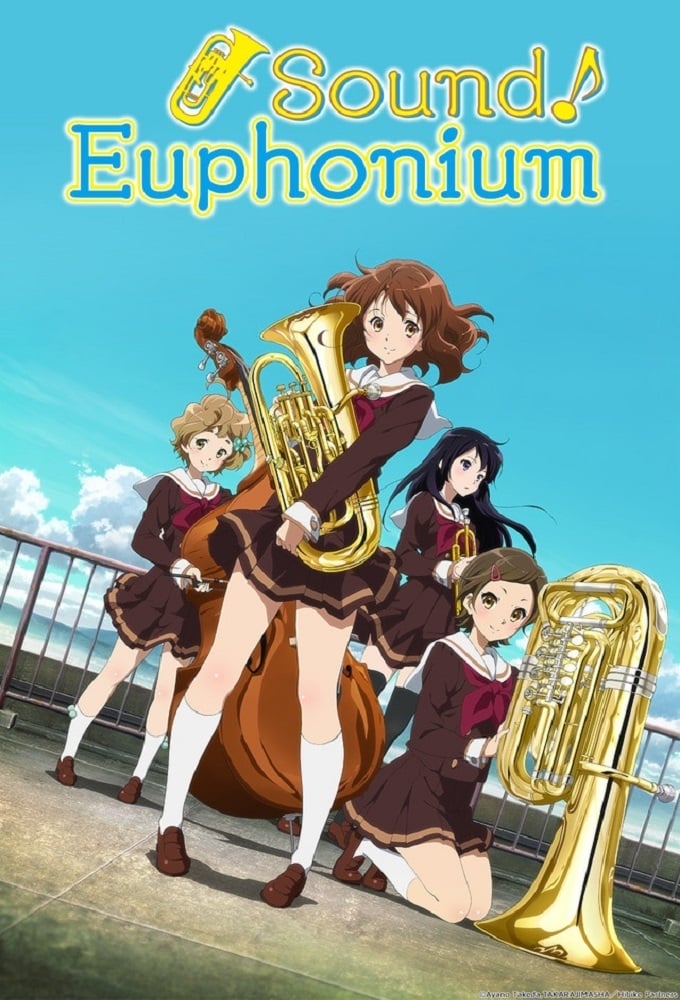
Kyoto Animation became the target of queer-baiting accusations regarding the intense relationship between Kumiko and Reina. Fans revolted when the characters shared intimate moments only for the narrative to push heterosexual love interests. Viewers felt manipulated by the studio using romantic visual coding without the narrative commitment. The backlash persists whenever the series is discussed in the context of romance anime. It serves as a prime example of the friction between visual storytelling and script decisions.
‘Izetta: The Last Witch’ (2016)
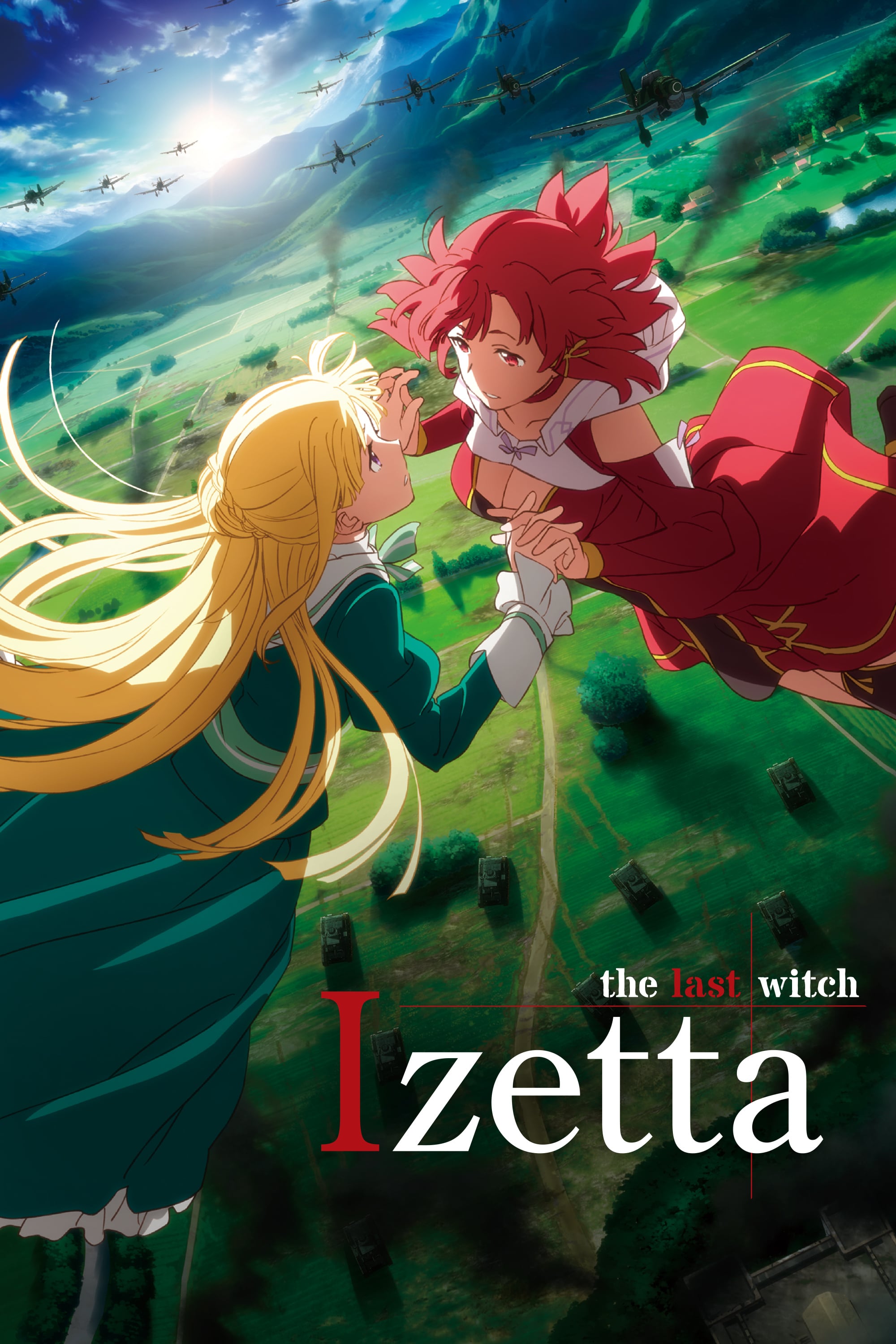
The show was marketed with heavy emphasis on the bond between the princess and the witch. Fans expected a romantic tragedy or triumph but were disappointed by the lack of explicit confirmation. The revolt centered on the marketing misleading the audience into expecting a yuri romance. Viewers criticized the show for using the aesthetic of romance to draw in a queer audience without delivering the content. The disappointment led to poor word-of-mouth and a decline in interest.
‘Tokyo Godfathers’ (2003/2020)
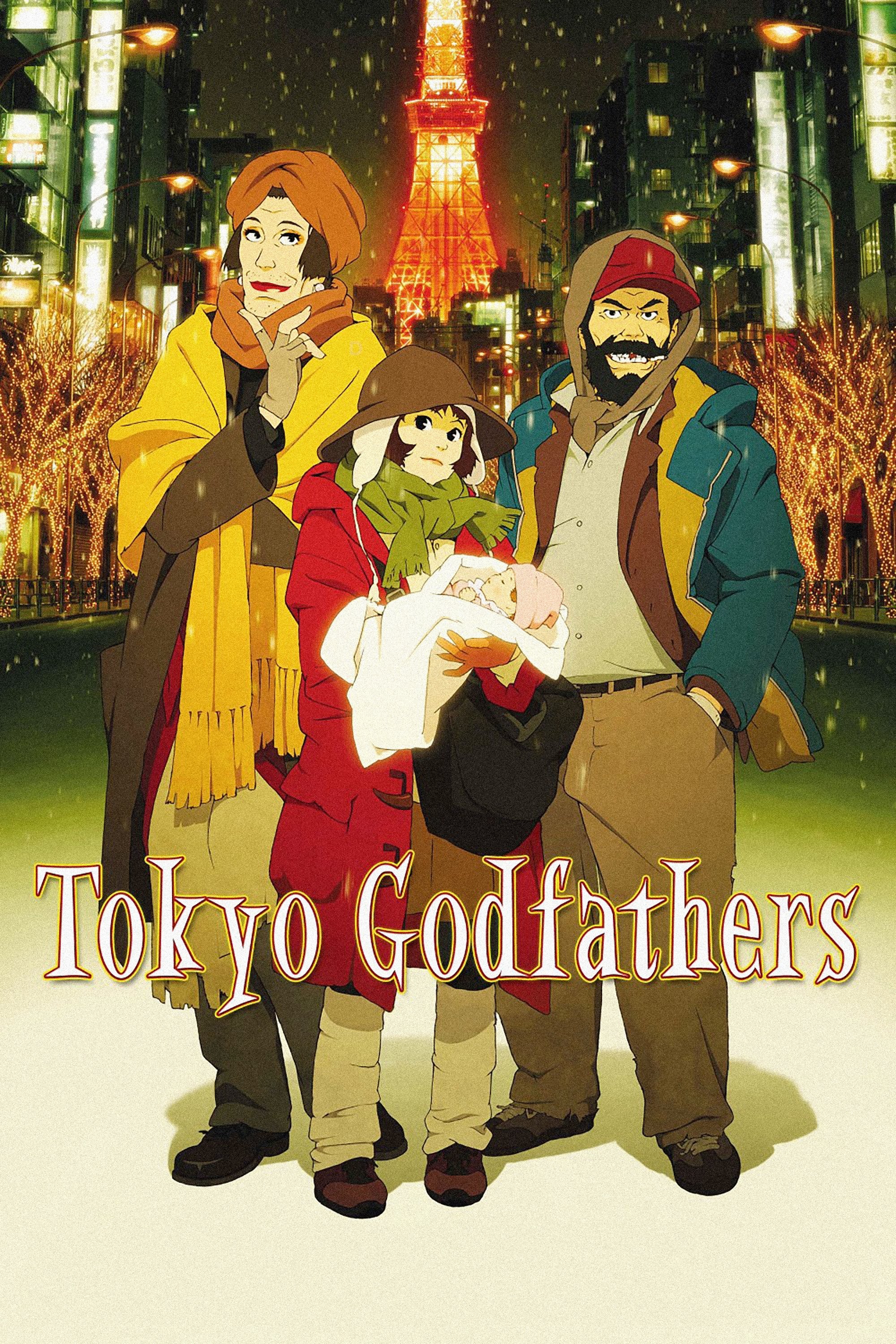
When the classic film was restored and re-released modern audiences debated the subtitles for the character Hana. The use of certain slurs to translate Hana’s self-identification caused conflict between those wanting historical accuracy and those wanting sensitive language. Localization teams had to balance the harsh reality of the character’s life with modern acceptability. Fans argued over whether sanitizing the language erased the character’s struggle. The discourse highlighted the evolving standards of language in media translation.
‘Wonder Egg Priority’ (2021)
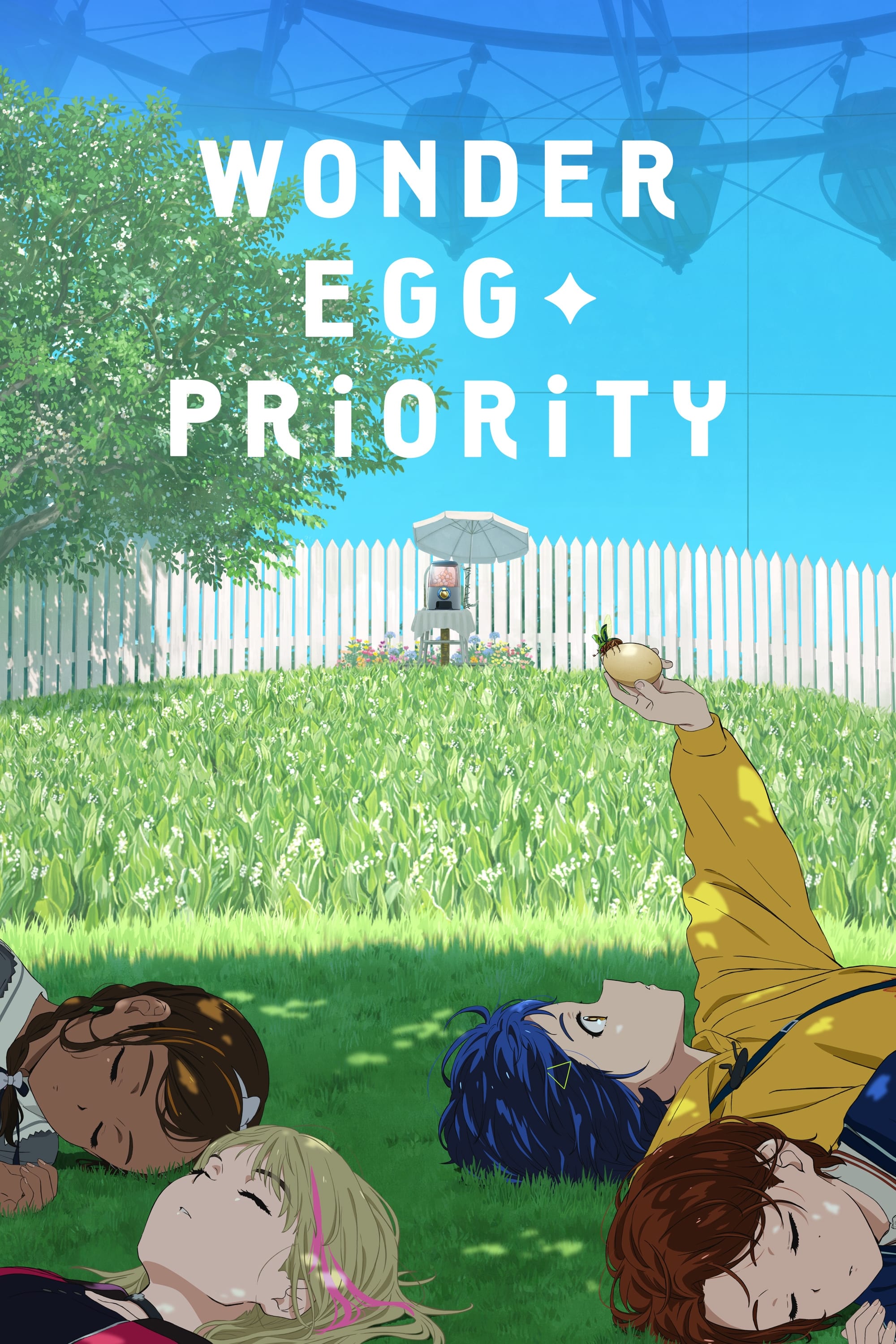
The character Momoe is a girl who is frequently mistaken for a boy and struggles with gender presentation. The show’s handling of her identity and the trauma associated with it drew criticism for being exploitative. Fans were upset by the resolution of her arc which many felt undermined the themes established earlier. The rushed production and confusing finale exacerbated the negative reaction to the gender themes. It was viewed as a wasted opportunity for meaningful exploration of gender non-conformity.
‘Dragon Ball Super’ (2015–2018)

The character Caulifla and her protégée Kale were viewed by many fans as a romantic couple due to their intense bond. However localization and promotional materials often framed them strictly as sisters or friends. This erasure of perceived queer subtext frustrated fans who saw the relationship as obvious. The refusal to confirm the dynamic led to accusations of heteronormativity in a franchise that rarely addresses romance. Fans continue to ship the characters despite the official stance.
‘Urusei Yatsura’ (2022)
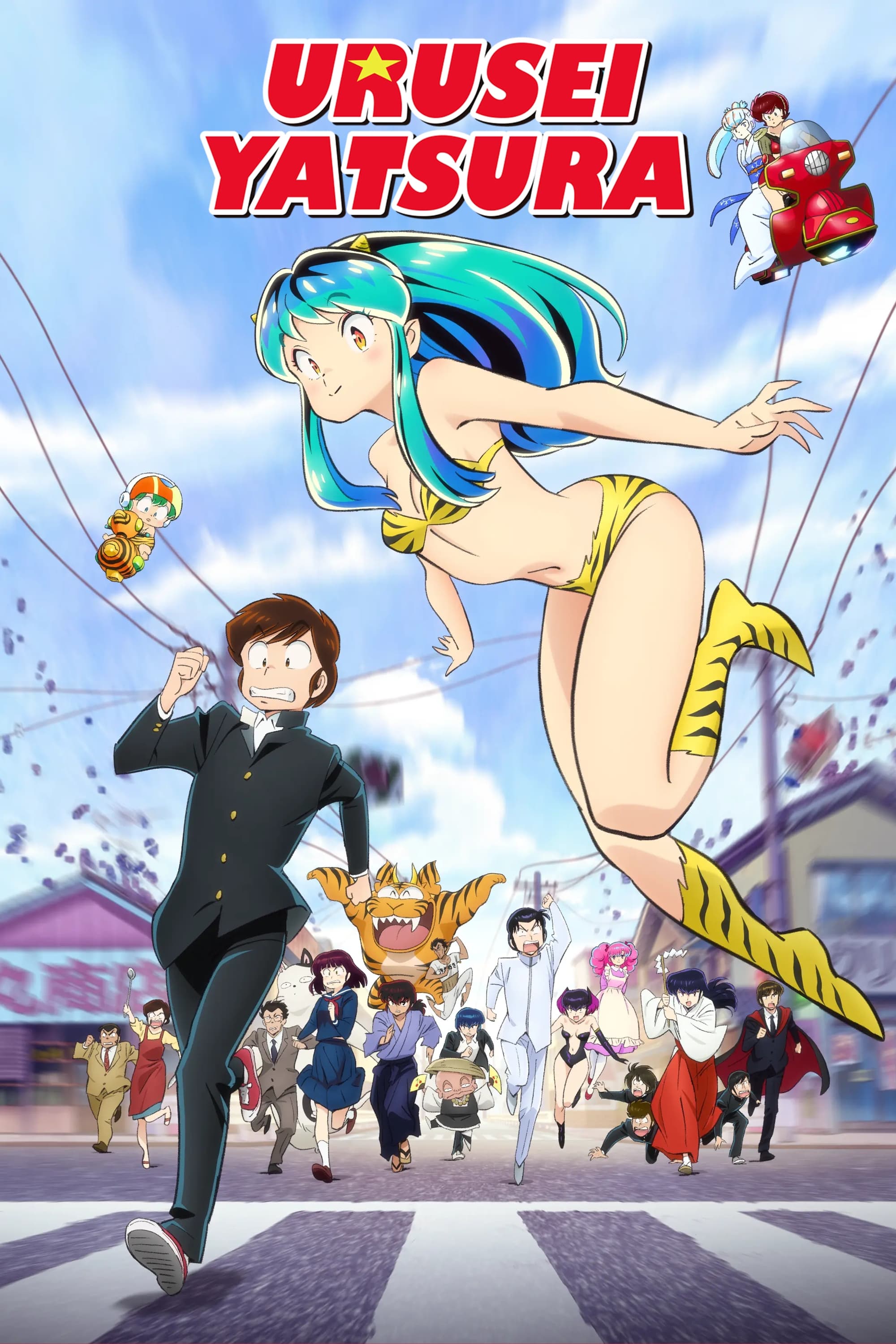
The remake of this classic comedy reintroduced the character Ryuunosuke who was raised as a boy by her father. Modern audiences debated whether the character’s struggle was a dated gag or a relevant gender story. Some fans felt the 1980s gender dynamics did not translate well to a modern anime landscape. The faithful adaptation of the original jokes led to criticism that the show was stuck in the past. It sparked a conversation about how to adapt dated gender comedy for a new generation.
‘Magical Girl Ore’ (2018)
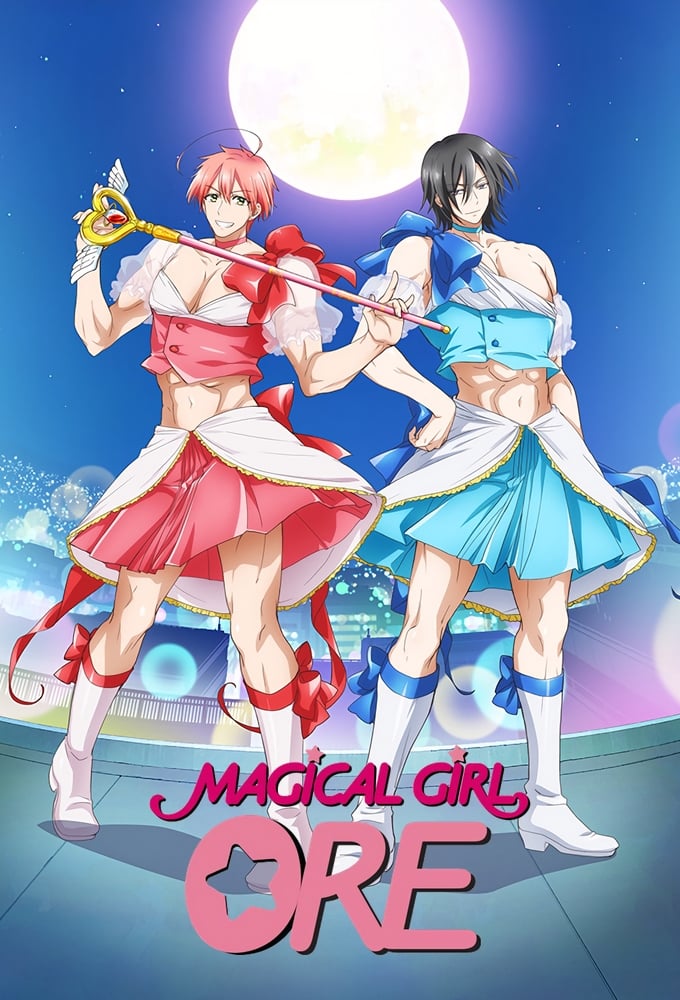
This parody series features girls transforming into muscular men to fight monsters. While intended as a comedy some viewers found the gender visuals off-putting or relied too heavily on shock value. The humor did not land with audiences expecting a traditional magical girl deconstruction. The revolt was less about politics and more about the grotesque nature of the transformation updates. It failed to find a dedicated audience due to the polarizing central gimmick.
Share your thoughts on these localization choices in the comments.