

Anime Series Where Voice Actors Were Recast Mid-Run Drama



Voice actors are the soul of anime characters, breathing life into the animation with performances that fans cherish for years. When a beloved voice actor leaves a role mid-run, it often creates significant upheaval within the production and the fanbase. These departures can stem from health issues or tragic passings, but they occasionally result from contract disputes or high-profile scandals. The following series experienced major casting changes that altered the course of the show and left a lasting impact on the industry.
‘Detective Conan’ (1996–Present)
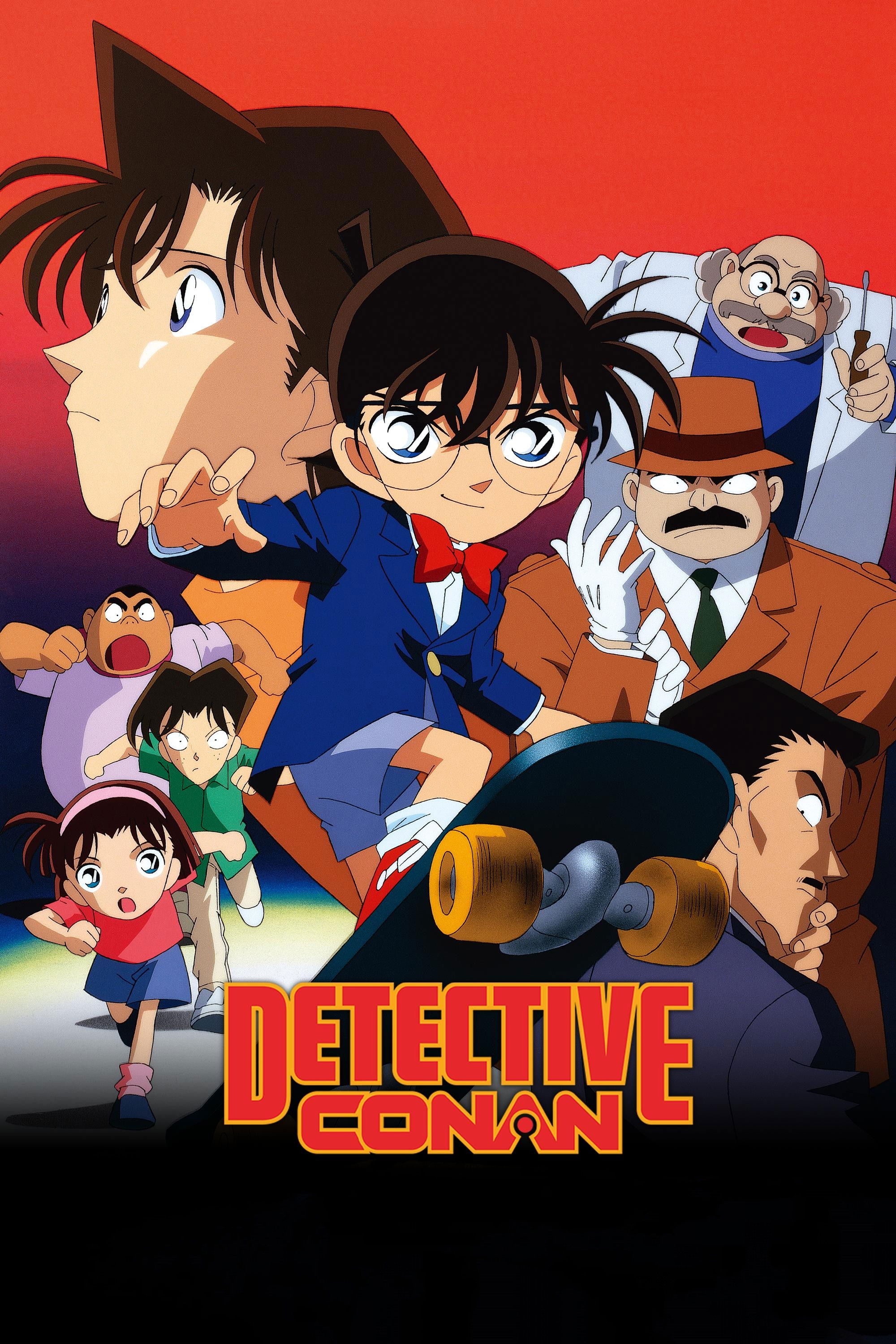
For over a decade, Akira Kamiya provided the iconic voice for the bumbling yet confident detective Kogoro Mouri. In 2009, Kamiya left the role following a contract dispute with the production staff, which reportedly involved leaks of confidential information on his blog. The departure was abrupt and shocked long-time fans who associated his distinctive baritone with the character. Rikiya Koyama stepped into the role, bringing a slightly different energy to the famous Sleeping Kogoro.
‘One Piece’ (1999–Present)
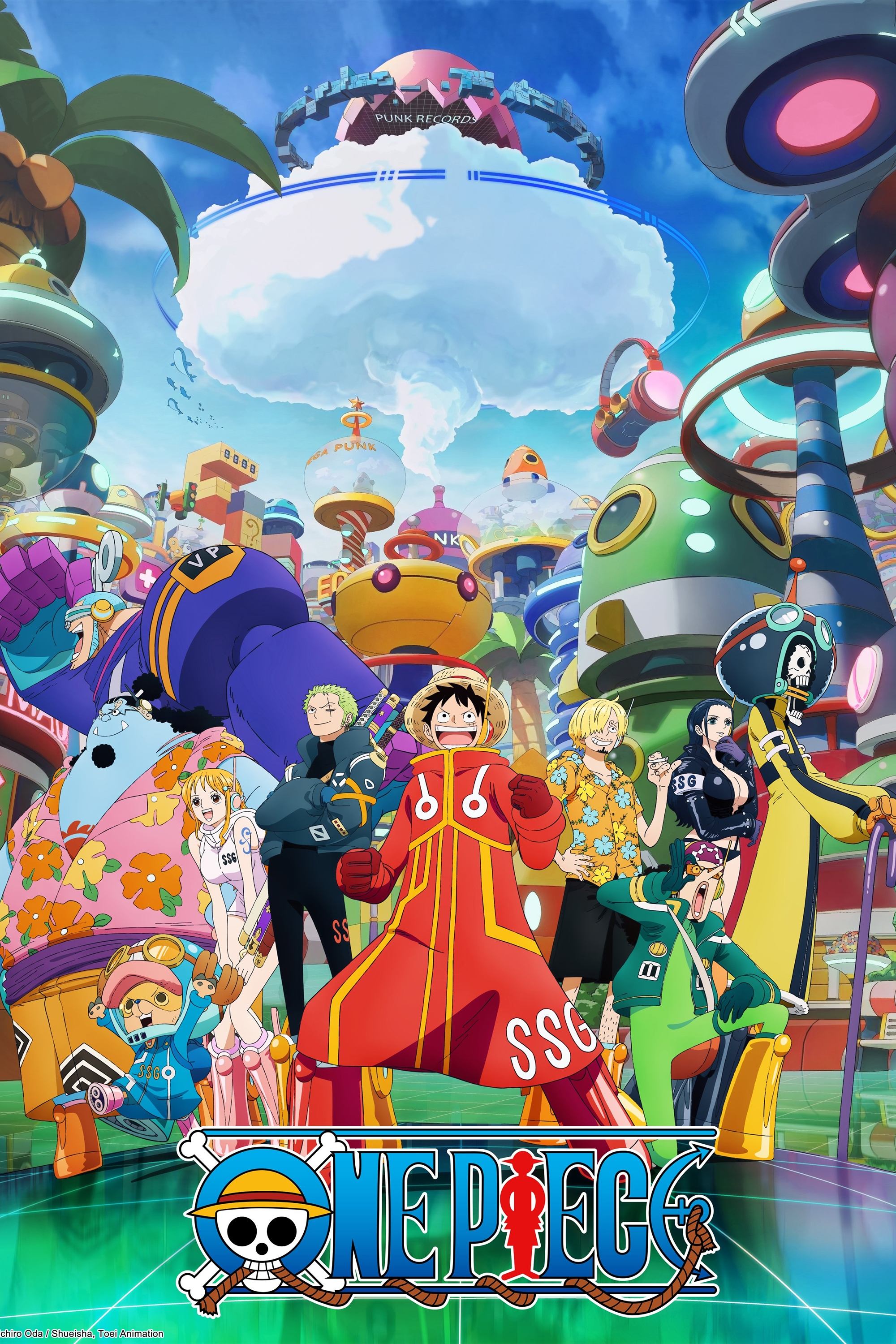
The flamboyant character Emporio Ivankov was originally voiced by Norio Imamura, who captured the character’s erratic energy perfectly. However, in 2010, Imamura was arrested for posting indecent images of himself online, leading to his immediate removal from the series. The production team quickly recast Mitsuo Iwata to take over the role for the remaining episodes of the Marineford arc and future appearances. This incident highlighted the strict conduct clauses often found in Japanese voice acting contracts.
‘Tokyo Revengers’ (2021–Present)
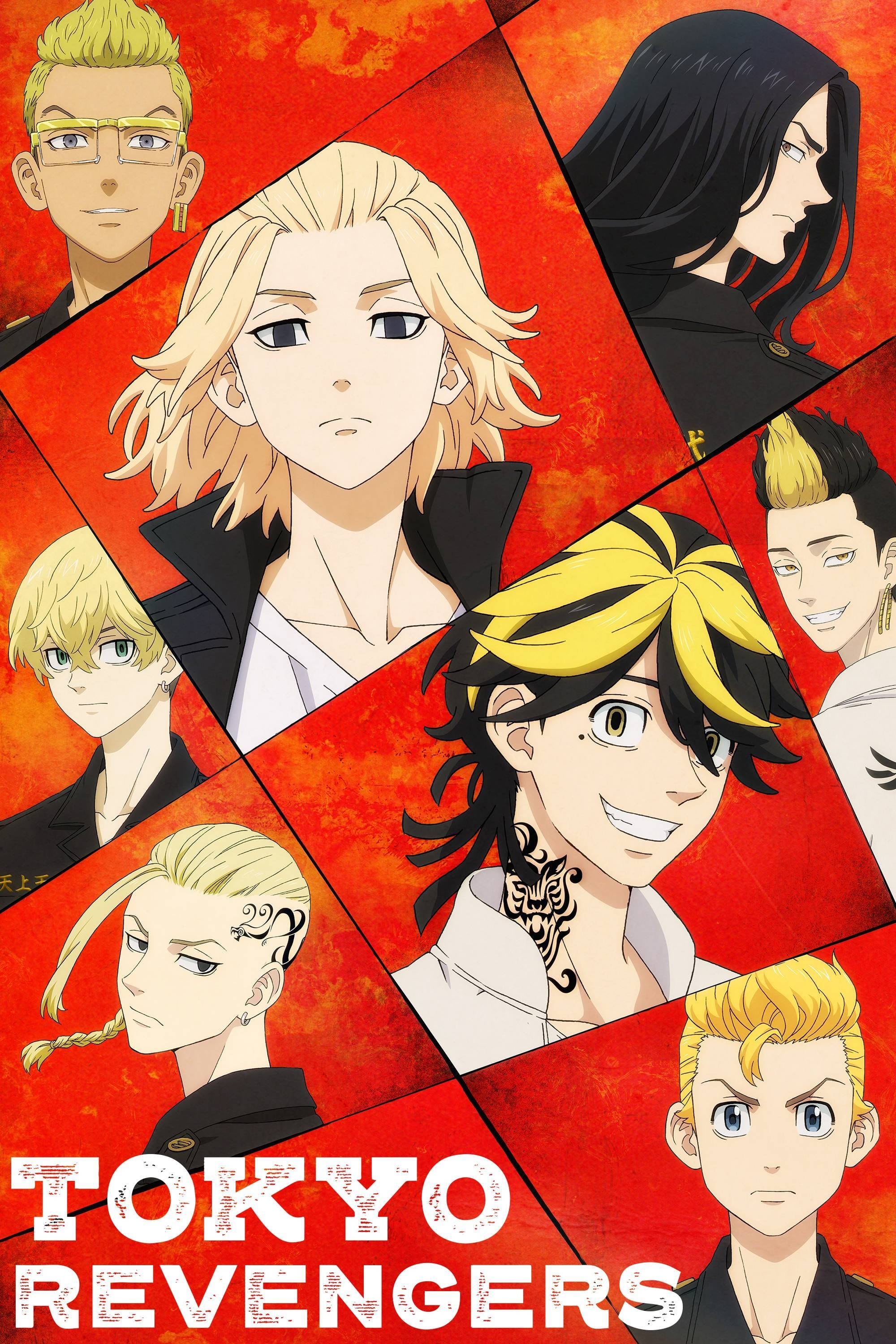
Tatsuhisa Suzuki voiced the popular character Ken “Draken” Ryuguji during the first season of this hit delinquent anime. Following a widely publicized infidelity scandal involving the actor in 2021, Suzuki went on a hiatus and was subsequently removed from the role before the second season. Masaya Fukunishi was brought in to voice Draken, re-recording lines for rebroadcasts and Blu-ray releases to ensure consistency. The change was a major topic of discussion given Draken’s central role in the narrative.
‘The Misfit of Demon King Academy’ (2020–Present)
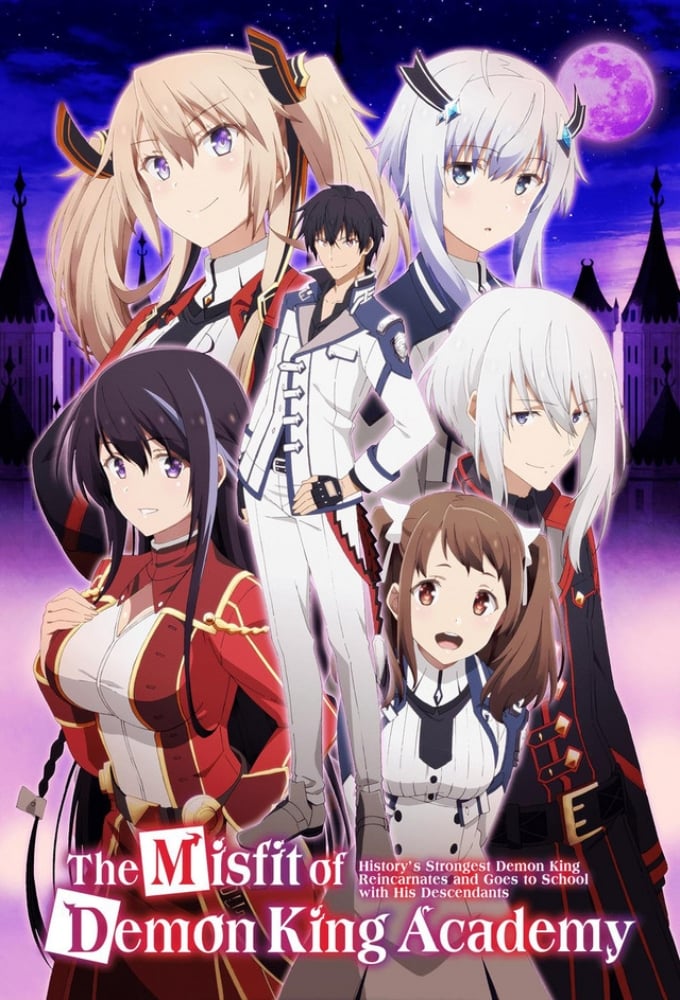
The protagonist Anos Voldigoad is known for his overpowering confidence, originally portrayed by Tatsuhisa Suzuki in the first season. The same scandal that affected his role in ‘Tokyo Revengers’ led to his departure from this series as well. Yuichirou Umehara took over the role for the second season, delivering a performance that matched the character’s arrogant demeanor. Fans had to adjust to the new voice for the Demon King after growing accustomed to Suzuki’s specific delivery.
‘Dragon Ball Z’ (1989–1996)

The comedic champion Mr. Satan was brought to life by the boisterous voice of Daisuke Gori. Tragically, Gori passed away in 2010, forcing the franchise to find a replacement for subsequent media, including ‘Dragon Ball Kai’ and ‘Dragon Ball Super’. Unsho Ishizuka took over the role, maintaining the character’s bravado until his own passing, after which Masashi Ebara assumed the mantle. The loss of Gori was deeply felt, as his shouting style was integral to Mr. Satan’s charm.
‘Food Wars! Shokugeki no Soma’ (2015–2020)

Risa Taneda originally voiced the imperious Erina Nakiri, one of the series’ lead heroines. Following the second season, Taneda took an extended hiatus from voice acting to focus on medical treatment for her throat. Hisako Kanemoto, who had previously voiced Erina in an OVA, officially took over the role for the third season and retained it until the series concluded. While necessary for her health, the change was significant due to Erina’s prominent screen time.
‘Sazae-san’ (1969–Present)
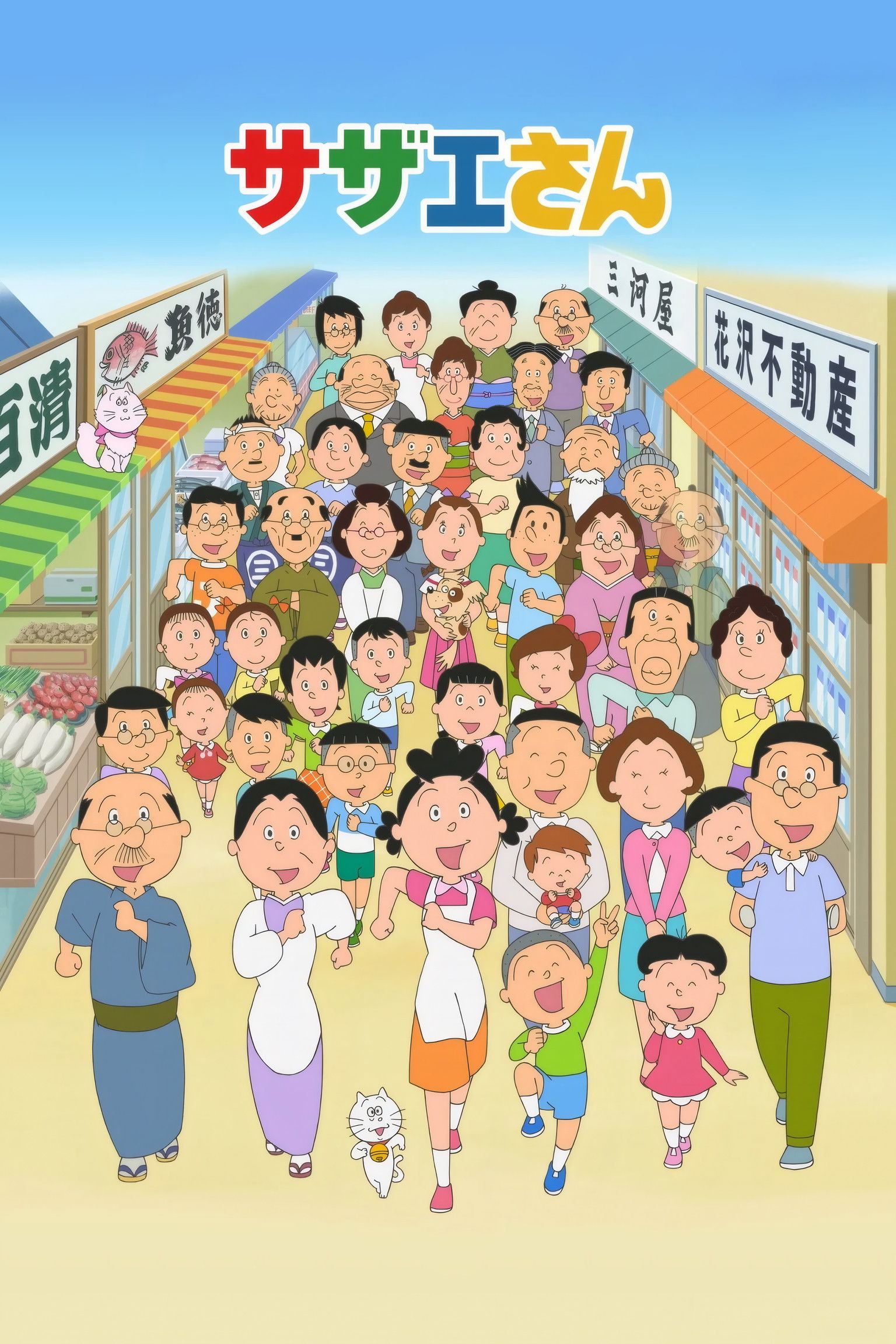
As the longest-running animated series in history, ‘Sazae-san’ has faced inevitable cast changes due to the aging of its actors. A massive moment of national mourning occurred when Ichiro Nagai, the voice of the grandfather Namihei Isono, passed away in 2014. Nagai had voiced the character for 45 years, and his “Bakamon!” catchphrase was a cultural staple. Chafurin succeeded him, facing intense scrutiny from a public that treated the show as a Sunday evening ritual.
‘One Piece’ (1999–Present)
In 2024, a major scandal involving veteran actor Toru Furuya led to his resignation from the role of Sabo. Furuya admitted to a long-term affair and misconduct, prompting his agency and the anime production committee to remove him from the series. Miyu Irino was announced as the new voice of Sabo, debuting the new voice in a highly anticipated episode. This change was swift and decisive, reflecting the industry’s increasing intolerance for personal scandals affecting professional productions.
‘Mobile Suit Gundam’ (1979–1980)
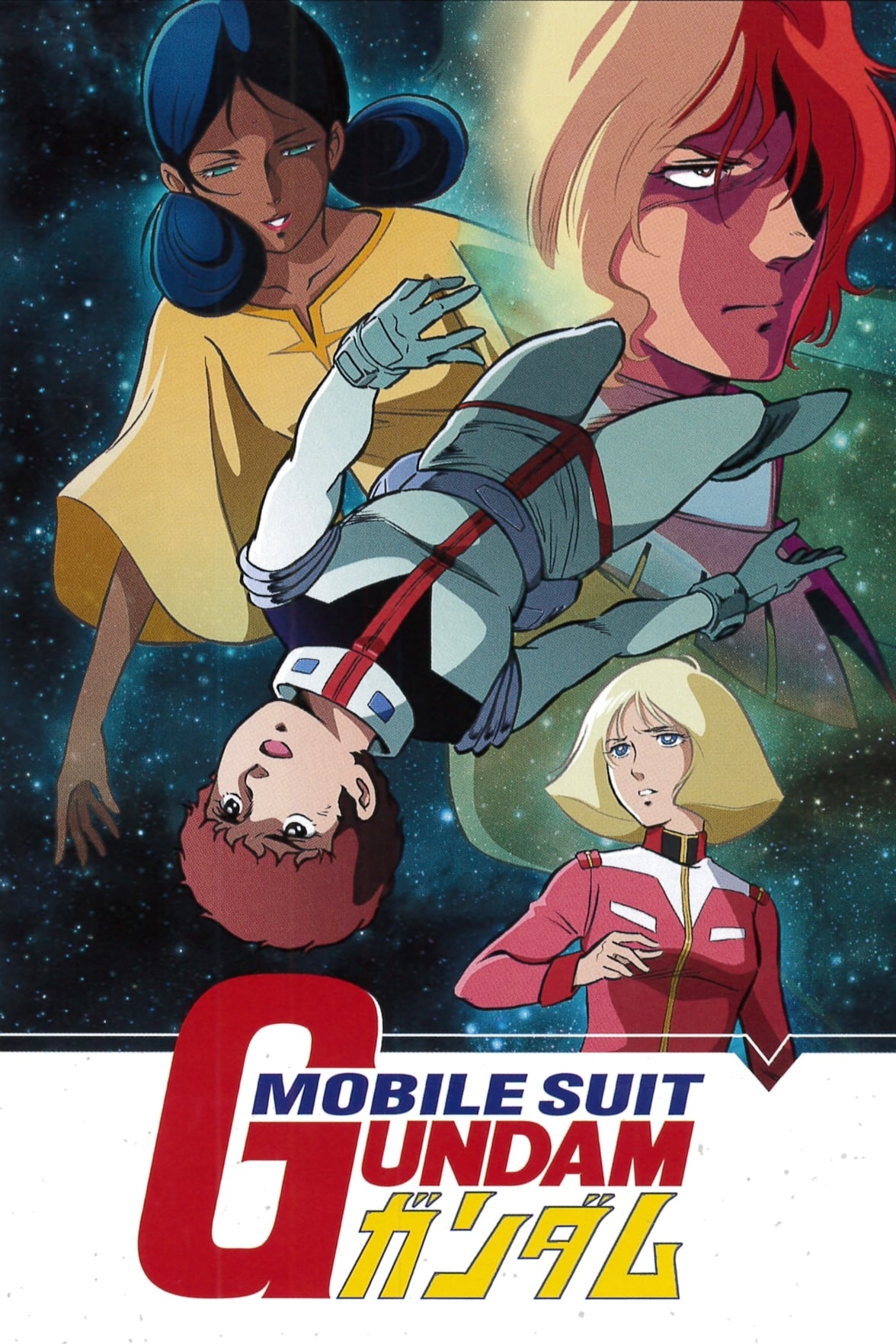
Bright Noa is one of the few characters to appear across multiple ‘Gundam’ timelines, originally voiced by Hirotaka Suzuoki. After Suzuoki’s death in 2006, the character’s appearances in subsequent works like ‘Gundam Unicorn’ required a new actor. Ken Narita was cast to fill the role, carefully studying Suzuoki’s intonation to maintain continuity. The change was handled with great respect, acknowledging the legendary status of the original captain of the White Base.
‘Pokémon’ (1997–2023)
Unsho Ishizuka was a pillar of the ‘Pokemon’ anime, voicing Professor Oak and serving as the narrator for over two decades. Following his death in 2018, the production team had to find a successor for these recurring roles. Kenyuu Horiuchi took over as Professor Oak and the narrator, bringing a lighter tone to the character. The transition marked a somber moment for fans who had grown up listening to Ishizuka’s voice introducing every episode.
‘Ayaka’ (2023)
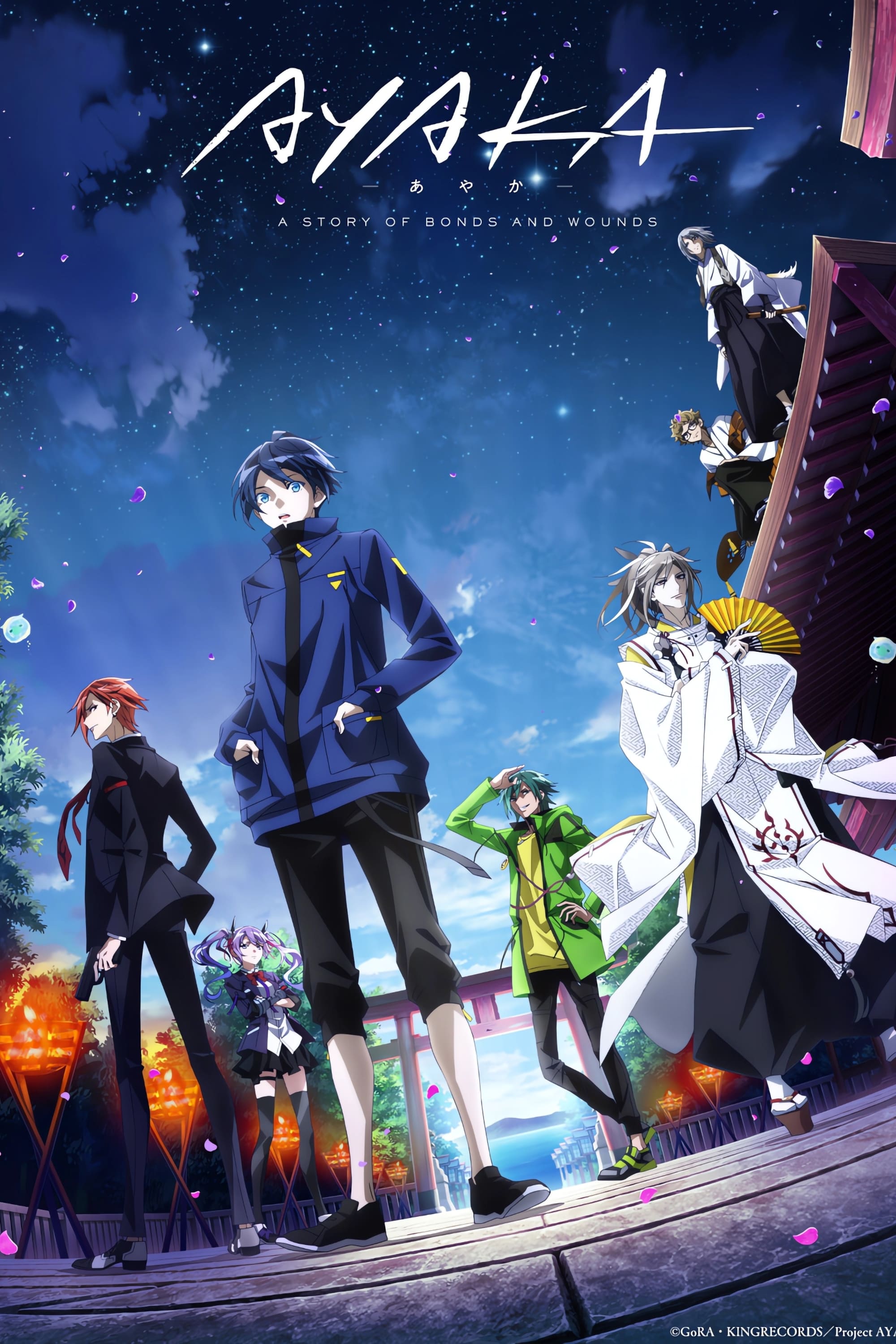
Original anime projects often rely on star power, and ‘Ayaka’ had initially cast Takahiro Sakurai as the character Haruaki Kurama. However, following a scandal regarding Sakurai’s personal life, the production committee announced his replacement before the series aired. Kousuke Toriumi was brought in to re-record the dialogue for the character. This decision highlighted the risks studios face when marketing shows around specific voice talent.
‘Dragon Ball Super’ (2015–2018)

Hiromi Tsuru voiced Bulma for over 30 years, from the very first episode of ‘Dragon Ball’ through ‘Dragon Ball Super’. Her sudden passing in 2017 shocked the industry and the worldwide fanbase. Aya Hisakawa was cast as the new voice of Bulma, debuting in the series shortly after. Hisakawa’s performance was praised for respecting Tsuru’s legacy while bringing the necessary energy to the franchise’s leading lady.
‘The First Slam Dunk’ (2022)
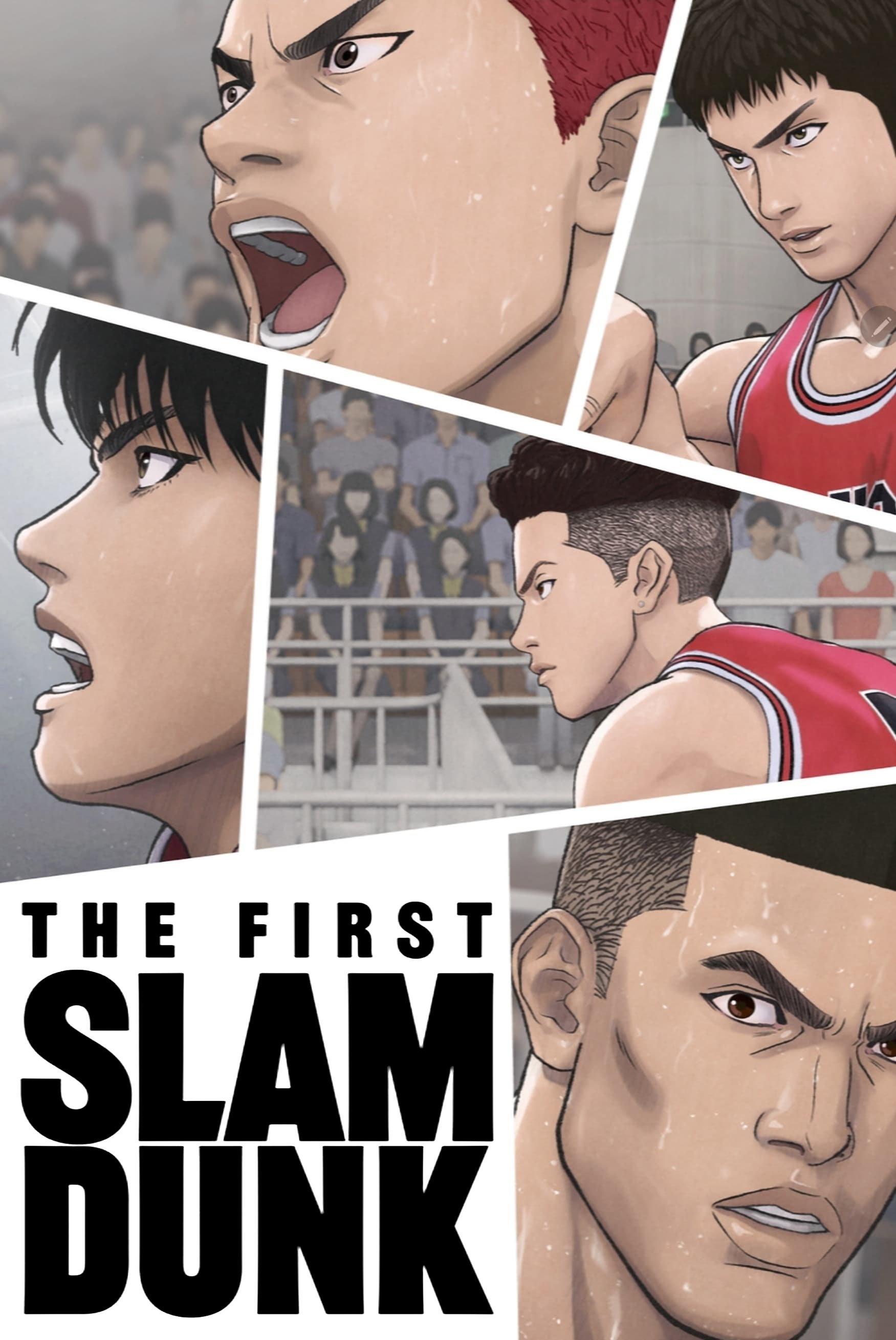
The release of ‘The First Slam Dunk’ movie generated significant controversy when it was revealed that the entire main cast from the 1990s TV anime had been replaced. The director, Takehiko Inoue, wanted a more grounded and realistic tone for the film, distinct from the exaggerated style of the TV show. Fans were initially outraged, expressing their disappointment on social media before the film’s release. Despite the backlash, the movie became a massive critical and commercial success with the new cast.
‘Chibi Maruko-chan’ (1990–Present)

Keaton Yamada served as the narrator and the voice of the grandfather, Tomozou, for decades. In 2021, Yamada announced his retirement from voice acting, leading to a highly publicized graduation from the show. Jooji Tanaka took over the role of the grandfather, while the narration duties were passed to a new actor. The series aired a special episode to bid farewell to Yamada, celebrating his contribution to the show’s unique atmosphere.
‘Mob Psycho 100’ (2016–2022)
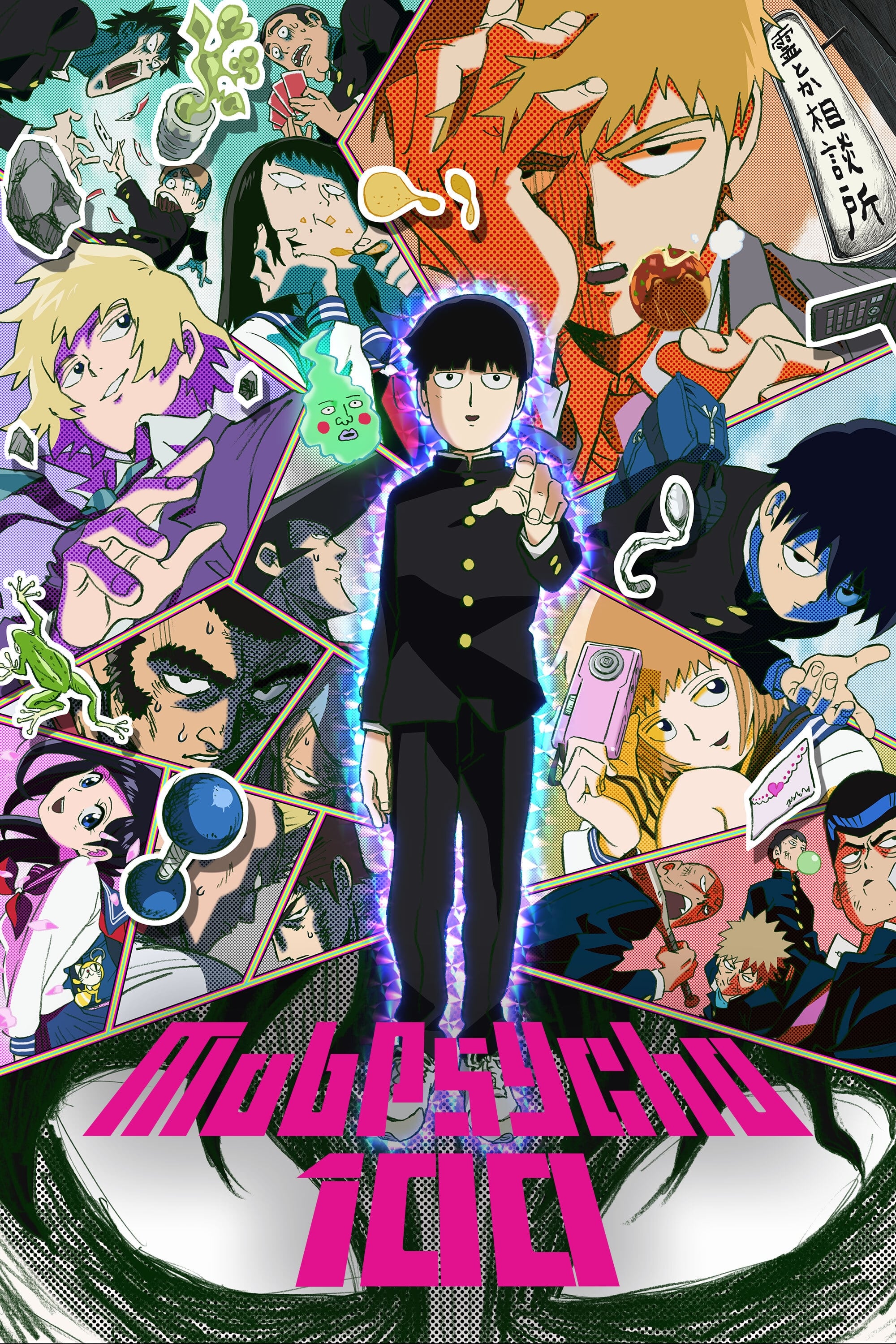
In a high-profile drama involving the English dub, Kyle McCarley, the voice of the protagonist Mob, did not return for the third season. McCarley stated that he was let go because Crunchyroll refused to meet with SAG-AFTRA union representatives regarding potential contracts. This sparked a widespread conversation about unionization in the dubbing industry. The role was recast with a new actor, leading to mixed reactions from fans who supported McCarley’s stance.
‘Dragon Ball Super: Broly’ (2018)
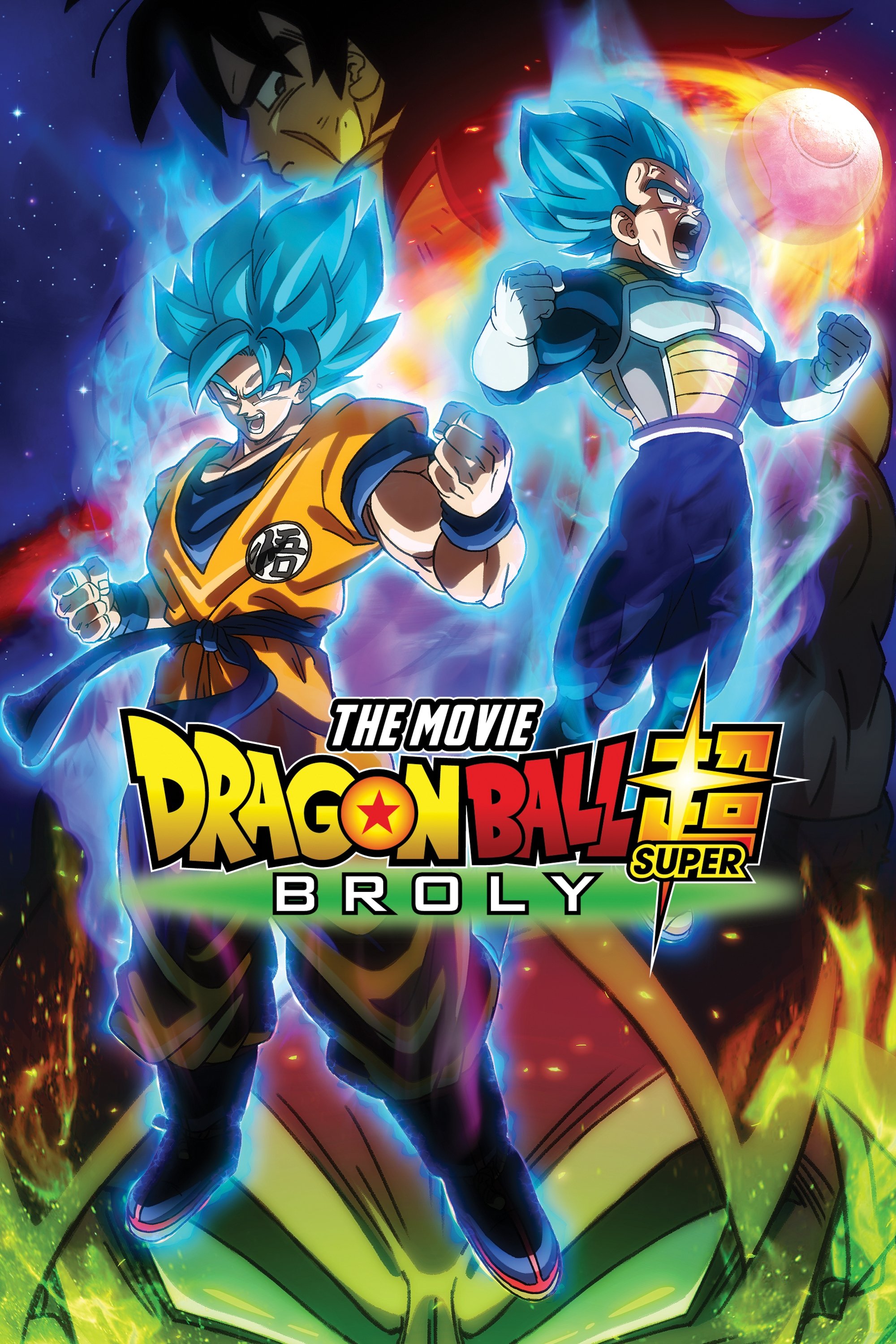
Vic Mignogna had voiced the Legendary Super Saiyan Broly in English dubs for nearly two decades. Following a series of allegations and a subsequent legal battle in 2019, Funimation severed ties with Mignogna. Johnny Yong Bosch was cast as the new voice of Broly for subsequent video games and anime content. The recast became a polarizing topic within the western ‘Dragon Ball’ community, overshadowing discussions about the character’s future.
‘Neon Genesis Evangelion’ (1995–1996)
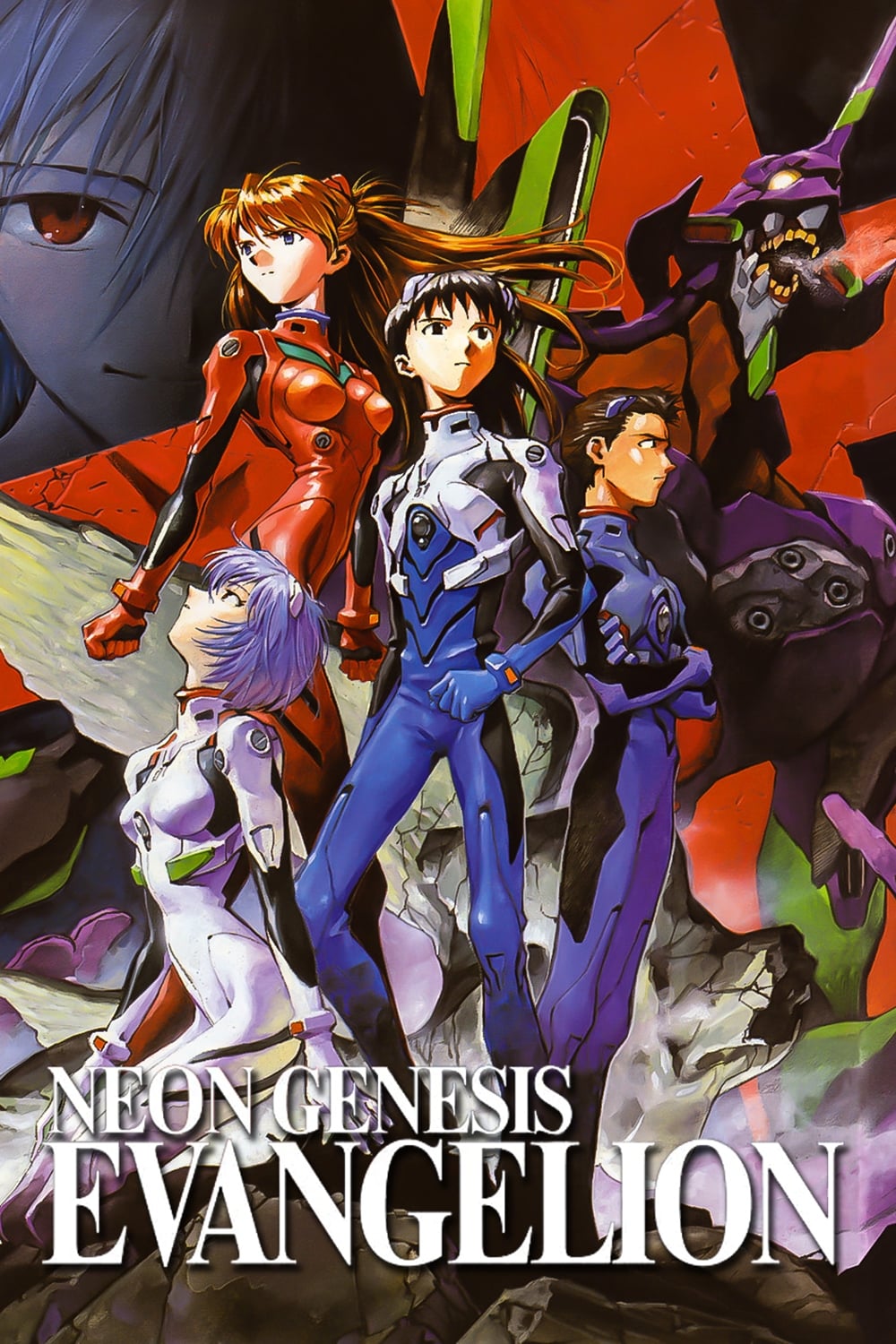
When Netflix acquired the streaming rights to ‘Neon Genesis Evangelion’ in 2019, they commissioned a completely new English dub. This decision meant replacing the original ADV Films cast, whose performances had been cemented in the minds of fans for twenty years. The new script and casting choices drew criticism for changing the nuances of certain scenes. While the new cast was talented, the erasure of the original performances caused a divide between old and new fans.
‘Hunter x Hunter’ (2011–2014)

Ichiro Nagai voiced the powerful Chairman Isaac Netero during the critical Chimera Ant arc. Nagai passed away in the middle of the arc’s airing, necessitating an immediate recast for the character’s remaining scenes. Ginga Banjo took over the role, delivering the character’s final, explosive moments. The transition was seamless, but fans noted the slight difference in timbre during Netero’s most important battle.
‘Code Geass: Lelouch of the Re;surrection’ (2019)
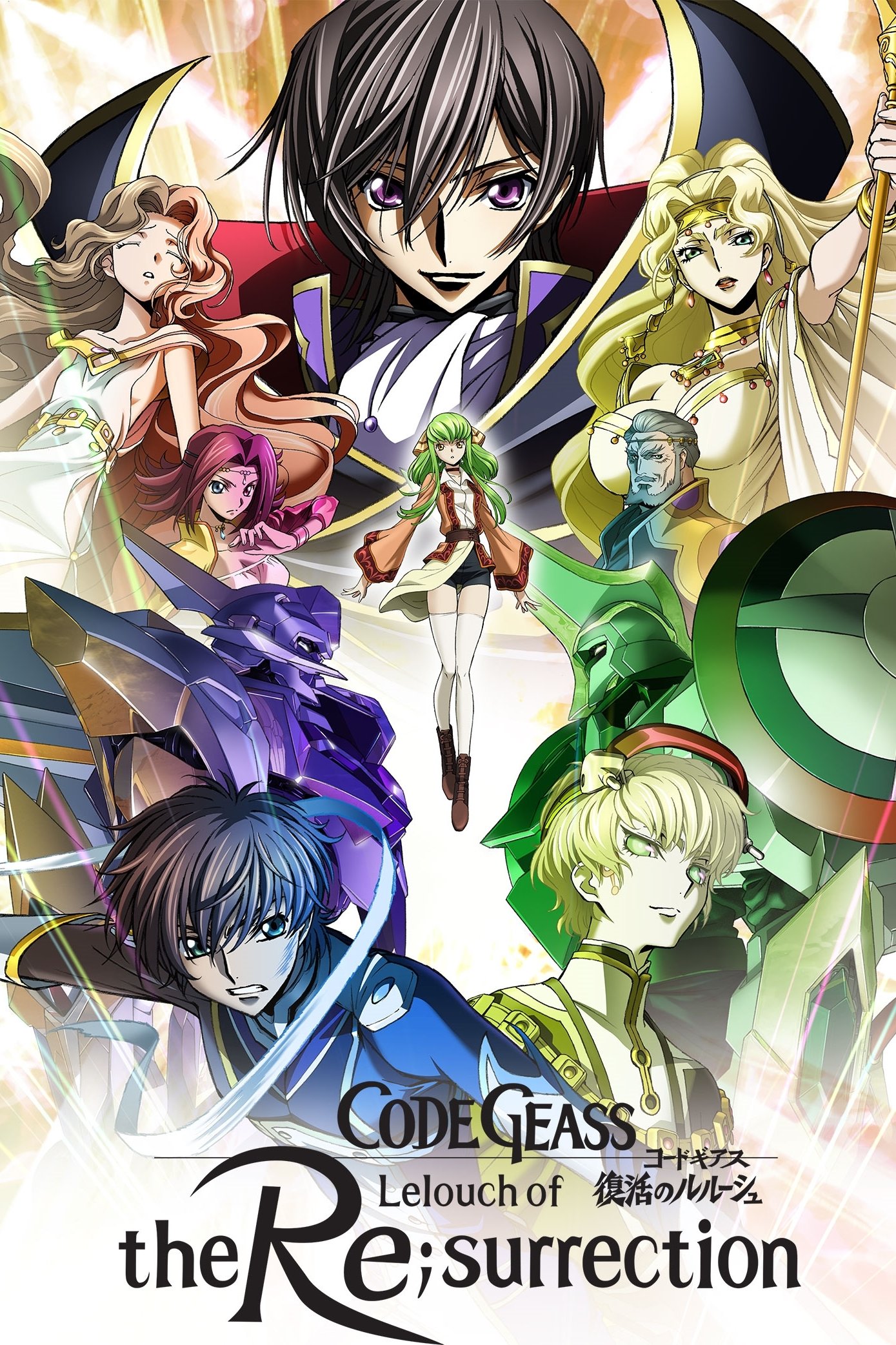
Kazunari Tanaka originally voiced Shinichiro Tamaki, a loudmouthed member of the Black Knights. Following Tanaka’s death, Nobuyuki Hiyama was cast to voice the character in the sequel film. Hiyama, known for his hot-blooded roles, was a fitting choice to capture Tamaki’s energetic personality. The recasting allowed the character to return for the reunion movie without retiring the character out of respect.
‘Dream Festival!’ (2016)

This multimedia project involving idols faced a serious breach of contract issue with one of its main cast members. Junya Amamiya, who voiced Chizuru, abruptly left the franchise, and his agency cited a contract violation as the cause. Soma Ishihara was quickly brought in to replace him in the anime and the real-life idol unit. The sudden change required refilming of music videos and re-recording of songs, disrupting the unit’s promotional schedule.
‘Ensemble Stars!’ (2019)

Arashi Narukami was originally voiced by Jun Kitamura in the game that preceded the anime adaptation. However, Kitamura left the franchise following a hiatus, and Ryo Kitamura was cast as the new voice. While this change happened largely within the game, it carried over into the anime adaptation. Fans of the franchise had to adjust to the new vocal quality of one of the series’ most popular characters.
‘Trigun Stampede’ (2023)
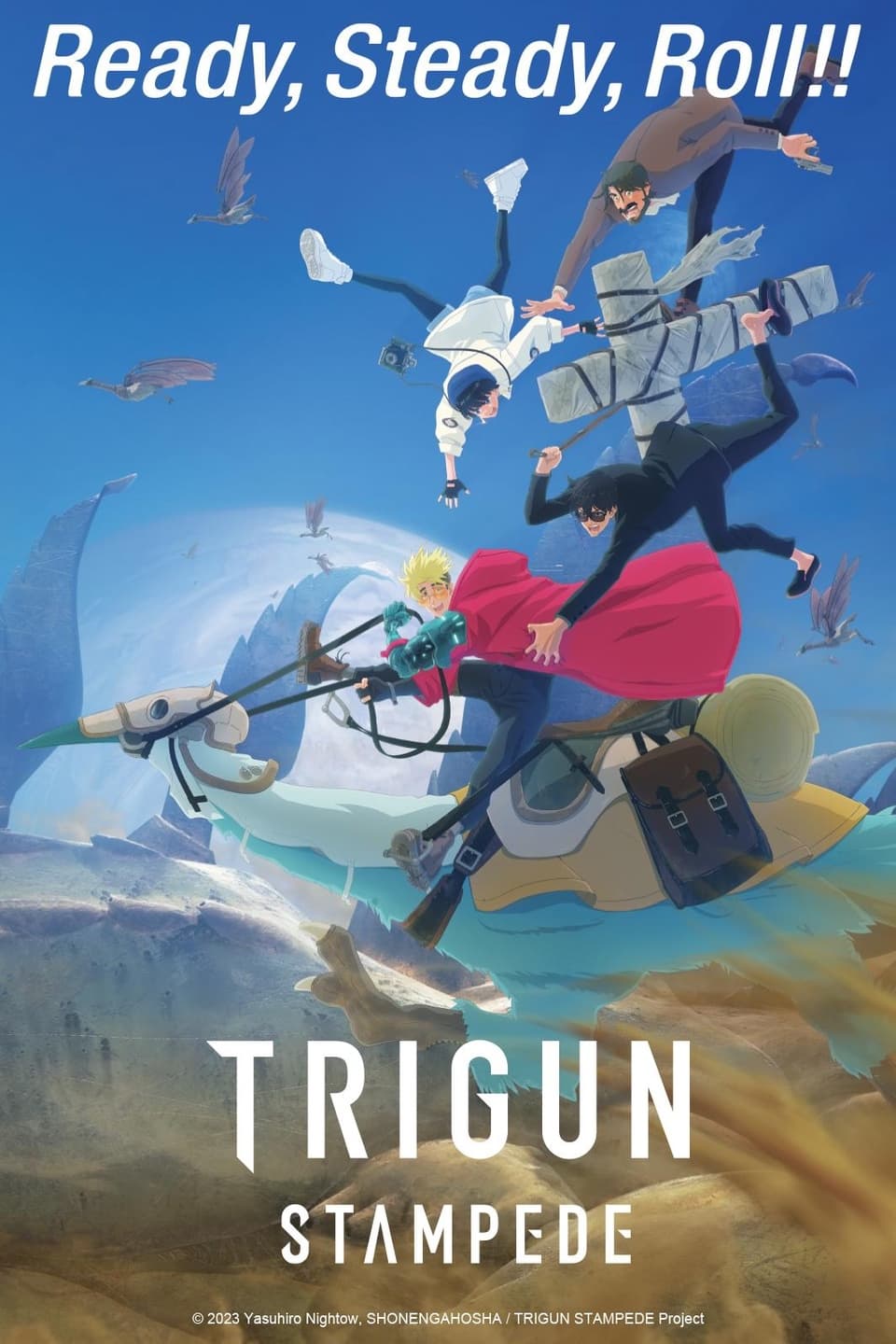
The 2023 reboot of ‘Trigun’ aimed to reimagine the series with a new aesthetic and tone. As part of this refresh, the iconic voice of Vash the Stampede, originally provided by Masaya Onosaka, was replaced by Yoshitsugu Matsuoka. While Onosaka was still involved in the project voicing a different character, the change symbolized the reboot’s separation from the 1998 classic. This creative decision polarized fans who felt Onosaka’s voice was essential to Vash’s characterization.
‘Bleach’ (2004–2012)

Genryusai Shigekuni Yamamoto, the Captain-Commander of the Gotei 13, was voiced by Masaaki Tsukada with immense gravitas. After Tsukada’s passing in 2014, the role was vacant until the ‘Thousand-Year Blood War’ arc adaptation. Binbin Takaoka was cast to voice the character for his final battles. Takaoka’s performance was praised for capturing the authoritarian weight of the character, honoring Tsukada’s groundwork.
‘One Piece’ (1999–Present)
Admiral Kizaru is known for his slow, drawling speech pattern, originally perfected by Unsho Ishizuka. Following Ishizuka’s death, Ryotaro Okiayu was cast to take over the role of the light-wielding admiral. Okiayu had to replicate the very specific, elongated speaking style that Ishizuka had established. The performance is a careful mimicry that allows the character to remain consistent within the show’s world.
‘Mister Ajikko’ (1987–1989)
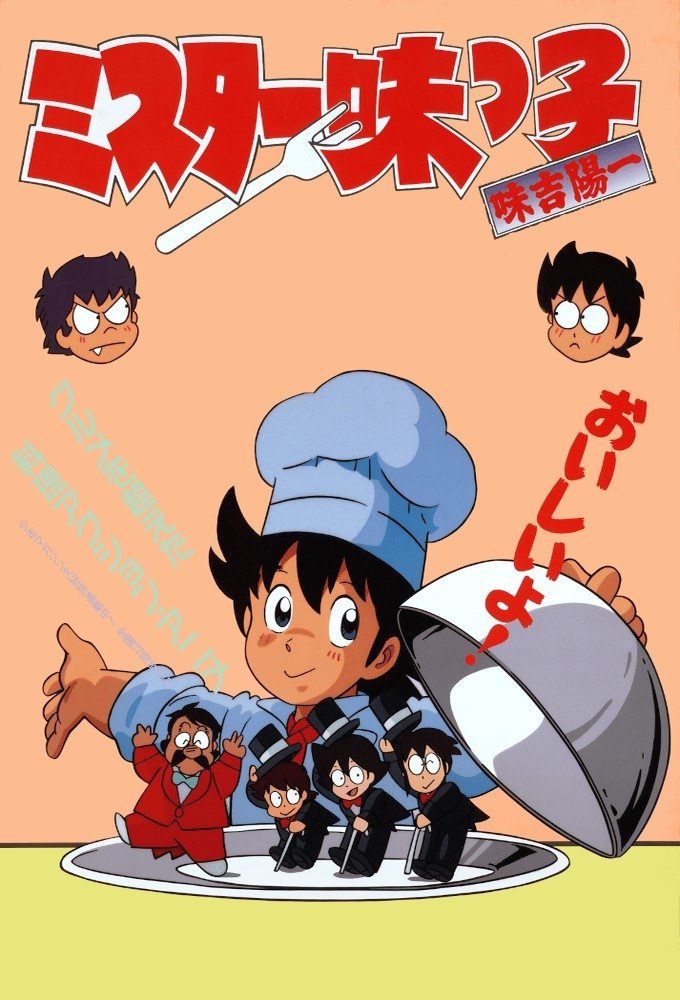
This classic cooking anime experienced a rare mid-run change for its protagonist, Yoichi Ajiyoshi. The original voice actress, Minami Takayama, had to leave the recording temporarily due to a scheduling conflict or illness, leading to a substitute for a short period. While minor in the grand scheme, it is a rare example of a main character being temporarily subbed in the pre-digital era. Fans of 80s anime often cite this as a piece of trivia regarding production constraints of the time.
‘Kingdom’ (2012–Present)
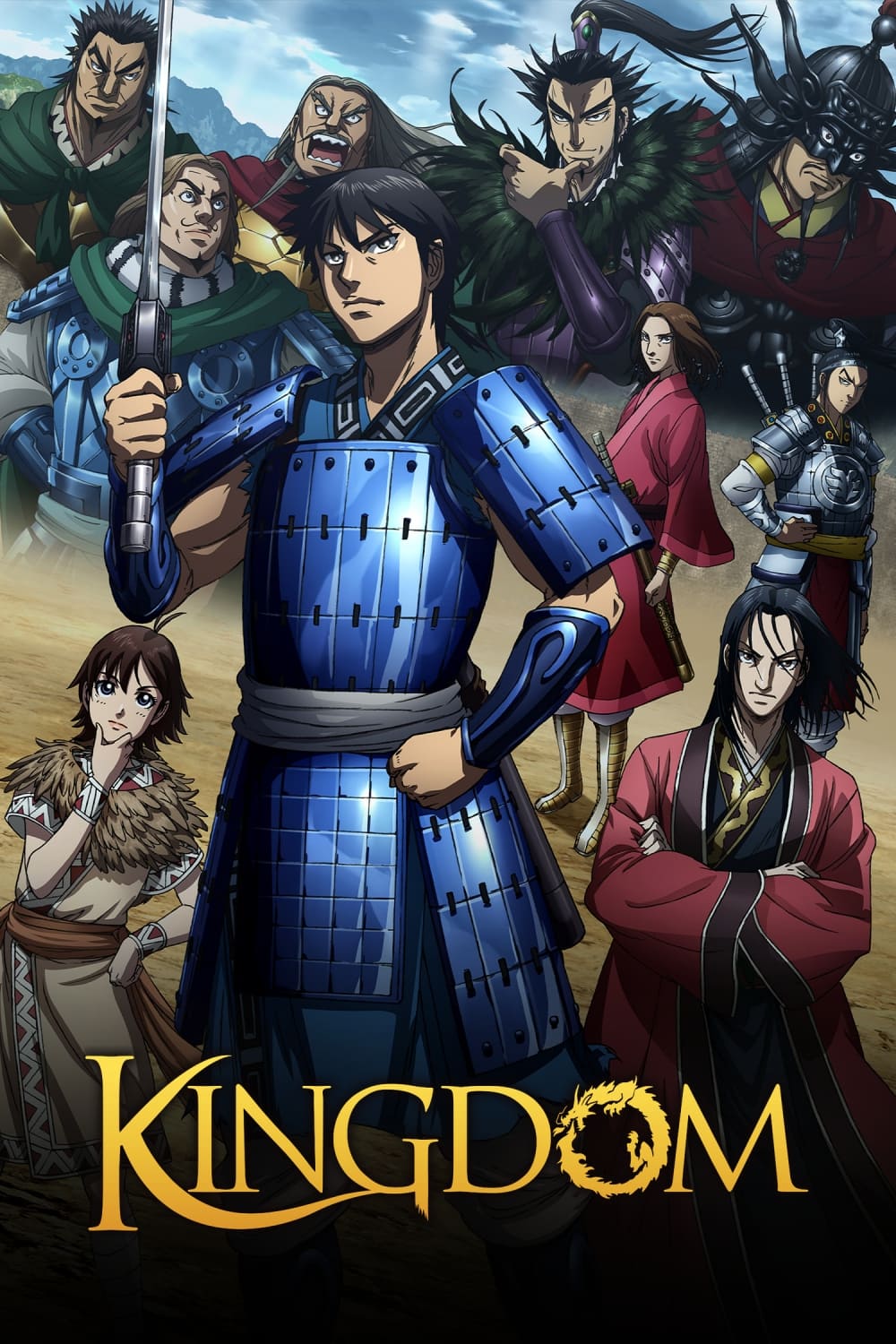
The character Renpa, a legendary general, was initially voiced by Shozo Iizuka. Due to Iizuka’s advanced age and retirement from the role, the character was recast with Katsuyuki Konishi for later seasons. This change reflected the character’s continued vigor despite his age in the series. The shift in voice actors brought a different, more youthful energy to the general’s commanding presence.
‘Fruits Basket’ (2019–2021)

While the 2019 series was a complete reboot, it made a deliberate choice to replace the entire cast of the 2001 anime adaptation. The creator, Natsuki Takaya, specifically requested a new cast to separate the faithful adaptation from the previous version she had disagreements with. This decision was met with mixed emotions by fans of the 2001 English dub, though the Japanese release was accepted as a fresh start. It stands as a unique example of a “recast” driven by the author’s desire for a clean slate.
Please tell us which voice actor change shocked you the most in the comments.