

Anime Series With Subplots Inspired by Urban Legends

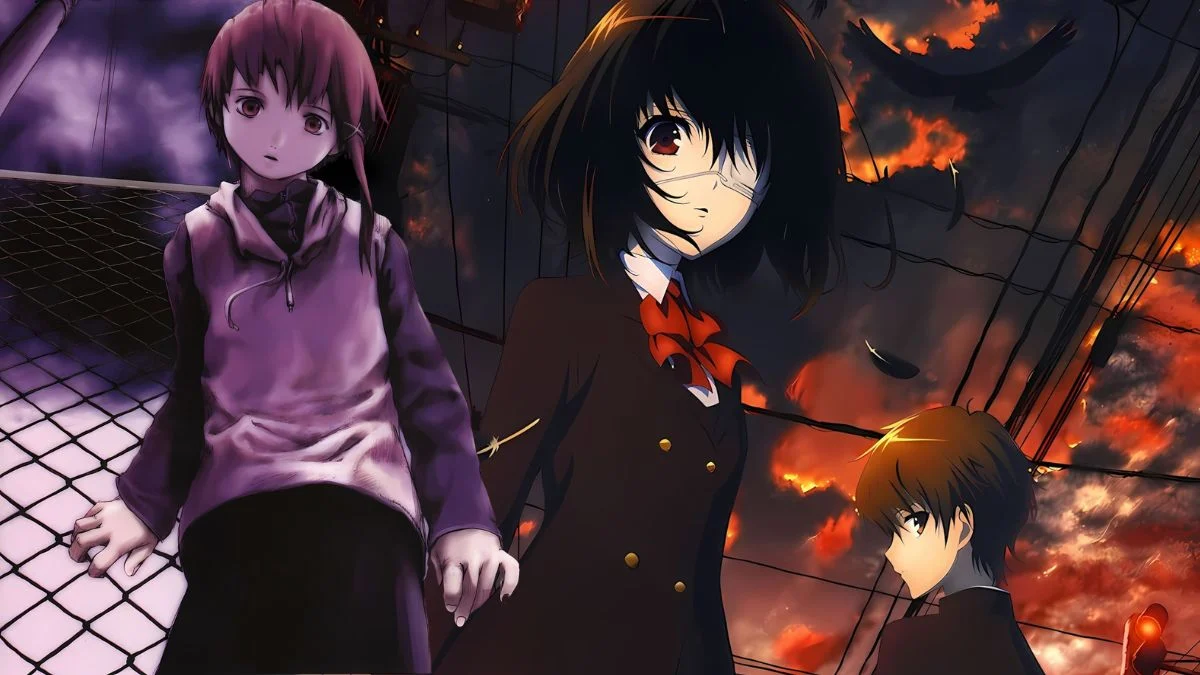


Urban legends have fascinated audiences for generations by blending reality with the supernatural. Anime creators frequently utilize these modern myths to craft compelling narratives that resonate with viewers on a psychological level. These series range from terrifying horror anthologies to psychological mysteries that explore the collective unconscious. The incorporation of folklore often grounds fantastical elements in a setting that feels unsettlingly familiar. This list explores fifty anime series that effectively weave urban legends into their storylines.
‘Ghost Stories’ (2000–2001)
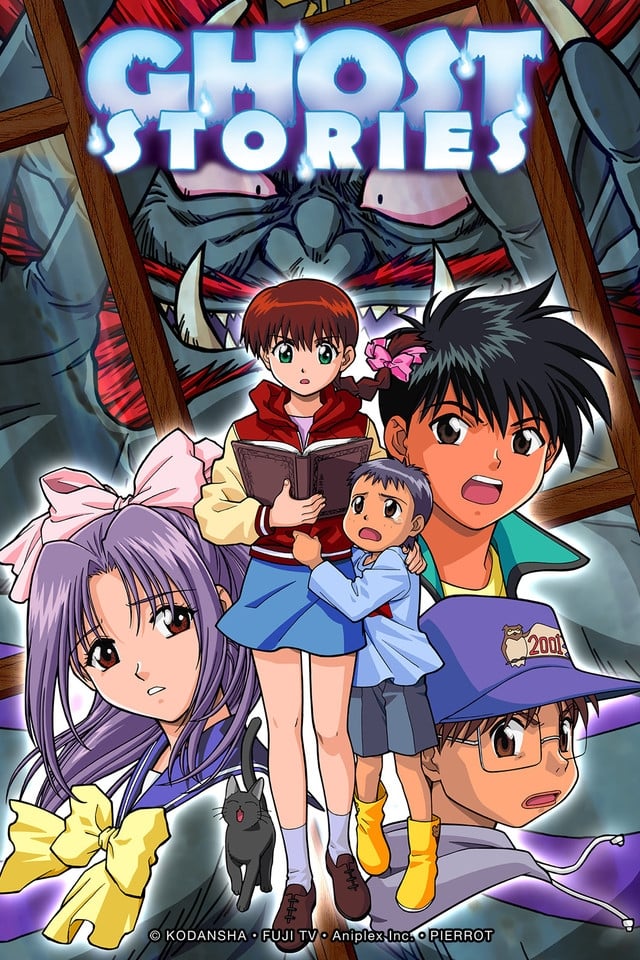
This series follows Satsuki Miyanoshita and her friends as they investigate haunted locations in their hometown. They discover a ghostly journal that details how to banish specific spirits derived from Japanese folklore. The show features famous entities like the slit-mouthed woman and Hanako of the toilet. ‘Ghost Stories’ is renowned for its localized English dub which drastically changed the tone to a dark comedy.
‘Toilet-bound Hanako-kun’ (2020)
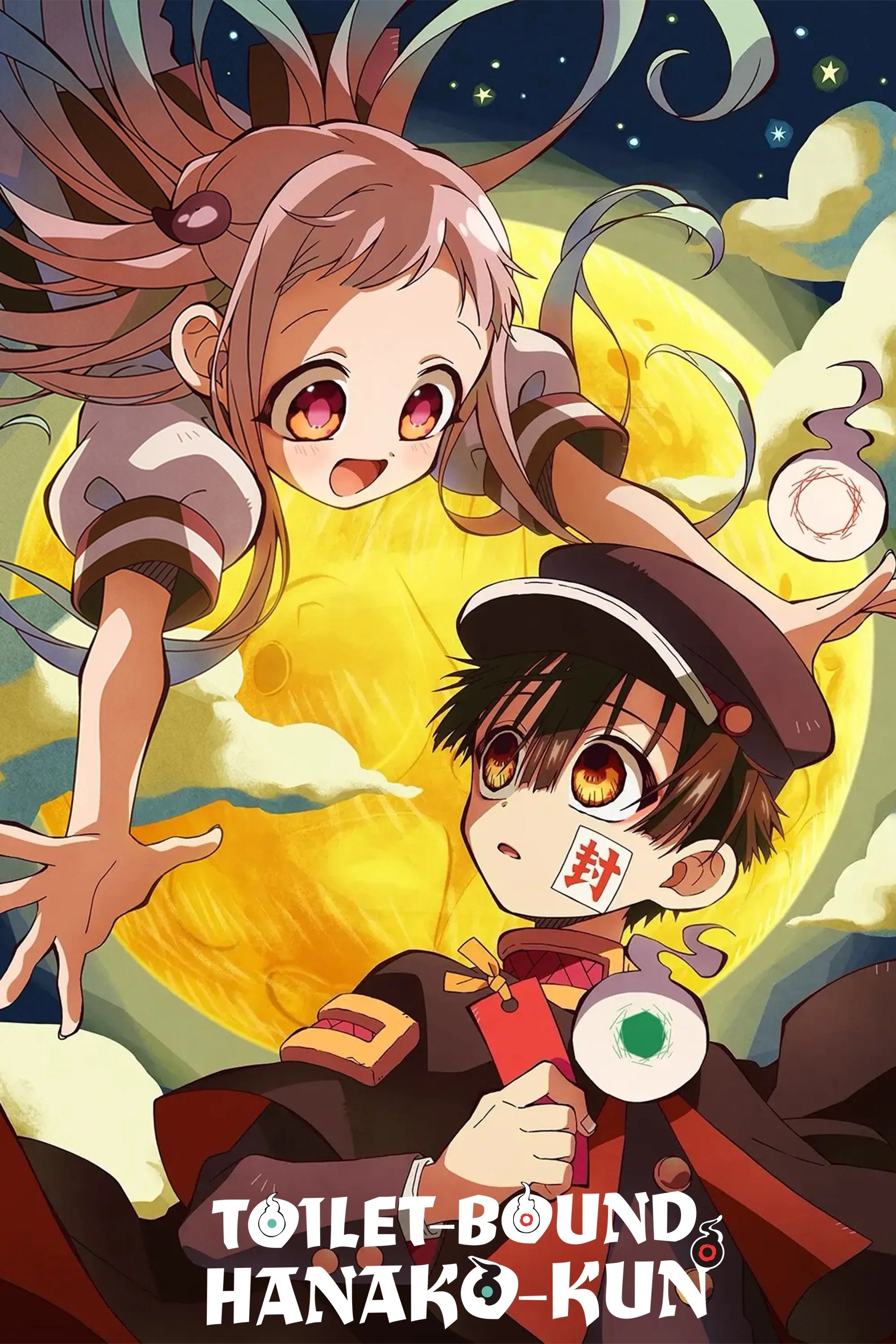
The story revolves around Kamome Academy and its rumors regarding the Seven Mysteries of the school. Nene Yashiro seeks out the third mystery known as Hanako-san in hopes of granting a romantic wish. She discovers that the spirit is actually a boy who maintains the balance between the human and spirit worlds. The animation style mimics a storybook aesthetic to enhance the whimsical yet eerie atmosphere.
‘Durarara!!’ (2010)
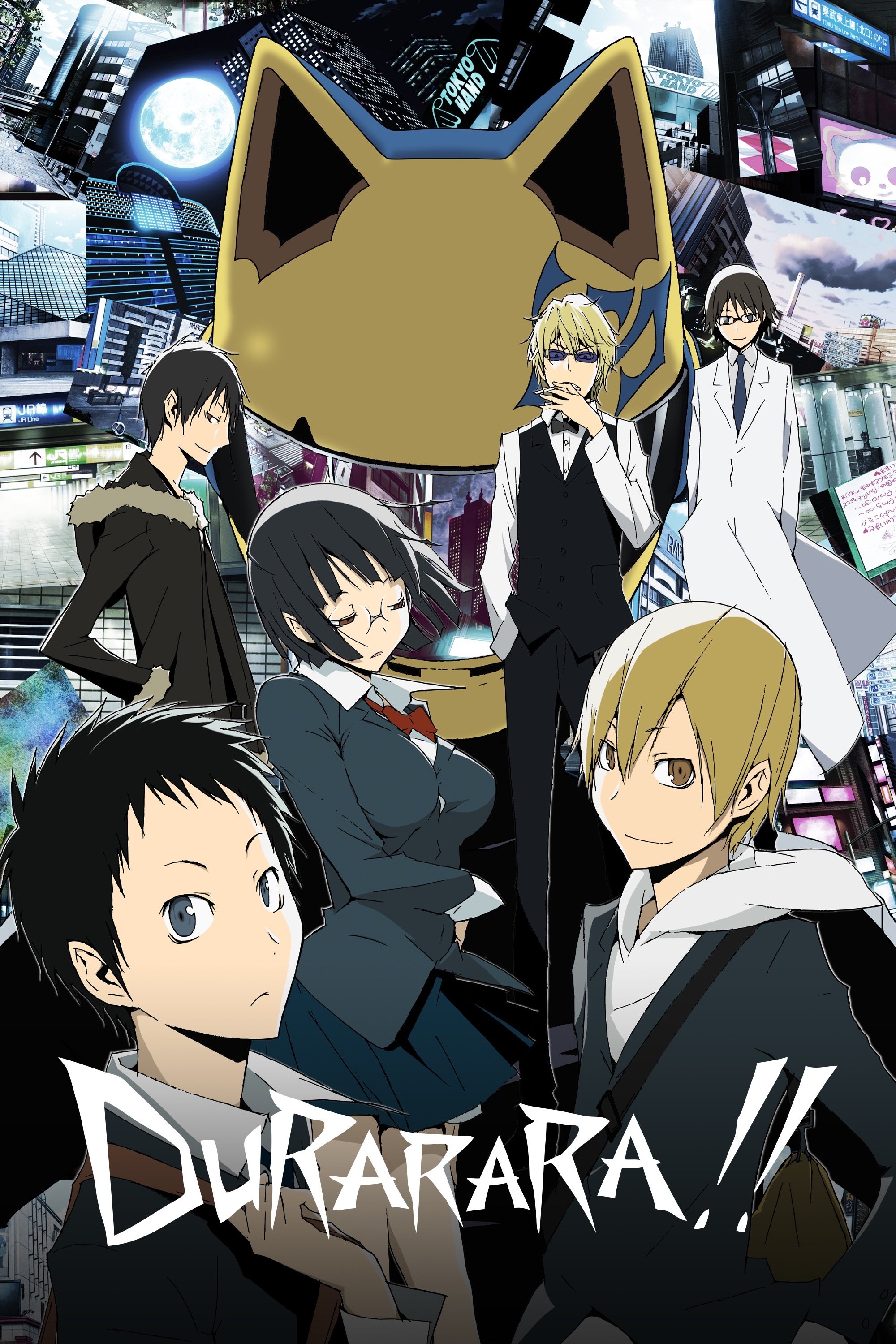
The narrative takes place in Ikebukuro where a dullahan works as an underworld courier. This headless rider drives a black motorcycle and becomes a living urban legend among the city residents. Gangs and students interact with the supernatural entity while navigating their own complex relationships. The series expertly intertwines the myth of the dullahan with modern gang warfare and internet culture.
‘Paranoia Agent’ (2004)
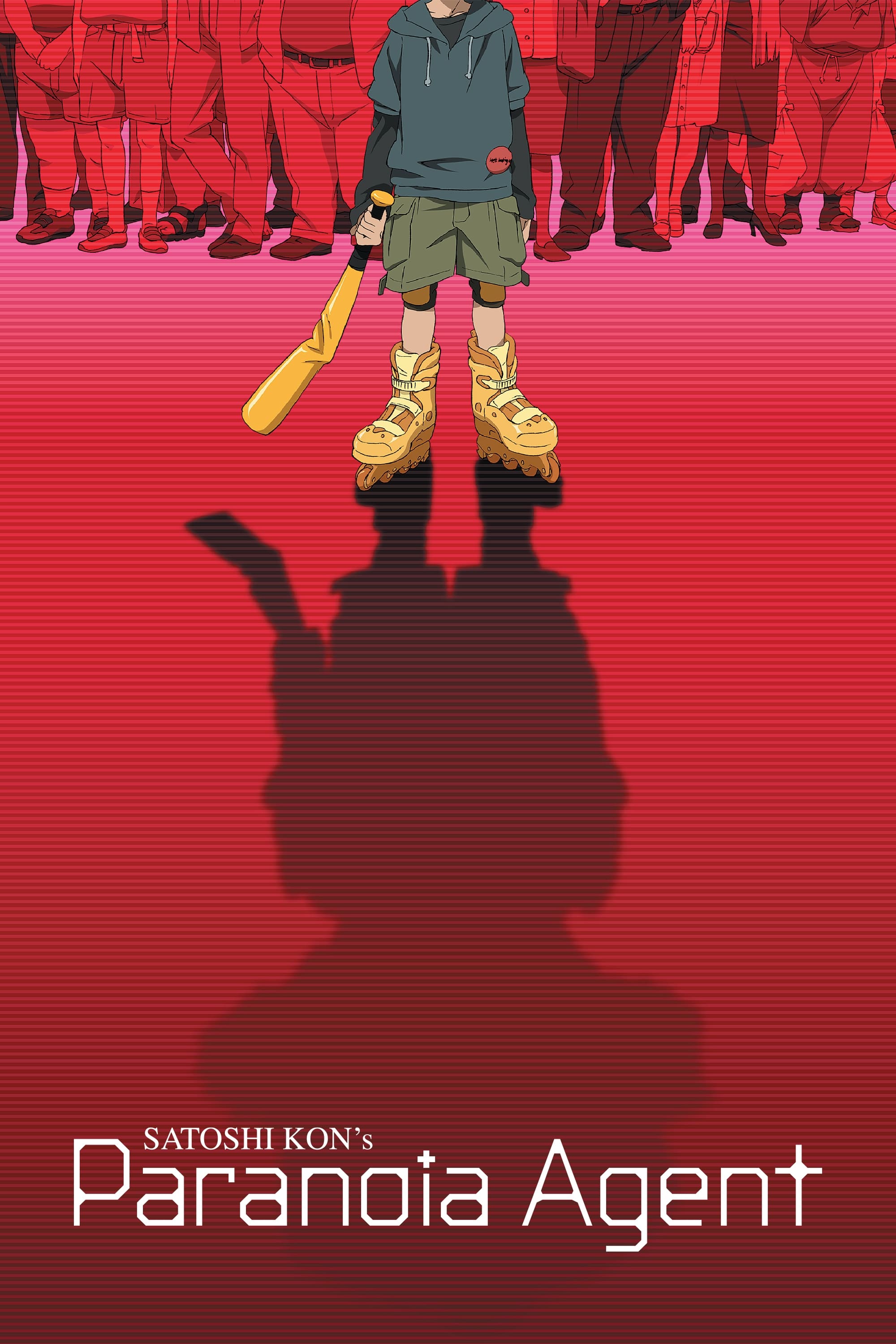
A social phenomenon sweeps across Tokyo surrounding a juvenile assailant known as Lil’ Slugger. The attacker targets individuals who are emotionally cornered and strikes them down with a bent golden bat. Rumors about the assailant spread rapidly and blur the line between mass hysteria and reality. Director Satoshi Kon uses this urban legend to critique escapism and societal pressure.
‘Hell Girl’ (2005–2006)

A mysterious website known as the Hotline to Hell becomes the center of a dark rumor among teenagers. Individuals can type the name of their enemy into the site at midnight to have them sent to hell immediately. The protagonist Ai Enma fulfills these requests in exchange for the requester’s soul upon their death. The series explores the nature of vengeance and the consequences of cursing others.
‘Boogiepop Phantom’ (2000)
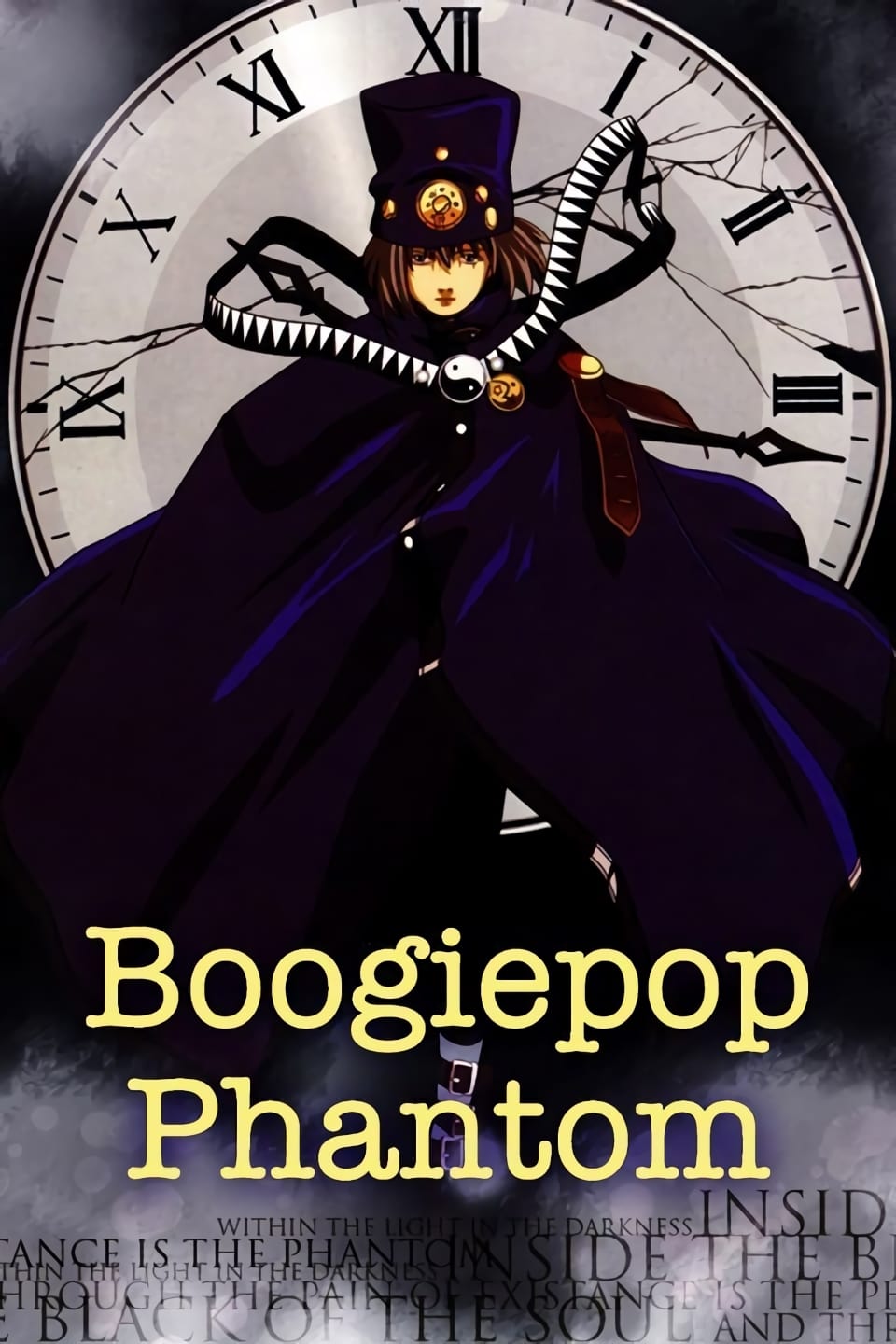
A city is plagued by a pillar of light and a series of grisly disappearances blamed on the urban legend Boogiepop. Students whisper about this entity who is said to be the personification of death itself. The narrative utilizes a non-linear structure to show how rumors warp the perception of reality. ‘Boogiepop Phantom’ delves into themes of memory and the evolution of adolescence.
‘Another’ (2012)
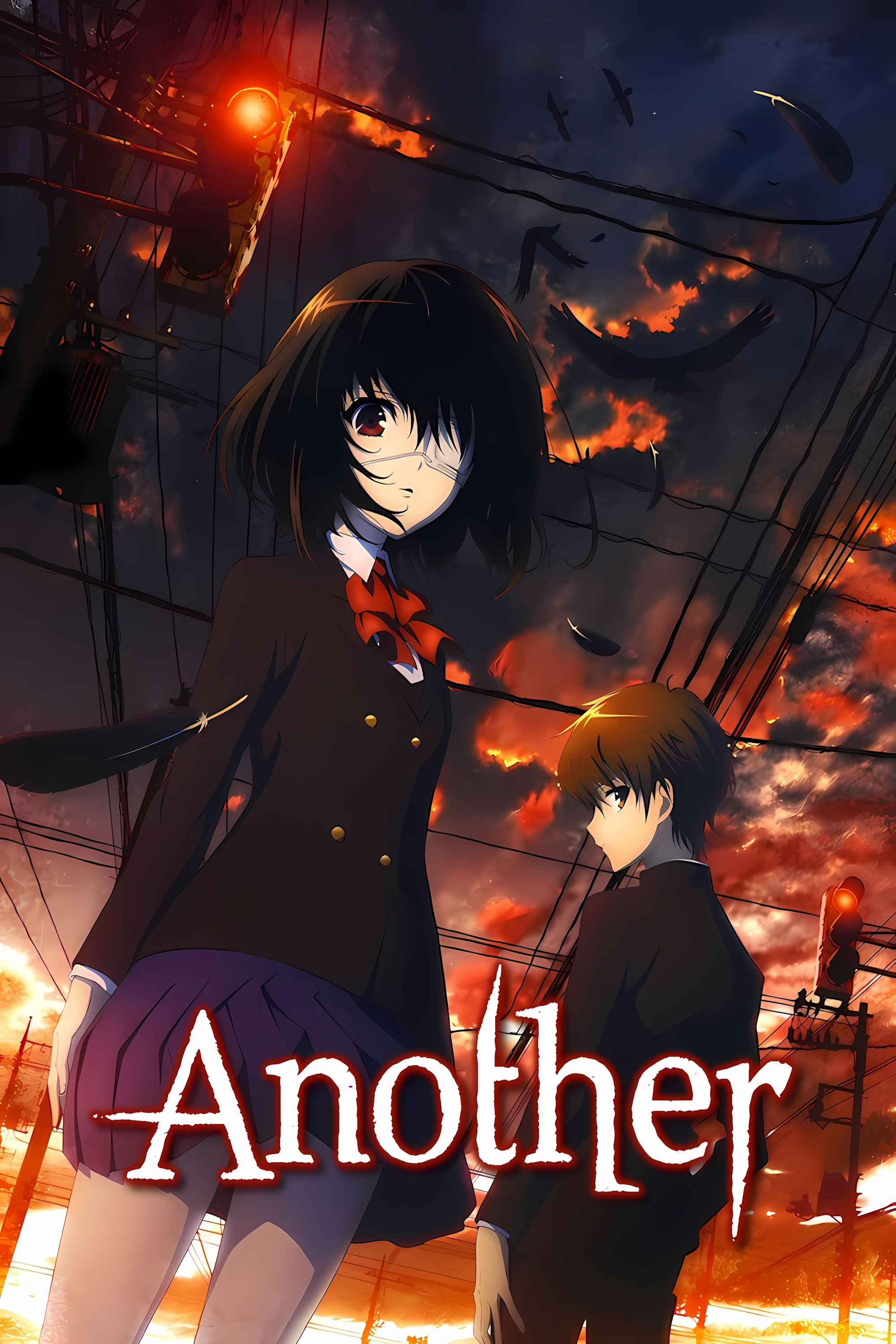
A transfer student discovers that his new class is suffering from a curse related to a death from decades ago. The students treat him as if he does not exist to prevent a calamitous chain of accidental deaths. The story functions as a grim procedural where the characters must solve the riddle of the “dead one” among them. It plays heavily on the fear of school-based curses and inescapable fate.
‘Dusk Maiden of Amnesia’ (2012)

The protagonist investigates the old school building of Seikyou Academy after meeting a ghost named Yuuko. She has no memory of her death and relies on the main character to uncover the truth behind her demise. The school is filled with exaggerated ghost stories that turn out to be distortions of Yuuko’s actual history. The series balances romance with the mystery of resolving a lingering spirit’s regrets.
‘GeGeGe no Kitaro’ (2018–2020)
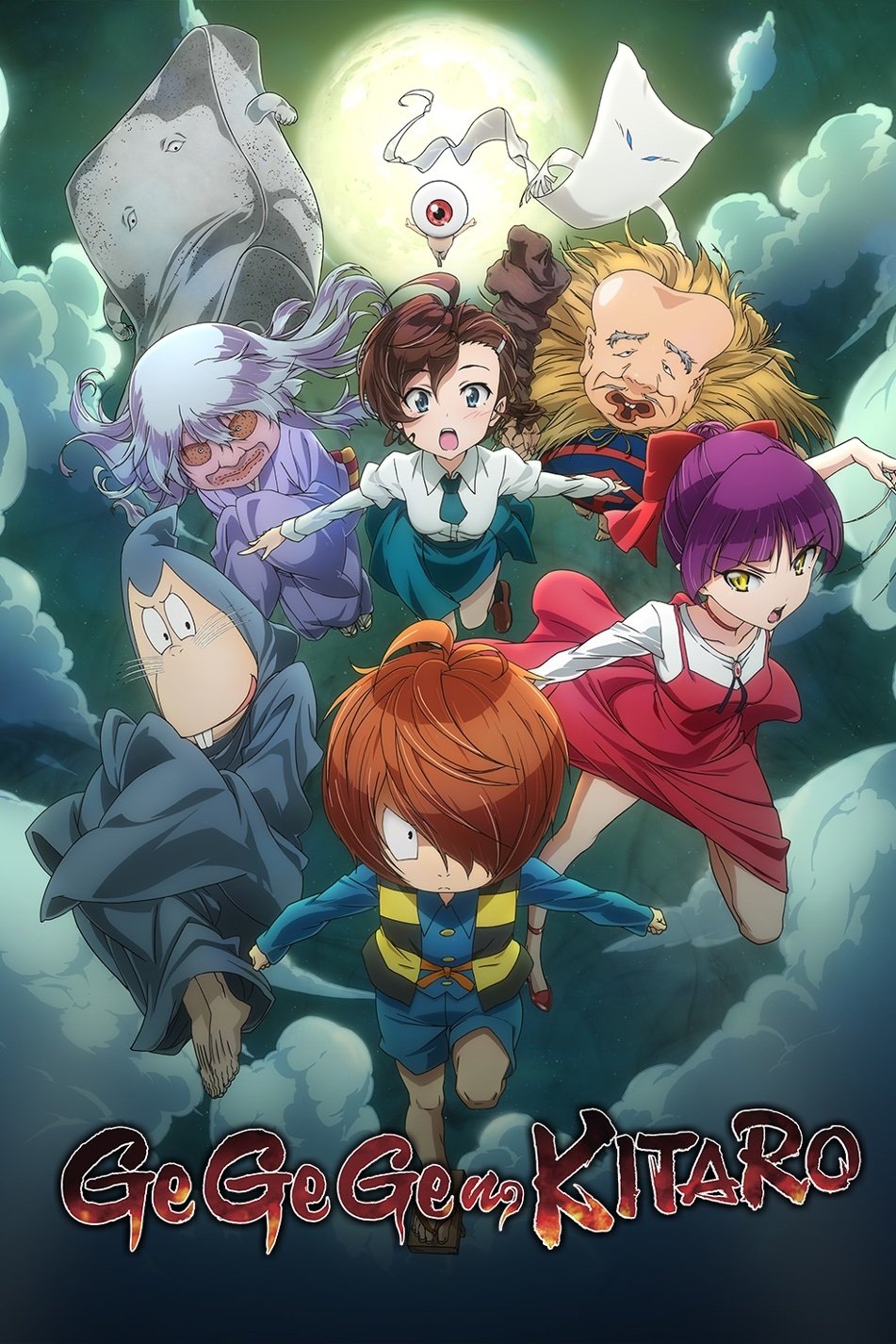
This iteration of the classic franchise brings traditional yokai into the modern smartphone era. Kitaro works to maintain peace between humans and spirits as urban development encroaches on supernatural territories. Many episodes modernize classic myths to reflect contemporary societal issues like social media addiction. It serves as a comprehensive introduction to Japanese folklore and monster legends.
‘Occultic;Nine’ (2016)
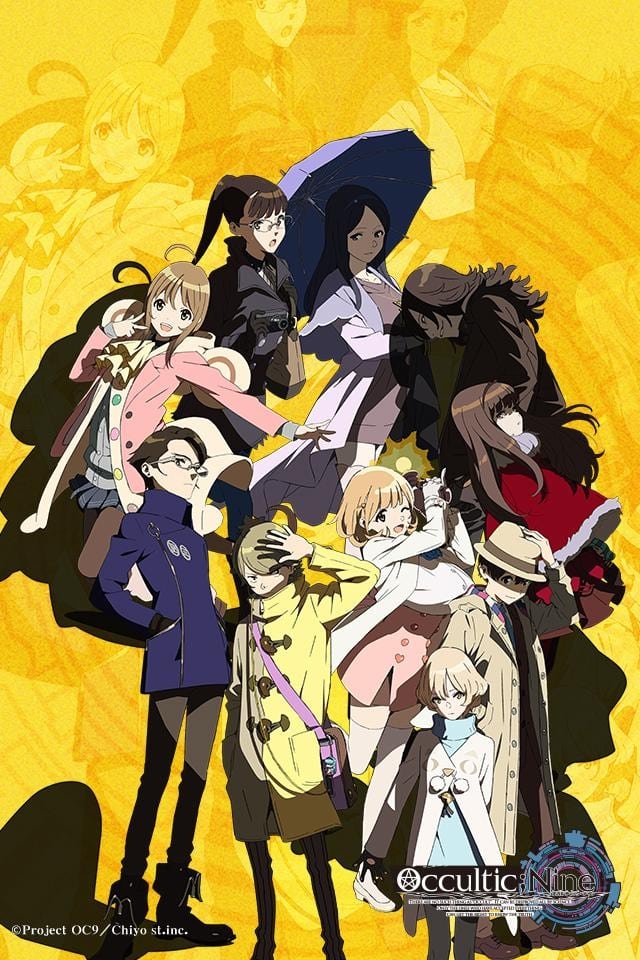
A group of eccentric individuals is drawn together by a blog dedicated to disproving urban legends. They become entangled in a conspiracy involving ghosts and psychometry after a mass death incident. The rapid dialogue and frenetic pacing mirror the speed of information spreading on the internet. The show examines how online rumors can manifest into dangerous physical realities.
‘Higurashi: When They Cry’ (2006)
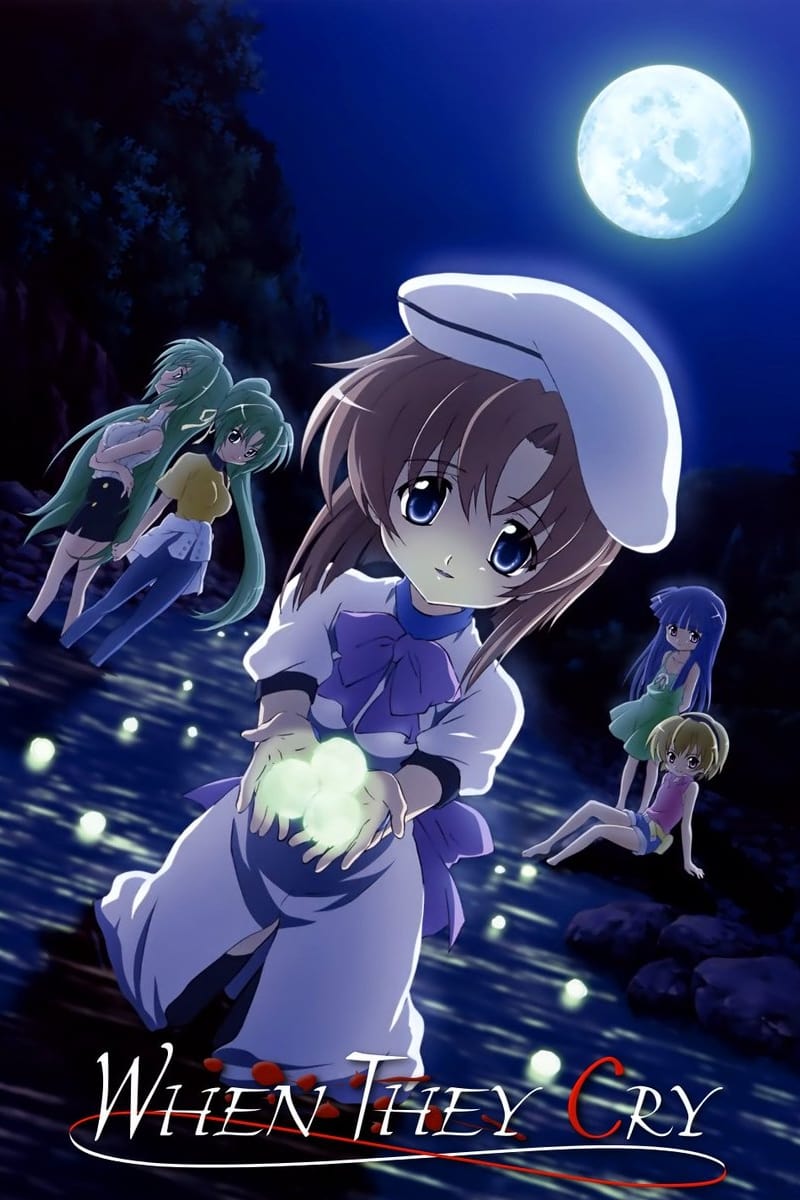
A young boy moves to the rural village of Hinamizawa and learns of a curse associated with the local deity Oyashiro-sama. A string of murders and disappearances occurs every year during the village festival. The characters are trapped in time loops where paranoia and superstition drive them to violence. ‘Higurashi: When They Cry’ contrasts a peaceful setting with the brutality of folk horror.
‘Gugure! Kokkuri-san’ (2014)
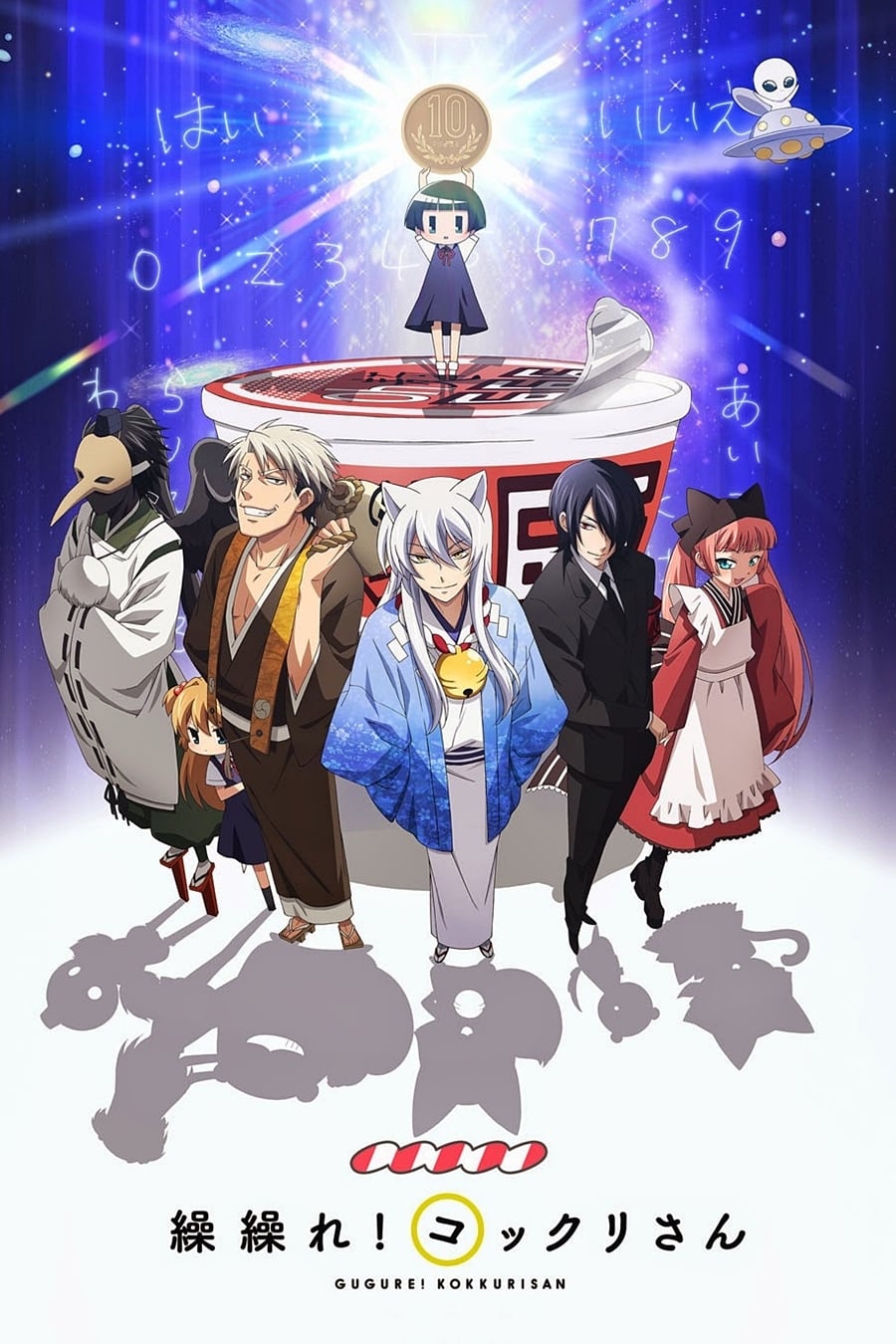
A young girl plays the solitary game of Kokkuri-san and summons a fox spirit who decides to haunt her. Instead of scaring her the spirit ends up taking care of her domestic needs and health. The show creates a comedy by subverting the horror tropes associated with spirit summoning games. Other supernatural entities join the household and create a dysfunctional family dynamic.
‘Corpse Party: Tortured Souls’ (2013)
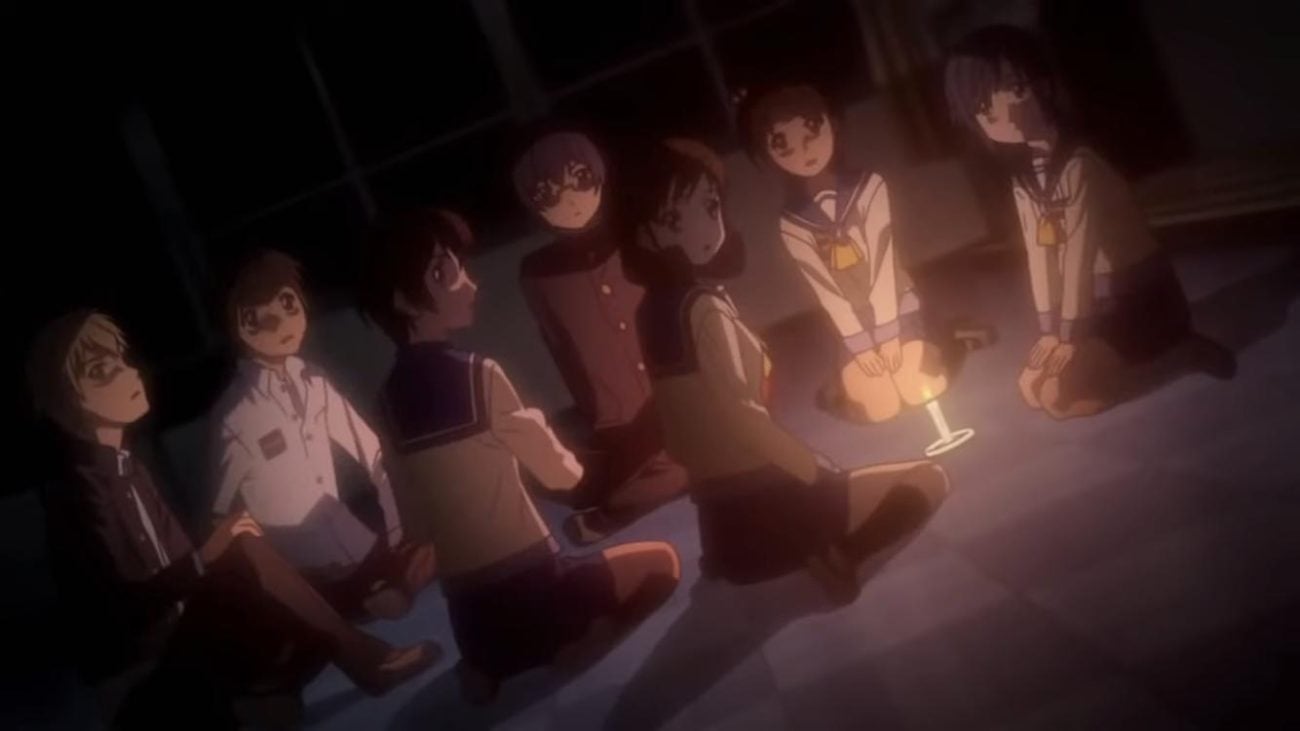
Students perform a friendship charm they found on the internet that transports them to a dilapidated elementary school. The school is a multidimensional nexus filled with the vengeful spirits of murdered children. They must uncover the dark history of the building to escape before they succumb to the madness. The anime is notorious for its graphic violence and depiction of schoolyard legends coming to life.
‘Mieruko-chan’ (2021)
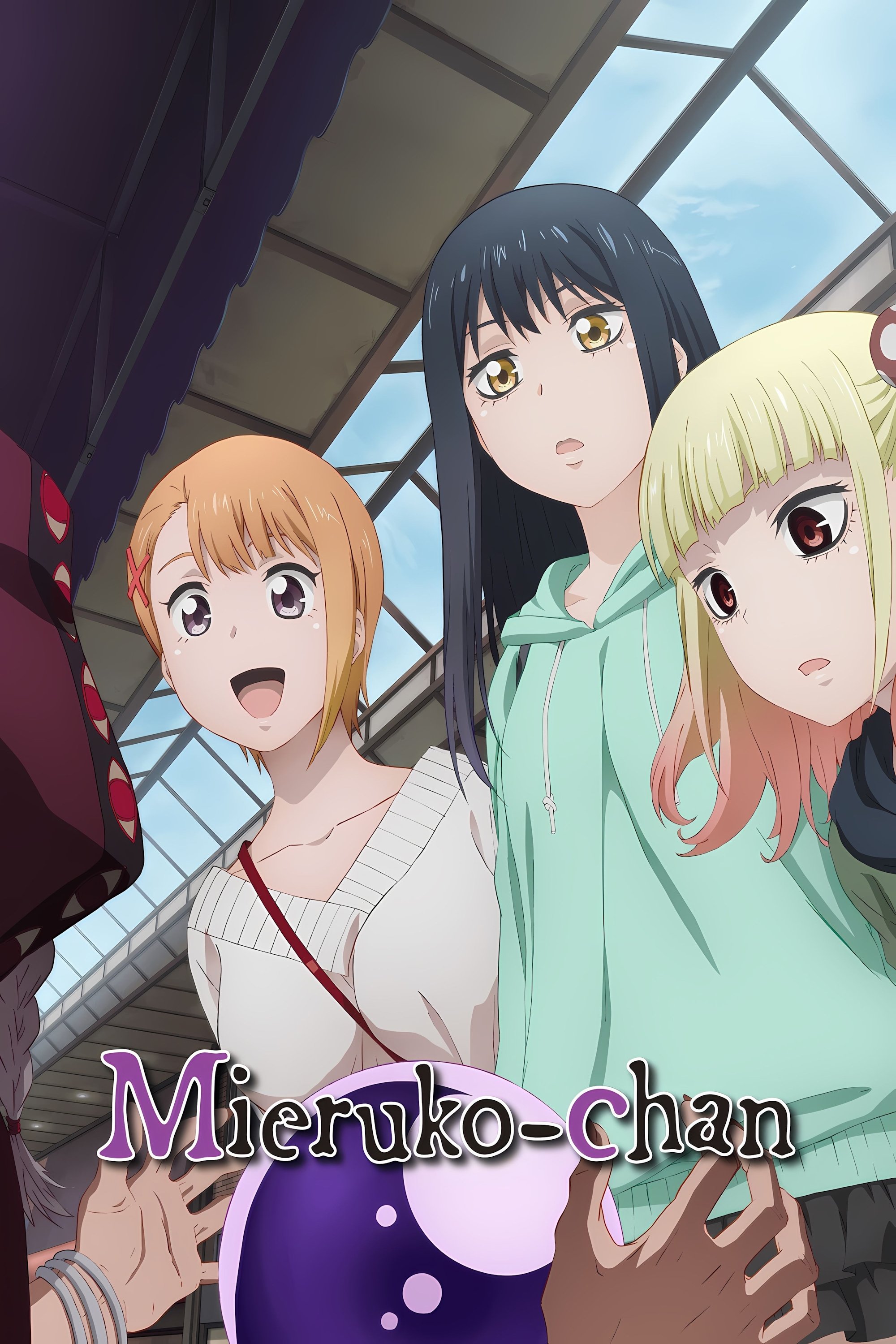
Miko Yotsuya suddenly gains the ability to see grotesque ghosts that blend into everyday society. She decides that her best defense is to completely ignore them and pretend she sees nothing. The spirits range from roadside apparitions to terrifying entities haunting public restrooms. ‘Mieruko-chan’ uses the “seeing” mechanic to create tension without the protagonist having combat powers.
‘Ghost Hunt’ (2006–2007)
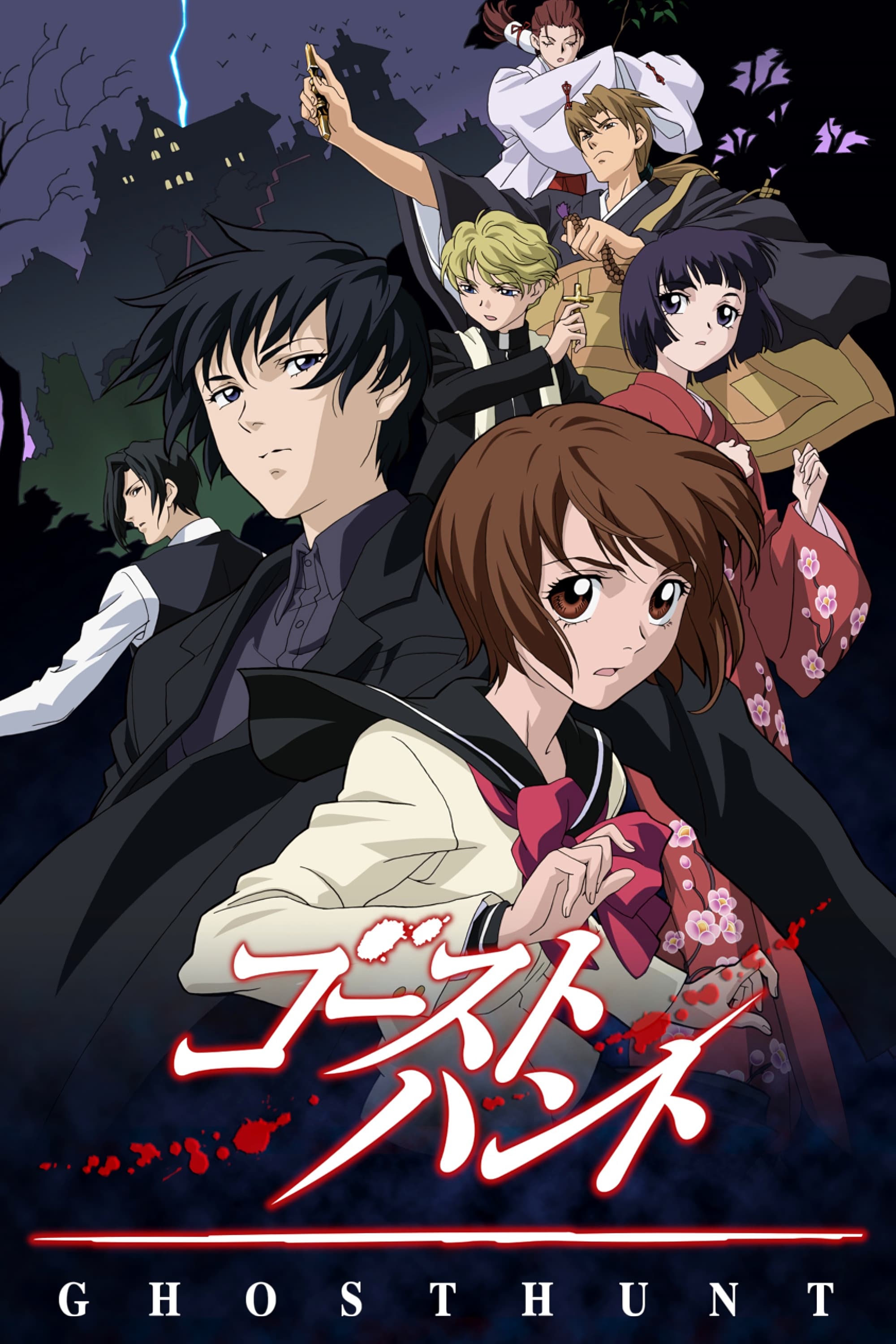
Mai Taniyama joins the Shibuya Psychic Research Center to investigate paranormal activities across Japan. The team uses a combination of technology and spiritual rituals to exorcise ghosts. Cases often involve local legends involving cursed dolls or haunted park facilities. The series takes a semi-scientific approach to analyzing how folklore influences hauntings.
‘xxxHolic’ (2006)

Kimihiro Watanuki works for the dimension witch Yuko to rid himself of the ability to see spirits. The shop handles customers who are plagued by bad habits or supernatural curses rooted in superstition. The series explores the concept of “hitsuzen” or inevitable fate intertwined with folklore. ‘xxxHolic’ presents a stylized version of modern Tokyo where magic hides in plain sight.
‘Kagewani’ (2015)
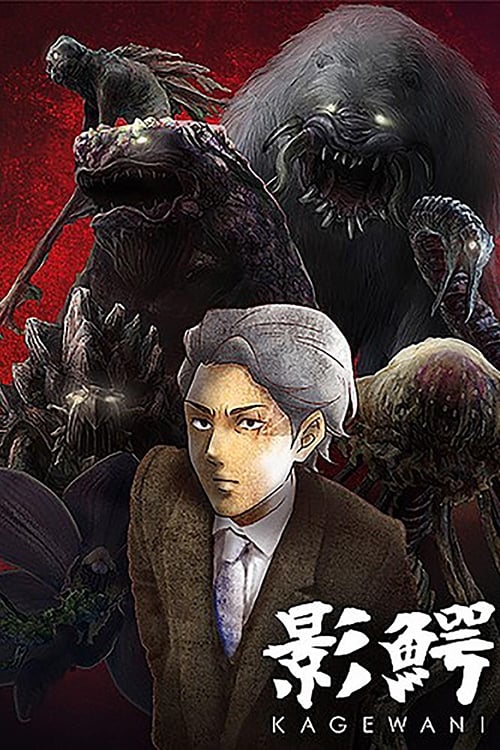
A scientist named Sousuke Banba investigates reports of Unidentified Mysterious Animals appearing in Japan. These monsters often resemble creatures from urban legends like the Ningen or large cryptids. The animation uses a unique paper-cutout style similar to motion comics. ‘Kagewani’ focuses on the suspense of the hunt and the biological horror of the creatures.
‘Serial Experiments Lain’ (1998)
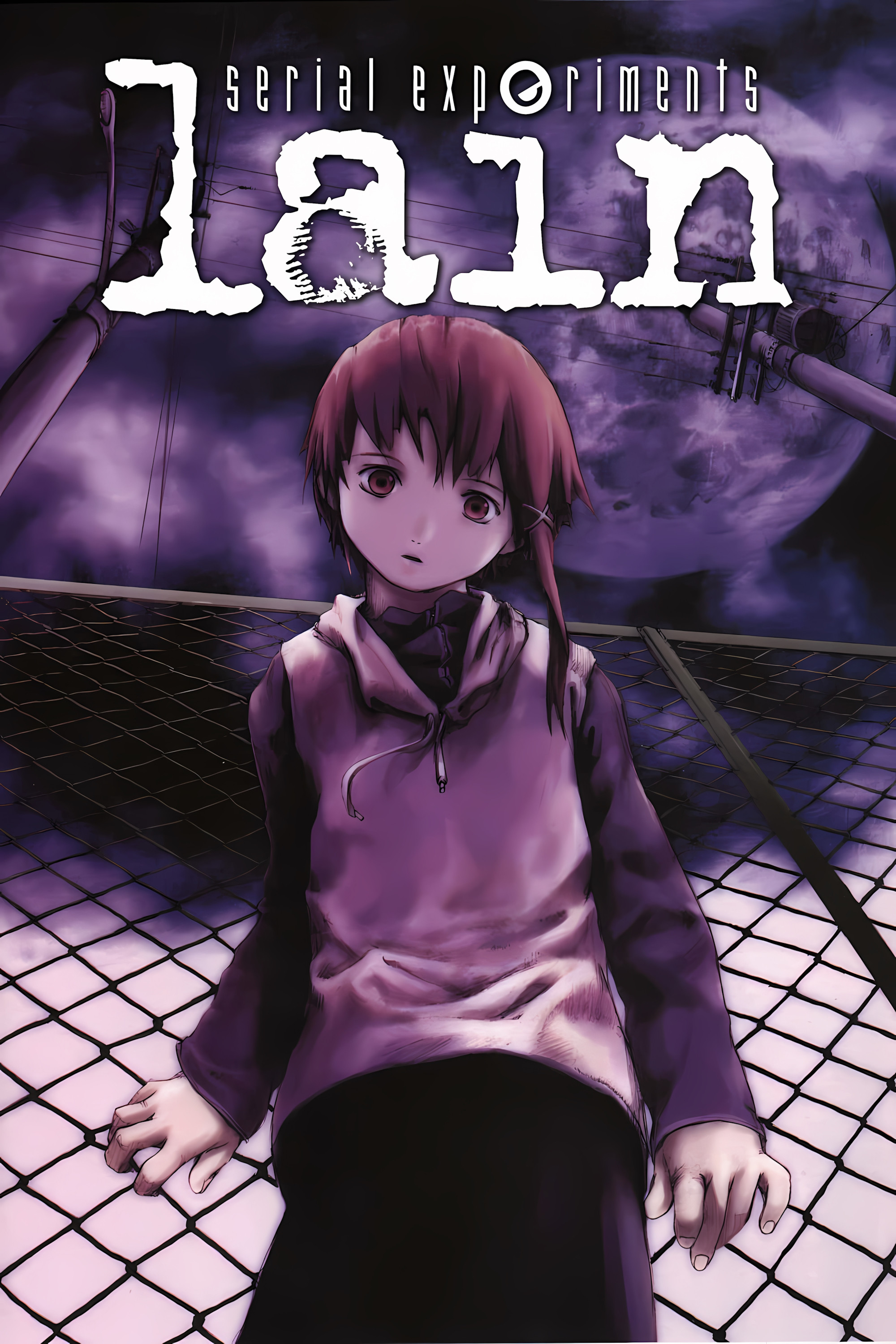
Lain Iwakura becomes involved with the Wired after receiving an email from a classmate who committed suicide. Rumors circulate about a digital god and men in black who monitor the network. The series was prescient in its depiction of how internet persona and reality can merge. It treats the collective consciousness of the internet as a breeding ground for modern mythology.
‘Steins;Gate’ (2011)
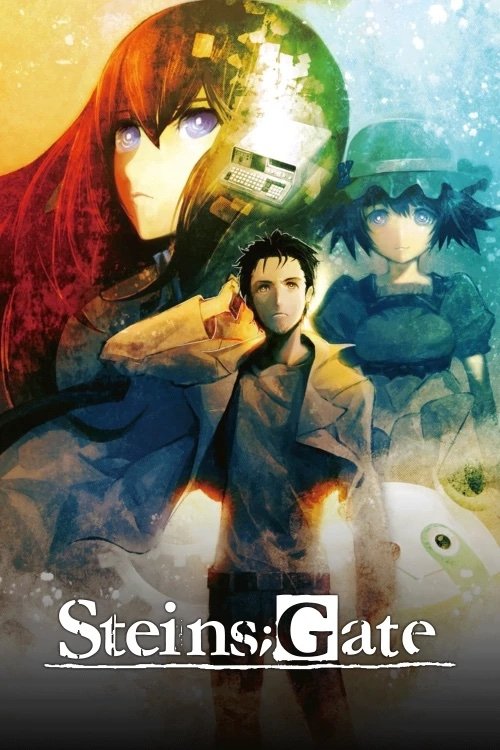
The plot heavily features the real-world internet legend of John Titor and his predictions about the future. Rintaro Okabe invents a time machine and finds himself at the center of a conspiracy involving SERN. The story weaves actual forum posts and conspiracy theories into its science fiction narrative. ‘Steins;Gate’ demonstrates how obscure internet lore can drive a high-stakes thriller.
‘Digimon Ghost Game’ (2021–2023)
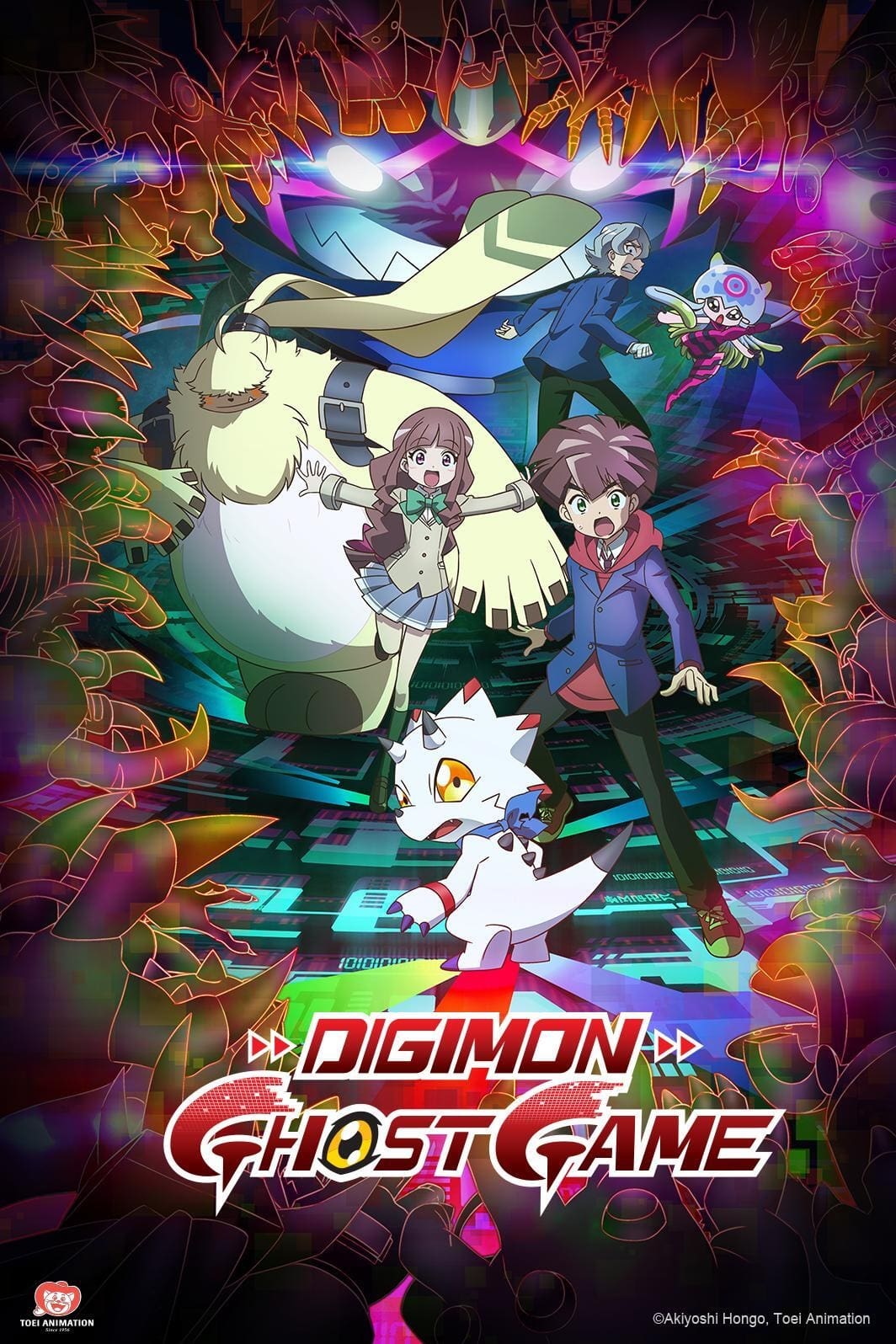
Hologram Ghosts begin appearing around Tokyo and causing strange phenomena that disrupt daily life. The protagonist uses a special watch to see that these ghosts are actually Digimon affecting the real world. Episodes are structured around specific urban legend tropes like the accelerator hag or cursed photos. It shifts the franchise tone towards horror and mystery.
‘Dark Gathering’ (2023)
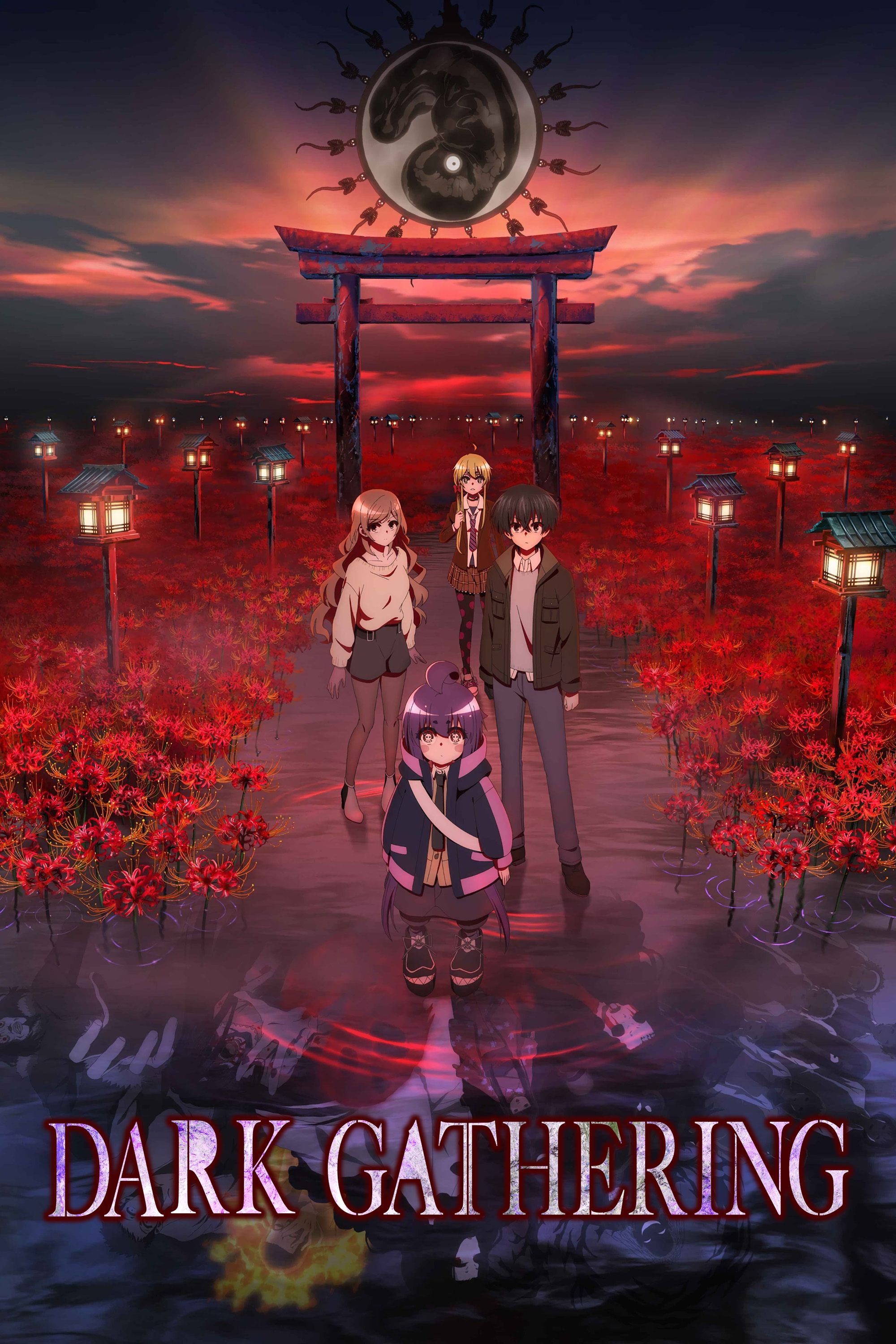
Keitaro Gentoga is a spiritual medium who wants to avoid ghosts but gets dragged into hunting them by a young girl. They visit famous haunted spots around Japan to capture powerful evil spirits. The series references actual haunted locations and the specific legends associated with them. ‘Dark Gathering’ combines Pokémon-like collection mechanics with intense horror elements.
‘Kakurenbo: Hide & Seek’ (2005)
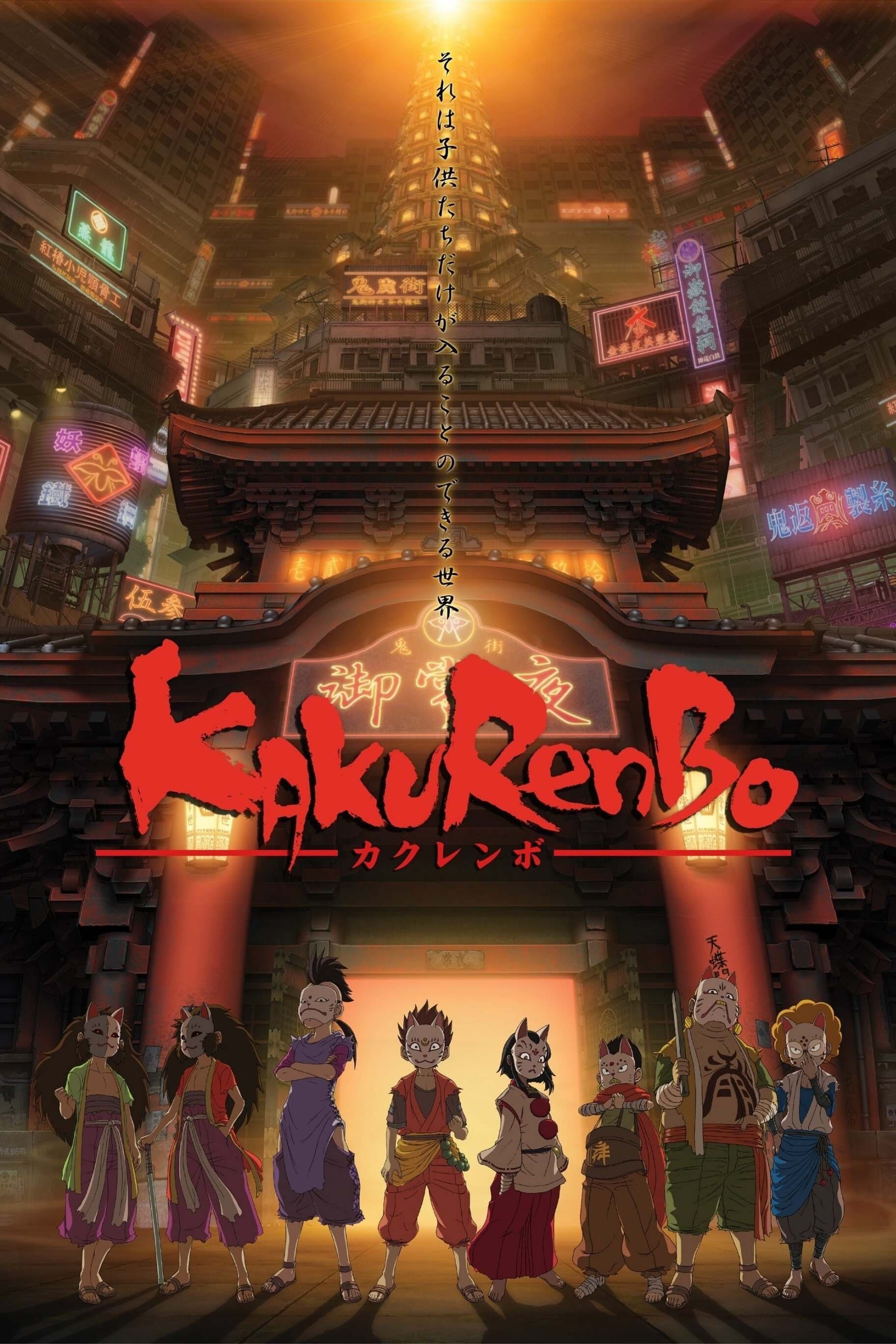
Children in a cyberpunk city play a forbidden game of hide and seek known as Otokoyo within abandoned ruins. Rumors say that demons will come to kidnap the children who play after dark. The film creates a claustrophobic atmosphere with its industrial setting and masked pursuers. It is a stylish reinterpretation of the “spirited away” folklore trope.
‘Urban Legend Story Hikiko’ (2008)
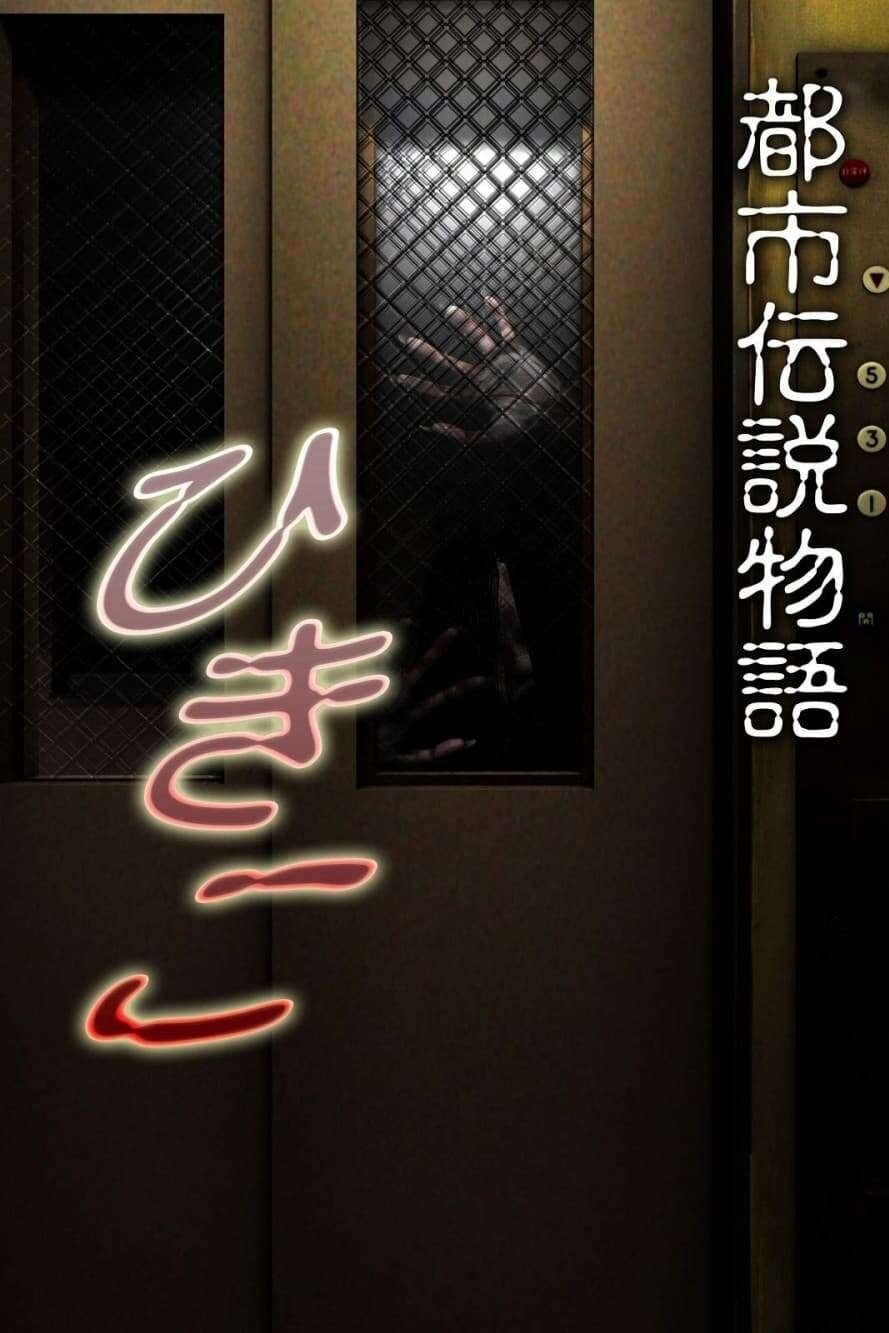
This horror animation focuses on the legend of Hikiko who drags her victims behind her until they are disfigured. The story centers on a bullied student who becomes the target of this vengeful spirit. It utilizes a crude 3D animation style that adds to the uncanny and disturbing nature of the film. The narrative serves as a cautionary tale about the cycle of bullying.
‘Requiem from the Darkness’ (2003)

A writer travels during the Edo period to collect 100 ghost stories for an anthology. He encounters a trio of executioners who punish sinners using supernatural means. The stories are based on traditional grotesque legends and the darkness of human nature. The visual style is unique and emphasizes the grotesque aspects of the folklore.
‘Mononoke’ (2007)
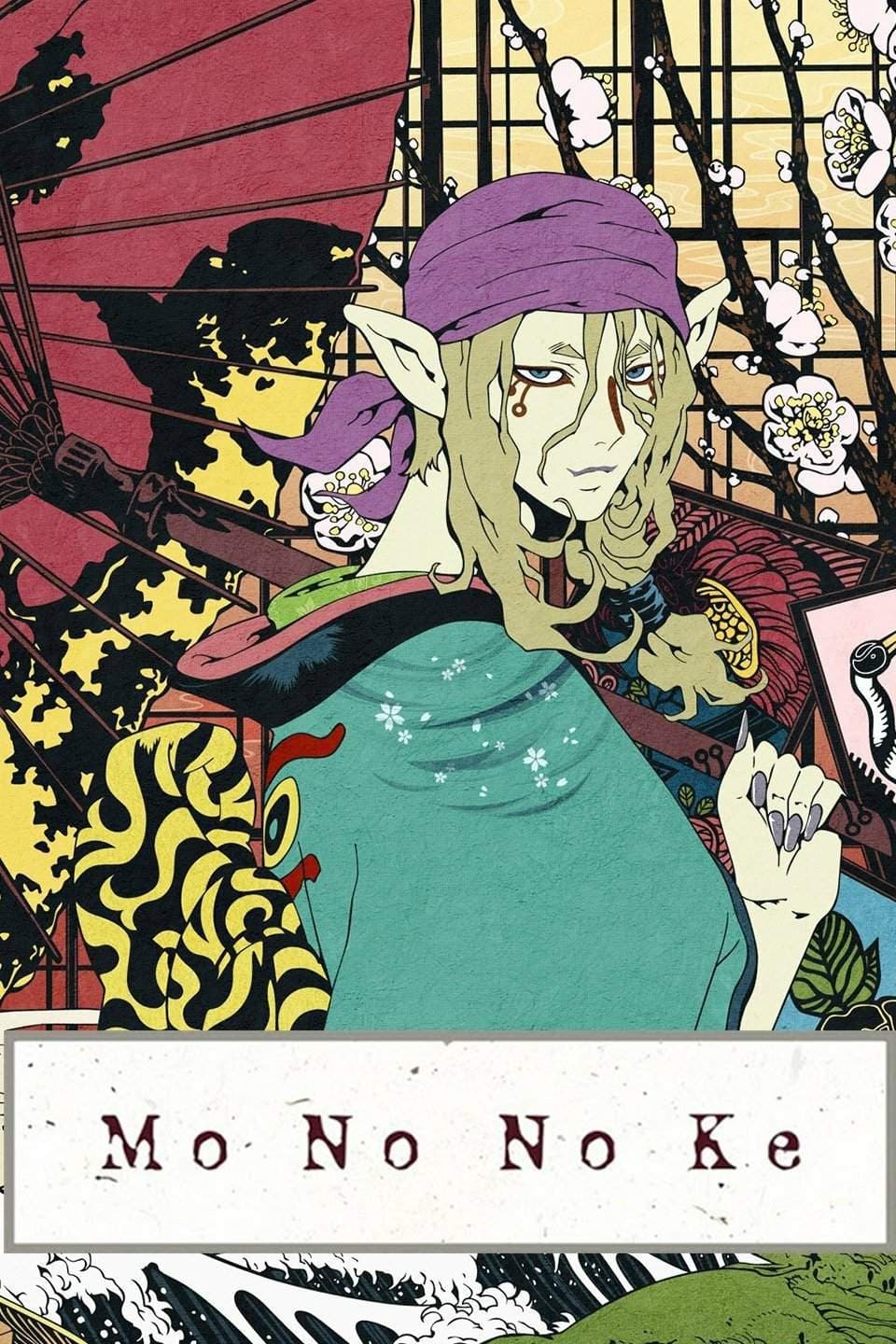
A mysterious medicine seller travels across feudal Japan to slay spirits known as Mononoke. He must learn the Form, Truth, and Reason of the spirit before he can unsheathe his sword to exorcise it. The spirits are often born from human tragedy and repressed emotions within a household. The series is celebrated for its distinctive art style which resembles moving ukiyo-e paintings.
‘Ayakashi: Samurai Horror Tales’ (2006)
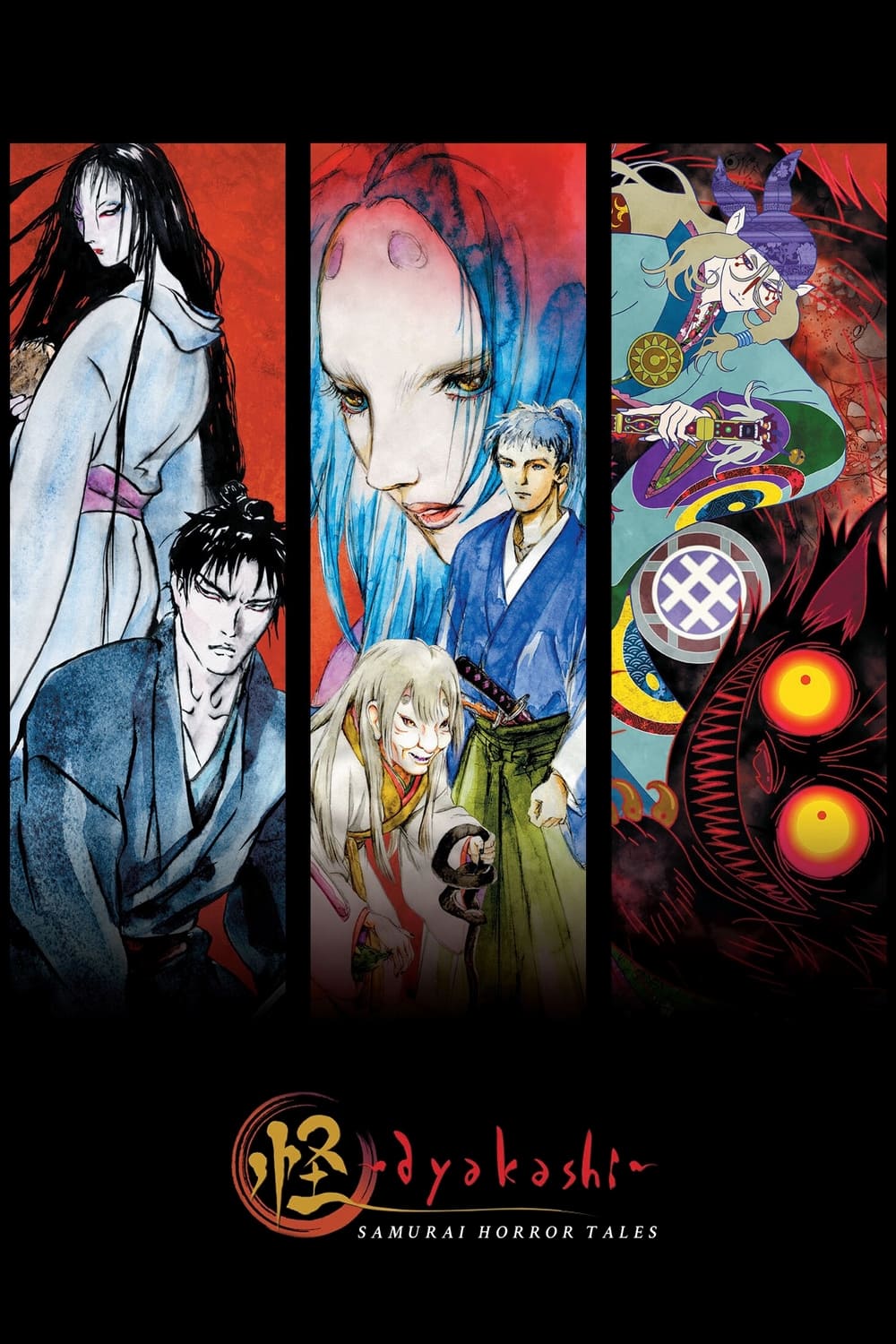
This anthology series adapts three classic Japanese ghost stories including Yotsuya Kaidan. It serves as the predecessor to ‘Mononoke’ and introduces the medicine seller character. The stories explore themes of betrayal and vengeance from the perspective of traditional theater. ‘Ayakashi’ preserves the historical context of these enduring legends.
‘Pet Shop of Horrors’ (1999)
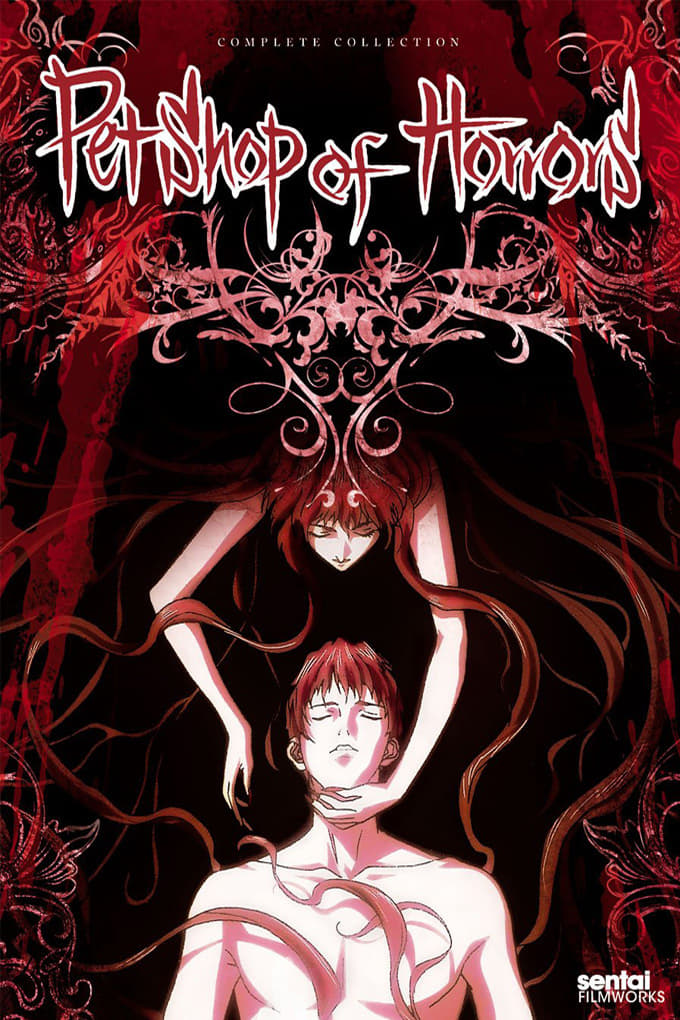
Count D runs a pet shop in Chinatown that sells rare and mysterious creatures to customers with specific needs. Each sale comes with a contract that must never be broken to avoid dire consequences. The pets often appear as humans to their owners and are based on mythological beasts. The episodic nature focuses on the moral failings of the customers who buy these legends.
‘The Lost Village’ (2016)
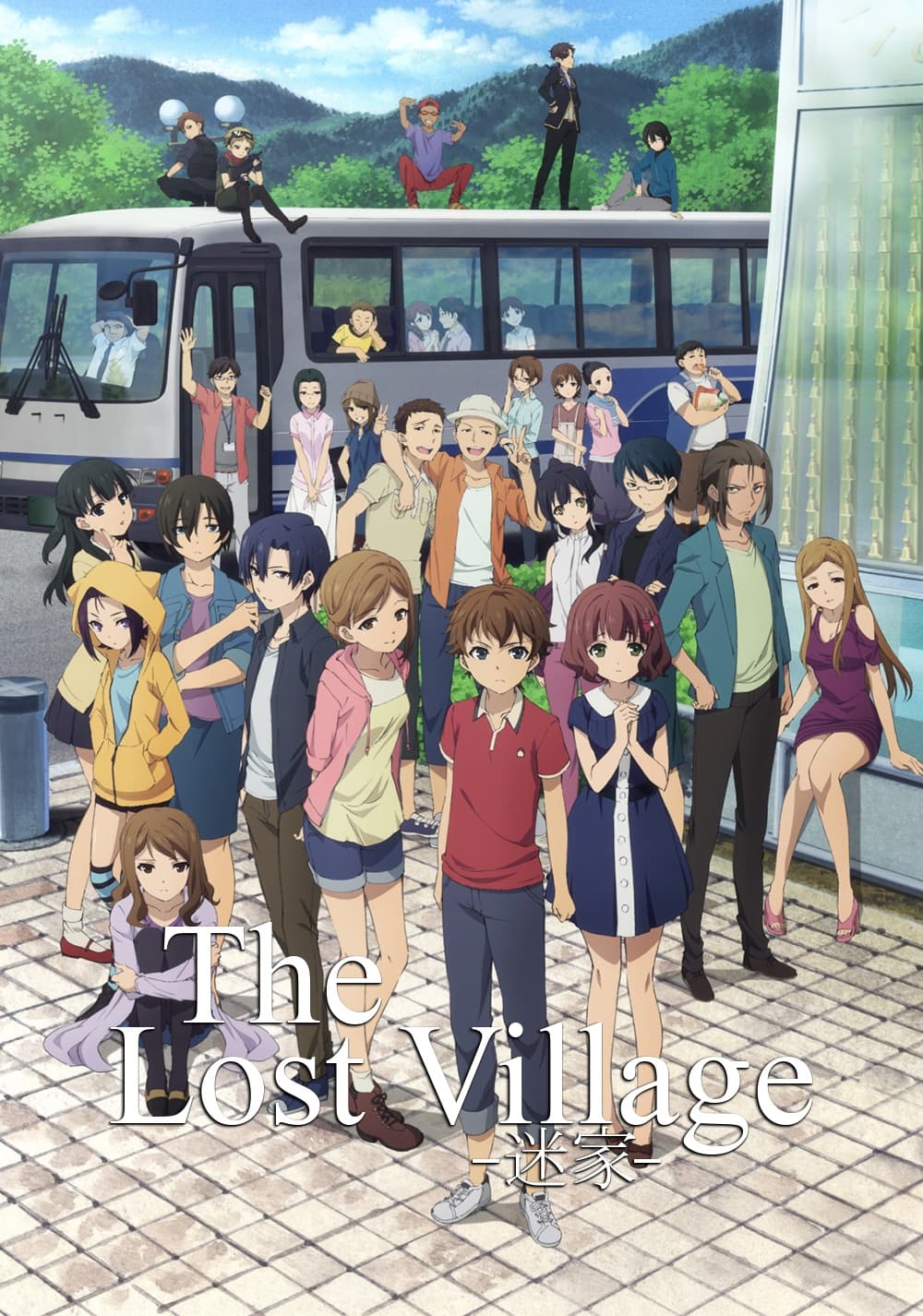
A group of strangers takes a bus tour to a legendary hidden village named Nanaki which is said to be a utopia. Upon arrival they discover the village is empty and they are haunted by monsters reflecting their personal traumas. The show plays with the urban legend of “vanishing villages” that do not appear on any map. Paranoia fractures the group as they try to solve the mystery of the location.
‘Hyouka’ (2012)
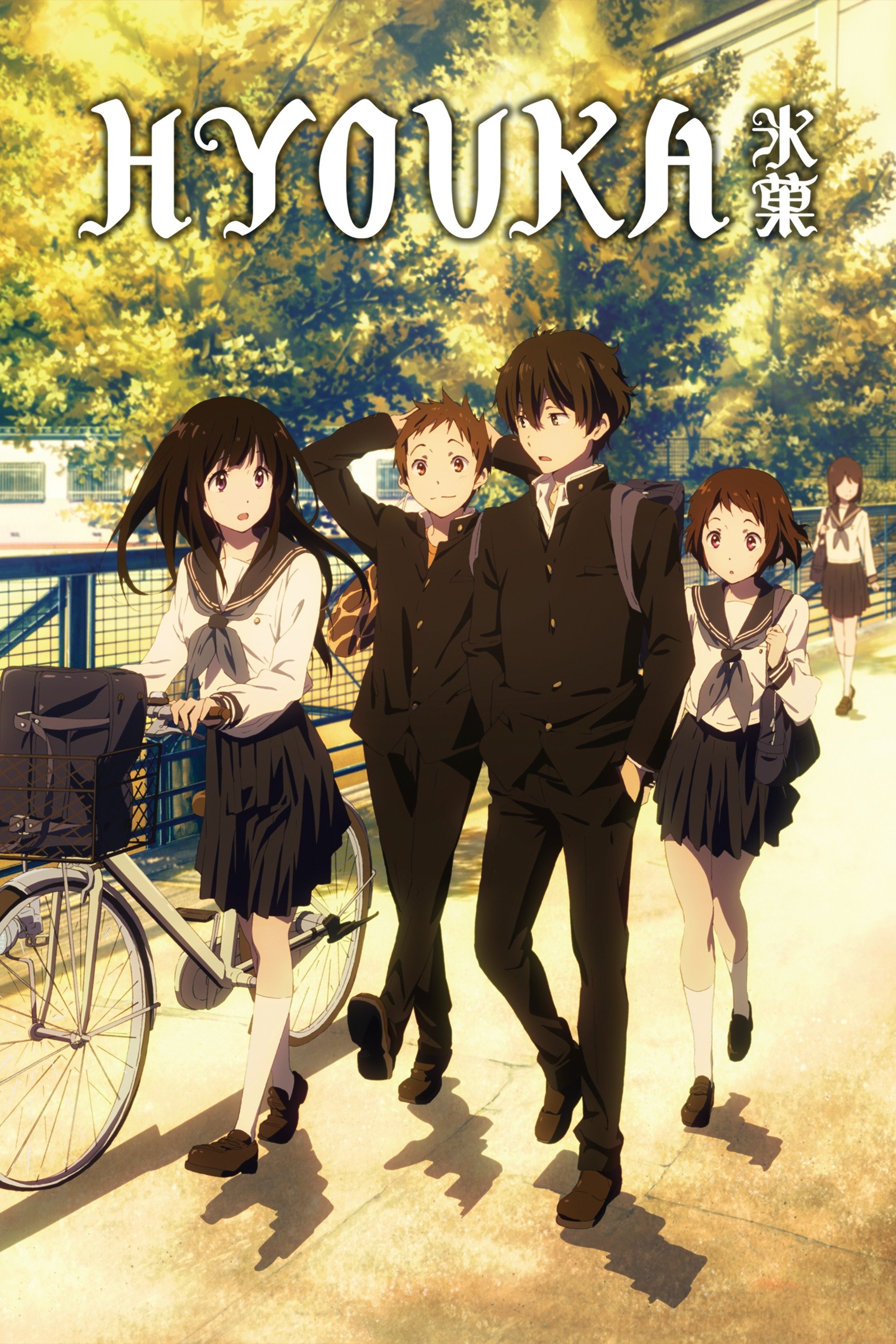
The Classic Literature Club investigates a mystery concerning an incident involving the uncle of a member 45 years ago. While not a horror anime it frequently deconstructs school ghost stories and rumors. The protagonist uses deductive reasoning to find the mundane explanations behind these legends. ‘Hyouka’ showcases how oral history can morph into legend over time.
‘Rascal Does Not Dream of Bunny Girl Senpai’ (2018)
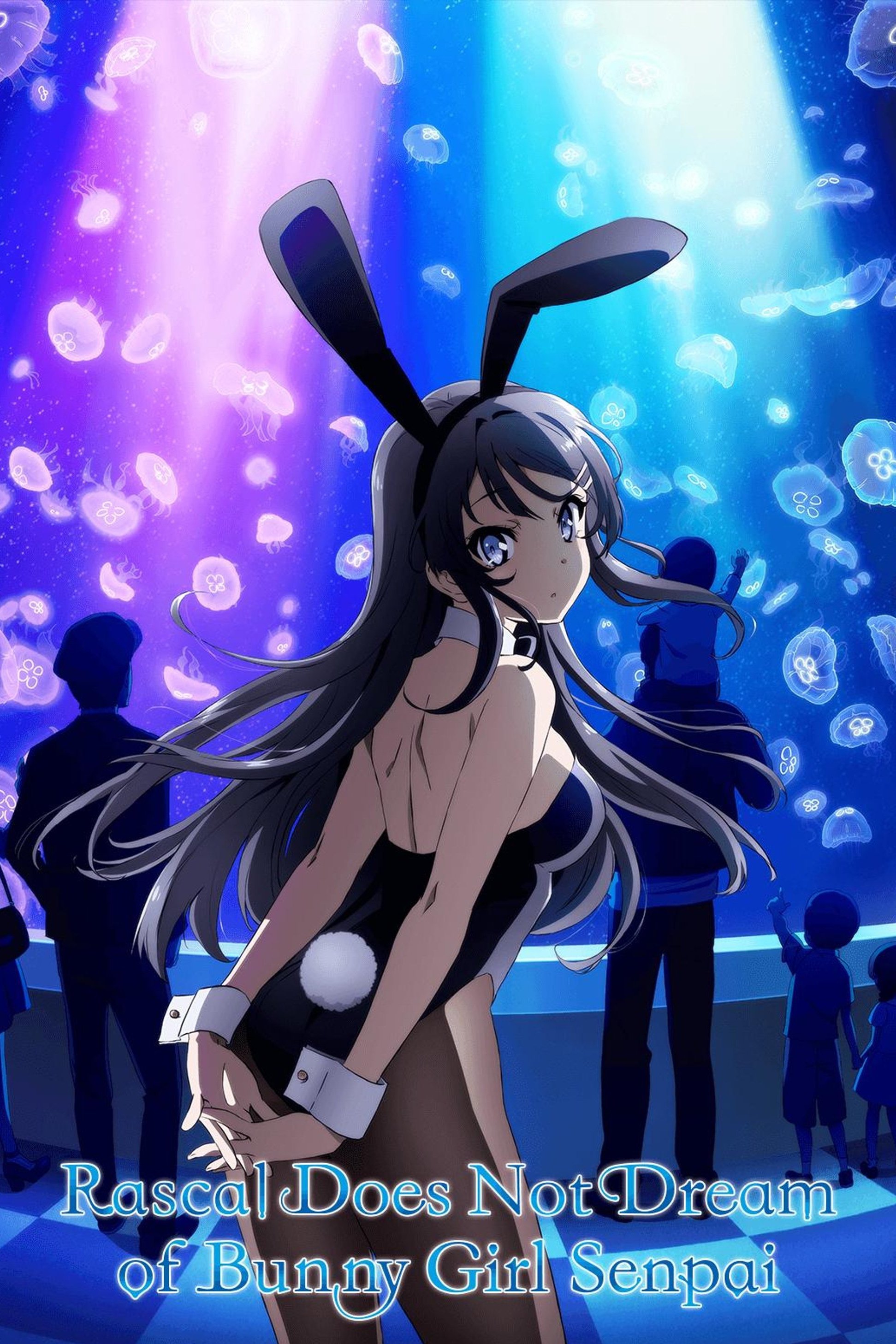
Adolescence Syndrome is a rumored condition affecting teenagers that manifests their anxieties as supernatural phenomena. The protagonist encounters a girl dressed as a bunny who is becoming invisible to the world. The series uses the format of urban legends to explore serious issues like bullying and social isolation. Each arc focuses on a different manifestation of this mysterious syndrome.
‘Mob Psycho 100’ (2016–2022)
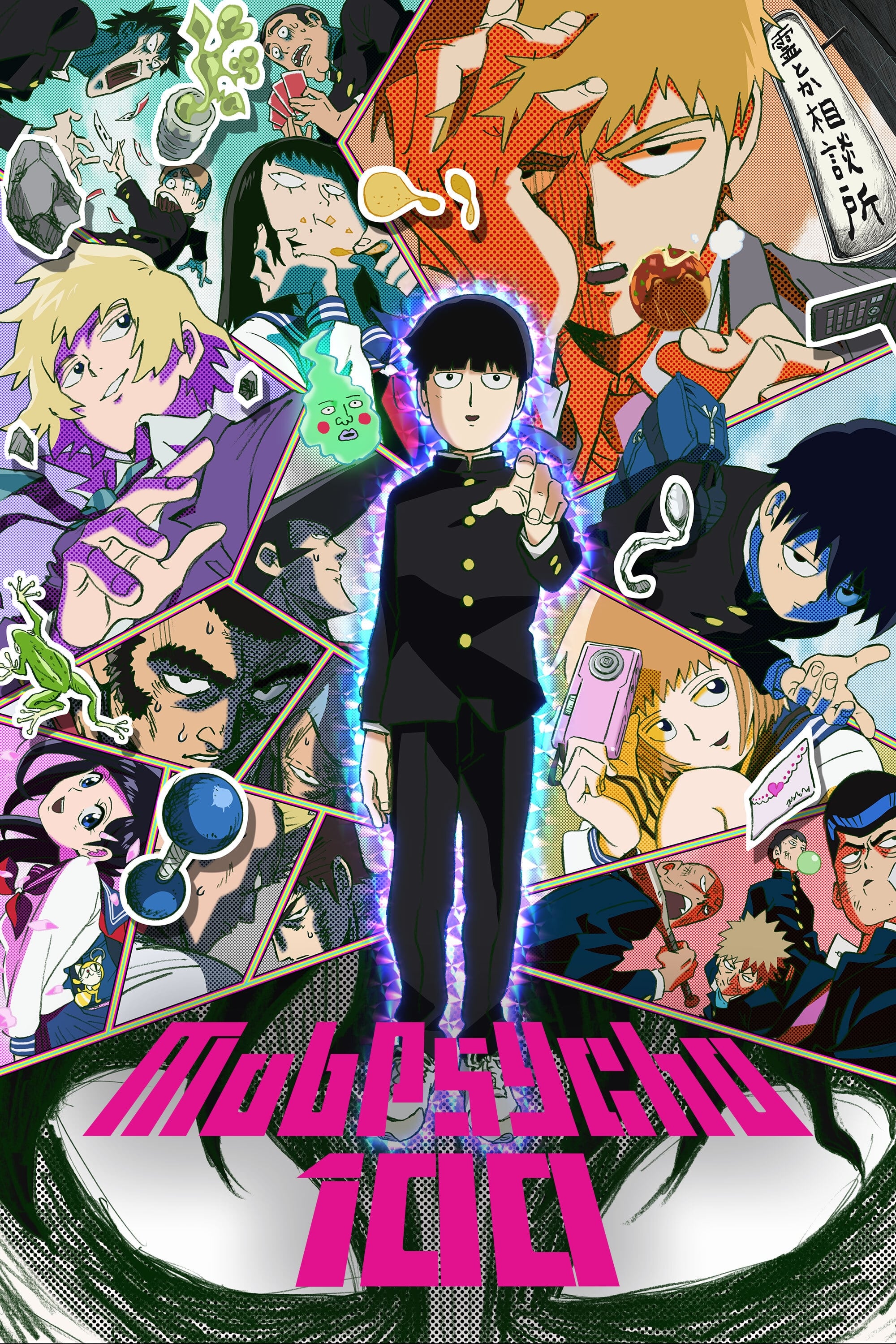
Mob is a powerful esper who wants to live a normal life despite his immense psychic abilities. He works for a con artist who runs a consultation business for exorcising evil spirits. The second season specifically features an arc involving the “Dragger” urban legend and other modern myths. The series blends high-octane action with comedy and emotional growth.
‘Jujutsu Kaisen’ (2020–Present)
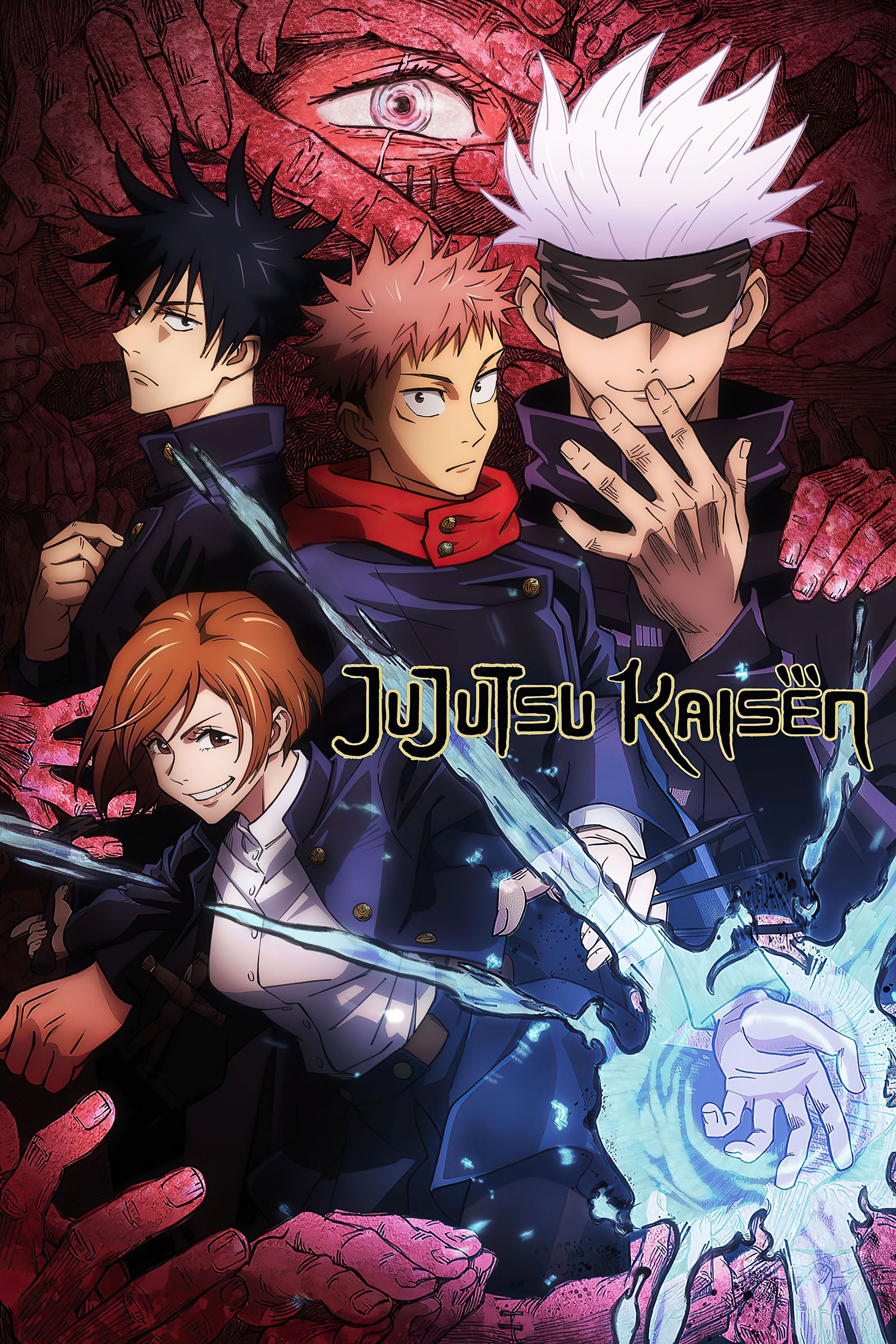
Curses are born from the negative emotions of humanity and often take forms related to specific fears. The series features antagonists based on famous urban legends such as the Slit-Mouthed Woman. Sorcerers must understand the nature of these curses to exorcise them effectively. The power system is deeply rooted in the concept of fear empowering supernatural entities.
‘Kowabon’ (2015)
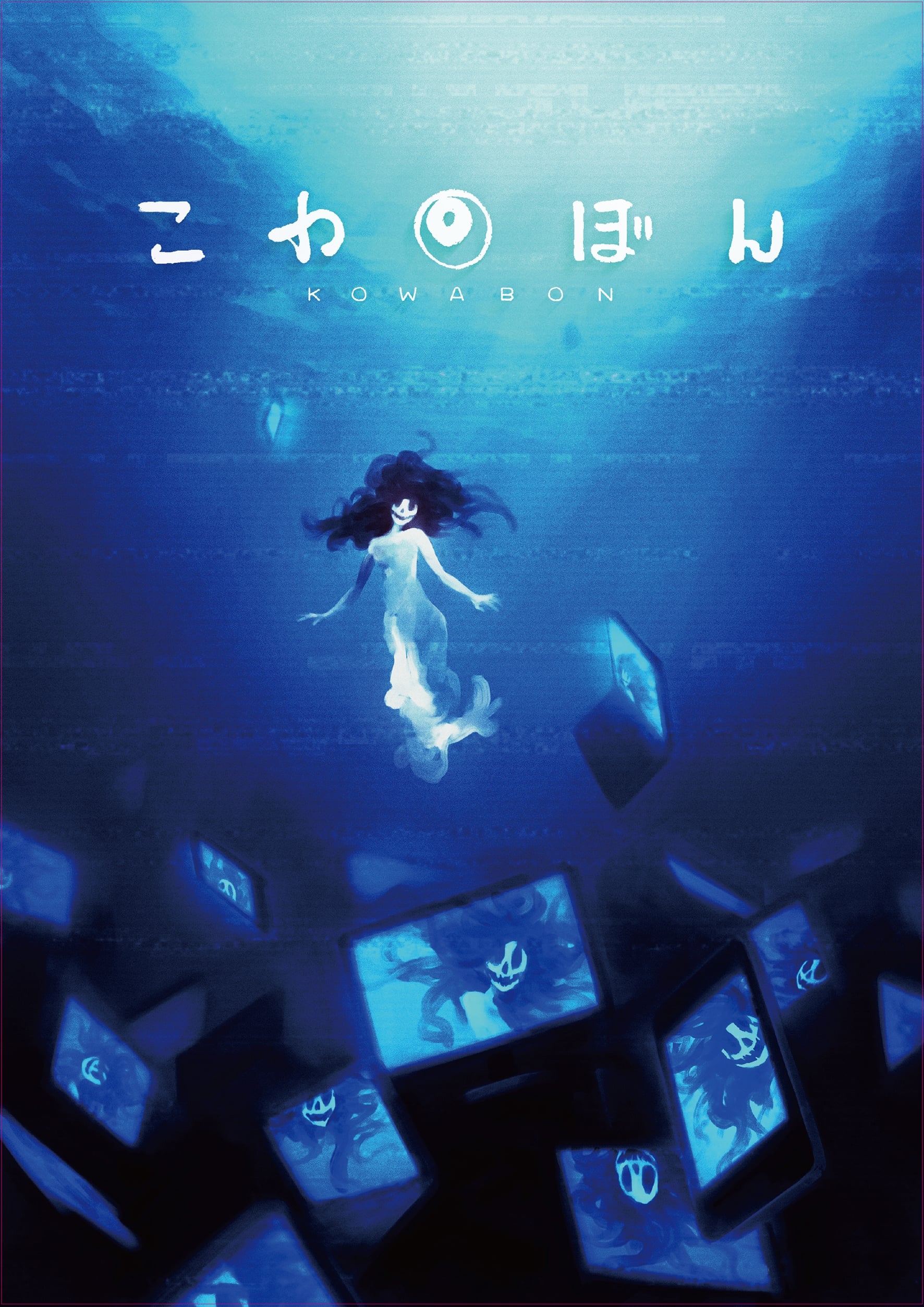
This series uses rotoscoping to create short horror stories viewed through the lens of cameras. The perspective shifts between security cameras and webcams to mimic the style of found footage. It explores the fear of being watched and the digital transmission of curses. ‘Kowabon’ modernizes the ghost story format for the video call generation.
‘Housing Complex C’ (2022)
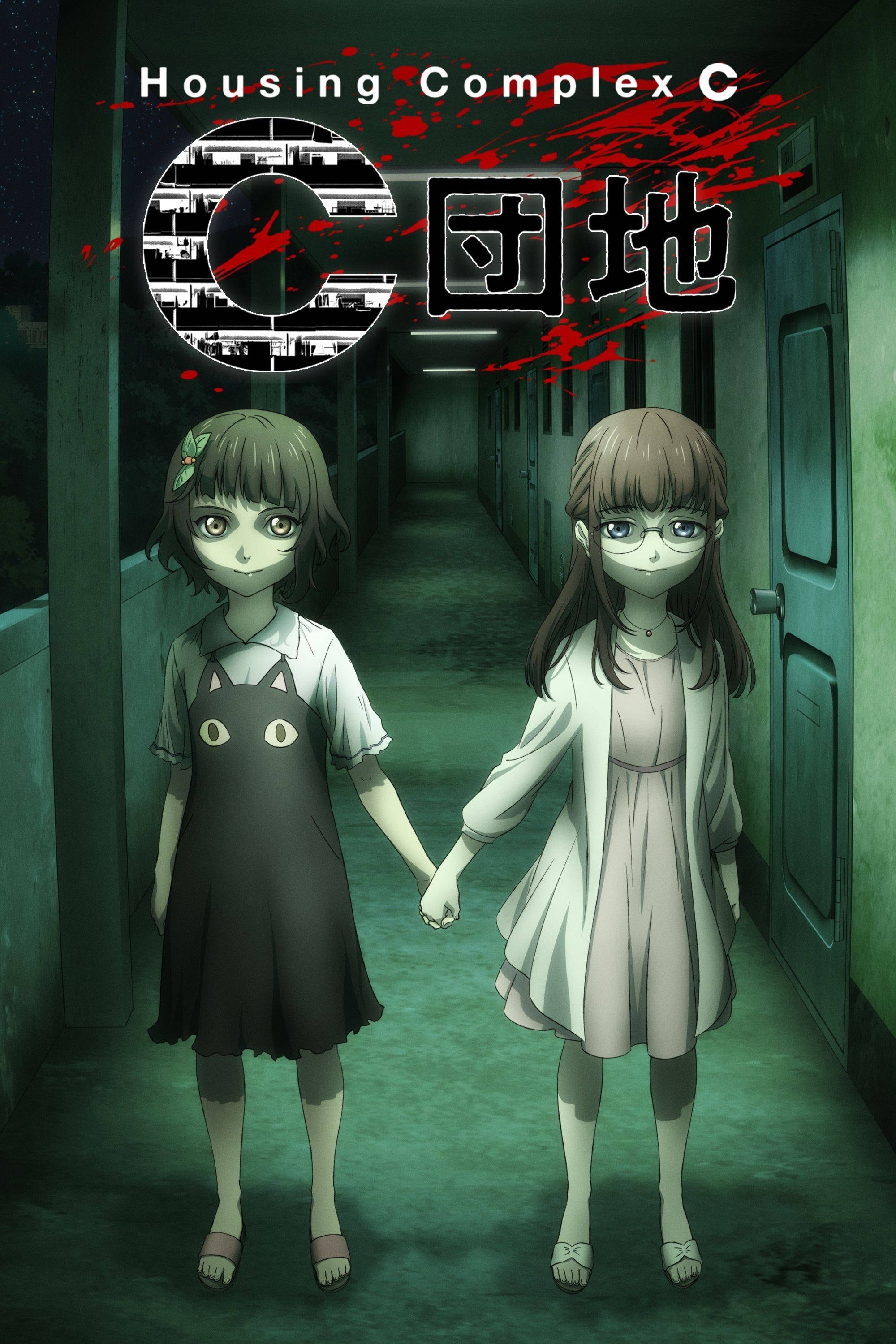
Kimi lives in a small housing complex where strange incidents begin to occur as ancient ruins are disturbed. The story intertwines Lovecraftian horror with local Japanese folklore about older gods. Tensions rise among the residents as they suspect one another of causing the misfortunes. It creates a sense of dread within a confined community setting.
‘Summer Time Rendering’ (2022)
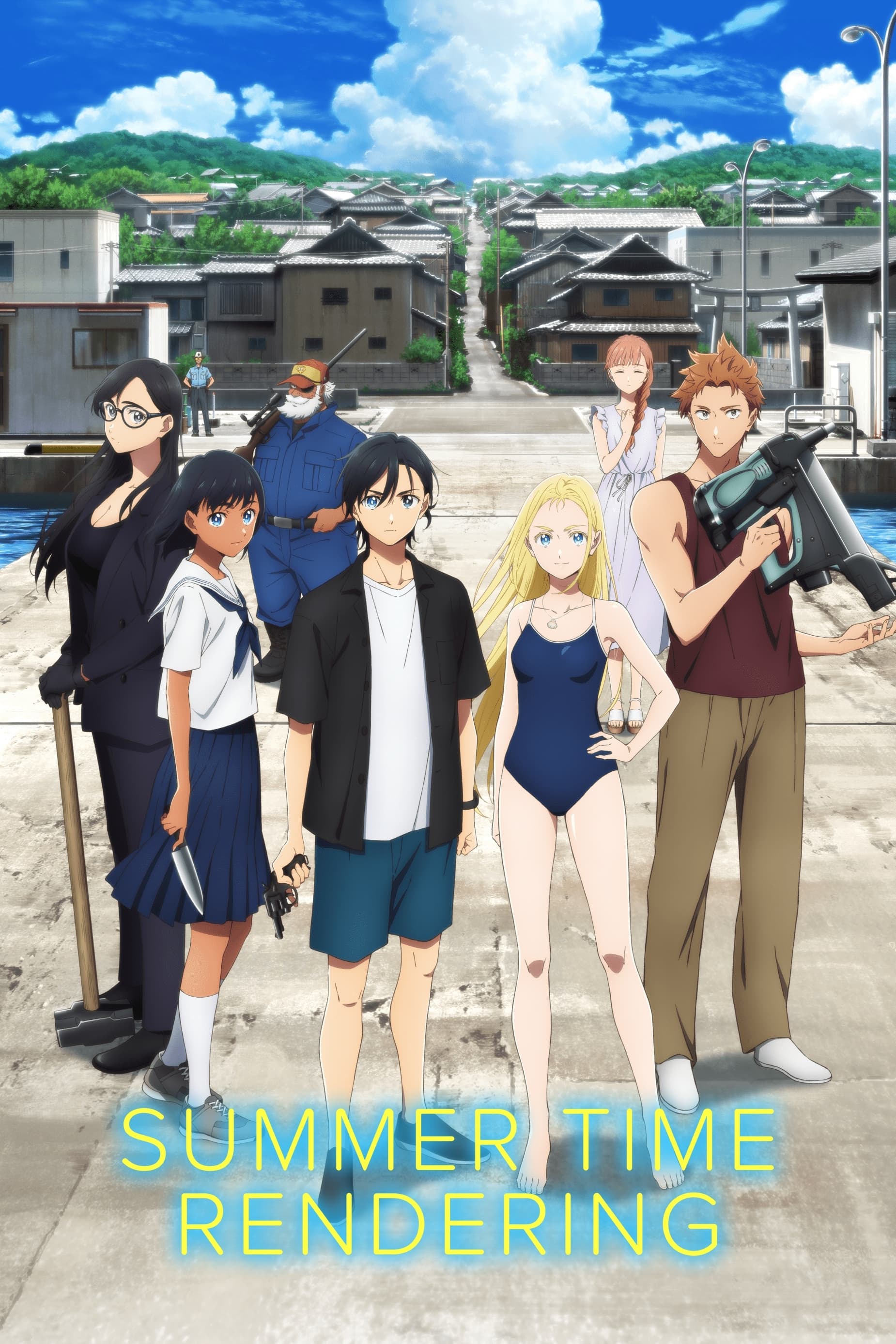
Shinpei returns to his island home for a funeral and learns of a “Shadow Sickness” legend. The local superstition states that seeing one’s own doppelganger is a portent of death. He discovers that shadows are replacing the islanders and planning a mass ritual. The series combines time loop mechanics with the body-snatcher horror trope.
‘Shiki’ (2010)
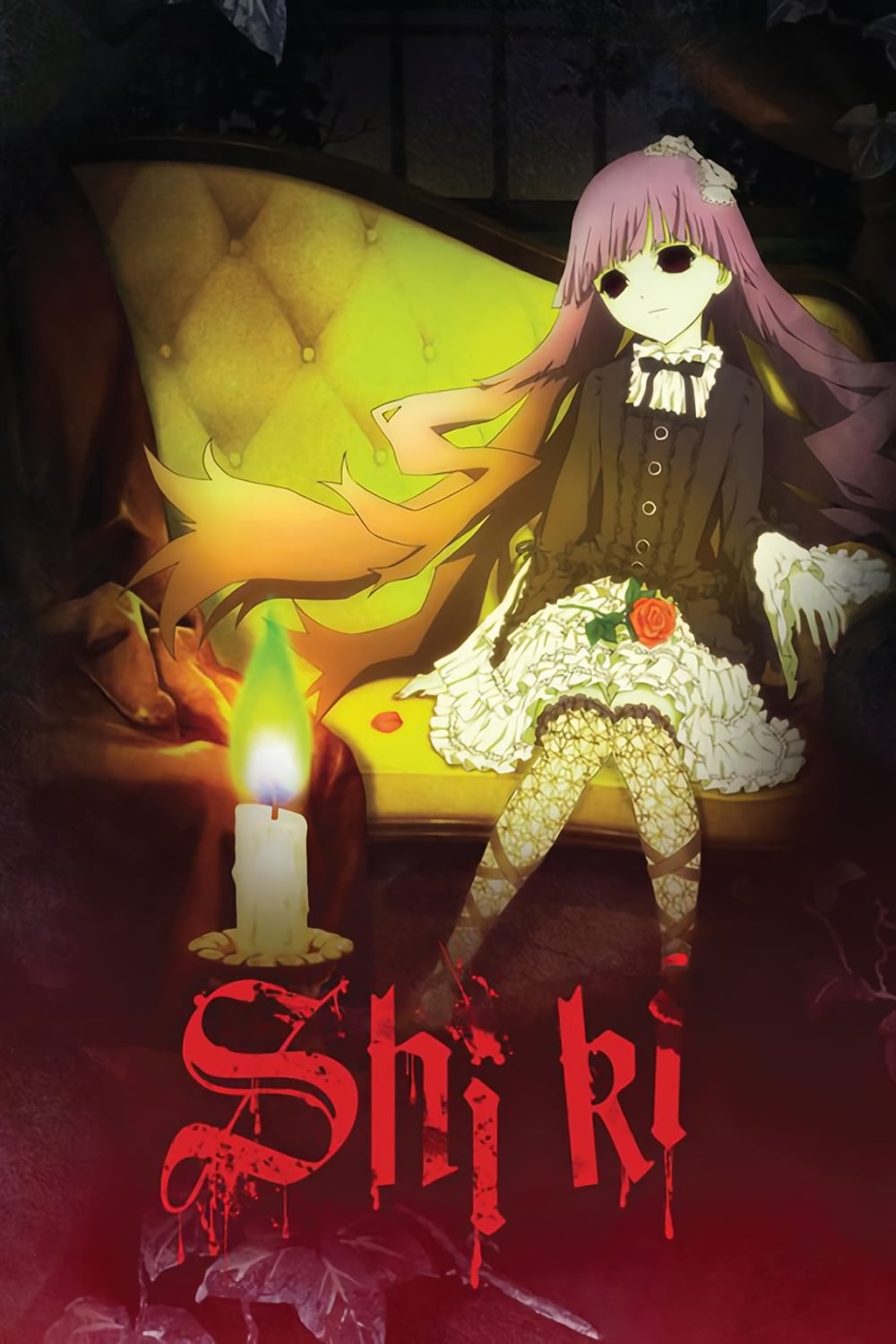
A remote village is slowly decimated by an epidemic that turns out to be the work of vampires. The story revives the legend of the “Okiagari” or those who rise from the grave to kill their families. It is a slow-burn horror that questions the morality of survival for both humans and monsters. ‘Shiki’ captures the isolation and superstition inherent in rural communities.
‘In/Spectre’ (2020)
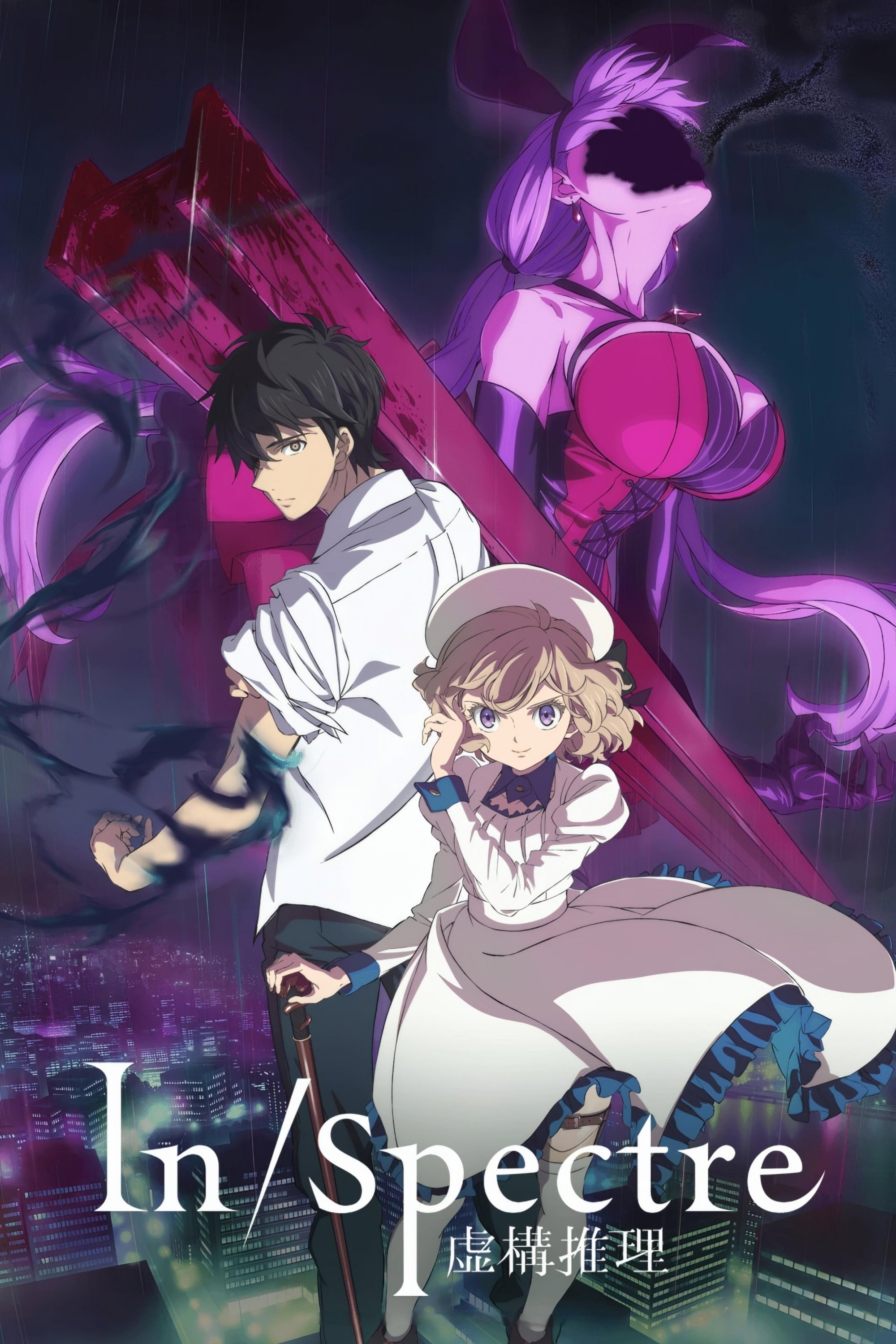
Kotoko Iwanaga serves as the goddess of wisdom for yokai and mediates their disputes. She teams up with an immortal man to stop a ghost created by internet rumors called Steel Lady Nanase. The series focuses heavily on the manipulation of information to destroy the power of an urban legend. It creates a unique battle system based on logic and public perception.
‘Vampire Princess Miyu’ (1997–1998)
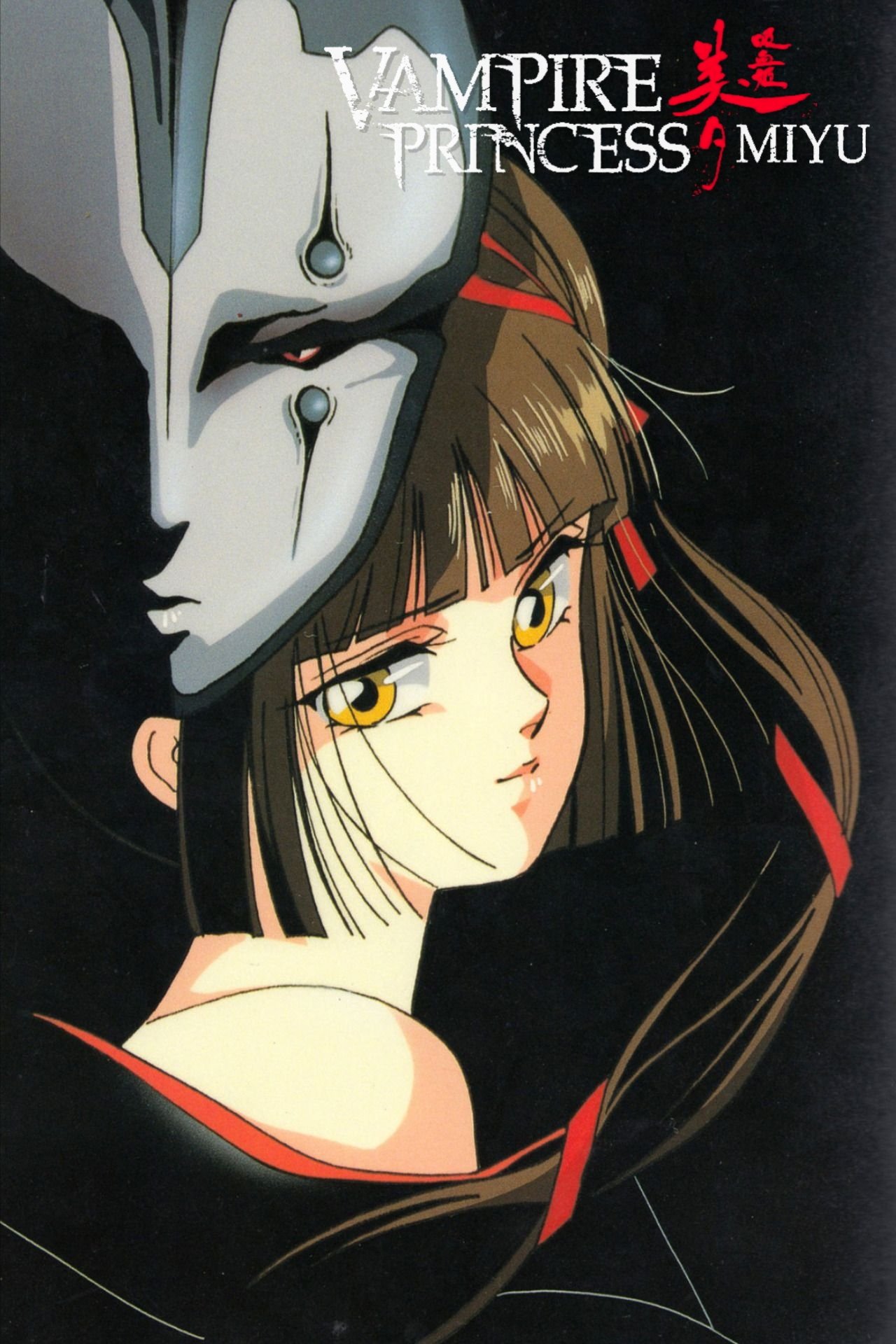
Miyu is a guardian who hunts down stray Shinma that prey on human darkness. She poses as a transfer student to track these demons who often hide within school settings. The episodes frequently involve tragedy and the seductive nature of supernatural power. The series is known for its melancholic tone and atmospheric horror.
‘Kemono Jihen’ (2021)
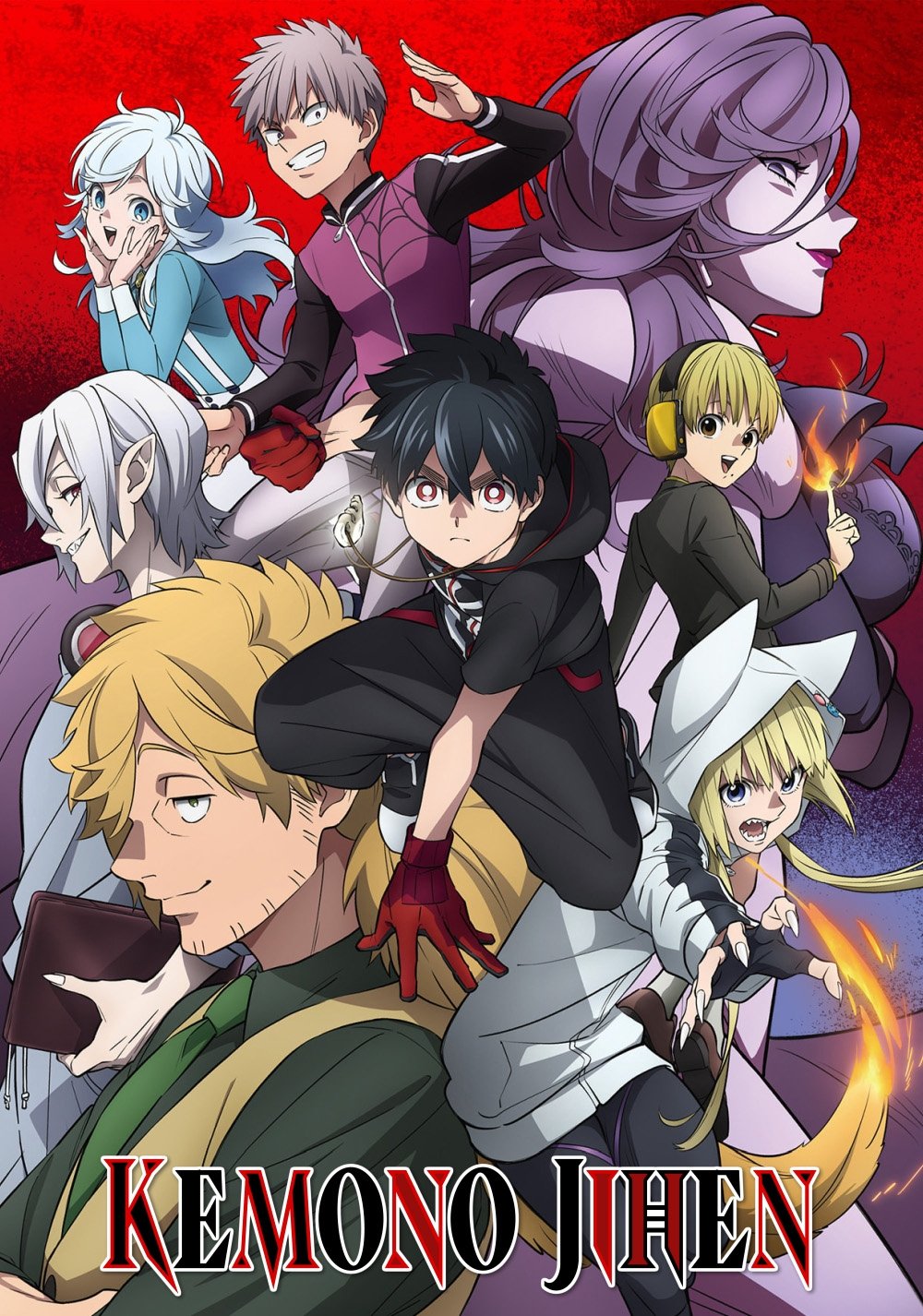
A detective specializing in the occult investigates animal mutilations in a remote village. He finds a boy named Kabane who is a half-ghoul hybrid with immense strength. The agency handles cases involving kemono who live secretly among humans. It blends shonen action with the investigation of folklore-based crimes.
‘Otherside Picnic’ (2021)
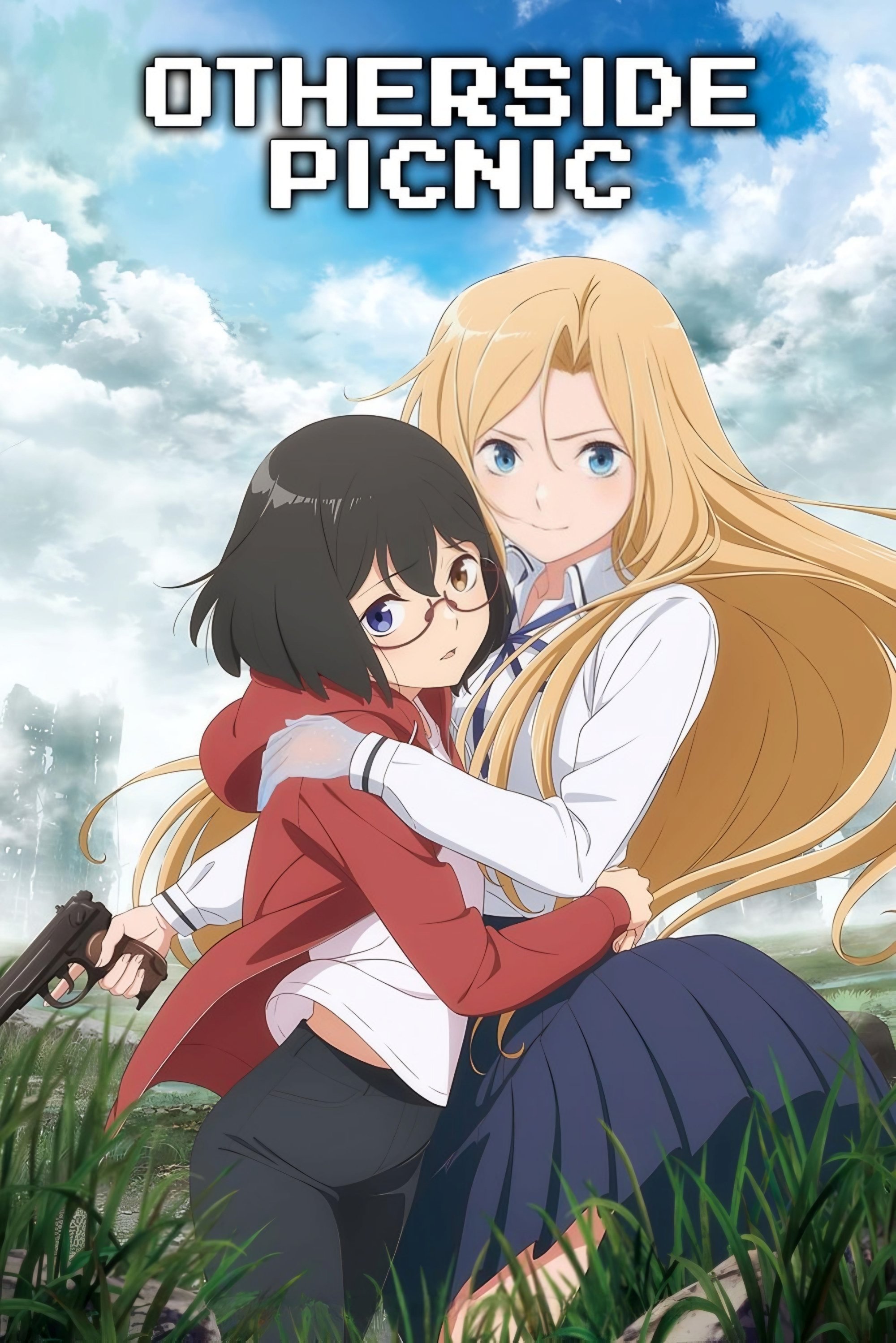
Two college students explore a parallel dimension known as the Otherside filled with dangerous entities. The creatures they encounter are directly pulled from internet horror lore like Kunekune and Hasshaku-sama. They must understand the rules of these creepypastas to survive and retrieve artifacts. The show is a love letter to modern net-based urban legends.
‘Junji Ito Collection’ (2018)
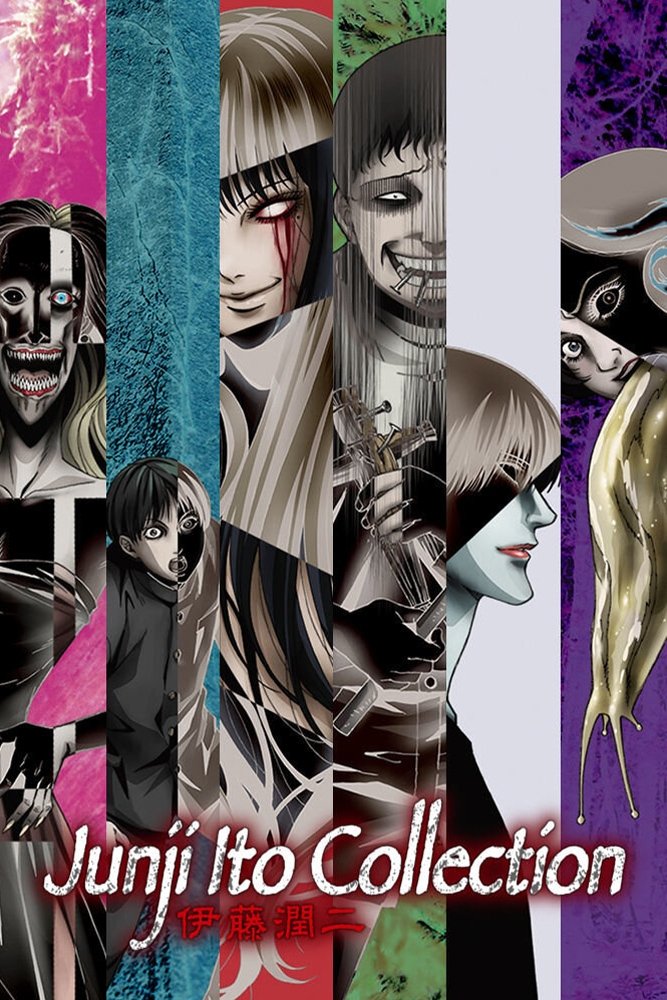
This anthology adapts various short stories from the master of horror manga Junji Ito. It includes the famous Tomie series about a girl who drives men to madness and cannot die. Other episodes feature curses and body horror derived from twisted everyday situations. The anime attempts to capture the unsettling line work of the original manga.
‘Wonder Egg Priority’ (2021)
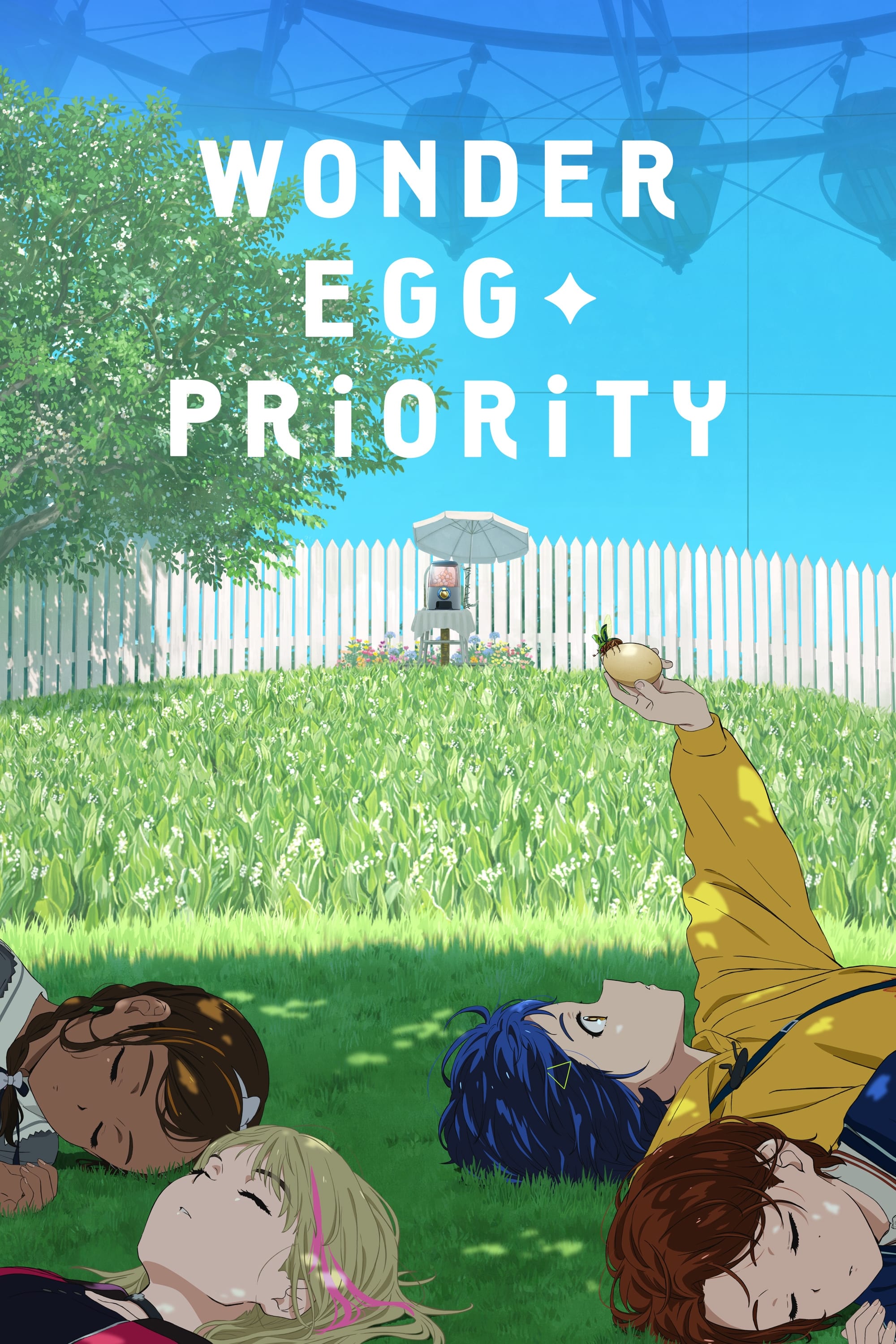
Ai Ohto obtains mysterious eggs that hatch into girls she must protect from monsters in a dream world. The enemies they face are manifestations of trauma often linked to school rumors and societal pressures. One notable enemy is a version of the Aka Manto legend intertwined with abuse. The series tackles heavy themes like suicide through a magical girl lens.
‘Betterman’ (1999)

A deadly virus known as Algernon causes people to go insane and die in agony. A mysterious entity called Betterman appears to consume the anima of the afflicted. The show incorporates various cryptic legends and biological horror elements. It is set in the same universe as ‘The King of Braves GaoGaiGar’ but carries a much darker tone.
Share your favorite urban legend from this list or tell us one we missed in the comments.