

15 Anime Superheroes, Ranked

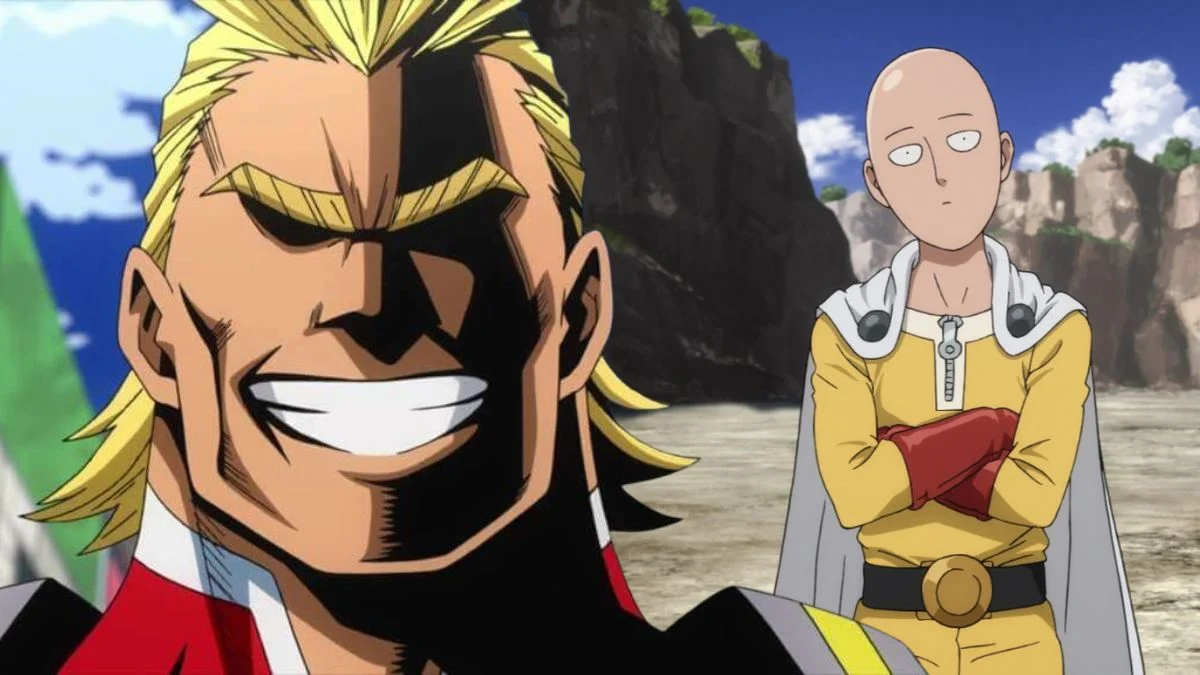


Anime has its own take on caped crusaders. Some patrol city streets. Others guard entire worlds. Powers range from psychic bursts to elemental attacks. Costumes can be armor, school uniforms, or simple streetwear. What ties them together is a public mission that puts them between everyday people and danger.
This list gathers characters who operate openly as protectors in their stories. You will find pioneers from early television standing beside modern heavy hitters. Many work in teams. Others carry the load alone. Across the decades, studios shaped these heroes for viewers everywhere, and those production choices helped define how their worlds look and move.
15) Masayoshi Hazama from ‘Samurai Flamenco’
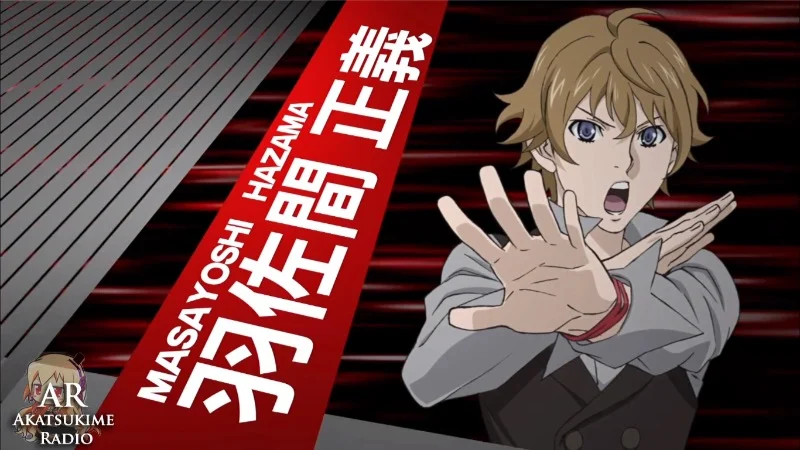
Masayoshi Hazama starts as a fashion model who becomes a masked do gooder with homemade gear. He patrols at night with basic tools and a code against lethal force. As threats escalate he moves from street crime to larger conspiracies and forms bonds with law enforcement. The story tracks how a civilian builds a hero identity in public view.
The show places its hero in a media spotlight where sponsors and ratings shape public safety. It explores how a symbol can inspire citizens and police to work together. The series was produced by Manglobe, whose grounded cityscapes and lively action keep the vigilante focus on everyday stakes in ‘Samurai Flamenco’.
14) Ken Washio from ‘Science Ninja Team Gatchaman’
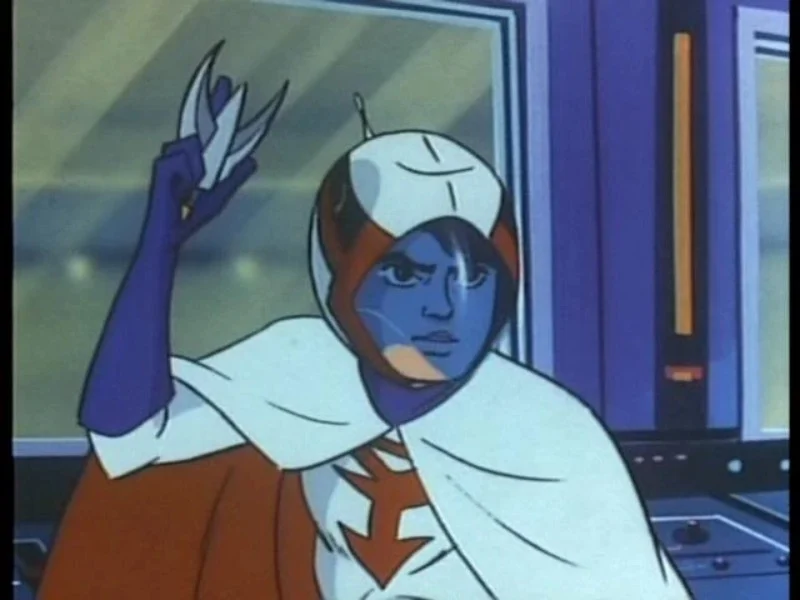
Ken Washio leads a five member squad that uses bird themed suits and advanced vehicles to stop Galactor. He serves as the field commander who balances reconnaissance with aerial combat. The team operates with code names and coordinated maneuvers that fuse martial arts with technology.
The series popularized color coded team tactics and a headquarters to mission pipeline that many later works adopted. Its transforming aircraft and energy weapons set a template for team superheroes in anime. Tatsunoko Production produced ‘Science Ninja Team Gatchaman’, giving the show its sleek machines and high speed chases.
13) Joe Shimamura from ‘Cyborg 009’
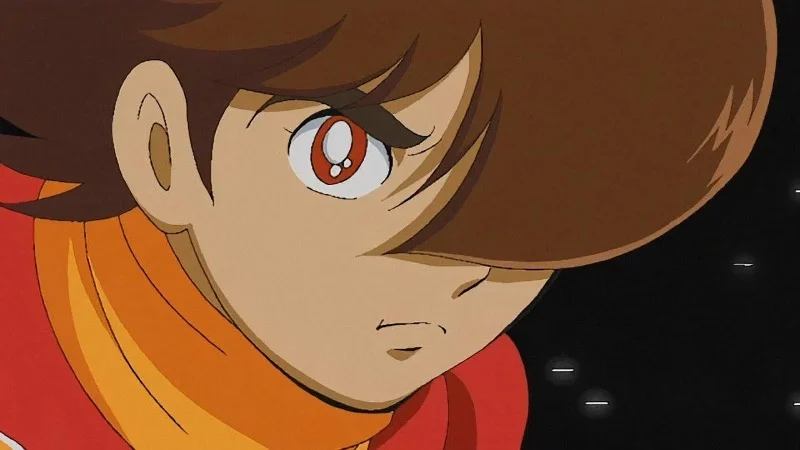
Joe Shimamura, also known as 009, is part of a group rescued from a weapons project and rebuilt with unique abilities. His signature acceleration power lets him move faster than the eye can track. Missions place him at the center of covert operations against the syndicate that created the team.
The nine members combine to handle threats that range from espionage to superhuman warfare. Joe often serves as the point unit because of his speed and leadership. Toei Animation produced key iterations of ‘Cyborg 009’, shaping the team dynamic with clear action layouts and a focus on cooperative tactics.
12) Kotetsu T. Kaburagi from ‘Tiger & Bunny’
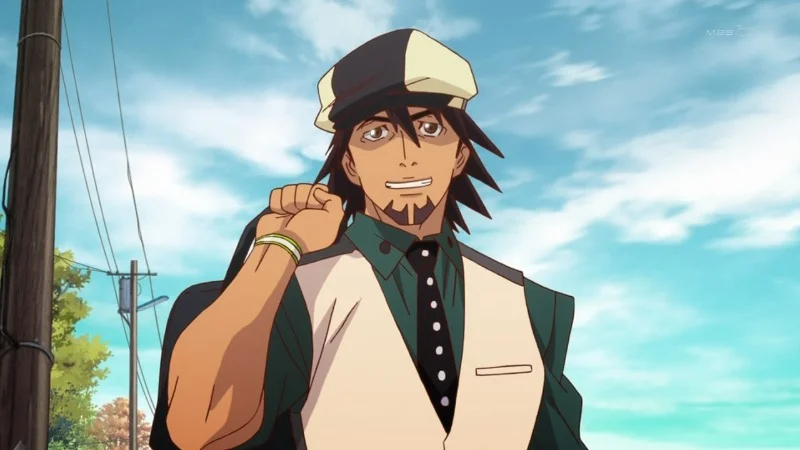
Kotetsu T. Kaburagi works as Wild Tiger in a city where corporate sponsors back registered heroes. His power boosts physical ability for short bursts, which he uses to protect civilians first and chase points second. He pairs with Barnaby Brooks Jr and learns to sync timing and strategy with a younger partner.
The world tracks crimes live through a ratings system, so rescue priorities and public trust become part of every mission. That structure shows how a business pipeline can affect hero work in a metropolis. Sunrise produced ‘Tiger & Bunny’, and the design choices put logos, suits, and broadcast graphics into the action in a natural way.
11) Astro Boy from ‘Astro Boy’
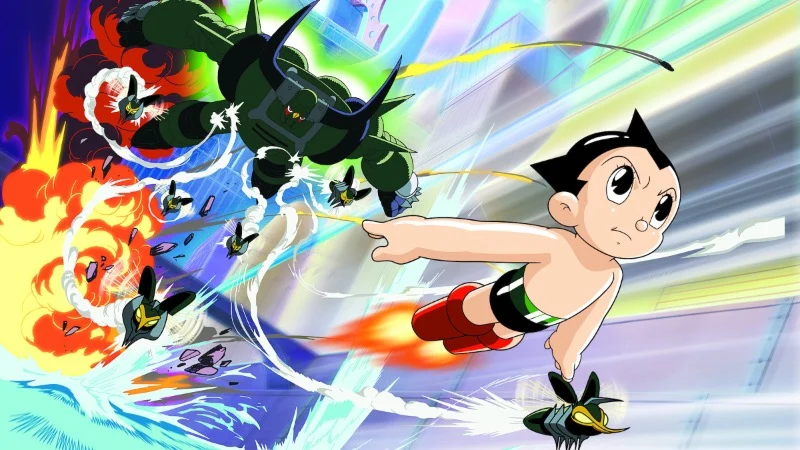
Astro Boy is a robot child who fights for peace between humans and robots. He can fly, fire energy bursts, and analyze threats with advanced sensors. Stories send him to stop machine uprisings, criminal plots, and disasters while he searches for belonging.
He stands at the start of televised robot hero adventures in Japan and anchors many themes about rights and responsibility. The character’s adaptations keep the balance between compassion and decisive action. Tezuka Productions has shepherded major versions of ‘Astro Boy’, carrying forward Osamu Tezuka’s original vision for a hopeful protector.
10) Shigeo Kageyama from ‘Mob Psycho 100’
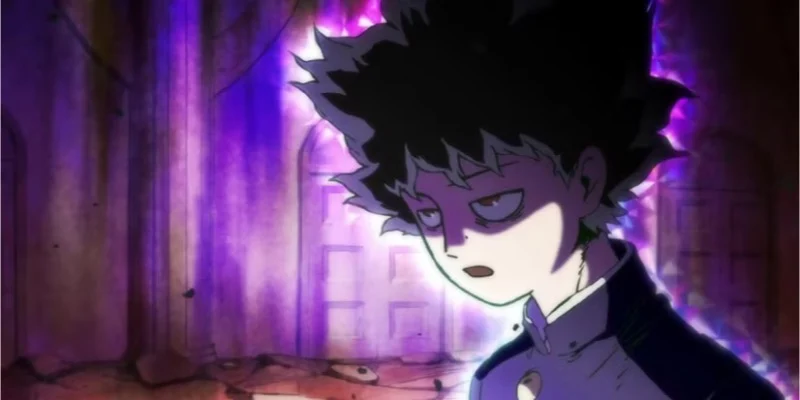
Shigeo Kageyama, known as Mob, is a mild mannered middle schooler with overwhelming psychic strength. He suppresses emotion to keep control, but when feelings reach a breaking point his power surges. He confronts spirits, cults, and rival espers while trying to grow as a person.
Conflicts often end with negotiation or exorcism rather than destruction. When combat is necessary, barriers, telekinesis, and energy release resolve the threat. Bones produced ‘Mob Psycho 100’, using fluid motion and expressive effects to show both the strain and the precision of Mob’s powers.
9) Edward Elric from ‘Fullmetal Alchemist: Brotherhood’
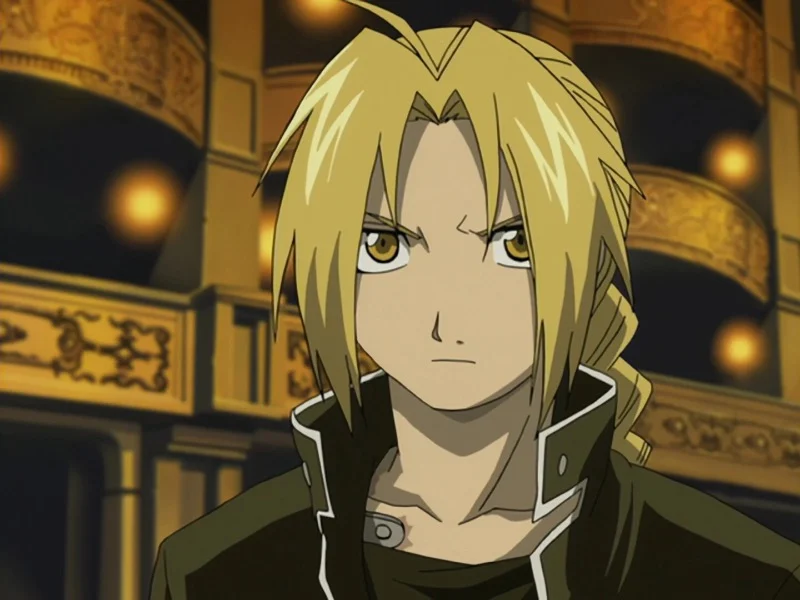
Edward Elric serves as a State Alchemist who can transmute matter without a drawn circle. His auto mail arm and leg allow agile movement and close combat. Investigations lead him to uncover human experimentation, political plots, and the origins of homunculi.
He protects towns and allies while searching for a way to repair the damage from a past mistake. His approach favors quick analysis in the field to reshape terrain and tools as needed. Bones produced ‘Fullmetal Alchemist: Brotherhood’, and the clear staging of alchemy gives each confrontation readable cause and effect inside the world of ‘Fullmetal Alchemist: Brotherhood’.
8) Tanjiro Kamado from ‘Demon Slayer’
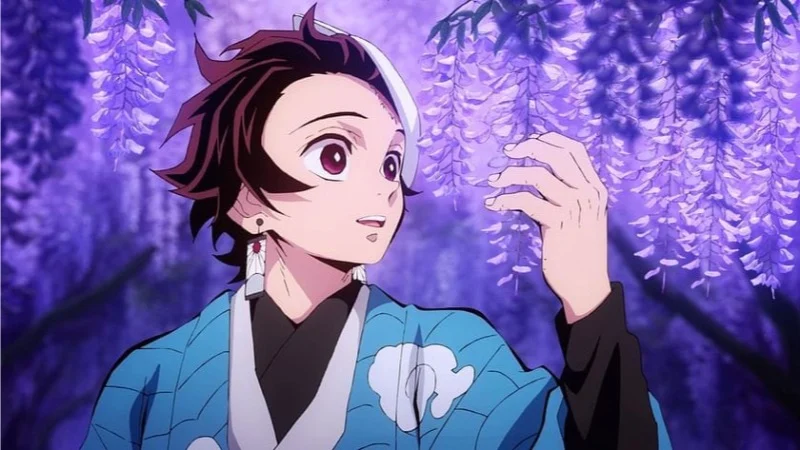
Tanjiro Kamado joins the Demon Slayer Corps after a demon attack on his family. He trains in sword forms that channel water and later reveals a sun based style. His objective is to defeat demons and find a way to help his sister.
Work as a slayer involves patrols, ranked missions, and joint operations with other swordsmen. Fights rely on breathing control, footwork, and special blades that change color. Ufotable produced ‘Demon Slayer’ with crisp choreography and detailed effects that clarify each technique in motion.
7) Ichigo Kurosaki from ‘Bleach’
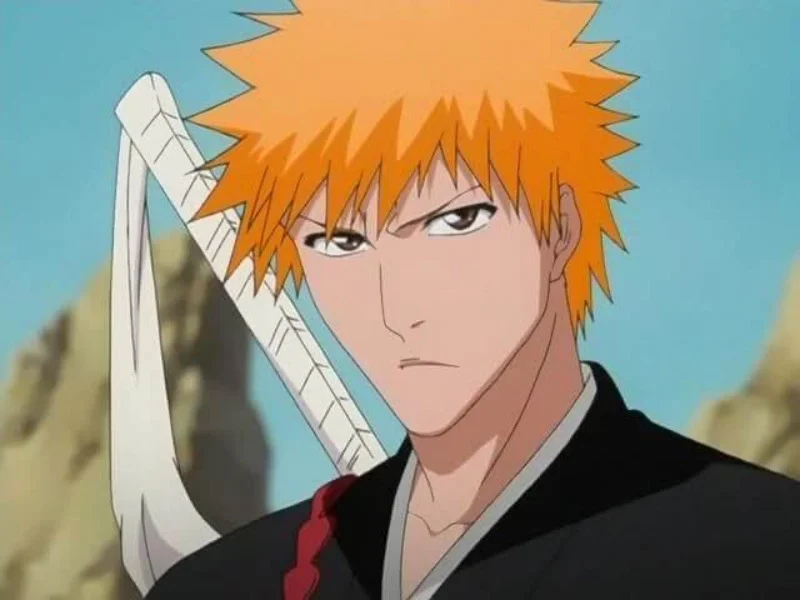
Ichigo Kurosaki becomes a Substitute Soul Reaper who defends the living world from Hollows. He wields Zangetsu and unlocks multiple states that draw on his complex spiritual makeup. Early missions focus on protecting his town, then expand to rescue and war arcs.
The job blends patrol duty with inter realm travel and formal duels. Partnerships with other Soul Reapers and allies are central to progress. Studio Pierrot produced ‘Bleach’, matching fast swordplay with strong character silhouettes and distinct forms for every power jump.
6) Naruto Uzumaki from ‘Naruto Shippuden’
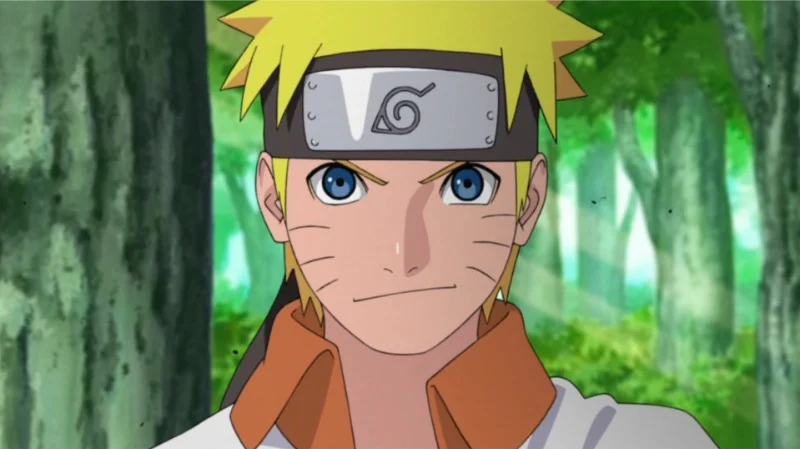
Naruto Uzumaki trains to become a protector of his village while housing the Nine Tails. He learns Rasengan variants, shadow clones, and modes that pull from nature energy and tailed beast chakra. Missions range from escort work to large scale battles.
Allied shinobi nations and command structures make hero work a formal service with ranks and squads. Naruto’s presence often turns a fight by reinforcing morale and coordination. Studio Pierrot produced ‘Naruto Shippuden’, building long running arcs that place village defense and global peacekeeping at the center of the story.
5) All Might from ‘My Hero Academia’
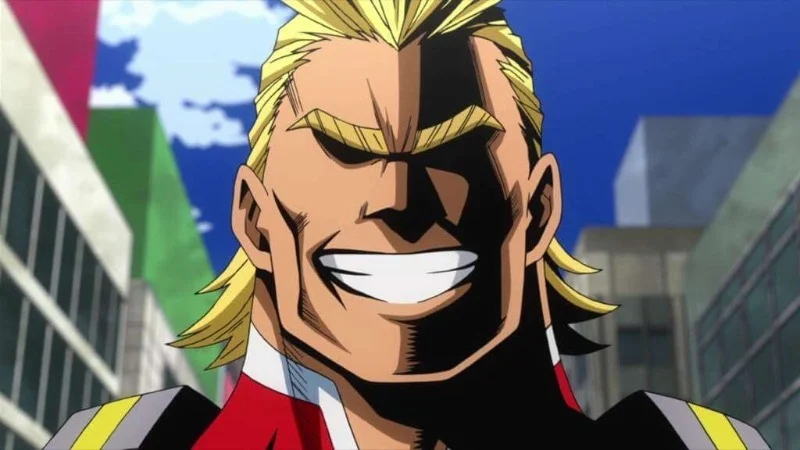
All Might operates as the public Symbol of Peace with the power known as One For All. He patrols in broad daylight, rescues at scale, and finishes fights with decisive strikes. His work includes mentoring Izuku Midoriya and teaching hero ethics.
The world licenses heroes, assigns internships, and regulates support gear. That framework shows how training and oversight shape real rescue outcomes. Bones produced ‘My Hero Academia’, presenting bright cityscapes and bold poses that fit the larger than life image of its top professional hero.
4) Monkey D. Luffy from ‘One Piece’
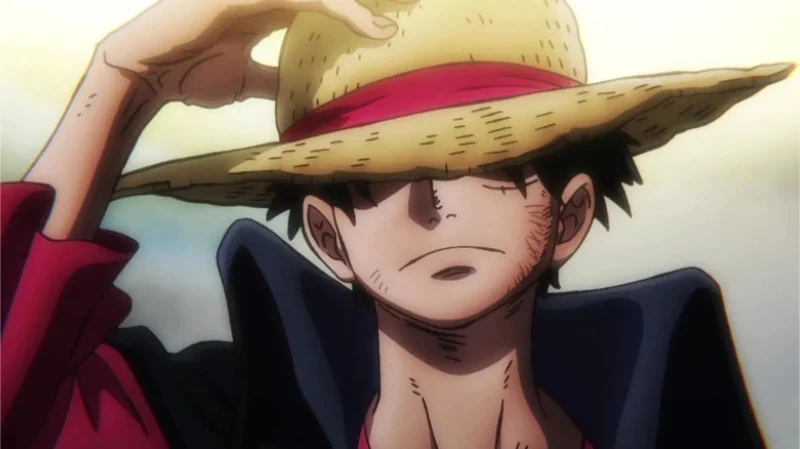
Monkey D. Luffy gains rubber like abilities from a Devil Fruit. He forms a crew and sails to islands where tyrants and criminal groups threaten civilians. He counters powers with creative movement and team tactics.
Although a pirate, he repeatedly topples regimes, protects towns, and frees oppressed people. The pattern follows a journey that links exploration with public rescue. Toei Animation produces ‘One Piece’, giving its fights elastic timing and energetic layouts that suit Luffy’s style.
3) Sailor Moon from ‘Sailor Moon’

Usagi Tsukino transforms into Sailor Moon to defend Earth with the Silver Crystal. She leads a team of planetary guardians who combine magic attacks with teamwork. Enemies target energy sources and artifacts that threaten the balance of the world.
Operations include urban patrols, school life cover, and coordinated finishers that seal or purify foes. The team structure supports joint tactics and growth across arcs. Toei Animation produces ‘Sailor Moon’, shaping the transformation sequences and group attacks that define the series identity.
2) Goku from ‘Dragon Ball Z’
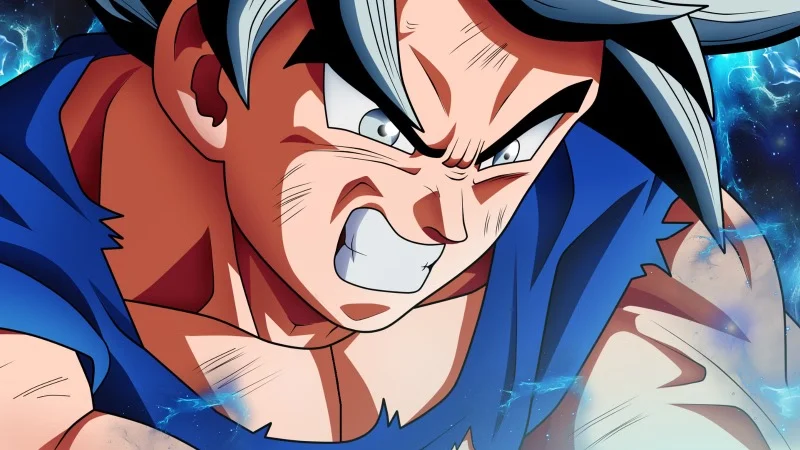
Goku is a Saiyan who protects Earth from invaders and rogue forces. He trains constantly and reaches new forms that raise speed, strength, and energy control. Battles often escalate from regional threats to cosmic stakes.
He works with allies to evacuate civilians, hold lines, and end conflicts with clear rules for combat. Tournament structures also keep many fights within set boundaries. Toei Animation produces ‘Dragon Ball Z’, and the staging of energy beams, auras, and long form duels gives the hero work a signature rhythm in ‘Dragon Ball Z’.
1) Saitama from ‘One-Punch Man’
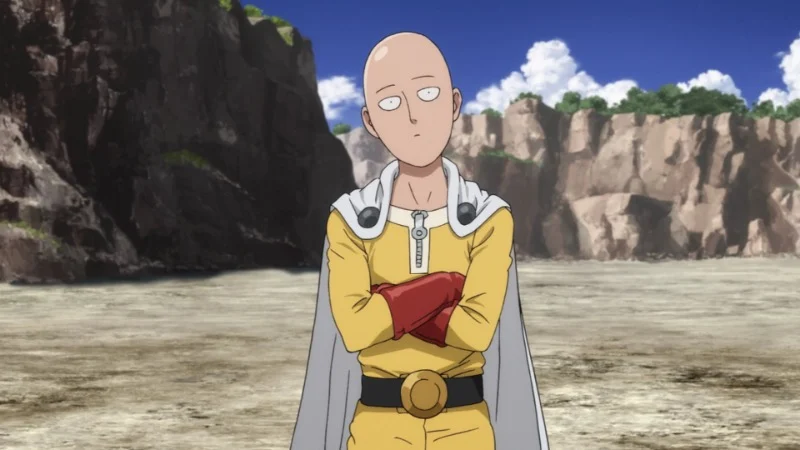
Saitama registers with the Hero Association and starts in Class C with routine patrols. He resolves crises in City Z with minimal effort and often receives little credit due to timing and perception. Major encounters show him ending threats with a single punch.
The setting tracks heroes through ranks, alerts, and coordinated responses to disasters. That framework places Saitama beside a full roster of professionals and monsters. The first season was produced by Madhouse and later seasons were handled by J C Staff, bringing two distinct production styles to ‘One-Punch Man’.
Share your favorite anime superheroes and tell us who you would add in the comments.