

Anime That Are Banned In China For Weird Reasons

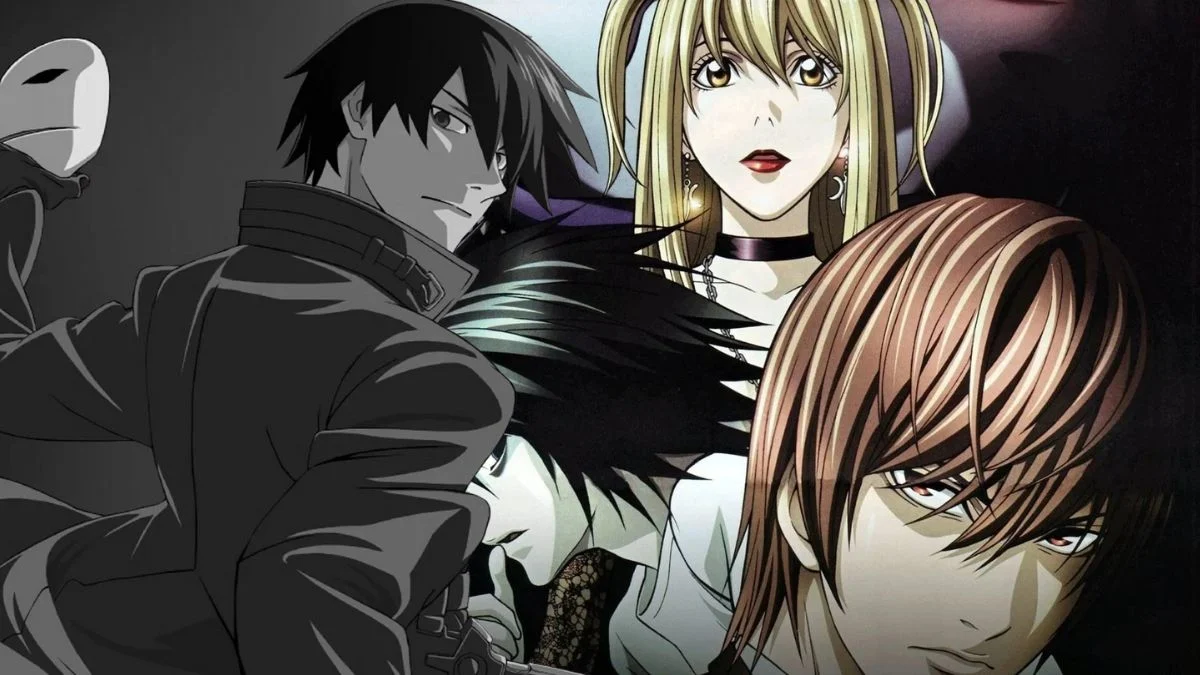


Censorship in China often impacts various forms of media including popular animated series from Japan. The Ministry of Culture maintains strict guidelines to ensure that content aligns with social values and political stability. Many anime titles have been blacklisted for reasons ranging from excessive violence to themes of rebellion. Some of these bans are particularly unique due to how the government interprets the potential impact on viewers. These restrictions have led to a significant shift in how fans in the region consume their favorite animated shows.
‘Death Note’ (2006–2007)
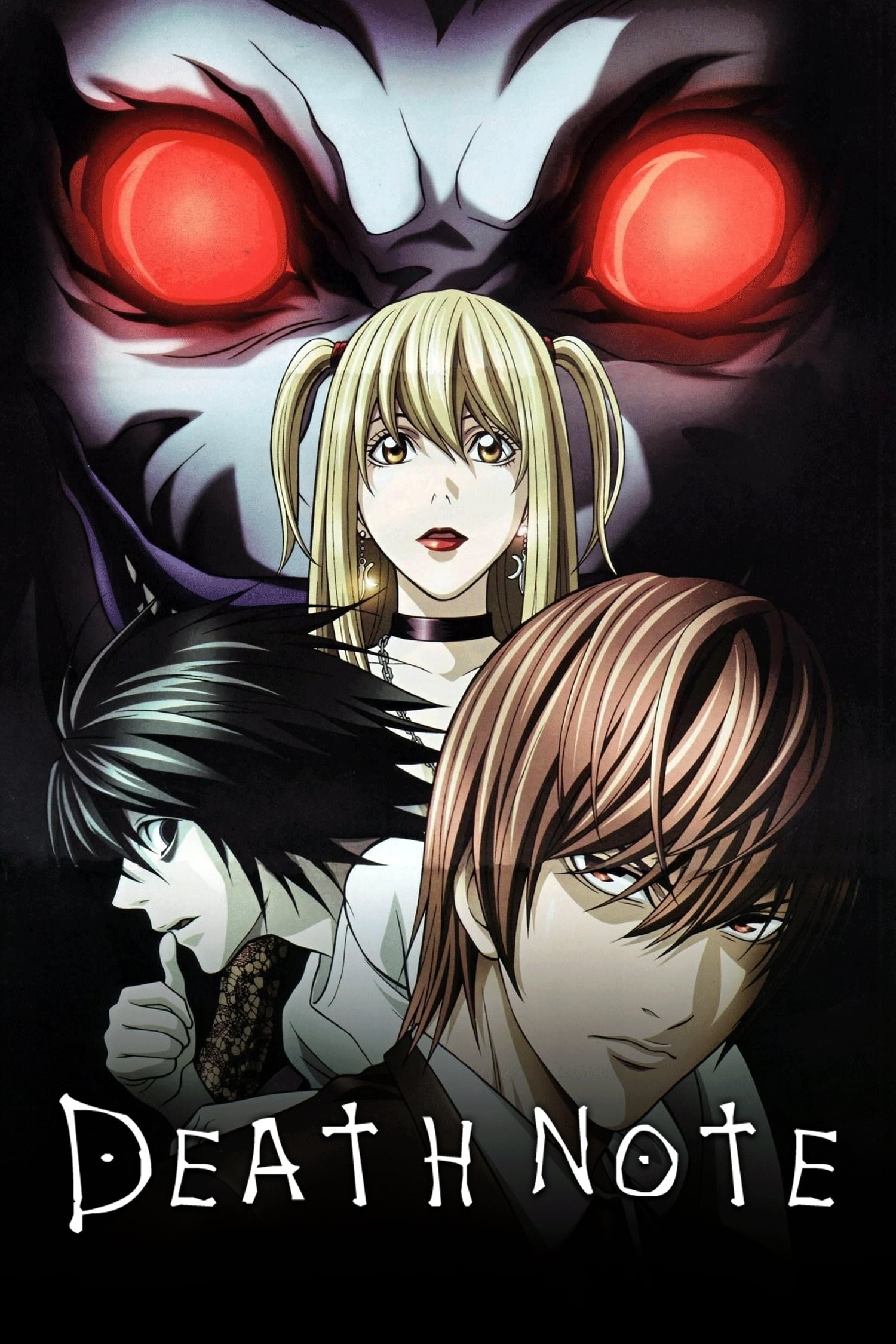
China banned ‘Death Note’ because students began creating their own notebooks and writing the names of teachers inside. The government feared the supernatural themes would lead to a decline in public order and promote superstition. The dark narrative involves a high school student who gains the power to kill anyone whose name he writes in a magical journal. Authorities labeled the series as an illegal publication that poisons the minds of children. This specific ban remains one of the most famous examples of anime censorship in the country.
‘Attack on Titan’ (2013–2023)
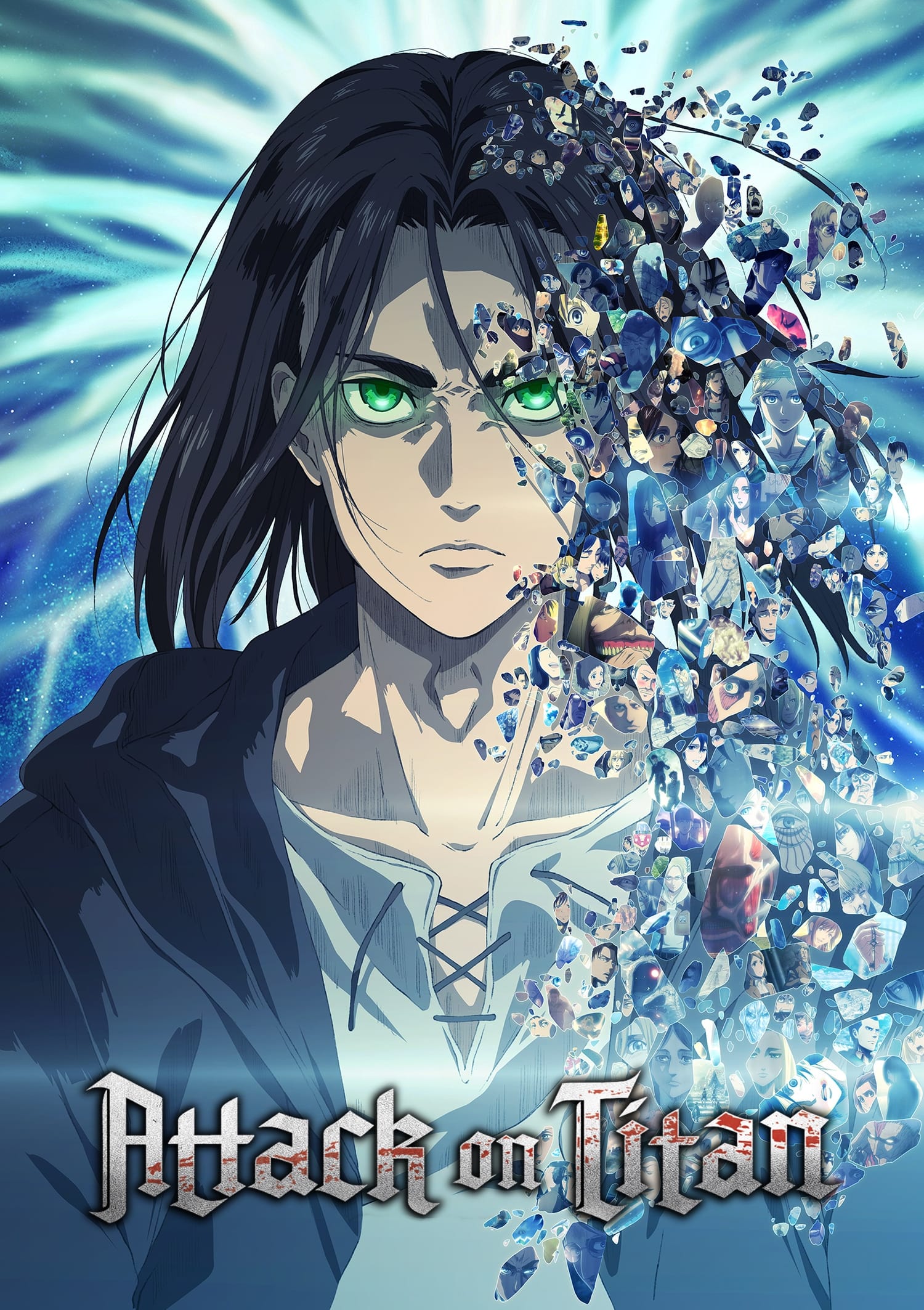
The high levels of violence and gore in ‘Attack on Titan’ led to its immediate blacklisting by Chinese authorities. Beyond the physical carnage, the story features strong themes of rebellion against an oppressive government which made officials uneasy. The Ministry of Culture cited the series as harmful to public morality and social stability. It was included on a list of thirty eight banned titles during a major crackdown in 2015. Fans in the region must often find creative ways to access the epic conclusion of the series.
‘Tokyo Ghoul’ (2014)
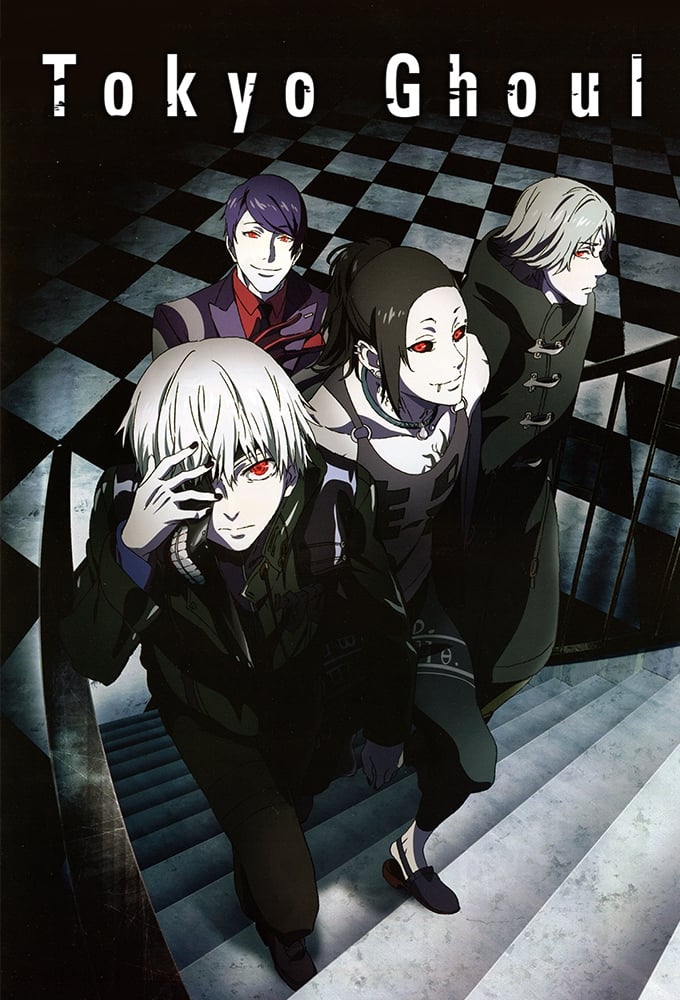
The dark and gruesome nature of ‘Tokyo Ghoul’ was cited as the primary reason for its removal from Chinese streaming platforms. Officials were concerned that the depiction of flesh eating creatures would have a negative psychological impact on the youth. The series explores the life of a college student who becomes a half ghoul after a freak accident. The government specifically targeted the show for its extreme depictions of torture and physical transformation. It is currently categorized as prohibited content that cannot be distributed online.
‘Assassination Classroom’ (2015–2016)
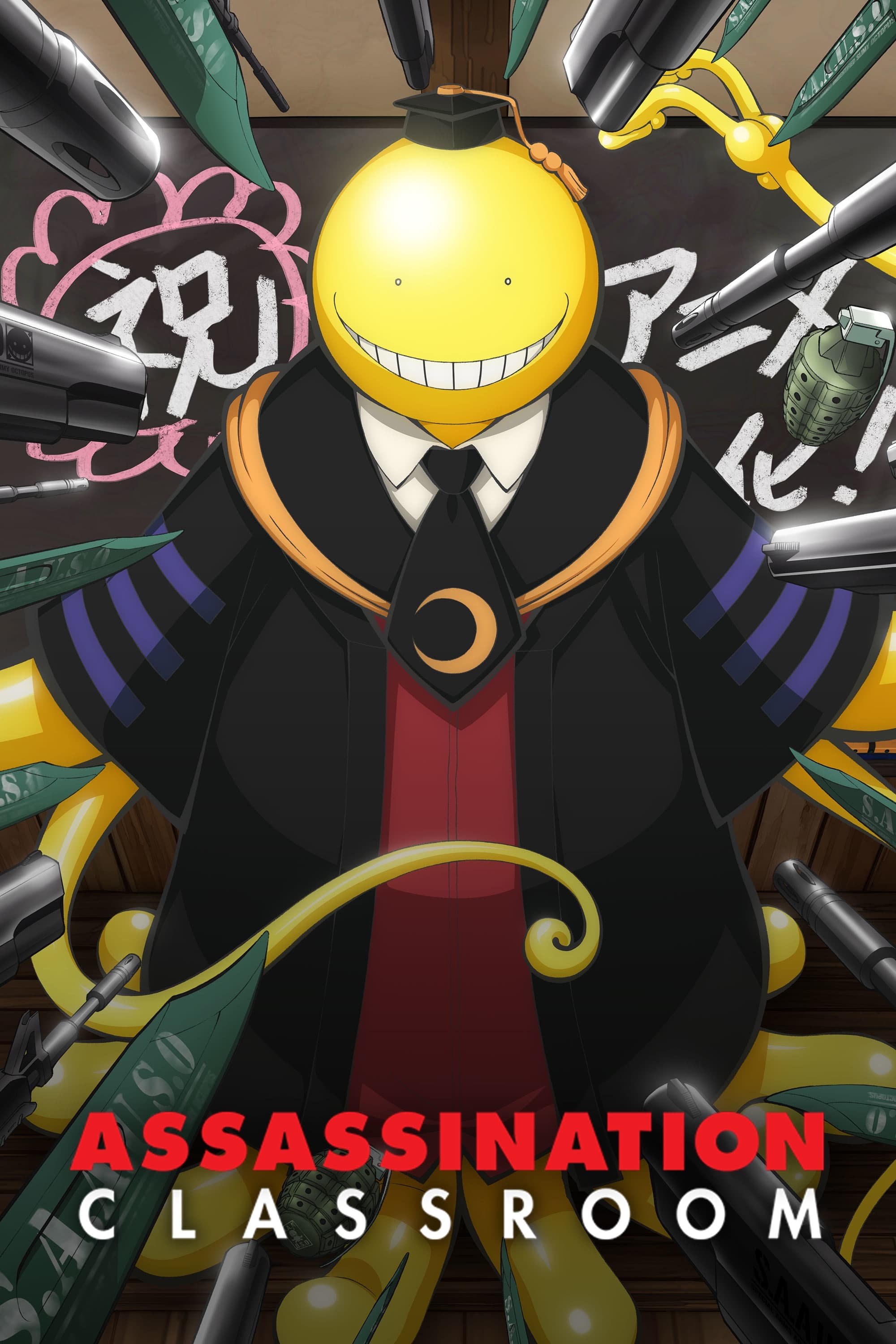
The premise of ‘Assassination Classroom’ involves students attempting to kill their alien teacher to save the world. Chinese censors found the idea of students attacking a teacher to be highly inappropriate and a threat to educational authority. They argued that the series encouraged violence within school settings and disrespected the status of educators. Even though the teacher is a sympathetic character, the central theme of assassination was enough to trigger a total ban. The show was scrubbed from official websites to prevent young viewers from imitating the behavior.
‘Black Butler’ (2008–2010)
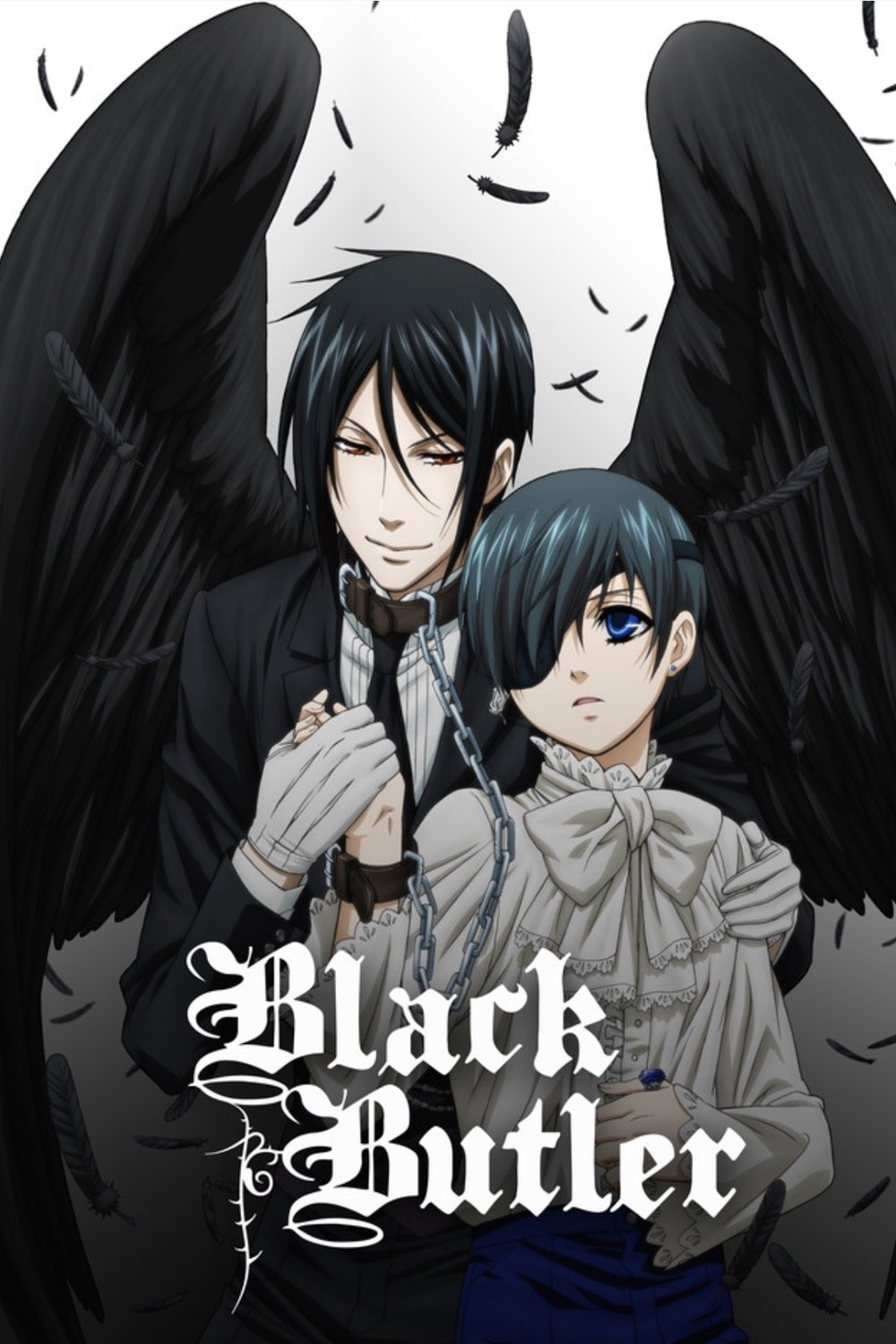
This series follows a young boy who makes a deal with a demon butler to seek revenge for his family. The Chinese government banned ‘Black Butler’ due to its focus on the occult and supernatural contracts. Authorities believed that the dark themes and demonic imagery were unsuitable for public consumption. The show was also criticized for its portrayal of master and servant dynamics which officials deemed improper. It remains one of the many titles removed during the sweeping internet cleanup campaigns.
‘Psycho-Pass’ (2012–2019)
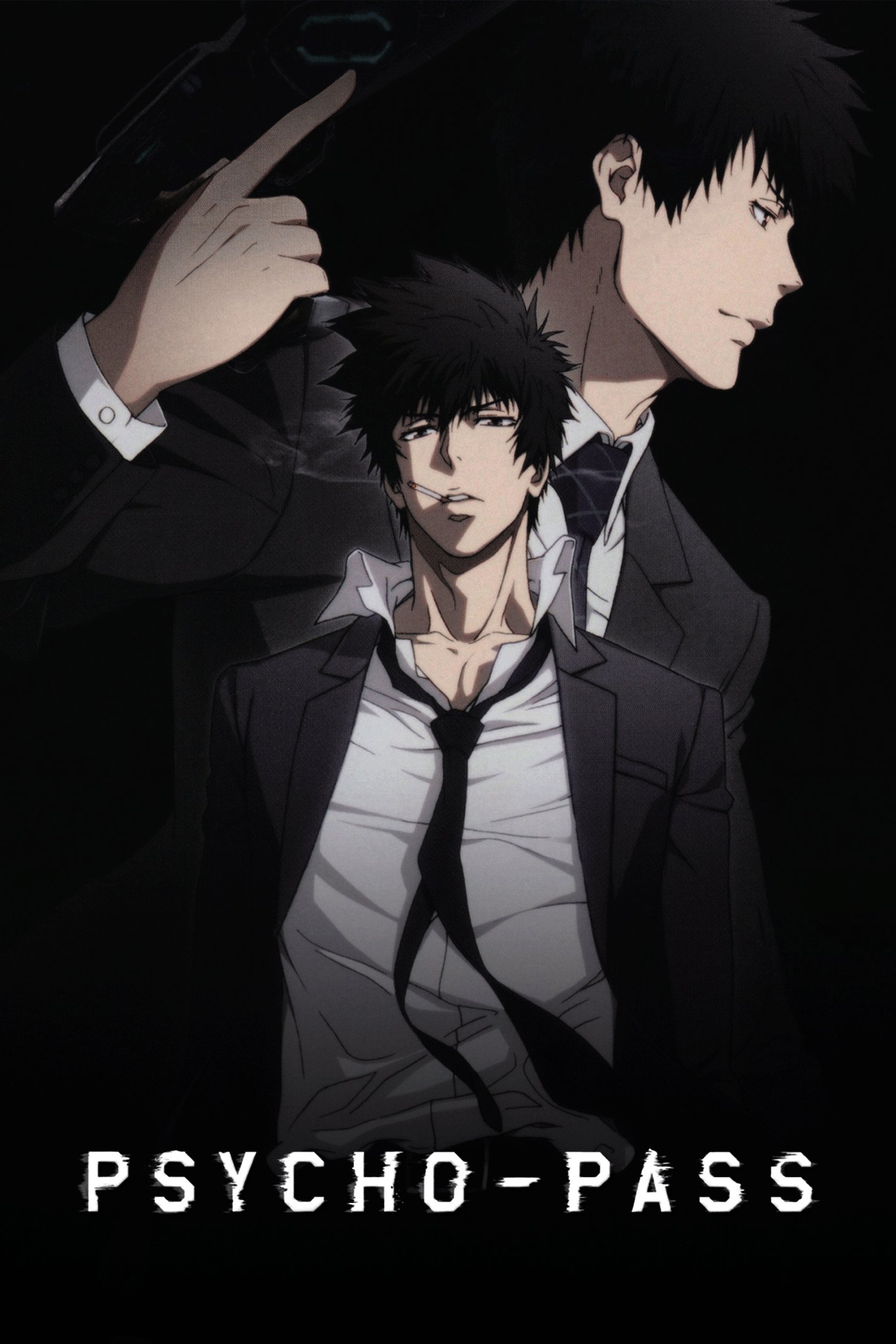
‘Psycho-Pass’ presents a dystopian future where a computer system determines the criminal potential of every citizen. The Chinese government took issue with the series because it depicts a society where the justice system is flawed and can be challenged. The themes of rebellion and the questioning of absolute authority were considered dangerous to social harmony. Censors officially listed the series as one that incites crimes and glorifies the subversion of state power. This sci-fi thriller is no longer available on mainstream Chinese video services.
‘Deadman Wonderland’ (2011)
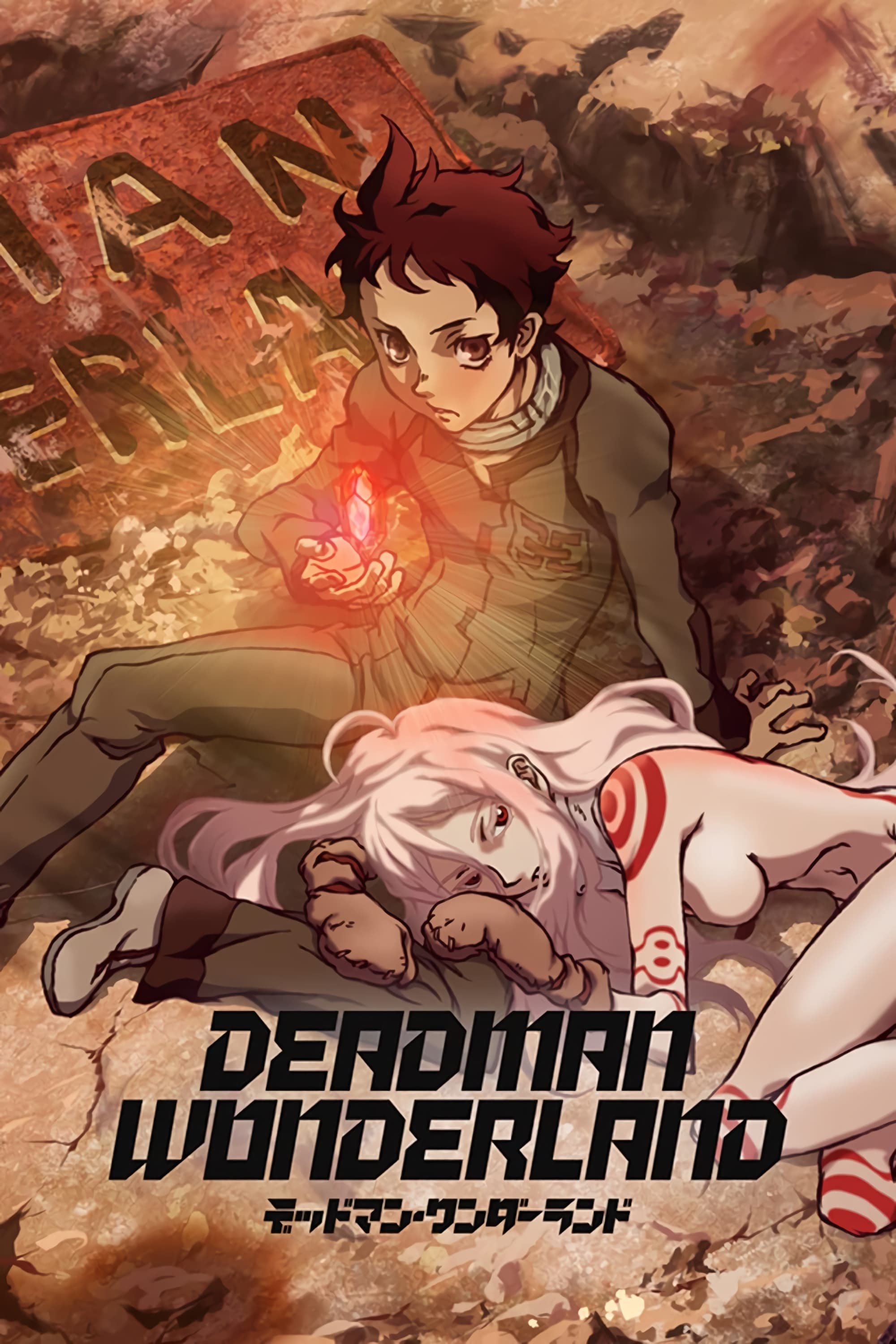
Set in a brutal prison that doubles as a theme park, ‘Deadman Wonderland’ features extreme blood and gore. The series was banned in China for its excessive violence and the depiction of a corrupt penal system. Censors were particularly concerned with the use of blood as a weapon and the psychological trauma inflicted on the characters. The Ministry of Culture argued that such content could lead to juvenile delinquency and social disorder. As a result, the series was removed from all legal streaming platforms across the country.
‘Akame ga Kill!’ (2014)

This series follows a group of assassins who aim to overthrow a corrupt and greedy empire. The Chinese government banned ‘Akame ga Kill!’ for its focus on political assassination and armed rebellion. Authorities feared that the narrative could inspire antigovernment sentiment among viewers. In addition to the political themes, the show features significant amounts of blood and character deaths. It was classified as content that promotes violence and disrupts the social order.
‘Highschool of the Dead’ (2010)

‘Highschool of the Dead’ was banned in China for its combination of extreme violence and suggestive sexual content. The series depicts a group of high school students fighting for survival during a zombie apocalypse. Censors found the fanservice and the graphic deaths of teenagers to be a violation of public decency. The Ministry of Culture listed it as a title that encourages vulgarity and harms the development of minors. This anime is no longer accessible through official channels in the region.
‘Terror in Resonance’ (2014)
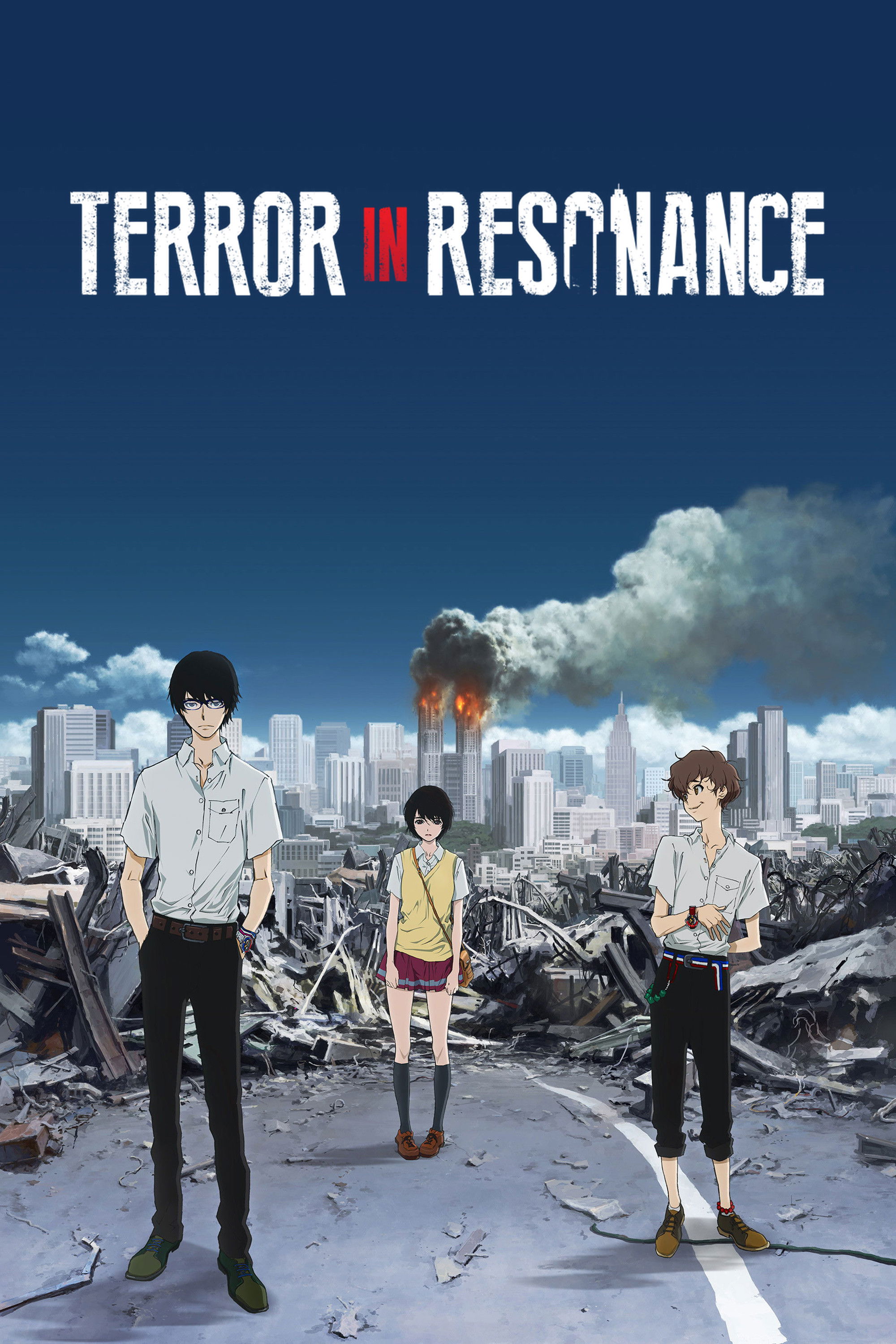
The story of ‘Terror in Resonance’ follows two teenagers who carry out a series of terrorist bombings in Tokyo. Chinese censors banned the series because it provides a sympathetic view of individuals who commit acts of terrorism. They were also worried that the show depicted the manufacturing of explosives in a way that could be copied. The government argued that the series could lead to instability and the promotion of criminal activities. It was scrubbed from the internet as part of a wider effort to eliminate harmful content.
‘Code Geass: Lelouch of the Rebellion’ (2006–2008)
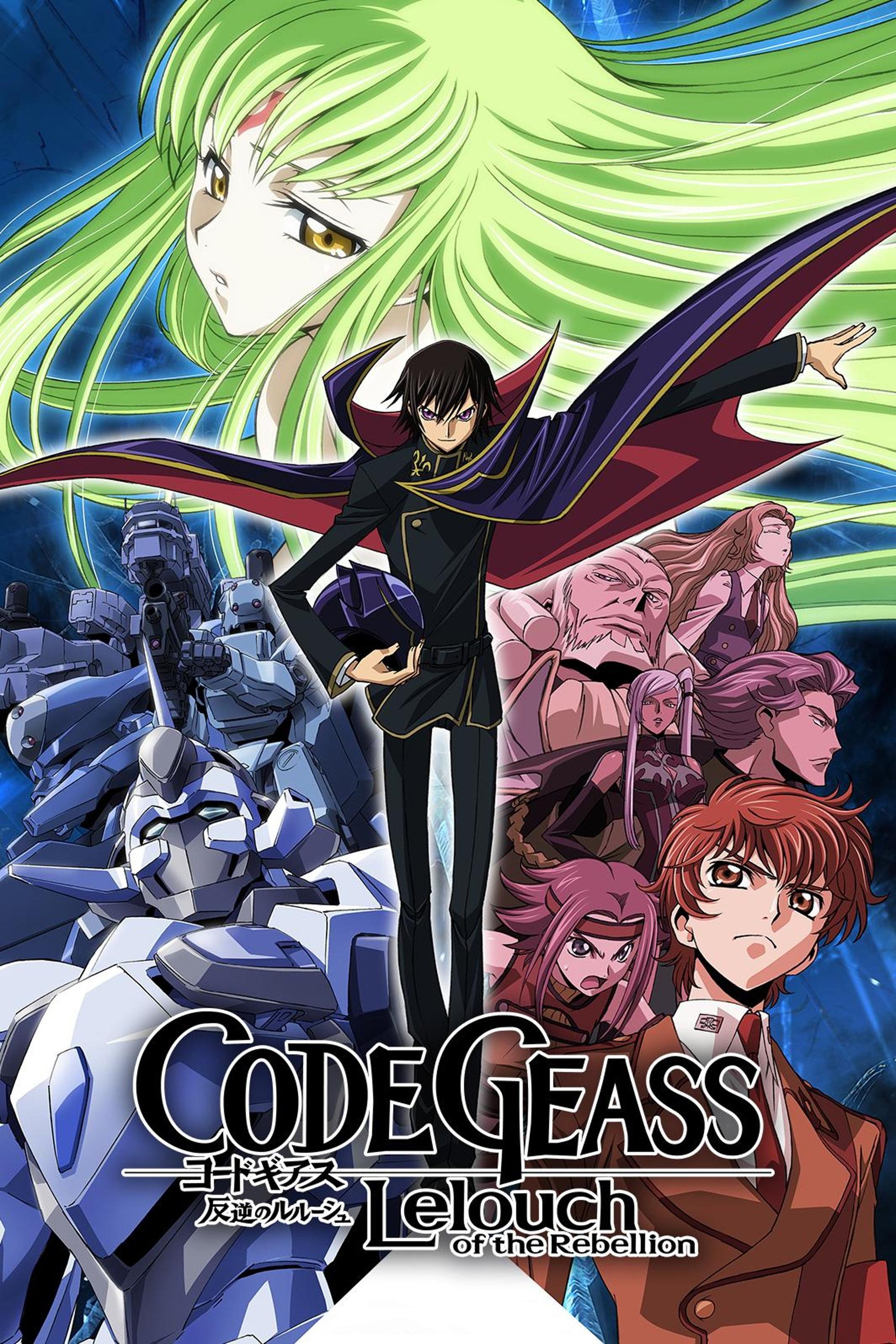
‘Code Geass’ features a protagonist who leads a revolutionary movement to liberate his country from an oppressive empire. The Chinese government banned the series due to its focus on political uprising and the overthrow of established regimes. Officials viewed the tactical warfare and the theme of rebellion as a threat to domestic stability. The supernatural power of the Geass was also cited as a problematic element involving mind control. This series remains heavily restricted and is not available on major domestic streaming sites.
‘Elfen Lied’ (2004)
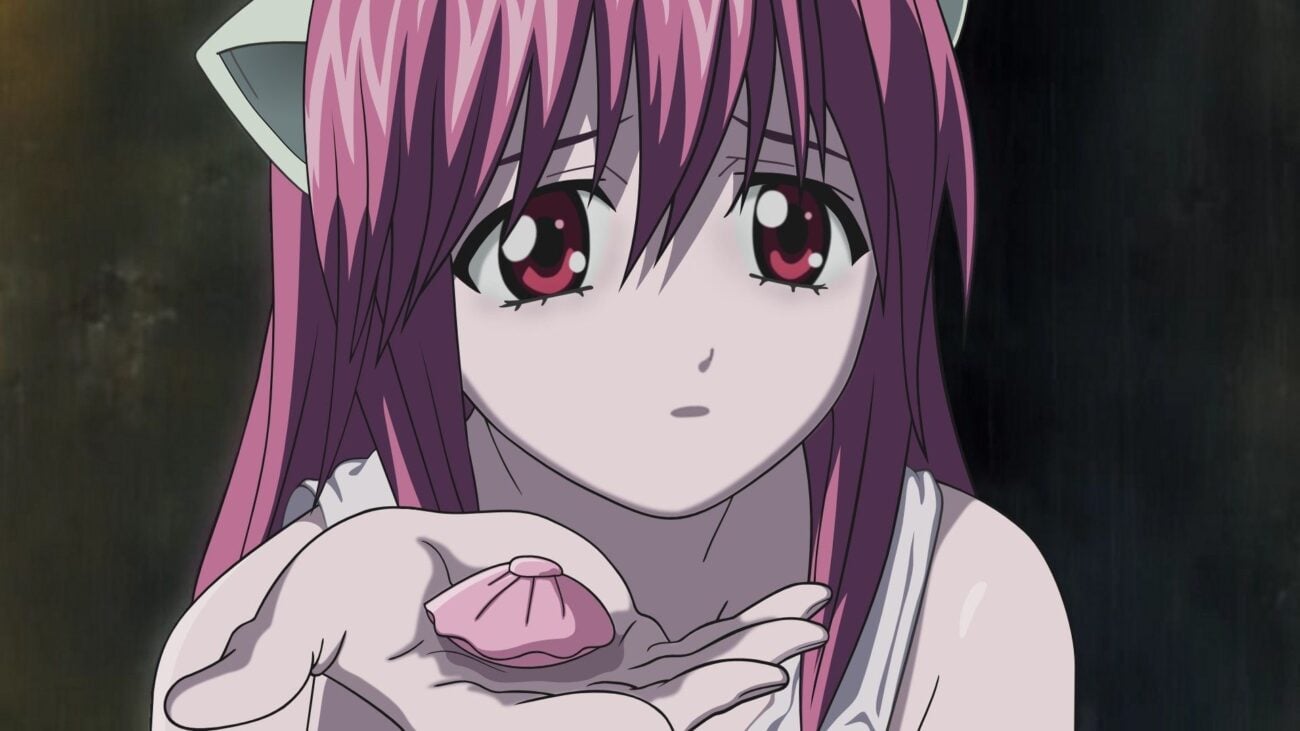
‘Elfen Lied’ is known for its intense graphic violence and frequent nudity, which led to a total ban in China. The series explores the tragic life of a mutant girl with invisible telekinetic arms. Censors determined that the frequent scenes of dismemberment were unsuitable for any audience. They also classified the show as pornographic due to its character designs and certain sequences. The Ministry of Culture officially labeled it as harmful material that corrupts public morals.
‘Blood-C’ (2011)
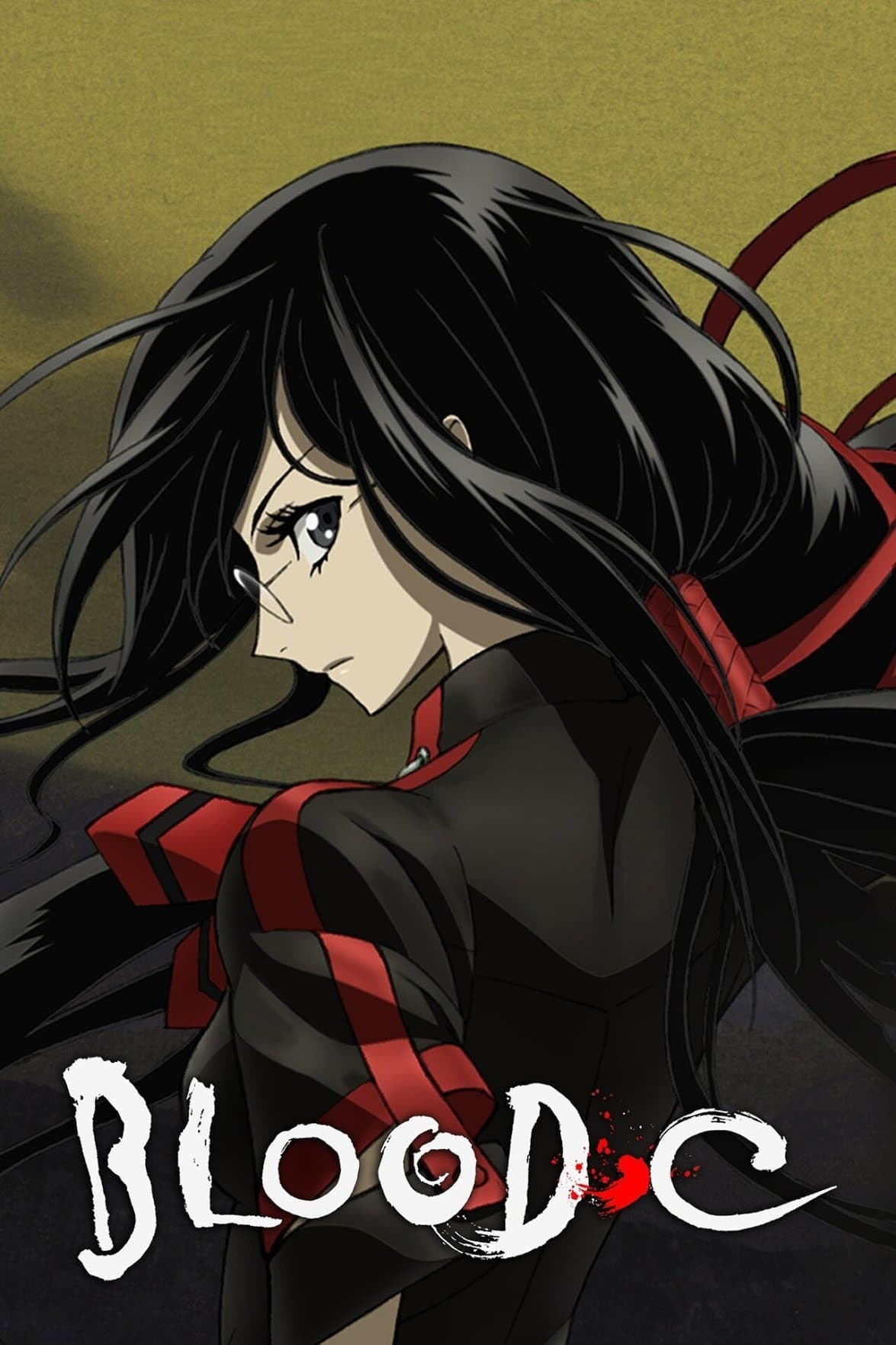
The extreme and inventive ways characters are killed in ‘Blood-C’ caused the series to be blacklisted. It features monsters that rip humans apart in highly detailed and bloody sequences. Chinese authorities considered the level of gore to be far beyond acceptable standards for media consumption. The series was removed during a major crackdown on violent and supernatural content in the middle of the decade. It is currently unavailable for legal streaming within the country.
‘Hellsing Ultimate’ (2006–2012)

‘Hellsing Ultimate’ focuses on a vampire who works for a secret organization to protect England from supernatural threats. The series was banned in China for its intense gore and the use of religious symbols in violent contexts. Authorities took issue with the dark and occult themes that run throughout the narrative. The excessive bloodshed and the portrayal of undead armies were cited as reasons for the restriction. It is officially categorized as content that promotes superstition and violence.
‘Prison School’ (2015)
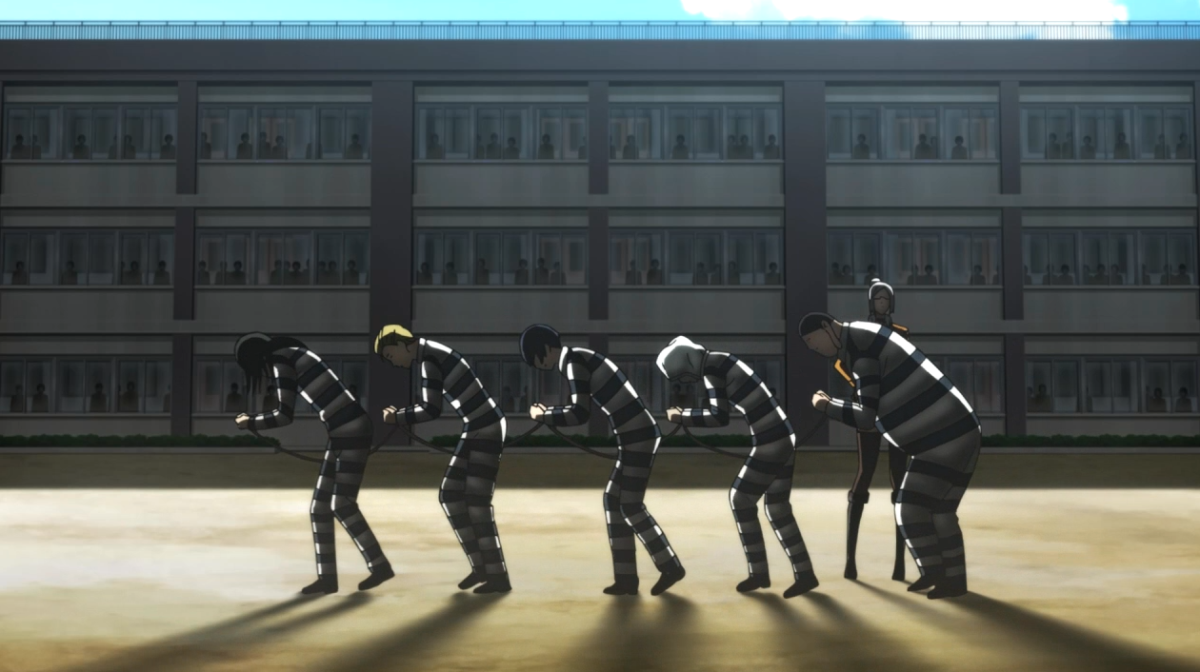
The comedy ‘Prison School’ was banned by Chinese censors due to its frequent use of vulgarity and sexual situations. The story follows five boys who are imprisoned by a student council in an all girls school. Officials determined that the show promoted improper values and lacked any educational merit. The suggestive nature of the animation was deemed a threat to the moral character of the youth. It was removed from all digital platforms during a period of increased internet regulation.
‘The Testament of Sister New Devil’ (2015)
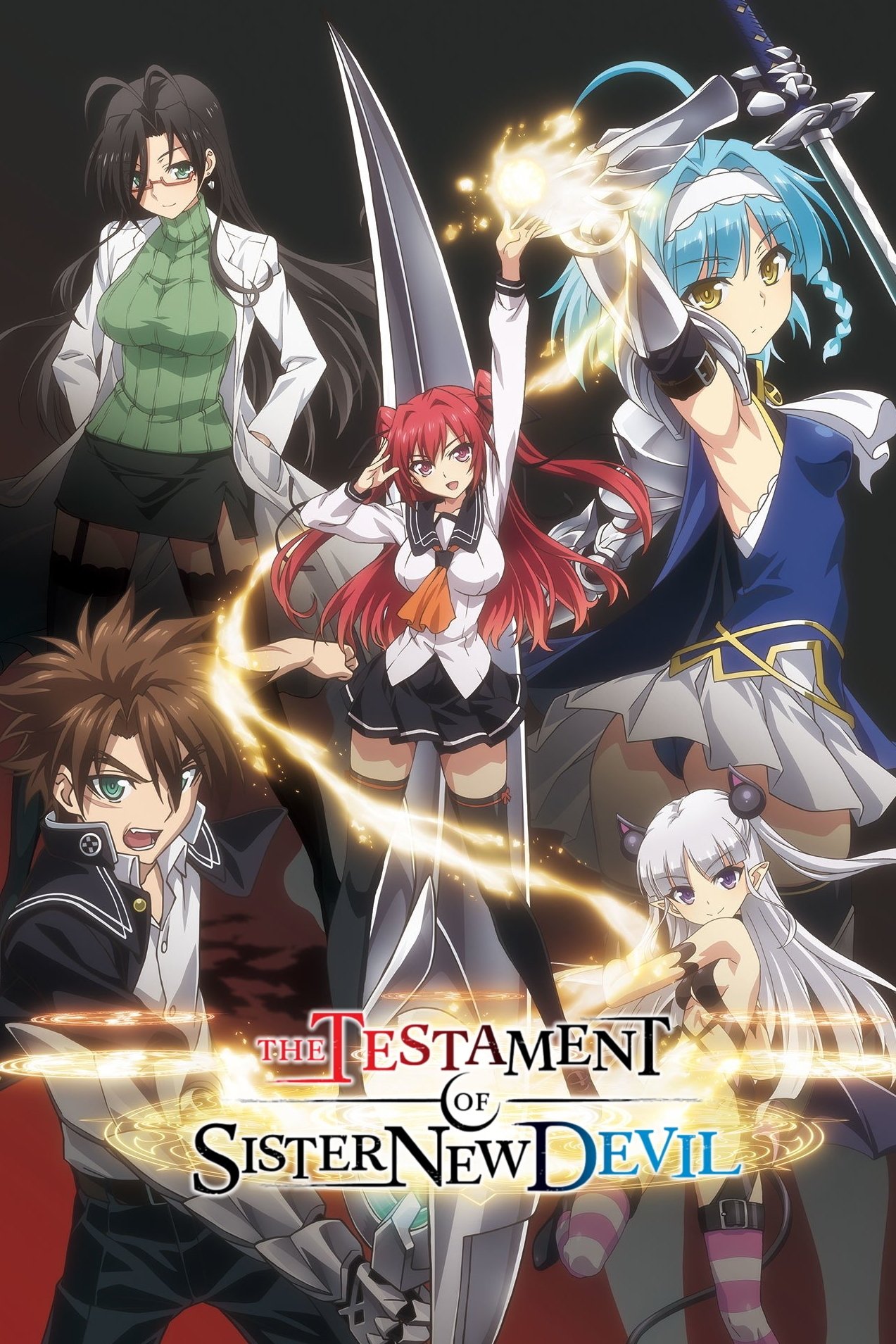
This series was blacklisted in China because it contains a high amount of sexual content and ecchi themes. The narrative involves a high school student who discovers his new sisters are actually demons. Chinese authorities classified the series as near pornographic and unfit for general distribution. They argued that the provocative imagery and themes of supernatural incest were harmful to society. The show was one of many titles targeted for removal during the 2015 cultural crackdown.
‘Corpse Party: Tortured Souls’ (2013)
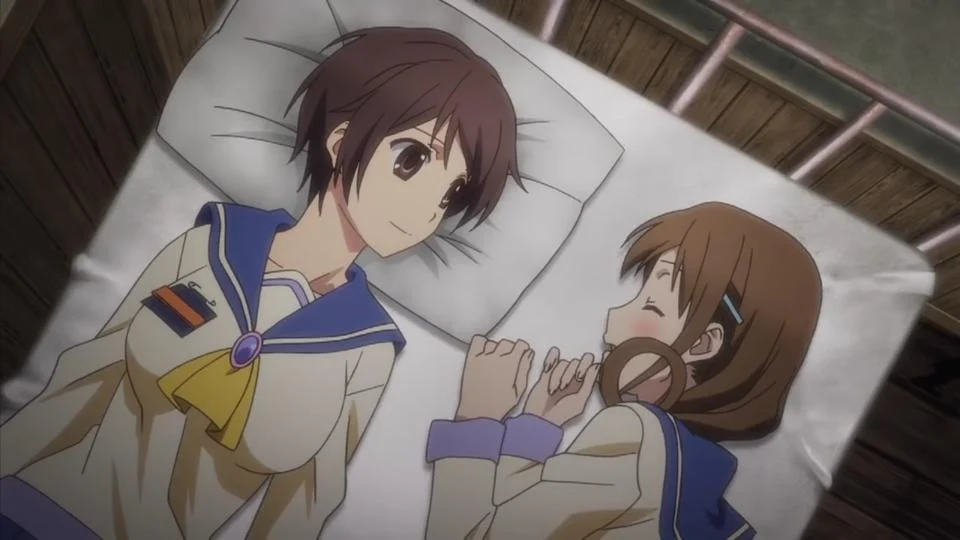
‘Corpse Party: Tortured Souls’ is an adaptation of a horror game that features school students being brutally murdered in a haunted school. The Chinese government banned the series for its extreme depictions of gore and child endangerment. Censors found the graphic nature of the deaths to be exceptionally disturbing and socially irresponsible. The Ministry of Culture emphasized that such content could lead to psychological distress among viewers. It remains one of the most strictly prohibited horror titles in the region.
‘Pupa’ (2014)
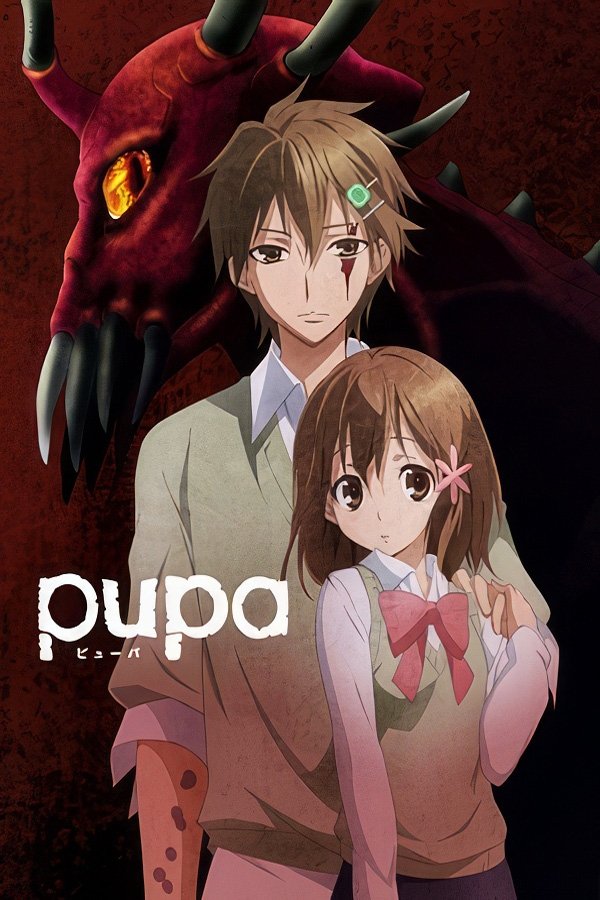
The story of ‘Pupa’ involves a sister who turns into a man eating monster and her brother who feeds her his own flesh. Chinese authorities banned the series for its themes of cannibalism and disturbing physical mutations. They argued that the core premise of the show was inherently harmful and lacked moral standing. The graphic scenes of the sister consuming her brother were cited as being too grotesque for public viewing. The series was removed from the internet shortly after the 2015 ban list was released.
‘Devil May Cry’ (2007)

Based on the popular video game series, ‘Devil May Cry’ follows the adventures of a demon hunter named Dante. The anime was banned in China due to its focus on demons and the supernatural. Authorities were concerned that the show promoted superstition and occult practices. The frequent scenes of stylized violence and the use of firearms also contributed to the decision. It was listed among the titles that failed to meet the standards for healthy cultural products.
‘Afro Samurai’ (2007)
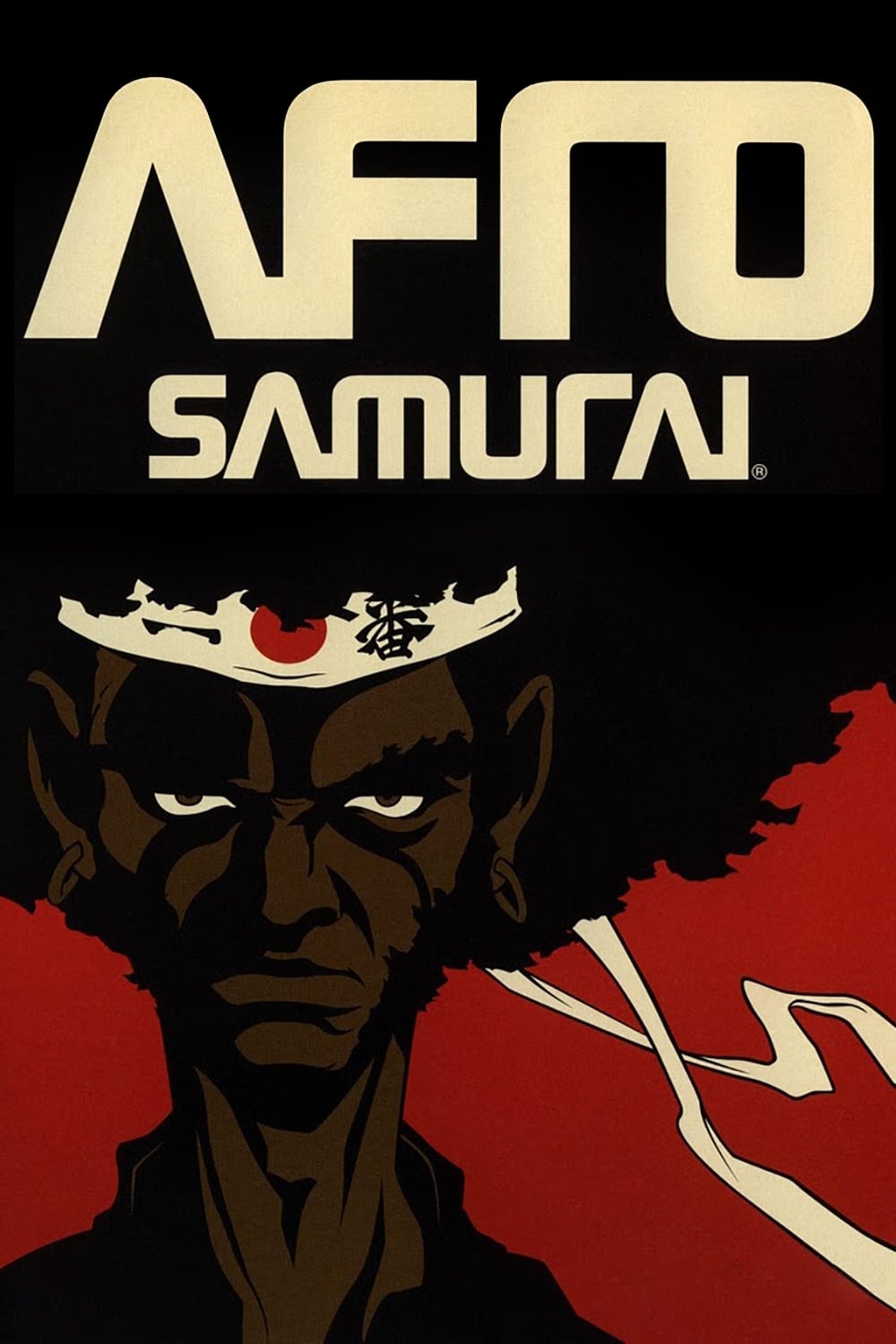
‘Afro Samurai’ features a warrior seeking revenge in a futuristic yet feudal version of Japan. The series was banned in China for its high level of stylized violence and frequent dismemberment. Censors argued that the focus on vengeance and bloody combat was harmful to social stability. The show was also criticized for its gritty atmosphere and use of profanity. It was removed from domestic websites as part of the effort to clean up violent media.
‘Darker than Black’ (2007–2009)
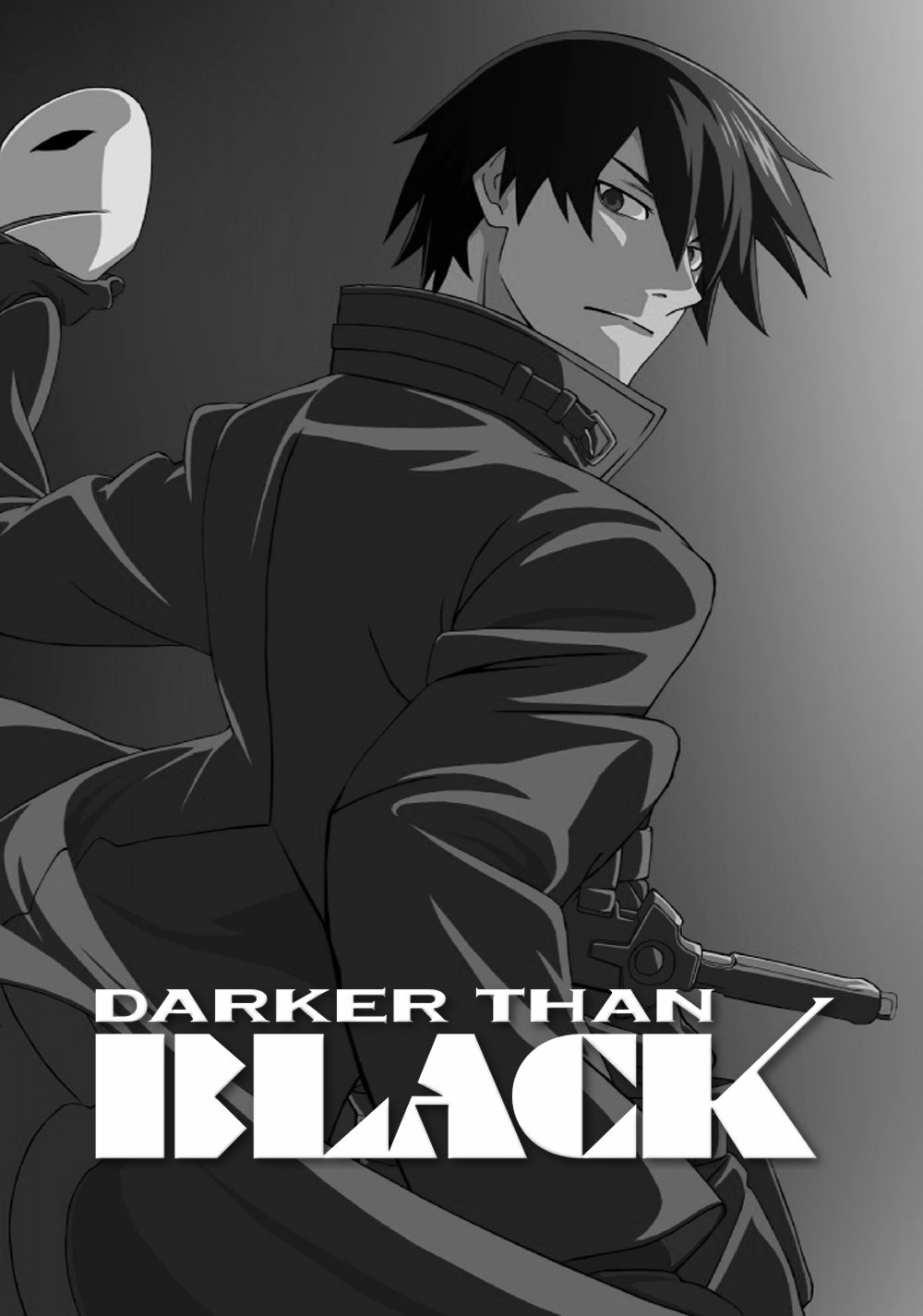
This series depicts a world where individuals known as Contractors gain supernatural powers in exchange for their humanity. Chinese authorities banned ‘Darker than Black’ for its dark themes and the depiction of illegal activities. The government took issue with the portrayal of underground organizations operating outside the law. They also cited the use of supernatural abilities as a promotion of superstition. The series was pulled from distribution during a major regulatory push for online content.
‘Btooom!’ (2012)
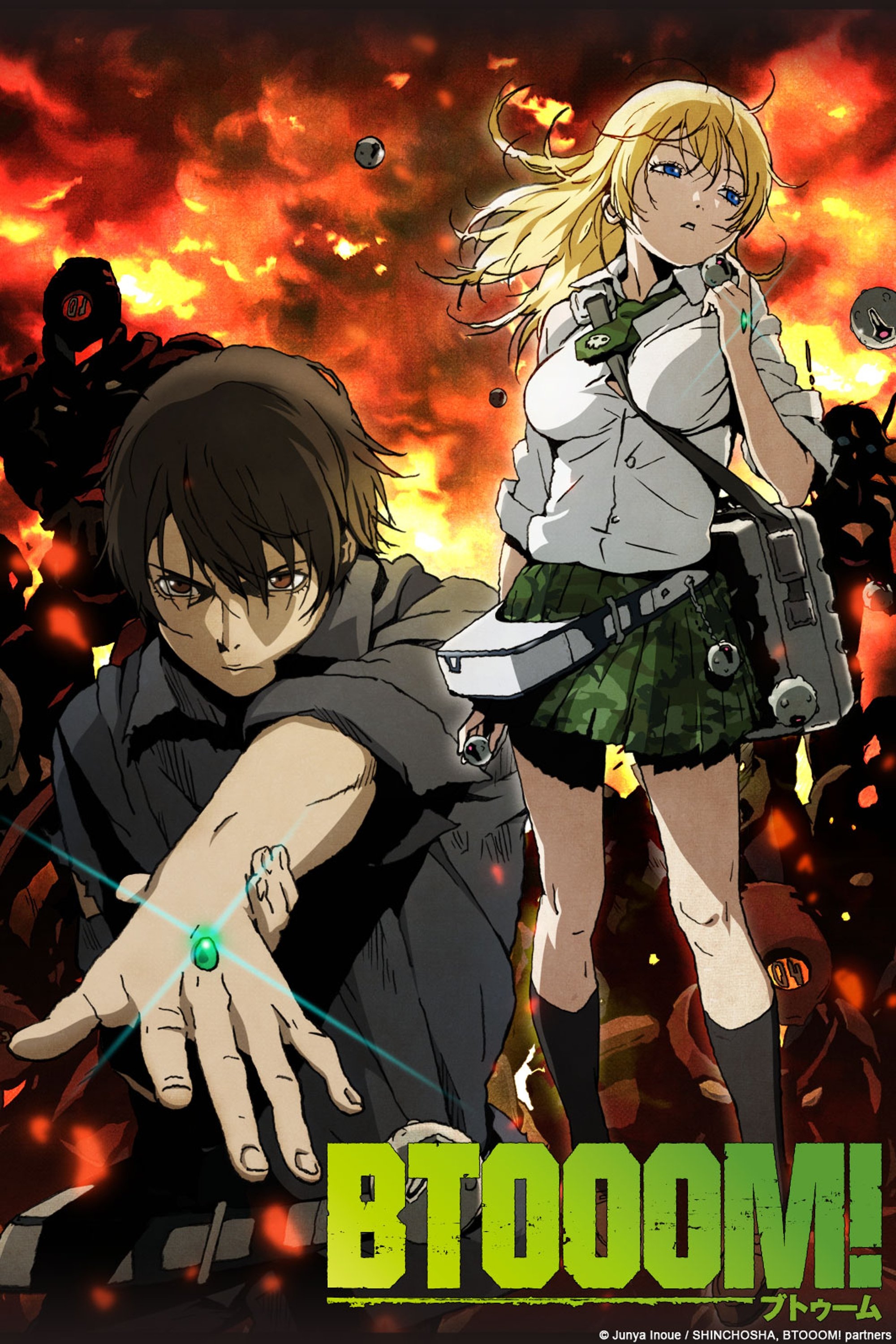
‘Btooom!’ involves a group of people forced to play a real life survival game using different types of bombs. The Chinese government banned the series due to its focus on explosives and the glorification of a kill or be killed scenario. Censors were concerned that the detailed use of bombs could lead to real world danger. They also highlighted the extreme violence and sexual assault themes as reasons for the ban. The show was scrubbed from legal platforms to prevent the spread of harmful messages.
‘Claymore’ (2007)
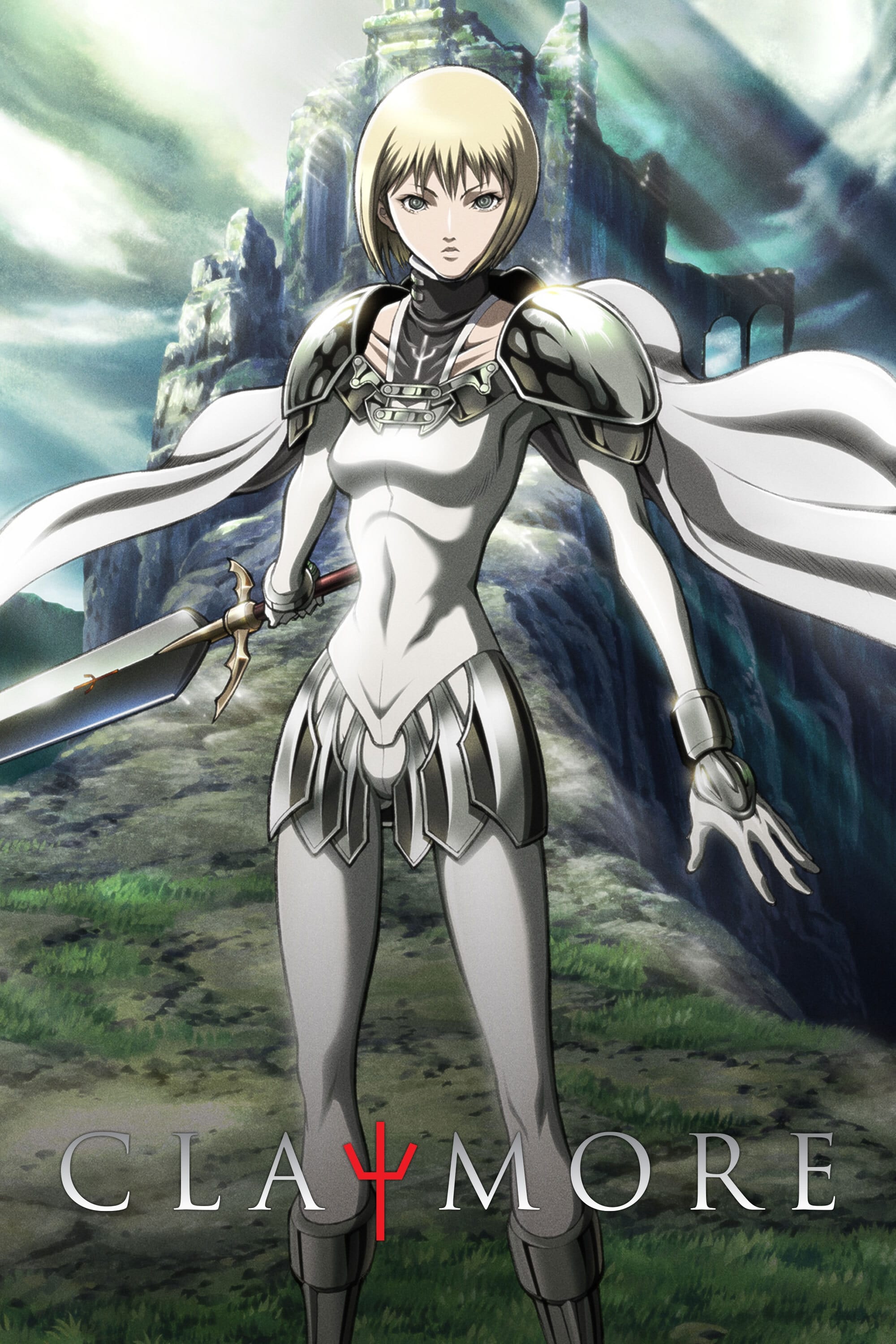
‘Claymore’ features female warriors who hunt monsters in a dark fantasy setting. The series was banned in China for its graphic depictions of monsters and the mutilation of bodies. Authorities argued that the dark and depressing tone of the series was unsuitable for the general public. They also pointed to the supernatural origins of the characters as a form of prohibited superstition. The series was officially blacklisted to protect the mental well being of the youth.
‘Dance in the Vampire Bund’ (2010)

This series follows the creation of a special zone for vampires and the political tension that follows. Chinese censors banned ‘Dance in the Vampire Bund’ for its portrayal of vampires and suggestive imagery involving young characters. The government was particularly concerned with the clothing designs and certain scenes that were deemed indecent. They also argued that the themes of supernatural entities living among humans were problematic. The show was removed from all domestic video platforms following a regulatory review.
‘Ergo Proxy’ (2006)
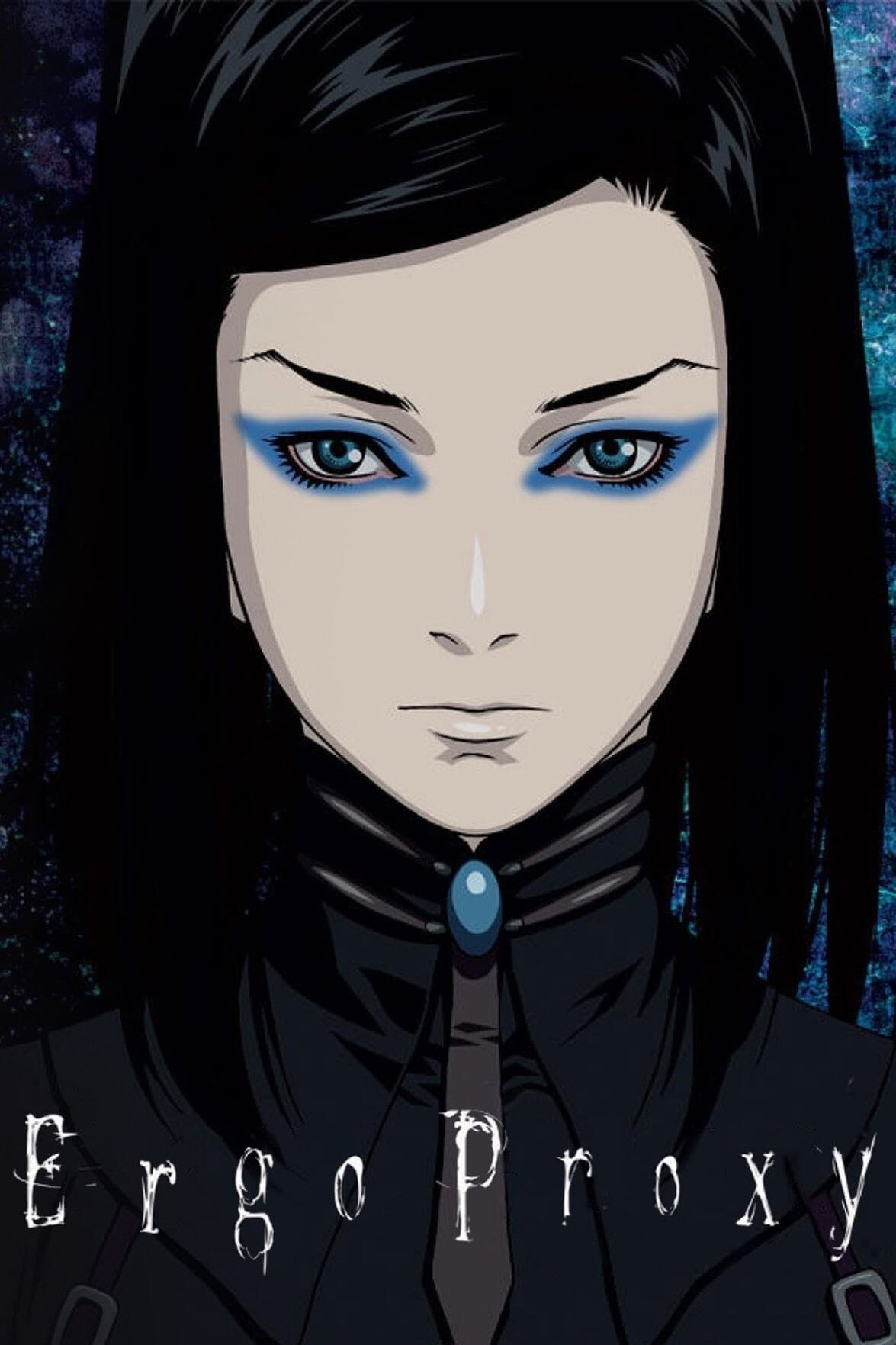
‘Ergo Proxy’ is a philosophical sci-fi series set in a post apocalyptic dome city. The Chinese government banned the series for its complex themes of existentialism and the questioning of a controlled society. Officials were wary of the narrative which features characters discovering dark secrets about their governing bodies. The dark aesthetic and psychological tension were also cited as being potentially harmful to social harmony. It was included on the list of prohibited titles during the cleanup of foreign animation.
‘Freezing’ (2011)
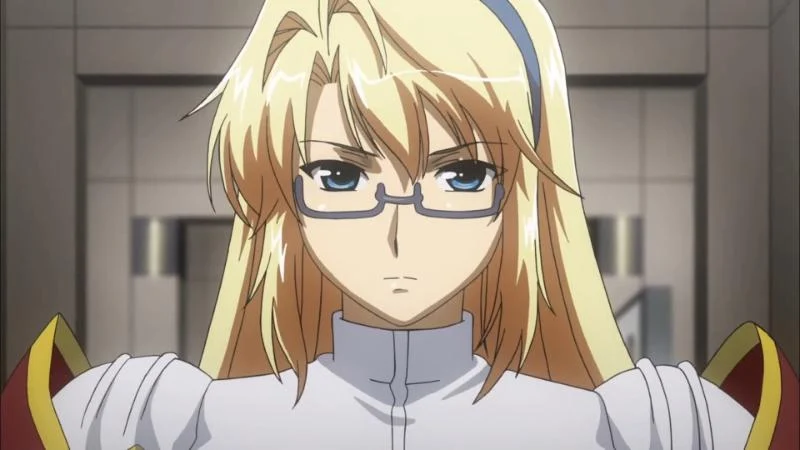
‘Freezing’ focuses on students at a military academy who fight against extra dimensional invaders. The series was banned in China for its high level of fanservice and graphic violence during combat. Censors argued that the show focused too much on the sexualization of its female characters. They also found the scenes of clothing being destroyed during battle to be vulgar and offensive. The Ministry of Culture listed the series as one that violates the principles of social morality.
‘Inferno Cop’ (2012–2013)
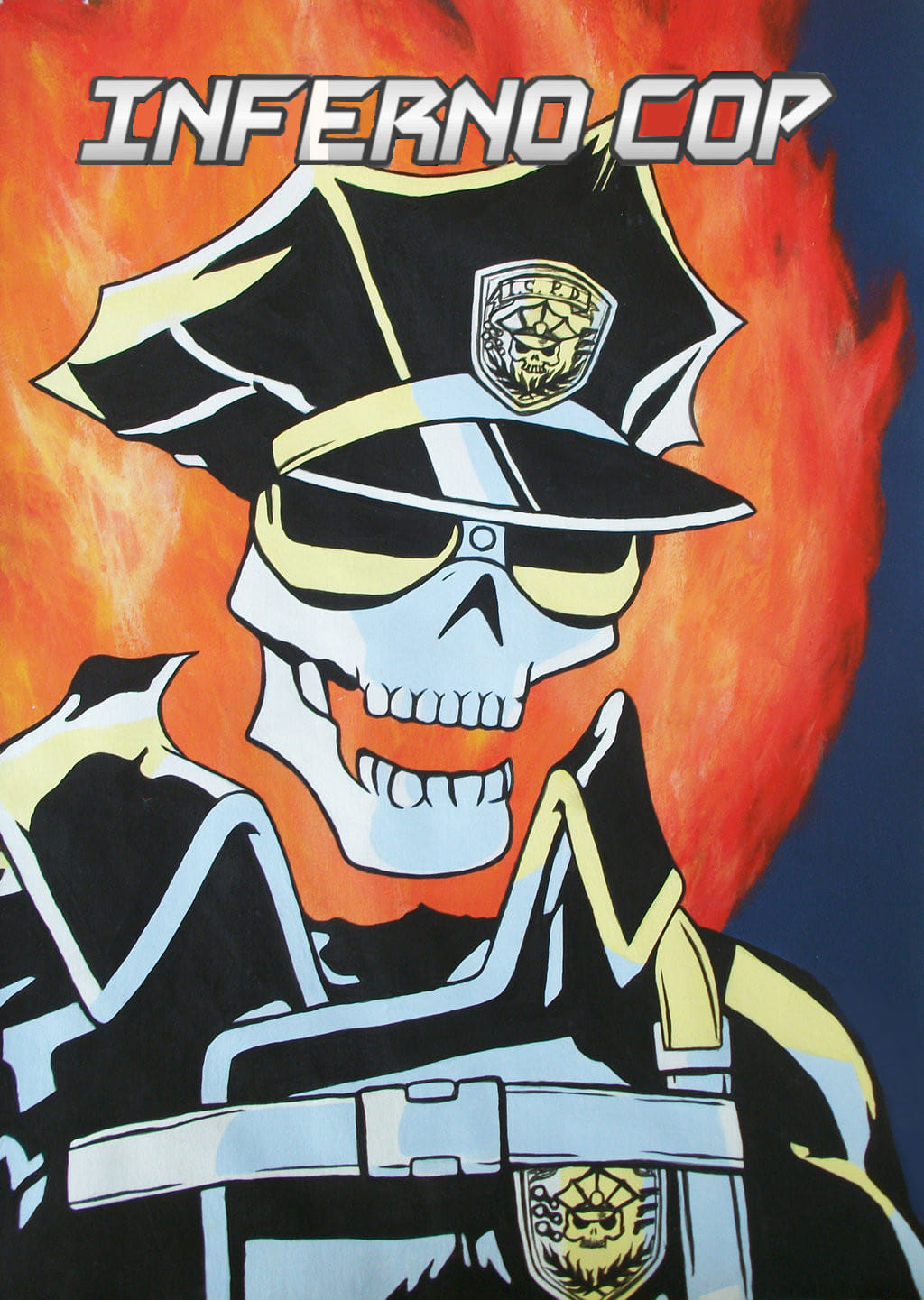
The short form series ‘Inferno Cop’ features an unconventional animation style and absurd violence. Chinese authorities banned the show due to its chaotic nature and the depiction of law enforcement in a satirical way. They believed that the series lacked any positive social value and promoted a sense of lawlessness. The frequent use of explosions and the nonsensical plot were also viewed as inappropriate for the general public. It was officially removed from licensed streaming services during a content review.
‘No Game No Life’ (2014)
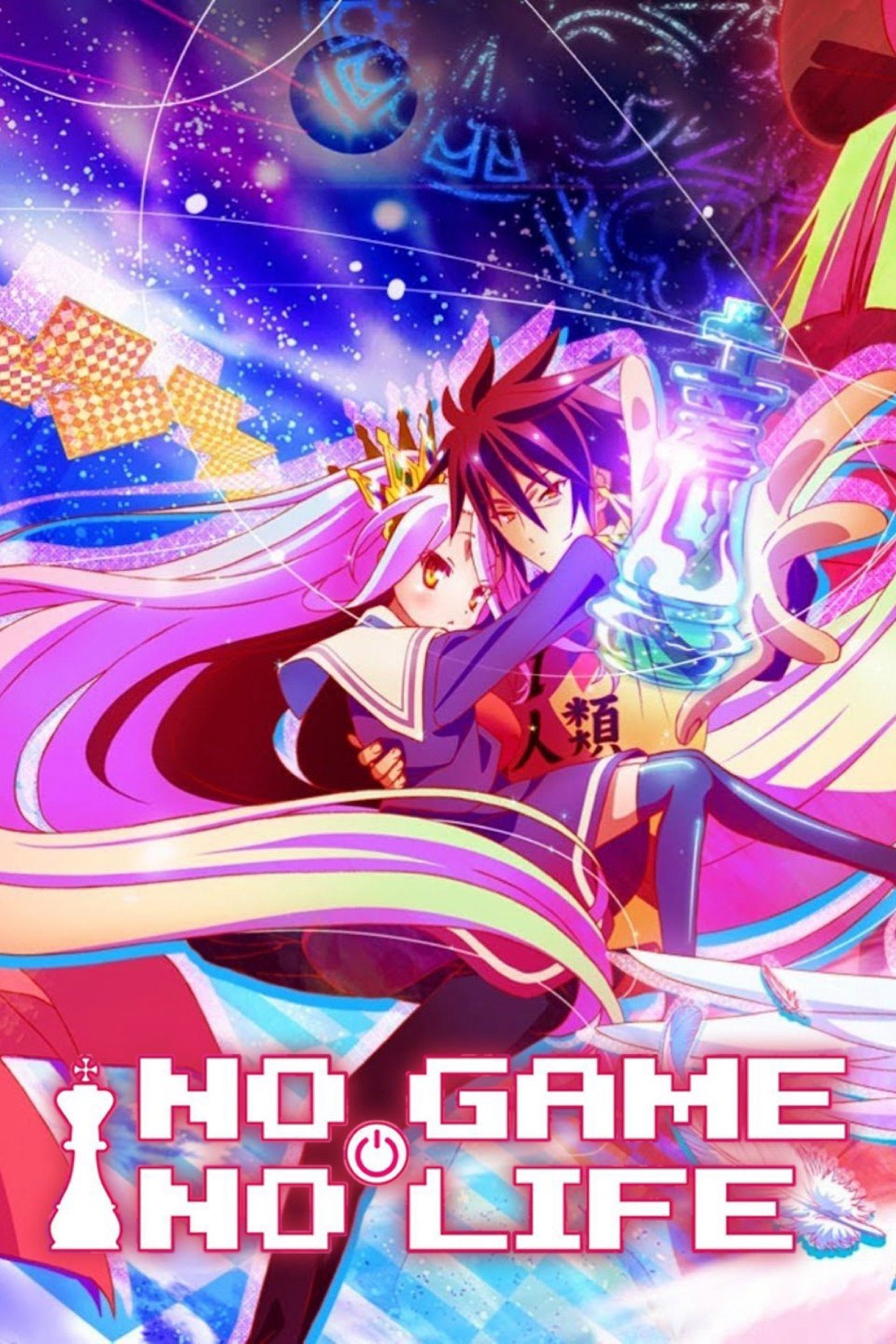
This series takes place in a world where everything is decided by games rather than violence. Despite the lack of physical combat, ‘No Game No Life’ was banned in China for its suggestive themes and gambling elements. Censors were concerned that the show promoted a lifestyle of gaming addiction and improper behavior. They also took issue with the fanservice and the depiction of the younger female lead. It was removed from streaming sites to prevent the corruption of youth morals.
‘The Qwaser of Stigmata’ (2010)
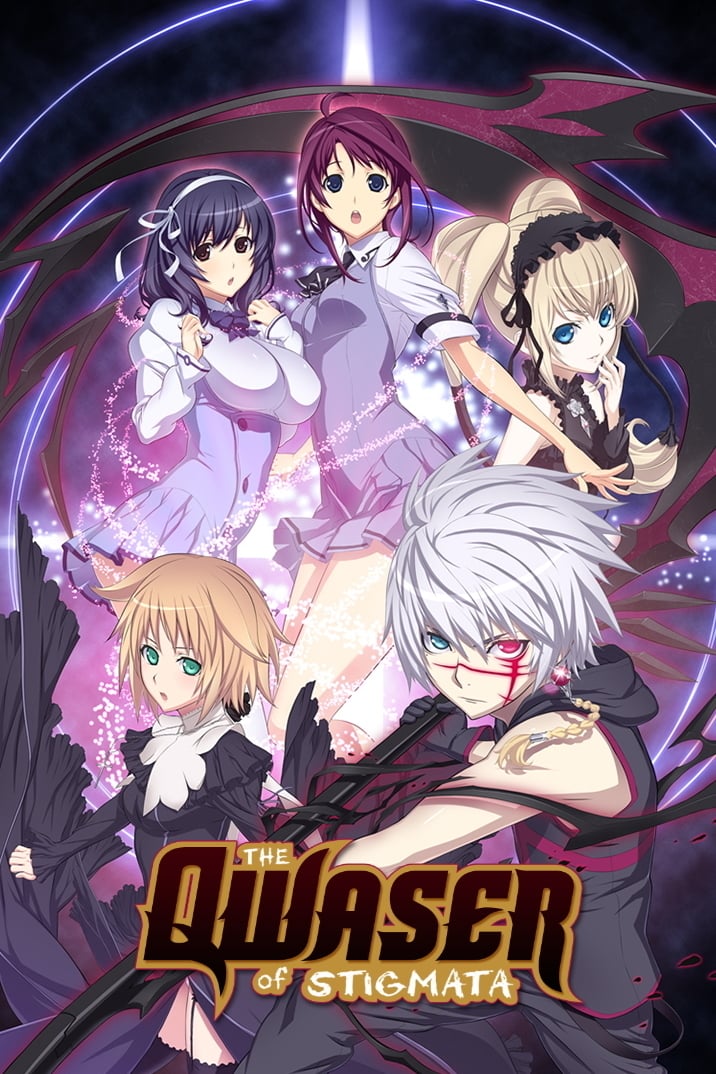
This series involves individuals who can manipulate chemical elements by consuming a special liquid from women. The Chinese government banned ‘The Qwaser of Stigmata’ for its highly sexualized premise and frequent nudity. Censors classified the show as pornographic material that had no place on public streaming services. They argued that the central mechanic of the show was inherently vulgar and offensive. The series was one of the first to be targeted during major morality campaigns.
‘Witchblade’ (2006)
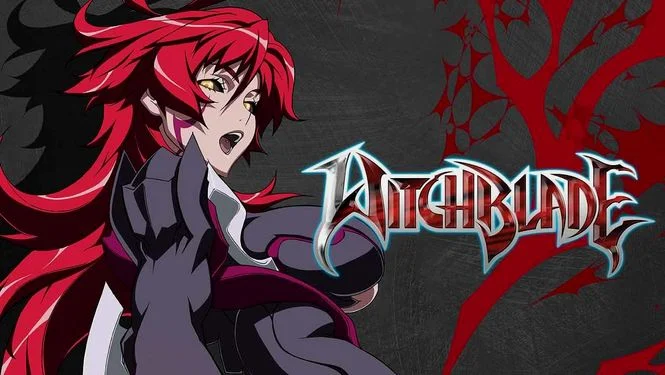
‘Witchblade’ follows a woman who wields a legendary sentient weapon that bonds with its host. The series was banned in China for its suggestive character designs and the depiction of violence. Authorities believed that the revealing nature of the armor and the physical transformations were inappropriate. They also cited the supernatural elements and dark tone as reasons for the restriction. The show was removed to ensure that online content remained healthy and civilized.
‘Beelzebub’ (2011–2012)
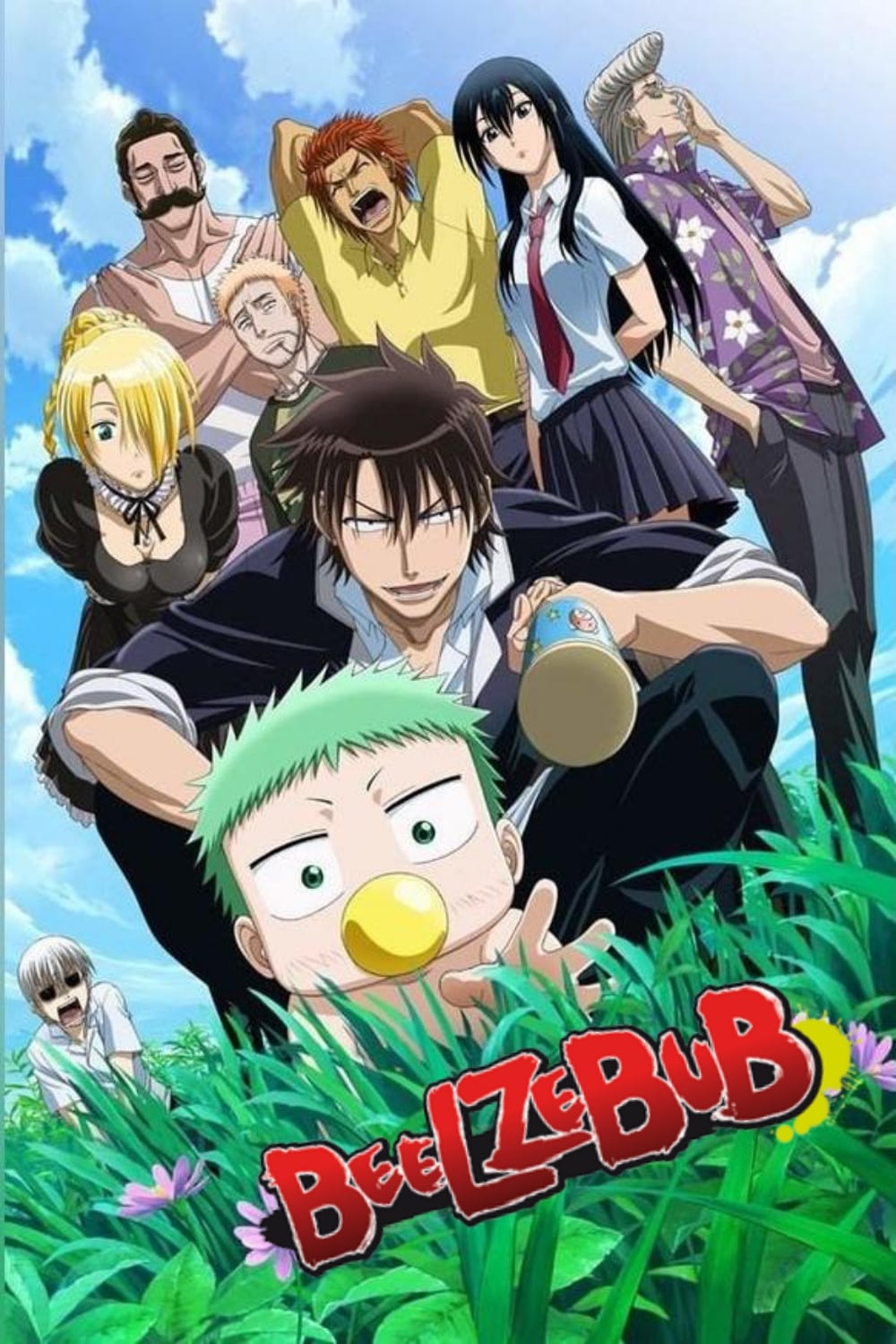
The comedy ‘Beelzebub’ follows a high school delinquent who is tasked with raising the son of the Demon King. Chinese censors banned the series for its focus on delinquent culture and supernatural demons. They were concerned that the show glorified school fighting and the neglect of social rules. The presence of a demon baby was also viewed as a promotion of superstition that was unsuitable for children. The series was blacklisted as part of an effort to remove shows that promote negative social values.
‘Knights of Sidonia’ (2014–2015)
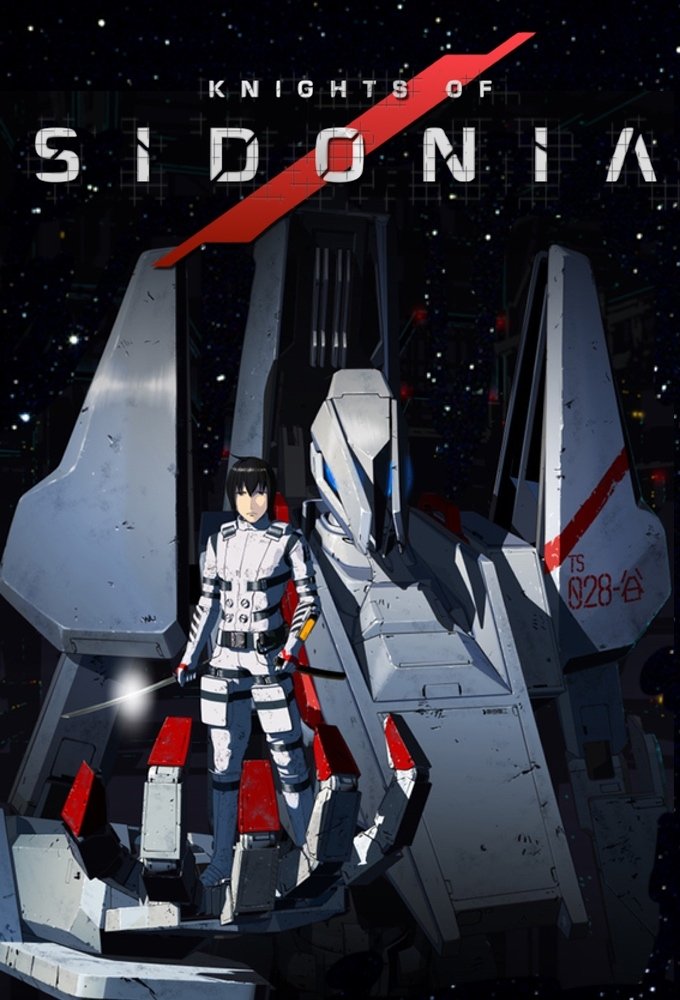
Set on a massive seed ship in deep space, ‘Knights of Sidonia’ features a war against shapeshifting aliens. The series was banned in China for its graphic depiction of alien violence and the deaths of many characters. Censors were also concerned with the military themes and the portrayal of a desperate survival situation. They argued that the show was too intense and could cause distress among the audience. It was removed from domestic streaming platforms during a regulatory sweep of sci-fi content.
‘Gantz’ (2004)
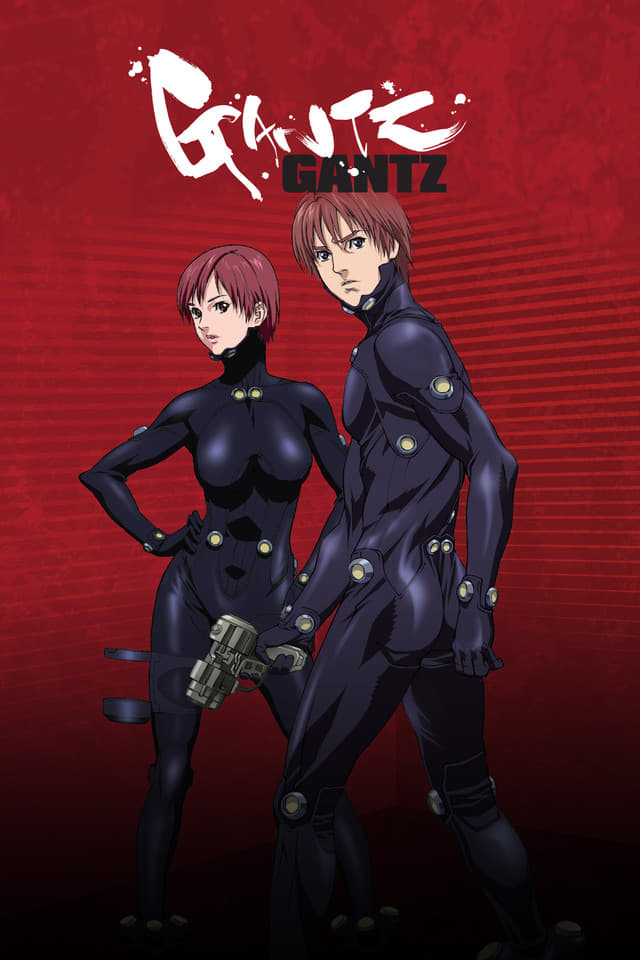
‘Gantz’ involves people who have recently died being forced to play a game where they hunt aliens. The series was banned in China for its extreme gore, nihilistic themes, and frequent sexual content. Authorities found the show to be exceptionally violent and devoid of any moral guidance. They argued that the depiction of death and the survival of the fittest mentality was harmful to society. The show remains one of the most strictly censored anime titles in the country.
‘Another’ (2012)
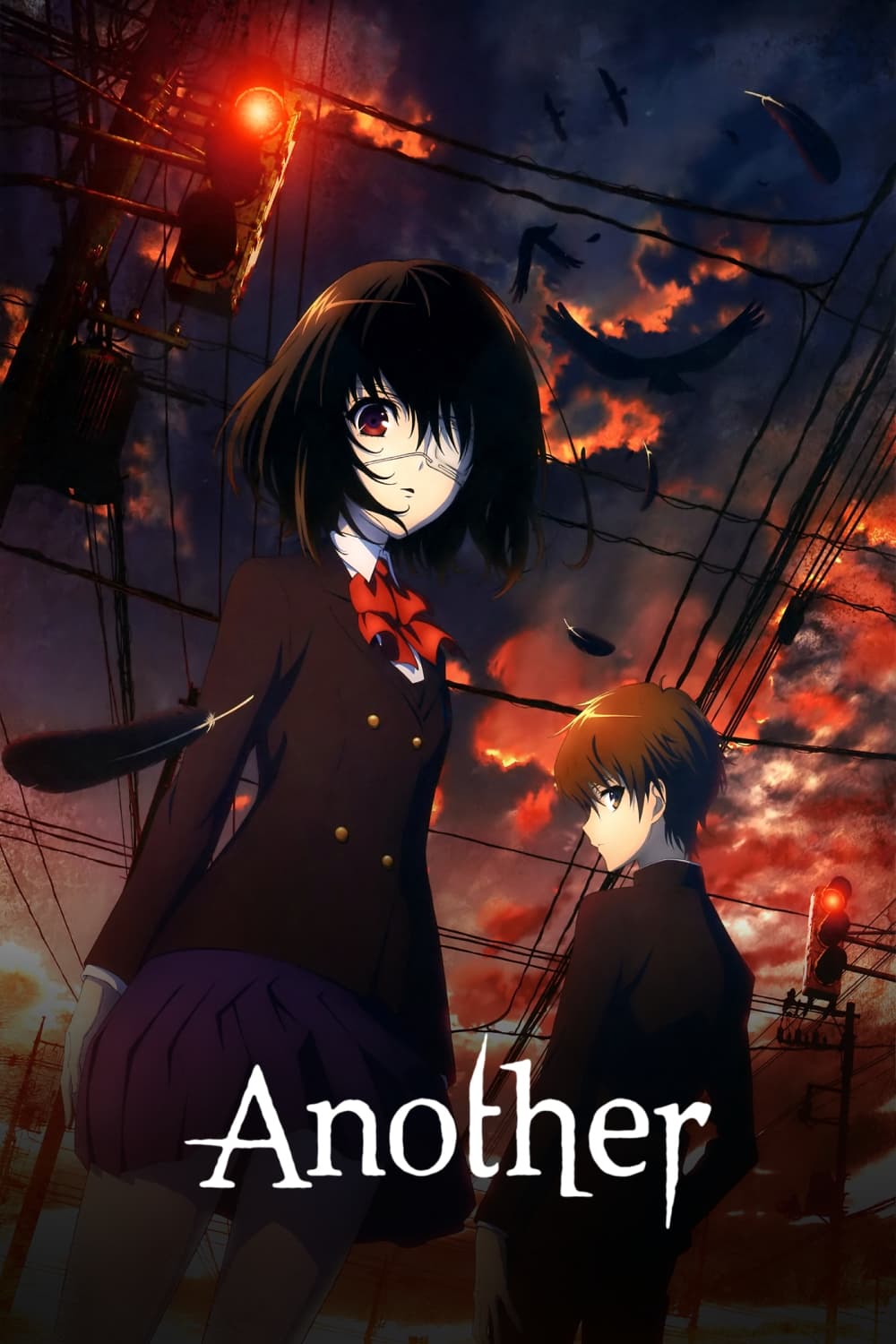
The horror series ‘Another’ focuses on a mysterious curse that causes students and their families to die in gruesome ways. Chinese authorities banned the series for its focus on death and the promotion of a gloomy atmosphere. They were concerned that the realistic yet creative ways characters died would have a negative impact on students. The government argued that the show was too frightening and promoted superstition regarding curses. It was pulled from all official platforms to protect the psychological health of the youth.
Share your thoughts on these controversial bans in the comments.