

Anime That Are Impossible To Binge Watch In One Sitting

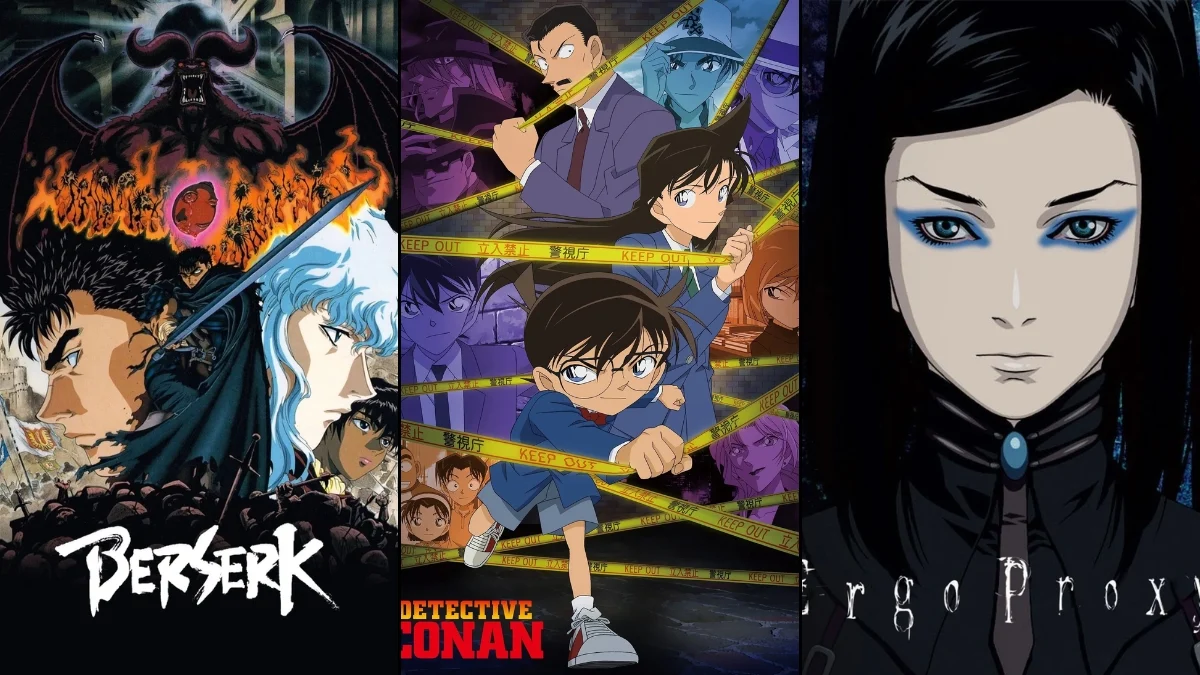


Some anime are simply too long, too dense, or too emotionally exhausting to plow through in a single sitting. Whether it’s a mountain of episodes, labyrinthine plotting, or stories that demand breathing room between arcs, these series push past casual marathoning. Below are 25 anime that routinely slow even dedicated viewers to a measured pace—along with the concrete reasons they do.
‘One Piece’ (1999– )
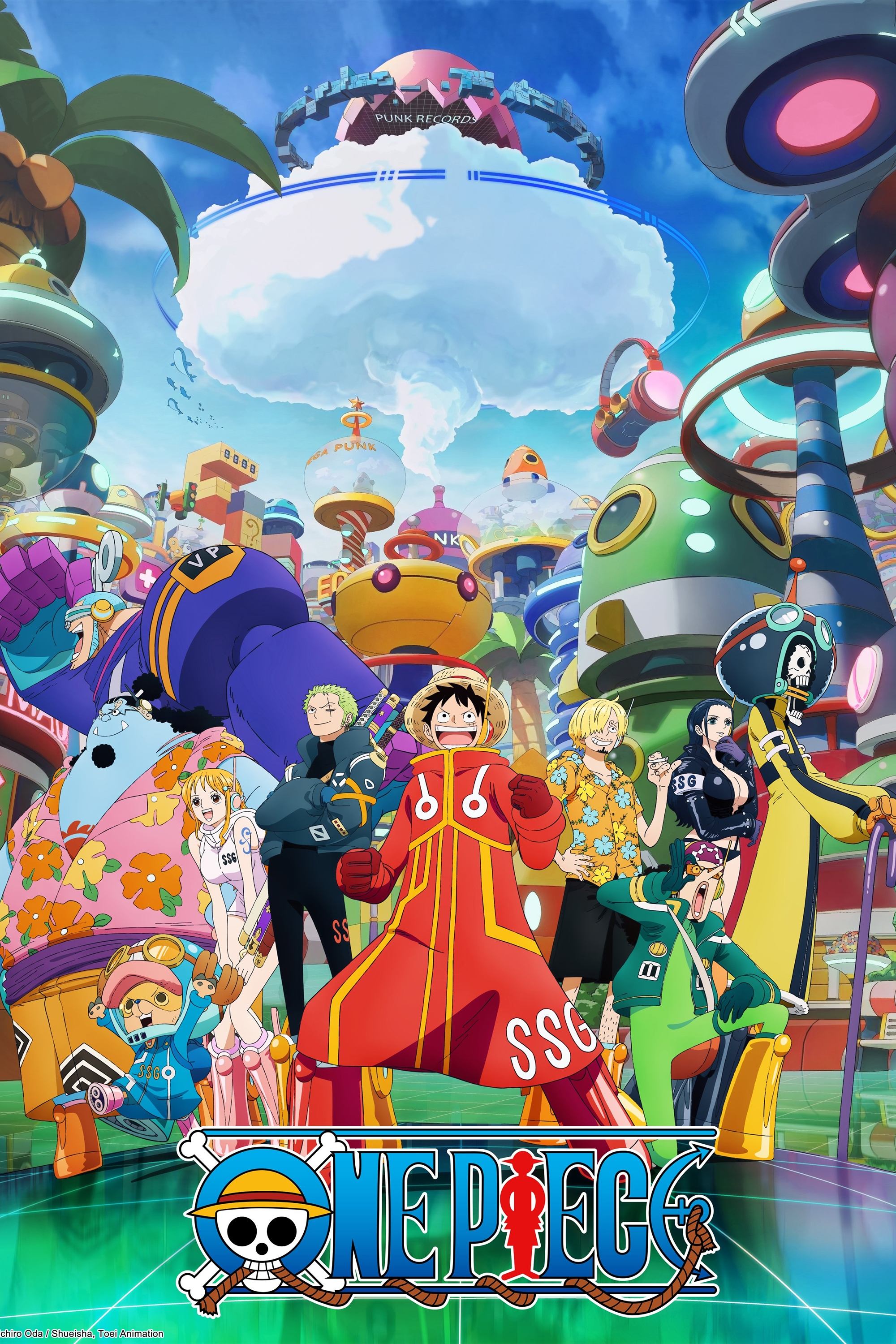
This series spans over a thousand episodes across multiple sagas, feature-length specials, and continuing seasonal drops. Major arcs like Alabasta, Marineford, and Wano each function as self-contained epics, making straight-through viewing impractical. Its worldbuilding introduces dozens of factions, power systems, and historical flashbacks that require time to track. Even with a guide, the sheer volume of canon content turns a “one-sitting binge” into a long-term project.
‘Detective Conan’ (1996– )
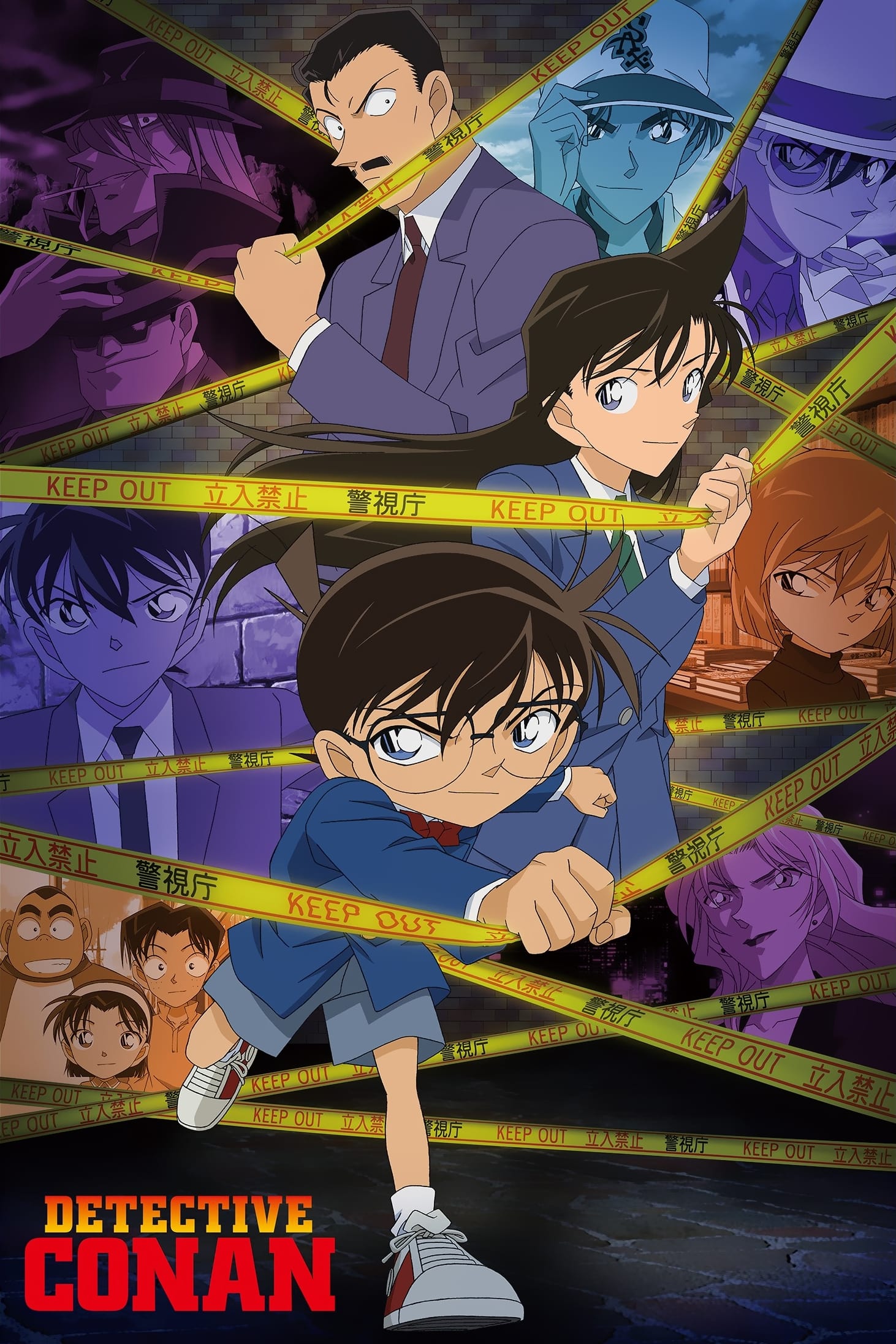
With well over a thousand televised episodes plus movies and OVAs, this long-runner dwarfs typical seasonal shows. The case-of-the-week structure keeps adding new side characters, recurring culprits, and evolving gadgets that benefit from spaced-out viewing. Multi-episode mysteries and plot arcs featuring the Black Organization appear intermittently, encouraging breaks to keep details straight. Its size alone makes continuous start-to-finish watching unfeasible.
‘Naruto’ (2002–2007)

The original run covers lengthy training arcs, village politics, and multi-stage exams, then detours into extended side stories. Canon arcs frequently reference earlier events, techniques, and clan histories that reward slow, sequential viewing. Even filtered episode lists are substantial because of the number of named characters and rivalries. Pacing shifts between battles and backstory make sustained, one-sitting consumption unrealistic.
‘Naruto Shippūden’ (2007–2017)

This continuation adds hundreds of episodes focused on global conflict, complex alliances, and large-scale battles. Key arcs stack lore—bloodlines, summoning contracts, and forbidden techniques—on top of earlier series knowledge. Frequent flashbacks and perspective shifts help context but also increase runtime per plot payoff. The war arc alone is expansive enough to require multiple viewing sessions.
‘Dragon Ball Z’ (1989–1996)

This installment contains nearly 300 episodes spread over sagas such as Saiyan, Frieza, Cell, and Buu. Transformations, training stretches, and tournament formats naturally lengthen progression through major fights. Power scaling and technique debuts are incremental, encouraging viewers to pace themselves to catch each step. Even condensed cuts still represent many hours of continuous viewing.
‘Bleach’ (2004–2012)
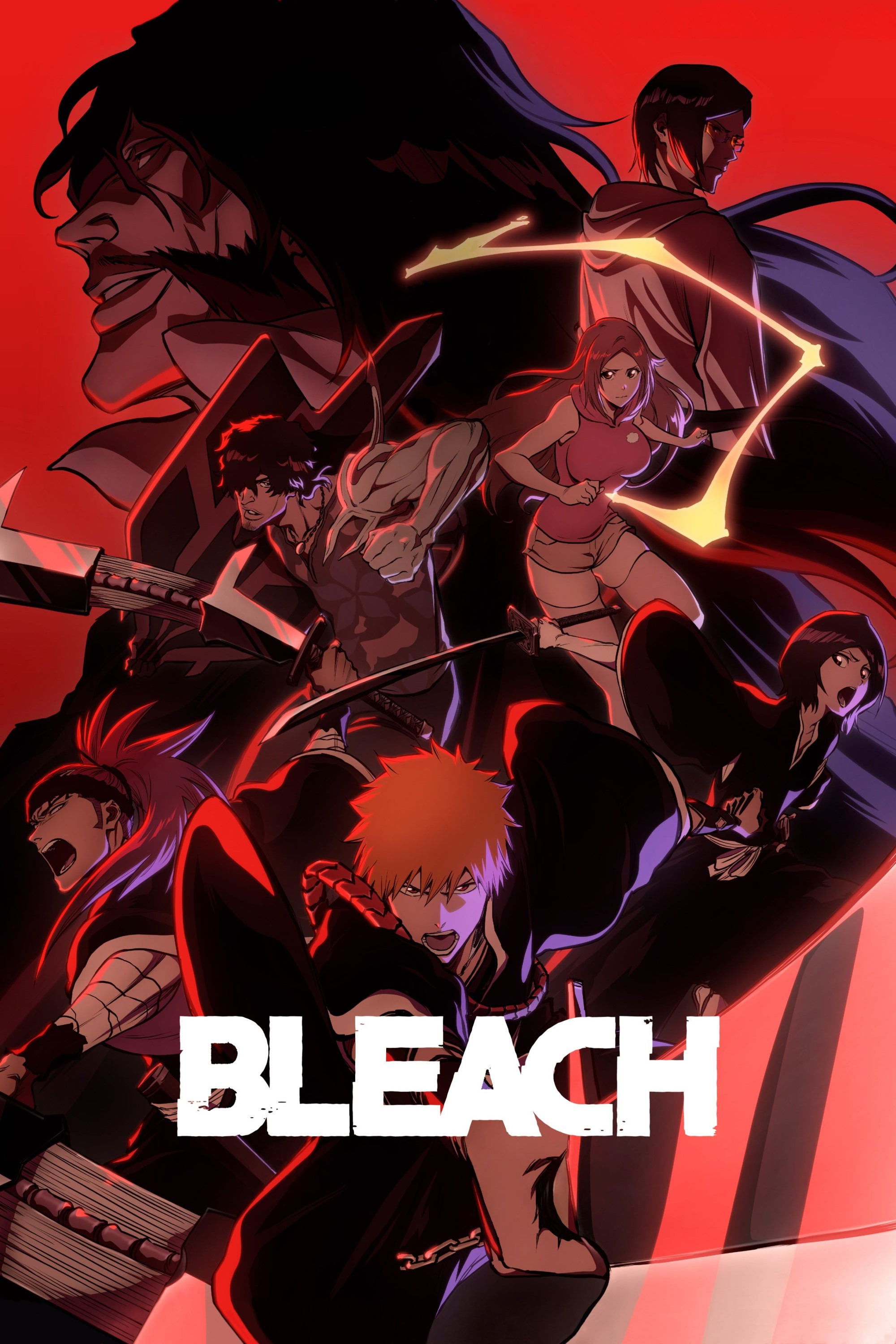
The series runs through multiple large arcs—Soul Society, Arrancar, and Lost Agent—each with lengthy battle ladders. It introduces layered power systems like Zanpakutō releases and Hollow masks that take time to internalize. Character rosters balloon with captains, lieutenants, and Arrancar ranks, multiplying plot threads. The number of episodes required to resolve a single arc exceeds typical single-sitting limits.
‘Gintama’ (2006–2018)
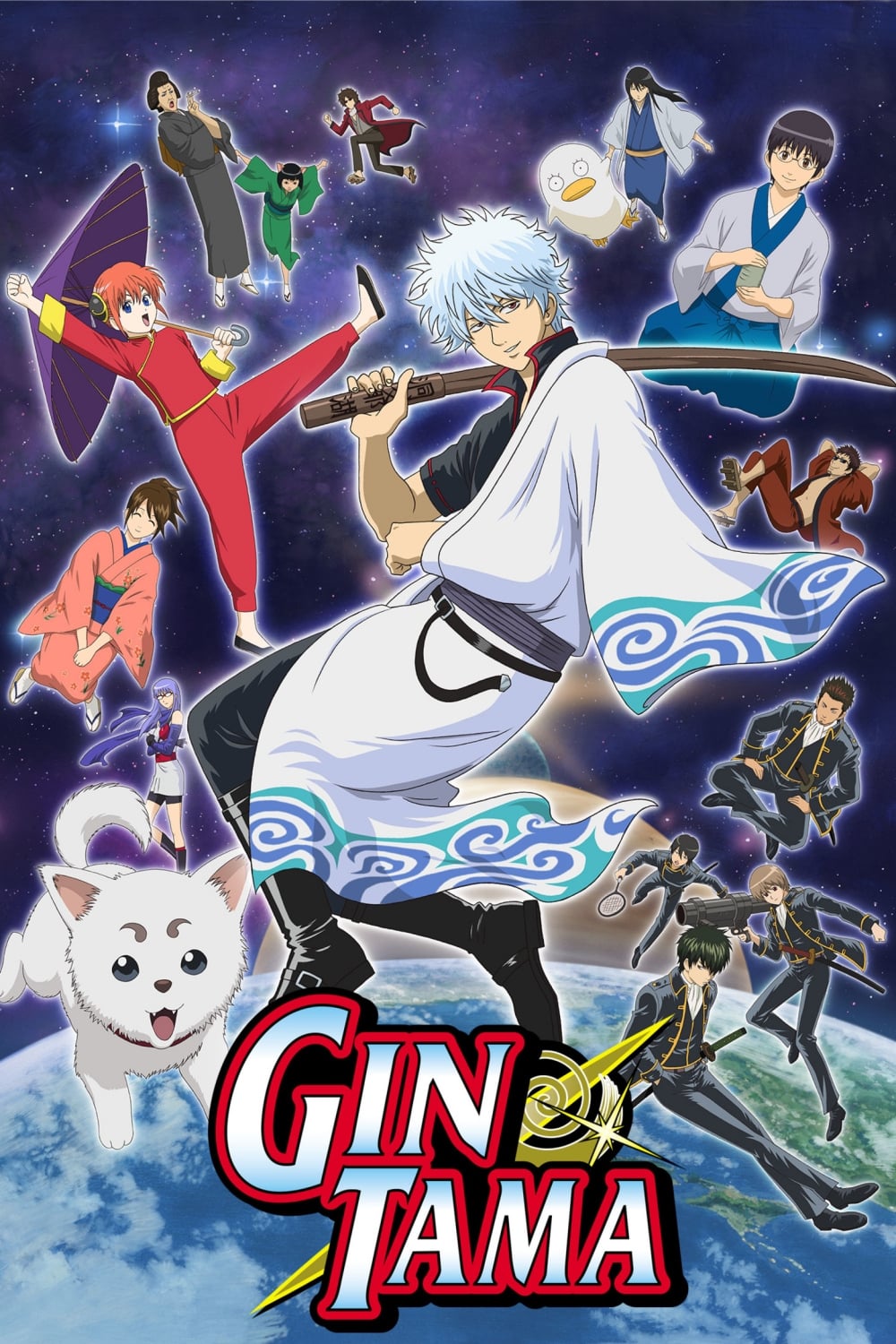
Across hundreds of episodes, this show mixes standalone comedy with serious, multi-part arcs. Its parody-heavy humor references a wide range of media and historical figures, best absorbed in smaller batches. When story arcs arrive, they span many episodes with layered politics and sword-fighting factions. The tonal pivots and volume combine to resist a single-session marathon.
‘Fairy Tail’ (2009–2019)
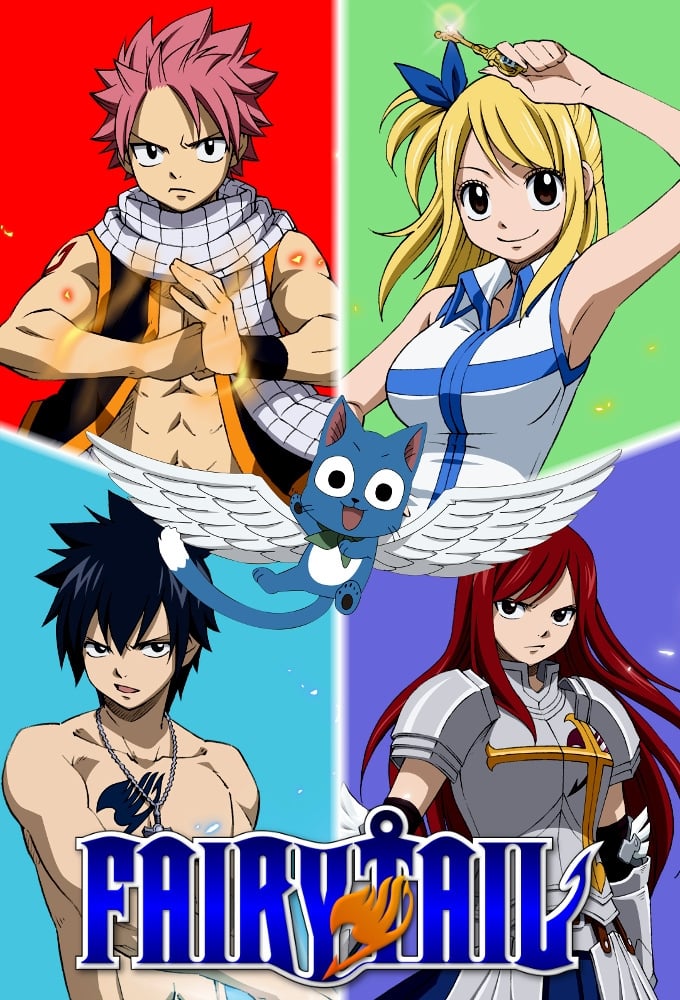
This long-running fantasy includes numerous guild missions, tournaments, and wars across multiple cours. Magic systems, celestial spirits, dragons, and bloodline histories stack up across seasons, requiring recall between arcs. Storylines often escalate into multi-episode battles with team rotations and power reveals. The total episode count and arc structure make one-sitting viewing impractical.
‘Fighting Spirit’ (2000–2014)
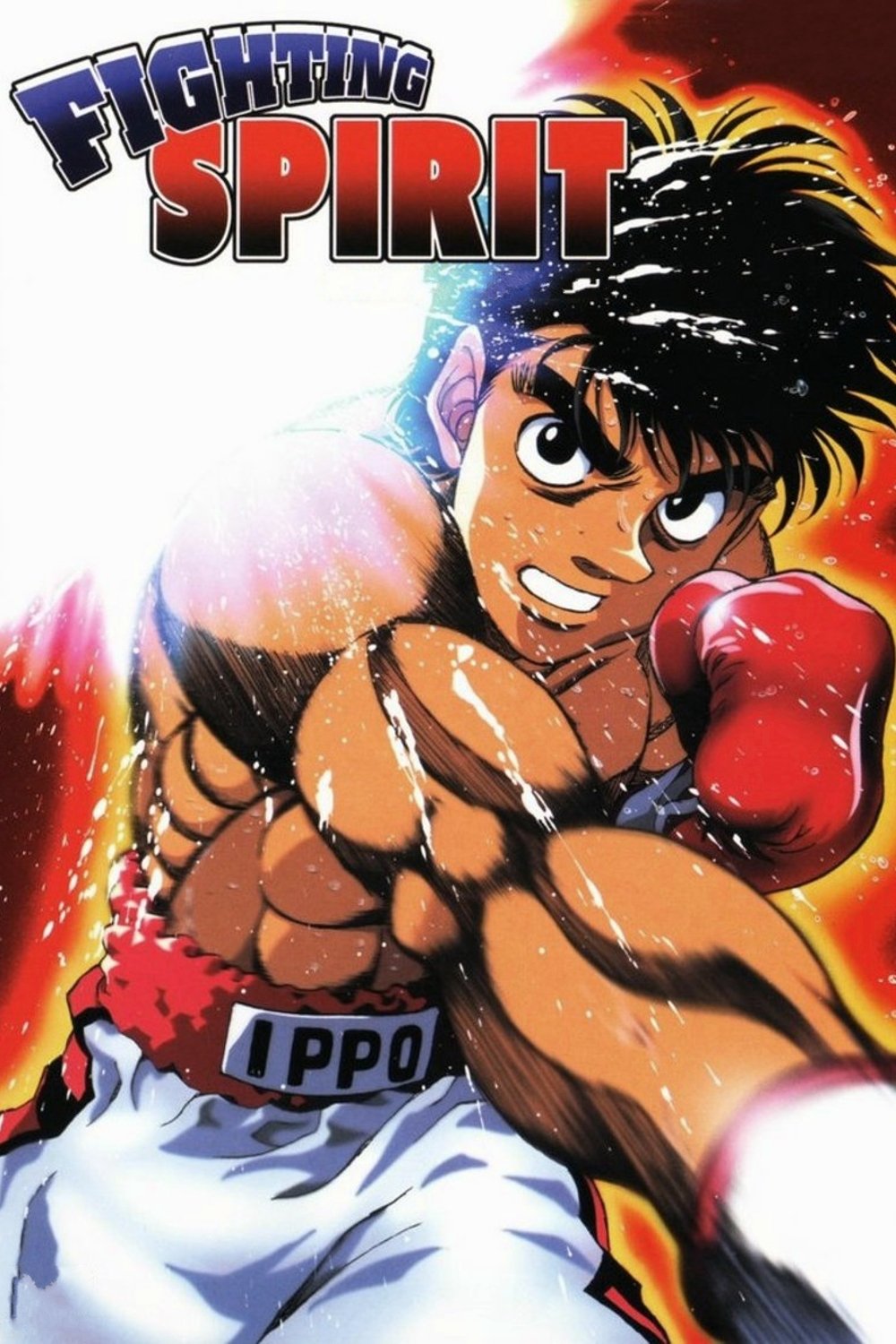
Across several seasons and OVAs, the series chronicles many training camps, ranked matches, and title bouts. Real-time boxing strategy and technical commentary invite slower viewing to follow adjustments round by round. Character-focused episodes provide backstory and recovery periods that naturally break up marathons. The cumulative runtime across seasons is far beyond a single sitting.
‘Hunter x Hunter’ (2011–2014)
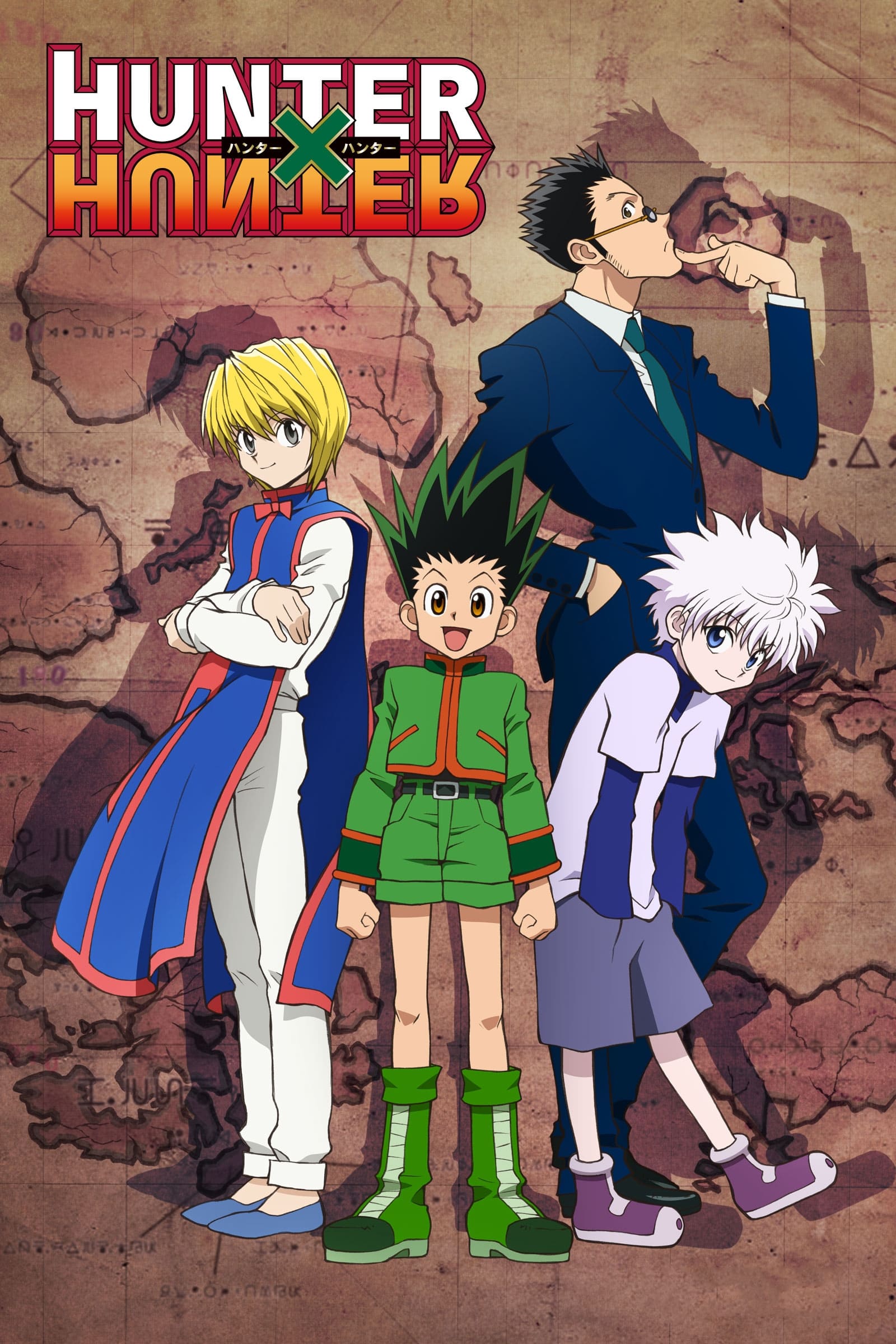
The adaptation covers long arcs such as Yorknew, Greed Island, and Chimera Ant, each with distinct rules and goals. Power systems like Nen require attention to categories, conditions, and contracts that build gradually. The Chimera Ant arc especially expands into lengthy strategic battles and philosophical detours. Even without breaks, the full series demands far more hours than a single session allows.
‘JoJo’s Bizarre Adventure’ (2012–2024)
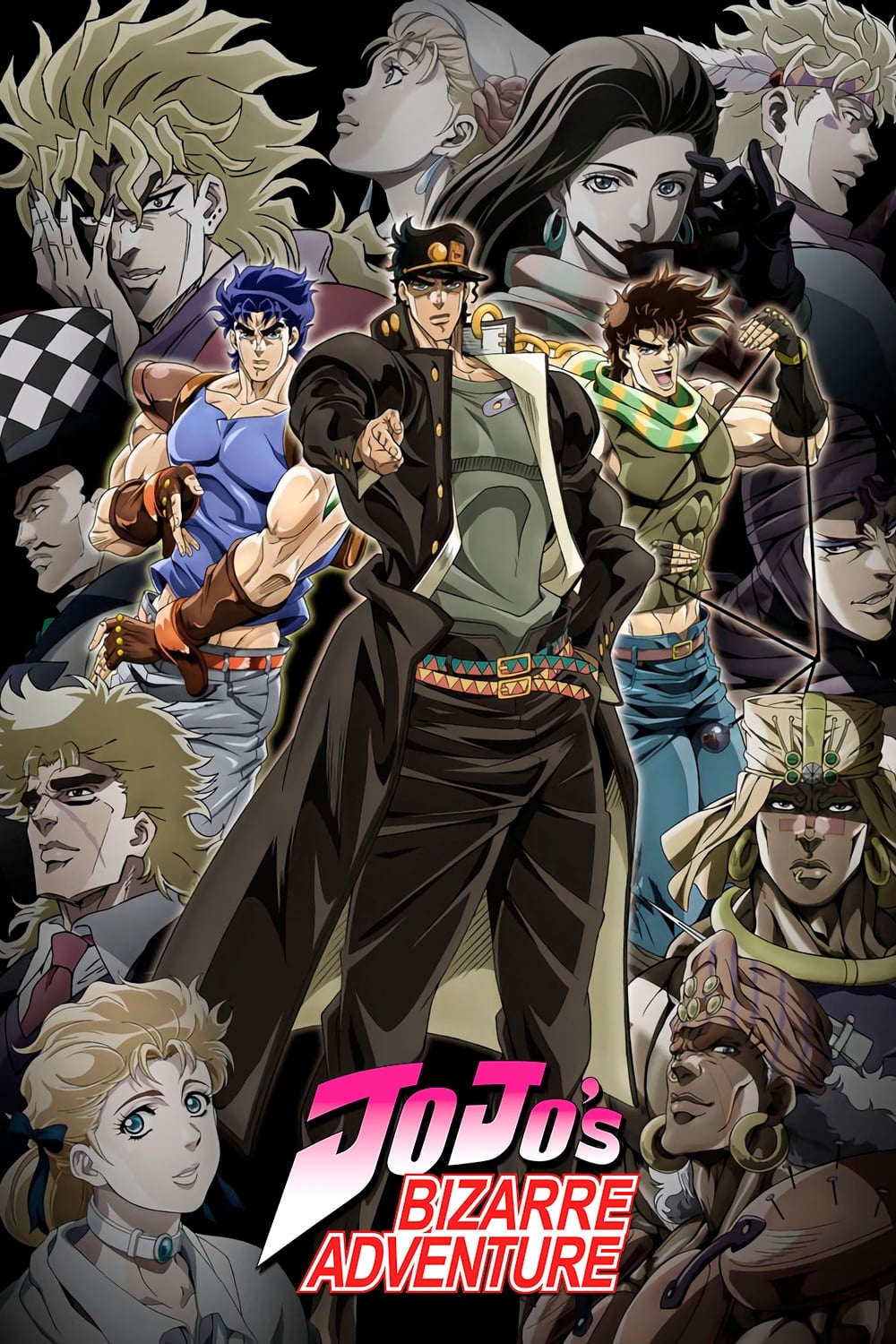
This franchise tells multi-part sagas, each with a new cast, setting, and stand mechanics. Every part introduces dozens of unique abilities whose counters and limits are central to each fight. The cumulative length across parts forms a multi-season commitment. Switching tones and locales between parts benefits from pauses to reset and absorb rules.
‘Legend of the Galactic Heroes’ (1988–1997)
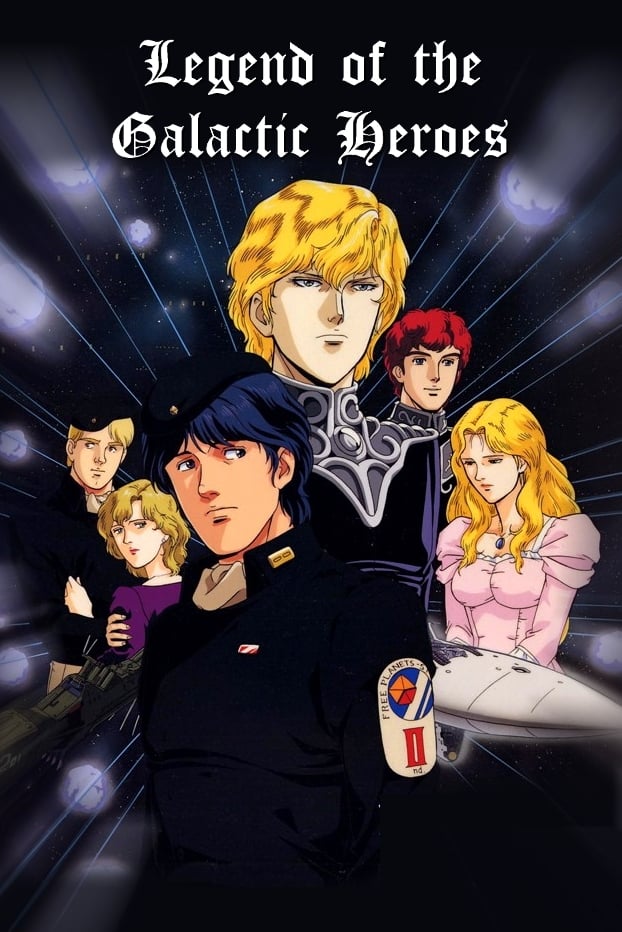
The original OVA spans 110 episodes detailing interstellar warfare, elections, treaties, and military doctrine. Large-scale space battles unfold with named fleets, admirals, and tactical diagrams that reward unhurried viewing. Political debates and policy consequences form full episodes, increasing cognitive load over action scenes alone. Its structured, documentary-like pacing discourages a single continuous watch.
‘Monster’ (2004–2005)

This thriller runs 74 episodes built on careful clue placement, flashbacks, and shifting points of view. Tracking multiple European locales, aliases, and investigative threads is easier with breaks to review details. The narrative leans on psychology and gradual reveals rather than quick resolutions. The length and density together push it beyond a one-sitting experience.
‘Neon Genesis Evangelion’ (1995–1996)
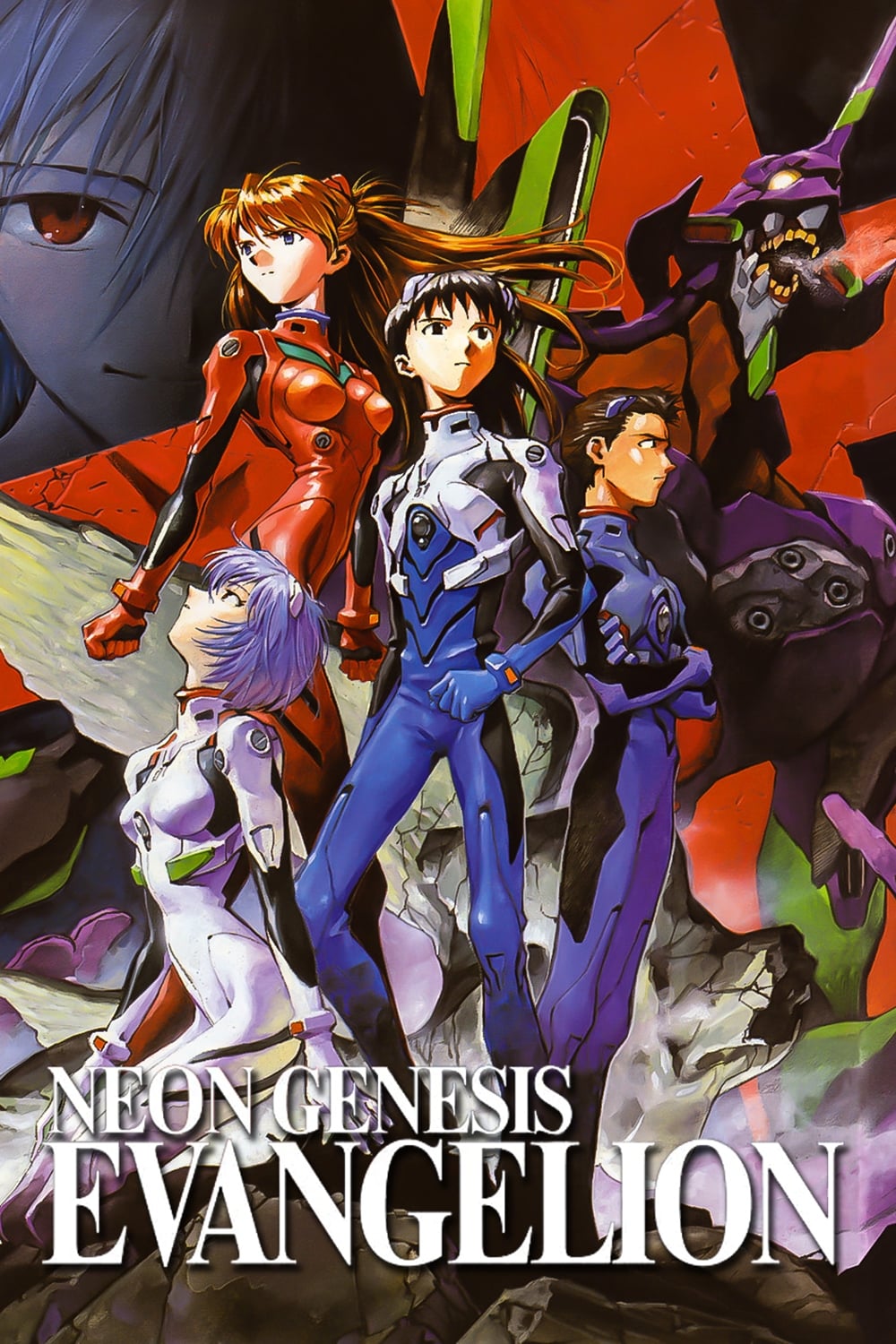
The series couples mecha action with psychological case studies, layered symbolism, and religious imagery. Later episodes reframe prior events through internal monologues and abstract sequences that reward reflection. Following that with the concluding film adds more material that reinterprets earlier narrative beats. Even at a modest episode count, the interpretive load resists straight-through consumption.
‘Serial Experiments Lain’ (1998)
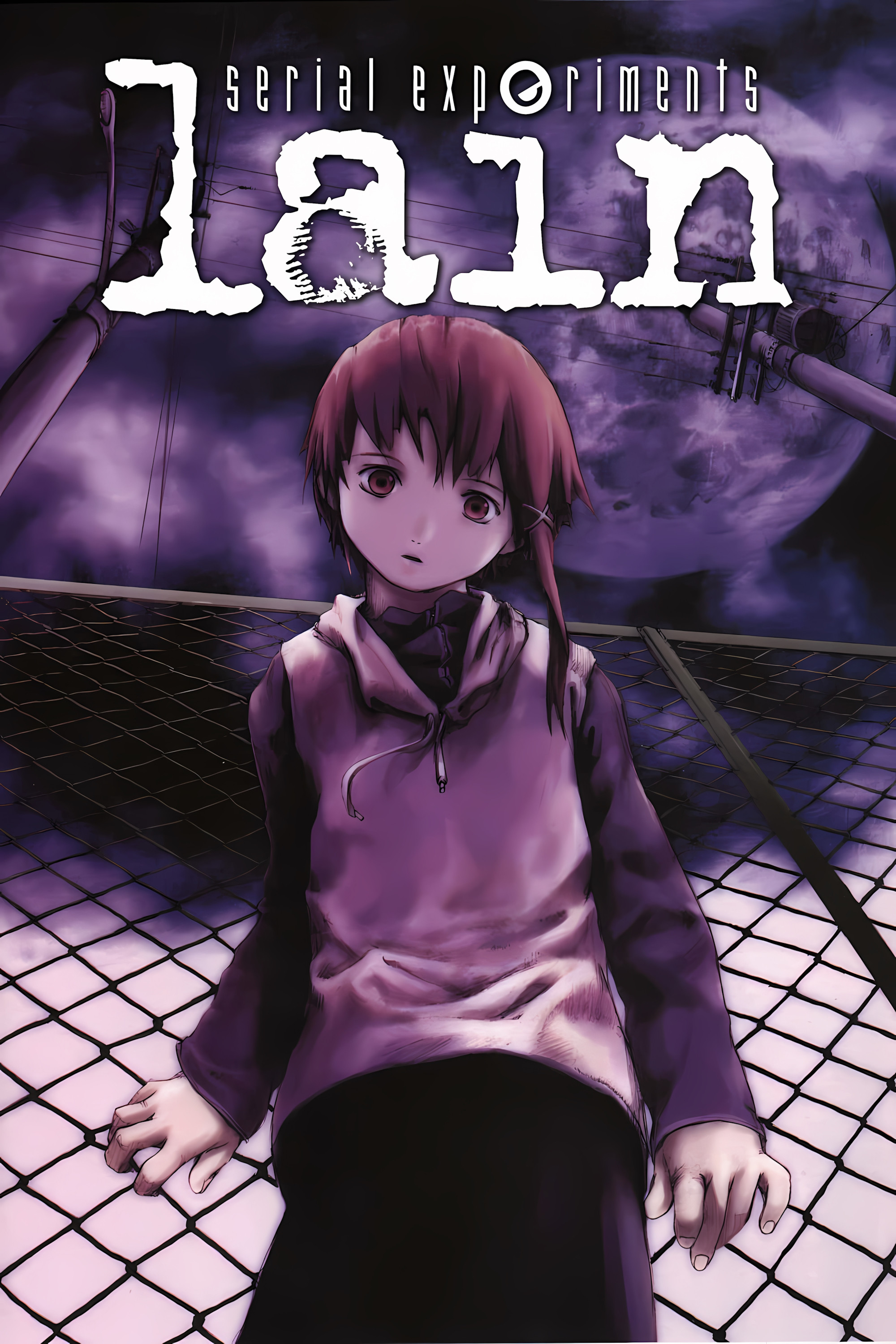
Despite a short length, the show presents dense discussions of identity, networks, and perception. Episodes introduce competing explanations for events, encouraging viewers to pause and reconcile concepts. Visual metaphors and recurring motifs shift meaning as the series progresses. Its cerebral structure makes rapid-fire viewing counterproductive.
‘Made in Abyss’ (2017–2022)
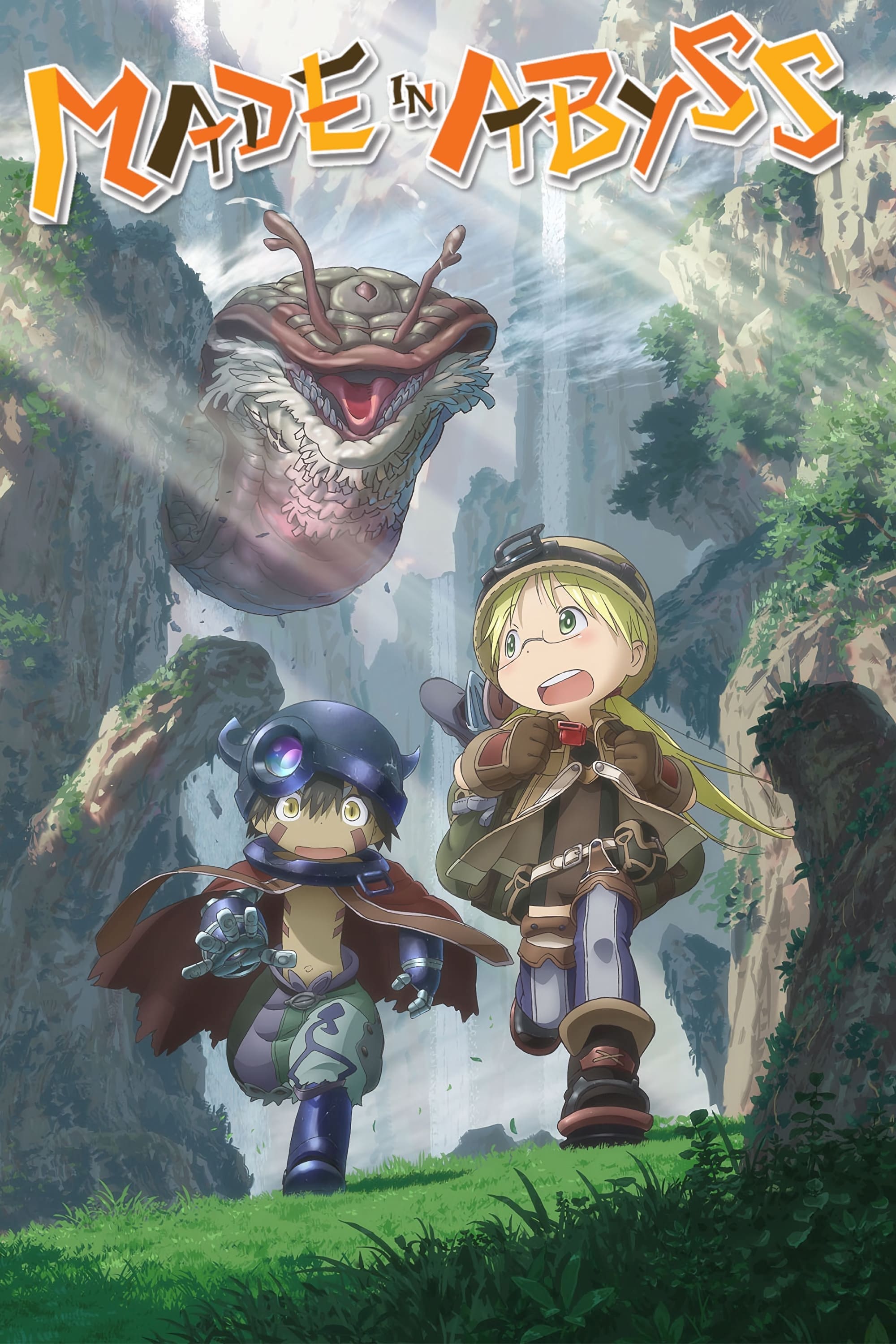
The story’s expedition format layers survival mechanics, biological hazards, and artifact lore on each level. It features graphic injuries, body horror, and ethical dilemmas that many viewers process slowly. Movies interleave with the seasons, extending runtime and continuity tracking. The combination of intensity and world rules discourages a single-session binge.
‘Attack on Titan’ (2013–2023)
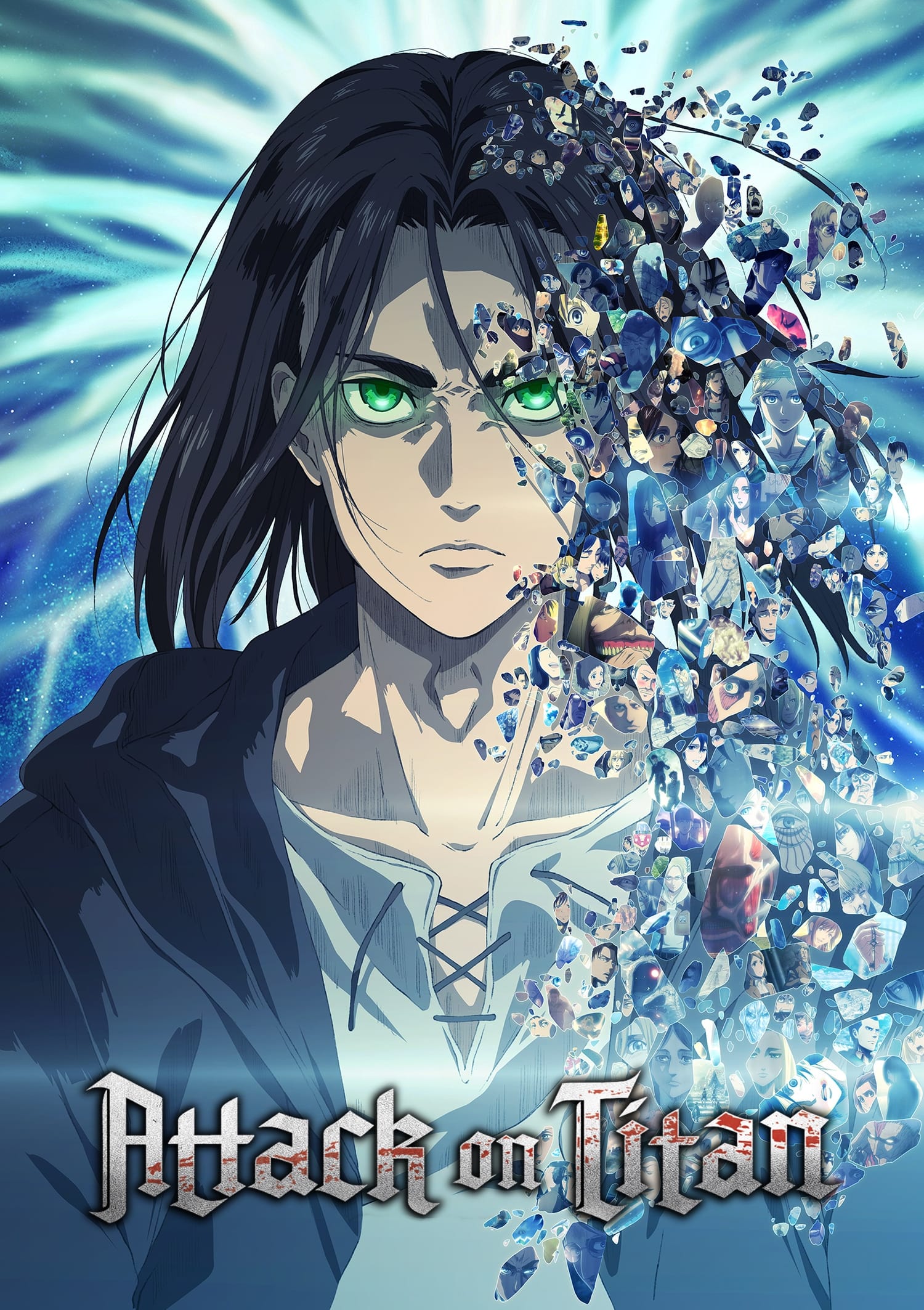
Multiple seasons cover shifting wars, military coups, and layered revelations about history and geopolitics. The show’s terminology—military branches, gear systems, and bloodline abilities—builds steadily across arcs. Extended battles and flashback episodes tie into mysteries seeded many episodes earlier. The overall episode count and narrative complexity exceed a one-sitting window.
‘Vinland Saga’ (2019–2023)
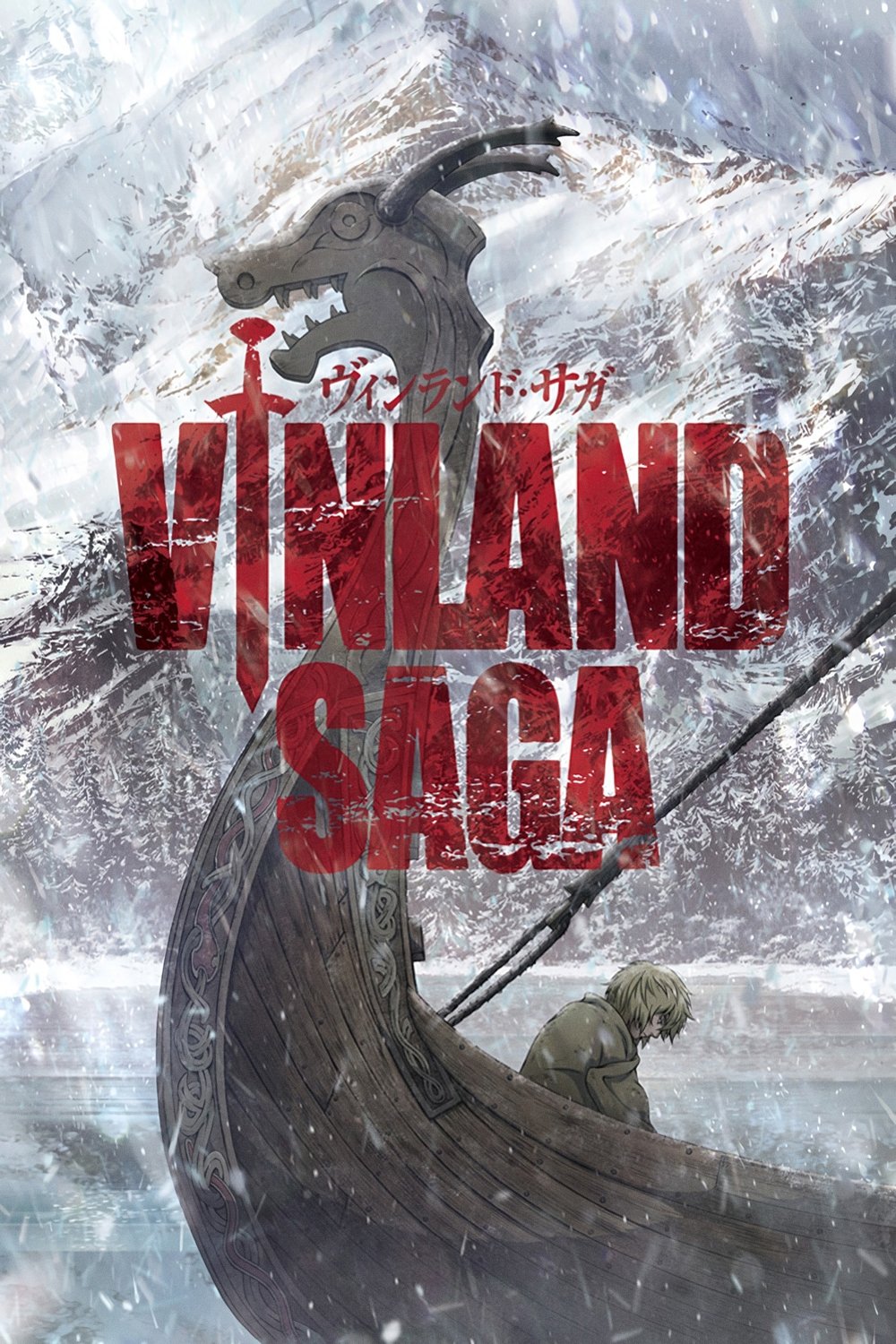
This historical series mixes battlefield tactics, land-settlement politics, and long-term character development. Season structures pivot from warfare to agriculture and trade, changing pace and focus. Episodes often end on reflective notes that function as natural stopping points. The arc length across seasons requires more time than a single sitting provides.
‘Berserk’ (1997)
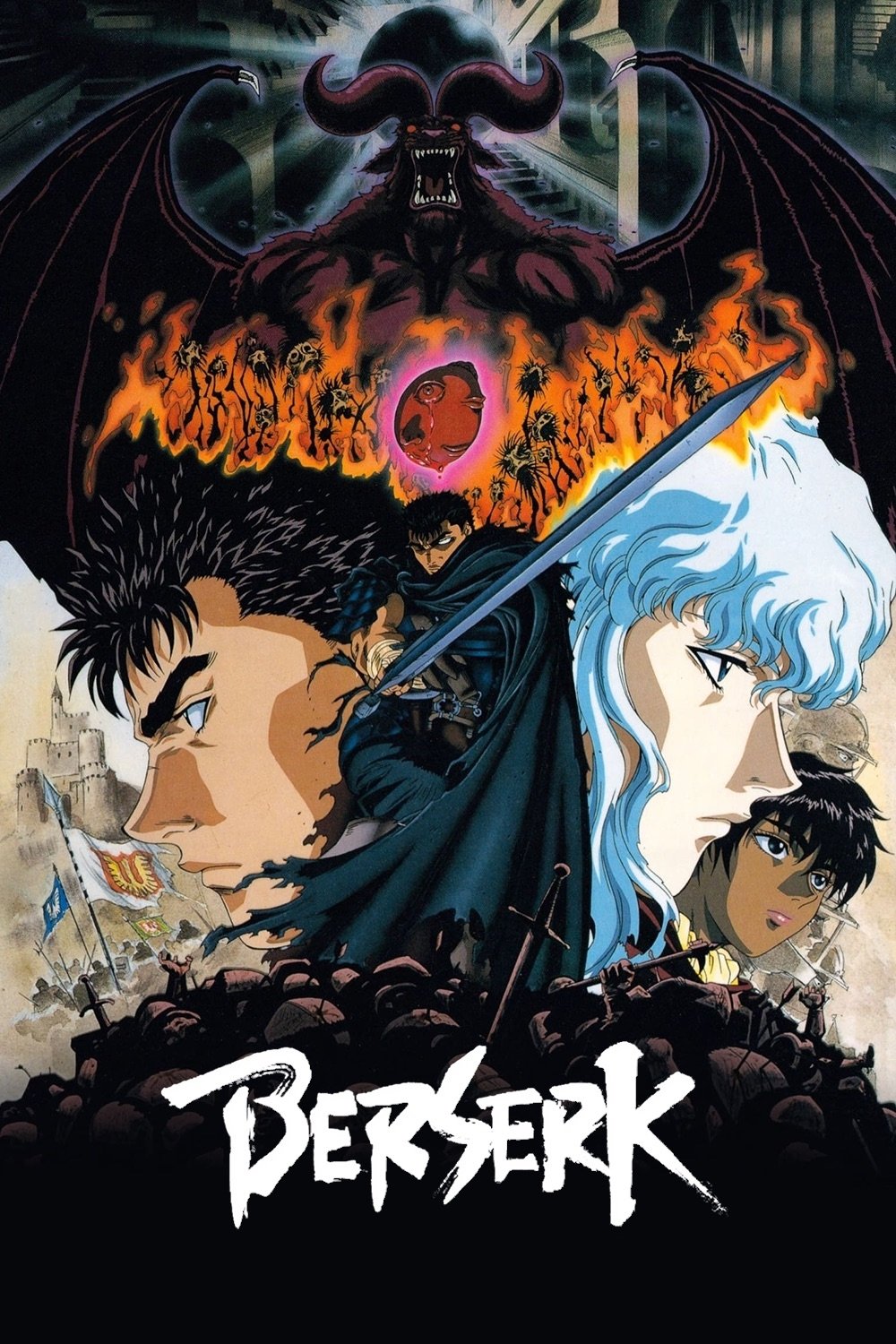
The Golden Age arc portrays warfare, political intrigue, and traumatic events with explicit violence. Episodes make extensive use of flashbacks and foreshadowing that benefit from measured viewing. Emotional intensity peaks in late episodes, after substantial character groundwork. While short, its mature content and tonal weight limit continuous marathoning.
‘Re:ZERO -Starting Life in Another World-‘ (2016–2021)

The looping structure revisits timelines with altered choices, requiring close attention to variations. Arc restarts repeat events with new information, making quick consumption confusing without pauses. World rules, contracts, and magic conditions accumulate gradually. Extended cour runs add many hours beyond one sitting.
‘Clannad: After Story’ (2008–2009)
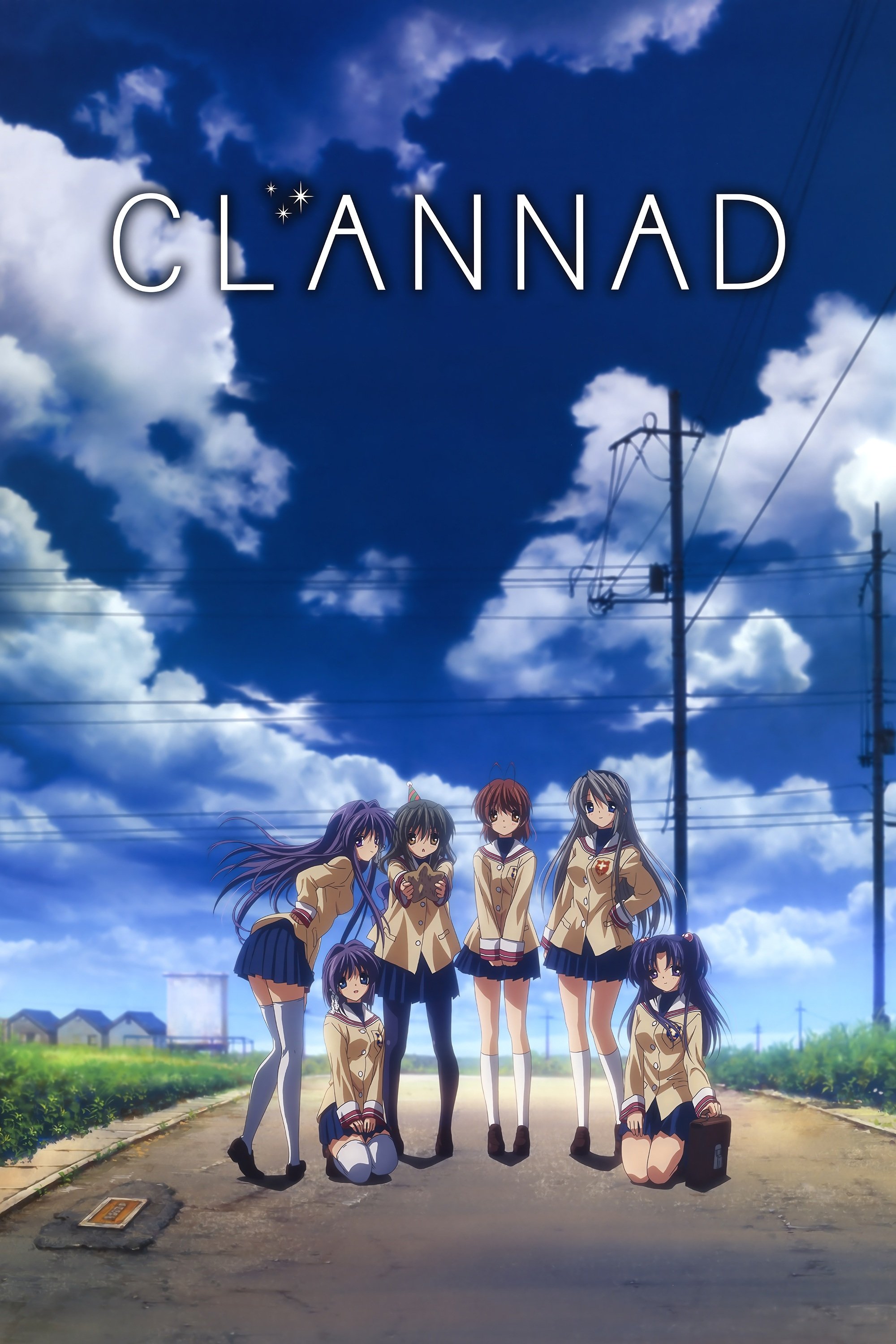
This drama builds on prior character relationships and family themes established earlier. Emotional peaks rely on slow-burn development, encouraging breaks between major plot turns. Several episodes focus on life changes that land more clearly with reflection time. The season length and intensity push it past a casual, single-session watch.
‘Steins;Gate’ (2011)
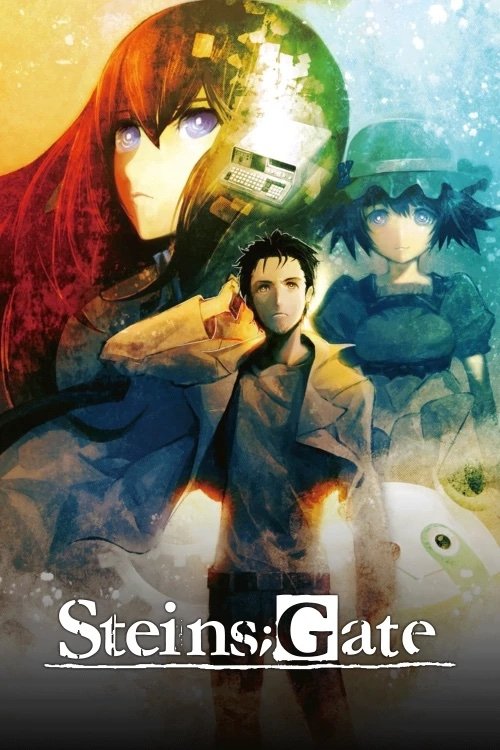
The early stretch is deliberately paced, establishing terminology, devices, and character dynamics. Mid-series shifts recontextualize earlier scenes, rewarding viewers who pause to connect clues. Time-travel mechanics hinge on strict conditions and divergence numbers that are easier to track gradually. The full cour exceeds a one-sitting commitment for most viewers.
‘Texhnolyze’ (2003)
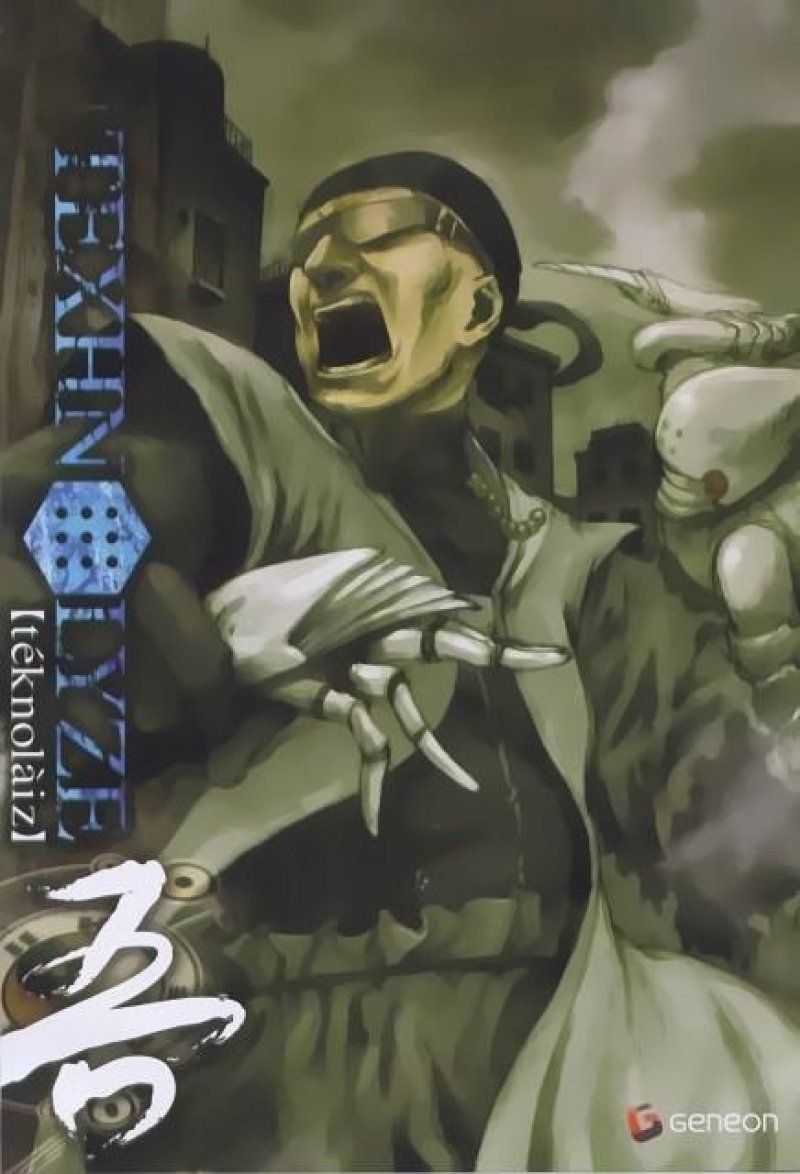
Minimal dialogue and extended atmospheric sequences make concentration crucial for comprehension. Political factions, underground economies, and bio-mechanical themes unfold slowly. Visual storytelling carries key plot points, which can be missed in fatigue during long marathons. Its deliberate pace and heavy tone resist single-sitting viewing.
‘Paranoia Agent’ (2004)
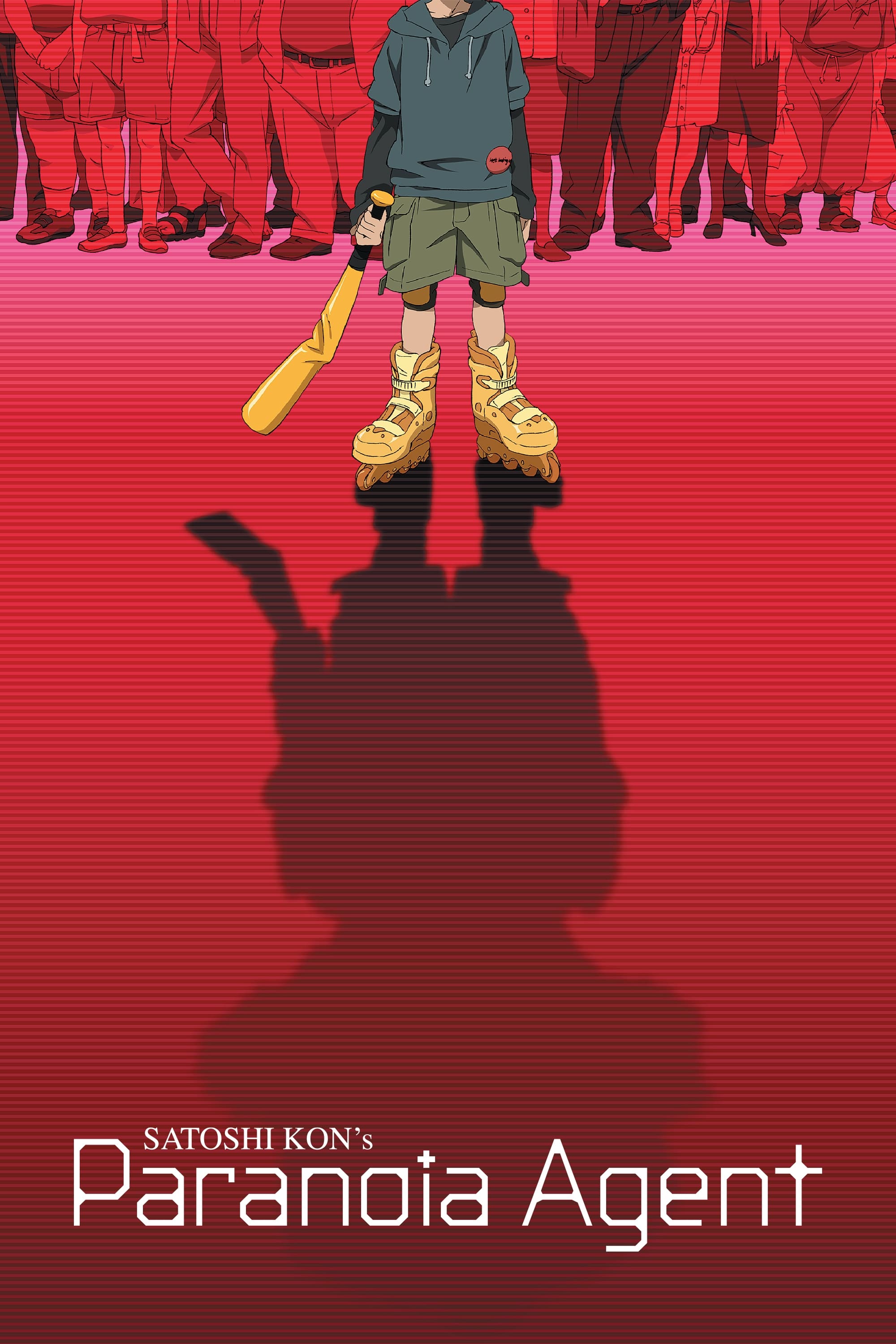
Anthology-style episodes link through recurring incidents, media commentary, and shared delusions. The series uses shifts in art style and unreliable perspectives that reward spaced-out analysis. Later episodes revisit earlier events with new context, encouraging pause-and-review. While concise, its conceptual density limits back-to-back consumption.
‘Ergo Proxy’ (2006)
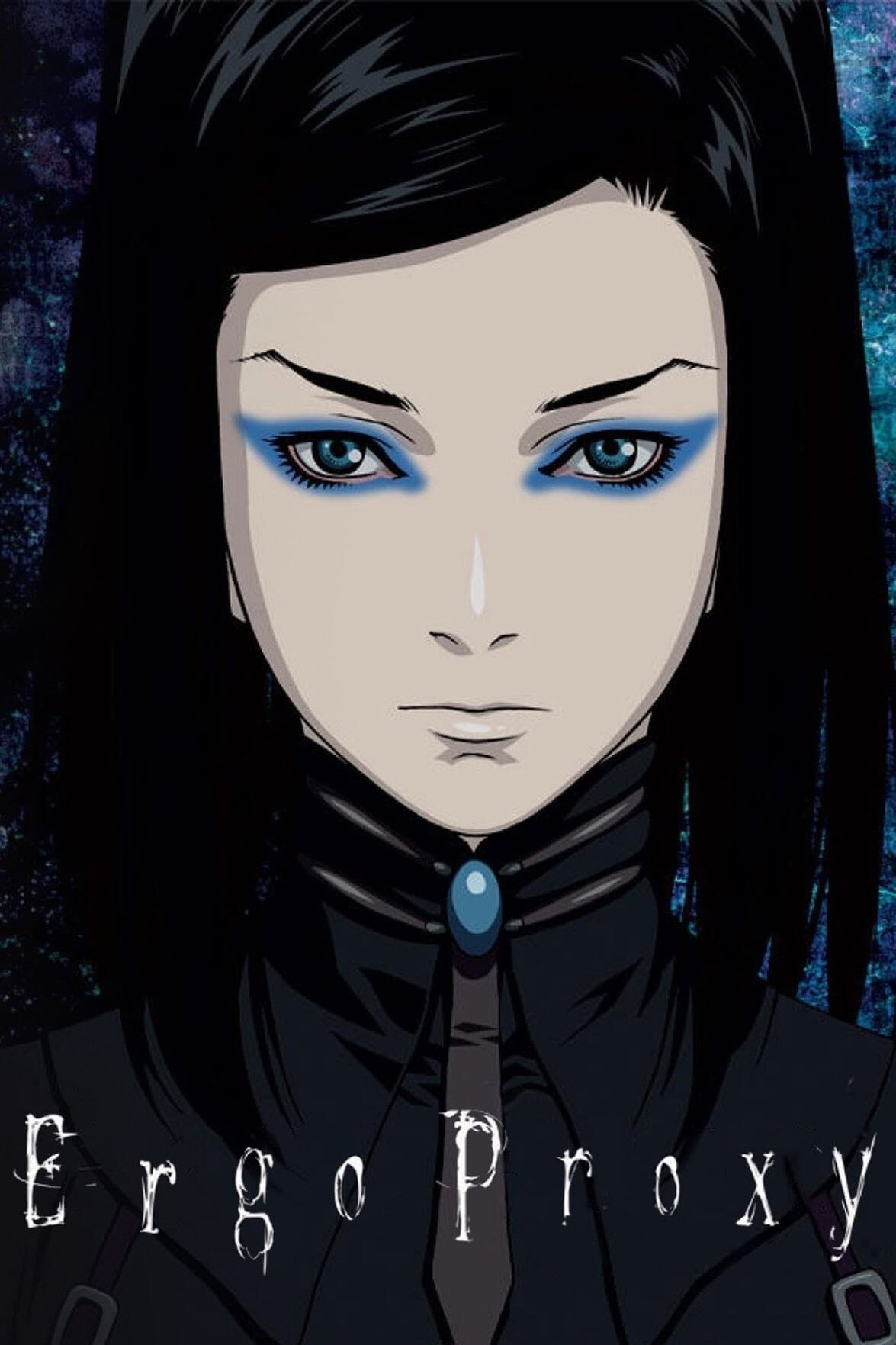
Philosophical dialogue, detective elements, and post-apocalyptic politics intertwine across a full cour. Episodes introduce terminology and myth references that accumulate meaning over time. Visual clues and episodic experiments make attentive viewing essential. The cumulative complexity and runtime exceed a single-sitting binge.
‘The Twelve Kingdoms’ (2002–2003)
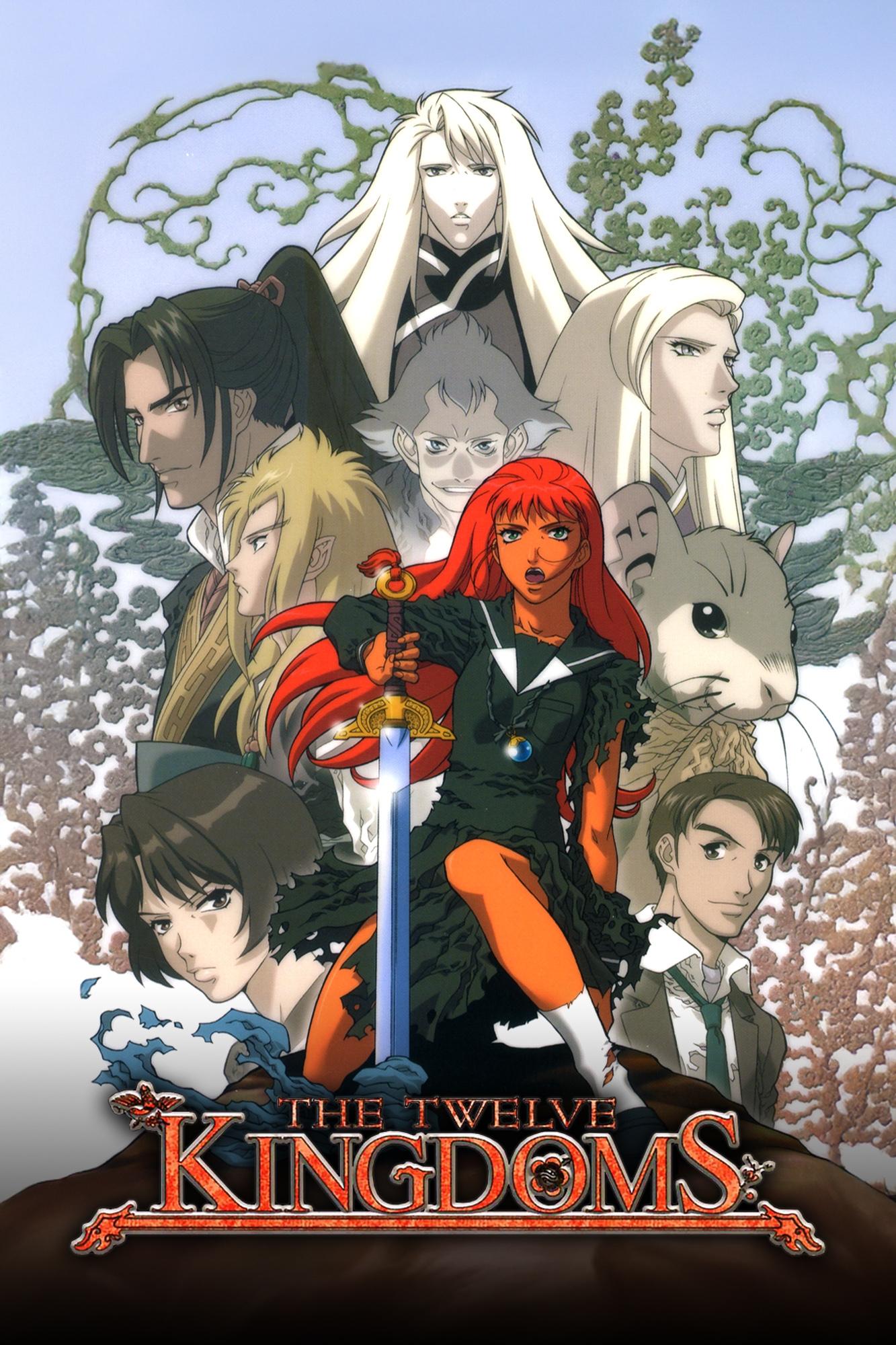
This fantasy features multiple kingdoms, succession disputes, and bureaucratic systems explained in detail. Arc structures focus on different protagonists, each requiring setup and cultural context. Worldbuilding terms—official titles, spiritual beings, and governance rules—are introduced at length. With dozens of episodes, it is designed for paced, multi-session viewing.
Share which of these you’ve tried to tackle and why you had to pause in the comments!