

Anime That Are Way Better Than Their Popularity Suggests

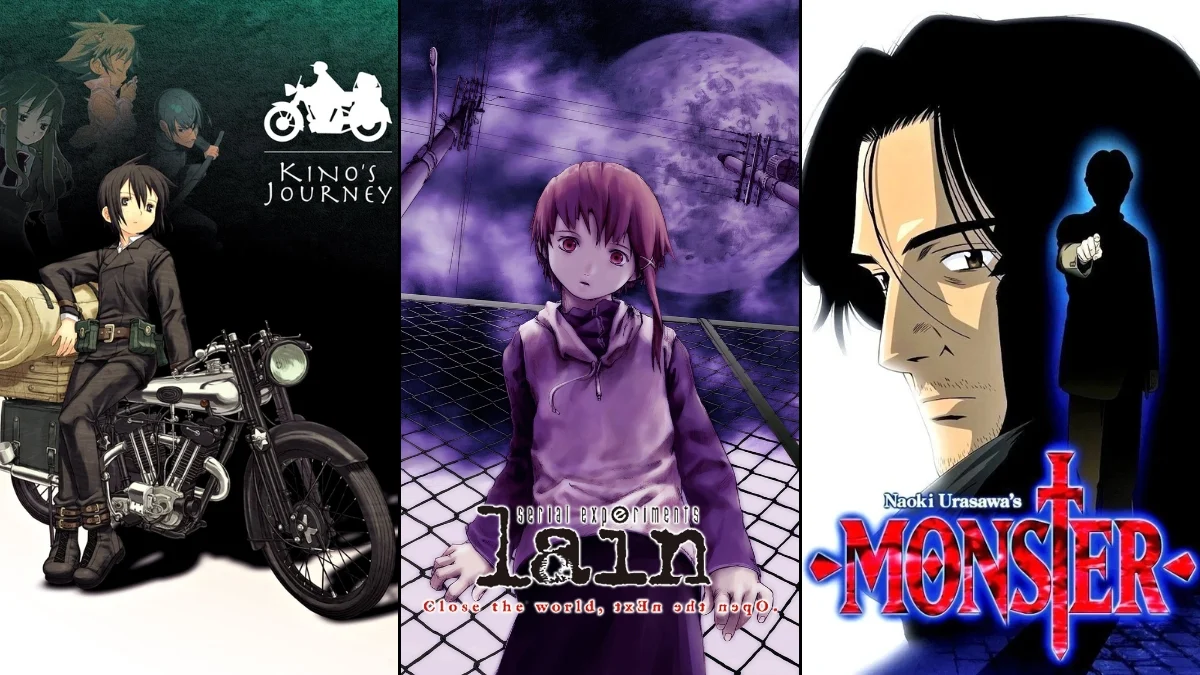


While mainstream giants dominate the anime landscape, numerous series offer exceptional storytelling, unique art styles, and profound themes that often go unnoticed by the general public. These hidden gems range from psychological thrillers to avant-garde dramas, providing viewers with high-quality alternatives to seasonal hits. Exploring these lesser-known titles reveals the immense depth and variety inherent in the medium of animation. The following list highlights series that have earned critical acclaim despite their relatively modest popularity rankings compared to major franchises.
‘Monster’ (2004–2005)

Dr. Kenzo Tenma is a brilliant neurosurgeon whose life takes a dark turn after he saves a young boy named Johan Liebert. Years later, Tenma discovers that the boy he saved has grown into a cold-blooded serial killer. The narrative follows Tenma’s journey across Germany as he attempts to stop Johan and clear his own name. This psychological thriller is praised for its intricate plot and deep character development.
‘Katanagatari’ (2010)
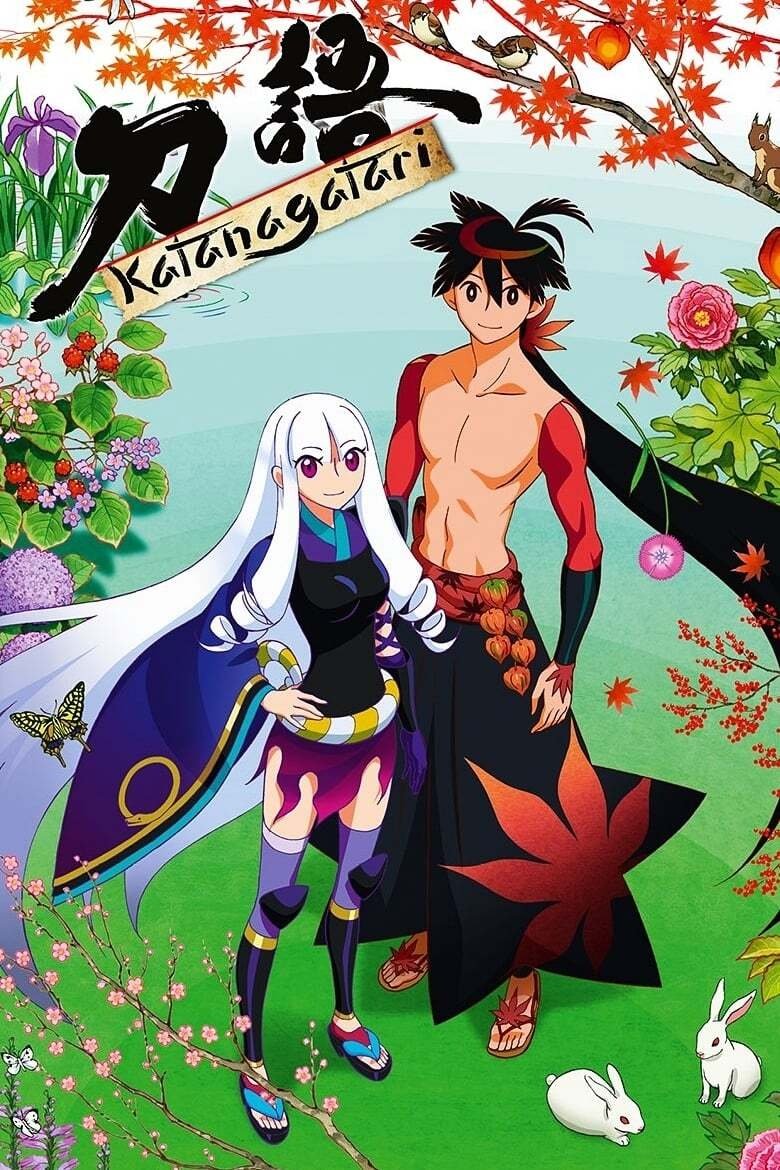
Shichika Yasuri is a sword-less martial artist who lives in exile with his sister until a strategist named Togame recruits him. Together, they embark on a quest to collect twelve legendary swords for the shogunate. Each episode focuses on a different encounter, blending unique visual styles with extensive dialogue and character growth. ‘Katanagatari’ is known for its distinctive art and subversion of typical action tropes.
‘Mushi-shi’ (2005–2006)
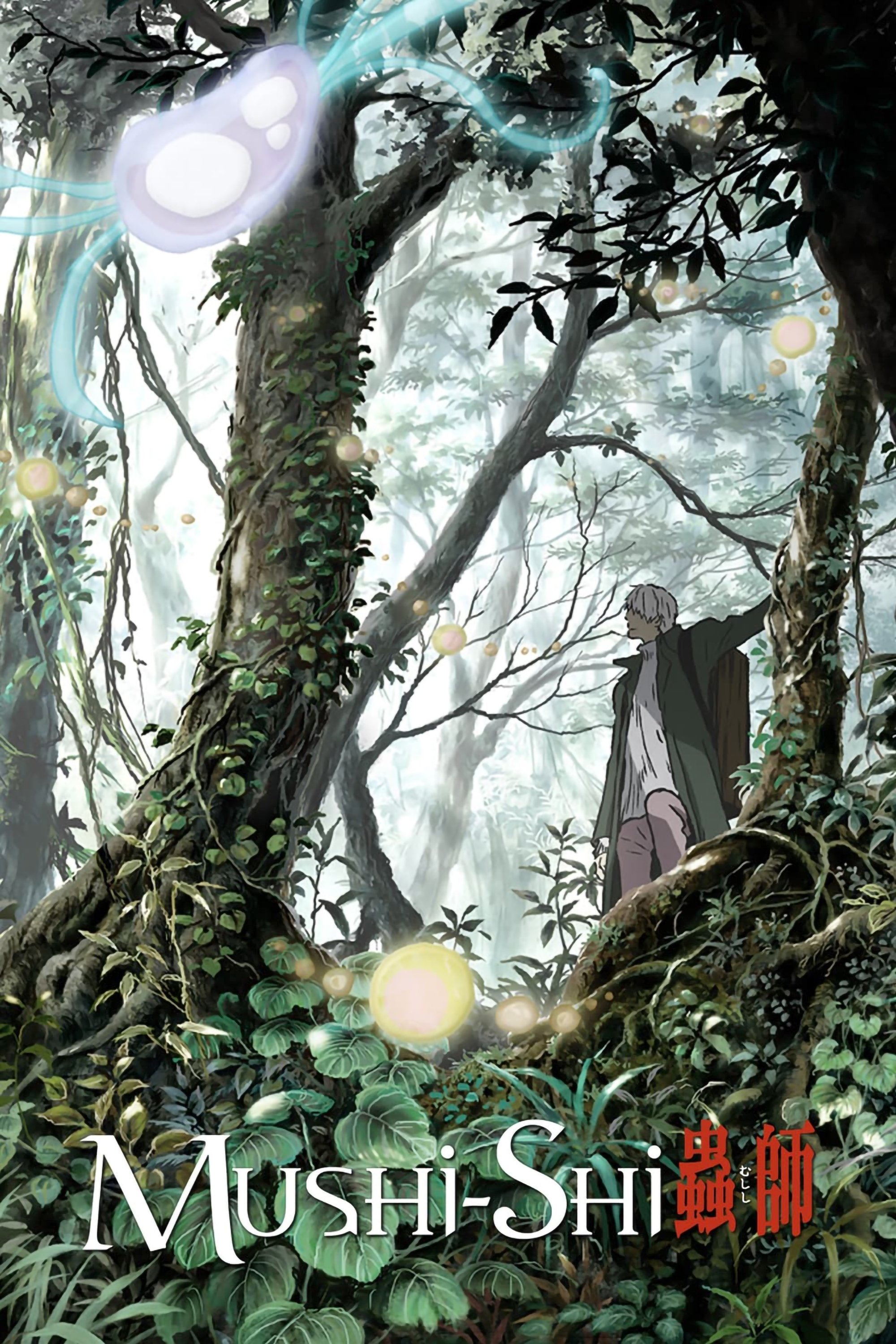
Ginko is a traveler who studies Mushi, primitive life forms that often cause mysterious ailments in humans. He wanders through rural Japan, acting as a mediator between the natural and supernatural worlds. The series is episodic, focusing on atmospheric storytelling and the philosophical implications of coexistence. ‘Mushishi’ emphasizes a quiet, reflective tone that distinguishes it from more energetic supernatural series.
‘The Tatami Galaxy’ (2010)
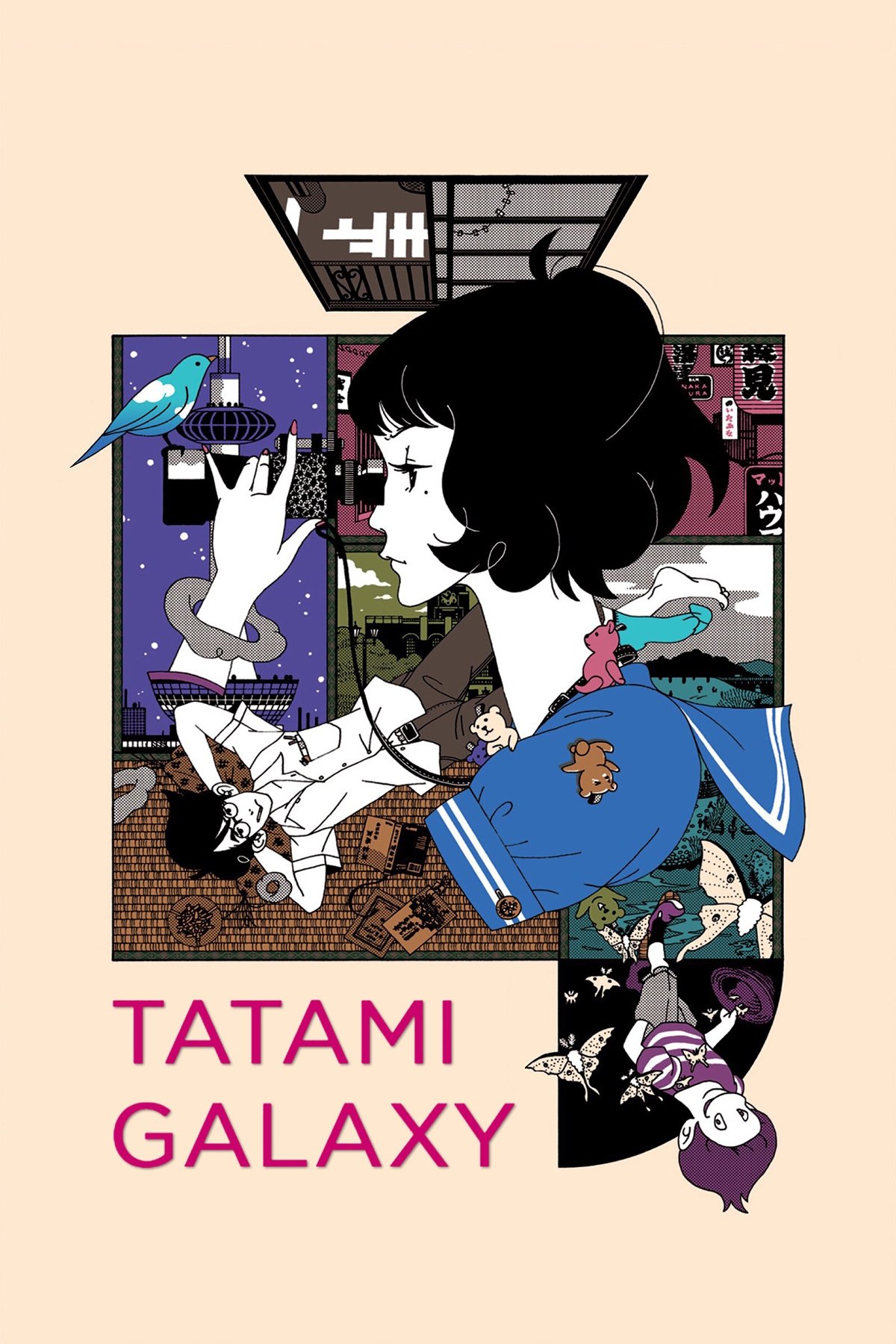
An unnamed college student seeks to achieve a “rose-colored campus life” but repeatedly ends up disappointed with his choices. Through a series of parallel universe loops, he explores different clubs and relationships, only to find himself in the same cycle of regret. The show features a highly stylized, fast-paced narrative directed by Masaaki Yuasa. ‘The Tatami Galaxy’ explores themes of missed opportunities and the subjective nature of happiness.
‘Ping Pong the Animation’ (2014)
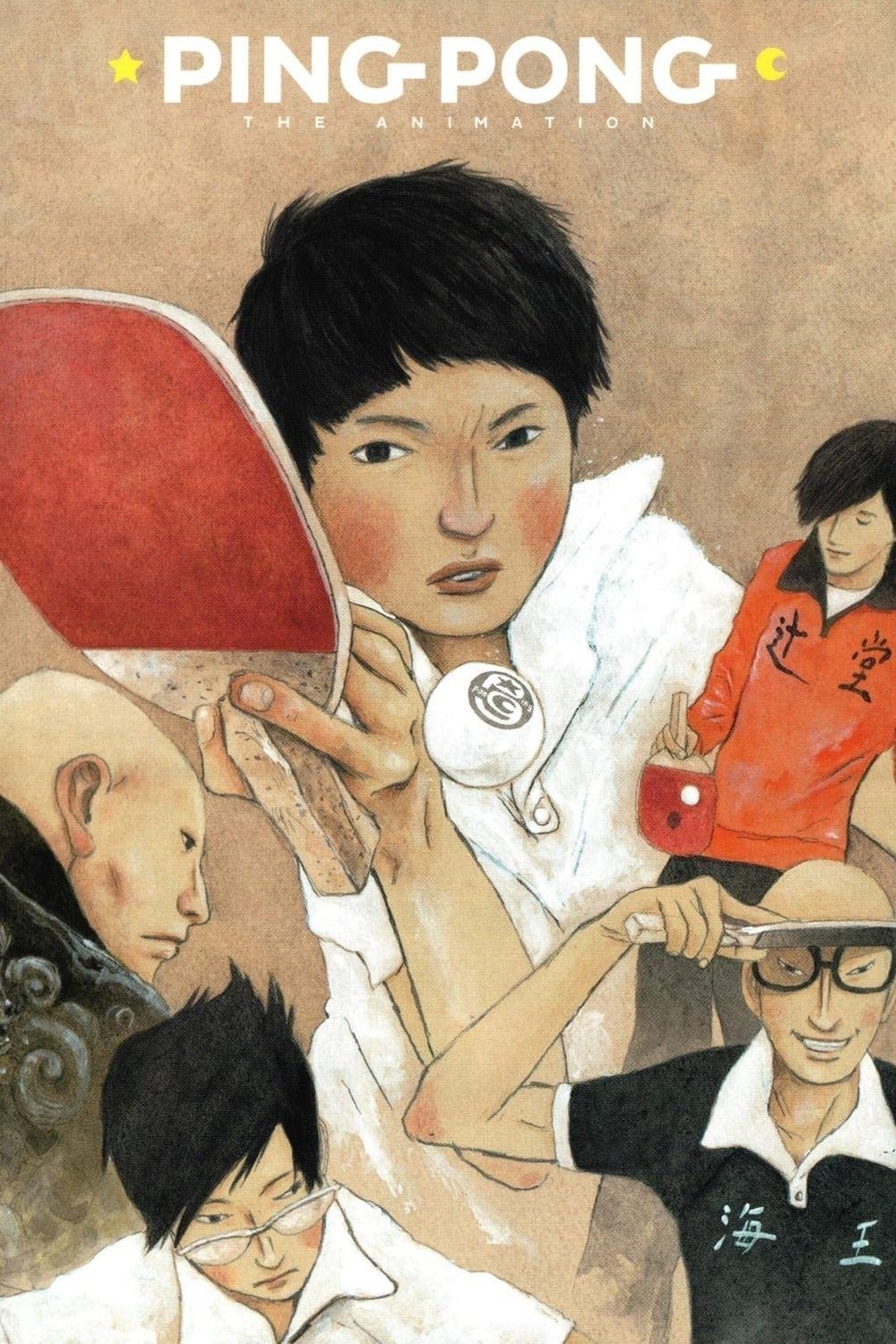
Peco and Smile are childhood friends with vastly different temperaments who both play competitive table tennis. As they navigate high school tournaments, they face internal and external pressures that test their friendship and ambitions. The animation utilizes a raw, sketch-like style that prioritizes fluid movement over traditional aesthetics. ‘Ping Pong the Animation’ is a character-driven drama that uses sports as a backdrop for psychological exploration.
‘Mononoke’ (2007)
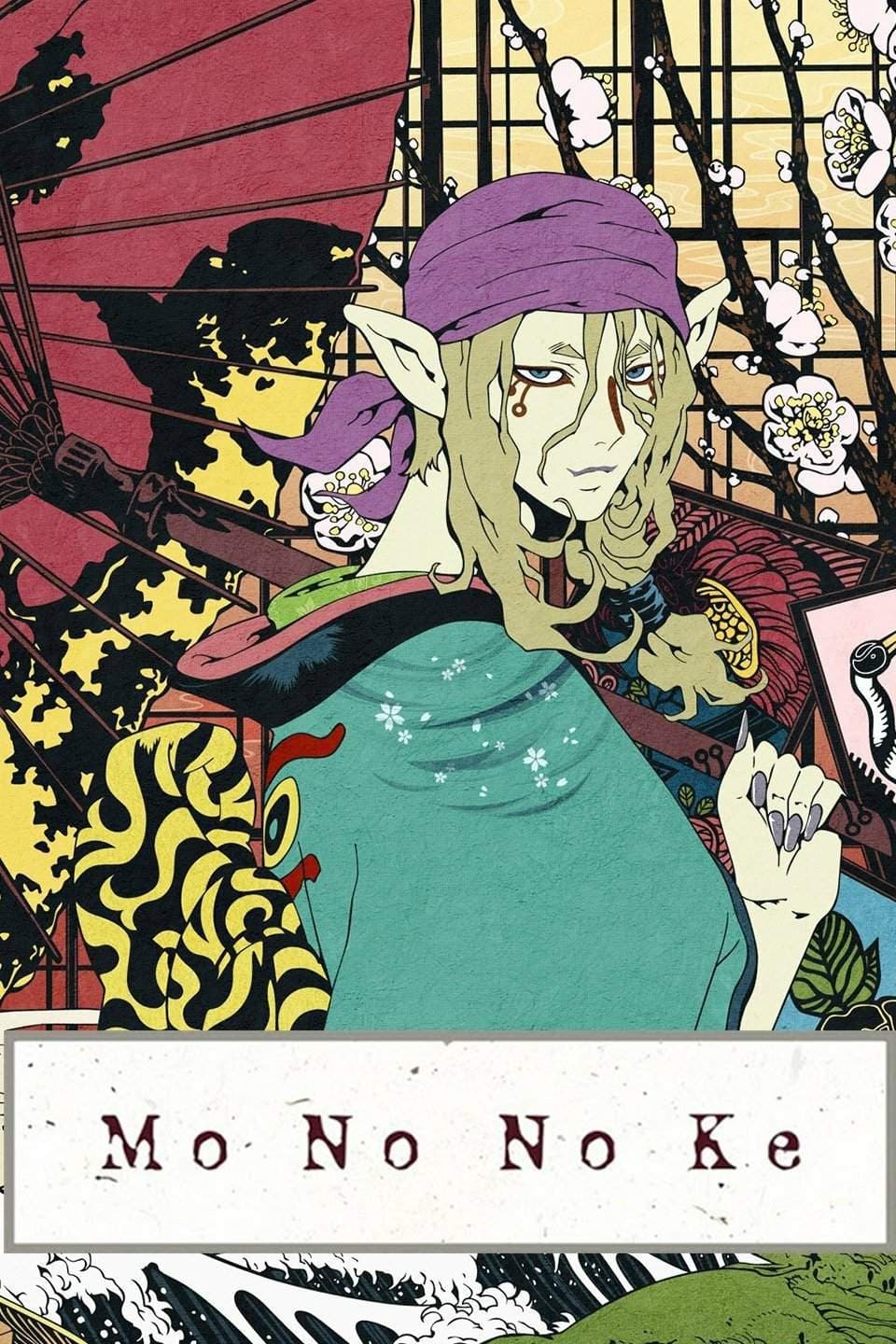
A nameless protagonist known as the Medicine Seller travels across Japan to slay malevolent spirits called Mononoke. To defeat them, he must first uncover their Form, Truth, and Reason through investigation. The series features a striking visual style inspired by traditional Japanese ukiyo-e paintings. ‘Mononoke’ is celebrated for its avant-garde approach to horror and folklore.
‘Texhnolyze’ (2003)
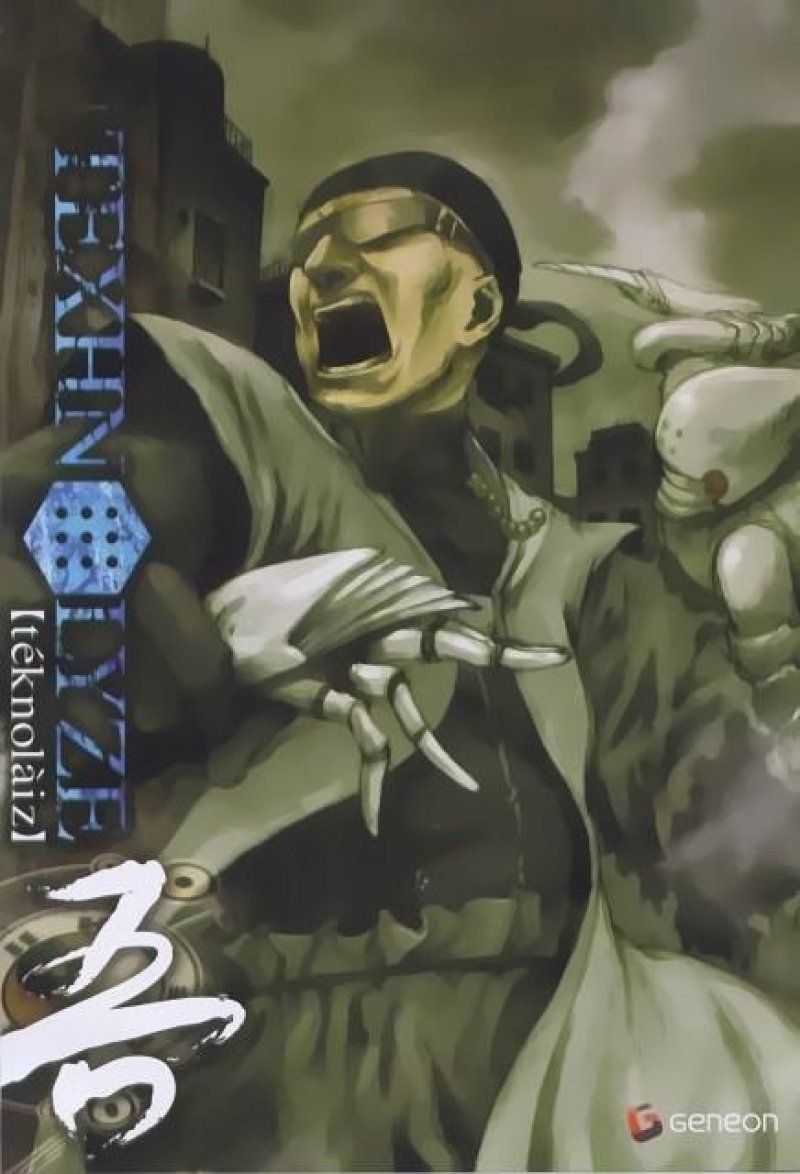
In the decaying underground city of Lukuss, various factions fight for control over the limited resources and advanced prosthetic technology known as Texhnolyze. Ichise, a prize fighter who loses his limbs, is rebuilt and becomes a catalyst for the city’s fate. The narrative is noted for its bleak atmosphere, minimal dialogue, and experimental sound design. ‘Texhnolyze’ serves as a profound meditation on human survival and nihilism.
‘Serial Experiments Lain’ (1998)
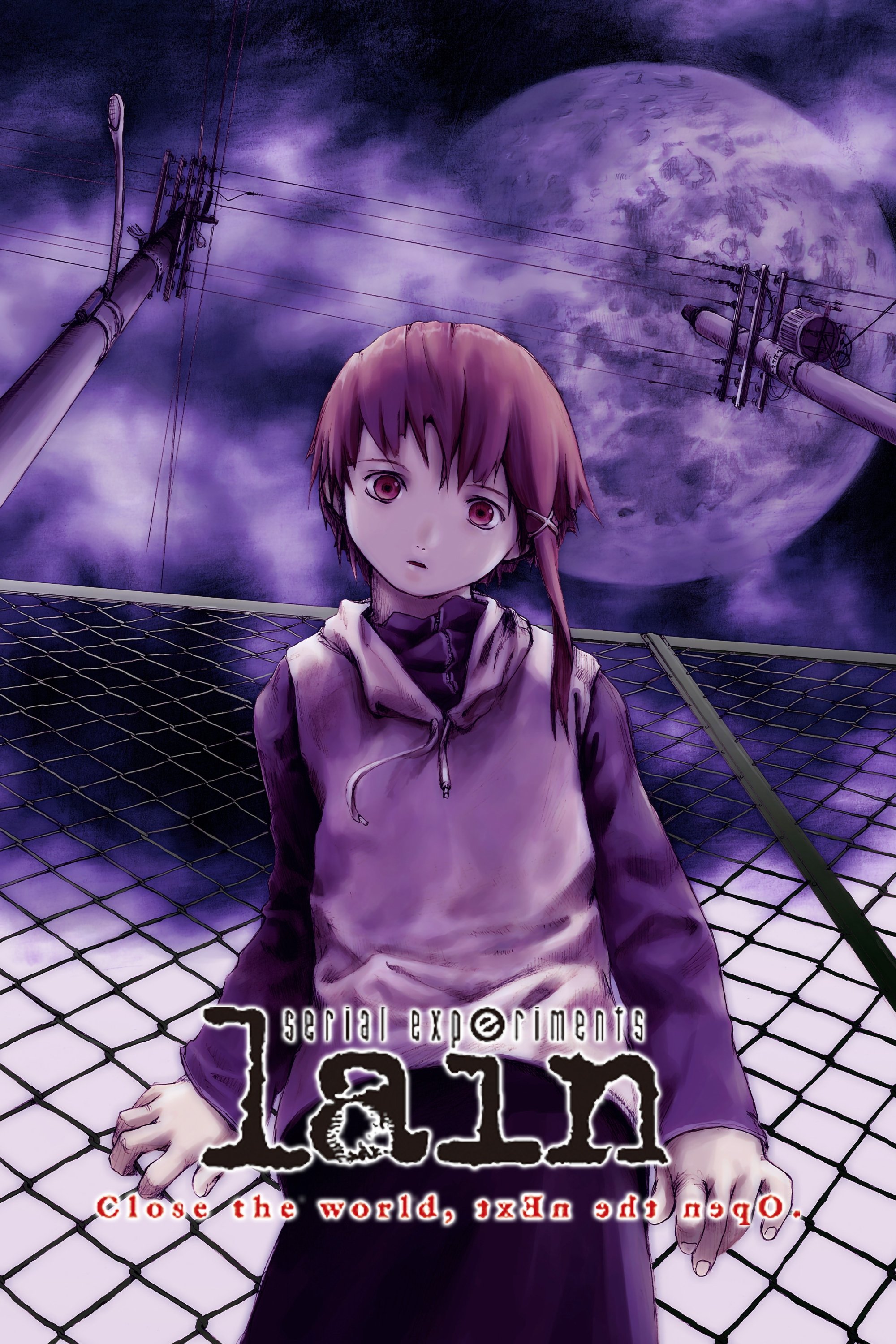
Lain Iwakura is a shy teenage girl who becomes increasingly obsessed with the Wired, a global communication network. As the boundaries between reality and the digital world begin to blur, she discovers disturbing truths about her own existence. The series anticipates many modern concerns regarding technology, identity, and social connectivity. ‘Serial Experiments Lain’ remains a landmark title in the cyberpunk genre for its complex philosophical themes.
‘Haibane Renmei’ (2002)
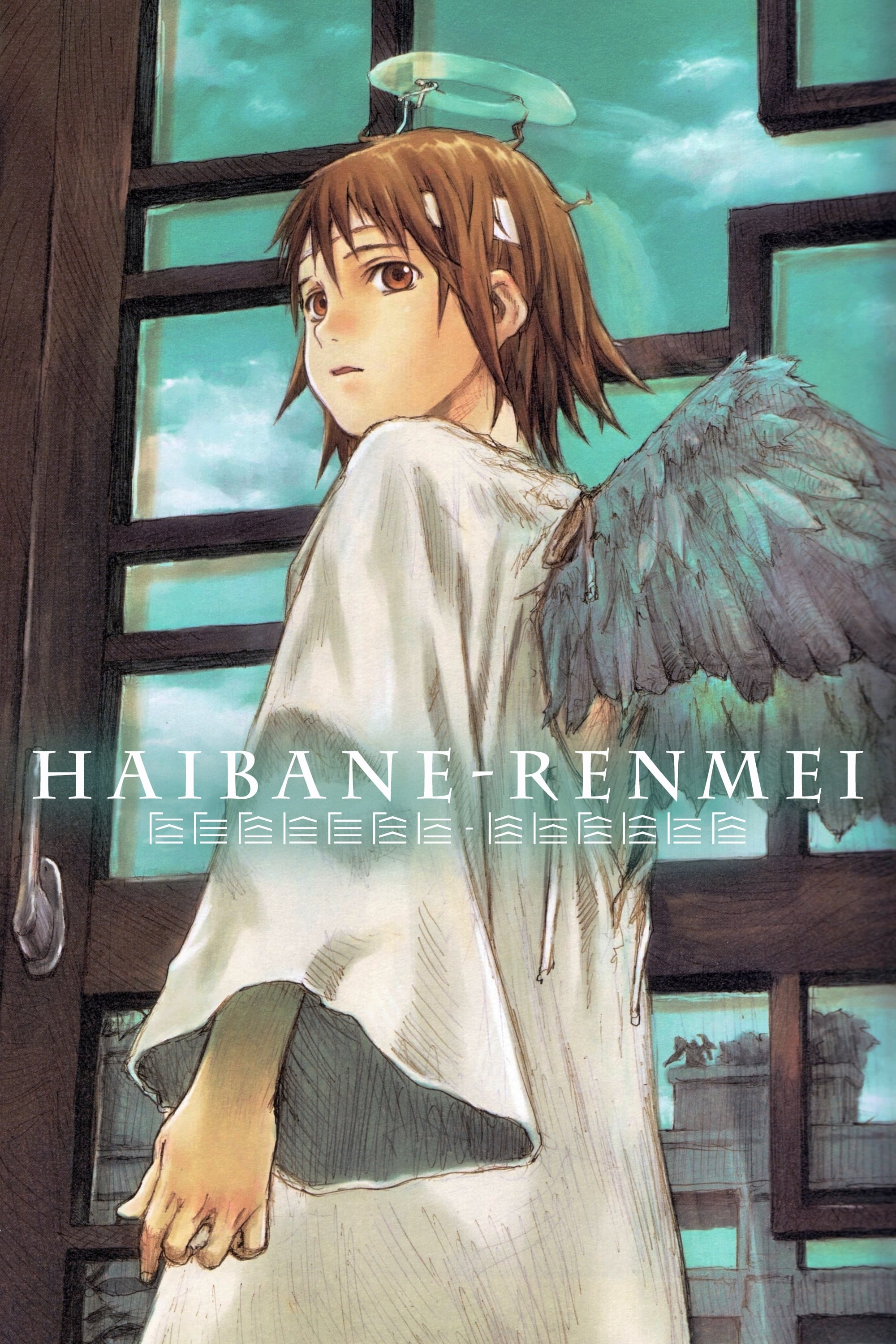
Rakka is a young girl who wakes up in a walled city with no memories of her past and grows a pair of small, grey wings. She joins a group of similar beings called Haibane who live according to strict rules while awaiting their Day of Flight. The story explores themes of guilt, redemption, and the nature of the soul. ‘Haibane Renmei’ is recognized for its gentle pacing and evocative world-building.
‘Kyousougiga’ (2013)
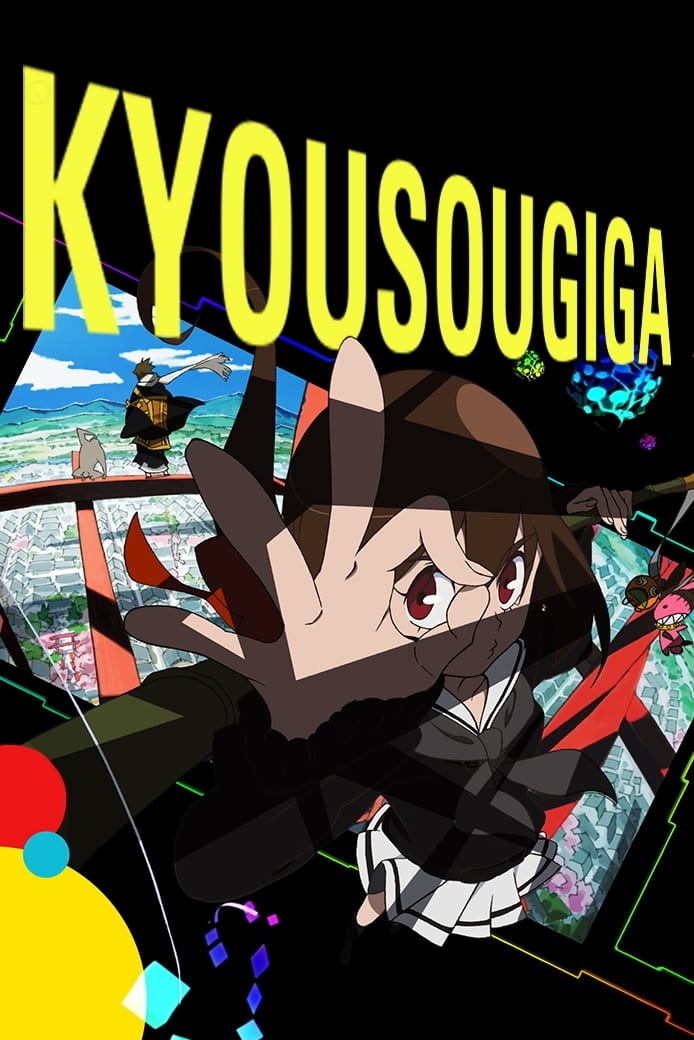
Koto and her brothers find themselves in Mirror Kyoto, a chaotic and vibrant world where spirits and humans coexist. They seek a way to return home while dealing with their eccentric family and the origins of their magical environment. The series is known for its high-energy animation and complex family dynamics. ‘Kyousougiga’ blends Buddhist mythology with contemporary themes of belonging and legacy.
‘Showa Genroku Rakugo Shinju’ (2016–2017)
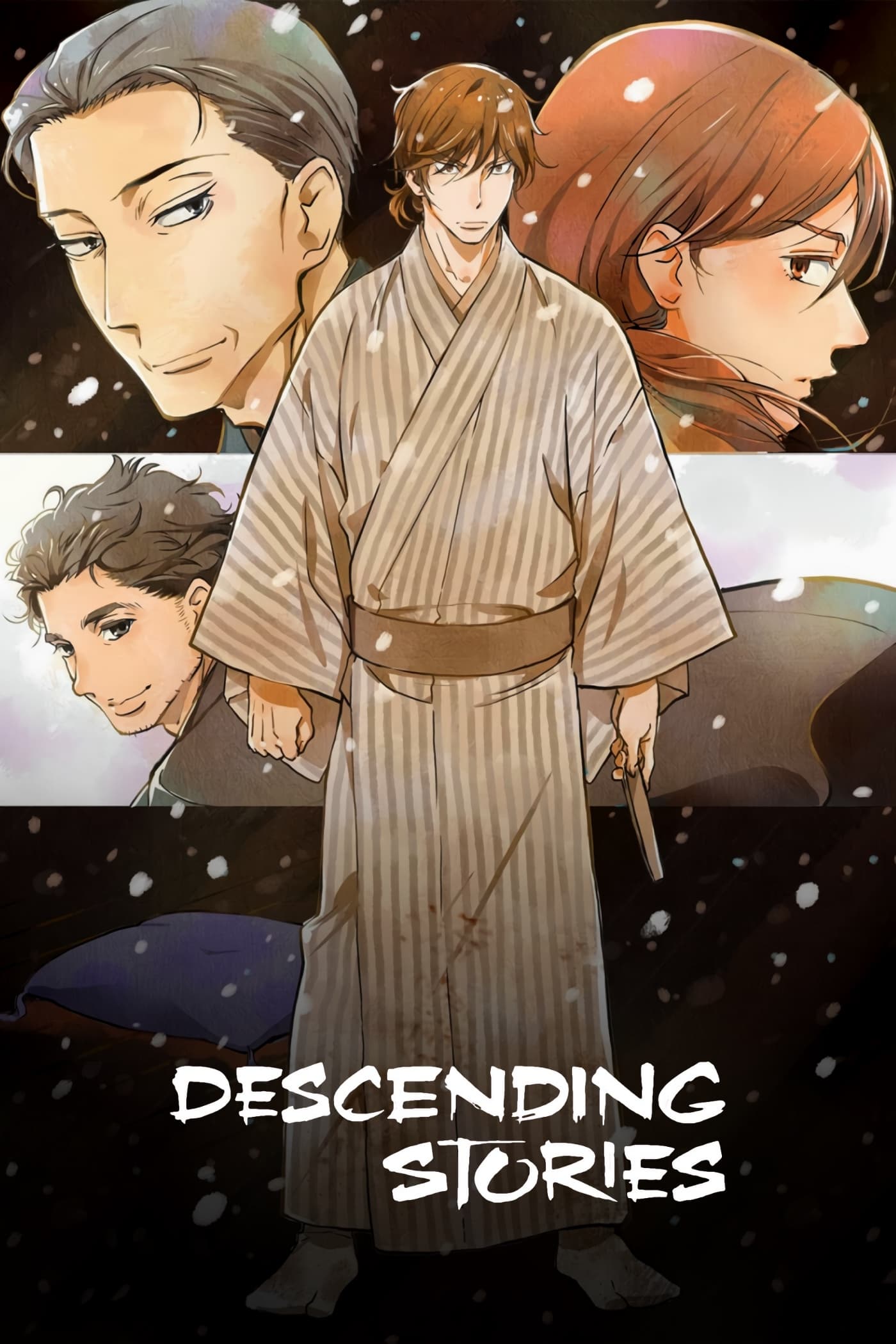
This drama centers on the traditional Japanese art of rakugo, a form of comedic storytelling. The narrative spans several decades, following a former prisoner who seeks to become an apprentice to a renowned master. It explores the history of the art form and the personal tragedies of those who perform it. ‘Showa Genroku Rakugo Shinju’ is acclaimed for its mature writing and historical authenticity.
‘Land of the Lustrous’ (2017)
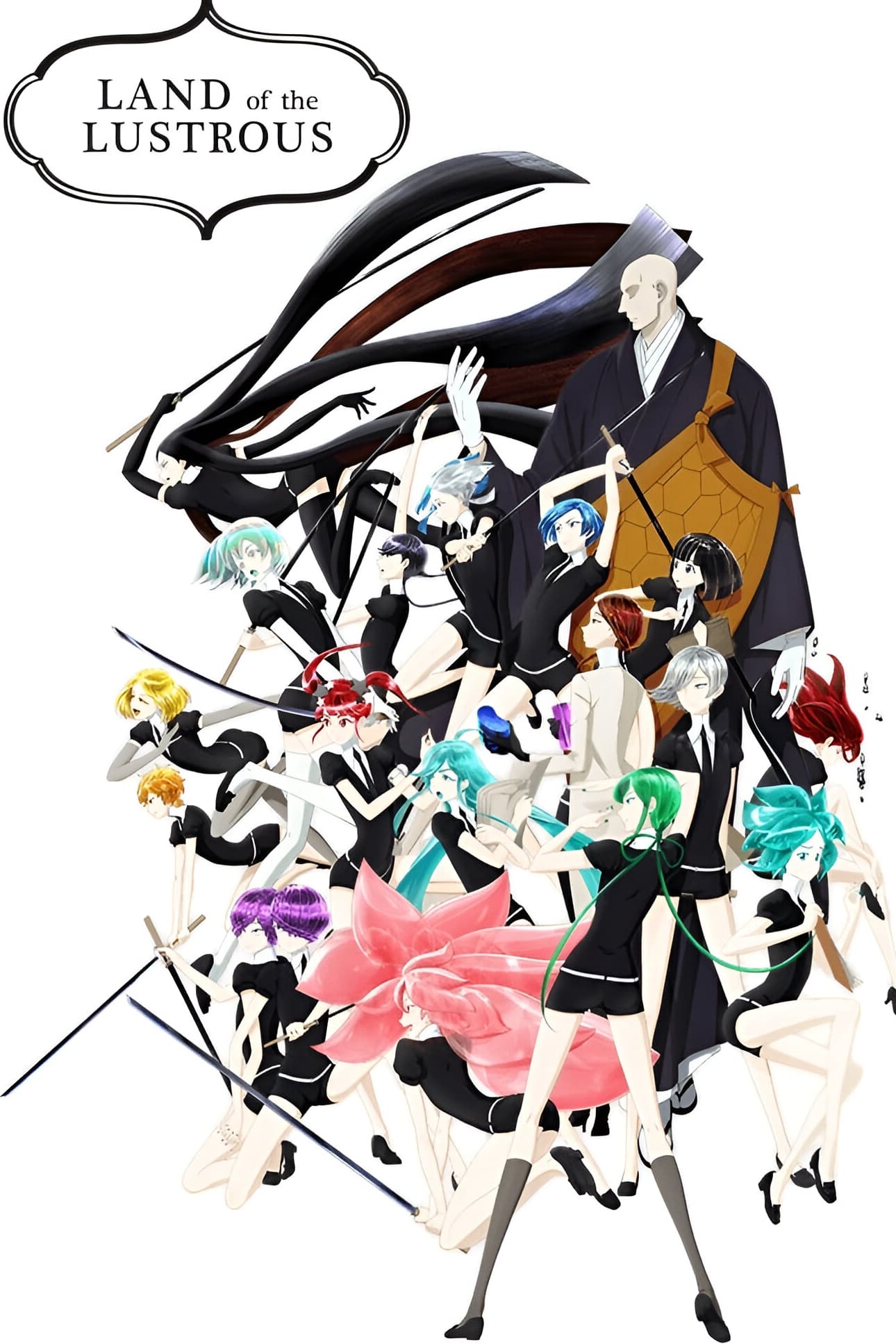
In a distant future, a new life form called the Gems inhabits the Earth and must defend themselves against the Lunarians who wish to harvest them. Phosphophyllite, the youngest and weakest of the Gems, strives to find a purpose in their immortal society. The series is a pioneer in the use of high-quality 3D CGI to depict crystal-based character designs. ‘Land of the Lustrous’ deals with themes of change, loss, and the search for identity.
‘March Comes in Like a Lion’ (2016–2018)
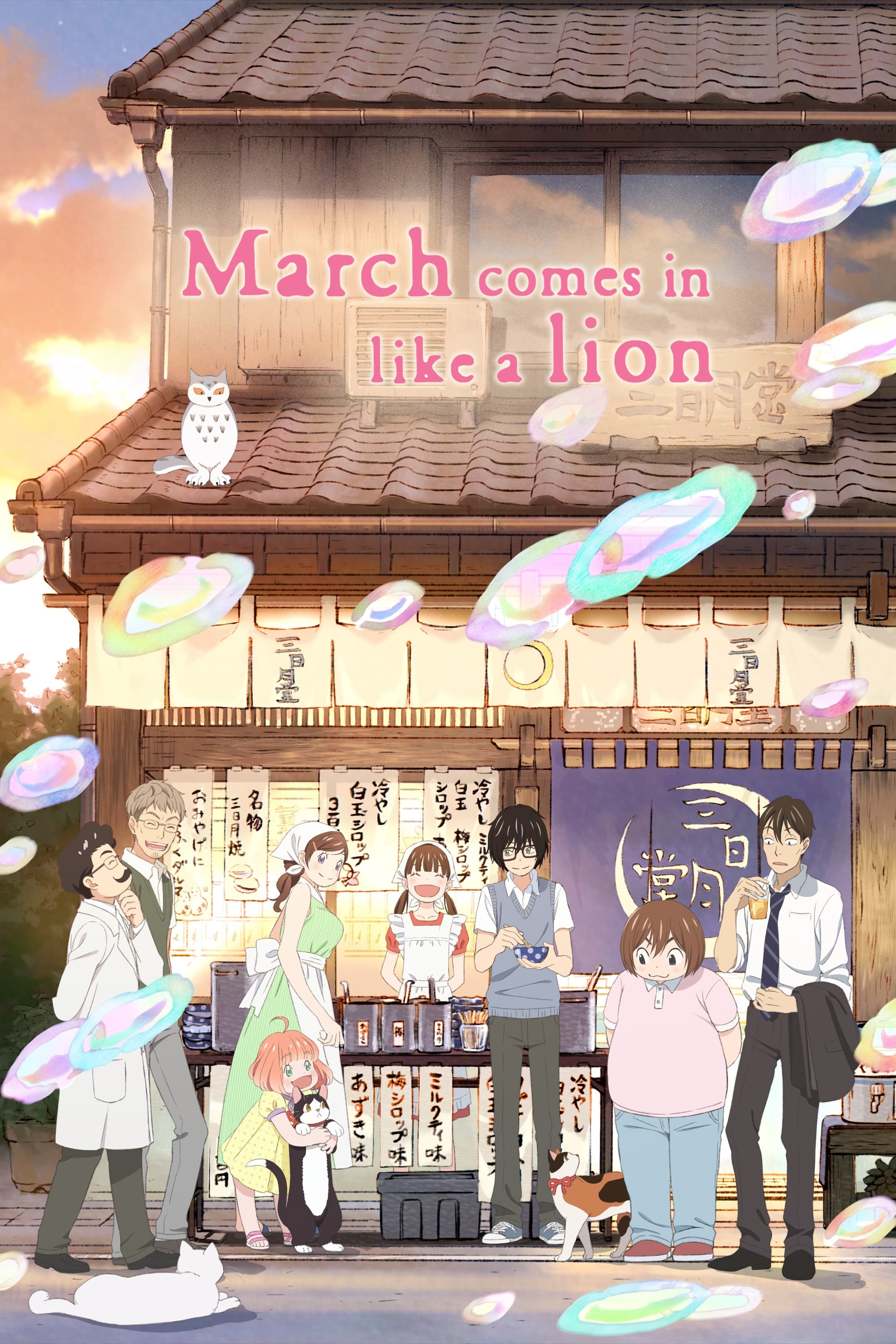
Rei Kiriyama is a professional shogi player who struggles with severe loneliness and clinical depression after losing his family. His life begins to change after he meets the three Kawamoto sisters, who welcome him into their warm home. The story balances the intense world of competitive shogi with the quiet moments of daily life. ‘March Comes in Like a Lion’ provides a sensitive and realistic portrayal of mental health.
‘Rainbow’ (2010)
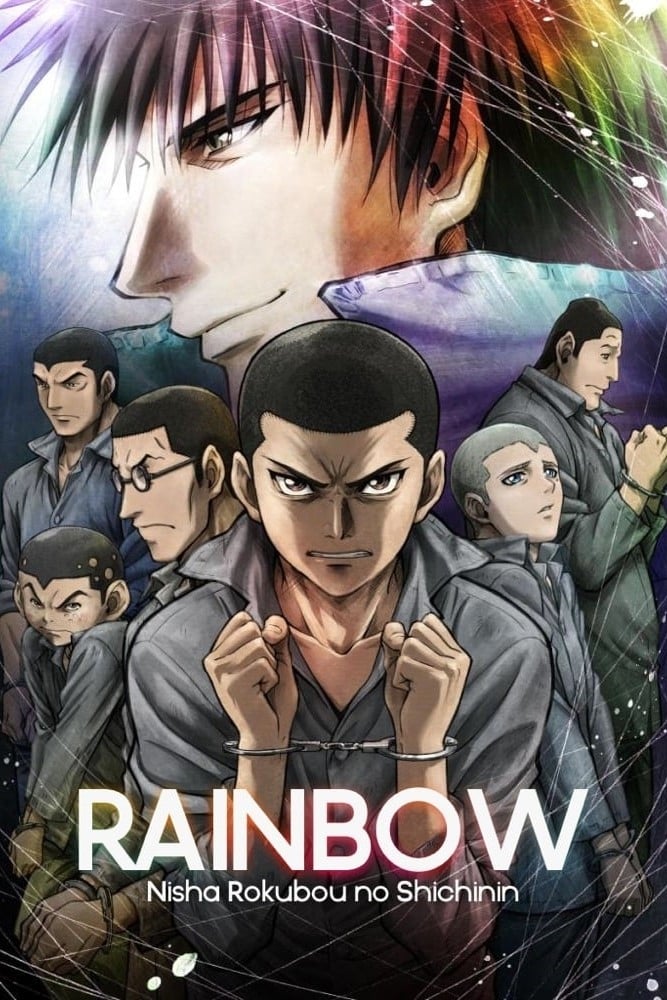
Set in 1955, the story follows seven teenagers sent to a juvenile reformatory where they endure horrific abuse from the staff. Under the guidance of an older inmate, they form a bond and vow to survive and fulfill their dreams in post-war Japan. The narrative focuses on the resilience of the human spirit amidst extreme hardship. ‘Rainbow’ is noted for its gritty realism and historical context.
‘Kaiji’ (2007–2011)
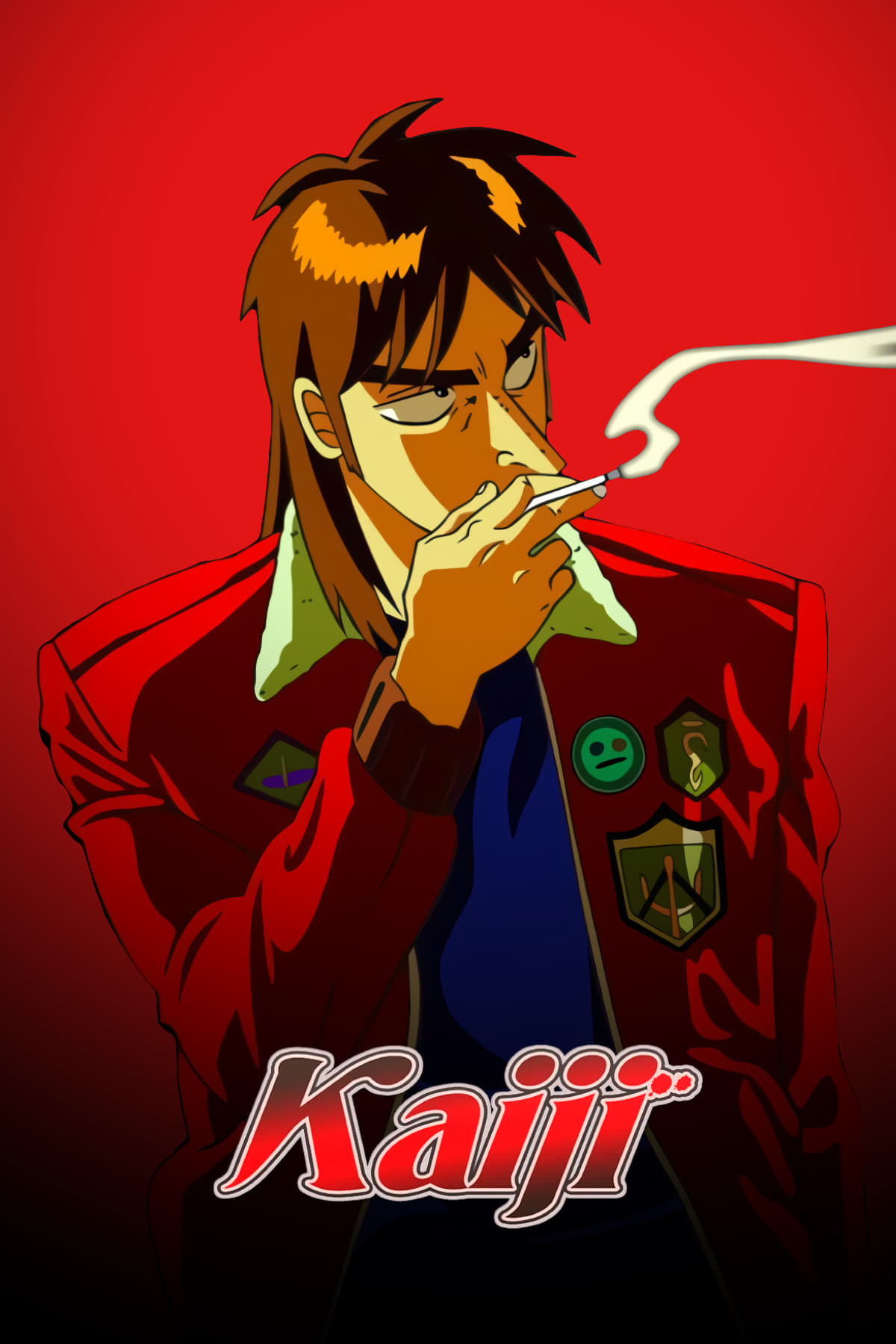
Kaiji Itou is a gambling addict who finds himself buried in debt after a co-worker disappears. He is forced to participate in various high-stakes underground games where the price of losing is often physical mutilation or forced labor. The series uses exaggerated art and internal monologues to create intense psychological tension. ‘Kaiji: Ultimate Survivor’ is a brutal critique of capitalist exploitation and human greed.
‘Welcome to the N-H-K’ (2006)
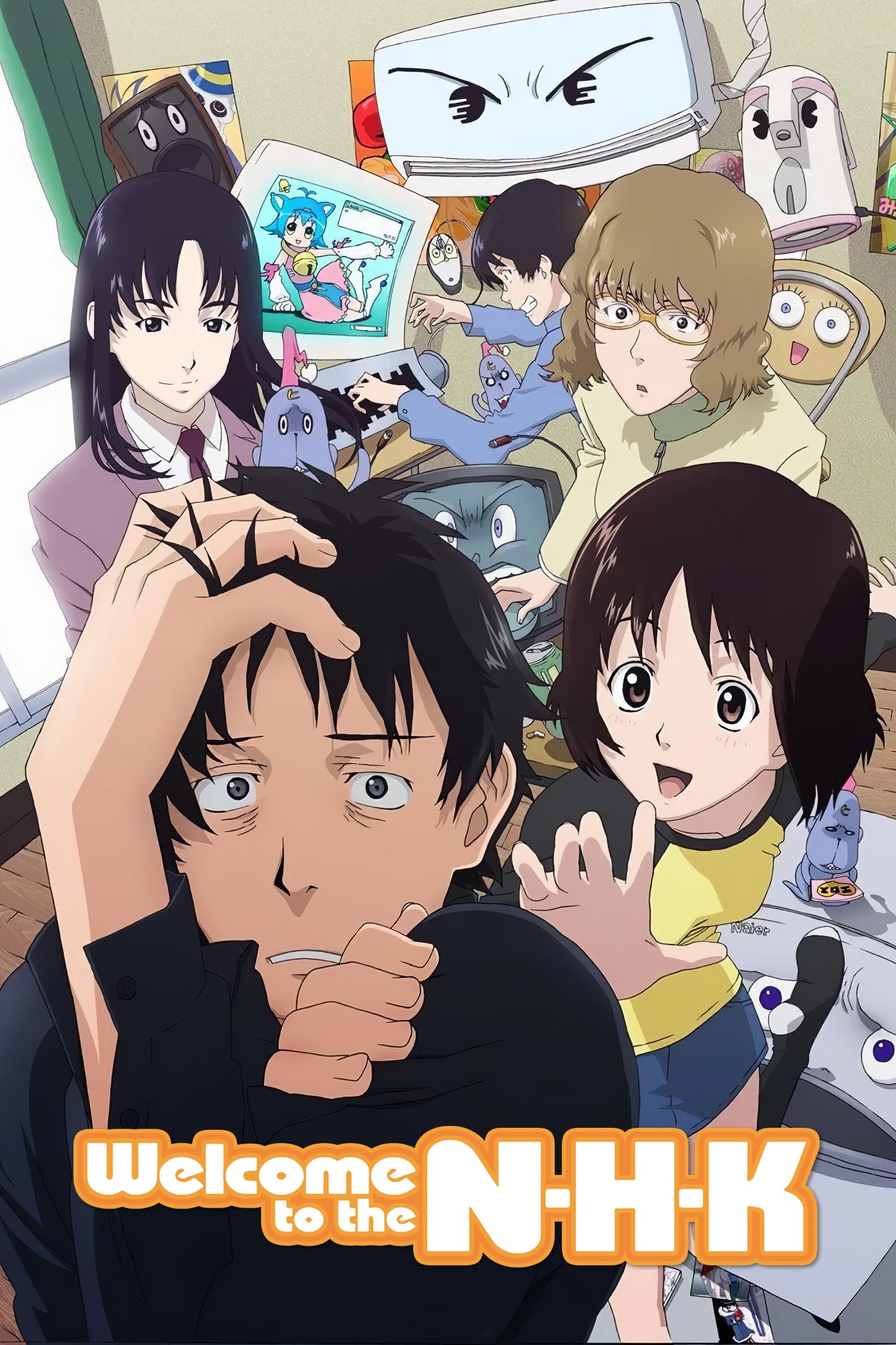
Tatsuhiro Satou is a college dropout who has lived as a shut-in, or hikikomori, for four years. He becomes convinced that his situation is the result of a conspiracy by the Nihon Hikikomori Kyokai (N.H.K.). The show follows his attempts to reintegrate into society with the help of a mysterious girl named Misaki. ‘Welcome to the N.H.K.’ explores isolation, social anxiety, and the difficulties of modern adulthood.
‘Ergo Proxy’ (2006)
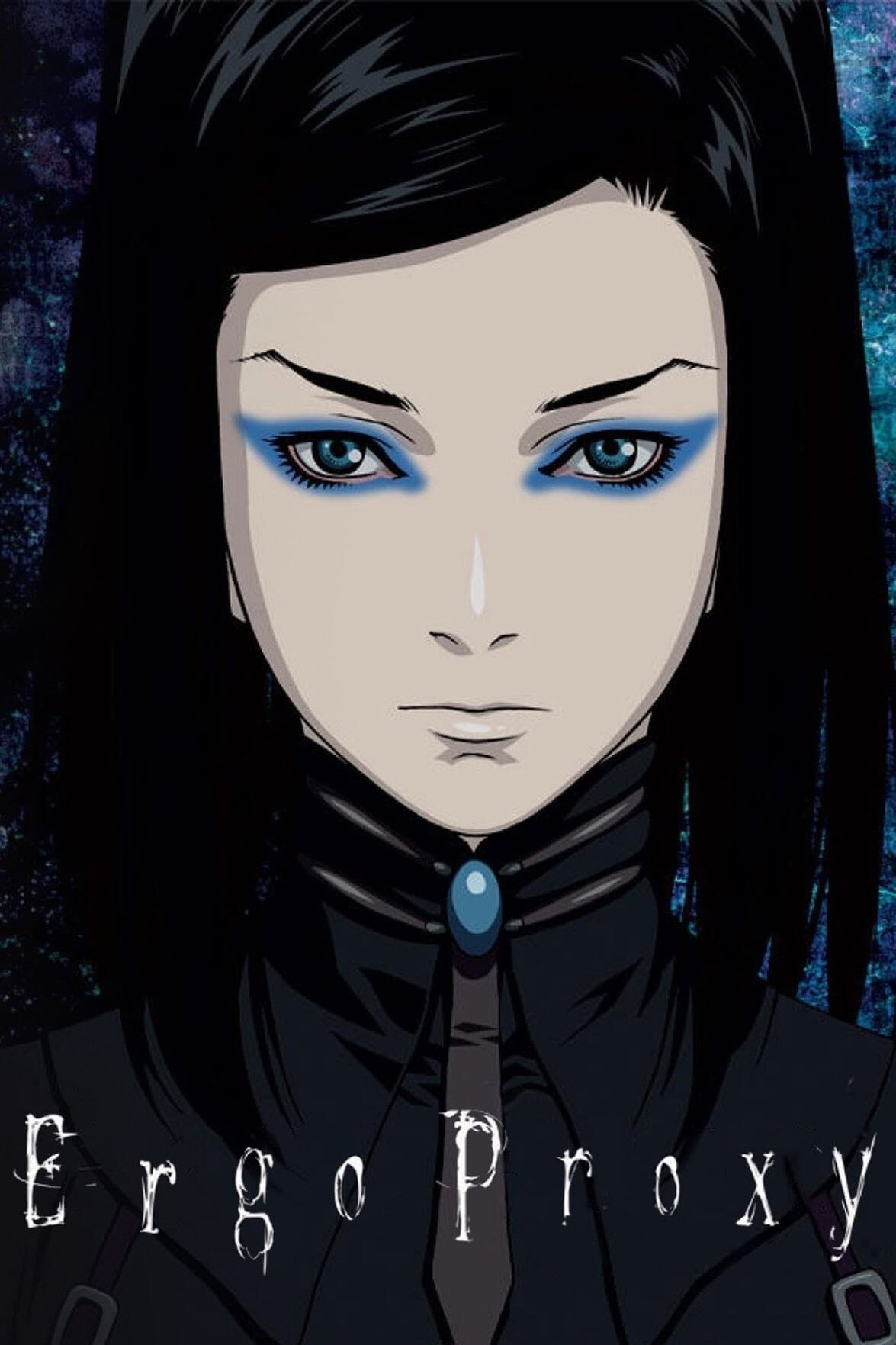
In a post-apocalyptic future, humans and androids called AutoReivs live in domed cities to escape the uninhabitable outside world. Inspector Re-L Mayer begins investigating a series of murders committed by androids infected with a virus that grants them self-awareness. Her journey leads her to discover the secrets of the proxies, powerful beings who hold the key to humanity’s survival. ‘Ergo Proxy’ is characterized by its dark aesthetic and philosophical narrative.
‘Princess Tutu’ (2002–2003)
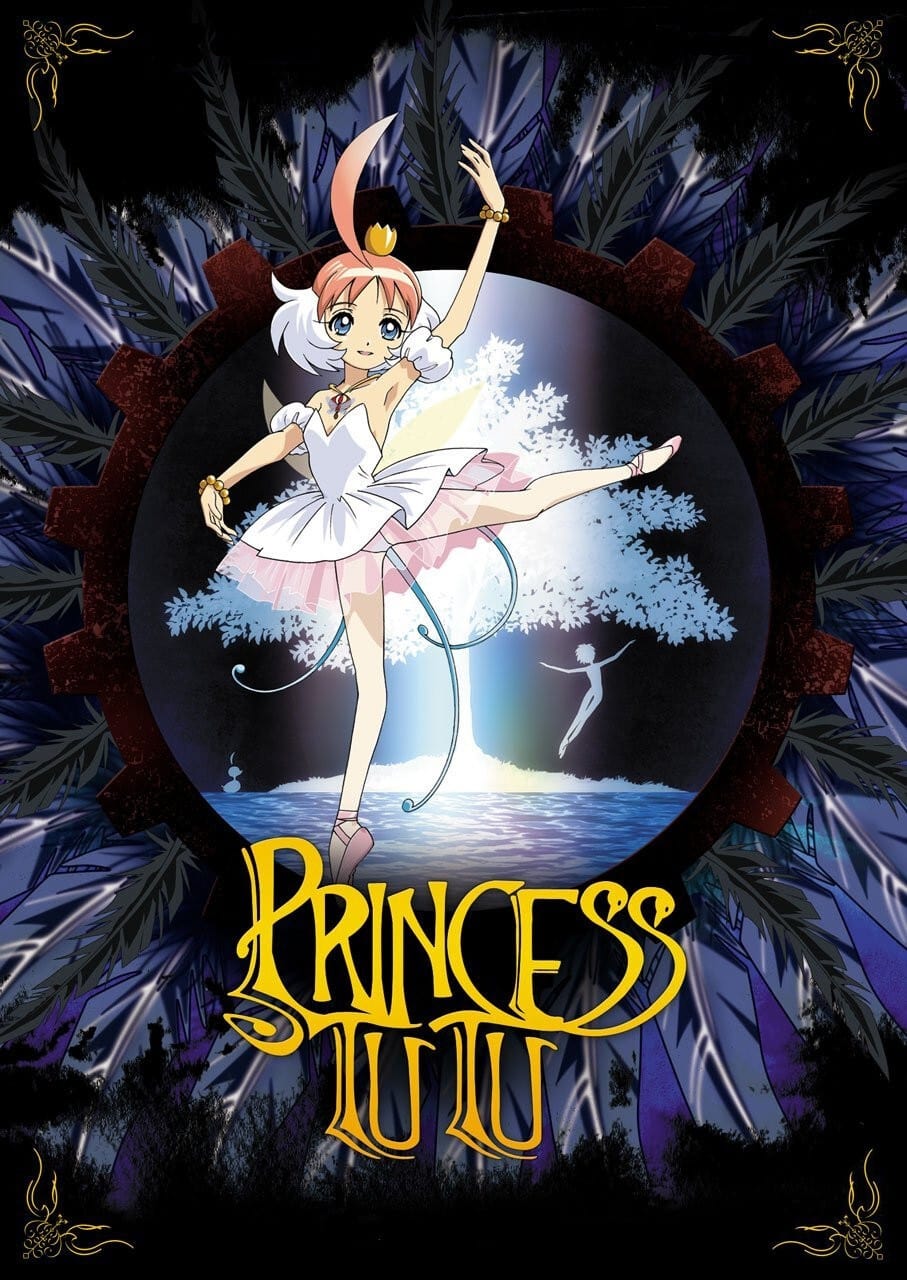
Ahiru is a duck who is transformed into a human girl to help a prince recover the shattered pieces of his heart. As Princess Tutu, she must dance to resolve the emotional conflicts of others while contending with an antagonistic narrator. Despite its magical girl exterior, the series is a sophisticated meta-narrative that subverts fairy tale conventions. ‘Princess Tutu’ is highly regarded for its use of classical music and exploration of fate versus free will.
‘Gankutsuou’ (2004–2005)
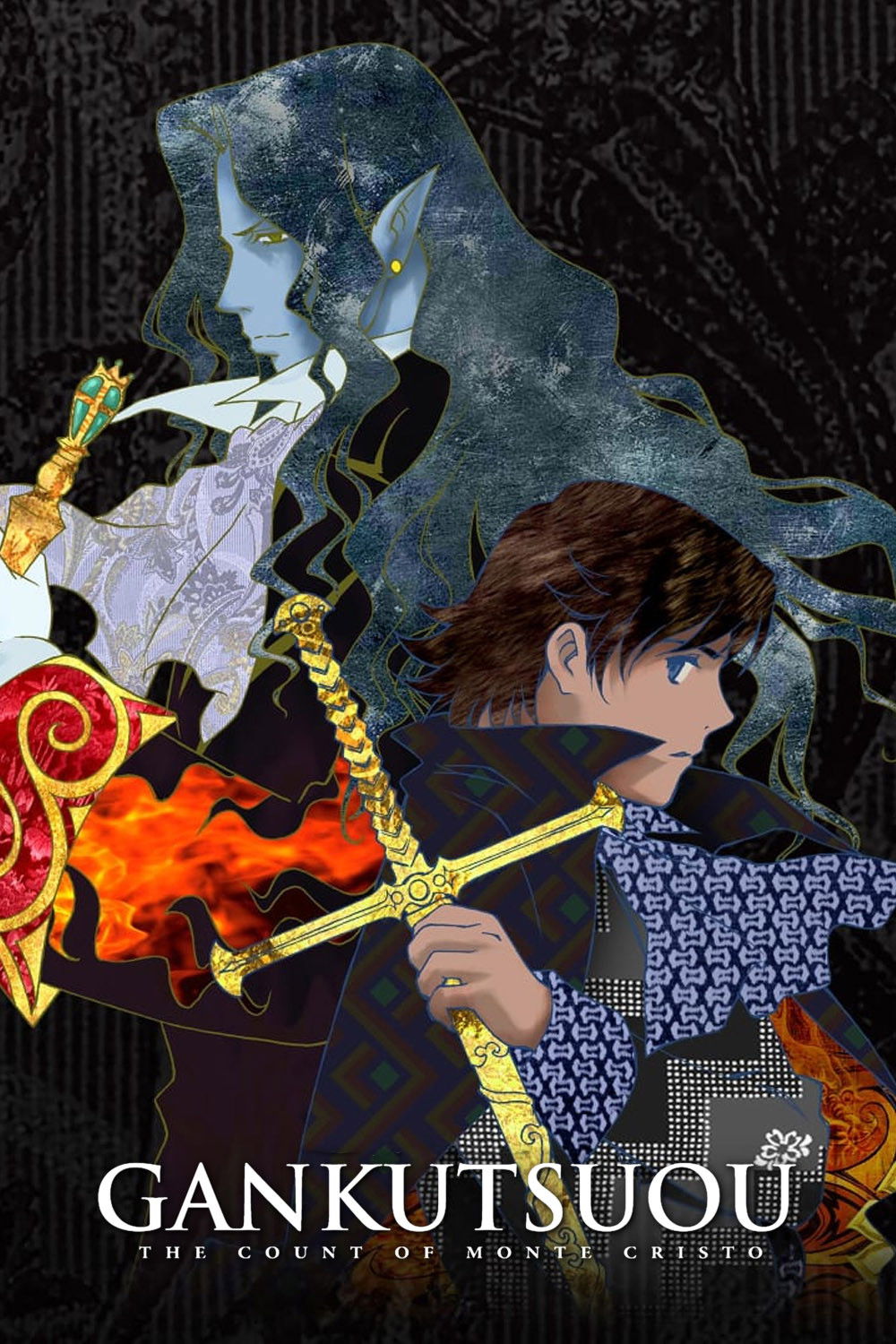
This series is a futuristic reimagining of the classic novel by Alexandre Dumas. Set in the year 5053, the story follows Albert de Morcerf as he becomes enthralled by the mysterious and wealthy Count of Monte Cristo. The animation uses a unique digital layering technique to create intricate textures and patterns on character clothing. ‘Gankutsuou: The Count of Monte Cristo’ maintains the core themes of revenge and betrayal while adding science fiction elements.
‘Golden Kamuy’ (2018–2023)
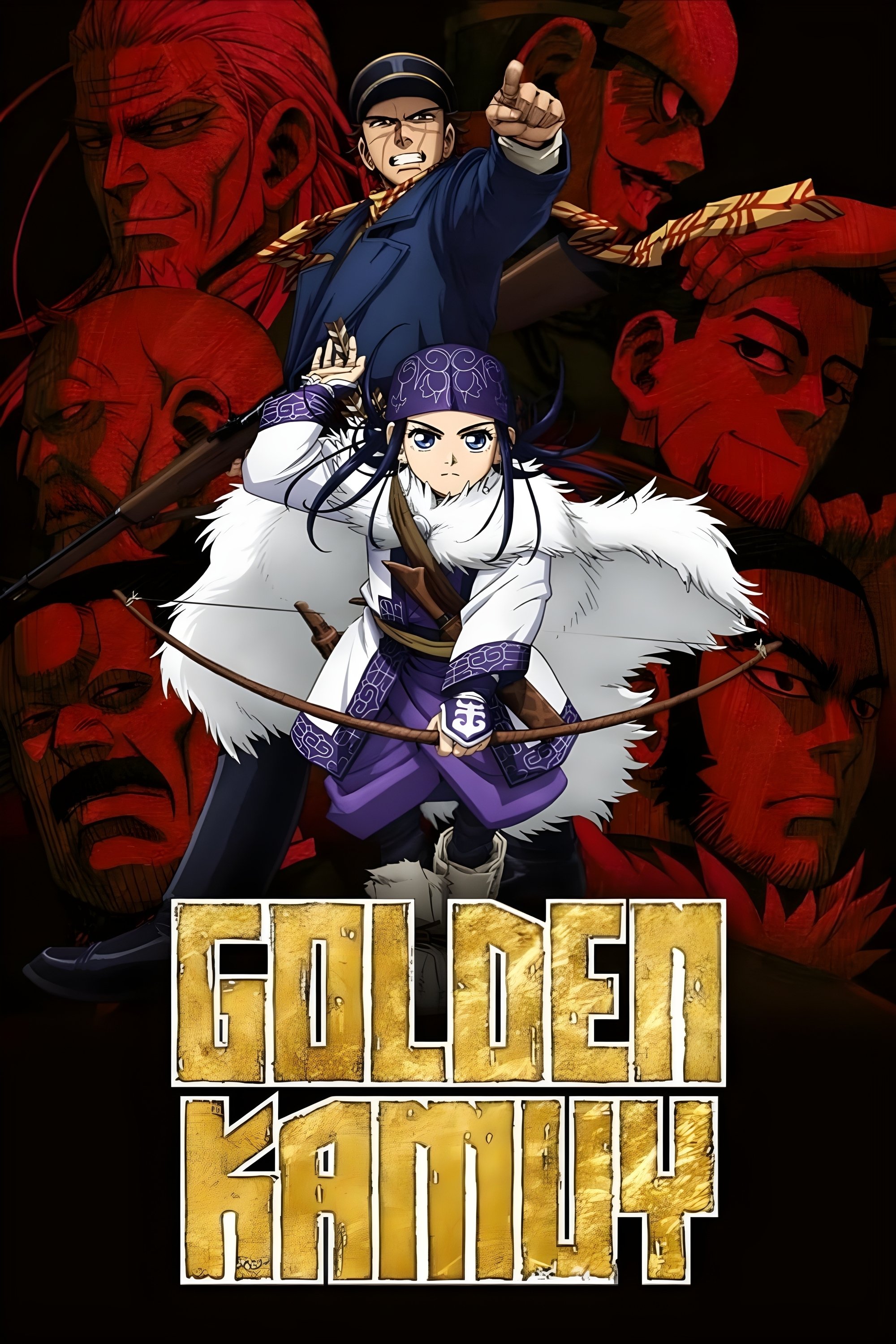
Saichi Sugimoto, a veteran of the Russo-Japanese War, searches for a hidden hoard of Ainu gold in the dangerous wilderness of Hokkaido. He teams up with an Ainu girl named Asirpa, who helps him navigate the terrain and learn about her culture. The story involves a large cast of eccentric characters, each seeking the map to the treasure tattooed on the skins of escaped convicts. ‘Golden Kamuy’ is praised for its historical research, culinary details, and tonal shifts between action and comedy.
‘Planetes’ (2003–2004)
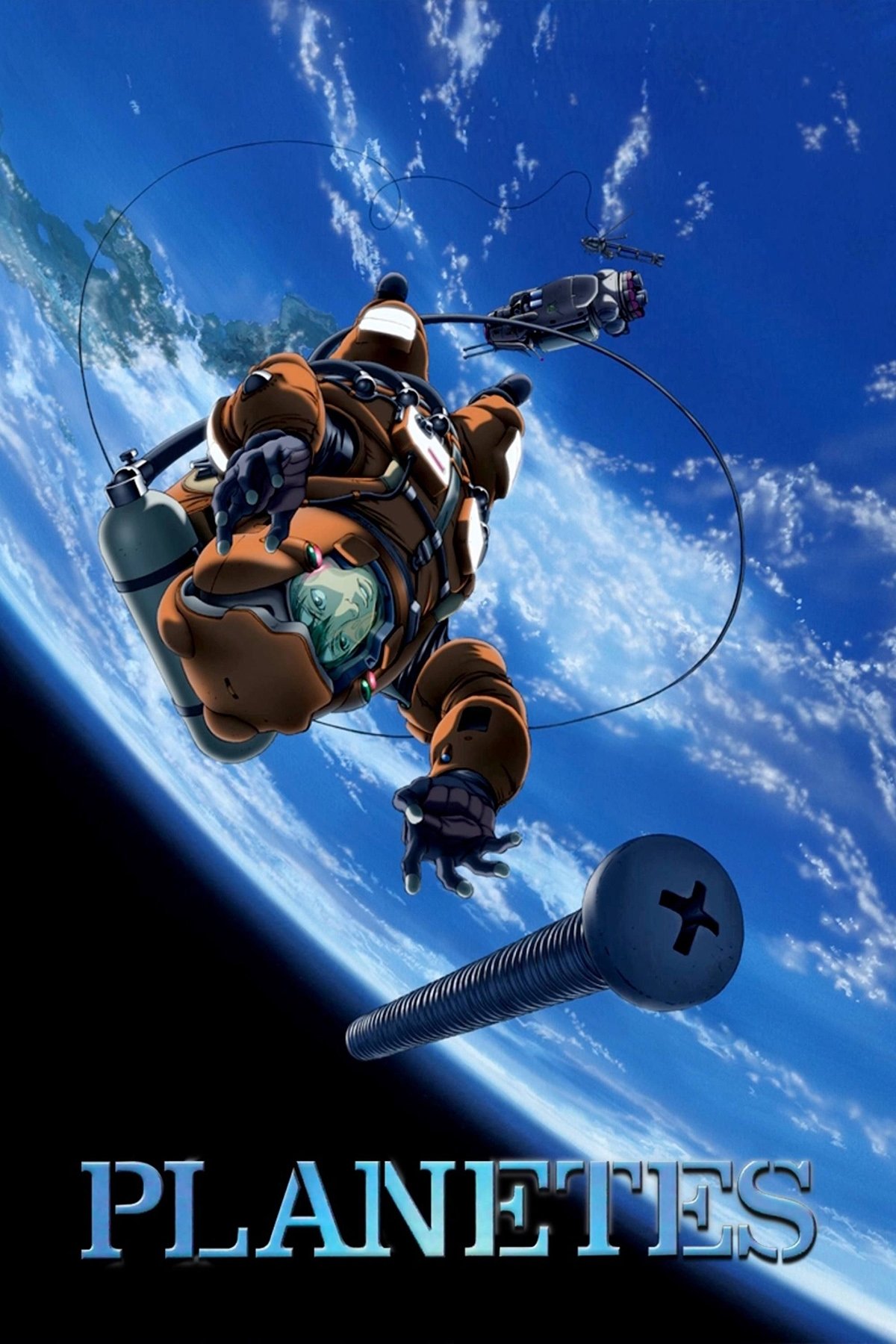
In the year 2075, space travel is common, but it has left a dangerous amount of debris in Earth’s orbit. The story follows a crew of debris collectors who perform the essential but unglamorous task of cleaning up the “space junk.” The narrative balances realistic depictions of orbital mechanics with the personal aspirations and political struggles of the characters. ‘Planetes’ is widely recognized for its grounded approach to hard science fiction.
‘Space Brothers’ (2012–2014)
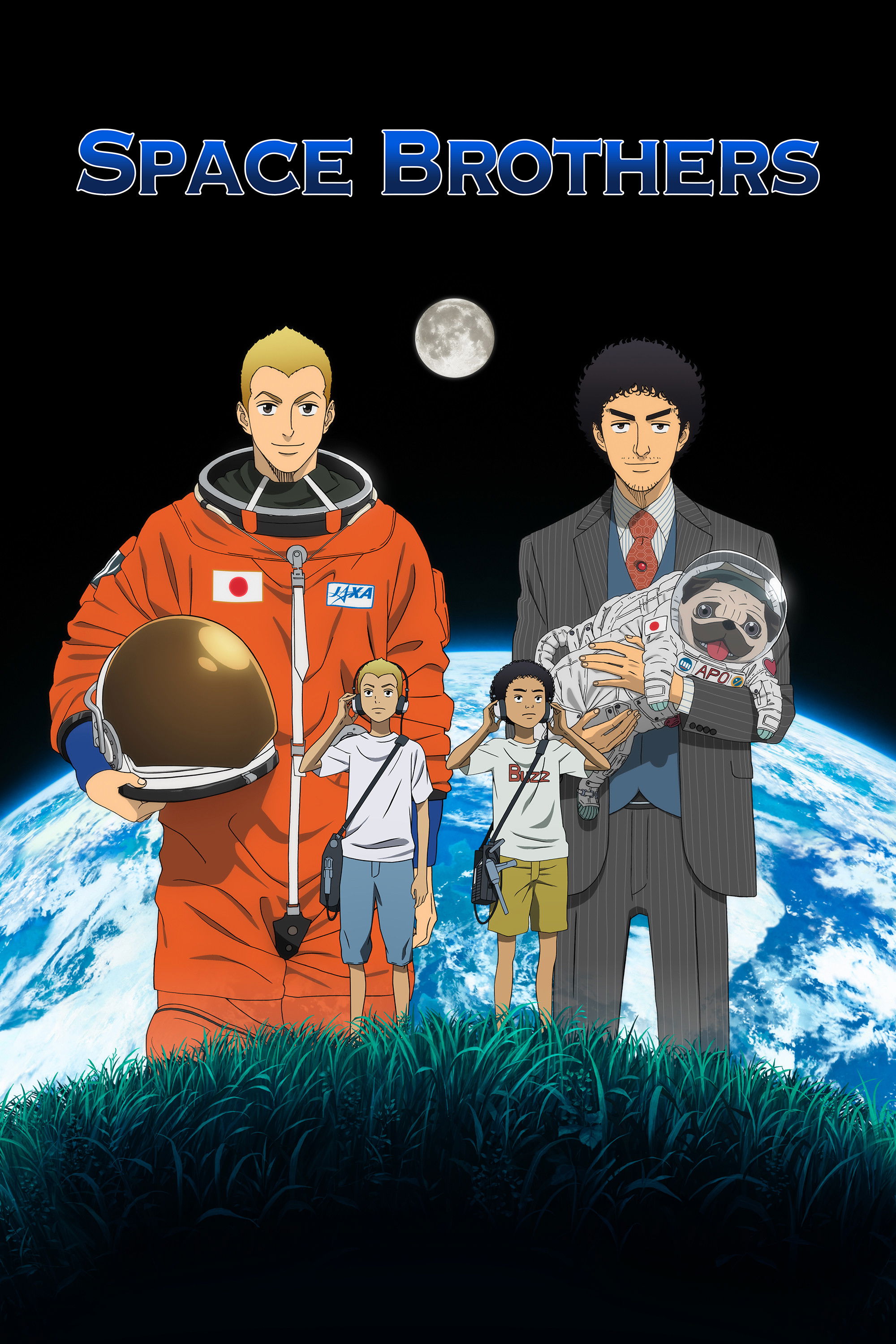
Mutta and Hibito are two brothers who witnessed a UFO as children and promised to become astronauts. Years later, Hibito has achieved this goal while Mutta has just lost his job and is struggling with a mid-life crisis. Mutta decides to reignite his dream and enters the rigorous selection process for the Japanese Aerospace Exploration Agency. ‘Space Brothers’ is a long-running, inspirational series that focuses on perseverance and the human side of space exploration.
‘Legend of the Galactic Heroes’ (1988–1997)
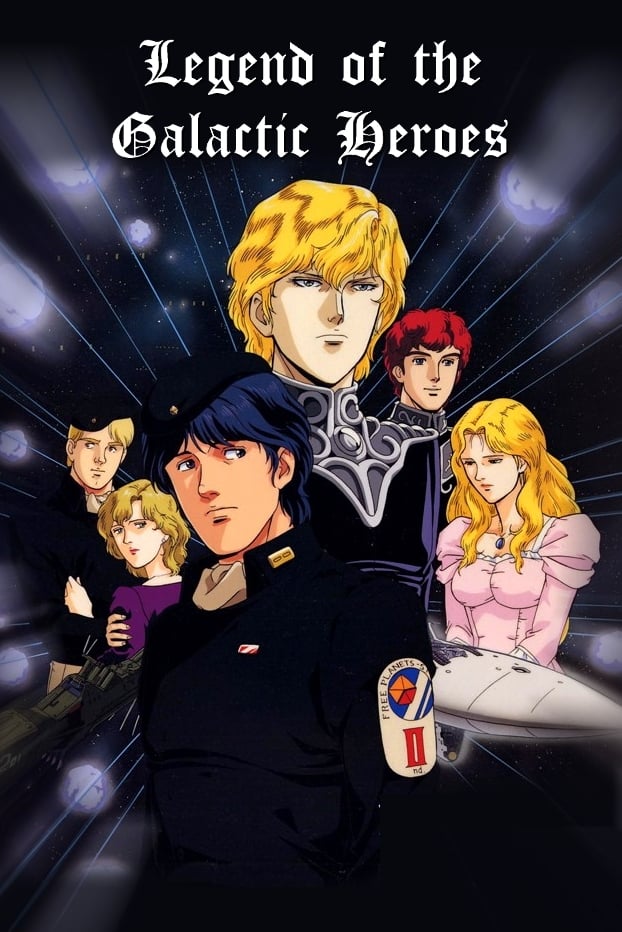
This massive space opera depicts an interstellar war between the Galactic Empire and the Free Planets Alliance. The story focuses on the strategic genius of two rival leaders, Reinhard von Lohengramm and Yang Wen-li. Rather than focusing on simple good versus evil, the series explores different political philosophies and the cost of war. ‘Legend of the Galactic Heroes’ is considered a masterpiece of political fiction and tactical military drama.
‘Penguindrum’ (2011)
Two brothers, Kanba and Shoma, seek a mysterious object called the Penguindrum to save the life of their terminally ill sister, Himari. They are aided by three strange penguins that only they can see. The series is heavily layered with symbolism, referencing real-world events and philosophical concepts regarding fate and family bonds. ‘Mawaru Penguindrum’ features a vibrant art style that contrasts with its increasingly tragic and surreal plot.
‘Kaiba’ (2008)
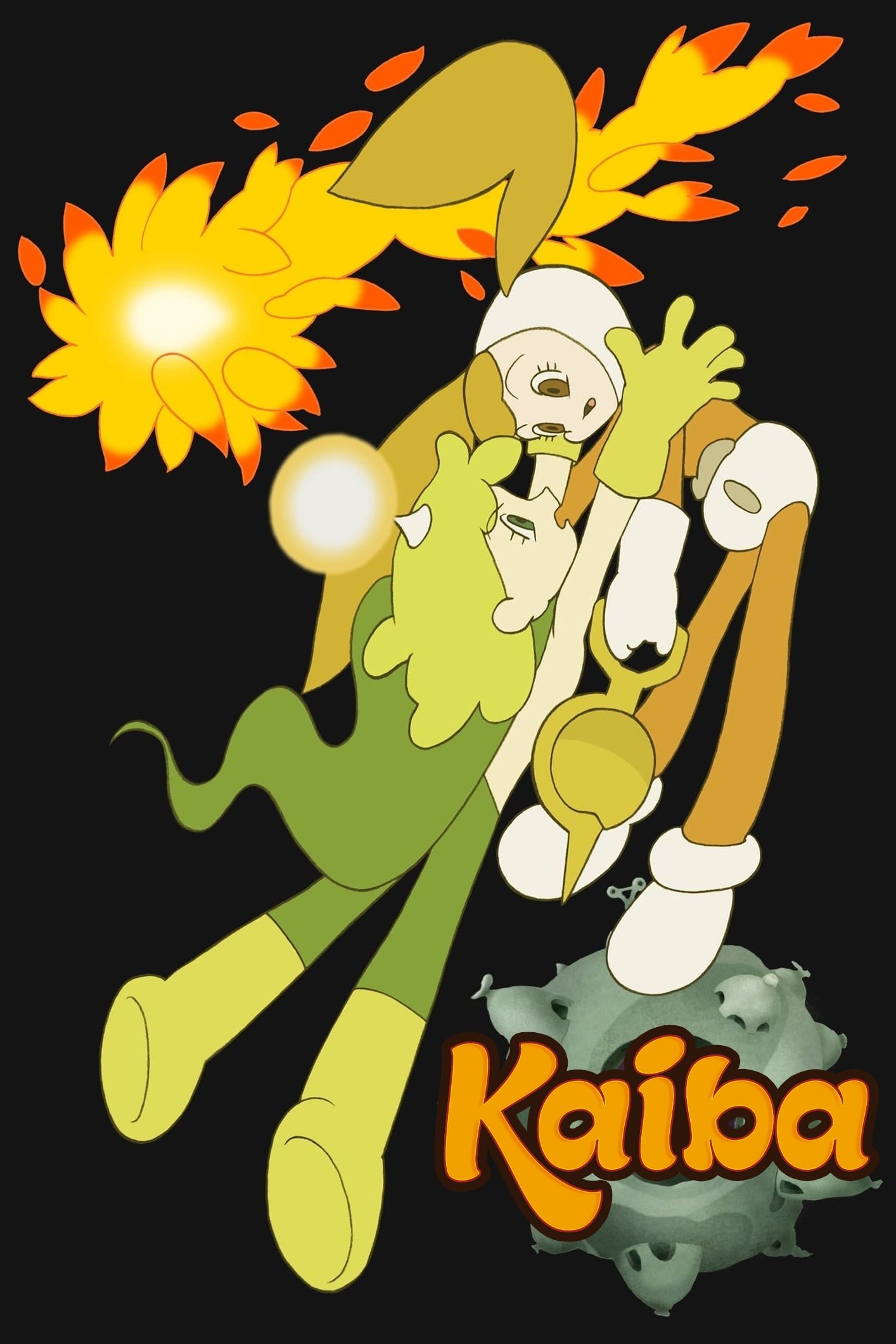
In a world where memories can be stored on chips and bodies are replaceable, the wealthy live in luxury while the poor struggle to survive. A man named Kaiba wakes up with no memories and a hole in his chest, embarking on a journey through different planets. The series uses a soft, retro art style that belies its dark and complex themes about identity and memory. ‘Kaiba’ is an experimental work that explores what it means to be human in a transhumanist society.
‘Revolutionary Girl Utena’ (1997)
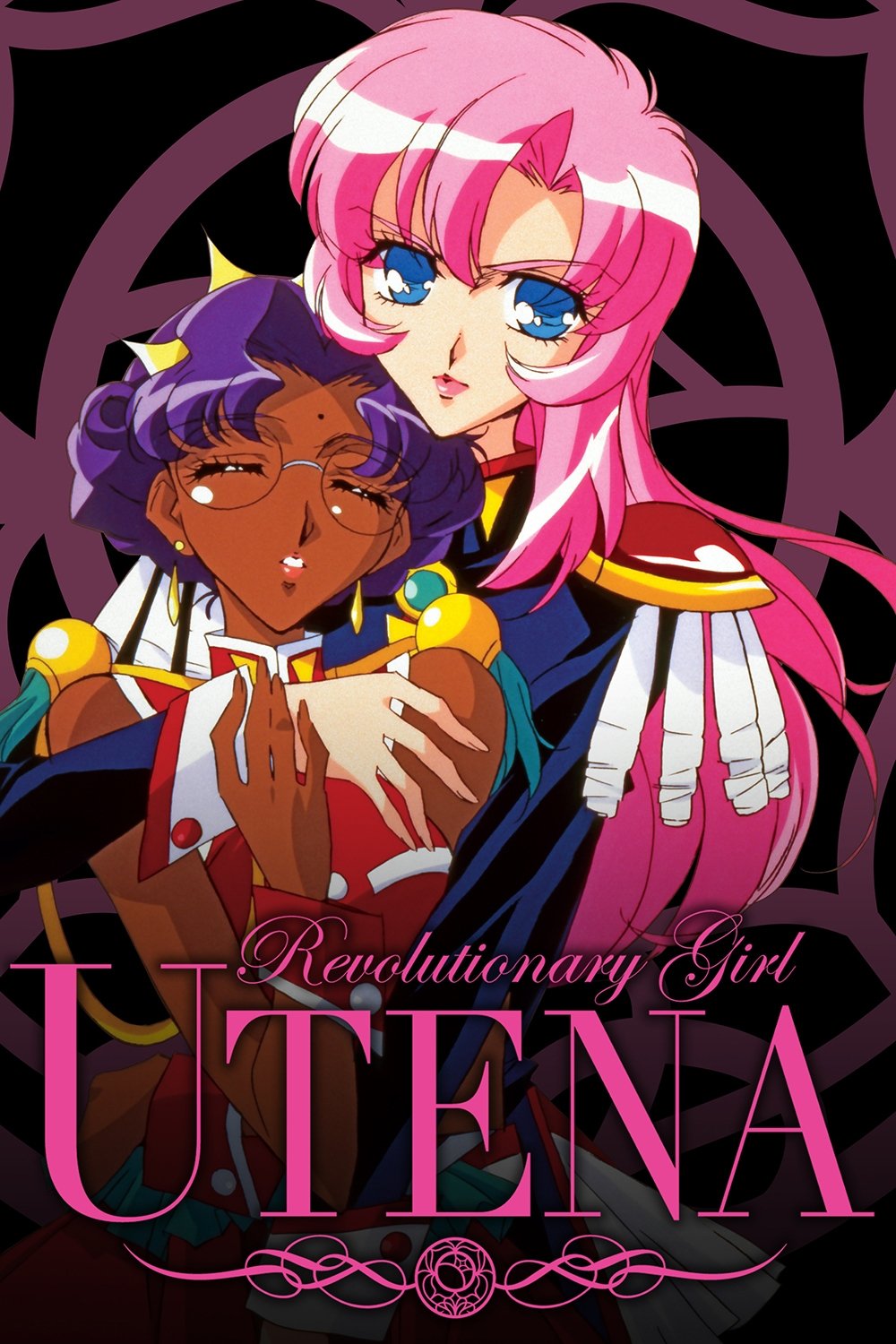
Utena Tenjou is a teenage girl who arrives at Ohtori Academy and becomes embroiled in a series of sword duels for the hand of the “Rose Bride.” She hopes to become a prince herself to protect those in need. The series utilizes heavy surrealism and recurring motifs to critique gender roles and institutional power. ‘Revolutionary Girl Utena’ is a seminal work in the magical girl genre, known for its deep psychological subtext.
‘Paranoia Agent’ (2004)
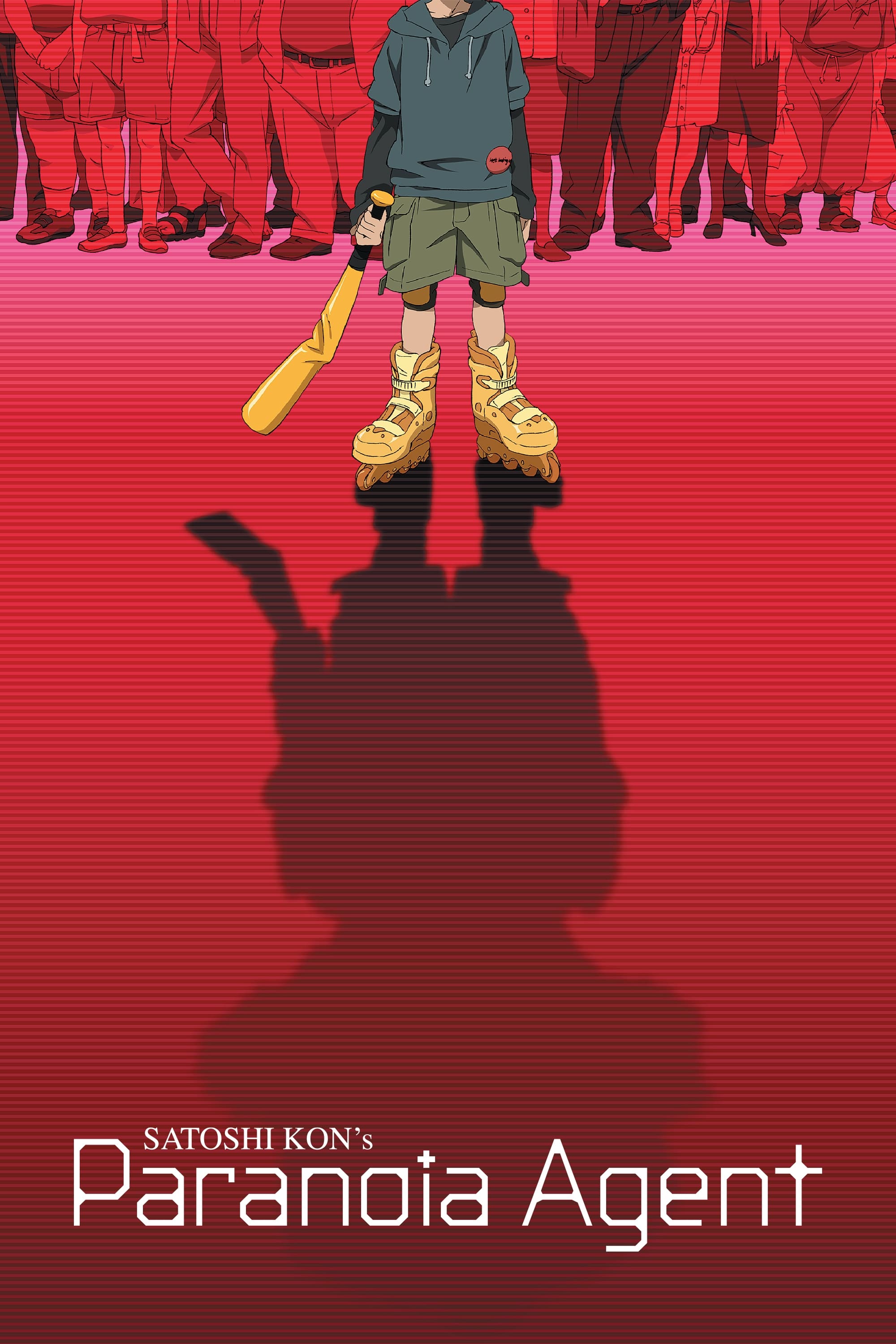
The city of Musashino is terrorized by a mysterious figure known as Shonen Bat, a boy on rollerblades who attacks people with a golden bat. As the police investigate, it becomes clear that the victims all felt trapped by their social lives and viewed the attacks as a form of escape. The series serves as a social commentary on mass hysteria, escapism, and the pressures of modern society. ‘Paranoia Agent’ is the only television series directed by the acclaimed Satoshi Kon.
‘Last Exile’ (2003)
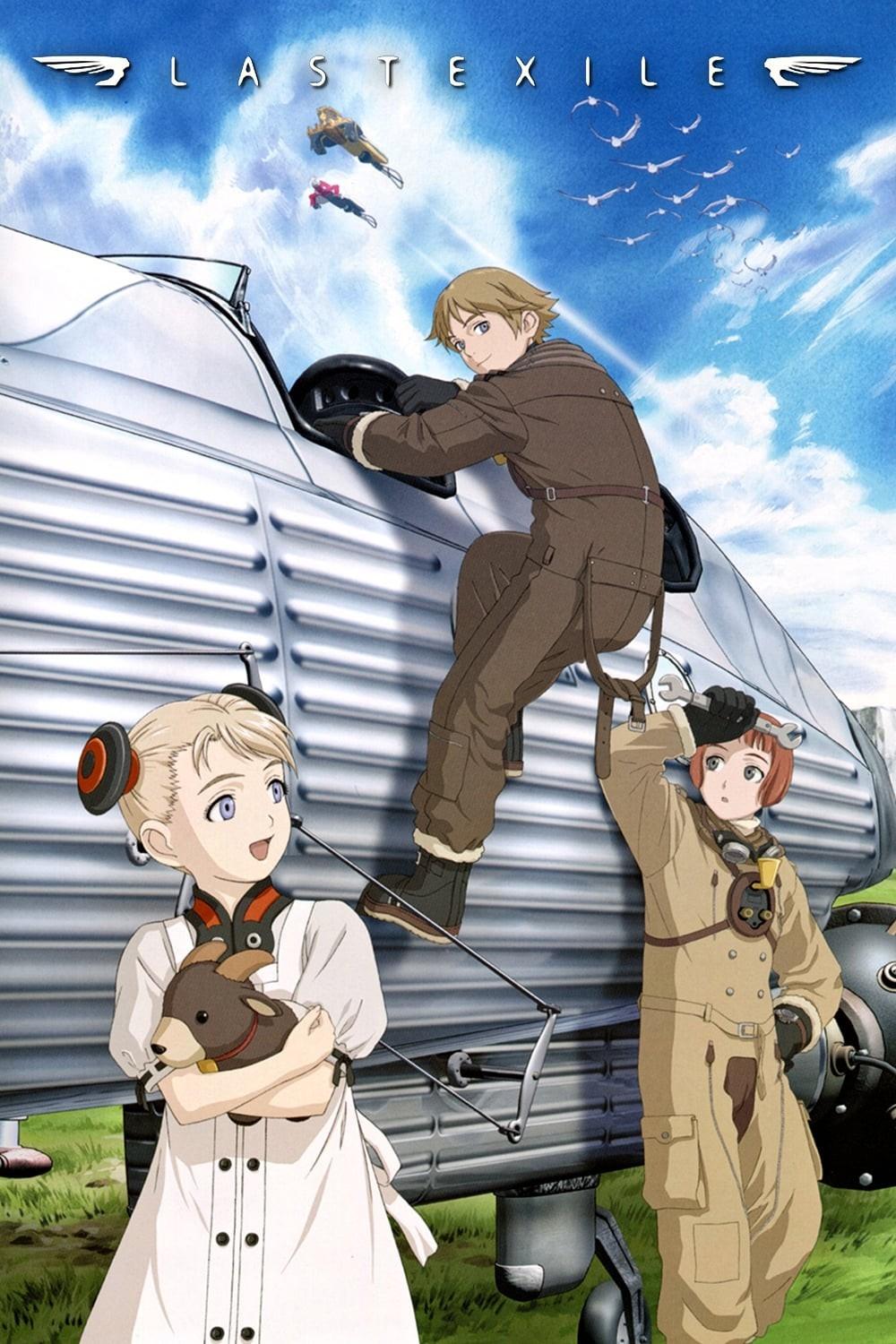
Claus Valca and Lavie Head are two couriers who navigate a world of floating islands and massive airships in their small vanship. They become involved in a global conflict after agreeing to transport a mysterious girl named Alvis to a legendary battleship. The series is known for its distinct steampunk aesthetic and focus on aerial combat. ‘Last Exile’ features high production values and a detailed world inspired by early 20th-century aviation.
‘Gunbuster’ (1988)
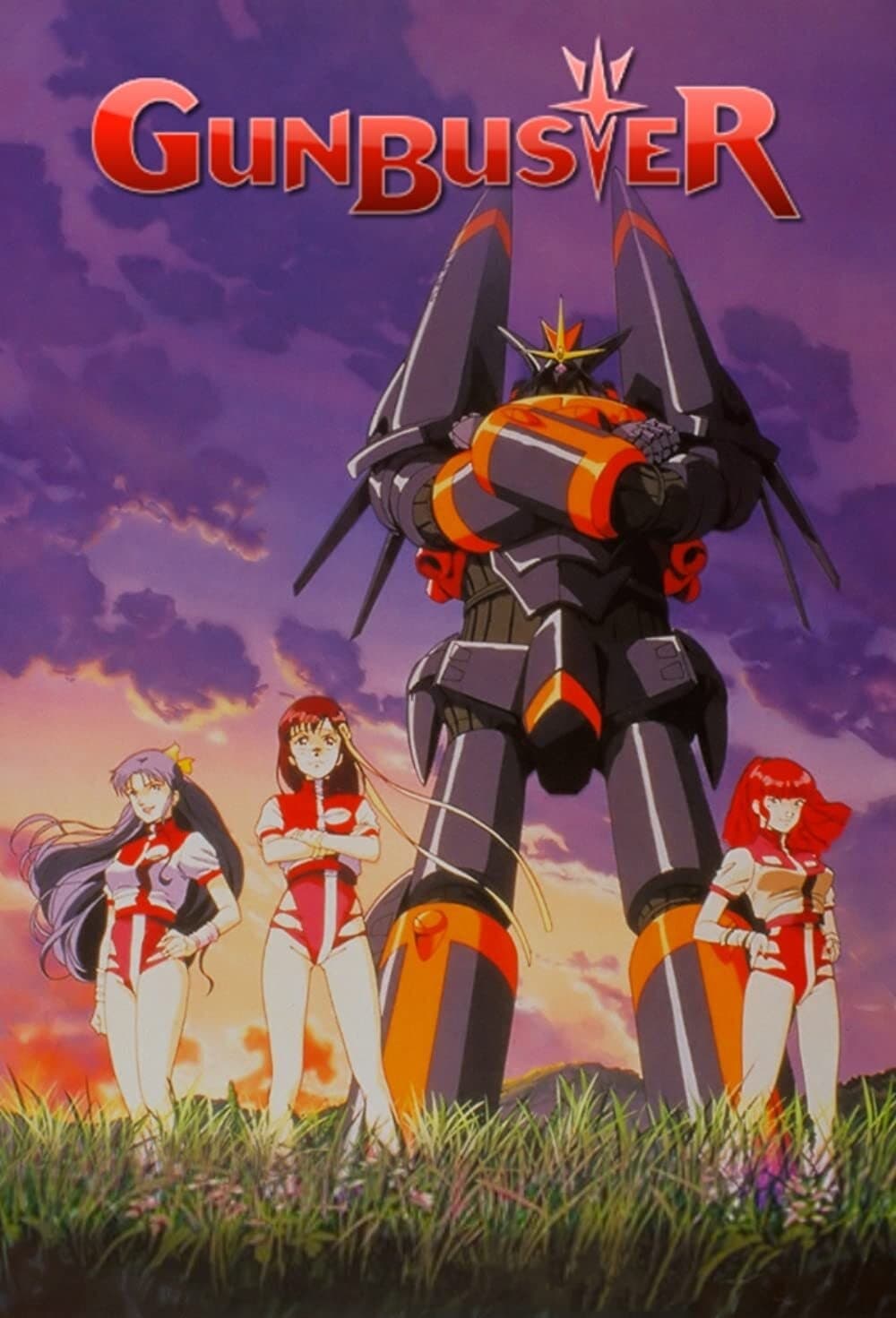
Noriko Takaya is a young girl training to become a pilot of giant robots to defend Earth against space-dwelling insectoid monsters. The story follows her journey from a clumsy trainee to a legendary hero during an interstellar war. The series incorporates real scientific concepts like time dilation into its mecha-action plot. ‘Gunbuster’ is a classic Gainax production that balances emotional drama with high-stakes science fiction.
‘The Vision of Escaflowne’ (1996)
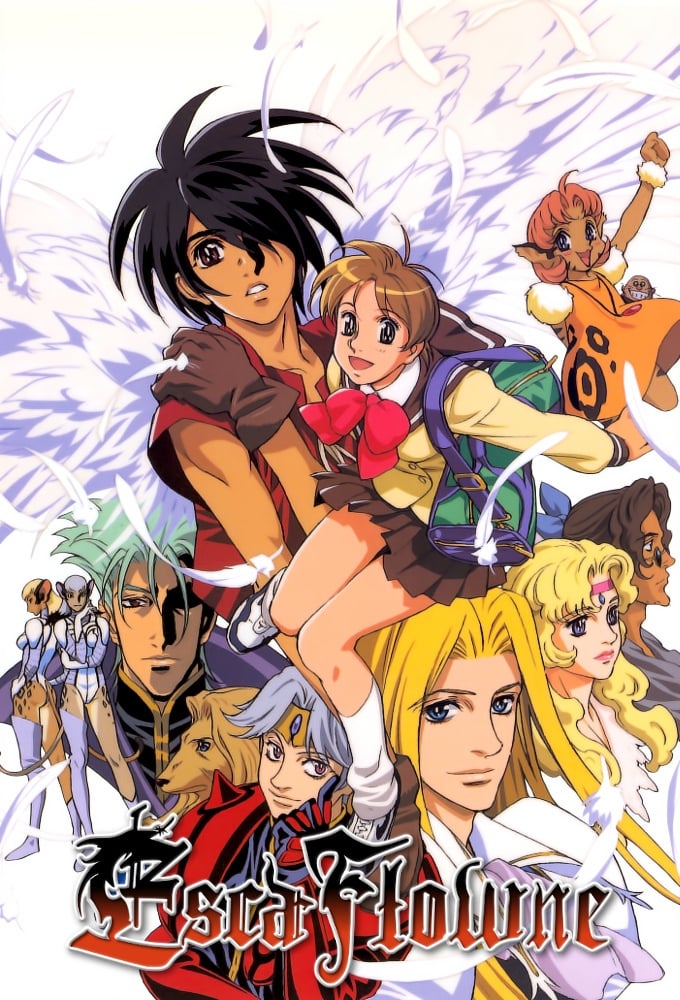
Hitomi Kanzaki is a high school student with psychic premonitions who is suddenly transported to the world of Gaea. She finds herself in the middle of a war involving giant mechanical suits called Guymelefs and a prince named Van Fanel. The series blends elements of shoujo romance, high fantasy, and mecha action. ‘The Vision of Escaflowne’ is remembered for its orchestral score by Yoko Kanno and its detailed world-building.
‘Wolf’s Rain’ (2003)
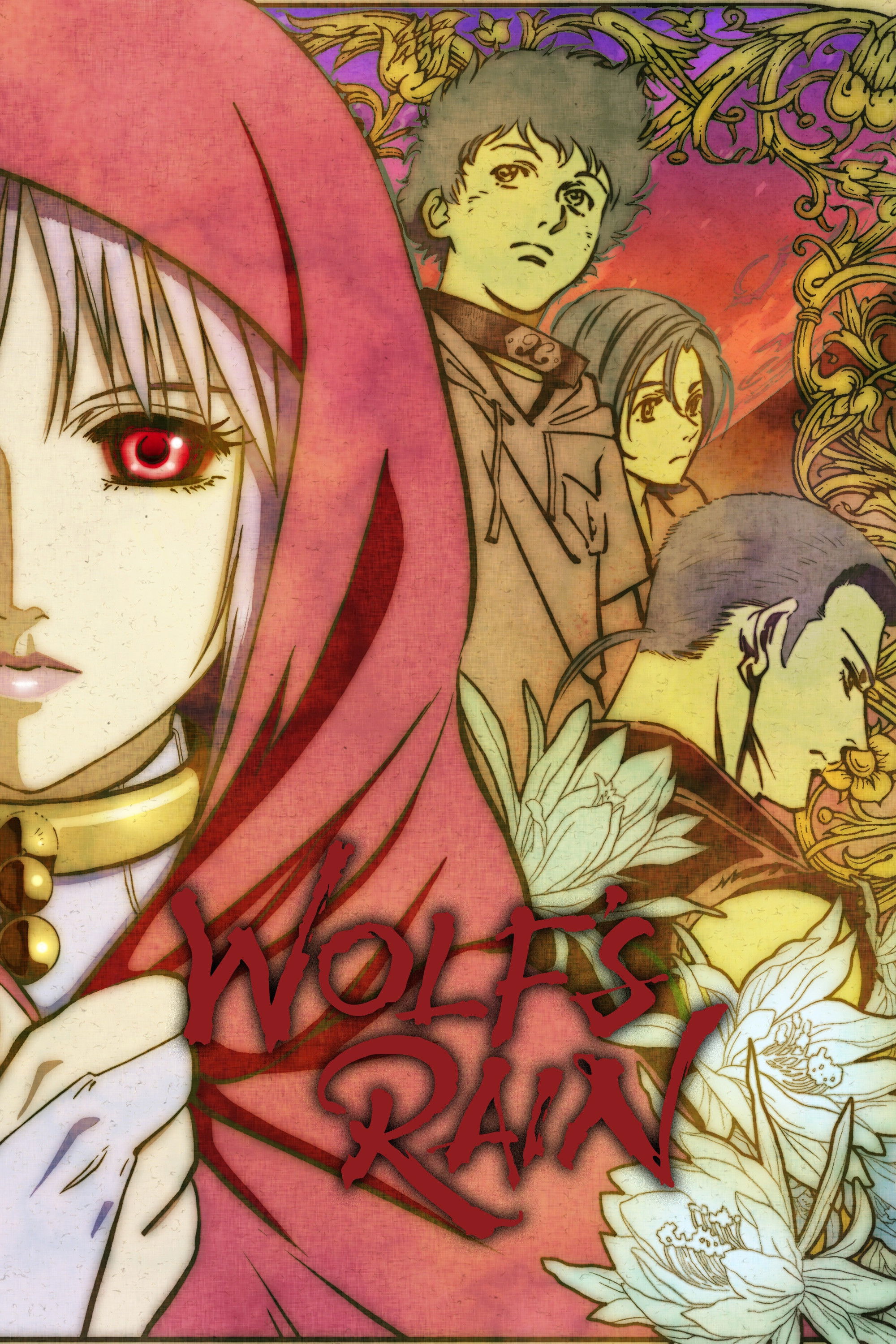
In a dying world, a group of four wolves disguises themselves as humans to search for Rakuen, a legendary paradise that only wolves can find. They are pursued by humans who seek to use the wolves for their own purposes in a post-apocalyptic landscape. The narrative is somber and focuses on the struggles of the characters to find hope in a failing environment. ‘Wolf’s Rain’ is noted for its beautiful animation and evocative soundtrack.
‘The Big O’ (1999–2003)
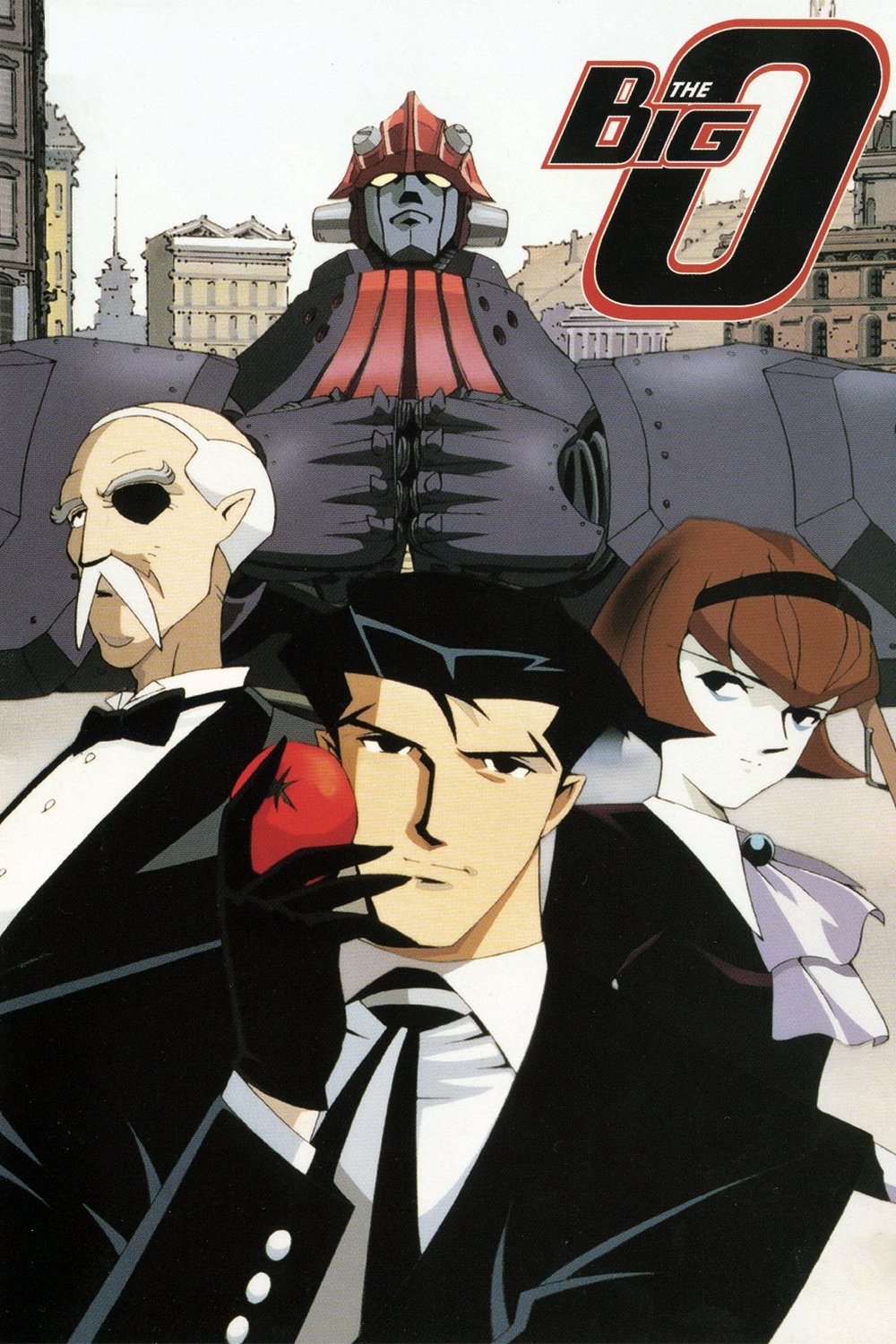
Roger Smith is a professional negotiator in Paradigm City, a place where all inhabitants lost their memories forty years ago. When negotiations fail, Roger pilots a giant robot known as the Big O to deal with external threats. The series features a noir aesthetic inspired by American comic books and Art Deco design. ‘The Big O’ explores themes of identity and the nature of reality in a city without a past.
‘Baccano!’ (2007)
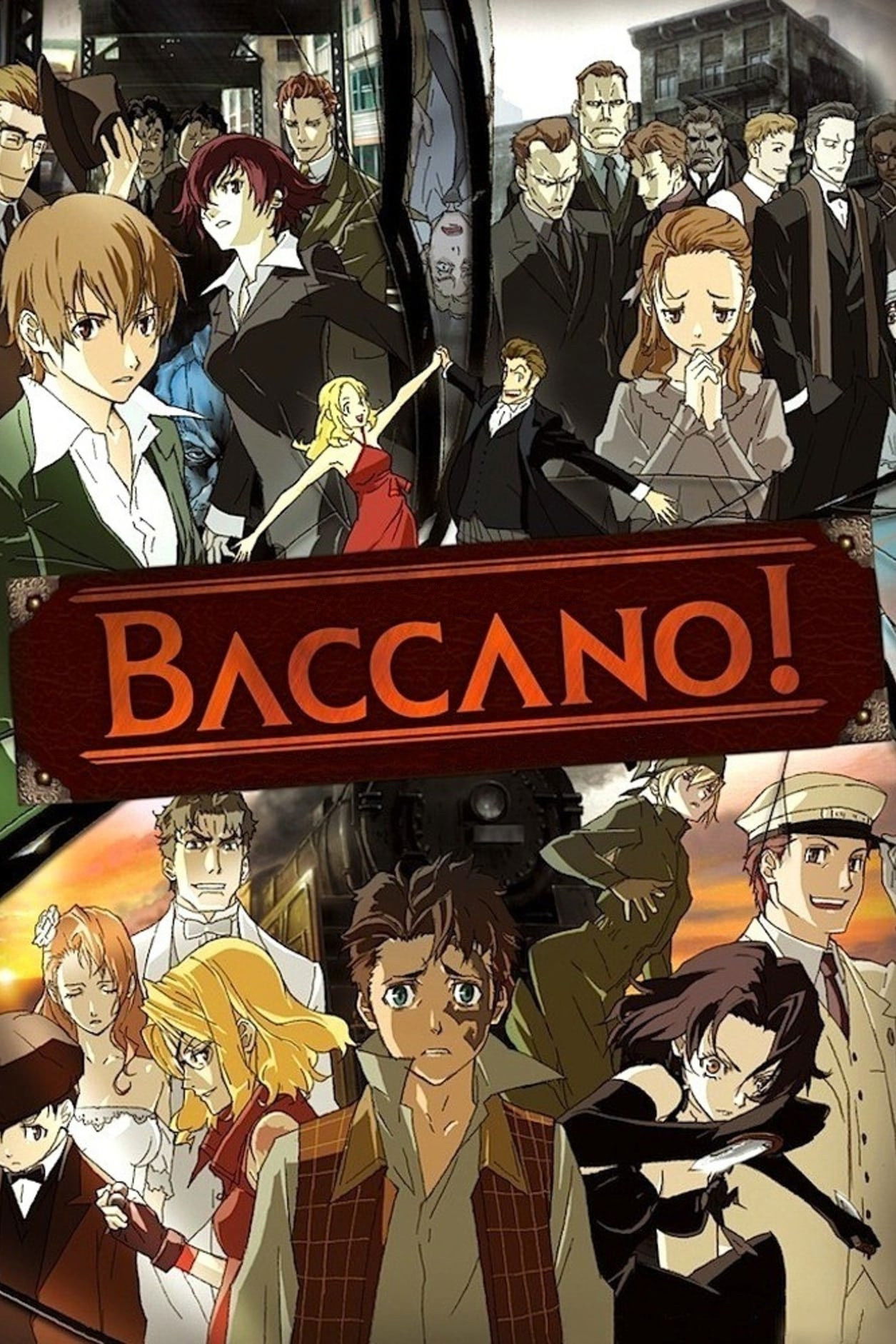
This non-linear story follows several groups of characters, including thieves, mafia members, and alchemists, during the Prohibition era in the United States. Their paths cross on a transcontinental train where a series of violent events unfold. The narrative jumps between different time periods, eventually revealing how the characters are connected by an elixir of immortality. ‘Baccano!’ is celebrated for its large ensemble cast and energetic, jazz-inspired atmosphere.
‘Sonny Boy’ (2021)
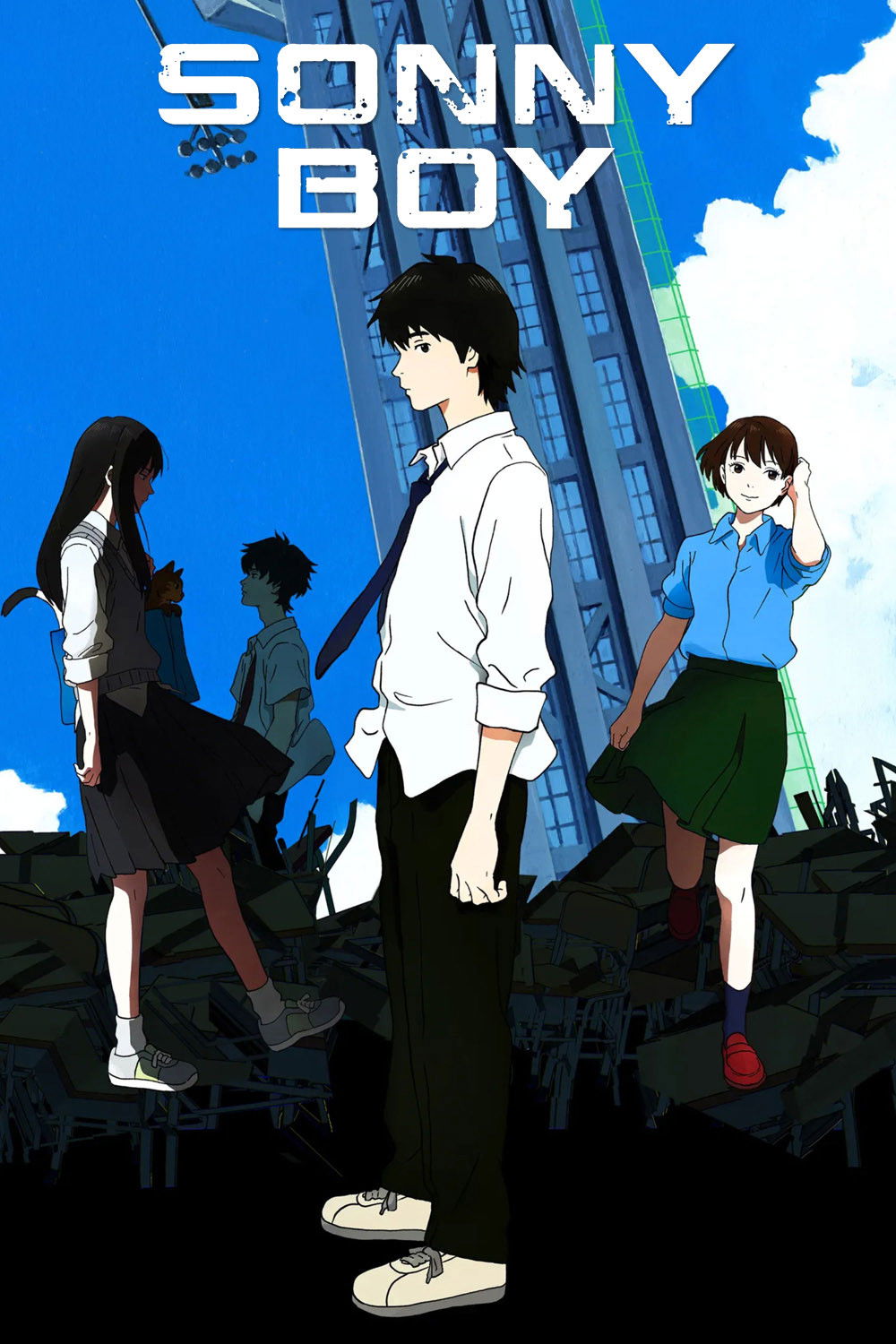
Thirty-six students are suddenly transported to a different dimension along with their high school building, where some of them develop supernatural abilities. They must navigate a series of surreal worlds and internal conflicts as they try to find their way home. The series features an experimental art style and avoids traditional narrative structures. ‘Sonny Boy’ is an introspective look at adolescence and the search for meaning in an irrational world.
‘Dorohedoro’ (2020)
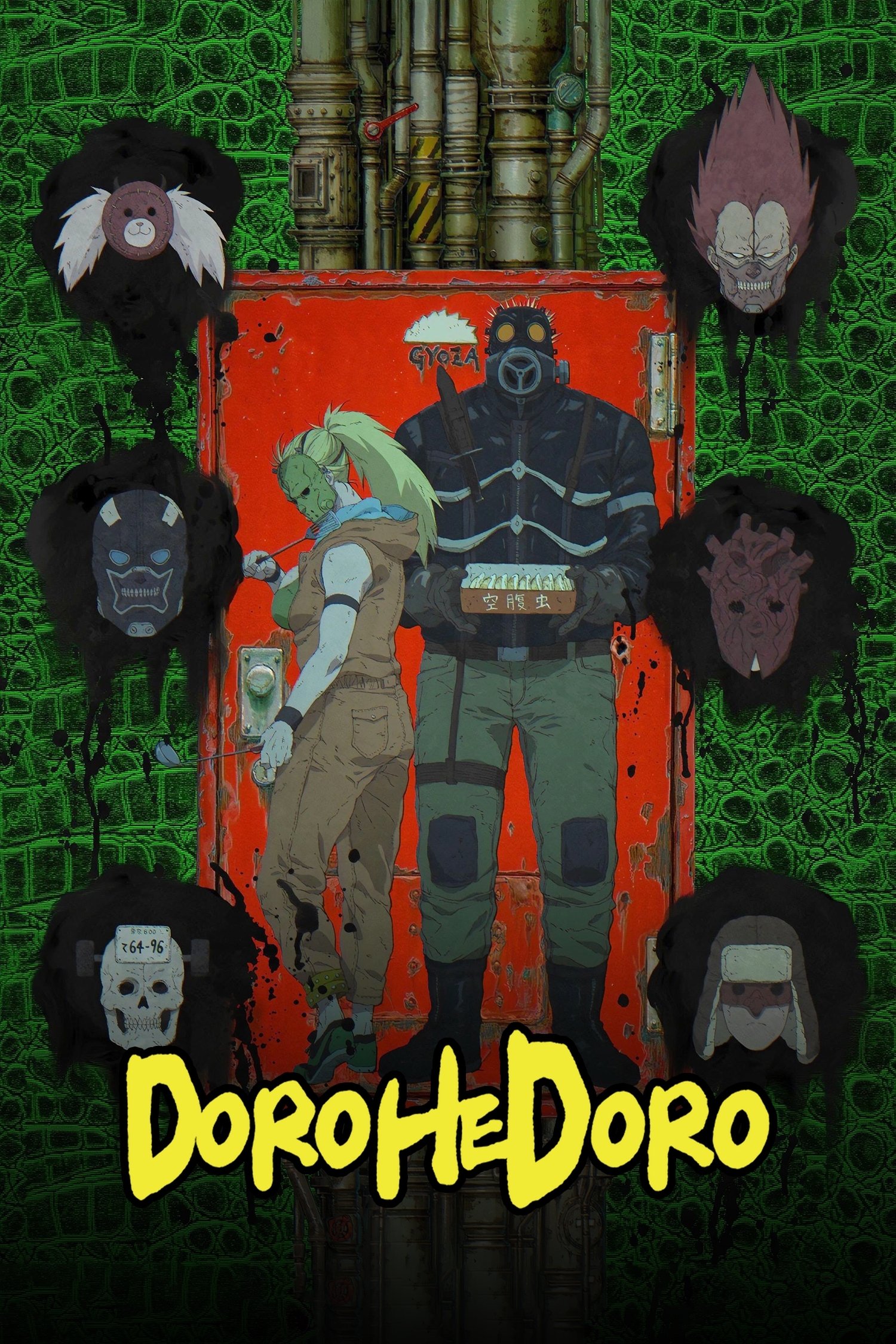
In a grim city known as the Hole, a man named Caiman has a lizard head and no memory of his past due to a magical curse. He hunts down magic users from another dimension with the help of his friend Nikaido, hoping to find the one who transformed him. The series is characterized by its gritty urban setting, extreme violence, and dark humor. ‘Dorohedoro’ stands out for its unique character designs and imaginative world-building.
‘Keep Your Hands Off Eizouken!’ (2020)
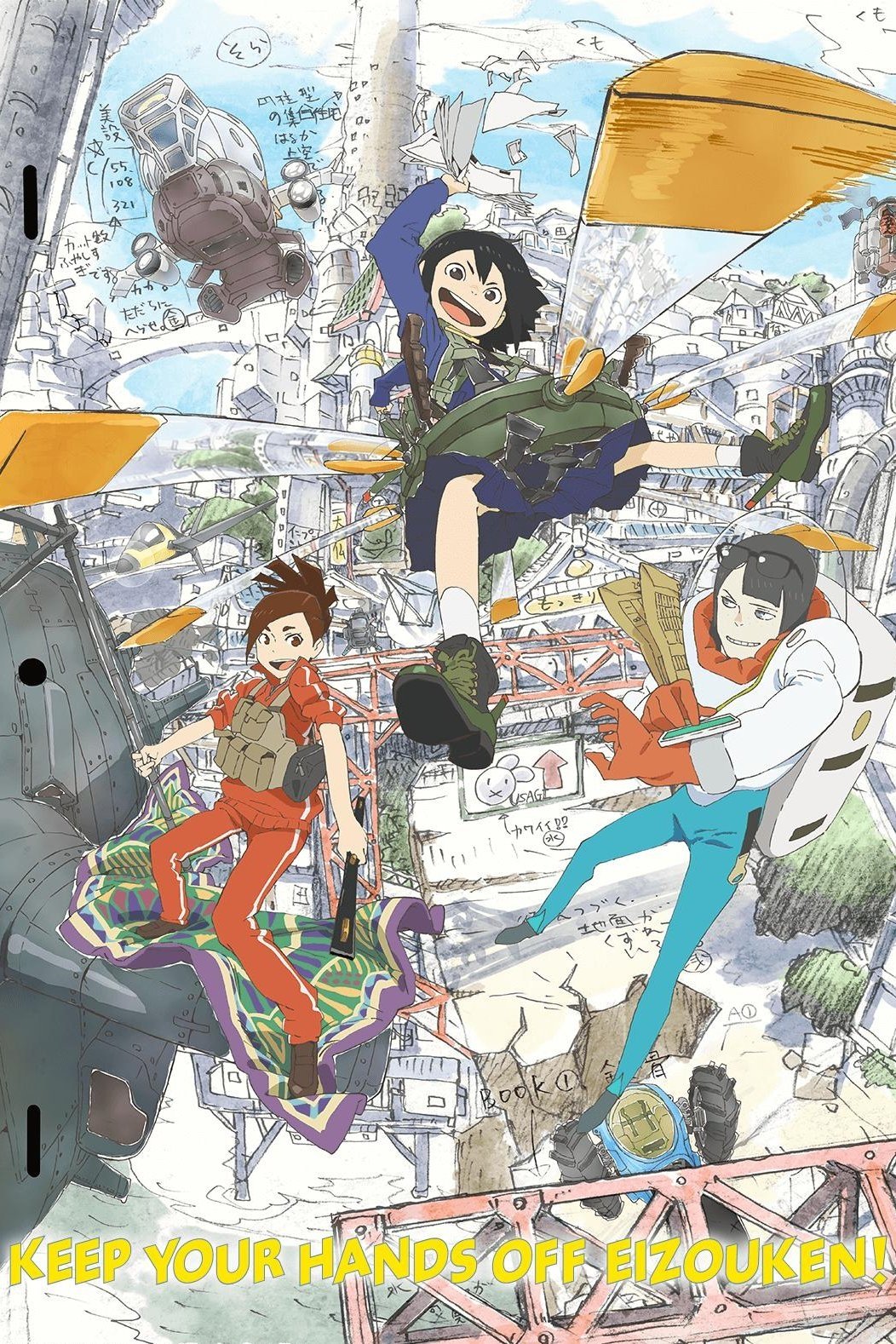
Three high school girls form a club to create their own animated films, combining their talents in concept art, background design, and production. The show visually depicts their imaginations as they brainstorm ideas, turning their school surroundings into fantastical landscapes. It provides a detailed and passionate look at the technical process of animation. ‘Keep Your Hands Off Eizouken!’ is an ode to creativity and the collaborative nature of art.
‘Terror in Resonance’ (2014)
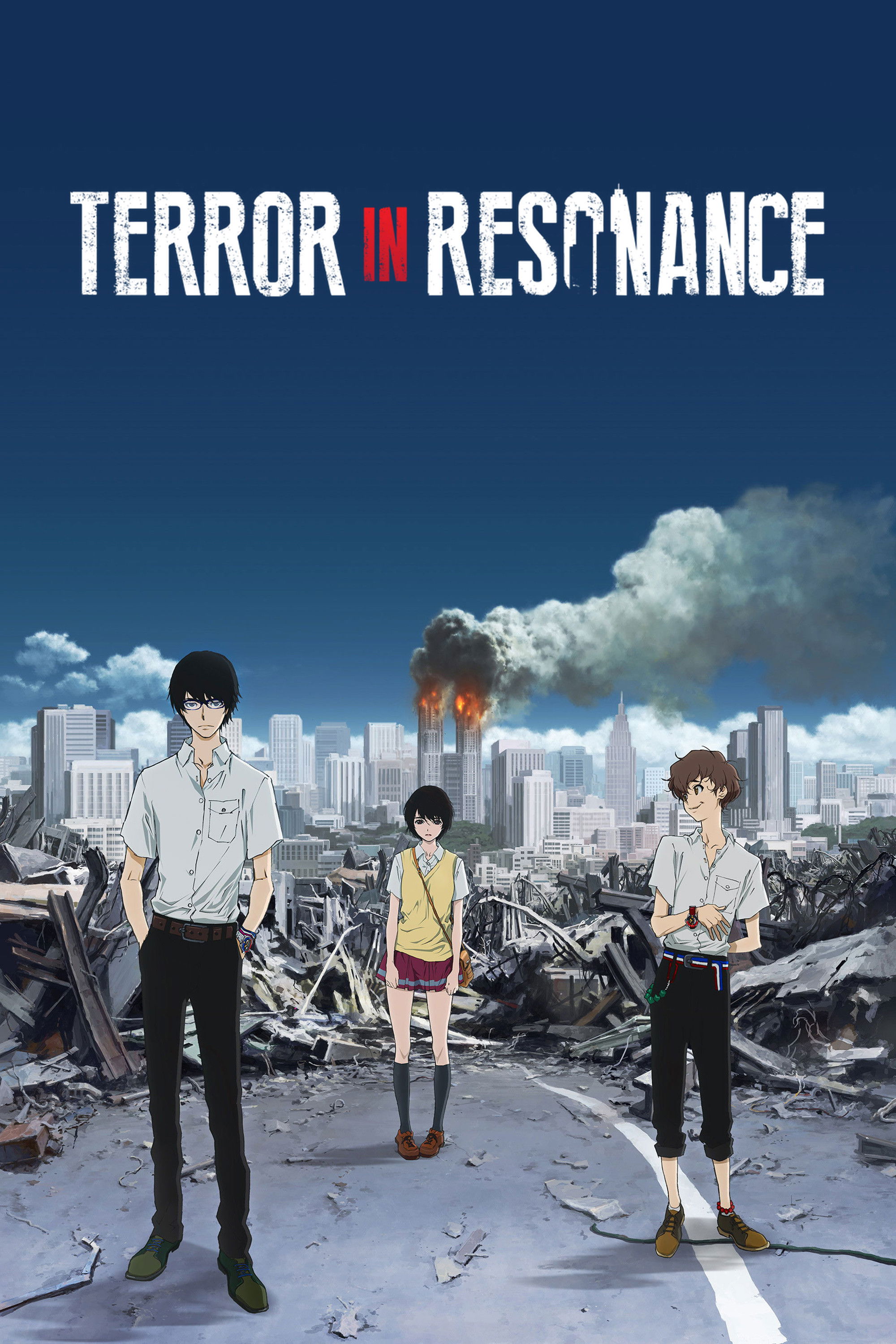
Two teenage boys known as Nine and Twelve commit a series of high-profile terrorist attacks in Tokyo, leaving riddles for the police to solve. Their actions are revealed to be part of a larger plan to expose a government conspiracy involving their past. The series explores themes of social alienation and the consequences of institutional power. ‘Terror in Resonance’ features a cinematic visual style and a haunting soundtrack by Yoko Kanno.
‘Kino’s Journey’ (2003)
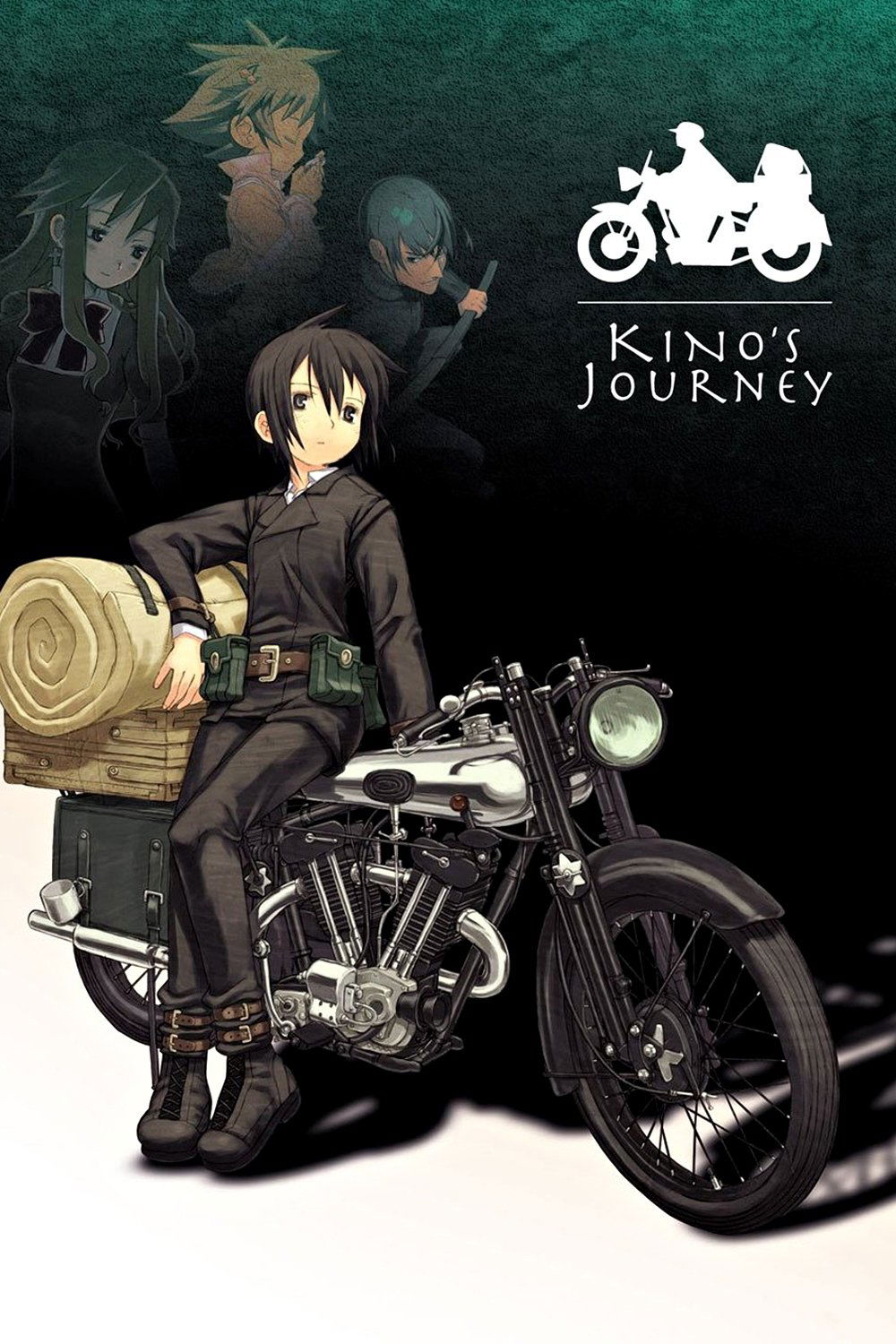
Kino travels through various countries on a talking motorcycle named Hermes, staying in each location for only three days to learn about its culture. Each country has a unique social structure or moral dilemma that provides a different perspective on human nature. The series is episodic and functions as a collection of philosophical fables. ‘Kino’s Journey’ is praised for its quiet atmosphere and thought-provoking storytelling.
‘Natsume’s Book of Friends’ (2008–2017)
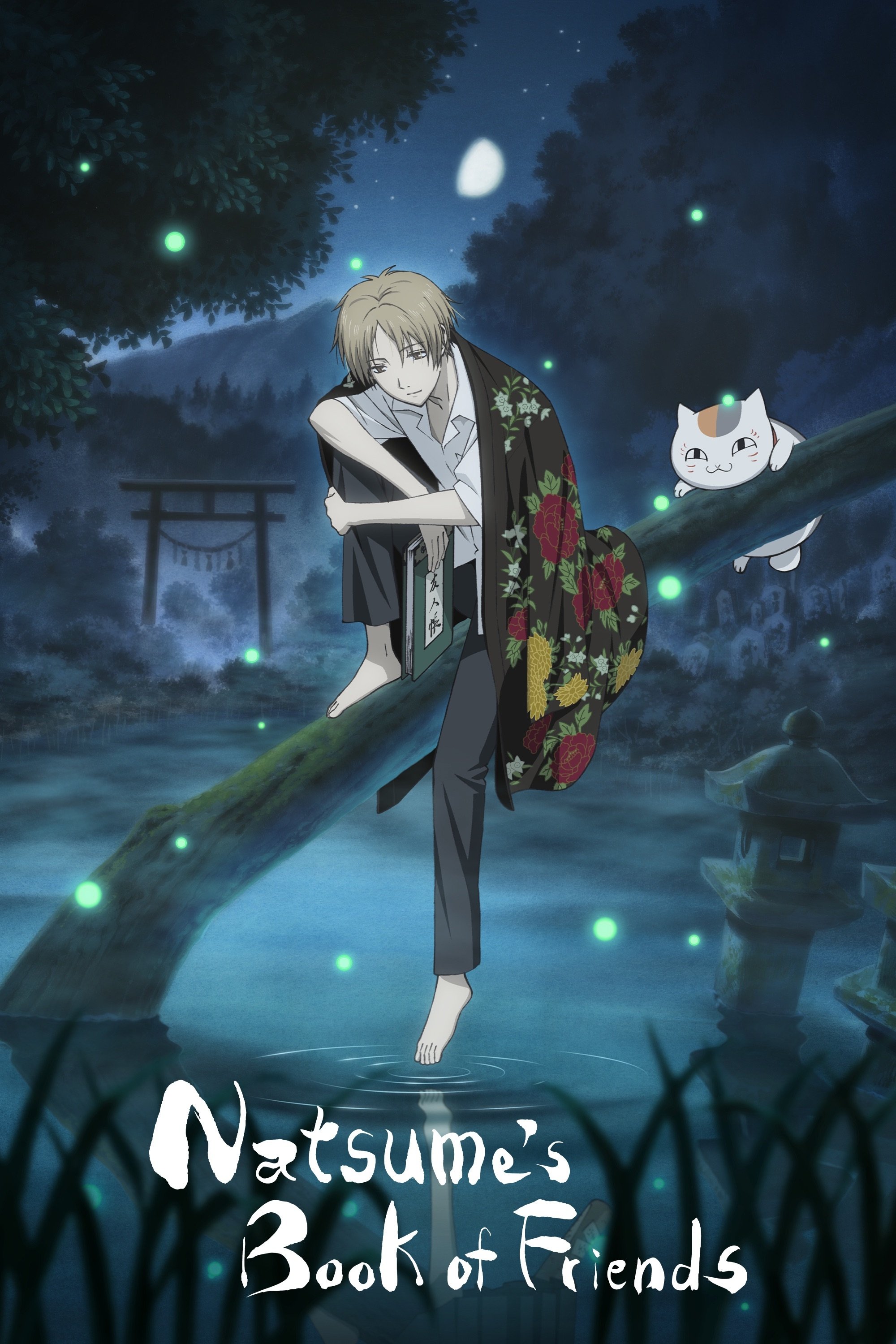
Takashi Natsume has the ability to see spirits, a secret he keeps to himself until he inherits a “Book of Friends” from his grandmother. The book contains the names of spirits his grandmother had defeated and bound to her service. Natsume decides to return these names to their owners, learning about the lives and emotions of the spirits in the process. ‘Natsume’s Book of Friends’ is a gentle, supernatural series focused on empathy and loneliness.
‘Moribito: Guardian of the Spirit’ (2007)
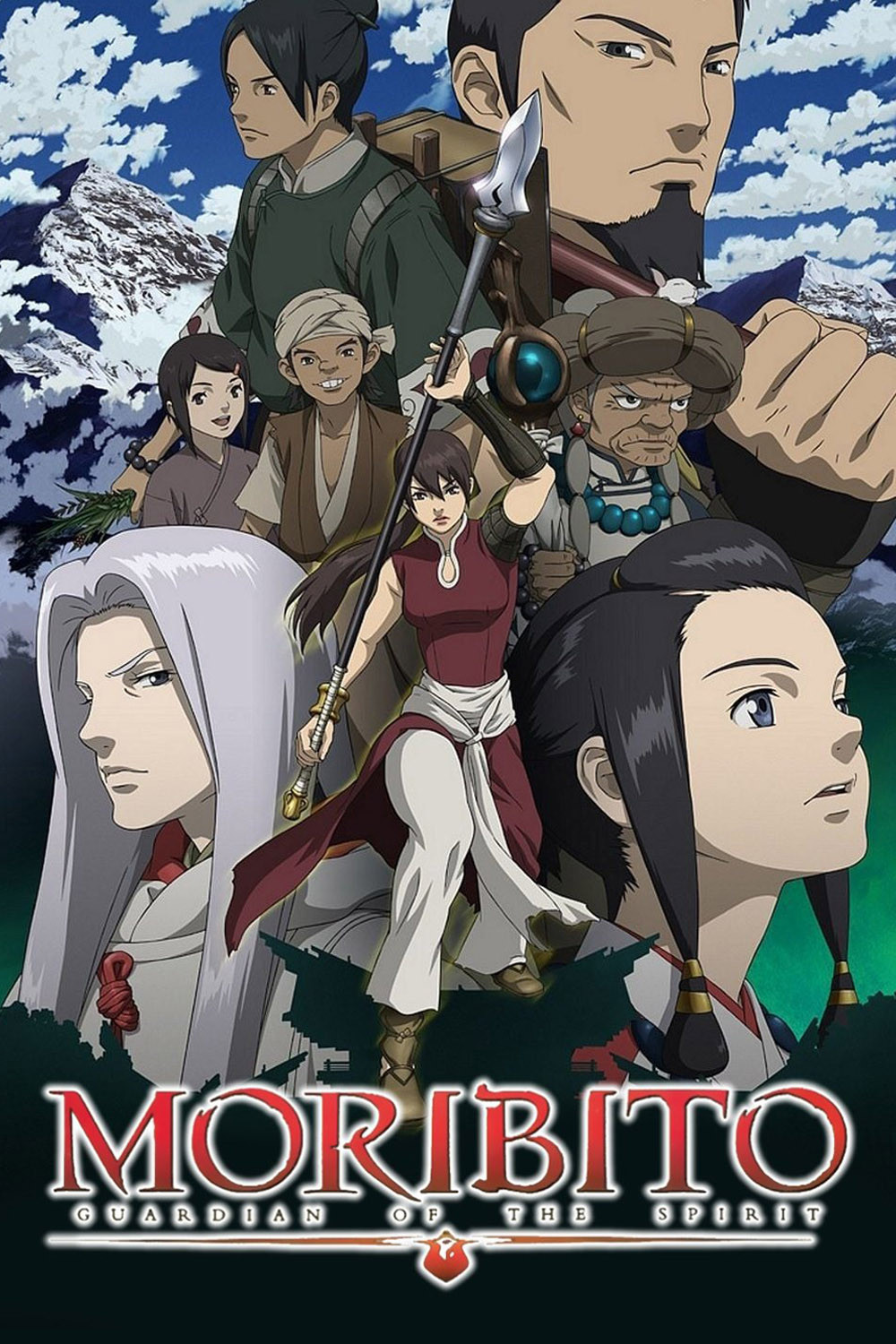
Balsa is a wandering spear-wielder who takes on a job to protect a young prince from his own father, the Emperor, who believes the boy is possessed by a demon. They go into hiding in the countryside, where Balsa must use her combat skills to defend the boy from assassins. The series is noted for its high-quality fight choreography and realistic character interactions. ‘Moribito: Guardian of the Spirit’ is a mature fantasy epic that avoids common genre clichés.
Tell us which of these overlooked anime series you plan to watch next in the comments.