

15 Anime That Are Way Darker Than Their Art Style Suggests

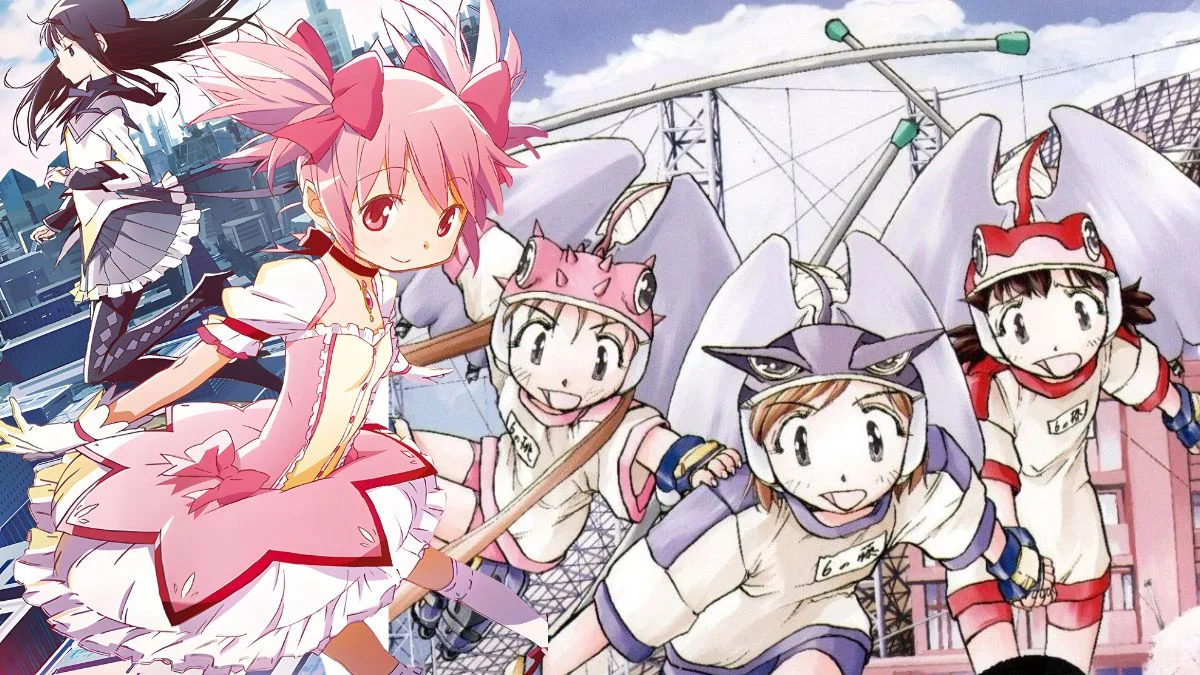


Visual deception is a powerful tool in the medium of anime where artistic choices can mask the true nature of a narrative. Many series utilize bright colors and character designs typically associated with children’s programming to disarm the audience before introducing heavy themes. Viewers often expect lighthearted slice-of-life comedies or magical adventures only to encounter psychological horror and graphic violence. This subversion of expectations creates a jarring and memorable experience that highlights the contrast between innocence and brutality.
‘Puella Magi Madoka Magica’ (2011)

This series initially presents itself as a standard magical girl show with frilly costumes and a cute mascot creature named Kyubey. Madoka Kaname considers becoming a magical girl to protect her loved ones without understanding the terrible price attached to the contract. The narrative quickly shifts to reveal that the fight against witches involves death and existential despair. It deconstructs the genre by exploring the cycle of suffering required to maintain the magical system.
‘Made in Abyss’ (2017–Present)
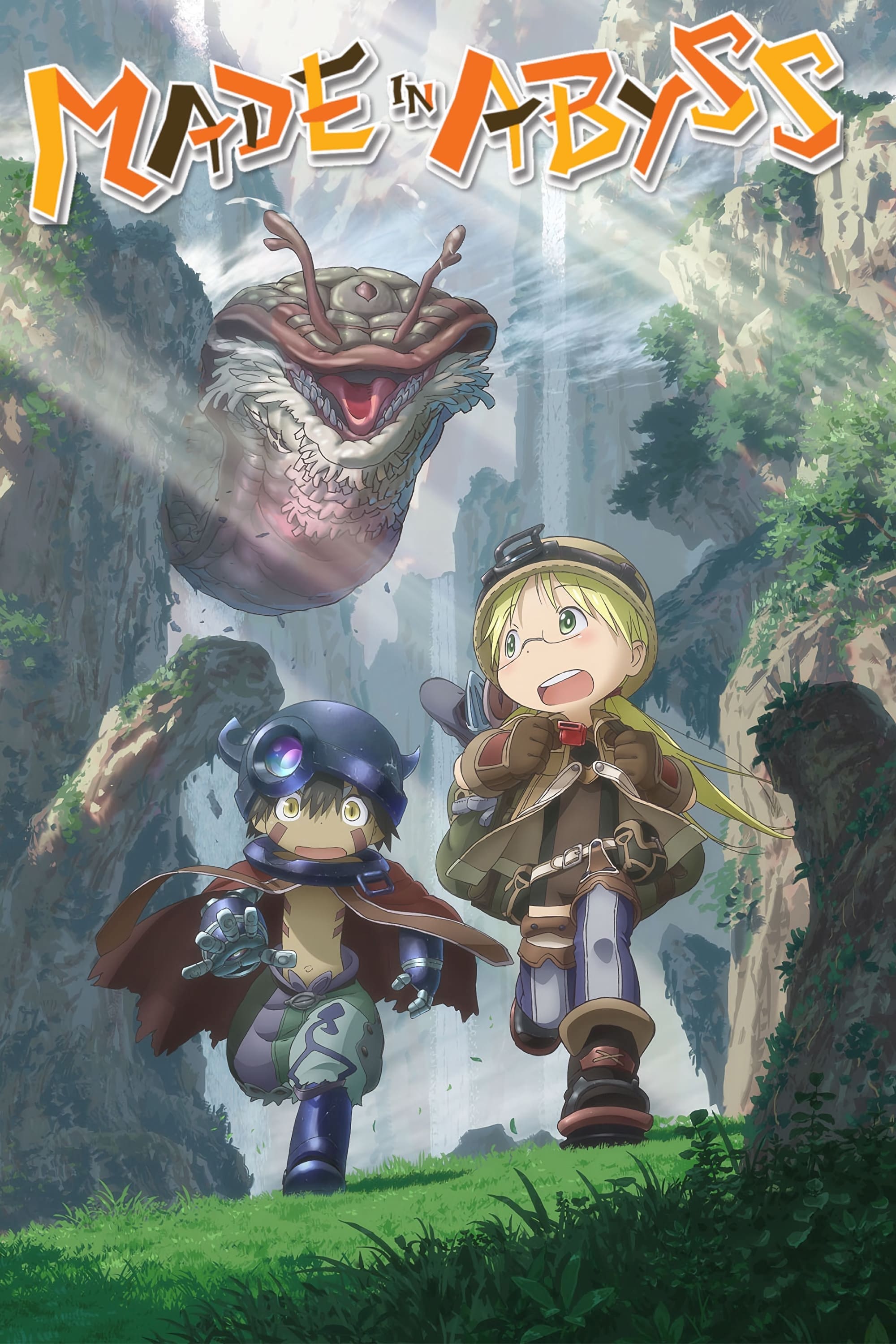
Riko and her robot companion Reg descend into a massive pit filled with mysterious artifacts and ancient ruins. The character designs feature soft lines and chibi proportions that resemble a storybook adventure for young audiences. They soon face eldritch monsters and the gruesome physical effects known as the Curse of the Abyss. The journey becomes increasingly disturbing as the protagonists suffer severe physical trauma and encounter unethical experimentation.
‘The Promised Neverland’ (2019–2021)
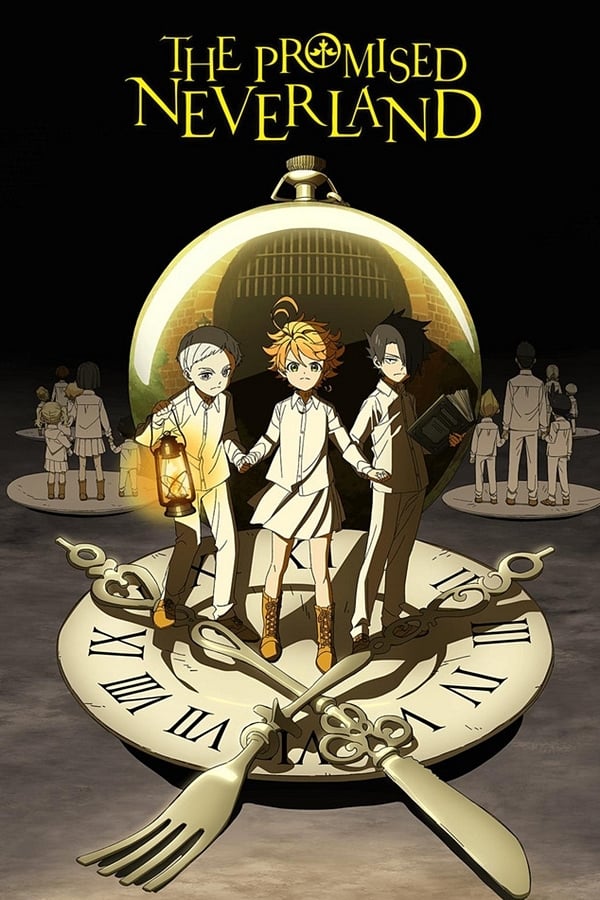
Emma and her friends live a seemingly idyllic life at the Grace Field House orphanage under the care of their beloved Isabella. The bright environment and smiling children hide the terrifying reality that they are being raised as livestock for demons. The story transforms into a high-stakes psychological thriller focused on escape and survival. The children must use their intellect to outmaneuver their caretaker while facing the grim truth of their existence.
‘School-Live!’ (2015)
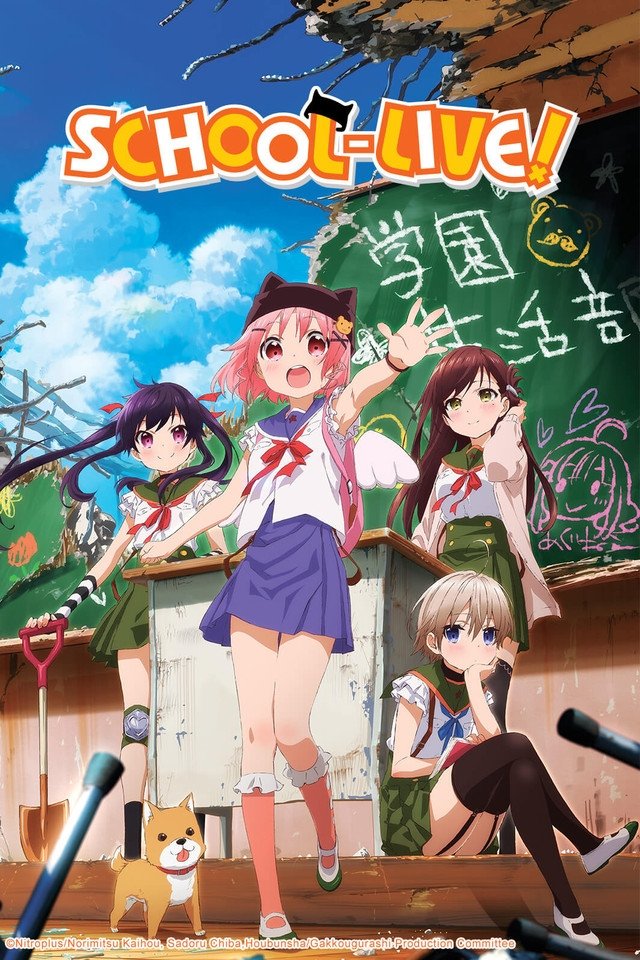
Yuki Takeya loves her school and participates enthusiastically in the School Living Club with her best friends. The audience eventually learns that Yuki suffers from a delusion that blinds her to the zombie apocalypse occurring outside the club room. Her friends struggle to survive the undead hordes while trying to protect Yuki’s fragile mental state. The series juxtaposes innocent slice-of-life tropes with the bleak hopelessness of a survival horror scenario.
‘Higurashi: When They Cry’ (2006)
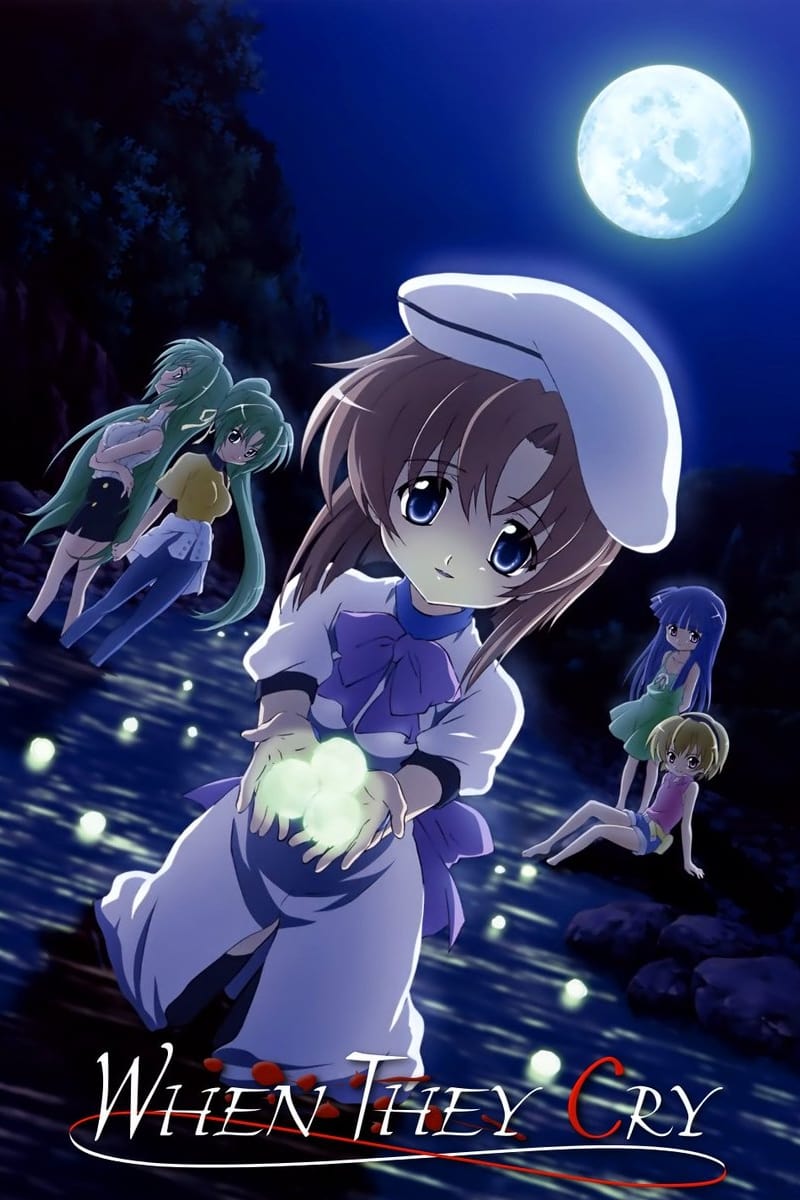
Keiichi Maebara moves to the quiet rural village of Hinamizawa and quickly befriends a group of local girls. The peaceful atmosphere dissolves as the annual Watanagashi Festival approaches and reveals a history of gruesome murders and disappearances. Paranoia infects the cast as they descend into madness and enact brutal violence against one another. The cute character designs clash violently with the scenes of torture and psychological breakdown.
‘Happy Sugar Life’ (2018)

Satou Matsuzaka appears to be a reformed girl who has finally found true love in a young child named Shio. The pastel visual palette and sparkling eyes disguise a narrative centered on kidnapping and obsession. Satou commits heinous acts including murder to protect her secluded life with the innocent Shio. The anime explores the darkest corners of the human psyche under the guise of a sweet romance.
‘Shadow Star Narutaru’ (2003)
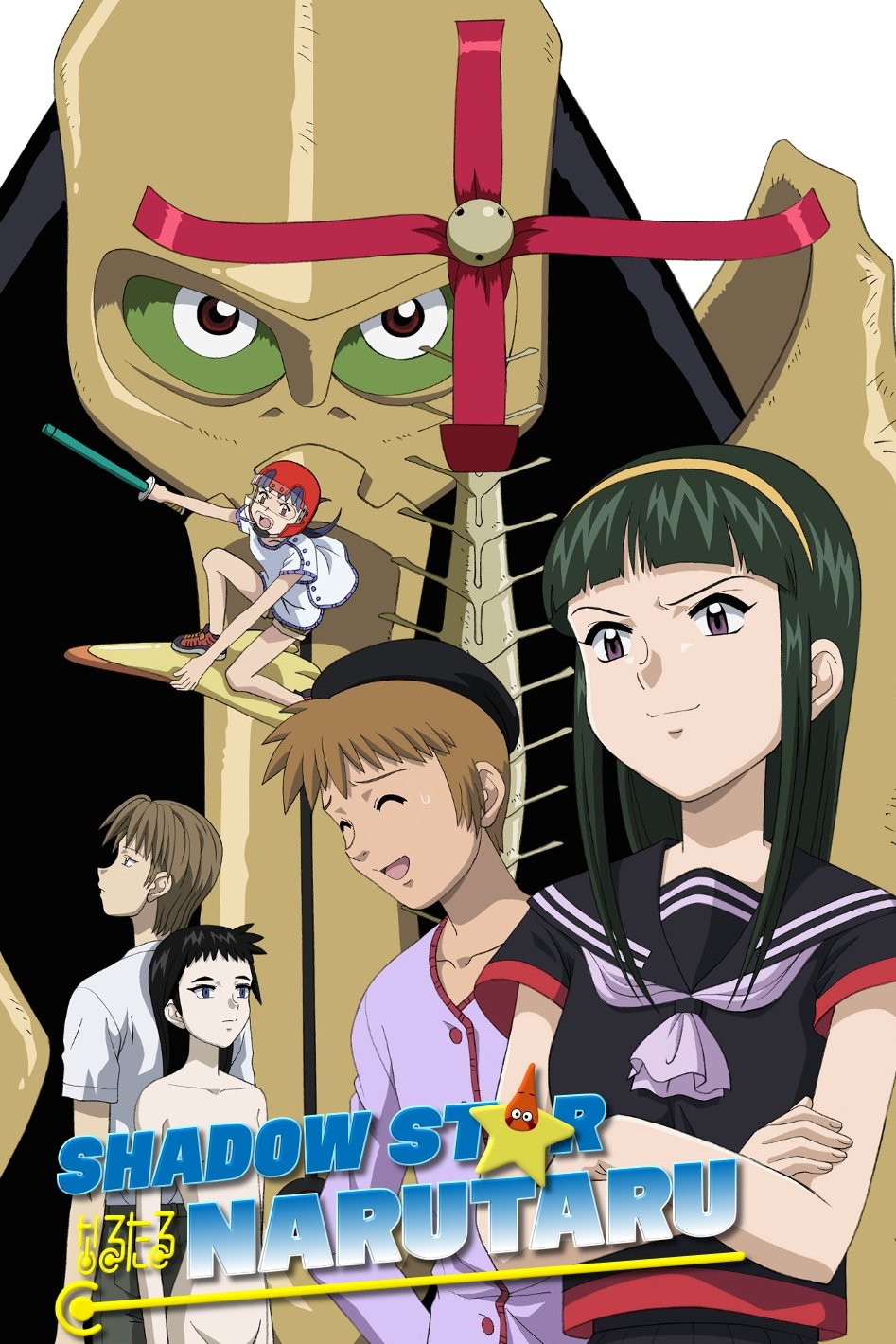
Shiina Tamai bonds with a starfish-shaped creature that resembles a collectible monster from children’s video games. These dragon children are actually weaponized beings linked to their owners through physical sensation. The series features graphic mutilation and bullying that escalate into global threats. It stands as a grim deconstruction of the monster-taming genre with little hope for its characters.
‘Gunslinger Girl’ (2003–2004)
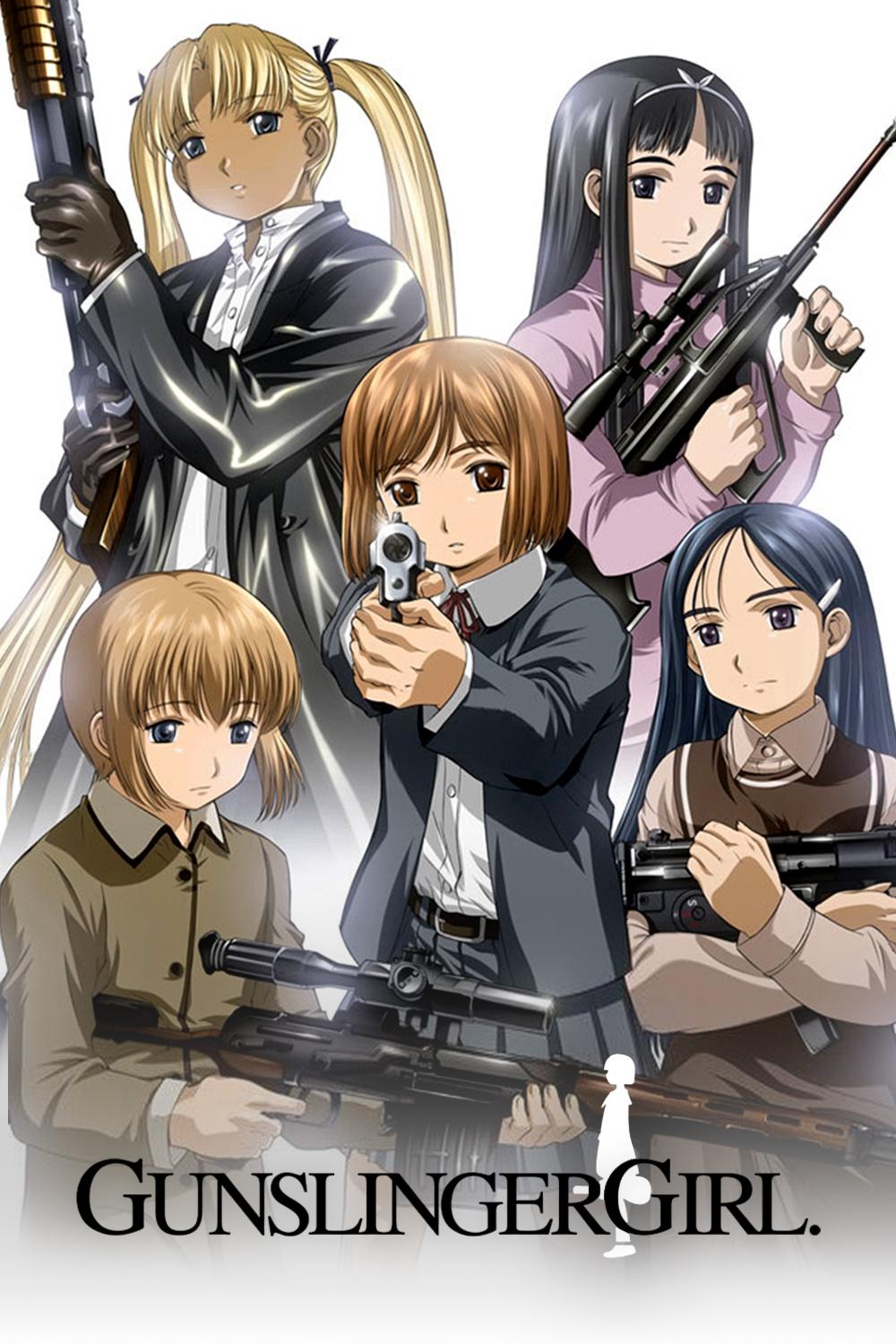
The Social Welfare Agency saves terminally ill girls by giving them cybernetic bodies and conditioning them for combat. These girls carry out government assassinations while maintaining the appearance of innocent children. Their handlers exploit their conditioned loyalty and force them into lethal situations. The show reflects on the loss of humanity and the tragic brevity of the girls’ lives.
‘Hunter x Hunter’ (2011–2014)
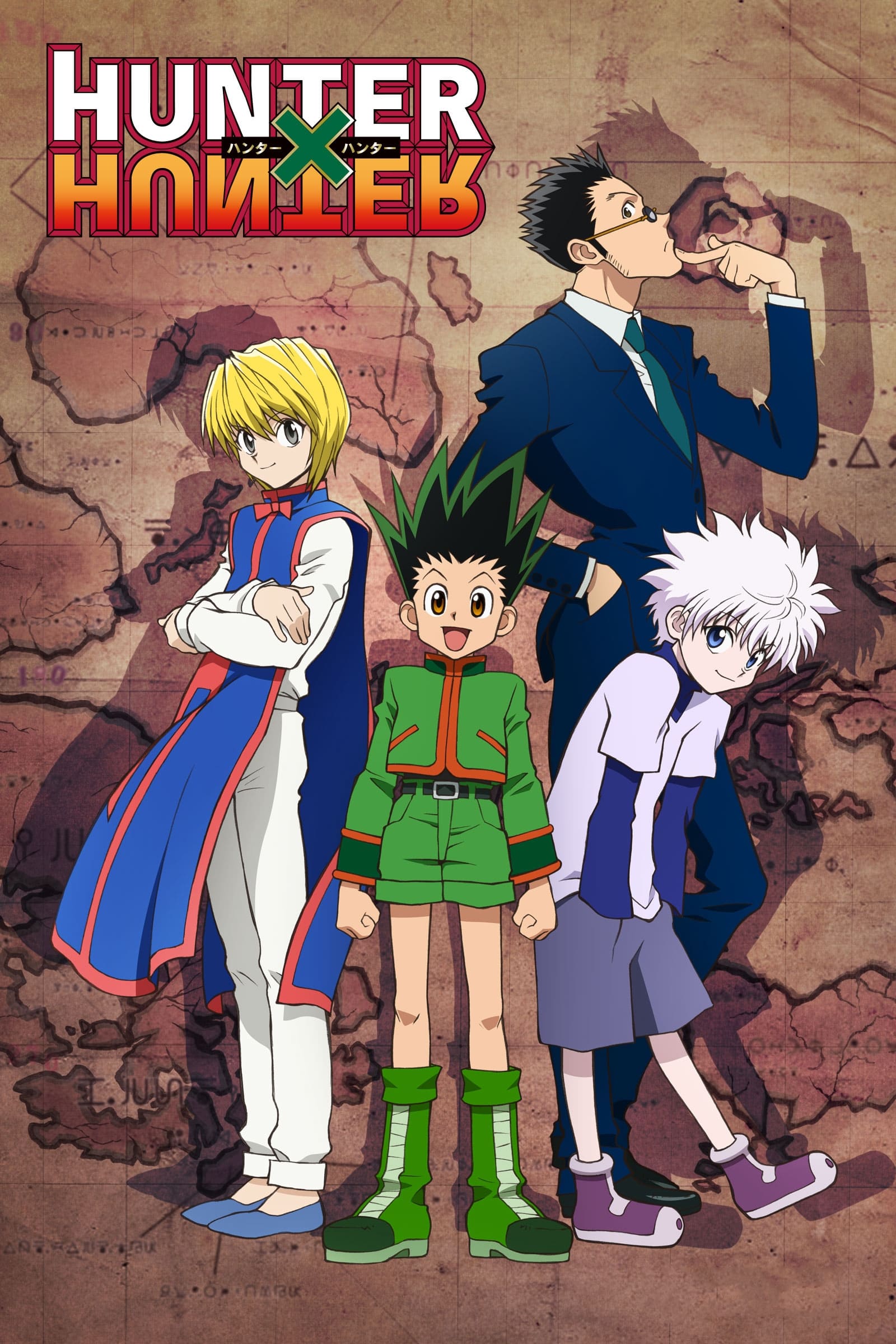
Gon Freecss leaves home to become a Hunter and find his father in a world that initially feels like a grand adventure. The bright colors and energetic opening act give way to arcs involving genocide and body horror. The Chimera Ant arc specifically introduces terrifying antagonists that consume humans and challenge the morality of the protagonists. Viewers watch the main characters sacrifice their innocence and physical well-being to achieve their goals.
‘Alien 9’ (2001–2002)
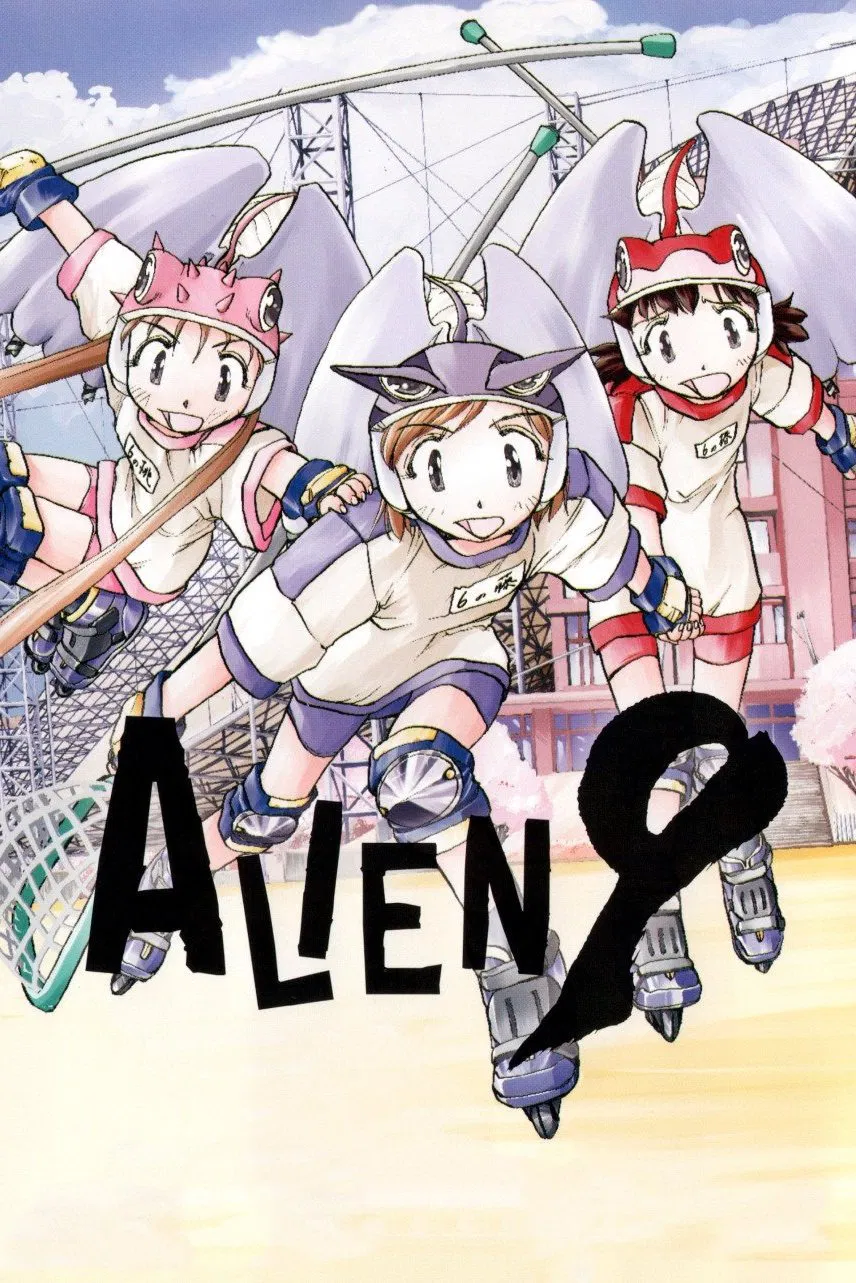
Yuri Otani is forced to join the Alien Party at her school to help capture extraterrestrial life forms. The girls must wear symbiotic aliens on their heads that protect them but also feed on their fears. The narrative acts as a metaphor for the anxieties of growing up and the loss of bodily autonomy. The cute art style makes the biological horror and emotional distress even more unsettling.
‘Ranking of Kings’ (2021–Present)
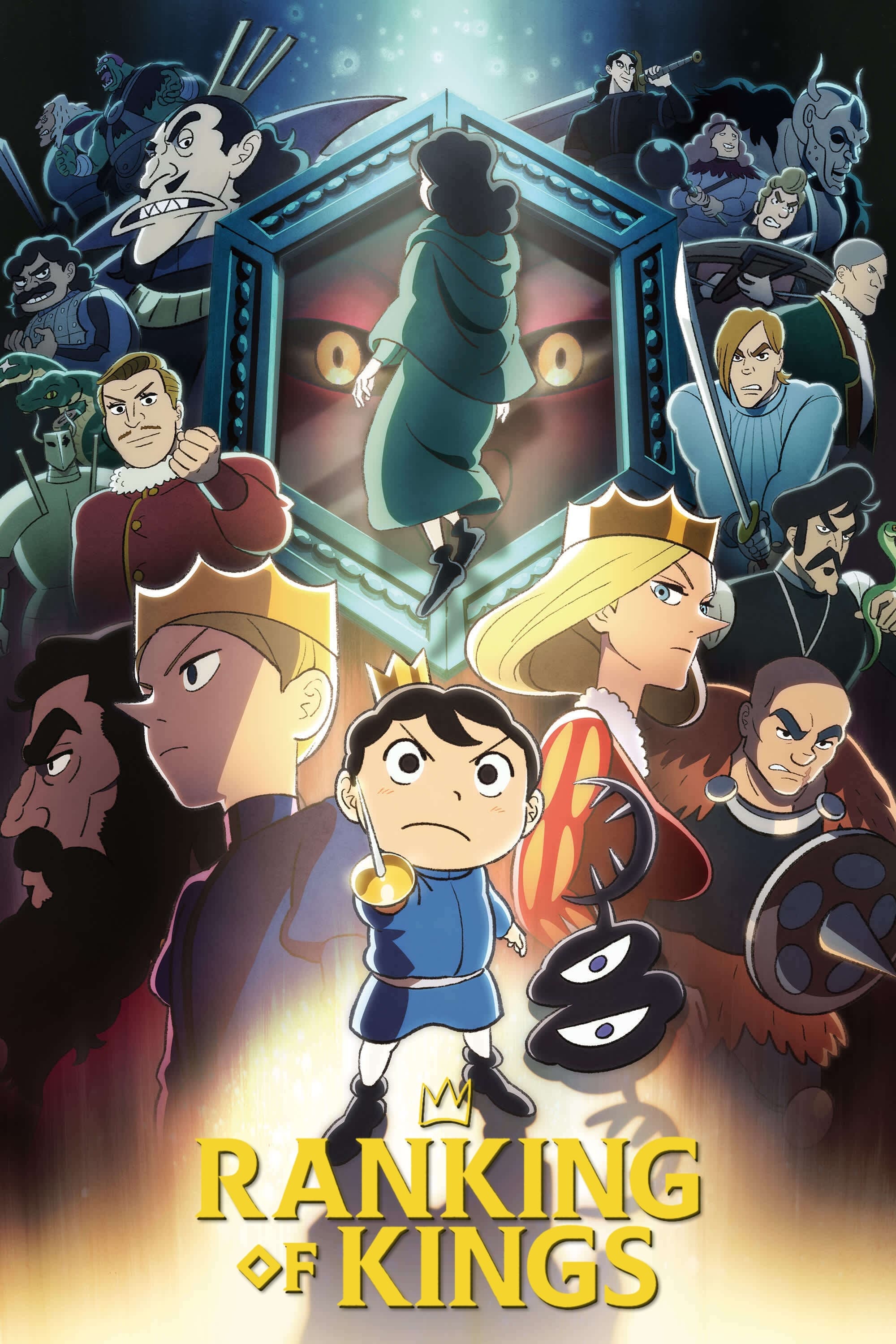
Prince Bojji is a deaf and powerless boy who dreams of becoming the greatest king despite the ridicule of his subjects. The animation style mimics classic children’s picture books with vibrant colors and simple shapes. The plot delves into political assassination and deep-seated generational trauma. It tackles complex themes of betrayal and the moral ambiguity of those in power.
‘Kaiba’ (2008)
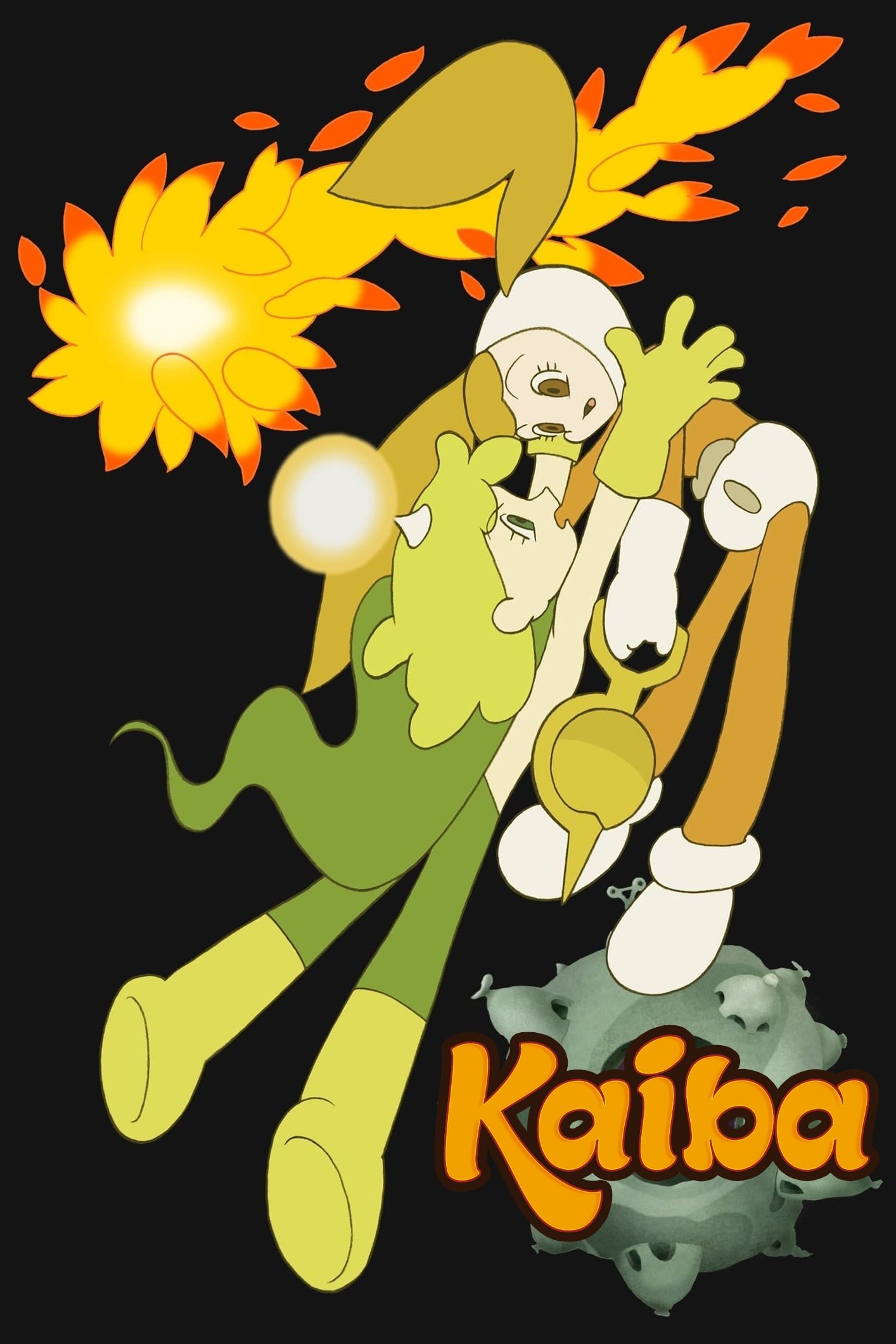
The universe of this series allows memories to be stored on chips and transferred between bodies. The animation resembles the round and friendly style of Osamu Tezuka or early Disney cartoons. This aesthetic contrasts with a dystopian society where the rich buy the bodies of the poor to extend their own lives. The story explores identity and death in a world where physical form is a tradable commodity.
‘Kotaro Lives Alone’ (2022)
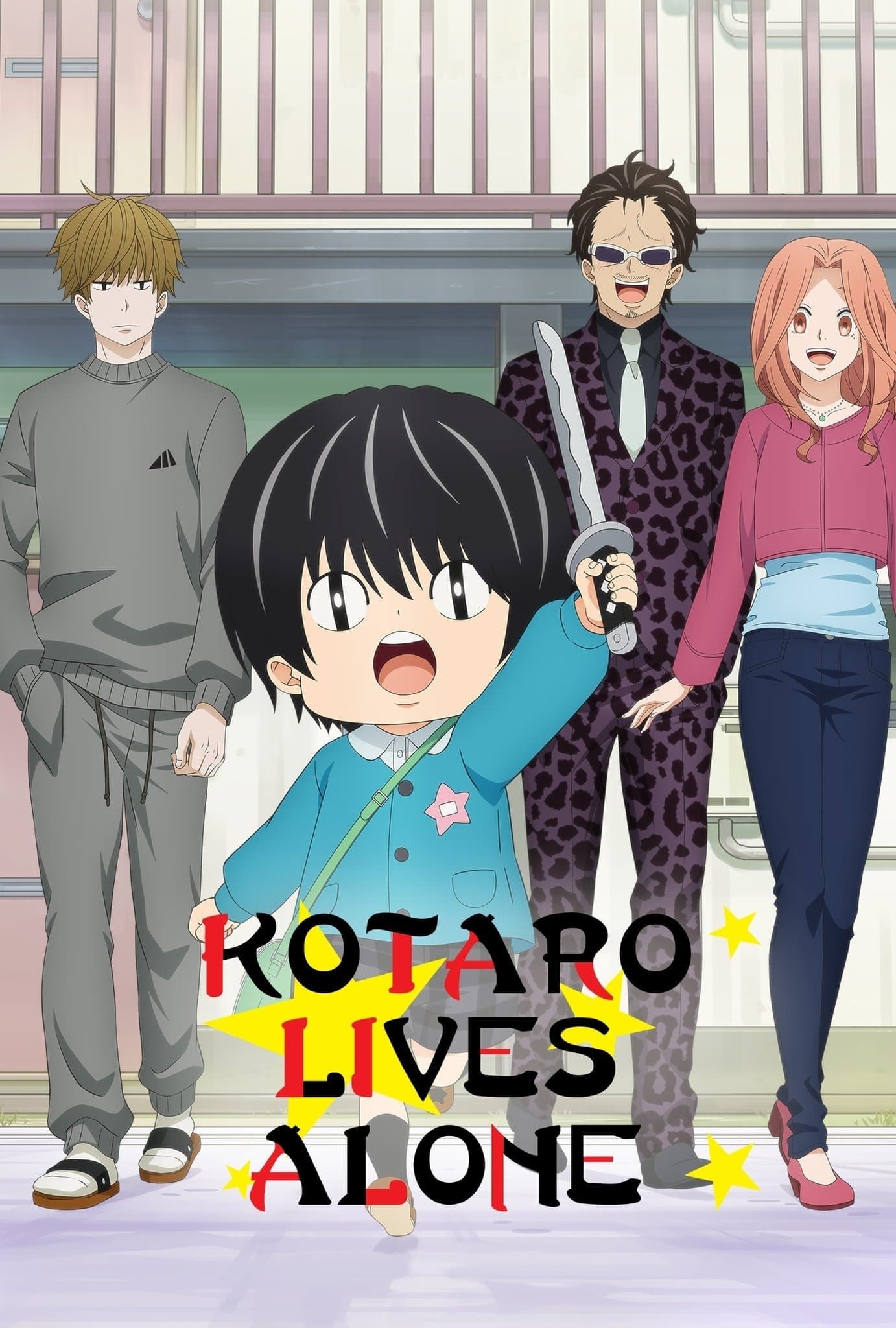
A four-year-old boy named Kotaro moves into an apartment complex and lives entirely on his own. The premise seems like a quirky comedy about a capable toddler interacting with his neighbors. The story slowly reveals the severe neglect and abuse Kotaro suffered from his parents. His odd behaviors are actually trauma responses developed to survive his previous home environment.
‘Wonder Egg Priority’ (2021)
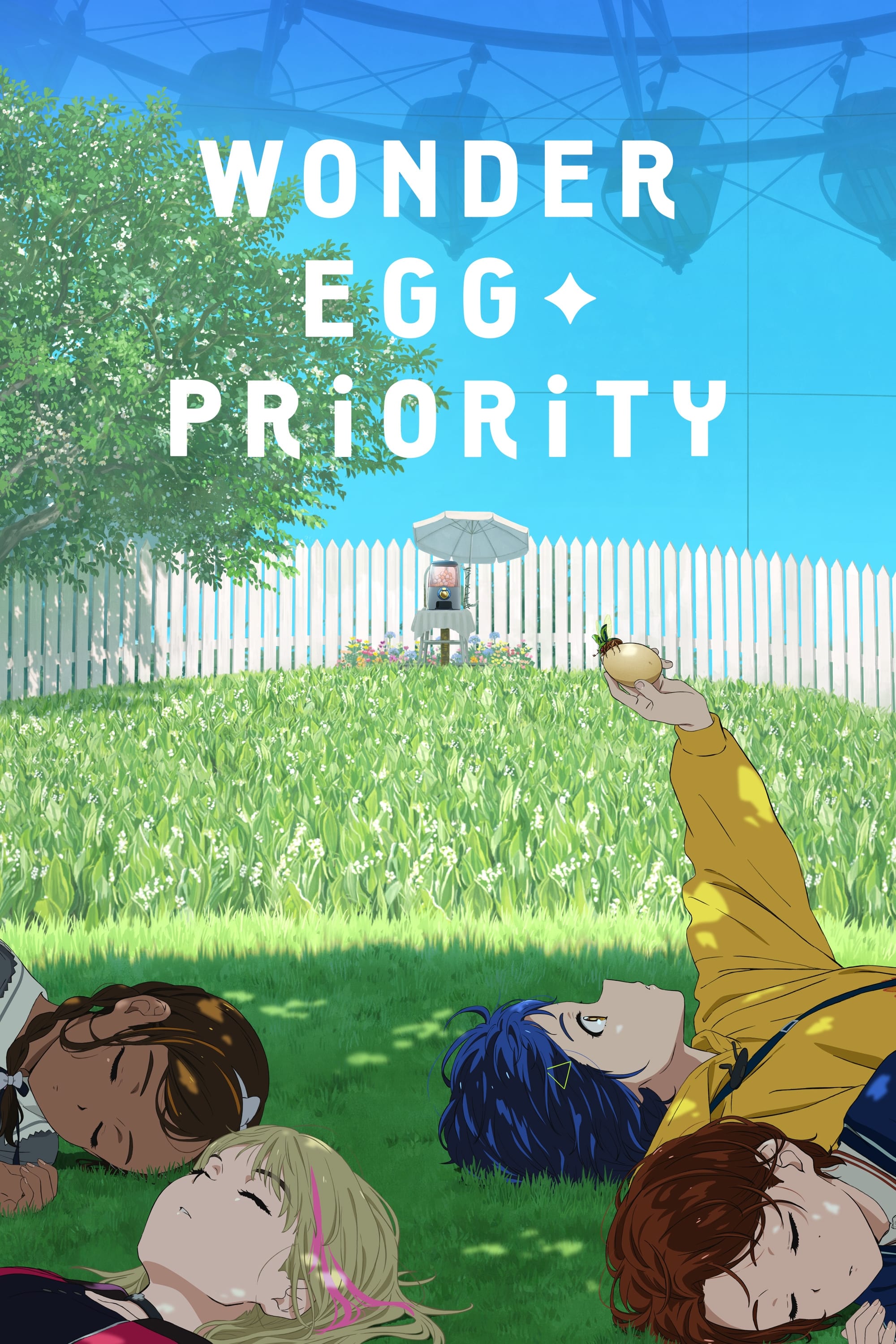
Ai Ohto acquires mysterious eggs that transport her to a dream world where she must protect people from their traumas. The battles are vibrant and filled with magical girl imagery that masks the heavy subject matter of suicide. Each episode tackles intense issues such as sexual assault and self-harm. The colorful visuals serve as a barrier between the characters and the harsh realities they face.
‘Bokurano’ (2007)
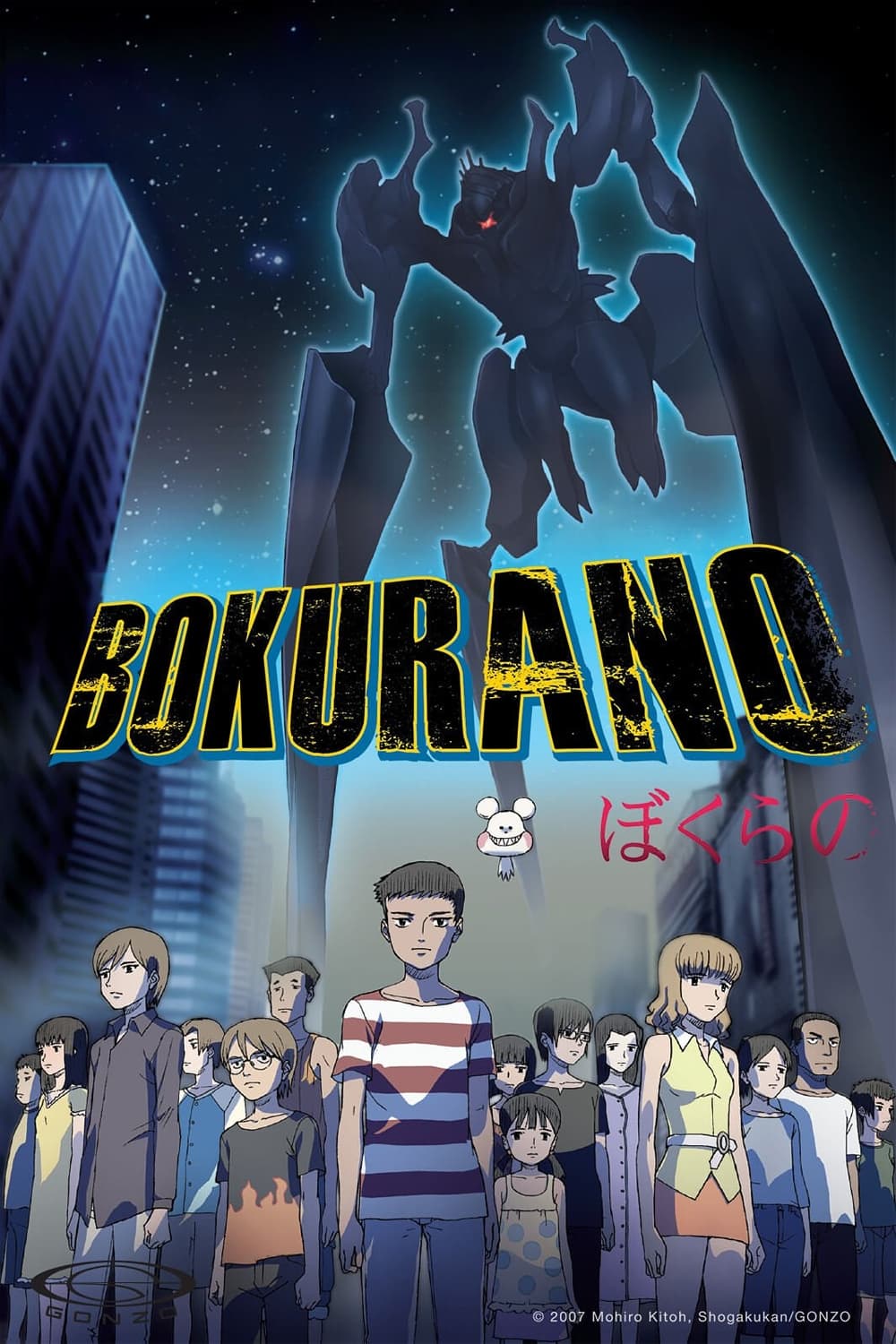
15 children sign up to test a new video game involving a giant robot named Zearth. They soon discover that piloting the robot requires the user’s life energy and results in their death after one battle. The children must defend Earth from alternate dimension invaders or face the annihilation of their own world. The story systematically explores the fear and resignation of each child as they confront their inevitable demise.
Please describe which anime shocked you the most with its tonal shift in the comments.