

Anime That Audiences Hated At First But Are Now Praised

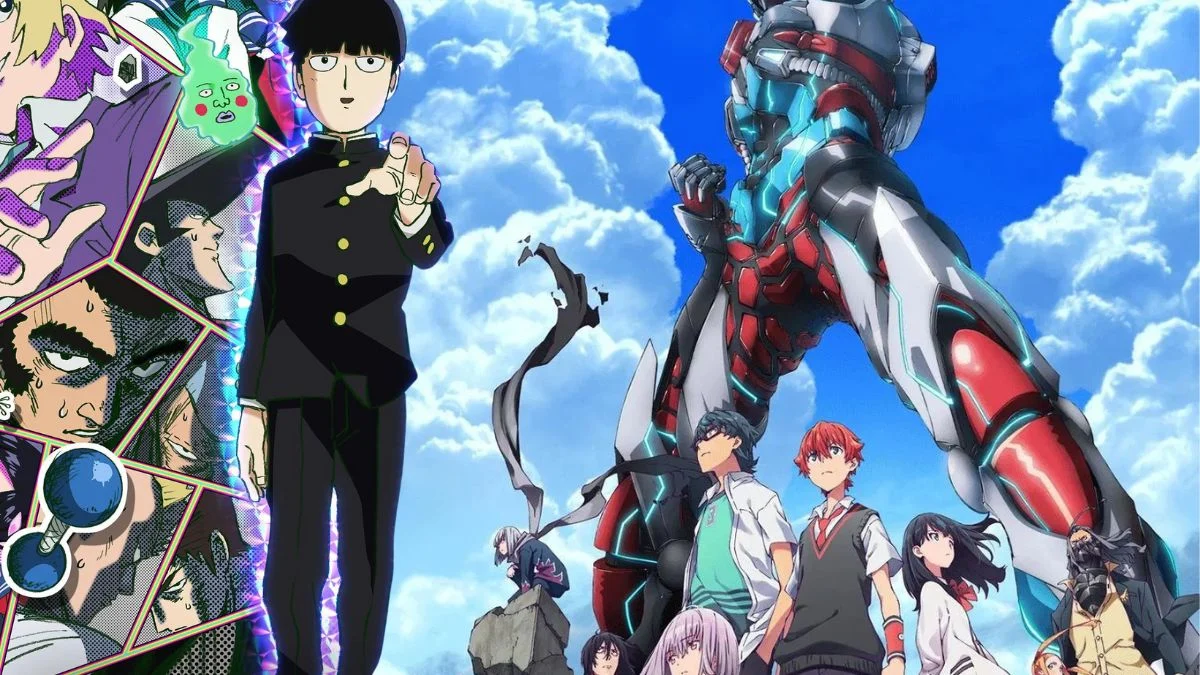


First impressions in the anime community are notoriously difficult to overcome. Viewers often drop series immediately due to unconventional art styles or slow storytelling pacing. Many shows suffer from initial backlash before the plot truly unfolds or the production finds its footing. Time frequently vindicates these titles as audiences revisit them with fresh perspectives. What began as a misunderstood project often evolves into a celebrated cult classic.
‘Mobile Suit Gundam’ (1979)
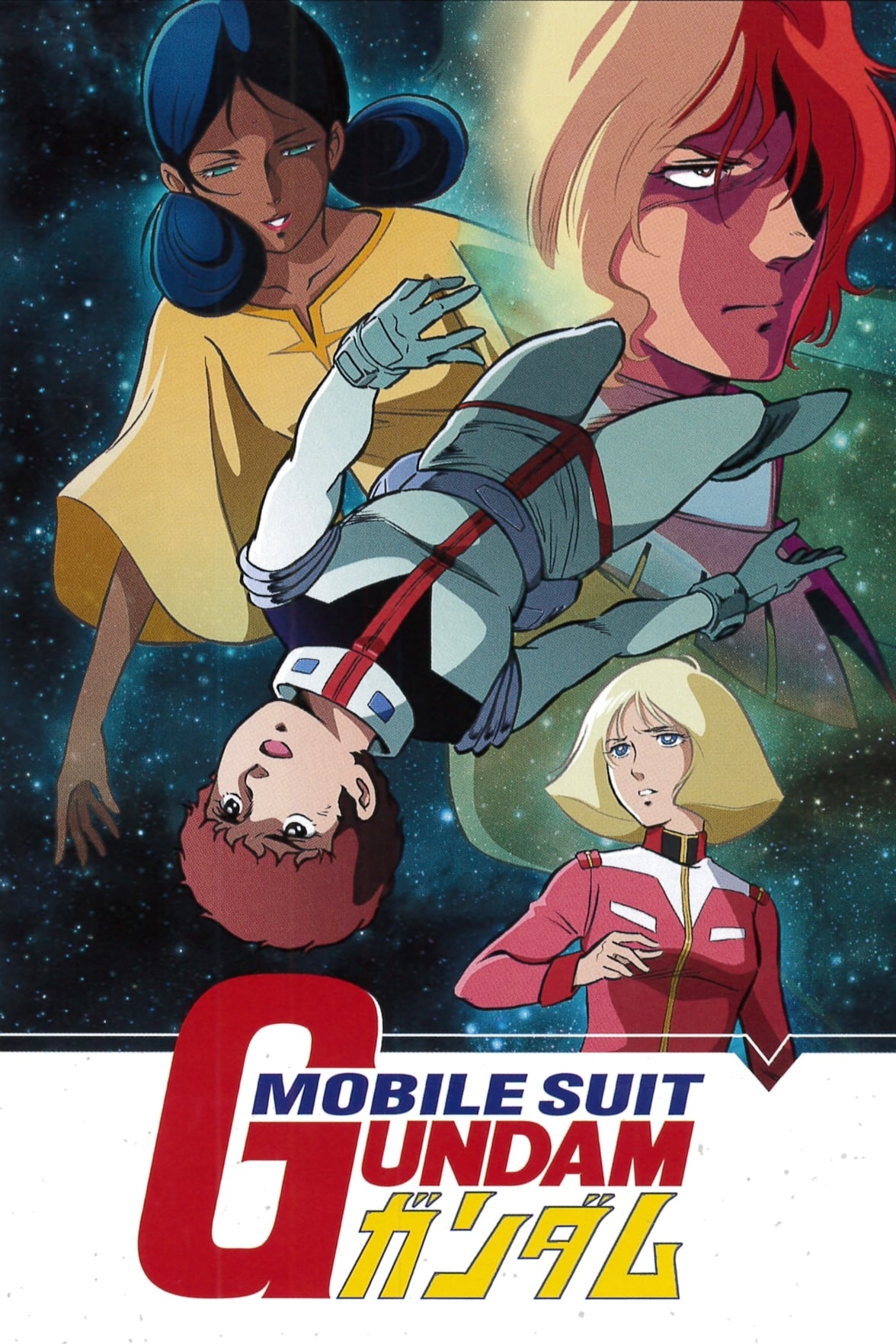
The original broadcast of ‘Mobile Suit Gundam’ faced disastrous ratings and eventual cancellation. Audiences at the time expected simple super robot battles rather than a complex war drama. The heavy political themes and flawed protagonist were too radical for children in that era. The subsequent release of model kits and compilation movies sparked a massive cultural shift. It is now credited with birthing the Real Robot genre.
‘Neon Genesis Evangelion’ (1995)
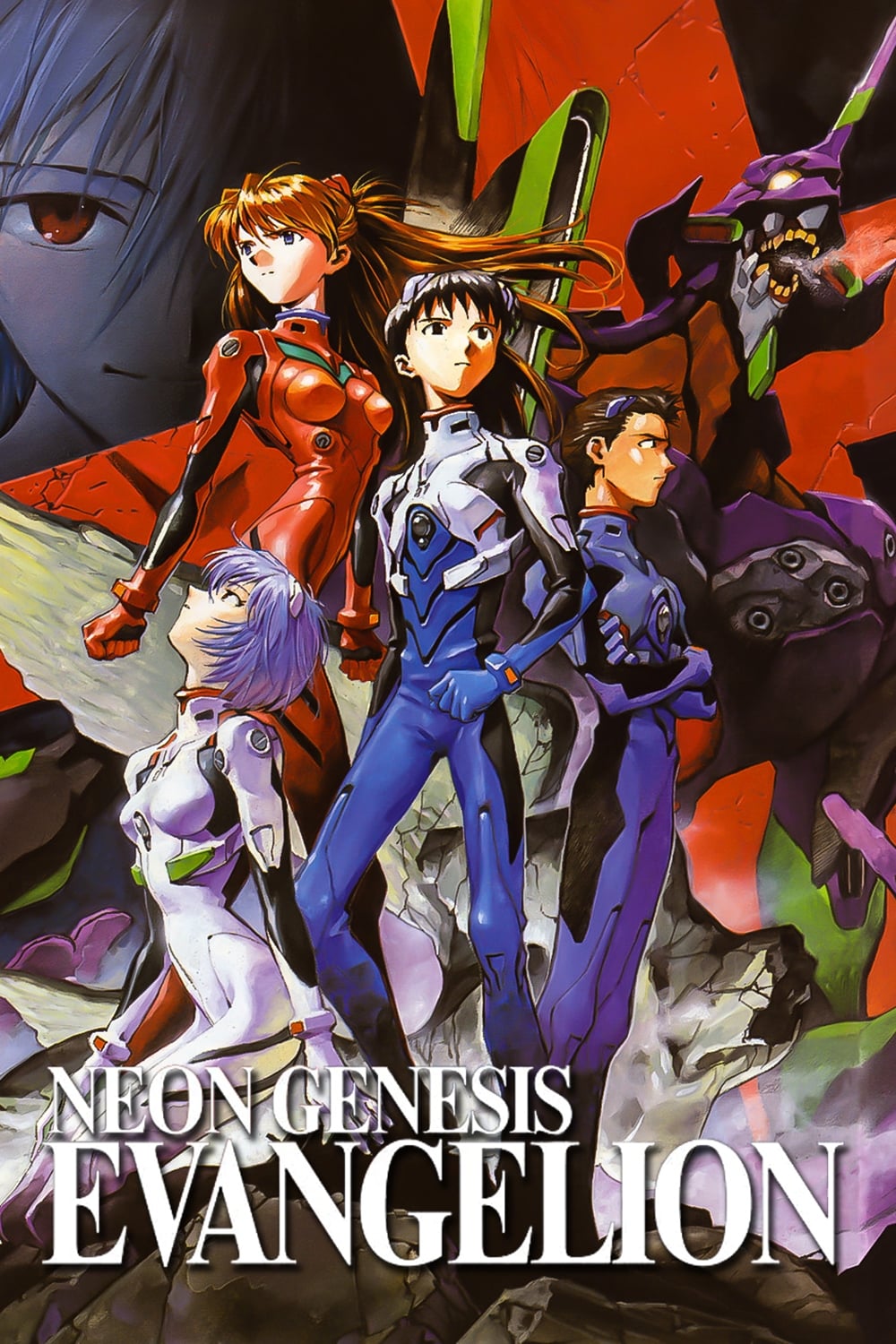
The original television ending of ‘Neon Genesis Evangelion’ caused massive outrage among fans. Viewers were confused and angry when the finale abandoned the action for abstract psychological introspection. Death threats were even sent to the studio due to the lack of a conventional conclusion. Decades later the series is analyzed as a masterpiece of deconstruction and mental health exploration. The franchise now stands as one of the most profitable and influential in history.
‘Cowboy Bebop’ (1998)
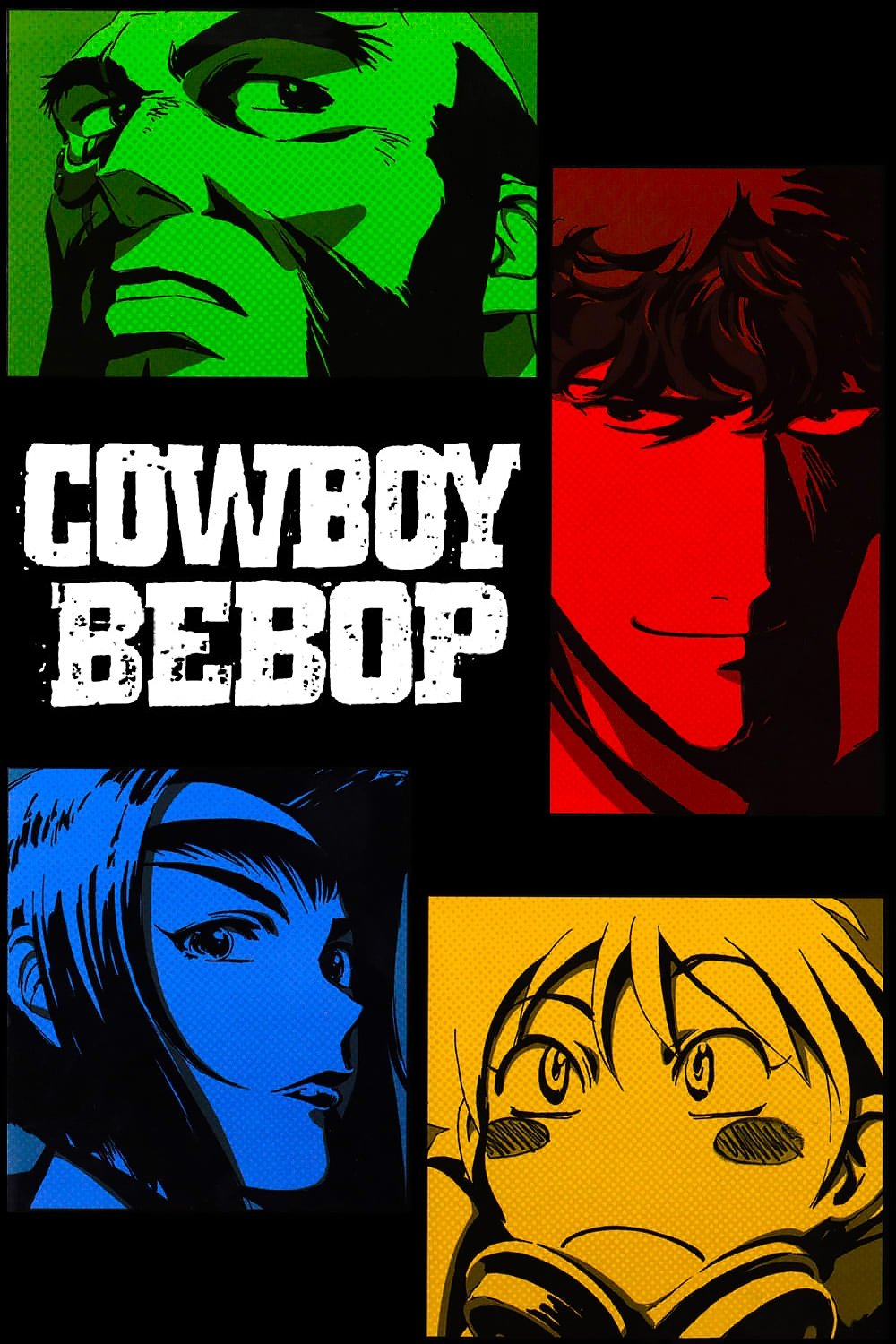
This legendary series struggled to find a home on Japanese television due to censorship and mature themes. Only a handful of episodes were aired during its initial limited run before being pulled. It garnered a massive following only after the full series was broadcast on satellite TV and reached Western audiences. The blend of jazz and noir is now considered the gold standard for anime direction. ‘Cowboy Bebop’ serves as a gateway title for millions of international fans.
‘Kingdom’ (2012)
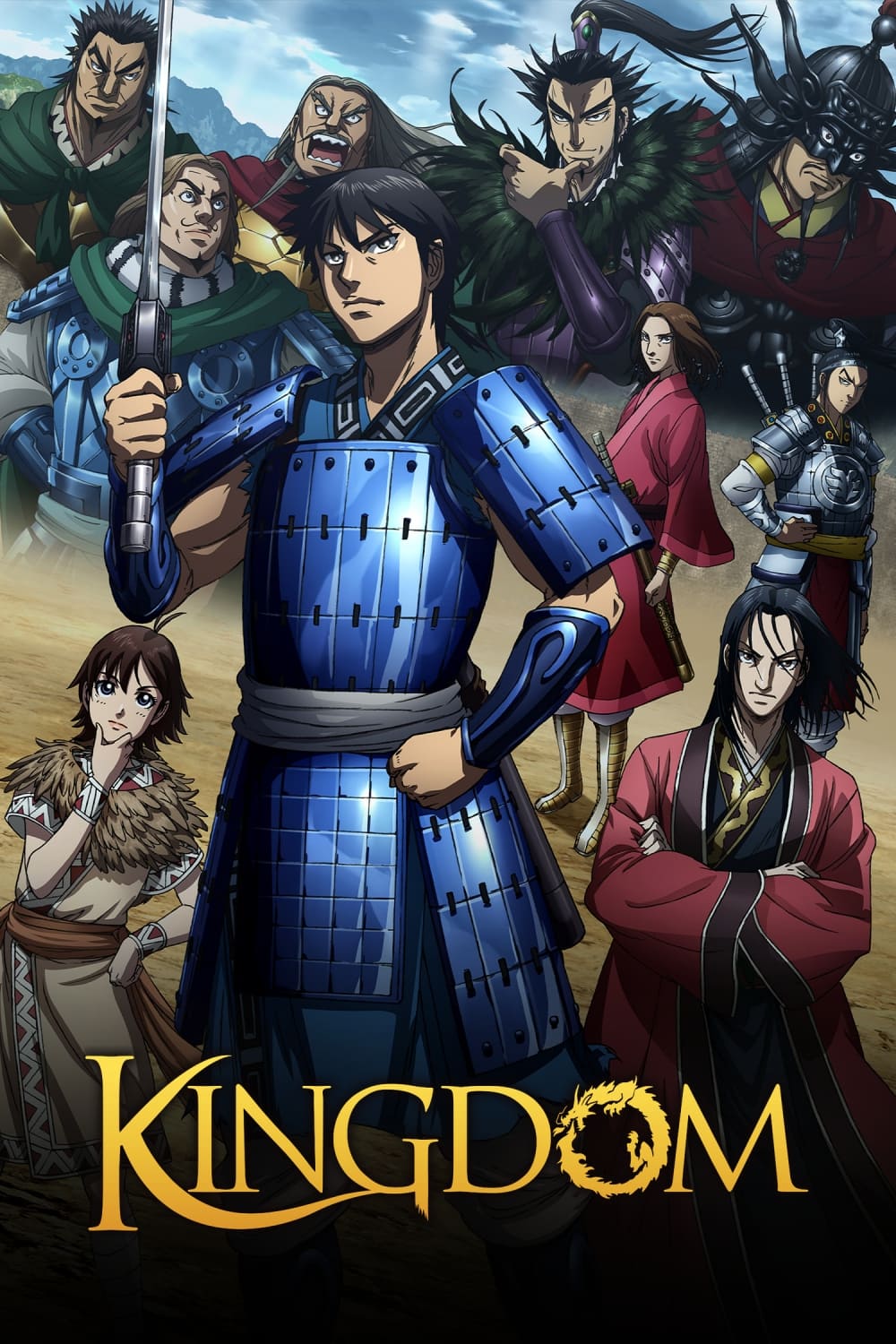
Fans initially rejected ‘Kingdom’ due to its jarring use of early computer-generated imagery. The animation in the first season looked stiff and unpolished compared to the detailed manga art. Viewers who stuck with the series witnessed a dramatic improvement in visual quality over subsequent seasons. The complex political intrigue and large-scale warfare eventually overshadowed the rocky start. It is now regarded as one of the greatest war narratives in the medium.
‘Ping Pong the Animation’ (2014)
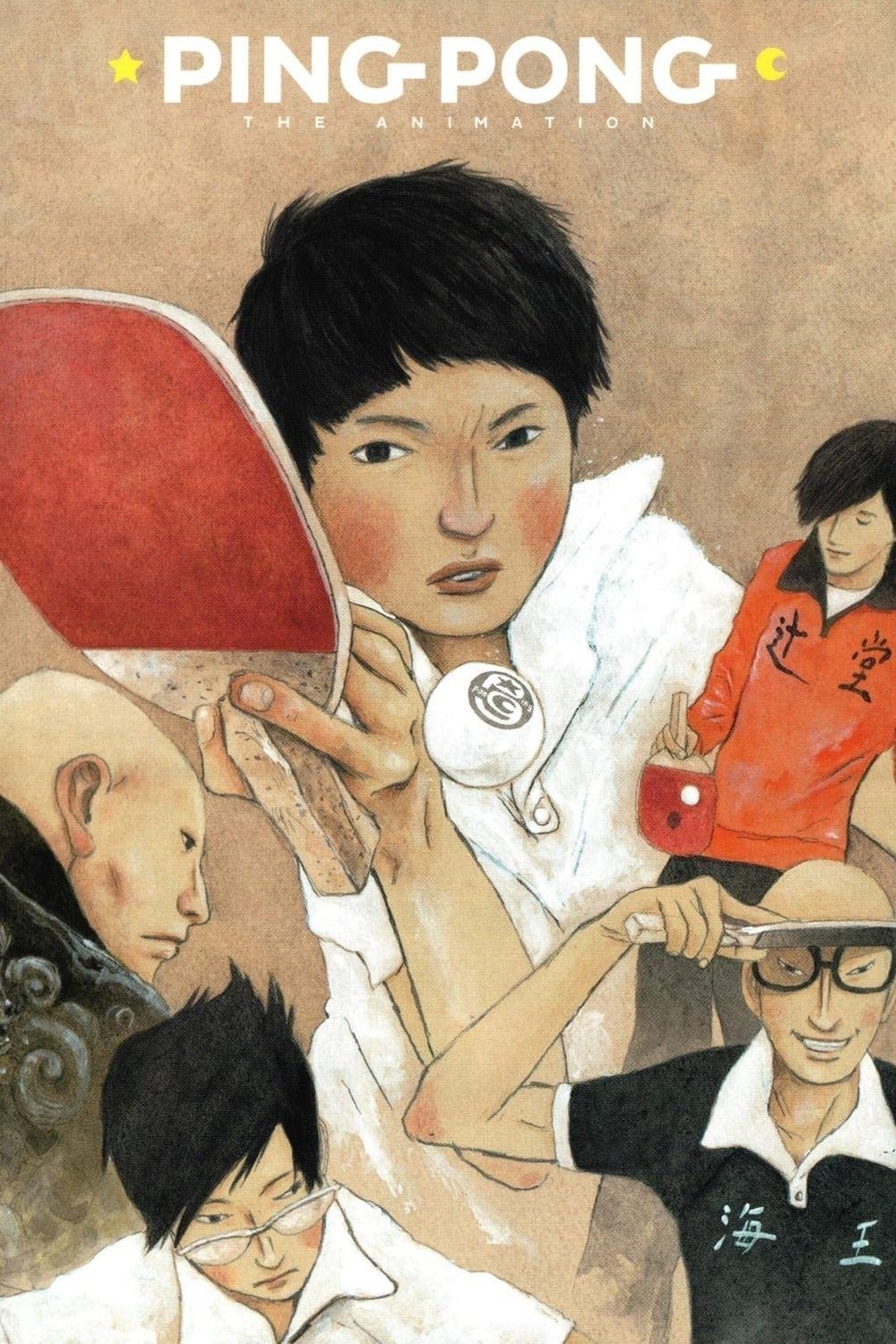
The sketch-like art style of ‘Ping Pong the Animation’ immediately turned away viewers used to polished aesthetics. Many dismissed the visuals as ugly or cheap without giving the story a chance. Those who looked past the surface found a deeply moving coming-of-age tale. The unique direction allowed for fluid motion and expression that standard animation could not achieve. It is now widely considered one of the best sports anime ever made.
‘Black Clover’ (2017)

The debut of ‘Black Clover’ was marred by complaints regarding the protagonist Asta and his constant screaming. Viewers found the voice acting grating and the plot derivative of other shonen giants. The series eventually found its rhythm and developed a lovable cast of characters. The screaming toned down while the battle animation quality ramped up significantly. It became a global powerhouse with a dedicated fanbase.
‘Kemono Friends’ (2017)

Promotional materials for ‘Kemono Friends’ looked like a low-budget project destined for failure. The stiff 3D models and simple premise led many to ignore it completely. The writing slowly revealed a surprisingly deep lore and post-apocalyptic mystery. Social media word-of-mouth turned the show into an unprecedented overnight phenomenon in Japan. It stands as a prime example of storytelling triumphing over technical limitations.
‘Trigun Stampede’ (2023)
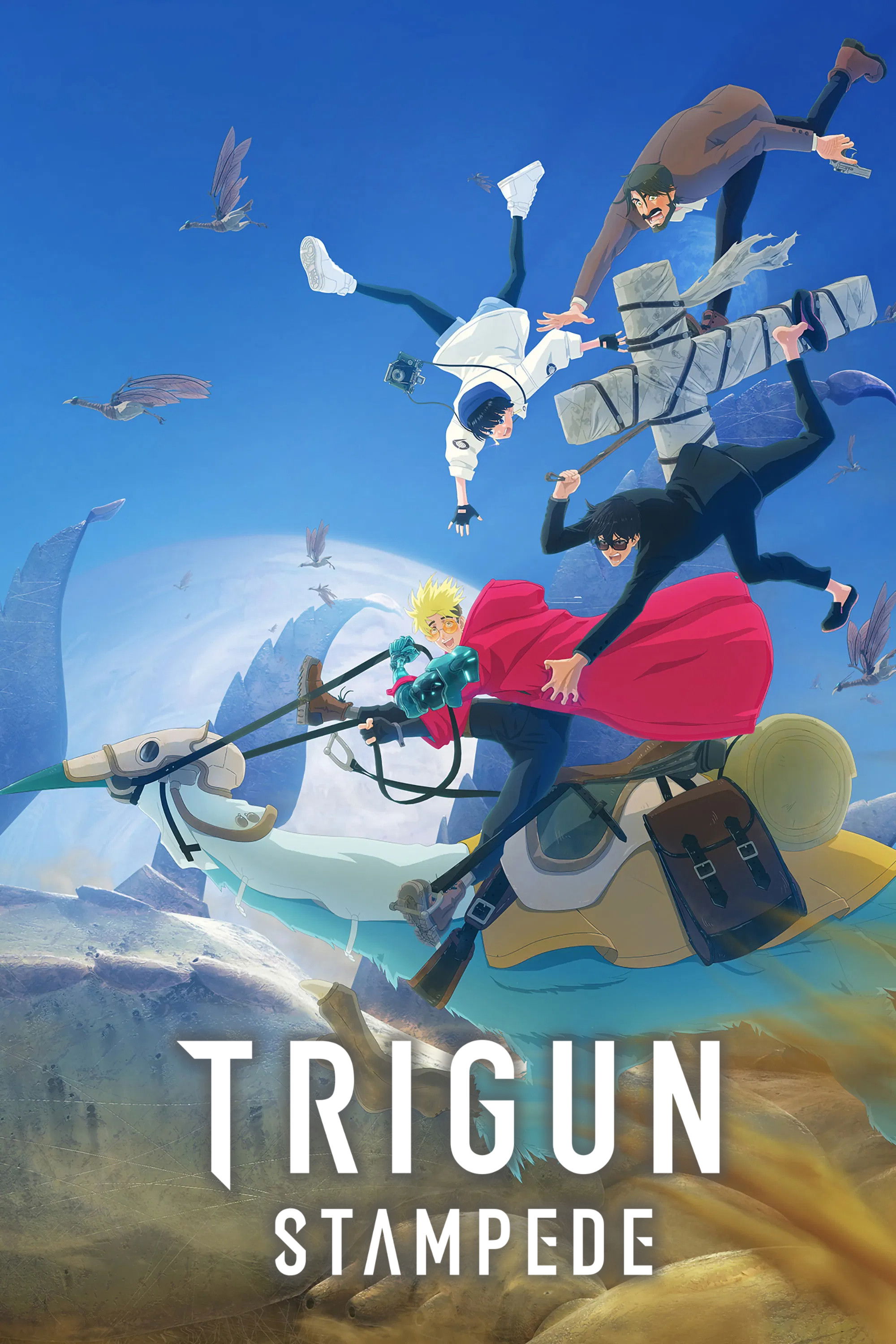
Longtime fans were skeptical of ‘Trigun Stampede’ due to its full CGI production and the redesign of Vash the Stampede. The shift in tone from the 1998 classic also caused initial friction within the community. The series quickly proved itself with some of the most dynamic action choreography seen in modern anime. The fresh take on the narrative added emotional depth that even purists eventually appreciated. It revitalized the franchise for a new generation.
‘Gintama’ (2006)
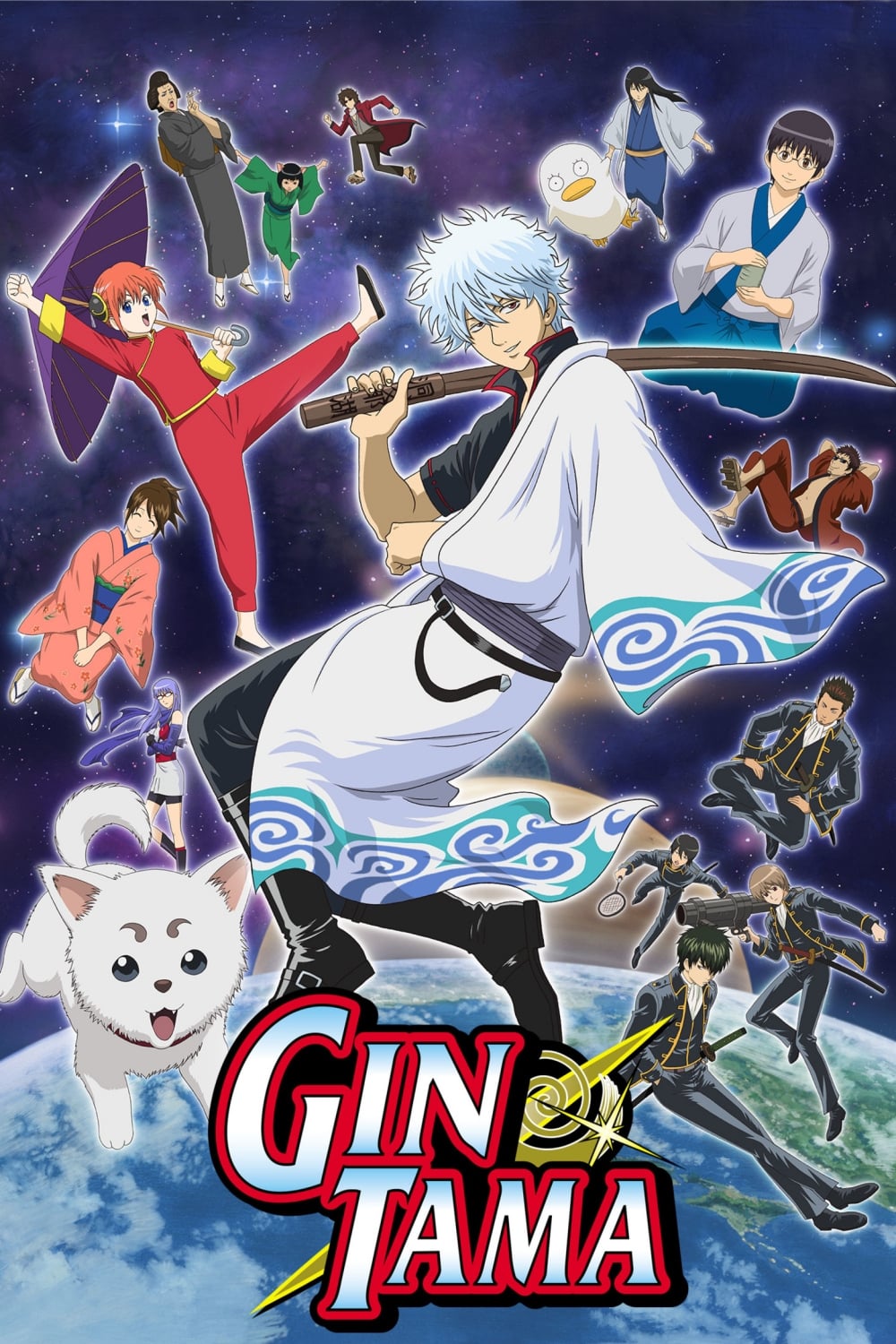
The first two episodes of ‘Gintama’ were an hour-long filler special that confused new viewers. The slow start and heavy reliance on Japanese cultural references made it hard for international audiences to connect. As the cast expanded and the comedy found its footing the show became legendary. It is now unique for seamlessly blending absurd humor with heart-wrenching drama. The series consistently holds top spots on rating aggregates.
‘Steins;Gate’ (2011)
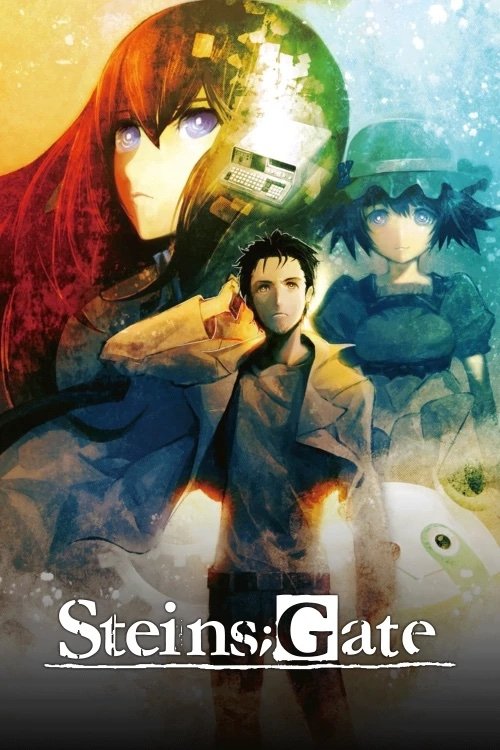
The first half of ‘Steins;Gate’ is often criticized for being slow and confusing. Viewers felt the slice-of-life pacing did not match the promise of a sci-fi thriller. The narrative payoff in the second half recontextualized every previous scene into a brilliant puzzle. The emotional impact of the later episodes relies entirely on that slow buildup. It is frequently cited as having one of the best endings in anime history.
‘Clannad’ (2007)
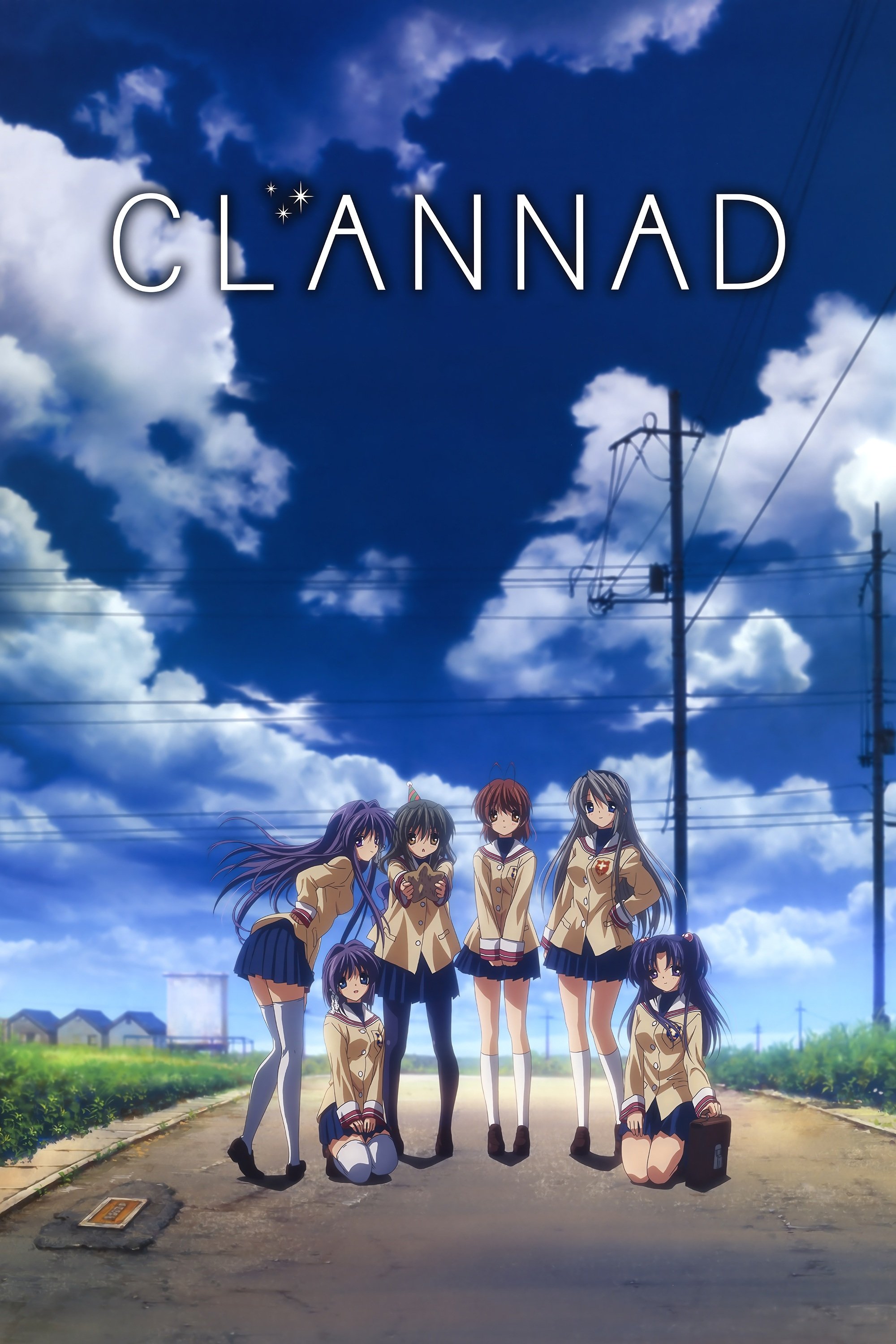
The distinct character designs in ‘Clannad’ featuring very large eyes were initially off-putting to general audiences. Many viewers dismissed it as a generic harem romance based on its visual style. The second season titled ‘Clannad After Story’ delivered an emotional narrative that defined the genre. The series is now synonymous with heartbreaking storytelling and family values. It overcame visual barriers to become a tearjerker classic.
‘Mob Psycho 100’ (2016)
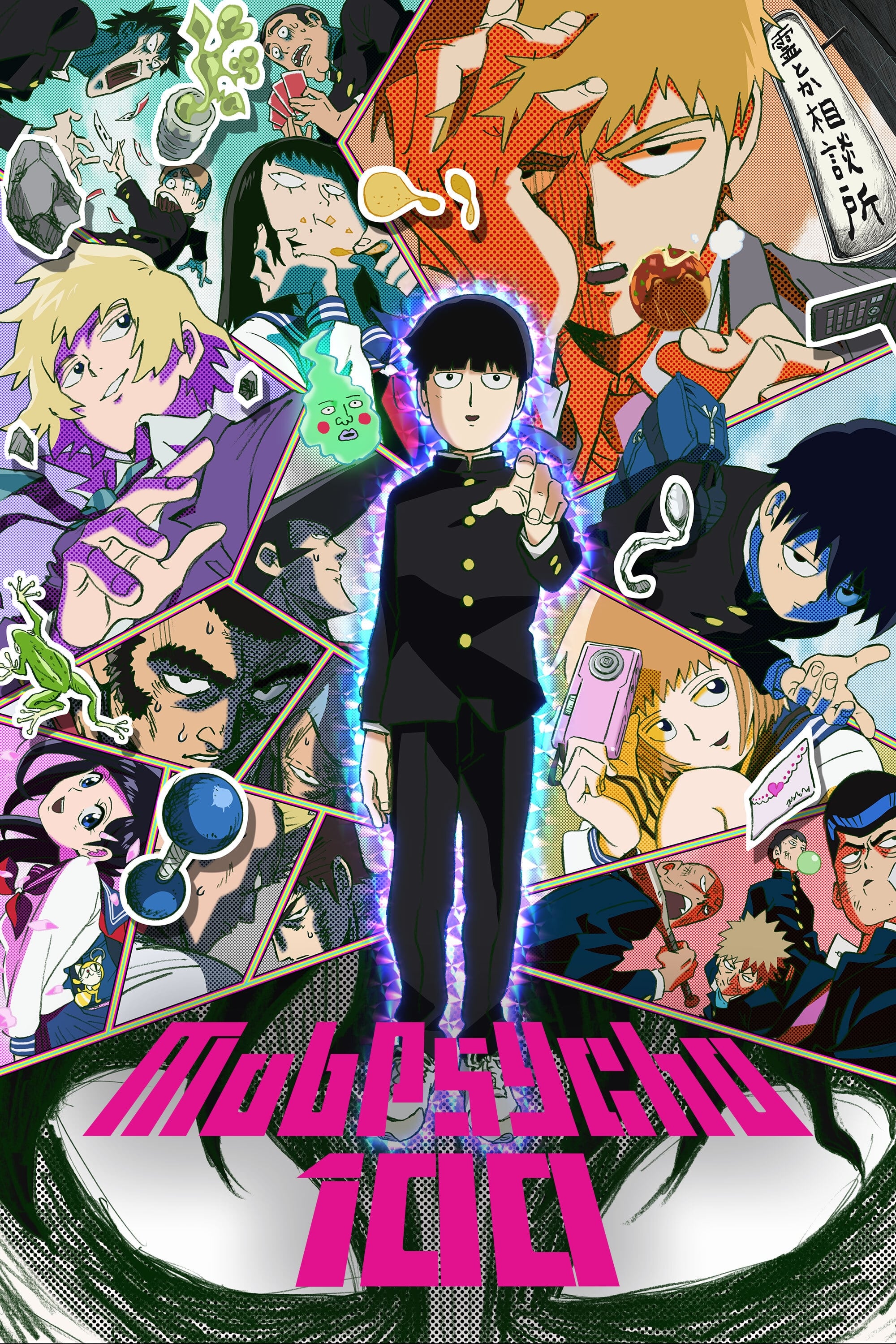
The crude art style of the source material was faithfully adapted in ‘Mob Psycho 100’ which some found unappealing. Viewers accustomed to traditional beauty standards in anime were hesitant to watch. The studio used the loose designs to create mind-bending psychedelic animation sequences. The story offers a profound deconstruction of power fantasies and self-improvement. It is currently hailed as one of the best animated productions of the decade.
‘Land of the Lustrous’ (2017)
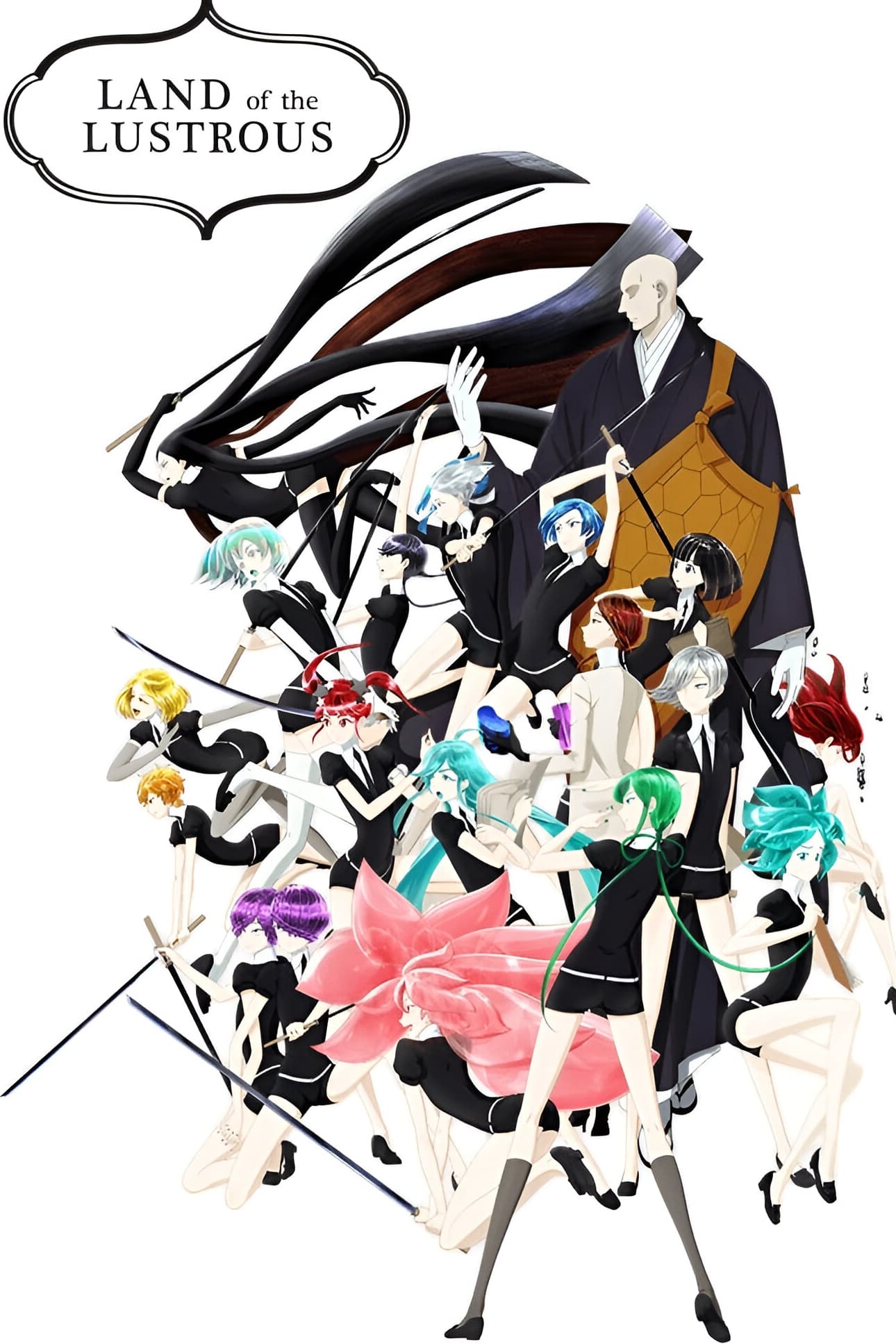
CGI anime had a terrible reputation before the release of ‘Land of the Lustrous’. Audiences assumed the show would be another stiff and lifeless 3D attempt. The production studio Orange revolutionized the medium with fluid combat and beautiful cinematography. The story of gems fighting for survival captivated those who gave it a chance. It is now the benchmark for how 3D animation should be executed.
‘Beastars’ (2019)
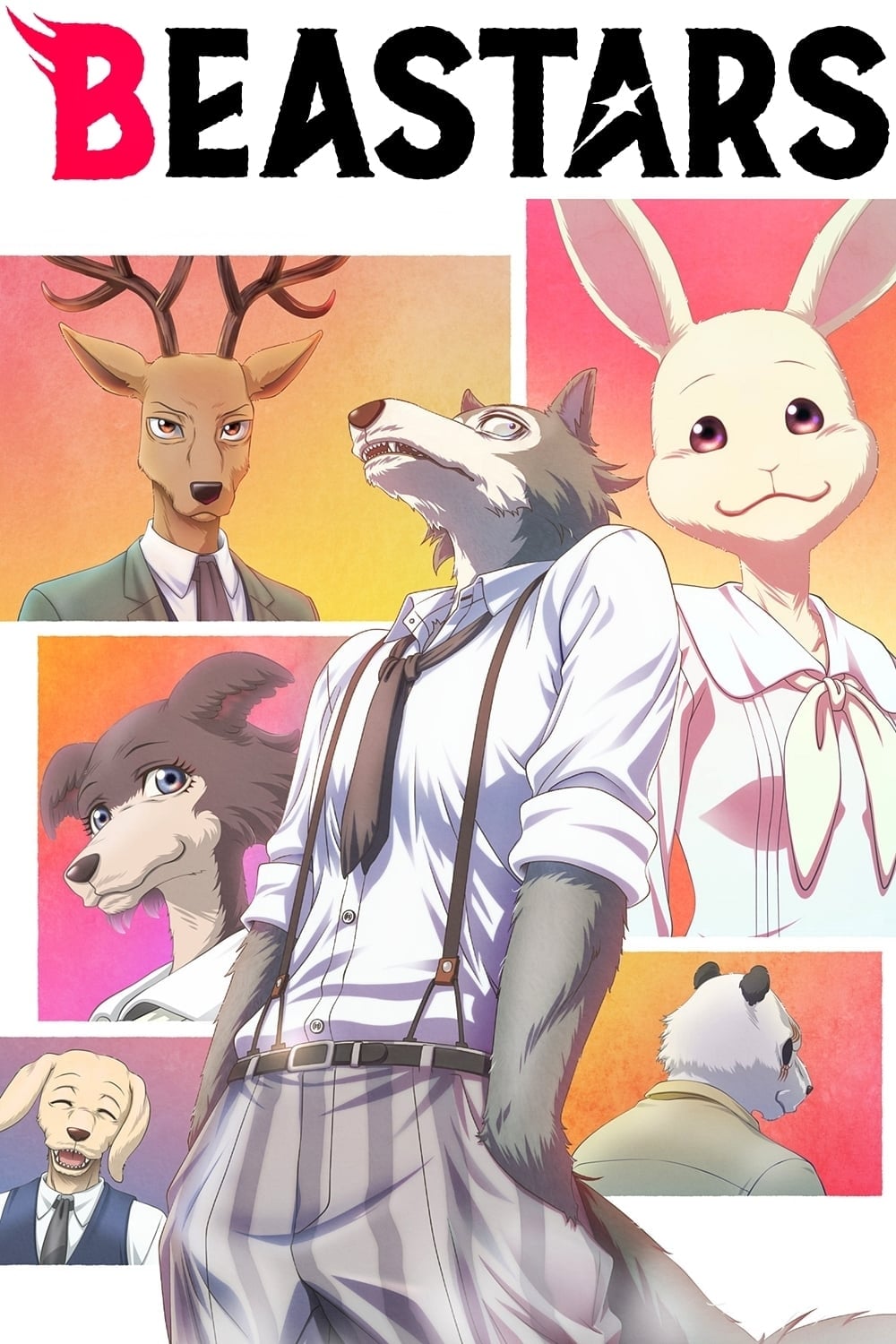
‘Beastars’ faced skepticism for being a CGI drama featuring anthropomorphic animals. Many dismissed it as niche content for the furry community. The show proved to be a gritty noir drama with complex social commentary. The character animation conveyed subtle emotions that 2D rarely captures. It broke out of its niche to become a critically acclaimed hit.
‘Zombie Land Saga’ (2018)
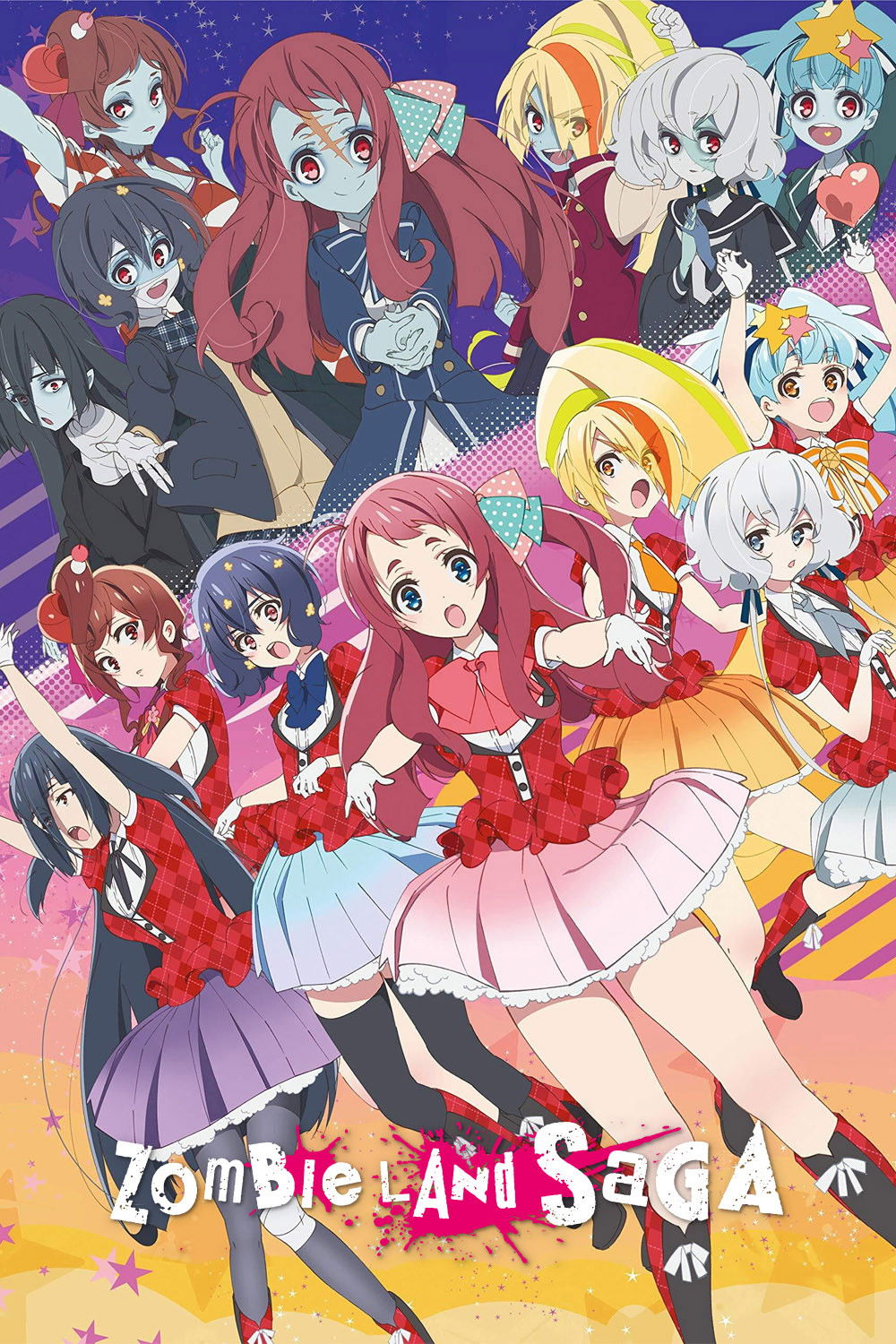
The idol genre was oversaturated when ‘Zombie Land Saga’ was announced. Viewers expected another generic show about girls singing pop songs. The first episode revealed a hilarious horror-comedy twist that defied all expectations. The mixture of heavy metal and rap battles with zombie idols created a fresh experience. It revitalized interest in the idol genre by refusing to take itself seriously.
‘Puella Magi Madoka Magica’ (2011)
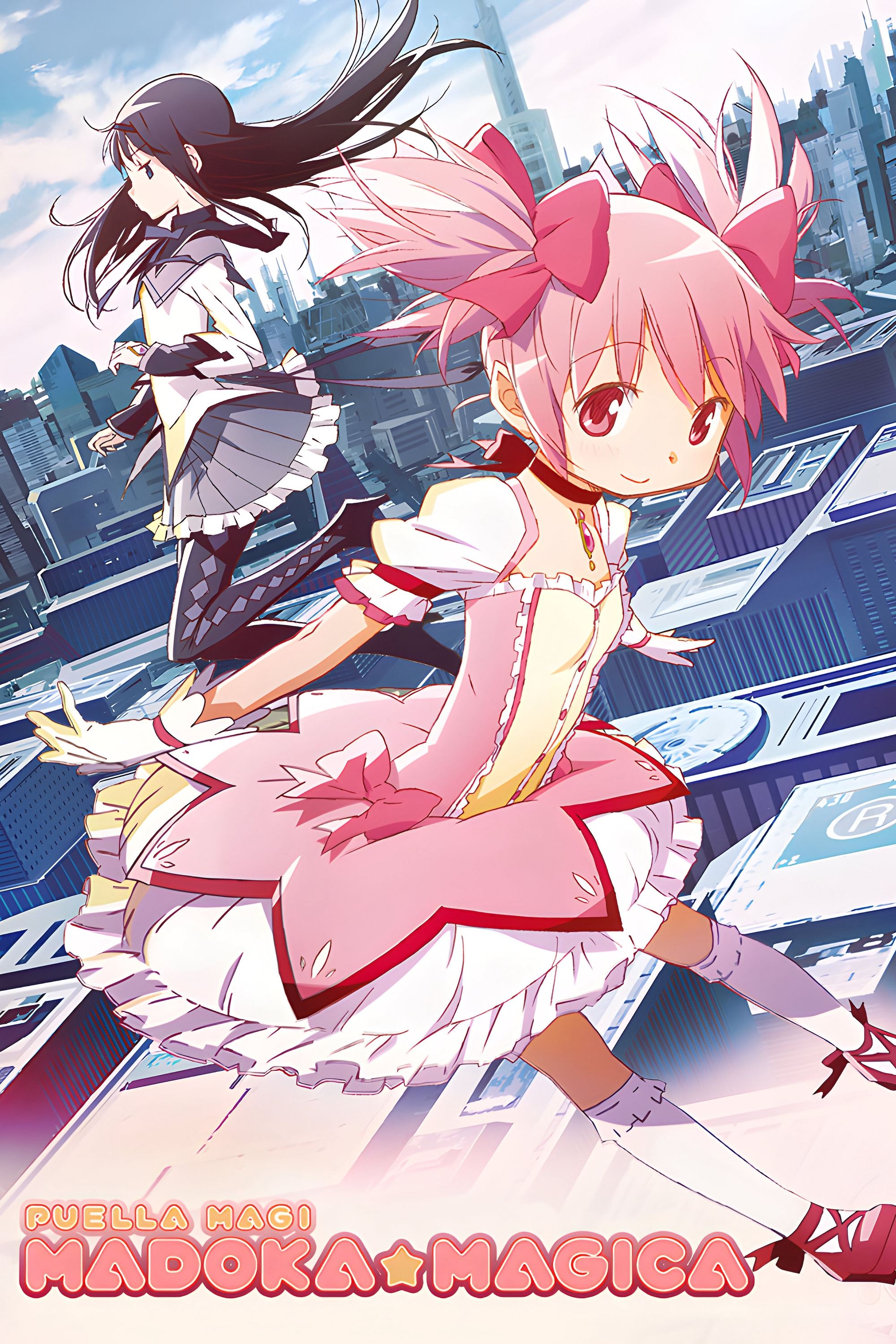
Promotional art for ‘Puella Magi Madoka Magica’ depicted a standard cute magical girl series. Many viewers skipped it thinking it was purely for children. The third episode introduced a dark and violent twist that completely subverted the genre. The show became a dark fantasy phenomenon that explored sacrifice and despair. It remains a requisite watch for understanding modern anime tropes.
‘Ranking of Kings’ (2021)
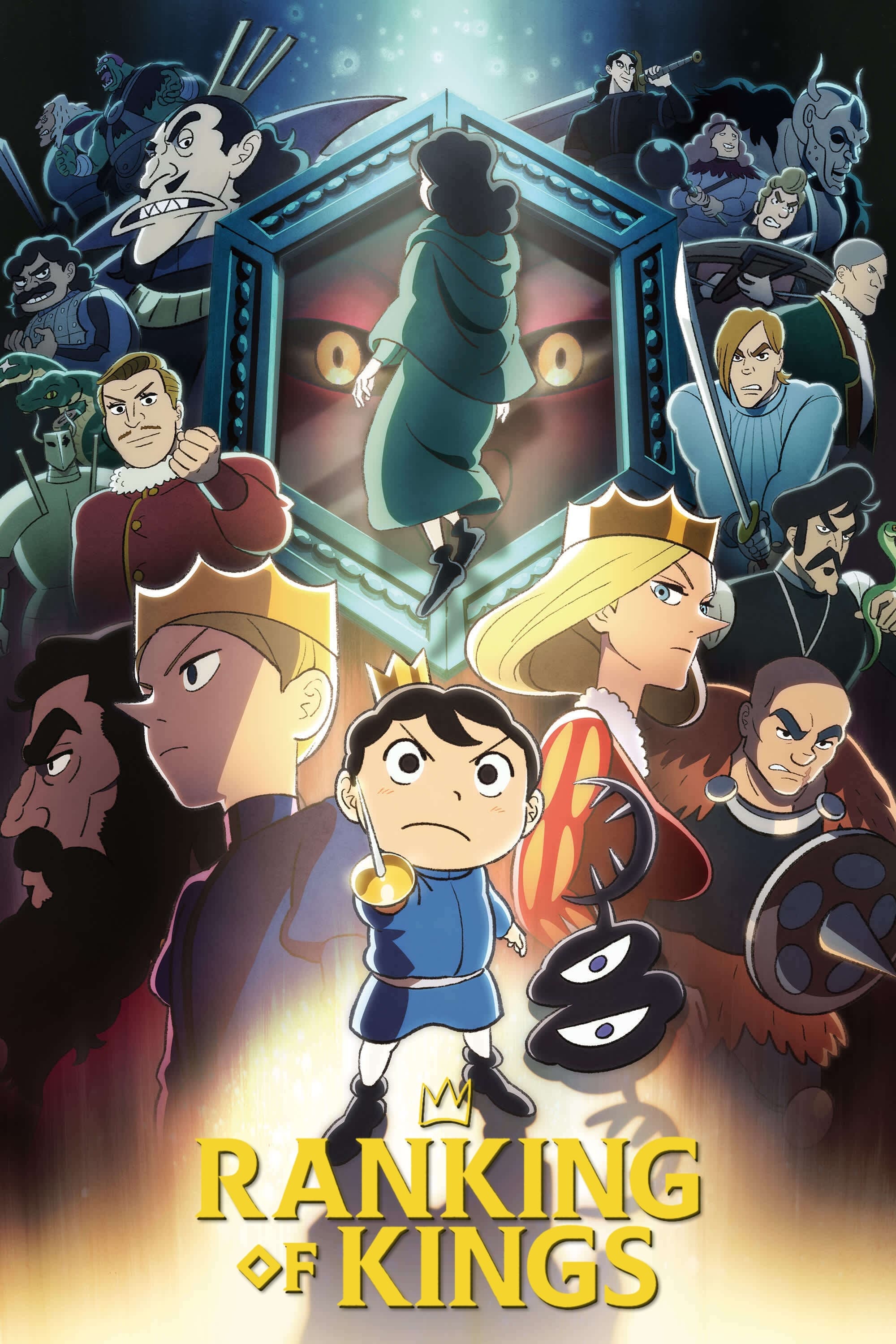
The storybook art style of ‘Ranking of Kings’ led many to believe it was a simple fairy tale for kids. The protagonist being deaf and mute also seemed like a risky narrative choice. Viewers soon discovered a mature story filled with political betrayal and moral ambiguity. The animation quality and emotional depth shocked the community. It became a beloved title for its heartwarming and heartbreaking moments.
‘Made in Abyss’ (2017)
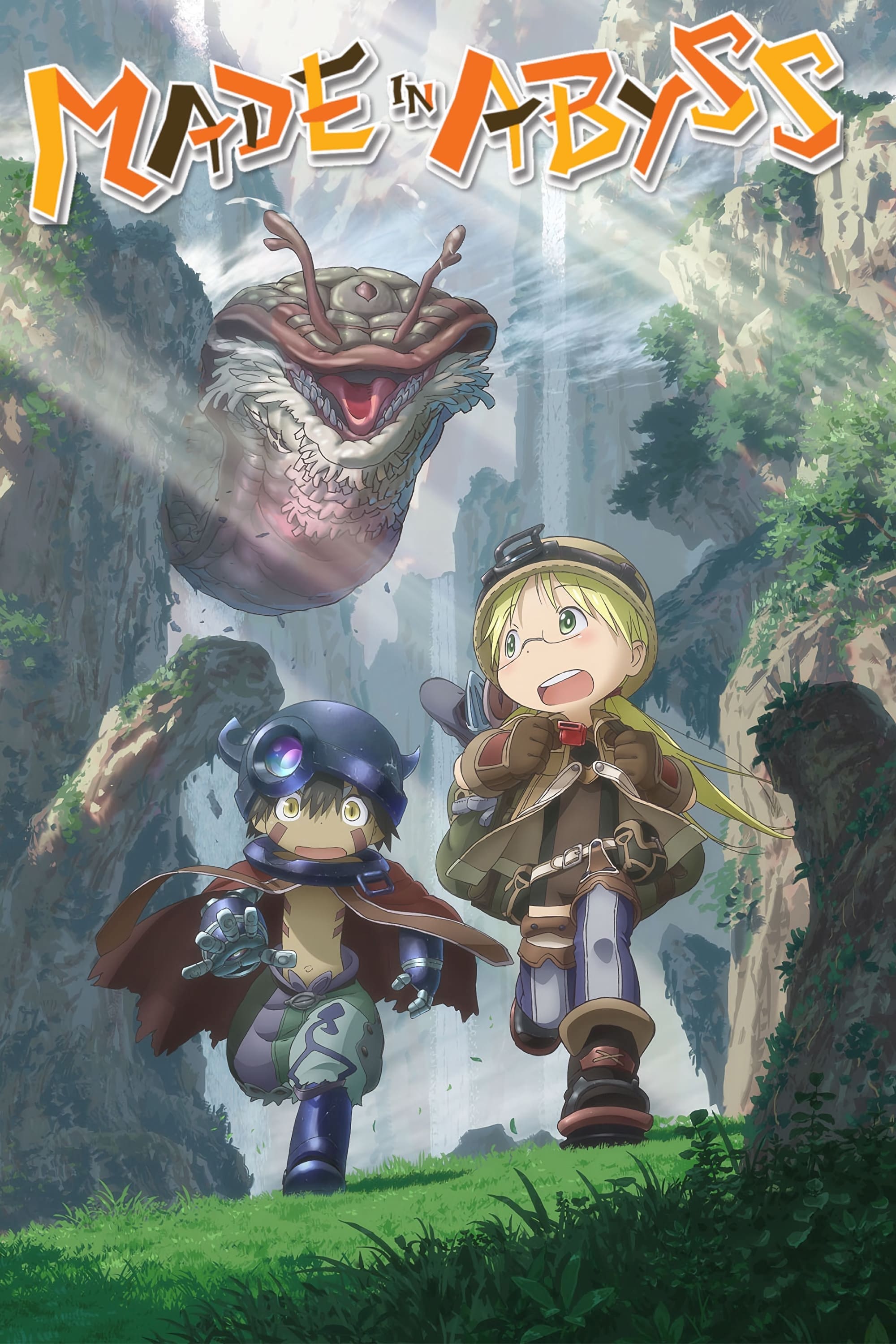
The chibi character designs of ‘Made in Abyss’ suggested a lighthearted adventure. Parents and casual viewers were unprepared for the intense body horror and trauma that followed. The contrast between the cute visuals and the brutal world created a unique atmosphere. The world-building is now praised as some of the most immersive in fantasy anime. It serves as a warning not to judge a show by its cover art.
‘Princess Tutu’ (2002)
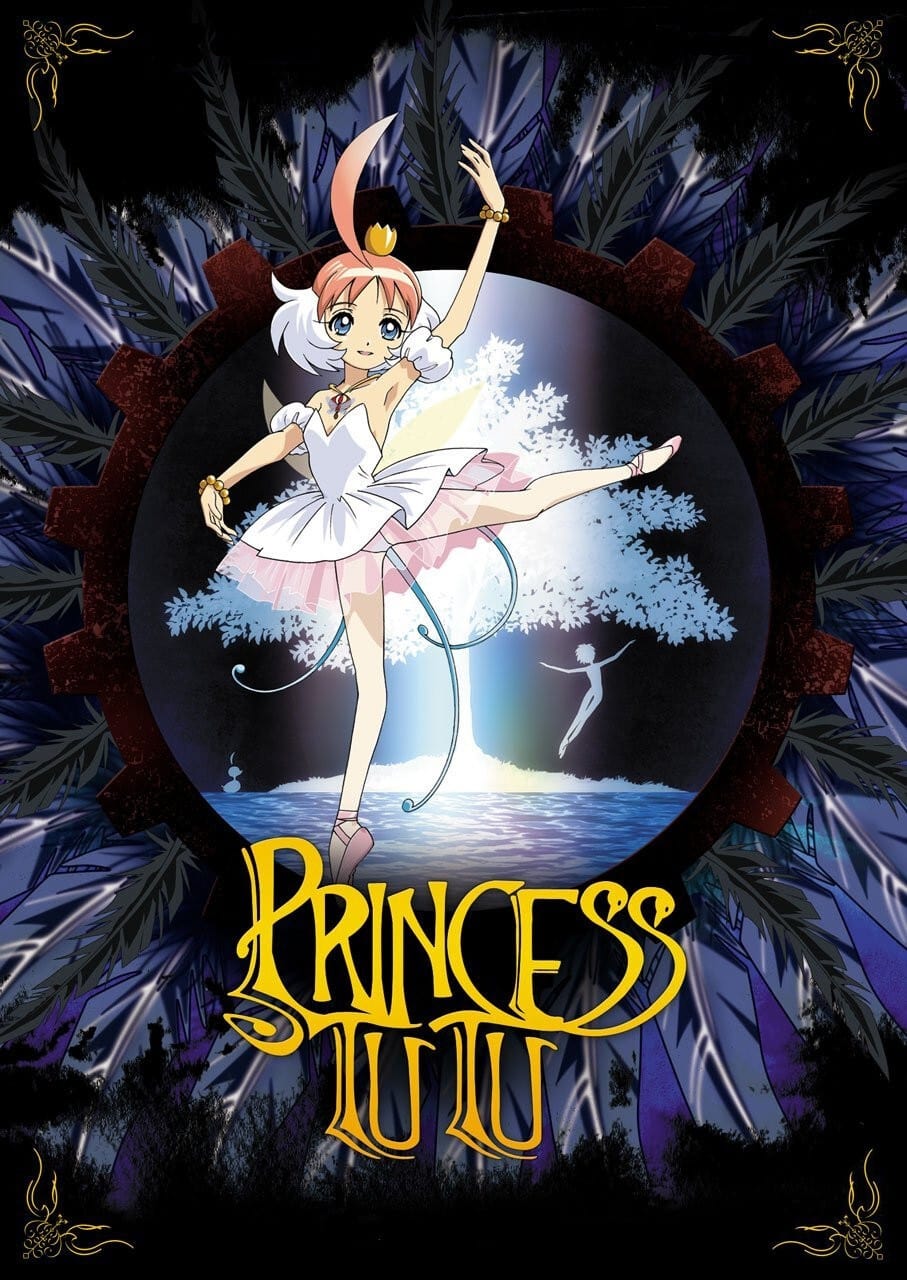
The title and pink aesthetic of ‘Princess Tutu’ made it look like a generic show for little girls. Hardcore anime fans largely ignored it upon release. The series is actually a dark fairy tale that explores fate and narrative agency. It uses ballet as a combat metaphor in a way that is both beautiful and tragic. It has since gained a dedicated cult following for its mature writing.
‘Revolutionary Girl Utena’ (1997)
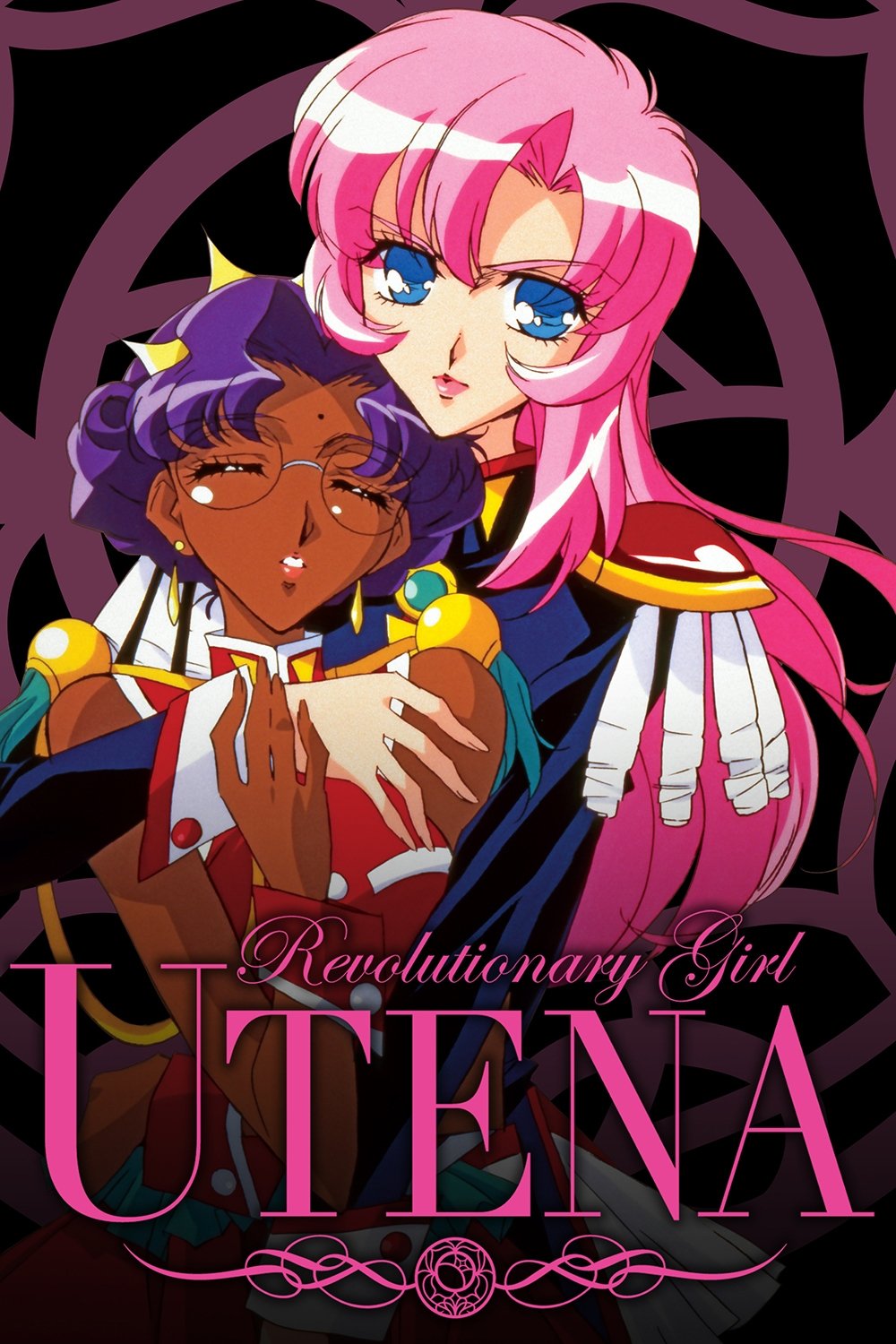
‘Revolutionary Girl Utena’ confused viewers with its heavy use of symbolism and repetitive stock footage. The surreal presentation and gender-bending themes were ahead of their time. It was initially seen as a weird niche title rather than a mainstream hit. The series is now studied for its feminist themes and allegorical storytelling. It stands as a landmark title in the history of shojo anime.
‘Serial Experiments Lain’ (1998)
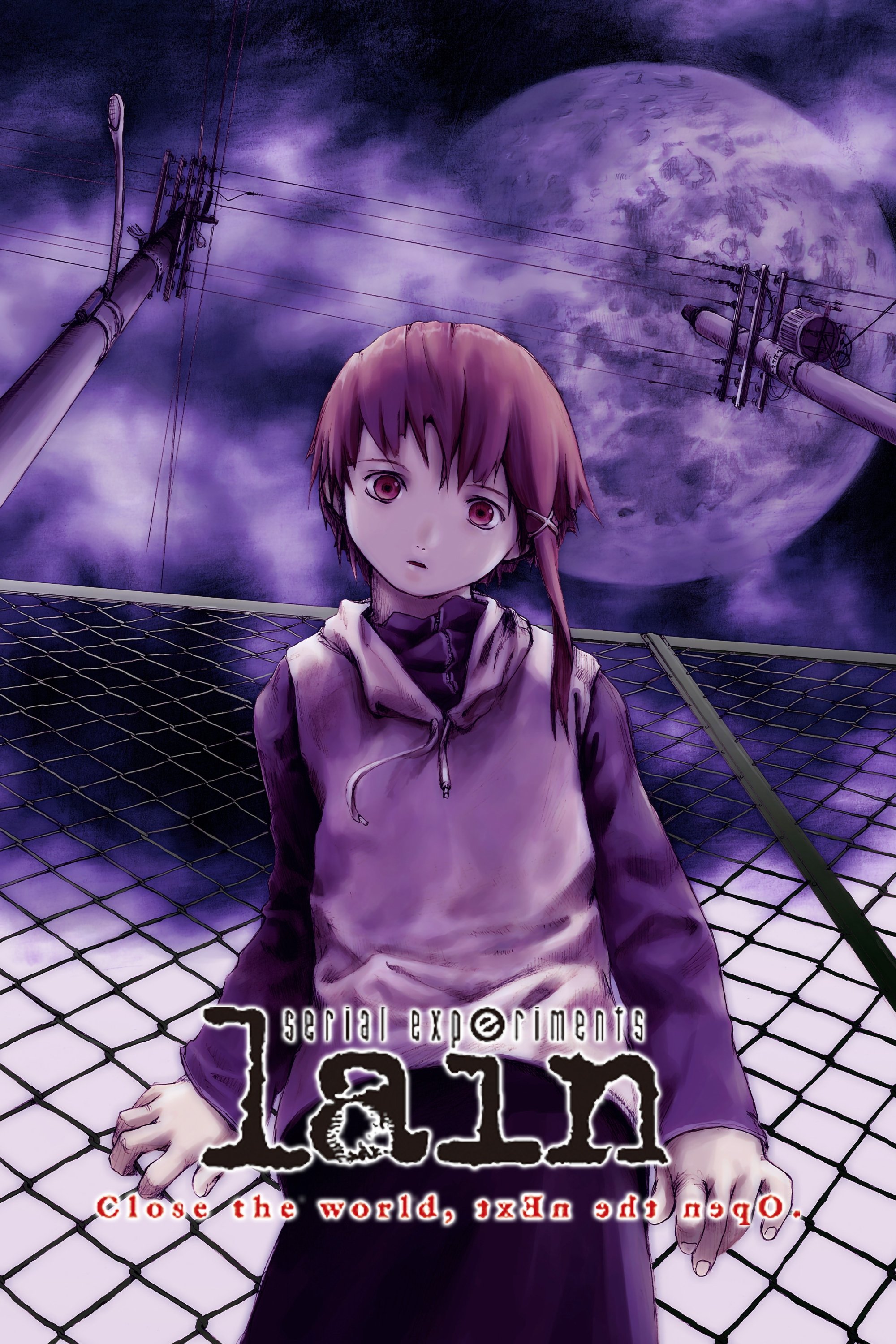
The avant-garde direction of ‘Serial Experiments Lain’ was impenetrable for many viewers in the late nineties. The slow pace and abstract dialogue made the plot difficult to follow. The series predicted the rise of the internet and social isolation with frightening accuracy. It is now revered as a cyberpunk classic that understood the digital age before it fully arrived. The aesthetic remains influential in internet culture today.
‘Texhnolyze’ (2003)
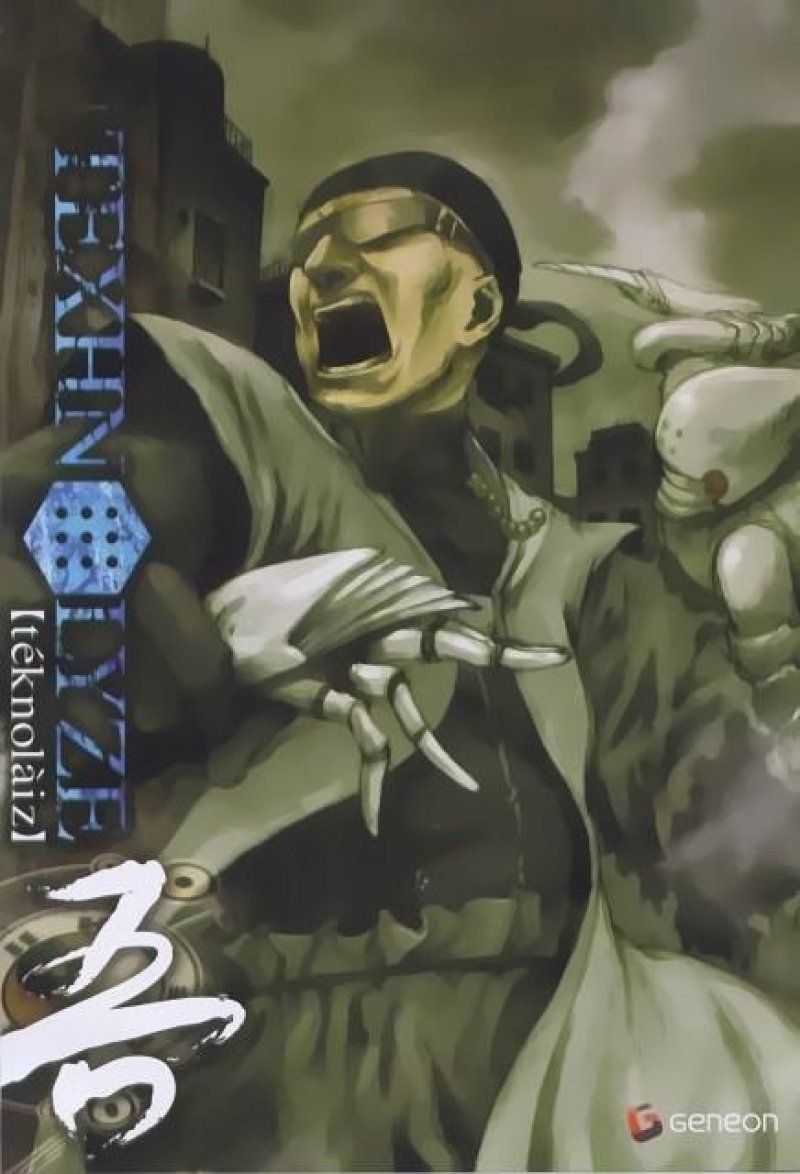
‘Texhnolyze’ is an incredibly bleak and slow-burning series that alienated audiences seeking entertainment. The first episode features almost no dialogue and focuses purely on atmosphere. The relentless nihilism of the story makes it a difficult watch for many. Fans now appreciate it as an uncompromising artistic vision of a dying world. It is considered a cult classic for those who enjoy dark psychological sci-fi.
‘FLCL’ (2000)
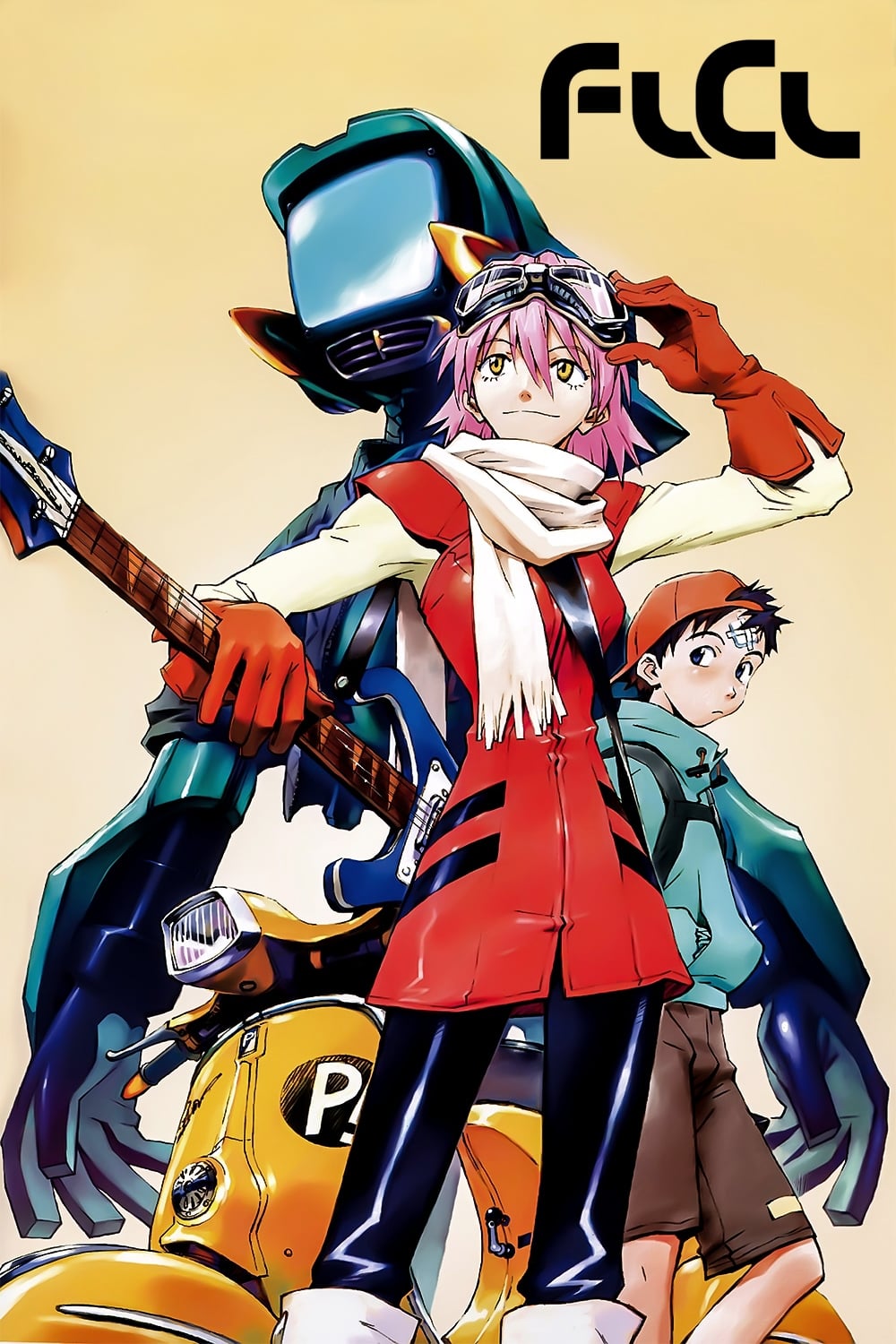
The manic energy and nonsensical plot of ‘FLCL’ left many viewers scratching their heads. It seemed like style over substance with no coherent narrative. Repeated viewings reveal a dense coming-of-age metaphor layered under the insanity. The soundtrack by The Pillows became iconic and inseparable from the show’s identity. It is now celebrated for capturing the confusion of puberty perfectly.
‘Paranoia Agent’ (2004)
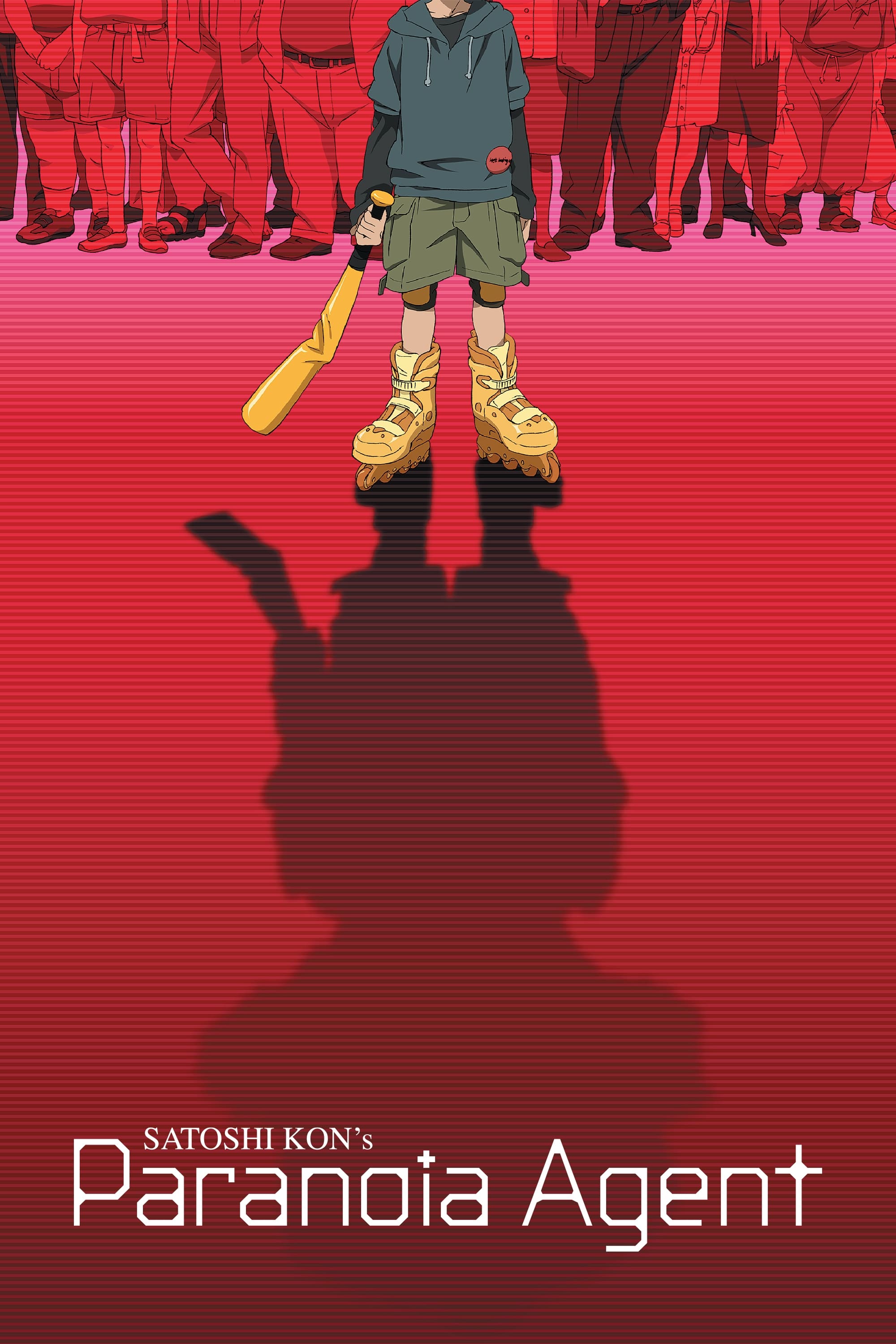
The late Satoshi Kon created ‘Paranoia Agent’ to explore themes that did not fit into his movies. The episodic and disjointed nature of the series confused viewers looking for a linear mystery. The show serves as a biting social commentary on mass hysteria and escapism. It gained recognition over time as a brilliant examination of modern societal pressure. It remains the only television series directed by the legendary creator.
‘The Tatami Galaxy’ (2010)
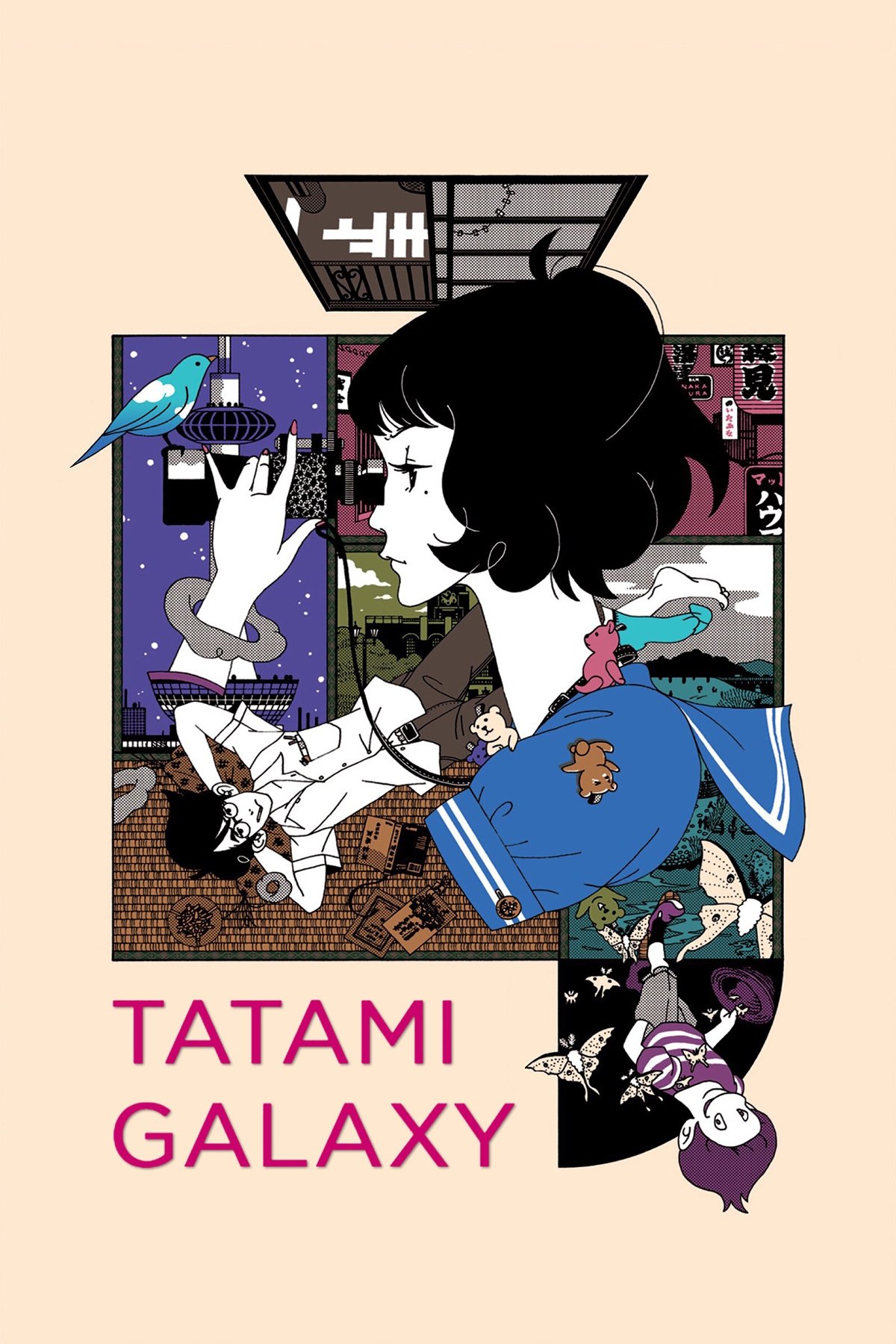
The rapid-fire dialogue and subtitles in ‘The Tatami Galaxy’ made it physically difficult to watch for some. The abstract visual style was also a barrier for mainstream audiences. Those who kept up were treated to a profound story about regret and college life. The time-loop narrative is executed with wit and philosophical depth. It is widely regarded as a masterpiece of the medium today.
‘Pop Team Epic’ (2018)

‘Pop Team Epic’ was initially viewed as incomprehensible garbage by confused viewers. The show repeats the same episode twice with different voice actors and relies on anti-humor. The chaotic format was a deliberate attempt to troll the audience and the industry. It became a viral sensation precisely because it broke every rule of television production. It is now respected as a piece of Dadaist performance art.
‘School Days’ (2007)
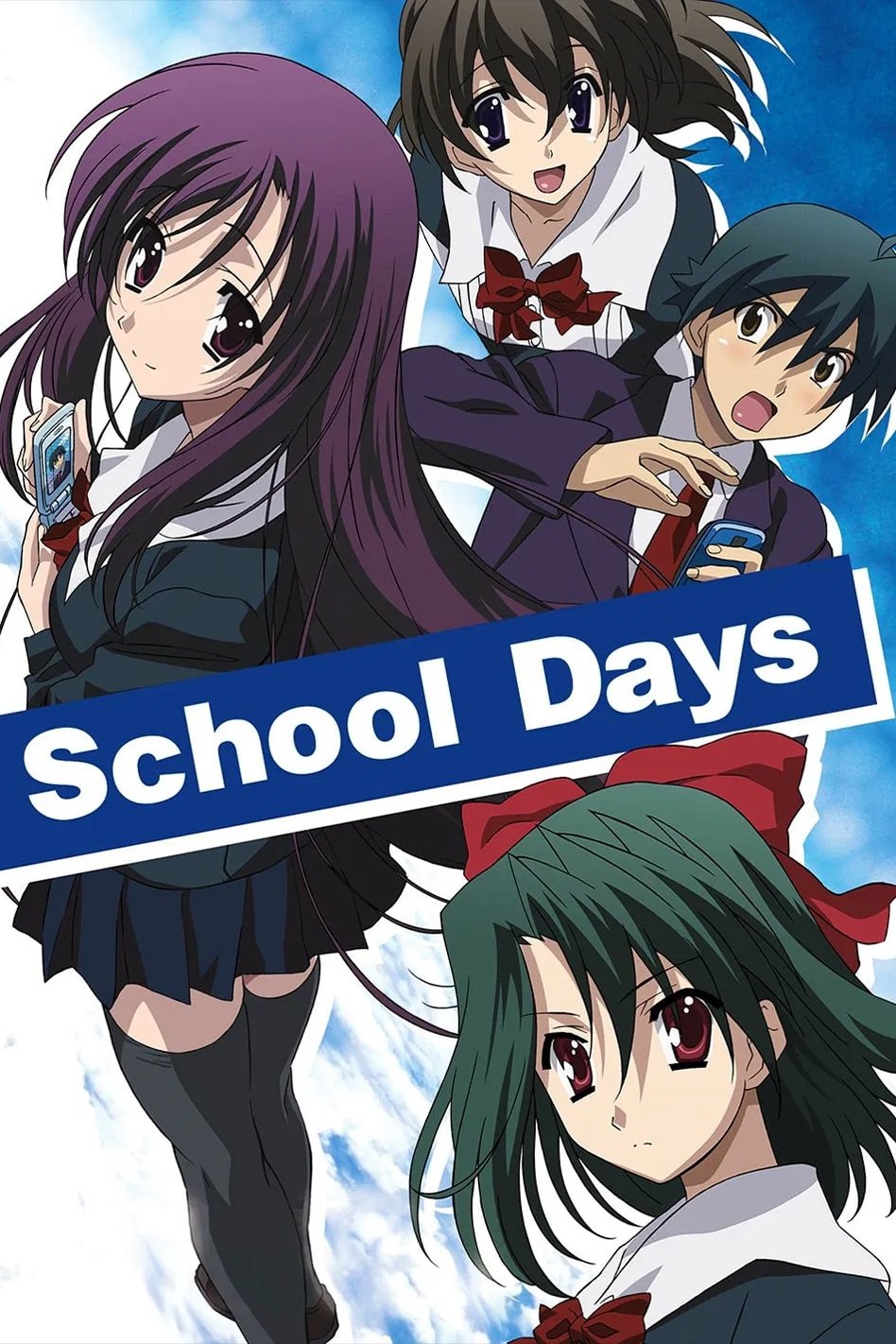
‘School Days’ began as a generic romance that bored viewers with its unlikable protagonist. The anime adaptation took a drastic turn by leaning into the toxic aspects of the relationships. The violent and shocking finale became legendary in the anime community. It is now remembered not as a romance but as a horrific deconstruction of the harem genre. The “Nice Boat” meme cemented its place in history.
‘Golden Kamuy’ (2018)
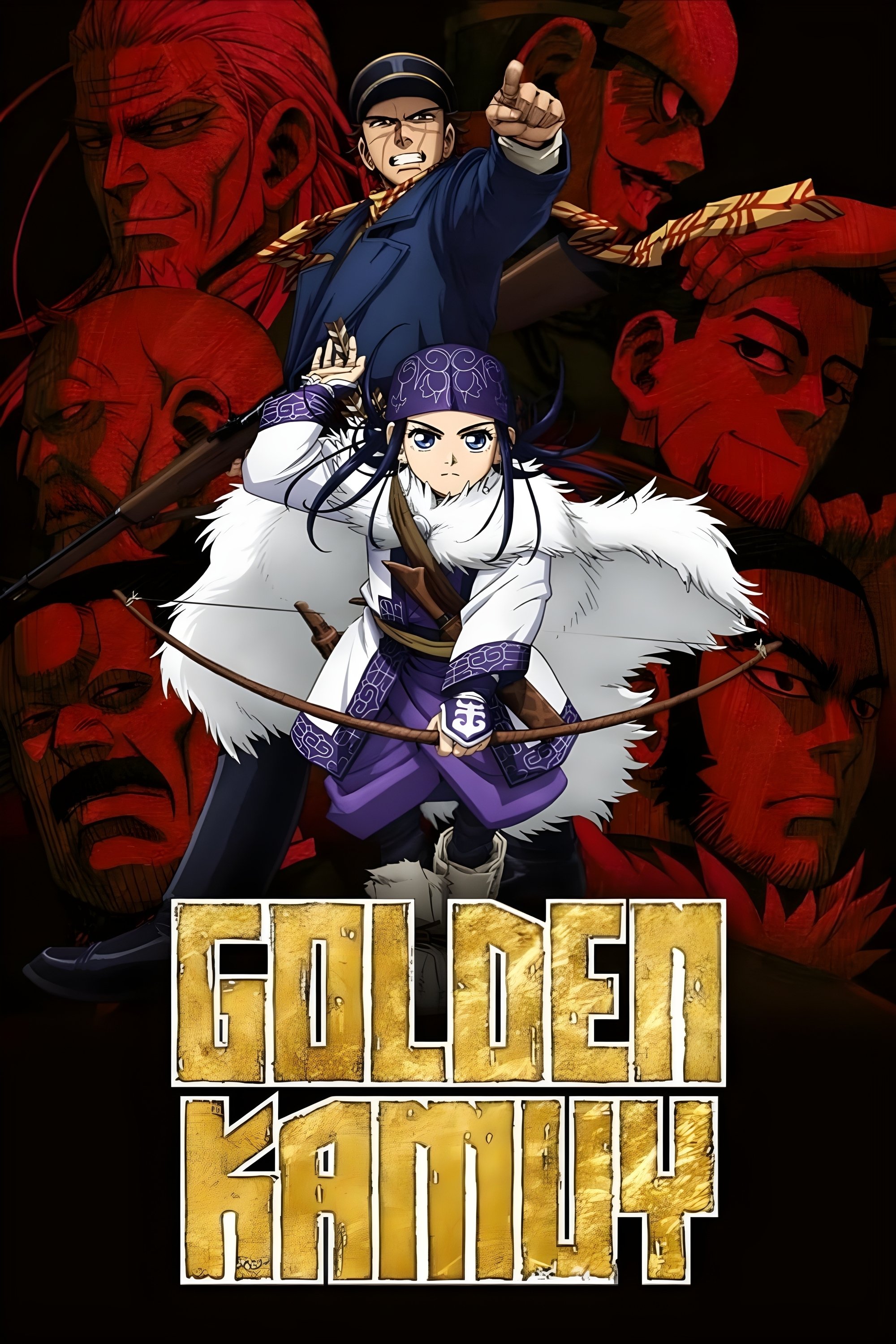
The use of a low-quality CGI bear in the early episodes of ‘Golden Kamuy’ became a laughing stock. Many viewers dropped the show assuming the production values were terrible throughout. The series proved to be a gripping historical adventure with well-researched Ainu culture. The characters are wild and the plot is full of twists. It is now a critical darling despite the early technical stumble.
‘Dorohedoro’ (2020)
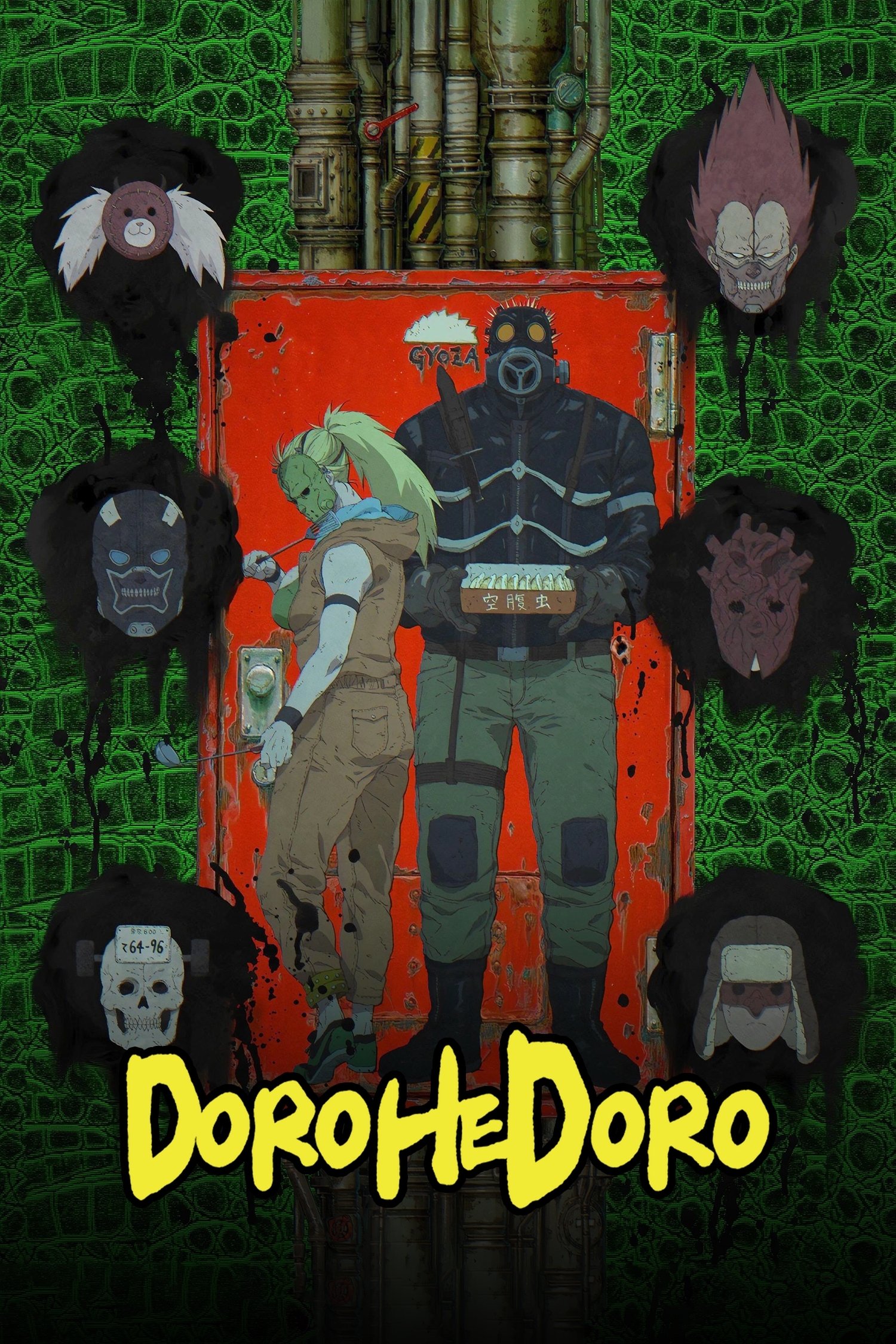
Fans of the gritty manga were worried that ‘Dorohedoro’ would be ruined by a CGI adaptation. The dirty and chaotic art style seemed impossible to translate to 3D. The anime managed to capture the grimy aesthetic and violent humor of the source material perfectly. The background art and music created a unique atmosphere that won over skeptics. It became a hit for its distinct style and lovable villains.
‘Samurai Flamenco’ (2013)
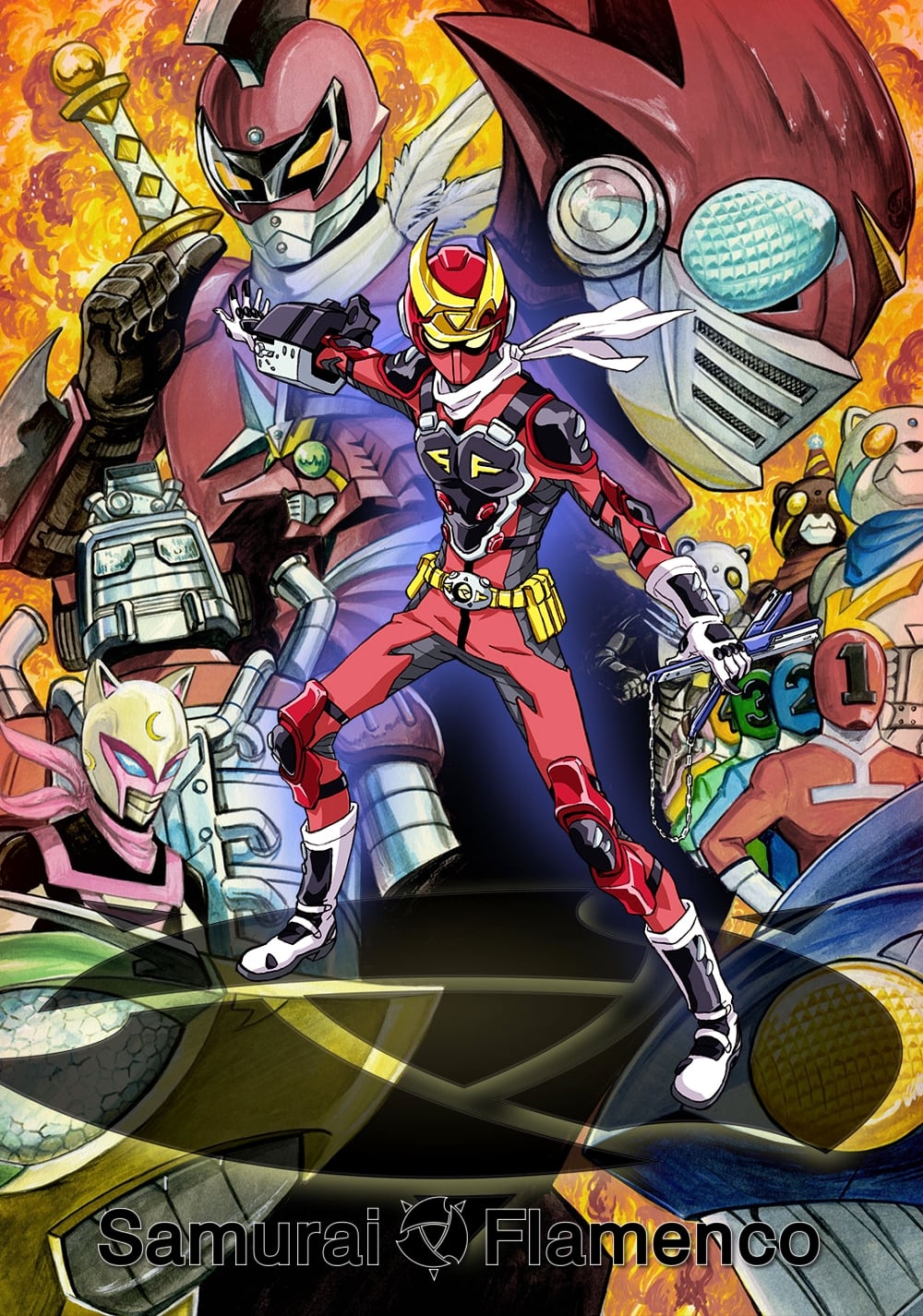
‘Samurai Flamenco’ started as a grounded take on superheroes that attracted fans of ‘Kick-Ass’. The show introduced a massive plot twist involving a Guillotine Gorilla that completely changed the genre. Many viewers dropped it feeling betrayed by the sudden shift to fantasy. Those who finished it realized the show was a loving tribute to all eras of tokusatsu heroes. It is now praised for its ambitious narrative structure.
‘Scum’s Wish’ (2017)
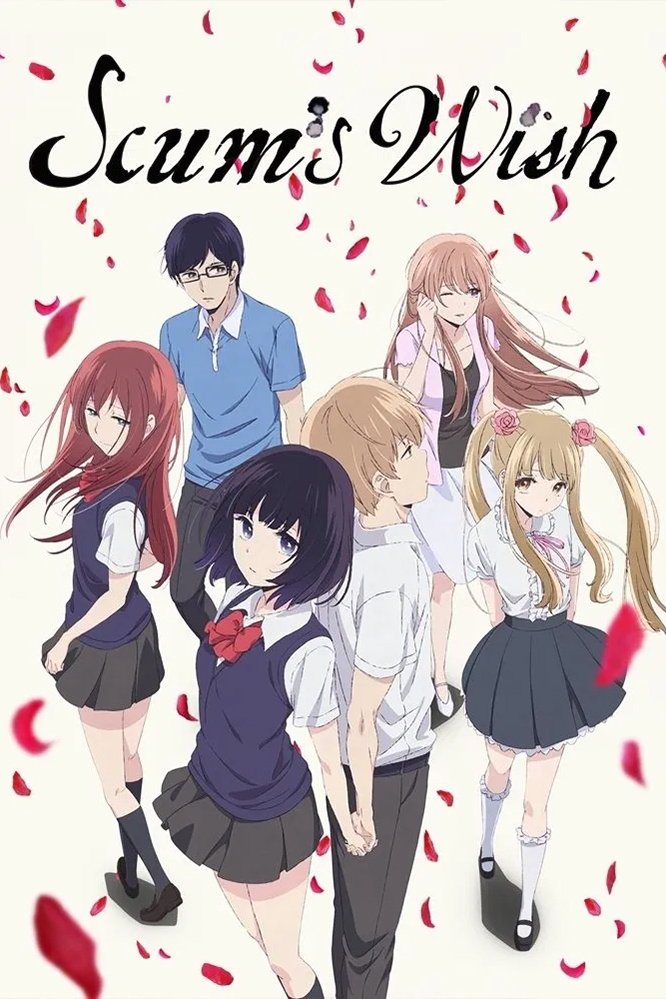
The uncomfortable premise of ‘Scum’s Wish’ involving manipulative teenagers turned many viewers away. It was labeled as edgy melodrama with unlikable characters. The show is now appreciated for its honest and raw depiction of toxic relationships and loneliness. The direction and music created a melancholic atmosphere that elevated the material. It remains a polarizing but respected exploration of young love.
‘SSSS.Gridman’ (2018)
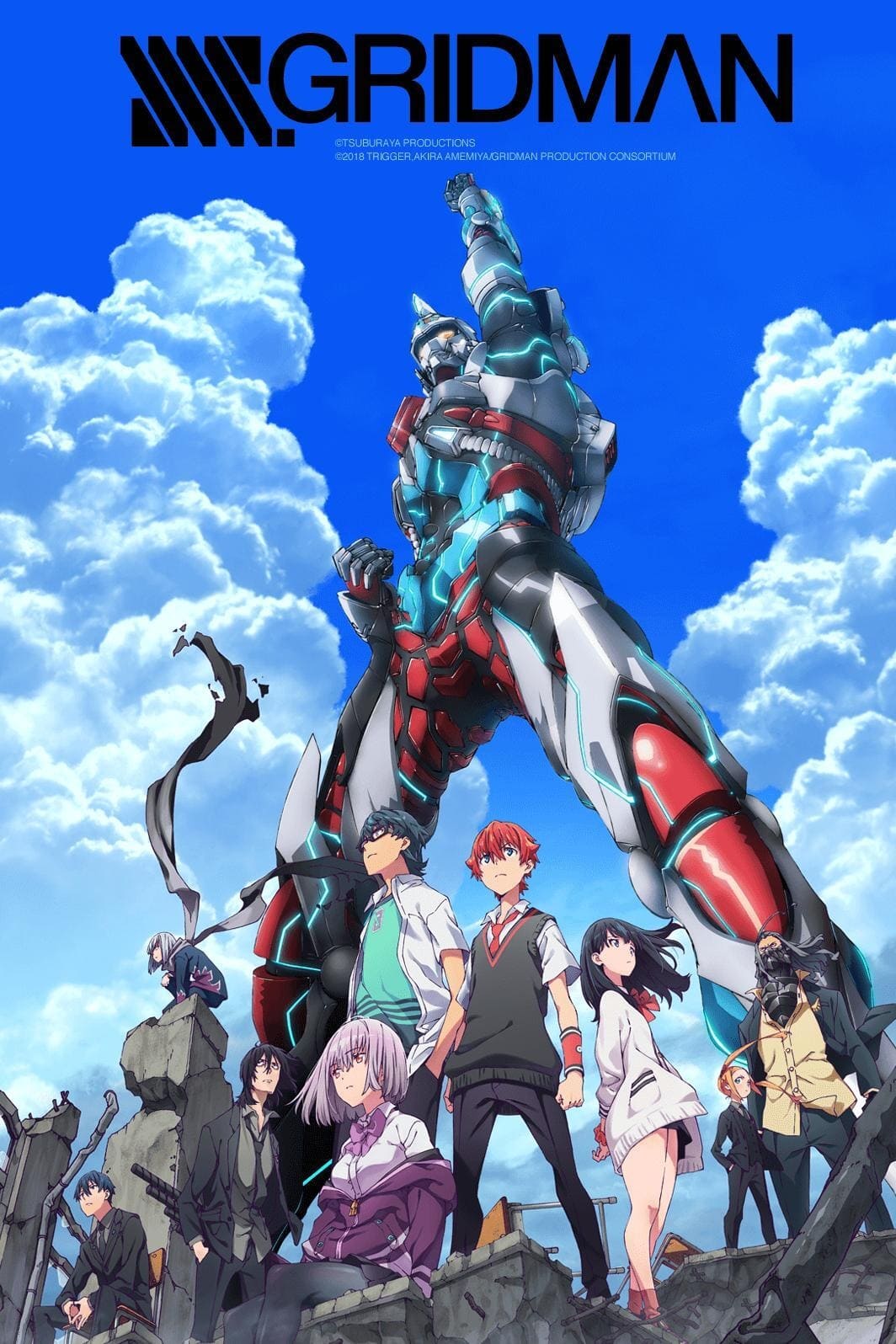
‘SSSS.Gridman’ seemed like a niche throwback to old tokusatsu shows that would not appeal to modern fans. The combination of giant robots and Kaiju felt dated to general audiences. The series surprised everyone with its high-quality animation and subtle character drama. The twist regarding the digital world added a layer of psychological depth. It successfully rebooted a dormant franchise for a new era.
‘Vinland Saga’ (2019)
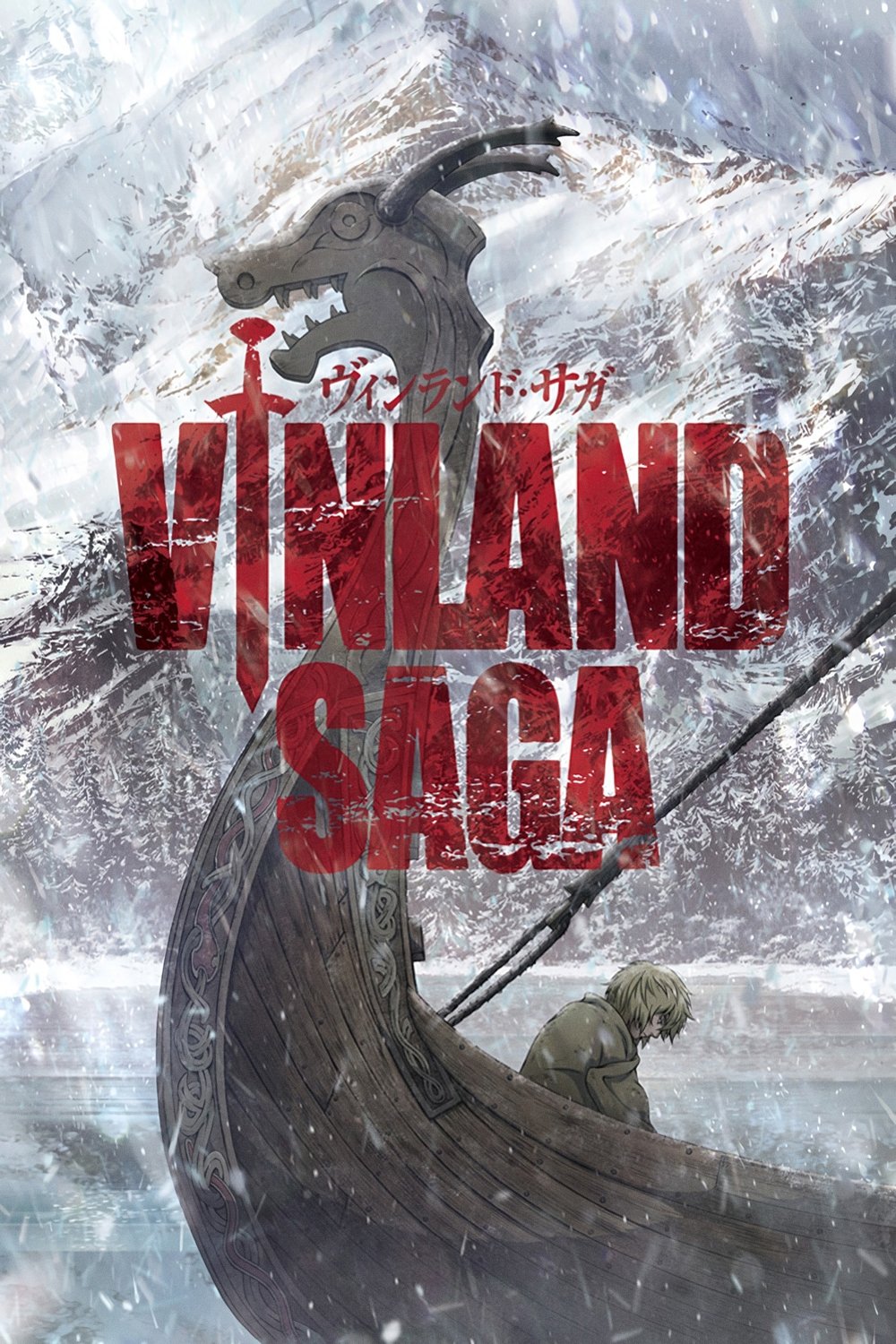
The drastic shift in tone during the second season of ‘Vinland Saga’ initially alienated fans of the violent first season. Viewers expecting constant Viking warfare were bored by the slow arc set on a farm. This “Farmland Arc” is now praised as the peak of the main character’s development. The transition from a story of revenge to one of pacifism is considered a masterful writing achievement. It challenged the audience to grow alongside the protagonist.
Share which of these anime you dropped and picked up again in the comments.