

Anime That Baited Fans with Queer Hints But Never Delivered




Anime has a long history of featuring intense relationships between same-sex characters that toe the line between platonic friendship and romance. These series often utilize romantic tropes, heavy emotional codependency, and suggestive marketing to attract a dedicated fanbase of shippers. While the chemistry is palpable, many productions stop just short of confirming a relationship within the text to maintain broad appeal. This phenomenon leaves viewers debating whether the subtext was intentional representation or merely a strategy to boost engagement. The following titles are infamous for building up queer romance potential that ultimately went unresolved.
‘Sound! Euphonium’ (2015)
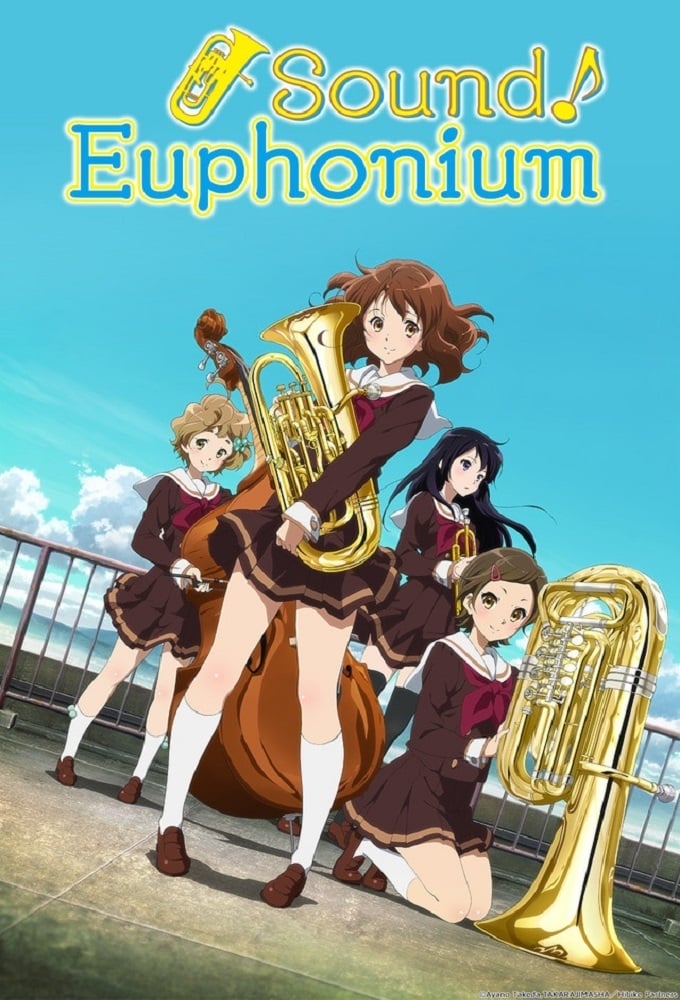
Kumiko Oumae and Reina Kousaka share an intense emotional bond that frequently transcends typical friendship dynamics throughout the series. Their relationship features moments of heavy intimacy including a famous scene where they proclaim a special kind of love for one another atop a mountain. Viewers interpreted their physical closeness and deep gazes as the setup for a budding romance. The narrative eventually steers Kumiko toward a heterosexual relationship with her childhood male friend despite the setup. Many fans felt disappointed that the profound connection between the two girls was relegated to platonic subtext.
‘Free! – Iwatobi Swim Club’ (2013)
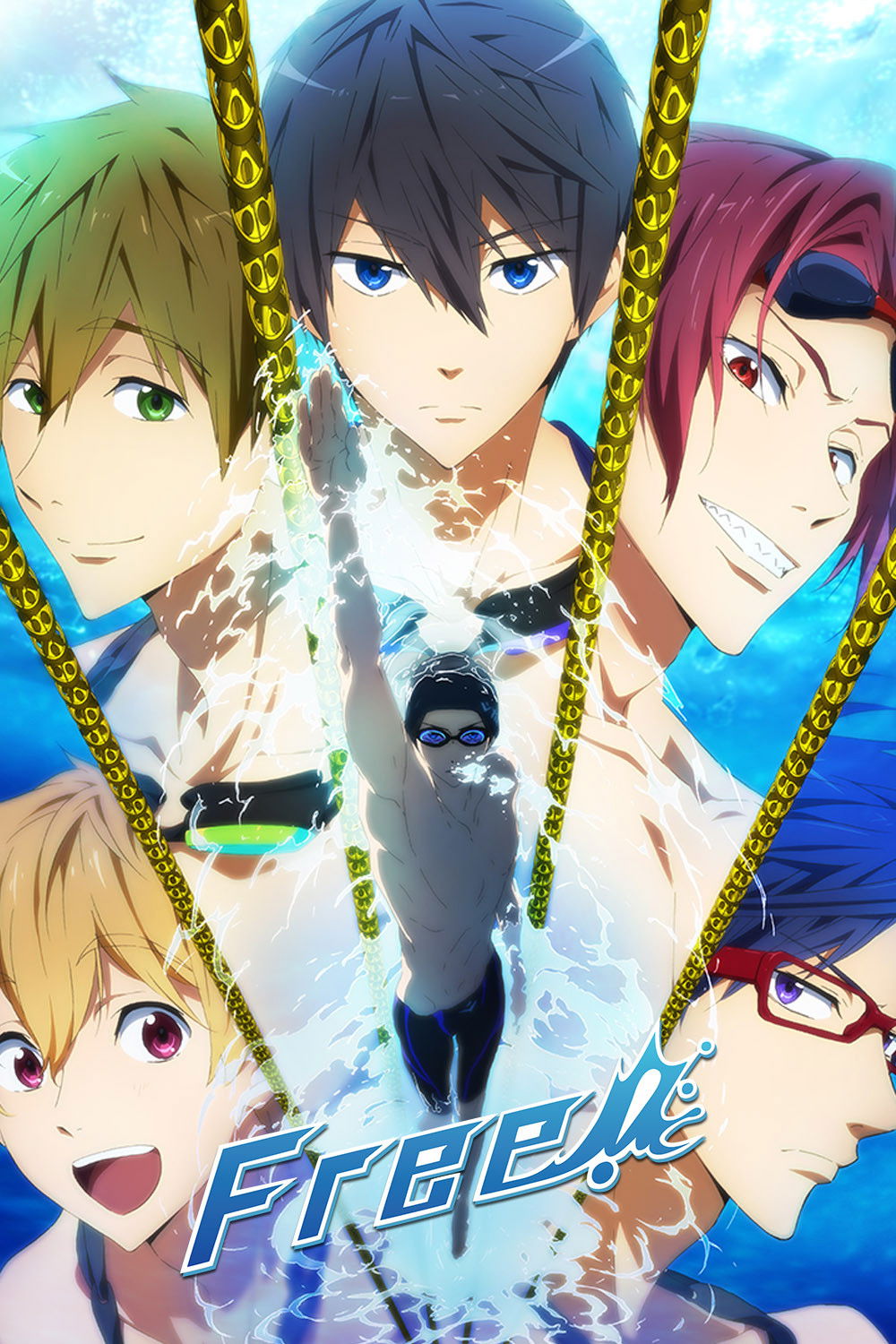
This swimming anime focuses on the bonds between male swimmers who display high levels of physical affection and emotional dependency. Characters like Haru and Makoto share a history and closeness that often mimics romantic tropes found in other genres. The framing of scenes frequently highlights their muscles and intimate proximity in the water or locker rooms. Despite the heavy implications of romance between various team members the show maintains that they are just close friends. The series serves as a prime example of fan service that caters to shipping culture without confirming relationships.
‘Sk8 the Infinity’ (2021)
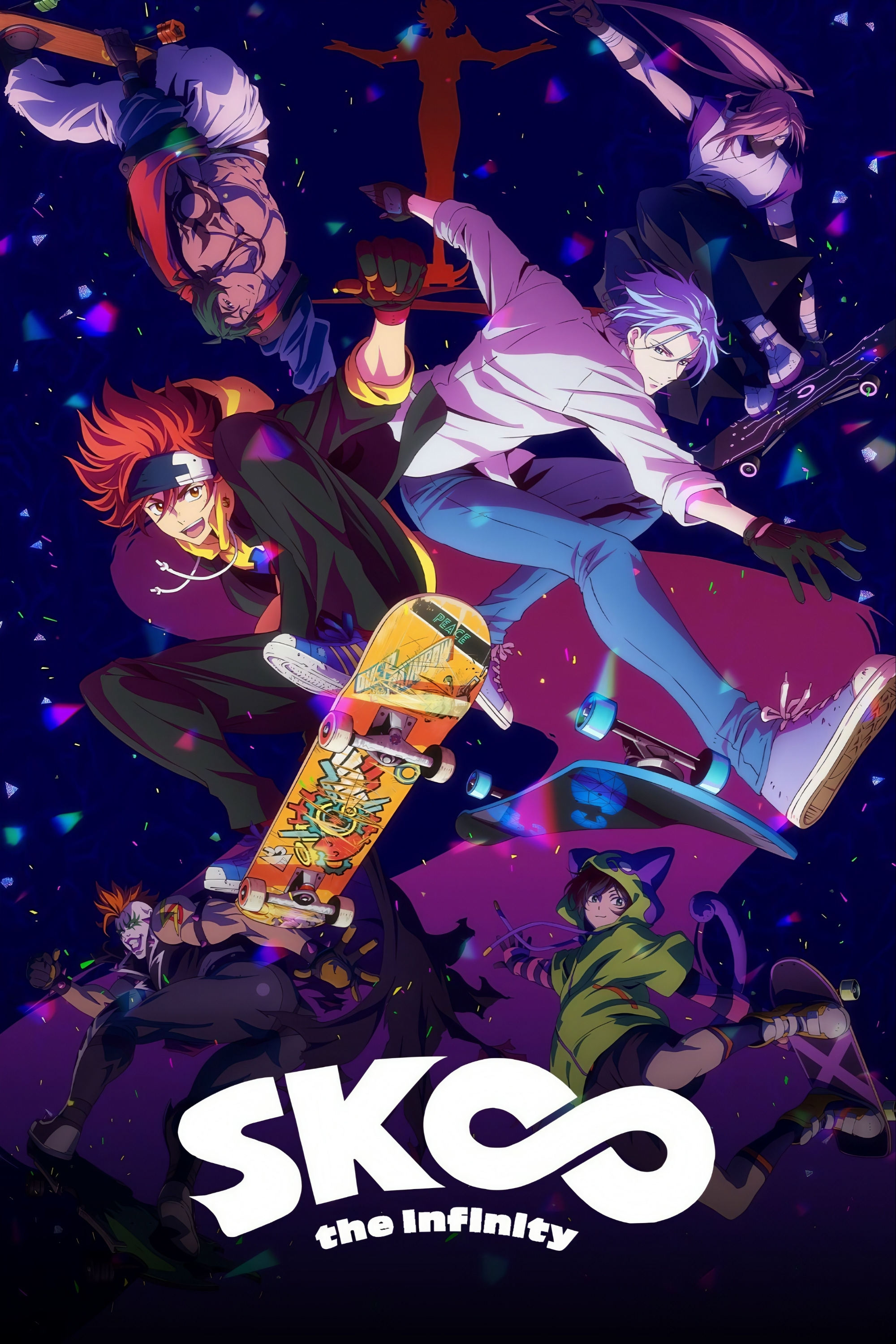
Reki and Langa develop an immediate and intense connection through their shared love of skateboarding. The show features numerous scenes where they promise to skate together infinitely and express deep emotional reliance on one another. Other characters in the show explicitly question if they are a couple due to their behavior. The creator confirmed they are soulmates but stopped short of confirming a romantic relationship within the text. Fans largely view the lack of an explicit confession as a missed opportunity given the overwhelming chemistry.
‘Black Butler’ (2008)
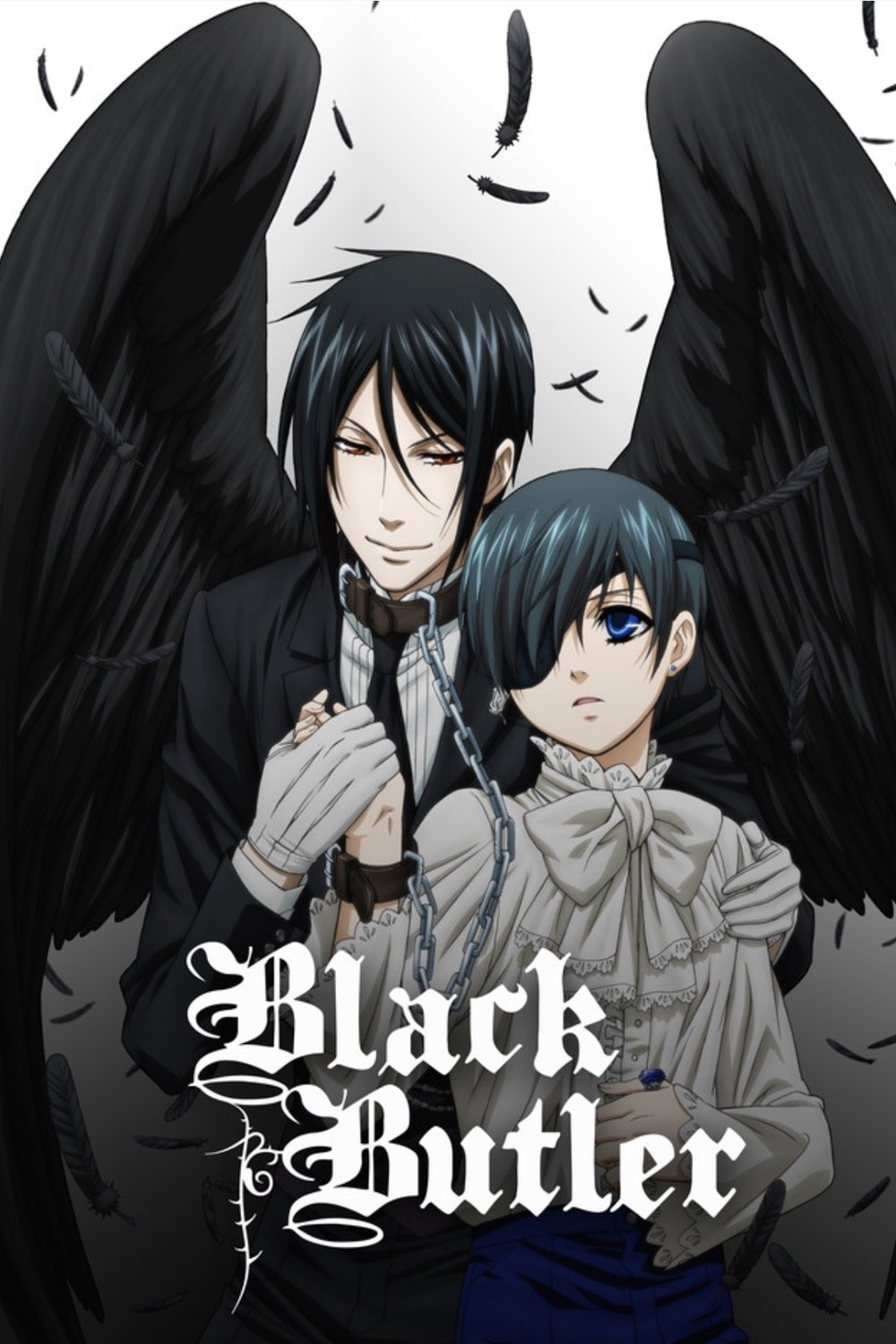
The dynamic between the demon butler Sebastian and his young master Ciel is fraught with complex power dynamics and devotion. The anime adaptation leaned heavily into homoerotic subtext that was less prevalent in the original manga source material. Scenes often frame their contract as a twisted form of romantic engagement or spiritual marriage. Sebastian expresses a possessive hunger for Ciel that blurs the lines between predation and affection. The series maintains a gothic horror aesthetic that utilizes this tension without actualizing a romance.
‘Lycoris Recoil’ (2022)
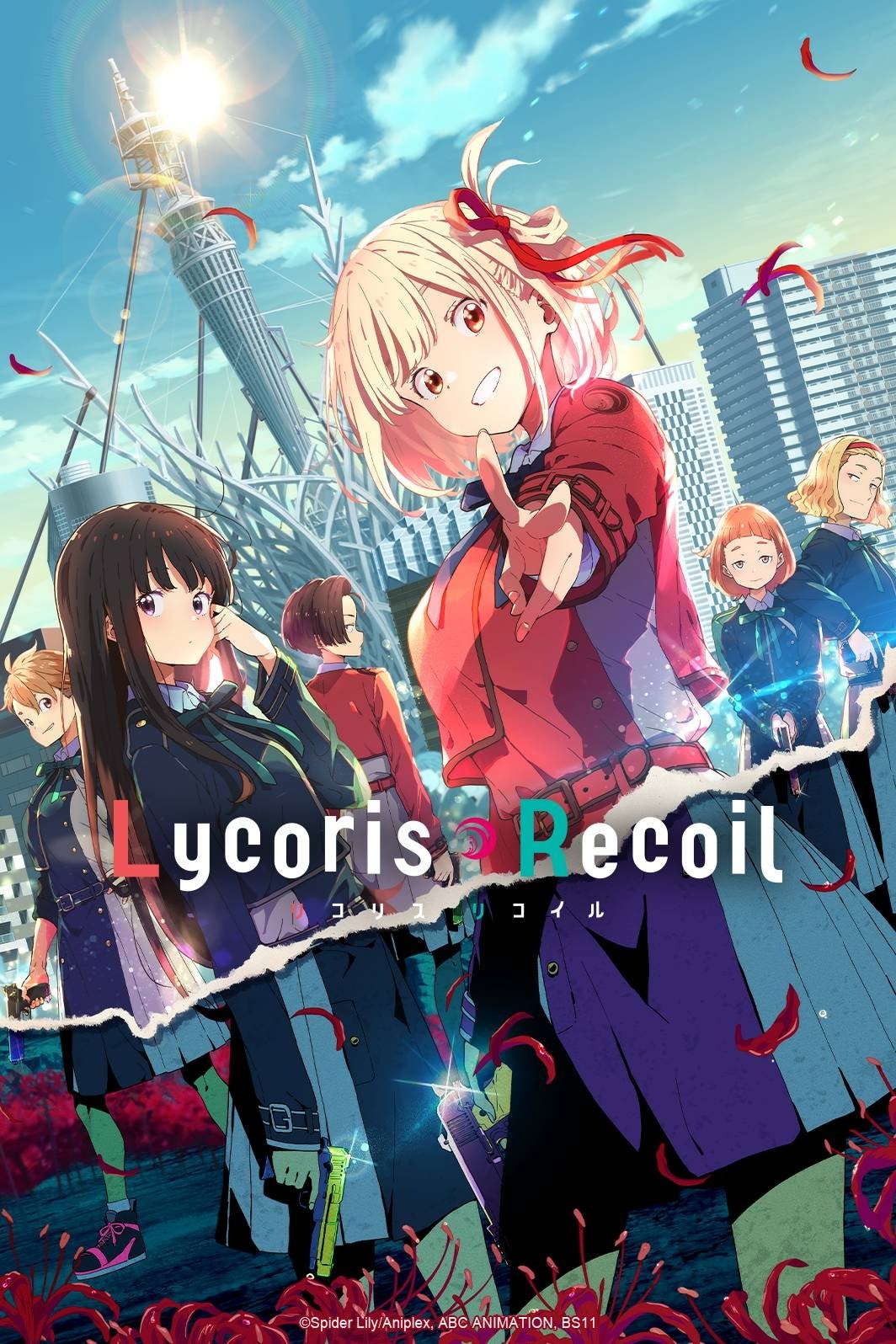
Chisato and Takina develop a partnership that quickly evolves into a deep emotional reliance on one another. The official marketing and promotional art frequently depicted the two girls in romantic scenarios or holding hands. Scenes within the anime feature classic romance tropes such as an aquarium date and declarations of needing each other. The show concludes without confirming a romantic relationship despite the overwhelming chemistry between the leads. Fans were left debating whether the subtext was intentional queer representation or just close friendship.
‘Hunter x Hunter’ (2011)
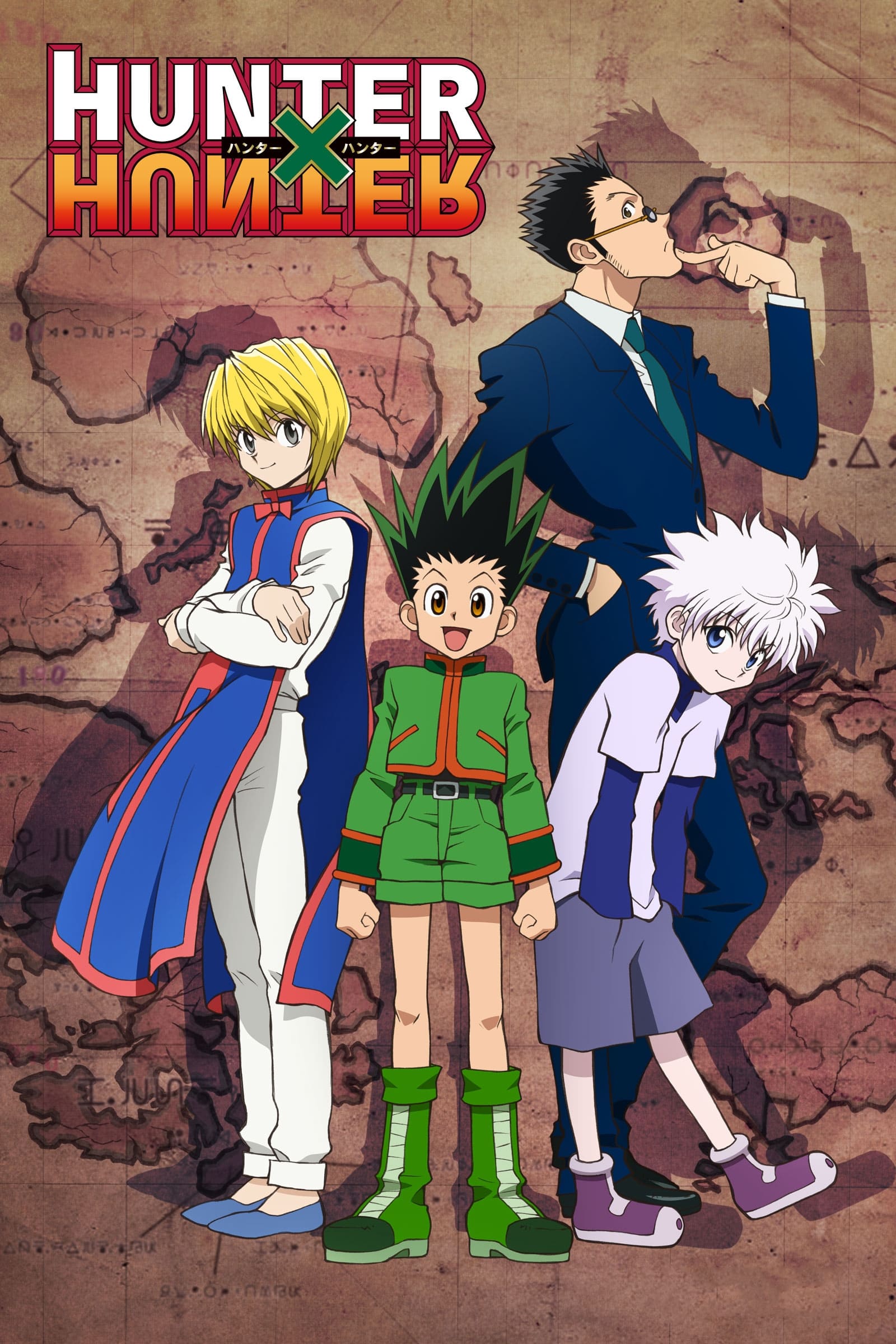
Gon and Killua share a bond that defines the emotional core of the series as they travel the world together. Killua displays a level of devotion to Gon that often involves self-sacrifice and intense jealousy towards others. Characters in the show occasionally mistake them for a couple or comment on the intensity of their relationship. A famous mistranslation in the fandom regarding a lovers suicide pact fueled speculation for years. The series eventually separates them to pursue individual goals without confirming romantic feelings.
‘Naruto’ (2002)
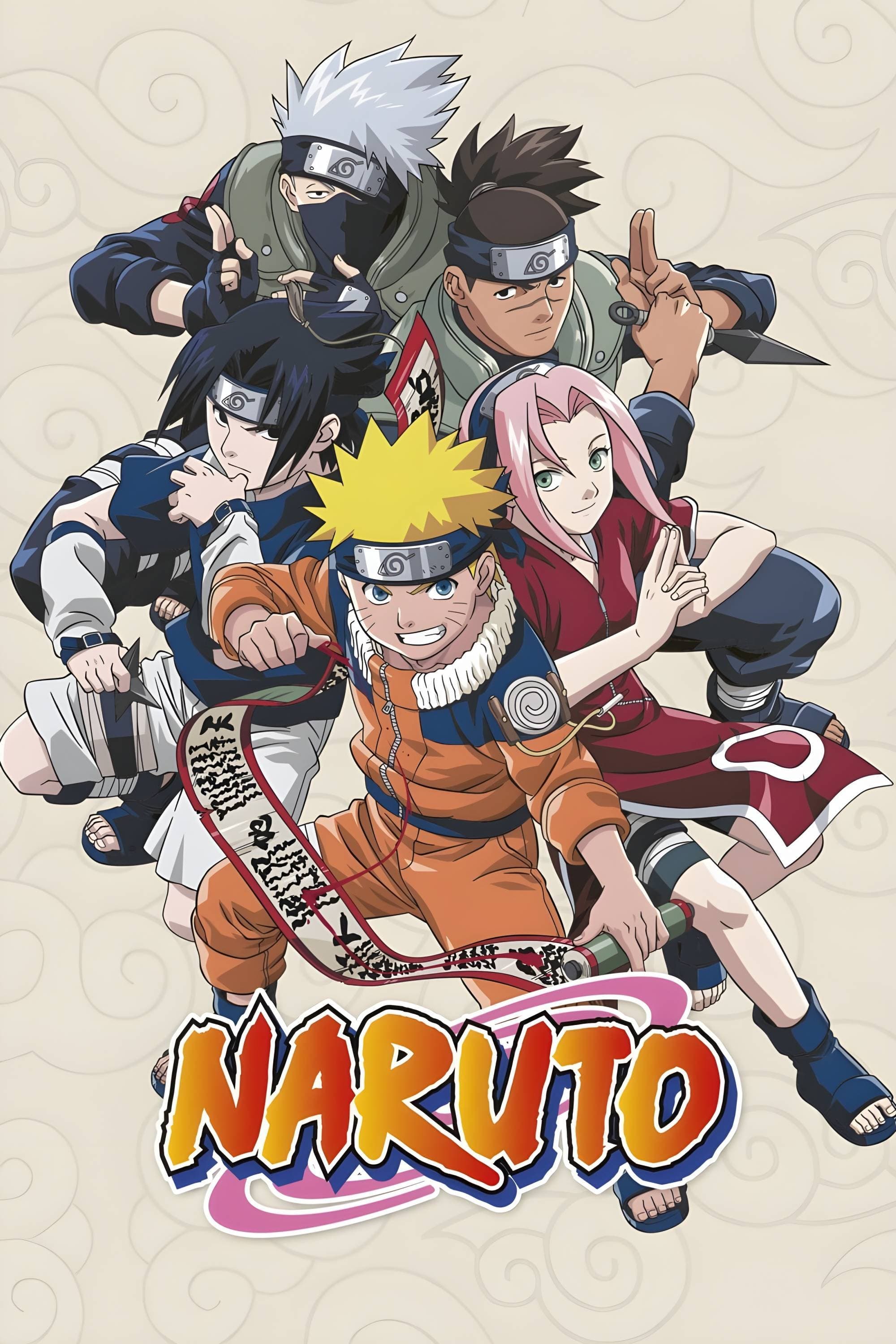
The rivalry between Naruto and Sasuke drives the entire plot and features an obsessive dedication that lasts for years. Their relationship begins with an accidental kiss that becomes a defining moment for the fandom early in the series. Naruto spends a significant portion of the story chasing Sasuke to bring him home while ignoring other romantic interests. Characters frequently comment on the intensity of their bond and how far they will go for each other. Both characters eventually marry women which cements their relationship as a complex brotherhood rather than a romance.
‘Bungo Stray Dogs’ (2016)
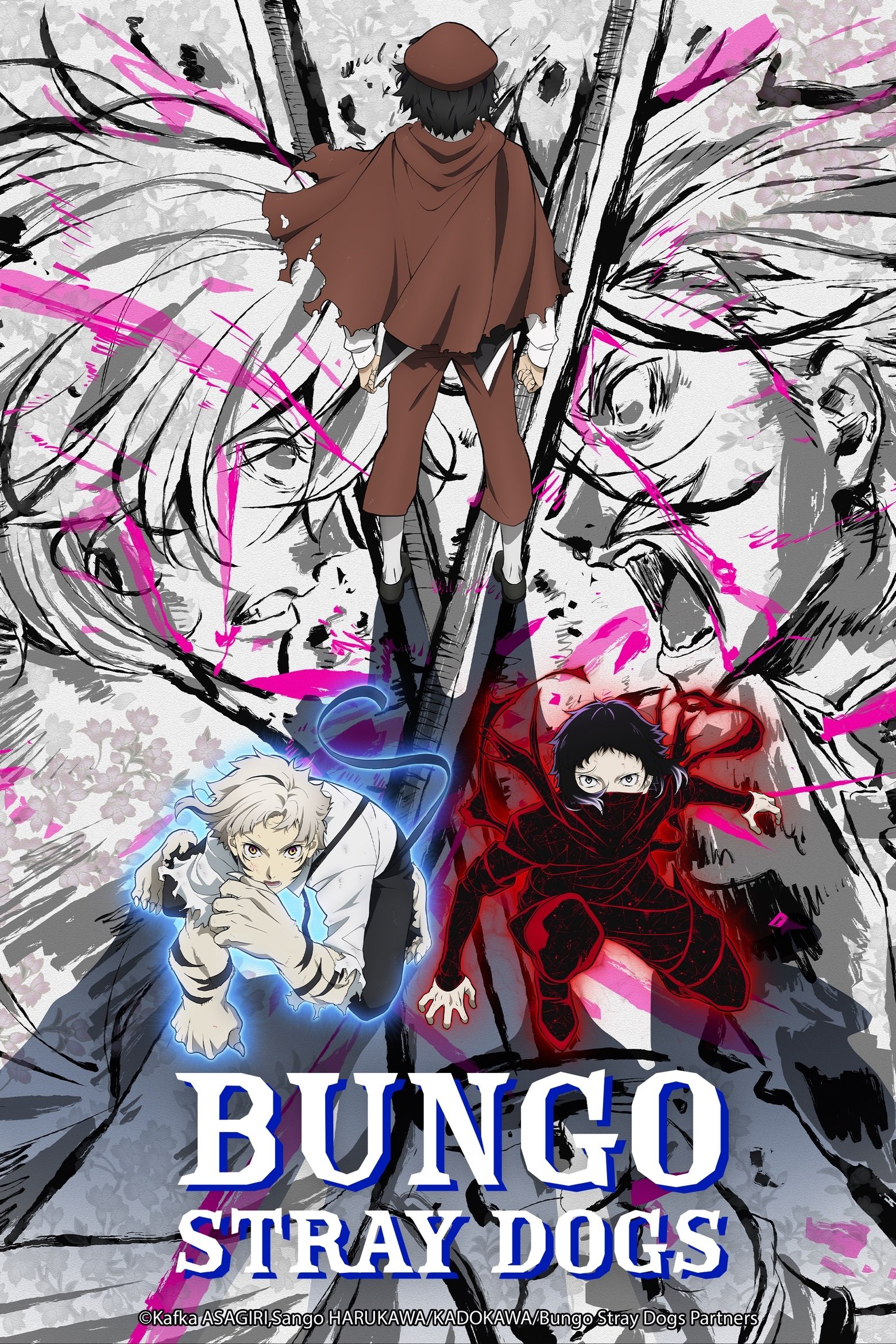
Dazai and Chuuya are former partners who share a turbulent history filled with bickering and implicit trust. The show frequently pairs them together in situations that require absolute reliance on the other for survival. Official art and merchandise often capitalize on the popularity of their pairing by placing them in intimate scenarios. Their dialogue suggests they know each other better than anyone else in the world. Despite the heavy shipping fuel provided by the studio their relationship remains strictly professional and antagonistic in canon.
‘Code Geass: Lelouch of the Rebellion’ (2006)
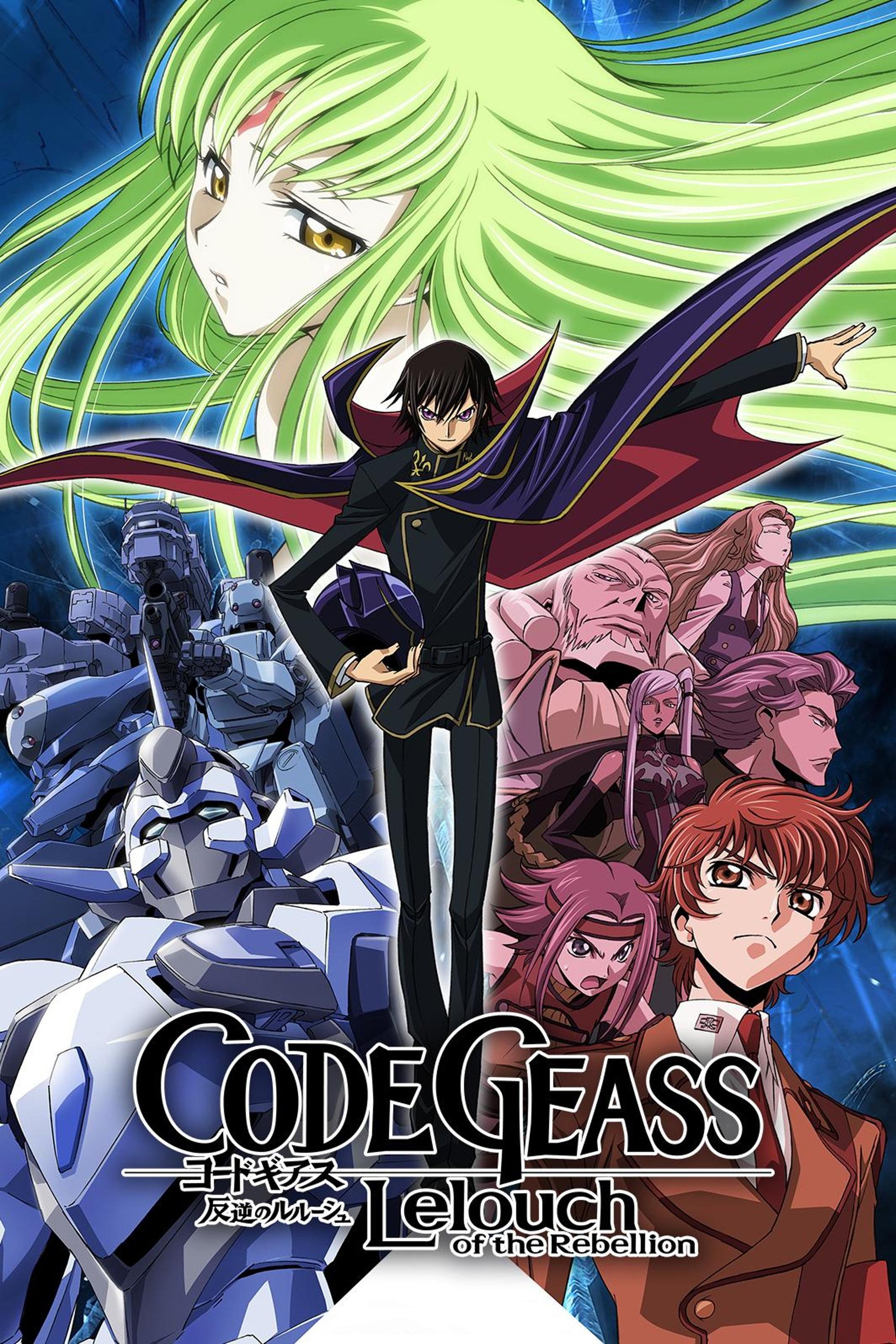
Lelouch and Suzaku are childhood friends who find themselves on opposite sides of a global conflict. Their relationship is defined by a tragic cycle of betrayal and forgiveness that carries immense emotional weight. The narrative emphasizes that they are two halves of a whole who are incomplete without one another. Official art from the studio often depicted the pair in suggestive poses usually reserved for romantic leads. The series ends with a pact between them that cements their bond but focuses on their ideology rather than romance.
‘Tiger & Bunny’ (2011)
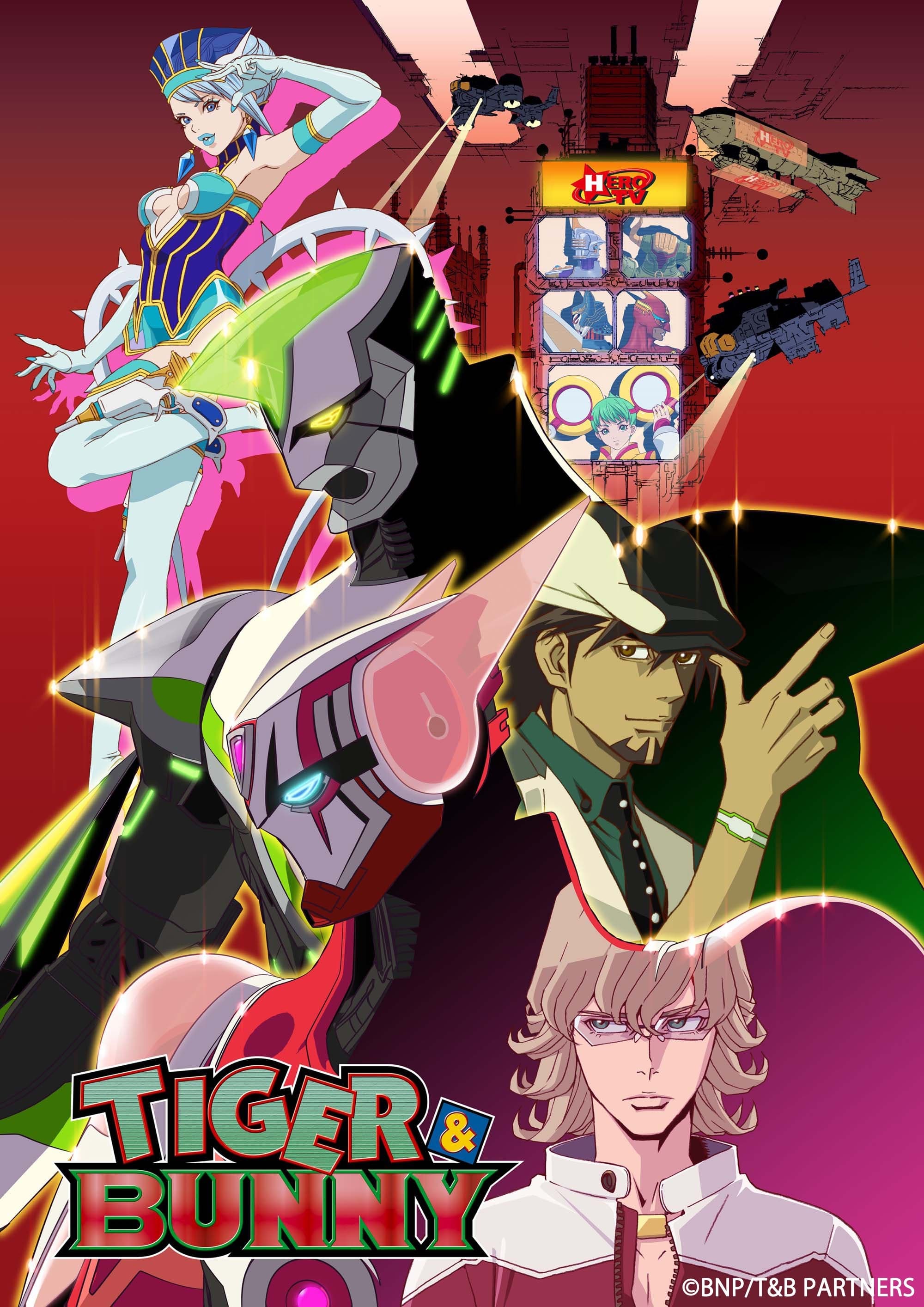
Kotetsu and Barnaby are superhero partners who start as rivals but grow to trust each other implicitly. The show utilizes the buddy cop dynamic but layers it with domestic scenes and emotional vulnerability. In the finale scenes the two are shown carrying each other in a manner often compared to a bridal carry. The creators have mentioned that they share a bond that transcends gender or standard definitions of love. However the show stops short of calling it a romance and leaves them as life partners.
‘Promare’ (2019)
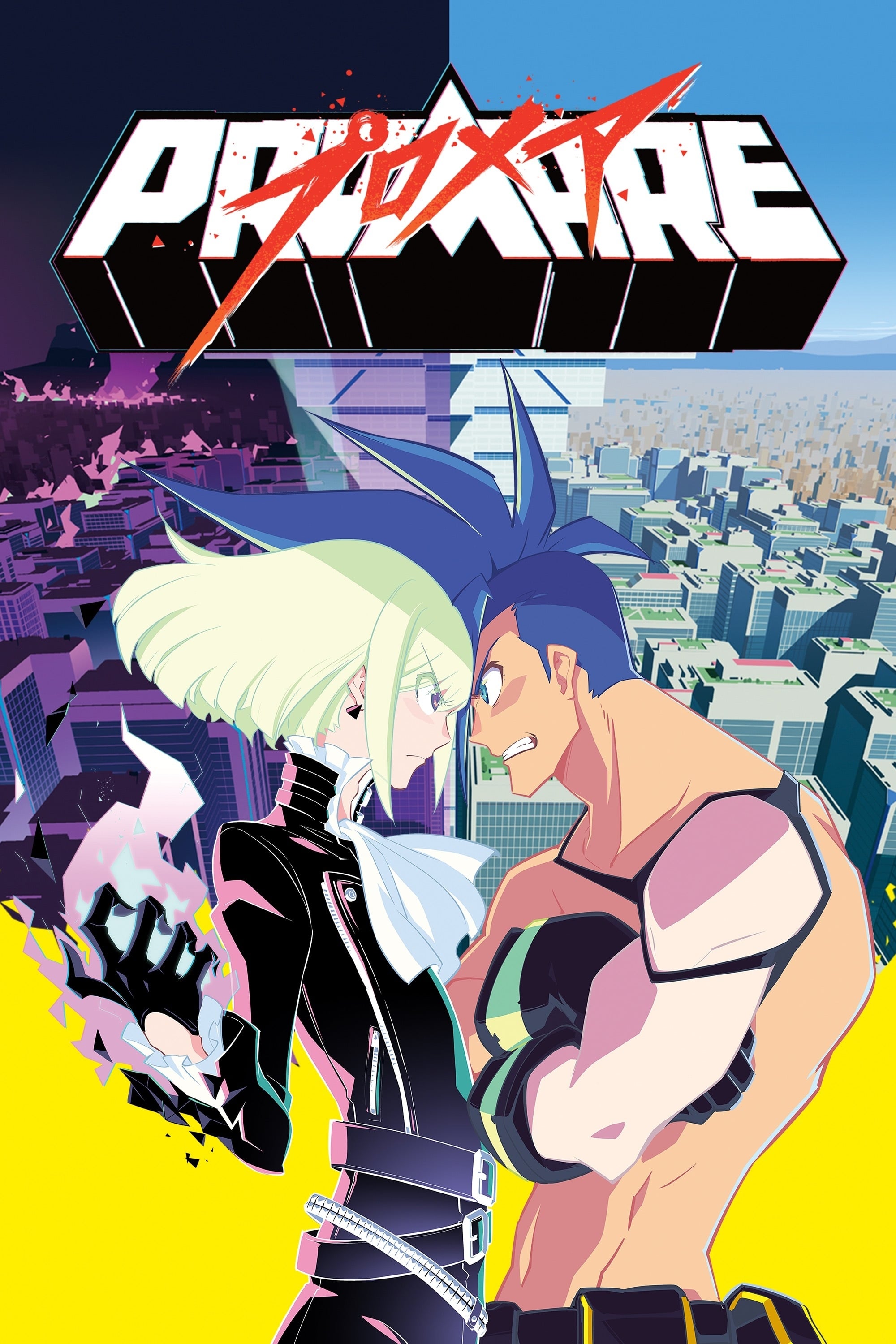
Galo and Lio represent opposing forces of fire and firefighting who must unite to save the planet. The film features a pivotal scene where Galo kisses Lio to transfer life-saving energy between them. This moment is visually framed as a romantic climax even though the characters insist it is a rescue maneuver. The chemistry between the two leads overshadows any other relationships presented in the movie. Fans largely consider them a couple but the text technically categorizes the kiss as a medical necessity.
‘Neon Genesis Evangelion’ (1995)
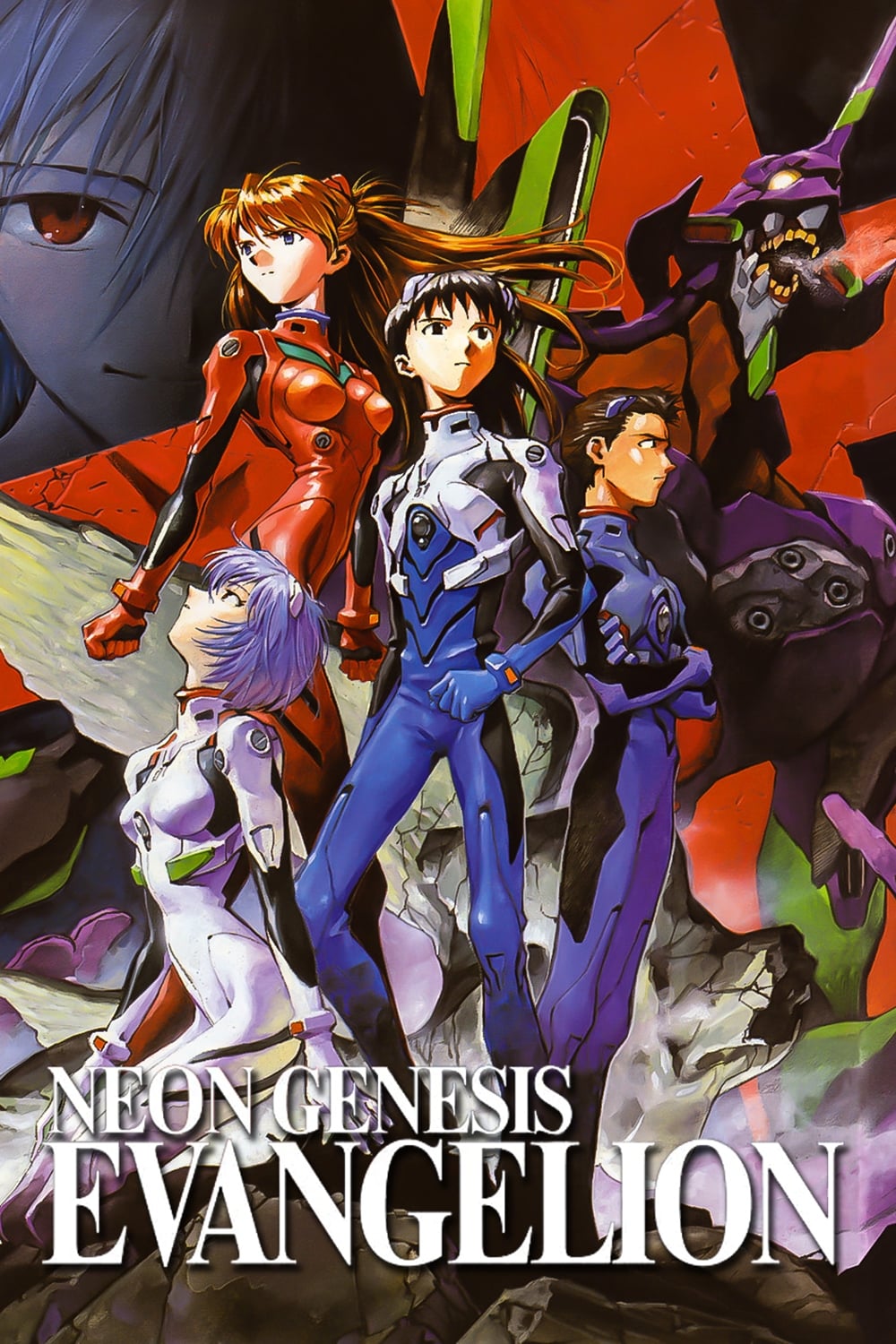
Kaworu Nagisa appears late in the series and immediately offers Shinji Ikari unconditional love and acceptance. He tells Shinji that he was born to meet him and they share a bath in a scene filled with intimacy. While some adaptations and manga spin-offs make the romantic nature of their bond explicit the original anime remains ambiguous. Shinji is forced to make a tragic choice that ends their time together shortly after it begins. The relationship is central to the themes of the show but is cut short before it can fully develop.
‘Puella Magi Madoka Magica’ (2011)
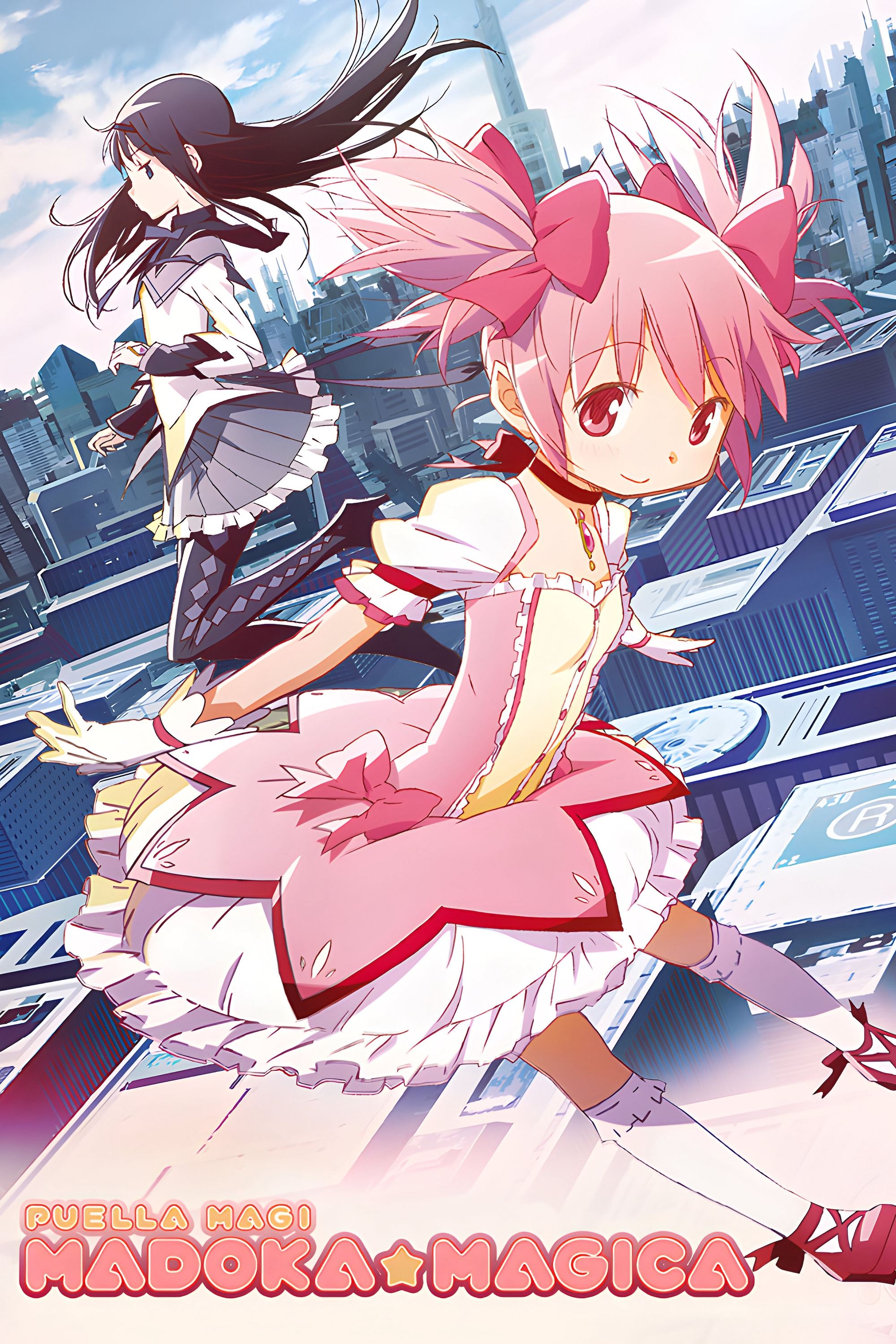
Homura Akemi destroys the fabric of reality and traverses time repeatedly to save Madoka Kaname. Her motivation is explicitly stated as love which drives her to challenge the laws of the universe. The level of devotion Homura displays goes far beyond friendship and borders on obsessive worship. Despite the cosmic scale of her love the series focuses on metaphysical concepts rather than a traditional relationship. The ending leaves their connection in a complicated state that is neither fully platonic nor simple romance.
‘The Case Study of Vanitas’ (2021)

Vanitas and Noé Archiviste share a chaotic partnership that involves blood drinking and physical boundary crossing. Vanitas often teases Noé with flirtatious behavior that flusters the vampire and confuses their dynamic. The act of drinking blood is framed as an intimate and pleasurable exchange that mirrors sexual tension. Both characters have interactions with female love interests that suggest heterosexual endgames. The queer subtext remains a flavorful addition to their dynamic rather than the main course.
‘Moriarty the Patriot’ (2020)
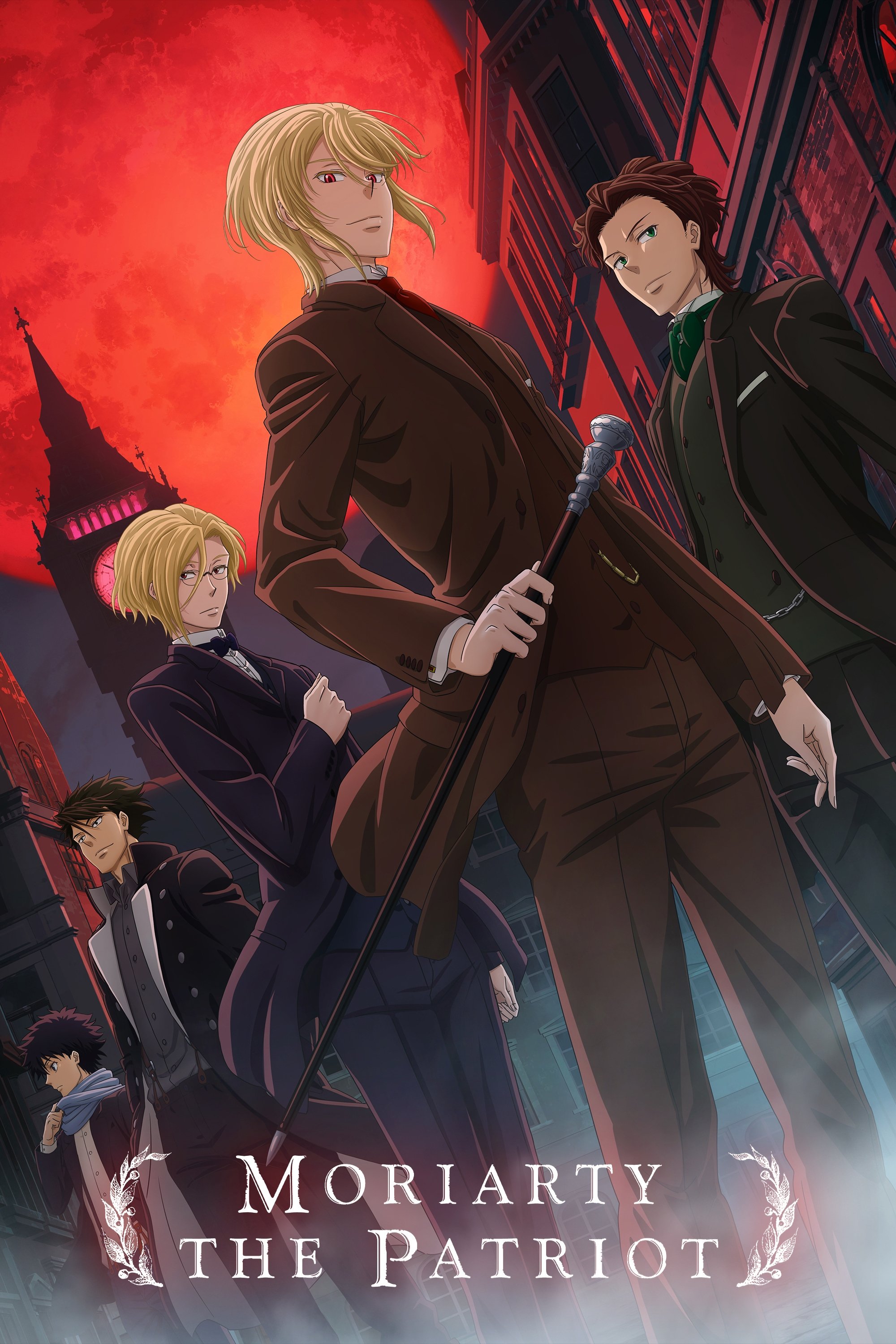
William James Moriarty and Sherlock Holmes are depicted as intellectual equals who are fascinated by one another. Their rivalry is framed as a meeting of souls where they find the only other person who truly understands them. The finale involves a dramatic fall that mirrors a lovers suicide pact or a tragic embrace. They survive together and travel the world but the nature of their cohabitation is left open to interpretation. The show leans heavily into the idea that they are destined partners without using romantic labels.
‘Banana Fish’ (2018)
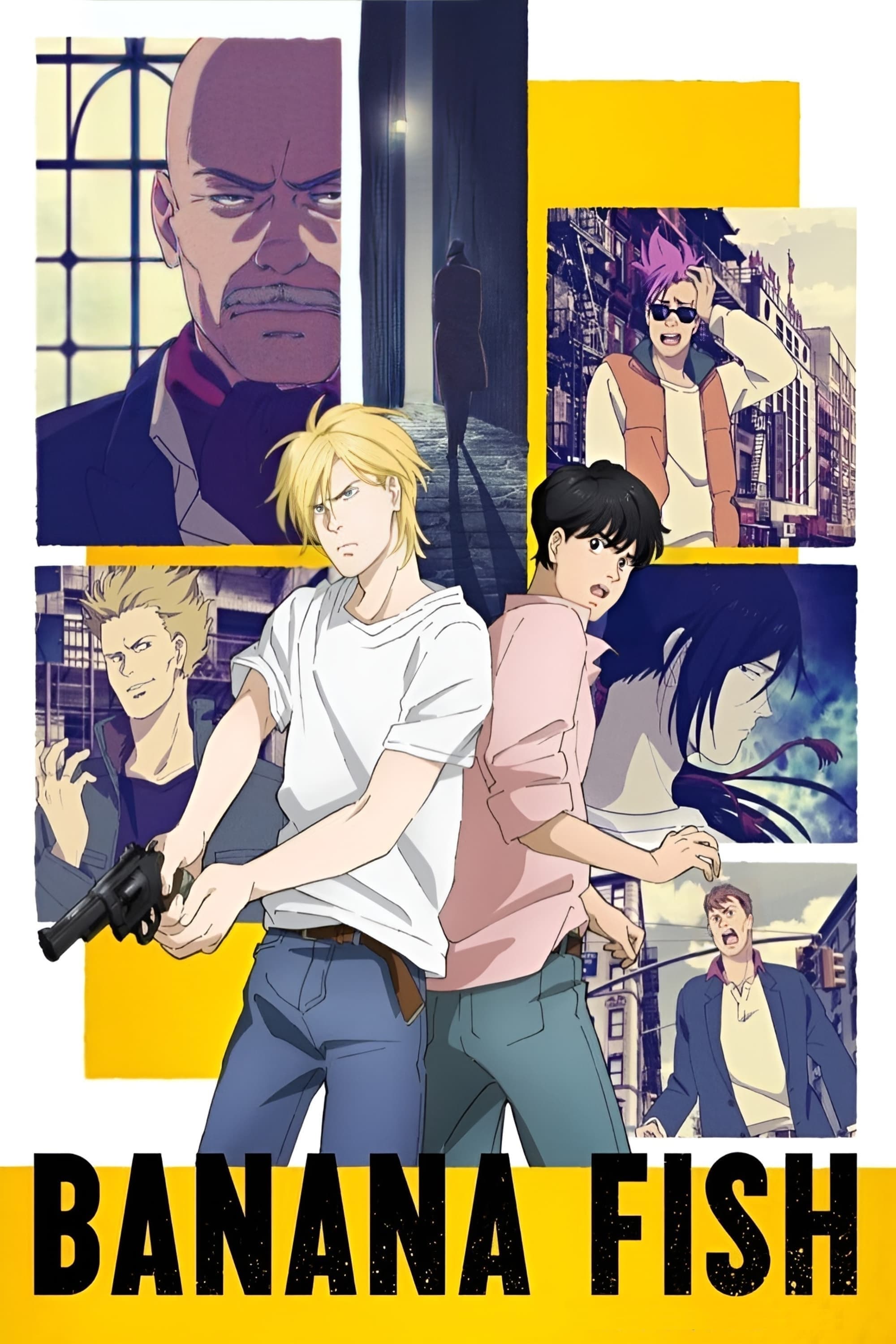
Ash Lynx and Eiji Okumura share a relationship that is the emotional anchor of a violent crime drama. The story explicitly states that their bond is distinct from friendship and sexual romance yet somehow encompasses both. They share a kiss which is framed as a data transfer but carries immense emotional weight. The tragedy of the ending emphasizes their spiritual connection as soulmates. While the love is undeniable the lack of a happy romantic resolution places it on this list for many.
‘Kakegurui’ (2017)

The high-stakes gambling setting creates an environment of intense psychological dominance and submission between female characters. Mary Saotome and Ririka Momobami develop a partnership where Mary holds Ririka’s life in her hands. The visual direction frequently highlights lust and obsession during gambling matches. Despite the heavy lesbian coding and tension the series prioritizes the thrill of the gamble over relationship status. It serves as high-octane fan service that implies attraction without narrative confirmation.
‘K’ (2012)
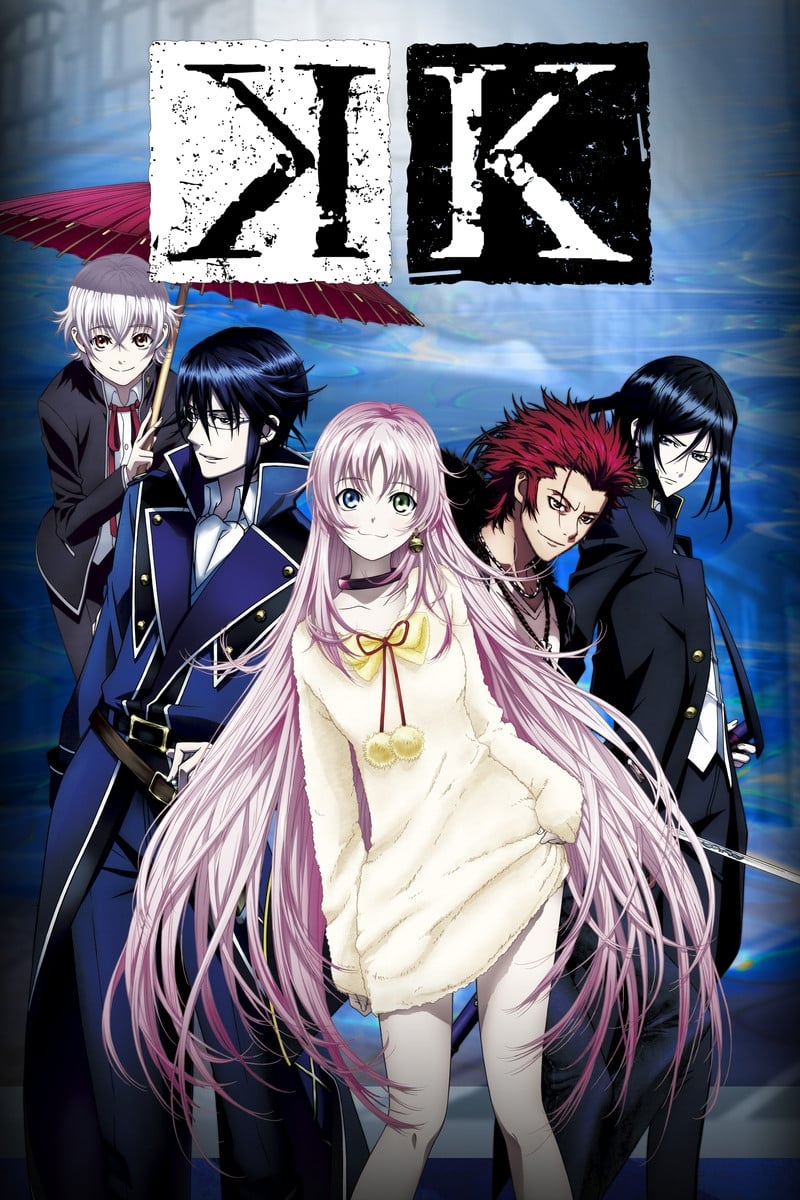
The relationship between Saruhiko Fushimi and Misaki Yata is defined by a bitter breakup and lingering obsession. Saruhiko constantly seeks Misaki’s attention on the battlefield and calls his name with a distinctive intonation. Flashbacks reveal a past where they were inseparable and planned a future together before a betrayal occurred. The narrative treats their conflict with the emotional gravity of a romantic split. They eventually reconcile as allies but the show never explicitly bridges the gap to romance.
‘Durarara!!’ (2010)
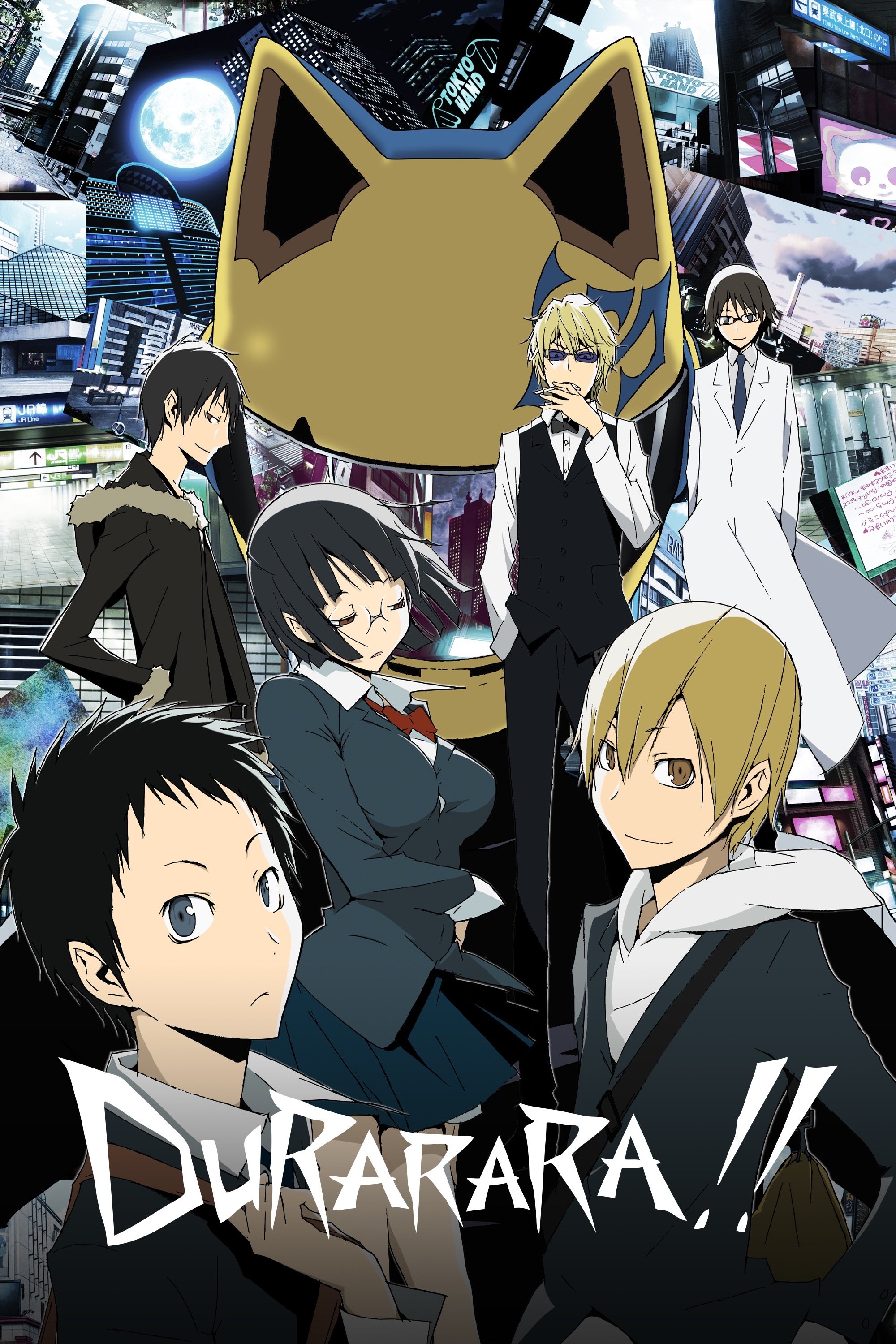
Shizuo Heiwajima and Izaya Orihara hate each other with a passion that often looks like obsession. Their fighting is constant and destructive yet they seem unable to ignore one another’s existence. The fandom latched onto the intensity of their rivalry and the way they fixate on each other. Official merchandise frequently pairs them together to appeal to the popularity of their dynamic. The canon story keeps them as bitter enemies who would rather kill each other than kiss.
‘Blue Lock’ (2022)

Isagi and Bachira form an immediate connection in a high-stakes soccer prison where individualism is prized. Bachira is physically clingy and often speaks about hearing a monster inside him that seeks Isagi. The show emphasizes their chemistry on the field as a form of spiritual synchronization. While the series focuses on ego and winning the interactions between players often carry homoerotic undertones. The narrative prioritizes soccer above all else leaving these interactions as subtext.
‘Kids on the Slope’ (2012)
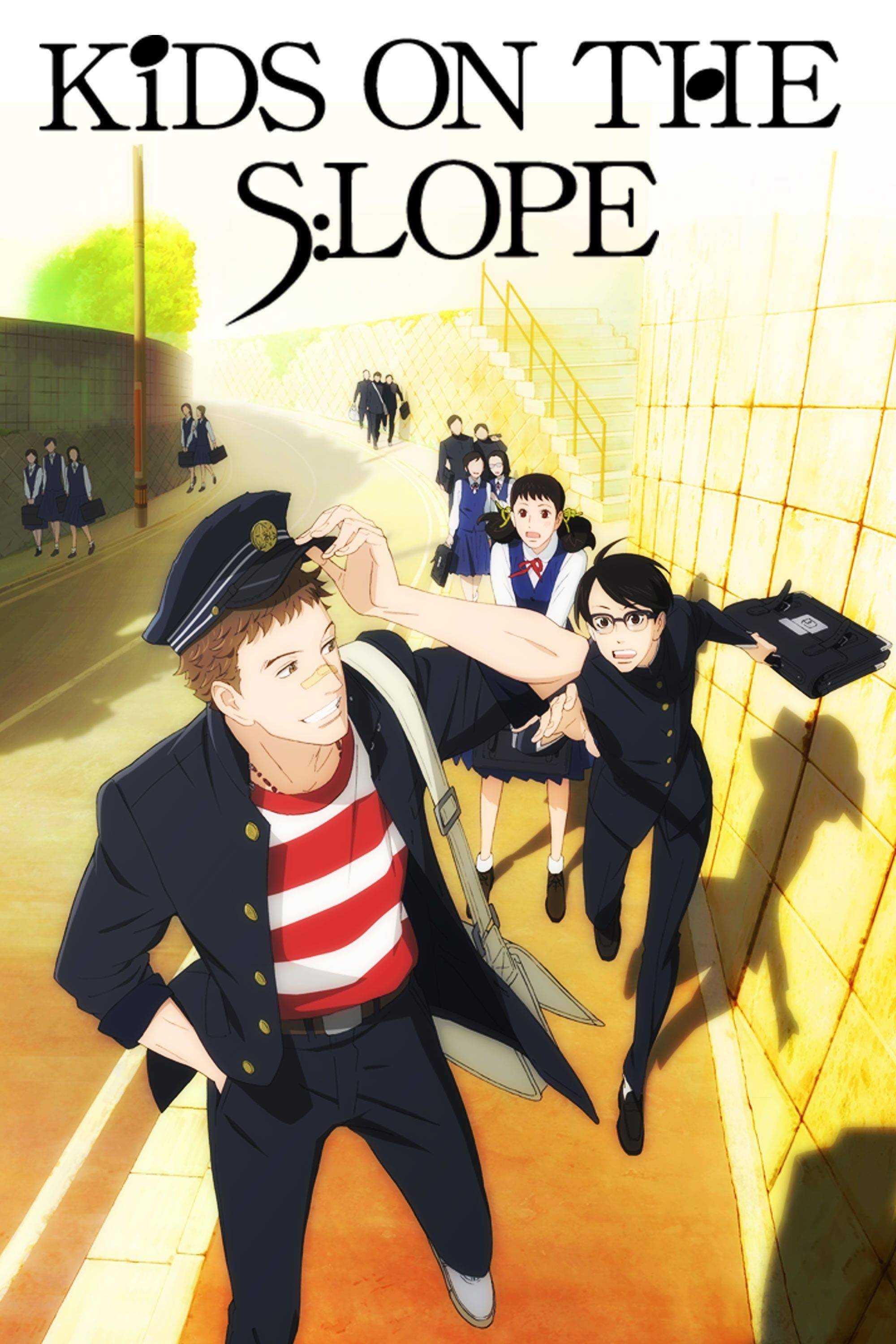
Kaoru and Sentaro bond over jazz music in the 1960s and develop a relationship filled with intense emotional intimacy. The scenes of them playing music together are animated with a passion that suggests a deep connection of souls. There are moments of hand-holding and running through the rain that mimic romantic cinema. However the plot involves a love polygon where both boys pursue female love interests. The series ends with a reunion that confirms their friendship is lifelong but platonic.
‘Little Witch Academia’ (2017)
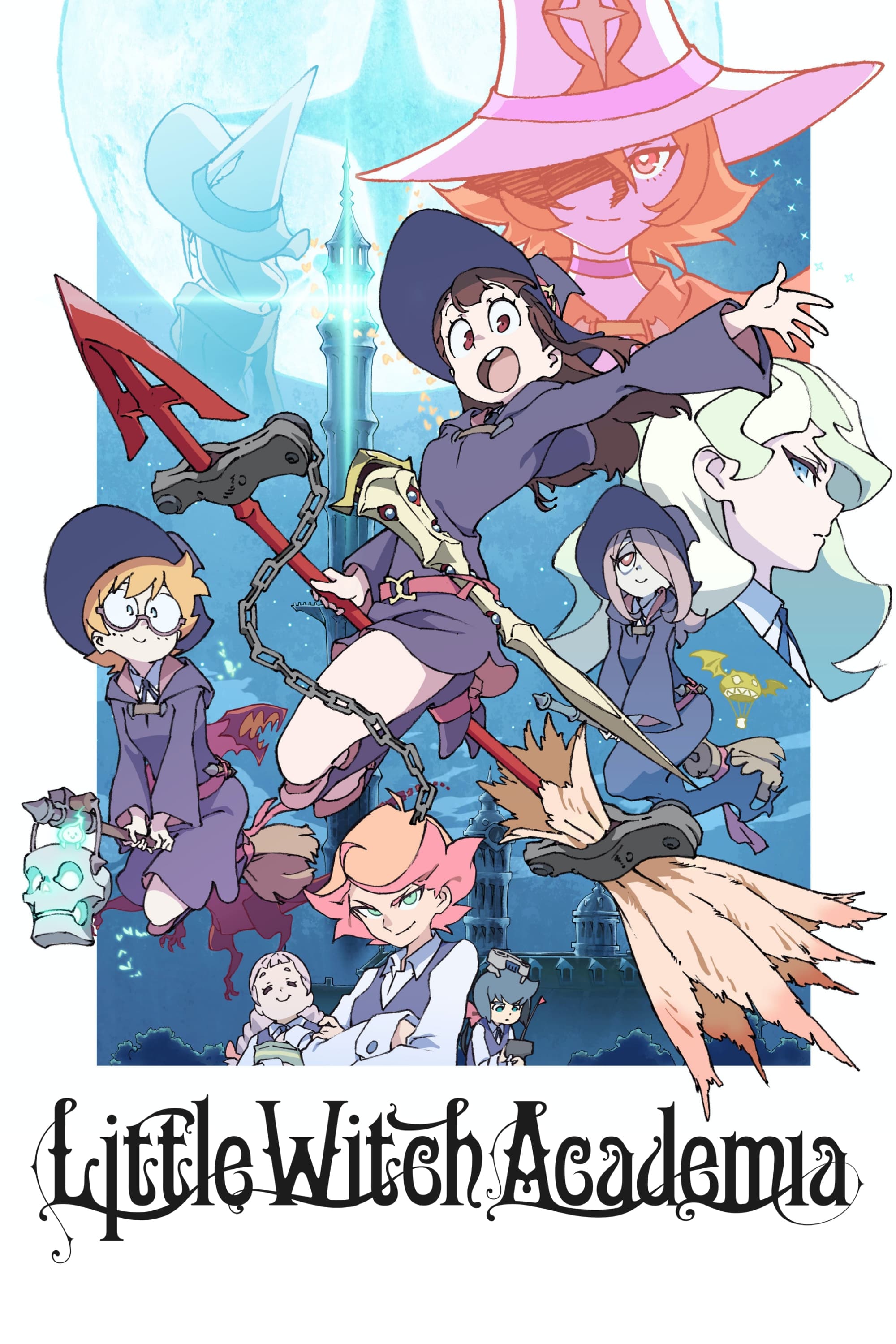
Akko and Diana start as rivals but slowly grow to respect and understand each other through shared magic. The finale features them joining hands and flying together in a sequence that visually parallels a wedding. Diana is the only one who truly believes in Akko during her lowest moments. Their bond becomes the emotional climax of the series and overshadows other interactions. Despite the magical girl themes of love and friendship a romance is never officially established.
‘Izetta: The Last Witch’ (2016)
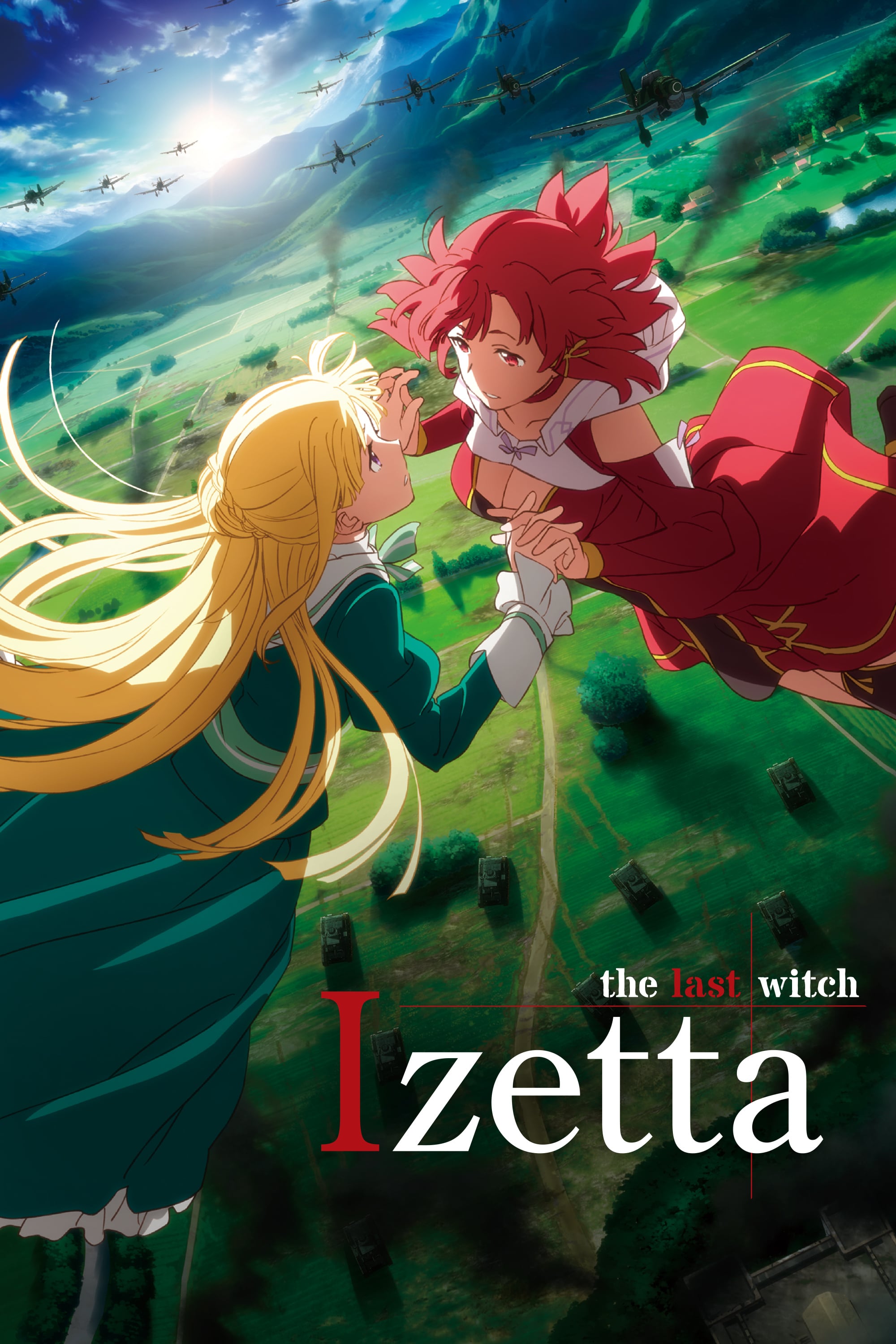
Izetta pledges her life and magic to Princess Finé in a devotion that mirrors the relationship of a knight and her lady. There are scenes where Izetta blushes heavily or rides closely with Finé on her broom. The two share quiet moments of intimacy where they discuss their dreams and fears while holding hands. The narrative focuses on the war and politics while keeping their relationship as a deep loyalty. Viewers hoping for a royal lesbian romance were left with a strong but undefined bond.
‘Princess Principal’ (2017)
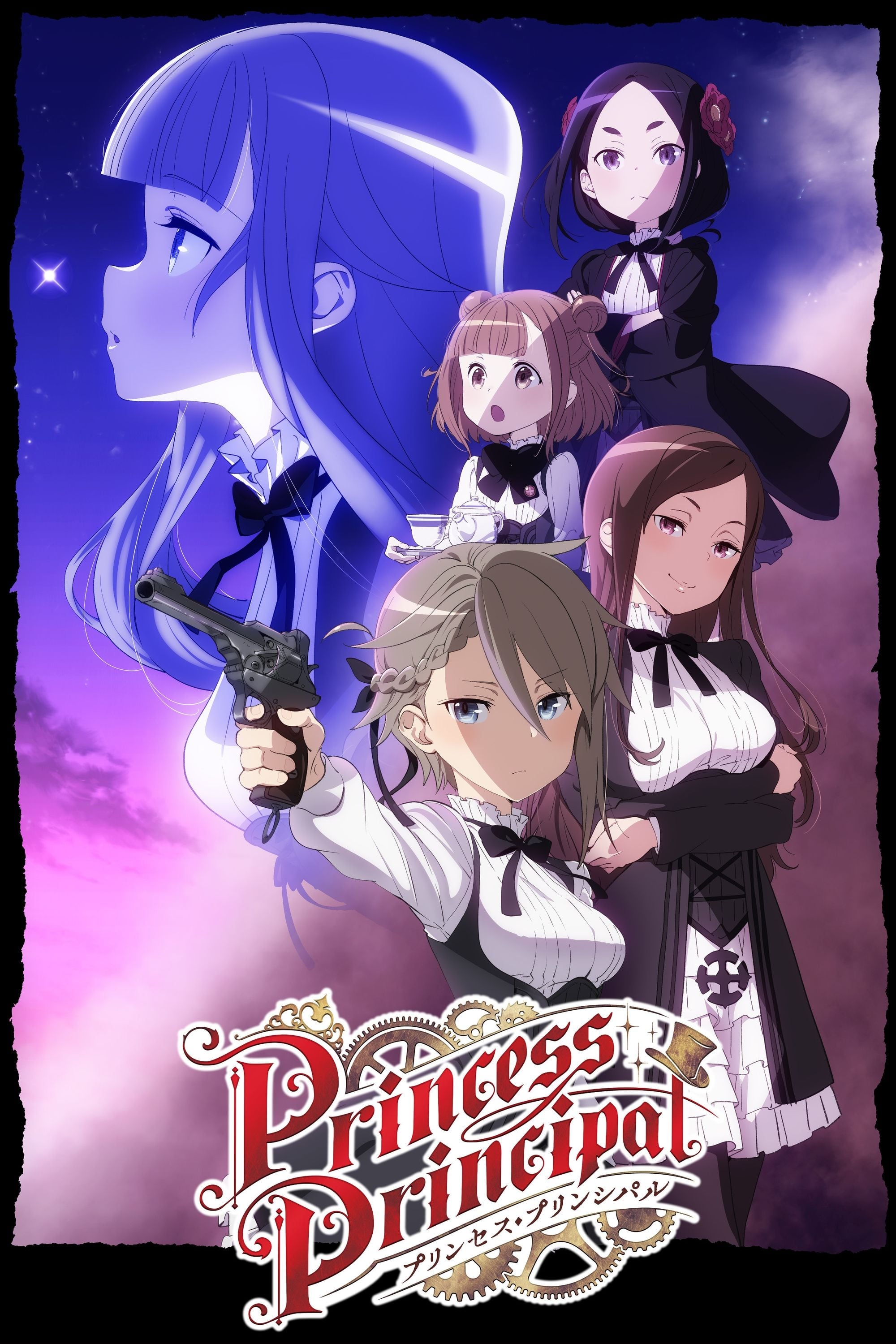
Ange and Princess Charlotte share a secret history where they swapped identities as children. Ange declares that she is working as a spy solely to be with the Princess and protect her. Their dialogue often includes promises to run away together to a place where they can just be themselves. The show emphasizes their exclusive world where no one else can enter. While the devotion is undeniable the show stops short of explicit romantic confirmation.
‘Mobile Suit Gundam Wing’ (1995)
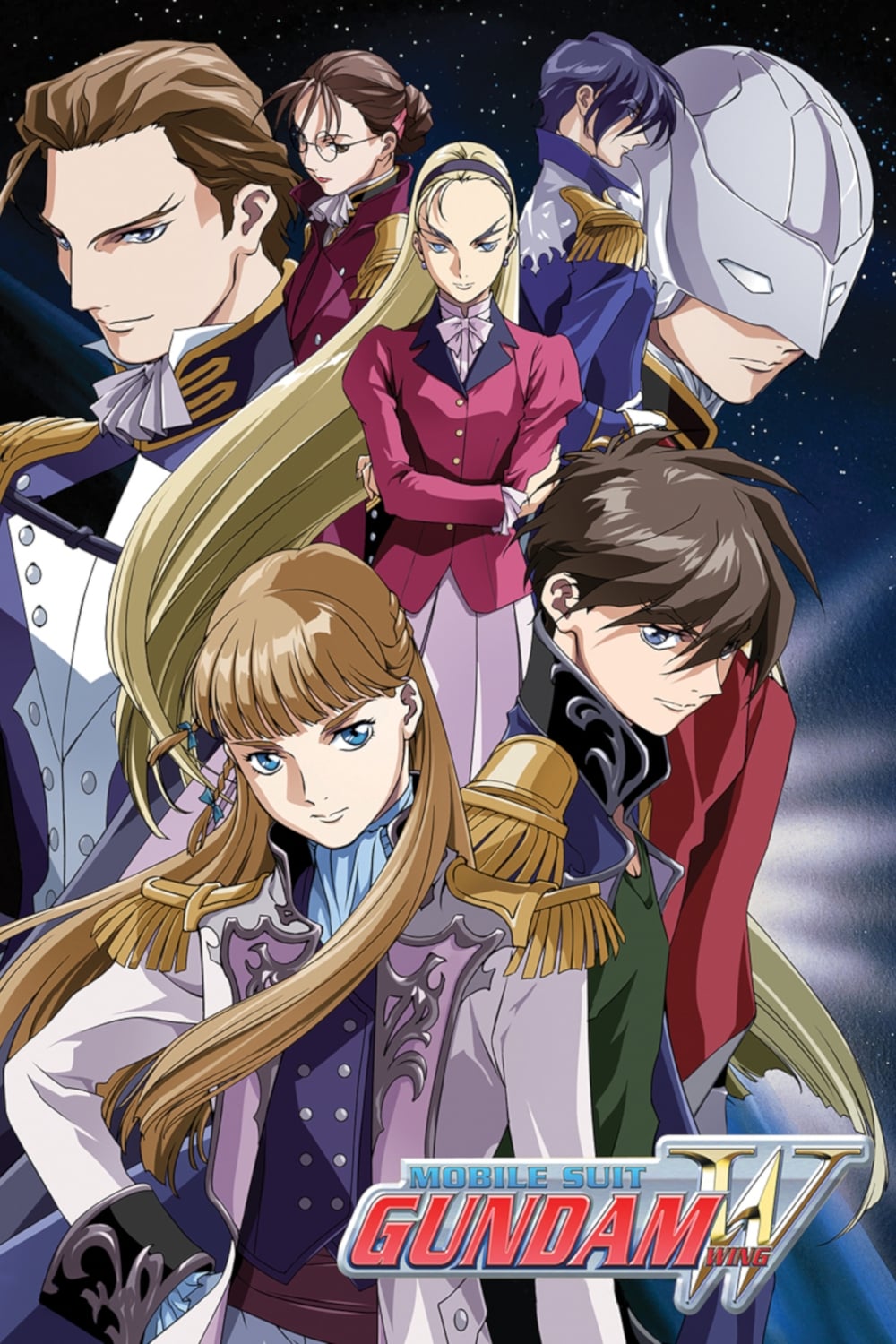
Heero Yuy and Duo Maxwell along with the other pilots became icons of yaoi shipping in the nineties. The official art for the series frequently placed the boys in intimate or suggestive poses to attract a female audience. The actual show focuses on war and politics with very little time for romance of any kind. The disconnect between the promotional material and the stoic content of the anime is legendary. This marketing strategy set the blueprint for how anime studios would bait shipping audiences for decades.
’07-Ghost’ (2009)
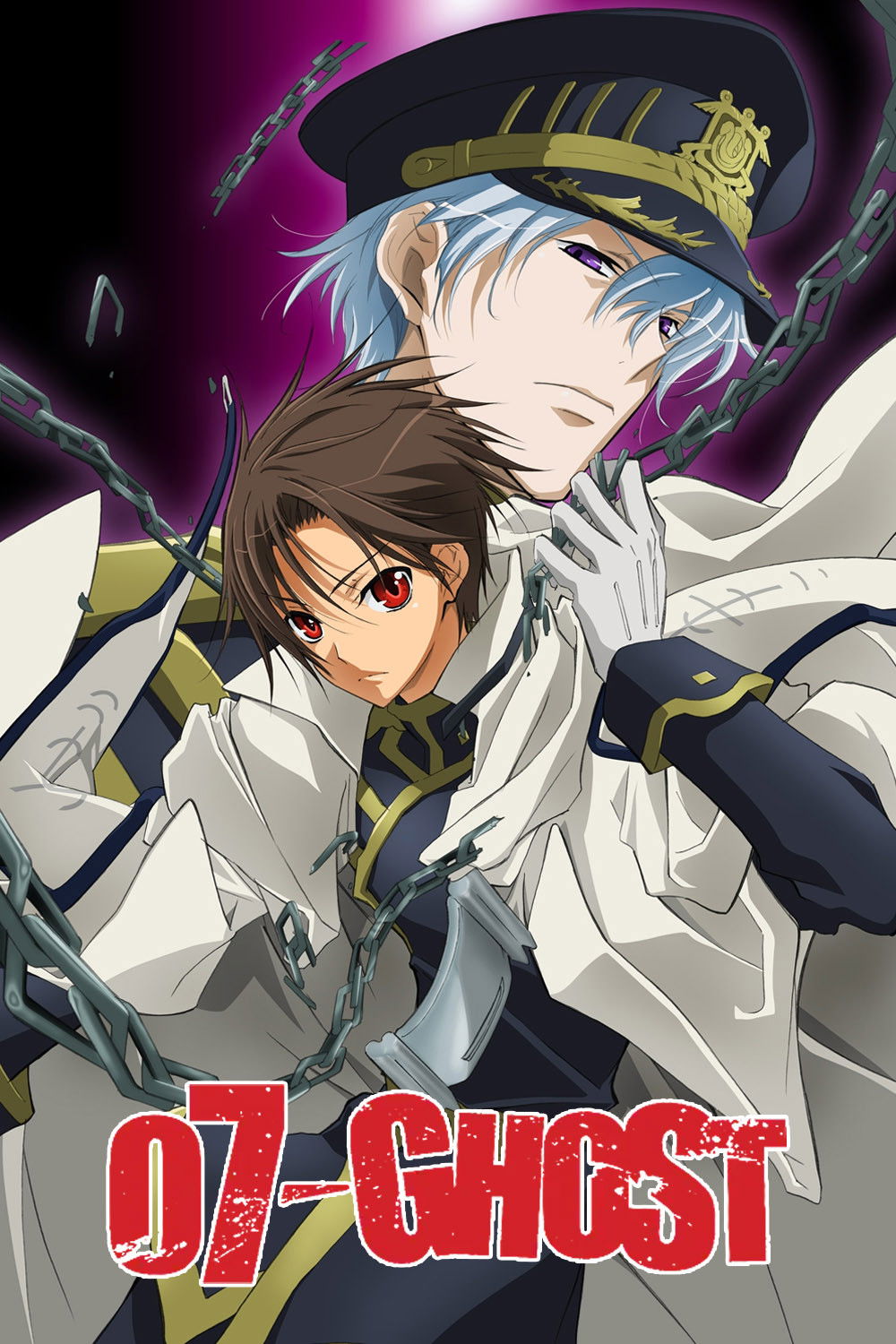
Teito Klein and Mikage share a bond of friendship that is the catalyst for the entire plot. Mikage refuses to betray Teito even under torture and declares that Teito is his light. After a tragic event Teito spends the series driven by the memory of his friend and his desire for justice. The language used to describe their connection is often flowery and romantic in nature. The series remains an action fantasy where this love is framed as a supreme friendship.
‘Magical Girl Lyrical Nanoha’ (2004)
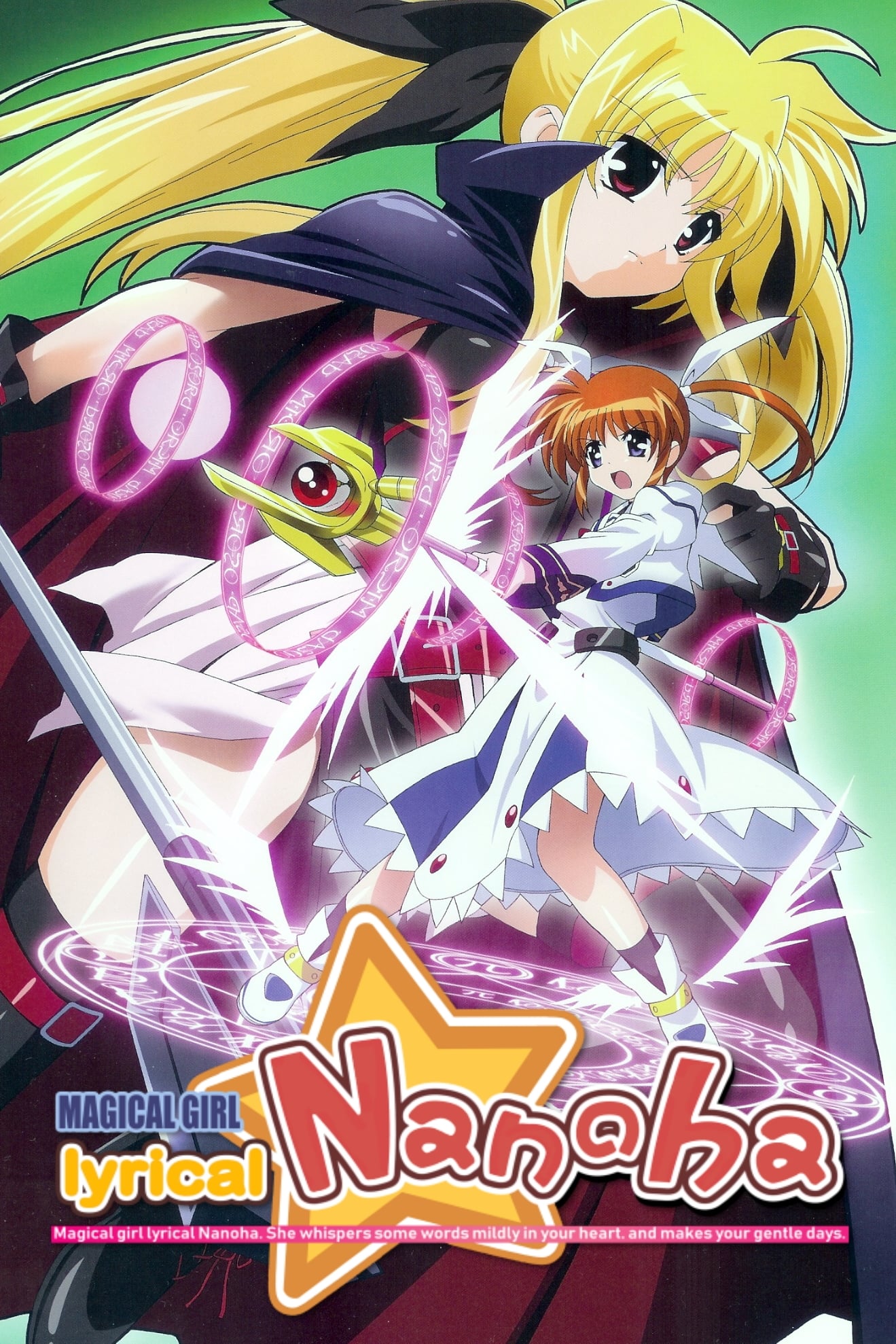
Nanoha and Fate start as enemies but eventually become the most important people in each other’s lives. By the later seasons of the show they are living together and raising an adopted daughter as a pair. They are frequently referred to as partners in a way that implies a domestic marriage. However the show never explicitly uses the word wife or confirms a romantic relationship. They exist in a state of permanent domestic ambiguity that fans have accepted as canon.
‘Buddy Daddies’ (2023)
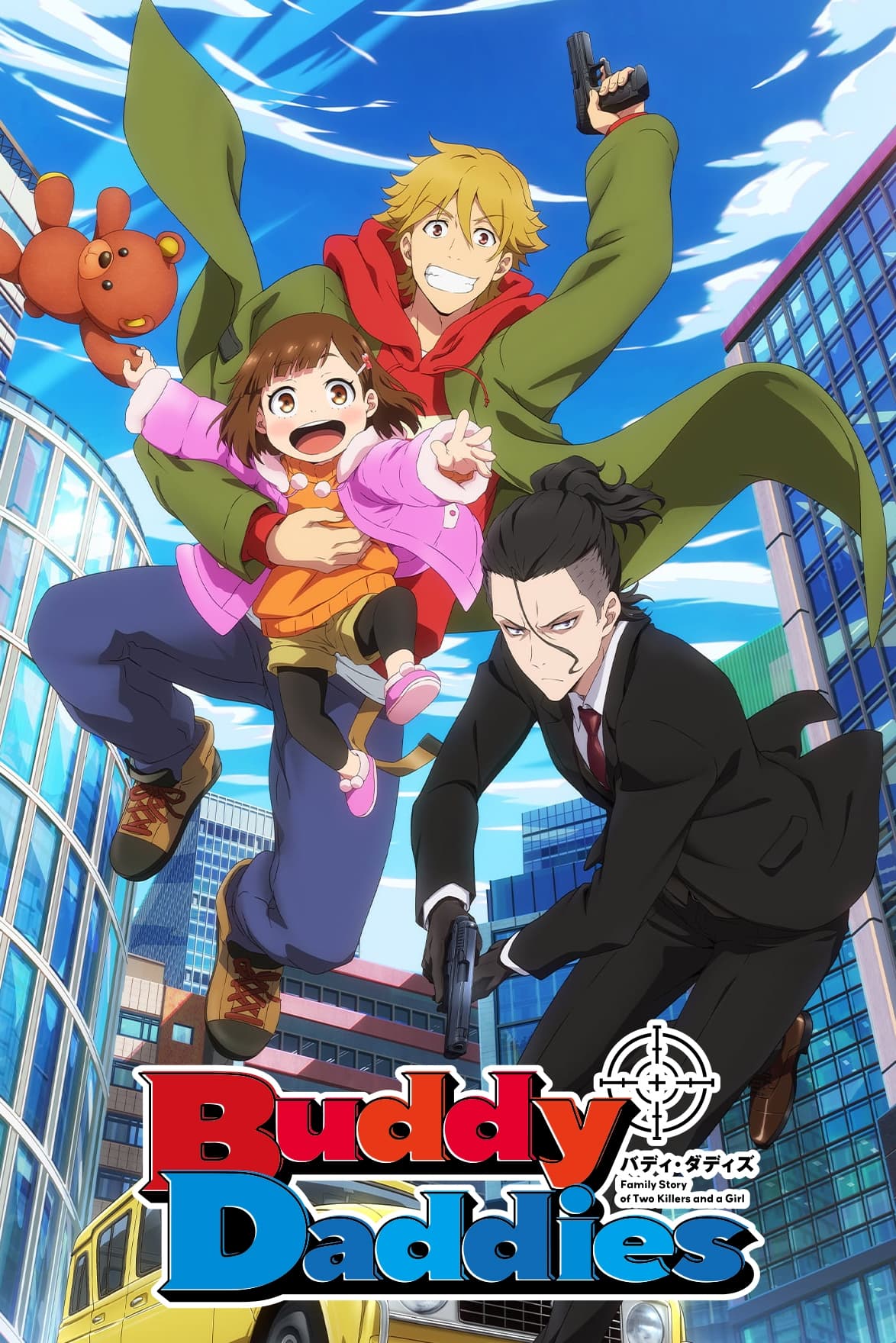
Kazuki and Rei are hitmen who end up living together to raise a young girl named Miri. The show plays with the tropes of a nuclear family with the two men acting as the parents. They bicker like a married couple and learn to support each other emotionally for the sake of their child. The domestic bliss is the main appeal of the show and draws in fans of queer romance. The ending solidifies them as a family unit but avoids labeling the fathers as a romantic couple.
‘Run with the Wind’ (2018)
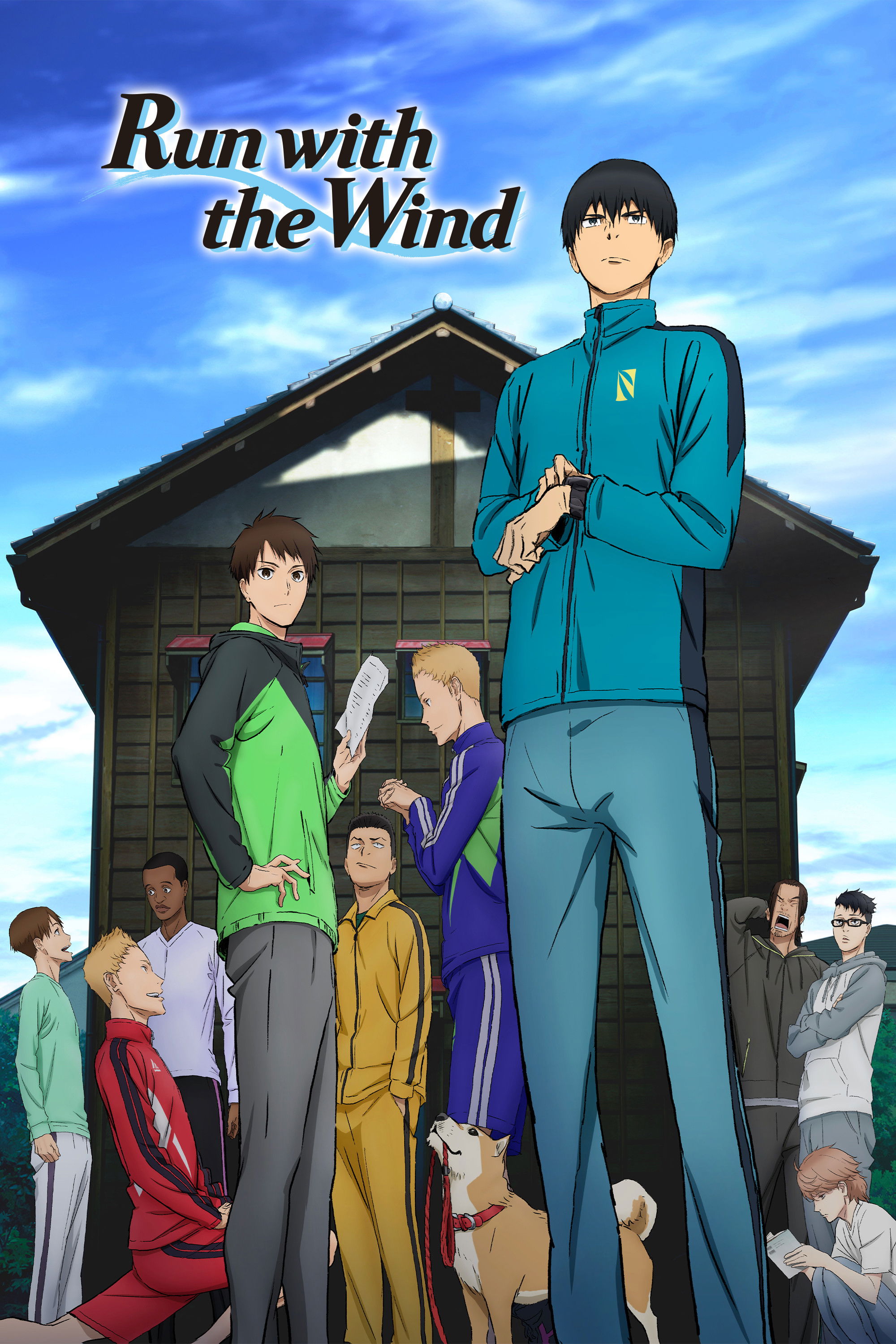
Haiji and Kakeru share a relationship centered on their mutual rehabilitation through running. Haiji is singularly focused on Kakeru and recruits him with an intensity that borders on flirtation. The two share deep conversations about what it means to run and what they mean to each other. Scenes of them caring for one another during injury or illness are framed with tenderness. The show concludes as an inspirational sports story rather than a romance.
‘GetBackers’ (2002)

Ban and Ginji are a recovery team who are inseparable and constantly proclaim their partnership is for life. Ginji is very physically affectionate and often clings to Ban or gets jealous when Ban looks at women. The manga source material contained more explicit hints about their feelings that were toned down for the anime. They operate like an old married couple throughout their adventures. The series ends with them continuing their partnership indefinitely without romantic resolution.
‘Love Live! School Idol Project’ (2013)
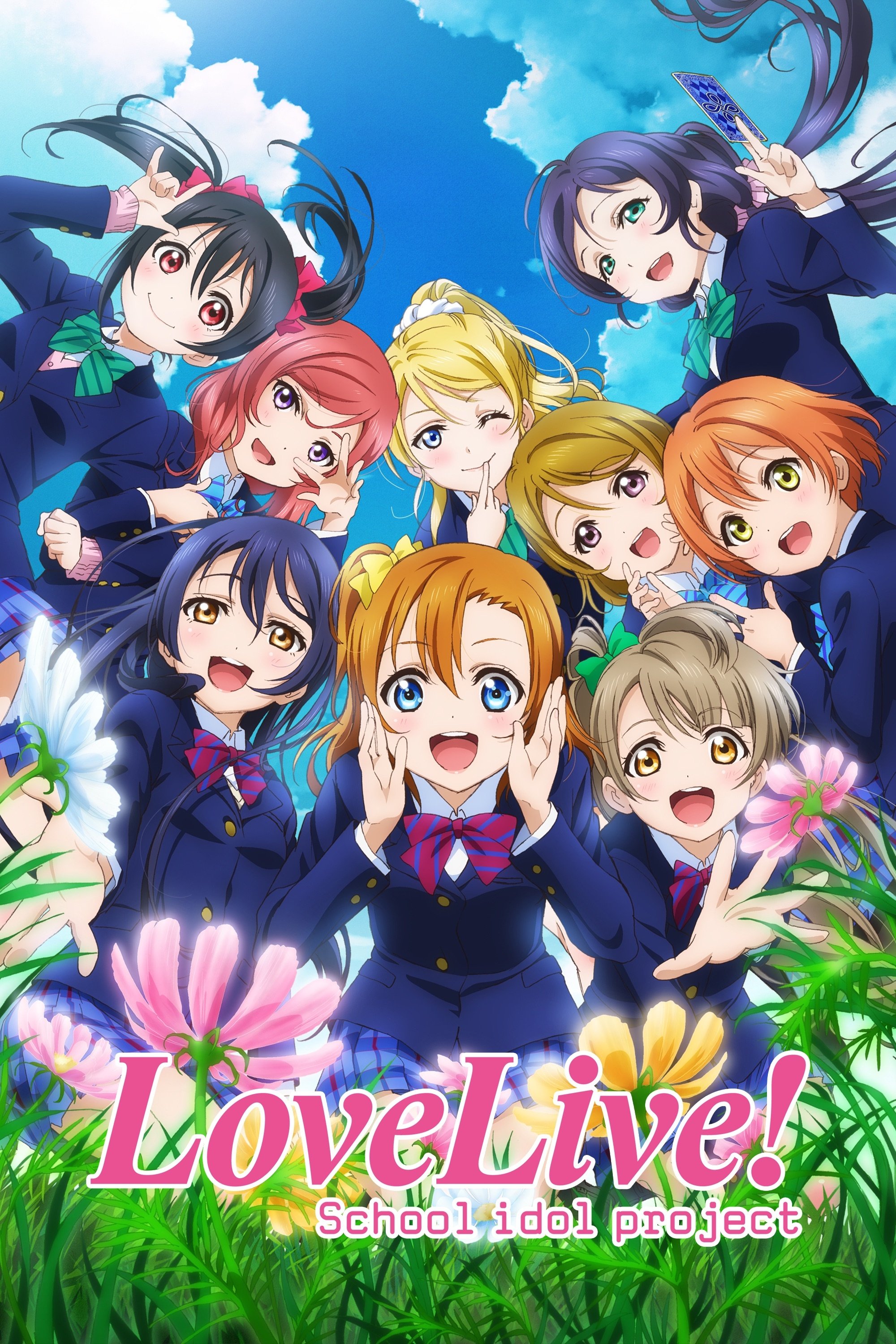
This idol franchise features a cast of girls who display high levels of affection towards one another. Characters like Maki and Nico or Eli and Nozomi share specific dynamics that imply romantic attraction. The show often features dates or heavy blushing scenes that serve as fan service for shippers. The franchise is built on the appeal of these relationships but never confirms them to keep the idols available to the audience. It is a classic example of the class S genre where girls are affectionate until graduation.
‘The Aquatope on White Sand’ (2021)
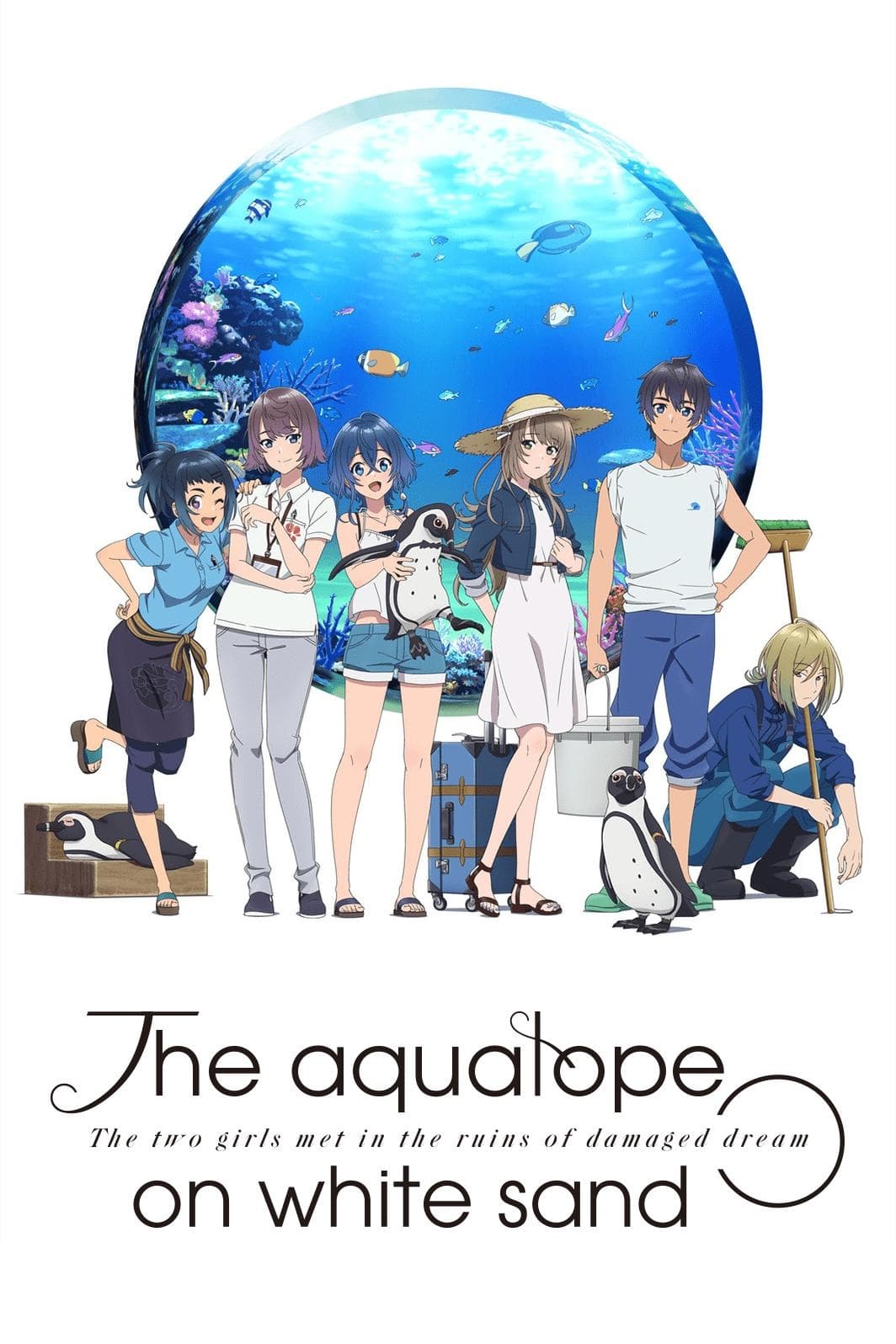
Kukuru and Fuuka meet at an aquarium and develop a relationship that saves them both from despair. Fuuka abandons her idol career to stay with Kukuru and support her dreams. They share domestic scenes and emotional confessions that feel like the start of a romance. By the end of the series the narrative frames their bond as a sisterhood rather than a partnership. Many viewers felt the shift to a sibling dynamic undermined the romantic buildup of the first half.
Share your thoughts on which anime couple you think deserved to be canon in the comments.