

Anime That Blended Western Comics Into Eastern Lore Seamlessly

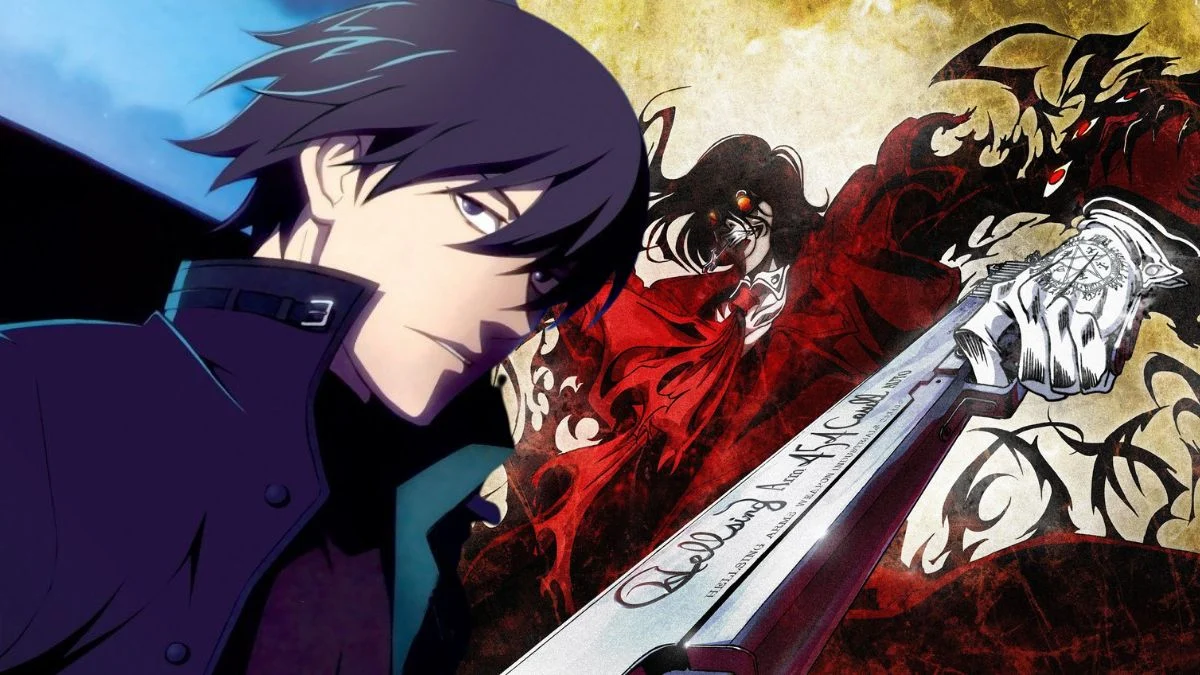


The fusion of Japanese animation and Western comic book tropes has created a vibrant subgenre that appeals to fans across the globe. Creators in Japan often look to American superheroes and noir graphic novels for inspiration while integrating those elements into traditional Eastern storytelling structures. This cross-cultural exchange results in series that feature bold visual styles and complex character archetypes familiar to readers of Marvel or DC Comics. The following titles exemplify this artistic convergence by merging dynamic action with deep narrative lore.
‘My Hero Academia’ (2016–Present)
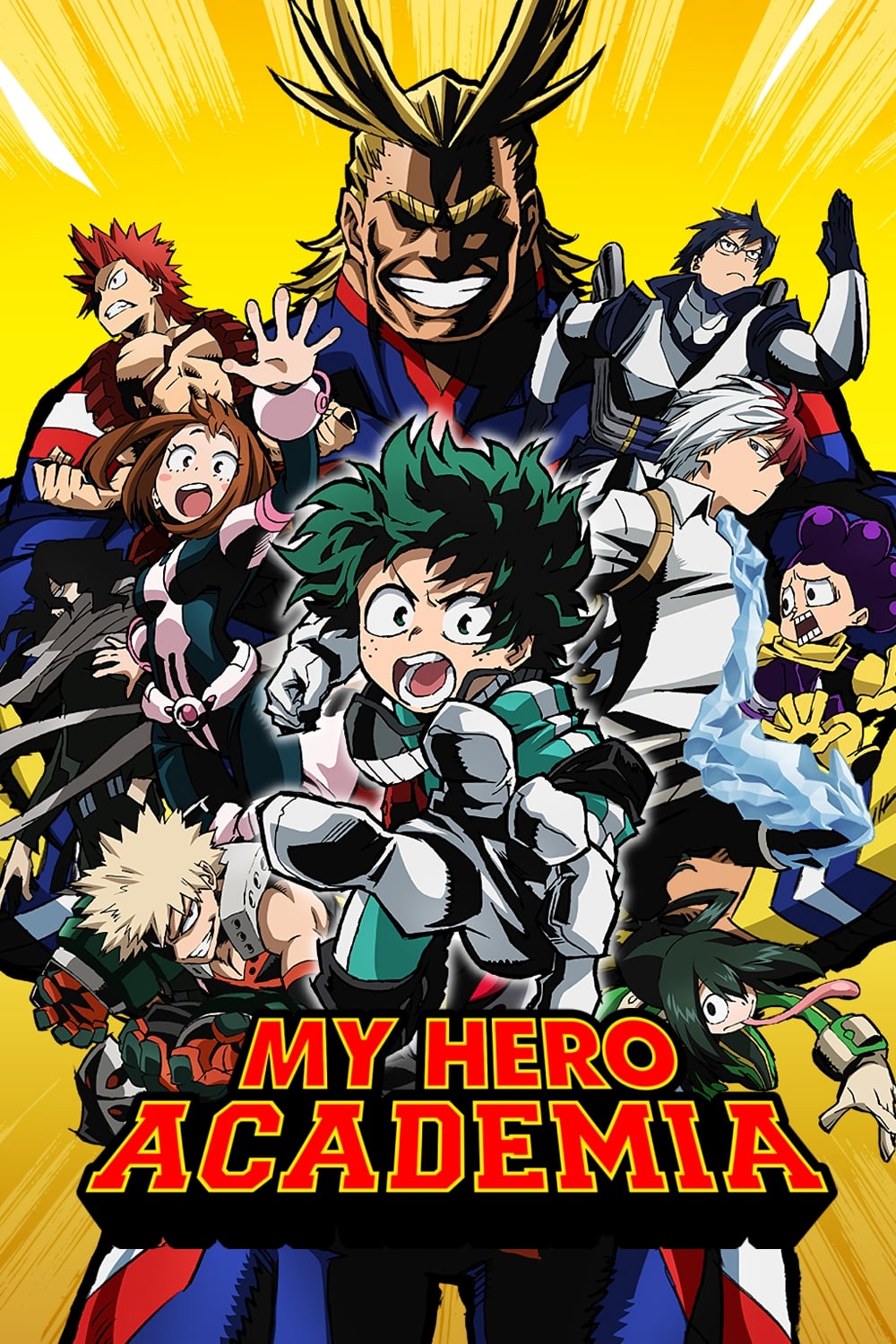
This series serves as a love letter to the Golden Age of American comics while retaining the spirit of a shonen battle manga. The character All Might functions as a direct homage to Superman and embodies the symbol of peace with a distinctly Western character design. The narrative explores a society where superpowers are commonplace and regulated by a legal system similar to the registration acts found in Marvel storylines. Kohei Horikoshi blends detailed comic shading with fluid anime movement to create a world that feels both foreign and familiar.
‘Tiger & Bunny’ (2011)
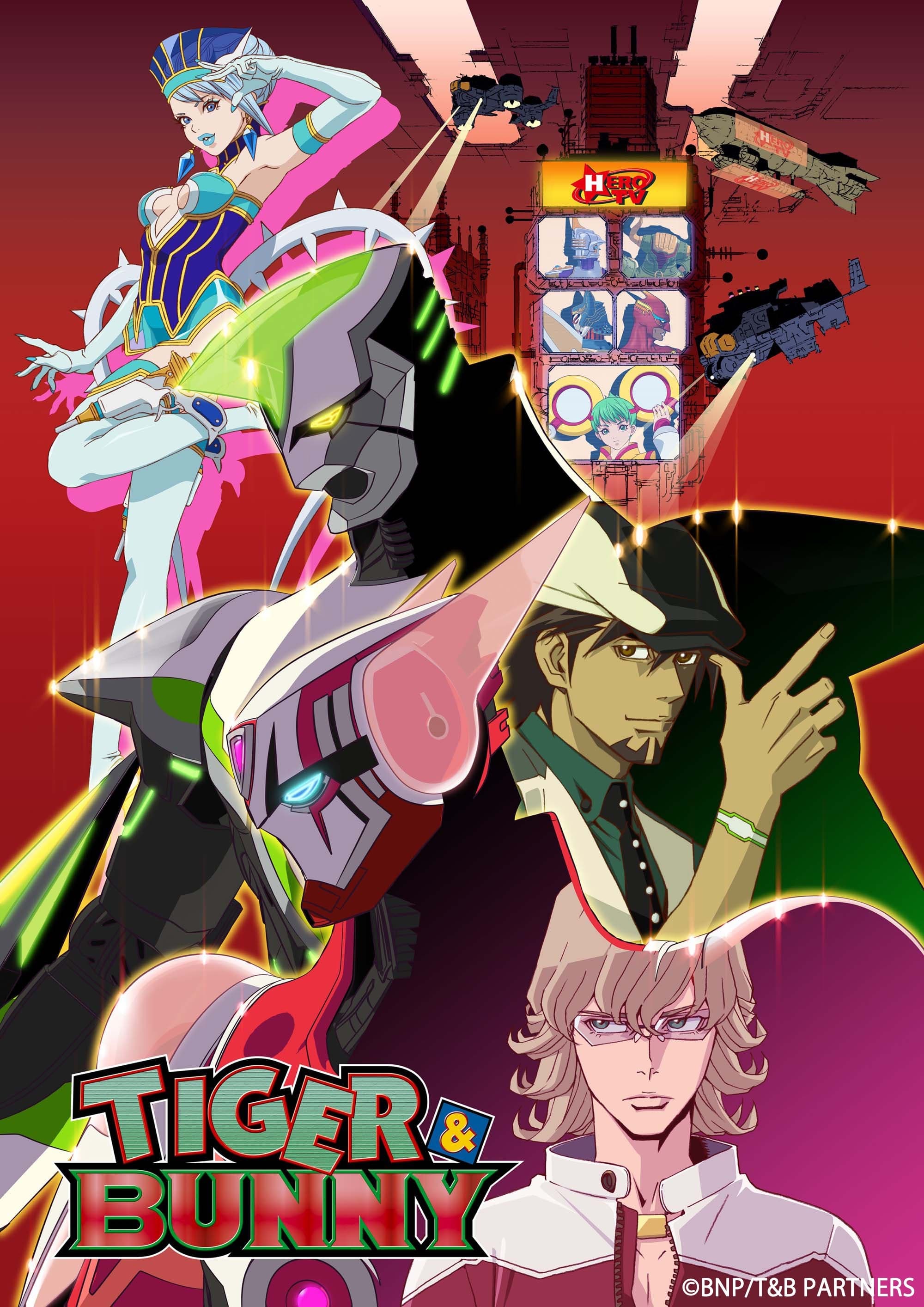
The show presents a world where superheroes are corporate assets who fight crime on a live television program to earn points and hero rankings. This setup mirrors the commercialization of heroes often satirized in Western graphic novels like ‘Watchmen’ or ‘The Boys’. The setting of Stern Bild City draws heavy architectural inspiration from a retro-futuristic version of New York City. Its veteran protagonist relies on distinct comic book camaraderie with his younger partner to solve crimes.
‘One-Punch Man’ (2015)
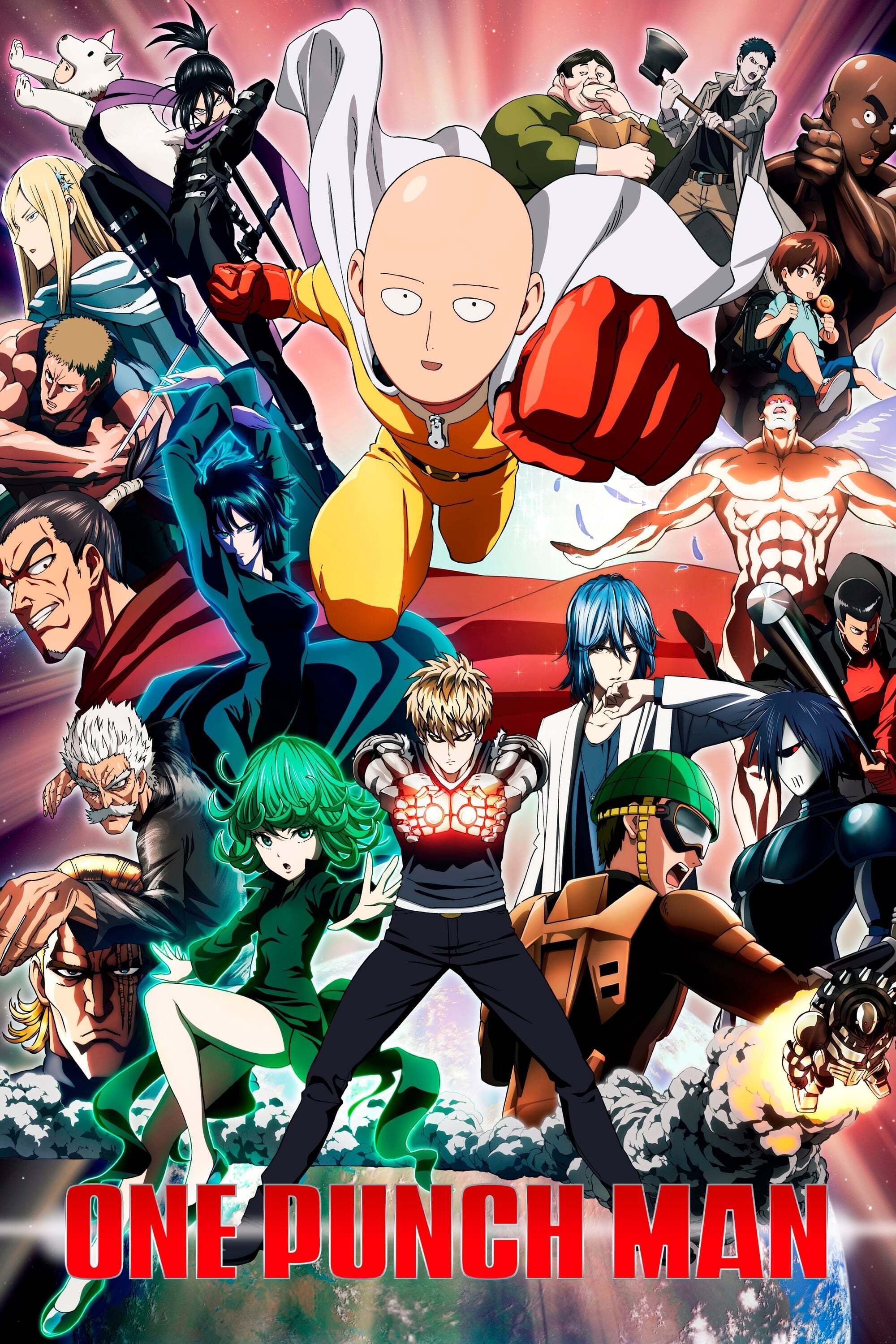
Saitama is a hero who can defeat any opponent with a single strike and suffers from an existential crisis due to his overwhelming power. The series deconstructs the superhero genre by parodying the dramatic tropes found in both American comics and Japanese tokusatsu. Villains often resemble classic comic book monsters with elaborate backstories that are abruptly cut short by the protagonist. The visual style frequently shifts between simplistic sketches and highly detailed comic book cross-hatching to emphasize comedic timing.
‘The Big O’ (1999–2003)
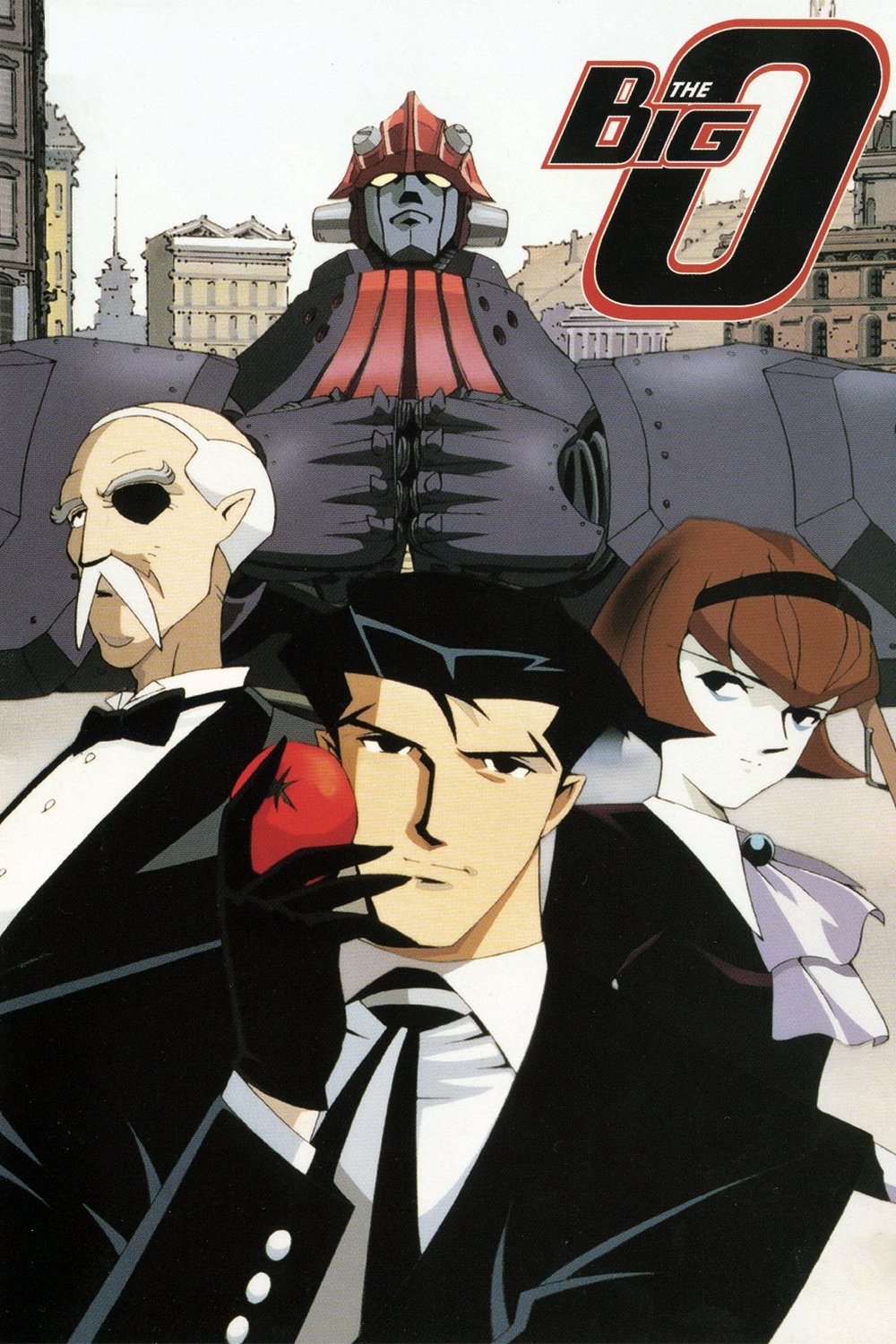
Roger Smith is a negotiator who operates a giant robot in a city suffering from mass amnesia. The visual aesthetic heavily references the art deco style of ‘Batman: The Animated Series’ and the noir atmosphere of classic detective comics. The narrative combines mecha action with moody mystery elements that recall the darker corners of the DC Universe. It remains a cult classic for its unique ability to marry giant robot battles with hardboiled western crime drama.
‘Heroman’ (2010)
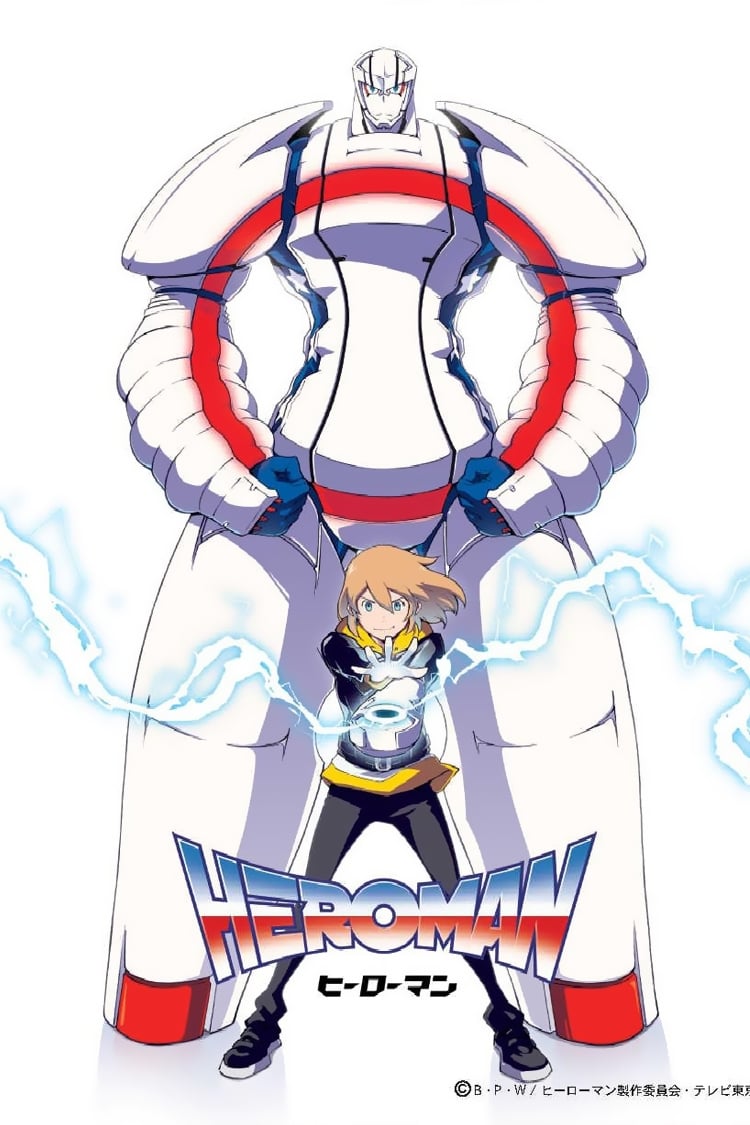
Legendary comic creator Stan Lee collaborated directly with studio Bones to produce this unique superhero adventure. The story takes place in a fictional American city and follows a young boy who discovers a toy robot that transforms into a powerful giant. The character designs reflect a distinct middle ground between American cartoon styling and modern anime aesthetics. It stands as a literal bridge between the creative philosophies of Eastern and Western storytelling.
‘Super Crooks’ (2021)
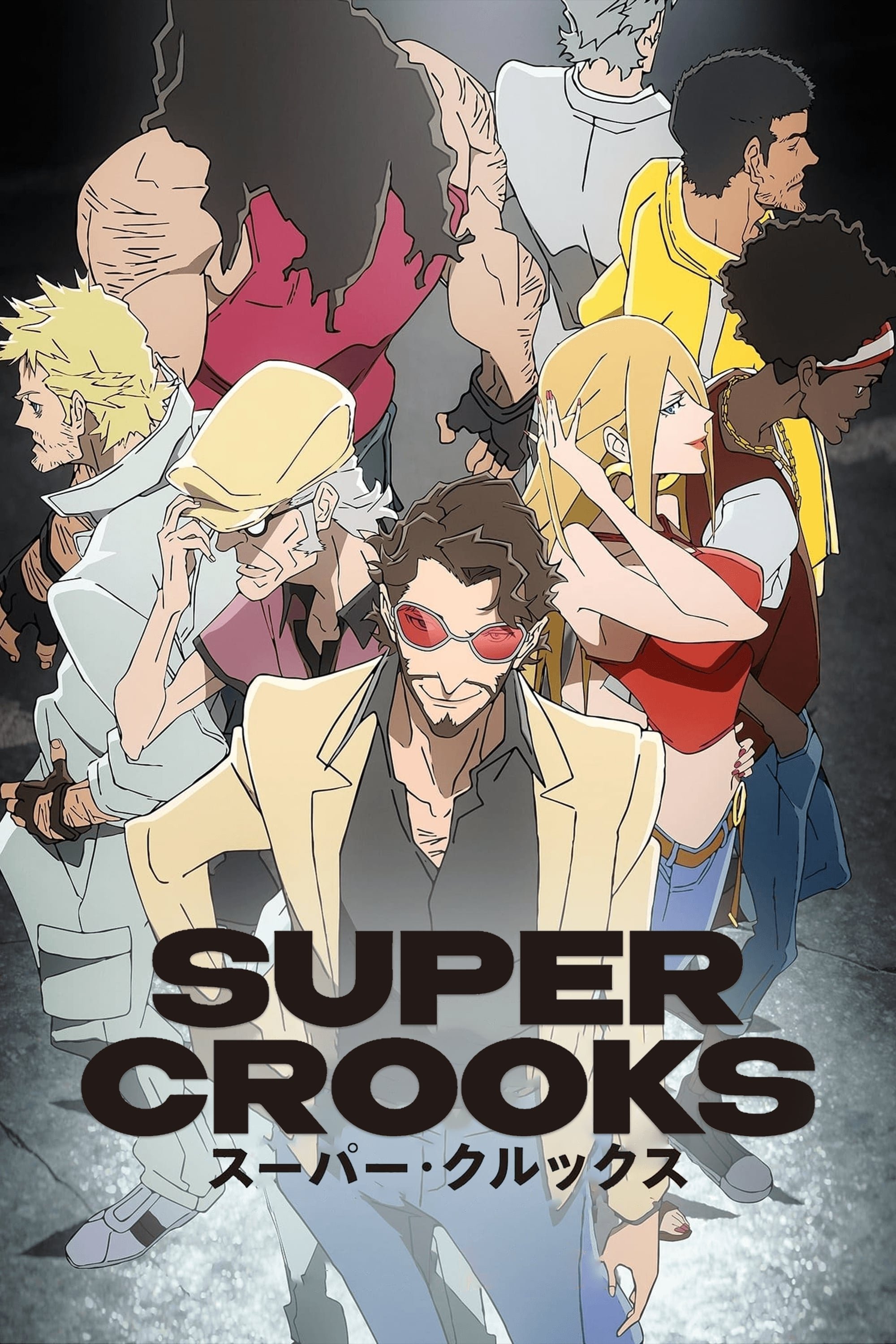
This adaptation of the Mark Millar graphic novel brings a distinctively American heist story into the medium of anime. The plot follows a group of small-time supervillains who attempt one last job in Europe to pay off a massive debt. The animation captures the gritty and violent tone of the original comic while adding kinetic energy unique to Japanese production. It successfully translates the cynical humor of Western anti-hero stories into a stylish visual package.
‘Batman Ninja’ (2018)

DC Comics allowed Japanese creators to reinterpret the Dark Knight by transporting him and his rogues gallery to feudal Japan. The film reimagines characters like the Joker and Gorilla Grodd as feudal lords battling for dominance using period-accurate technology and giant mechs. The art style utilizes a cell-shaded technique that mimics the texture of moving comic book pages. It is an experimental and bold fusion that literally places a Western icon into Eastern history.
‘Cyberpunk: Edgerunners’ (2022)
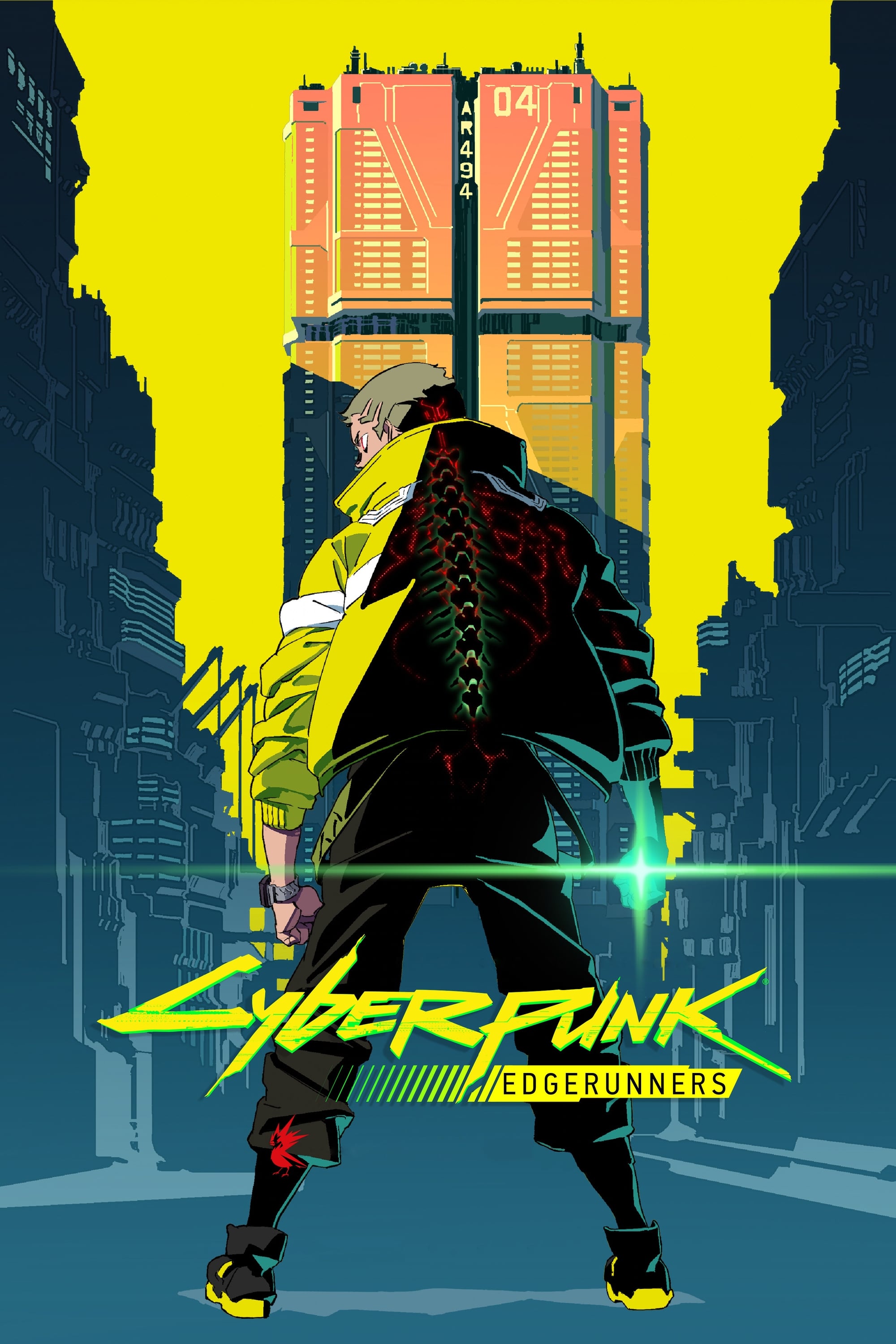
Studio Trigger adapted the lore of the table-top role-playing game and video game into a high-octane animated tragedy. The series utilizes the neon-soaked aesthetic of the cyberpunk genre which originated in Western science fiction literature and comics. The frenetic animation style complements the hyper-violent world of Night City where body modification is an obsession. It captures the rebellious spirit of the source material while injecting emotional character arcs typical of anime dramas.
‘Panty & Stocking with Garterbelt’ (2010)
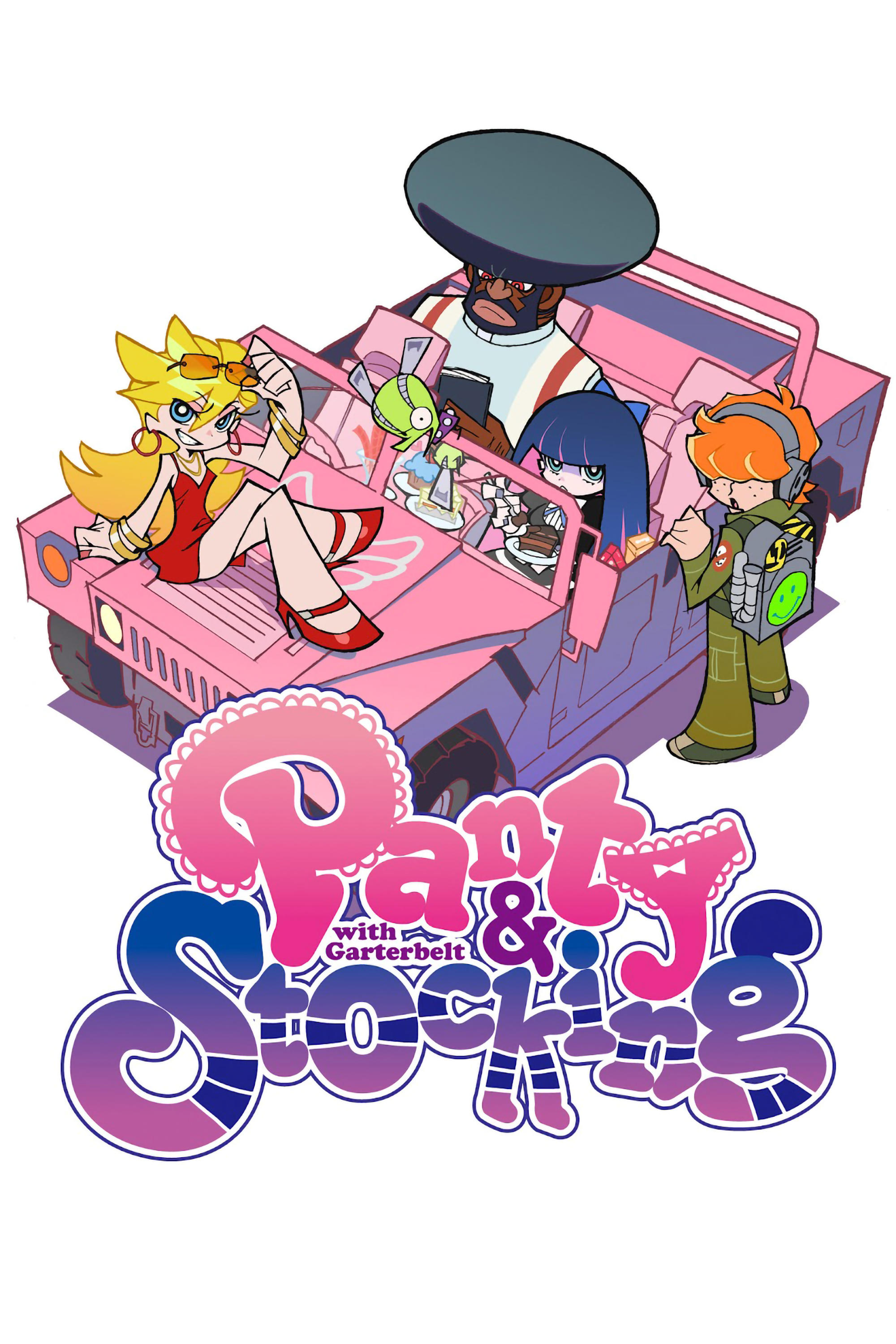
The visual direction of this series aggressively mimics the thick lines and angular styles of American cartoons like ‘The Powerpuff Girls’. The humor is raunchy and satirical and draws influence from adult animated sitcoms popular in the West. Despite the crude humor the action sequences are animated with the high fluidity expected from top-tier Japanese studios. It serves as a stylistic experiment that blurs the line between anime and Western adult animation.
‘Space Dandy’ (2014)
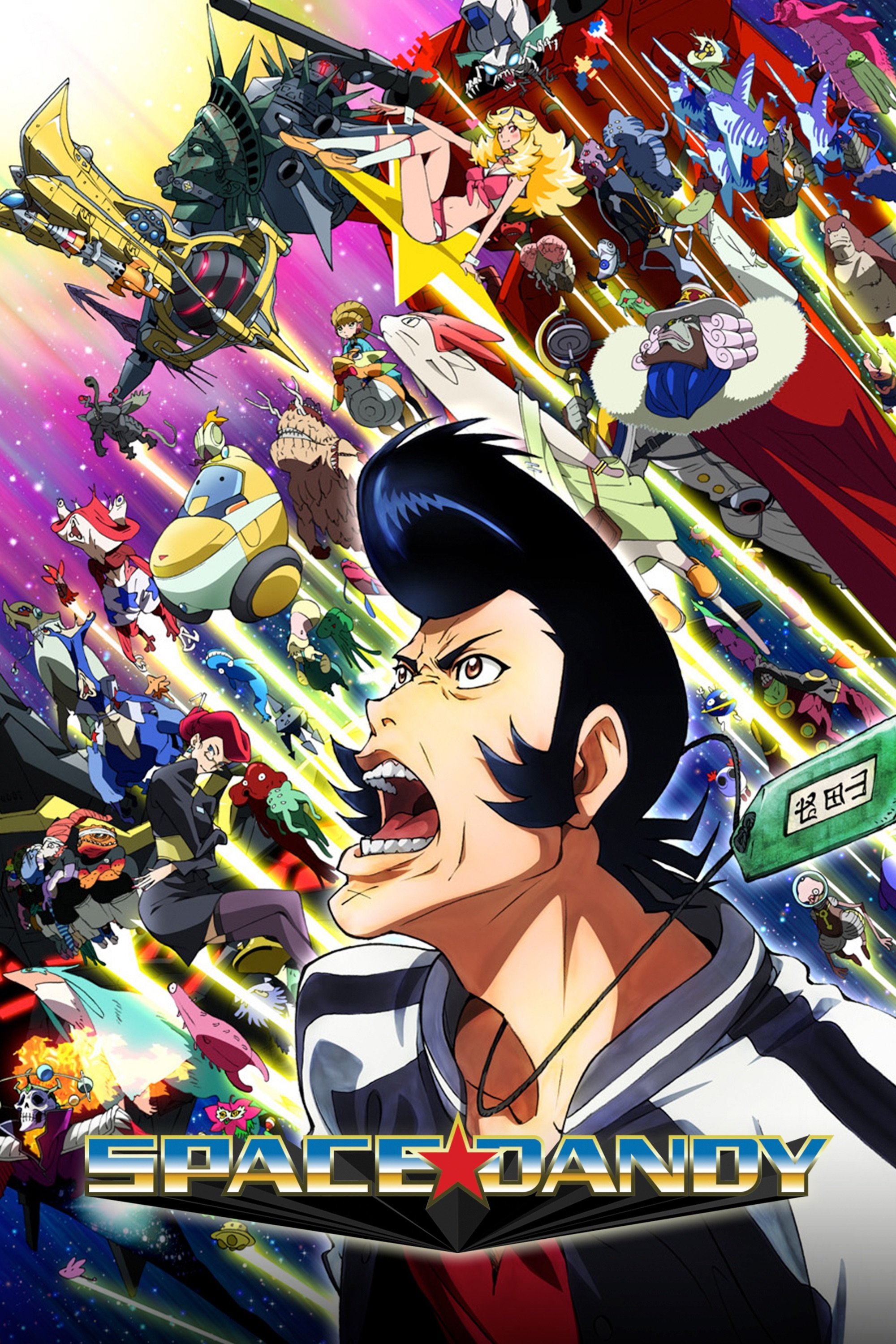
This sci-fi anthology follows an alien hunter across the galaxy and features episodes directed by various guest artists with distinct styles. Many episodes draw inspiration from the pulp science fiction comics of the mid-20th century and psychedelic art. The episodic nature allows the show to explore different genres including westerns and zombie horror and musicals. It celebrates the weirdness of classic comic book adventures through a lens of high-quality Japanese animation.
‘Cowboy Bebop’ (1998–1999)
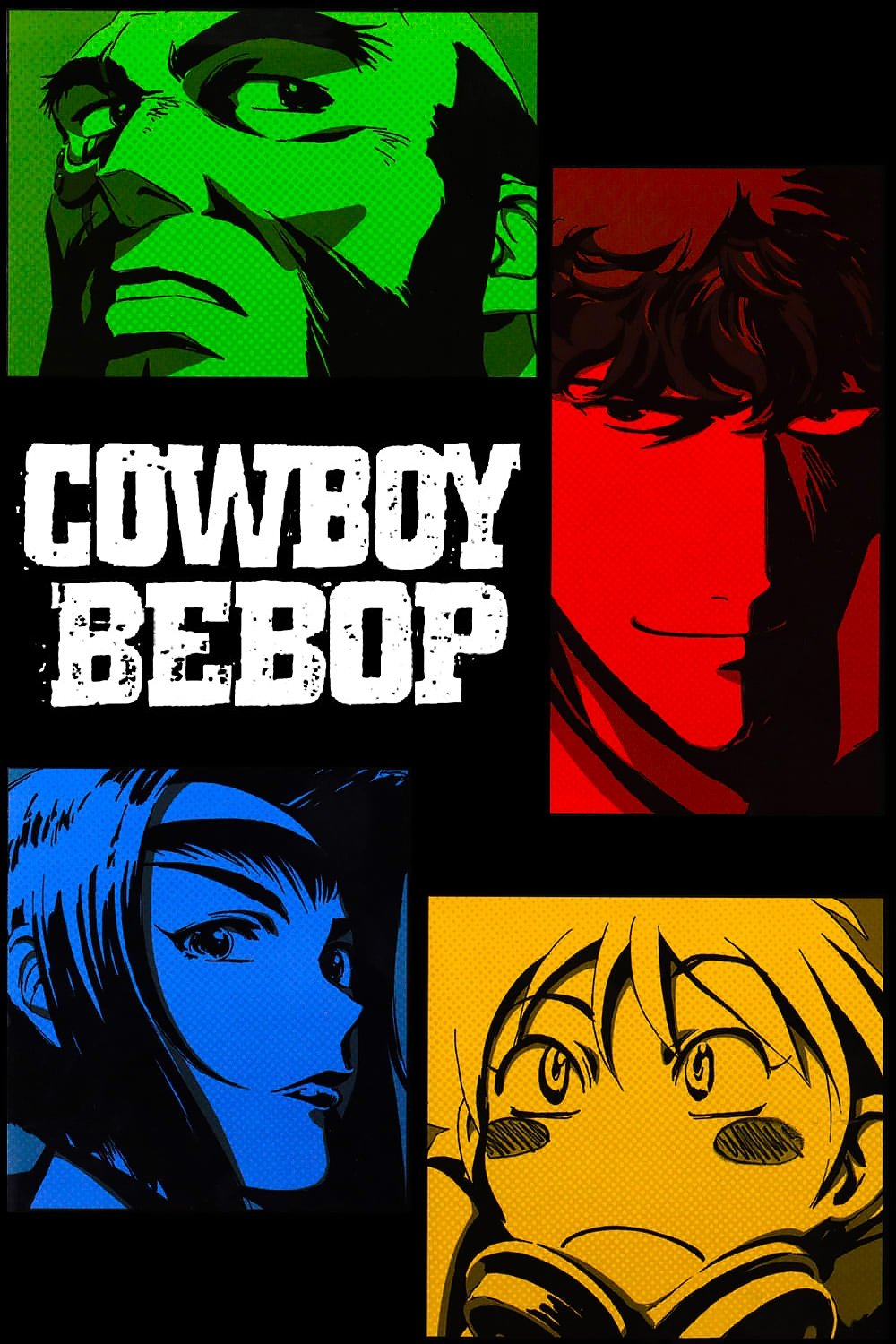
The series is a masterclass in blending film noir and westerns and pulp fiction into a space opera setting. Spike Spiegel acts as a brooding bounty hunter who could easily fit into the pages of a hardboiled detective graphic novel. The episodic storytelling mirrors the structure of comic book runs where standalone adventures contribute to an overarching character study. Its moody atmosphere and jazz soundtrack cement its status as a noir masterpiece.
‘Trigun’ (1998)
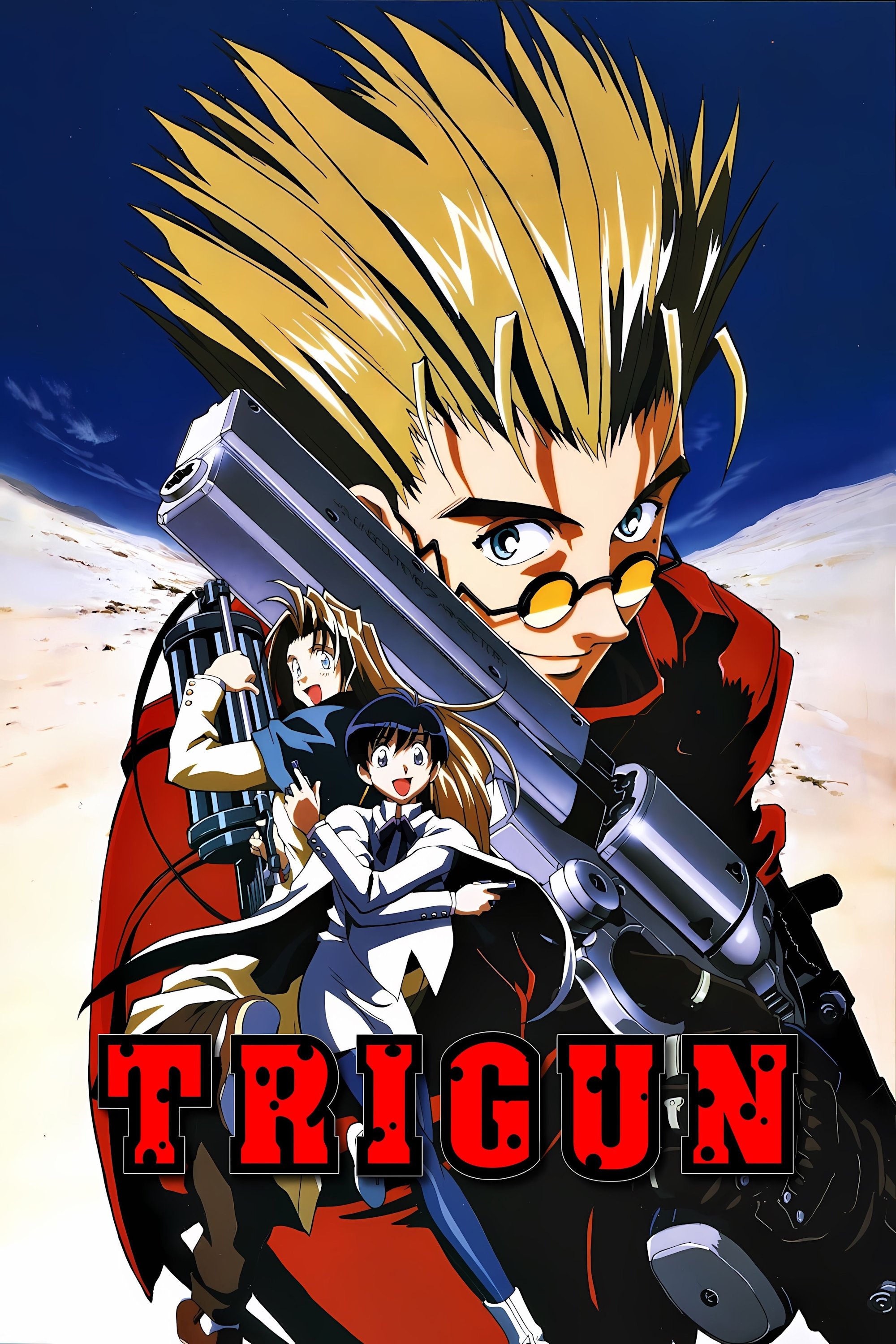
Vash the Stampede wanders a desert planet that functions as a sci-fi reimagining of the Wild West. The series incorporates the gun-slinging action and moral dilemmas often found in classic western comics and films. Vash is a pacifist hero who suffers great physical and emotional pain to uphold his code against violent villains. The distinctive character designs feature oversized weaponry and tattered coats that create a striking silhouette against the barren landscapes.
‘Zetman’ (2012)
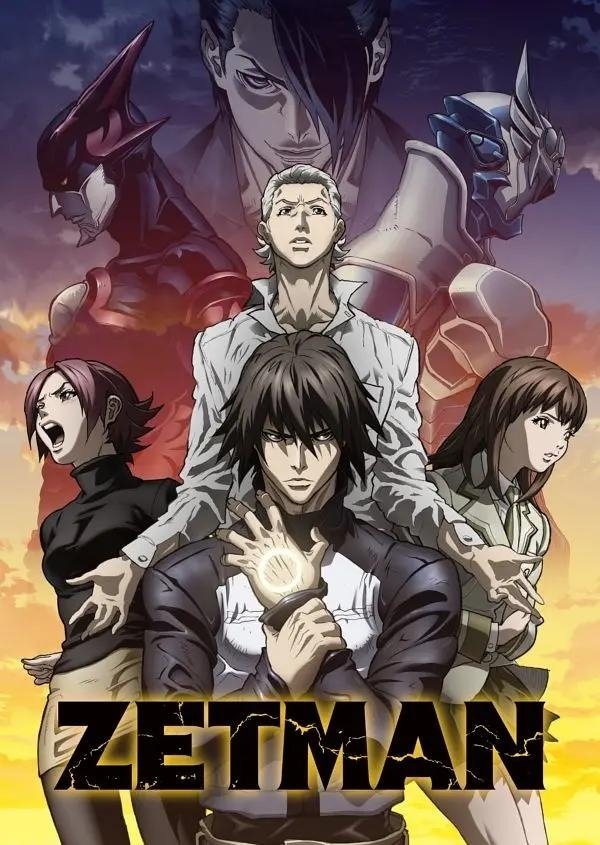
The story revolves around two protagonists who represent opposing views on justice and heroism similar to Batman and Superman. One character relies on technology and wealth to fight crime while the other possesses a dark biological power. The creature designs are heavily influenced by the darker side of American superhero comics and gothic horror. It explores the consequences of playing god and the grey morality of vigilante justice.
‘Cyborg 009’ (1968–Present)
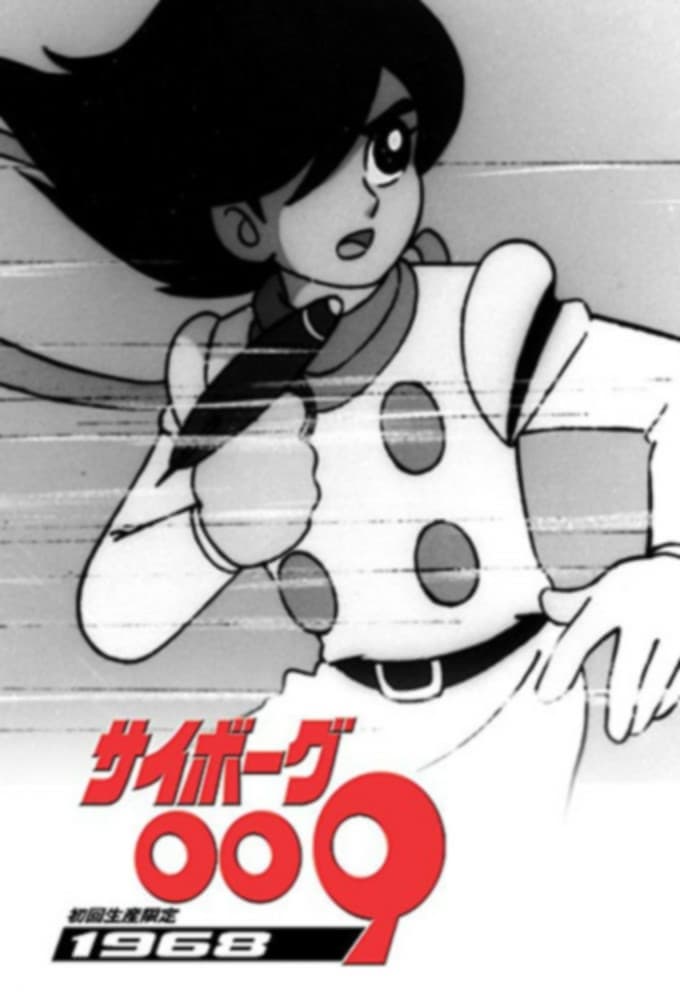
This classic franchise established the team-based superhero dynamic in anime long before it became a standard trope. Nine individuals from different countries are transformed into cyborgs and rebel against the evil organization that created them. The diverse set of powers and uniforms draws parallels to teams like the X-Men or the Justice League. It remains a foundational work that introduced the concept of international heroes uniting for a common cause.
‘Gatchaman Crowds’ (2013)

This modern update to a classic hero team franchise explores the role of social media and gamification in superheroics. The colorful suits and transformation sequences pay homage to American comics while updating them for a digital age. The narrative questions the definition of a hero when the public can intervene in crises via smartphone apps. It blends bright pop-art visuals with a cynical look at crowd-sourced justice.
‘Afro Samurai’ (2007)
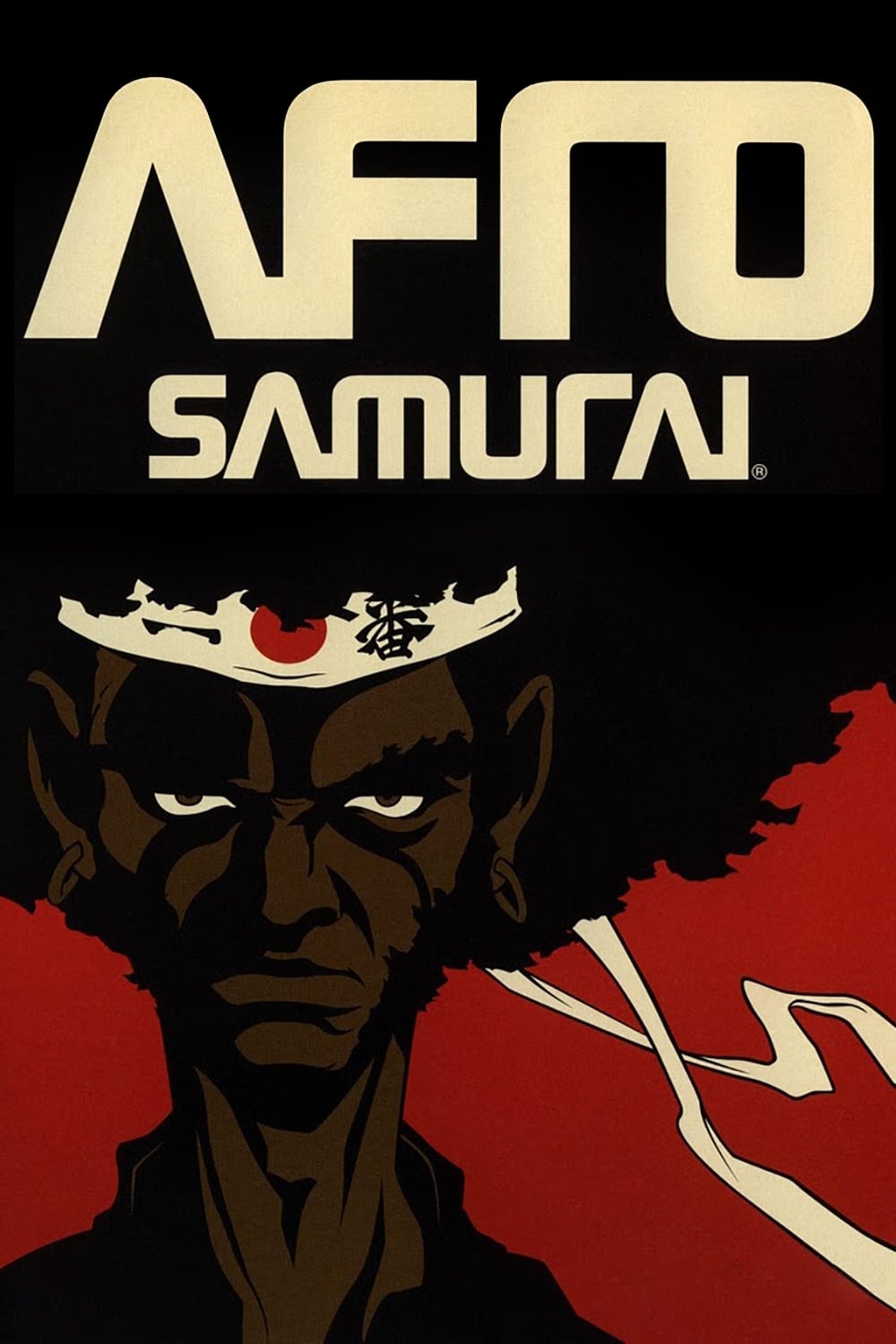
The series blends feudal Japanese settings with hip-hop culture and gritty comic book violence. The protagonist seeks revenge in a world that operates on video game logic and stylized action set pieces. The character design by Takashi Okazaki was created with a specific goal of appealing to Western audiences who love graphic novels. Samuel L. Jackson voiced the lead character and further solidified the connection to Western pop culture.
‘Avengers Confidential: Black Widow & Punisher’ (2014)
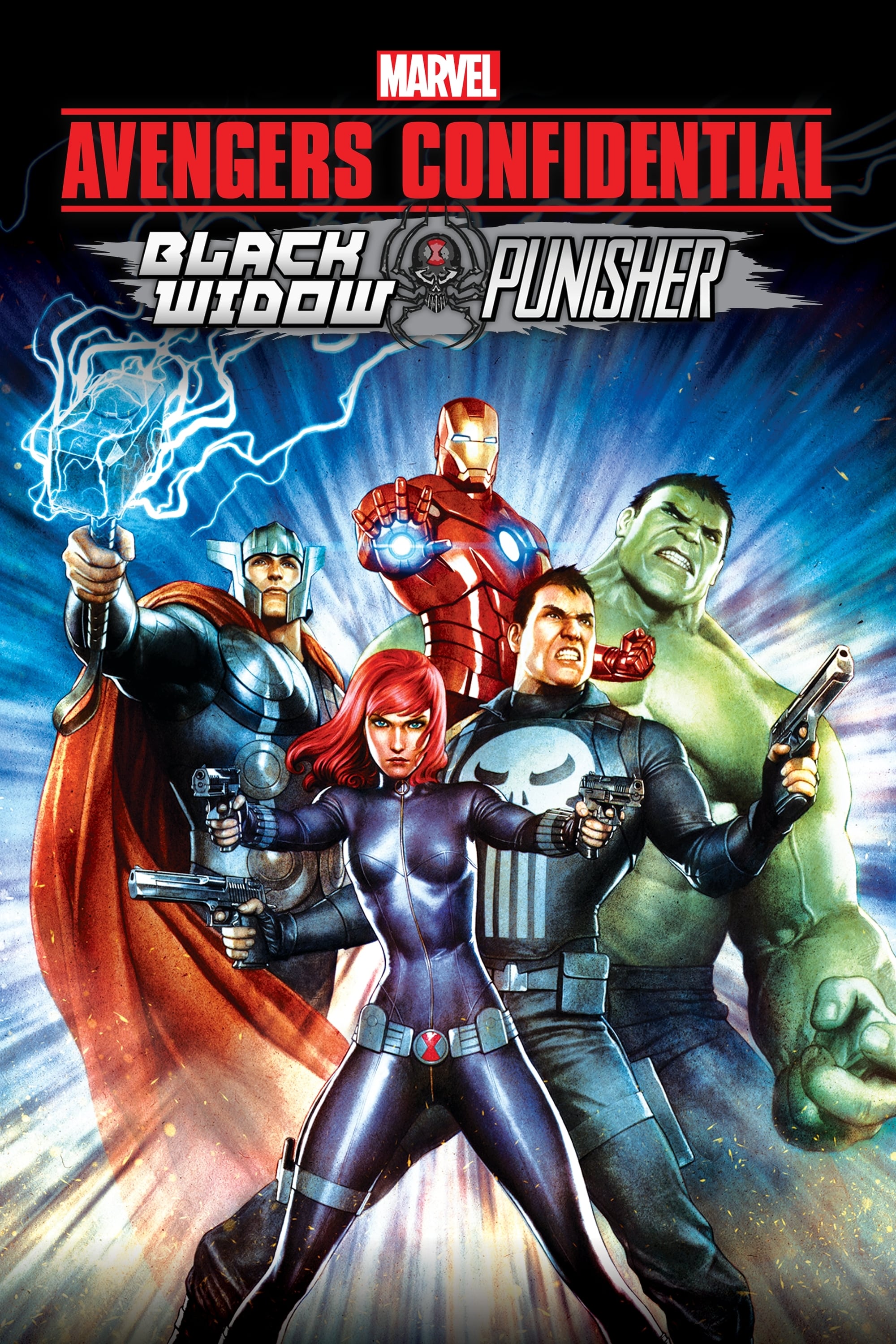
This animated film pairs two of Marvel’s most lethal street-level heroes for a covert mission. The narrative focuses on espionage and tactical combat rather than cosmic threats or superpowers. The animation style is sleek and realistic and mimics the look of modern tactical shooter video games and spy thrillers. It provides a grounded look at the Marvel Universe through the lens of Japanese action directors.
‘Batman: Gotham Knight’ (2008)
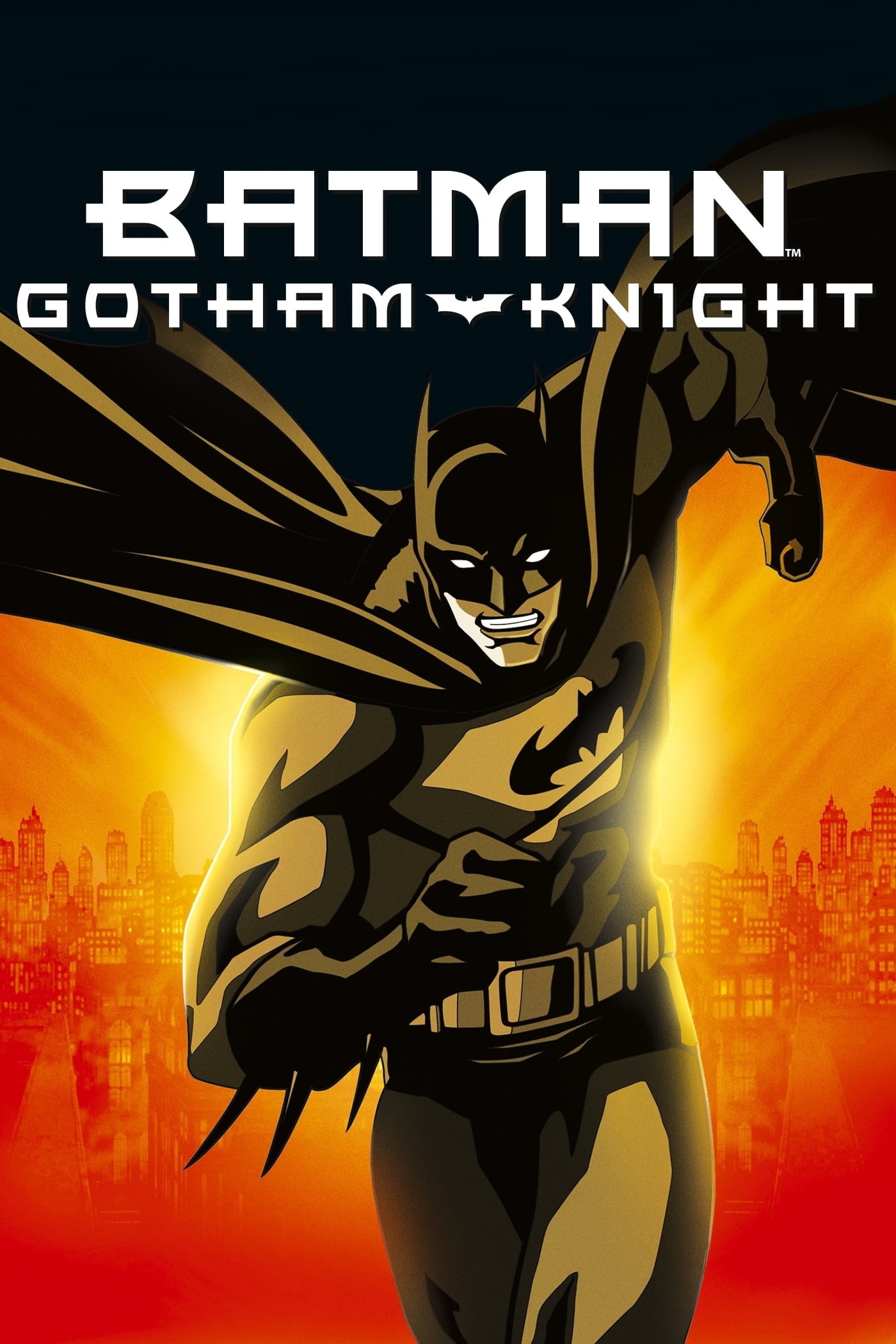
This anthology film features six segments produced by different anime studios that bridge the gap between two live-action Batman films. Each segment offers a radically different visual interpretation of Gotham City and the Dark Knight. The stories explore Batman’s pain tolerance and his gadgets and his psychological state through distinct artistic lenses. It stands as a testament to the flexibility of the character and his compatibility with anime storytelling.
‘Hellsing Ultimate’ (2006–2012)

The Alucard character is a stylish vampire who fights other supernatural threats for a British organization. The series utilizes heavy shadows and exaggerated proportions that recall the artwork of Frank Miller. The violence is operatic and the gunplay is choreographed with a level of detail found in the best action comics. It embraces a gothic western aesthetic while delivering the high-octane energy of Japanese animation.
‘Vampire Hunter D: Bloodlust’ (2000)
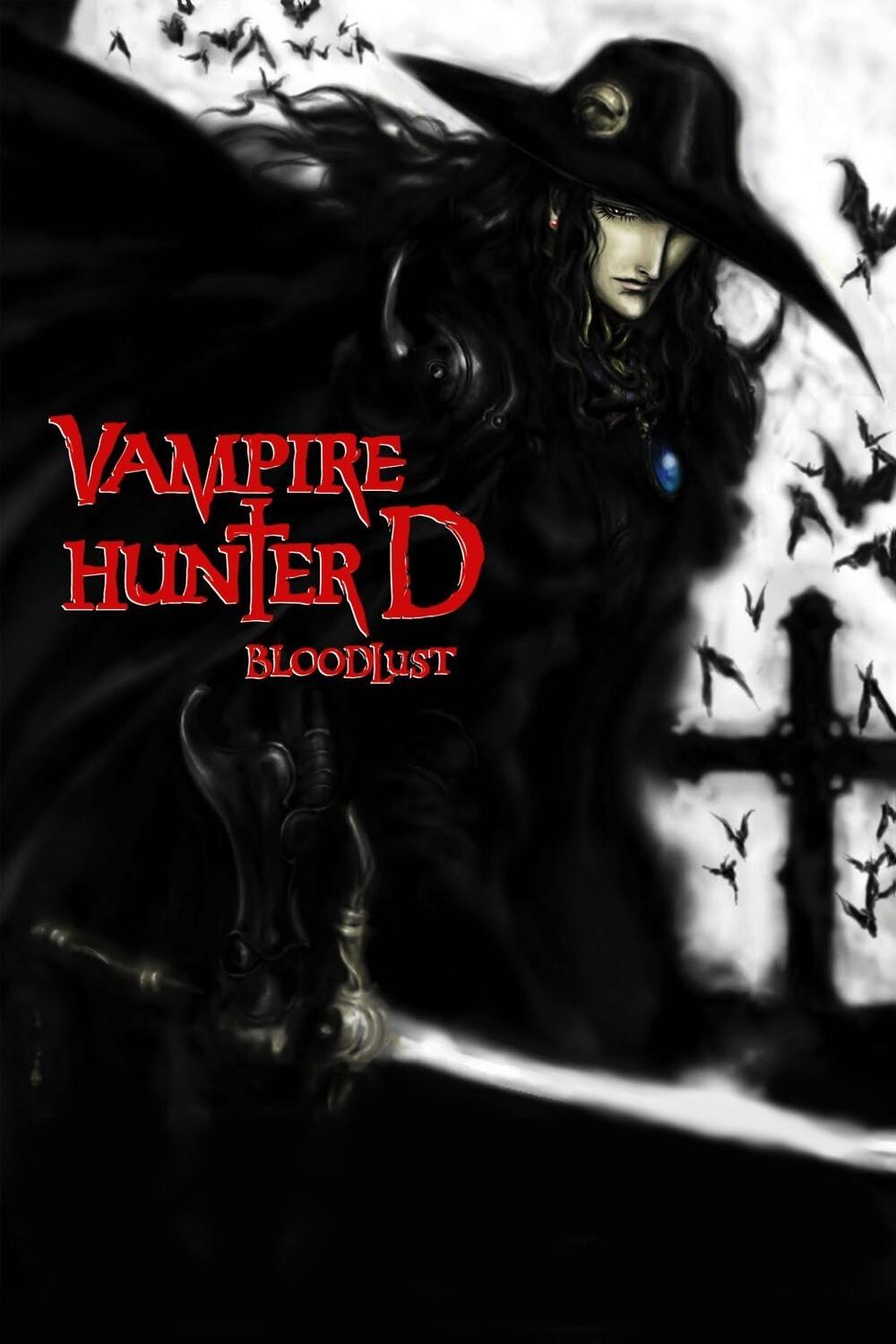
The film is set in a post-apocalyptic future where vampires rule the night and bounty hunters roam the frontier. The art style is incredibly detailed and draws influence from European gothic art and American westerns. The protagonist is a stoic dhampir who resembles a cowboy figure riding a cybernetic horse. It is a visual masterpiece that merges the horror of Bram Stoker with the setting of a Sergio Leone movie.
‘JoJo’s Bizarre Adventure’ (2012–Present)
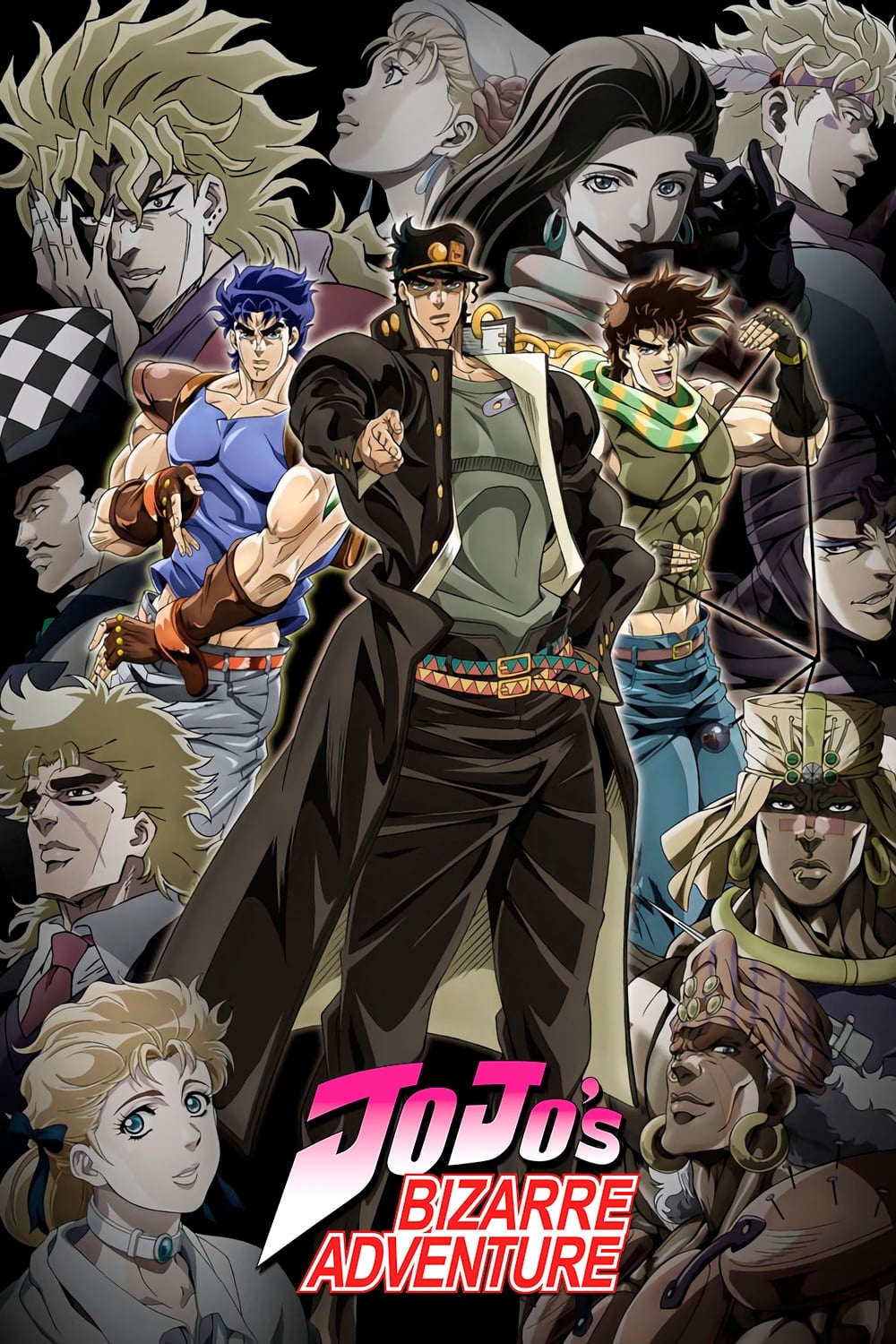
Hirohiko Araki created this multi-generational saga with heavy inspiration from Western fashion and music and muscle-bound comic heroes. The characters often strike dramatic poses that mimic fashion magazines and classical sculpture. The concept of “Stands” introduced psychic projections that battle each other in a way that revolutionized power systems in manga and comics. It is a flamboyant celebration of Western pop culture filtered through a unique Japanese artistic vision.
‘Devilman Crybaby’ (2018)
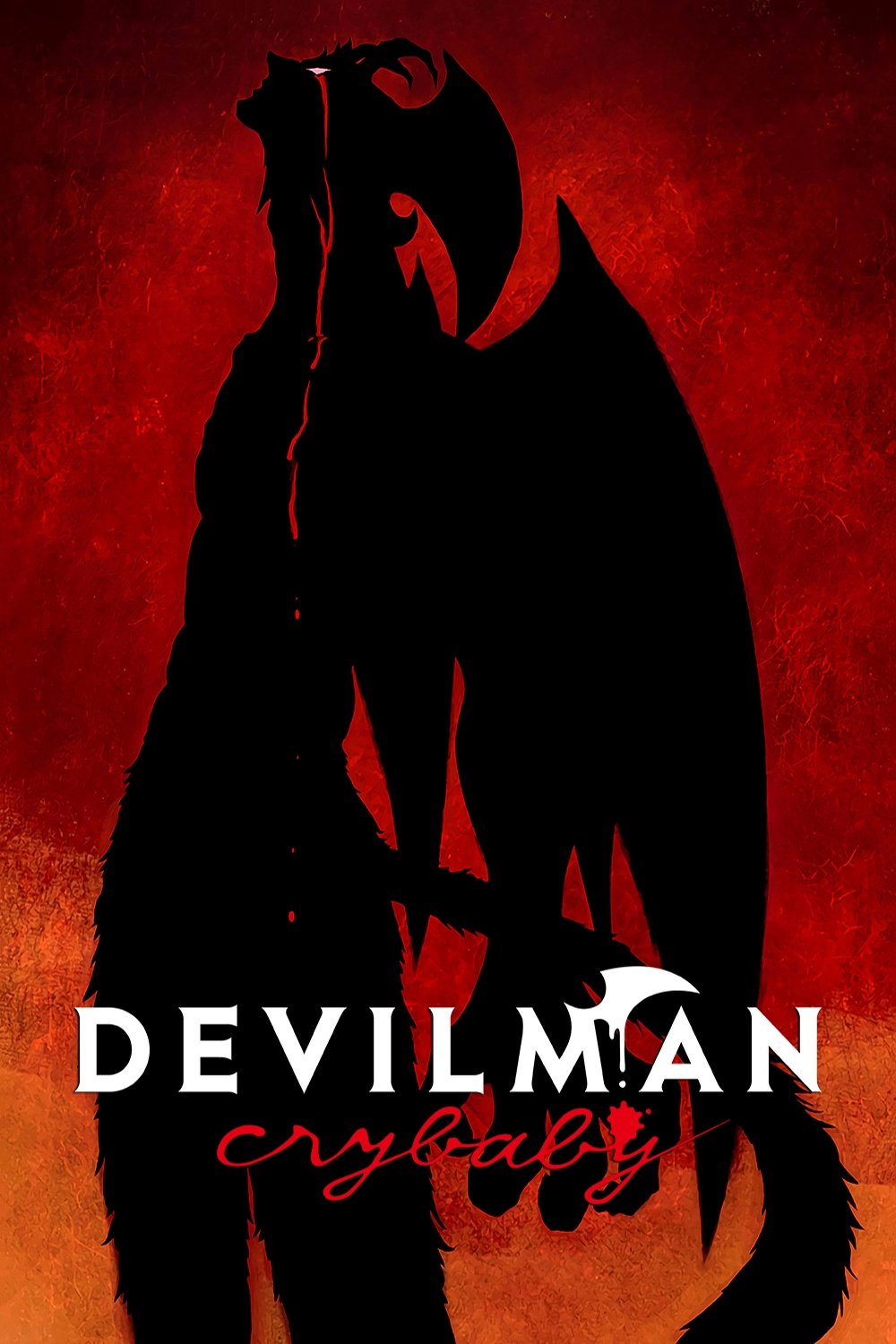
Masaaki Yuasa updated the classic manga with a visual style that feels like a moving psychedelic graphic novel. The story follows a sensitive boy who merges with a demon to fight against a hidden invasion. The themes of prejudice and war and human nature are handled with a raw intensity found in underground comix. The seamless blend of sexuality and violence creates a jarring but unforgettable viewing experience.
‘Casshern Sins’ (2008)
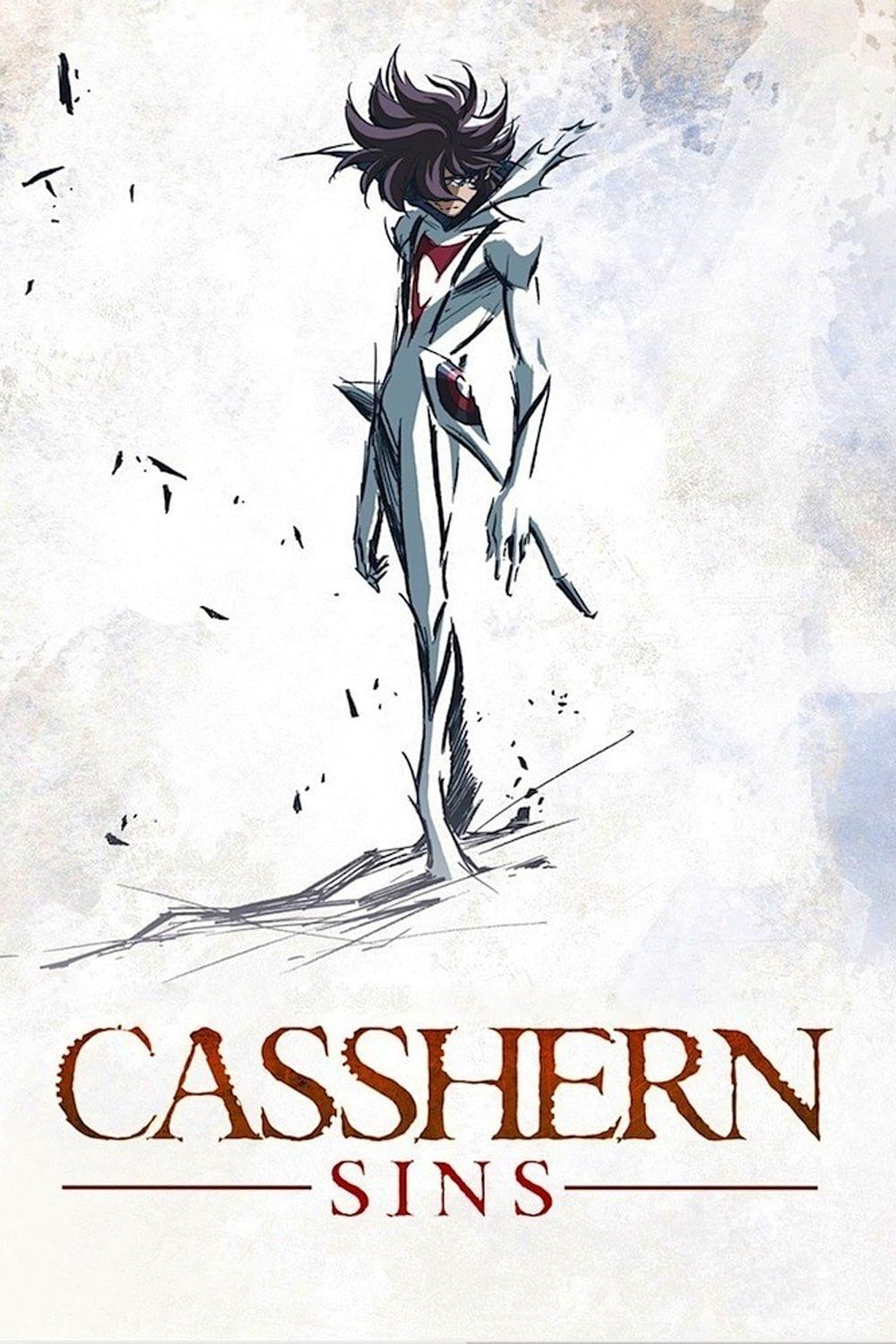
This reboot of a classic hero show strips away the optimism to tell a story of a ruinous world where robots are decaying. The art style is stark and atmospheric and uses heavy blacks and muted colors similar to indie graphic novels. Casshern wanders the wasteland like a tragic figure from a greek myth or a lone gunslinger. It transforms a standard superhero premise into a philosophical meditation on life and death.
‘Guyver: The Bioboosted Armor’ (2005)

A teenager discovers an alien device that encases him in a powerful biological armor. The creature design is iconic and influenced an entire generation of Western sci-fi and comic artists. The story balances the high school drama with brutal battles against genetically modified monsters called Zoanoids. It represents the darker side of the transformation hero trope popular in both Eastern and Western media.
‘Darker Than Black’ (2007)
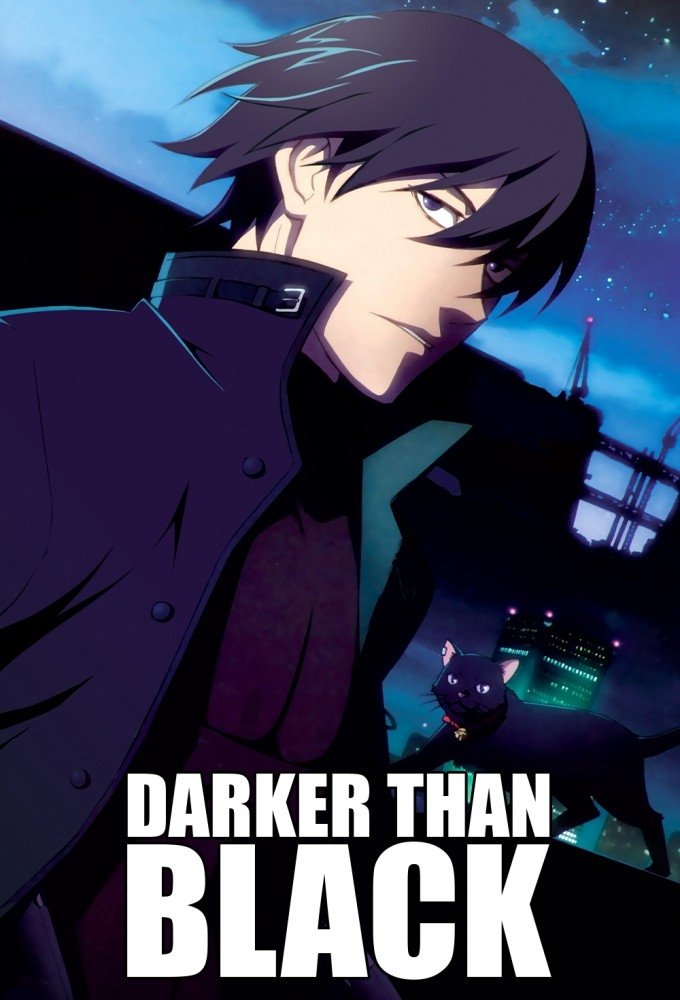
A mysterious anomaly appears in Tokyo and grants special abilities to individuals known as Contractors who must pay a price for their power. The protagonist leads a double life and utilizes a grappling hook and knives in a way that mirrors Batman or Daredevil. The noir atmosphere and the investigation-driven plot appeal to fans of detective comics. It builds a complex world of secret syndicates and espionage that feels grounded despite the supernatural elements.
‘Bungo Stray Dogs’ (2016–Present)
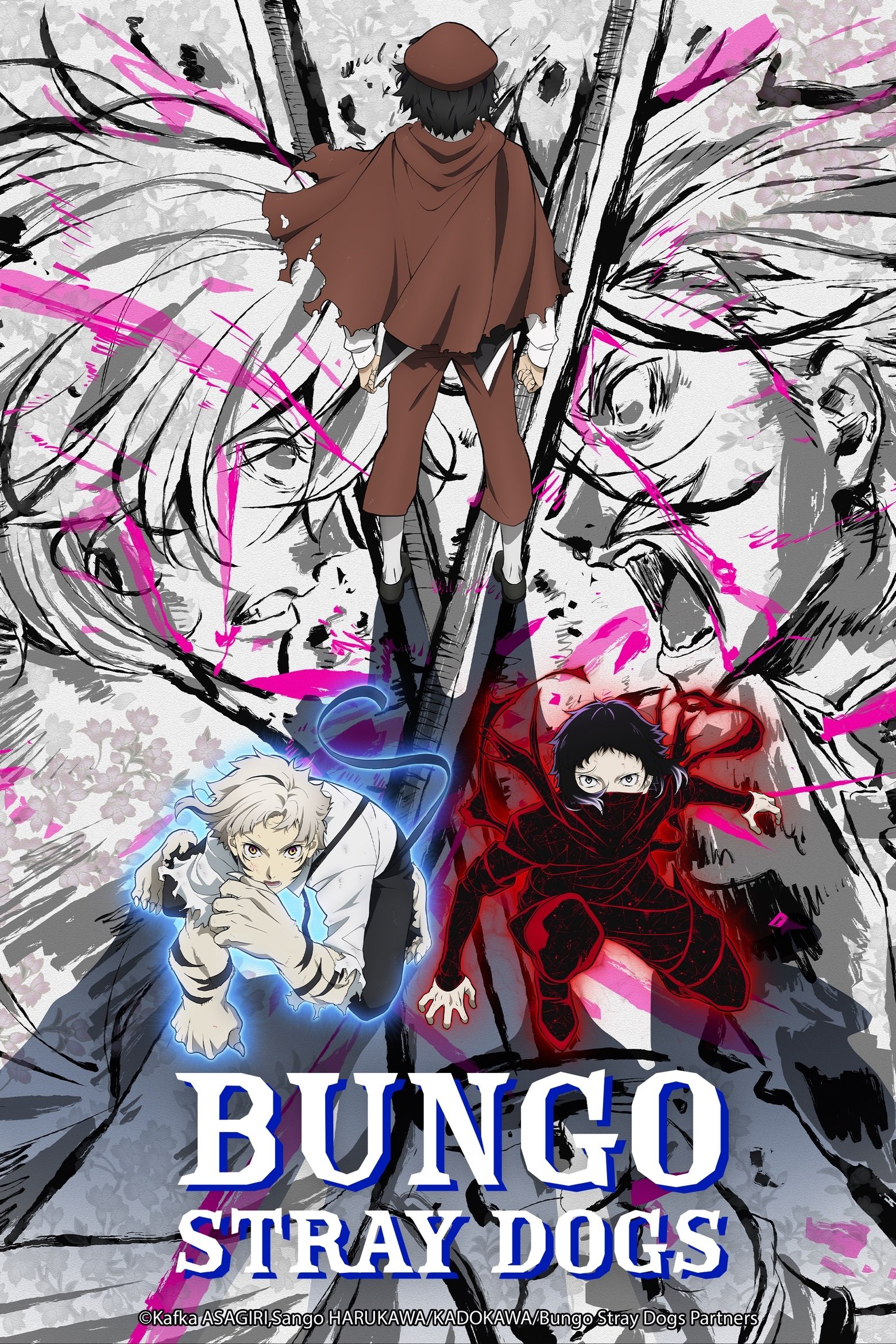
Characters in this series are named after famous literary figures and possess powers based on their written works. The Armed Detective Agency operates similarly to a superhero team solving crimes that the police cannot handle. The setting blends modern Yokohama with a vintage aesthetic that recalls the noir era of detective fiction. It combines intellectual battles with flashy superpowers in a way that honors both literary history and comic book action.
‘Samurai Flamenco’ (2013)
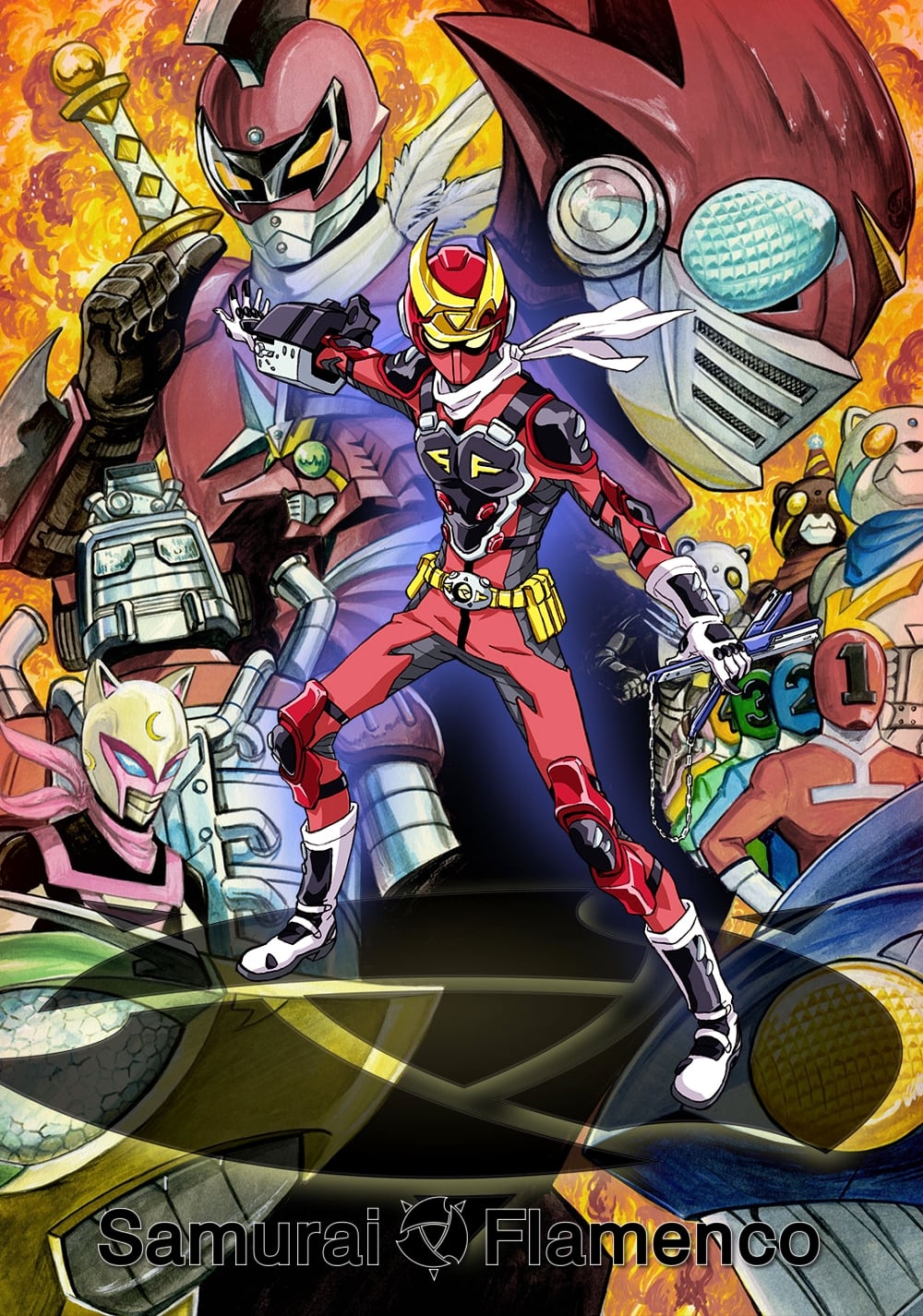
A male model decides to become a superhero in the real world despite having no powers or gadgets. The series starts as a grounded comedy about the reality of vigilantism similar to the film ‘Kick-Ass’. It gradually escalates into a full-blown fantasy involving monsters and government conspiracies and aliens. The show serves as a deconstruction and eventual reconstruction of the entire superhero genre.
‘Viewtiful Joe’ (2004)
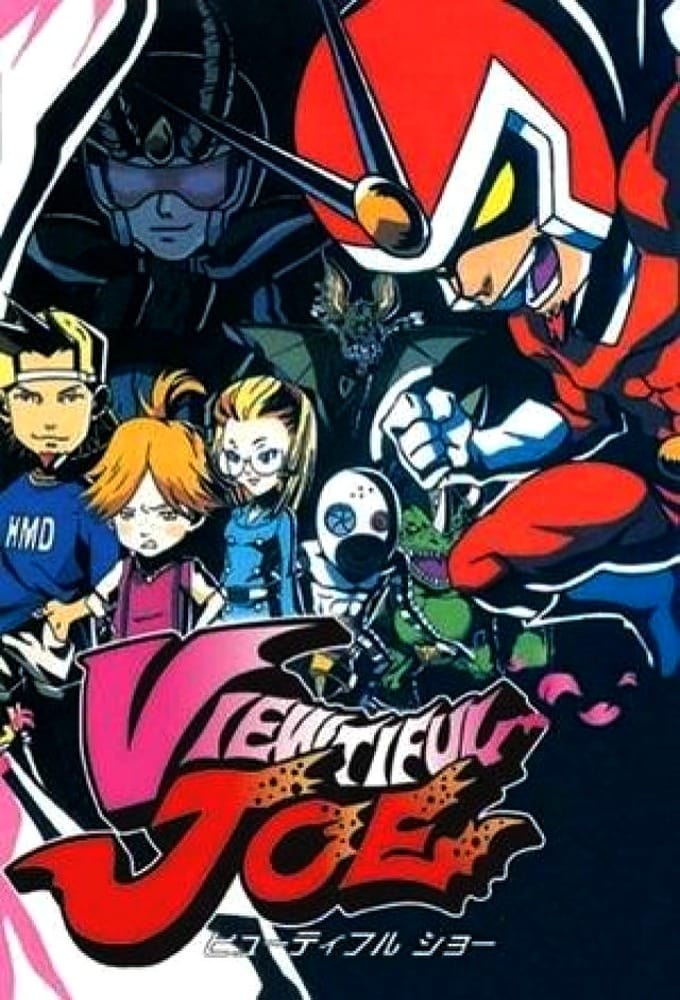
Based on the video game of the same name, this series literally takes place inside the world of movies and comics. The protagonist transforms into a hero who can manipulate the visual effects of the world around him. The art style uses cel-shading and heavy outlines to make every frame look like a comic book panel. It is a meta-commentary on the nature of heroism and the visual language of American superhero media.
‘Soul Eater’ (2008)
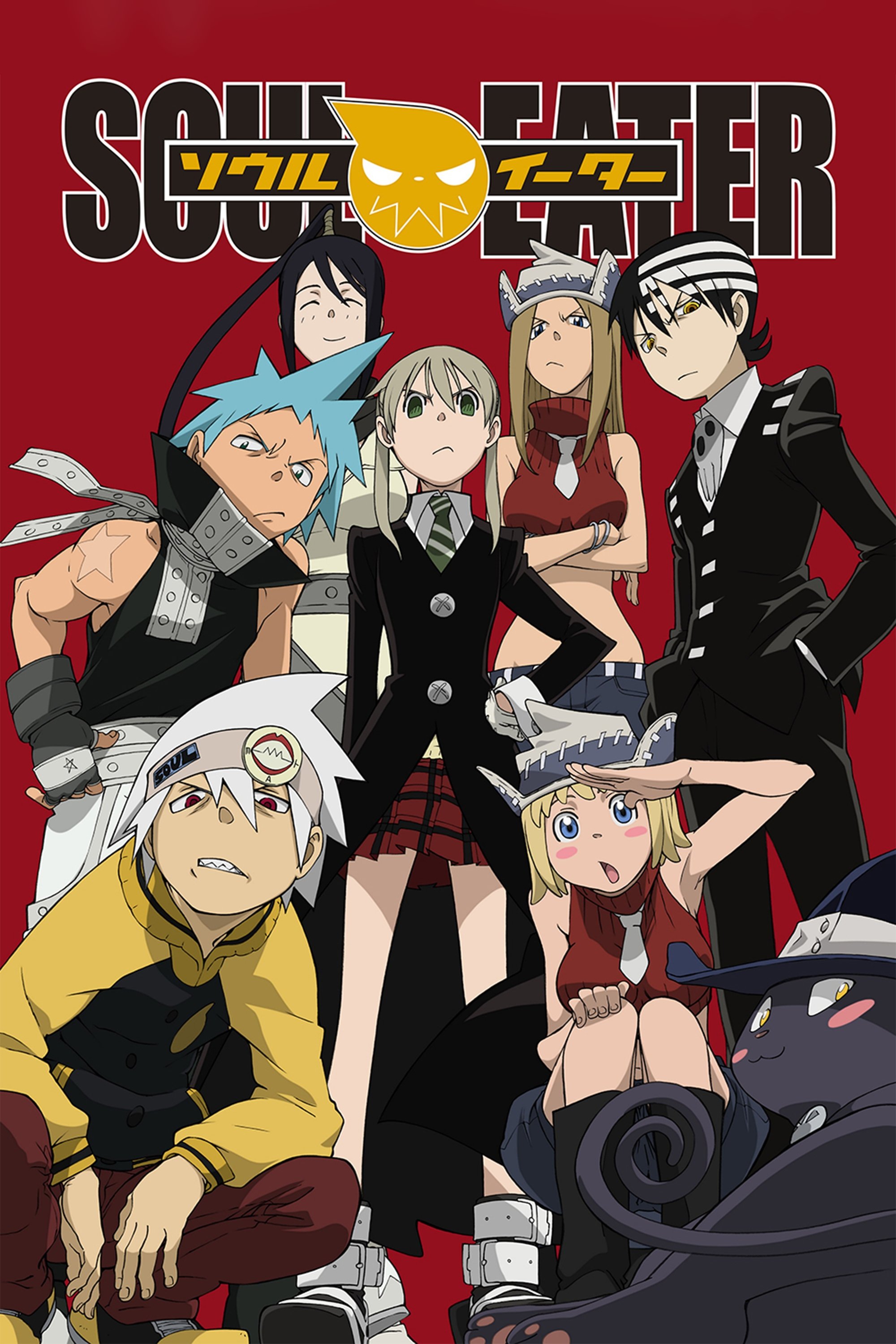
The setting is a supernatural school in Nevada run by Death himself where students learn to hunt evil souls. The visual style is heavily influenced by Tim Burton and Halloween aesthetics and American graffiti culture. The characters wield living weapons and engage in battles that are choreographed with exaggerated comic book physics. It creates a unique world that feels like a fusion of gothic horror and shonen action.
‘Fire Force’ (2019)
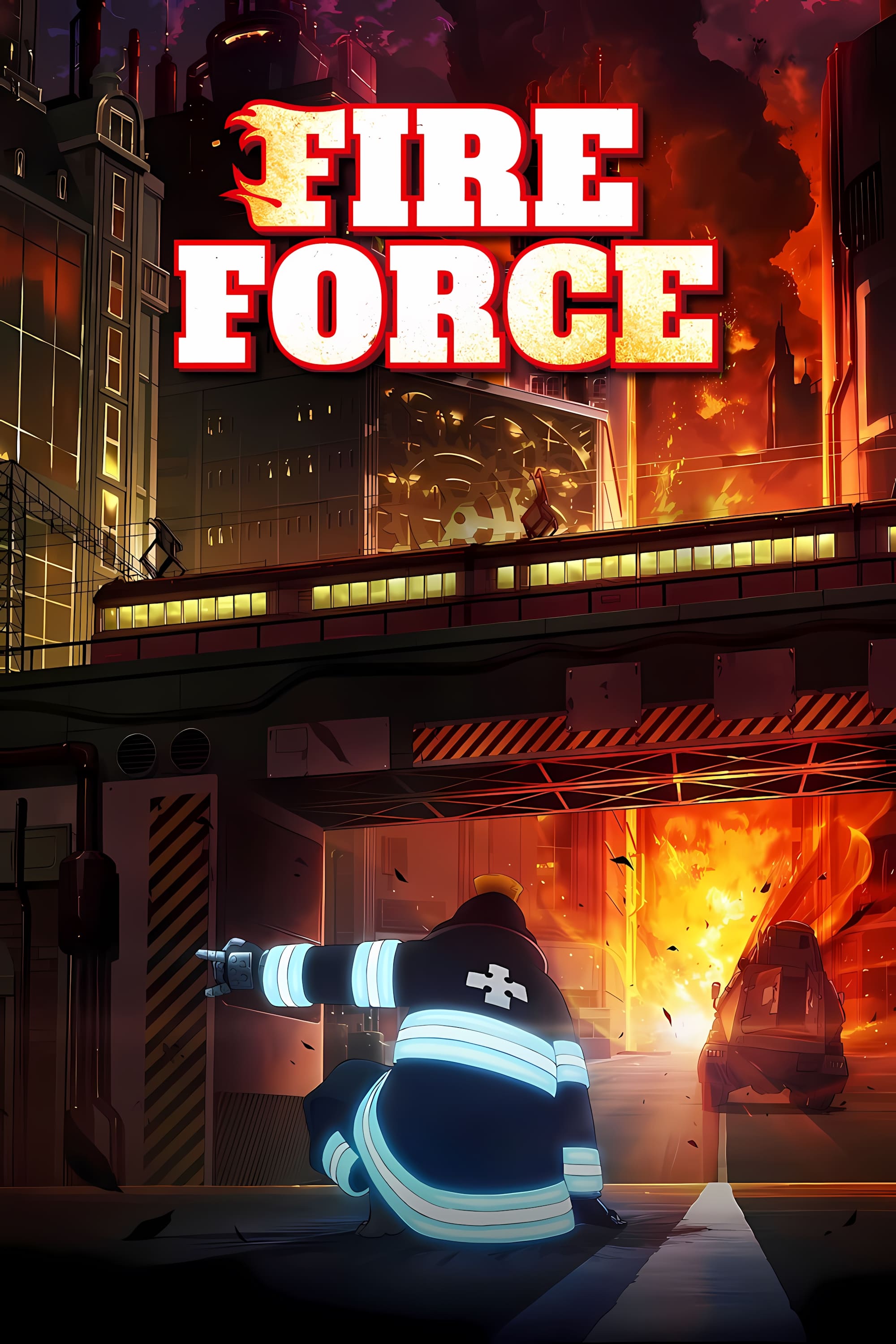
In a world where spontaneous human combustion is a plague, special fire brigades are formed to put the victims to rest. The protagonist wants to be a hero and smiles nervously when he fights, which adds a layer of psychological complexity. The visual direction uses distinct iconography and sound design that gives the action a heavy and impactful feel. The corporate intrigue and competing factions mirror storylines often found in sprawling comic book events.
‘Promare’ (2019)
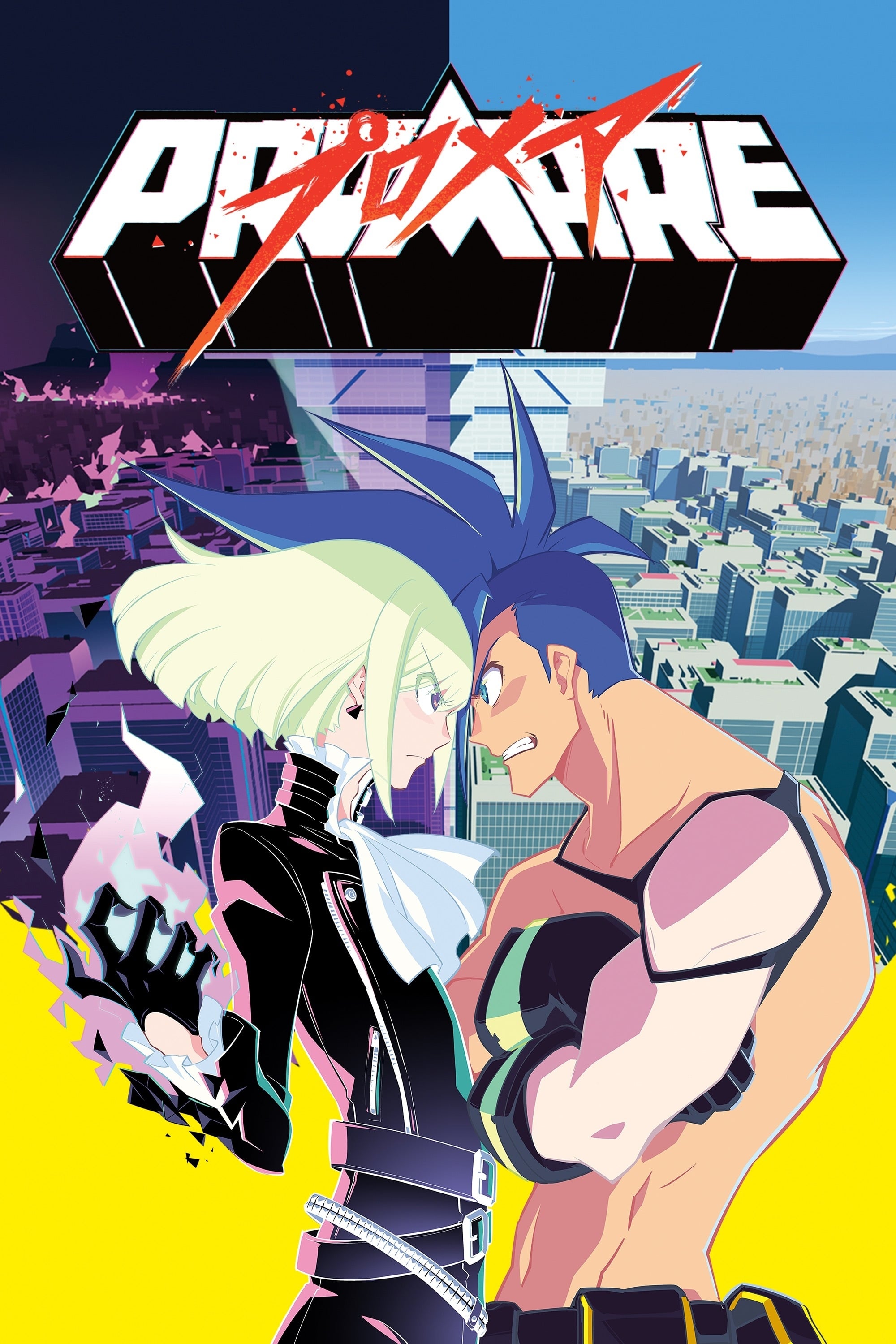
This film features a high-contrast visual style that looks like pop art in motion. The conflict between a firefighting team and a race of mutants explores themes of discrimination and environmentalism. The geometric shapes and neon colors create a look that is distinct from traditional anime and closer to modern graphic design. It is an adrenaline-fueled spectacle that captures the excitement of a blockbuster comic book movie.
‘Redline’ (2009)
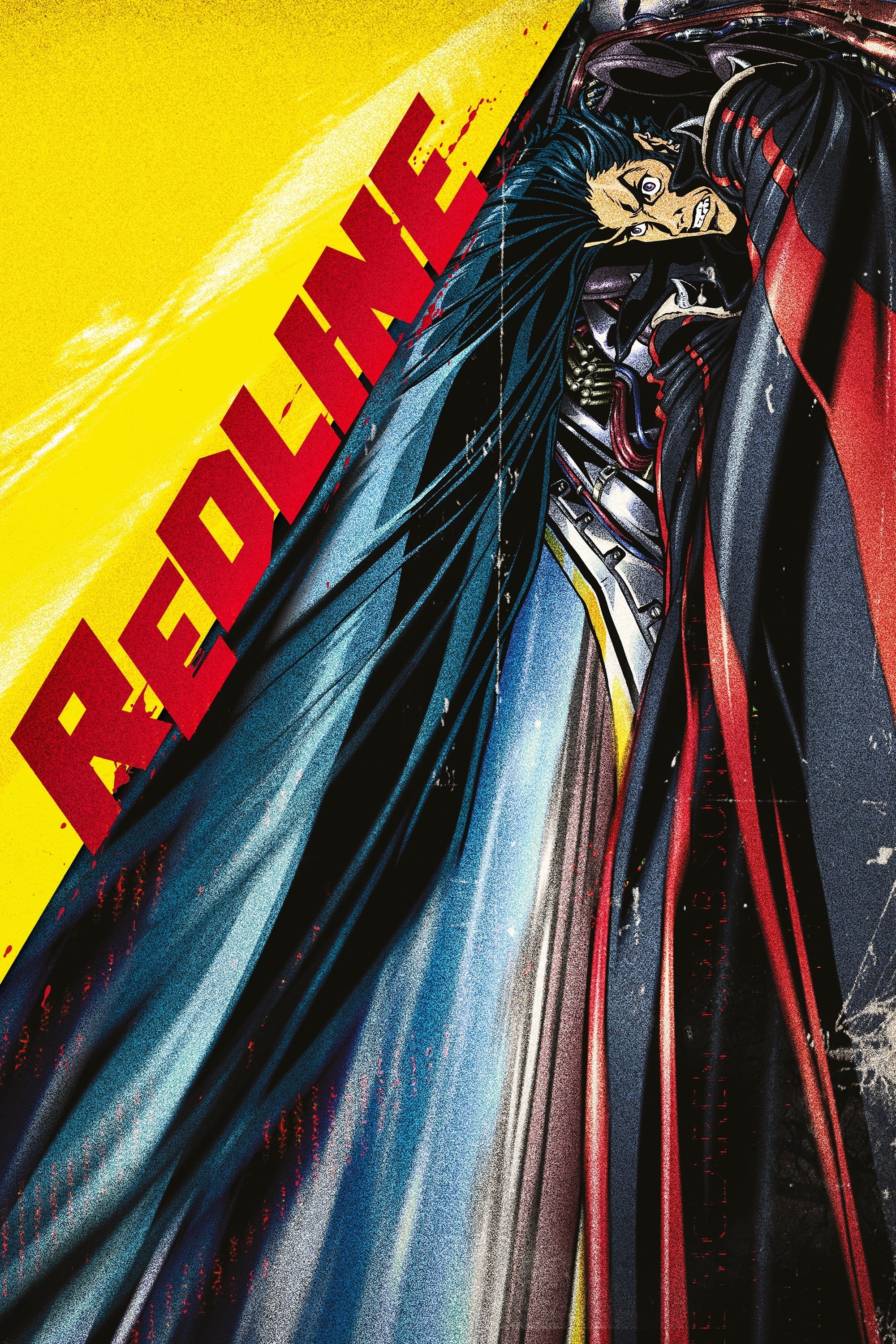
The hand-drawn animation in this racing film took seven years to complete and the effort shows in every frame. The character designs are exaggerated and grotesque and recall the style of heavy metal album covers and underground comics. The race takes place on a planet dominated by cyborgs and aliens and organized crime. It is a visual overload that prioritizes style and motion above all else.
‘Black Lagoon’ (2006)

A Japanese businessman is kidnapped by pirates and decides to join their crew in the lawless city of Roanapur. The series draws heavy inspiration from Hollywood action movies and hardboiled crime comics. The character Revy is a dual-wielding gunslinger who fits the mold of the violent anti-hero perfectly. It offers a cynical look at the criminal underworld where morality is a luxury no one can afford.
‘Baccano!’ (2007)
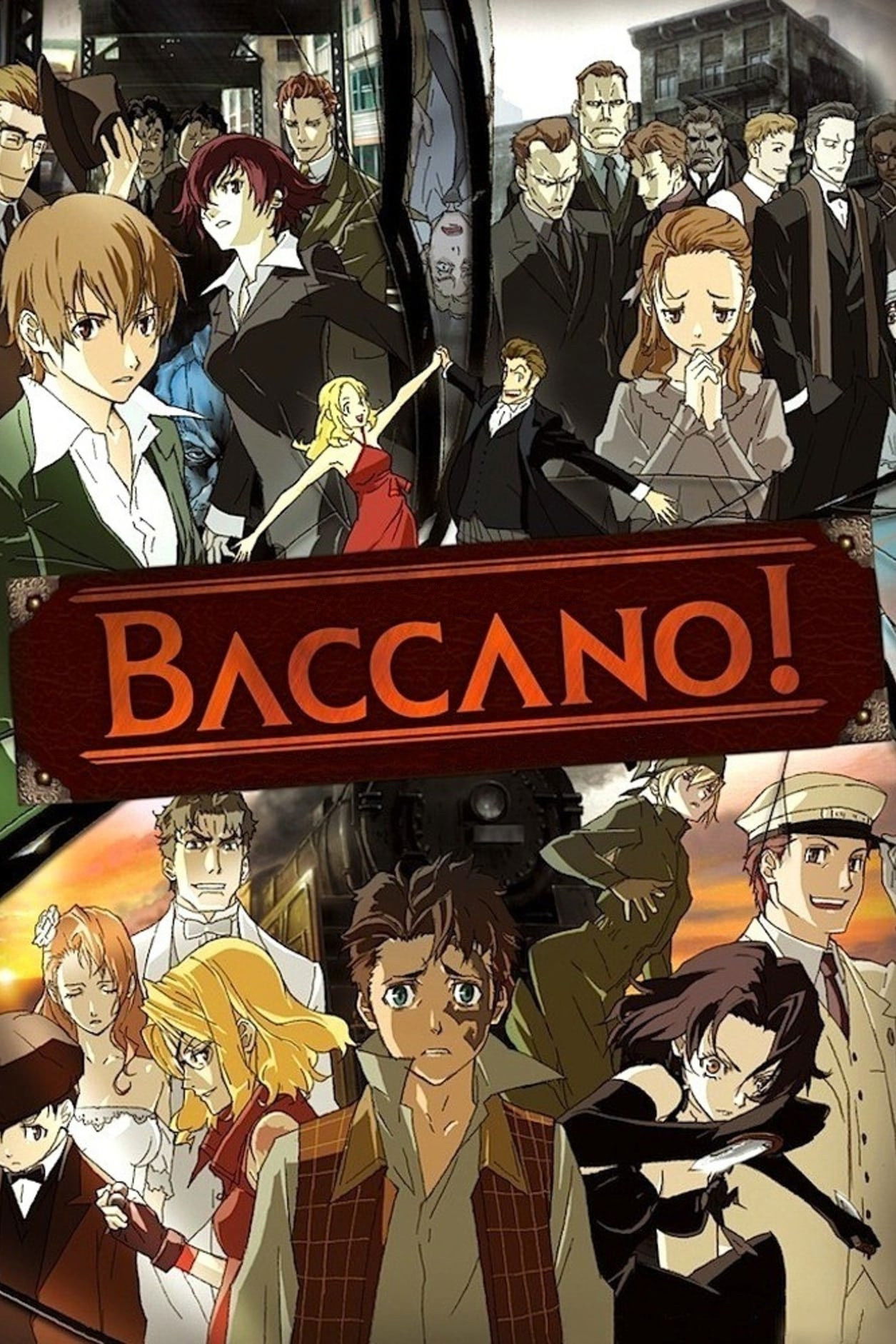
The narrative weaves together multiple timelines involving alchemists and gangsters and thieves in Prohibition-era America. The storytelling is non-linear and demands the audience piece together the puzzle like a complex graphic novel. The setting and the chaotic cast of characters capture the energy of American pulp fiction. It creates a seamless blend of supernatural horror and historical crime drama.
’91 Days’ (2016)
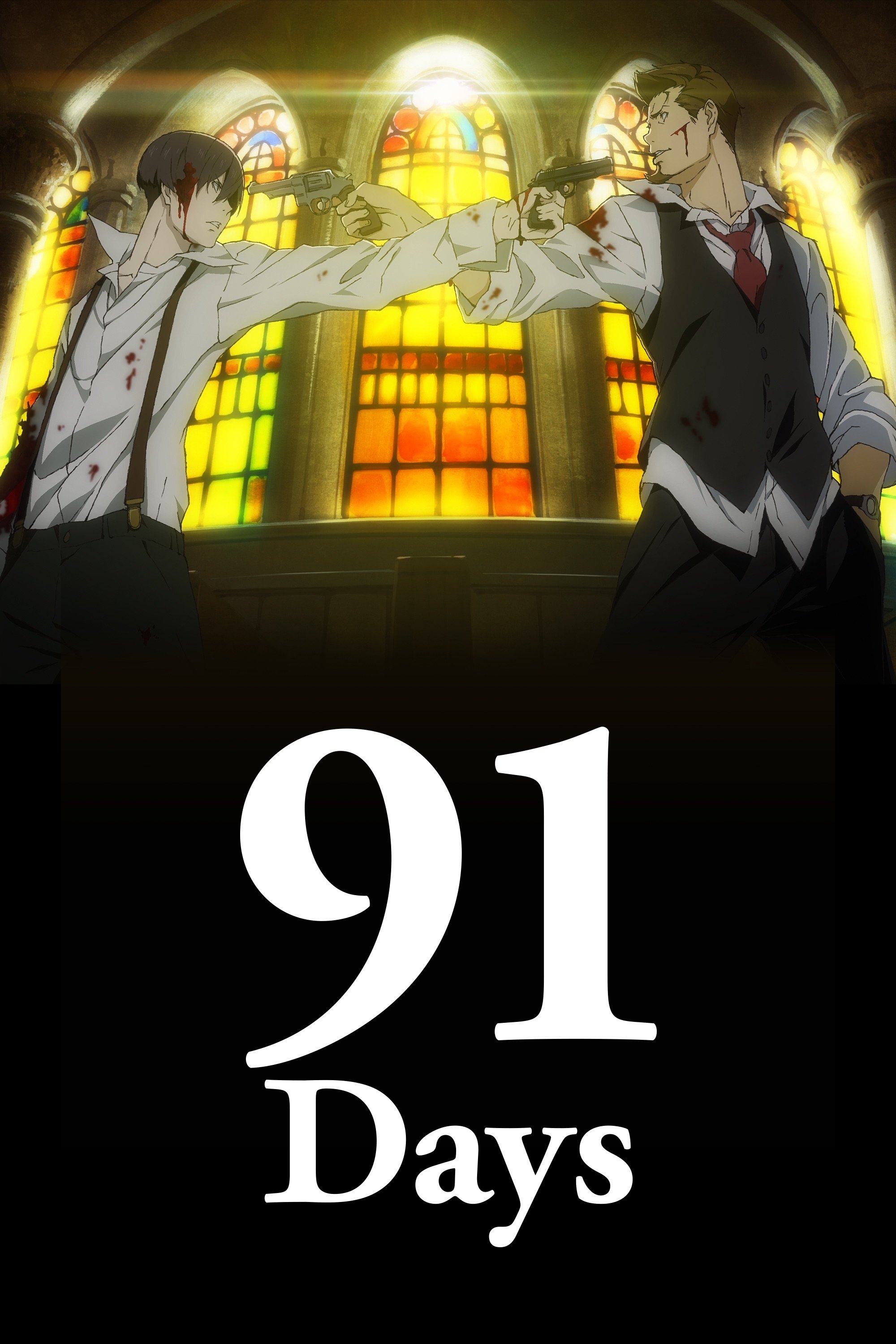
This revenge drama is set during the Prohibition era and follows a young man infiltrating a mafia family. The sombre tone and grounded violence pay homage to classic gangster films and noir comics. There are no superpowers or magical elements, just men driven by greed and vengeance. It proves that anime can successfully tackle the serious tone of Western crime dramas without relying on fantastical tropes.
‘Michiko & Hatchin’ (2008)

An escaped convict rescues a young girl from an abusive foster home and they embark on a road trip across a fictional South American country. The setting is vibrant and gritty and quite unlike the typical Japanese landscapes found in anime. The character designs and fashion draw from global trends and blaxploitation cinema. It is a stylish adventure that focuses on the bond between two outcasts on the run.
‘Great Pretender’ (2020)
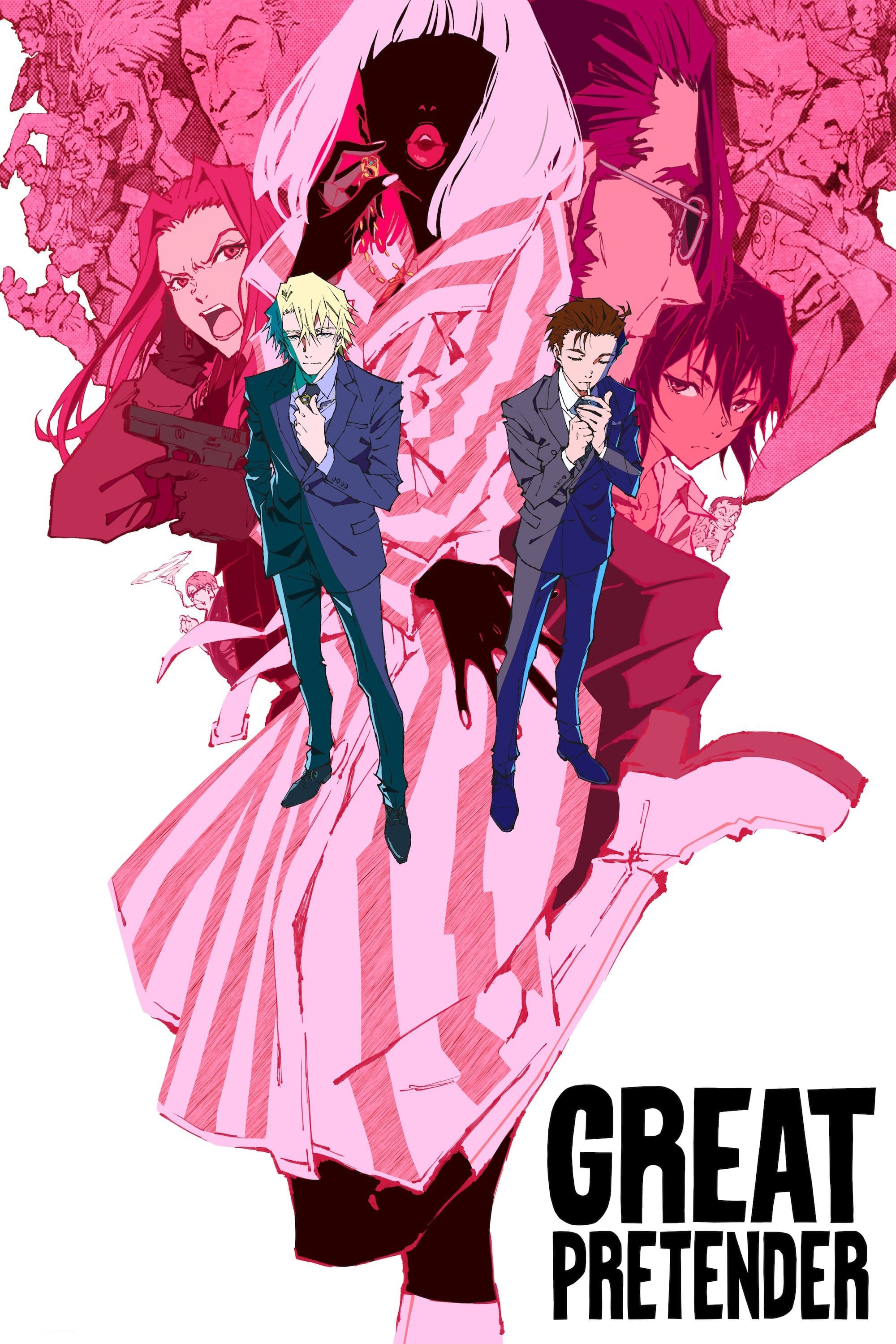
A Japanese con artist gets swept up in the schemes of a French master thief and travels the world pulling off heists. The art direction uses saturated colors and lineless backgrounds that resemble travel posters and pop art. The capers are intricate and full of twists that rival the best heist comics and films. It brings a fresh and international flavor to the medium with its diverse cast and global setting.
‘Cannon Busters’ (2019)
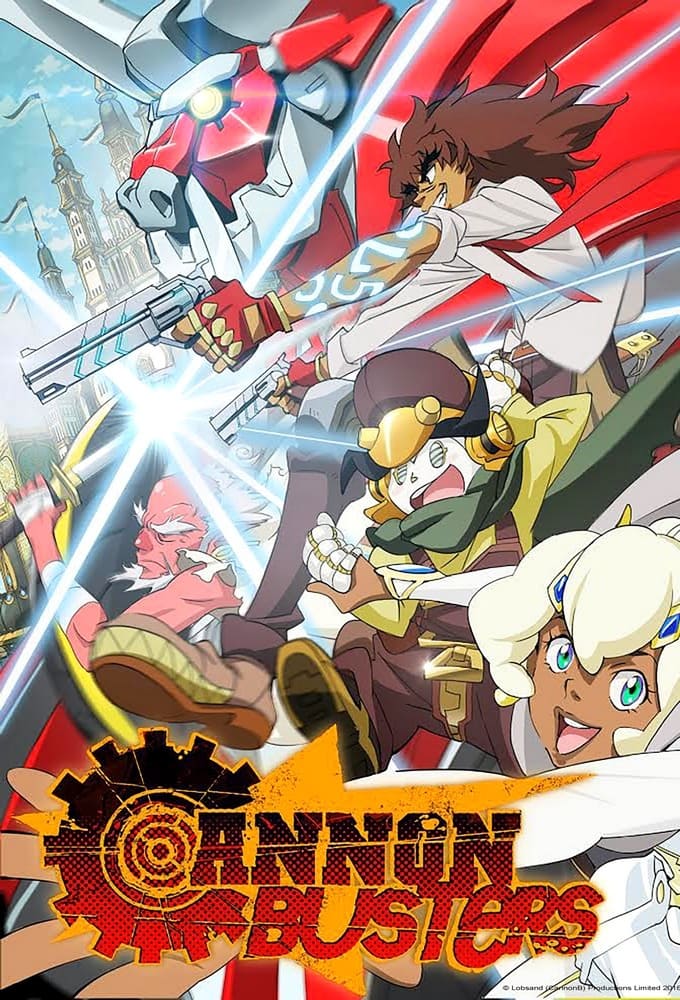
Created by American artist LeSean Thomas, this series adapts his own comic book into an animated format. It features a diverse cast of characters including a royal android and a fugitive mechanic and a transforming cadillac. The production blends the creator’s Western artistic roots with the expertise of Japanese animators. It is a direct result of the increasing collaboration between international creators and the anime industry.
‘Yasuke’ (2021)
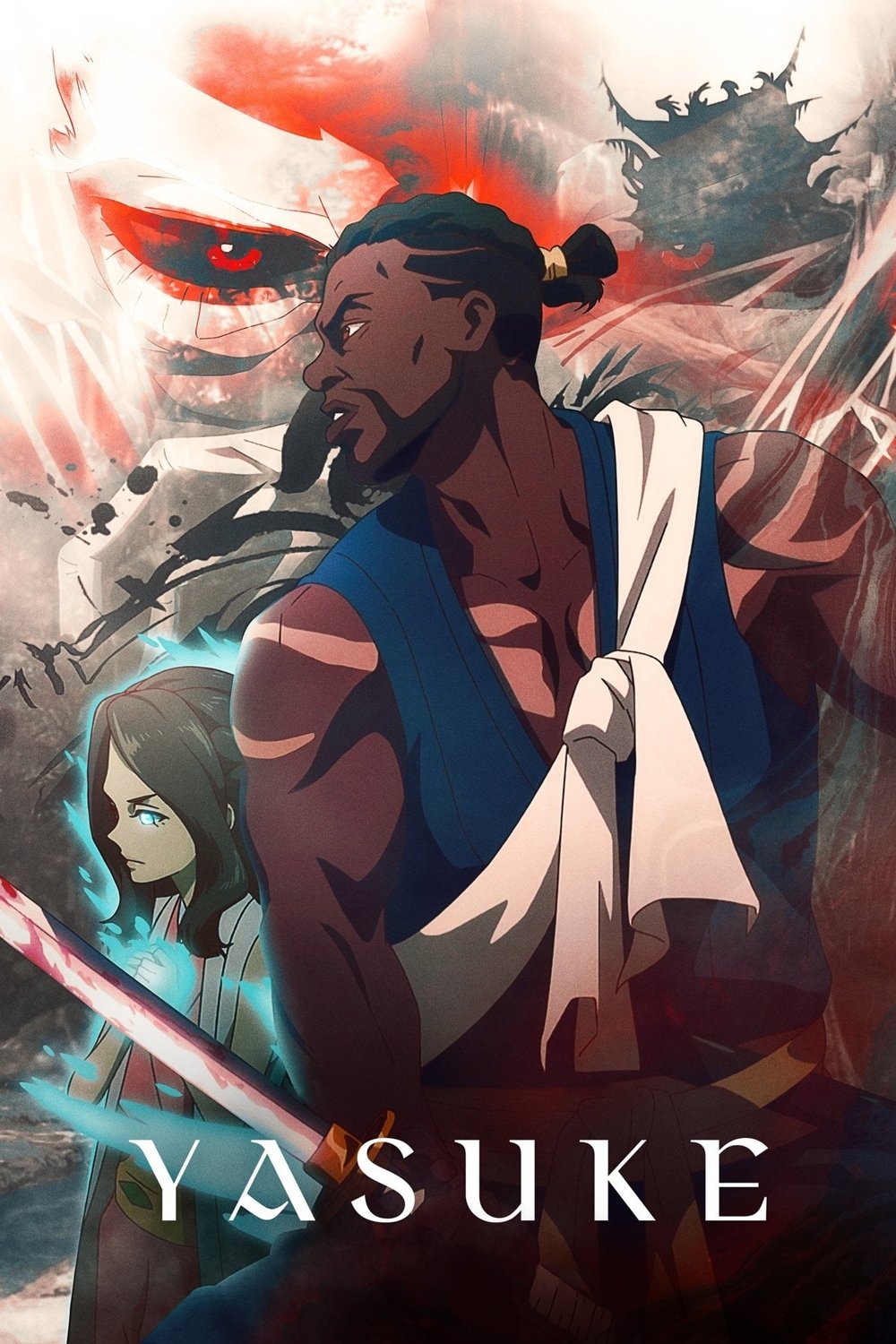
The story is loosely based on the historical figure of a Black samurai who served under Oda Nobunaga. The series adds fantasy elements like mechs and magic to the historical setting to create a science-fantasy hybrid. It reflects a growing interest in diverse historical figures within the medium of anime. The action combines traditional swordplay with the flashy supernatural powers typical of comic book narratives.
‘Ultraman’ (2019)
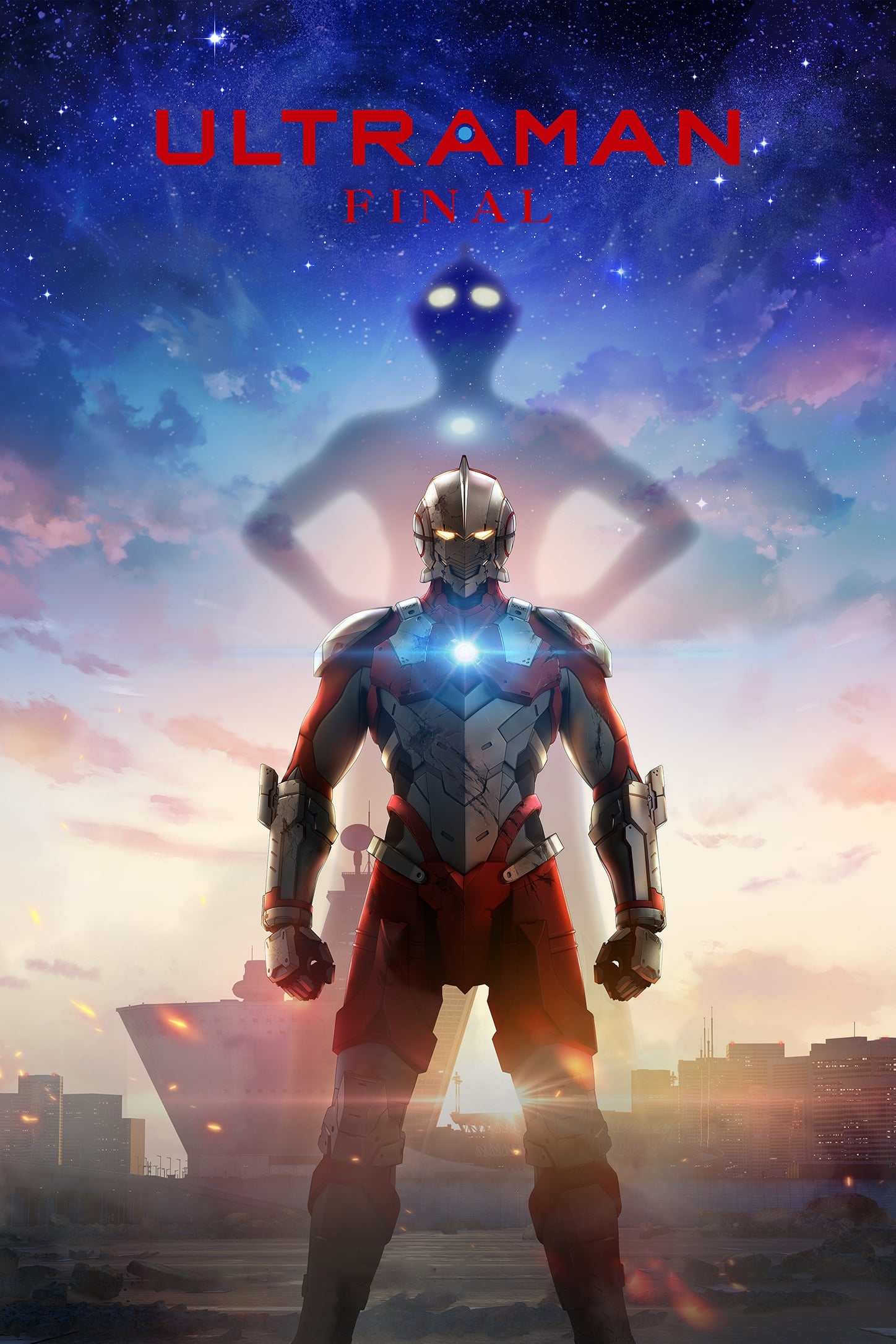
This 3D animated series serves as a direct sequel to the original 1966 live-action show but focuses on the son of the original hero. The protagonist wears a metallic power suit that resembles Iron Man rather than transforming into a giant alien. The story is more grounded and deals with the politics of alien cohabitation on Earth. It updates the tokusatsu genre by injecting the aesthetics and pacing of modern superhero comics.
‘SSSS.Gridman’ (2018)
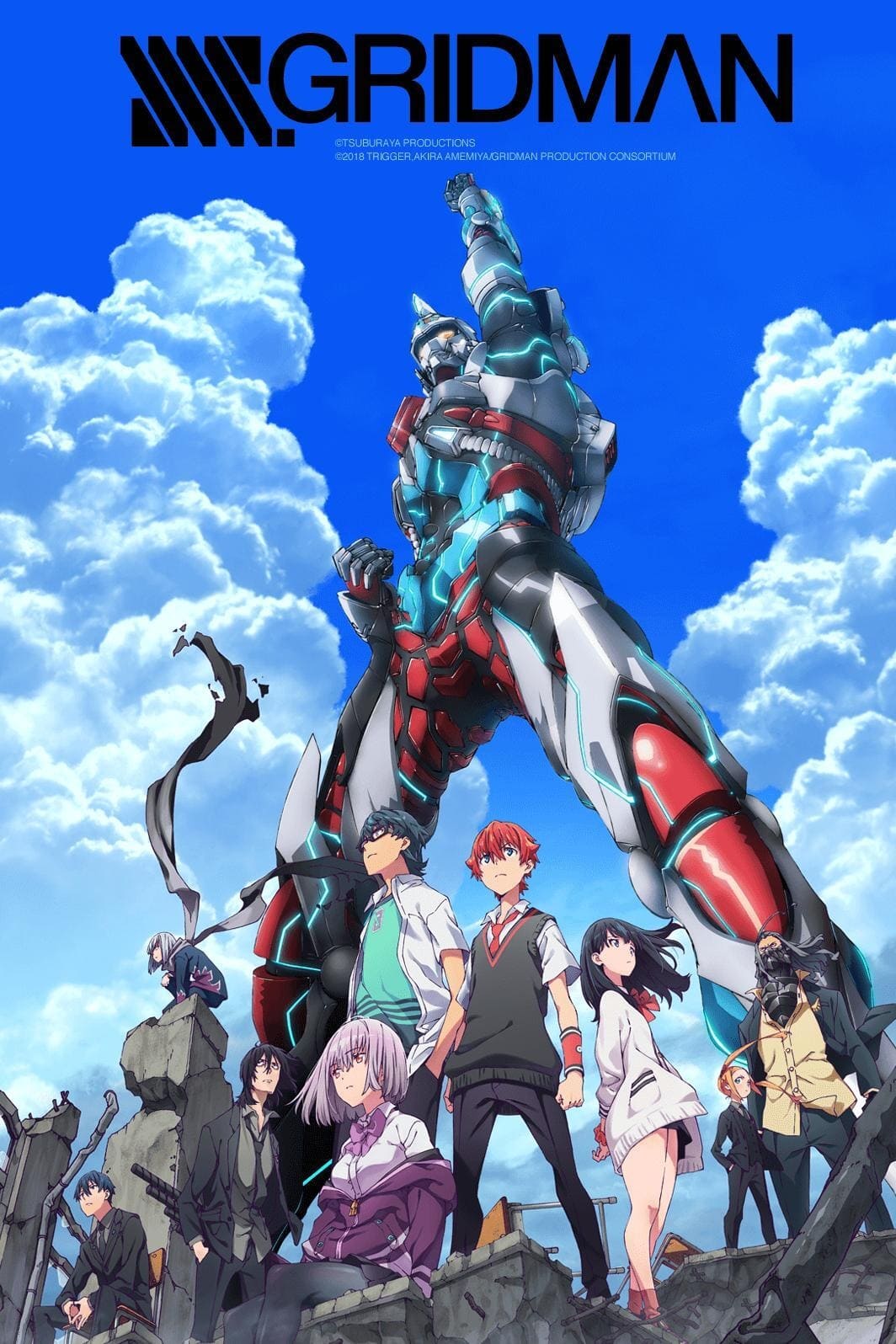
Studio Trigger revived an obscure live-action hero franchise with this series that blends kaiju battles with psychological mystery. The heroes fight inside a digital world while dealing with the mundane realities of high school life. The framing of the shots often mimics the layout of tokusatsu dioramas and comic panels. It pays tribute to the history of the genre while deconstructing the relationship between the hero and the villain.
‘Astro Boy’ (2003)
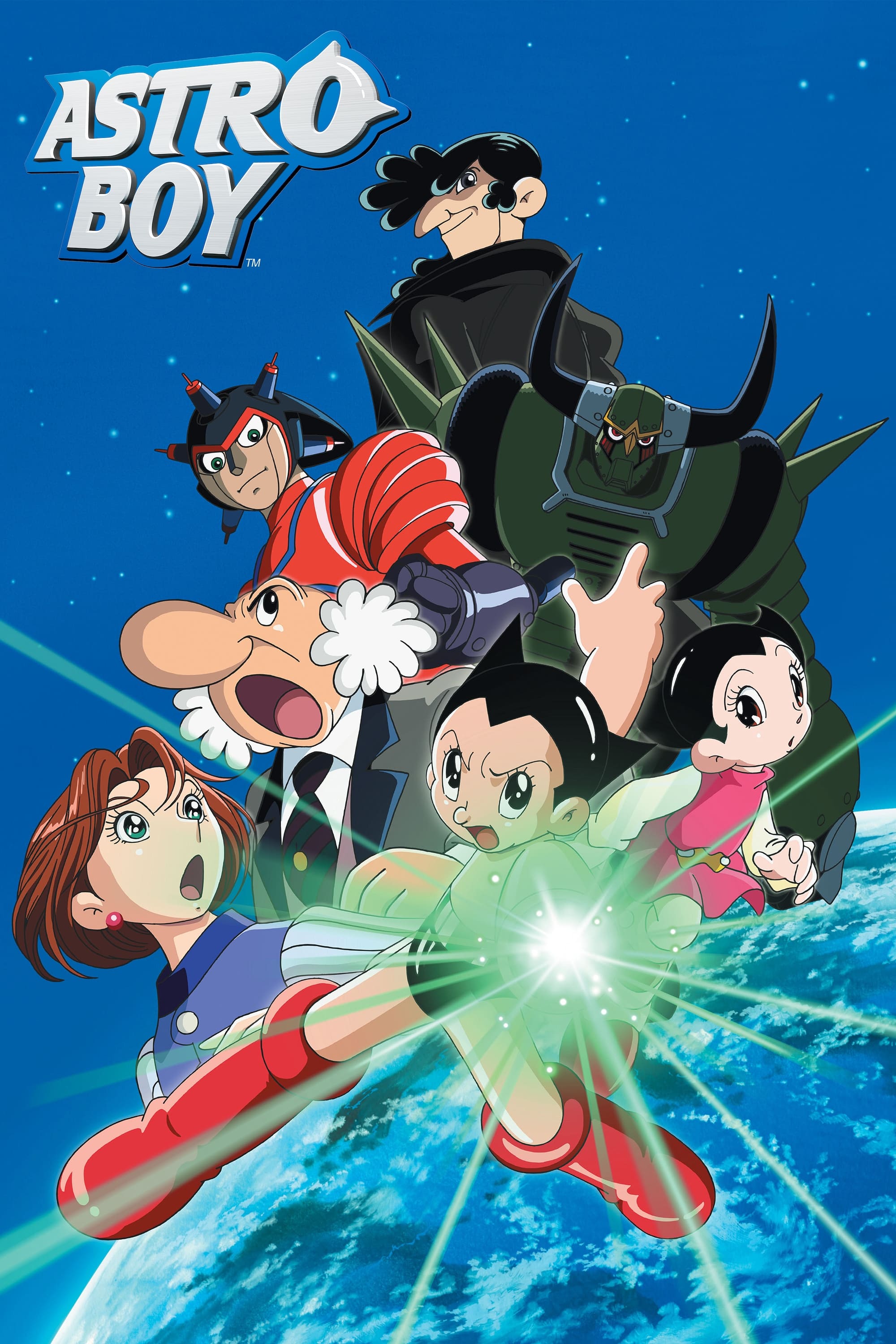
Osamu Tezuka’s original creation was heavily influenced by Disney and American comics of the 1940s. This modern adaptation retains the pinocchio-like charm of the robot boy while updating the visuals for a new generation. The story deals with the conflict between humans and robots and themes of prejudice and acceptance. It stands as the grandfather of all anime superheroes and the bridge between East and West.
‘Concrete Revolutio’ (2015)
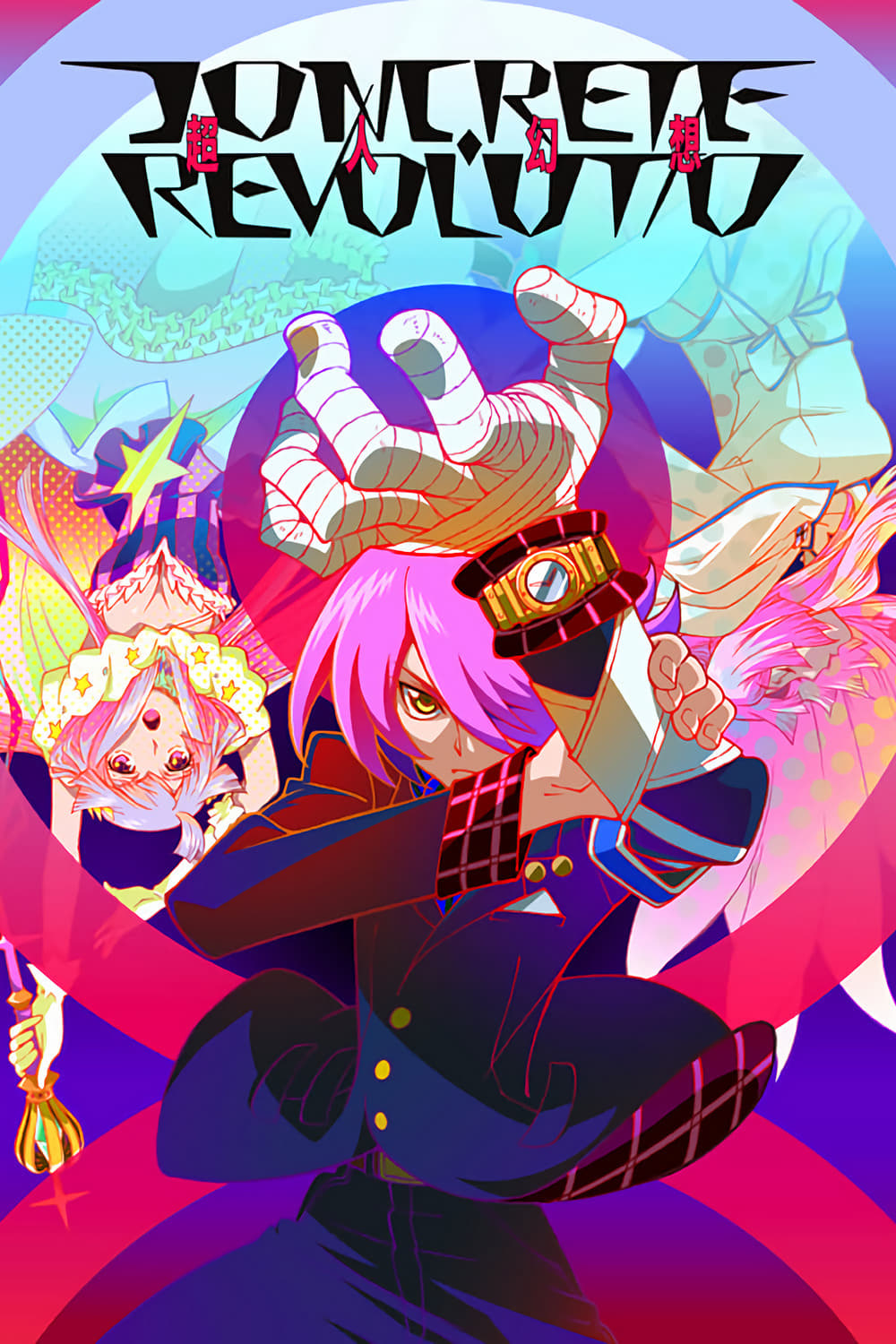
The series presents an alternate history of Japan where every type of superhero from aliens to magical girls exists simultaneously. The narrative jumps back and forth in time to explore the political and social consequences of having superpowered beings. The visual style uses pop-art colors and comic book effects to differentiate the various eras. It is a dense and colorful examination of the history of the superhero genre itself.
‘Charlotte’ (2015)
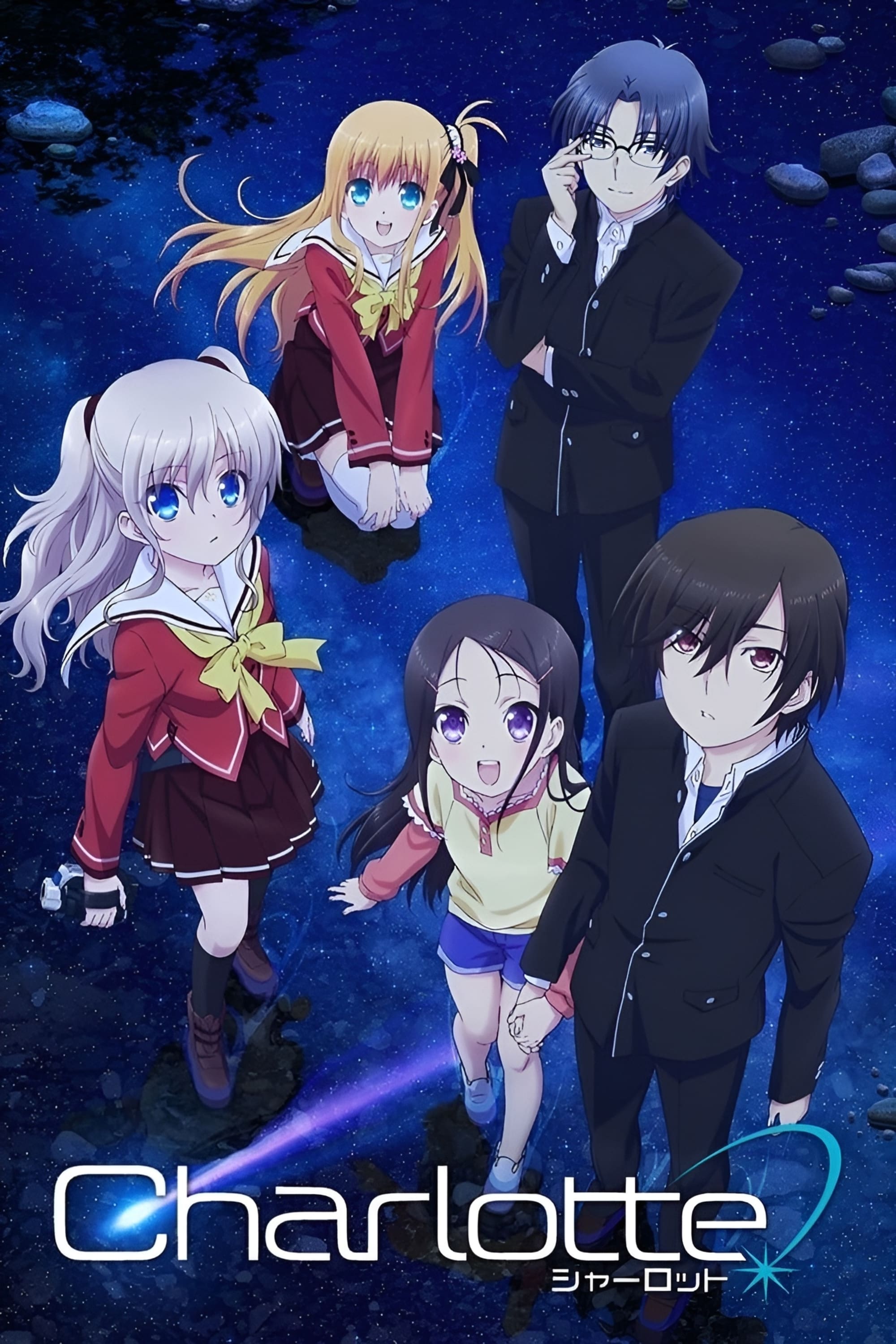
A comet grants special abilities to adolescents that disappear once they reach adulthood. The student council works to track down these power users to protect them from being experimented on by scientists. The premise shares similarities with the X-Men franchise regarding the persecution of mutants. It blends high school slice-of-life comedy with serious drama about the burden of having power.
‘Dominion Tank Police’ (1988)
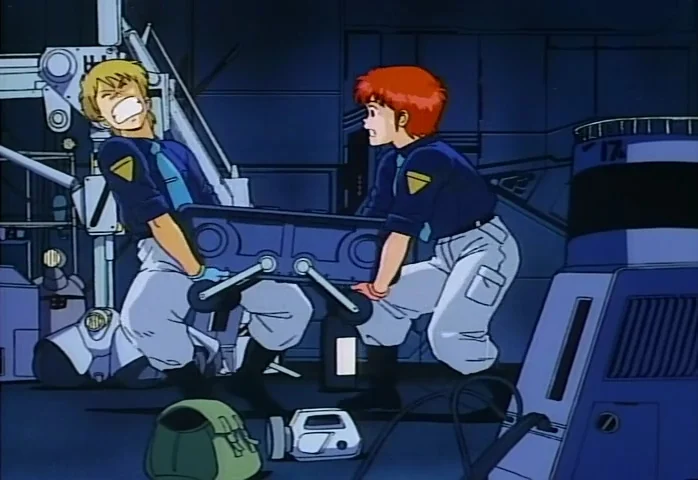
Based on the manga by Masamune Shirow, this series is set in a dystopian future where the police use tanks to combat crime. The art style is gritty and detailed and reflects the cyberpunk trends popular in Western comics of the 80s. The humor is dark and the action is explosive and destructive. It captures the chaotic energy of a society on the brink of collapse.
Tell us which of these Western-influenced anime titles is your favorite in the comments.