

Anime That Celebrated Body Diversity Long Before It Was Trendy

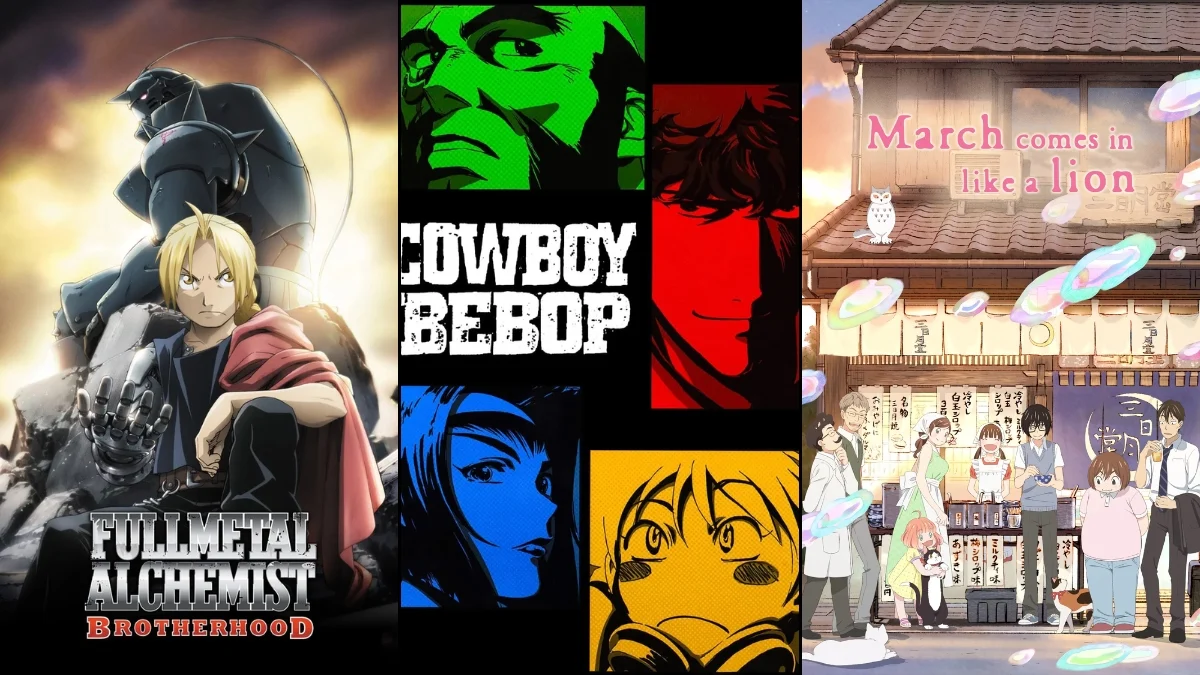


Anime has a long-standing history of featuring diverse character designs that extend far beyond the standard archetypes of the medium. Long before body positivity became a global movement, various creators used their platforms to depict a wide range of physical forms and sizes. These series often integrated diverse physiques into their narratives to challenge societal norms or to provide a more realistic reflection of the world. From action-packed shonen epics to heartwarming slice-of-life dramas, the representation of different body types has enriched the storytelling landscape. These titles stand out for their early and meaningful inclusion of body diversity.
‘Cyborg 009’ (1968)
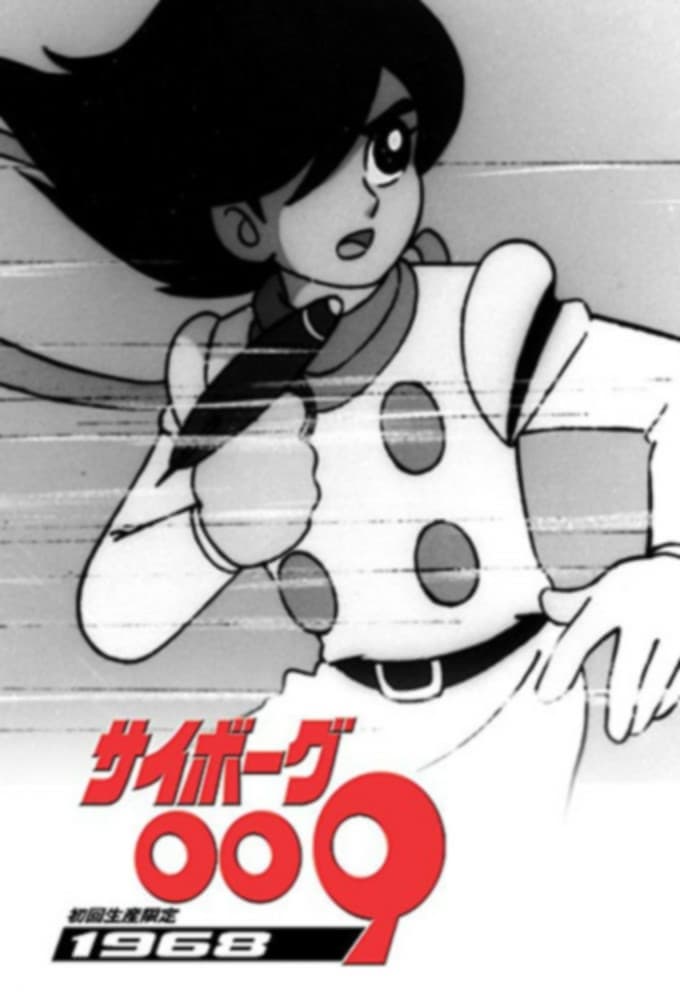
Shotaro Ishinomori’s ‘Cyborg 009’ introduced a multicultural team of heroes with distinct physical characteristics. Each member of the 00-numbered team possesses unique abilities and body types that reflect their diverse global origins. Characters like the stout and powerful Geronimo Junior stand alongside the more slender members of the group. This foundational series established that heroism is not limited to a single physical archetype. It remains a landmark for representation in early Japanese animation.
‘Dragon Ball’ (1986–1989)
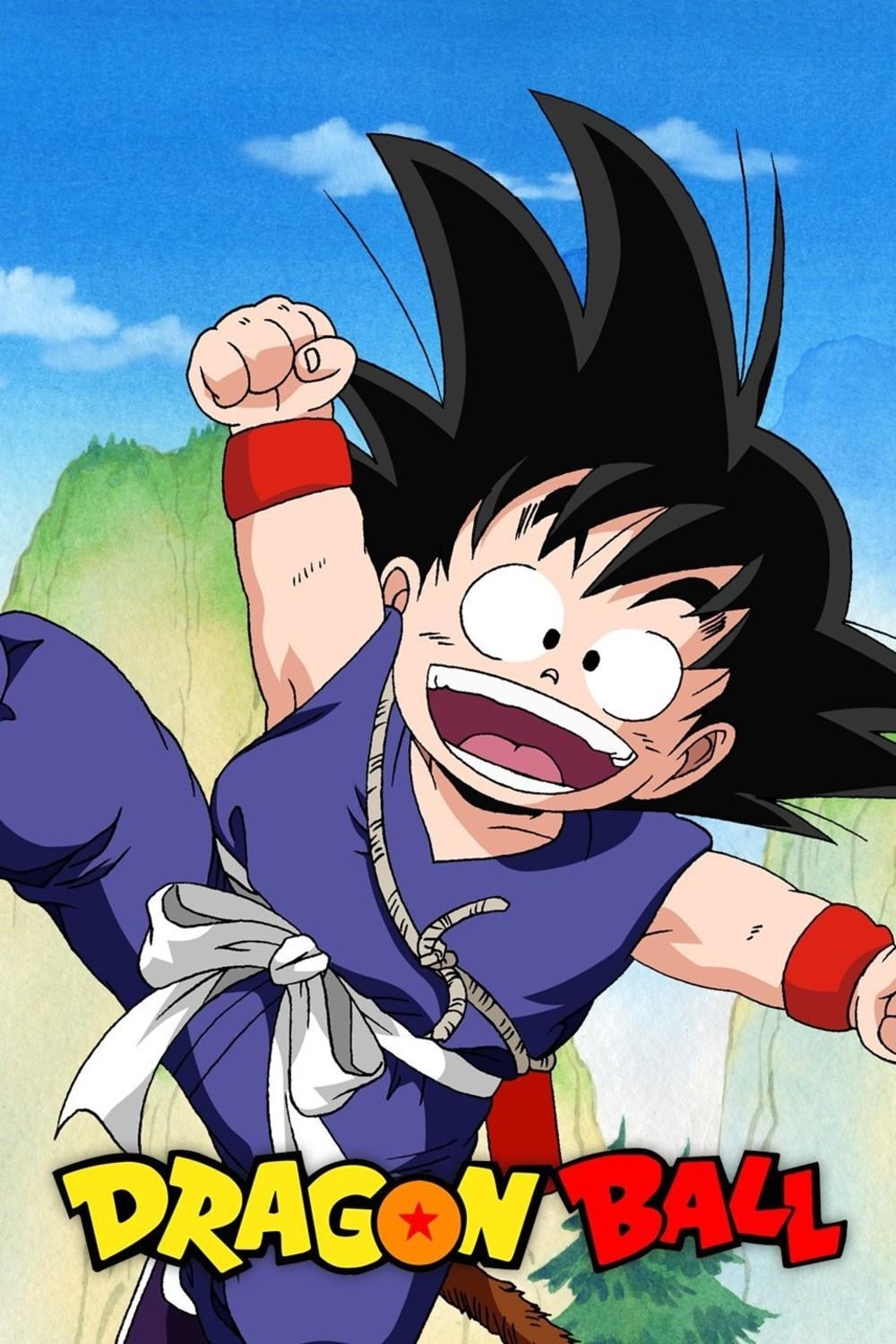
In ‘Dragon Ball’, Akira Toriyama featured a wide cast of characters with varying physiques, ranging from the petite Krillin to the rotund Yajirobe. The series consistently depicted characters whose strength was not always reflected by their outward appearance. Yajirobe, for instance, proves himself to be a formidable swordsman despite his non-traditional hero build. The presence of characters like the shapeshifting Oolong also adds to the visual variety of the cast. These designs helped create a world where power comes in many shapes and sizes.
‘Ranma ½’ (1989–1992)
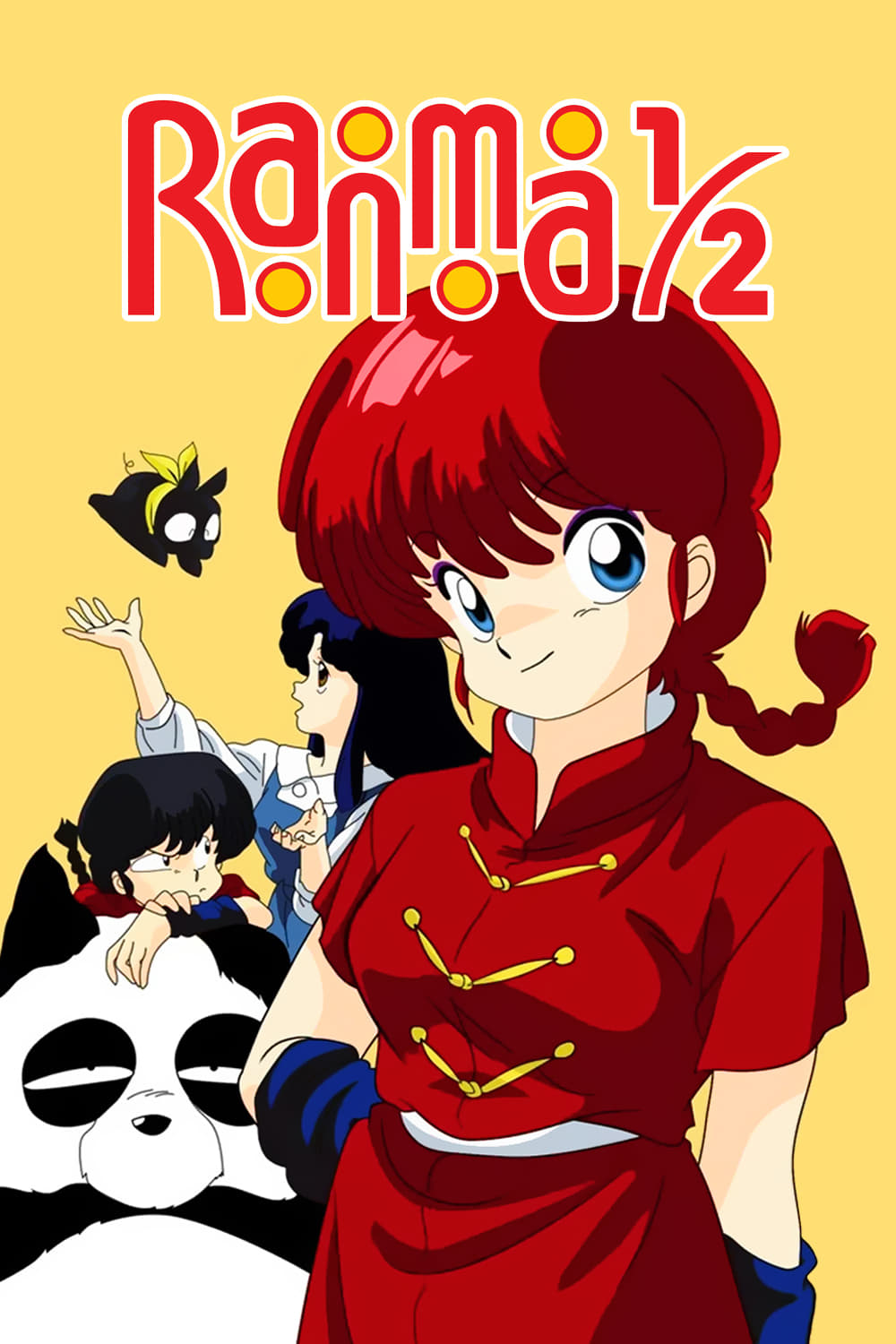
Rumiko Takahashi is well-known for creating diverse character rosters, and ‘Ranma 1/2’ is no exception. The series features characters like Genma Saotome, who maintains a large presence in both his human and panda forms. Other characters, such as the muscular Cologne or the diminutive Happosai, show that age and stature do not limit one’s martial arts prowess. This diversity is used for both comedic effect and to establish the unique fighting styles of the cast. It provided a broad spectrum of body representations during the late eighties and early nineties.
‘Cowboy Bebop’ (1998–1999)
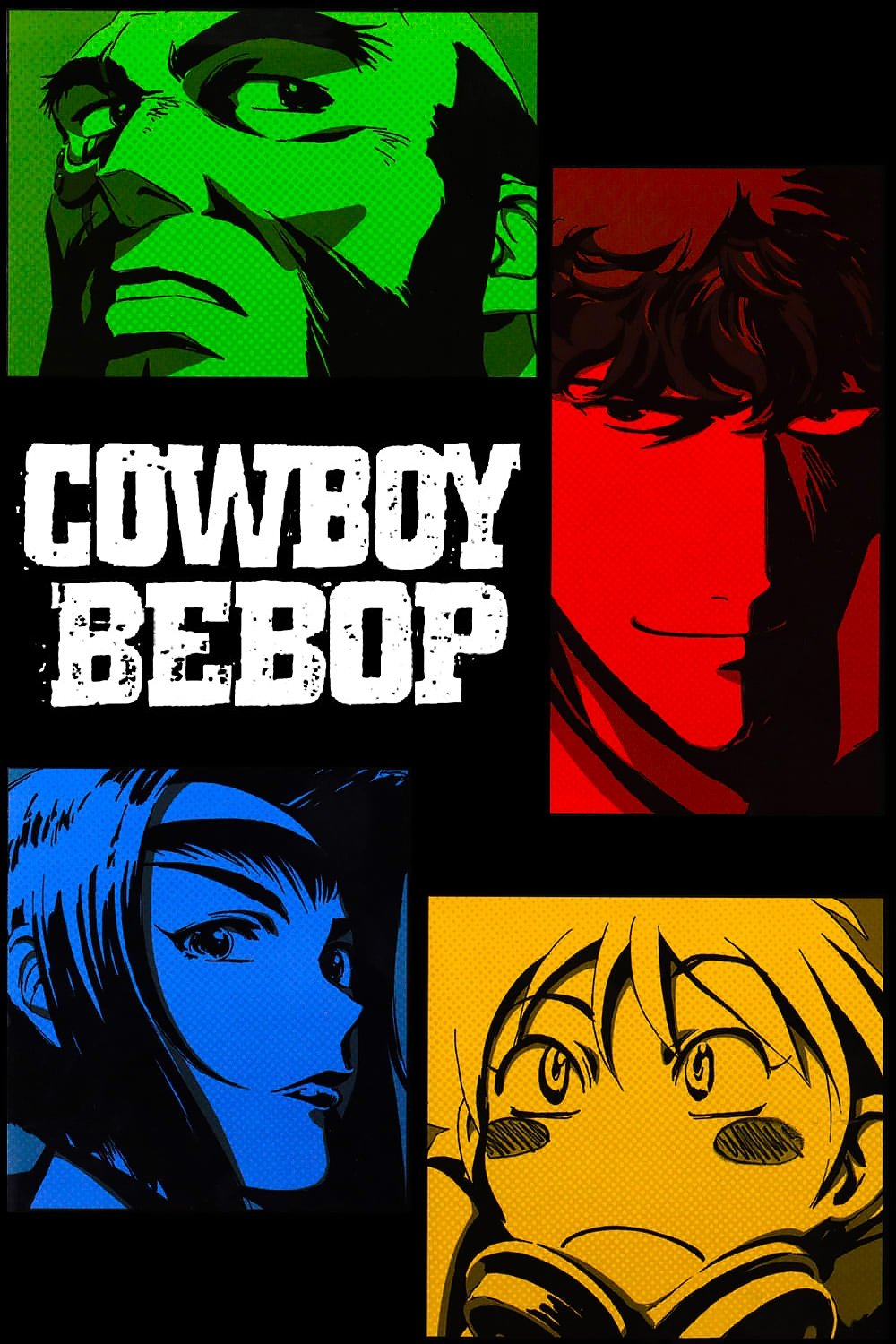
‘Cowboy Bebop’ showcases a lived-in universe where the background and side characters represent a realistic cross-section of humanity. The main crew itself includes the tall and muscular Jet Black, whose cybernetic arm and rugged features contrast with Spike Spiegel’s lean frame. Throughout the bounty hunting adventures, the show depicts people of all ages, sizes, and ethnic backgrounds. This commitment to variety helps ground the futuristic setting in a relatable reality. The series remains celebrated for its mature and inclusive approach to character design.
‘Great Teacher Onizuka’ (1999–2000)
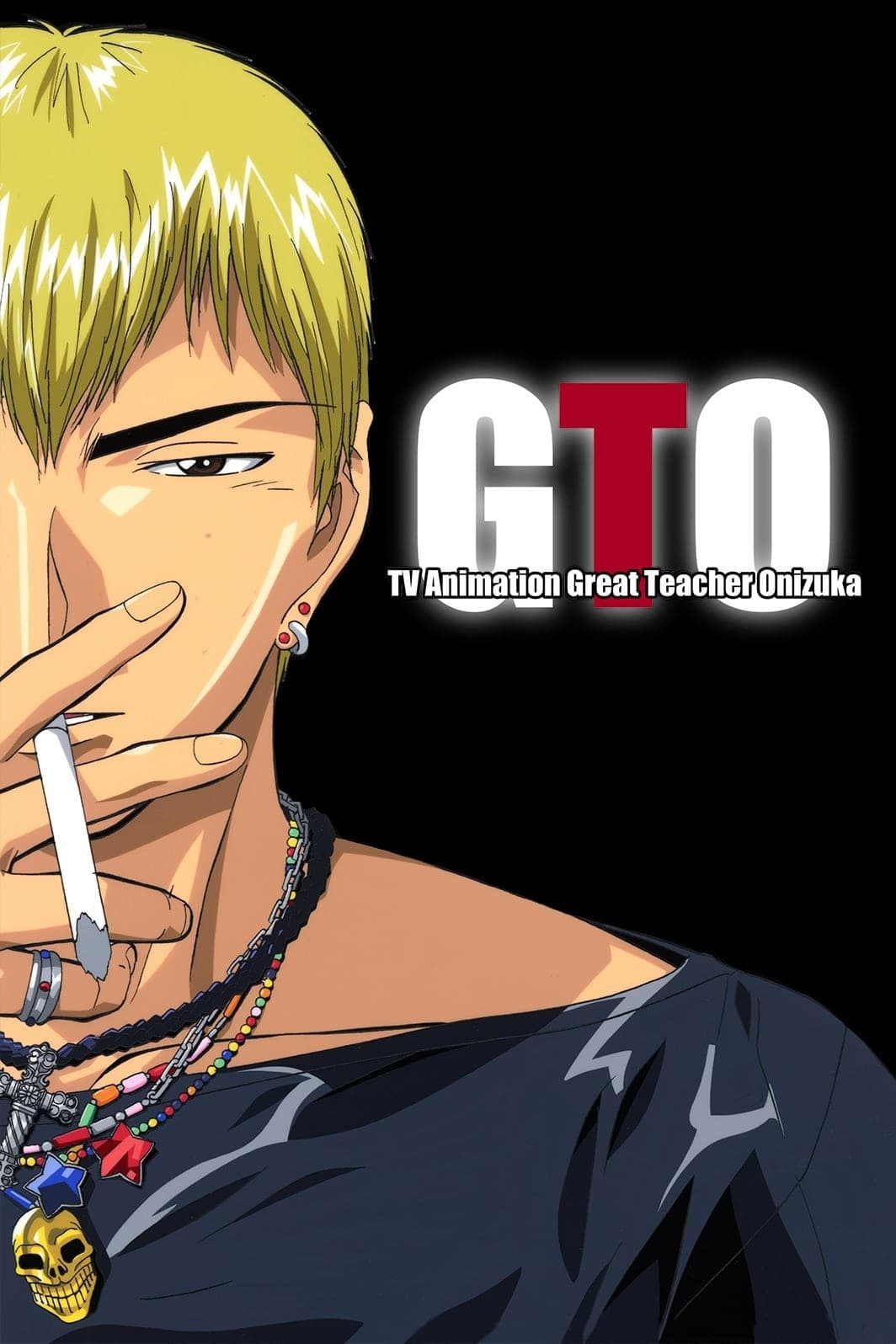
The classroom setting of ‘Great Teacher Onizuka’ allows for a diverse group of students and faculty members with distinct physical traits. Characters like the vice principal Hiroshi Uchiyamada are designed with exaggerated features that highlight their individual personalities. The students themselves are not limited to idealized anime tropes, featuring a range of heights and builds. This realism supports the show’s focus on the genuine struggles of adolescence and societal expectations. It emphasizes the importance of looking past physical appearances to understand a person’s character.
‘One Piece’ (1999–Present)
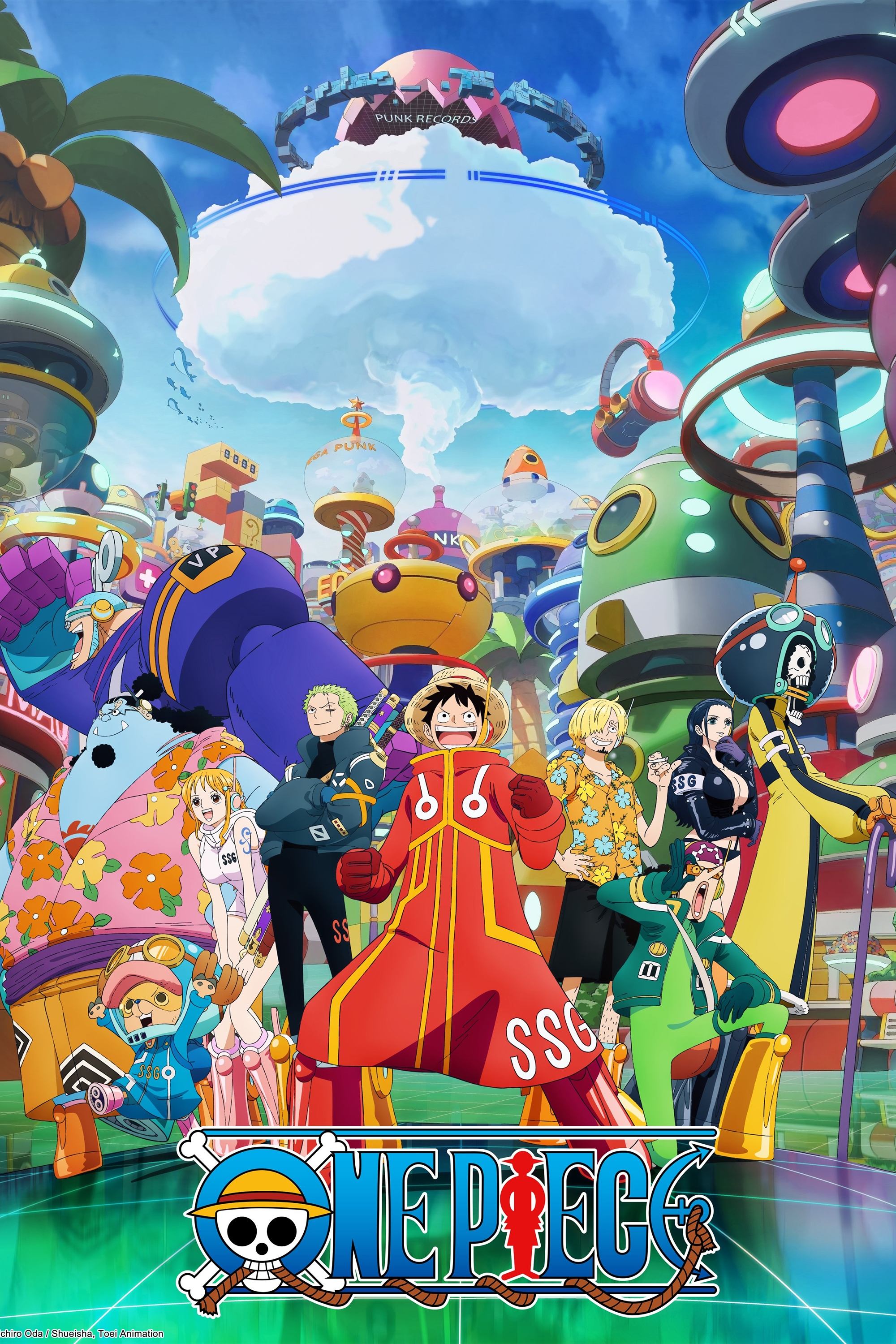
‘One Piece’ is famous for its eccentric and highly varied character designs that defy traditional proportions. Eiichiro Oda populates his world with giants, fish-men, and humans of every conceivable shape, from the massive Big Mom to the tiny Princess Mansherry. Characters like Lucky Roux and Alvida challenge standard beauty norms through their unique visual identities. This diversity is central to the series’ themes of freedom and the acceptance of individuality. It has spent over two decades showcasing that every body can play a vital role in a grand adventure.
‘Spirited Away’ (2001)
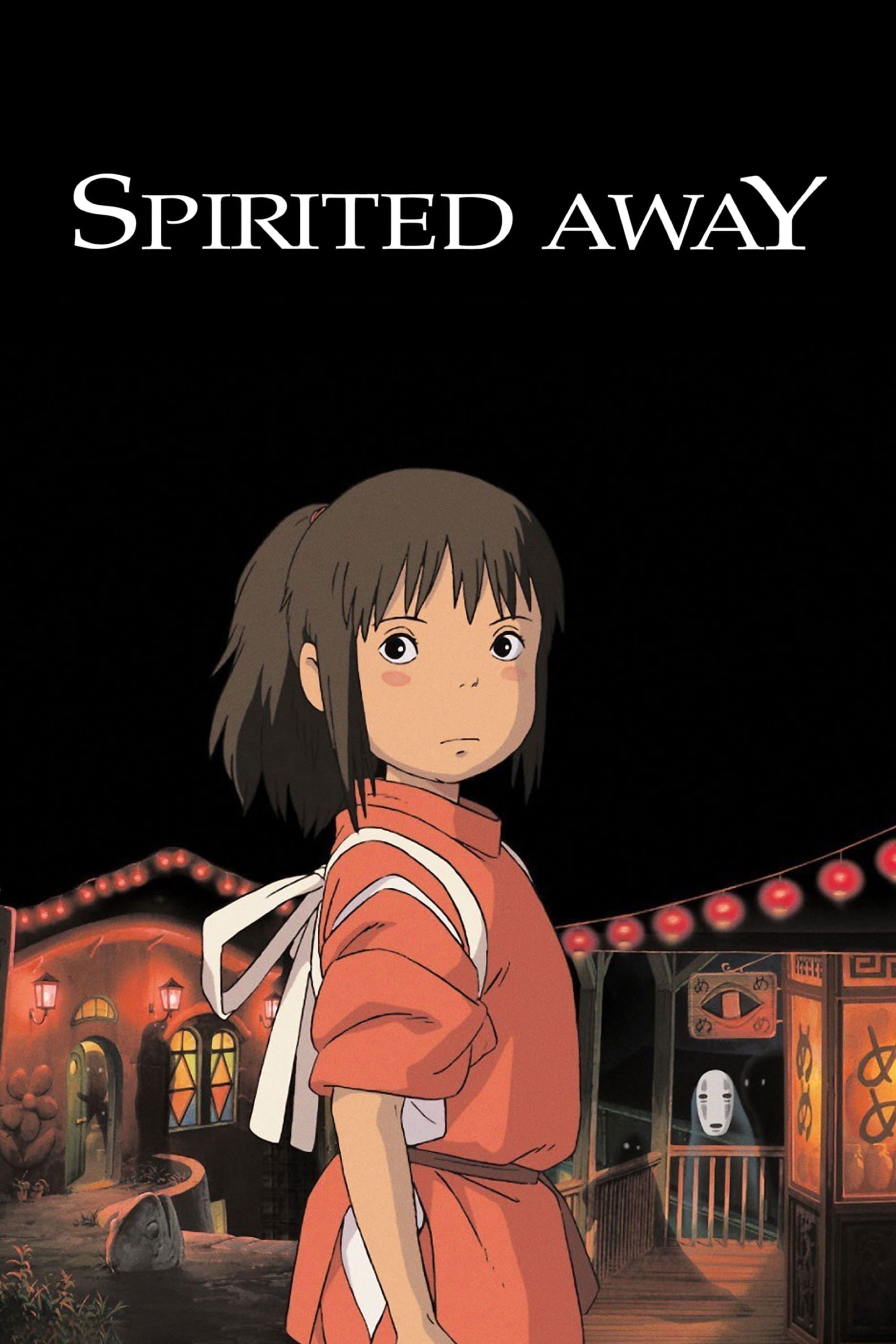
Studio Ghibli’s ‘Spirited Away’ features a bathhouse populated by spirits and employees of many different forms. The protagonist, Chihiro, is a normally proportioned ten-year-old girl surrounded by exaggerated figures like the boiler man Kamaji and the large No-Face. Characters such as Lin and the various Radish Spirits contribute to the film’s rich visual tapestry. Hayao Miyazaki’s focus on movement and presence makes each character’s body feel distinct and purposeful. The film’s success helped bring this kind of imaginative body diversity to a global audience.
‘Naruto’ (2002–2007)

The world of ‘Naruto’ includes the Akimichi clan, whose members utilize their larger body types as a source of incredible ninja strength. Choji Akimichi is a central character who eventually finds pride in his physique, using it to power his specialized combat techniques. The series also features various other ninjas with unique physical traits, such as the tall Kisame Hoshigaki or the elderly Chiyo. These designs reinforce the idea that every shinobi has a unique path and physical requirement for their skills. It remains a notable example of a shonen series integrating different body types into its power system.
‘Howl’s Moving Castle’ (2004)

‘Howl’s Moving Castle’ explores the concept of physical transformation and how it affects self-perception. The Witch of the Waste is a significant character whose appearance changes drastically throughout the film, representing a departure from typical antagonist designs. Sophie Hatter spends much of the movie in the body of an old woman, which allows her to find a different kind of inner strength. The film’s diverse cast includes characters of various ages and sizes, all treated with dignity and care. It challenges the audience to find beauty in every stage and shape of life.
‘Paprika’ (2006)
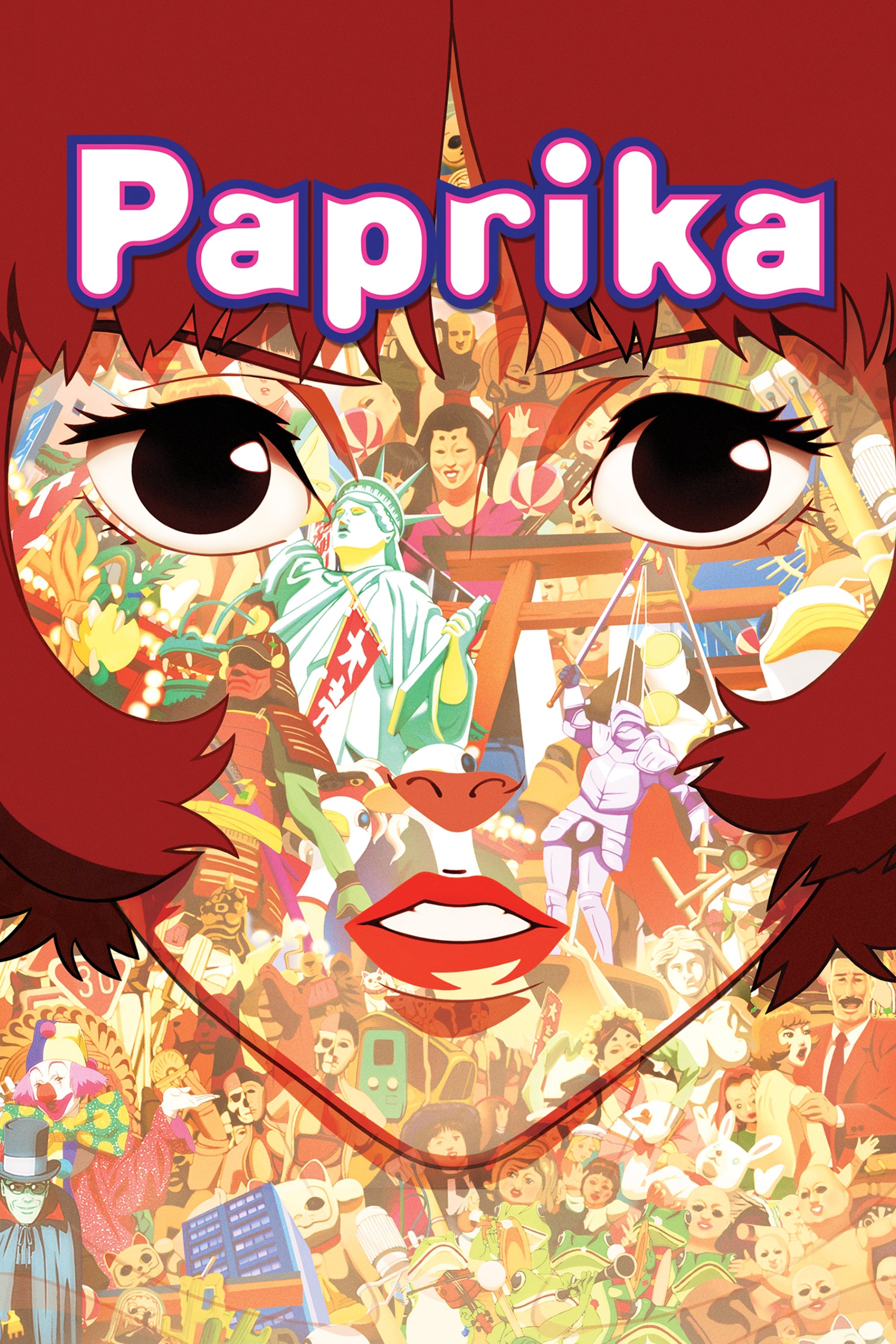
Satoshi Kon’s ‘Paprika’ features Dr. Kosaku Tokita, a brilliant scientist with a large frame who is a key figure in the narrative. Tokita is defined by his genius and his childlike wonder rather than being relegated to a comedic trope based on his size. The film also showcases a wide variety of people within the dream sequences, reflecting the diverse subconscious minds of the characters. Paprika herself exists as a vibrant, energetic contrast to the more grounded physical forms of the real world. This contrast highlights the film’s exploration of identity and physical presence.
‘Gintama’ (2006–2018)
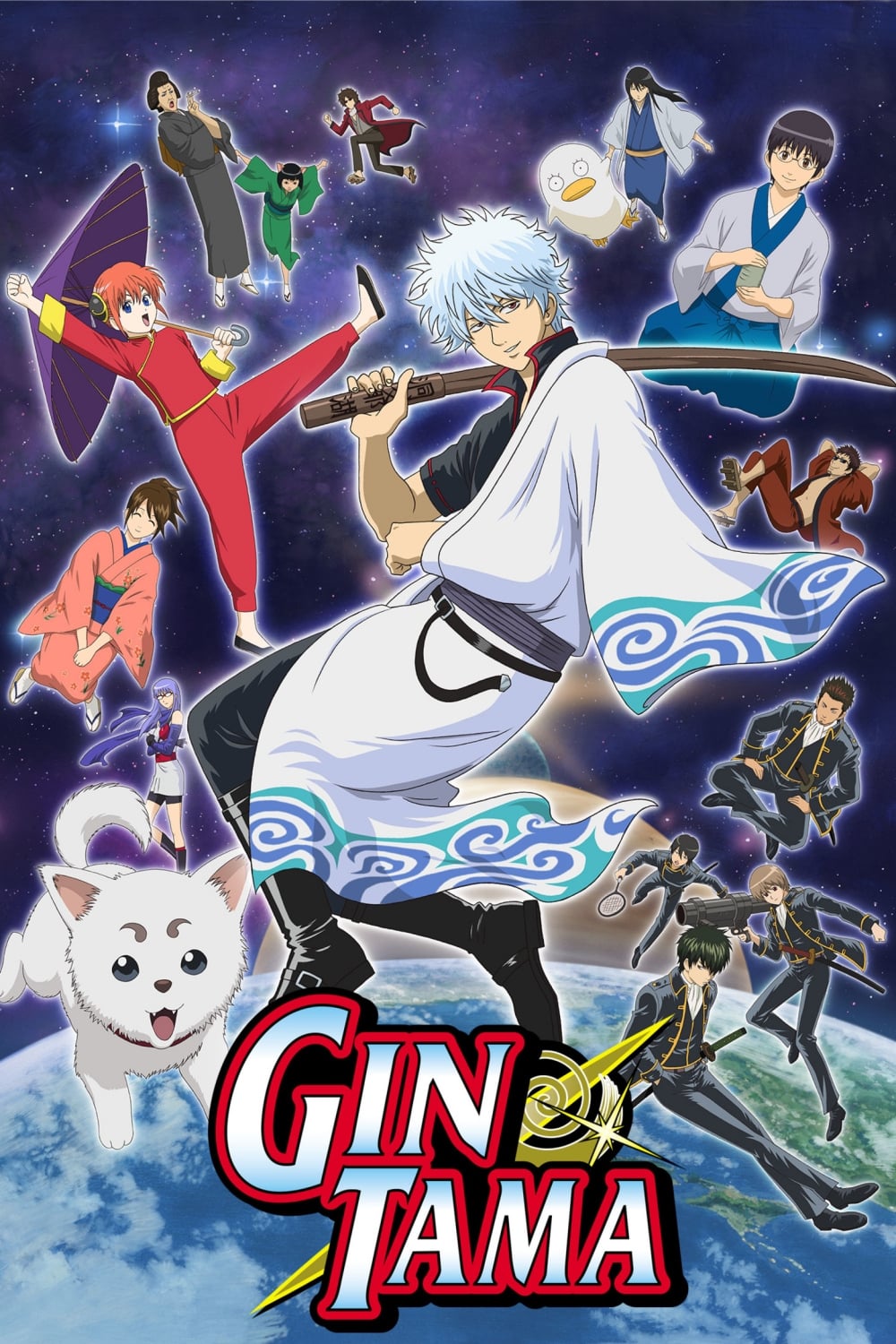
The world of ‘Gintama’ is filled with a bizarre and diverse cast of humans and aliens that span all physical types. Otose, the landlady, is a prominent older woman whose design reflects her tough and experienced personality. Characters like Catherine and the various members of the Shinsengumi further diversify the visual landscape of the show. The series frequently uses body diversity to subvert traditional character archetypes found in action anime. This approach creates a comedic yet inclusive atmosphere where everyone has a place.
‘The Wallflower’ (2006–2007)

‘The Wallflower’ centers on Sunako Nakahara, a girl who rejects traditional standards of beauty and often appears in a “chibi” form to represent her social withdrawal. The series addresses her struggle to fit into societal expectations while maintaining her own unique identity. While the male leads are traditionally attractive, the show places a heavy emphasis on Sunako’s refusal to conform. It explores the psychological impact of beauty standards and the value of self-acceptance. The narrative ultimately supports finding one’s own comfort level within their body.
‘Lovely★Complex’ (2007)
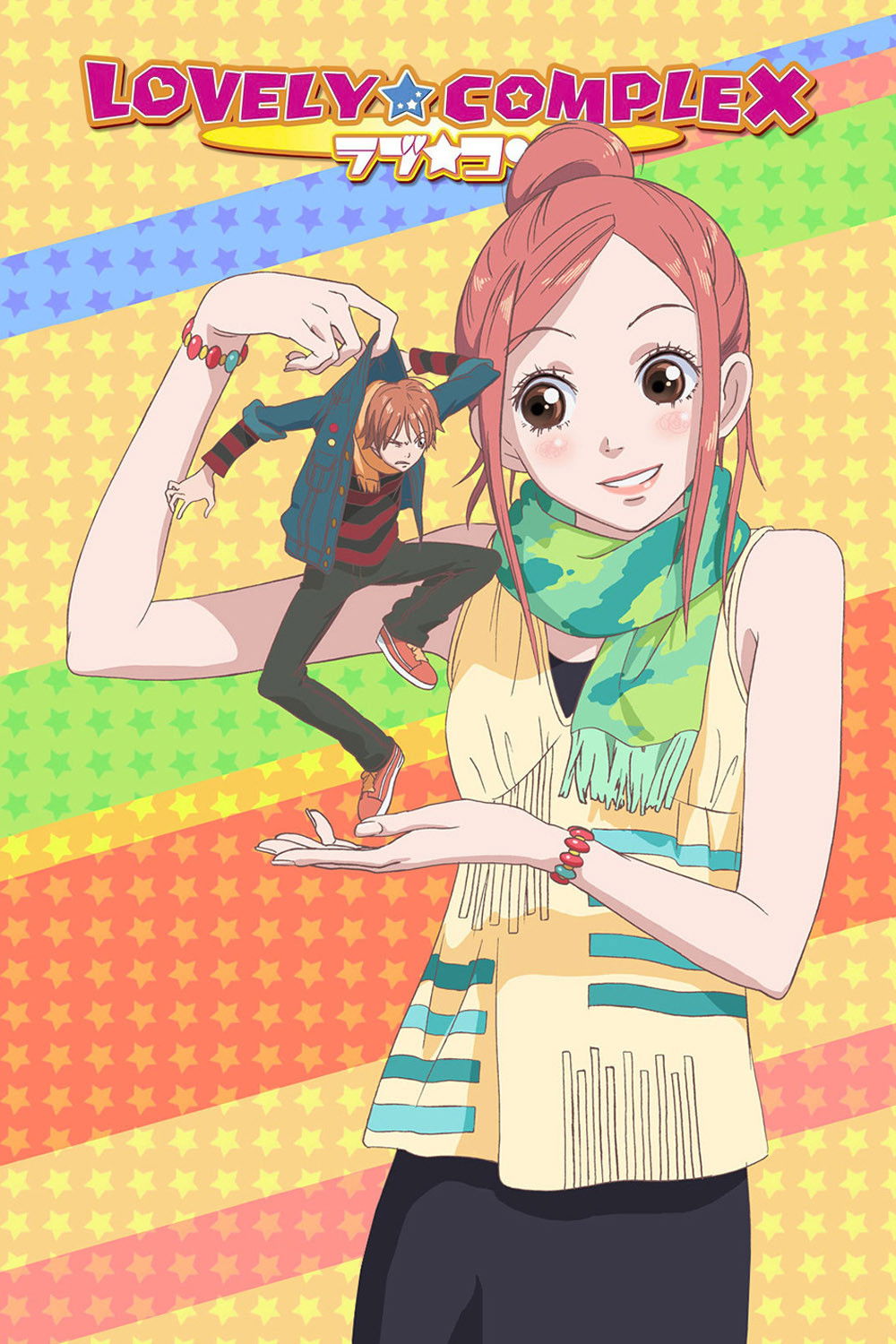
‘Lovely Complex’ focuses on the romantic dynamic between a tall girl, Risa Koizumi, and a short boy, Atsushi Otani. Both characters deal with insecurities regarding their heights and how they are perceived by their peers. The series uses their unique statures to drive character development and highlight the absurdity of rigid social norms. By centering the story on their height difference, the show promotes the idea that physical traits should not dictate romantic compatibility. It remains a beloved romantic comedy for its honest portrayal of body-related insecurities.
‘Fullmetal Alchemist: Brotherhood’ (2009–2010)
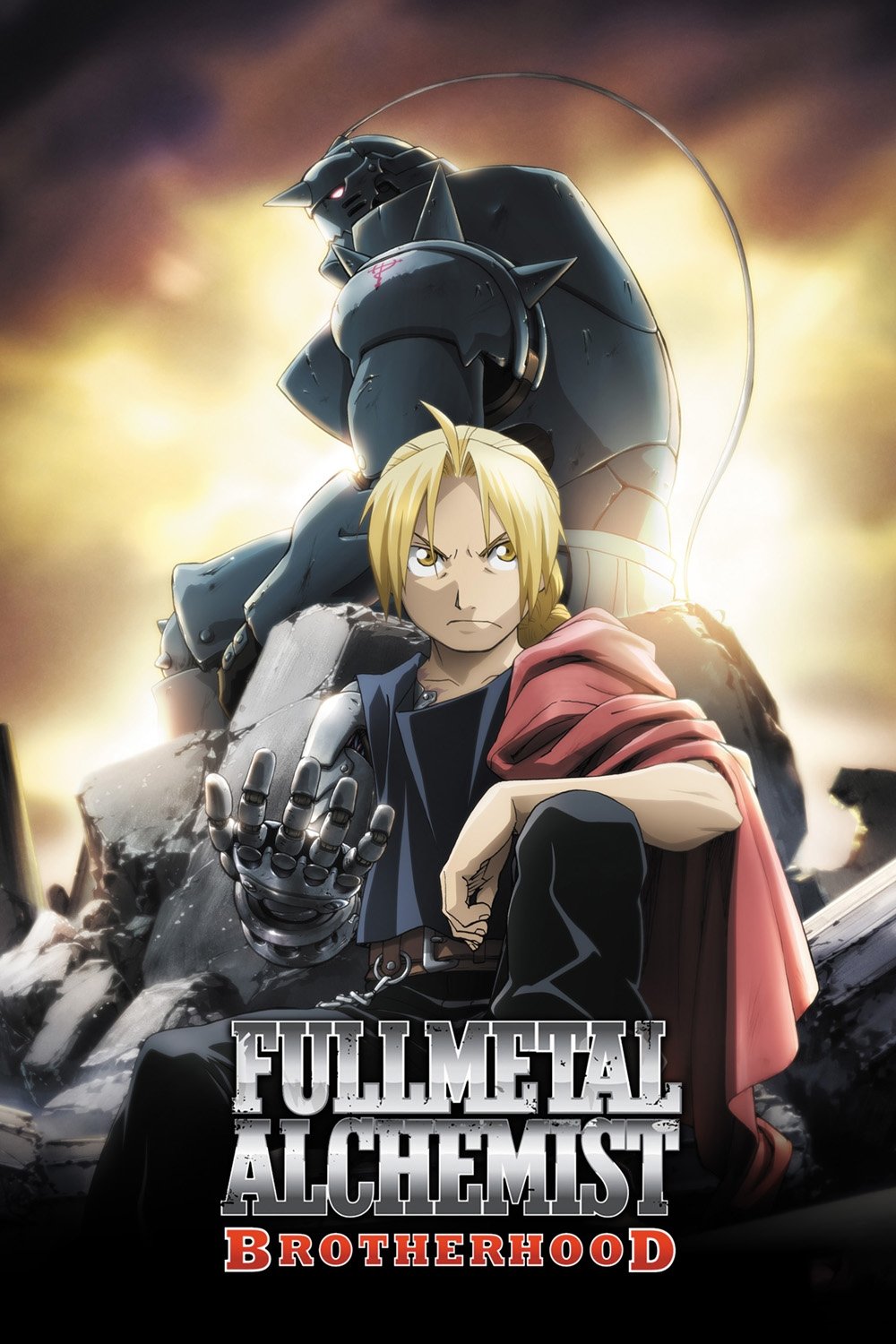
The cast of ‘Fullmetal Alchemist: Brotherhood’ is renowned for its diverse array of physical builds and ethnicities. From the muscular Izumi Curtis and her husband Sig to the slender but deadly Envy, the series presents a wide spectrum of humanity. Characters like Gluttony and Alex Louis Armstrong represent opposite ends of the physical spectrum, yet both are central to the story. This diversity is integrated naturally into the world-building of Amestris and its neighboring nations. It shows that strength and character are found in individuals of every possible shape.
‘Princess Jellyfish’ (2010)
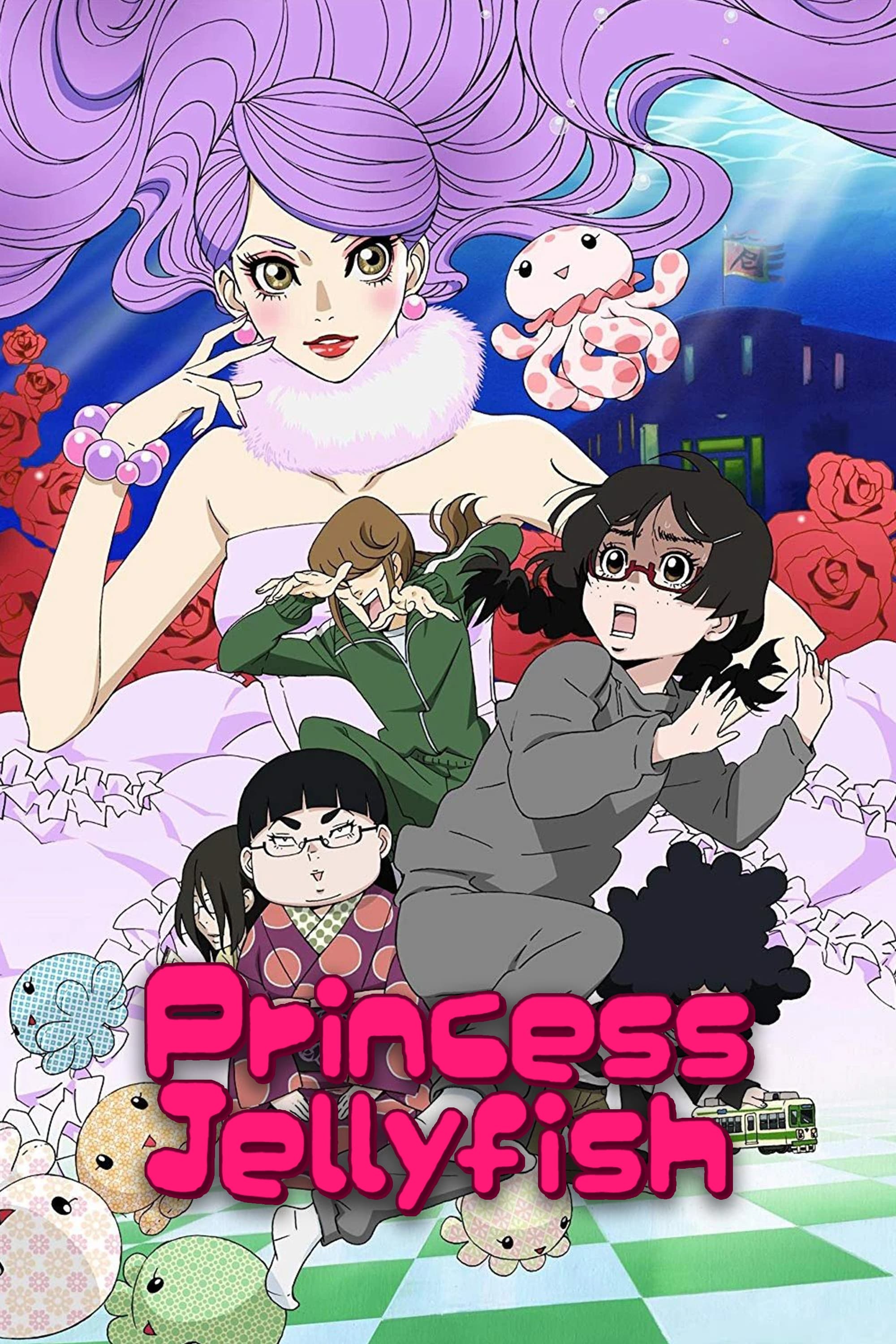
‘Princess Jellyfish’ follows a group of female otaku living in a communal house, each with a distinct and non-traditional character design. Chieko, the house manager, and the other residents represent various body types and personal styles that diverge from standard anime aesthetics. The show explores their anxieties about the outside world and their eventual empowerment through fashion and friendship. It provides a rare and empathetic look at women who do not fit into conventional beauty molds. The series is celebrated for its warm and realistic portrayal of female identity.
‘Accel World’ (2012)

‘Accel World’ features a protagonist named Haruyuki Arita, who is a short and stout middle school student. Unlike many light novel protagonists, Haruyuki’s physical design is a central part of his character arc and struggles with bullying. His journey involves gaining confidence and skill within a virtual reality game, where his avatar reflects his inner growth. The series treats his physical form with sincerity, showing his journey toward self-worth without forcing a physical transformation. It is a notable example of a lead character breaking the standard “bishonen” mold.
‘Silver Spoon’ (2013–2014)

Set in an agricultural high school, ‘Silver Spoon’ features a cast of students whose bodies reflect their hard work on the farm. Tamako Inada is a prominent character whose large frame is a point of pride and a result of her family’s successful dairy business. The series avoids making her the butt of jokes, instead focusing on her business acumen and physical strength. Other characters have various builds that reflect their specific agricultural specialties and personal backgrounds. This realism adds to the show’s grounded and educational atmosphere.
‘My Love Story!!’ (2015)

‘My Love Story!!’ stars Takeo Goda, a towering and muscular high school student who is often intimidated by his more traditionally handsome best friend. Despite his rugged appearance, Takeo is an incredibly kind and gentle person who finds love with the petite Yamato. The series focuses on their relationship and how Takeo’s physical size affects how the world perceives him. It subverts the “tough guy” trope by making its largest character the most soft-hearted. This narrative shift places body diversity and character depth at the forefront of the romance genre.
‘Yuri!!! on Ice’ (2016)
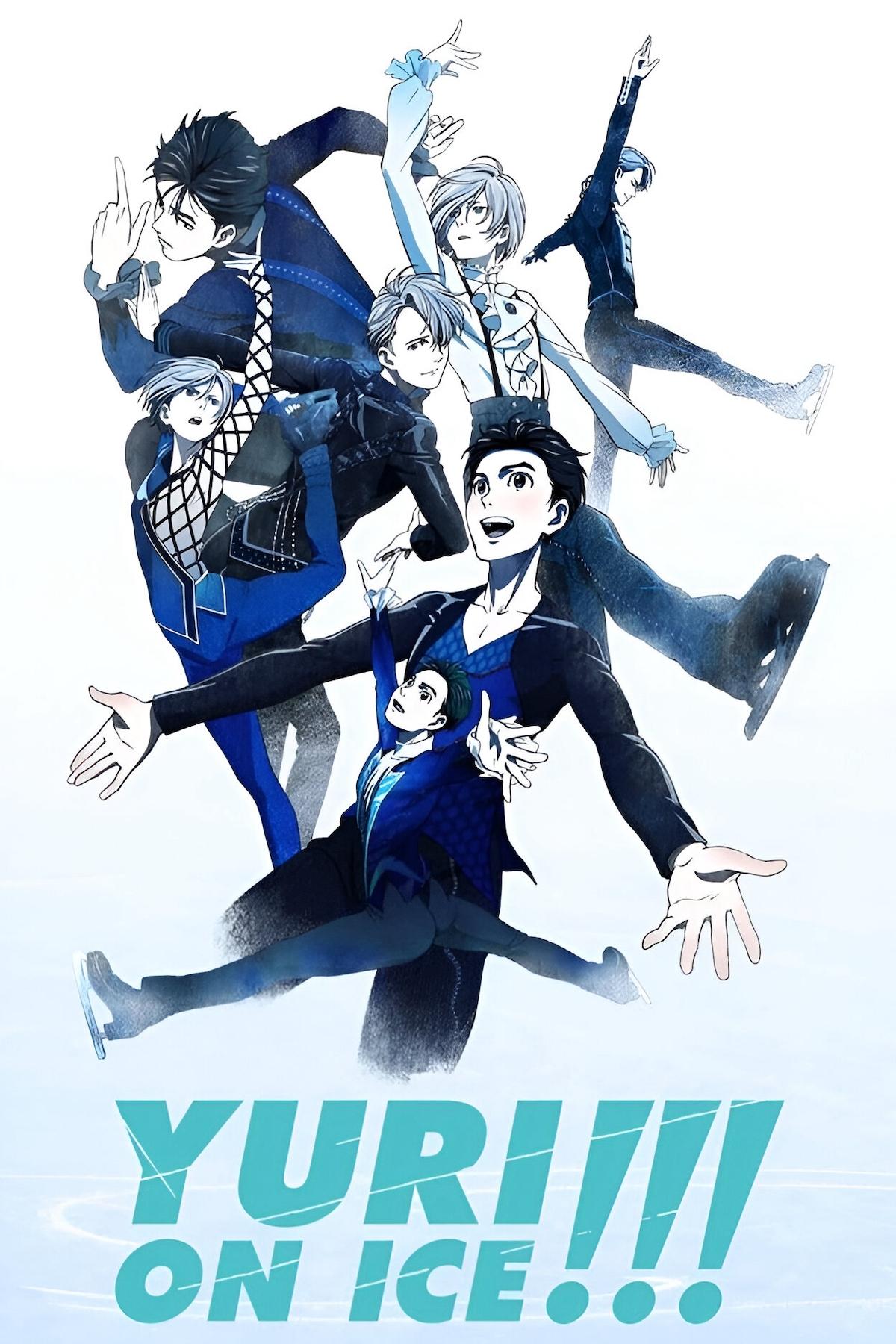
The protagonist of ‘Yuri!!! on Ice’, Yuri Katsuki, is depicted as having a “glass heart” and a body that fluctuates in weight based on his mental state. At the start of the series, he is shown having gained weight after a stressful loss, which is treated as a realistic part of an athlete’s life. The show follows his journey to regain his competitive form through training and the support of his coach. This portrayal of an elite athlete’s physical struggles adds a layer of vulnerability and realism to the character. It emphasizes that maintaining a specific physique is a constant and human process.
‘March Comes in Like a Lion’ (2016–2018)
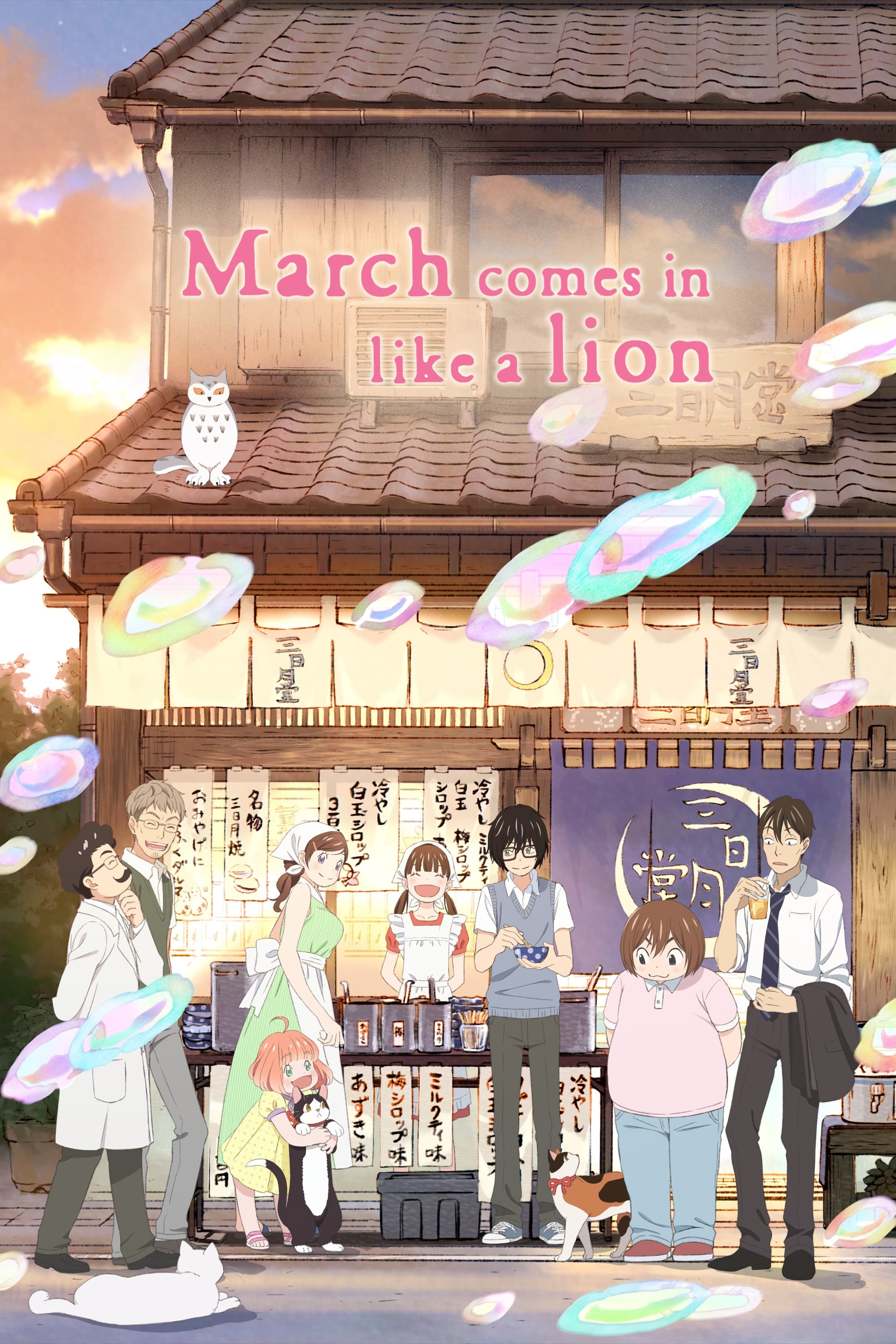
‘March Comes in Like a Lion’ features a wide variety of character designs that emphasize the humanity of its cast. Akari Kawamoto, the eldest of the three sisters, is depicted with a soft and curvy figure that reflects her nurturing personality. The series also includes older shogi players with diverse and realistic physical traits that signify their years of dedication to the game. These design choices contribute to the show’s warm and empathetic tone. It successfully uses body diversity to enhance the emotional depth of its storytelling.
Share your favorite examples of inclusive character designs in anime in the comments.