

Anime That Changed an Entire Genre Without Anyone Realizing

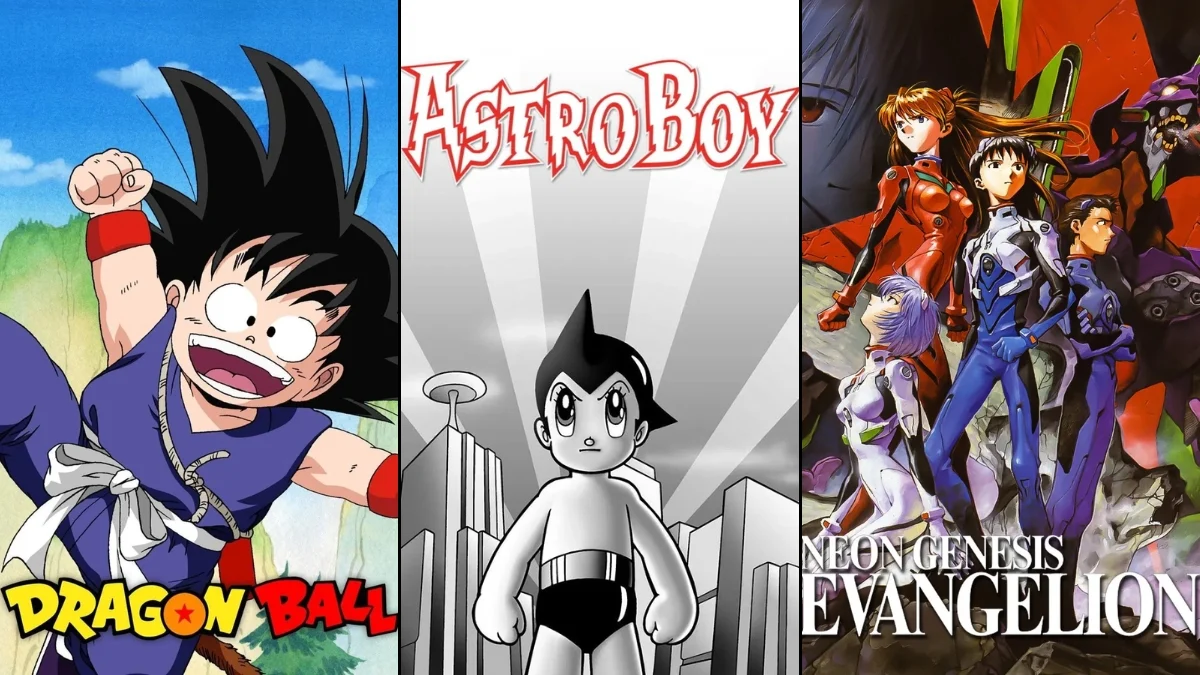


The evolution of anime is often marked by explosive hits that dominate the cultural conversation, yet some of the most profound shifts in the medium happen quietly. While fans often point to obvious blockbusters as the primary drivers of change, several series have fundamentally altered the DNA of their respective genres through subtle innovations in narrative structure, character archetypes, or visual language. These shows established the templates and tropes that are now considered standard, often without the broader audience recognizing the specific moment the landscape shifted. From redefining the stakes of sports drama to introducing the psychological depth now common in fantasy, these 30 series paved the way for the modern era of storytelling.
‘Astro Boy’ (1963–1966)
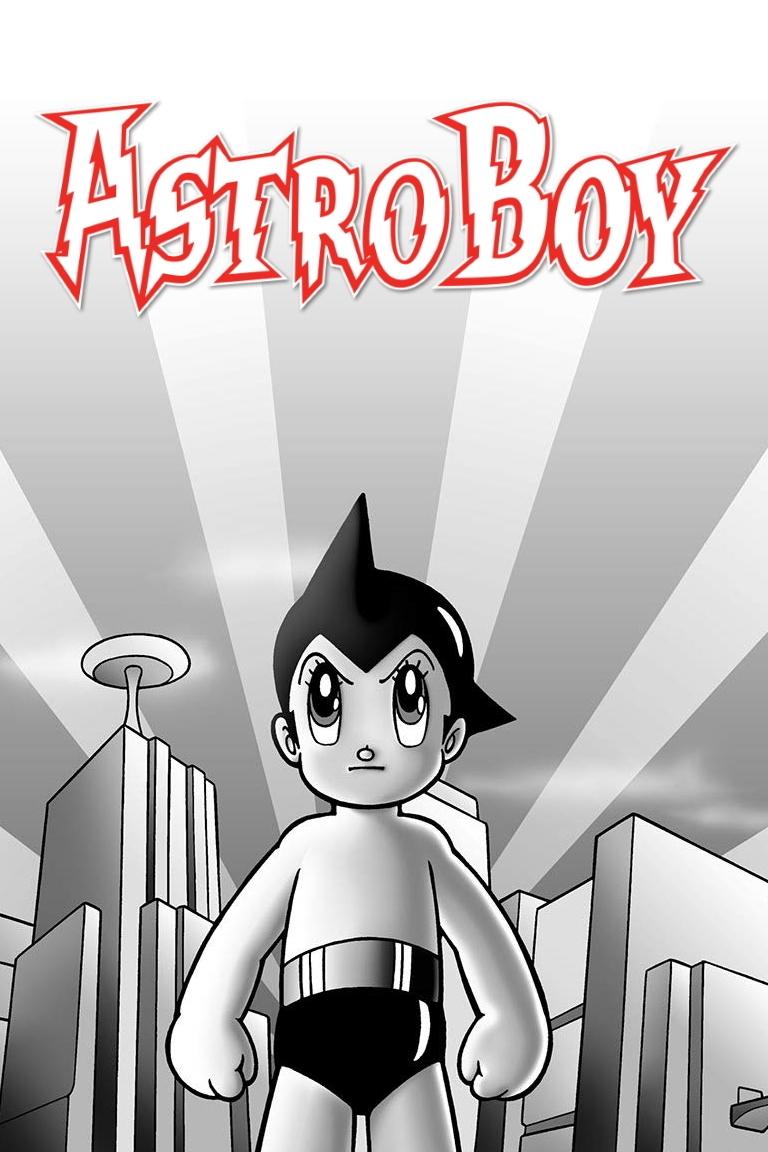
This foundational series essentially created the template for the entire anime industry by introducing limited animation techniques to keep production costs low. While audiences today take the distinctive “large eye” aesthetic for granted, it was this show that standardized the look to convey deeper emotion with fewer frames. It also pioneered the concept of a long-running, character-driven narrative on television, moving beyond the simple shorts of the era. The success of ‘Astro Boy’ proved that televised animation could handle complex science fiction themes and moral dilemmas.
‘Tomorrow’s Joe’ (1970–1971)
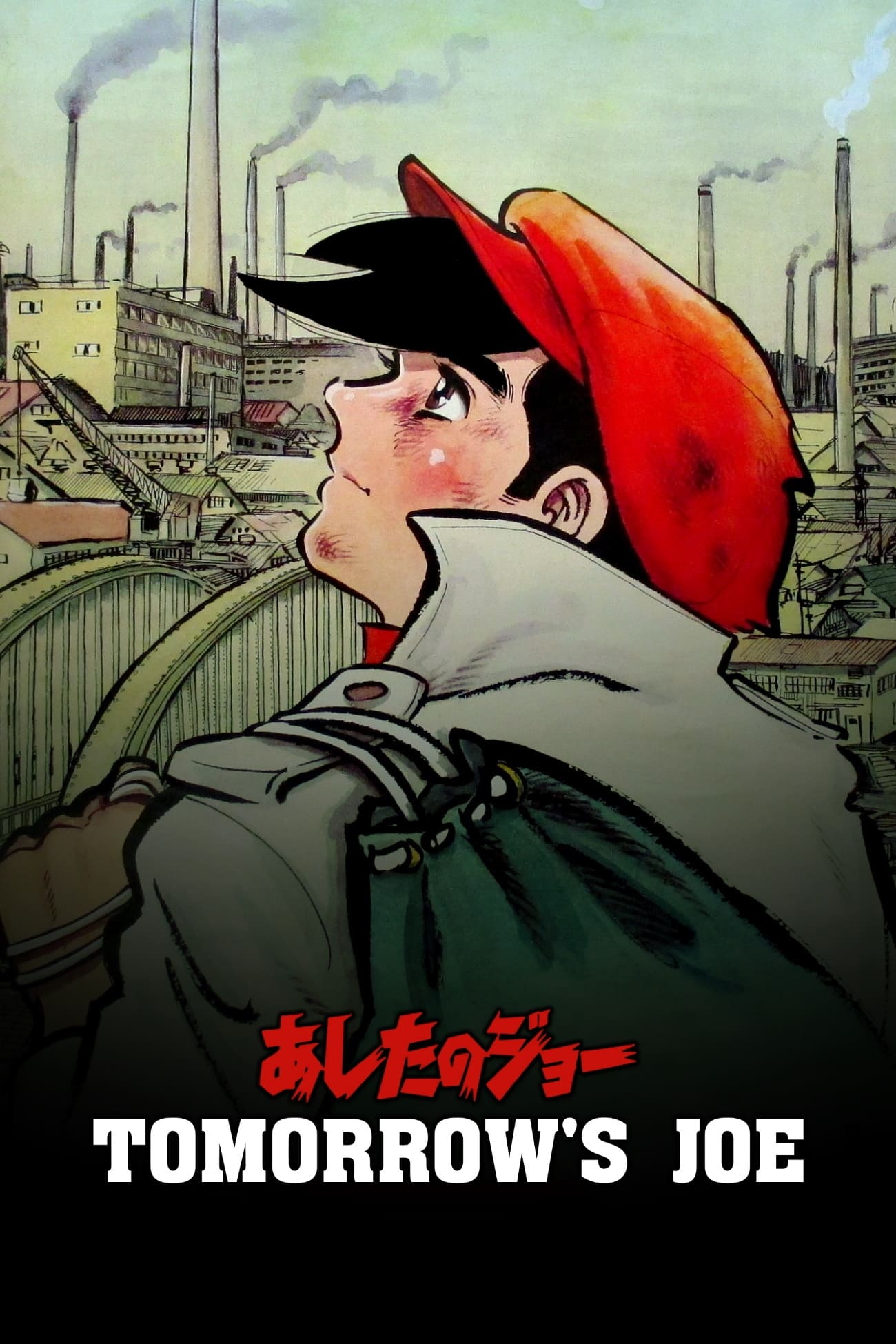
Before this series, sports anime were primarily focused on the thrill of victory and the simple glorification of athletic prowess. This show introduced a gritty, dramatic realism that explored the physical and psychological toll of professional boxing on the human spirit. It shifted the genre’s focus toward the personal struggles of the protagonist, Joe Yabuki, making the internal battle as important as the one in the ring. The series famously concluded with an ending that redefined the tragedy and catharsis expected from a sports narrative.
‘Mazinger Z’ (1972–1974)
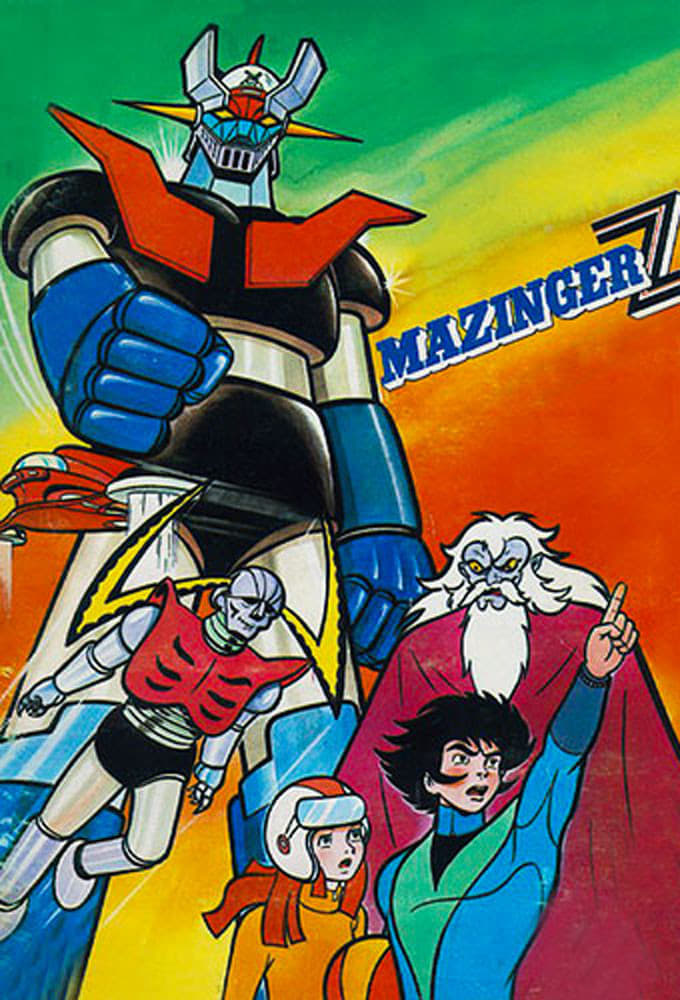
While giant robots existed in media prior to this show, this series introduced the revolutionary concept of a human pilot physically entering and controlling the machine from within. This single innovation transformed the mecha genre from “remote-controlled weapons” to an extension of the pilot’s own body and will. It established the “Super Robot” archetype, complete with signature attacks and specialized weaponry that became staples for decades. Every modern anime featuring a pilot in a cockpit owes its basic premise to this specific shift in design.
‘Heidi, Girl of the Alps’ (1974)
This series set a new benchmark for the slice-of-life genre by focusing on quiet, rural realism and detailed character development rather than high-stakes action. Directed by Isao Takahata with scene design by Hayao Miyazaki, it brought a cinematic quality to television animation that was previously unseen. It emphasized the emotional resonance of everyday life and the beauty of natural landscapes, laying the groundwork for the World Masterpiece Theater tradition. The show’s success proved that a slow-paced, grounded story could captivate a massive international audience.
‘The Rose of Versailles’ (1979–1980)
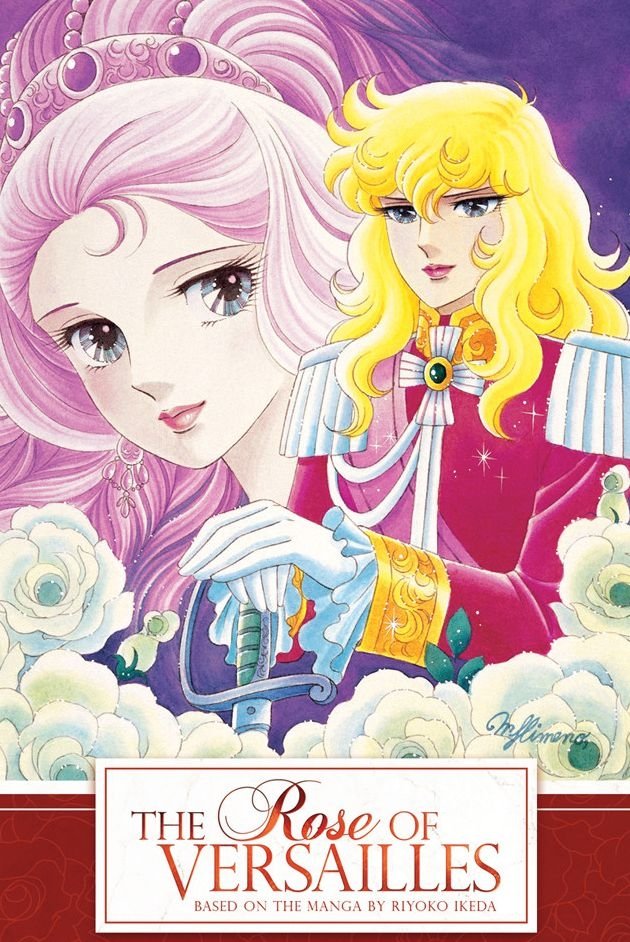
This series revolutionized the shoujo genre by blending historical epic with intense political intrigue and complex gender dynamics. It moved away from simple romance to tackle the French Revolution, using the character Oscar François de Jarjayes to explore themes of identity and duty. The show’s sophisticated narrative and mature tone elevated shoujo anime, proving it could handle heavy historical subject matter with gravity. Its influence can still be seen in any series that features noble aesthetics and tragic, large-scale romance.
‘Mobile Suit Gundam’ (1979–1980)
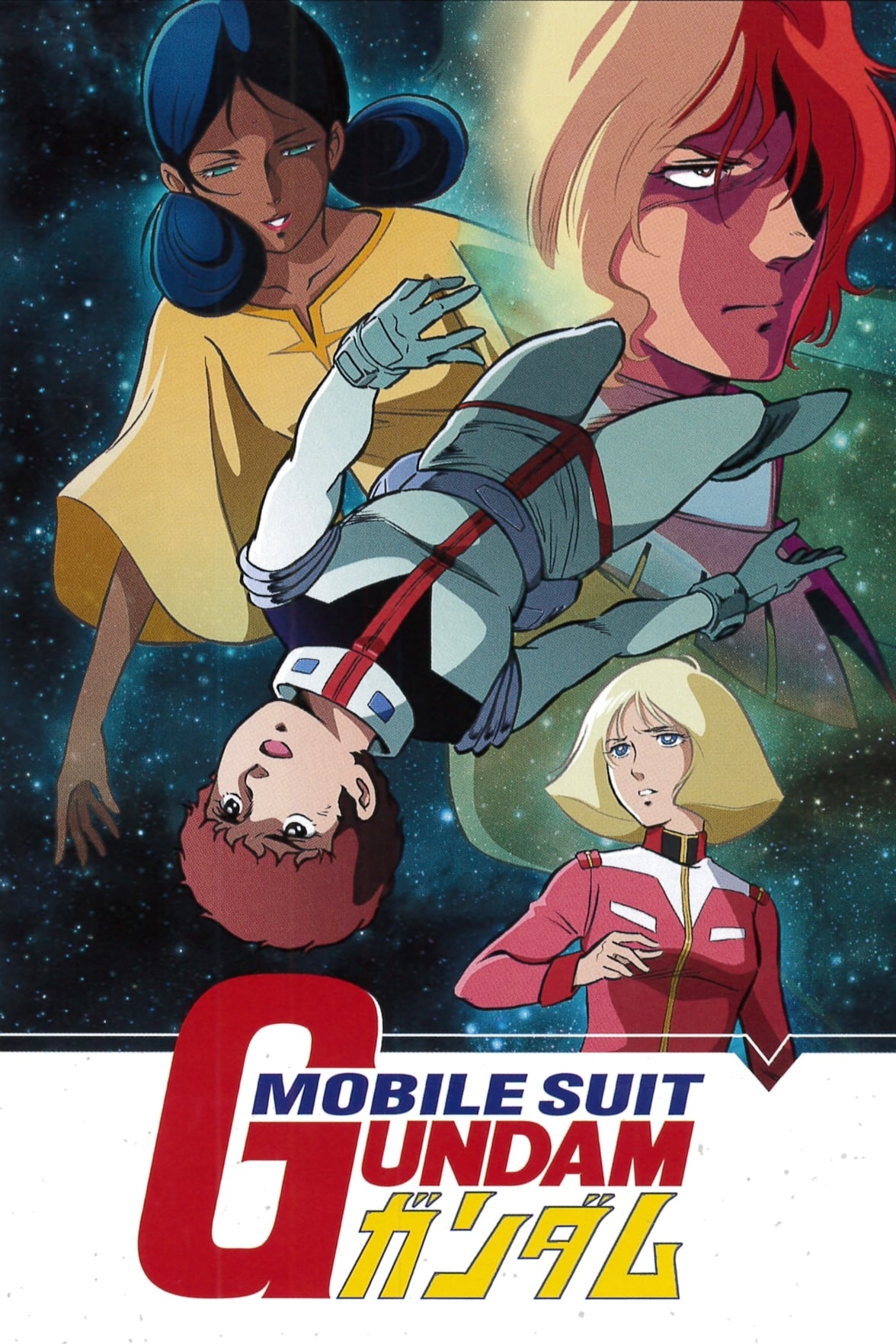
While ‘Mazinger Z’ created the piloted robot, this series invented the “Real Robot” subgenre by treating its machines as mass-produced military hardware rather than unique superheroes. It shifted the focus of mecha from monster-of-the-week battles to a complex war drama where both sides had valid motivations and tragic losses. The show introduced the idea that the robots could run out of fuel, break down, or be repaired, adding a layer of industrial realism. This subtle shift fundamentally changed sci-fi anime by prioritizing political world-building and human fragility.
‘Urusei Yatsura’ (1981–1986)

This series is responsible for establishing the modern romantic comedy template, particularly the trope of a supernatural or alien girl living with an ordinary human boy. It moved away from traditional, earnest romance toward a frantic, slapstick style of comedy that relied on a large cast of eccentric recurring characters. The show’s chaotic energy and use of folklore-inspired humor set the tone for the “harem” and “magical girlfriend” genres that would dominate the 1990s and 2000s. Fans today often do not realize that the archetypes found in modern rom-coms were popularized by the antics of Lum and Ataru.
‘Super Dimension Fortress Macross’ (1982–1983)
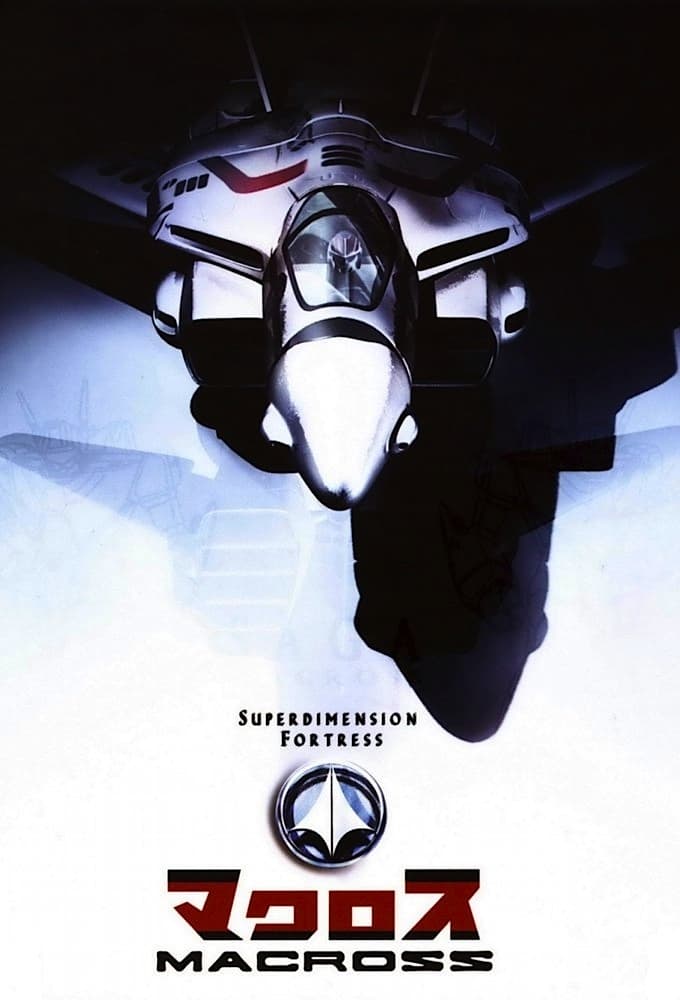
This show changed the mecha genre by seamlessly integrating idol culture and romantic triangles into a high-stakes interstellar war narrative. It was the first to suggest that music and culture could be as potent a weapon as laser cannons, a theme that became a recurring element in sci-fi anime. The inclusion of the “transforming fighter jet” also became a design staple that influenced both Japanese and Western animation. By making a love story central to a space opera, it broadened the appeal of mecha to a much wider demographic.
‘Fist of the North Star’ (1984–1987)

This series introduced a level of visceral, hyper-masculine violence that forever altered the landscape of battle shonen. It took inspiration from post-apocalyptic cinema and martial arts films to create a world where fights were settled with lethal, explosive techniques. The protagonist, Kenshiro, set the standard for the stoic, overpowered hero who carries the weight of a dying world. Its success paved the way for more mature, action-oriented content to be serialized in mainstream magazines, moving the genre away from lighthearted adventures.
‘Dragon Ball’ (1986–1989)
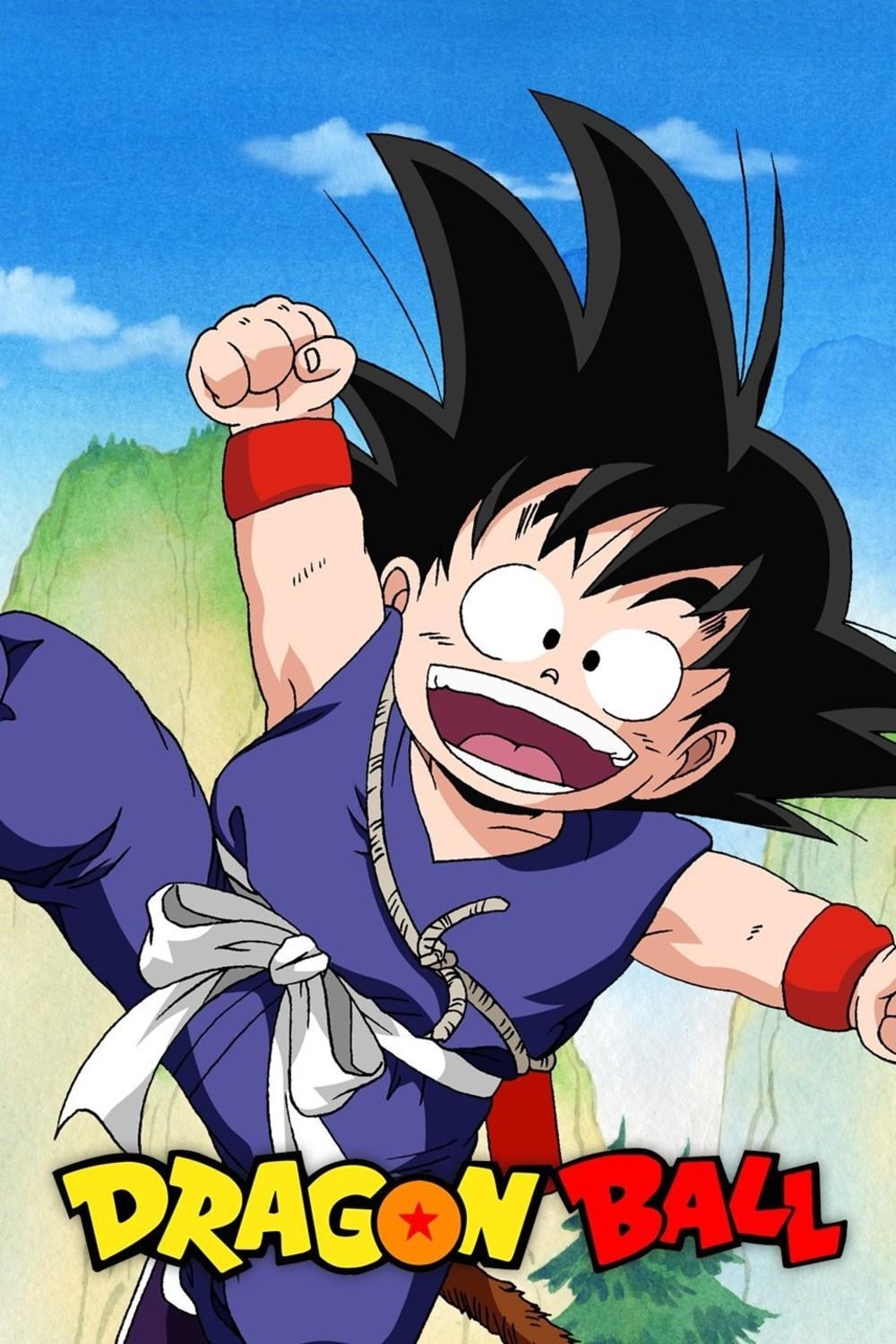
While it started as a whimsical adventure inspired by ‘Journey to the West’, this series evolved into the definitive “battle shonen” that standardized power scaling and training arcs. It introduced the concept of the protagonist constantly seeking stronger opponents to reach new levels of strength, a cycle that remains the core of modern action anime. The shift from episodic travel to tournament-style combat and world-threatening villains created a structural blueprint that nearly every successful shonen series has followed. The visual language of its fights, including energy blasts and rapid-fire strikes, remains the industry standard.
‘Akira’ (1988)
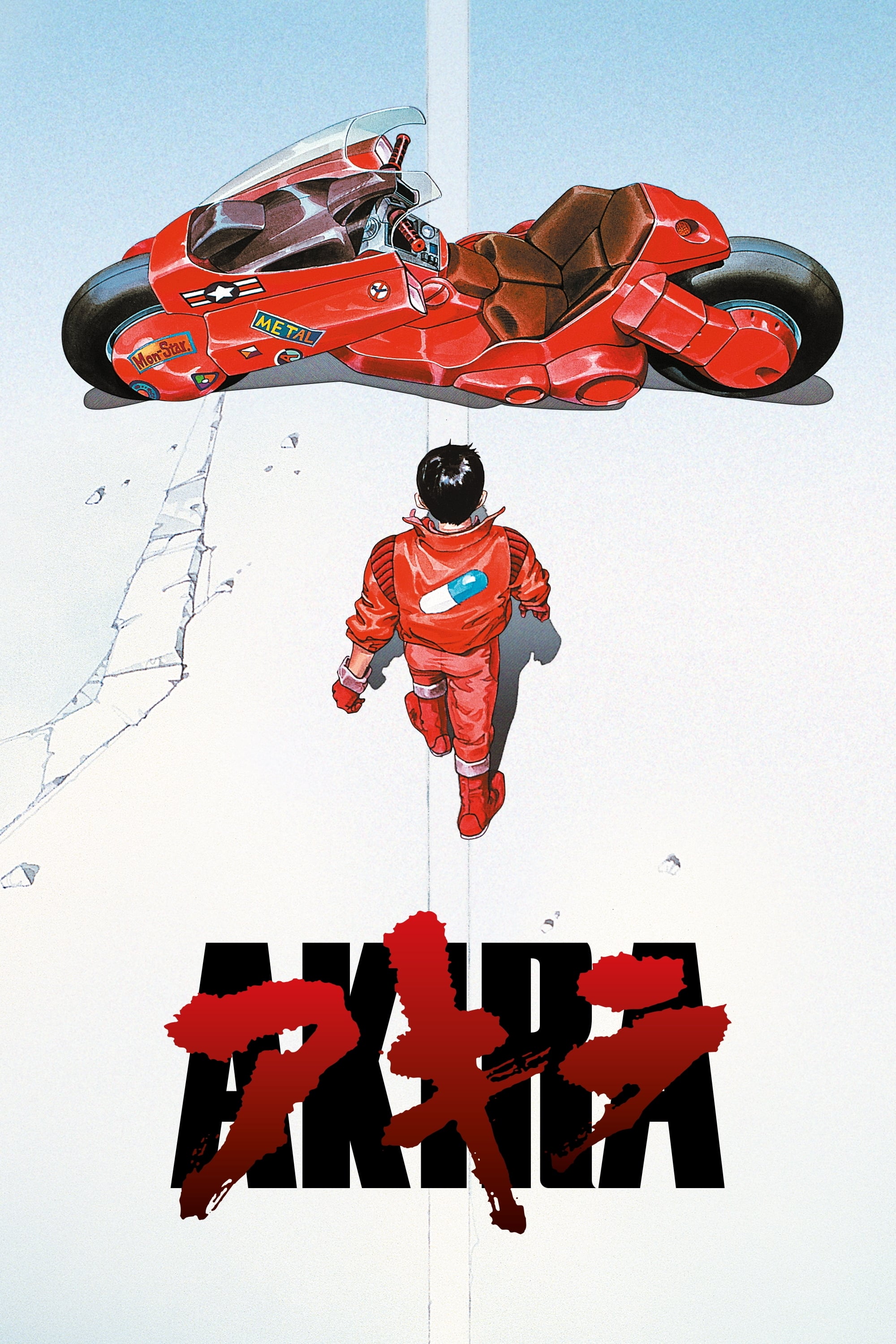
This film single-handedly changed the global perception of what anime could achieve in terms of production quality and philosophical depth. It moved cyberpunk and science fiction away from the bright, clean futures of the past toward a gritty, detailed, and socially conscious dystopia. The sheer fluidity of its hand-drawn animation and its complex exploration of government corruption and psychic trauma set a bar that few projects have met since. It proved that anime could be a medium for high-art cinema, influencing countless filmmakers in both the East and the West.
‘Sailor Moon’ (1992–1997)
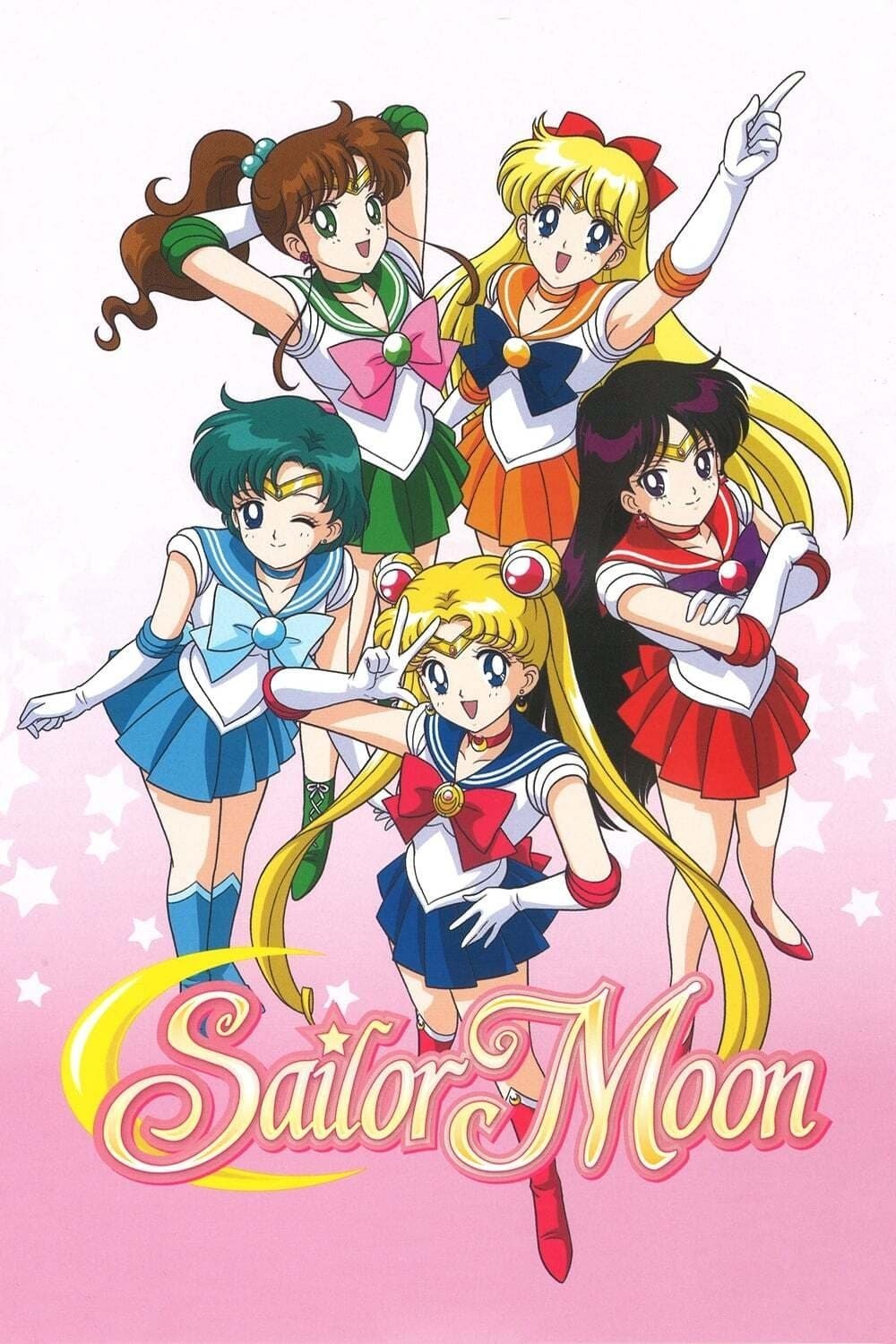
This series completely redefined the magical girl genre by applying the “sentai” or team-based structure typically reserved for male-oriented shows. Instead of a lone girl with magical powers, it featured a group of warriors with distinct personalities and elemental abilities fighting to save the world. It successfully blended traditional shoujo romance with high-stakes action and long-form mythology, making the genre accessible to a massive global audience. The show’s emphasis on female friendship and empowerment remains the cornerstone of the magical girl identity today.
‘Neon Genesis Evangelion’ (1995–1996)
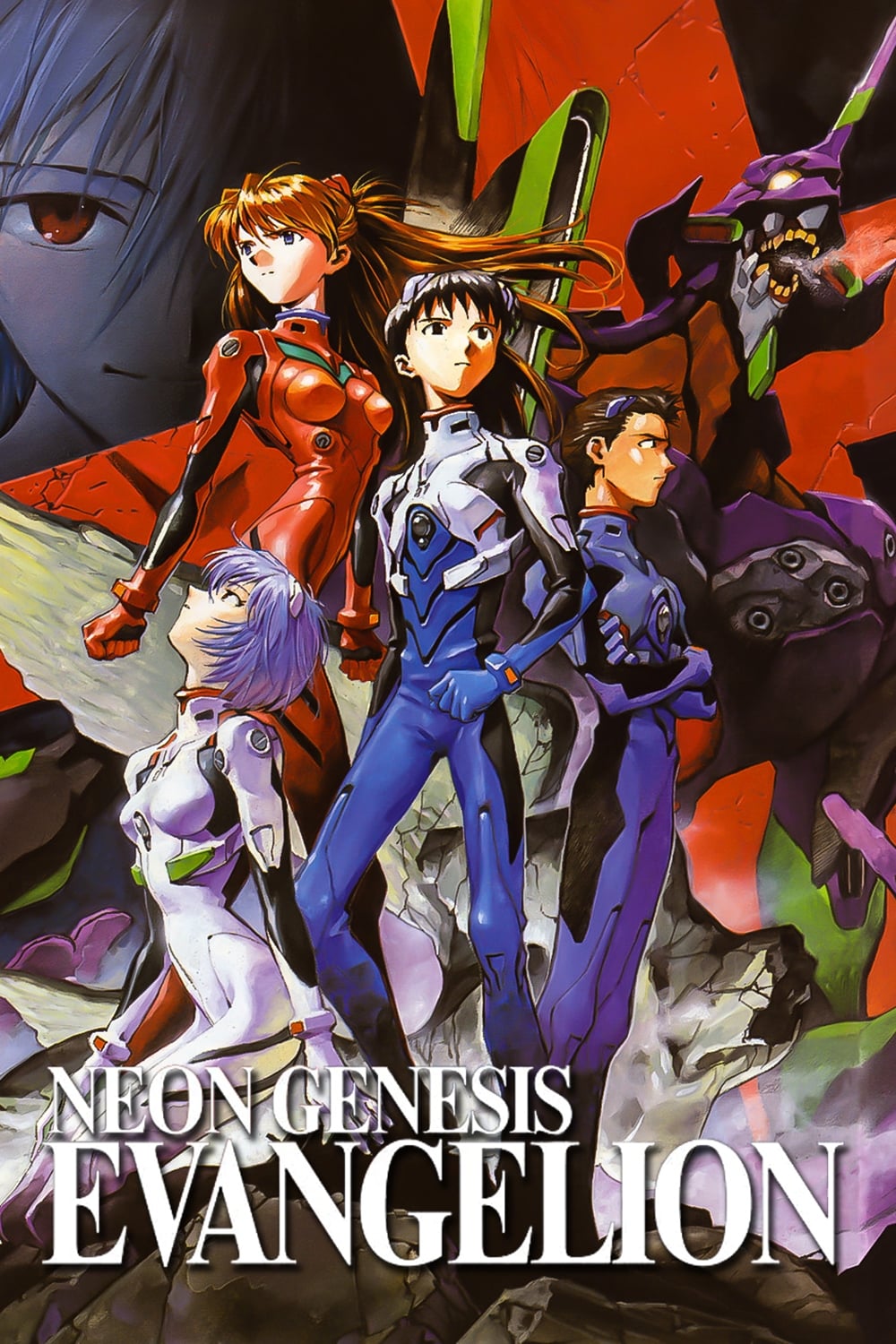
This series is famous for deconstructing the mecha genre, but its more subtle change was the introduction of deep psychological introspection into mainstream action anime. It shifted the focus from the glory of piloting robots to the debilitating trauma and mental health struggles of its teenage protagonists. The show’s use of religious symbolism and avant-garde editing techniques challenged the traditional narrative structures of the time. It forced the entire industry to reconsider how character motivations and existential themes could be integrated into a commercial property.
‘Ghost in the Shell’ (1995)
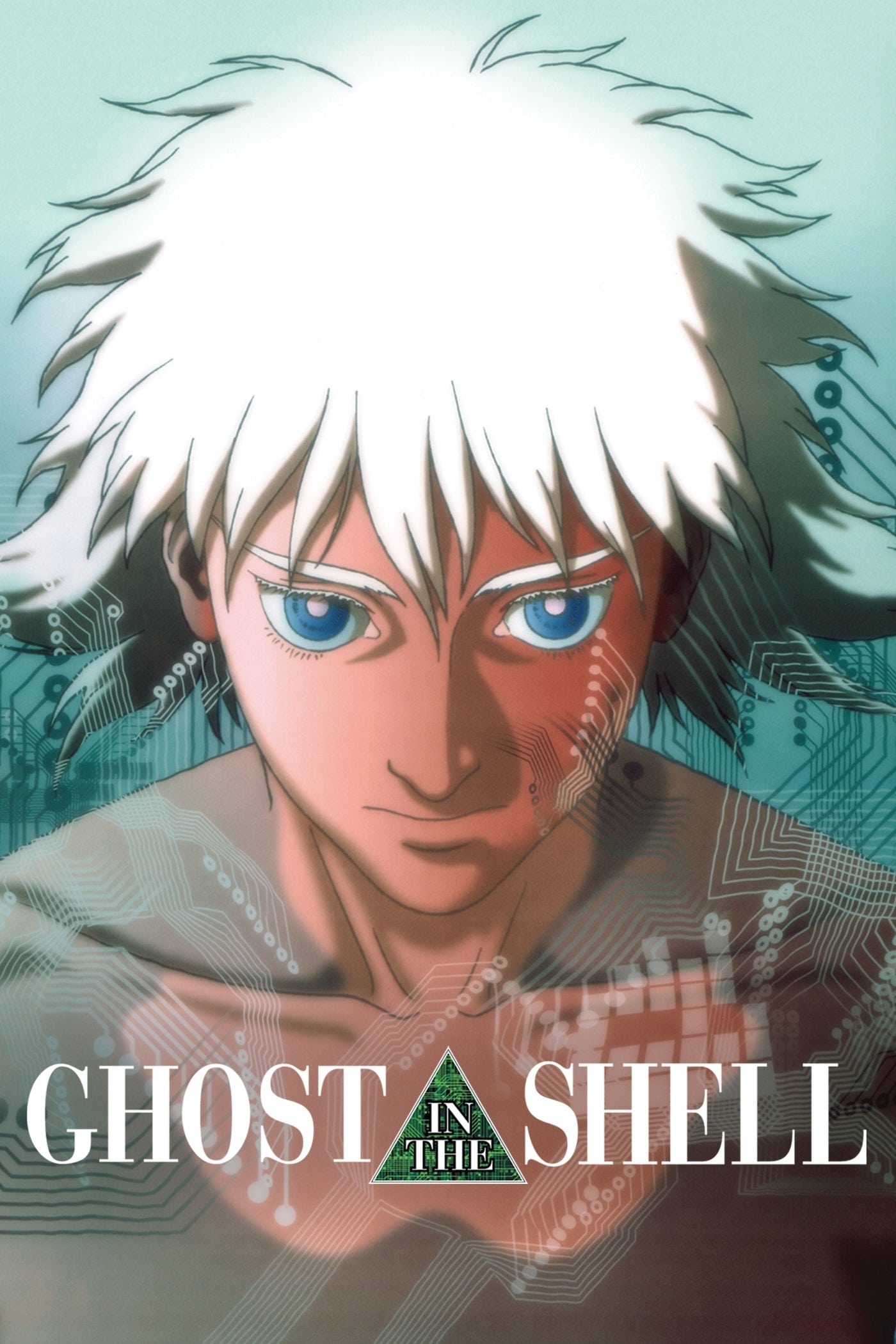
While ‘Akira’ provided the visual grit, this film gave the cyberpunk genre its philosophical soul by focusing on the blurred lines between humanity and technology. It prioritized slow, atmospheric world-building and deep questions about the “ghost” or consciousness in a cybernetic body over traditional action sequences. The film’s focus on information warfare and the politics of a hyper-connected society proved to be incredibly prescient. Its influence on the sci-fi genre is so pervasive that many of its concepts are now considered standard tropes in modern technology-focused stories.
‘Revolutionary Girl Utena’ (1997)
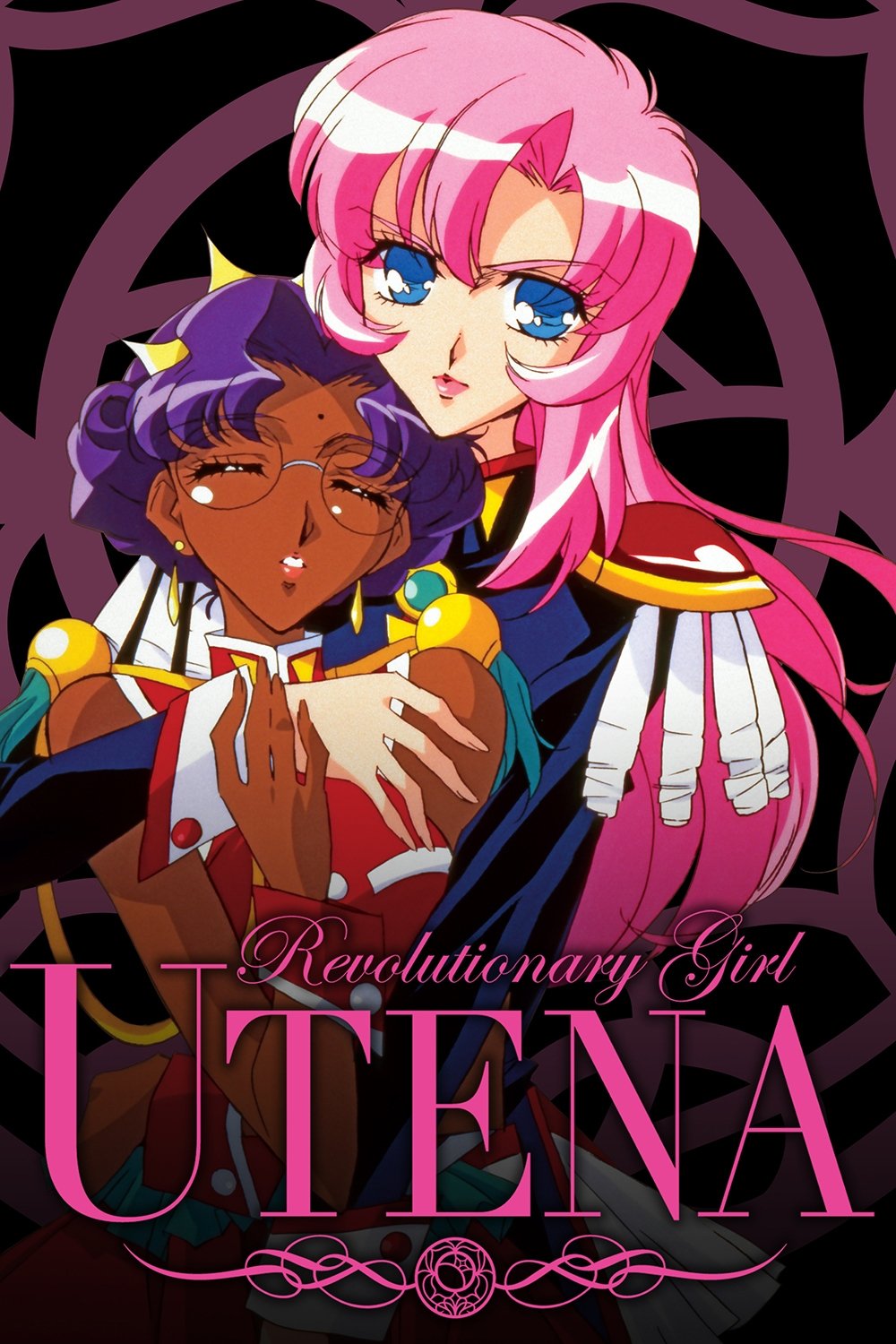
This series took the established tropes of the magical girl and “prince” archetypes and subjected them to a surreal, metaphorical deconstruction. It used repetitive visual motifs and theatrical staging to explore themes of adolescence, gender roles, and systemic corruption. By breaking away from literal storytelling, it opened the door for more experimental and avant-garde approaches within the shoujo demographic. The show’s legacy is found in any modern anime that uses heavy symbolism to tell a story about personal liberation.
‘Serial Experiments Lain’ (1998)
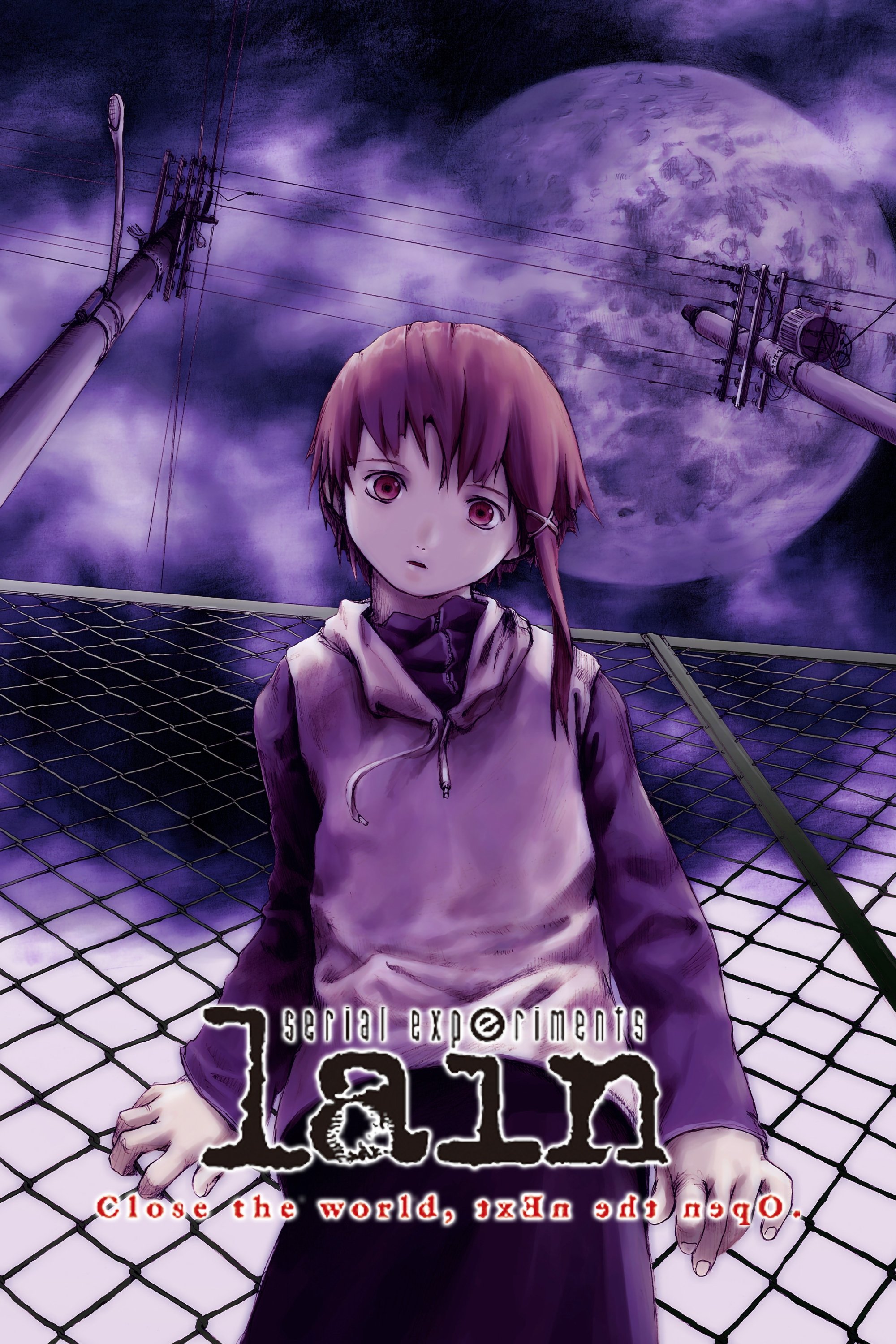
This avant-garde series anticipated the social and psychological impact of the internet long before it became a central part of daily life. It moved the cyberpunk genre away from physical augmentations toward the digitizing of the human psyche and the disappearance of the self into the “Wired.” The show’s non-linear narrative and unsettling atmosphere created a template for “mind-game” anime that prioritizes atmosphere and theme over a clear plot. It remains a landmark for how anime can use a minimalist aesthetic to explore complex technological anxieties.
‘Cowboy Bebop’ (1998–1999)
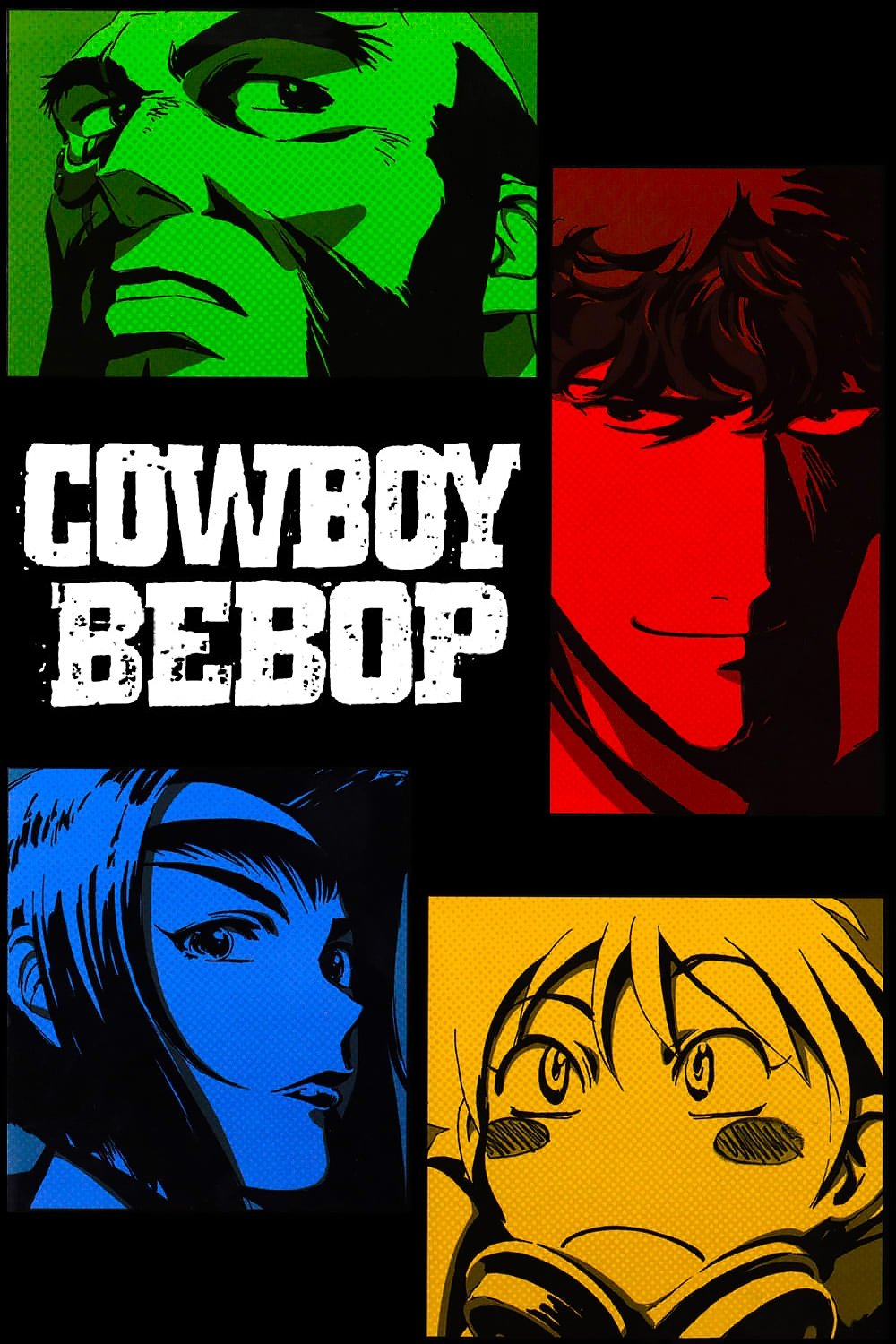
This series subtly changed the sci-fi genre by emphasizing a “cool,” jazz-infused atmosphere and episodic storytelling that felt more like film noir than traditional anime. It popularized the “space western” aesthetic, blending high-tech futuristic settings with low-life, gritty character dynamics. The show’s focus on the past and the inability of its characters to escape their history added a layer of melancholy that was rare in action-heavy series. Its success demonstrated that a western-influenced, style-first approach could resonate deeply with international audiences.
‘Cardcaptor Sakura’ (1998–2000)
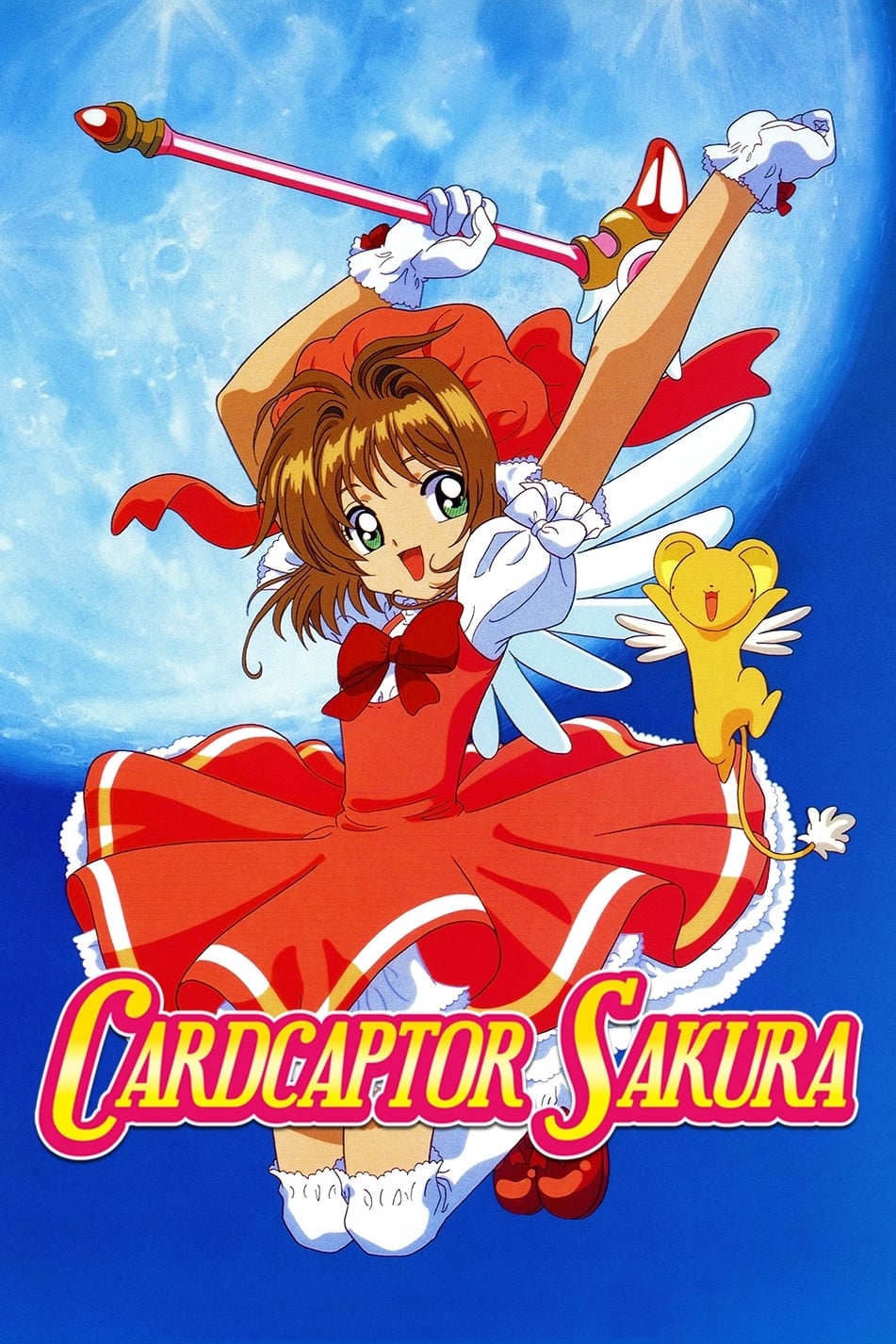
While other magical girl shows focused on combat, this series shifted the focus toward a “collectible” narrative and a more wholesome, empathetic approach to conflict. It prioritized the emotional growth of the protagonist and her relationships with a diverse cast of characters over traditional hero-versus-villain battles. The show also introduced an incredibly high variety of costumes, moving away from the “static transformation” look that had defined the genre for years. It proved that a magical girl series could be successful by focusing on kindness, fashion, and character-driven subplots.
‘Inuyasha’ (2000–2004)

This series played a massive role in standardizing the modern “portal fantasy” or isekai structure, even before the term was widely used. It seamlessly blended historical supernatural action with a long-running romantic drama, making it a “bridge” series that appealed to both shonen and shoujo fans. By focusing on the interaction between a modern-day girl and a mythical past, it established the tropes of time-travel and parallel world exploration that would later explode in popularity. Its character-driven approach to a fantasy quest set the tone for many adventure series that followed.
‘Princess Tutu’ (2002–2003)
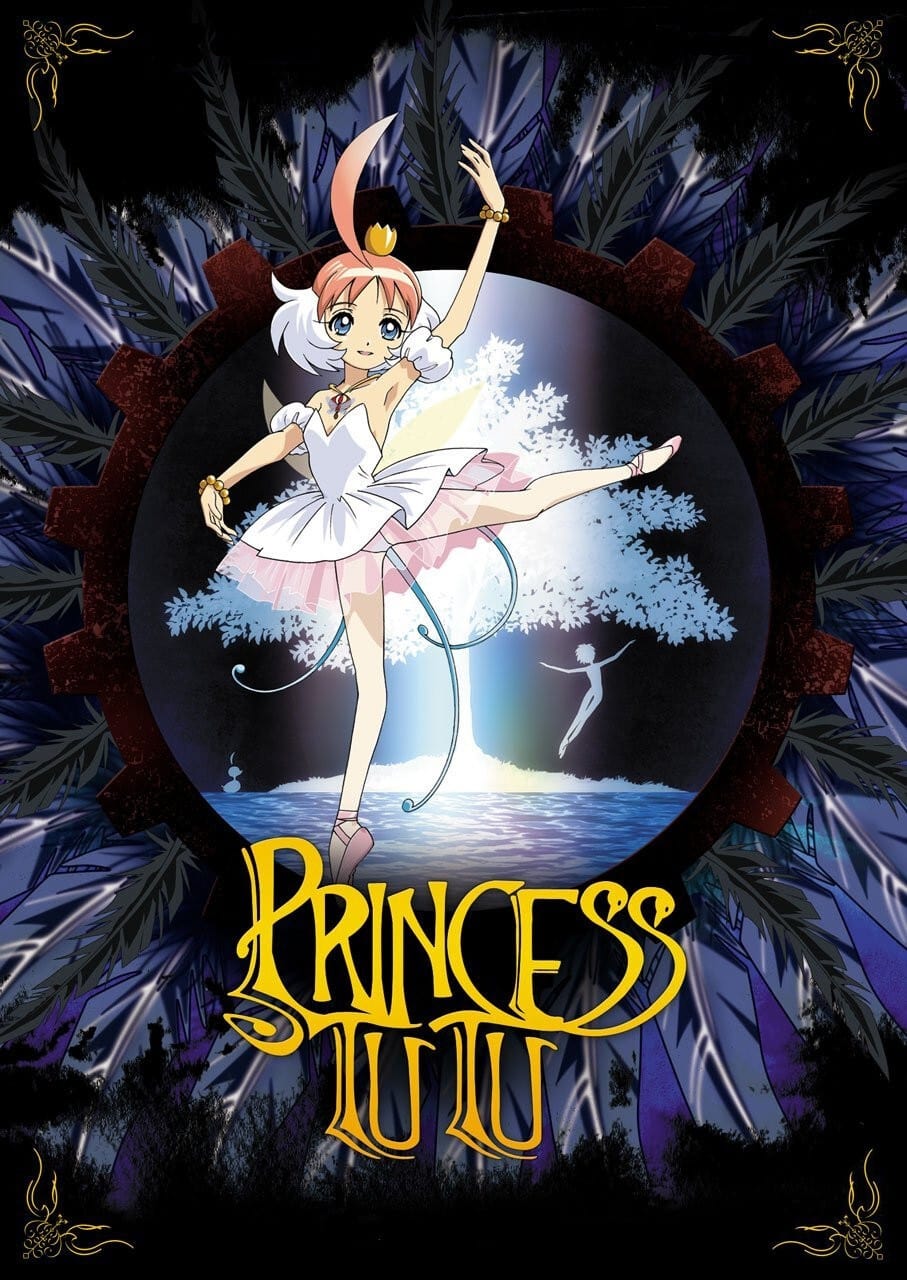
This series subtly subverted the magical girl genre by framing its narrative through the lens of classical ballet and fairytale meta-fiction. It explored the idea of characters attempting to break free from the roles assigned to them by an omnipresent “author” or narrator. The show’s use of music and dance as a primary method of conflict resolution was a departure from the weapon-based combat typical of the era. It demonstrated that a series could be both a tribute to and a sharp critique of traditional storytelling structures.
‘Azumanga Daioh’ (2002)
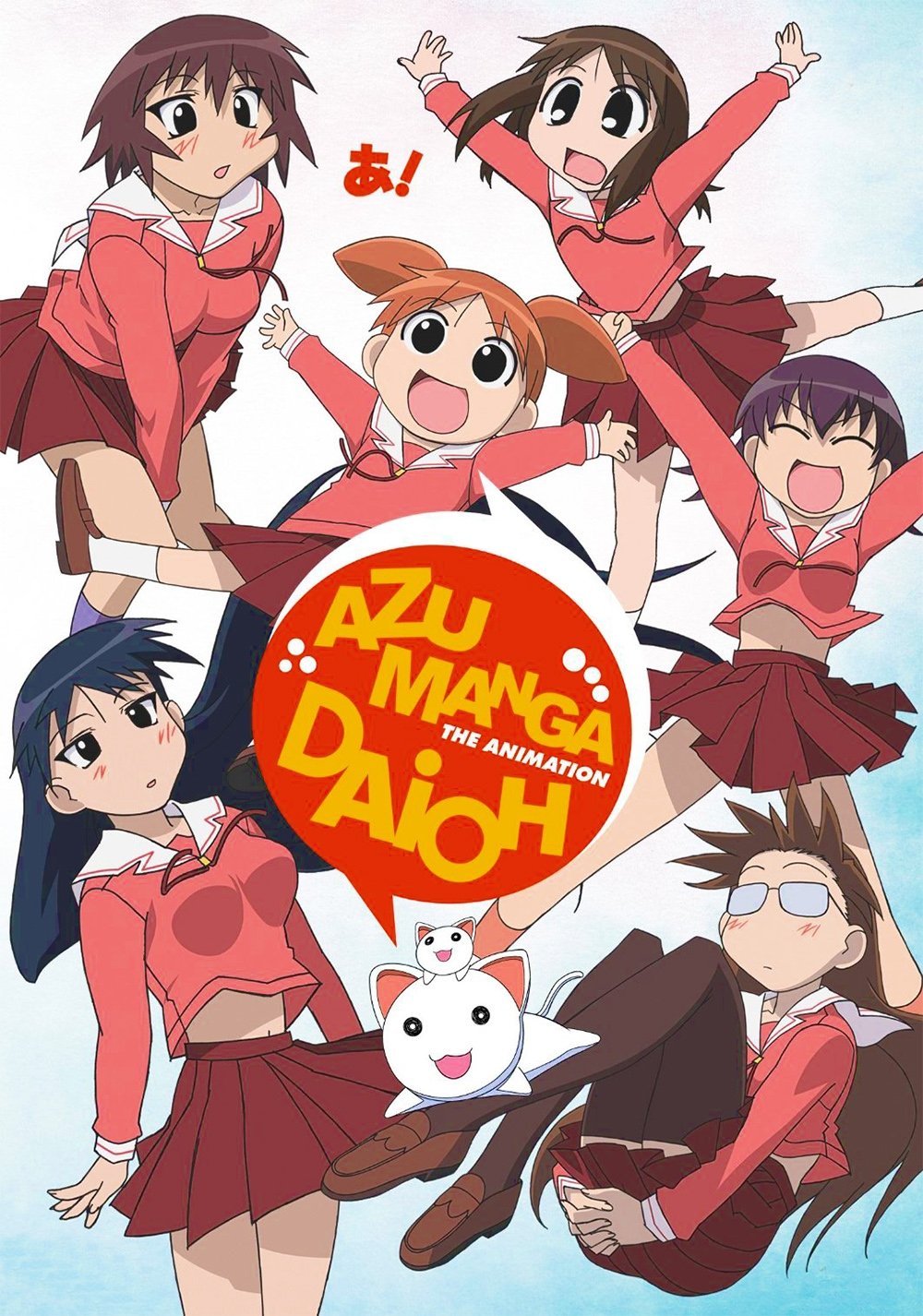
This show is responsible for creating the modern “cute girls doing cute things” or CGDCT subgenre of slice-of-life anime. It moved away from having a central plot or romantic goal, instead focusing entirely on the humorous, everyday interactions of a group of high school girls. The series popularized the four-panel (yonkoma) manga adaptation style, which relies on quick, punchy comedic timing rather than long-form narrative. Most modern school-based comedies owe their character archetypes and pacing to this specific series.
‘The Melancholy of Haruhi Suzumiya’ (2006–2009)
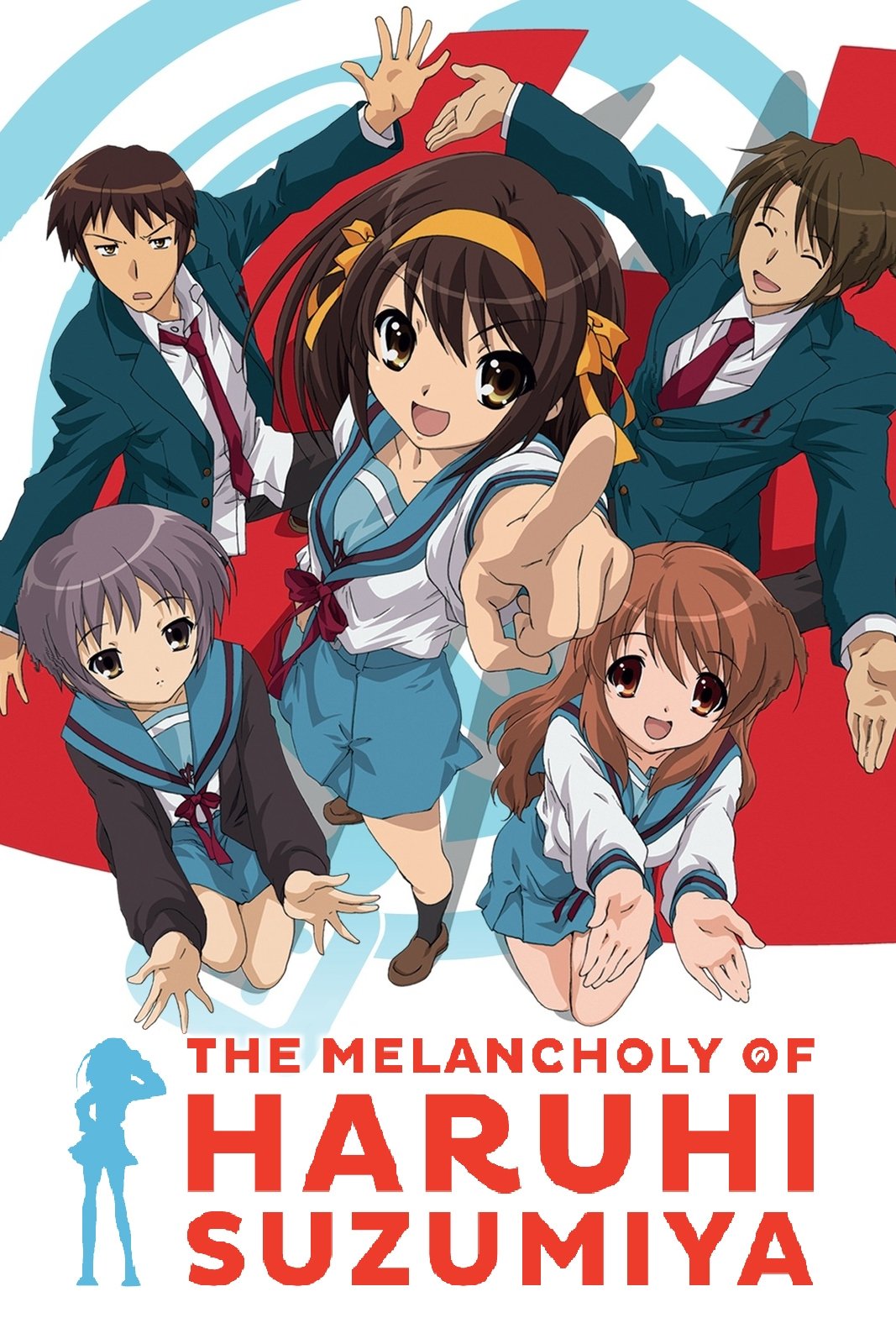
This series changed the landscape of light novel adaptations and introduced a self-aware, meta-textual style of humor to the mainstream. It broke traditional storytelling rules by airing episodes out of chronological order and featuring a protagonist who was unknowingly a god. The show’s massive success sparked a boom in light novel properties and standardized the use of high-energy, moe-driven character designs. It also pioneered the “viral dance” ending, which became a significant marketing trend in the anime industry for years to after.
‘The Familiar of Zero’ (2006–2012)
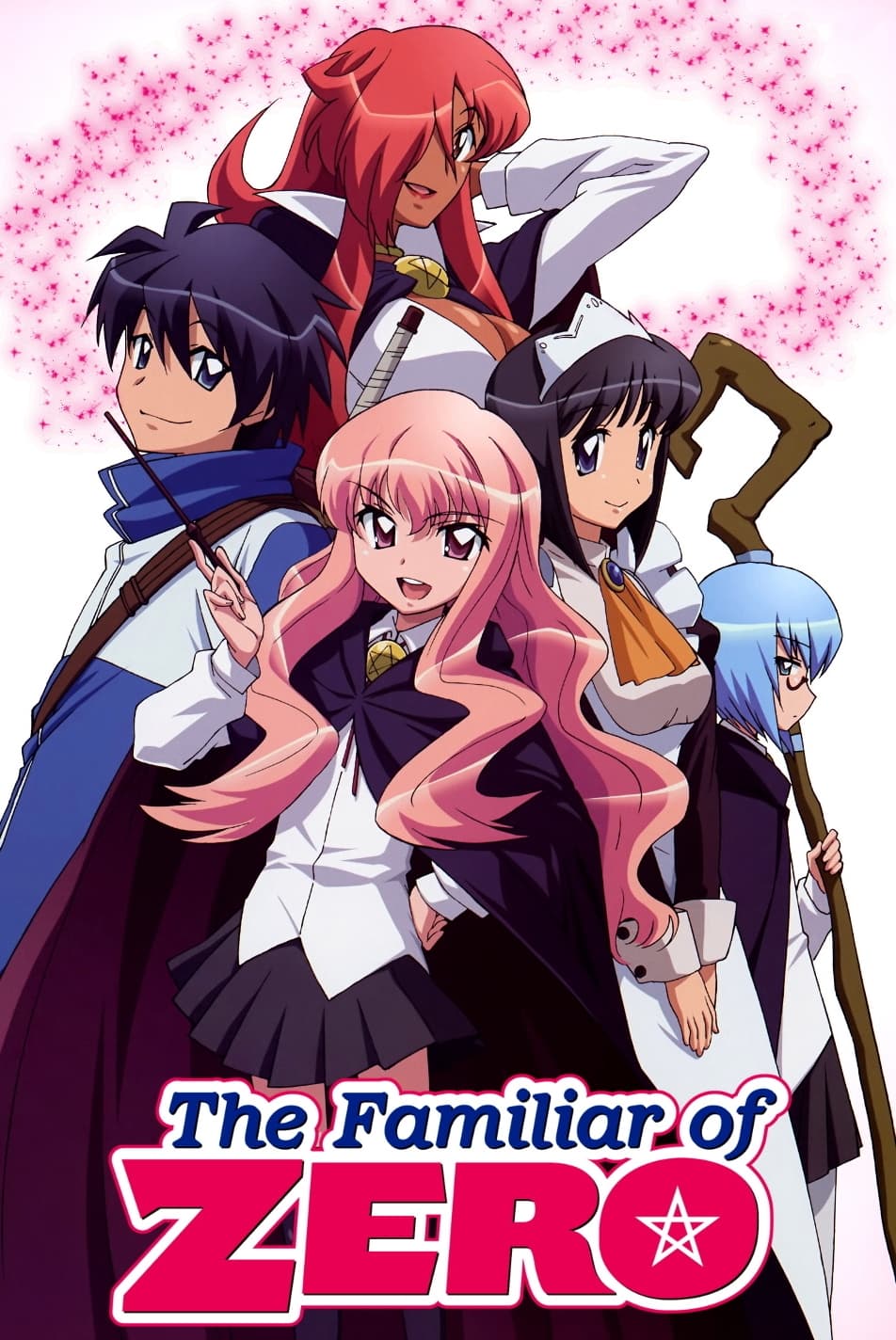
While often overshadowed by later hits, this series established many of the fundamental tropes found in modern isekai light novels. It popularized the “summoned to a fantasy world academy” premise and the dynamic of an underpowered male protagonist paired with a high-status, tsundere heroine. The show’s blend of harem elements, magic school politics, and eventual high-stakes war became the blueprint for the massive wave of fantasy adaptations in the 2010s. Many viewers today consume these tropes without realizing they were codified during the run of this series.
‘Lucky Star’ (2007)
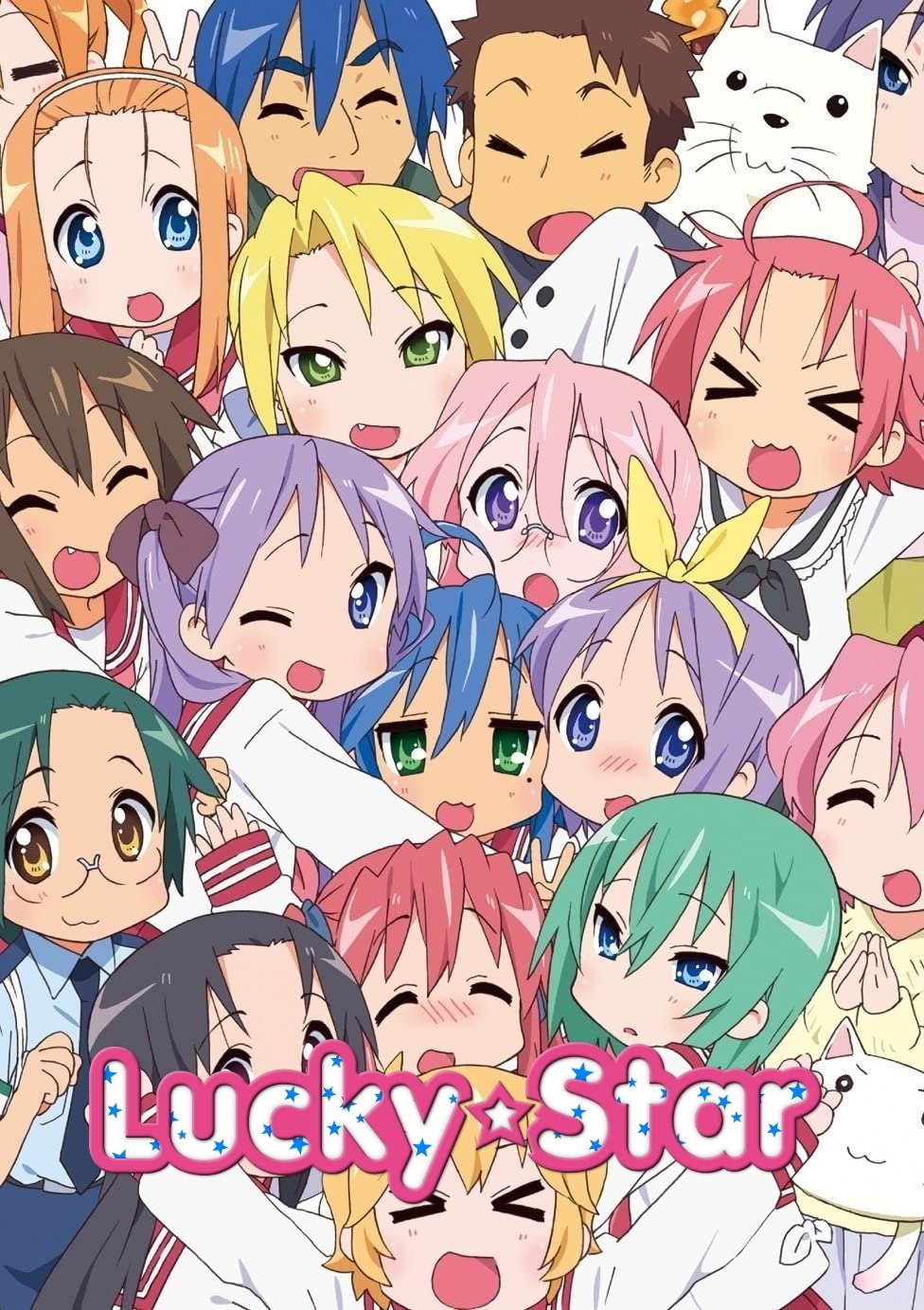
This series took the “slice-of-life” concept to an extreme by focusing almost entirely on otaku culture and mundane conversations about food and pop culture. It was one of the first major shows to lean heavily into “meta” humor, referencing other anime and industry trends as a primary source of comedy. The show’s success proved that there was a massive market for “nichijou” or everyday life stories that celebrated the niche interests of the fans themselves. It solidified the “moe” aesthetic as a dominant force in the late 2000s anime market.
‘Bakemonogatari’ (2009–2010)
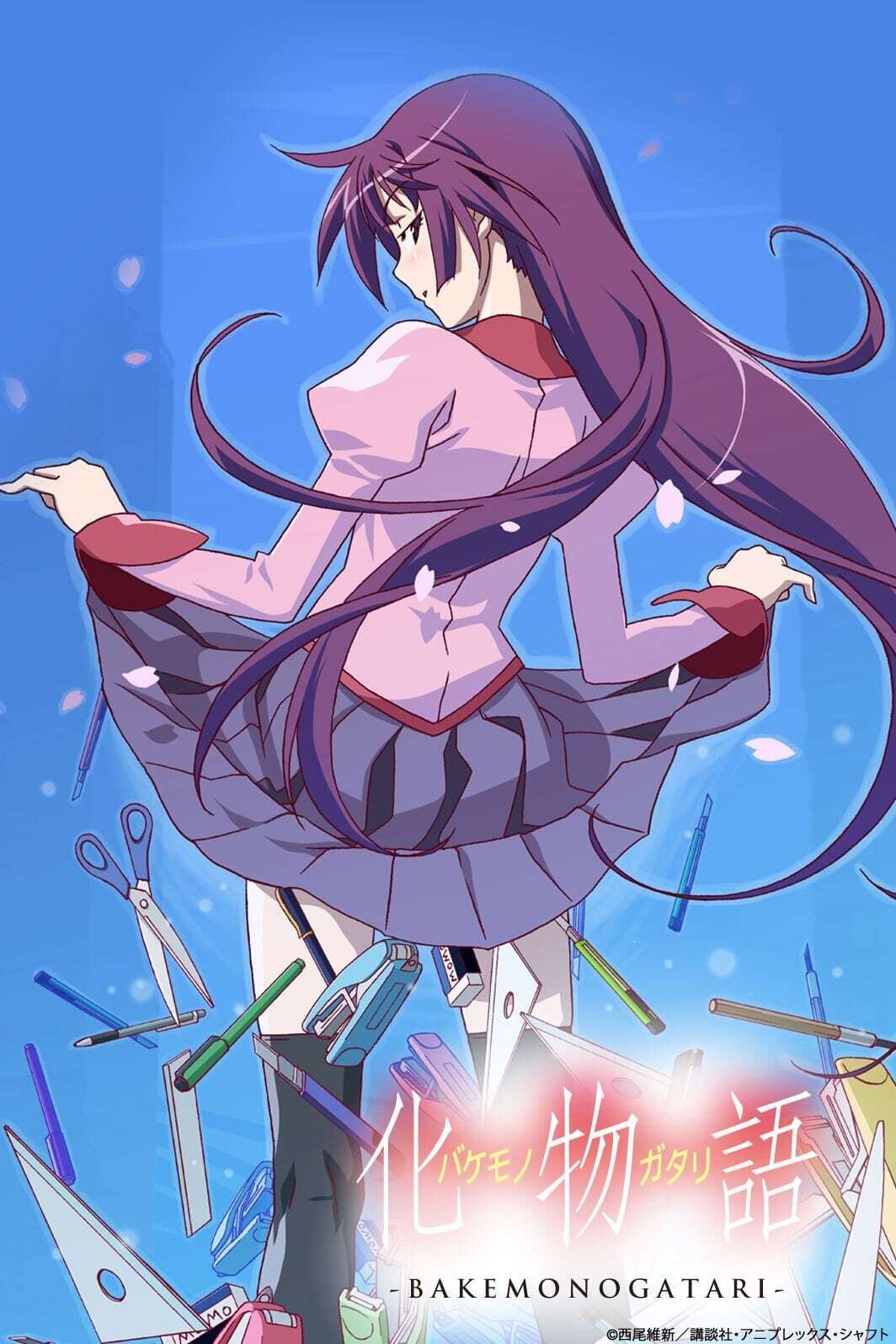
This series revolutionized the “supernatural mystery” genre by using a highly stylized, avant-garde visual language to tell a dialogue-heavy story. It moved away from traditional animation techniques, instead using rapid-fire text, real-life photography, and abstract backgrounds to represent the characters’ internal states. The show’s focus on wordplay and lengthy conversations over physical action created a new standard for how light novels could be adapted into a visual medium. Its success proved that an experimental, “un-adaptable” style could actually be a major commercial draw.
‘K-On!’ (2009–2010)
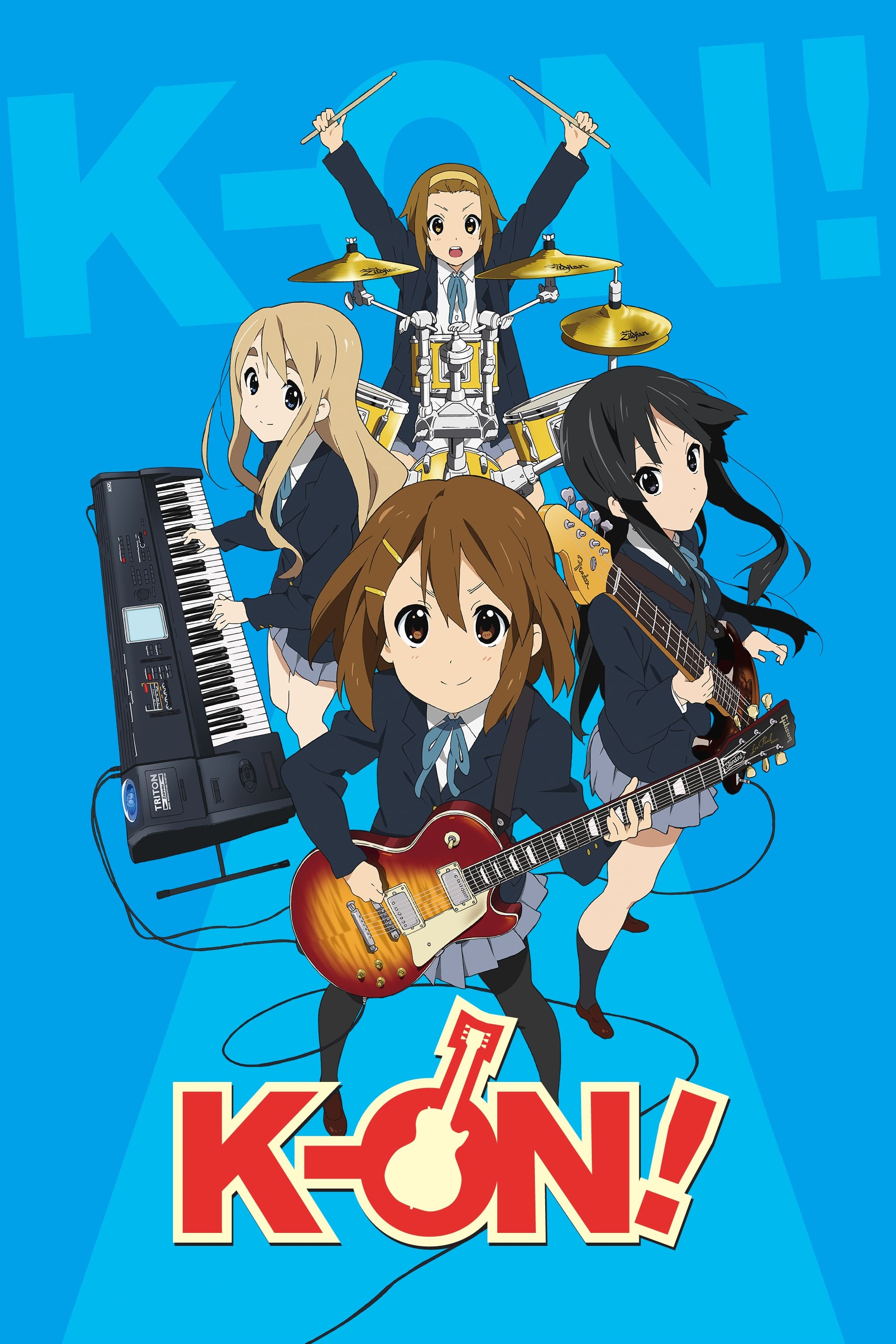
This show took the foundations laid by ‘Azumanga Daioh’ and turned the slice-of-life genre into a massive cultural phenomenon. It refined the “moe” aesthetic to its peak, focusing on the charm and relatability of its characters rather than any musical or academic progress. The series’ emphasis on soft lighting, high-quality character animation, and the “tea time” atmosphere created a new genre of atmospheric comfort anime. It shifted the industry’s focus toward character-driven merchandising and idol-adjacent musical tie-ins.
‘Puella Magi Madoka Magica’ (2011)
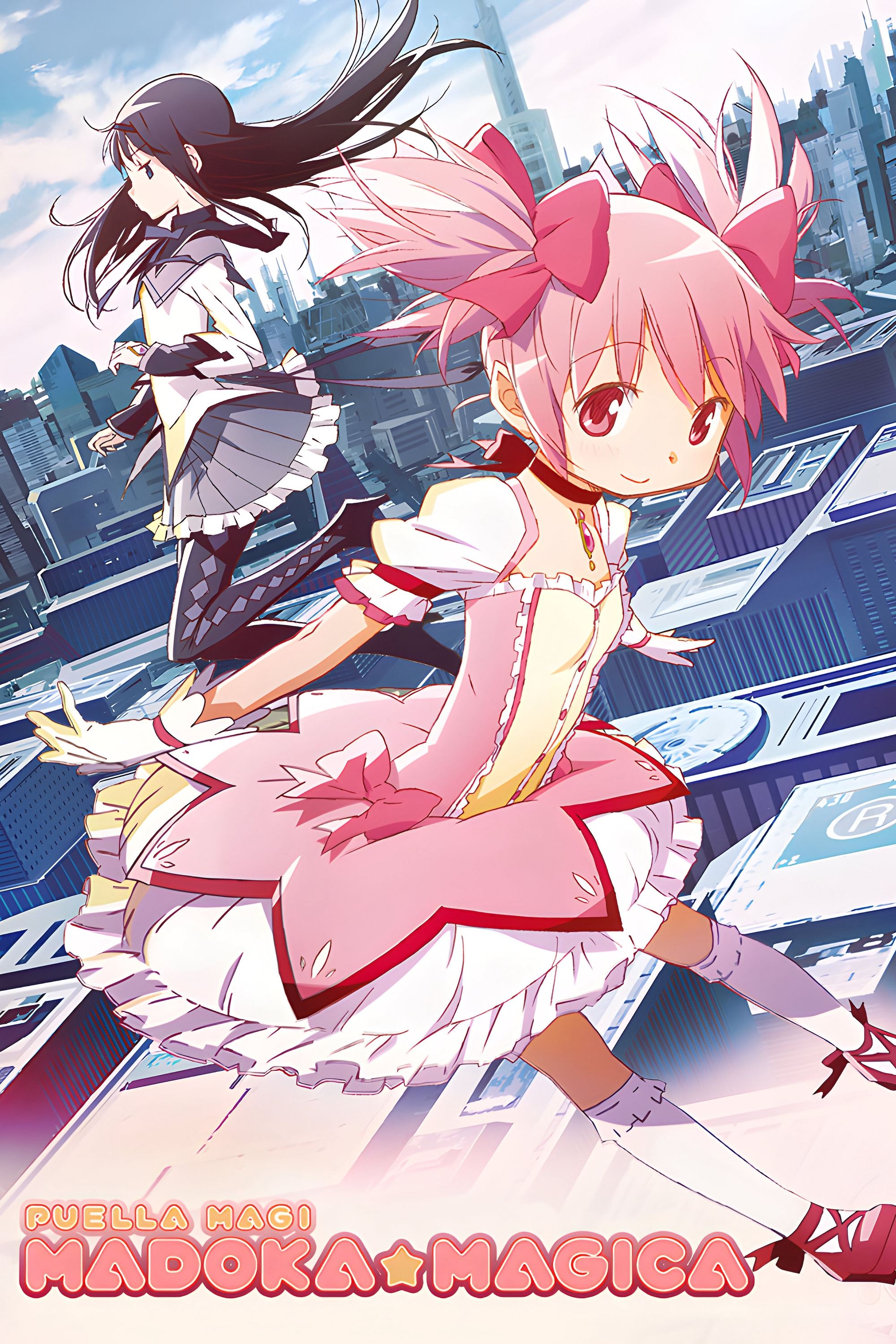
While it appeared to be a standard magical girl show, this series famously subverted the genre by introducing elements of cosmic horror and psychological despair. It changed the public perception of magical girl narratives, making “dark deconstructions” a standard subgenre of their own. The show’s use of an abstract, collage-like art style for its villains further separated it from the colorful, sparkly aesthetics typical of the medium. It forced viewers to question the moral cost of the magical girl contract, a theme that has been imitated by nearly every “dark” mahou shoujo show since.
‘Sword Art Online’ (2012)

This series didn’t invent the “trapped in a game” concept, but it was the catalyst for the massive global explosion of the isekai and “LitRPG” genres. It popularized the specific narrative beats of an overpowered protagonist navigating a system-based fantasy world with a heavy emphasis on romance and life-or-death stakes. The show’s success led to a fundamental shift in the anime industry, where “game-like” mechanics became a standard feature of fantasy storytelling. Its influence is so pervasive that it redefined the default setting for modern fantasy anime.
‘Attack on Titan’ (2013–2023)
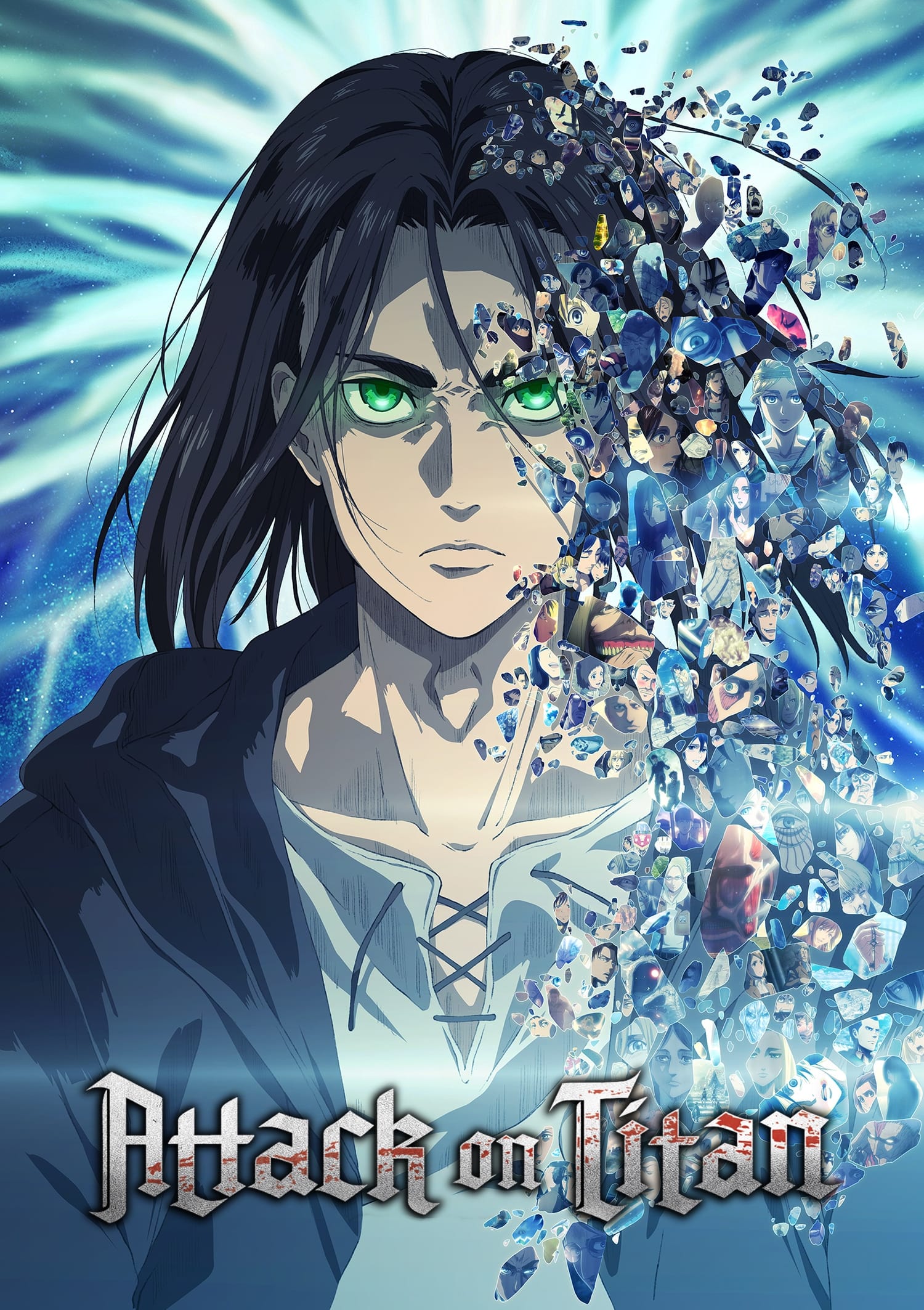
This series changed the shonen genre by introducing a high-stakes, survival-horror atmosphere and a mystery-box narrative that spanned a decade. It moved away from the traditional “power of friendship” tropes in favor of a bleak, political war story where no character was safe from a sudden, gruesome death. The show’s cinematic pacing and complex world-building set a new standard for production quality in televised anime. It proved that a dark, mature, and relentlessly tense story could achieve the same level of global popularity as more lighthearted action series.
‘One-Punch Man’ (2015)
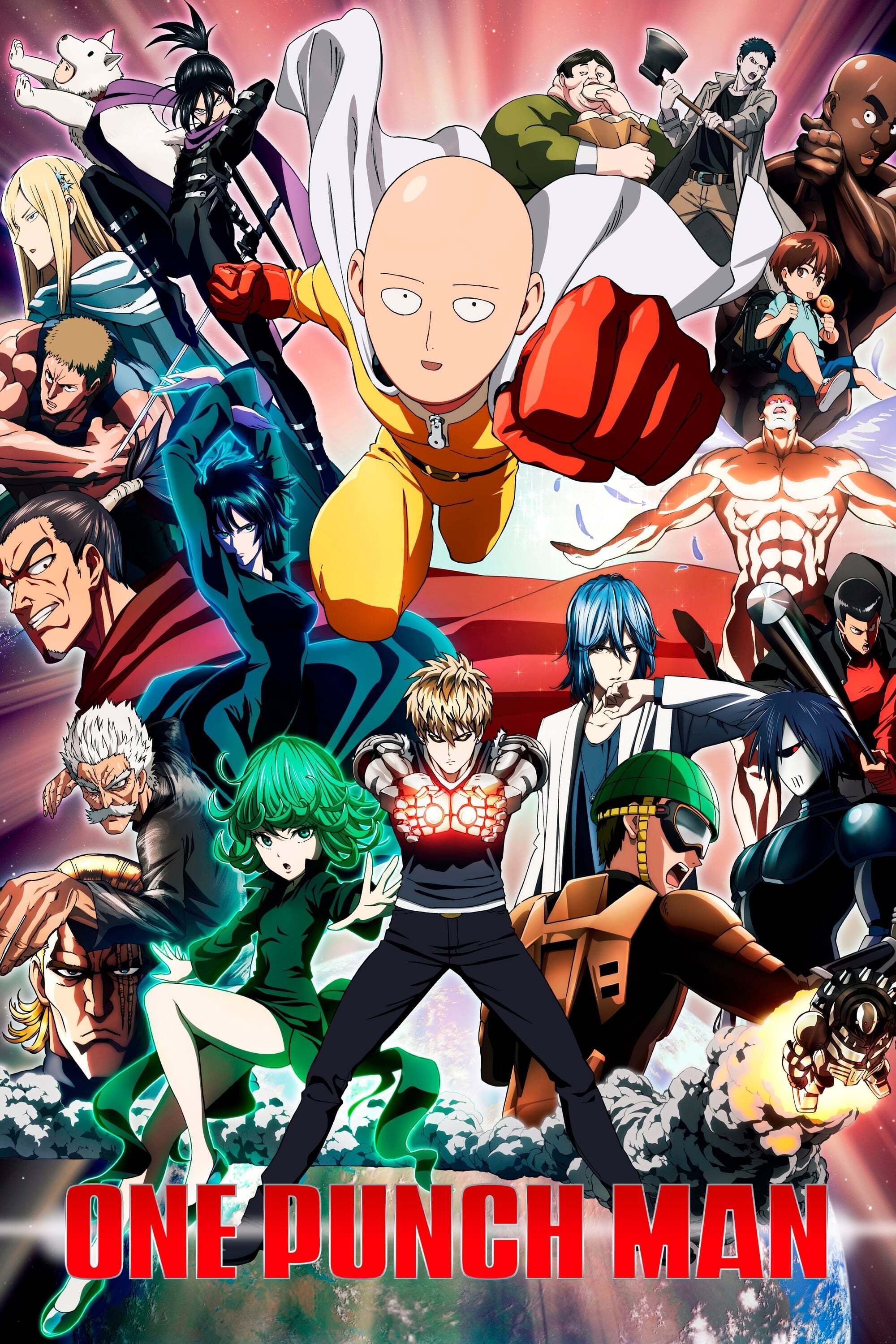
This series subtly changed the superhero and battle shonen genres by using satire to address the “power creep” problem. By starting with a protagonist who is already the strongest being in existence, it forced the narrative to focus on the comedy of his boredom rather than the tension of a fight. It subverted the traditional training arc and the dramatic tension of a villain’s arrival, often resolving major threats in a single, anti-climactic blow. This shift allowed for a broader critique of hero tropes and the commercialization of justice within the genre.
Which of these genre-defining shifts did you notice the first time you watched them, or did they only become clear in hindsight as you saw their influence spread across the industry in the comments?