

Anime That Deserve a “Brotherhood”-Style Remake Immediately

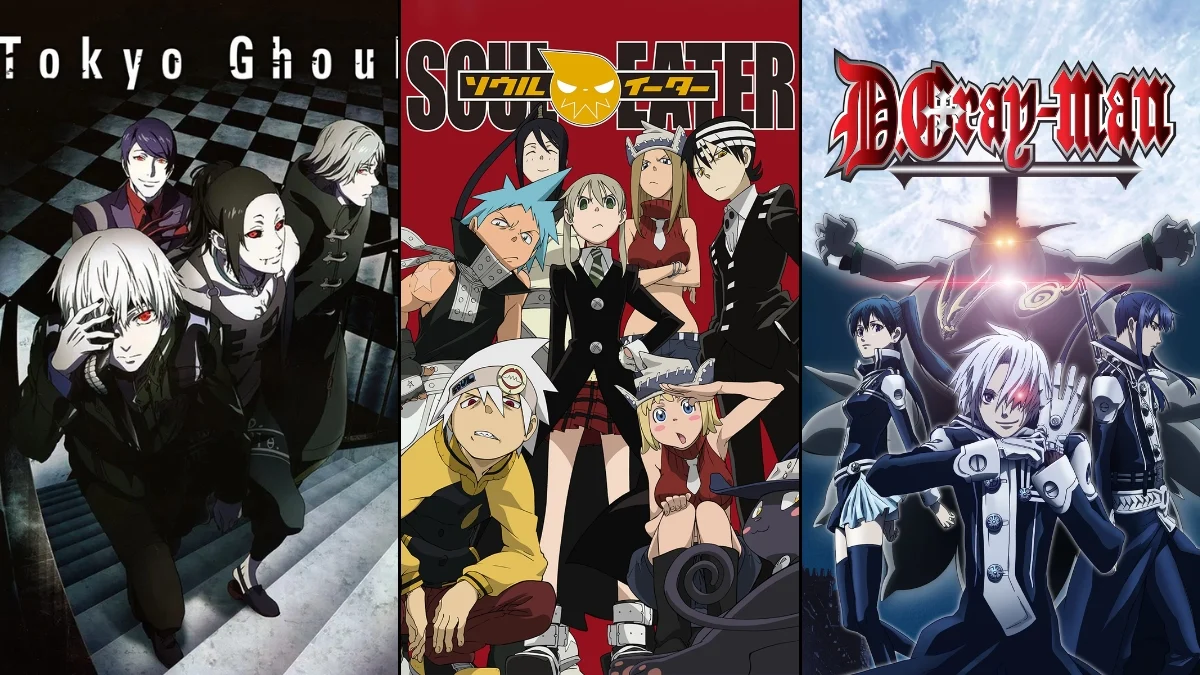


Some anime had the misfortune of racing ahead of their source material, swerving into original storylines, or stopping long before the good stuff. A faithful, start-to-finish do-over—like the one ‘Fullmetal Alchemist: Brotherhood’ gave its manga—would let these series adapt missing arcs, fix continuity, and present the stories as their creators intended. Below are twenty titles where the manga or novels either kept going, ended differently, or were adapted unevenly, along with the concrete gaps a remake could finally close.
‘Tokyo Ghoul’ (2014–2018)
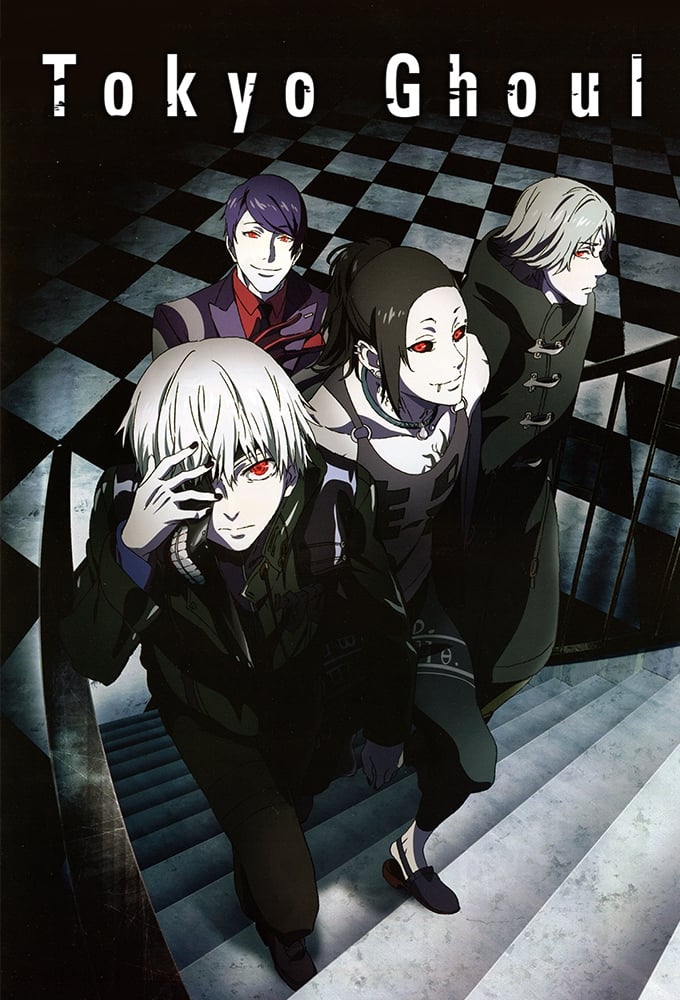
Studio Pierrot’s run diverged during ‘√A’ with an anime-original route that contradicted later manga developments. Key character trajectories and organizations in ‘Tokyo Ghoul:re’ were then compressed, leaving major conflicts and investigations underexplored. The manga’s detailed CCG operations, ghoul factions, and Kaneki’s identity shifts are mapped far more methodically. A remake could follow the printed sequence cleanly from the Anteiku raid through the ‘re’ conclusion, preserving the intended reveals.
‘The Promised Neverland’ (2019–2021)
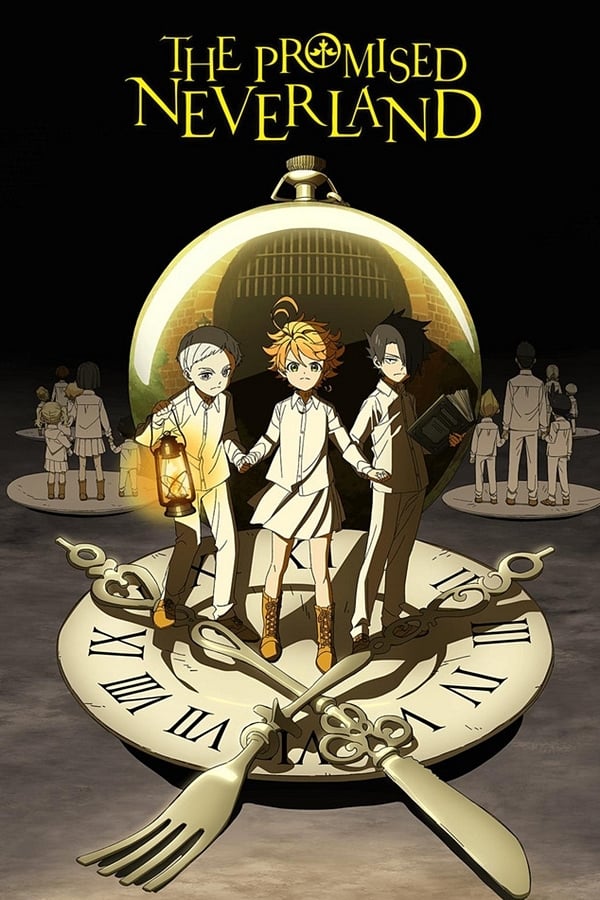
CloverWorks’ first season adapted Grace Field House closely, then season two skipped entire arcs. The Goldy Pond battle, crucial world-building about the demon hierarchy, and the journey mechanics were condensed into brief exposition. Manga plotlines around the Seven Walls and key alliances never received proper set-ups or payoffs. A remake could reinstate the missing survival arcs and the step-by-step logic of the escapees’ plan.
‘Soul Eater’ (2008–2009)
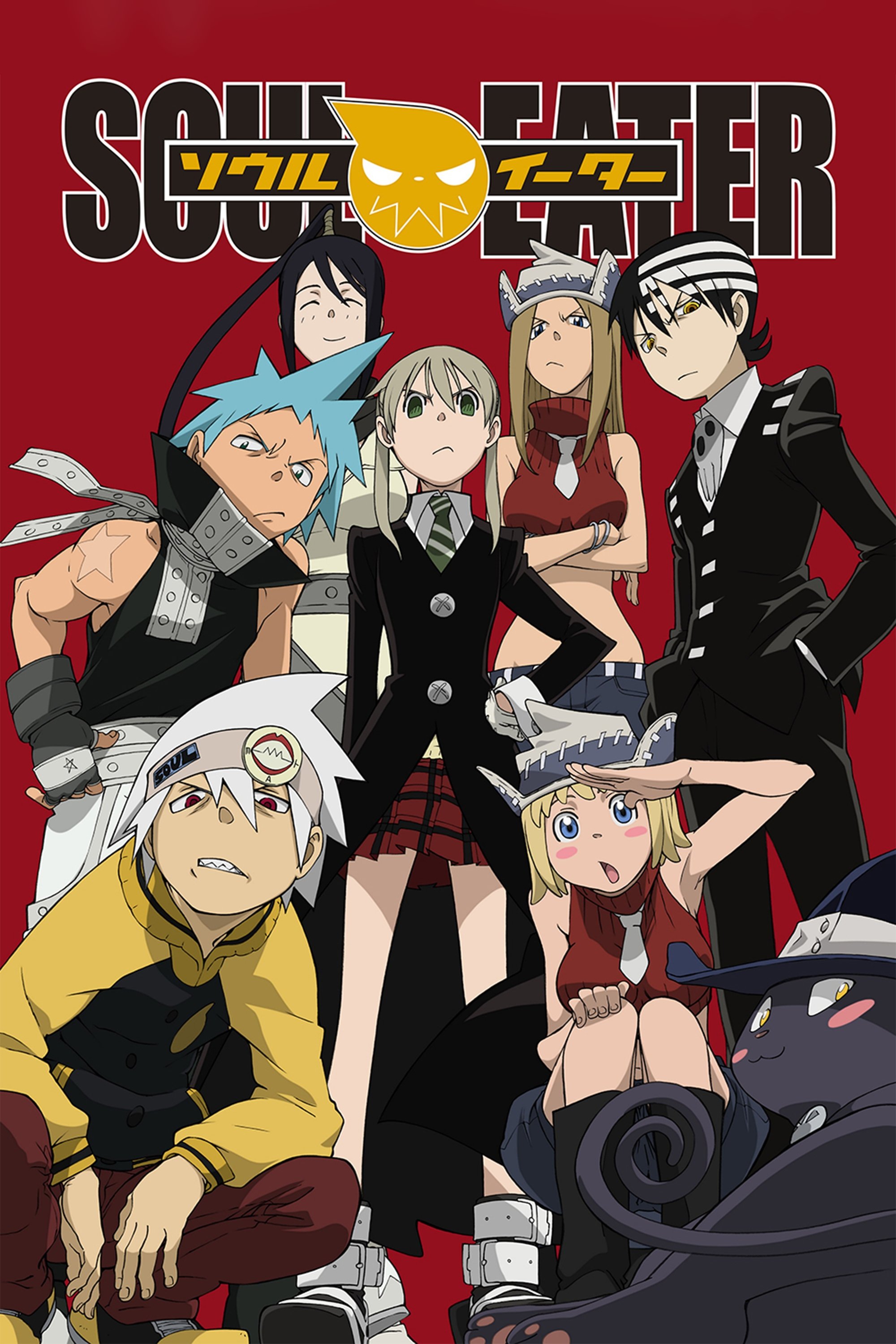
Bones followed Atsushi Ohkubo’s manga at first, then branched into an anime-original endgame. Later manga antagonists, weapon lore, and character growth beats were either altered or omitted. The printed story escalates through specific conspiracies and trainings that reframe the final battle. A do-over could track the canon arc order and integrate late-series revelations the show never reached.
‘Claymore’ (2007)
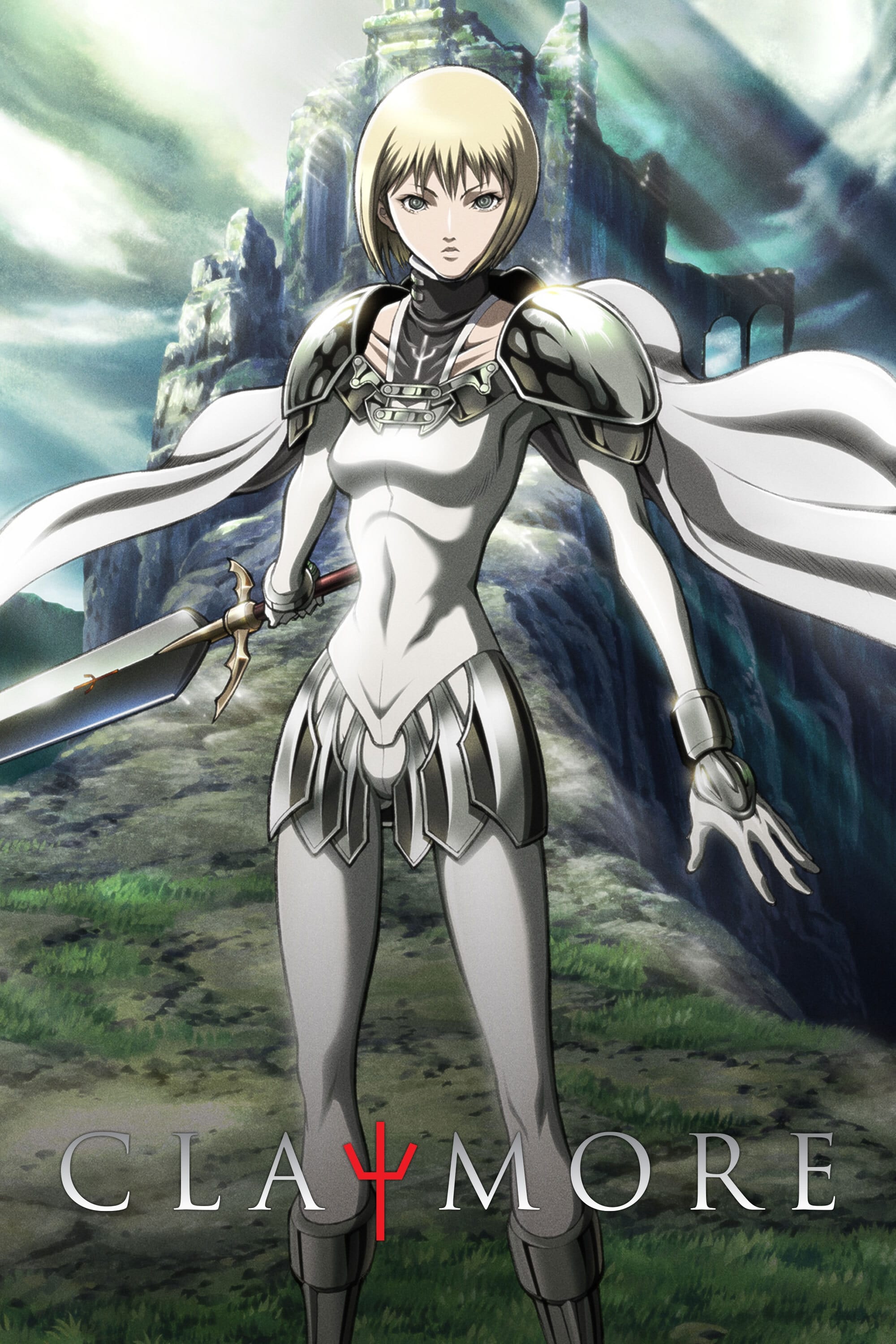
Madhouse’s adaptation diverged after the Northern Campaign, crafting a different climax. Manga content covering the Organization’s deeper experiments, awakened beings, and the true scope of the war went unanimated. The original ending also shifted character relationships and long-term payoffs. A faithful remake could follow the post-Pieta arcs through their intended resolution.
‘Berserk’ (1997–1998)
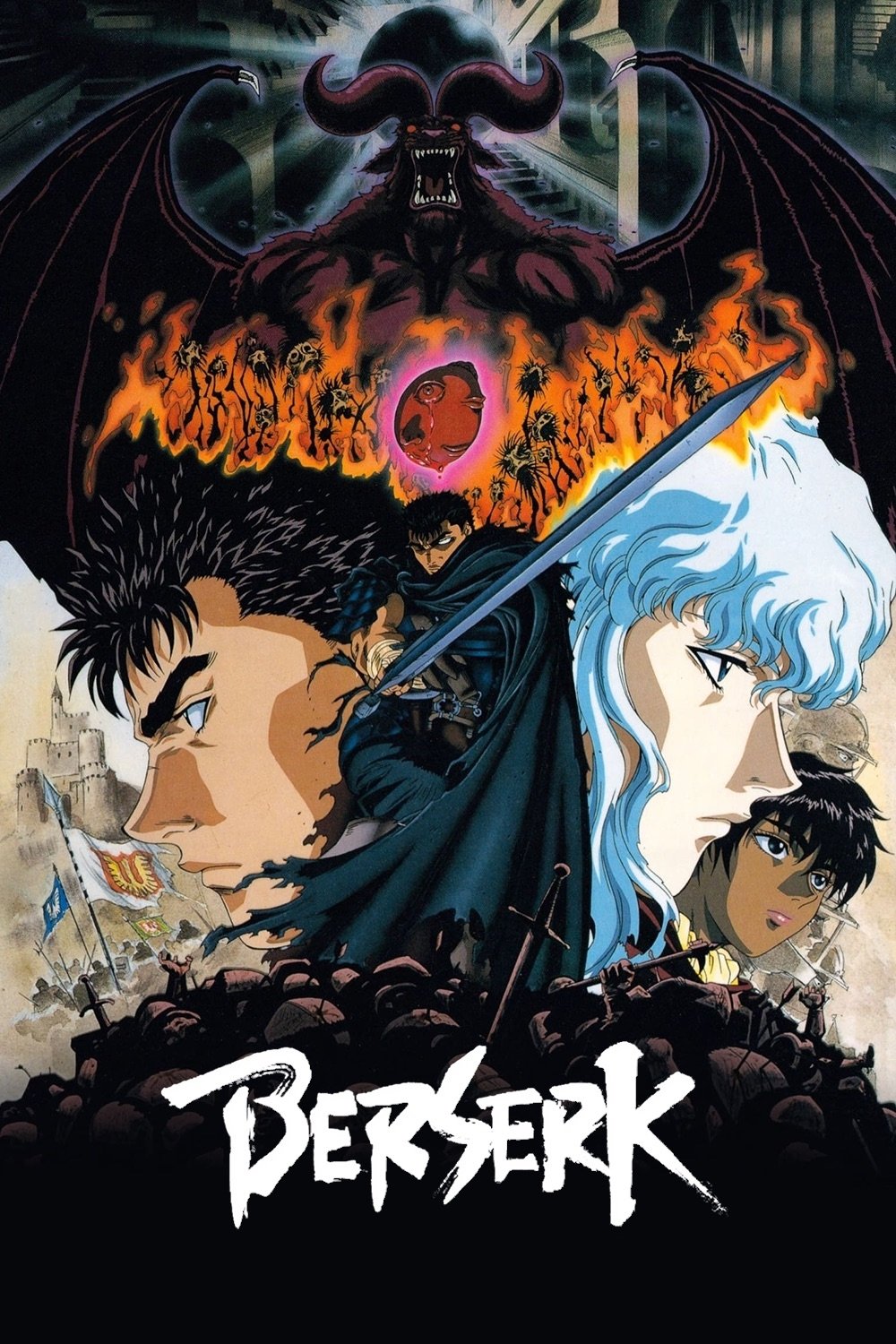
The 1997 series stops at the Eclipse, adapting only the Golden Age with a different framing device. Later adaptations jumped ahead with uneven coverage, leaving entire manga sagas only partially represented. The source continues with the Black Swordsman era, Falcon of the Millennium Empire, and beyond. A comprehensive remake could sequentially adapt every arc with the manga’s chronology intact.
‘Akame ga Kill!’ (2014)

White Fox’s series tracked the manga early on but wrote an anime-original second half. Significant battles, character fates, and the late political endgame diverged from the printed version. The manga’s pacing spaces out the Night Raid and Empire confrontations with added strategy and fallout. A remake could restore canonical outcomes and the full sequence of final arcs.
‘Deadman Wonderland’ (2011)
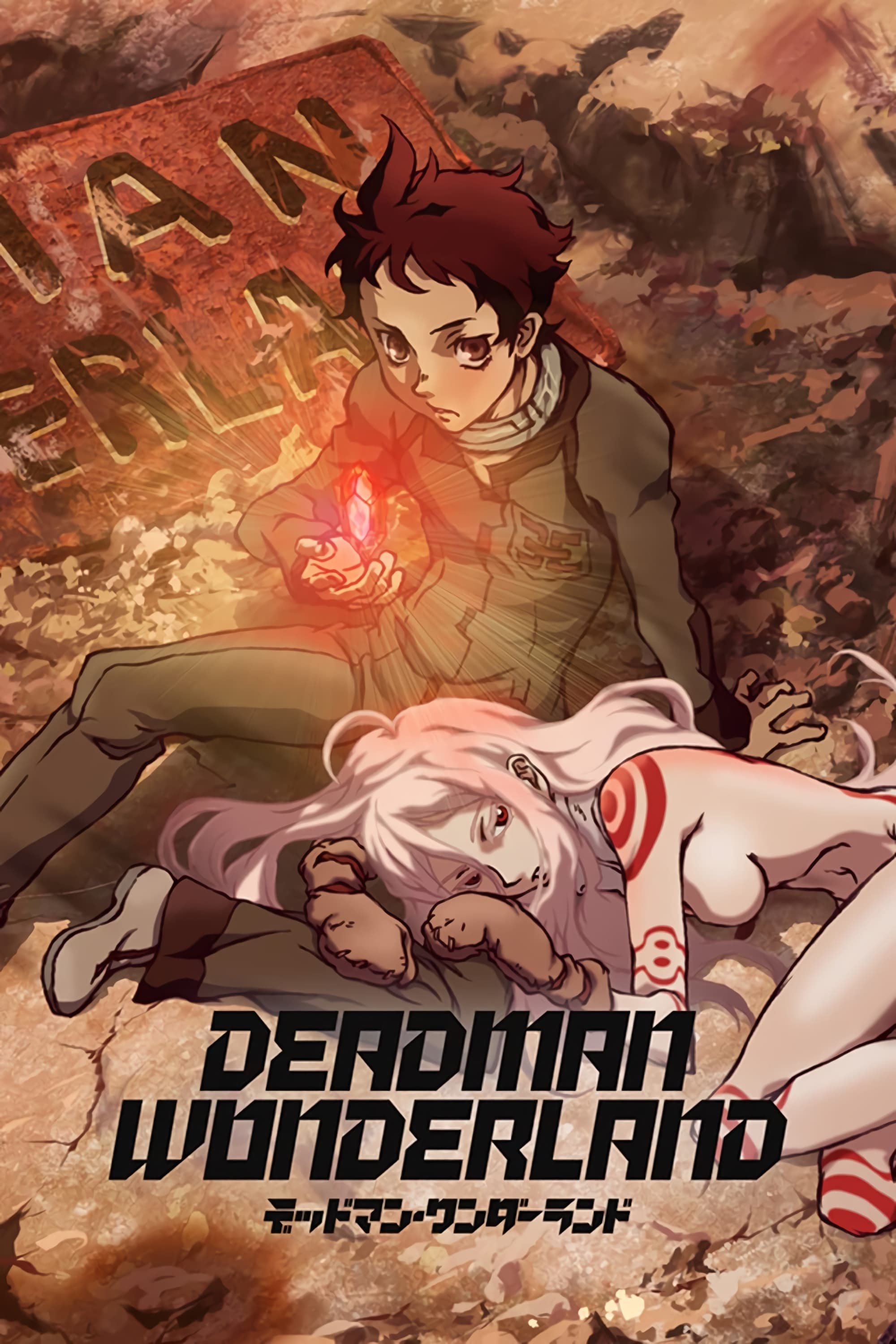
Manglobe’s adaptation covers the opening prison arcs, then ends without a second season. The manga continues into the origins of Branches of Sin, expanded conspiracies, and the larger catastrophe history. Character backstories and the true objectives of the facility are only partially explored onscreen. A new version could complete the investigation threads and the concluding confrontations.
‘D.Gray-man’ (2006–2016)
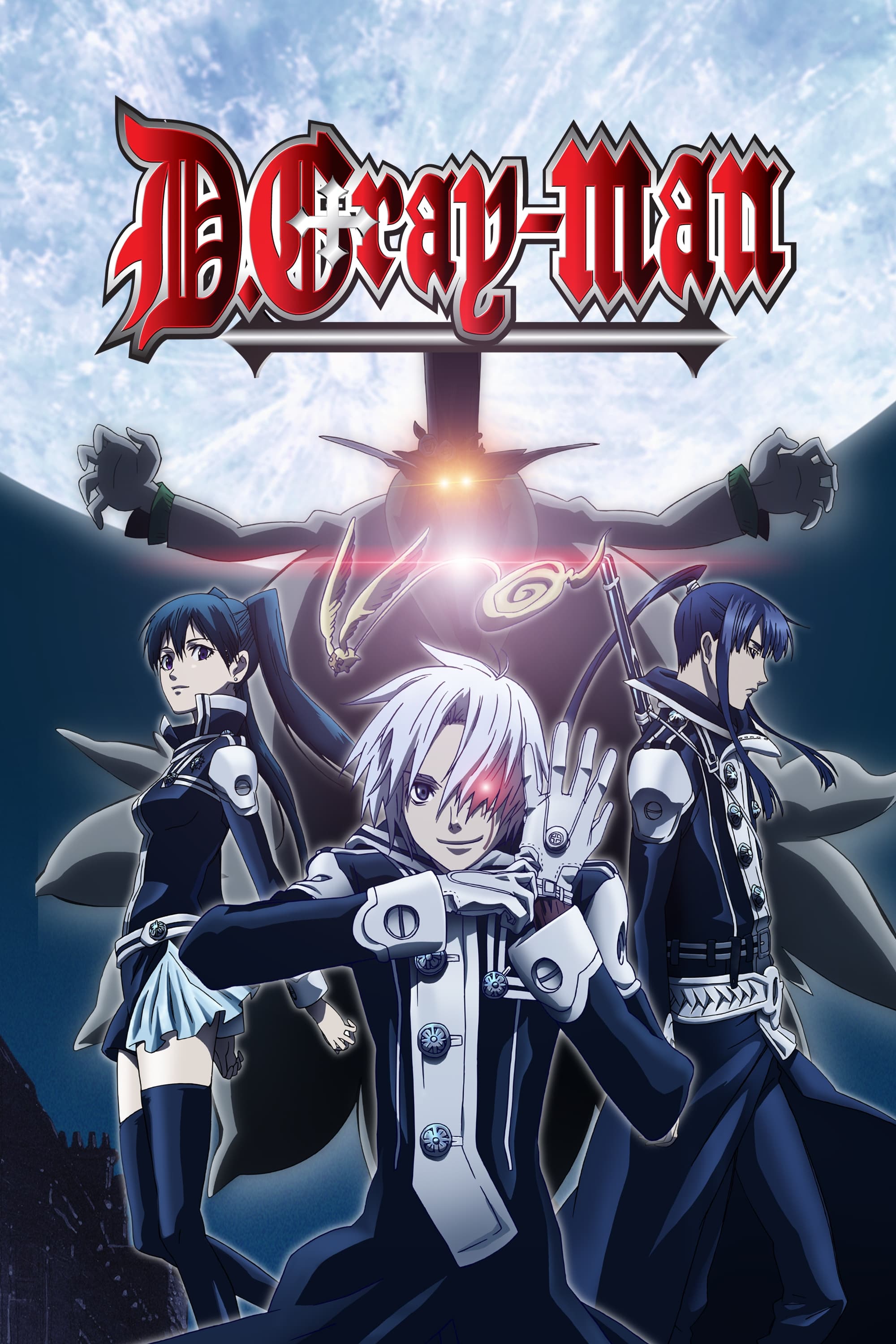
TMS Entertainment adapted early arcs, then years later returned with ‘Hallow’ to jump forward. Large stretches of the Noah conflict, Order politics, and Allen’s progression were left scattered or untouched. The manga’s later volumes clarify major mysteries about the Fourteenth and the Heart. A continuous, faithful run could unify the story without time gaps or selective coverage.
‘Gantz’ (2004)
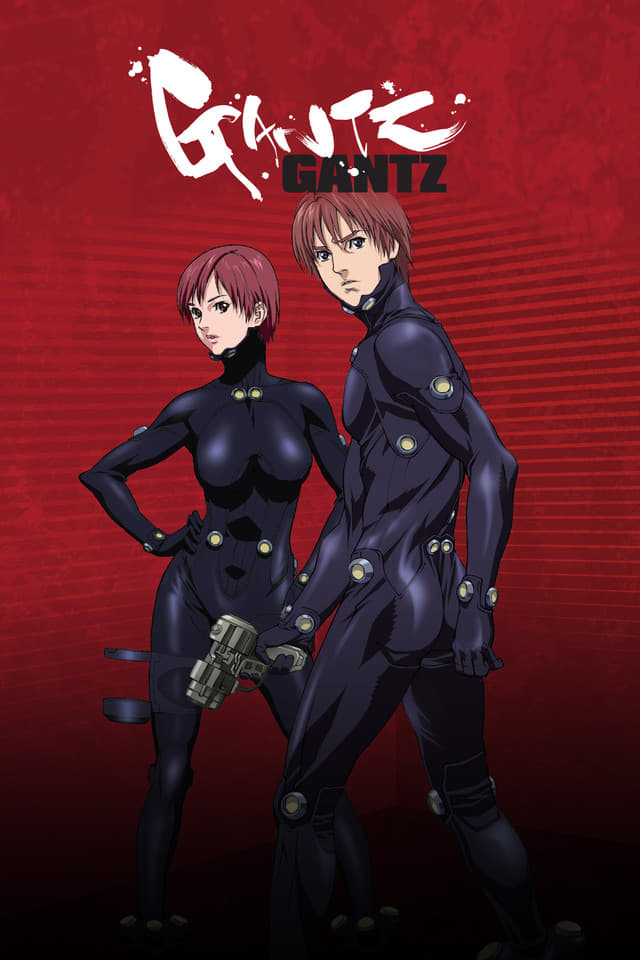
Gonzo’s series diverged into an original ending after the initial missions. The manga continues with extensive arcs that expand the rules, stakes, and international scope of the hunts. Key revelations about the spheres and endgame remain unadapted in TV form. A remake could follow the printed mission ladder step by step through its conclusion.
‘Full Metal Panic!’ (2002–2018)
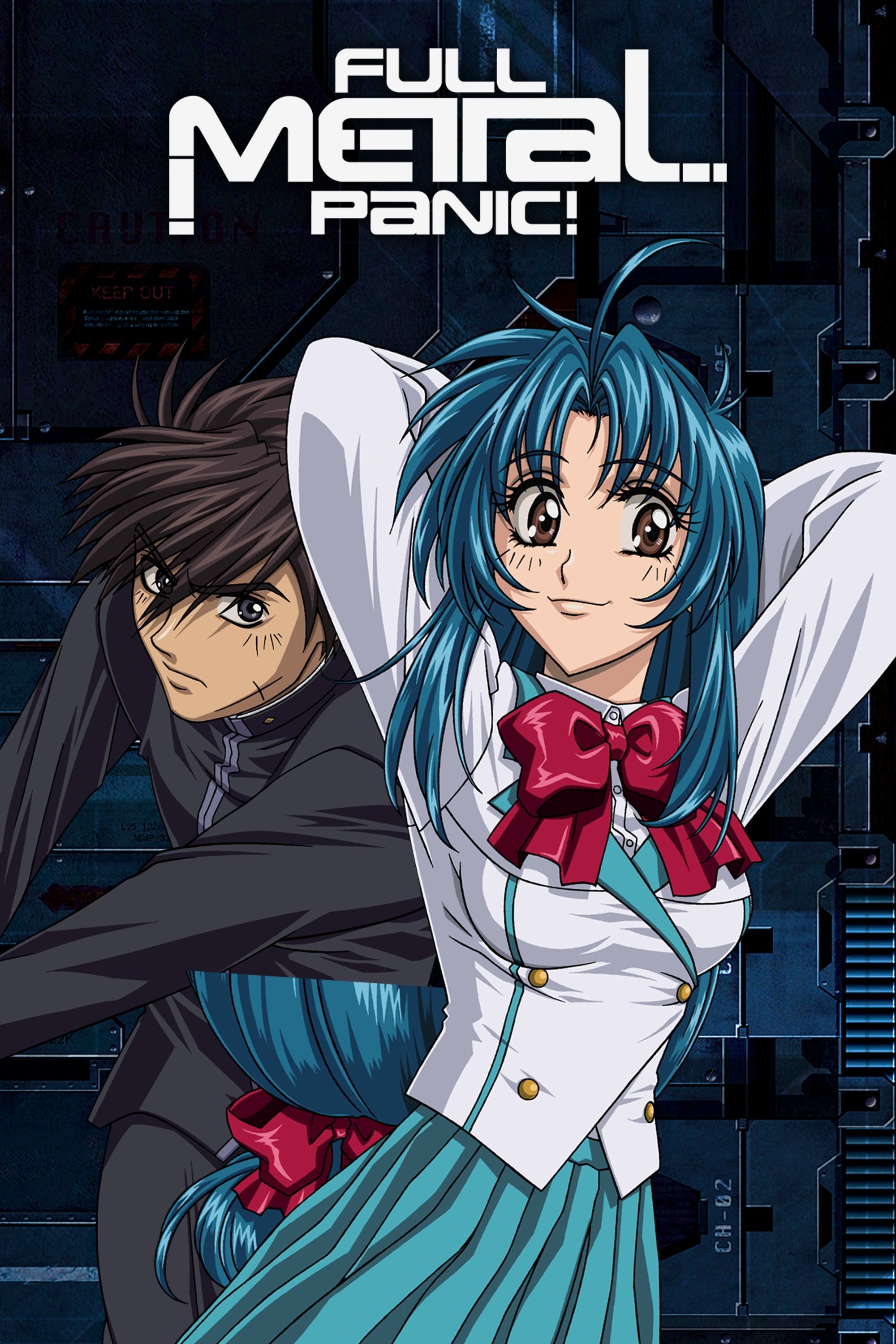
This franchise adapted different novel volumes across multiple studios—Gonzo, Kyoto Animation, and later Xebec—with long breaks. Several light novel installments were either skipped or only partially adapted, leaving the overarching plot unfinished on TV. The source material resolves the conflict with defined late-series operations and character outcomes. A single, contiguous remake could cover every novel in order to the end.
‘Toriko’ (2011–2014)
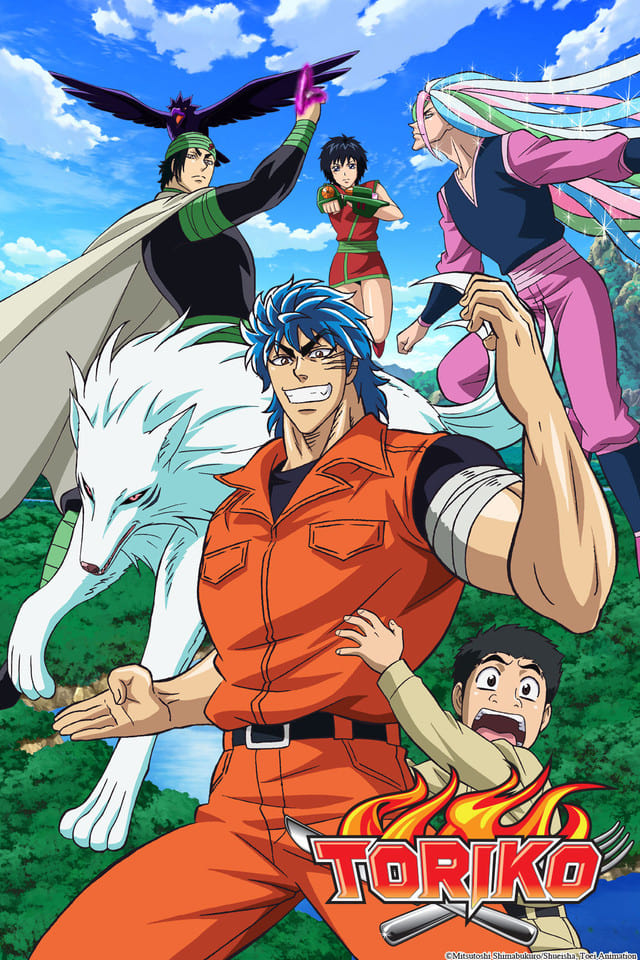
Toei Animation’s run curtailed or toned down later, harsher content and ended before the Gourmet World’s grand finale. The manga develops the power system, ingredient ecology, and endgame threats far beyond the show. Important arcs around the Eight Kings and final confrontations never made it to air. A remake could adapt the complete gourmet journey with the intended late-stage escalations.
‘REBORN!’ (2006–2010)
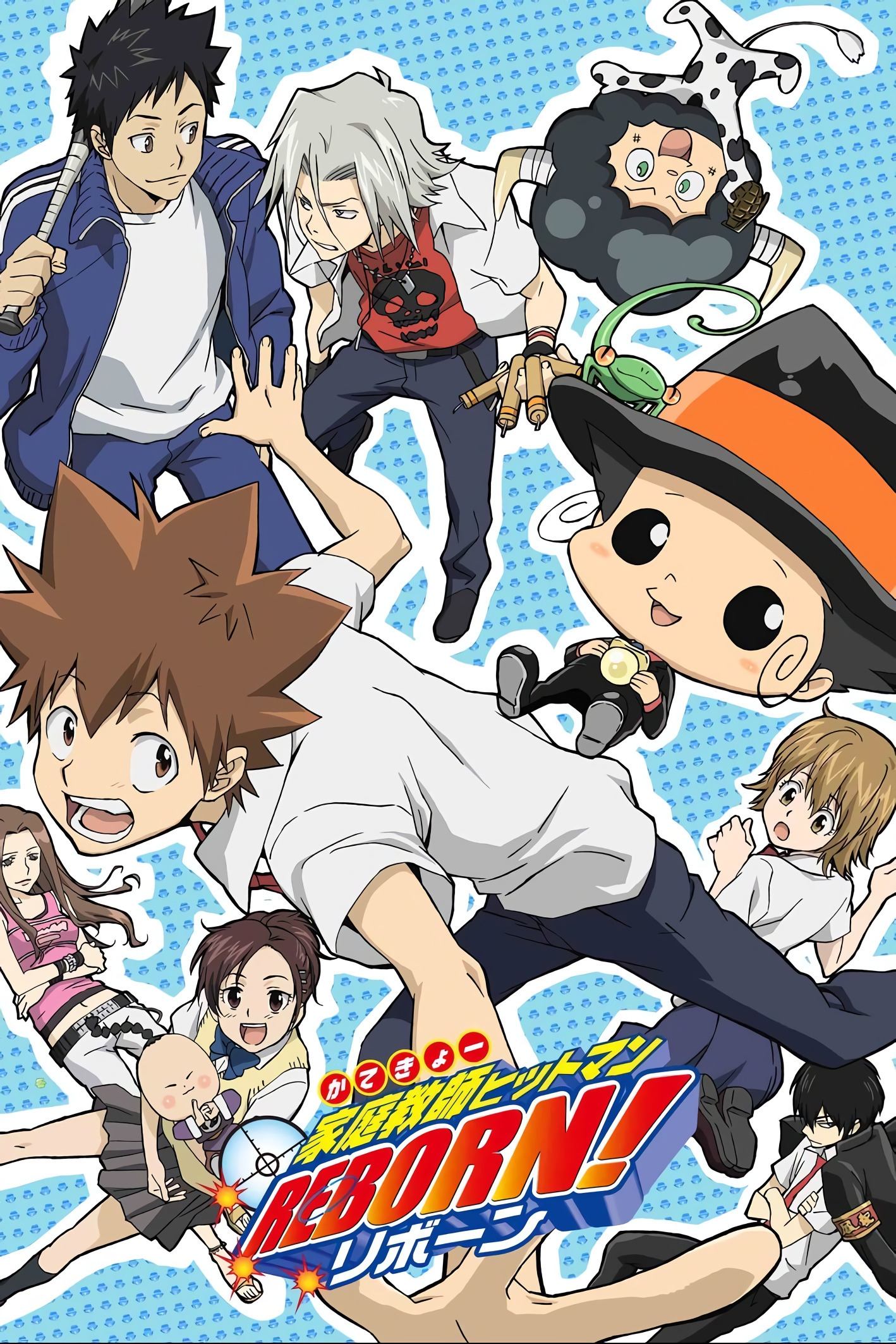
Artland’s adaptation concludes before the manga’s final arcs. Subsequent storylines—spanning new families, trials, and the ultimate curse threads—remain unanimated. The printed narrative also refines character abilities and resolves long-running mysteries. A new series could continue from the Tyndall-point reached on TV and carry through to the manga’s end.
‘Elfen Lied’ (2004)
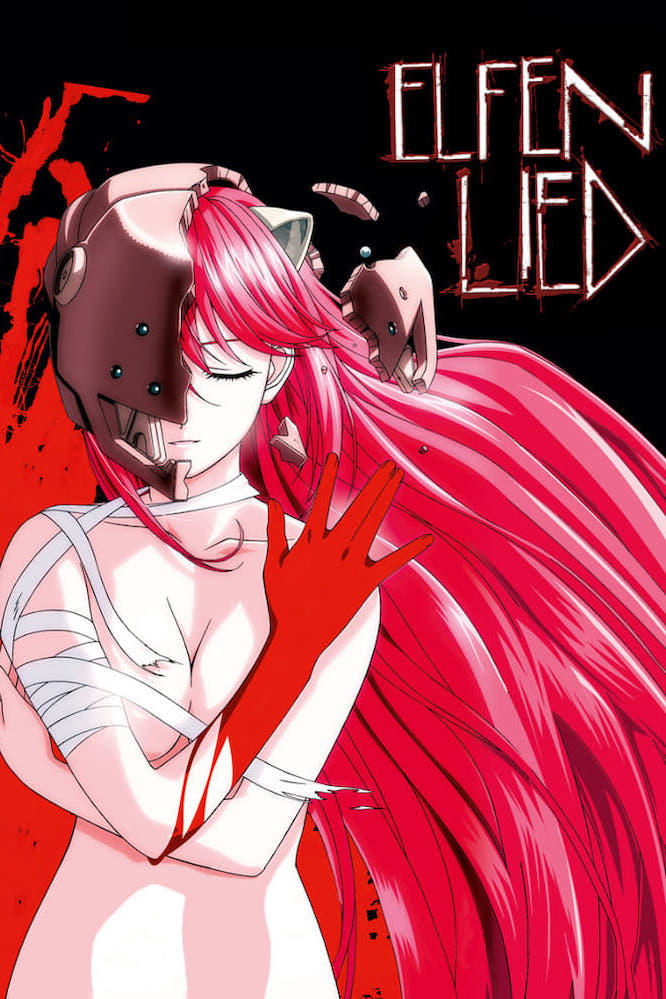
Arms adapted initial volumes then concluded with an anime-original ending. The manga continues with expanded Diclonius lore, different character fates, and a more extensive conspiracy. Several late confrontations and revelations never appeared in the show. A remake could restore the canonical sequence and complete the sci-fi horror narrative.
‘Btooom!’ (2012)
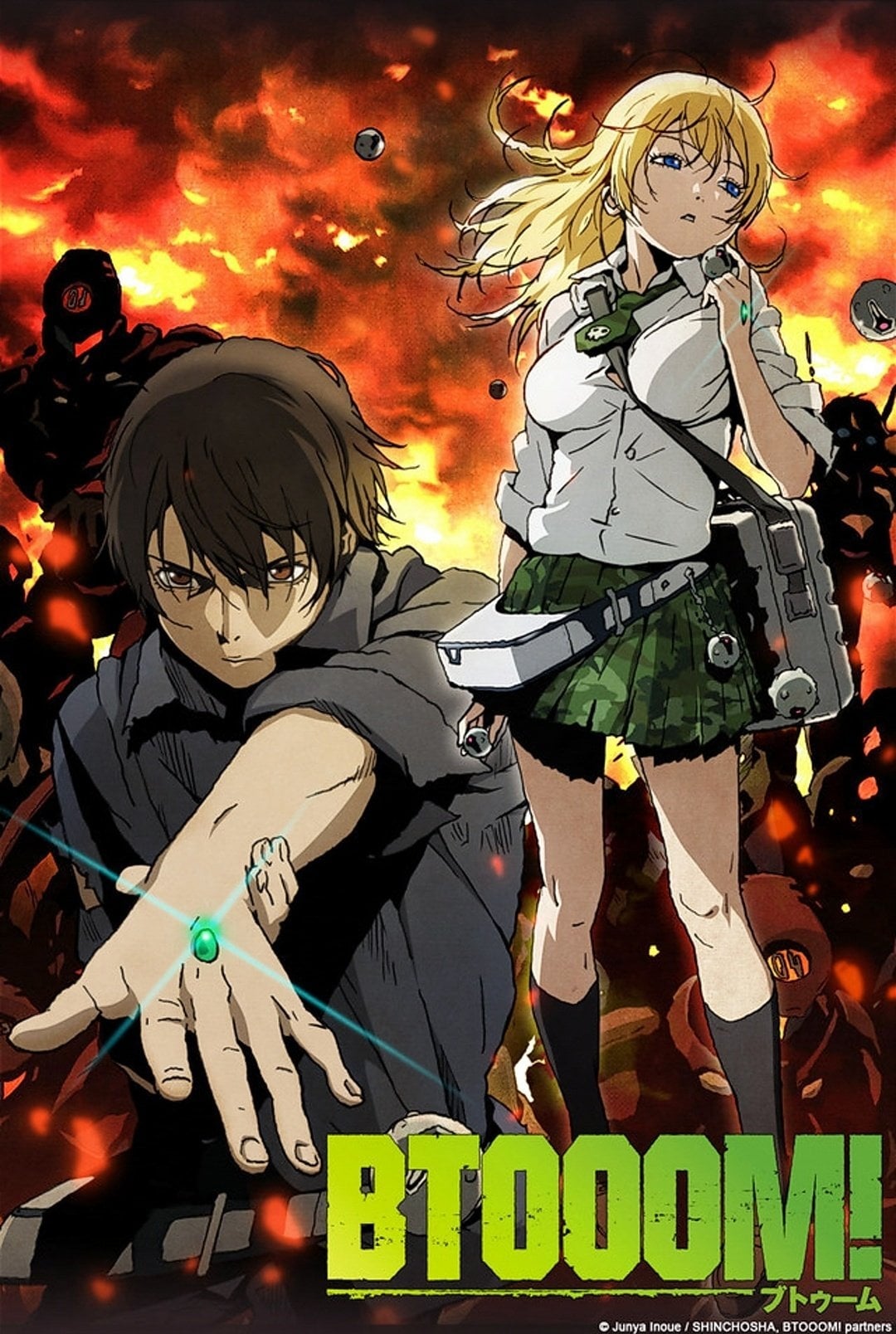
Madhouse covered early survival game arcs and then stopped without a follow-up. The manga proceeds through additional stages, faction shifts, and multi-ending material. Critical mechanics and the endgame resolution never reached TV audiences. A faithful continuation or full remake could chart the entire island campaign and aftermath.
‘Pandora Hearts’ (2009)
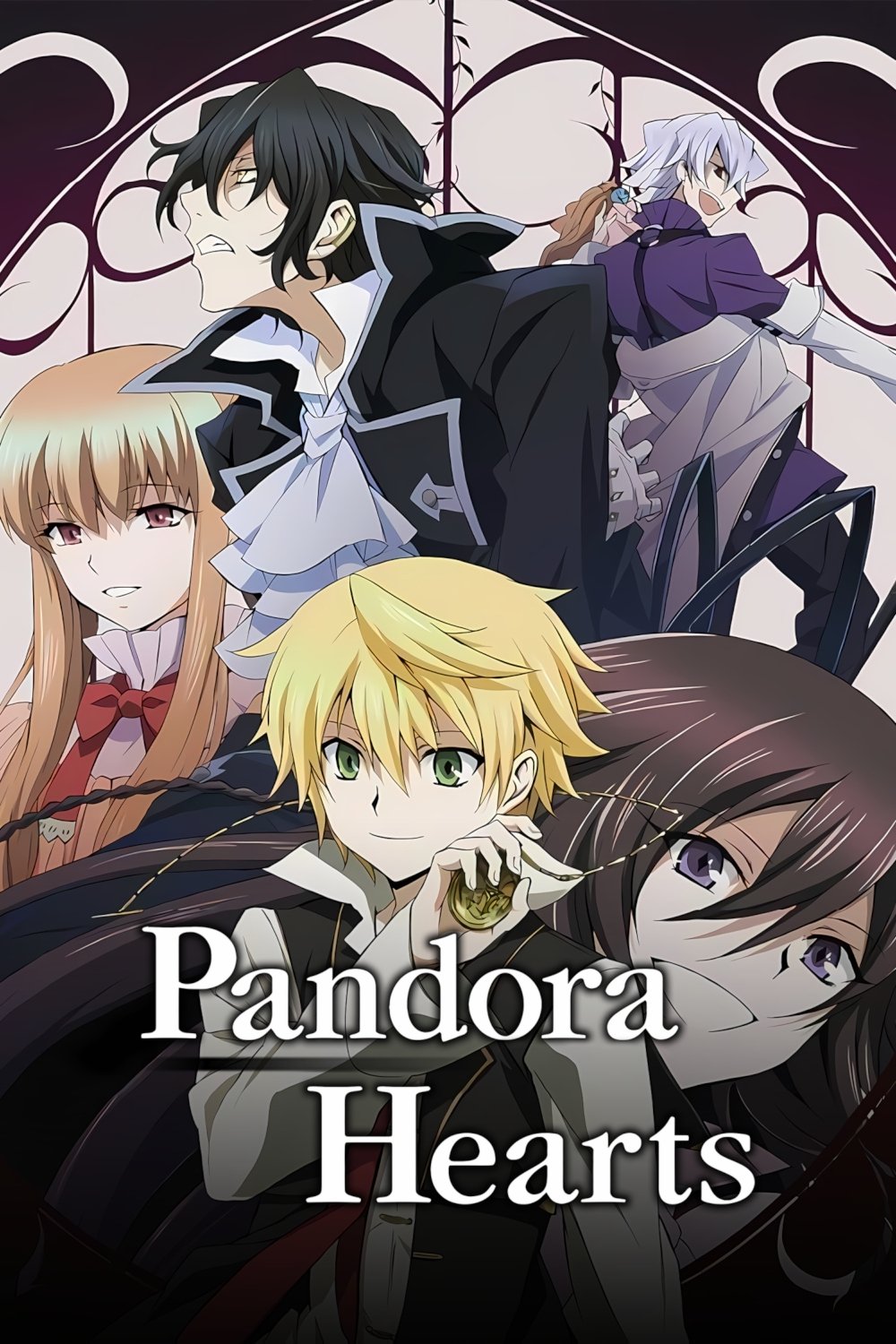
Xebec’s version diverged and ended before Jun Mochizuki’s manga concluded. Later printed arcs clarify the Abyss’s rules, the Baskervilles, and the true histories of the core cast. The TV ending introduced outcomes that conflict with the source. A remake could track the canonical unraveling of the mystery to its proper finale.
‘Air Gear’ (2006)
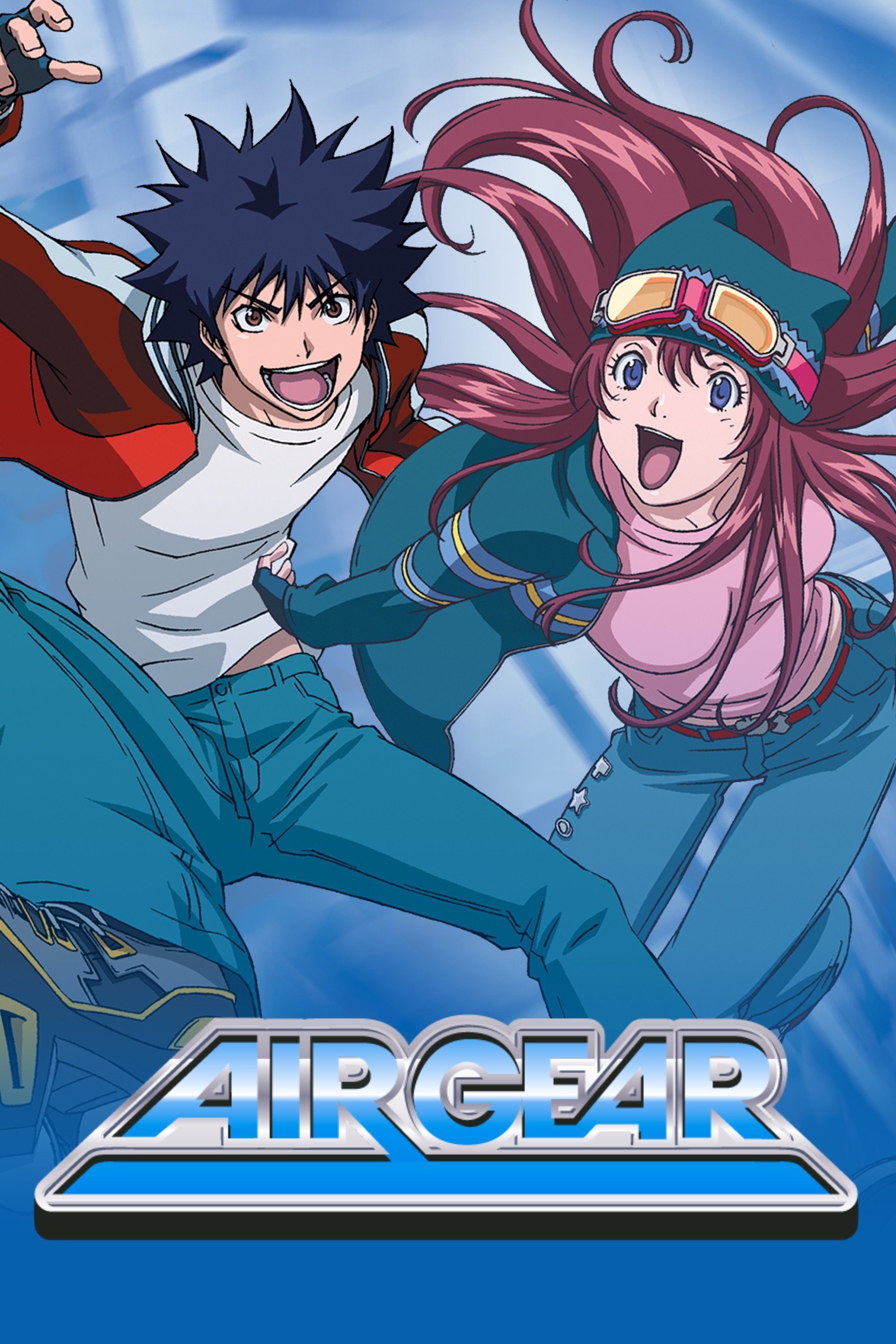
Toei Animation’s series adapts early volumes and closes out before the manga’s tournament and late power-system expansions. Subsequent OVA episodes only cover select chapters. The printed story escalates into larger team rivalries and technological revelations. A new adaptation could carry the competition arc through to the end with the intended progression.
‘Noragami’ (2014–2015)
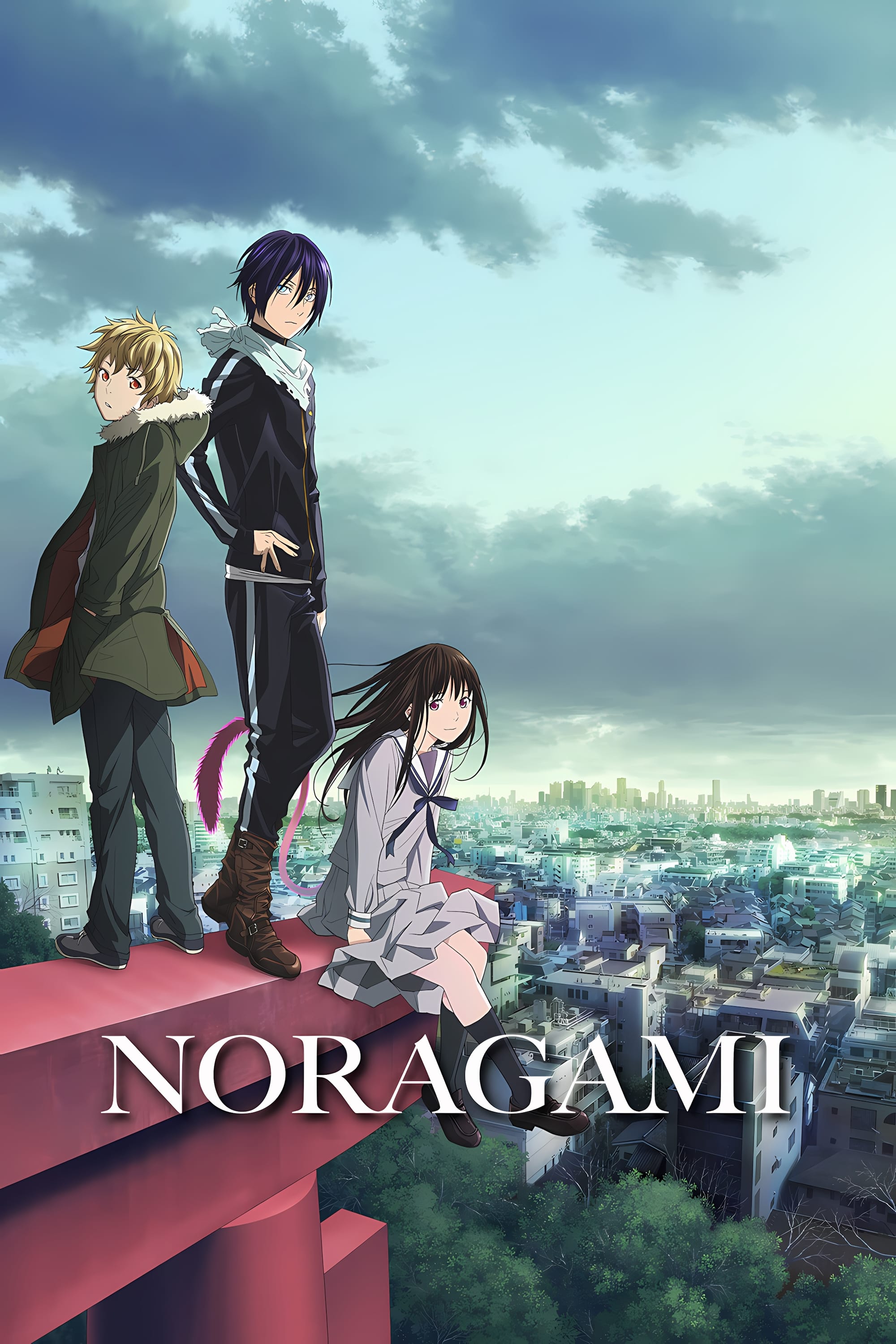
Bones adapted the prologue and Bishamon-focused material, then paused. The manga advances Yato’s past, the nature of gods and names, and the central antagonist threads to a definitive conclusion. Multiple pivotal arcs remain unanimated. A complete remake could present the mythology and character payoffs in full, start to finish.
‘Blade of the Immortal’ (2008–2019)
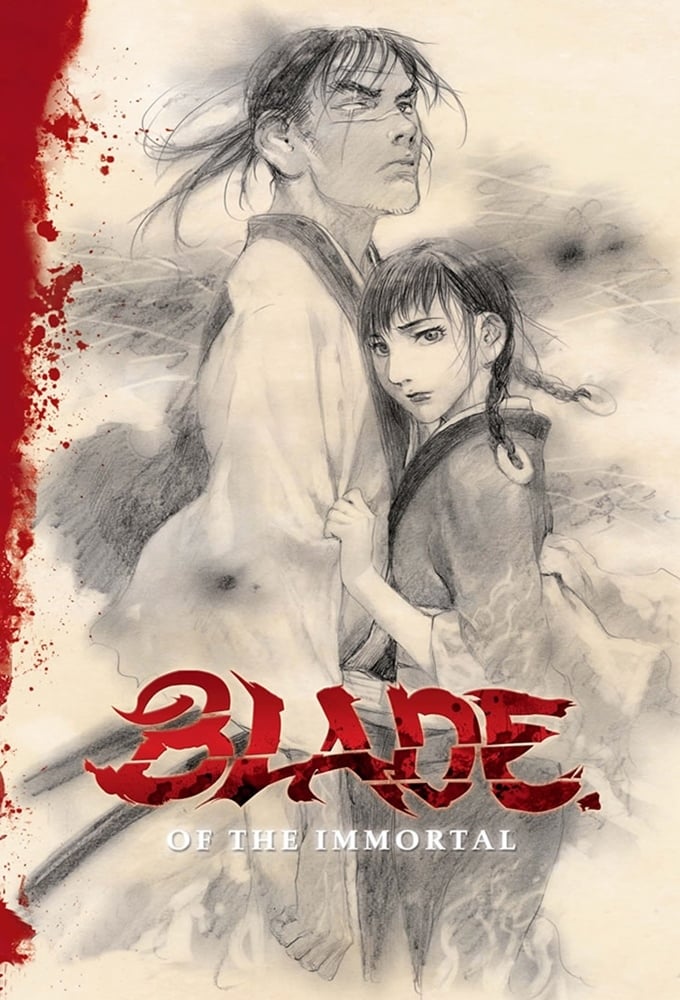
Bee Train’s 2008 series only sampled the manga, while LIDENFILMS’ 2019 version compressed the entire 30-volume story into limited episodes. Several confrontations and travel segments were abridged, with character development moving at unusual speed. The source unfolds deliberately across clans, vendettas, and philosophies of violence. A long-form remake could adapt every arc at the manga’s intended pace.
‘Twin Star Exorcists’ (2016–2017)
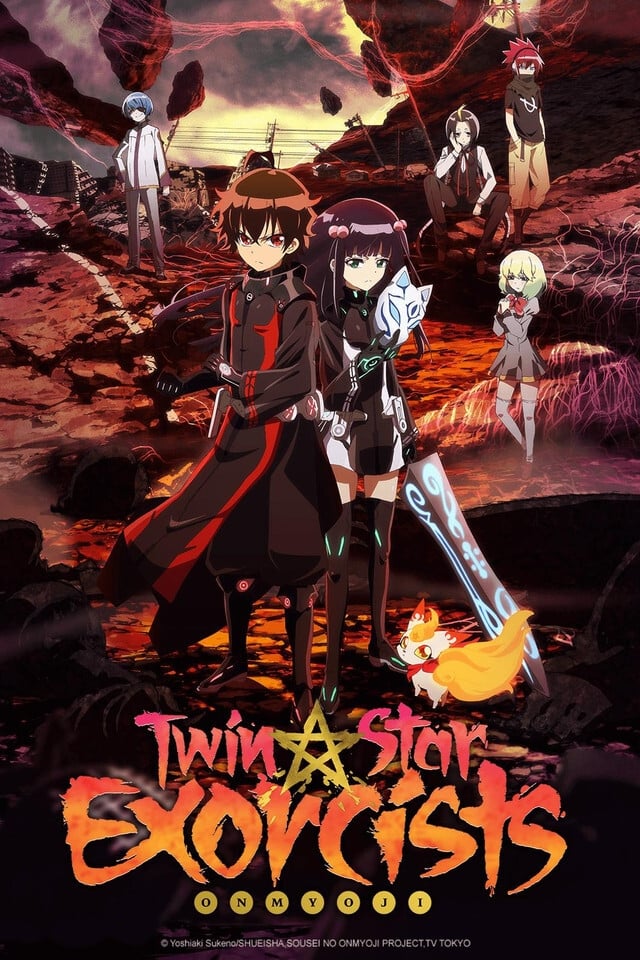
Studio Pierrot followed the manga early and then pivoted into anime-original plotlines and characters. Key printed arcs about onmyoji organizations, training regimes, and late-stage battles diverge from what aired. The manga continues with structured power growth and defined endgame foes. A faithful restart could align the timeline and properly stage the climactic conflicts.
‘Seraph of the End’ (2015)
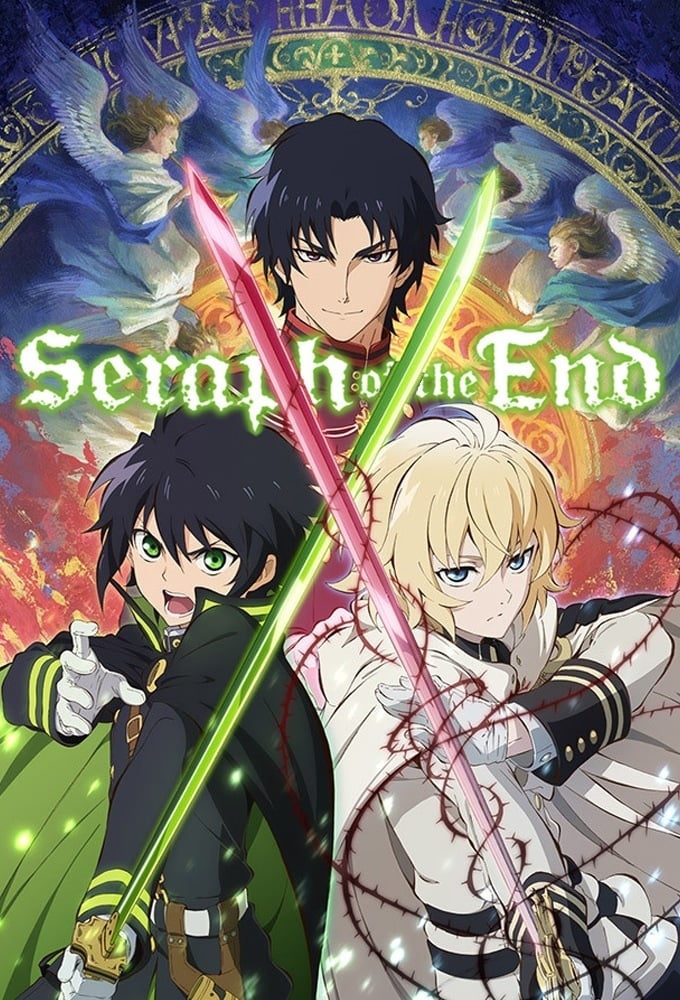
Wit Studio’s adaptation covers the opening invasions and the Nagoya campaign, blending in original material for seasonal closure. The manga develops the human-vampire war with deeper experiments, alliances, and late revelations. Important arcs that reframe the central cast remain unadapted. A remake could sequence those operations exactly as laid out in print and carry the war to its conclusion.
Share the series you’d put at the top of your remake wishlist in the comments—what did we miss, and which arcs do you want to see animated properly?