

13 Anime That Dropped a Surprise Gay Wedding in the Final Episode



For decades anime fans have resigned themselves to subtext or ambiguous endings when it comes to LGBTQ relationships. Many series tease romantic tension between same-sex leads only to leave their status unresolved as the credits roll. A growing number of titles are now challenging this trend by delivering explicit confirmations of marriage or lifelong commitment in their final moments. These conclusions often arrive unexpectedly to provide a definitive payoff for viewers who invested in the characters’ dynamic. The following series defied convention by sealing the deal with a wedding or a vow of eternal partnership in their closing episodes.
‘Mobile Suit Gundam: The Witch from Mercury’ (2022–2023)

The relationship between Suletta Mercury and Miorine Rembran serves as the central emotional pillar of this mecha series. While they remain engaged throughout the show the finale delivers a concrete confirmation of their marriage. The epilogue depicts the two women wearing matching wedding rings while living a peaceful domestic life together. This explicitly romantic conclusion defied the common anime trope of leaving LGBTQ relationships ambiguous at the end. Fans celebrated this moment as a landmark victory for queer representation in the Gundam franchise.
‘Mobile Suit Gundam: Iron-Blooded Orphans’ (2015–2017)

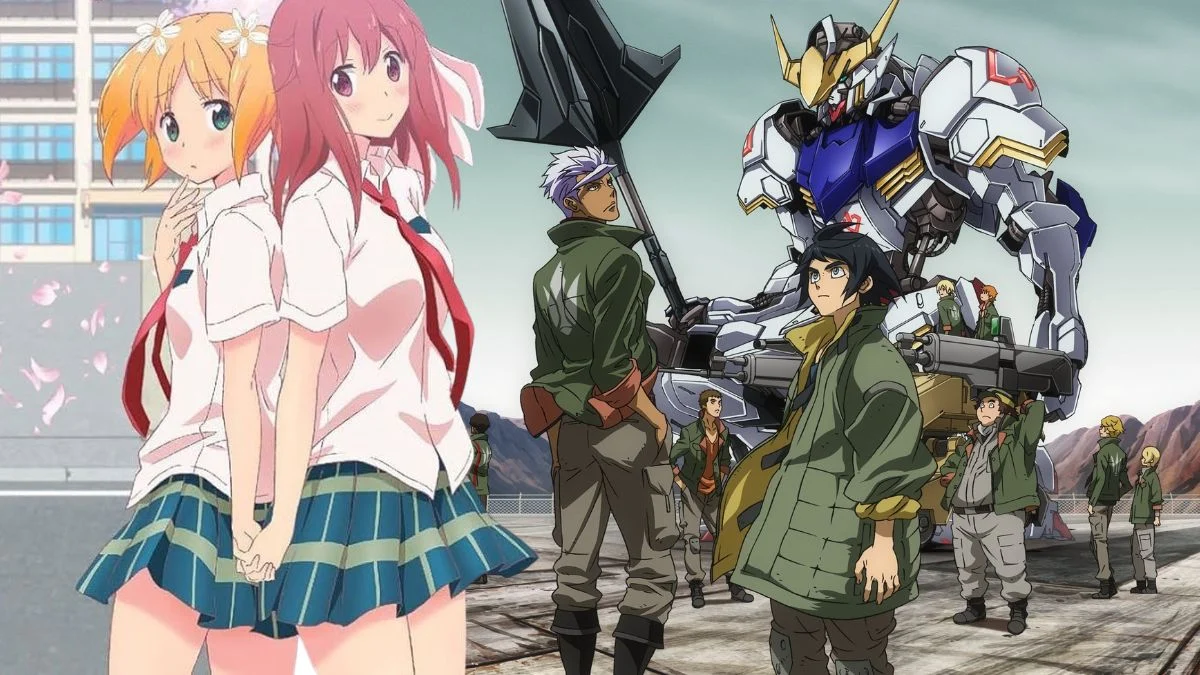
This gritty war drama features a tragic ending for many of its pilots but offers a surprising union for the heroines. The epilogue reveals that Kudelia Aina Bernstein and Atra Mixta have settled down together to raise the child of the protagonist. Kudelia is shown wearing a wedding ring on her left hand while living domestically with Atra. The creators later confirmed that the two women legally married each other to protect the child and their family unit. This twist provided a heartwarming glimpse of peace amidst the heavy themes of loss found in the show.
‘Cherry Magic! Thirty Years of Virginity Can Make You a Wizard?!’ (2024)
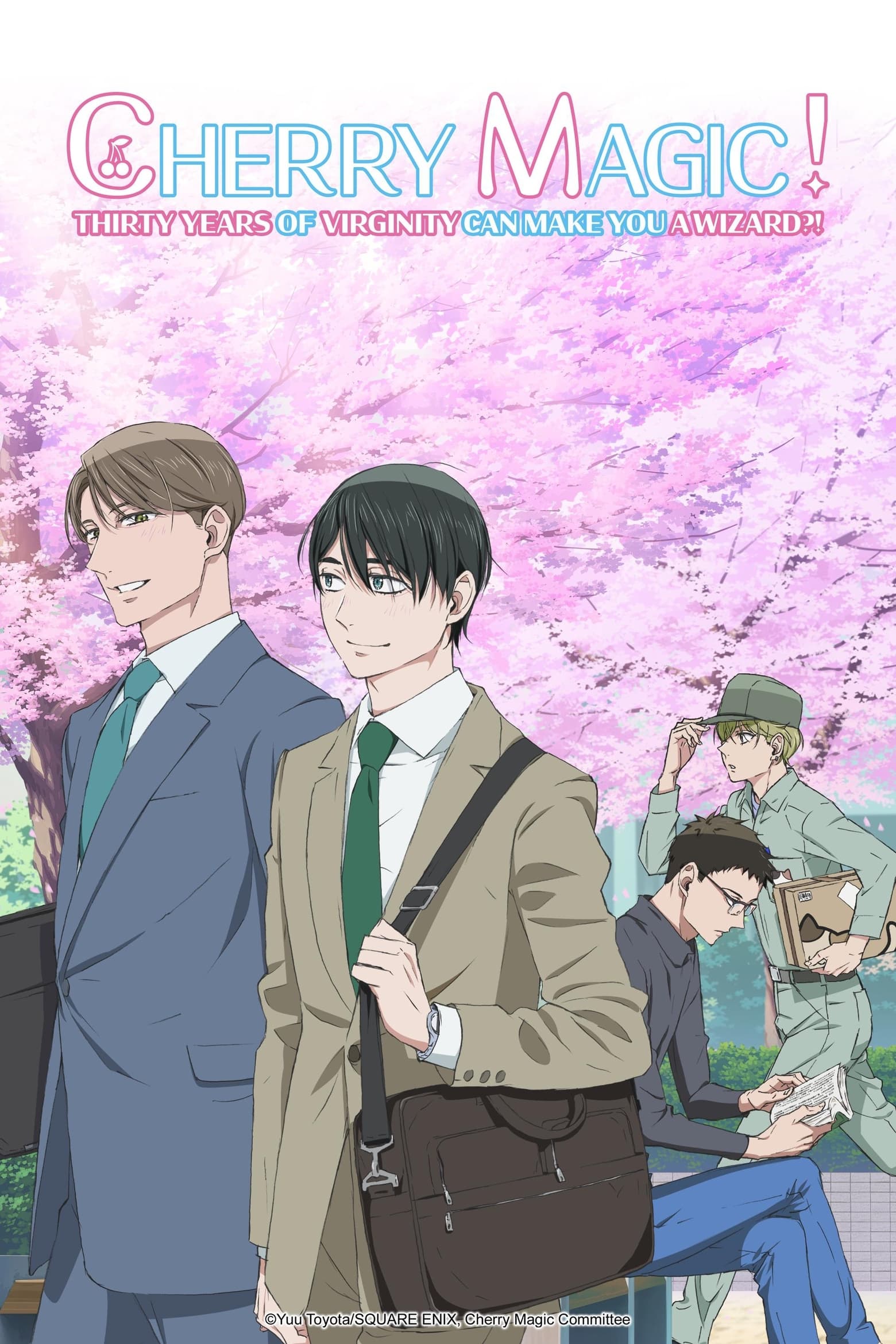
The anime adaptation of this popular BL manga concludes with a highly anticipated ceremony that delighted fans. Adachi and Kurosawa navigate their magical predicament and professional lives before finally committing to one another. The final episode features the couple standing at the altar in tuxedos surrounded by their supportive friends and colleagues. It serves as a definitive happy ending that leaves no room for doubt regarding their romantic status. The series uses this moment to celebrate the growth of Adachi from a timid loner to a confident partner.
‘Yuri!!! on Ice’ (2016)
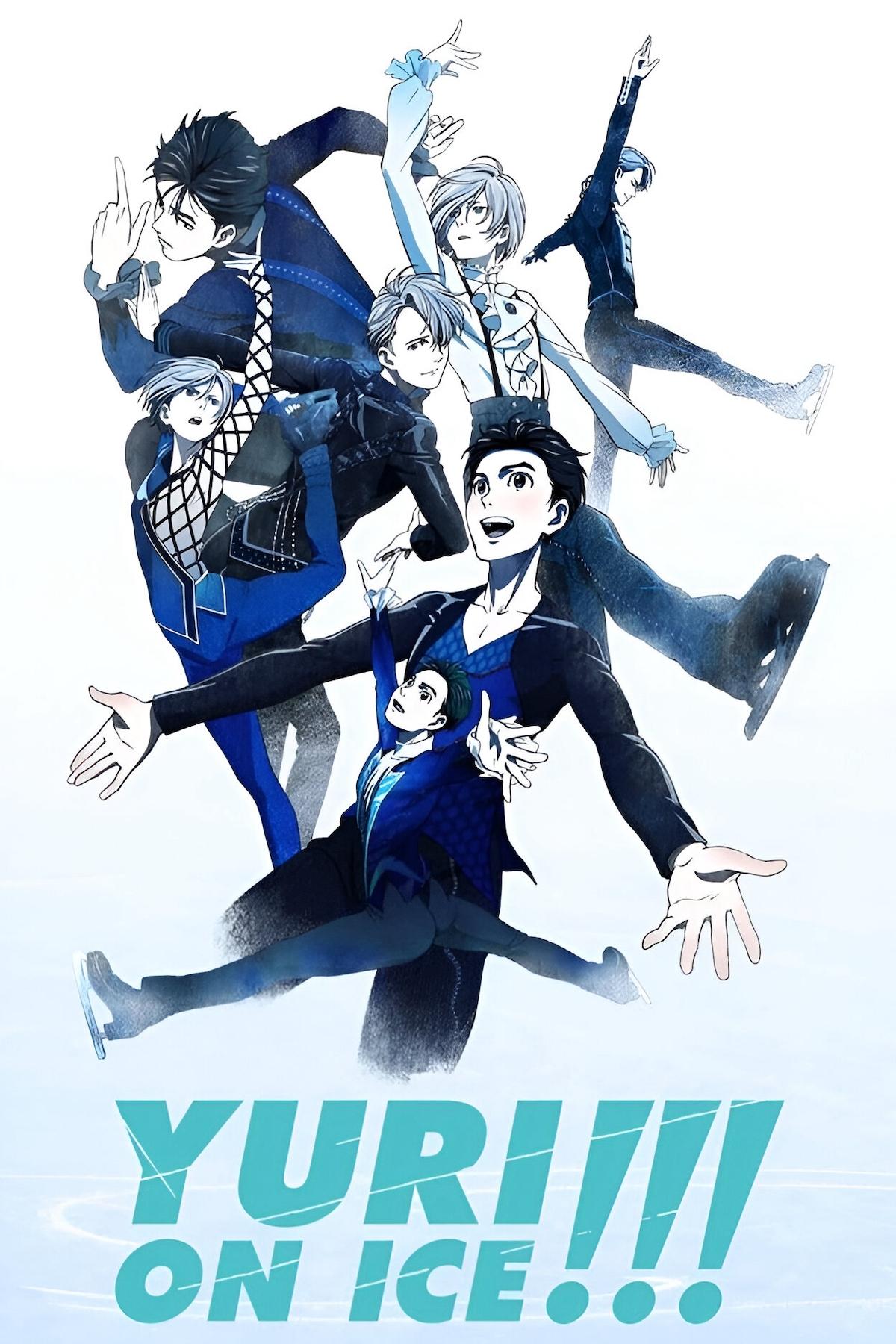
Victor Nikiforov and Yuri Katsuki share a bond that transcends the typical coach and student dynamic. While they exchange golden rings in episode ten the finale serves as the culmination of their spiritual marriage on the ice. They perform a pair skate duet that symbolizes their inseparable future and mutual devotion to the sport. The narrative framing of their relationship treats their commitment with the same weight as a legal wedding. Viewers widely interpret this ending as the pair officially starting their life together as lifelong partners.
‘No. 6’ (2011)
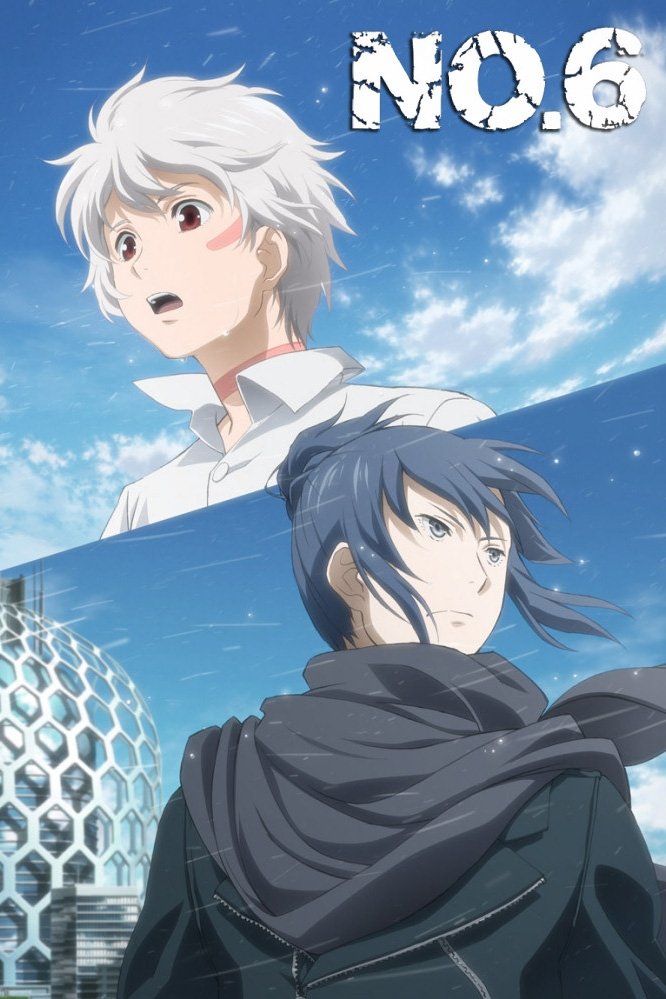
Shion and Nezumi spend the series navigating a dystopian society and a deadly conspiracy within the city walls. The final episode brings their emotional journey to a climax as the system crumbles around them. They share a tender kiss as they part ways and make a vow that binds them together despite the physical distance. This scene acts as a promise of eventual reunion and eternal loyalty between the two young men. The moment solidifies their romance in a way that surprised many viewers of the sci-fi thriller.
‘Simoun’ (2006)
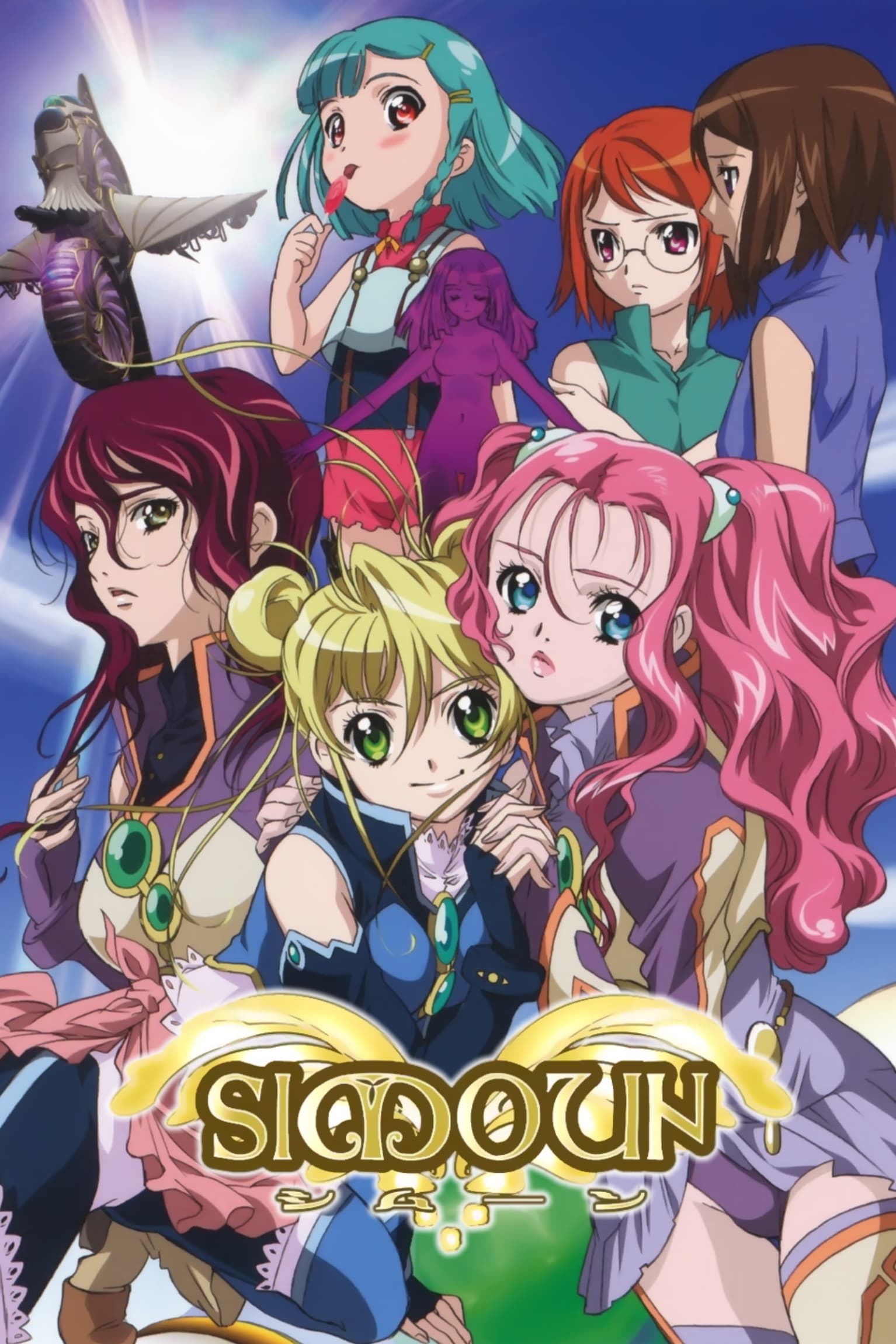
This series explores gender and war through a society where everyone is born female before choosing a permanent sex. The finale sees the main couple Neviril and Aaeru refuse to conform to the societal expectation of choosing a gender. They instead board their aircraft to fly into another dimension where they can remain together eternally. This act functions as a wedding vow that prioritizes their bond over the biological laws of their world. It is a poignant conclusion that emphasizes their refusal to be separated by social norms.
‘Monochrome Factor’ (2008)
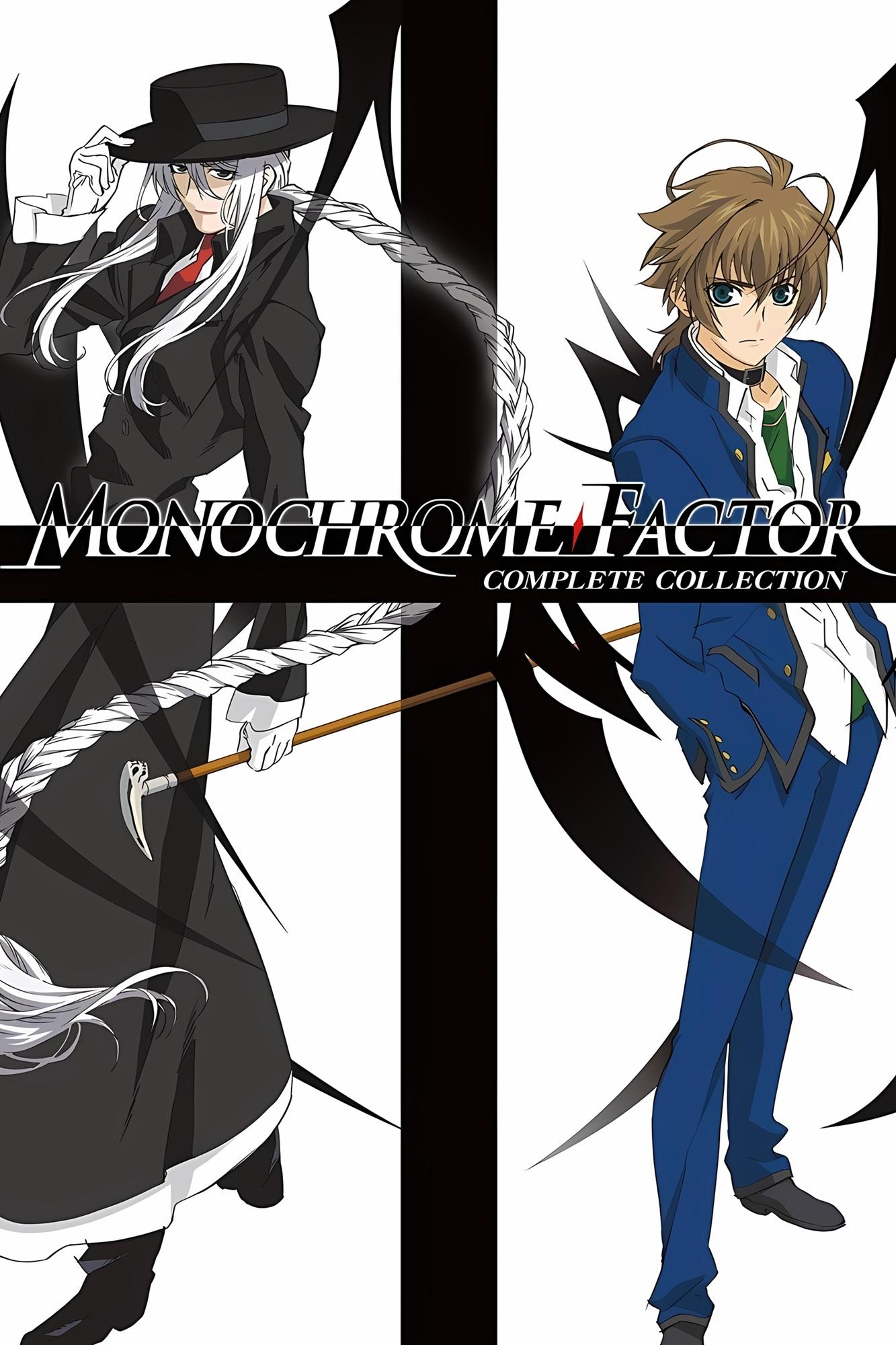
The anime adaptation of this supernatural series diverges significantly from its manga source material regarding the romance. The final episode features a dramatic change where the protagonist Akira and the shadow being Shirogane share a romantic kiss. This scene completely recontextualizes their partnership into a canon romance exclusive to the anime version. They fly off together into the sky in a visual that mirrors a romantic departure. Fans of the original manga were often shocked by this sudden and decisive romantic closing.
‘Hitorijime My Hero’ (2017)
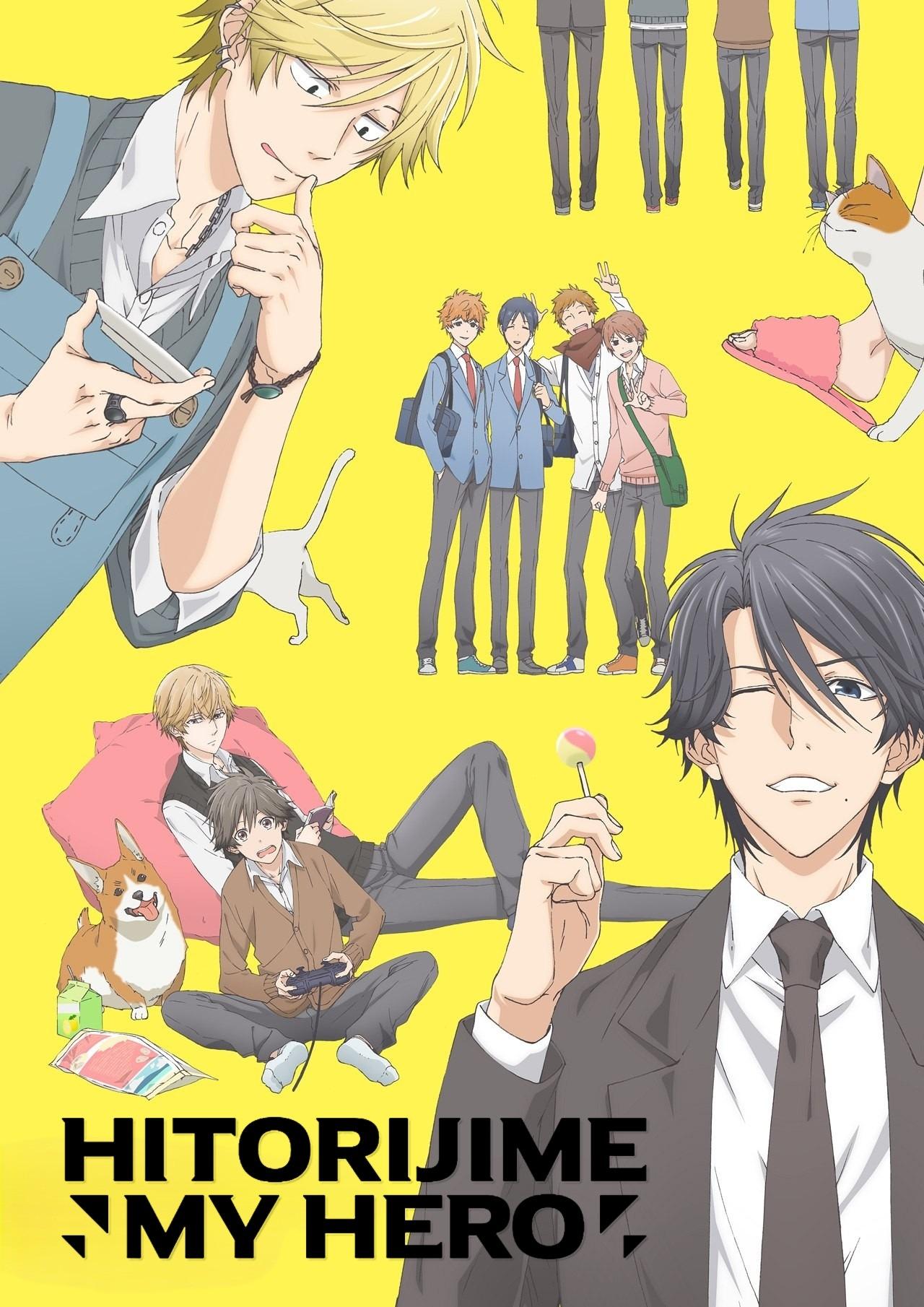
Masahiro Setagawa and Kousuke Ooshiba struggle with the ethics of their teacher and student relationship throughout the show. The final episode resolves their conflicts with a scene of genuine commitment. They exchange rings as a symbol of their promise to stay together despite societal judgment and personal fears. This quiet moment acts as a private wedding ceremony for the couple. It provides a satisfying payoff to the drama and angst that characterized their journey.
‘Gakuen Heaven’ (2006)

This adaptation of a boys’ love game centers on Keita Ito and his life at an elite academy. The finale features a dramatic confrontation and a subsequent reconciliation with his love interest Kazuki Endo. They ultimately share a romantic moment atop the school bell tower which mimics a wedding setting. The scene validates the romantic tension built up across the series and establishes them as an official couple. The bell tower setting is a classic romance trope that signals their happy ending to the audience.
‘Sakura Trick’ (2014)
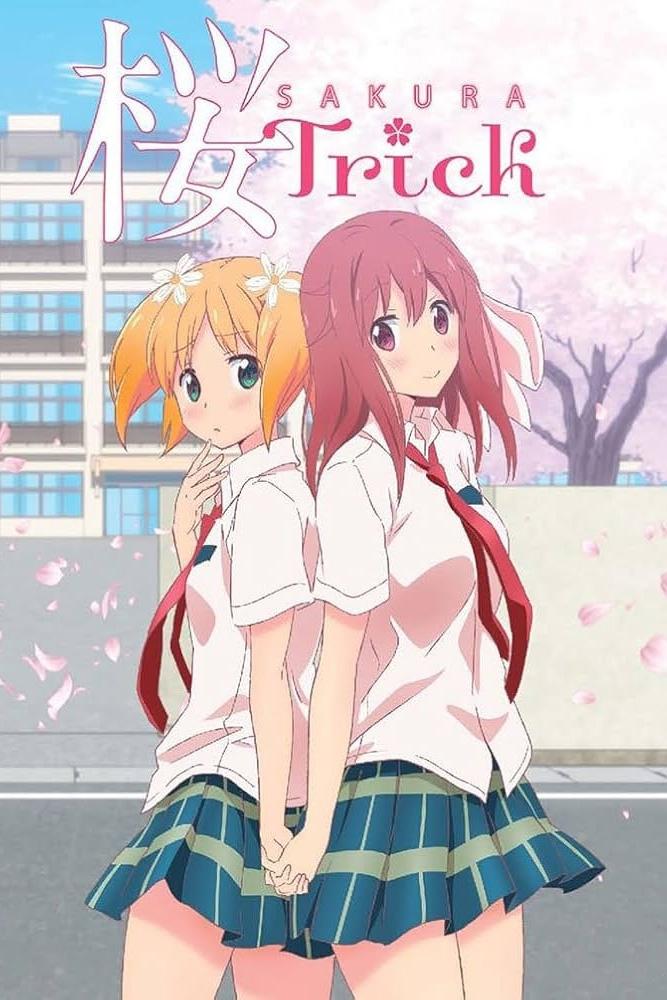
Haruka and Yuu are best friends who begin a relationship based on secret kisses in empty classrooms. The series creates a mock wedding scenario in the final stretch where the girls dress up in bridal attire. This event allows them to simulate a marriage ceremony and express their deep feelings for one another publicly. While it is framed as a school activity the emotional weight treats it as a genuine union. The show is famous for its lighthearted but unapologetic approach to their youthful romance.
‘Spiritpact’ (2017)
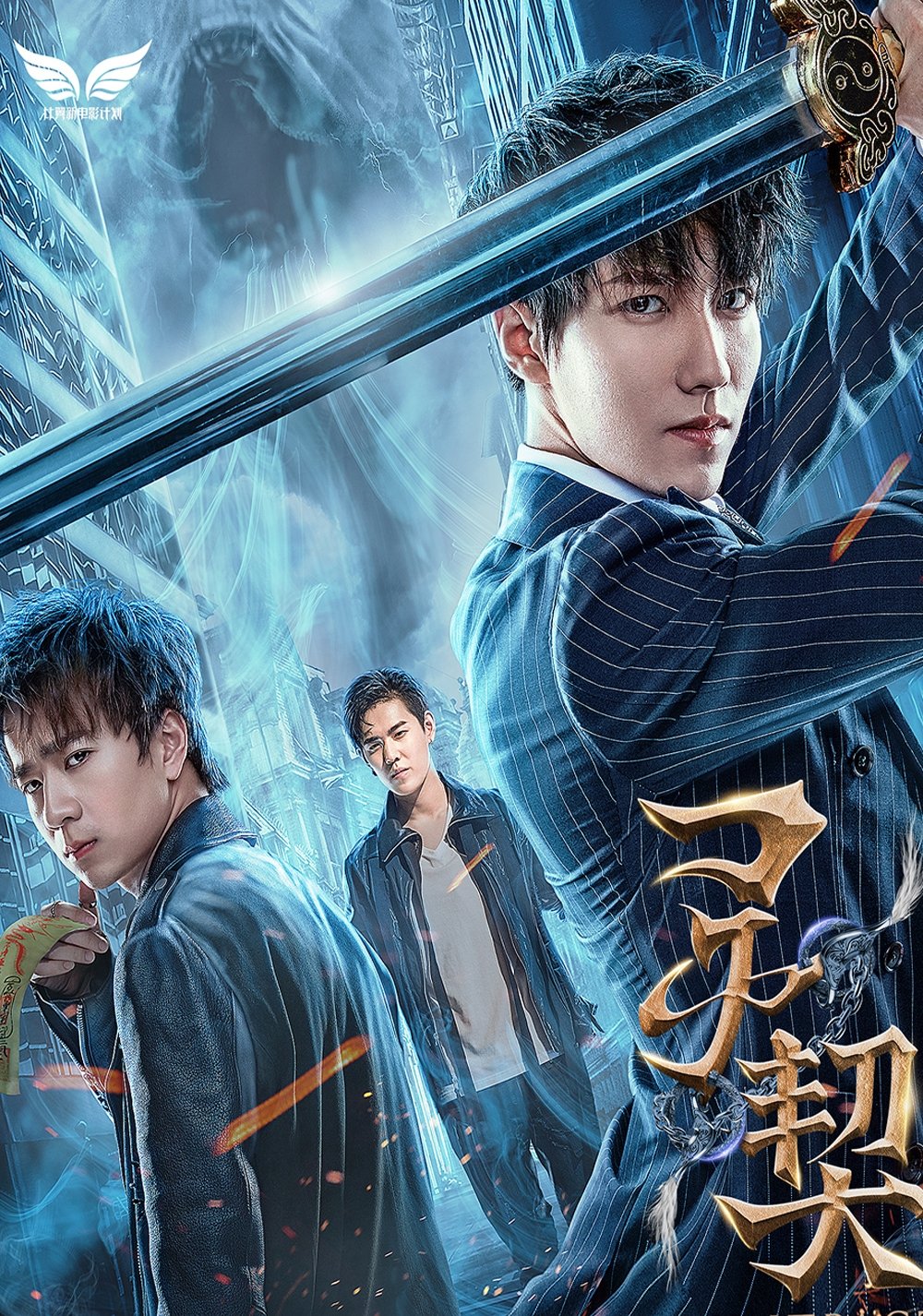
The relationship between the exorcist Tanmoku Ki and his spirit shadow You Keika evolves from master and servant to equal partners. The first season concludes with a ceremony that binds their souls and lifespans together. This ritual is visually and narratively presented with the gravity of a marriage. They exchange rings and vows that lock their destinies for the rest of their existence. The scene cements the shift from a supernatural contract to a romantic partnership.
‘Super Lovers’ (2016–2017)

Ren and Haru navigate a complex relationship involving age gaps and complicated family dynamics. The season finale sees Haru giving Ren a ring as a promise of their future together. This gesture elevates their relationship from ambiguous family members to romantic partners waiting for the right time. The ring exchange acts as a betrothal that promises a wedding once Ren comes of age. It offers a concrete goal for their romance that delighted fans of the source material.
‘Love Stage!!’ (2014)

Izumi Sena initially resists the entertainment industry and the advances of the famous actor Ryouma Ichijou. The anime concludes with Izumi finally accepting his feelings and standing by Ryouma’s side. The series uses the imagery of a wedding commercial they filmed together to underscore their real-life romance. This blending of fiction and reality acts as a meta-textual wedding for the couple. The finale leaves them as a confirmed pair ready to face the public eye.
Which of these romantic conclusions caught you off guard the most? Share your thoughts in the comments.