

Anime That Fans Say Promoted Harmful Gender Stereotypes



Entertainment fans and social critics have long debated the representation of gender in Japanese animation. While the medium is known for its creativity, it frequently relies on established archetypes that some viewers find problematic or regressive. These tropes can include the reduction of powerful women to romantic interests or the promotion of toxic masculinity as a heroic trait. Understanding these criticisms helps provide a broader perspective on how media influences social perceptions of gender roles.
‘Dragon Ball Z’ (1989–1996)

Critics often point to the character development of Chichi as a primary example of domesticating female warriors. While she was introduced as a capable fighter, she was eventually relegated to the role of a screaming housewife who prioritized studies over the martial arts journey of her family. This shift reflects traditional expectations that women must abandon their passions once they become mothers. The show frequently portrays her domestic concerns as a nuisance or a comedic obstacle to the growth of the male characters.
‘Naruto’ (2002–2007)
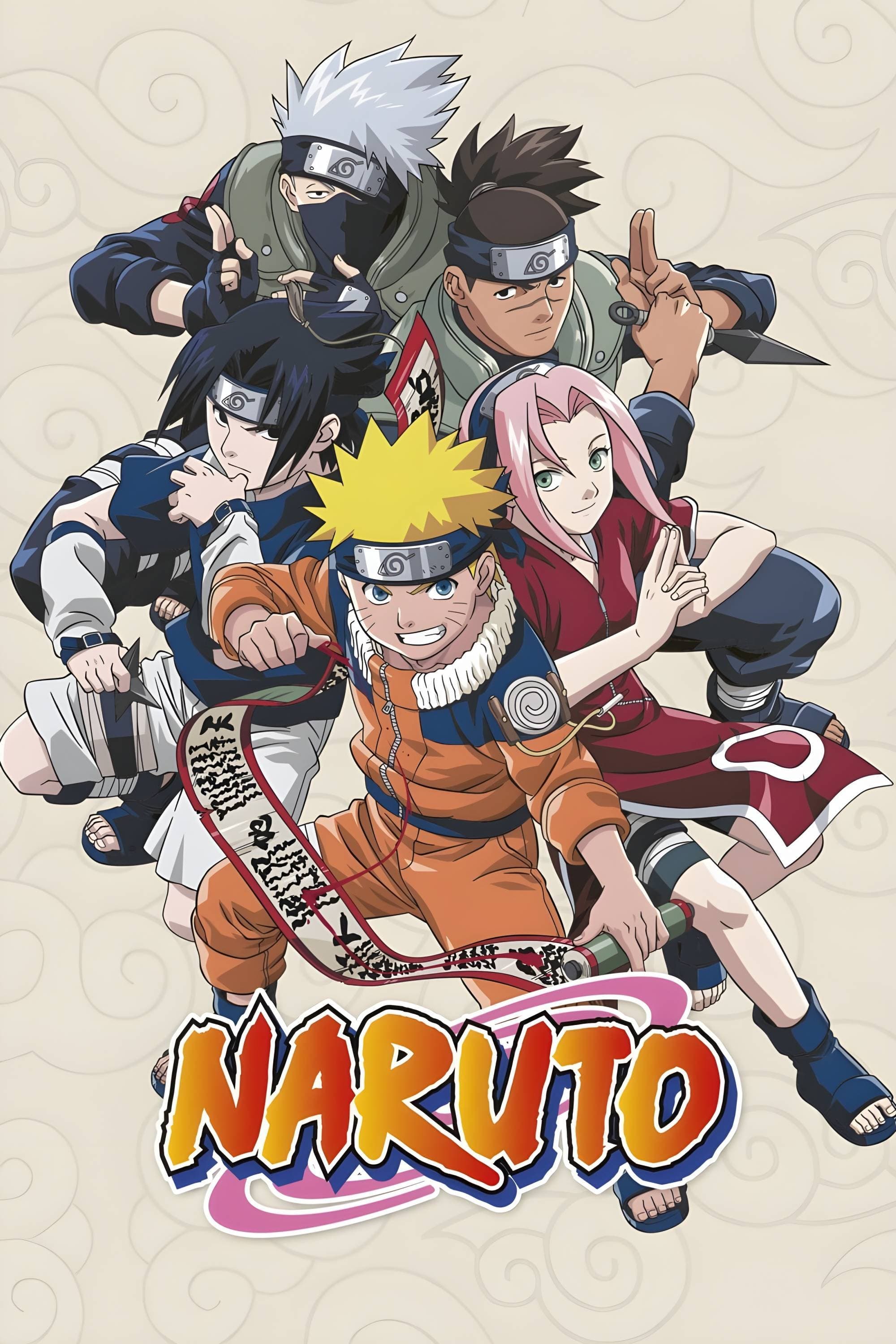
Many viewers criticize the series for making its lead female characters consistently weaker or more emotional than their male counterparts. Sakura Haruno begins as a promising ninja but often finds herself weeping for help while Naruto and Sasuke engage in combat. This dynamic reinforces the idea that women serve primarily as emotional support or damsels in distress rather than independent heroes. Even powerful female figures like Tsunade are often defined by their physical appearance or past traumas involving the men in their lives.
‘The Seven Deadly Sins’ (2014–2021)
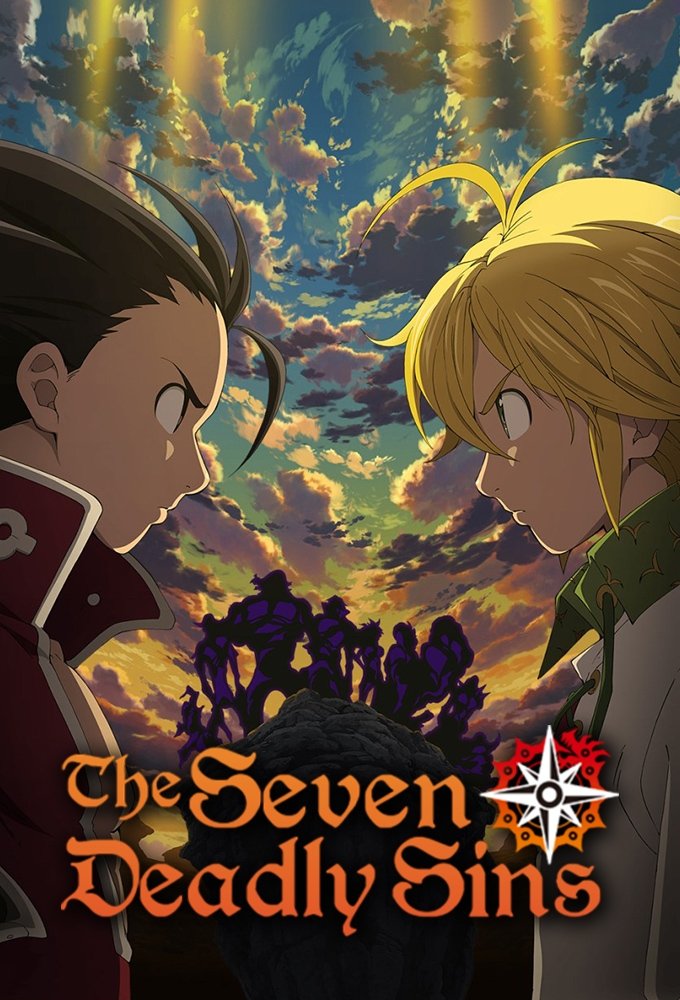
The frequent unconsented physical contact between Meliodas and Elizabeth has been a major point of contention for international audiences. These interactions are often played for laughs despite the clear lack of consent from the female protagonist. Critics argue that normalizing such behavior promotes the idea that sexual harassment is a harmless character quirk or a sign of affection. This portrayal diminishes the agency of female characters and reinforces harmful power dynamics within romantic relationships.
‘Sword Art Online’ (2012–2014)

The transition of Asuna Yuuki from a leading front line commander to a captive victim in the second story arc disappointed many fans. She was initially presented as an equal to the protagonist but was later confined to a cage and subjected to threats of violence. This reduction of a capable heroine to a plot device for male motivation is a common trope that many viewers find regressive. It suggests that the strength of a woman is temporary and subordinate to the journey of the hero.
‘One Piece’ (1999–2026)
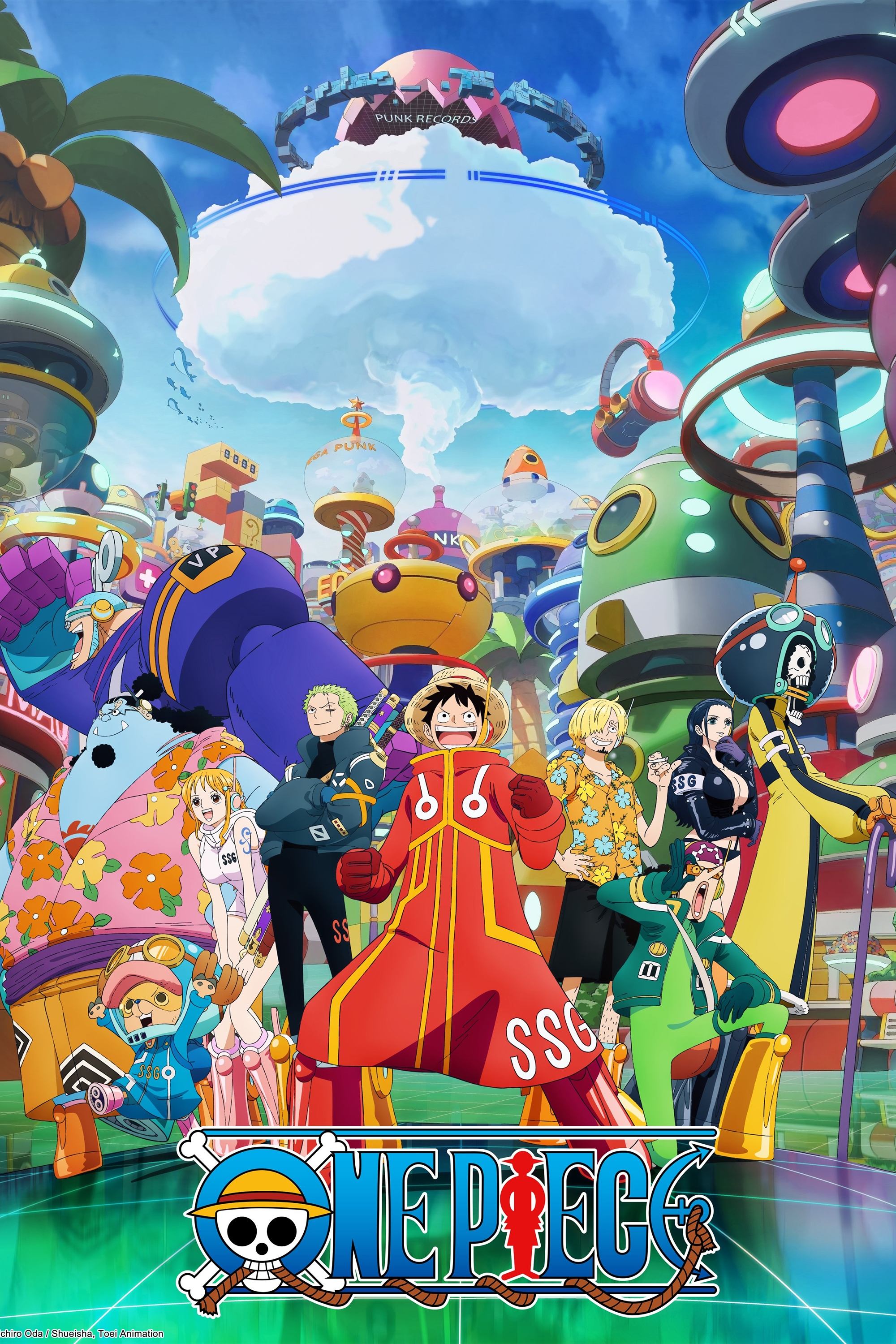
The character designs in this lengthy series have faced scrutiny for their exaggerated and often unrealistic physical proportions. Female characters frequently have extremely narrow waists and large chests which many argue prioritizes the male gaze over character depth. While characters like Nami and Robin are intelligent and skilled, their outfits often become more revealing during intense battles. This aesthetic choice can overshadow their narrative contributions and reinforce superficial standards of beauty for the audience.
‘The Rising of the Shield Hero’ (2019–2026)
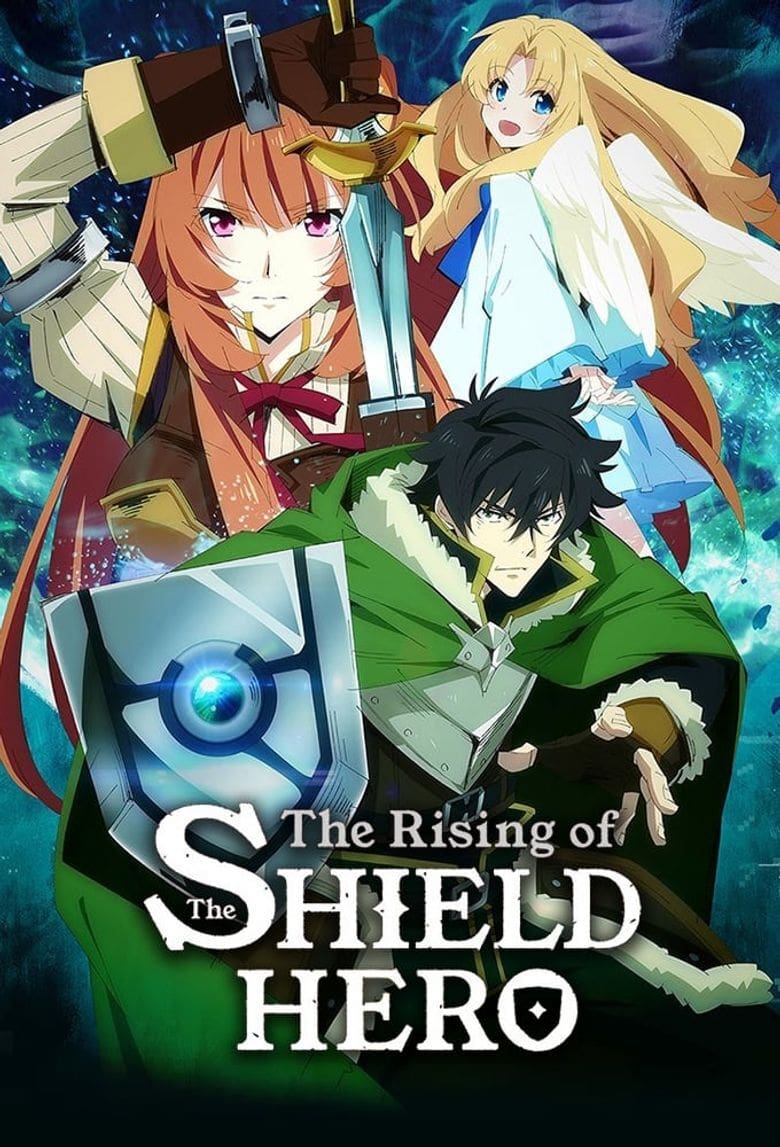
This series sparked significant controversy for its use of a false sexual assault accusation as a primary plot catalyst. Critics suggest that using this specific narrative device trivializes actual issues and fuels dangerous myths about female dishonesty. The series further complicates its gender politics by having the protagonist purchase female slaves who then fall in love with him. These elements combined create a worldview where women are either deceivers or subservient followers who lack independent motivation.
‘High School D×D’ (2012–2018)
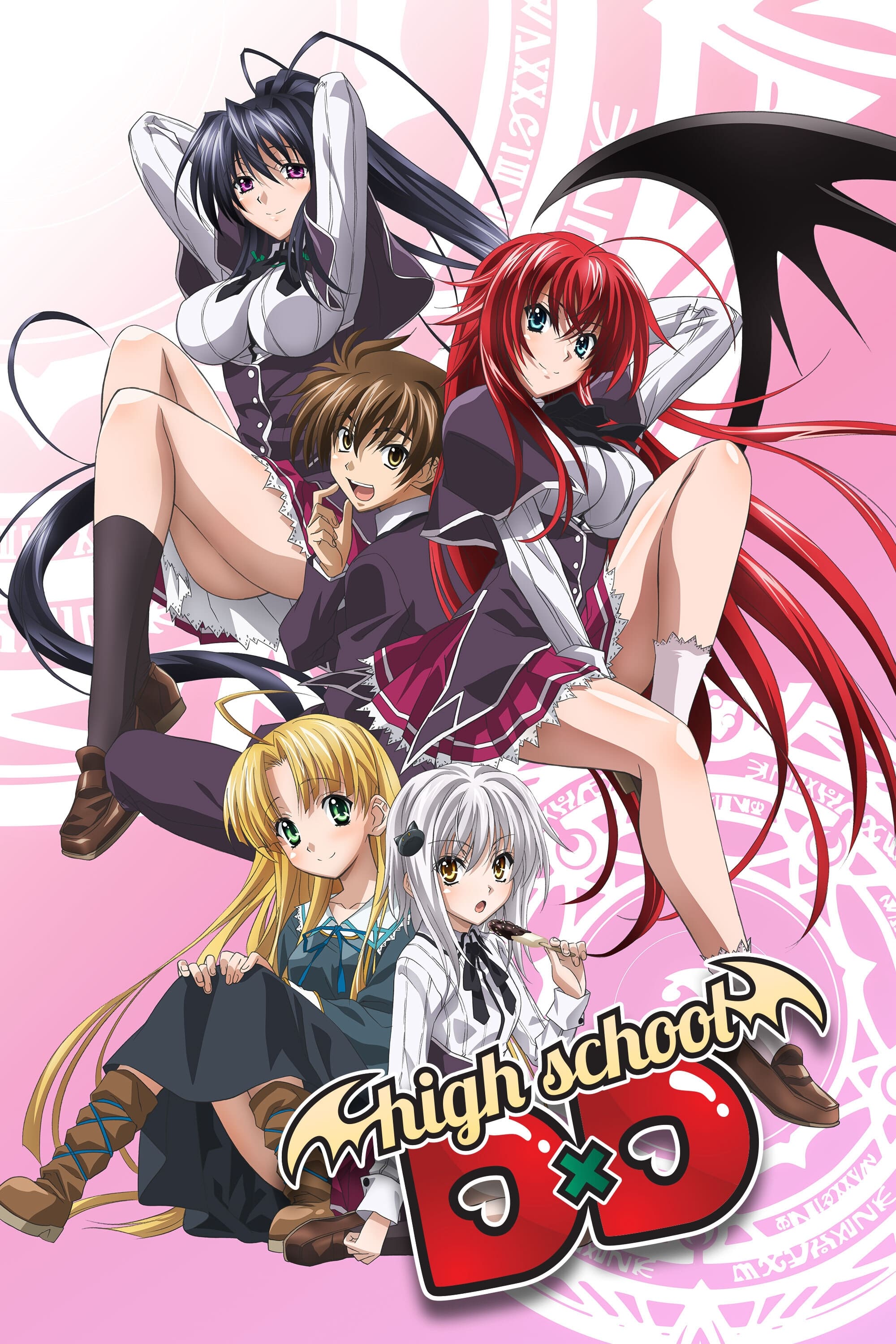
This series is frequently cited for its extreme objectification of its female cast through the lens of the ecchi genre. The plot centers on a male protagonist who gains power through his attraction to women which reduces the female characters to sources of energy. Their personalities and backstories are often secondary to their willingness to expose themselves for the benefit of the lead character. This framing reinforces the idea that female bodies are commodities meant for male consumption and physical empowerment.
‘Prison School’ (2015)
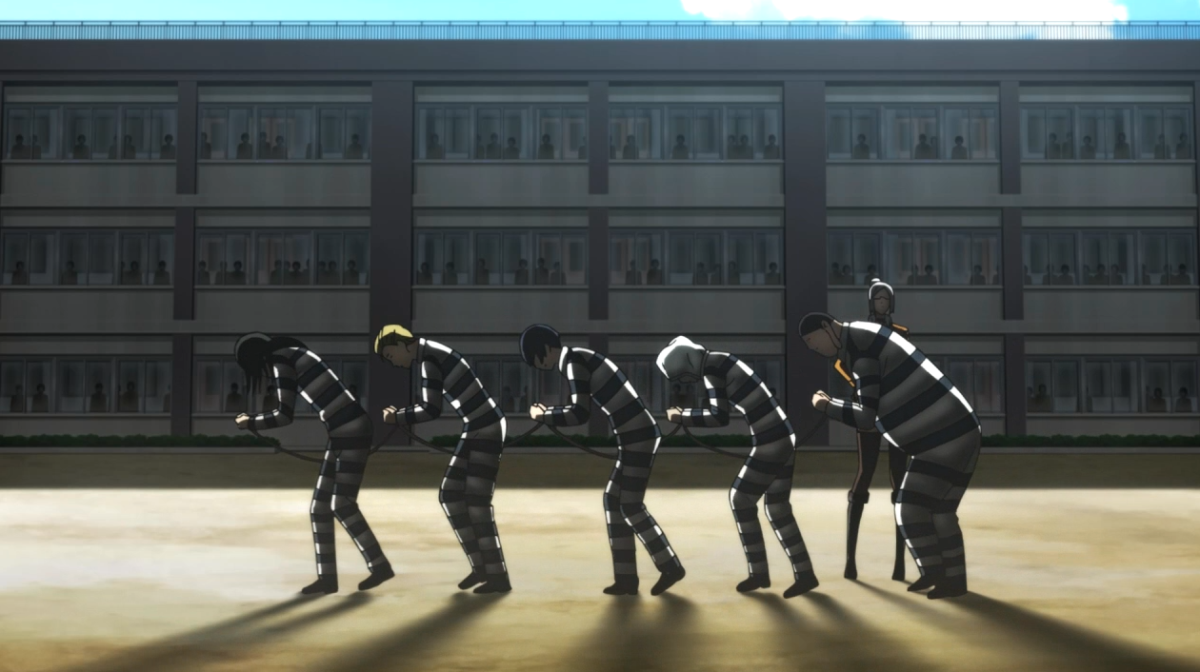
The series uses a prison setting to explore extreme caricatures of both male and female behavior within a school environment. The female student council members are depicted as sadistic and authoritarian while the male students are driven entirely by primal urges. These portrayals rely on the trope of the femme fatale to create conflict and crude comedy. Fans argue that these hyperbolic representations strip characters of their humanity and lean heavily into aggressive gender archetypes that are meant to shock the viewer.
‘Ouran High School Host Club’ (2006)
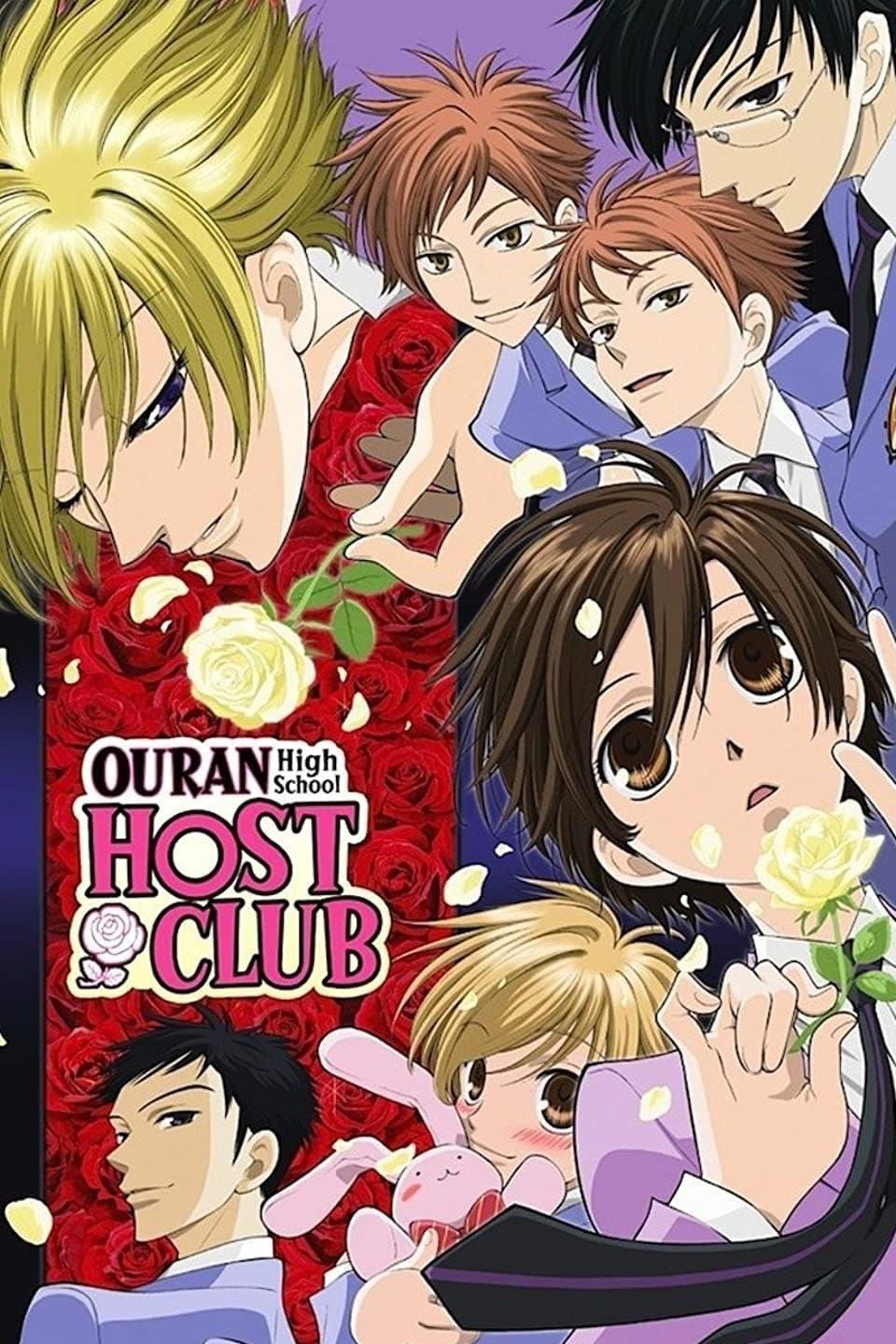
While the show attempts to subvert gender norms through its protagonist, it still relies on many established stereotypes for its supporting cast. The host club members embody specific archetypes like the princely type or the stoic type which are designed to appeal to female fantasies. The lead character often has to navigate situations where her lack of traditional femininity is treated as a problem to be solved by her male peers. This can send mixed messages about whether gender is truly fluid or just another costume to be worn for entertainment.
‘Ranma ½’ (1989–1992)
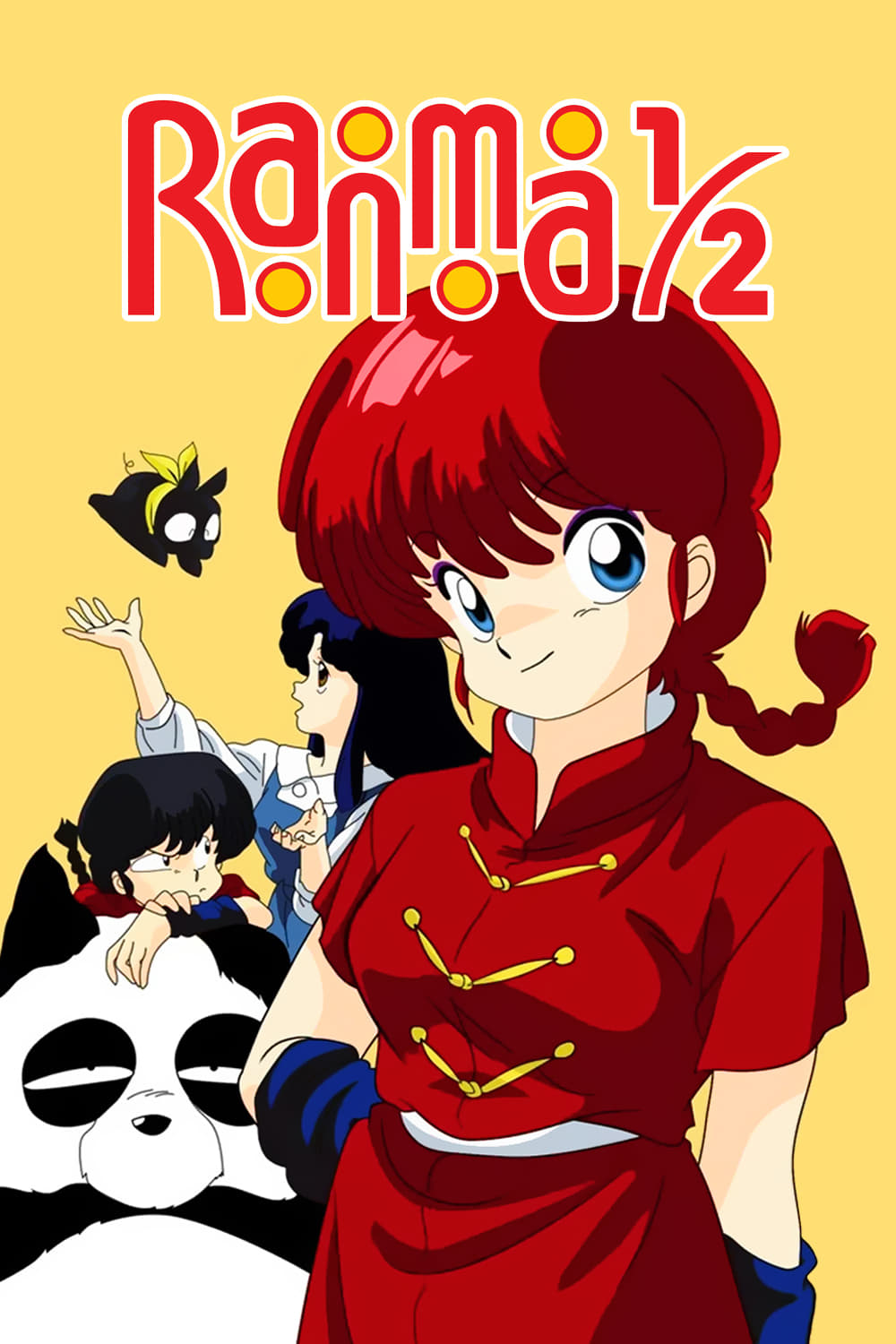
The central premise of a boy who turns into a girl when splashed with cold water leads to numerous jokes at the expense of gender identity. The protagonist often expresses disgust or shame when forced into a female body which can be interpreted as a dismissal of female value. The series also features many female characters who are defined by their violent jealousy or their obsession with finding a husband. These portrayals reflect the social anxieties of the era and can feel regressive to modern viewers seeking nuanced representation.
‘Sailor Moon’ (1992–1997)
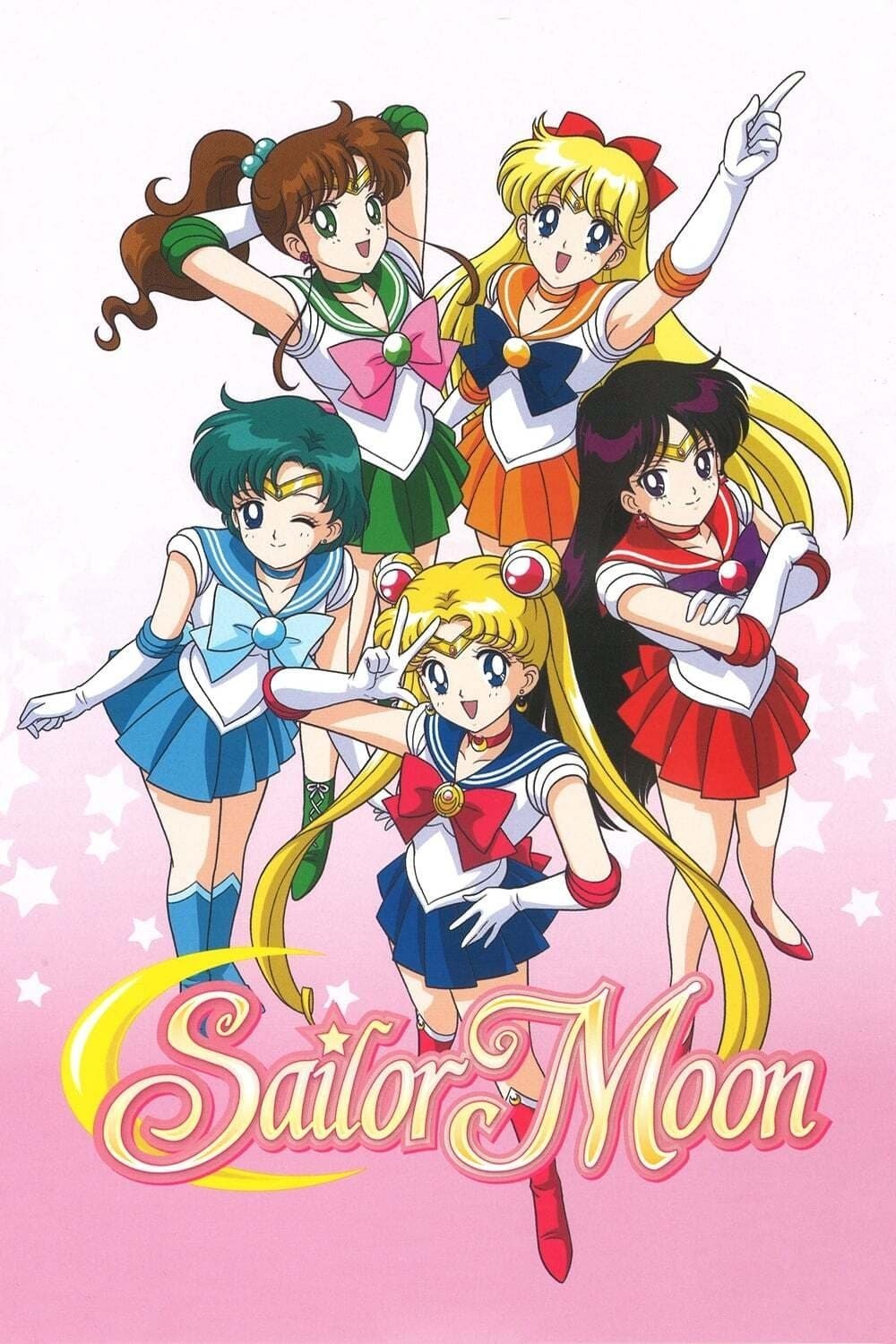
Despite being a pioneer for the magical girl genre, the original series often leaned into tropes of female vanity and airheadedness. Usagi Tsukino is frequently depicted as clumsy and obsessed with food or boys which some argue undermines her status as a legendary warrior. The early seasons especially prioritize her need for a male hero to rescue her during the climax of major battles. While the series eventually empowered its cast, these early patterns established a standard for girlish behavior that limited character growth.
‘Fruits Basket’ (2001–2002)
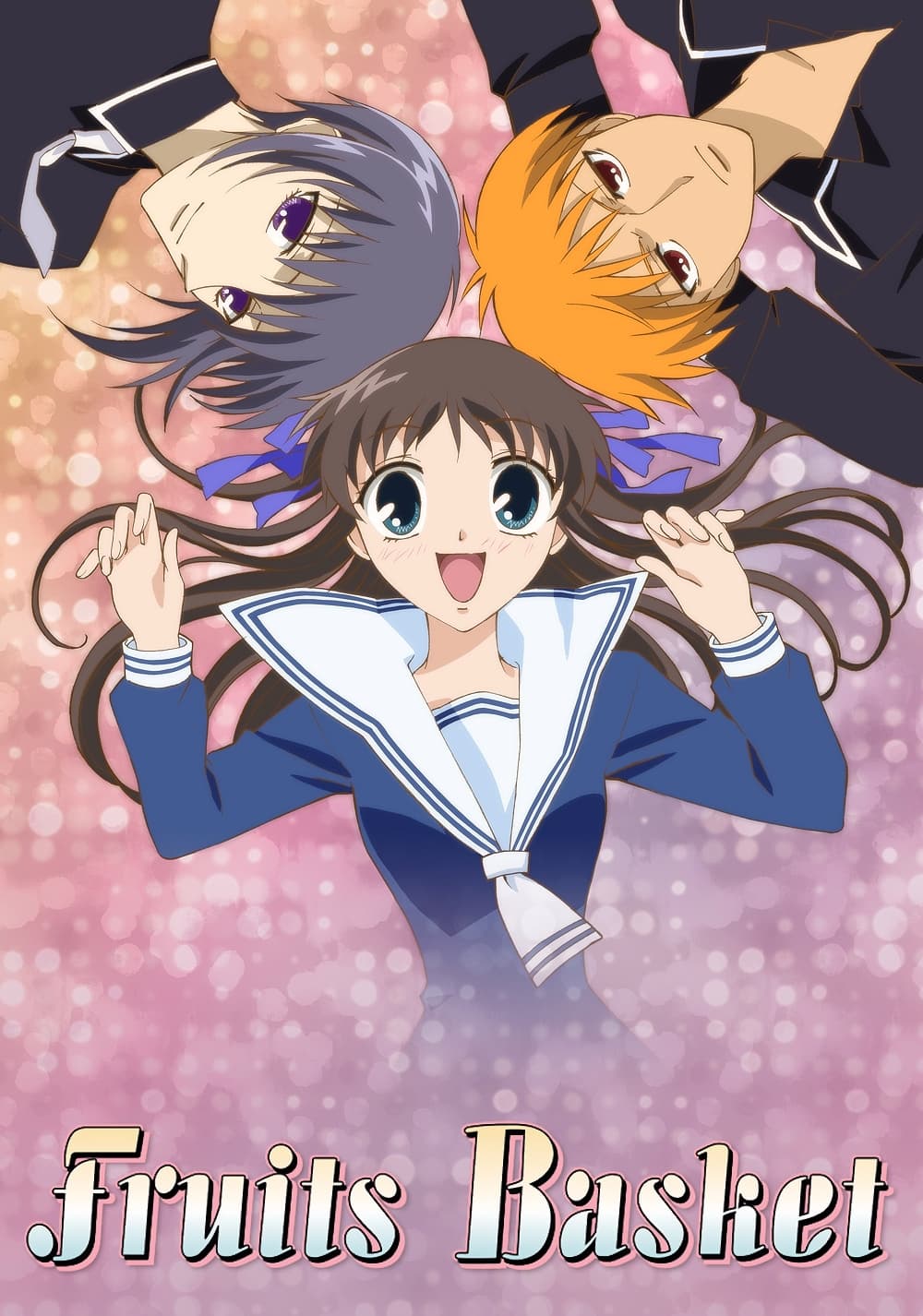
Tohru Honda is often criticized for being a highly sacrificial female lead who exists solely to heal the trauma of the men around her. She consistently puts her own needs aside to provide emotional labor for others without expecting anything in return. This archetype of the nurturing woman can be harmful as it suggests that the value of a woman is tied to her ability to fix broken men. Her lack of personal ambition outside of domestic duties reinforces traditional and restrictive gender roles for women.
‘Baki the Grappler’ (2001)
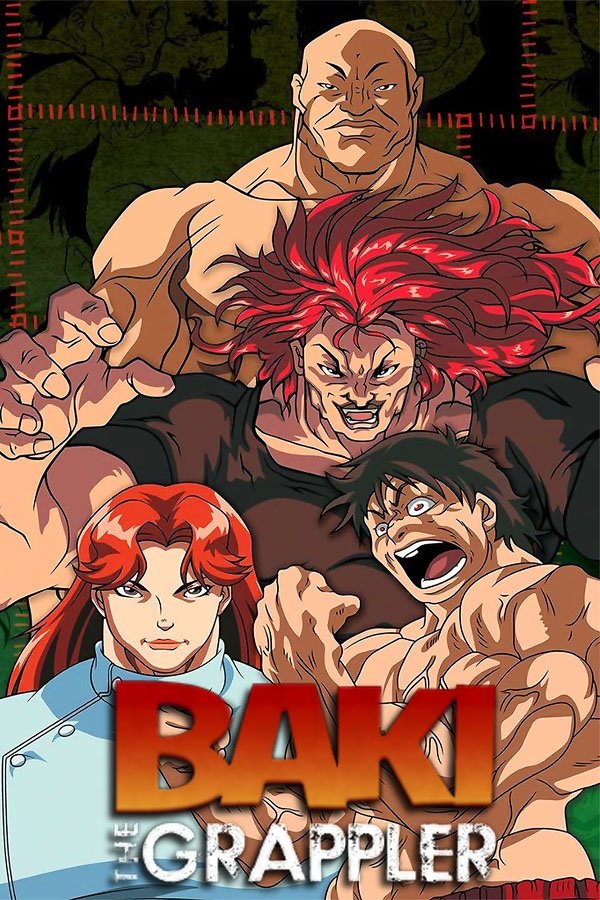
This series is known for its extreme focus on hypermasculinity where physical strength is the only measure of worth for a character. Female characters are almost entirely absent or relegated to minor roles as mothers or love interests with no impact on the plot. The narrative suggests that true power and development are reserved exclusively for men who engage in brutal violence. This total exclusion of women from the world of strength promotes a narrow and exclusionary view of gender capability and relevance.
‘To LOVE-Ru’ (2008–2010)
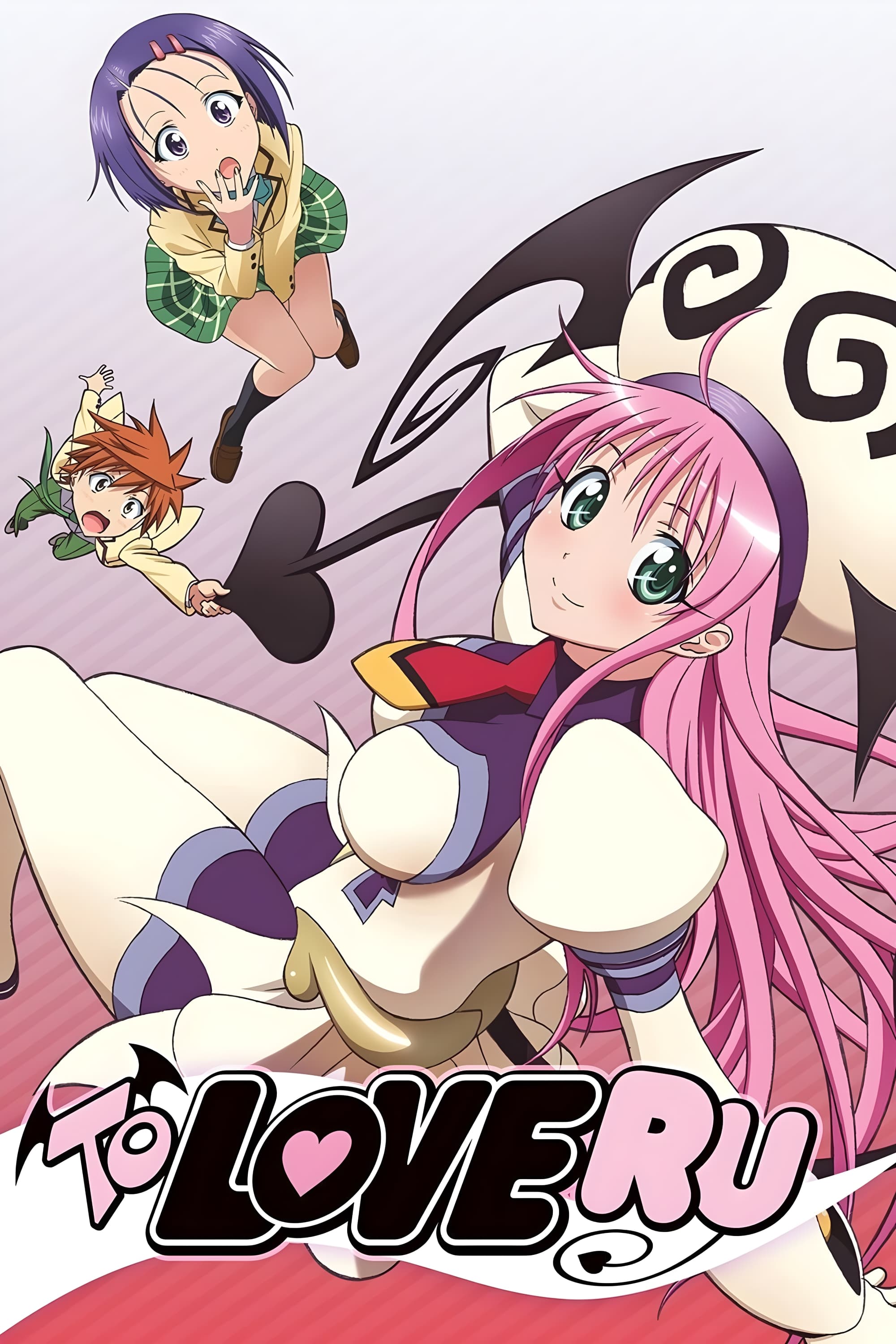
The harem genre often uses female characters as interchangeable objects of affection for a male protagonist and this series is a prime example. Most of the female cast members are defined by their physical traits and their accidental sexual encounters with the lead character. Their agency is frequently stripped away through unfortunate accidents that result in nudity or suggestive poses for the viewer. This pattern reduces complex characters to mere fan service and reinforces the idea that women exist for male entertainment.
‘Rent-a-Girlfriend’ (2020–2026)
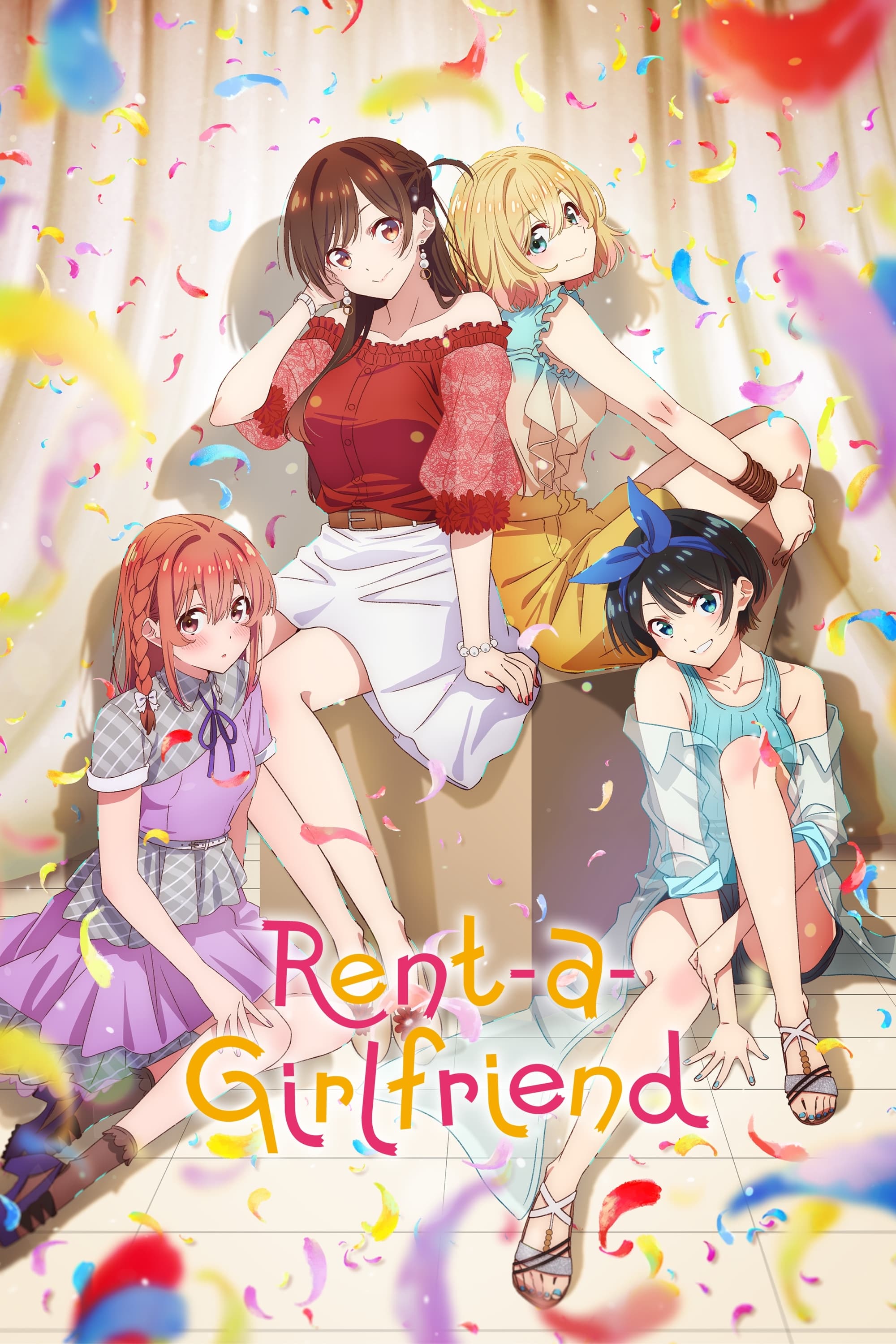
The premise of paying women to act as romantic partners has been criticized for commodifying emotional connection and female affection. The protagonist often displays toxic behaviors including jealousy and entitlement over the women he hires for his dates. The series portrays the female characters as products with different personality settings that can be purchased for a specific fee. Fans argue this dynamic normalizes the idea that male loneliness can be solved through financial transactions and the performative submission of women.
‘Goblin Slayer’ (2018–2026)
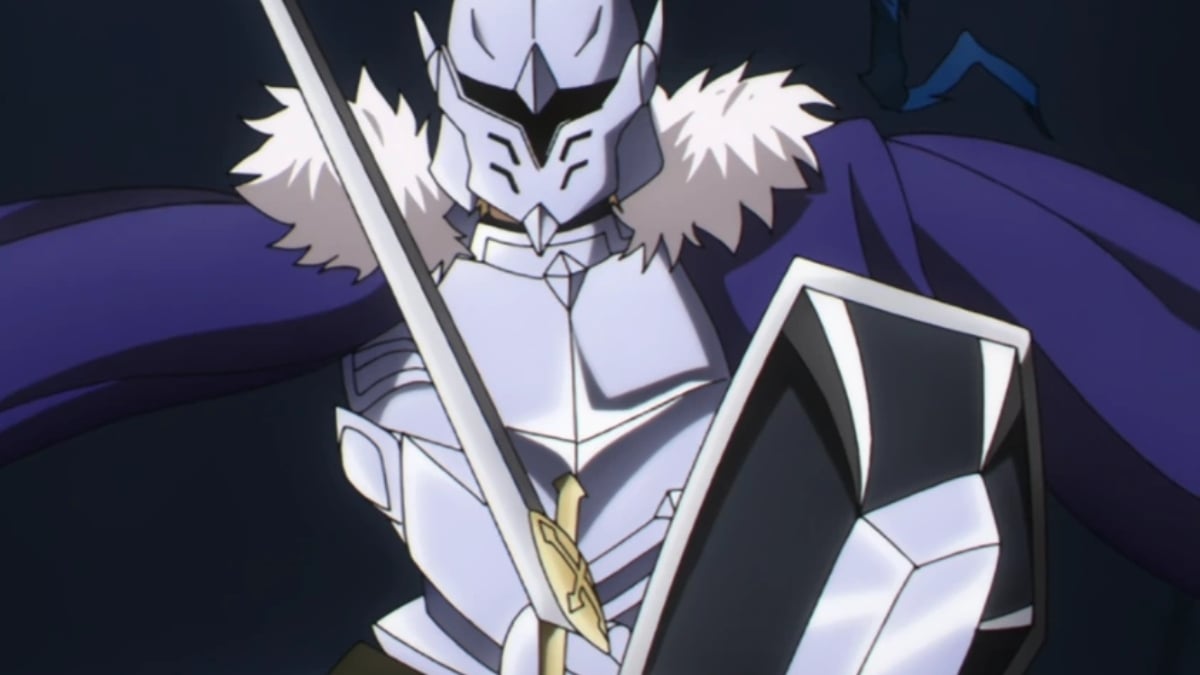
The premiere of this series caused an uproar due to its graphic depiction of sexual violence against female characters to establish the stakes of the world. Using the violation of women as a narrative shortcut for dark storytelling is a trope many fans find exploitative and unnecessary. It positions female suffering as a tool for male motivation rather than a serious exploration of actual trauma. This approach often alienates female viewers and reinforces the idea that women are primarily targets of violence in fantasy settings.
‘Mushoku Tensei: Jobless Reincarnation’ (2021–2026)

The protagonist is a controversial figure due to his frequent perverted actions and lack of respect for female boundaries. While the show is a reincarnation story, his previous life as a predatory individual continues into his new existence and is often targeted at young girls. Fans and critics argue that the narrative often excuses or downplays his behavior by framing it as a comedic quirk or a part of his growth. This can give the impression that sexual misconduct is a redeemable trait rather than a serious violation.
‘Bakemonogatari’ (2009–2010)
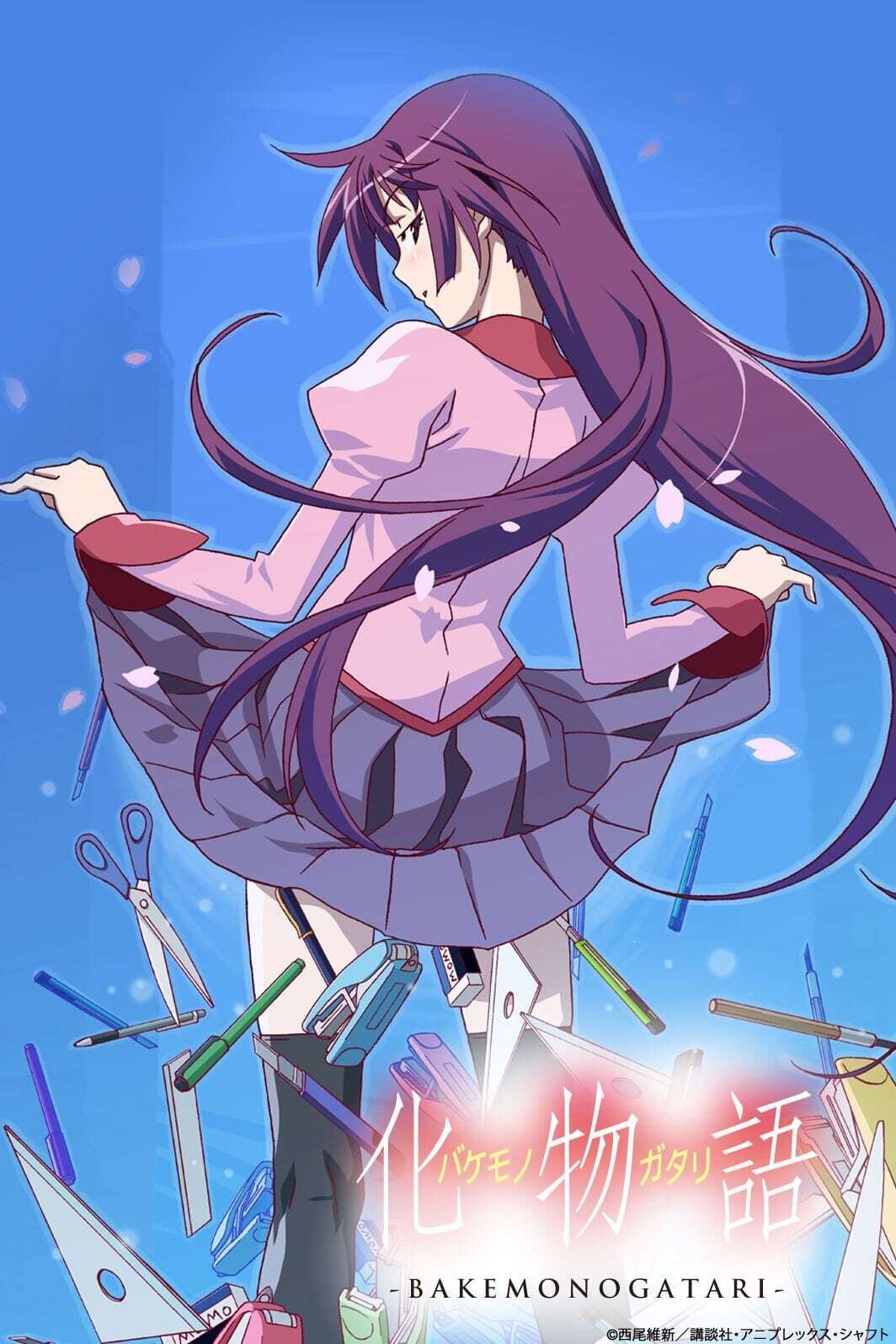
The series is heavily criticized for its frequent sexualization of young female characters through suggestive camera angles and situations. The camera often focuses on unnecessary physical details of characters who are middle school or high school age. This visual style creates a jarring contrast that many viewers feel exploits the young female cast for the benefit of the viewer. The protagonist frequently engages in inappropriate physical contact with minor characters which is framed as a character quirk. Critics argue that this normalization of boundary crossing behavior under the guise of artistic expression is deeply problematic. It reinforces the idea that young female bodies are acceptable targets for voyeuristic entertainment regardless of the narrative context.
‘Fire Force’ (2019–2026)
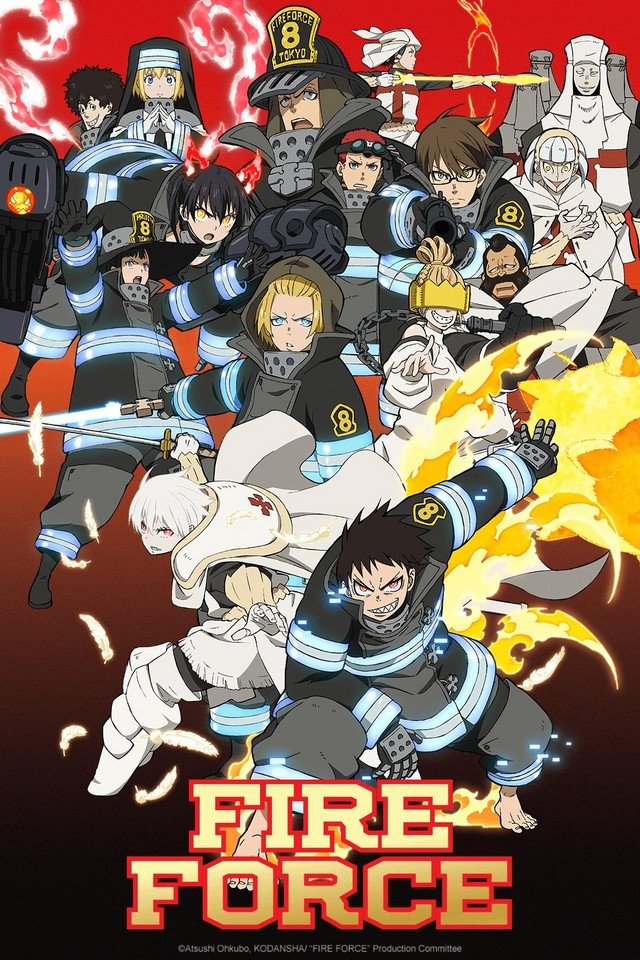
The character Tamaki Kotatsu is frequently used as a source of fan service through a recurring gag involving accidental nudity. This plot device causes her clothes to fall off or leads to suggestive physical contact in the middle of serious combat situations. Fans argue that this gimmick undermines her status as a professional firefighter and reduces her to a sexualized punchline. This trope suggests that even in a high stakes career a woman’s primary role is to provide visual stimulation for the male gaze. Such portrayals can alienate viewers who want to see female characters treated with the same respect as their male peers.
‘Inuyasha’ (2000–2004)

Kagome Higurashi is often viewed as a character whose primary narrative purpose is to emotionally stabilize the male lead through his various outbursts. Her personal development is frequently sidelined in favor of a repetitive romantic triangle that relies on tropes of female jealousy and domesticity. While she possesses significant spiritual power her effectiveness in battle often fluctuates based on her emotional state or the hero’s protection. This dynamic reinforces the idea that women are secondary actors whose value is primarily determined by their romantic utility to the protagonist. Many critics believe this prevents her from reaching her full potential as an independent and capable heroine.
Please share your thoughts on which anime you believe handled gender roles poorly in the comments.