

Anime That Featured “Sassy Gay Friend” Stereotypes Everyone Hated

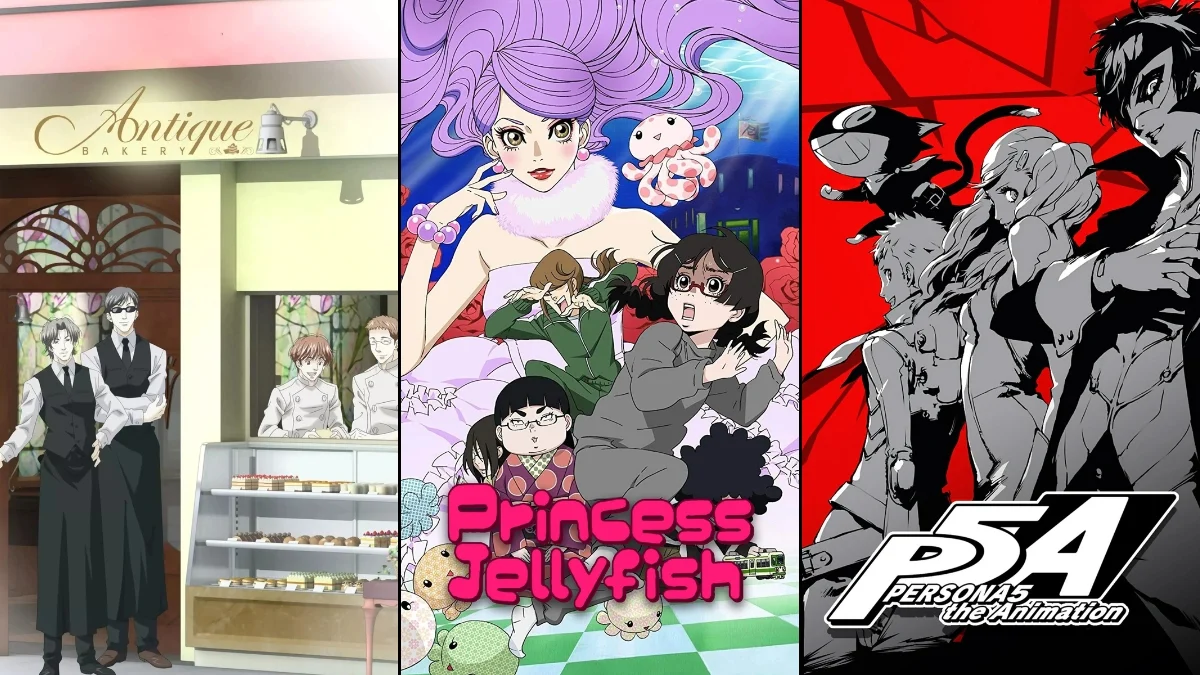


The “sassy gay friend” archetype has been a recurring trope in anime for decades, often manifesting as the “okama” character. While some of these characters have become icons within their respective fanbases, many portrayals have faced backlash for relying on shallow stereotypes and flamboyant clichés. These characters are typically used as comic relief, defined by their over-the-top mannerisms, obsession with aesthetics, and aggressive flirtation. From long-running shonen series to modern hits, the inclusion of these tropes continues to spark debate regarding representation in the medium.
‘One-Punch Man’ (2015)
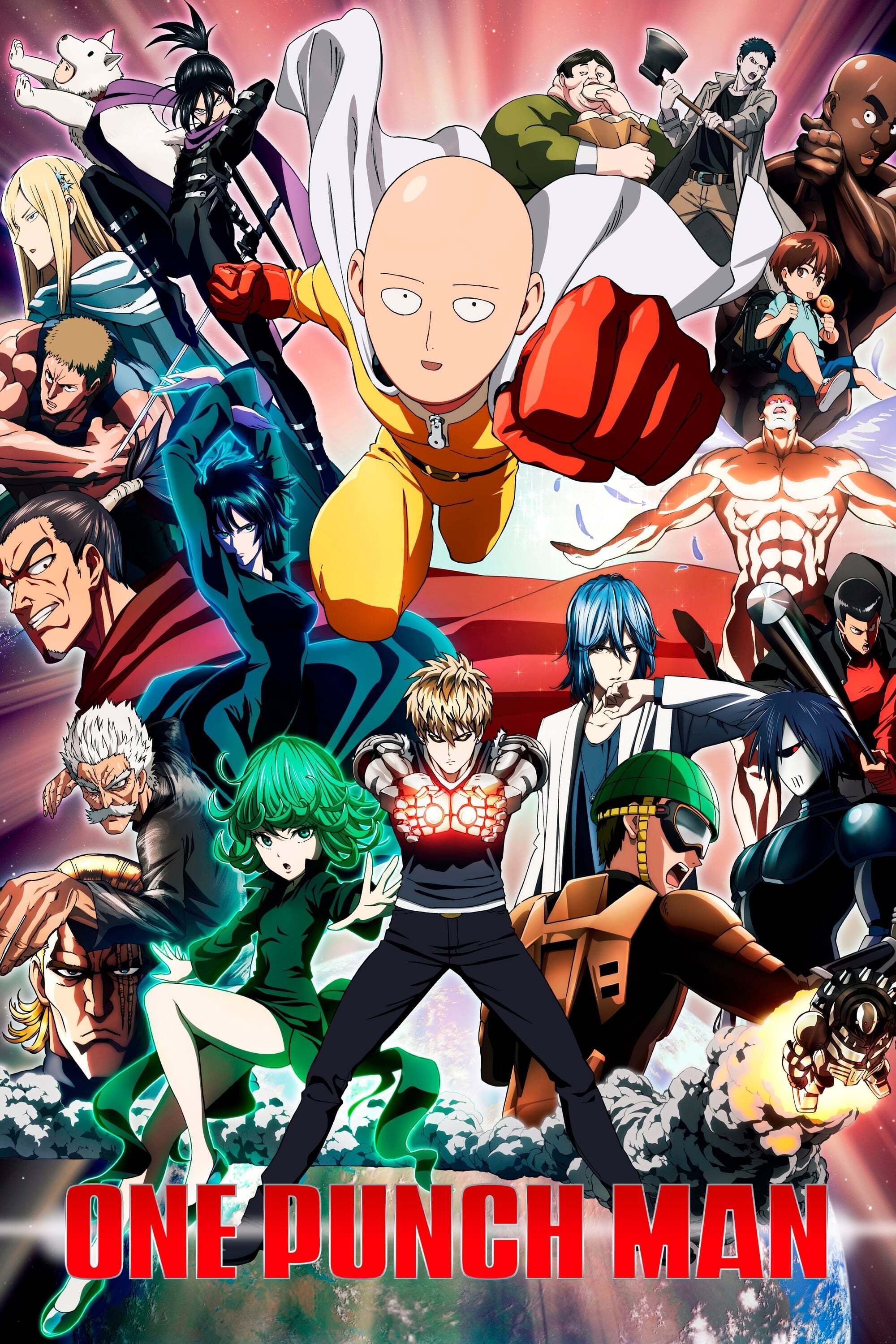
Puri-Puri Prisoner is a top-tier hero who combines immense physical strength with an overtly flamboyant persona. The character is often seen wearing a sweater with a heart and uses transformation sequences that emphasize his nudity. Critics have pointed out that his behavior, which includes aggressively pursuing other male characters, reinforces harmful and predatory tropes. Despite his role as a hero, his personality is largely built around the “sassy” and hyper-sexualized caricature common in older media.
‘Black Butler’ (2008)
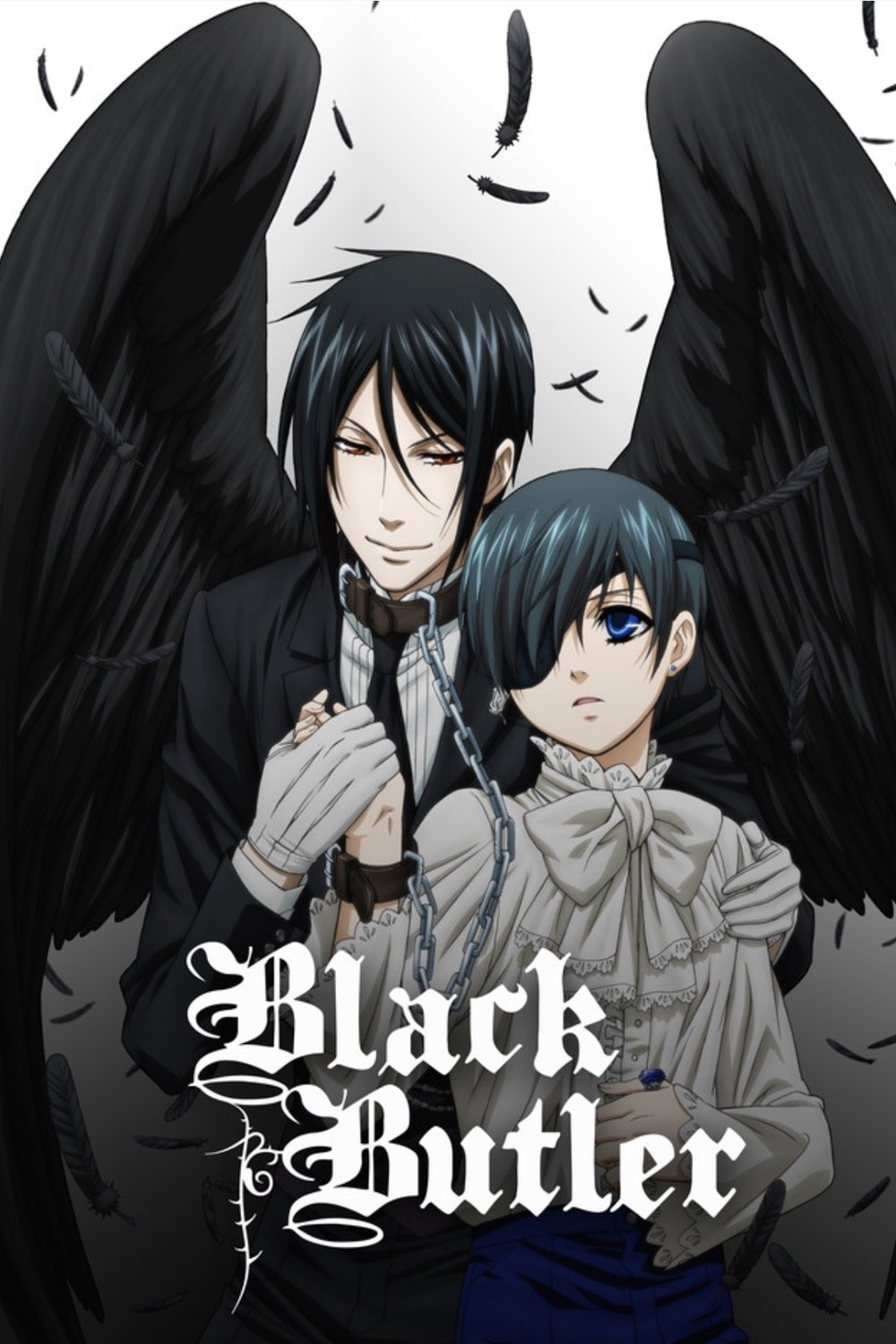
Grell Sutcliff is a prominent Grim Reaper who serves as a recurring antagonist and occasional ally. The character is characterized by a deep infatuation with the demon butler Sebastian and a dramatic, high-energy personality. Grell’s dialogue is frequently punctuated with flirtatious remarks and theatrical poses. While the character is a fan favorite for some, others argue that Grell represents a collection of “sassy” clichés that detract from the show’s dark tone.
‘Tiger & Bunny’ (2011)
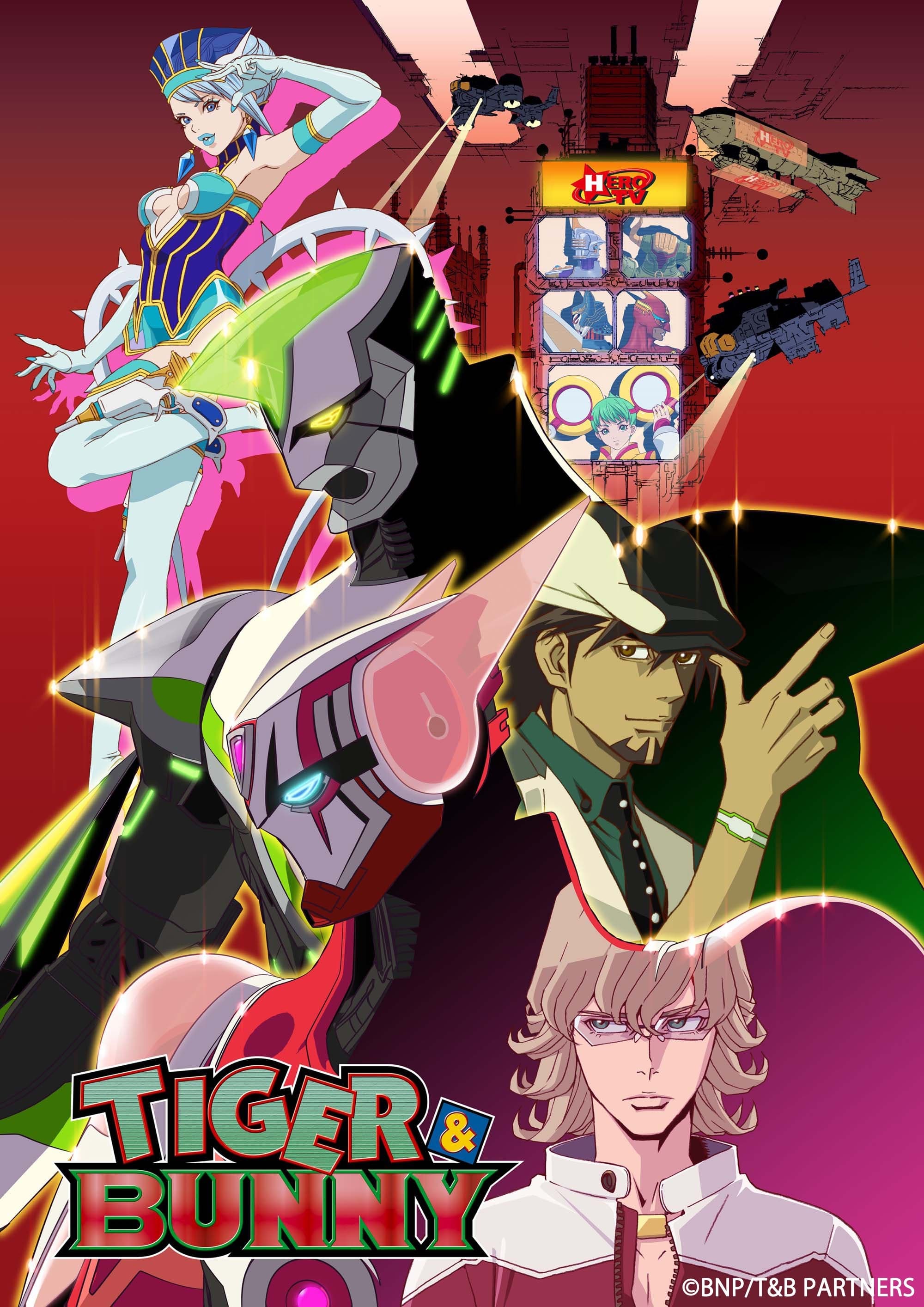
Nathan Seymour, operating under the alias Fire Emblem, is one of the veteran heroes protecting Stern Bild City. Nathan is depicted as a highly flamboyant character who frequently makes suggestive comments to his male peers. While the series eventually attempts to provide backstory for Nathan’s struggles with gender and identity, the character is often relegated to a comedic role based on his mannerisms. The design, featuring heavy makeup and stylized clothing, adheres closely to the traditional “sassy” archetype.
‘One Piece’ (1999–Present)
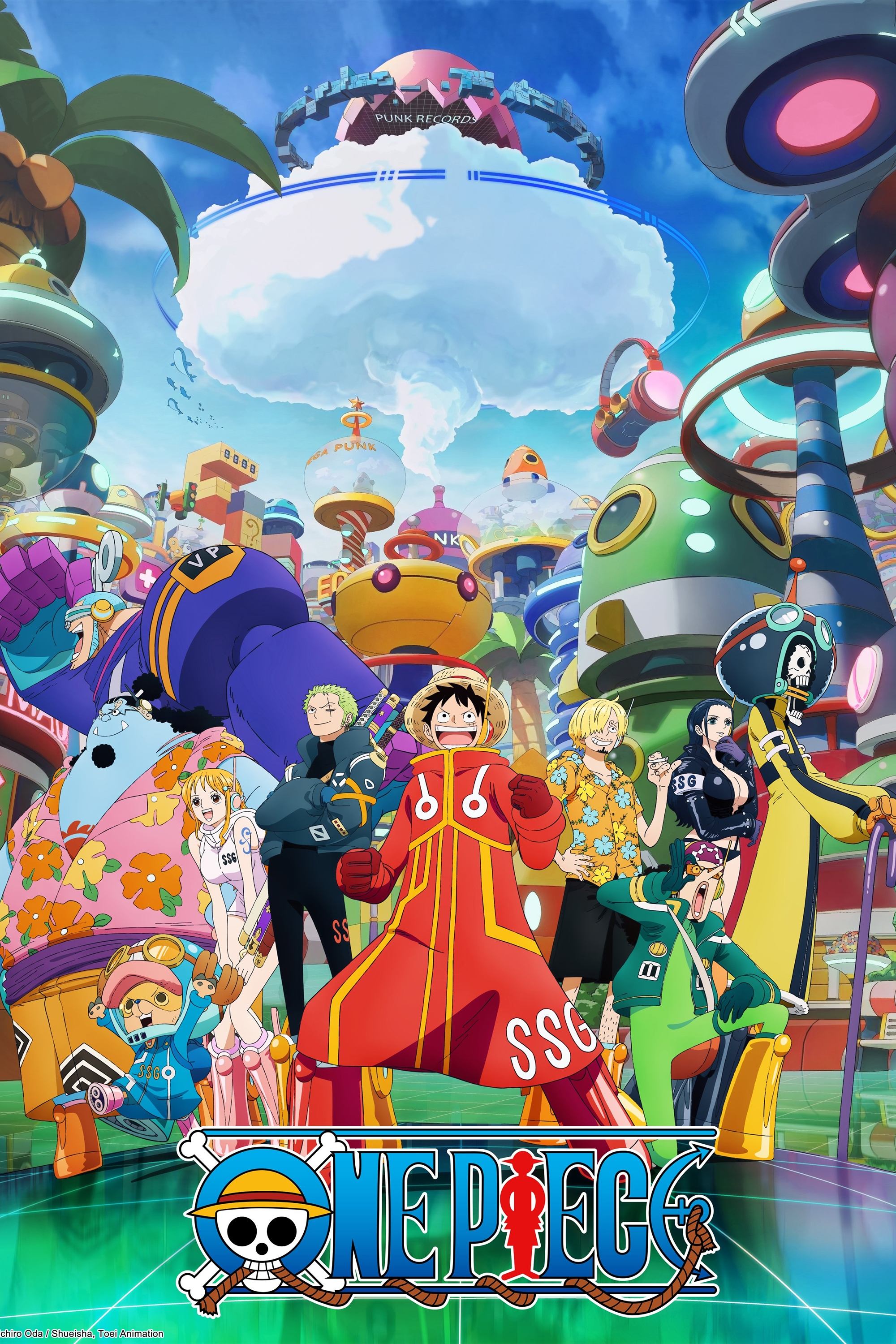
Bon Kurei, also known as Mr. 2, is a practitioner of “Okama Kenpo” who plays a significant role in several story arcs. The character is known for his exuberant dancing, heavy makeup, and a personality that celebrates flamboyance. Although the narrative treats him with respect during his sacrifices for the protagonist, his visual design is a literal interpretation of the “sassy gay” trope. This portrayal has been criticized for using dated cultural archetypes for comedic effect.
‘Bleach’ (2004–2012)
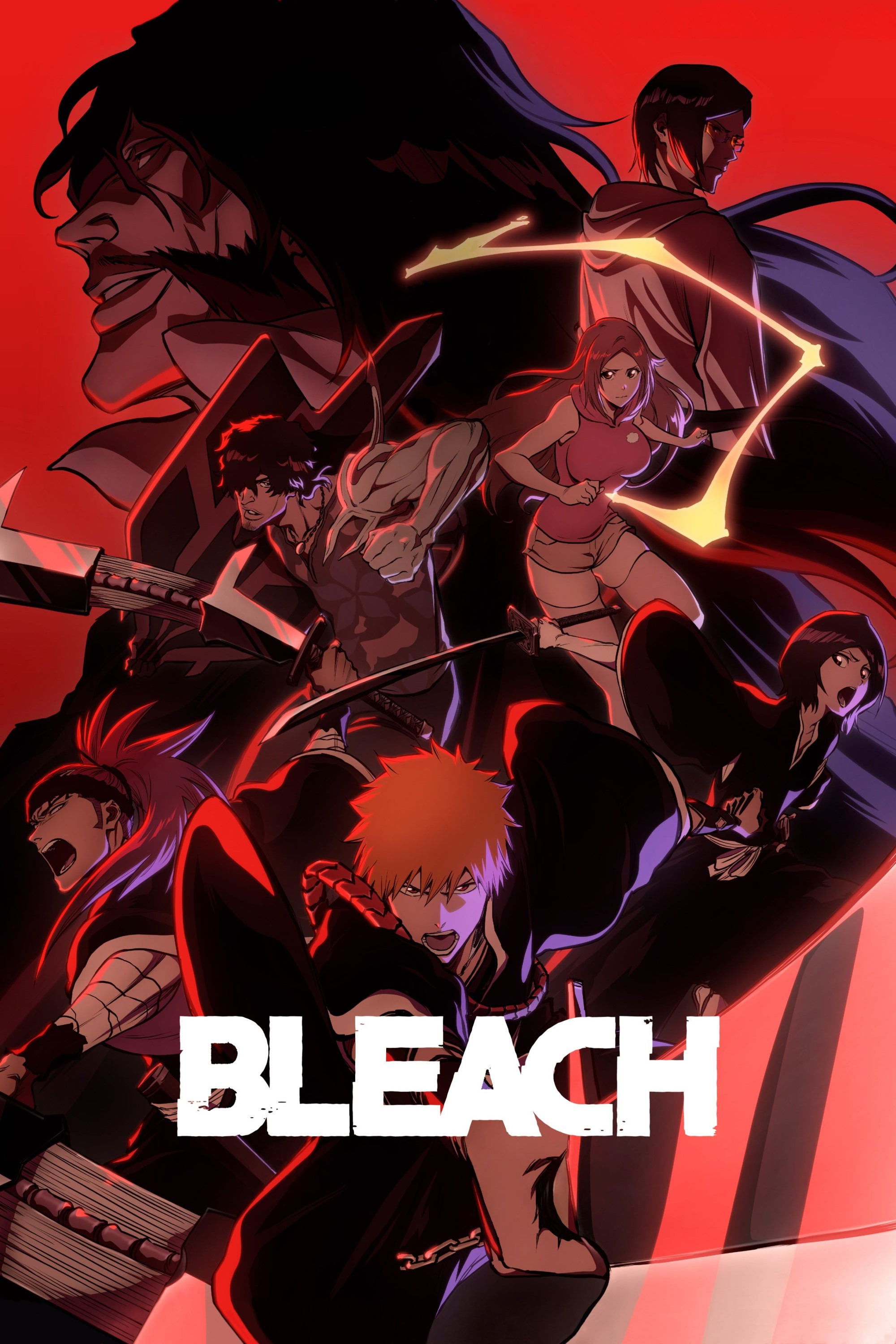
Charlotte Chuhlhourne is an Arrancar who serves as a subordinate to Tier Halibel and values physical beauty above all else. During combat, Charlotte utilizes attacks with long, poetic names and undergoes a transformation that emphasizes a flamboyant aesthetic. The character’s personality is designed to be grating and over-the-top, serving as a humorous foil to the more serious combatants. This characterization relies heavily on the “sassy” stereotype to define Charlotte’s entire identity.
‘Fairy Tail’ (2009–2019)
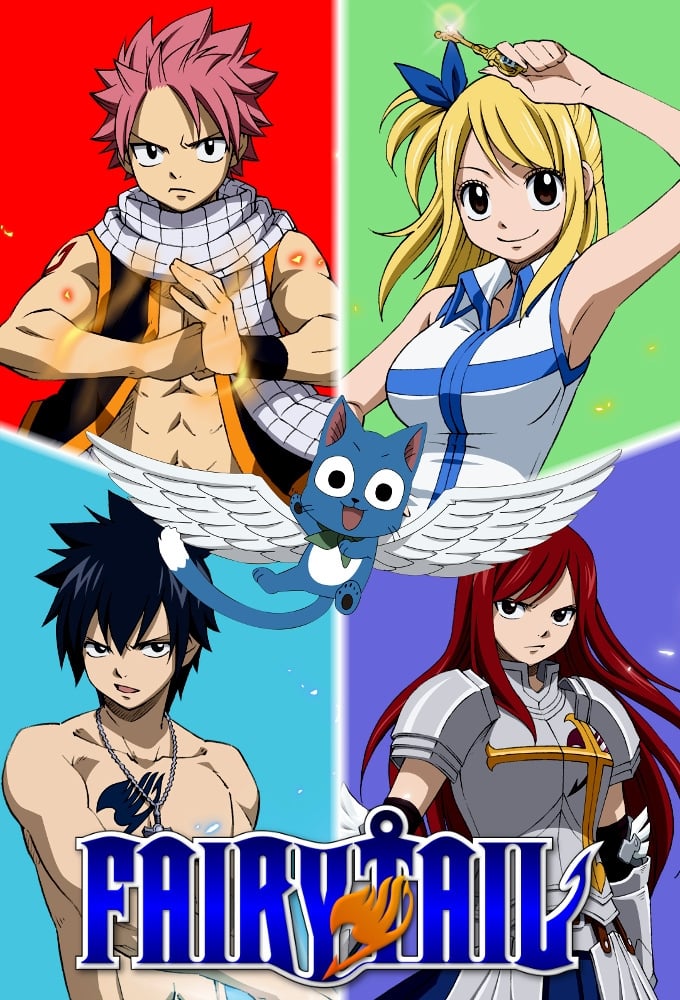
Master Bob is the leader of the Blue Pegasus guild and is known for his highly affectionate and flamboyant nature. He is frequently shown flirting with younger men or engaging in physical touch that makes others uncomfortable for comedic effect. His character design includes wings, makeup, and a wardrobe that emphasizes his “sassy” persona. Many viewers find the character to be a flat representation of the gay friend trope used primarily for a punchline.
‘Sailor Moon’ (1992–1997)
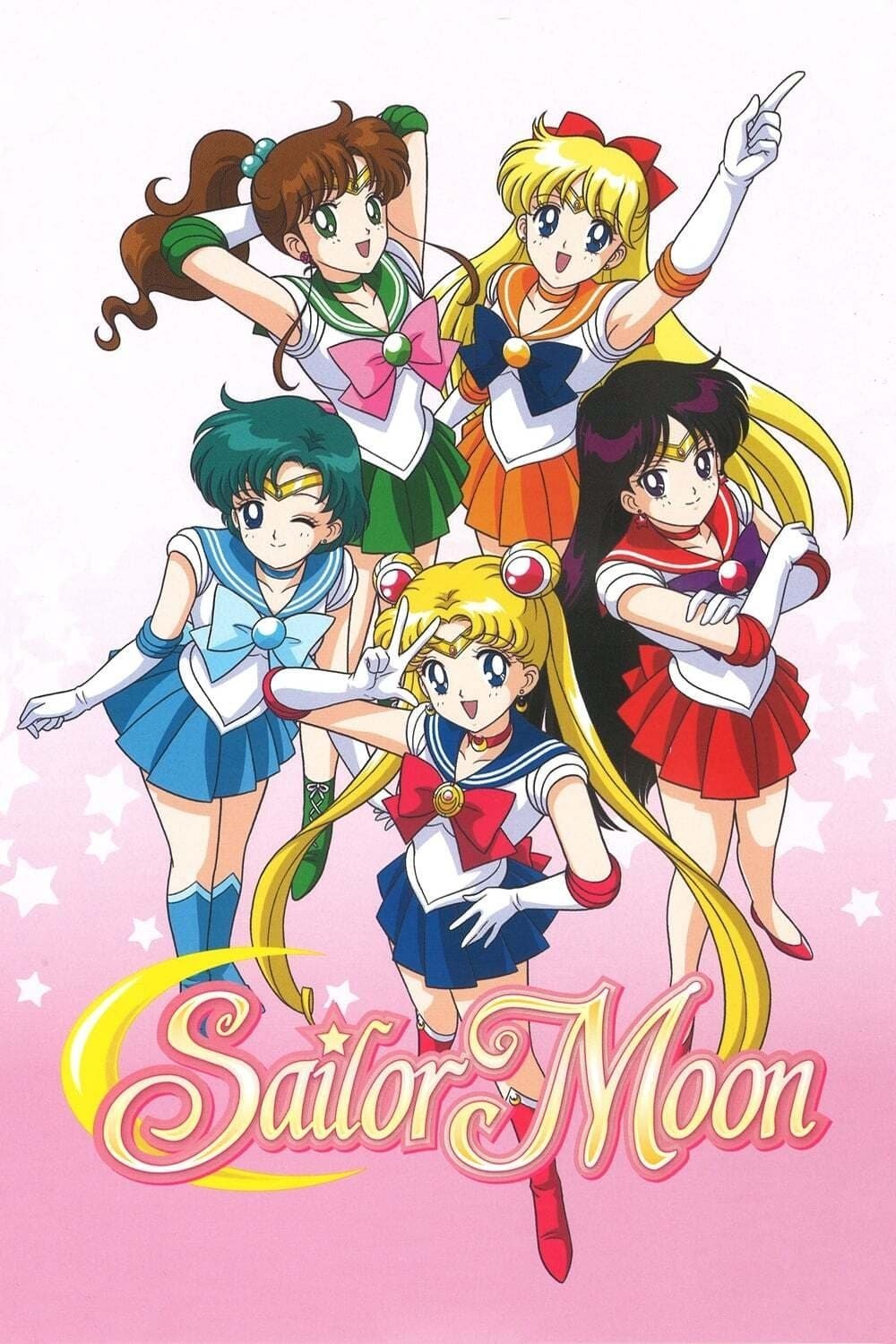
Fish Eye is a member of the Amazon Trio who specifically targets men with beautiful dreams throughout the series. The character is portrayed as highly fashion-conscious and prone to dramatic outbursts when things do not go his way. Fish Eye’s pursuit of the “sassy gay friend” archetype is evident in his cross-dressing and flirtatious behavior. While groundbreaking for featuring queer-coded characters in the 1990s, the portrayal is still anchored in period-specific stereotypes.
‘Ouran High School Host Club’ (2006)
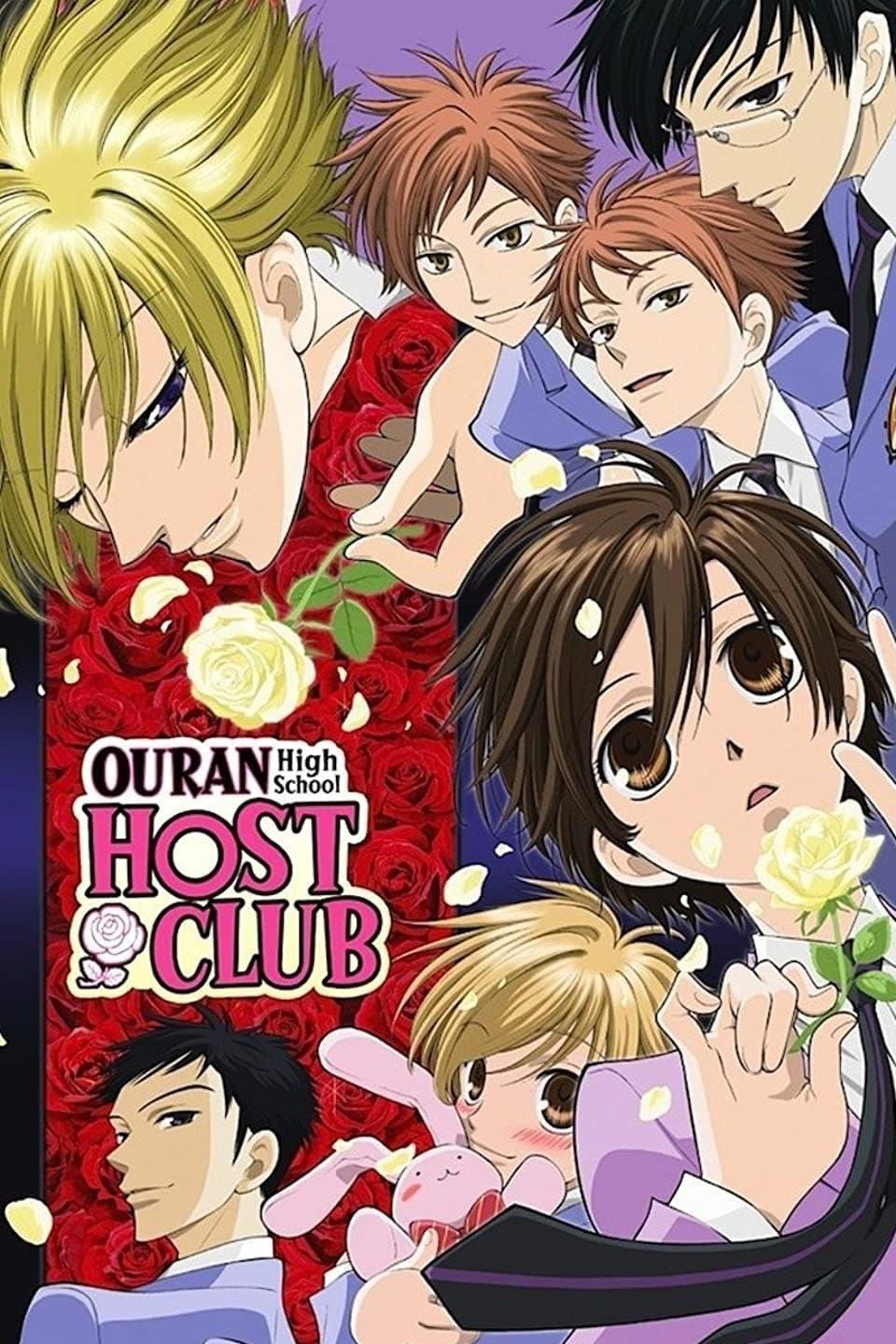
Ryoji ‘Ranka’ Fujioka is the father of the main protagonist and works at a professional cross-dressing bar. He is often depicted as more “feminine” and dramatic than his daughter, frequently engaging in flamboyant emotional displays. Ranka’s interactions with the ‘Host Club’ members are often rooted in his protective yet sassy fatherly instincts. While he is a supportive parent, his character is a clear manifestation of the theatrical flamboyant trope.
‘Yu Yu Hakusho’ (1992–1994)
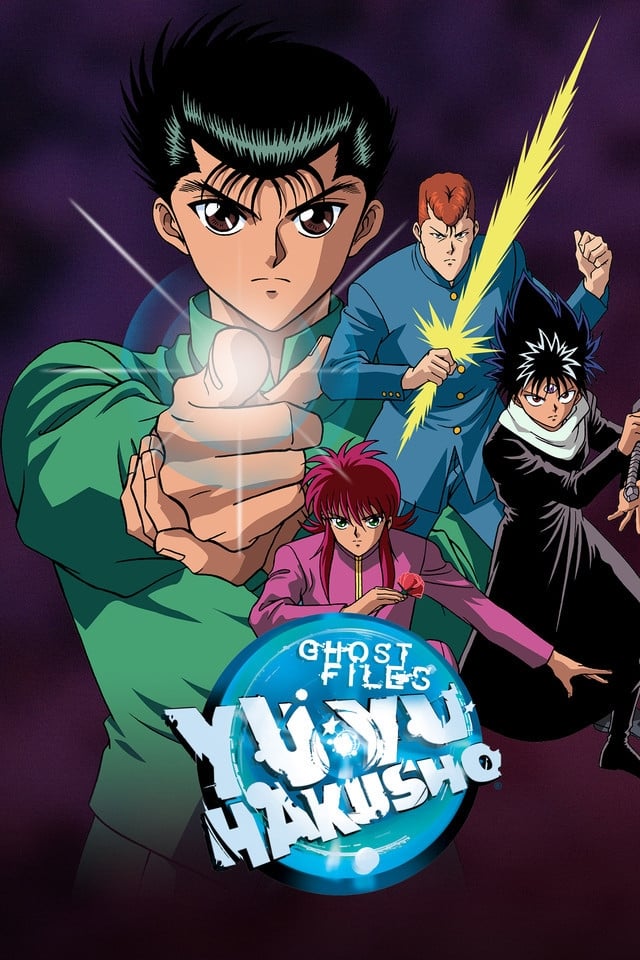
Miyuki is one of the Three Beautiful Devils who serves as an early antagonist for the protagonist, Yusuke Urameshi. The character is portrayed with a “sassy” attitude and a deceptive identity that leads to a controversial confrontation. The narrative uses Miyuki’s gender identity as a shock reveal and a source of crude humor. This portrayal is frequently cited as one of the more problematic instances of the flamboyant stereotype in classic shonen anime.
‘Antique Bakery’ (2008)
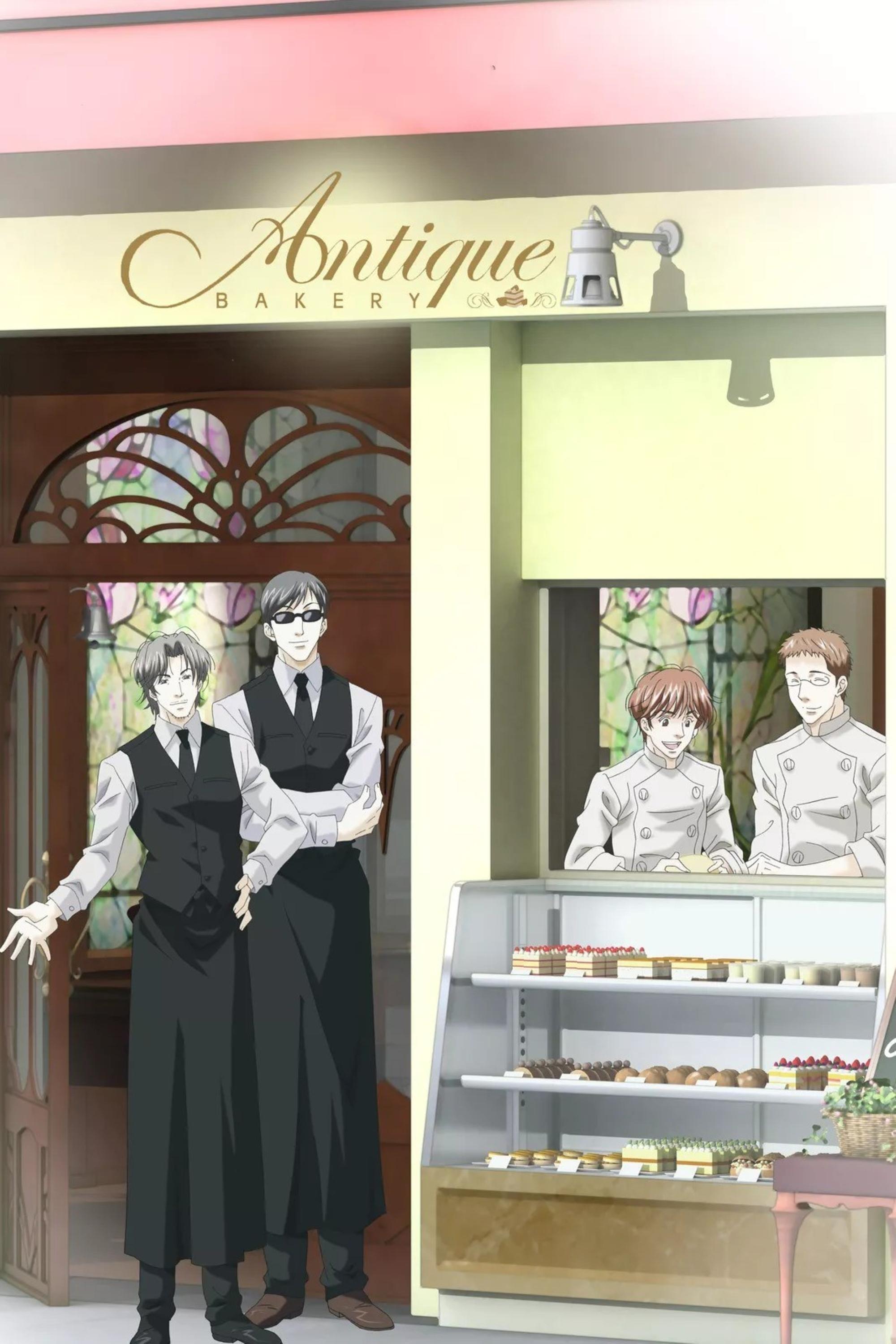
Yusuke Ono is a talented baker who is often referred to by the title of “the gay of demonic charm.” His character revolves around his ability to make any man fall in love with him, leading to various comedic and dramatic complications. Ono’s personality is defined by a mix of professional excellence and a high-energy, sassy social life. The series centers much of its humor and conflict on these specific flamboyant traits.
‘Princess Jellyfish’ (2010)
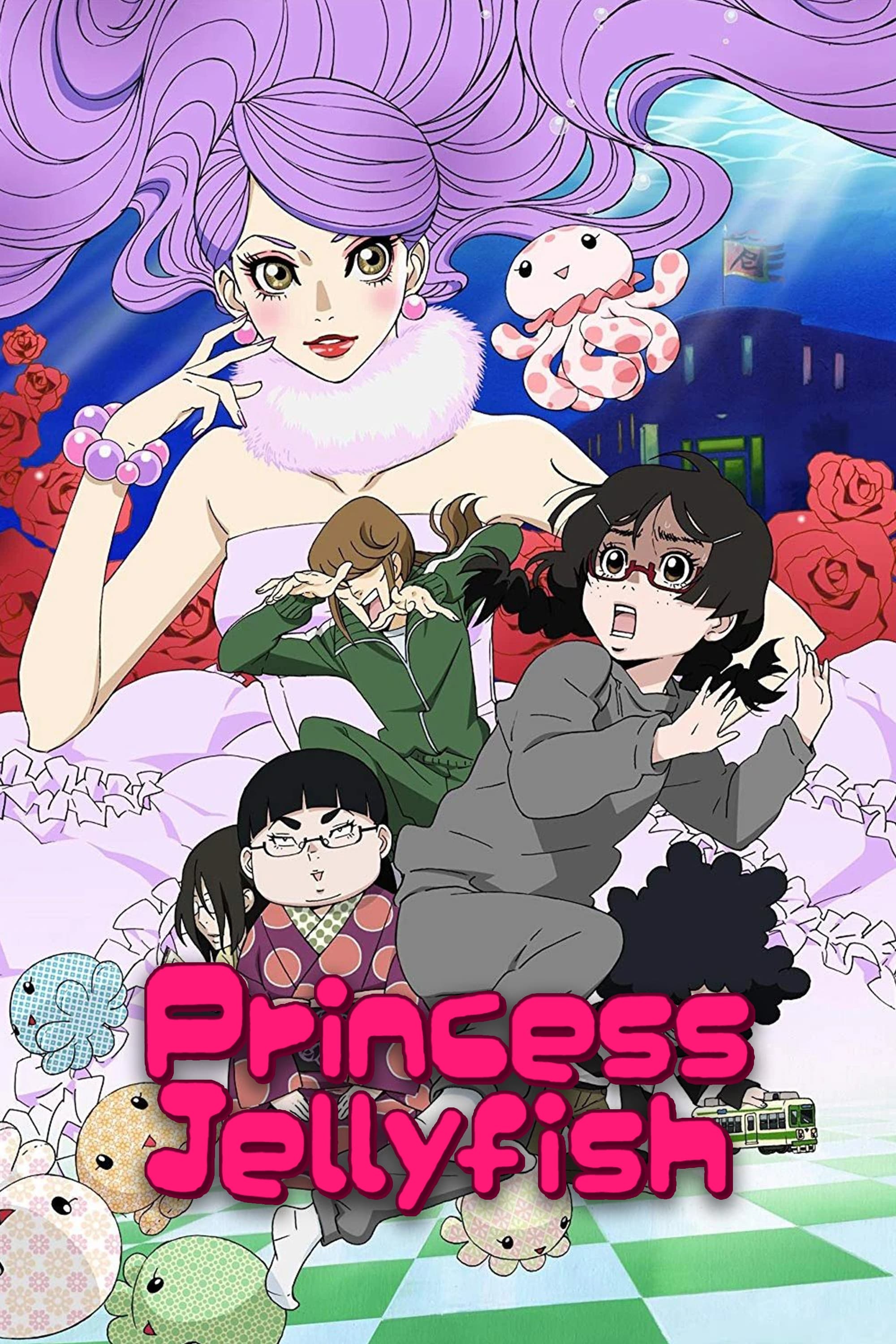
Hanamori is the loyal but incredibly opinionated driver for the wealthy Kuronosuke family. He has a distinct obsession with luxury cars and often delivers sharp, sassy critiques of the protagonists’ behavior. His character provides a constant stream of commentary that aligns with the “sassy friend” role in the group. While he is not the central focus, his flamboyant mannerisms are a staple of the show’s comedic structure.
‘The Numbers’ (2016)
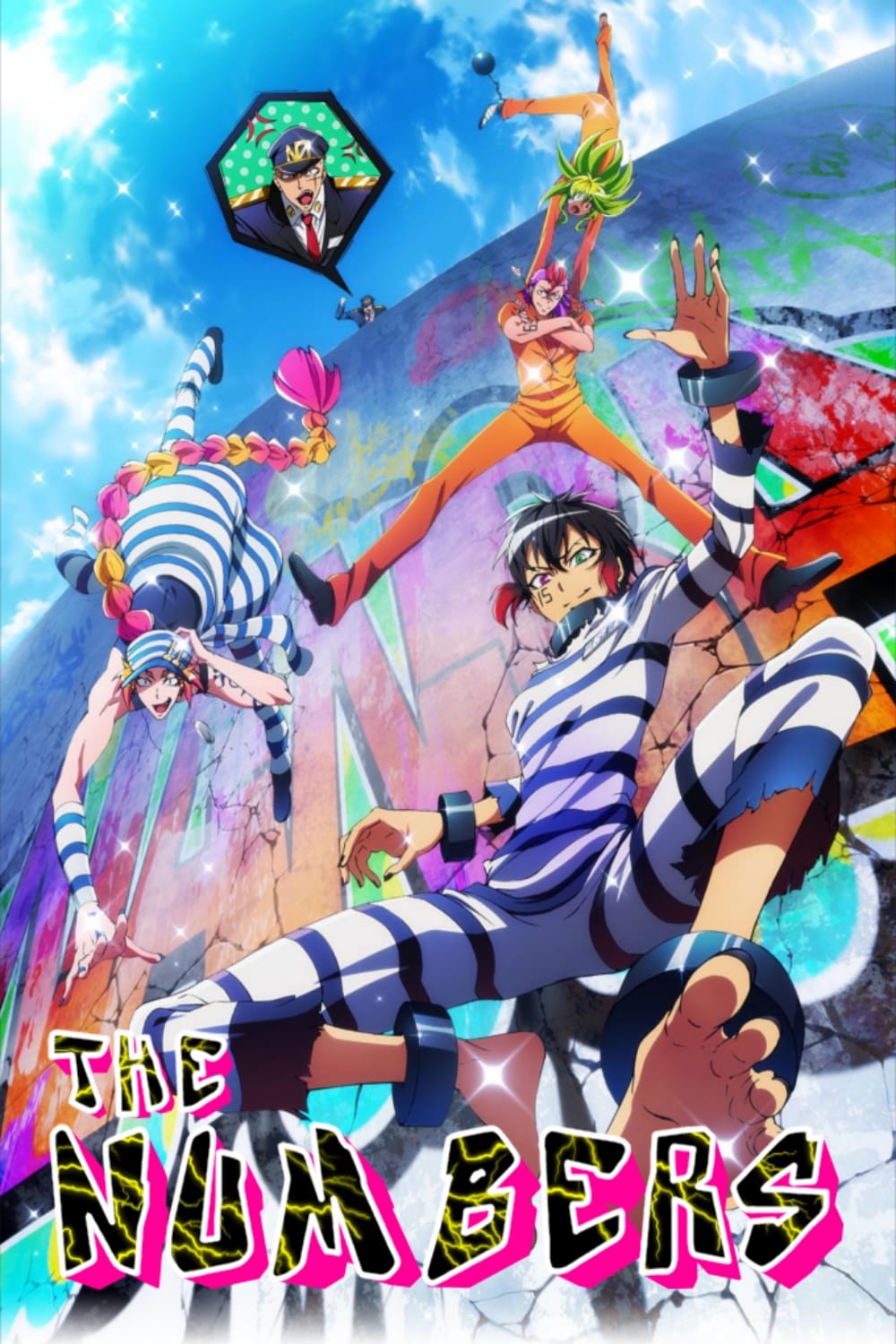
Mitsuru Hitokoshi acts as the hyperactive announcer for the various events held within the Nanba Prison. He is characterized by his neon-colored aesthetic and a personality that is both loud and incredibly sassy. Mitsuru often taunts the inmates and guards alike with a playful yet biting wit. His character serves the specific purpose of being the flamboyant voice of the series’ more chaotic segments.
‘Gintama’ (2006–2018)
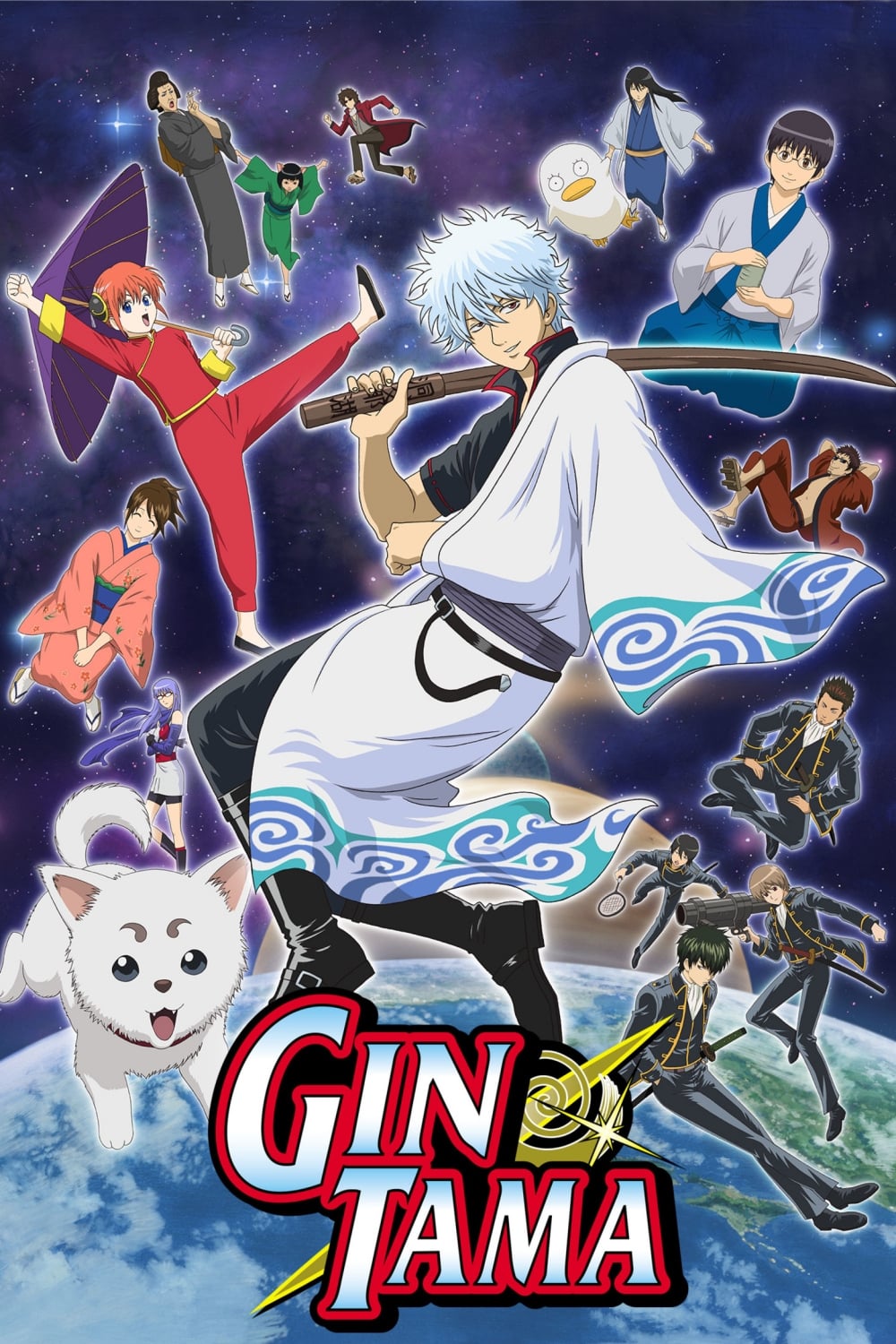
Saigou Tokumori is a powerful figure in the Kabukicho district who runs an establishment for “okama” characters. Despite his background as a legendary warrior, his modern persona is defined by flamboyant dress and a sassy, commanding attitude. The series often uses Saigou and his employees to facilitate crude jokes and stereotypical gags. This portrayal is a recurring element in the show’s parody-heavy humor.
‘Shin Chan’ (1992–Present)
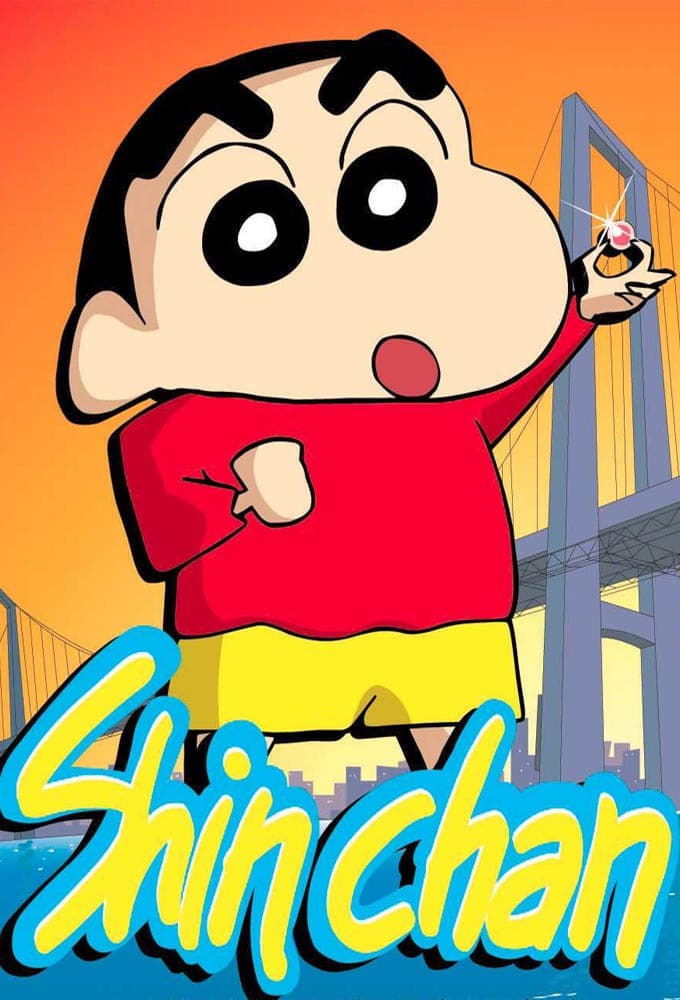
The Okama Brothers are recurring characters in various ‘Crayon Shin-chan’ feature films and episodes. They are typically depicted with exaggerated makeup and loud, flamboyant personalities that guide or hinder the Nohara family. Their role is almost entirely focused on being a “sassy” visual and behavioral spectacle for the audience. Critics have noted that these characters represent a very narrow and dated view of queer individuals in Japanese animation.
‘PERSONA5 the Animation’ (2018)
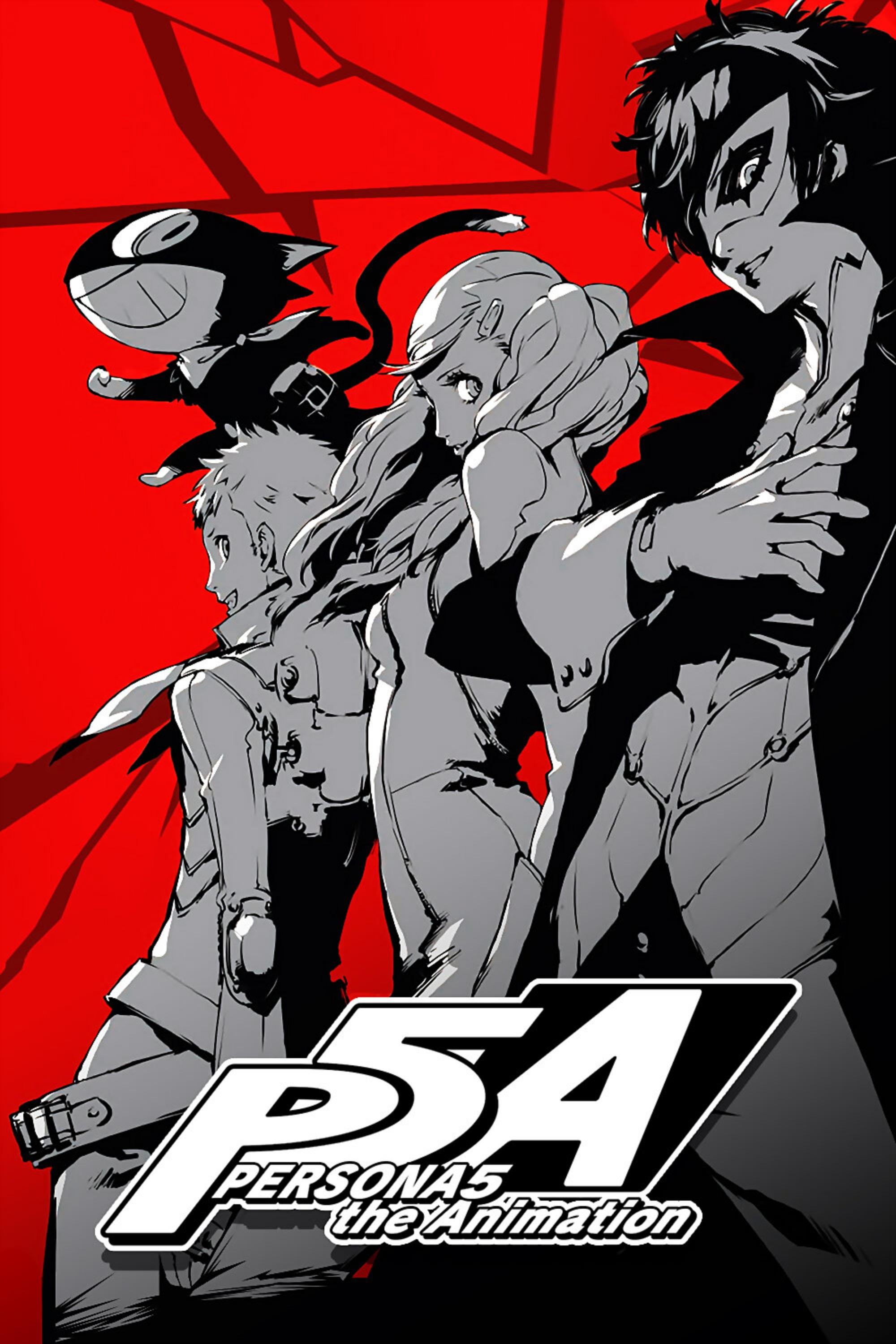
This adaptation features two characters in the Shinjuku district who are depicted as aggressively flamboyant and predatory toward the teenage protagonists. Their brief appearances were widely condemned for relying on the most negative aspects of the “sassy” and “creepy” gay stereotype. The scene was so controversial that it was significantly altered in the localized Western release of the accompanying game. It remains a prominent example of the “sassy gay” trope used in a derogatory fashion.
Share your thoughts on these controversial character portrayals in the comments.