

Anime That Featured Stereotypical Black Characters Fans Hated

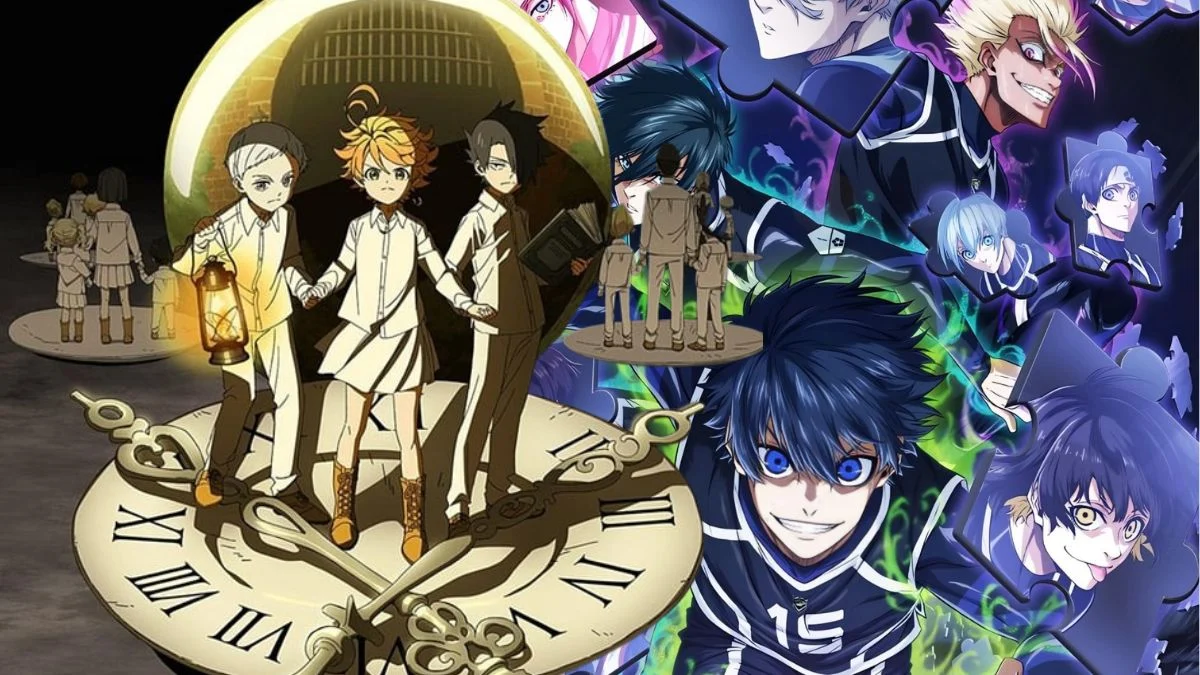


Anime has a long history of utilizing various character designs that have occasionally sparked significant controversy among international audiences. While many of these depictions stem from a lack of cultural awareness in older productions they are often viewed as harmful stereotypes today. Fans have frequently pointed out characters that rely on outdated caricatures or offensive tropes. These instances highlight the evolving conversation around representation and diversity in the animation industry.
‘Dragon Ball’ (1986–1989)
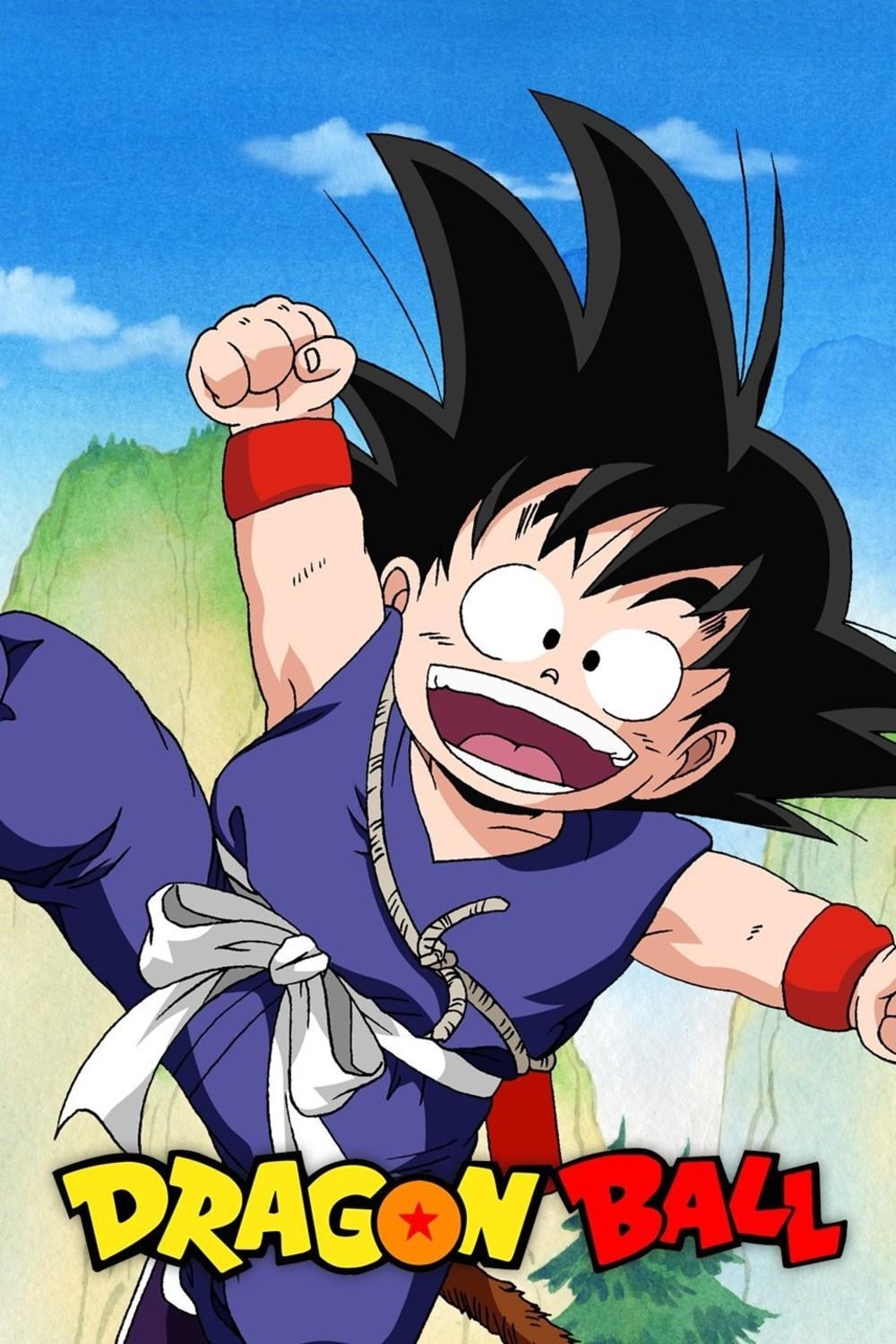
Staff Officer Black serves as a high ranking member of the Red Ribbon Army and the primary assistant to Commander Red. This character design features extremely large lips and other traits that many critics identify as based on archaic racial caricatures. While he is a capable tactician and eventually rebels against his leader his physical appearance remains a point of significant controversy. The portrayal in the original series led to edits and concerns during international distribution in later years.
‘Dragon Ball Z’ (1989–1996)

Mr. Popo is a long standing character who serves as the assistant to the Guardian of Earth. His design includes pitch black skin and prominent red lips which many viewers identify as a connection to blackface imagery. The character was eventually recolored to purple in certain American broadcast versions to address these concerns. Fans and critics often cite this character as one of the most visible examples of historical racial stereotypes in anime.
‘Pokémon’ (1997–2023)

The creature known as Jynx caused significant controversy upon its debut due to its original appearance. Critics argued that the design featured characteristics common in blackface performances including dark skin and exaggerated features. In response to the backlash the creators officially changed the skin color of the character to purple for all future appearances. This adjustment was intended to distance the franchise from any negative racial connotations.
‘Shaman King’ (2001–2002)
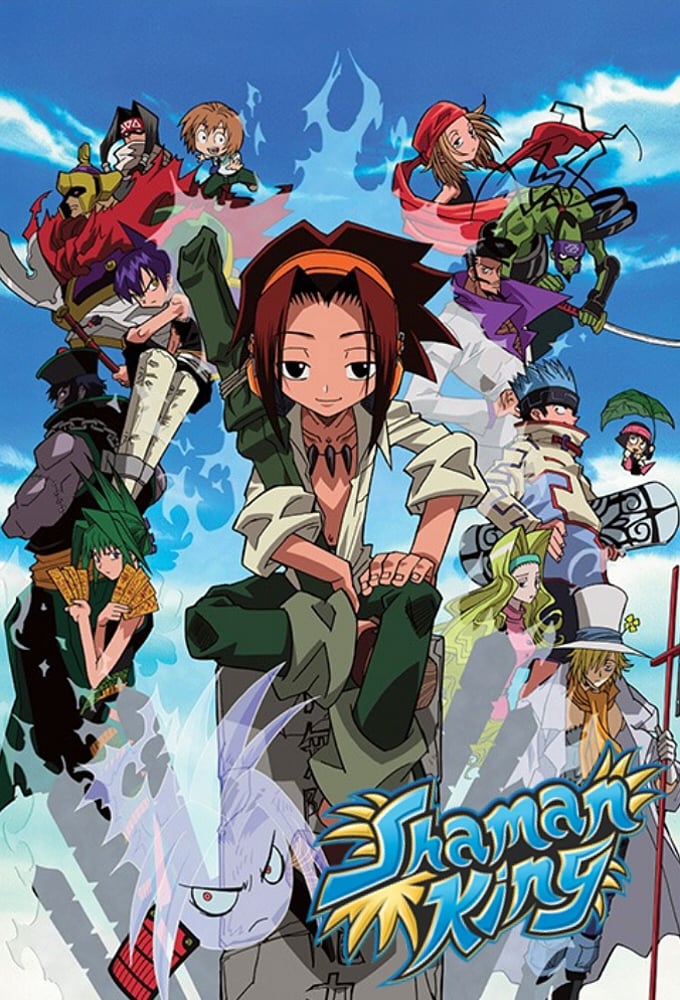
Chocolove McDonell is a talented shaman who joins the main group during their journey to the Shaman Fight. Despite being a positive and heroic figure his character design relies on exaggerated facial features that fans found problematic. The original manga and anime both featured these controversial traits which led to edits in international releases. Many viewers felt that the character design detracted from his development as a skilled warrior.
‘The Promised Neverland’ (2019–2021)
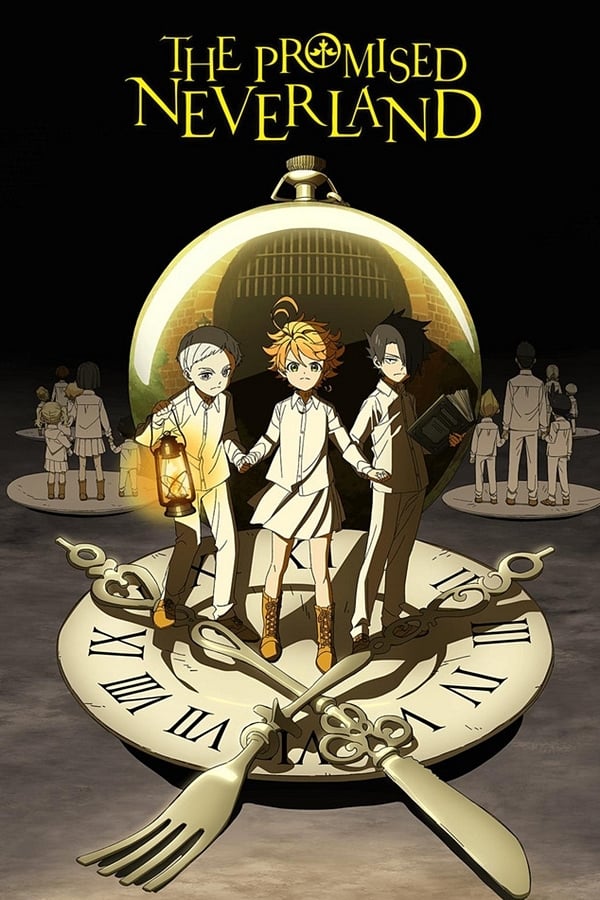
Sister Krone is introduced as an antagonist who assists in overseeing the children at Grace Field House. Her design includes physical traits that some fans felt were exaggerated in a way that mirrored historical caricatures. While she is a complex character with her own motivations her visual depiction sparked debates regarding representation. Many viewers found the contrast between her appearance and the other characters to be problematic.
‘One-Punch Man’ (2015–Present)
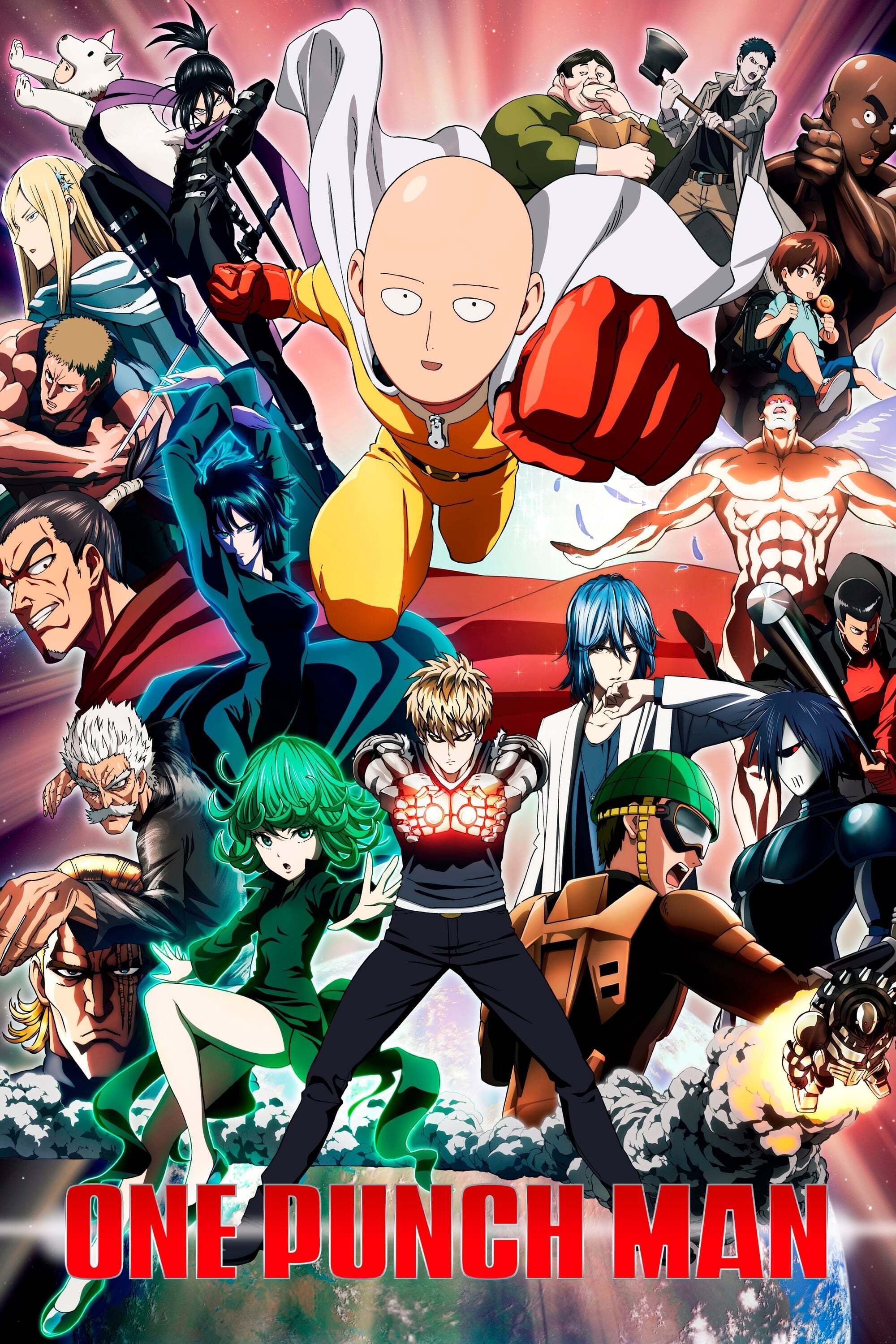
Superalloy Darkshine is a top level hero known for his incredible physical durability and muscular physique. While the character is originally depicted with lighter skin he undergoes a transformation that makes him appear much darker due to intense training. Some fans found this transition and the resulting look to be reminiscent of darkface tropes. The character remains a point of discussion regarding how creators approach muscle definition and skin tone.
‘Cyborg 009’ (1968)
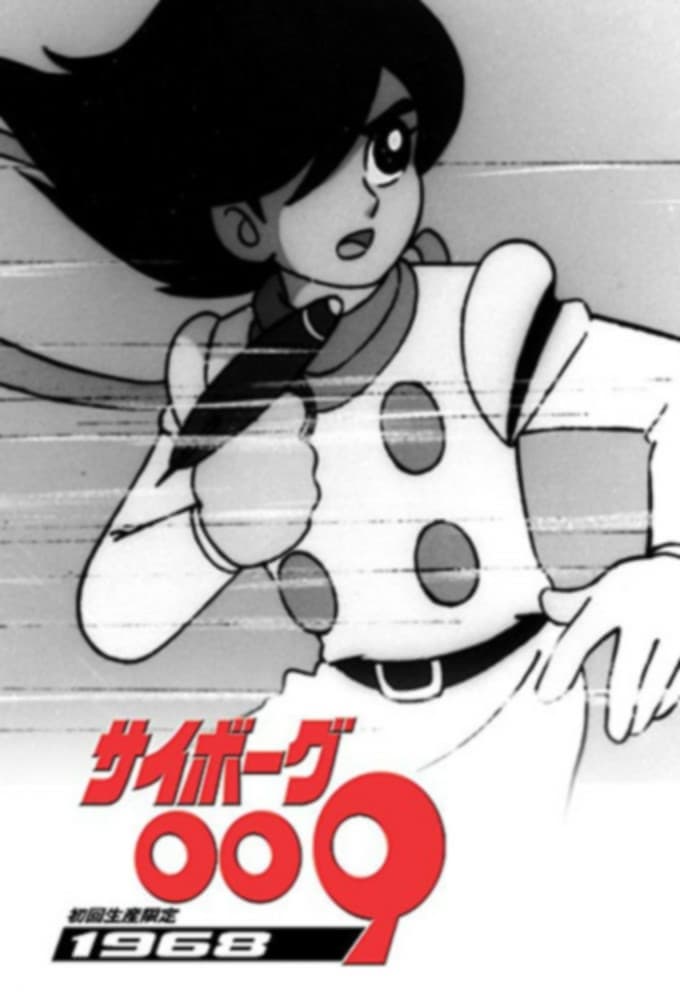
Pyunma is the zero zero eight member of the cyborg team and represents the continent of Africa. His initial design featured extremely exaggerated lips and a physical structure that many modern viewers find offensive. While the character is a hero and a vital part of the team his visual representation follows historical tropes found in early Japanese animation. Newer versions of the series have significantly updated his appearance to be more realistic and respectful.
‘Astro Boy’ (1963–1966)
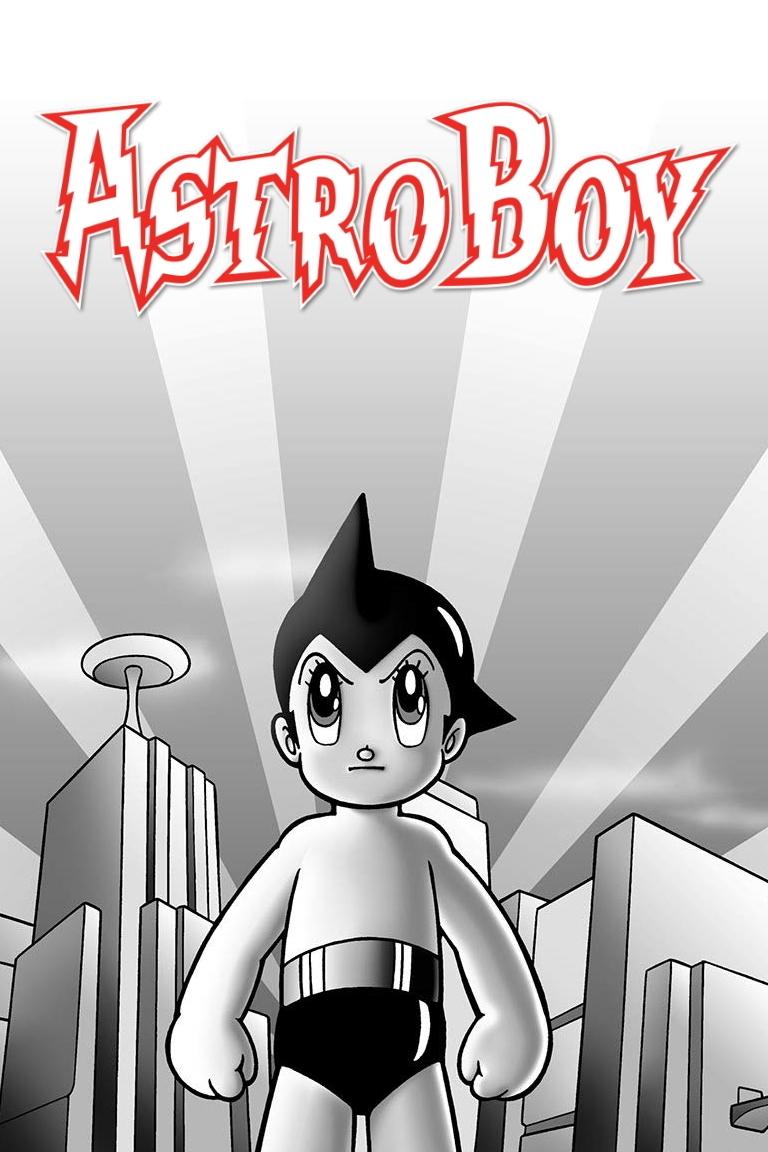
The original television series featured numerous background characters and villains that relied on racial stereotypes. Many of these depictions included the use of dark skin and oversized features to denote characters of African descent. These portrayals were part of a broader trend in early global animation that utilized harmful caricatures for secondary roles. Fans today view these episodes as historical artifacts that show how far the medium has progressed.
‘Tiger & Bunny’ (2011)
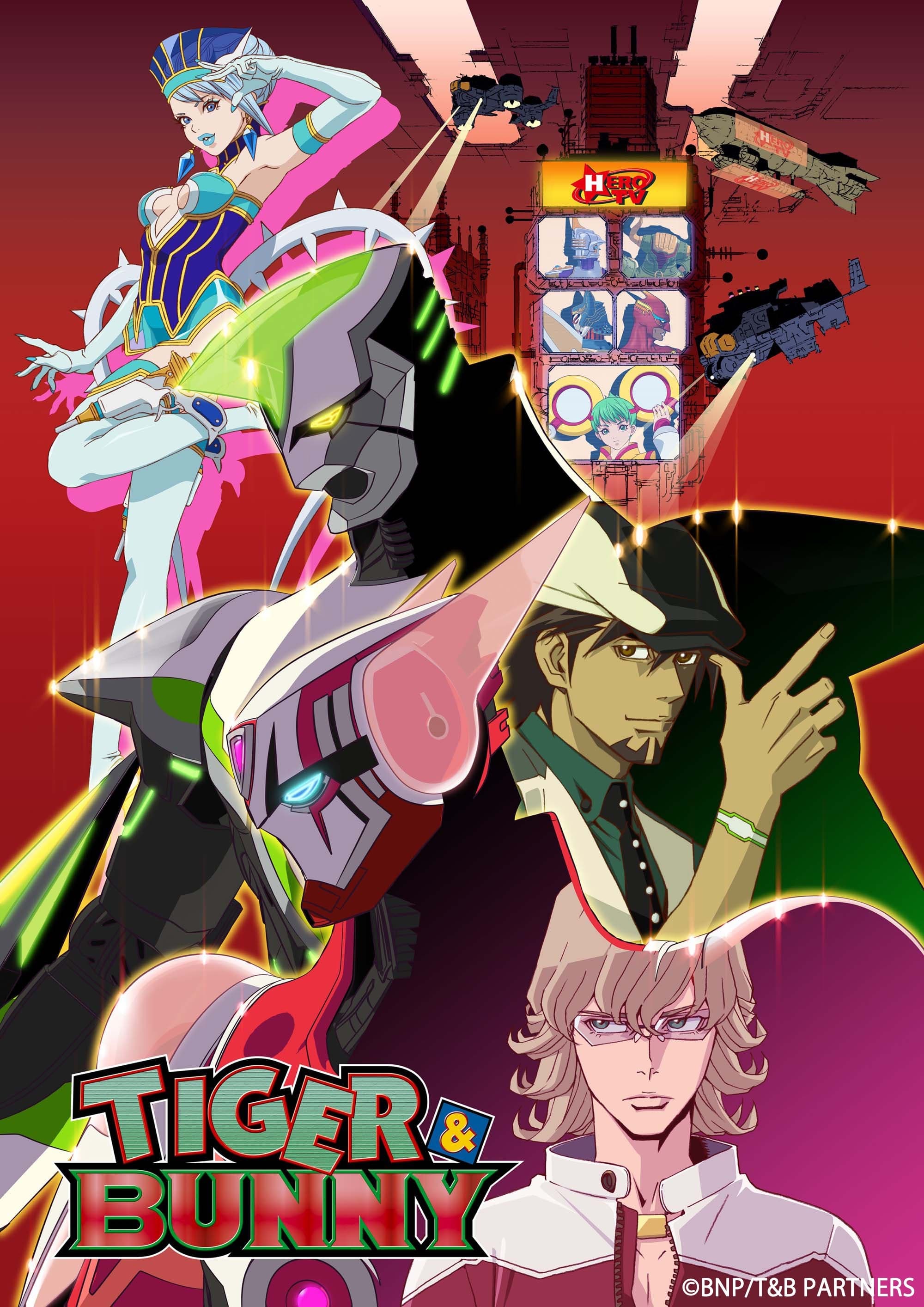
The character Nathan Seymour who goes by the hero name Fire Emblem is a high ranking professional hero in the series. While he is a powerful and successful figure his portrayal combines several tropes including being flamboyant and highly emotional. Some fans found the intersection of these traits and his racial identity to serve as a caricature of Black queer individuals. This has led to ongoing discussions about the balance between unique character traits and harmful stereotypes.
‘Terra Formars’ (2014)
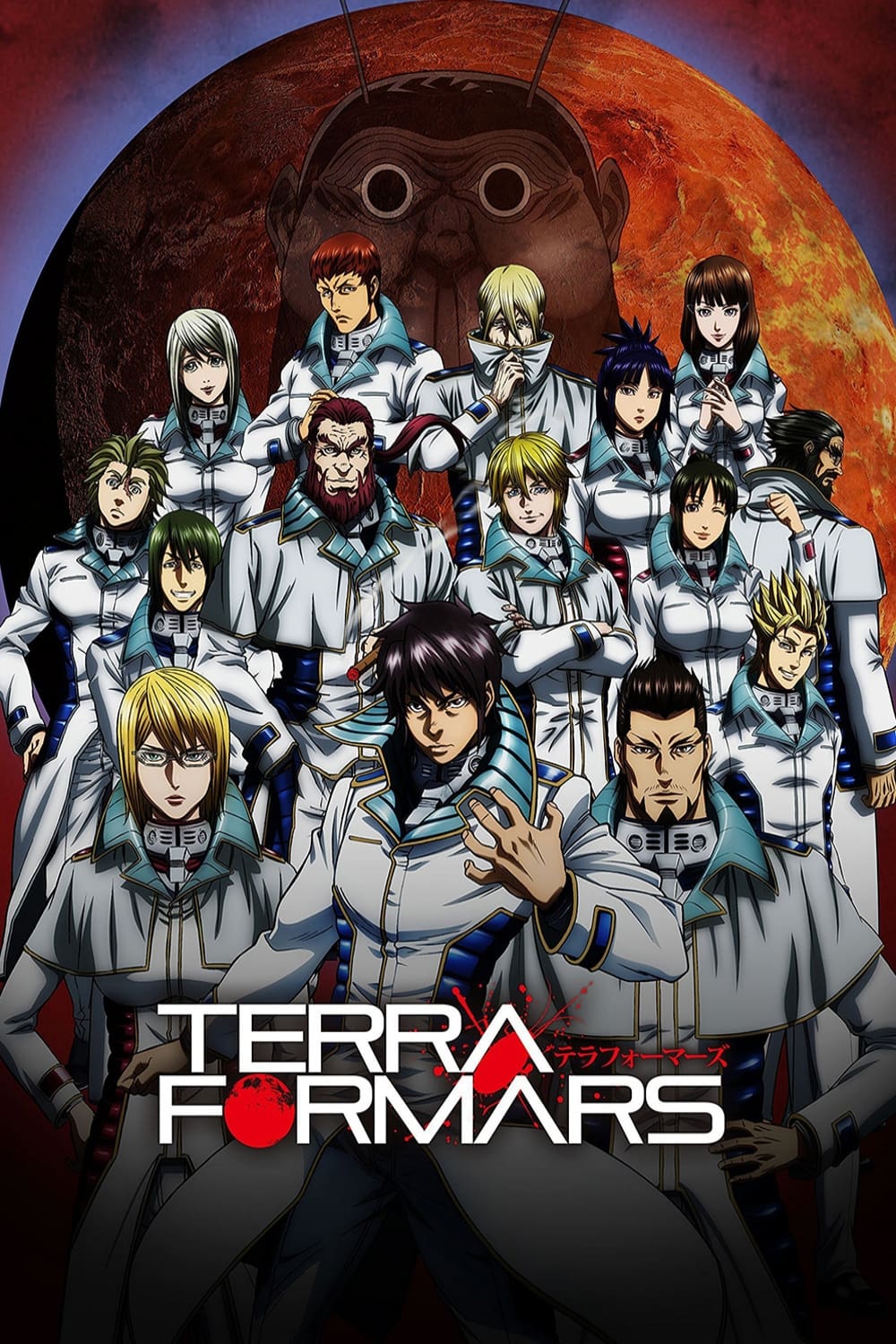
The primary antagonists of this series are evolved humanoid cockroaches that inhabit the planet Mars. Many viewers and critics pointed out that the physical appearance of these creatures bore a striking resemblance to racist caricatures of Black people. The controversy intensified as the story depicted these beings as violent and primitive threats to the human characters. This design choice remains one of the most widely cited examples of problematic imagery in modern anime.
‘Kuroko’s Basketball’ (2012–2015)
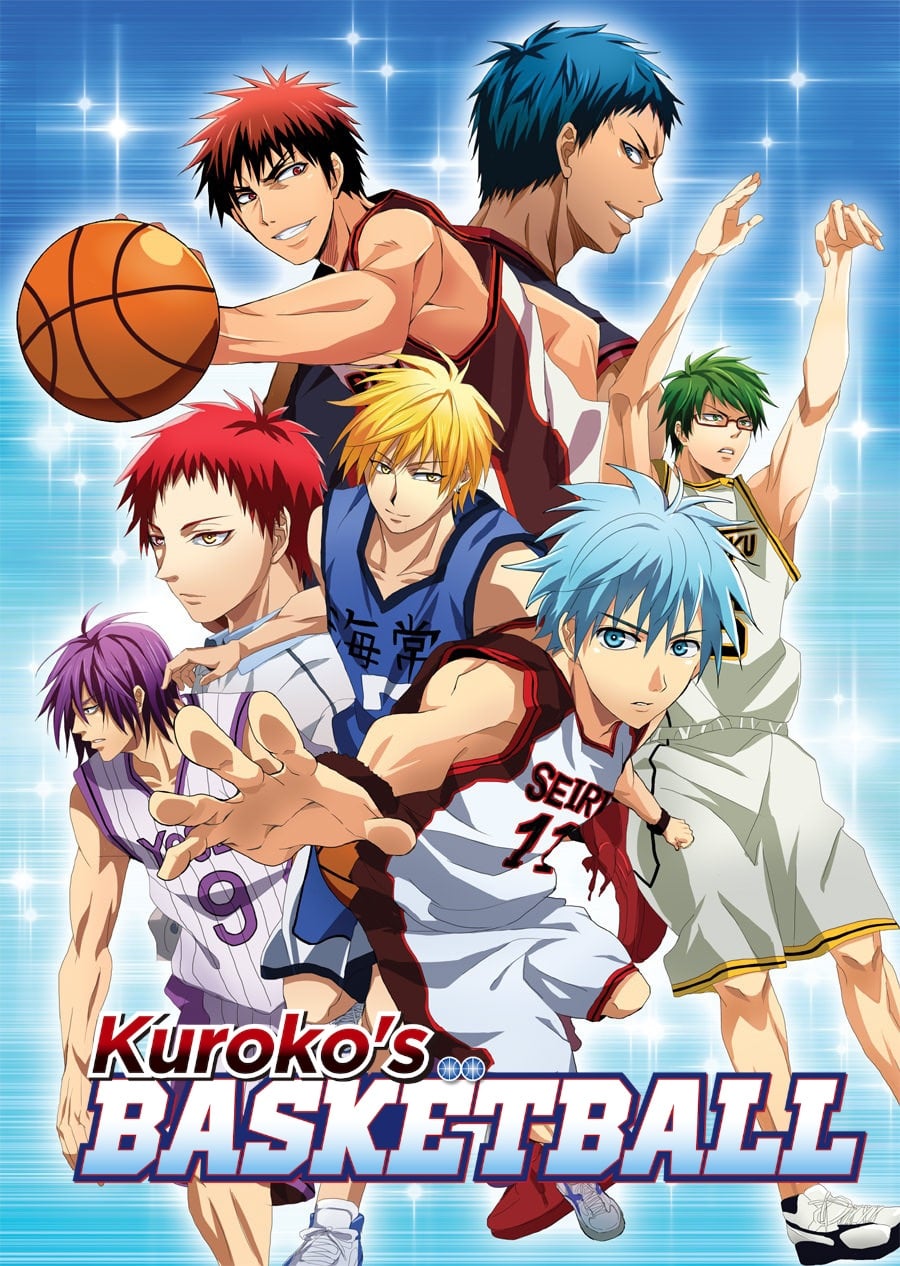
Jason Silver appears as an antagonist in the film following the main series who is part of the American team Jabberwock. He is portrayed as an incredibly aggressive and disrespectful player who looks down on his Japanese opponents. Fans critiqued the character for being a collection of negative stereotypes regarding Black athletes and their behavior. His role as a villainous powerhouse further emphasized these controversial traits throughout the story.
‘One Piece’ (1999–Present)
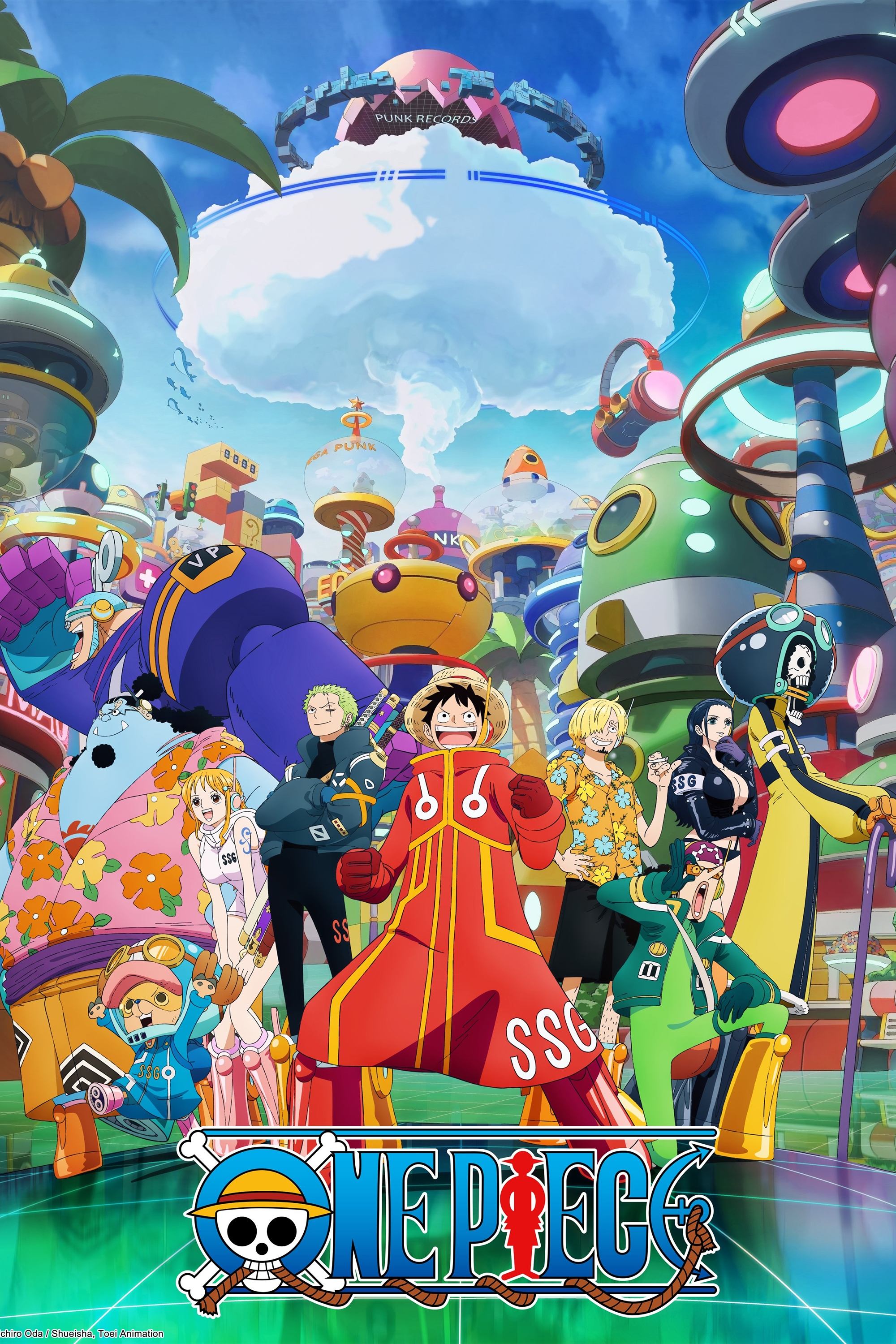
Miss Monday is a bounty hunter who works for the Baroque Works organization during the early arcs of the series. Her design features a very muscular build and facial characteristics that some viewers identified as stereotypical and unappealing. While the series is known for its diverse and exaggerated character designs her specific look was met with criticism from international audiences. She eventually appears in a more sympathetic light during later episodes but her introduction remains a point of contention.
‘Baki’ (2018–2020)
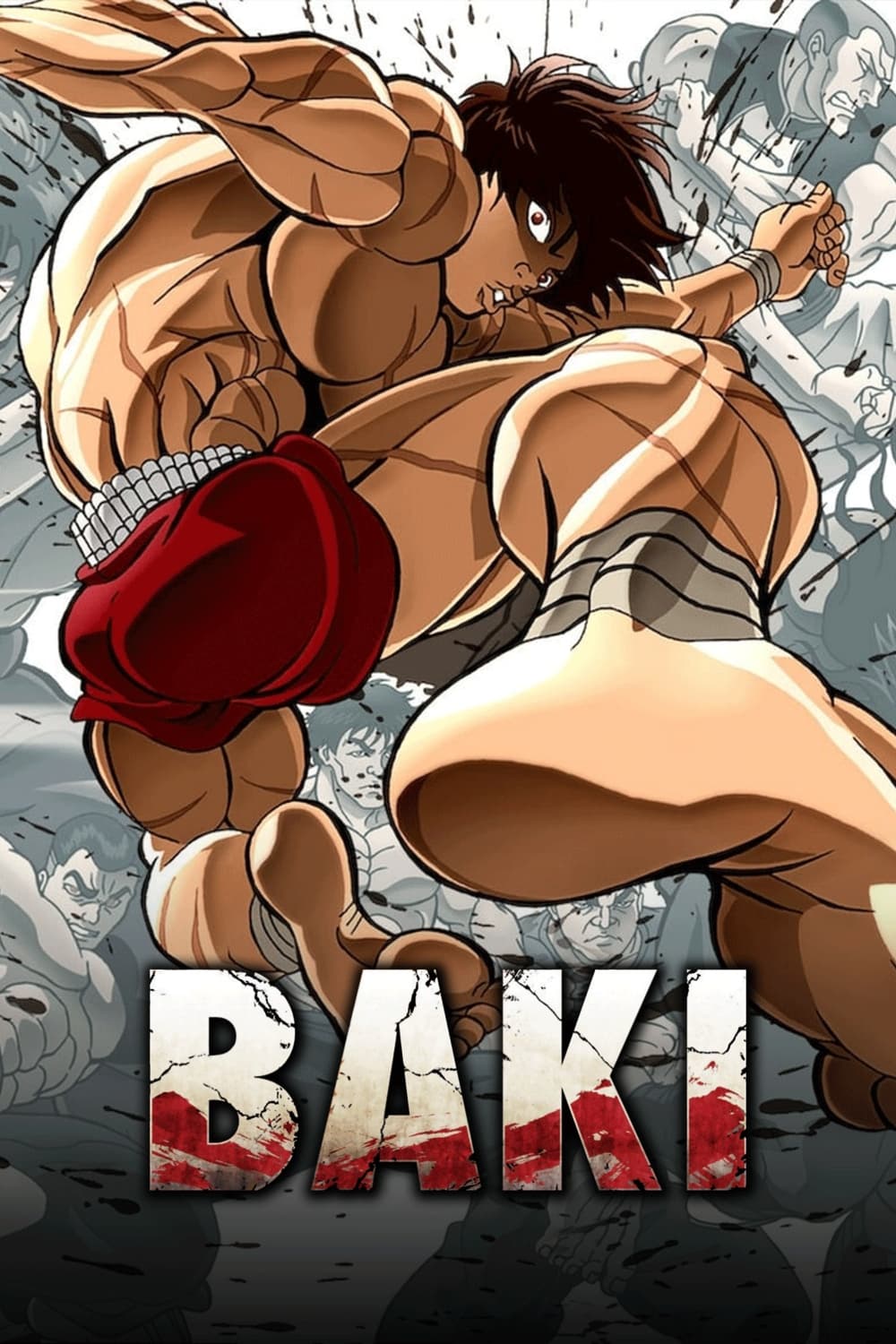
Biscuit Oliva is an American prisoner who is considered one of the strongest men in the world within the series universe. His character design is extremely exaggerated with massive muscles and features that some fans feel lean into historical tropes. Although he is presented as a formidable and intelligent fighter his physical portrayal has been described as a caricature. The depiction of American characters in the show often relies on these hyper masculine and stereotypical visuals.
‘Bleach’ (2004–2012)
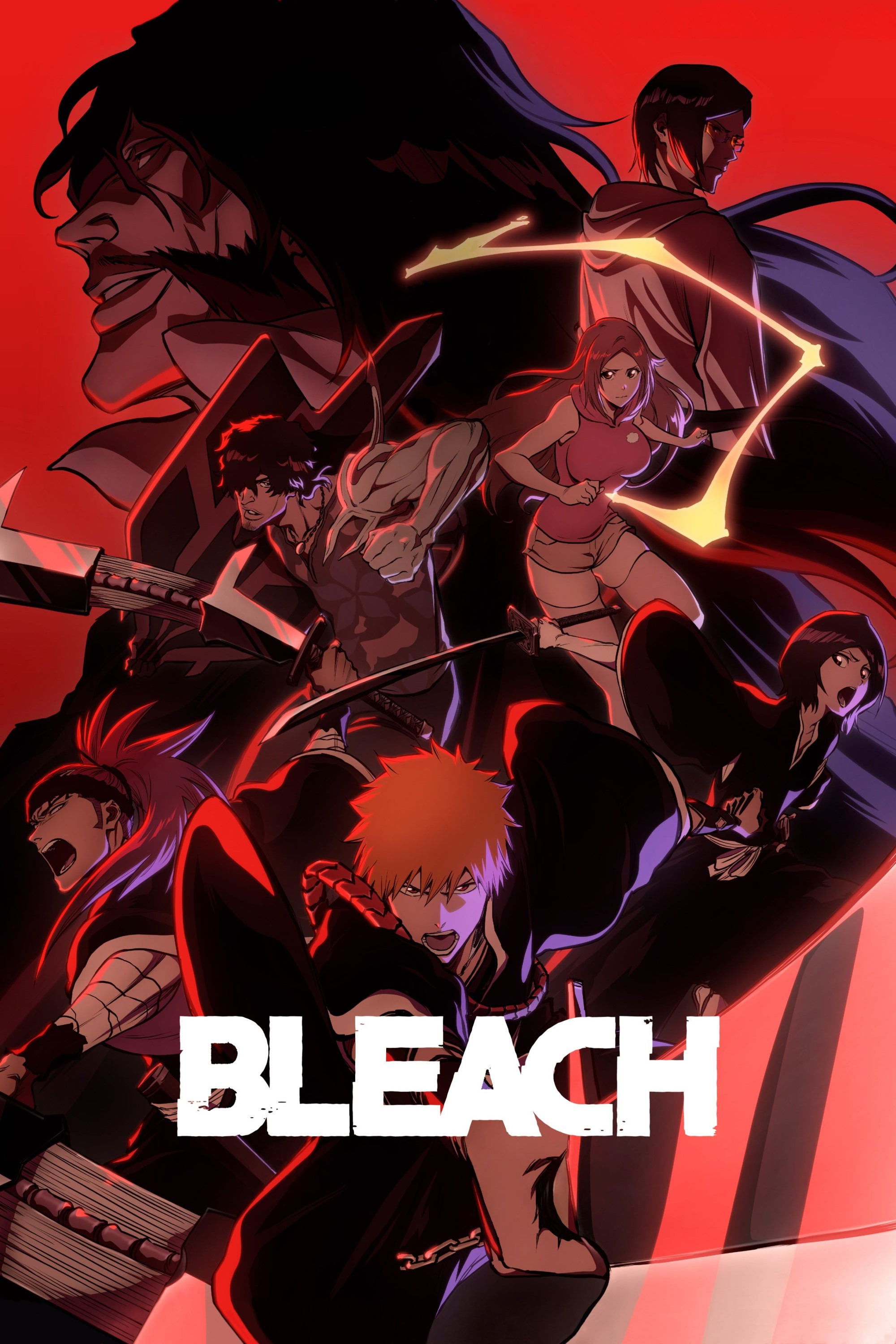
Zommari Rureaux is a member of the Espada who faces off against the Soul Reapers during the invasion of Las Noches. His character design and his special abilities involving voodoo like powers were criticized for utilizing negative cultural tropes. Many fans found the combination of his appearance and his specific fighting style to be a collection of offensive stereotypes. This portrayal stands out in a series that generally features a wide variety of diverse and well received characters.
‘Eyeshield 21’ (2005–2008)
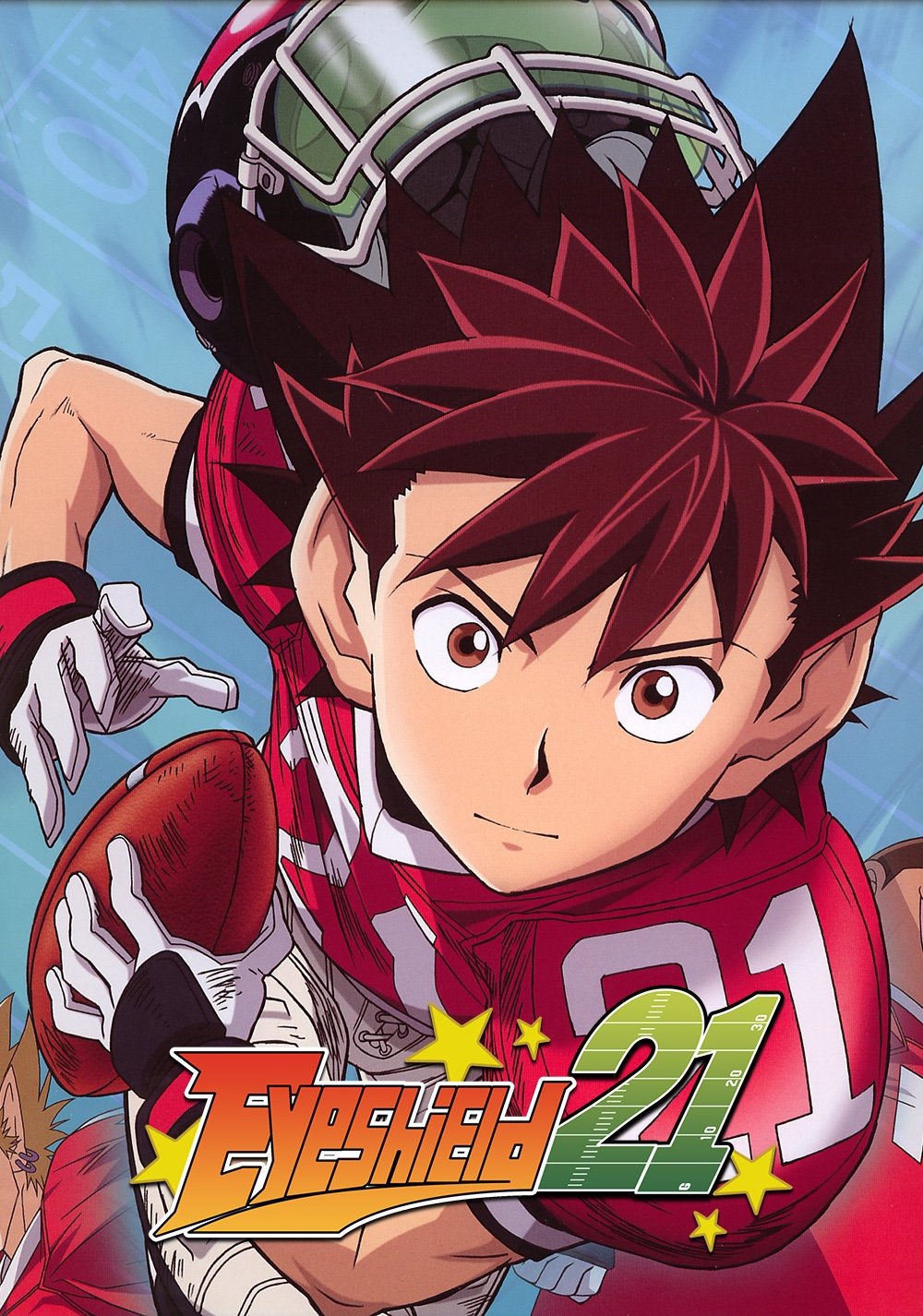
Patrick Spencer who is commonly referred to by the nickname Panther is a talented running back from the United States. His characterization focuses heavily on his natural athletic ability which is often described using animalistic metaphors. Some fans found the emphasis on his raw talent over technical skill to be a recurring and problematic trope for Black characters in sports media. Despite his positive role in the story these specific descriptions have faced criticism over the years.
‘Slam Dunk’ (1993–1996)
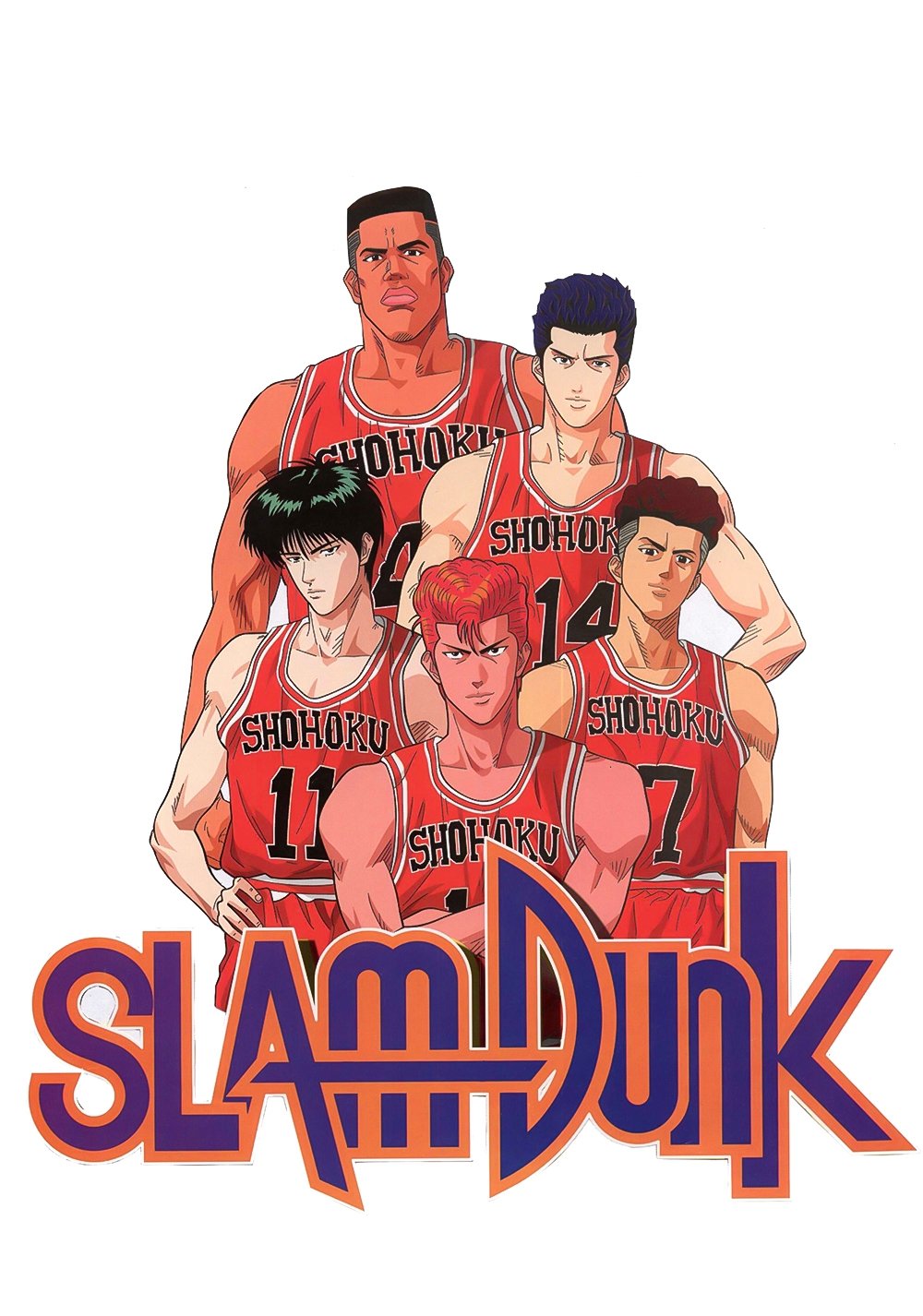
As a foundational sports series this show primarily focuses on Japanese high school basketball teams. However when foreign players are mentioned or shown they are often depicted with very different and sometimes stereotypical physical characteristics. Some viewers have noted that these designs serve to make the international players appear more intimidating and alien compared to the main cast. This approach to character design was a common practice in many manga and anime productions during the early nineties.
‘Blue Lock’ (2022–Present)

Dada Silva is an international player who appears during a high stakes match against the top prospects of the training program. His design and personality are presented as highly aggressive and physically dominant which some fans found to be a tired stereotype. The series focuses on the ego and intensity of athletes but the specific portrayal of this character felt reductive to many viewers. This has led to ongoing discussions about how modern sports anime represent athletes from different cultural backgrounds.
‘JoJo’s Bizarre Adventure’ (2012–2013)
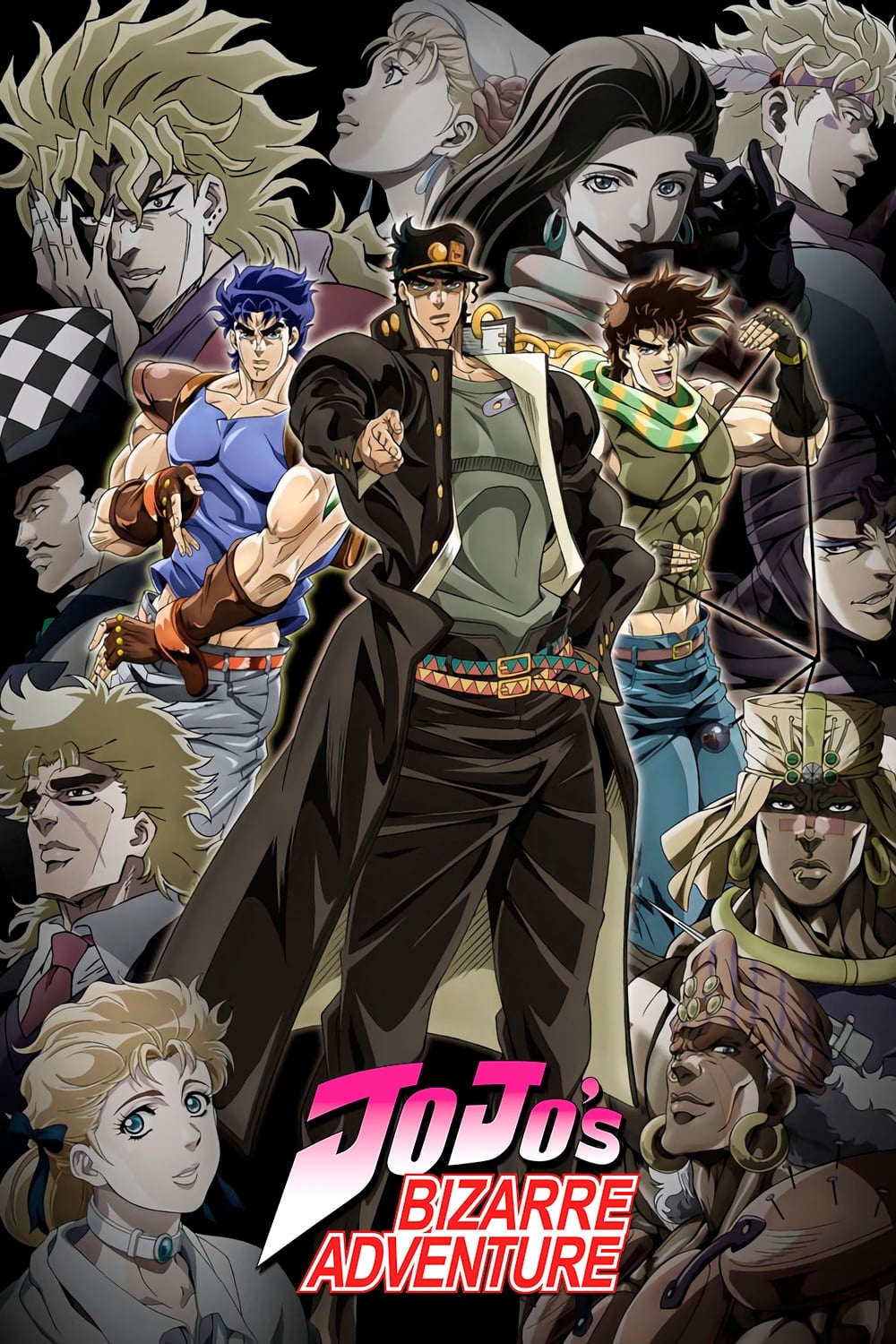
Smokey Brown is a young boy who becomes friends with Joseph Joestar at the beginning of the second story arc. While his role is positive he is introduced as a street urchin who steals from the main character which some viewers felt was a cliché. His design also includes features that were common in older depictions of Black characters in Japanese media. Fans have discussed how the series evolved from these early portrayals to more nuanced characters in later installments.
‘Gantz’ (2004)
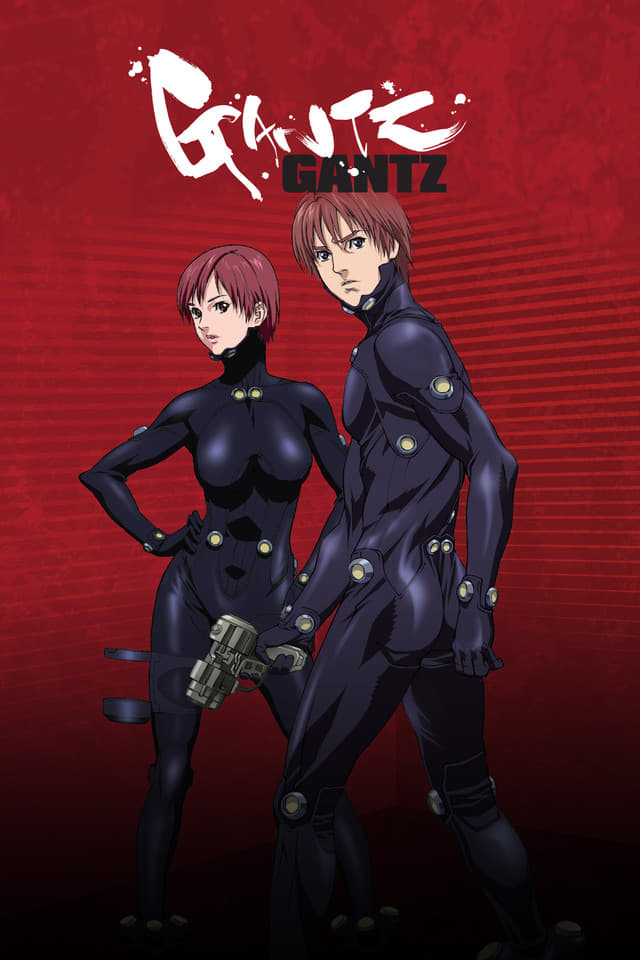
This series is known for its gritty and often shocking content including its depiction of various people caught in a survival game. During certain missions the show introduces foreign characters who are often portrayed through a lens of extreme stereotypes. Some fans found the representation of Black characters in these arcs to be particularly offensive due to their designs and behavior. The series has often been criticized for its general handling of any characters outside of the core Japanese cast.
‘High School of the Dead’ (2010)
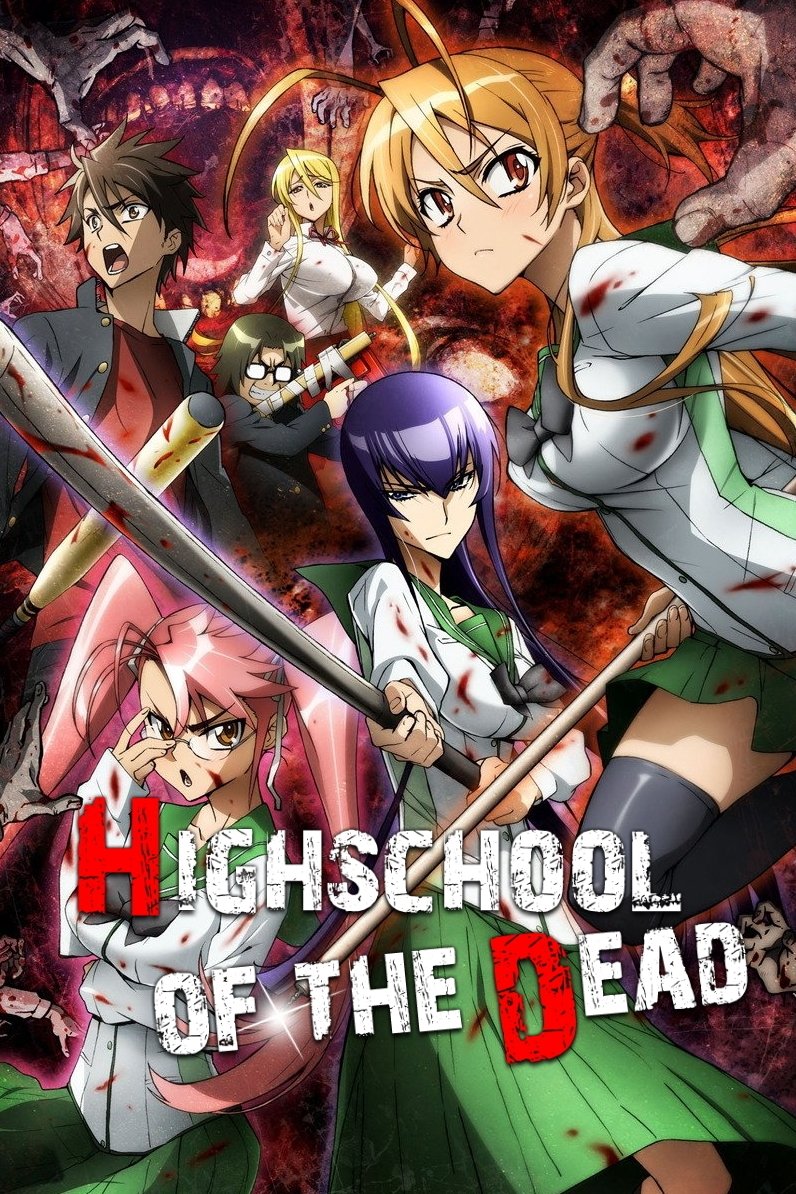
In this zombie apocalypse story the appearance of American military forces includes several Black soldiers. These characters are often shown in a way that emphasizes physical toughness and specific linguistic tropes that fans found stereotypical. The show is known for its reliance on tropes and fan service which often extends to its depiction of different nationalities. Many viewers felt that these minor roles missed an opportunity for more respectful and accurate representation.
‘Speed Racer’ (1967–1968)
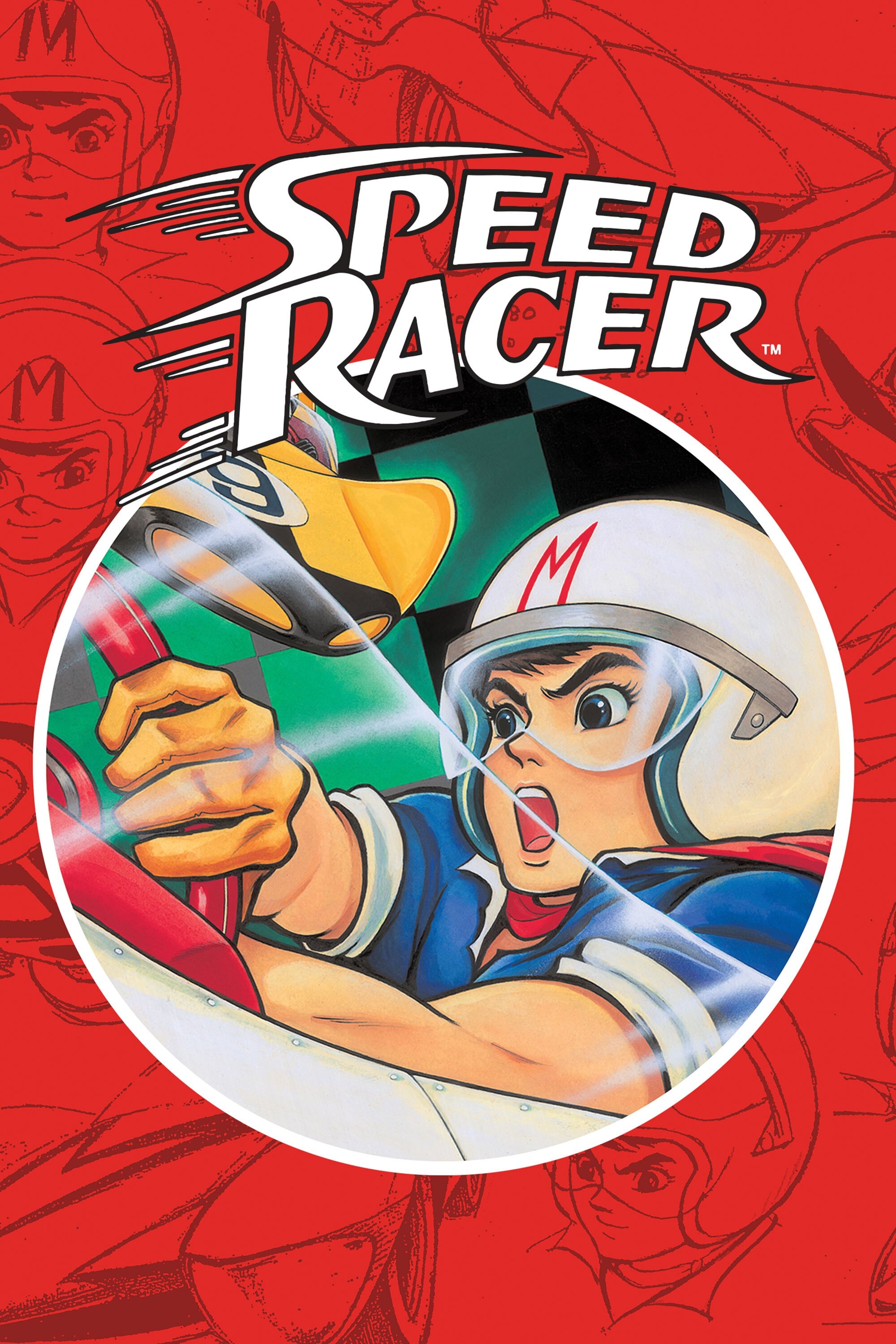
The original series features a variety of rival racers from around the world who compete against the title character. Many of these international opponents were designed using broad racial and national stereotypes that were common in sixties animation. Black characters in particular were often shown with exaggerated features that reflected contemporary Western caricatures. Modern audiences often view these depictions as problematic relics of the history of the medium.
‘Mobile Suit Gundam’ (1979–1980)
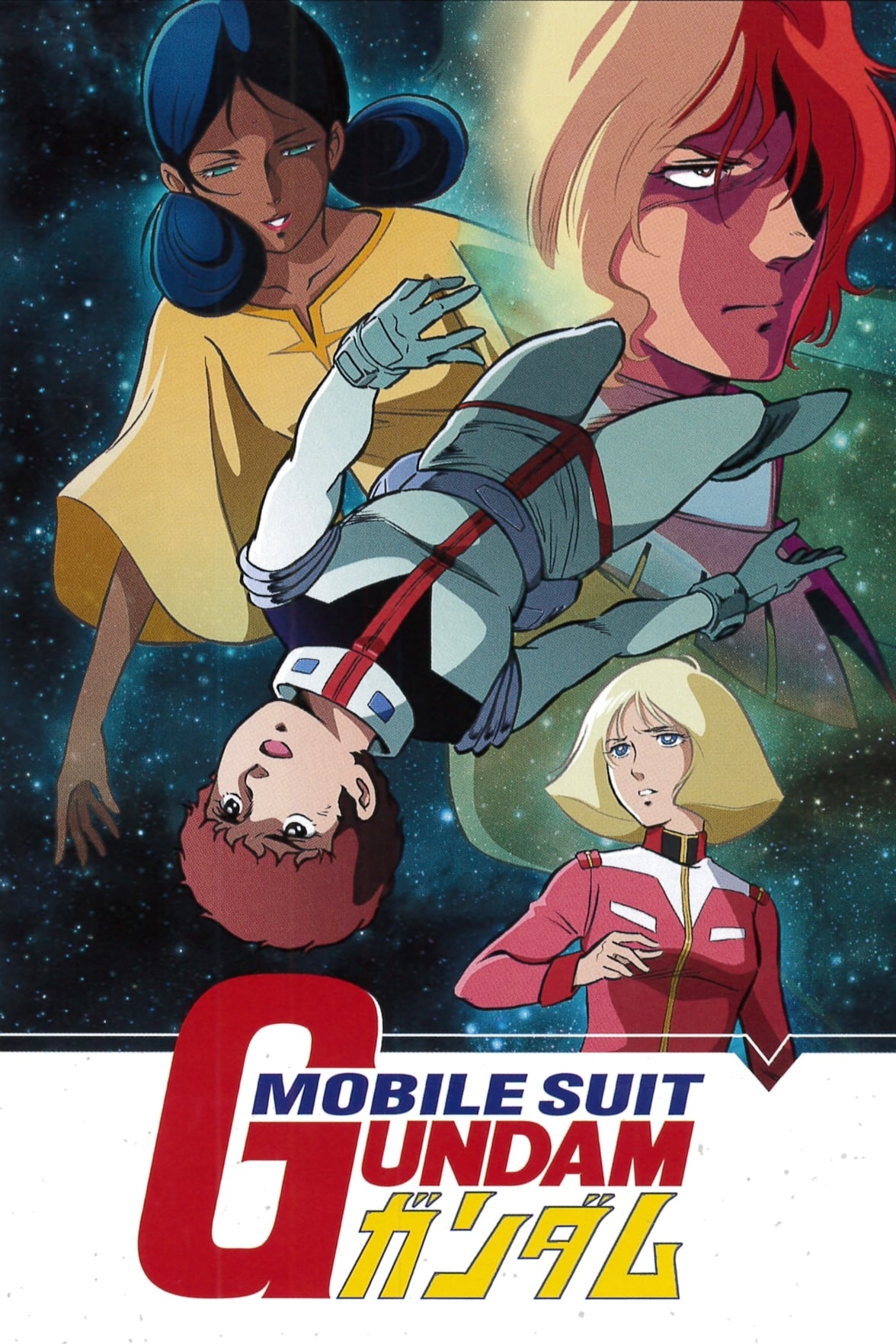
As one of the most influential anime of all time this series features a vast cast of characters across various warring factions. While it attempted to show a global conflict some of the background characters in early episodes featured stereotypical designs. Fans have noted that these depictions were often simple and relied on outdated visual shorthand for different races. The franchise has since made significant strides in providing diverse and well developed characters in its many sequels.
‘Fist of the North Star’ (1984–1987)

The post apocalyptic world of this series is filled with various gangs and lone warriors struggling for survival. Among the many thugs and minor villains are characters whose designs draw from racial caricatures. These figures are typically shown as primitive or overly aggressive obstacles for the hero to overcome. Viewers often point to these examples when discussing the prevalence of certain tropes in eighties action anime.
‘Dr. Slump’ (1981–1986)

This comedy series by Akira Toriyama features a wide cast of quirky characters and occasional visitors to Penguin Village. Some of the background and guest characters were designed using racial tropes that many modern viewers find offensive. The slapstick nature of the show often led to the use of broad and exaggerated visuals for comedic effect. These instances are frequently cited as part of the broader conversation regarding historical representation in the works of prominent creators.
‘Yu-Gi-Oh! Duel Monsters’ (2000–2004)
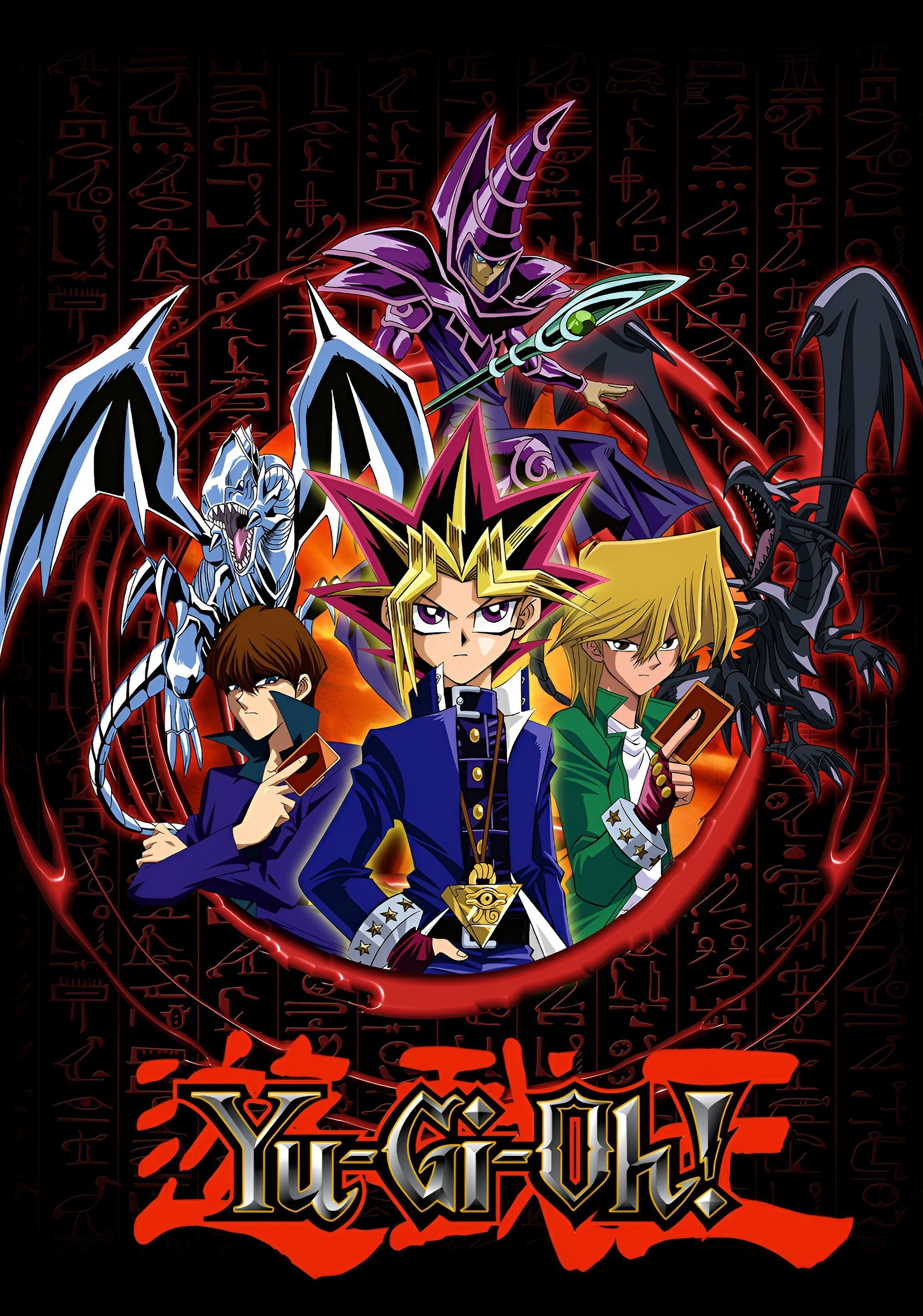
The Seeker is a minor antagonist who works for Marik Ishtar and uses a deck full of counterfeit cards. His design includes physical traits that some fans felt were rooted in negative racial stereotypes. While he is only a temporary obstacle in the Battle City arc his appearance stood out to many international viewers. This character is often discussed in the context of how the series handled the designs of its various villainous henchmen.
Please share your thoughts on these controversial character designs in the comments.