

Anime That Featured Trans Characters as Heroes Without Tragedy Arcs



Japanese animation has a long history of playing with gender presentation and identity. Modern series have increasingly moved away from using gender-non-conforming characters as punchlines or tragic figures. Many shows now feature transgender and non-binary heroes who live fulfilling lives and save the day alongside their cisgender peers. These characters define themselves through their courage and kindness rather than suffering.
‘One Piece’ (1999–Present)
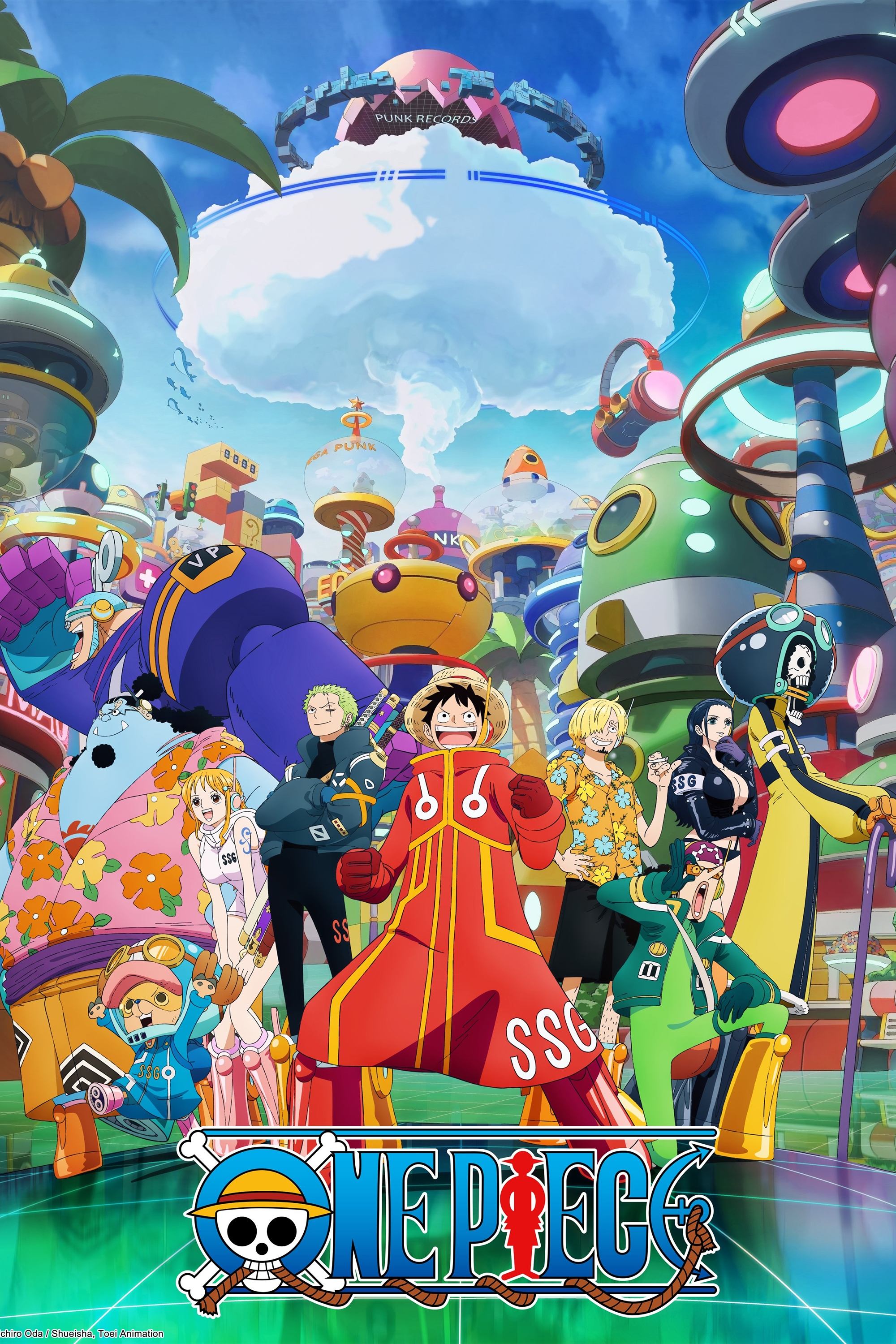
Kikunojo of the Falling Snow stands as one of the strongest samurai in the Land of Wano. She identifies as a woman at heart despite her assigned gender at birth and serves the Kozuki clan with fierce loyalty. Her allies accept her gender identity without hesitation or debate. Kiku battles powerful enemies on the front lines while maintaining a graceful and composed demeanor throughout the war.
‘Hunter x Hunter’ (2011–2014)
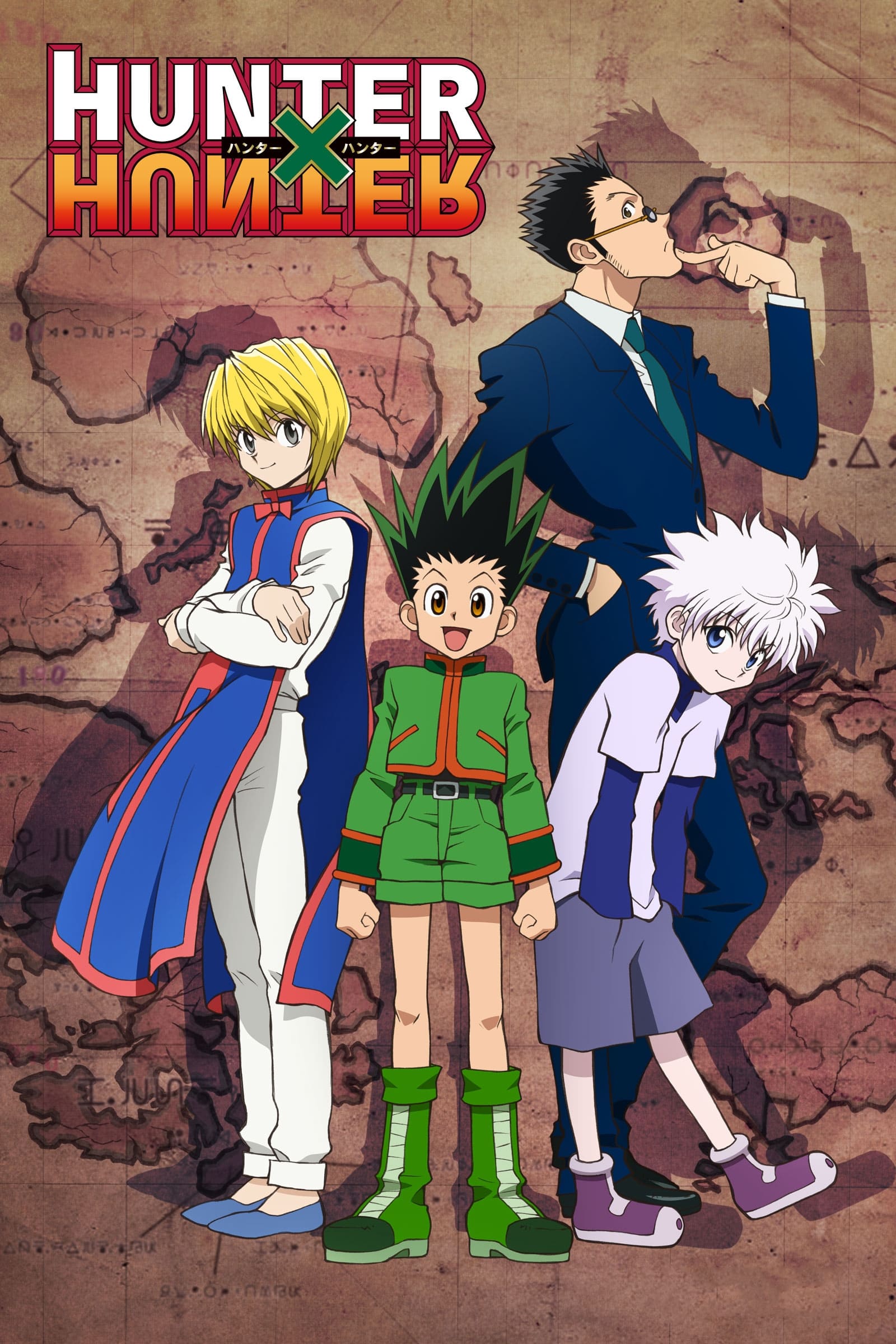
Alluka Zoldyck is the younger sibling of the protagonist Killua Zoldyck. While the rest of her family refers to her as a male object to be controlled, Killua respects her female identity and protects her from their abuse. Alluka possesses a terrifying power but retains a sweet and loving personality. Her story focuses on her liberation and the wholesome bond she shares with her brother as they travel the world together.
‘Tokyo Godfathers’ (2003)
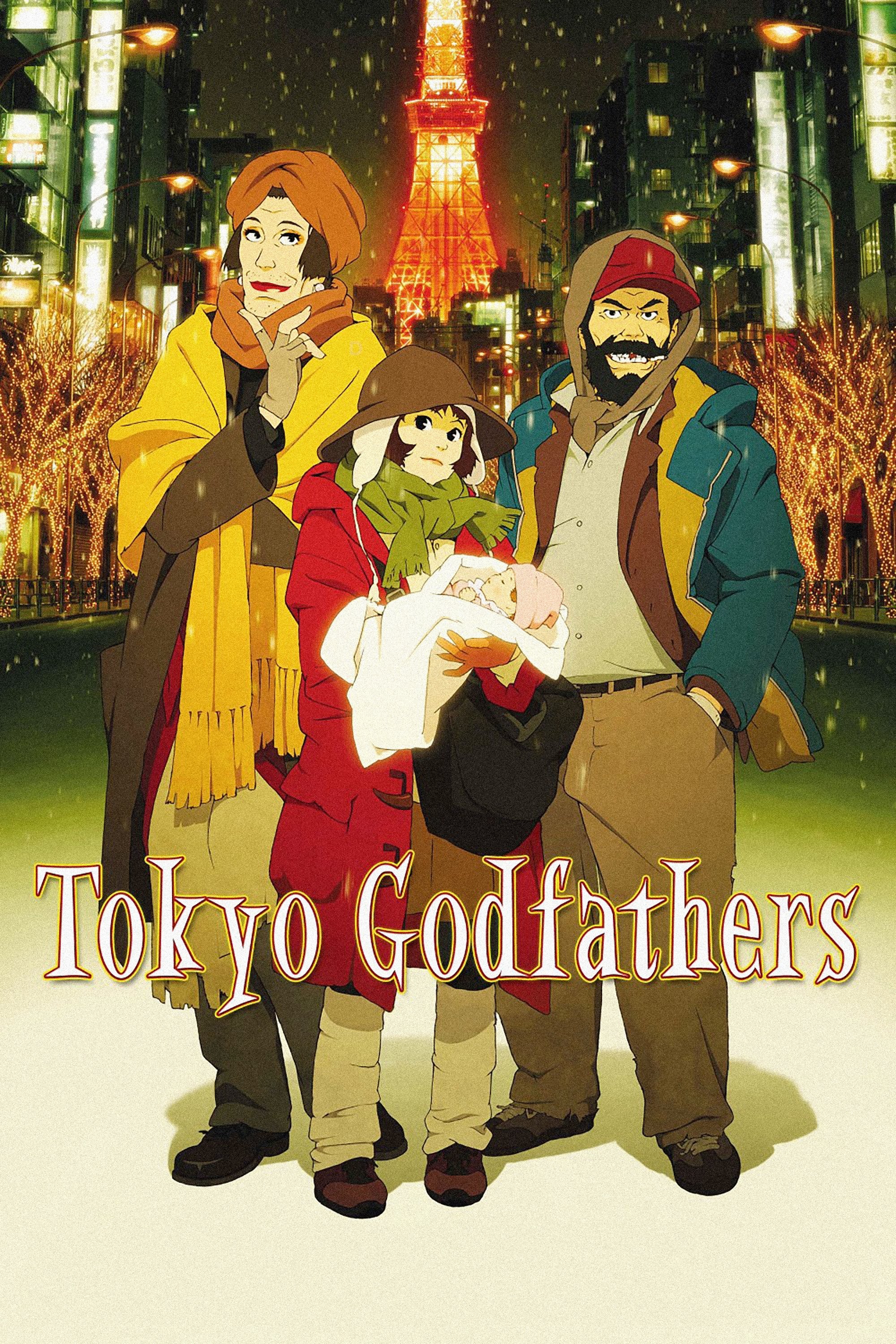
Hana serves as the emotional heart of this classic holiday film about three homeless companions. She is a transgender woman who yearns for the family life she never had. Hana finds an abandoned baby on Christmas Eve and leads the charge to reunite the infant with its parents. Despite her harsh living conditions, she remains the most optimistic and nurturing figure in the trio.
‘Blue Period’ (2021)
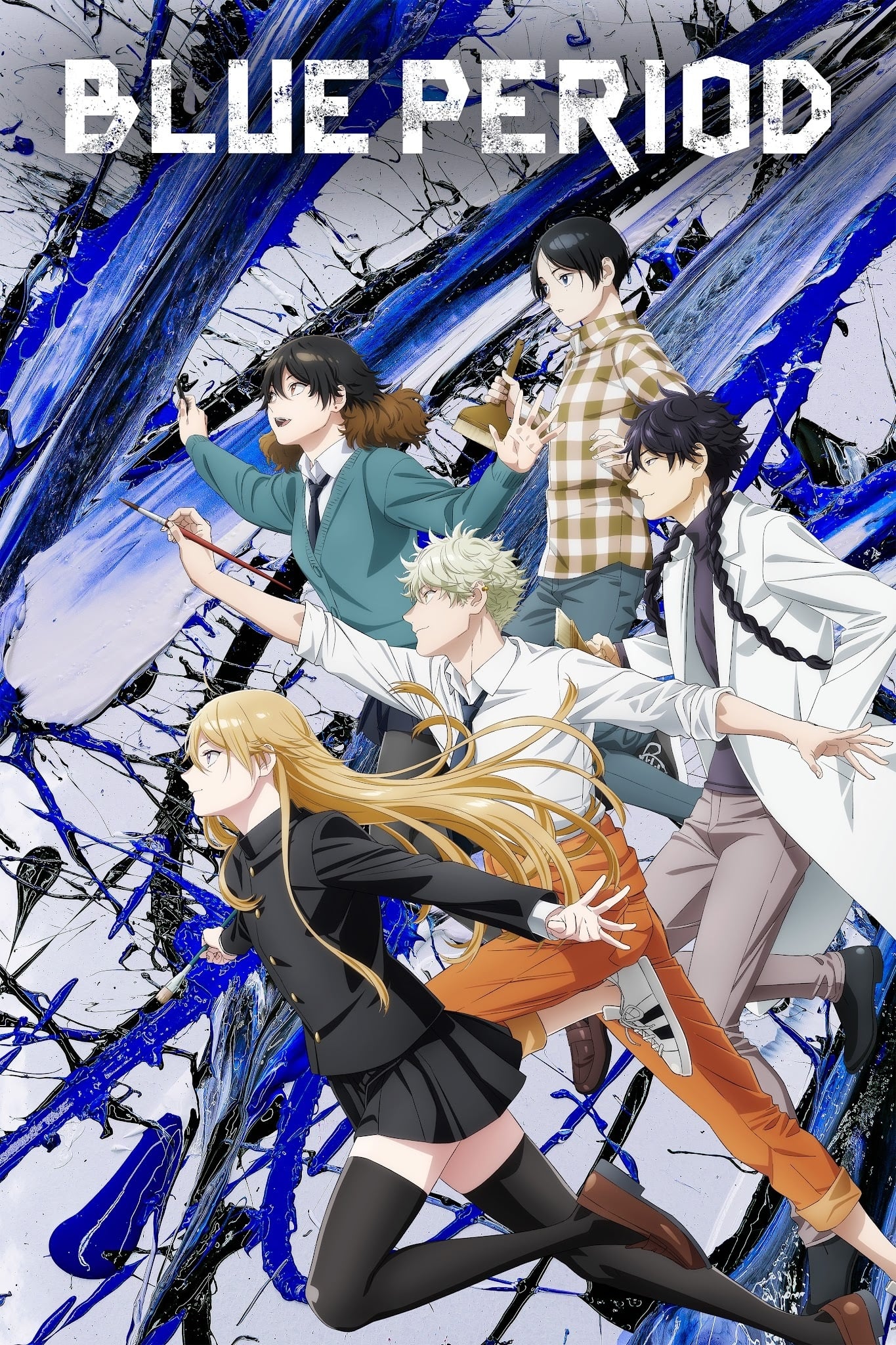
Ryuji Ayukawa is a high school student who faces the pressures of entrance exams and societal expectations. She adopts the name Yuka and explores her gender identity while pursuing Japanese art. The series treats her struggles with depression and acceptance seriously but steers her toward a path of self-discovery rather than tragedy. Yuka eventually finds the resolve to define her own future and artistic expression.
‘Tiger & Bunny’ (2011–2022)
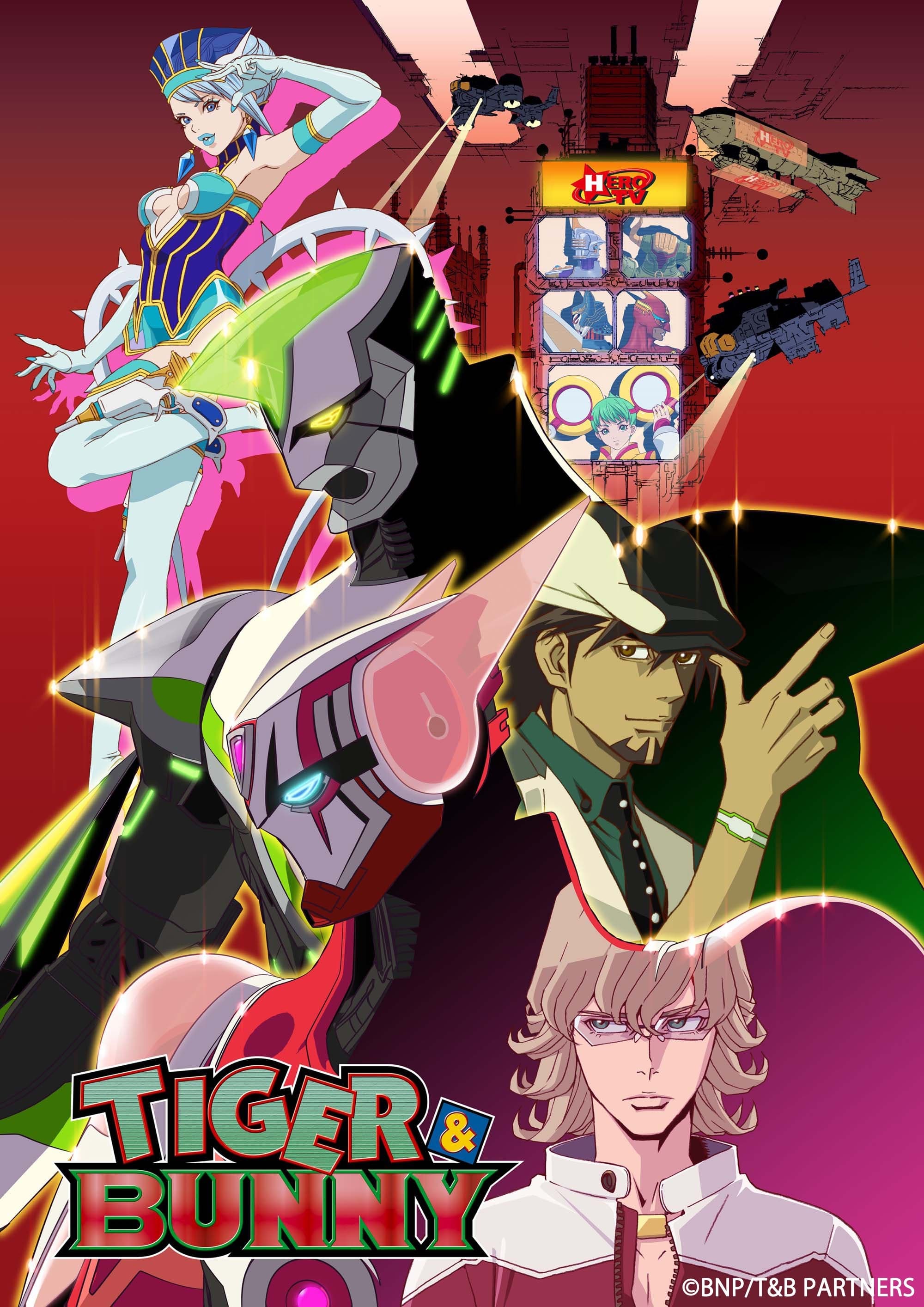
Nathan Seymour operates under the hero alias Fire Emblem and fights crime as a sponsored superhero. He is an open and flamboyant gay man who occasionally expresses a gender-fluid identity. Nathan possesses powerful pyrokinetic abilities and acts as a mature mediator for the other heroes. The narrative respects his competence and allows him to own a company while saving the city.
‘Stars Align’ (2019)
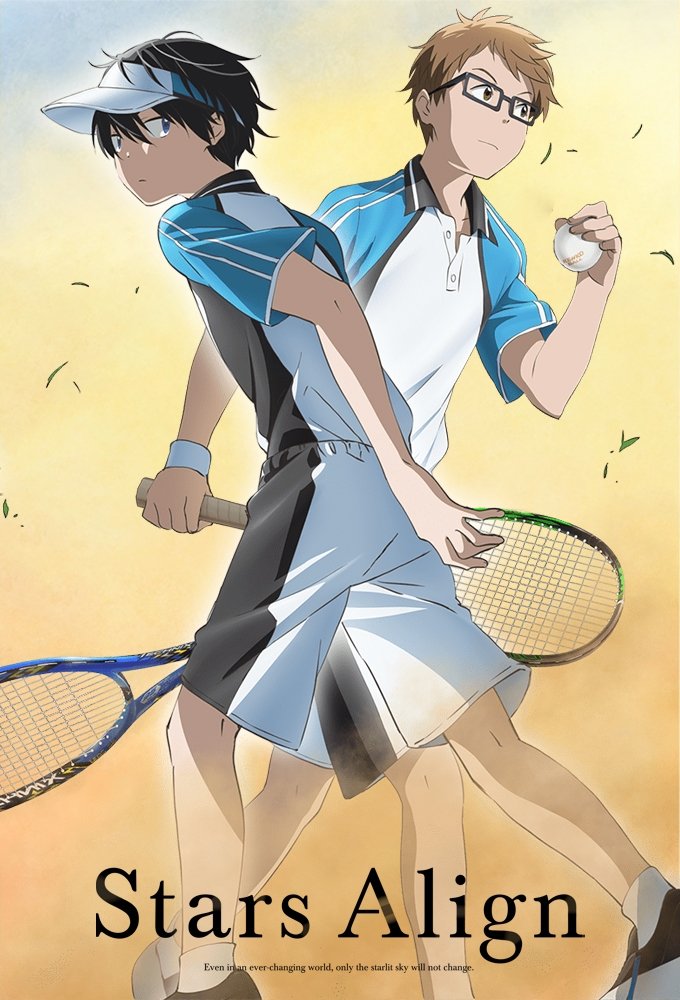
Yu Mashiro is a middle school student who joins the soft tennis club. Yu explicitly comes out as non-binary to the protagonist Maki and explains the discomfort with gendered uniforms. The show depicts this conversation with remarkable sensitivity and realism. Yu finds acceptance within the team and focuses on mastering the sport alongside supportive friends.
‘Gatchaman Crowds’ (2013–2015)

Rui Ninomiya is an idealistic genius who uses technology to improve society. Rui presents in a feminine manner and often crossdresses while leading a massive online organization known as GALAX. The character believes that the human soul transcends gender and uses this philosophy to empower others. Rui acts as a primary hero who uses intelligence and altruism to save the world from chaos.
‘Stop!! Hibari-kun!’ (1983–1984)
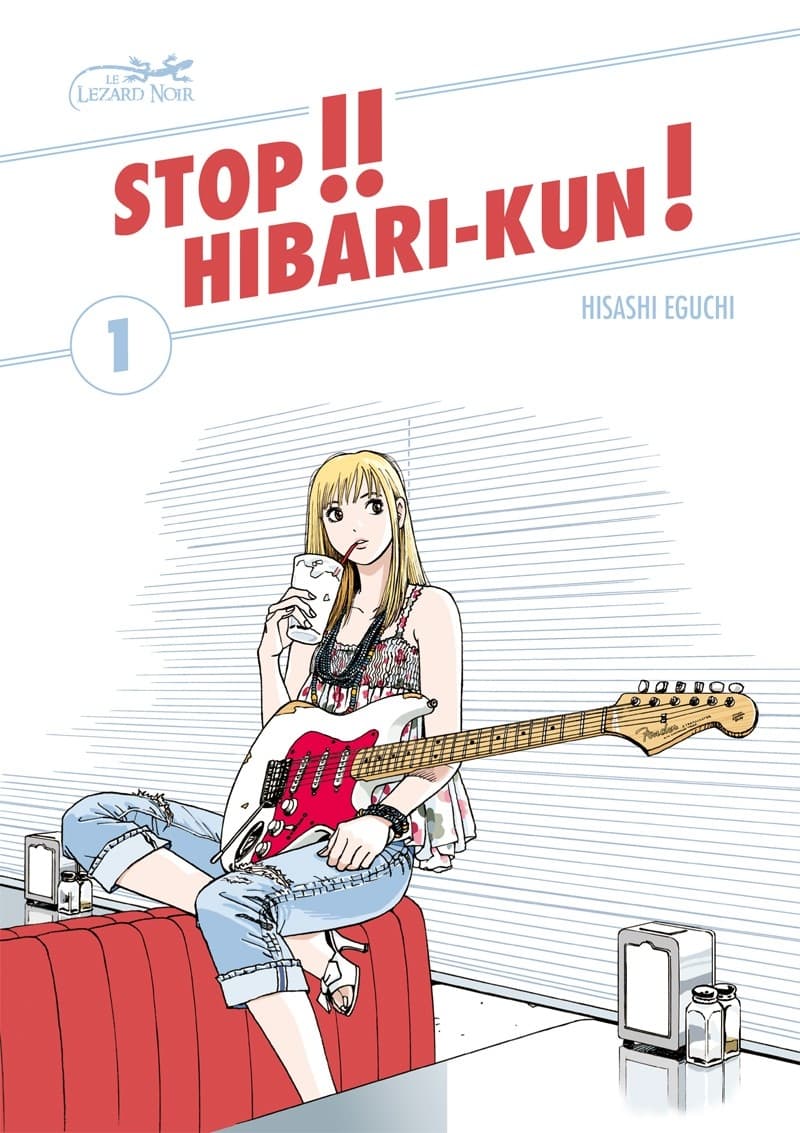
Hibari Ozora is an early example of a trans feminine protagonist in anime history. She is the daughter of a yakuza boss and insists on being treated as a girl despite her family’s objections. Hibari excels in sports, academics, and fighting while pursuing her romantic interest. The show frames her as the most competent and desirable character in the cast.
‘Paradise Kiss’ (2005)
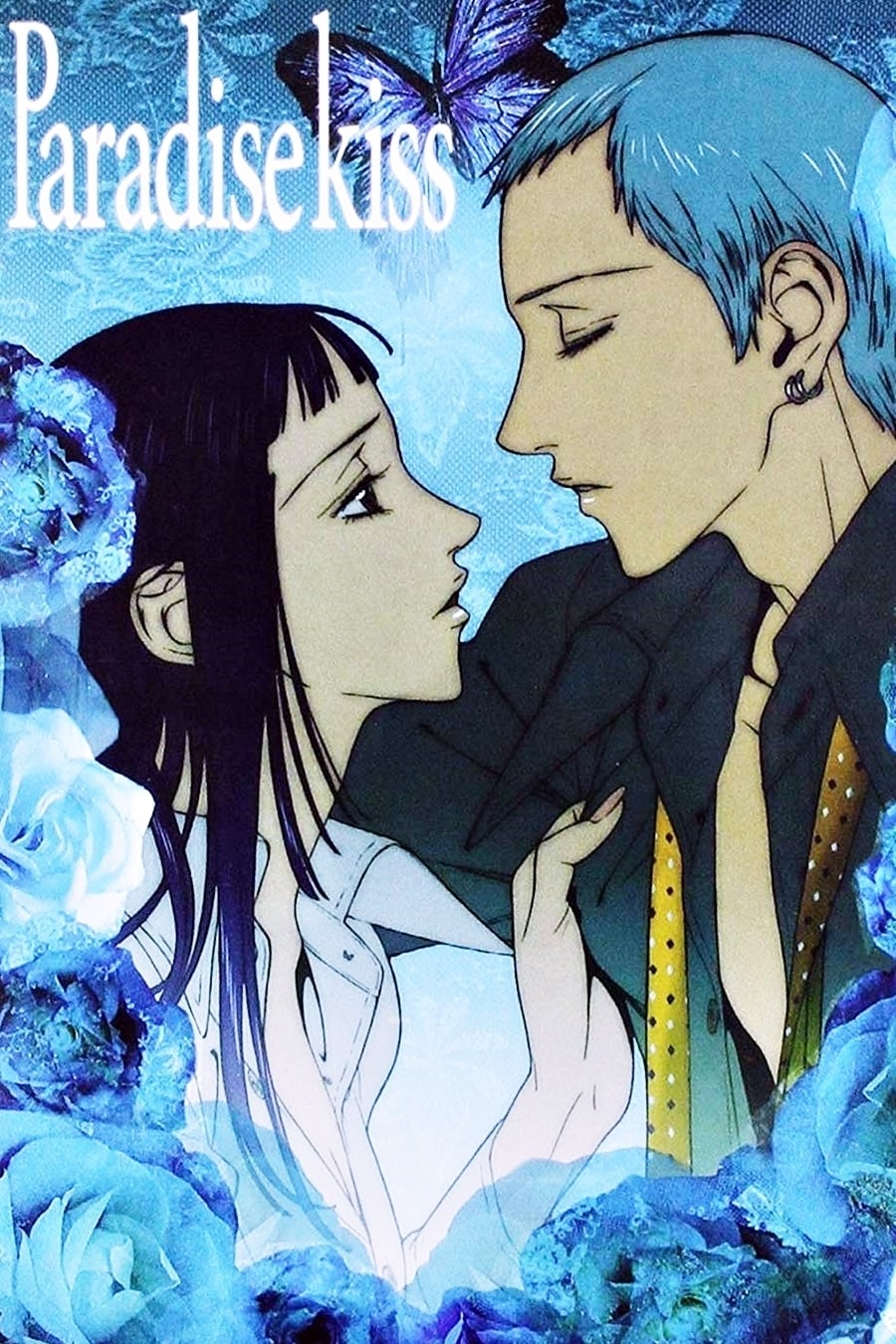
Isabella Yamamoto acts as the maternal figure for a group of fashion design students. She recounts how her childhood friend George helped her embrace her identity as a woman by making her a dress. Isabella provides wisdom and emotional support to the protagonist Yukari. She lives a dignified life surrounded by people who admire her elegance and kindness.
‘Log Horizon’ (2013–2021)
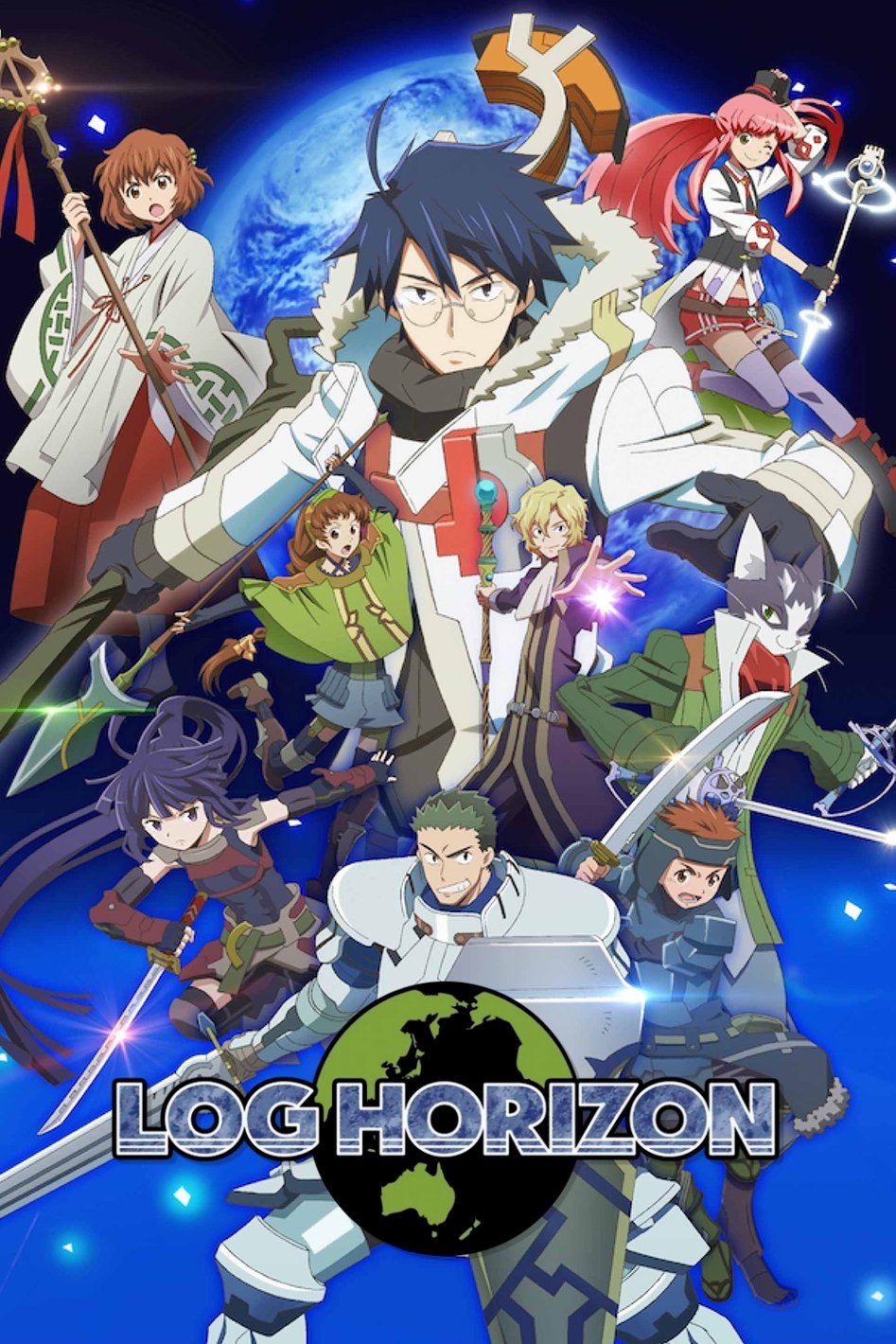
Tetora creates a female avatar in the game world and fully embraces this identity after becoming trapped in the virtual reality. She describes herself as a galaxy idol and brings endless energy to her guild. Tetora serves as a highly skilled cleric who keeps the party alive during difficult raids. Her playful personality hides a sharp strategic mind that contributes to the heroes’ success.
‘My Hero Academia’ (2016–Present)
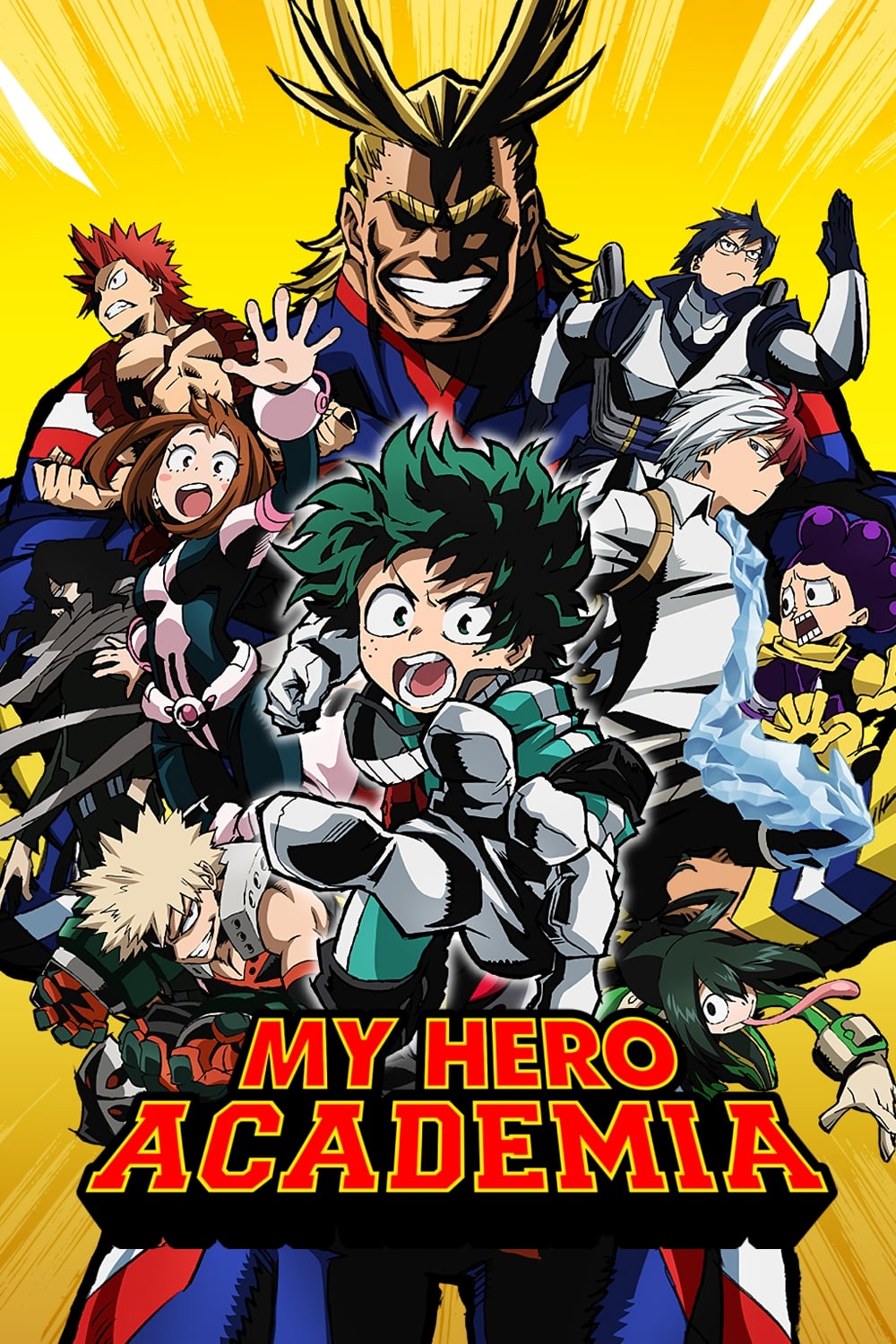
Yawara Chatora works as a professional hero under the name Tiger as part of the Wild Wild Pussycats team. He is a transgender man who transitioned prior to the start of the series. Tiger is an intimidatingly strong combatant who trains the next generation of heroes with rigorous discipline. The story treats his gender as a simple fact of his life without making it a source of angst.
‘Skip and Loafer’ (2023)
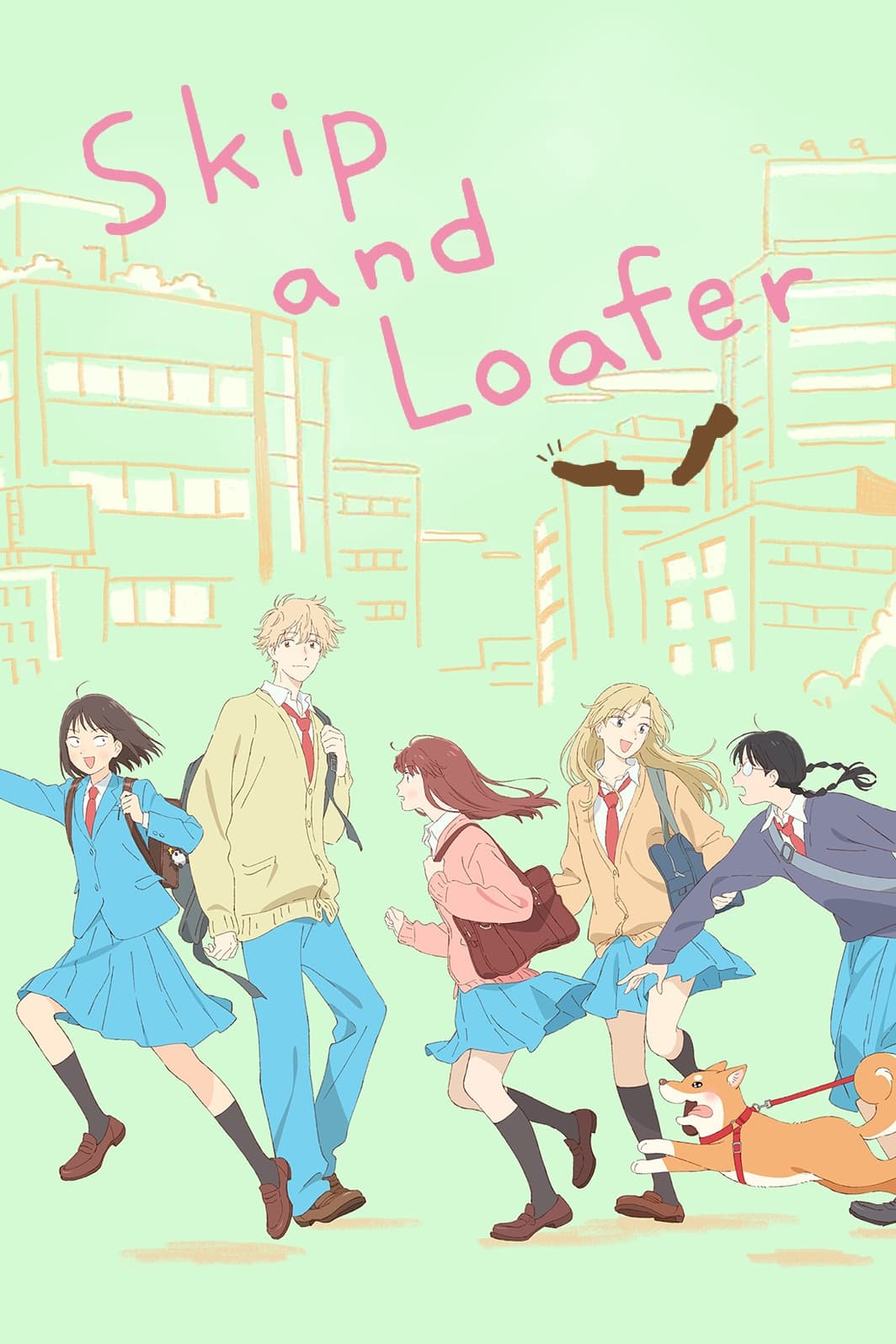
Nao-chan is the trans aunt of the protagonist Mitsumi and acts as her guardian in Tokyo. She works as a professional stylist and guides her niece through the complexities of city life. Nao faces past ignorance with maturity but lives a happy and stylish existence. She provides a warm and stable home environment that allows Mitsumi to thrive in school.
‘Dr. Stone’ (2019–Present)
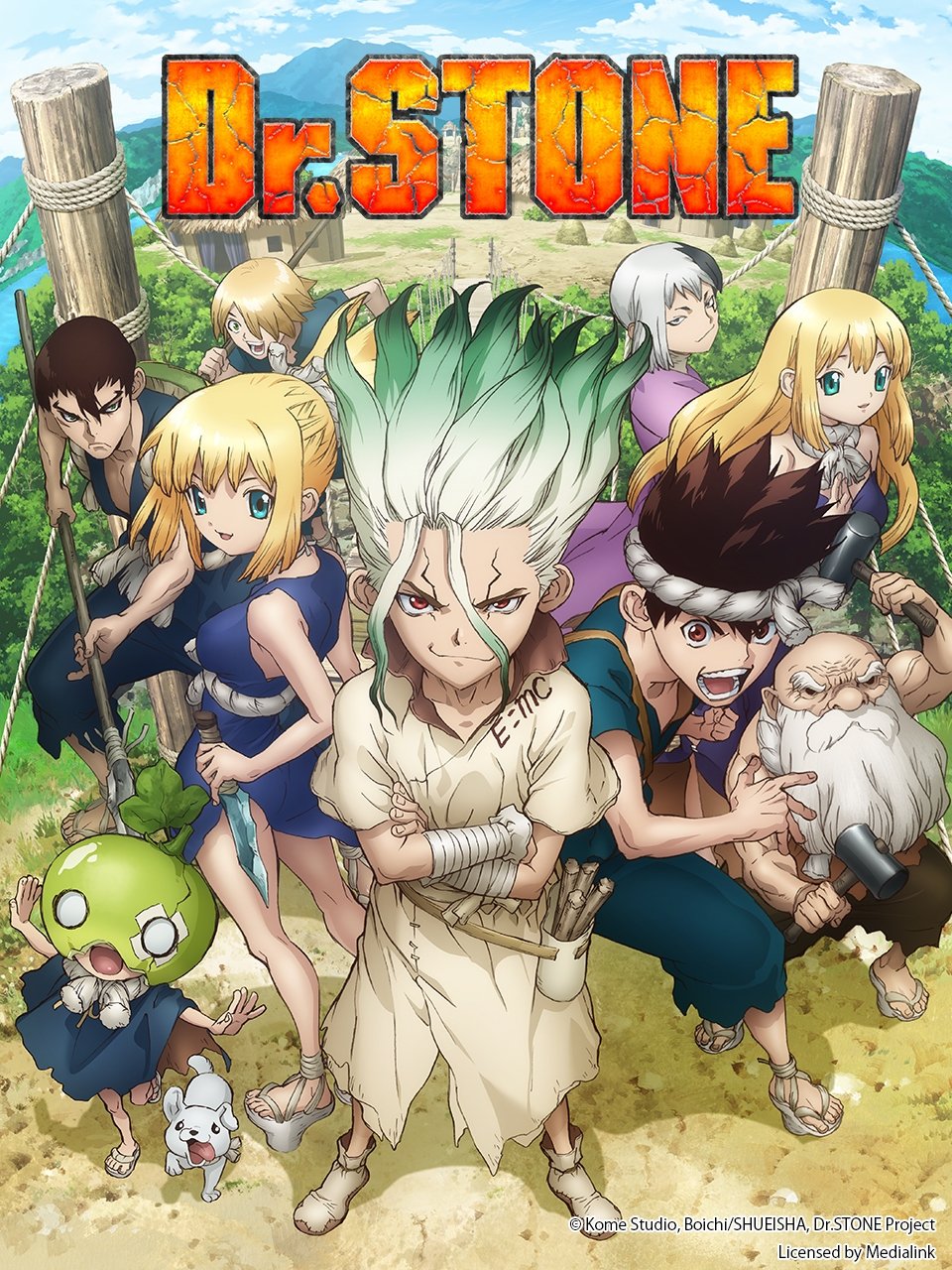
Francois is a master butler and chef who is revived to manage the resources of the Kingdom of Science. The character is intentionally non-binary and asserts that their gender is irrelevant to their duties. Francois possesses immense capability in management and culinary arts. They remain a vital asset to the protagonist Senku without ever being defined by gender norms.
‘Kino’s Journey’ (2003)
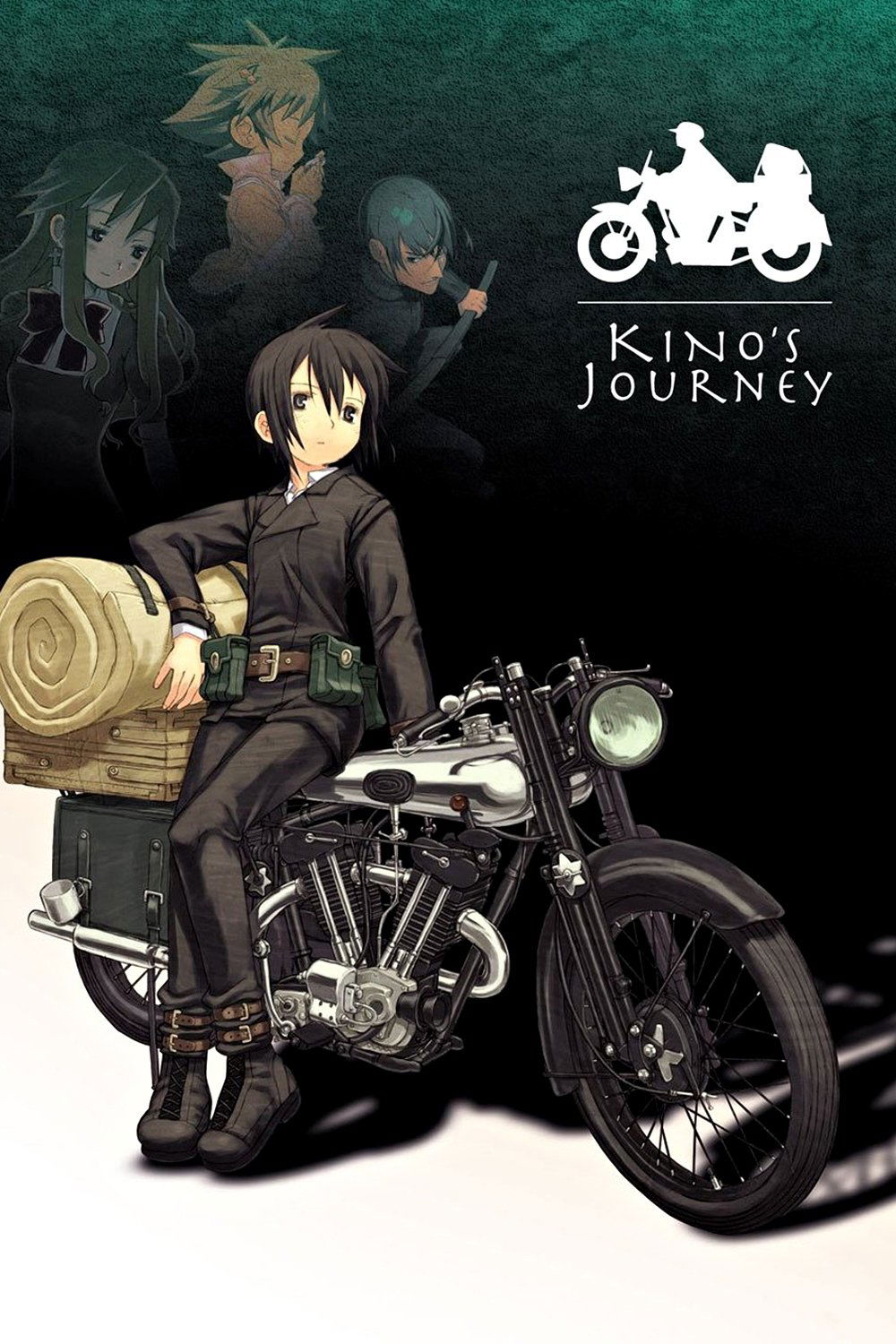
Kino is a young traveler who explores different countries on a talking motorcycle named Hermes. Kino was assigned female at birth but adopts an androgynous appearance and uses gender-neutral pronouns. The character refuses to be bound by societal roles and focuses entirely on survival and observation. Kino is a skilled marksman who navigates dangerous political situations with cool detachment.
‘Shangri-La’ (2009)
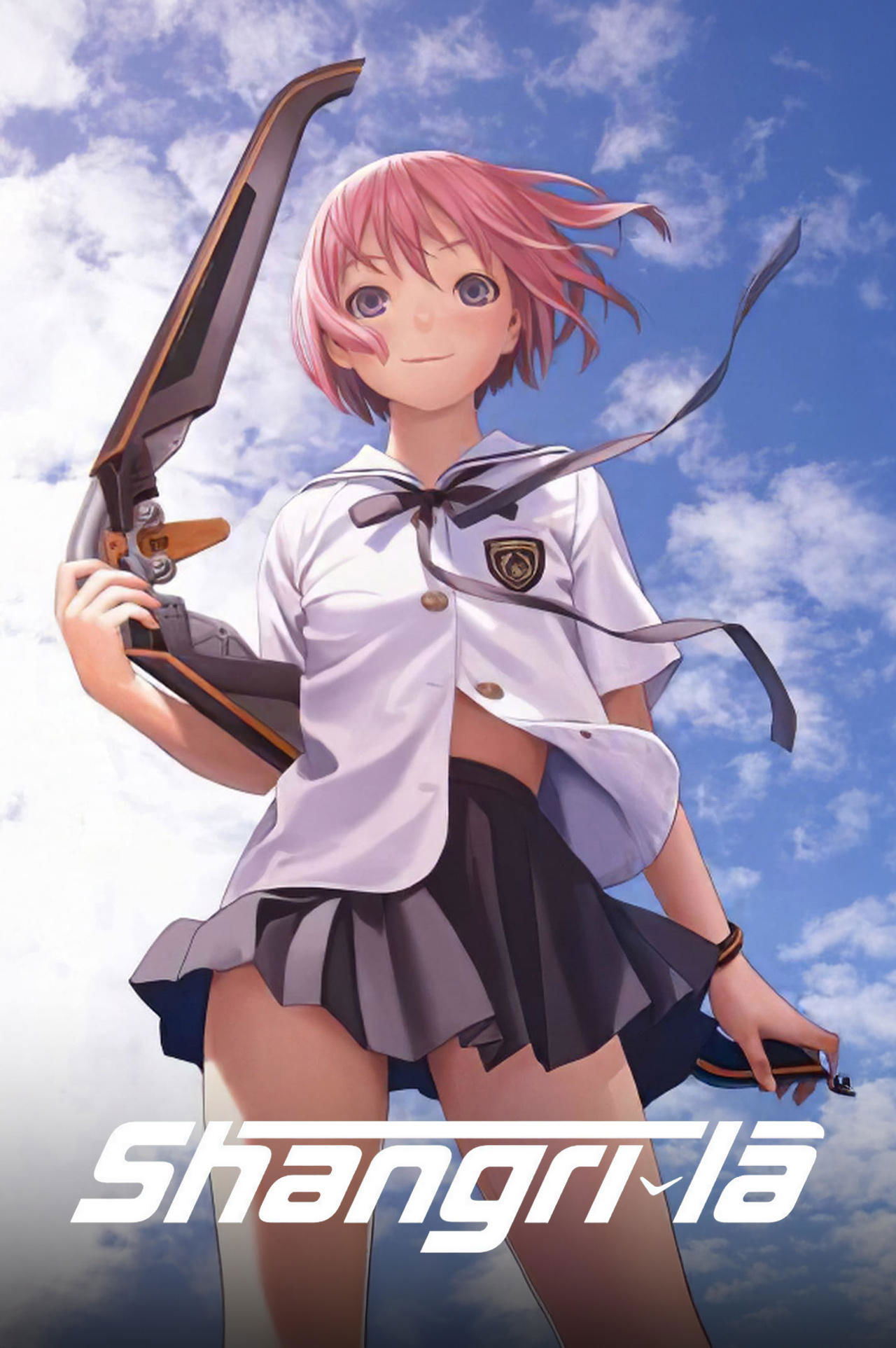
Momoko is a central character who fights to protect the protagonist Kuniko in a dystopian future. She is a trans woman who wields a whip and displays impressive combat skills. Momoko acts as a mother figure and a fierce warrior who is respected by her community. She survives the series and remains a vibrant source of energy for the resistance movement.
‘Astra Lost in Space’ (2019)
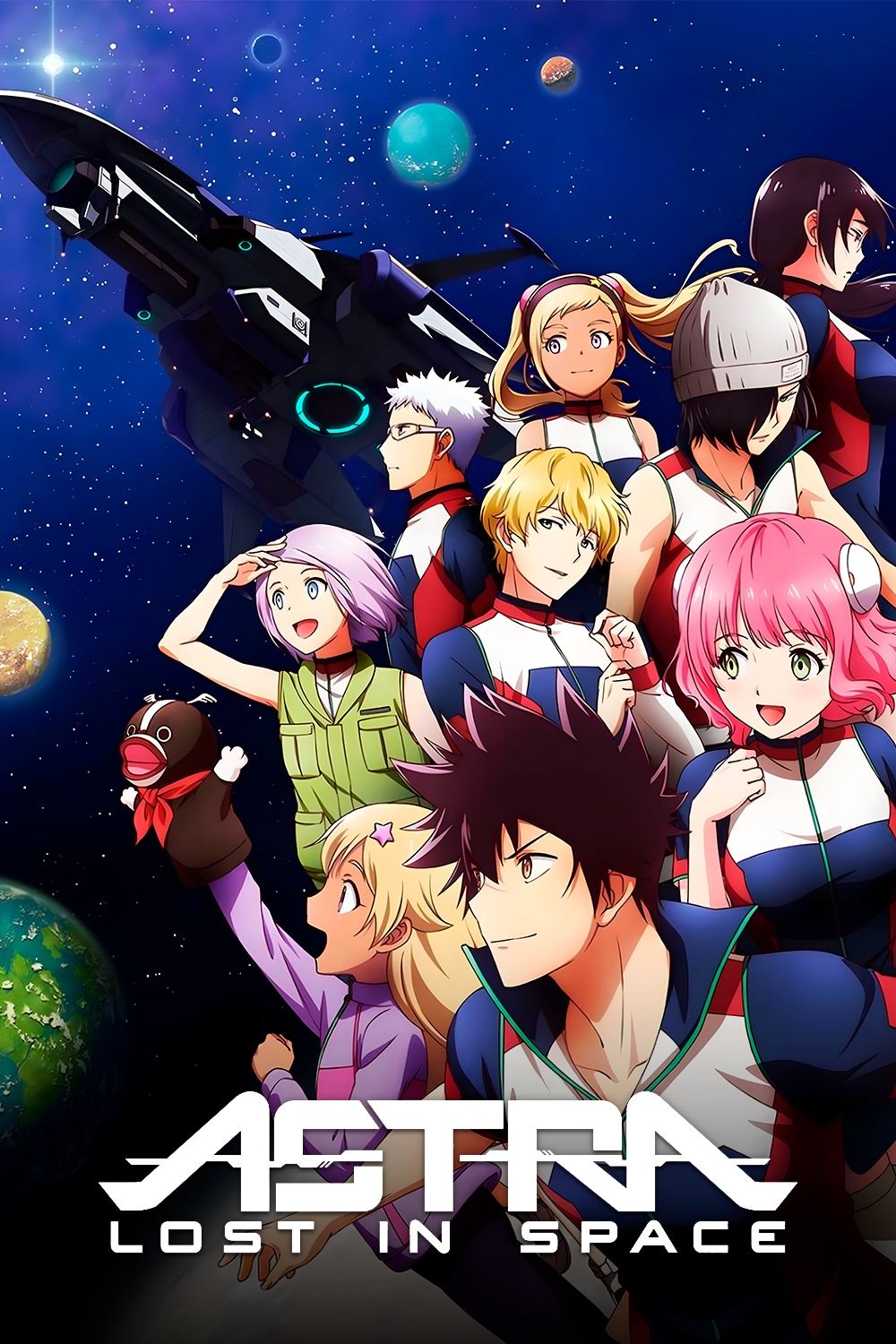
Luca Esposito is an artist and engineer aboard a spaceship lost in deep space. Luca reveals an intersex condition and identifies as non-binary during a crucial moment of bonding with the crew. The crewmates immediately accept this information and move on to solving their survival crisis. Luca plays a pivotal role in repairing the ship and unravelling the mystery of their predicament.
‘Princess Jellyfish’ (2010)
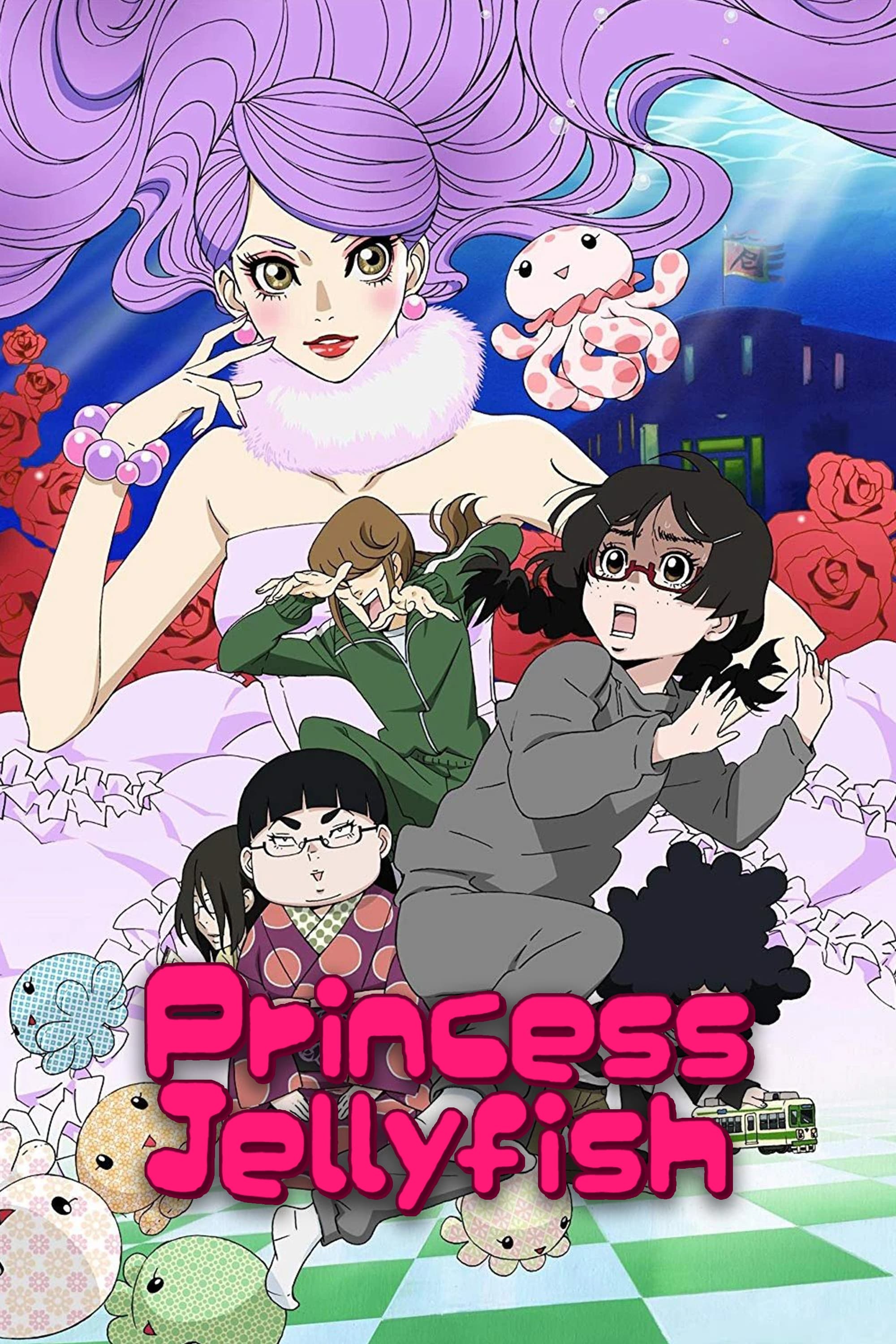
Kuranosuke Koibuchi is the son of a politician who dresses in drag to escape the suffocating world of politics. While his identity is complex, he finds freedom and power in presenting as a woman. Kuranosuke uses his fashion sense and confidence to help a group of socially anxious women save their home. He acts as the catalyst for positive change in the lives of everyone he meets.
‘Knights of Sidonia’ (2014–2015)
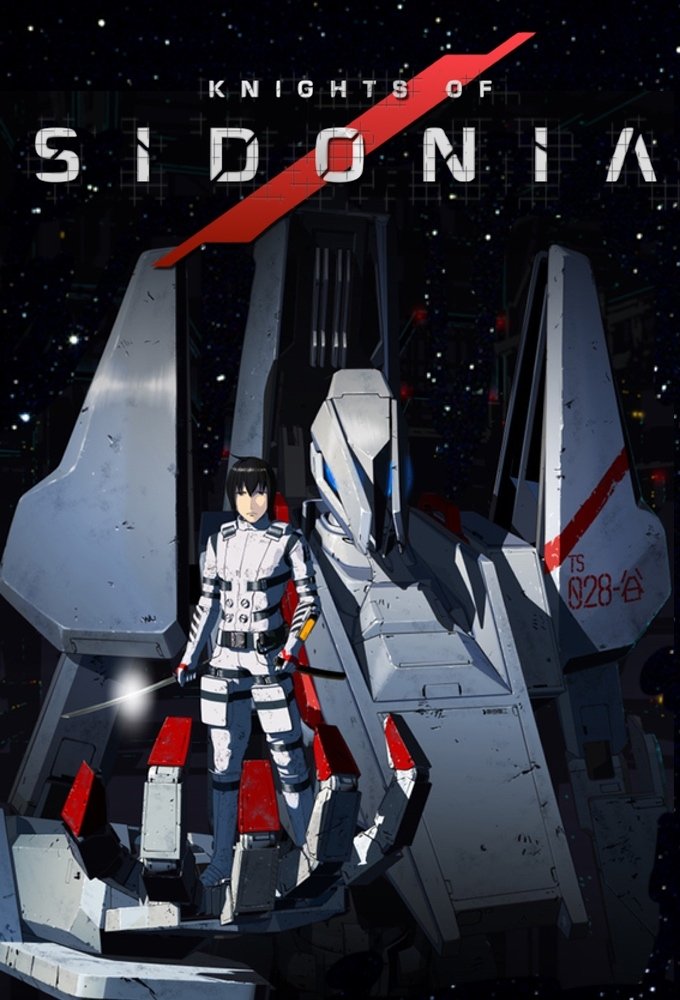
Izana Shinatose belongs to a third gender that is common in this sci-fi future where humans can photosynthesize. Izana eventually transitions to a female form after developing feelings for the protagonist Nagate. The character pilots a giant robot called a Garde to defend the colony ship from alien threats. Izana is a brave soldier who undergoes a unique biological evolution.
‘Land of the Lustrous’ (2017)
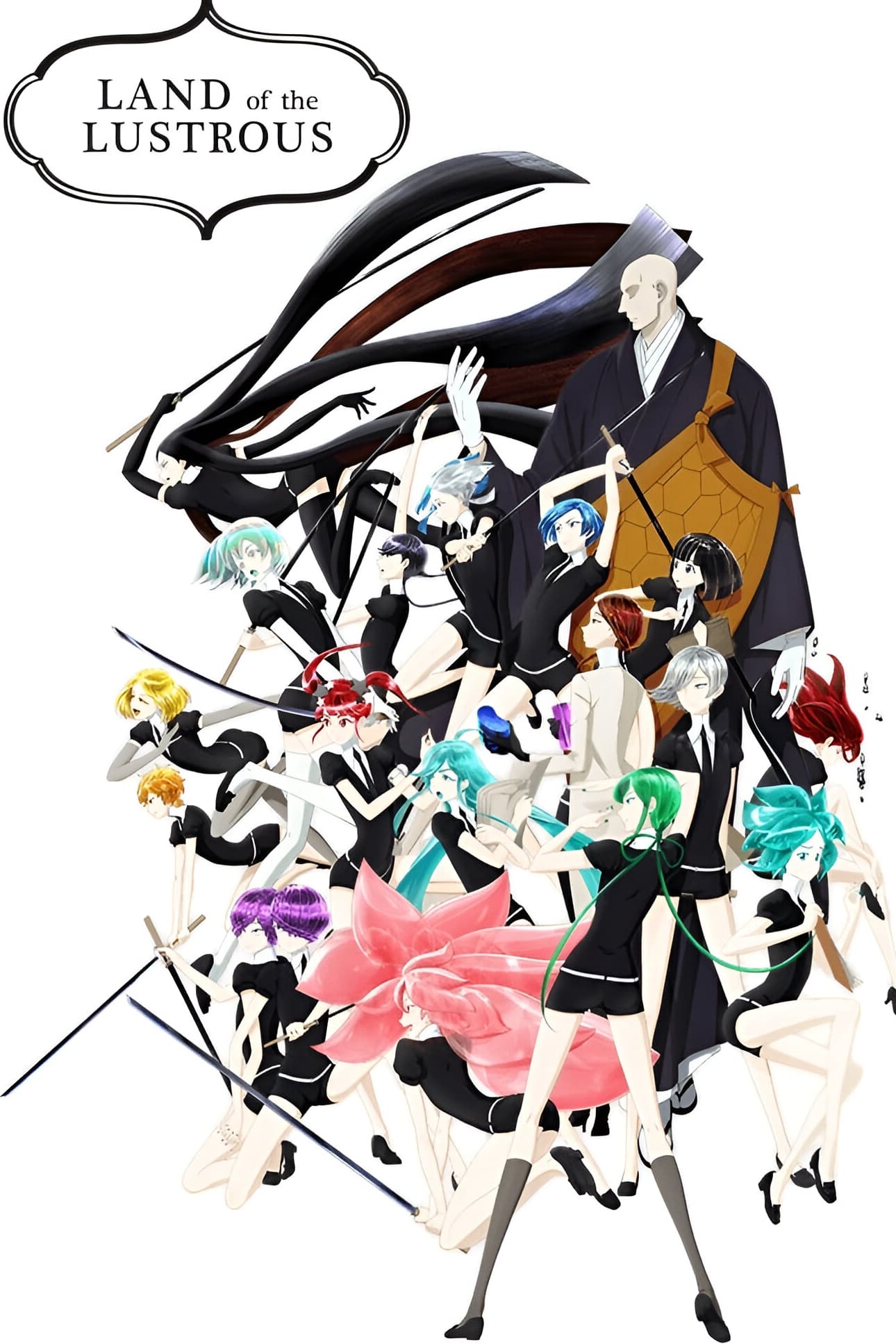
The characters in this series are sentient gemstones who possess no biological sex or gender. They use male pronouns in the original text but present with androgynous or feminine features. Phos is the protagonist who undergoes massive physical and psychological changes to protect the other gems. The story is a philosophical exploration of identity and existence beyond human concepts of gender.
‘Attack on Titan’ (2013–2023)
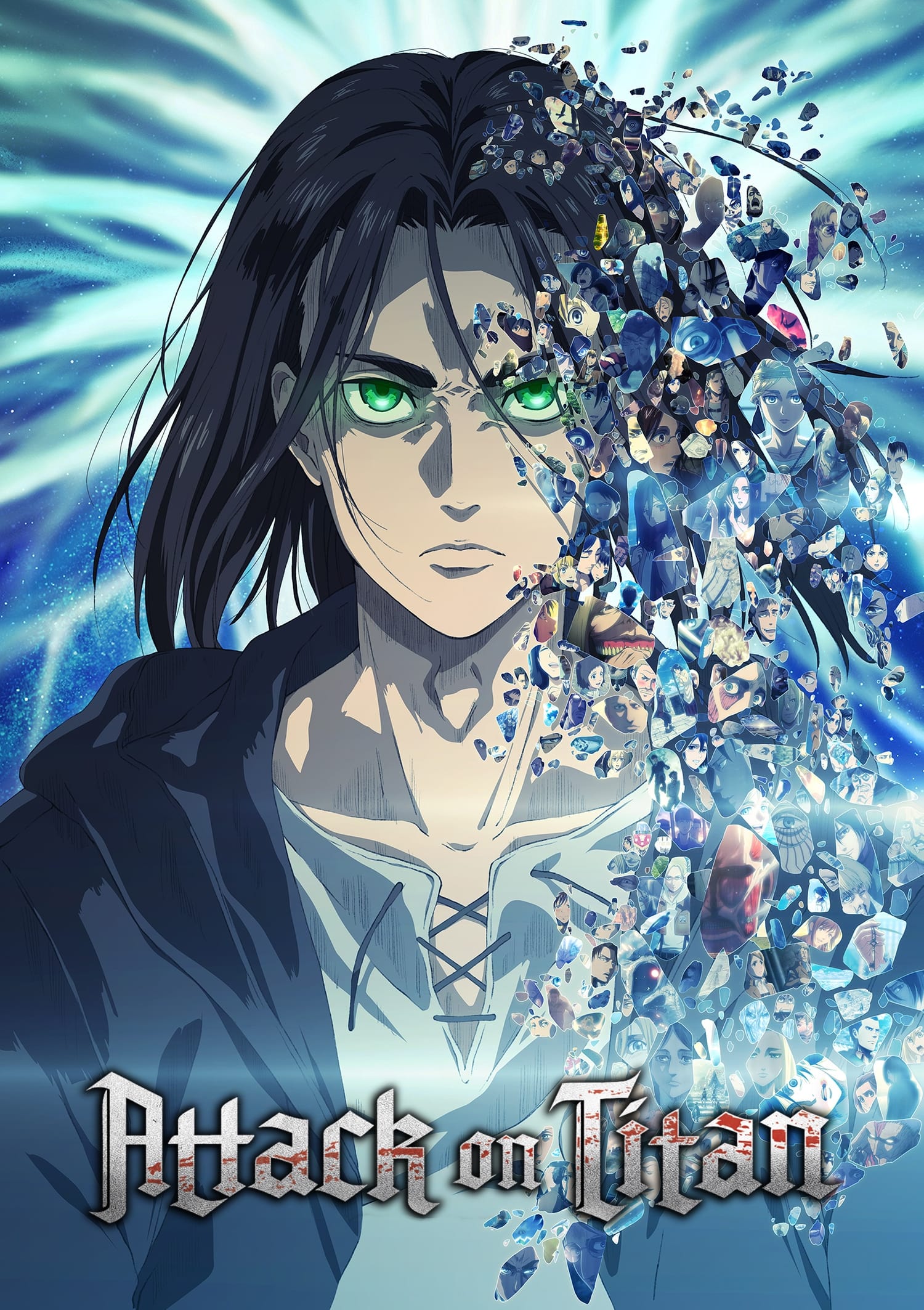
Hange Zoe is the genius commander of the Survey Corps who is obsessed with studying Titans. The creator of the series has stated that Hange’s gender is up to the reader’s interpretation. Hange displays traits that are neither strictly male nor female and is referred to with neutral language in the manga. Hange dies a hero’s death protecting humanity, but their life is defined by scientific brilliance rather than tragedy.
‘Double Decker! Doug & Kirill’ (2018)
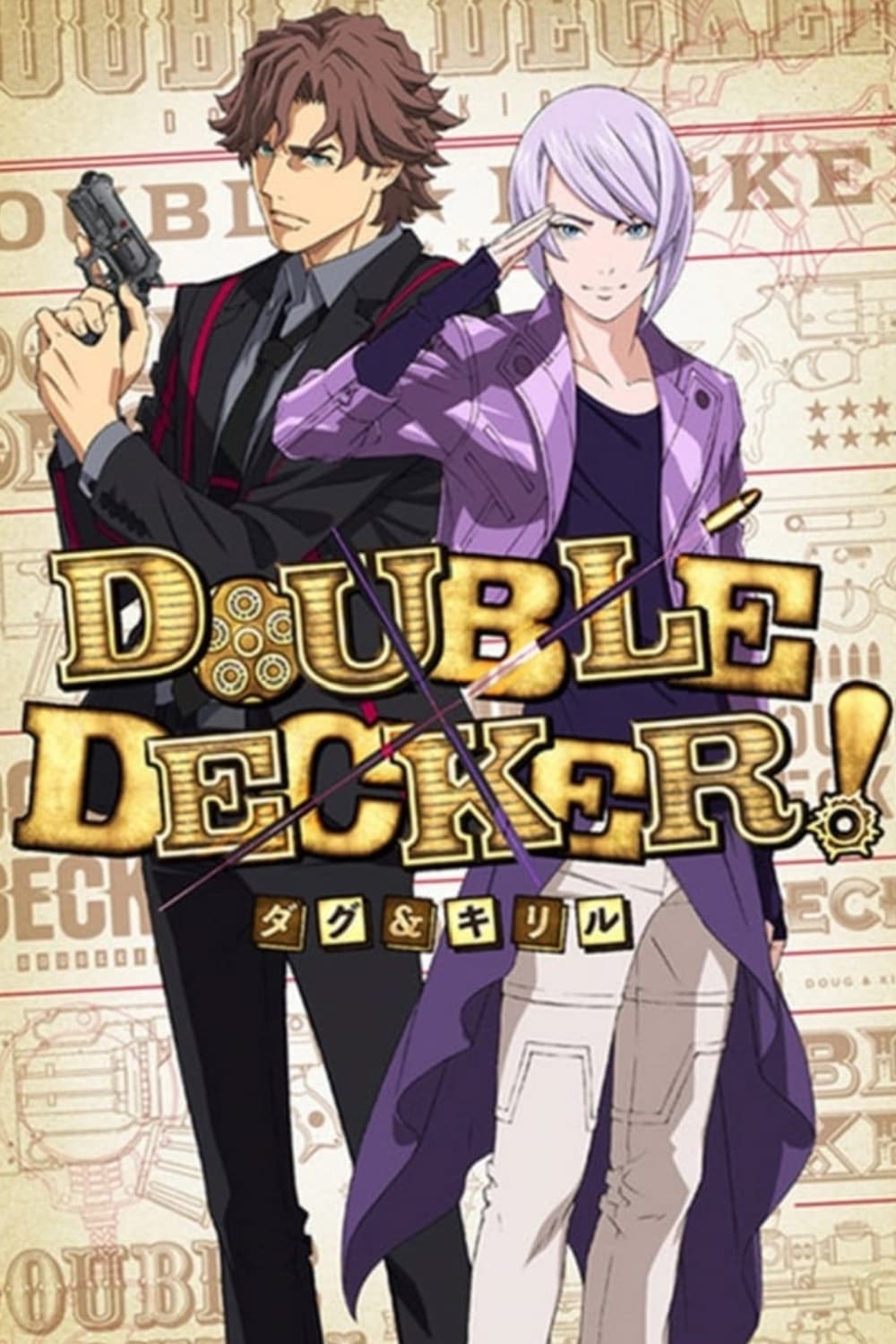
Valery Vrube is a veteran detective in the SEVEN-O police unit. Valery appears to be a transgender woman or gender-non-conforming individual who commands respect through skill and experience. The character is a martial arts expert who takes down criminals with ease. Valery’s gender is never treated as a plot point or a hurdle to their career as a top investigator.
‘Fate/Apocrypha’ (2017)
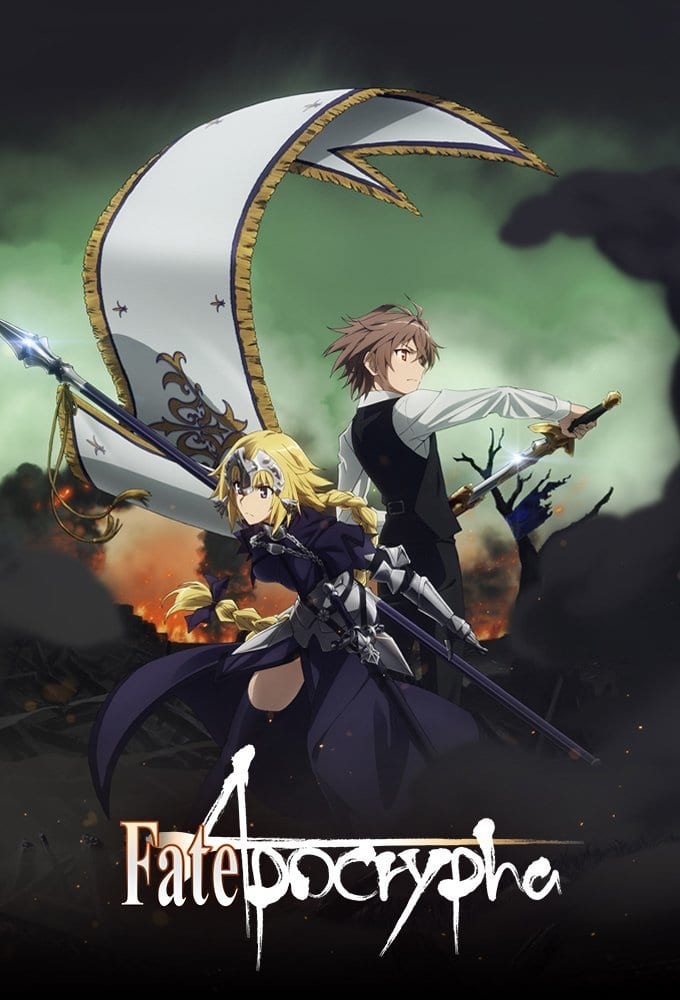
Astolfo serves as the Rider of Black and is one of the Twelve Paladins of Charlemagne. Astolfo presents in a feminine manner and disregards gender norms entirely. The character is eternally cheerful and optimistic regardless of the dire circumstances of the Holy Grail War. Astolfo proves to be a true hero by saving the homunculus Sieg and fighting for freedom.
‘Senpai is an Otokonoko’ (2024)
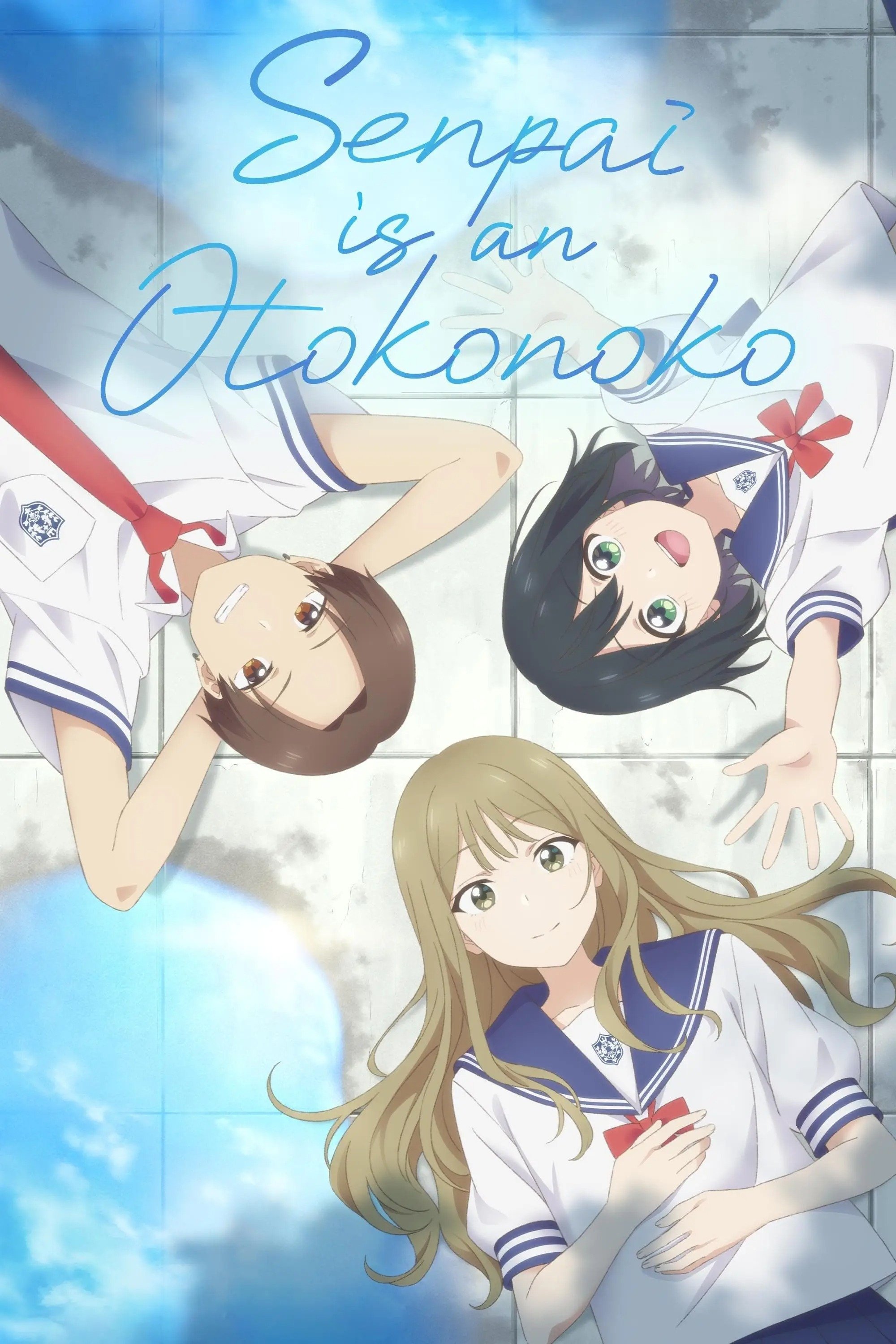
Makoto Hanaoka is a high school student who wears the girl’s uniform and identifies as a boy who loves cute things. The story follows Makoto’s navigation of school life, romance, and friendship while presenting in a non-conforming way. Makoto’s mother initially disapproves, but the narrative focuses on Makoto’s resilience and the support of friends. The anime frames Makoto’s self-expression as a brave and positive choice.
‘Sabikui Bisco’ (2022)
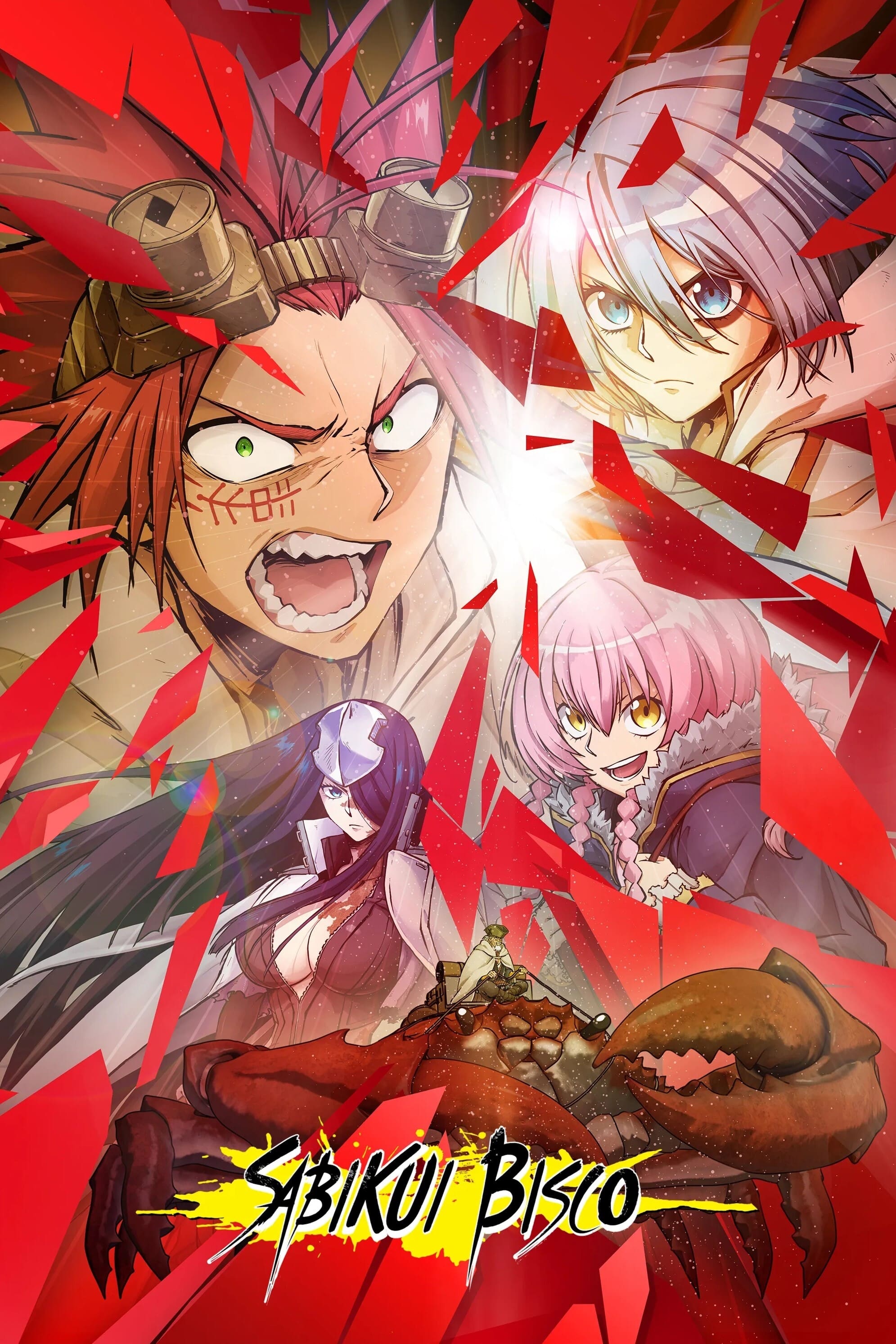
Tyrol is a member of the Kurokawa jellyfish hunters who aids the main characters. She is a transgender woman who is tough, resourceful, and pragmatic. Tyrol works as a mechanic and a merchant in a post-apocalyptic world ravaged by rust. She survives dangerous encounters and uses her skills to help Bisco and Milo on their journey.
‘Wonder Egg Priority’ (2021)
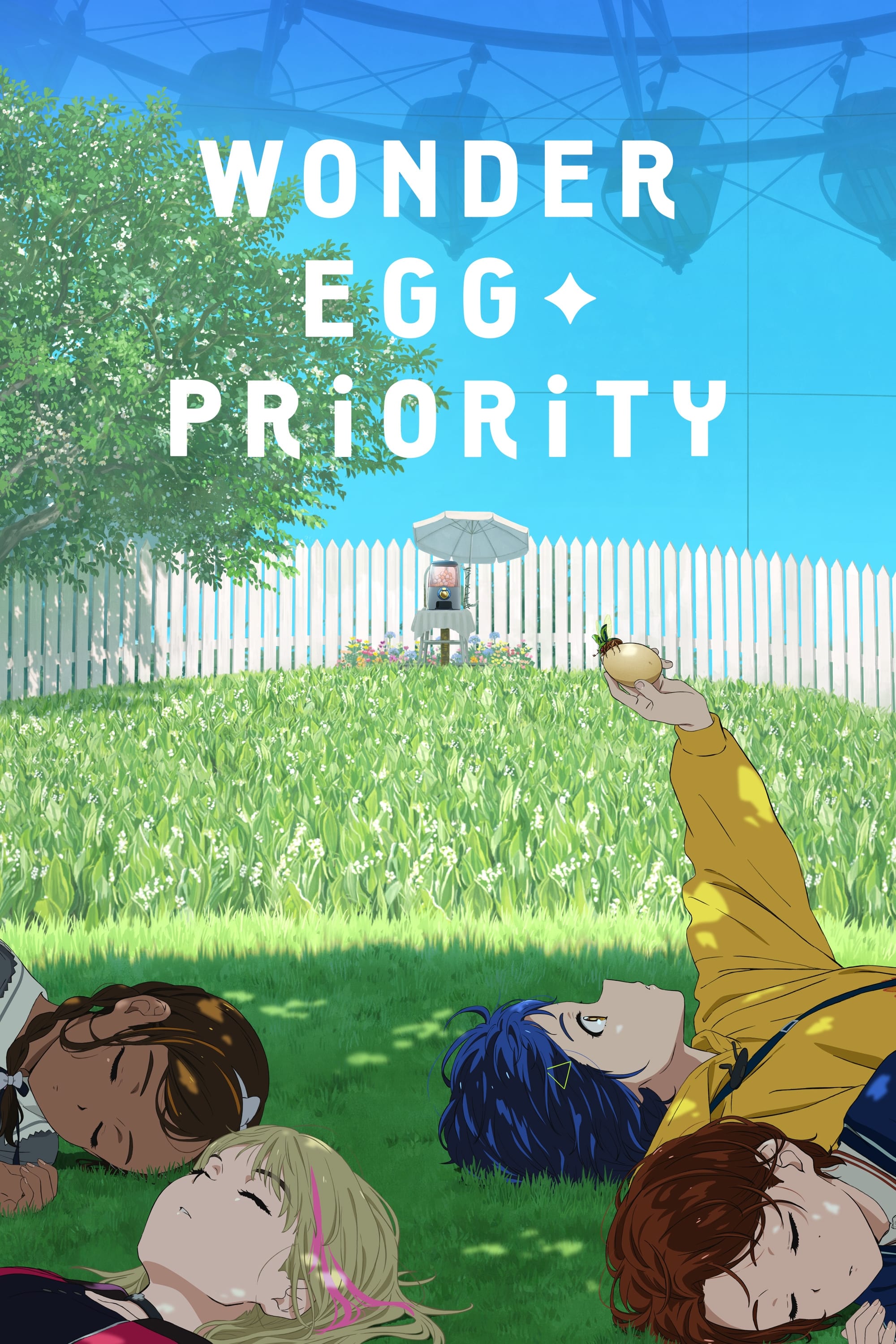
Momoe Sawaki is a tall girl who is frequently mistaken for a boy and struggles with this perception. During the course of the show, she embraces a more masculine or gender-neutral presentation while fighting monsters to save lost souls. Momoe is a hero who protects others and finds solidarity with her fellow magical warriors. Her arc is about finding strength in the traits that others once criticized.
‘Revolutionary Girl Utena’ (1997)
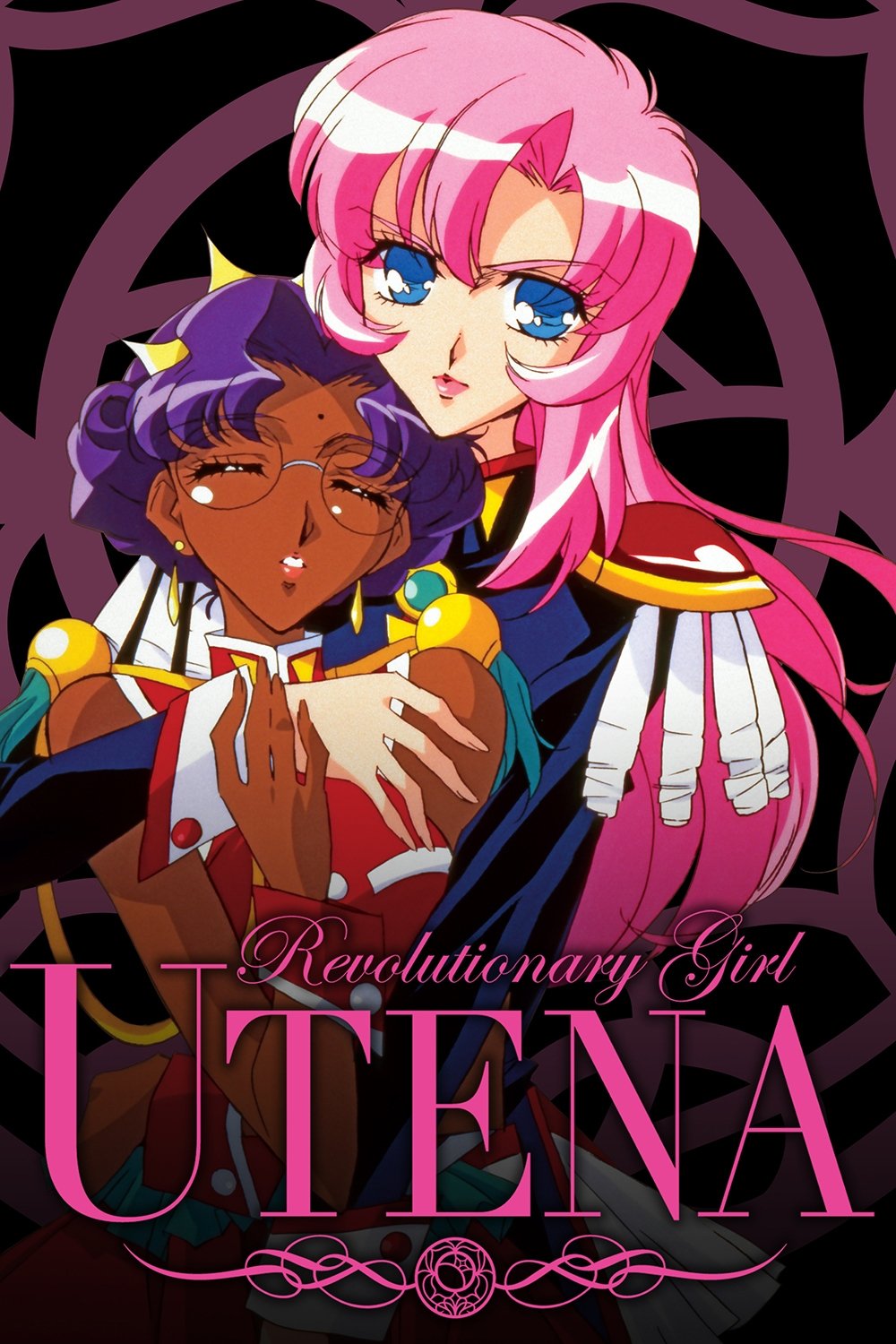
Utena Tenjou is a middle school student who decides to become a prince rather than a princess. She wears a boy’s uniform and excels in athletics while challenging the restrictive gender roles of Ohtori Academy. Utena fights duels to protect her friend Anthy Himemiya from an abusive system. She is a revolutionary figure who breaks the world’s shell to bring about liberation.
‘Simoun’ (2006)
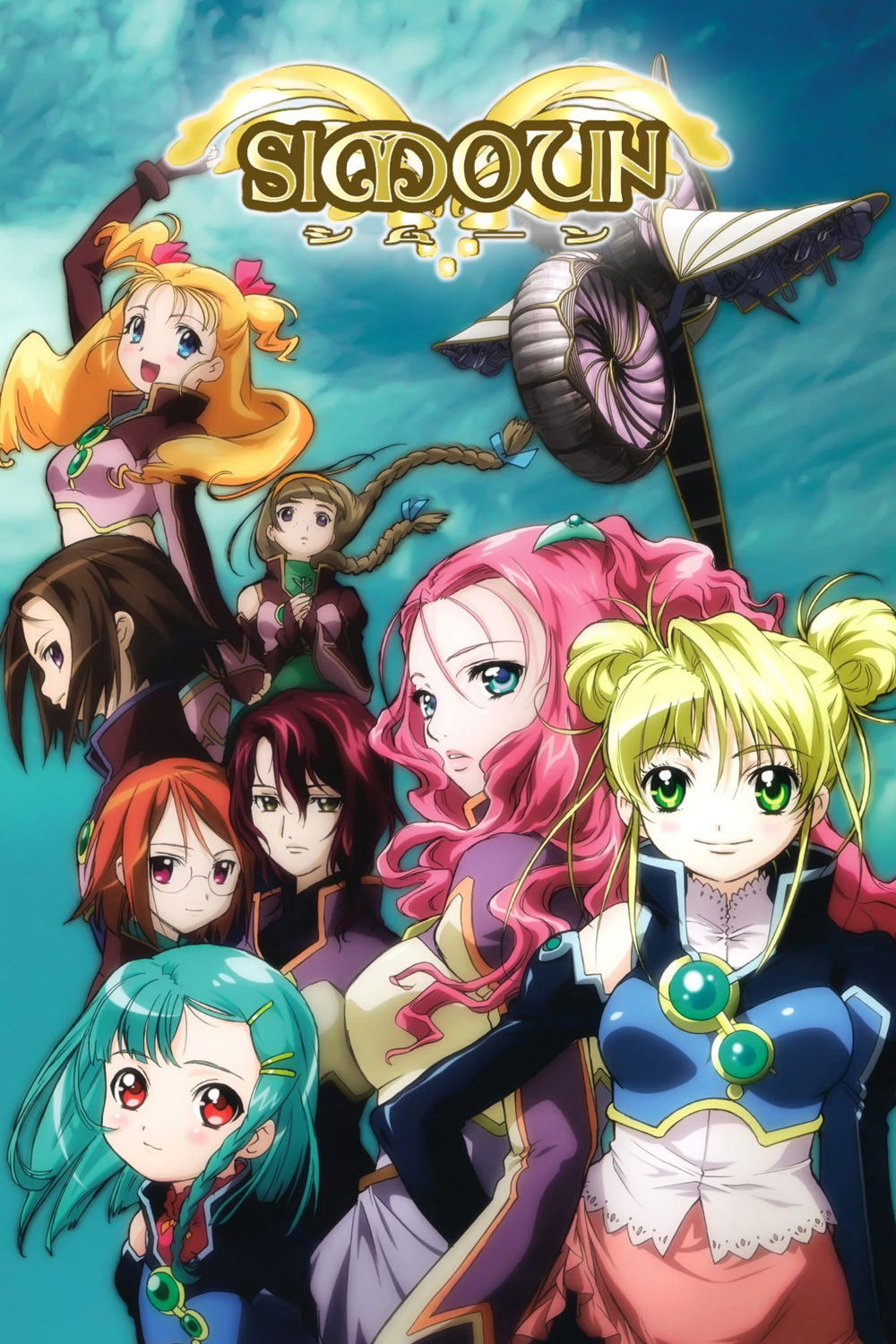
In the world of Daikuuriku, everyone is born female and chooses a permanent sex at age 17. The main characters are pilots of the Simoun aircraft who remain in a temporary state of gender fluidity. They defend their theocracy from foreign invaders while navigating complex romantic relationships. The series treats gender selection as a profound rite of passage rather than a source of misery.
‘Mobile Suit Gundam 00’ (2007–2009)
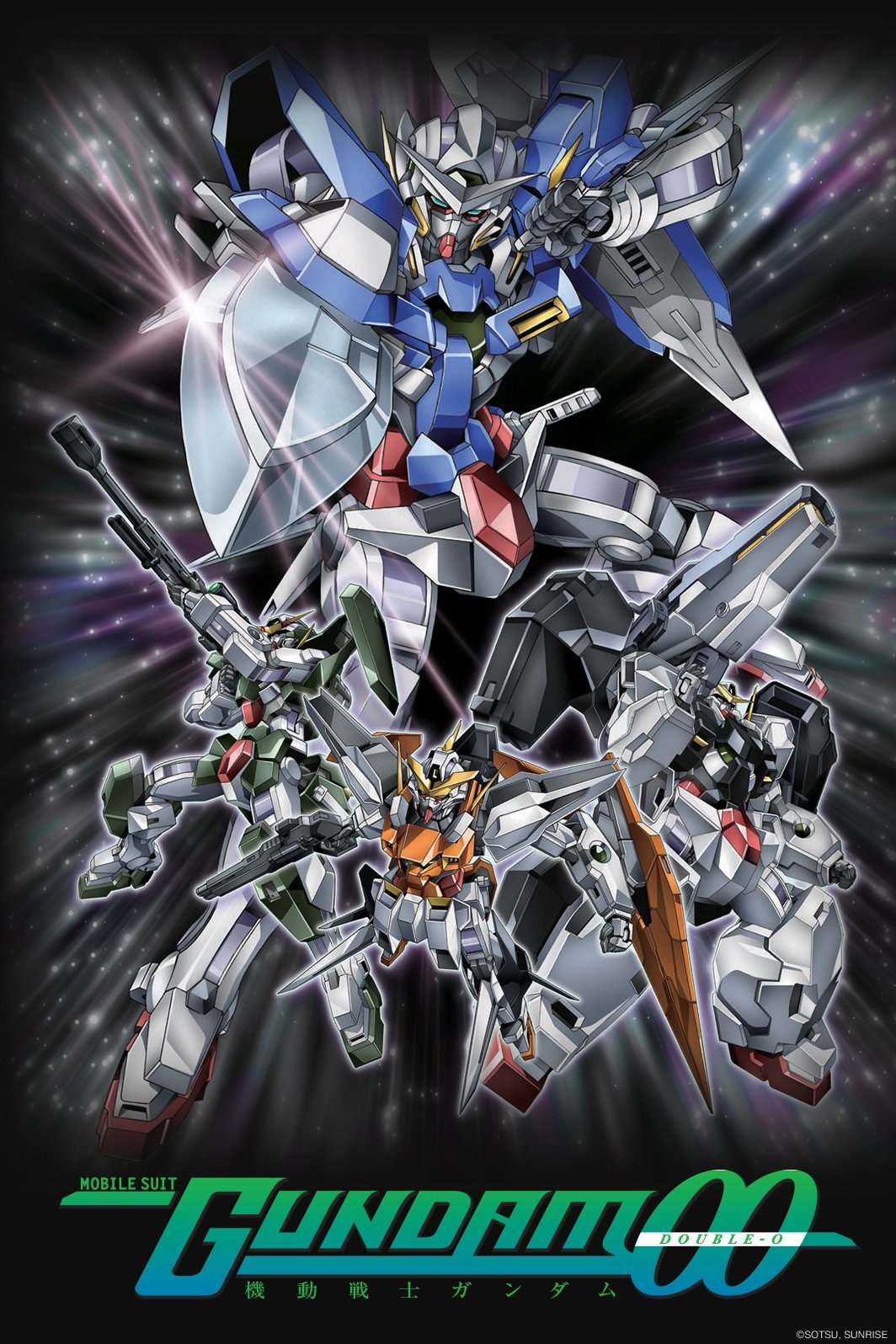
Tieria Erde is a Meister who pilots the Gundam Virtue and maintains a deep connection with the supercomputer Veda. Tieria is an artificial human capable of shifting between male and female presentations. The character starts as cold and logical but develops a strong human heart over the course of the wars. Tieria eventually merges consciousness with the ship to guide humanity toward peace.
Share your favorite character from this list in the comments.